Review Aprilia RSV4 Factory (2026)

220 hp. No Mercy.
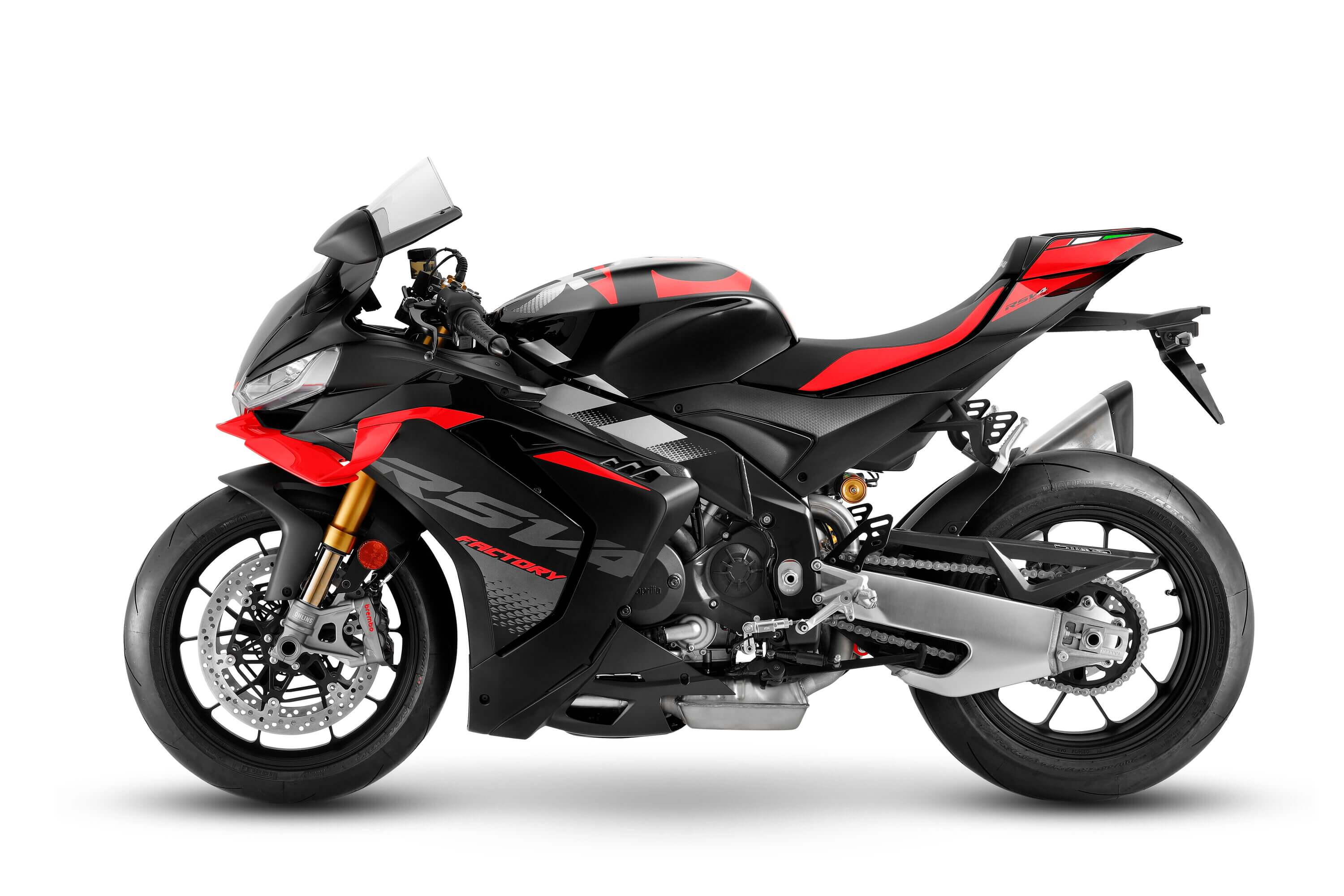
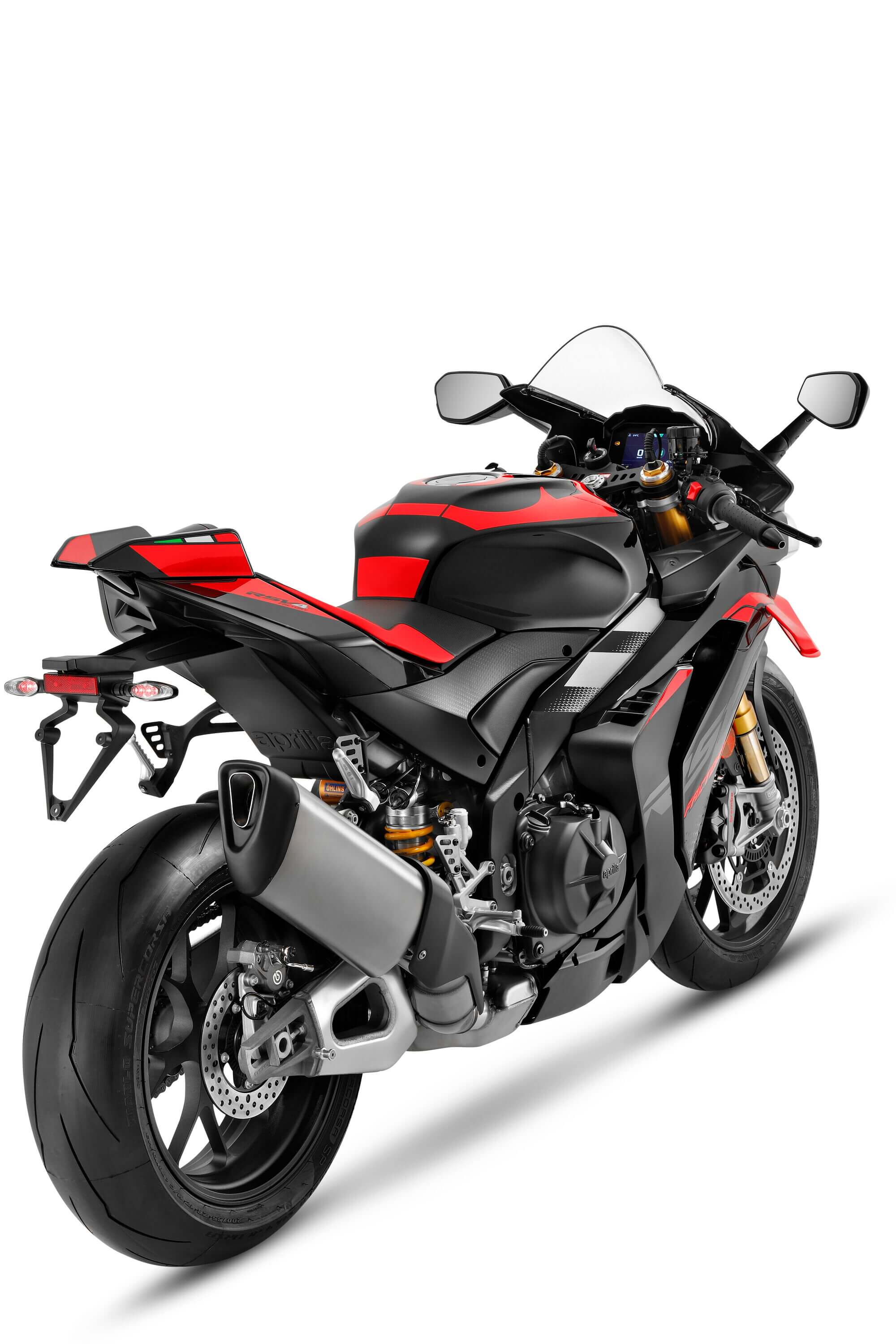
220 hp, semi-active Öhlins suspension, Brembo Hypure brakes, the complete APRC electronics package—the Aprilia RSV4 Factory claims the title of the world’s most powerful street-legal production motorcycle. This test reveals what that actually means in real-world riding.
As of: March 17, 2026 | Tested model: Aprilia RSV4 Factory (2026) | Price: from €26,490
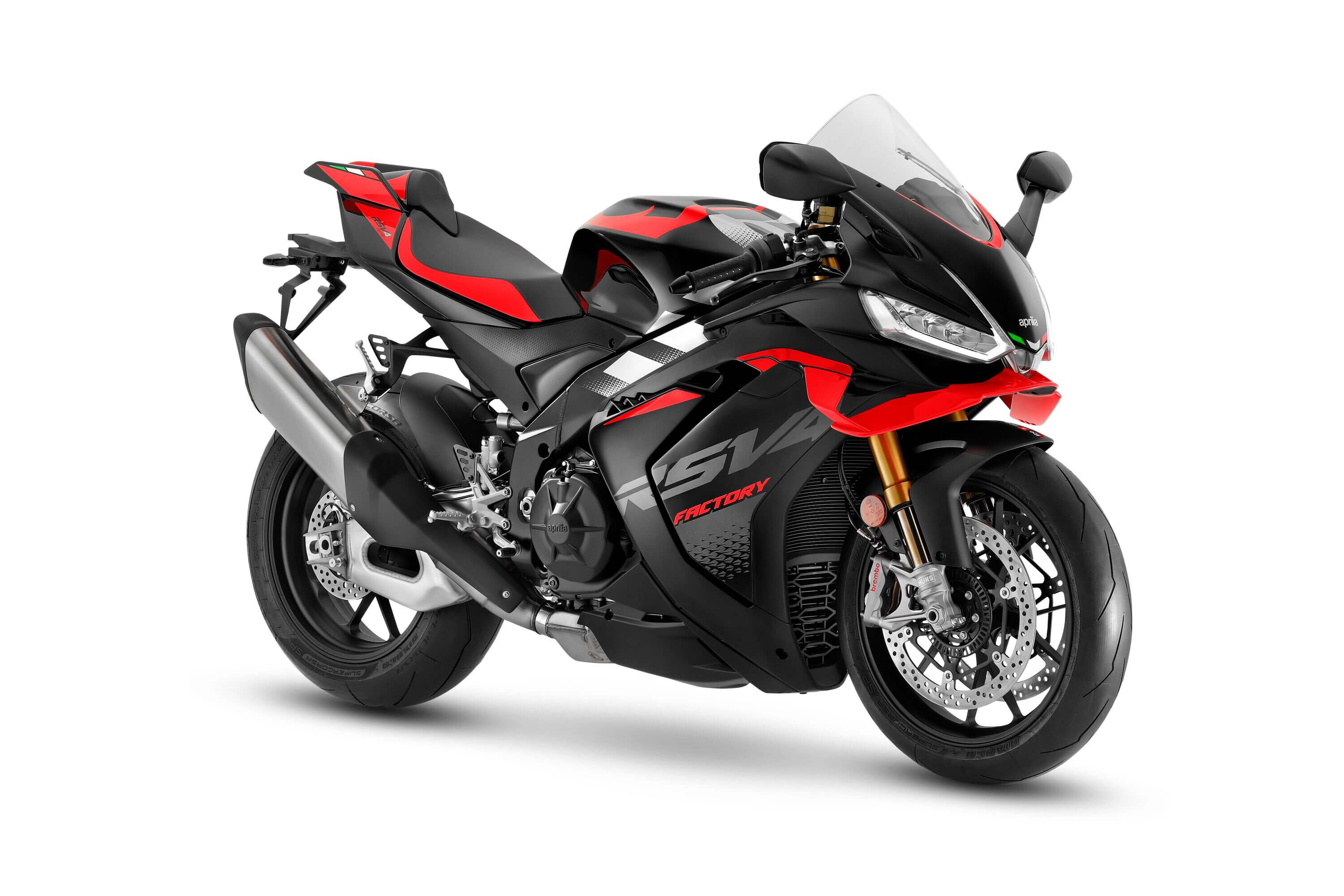
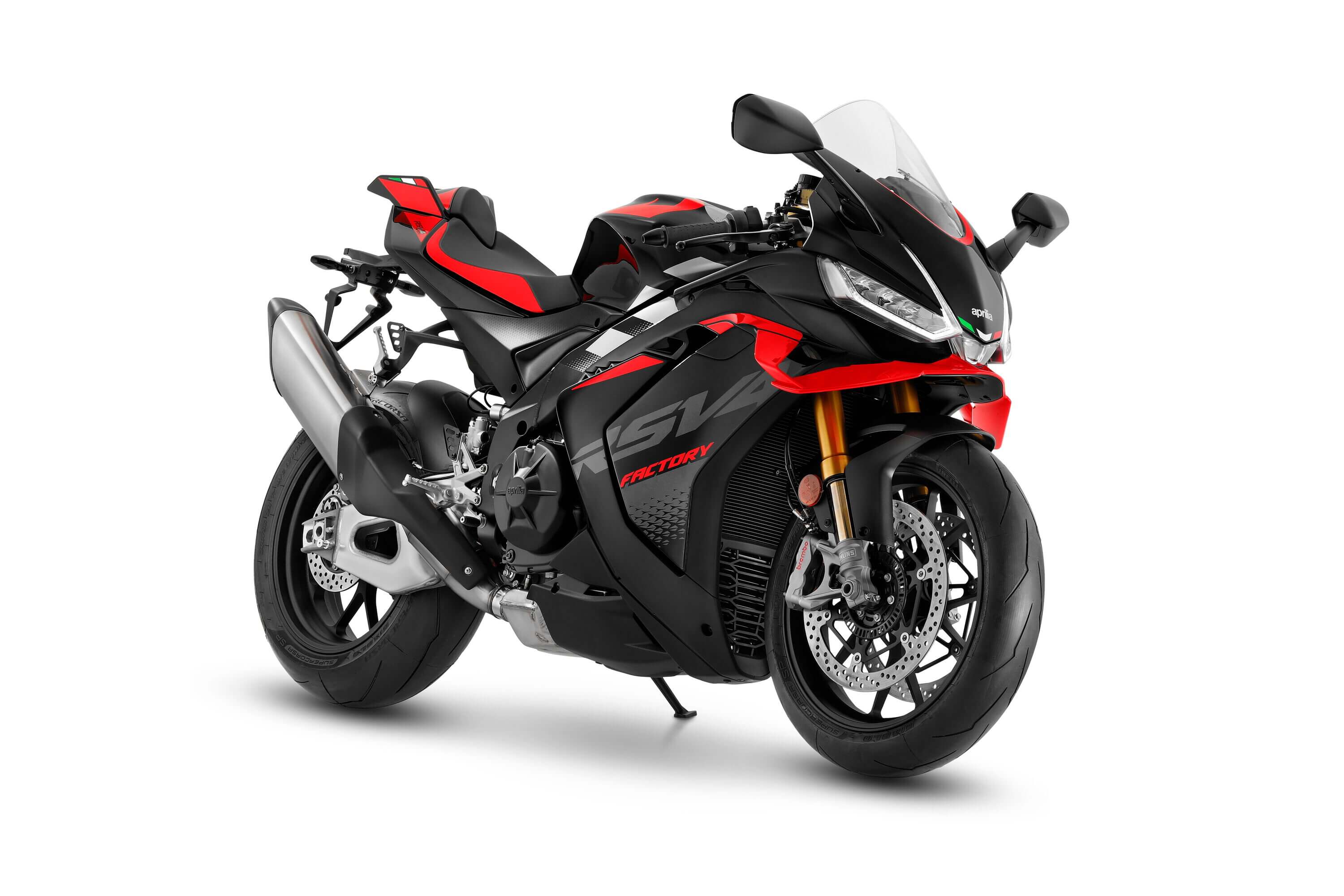
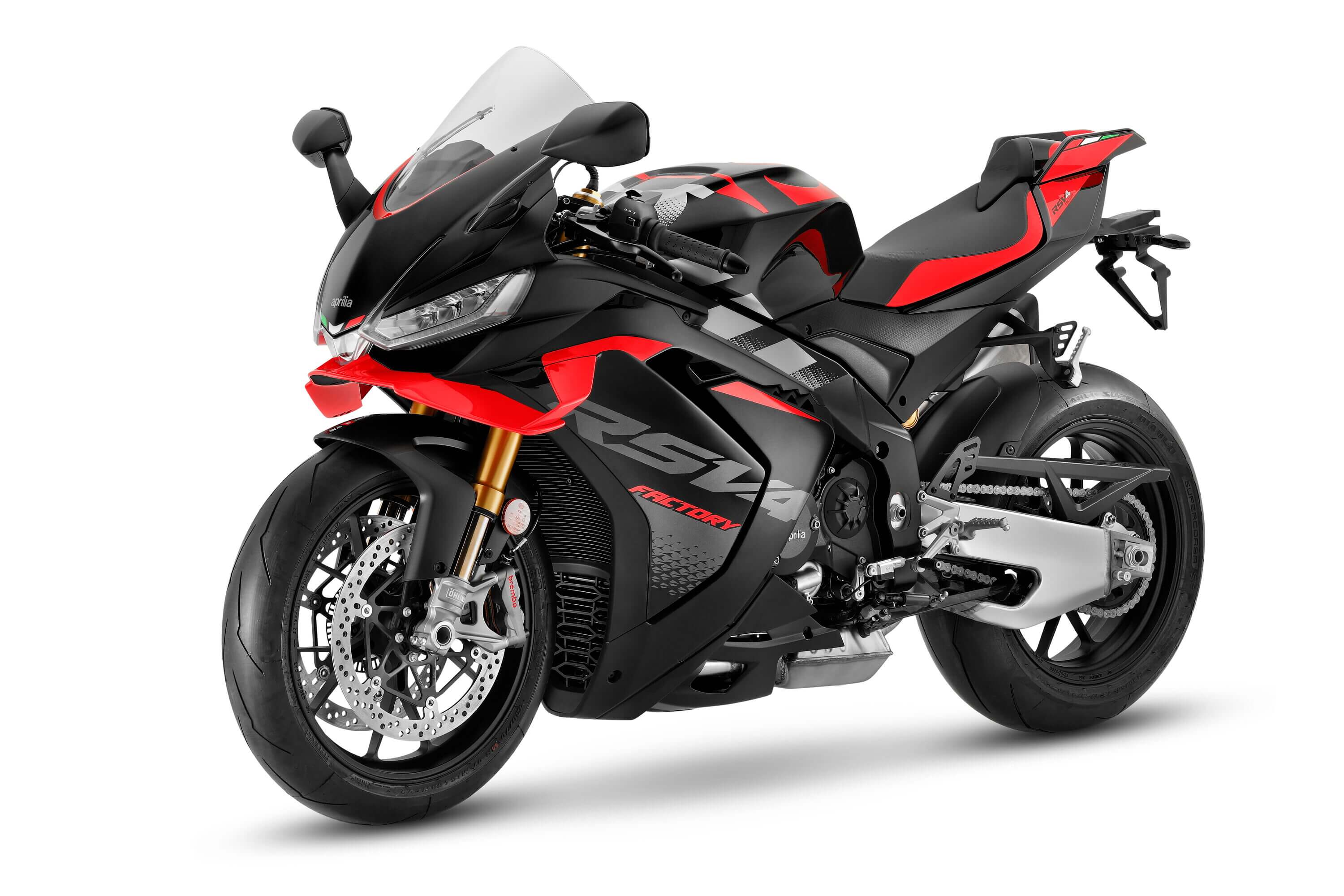
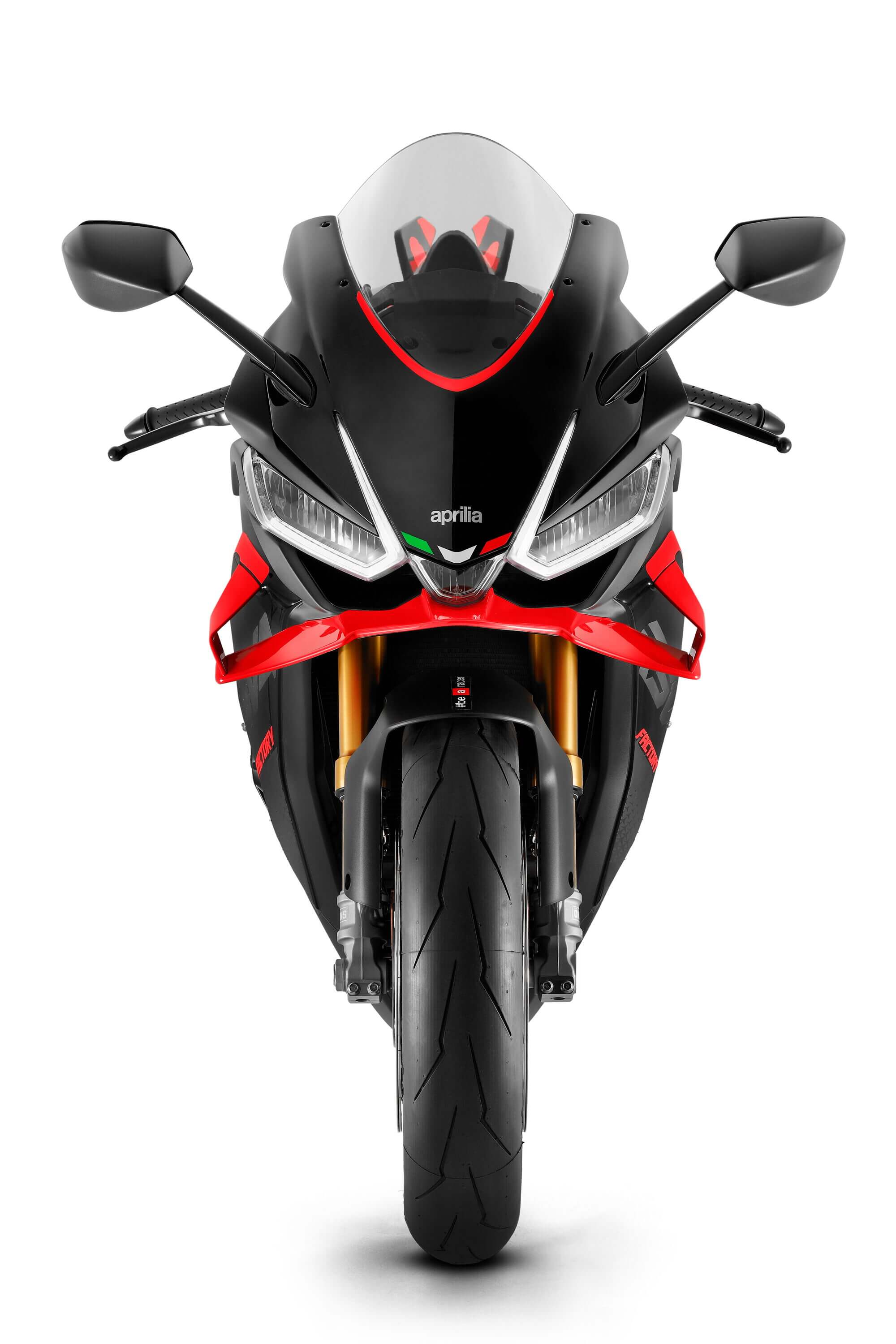

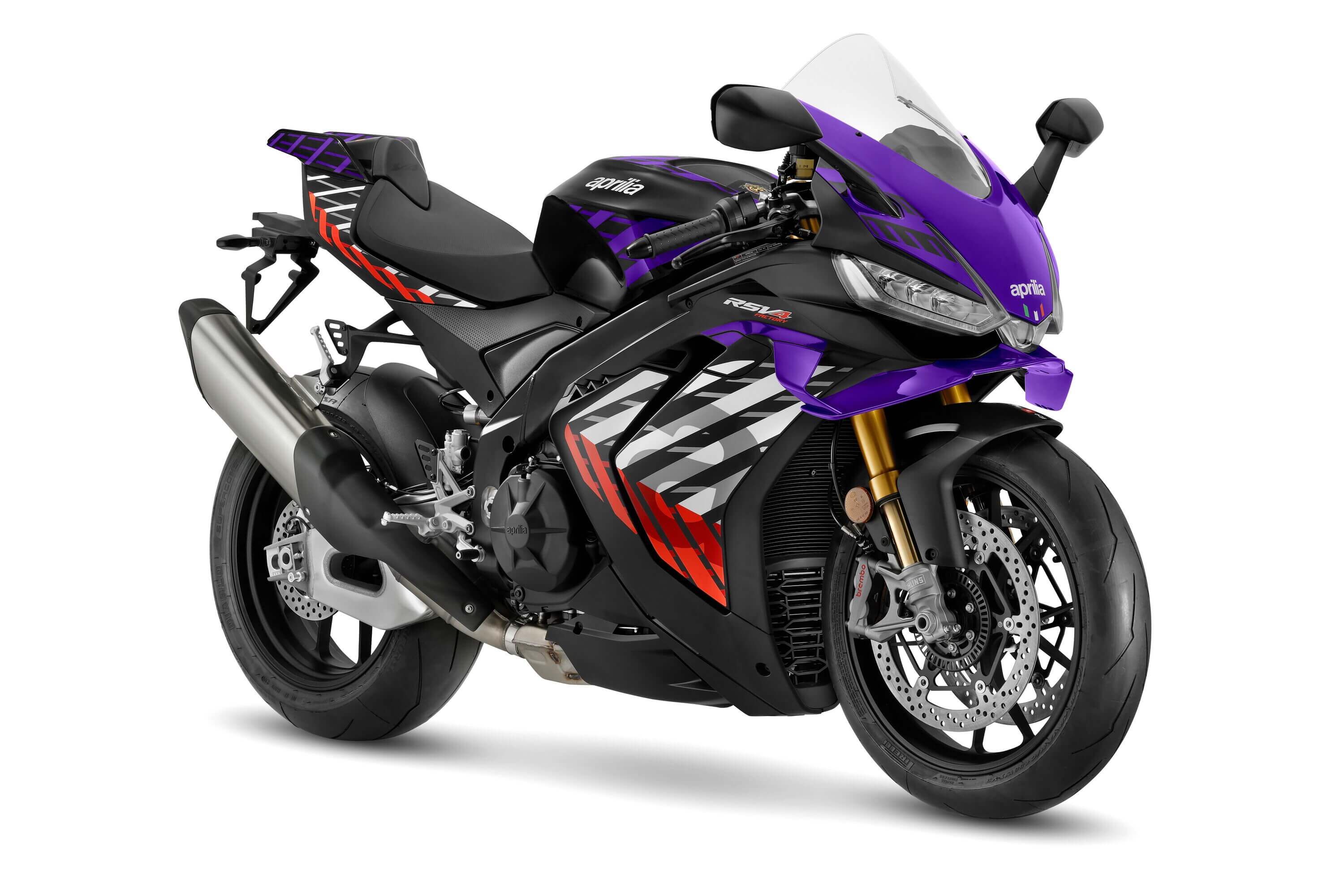
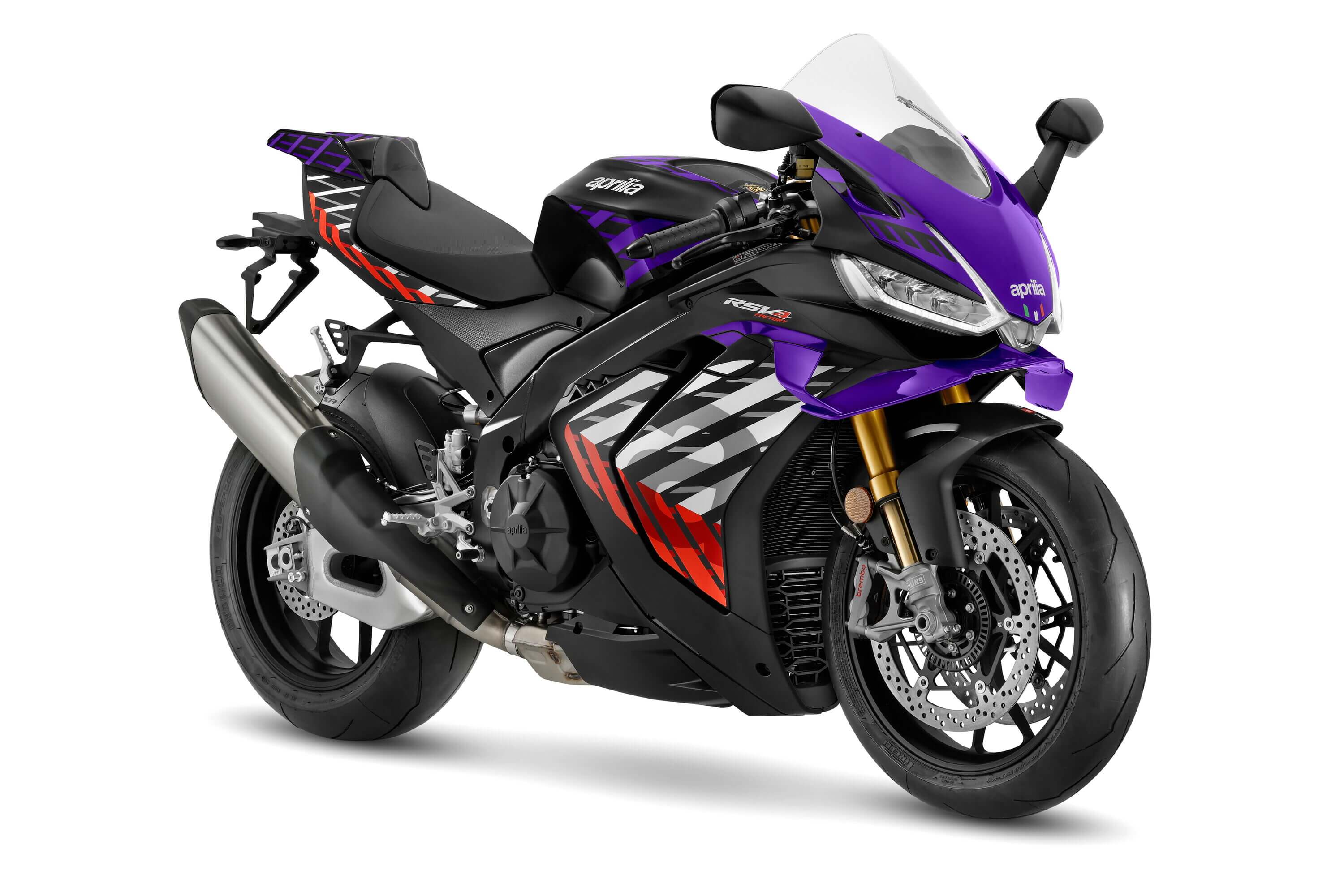
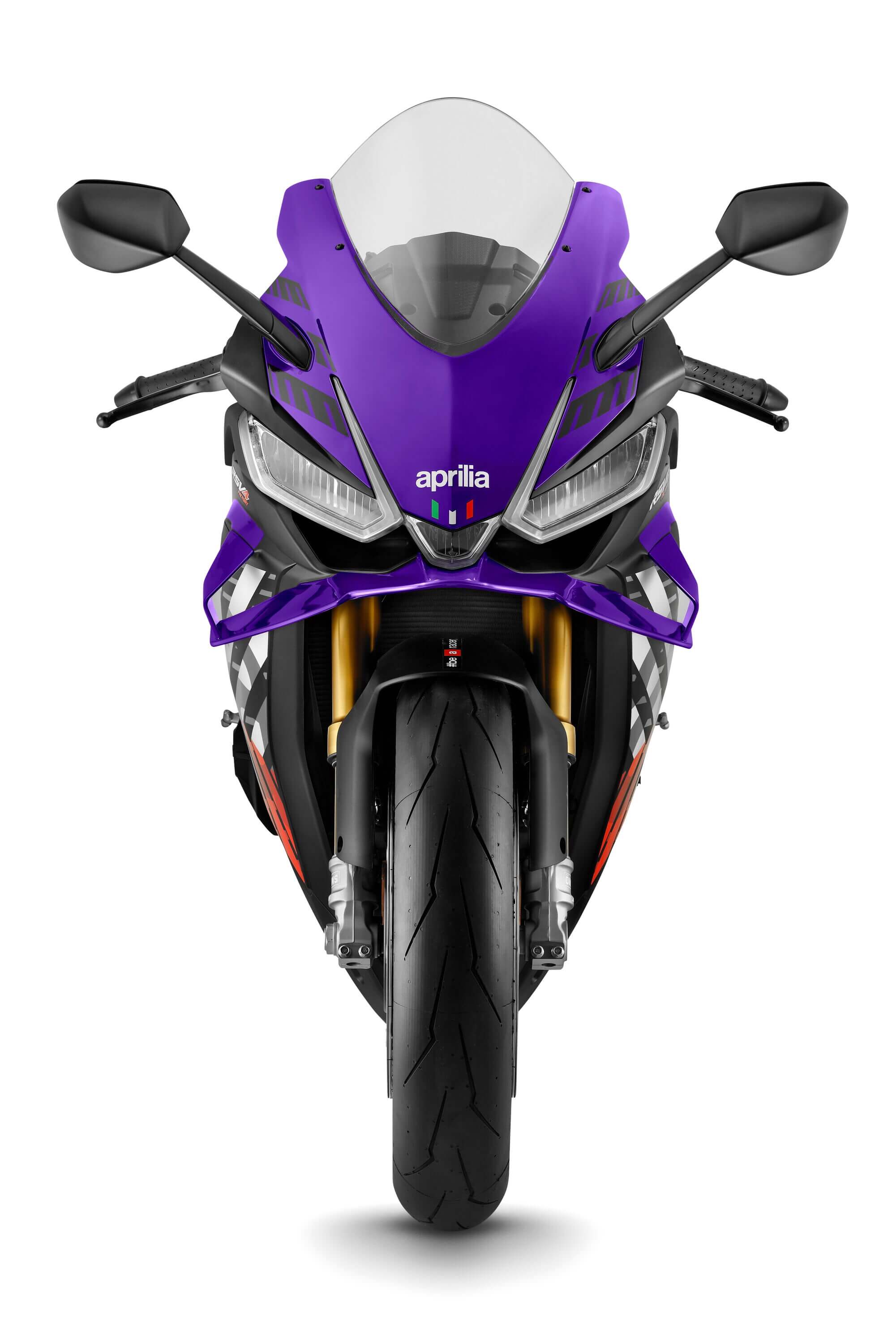
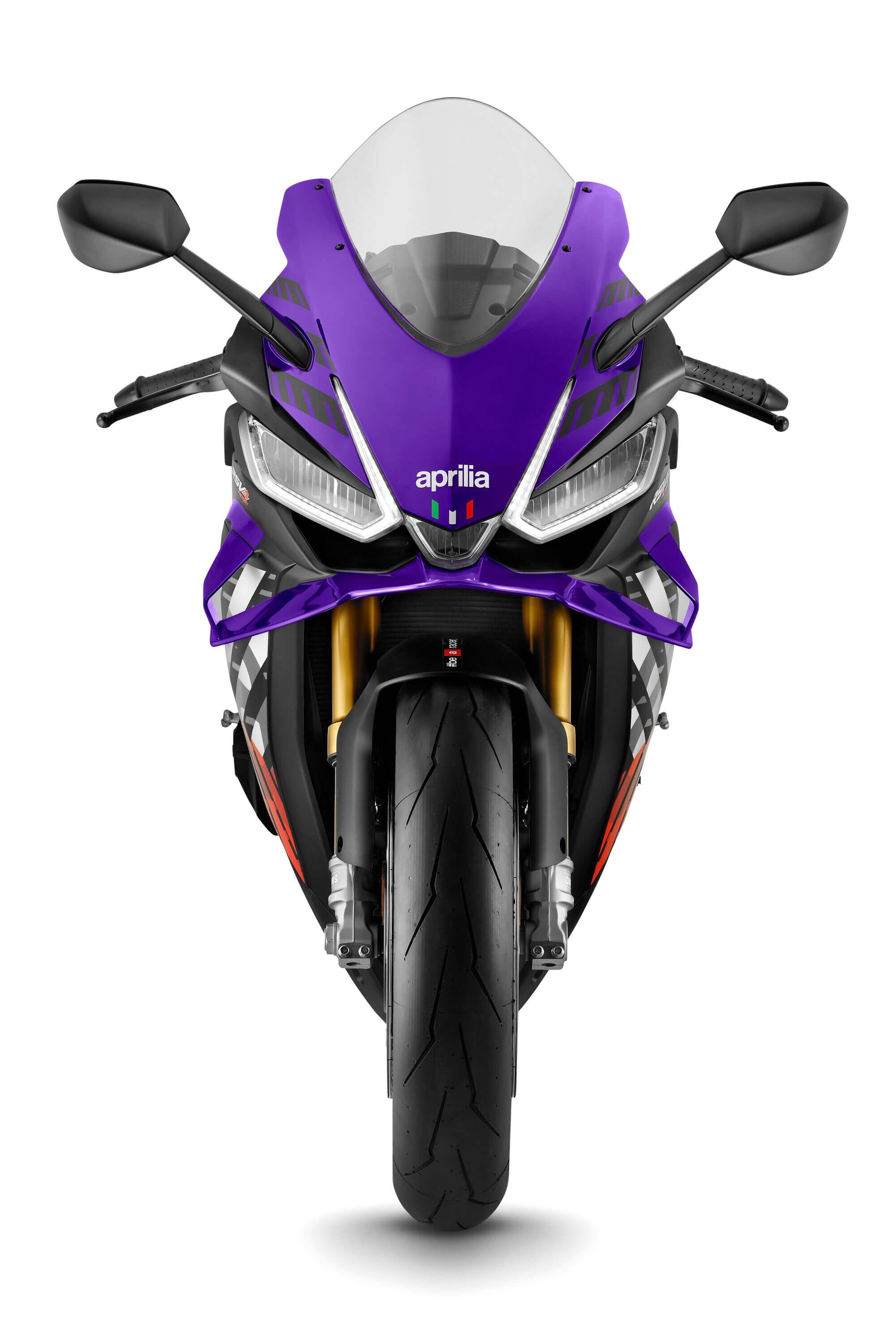
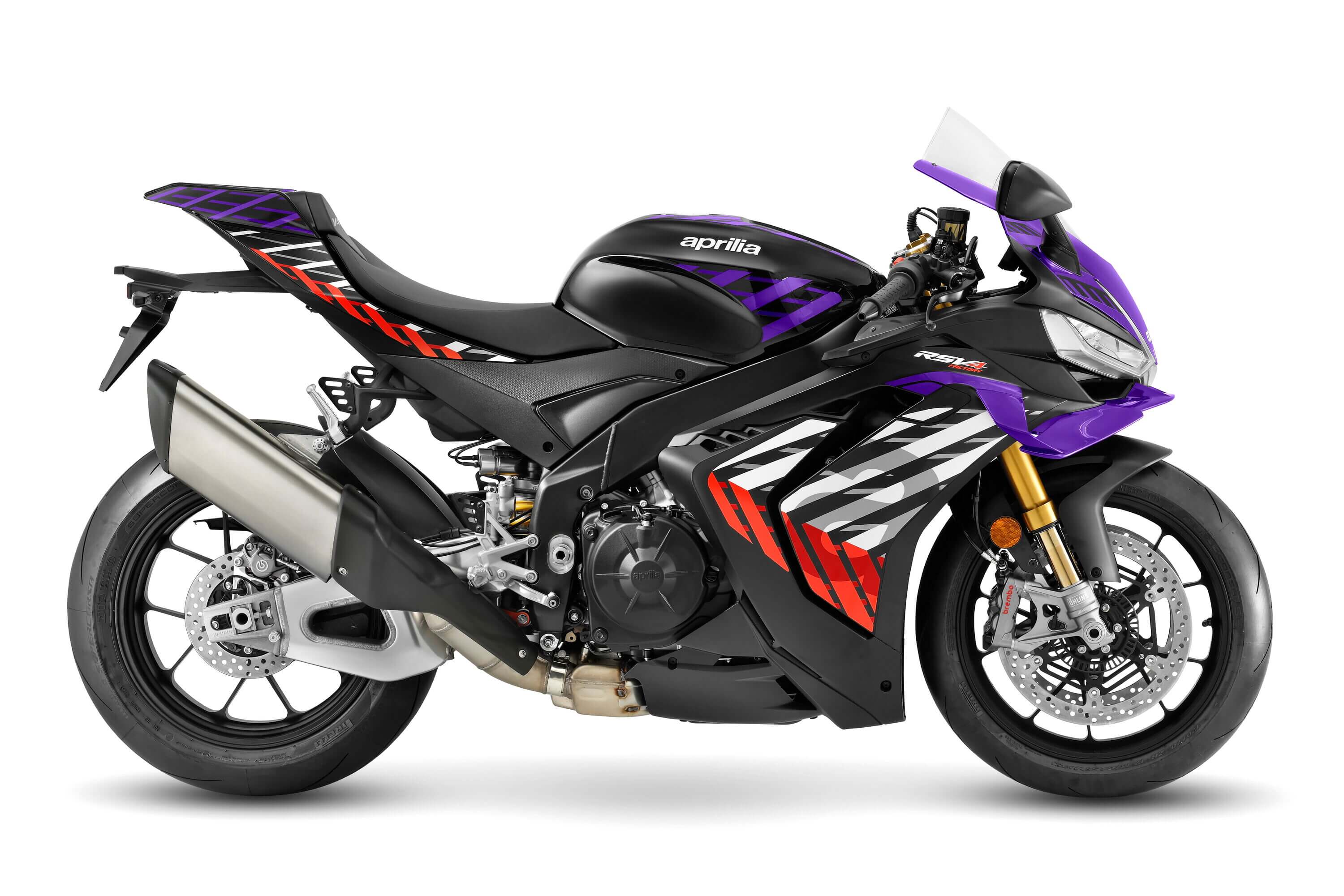
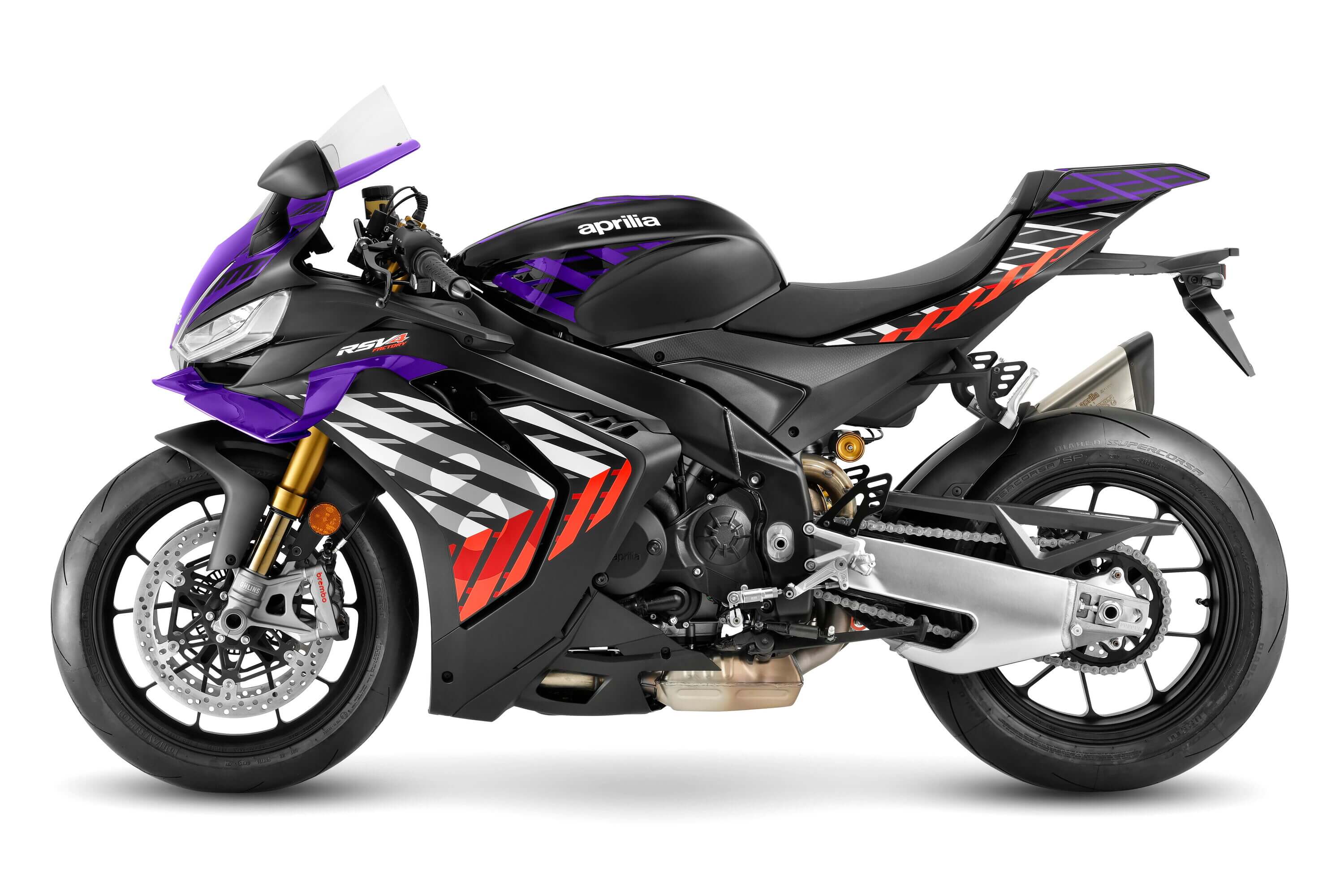
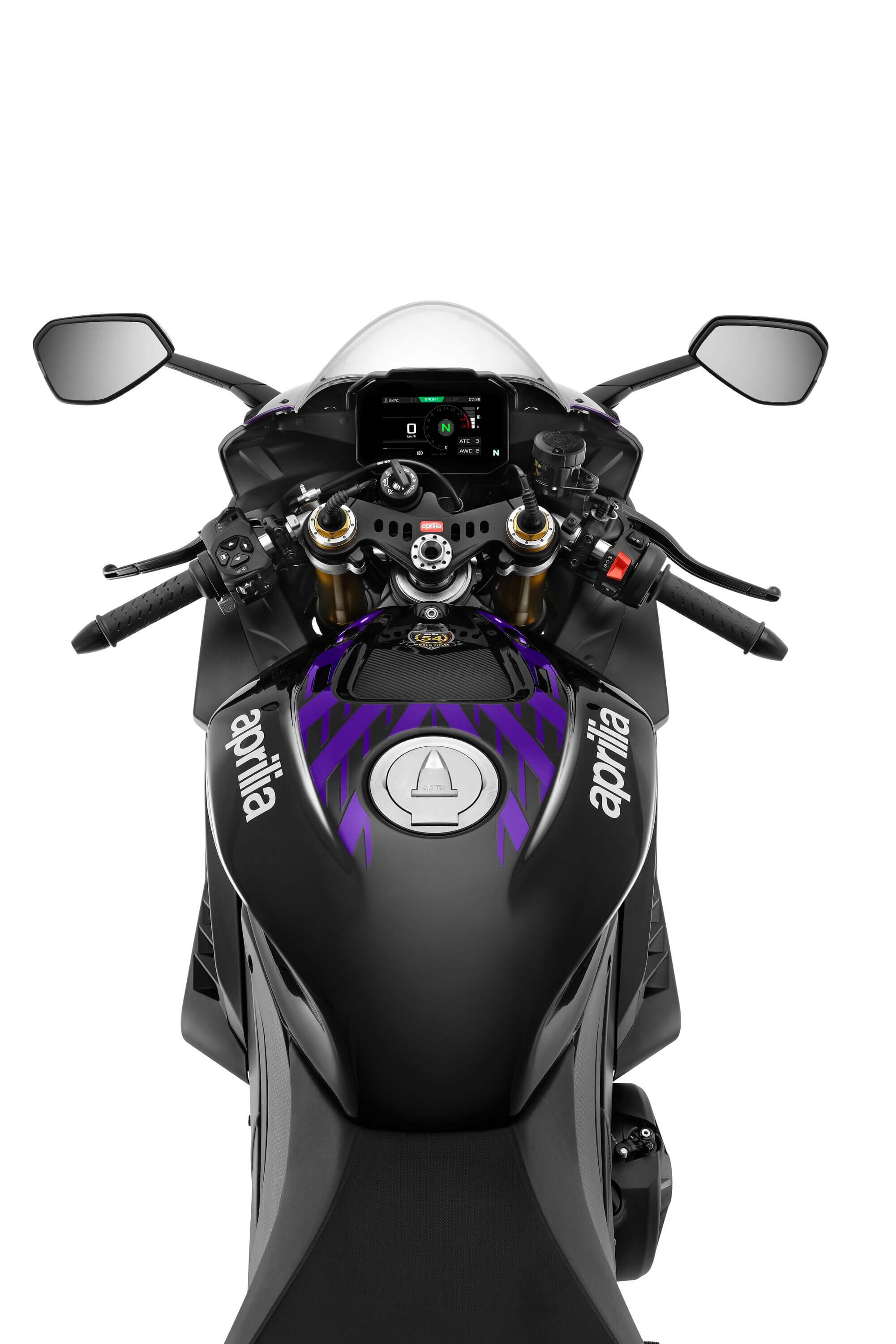
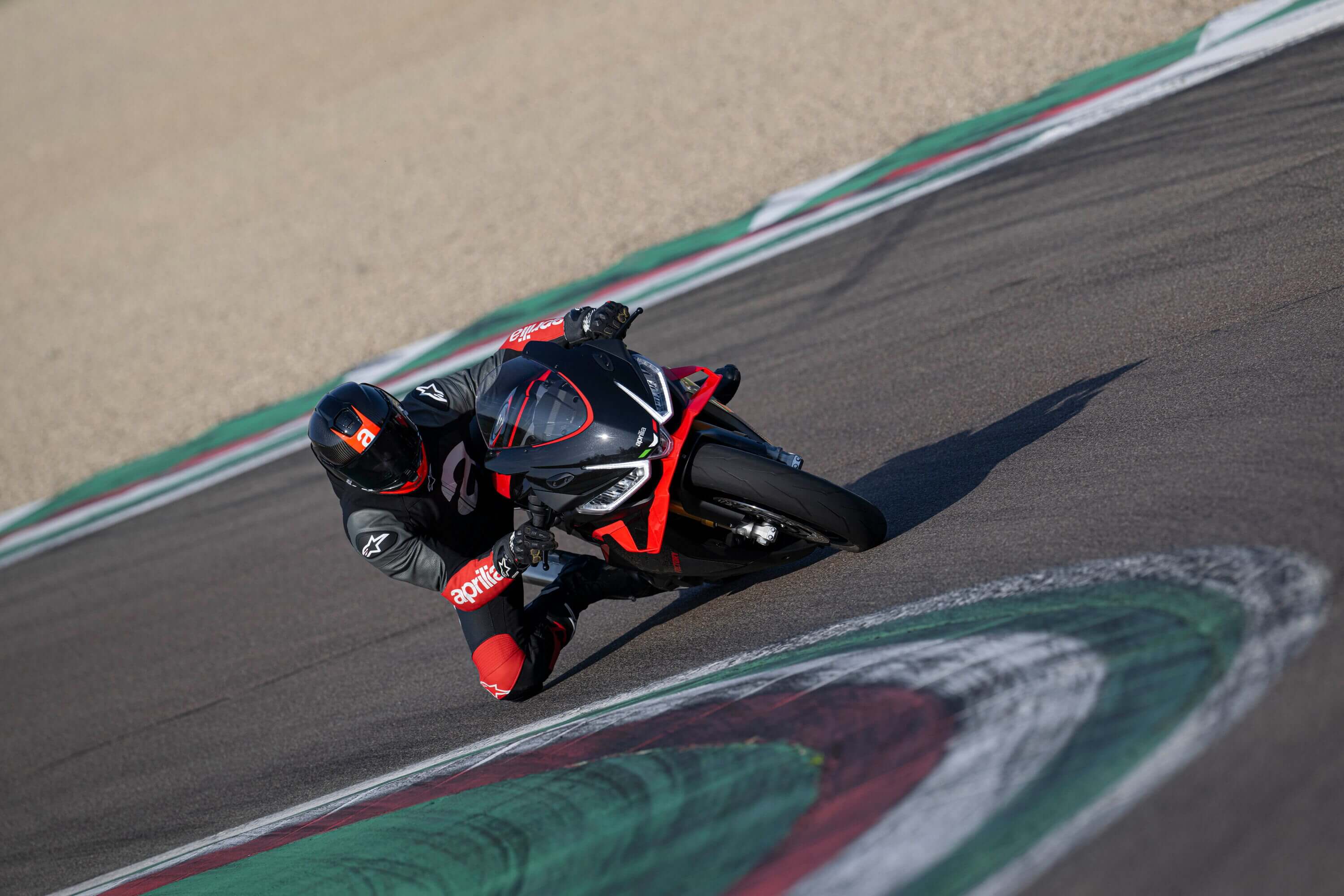
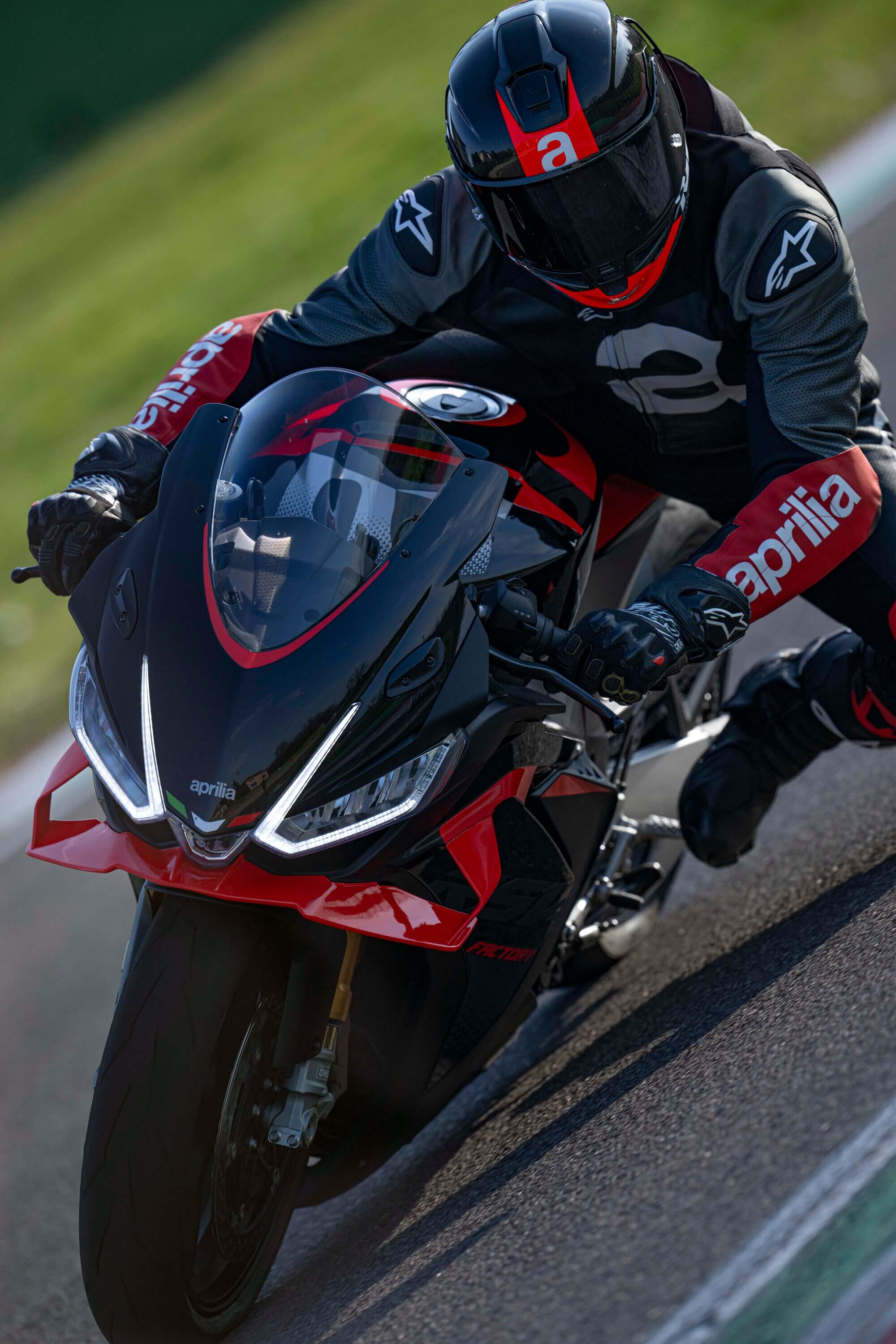
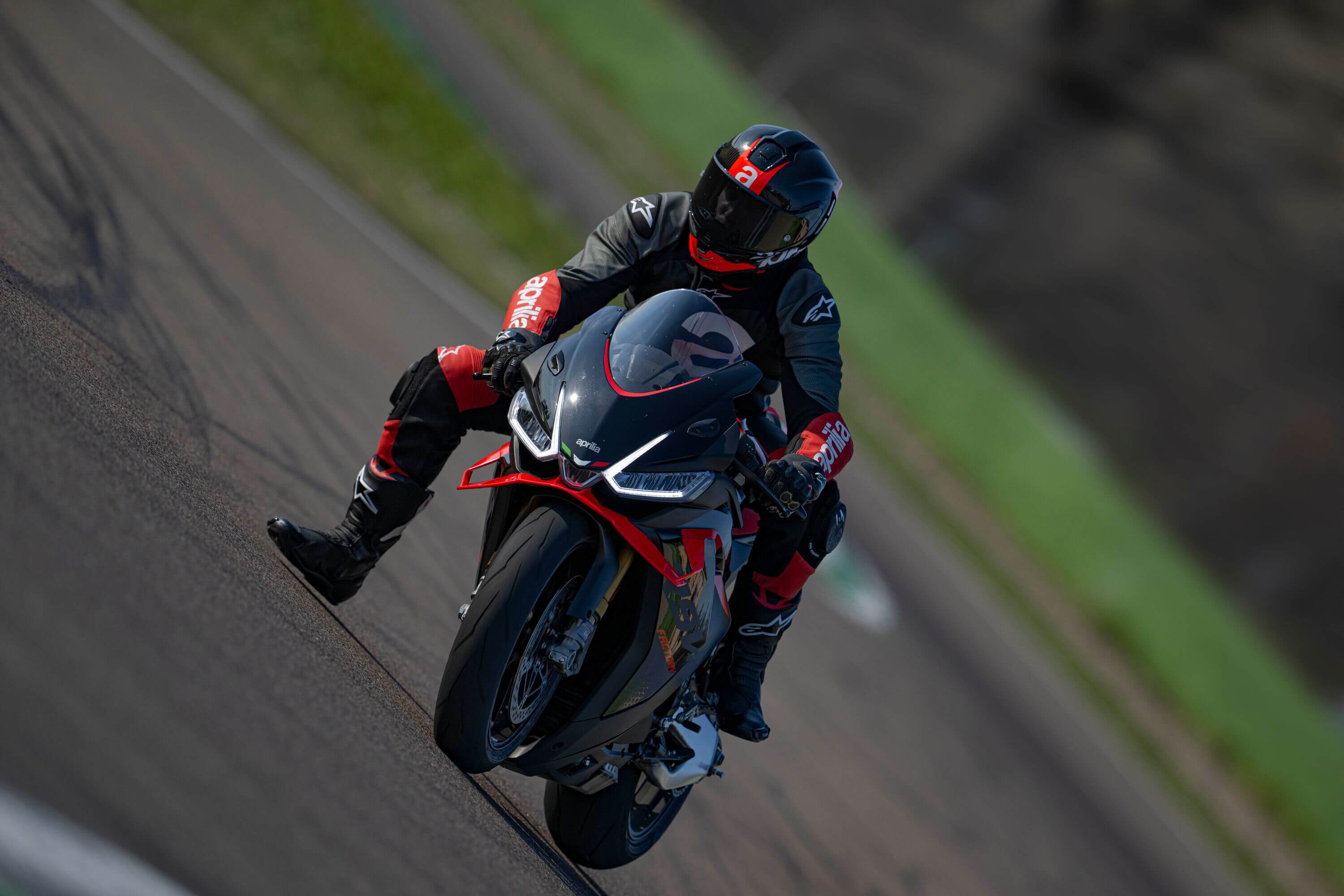
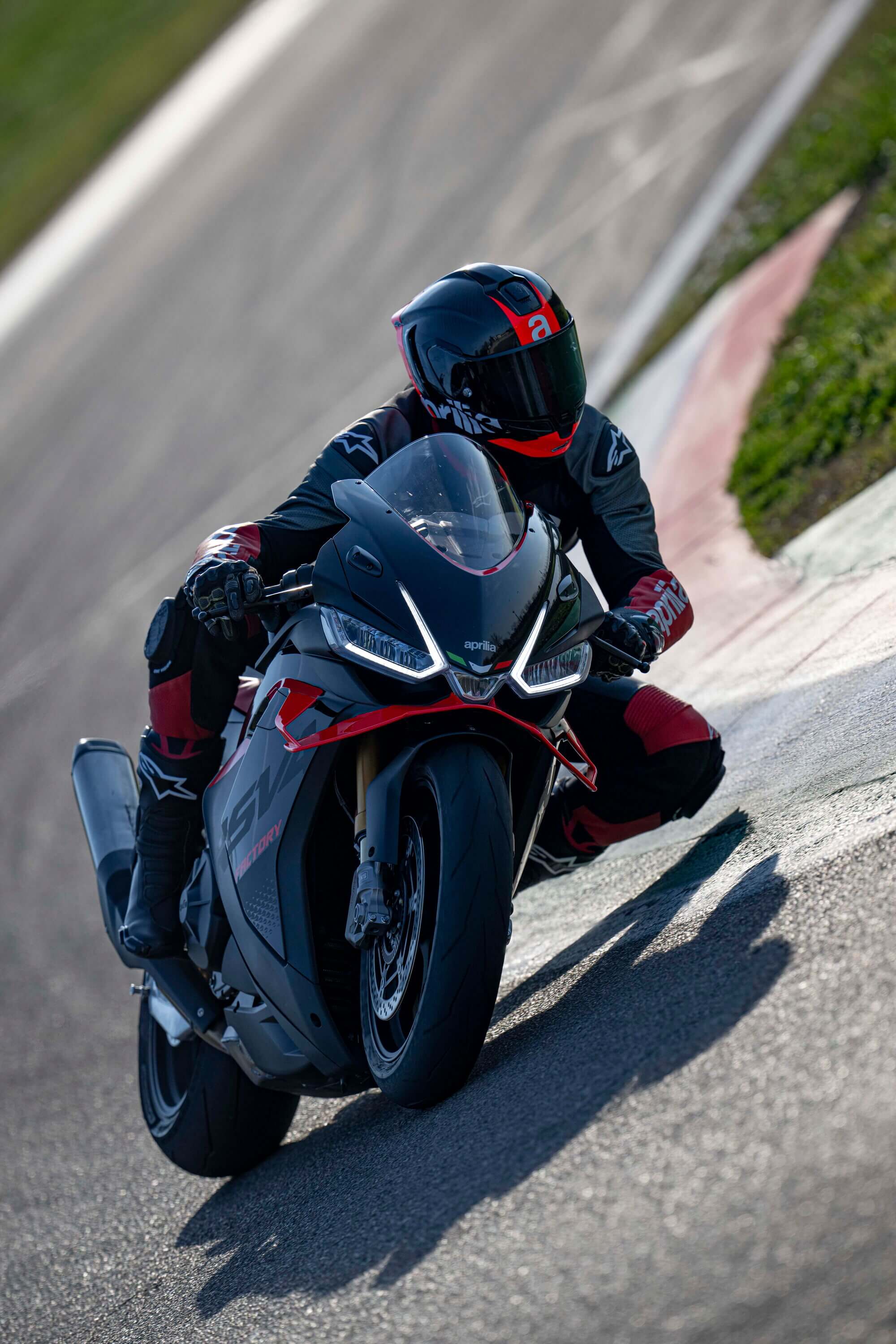
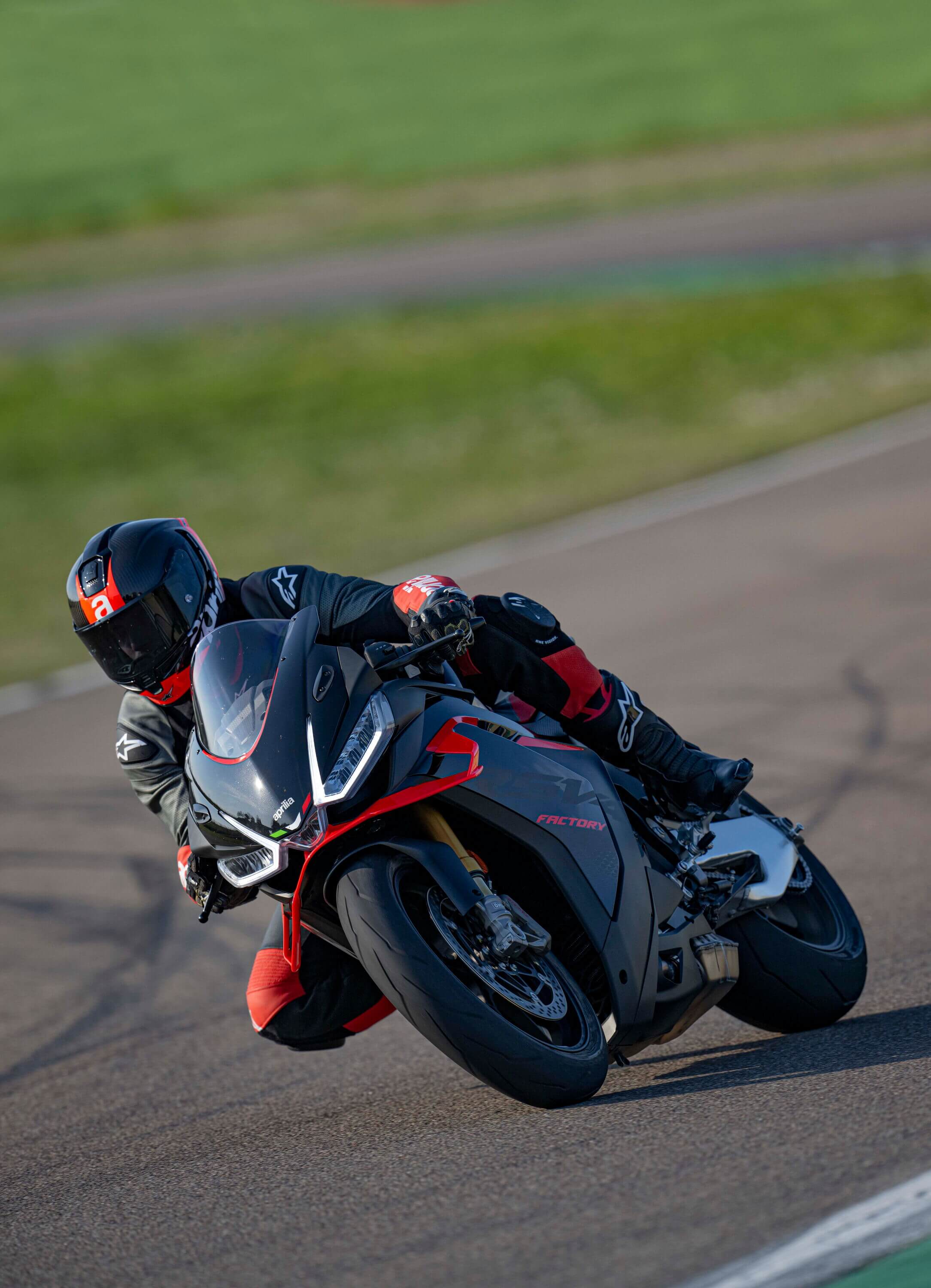
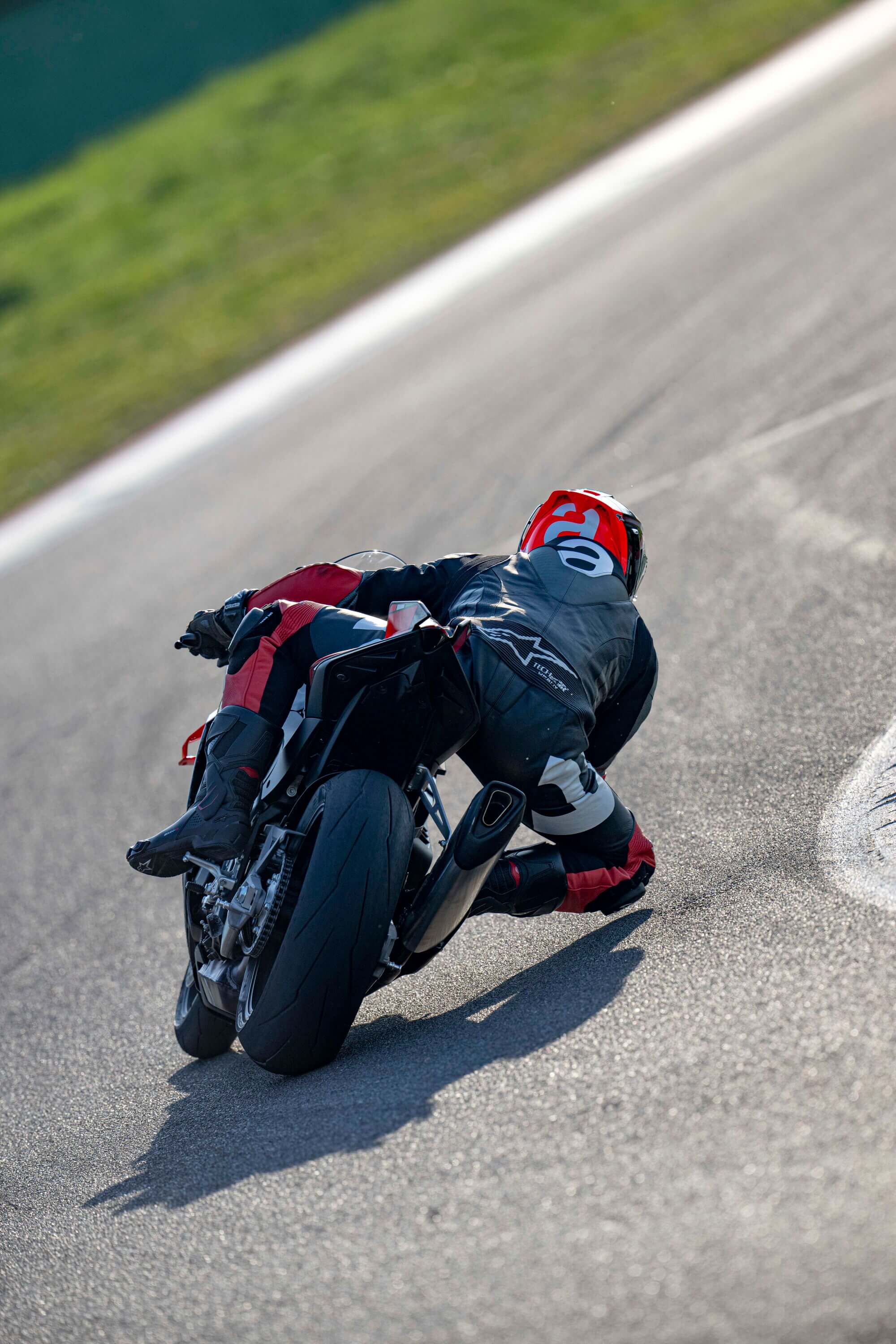
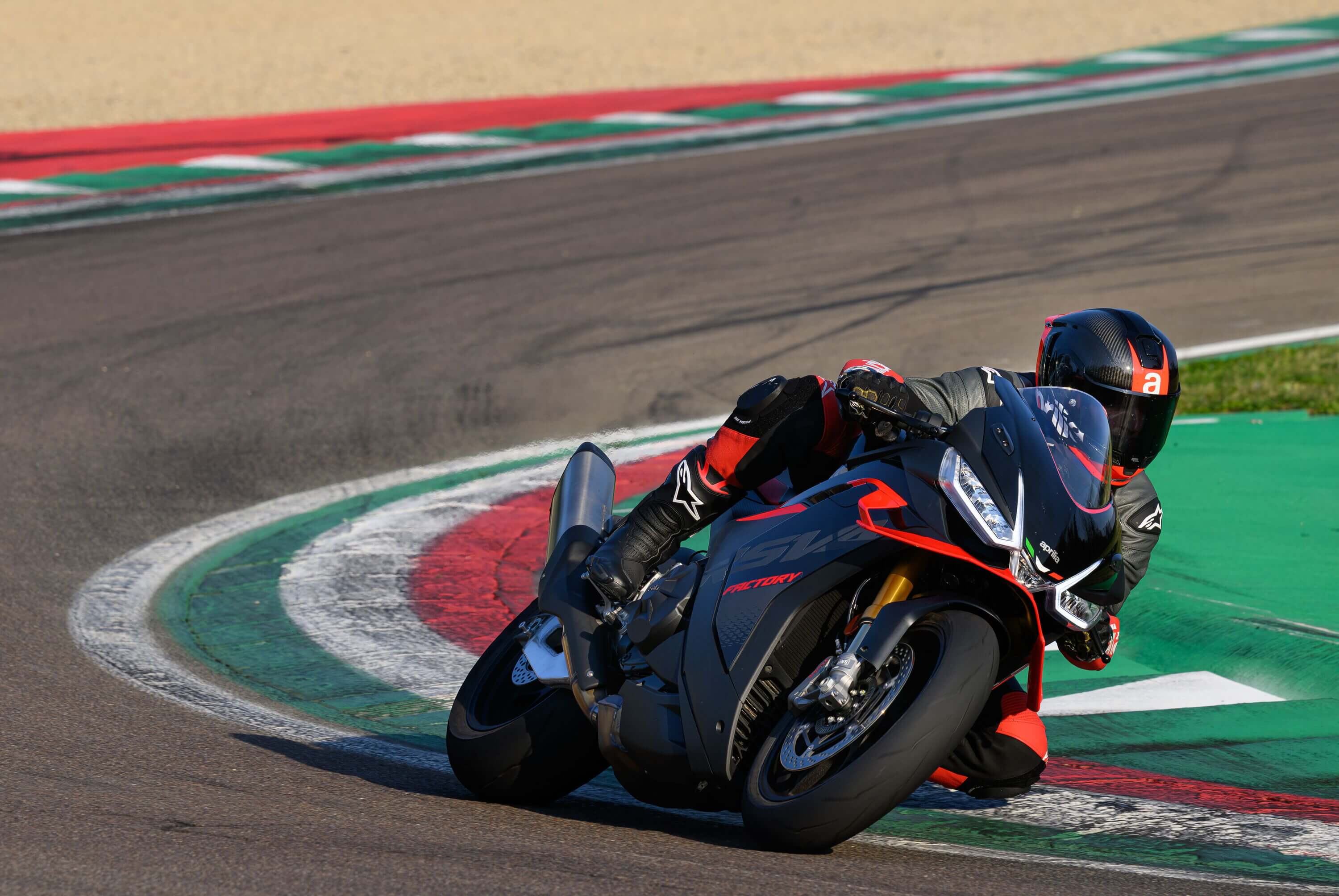
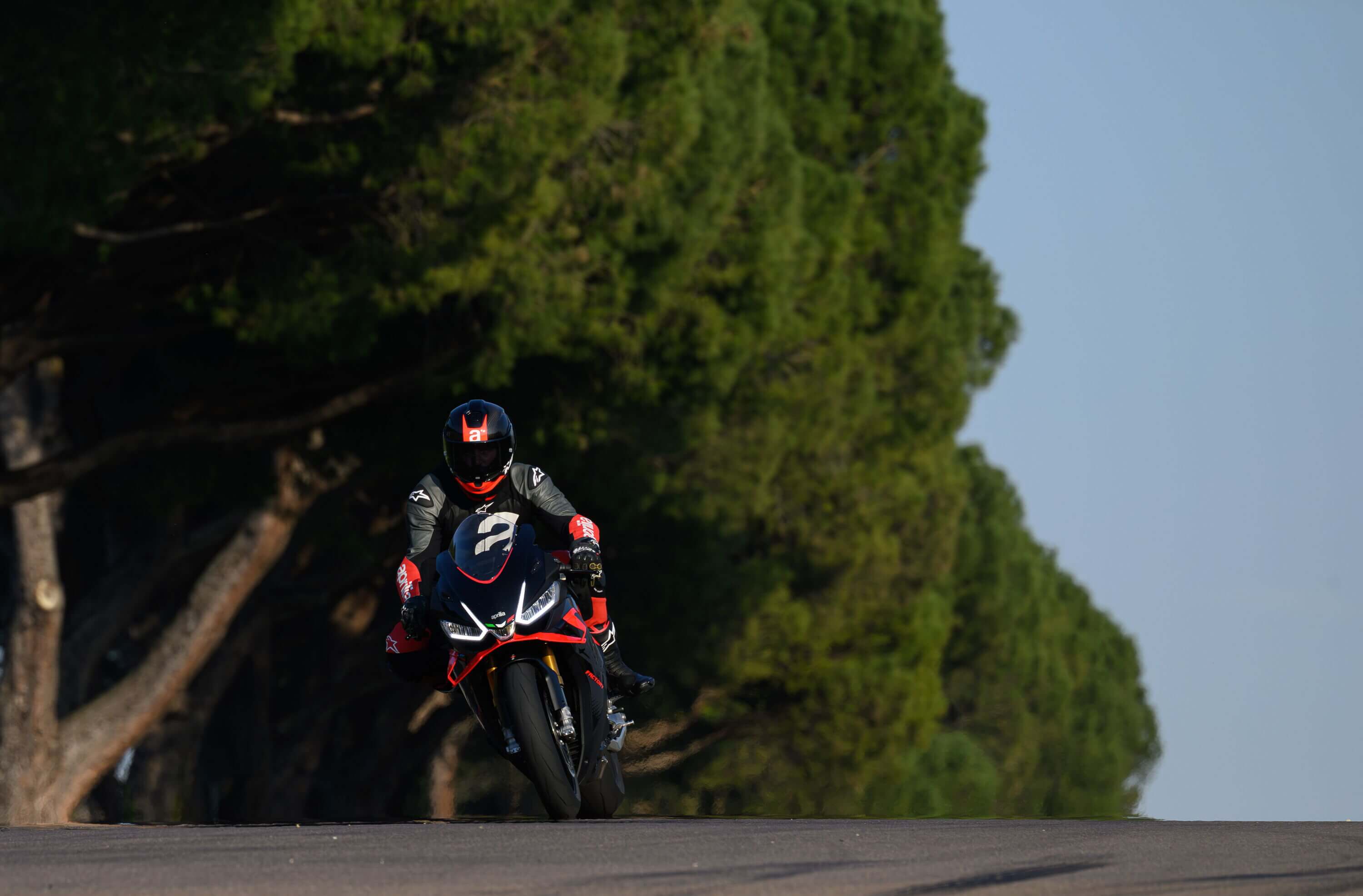
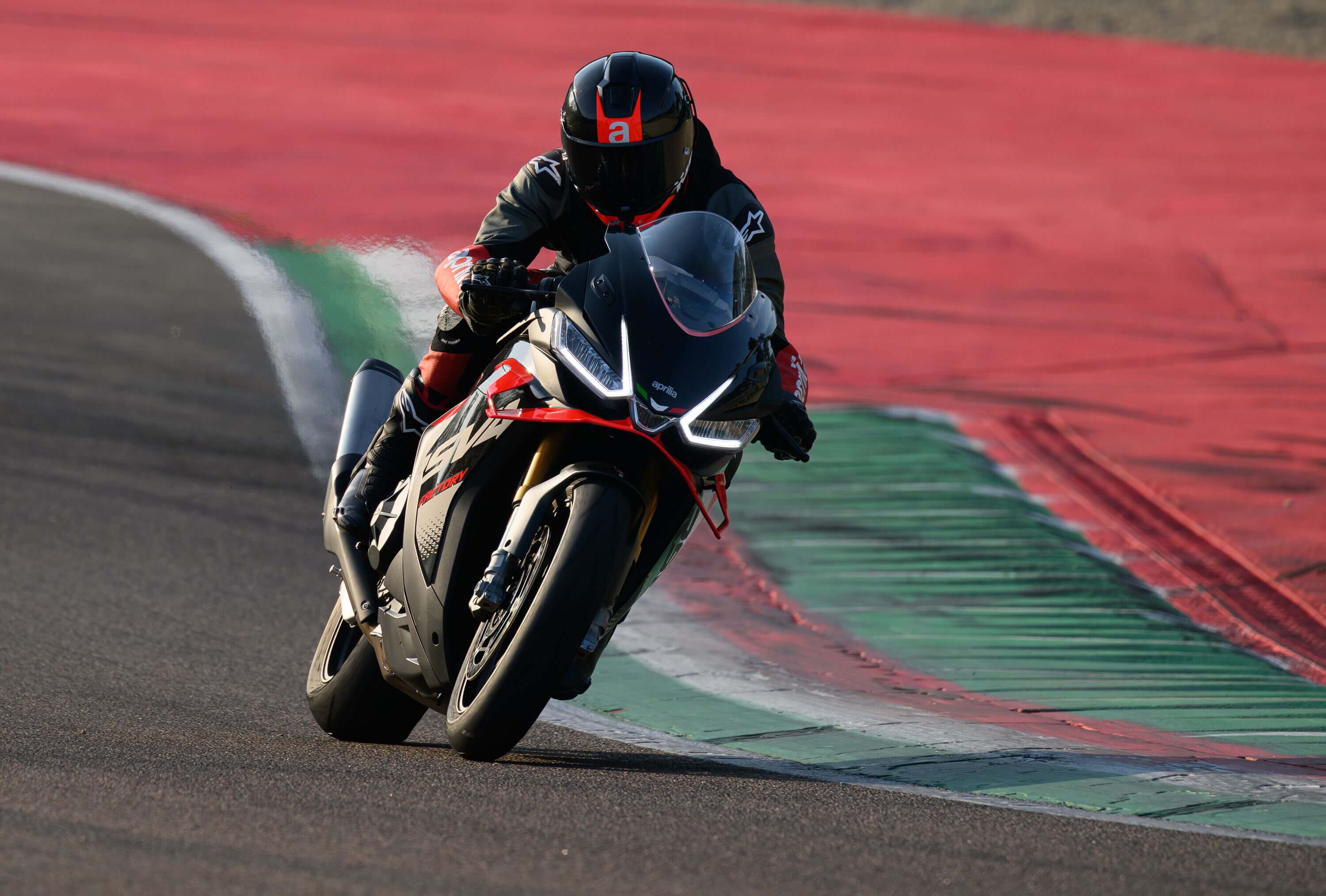
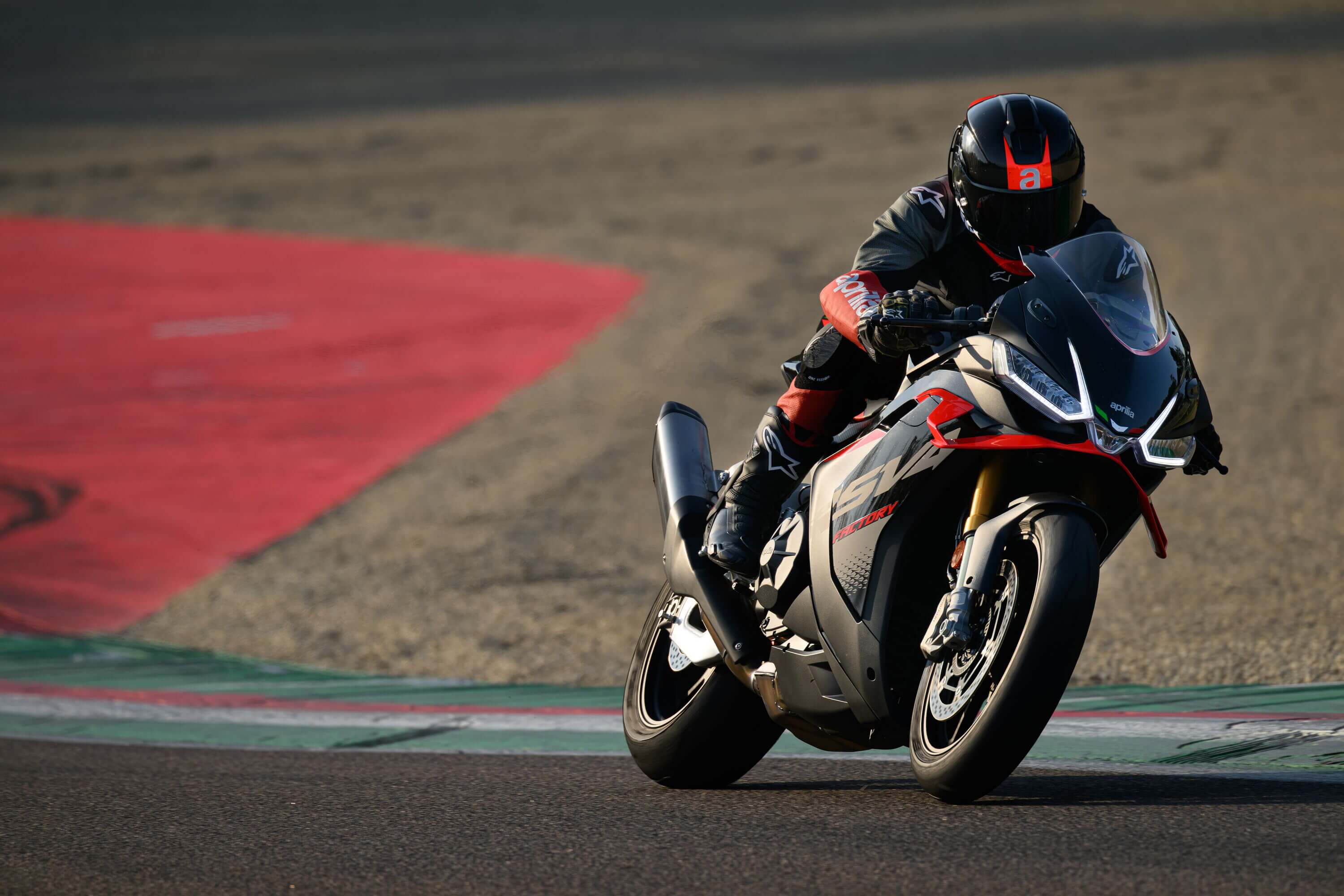
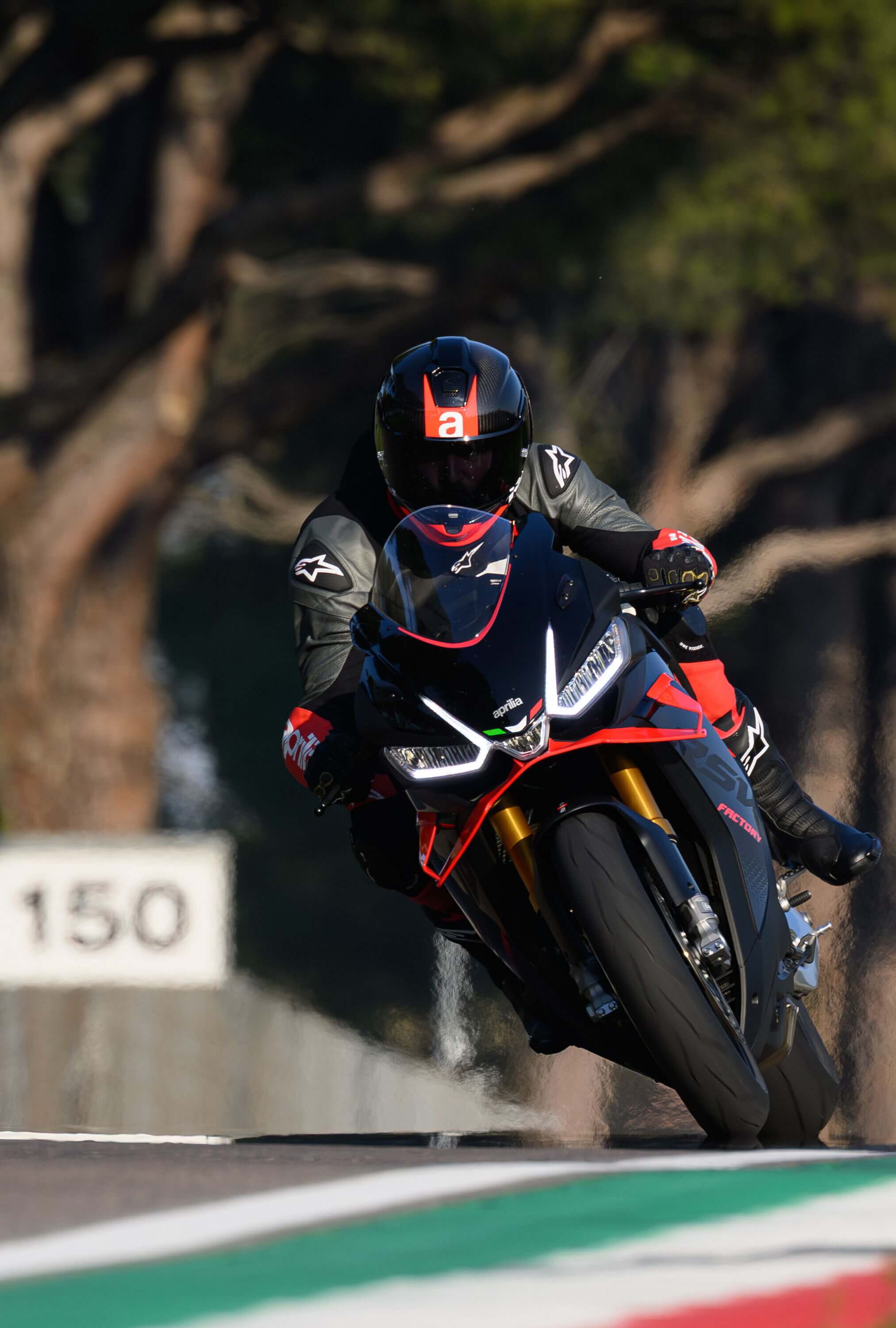
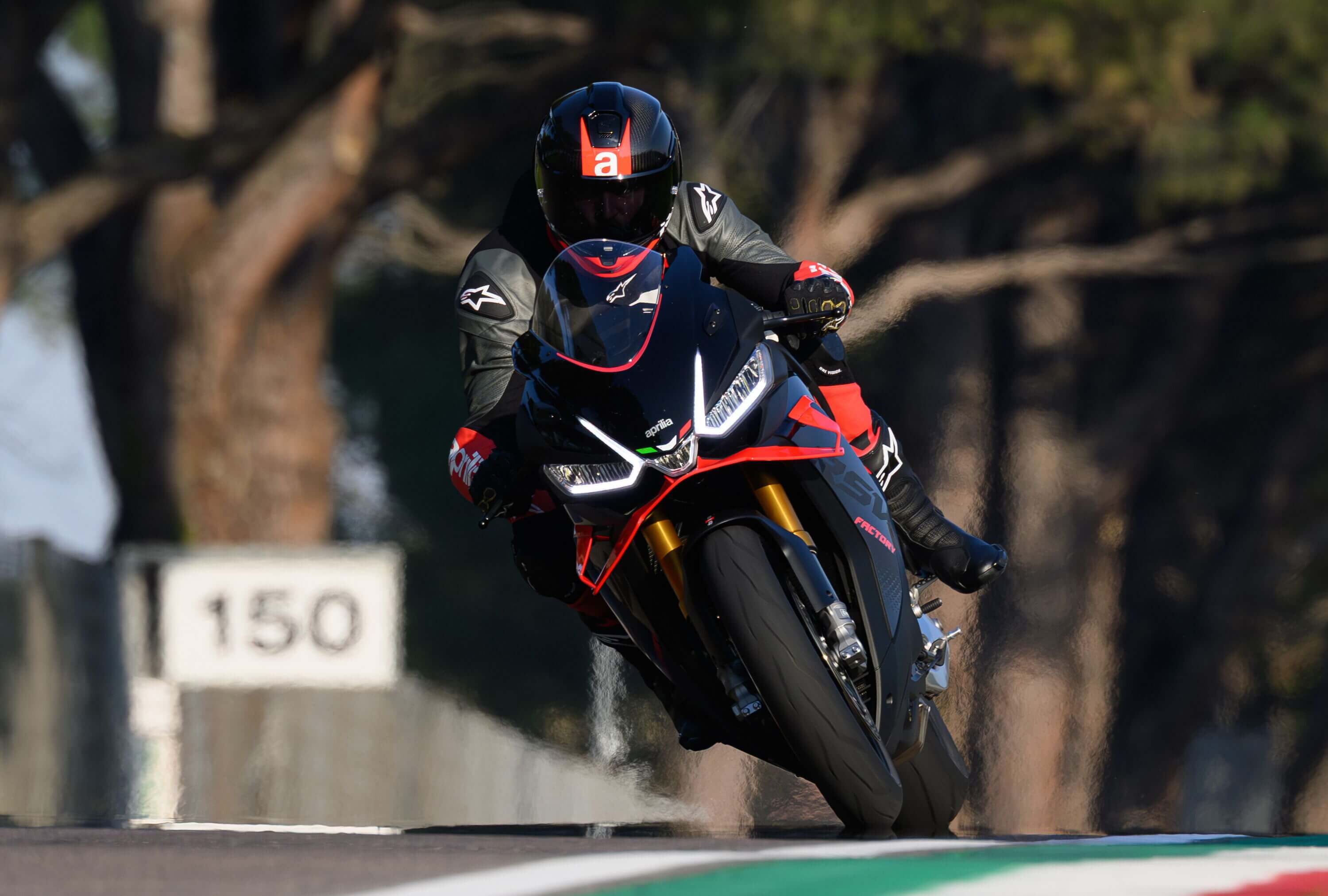
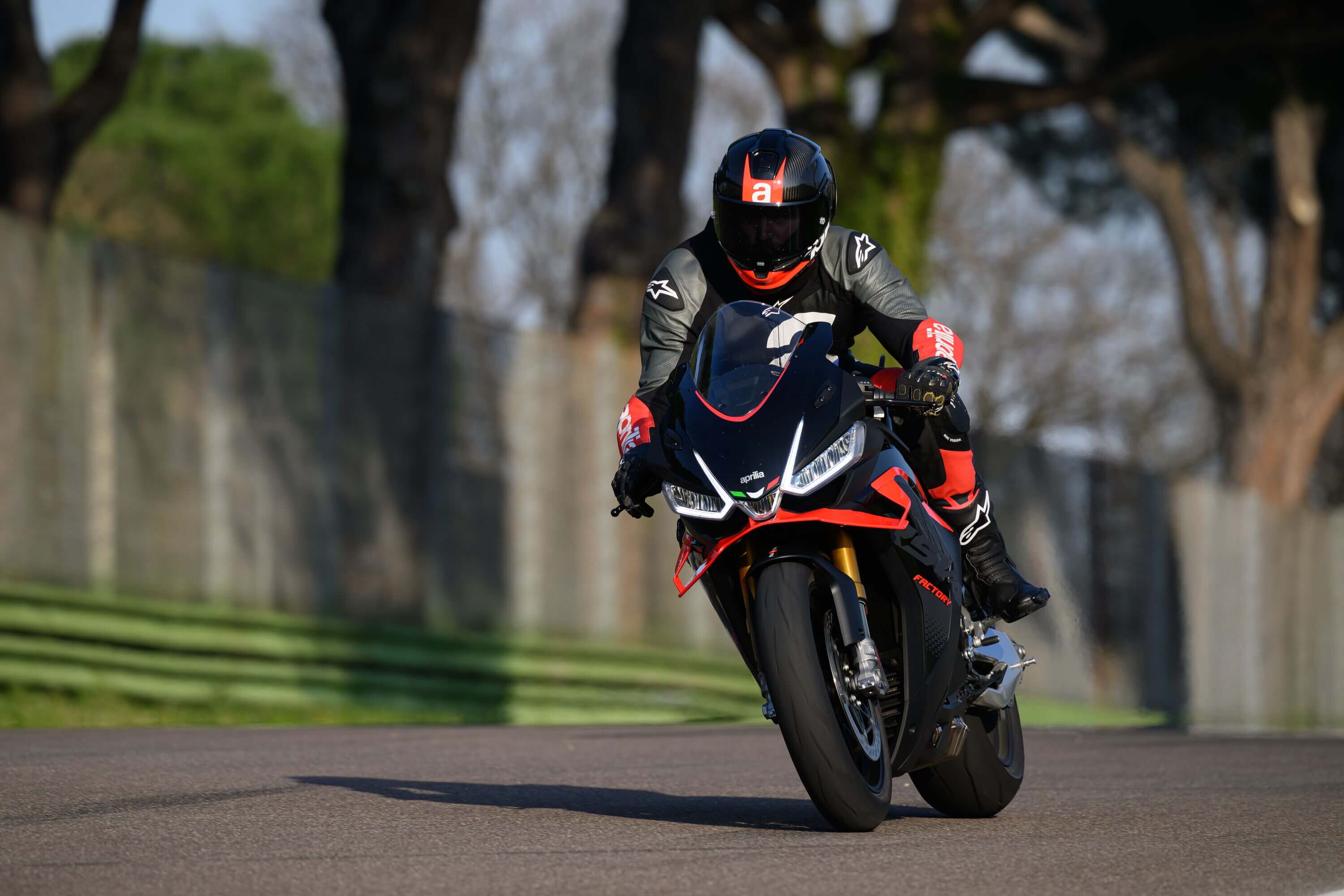
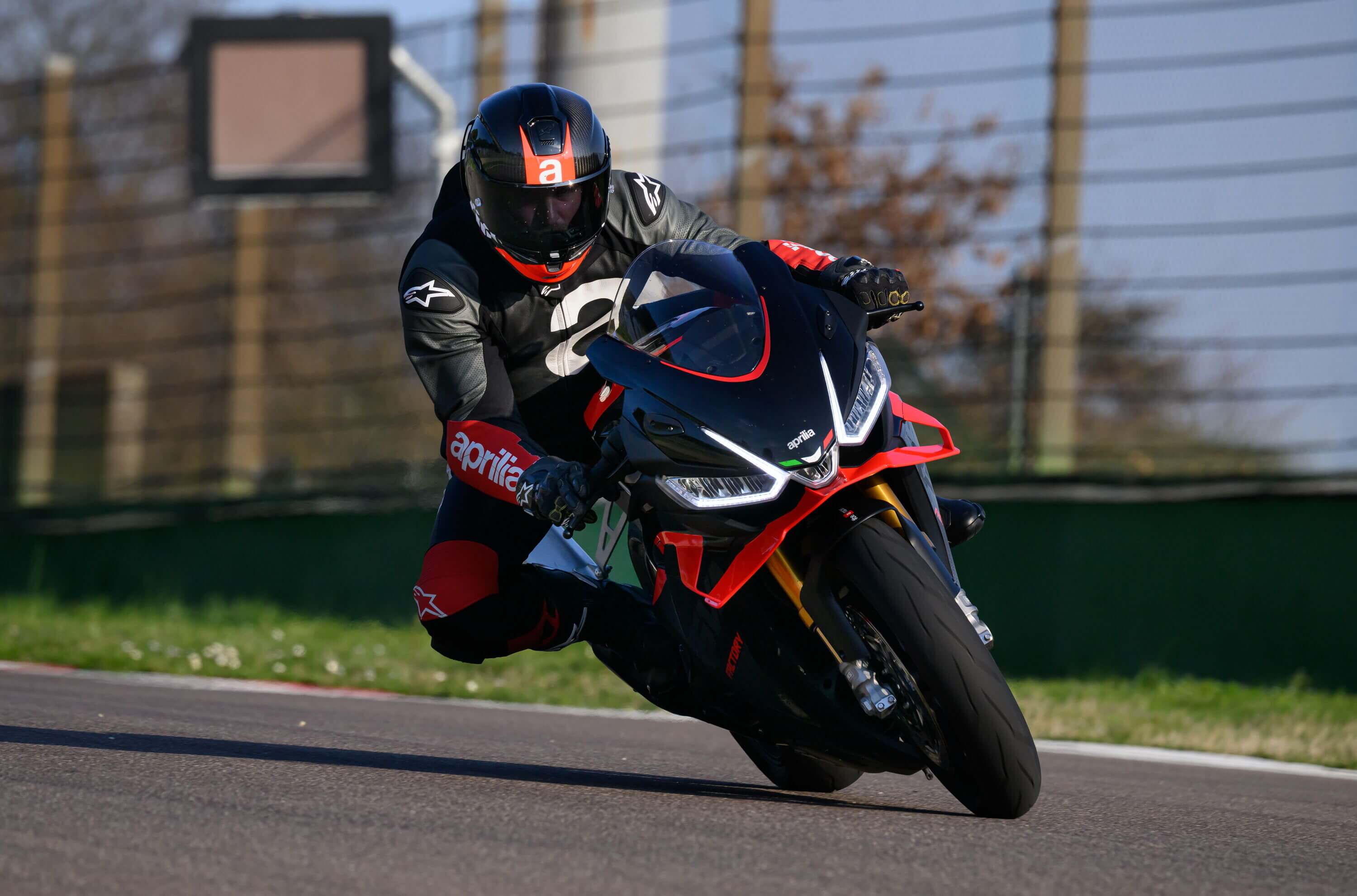

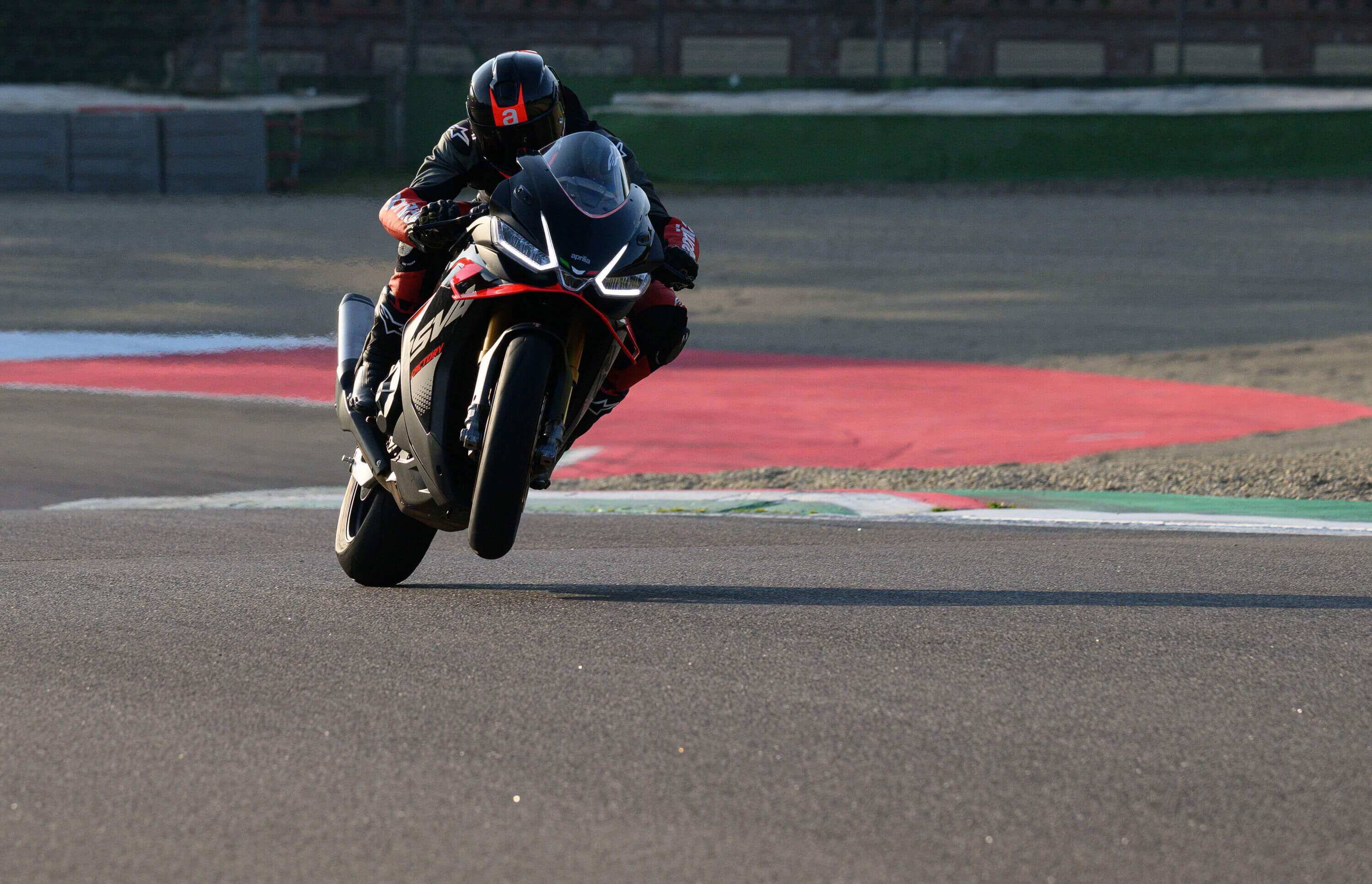
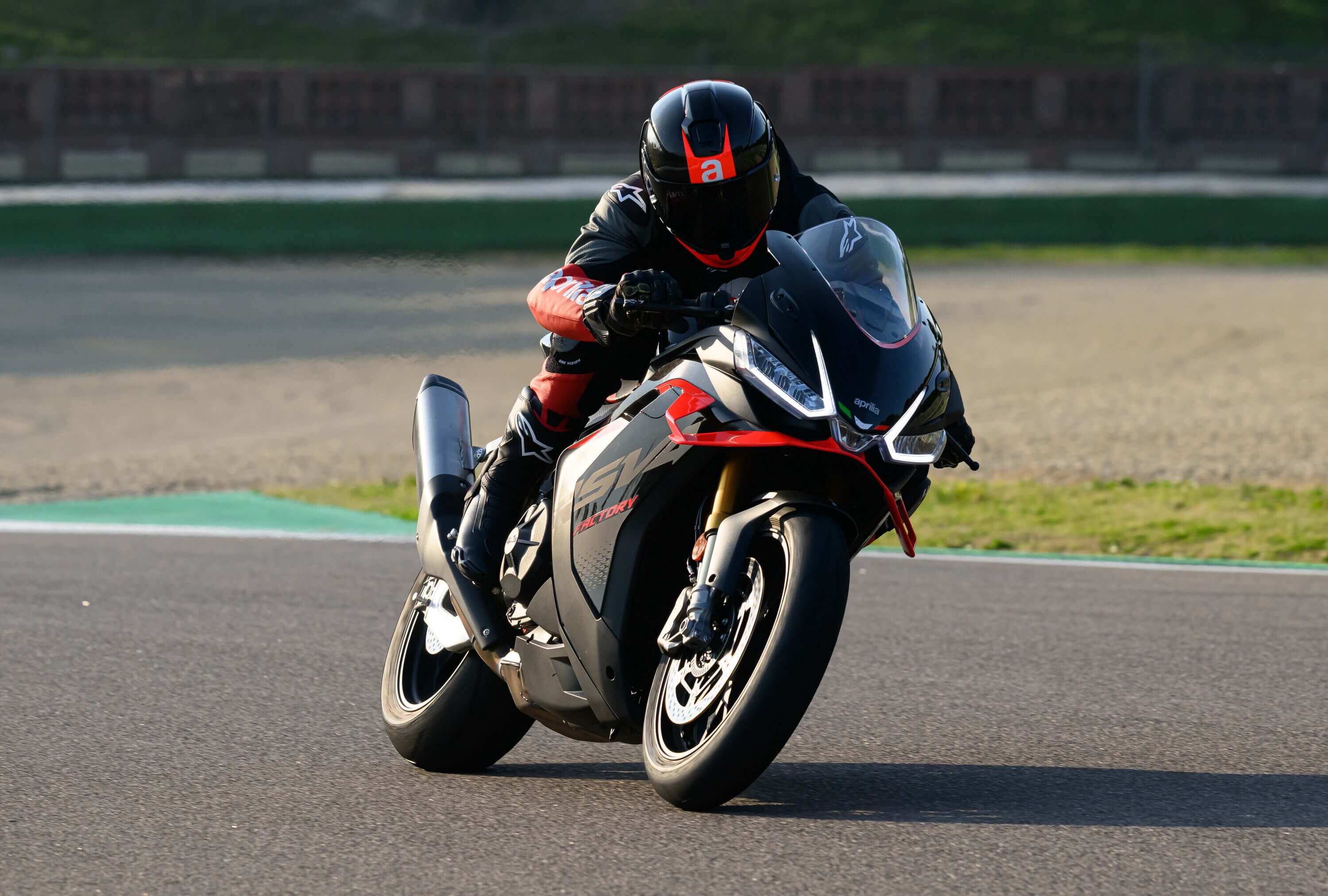
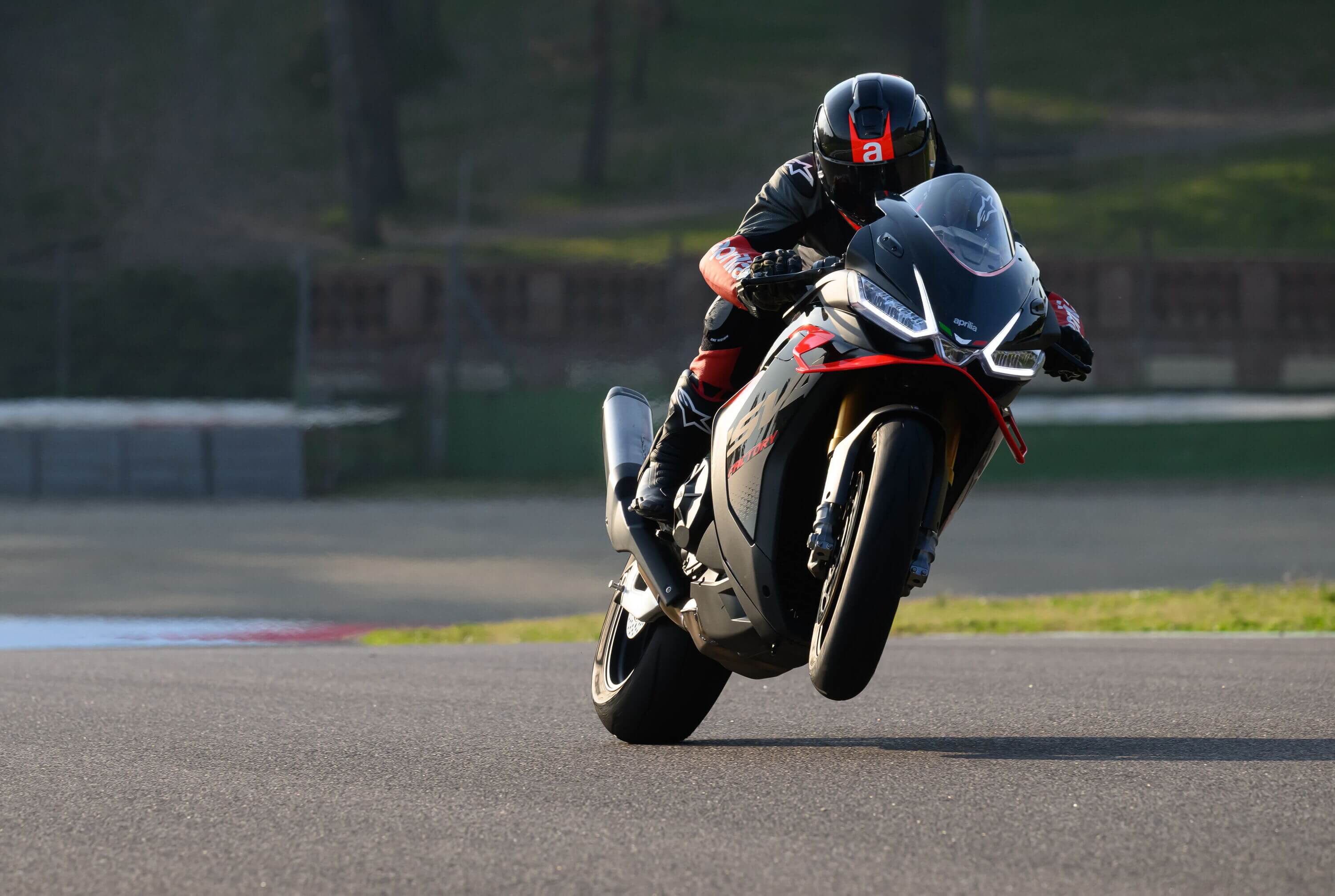
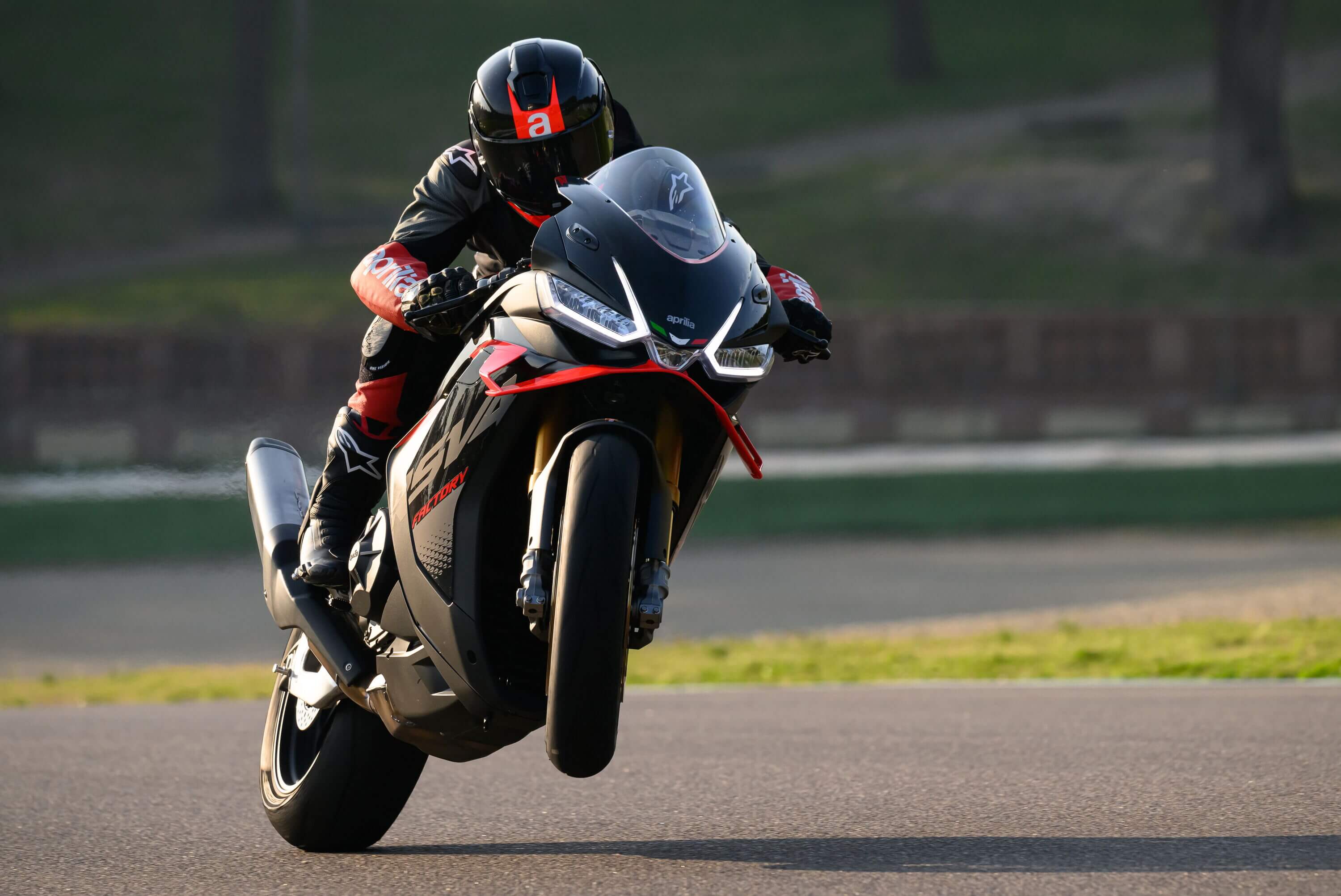
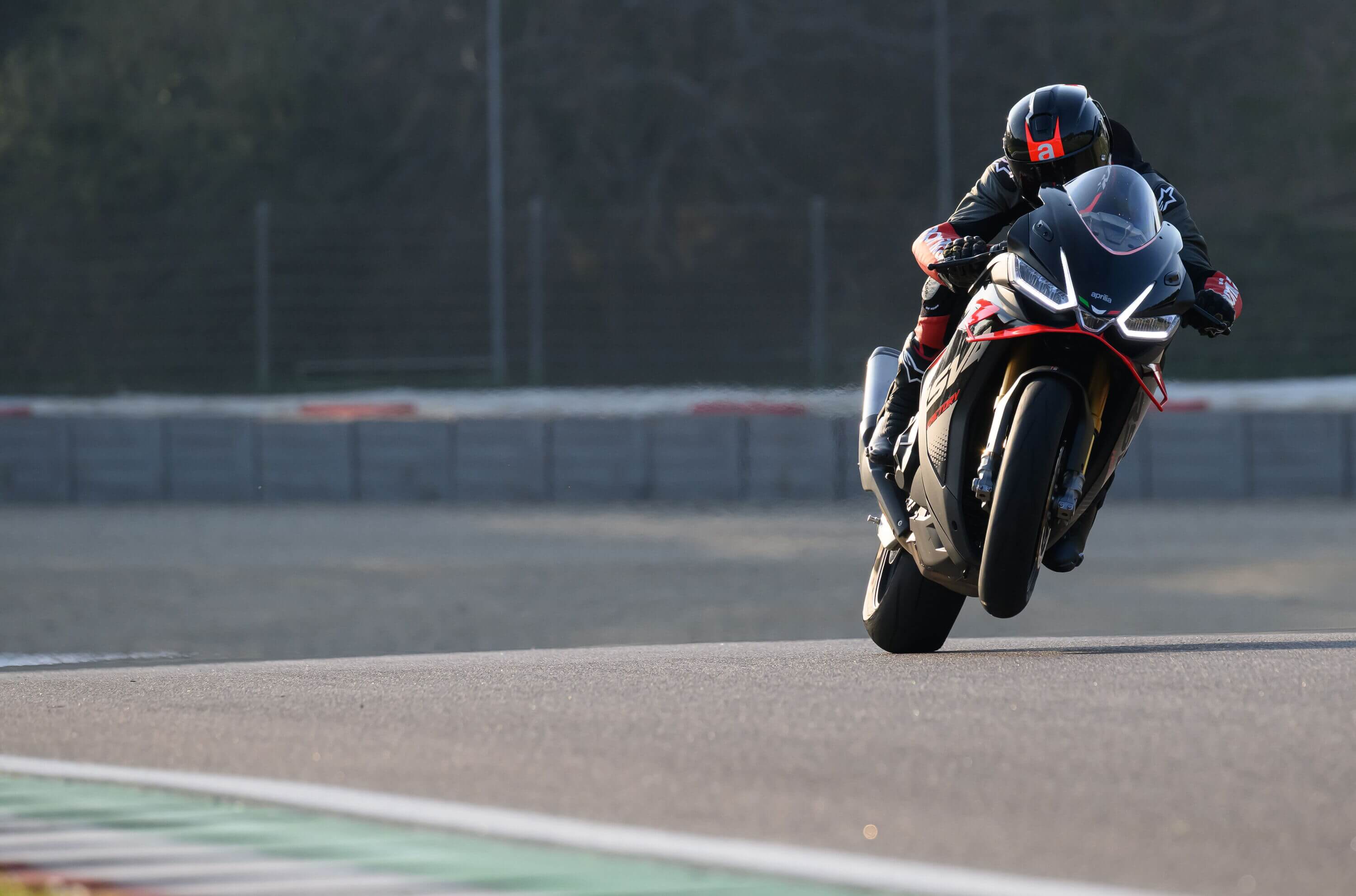
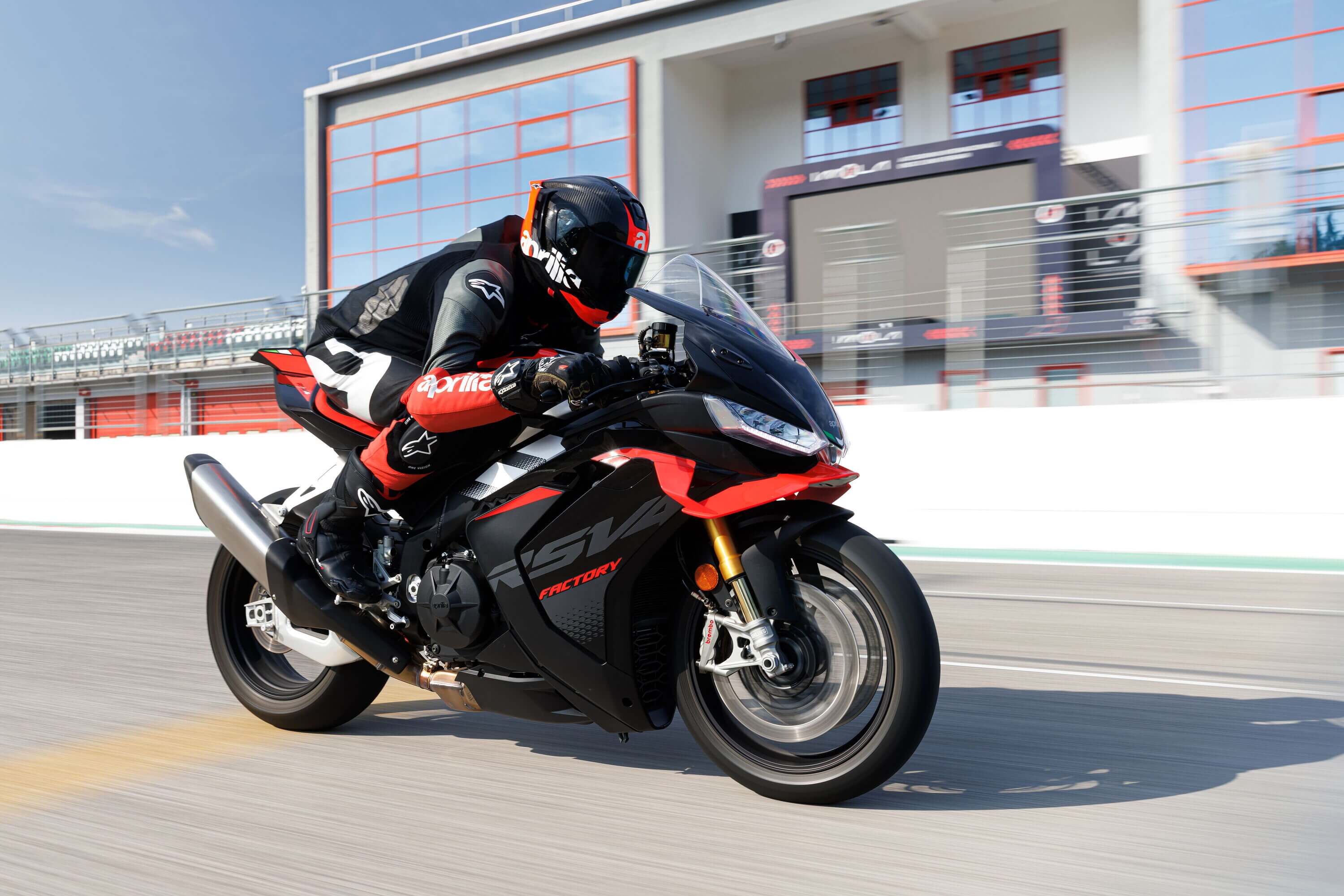
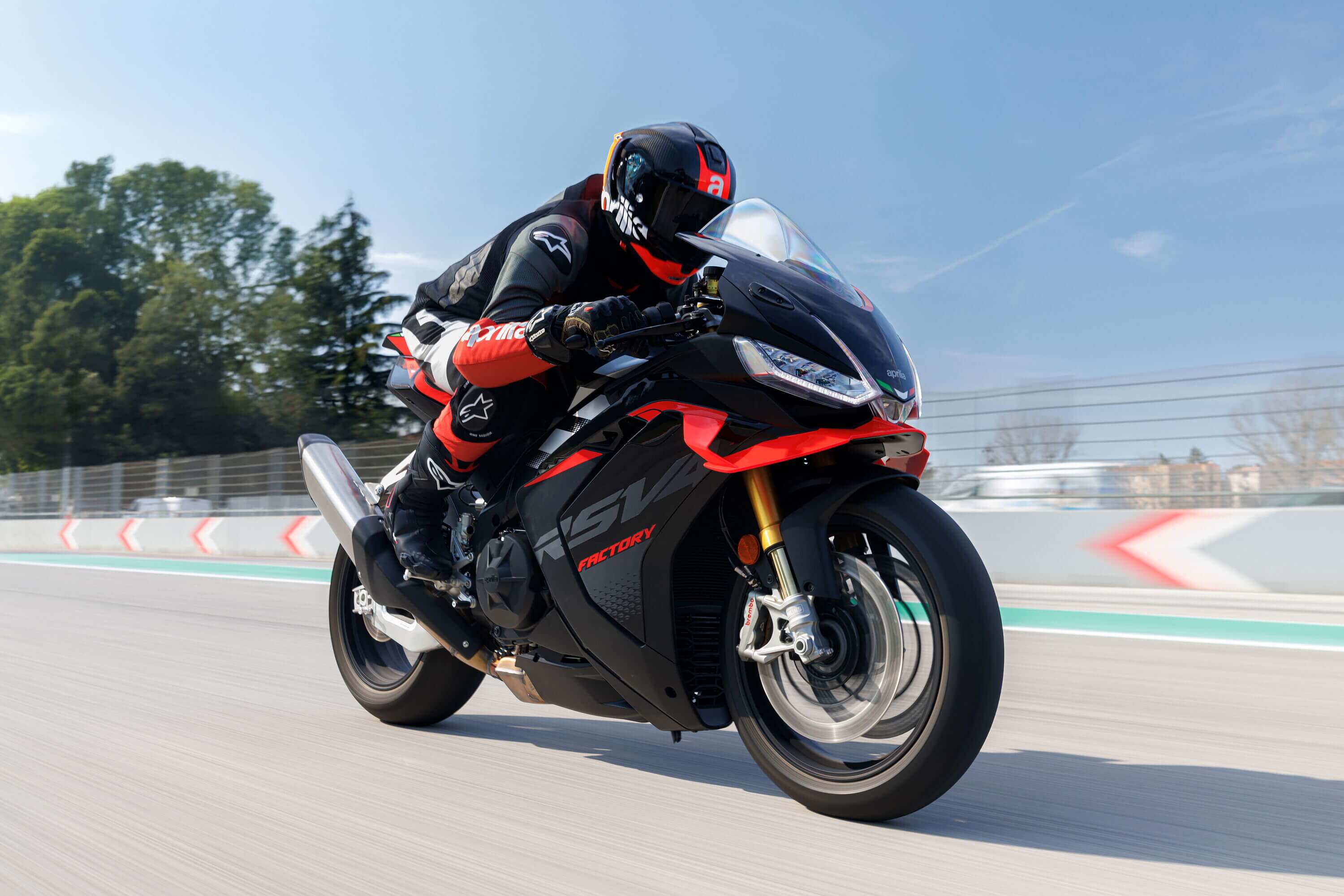
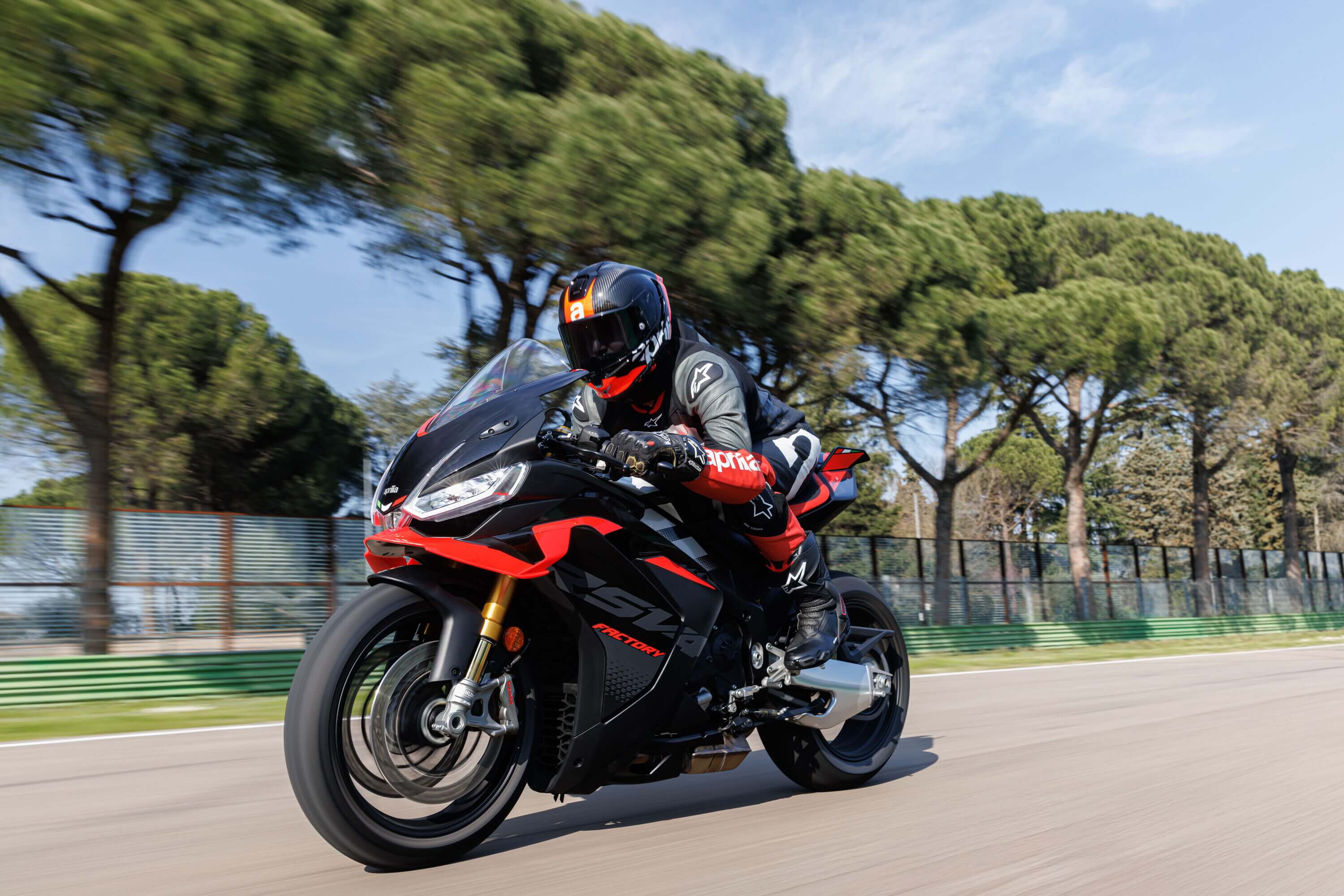


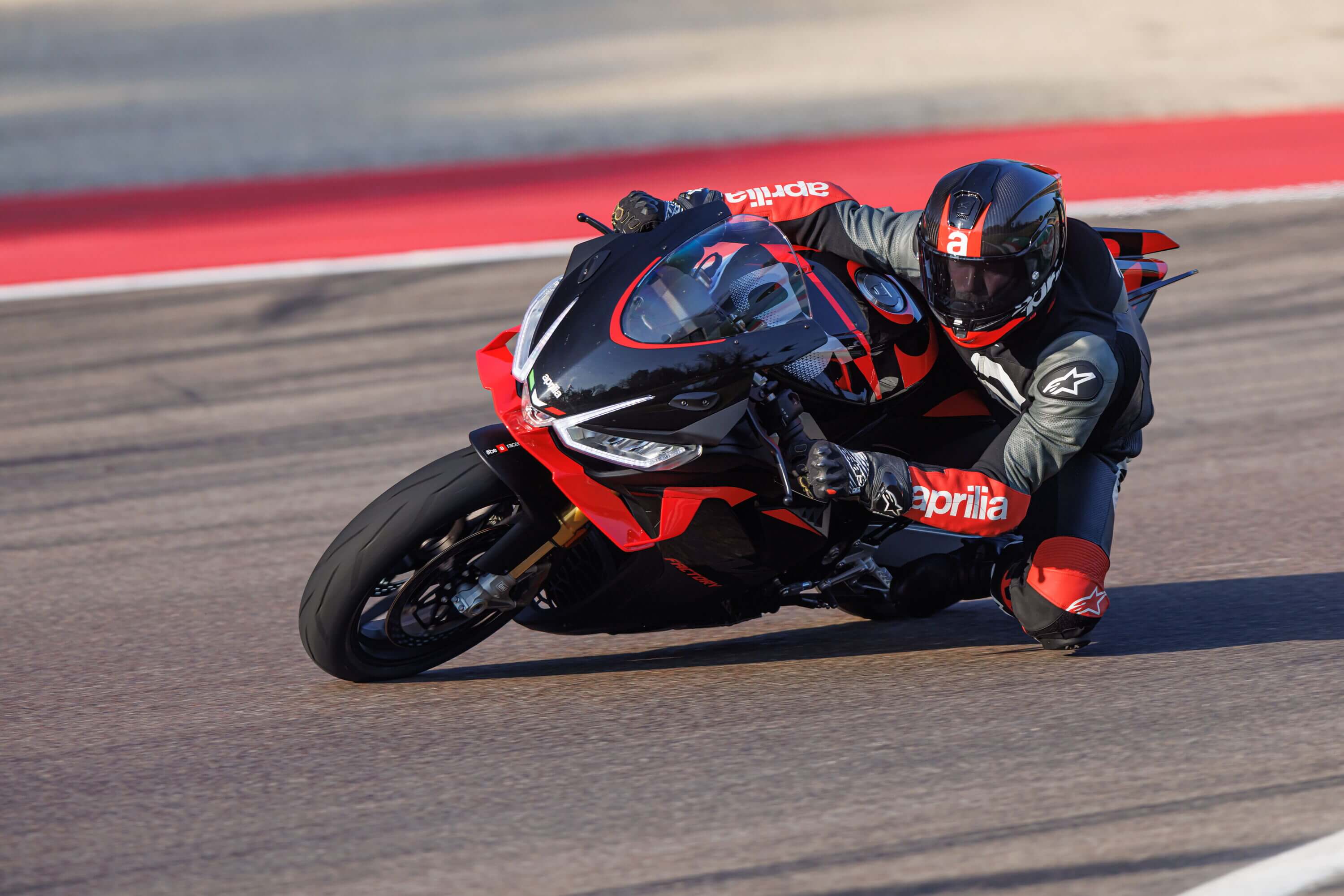
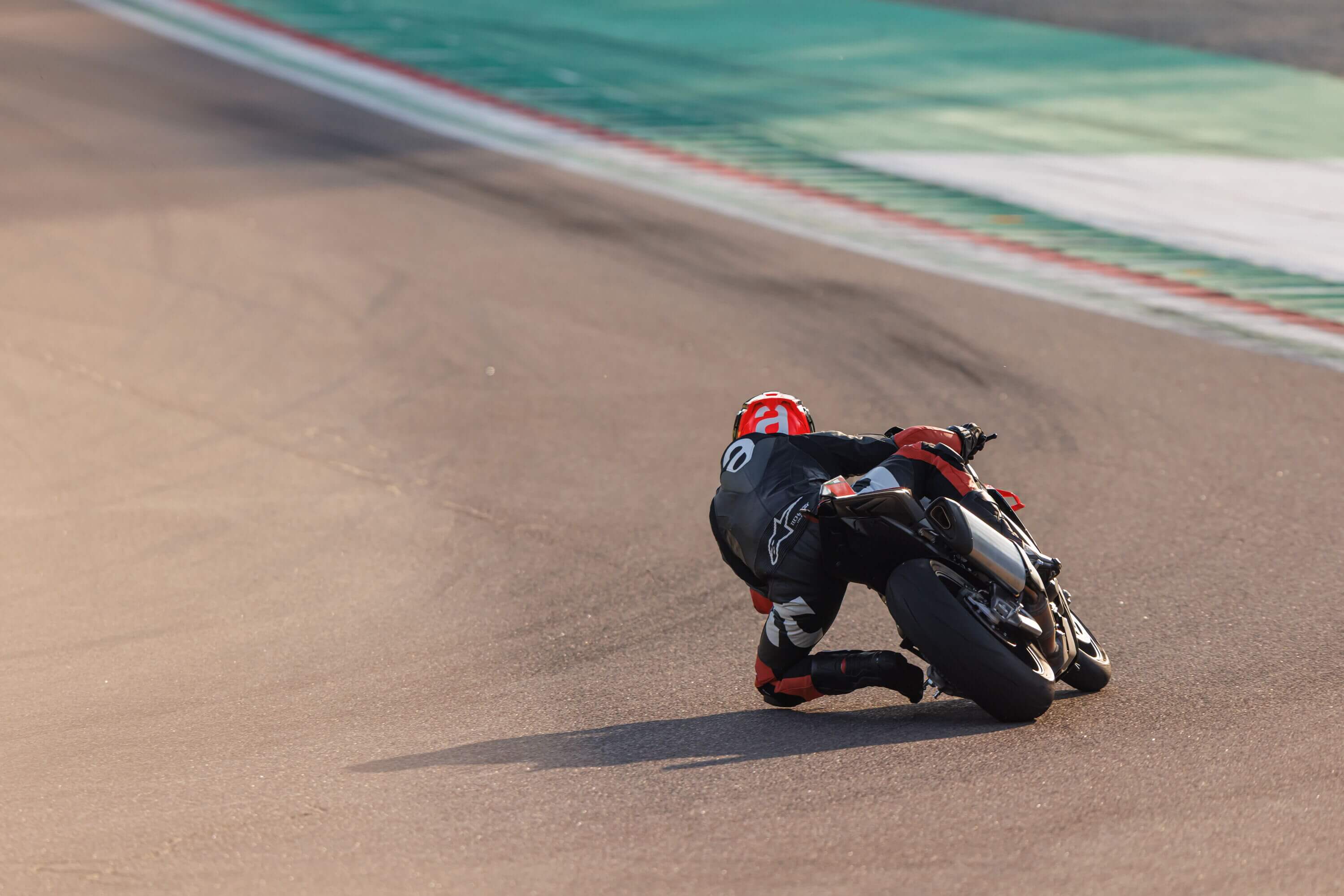
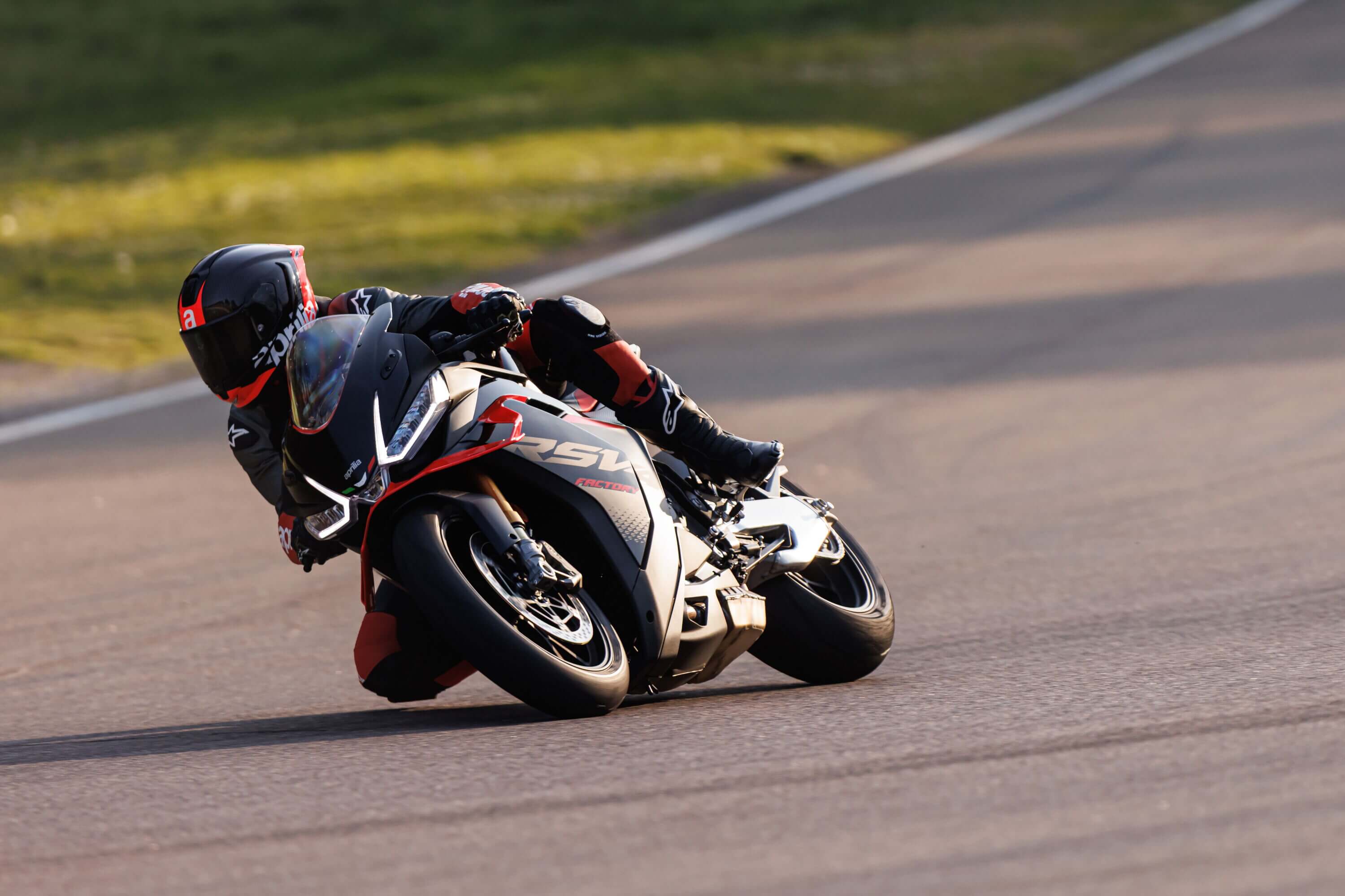
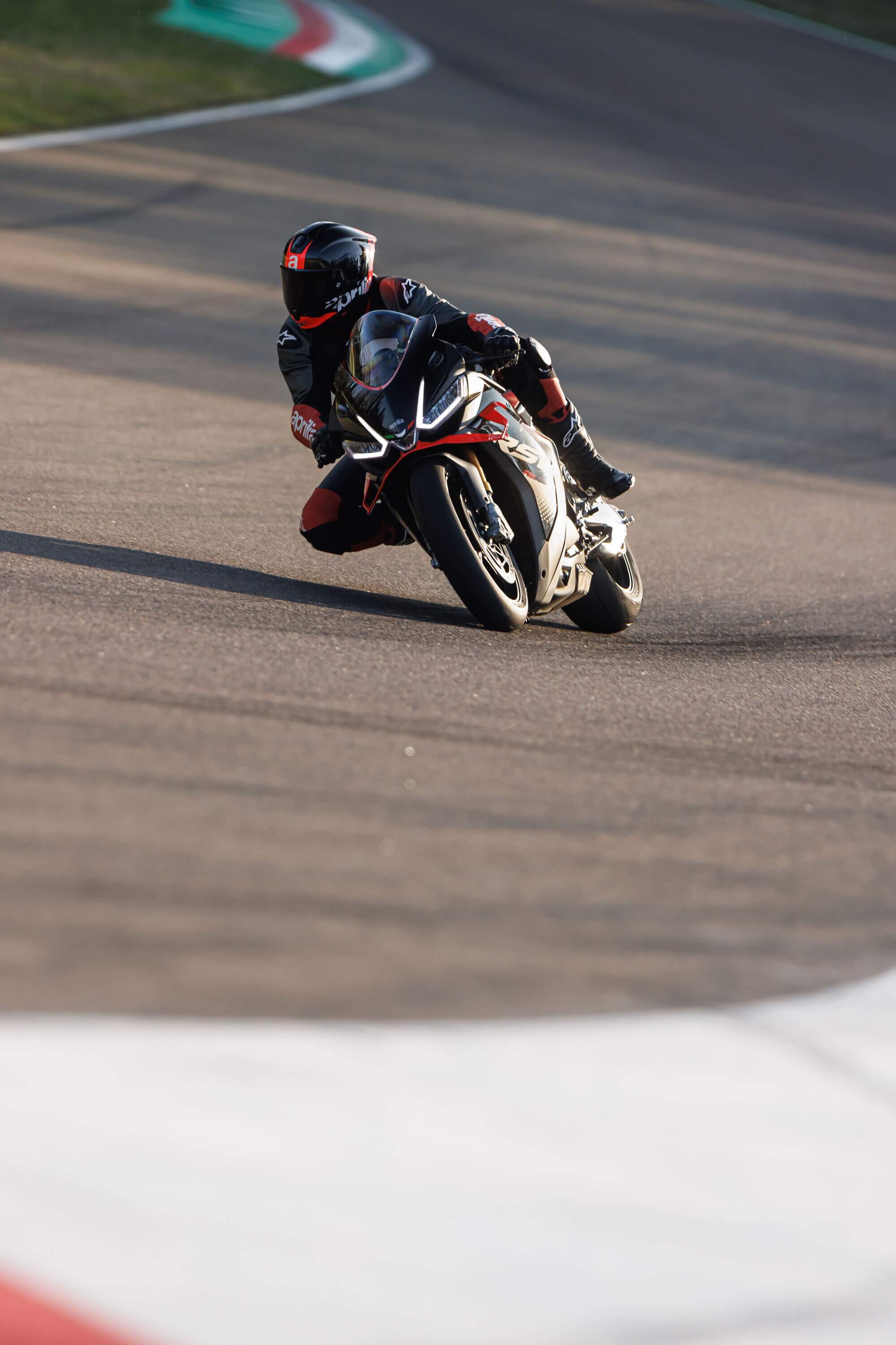
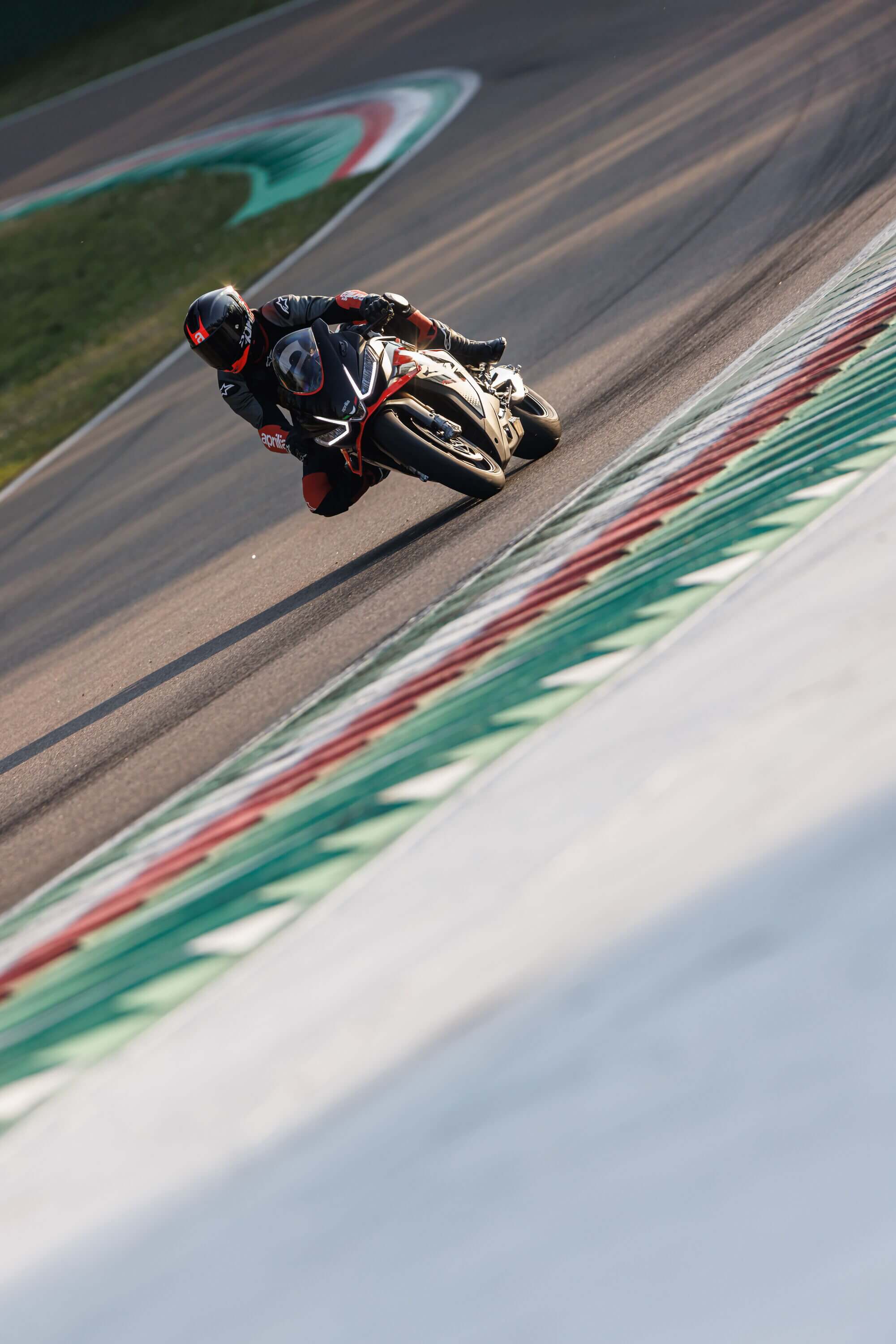
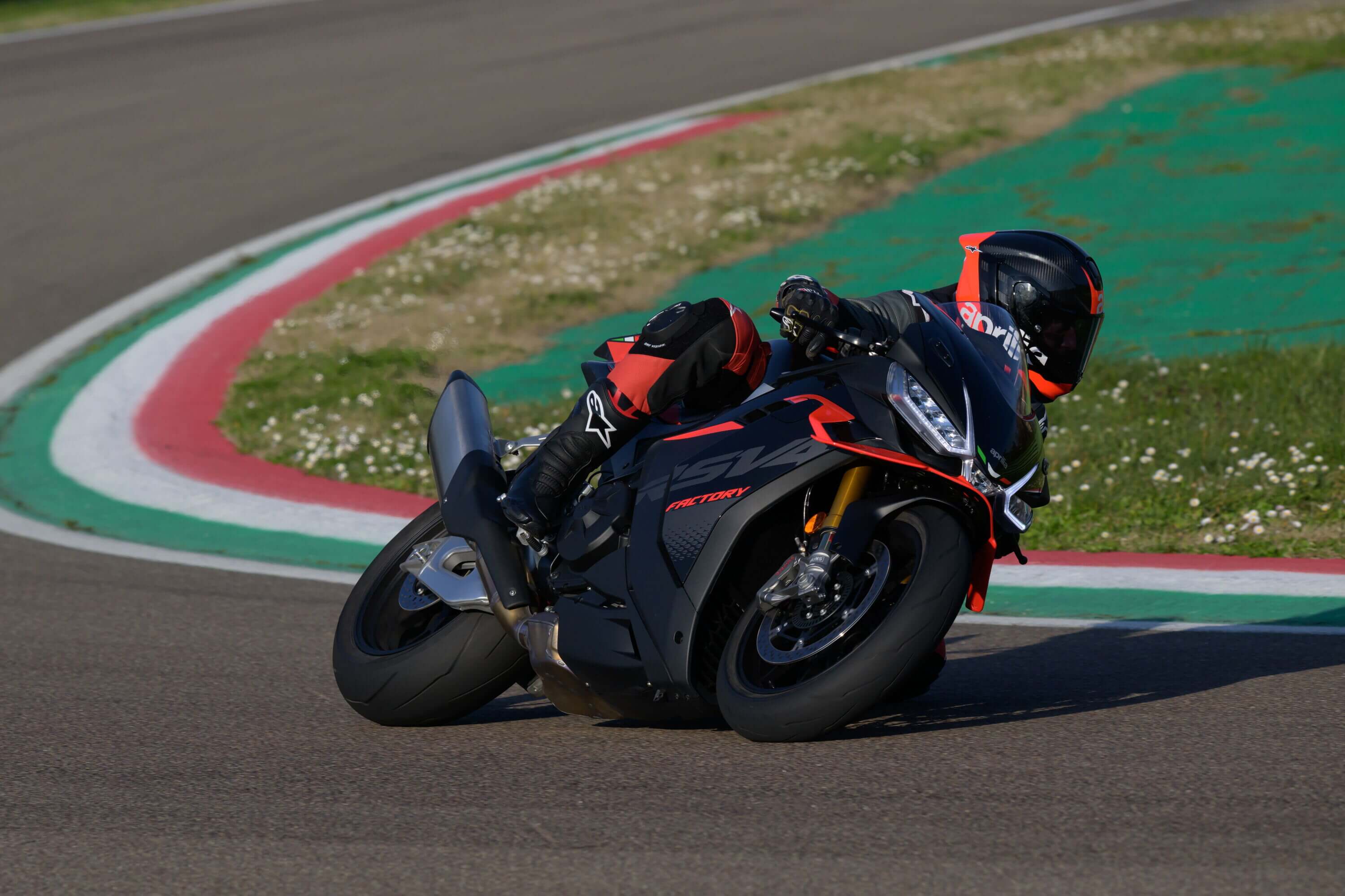
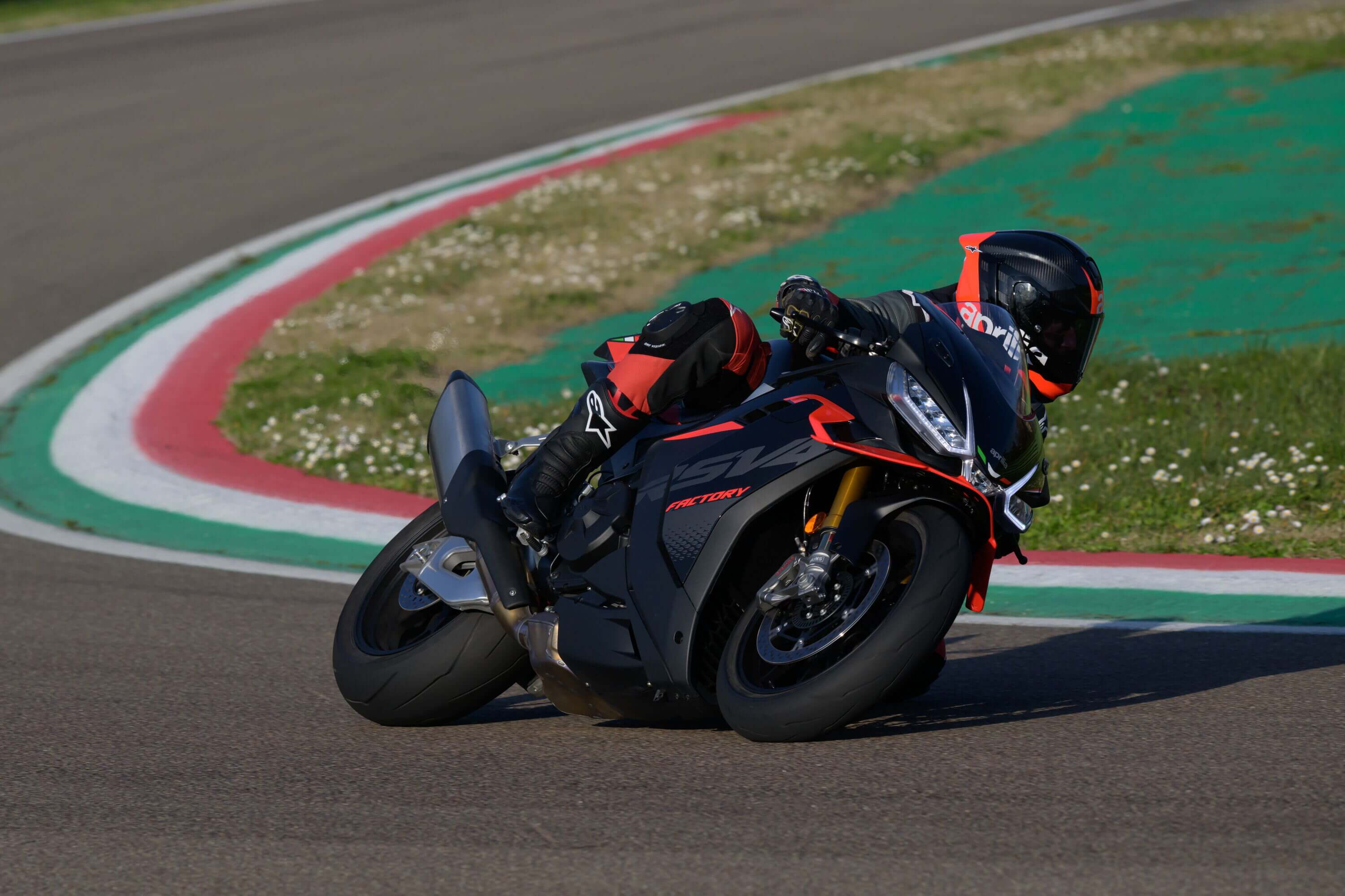
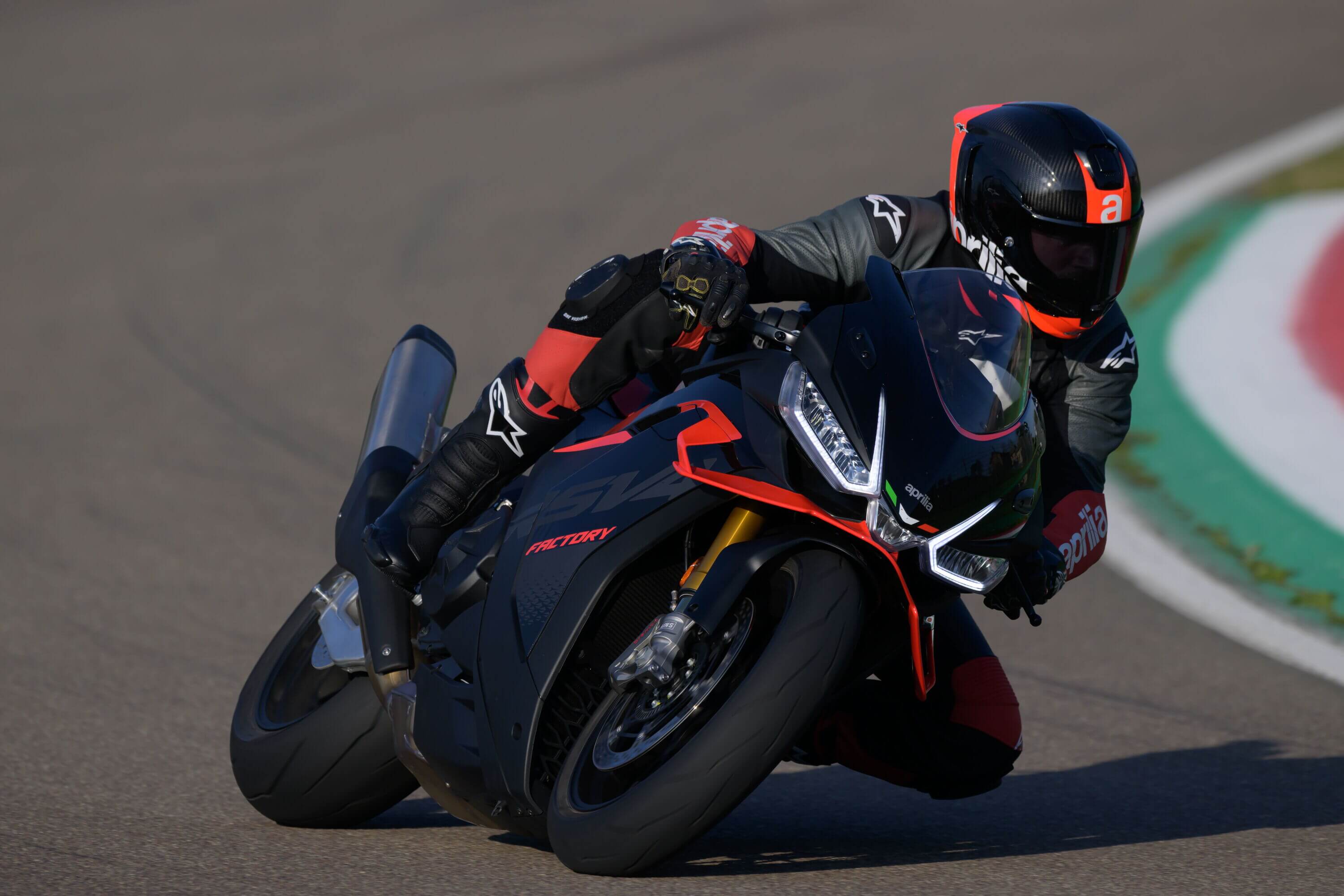

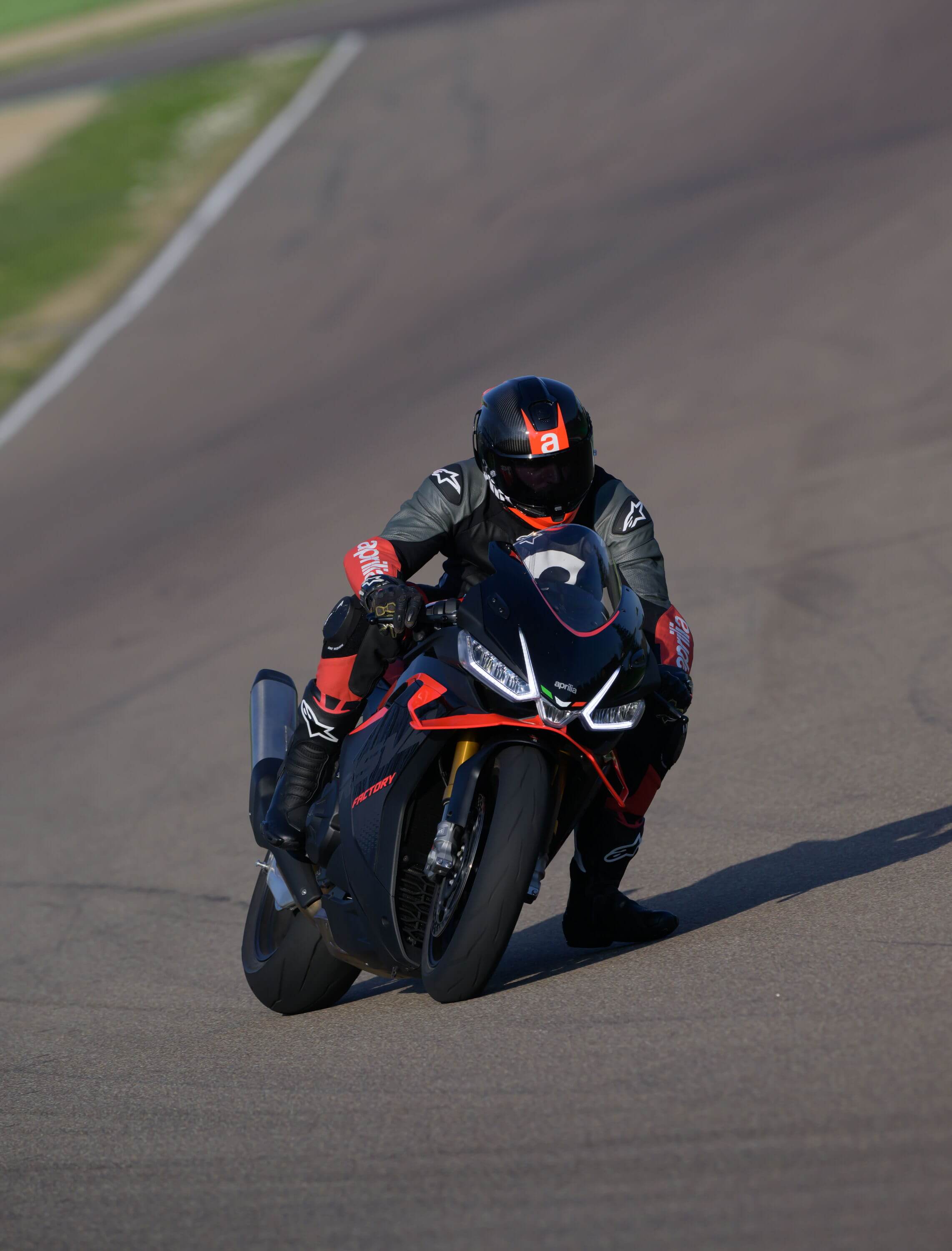

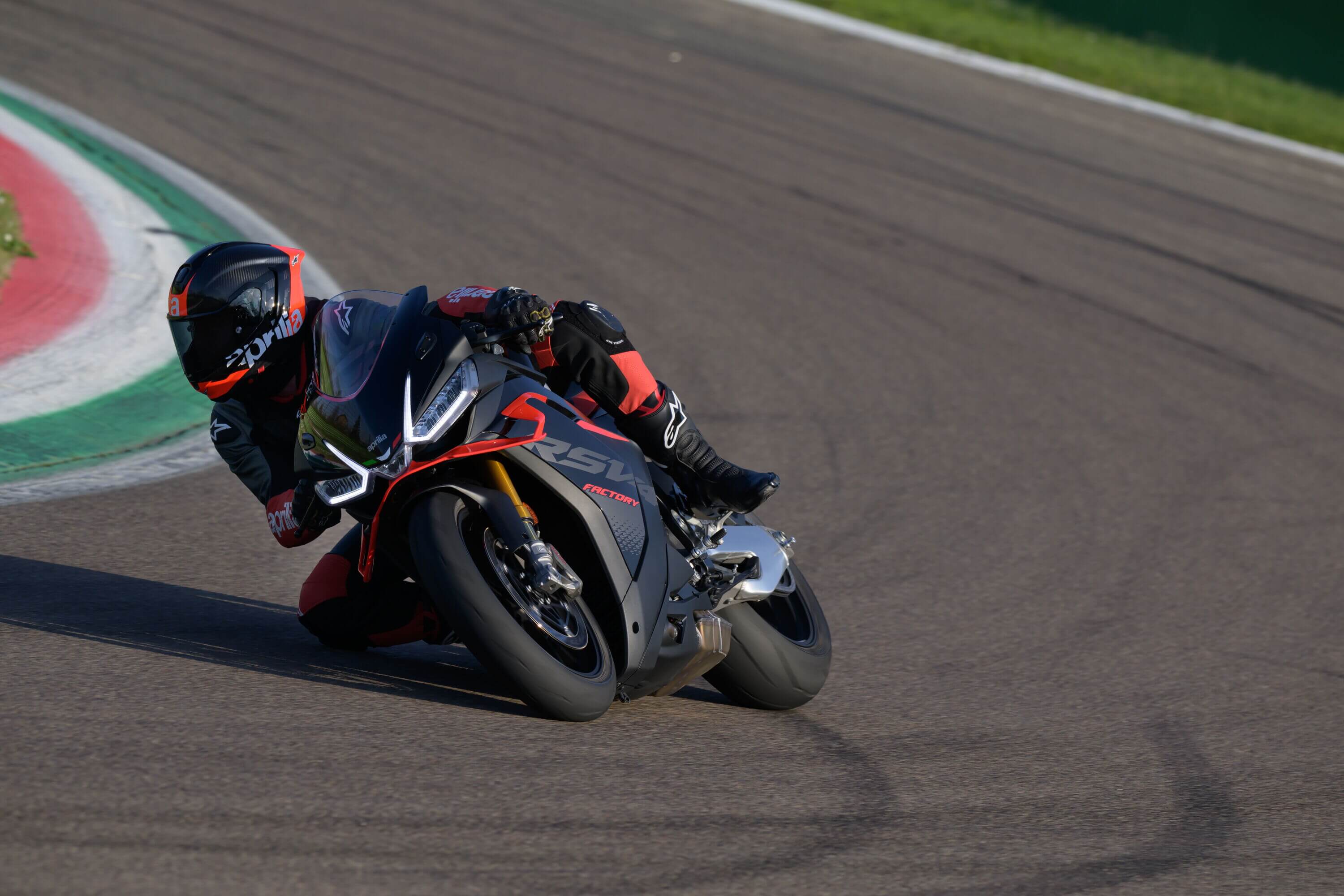
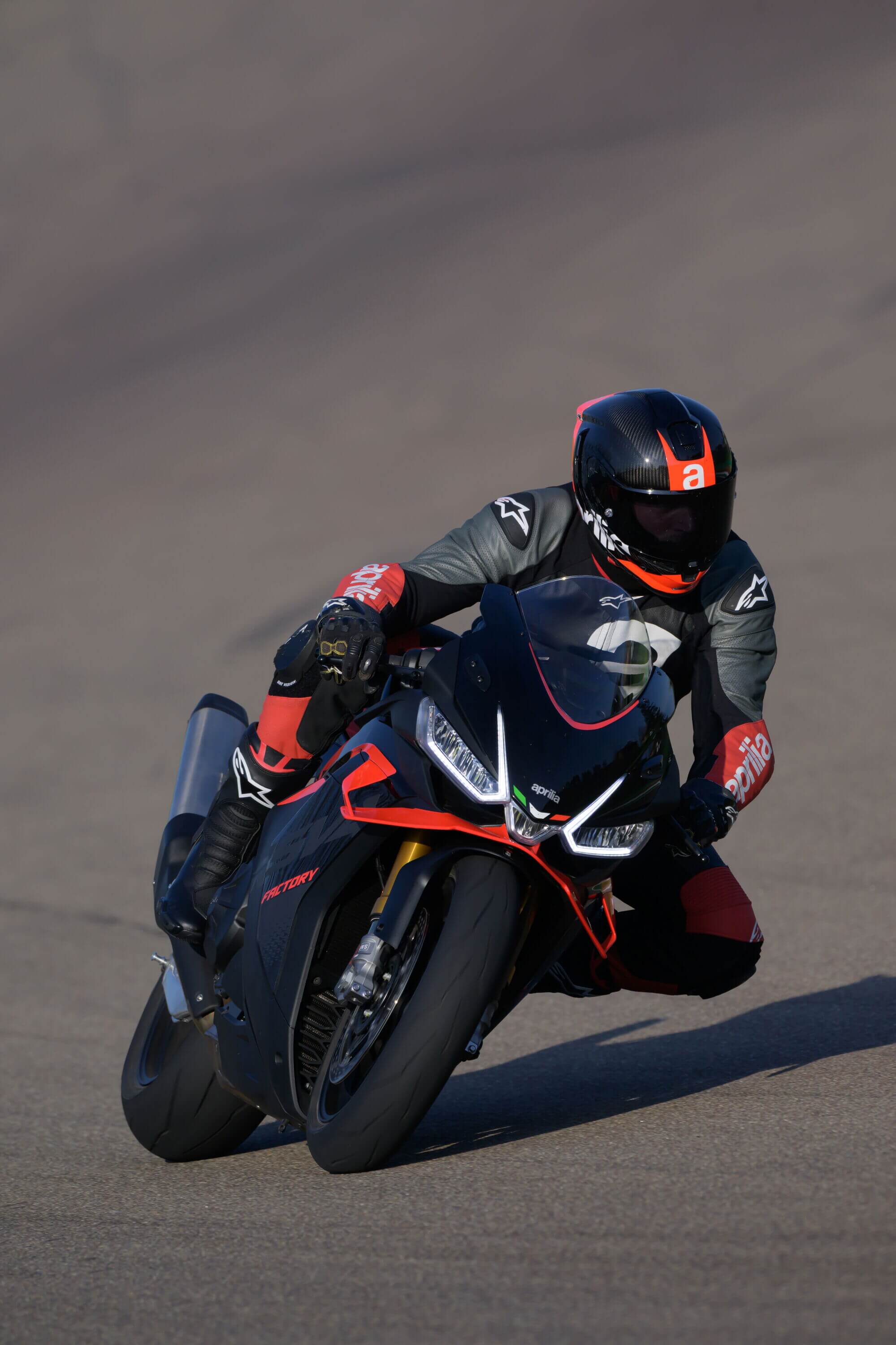
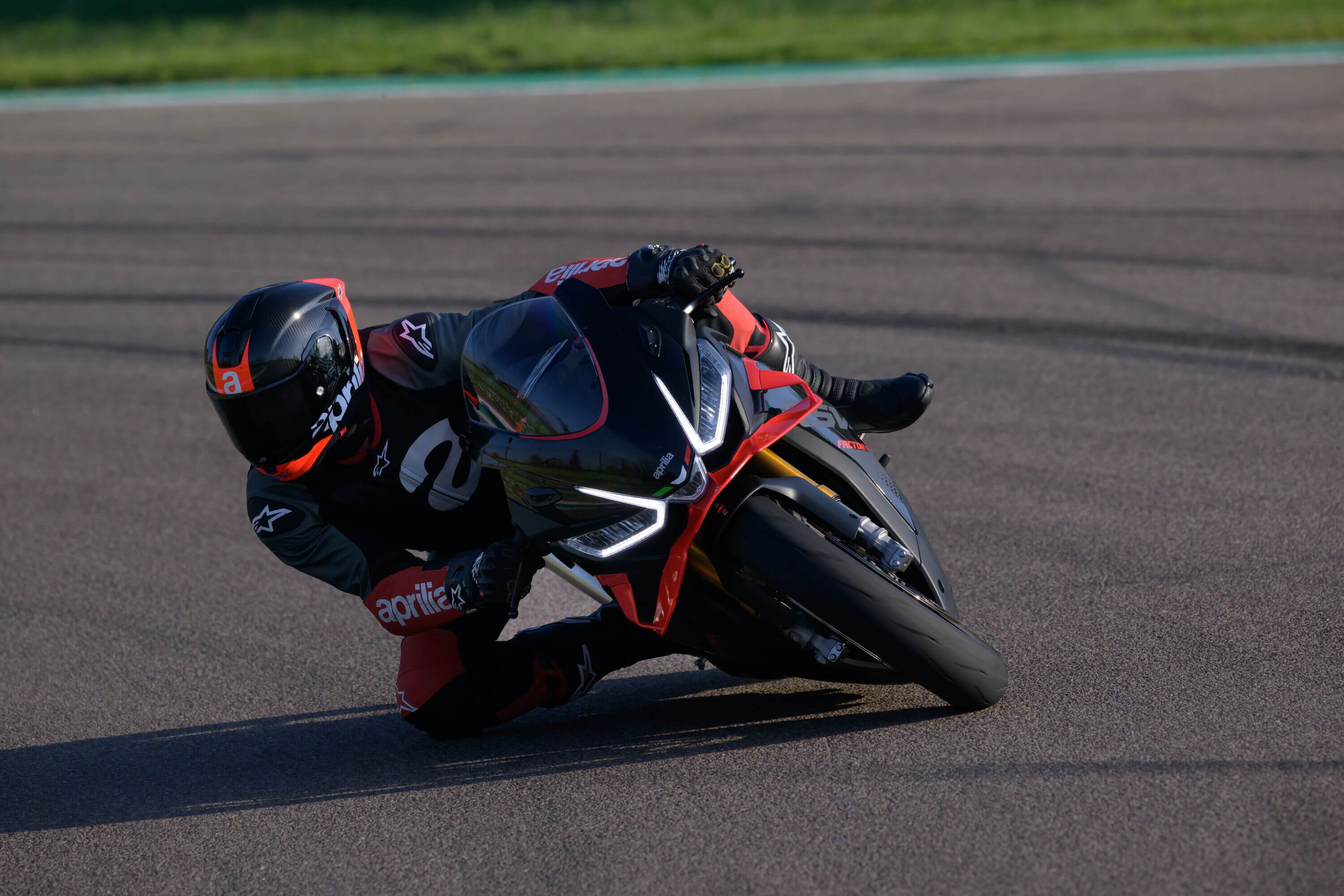
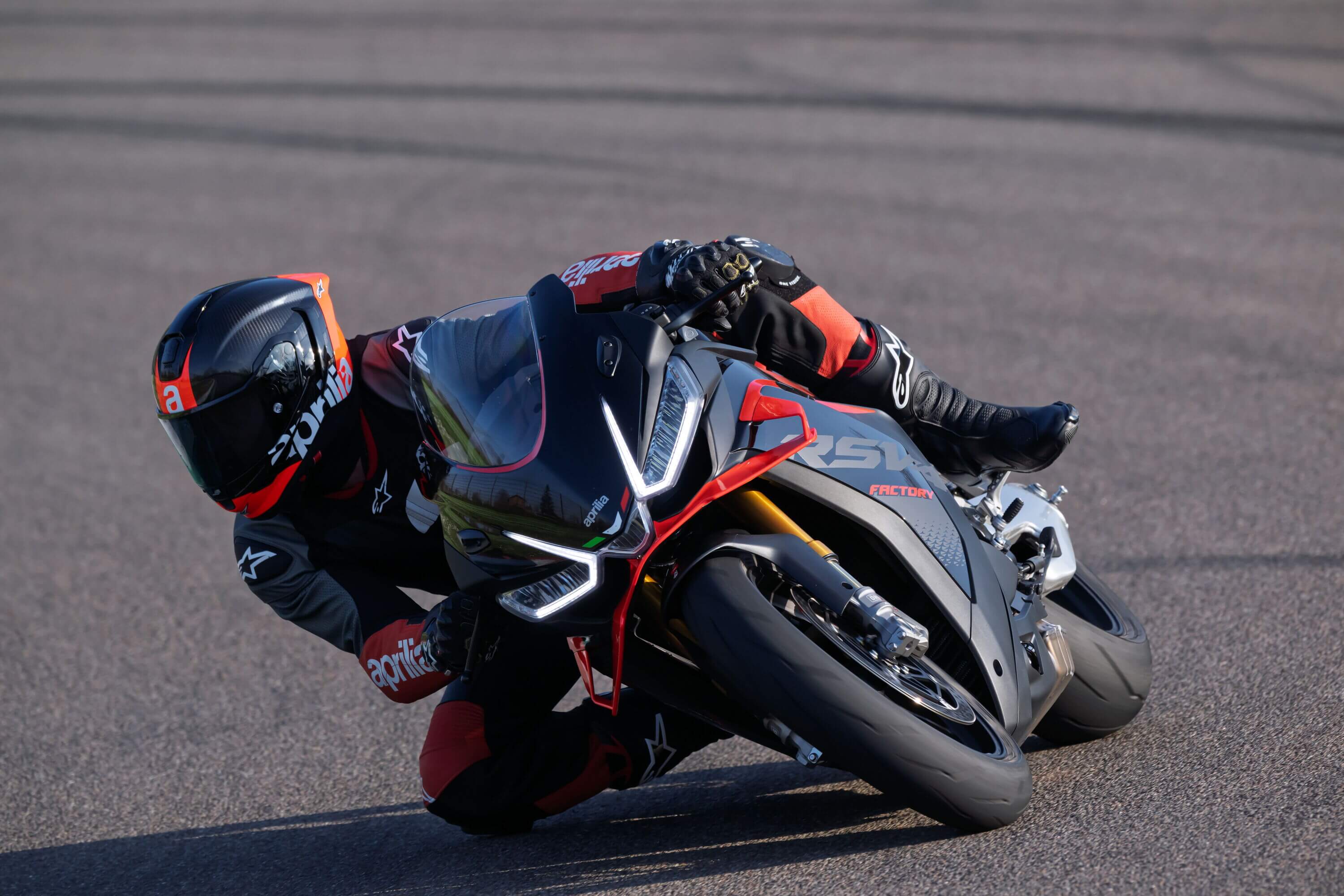
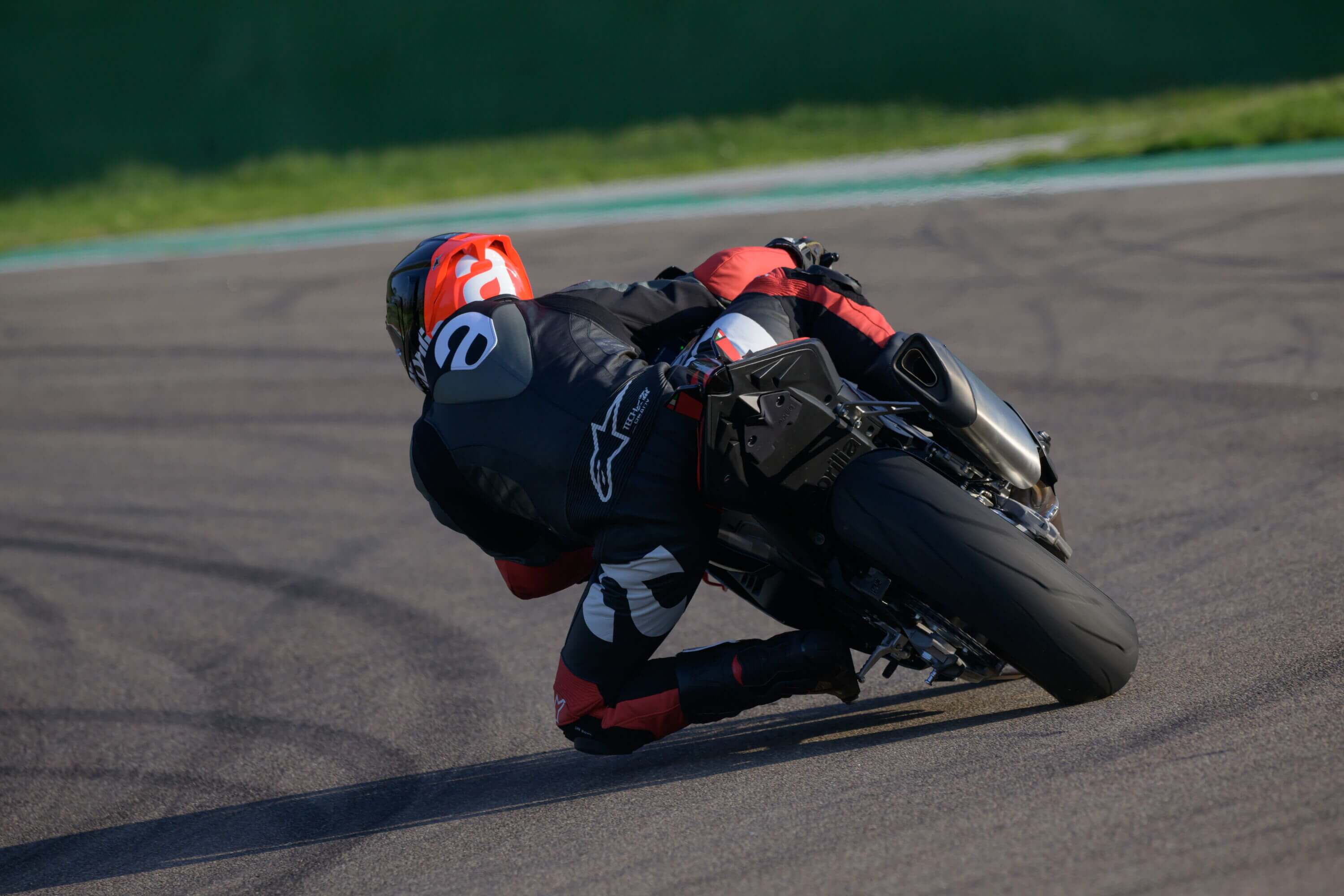
Engine: 220 hp—a number that leaves no room for debate
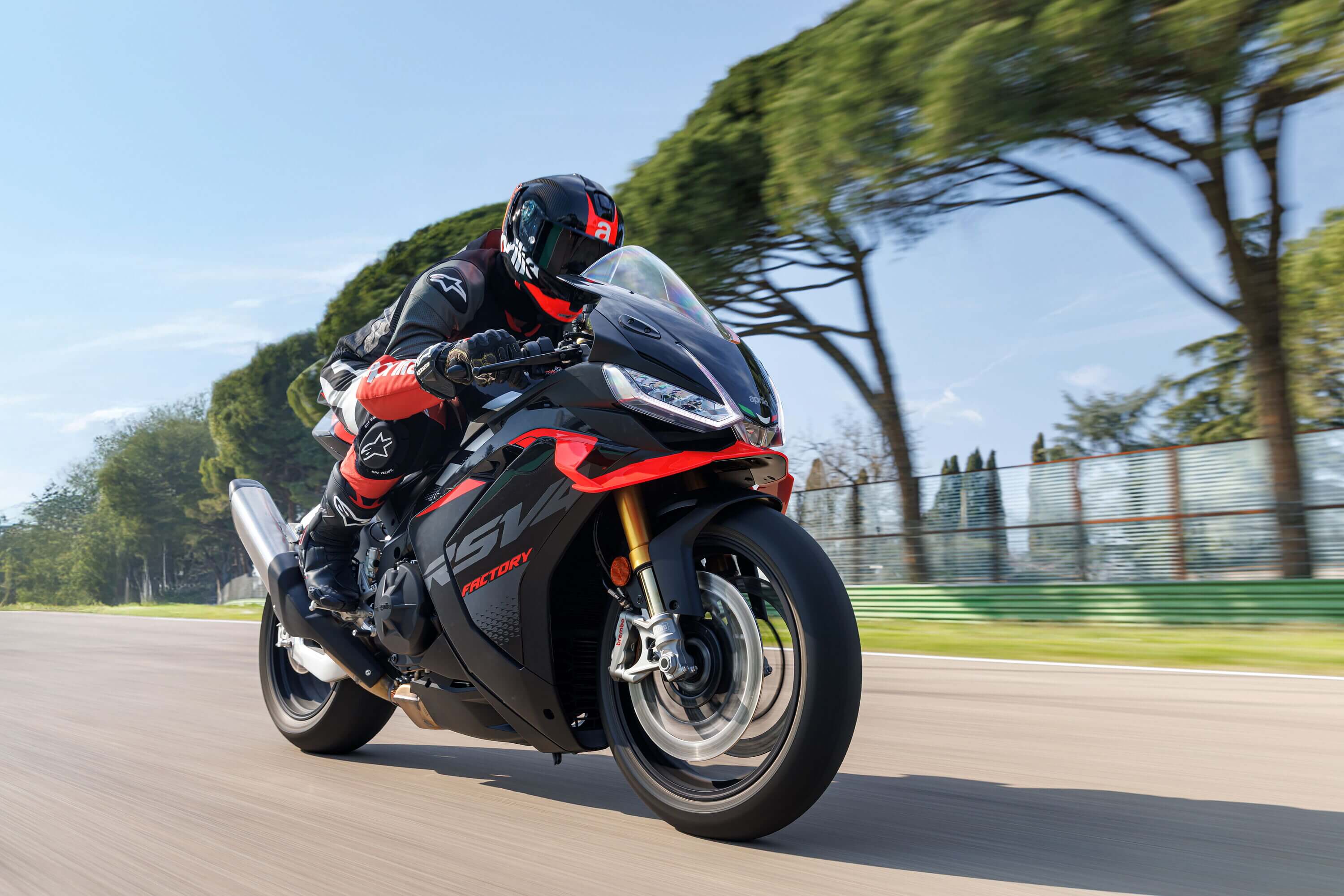
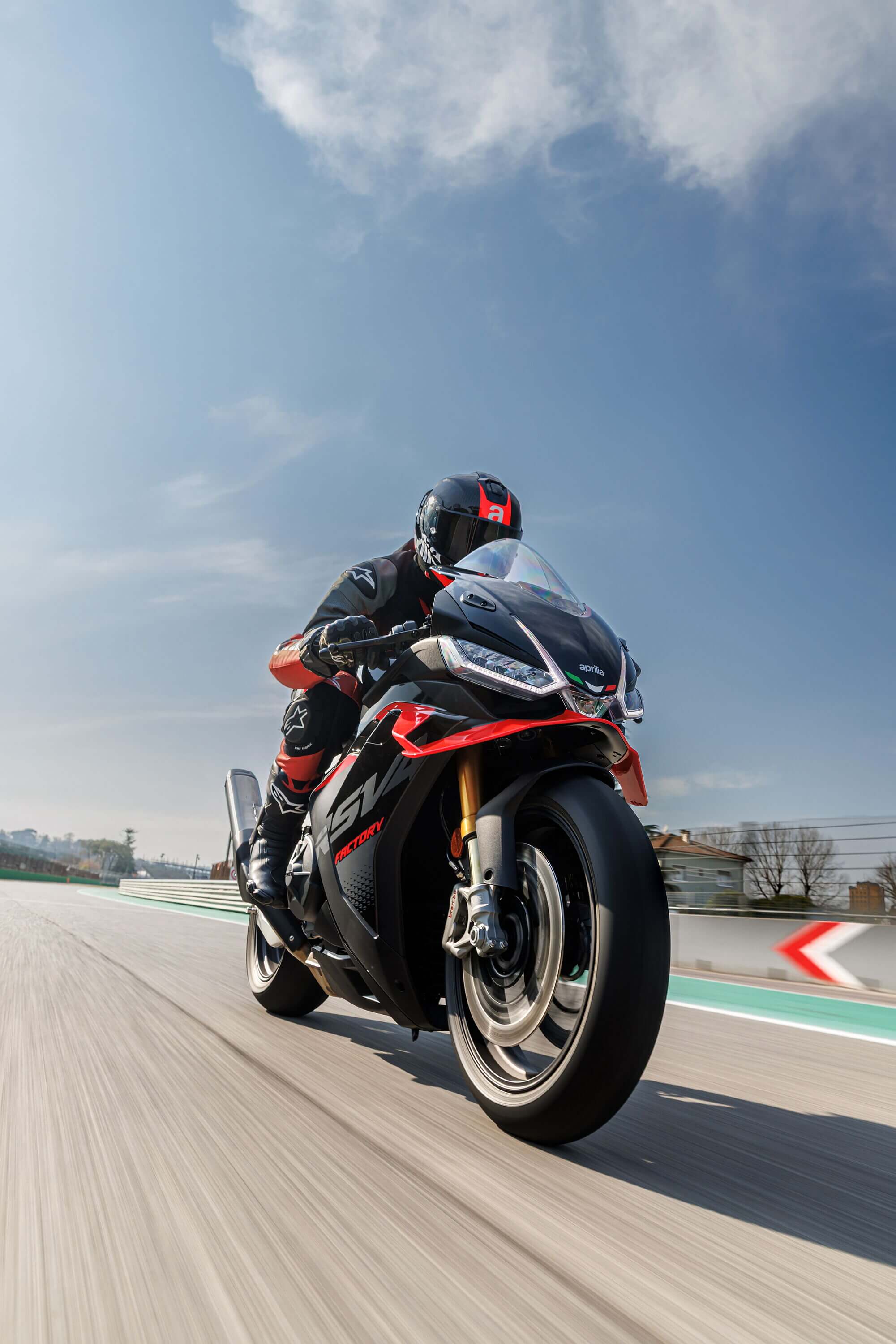
220 hp from 1,099 cc. That is not a marketing number. It is a statement. For comparison, a Ferrari 296 GTB produces 830 hp from 3,000 cc—the RSV4 Factory delivers more specific output per unit of displacement than almost any street-legal sports car. The fact that all of this sits on a motorcycle with two wheels and no roll cage is something worth thinking about for a moment. Then you put that thought aside, because from midrange rpm upward the engine is so flawlessly manageable on a backroad that you quickly forget just how much power it is carrying.
The 1,099 cc 65-degree V4 is not a new design, but it is one that becomes more refined with every model year. With 127 Nm of torque at 10,800 rpm and 80 percent of that torque already available from 6,500 rpm, it sounds like an engine that only really comes alive at the top of the rev range. In everyday riding, however, it is surprisingly flexible. You can cruise along a backroad in sixth gear at 80 km/h and still have enough in reserve to overtake. The sound is exactly what draws riders to Aprilias: a V4 growl that no parallel twin and no inline-four can replicate.
For 2025, Aprilia adapted the engine to Euro 5+ regulations and, according to factory figures, actually gained power in the process—a rare achievement credited to the new exhaust system with its revised catalytic converter and the 52 mm throttle bodies. The ride-by-wire mapping is divided among six riding modes: three for the street and three for the racetrack. The difference between Road and Track is substantial—switch into Track mode for the first time and you immediately feel it in the throttle response. The standard quickshifter with blipper function works flawlessly in both directions.
Chassis: The best production hardware has to offer
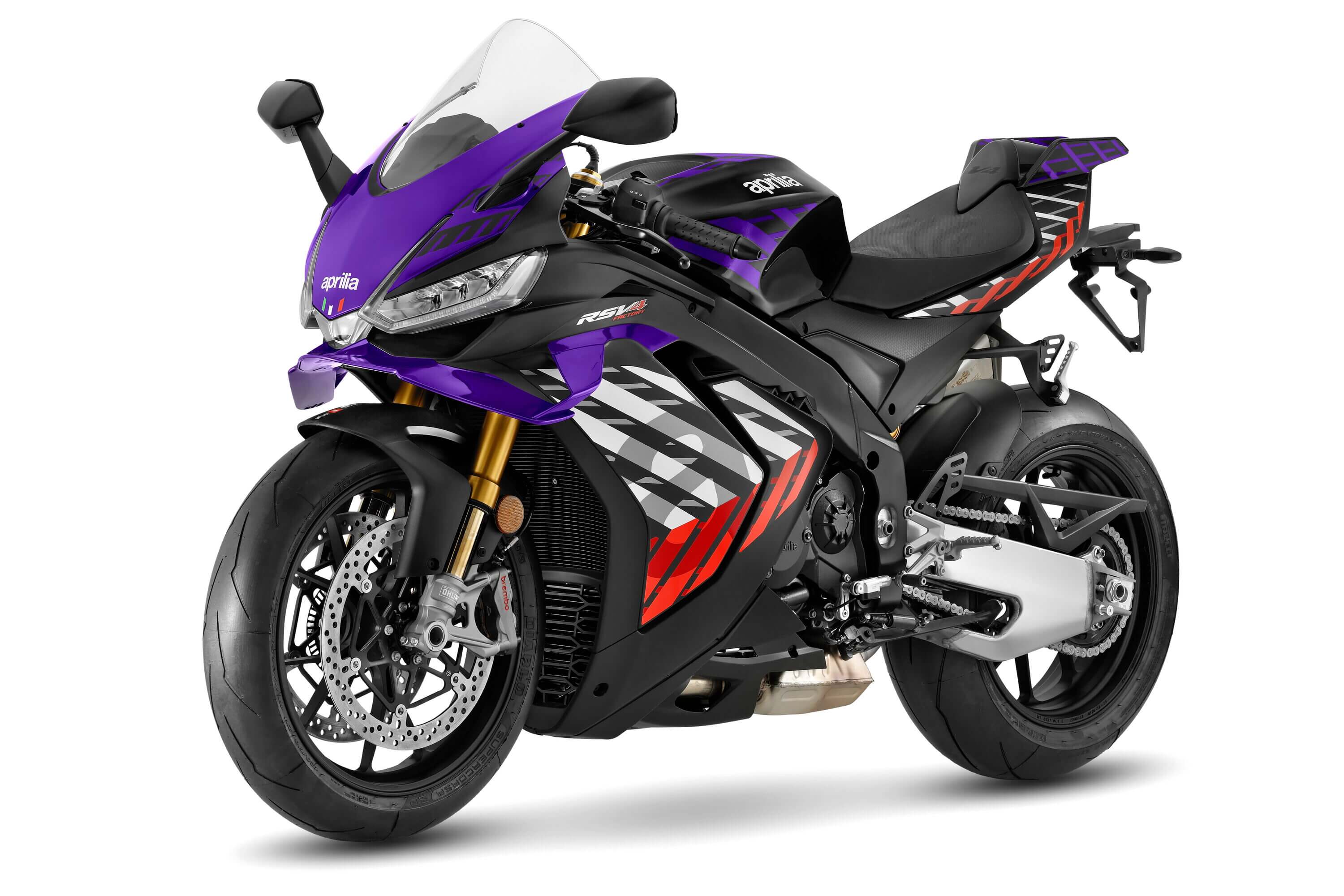
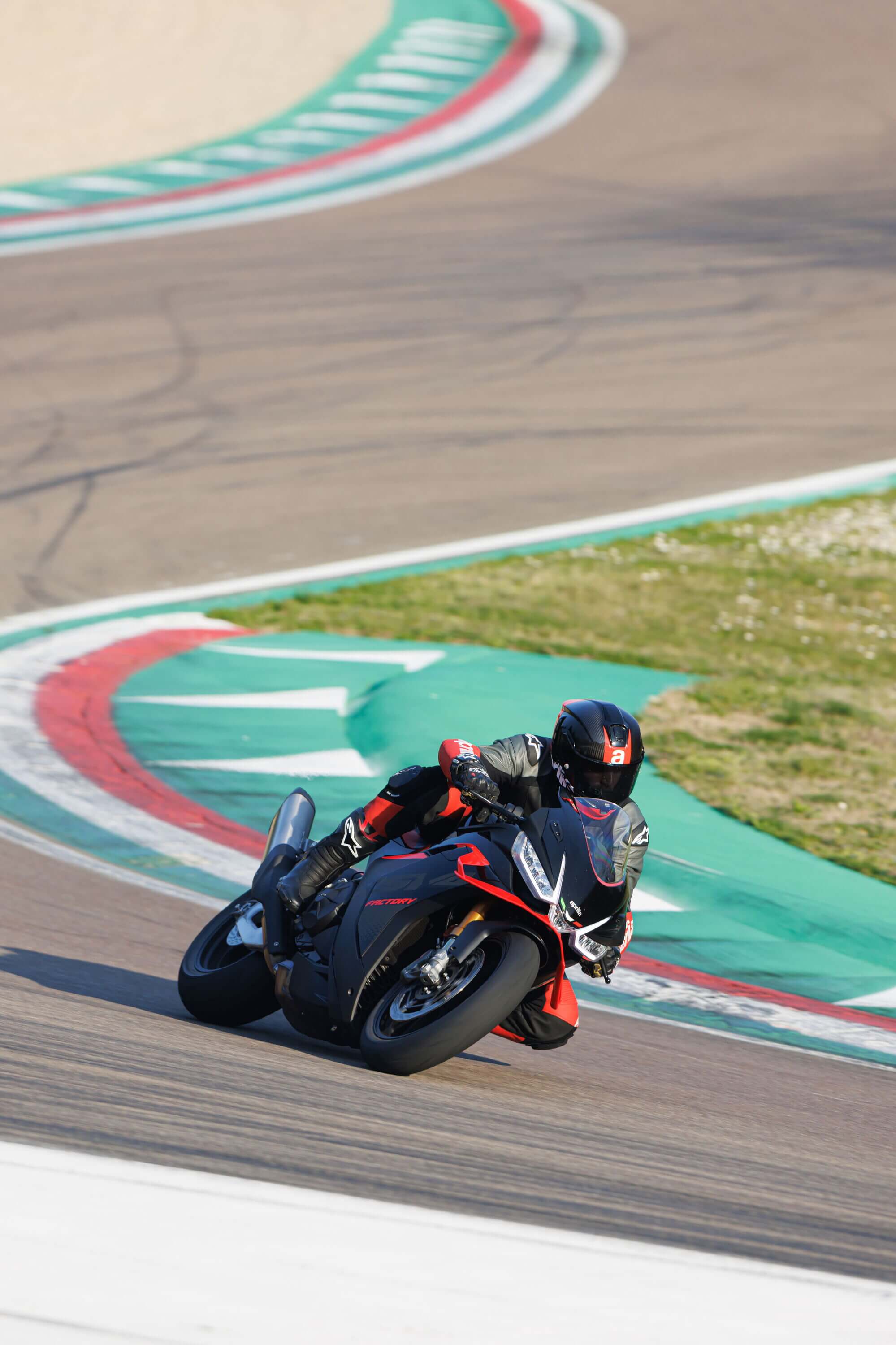
The Öhlins Smart EC 2.0 suspension is the key difference between the RSV4 and the RSV4 Factory—and it is a substantial one. Up front is an Öhlins NIX upside-down fork, at the rear a TTX36 shock, plus a semi-active Öhlins steering damper. All three components are electronically controlled, communicate with one another, and adapt in real time to riding style, speed, and road surface. In Road mode, the Factory absorbs poor pavement noticeably more comfortably than the base version’s Sachs suspension. In Track mode, it works with precision and feedback all the way into territory that simply cannot be reached on public roads.
New for 2025 and 2026 is the Corner-by-Corner function. Combined with the optional GPS module and Aprilia MIA app, the suspension can be preconfigured corner by corner—in other words, individual damping settings can be programmed for every known turn on a racetrack. This is factory-racing technology for production-bike riders. Anyone who actually uses it has a motorcycle that can feel tailor-made for their home circuit.
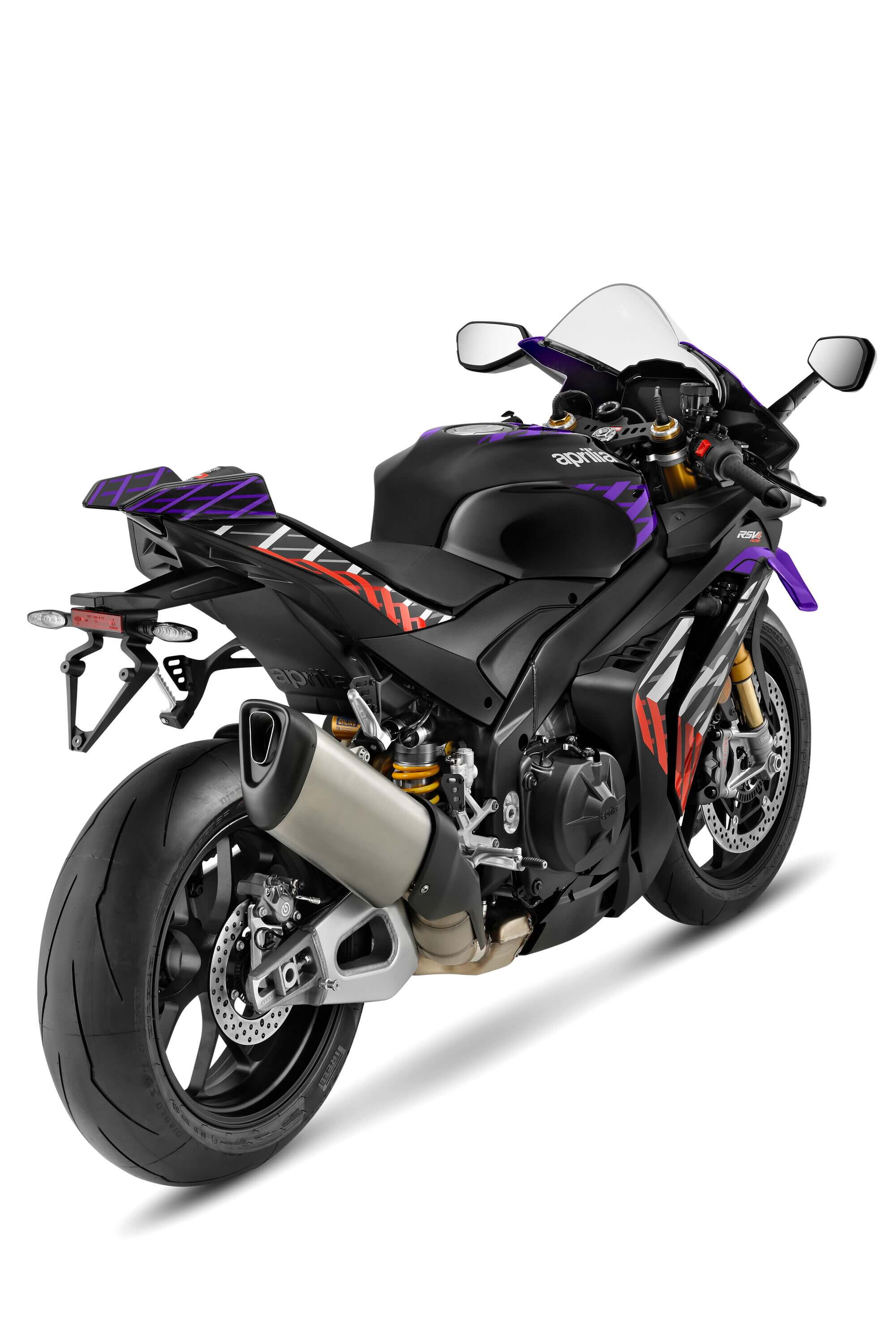
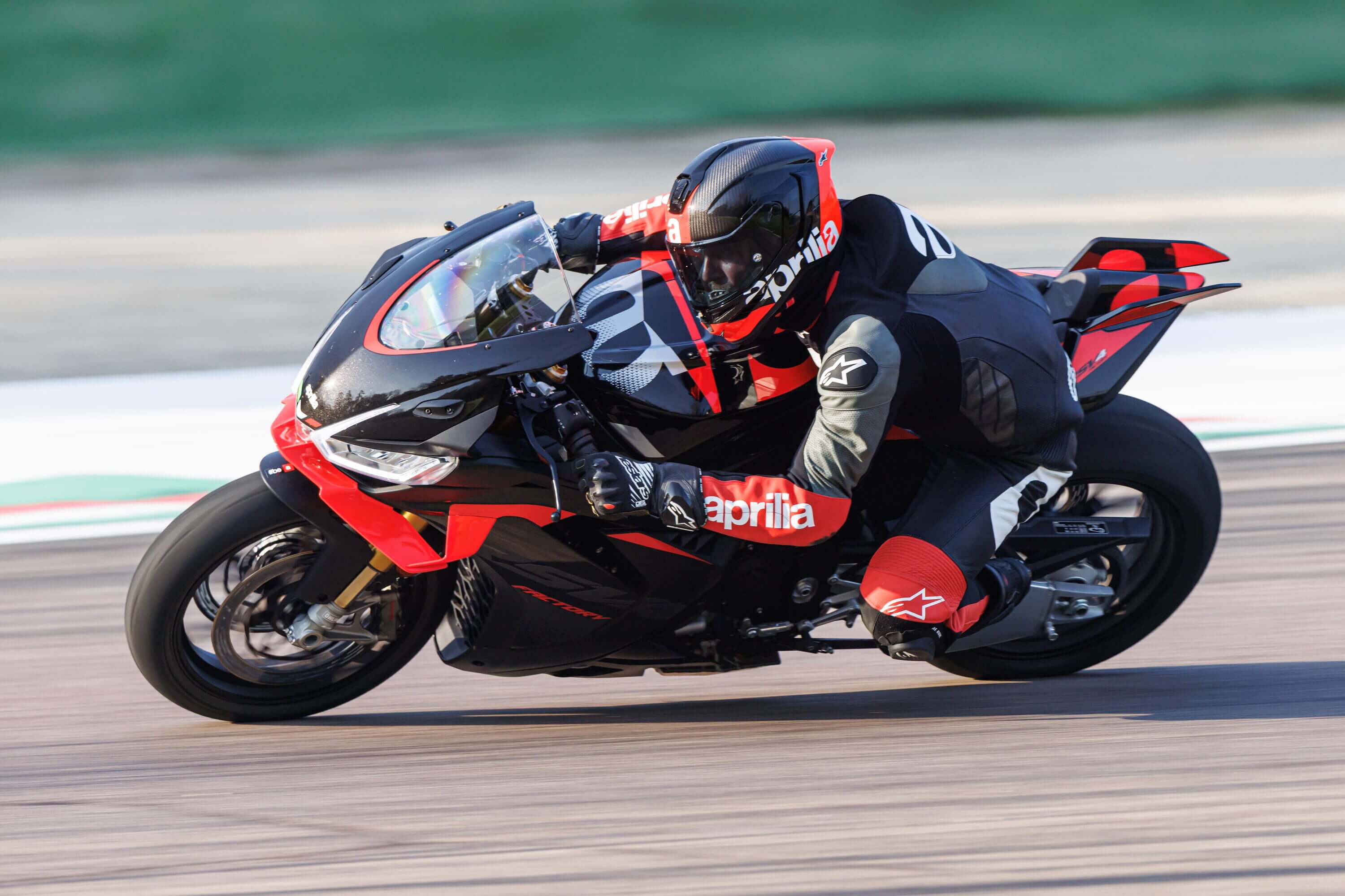
The aluminum twin-spar frame features adjustable engine mounts—a racing-derived feature that is virtually unique among production motorcycles—and allows fine adjustment of the steering geometry. The MotoGP-derived inverted swingarm, forged aluminum wheels, and wind-tunnel-developed integrated winglets complete a chassis package that has few equals among production motorcycles. The brakes—Brembo Hypure four-piston monoblock calipers gripping dual 330 mm discs, with braided steel lines fitted from the factory—deserve a chapter of their own. Deceleration, lever feel, and modulation are simply better than on almost anything that is not a racebike.
Ergonomics: Racetrack first, street by request
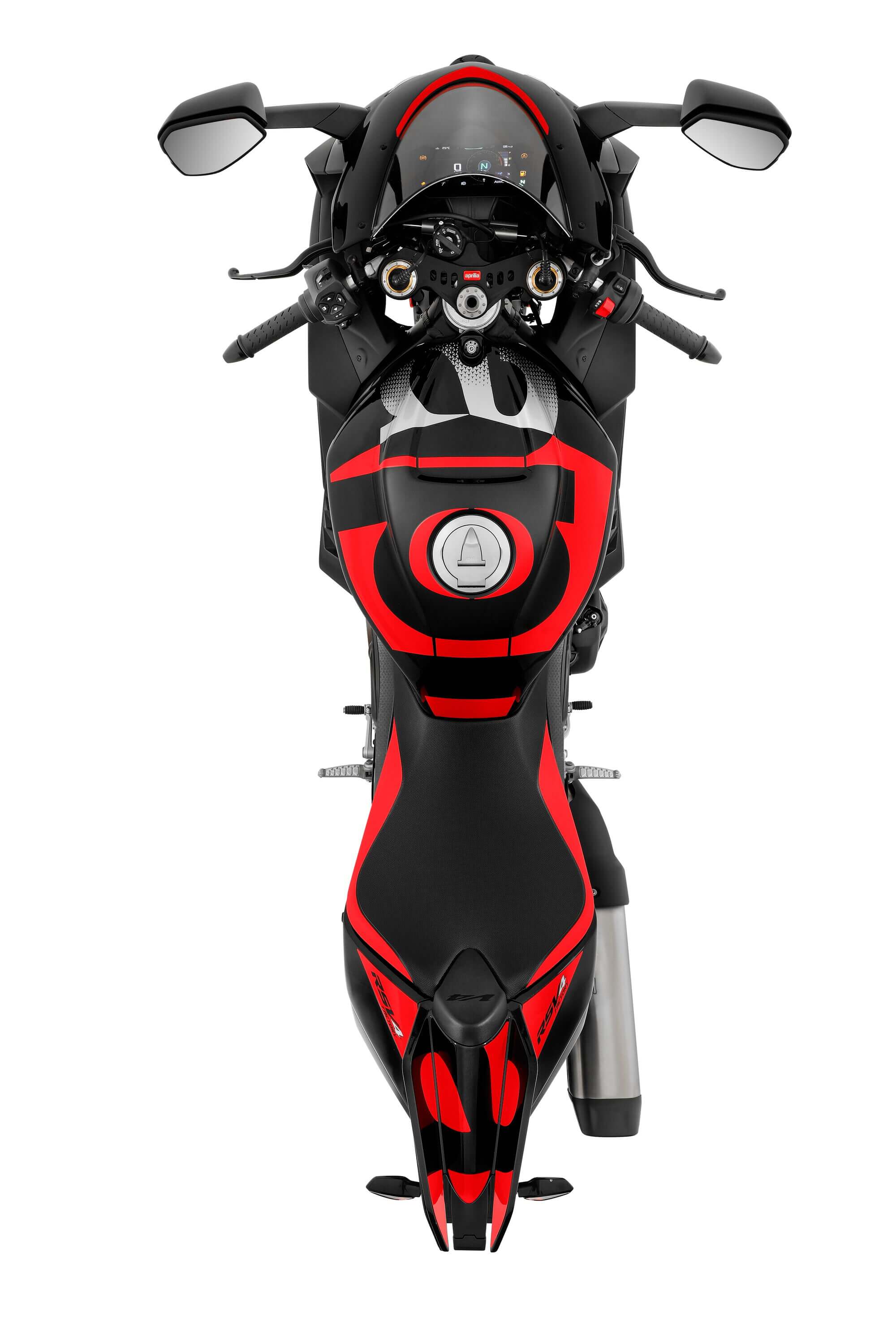
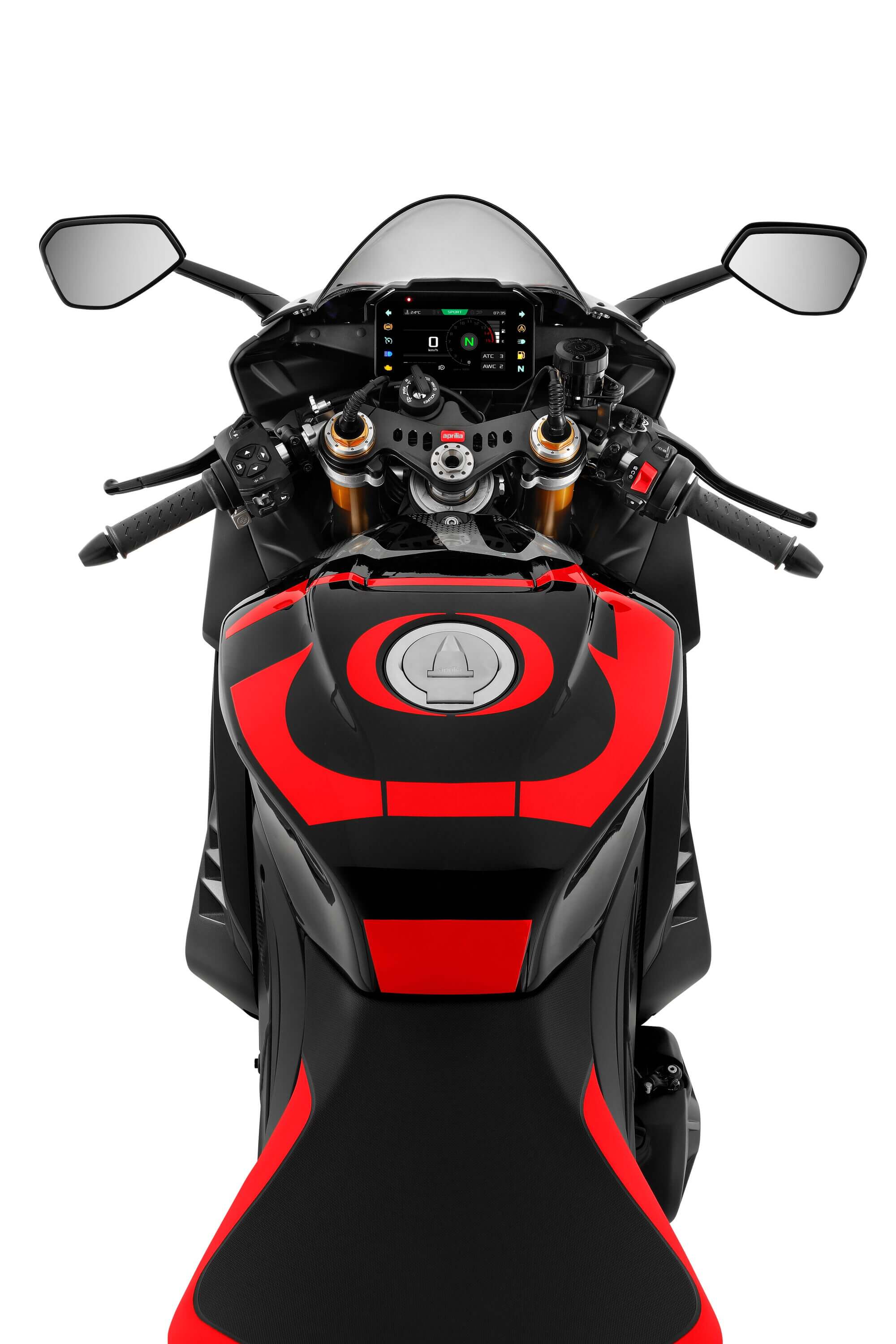
The RSV4 Factory is a superbike. The riding position makes that perfectly clear: low, forward, knees tucked tightly against the tank, clip-on handlebars, and high-mounted footpegs. It is perfect on the racetrack—and painful after 20 minutes in city traffic. If we are being realistic, nobody buys this motorcycle for the commute. You can get used to riding it that way, but the riding position will always remain a compromise on the street.
Seat height is 851 mm—normal for a fully faired superbike, but challenging for shorter riders. Below about 1.75 meters, you will not be standing flat-footed with both feet on the ground. A fully fueled weight of 199 kg is acceptable for this performance class; once moving, the motorcycle feels lighter than it actually is. At a standstill and while maneuvering, however, that weight is very real and demanding. The Factory comes standard as a solo-seater with a passenger-seat cover. A passenger seat is available as an accessory, but frankly, anyone carrying a passenger on an RSV4 Factory has misunderstood the motorcycle.
The adjustable windscreen comes standard and provides a genuine comfort advantage on highway stretches. It directs the airflow slightly higher without compromising the aerodynamics of the winglets. The RSV4 Factory nevertheless remains demanding over long distances—not because of wind pressure, but because of the riding position. That is not a flaw, that is the concept.
Handling: Deserves respect, demands respect
199 kg fully fueled, 220 hp—both numbers are real. At moderate speeds, the RSV4 Factory is remarkably manageable; its geometry and suspension make it feel more agile than the raw figures suggest. In the city, in parking lots, or while making a U-turn in a narrow street, you notice the weight. You also notice that this motorcycle does not forgive inattention. Anyone who has never ridden a 200-plus-horsepower motorcycle should start with the standard version or gain extensive racetrack experience before seriously riding the Factory on public roads.
The 5-inch TFT display is excellent: a large screen, clearly structured, and controllable through the handlebar switchgear even while wearing gloves. Aprilia MIA—the multimedia platform—is standard and connects the motorcycle to your smartphone: navigation on the display, answering calls, controlling music. For a superbike in this price range, that is exactly what you would expect. The Akrapovič slip-on exhaust from the accessories catalog is the most popular first purchase after the motorcycle itself—it costs extra, but it sounds like a lot more.
The 17-liter fuel tank provides a range of roughly 170 to 200 km with a sporty riding style. Run it flat-out on the racetrack and you are looking at closer to 130 km. There is no standard luggage system, which is hardly surprising on a superbike of this type and certainly not a legitimate criticism.
Equipment: Complete. No need to check boxes on the options list.
The RSV4 Factory has everything. The APRC package includes eight-level traction control, three-level Slide Control, Wheelie Control with adaptive and predictive functions, Launch Control, Pit Limiter, engine-brake control, cornering ABS with three configurations including Race mode, six riding modes, a quickshifter with blipper, cruise control, and Corner-by-Corner suspension and engine management. Standard equipment also includes braided steel brake lines, forged aluminum wheels, Aprilia MIA, LED lighting with adaptive cornering lights, and the adjustable windscreen. Compared with the base version, the Factory adds the Öhlins suspension, semi-active steering damper, Hypure brakes, Slide Control, and Corner-by-Corner functionality.
What is officially missing? Blind-spot monitoring. In this price class and for this target audience, that is not a dealbreaker—if you ride an RSV4 Factory, you look in the mirrors. The GPS functionality for Corner-by-Corner operation and the expanded telemetry analysis are available as in-app purchases through the Aprilia MIA app. Not every buyer walking in with €26,000 in their pocket will appreciate that business model, but at least it works without requiring a trip to the dealer.
Costs: A lot of motorcycle. A lot of money. No contradiction.
Prices start at around €26,490—depending on dealer and promotions, actual pricing ranges from roughly €25,050 to €27,050. That makes the RSV4 Factory the most expensive motorcycle in Aprilia’s current lineup, but not one that fails to justify its price. For comparison, a Ducati Panigale V4 S costs more than €30,000, while a BMW M 1000 RR exceeds €35,000. Considering the technology included with the RSV4 Factory, it is actually inexpensive within this class.
Running an RSV4 Factory is not an exercise in saving money. Service is required annually or every 10,000 km, with a routine annual inspection costing between €400 and €600 depending on the dealer. The major 20,000 km service, including valve inspection and adjustment—a labor-intensive job on a V4—realistically costs €800 to €1,300. Tires in 120/70-17 front and 200/55-17 rear sizes are expensive when you are buying Pirelli Supercorsas or Michelin Power Cups, and aggressive riders will need replacements more often than they might expect. Fuel consumption ranges from 7 to 10 liters per 100 km depending on riding style. Warranty: two years with unlimited mileage.
Verdict
The Aprilia RSV4 Factory is the most uncompromising street-legal production motorcycle you can buy. 220 hp, Öhlins electronic suspension, Brembo Hypure brakes, Corner-by-Corner control—this is not a list of optional extras. It is the current state of the art, all at once, in one motorcycle. If you need that level of capability and know what to do with it, you will struggle to find a better package. If you buy it just to show off, you have bought the wrong motorcycle from the right shelf.
Quick Check
+ 220 hp—the world’s most powerful street-legal production motorcycle
+ Öhlins Smart EC 2.0 with semi-active steering damper—benchmark-level suspension
+ Brembo Hypure brakes with factory-fitted braided steel lines
+ The most comprehensive APRC electronics package available on a production motorcycle
+ Corner-by-Corner suspension and engine management
+ Aprilia MIA standard—smartphone integration at no extra cost
+ Comparatively fair pricing at the top end of the superbike class
– Riding position is exclusively for sport-oriented riders—no everyday comfort
– 851 mm seat height—challenging for shorter riders
– 199 kg fully fueled—noticeable at a standstill and while maneuvering
– High maintenance costs—major service €800–€1,300
– GPS and telemetry functions available only as in-app purchases
– No blind-spot monitoring
Technical Specifications: Aprilia RSV4 Factory (2026)
Country of manufacture: Italy (Noale, Veneto)
Engine: Liquid-cooled 65-degree V4, DOHC, 4 valves per cylinder, Euro 5+
Displacement: 1,099 cc
Power: 220 hp (162 kW) at 13,000 rpm
Torque: 127 Nm at 10,800 rpm
Transmission: 6-speed
Final drive: Chain
Front suspension: Öhlins NIX USD fork, semi-active (Smart EC 2.0), 120 mm travel
Rear suspension: Öhlins TTX36 shock, semi-active (Smart EC 2.0), 130 mm travel; semi-active Öhlins steering damper
Front brakes: Dual 330 mm discs, radial-mount Brembo Hypure four-piston monoblock calipers, braided steel lines
Rear brake: 220 mm disc, Brembo two-piston caliper
Front tire: 120/70 ZR17
Rear tire: 200/55 ZR17
Rider aids: Cornering ABS including Race configuration; APRC: ATC (8 levels), ASC (3 levels), AWC (adaptive/predictive), ALC, ACC (cruise control), APL (Pit Limiter), AQS (up/down quickshifter), 6 riding modes, Corner-by-Corner, 6-axis IMU, Aprilia MIA
Wet weight: 199 kg
Seat height: 851 mm
Fuel capacity: 17 liters
Price (Germany): from €26,490
Warranty: 2 years, unlimited mileage