Review Aprilia RS 457 (2026)

The A2 Sportbike That Makes No Compromises
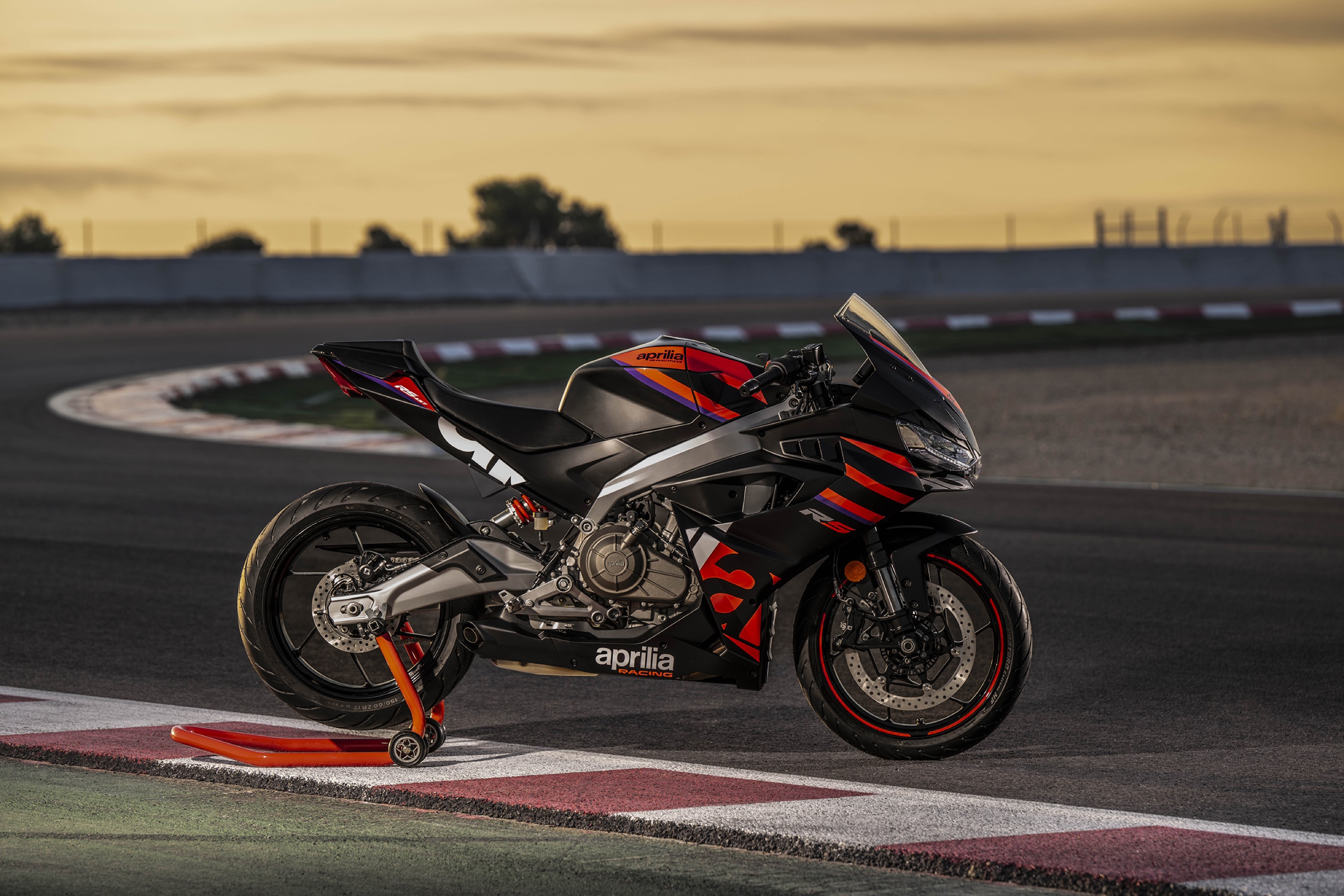
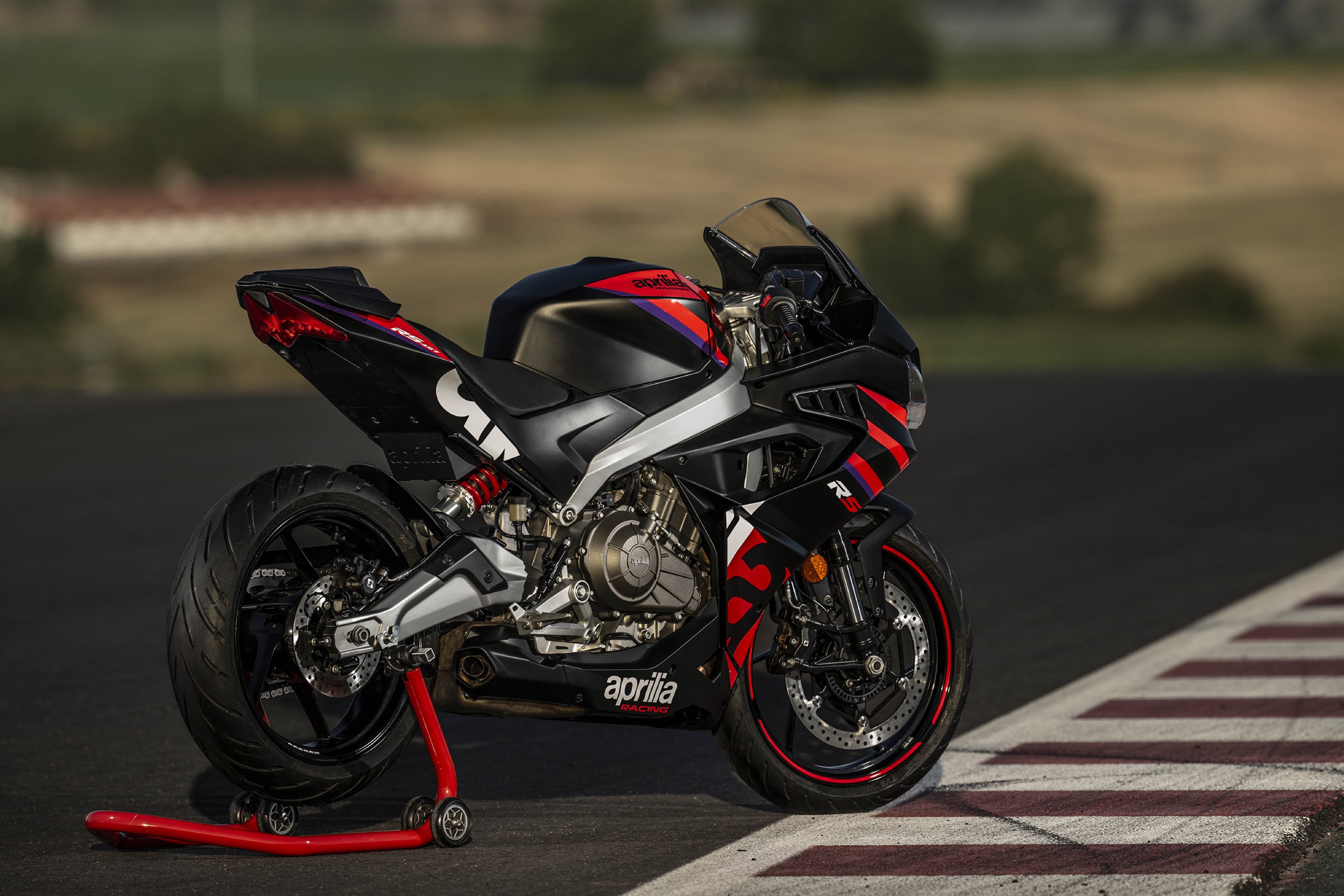
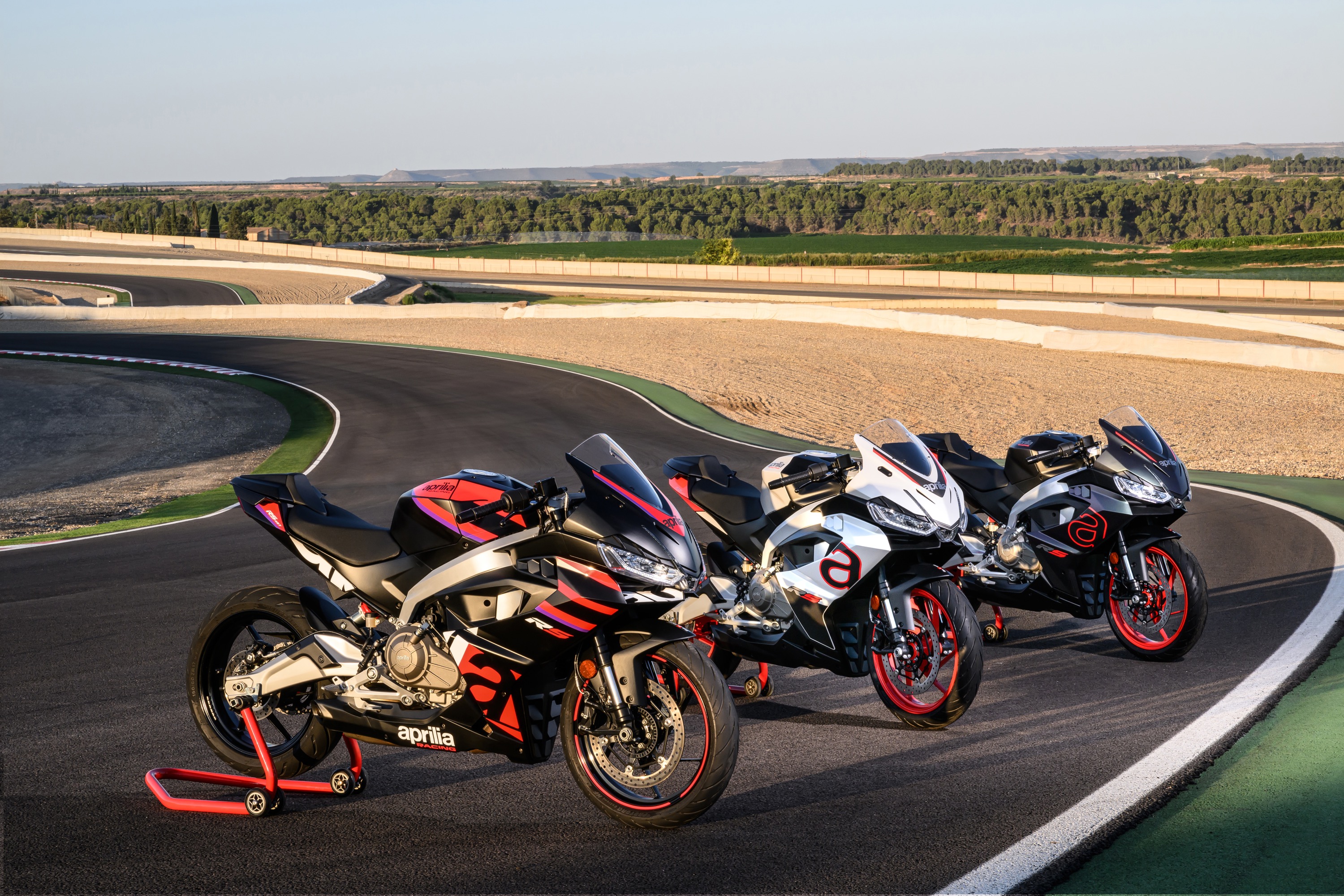
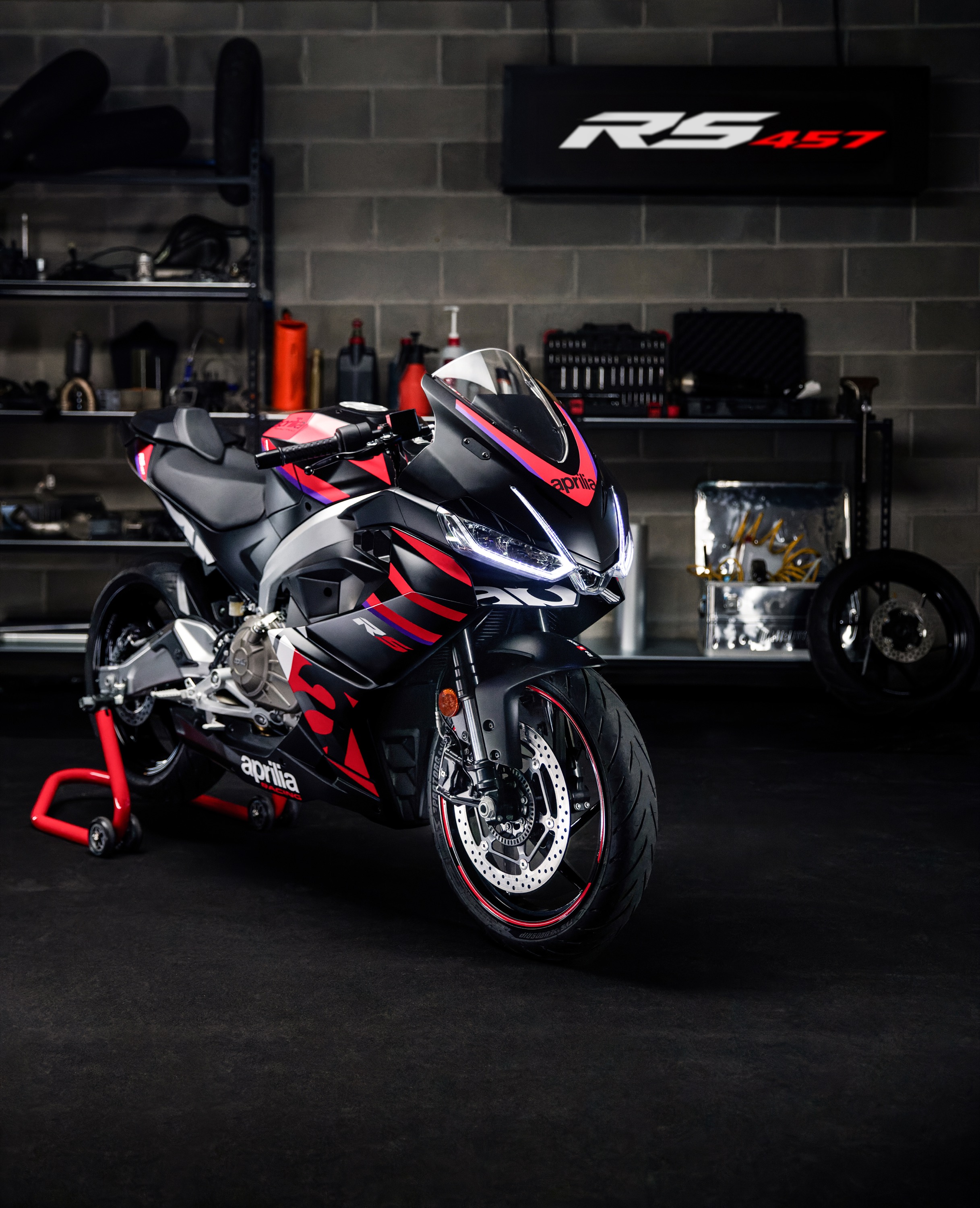
47 hp, 175 kg, fully faired, Made in India—the Aprilia RS 457 is the best-selling A2 sportbike in Germany. For 2026, it gets new colors and, for the first time, a special GP Replica edition. But how good is the standard model in everyday use?
As of: March 17, 2026 | Tested model: Aprilia RS 457 (2026 base version) | Price: €7,250


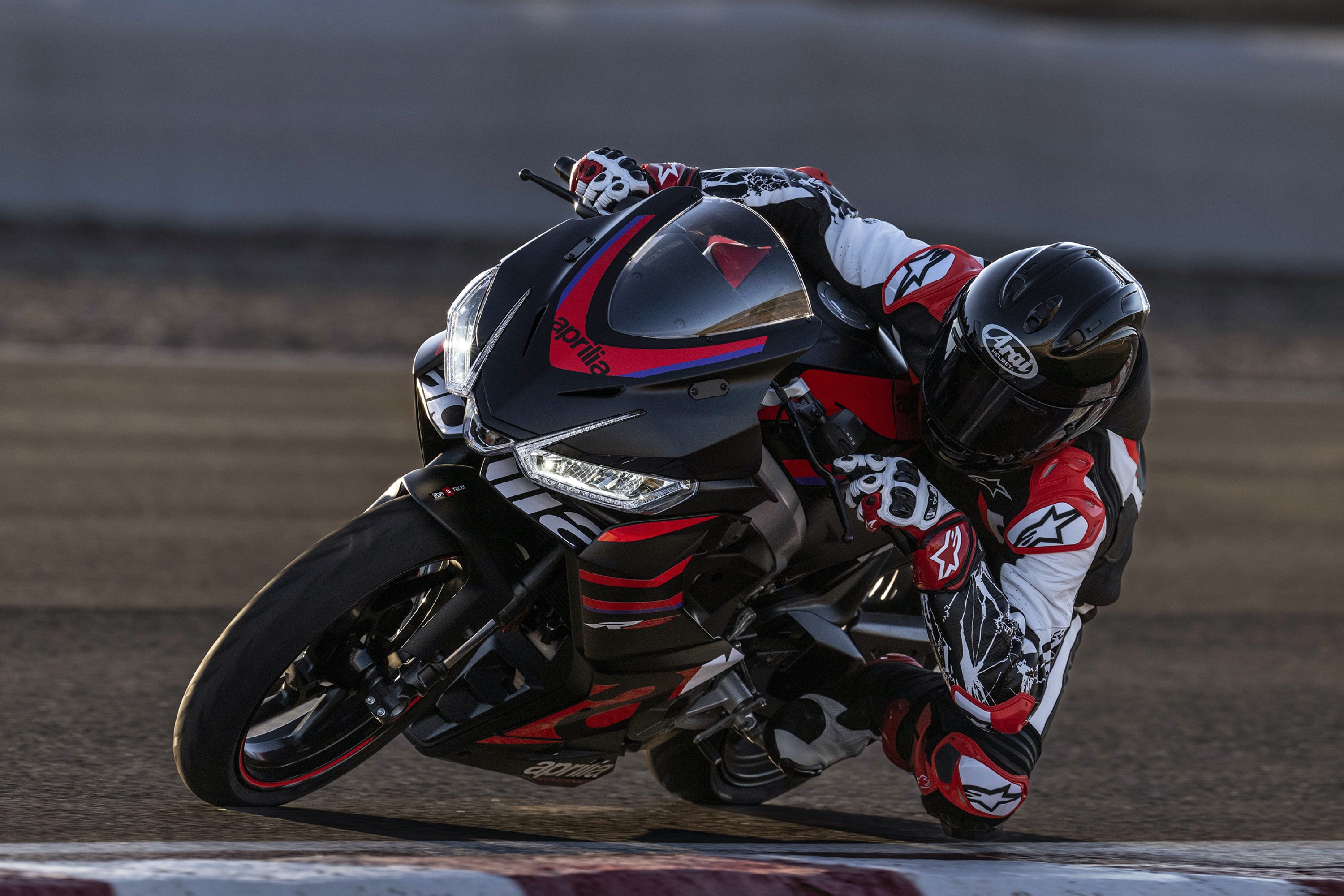
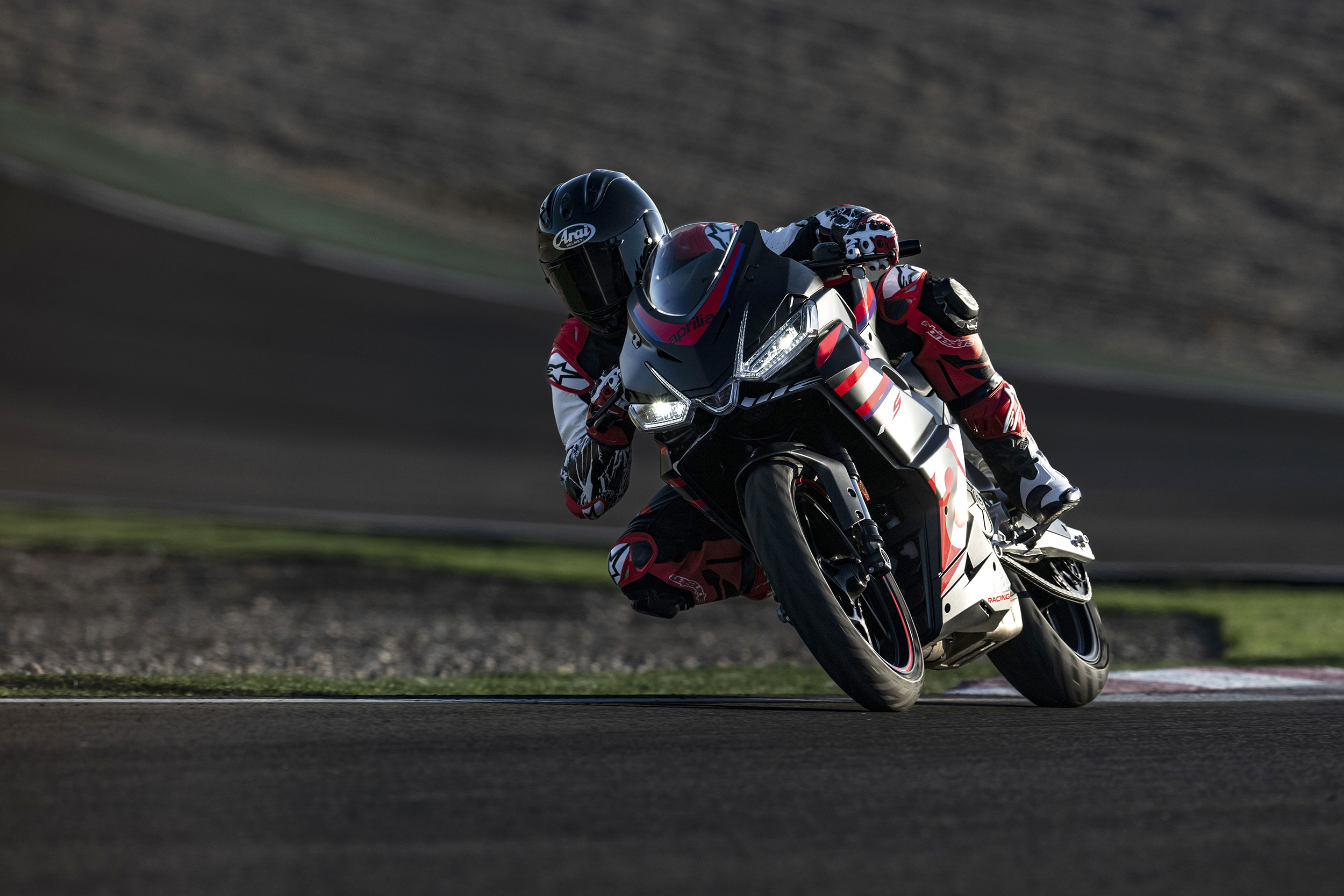
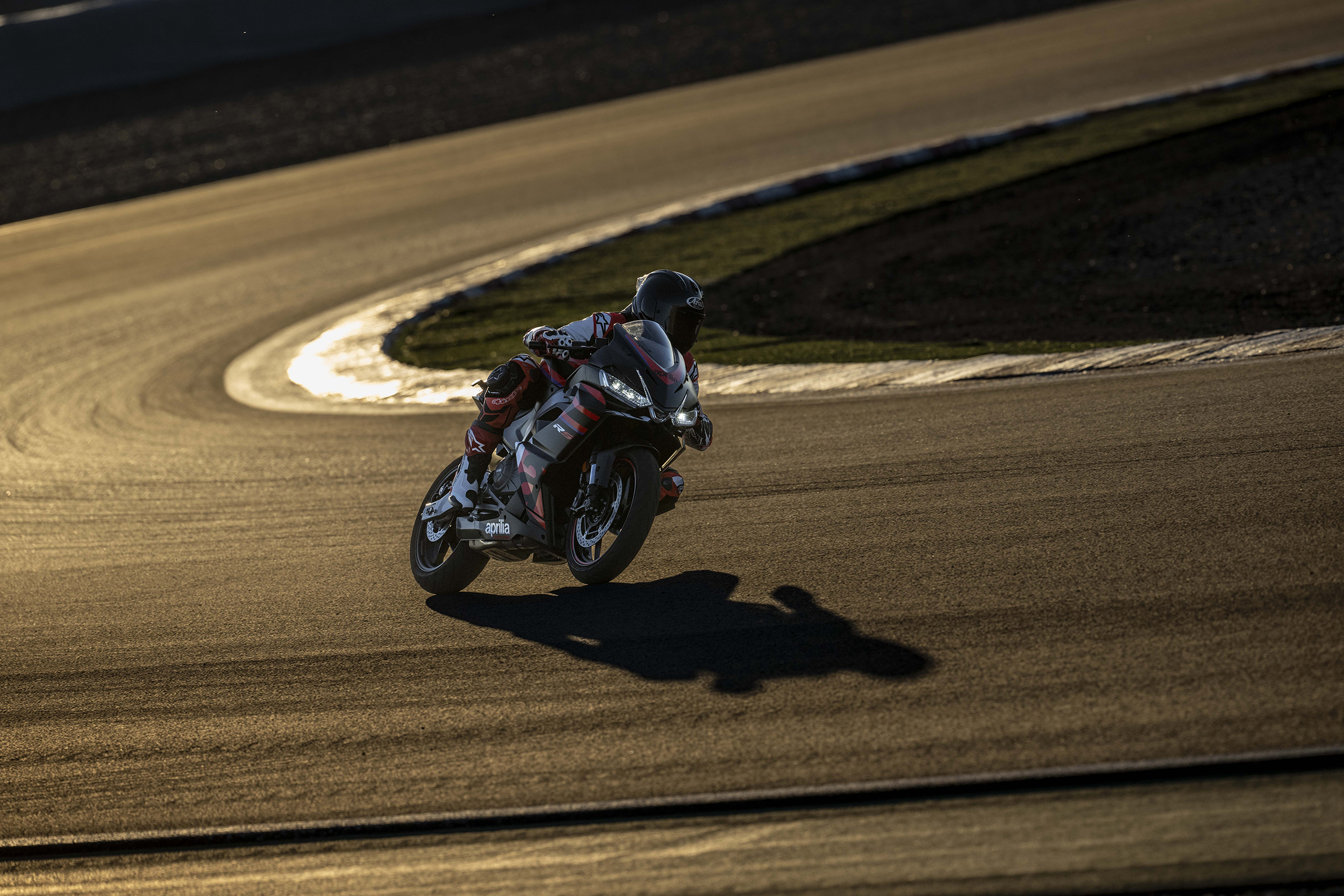
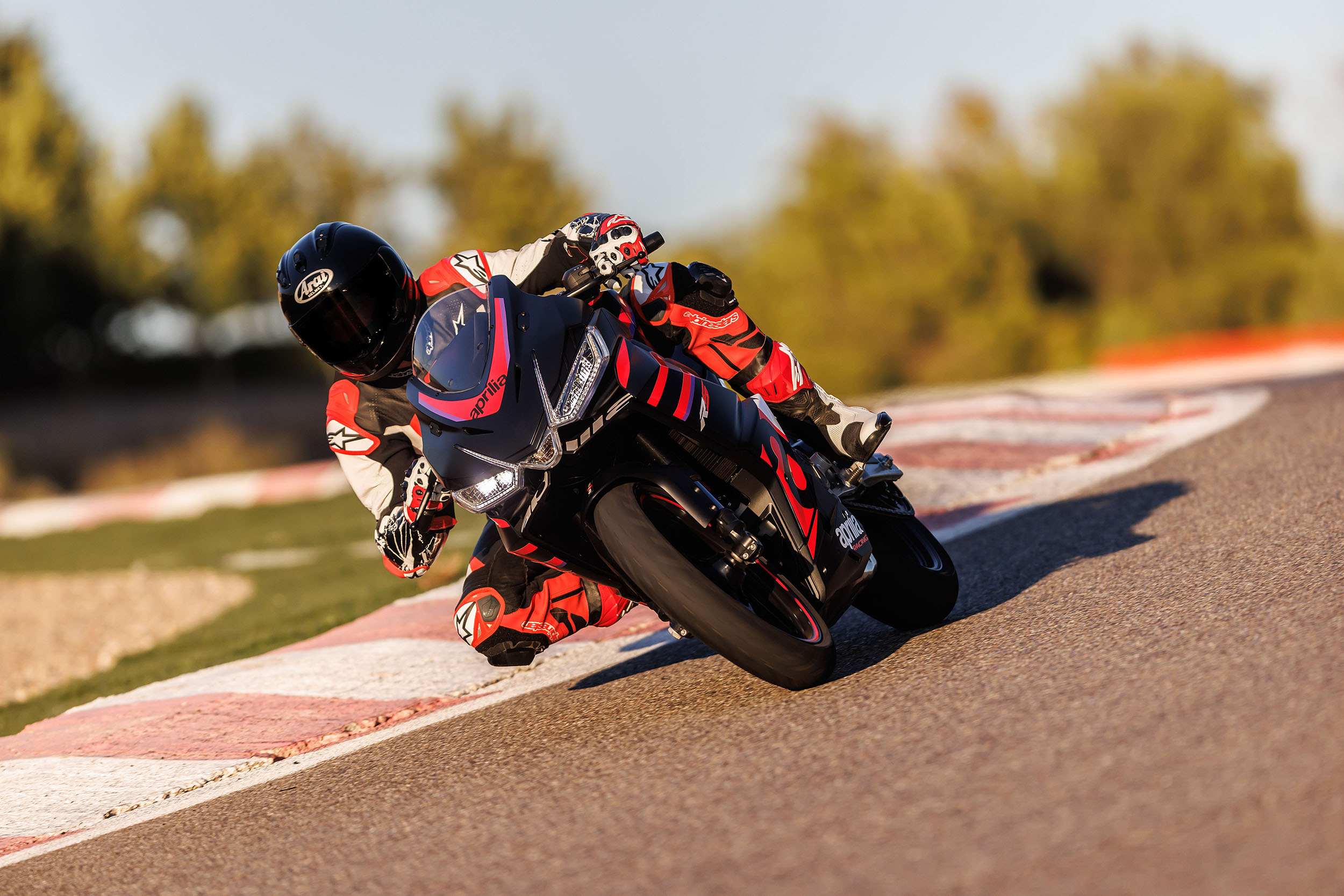
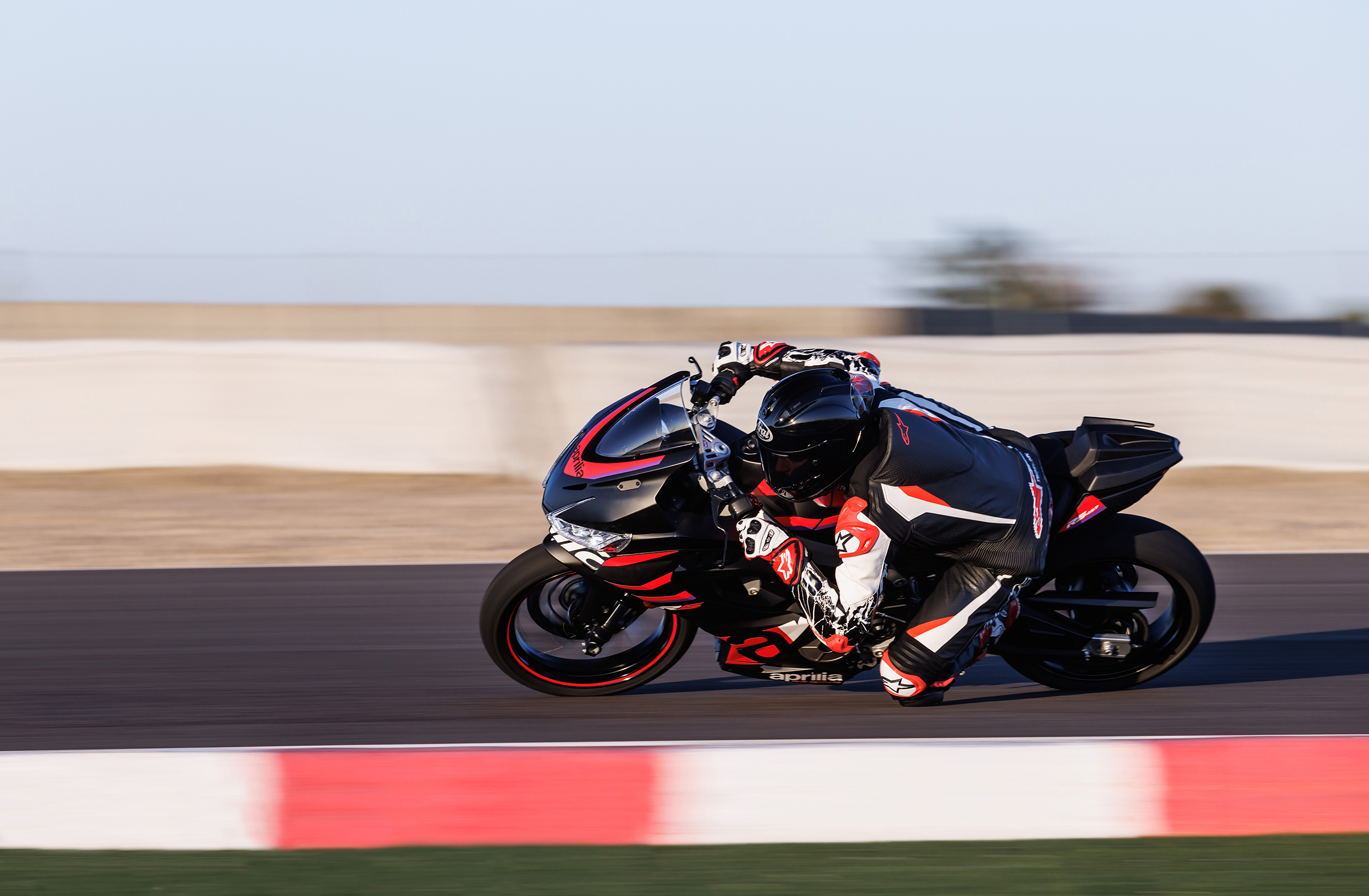
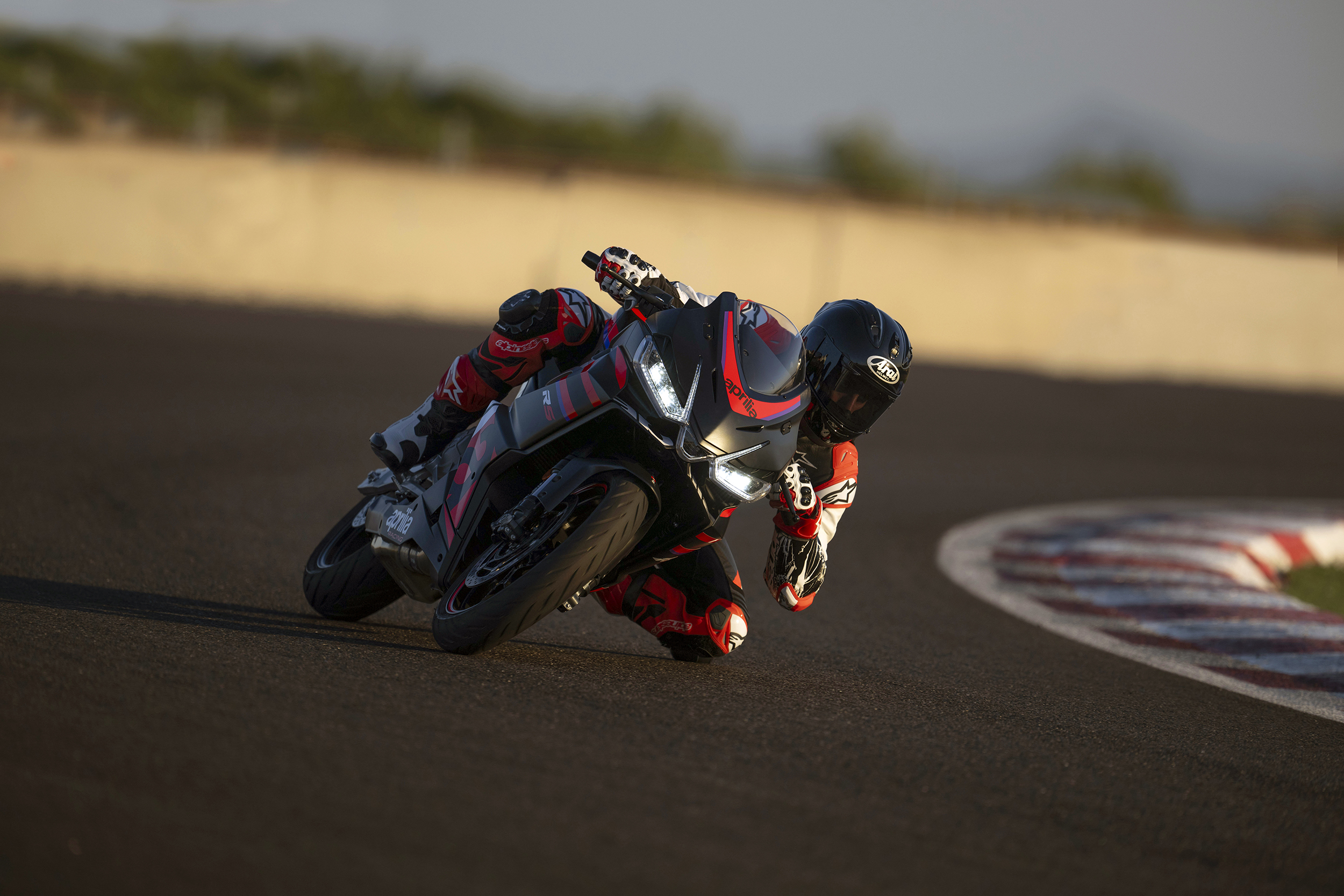
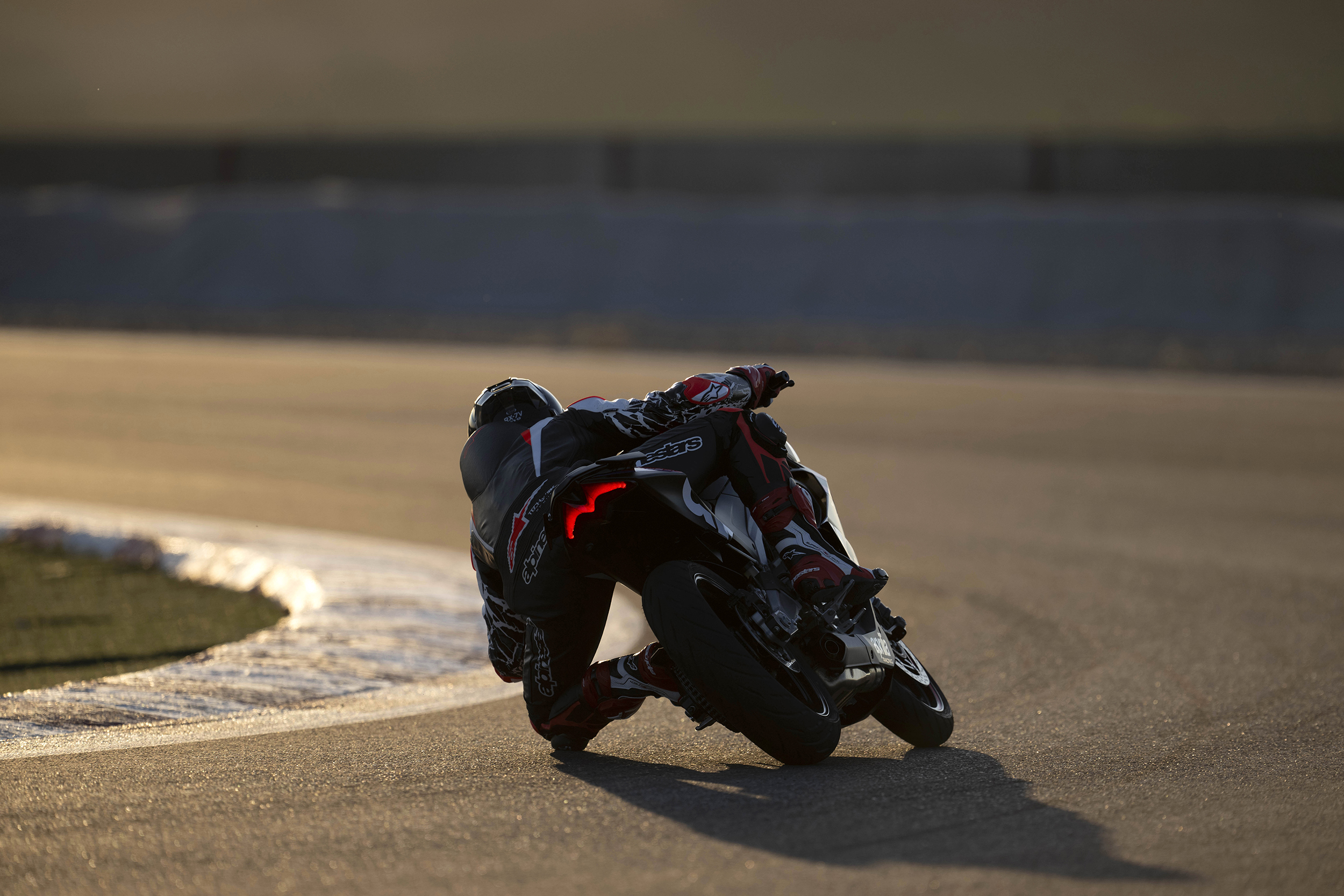
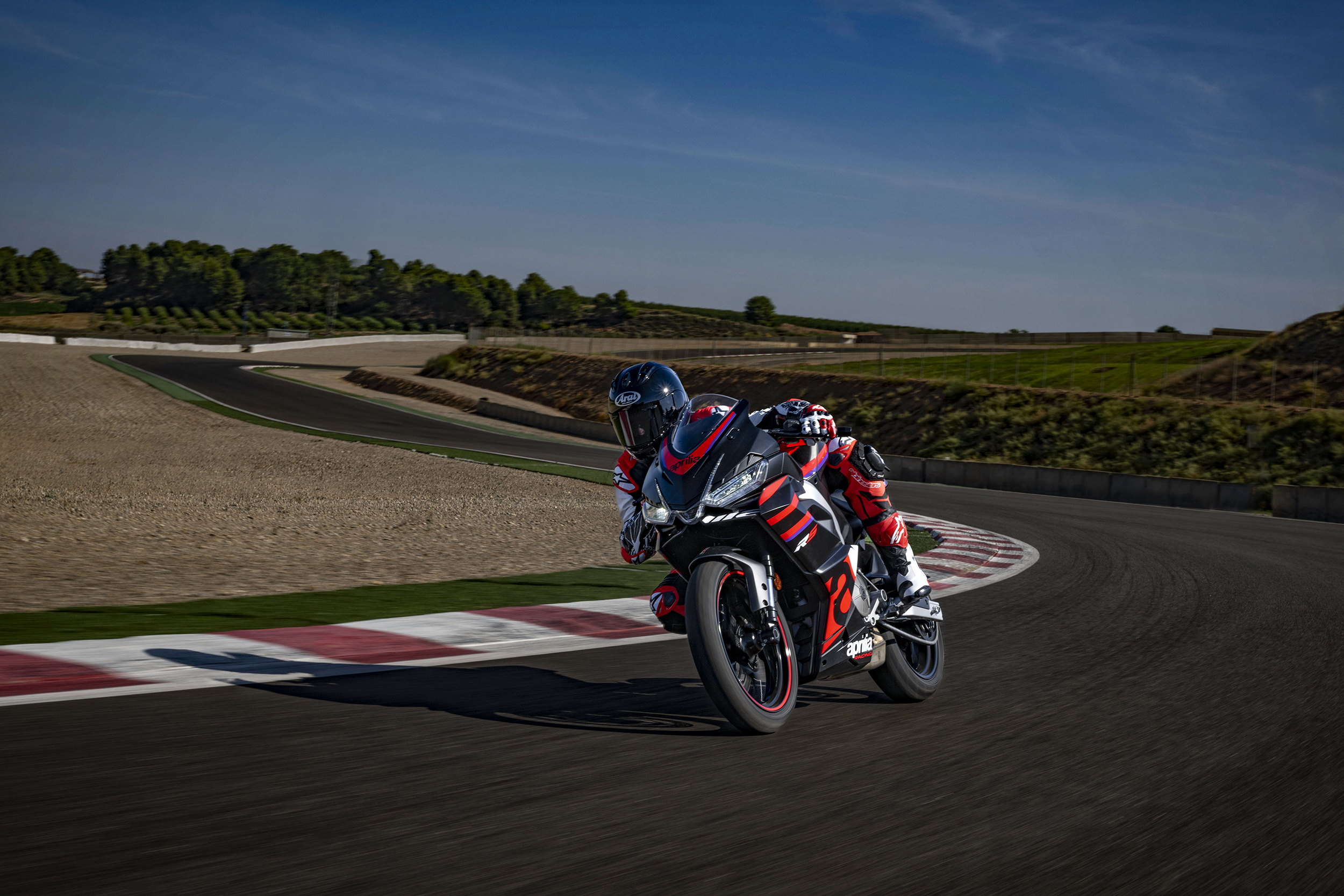
Engine: 47 hp—the legal maximum, put to good use
The RS 457’s parallel twin is an entirely new engine—and is of Aprilia’s own design rather than being sourced from another manufacturer. It displaces 457 cc, is liquid-cooled, uses dual overhead camshafts, and features a 270-degree crankpin offset. That offset is crucial to the engine’s character: it creates uneven firing intervals that give the motor a slightly rough-edged, distinctive exhaust note—far removed from the sterile drone of some parallel twins. For an A2 motorcycle, that genuinely sets it apart.
With 47 hp at 9,400 rpm and 43 Nm of torque at 6,700 rpm, the RS 457 sits right at the legal ceiling for the A2 license class. Riders with an A2 license may not operate a motorcycle producing more than 35 kW (47.5 hp). The RS 457 uses that limit almost perfectly. You can feel the difference: compared with smaller A2 sportbikes producing 35 or 40 hp, the RS 457 has noticeably more in reserve when overtaking, accelerating out of corners, and riding on the highway. The engine is lively and very usable up to 120 km/h. Beyond that, performance naturally begins to taper off, but that is simply the physics of full bodywork and 47 horsepower rather than a criticism of the model.
Ride-by-wire comes standard, as do three riding modes: Sport, Rain, and Eco. The difference between Sport and Rain is noticeable; Eco clearly softens the engine response and can be useful for saving fuel on long highway stretches. The assist-and-slipper clutch helps prevent rear-wheel instability during aggressive downshifts—an important safety feature for less experienced riders and one that builds confidence. The quickshifter is optional on the base version and standard on the GP Replica edition. Once you have ridden with it, you will not want to give it up: it makes shifting in Sport mode noticeably smoother.
Chassis: Good for the class, honest about its limits
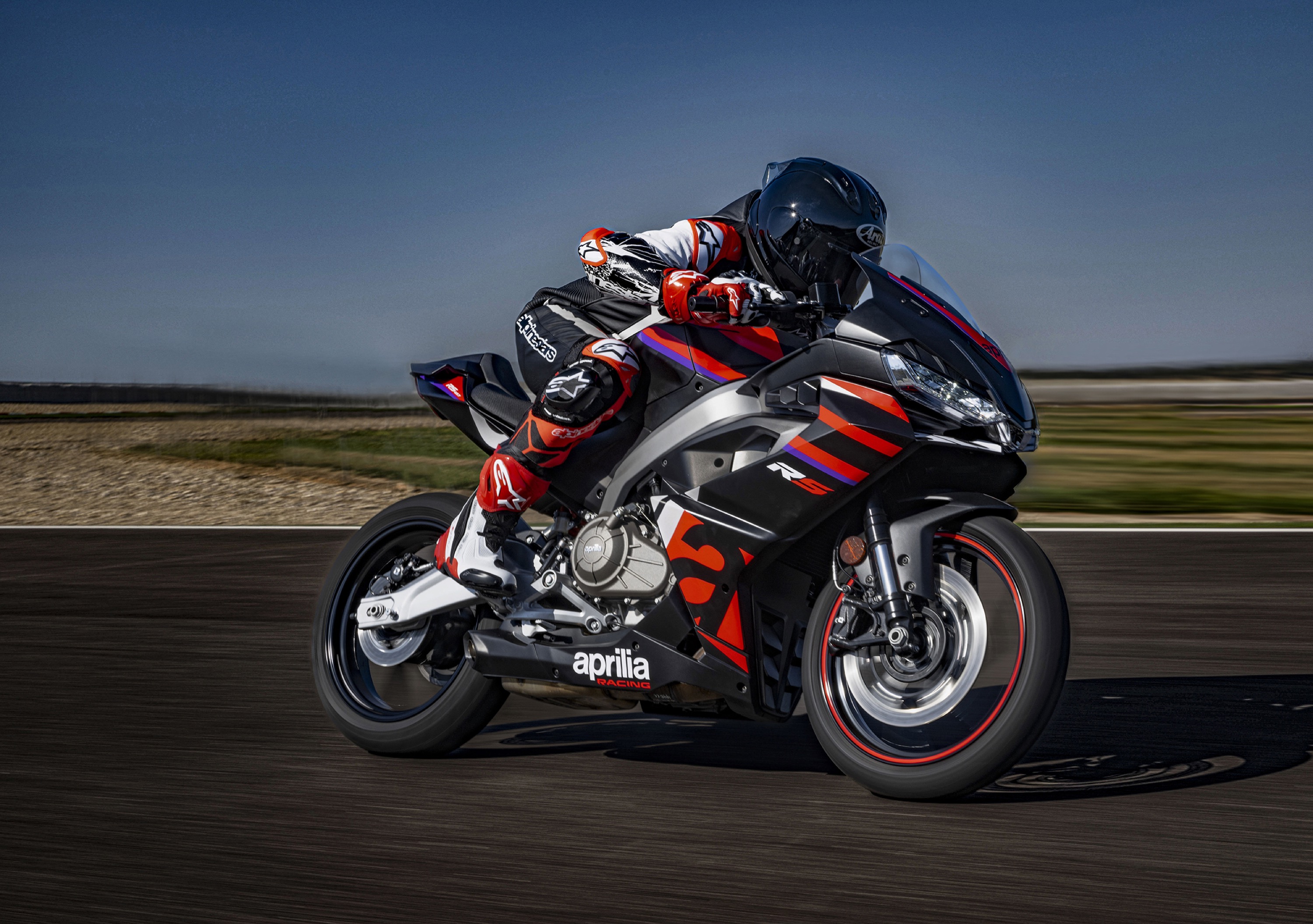
The RS 457’s suspension comes from Gabriel, an Indian supplier—which may sound like a compromise, but in everyday riding it works better than expected. Up front is a 41 mm upside-down fork with adjustable spring preload and 120 mm of travel. At the rear is a linkage-less monoshock adjustable for preload and rebound, with 130 mm of travel. On the road, the RS 457 feels precise and stable. Turn-in is light and direct, and straight-line stability remains excellent even at highway speeds. For an A2 motorcycle costing €7,250, that is an above-average result.
Its limits become apparent on the racetrack and on very poor pavement. On rough asphalt, the suspension does not respond as sensitively as more sophisticated setups. Riders who regularly ride with trackday ambitions will likely find the damping too soft. For its intended use—sporty backroad riding, everyday transportation, and the occasional trackday—the setup is well judged. Adjustment is worthwhile: riders who set spring preload and rebound to match their weight will get a noticeably more direct riding experience.
The brakes come from Bybre—Brembo’s subsidiary for smaller motorcycles. Up front is a radially mounted four-piston monoblock caliper working on a floating 320 mm disc, while the rear uses a single-piston caliper on a 220 mm disc. Braking performance is good for the class; however the lever feel is somewhat soft and vague, which makes modulation at the limit more difficult. ABS operates on both channels, and rear-wheel ABS can be switched off—a useful feature for experienced riders. In normal riding, the system intervenes unobtrusively.
Ergonomics: Sporty, but not brutal
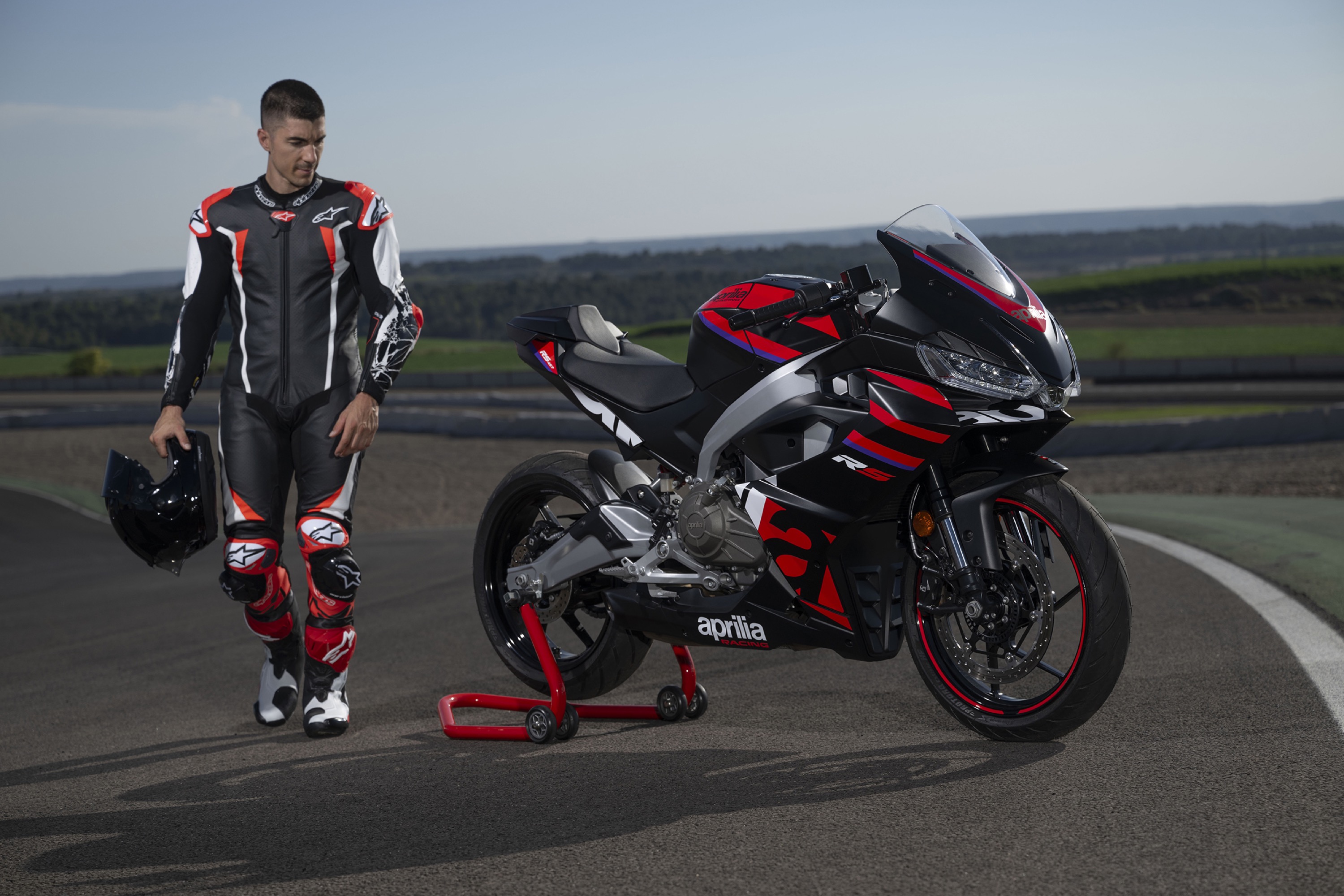
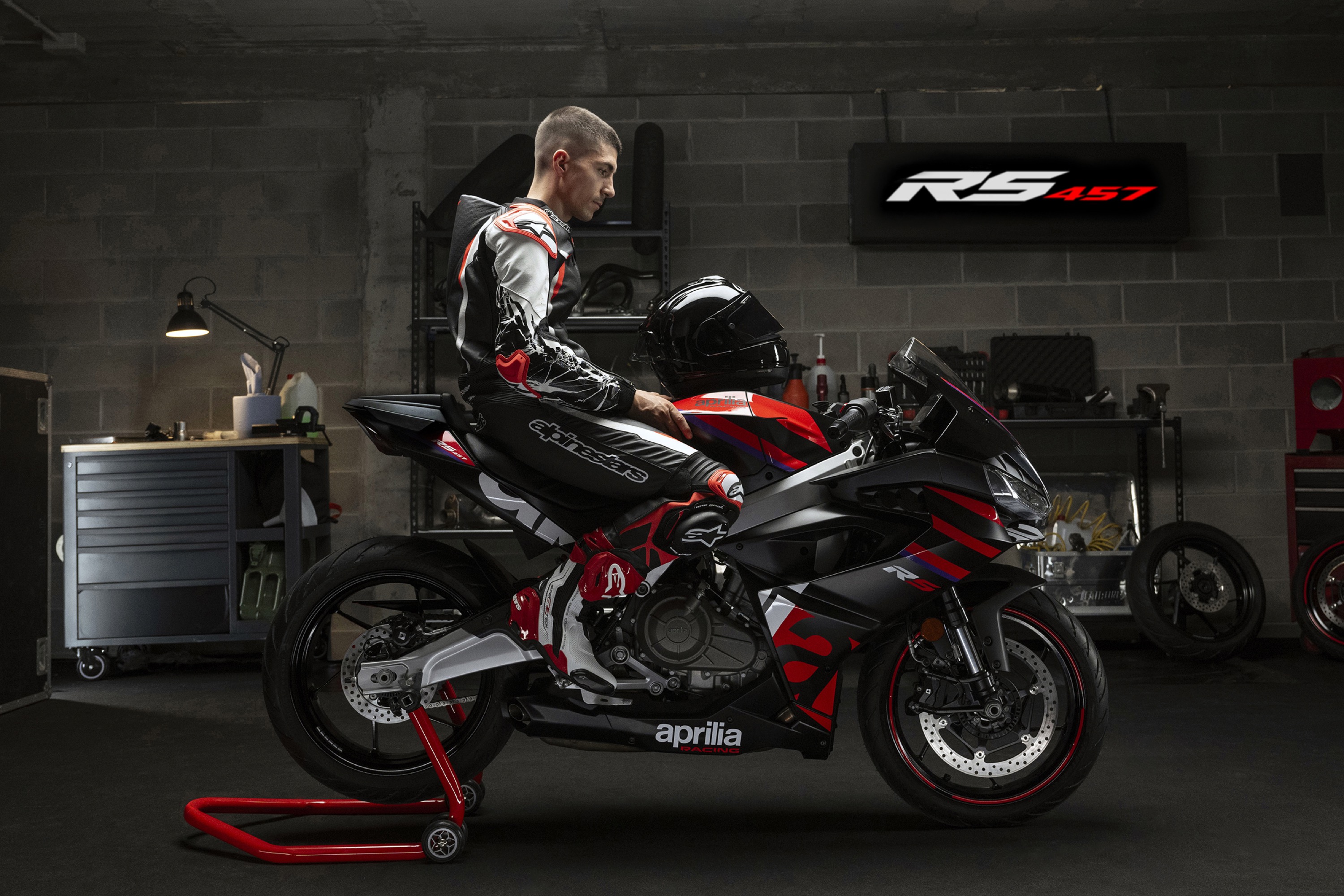
An 800 mm seat height and a narrow seat both work in favor of shorter riders. At 1.65 meters tall, you can get one foot securely on the ground, which inspires confidence. The riding position is sporty: a slight forward lean, clip-on handlebars, and somewhat raised footpegs. That is exactly what you would expect from a fully faired sportbike, although you start to feel it on longer rides. Spend more than two hours in the saddle and your wrists will know about it. For typical use—weekend rides, commuting to school or work, and backroad trips—the ergonomics are well balanced.
Very tall riders, from around 1.90 meters upwards, may find things cramped. Knees and handlebars begin to compete for space, and gripping the tank with your knees becomes tiring on long rides. That is simply a design limitation of the concept. Riders between roughly 1.75 and 1.85 meters will find the best fit. A passenger seat comes with the base version; the GP Replica edition includes a passenger-seat cover as standard, so carrying a passenger requires additional parts.
Handling: Light, agile, everyday-friendly
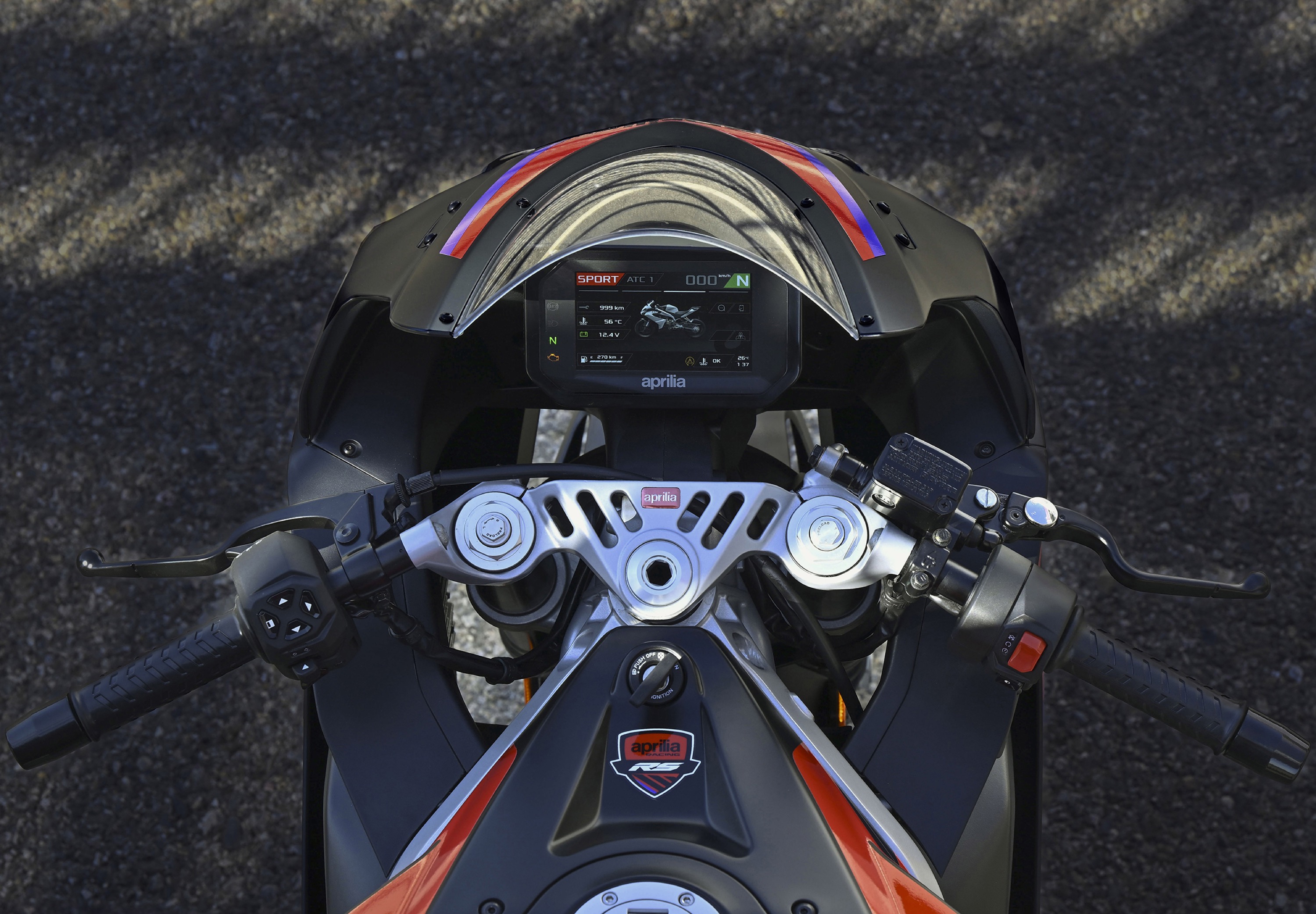
At 175 kg fully fueled, low weight is the RS 457’s strongest everyday argument. The bike is easy to maneuver in town, simple to handle in tight parking spaces, and light enough for one person to pick up after a tip-over. Riders coming from a heavier motorcycle will notice the difference immediately. The 5-inch TFT display is large, clearly organized, and can be operated via the handlebar-mounted controls—even while wearing gloves. The LED lighting is modern and perfectly adequate.
The 12.9-liter fuel tank, combined with consumption of around 4 liters per 100 km, provides a real-world range of more than 300 km—excellent for a sportbike in this class. Fuel stops are rarely an issue. There are no standard luggage provisions. Riders who regularly cover longer distances will want a tank bag. Cleaning takes a little more effort than on a naked bike because of the full fairing—not a real criticism, just something to keep in mind.
One negative point stands out: the stock TVS tires. The Indian-made Eurogrip Protorq is not a bad tire, but on wet pavement and during aggressive riding it offers noticeably less grip than premium European alternatives. Riders who push the RS 457 hard should consider changing tires early. Pirelli Diablo Rosso IVs or Michelin Road 6s are well suited, noticeably improve the handling, and are relatively inexpensive in these A2-bike sizes.
Equipment: Exceptionally complete for the price
What the RS 457 includes as standard for €7,250 is remarkable in the A2 class: TFT display, ride-by-wire, three riding modes, three-level traction control adjustable while riding, dual-channel ABS with switchable rear-wheel ABS, assist-and-slipper clutch, and LED lighting. These are features that on rivals such as the Kawasaki Ninja 500 or Honda CBR500R are either optional or simply unavailable.
What is missing—and what buyers should know—is that the quickshifter is an accessory on the base version and costs extra. Riders who want one—and it makes sense on a sportbike—can either choose the GP Replica for an additional €300 or retrofit it later. There is no blind-spot monitoring and no adaptive cruise control, but neither is a realistic expectation on a €7,250 motorcycle, so that is not a valid criticism.
Costs: Affordable to buy, affordable to own
€7,250 for the base model and €7,550 for the GP Replica is a fair price for a fully faired A2 sportbike with this much standard equipment. For comparison, the Kawasaki Ninja 500 SE costs about the same, while the Yamaha R7 is considerably more expensive. In its class, the RS 457 offers one of the strongest price-to-performance packages.
Running costs are manageable. Service intervals are every 10,000 km, and a standard service typically costs between €200 and €350 depending on the dealer. The engine is straightforward and relatively easy to maintain; major service items such as the valve-clearance inspection at 20,000 km remain reasonable for a parallel twin of this design—€300 to €500 is a realistic estimate. Fuel consumption is around 4 liters per 100 km. Tires in A2-bike sizes are affordable; a full set of quality name-brand tires costs less than €200. Warranty coverage is two years with unlimited mileage.
Verdict
The Aprilia RS 457 is one of the strongest arguments for getting an A2 motorcycle license. No other fully faired sportbike in this class combines this much standard equipment, this much engine performance, and this much riding fun at this price. Its weaknesses—average stock tires, a soft brake lever feel, and suspension that reaches its limits on the racetrack—are real, but none are dealbreakers. If you have an A2 license and want a sportbike, the RS 457 is extremely difficult to overlook.
Quick Check
+ 47 hp—maximum A2 output, noticeably stronger than many rivals
+ 175 kg fully fueled—light and agile in everyday use
+ Exceptionally comprehensive standard equipment for the price
+ Strong, usable torque even from low rpm
+ Around 300 km of range—above average for a sportbike
+ Fair purchase price, affordable running costs
– Stock tires (TVS Eurogrip) are below average for aggressive riding
– Brake lever feel is soft and vague
– Suspension reaches its limits on the racetrack and poor pavement
– Quickshifter is only an accessory on the base model—and costs extra
– Ergonomics become demanding on long rides
– Made in India—for some buyers, that remains a psychological issue
Technical Specifications: Aprilia RS 457 (2026)
Country of manufacture: India (Pune, produced by Piaggio Vehicles Pvt. Ltd.)
Engine: Liquid-cooled parallel twin, DOHC, 270-degree crankpin offset, Euro 5
Displacement: 457 cc
Power: 35 kW (47 hp) at 9,400 rpm
Torque: 43 Nm at 6,700 rpm
Transmission: 6-speed, assist-and-slipper clutch
Final drive: Chain
Front suspension: 41 mm USD fork, adjustable spring preload, 120 mm travel
Rear suspension: Linkage-less monoshock, adjustable preload and rebound, 130 mm travel
Front brake: 320 mm floating disc, radial-mount Bybre four-piston monoblock caliper
Rear brake: 220 mm disc, Bybre single-piston caliper
Front tire: 110/70 R17 (standard: TVS Eurogrip Protorq)
Rear tire: 150/60 R17 (standard: TVS Eurogrip Protorq)
Rider aids: Dual-channel ABS (rear switchable), ATC traction control (3 levels), ride-by-wire, 3 riding modes (Sport/Rain/Eco)
Wet weight: 175 kg
Seat height: 800 mm
Fuel capacity: 12.9 liters
Price (Germany): €7,250 (base) / €7,550 (GP Replica)
Warranty: 2 years, unlimited mileage