Review Aprilia Tuareg 660 Rally (2026)

The €2,000 Question
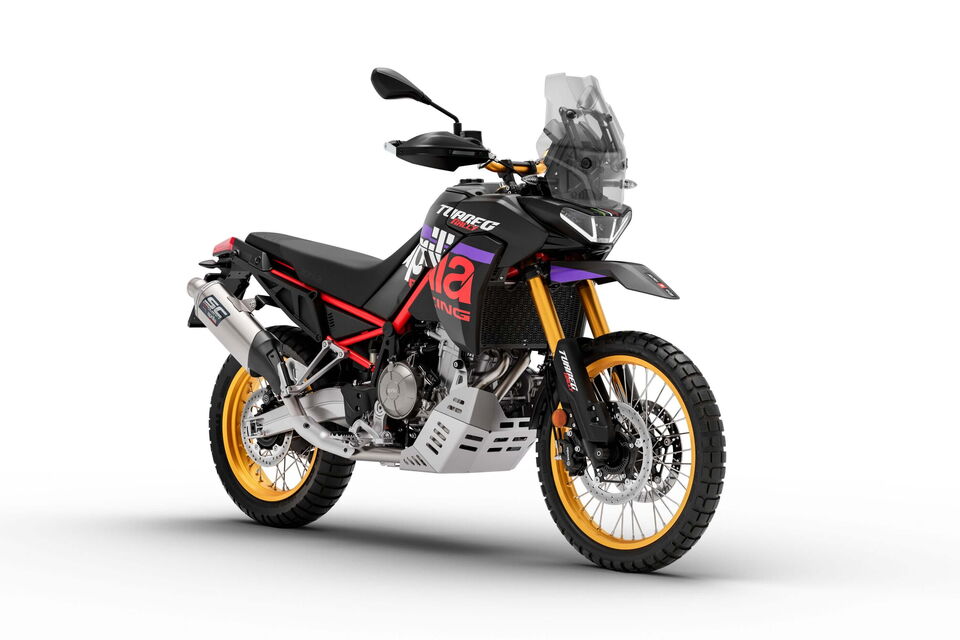
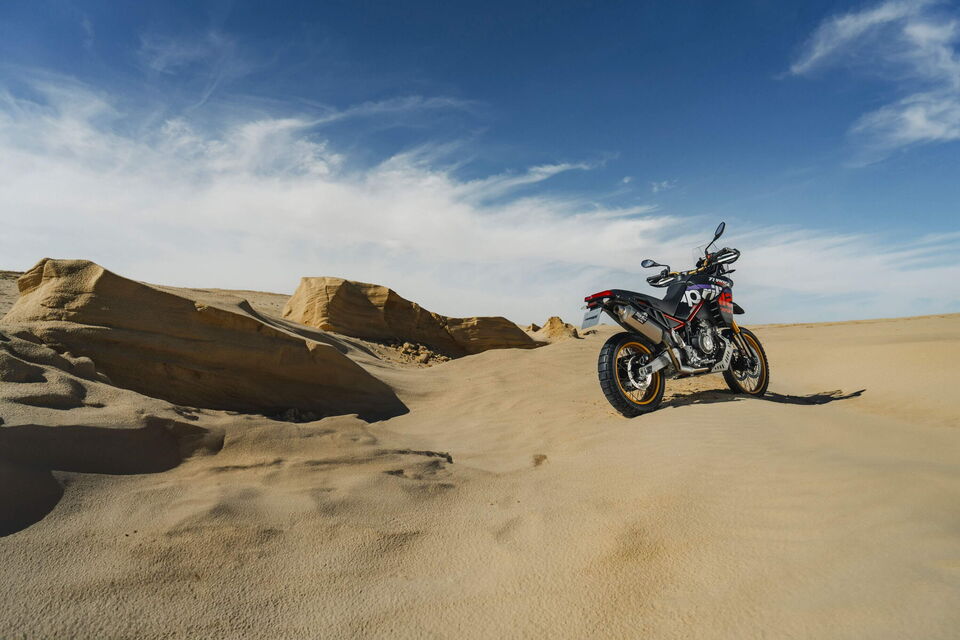
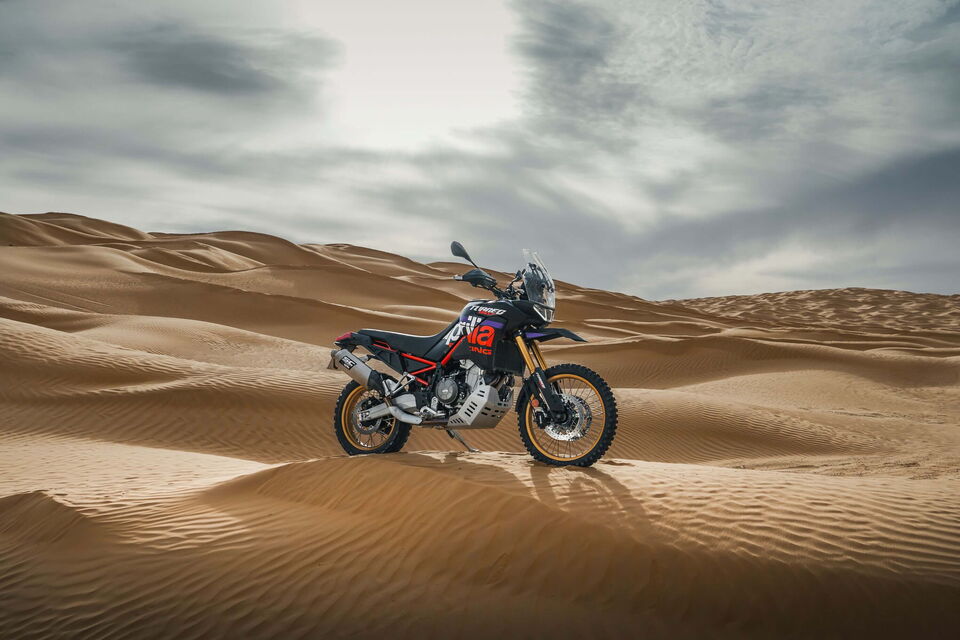
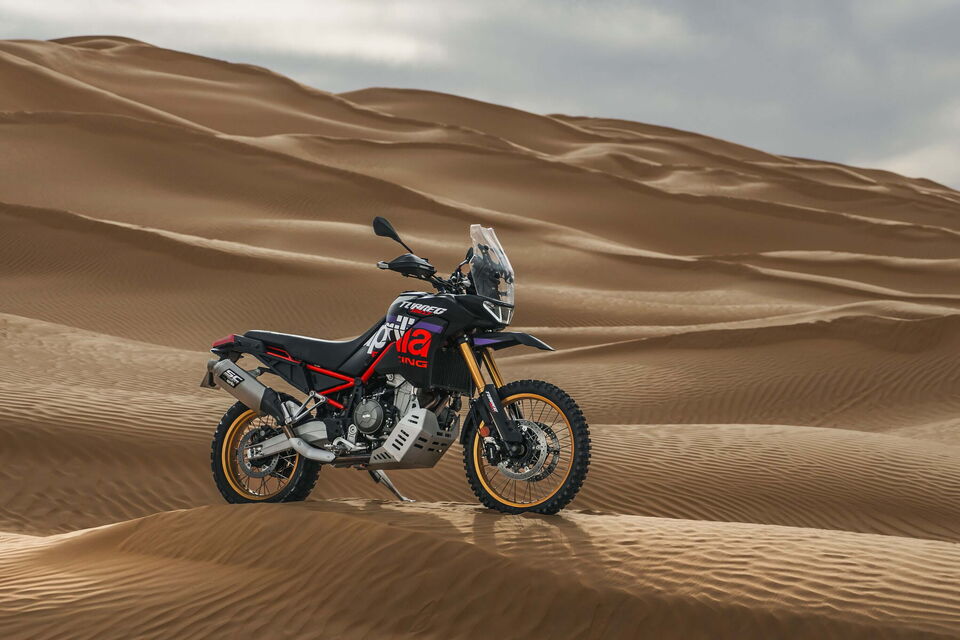
The Tuareg 660 Rally costs €2,000 more than the base model. In return, you get an SC-Project titanium exhaust, off-road-optimized suspension, 5 kg less weight, tube-type tires, and rally DNA straight from the Africa Eco Race. Whether these features justify the premium—that is the real question this test sets out to answer.
As of: March 17, 2026 | Tested model: Aprilia Tuareg 660 Rally (2026) | Price: €13,999
Engine: Same Twin, Sharper Tuning
The engine and basic specifications are identical to the standard Tuareg 660: 659 cc, 80 hp at 9,200 rpm, and 70 Nm at 6,500 rpm. What differs is the tuning.
For the Rally, Aprilia worked with factory rider Jacopo Cerutti—who won the Africa Eco Race twice in a row aboard the Tuareg 660—to develop revised engine mapping. Throttle response is more direct, and the engine spins up more quickly. Off-road, this is not about added comfort but about giving the rider a better tool: if you want to meter out the throttle precisely on loose terrain, you need an engine that responds immediately.
In everyday street riding, the difference from the base model is noticeable but not dramatic. Throttle response feels slightly more aggressive, which can produce some mild surging at low rpm in city traffic—that is the price you pay for the off-road tuning. Riders who stay exclusively on pavement are better served by the standard Tuareg. Those who regularly venture off-road will appreciate the more immediate character.
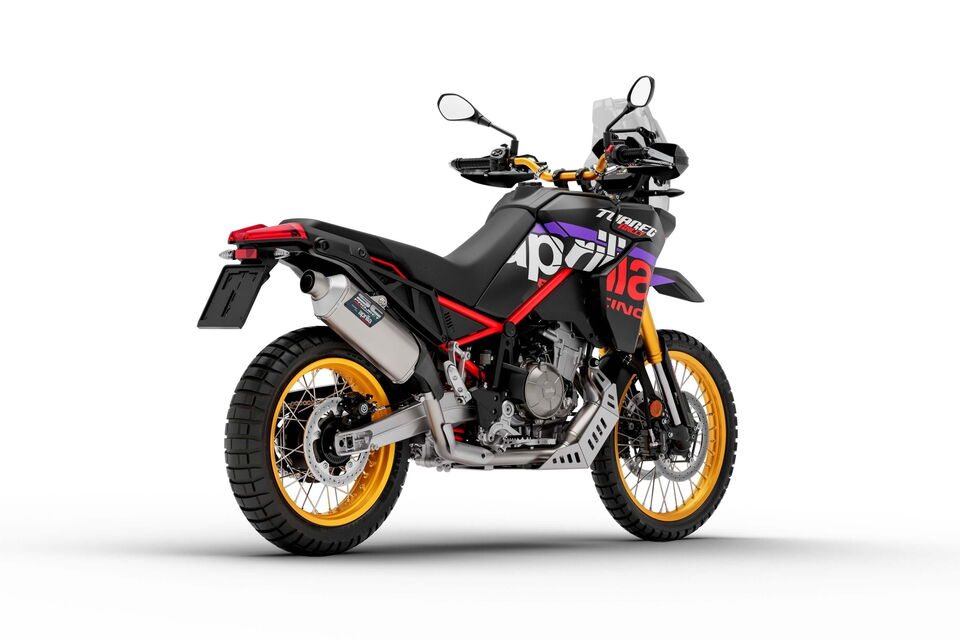
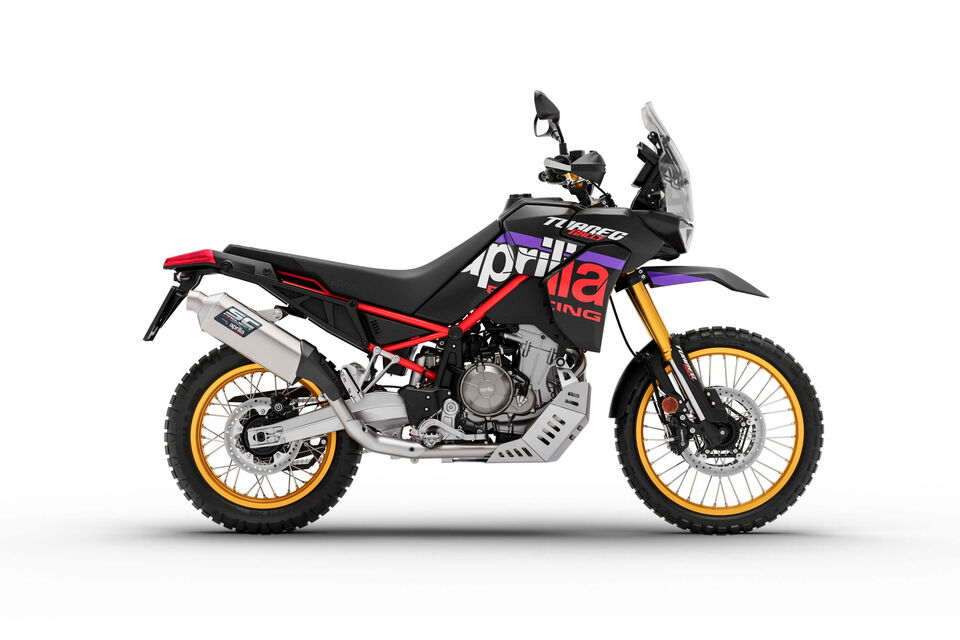
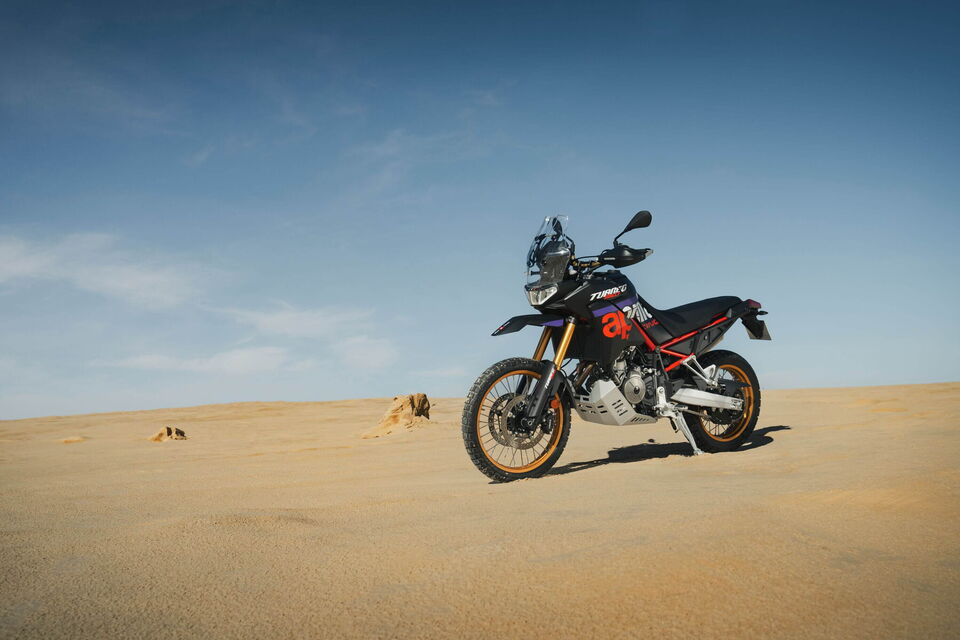
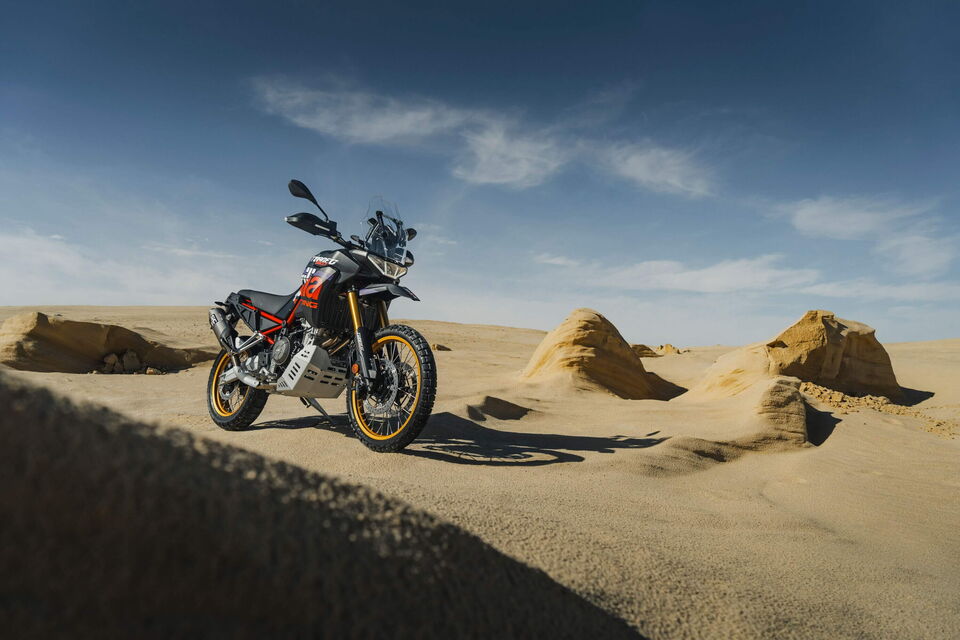
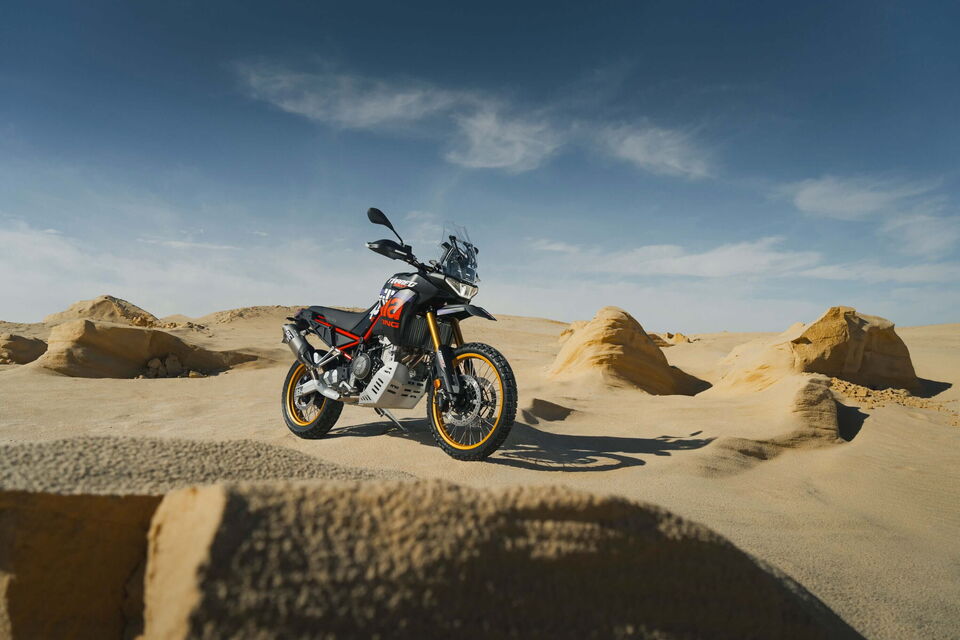
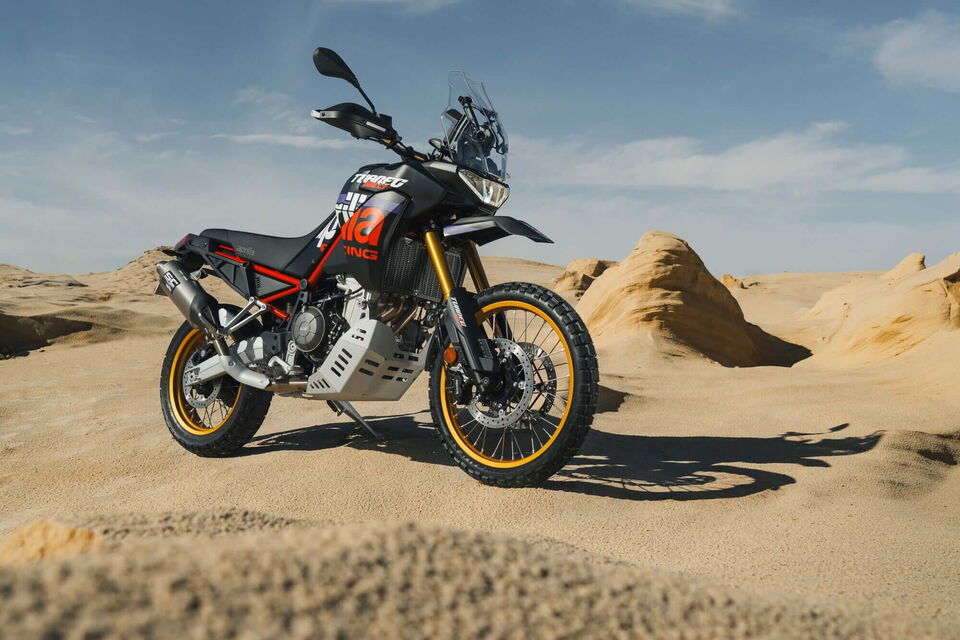
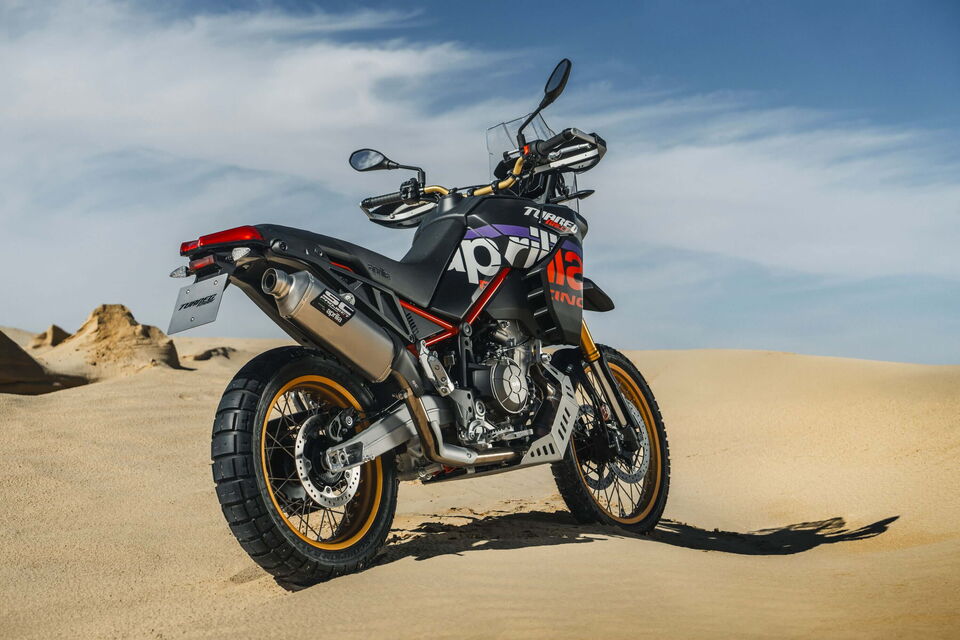
The standard SC-Project titanium slip-on is not just visually distinctive but functional as well. It saves weight compared with the base model’s stock muffler, delivers a more characterful exhaust note, and is designed with the Rally’s competition use in mind. In everyday riding, it is slightly louder than the standard exhaust on the base model—not excessive, but clearly audible. If you would rather not attract attention downtown, shift into a higher gear early.
Chassis: Where the Rally Justifies Its Premium
This is the heart of the Rally upgrade. The Kayaba suspension—USD fork up front and monoshock at the rear, both fully adjustable and both offering 240 mm of travel—has been retuned specifically for the Rally. Firmer spring rates are optimized for standing off-road riding, faster gravel roads, and rough terrain. You can feel the difference on pavement: in its standard setup, the Rally rides more firmly than the base model. On cobblestones and poor city streets, that is a compromise you have to accept consciously.
Off-road, the tuning pays off. The Rally communicates more clearly what is happening beneath the wheels. At higher speeds on loose surfaces, it remains more stable than the base model, absorbs impacts with greater composure, and inspires more confidence when riding standing up. Riders who regularly tackle moderate to difficult terrain will notice the difference. Those who mainly ride gravel roads and easy trails will benefit less.
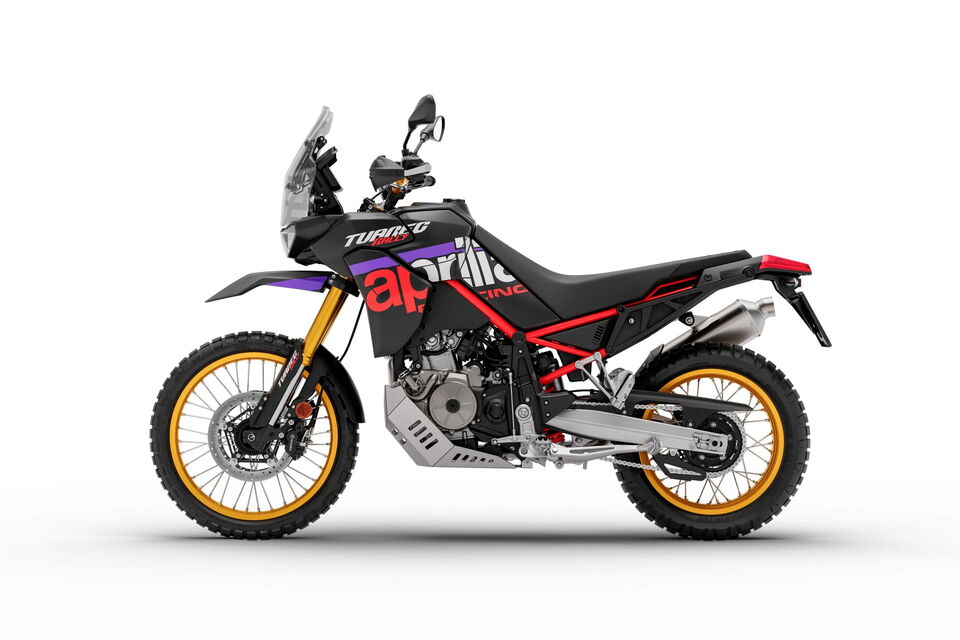
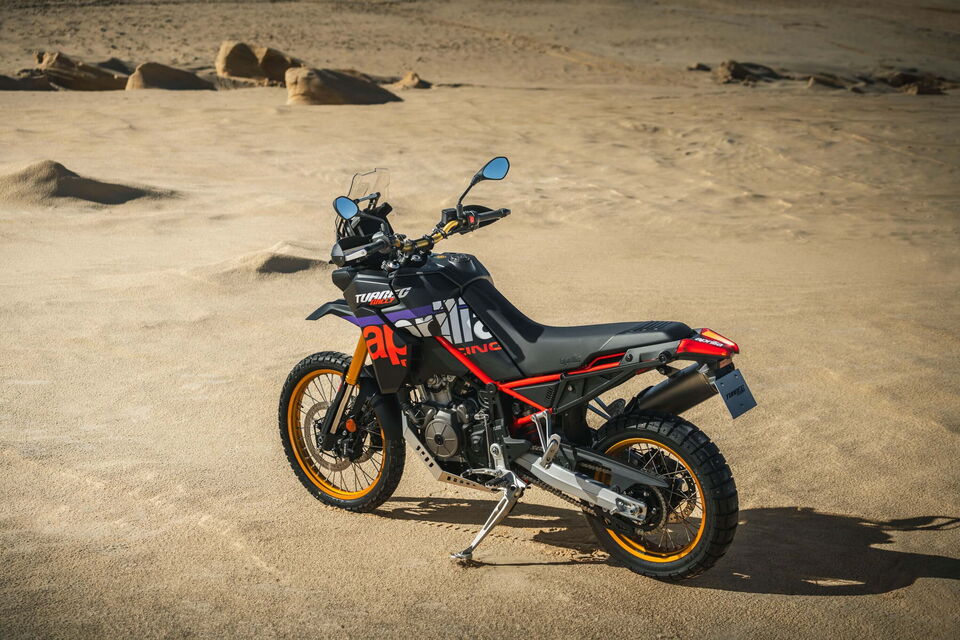
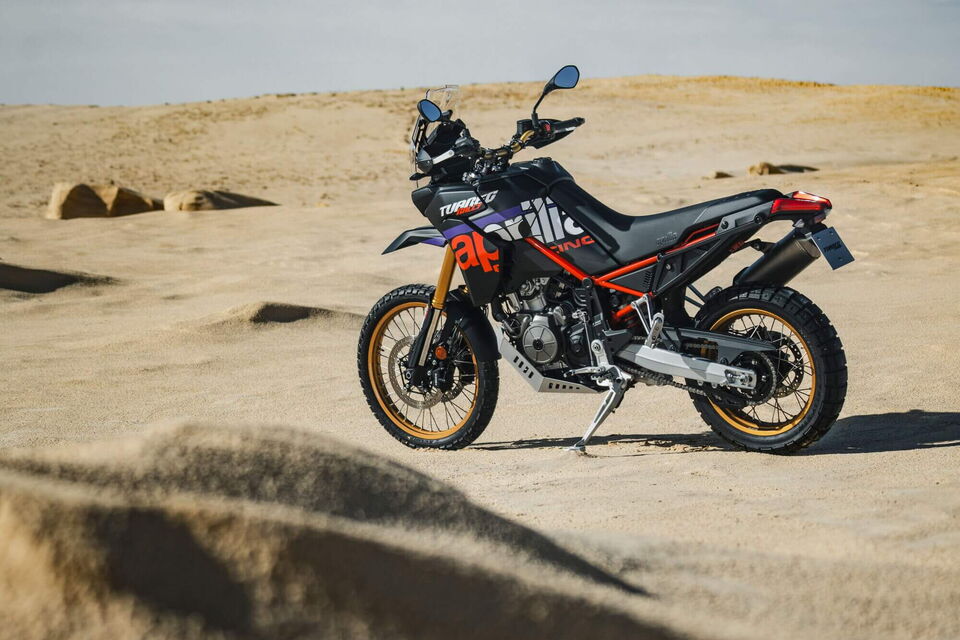
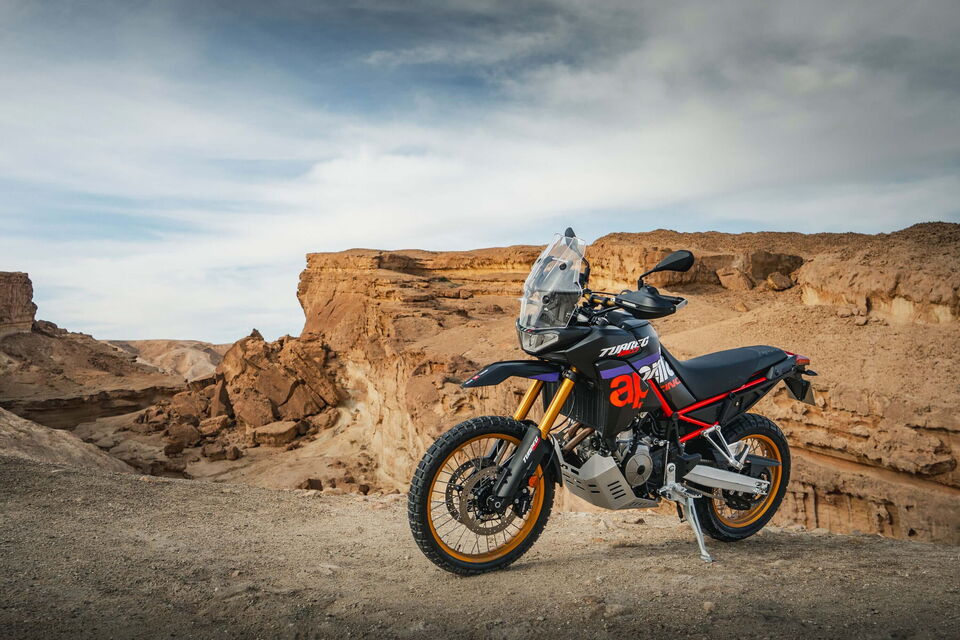
The most obvious change is the wheels. The Rally uses a narrower front rim—1.85 inches instead of 2.15—made from reinforced Ergal aluminum and anodized gold. And it uses inner tubes. That is a clear commitment to off-road use: tire pressures can be lowered further in the dirt, and the people behind the bike believe a punctured tube is easier to replace off-road. On the street, tubeless tires are more practical; in most cases, a puncture can be repaired in 15 minutes and you can continue riding. Choosing tube-type tires is a deliberate prioritization of off-road performance. Every Rally buyer should understand that.
The brakes are identical to those on the base model: dual 300 mm front discs with Brembo axial four-piston calipers and braided steel lines, plus a 260 mm rear disc with a single-piston caliper. They are excellent for the class, with no compromises. The dual-channel ABS with three mappings and switchable rear-wheel ABS is unchanged as well.
Ergonomics: Taller, Sportier, More Honest
An 880 mm seat height—that is 20 mm higher than the base model. It does not sound like much, but in practice it means that riders who can just get one foot securely on the ground on the standard Tuareg may find themselves on a tiptoe with the Rally. Shorter riders should absolutely test this before buying. The higher seating position is an advantage when riding standing up off-road—you stand more naturally, and the relationship between knee height and handlebar position works better. Riders who spend most of their time seated will notice the difference less.
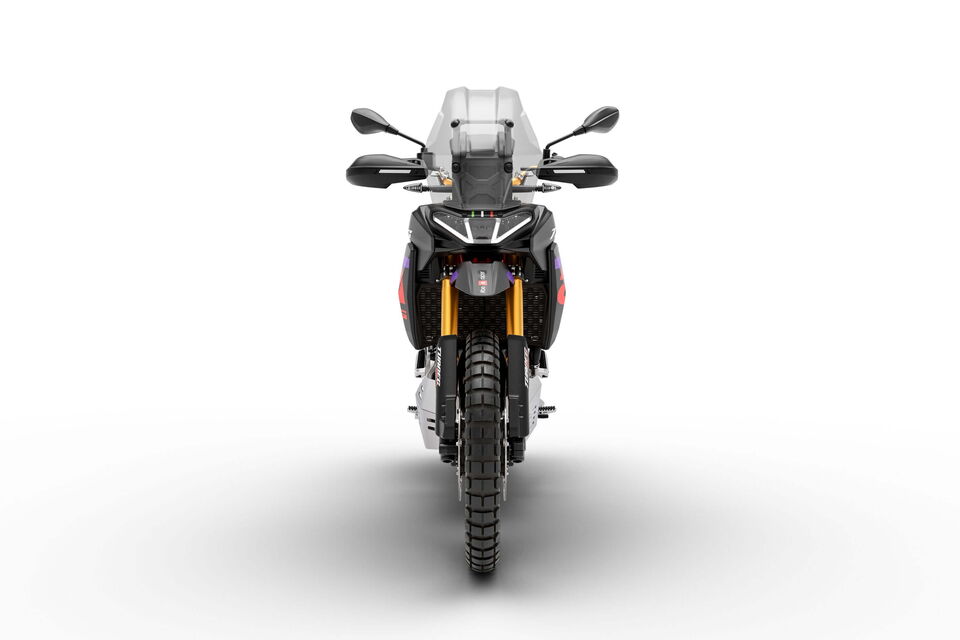
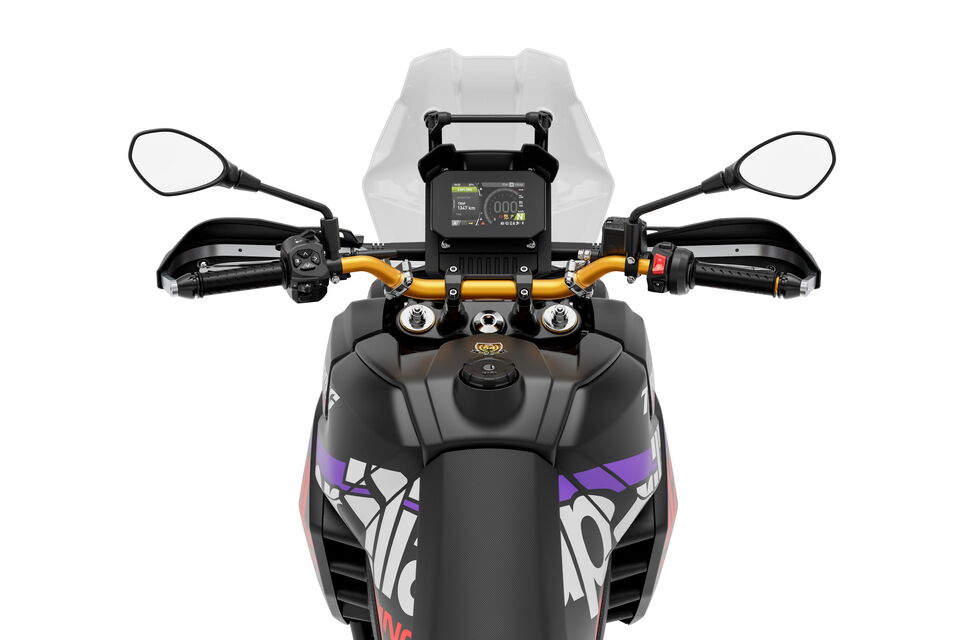
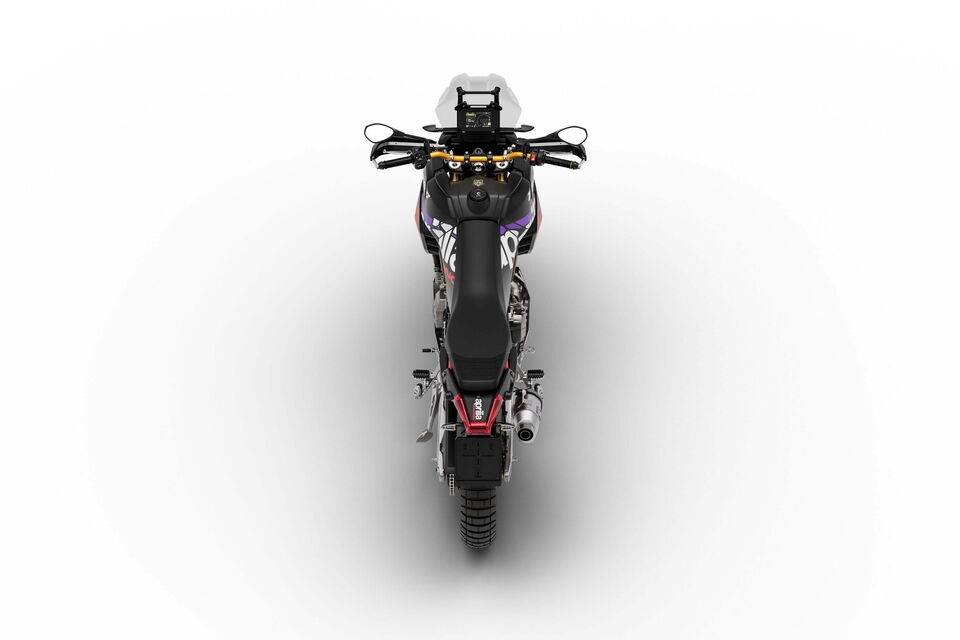
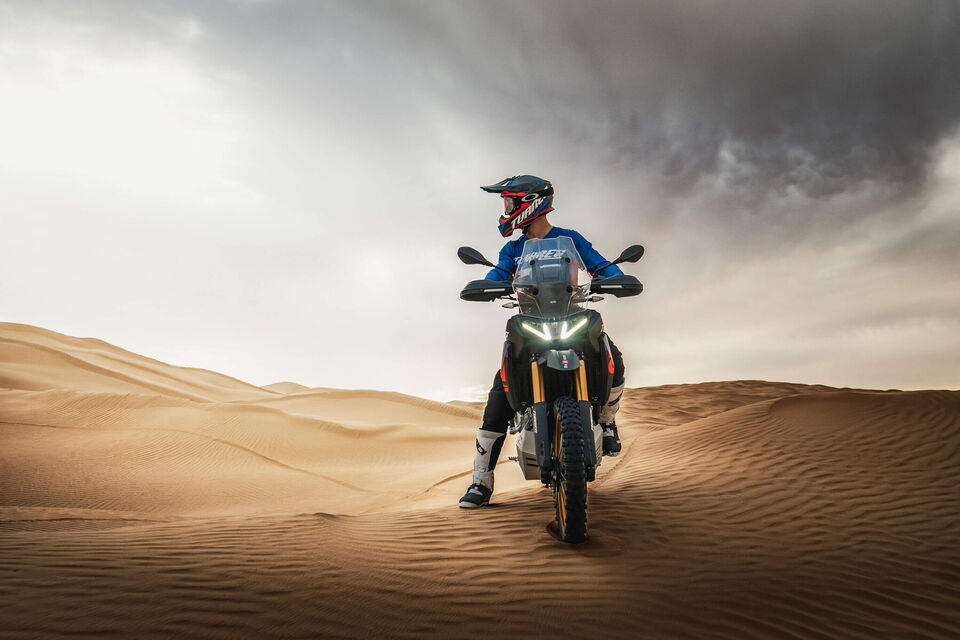
The special handlebar is wider and positioned slightly differently from the base model, optimized for the upright off-road riding position. Handguards come standard and provide effective protection. Anyone riding through branches off-road will appreciate them immediately. The high front fender is more than a styling feature: it helps keep mud away from the steering head. The skid plate included in the equipment package is essential for anyone seriously heading off-road. A chain guide and Rally-specific side stand complete the package.
All of this comes standard—and buying the same parts individually as accessories would cost more than the price premium for the Rally.
On the street, the Rally is slightly less comfortable than the base model: firmer, taller, more direct. That is not a flaw, it is the concept. If you spend 90 percent of your riding time on pavement, buy the base model. If you want more off-road capability, buy the Rally.
Handling: 5 kg Less—and You Can Feel It
199 kg fully fueled—5 kg less than the base model. The SC-Project titanium exhaust accounts for a significant part of the savings, with the lighter Ergal rims and smaller details taking care of the rest. On the road, the difference is barely noticeable. Off-road, where you actively move the motorcycle around, lift it, lean it, and occasionally pick it up, those kilograms matter. Five kilos less in an environment where every kilo counts is a genuine advantage.
The display, Bluetooth connectivity, and cruise control are identical to the base model—good and up to date. The quickshifter is not standard on the Rally either, but is available as an accessory. The 18-liter fuel tank remains unchanged, and range is likewise around 270 to 320 km.
One note about the tube-type tires: a puncture-repair kit for tubed wheels—tire levers, patch kit, and hand pump—belongs on your packing list. With tube-type wheels, that is essential equipment, not a luxury.
Equipment: What the Extra Money Actually Buys
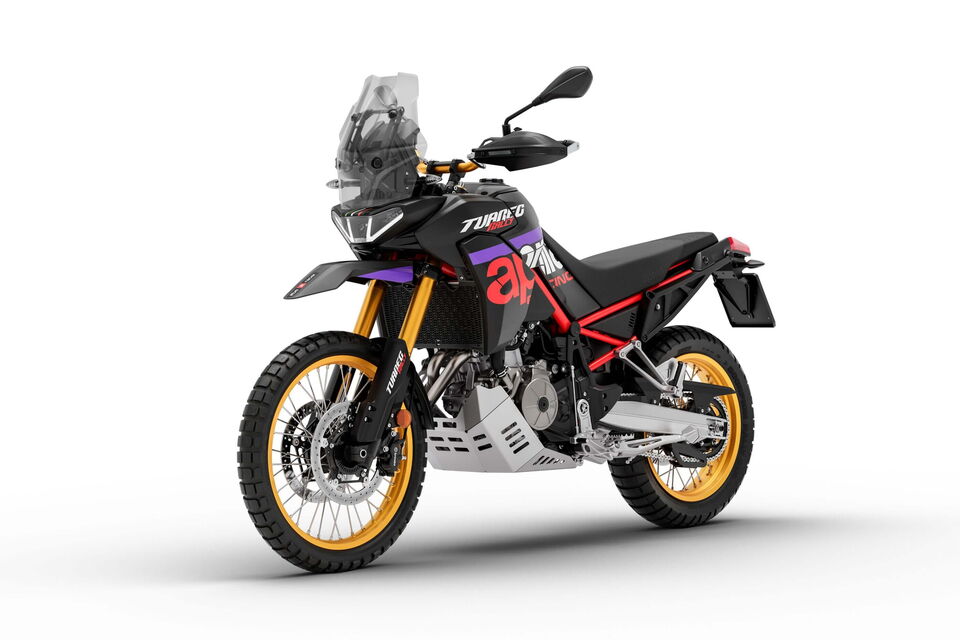
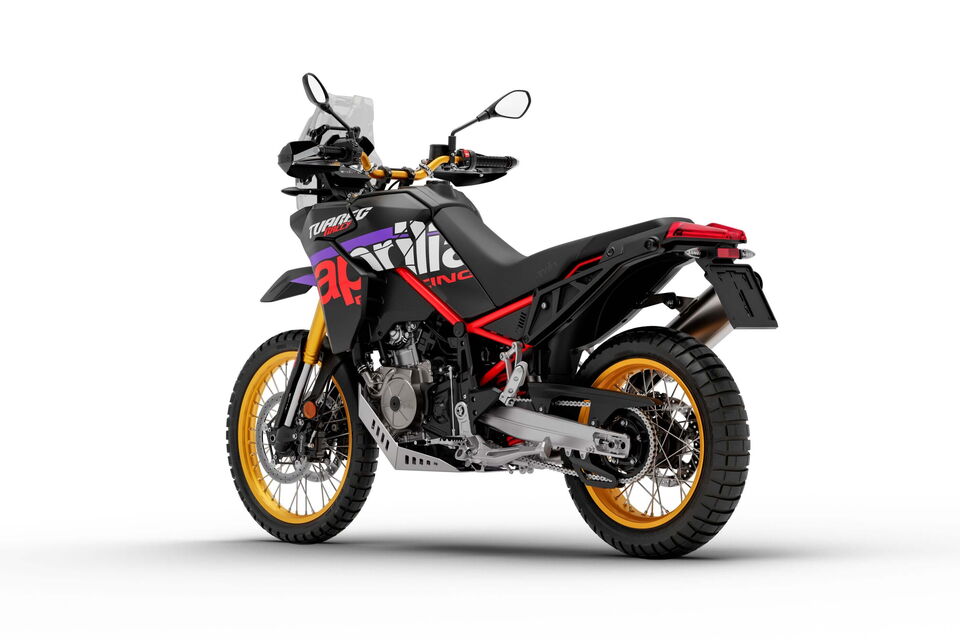
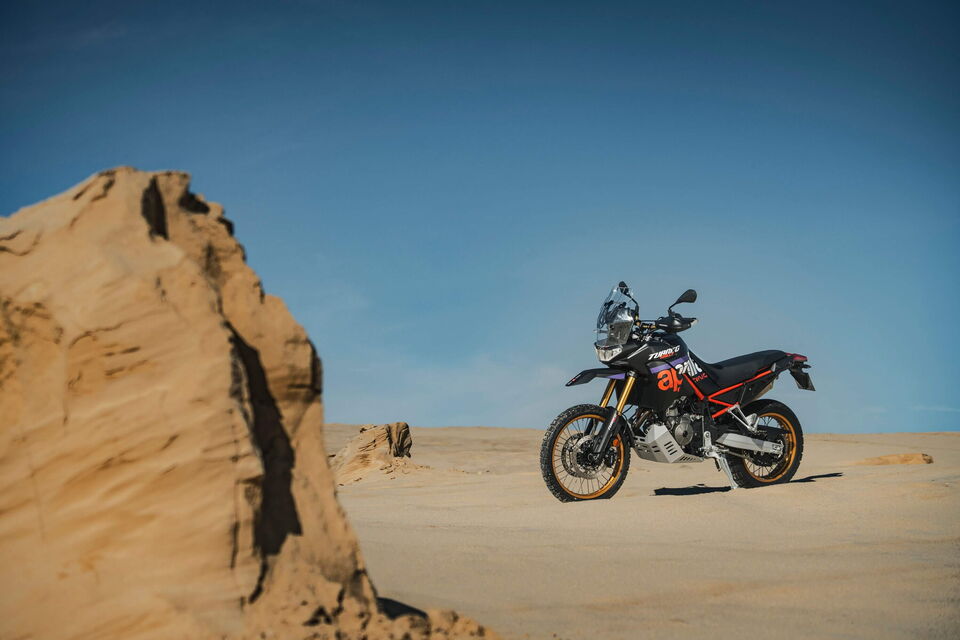
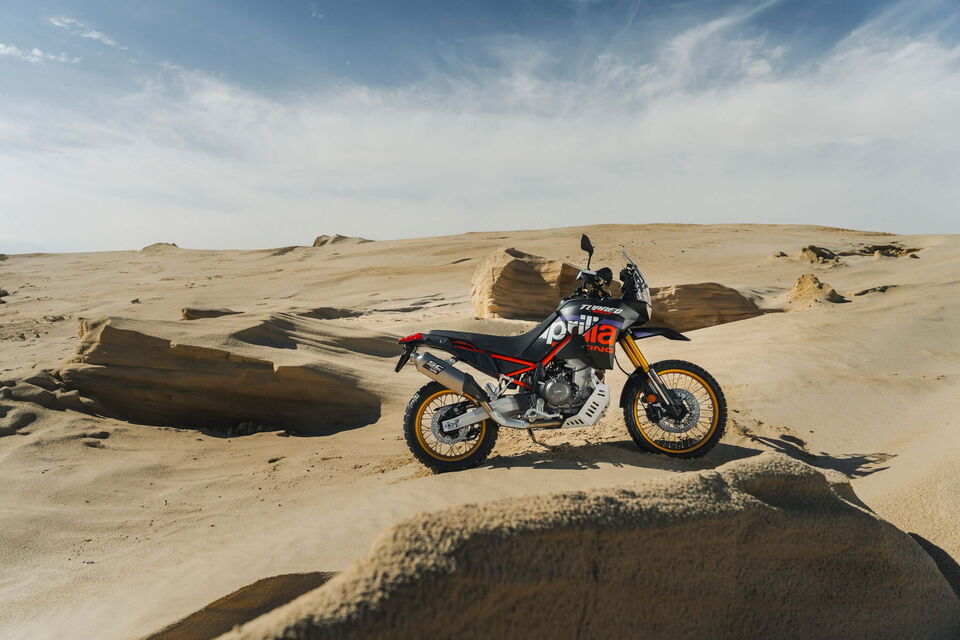
Compared with the standard Tuareg, the Rally comes with the following equipment as standard: SC-Project titanium slip-on exhaust, off-road-optimized suspension setup, reinforced gold Ergal rims, Rally seat (+20 mm), special handlebar, off-road handguards, high front fender, skid plate, chain guide, Rally side stand, revised engine mapping, and Rally Race Replica paintwork.
The electronics package—ABS, traction control, four riding modes, and cruise control—is identical to the base model. No cornering ABS and no quickshifter as standard: that applies to both versions.
Add up the accessory value and the calculation starts to make sense. The SC-Project titanium exhaust alone costs around €800, the skid plate around €200, and the handguards roughly €80, while the Ergal rims are difficult to purchase separately. From a purely objective standpoint, the €2,000 premium is therefore justified and not excessive—provided you actually need and want this exact package.
Costs: €2,000 More, Fairly Calculated
The list price is €13,999—€2,000 more than the base model. Compared with the competition, a KTM 890 Adventure R costs around €17,000, while a Ducati DesertX is more than €16,000. That positions the Rally competitively in the serious off-road adventure segment. The gap to a Yamaha Ténéré 700 at around €11,400 is larger, but so is the difference in standard equipment.
Running costs are no different from the base model. Service is required annually or every 10,000 km and costs between €300 and €450. The major 20,000 km service with valve-clearance inspection runs between €400 and €700. Tube-type tires are less expensive to buy than tubeless tires, but a puncture means carrying spare tubes and the necessary tools. Fuel consumption is around 5.5 to 6.5 liters per 100 km. Warranty: two years with unlimited mileage.
Verdict
The Tuareg 660 Rally is the right choice for riders who genuinely intend to go off-road and are willing to accept compromises on pavement. The complete package—5 kg less weight, firmer suspension, tube-type tires, SC-Project exhaust, and full off-road equipment—is fairly priced at a €2,000 premium.
Riders who primarily stay on pavement and only occasionally tackle gravel roads are better served by the standard Tuareg. The question is not which one is better—they are designed to do different things.
Quick Check
+ SC-Project titanium exhaust standard—weight savings and better sound
+ 5 kg lighter than the base model—noticeable off-road
+ Suspension optimized for off-road use—firmer setup
+ Reinforced Ergal rims—more robust for demanding terrain
+ Complete off-road package (skid plate, handguards, high fender) from the factory
+ €2,000 premium objectively justified by the value of the additional equipment
+ Rally styling derived directly from the Africa Eco Race-winning machine
– 880 mm seat height—20 mm higher than the base model and extremely challenging for shorter riders
– Tube-type tires—less convenient than tubeless in everyday use
– Firmer suspension setup is noticeable on the road
– More aggressive throttle response can cause surging in city traffic
– No cornering ABS—same as the base model
– No quickshifter as standard—same as the base model
Technical Specifications: Aprilia Tuareg 660 Rally (2026)
Country of manufacture: Italy (Noale, Veneto)
Engine: Liquid-cooled parallel twin, DOHC, 4 valves per cylinder, ride-by-wire, Euro 5+, Rally mapping
Displacement: 659 cc
Power: 59 kW (80 hp) at 9,200 rpm
Torque: 70 Nm at 6,500 rpm
Transmission: 6-speed, assist-and-slipper clutch
Final drive: Chain
Front suspension: 43 mm Kayaba USD fork, fully adjustable, off-road setup, 240 mm travel
Rear suspension: Aluminum double-sided swingarm, Kayaba monoshock, fully adjustable, 240 mm travel
Front brakes: Dual 300 mm discs, Brembo axial four-piston floating calipers, braided steel lines
Rear brake: 260 mm disc, Brembo single-piston floating caliper, braided steel line
Front tire: 90/90-21 (tube-type)
Rear tire: 150/70 R18 (tube-type)
Rider aids: Dual-channel ABS (3 mappings, stoppie control, rear-wheel ABS switchable), ATC (traction control), 4 riding modes, ride-by-wire, ACC (cruise control)
Rally-specific equipment: SC-Project titanium slip-on, gold Ergal rims, Rally seat, special handlebar, off-road handguards, high front fender, skid plate, chain guide, Rally side stand
Wet weight: 199 kg
Seat height: 880 mm
Fuel capacity: 18 liters
Price (Germany): €13,999
Warranty: 2 years, unlimited mileage