Review Aprilia Tuono 660 Factory (2026)

105 hp, 181 kg—the Most Complete Naked Bike in Its Class
The Tuono 660 Factory is now the only motorcycle in this category. Aprilia has dropped the standard Tuono 660—if you want the 660 twin with the full electronics package and Öhlins suspension, you buy the Factory. 105 hp, 181 kg, cornering ABS, quickshifter as standard. This test reveals whether the package delivers what it promises.
As of: March 17, 2026 | Tested model: Aprilia Tuono 660 Factory (2026) | Price: €11,499
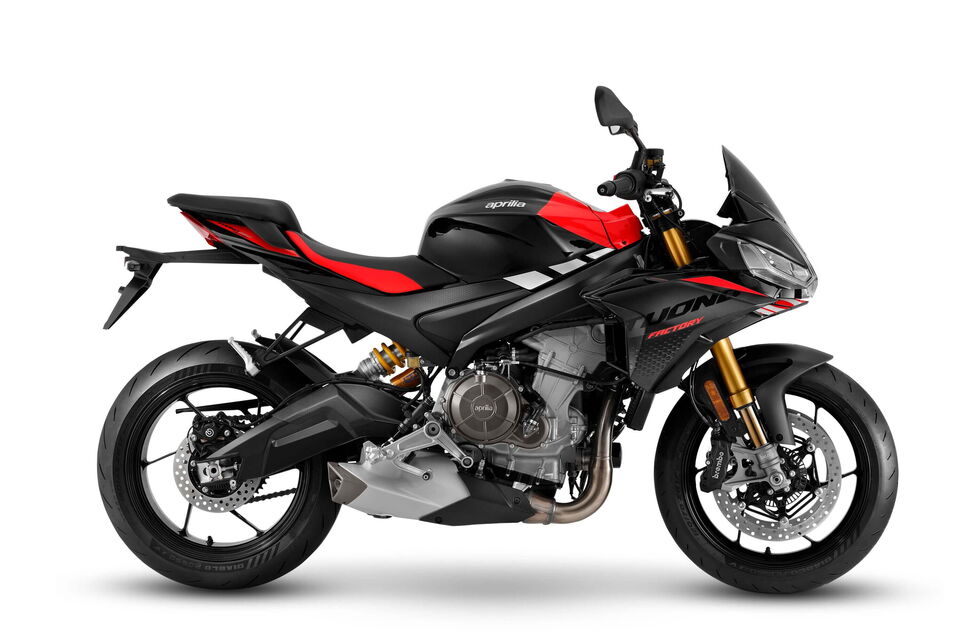
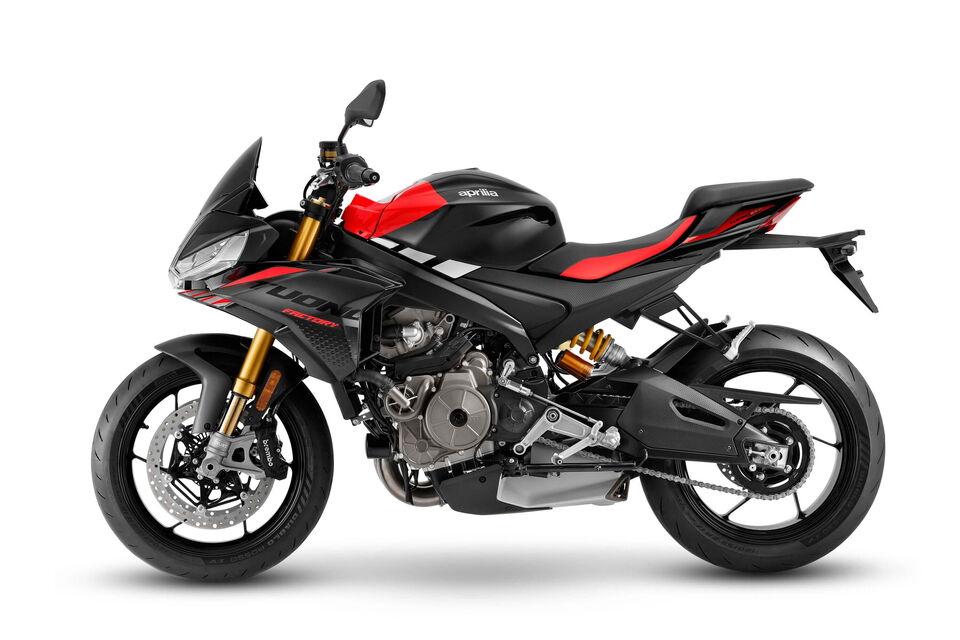
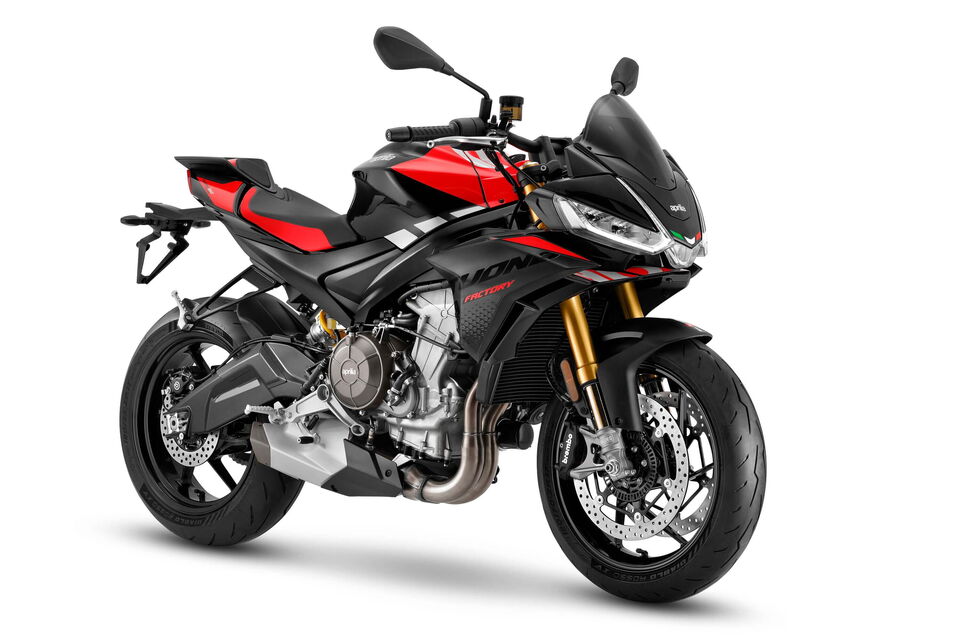
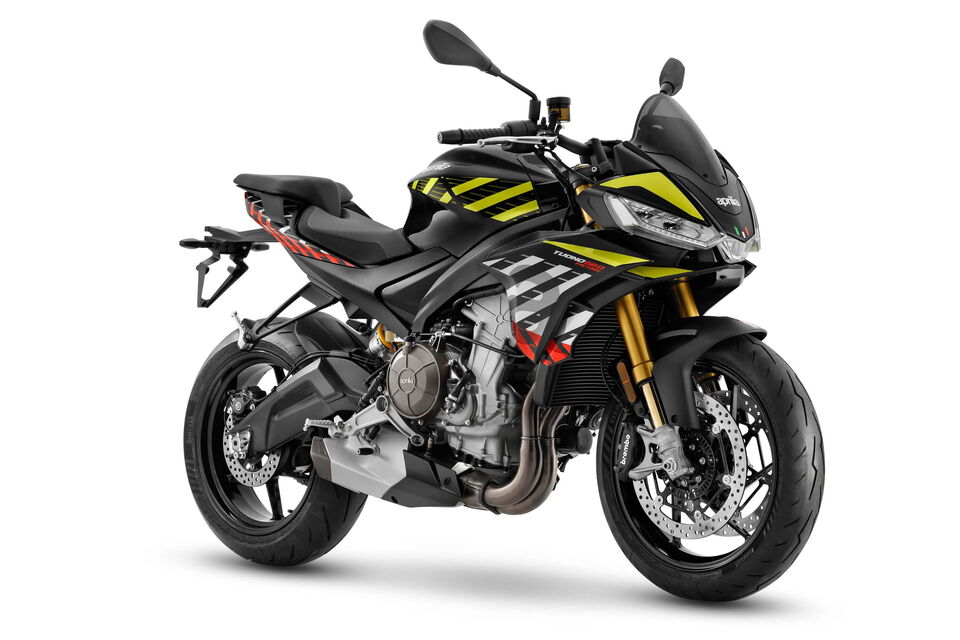
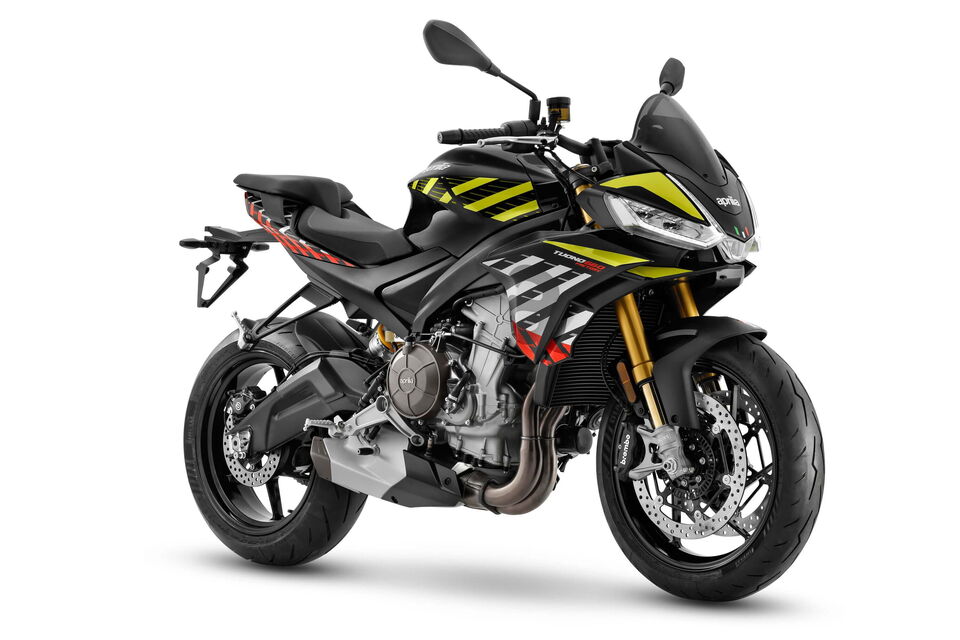
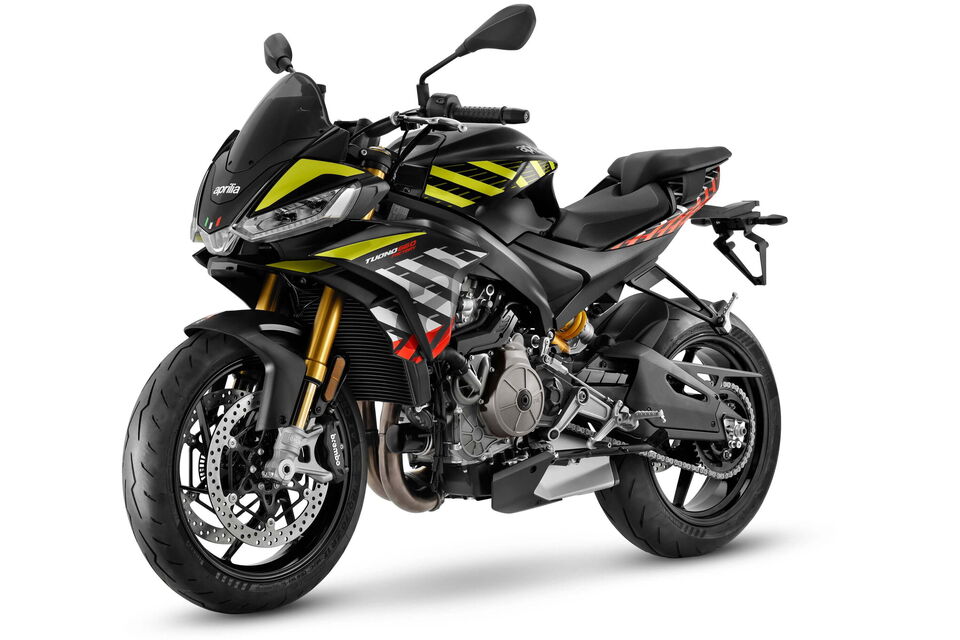
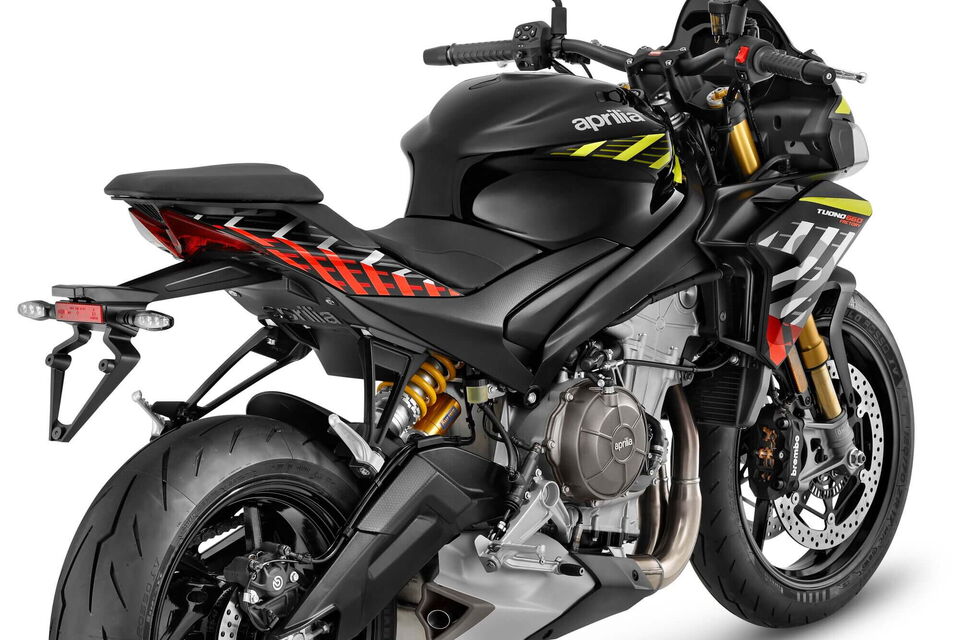
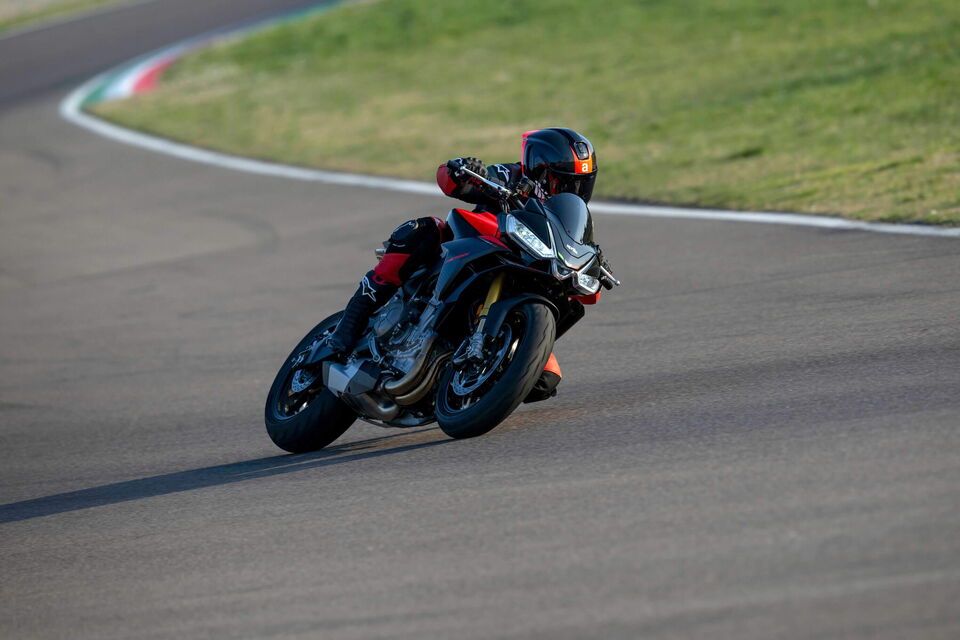
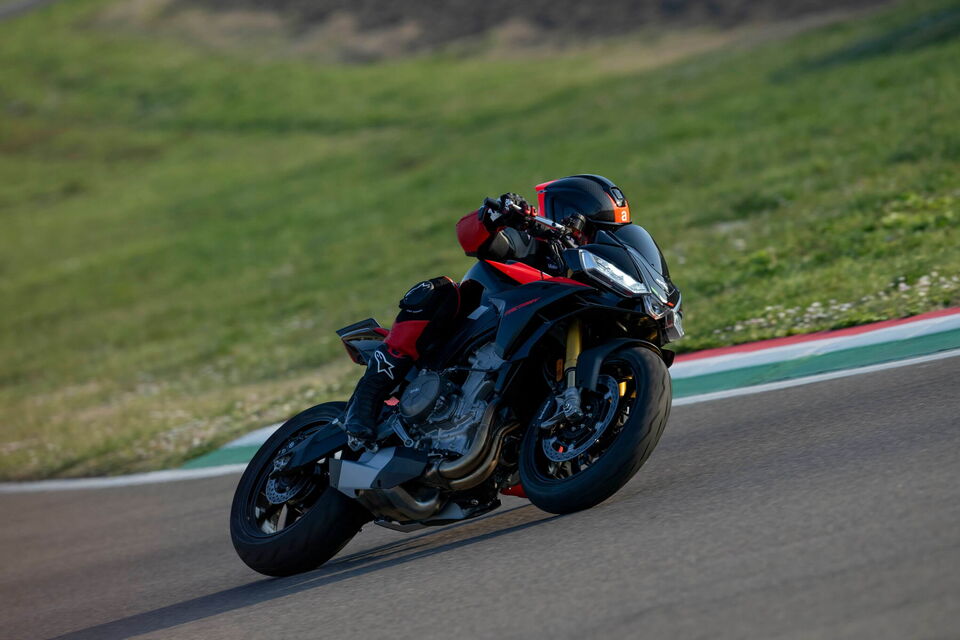
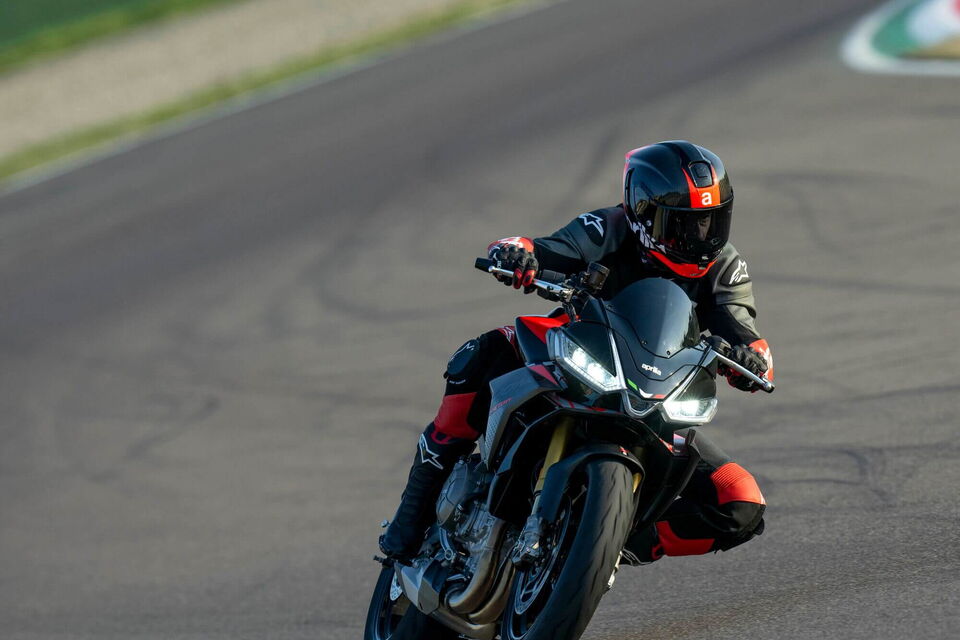
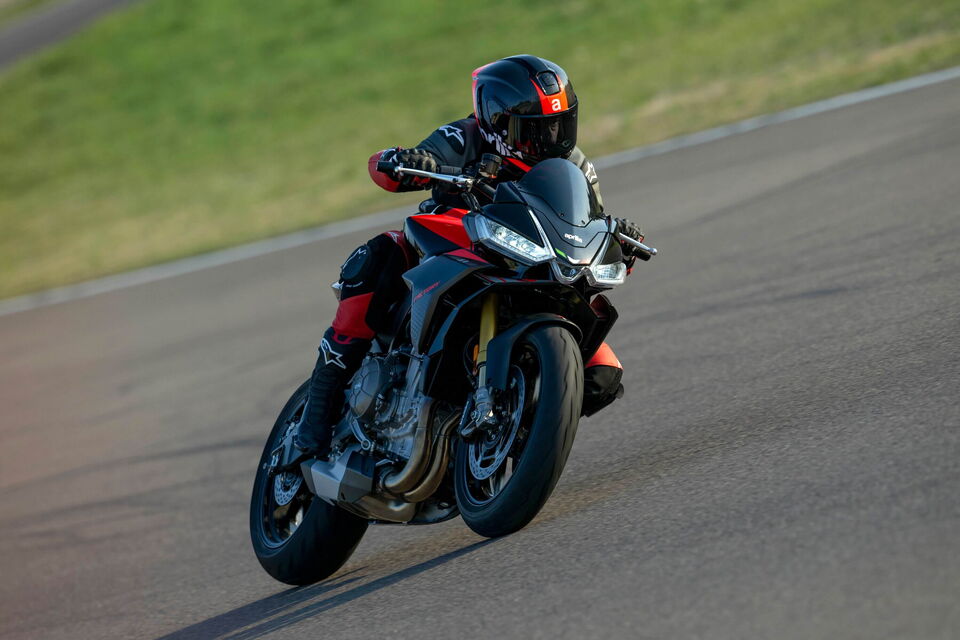
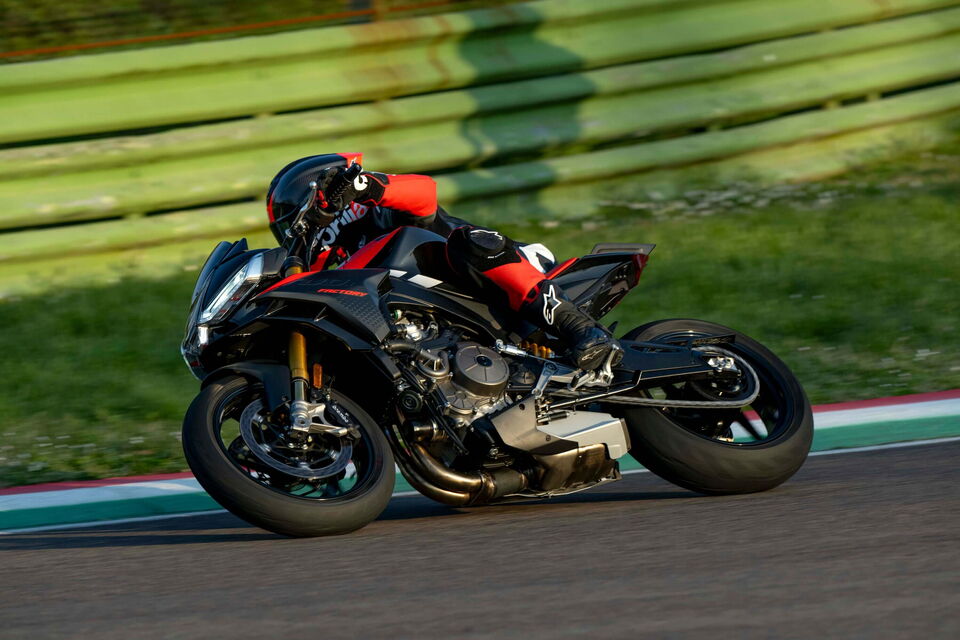
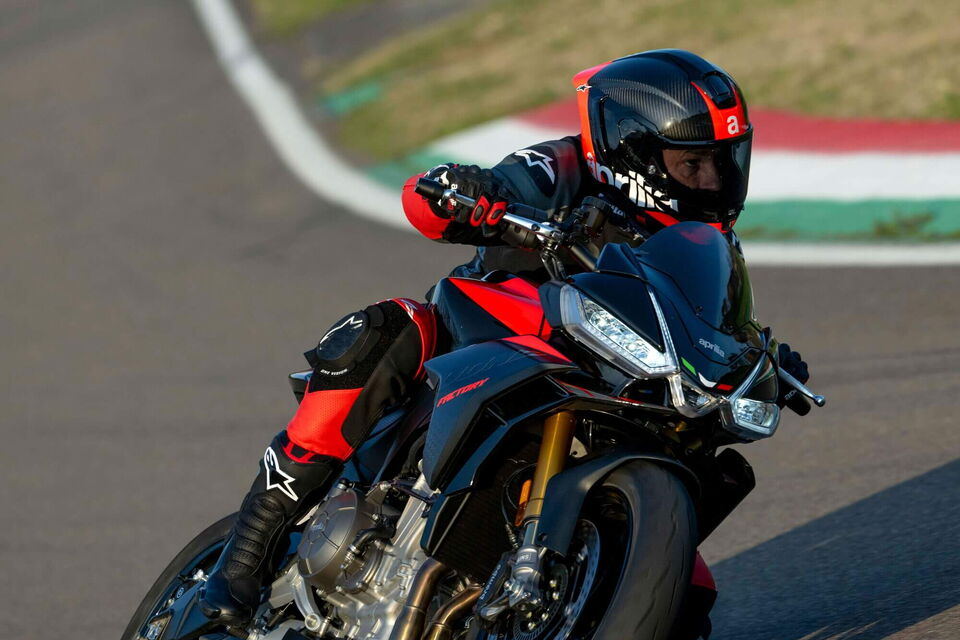
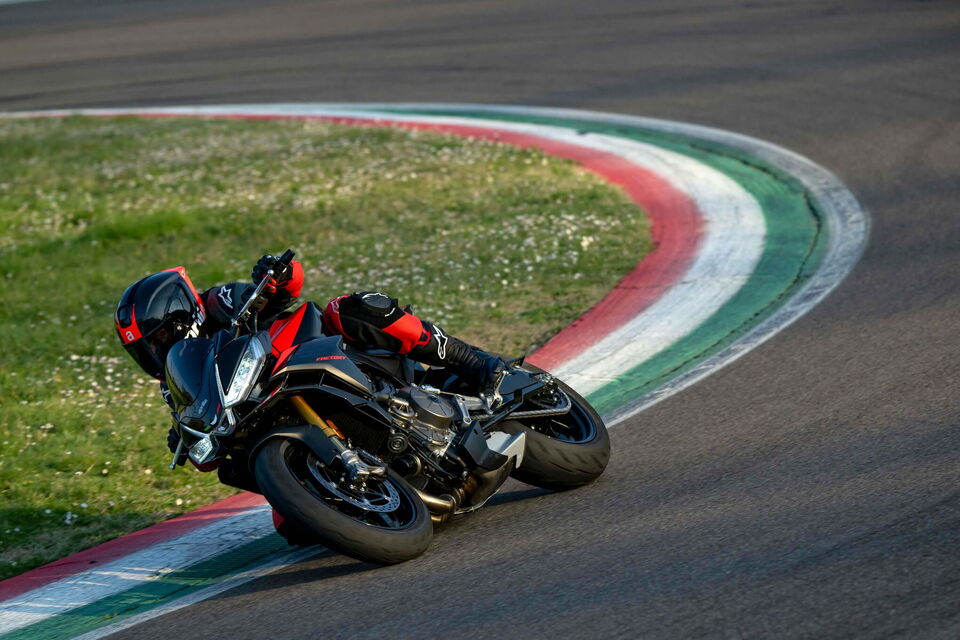

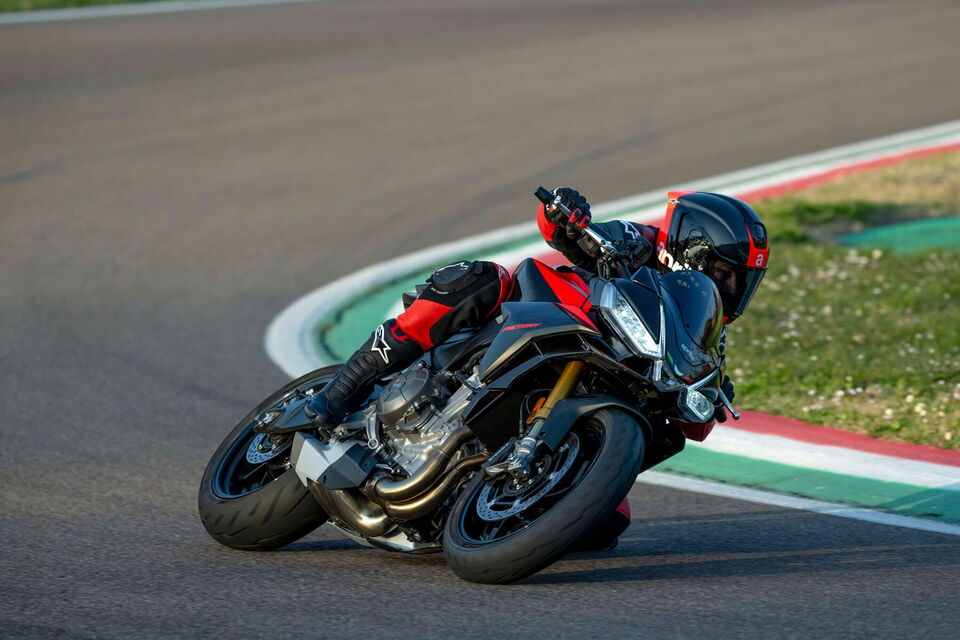
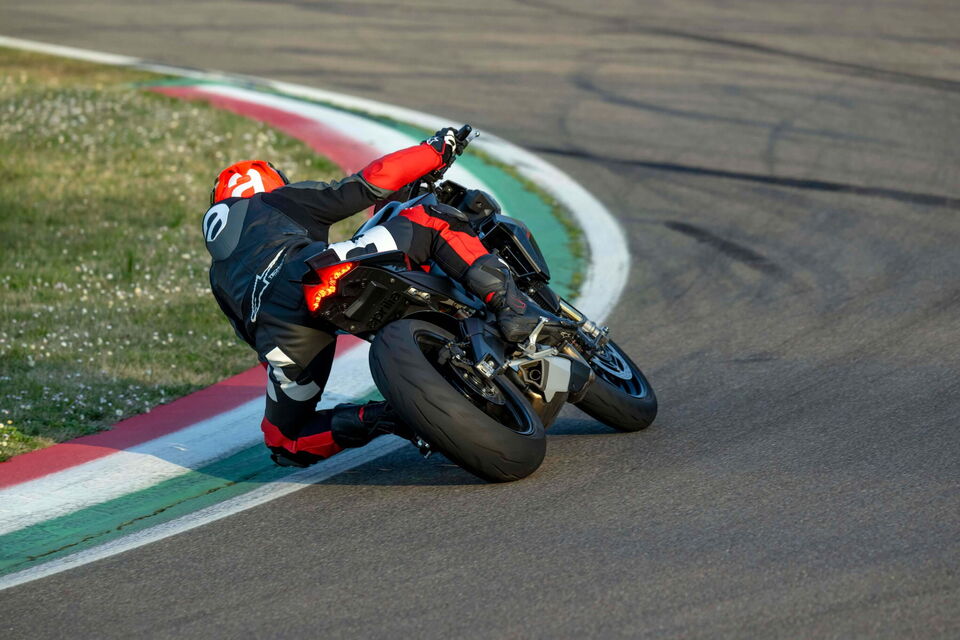
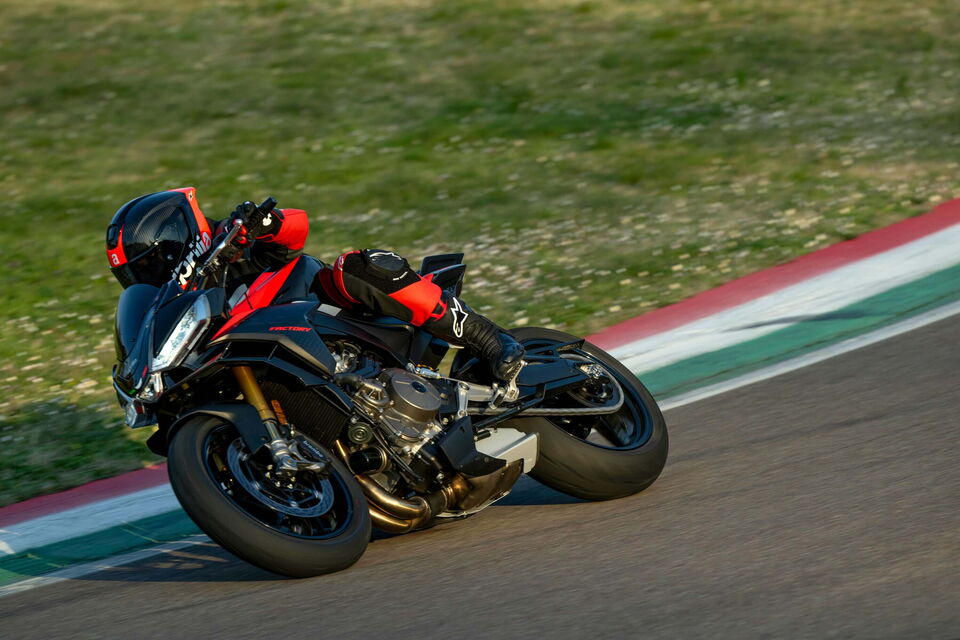
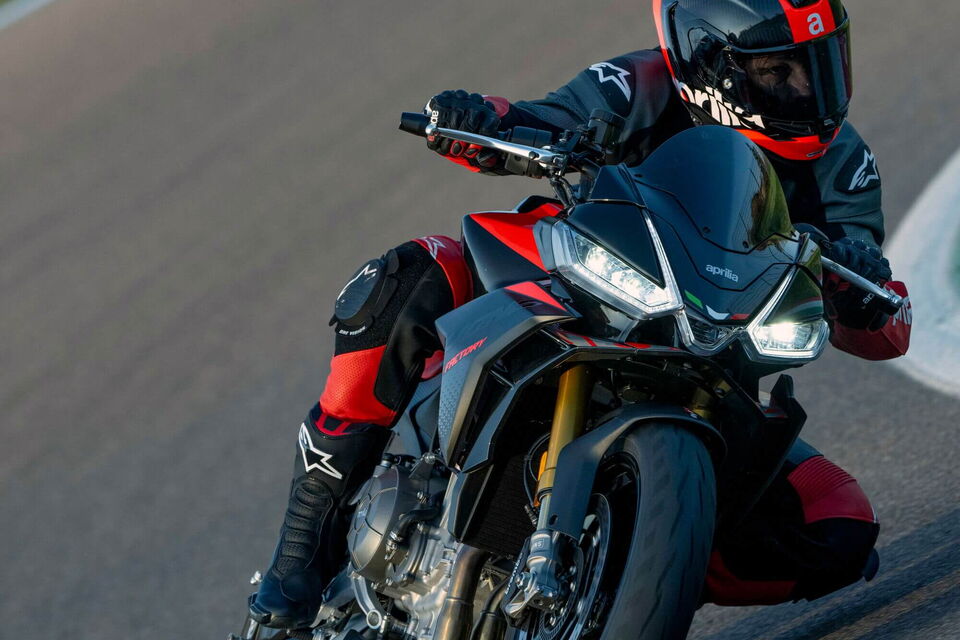
Engine: The RS 660 Twin, Optimized for Midrange Punch
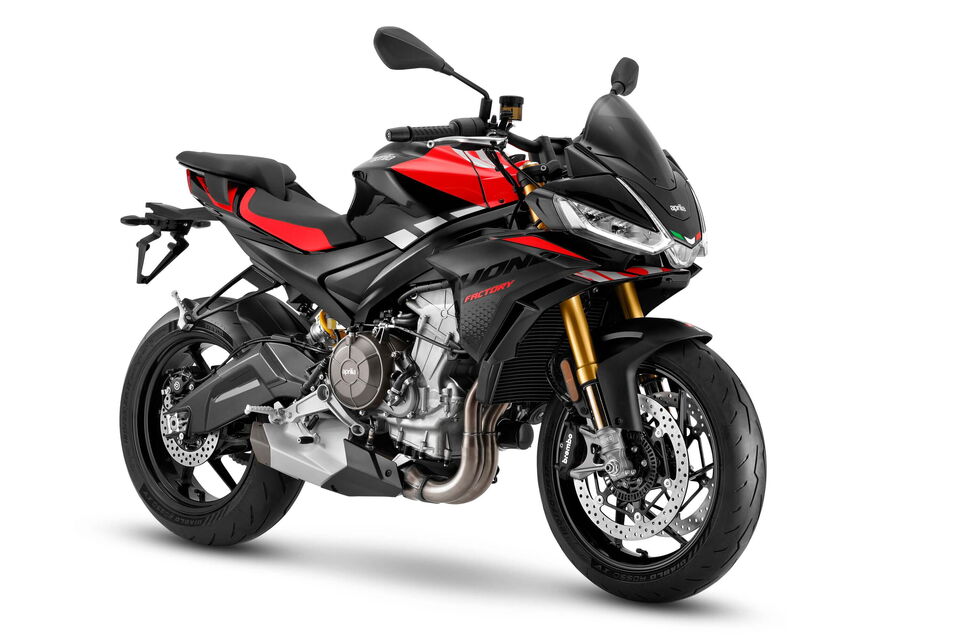
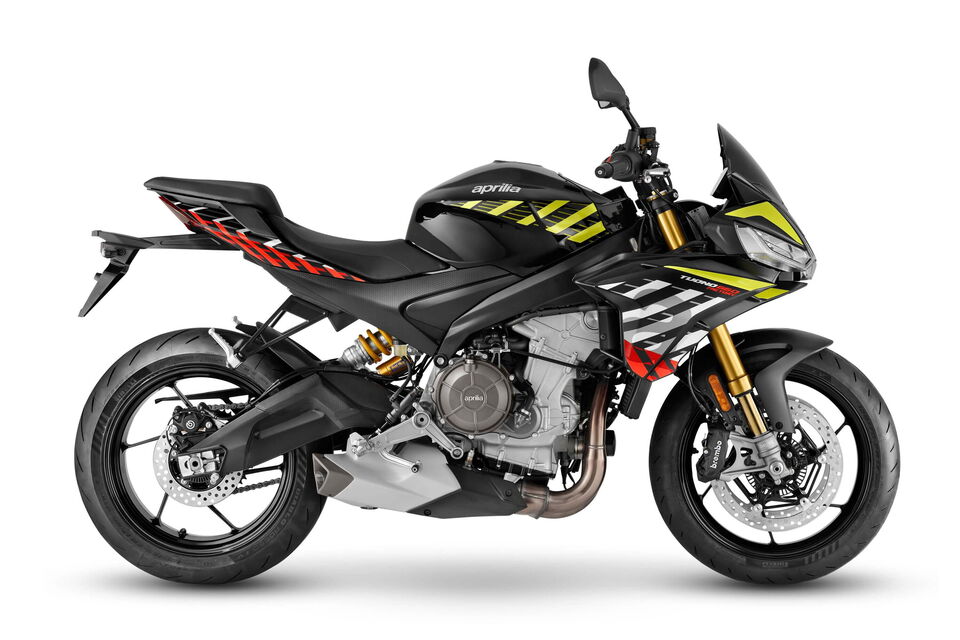
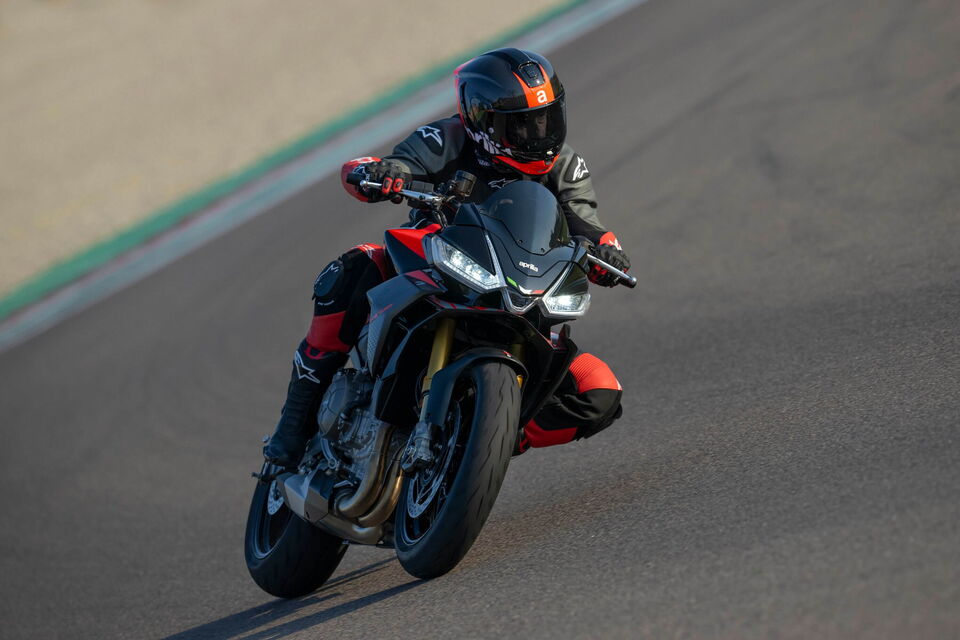
105 hp from 659 cc—the Tuono 660 Factory uses the same engine as the RS 660, but with different gearing. Aprilia shortened the final-drive ratio by six percent compared with the RS, giving the naked bike noticeably stronger acceleration in the lower half of the rev range. The RS 660 has a well-known dip in power around 6,000 rpm; in the Tuono, it is considerably less pronounced. The result is an engine that feels more linear and more usable in everyday riding than its superbike counterpart—and smoother to ride on backroads.
The crankshaft’s 270-degree crankpin offset is the defining characteristic of this twin. The uneven firing intervals produce a sound that is closer to a V-twin than a conventional parallel twin. That is not a marketing trick—you can hear it. Riders coming from an inline-four may be surprised the first time they fire up the 660. By the time they are in third gear on an Alpine road, they will be convinced.
70 Nm of torque at 8,400 rpm sounds like an engine that only really comes alive high in the rev range. In practice, that is not the case. From as low as 4,000 rpm, the twin pulls strongly, while the upper half of the rev range above 8,000 rpm delivers the real forward thrust. The rev limiter cuts in at 11,500 rpm. Riders who are not paying attention on the racetrack will regularly run into it. That is not a criticism—it is the sign of an engine that remains entertaining all the way to the limit. The 52 mm throttle bodies, introduced with the 2025 update, and the new ride-by-wire mapping make throttle response more precise than on the previous model.
One point needs to be stated clearly: stationary noise is rated at 96 dB(A)—that is loud. In Tyrol and other regions with noise restrictions, this is a serious issue: riding bans. Anyone who regularly rides in noise-regulated mountain regions should check the local regulations in advance. The standard Pirelli Diablo Rosso IV tires are an appropriate sport-tire choice for this level of performance.
Chassis: Öhlins, Fully Adjustable—and You Can Feel It
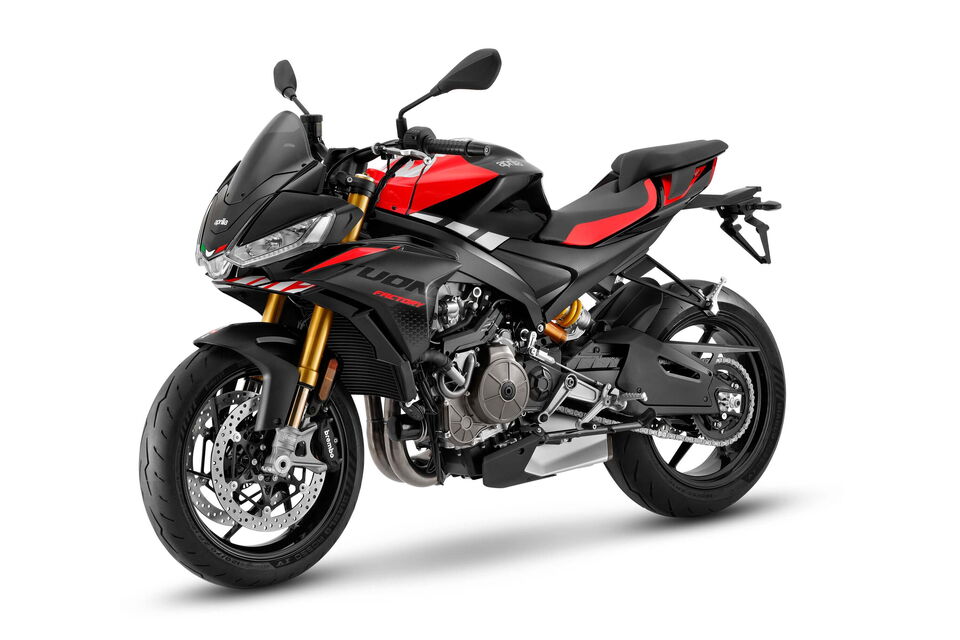
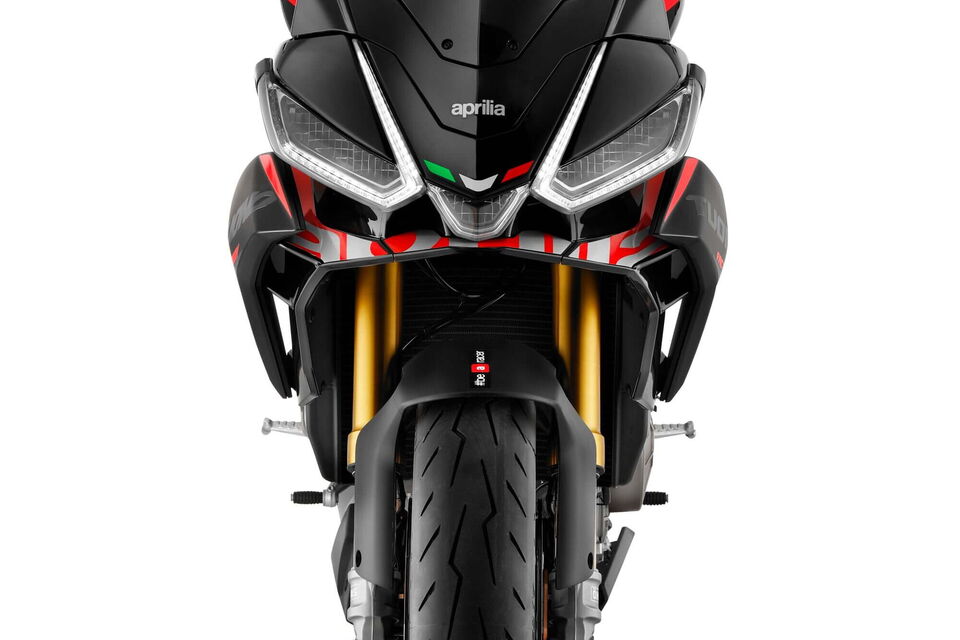
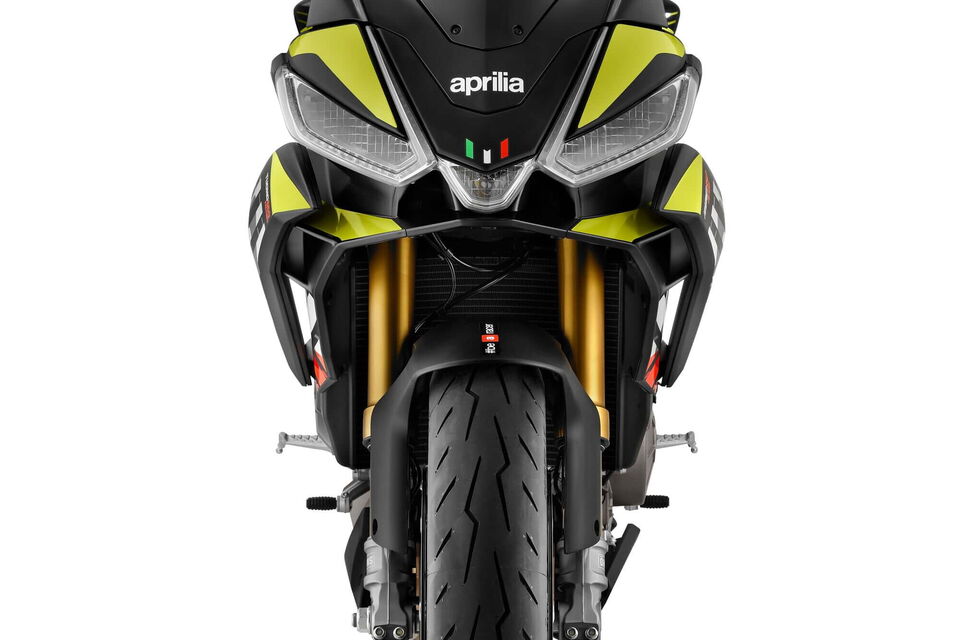
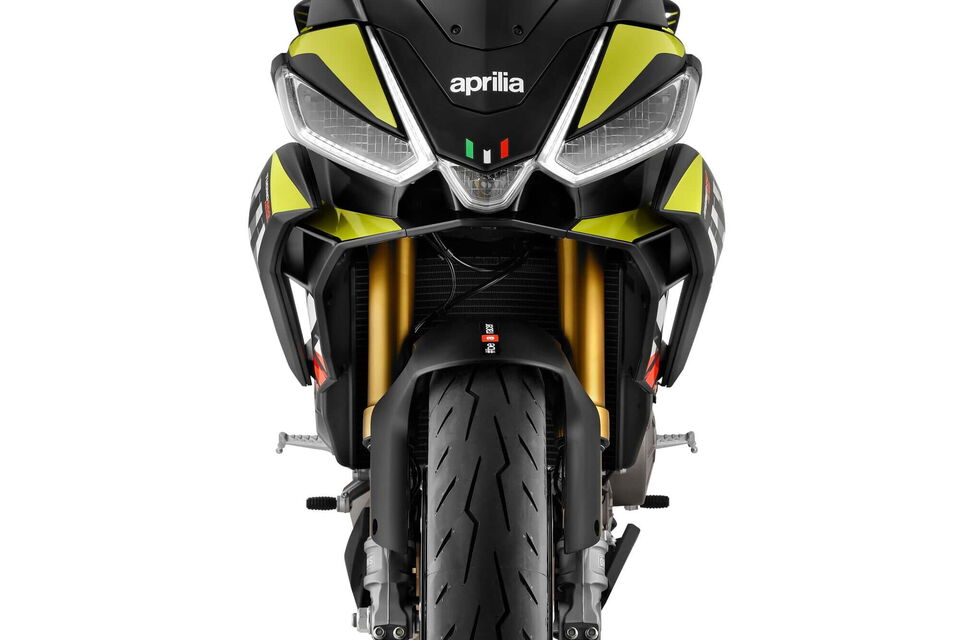
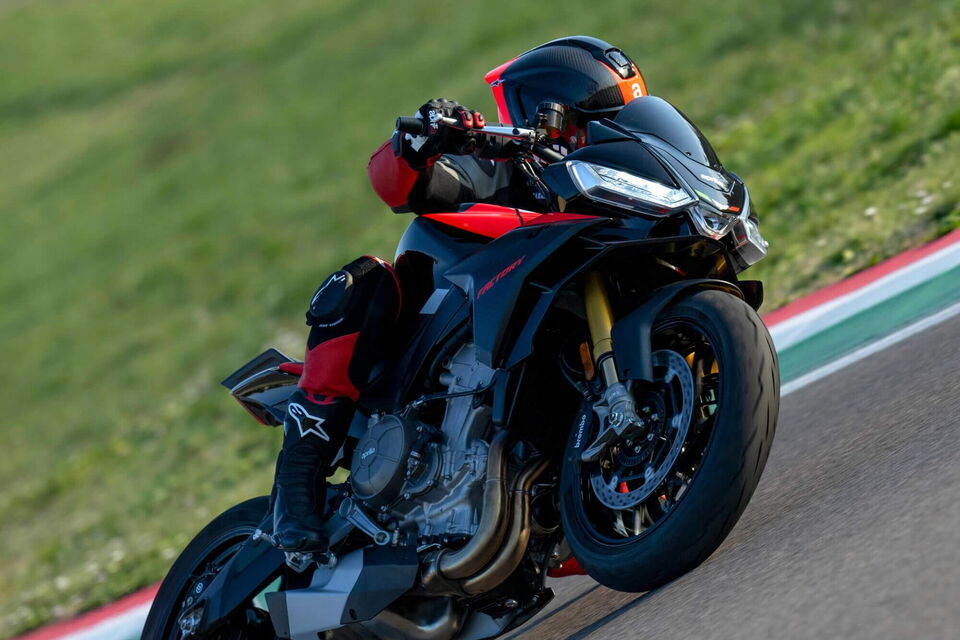
Starting with the 2025 model year, the Tuono 660 Factory comes with Öhlins suspension: a NIX 30 upside-down fork with 43 mm tubes up front and an STX 46 shock with an integrated reservoir at the rear. Both are fully adjustable for spring preload, rebound, and compression damping. This is not an entry-level setup, it is suspension hardware for ambitious riders—and the main difference compared with the former base Tuono 660, which used Kayaba components.
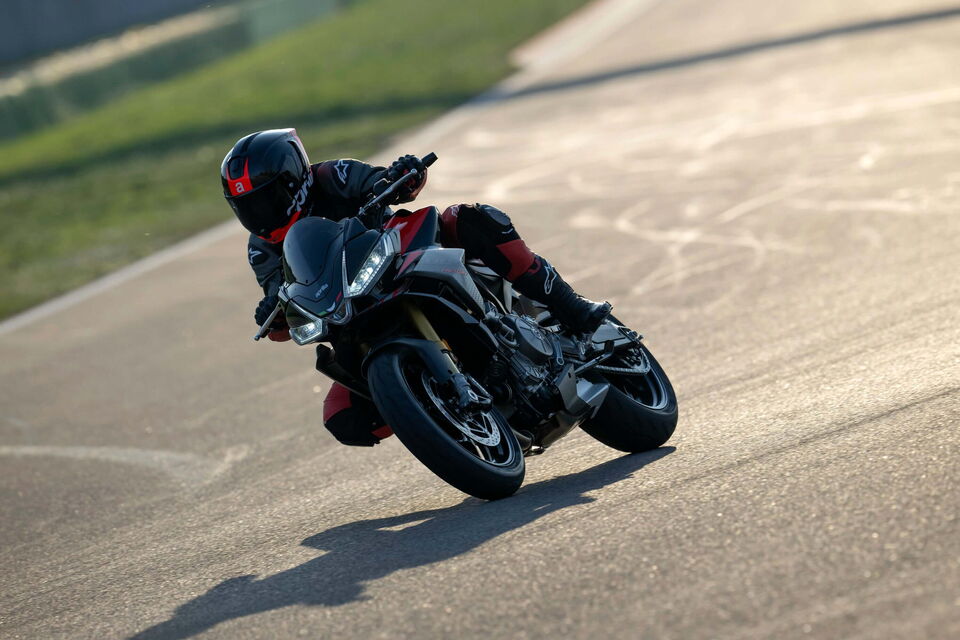
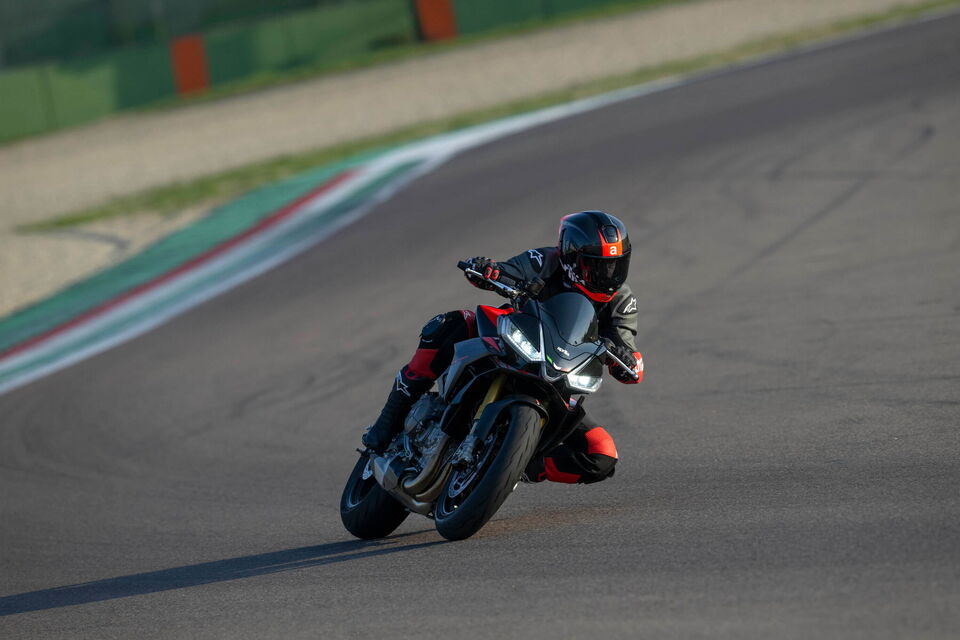
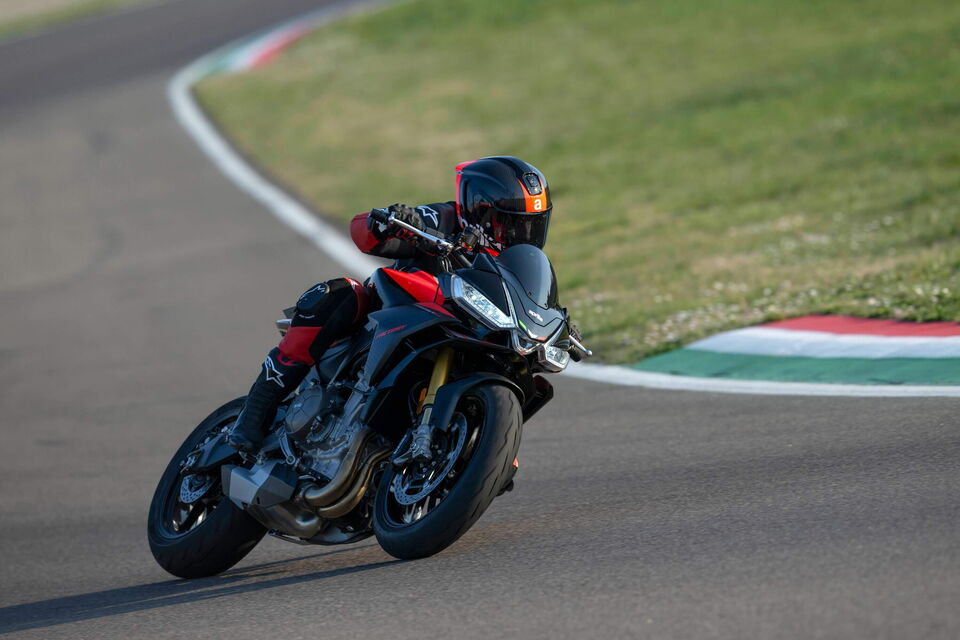
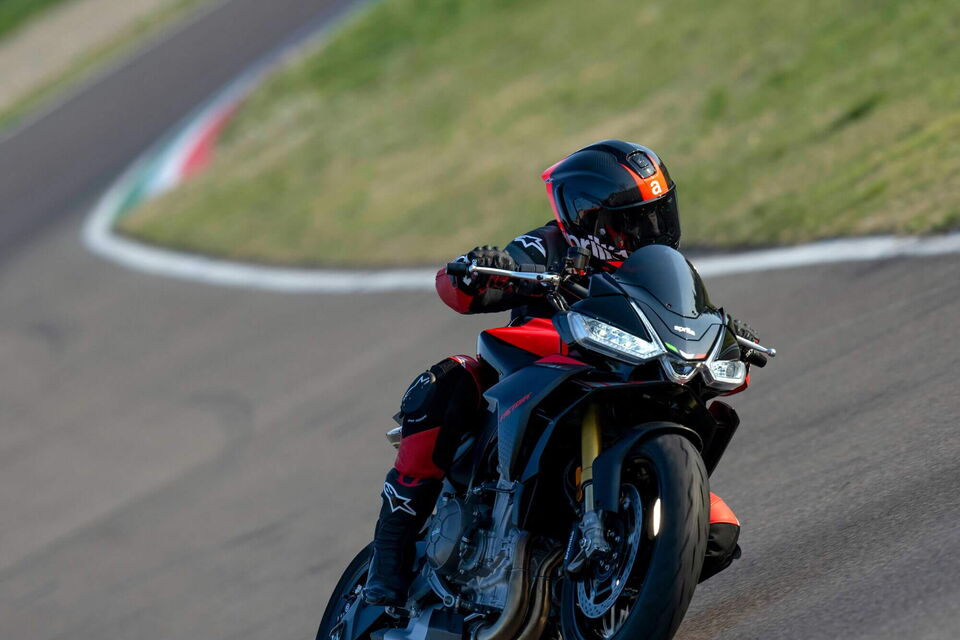
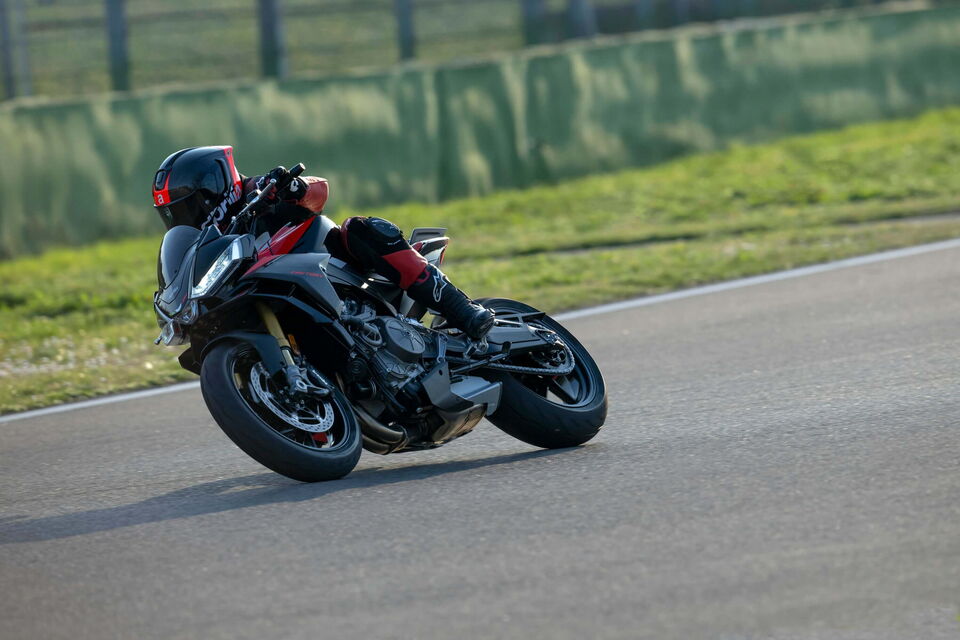
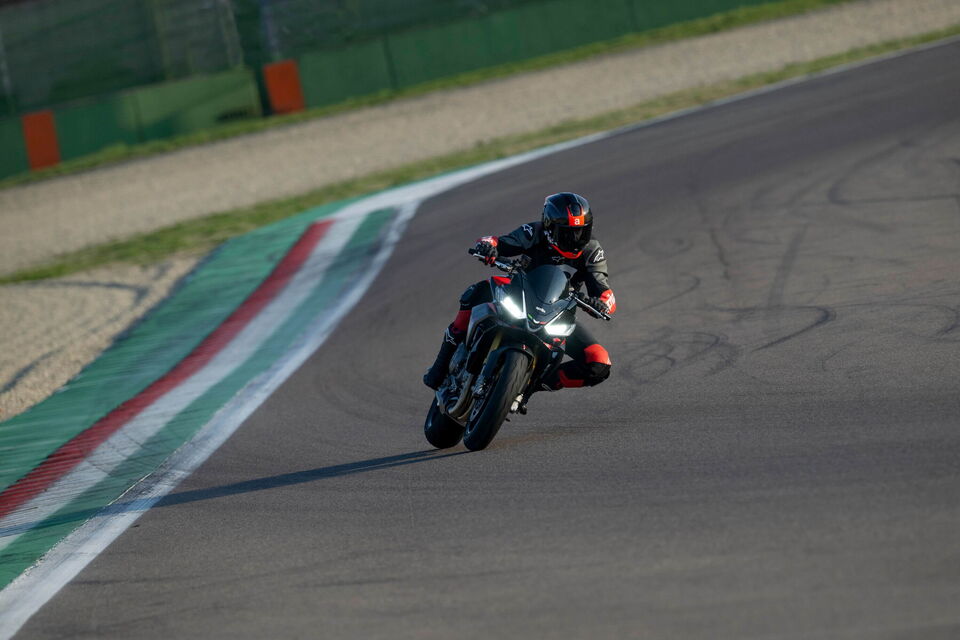
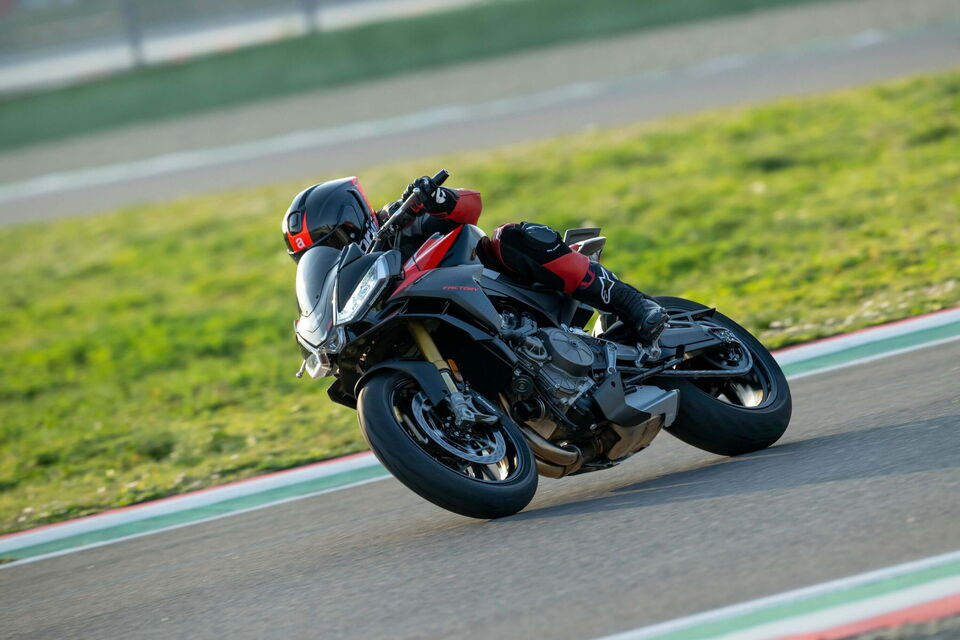
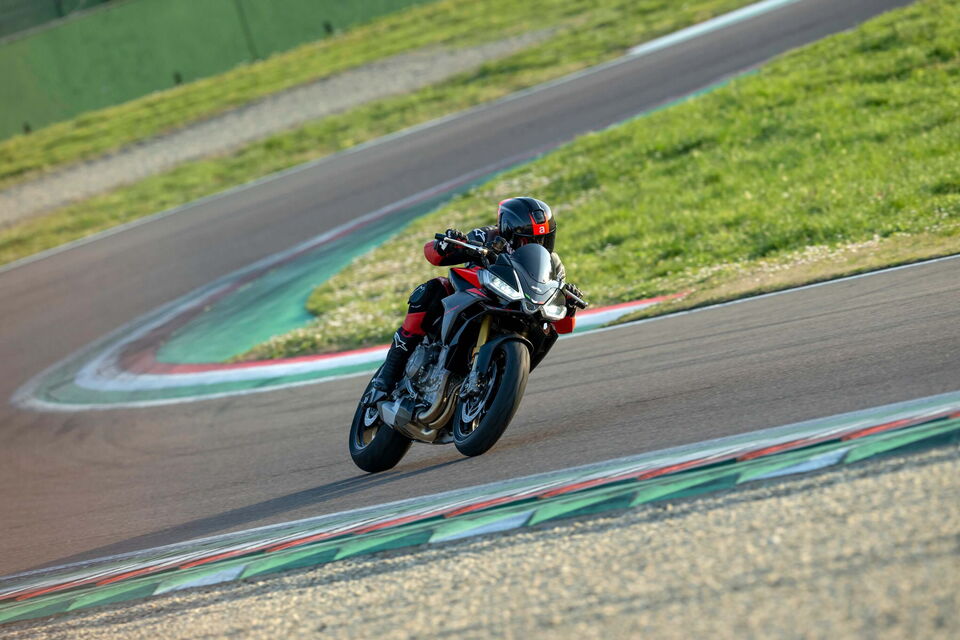
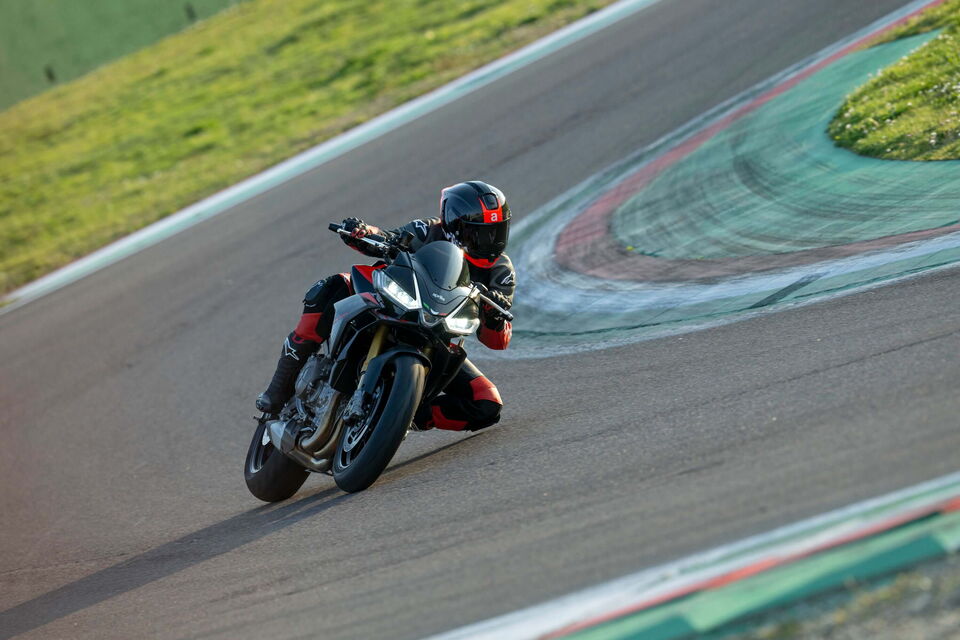
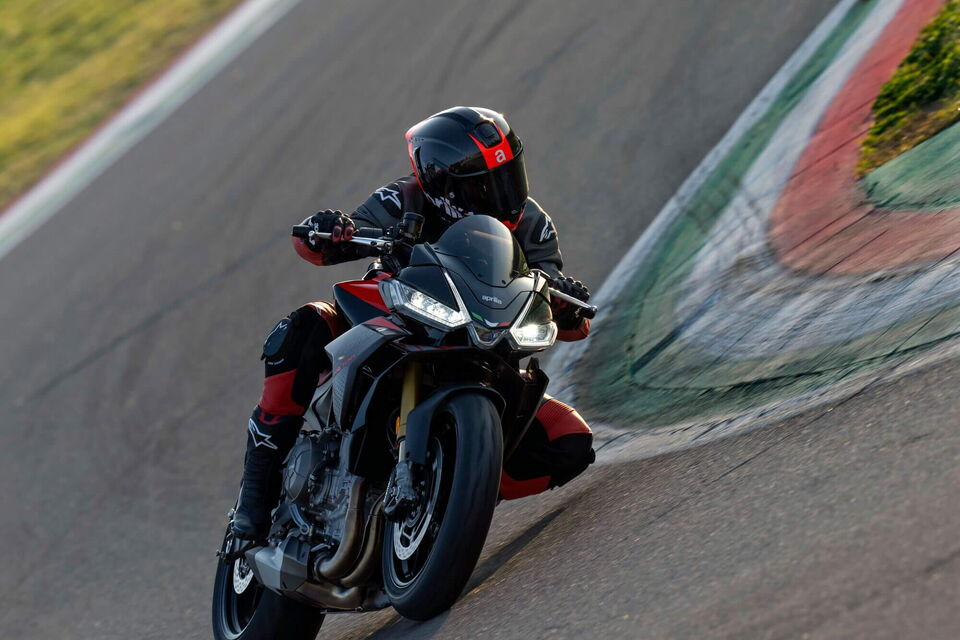
The result on the road is clear: the Tuono 660 Factory holds a precise line, provides transparent feedback from both wheels, and responds immediately to steering input. At 181 kg fully fueled, it is one of the lightest motorcycles in this performance class. You feel that when tipping into a corner, during rapid direction changes, and when riding aggressively on backroads. Anyone coming from a heavier motorcycle will be surprised by how little physical effort the Tuono requires during dynamic maneuvers.
On the racetrack, the suspension demonstrates what it can really do: 2.5 degrees more cornering clearance than the base Tuono—made possible by the RS footpegs—and a slightly longer swingarm that provides greater stability and traction at high speed. Experienced riders can push the motorcycle all the way to the grip limits of modern sport tires. It is a clear promise of serious backroad performance—and one the Tuono delivers.
The brakes—Brembo four-piston front calipers working on 320 mm floating discs and a single-piston rear caliper on a 220 mm disc—are at the level this motorcycle deserves. Lever feel is clear, stopping power is strong, and modulation is good. Cornering ABS with a six-axis IMU comes standard and works almost imperceptibly in everyday riding. That is not something to take for granted: the old base Tuono did not have cornering ABS.
Ergonomics: A Naked Bike With Racetrack Influence
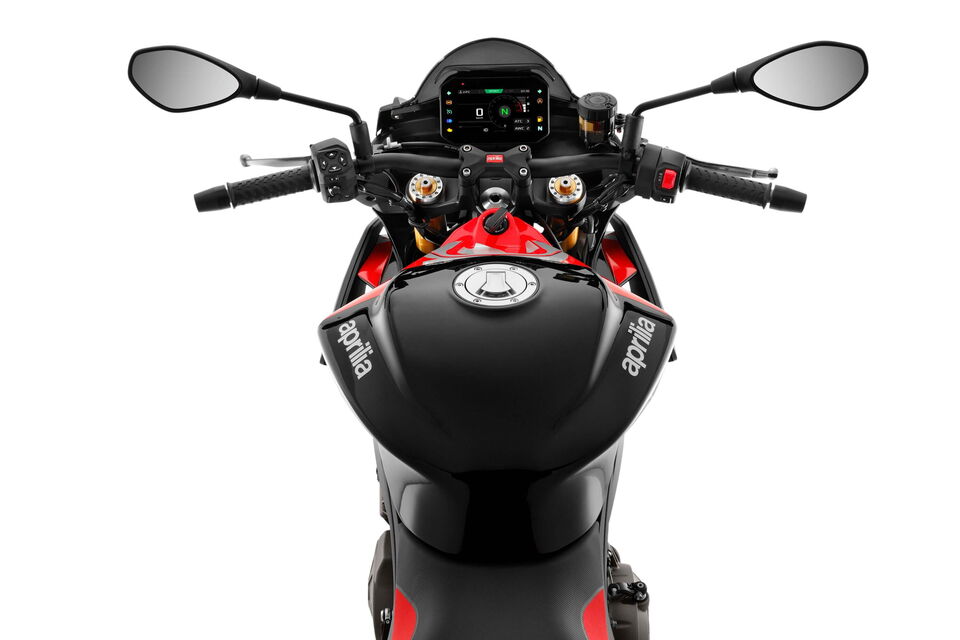
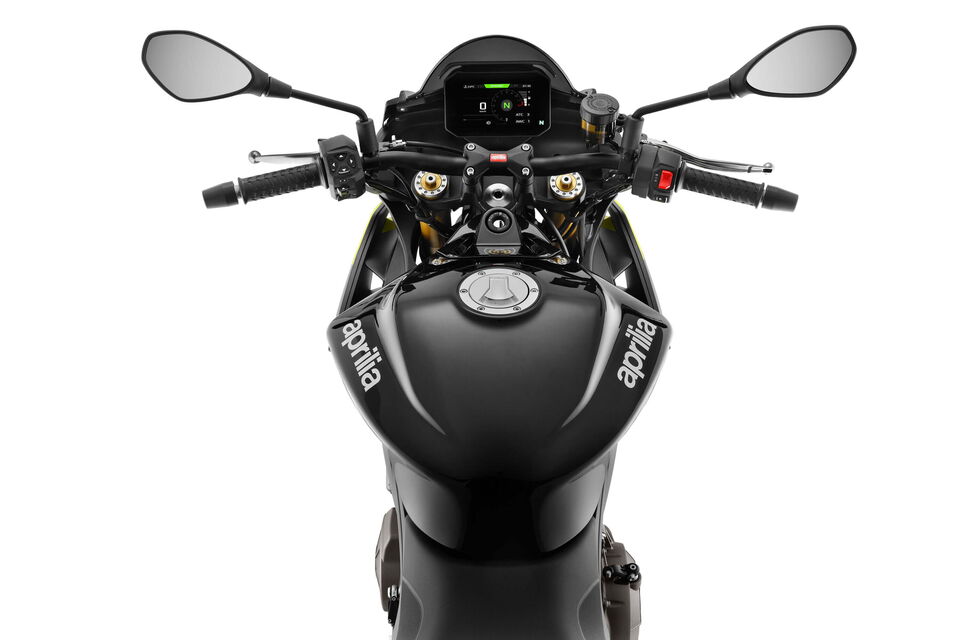
The riding position is exactly what you would expect from a sporty naked bike: upright enough for everyday use, with a slight forward lean for active riding. The wide handlebar gives the rider plenty of control and makes turn-in easier. The footpegs are positioned sportily but are not excessively high. Ergonomics work well for riders between 1.70 and 1.85 meters tall. Shorter riders benefit from the moderate 820 mm seat height, which makes it relatively easy to get both feet securely on the ground.
For long-distance touring, the Tuono 660 Factory would not be the first choice: there is no wind protection, the riding position is sporty, and cruise control is not standard. Riders who regularly cover serious mileage will want to add accessories. For weekend rides, backroad loops, and occasional trackdays, however, the ergonomics are well balanced—sporty without becoming exhausting.
Handling: 181 kg Makes a Statement
181 kg fully fueled—that may be the most important number associated with this motorcycle. In the middleweight sport category, there are very few motorcycles this light with this much power. The lithium-ion battery saves 2 kg compared with a conventional battery—not a huge figure on paper, but combined with the generally lightweight construction, it contributes to the remarkably low overall weight.
On the road, that lightness is constantly noticeable. The motorcycle responds quickly, is easy to handle in the city, and feels more playful in corners than anything heavier.
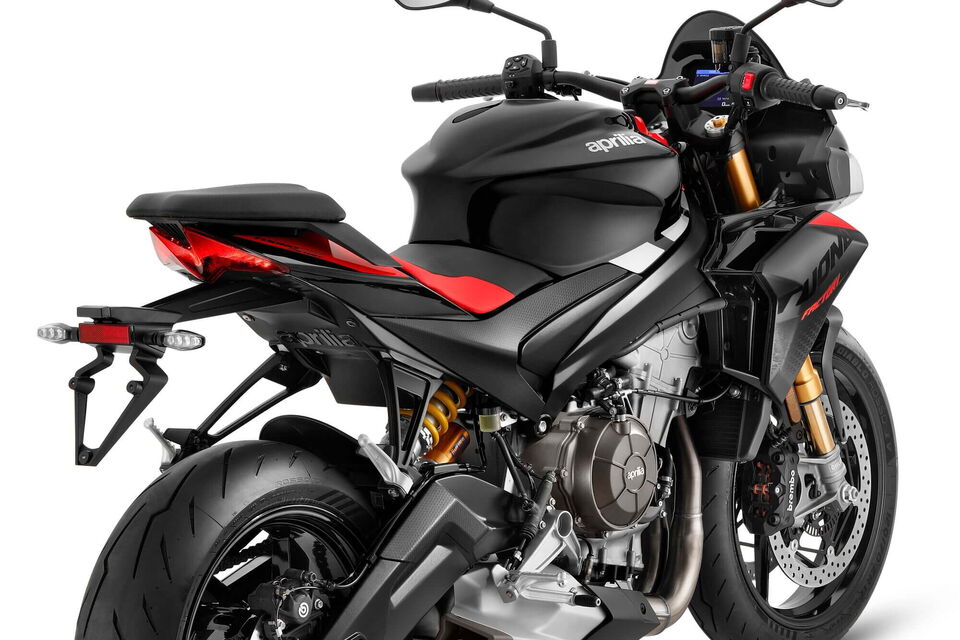
The 5-inch TFT display is modern, easy to read, and presents all relevant information clearly. Operation via the handlebar controls is acceptable even with gloves. The menu structure—familiar from other Aprilia models—still has room for improvement. It takes a few rides before everything becomes intuitive. The standard quickshifter works flawlessly both up and down.
What is missing is cruise control. For a motorcycle at this price point and in this class, it is a surprise omission; other models in the segment have offered it as standard for some time. As with virtually every naked bike, there is no standard luggage system. The 15-liter fuel tank, combined with consumption of around 5 liters per 100 km, provides a range of roughly 280 to 300 km—respectable for a sport-oriented motorcycle.
Equipment: The Full Package, No Boxes to Check
The Tuono 660 Factory’s aPRC electronics package is the most comprehensive in the class: cornering ABS with a six-axis IMU, traction control, Wheelie Control, Launch Control, engine-brake control, up/down quickshifter, and five riding modes—three for the street and two for the racetrack. Cornering lights come standard. All systems can be adjusted while riding. This is electronics technology on the level of the larger Tuono V4, packaged in a smaller, lighter motorcycle.
The Tuono 660 Factory is also available in an A2-compatible version restricted to 35 kW (47 hp). That makes the motorcycle attractive to newly licensed riders who eventually want to move up to full power without replacing the bike.
What is missing: blind-spot monitoring and, as mentioned earlier, cruise control. Blind-spot monitoring is not standard in this price class yet, although cruise control would make sense for the target audience.
Costs: Fair for the Package
The list price is €12,999. For a motorcycle equipped with Öhlins suspension, a full electronics package, Brembo brakes, a quickshifter, and a lithium-ion battery, that is a fair price—especially compared with similarly equipped rivals such as the Triumph Street Triple RS at more than €13,000 or the Yamaha MT-09 SP at around €13,500. The Tuono 660 Factory can compete with both and adds its lower overall weight as a major advantage.
Running costs for the 660 Factory remain manageable. Service is required annually or every 10,000 km, with a standard dealer service costing around €300 to €450. Valve clearances are checked every 20,000 km. On a parallel twin, that is less labor-intensive than on a V4, with realistic costs of €350 to €600. Tires in 120/70-17 front and 180/55-17 rear sizes range from inexpensive to moderately priced depending on the manufacturer. Fuel consumption is around 4.5 to 6 liters per 100 km. Warranty: two years with unlimited mileage.
Verdict
The Tuono 660 Factory is the most complete middleweight naked bike you can buy. 105 hp, 181 kg, Öhlins, Brembo, cornering ABS, quickshifter—this is not a compromise, this is the full package.
Aprilia’s decision to discontinue the standard Tuono 660 makes sense: riders with an unrestricted license buy the Factory. For everyone else, there is the restricted version. The only noticeable drawback in everyday use—the lack of cruise control—is not a dealbreaker. For backroads, racetracks, and everyday riding, there is no better motorcycle in this performance class at this price.
Quick Check
+ 105 hp at just 181 kg—the best power-to-weight ratio in the class
+ Öhlins NIX 30 / STX 46—fully adjustable, benchmark-level suspension for the price
+ Cornering ABS with six-axis IMU as standard
+ Up/down quickshifter as standard
+ Launch Control and five riding modes included
+ 270-degree crankpin offset—sounds like a V-twin, rides like a sporty parallel twin
+ Also available as an A2 version (35 kW)—can later be upgraded to full power
– No cruise control as standard
– 96 dB(A) stationary noise level—problems in noise-restricted mountain regions
– Display menu structure takes some getting used to
– No luggage system, no wind protection
– No blind-spot monitoring
– Valve-clearance inspection every 20,000 km—€350 to €600
Technical Specifications: Aprilia Tuono 660 Factory (2026)
Country of manufacture: Italy (Noale, Veneto)
Engine: Liquid-cooled parallel twin, DOHC, 4 valves per cylinder, 270-degree crankpin offset, ride-by-wire, Euro 5+
Displacement: 659 cc
Power: 77 kW (105 hp) at 10,400 rpm (also available as a 35 kW A2 version)
Torque: 70 Nm at 8,400 rpm
Transmission: 6-speed, assist-and-slipper clutch, shorter final-drive ratio
Final drive: Chain
Front suspension: Öhlins NIX 30 USD fork, 43 mm, fully adjustable (spring preload, rebound and compression damping), 110 mm travel
Rear suspension: Öhlins STX 46 monoshock with integrated reservoir, fully adjustable, 130 mm travel
Front brakes: Dual 320 mm floating discs, radial-mount Brembo four-piston calipers
Rear brake: 220 mm disc, Brembo single-piston caliper
Front tire: 120/70 ZR17
Rear tire: 180/55 ZR17
Rider aids: Cornering ABS (6-axis IMU), aPRC: ATC (traction control), AWC (Wheelie Control), ALC (Launch Control), AEB (engine-brake control), AQS (up/down quickshifter), 5 riding modes (3 street, 2 track), cornering lights
Wet weight: 181 kg
Seat height: 820 mm
Fuel capacity: 15 liters
Price (Germany): €12,999
Warranty: 2 years, unlimited mileage