Review Benda Chinchilla 500 (2026)

The Grown-Up Step—More Displacement, More Presence, More Motorcycle
The Chinchilla 500 is Benda’s answer to what happens when you take the 300 concept and turn up both displacement and attitude. Where the 300 is an accessible entry-level bobber, the 500 broadens its shoulders: a fat 180-section rear tire, longer wheelbase, more weight, more presence—and an engine with enough power to be genuinely convincing beyond city limits.
As of: April 28, 2026 | Model: Benda Chinchilla 500 (2026; type BD500-15) | Manufacturer: Guangzhou Benda Motor Co., Ltd. (China) | European distributor: Benda Motor Europe GmbH (Salzburg) | Price in Germany: €7,299 MSRP incl. VAT; plus approx. €300 dealer charges | Stationary noise: 95 dB(A)—exactly at the Tyrol limit | Warranty: 3 years (optionally extendable to 5 years)
500 vs. 300: What Really Changes
The step from the Chinchilla 300 to the 500 is about more than simply increasing displacement. The engine changes from SOHC to DOHC and produces almost 60 percent more power—from around 30 to approximately 47 hp. That fundamentally changes what the motorcycle can do. Where the 300 reaches its limits at around 130 km/h, the 500 is more relaxed at that speed and still has something in reserve.
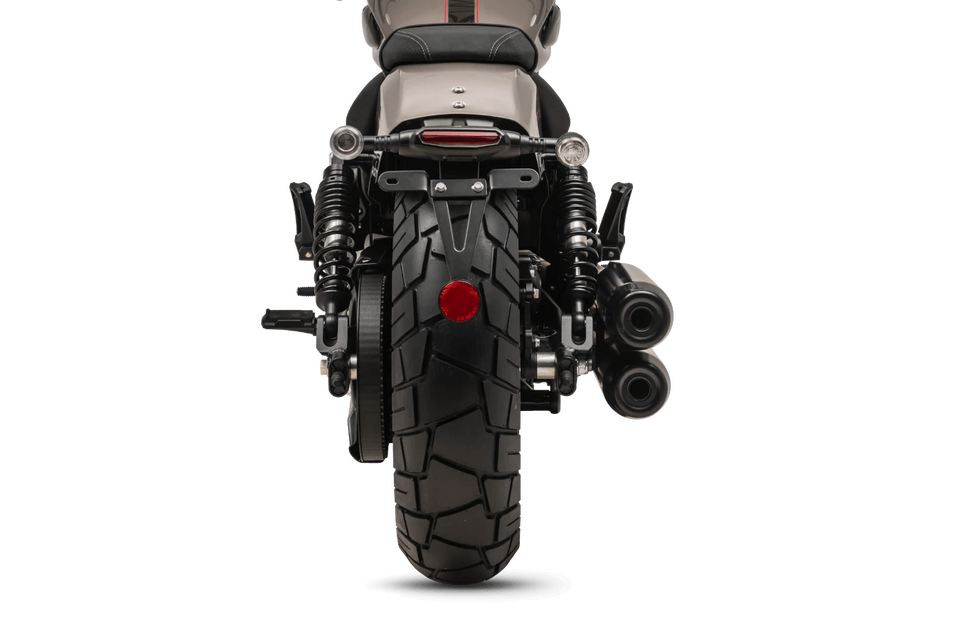
The rear tire grows from 150/80-15 to 180/65-16, giving the motorcycle noticeably more visual mass and presence. Weight rises from approximately 180 to 215 kg, while wheelbase increases from 1,350 to 1,550 mm. The 500 is the bigger sibling—more substantial at a standstill, but also more demanding when maneuvering.
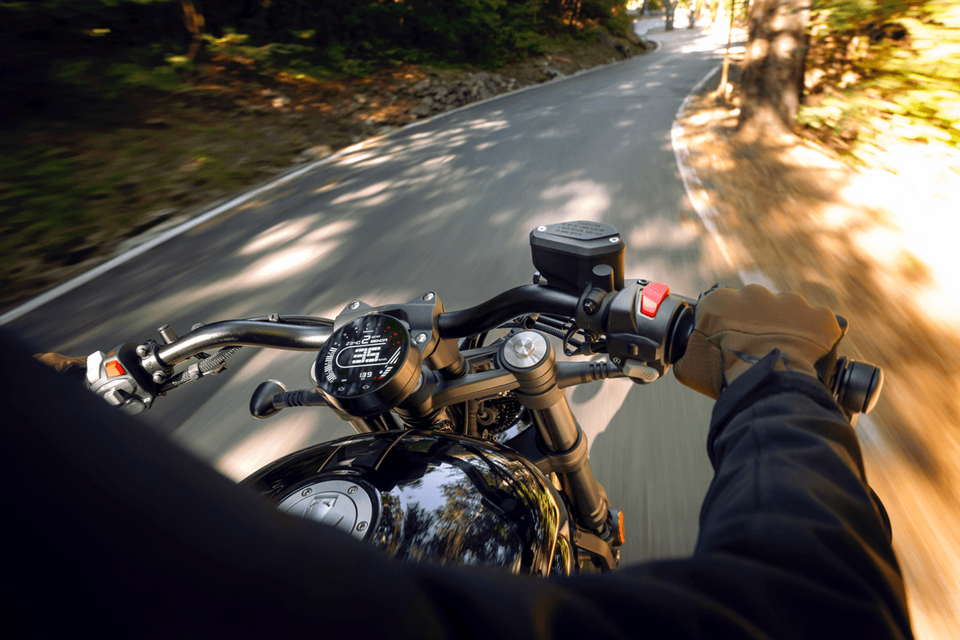
Traction control (TCS) is now standard—something the 300 does not have. The 3-inch round color TFT display is another upgrade over the 300’s LCD instrument panel.
Engine: DOHC, 475 cc, 47 hp
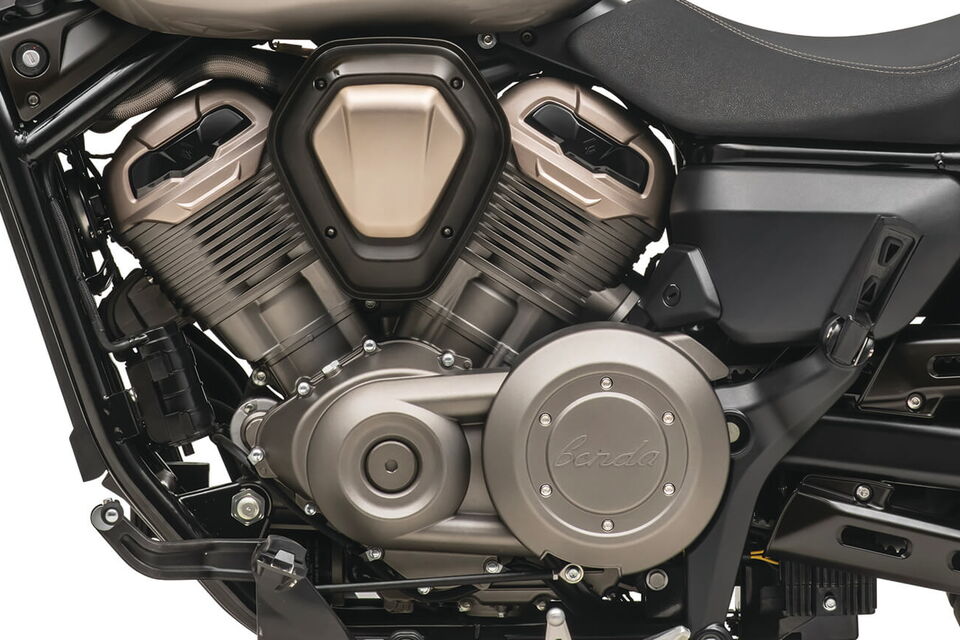
The 475.6 cc DOHC V-twin with eight valves and liquid cooling is Benda’s own engine design—not a bored-out version of the 300, but an entirely different powerplant. It produces 47 hp at 9,000 rpm and 42 Nm at 7,200 rpm, with a compression ratio of 11.5:1.
Torque is considerably higher than on the 300, which produces 27 Nm, although it does not arrive until higher in the rev range. The engine—identical to the unit used in the Napoleonbob 500—runs smoothly and is not a high-rpm screamer, but above 5,000 rpm it delivers noticeably more punch than the 300. It is well tuned for relaxed cruising between 70 and 110 km/h, although abrupt throttle inputs can occasionally produce slightly uneven response.
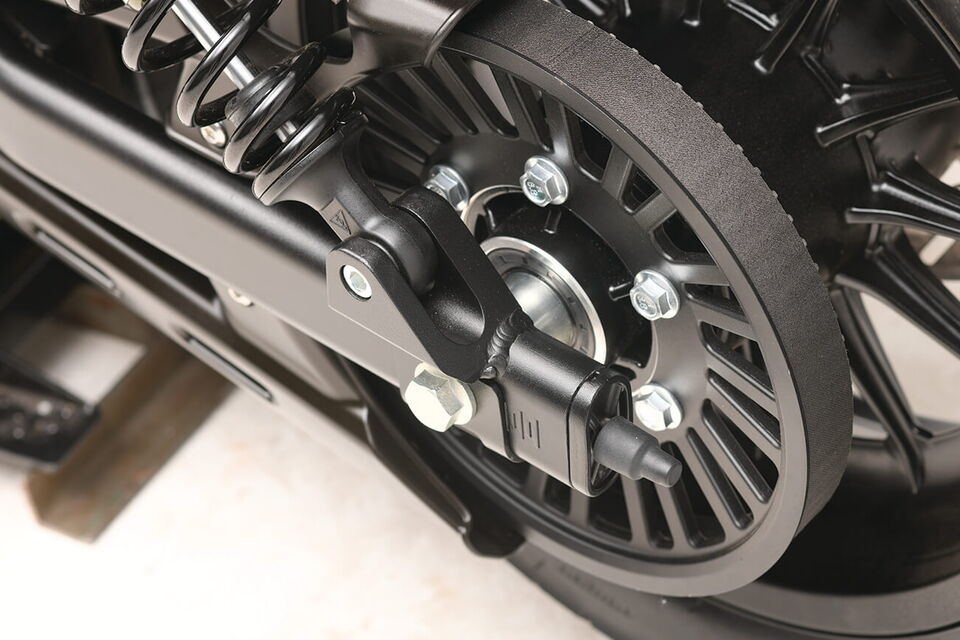
A 6-speed transmission, assist-and-slipper clutch, and belt final drive using a Continental toothed belt complete the drivetrain; emissions compliance is Euro 5+.
One important point regarding stationary noise: the Chinchilla 500 is rated at 95 dB(A)—exactly the threshold for the Tyrol riding restrictions.
Design and Presence
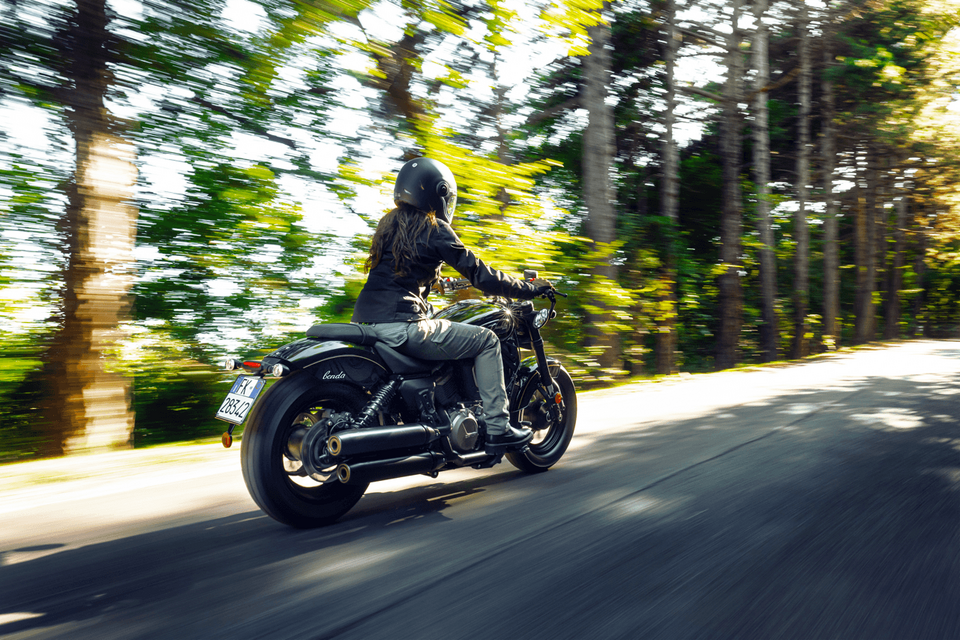
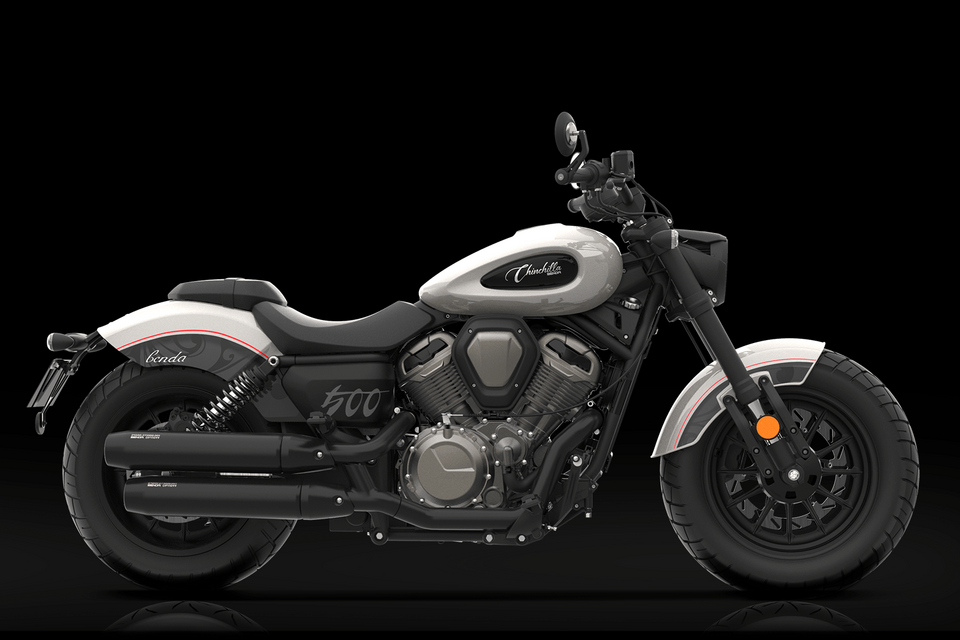
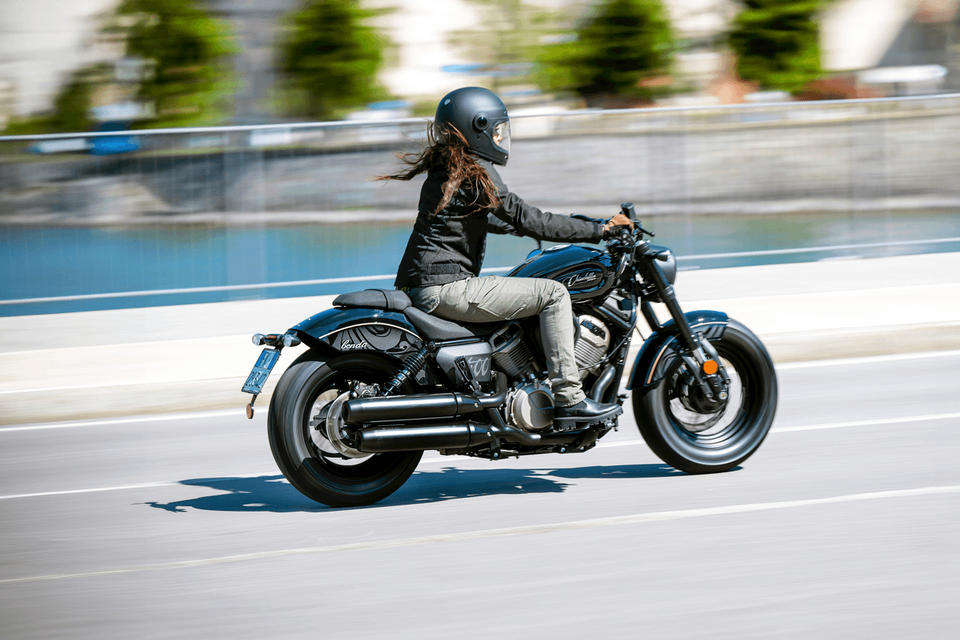
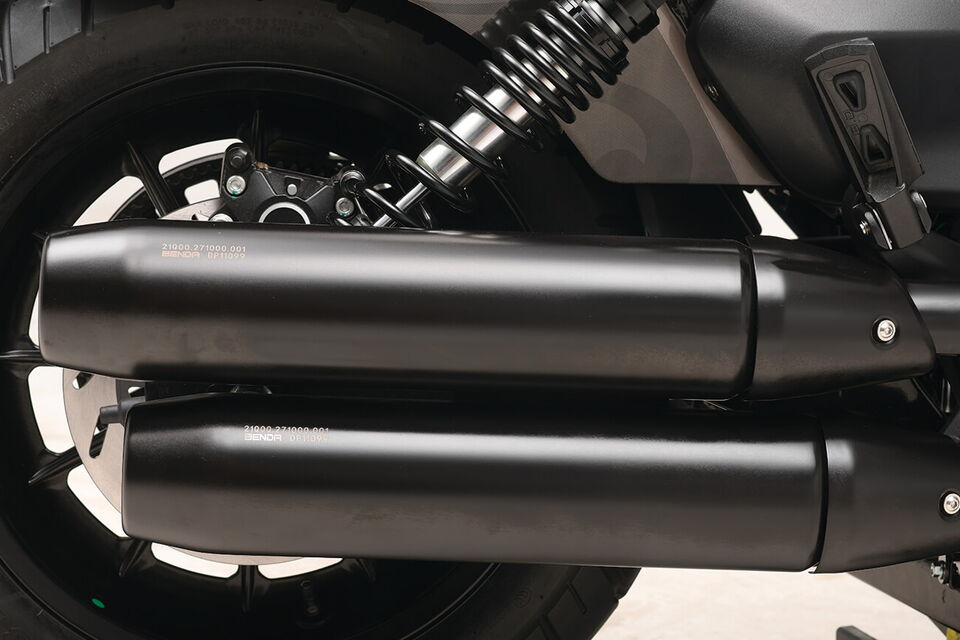
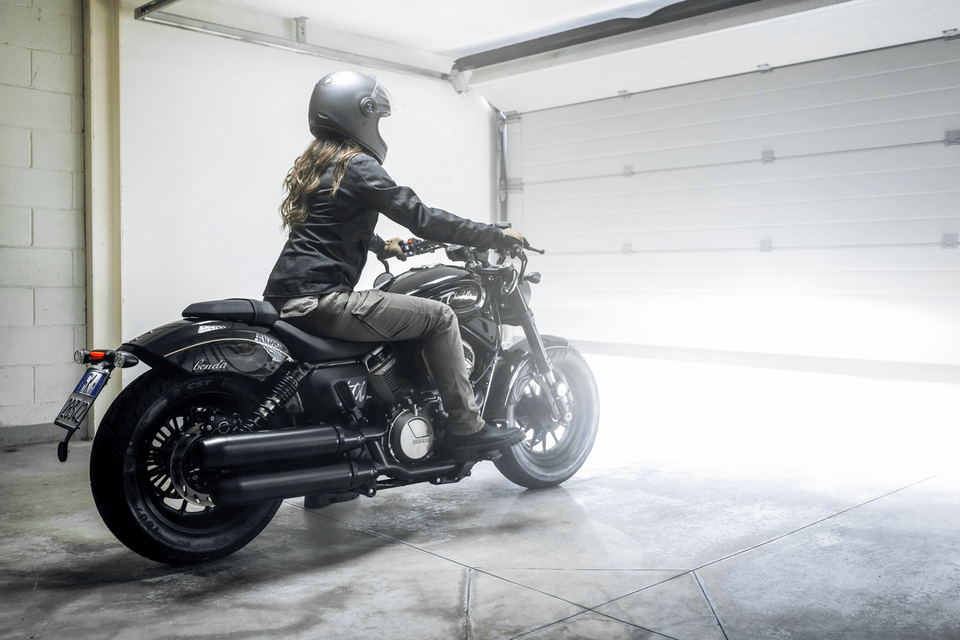
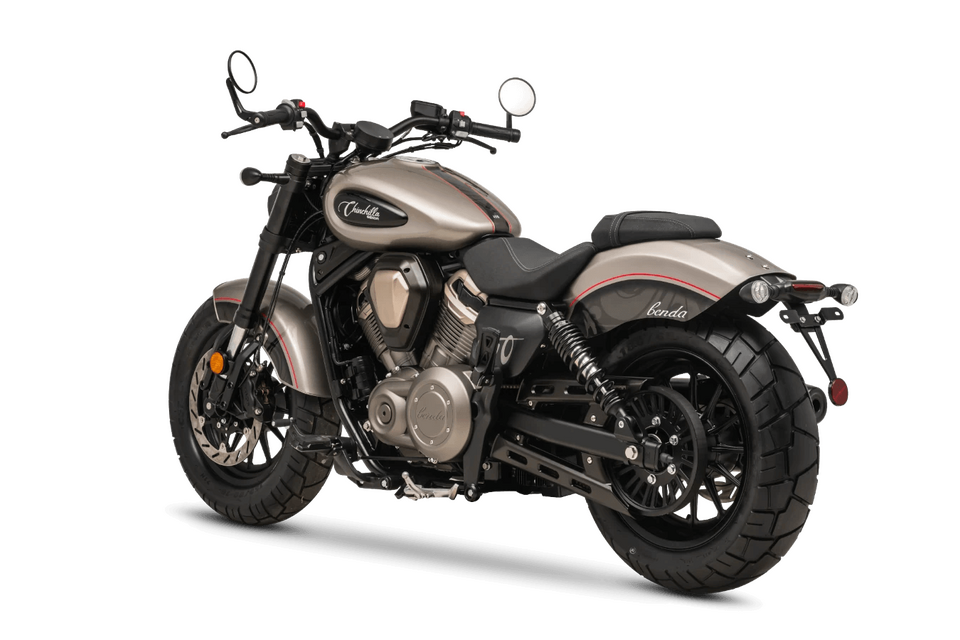
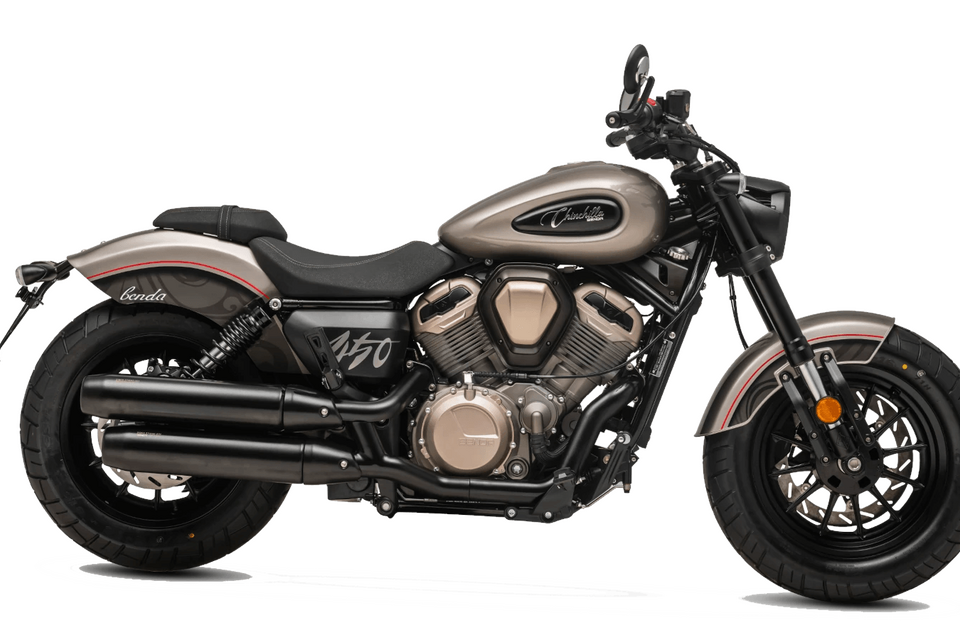
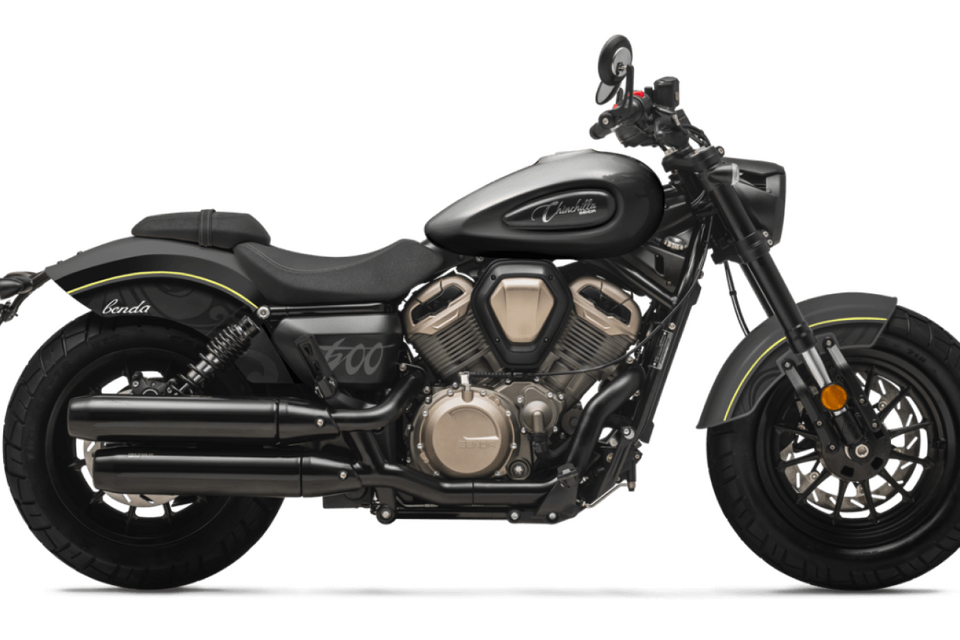
The Chinchilla 500 is a motorcycle that gets noticed on the road. The 180/65-16 rear tire, stretched silhouette with its 1,550 mm wheelbase, and wide twin exhausts on the right give it a presence the 300 simply does not have.
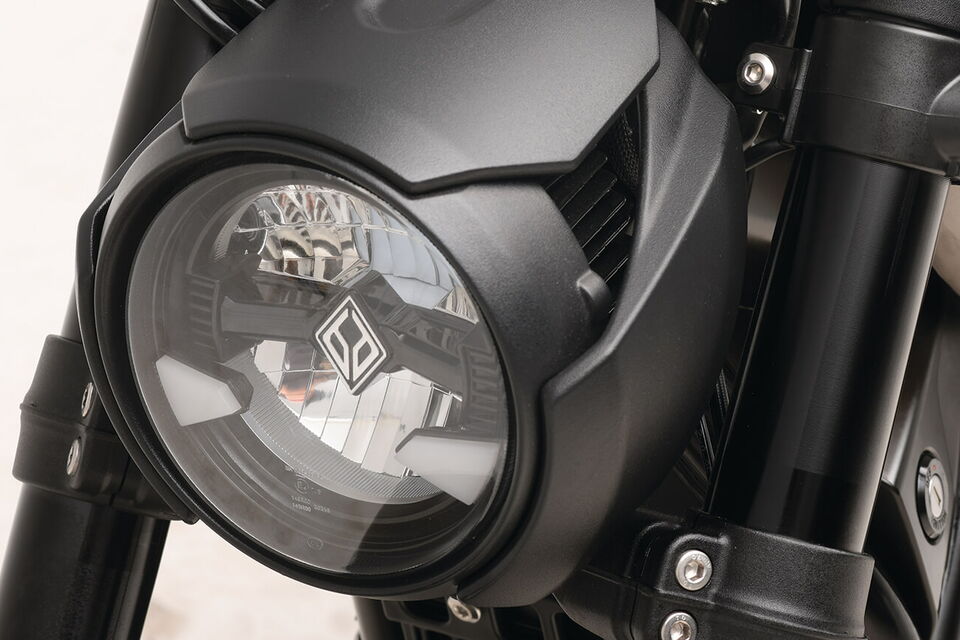
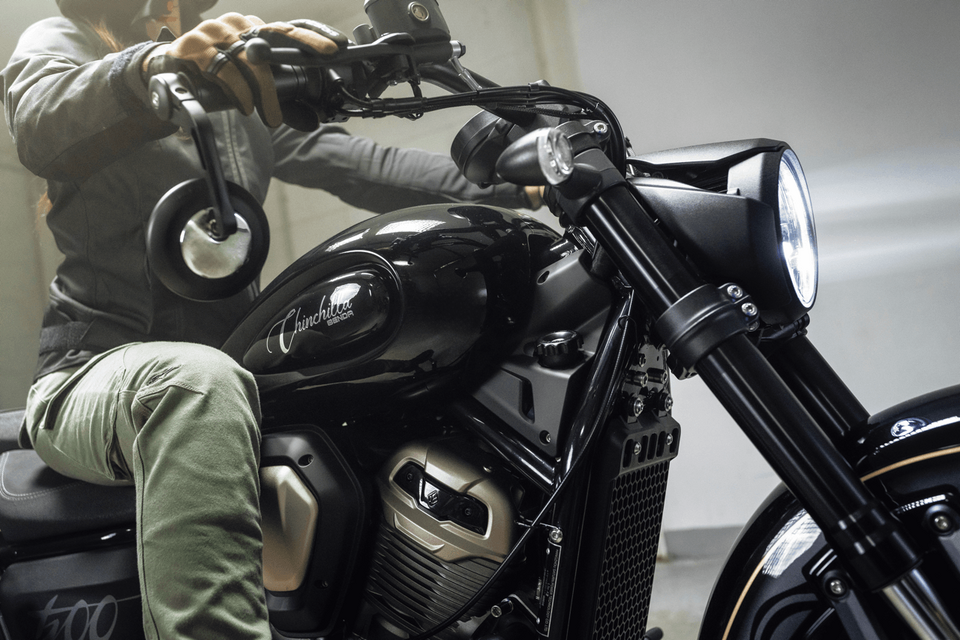
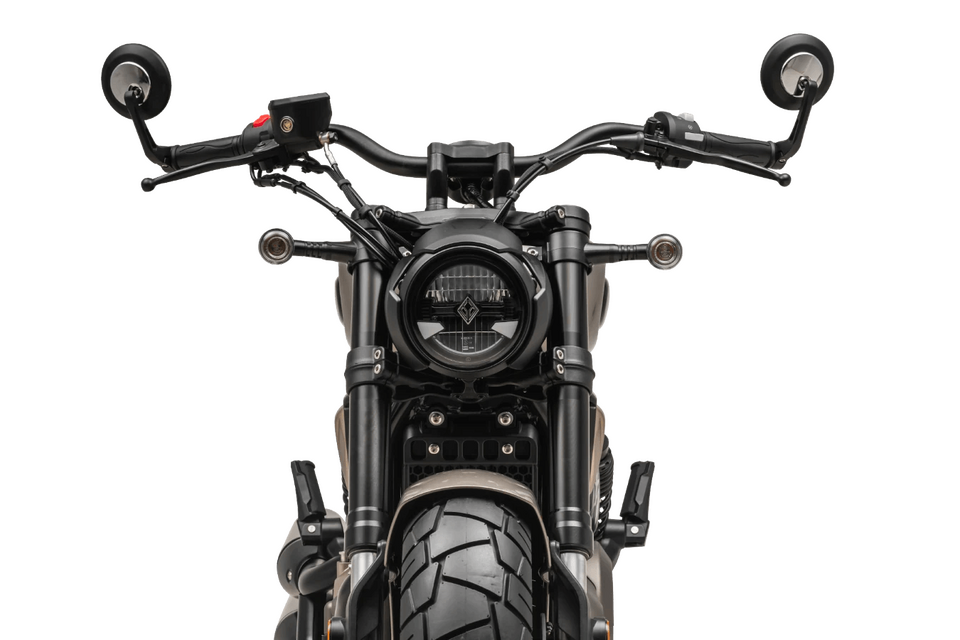
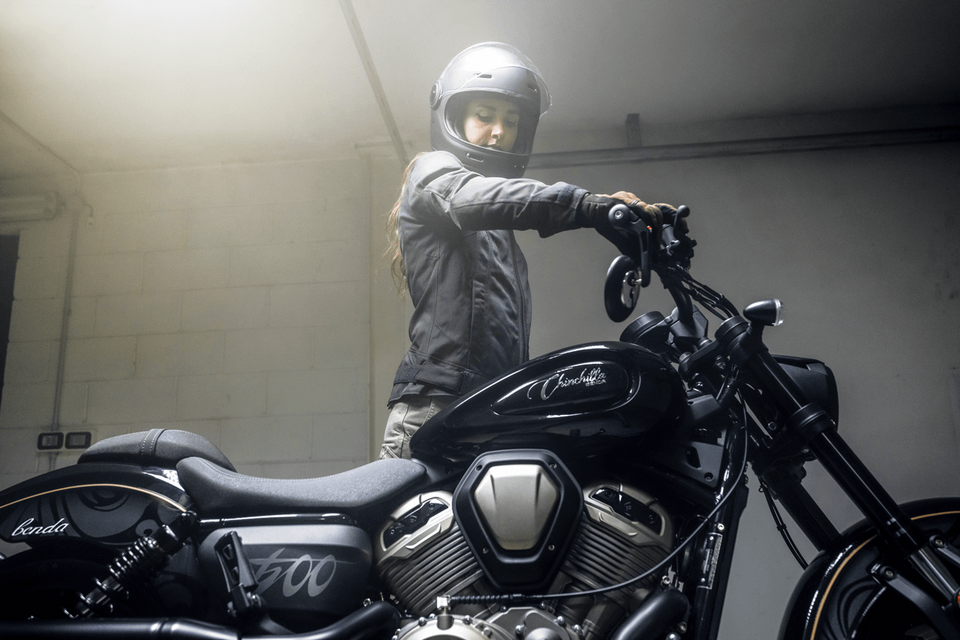
The round LED headlight layout, teardrop-shaped fuel tank, two-piece passenger seat, and gloss-black cast-aluminum wheels combine into a cohesive overall design. The styling is consistent: a bobber silhouette without unnecessary details, but with a contemporary level of equipment.
Chassis and Ergonomics
Up front is a USD fork with 129 mm of travel, while the rear uses twin hydraulic shocks with 65 mm of travel. The chassis combines a tubular-steel frame with an aluminum swingarm and a 29-degree steering-head angle.
The long wheelbase makes the 500 extremely stable and relaxed in a straight line. Tight corners and slow-speed maneuvering demand more attention than on the 300 because of the 215 kg weight. That is not a criticism but simply the physics of the bobber concept: the longer and wider the motorcycle, the more relaxed it feels on open roads—and the more deliberate you need to be in tight situations.
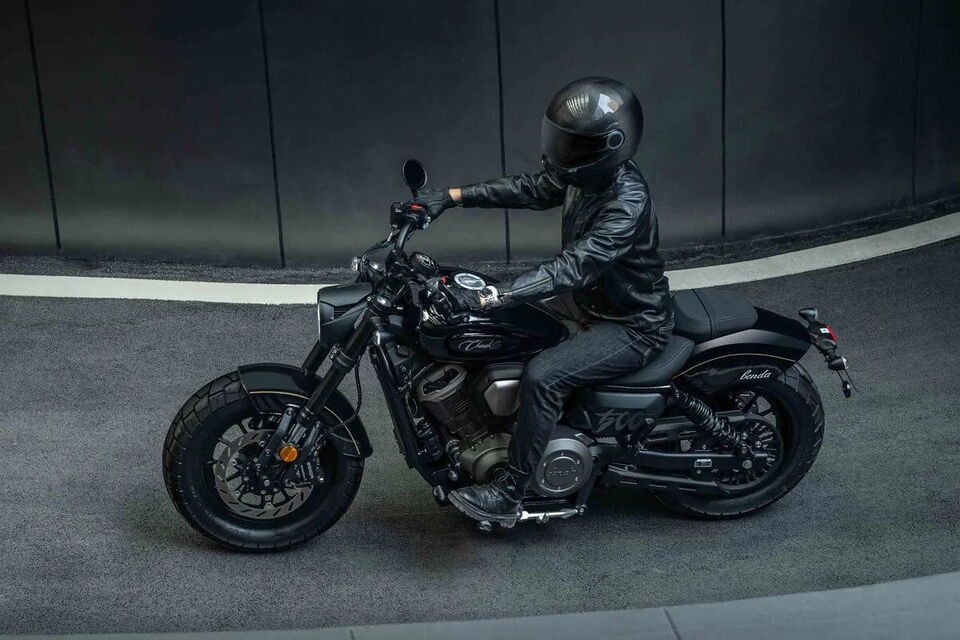
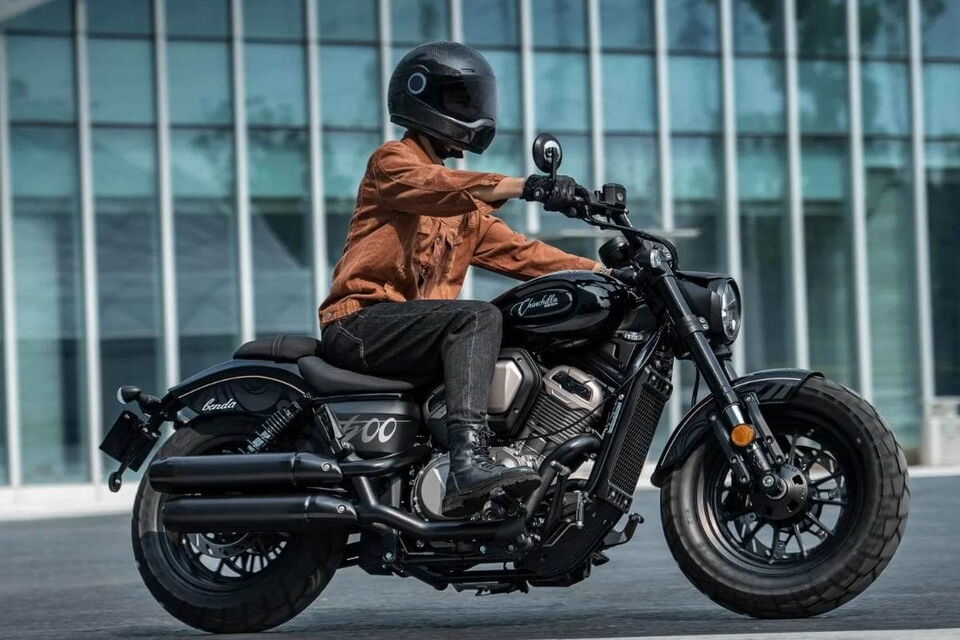
Seat height is 705 mm, low enough for virtually any rider to place both feet securely on the ground. Ergonomics follow the cruiser philosophy: an upright riding position, arms extended slightly forward, and a relaxed foot position. It remains comfortable for rides of up to roughly 300 km; on very long stages, the lack of back support becomes noticeable, as it does on almost every cruiser of this type.
Brakes and Electronics
Up front, a radial-mount brake caliper with four 32 mm pistons works on a single 320 mm disc. At the rear, a radial caliper with two 34 mm pistons grips a 260 mm disc. ABS comes standard.
For a 215 kg motorcycle, this is a solid setup—the brakes work reliably and provide good modulation. Traction control (TCS) is standard, as is the 3-inch round color TFT display, plus USB-A and USB-C ports. Bluetooth connectivity is not included as standard. For this class, the electronics package is affordable and complete.
Price and Market Position
The German MSRP is €7,299, plus approximately €300 in dealer charges. That is €1,400 more than the Chinchilla 300, and in return you get DOHC instead of SOHC, 47 instead of 30 hp, TCS, a TFT display, and the larger tire sizes.
Looking directly at the competition, the Kawasaki Vulcan S 650 costs around €7,800, produces 61 hp, and deliberately avoids the wide, exaggerated cruiser profile. The 1,200 cc Triumph Bonneville Speedmaster costs around €16,000. The Royal Enfield Super Meteor 650 costs around €7,900 and produces 47 hp as well.
That makes the Chinchilla 500 the least expensive entry into a DOHC V-twin bobber with TCS and ABS in the German-speaking market.
Verdict
The Chinchilla 500 is the more convincing motorcycle compared with the 300—because its engine fits the concept better. With 47 hp from a DOHC V-twin, it can cruise comfortably at 110 km/h without making the engine feel wrung out.
That turns the 500 into a genuine touring companion for medium-distance rides, while the 300 remains more of an urban motorcycle with bobber styling.
Quick Check
+ 475 cc DOHC V-twin with 47 hp: significantly more performance in reserve than the 300, comfortable between 70 and 110 km/h; TCS standard; 3-inch color TFT; ABS; belt drive; assist-and-slipper clutch
+ 180/65-16 rear tire, 1,550 mm wheelbase, 705 mm seat height: convincing bobber presence with a low center of gravity; stable straight-line handling; radial-mount front brake caliper with 320 mm disc
+ €7,299 MSRP: least expensive DOHC V-twin bobber with TCS and ABS in the German-speaking market; 3-year warranty standard, optionally extendable to 5 years
+ USB-A + USB-C standard; 16-liter fuel tank (approx. 355 km range); Benda is actively expanding its European dealer network
– 95 dB(A) stationary noise level—exactly at the Tyrol limit
– 215 kg ready to ride: noticeable during slow-speed maneuvering; long wheelbase makes tight corners more demanding; cornering clearance is limited by the bobber geometry; abrupt throttle inputs can produce slightly uneven response
– 16-inch tire sizes front and rear: more limited replacement-tire selection; dealer network still under development—locate the nearest Benda dealer before buying; build quality is not yet at Japanese or European levels
– No Bluetooth as standard; limited cornering clearance due to tire width and geometry; not a motorcycle for aggressive riding or tight corners
Technical Specifications: Benda Chinchilla 500 (2026)
Make / Model: Benda Chinchilla 500 (2026; type BD500-15); manufacturer: Guangzhou Benda Motor Co., Ltd. (China); European distributor: Benda Motor Europe GmbH (Salzburg, Austria)
Engine: Liquid-cooled DOHC 45-degree V-twin; 8 valves; 475.6 cc; bore/stroke: 69 × 63.6 mm; compression ratio 11.5:1; fuel injection; Euro 5+
Power: 35 kW (approx. 47 hp) at 9,000 rpm
Torque: 42 Nm at 7,200 rpm
Top speed / Fuel consumption: approx. 145 km/h; approx. 4.5 L/100 km; approx. 355 km range
Fuel capacity / Weight: 16 L; 215 kg fully fueled
Transmission / Final drive: 6-speed; belt drive (Continental toothed belt); assist-and-slipper clutch
Electronics: ABS standard; TCS (traction control) standard; 3-inch round color TFT display; USB-A + USB-C; no Bluetooth as standard
Fork: USD fork; 129 mm travel
Rear suspension: Twin hydraulic shocks; 65 mm travel
Front brake: Radial-mount caliper with four 32 mm pistons; single 320 mm disc; ABS
Rear brake: Radial-mount caliper with two 34 mm pistons; 260 mm disc; ABS
Wheels: Black cast-aluminum wheels; 16-inch front; 16-inch rear
Tires: 150/80-16 front; 180/65-16 rear
Ergonomics: 705 mm seat height; upright cruiser riding position; 1,550 mm wheelbase; dimensions: 2,220 × 890 × 1,150 mm; ground clearance 150 mm
Stationary noise: 95 dB(A)—exactly at the Tyrol limit
2026 colors: Midnight Black / Moonstone White (dealer); ask your dealer about any additional available colors
Warranty / Service: 3-year manufacturer warranty standard; optionally extendable to 5 years (Benda Plus Warranty)
Price (Germany): €7,299 plus approx. €300 dealer charges