Review Benda Rock 300 (2026)

Same Hardware as the Chinchilla 300, but a Different Character—Edgier, Tougher, Less Comfortable
The Rock and Chinchilla share the same engine, price, and platform—and yet they could hardly be more different. Where the Chinchilla is rounded and inviting, the Rock is angular and provocative. Same motorcycle, different attitude—and which you prefer is exactly what the buying decision comes down to.
As of: April 28, 2026 | Model: Benda Rock 300 (2026; type BD300-16) | Manufacturer: Guangzhou Benda Motor Co., Ltd. (China) | European distributor: Benda Motor Europe GmbH (Salzburg) | Price in Germany: €5,899 MSRP incl. VAT; plus approx. €300 dealer charges | Stationary noise: not officially published; check with dealer | Warranty: 3 years (optionally extendable)
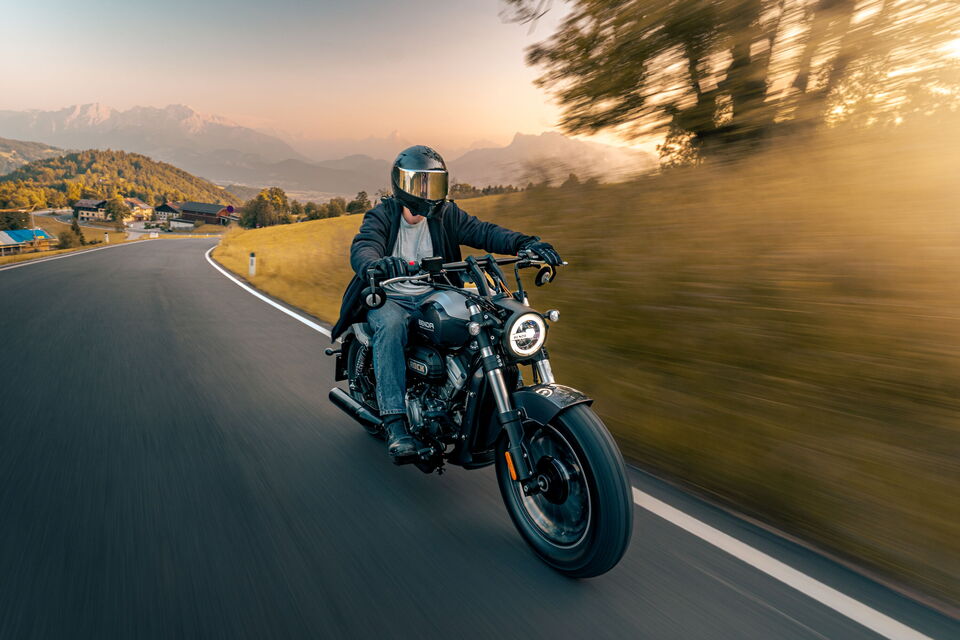
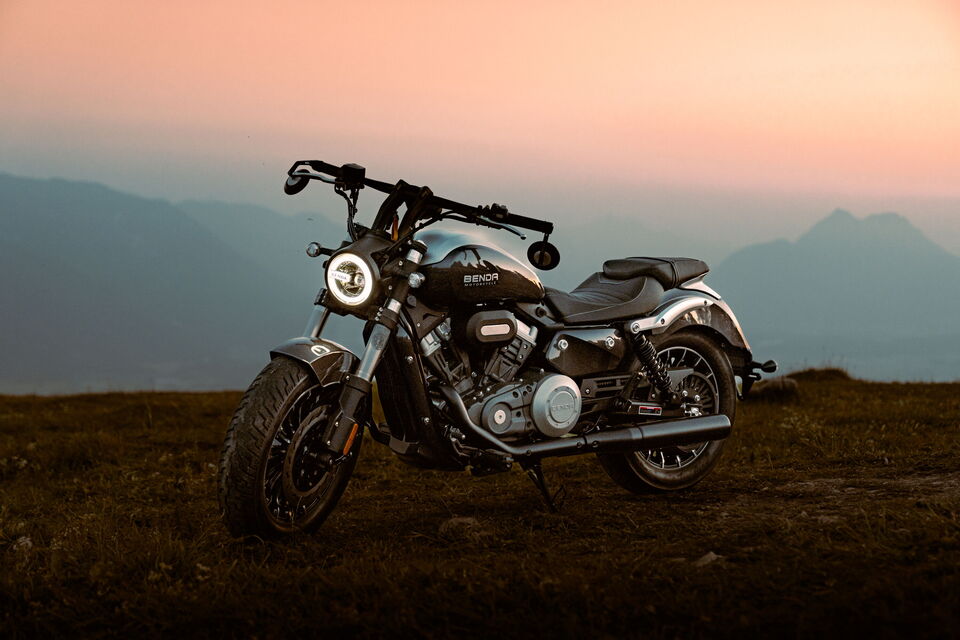
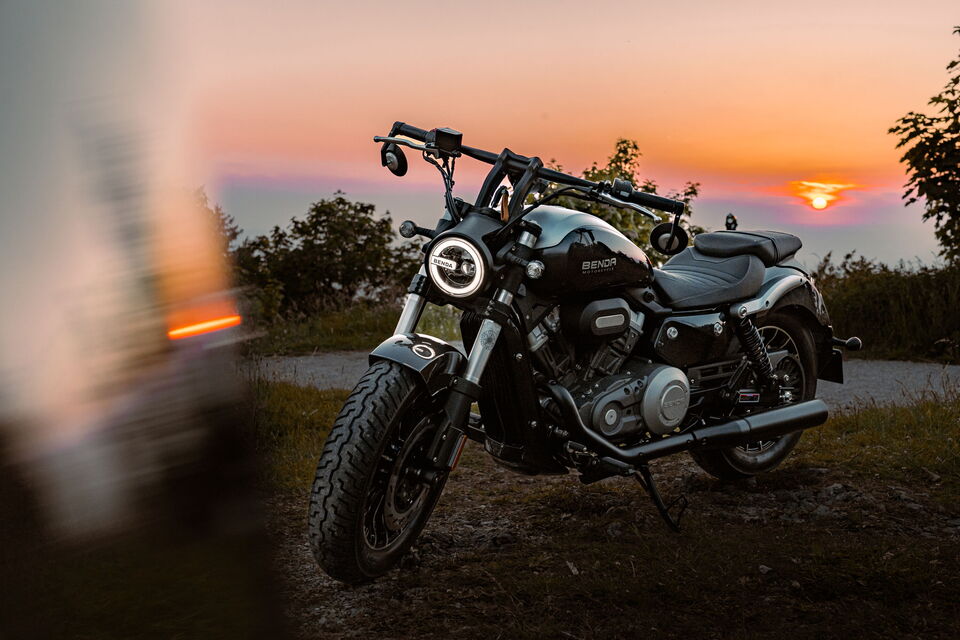
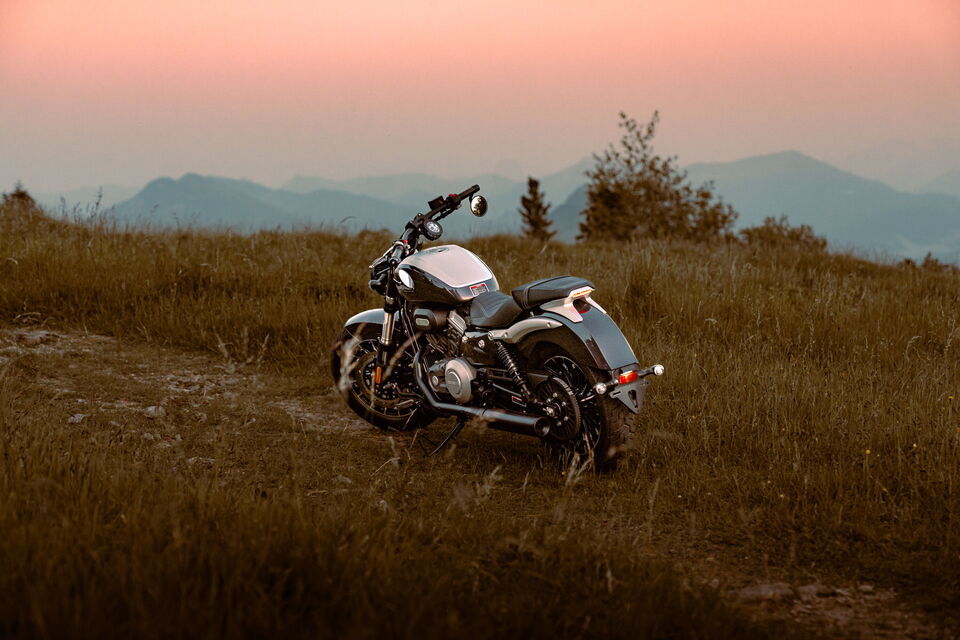
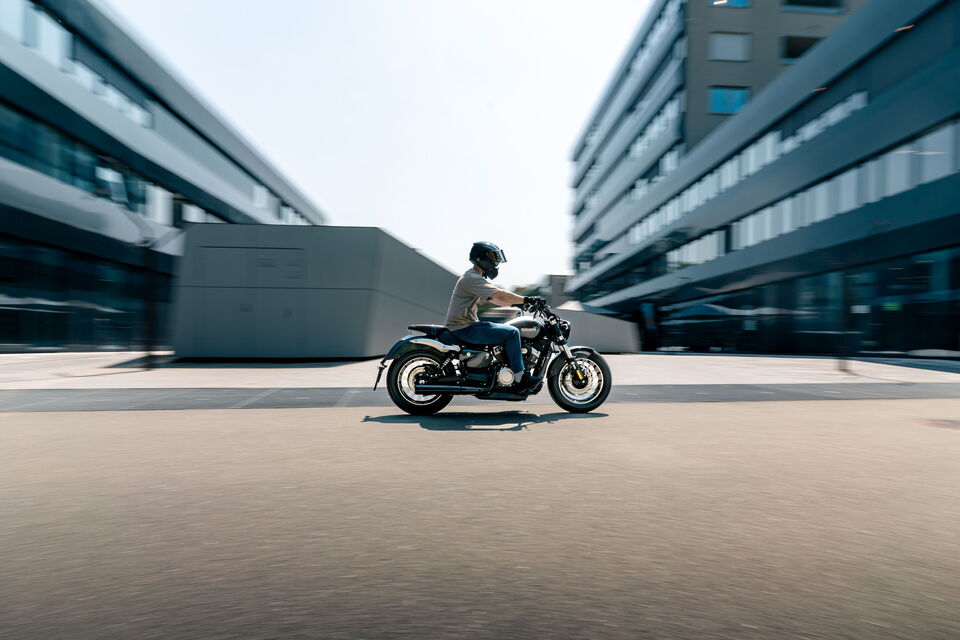
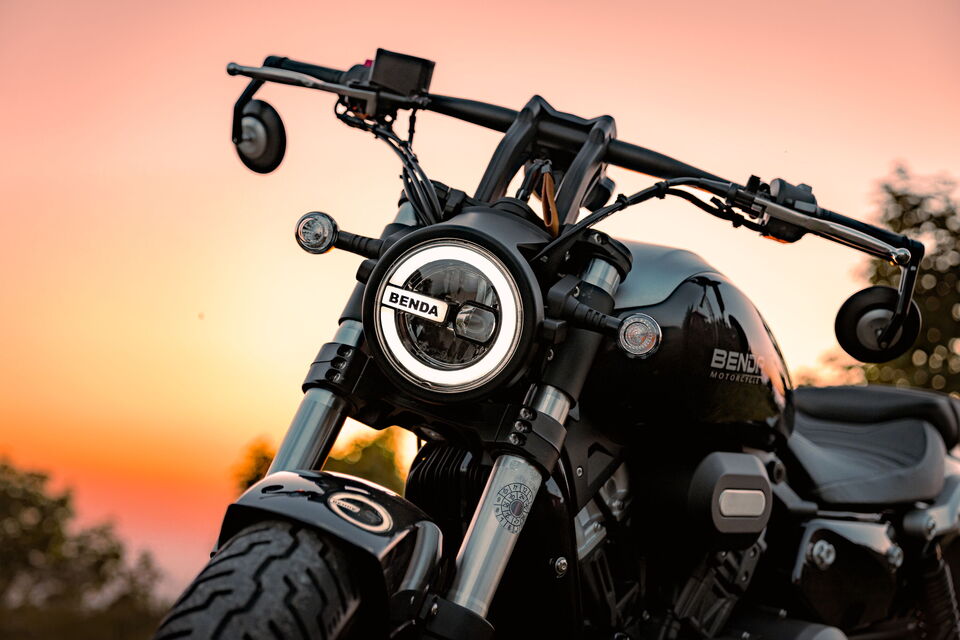
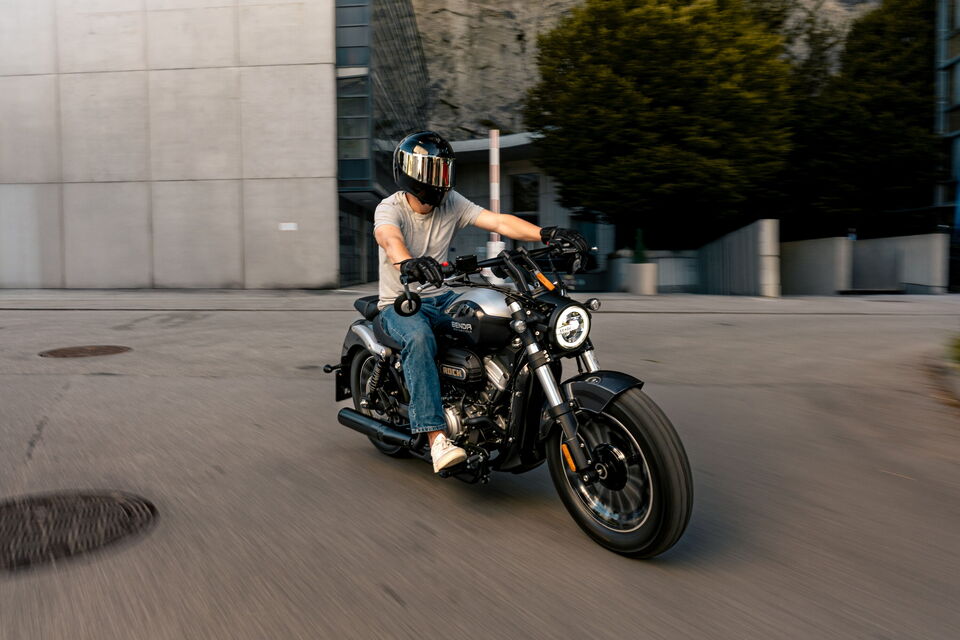
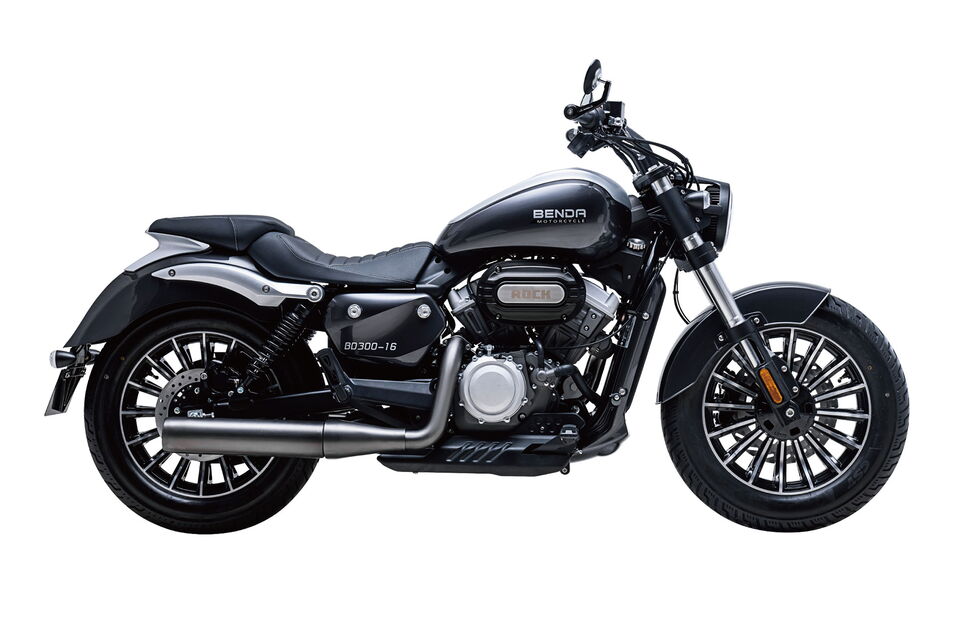

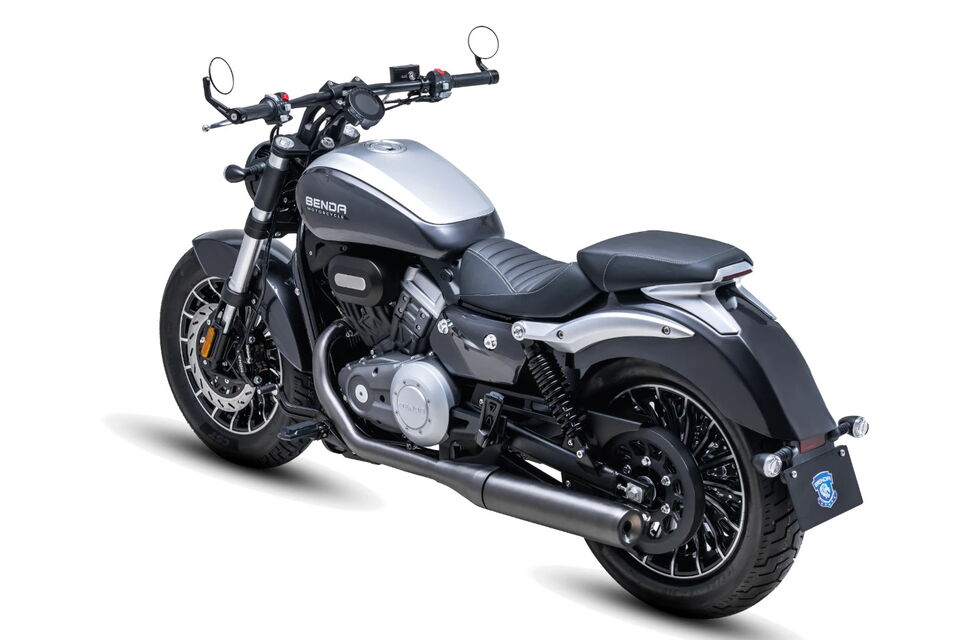
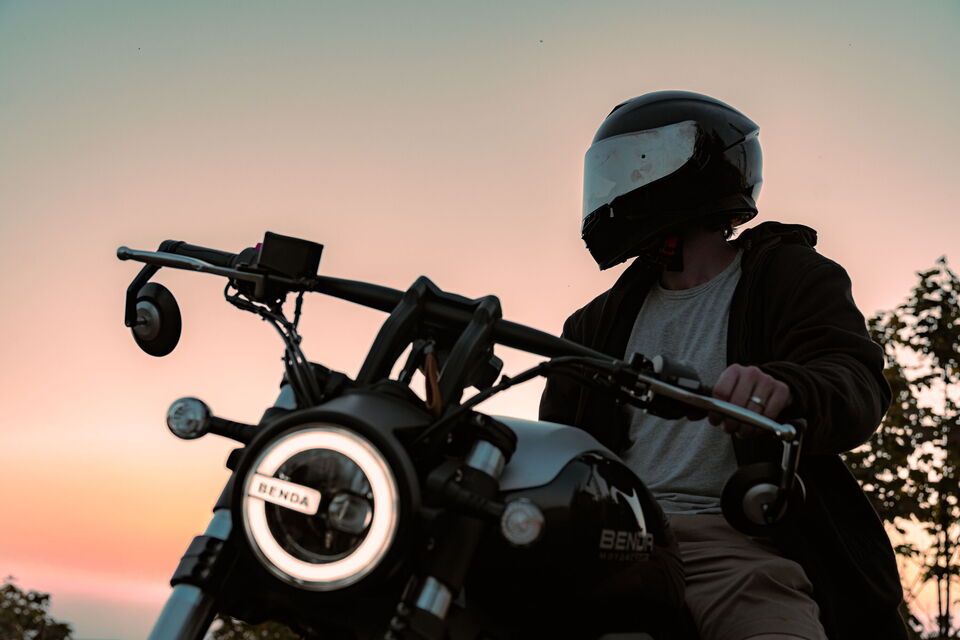
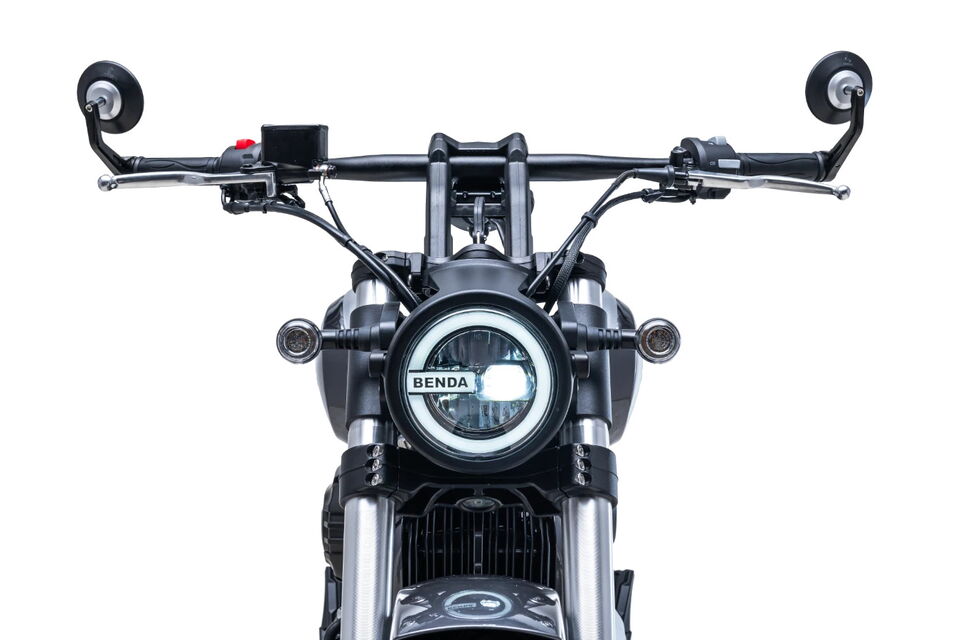
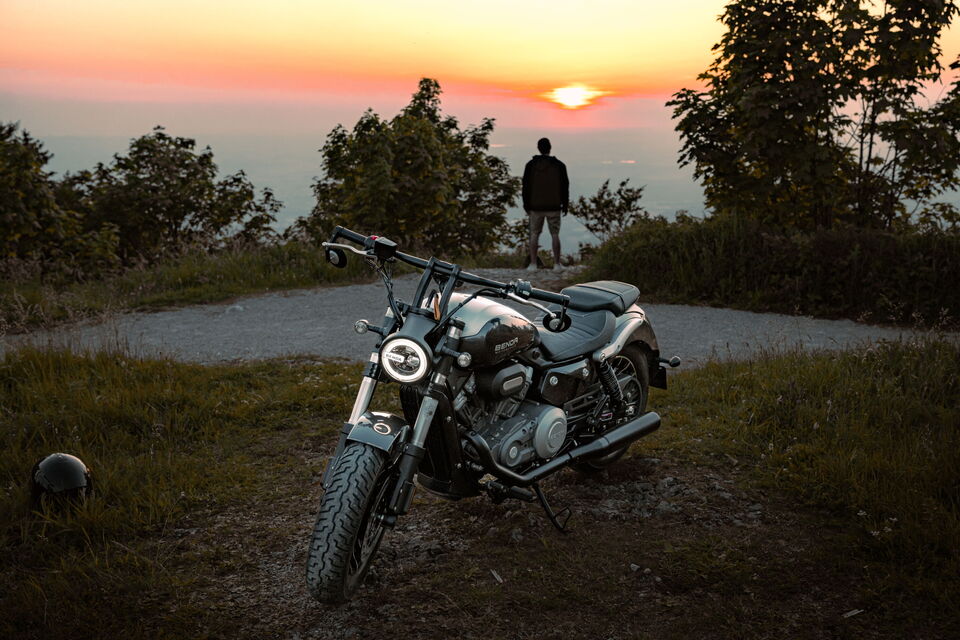

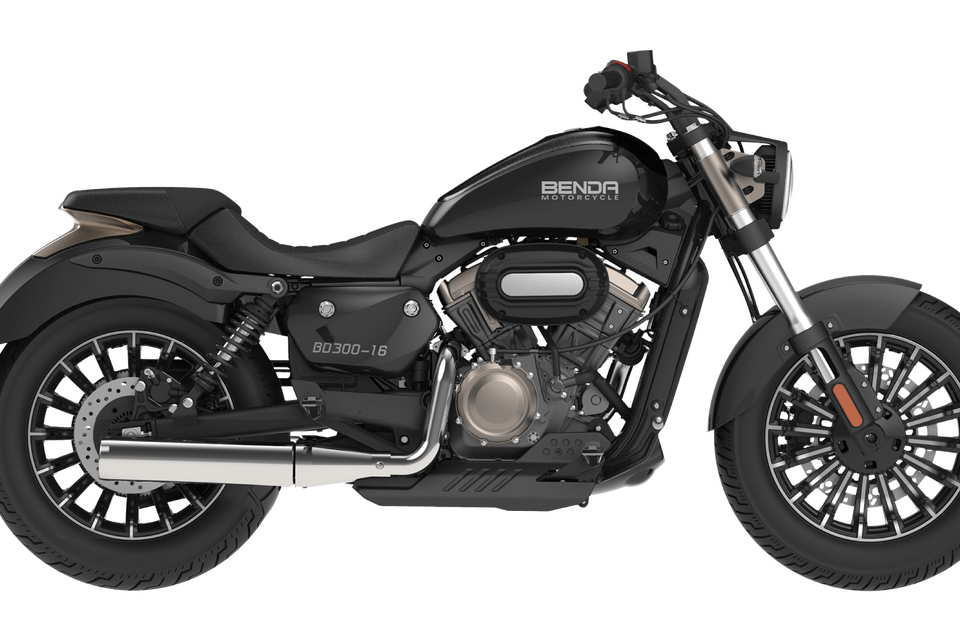
Rock vs. Chinchilla: The Design Decision
The Benda Rock 300 and Chinchilla 300 share the same technical foundation: the 298 cc V-twin with around 30 hp, a 6-speed transmission with belt final drive, the same basic chassis architecture, and the same price. What separates them is their design philosophy.
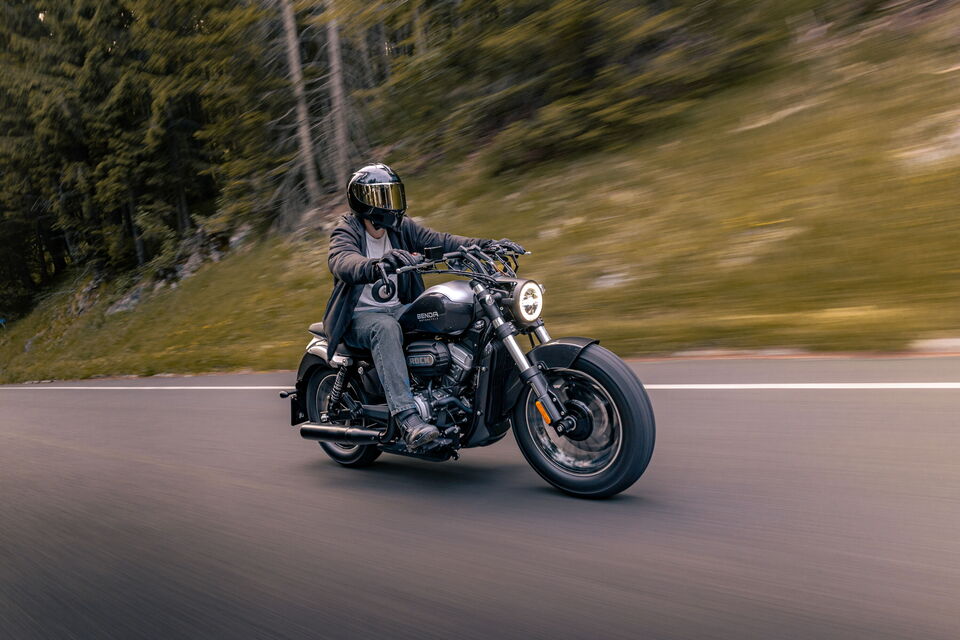
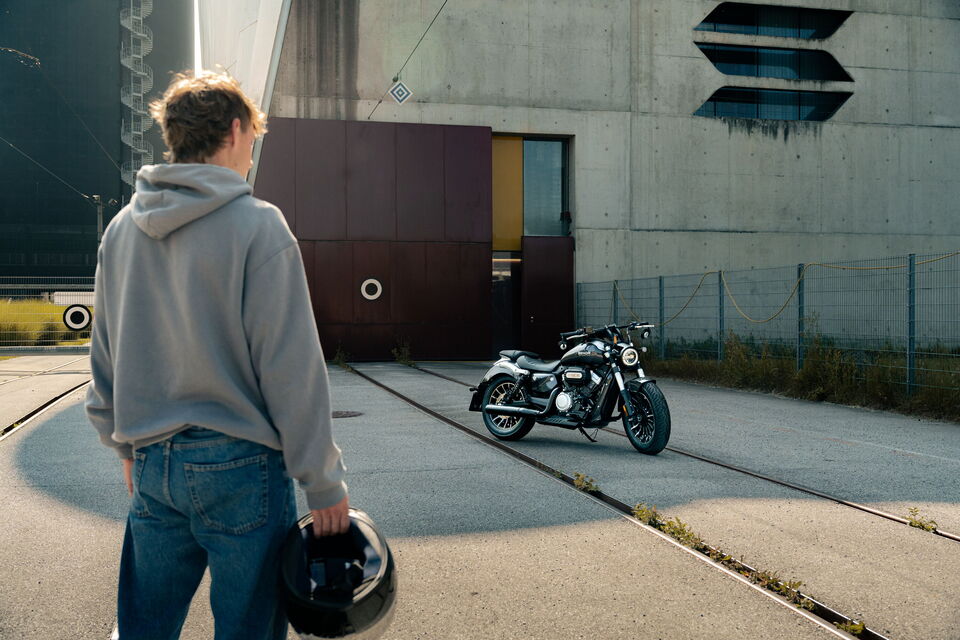
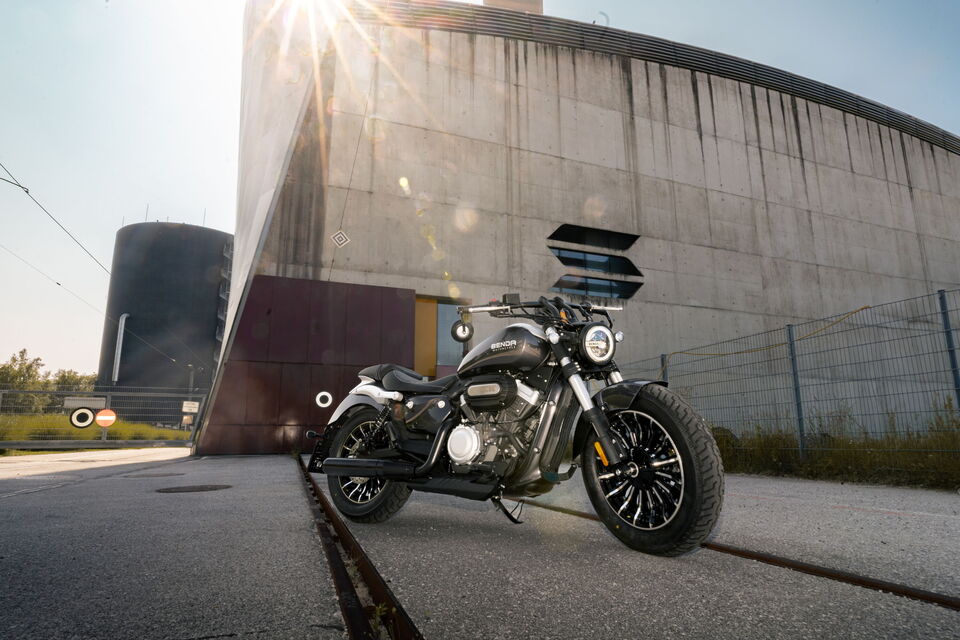
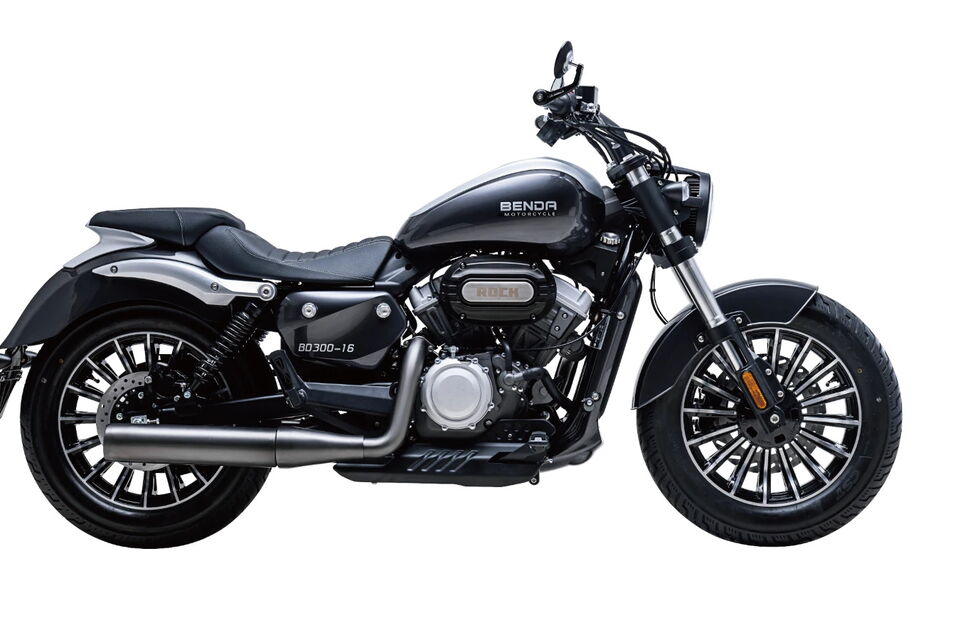
The Chinchilla relies on organic shapes, a teardrop-shaped fuel-tank silhouette, and the classic bobber vocabulary of the 1950s. The Rock goes in the opposite direction with angular lines, harder contrasts, and a more aggressive appearance—closer to a street chopper than a traditional cruiser.
Choosing between the two is not a question of engine performance or chassis capability, but of what message you want the motorcycle to send while standing still. The Chinchilla invites you in. The Rock pushes back. Both approaches are legitimate—but this is a matter of taste, not technology.
Engine: 298 cc V-Twin, Identical to the Chinchilla 300
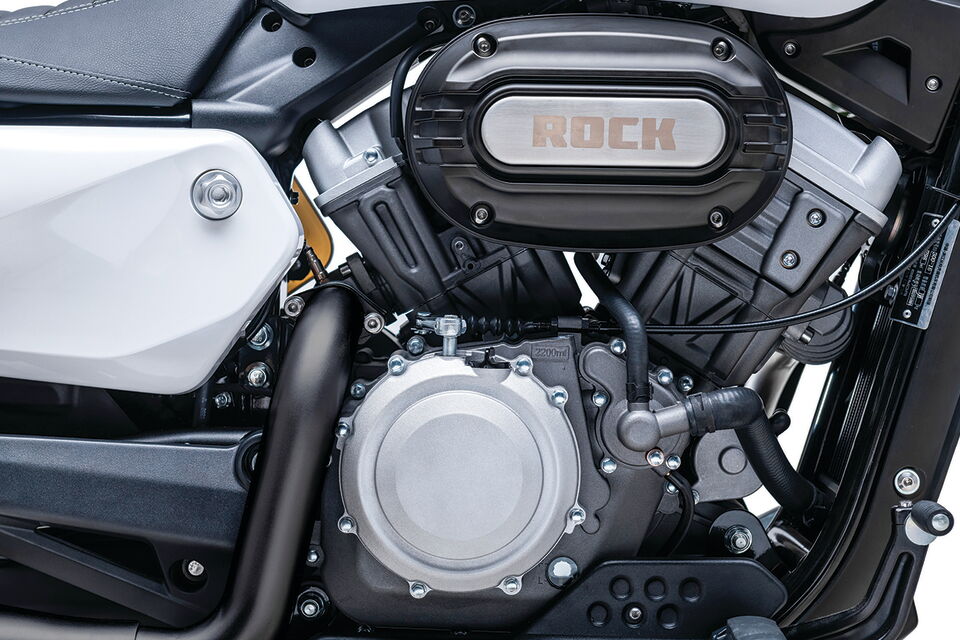
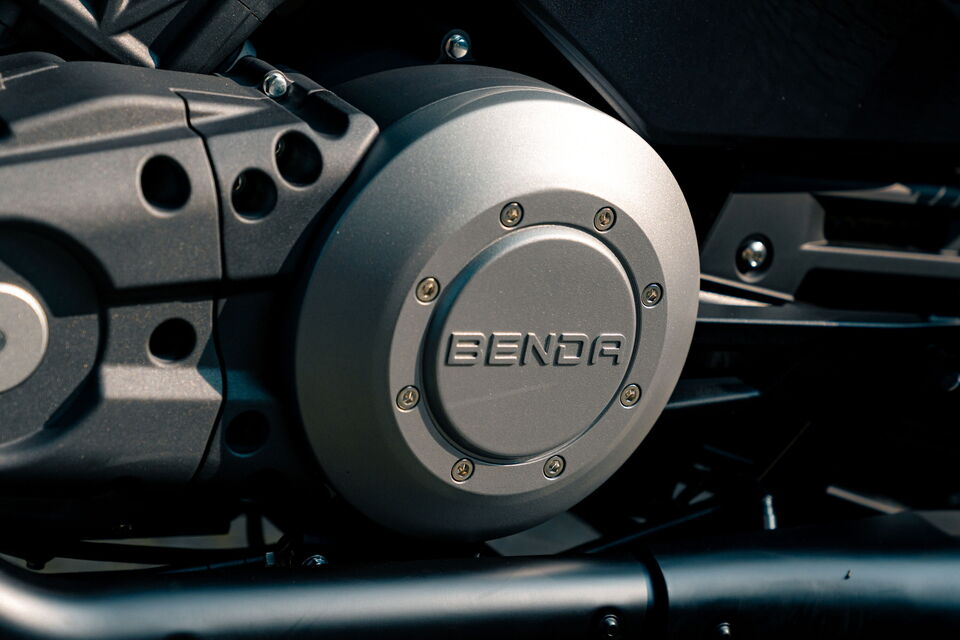
The liquid-cooled 298 cc V-twin with SOHC valve actuation and eight valves produces 31 hp at 8,500 rpm and 25 Nm at 7,000 rpm—identical specifications to the Chinchilla 300. Torque is therefore quoted slightly lower than the Chinchilla 300’s 27 Nm. The difference is most likely the result of different measurement methods.
Assist-and-slipper clutch; 6-speed transmission; belt drive; Euro 5+. As described with the Chinchilla 300, the engine is at its best between 4,000 and 7,000 rpm and is not intended for extended trips involving long highway stretches.
Design: Angular Lines Instead of Rounded Shapes
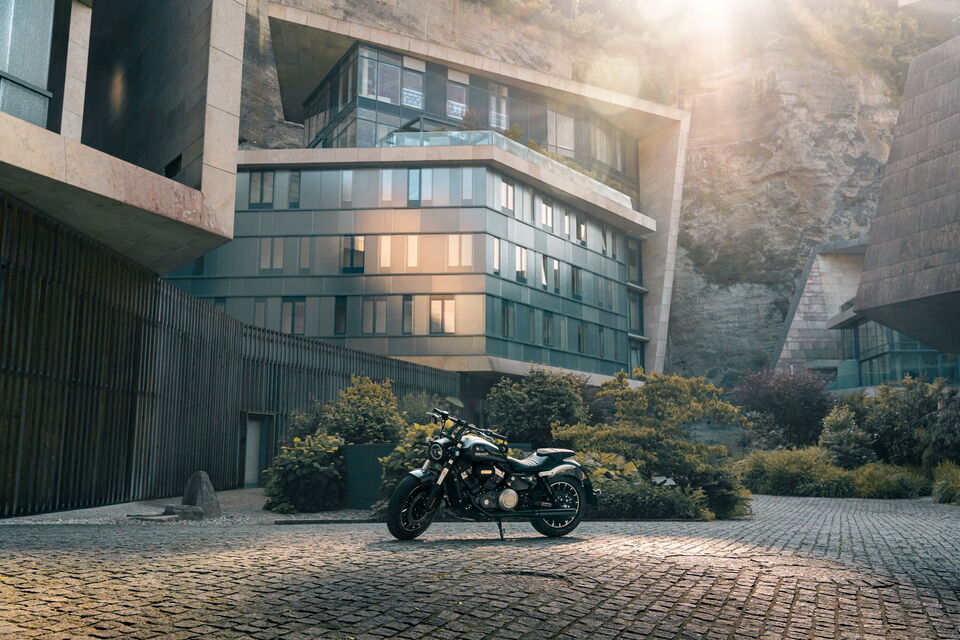
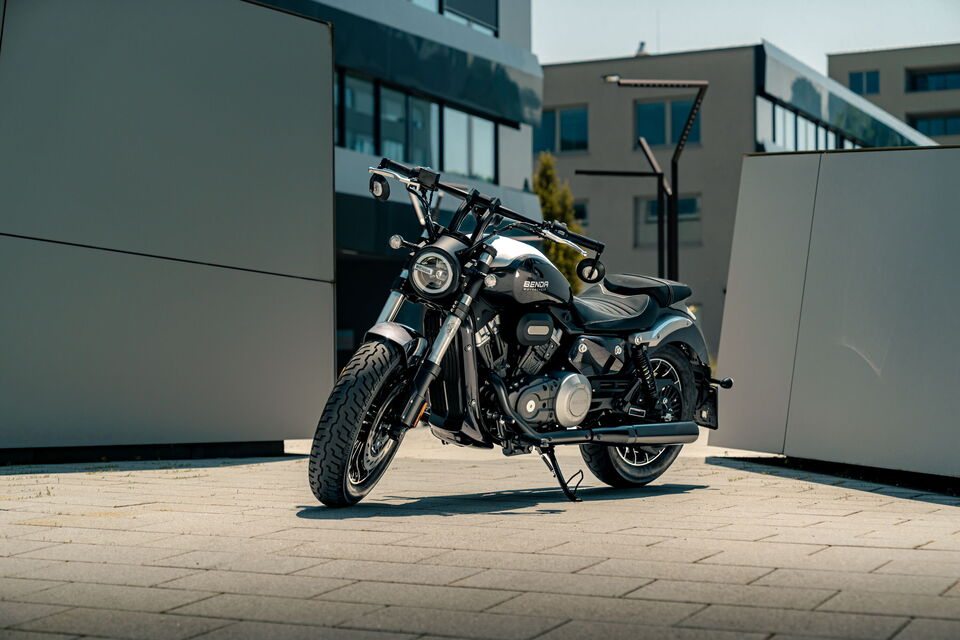
The Rock 300’s most obvious visual difference from the Chinchilla is its fuel-tank design: bulkier, more angular, with more pronounced transitions.
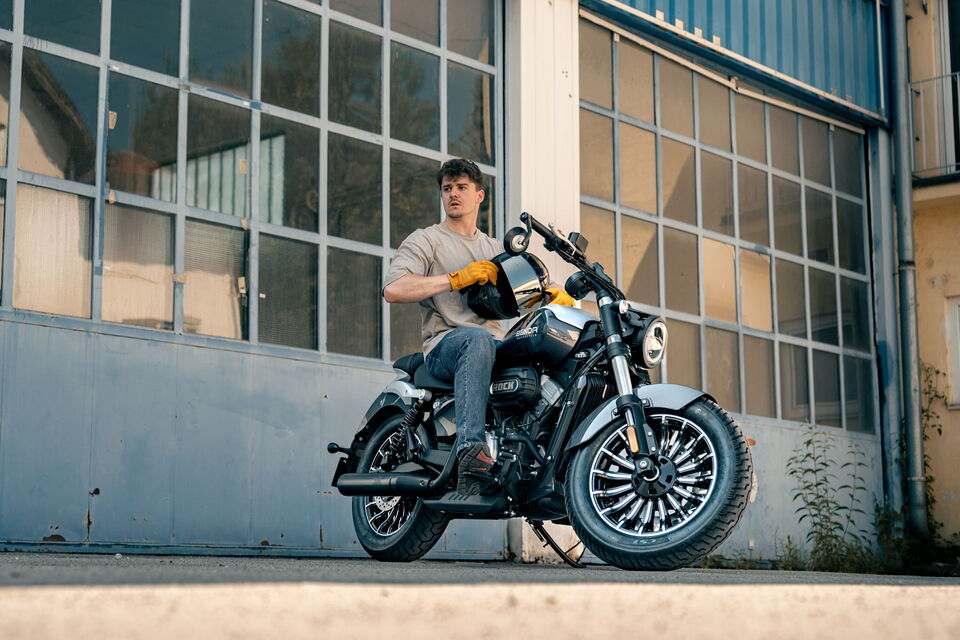
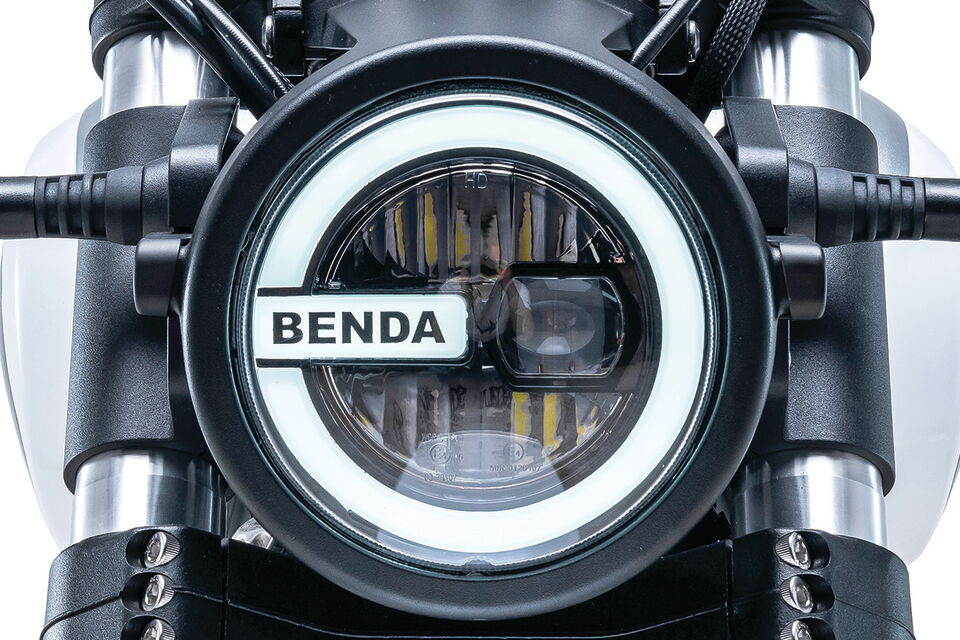
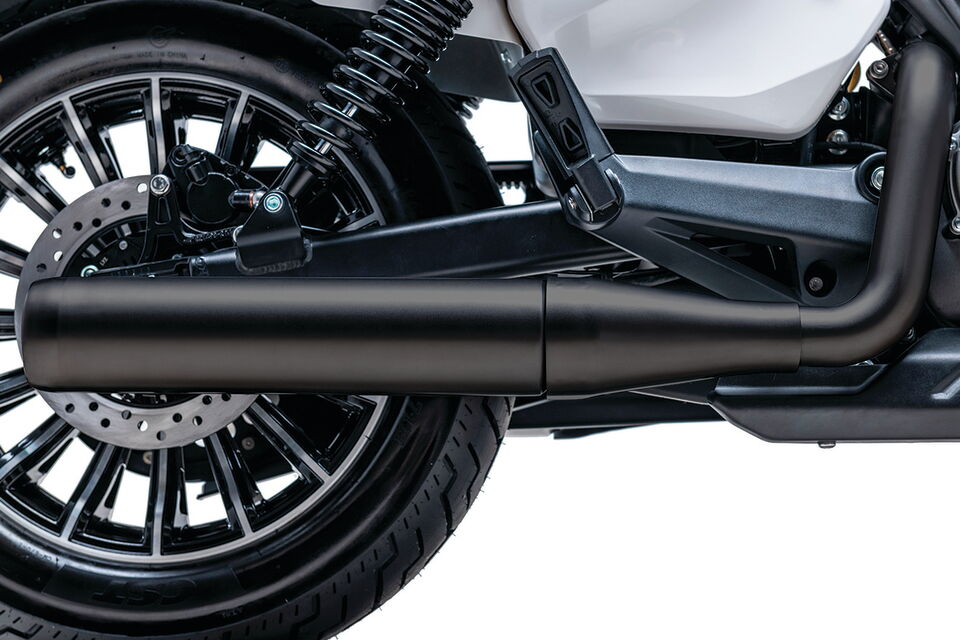
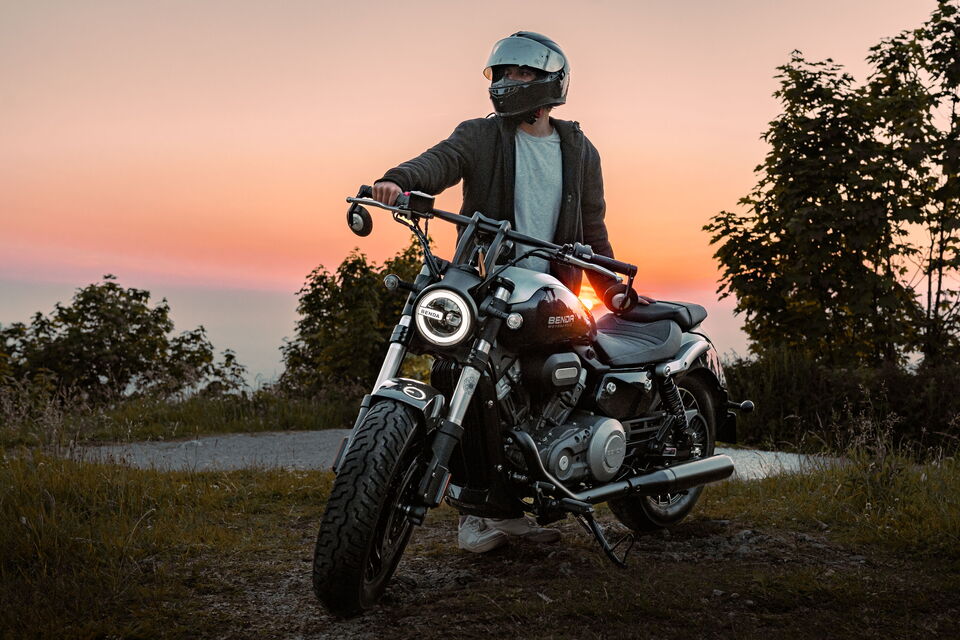
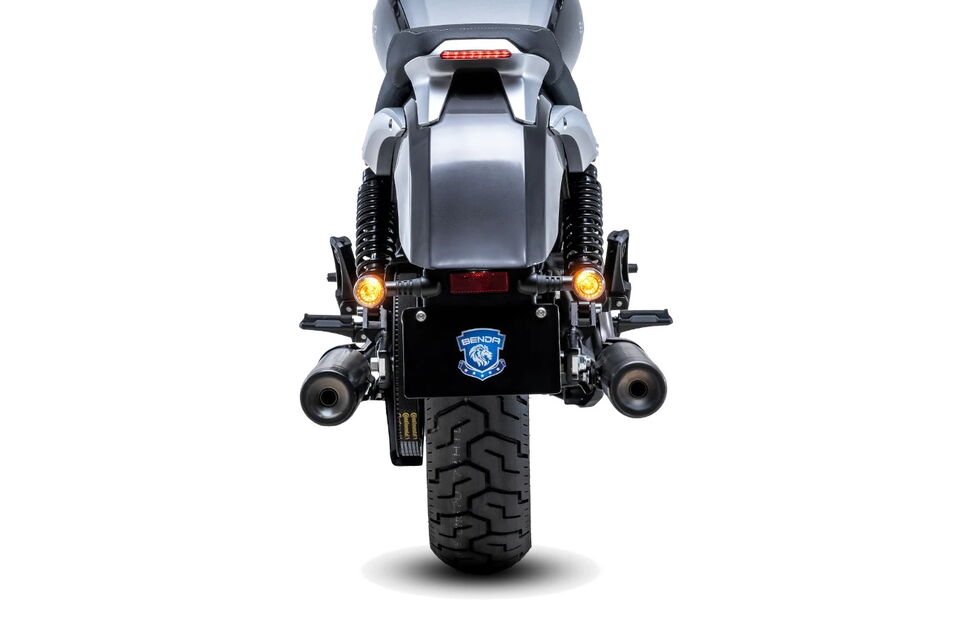
Twin exhausts on the left and right replace the Chinchilla’s single-exhaust layout, visually giving the Rock more width and mass. The front uses a round LED headlight layout, while the footpegs are positioned far forward in typical chopper fashion.
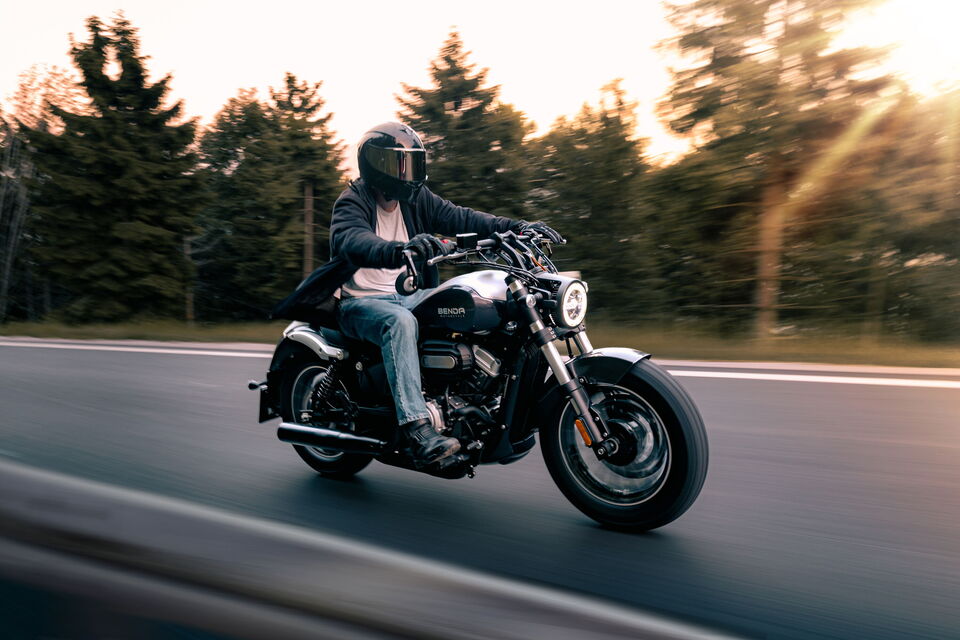
Ergonomics: Chopper Riding Position With Forward Controls
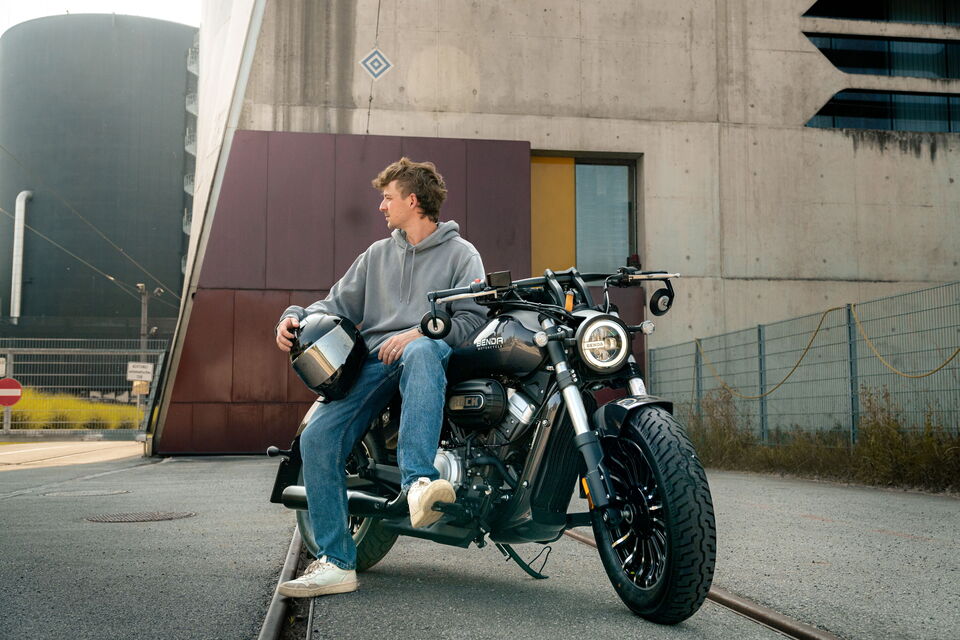
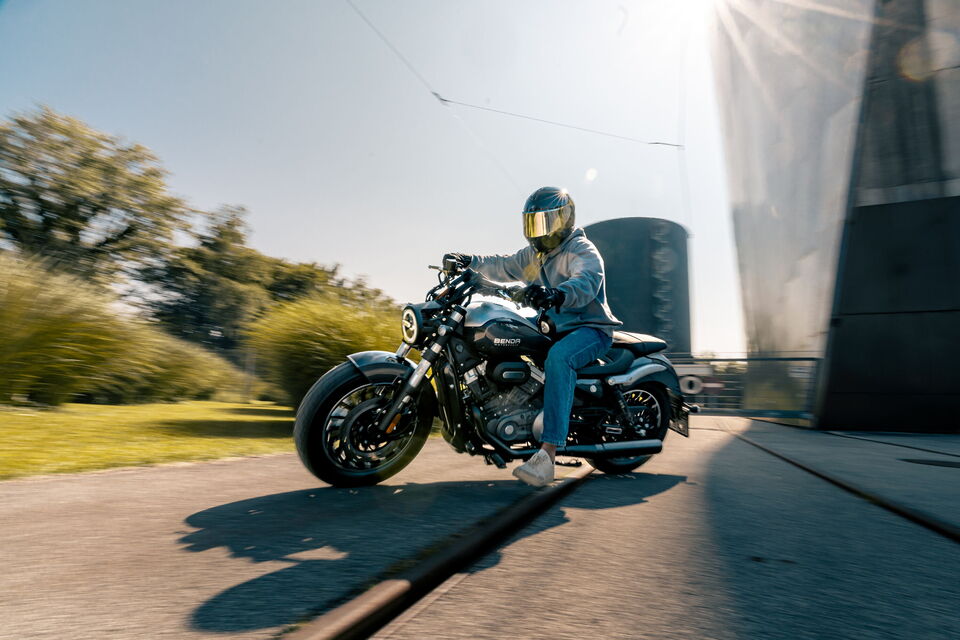
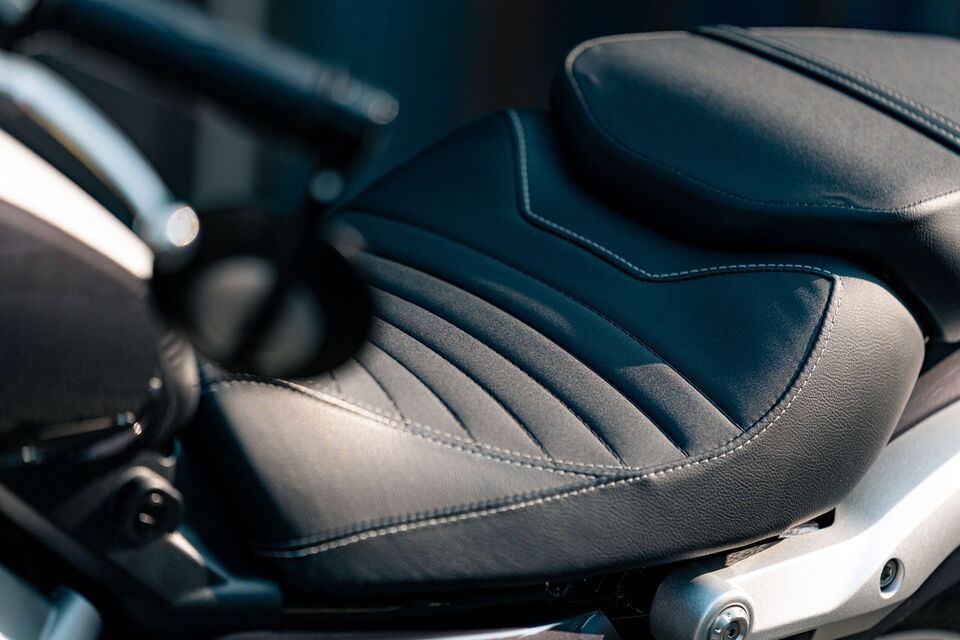
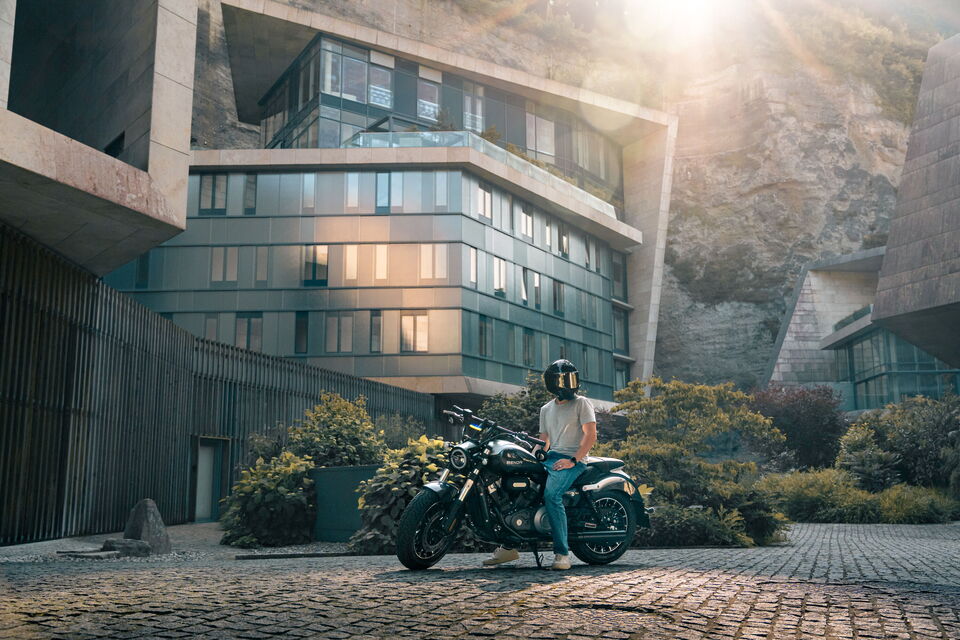
Seat height is 740 mm—slightly higher than the Chinchilla 300’s 690 mm—with the footpegs positioned far forward. This creates a more stretched-out, flatter riding position than on the Chinchilla.
That position is comfortable for short urban rides. On longer rides of more than two hours, however, the lack of support begins to fatigue the lower back. This is not a product defect but simply the nature of chopper ergonomics: designed for presence, not marathons.
Tire sizes are 130/90-16 at the front—wider than the Chinchilla’s 120/80-16—and 150/80-16 at the rear, which is identical. The wider front tire adds visual mass to the front end and fits the Rock’s bulkier design concept.
Chassis and Brakes
Up front is a conventional telescopic fork with 116 mm of travel, while the rear uses twin hydraulic shocks with 52 mm of travel; the chassis is based around a tubular-steel frame.
Braking comes from a single 300 mm front disc with a hydraulic caliper and a single 240 mm rear disc, with ABS standard.
Unlike the Chinchilla 300, which uses a USD fork and a radial-mount four-piston front brake caliper, the Rock 300 relies on a conventional telescopic fork and a simpler brake caliper. That is the decisive equipment difference: the Chinchilla 300 has the technically more sophisticated suspension and braking package, while the Rock 300 prioritizes design.
Rock 300 vs. Chinchilla 300: What Is Actually Different
On paper, the two models differ less than their styling suggests. Same engine, same price, same belt drive.
The specific technical differences are straightforward: the Chinchilla has a USD fork and a radial-mount four-piston front brake caliper; the Rock uses a conventional telescopic fork and a simpler caliper. The Chinchilla has a 690 mm seat height; the Rock 740 mm. The Chinchilla uses a 120/80-16 front tire; the Rock a 130/90-16.
Everything else is styling—but on this motorcycle, styling accounts for 80 percent of the buying decision.
Price and Market Position
The MSRP is €5,899 plus approximately €300 in dealer charges—identical to the Chinchilla 300.
For that price, you get the V-twin engine and chopper styling. What you give up are the Chinchilla’s USD fork and radial-mount front brake caliper. Buyers choosing purely on technical merit will pick the Chinchilla. Those drawn to the Rock’s angular appearance pay no premium for the styling—but they trade the higher-spec chassis package for a more provocative design statement.
Verdict
The Rock 300 is the right motorcycle for anyone who wants a cruiser that does not look friendly. A motorcycle that does not ask permission before walking through the door.
If you understand that—and if you find the Chinchilla too rounded and too inviting—you get the same mechanical foundation in a different outfit at the same price. Riders who prefer the technically superior combination should choose the Chinchilla.
Quick Check
+ Angular street-chopper styling with twin exhausts and a wide 130/90-16 front tire: the most distinctive appearance in Benda’s 300 family; for riders who find the Chinchilla too rounded
+ Same V-twin engine and price as the Chinchilla 300: 298 cc, 31 hp, belt drive, ABS, 3-year warranty—no technical price premium for the styling
+ 740 mm seat height with far-forward footpegs: classic chopper riding position; low seating position; comfortable and stylistically consistent for urban rides and short distances
+ €5,899 MSRP: least expensive entry into a V-twin chopper with ABS on the German market; Benda continues to expand its dealer network
– Conventional telescopic fork instead of USD fork (Chinchilla 300 has USD); simpler front brake caliper instead of radial-mount four-piston unit (Chinchilla 300); buyers wanting the technically superior chassis package should choose the Chinchilla
– Forward controls: riding position becomes tiring on longer rides; not a motorcycle for rides exceeding two hours at a time; cornering clearance limited by chopper geometry
– Stationary noise not officially published; check with dealer; dealer network still – developed; build quality not yet at the level of established manufacturers
– 16-inch tire sizes front and rear: more limited replacement-tire selection; no TCS (ABS only); no TFT; weak demand in the German market—resale value remains difficult to predict
Technical Specifications: Benda Rock 300 (2026)
Make / Model: Benda Rock 300 (2026; type BD300-16); manufacturer: Guangzhou Benda Motor Co., Ltd. (China); European distributor: Benda Motor Europe GmbH (Salzburg, Austria)
Rock vs. Chinchilla 300: Rock: conventional telescopic fork, simpler front brake caliper, 130/90-16 front tire, 740 mm seat height, forward controls, twin exhausts, angular styling. Chinchilla: USD fork, radial-mount four-piston front brake caliper, 120/80-16, 690 mm, classic bobber styling. Price and engine: identical.
Engine: Liquid-cooled SOHC V-twin; 8 valves; 298 cc; fuel injection; assist-and-slipper clutch; Euro 5+
Power: 31 hp at 8,500 rpm
Torque: 25 Nm at 7,000 rpm
Top speed / Fuel consumption: approx. 130 km/h; approx. 3.5 L/100 km
Fuel capacity / Weight: 16 L; 203 kg fully fueled
Transmission / Final drive: 6-speed; belt drive; assist-and-slipper clutch
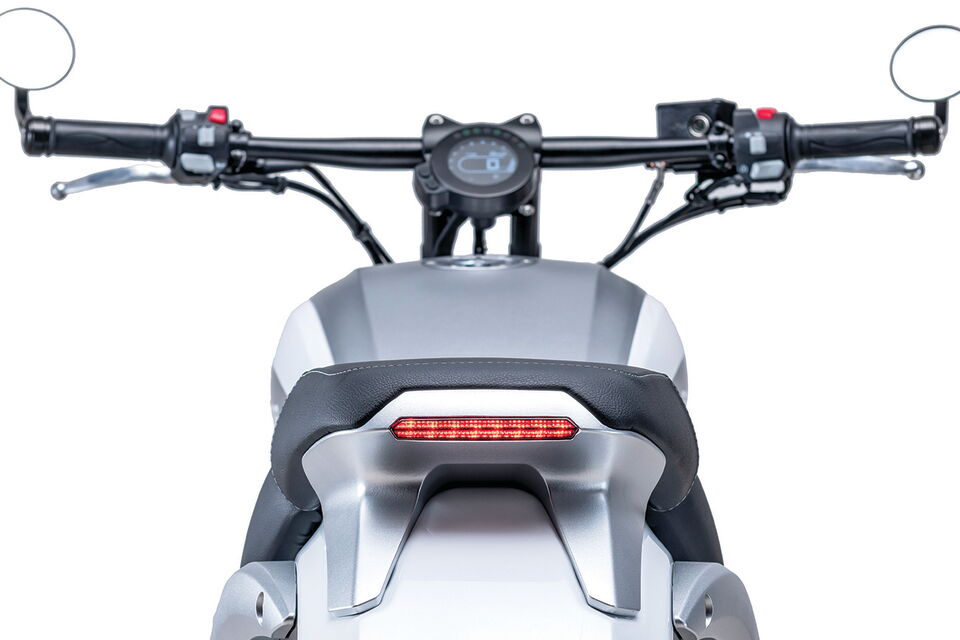
Electronics: ABS standard; no TCS; digital LCD instrument panel; LED lighting; USB charging port
Fork: Conventional telescopic fork; 116 mm travel
Rear suspension: Twin hydraulic shocks; 52 mm travel
Front brake: Hydraulic single-piston caliper; single 300 mm disc; ABS
Rear brake: Hydraulic single-piston caliper; 240 mm disc; ABS
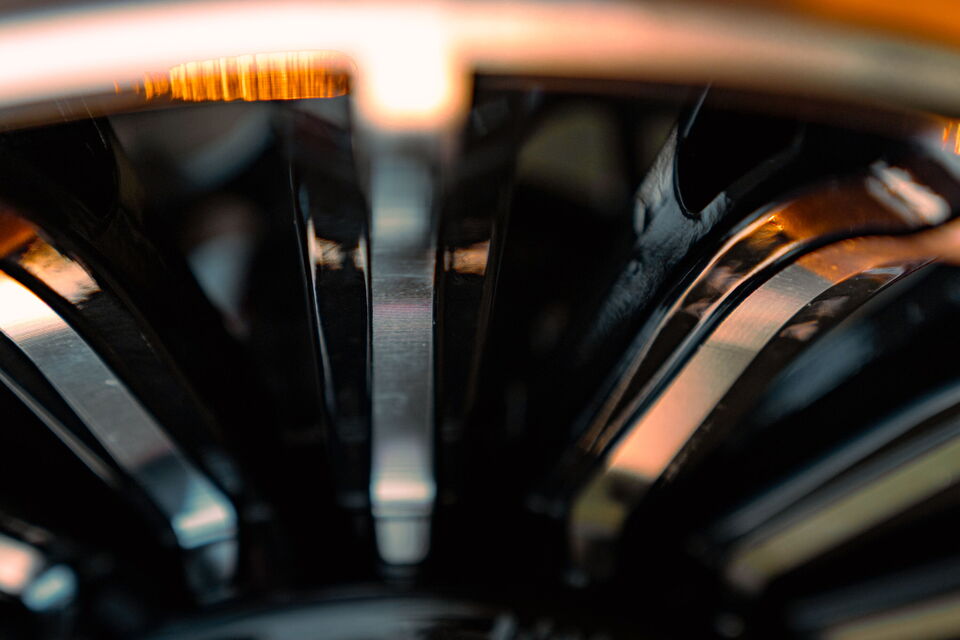
Wheels: Cast-aluminum wheels; 16-inch front; 16-inch rear
Tires: 130/90-16 front; 150/80-16 rear
Ergonomics: 740 mm seat height; chopper riding position with far-forward footpegs; stretched, low riding posture
Stationary noise: Not officially published; check with dealer
2026 colors: Ask your dealer for current color options
Warranty / Service: 3-year manufacturer warranty standard; optionally extendable (Benda Plus Warranty)
Price (Germany): €5,899 plus approx. €300 dealer charges