Review Beta Alp 4.0 (2026)

35 hp, 148 kg—and More Off-Road Capability Than You Might Think
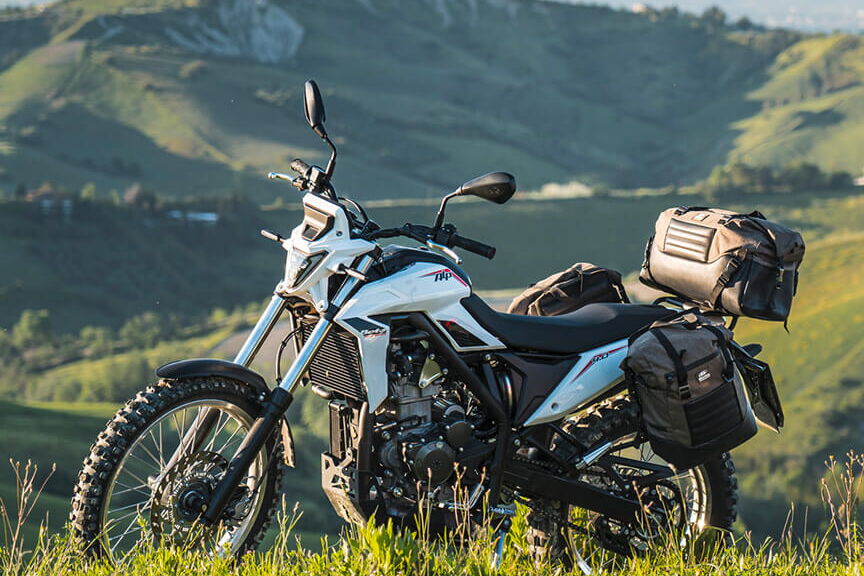
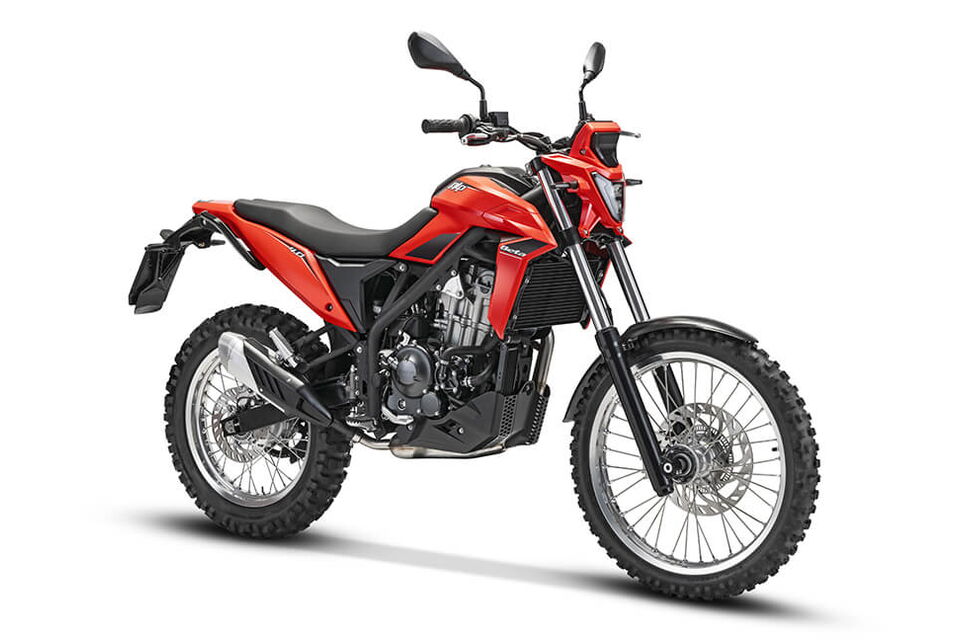
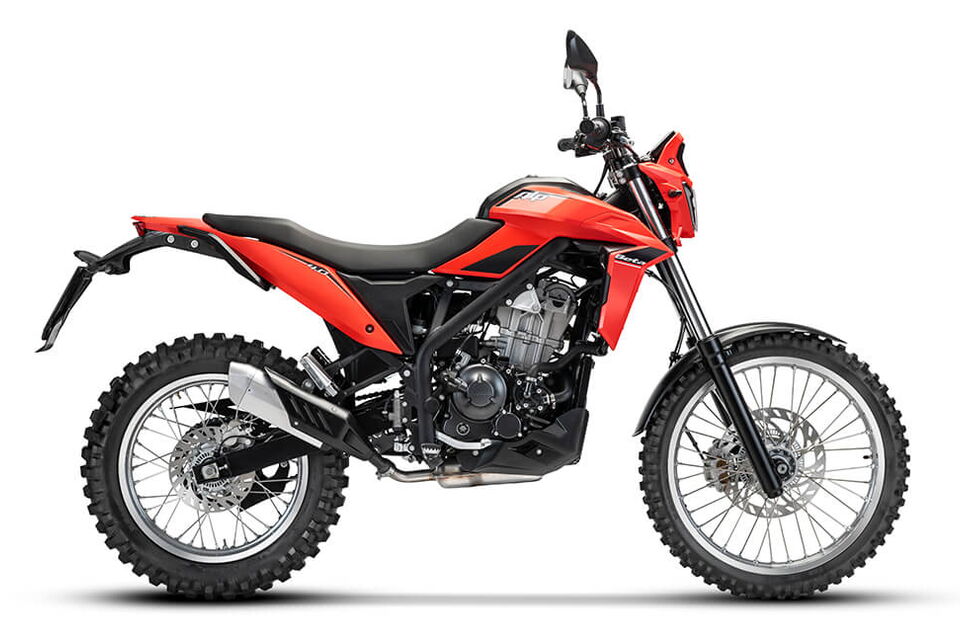
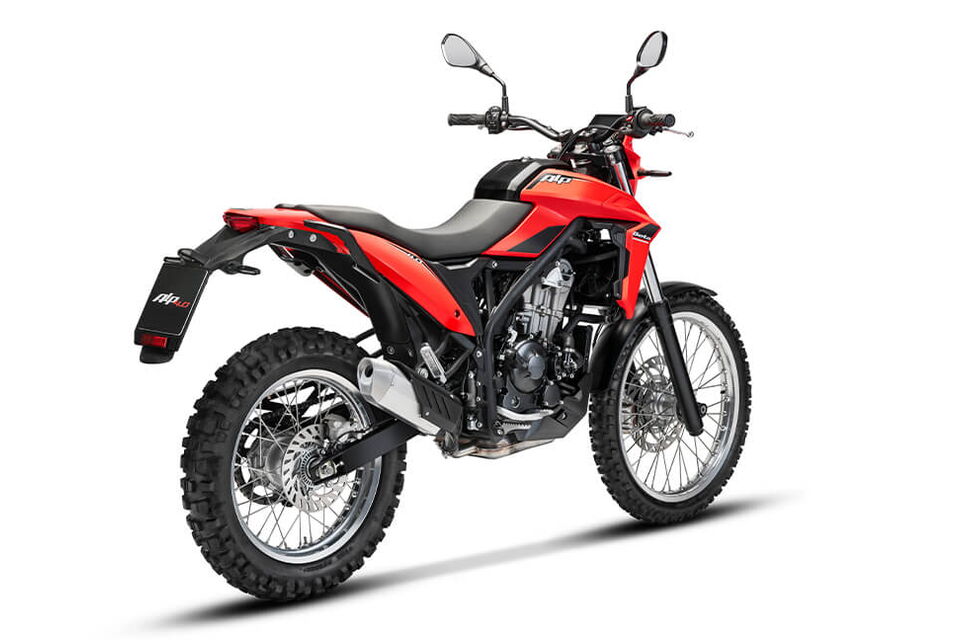
The Beta Alp 4.0 is the successor to an icon—with a liquid-cooled engine, modern electronics, and the same concept as always: lightweight, versatile, affordable. This test reveals what the new single-cylinder engine, developed in cooperation with Chinese partner Tayo, is really capable of—and where the Alp truly belongs.
As of: March 17, 2026 | Tested model: Beta Alp 4.0 (2026) | Price: €5,900

Engine: New Heart, Proven Concept
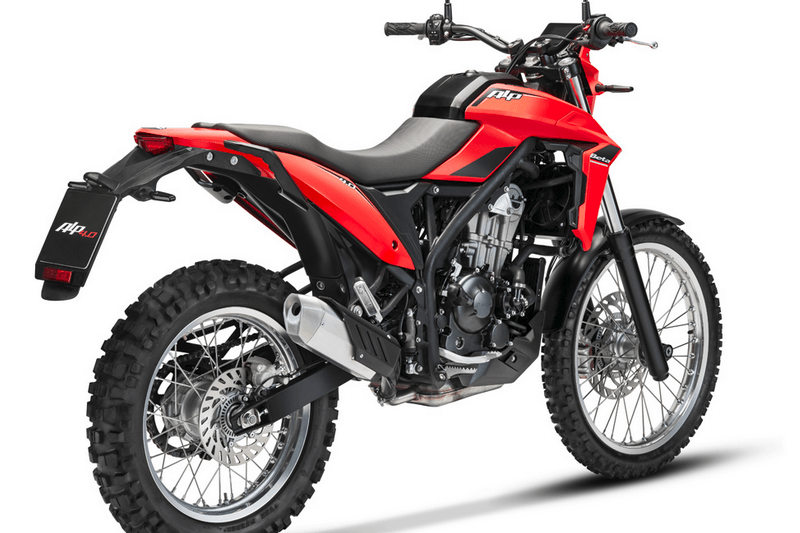
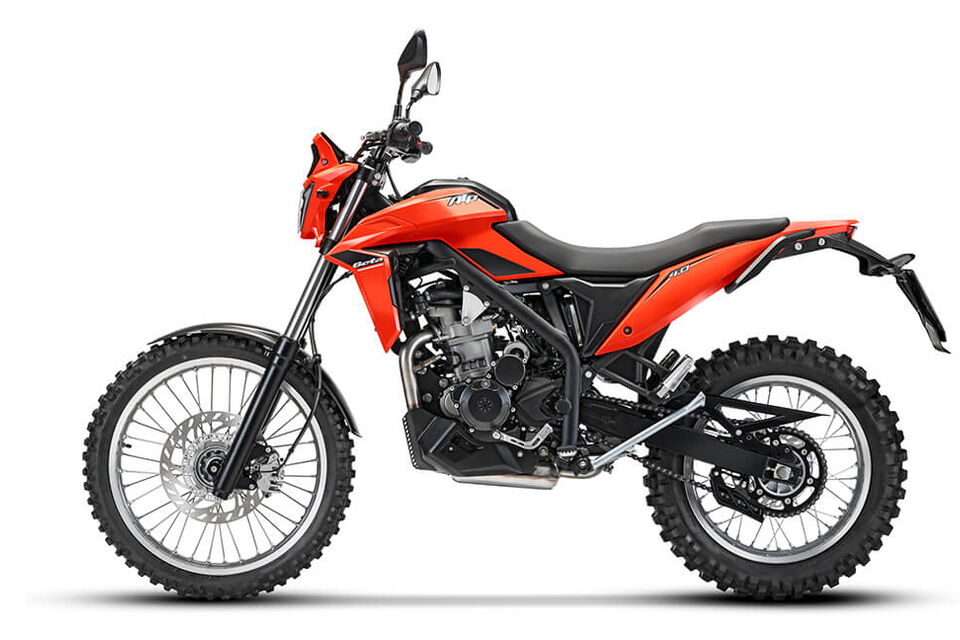
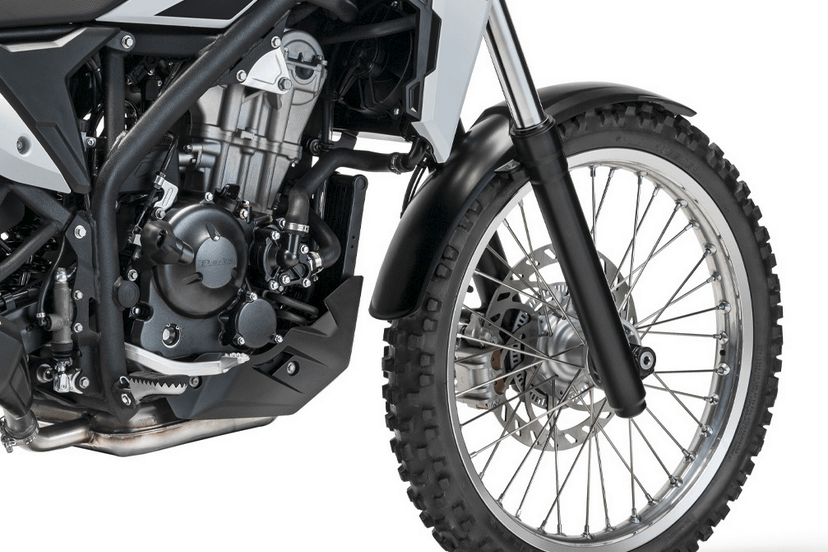
At the core of the new Alp 4.0 is an entirely new engine—and it is the part of the motorcycle generating the most discussion. Beta developed it together with Chinese manufacturer Tayo, which is represented in Europe under its own Zontes brand. If that makes you skeptical, that is understandable. But a look at the technical specifications is reassuring.
348 cc, liquid-cooled, dual overhead camshafts (DOHC), four valves, electronic fuel injection, Euro 5+—this is not a bargain-basement design. It is a modern single-cylinder engine built to current standards.
35 hp at 9,500 rpm—for an enduro of this size, that is sufficient and represents the legal maximum for the A2 class. What matters more than peak output is how the engine works in everyday riding. It pulls smoothly and with character from low rpm, spins up willingly, and sounds noticeably more appealing than a parallel twin in this displacement class. Liquid cooling makes it more suitable for everyday use than the old air-cooled predecessor—no overheating in city traffic, no problems during long uphill sections in low gears.
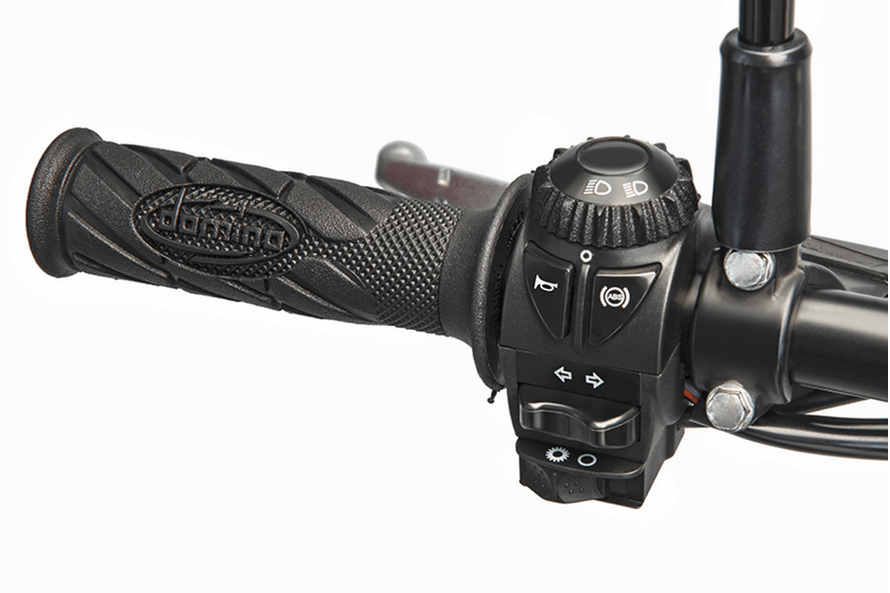
Two riding modes are included: Street and Offroad. In Offroad mode, rear-wheel ABS can also be switched off. On loose surfaces when riding downhill, that is not a gimmick but a genuinely useful feature if you want to deliberately lock the rear wheel for controlled braking.
The 6-speed transmission shifts precisely. The gearing is designed for cruising speeds of around 110 to 130 km/h, not maximum acceleration. If you want to cruise continuously at 130 km/h on the highway, the Alp can handle it. If you want 160, you are looking at the wrong motorcycle.
There is one small caveat that needs to be addressed honestly: Beta and Tayo have only been working together since 2024. The long-term reliability of the new engine has not yet been proven through years of real-world use. Early reports from owners are positive, but a definitive assessment will require more time and more mileage. Beta provides a 2-year warranty—that is the minimum you would expect at this price.
Chassis: Simple, but It Works
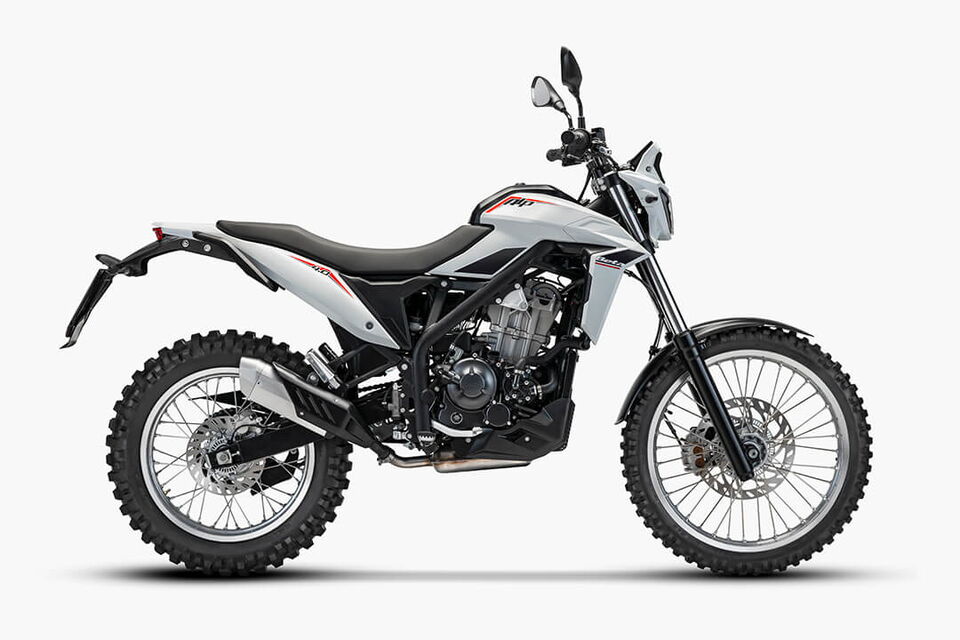
The Alp 4.0’s suspension is conventional and straightforward: a non-adjustable 43 mm telescopic fork up front with 185 mm of travel, and a rear monoshock adjustable for spring preload with 195 mm of travel.
No Öhlins. No damping adjustment. No electronic control.
At €5,900, none of that should be expected—and in the context of this motorcycle and its target audience, its absence is not a genuine weakness.
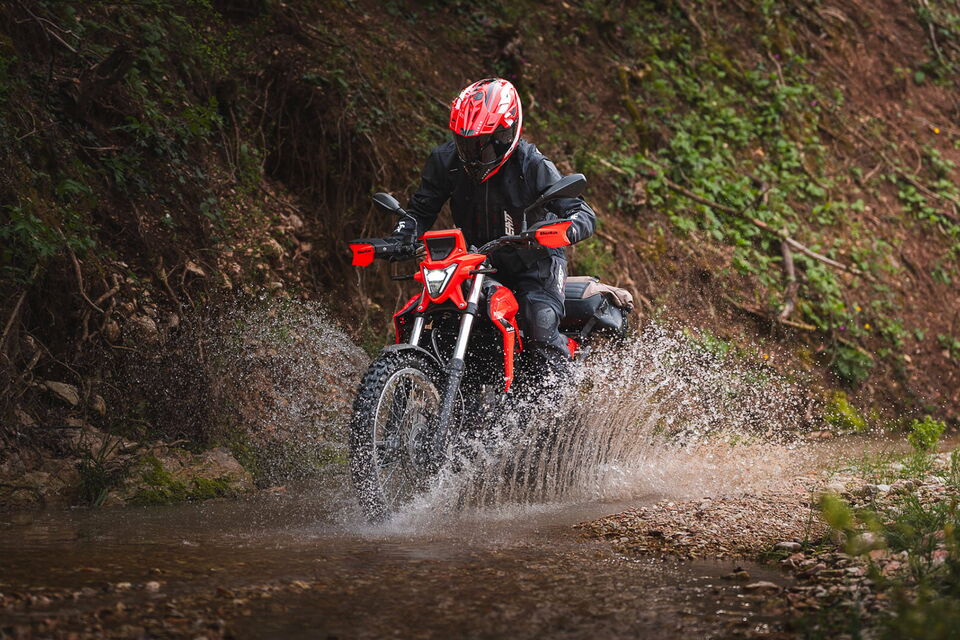
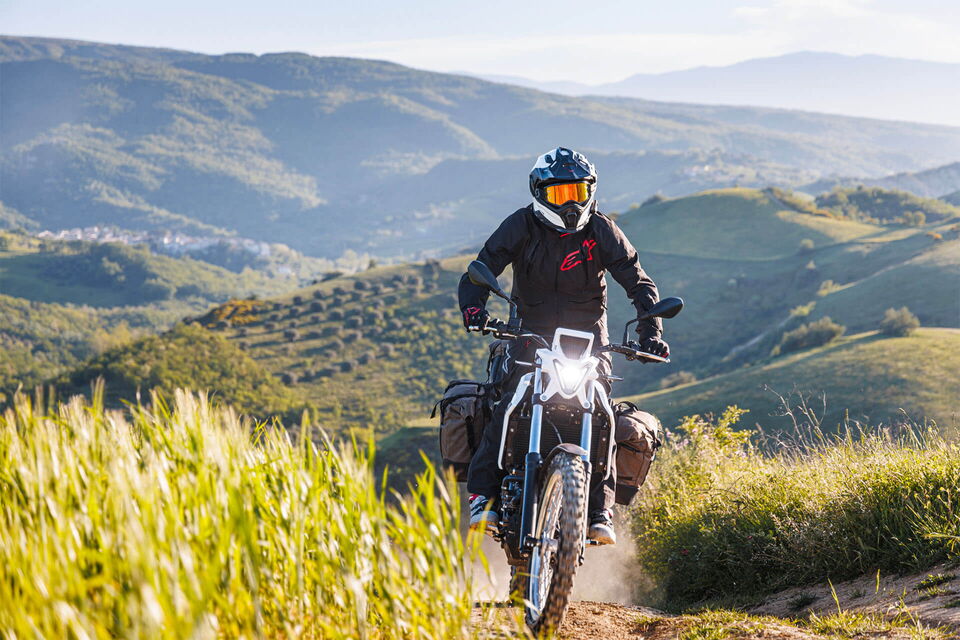
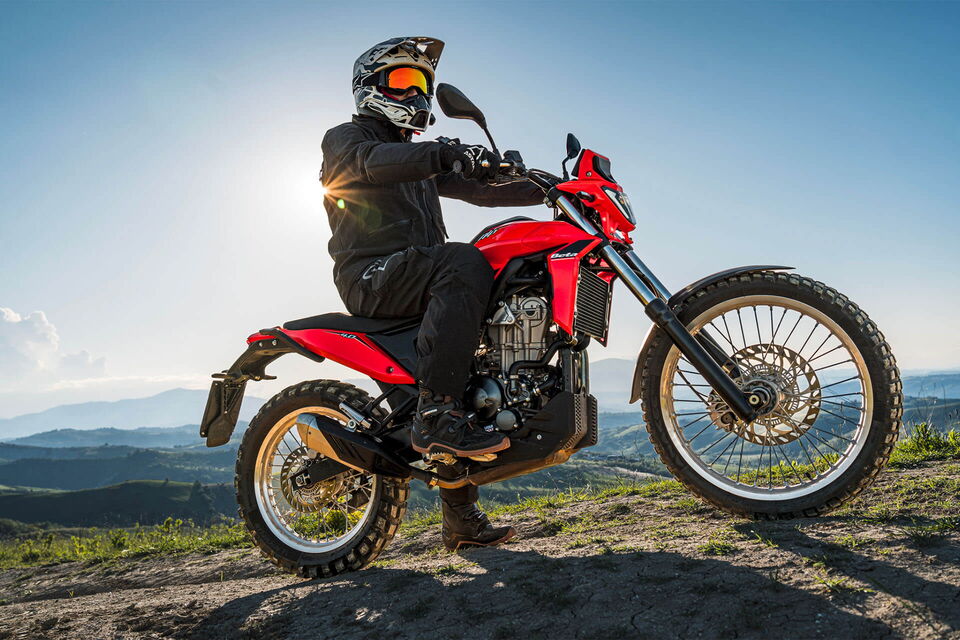
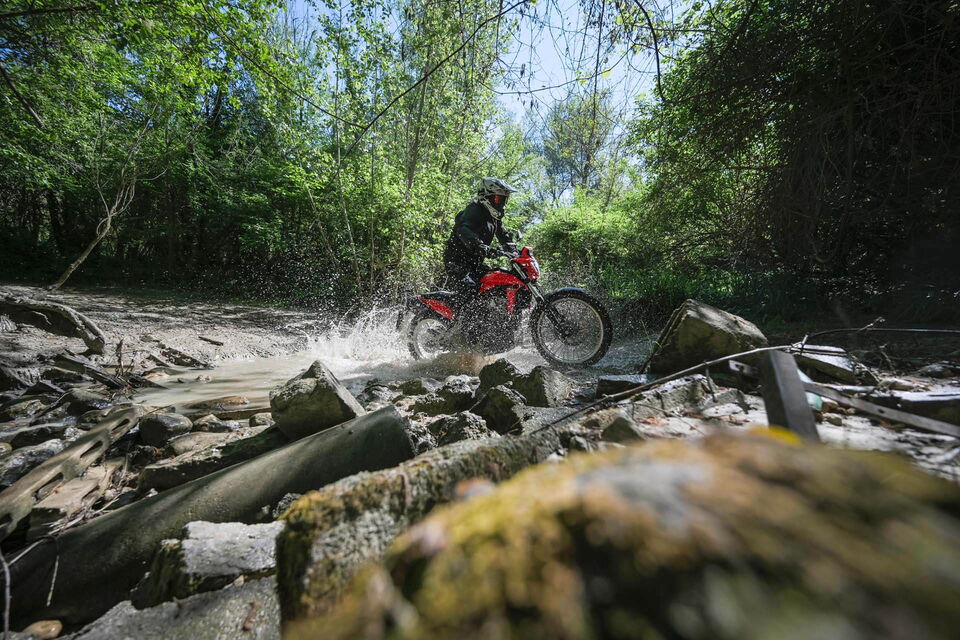
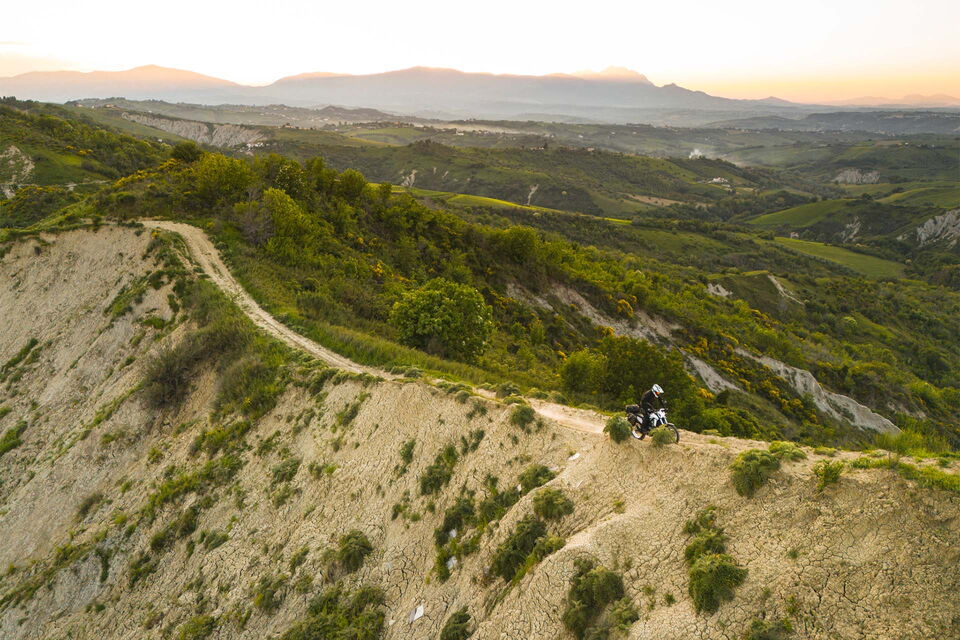
The basic setup is soft and accessible—too soft for demanding off-road terrain at high speed, but exactly right for what the Alp was designed to do: forest roads, gravel tracks, mountain passes with changing surfaces, and easy trails.
If you charge over rough terrain at excessive speed, you will feel the suspension bottom out. Ride the motorcycle at a pace appropriate to its design—briskly but under control—and the suspension will not let you down. At the same time, the bike communicates with a pleasant clarity what is happening beneath the wheels.
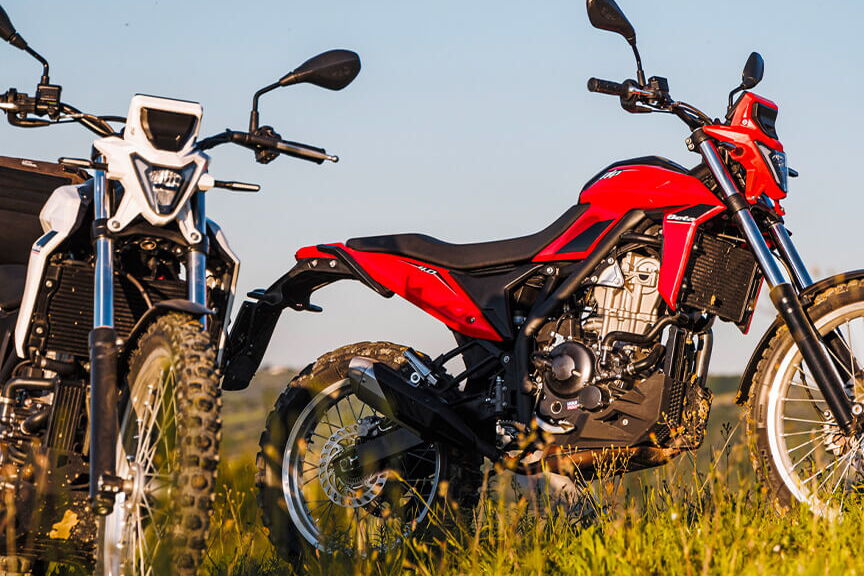
The wire-spoked wheels—21 inches at the front and 18 inches at the rear—are the right sizes for off-road use. A 21-inch front wheel rolls over obstacles more easily, works better off-road, and provides greater stability on uneven terrain.
The downside is the 865 mm seat height, which is challenging for shorter riders. Anyone under 1.70 meters tall may only be able to reach the ground with one foot on tiptoe. At 148 kg fully fueled, that is not insignificant—but it is manageable once you are accustomed to it.
The brakes—a 290 mm front disc with Nissin floating caliper and a 220 mm rear disc—are adequate for this level of performance and weight. During long descents, very aggressive riding can produce some mild brake fade. Ride the motorcycle in keeping with its character and you are unlikely to encounter it. ABS comes standard and operates unobtrusively in everyday use.
Ergonomics: Versatile, but Not for Everyone
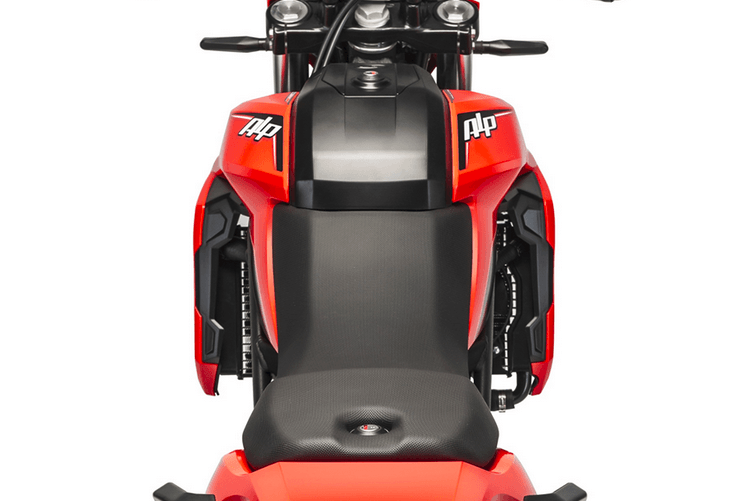
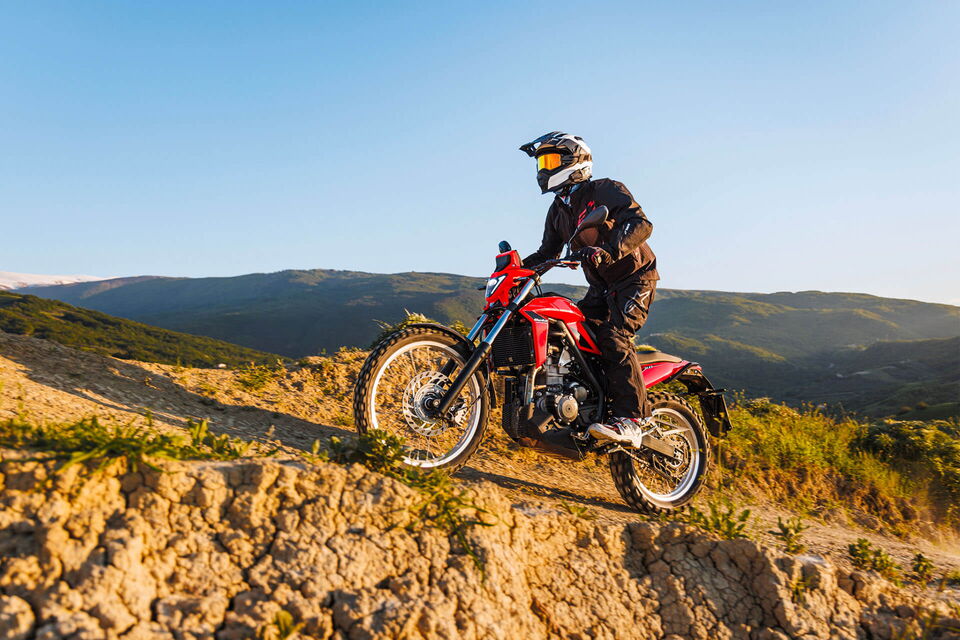
The Alp 4.0 has an upright riding position with a wide handlebar—good for standing off-road and comfortable for relaxed cruising on backroads.
For riders between 1.70 and 1.85 meters tall, the ergonomics work well. The seat height is manageable, the handlebar position feels natural, and the way your knees fit against the tank feels right. Very tall riders—from around 1.90 meters upward—may find that the handlebar and knees interfere with each other at full steering lock.
What sets the Alp apart from heavyweight adventure motorcycles is its weight.
148 kg fully fueled is a completely different world from 220 kg. Off-road, that can mean the difference between a motorcycle you can pick up by yourself after a fall and continue riding, and one that requires help.
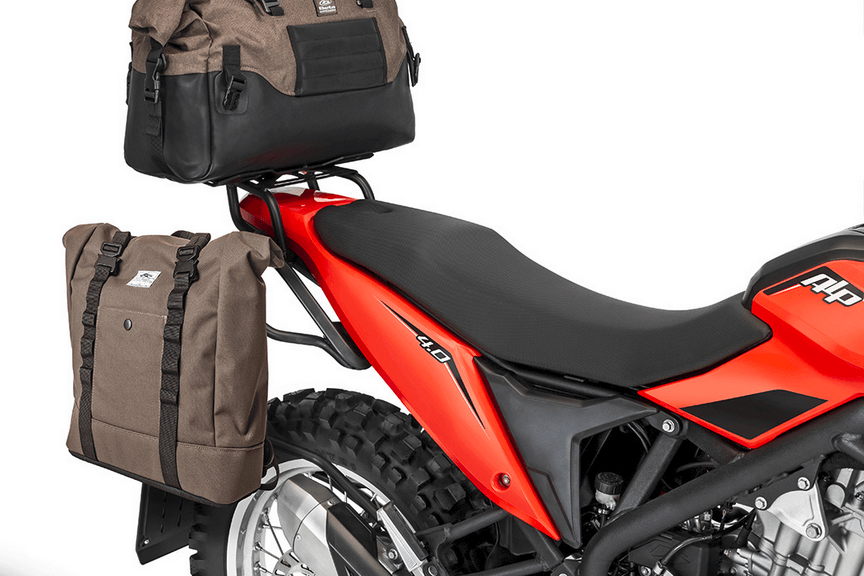
For the RV concept—motorcycle carried on a rear rack, unloaded at your destination, then used for exploring—the Alp is ideal: compact, lightweight, rugged.
The Alp is less at home on long highway stretches. There is no wind protection, and at a cruising speed of 130 km/h the engine is already spinning noticeably. For day trips on small roads, mountain passes, and gravel tracks, however, the ergonomics remain comfortable for several hours.
Handling: The TFT Display Is a Pleasant Surprise
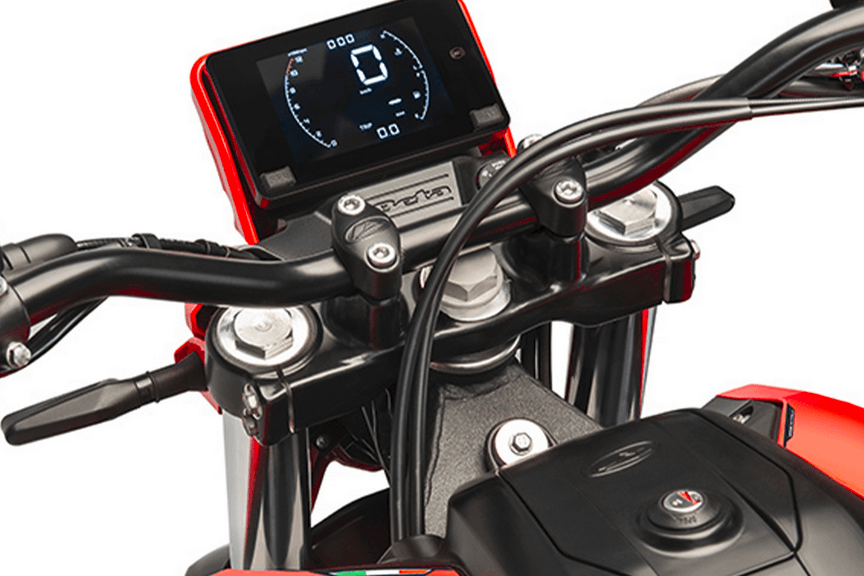
Nobody would have expected the new Alp 4.0 to come with a color TFT display and smartphone connectivity. Beta has implemented it properly: tachometer, gear indicator, riding mode, fuel level, temperature—everything is presented on a clear, easy-to-read screen that remains visible even in sunlight.
For a motorcycle at this price and aimed at this target audience, that is a genuine added value. Operation is straightforward and works even while wearing gloves.
The 11-liter fuel tank is generous for an enduro of this size. With consumption of around 3.5 liters per 100 km, ranges of more than 300 km are realistic—a genuine advantage on trips where gas stations are scarce, especially compared with the old Alp 200 and its 6-liter tank.
The standard Vee Rubber tires are designed for mixed use. They work well on gravel and easy off-road terrain, but on wet pavement at a brisk pace they leave some room for improvement. Riders who use the Alp primarily on the street will find more grip with a more road-oriented tire.
Two practical notes: the stock muffler sits low and is poorly protected. For more serious off-road riding, a sturdy skid plate is recommended as an accessory.
And riders who spend a lot of time standing and need a higher handlebar will have to modify the setup, because the standard handlebar position is not ideal for taller riders.
Equipment: More Than You Expect for the Money
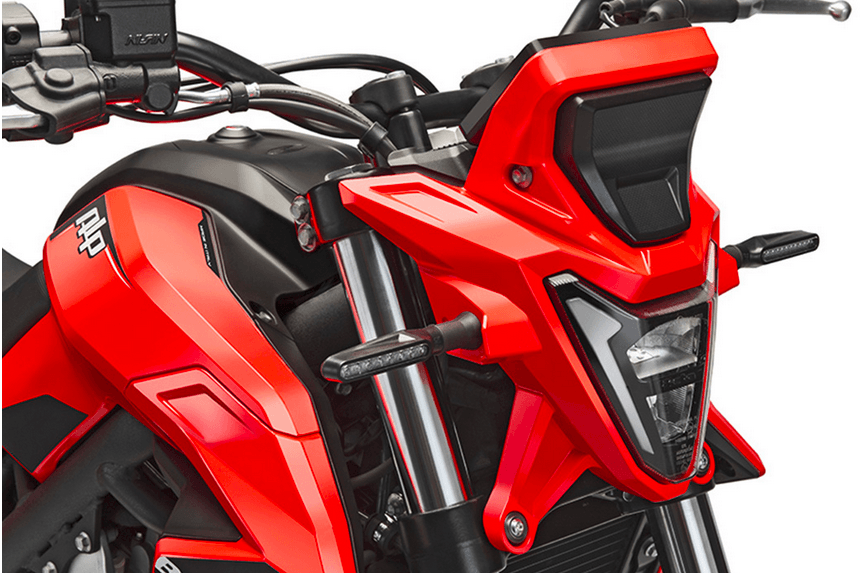
TFT display, smartphone connectivity, Bosch ABS with Offroad mode and switchable rear-wheel ABS, two riding modes, LED headlight, traction control, electronic fuel injection—that is a remarkably complete equipment package for just under €6,000.
No other motorcycle in this price class and concept niche offers this combination. The old Alp 200 had a carburetor and no ABS. Technically, this is a full generation ahead.
What is missing—and may matter to some riders—is a quickshifter, cruise control, and an adjustable fork. None of those are realistic expectations at €5,900, and none is a particularly relevant purchasing criterion for this motorcycle’s target audience.
Costs: €5,900—and Then What?
The list price is €5,900 before additional charges. That makes this the least expensive entry into a street-legal, everyday-capable enduro motorcycle with modern technology.
For comparison, a Honda CRF300L costs around €6,900, while a KTM 390 Enduro R is around €7,000. The Alp 4.0 costs less than both and, with its 21-inch front wheel and lower weight, follows the same honest off-road concept.
Running costs are manageable. Service intervals are every 10,000 km, with dealer costs below €200. The transmission is robust, and the engine is easy to maintain. Enduro-size tires are inexpensive.
There are relatively few parts to damage in a fall—levers, turn signals, mirrors—because there simply is not much on the motorcycle that can break. Warranty coverage is two years.
One more word about long-term reliability: the engine is new, and the cooperation with Tayo is still young. Riders who prioritize decades of proven reliability should buy a Honda or wait a few years. Those willing to accept the risk of a new engine in an attractive overall package get a modern motorcycle with up-to-date technology in return.
Verdict
The Beta Alp 4.0 is the most focused lightweight all-road motorcycle available for under €6,000.
If you are looking for a motorcycle for gravel roads, mountain passes, easy trails, and occasional highway stretches—and you want it as light and affordable as possible—this is the strongest proposition.
The question of the new engine’s long-term reliability remains unanswered for now.
Everything else works.
Quick Check
+ 148 kg fully fueled—the lightest street-legal all-road enduro in the class
+ Modern DOHC single-cylinder engine with fuel injection and liquid cooling
+ ABS with Offroad mode (rear-wheel ABS switchable) as standard
+ TFT display and smartphone connectivity are remarkable at this price
+ 11-liter fuel tank—more than 300 km of range
+ €5,900—less expensive than all direct competitors
+ A2-compatible (35 hp) and suitable for all motorcycle license classes
– 865 mm seat height—challenging for riders under 1.70 meters
– Telescopic fork is non-adjustable
– Long-term reliability of the Tayo engine has not yet been proven
– Standard Vee Rubber tires leave room for improvement on wet pavement
– Muffler is poorly protected—accessory skid plate recommended
– No wind protection; demanding at higher highway speeds
Technical Specifications: Beta Alp 4.0 (2026)
Country of manufacture: Italy (Rignano sull'Arno, Tuscany); engine developed with Tayo (China)
Engine: Liquid-cooled single-cylinder, DOHC, 4 valves, fuel injection, Euro 5+
Displacement: 348 cc
Power: 26 kW (35 hp) at 9,500 rpm
Torque: 32 Nm at 7,500 rpm
Transmission: 6-speed
Final drive: Chain
Front suspension: 43 mm telescopic fork, non-adjustable, 185 mm travel
Rear suspension: Monoshock, adjustable spring preload, 195 mm travel
Front brake: 290 mm disc, Nissin floating caliper
Rear brake: 220 mm disc, single-piston caliper
Front tire: 90/90-21
Rear tire: 140/80-18
Rider aids: Bosch dual-channel ABS (Offroad mode with switchable rear-wheel ABS), traction control, 2 riding modes (Street/Offroad)
Wet weight: 148 kg
Seat height: 865 mm
Fuel capacity: 11 liters
Price (Germany): €5,900 plus additional charges
Warranty: 2 years