Review BMW F 900 GS Adventure (2026)

23 Liters, 246 kg—the GS Built for the Long Haul
Same engine as the F 900 GS, but with a 23-liter fuel tank, 27 kg more weight, a WAD rear shock as standard, more wind protection, and more protective equipment. The Adventure is not the more agile GS—it is the long-distance GS. Read the two tests side by side and it becomes clear which one is right for you.
As of: April 10, 2026 | Tested model: BMW F 900 GS Adventure (2026) | Price from: €14,750
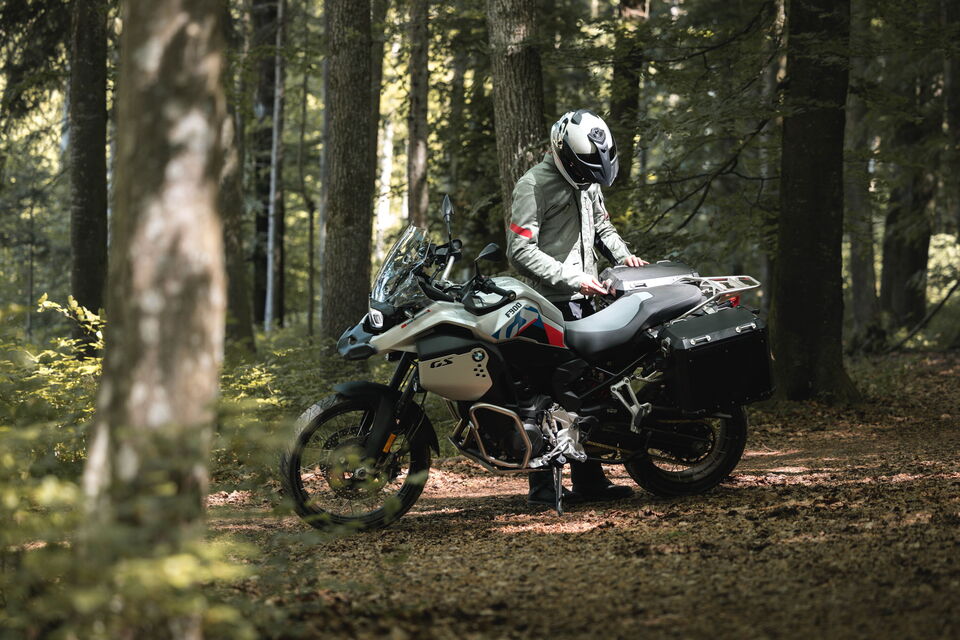
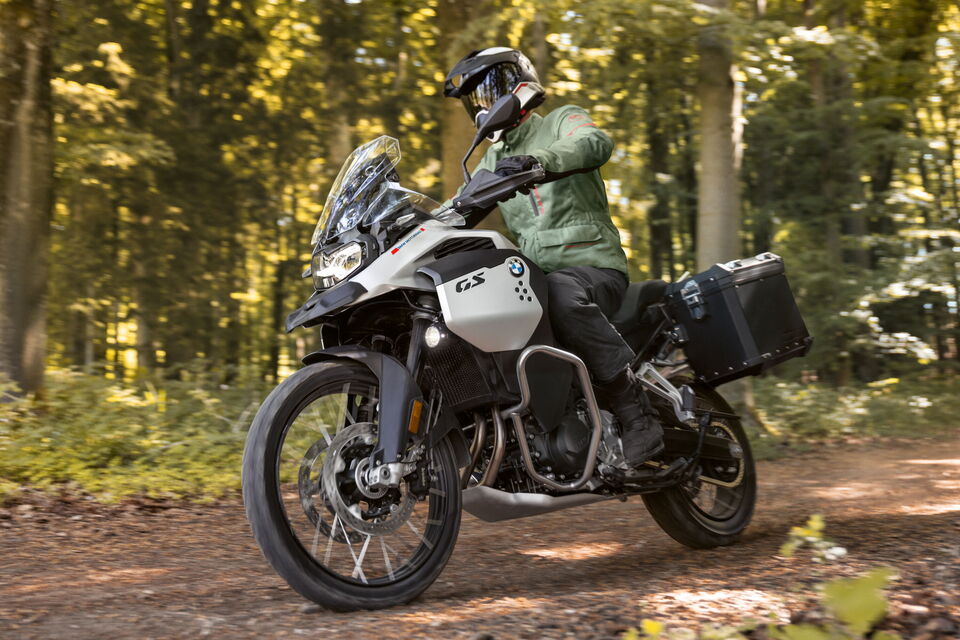
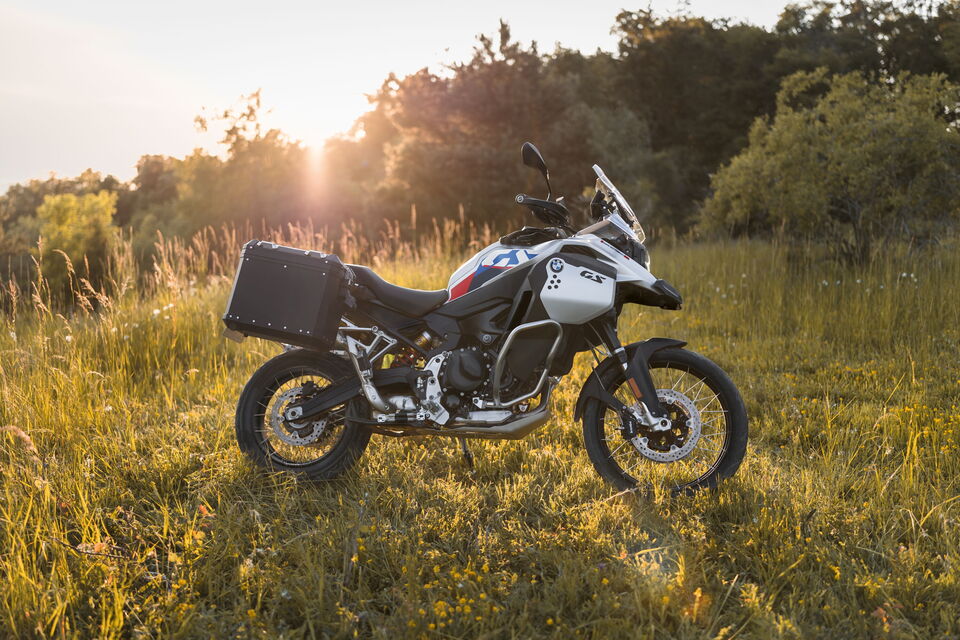
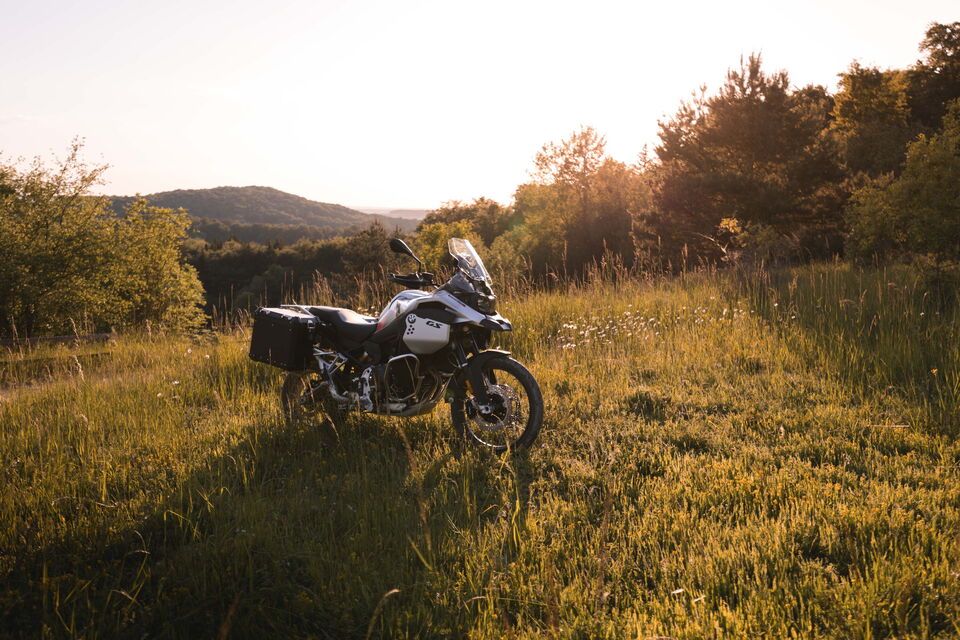

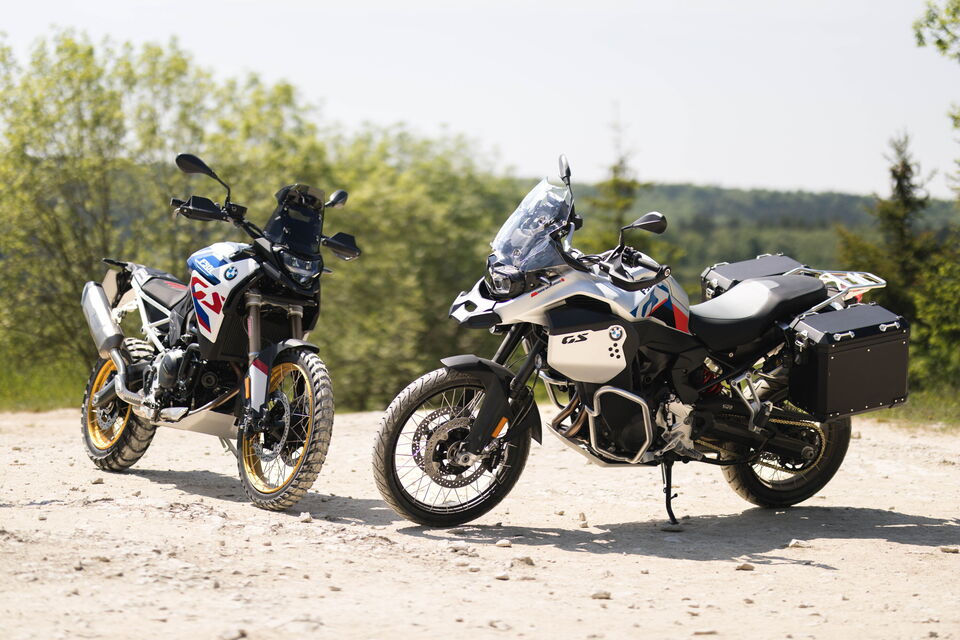
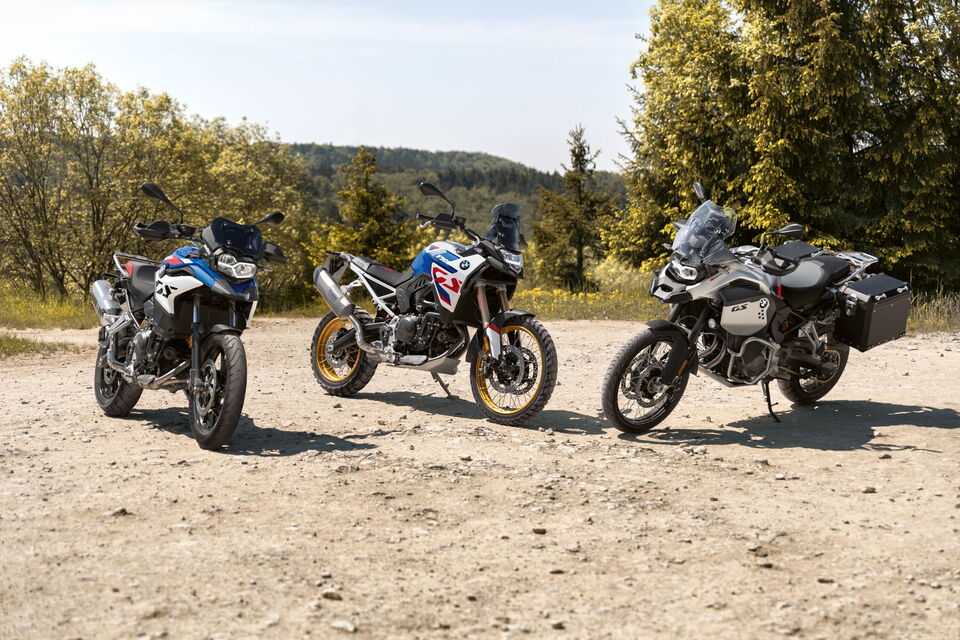
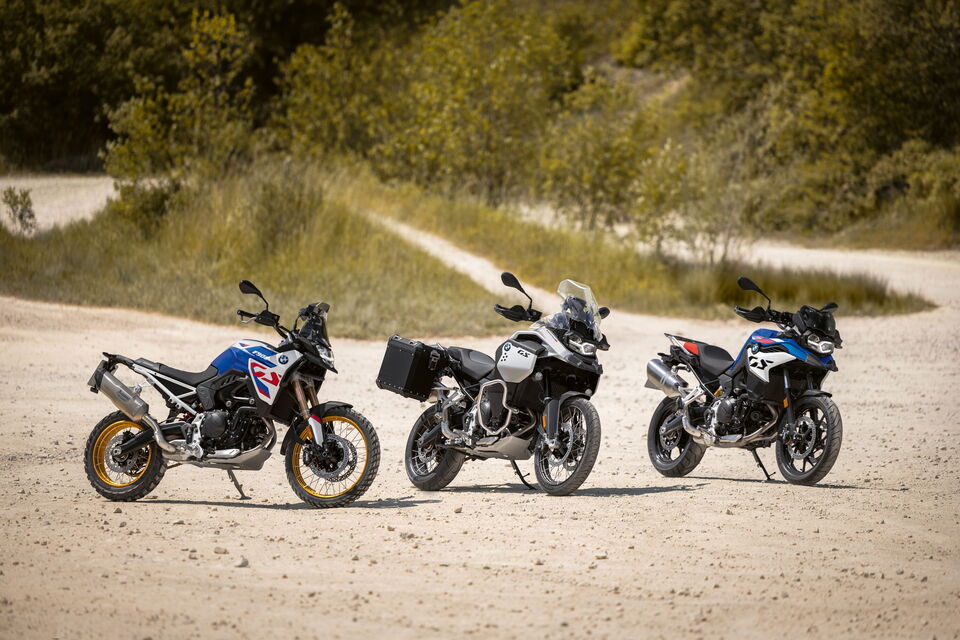
Engine: Identical to the F 900 GS—and That’s No Weakness
105 hp, 93 Nm, 895 cc, 77 kW at 8,500 rpm—identical to the F 900 GS.
It is the same liquid-cooled parallel twin with dry-sump lubrication, revised cylinder heads, forged pistons, two counter-rotating balance shafts, and a 13.1:1 compression ratio.
This is the same engine that impressed us in the F 900 GS test, now installed in a motorcycle with different priorities.
In everyday riding, the identical engine behaves exactly as expected. Because of the additional weight, the Adventure is not quite as lively pulling away as the lighter GS, but on backroads and highways it accelerates with the same confidence.
Peak torque arrives early and is spread broadly across the rev range. Even at low rpm, there is enough thrust to complete overtakes without downshifting. Top speed remains above 200 km/h—the extra weight is barely noticeable at higher speeds.
Two riding modes come standard: Rain and Road.
The optional Dynamic Package adds Dynamic, Enduro, and Enduro Pro, along with the ability to deactivate rear-wheel ABS.
For a motorcycle primarily designed for long-distance touring, Enduro Pro is the upgrade for riders who also intend to tackle more demanding off-road terrain.
Without that package, the Adventure is designed for light to moderate off-road sections—capable, but not uncompromising.
Chassis: WAD Rear Shock Standard—That’s the Difference From the F 900 GS
Up front, the setup is identical to the F 900 GS: a 43 mm upside-down fork with 230 mm of travel, adjustable for spring preload, rebound, and compression damping.
The decisive difference is at the rear.
The Adventure’s monoshock uses travel-dependent damping—WAD—and is adjustable for spring preload and rebound damping.
The WAD system comes from rally racing. Damping progressively increases as the suspension moves through its travel, allowing the shock to remain comfortably soft over small impacts while becoming progressively firmer over large hits.
That improves comfort on poor roads and off-road control at the same time.
Riders wanting even more can order the Ride Pro Package with Dynamic ESA, which adds electronic rear-suspension control.
Spring preload can then be adjusted at the push of a button, which is particularly convenient on trips where the load changes regularly—solo riding versus carrying a passenger and luggage.
That is the classic Adventure use case: load the motorcycle for the mountains, adjust it, and keep riding.
The wheelbase is 1,593 mm—8 mm longer than the F 900 GS.
Compared with the standard GS, that means slightly greater straight-line stability and marginally less agility during rapid direction changes.
In everyday riding, the difference is barely noticeable. Through fast sequences of tight mountain-road corners, the Adventure noticeably takes a little more time to respond between steering inputs, but this is exactly what you would expect from a touring-oriented motorcycle with this wheelbase and weight.
Braking hardware is identical to the F 900 GS: dual 305 mm front discs with two-piston floating calipers and a rear disc brake.
ABS Pro comes standard and is lean-angle optimized.
For a 246 kg motorcycle, braking performance is excellent, and the ABS calibration suits the weight and suspension character well.
Ergonomics: 875 mm Seat Height and an Adjustable Windscreen
Standard seat height is 875 mm—5 mm higher than the F 900 GS.
BMW offers several alternatives for the Adventure: a lowering kit to 805 mm, an extra-low seat at 825 mm, a low seat at 835 mm, a high dual seat at 860 mm, and a high Rally seat at 890 mm.
That is a substantial range of adjustment and makes the Adventure accessible to riders of very different heights. The adjustable windscreen is one of the Adventure’s most obvious and practical advantages over the standard GS. It can be adjusted for height with one hand while riding—a genuine comfort benefit on trips where weather conditions change quickly.
In hot city traffic, run it low for airflow. On a fast highway stretch, raise it and settle in behind the protection. That detail alone explains part of the price premium.
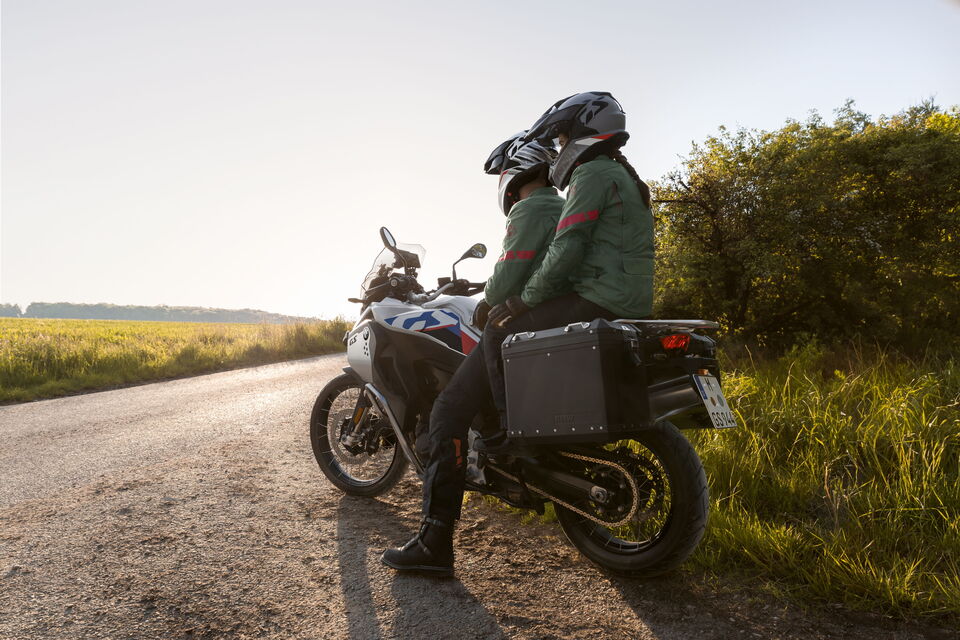
The riding position is upright and designed for long days in the saddle. Both rider and passenger sit comfortably. The Adventure is explicitly designed for two-up riding and provides the passenger with more space and support than the sportier GS.
Riders who regularly travel two-up or carry luggage will find this the better concept.
Handling: 246 kg and 23 Liters—the Equation Works on Long Trips
246 kg fully fueled—27 kg more than the F 900 GS. That is a substantial difference and the most frequently cited criticism of the Adventure.
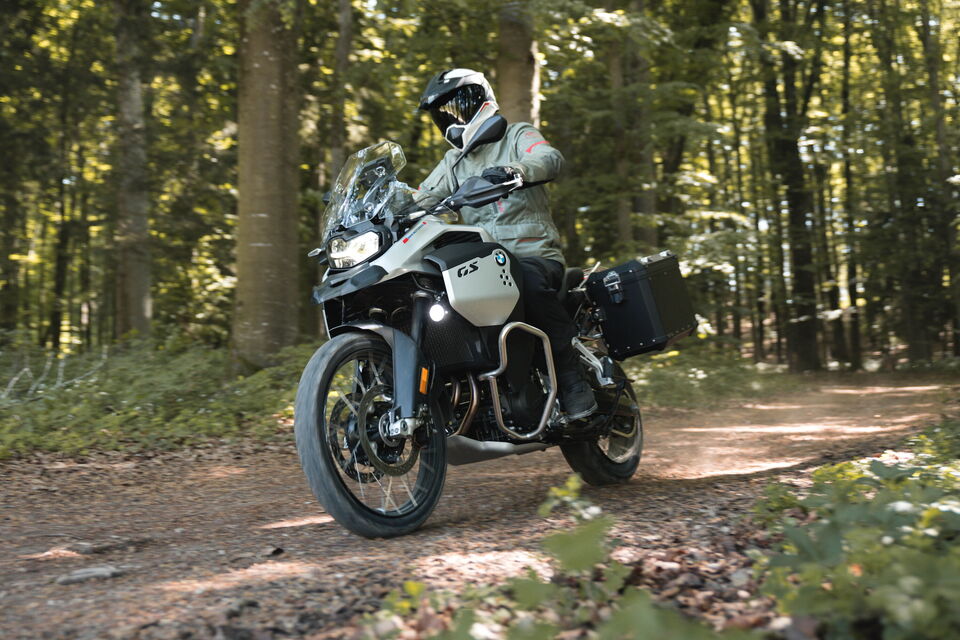
Move both motorcycles back to back and you feel the difference immediately. The Adventure turns in more slowly, requires more effort while maneuvering, and feels bulkier on narrow gravel tracks.
That is the consequence of choosing a larger fuel tank, more wind protection, and additional protective equipment. The question is simple: Do you need those things—and if so, is the additional weight acceptable?
The 23-liter fuel tank is the Adventure’s strongest argument. At fuel consumption of 4.4 liters per 100 km, ranges of more than 500 km are possible without stopping for fuel. On journeys through sparsely populated regions, or long-distance trips through Eastern Europe, Turkey, or North Africa, that is a genuine strategic advantage.
The F 900 GS with its 14.5-liter tank manages around 310 km. The Adventure can travel almost twice as far between fuel stops. If you need that capability, you already understand its value.
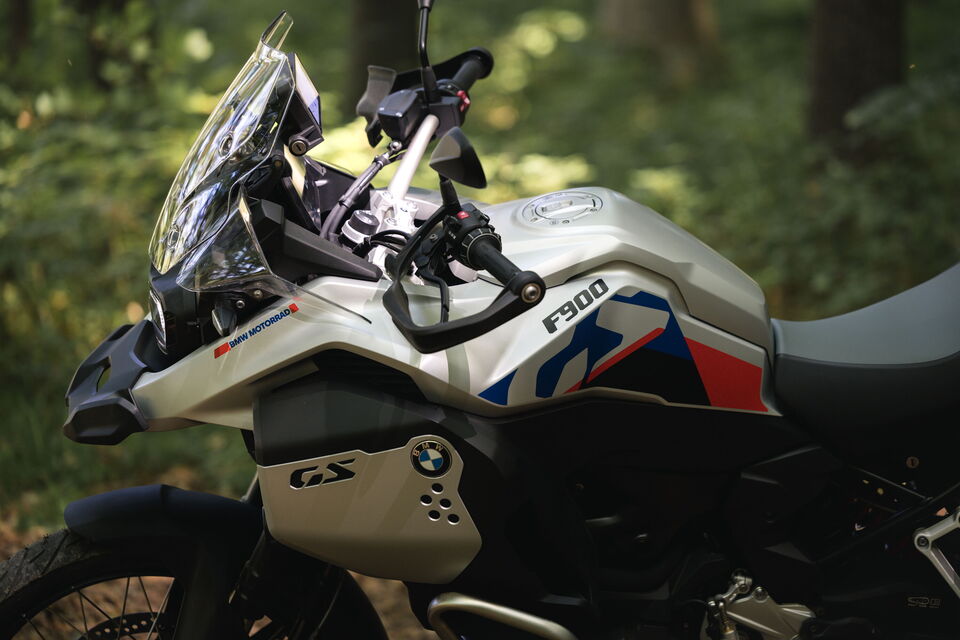
The TFT display is identical to the F 900 GS: 6.5 inches, easy to read, Bluetooth connectivity standard, and turn-by-turn navigation included.
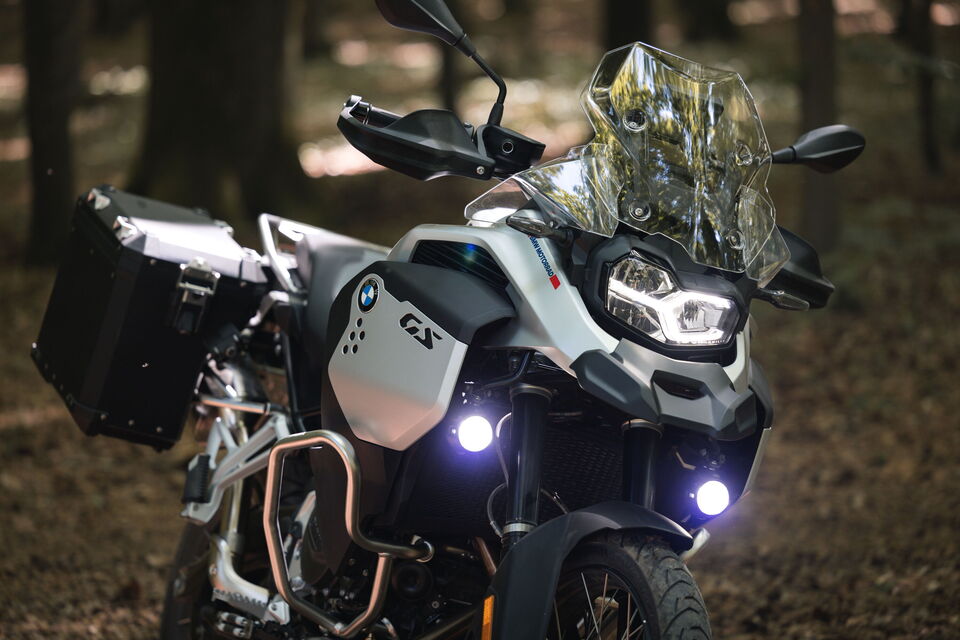
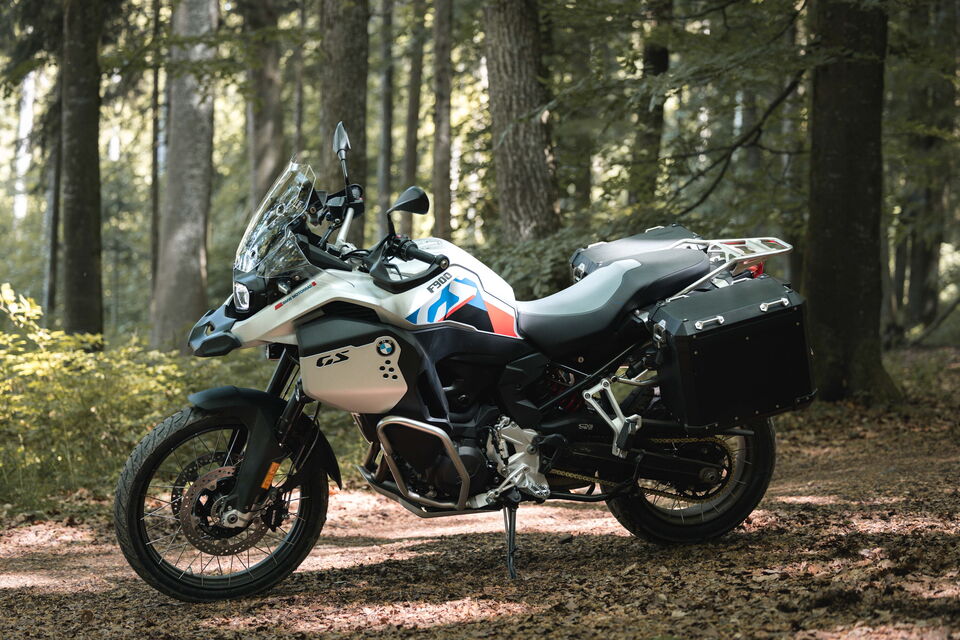
The adjustable windscreen comes standard. A centerstand is available as an option and is recommended for long-distance touring. BMW offers an extensive accessory program for the Adventure: cases, tank bag, crash bars, skid plate—everything is designed to work together without improvisation.
Equipment: More Than the F 900 GS—Straight From the Factory
The base F 900 GS Adventure comes with more standard equipment than the F 900 GS: adjustable windscreen, handguards, extended skid plate, WAD rear shock, reinforced luggage mounting points, and wider footpeg surfaces.
That explains the €1,000 premium.
The remaining standard equipment is identical: ABS Pro, DTC, MSR, two riding modes, TFT display, LED lighting, and Bluetooth.
The Ride Pro Package—the Adventure equivalent of the standard GS’s Enduro Pro Package—includes the Dynamic ESA rear shock with electronically controlled spring preload.
For touring riders who frequently change loads, that matters: at the push of a button, the suspension can be adjusted for solo riding, solo with luggage, passenger, or passenger with luggage.
There is no need to manually adjust spring preload—saving time and effort on long trips.
Costs: €14,750—and the Competitive Picture Is Clear
The German base price is €14,750—€1,000 more than the F 900 GS.
Compared directly with the Honda Africa Twin at around €16,500, the Adventure costs less while offering slightly more power and greater suspension adjustability.
The price gap to the Yamaha Ténéré 700 World Raid is smaller.
Riders who do not need a 23-liter fuel tank or WAD damping will find a less expensive option in the standard Ténéré 700 at €11,400. Compared with a BMW R 1300 GS Adventure at more than €23,000, the F 900 GS Adventure is the less expensive alternative with similar long-distance capability, but without boxer character.
Running costs are typical BMW F-series GS territory: service every 10,000 km, costing €350 to €500 at the dealer. Valve-clearance inspection is required every 20,000 km and costs around €450 to €700.
Tires in 90/90-21 front and 150/70-17 rear sizes are readily available at reasonable prices. Used-market values for 2024 models appear less stable than those of the F 900 GS, possibly because the Adventure appeals to a more specialized audience and the secondhand market is smaller.
Warranty: two years with unlimited mileage.
Verdict
The BMW F 900 GS Adventure is the right choice for riders who regularly cover long distances, head for faraway destinations, and do not want to stop for fuel constantly.
The 23-liter fuel tank is the main advantage, the WAD rear shock is the technical bonus, and the adjustable windscreen provides the everyday comfort.
Riders who mainly spend their time on backroads, mountain passes, and occasional gravel tracks will be better served by the lighter F 900 GS.
The additional 27 kg is noticeable on shorter rides. On a long-distance journey, it simply does not matter.
Quick Check
+ 23-liter fuel tank—more than 500 km of realistic range
+ WAD rear shock standard—progressive, comfortable, and off-road capable
+ Windscreen adjustable with one hand while riding
+ 105 hp, 93 Nm—identical to the F 900 GS
+ 230 mm front suspension travel, 215 mm rear—genuine off-road reserve
+ Passenger accommodation and luggage-system preparation from the factory
+ Well-integrated accessory program for long-distance travel
+ Ride Pro Package with Dynamic ESA—convenient for touring with changing loads
– 246 kg fully fueled—27 kg heavier than the F 900 GS
– €14,750—additional packages push the price considerably higher
– 875 mm seat height—challenging for riders under 1.72 meters
– Less agile than the F 900 GS on tight roads
– No cruise control as standard
– Smaller used-bike market than the F 900 GS
Technical Specifications: BMW F 900 GS Adventure (2026)
Country of manufacture: Germany (Berlin-Spandau); engine: Loncin, China
Engine: Liquid-cooled parallel twin, DOHC, finger followers, 4 valves per cylinder, dry-sump lubrication, fuel injection, Euro 5+
Displacement: 895 cc
Power: 77 kW (105 hp) at 8,500 rpm
Torque: 93 Nm at 6,750 rpm
Transmission: 6-speed, assist-and-slipper clutch; Shift Assistant optional
Final drive: Chain
Frame: Steel bridge frame, engine as stressed member
Front suspension: 43 mm USD fork, fully adjustable (spring preload, rebound and compression damping), 230 mm travel
Rear suspension: Aluminum double-sided swingarm, directly mounted WAD monoshock with travel-dependent damping, hydraulically adjustable spring preload, adjustable rebound damping, 215 mm travel; Dynamic ESA with Ride Pro Package
Front brakes: Dual 305 mm floating discs, two-piston floating calipers
Rear brake: 265 mm disc, single-piston floating caliper
Wheels: Tubeless wire-spoked wheels
Front tire: 90/90-21
Rear tire: 150/70-17
Rider aids: ABS Pro (lean-angle optimized, rear-wheel ABS switchable with Dynamic Package), DTC, MSR, 2 riding modes standard (Rain/Road); Enduro and Enduro Pro included with Dynamic Package
Wheelbase: 1,593 mm
Wet weight: 246 kg
Seat height: 875 mm (optional 805–890 mm)
Fuel capacity: 23 liters
Price (Germany): from €14,750 plus additional charges
Warranty: 2 years, unlimited mileage