Review BMW R 12 nineT (2026)

The Retro Roadster With 109 hp, Three Riding Modes, and Endless Customization
109 hp, 115 Nm, air/oil-cooled, 220 kg, fully adjustable 45 mm USD fork, Brembo four-piston radial calipers, three riding modes standard, steering damper, extensive factory custom-bike program. From €17,410. The successor to the legendary R nineT—more direct, more stable, more powerful.
As of: April 10, 2026 | Tested model: BMW R 12 nineT (2026) | Price from: €17,410
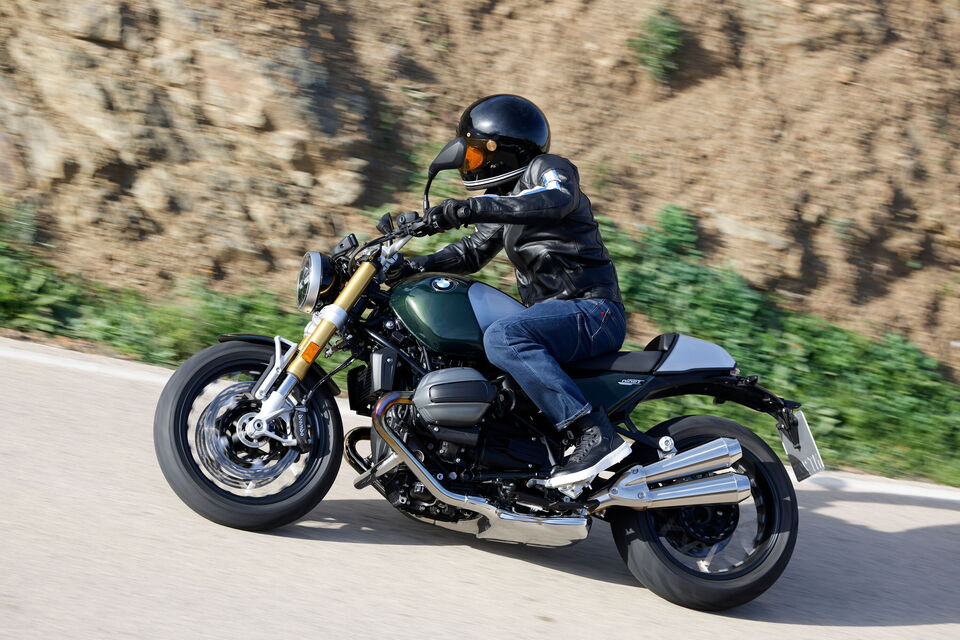
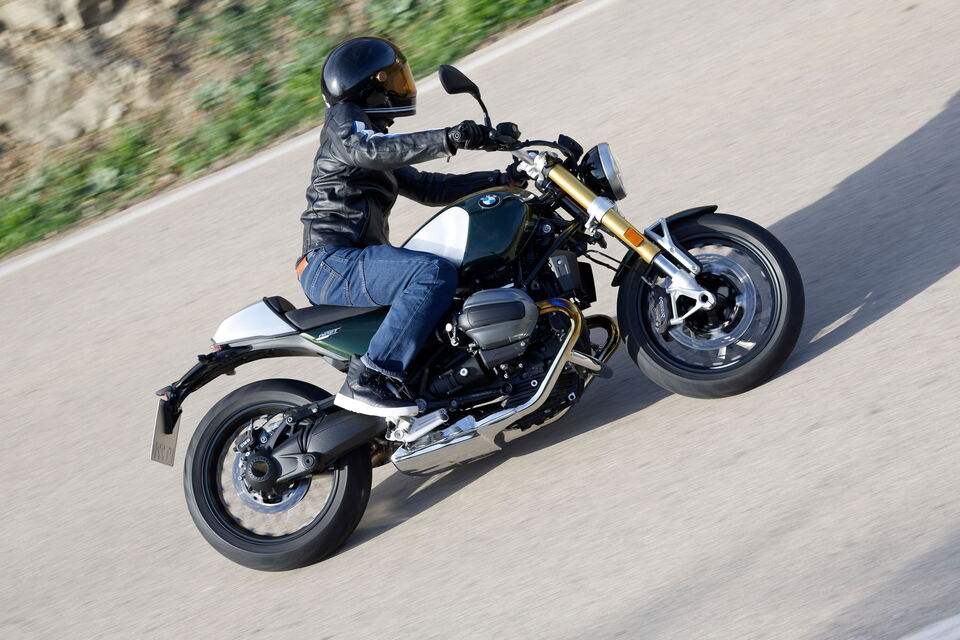
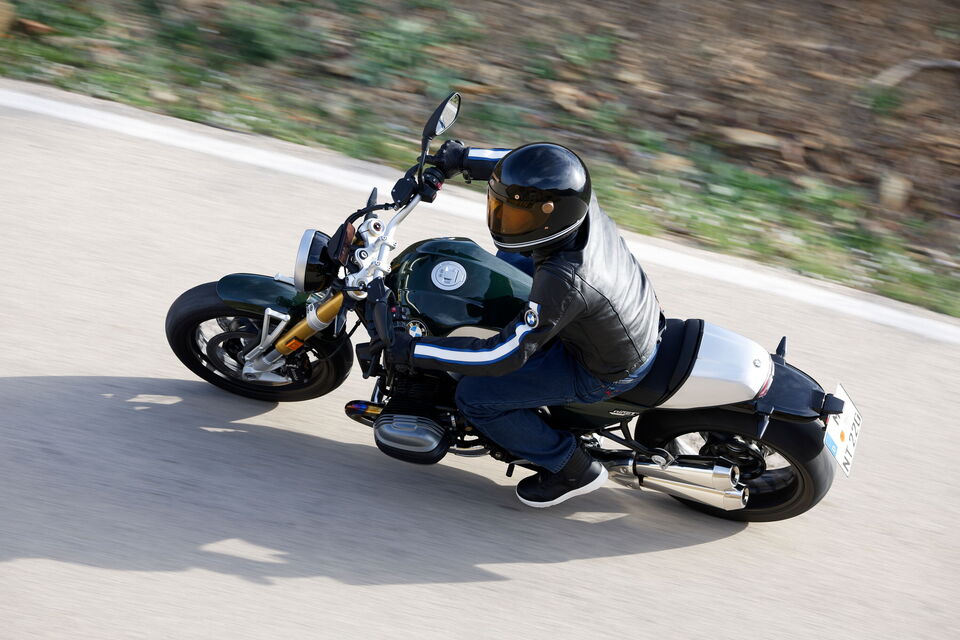
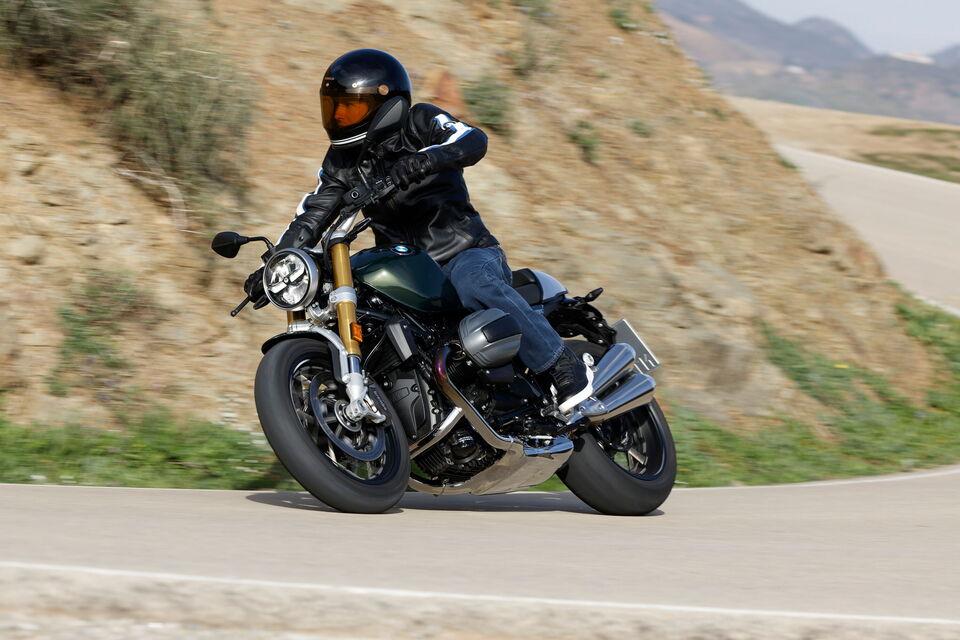
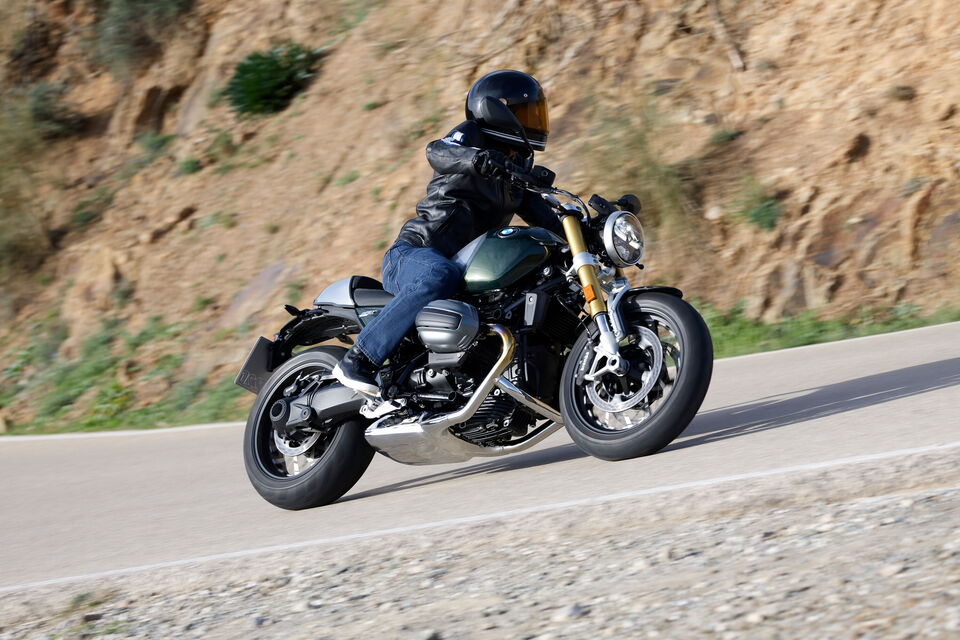
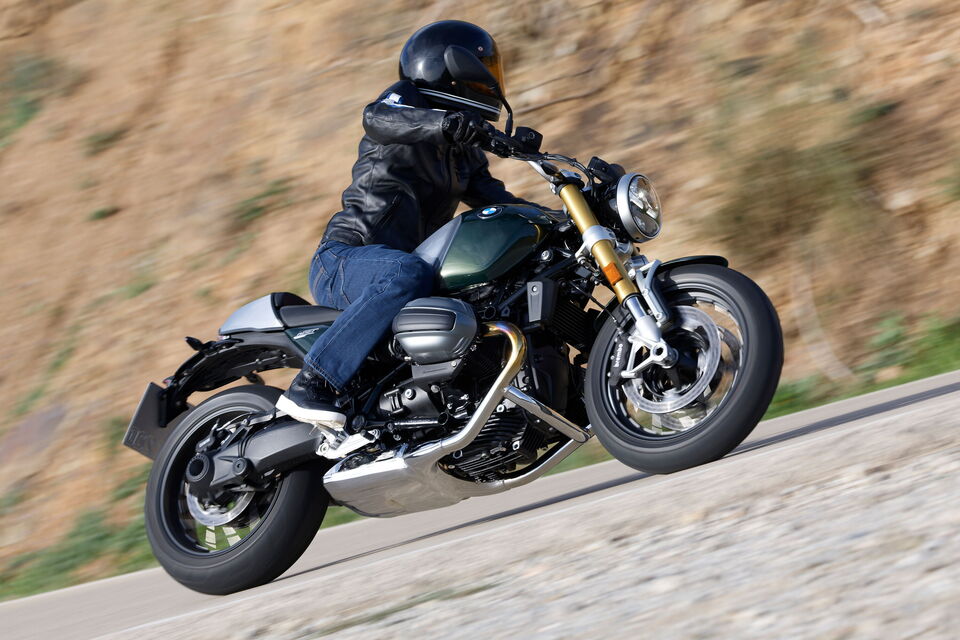
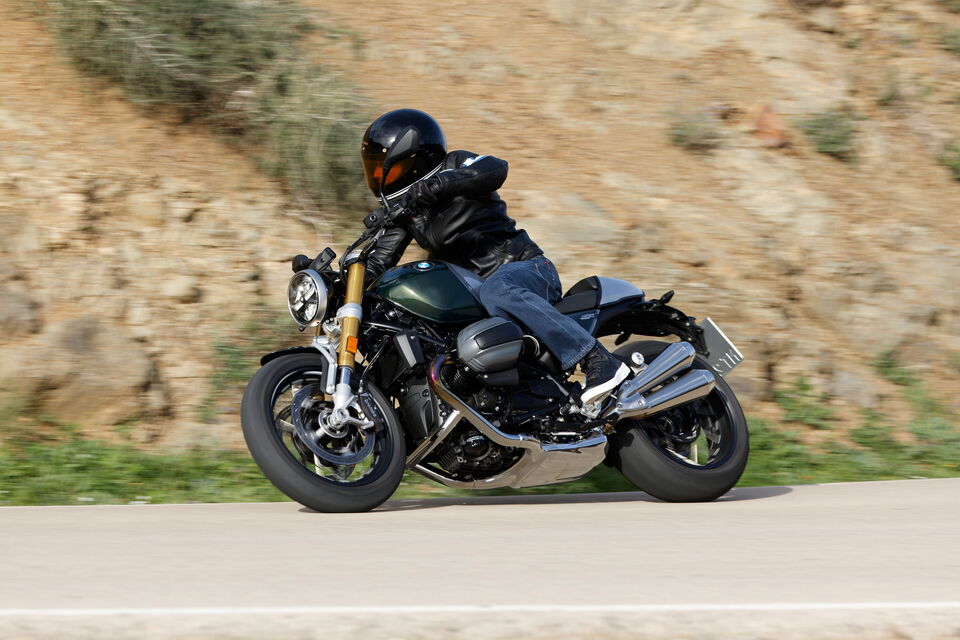
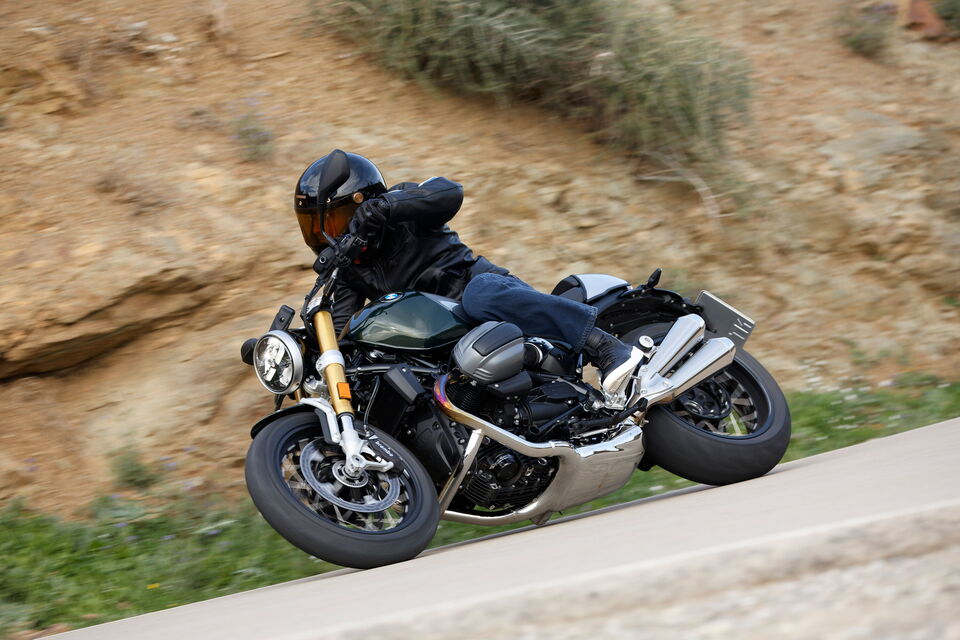
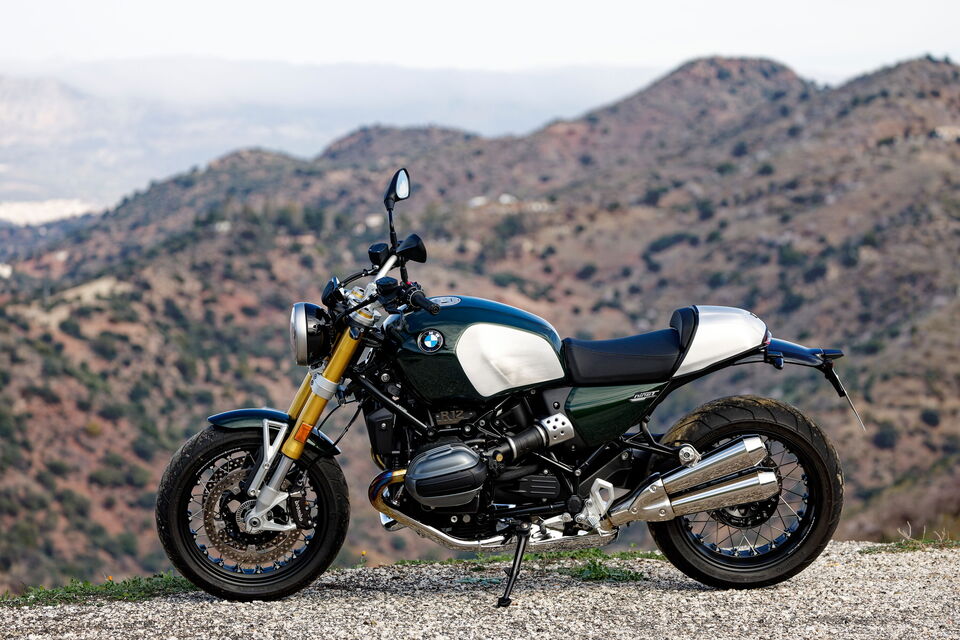
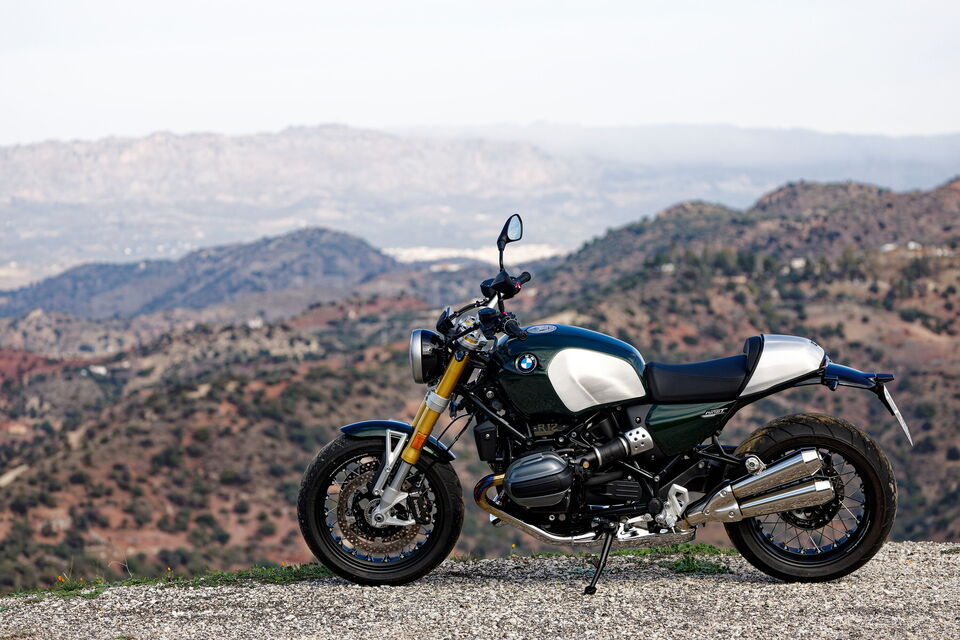
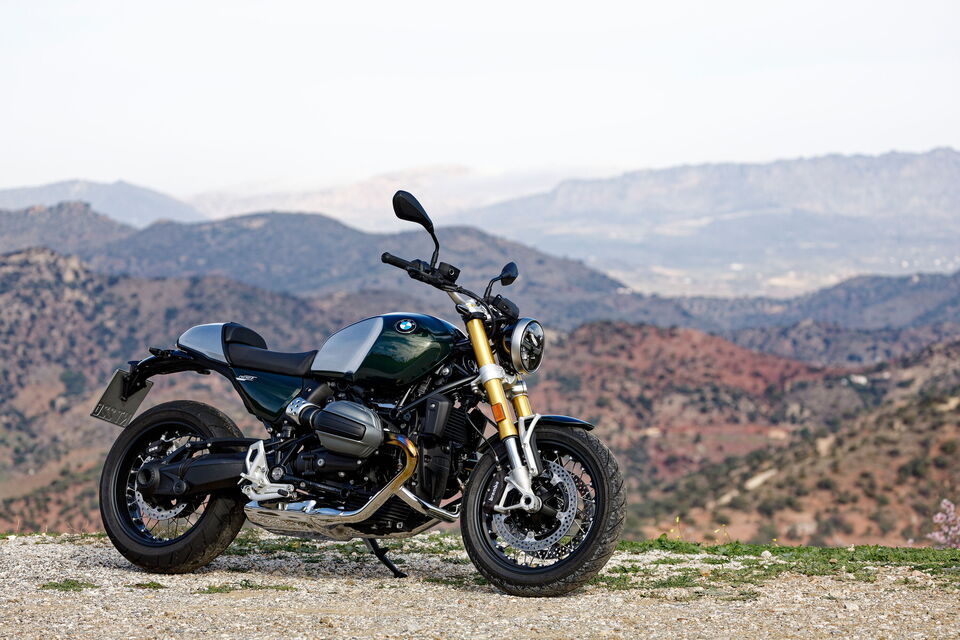

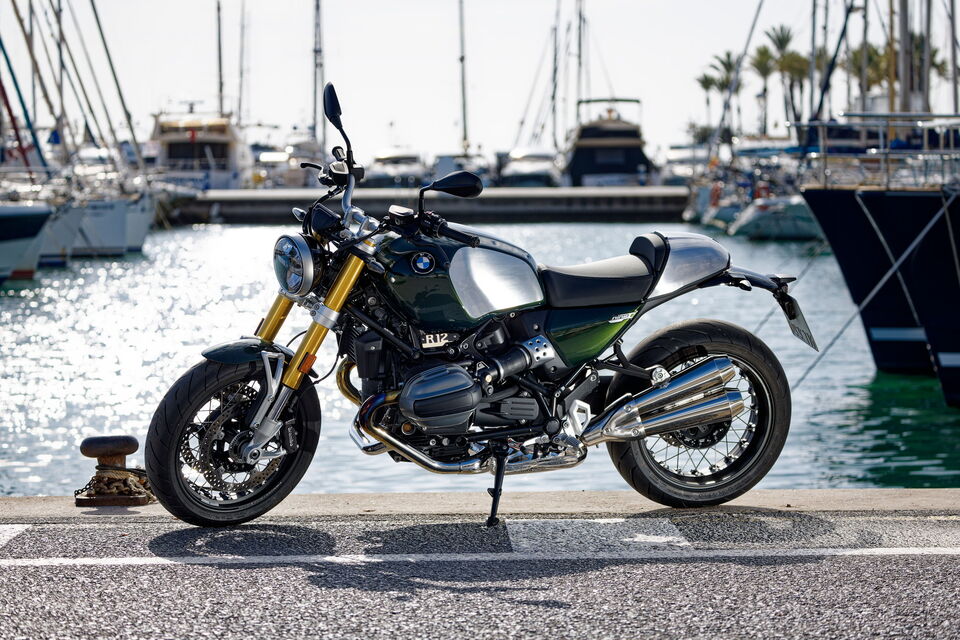
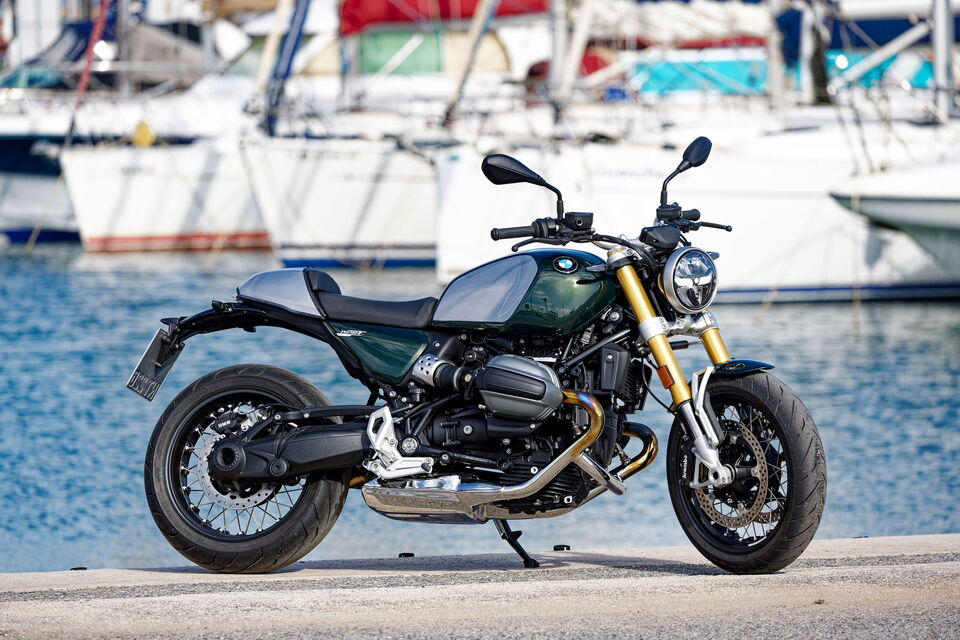
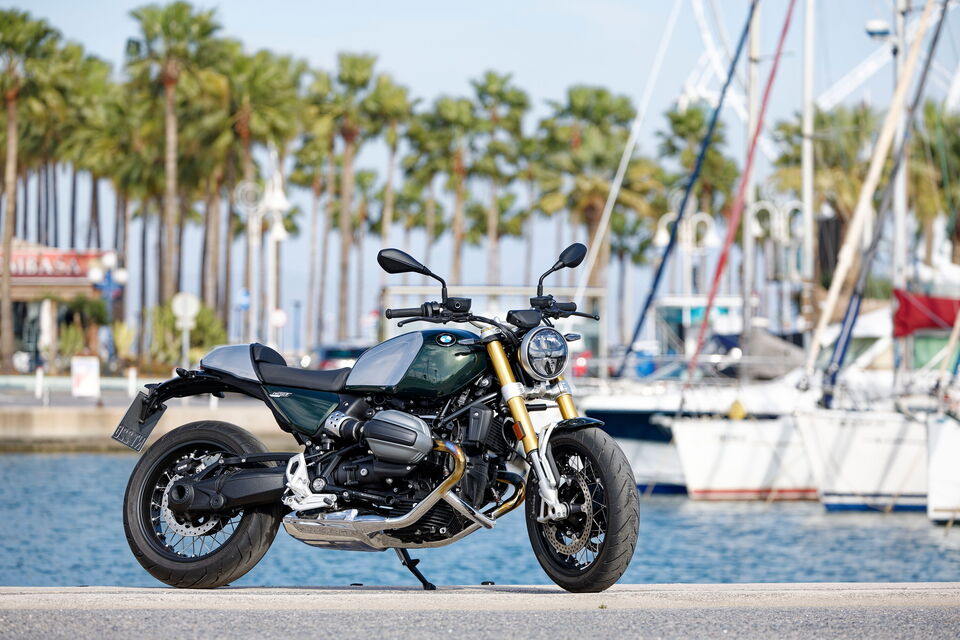
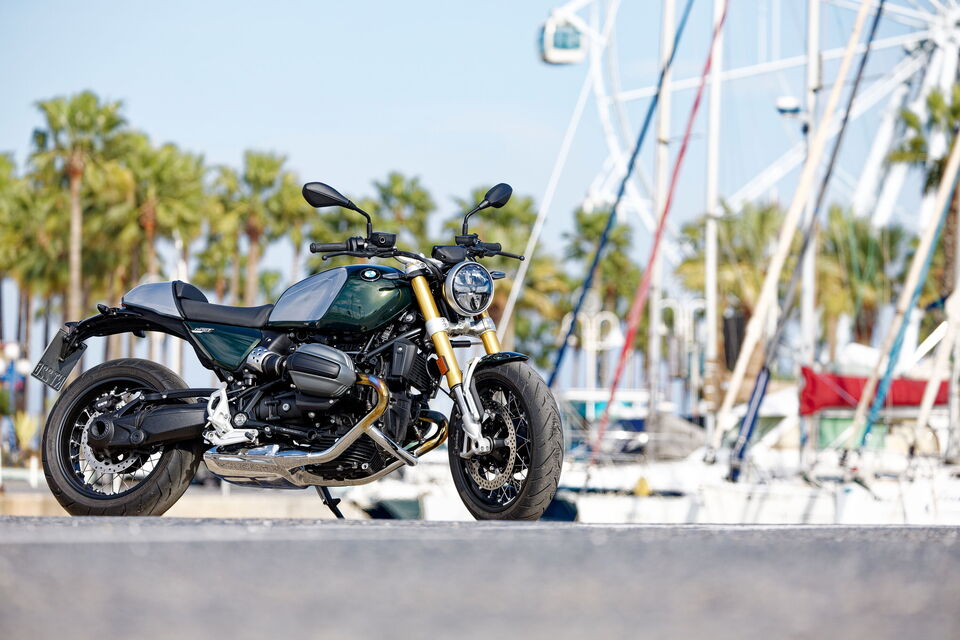
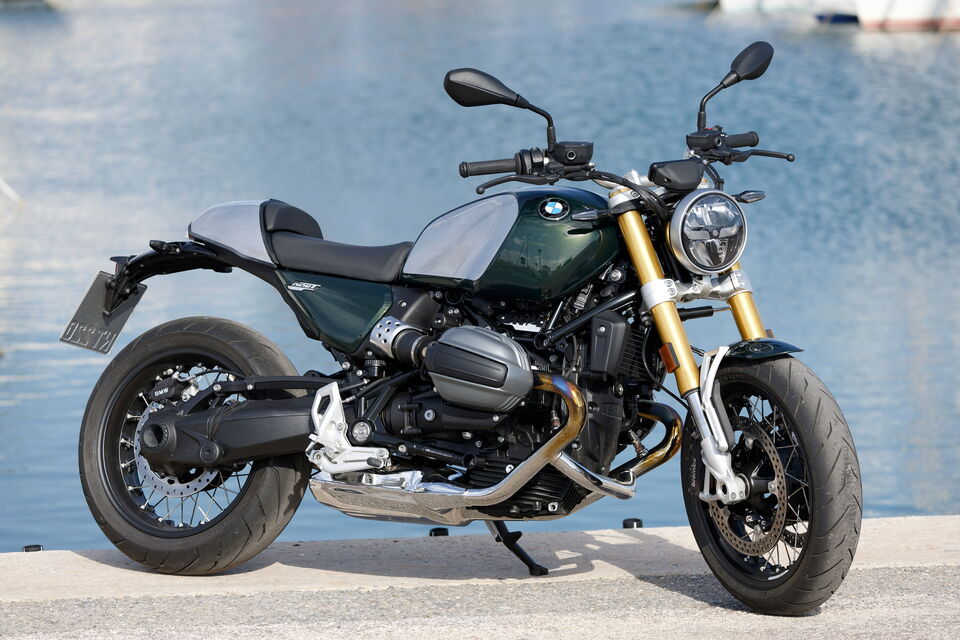
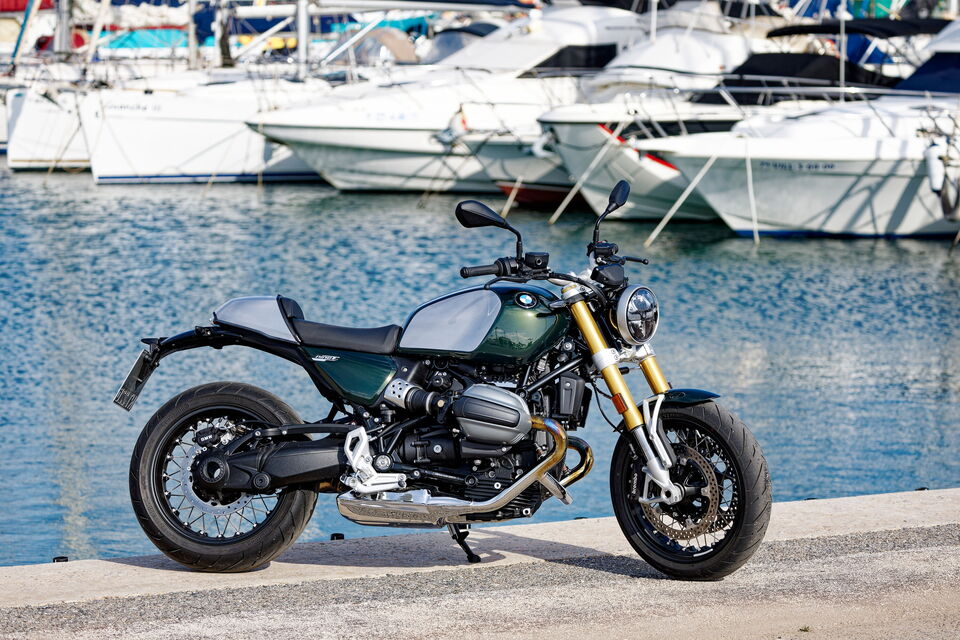
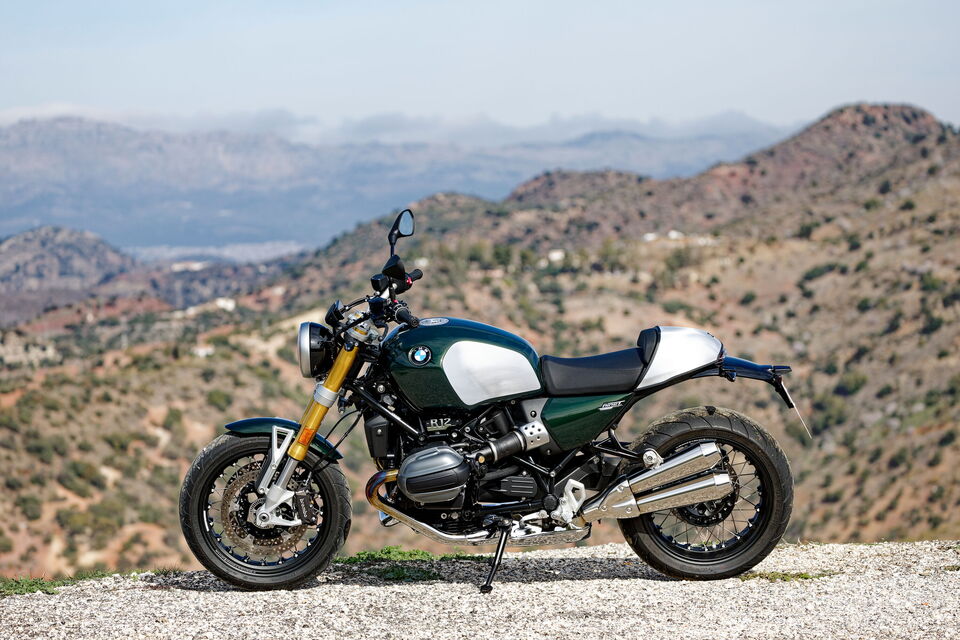
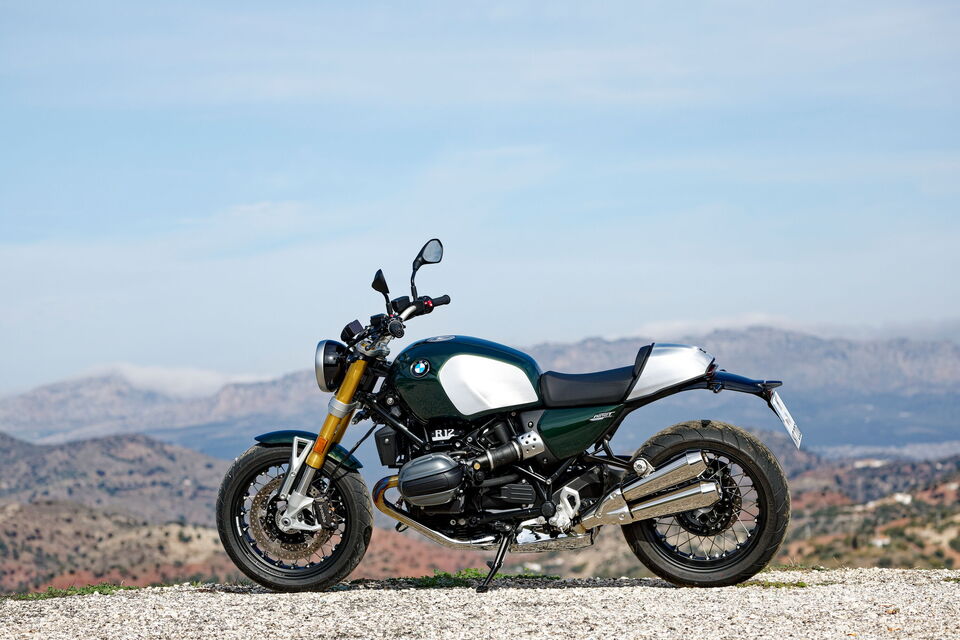
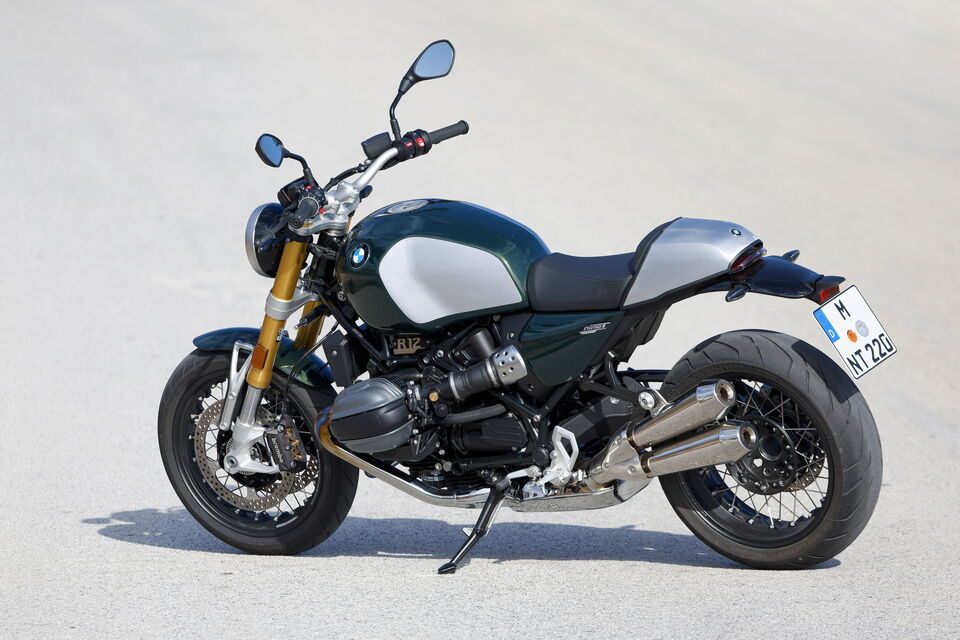
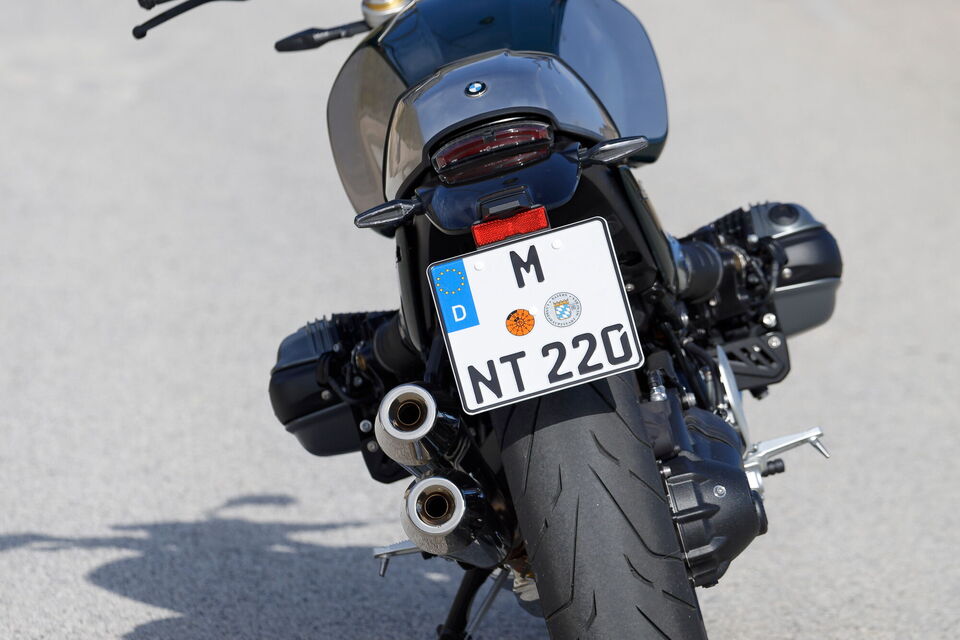
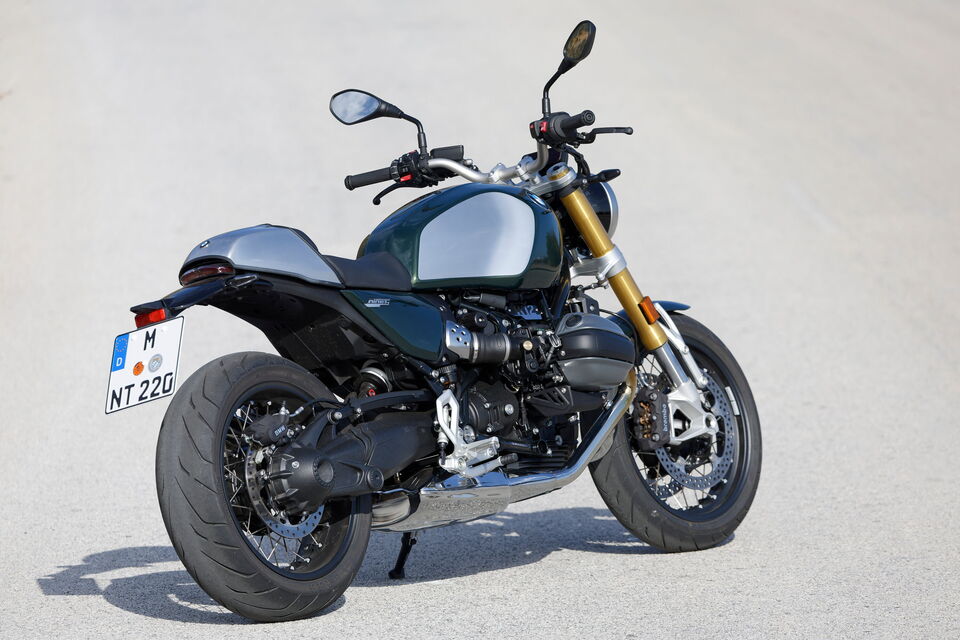

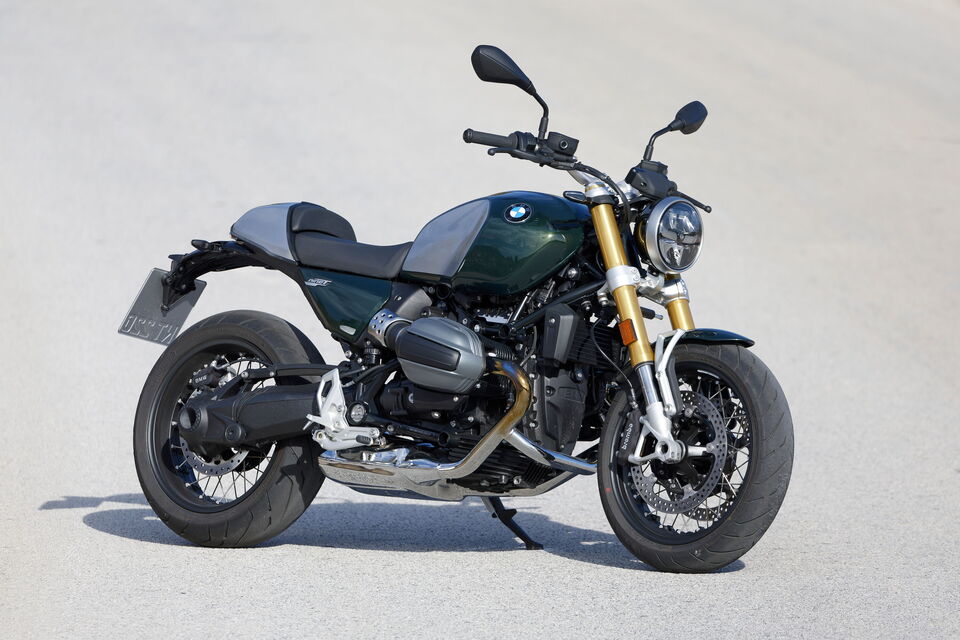
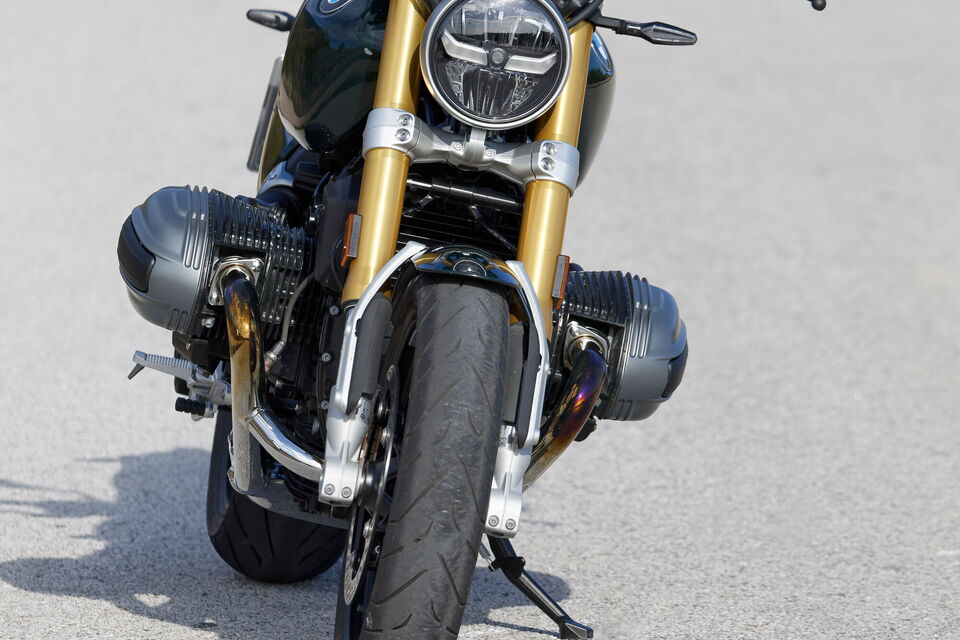
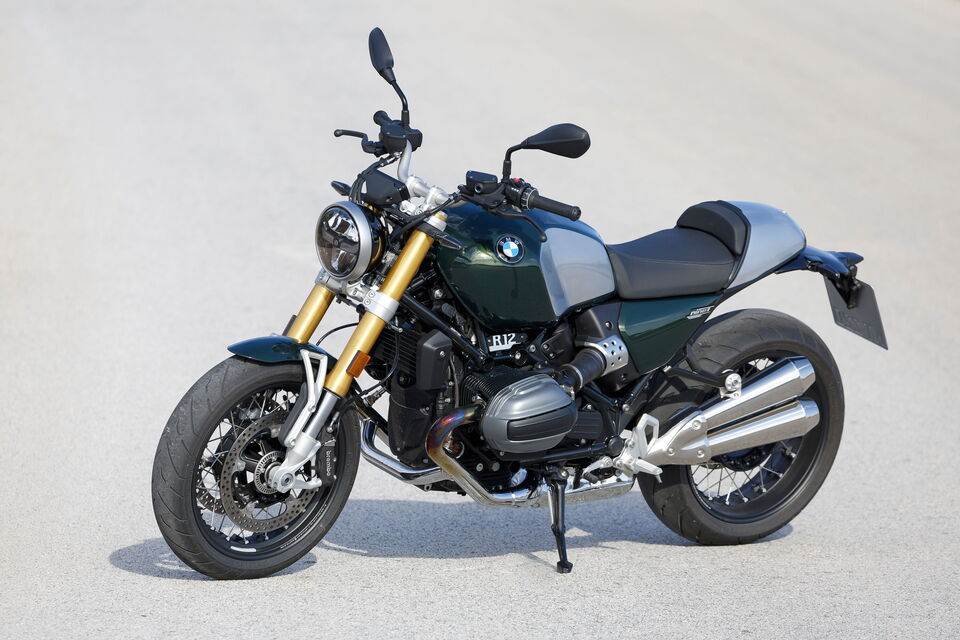
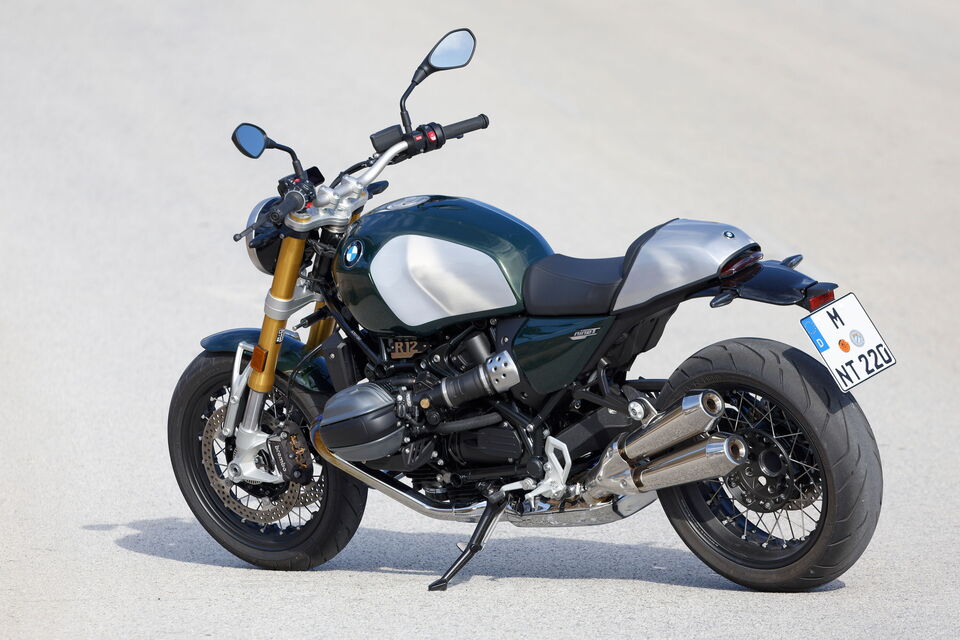




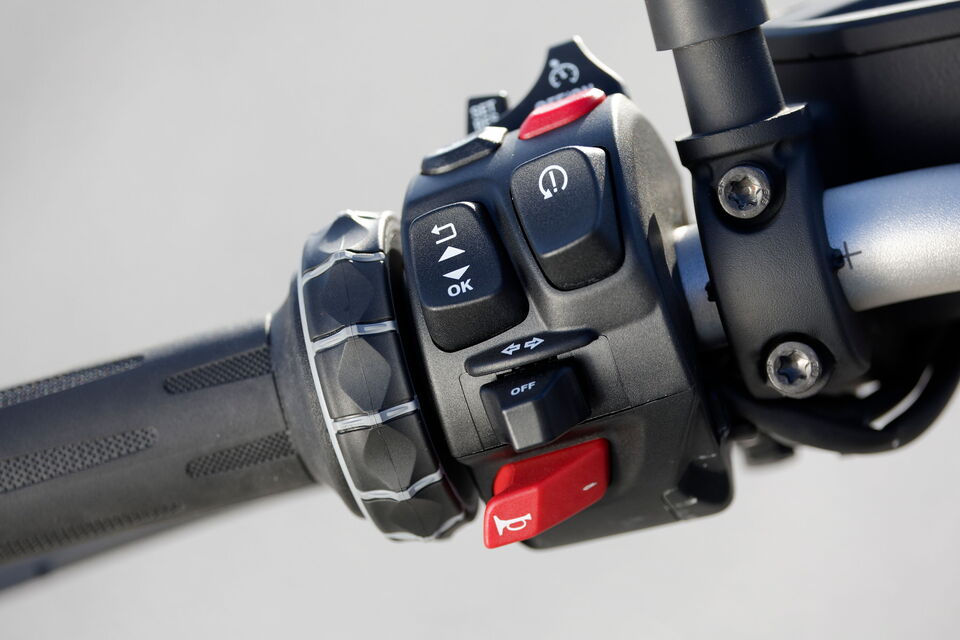
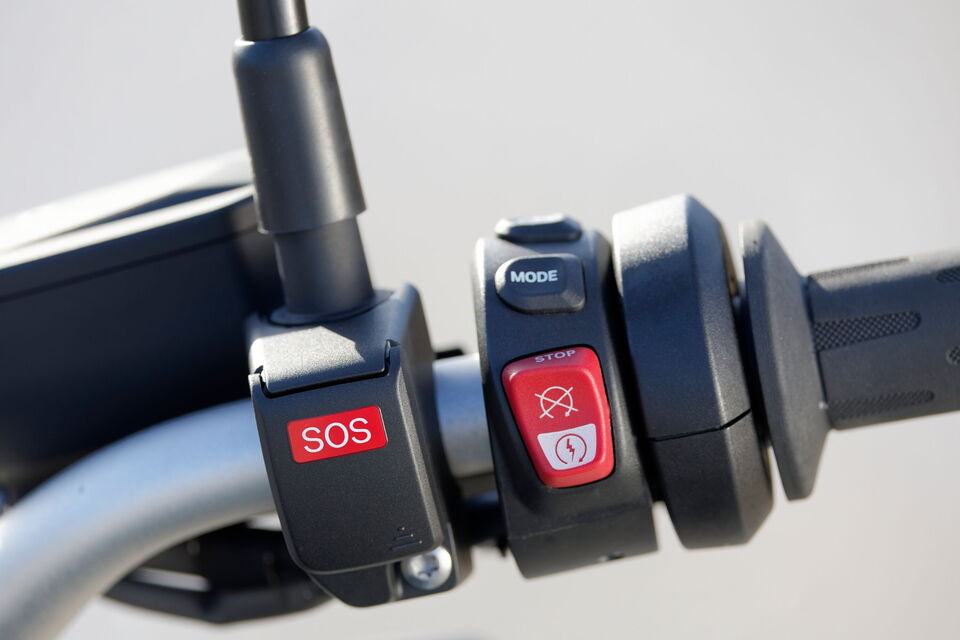
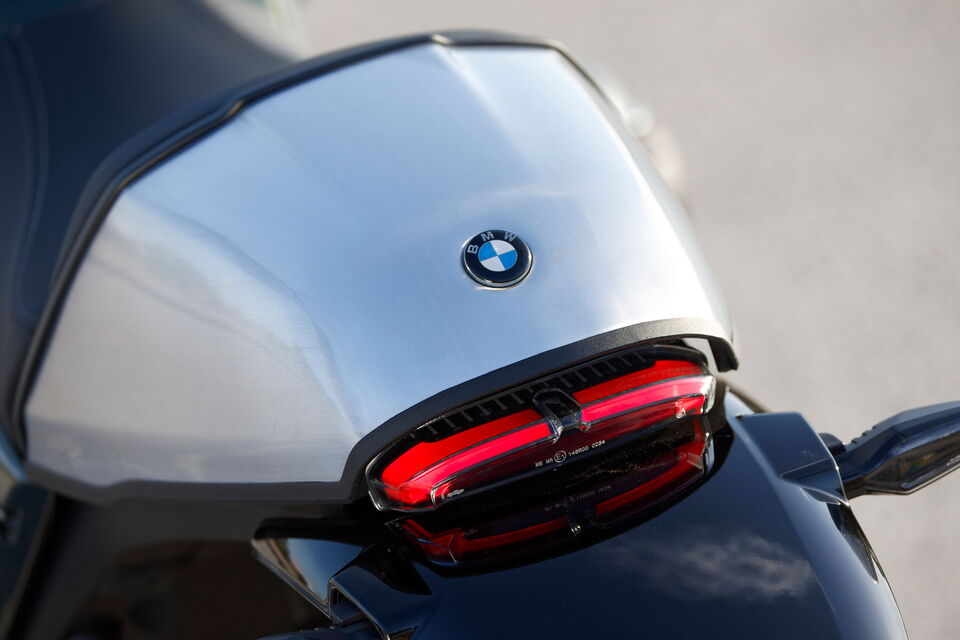
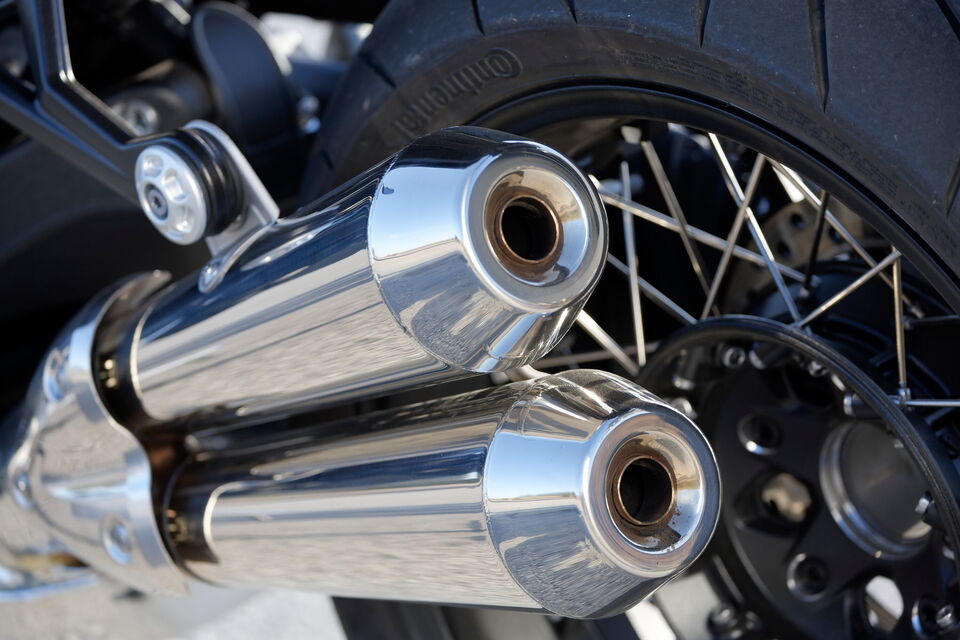
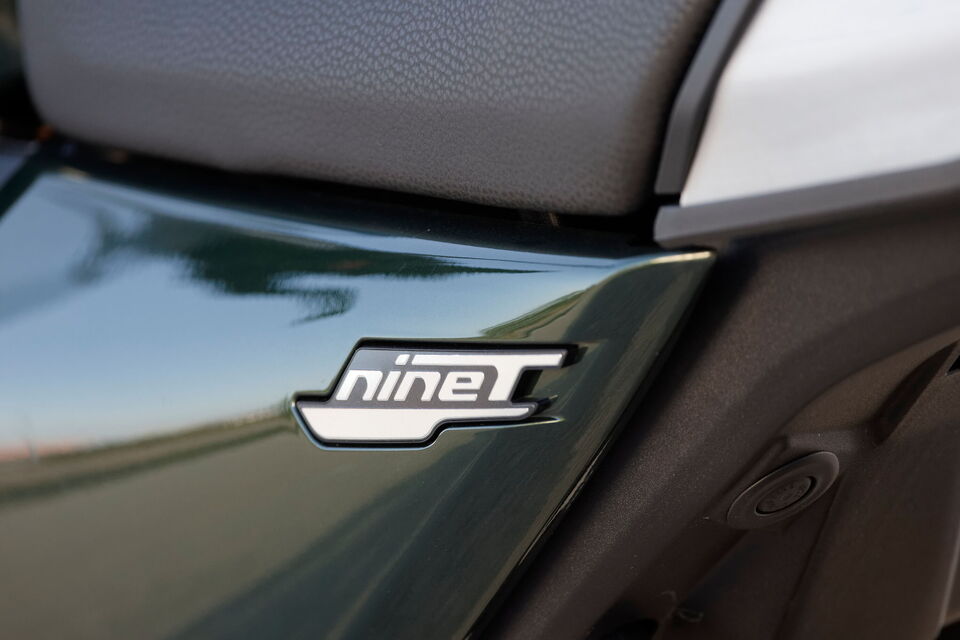

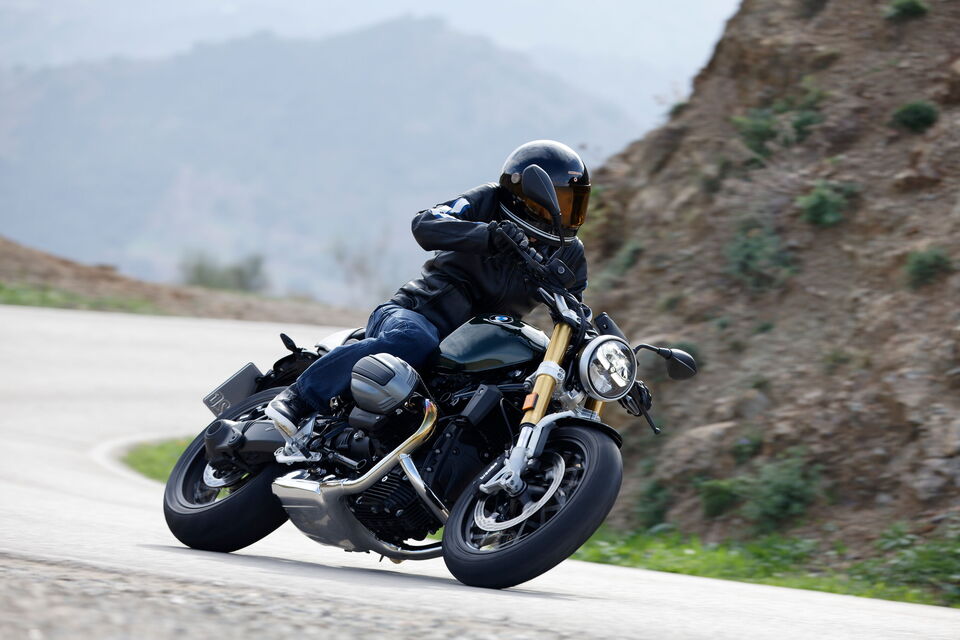
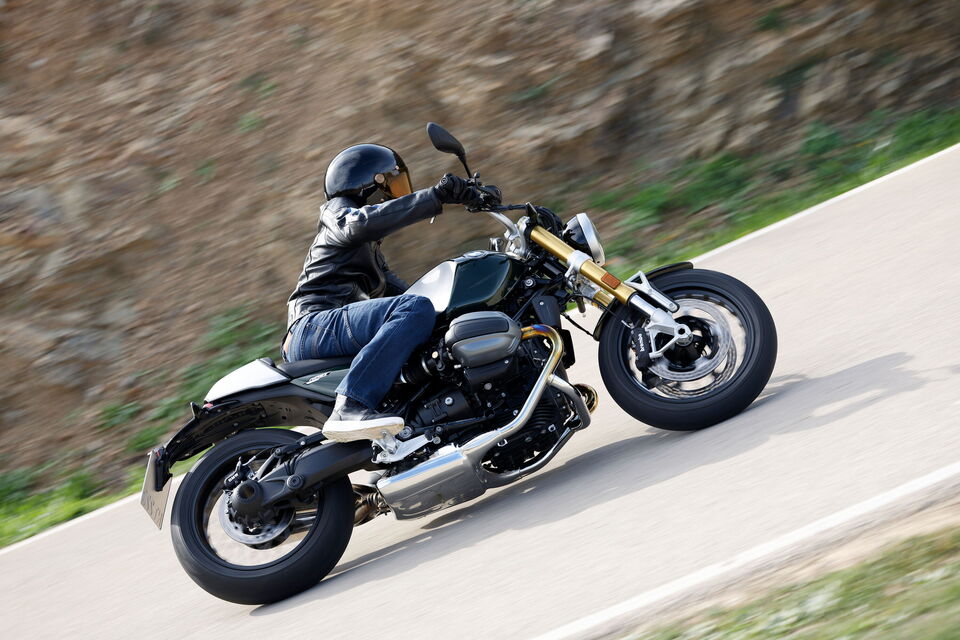
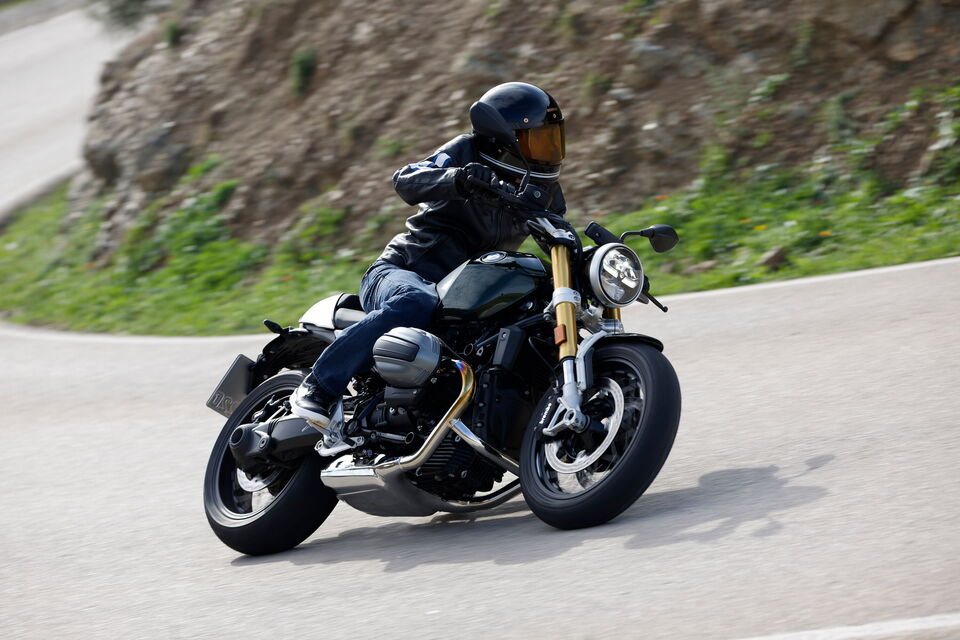
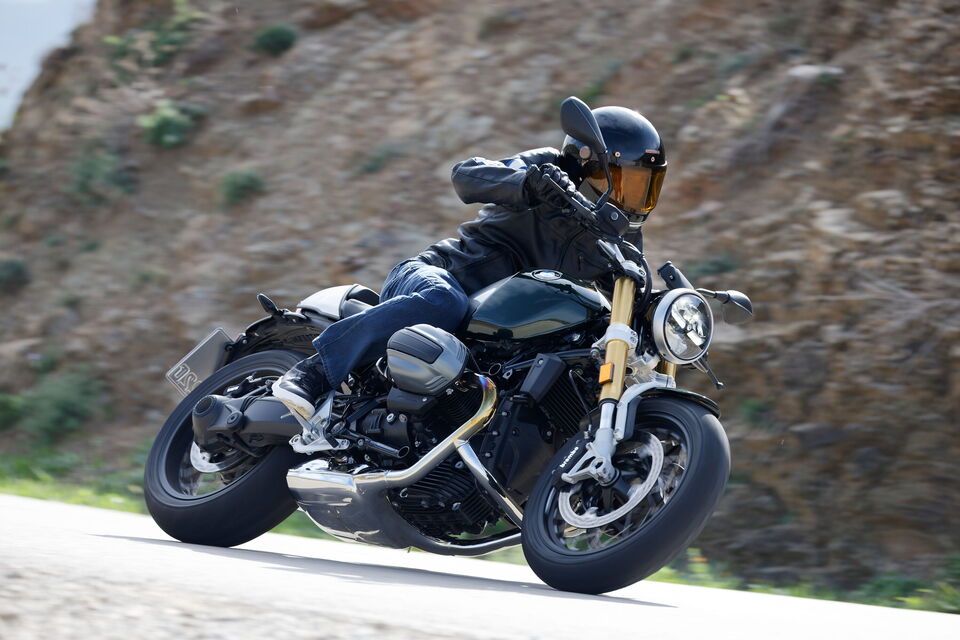
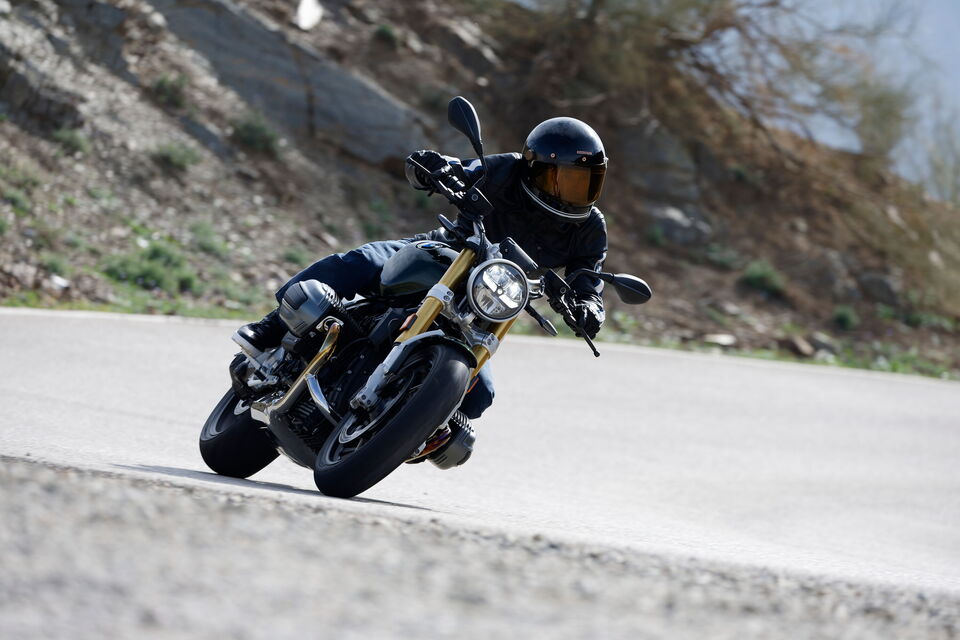
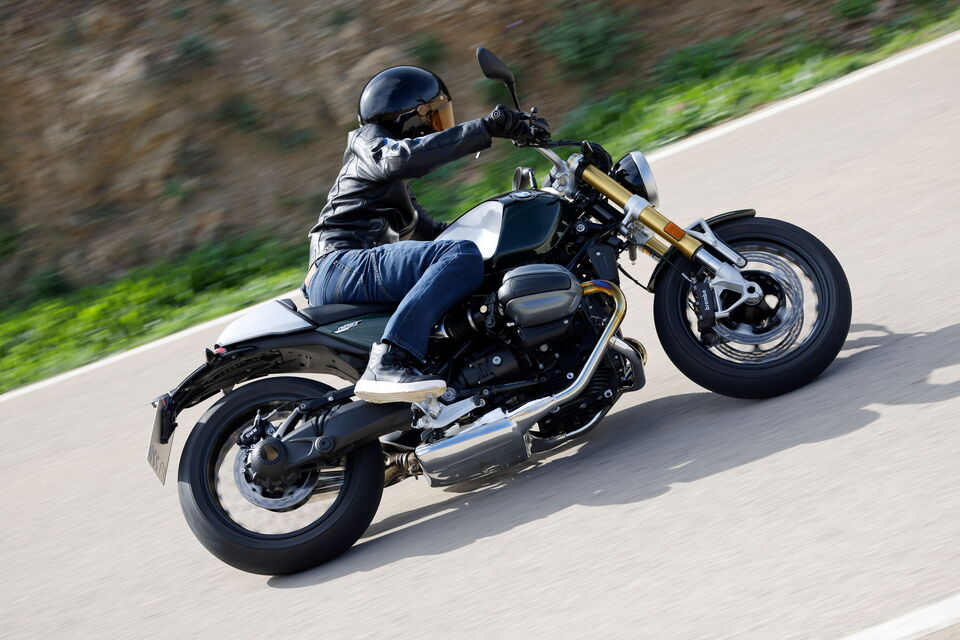
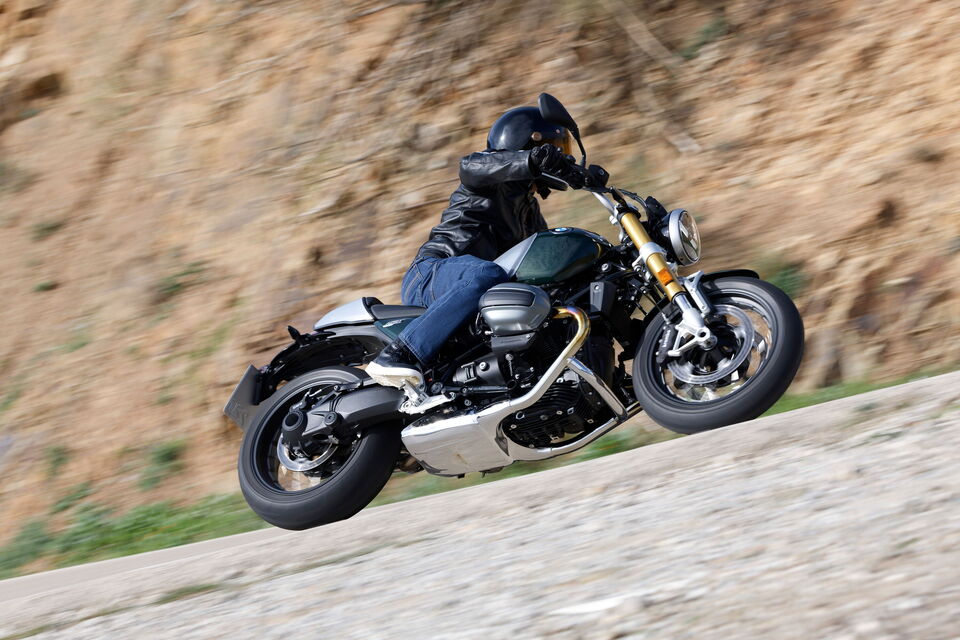
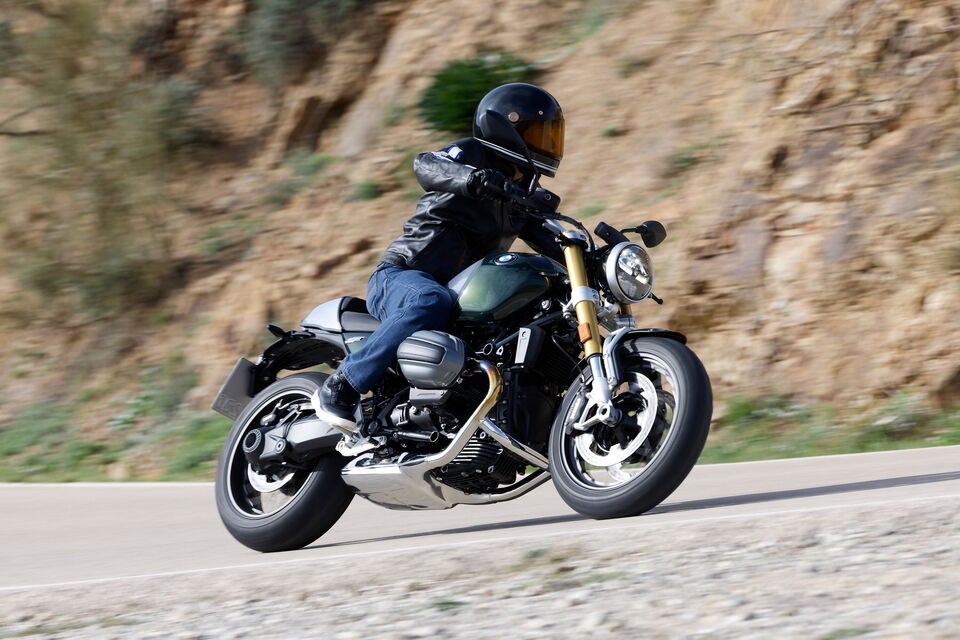
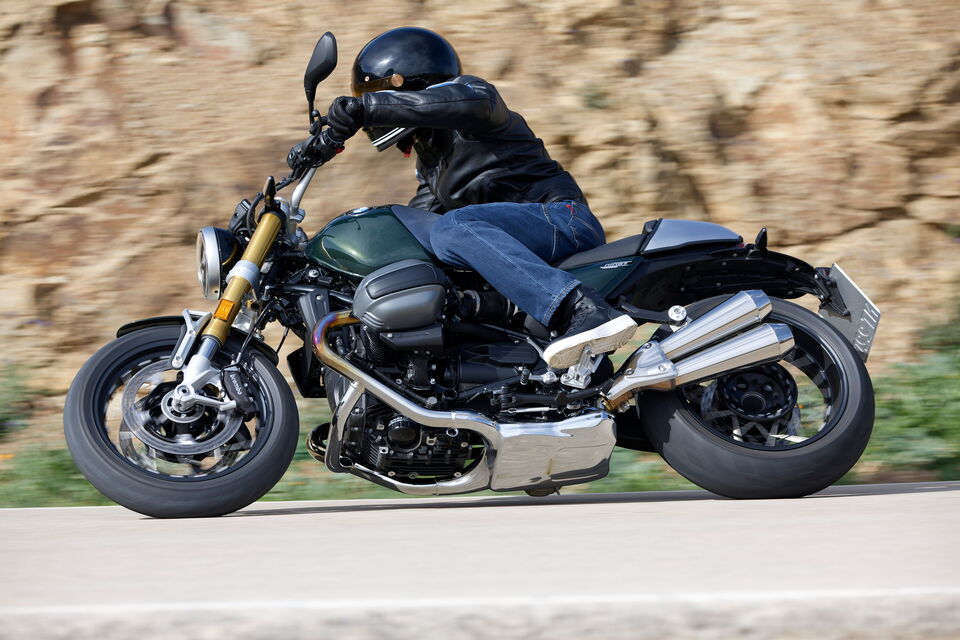
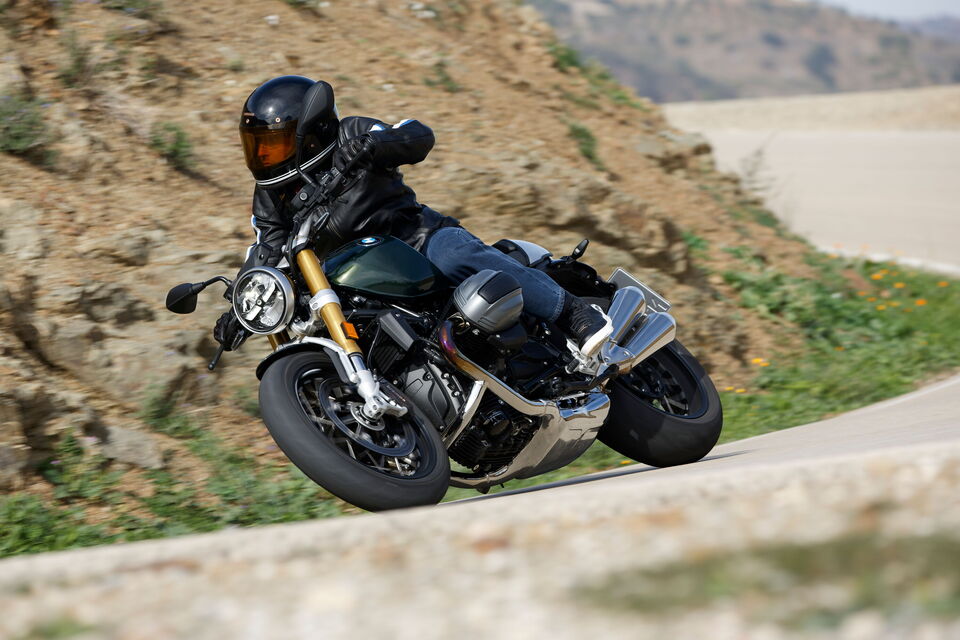
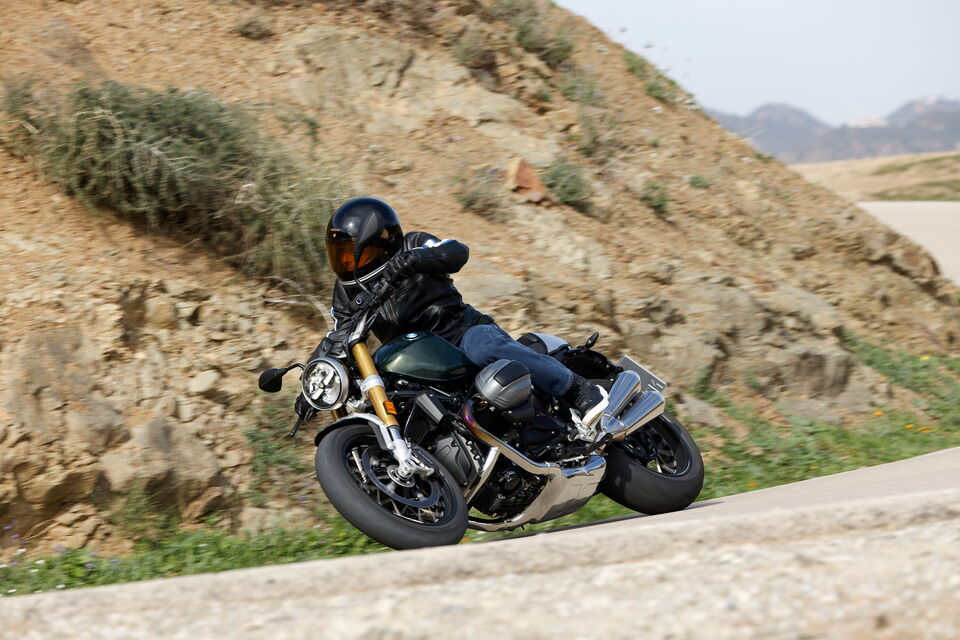
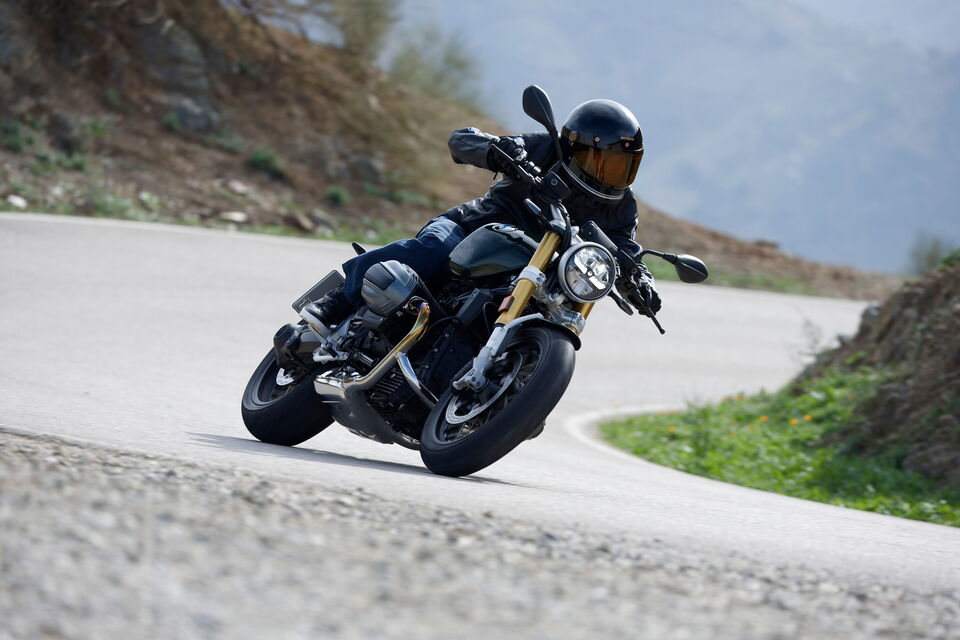
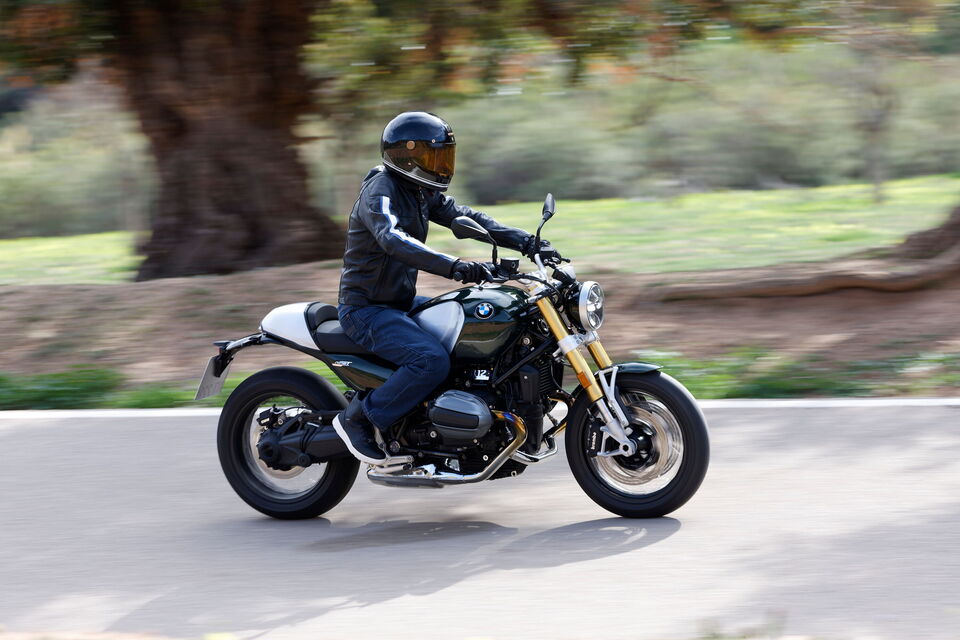
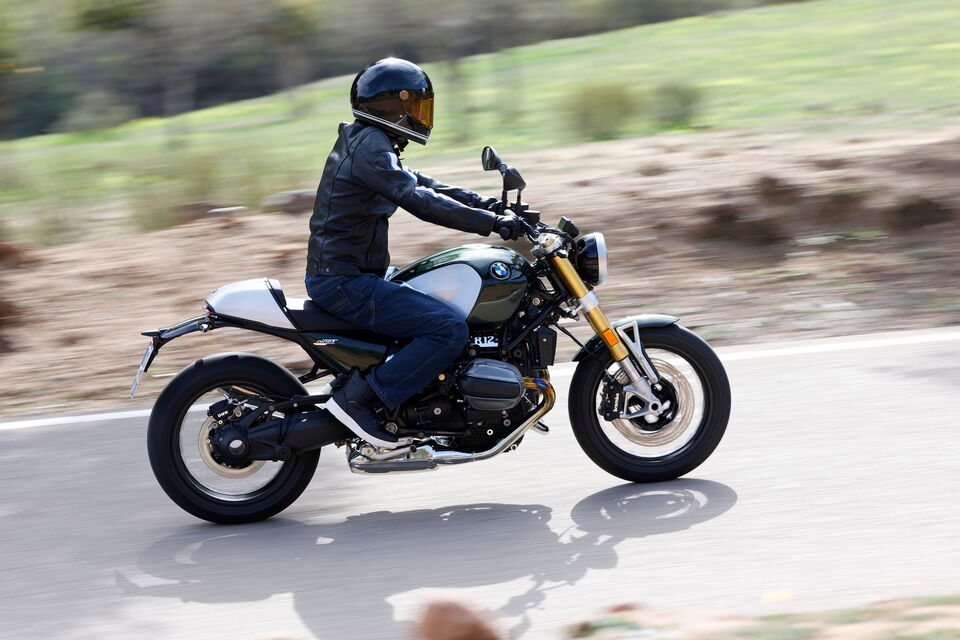
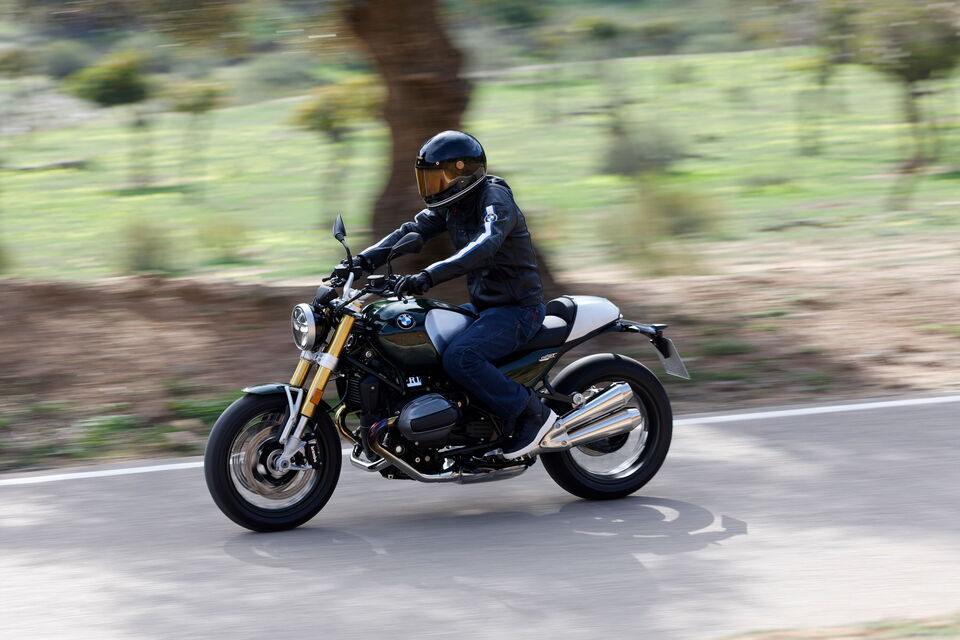
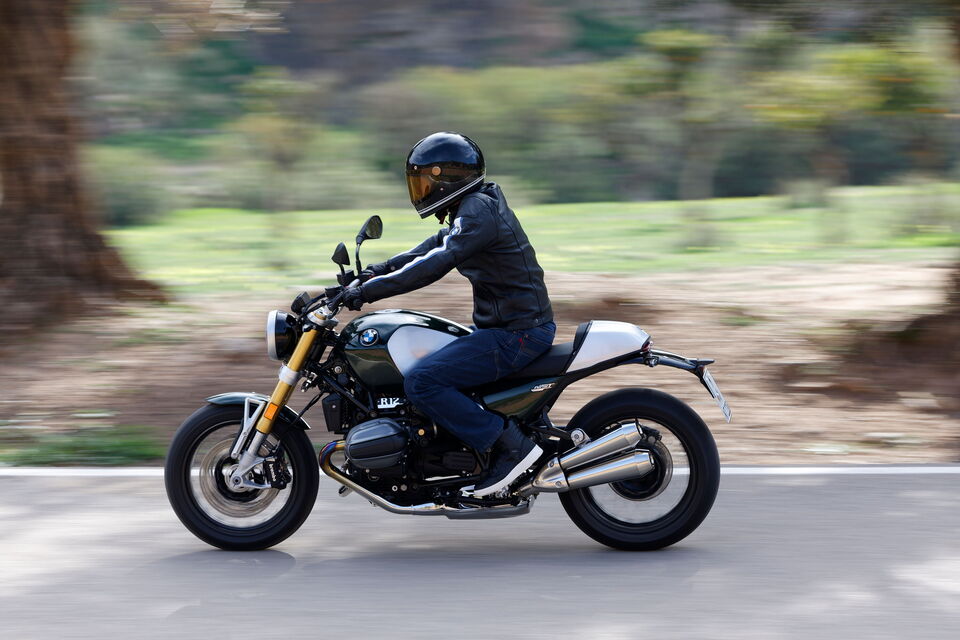
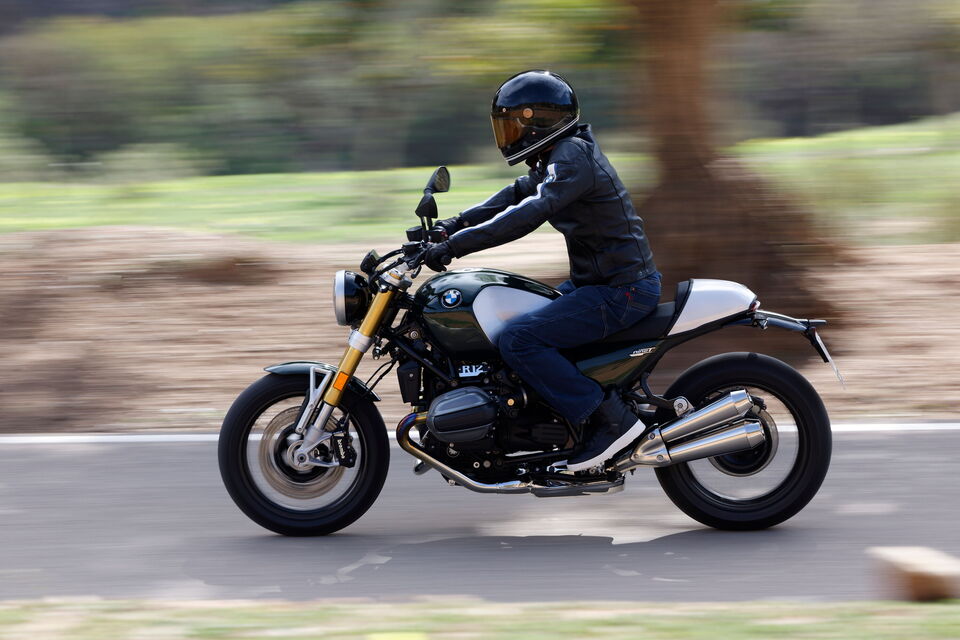
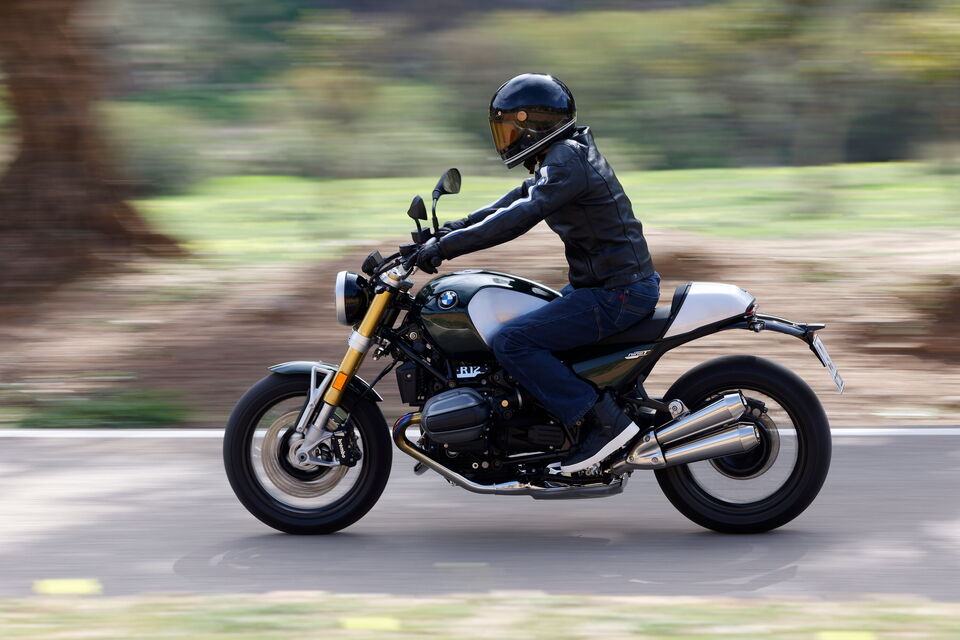
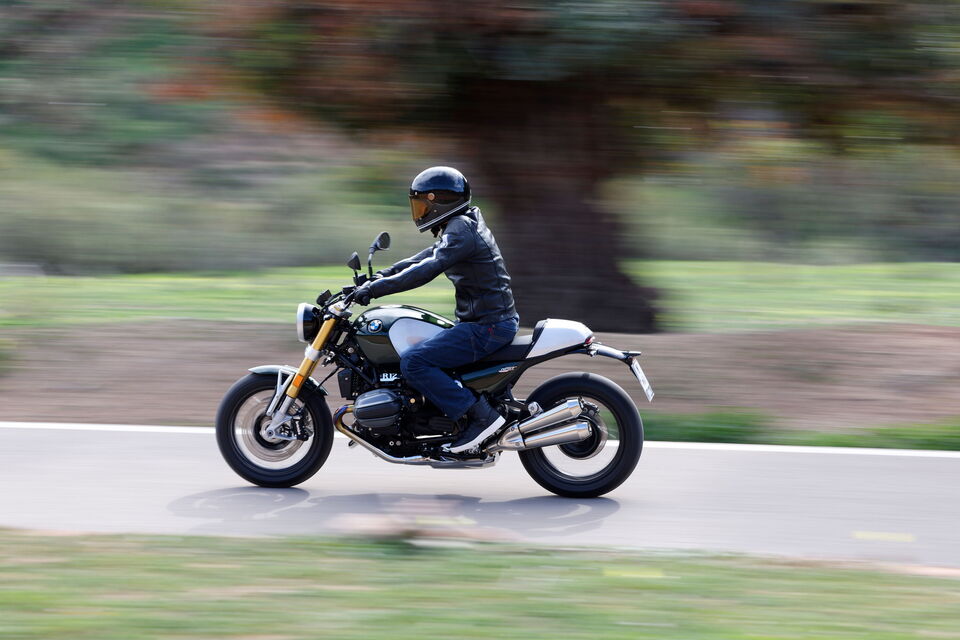
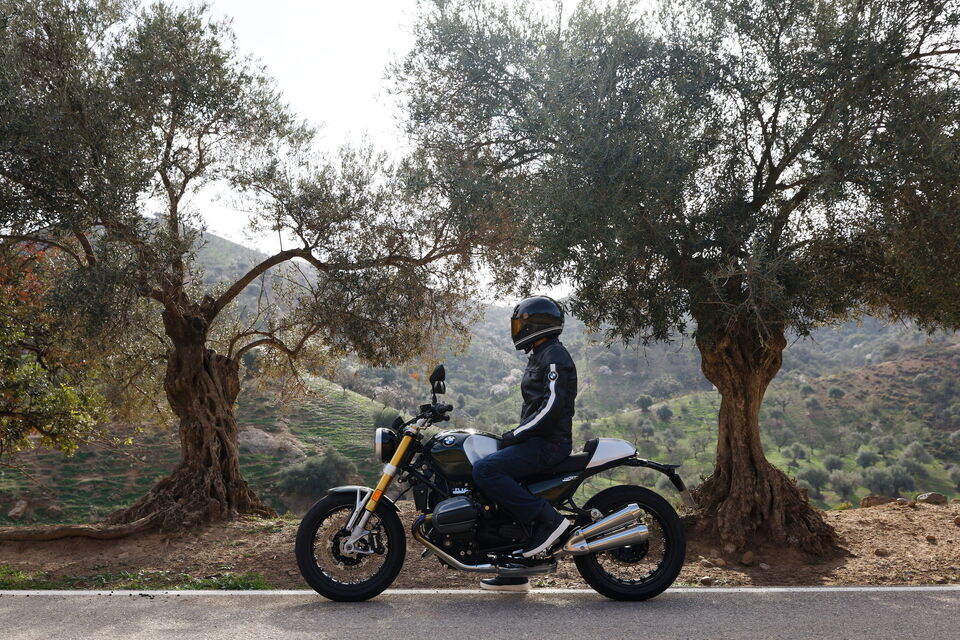
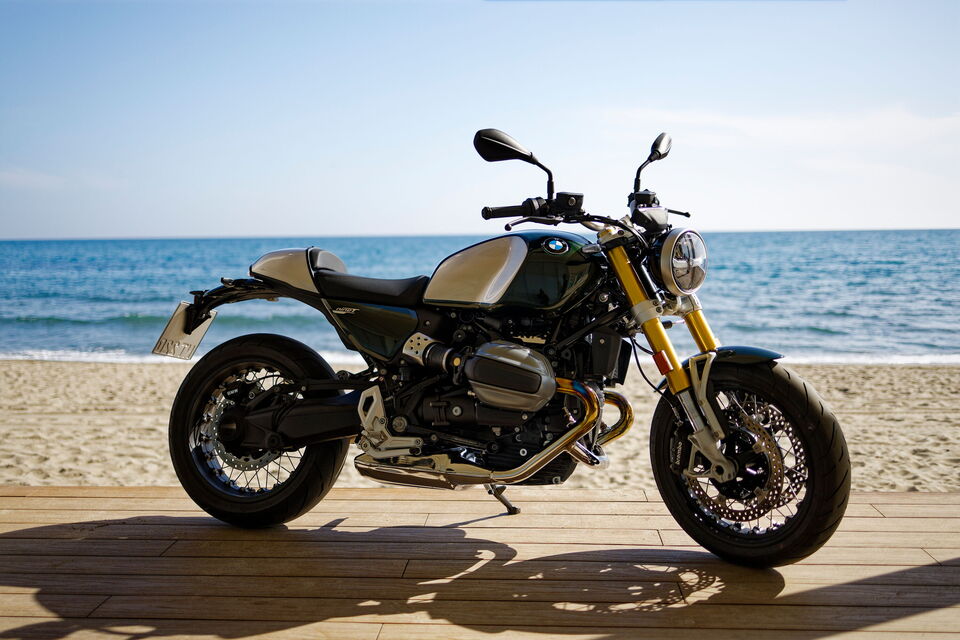
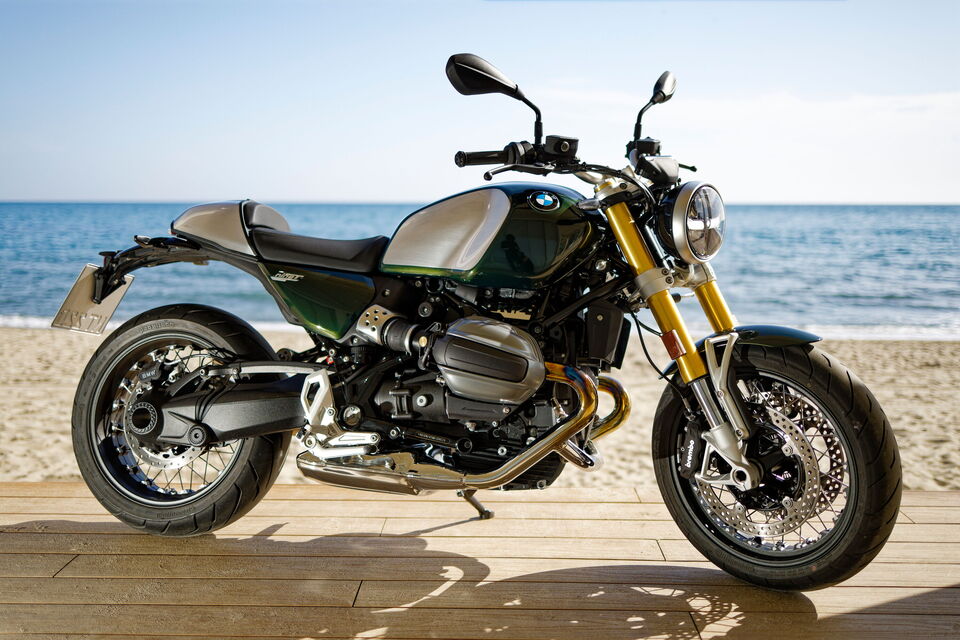
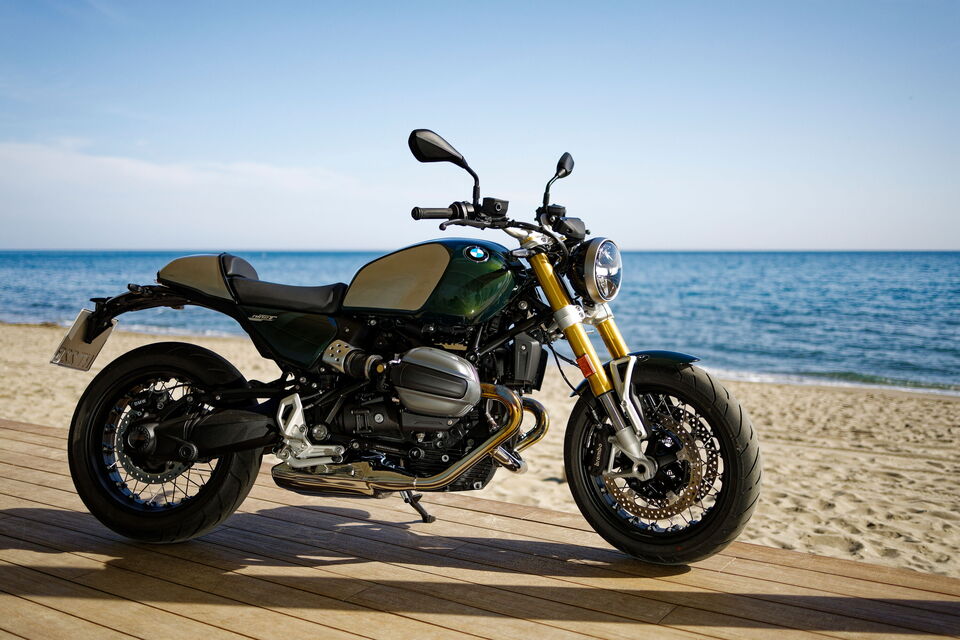
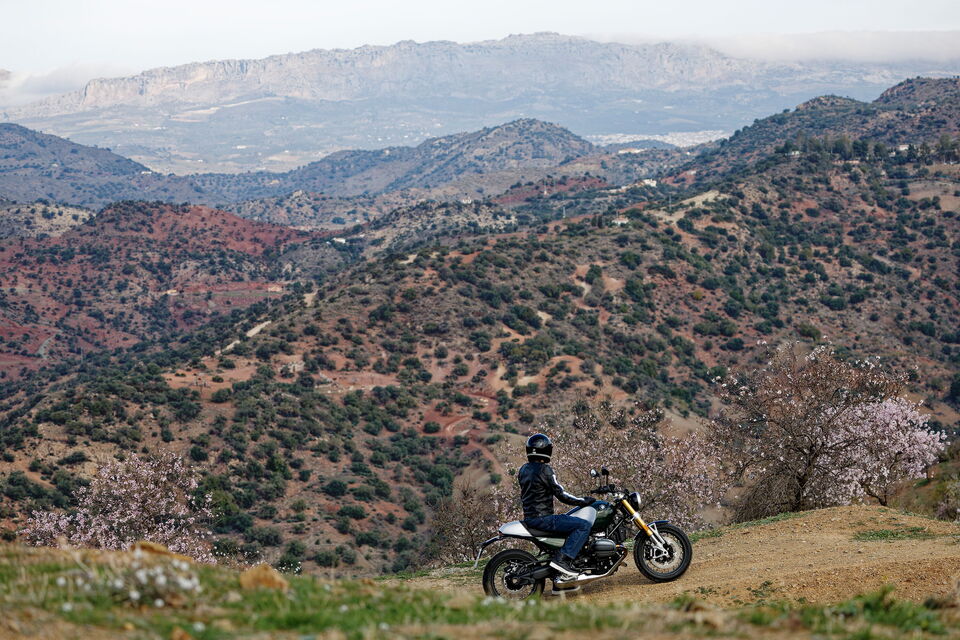
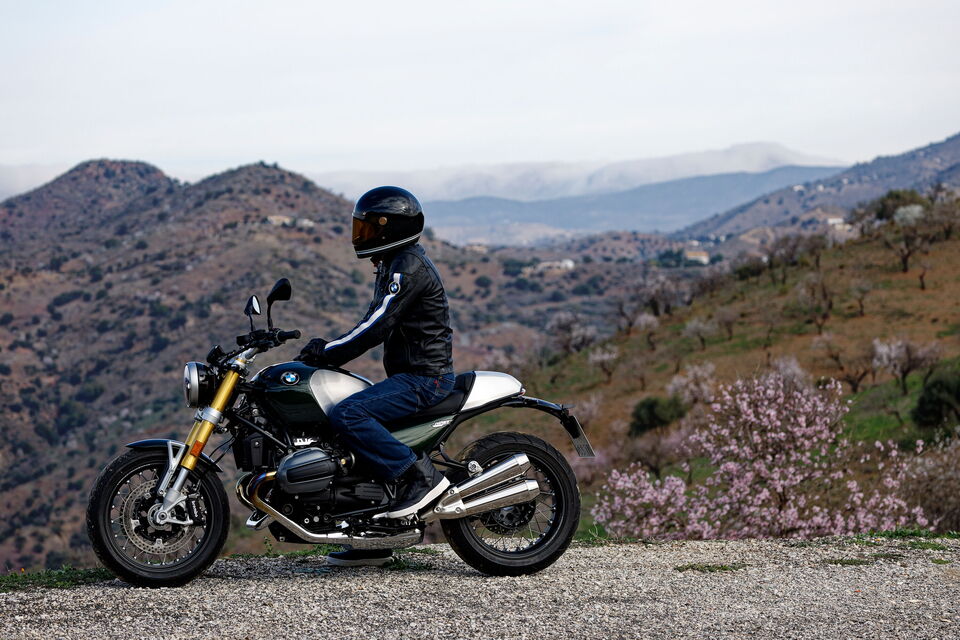
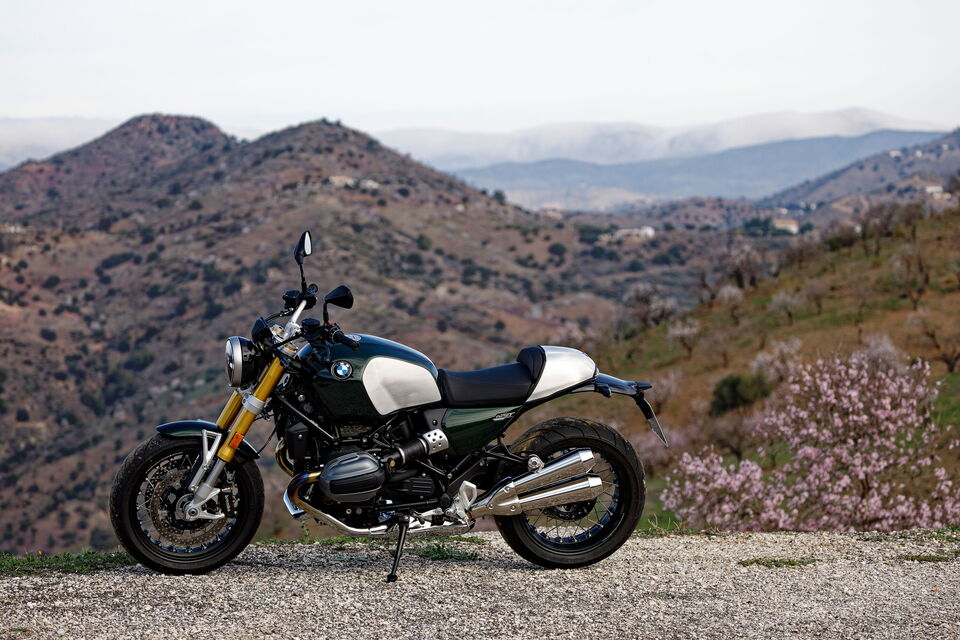
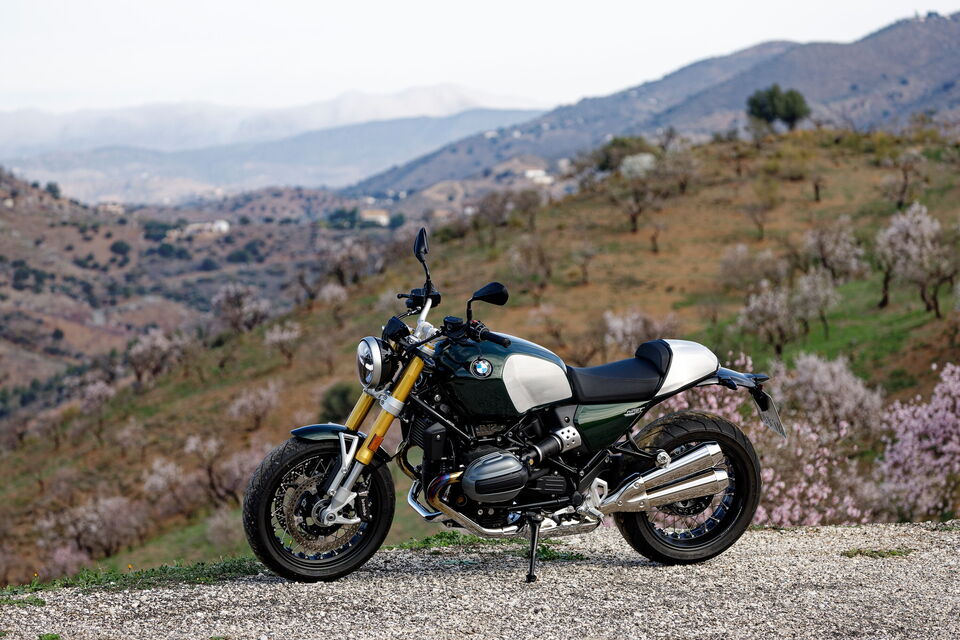
Engine: 109 hp Unrestricted—the Full Boxer, the Roadster Character
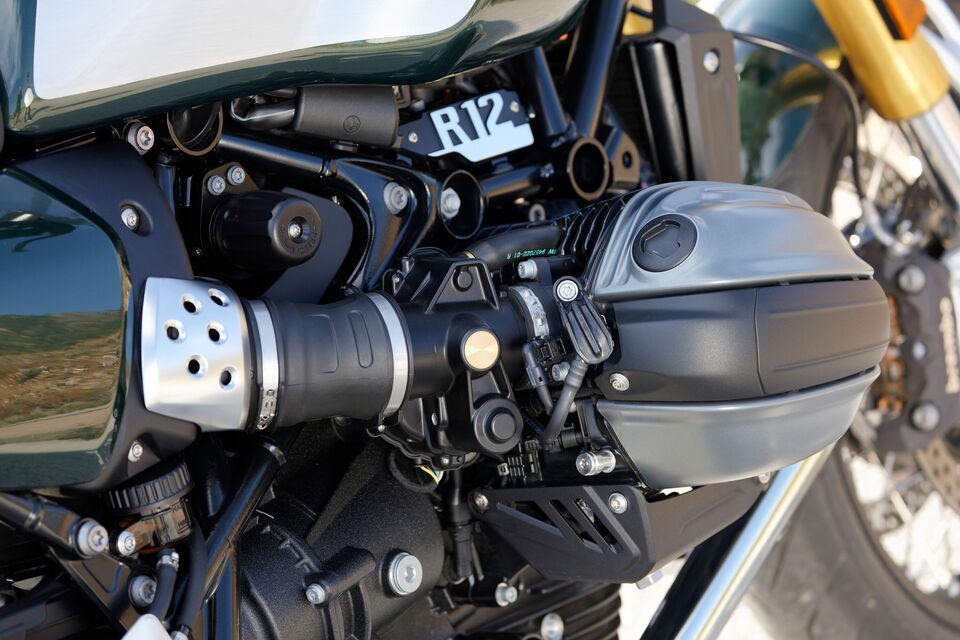
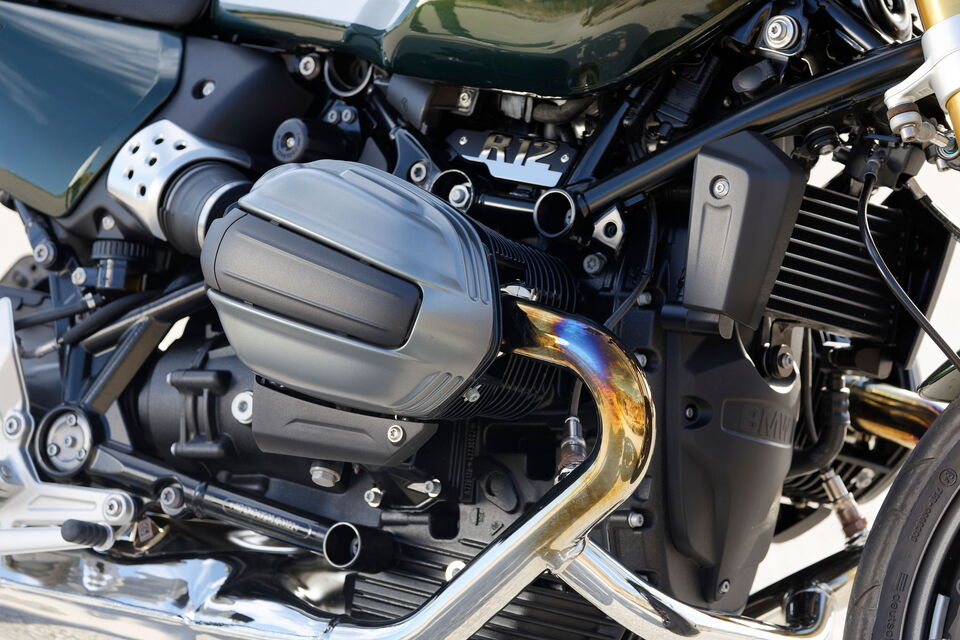
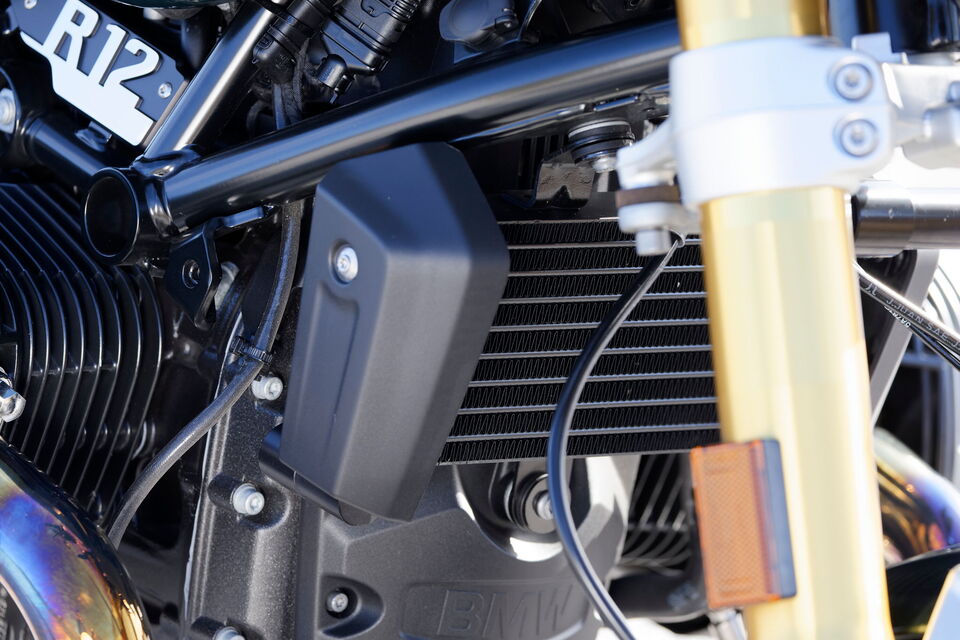
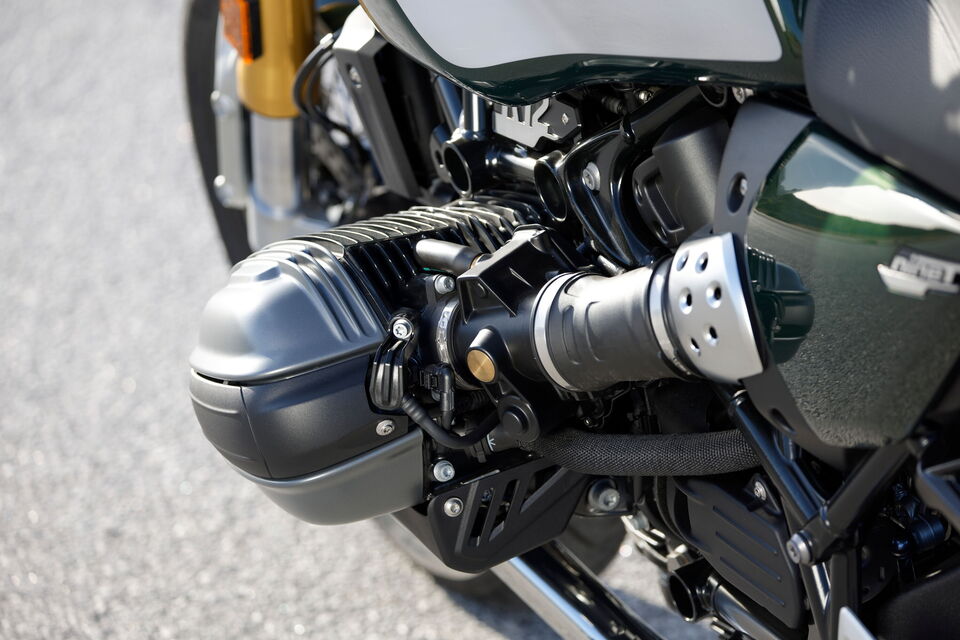
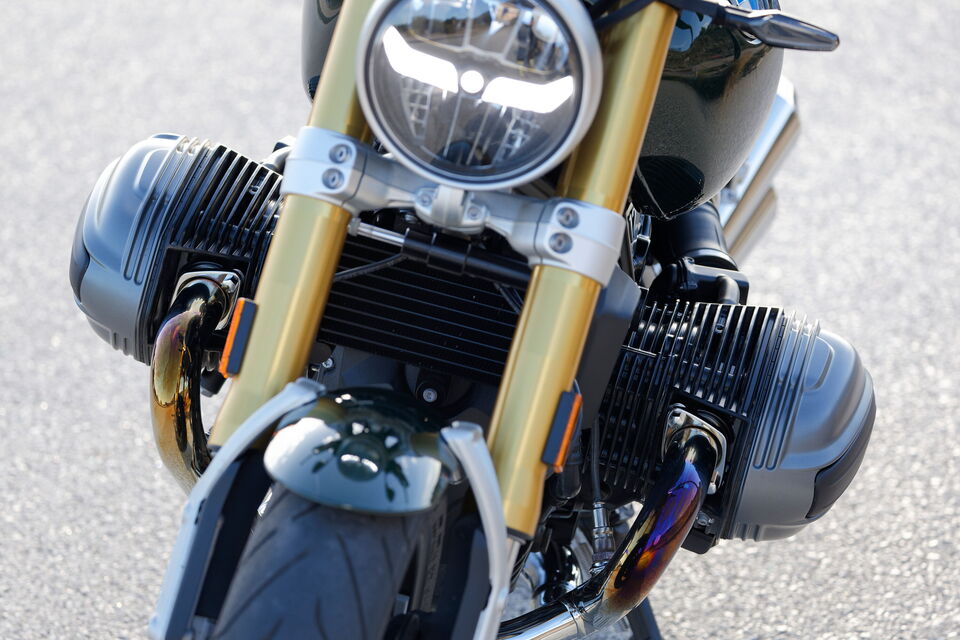
1,170 cc, air/oil-cooled, DOHC, four radially arranged valves per cylinder, central balance shaft, Euro 5+: the same engine used in the R 12 cruiser and R 12 G/S—but in the nineT, it comes in unrestricted form. That means 109 hp at 7,000 rpm and 115 Nm at 6,500 rpm, with no electronic restriction. Compared with the R 12 cruiser, the differences are 14 hp more, 5 Nm more, and a rated engine speed 200 rpm higher.
The result is a noticeably stronger engine that shows more temperament at the top end while retaining the distinctive character of the air/oil-cooled boxer. Three riding modes come standard: Rain, Road, and Dynamic. That is an upgrade over the R 12 cruiser, which offers only Rock and Roll. In Dynamic mode, throttle response is more immediate and Dynamic Traction Control intervenes later, noticeably sharpening the motorcycle’s character. MSR engine drag torque control prevents unintended rear-wheel lockup when closing the throttle, which is particularly relevant on wet roads.
The anti-hopping clutch reduces back-torque during downshifts. Shift Assistant Pro is optional as part of the Comfort Package. Zero to 100 km/h takes around 3.5 seconds, while top speed is more than 200 km/h. On the highway, riding without a windscreen becomes tiring at higher speeds. Above 120 km/h, wind pressure on the chest and helmet becomes substantial.
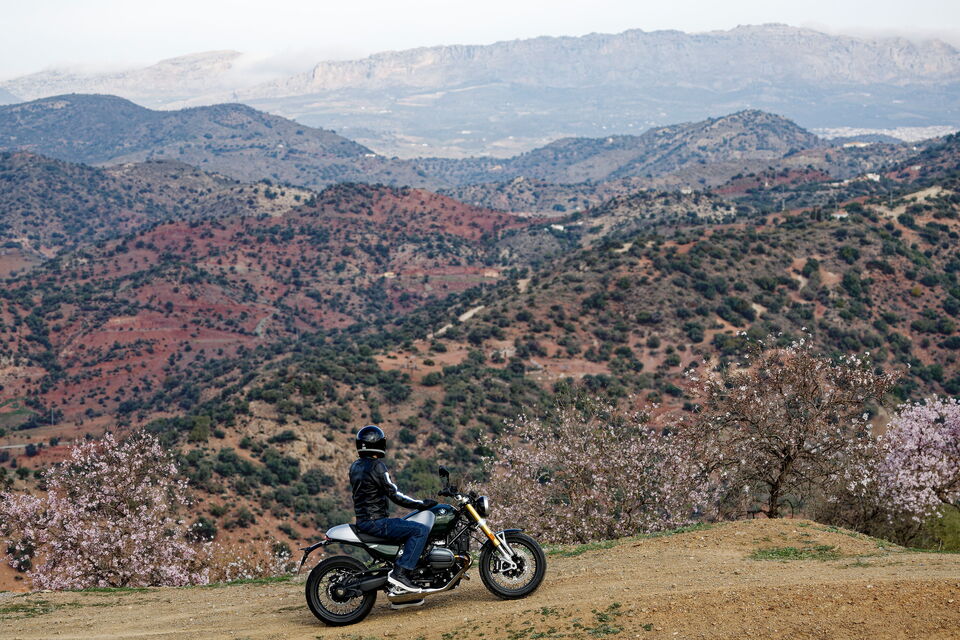
The nineT is a motorcycle for backroads, the city, and relaxed touring—not sustained highway riding –and this is by design.
Chassis: Fully Adjustable 45 mm USD Fork, Brembo Monoblocs—a Solid Roadster Foundation
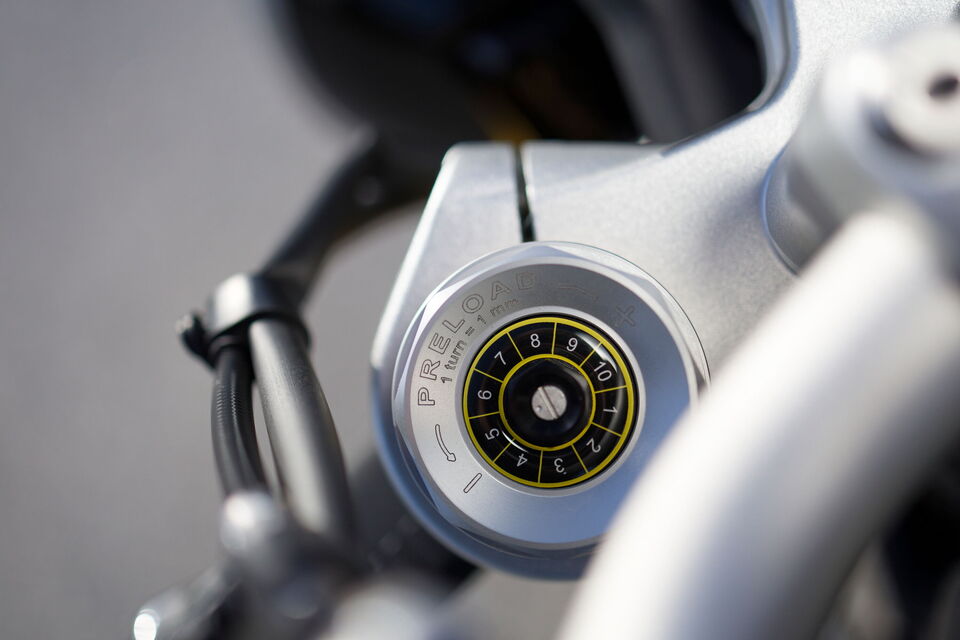
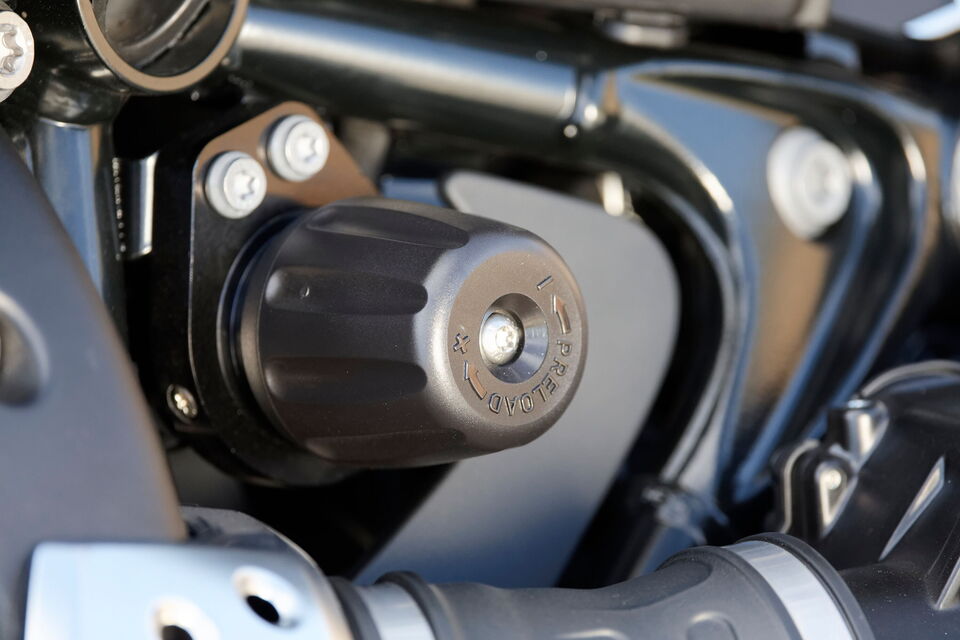
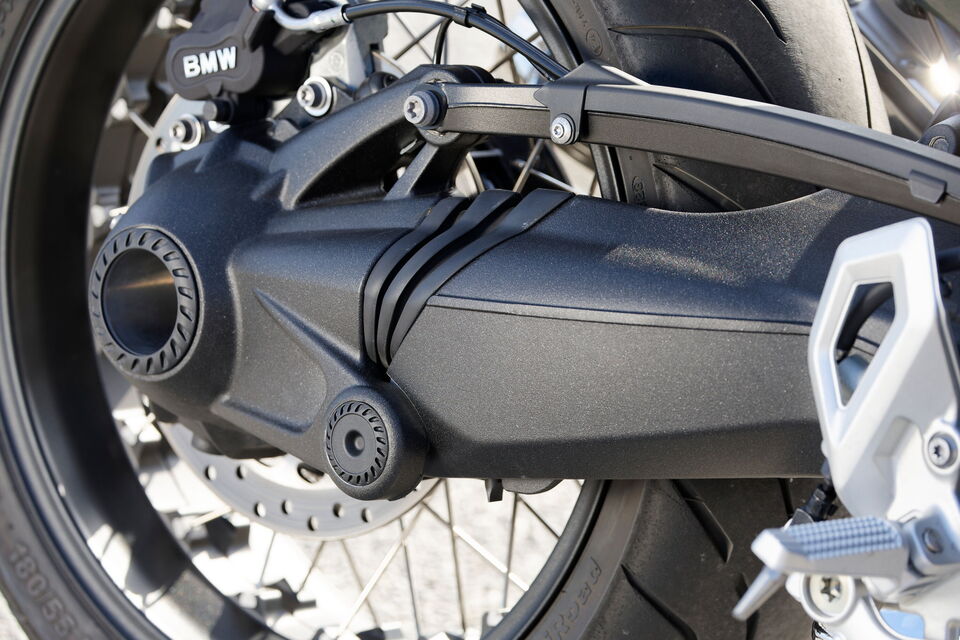
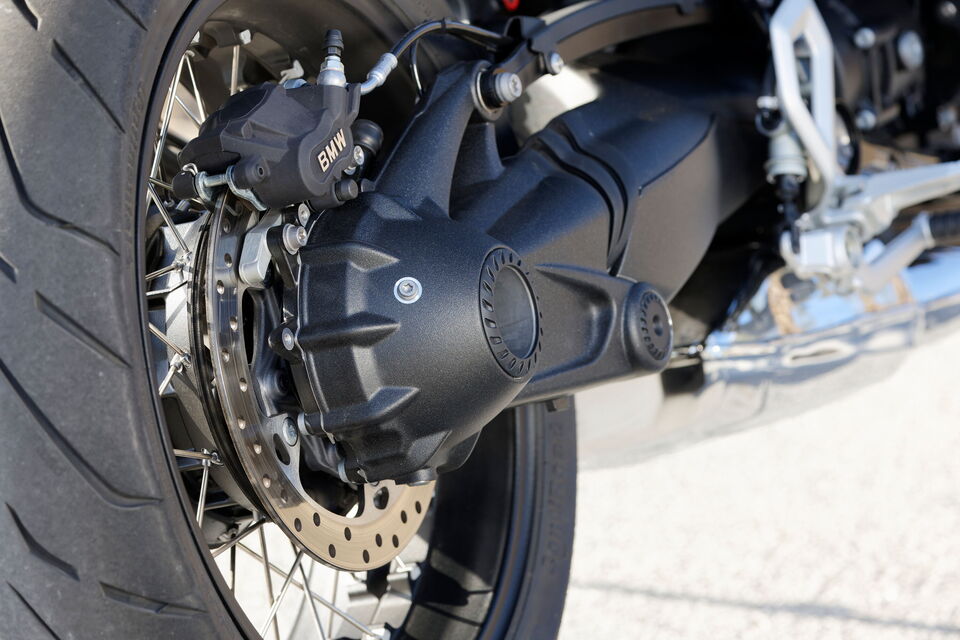
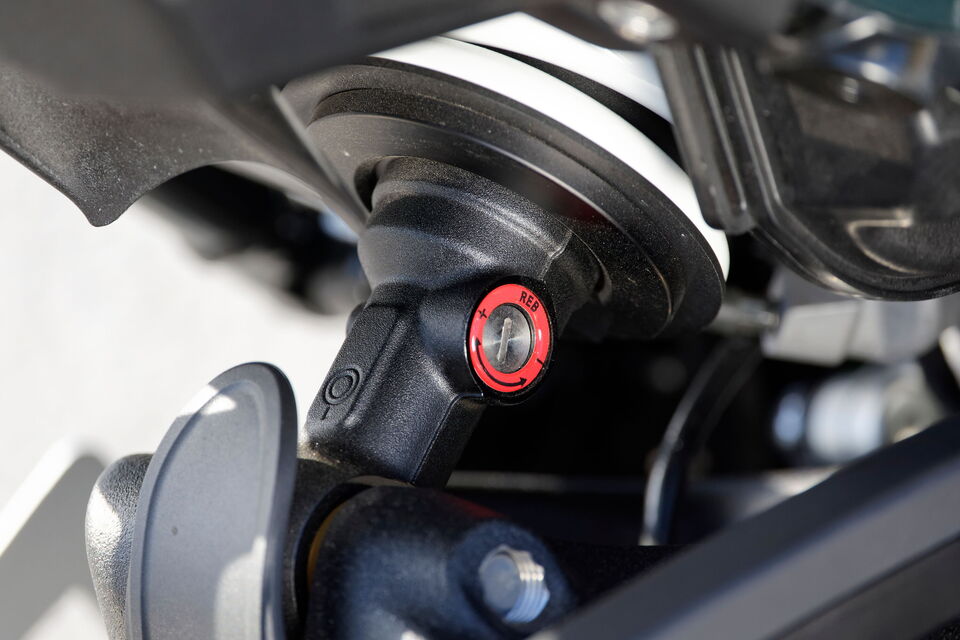
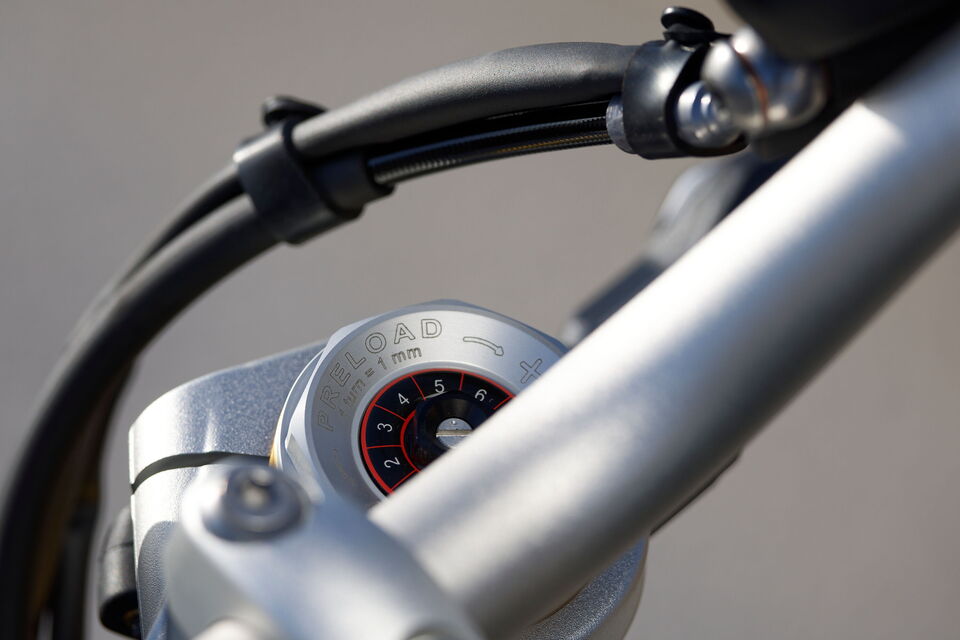
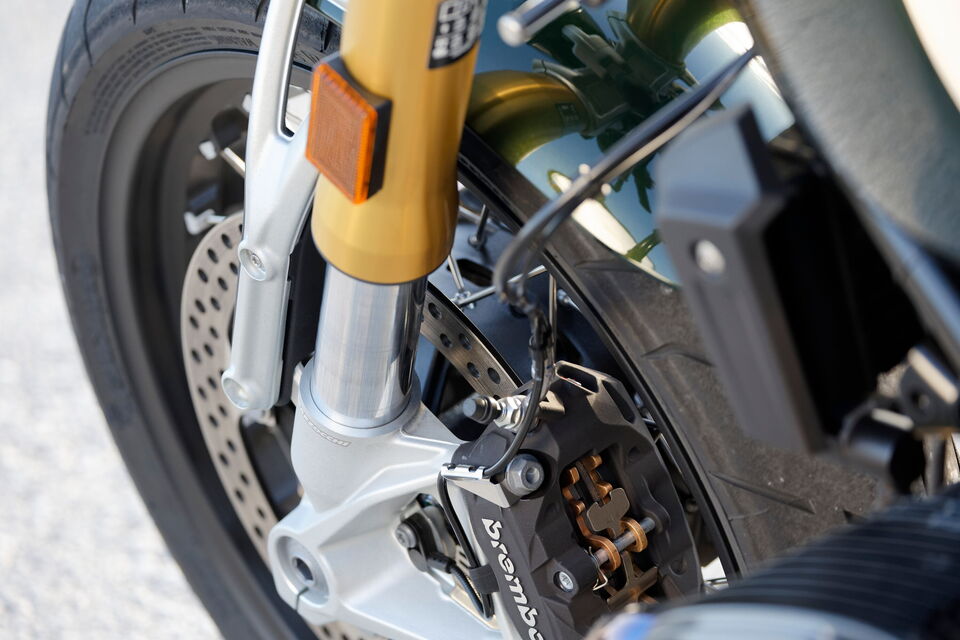
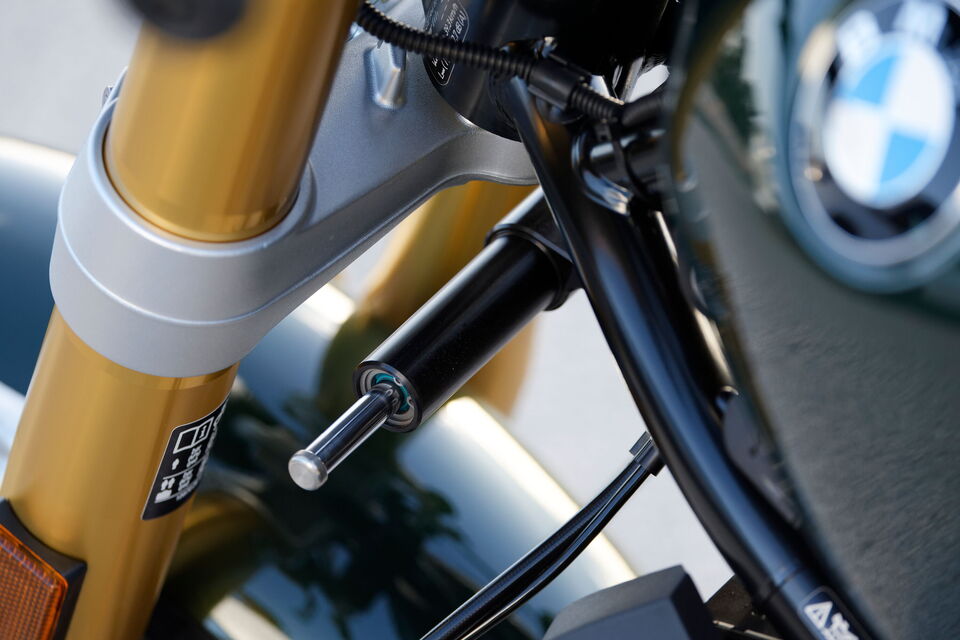
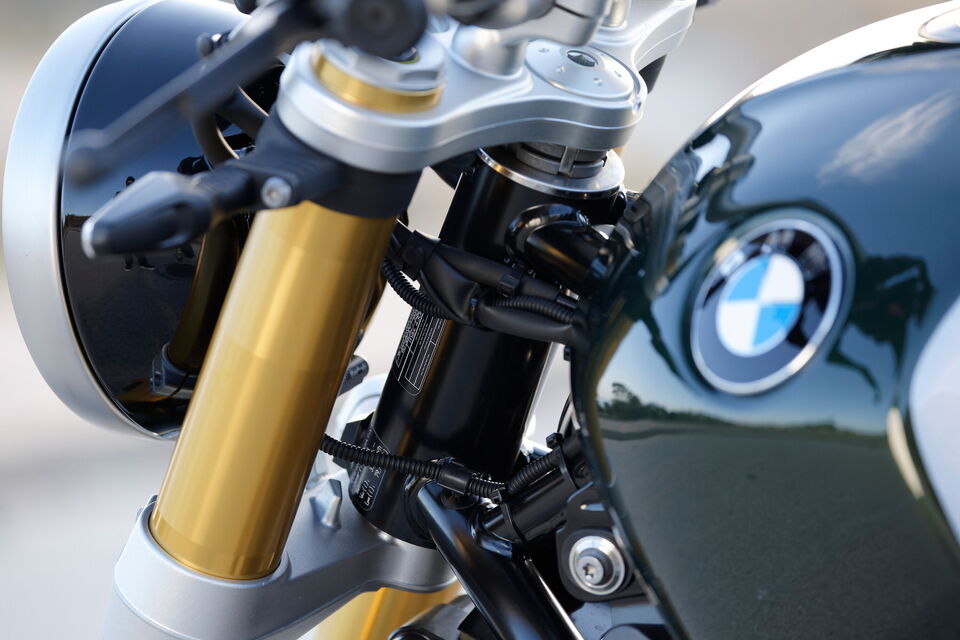
Up front is a 45 mm upside-down fork, fully adjustable for rebound and compression damping. At the rear is a cast-aluminum Paralever swingarm with a directly mounted, angled Marzocchi monoshock. Spring preload is adjustable by a remote knob, while rebound damping can also be adjusted. Suspension travel is 120 mm front and rear.
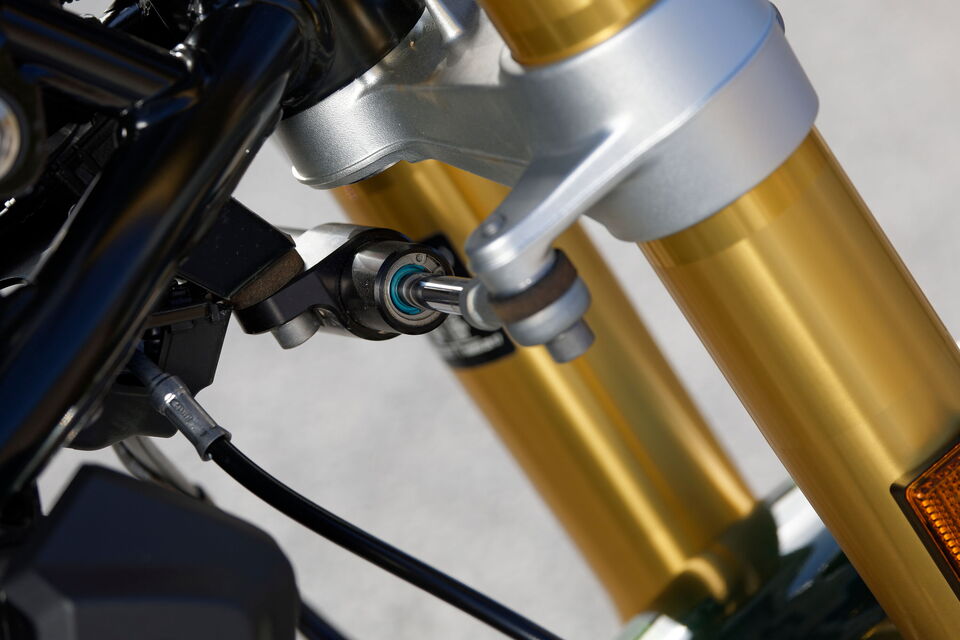
A steering damper comes standard.
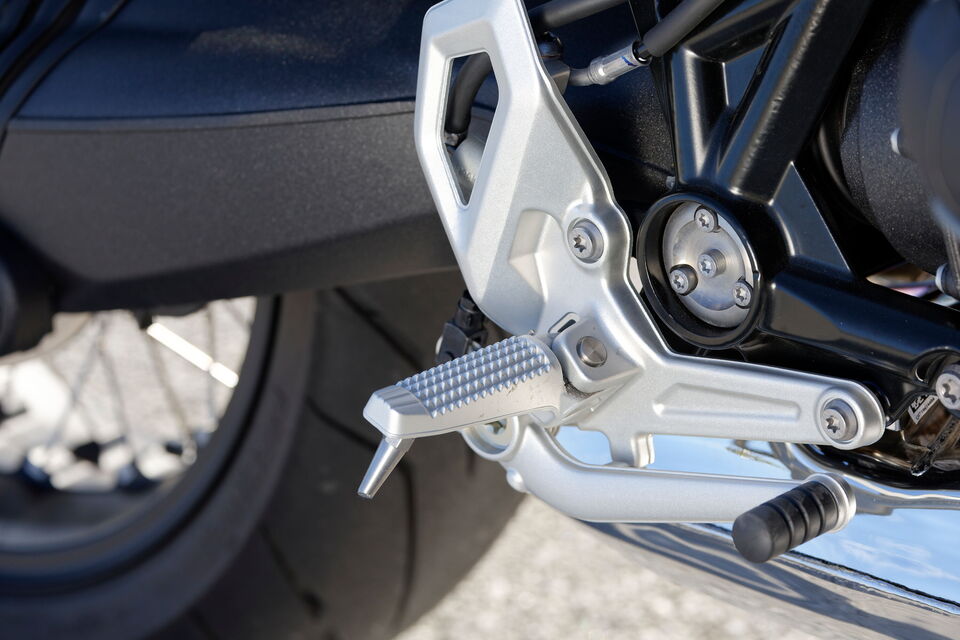
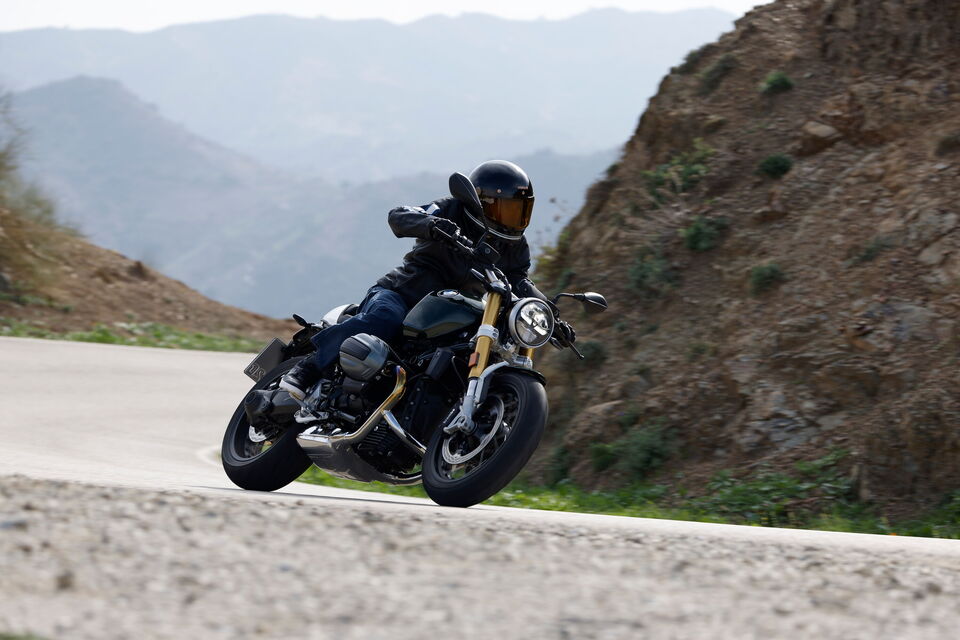
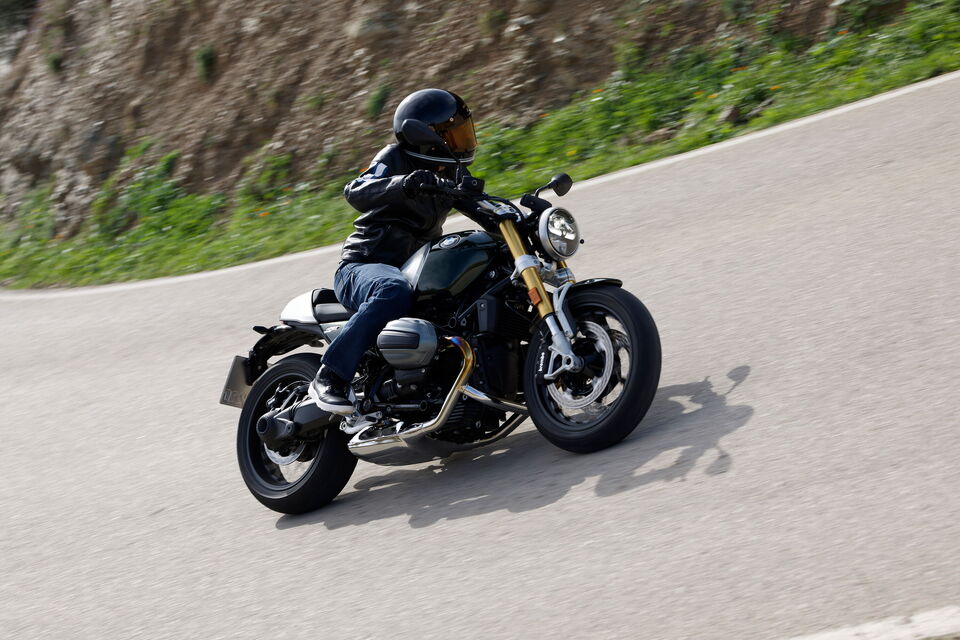
The 1,511 mm wheelbase and 62.3-degree steering-head angle provide greater straight-line stability without significantly compromising handling. In practice, the nineT rides more comfortably than its retro appearance might suggest. Minor road imperfections are absorbed with ease, while the steering damper adds the necessary composure on uneven pavement. On twisty backroads, the nineT turns in willingly and precisely. It is not a sportbike, but it is a motorcycle you can ride sportily. Push the lean angle hard enough and the footpegs eventually touch down. That is the familiar limit of the concept.
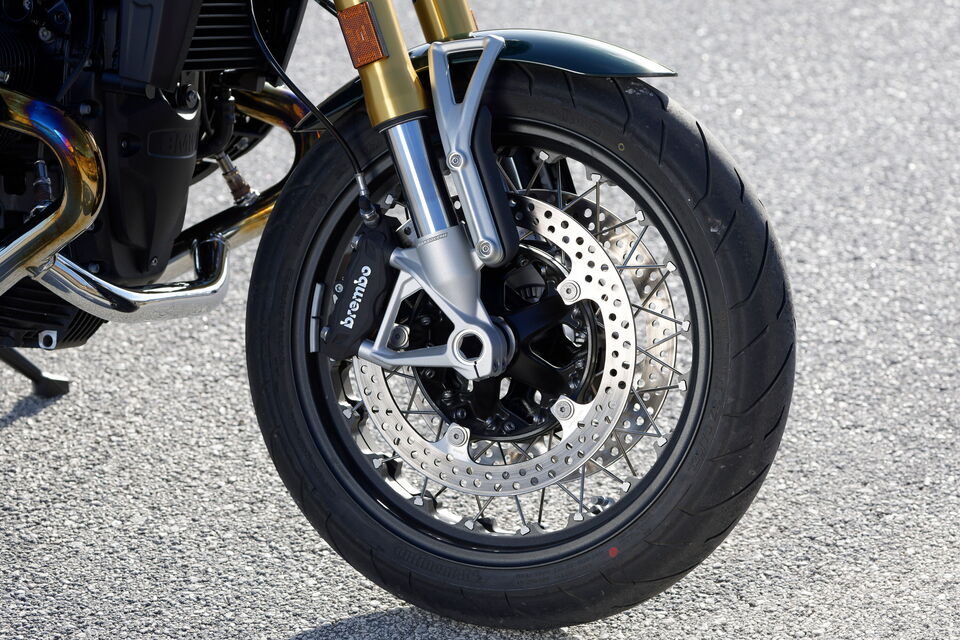
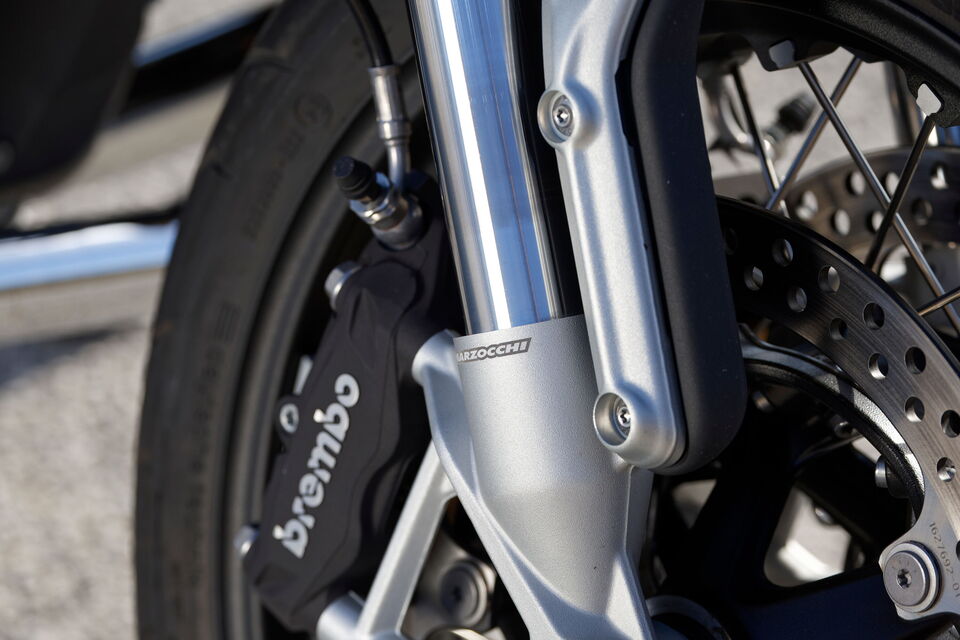
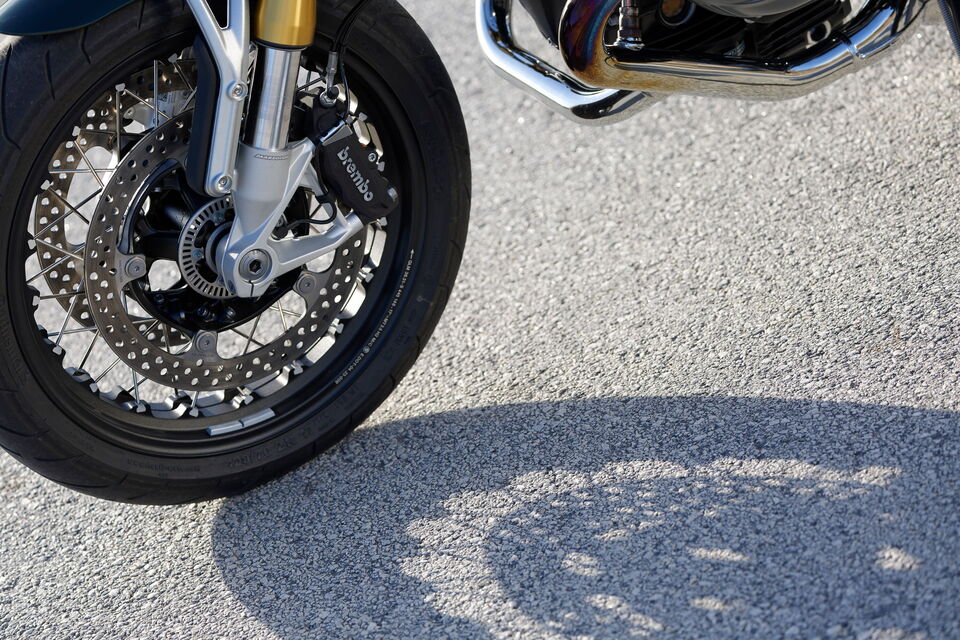
Braking comes from dual 310 mm front discs with Brembo four-piston monobloc radial calipers—an excellent braking system for a heritage motorcycle. At the rear is a 265 mm disc with a two-piston floating caliper. ABS Pro comes standard and is lean-angle optimized. The pressure point is well defined and easy to modulate.
Riders coming from sportbikes will respect the braking performance. Riders coming from modern hyper nakeds will notice the difference.
Ergonomics: 795 mm Seat Height—Taller Than the Cruiser, Sportier Than the G/S
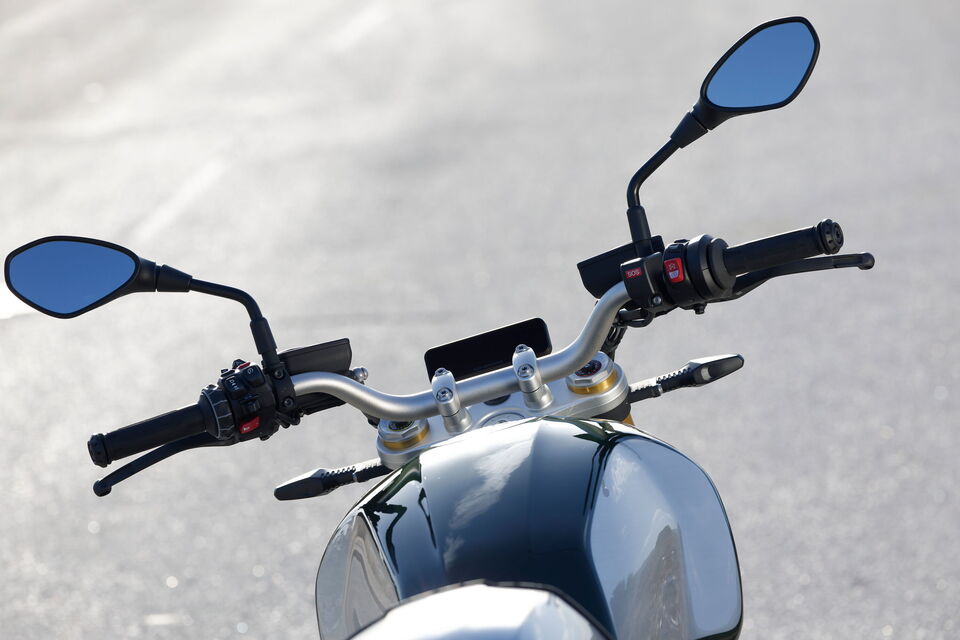
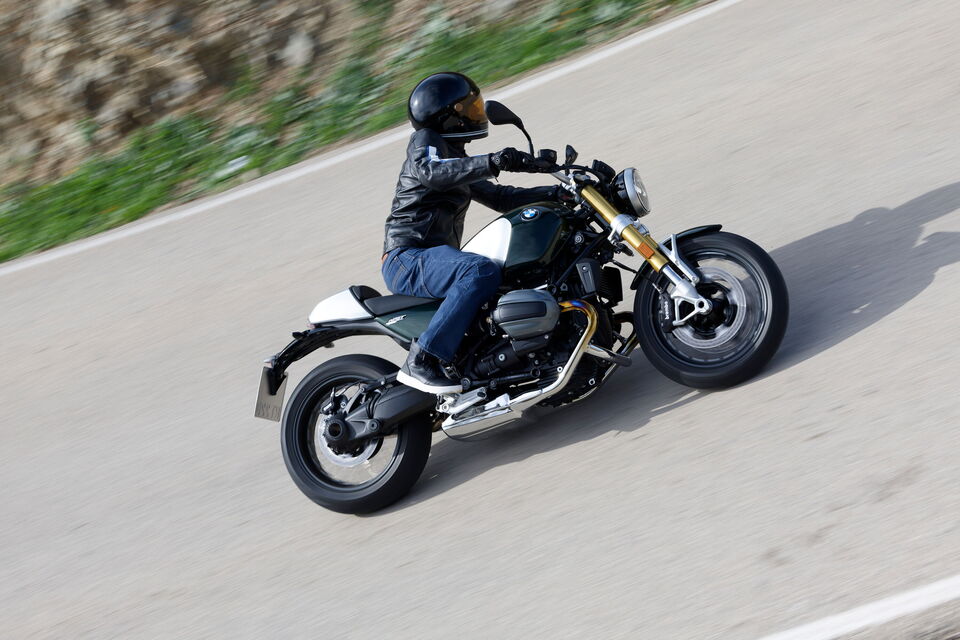
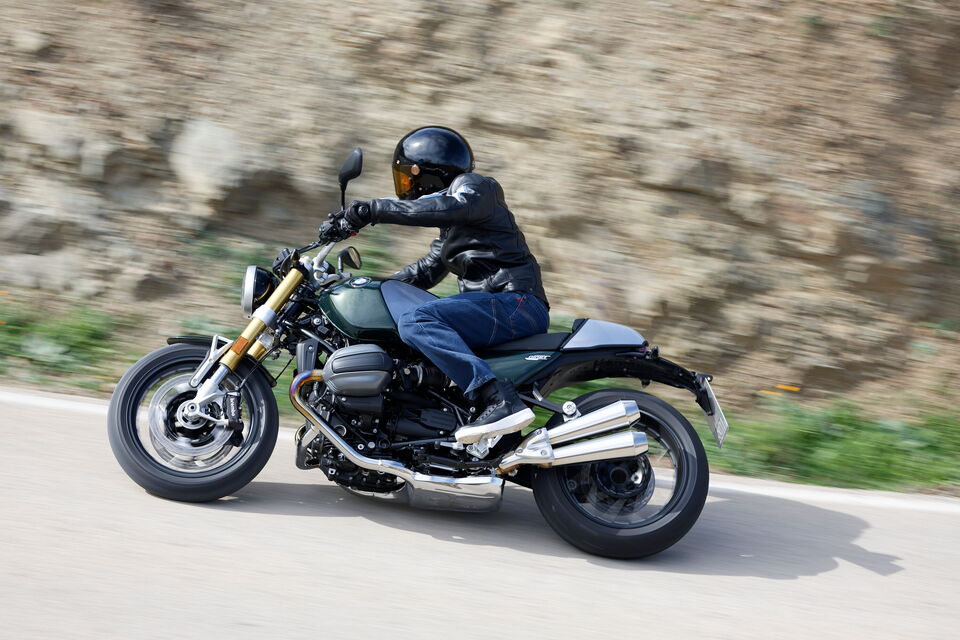
Seat height is 795 mm—moderate for a roadster. Riders around 1.70 meters tall can get one foot securely on the ground, while taller riders can place both feet down. The riding position is noticeably more upright and sportier than on the R 12 cruiser with its 754 mm seat height and forward-mounted footpegs. The nineT uses conventional footpegs and a slightly rearward-swept handlebar. Anyone familiar with the previous R nineT will immediately feel at home. The rider seat has been moved slightly forward, improving the connection to the front wheel.
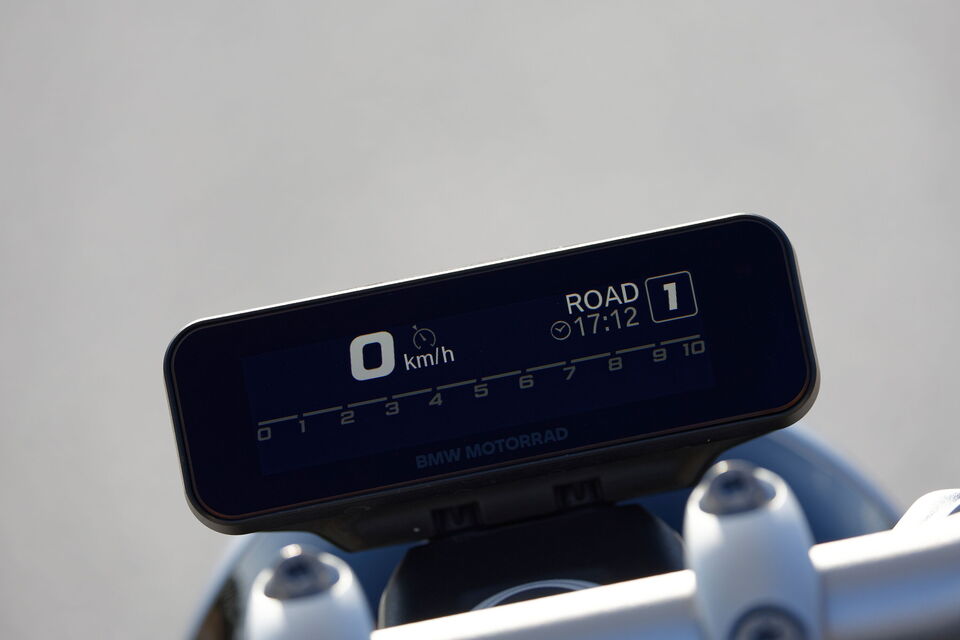
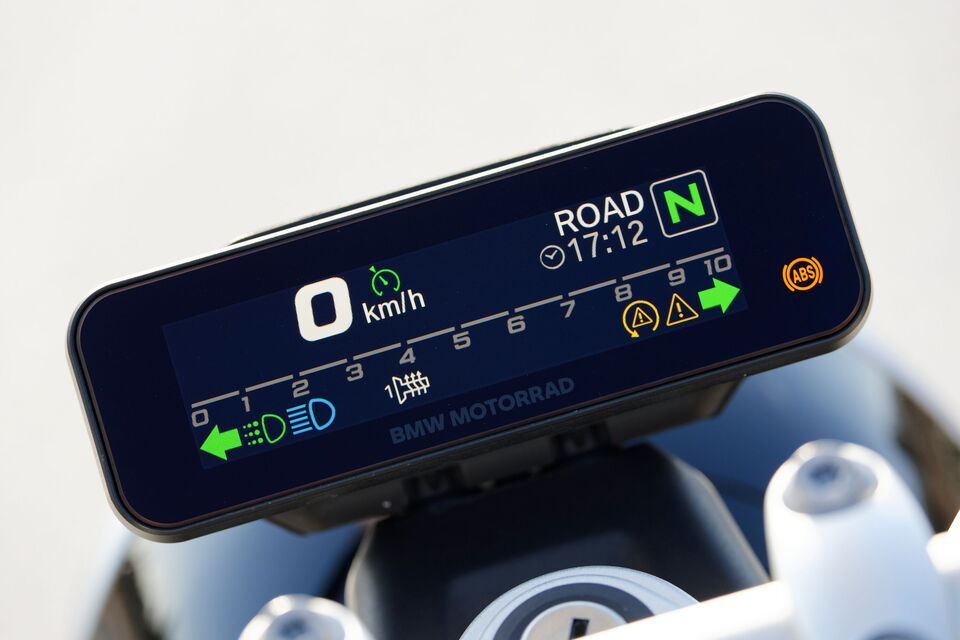
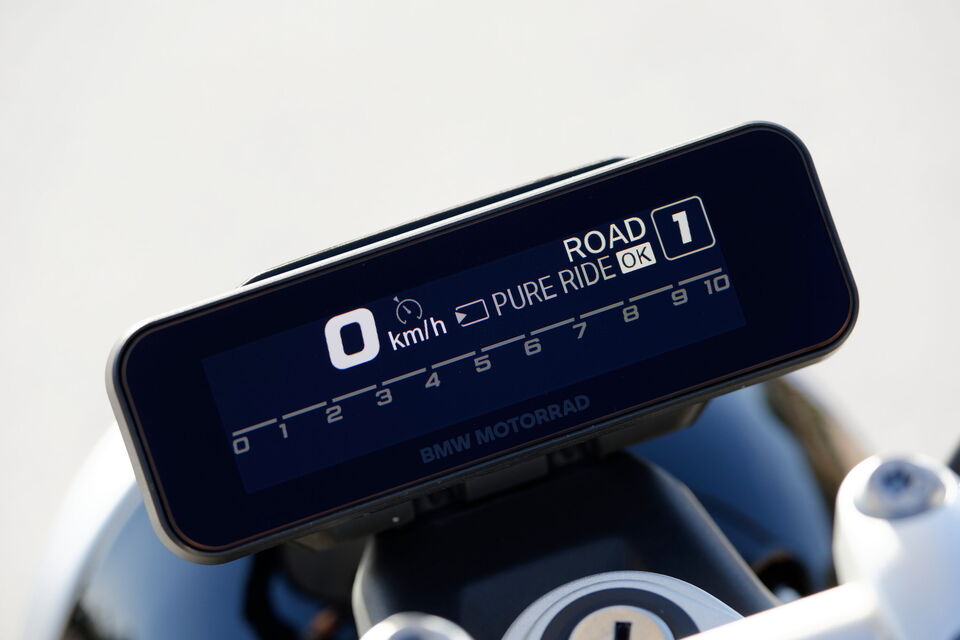
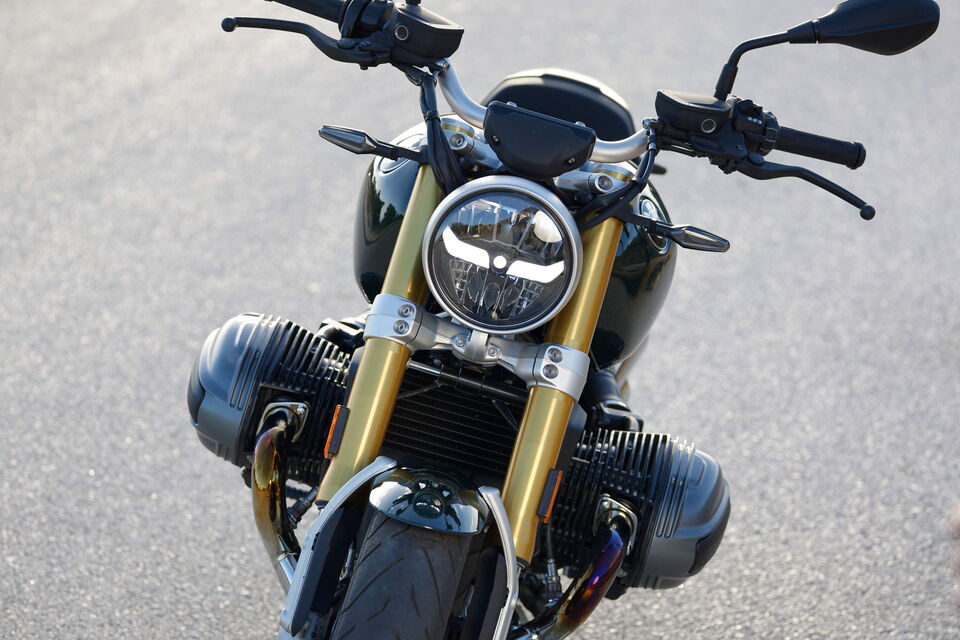
There is no windscreen as standard. That is part of both the concept and the styling. BMW offers windscreens in several sizes as accessories. The aluminum screen included in the Option 719 package is visually the most coherent. For city riding and backroads, the nineT works perfectly well without a windscreen. The cockpit is minimalist: a round analog instrument with an integrated LCD. The optional Micro-TFT adds smartphone connectivity and navigation and is a worthwhile upgrade.
Handling: 220 kg and the R nineT Family’s Custom-Bike Principle
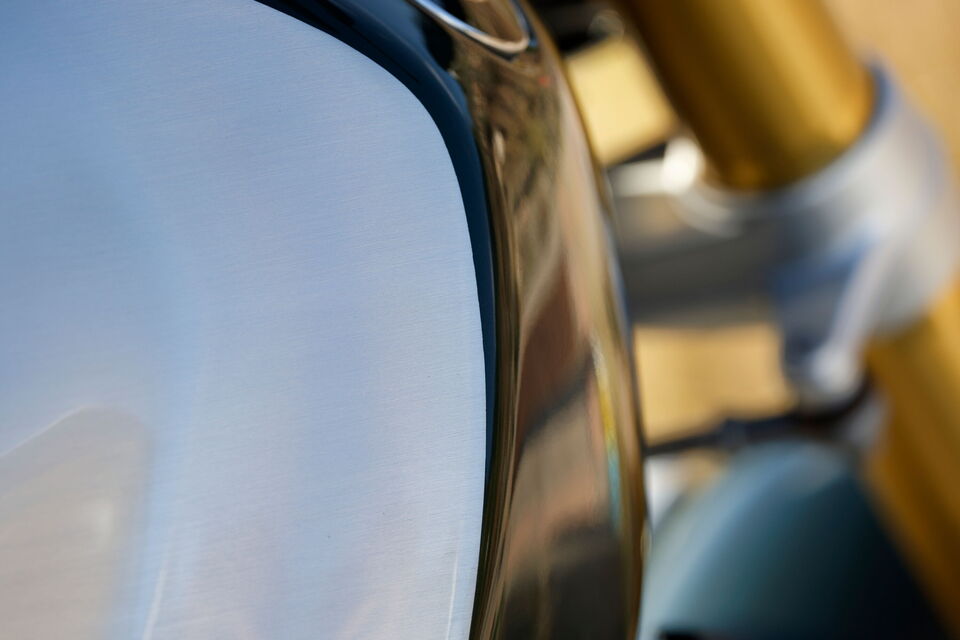
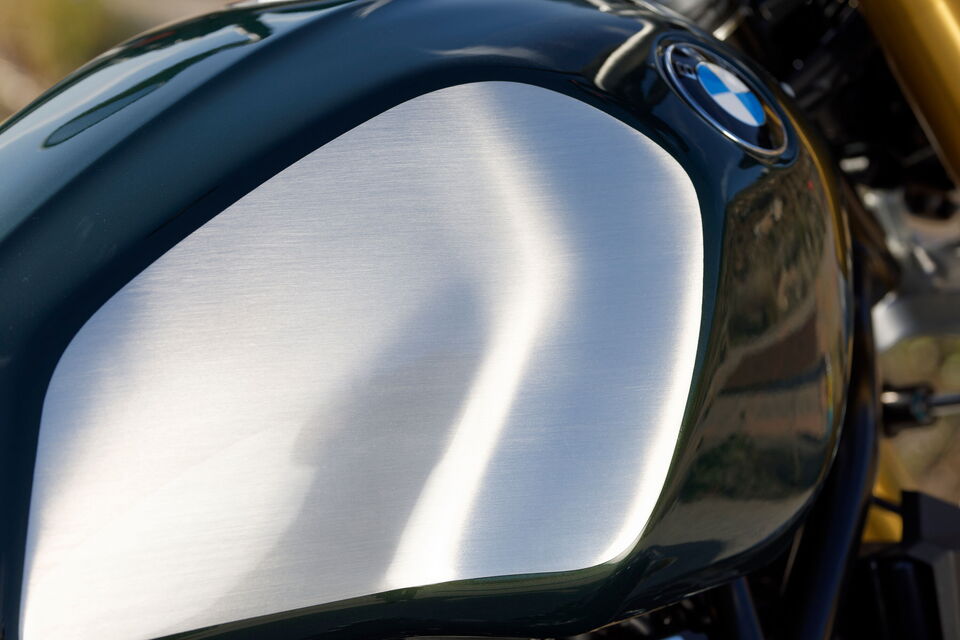
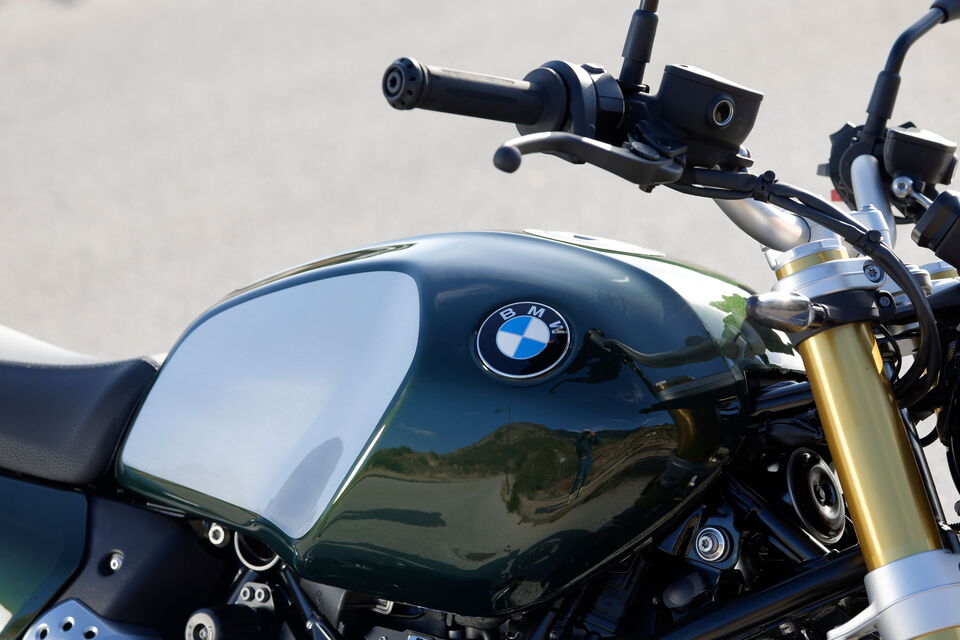
220 kg fully fueled—7 kg lighter than the R 12 cruiser, thanks to the aluminum fuel tank, which holds 16 liters instead of the cruiser’s 14-liter steel tank, and the sportier overall configuration. The difference is barely noticeable once moving, but it can be felt when maneuvering or putting the motorcycle on a stand.
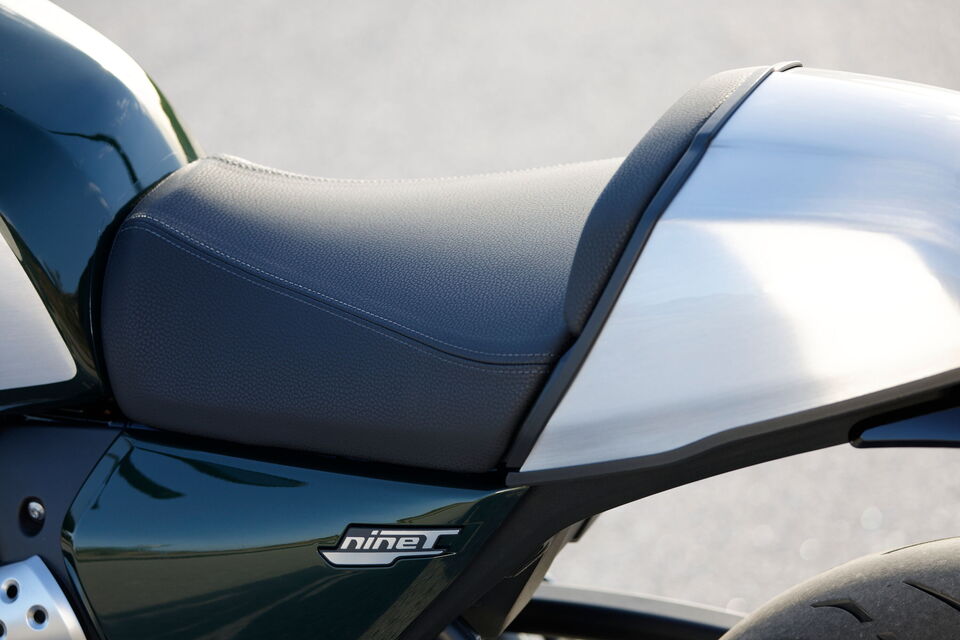
The 16-liter fuel tank provides around 300 km of range at 5.1 liters per 100 km—slightly more than the cruiser. The nineT comes standard with a two-person seat. A solo seat is available as an option and significantly changes the motorcycle’s appearance. The custom-bike philosophy of the R nineT family continues with the R 12 nineT.
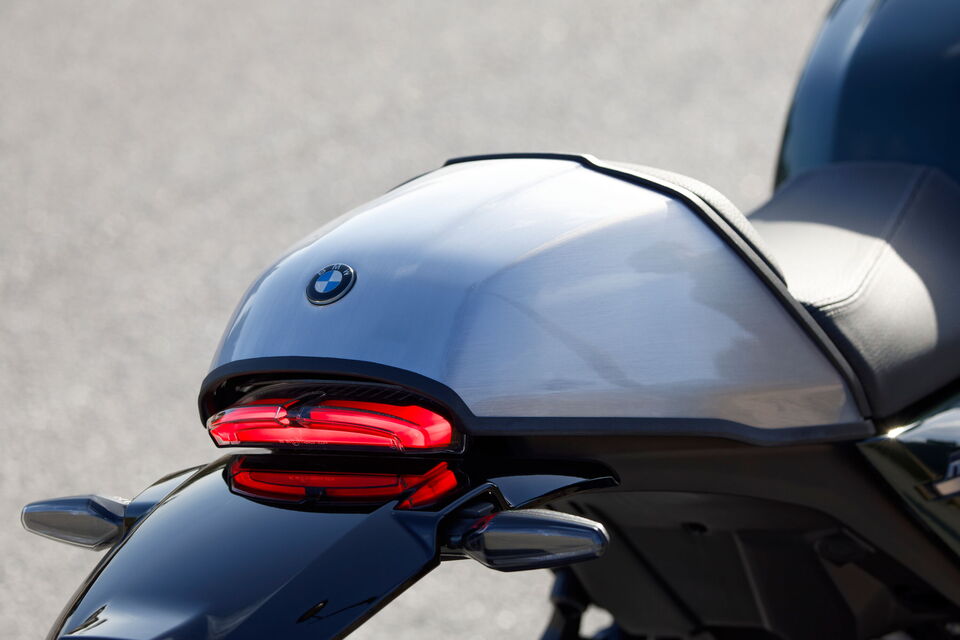
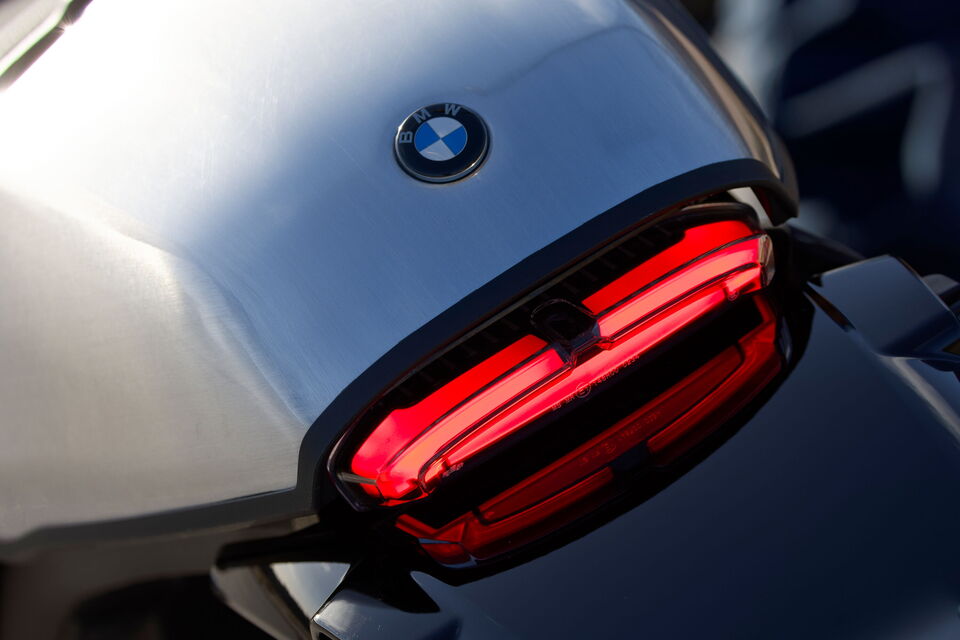
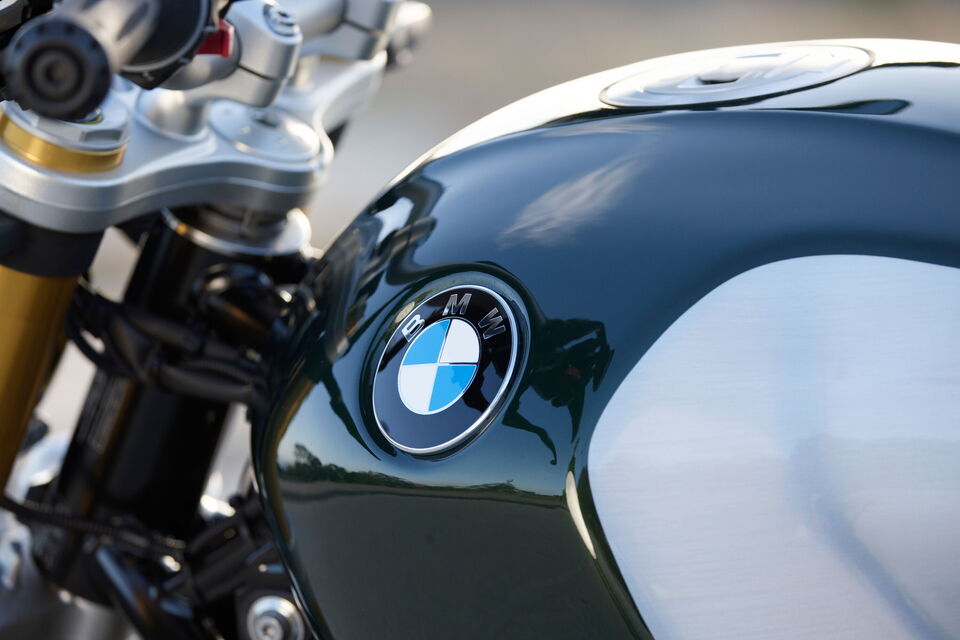
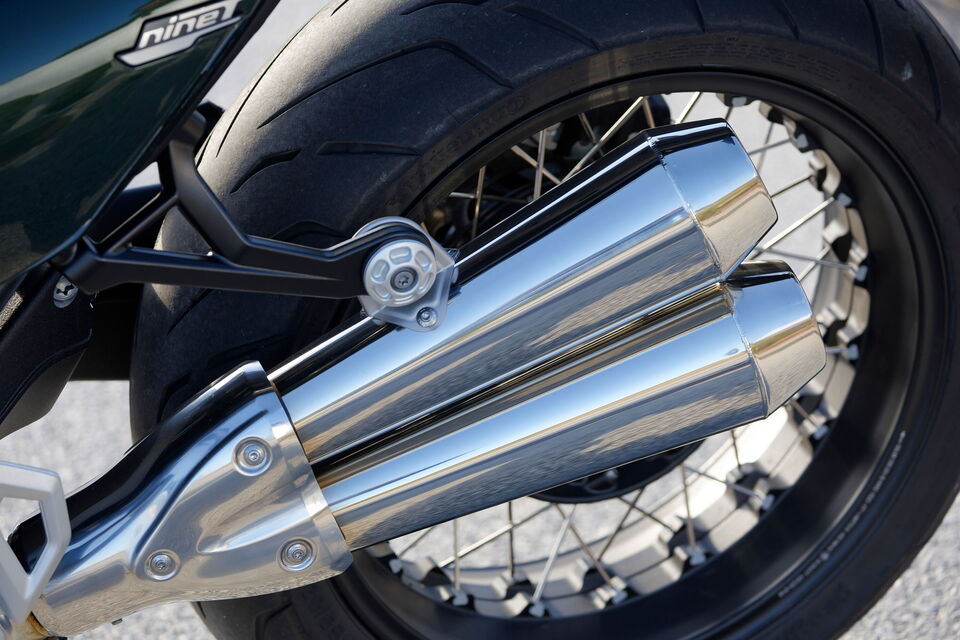
BMW offers a broad range of factory options: different tanks in aluminum, steel, or fiberglass; handlebars that can be high, low, wide, or narrow; solo, dual, flat, or hump seats; cast or spoked wheels; machined components; hand levers; bar-end mirrors; headlight masks; rear-end conversions; and much more. The “The Tracker” Customizing Kit transforms the nineT into a flat-track racer with a short rear section, cockpit fairing, and number plates.
No other manufacturer offers this breadth of factory customization on a production motorcycle. BMW sold more than 110,000 R nineT models, firmly establishing itself in this market niche. The R 12 nineT inherits that legacy. Compared with the previous R nineT, the R 12 nineT has the new, more powerful engine with 9 hp more, improved Brembo brakes instead of Hayes components, three standard riding modes instead of two, new frame geometry for greater stability, and a repositioned seat that provides a better connection to the motorcycle.
What has been lost is the previous R nineT’s pure aluminum tank in its original form, and some fans criticize a reduction in quality in certain bodywork details.
Equipment: Three Riding Modes Standard—Factory Customization as the Core Promise
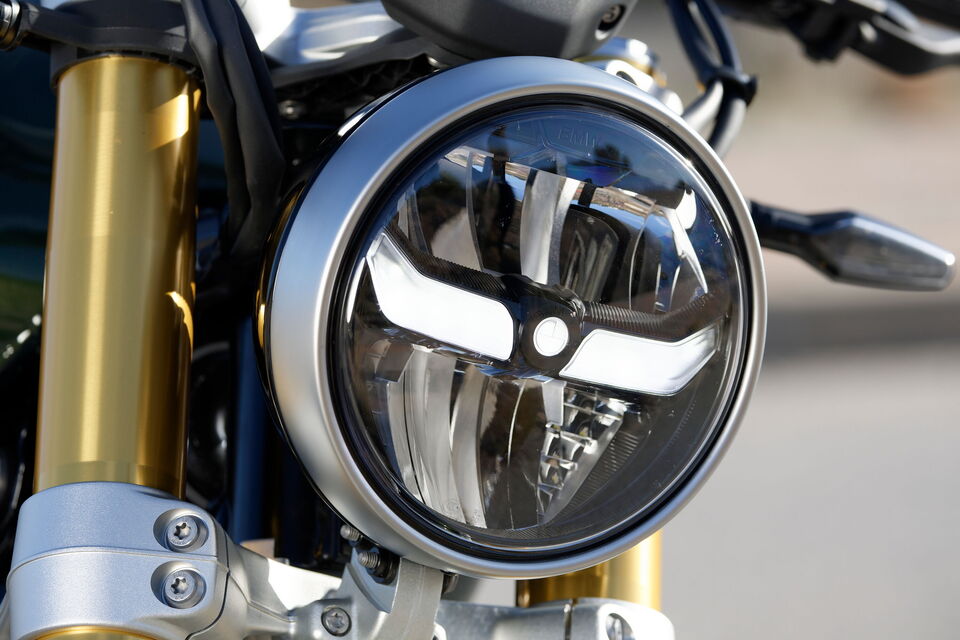
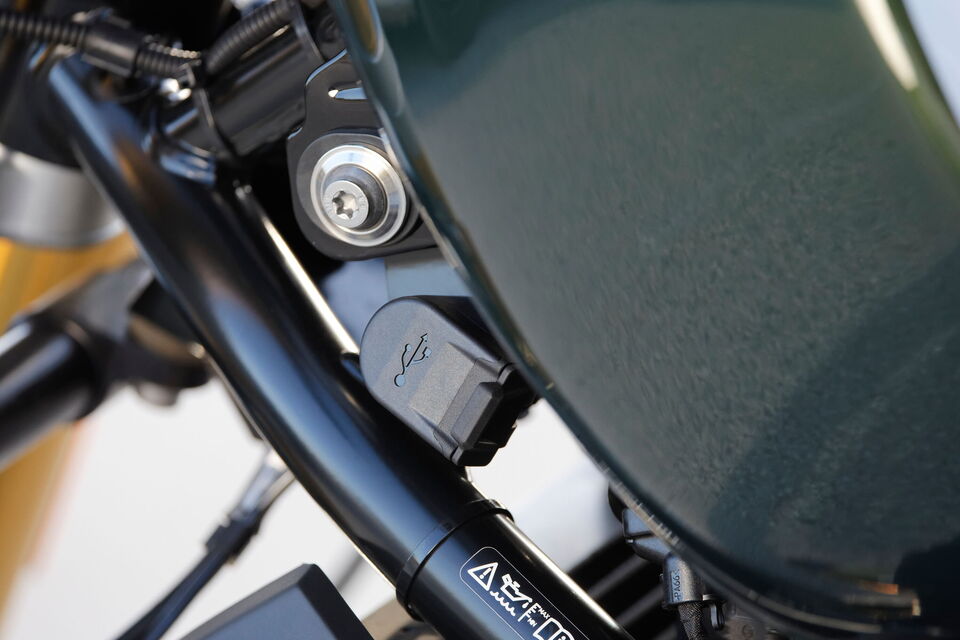
Standard equipment includes lean-angle-optimized ABS Pro, DTC, MSR, steering damper, three riding modes—Rain, Road, and Dynamic—a round instrument with LCD, two-person seat, 16-liter aluminum fuel tank, and LED headlight. Optional equipment includes the Comfort Package with Shift Assistant Pro, cruise control, Hill Start Control Pro, and heated grips; ConnectedRide Control with smartphone mount and USB-C; Micro-TFT display; Headlight Pro with adaptive cornering light; Option 719 packages with machined components, aluminum windscreen, and red frame; plus custom tanks, seats, handlebars, and wheels.
Option 719 Aluminum is the most desirable equipment version: black fork and handlebar, aluminum windscreen, machined components, solo rear section, and red frame. It transforms the nineT visually and comes at a substantial premium—typically €3,000 to €5,000 above the base price.
Fully personalize the nineT and you can easily spend €23,000 or more. That customization is, again, part of the concept. If that doesn’t interest you, just stay with the base model.
Costs: €17,410—and the Competitive Field Is Limited
The German base price is €17,410. Direct competitors in the retro-roadster segment with a similar concept are rare. The Triumph Bonneville T120 Black costs around €14,000, while the Royal Enfield Interceptor 650 costs around €7,700. If you want boxer-and-shaft-drive character combined with custom-bike DNA and 109 hp, there simply is no alternative to the nineT. That makes the price question easier: either you buy the BMW or you buy something fundamentally different.
Service is required every 10,000 km at a BMW dealer and costs around €350 to €500. Valve-clearance inspection is required every 10,000 km—like all air/oil-cooled boxers, more frequently than on the 1,300 cc ShiftCam engine. Shaft-drive service is required every 60,000 km, rather than every 40,000 km as on the G/S. Warranty: two years with unlimited mileage.
Verdict
The BMW R 12 nineT is the logical evolution of the R nineT legend. More powerful, more stable, sportier—with greater suspension adjustability, better brakes, and three riding modes from the factory. The air/oil-cooled boxer remains the heart of the motorcycle: not a modern technology showcase, but an engine with character and soul. If you want boxer character, shaft drive, freedom to customize, and retro-roadster DNA, this is the right motorcycle.
If you need highway comfort and wind protection, it is not.
Quick Check
+ 109 hp, 115 Nm—full engine output, not restricted like the R 12
+ Three riding modes standard (Rain/Road/Dynamic)—more than the R 12 cruiser
+ Brembo four-piston monobloc radial calipers—excellent braking hardware for the segment
+ Fully adjustable 45 mm USD fork for rebound and compression damping
+ Steering damper standard
+ 220 kg—7 kg lighter than the R 12 cruiser
+ Broadest factory custom-bike program in the production-motorcycle segment
+ A2 restriction to 35 kW / 48 hp available
– €17,410—€3,000 more than the R 12 cruiser with the same engine
– No windscreen standard—highway riding above 120 km/h is tiring
– Footpegs touch down relatively early during sporty riding
– 120 mm of suspension travel—ideal for backroads and city riding, less suited to rough roads
– Shift Assistant only available with the optional Comfort Package
– Valve-clearance inspection every 10,000 km—more frequent than on the 1,300 cc boxer
Technical Specifications: BMW R 12 nineT (2026)
Country of manufacture: Germany (Berlin-Spandau)
Engine: Air/oil-cooled flat-twin boxer, DOHC, 4 radially arranged valves per cylinder, central balance shaft, anti-hopping clutch, Euro 5+
Displacement: 1,170 cc
Power: 80 kW (109 hp) at 7,000 rpm
Torque: 115 Nm at 6,500 rpm
Transmission: 6-speed; Shift Assistant Pro optional with Comfort Package
Final drive: Shaft, cast-aluminum Paralever swingarm
Frame: Tubular-steel bridge frame with bolt-on subframe
Front suspension: 45 mm USD telescopic fork, fully adjustable for rebound and compression damping, 120 mm travel; steering damper standard
Rear suspension: Cast-aluminum Paralever swingarm, directly mounted angled Marzocchi monoshock, adjustable spring preload and rebound damping, 120 mm travel
Front brakes: Dual 310 mm floating discs, Brembo four-piston monobloc radial calipers
Rear brake: 265 mm disc, two-piston floating caliper
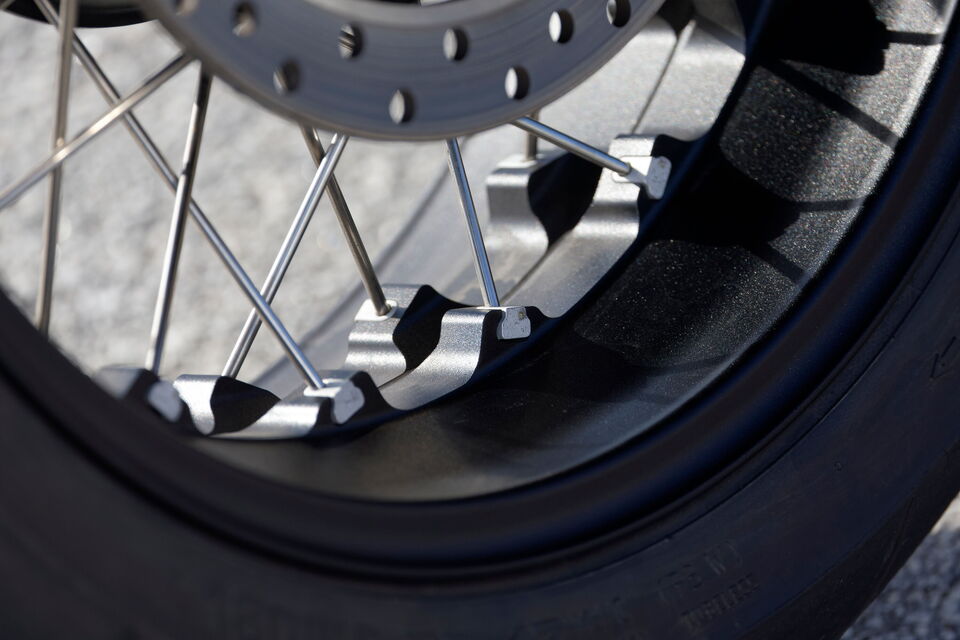
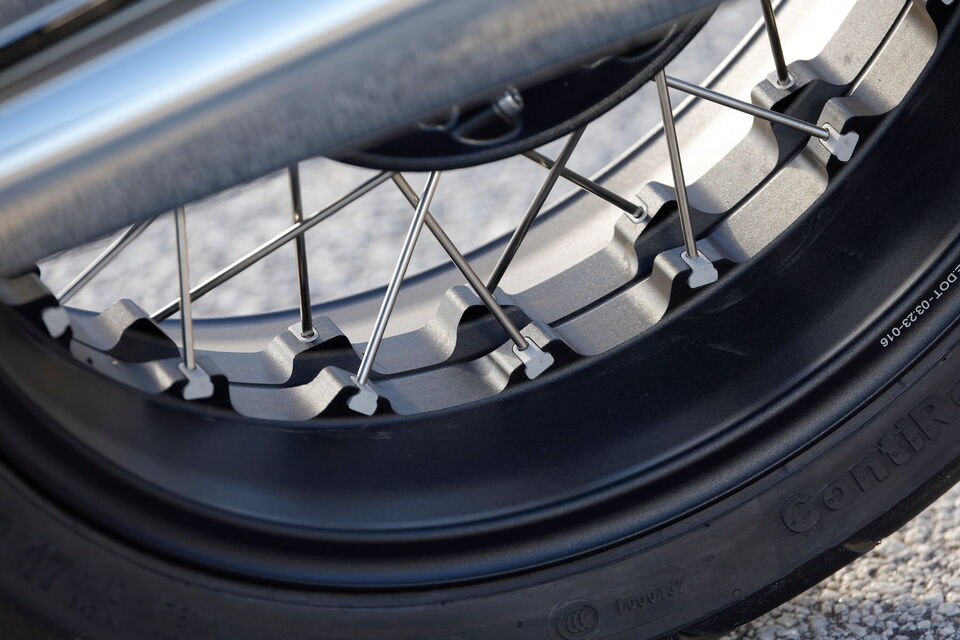
Wheels: Cast-aluminum wheels; Option 719 Classic wire-spoke wheels, tubeless, optional
Front tire: 120/70 ZR17
Rear tire: 180/55 ZR17
Rider aids: ABS Pro (lean-angle optimized), DTC, MSR; 3 riding modes standard (Rain/Road/Dynamic); Shift Assistant Pro optional with Comfort Package
Wet weight: 220 kg
Seat height: 795 mm
Wheelbase: 1,511 mm
Fuel capacity: 16 liters, aluminum
Price (Germany): from €17,410 plus additional charges
Warranty: 2 years, unlimited mileage