Review BMW R 1300 GS (2026)

The Benchmark—and Its Price
145 hp, 149 Nm, 237 kg, EVO Telelever and EVO Paralever, Brembo radial calipers, ShiftCam, DSA suspension, four riding modes standard—and a €19,900 base price. The 2026 BMW R 1300 GS is more expensive, better equipped, and upgraded with new adaptive lighting modes. Here is why it is the best adventure bike in the world—and where its limits lie.
As of: April 10, 2026 | Tested model: BMW R 1300 GS (2026), GS Trophy version | Price from: €19,900


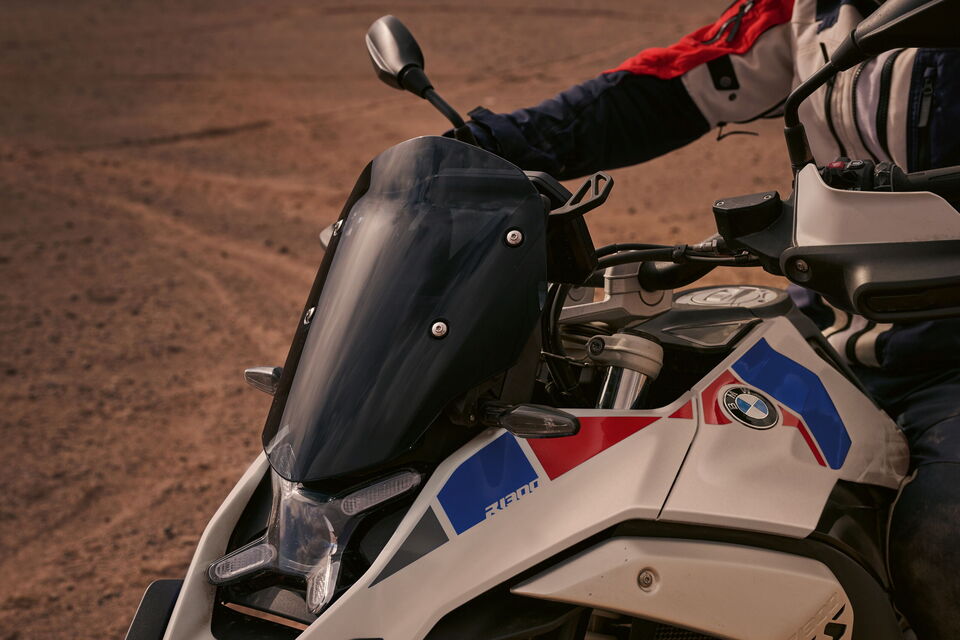
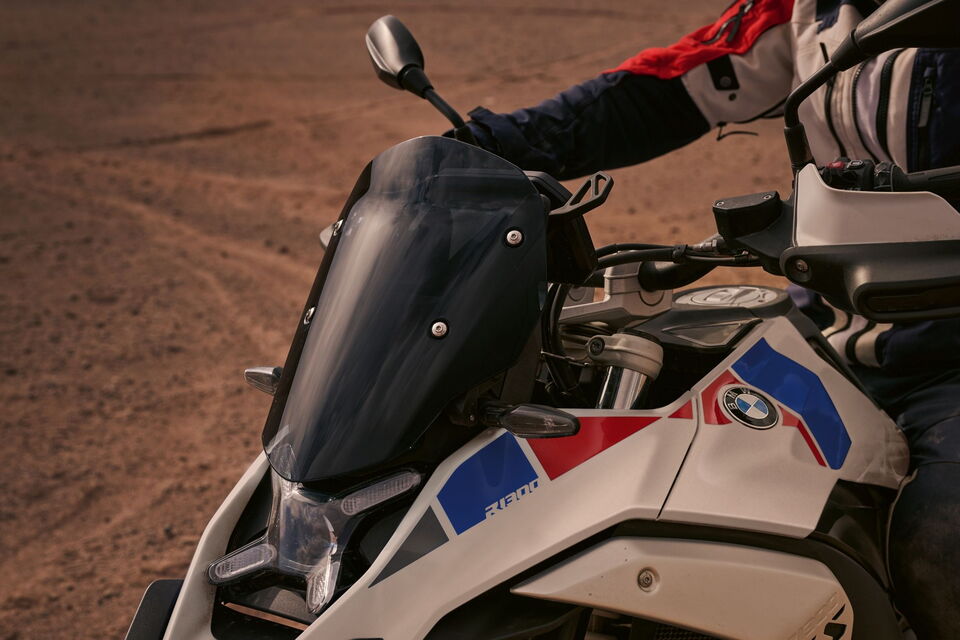
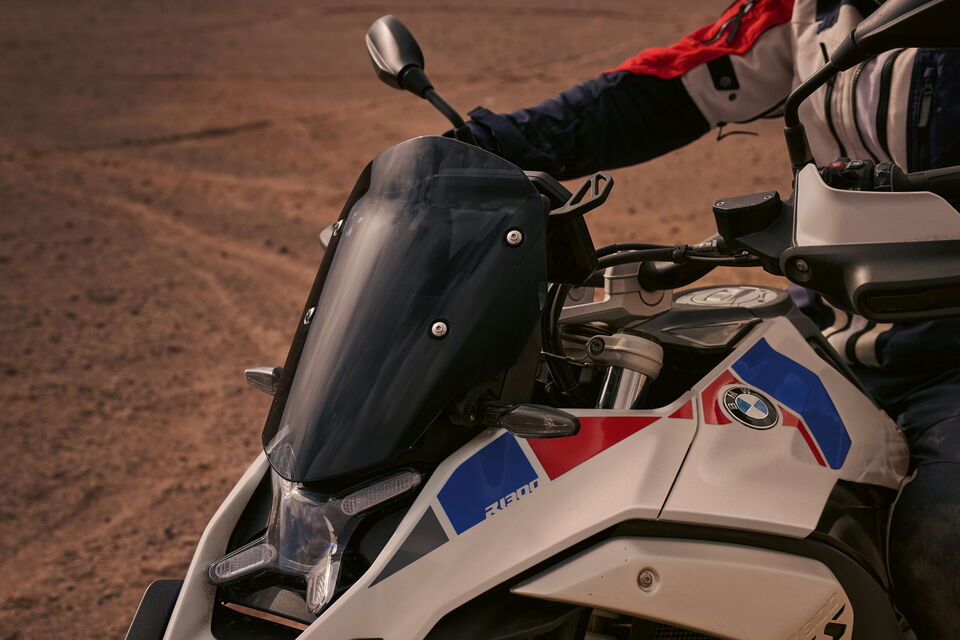
Engine: The Most Powerful Boxer Ever
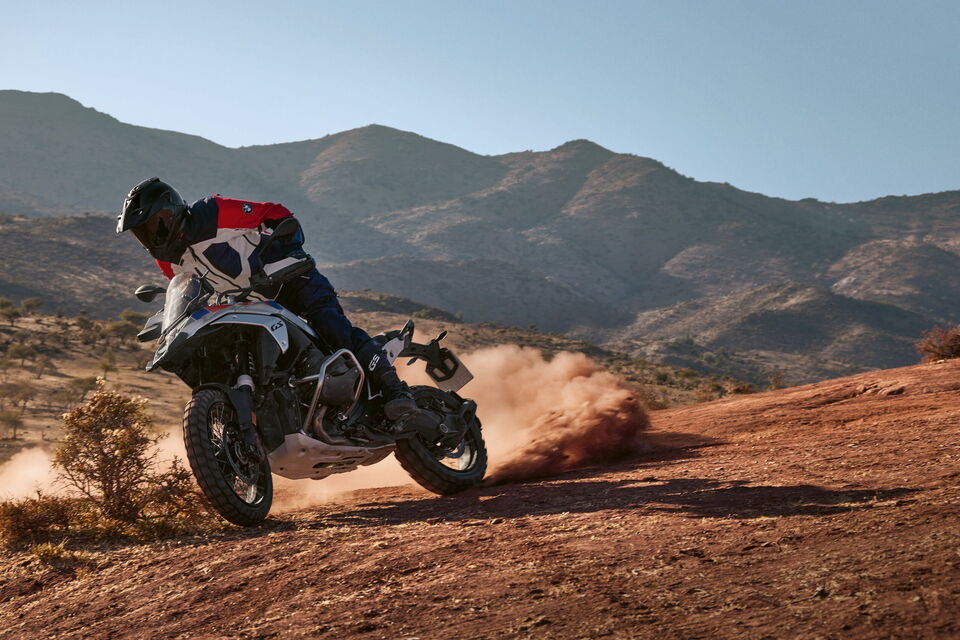
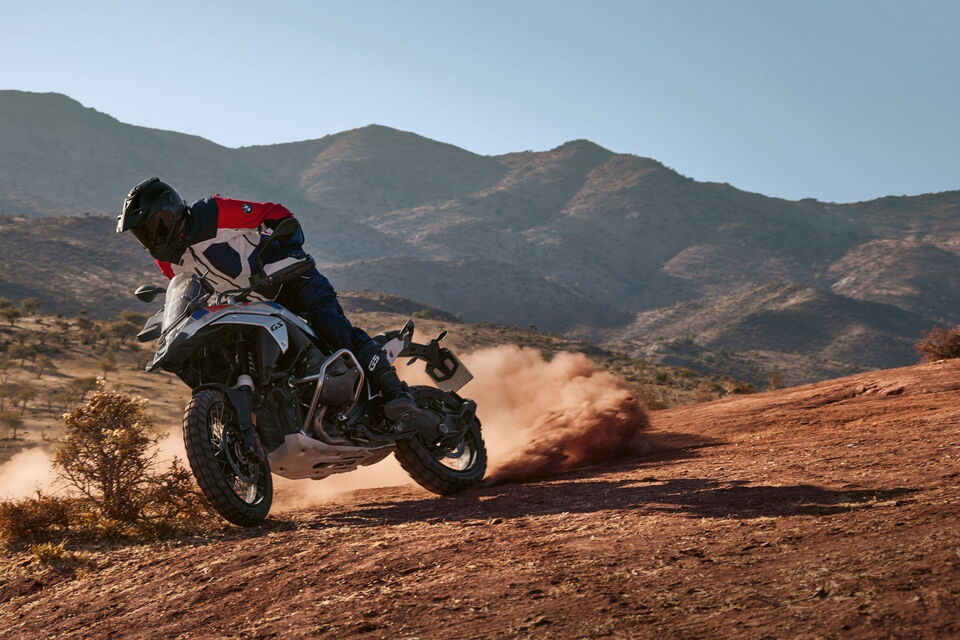
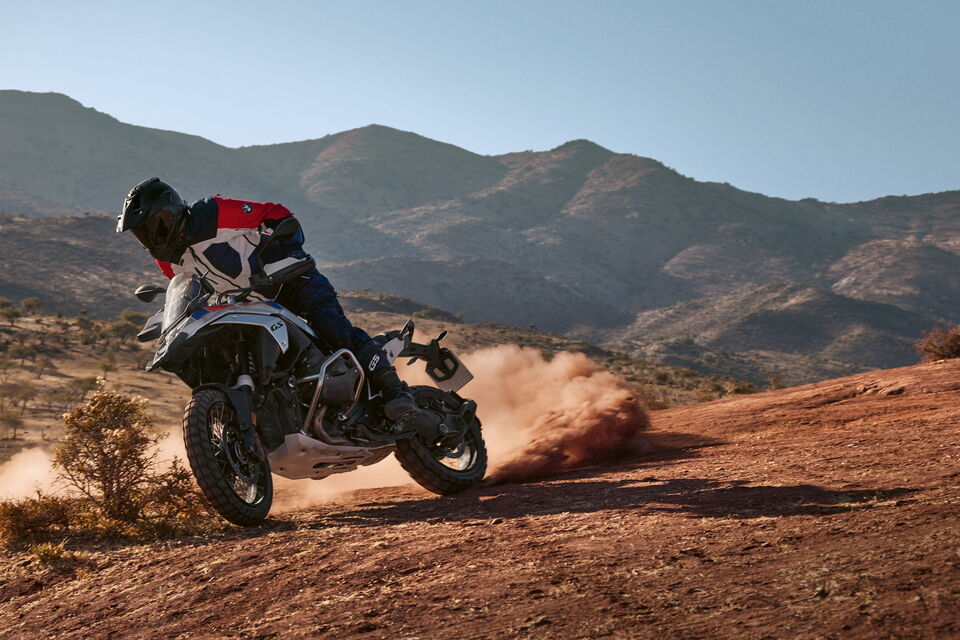
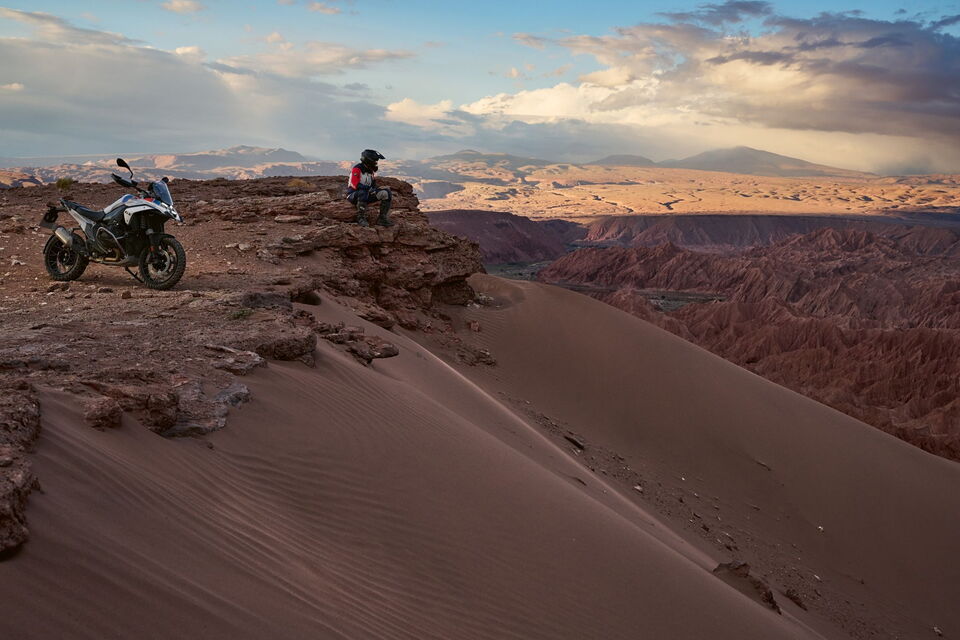
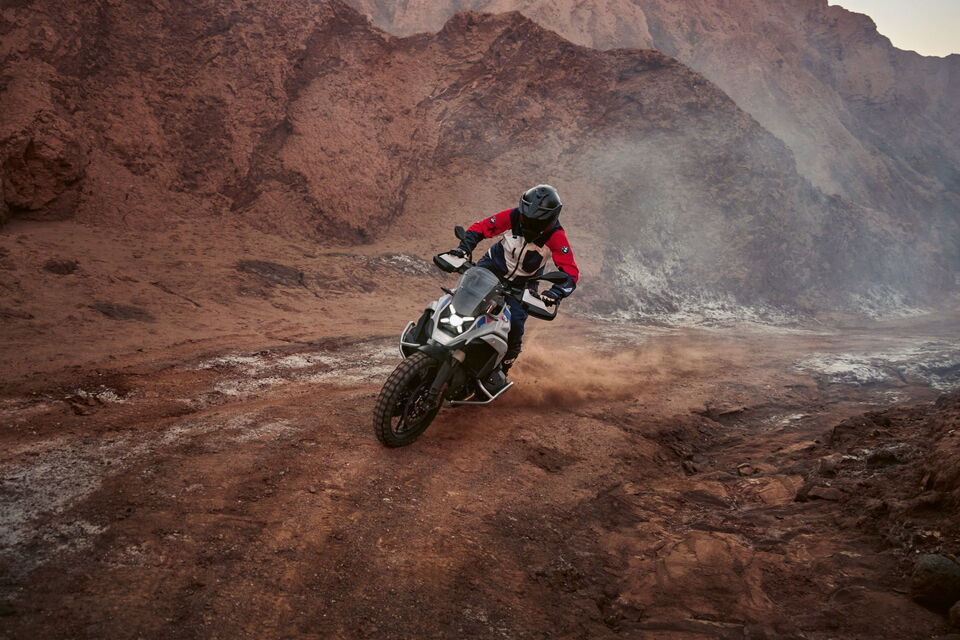
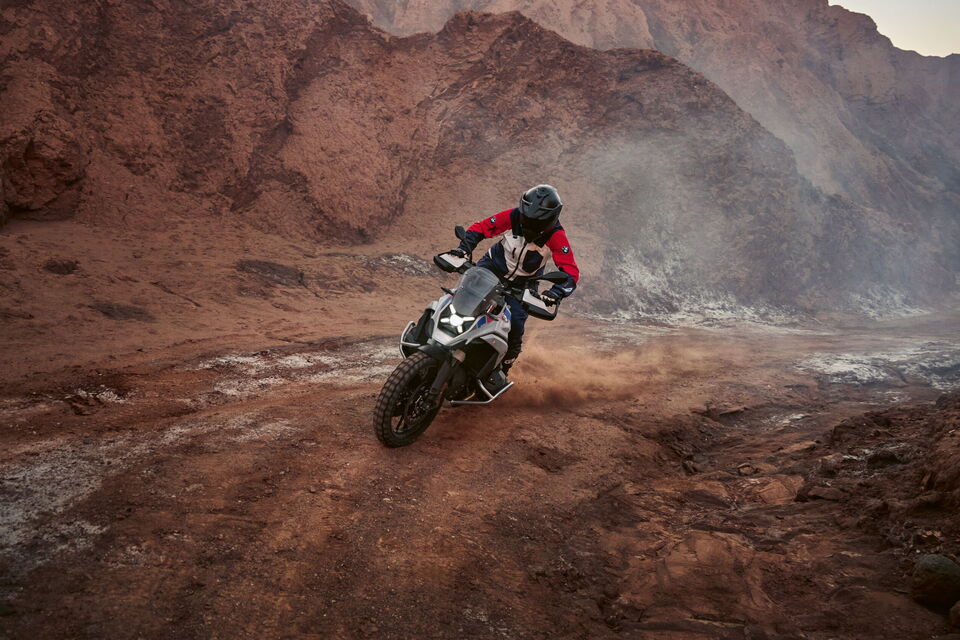
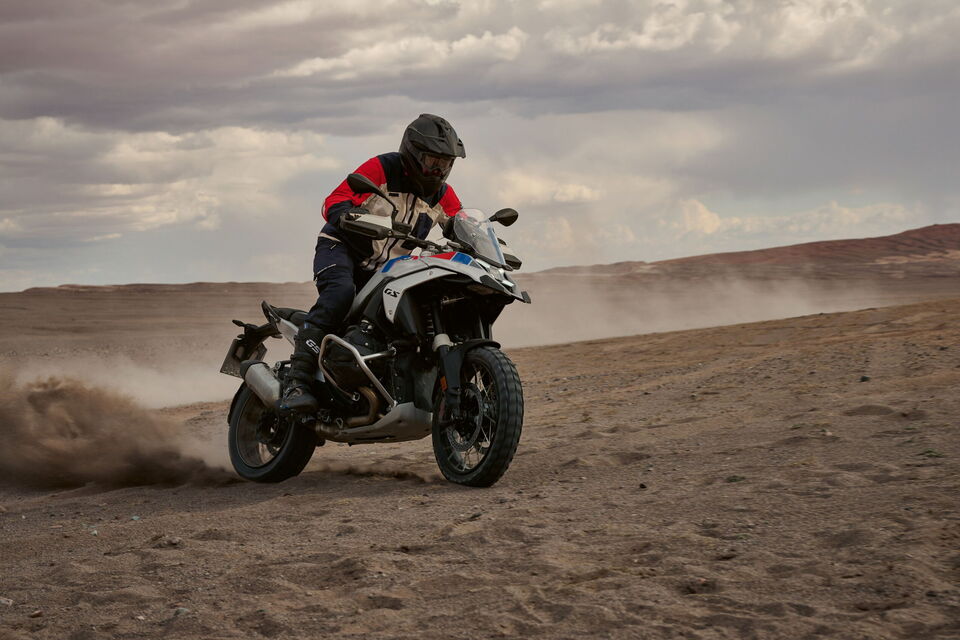
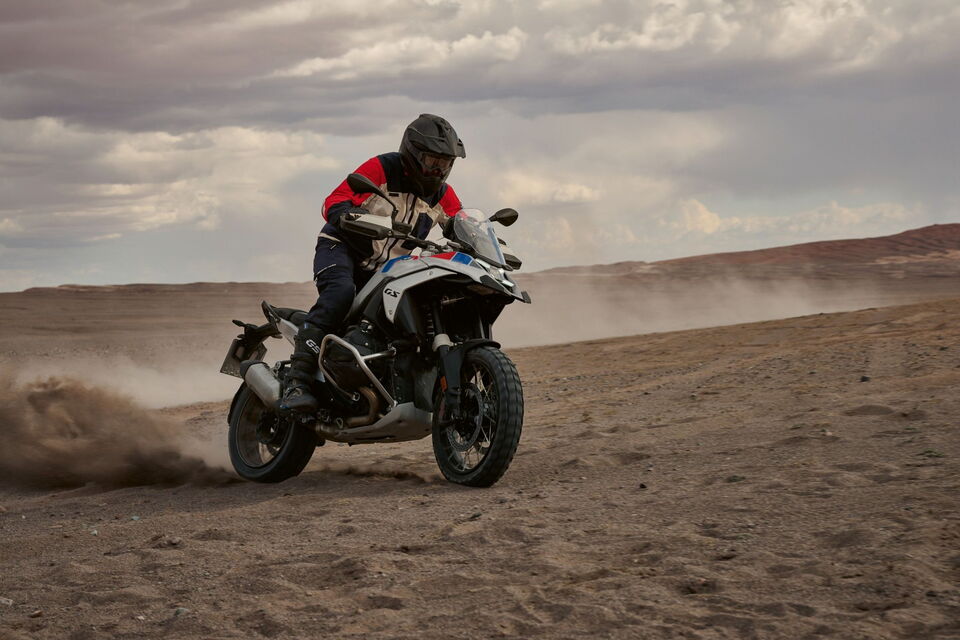
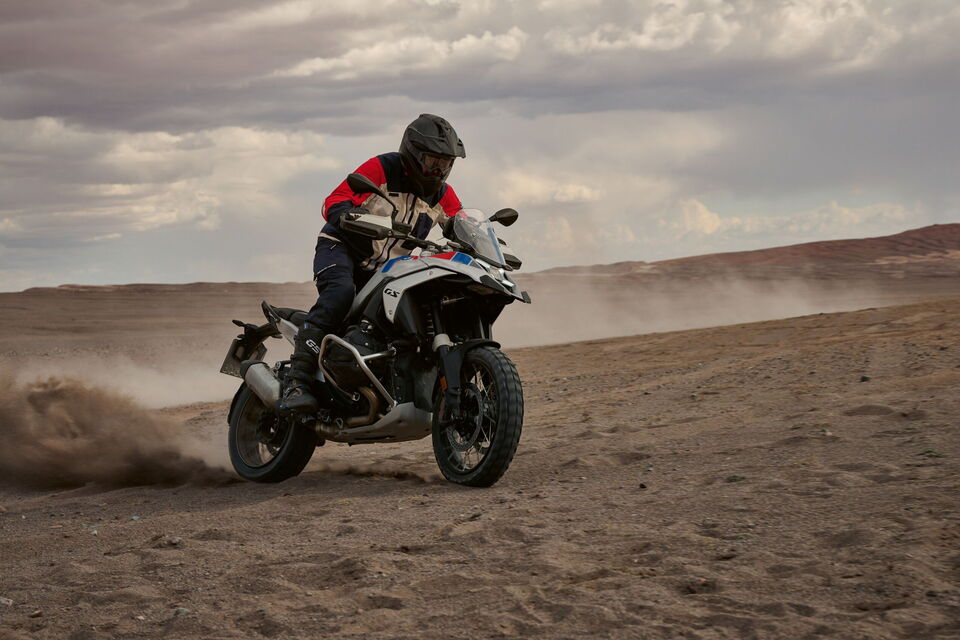
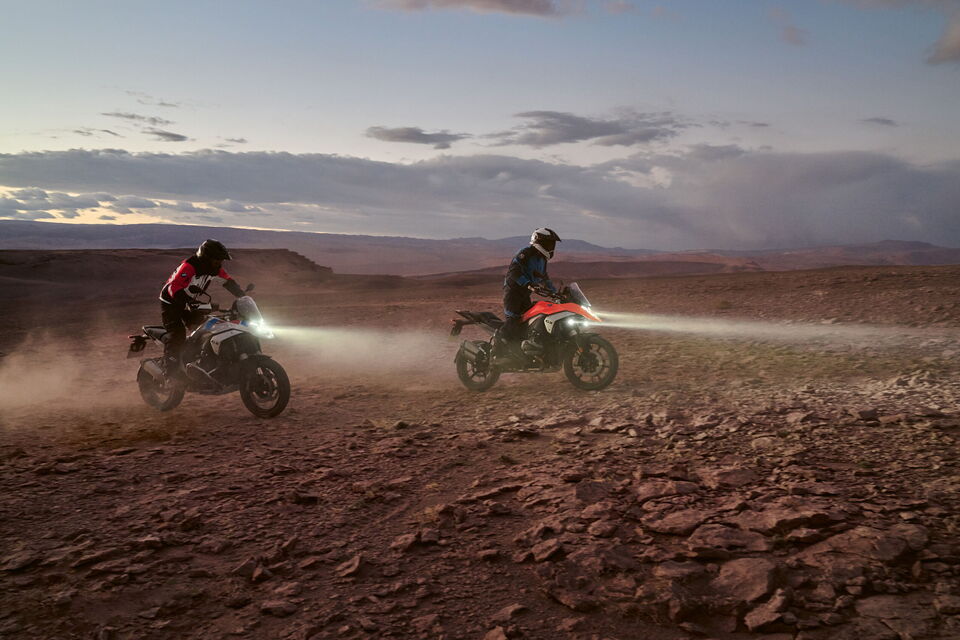
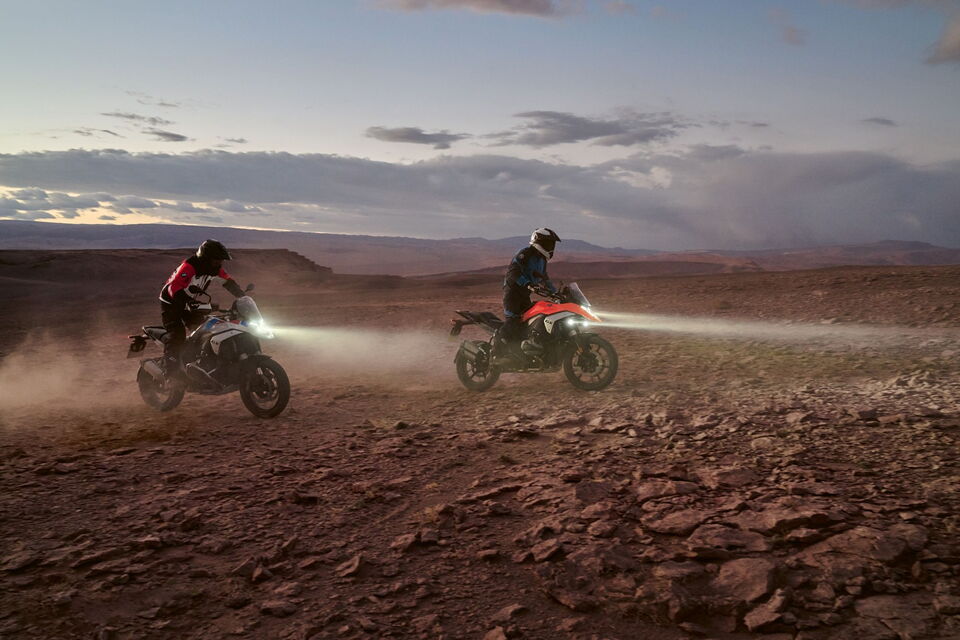
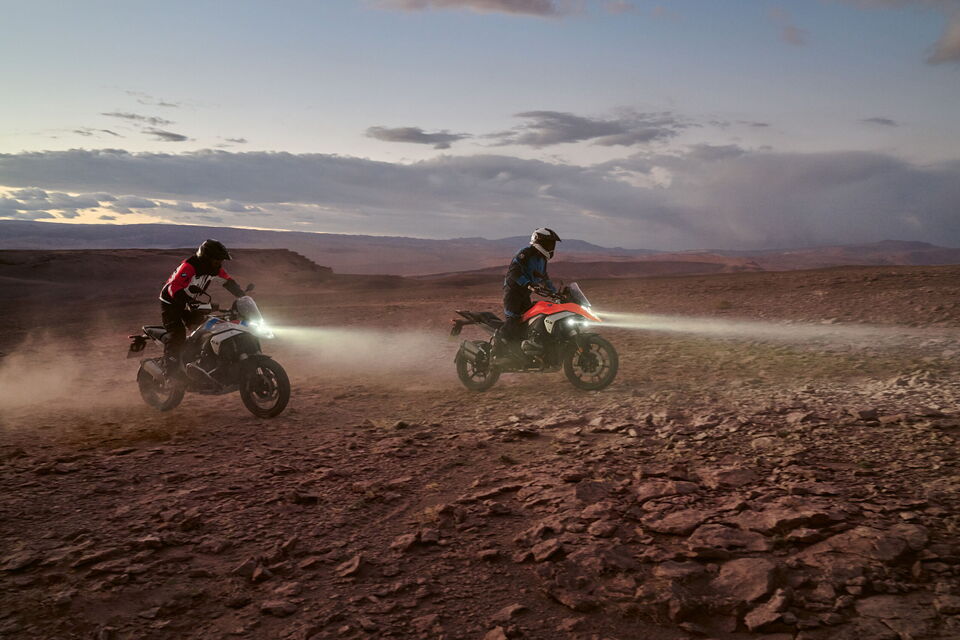
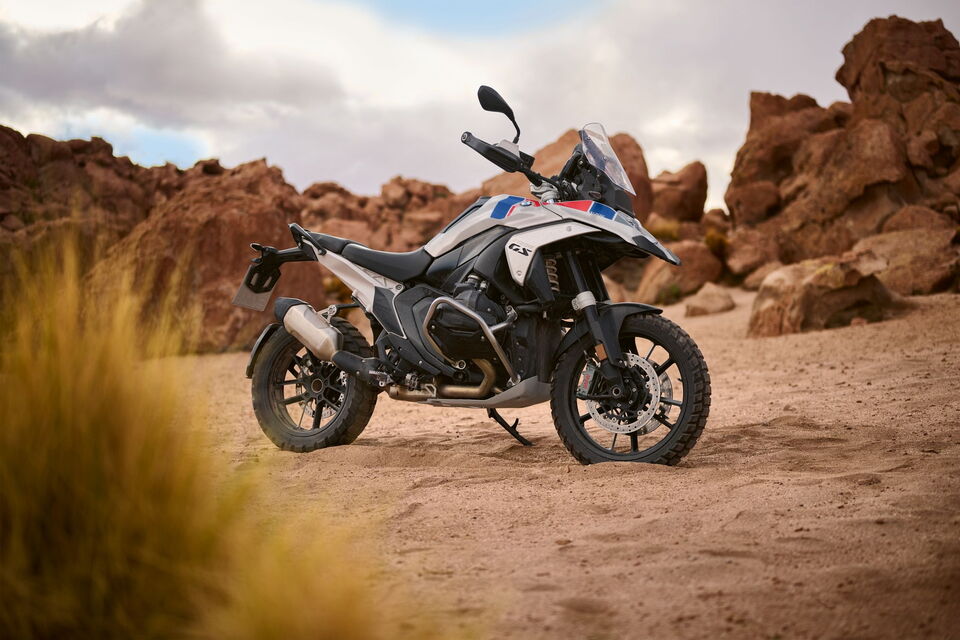
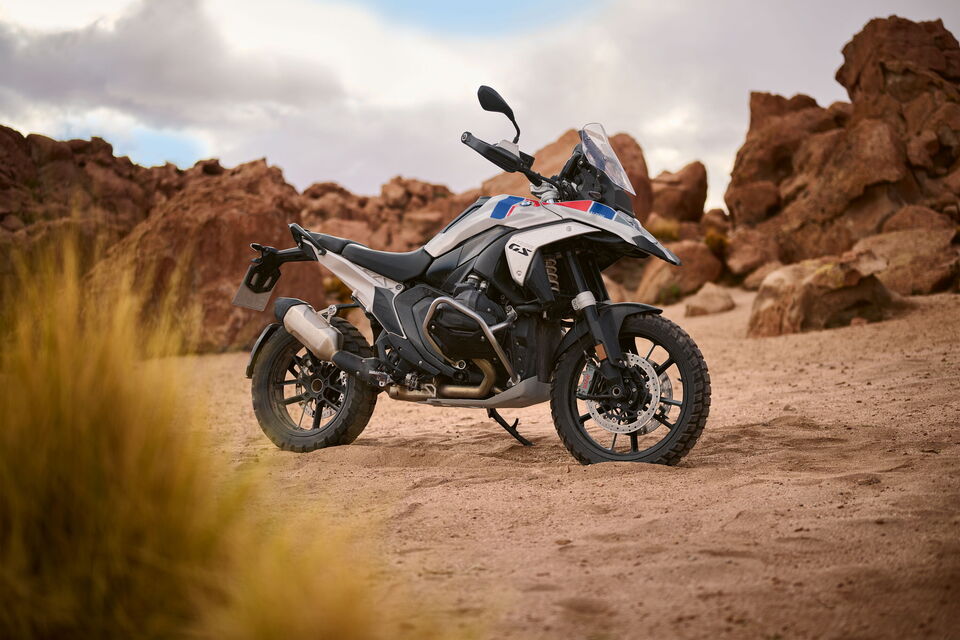
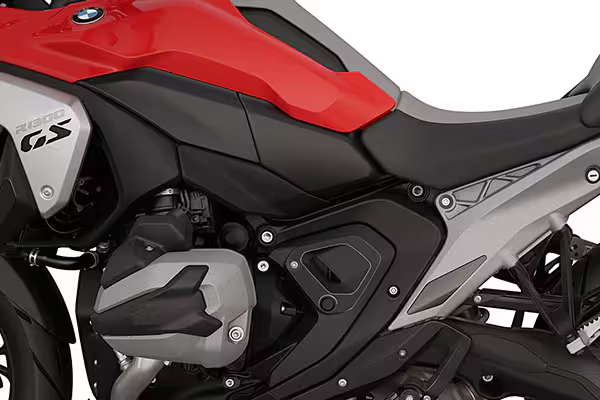
145 hp from 1,300 cc—this is simply the most powerful boxer twin BMW has ever built. The air/liquid-cooled flat twin with BMW ShiftCam variable intake-valve timing represents the culmination of more than 40 years of GS boxer development. 107 kW at 7,750 rpm, 149 Nm at 6,500 rpm. Those are no longer numbers normally associated with an adventure bike. This is supersport territory in a motorcycle you can load with luggage and ride around the world.
In everyday riding, the boxer is a master of refinement. Nearly 120 Nm is already available from 2,500 rpm. If you are riding at 50 km/h in sixth gear, there is no need to downshift.
The engine willingly revs to 9,000 rpm, sounds exactly the way a GS boxer should—powerful, characterful, unmistakable—and produces no distracting vibration through the handlebars. ShiftCam technology adjusts valve timing and valve lift according to load. At lower rpm, BMW prioritizes maximum torque and smooth running. At the top end, full power is available. The result is an engine that never feels overwhelmed in any riding situation—and always feels ready to respond when you ask for more.
Available as an option since model year 2025 is the Automated Shift Assistant, or ASA, which operates both clutch and transmission fully automatically. This is not a gimmick; anyone sitting in traffic with heavily loaded luggage cases, riding long mountain passes with constant gear changes, or dealing with physical limitations will quickly find out how helpful it can be. The conventional Shift Assistant Pro comes standard, of course, and allows clutchless upshifts and downshifts.
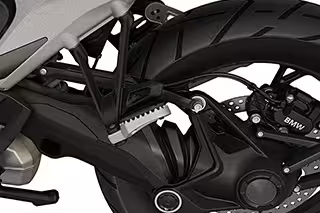
Shaft drive is low-maintenance, and the new universal joint at the rear wheel makes servicing considerably easier than on the predecessor.
Chassis: EVO Telelever, EVO Paralever, DSA—a System That Thinks
The R 1300 GS chassis is the most complex BMW has ever installed in a production motorcycle—and in practice, one of the most transparent. Up front is EVO Telelever, a design in which the fork tubes primarily provide wheel guidance while a separate shock handles suspension movement. This separates braking forces from suspension action. Under braking, the front fork does not dive in the conventional sense. The GS remains level.
The DSA system—Dynamic Suspension Adjustment—automatically varies damping and spring preload within milliseconds depending on the selected riding mode. At the rear is EVO Paralever: a cast-aluminum single-sided swingarm with a central WAD shock featuring travel-dependent damping and continuously adjustable spring preload. Suspension travel is 190 mm at the front and 200 mm at the rear. That is generous and allows the GS to glide calmly over poor pavement and gravel roads.
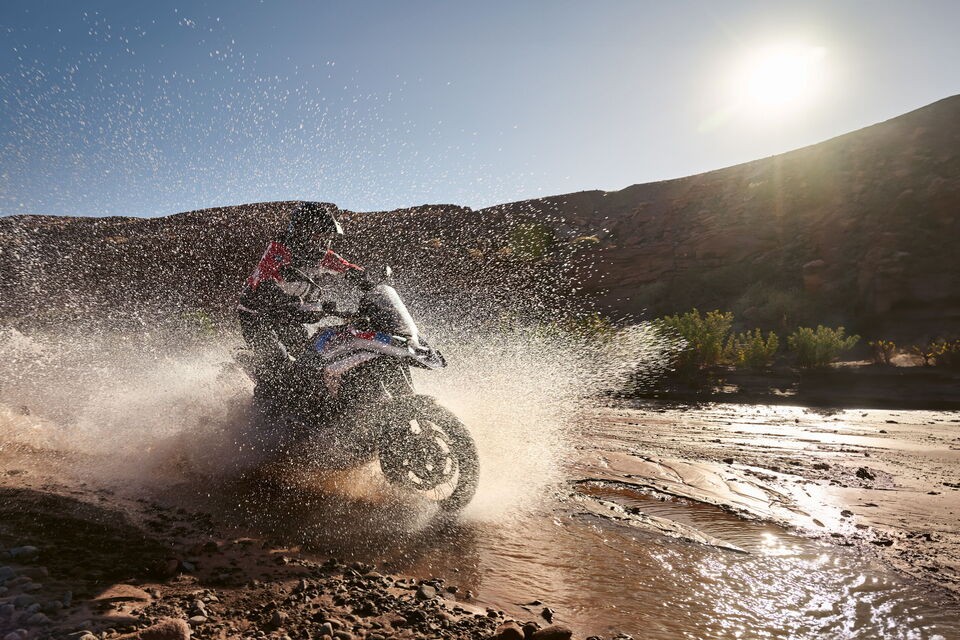
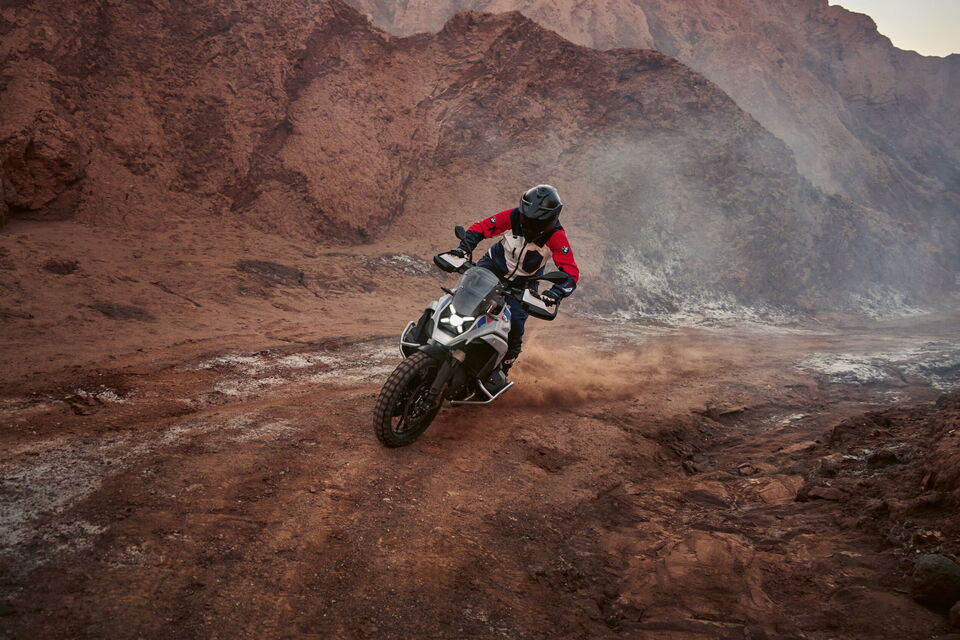
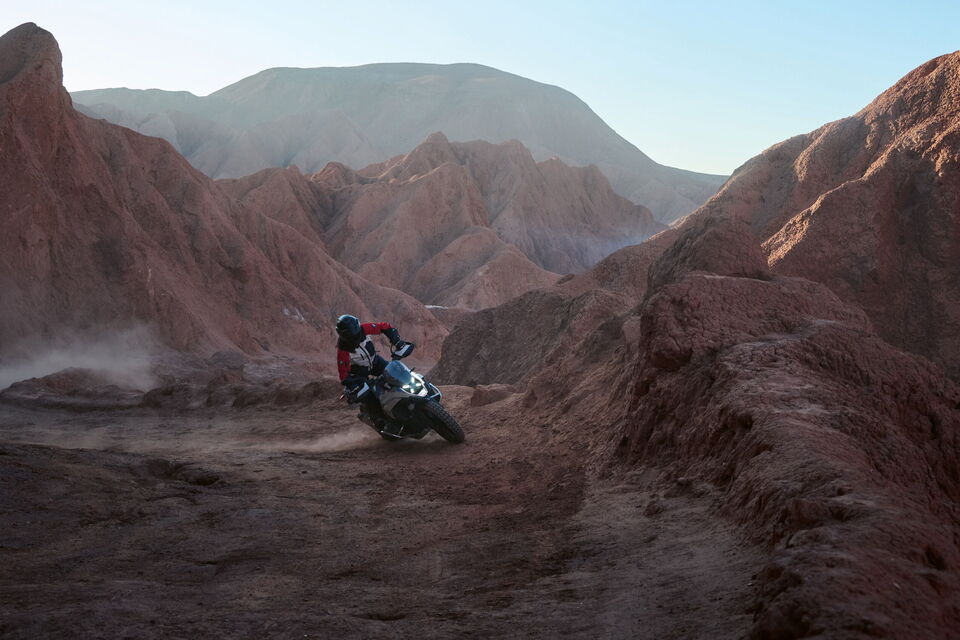
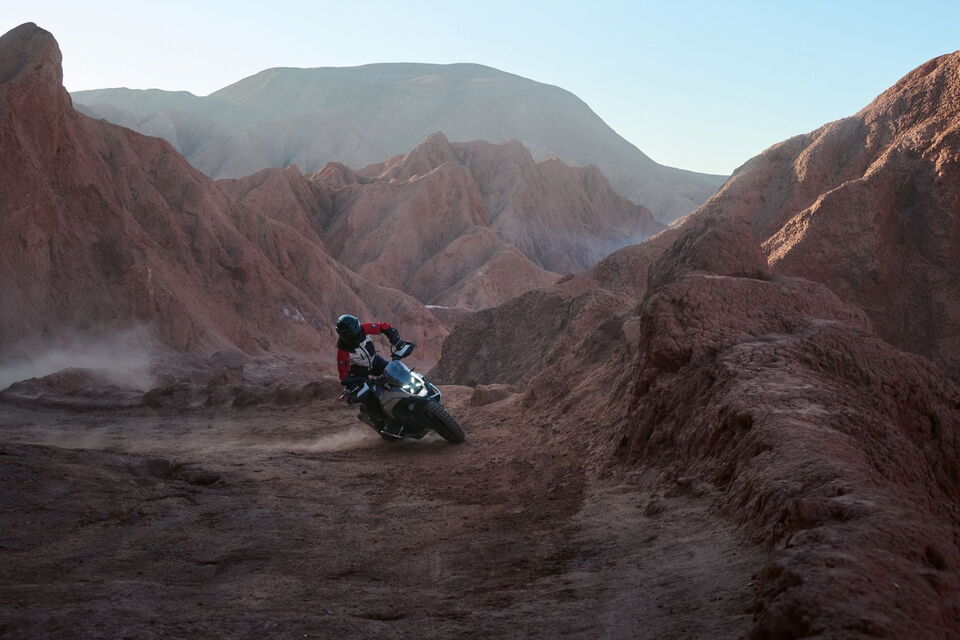
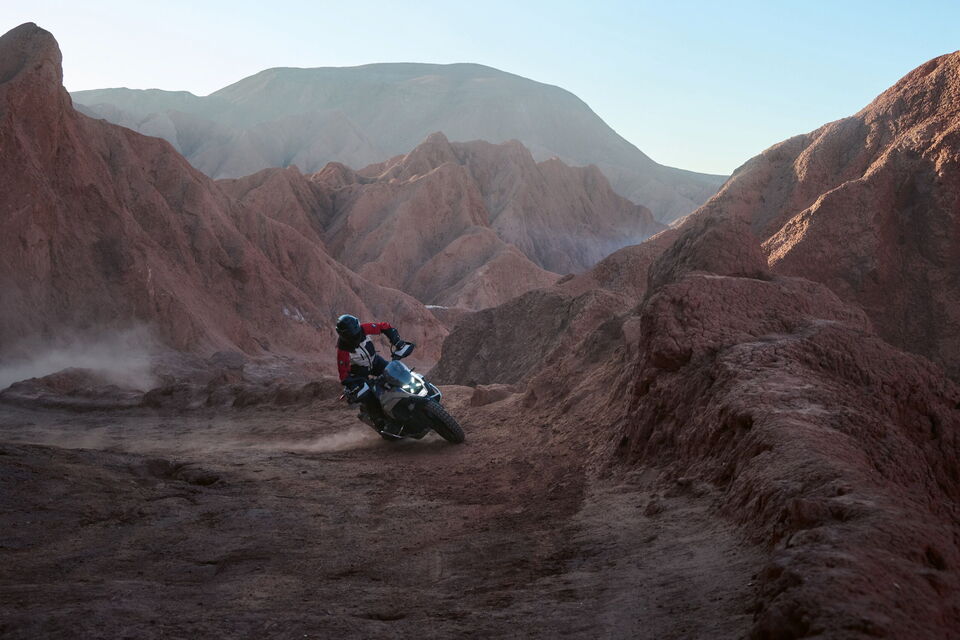
Off-road—as long as you stay away from extreme terrain—the chassis delivers exactly what it promises. On the road, the GS irons out imperfections effortlessly without becoming vague. On winding backroads, it almost seems to follow the intended line automatically.
Brembo supplies the brakes. Up front are dual 310 mm semi-floating discs with four-piston radial calipers. At the rear is a 285 mm disc with a two-piston floating caliper. Fully integral, lean-angle-optimized ABS Pro automatically distributes braking pressure between both wheels, even if the rider operates only one brake control. This is both a safety aid and an active part of the riding experience, keeping the motorcycle composed even under hard braking from high speeds.
Ergonomics: 850 mm Seat Height—and DSA Lowers the GS on Demand
Standard seat height is 850 mm. For many riders, that is challenging. BMW has responded with an optional adaptive suspension system that lowers the GS at the touch of a button within 1.5 seconds and raises it again below 50 km/h. This is not relevant only for shorter riders - anyone who wants both feet securely on the ground at a red light and then full suspension height once moving will appreciate the system. Harley-Davidson, incidentally, was the first to introduce this concept in production on the Pan America 1250 S.
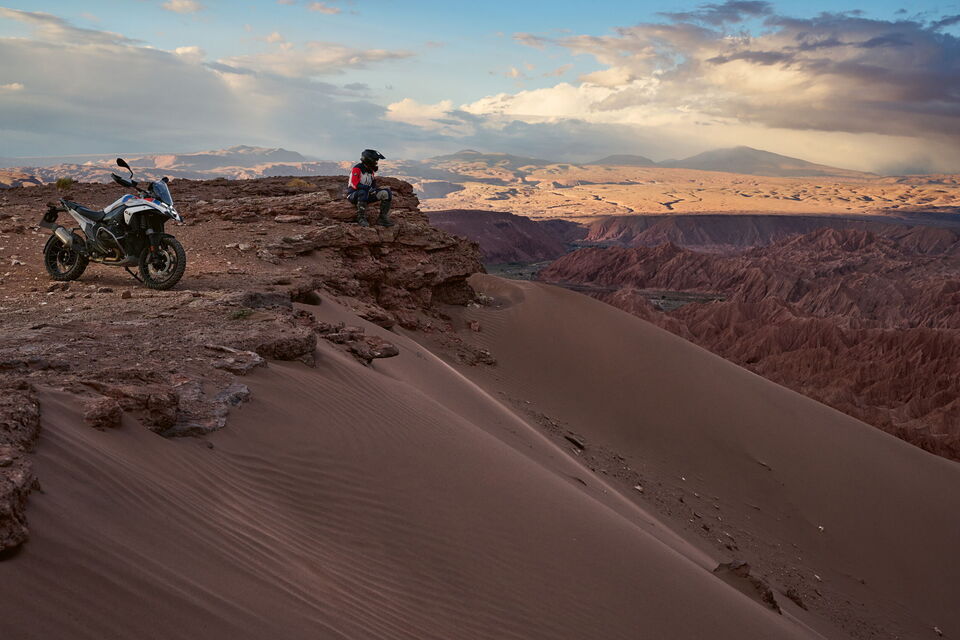
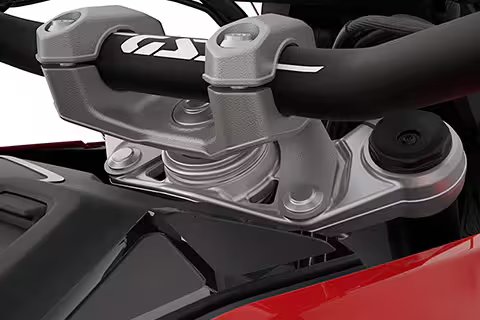
Alternative seats are also available. BMW lists the standard 2026 model’s seat height at 850 mm. The riding position is classic GS: upright, slightly forward, with a wide and high handlebar. The seat-to-tank line—the GS Flyline—is considerably flatter than on the predecessor, providing more legroom and making the motorcycle easier to maneuver. Sit on the GS and you sit high, with the commanding view and elevated feeling that have defined this motorcycle for decades. The adjustable windscreen comes standard and can be raised or lowered with one hand while riding.
Handling: 237 kg—and a Motorcycle That Feels Lighter
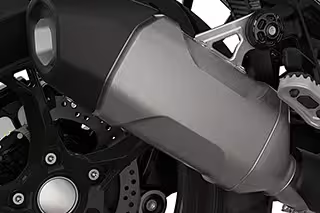
237 kg fully fueled—12 kg less than the previous R 1250 GS. Yes, BMW achieved some of that through measures such as deleting the centerstand from the standard specification and using a smaller fuel tank. Even so, weight was saved everywhere: headlight, swingarm, side stand, exhaust, rear subframe, plastic fuel tank. The result is clearly noticeable on the road.
The R 1300 GS feels considerably lighter than its weight figure suggests. The low center of gravity created by positioning the transmission beneath the engine, combined with mass centralization and the precise chassis, produces a motorcycle capable of keeping up with considerably lighter and more agile machines on twisty backroads.
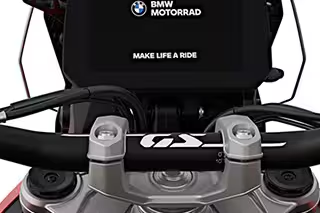
The 6.5-inch TFT display is large, bright, and easy to read. The menu system operated through the Multi-Controller takes some getting used to and was identified by all testers as an area that could be improved. There are many submenus, and most functions cannot be operated blindly. You look at the display more often than you would like. This is a familiar and justified criticism of the R 1300 GS, and software updates have not yet completely resolved it.
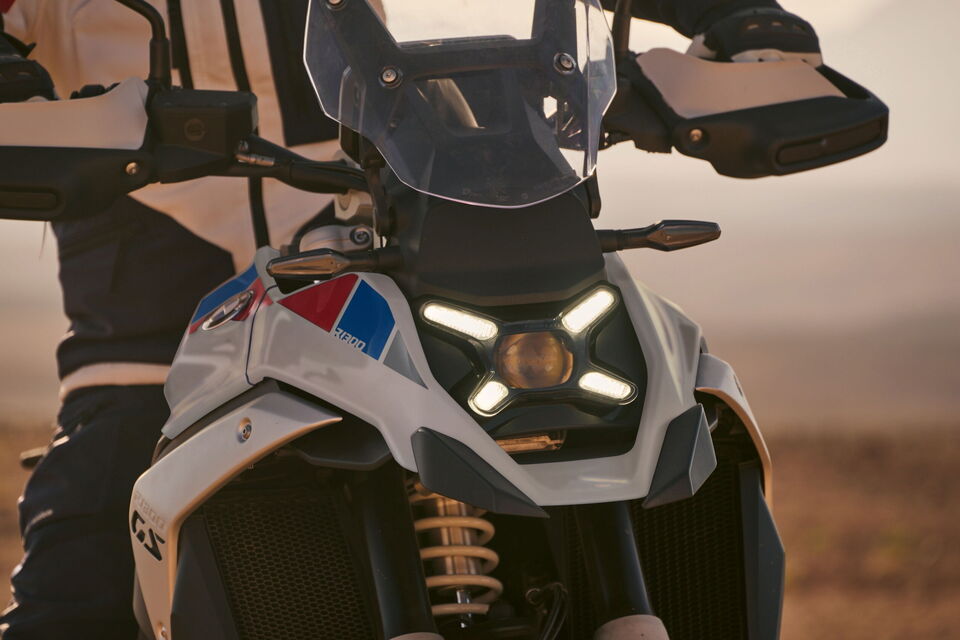
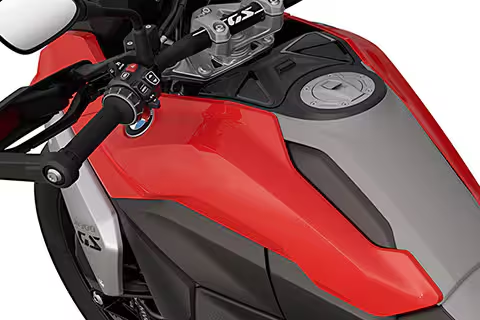
The 19-liter fuel tank is relatively modest for a large adventure bike. At consumption of around 5 liters per 100 km, range is approximately 350 km. If you need more, choose the R 1300 GS Adventure with its 30-liter tank. New for 2026 are adaptive lighting modes that expand the optional Headlight Pro system with speed-dependent light patterns—wide in the city, long-range on the highway. This is available either as a €650 standalone option or as part of the €1,335 Innovation Package.
Equipment: Plenty Standard, Plenty in Packages—and New Options for 2026
Standard equipment on the base version includes fully integral ABS Pro, Shift Assistant Pro, four riding modes—Rain, Eco, Road, and Enduro—DTC, MSR, DBC, Hill Start Control, cruise control with braking function, Keyless Ride, heated grips, handguards with integrated turn signals, RDC tire-pressure monitoring, lithium-ion battery, USB port, 12-volt outlet, adjustable windscreen, and TFT display with Bluetooth. That is an exceptionally complete standard equipment package at this price.
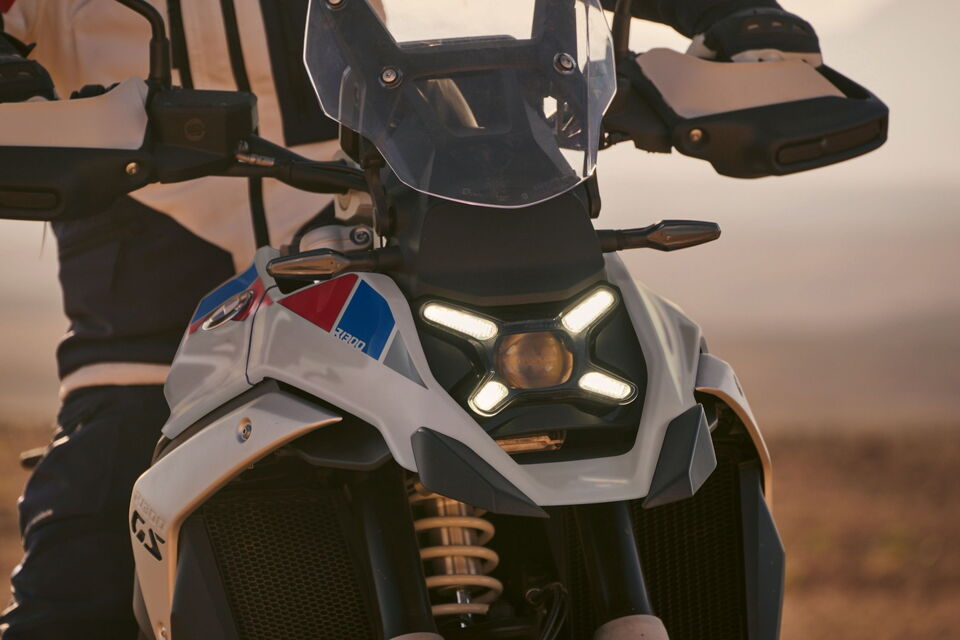
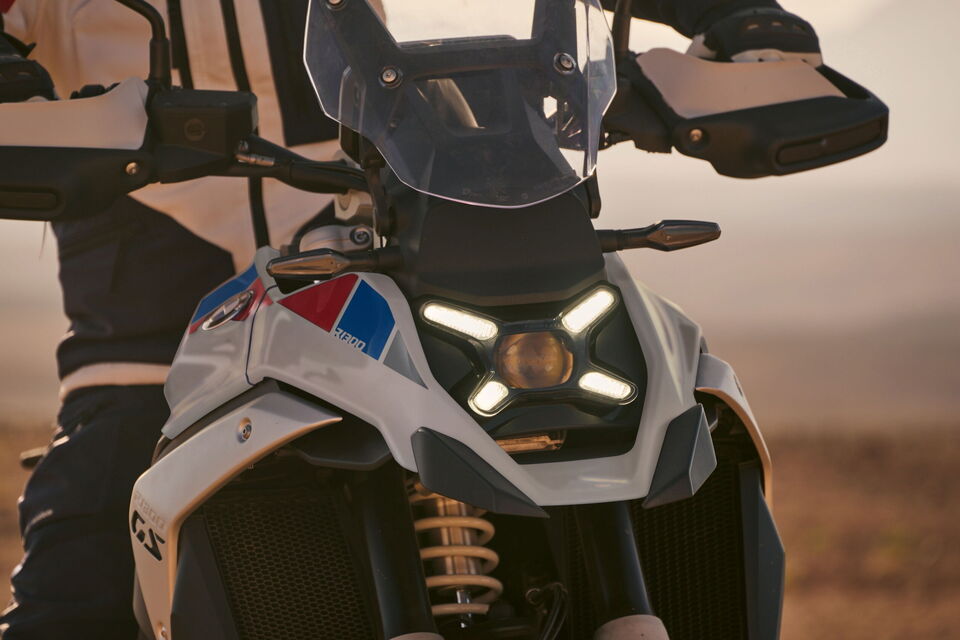
New for 2026 are optional Adaptive Light Modes—Headlight Pro with a speed-dependent light beam. The new base color is Racing Red solid. The new Option 719 color is Imperial Blue Metallic/White Aluminum Metallic Matte.
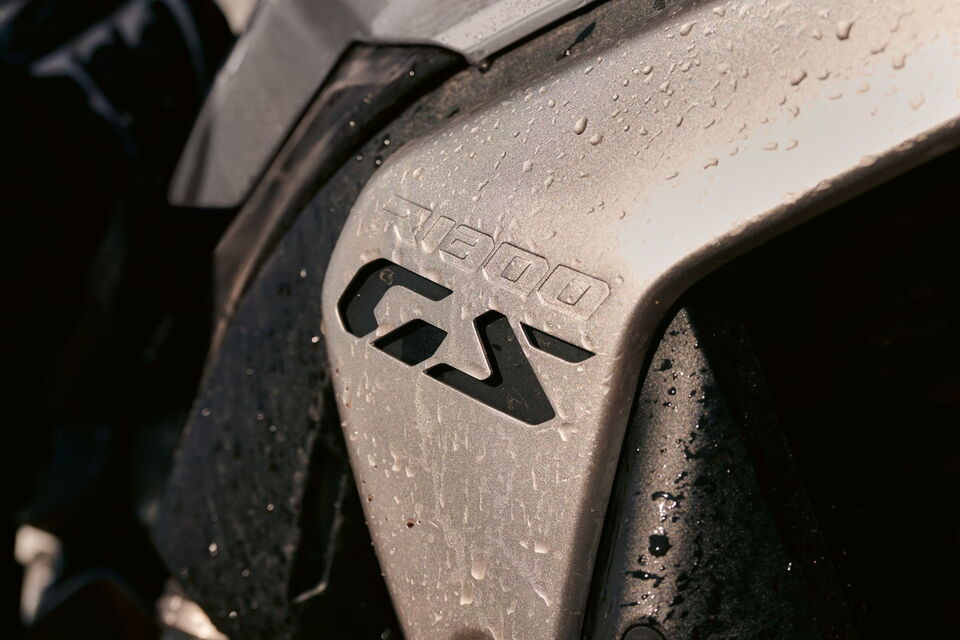
The GS Trophy version remains available with cross-spoke wheels, enduro handguards with aluminum braces, and GS Trophy styling. For 2026, the R 1300 GS has increased in price by €800. That deserves criticism, even if the level of technology offered makes the increase understandable.
Costs: €19,900—and Competitors That Cost Considerably Less
The 2026 base price is €19,900—€800 more than in 2025. For direct comparison, a Honda Africa Twin costs around €16,500, a Ducati Multistrada V4 around €21,000, and a KTM 1390 Super Adventure S almost €22,000. The R 1300 GS deliberately positions itself as a premium product—and can justify that positioning through its combination of engine performance, suspension technology, breadth of equipment, and reliability.
If you want something less expensive, buy an F 900 GS. If you want the best, you pay the price.
Service is required every 10,000 km at a BMW dealer, with a standard service costing around €400 to €600. Valve-clearance inspection is required every 20,000 km and costs around €600 to €900. According to the owner’s manual, shaft-drive service is required every 60,000 km. Resale values for the R 1300 GS remain very strong. Used 2024 examples sometimes trade at prices close to the cost of a new motorcycle.
Stationary noise is 89 dB(A) according to the COC document—below Tyrol’s 95 dB(A) limit, meaning the R 1300 GS remains legal in noise-restricted mountain regions. Warranty: two years with unlimited mileage.
Verdict
The BMW R 1300 GS is the most complete adventure-bike concept ever produced.
No other motorcycle combines 145 hp, shaft drive, EVO Telelever and EVO Paralever, fully integral ABS Pro, four standard riding modes, ShiftCam, DSA, and an equipment list this extensive at a weight of 237 kg.
Accept the price and the complex menu system, and you get the most convincing motorcycle in its class.
Quick Check
+ 145 hp, 149 Nm—the most powerful BMW boxer ever
+ EVO Telelever front suspension—no conventional brake dive
+ EVO Paralever rear suspension with WAD shock—200 mm of travel
+ Fully integral ABS Pro and Brembo 310 mm radial calipers standard
+ ShiftCam technology for optimum engine tuning under every load condition
+ DSA suspension—automatically adjusts damping within milliseconds
+ 237 kg—12 kg lighter than the R 1250 GS
+ Cruise control, Keyless Ride, RDC, heated grips, lithium-ion battery, and USB standard
+ 89 dB(A) stationary noise—legal in Tyrol and other noise-regulated regions
– €19,900 base price—€800 more than in 2025
– Complex menu system, most functions cannot be operated blindly
– 19-liter fuel tank—around 350 km of range; Adventure version has 30 liters
– Package pricing pushes a fully equipped motorcycle beyond €25,000
– 850 mm seat height—challenging for shorter riders without adaptive suspension
– Shaft-drive service every 60,000 km—budget for dealer costs
Technical Specifications: BMW R 1300 GS (2026)
Country of manufacture: Germany (Berlin-Spandau)
Engine: Air/liquid-cooled two-cylinder boxer, DOHC, BMW ShiftCam variable intake-valve timing, anti-hopping clutch, Euro 5+
Displacement: 1,300 cc
Power: 107 kW (145 hp) at 7,750 rpm
Torque: 149 Nm at 6,500 rpm
Transmission: 6-speed, Shift Assistant Pro standard; ASA Automated Shift Assistant optional
Final drive: Shaft
Frame: Sheet-steel main frame, die-cast aluminum rear frame
Front suspension: BMW Motorrad EVO Telelever with flex element for decoupling handlebar tilt, ZF Sachs central shock, DSA, 190 mm travel
Rear suspension: BMW Motorrad EVO Paralever, cast-aluminum single-sided swingarm with continuous swingarm pivot axle, WAD central shock, continuously adjustable spring preload, 200 mm travel
Front brakes: Dual 310 mm semi-floating discs, Brembo four-piston radial calipers
Rear brake: 285 mm disc, two-piston floating caliper
Wheels: Cast-aluminum wheels standard; cross-spoke wheels on Trophy and Option 719 versions
Front tire: 120/70 R19
Rear tire: 170/60 R17
Rider aids: Fully integral ABS Pro, DTC, MSR, DBC, HSC Hill Start Control, cruise control with braking function, 4 riding modes standard—Rain/Eco/Road/Enduro; Enduro Pro and Dynamic Pro optional; ASA optional; Adaptive Light Modes with Headlight Pro new and optional for 2026
Stationary noise: 89 dB(A)
Wet weight: 237 kg
Seat height: 850 mm; lower options available through DSA lowering or optional seat
Wheelbase: 1,518 mm
Fuel capacity: 19 liters
Price (Germany): from €19,900 plus additional charges
Warranty: 2 years, unlimited mileage