Review BMW R 1300 GS Adventure (2026)

30 Liters, 269 kg—the Long-Distance GS Without Compromise
The same 145 hp boxer as the R 1300 GS, but with a 30-liter fuel tank, 210/220 mm of suspension travel, aluminum rear subframe, DSA standard, auxiliary lights from the factory—and a €22,335 price tag. The R 1300 GS Adventure is the motorcycle for riders who genuinely want to go far.
As of: April 10, 2026 | Tested model: BMW R 1300 GS Adventure (2026) | Price from: €22,335
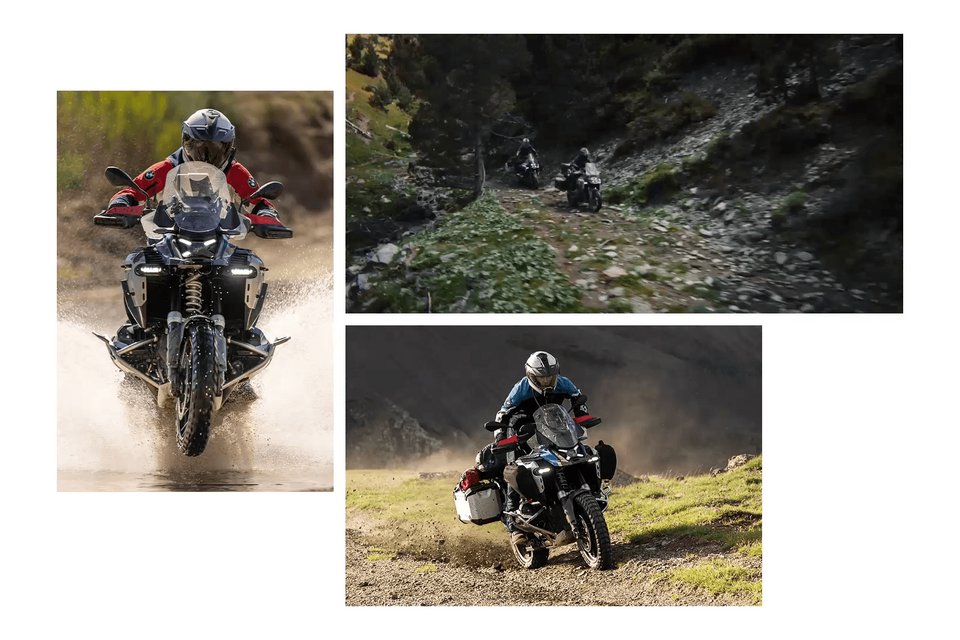
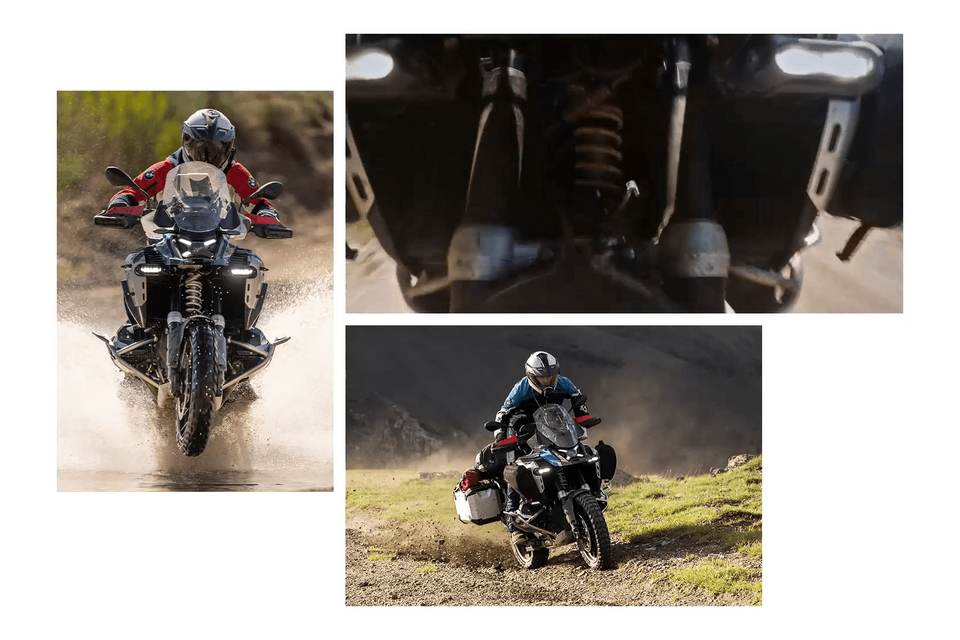
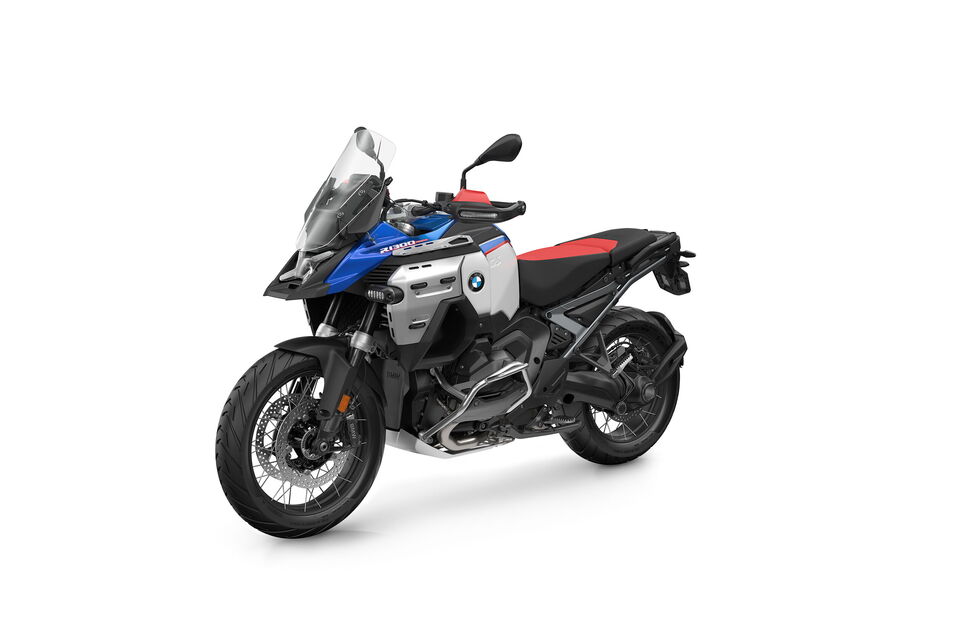
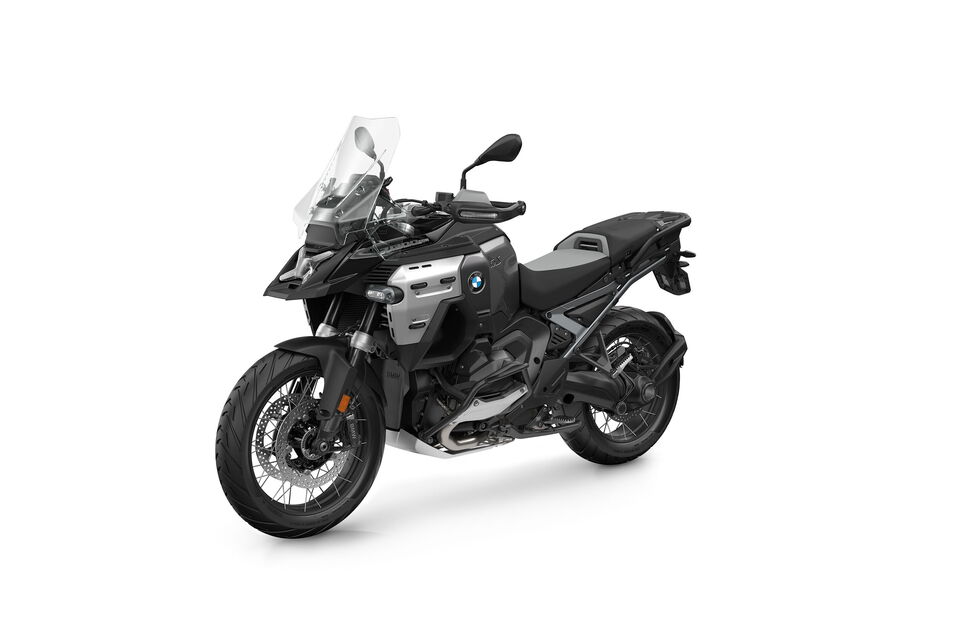
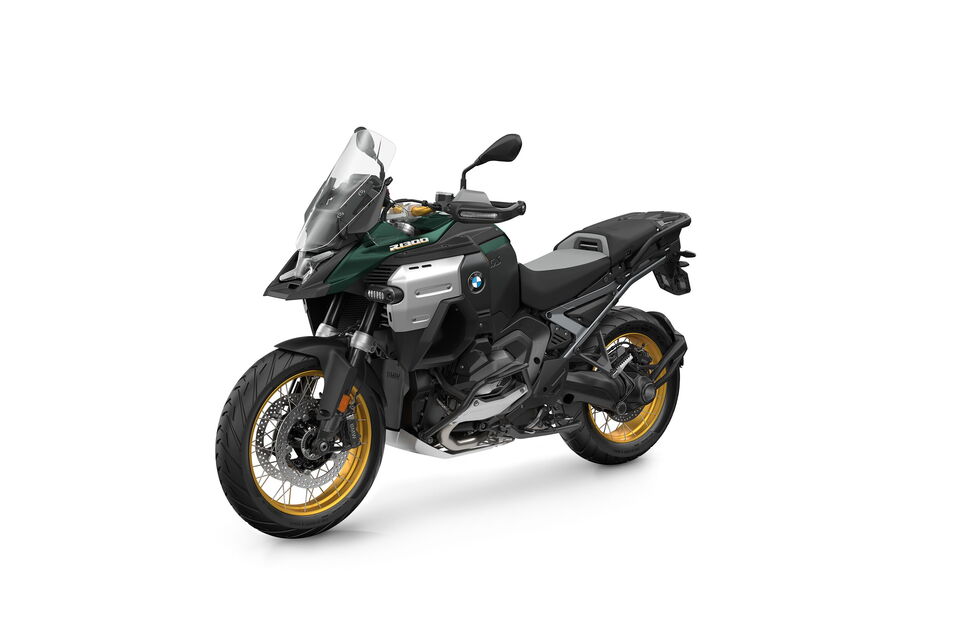
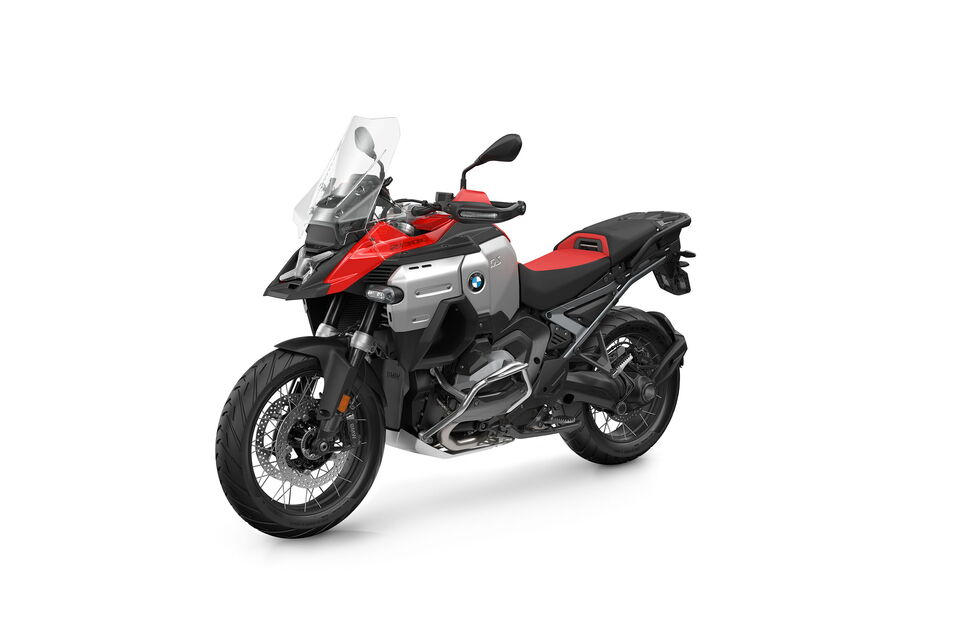
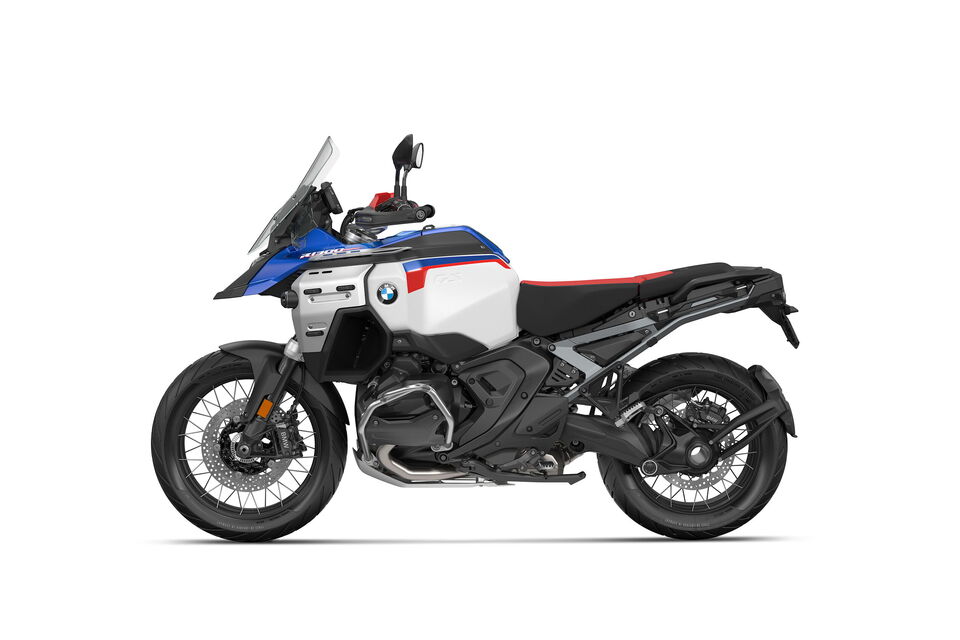
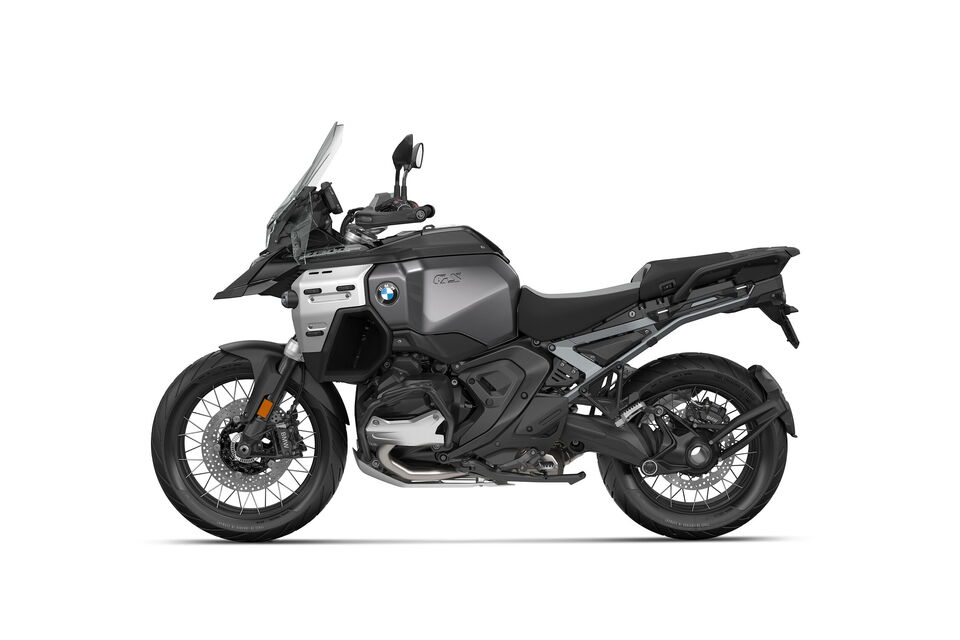

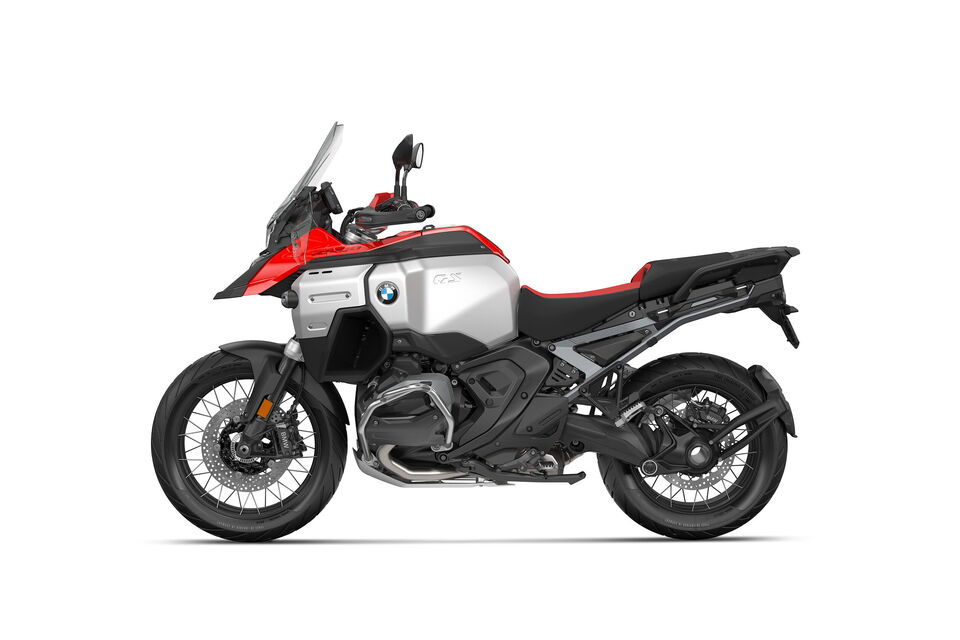
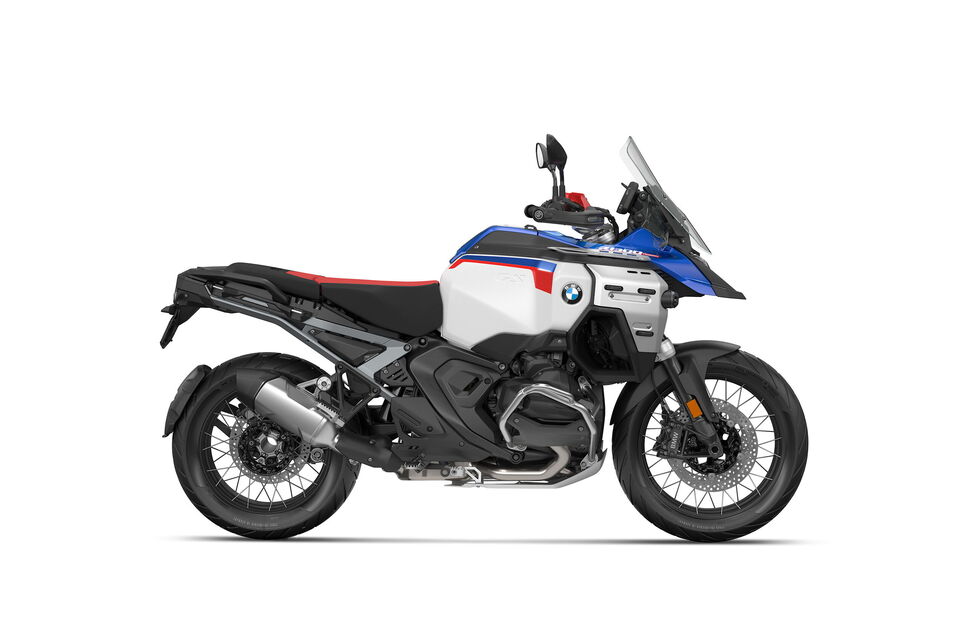
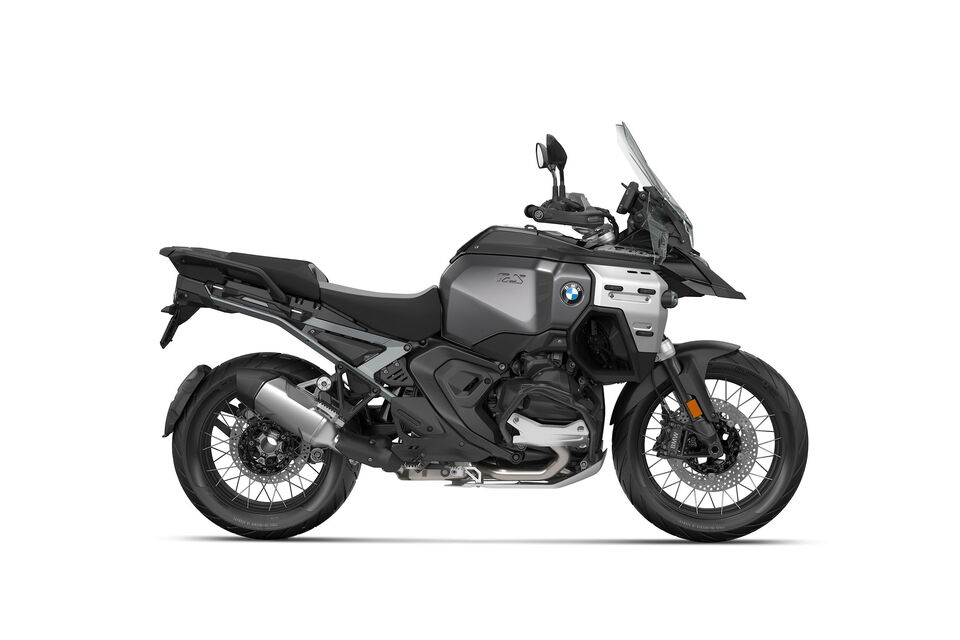
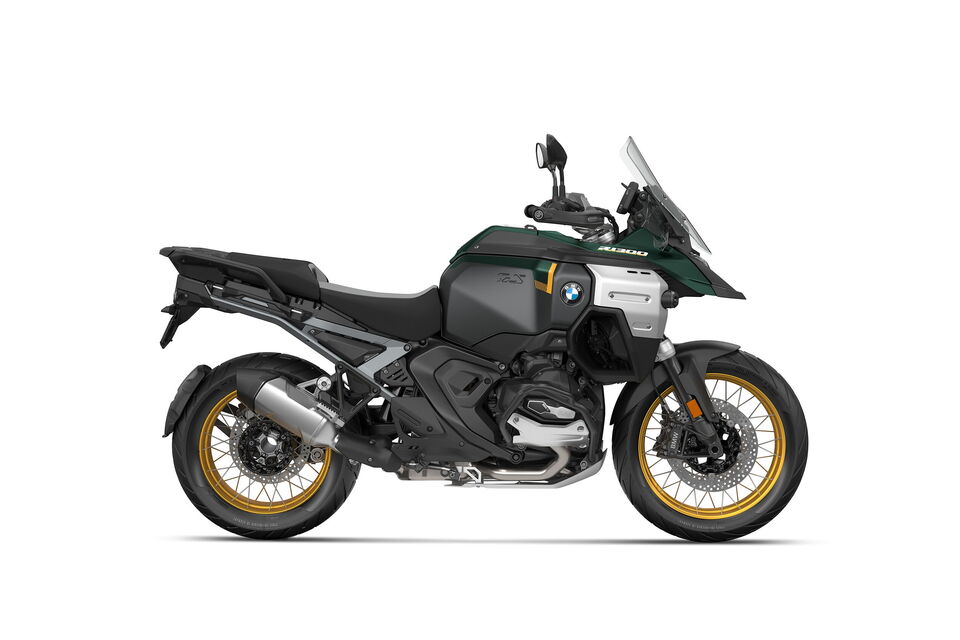
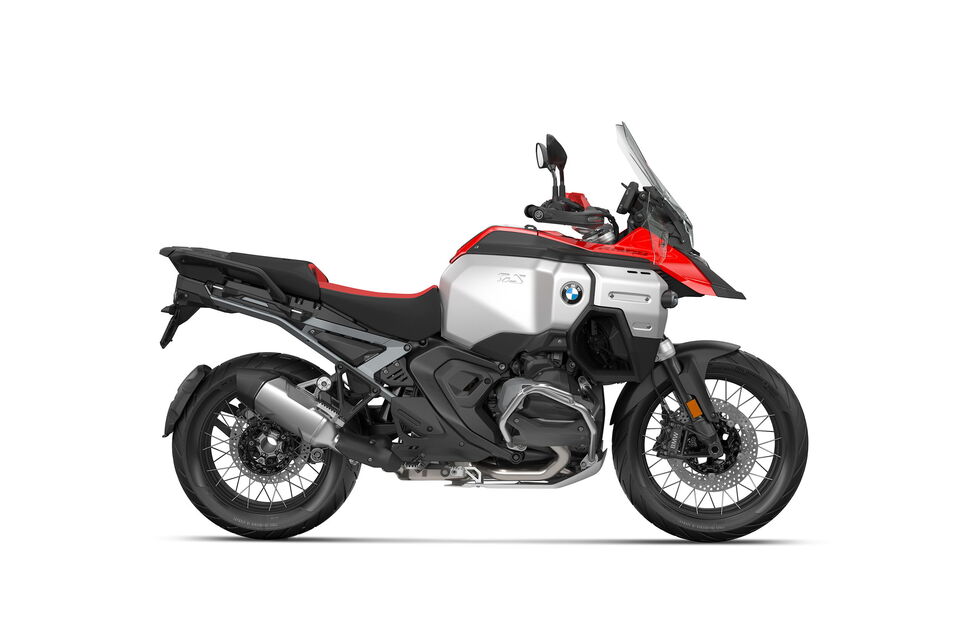
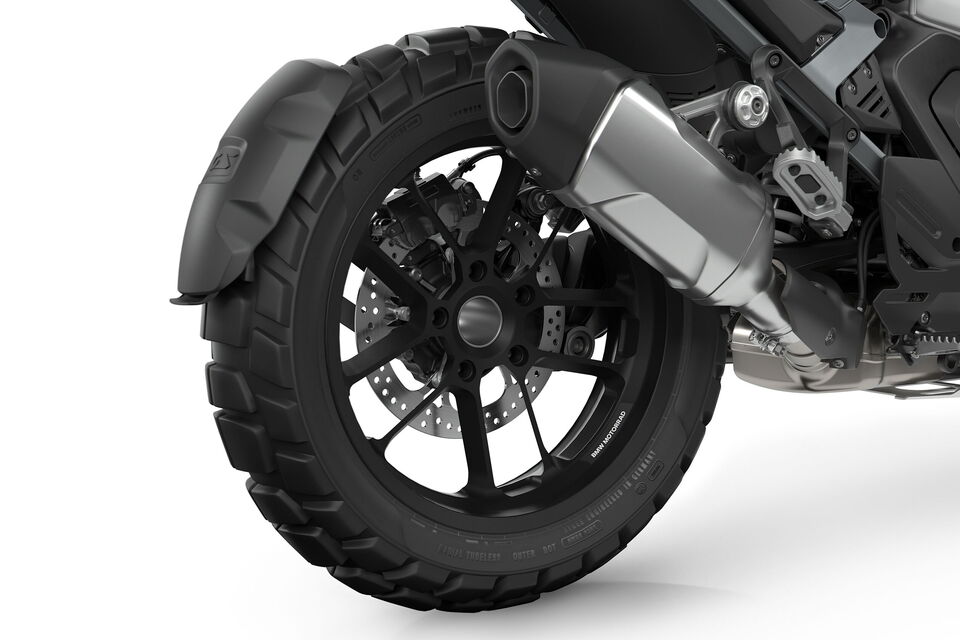
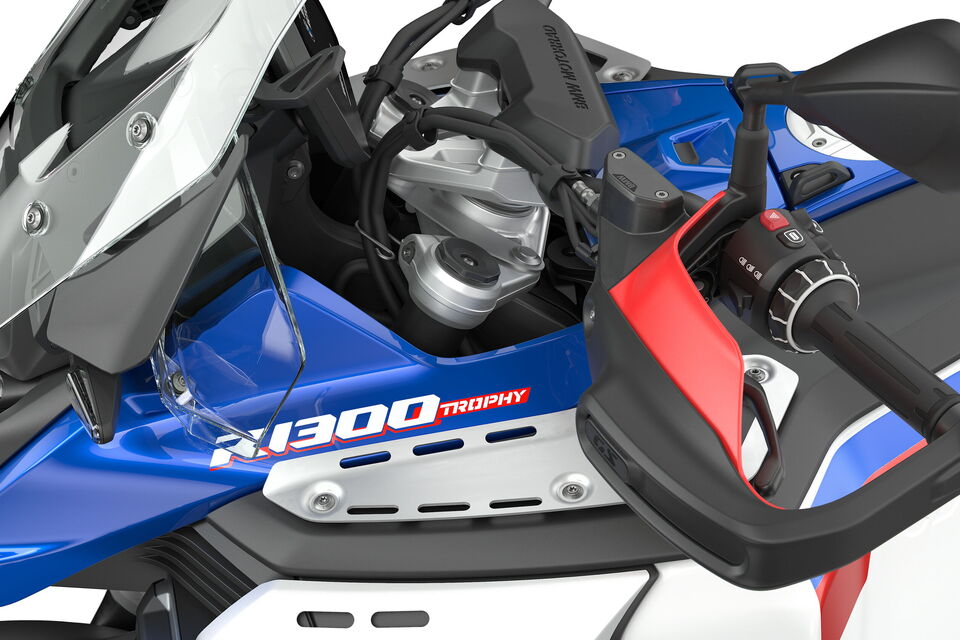
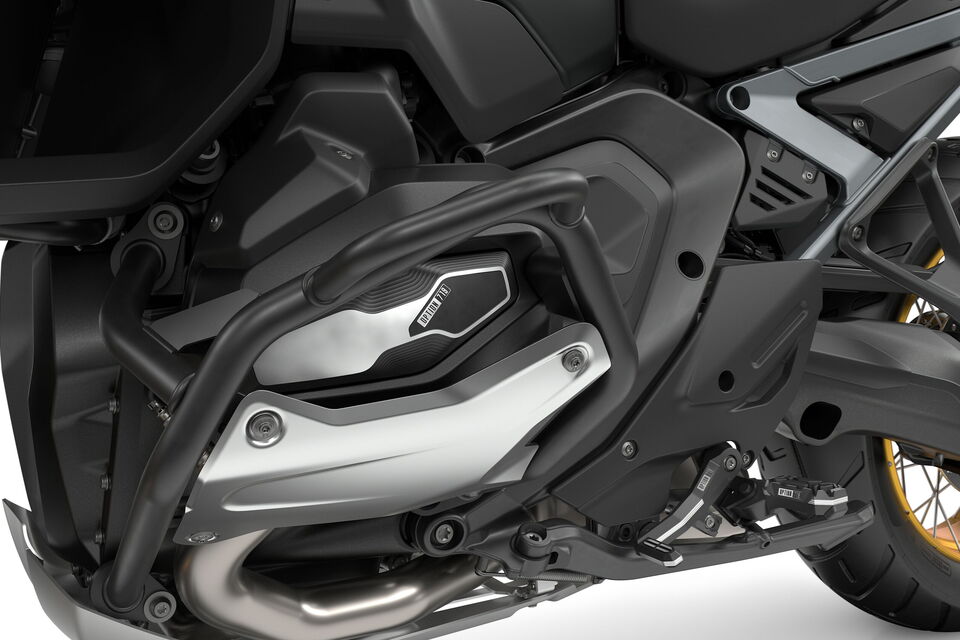
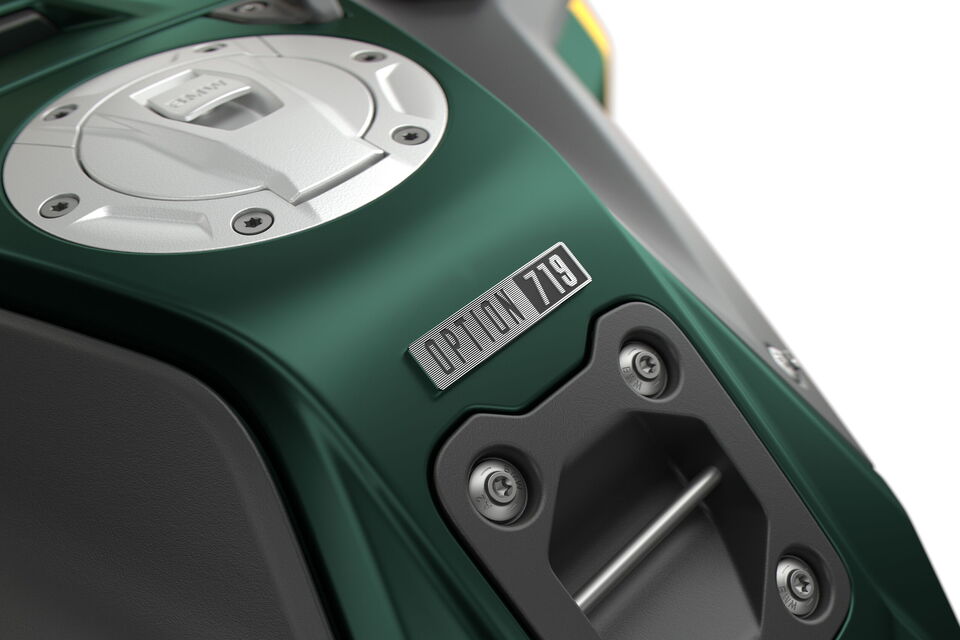
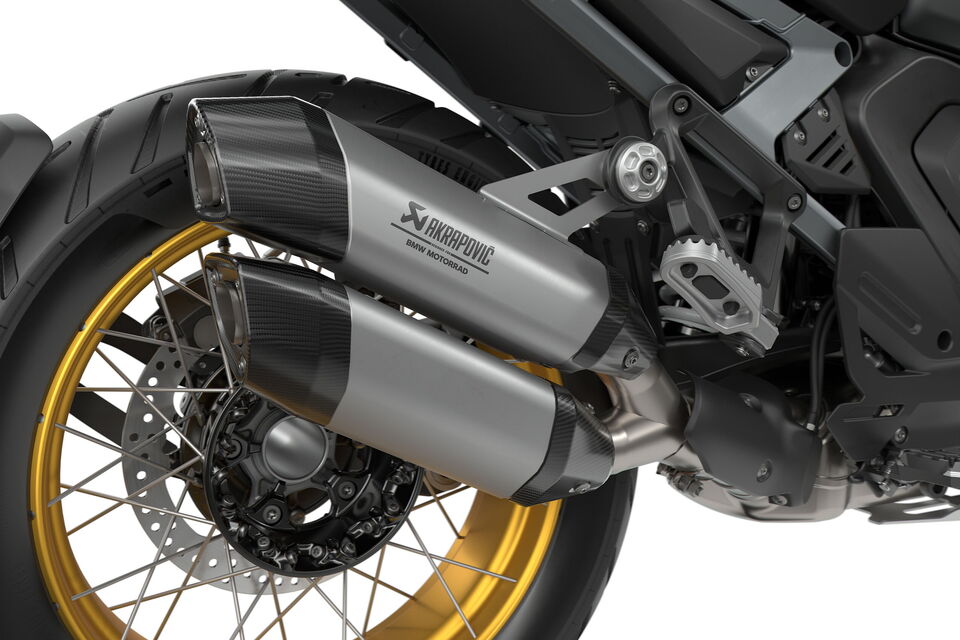
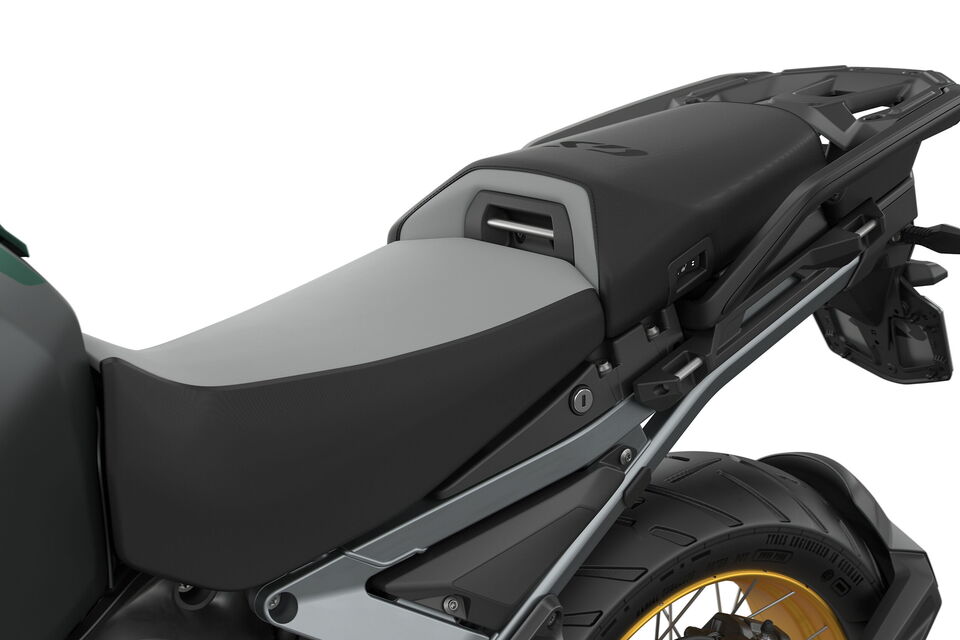
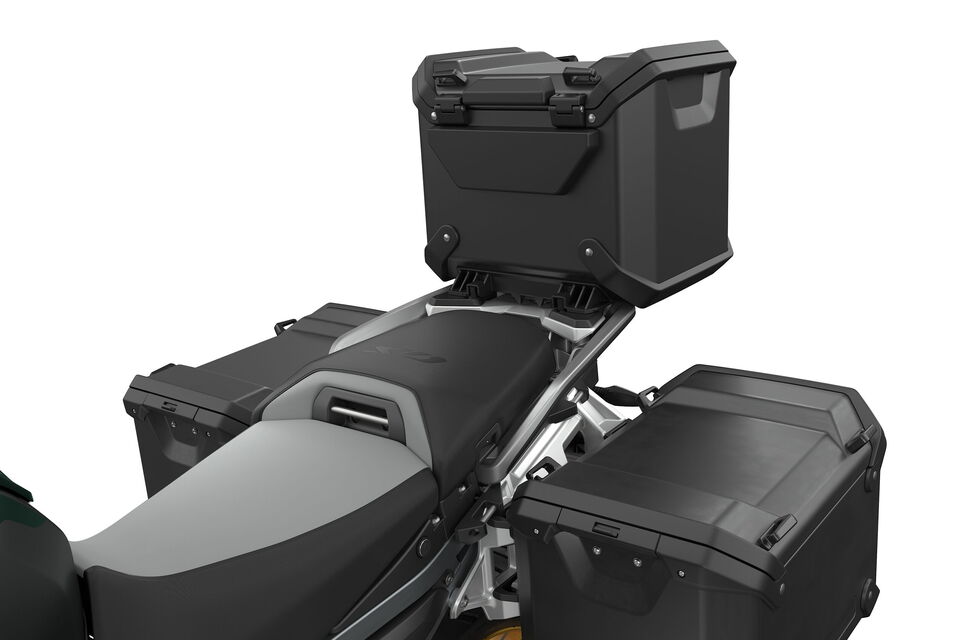
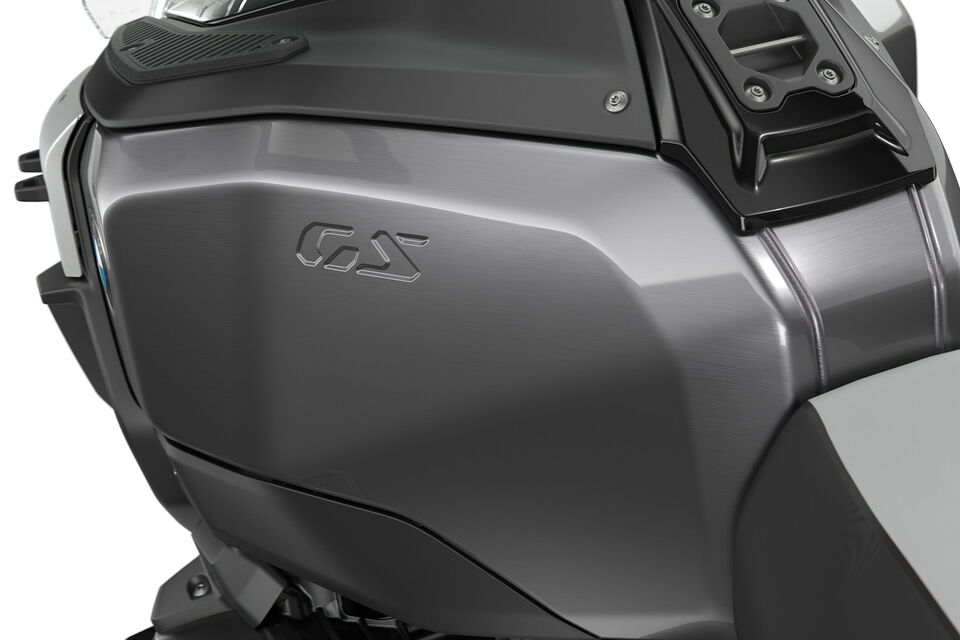
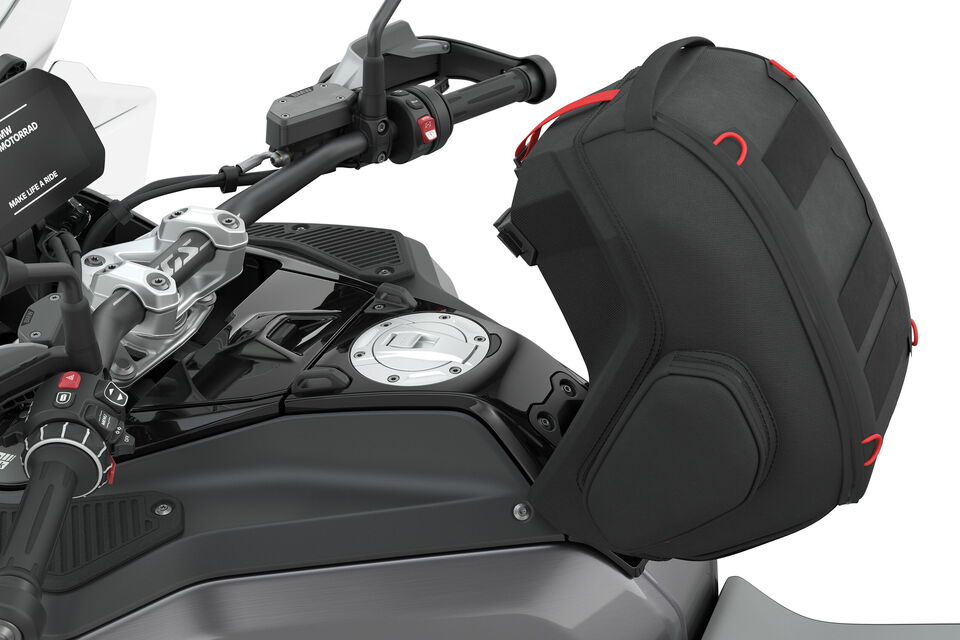
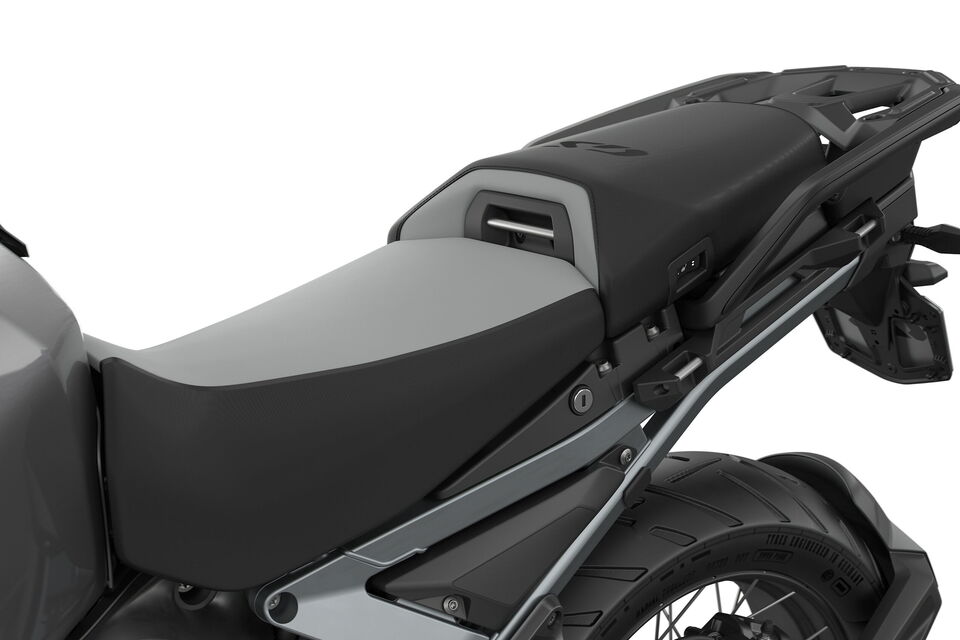

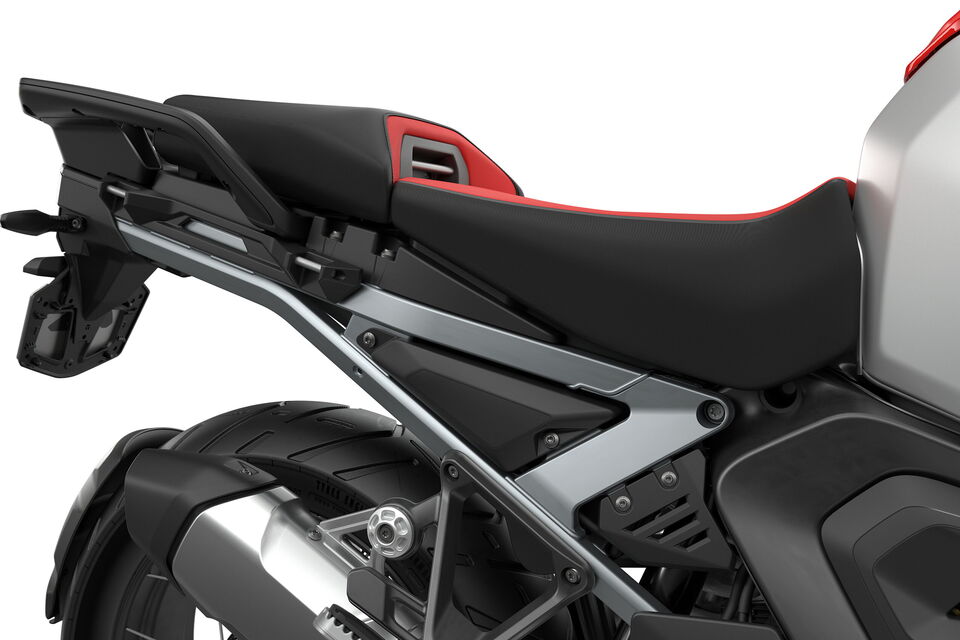
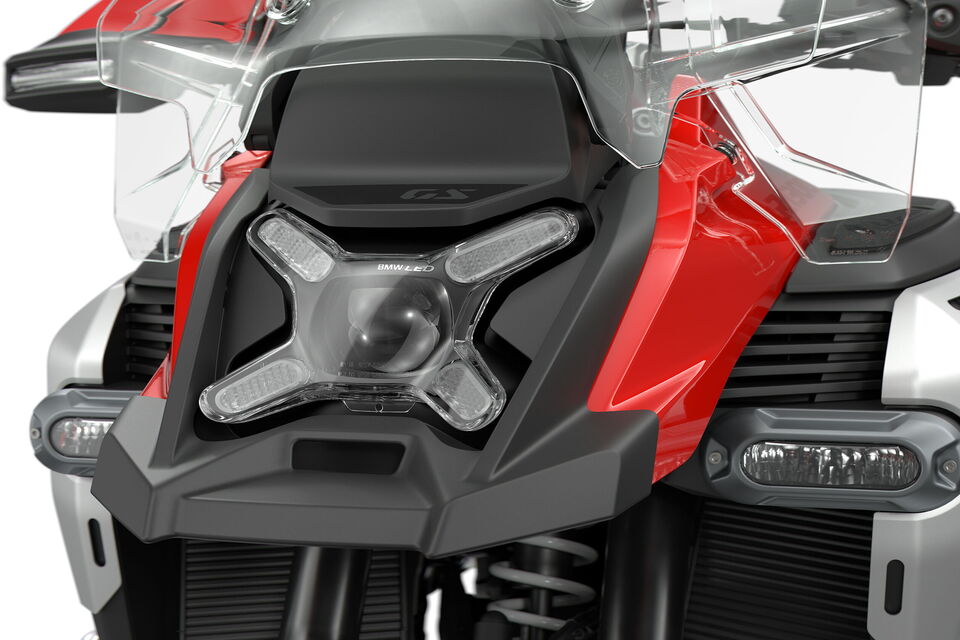
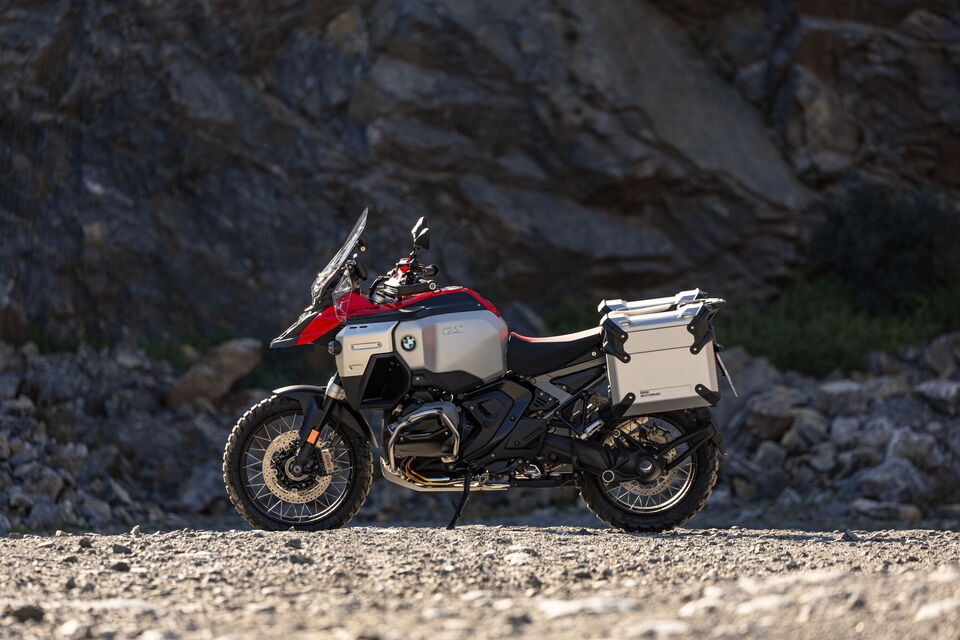
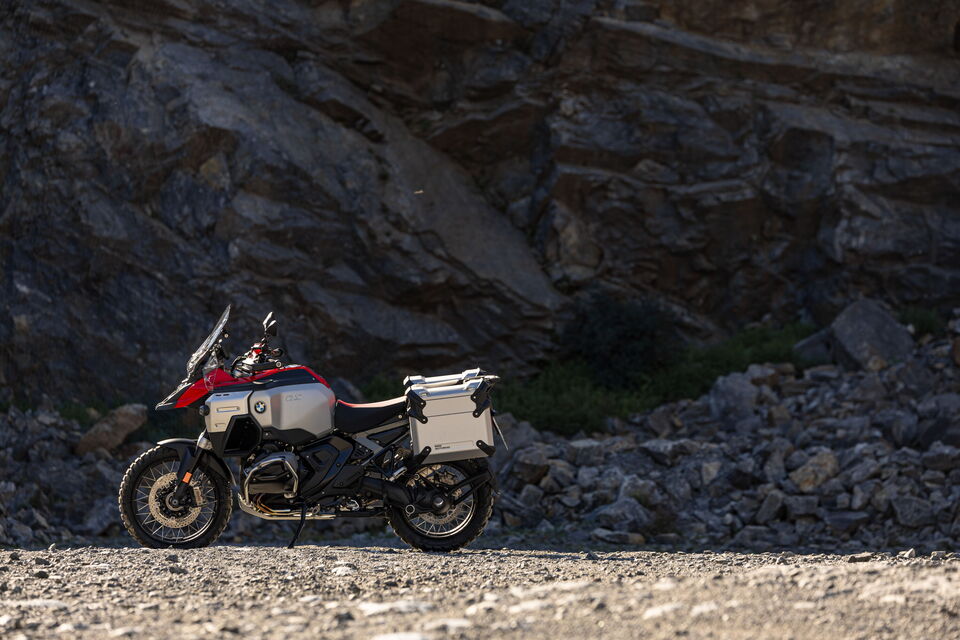
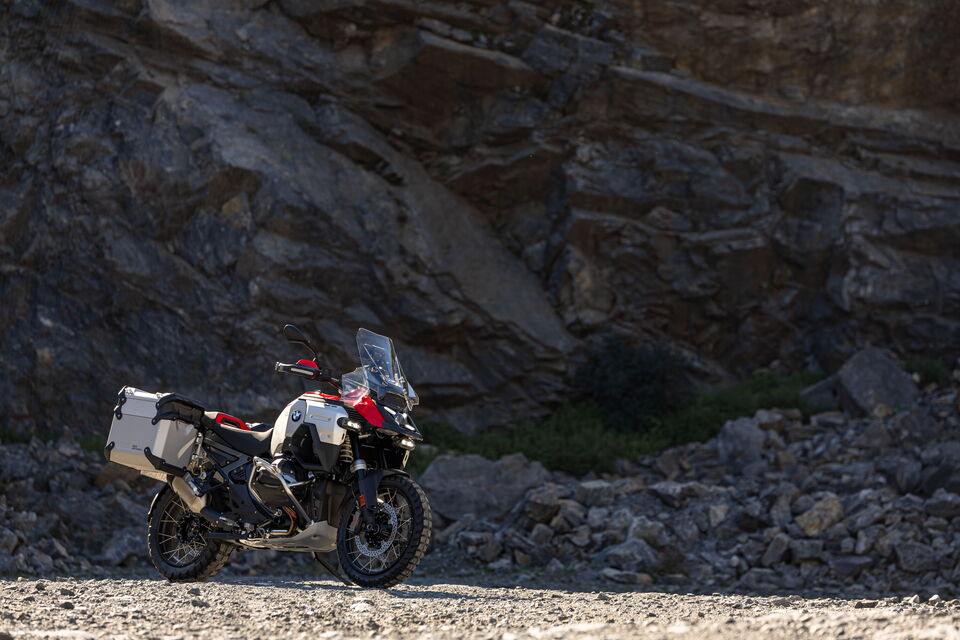

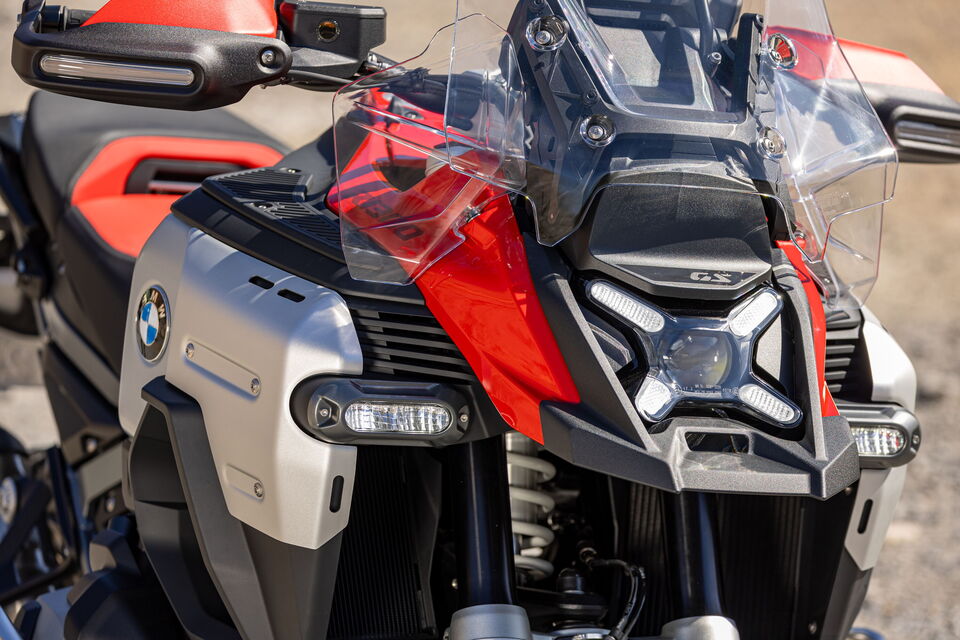
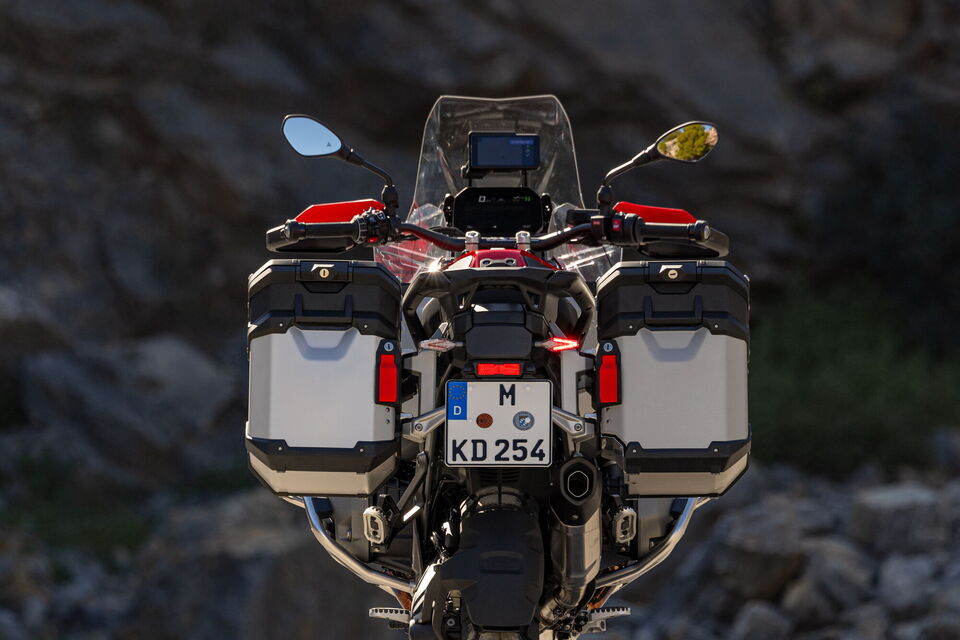
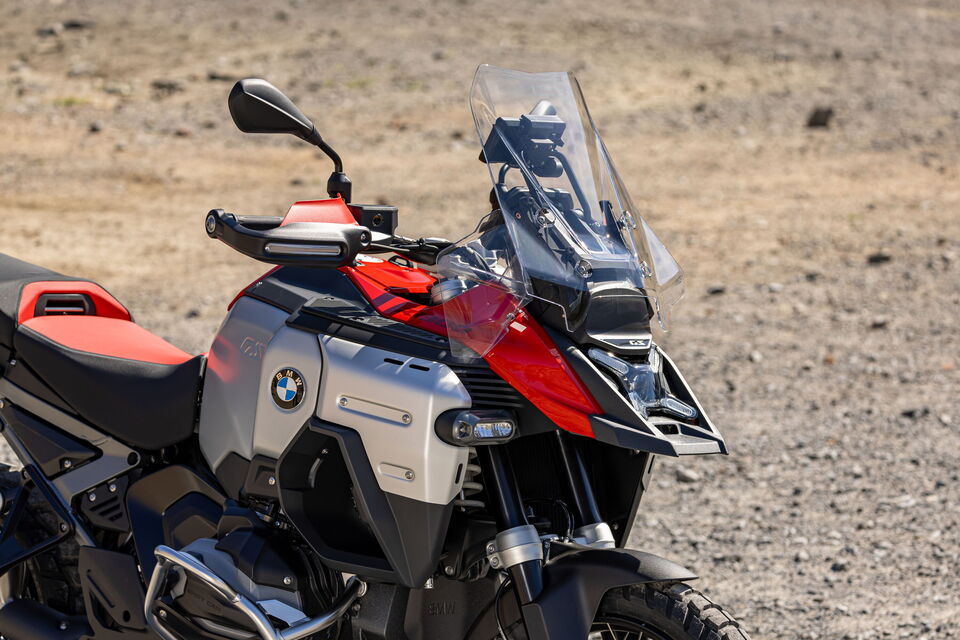
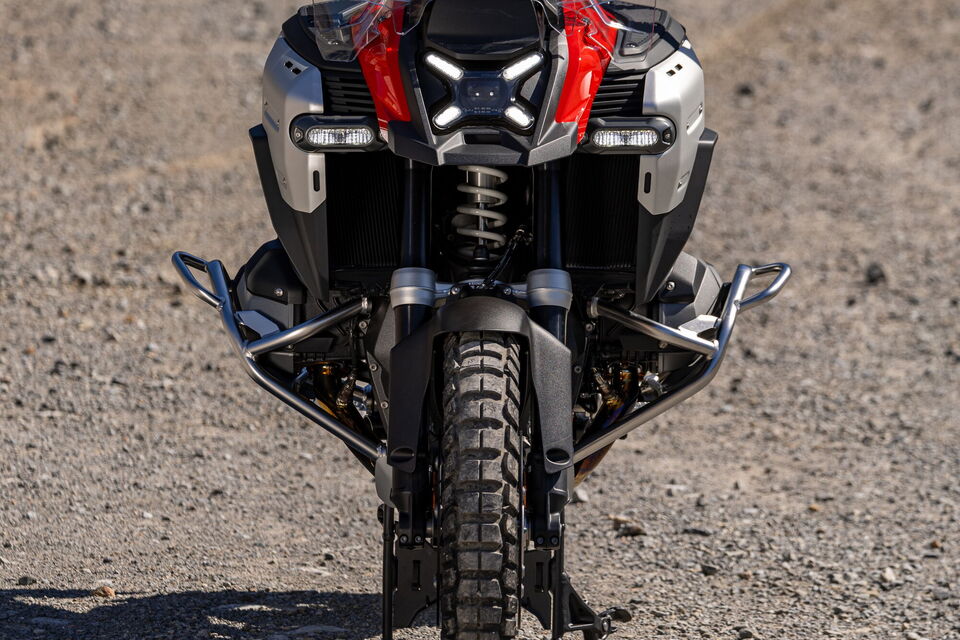
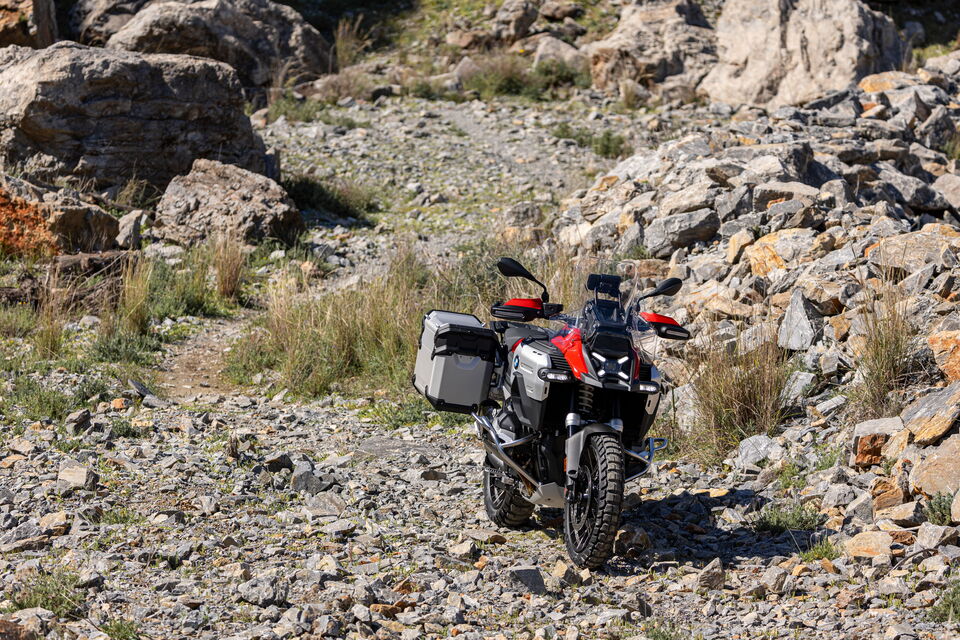
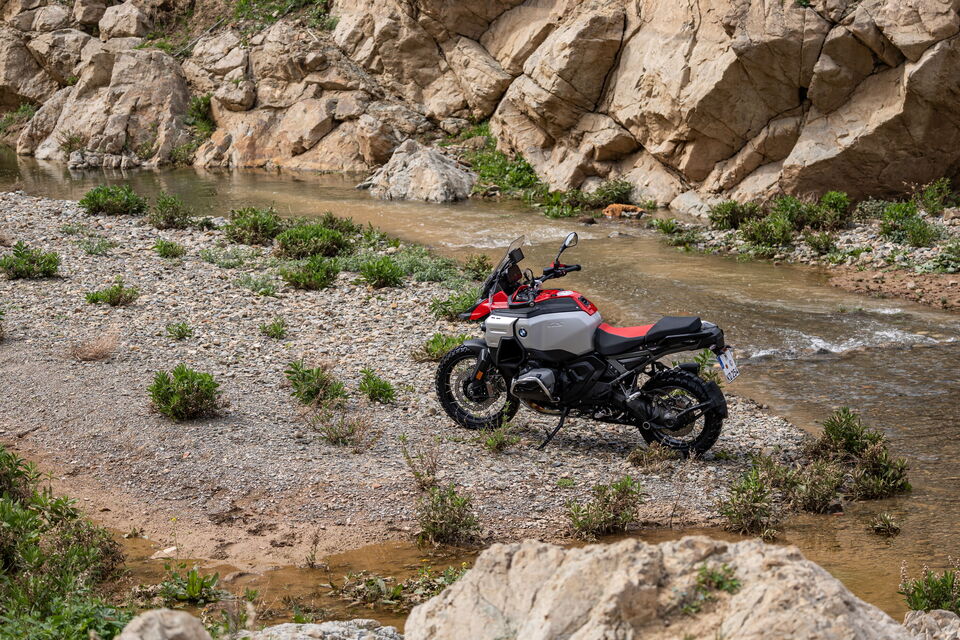
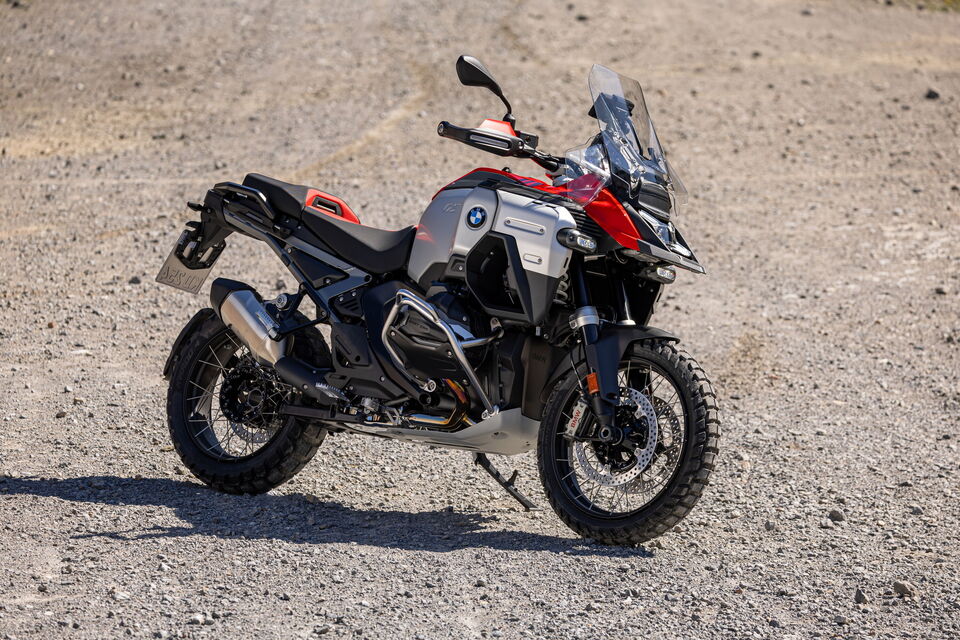

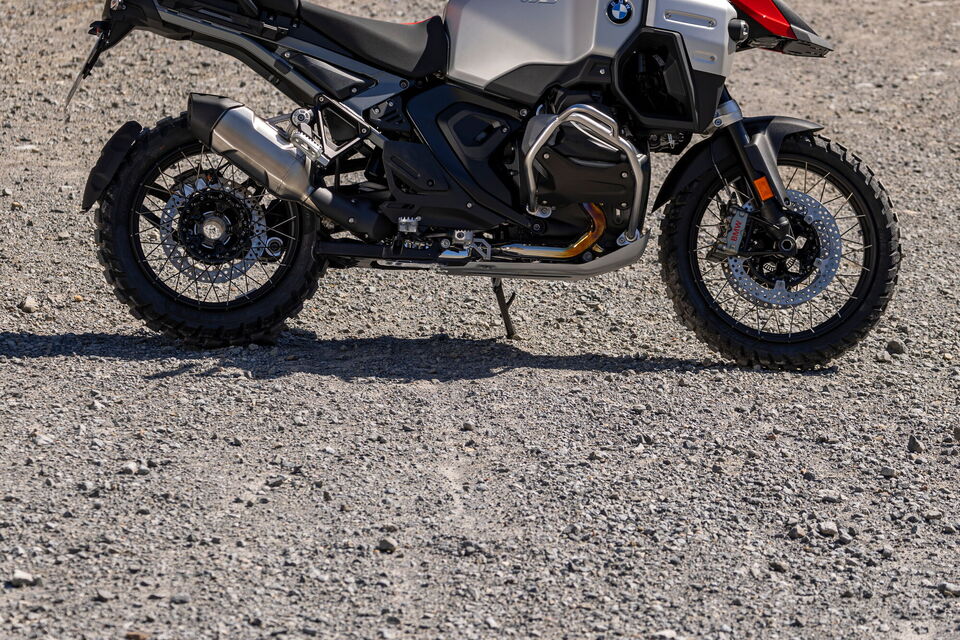
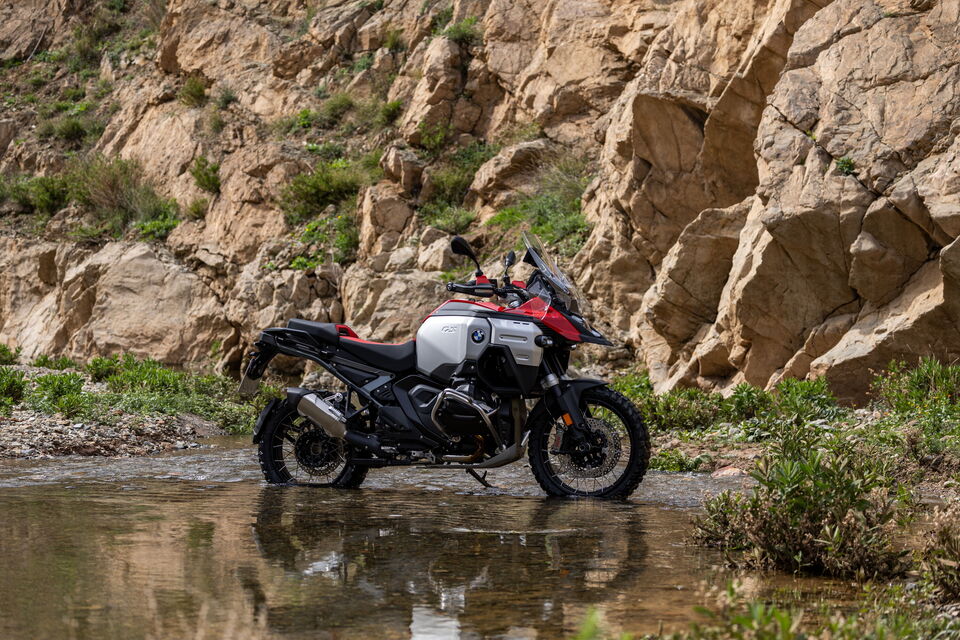
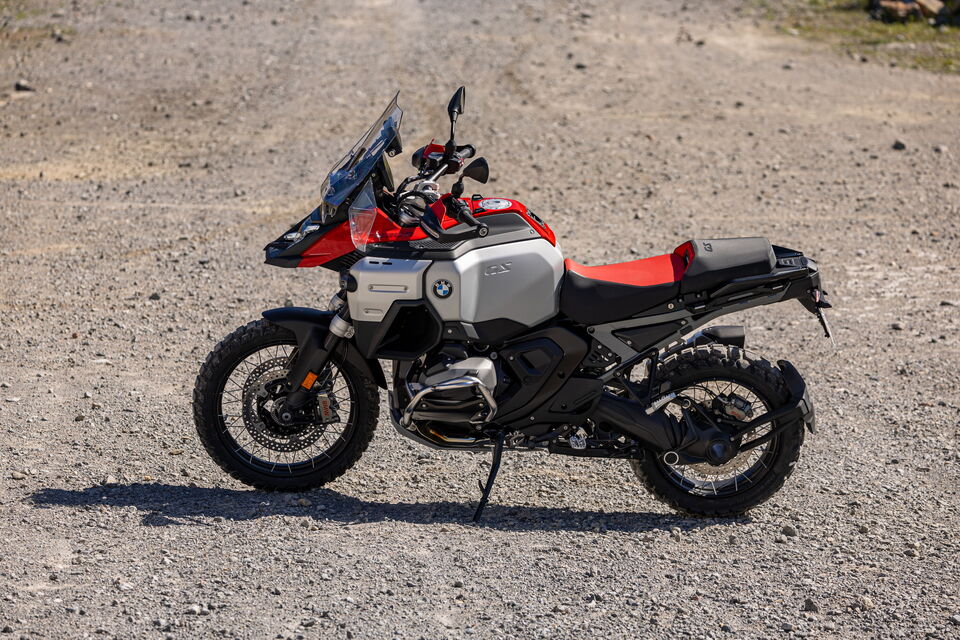
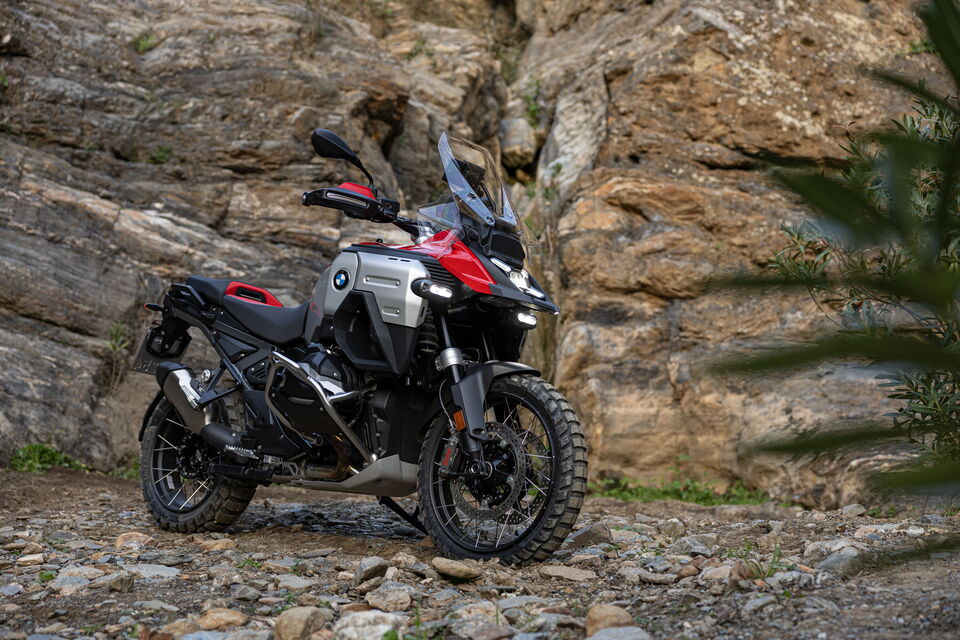
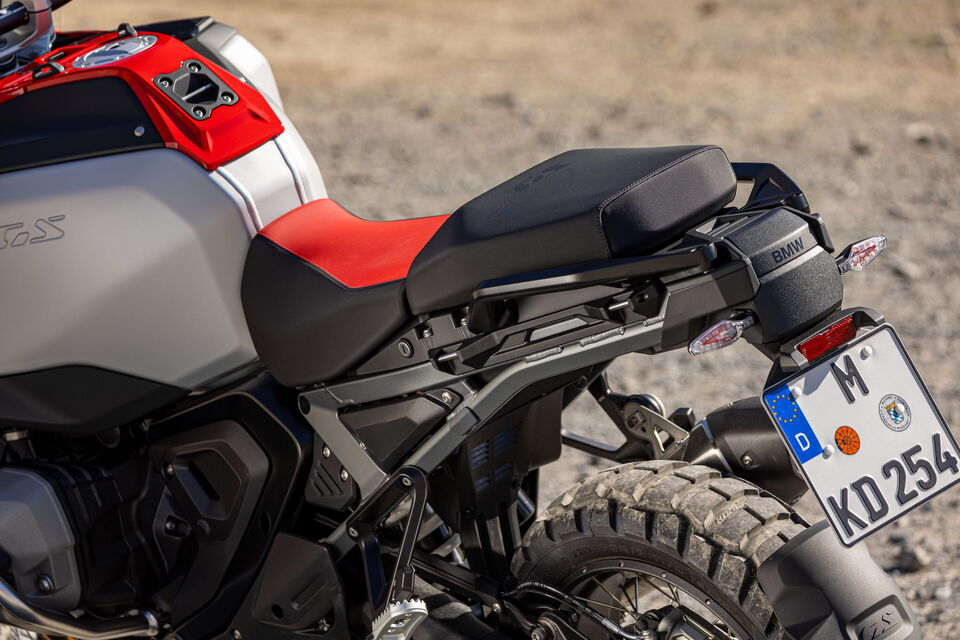
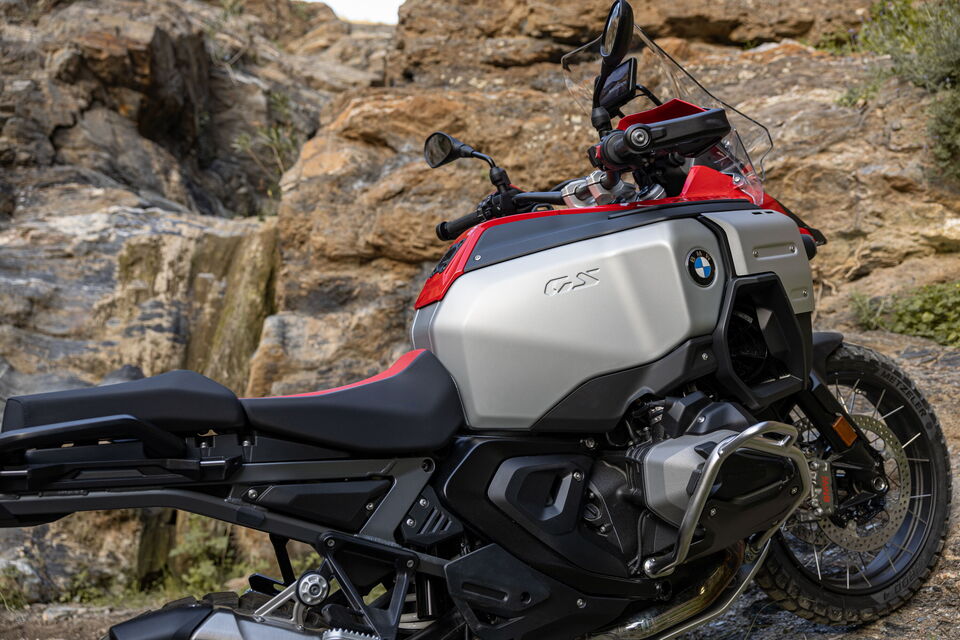
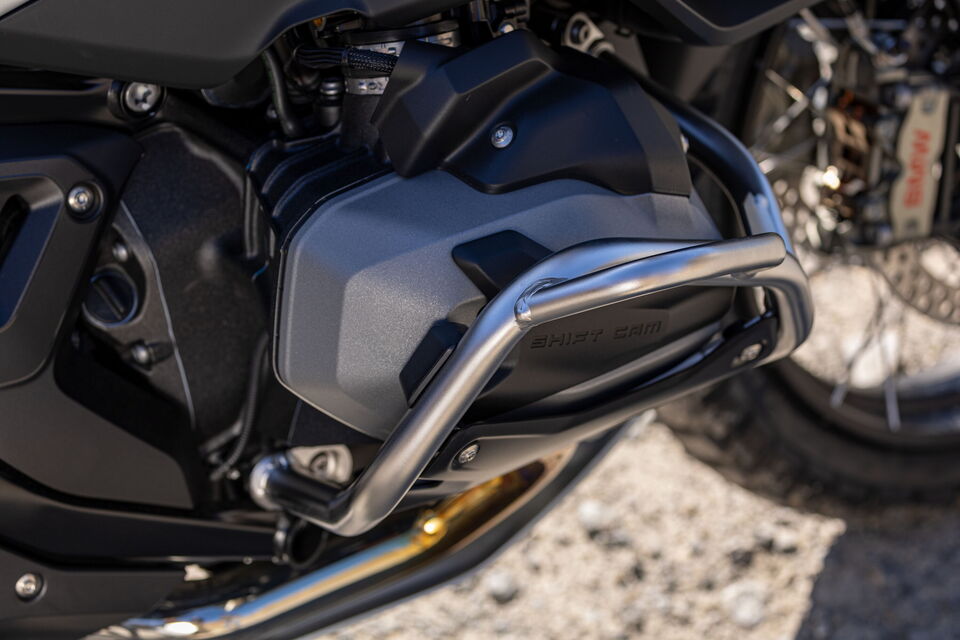
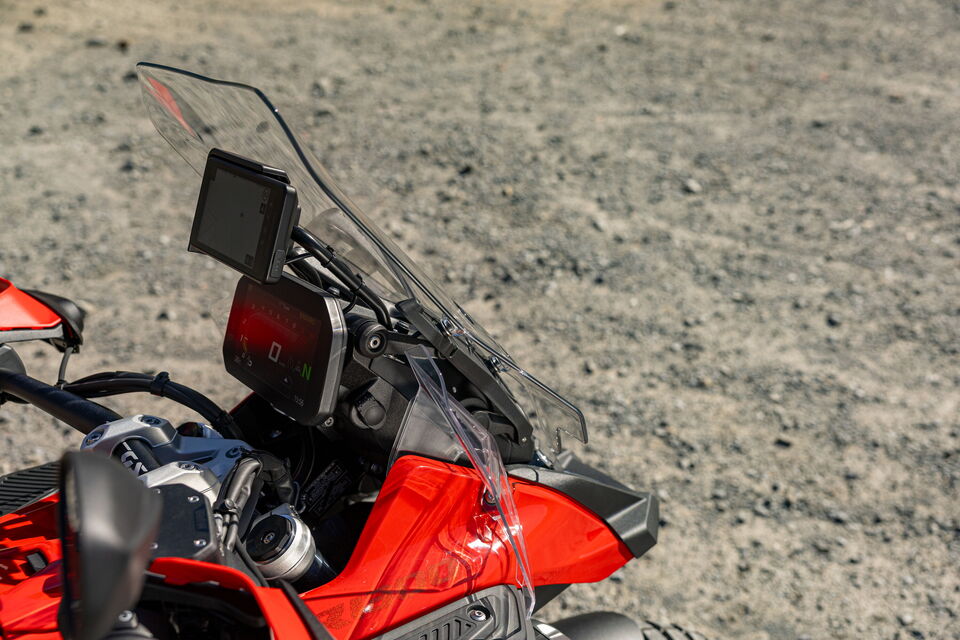

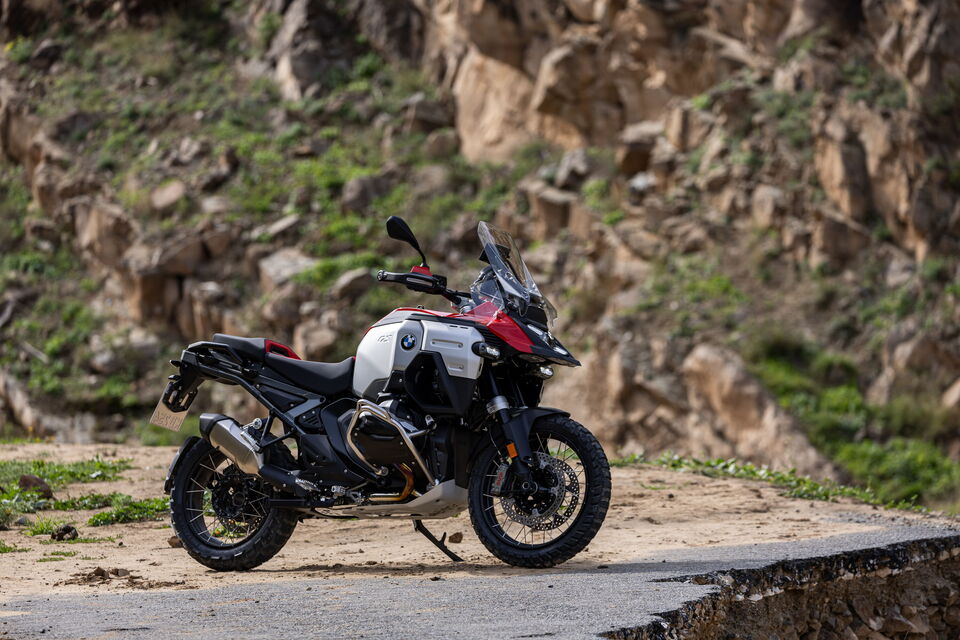
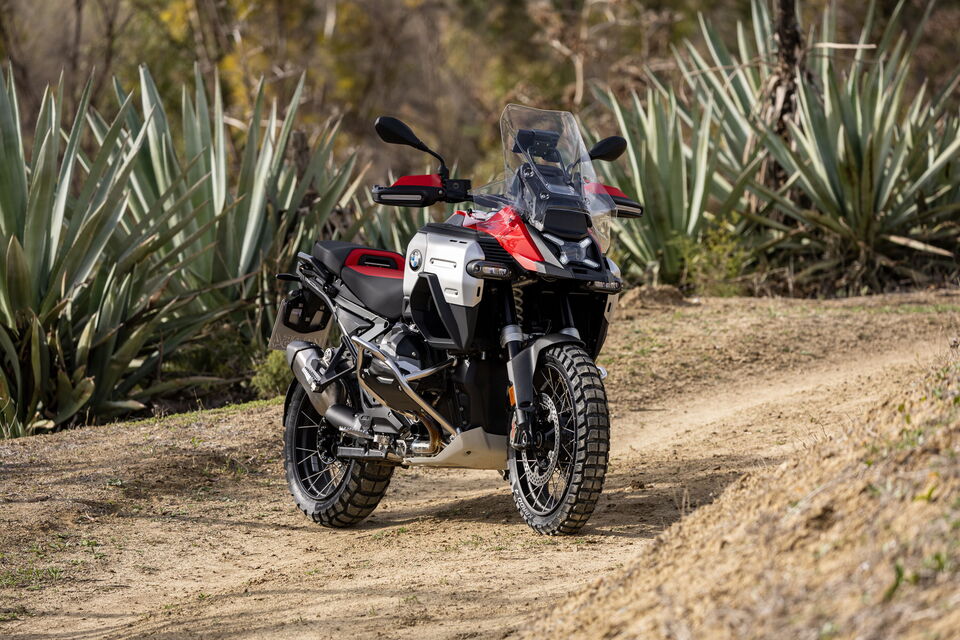
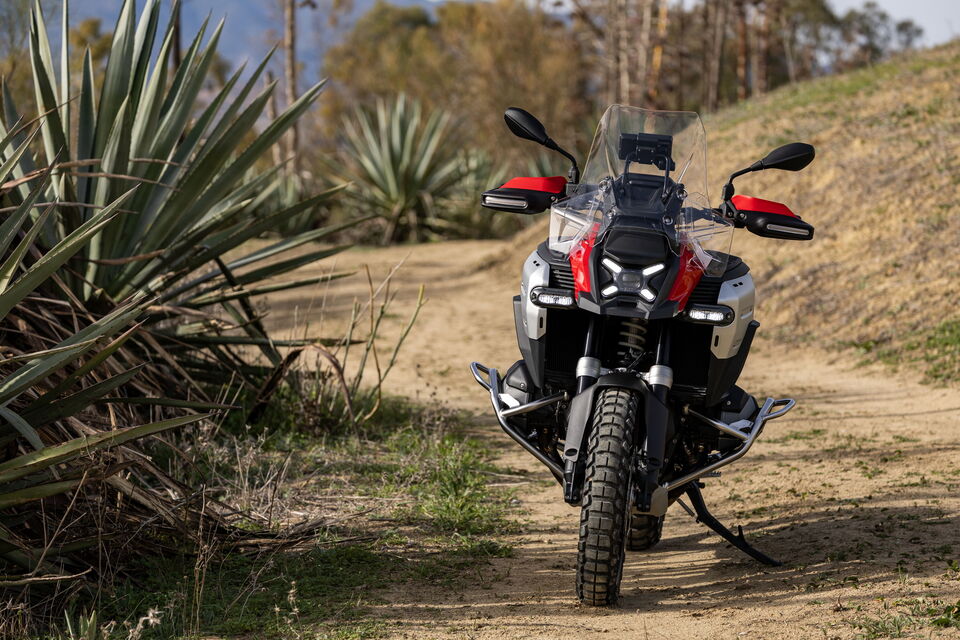
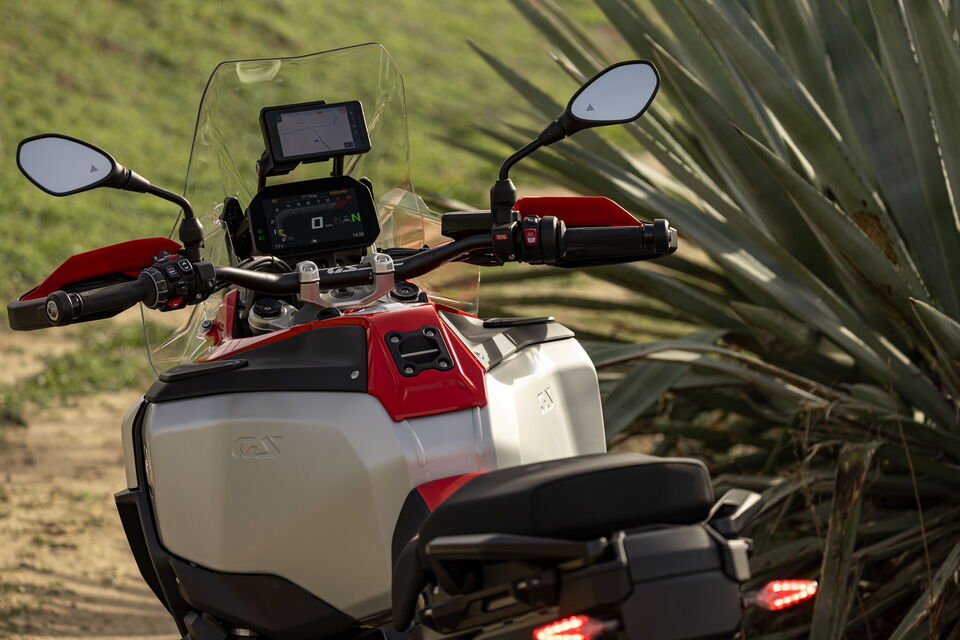
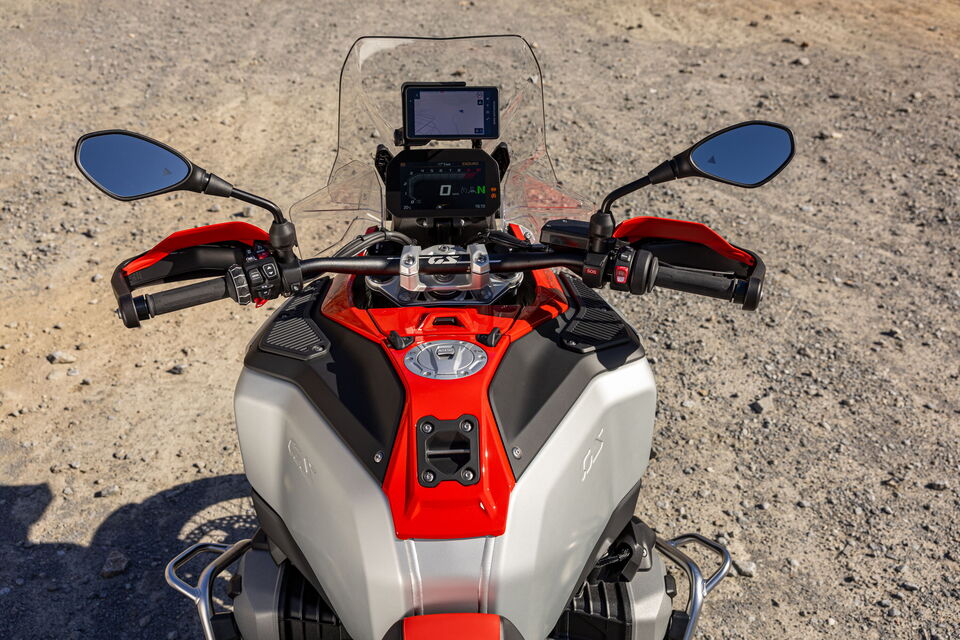
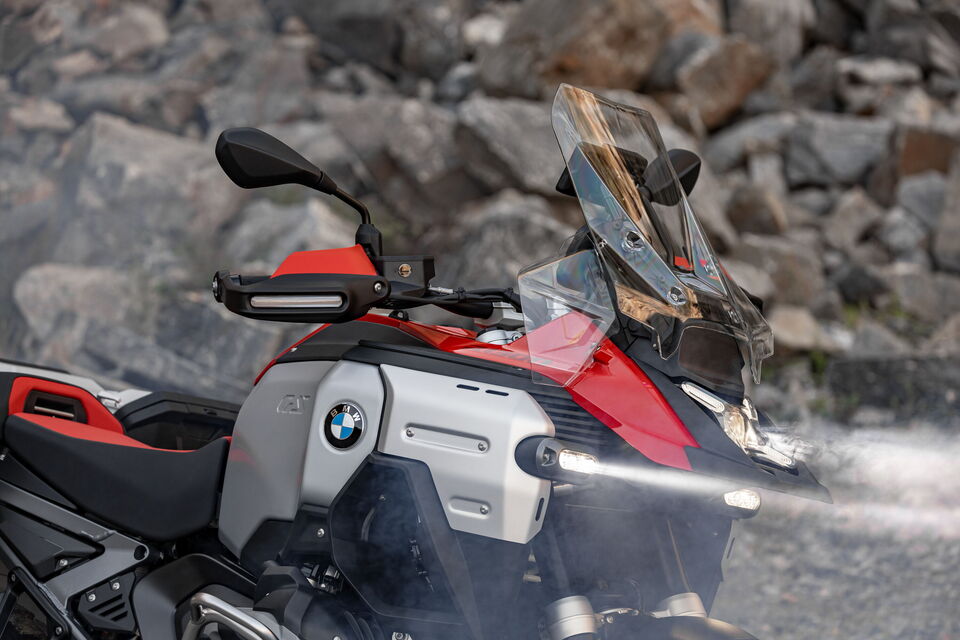
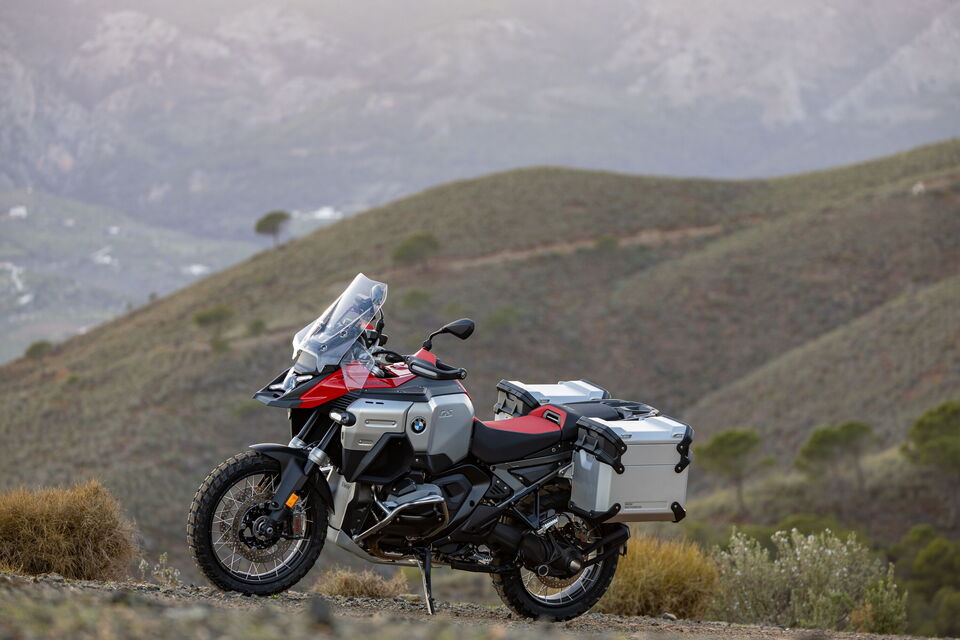
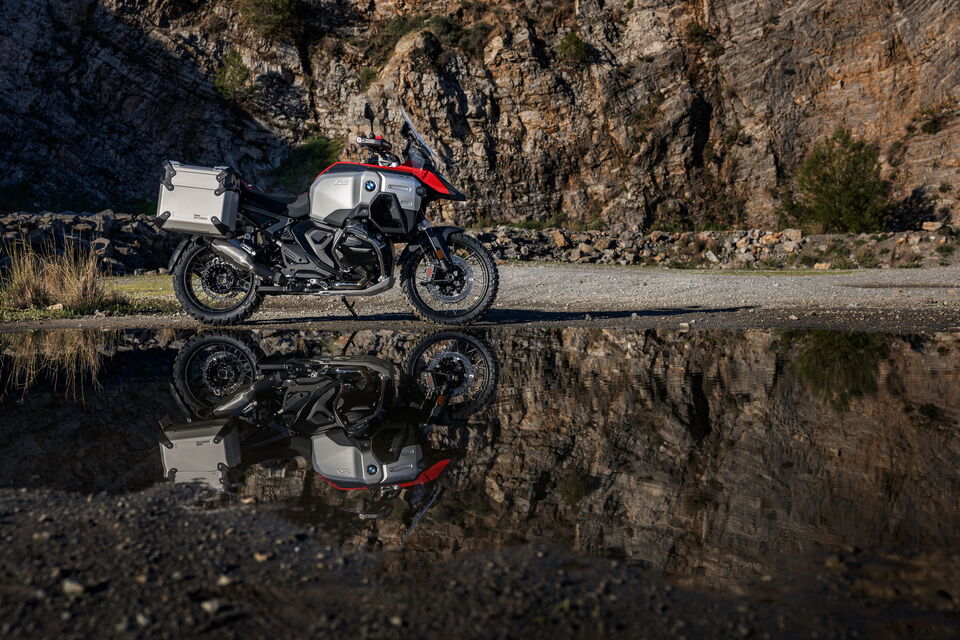
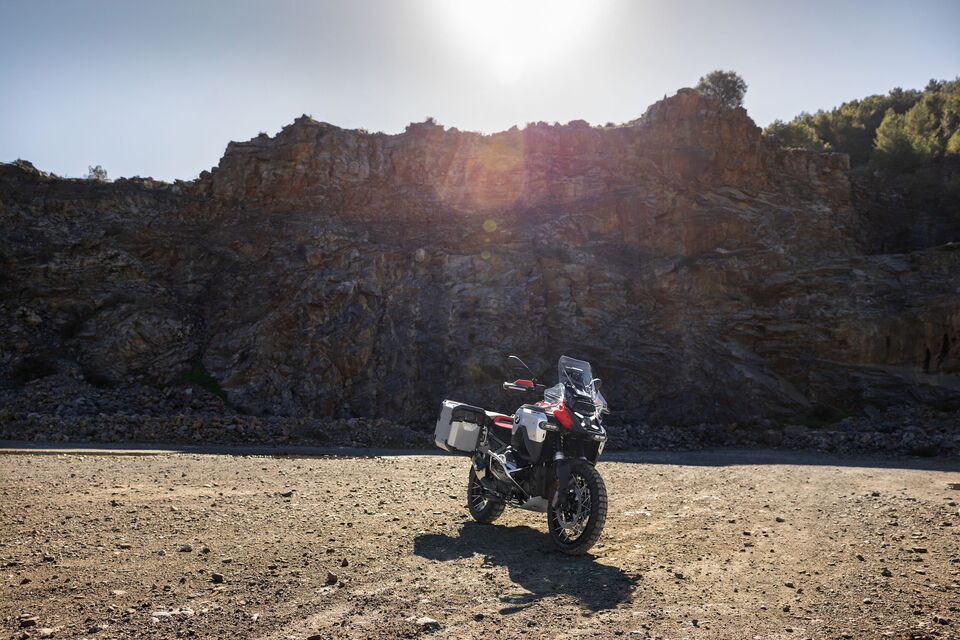
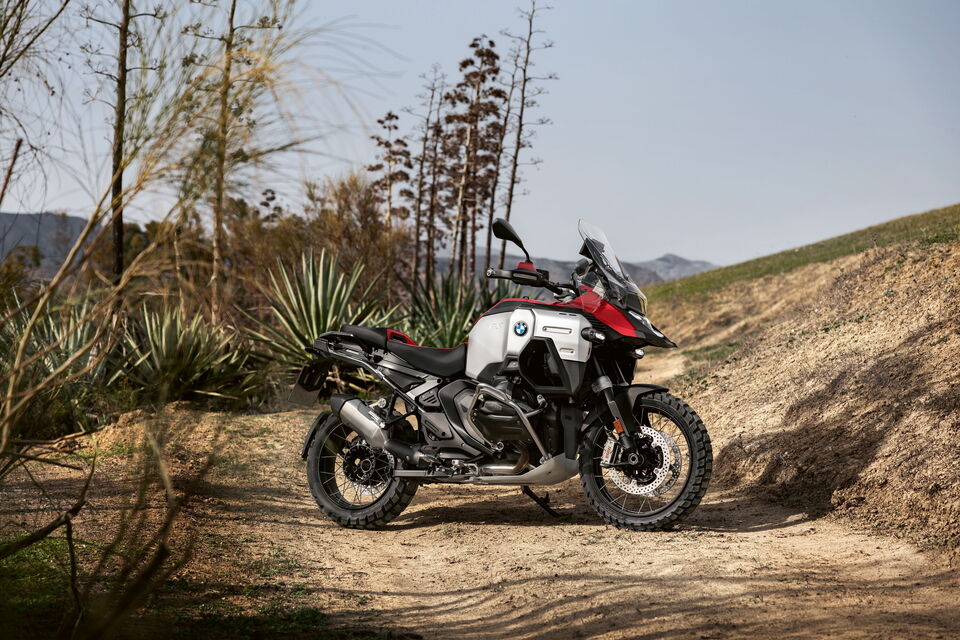
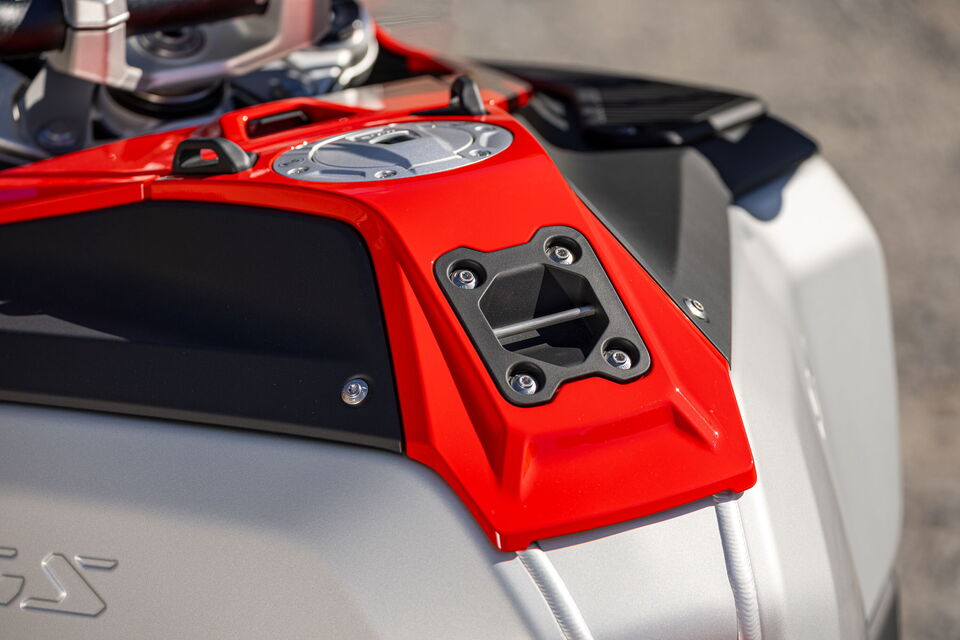
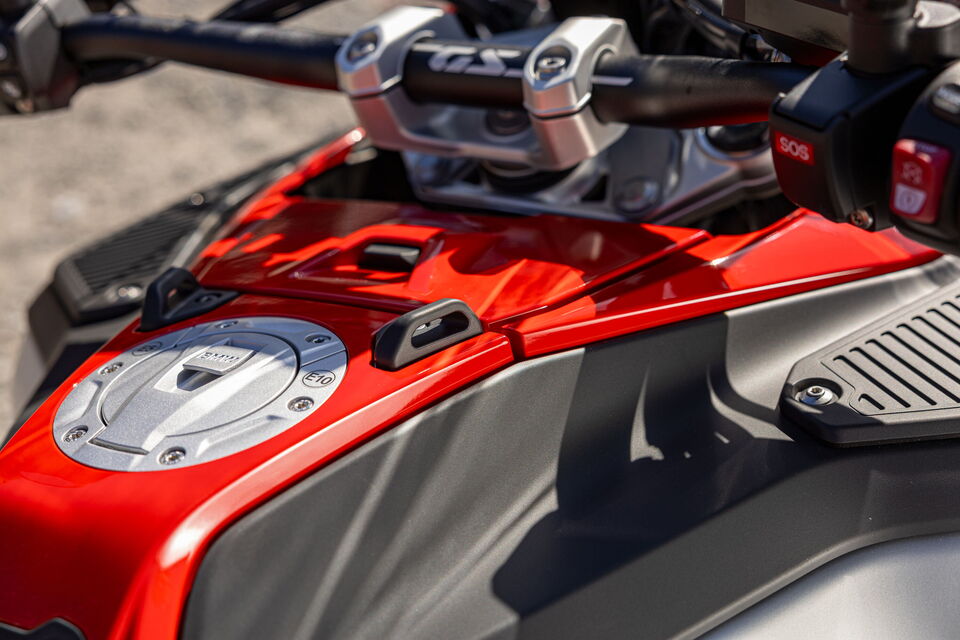

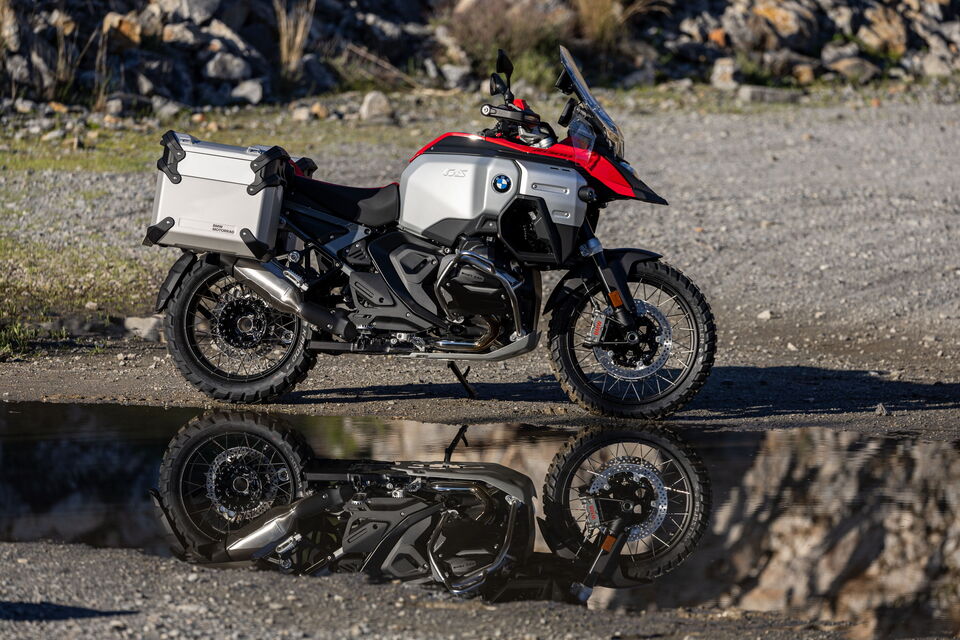
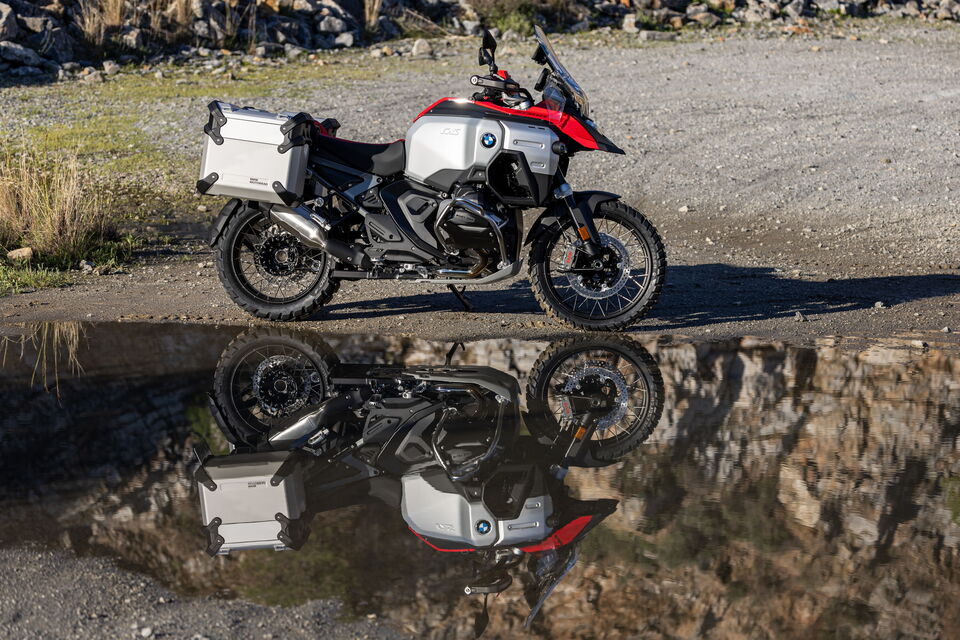


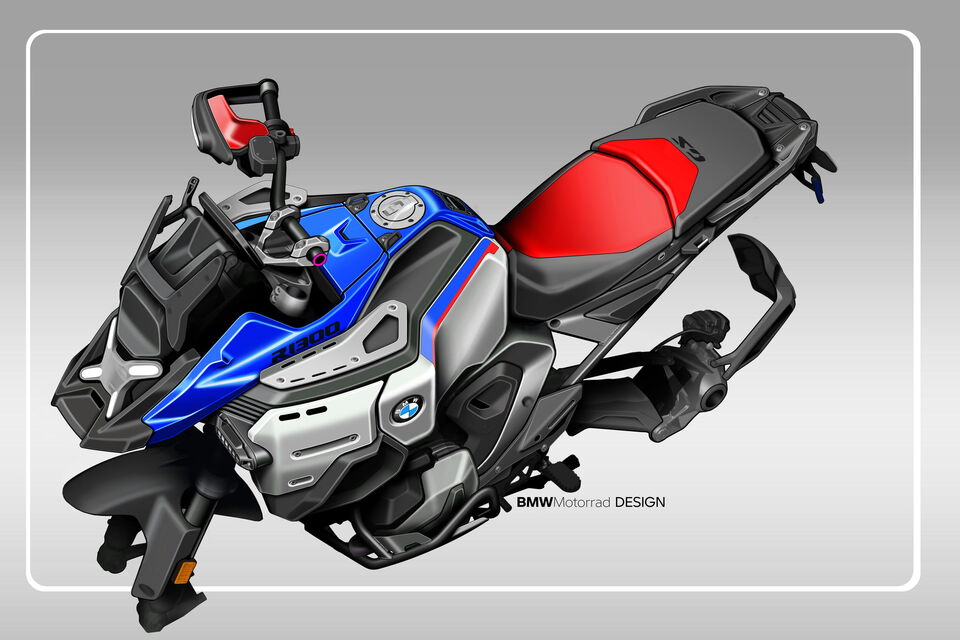
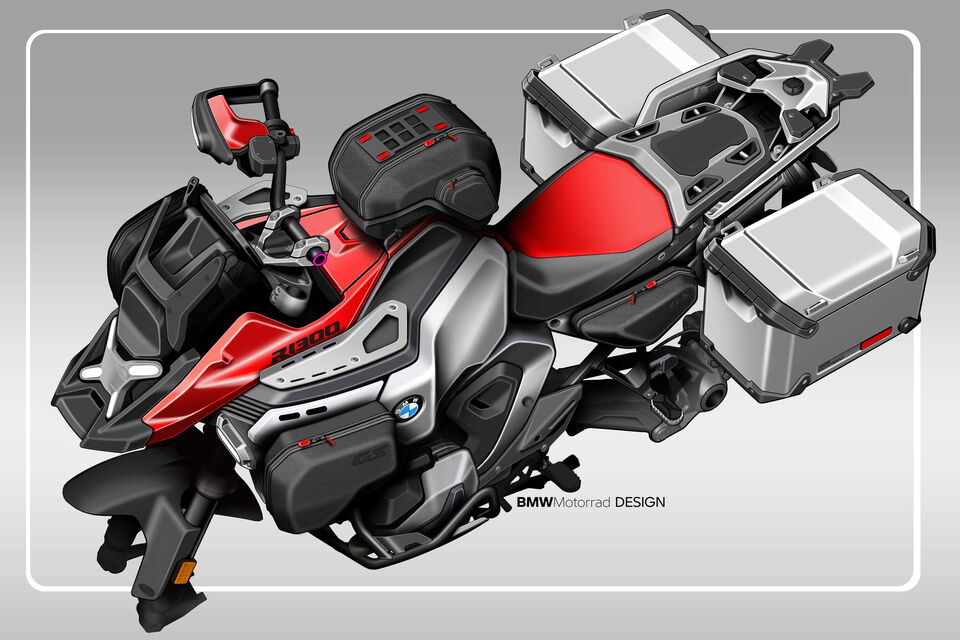
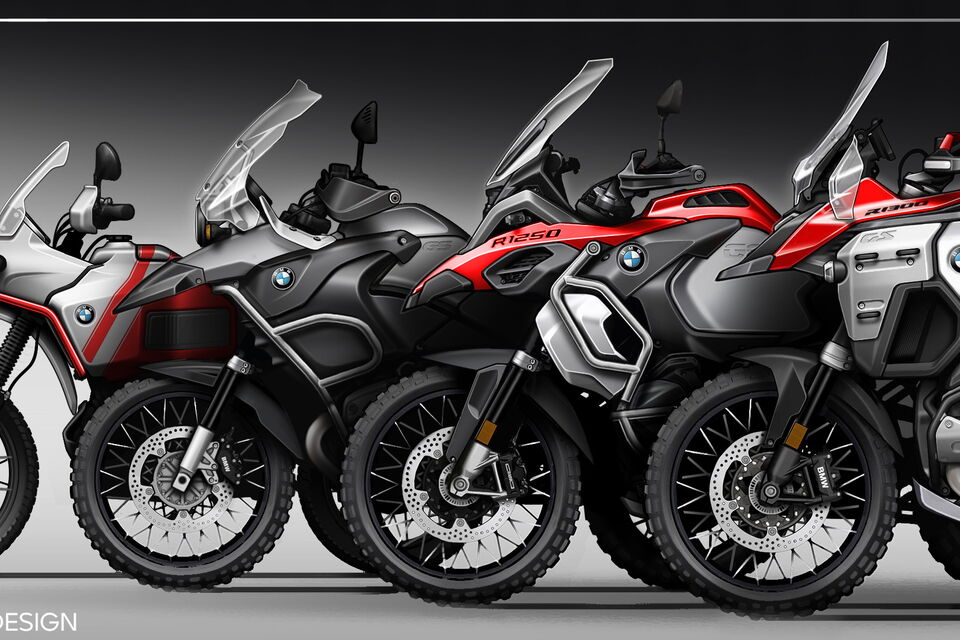
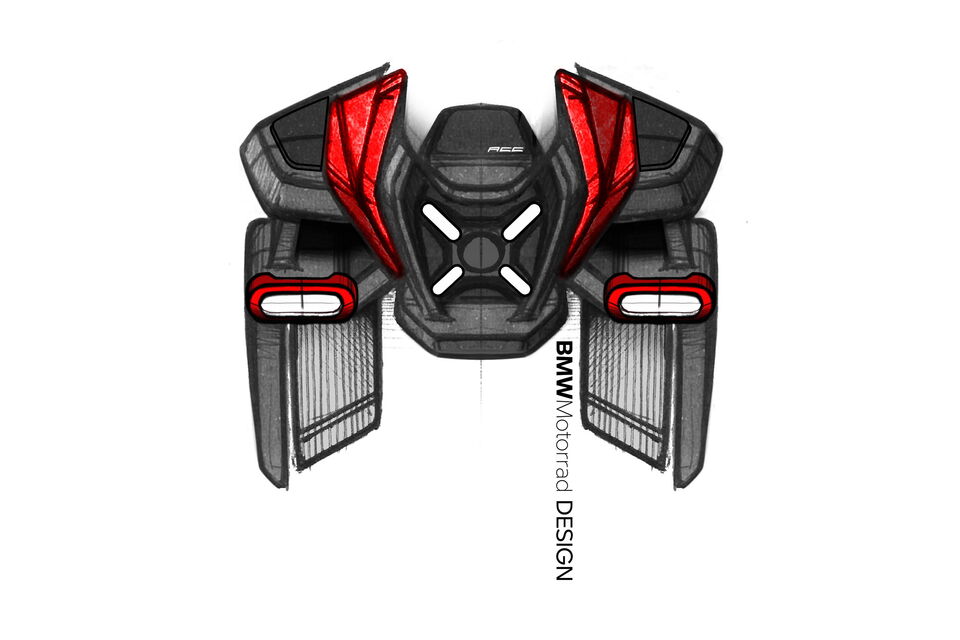


Engine: Identical to the R 1300 GS—145 hp, 149 Nm
The powertrain is identical to the R 1300 GS: the air/liquid-cooled 1,300 cc two-cylinder boxer with BMW ShiftCam variable valve timing. 107 kW (145 hp) at 7,750 rpm, 149 Nm at 6,500 rpm, shaft drive, six-speed transmission, Shift Assistant Pro standard. It remains the most powerful BMW boxer ever built.
In everyday riding, the Adventure’s additional weight compared with the standard GS is barely noticeable when pulling away. The boxer pulls effortlessly, with torque arriving early and spread across a broad rev range. If you are cruising on the highway in sixth gear and want to overtake, there is no need to downshift. If you are enjoying a mountain pass in third gear, the engine feels eager and responds precisely. Its character is identical to the standard GS—and that is a compliment.
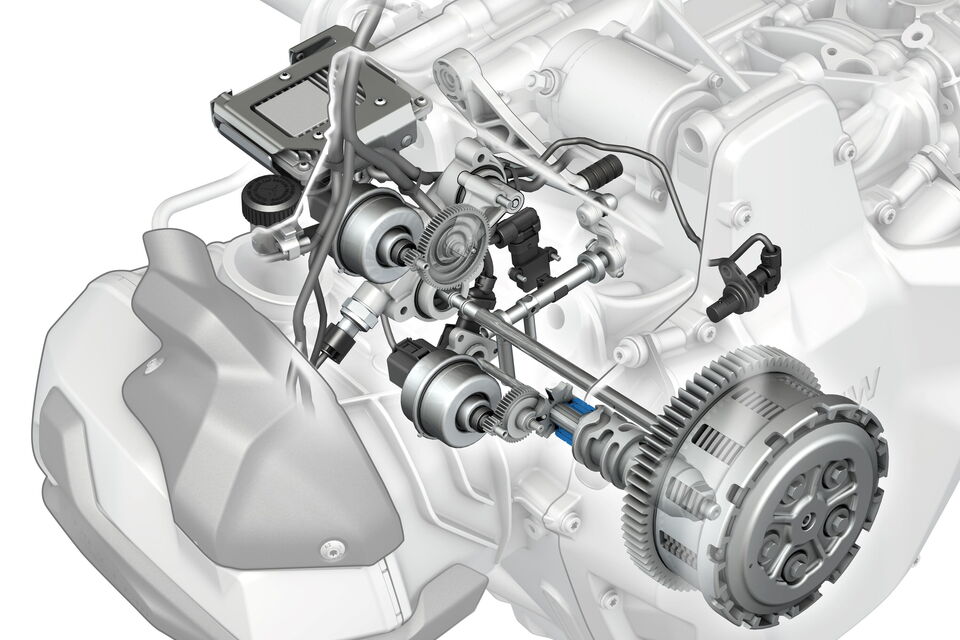
The BMW R 1300 GS Adventure was the first motorcycle BMW offered with ASA, the Automated Shift Assistant. ASA operates the clutch and transmission fully automatically—including pulling away and coming to a stop. ASA is optional, but can only be ordered in combination with the €1,710 Dynamic Package and costs an additional €895. Anyone who regularly rides in traffic jams, over mountain passes, or with physical limitations will quickly come to appreciate ASA. Feedback from experienced long-distance riders has been consistently positive.
Chassis: 20 mm More Suspension Travel—and DSA Standard
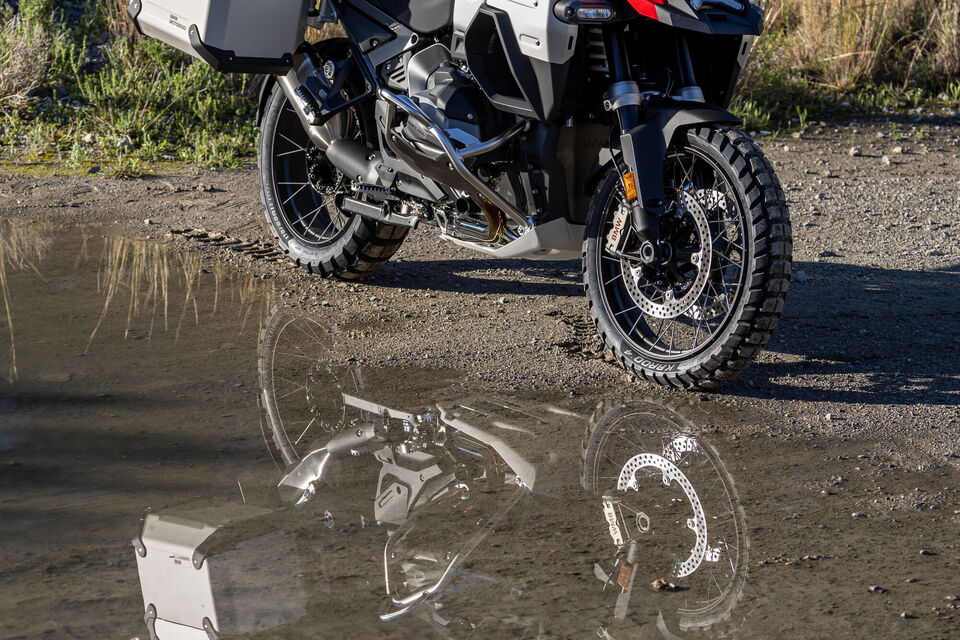
This is the most important technical difference. The Adventure has 210 mm of front suspension travel instead of 190 mm, and 220 mm at the rear instead of 200 mm—20 mm more at both ends. The additional travel increases ground clearance, makes the Adventure even more comfortable on poor roads, and provides greater reserves off-road. Wheelbase grows to 1,534 mm compared with 1,518 mm on the standard GS, while trail increases to 118.8 mm.
DSA suspension comes standard on the Adventure. On the standard GS, it is optional. DSA automatically adjusts damping and spring rate within milliseconds according to riding style, riding mode, and load. Whether you are riding solo, two-up, or fully loaded, there is no need to manually readjust the suspension. DSA takes care of it automatically. On long trips, that is a major everyday advantage.
Optional adaptive vehicle-height control automatically lowers the Adventure at low speeds. With the standard seat height, the DSA suspension lowers the motorcycle by 30 mm. Comfort vehicle-height control lowers it by another 20 mm, for a total reduction of 50 mm compared with the normal riding position. That makes the Adventure accessible to shorter riders.
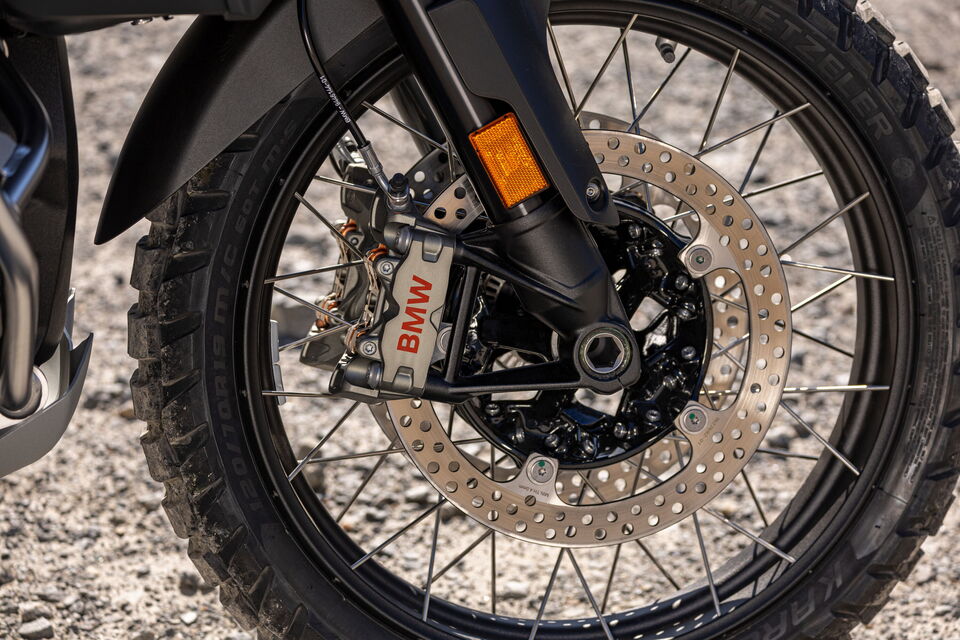
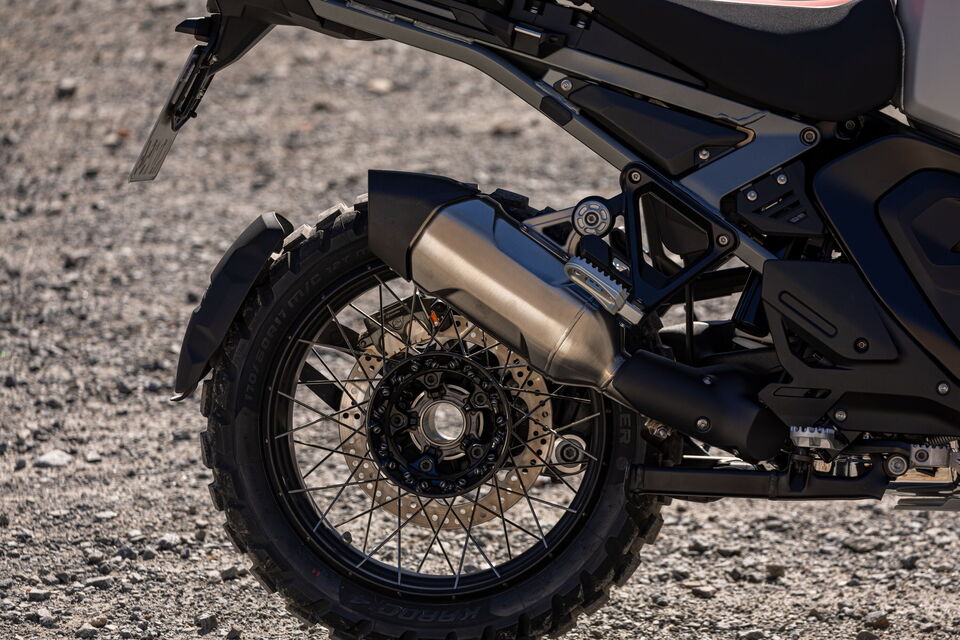
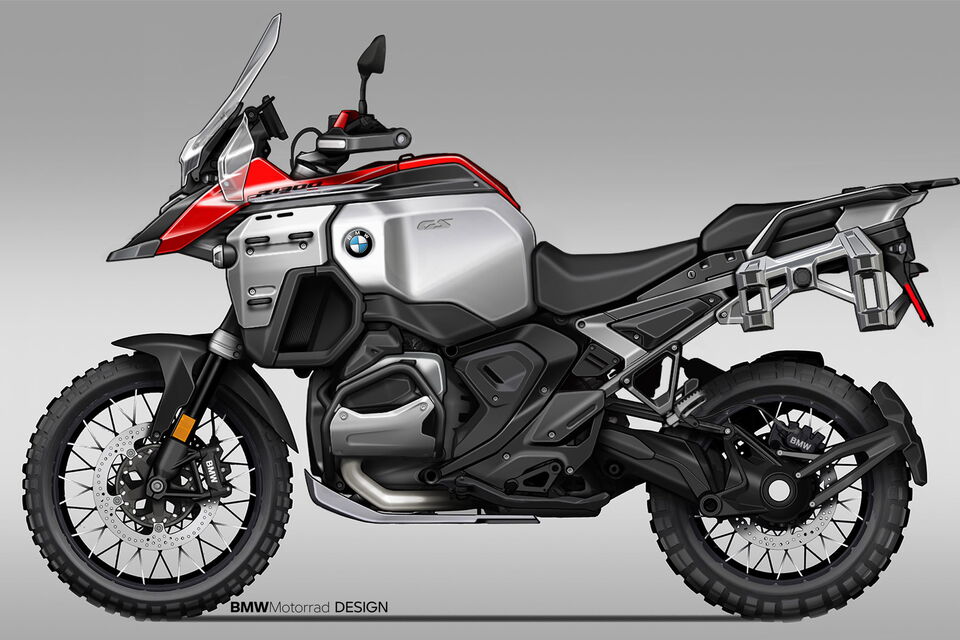
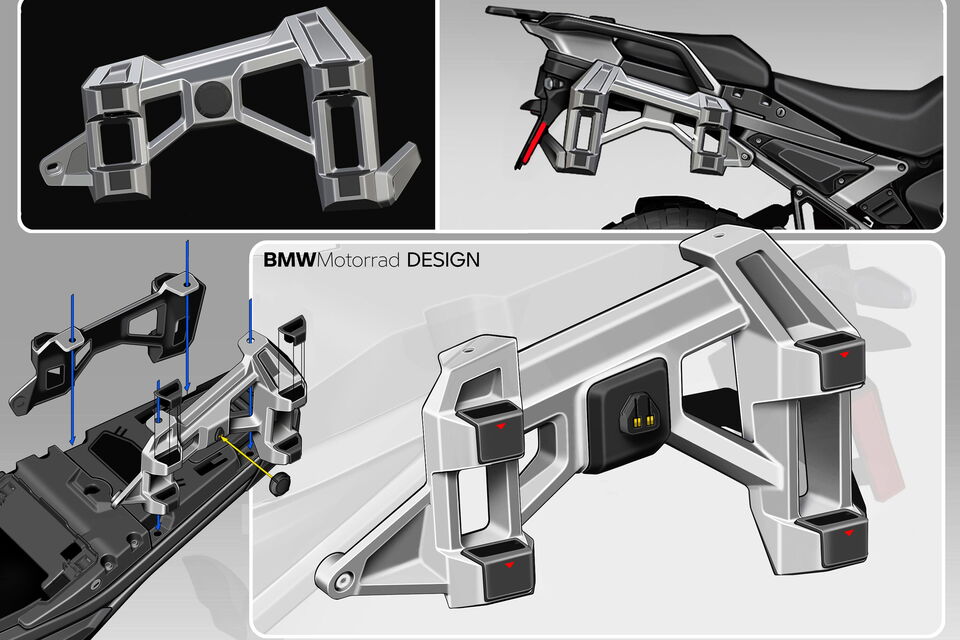
The Adventure’s rear subframe is made from aluminum tubing and forged components—lighter and stiffer than the standard GS’s tubular-steel rear subframe. Braking hardware is identical to the standard GS: dual 310 mm Brembo front discs with four-piston radial calipers and a 285 mm rear disc. Fully integral ABS Pro comes standard.
Ergonomics: 870–890 mm Seat Height and Better Heat Management
Seat height ranges from 870 to 890 mm depending on the seat configuration—20 mm higher than the standard GS. On this motorcycle, adaptive vehicle-height control is not a gimmick but a serious accessibility aid. With Comfort lowering of up to 50 mm, the Adventure becomes manageable even for shorter riders.
One unexpected advantage: the Adventure manages engine heat better than the standard GS. That is due to the arrangement of the bodywork. If you spend long summer days sitting in city traffic, you will sweat less on the Adventure.
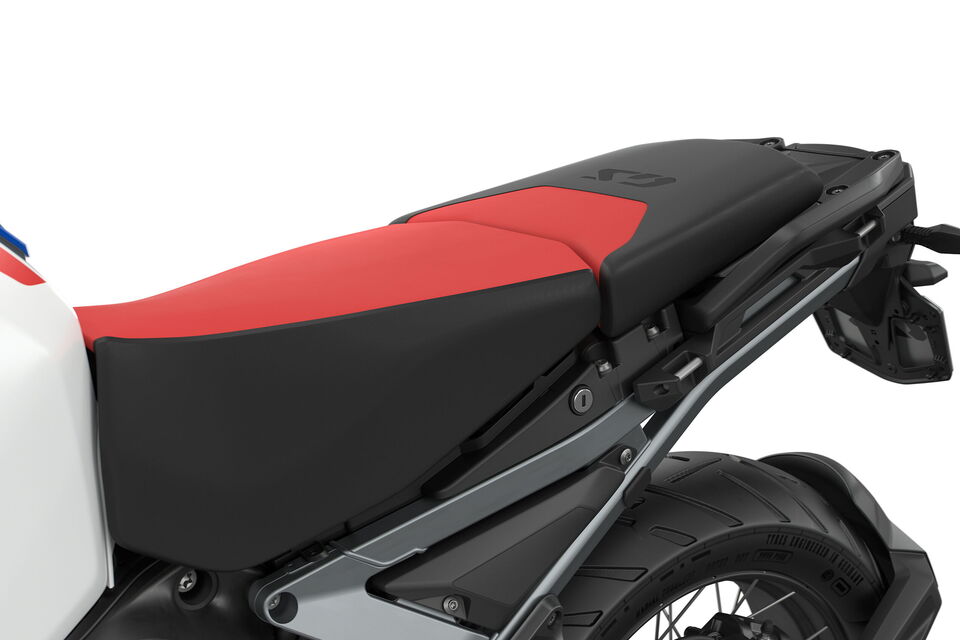
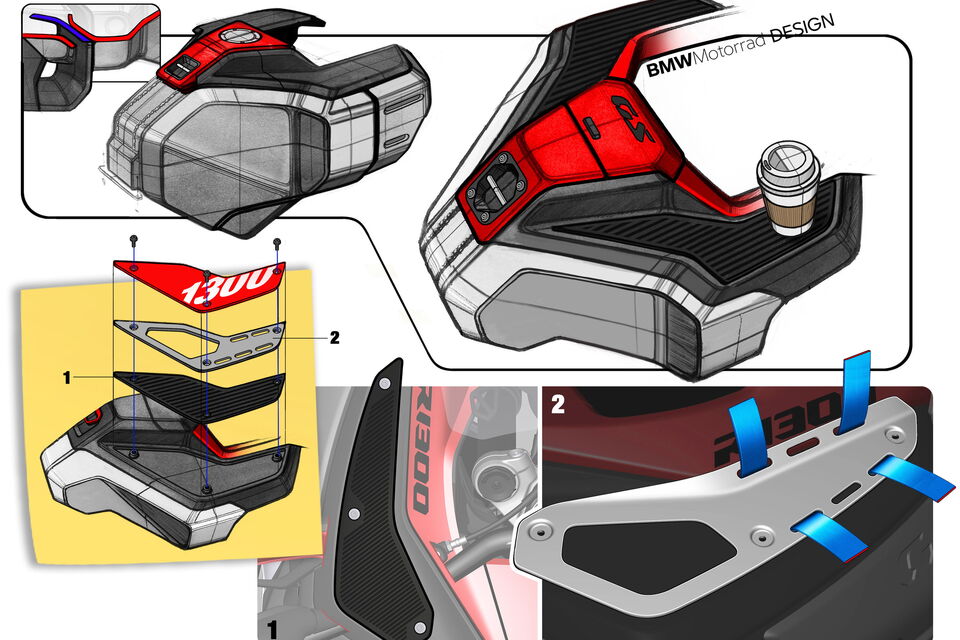
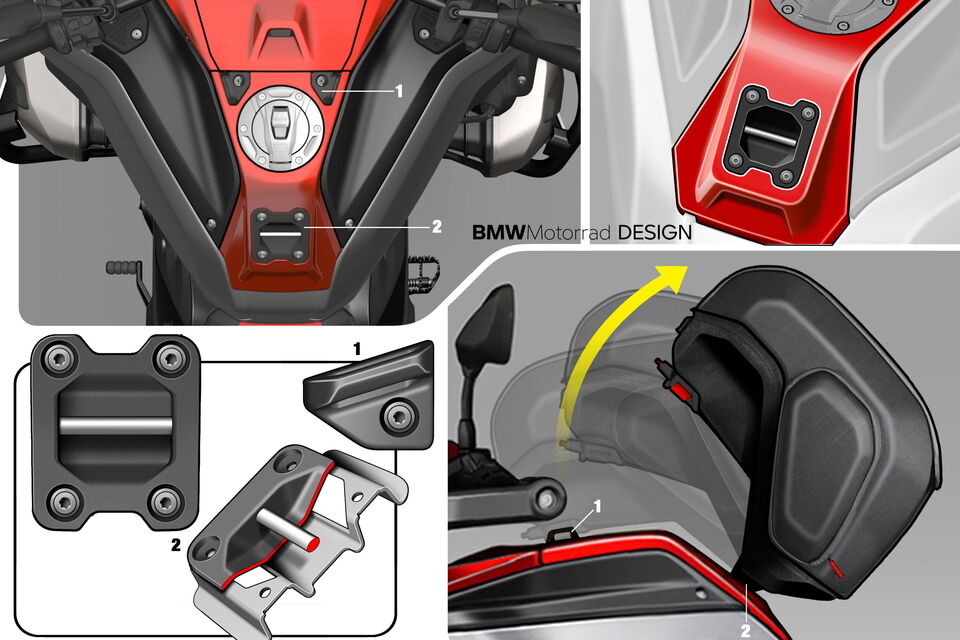
The riding position is upright and designed for long-distance travel with a passenger and full luggage. The seat is more comfortable than the standard GS’s, while passenger accommodation is more generous. Grab handles, tie-down points, and storage options are also more extensive from the factory.
Handling: 269 kg, 30 Liters—and the Payload Equation
269 kg fully fueled—32 kg more than the standard GS. You can feel that additional weight on tight switchbacks and during rapid direction changes. The Adventure is noticeably less agile. Ride it over long distances—which is what it was built for—and you barely notice.
The 30-liter fuel tank is the main argument. At around 5 liters per 100 km, realistic range is between 560 and 600 km—almost twice that of the standard GS at around 350 km. That makes the Adventure the only motorcycle in this class you can use for travel through sparsely populated regions without constantly planning fuel stops.
There is one genuine criticism: maximum payload is only 216 kg. With a 269 kg curb weight, maximum permissible gross weight is 485 kg. Put two fully equipped riders and a complete set of aluminum luggage on board and you are already approaching the limit. On paper, that significantly restricts the long-distance capability the motorcycle is designed to deliver.
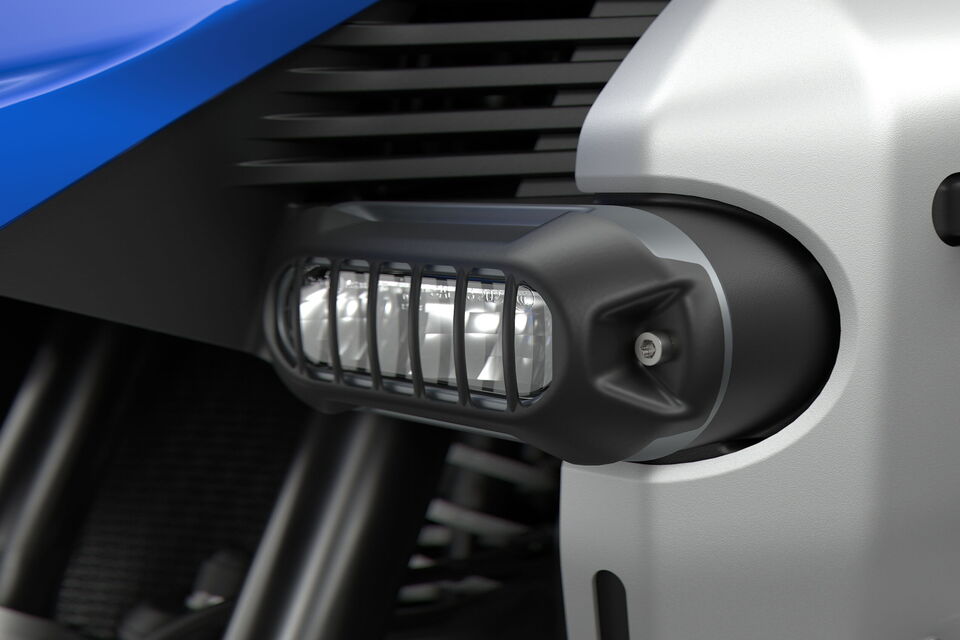
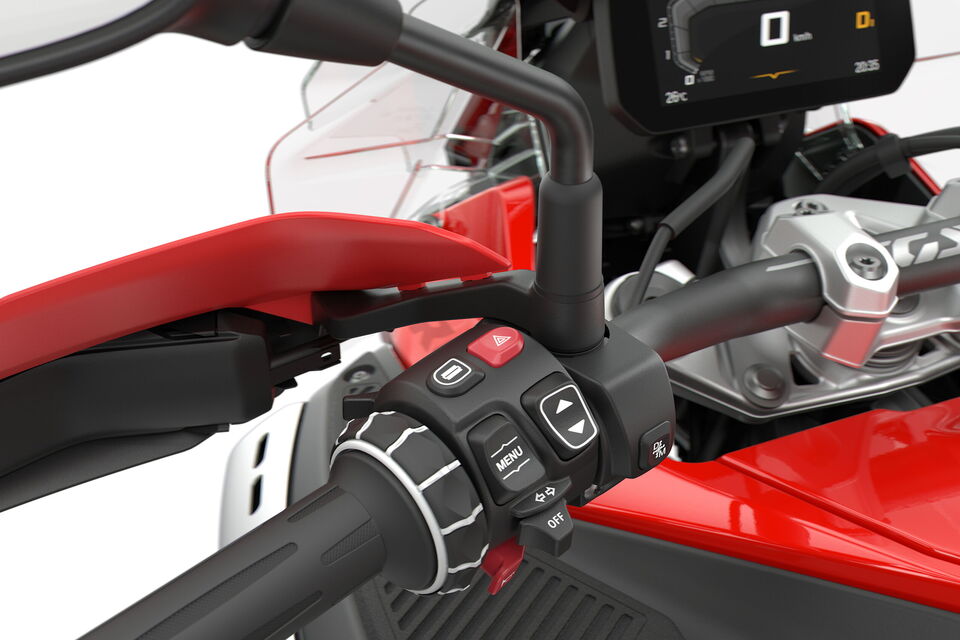
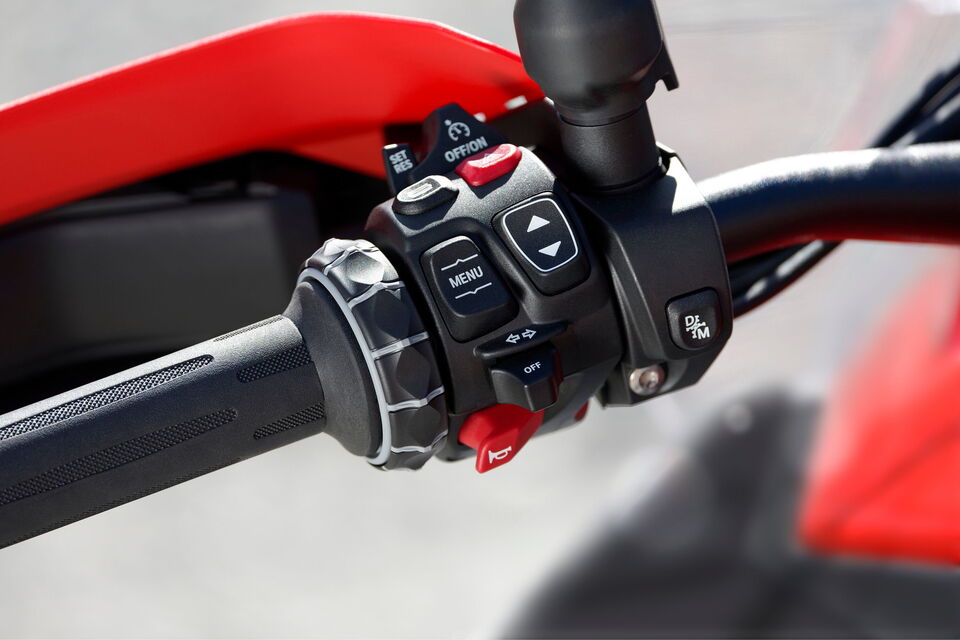
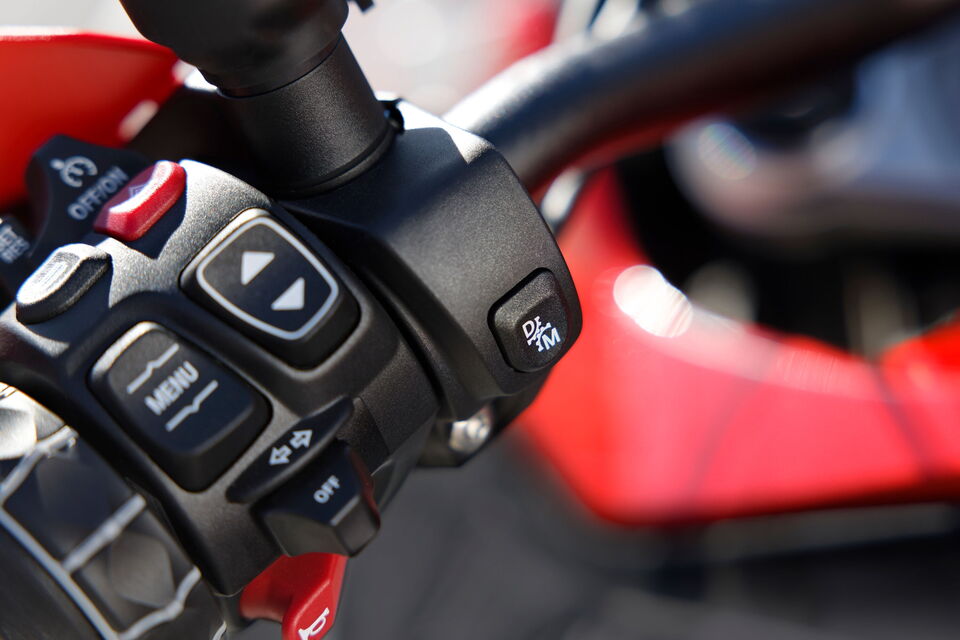
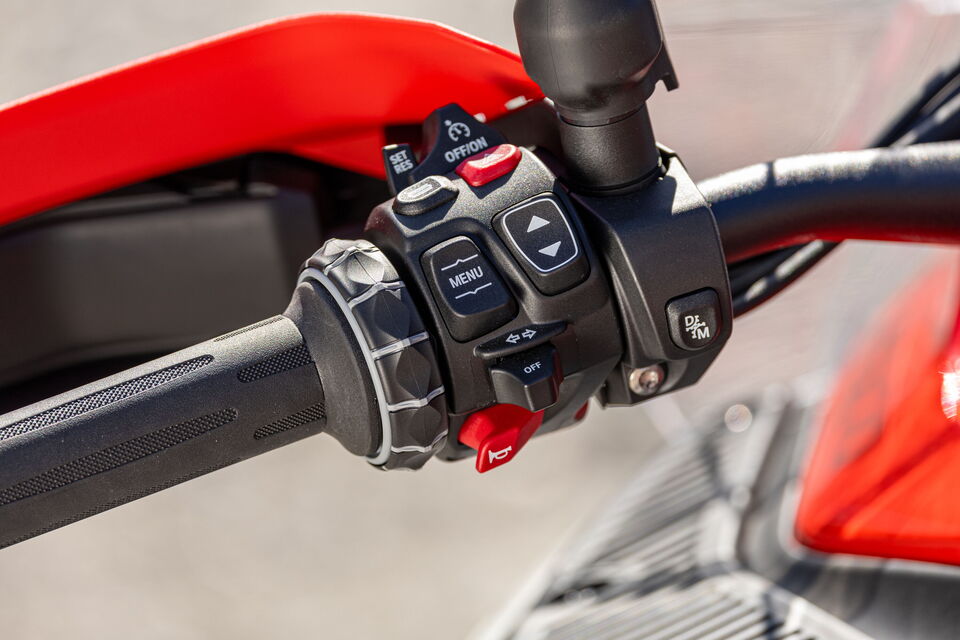
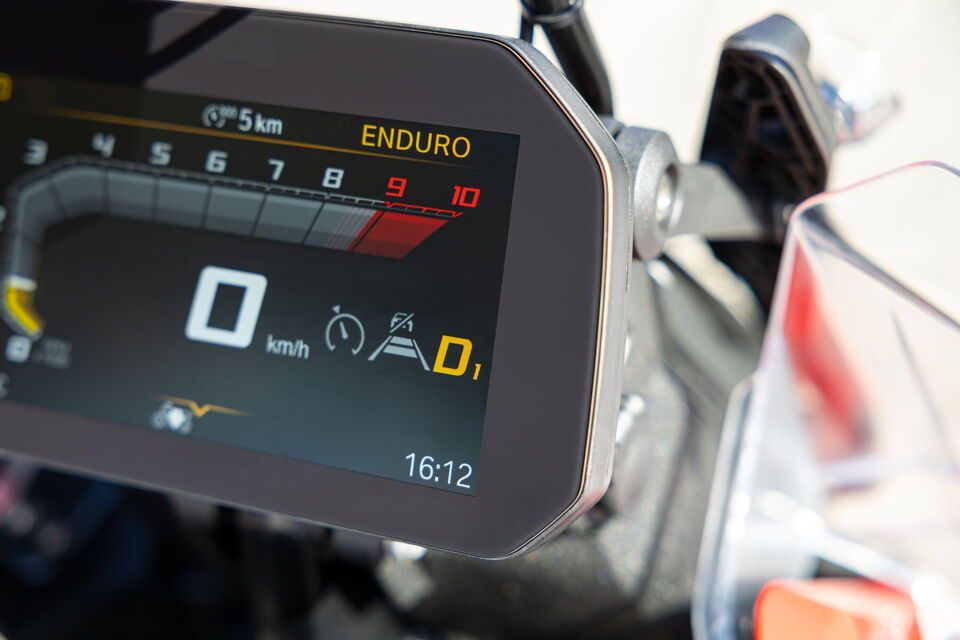
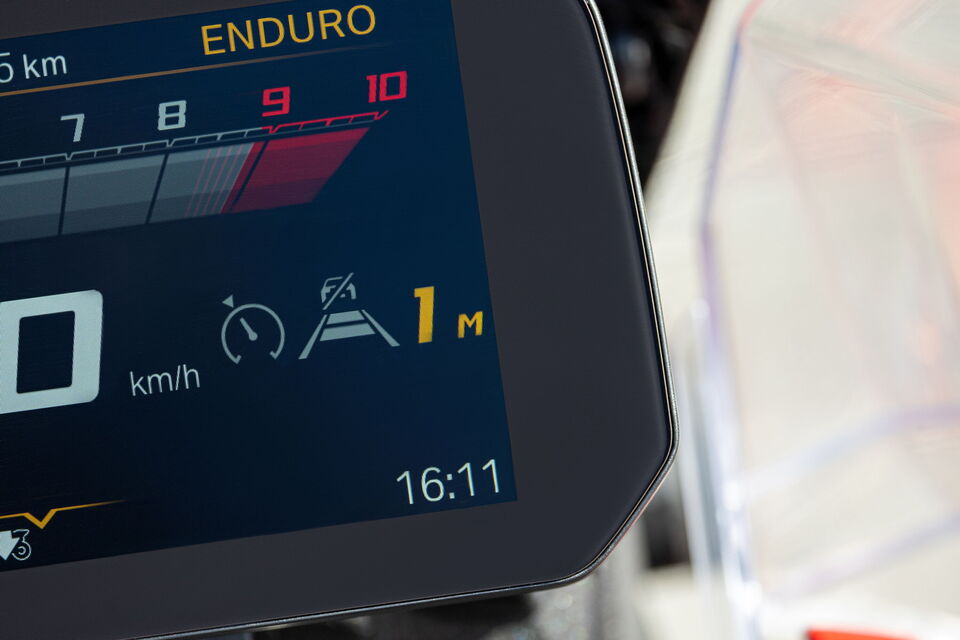
Auxiliary lights come standard on the Adventure. The TFT display is identical to the standard GS: 6.5 inches, easy to read, with a menu system that takes some getting used to.
Equipment: More Standard Than the Standard GS—and Enduro Package Pro
The Adventure includes more standard equipment in base form.
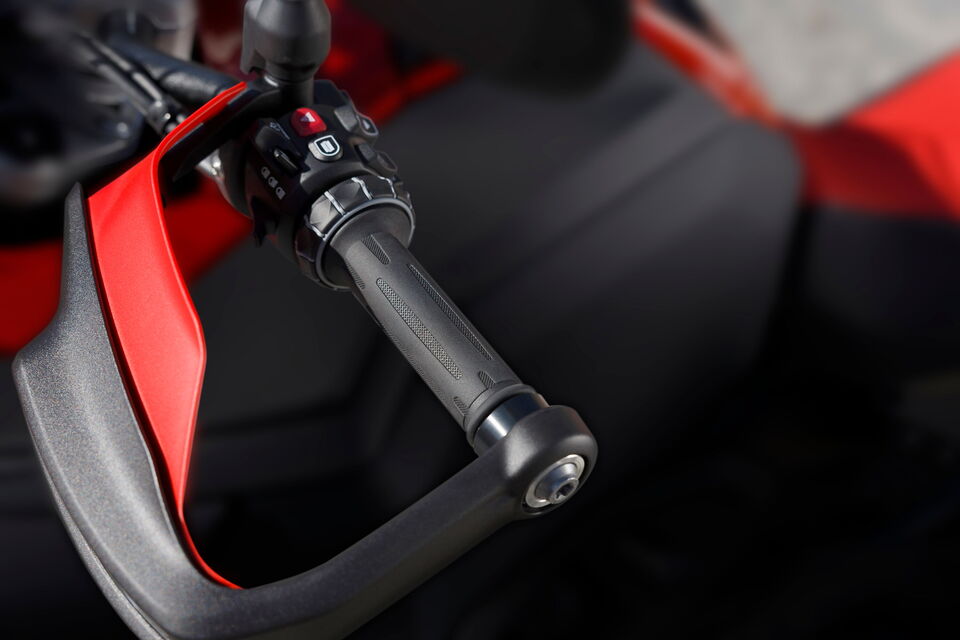
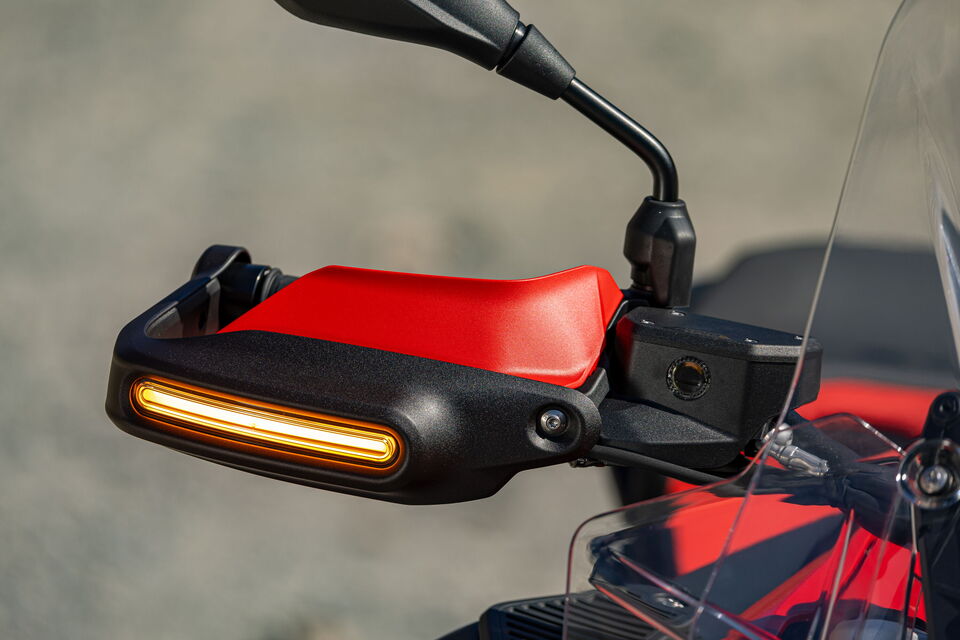
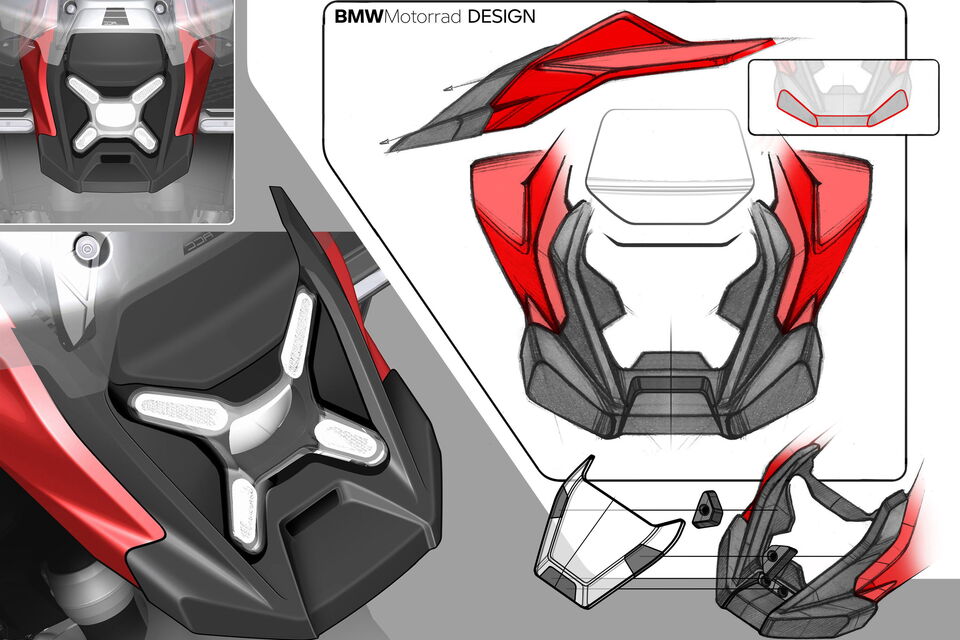
DSA comes standard, while it is optional on the standard GS. Auxiliary lights are standard, along with extended hand protection, an aluminum rear subframe, and a more comfortable seat.
Also standard, as on the regular GS, are ABS Pro, Shift Assistant Pro, four riding modes, DTC, MSR, DBC, HSC, DCC cruise control, Keyless Ride, heated grips, RDC tire-pressure monitoring, lithium-ion battery, USB, and TFT display.
Enduro Package Pro is the Adventure-specific off-road upgrade.
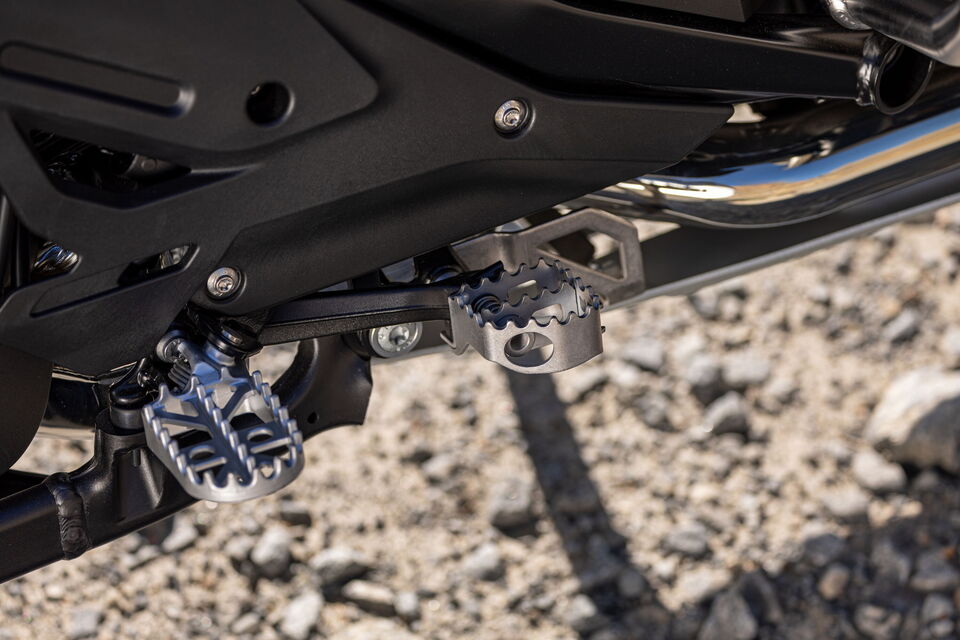
It includes fully adjustable sport suspension, enduro footpegs, engine protection, and a handlebar riser. It transforms the Adventure from a heavyweight touring motorcycle into a serious off-road tool.
Costs: €22,335—and a Realistic Full-Cost Calculation
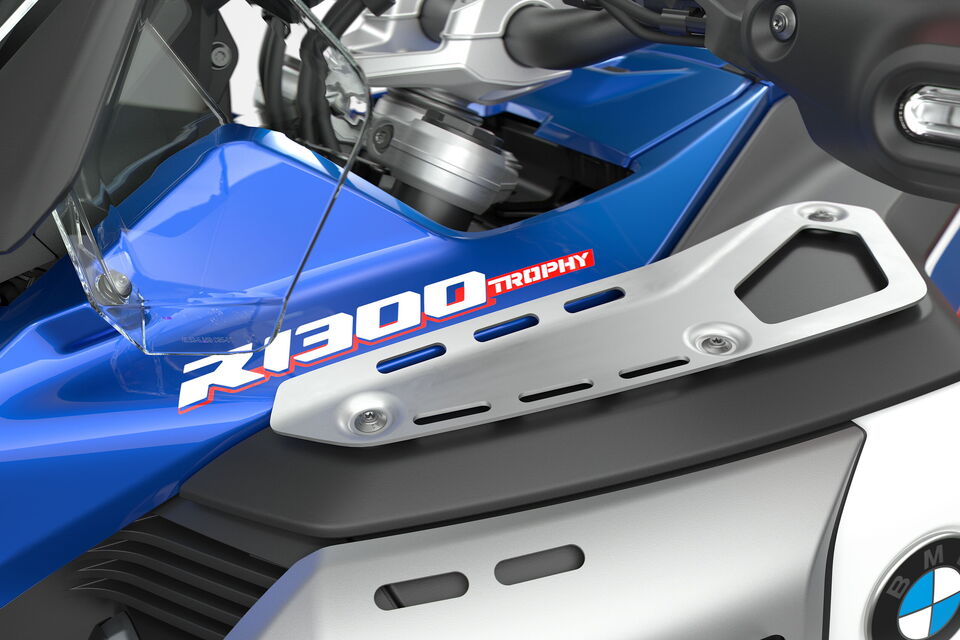
The base price is €22,335. For comparison, the standard GS costs €19,900, a Honda Africa Twin Adventure Sports DCT more than €21,000, and a KTM 1390 Super Adventure S almost €22,000. Fully equip the Adventure—with Trophy trim, Enduro Package Pro, ASA, Dynamic Package, Comfort adaptive height control, and luggage—and the price exceeds €28,000.
Service is required every 10,000 km and costs around €400 to €600. Shaft-drive service is required every 60,000 km. Warranty: two years with unlimited mileage.
Verdict
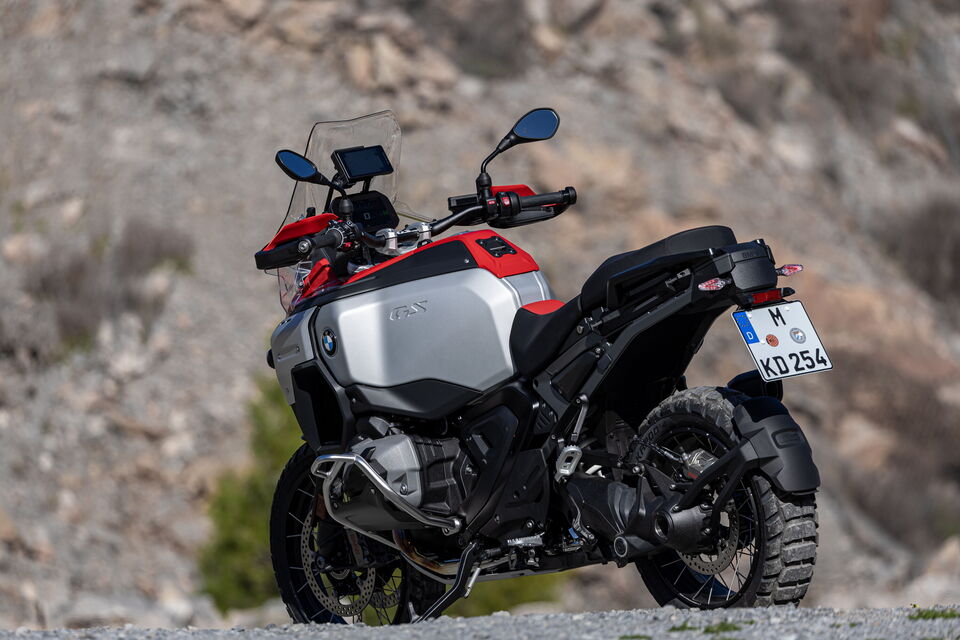
The BMW R 1300 GS Adventure is the most complete long-distance motorcycle on the market. The 30-liter fuel tank, standard DSA suspension with 210/220 mm of travel, auxiliary lights, aluminum rear subframe, and optional ASA make it the most convincing long-distance GS BMW has ever built.
Understand and accept the payload calculation, and you get the best touring motorcycle in its class.
Quick Check
+ 30-liter fuel tank—up to 600 km of range; no other GS model comes close
+ DSA suspension standard—automatic adjustment when the load changes
+ 210/220 mm of suspension travel—20 mm more than the standard GS at both ends
+ Auxiliary lights standard—optional on the standard GS
+ Aluminum rear subframe—lighter and stiffer than steel
+ ASA optional—the first BMW with fully automatic clutch and gear shifting
+ Adaptive vehicle-height control with up to 50 mm of lowering optional
+ 145 hp, 149 Nm—identical to the standard GS, no performance compromise
– 269 kg fully fueled—32 kg more than the standard GS
– Payload only 216 kg—easy to exceed in fully equipped long-distance touring use
– €22,335 base price—more than €28,000 fully equipped
– 870–890 mm seat height—challenging without adaptive vehicle-height control
– Less agile than the standard GS on shorter rides
– Complex menu system—the same criticism as with the standard GS
Technical Specifications: BMW R 1300 GS Adventure (2026)
Country of manufacture: Germany (Berlin-Spandau)
Engine: Air/liquid-cooled two-cylinder boxer, DOHC, BMW ShiftCam, anti-hopping clutch, Euro 5+
Displacement: 1,300 cc
Power: 107 kW (145 hp) at 7,750 rpm
Torque: 149 Nm at 6,500 rpm
Transmission: 6-speed, Shift Assistant Pro standard; ASA optional, only with Dynamic Package
Final drive: Shaft
Frame: Sheet-steel main frame, aluminum tubular rear subframe
Front suspension: BMW Motorrad EVO Telelever with flex element, DSA shock, 210 mm travel
Rear suspension: BMW Motorrad EVO Paralever, cast-aluminum single-sided swingarm, DSA shock with load compensation, 220 mm travel; adaptive vehicle-height control optional
Front brakes: Dual 310 mm semi-floating discs, Brembo four-piston radial calipers
Rear brake: 285 mm disc, two-piston floating caliper
Wheels: Cross-spoke wheels standard on Trophy; cast-aluminum wheels on base model
Front tire: 120/70 R19
Rear tire: 170/60 R17
Rider aids: Fully integral ABS Pro, DTC, MSR, DBC, HSC, DCC cruise control, 4 riding modes standard; Riding Assistant with ACC, FCW, SWW, and RECW optional; Enduro Package Pro optional
Wet weight: 269 kg
Payload: 216 kg
Seat height: 870–890 mm; optionally as low as 820 mm with Comfort adaptive vehicle-height control
Wheelbase: 1,534 mm
Fuel capacity: 30 liters
Price (Germany): from €22,335 for the base model; Trophy from €23,060; Triple Black from €23,120. Plus additional charges in each case.
Warranty: 2 years, unlimited mileage