Review Ducati Multistrada V4 Pikes Peak (2026)

The Öhlins Ace of the Multistrada Family
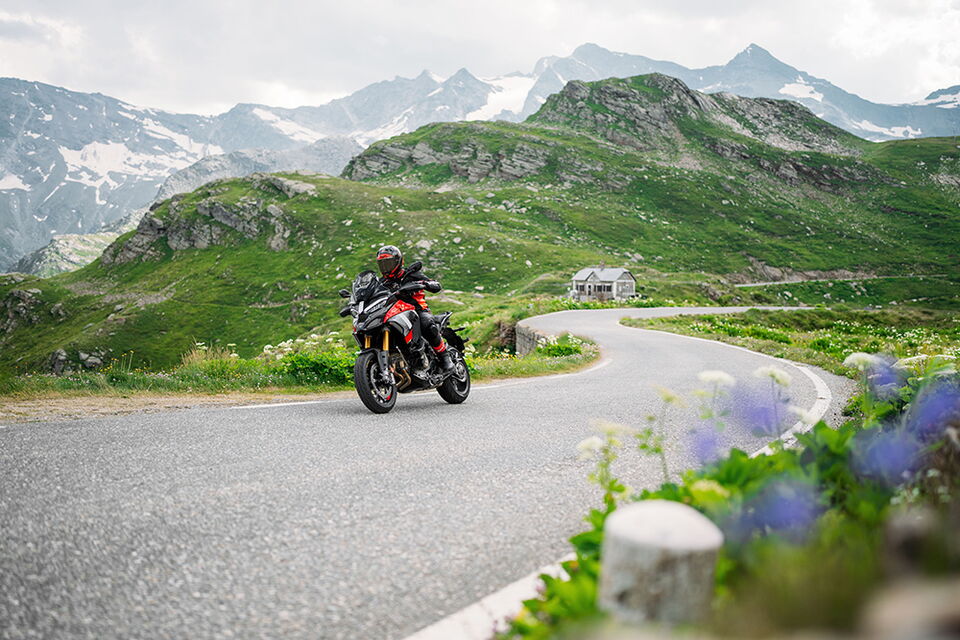
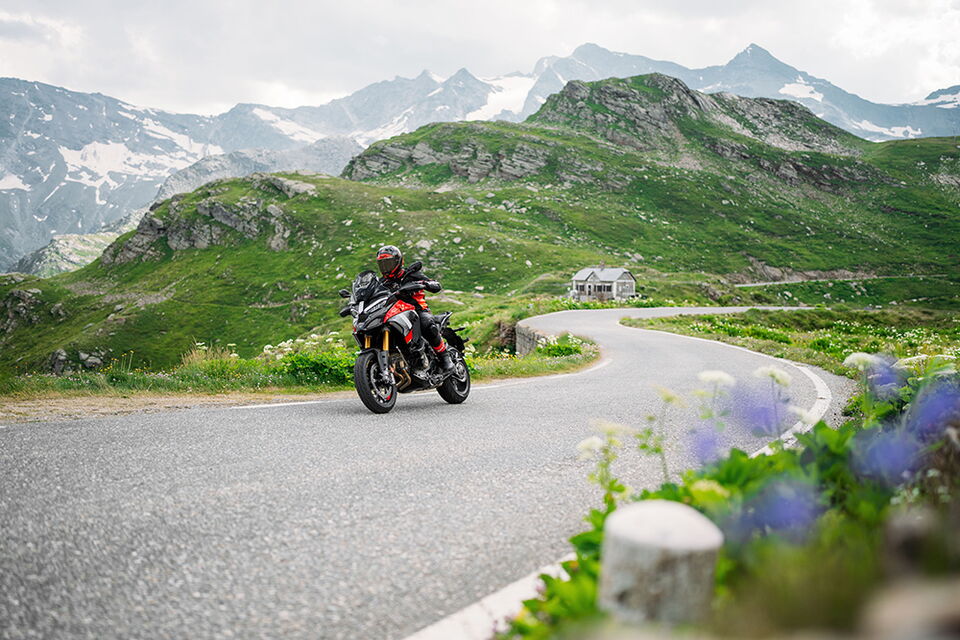
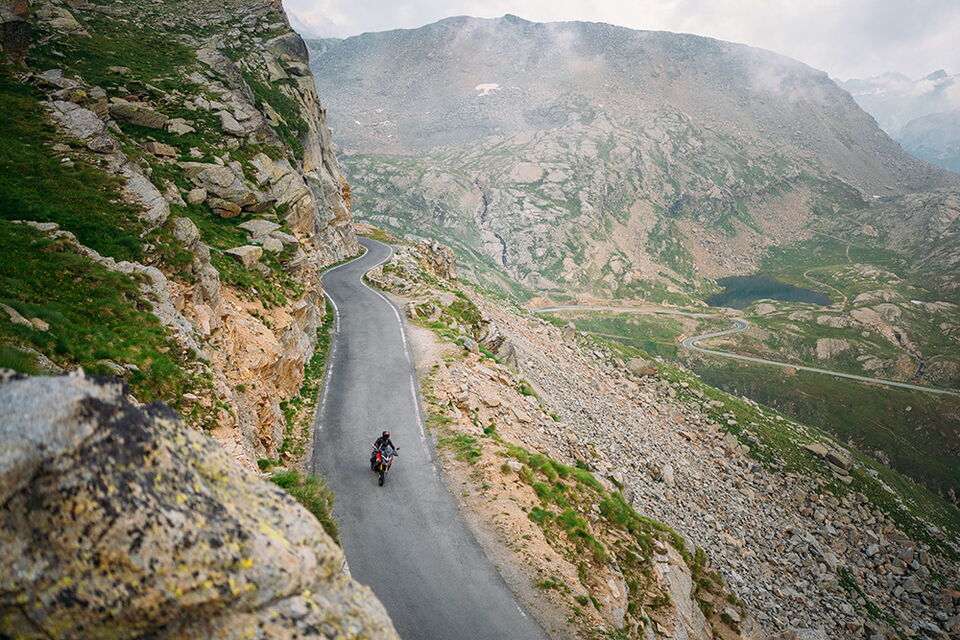
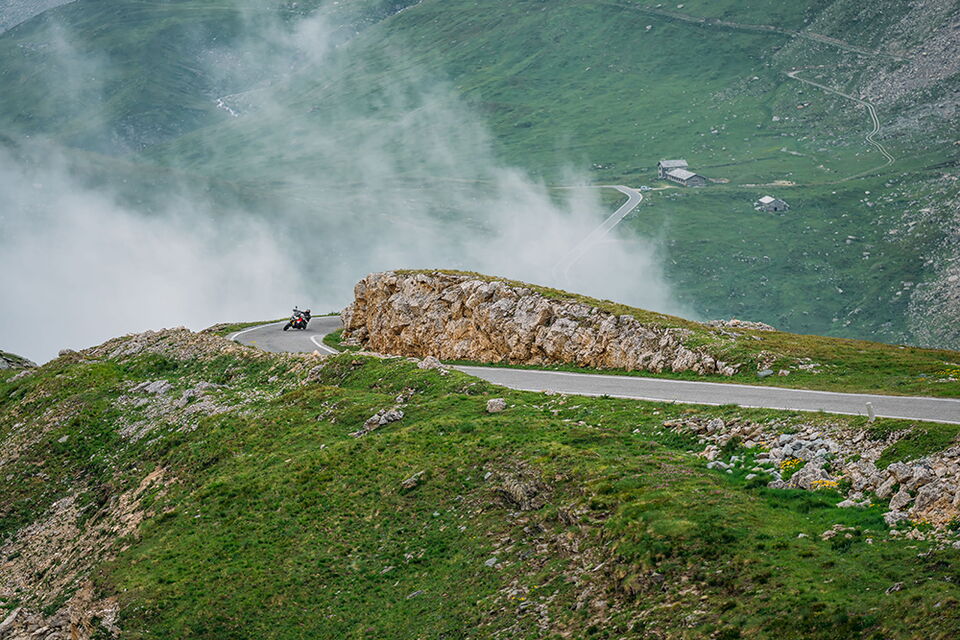
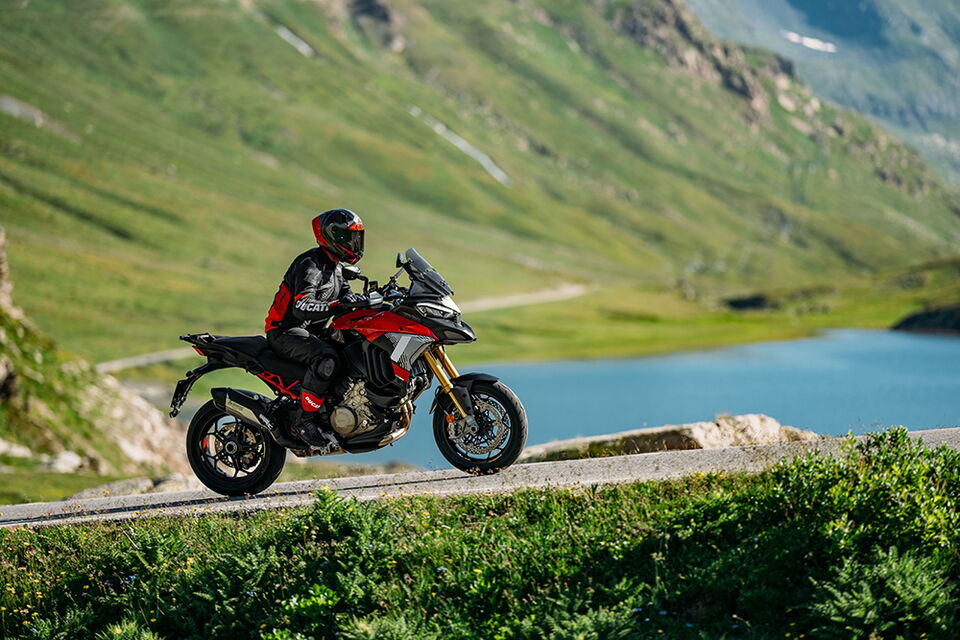
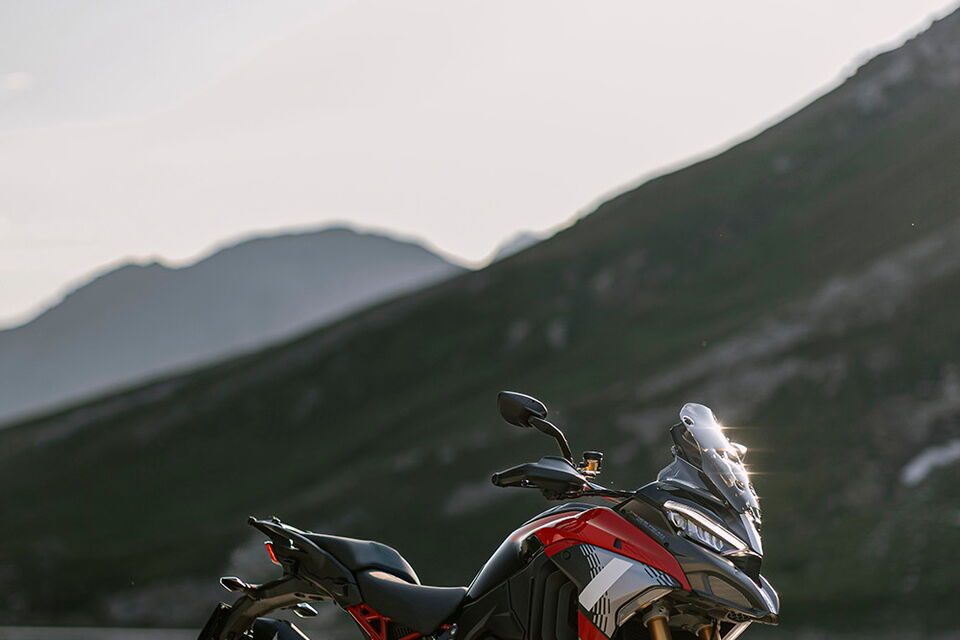
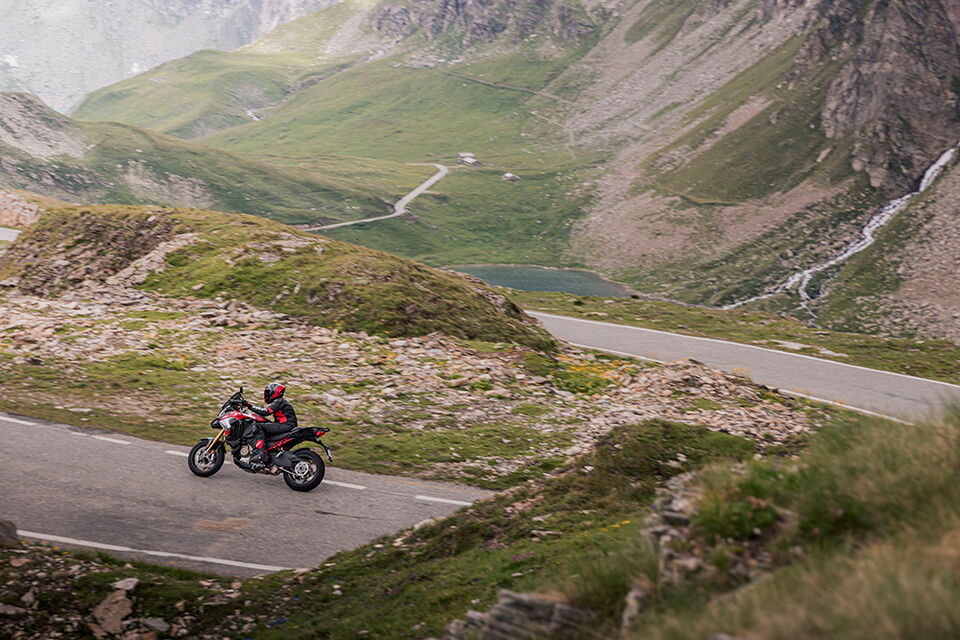
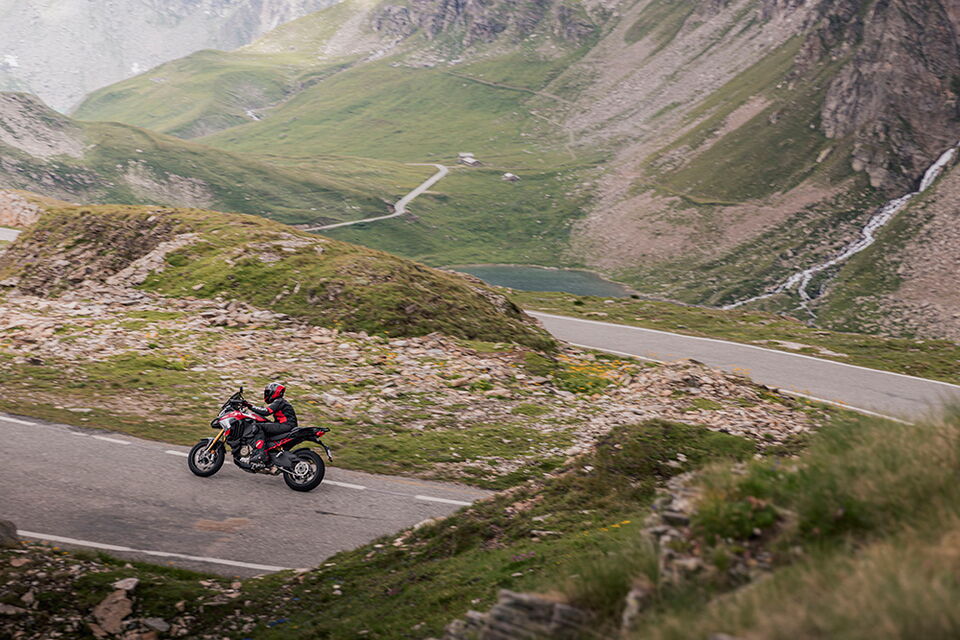
A 170 hp V4 Granturismo, racebike suspension, and Panigale-derived forged wheels—the Pikes Peak is the Multistrada for riders who feel more at home on backroads and Alpine passes than off-road. Less comfort than the V4 S, considerably more riding fun.
As of: May 5, 2026 | Model: Ducati Multistrada V4 Pikes Peak (2026) | Price in Germany: €31,990 plus €345 destination charges | Stationary noise: 95 dB(A); regulations prohibit motorcycles above 95 dB(A) | Warranty: 4 years, Ducati 4Ever Multistrada, unlimited mileage
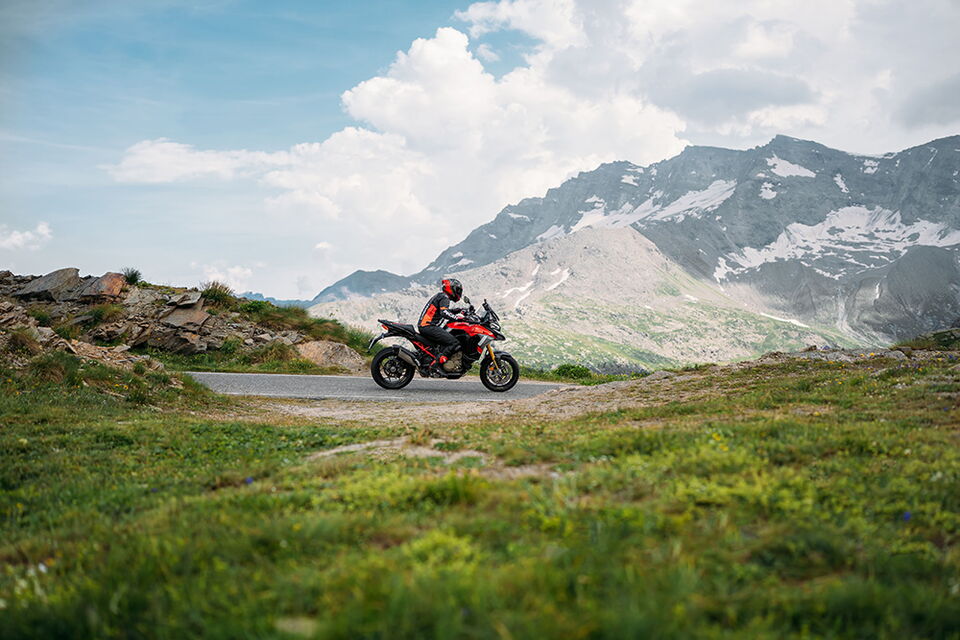
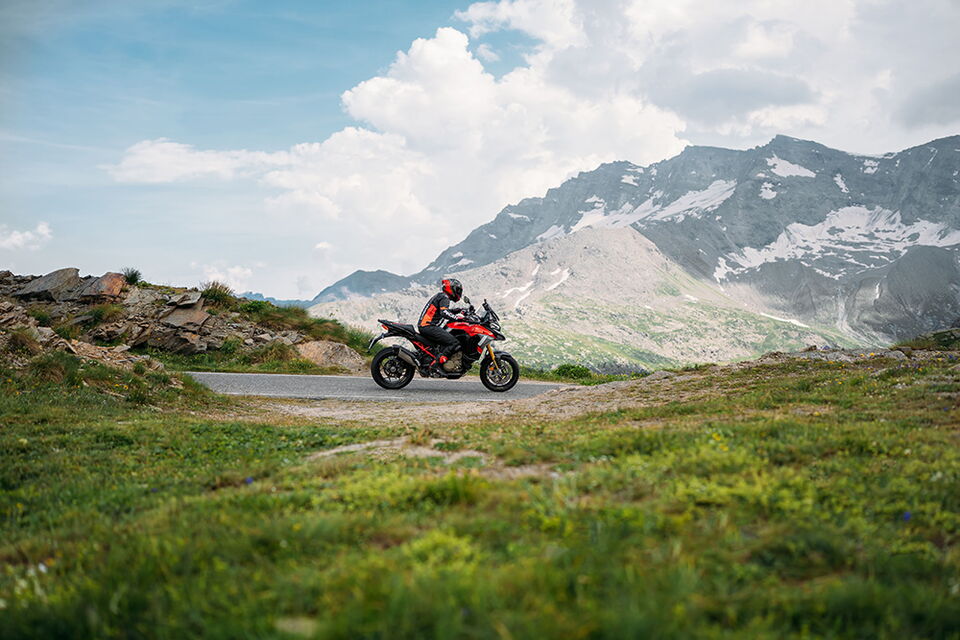
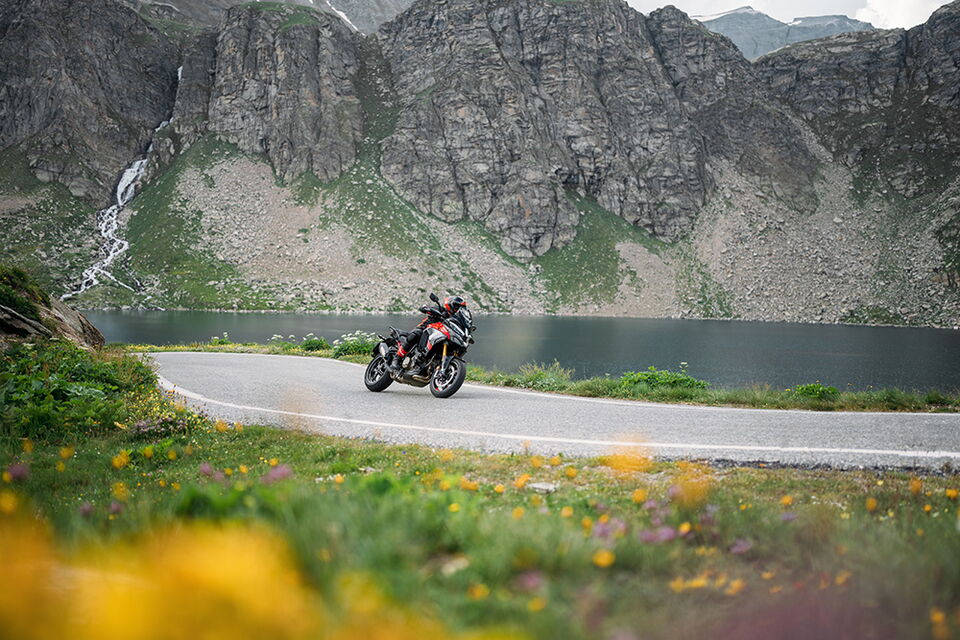
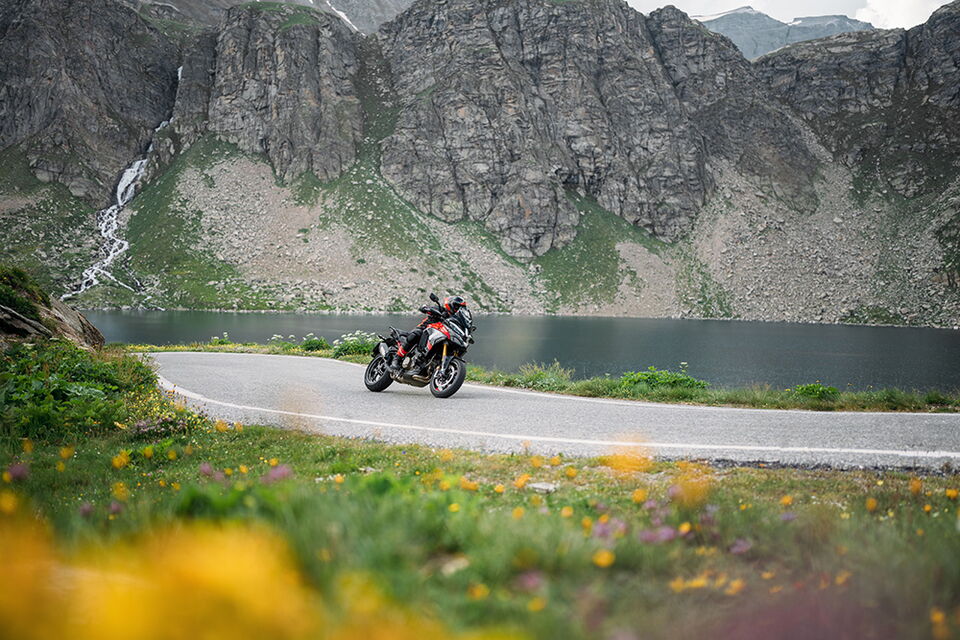
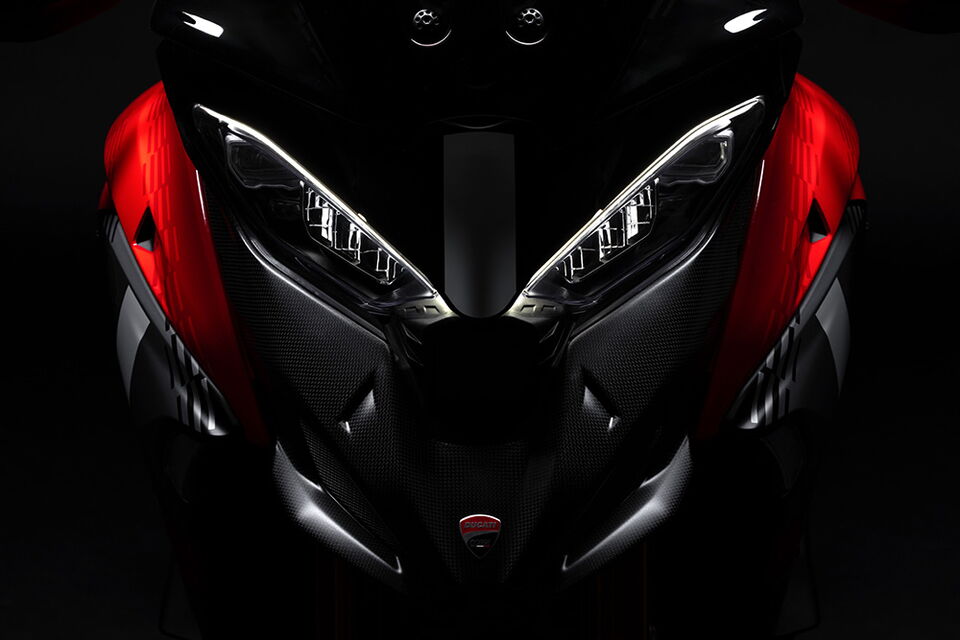
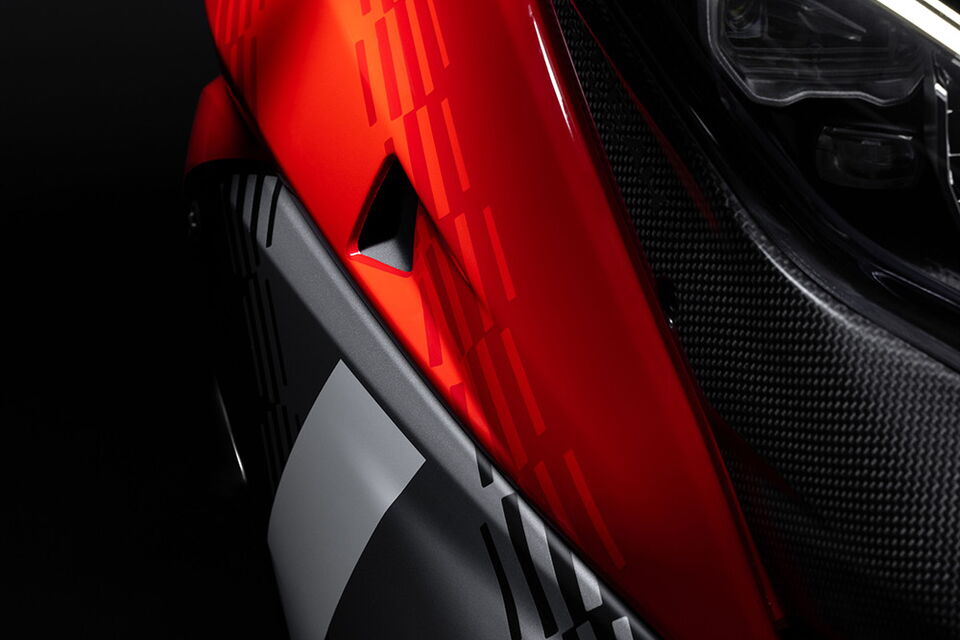
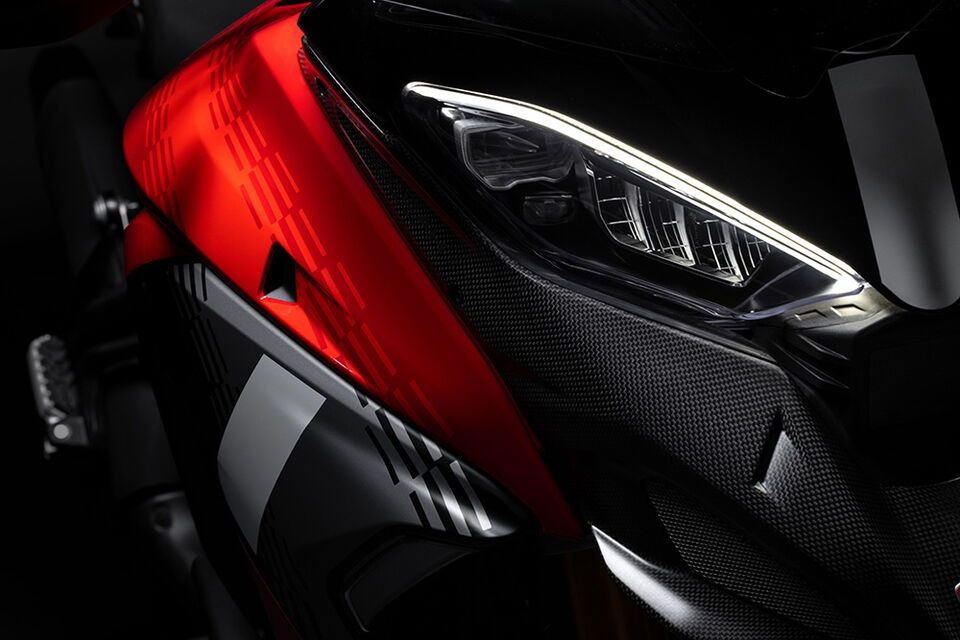
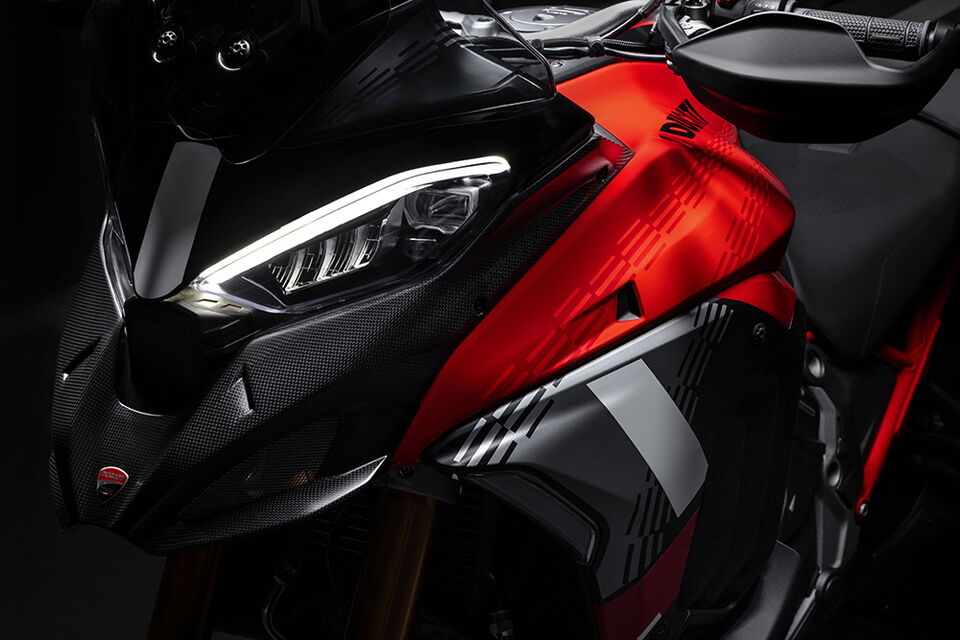
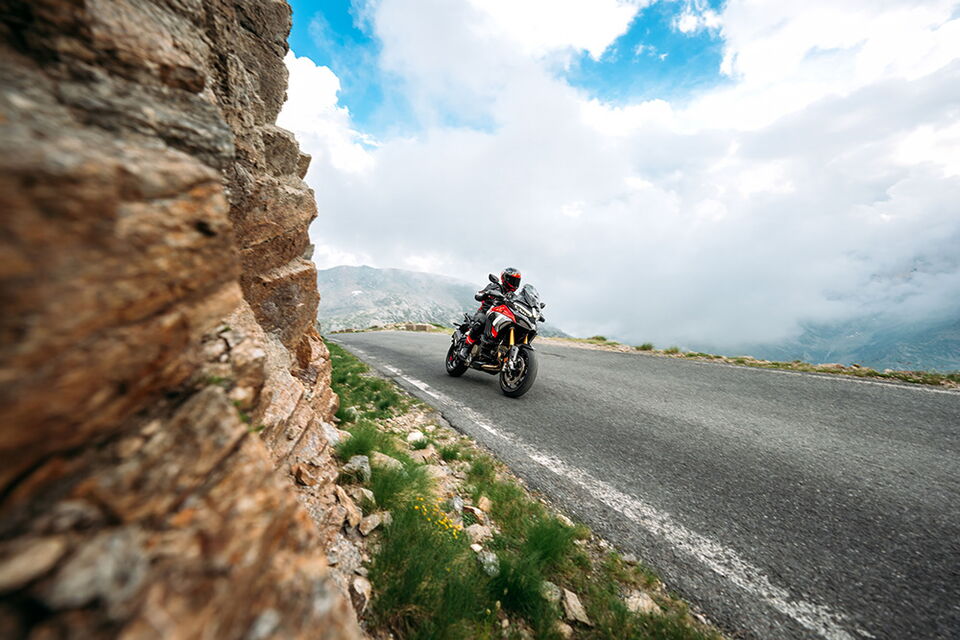
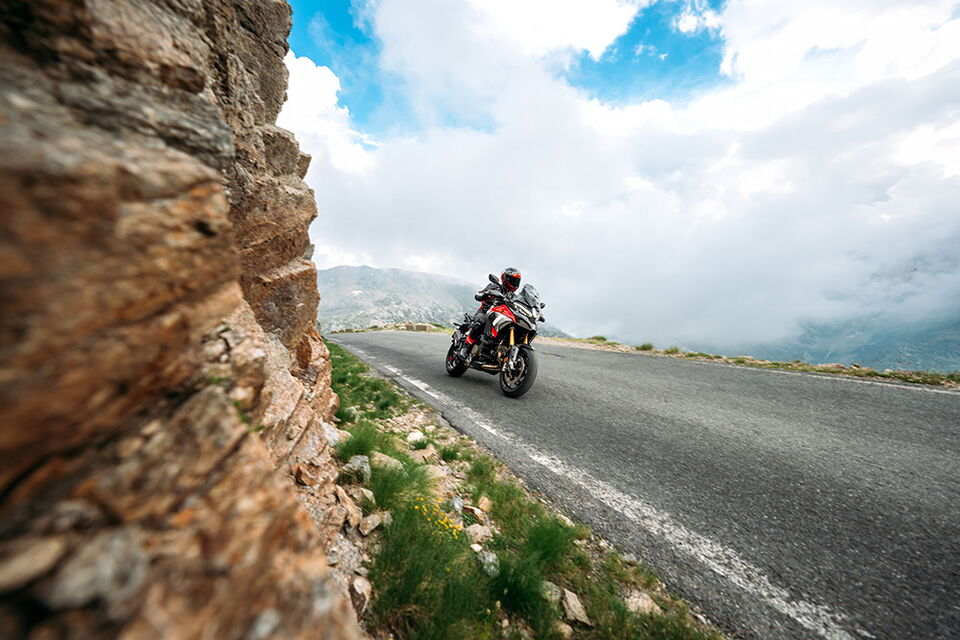
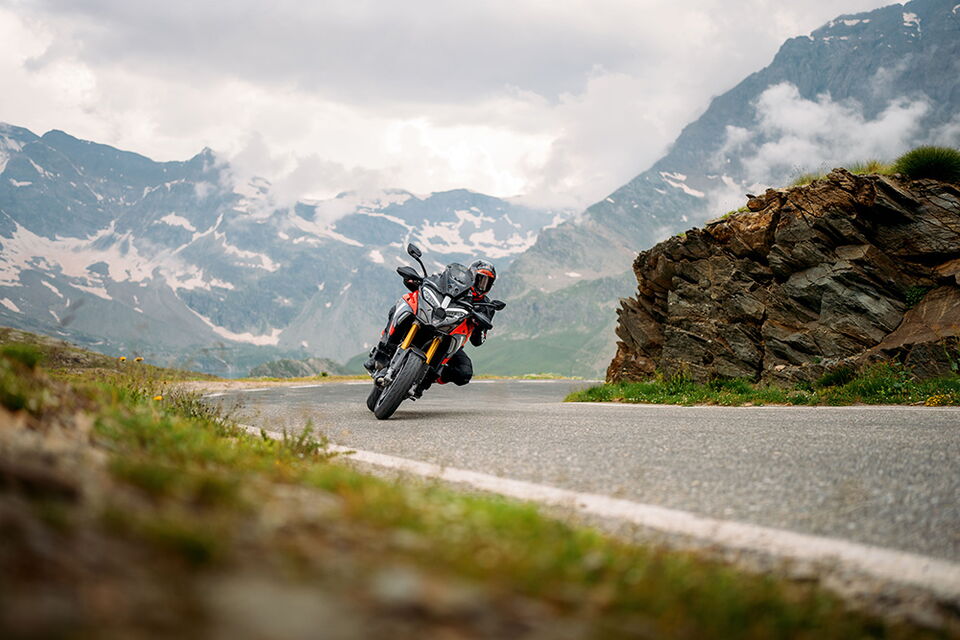
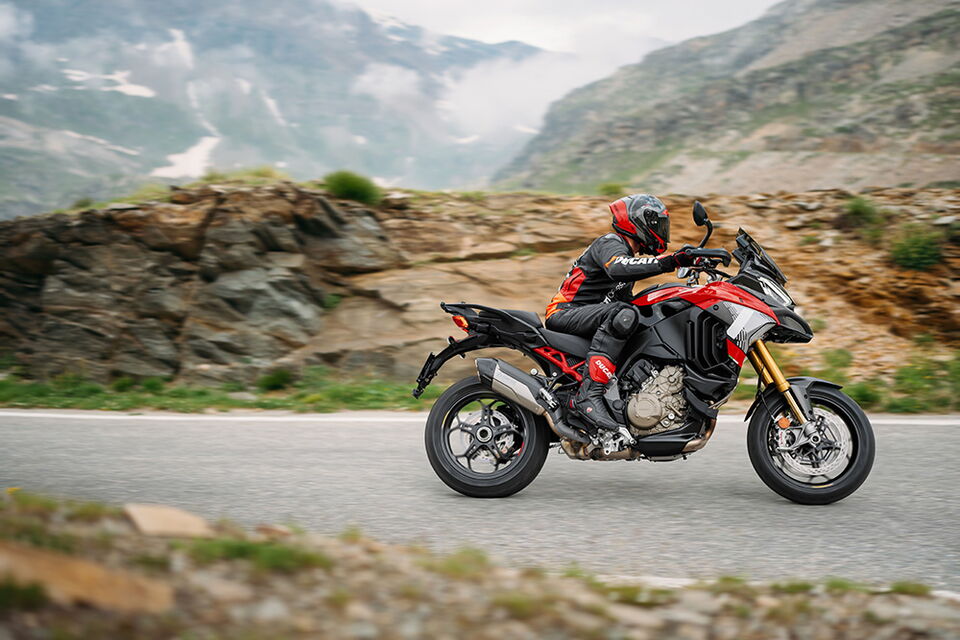
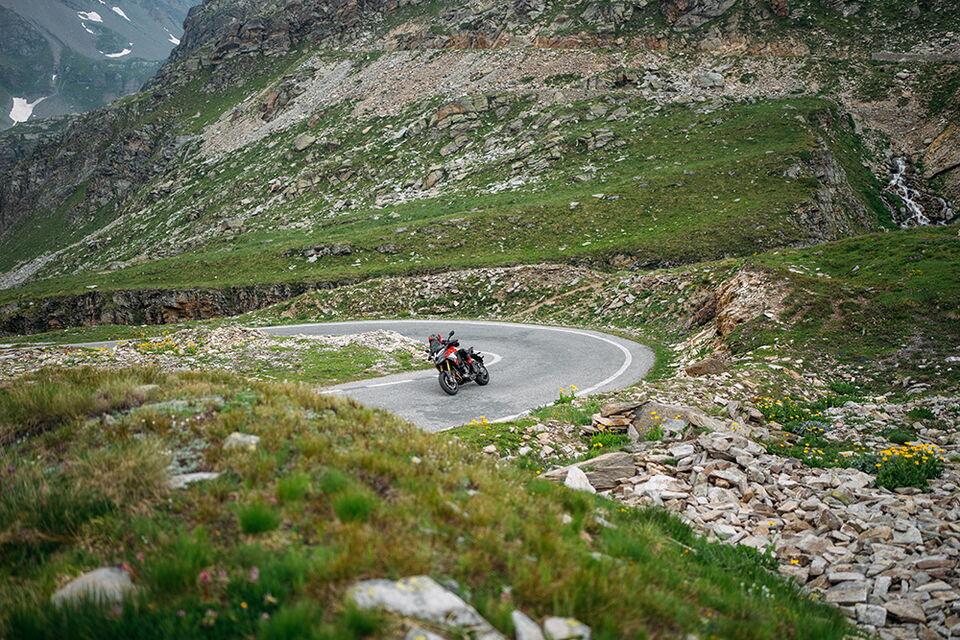
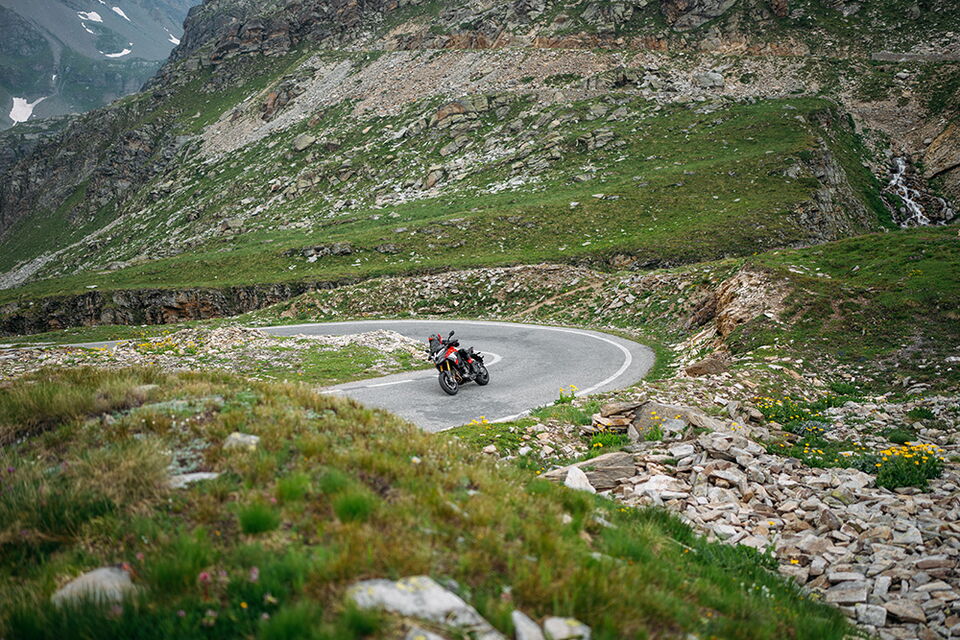
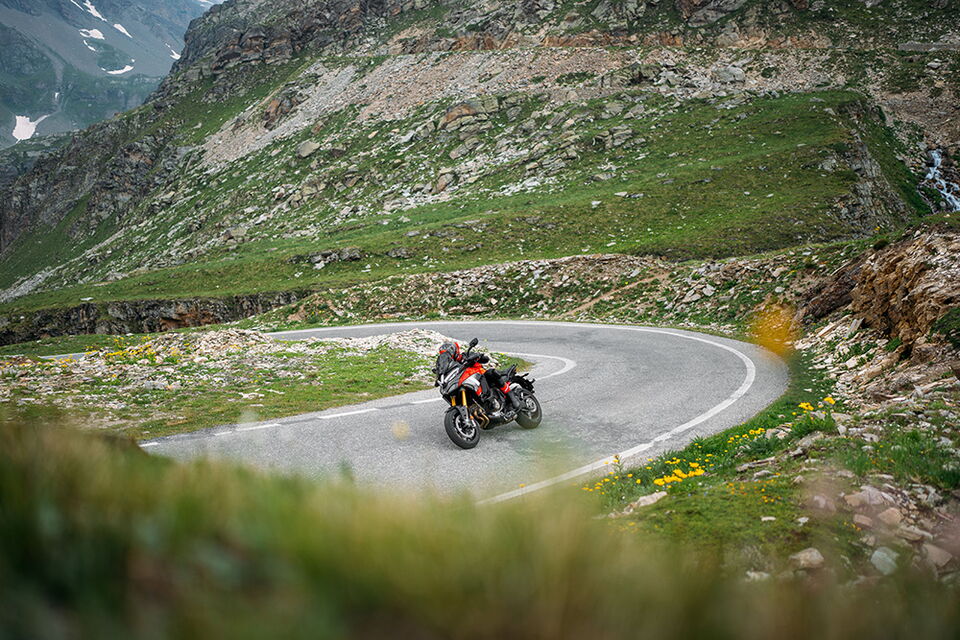
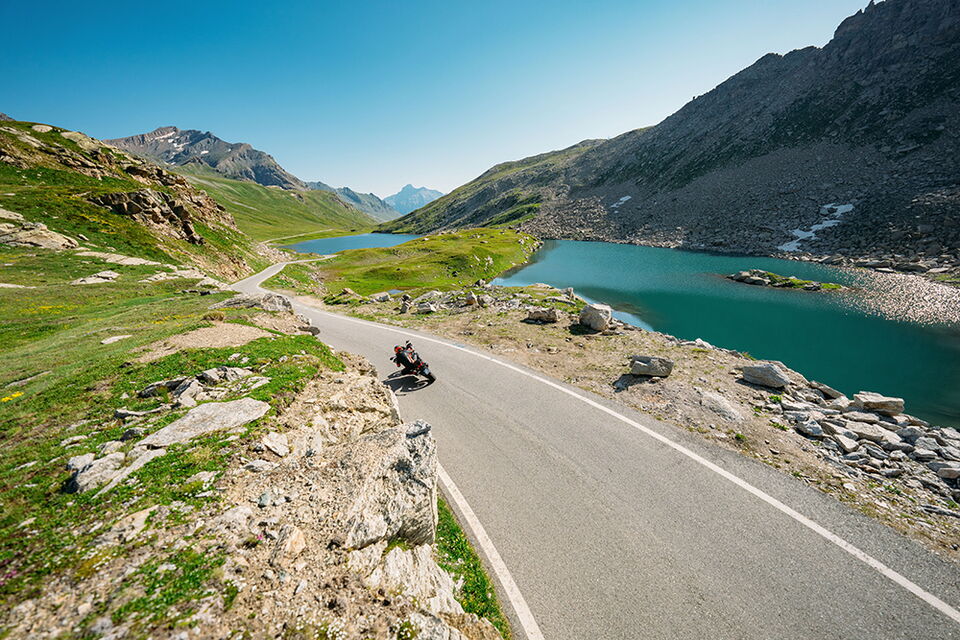
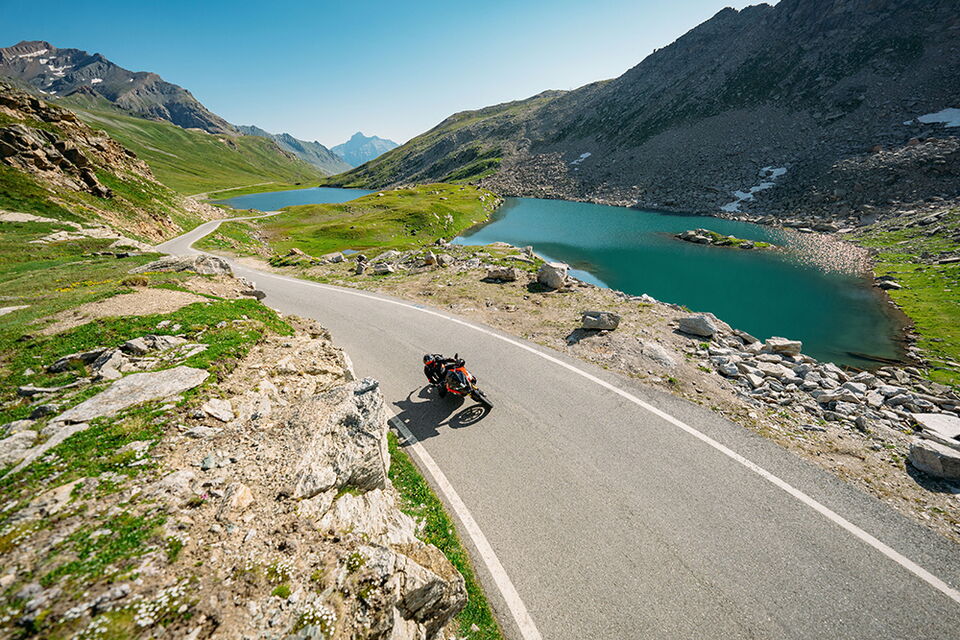
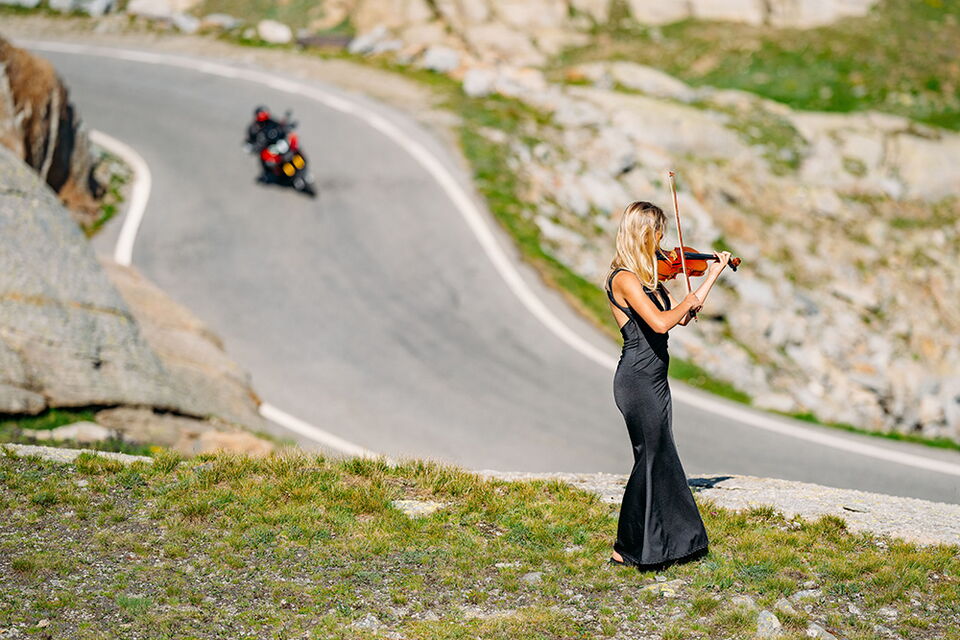
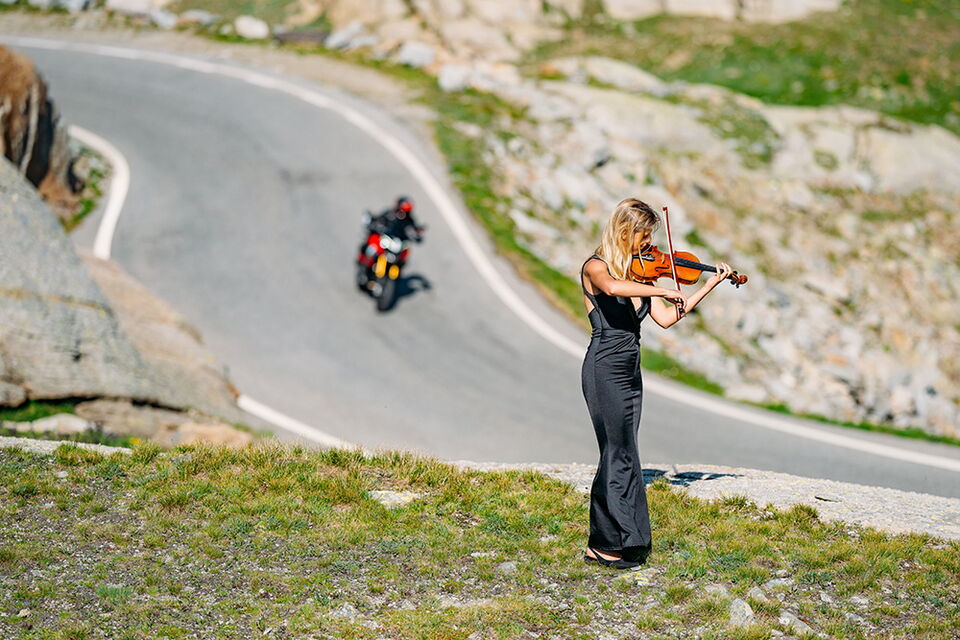
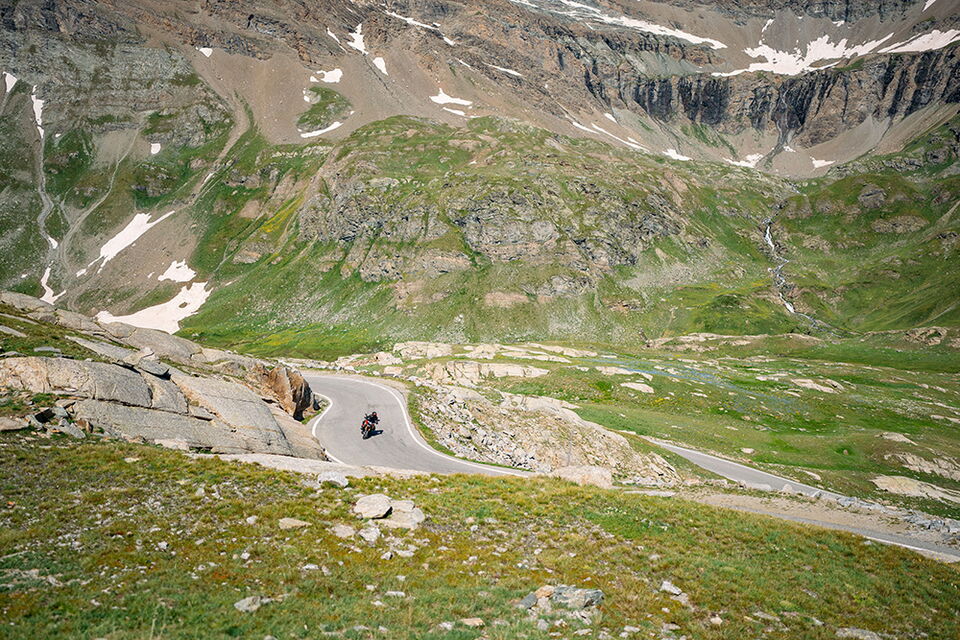
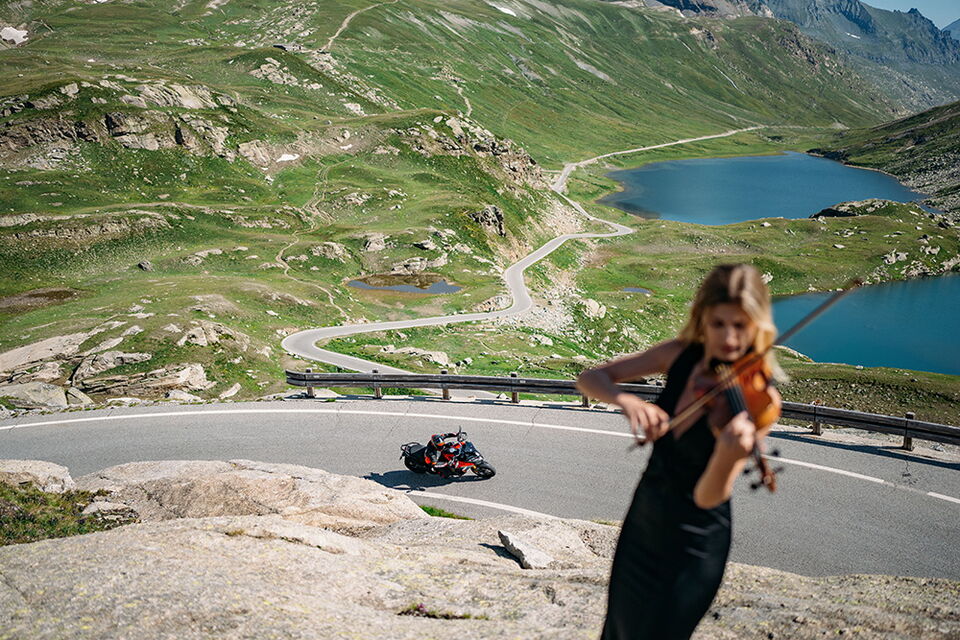
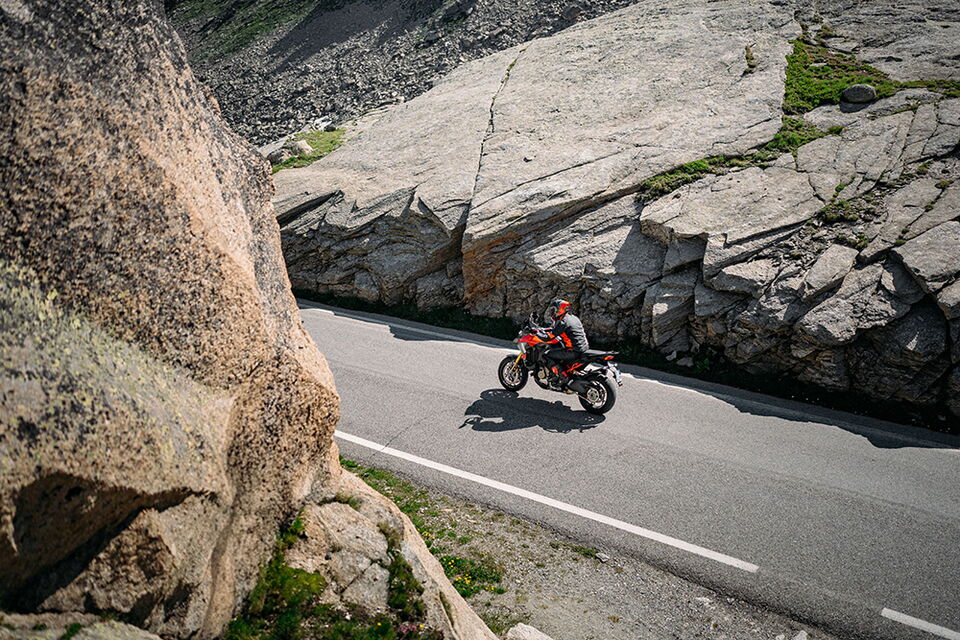
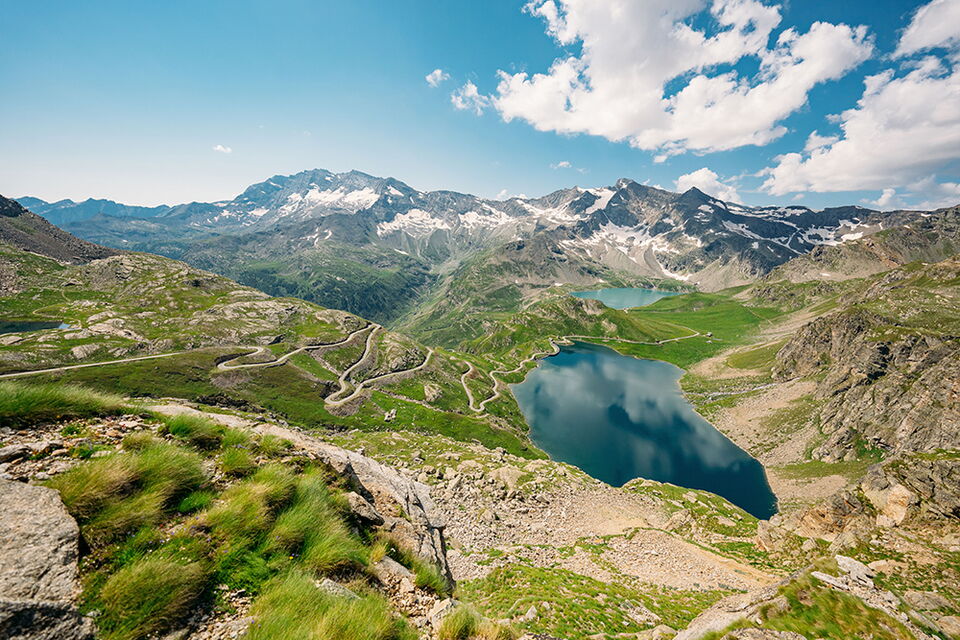
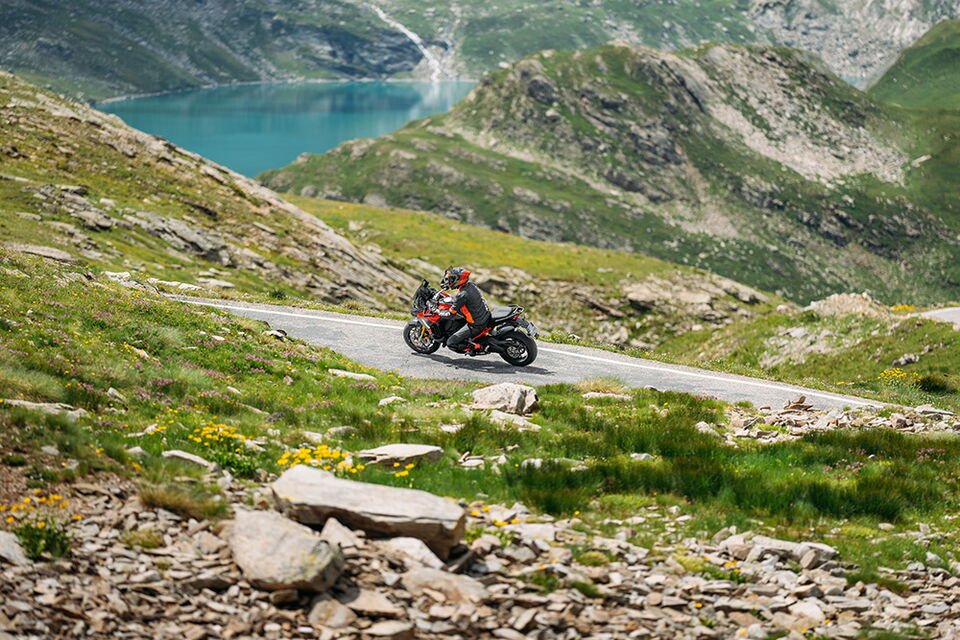
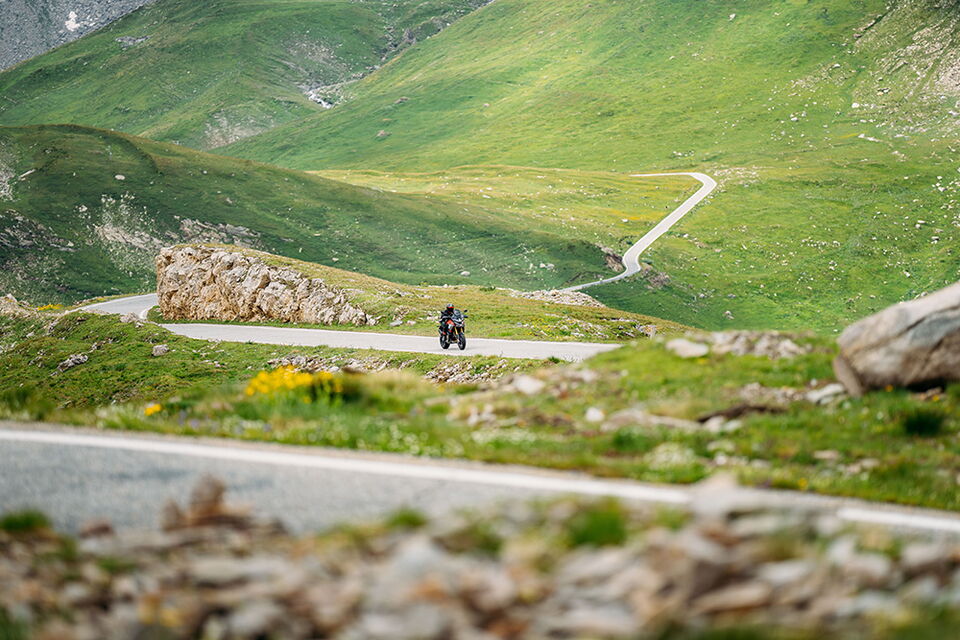
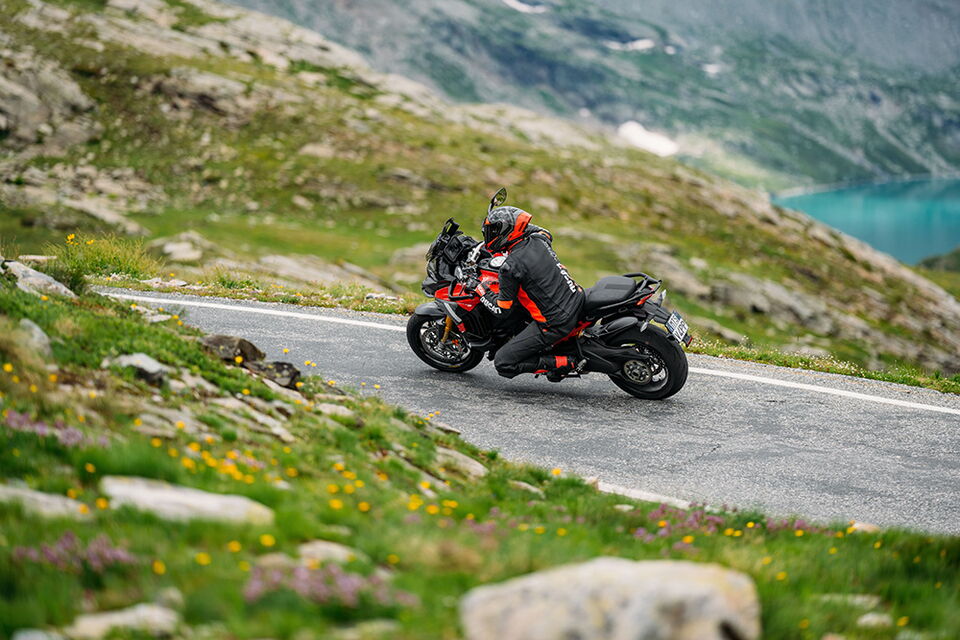
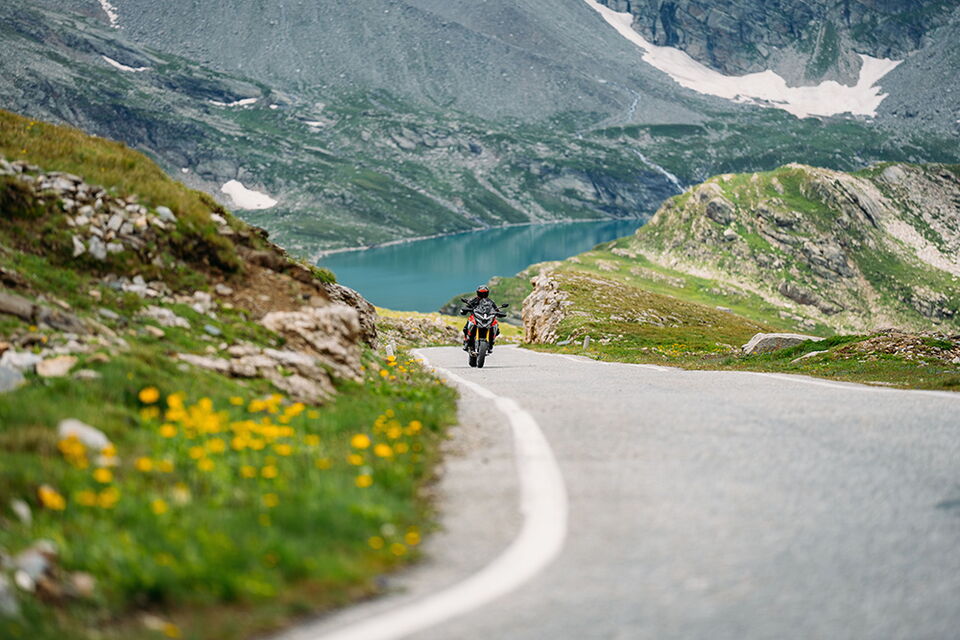
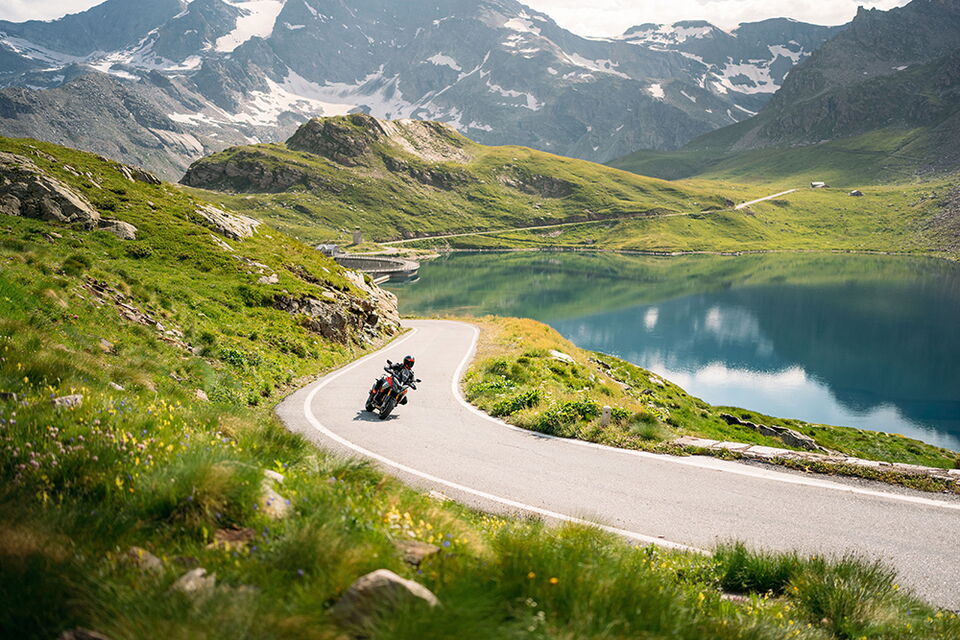
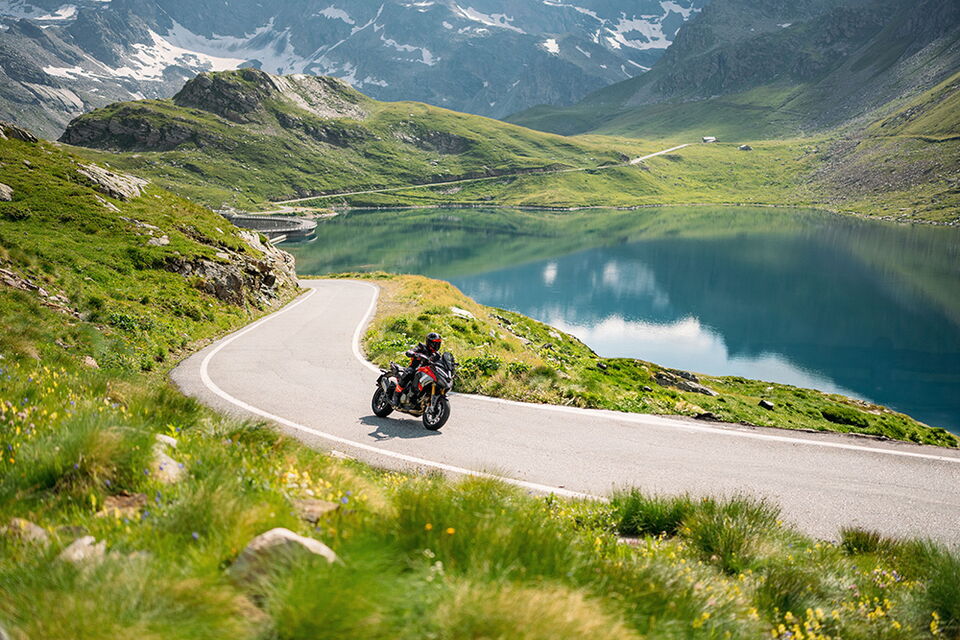
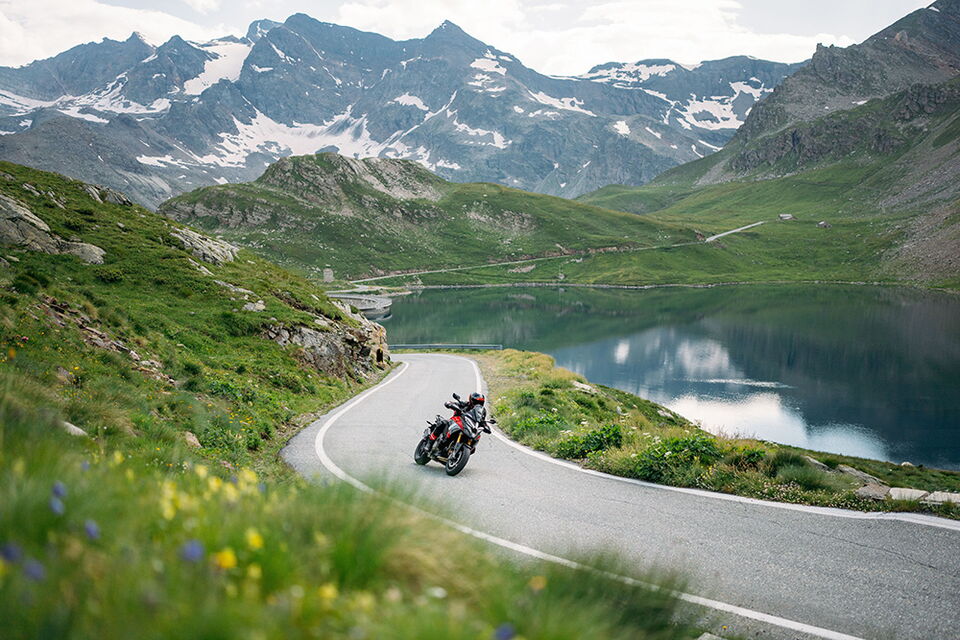
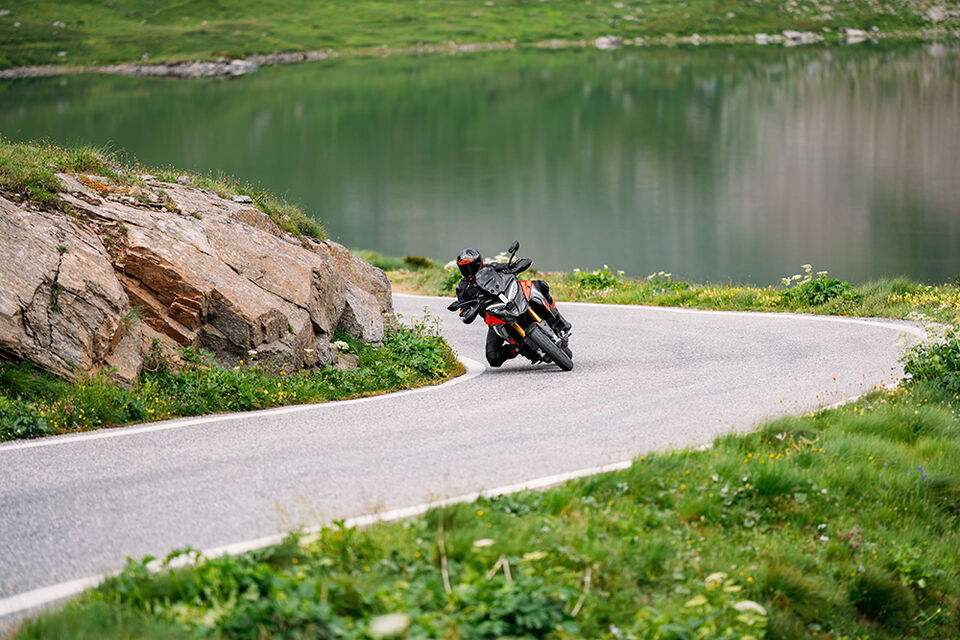
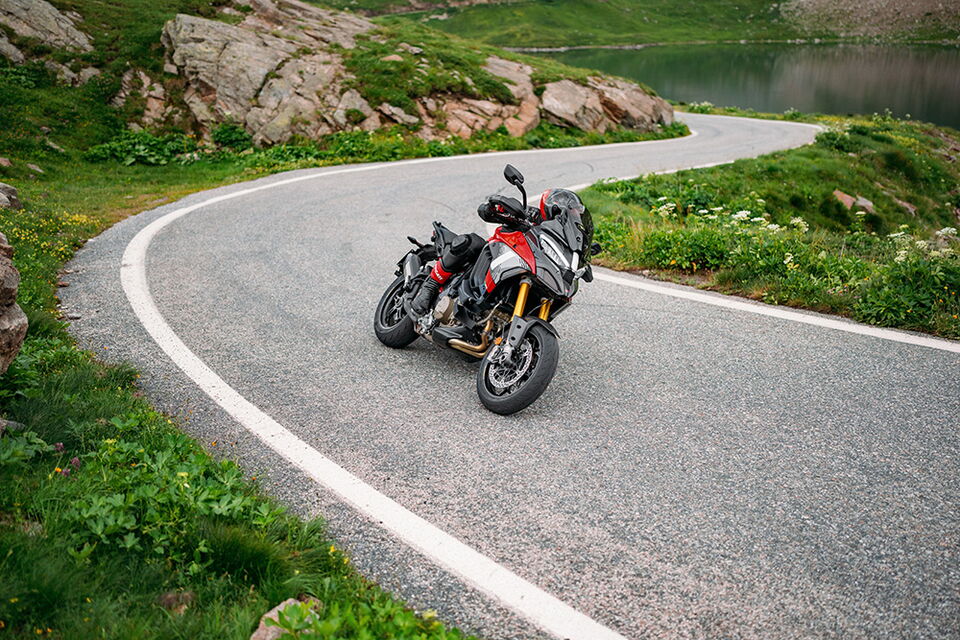
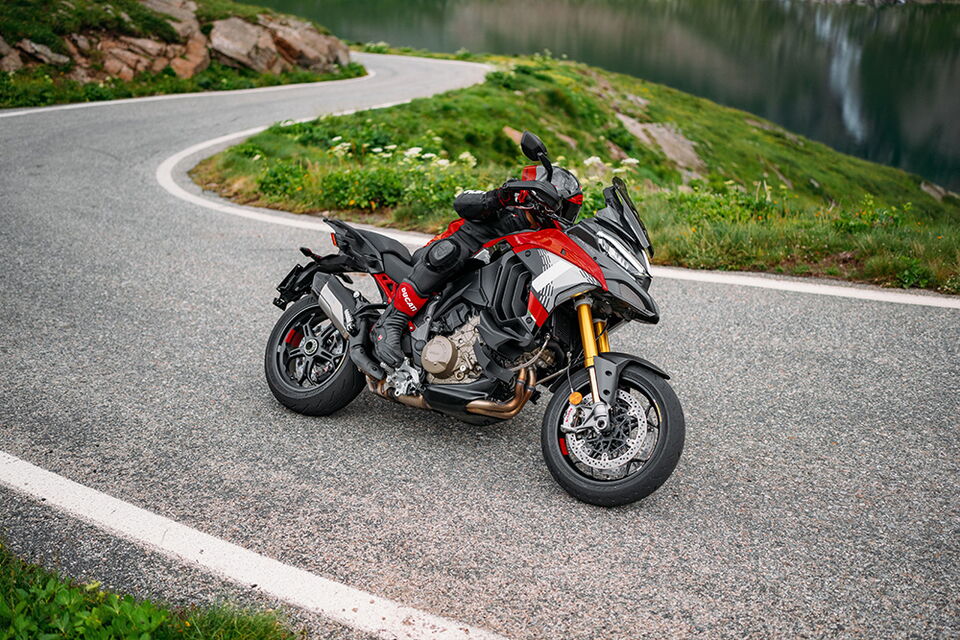
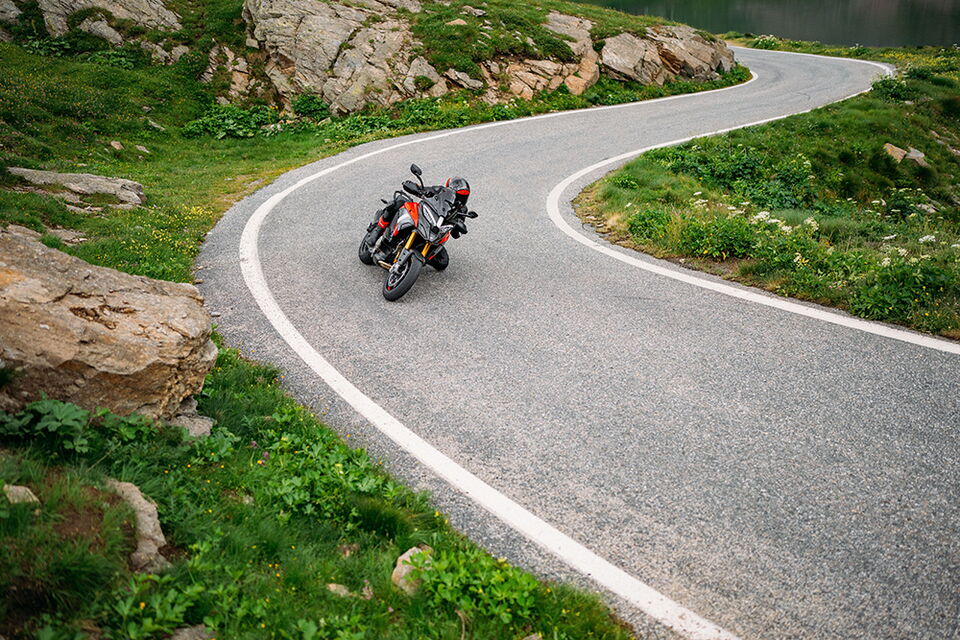
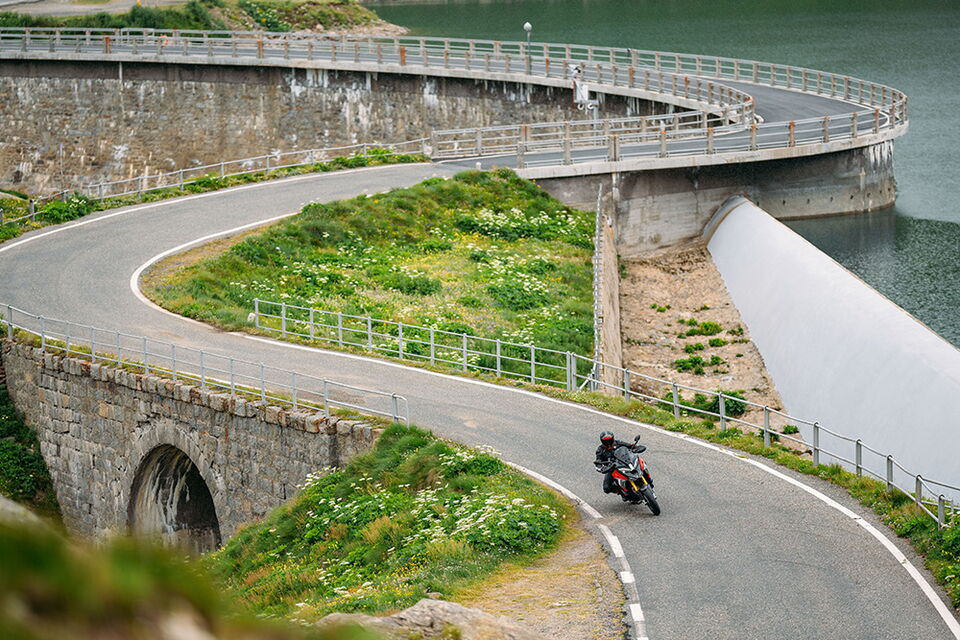
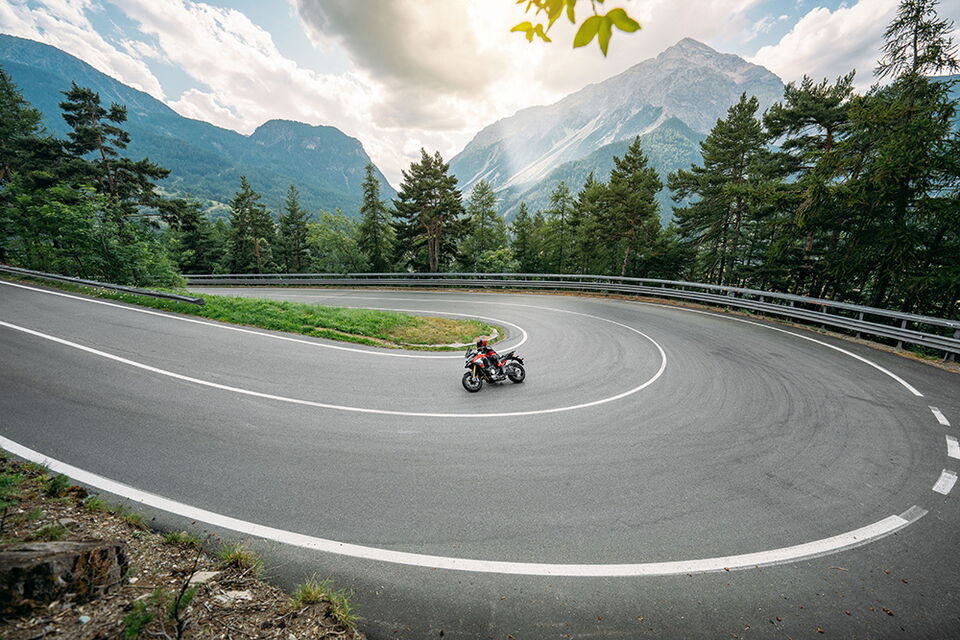
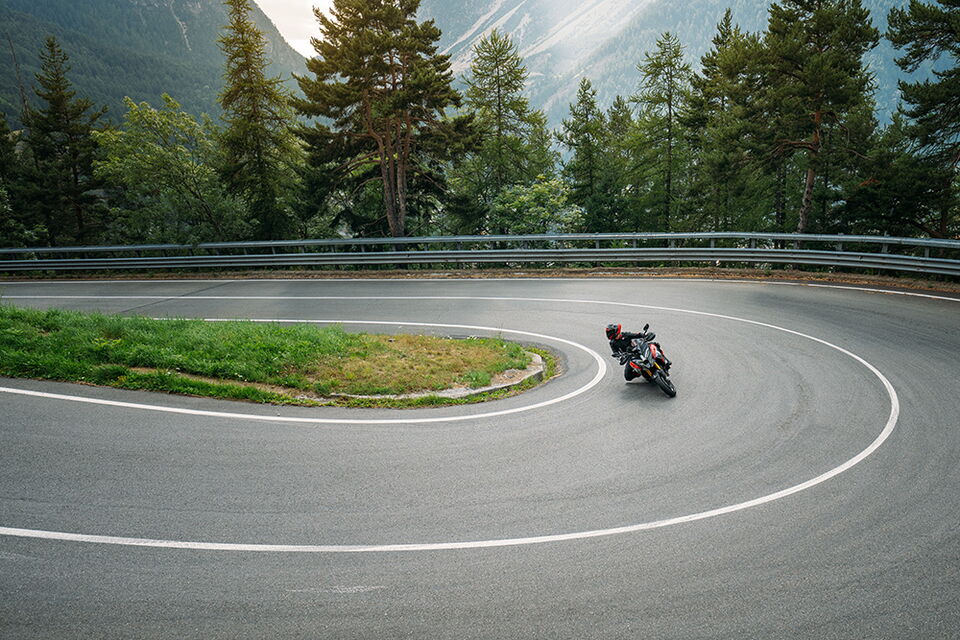
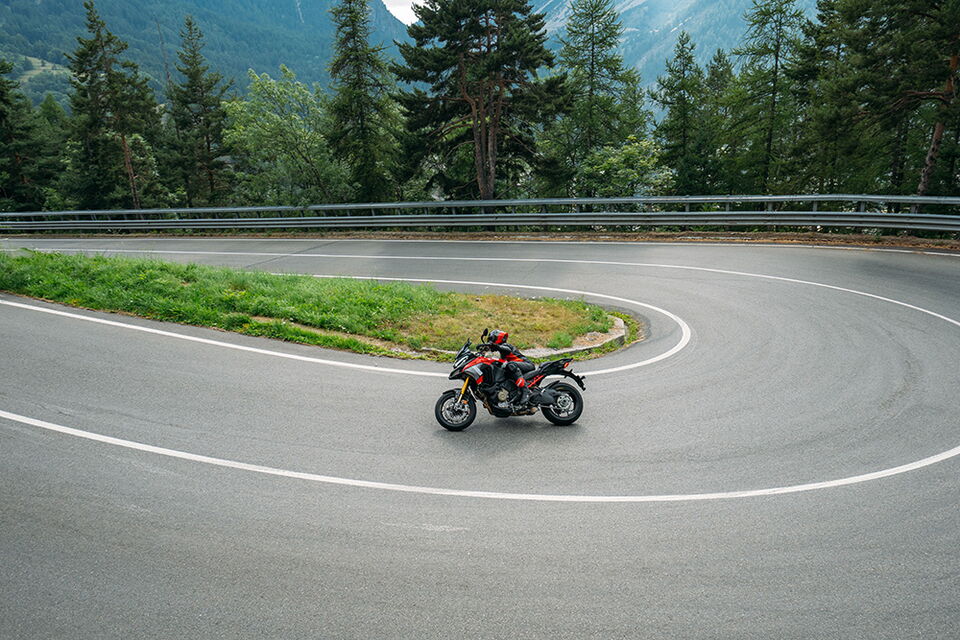


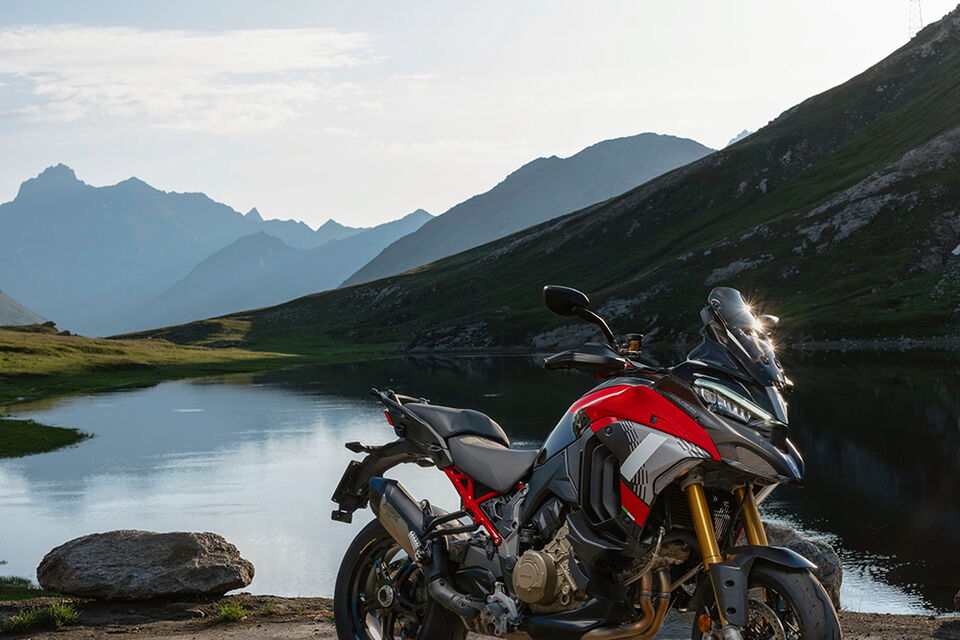
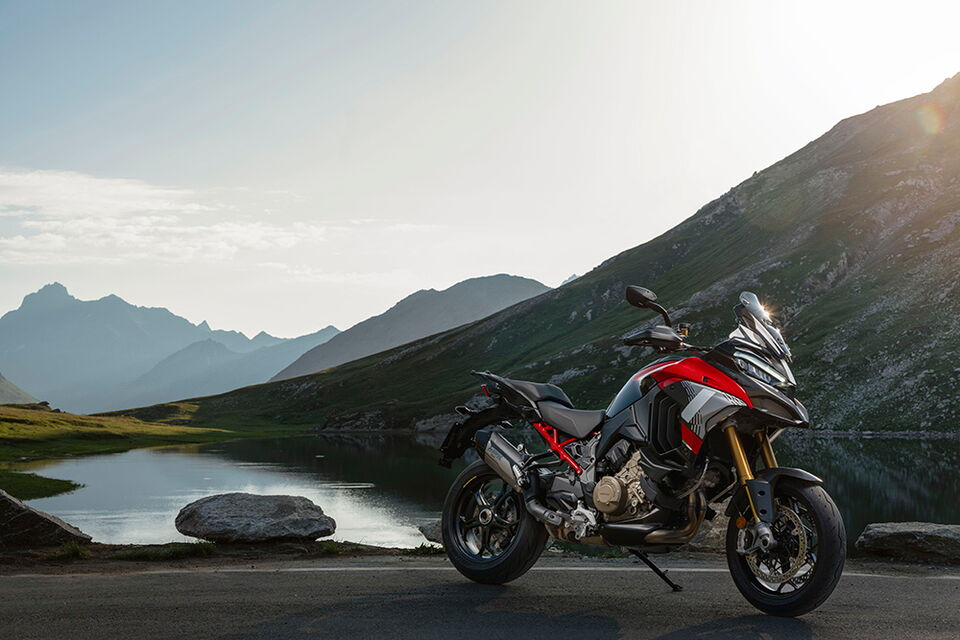
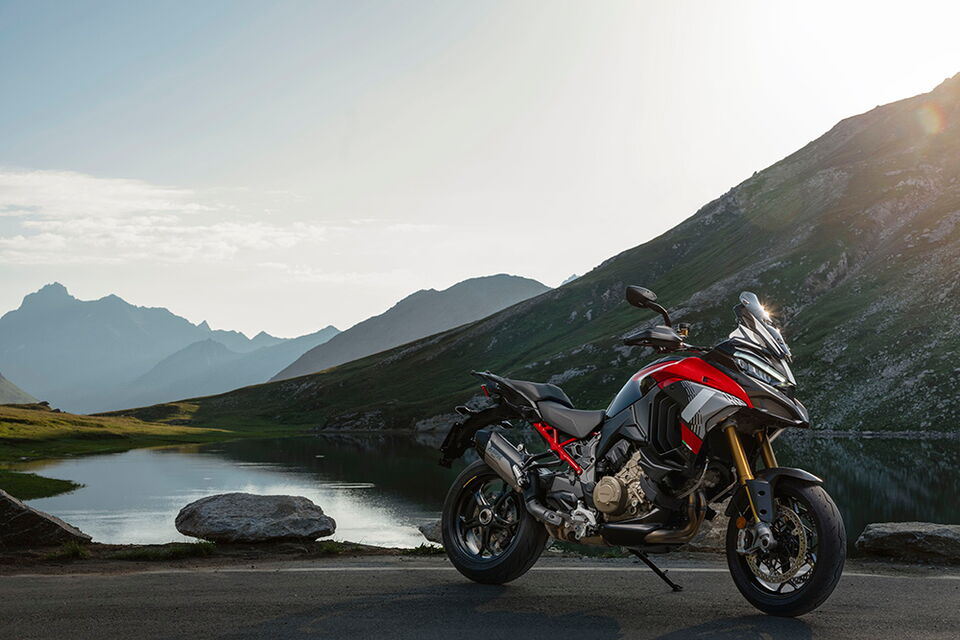
First Impression: The Multistrada That Feels Like a Panigale
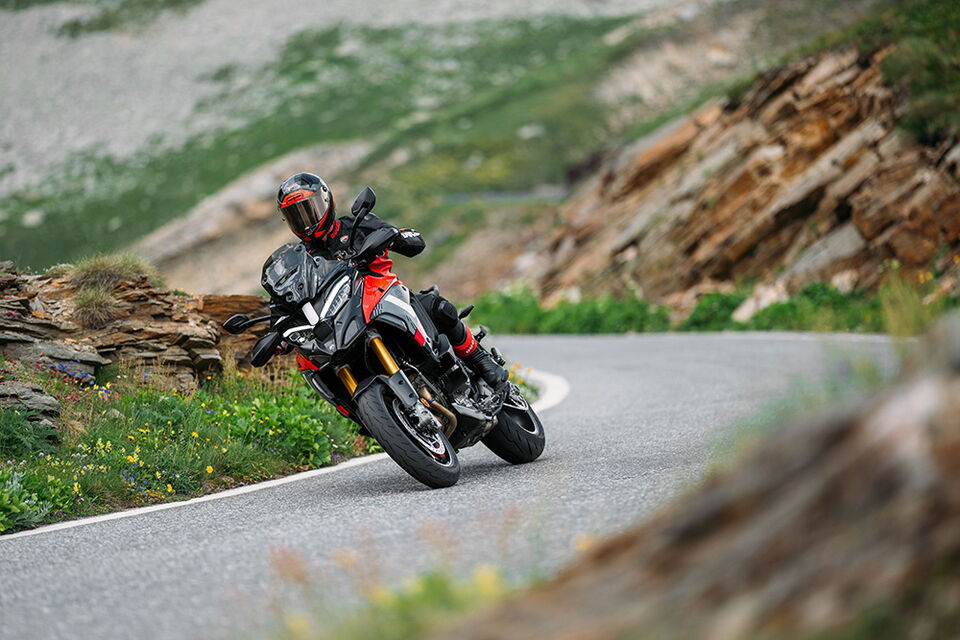
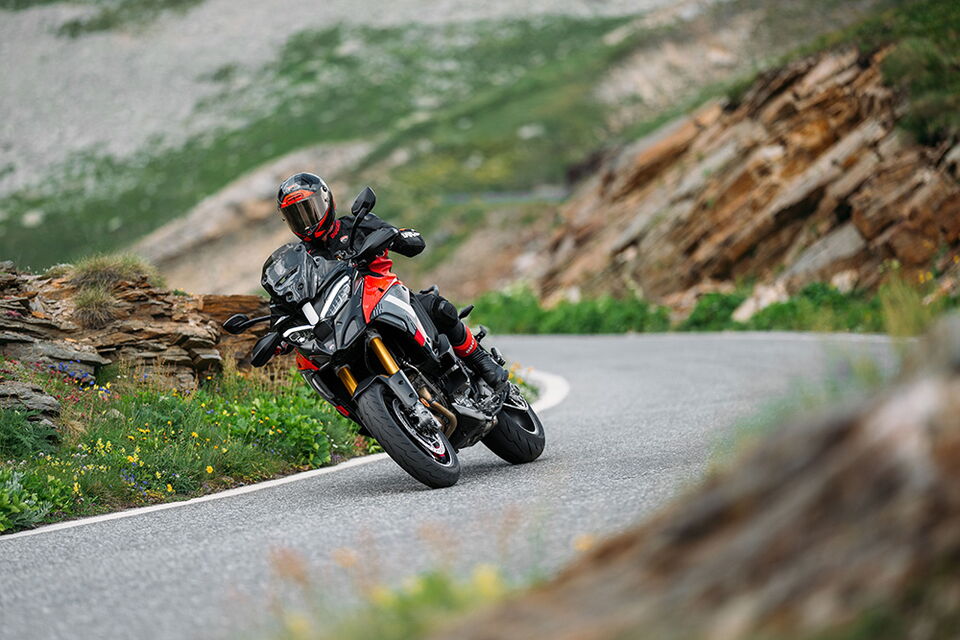
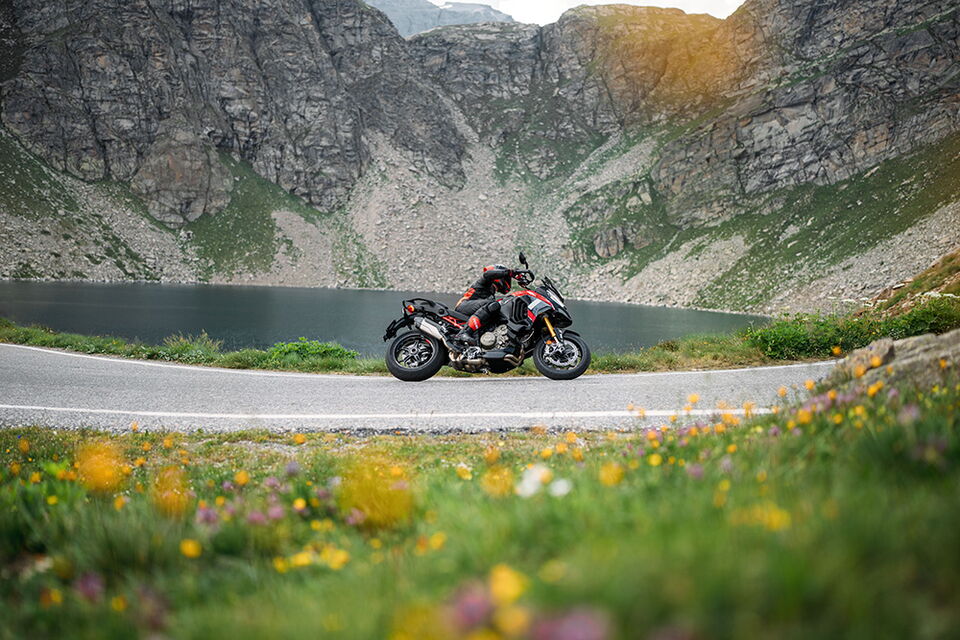
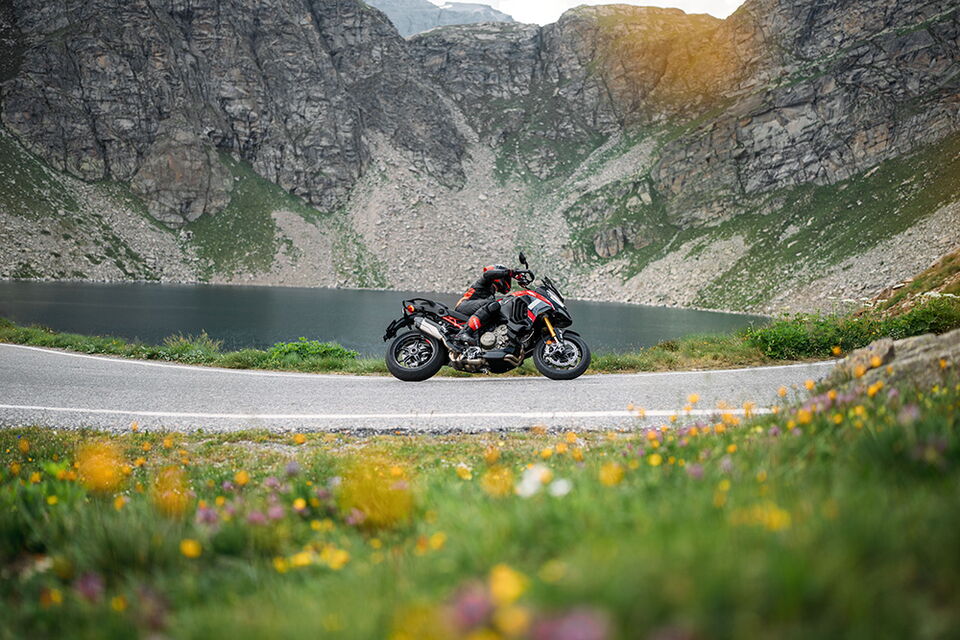
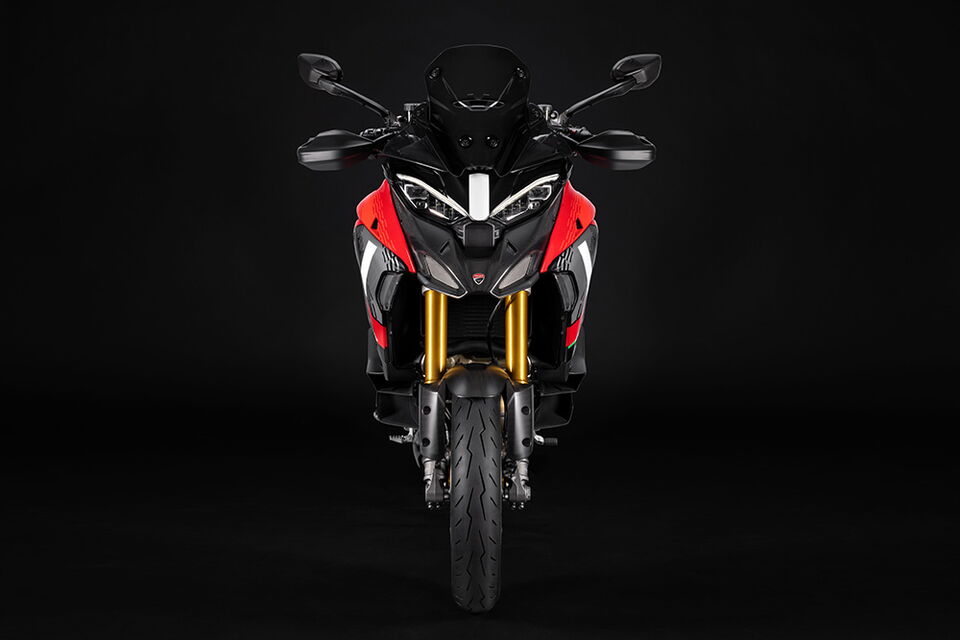
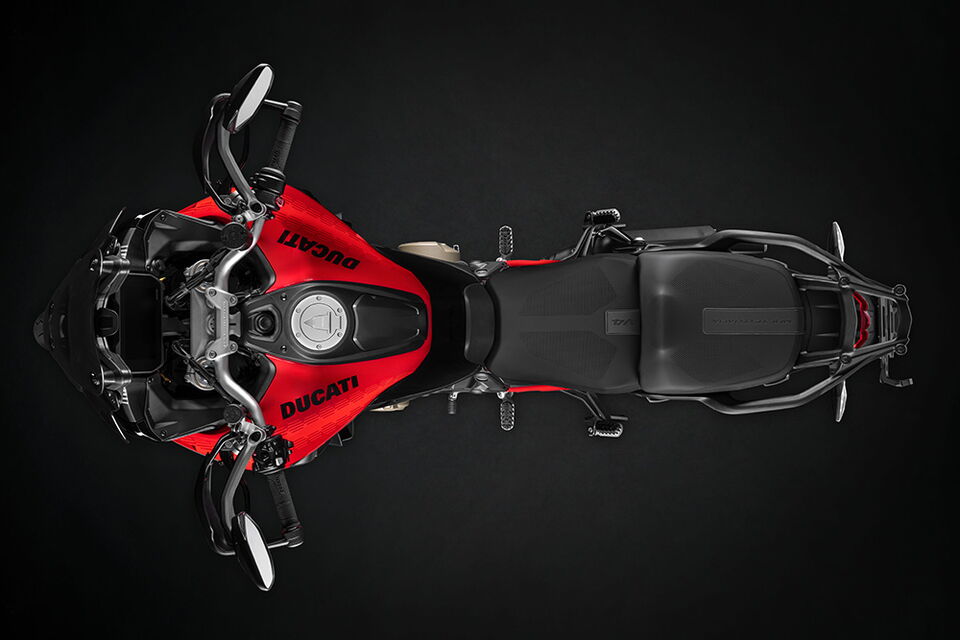
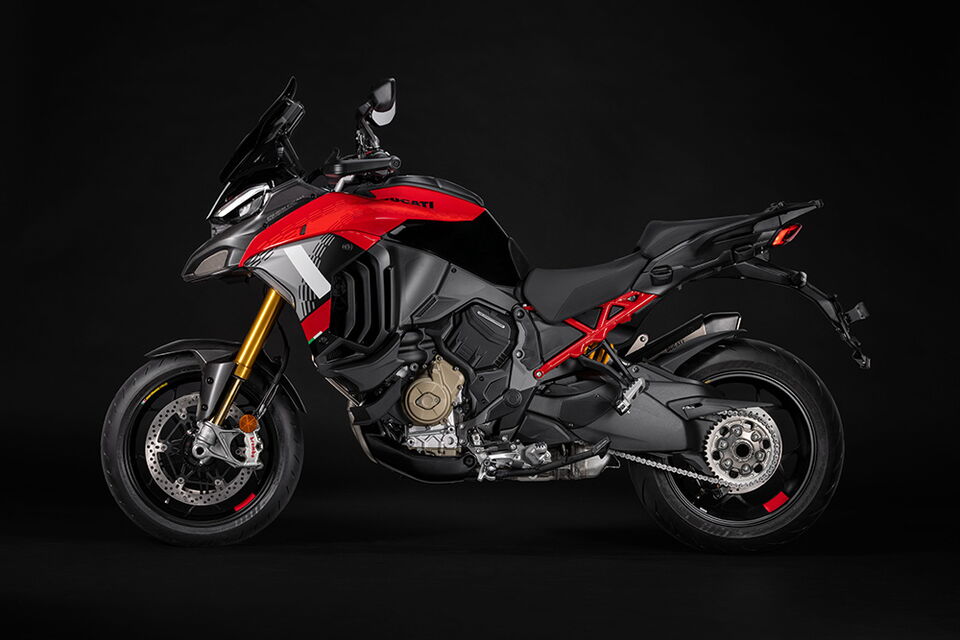
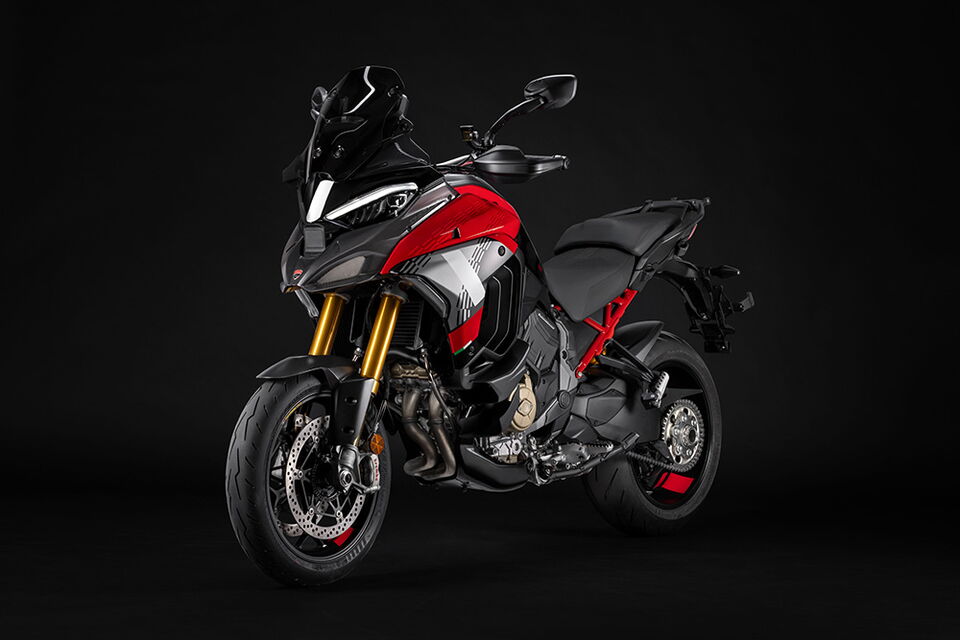
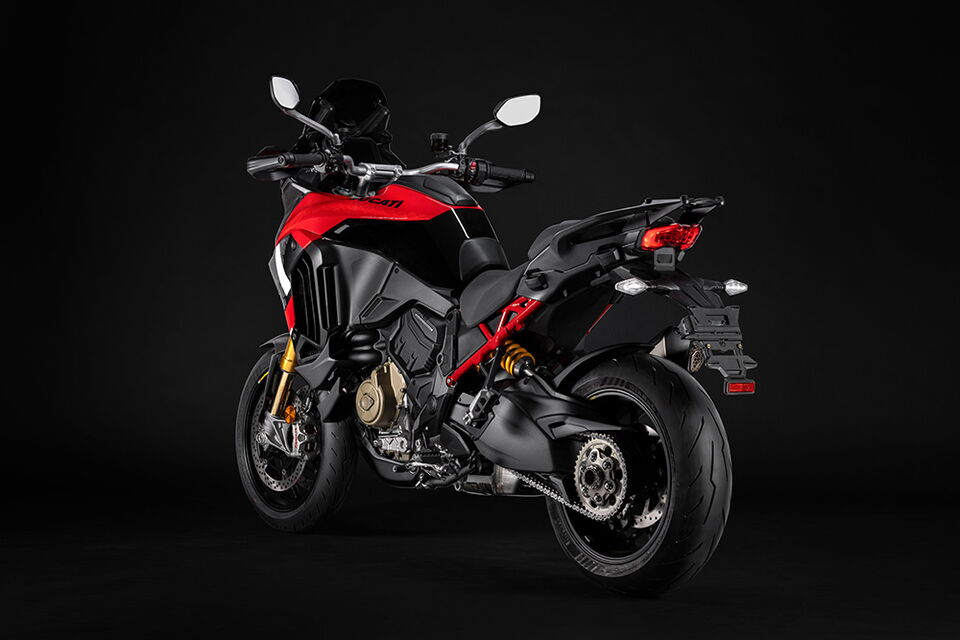
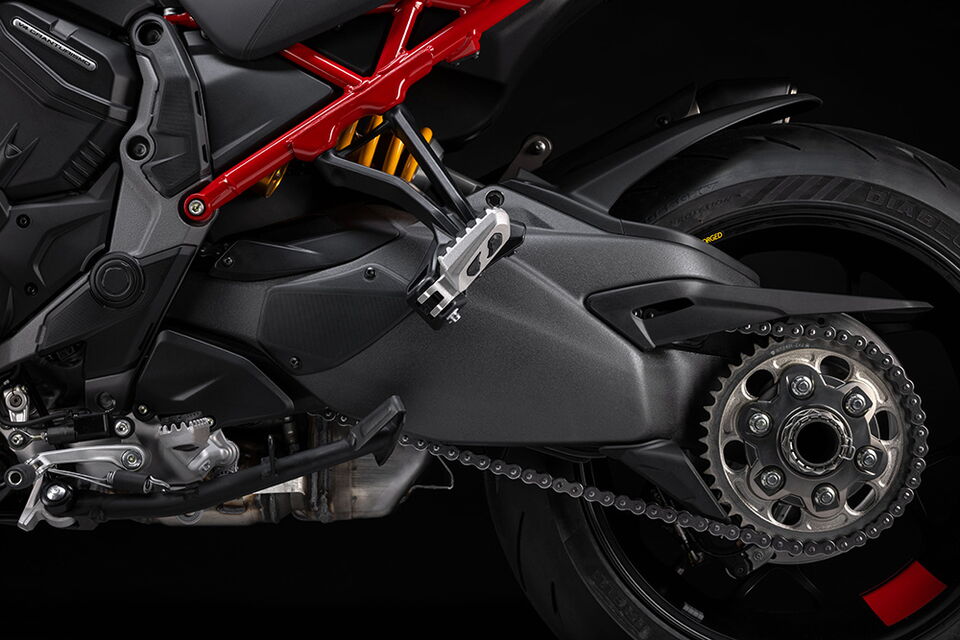
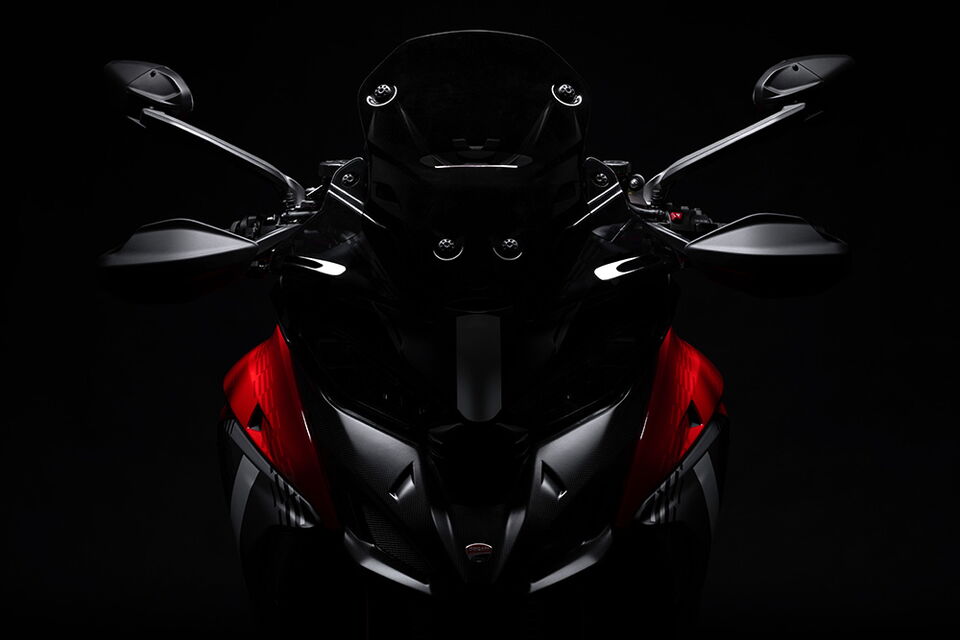
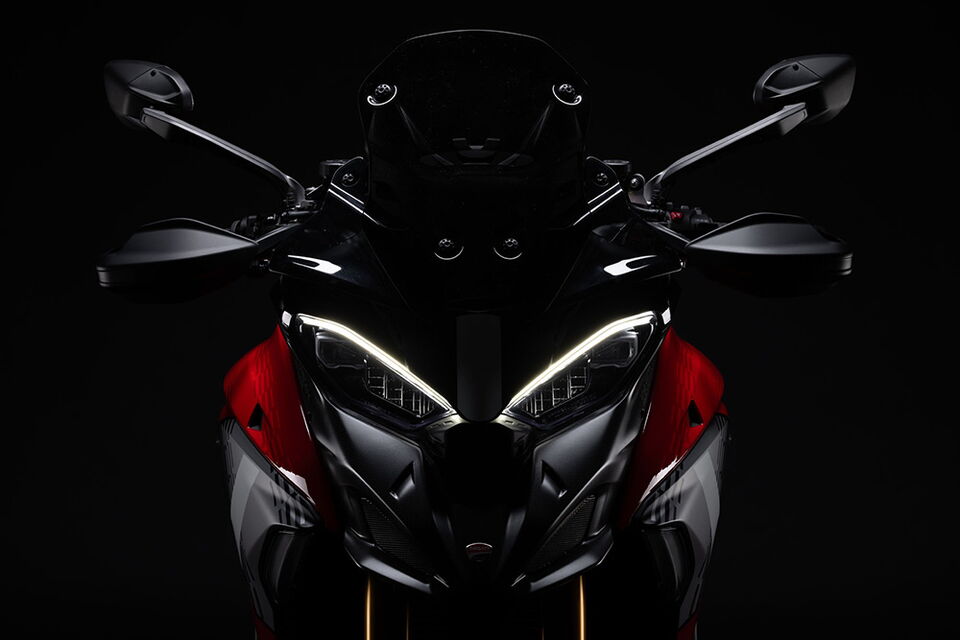
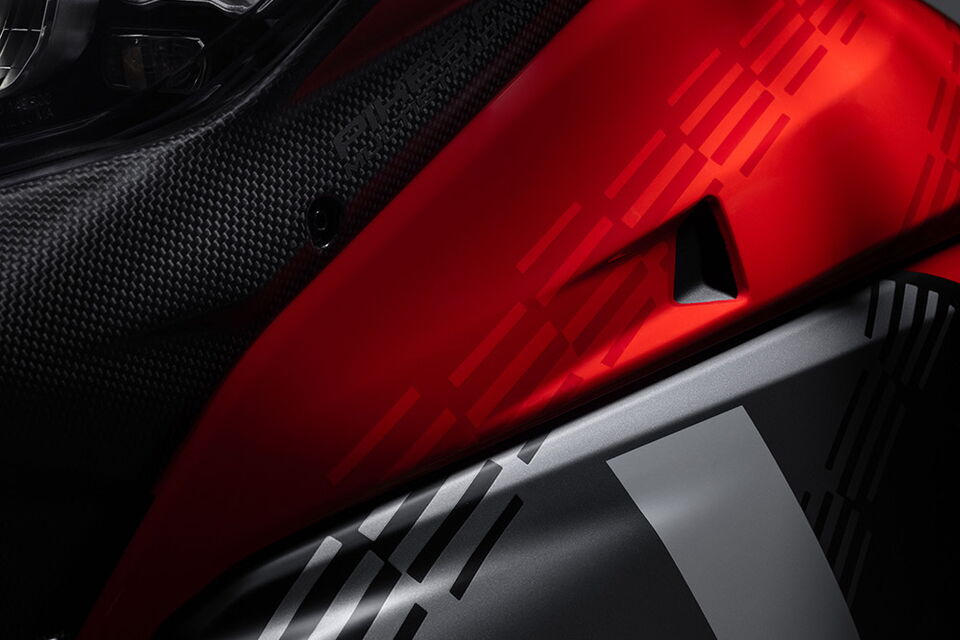
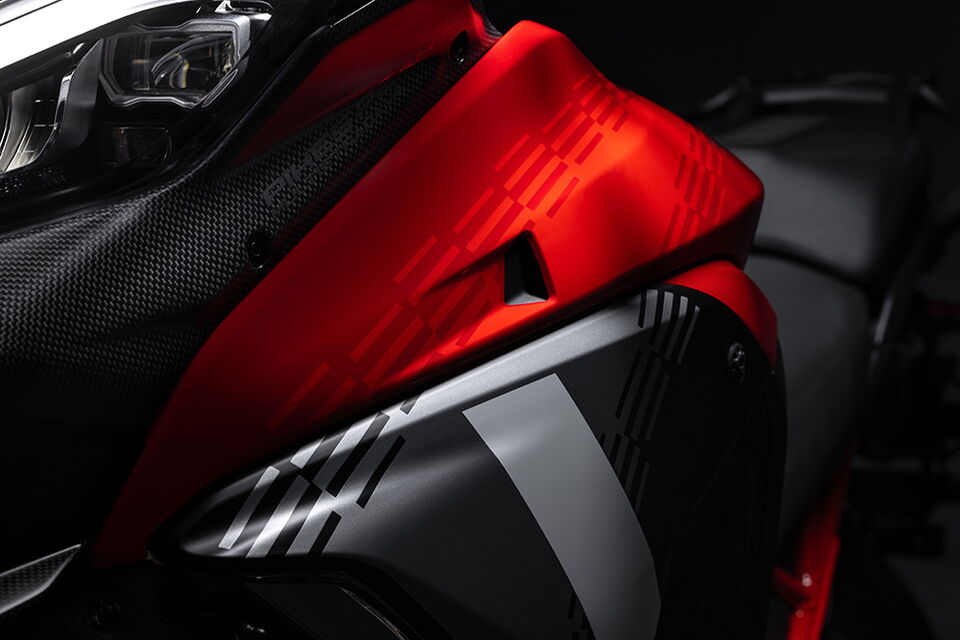
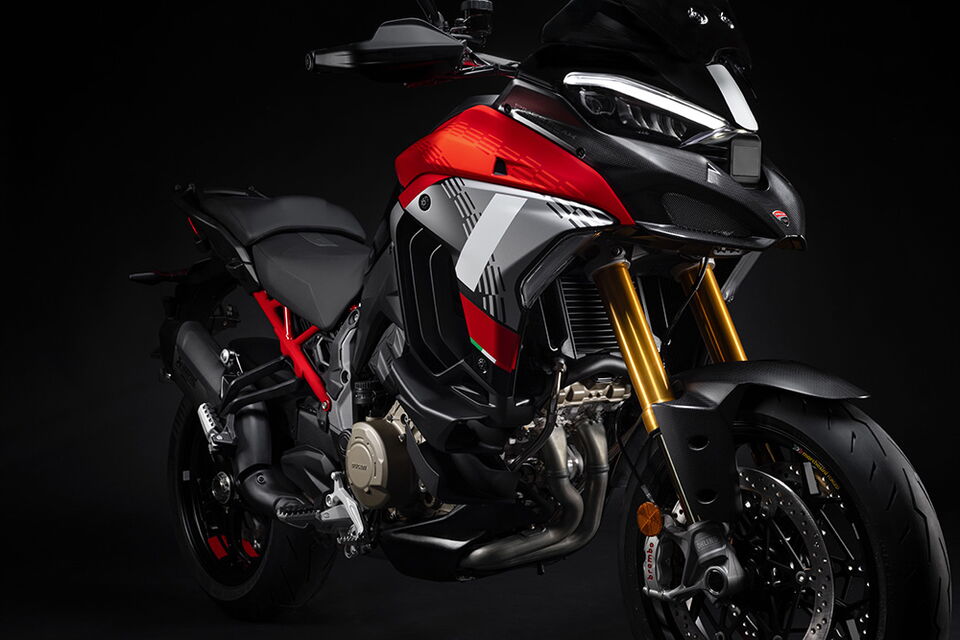
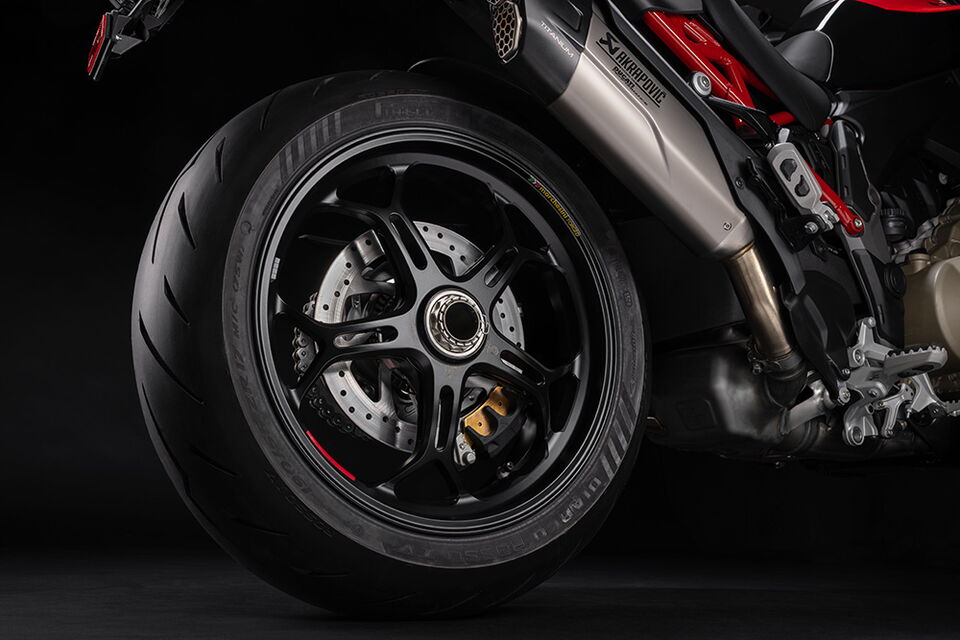
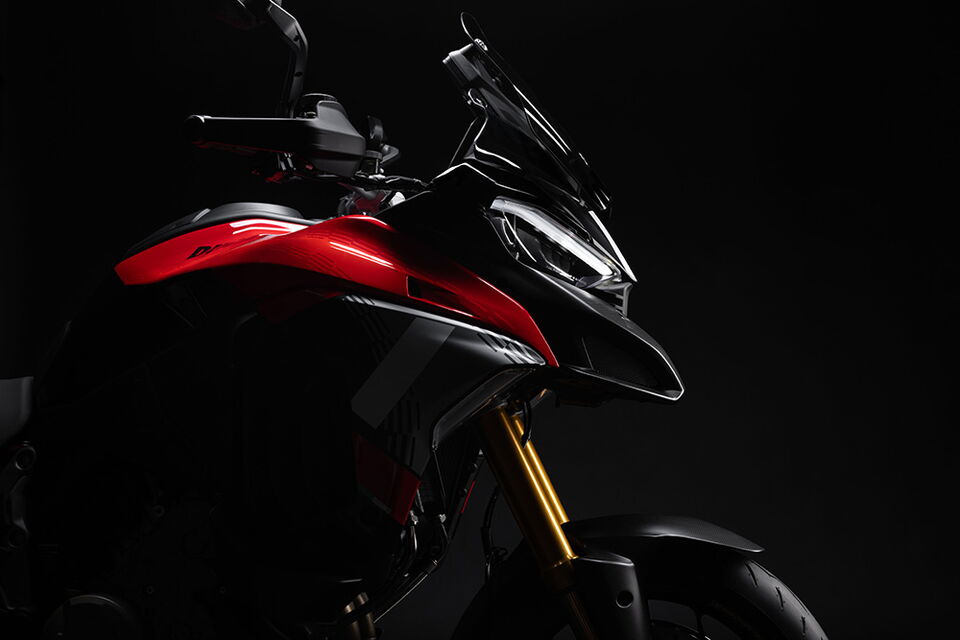
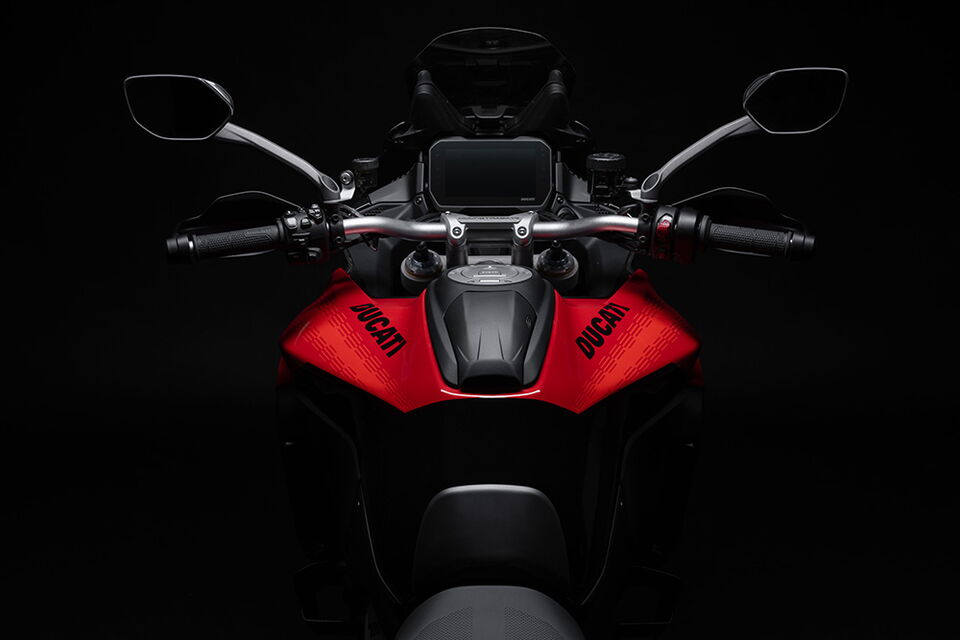
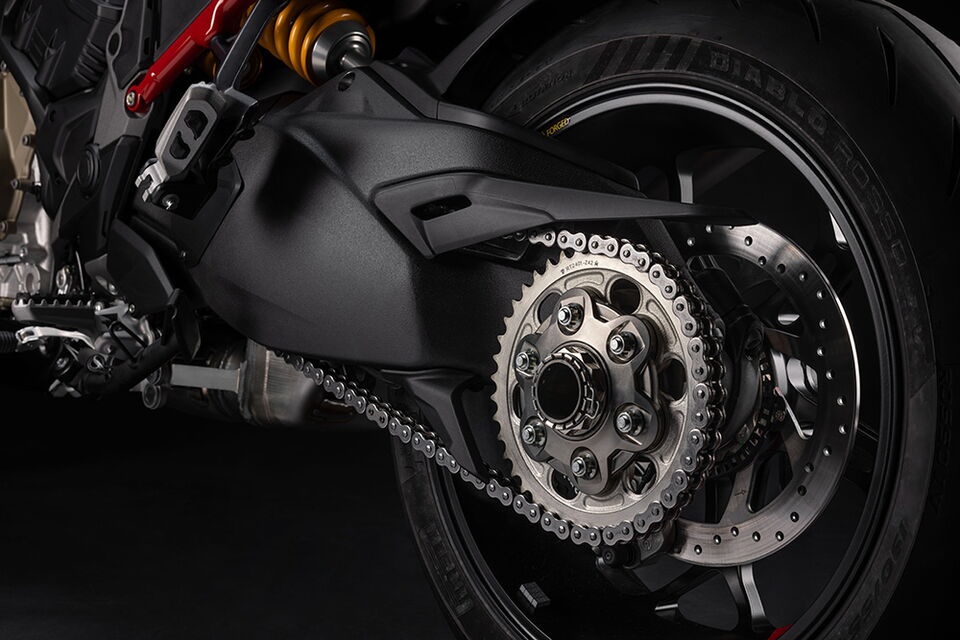
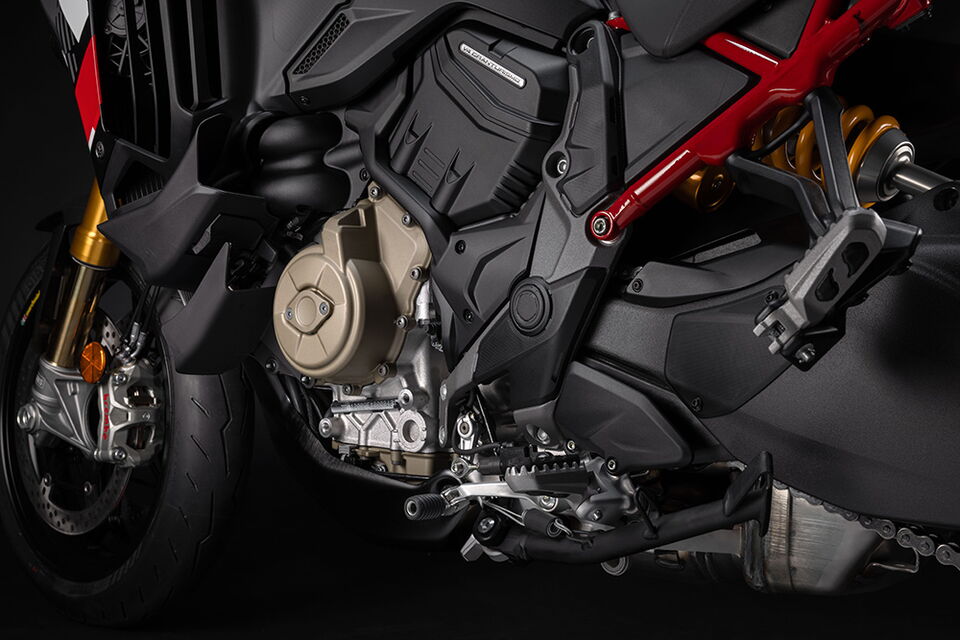
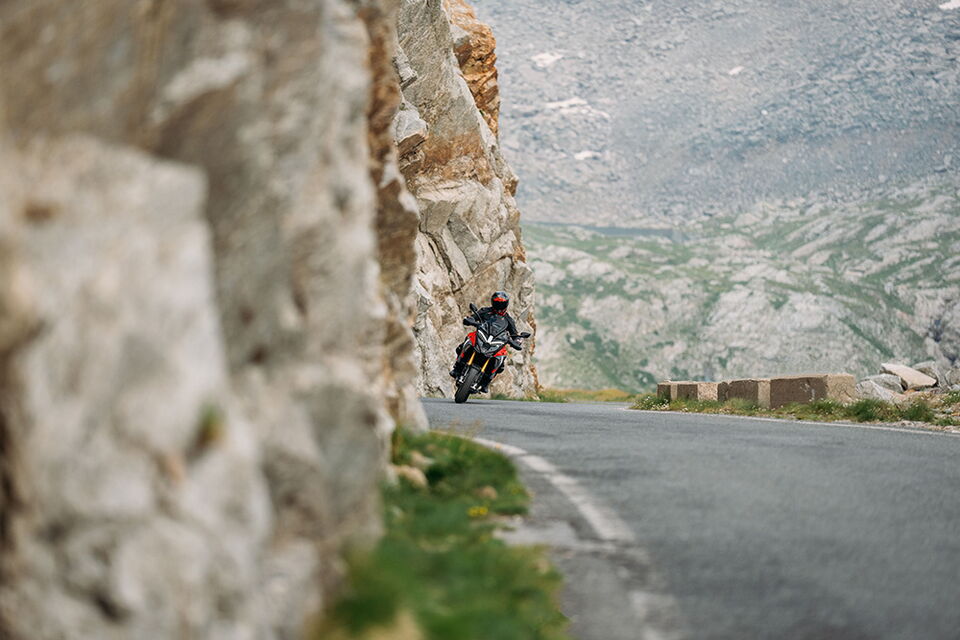
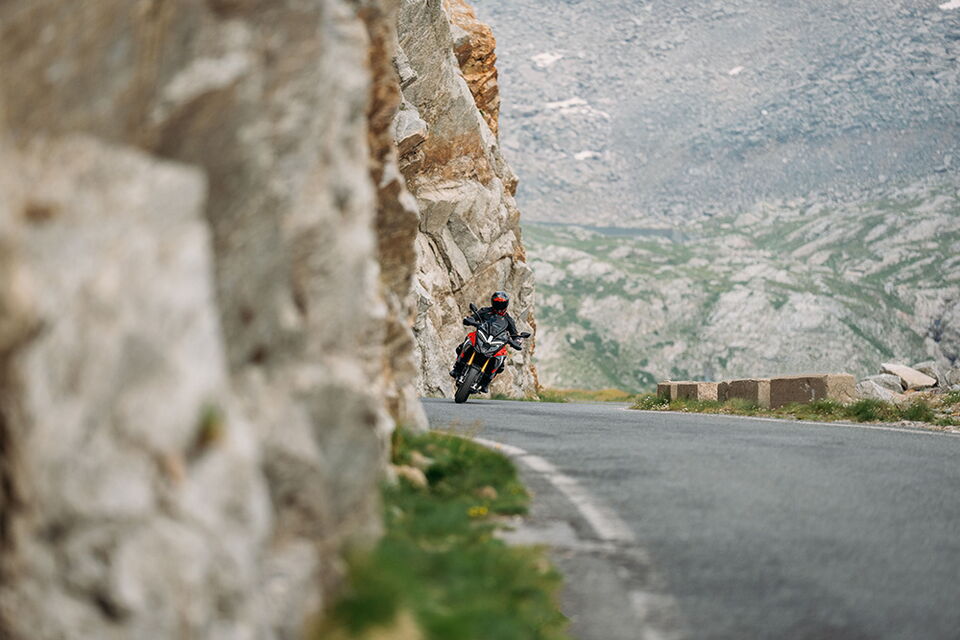
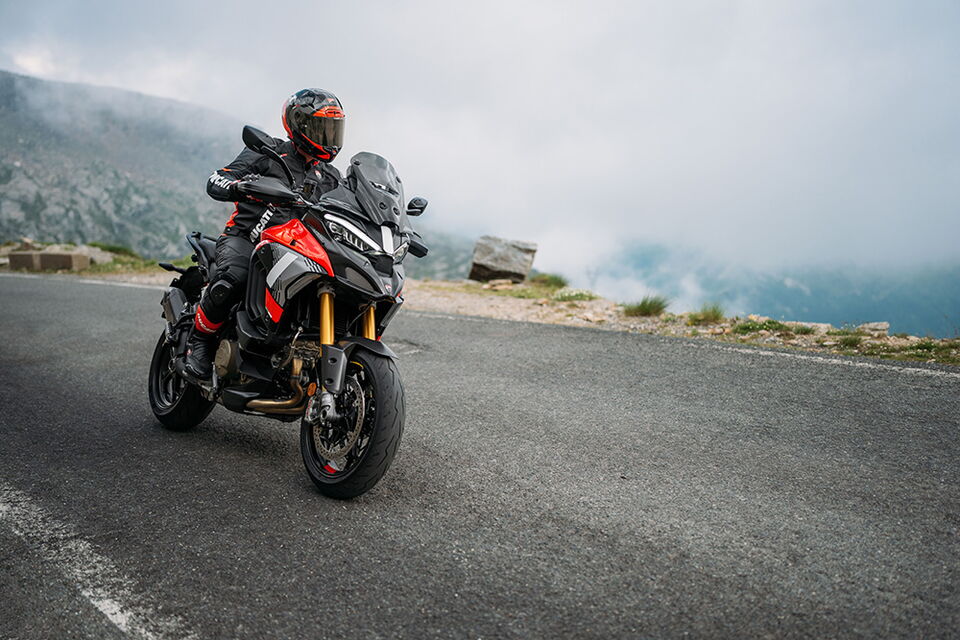
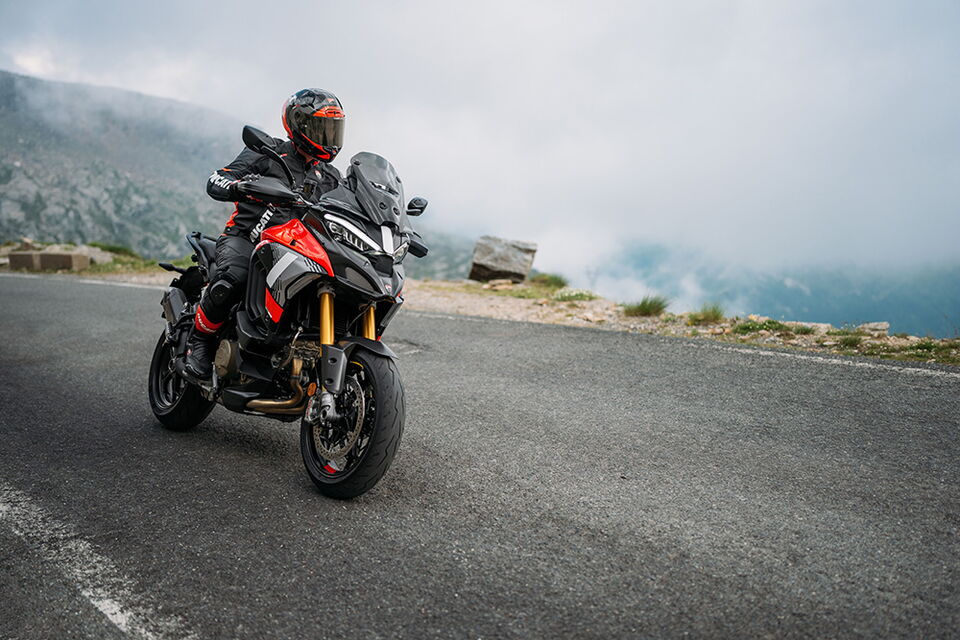
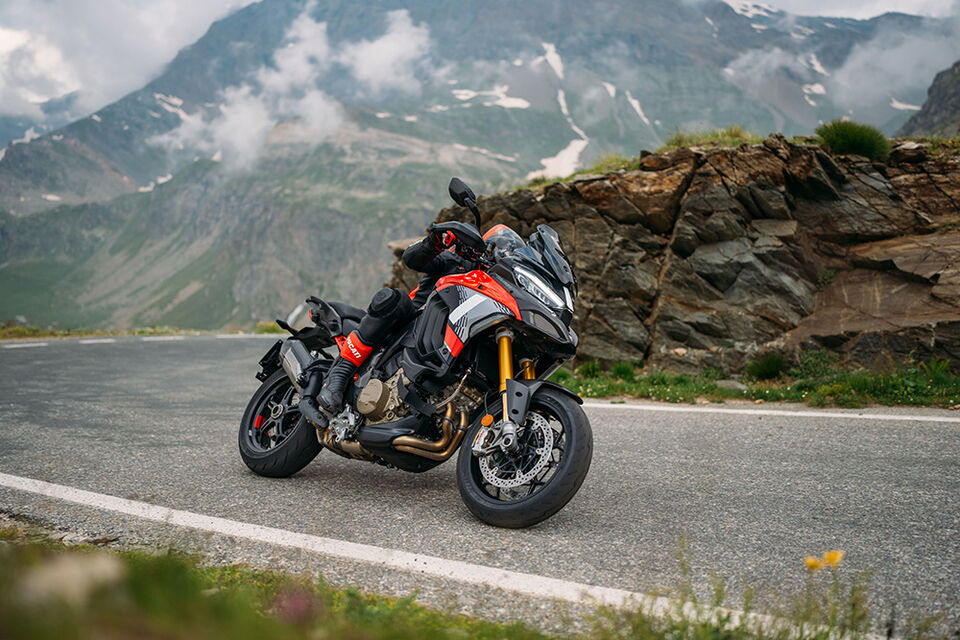
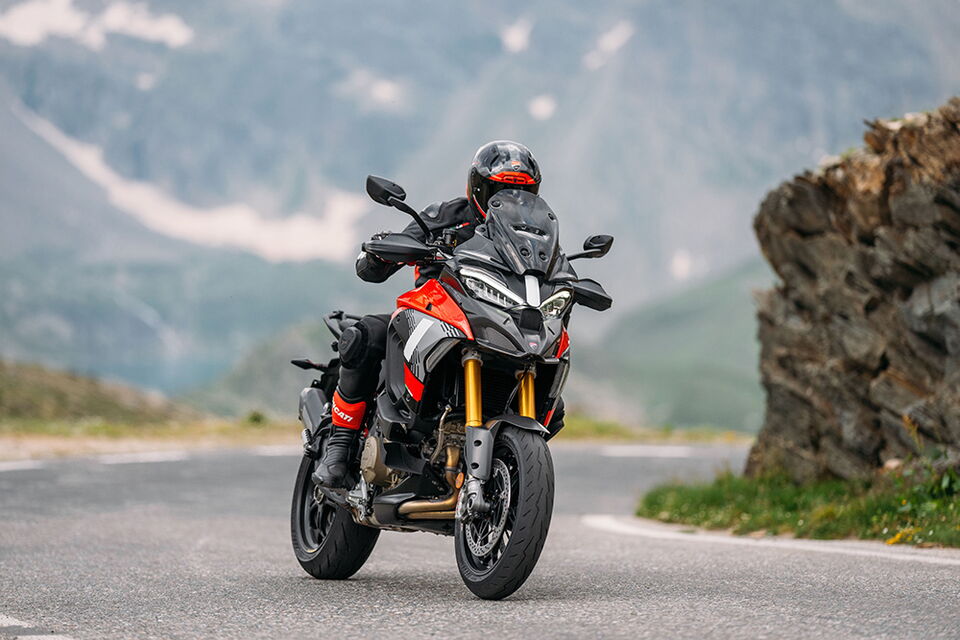
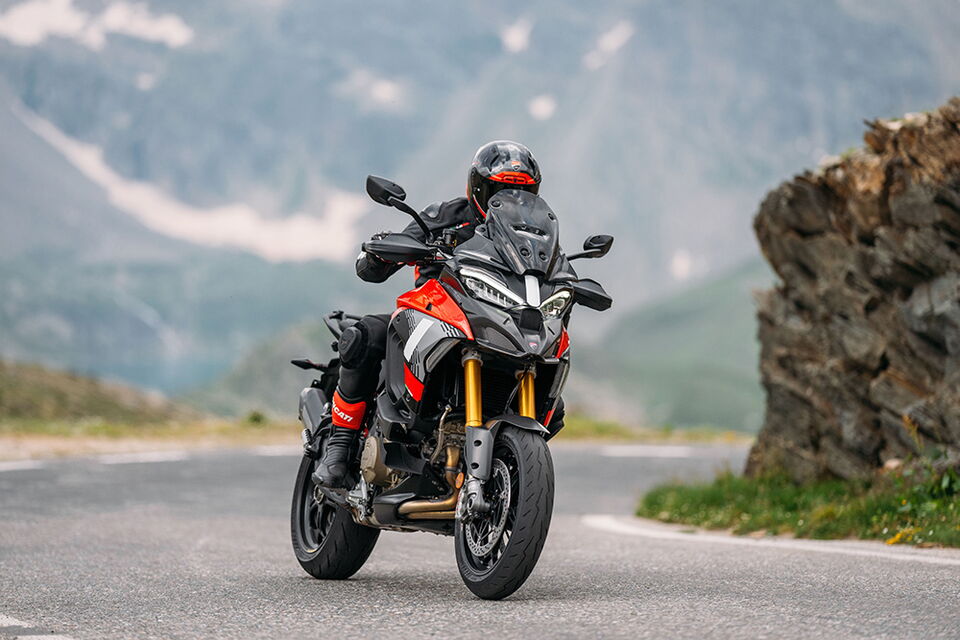
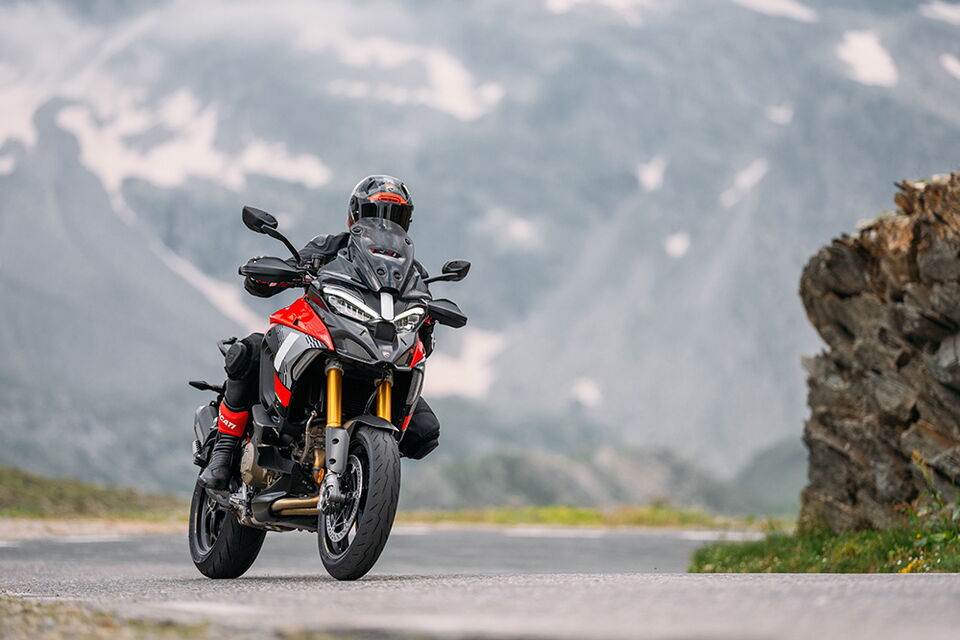
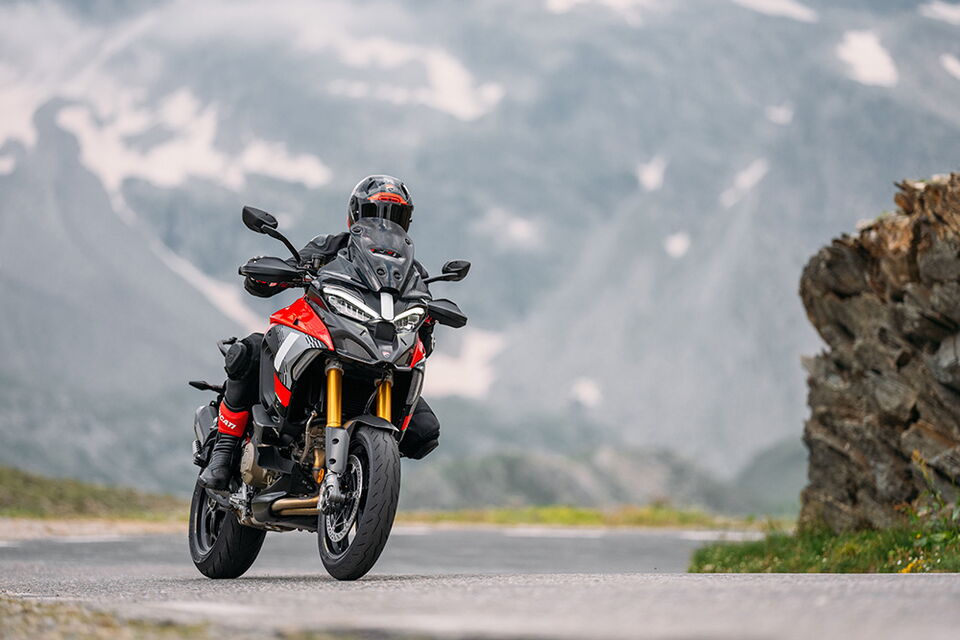
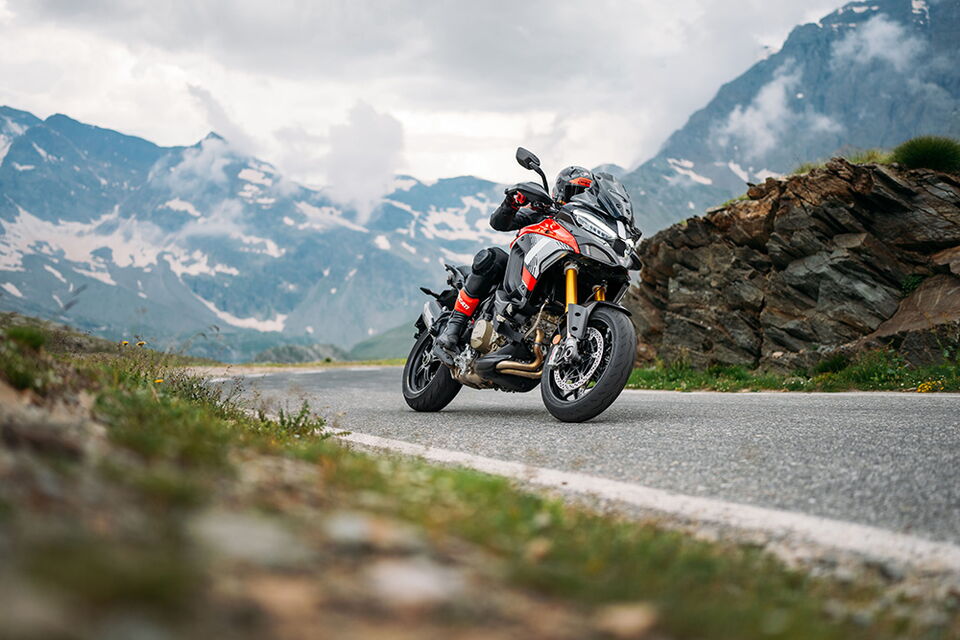
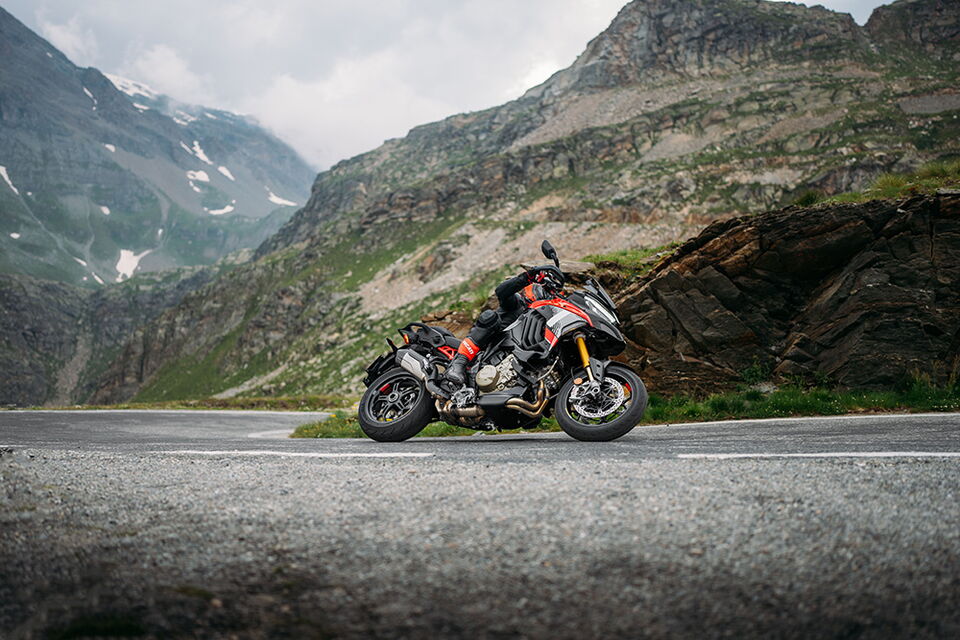
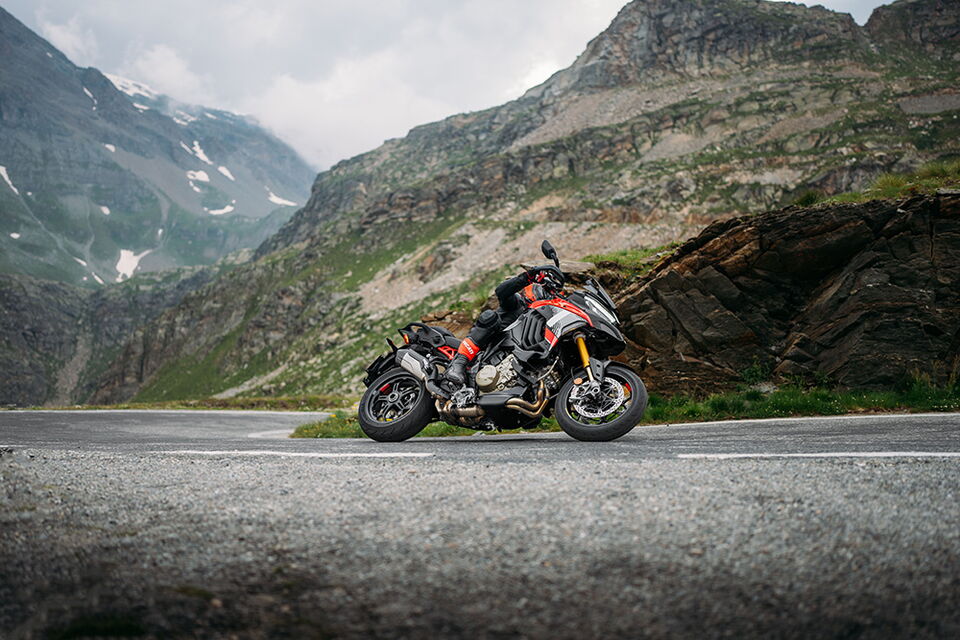
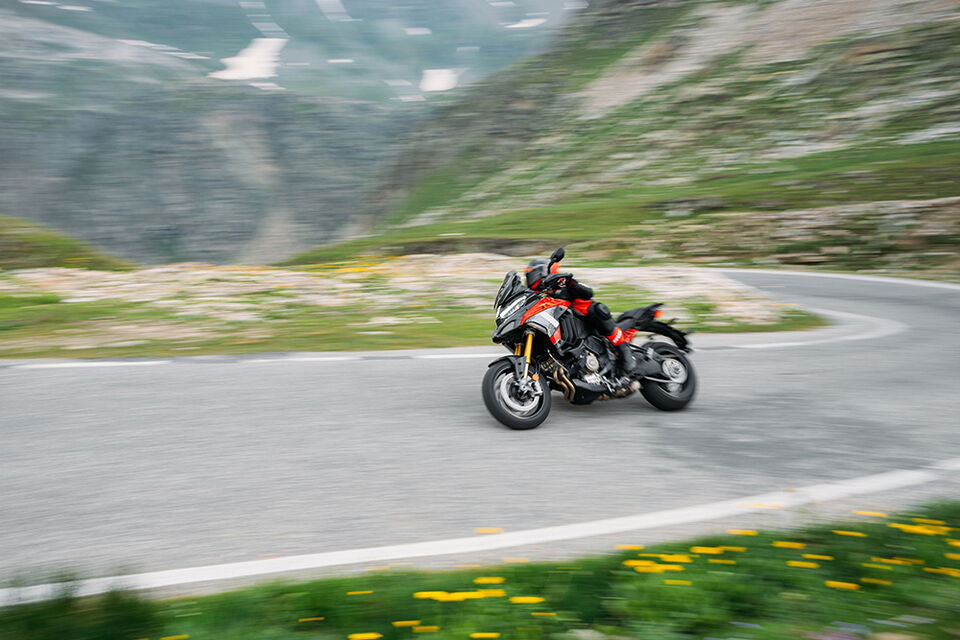
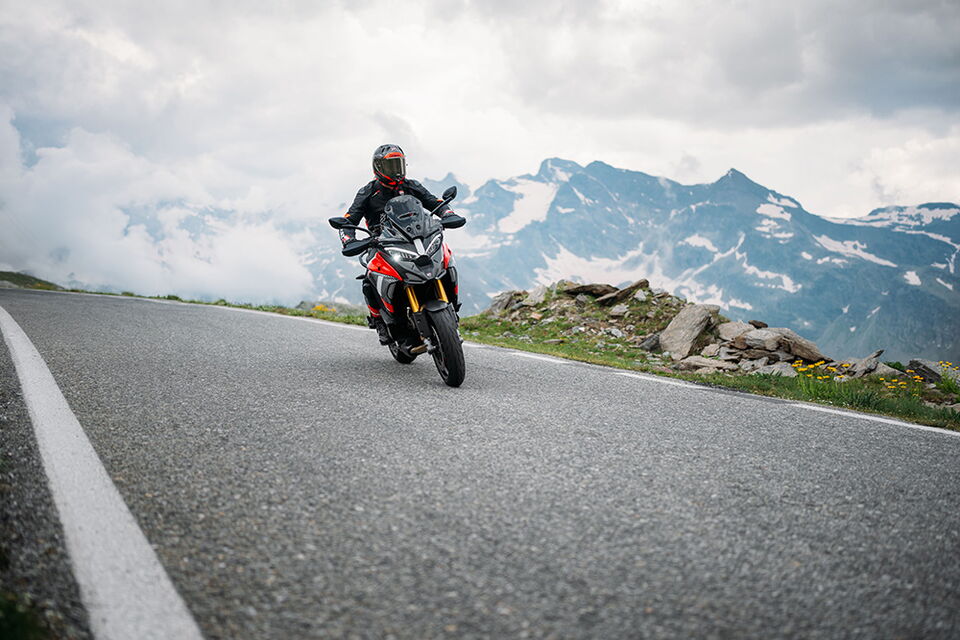
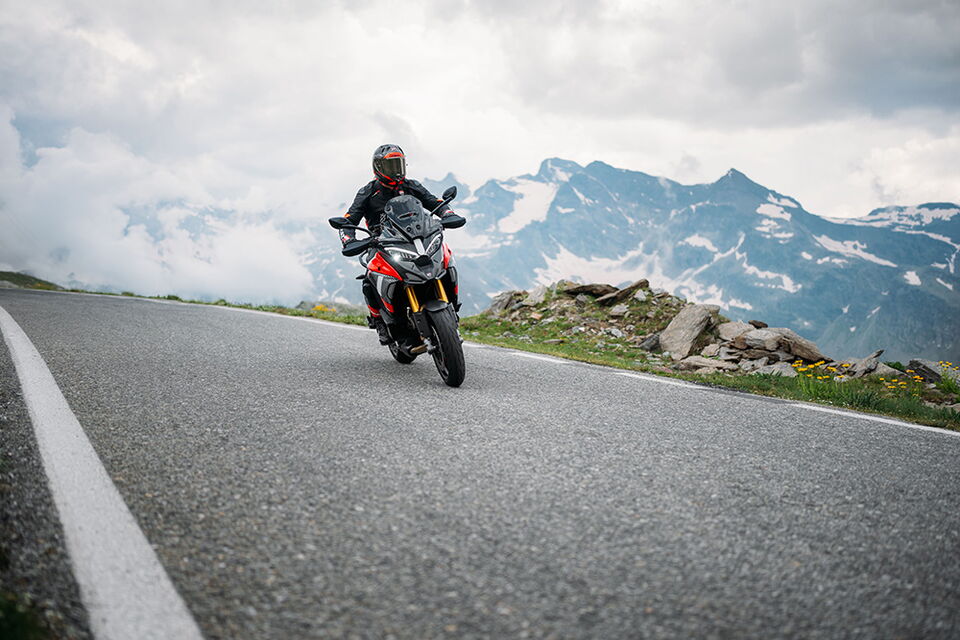
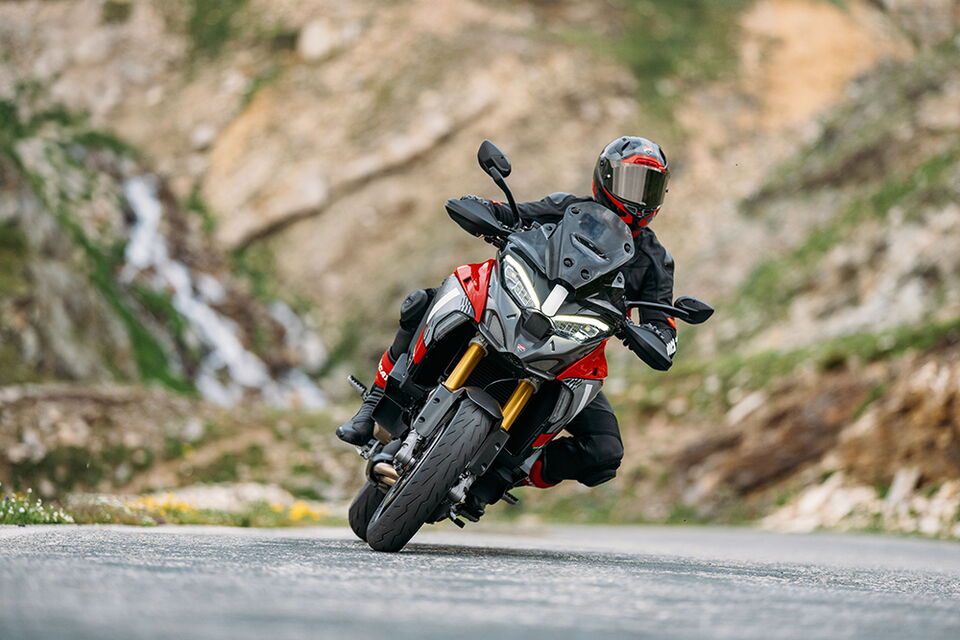
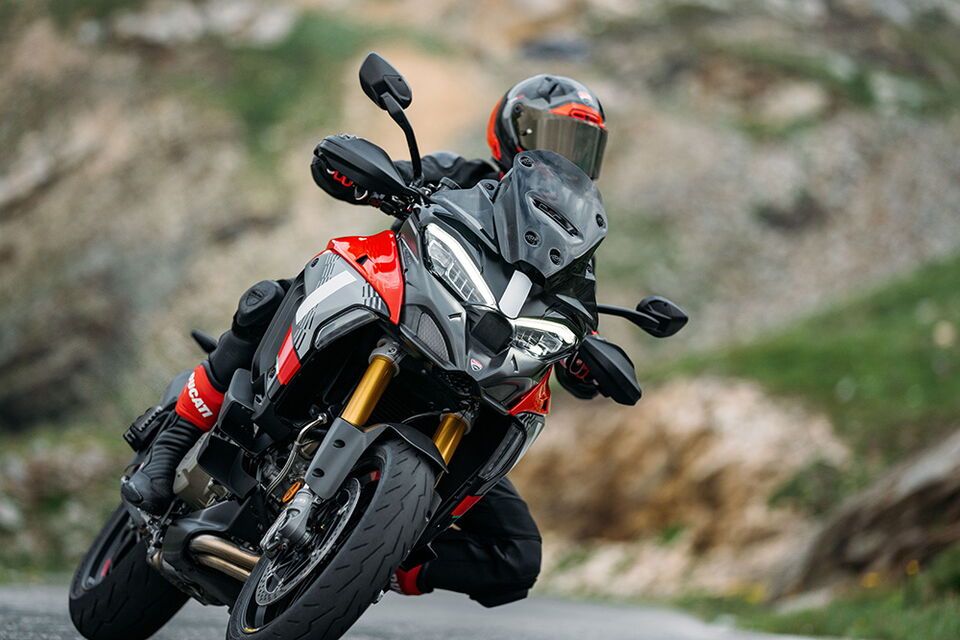
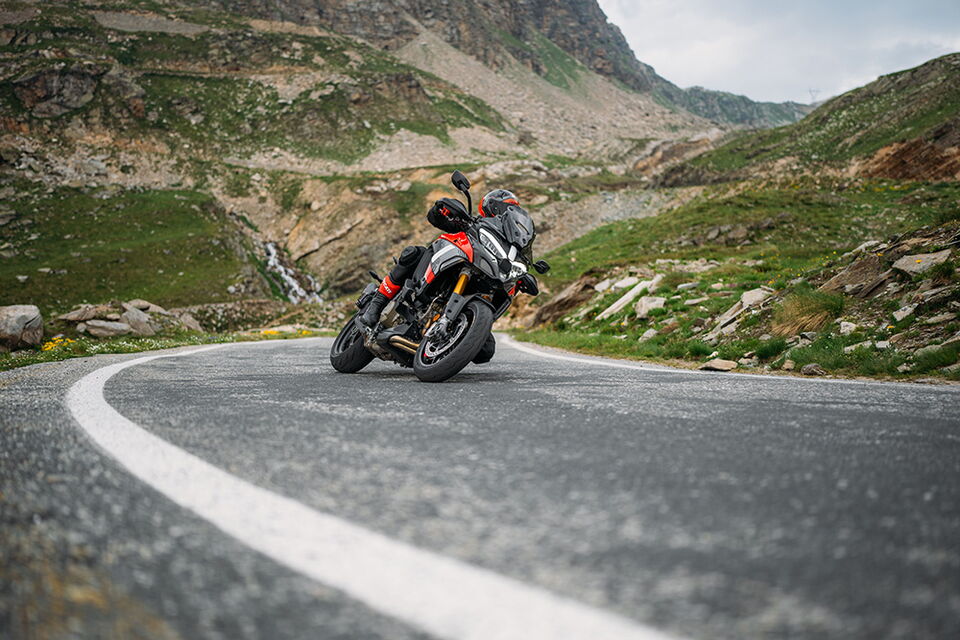
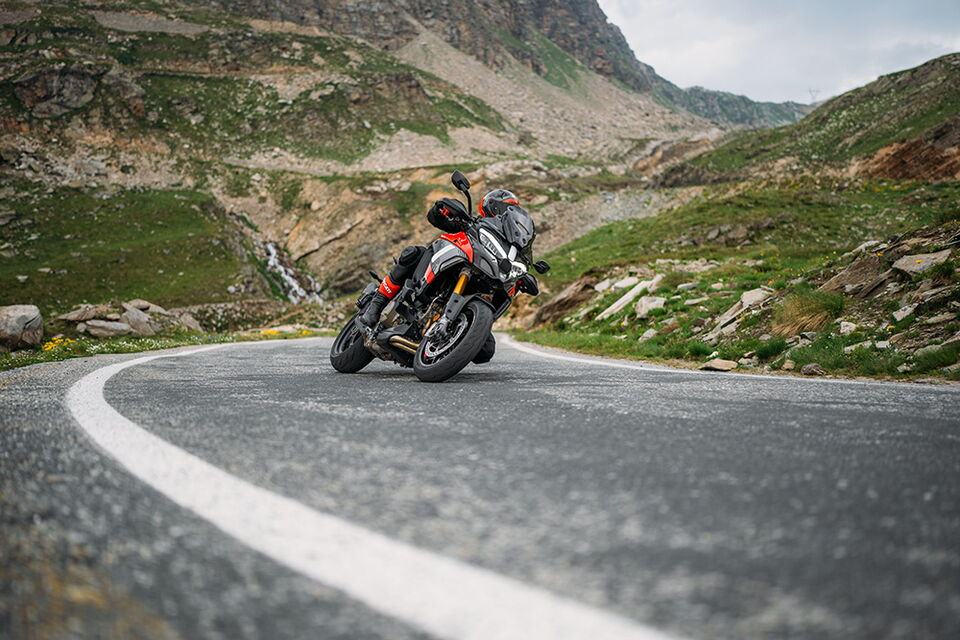
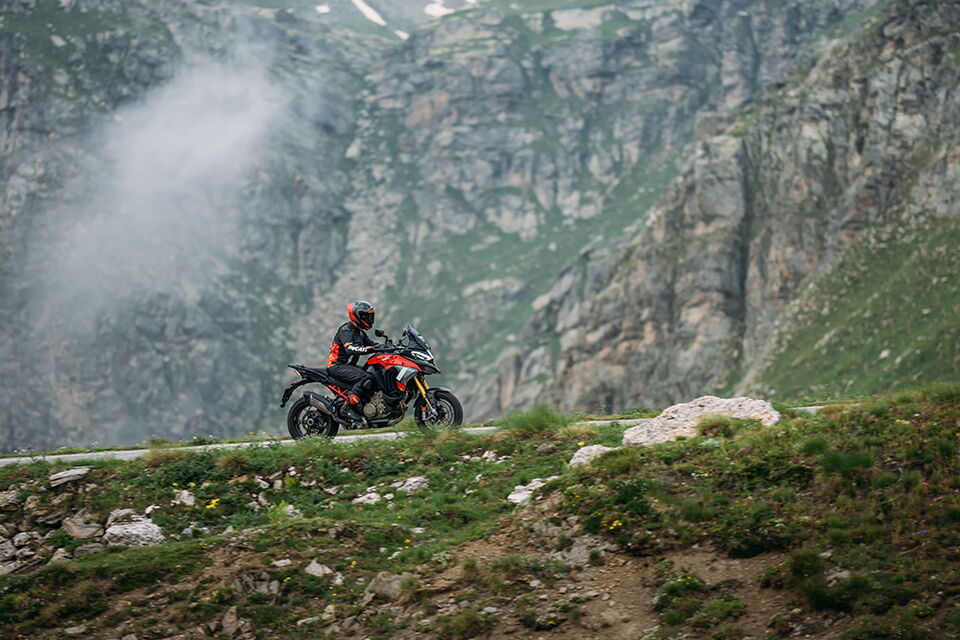
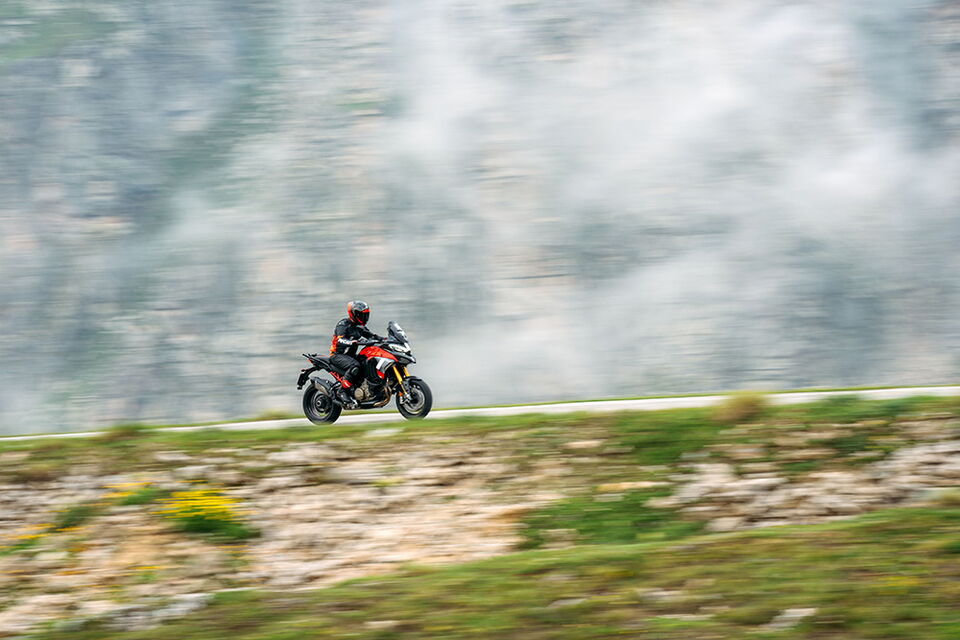
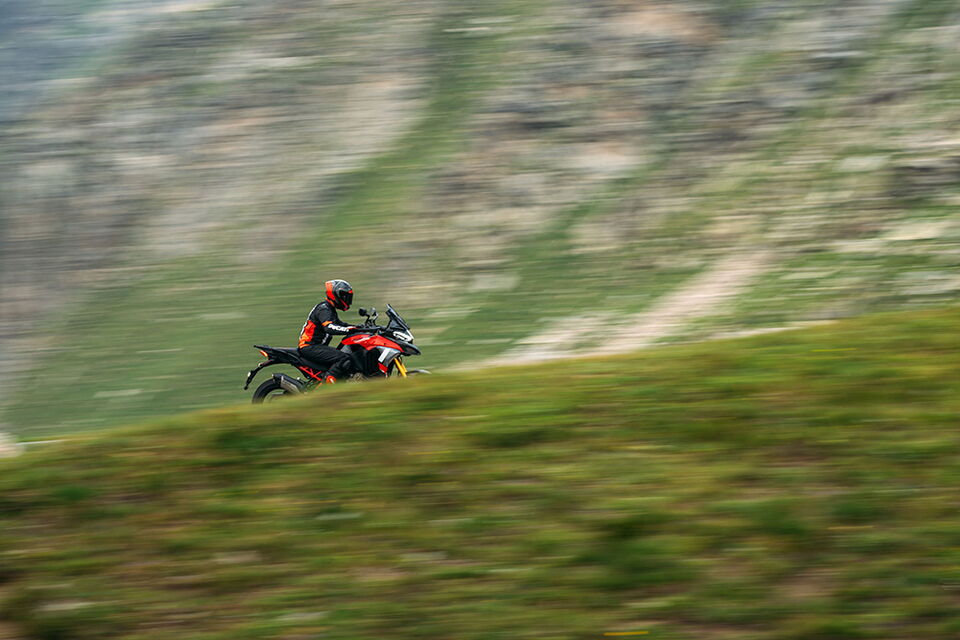
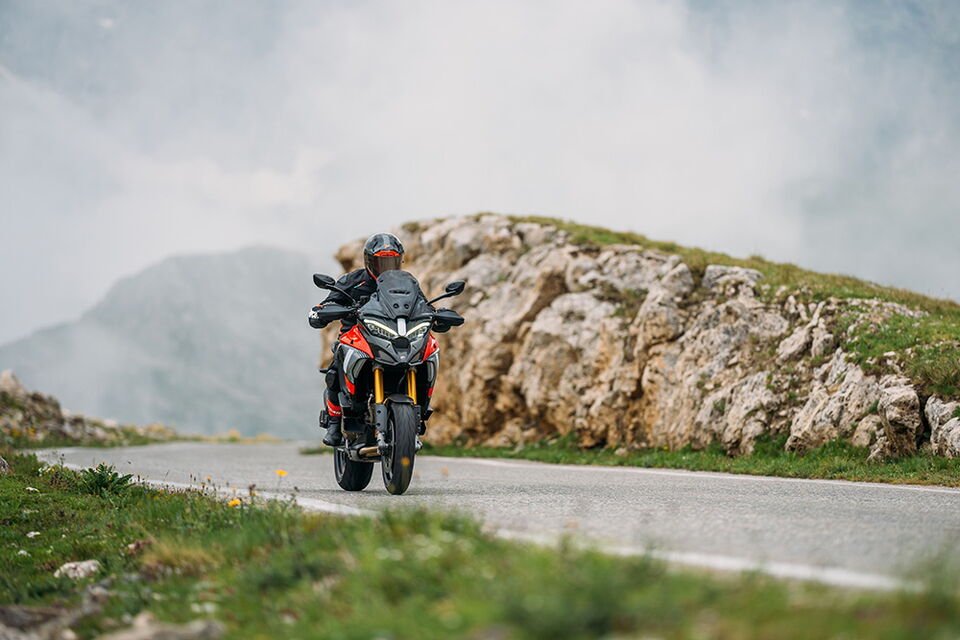
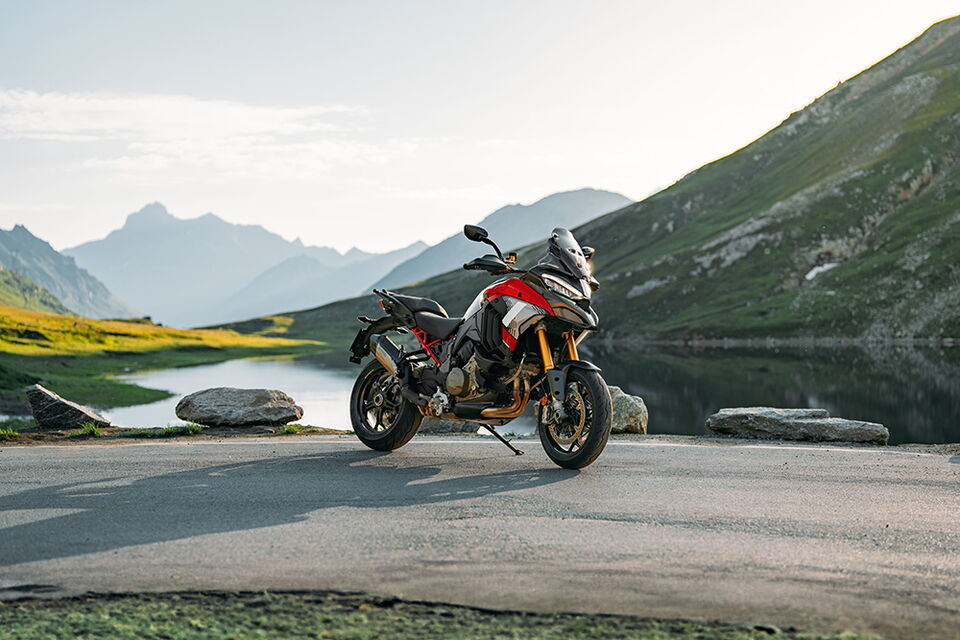
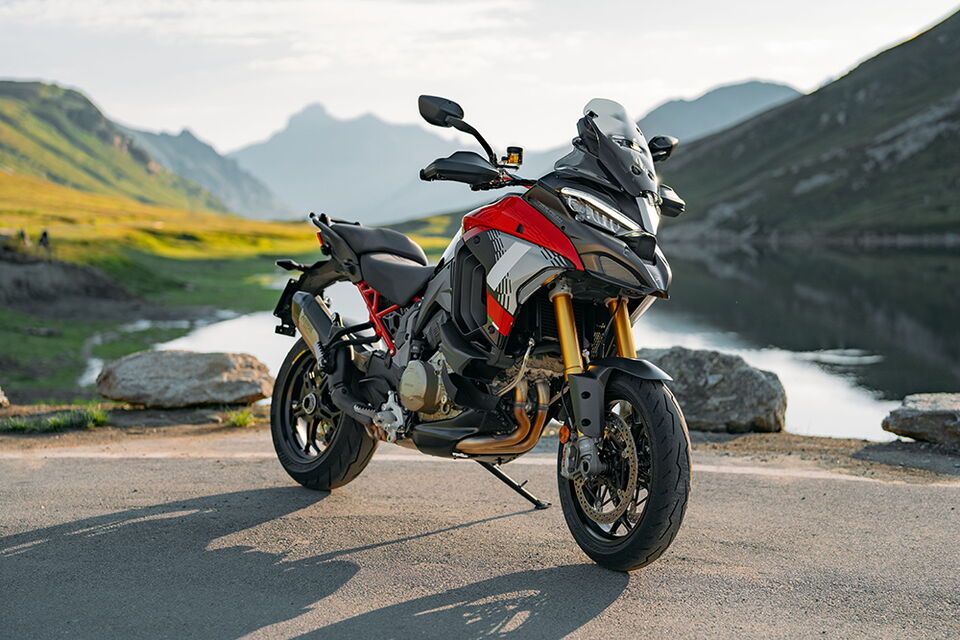
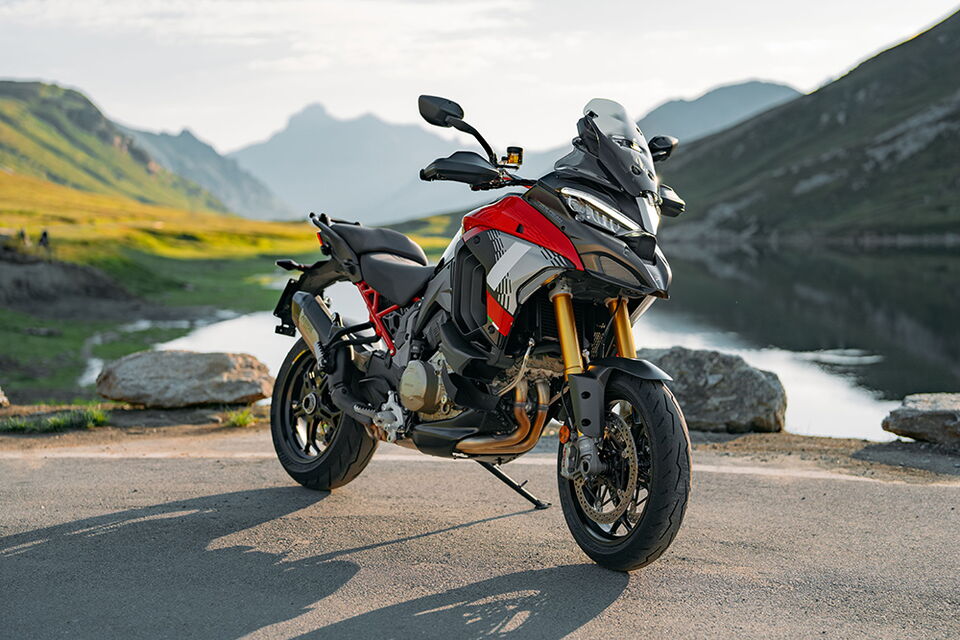
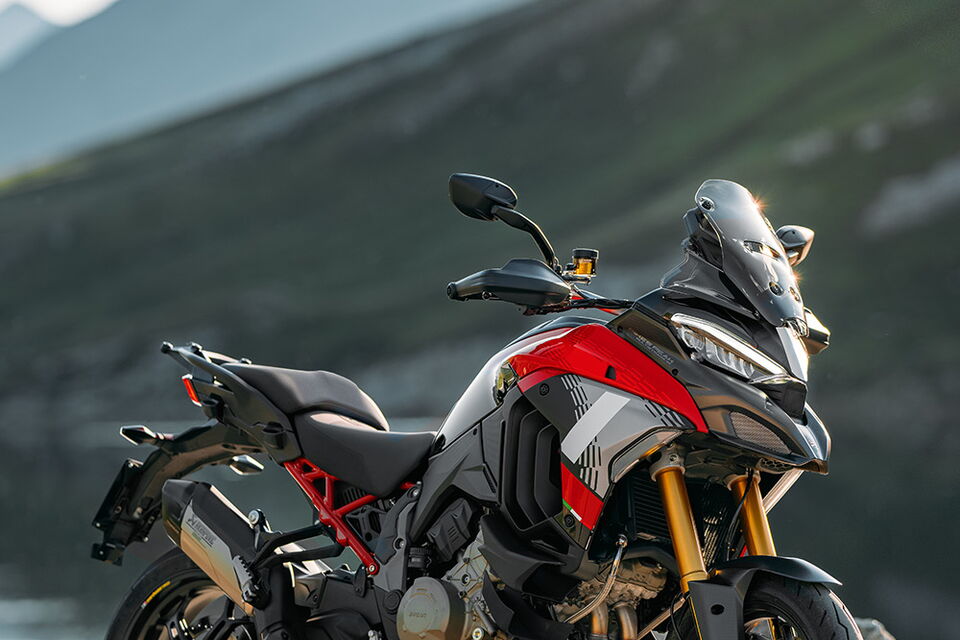
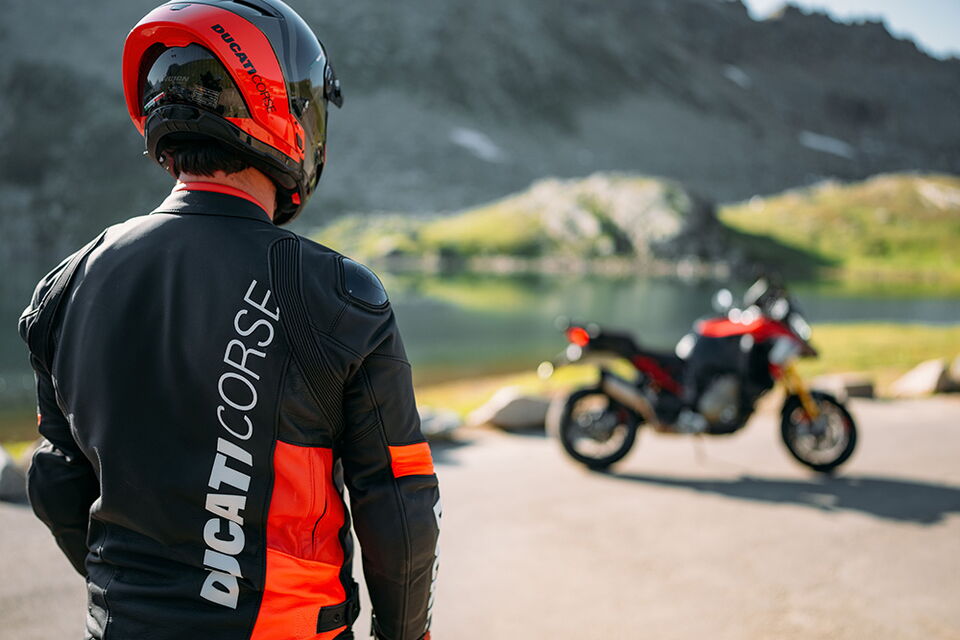
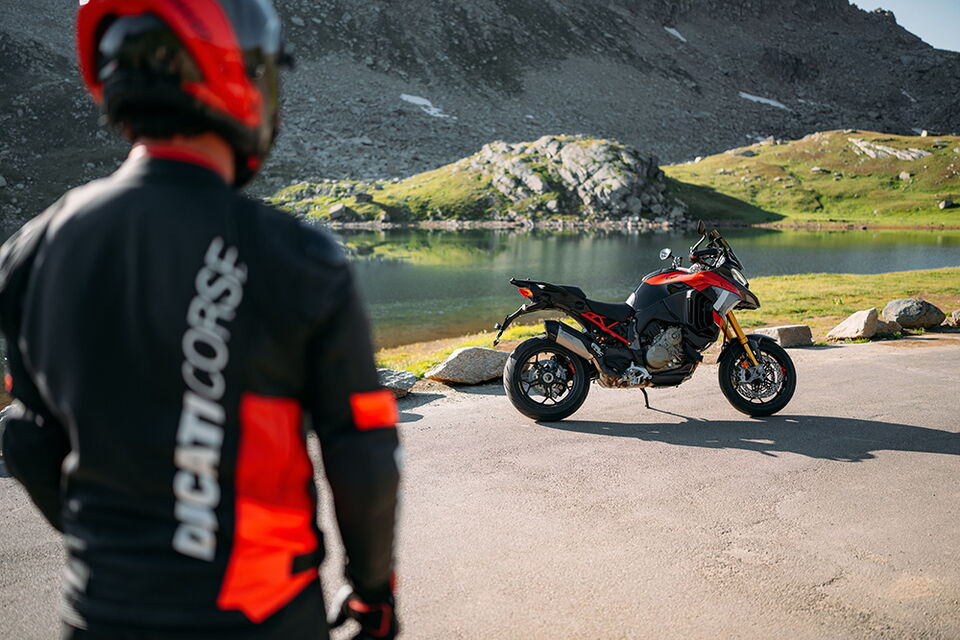
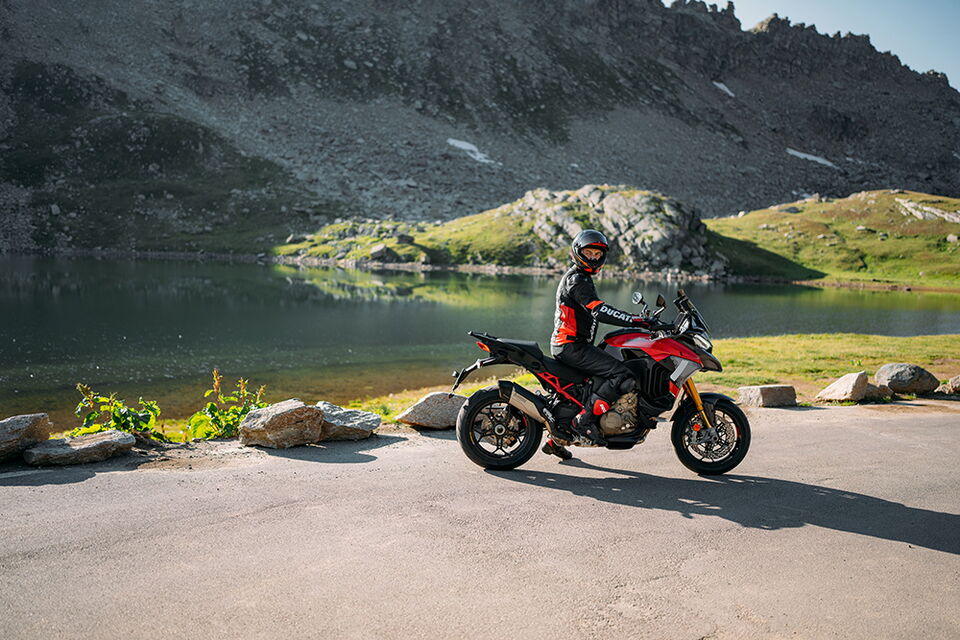
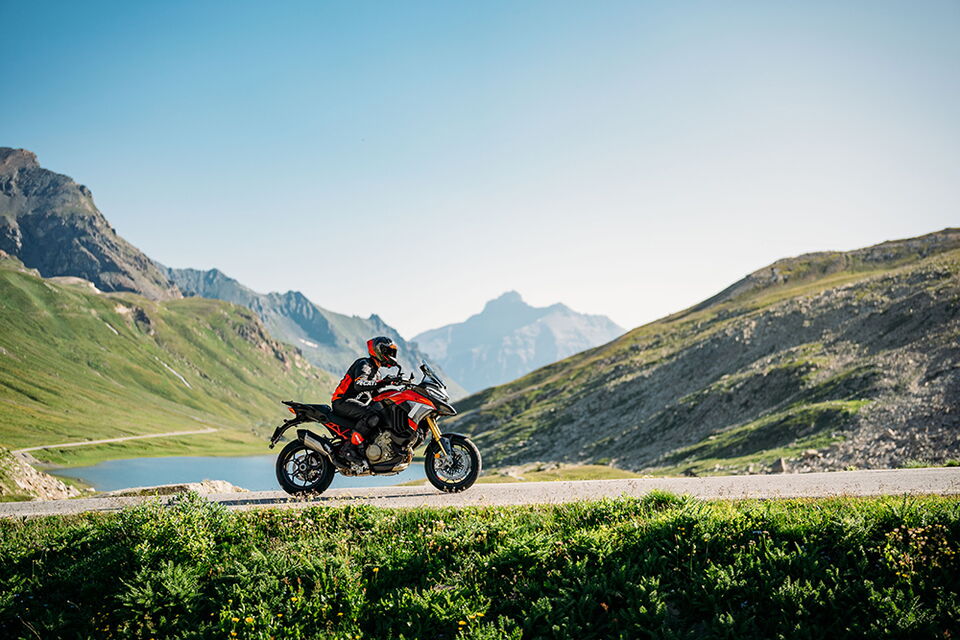
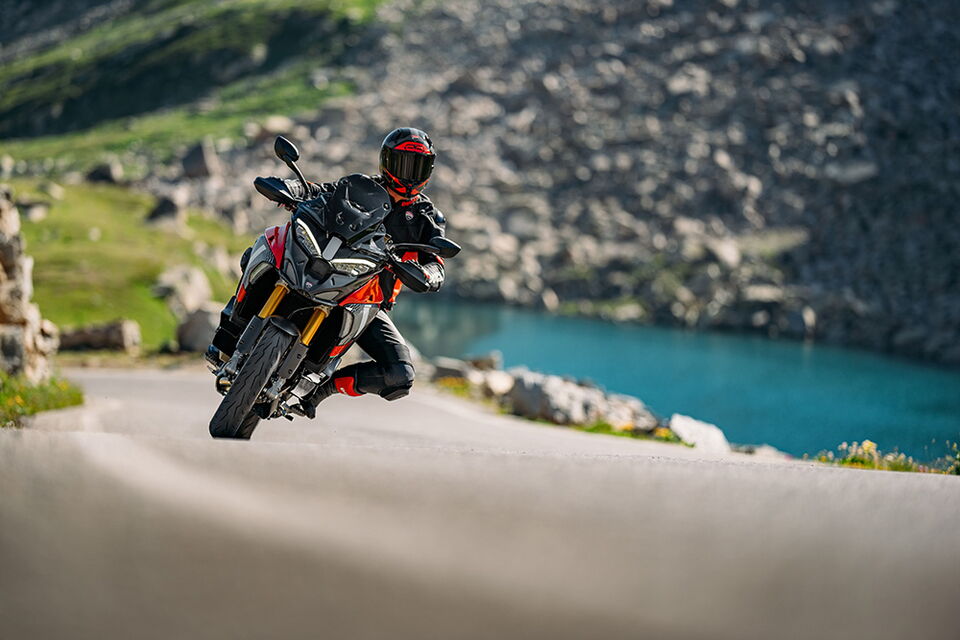
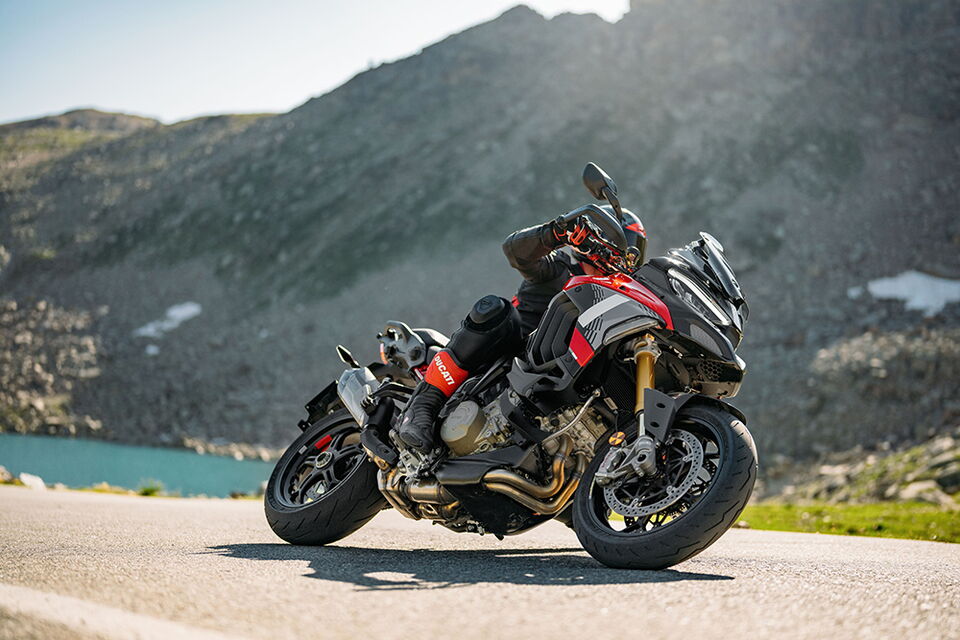
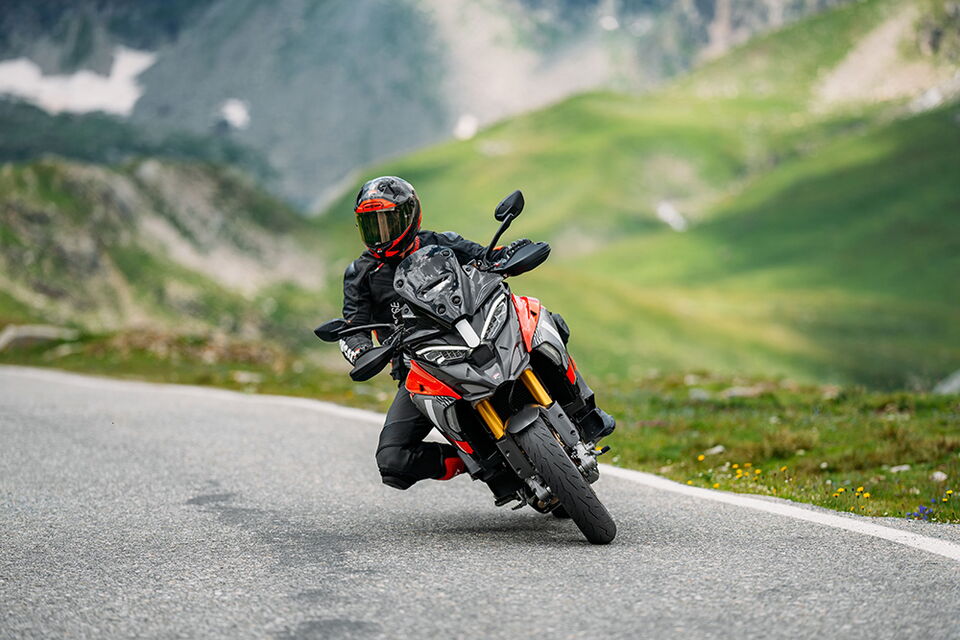
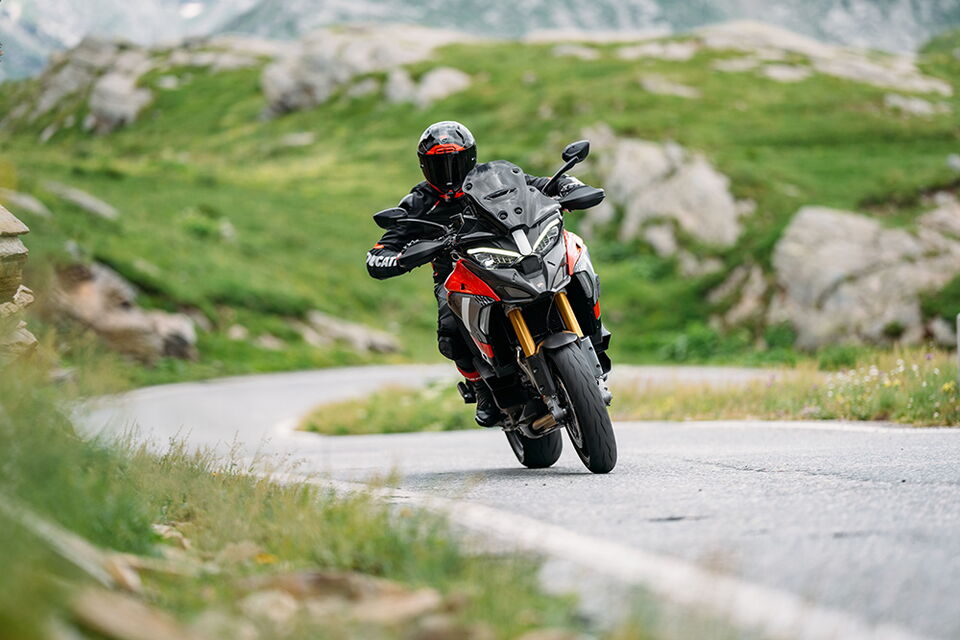
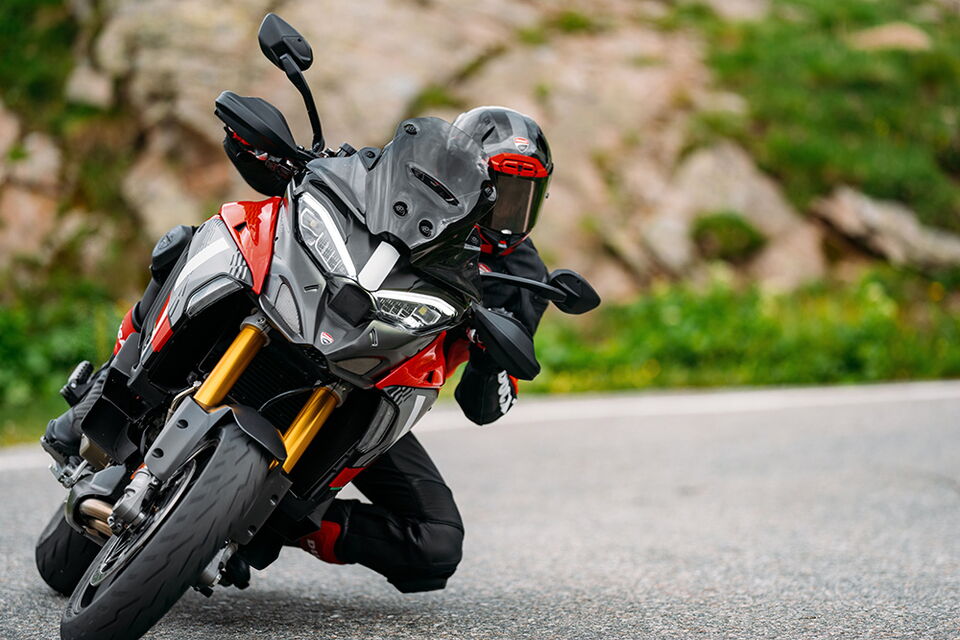
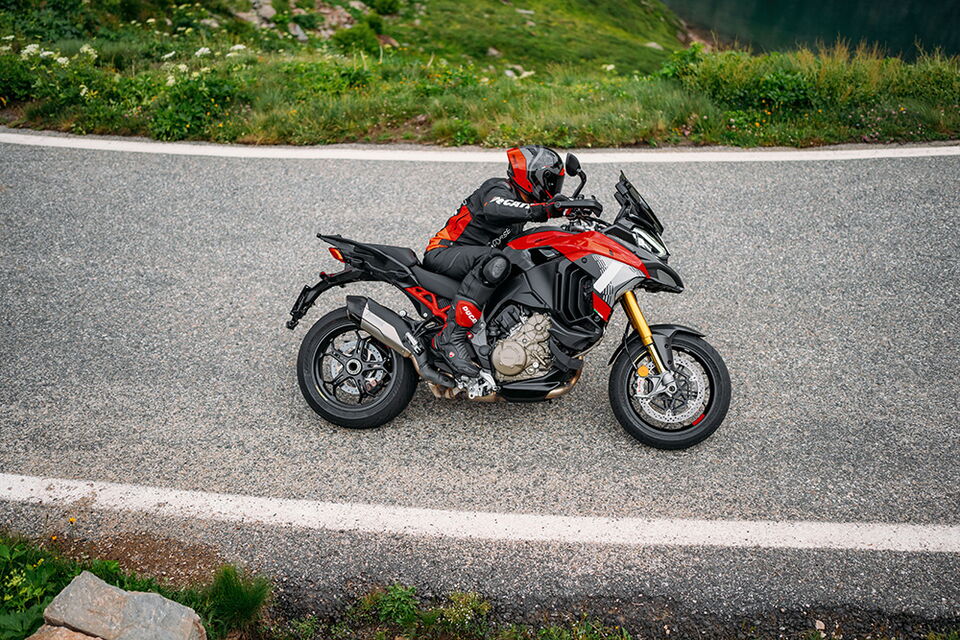
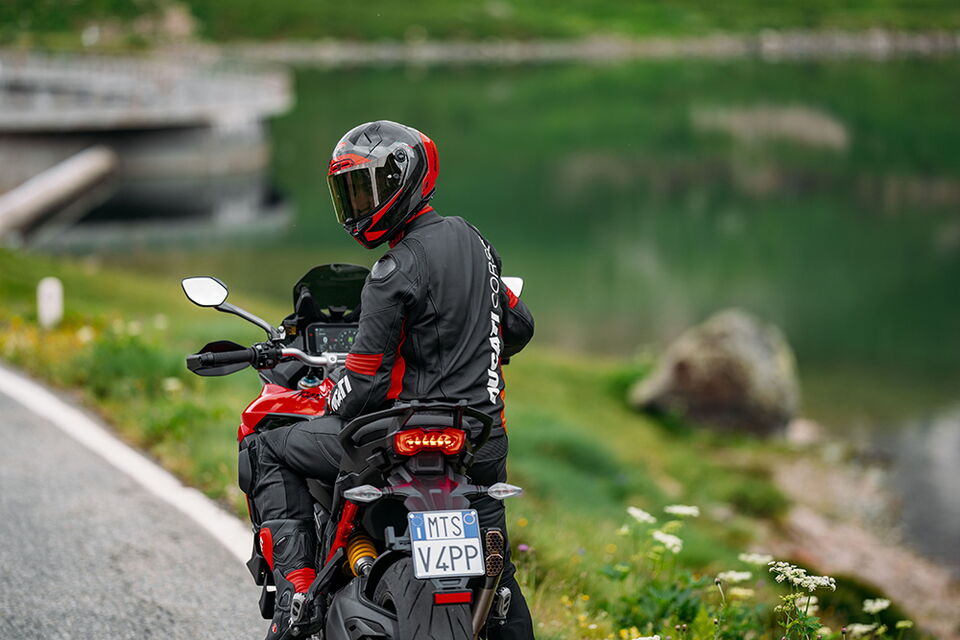
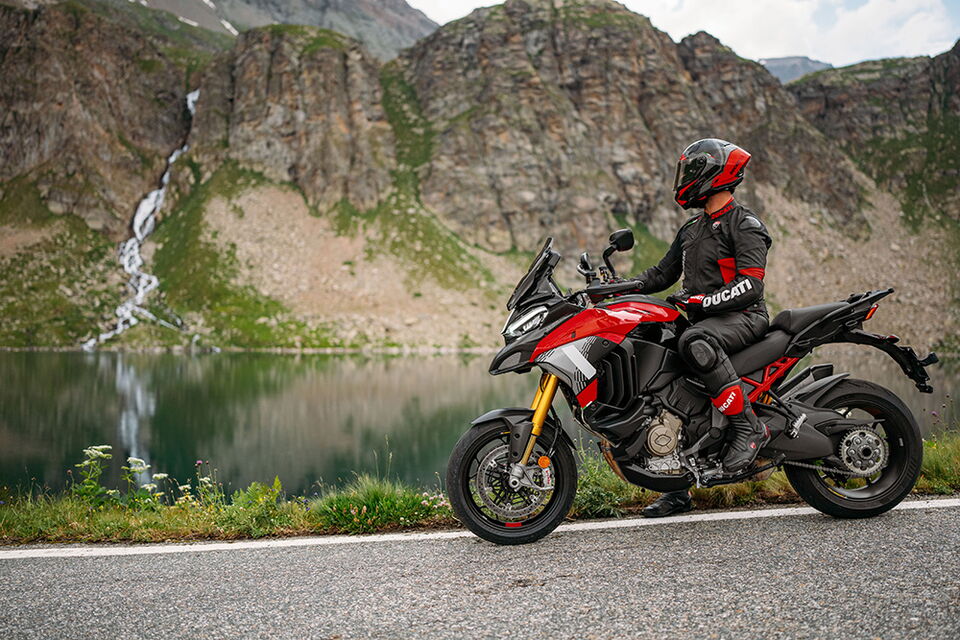
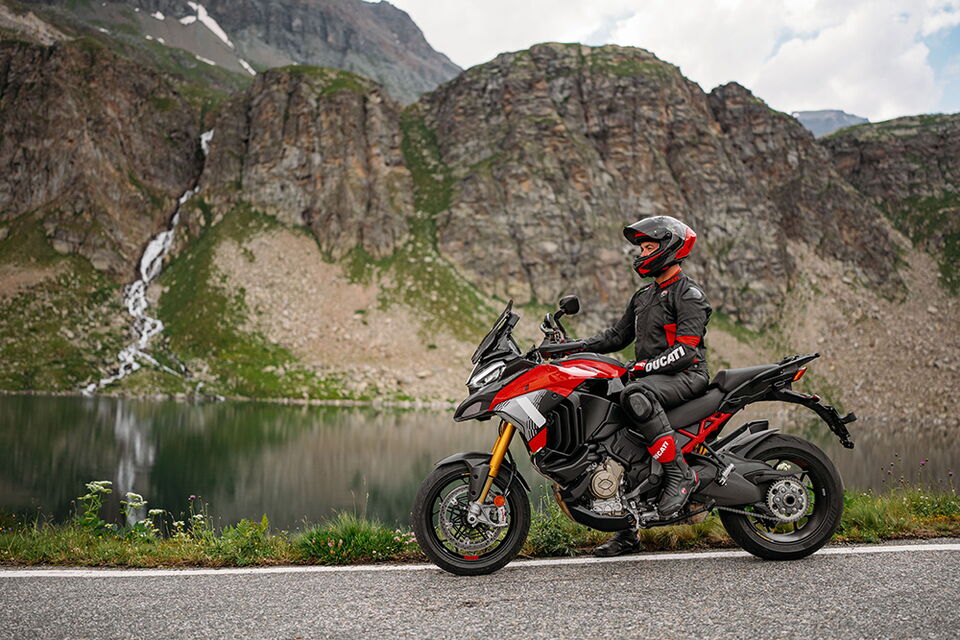
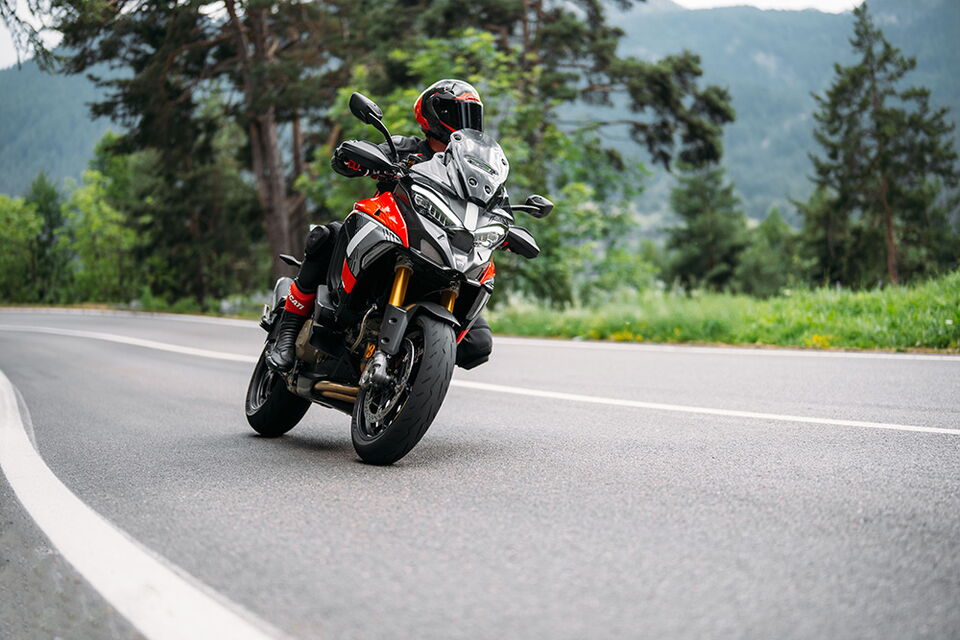
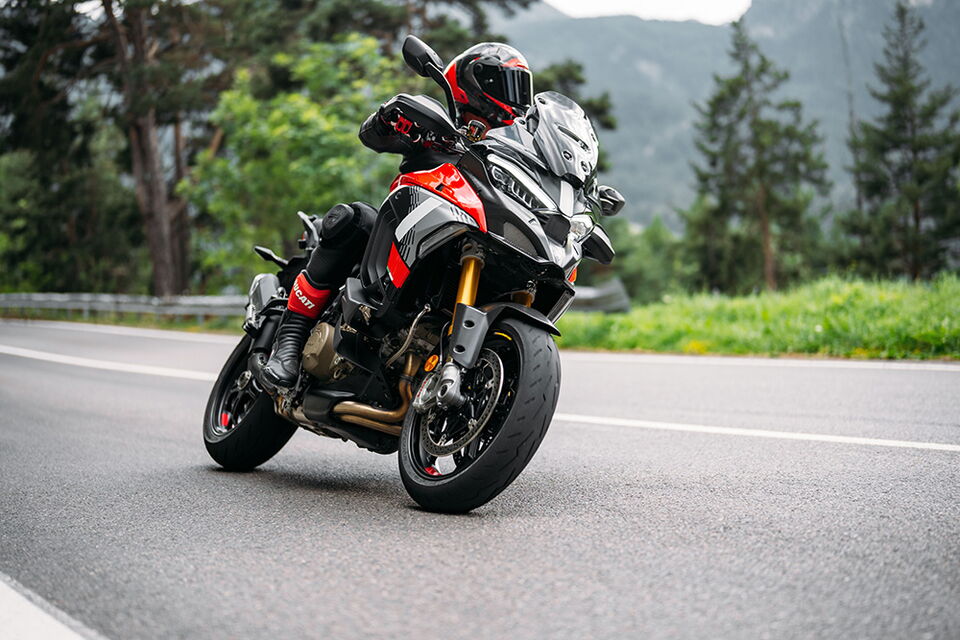
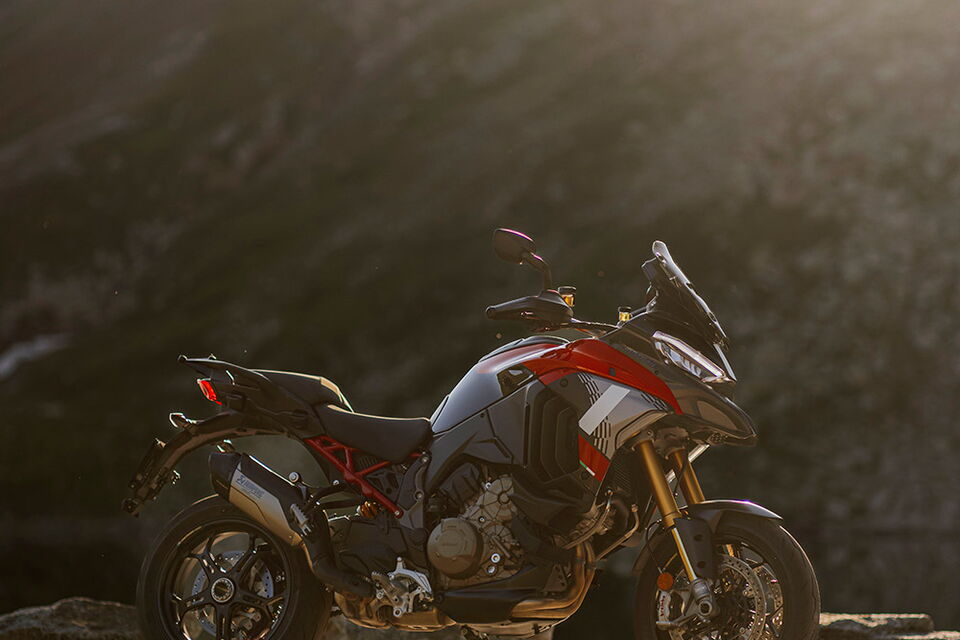
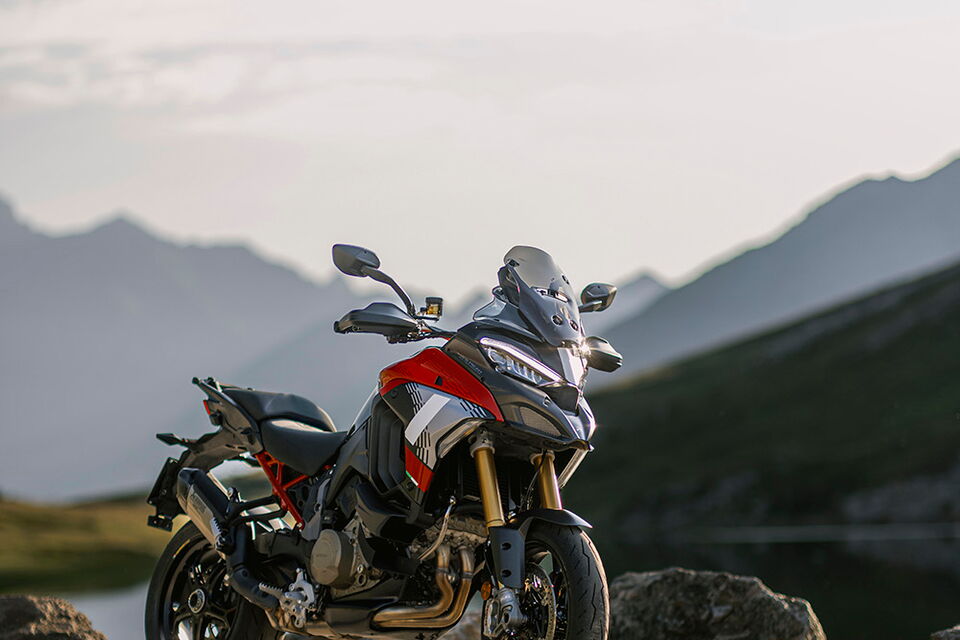
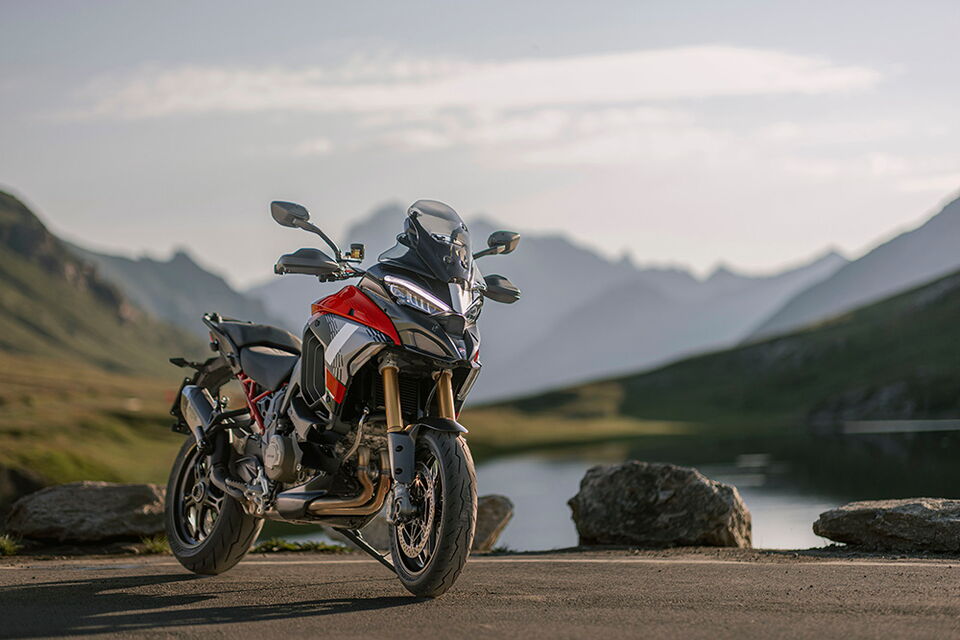
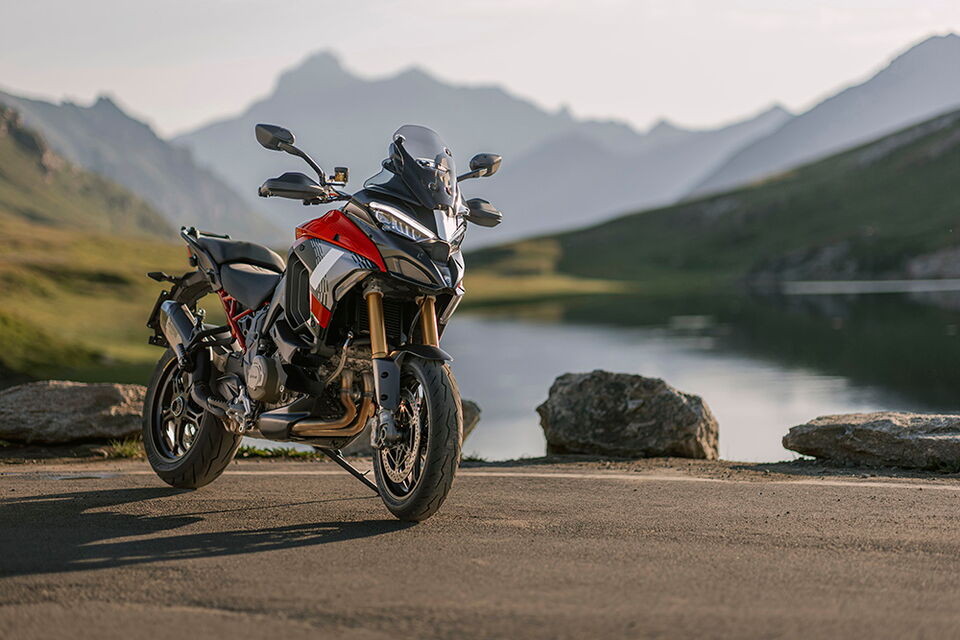
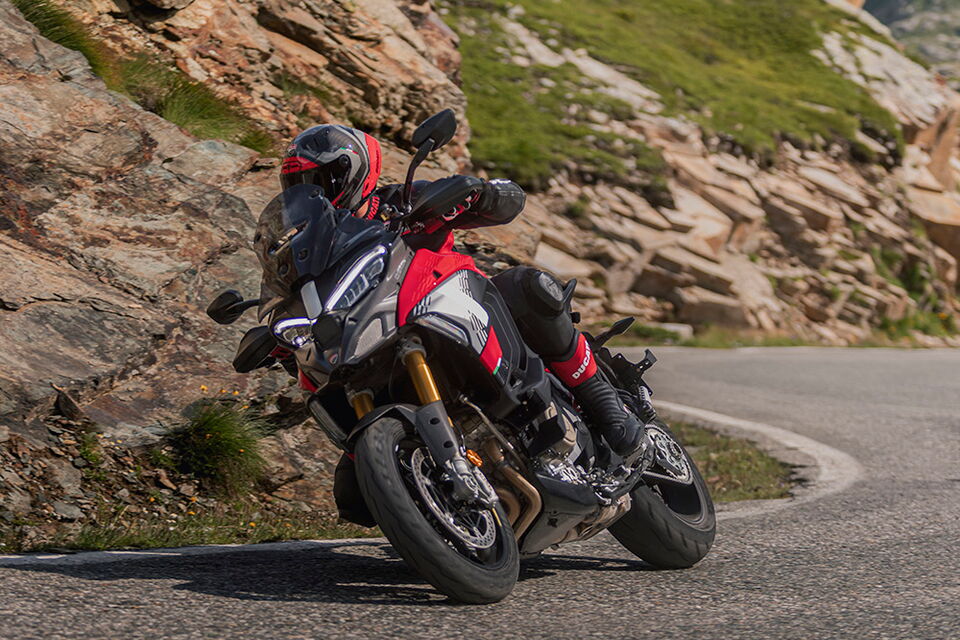
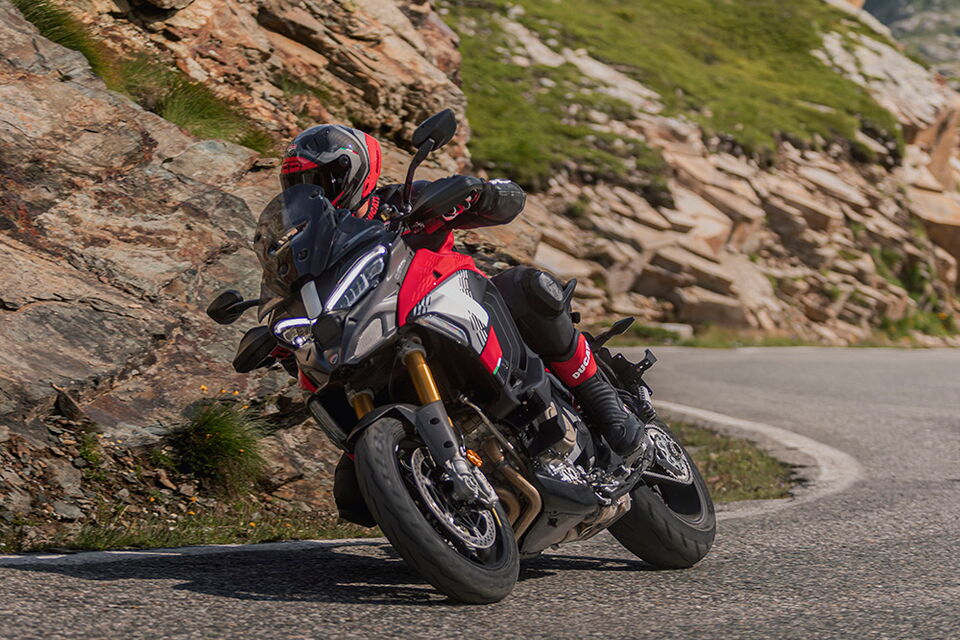
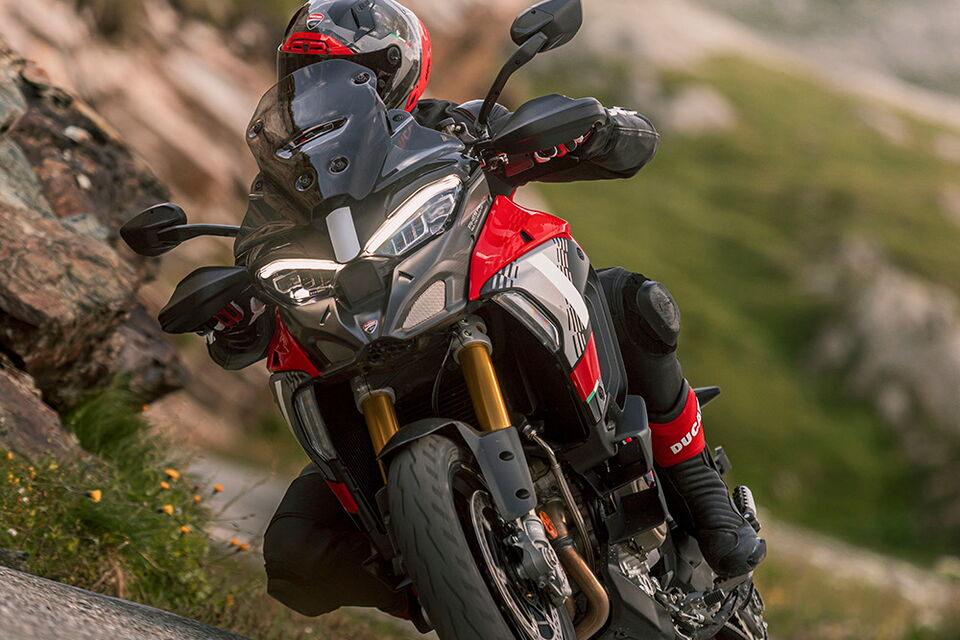
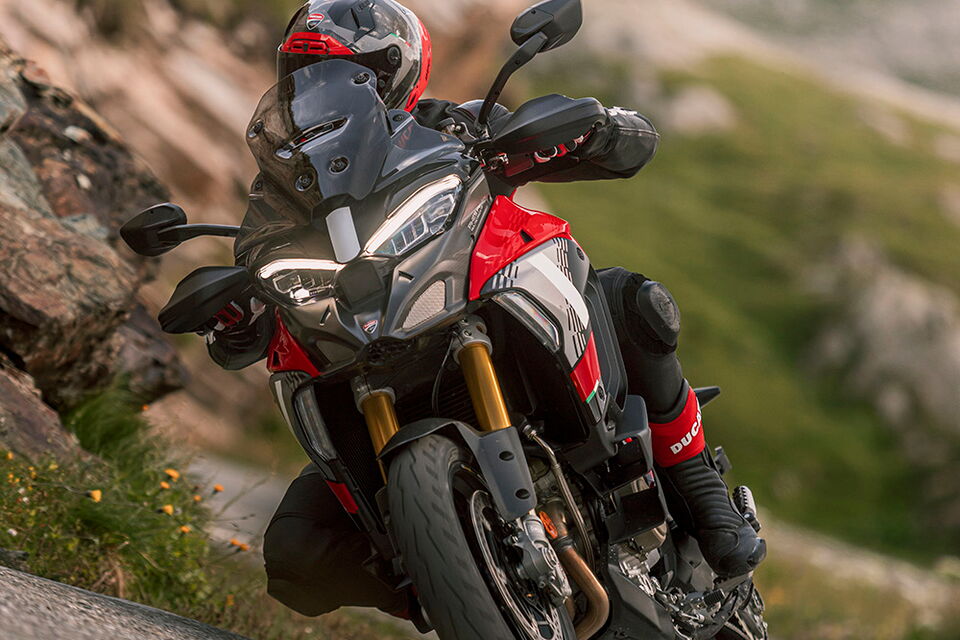
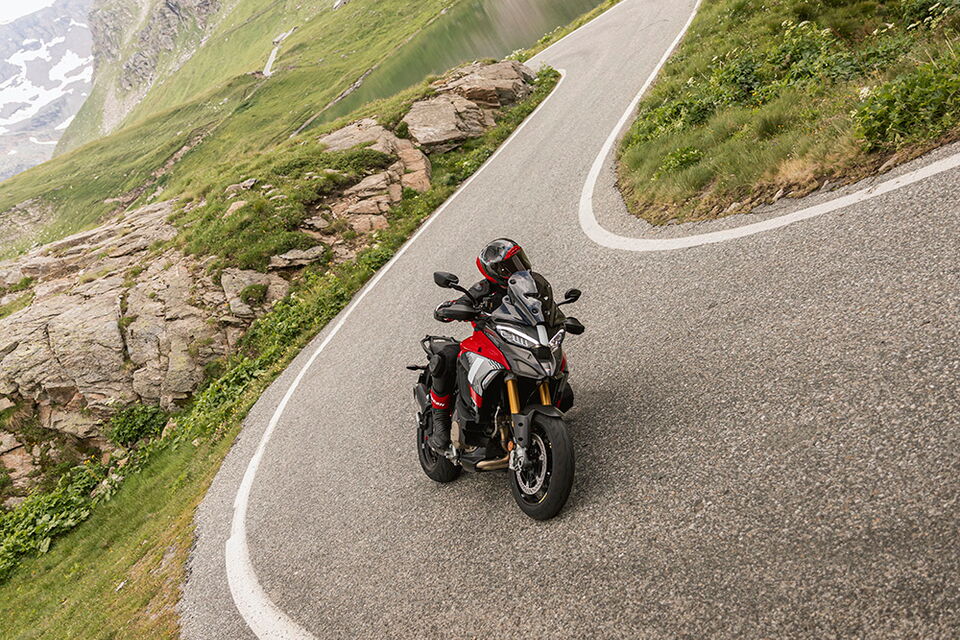
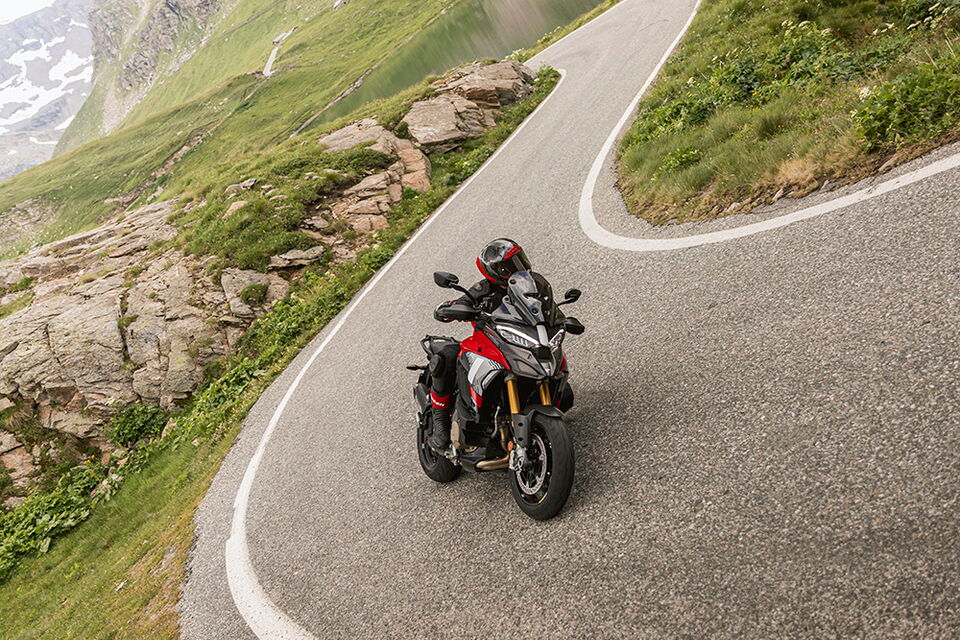
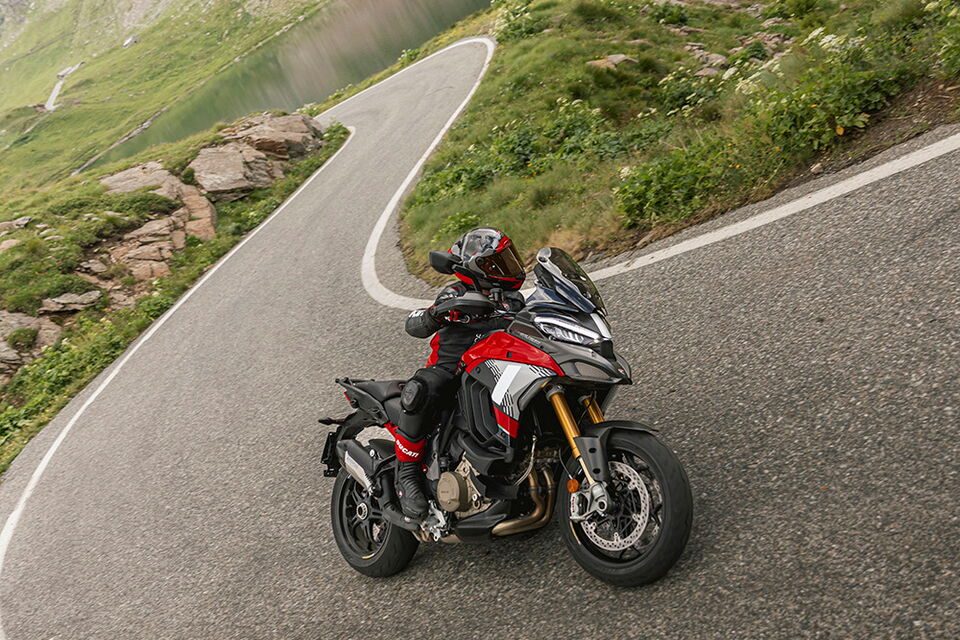
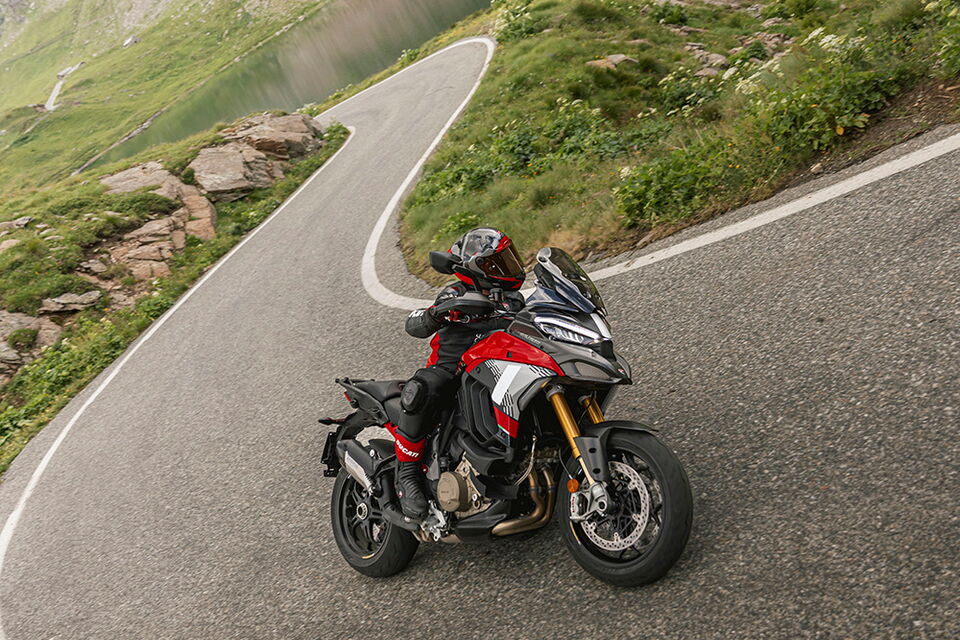
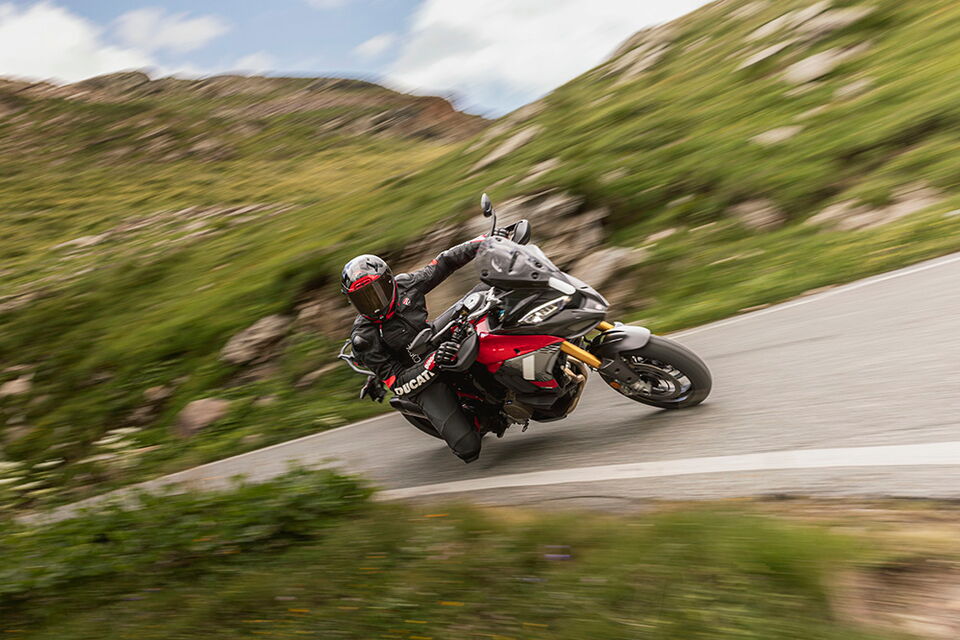
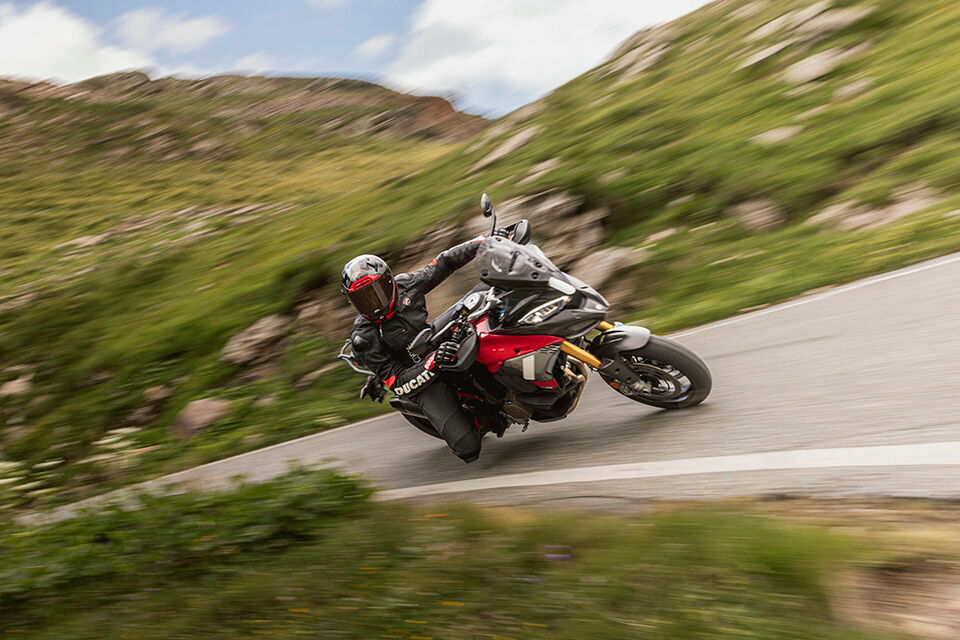
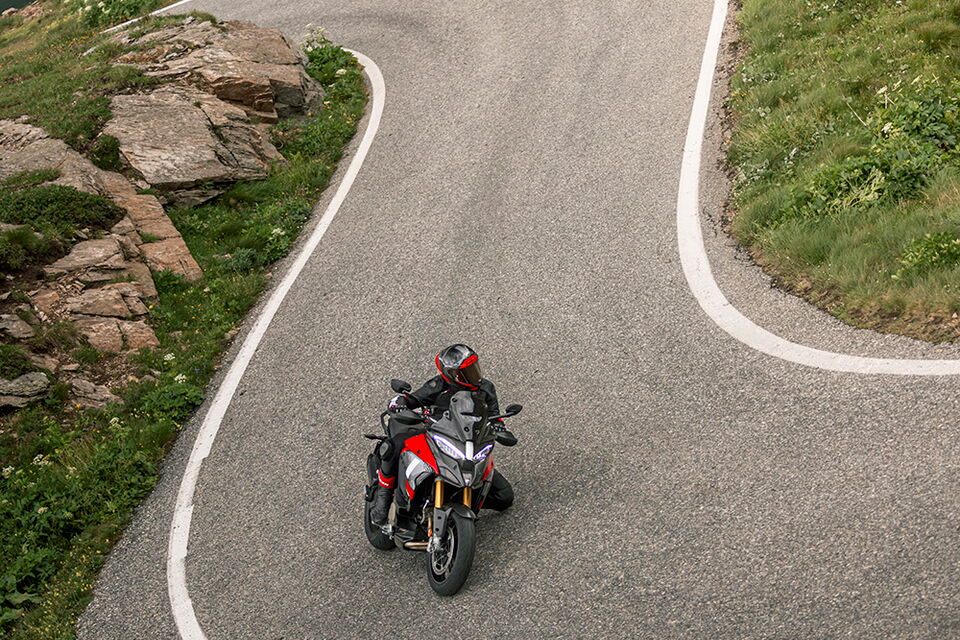
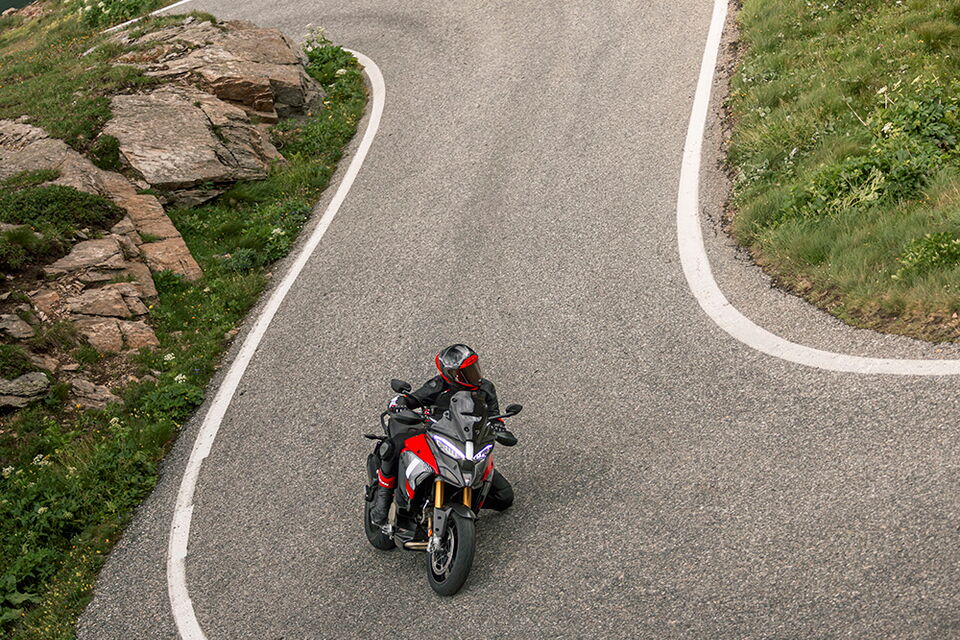
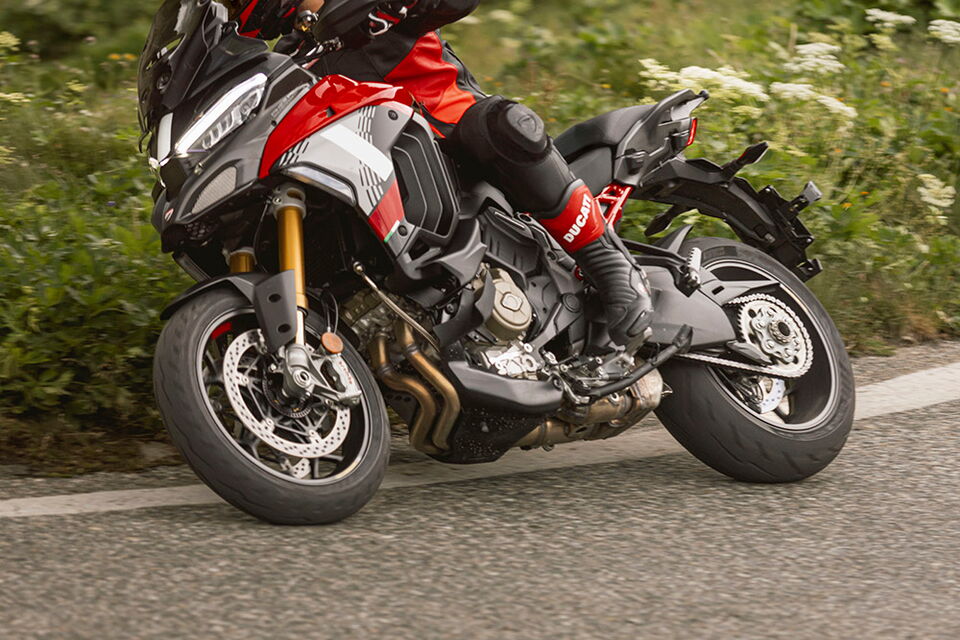
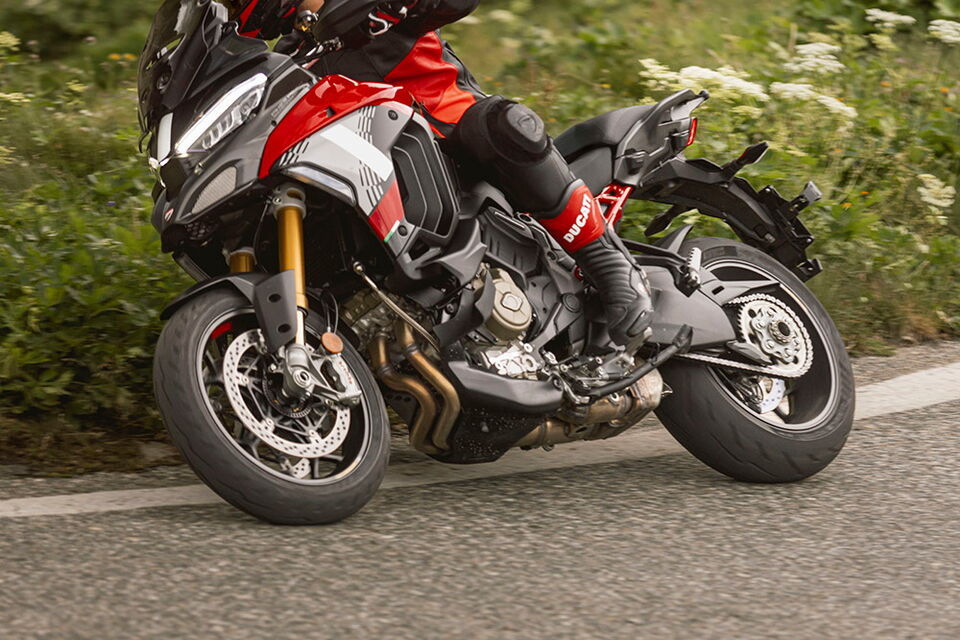
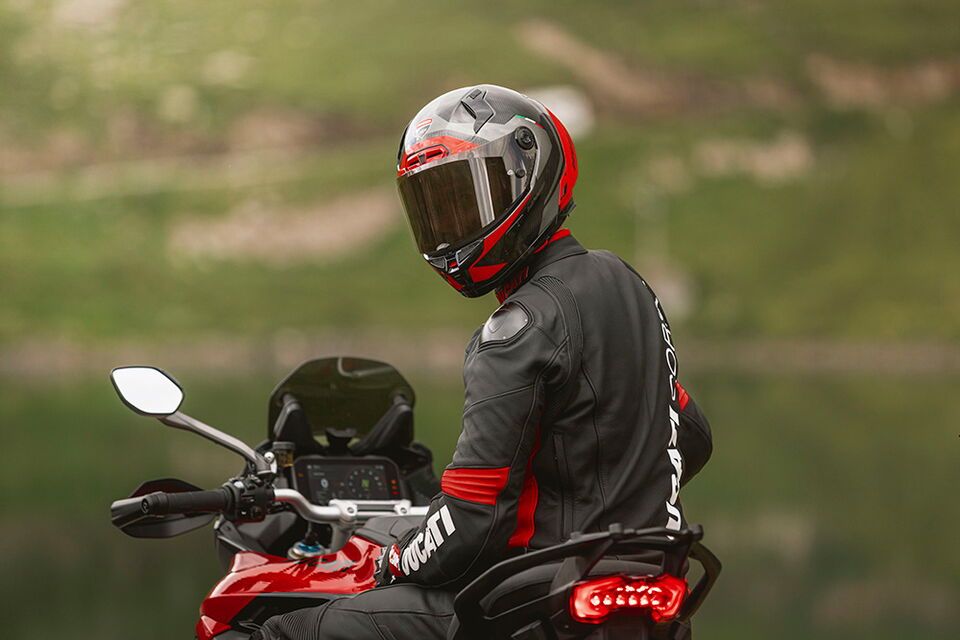
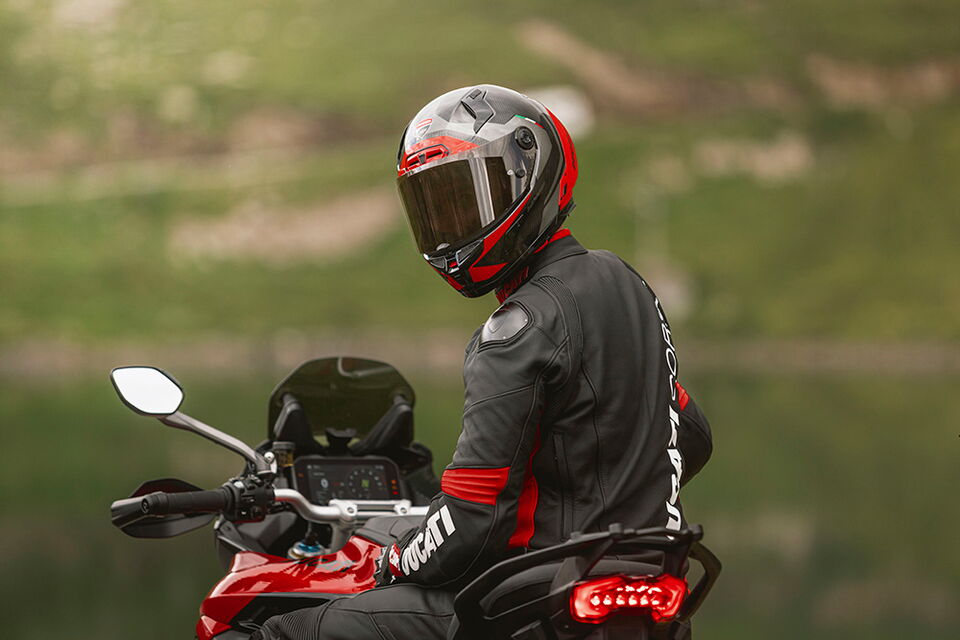
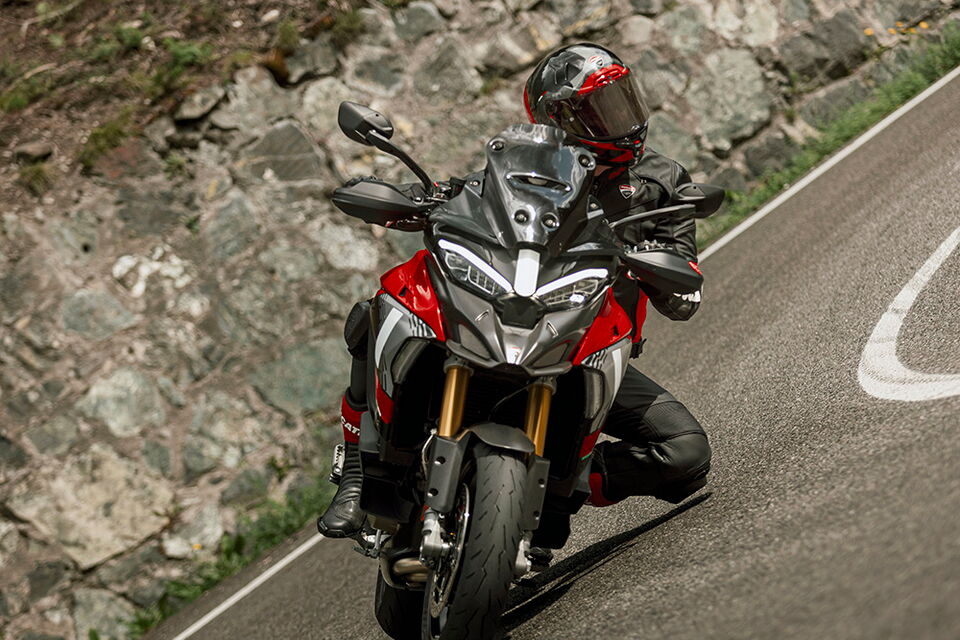
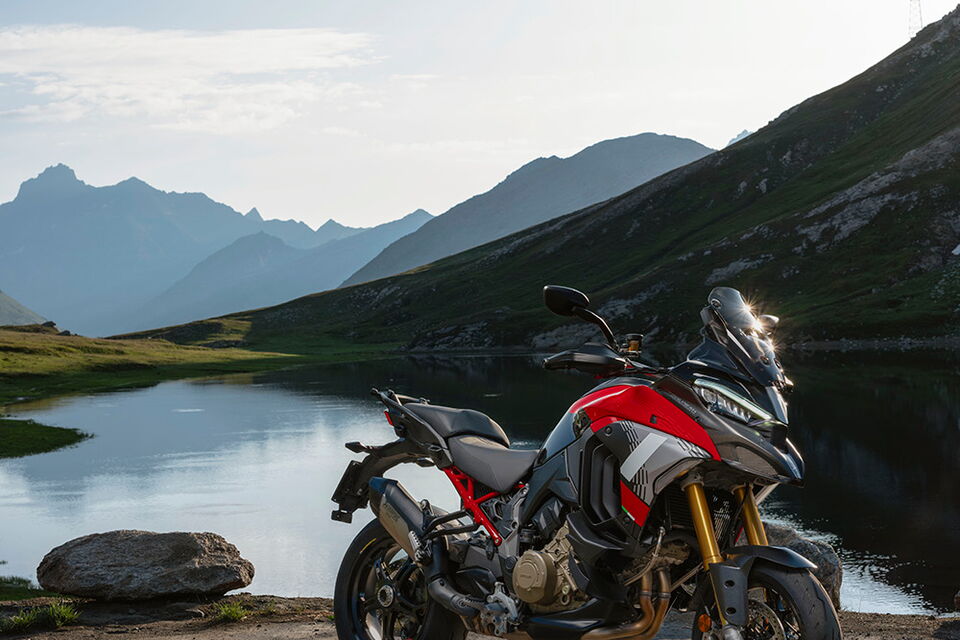
The first time you sit on the Pikes Peak, you immediately realize this is not primarily a touring machine. The handlebar sits lower than on the V4 S, is rigidly mounted to the upper triple clamp, and angles your upper body a few degrees farther forward. The footpegs are higher and farther back. It is not uncomfortable—but there is no mistaking the direction this motorcycle wants to take. The glossy anodized single-sided swingarm is immediately visible even when the motorcycle is standing still. You cannot look away. This is an immediate statement of character.
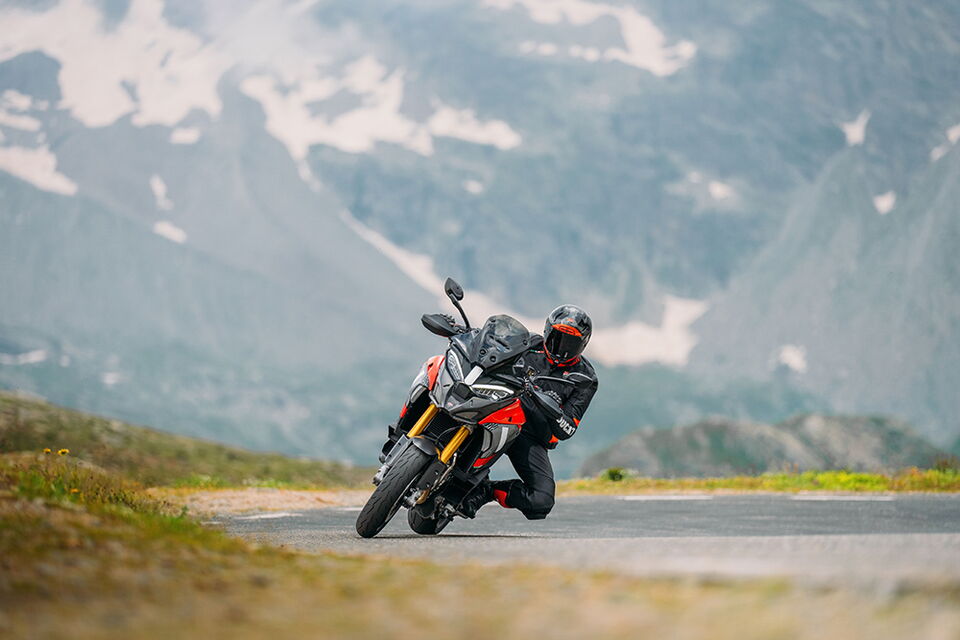
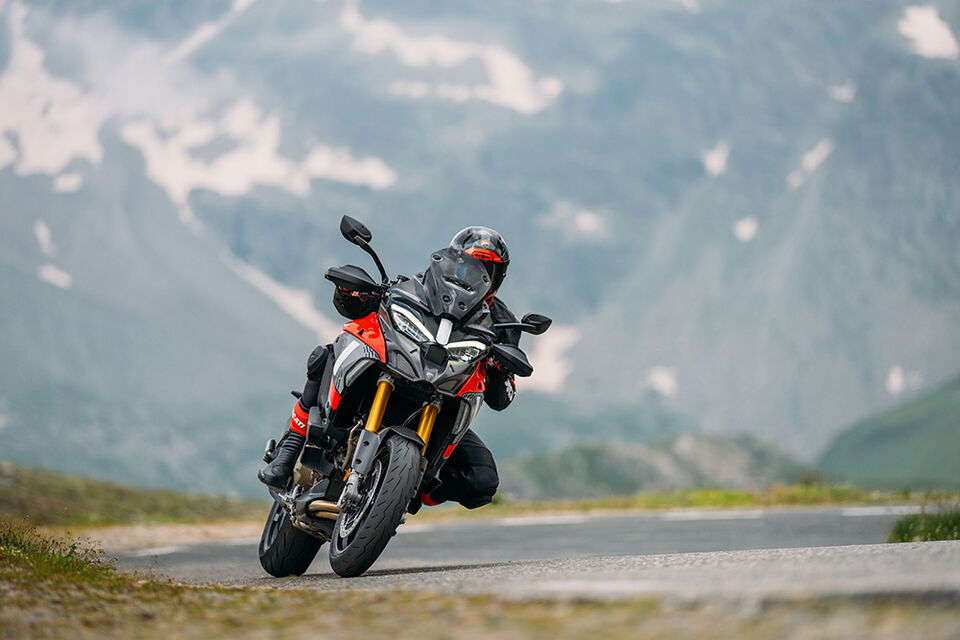
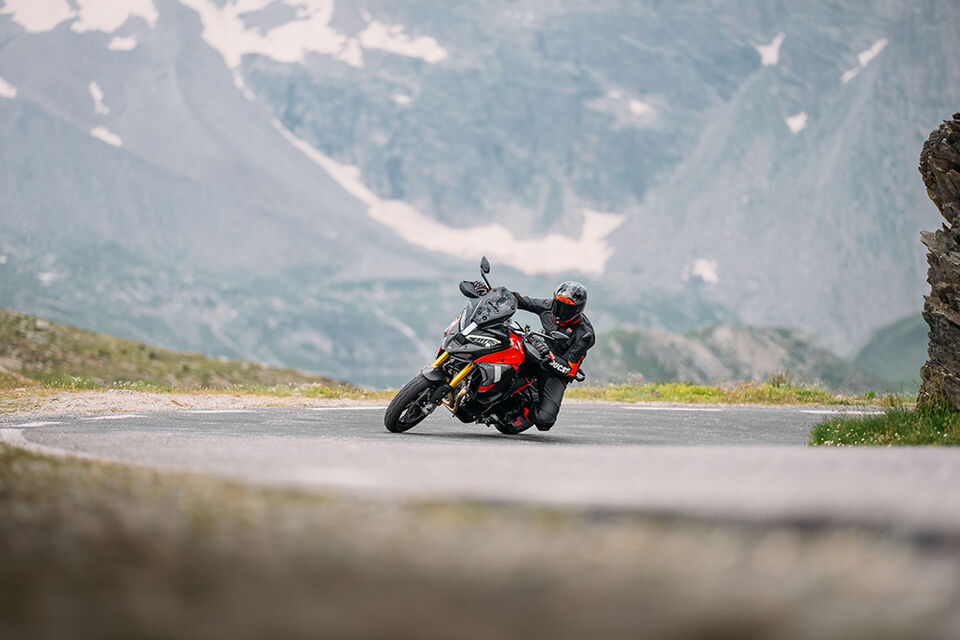
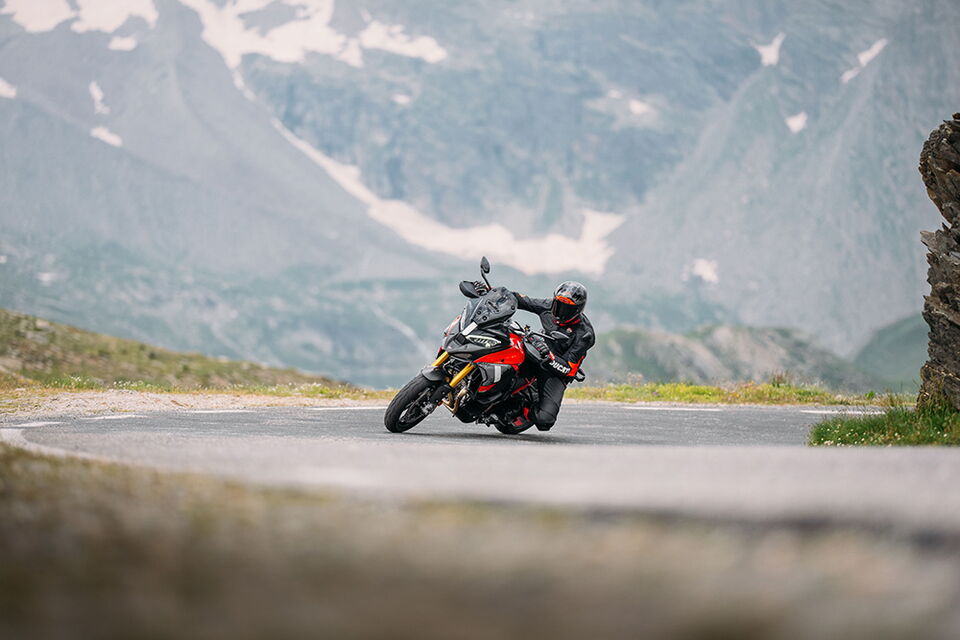
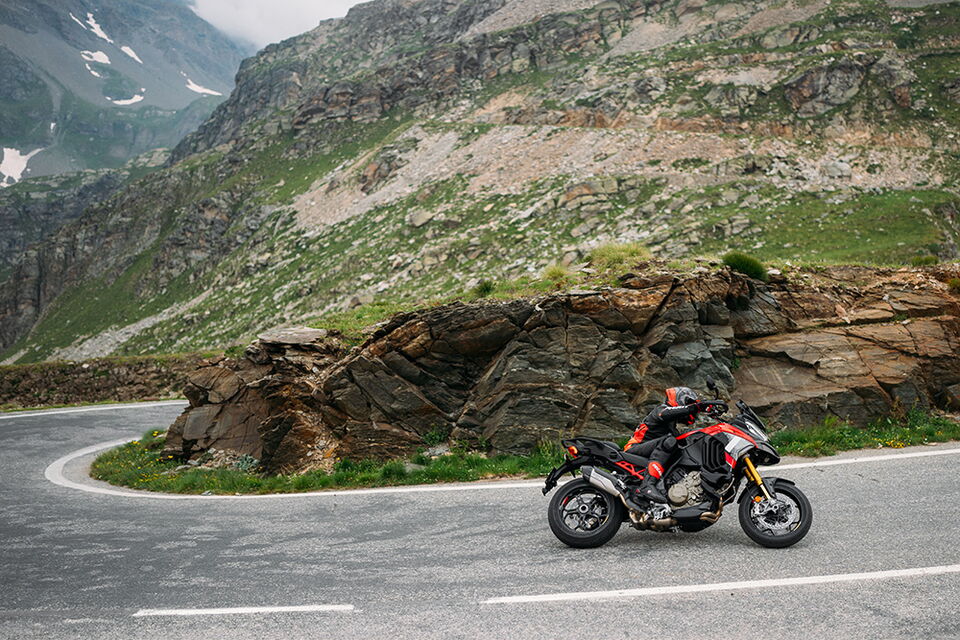
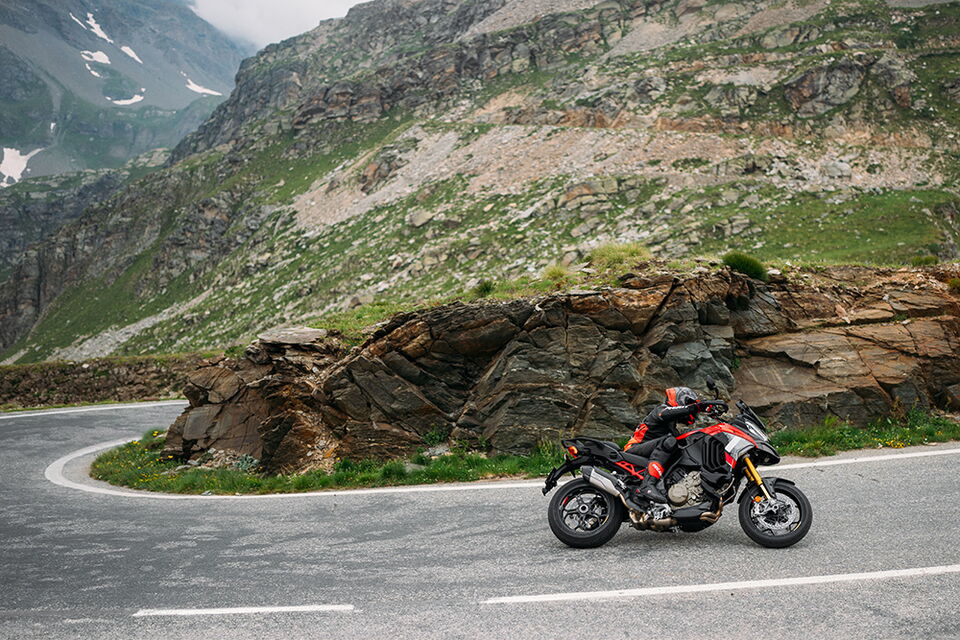
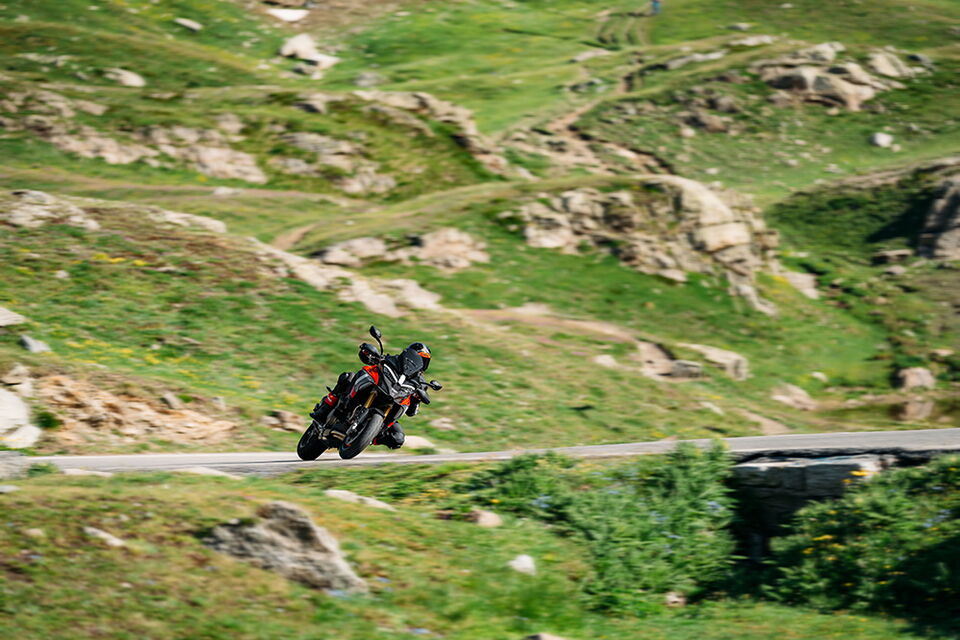
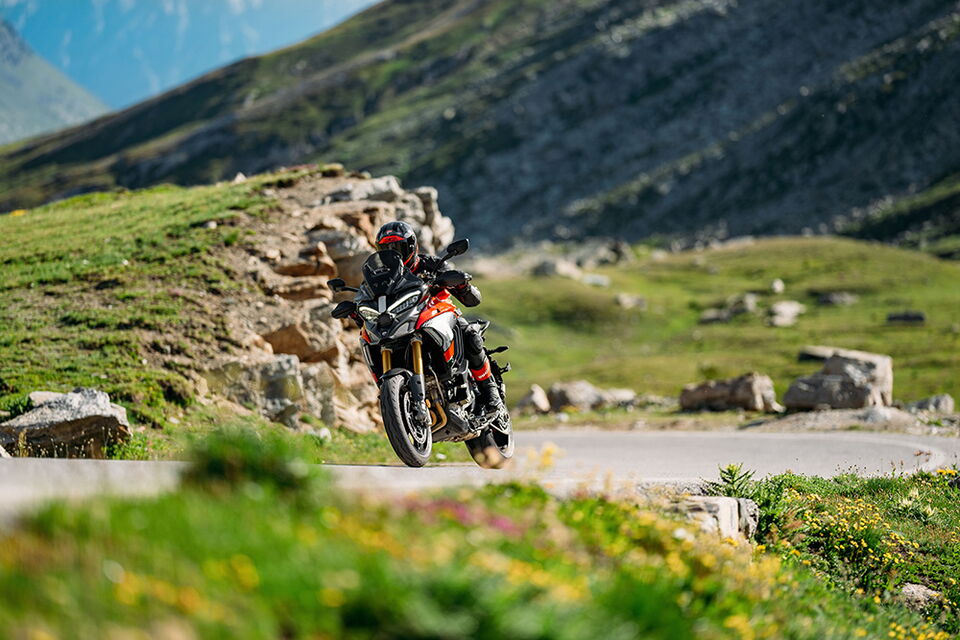
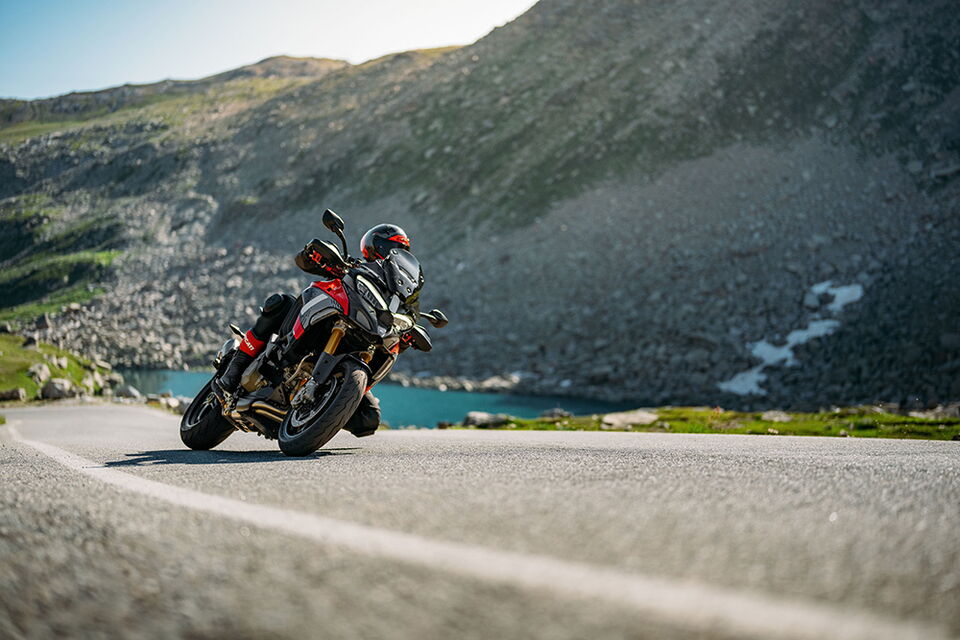
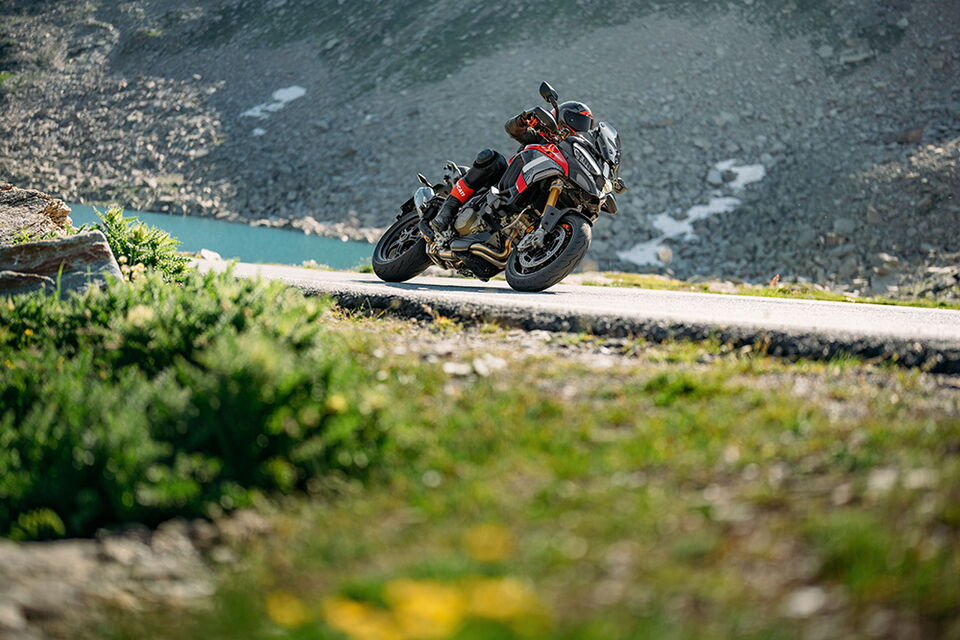
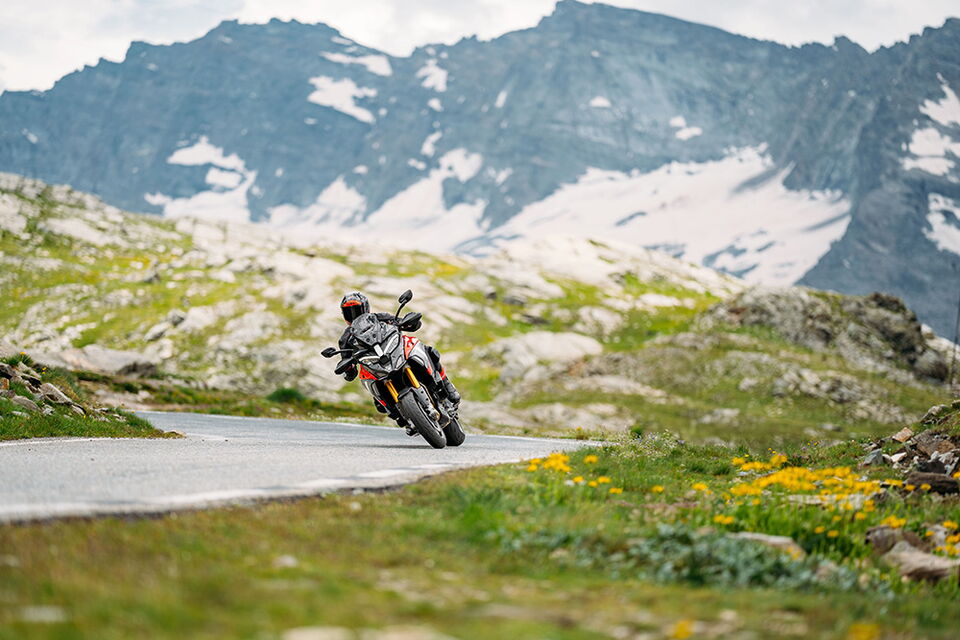
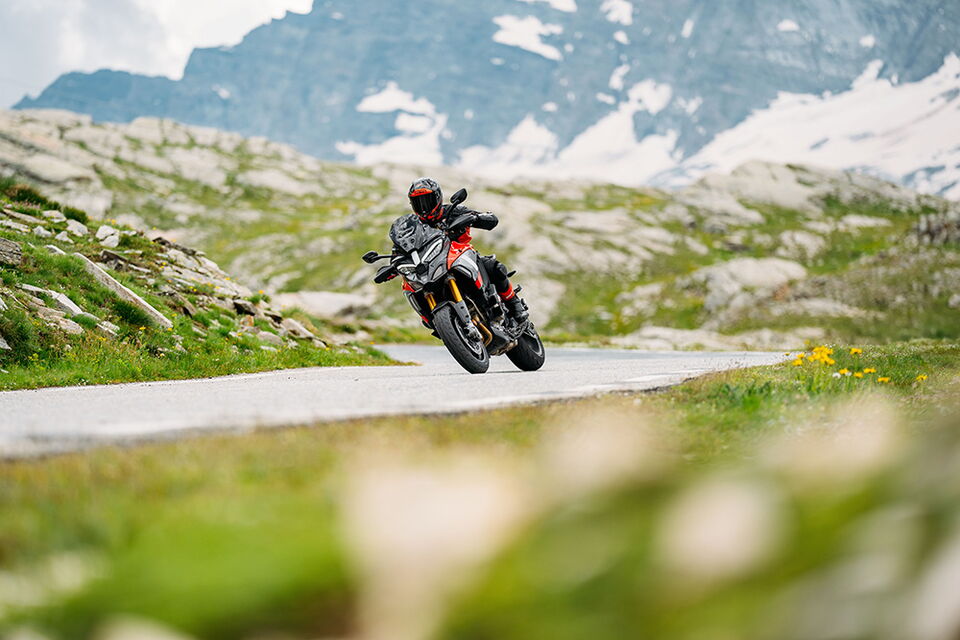
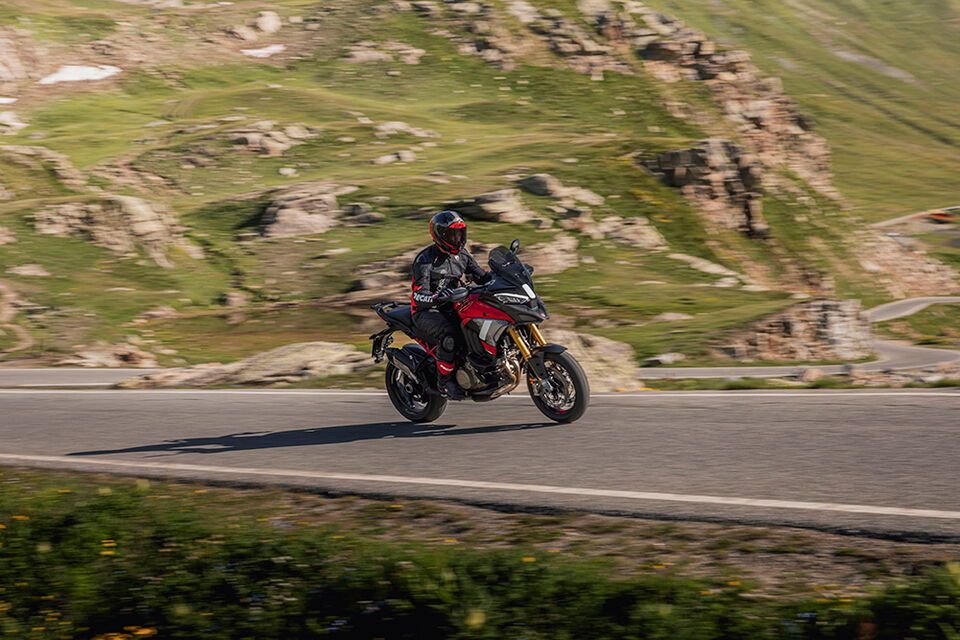
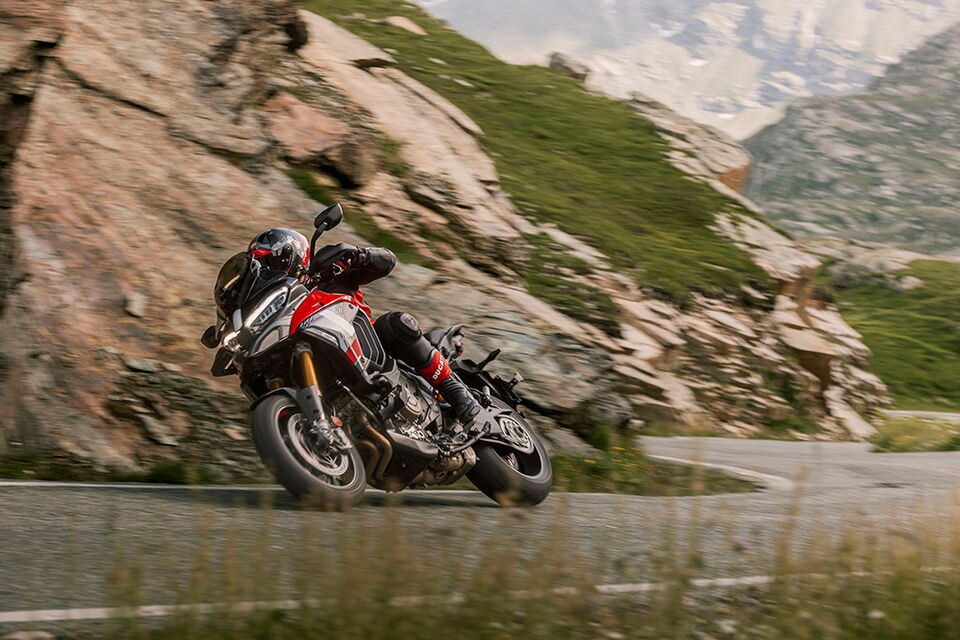
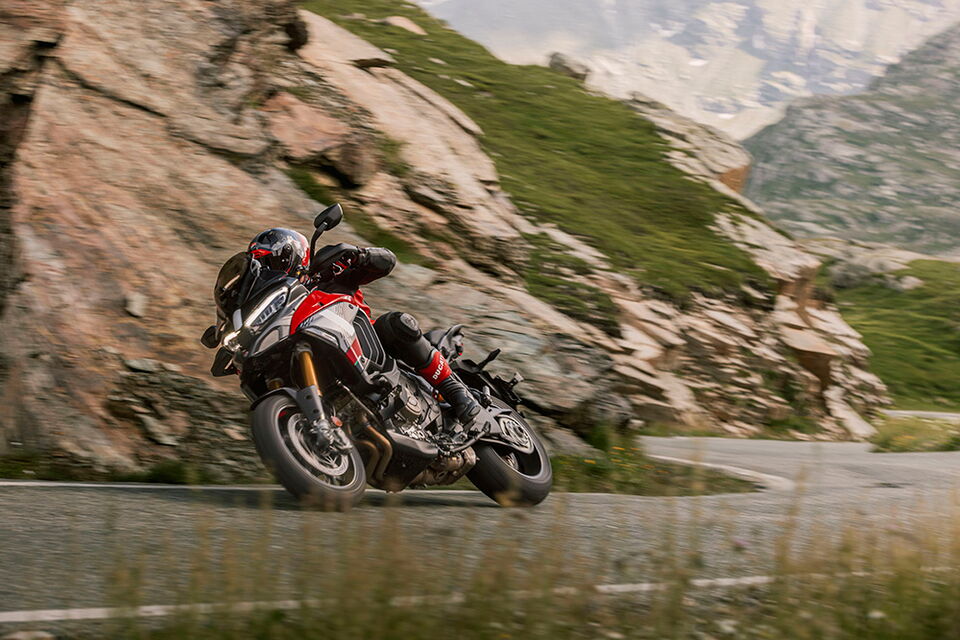
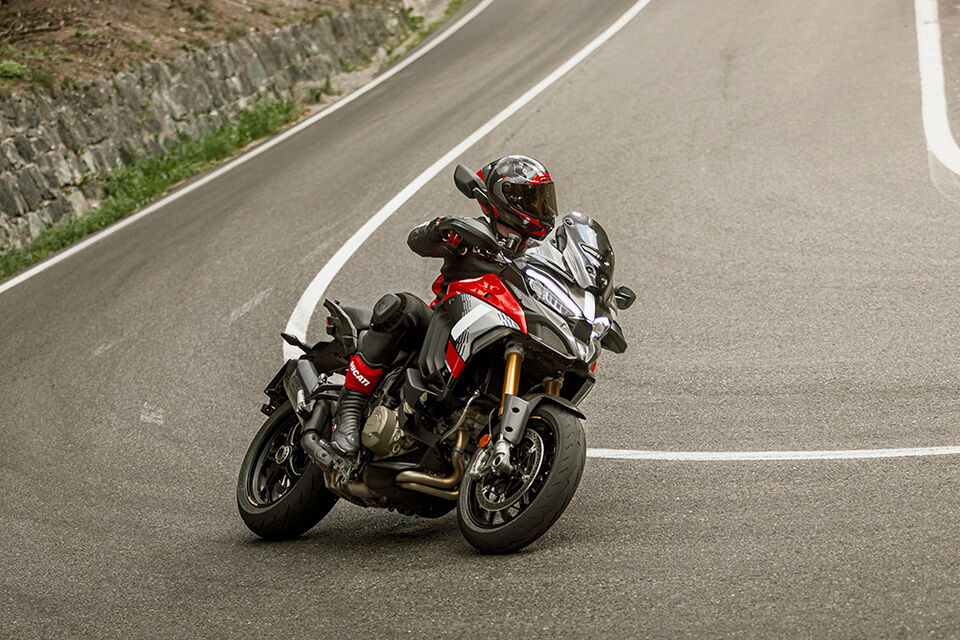
Once underway, any question about the purpose of this riding position disappears. The motorcycle feels more precise than the V4 S, responds more directly to steering inputs, and gives the rider the sensation of piloting a very comfortable supersport bike rather than a touring motorcycle. That is the essence of the Pikes Peak: it is neither a compromised sportbike nor a sharpened V4 S. It is an independent interpretation of the Multistrada concept.
Engine: 170 hp That Sounds Refined and Strikes Like a Predator
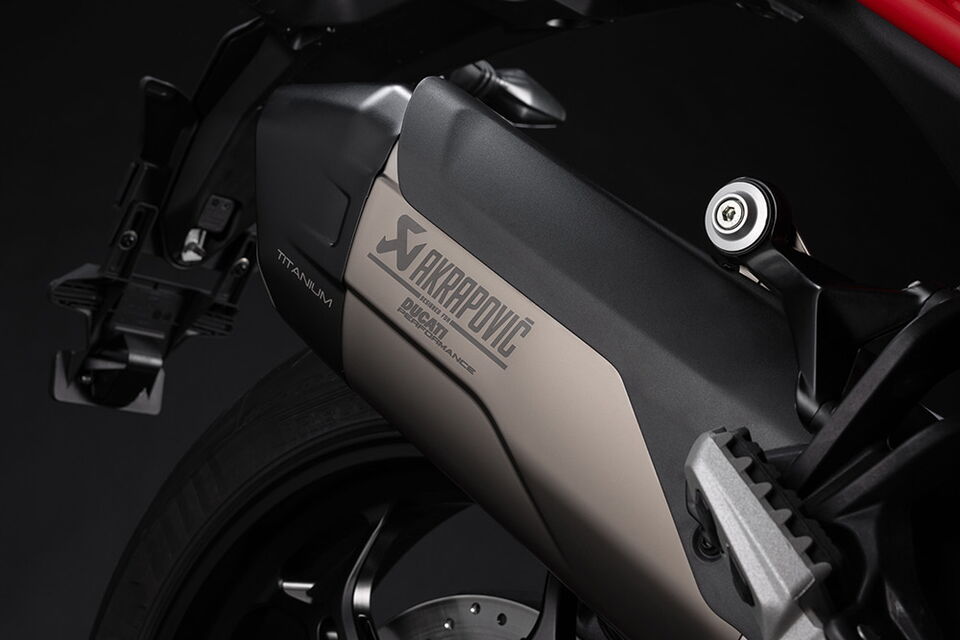
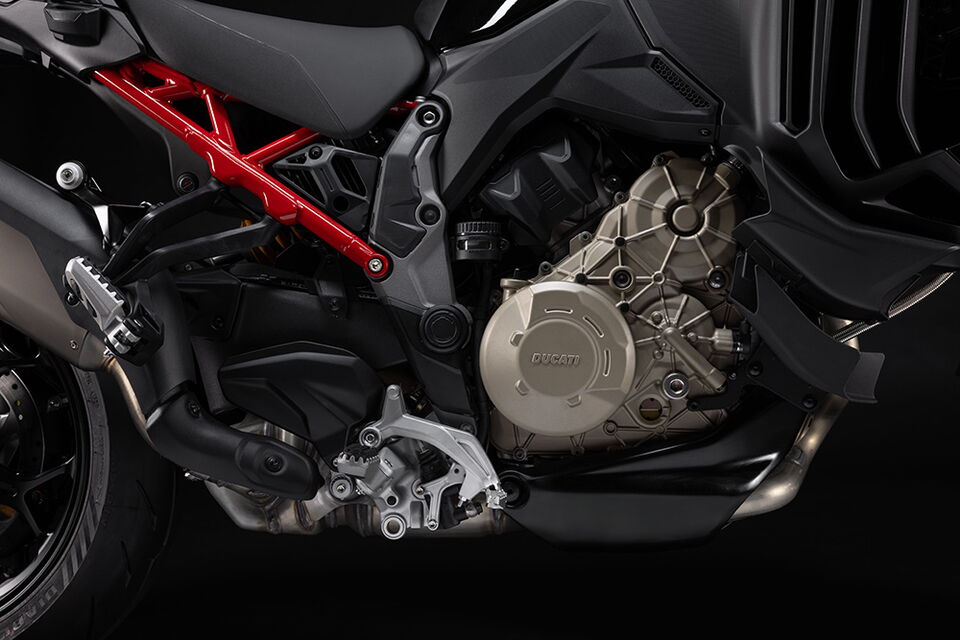
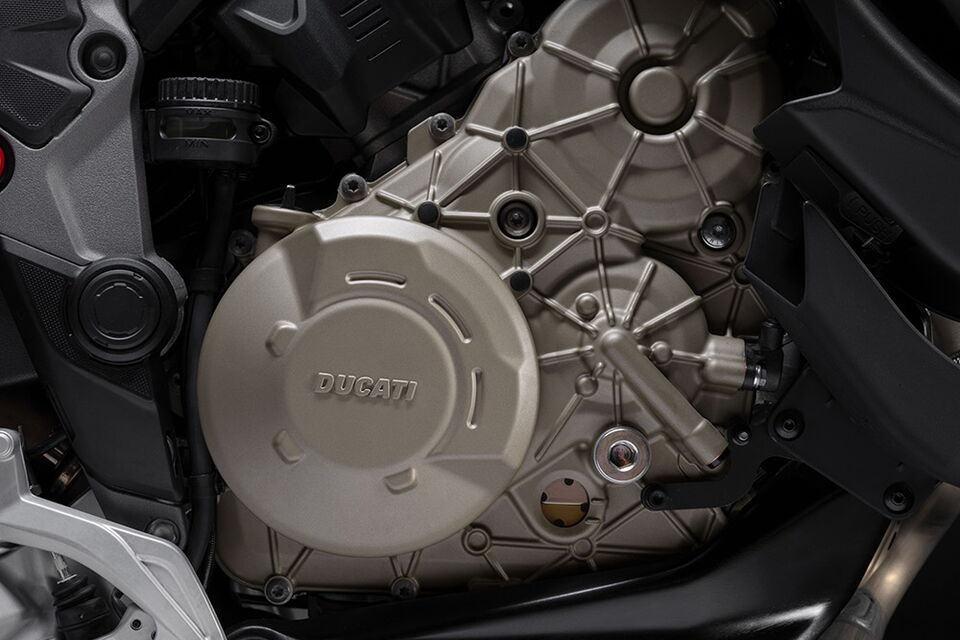
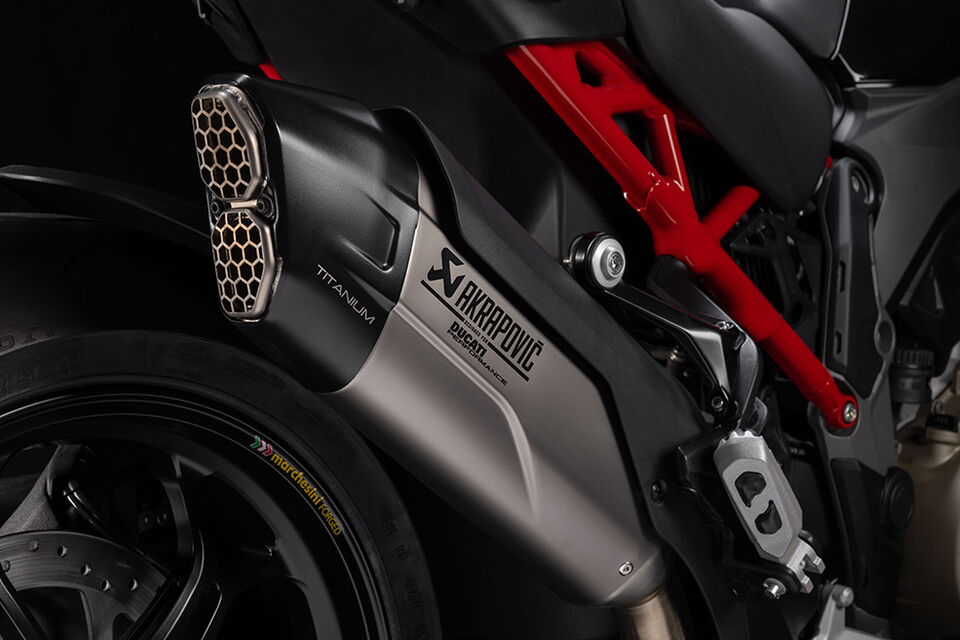
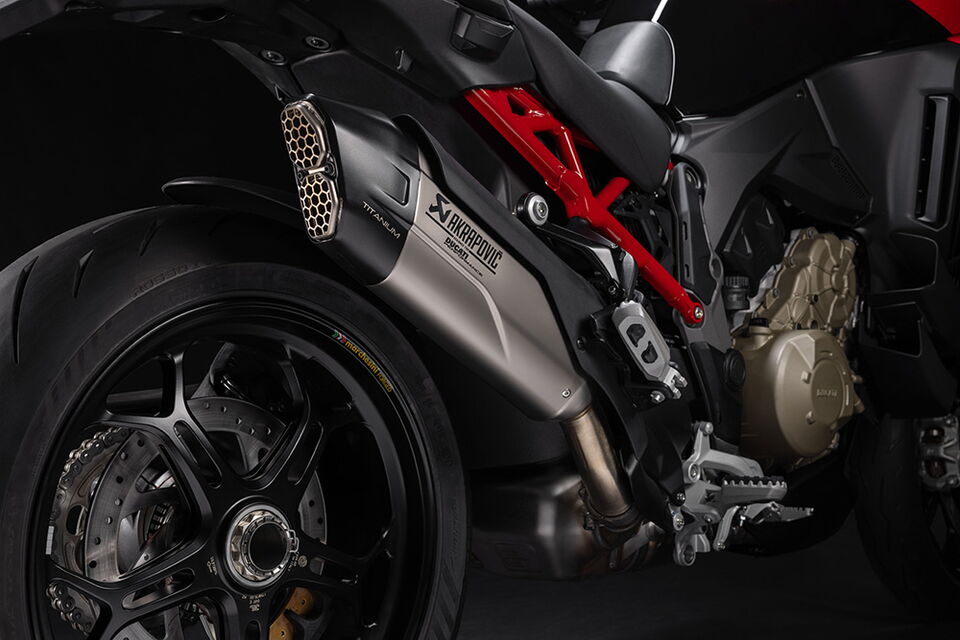
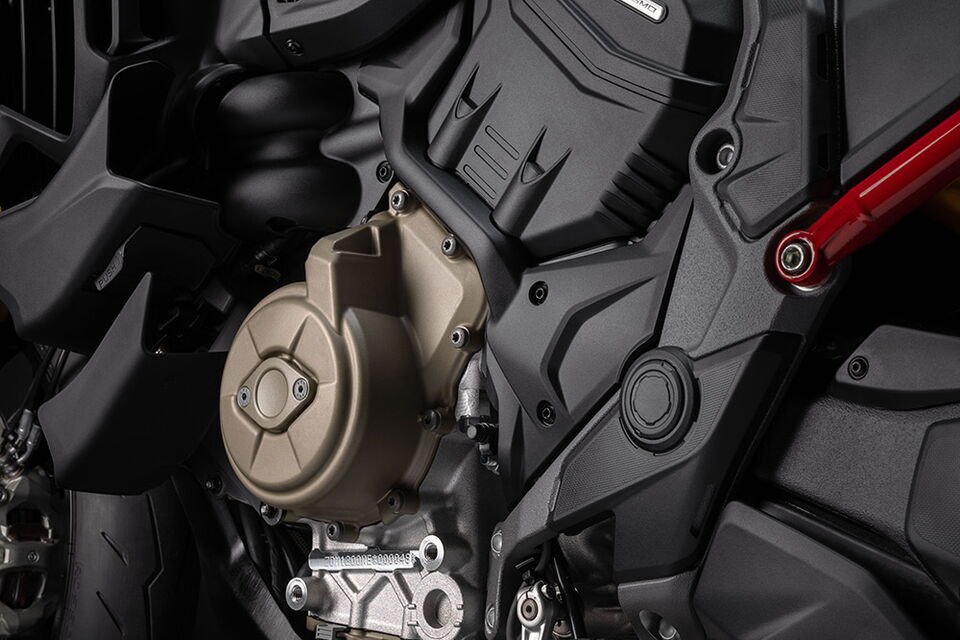
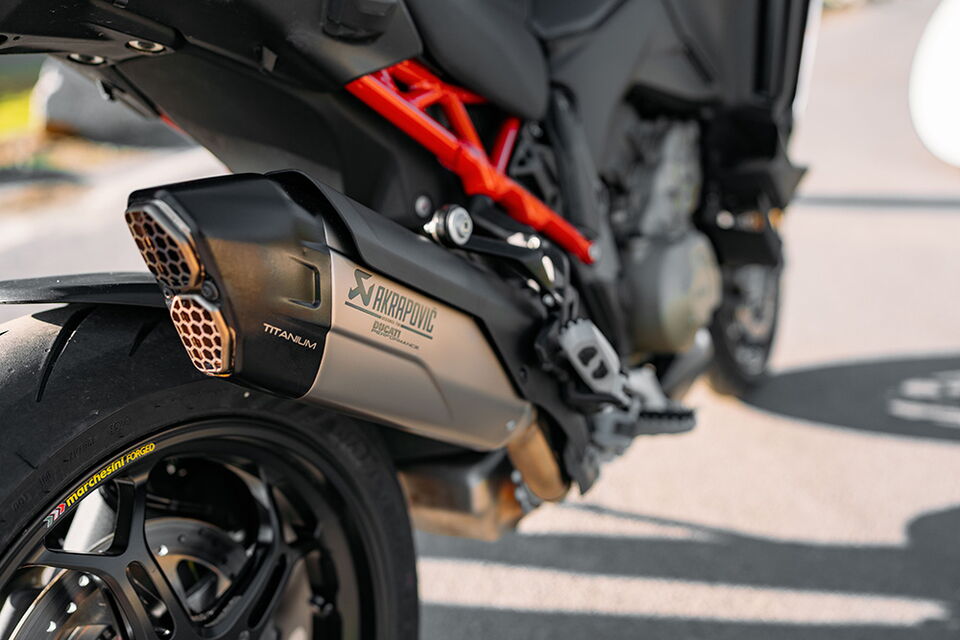
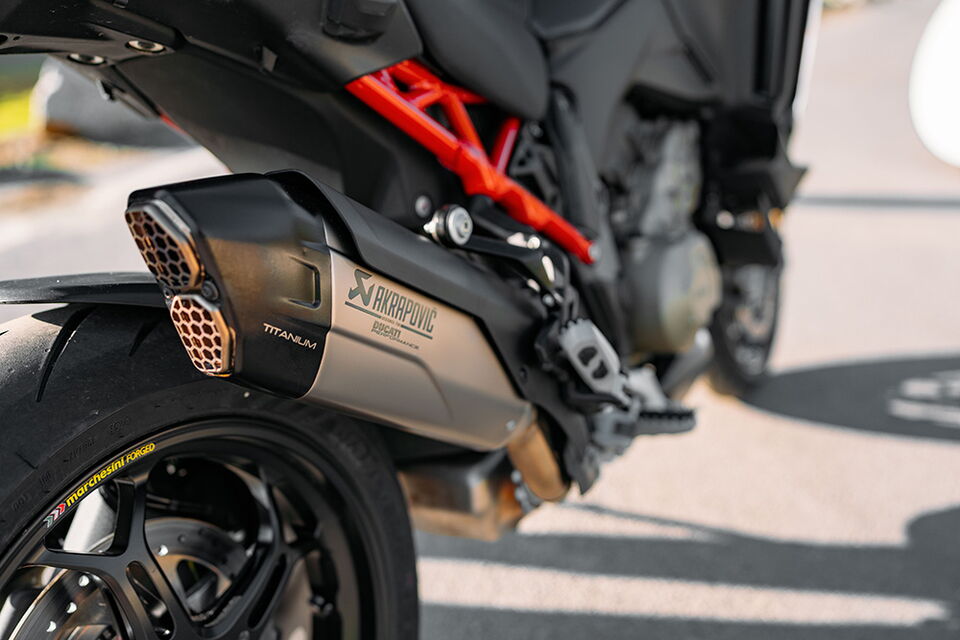
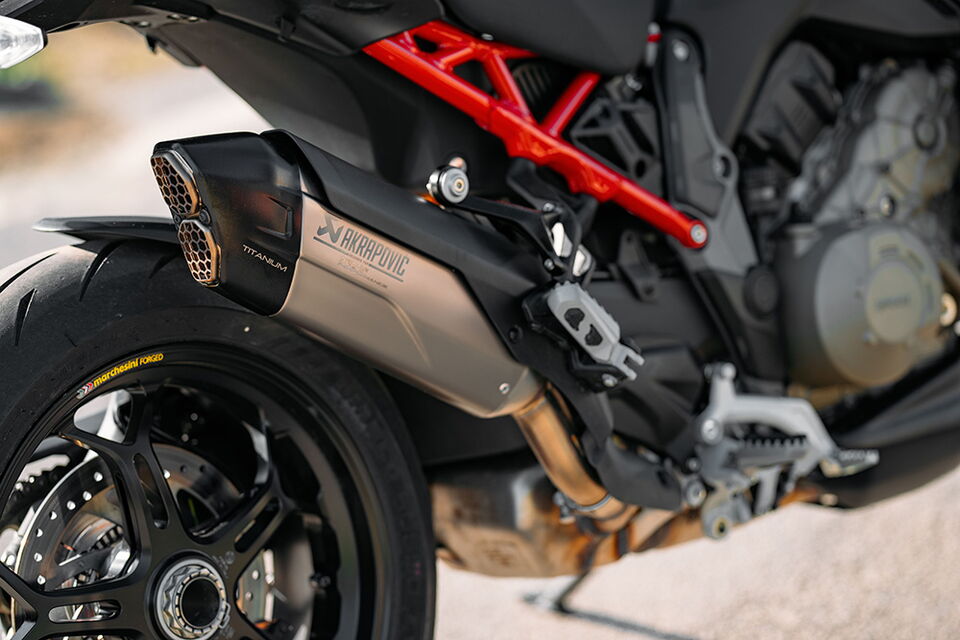
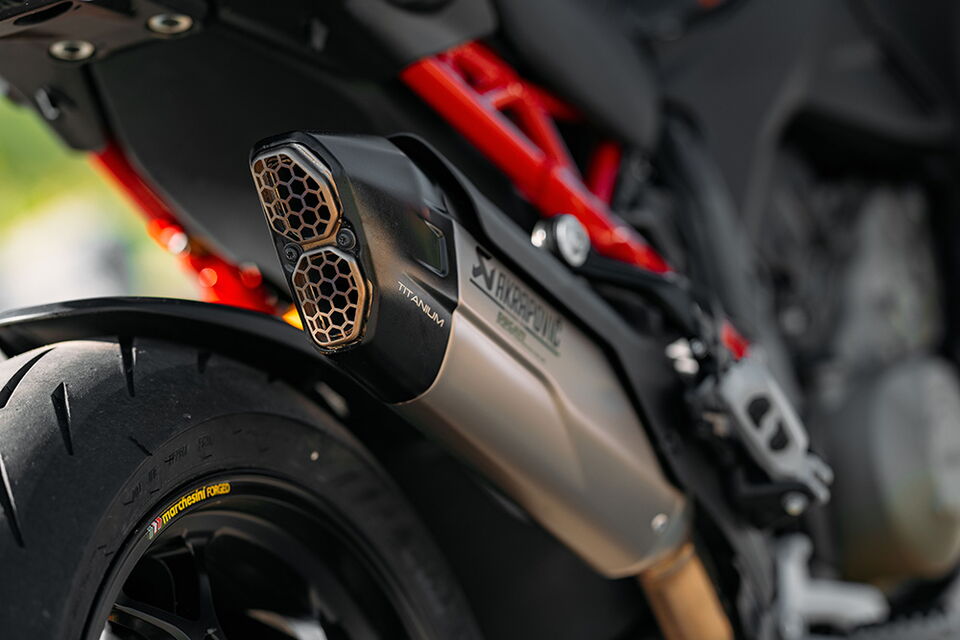
The V4 Granturismo is familiar. It also powers the V4 S, standard V4, and Rally. But in the Pikes Peak, it sounds different. The Akrapovič muffler—standard equipment—gives the V4 a voice that changes from a bass-heavy growl at low rpm to a sharp bark as the revs rise. You deliberately want to rev this engine. Not because you have to—170 hp is more than enough for every everyday riding situation—but because of the satisfying payoff.
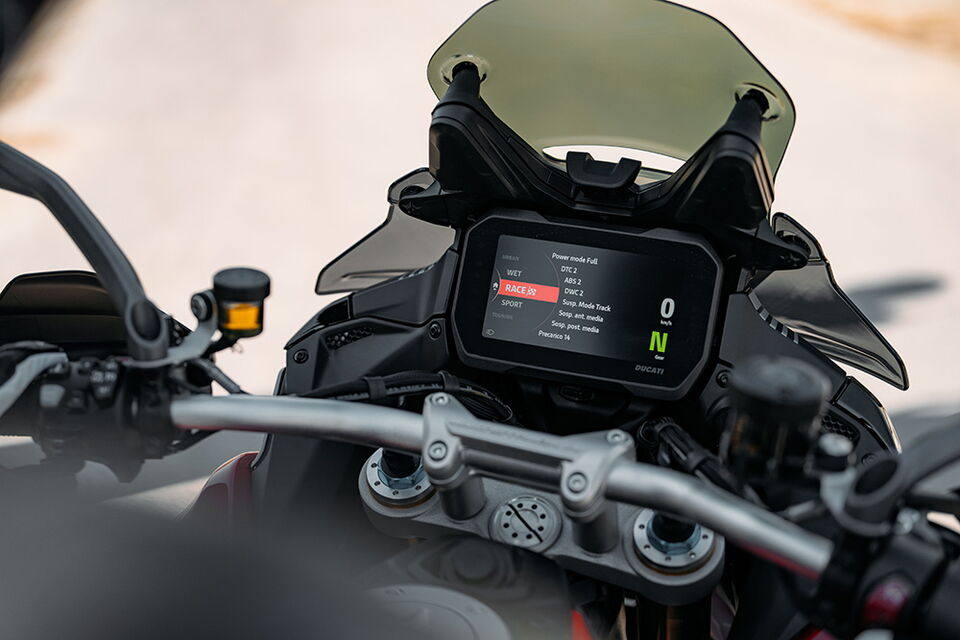
Below 3,000 rpm, the V4 runs smoothly and with refinement. Extended Cylinder Deactivation, ECD, shuts down the rear cylinder bank at a standstill and under light loads, which in summer traffic noticeably reduces not only fuel consumption but also heat reaching the rider. Above 5,000 rpm, the engine’s real character emerges: the V4 drives hard, smoothly, and without any significant torque steps. Activate Race mode—available only on the Pikes Peak and RS, replacing Enduro and Wet—and you get the most direct throttle response in the Multistrada family. In Race mode, DQS fires through the gears as though it is in a hurry. It is.
Suspension: The Öhlins Experience the V4 S Does Not Offer
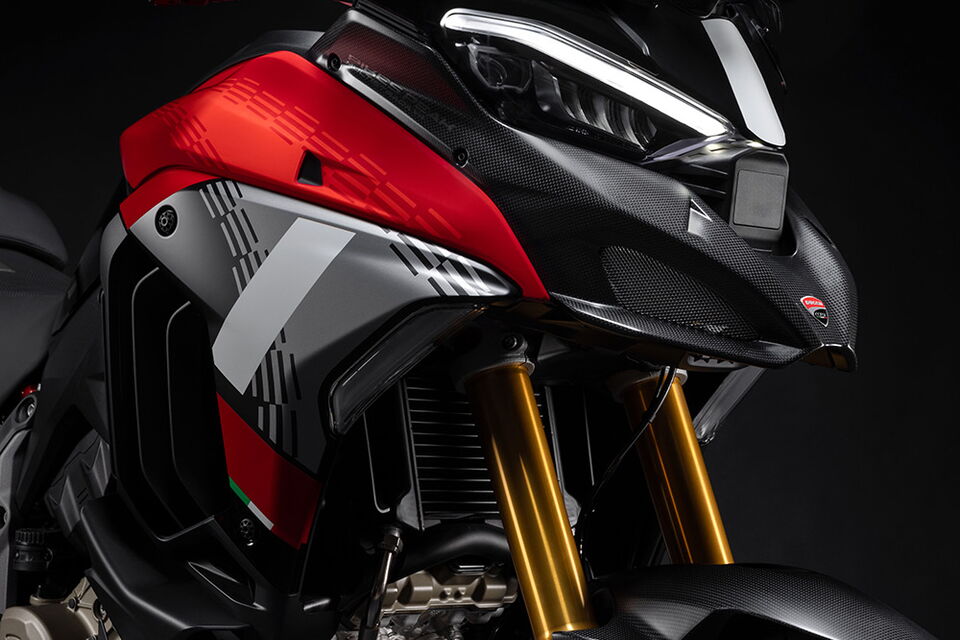
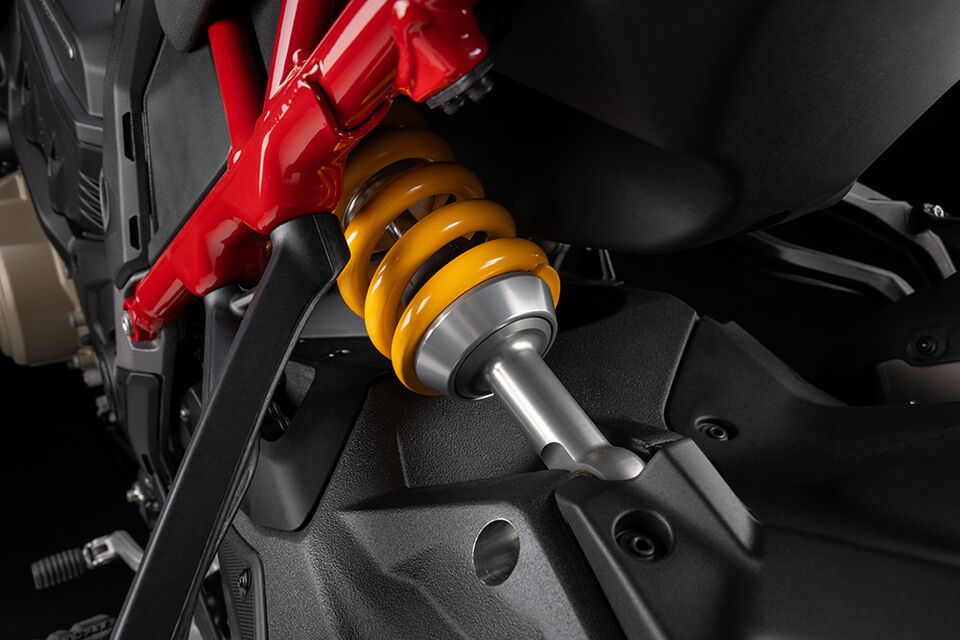
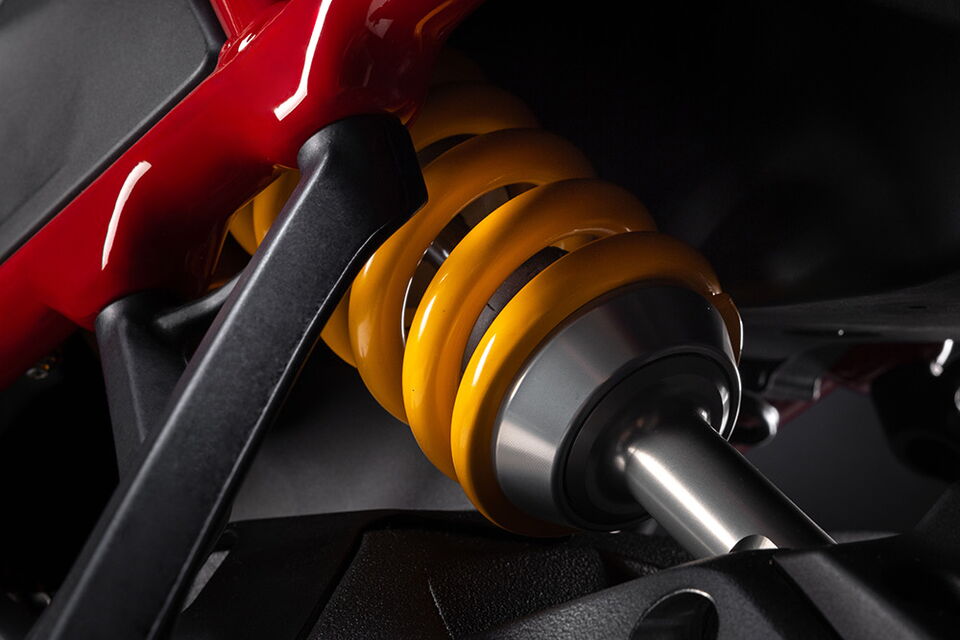
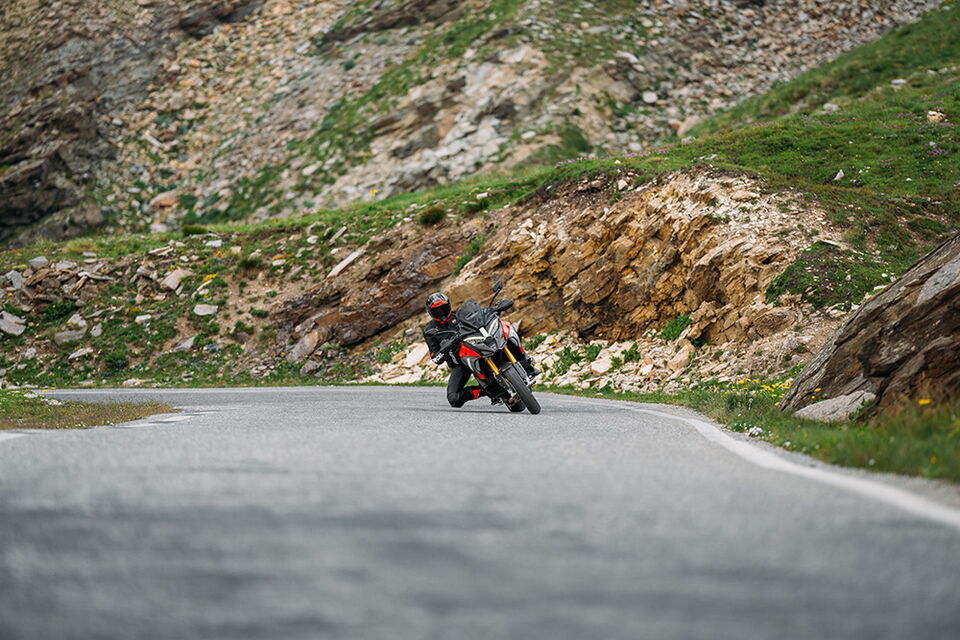
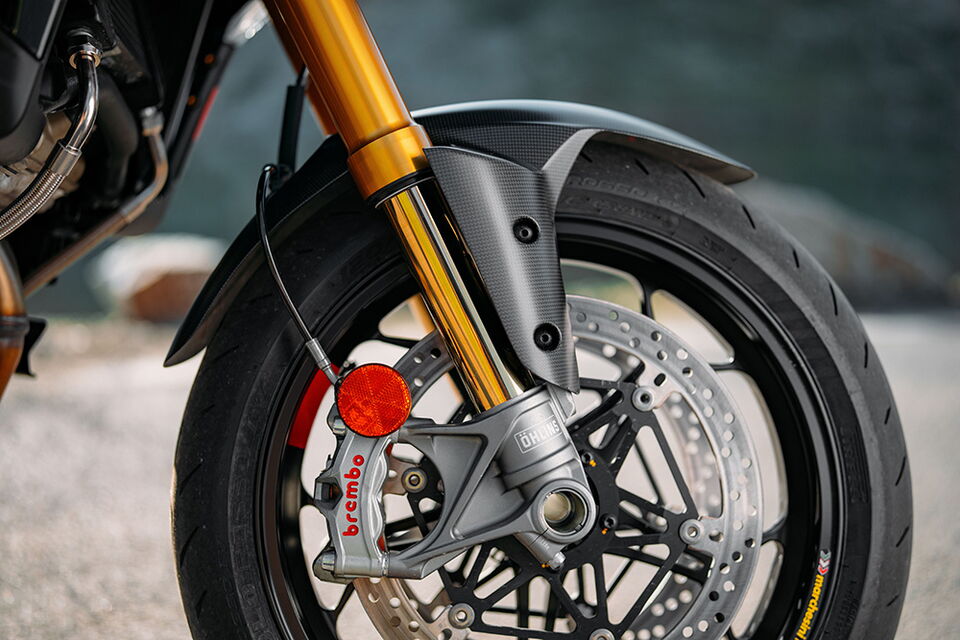
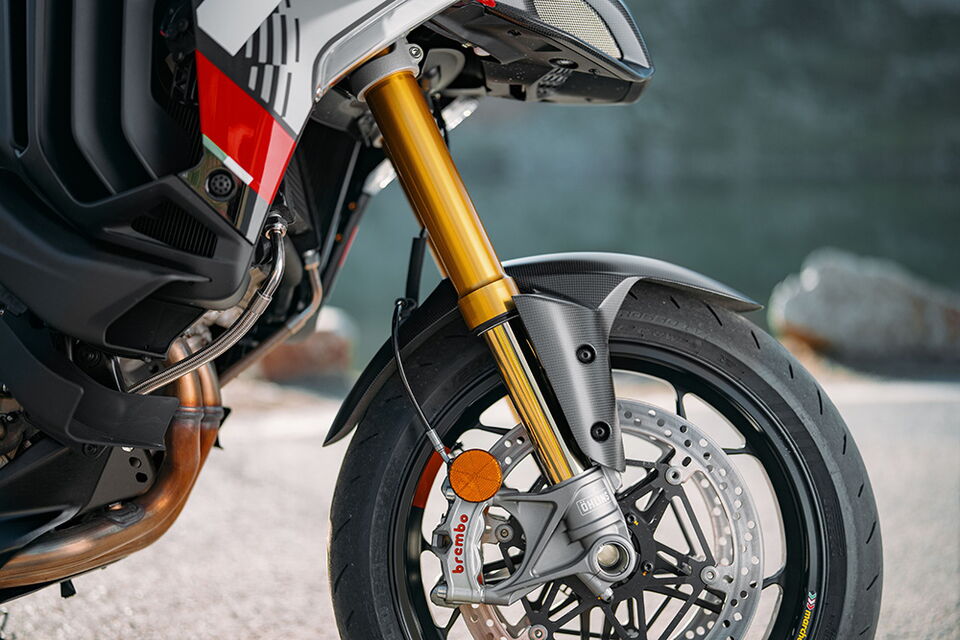
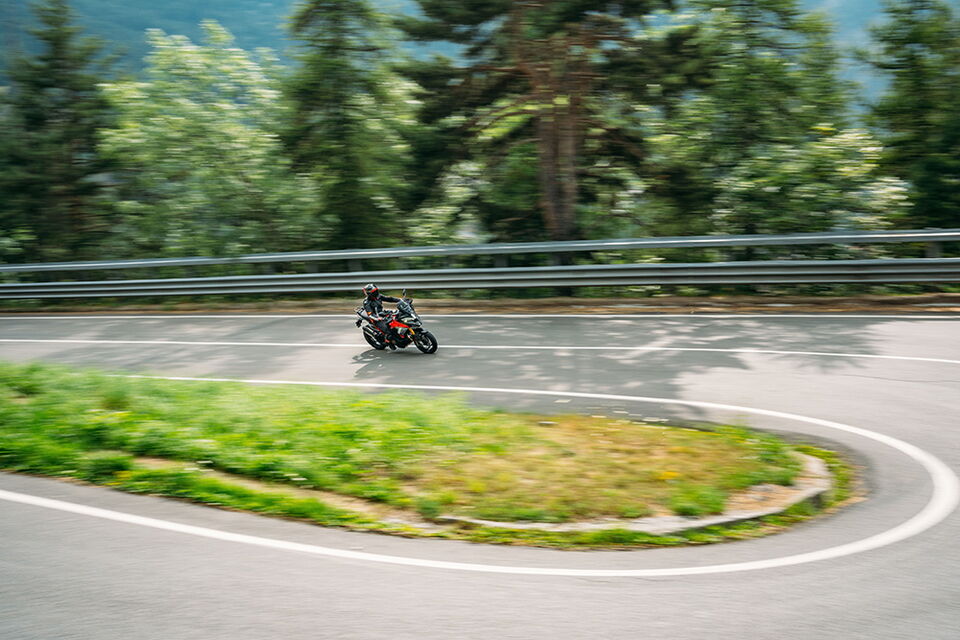
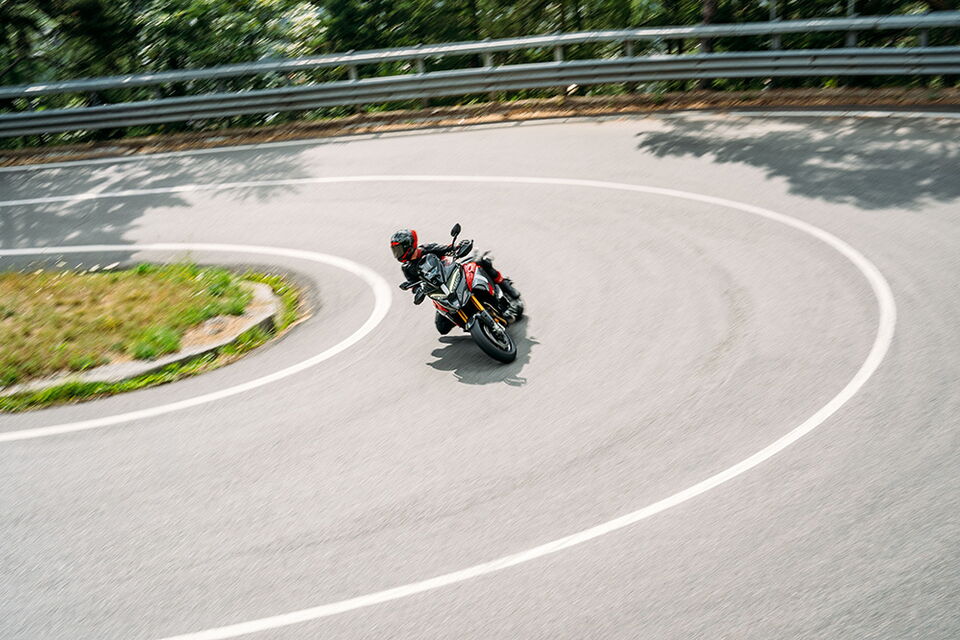
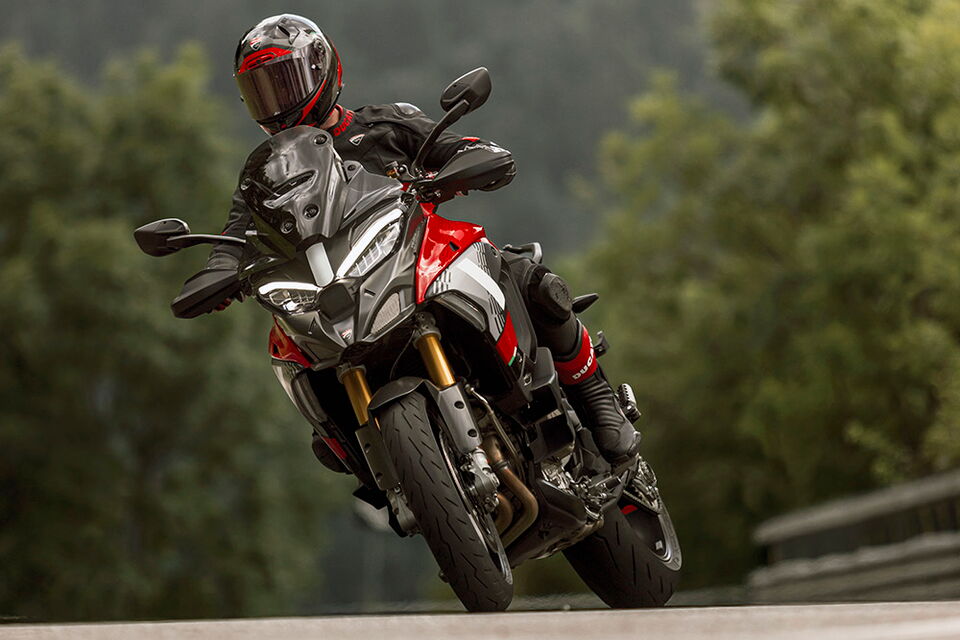
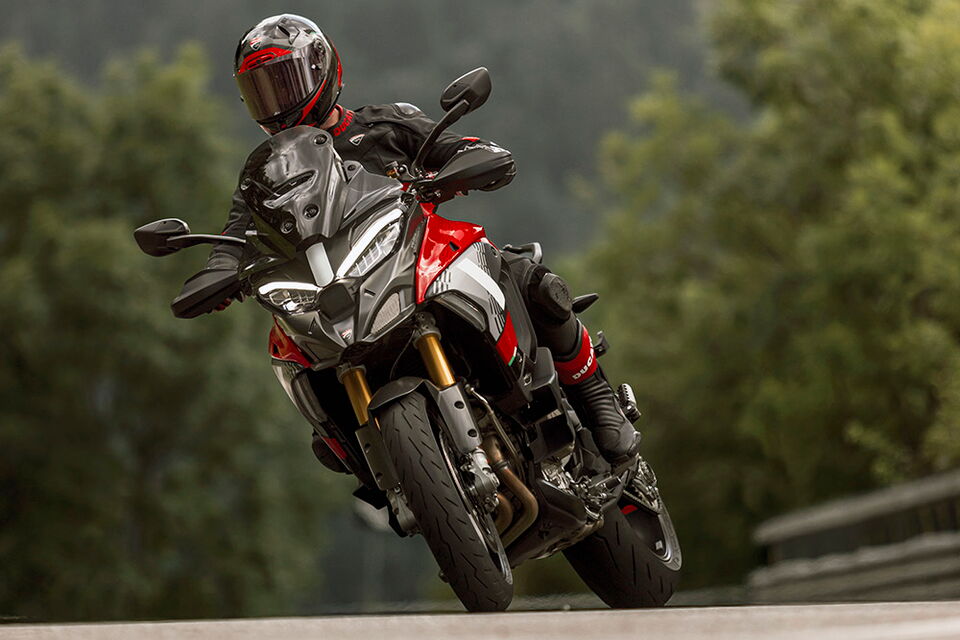
This is where the Pikes Peak completely justifies its existence. The V4 S uses the Marzocchi Skyhook system: good, extremely good in fact. The Pikes Peak uses Öhlins Smart EC 2.0. It is event-based, meaning the system does not respond at fixed intervals but reacts in real time to specific riding events such as initiating a turn or applying the brakes. The difference is noticeable: the Pikes Peak feels more planted, turns in more quickly, and feels even more precise through tight hairpins. Under braking, the fork barely dives. Under acceleration, the rear tire drives firmly into the pavement without the back of the motorcycle squatting deeply.
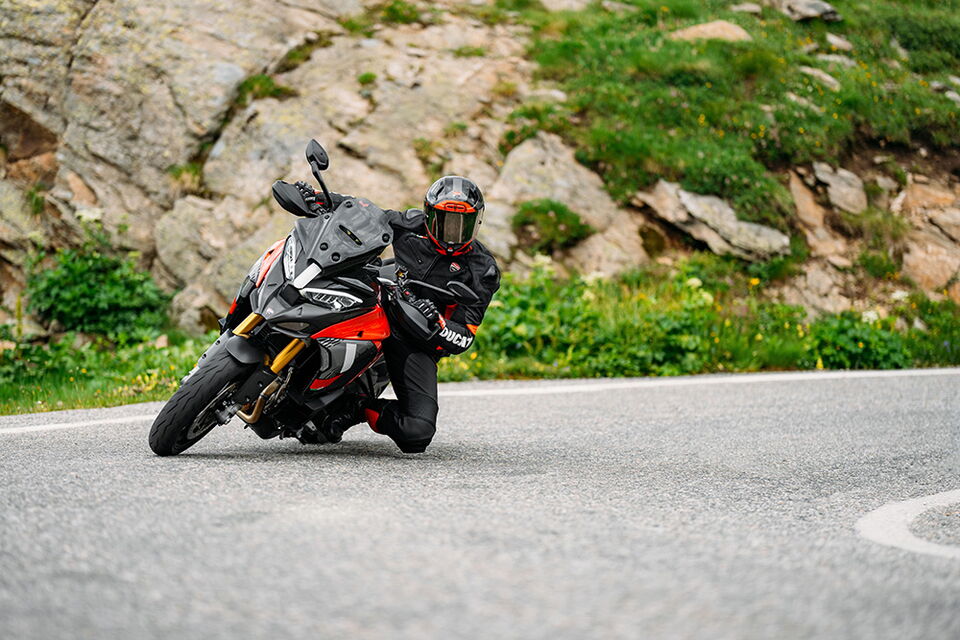
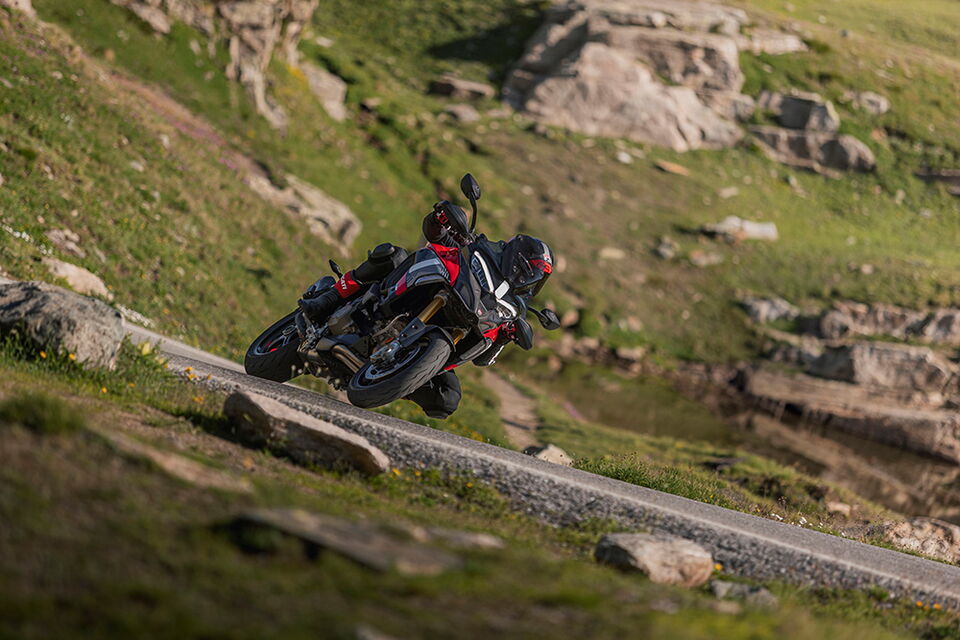
Four Suspension Modes—selectable independently of the riding modes—give the rider additional control. In Touring mode, the motorcycle remains comfortable enough for relaxed stretches. Sport mode firms the setup and makes it react more immediately. Race mode sharpens the suspension for track performance. For a motorcycle weighing around 230 kg, the result is remarkable: on winding roads, the Pikes Peak feels considerably lighter than it really is.
Handling: 17 Inches, Single-Sided Swingarm, Forged Wheels—the Complete Package
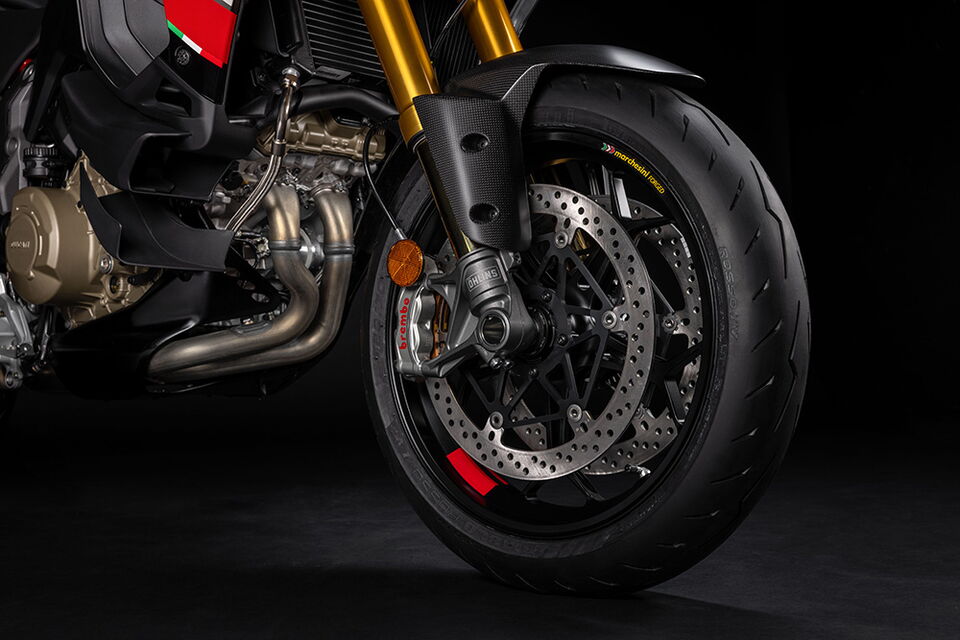
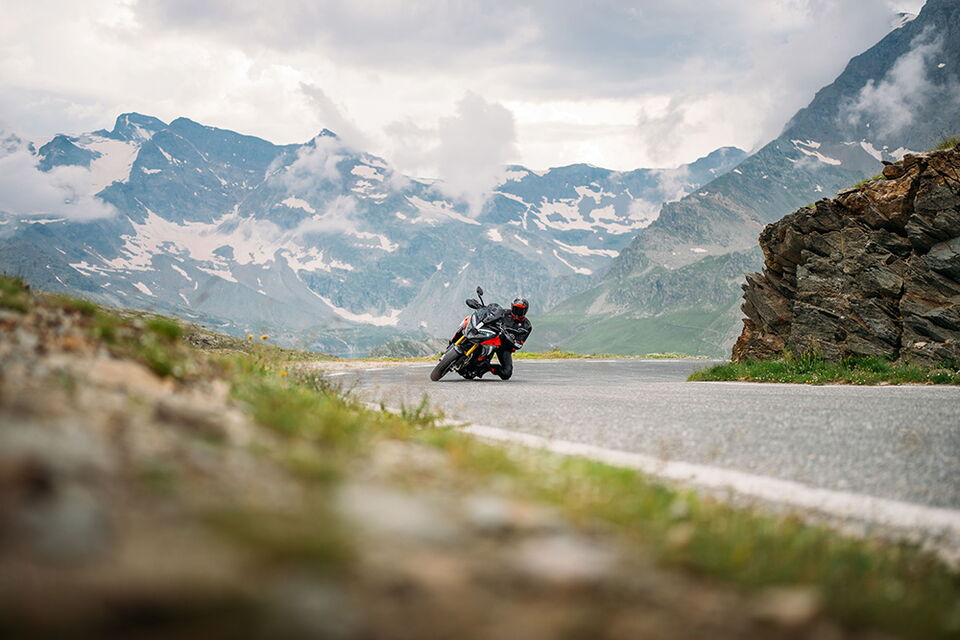
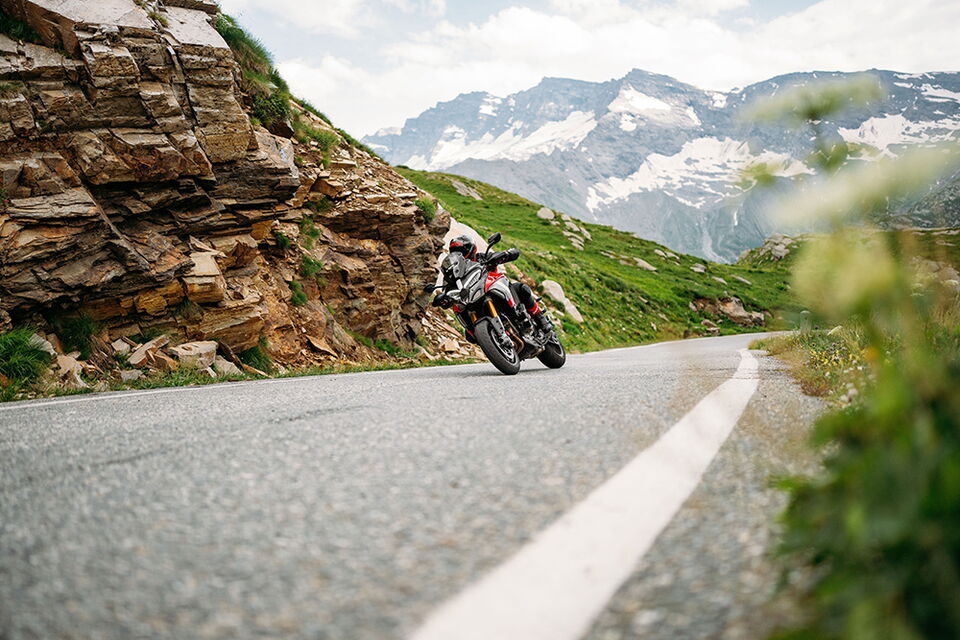
The 17-inch front wheel is the most obvious difference from the V4 S with its 19-inch wheel and the main reason the Pikes Peak feels so different during rapid direction changes. There is less gyroscopic force, a more direct response to handlebar input, and less effort required to tip into tight hairpins. On an Alpine pass, that is a measurable advantage. On the highway, you barely notice the difference.
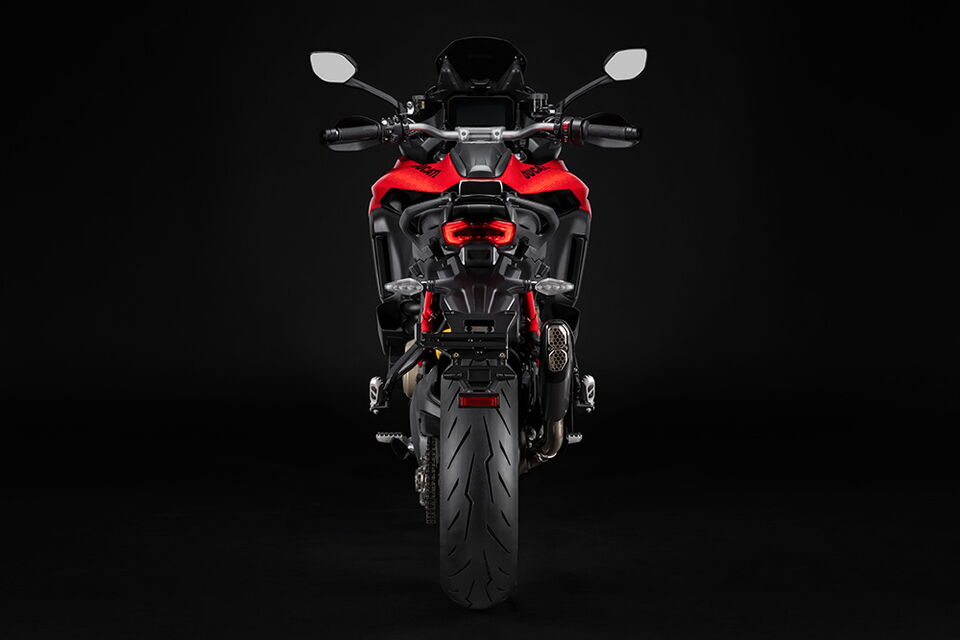
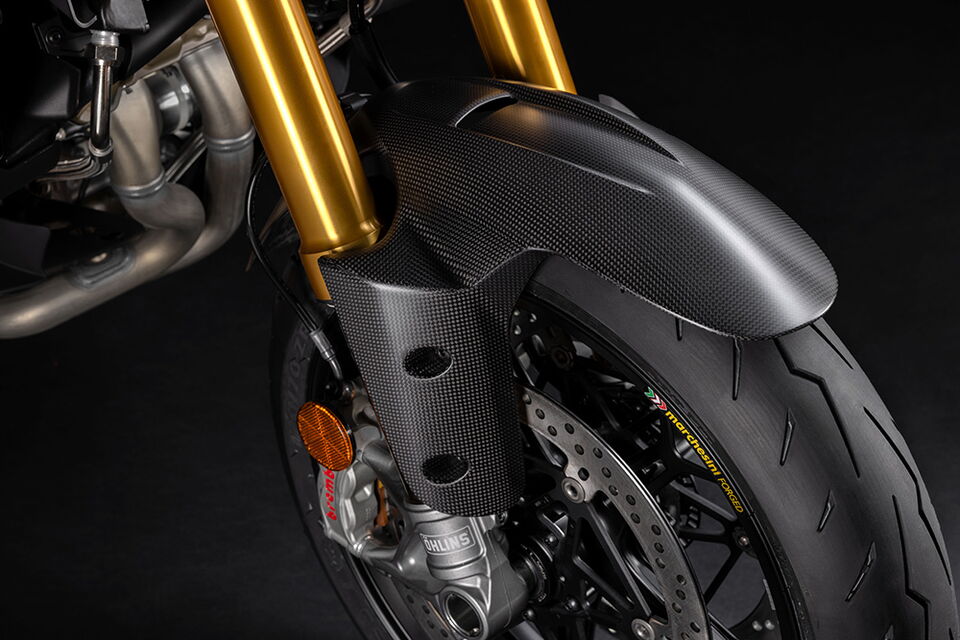
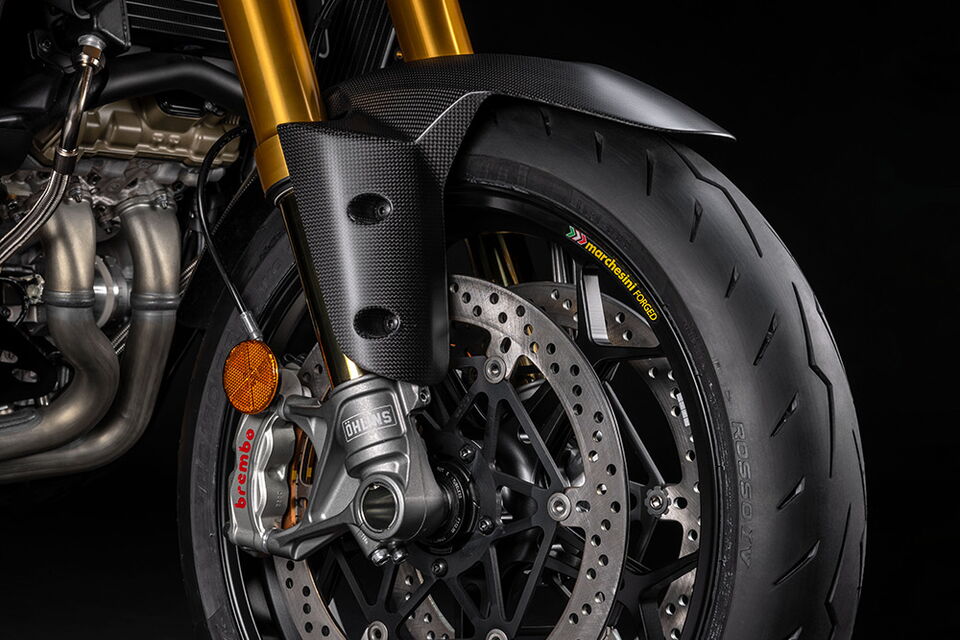
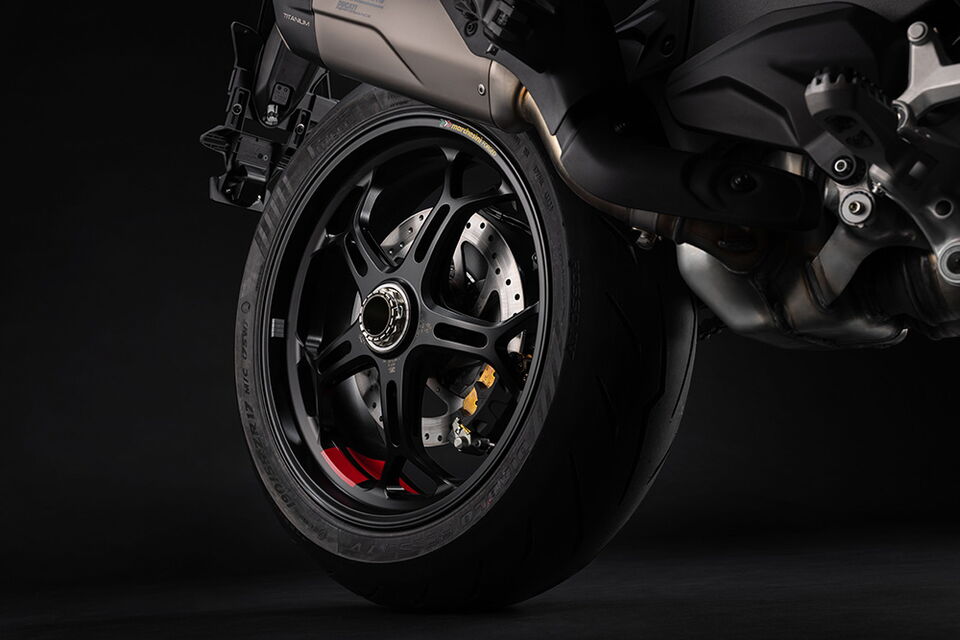
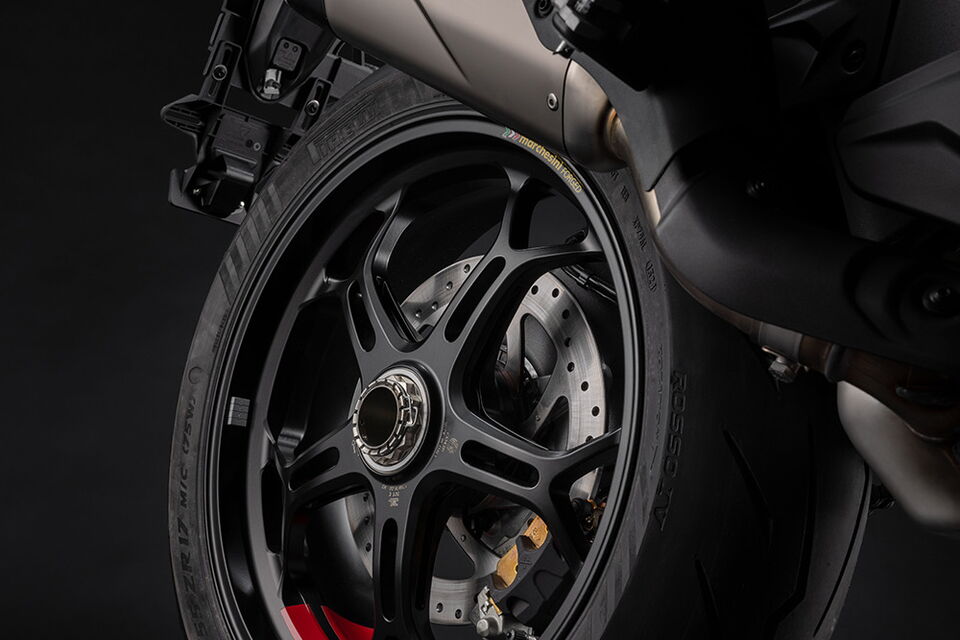
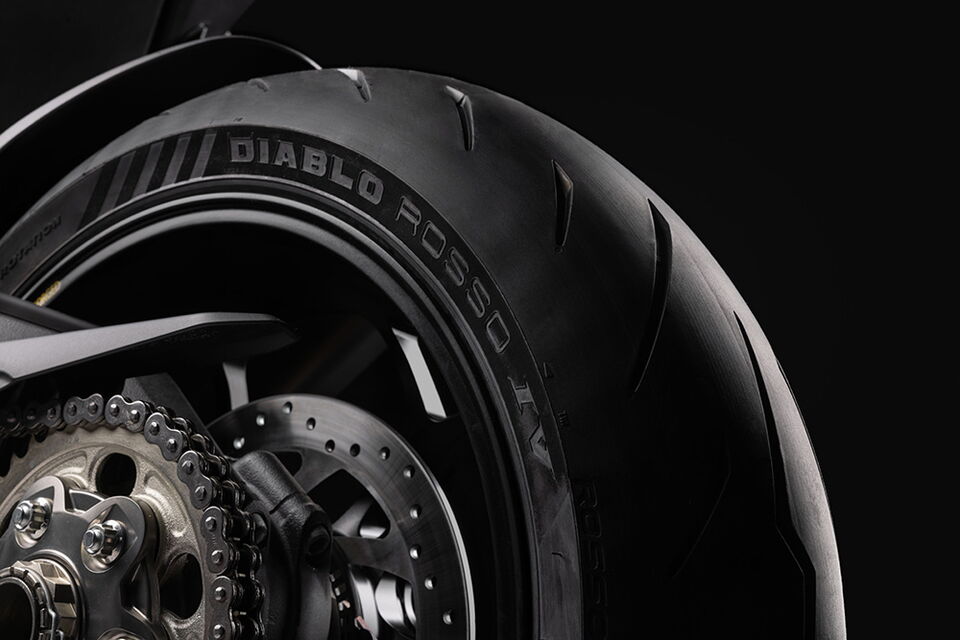
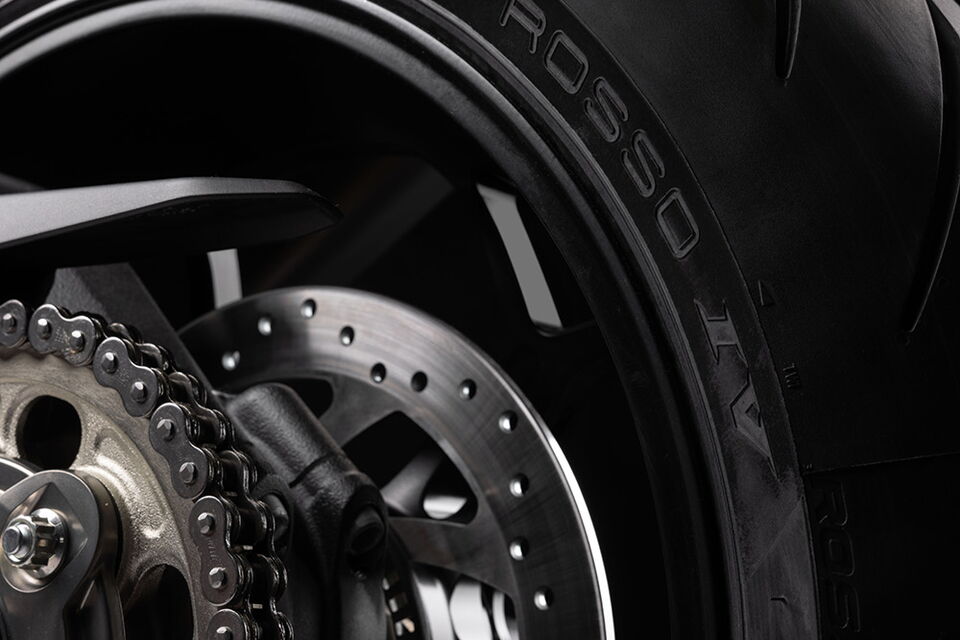
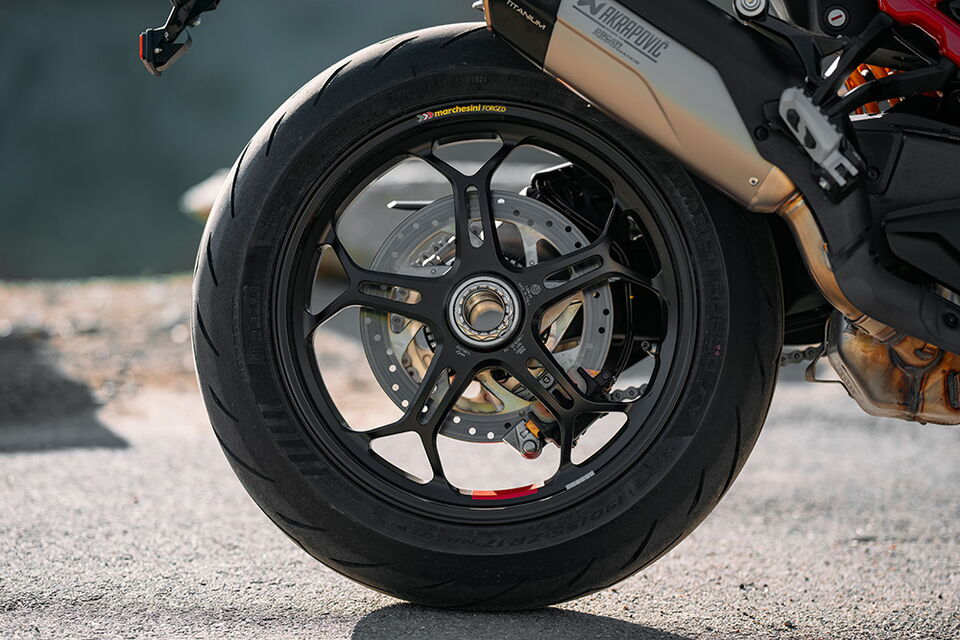
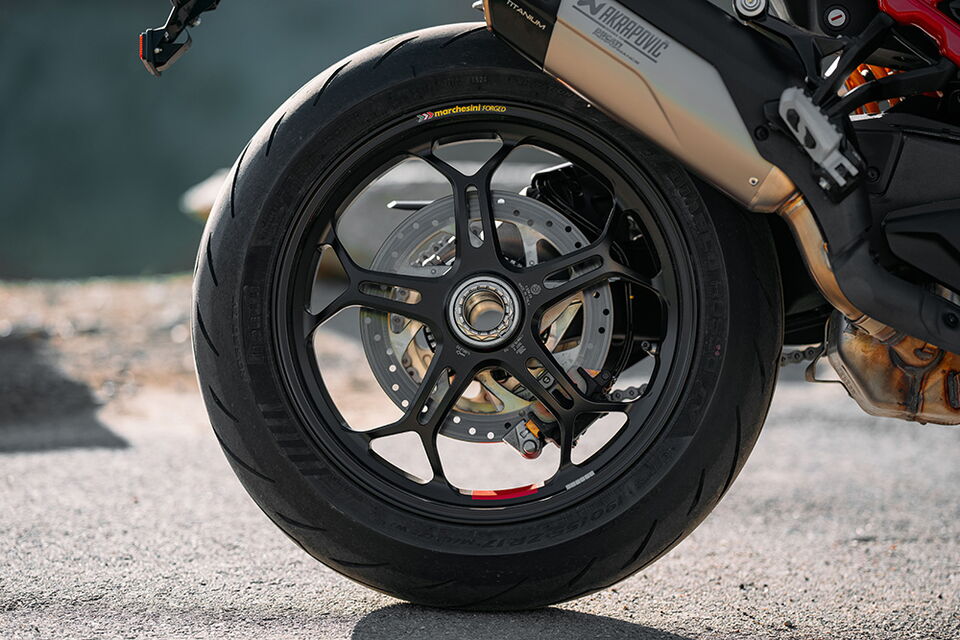
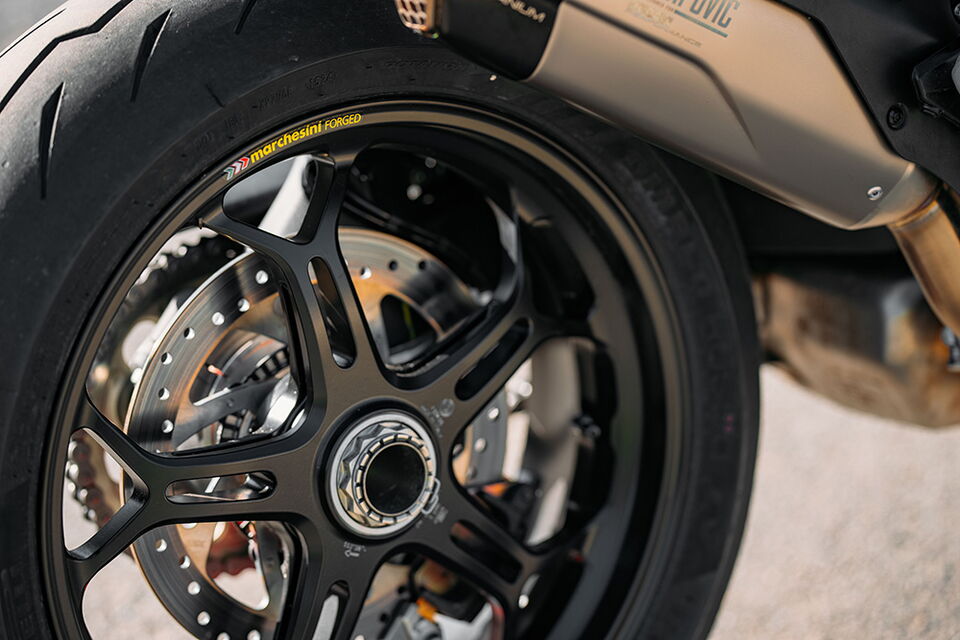
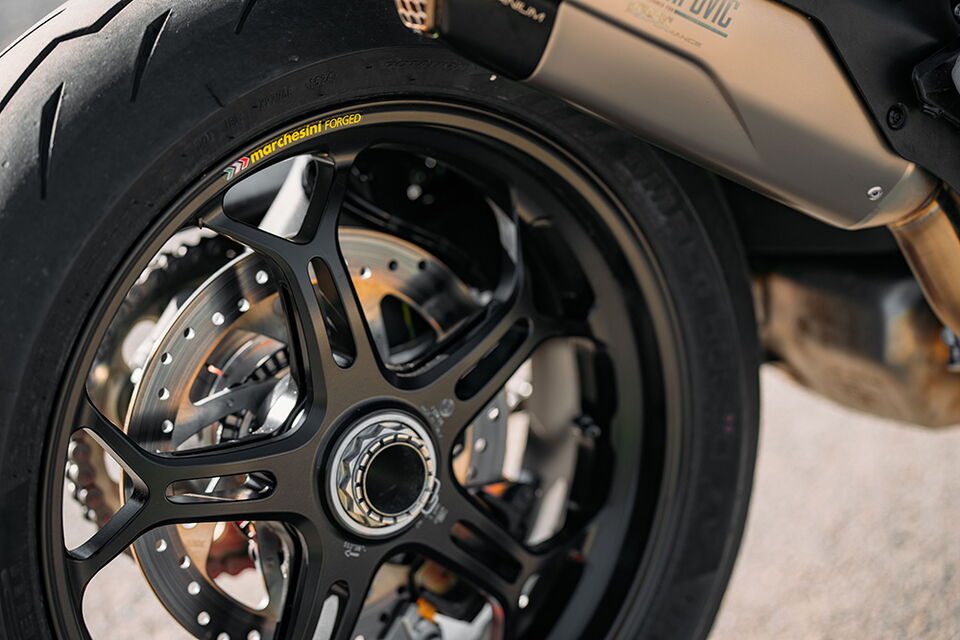
The Marchesini forged wheels are 2.7 kg lighter than the V4 S’s cast wheels and reduce unsprung mass. That means the suspension can react more quickly because there is less mass to control. The Pirelli Diablo Rosso IV rear tire in 190/55 ZR17 is not a compromise tire but a genuine sport tire with a clearly noticeable cold-to-warm characteristic. Ride cautiously for the first ten kilometers while you can feel the tires are cold. Bring them up to temperature and they do not disappoint.
Brakes: Panigale-Level Hardware That Feels Familiar
Brembo Stylema calipers on 330 mm discs. If you know them, no further explanation is necessary. If you do not: this is essentially the same braking hardware used on the Panigale V4. The engagement point is sharp and stable, modulation is excellent, and there is no sponginess even after long descents from mountain passes.
Cornering ABS—Bosch-Brembo 10.3ME—is calibrated for lean-angle-sensitive operation on the Pikes Peak. It intervenes only when genuinely necessary and gives the rider enough freedom to control braking pressure independently. It works in the background without constantly reminding you that it is there.
Electronics: ACC and BSD Standard—and the Radar Detail That Surprises
What many riders do not realize is that the Pikes Peak comes with both front and rear radar. ACC Adaptive Cruise Control and BSD Blind Spot Detection are both standard. The more expensive RS has only front radar for ACC and no BSD. In practice, that means the Pikes Peak automatically maintains following distance on the highway, while BSD warns of vehicles in the blind spot during lane changes. On a motorcycle specialized for Alpine-pass riding, this is useful equipment for the connecting highway stages between the fun roads.
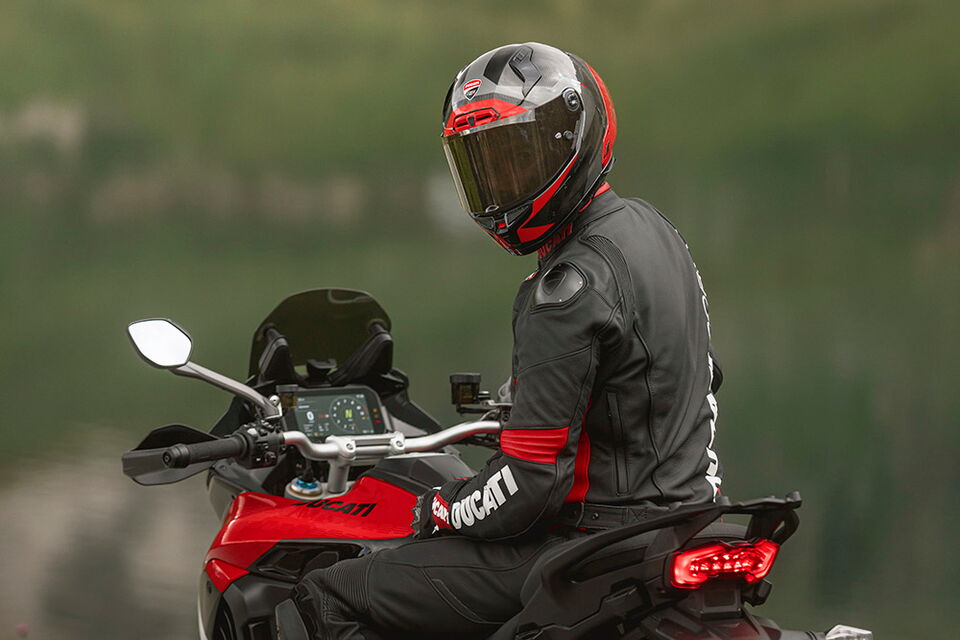
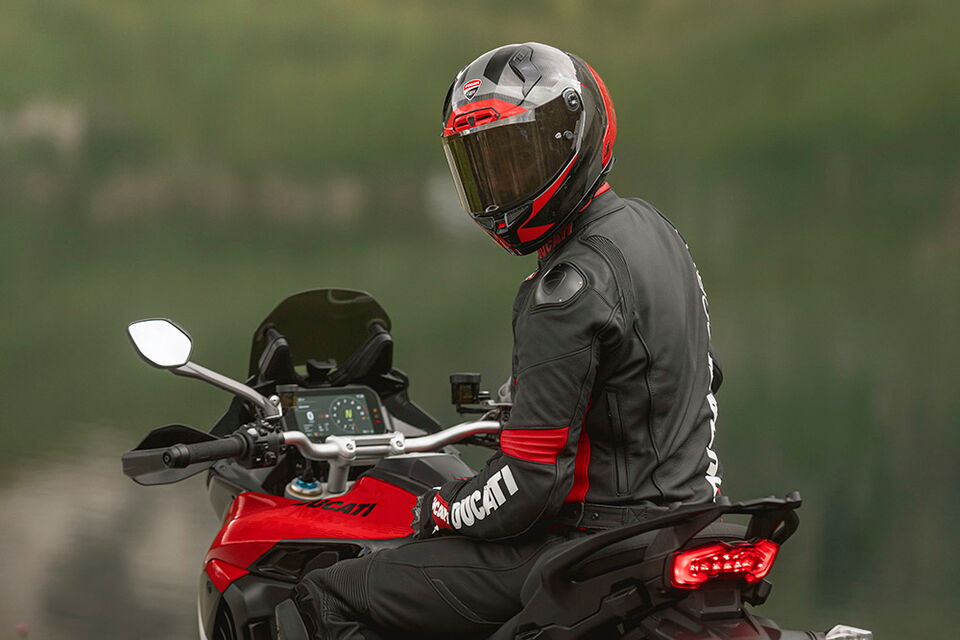
The 6.5-inch TFT provides map navigation through Ducati Connect, along with Hands-Free starting and Cornering Lights. Power Modes—Full, High, Medium, Low—and the four riding modes are controlled through a joystick on the handlebar. The latest-generation menu structure is considerably more intuitive than earlier Ducati displays: the setting you want is usually two or three clicks away.
Ergonomics: Sporty Comfort, Not Asceticism
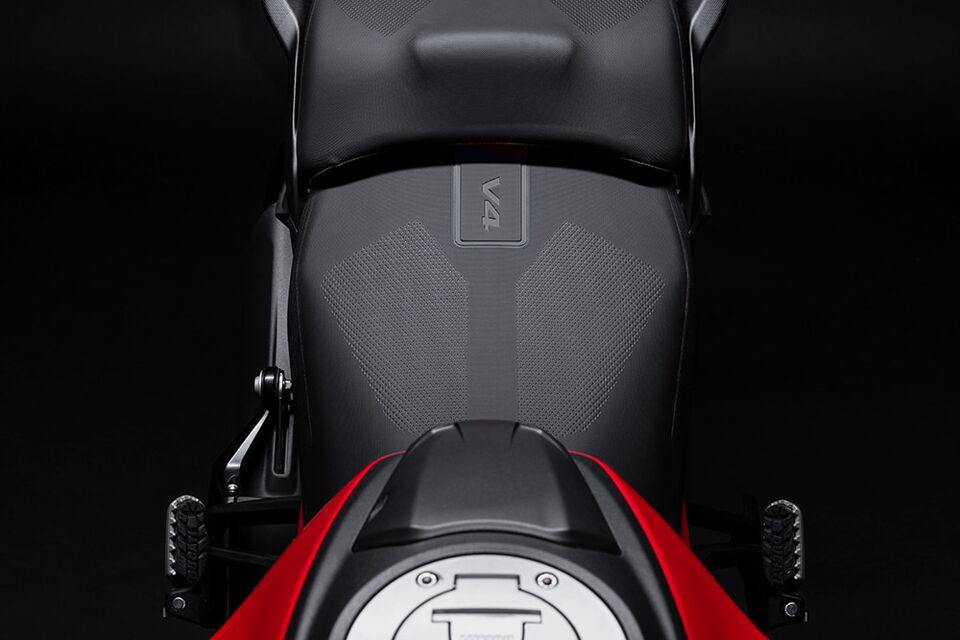
An 840 mm seat height, lower handlebar, and higher footpegs: that is the Pikes Peak formula. Riders coming from a V4 S need around 50 km to adjust. Riders who experience the Pikes Peak first may spend those same 50 km wondering why anyone would want it any other way.
Wind protection is less extensive than on the V4 S. On the highway, the aerodynamic bubble remains comfortable up to around 160 km/h without causing fatigue. Above that, wind pressure on the shoulders and helmet becomes more noticeable. For mountain-pass riders, no problem. For long-distance riders covering highway miles every day, that is one point in favor of the V4 S.
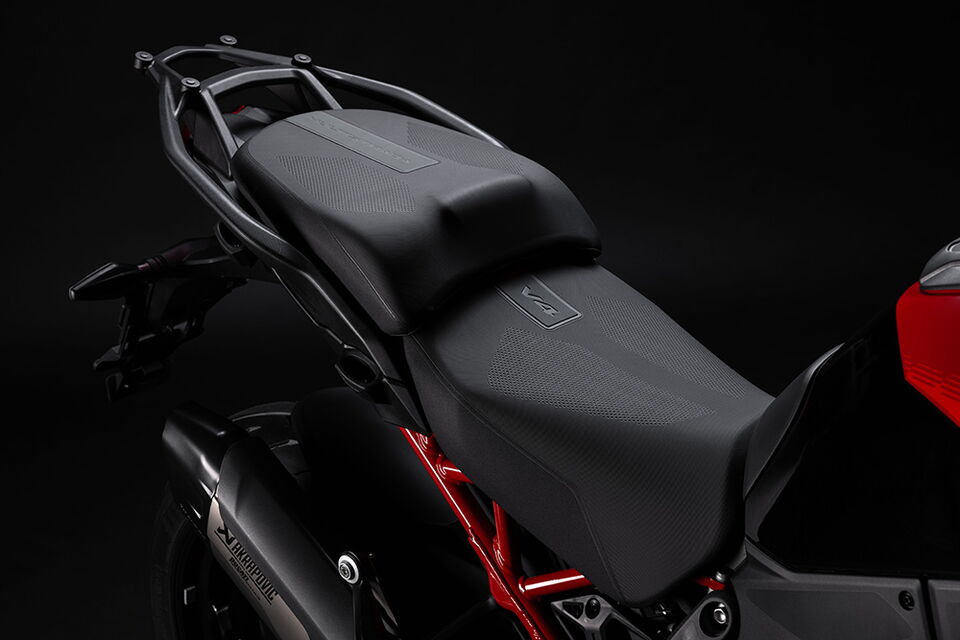
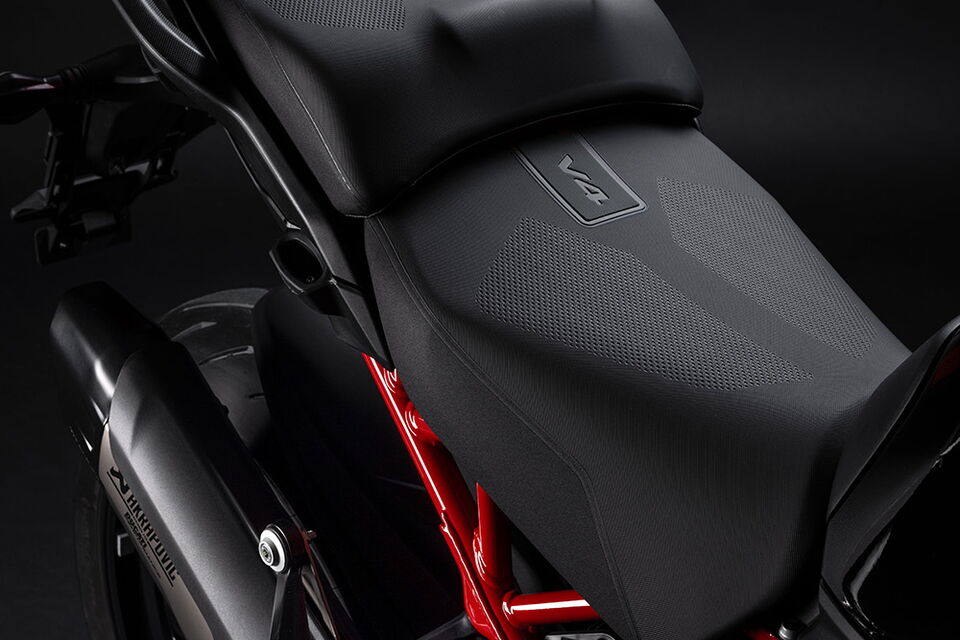
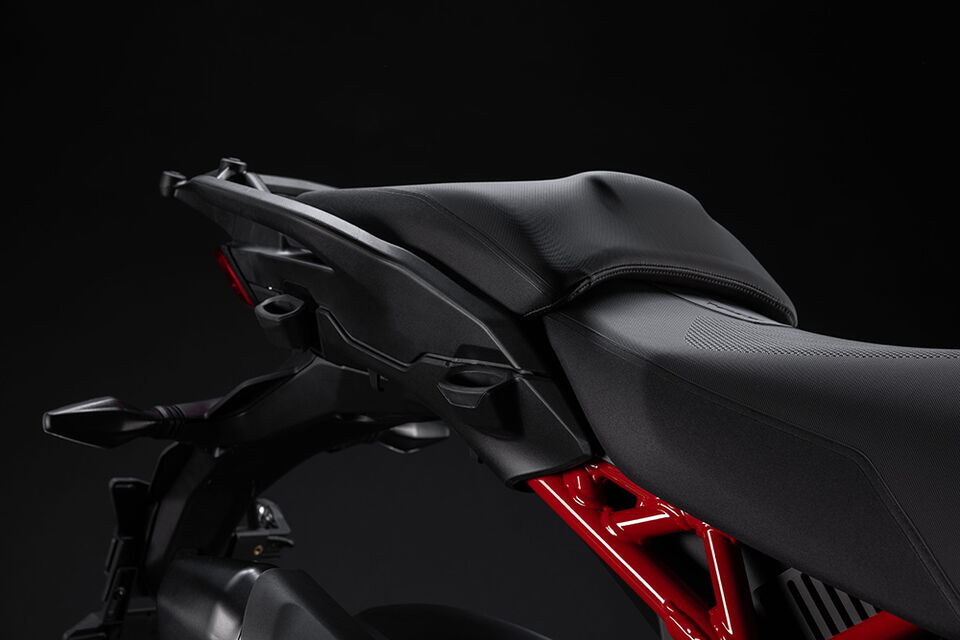
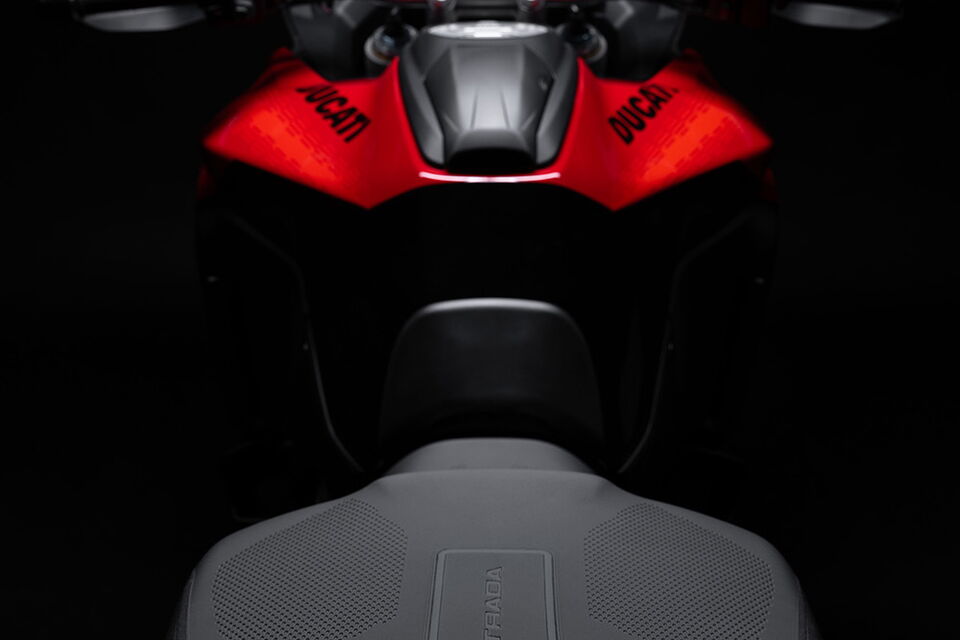
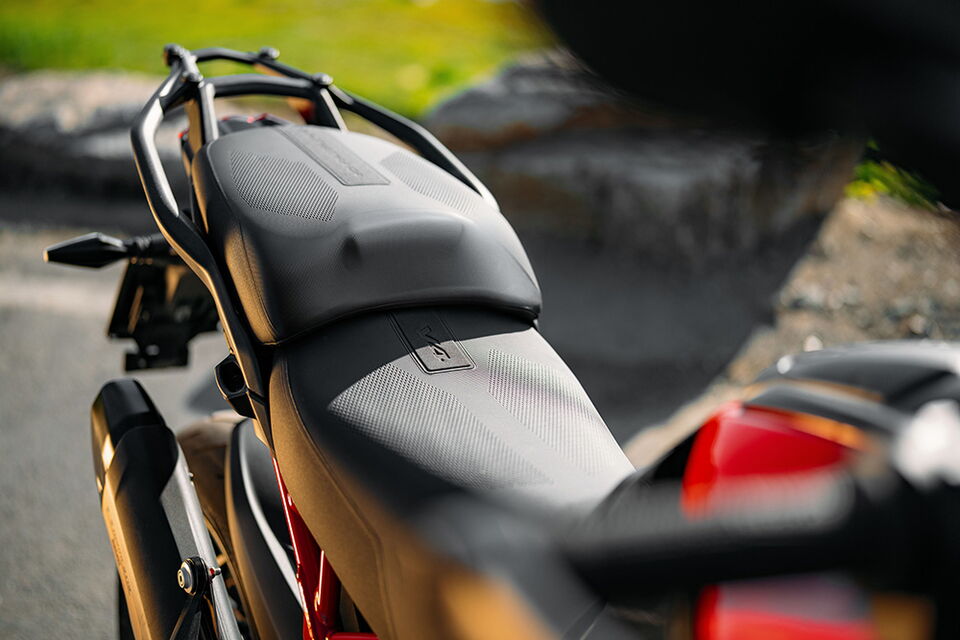
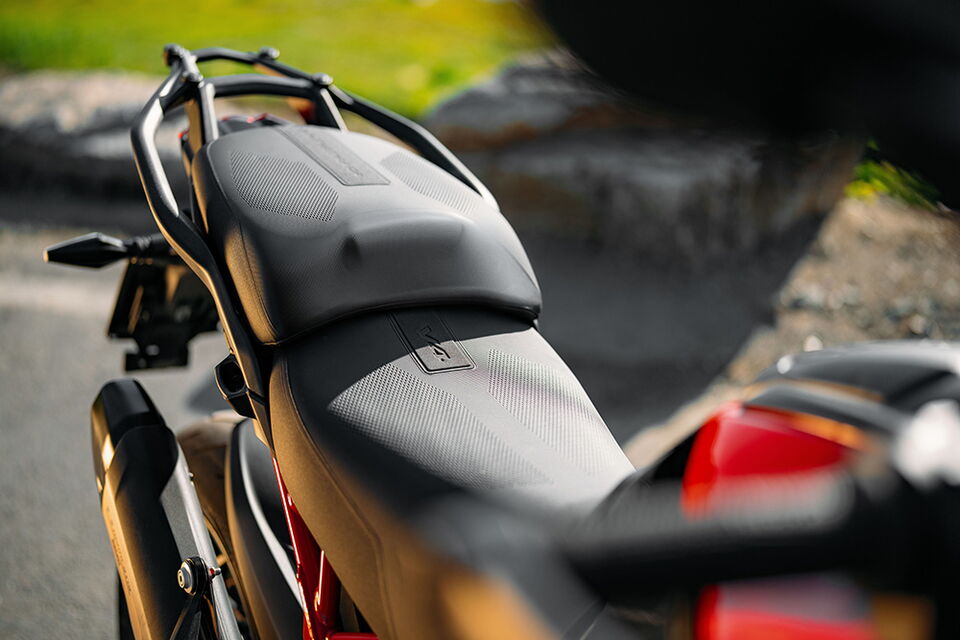
A passenger seat is present and usable. But the sportier riding position and smaller windscreen make the Pikes Peak a motorcycle primarily designed around the solo rider. There is room for a passenger, but this is not fundamentally a two-person tourer.
Pikes Peak vs. RS: €6,000 for 10 hp and Desmo
If you think of the Pikes Peak simply as a stepping stone to the RS, you are missing the point. It is a distinct motorcycle. Yes, the Öhlins Smart EC 2.0 is identical. The Marchesini forged wheels are identical. The Brembo Stylema brakes are identical. The Akrapovič exhaust is identical.
The difference is the engine. The Pikes Peak uses the 1,158 cc V4 Granturismo with 170 hp, wet clutch, and a 60,000 km valve-clearance interval. The RS uses the 1,103 cc Desmosedici Stradale with 180 hp, dry clutch, 30,000 km valve-clearance interval, and a titanium rear subframe.
The conclusion is simpler than it sounds. If you want Desmo character, dry-clutch rattle, and the emotional experience of a high-revving Desmosedici—and you are prepared to accept a 30,000 km rather than 60,000 km valve-clearance interval—buy the RS. If you prefer the same suspension and almost the same motorcycle with considerably lower running costs and the V4 Granturismo in all its relaxed competence, choose the Pikes Peak. It is not a question of which is better. It is a question of character.
Verdict
The 2026 Multistrada V4 Pikes Peak is the motorcycle for riders who know exactly what they want: Öhlins Smart EC 2.0, 17-inch forged wheels, Race mode, single-sided swingarm—and the V4 Granturismo instead of the Desmosedici. If you read that list and find yourself nodding, you are the target audience.
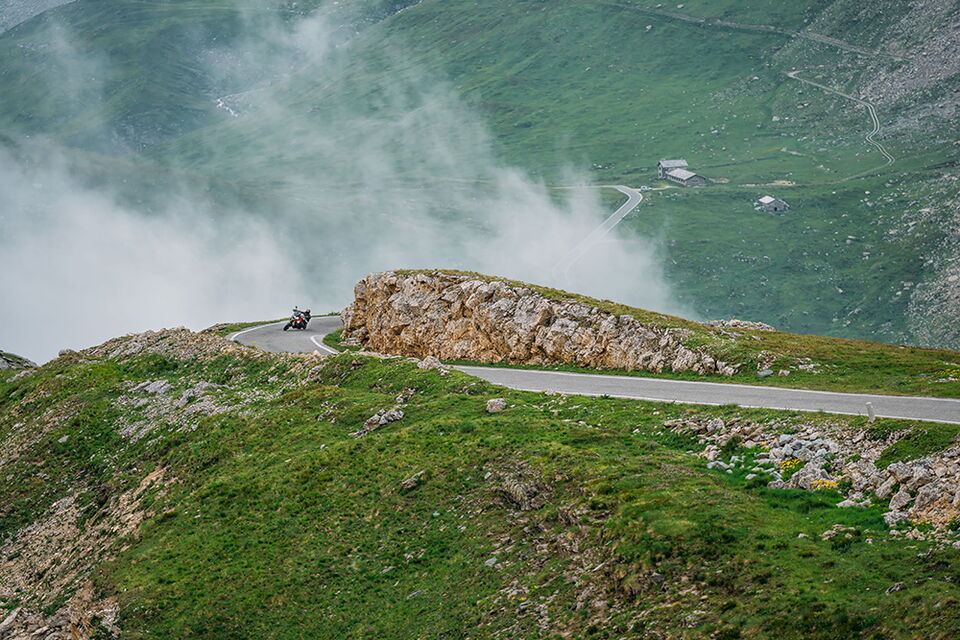
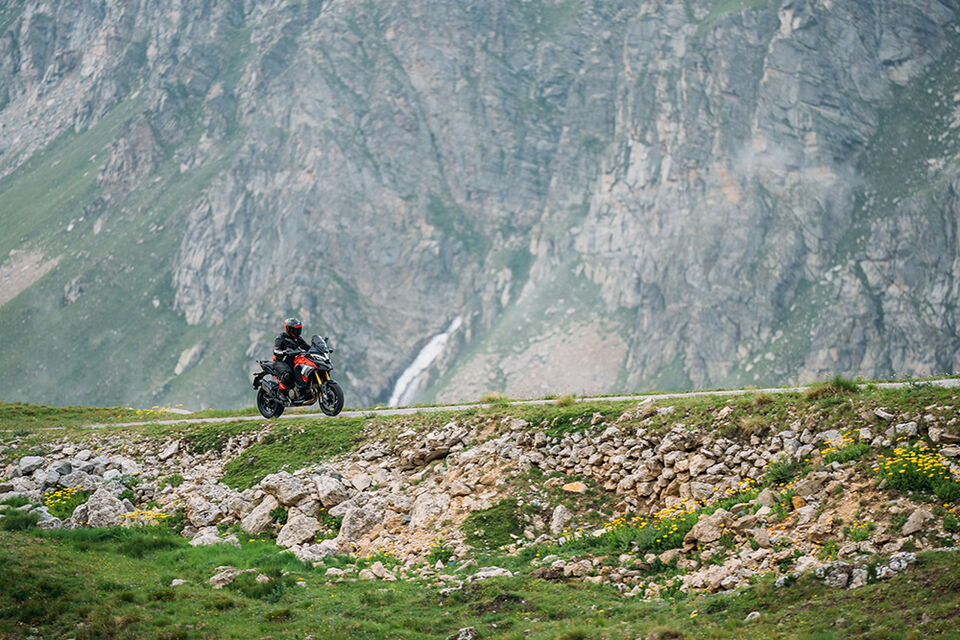
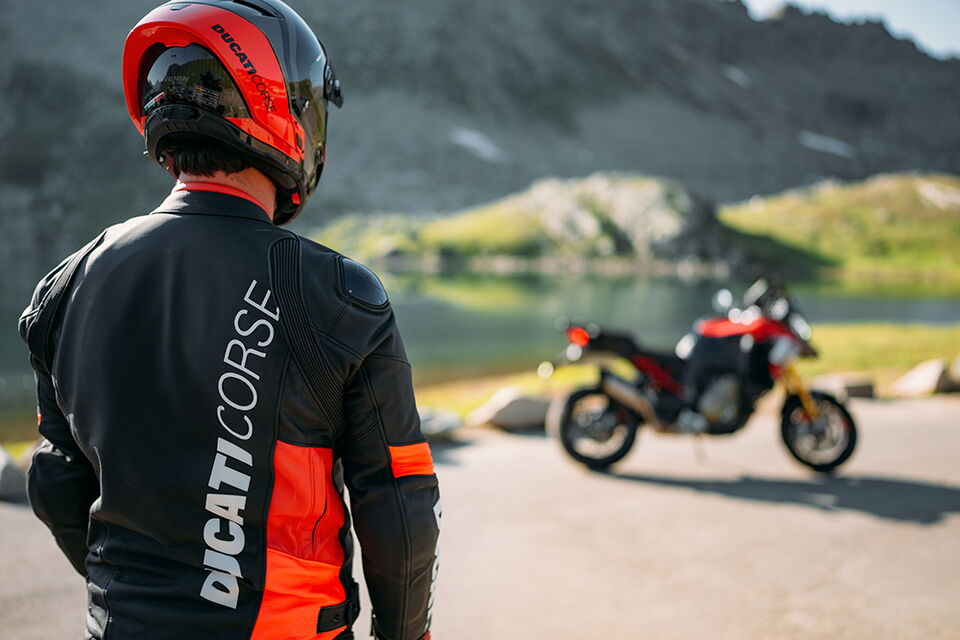
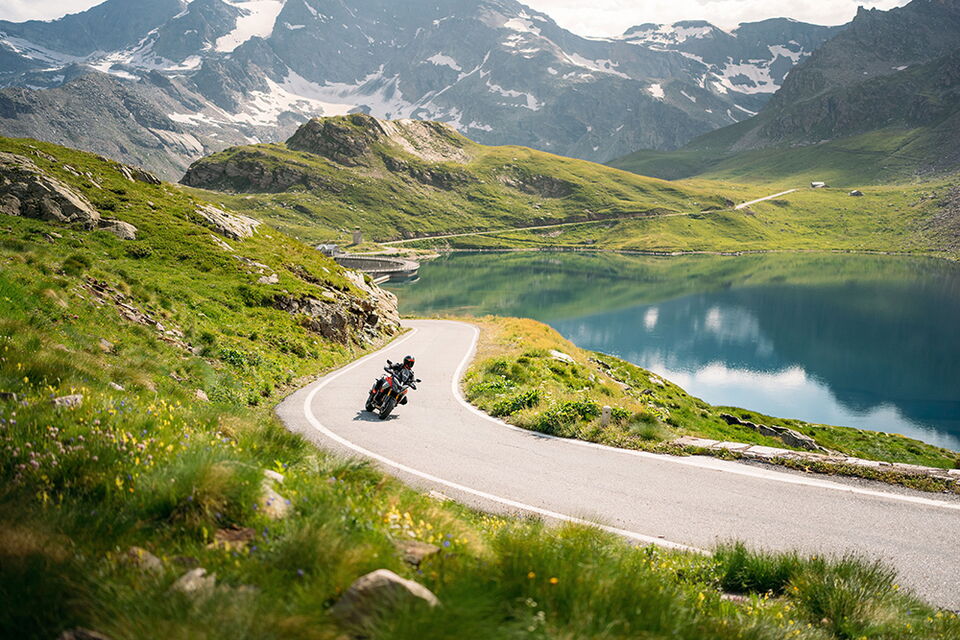
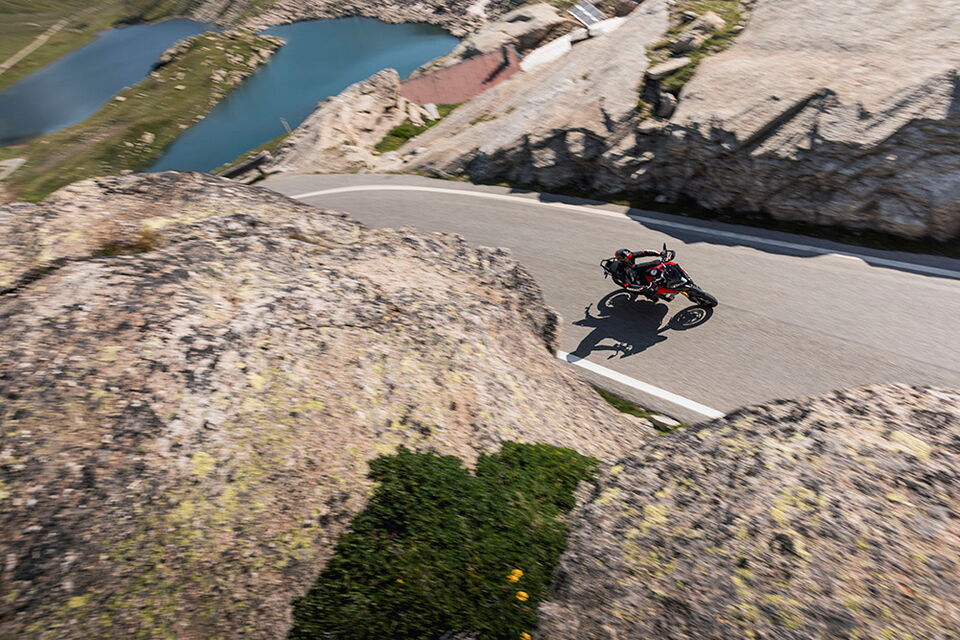
If you are standing on the Alpe d’Huez or the Col de la Bonette and want a motorcycle that works just as confidently through wet hairpins as it does on a racetrack—and gives you ACC and BSD on the way there—the Pikes Peak is the right choice. At 95 dB(A), it sits exactly on Tyrol’s permitted limit.
Quick Check
+ 170 hp V4 Granturismo; Öhlins 48 mm Smart EC 2.0, event-based with four Suspension Modes; single-sided swingarm; Marchesini five-spoke forged wheels in 17/17 inches, 2.7 kg lighter than cast wheels; Pirelli Diablo Rosso IV; Brembo Stylema 330 mm; Bosch-Brembo 10.3ME Cornering ABS
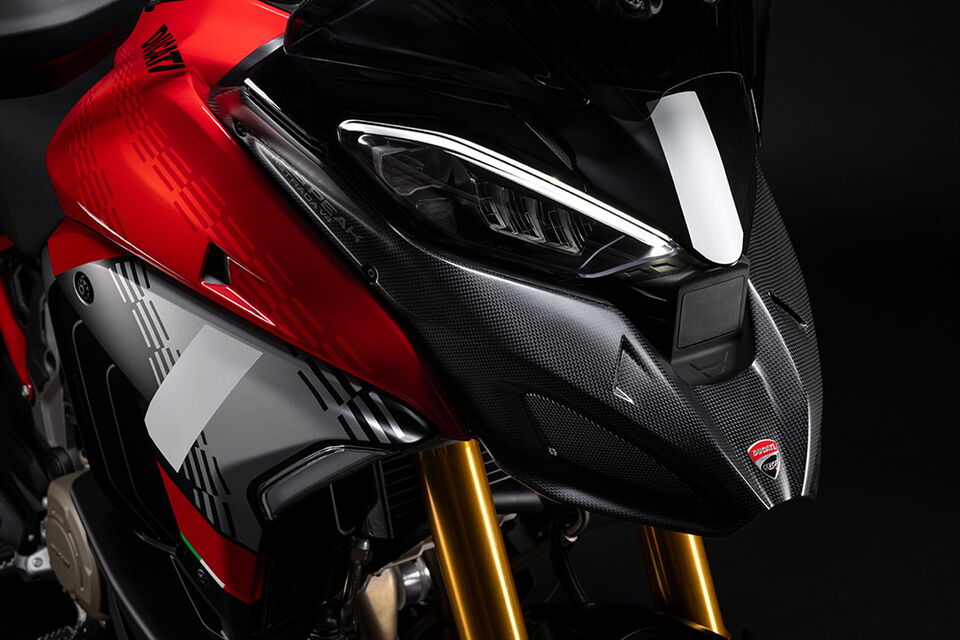
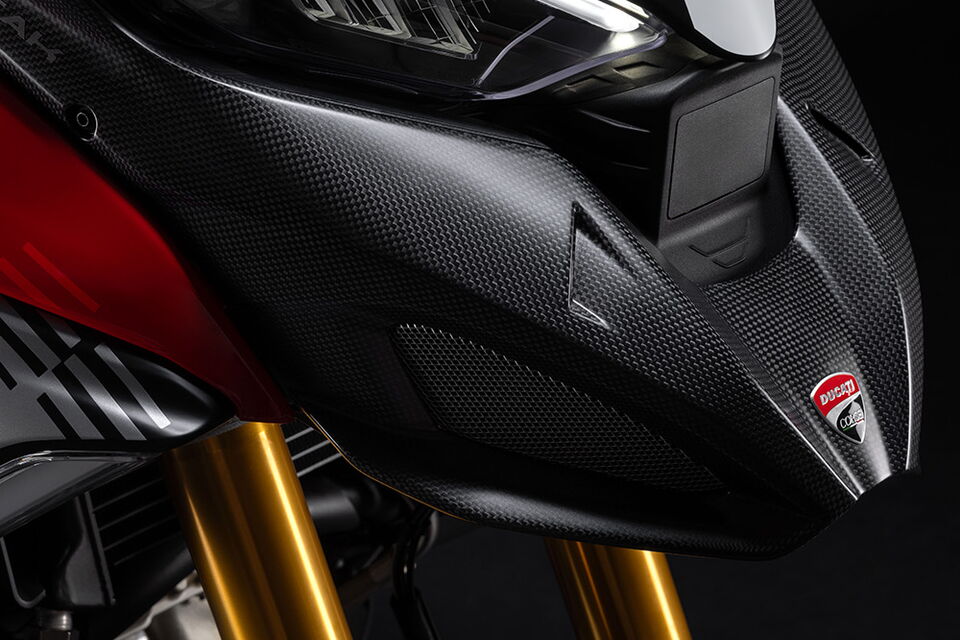
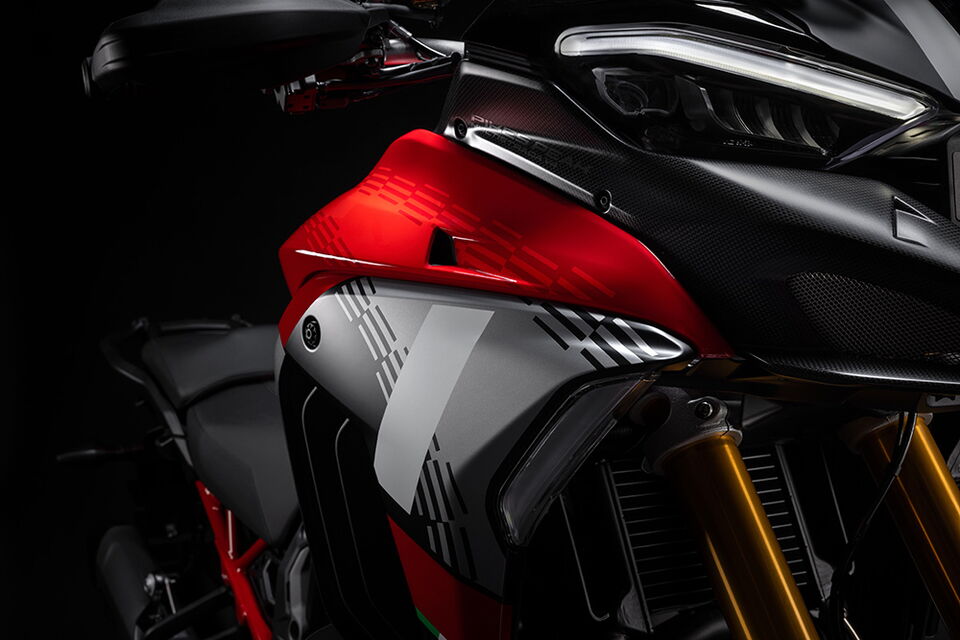
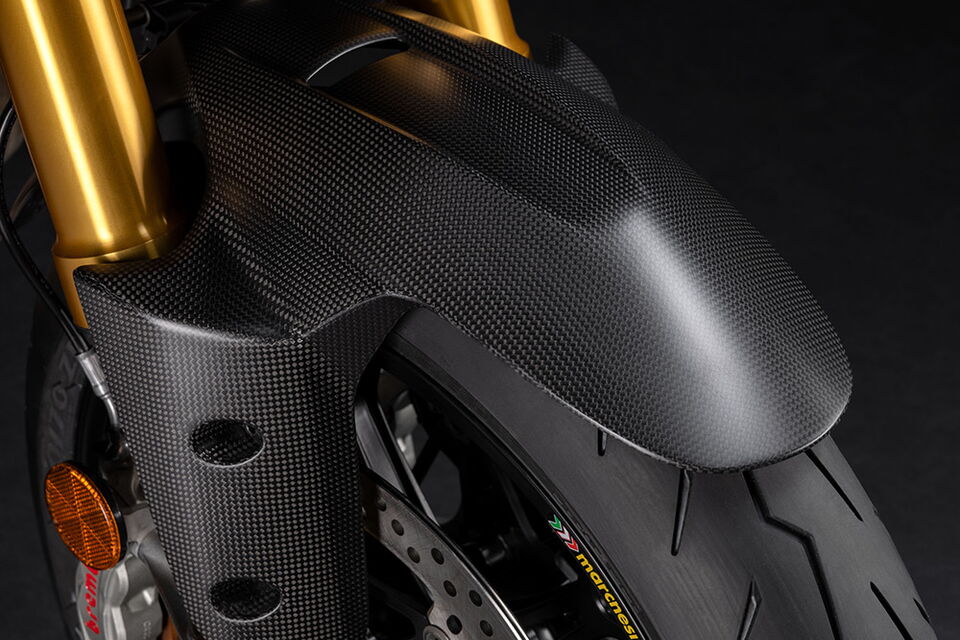
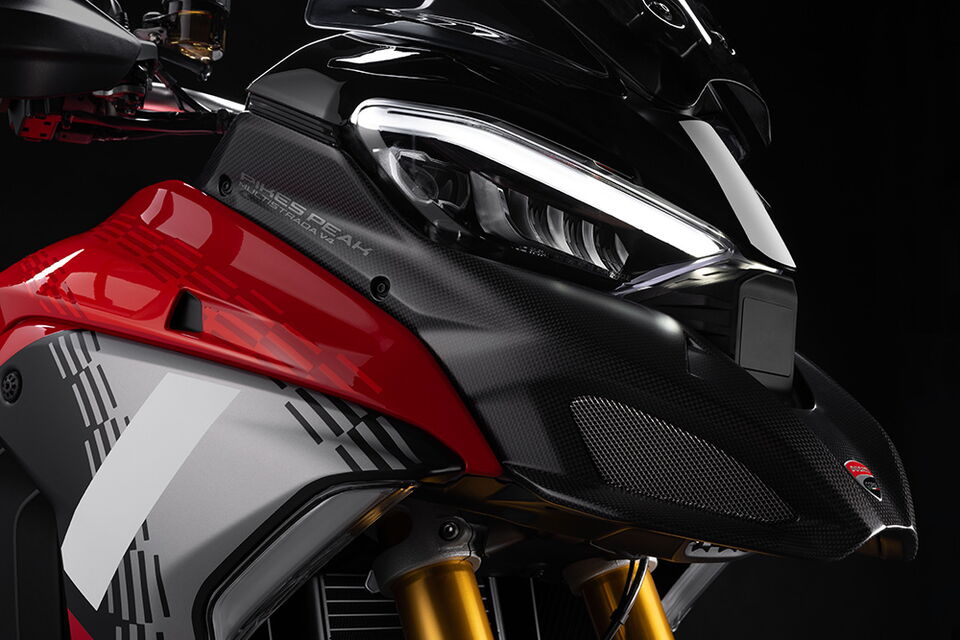
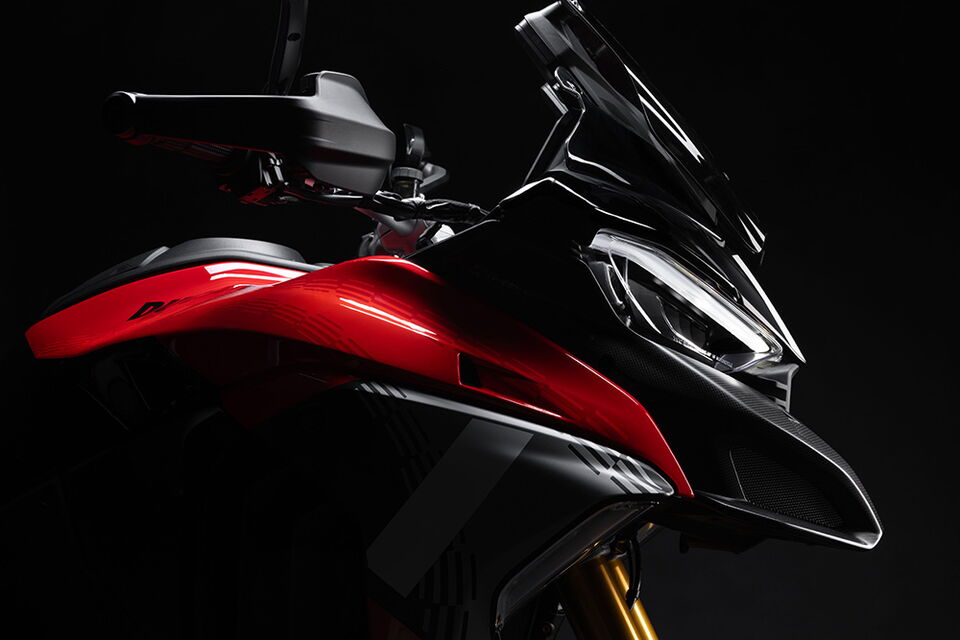
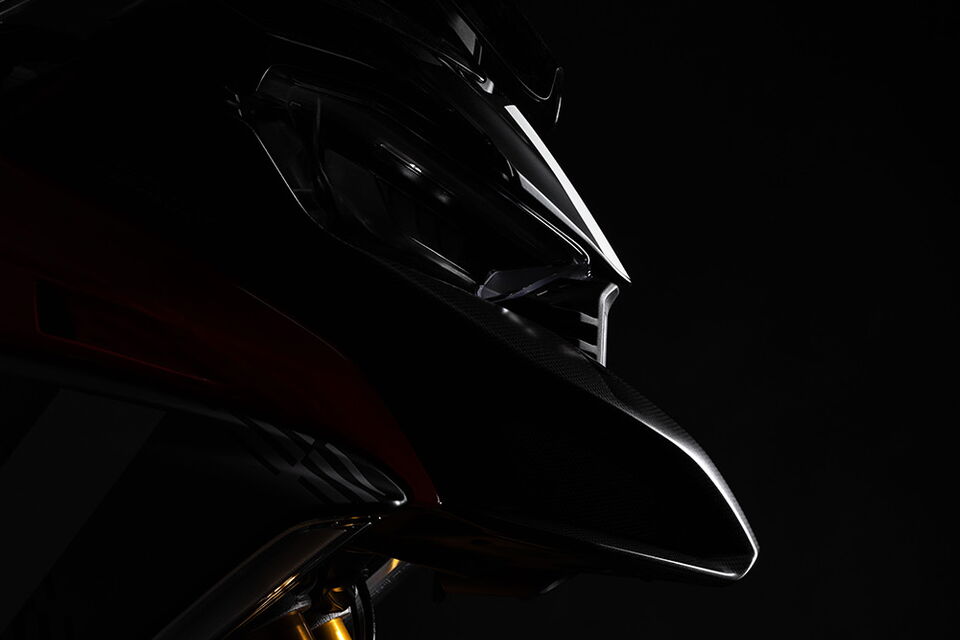
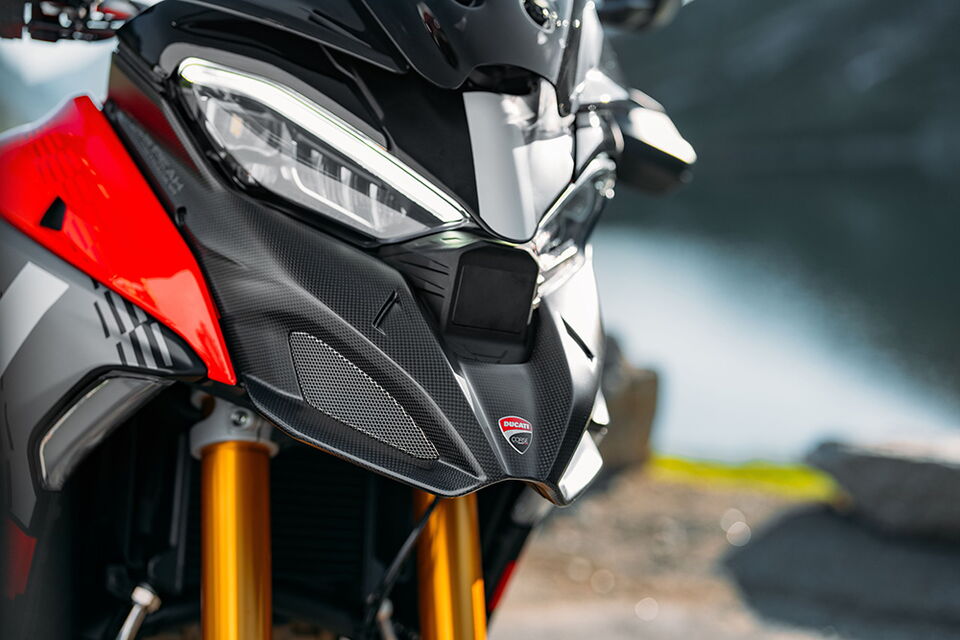
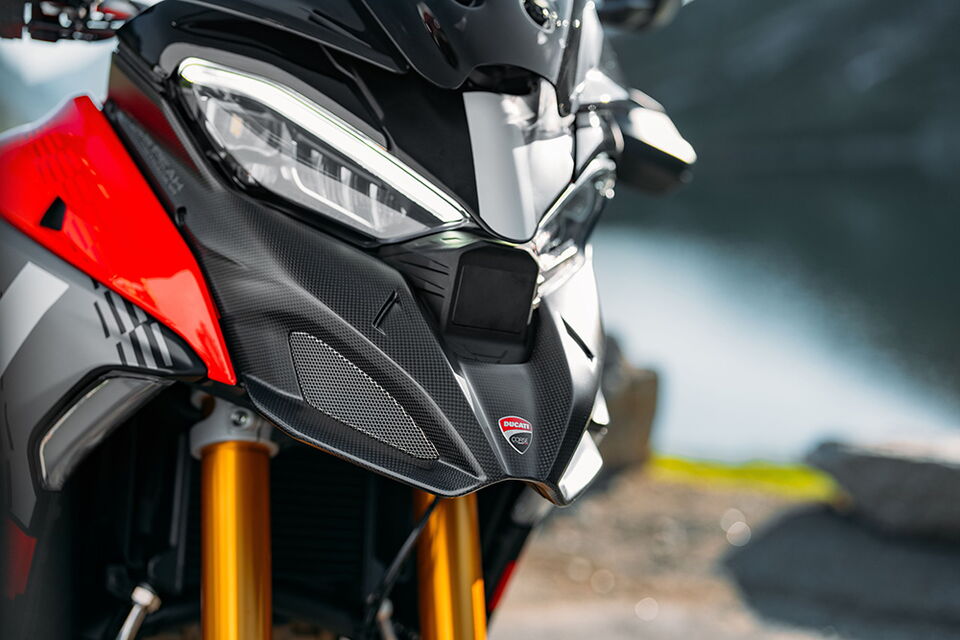
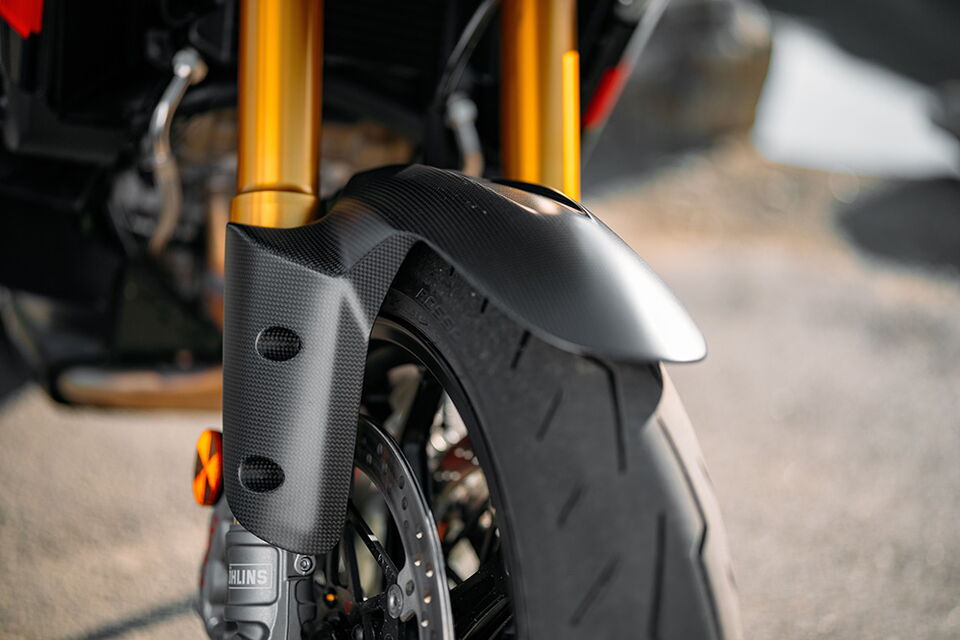
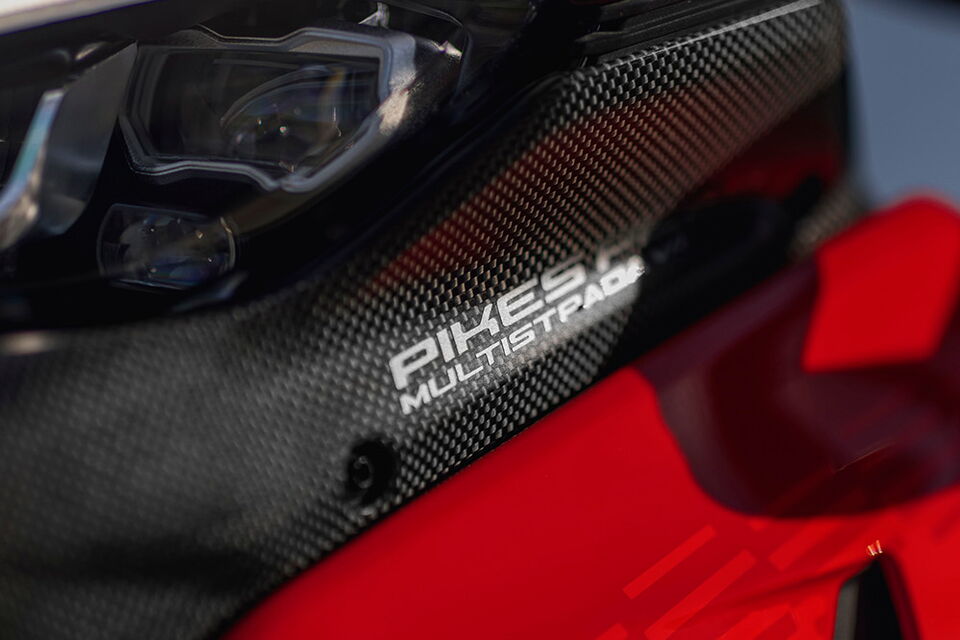
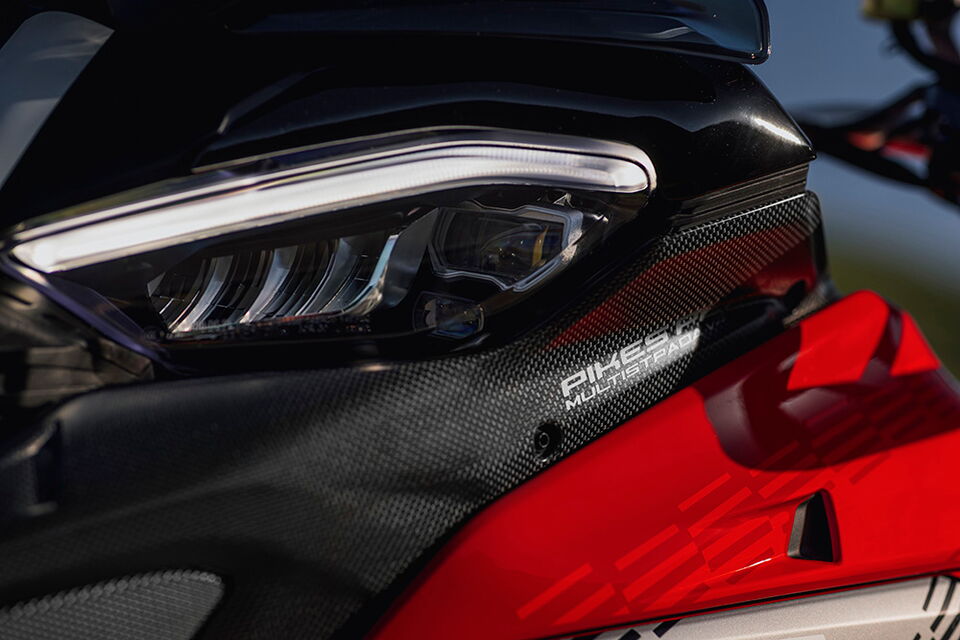
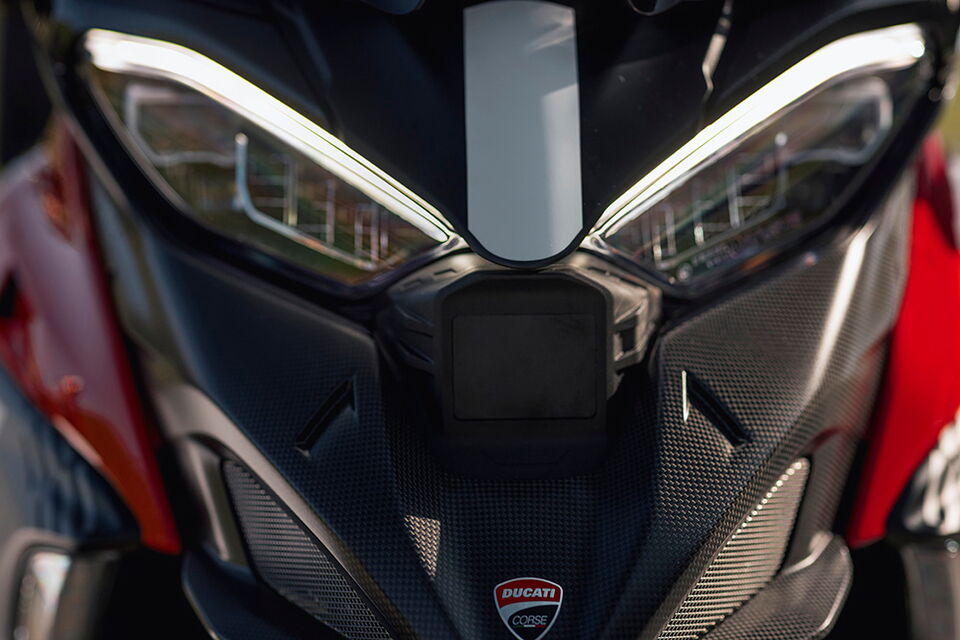
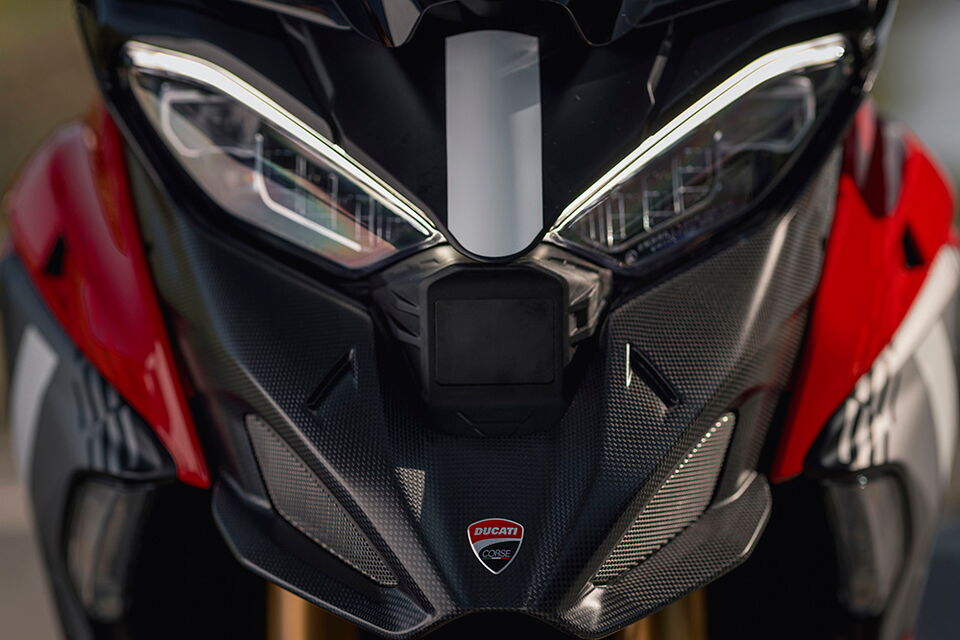
+ Akrapovič standard; Race mode, exclusive to Pikes Peak + RS; carbon front fender + beak; ACC + BSD with front and rear radar, giving Pikes Peak greater radar coverage than RS; Hands-Free; 6.5-inch TFT; map navigation; Cornering Lights; ECD; 4-year warranty; 60,000 km valve-clearance interval
+ 25.75-degree steering-head angle for more direct turn-in than V4 S at 24.5 degrees; approx. 214 kg dry weight; sportier ergonomics without asceticism; passenger seat standard; approx. €32,335, around €6,000 less than RS with the same Öhlins hardware; 22-liter tank; approx. 338 km range
– 95 dB(A): exactly at Tyrol’s limit; no DVO, while Rally and RS have DVO; no titanium rear subframe, which is exclusive to RS
– Sportier riding position: less comfortable than V4 S on day rides exceeding 400 km; smaller windscreen means highway riders above 160 km/h experience greater wind load; 17-inch sport tires mean no off-road use; no Enduro mode; no Wet mode, replaced by Race mode
– No published importer MSRP: approx. €32,335; 170 hp versus RS’s 180 hp means no Desmosedici character; wet clutch instead of dry clutch
Technical Specifications: Ducati Multistrada V4 Pikes Peak (2026)
Make / Model: Ducati Multistrada V4 Pikes Peak (2026; technically identical to 2025); manufacturer: Ducati Motor Holding S.p.A., Borgo Panigale, Bologna, Italy
Pikes Peak vs. RS: Pikes Peak: V4 Granturismo, 170 hp, wet clutch, 60,000 km valve-clearance interval, no titanium rear subframe, ACC + BSD with front + rear radar, approx. €32,335. RS: Desmosedici, 180 hp, dry clutch, 30,000 km valve-clearance interval, titanium rear subframe, front ACC only, €38,490. Identical: Öhlins Smart EC 2.0, single-sided swingarm, Marchesini forged wheels, Brembo Stylema, Akrapovič, Pirelli Diablo Rosso IV, Race mode.
Engine: Liquid-cooled 90-degree V4 Granturismo; 1,158 cc; no Desmo; counter-rotating crankshaft; Twin Pulse firing order; ECD; six-speed transmission; DQS; wet multi-plate clutch; Akrapovič standard; Euro 5+
Power / Torque: 170 hp (125 kW) at 10,750 rpm; 121 Nm at 8,750 rpm
Top Speed / Consumption: Approx. 250 km/h; approx. 6.5 L/100 km; approx. 338 km range
Fuel Tank / Weight: 22 liters; 243 kg fully fueled
Transmission / Final Drive: 6-speed; chain drive; DQS
Electronics: Four riding modes—Race/Sport/Touring/Urban; DTC; DWC; EBC; Bosch-Brembo 10.3ME Cornering ABS; ACC + BSD with front and rear radar; 6.5-inch TFT; Hands-Free; map navigation; 12V + USB; cruise control; Cornering Lights; Power Modes—Full/High/Medium/Low
Front Suspension: 48 mm Öhlins USD fork; TiN coating; 170 mm travel; Smart EC 2.0 event-based control; four Suspension Modes independently selectable from riding modes
Rear Suspension: Öhlins TTX36; 170 mm travel; Smart EC 2.0; electronically adjustable spring preload; aluminum single-sided swingarm; 25.75-degree steering-head angle; 120 mm trail
Brakes: Brembo Stylema; dual 330 mm front discs; Bosch-Brembo 10.3ME Cornering ABS
Wheels / Tires: Marchesini five-spoke forged wheels; 17/17 inches; Pirelli Diablo Rosso IV; 120/70 ZR17 front; 190/55 ZR17 rear
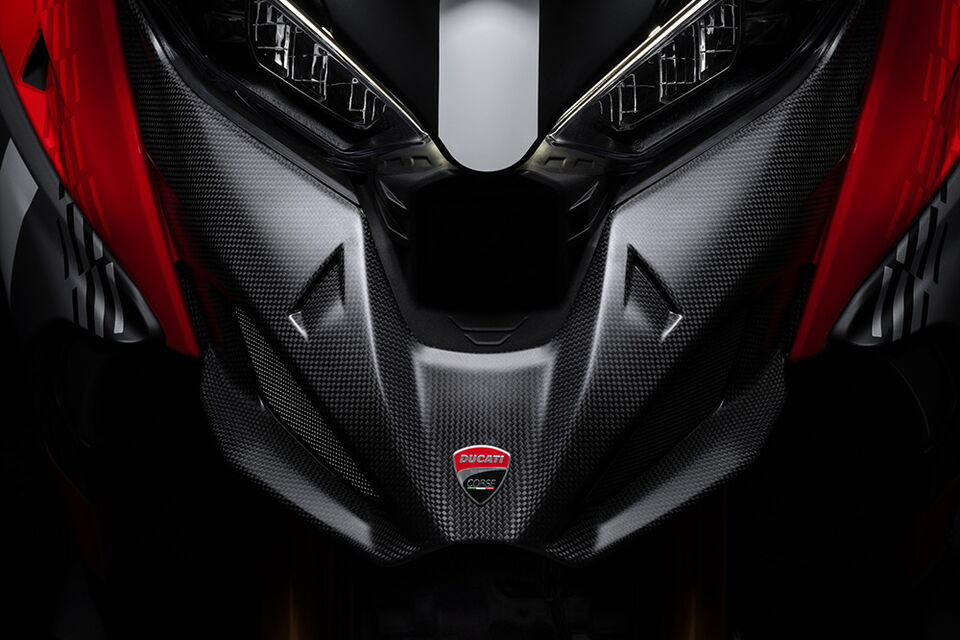
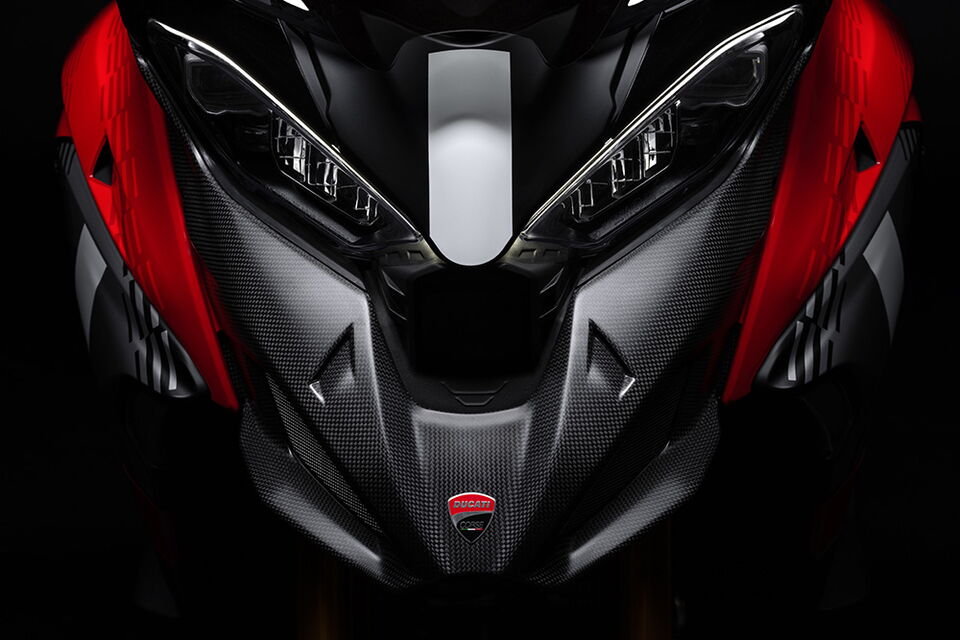
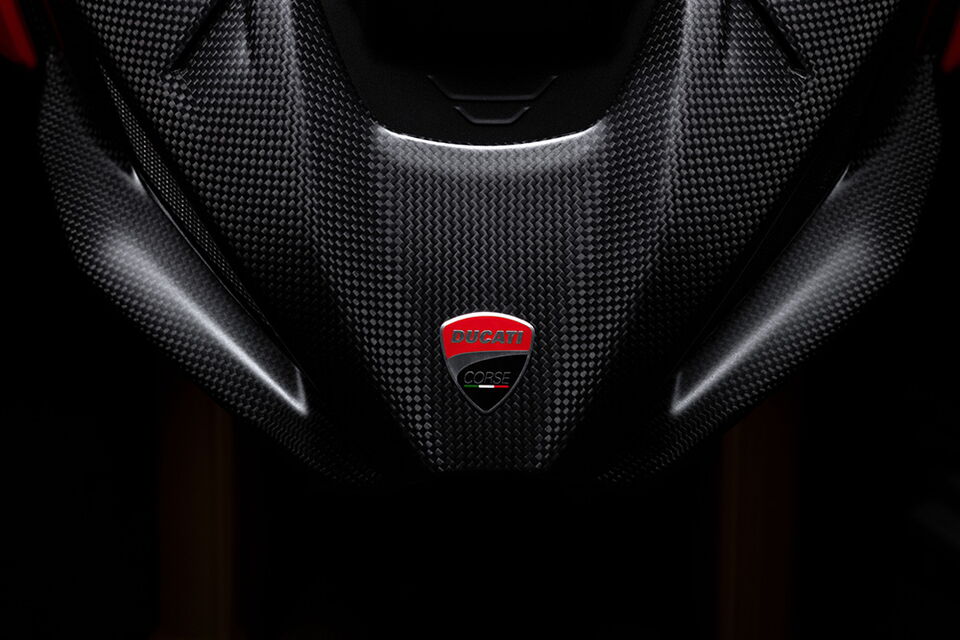
Ergonomics: 840 mm seat height, up to 860 mm; lower rigidly mounted handlebar; higher/rearward footpegs; carbon front fender + beak; passenger seat standard; smaller windscreen than V4 S
Stationary Noise: 95 dB(A), EU type approval
Warranty / Service: 4 years, Ducati 4Ever Multistrada; valve-clearance inspection every 60,000 km; oil service every 15,000 km / 12 months
Price in Germany: From €31,990 plus €345 destination charges