Review Ducati Multistrada V4 RS (2026)

The Desmosedici Goes Touring
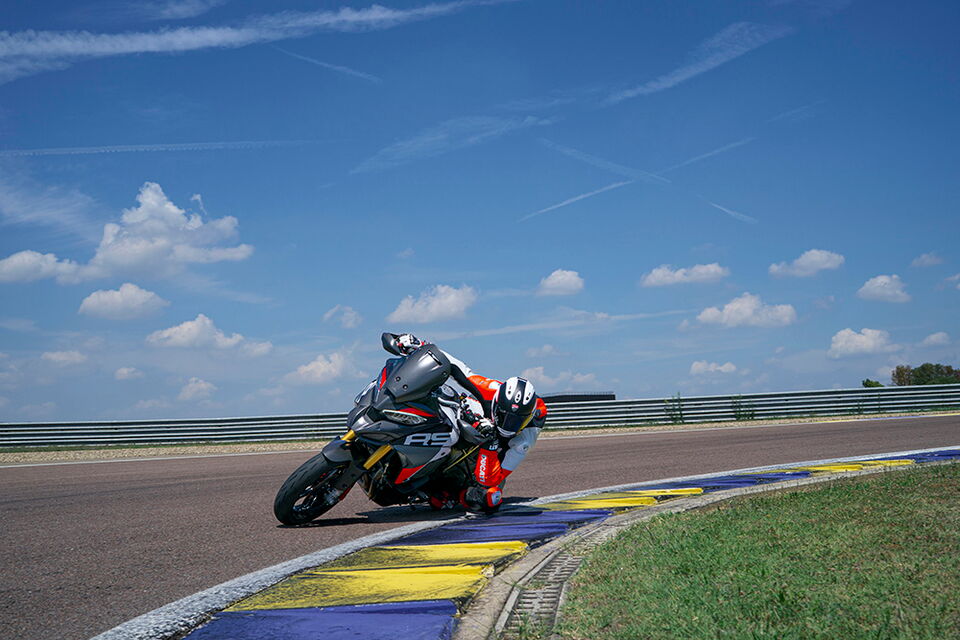
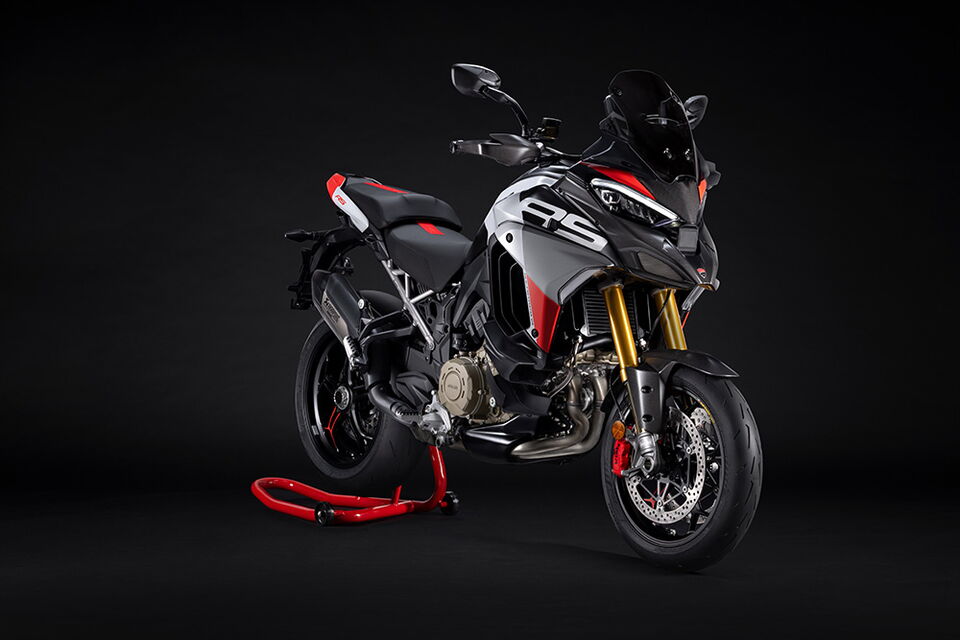
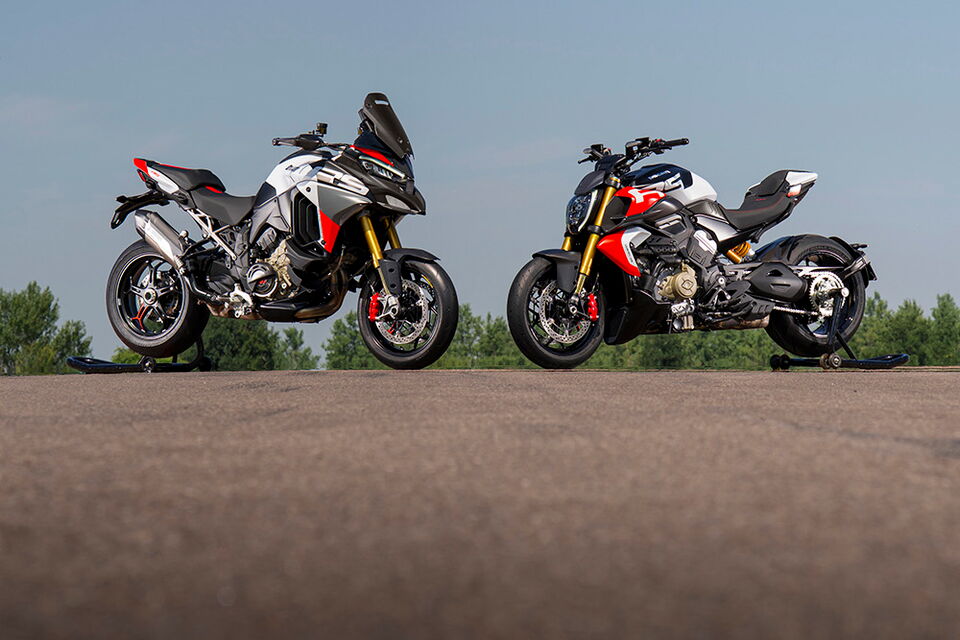
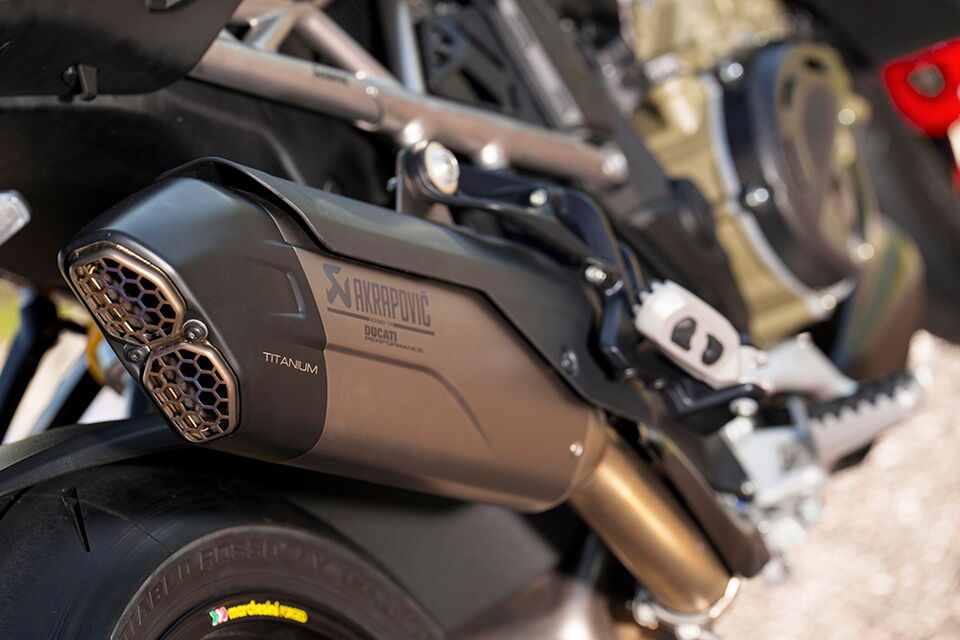
180 hp from the Desmosedici Stradale, dry clutch, titanium rear subframe, Öhlins Smart EC 2.0, and new Marchesini forged wheels. The V4 RS is the most emotional, loudest, and most uncompromising Multistrada Ducati has ever built. And it sounds like it.
As of: May 5, 2026 | Model: Ducati Multistrada V4 RS (2026; numbered limited series; available from December 2025) | Price in Germany: €38,490 plus €345 destination charges | Stationary noise: 92 dB(A)—Tyrol-compliant | Warranty: 4 years, Ducati 4Ever Multistrada, unlimited mileage
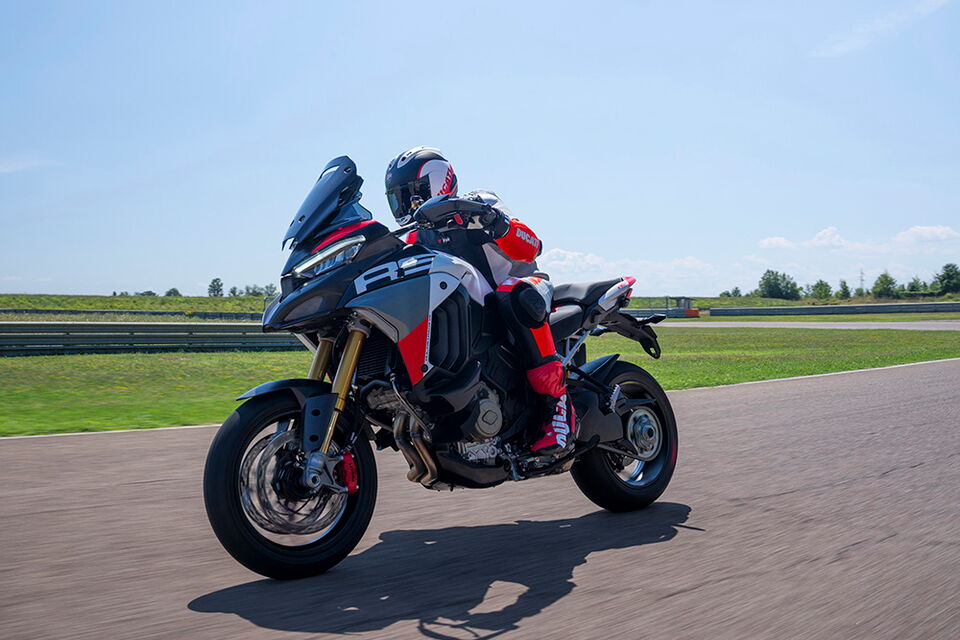
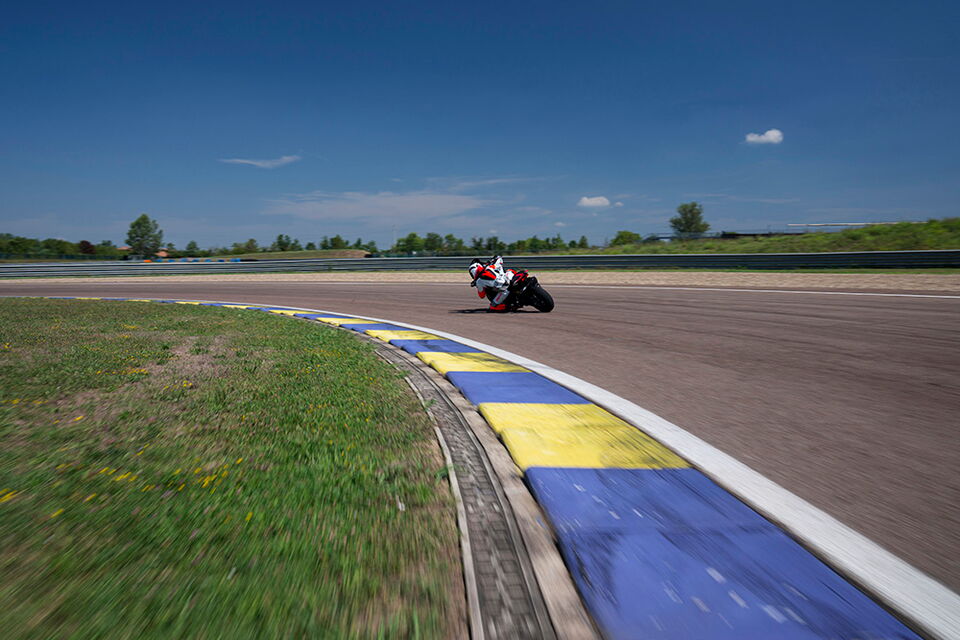
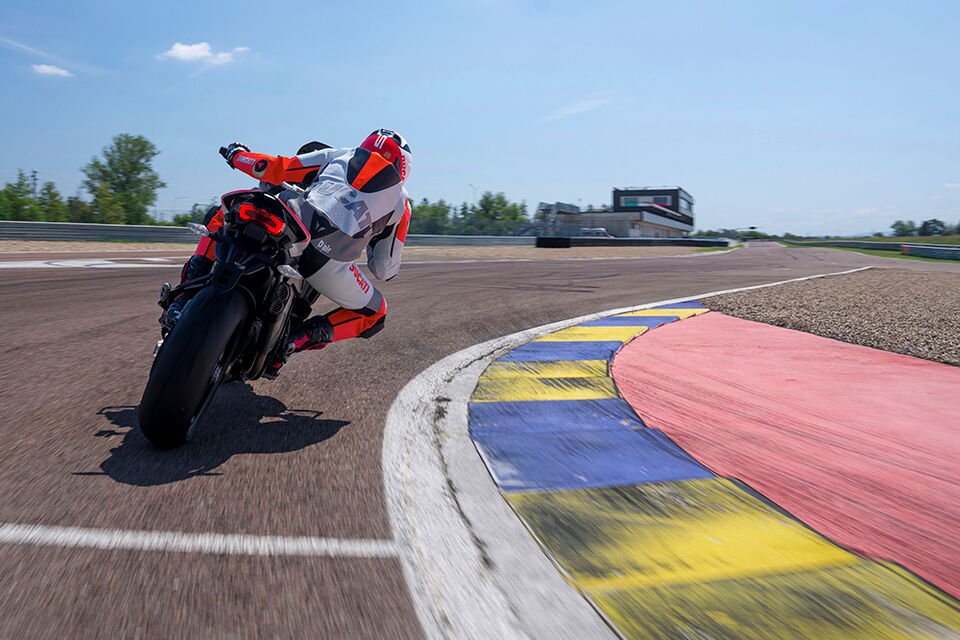
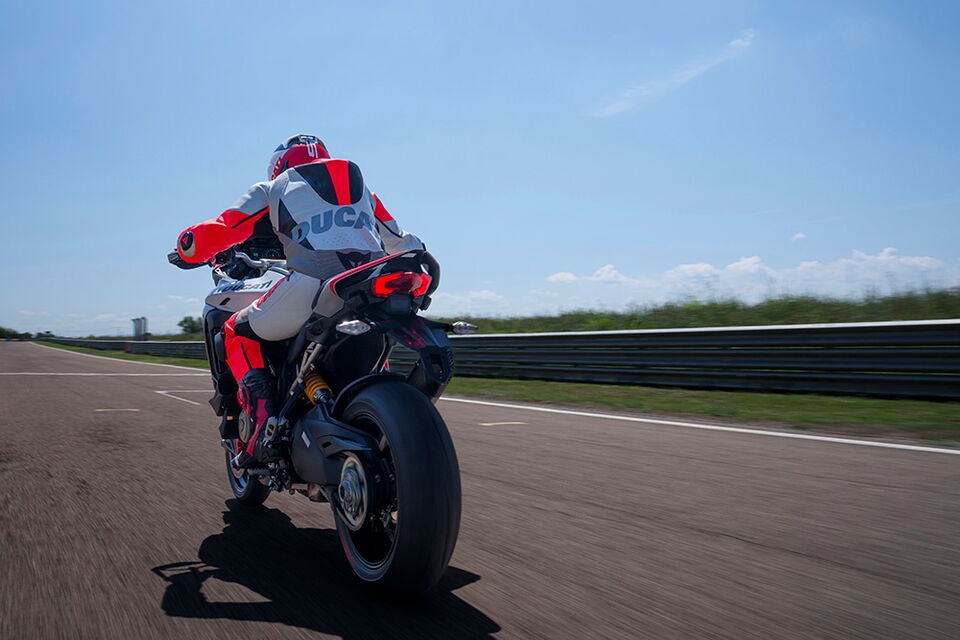
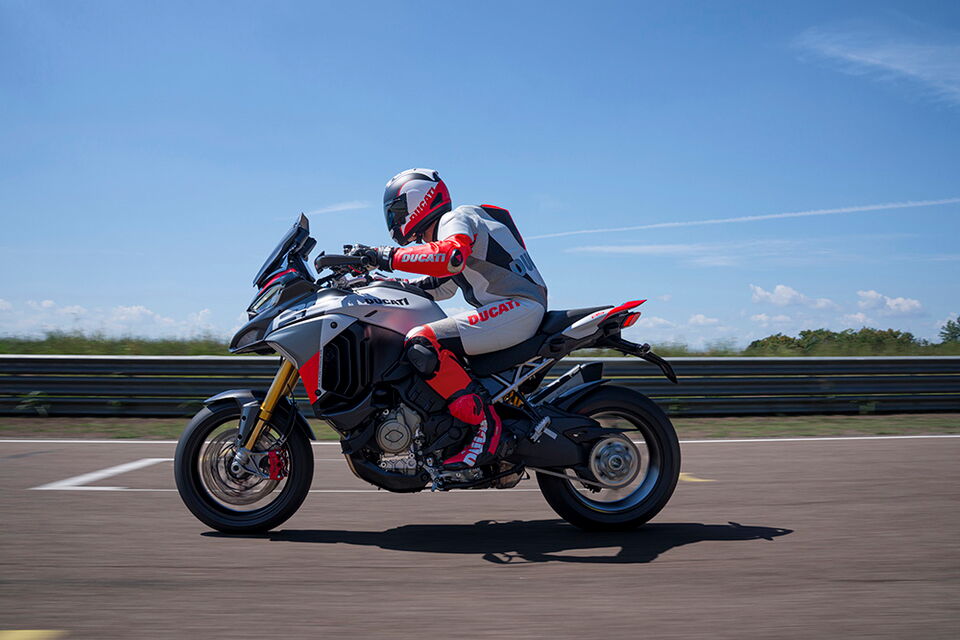
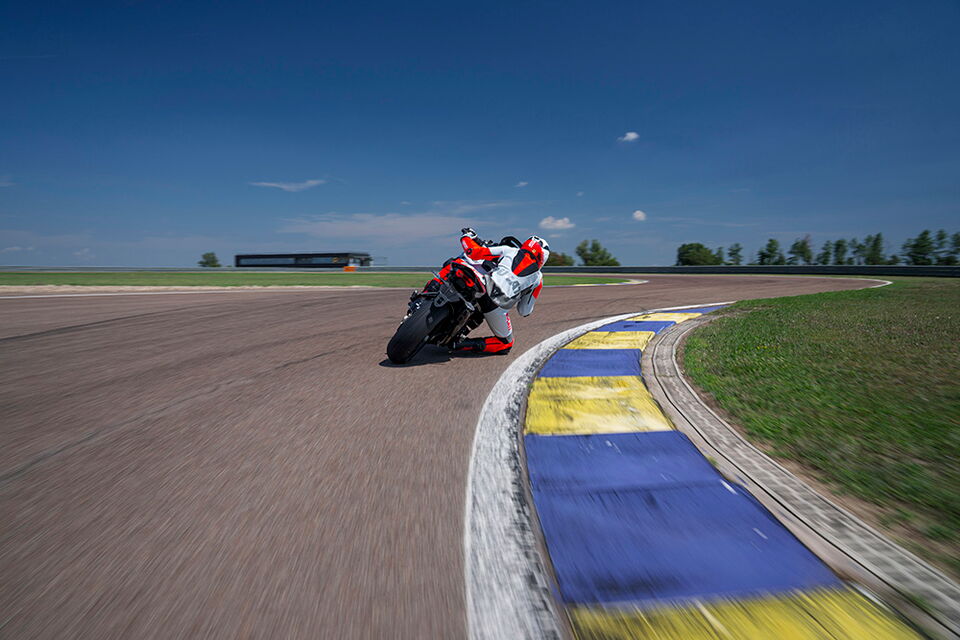
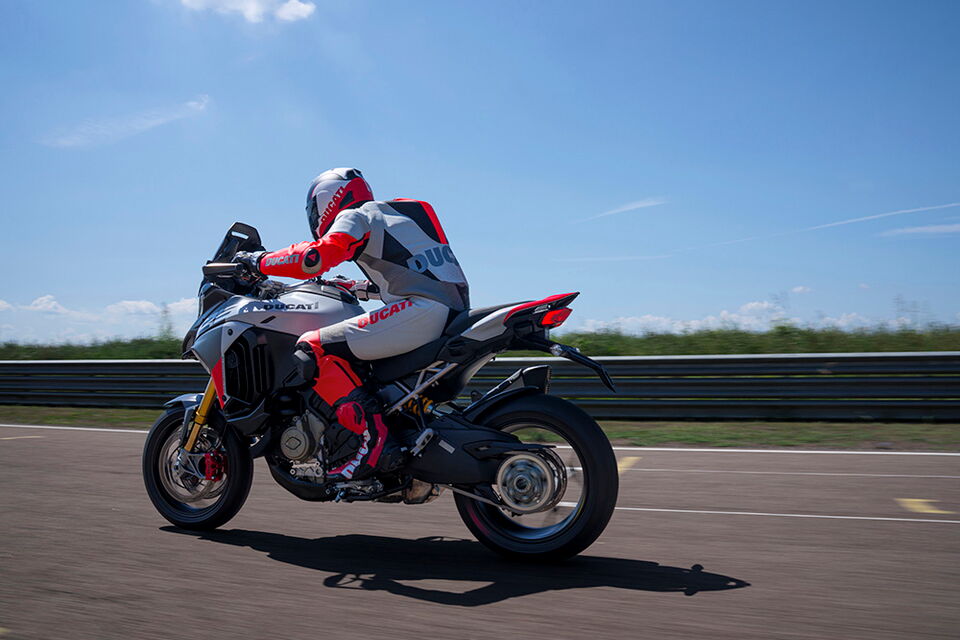
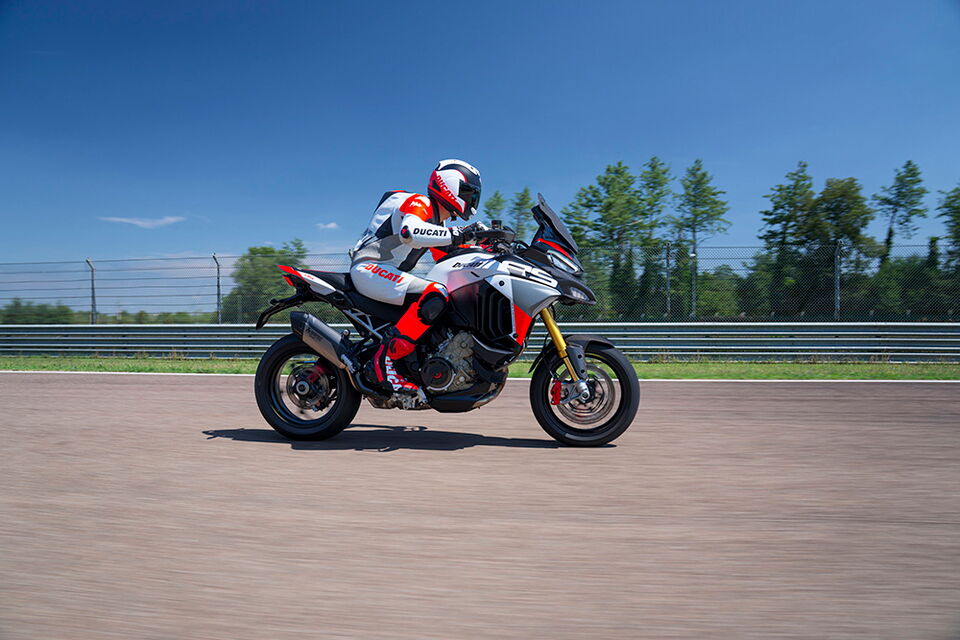
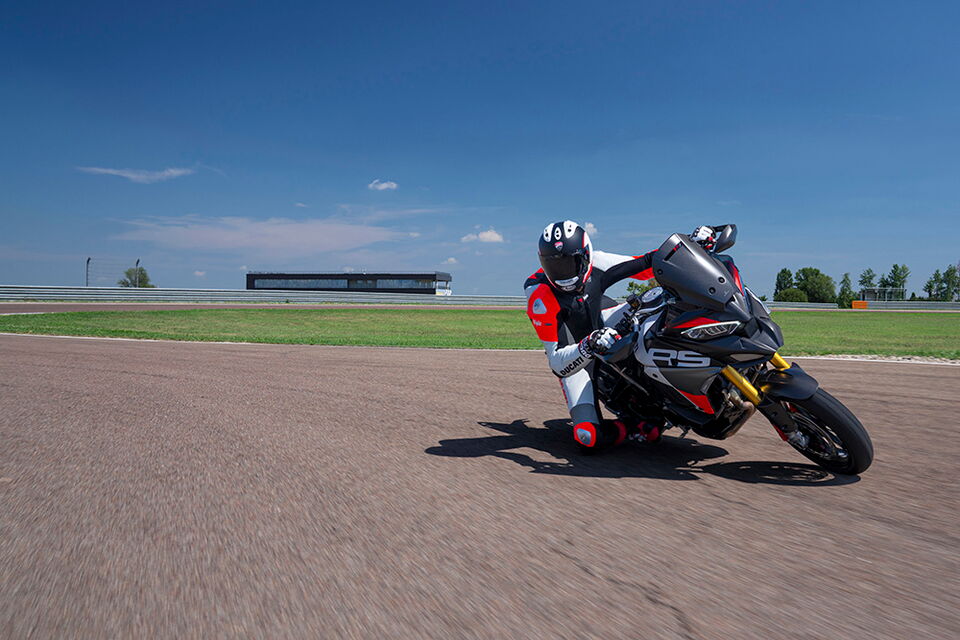
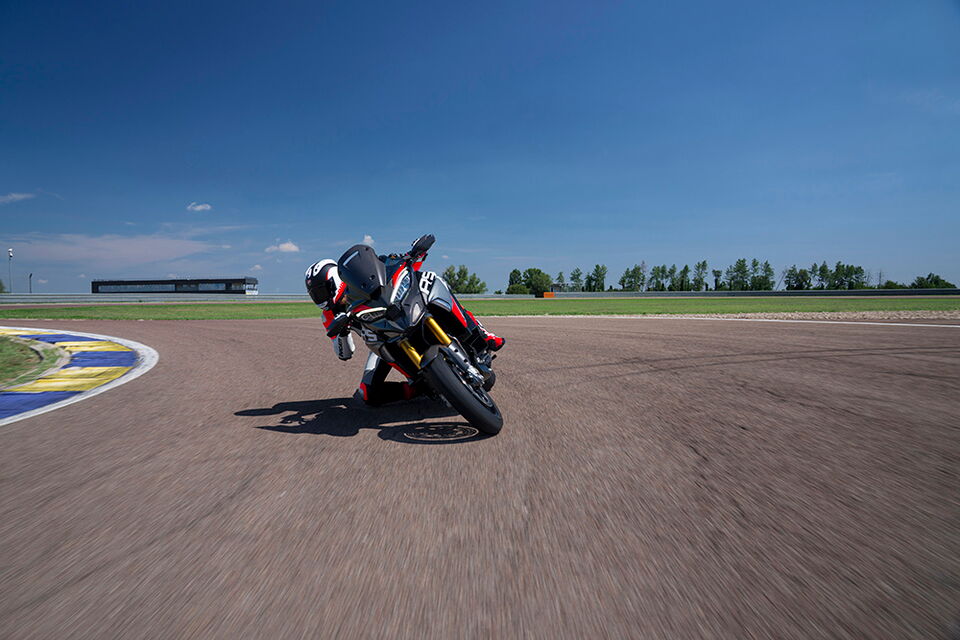
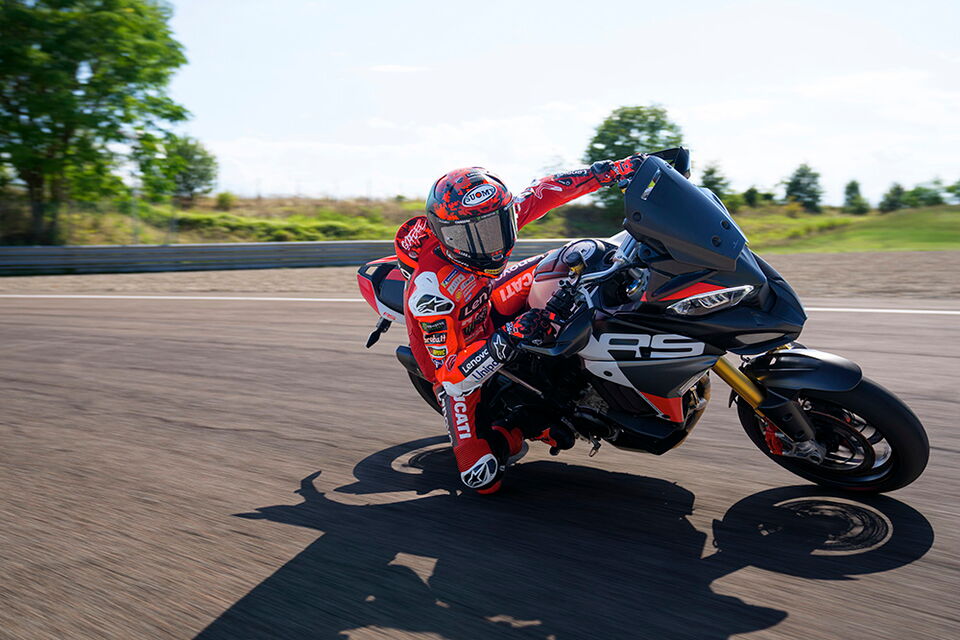
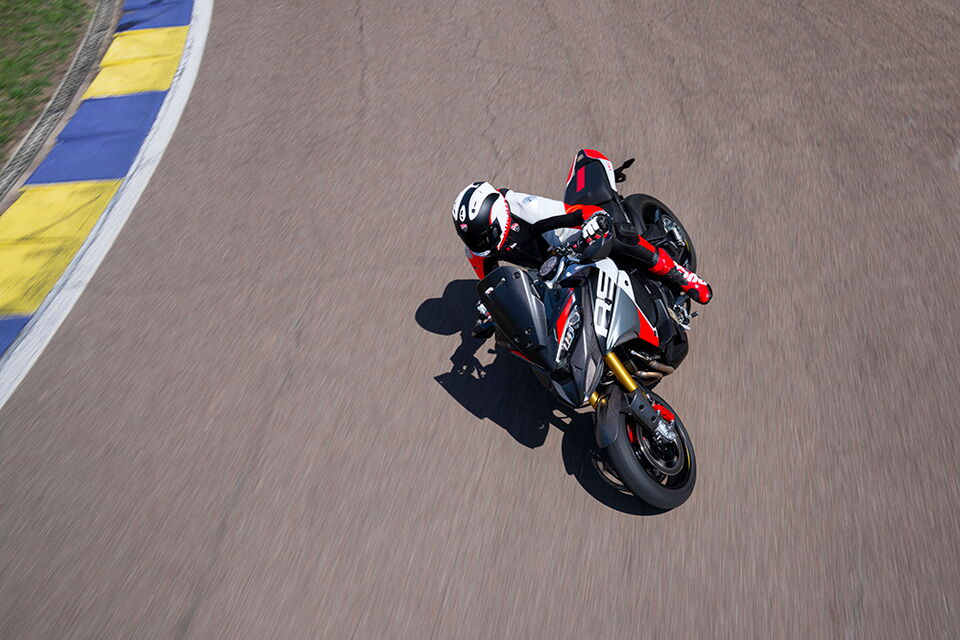
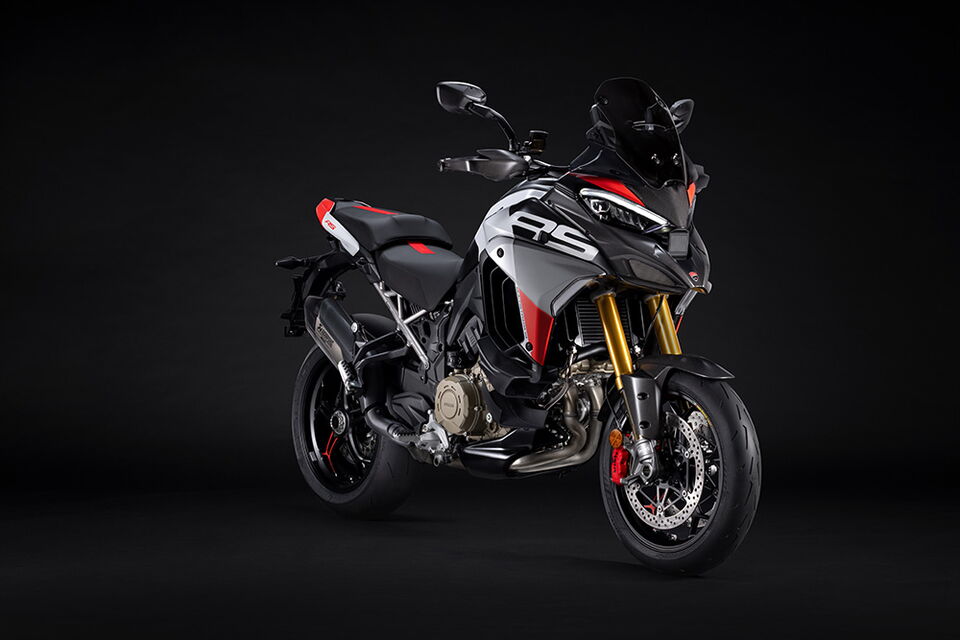
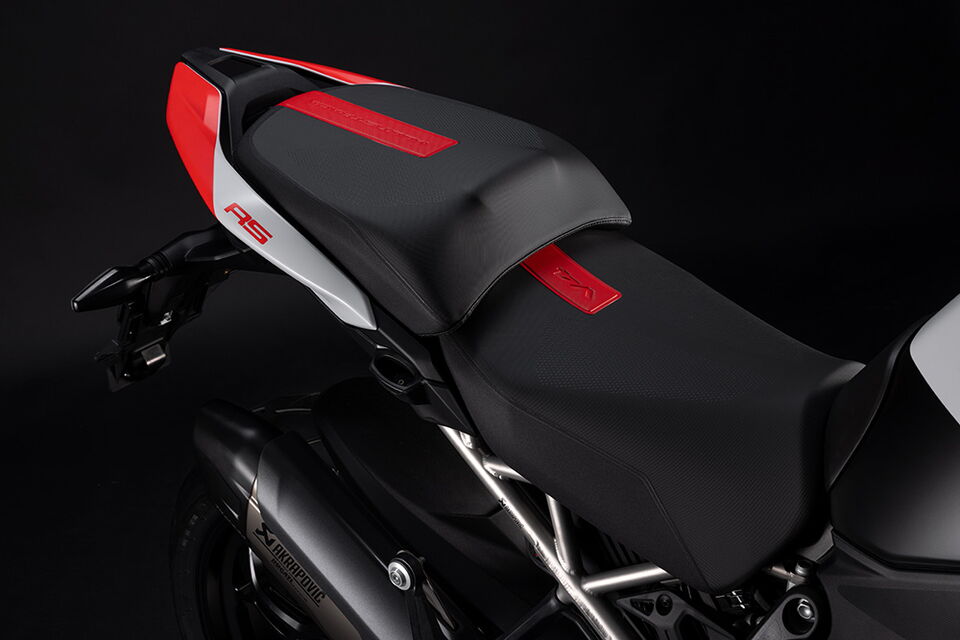

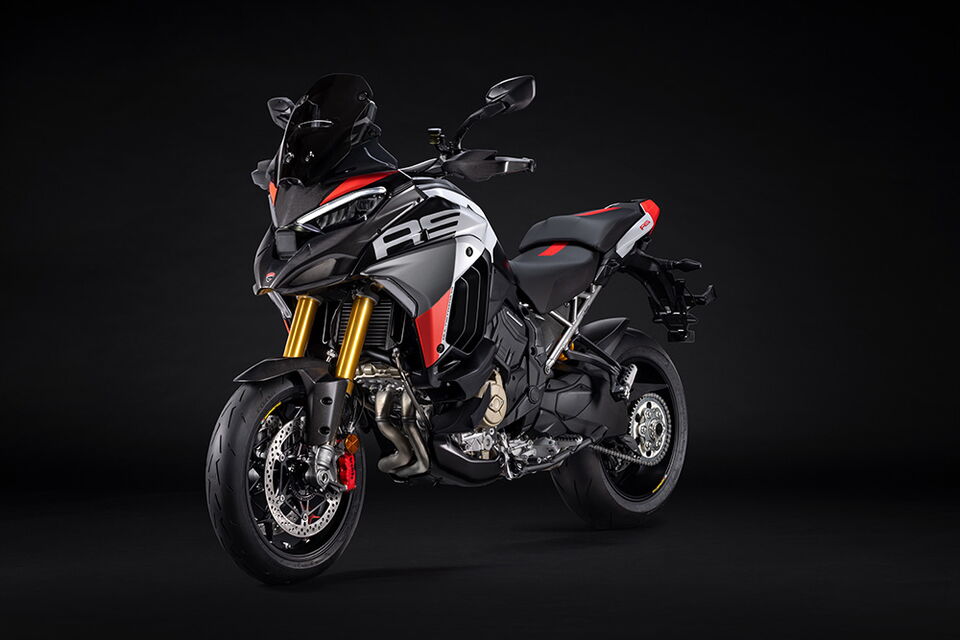
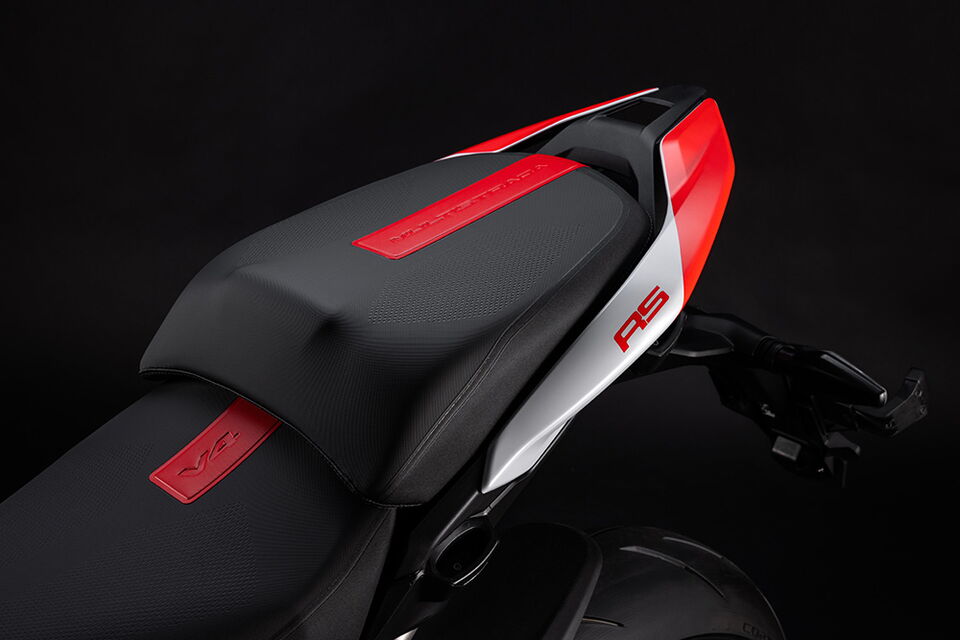

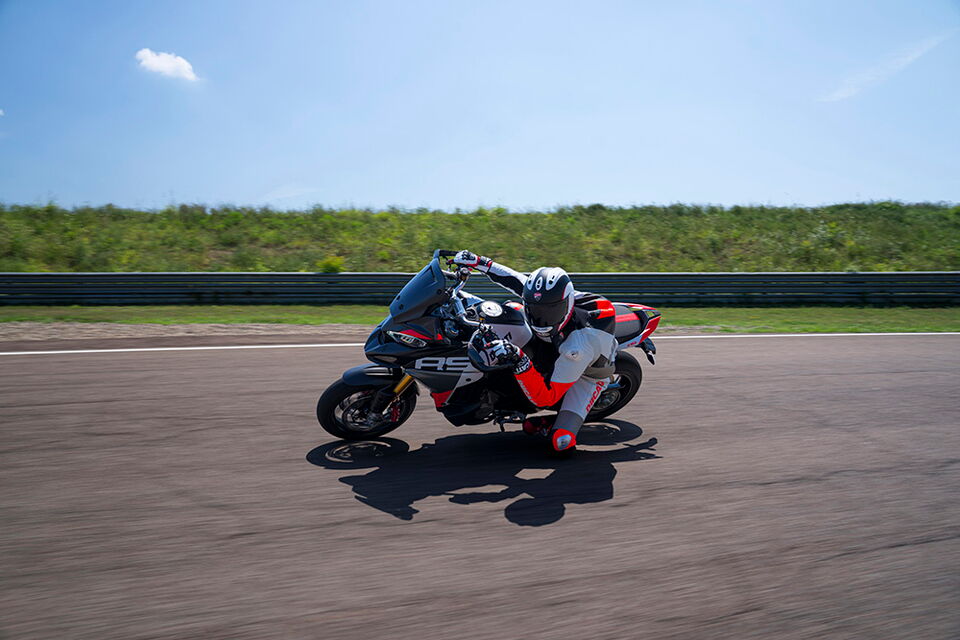
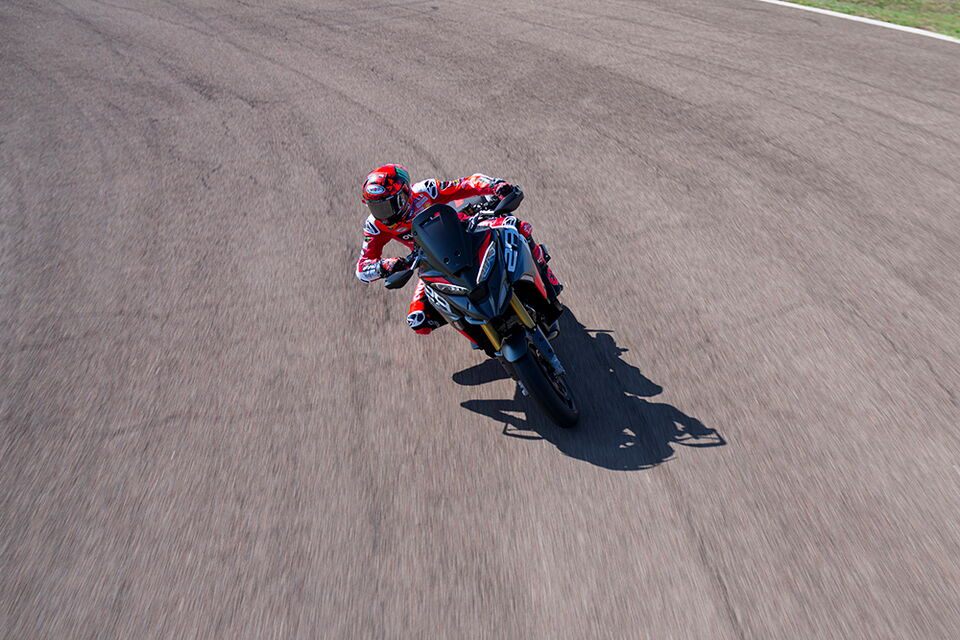
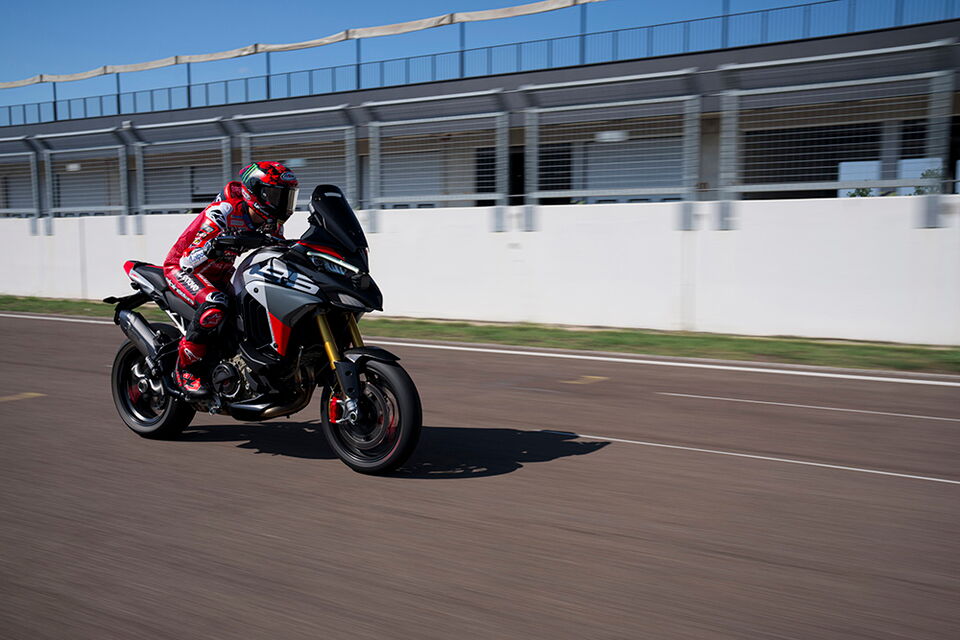
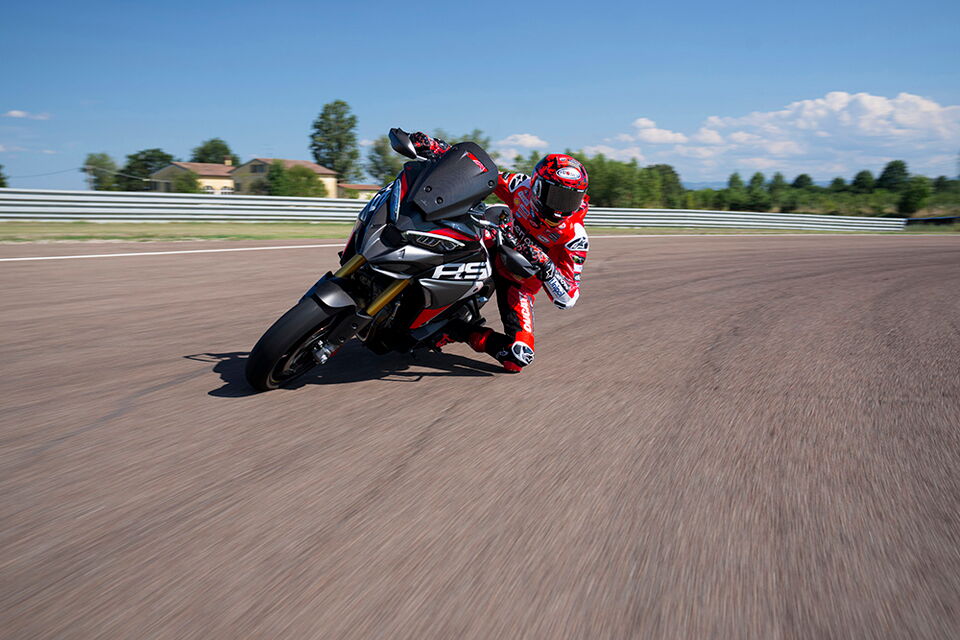
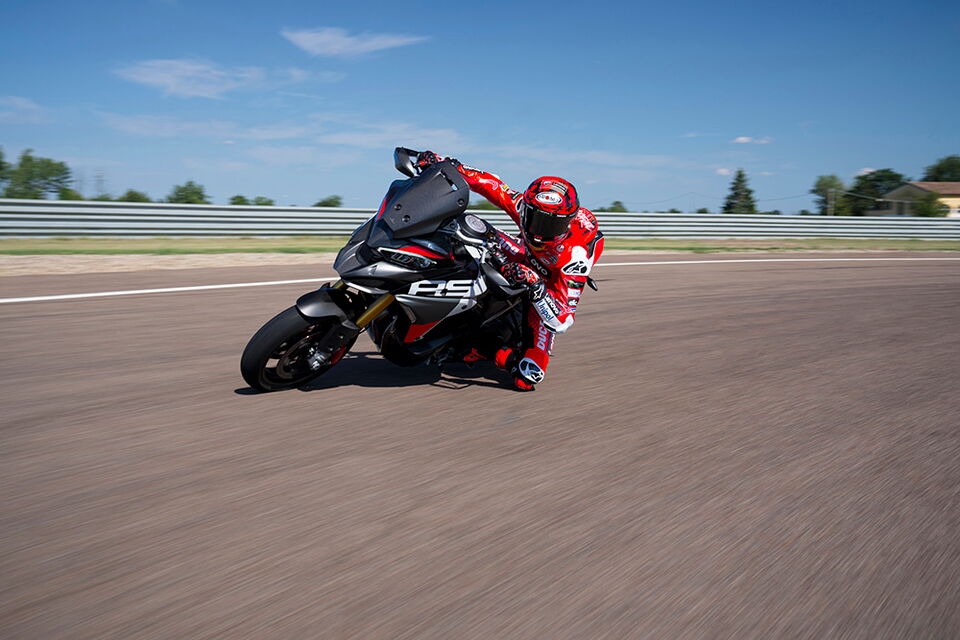
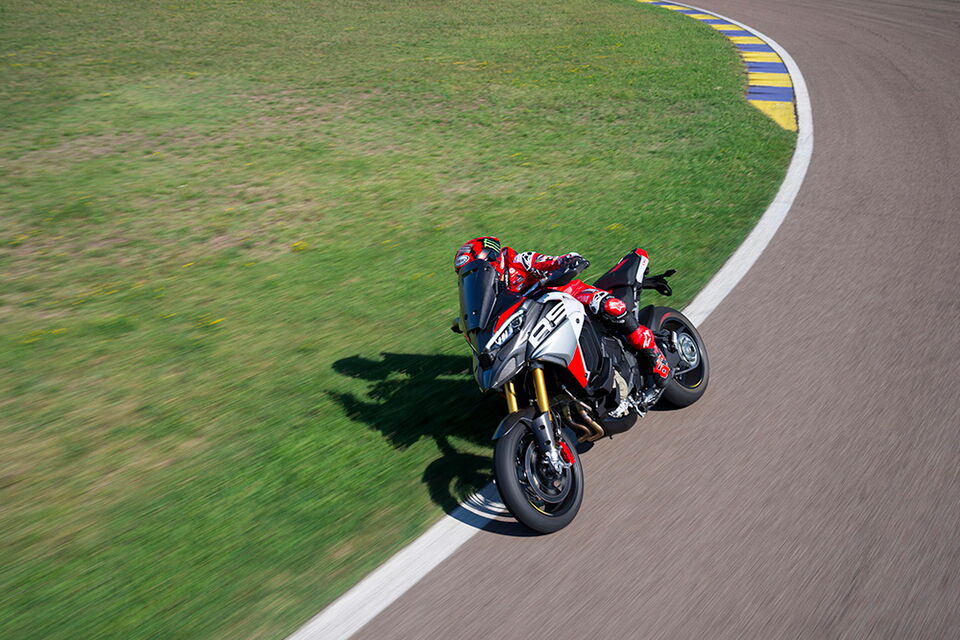
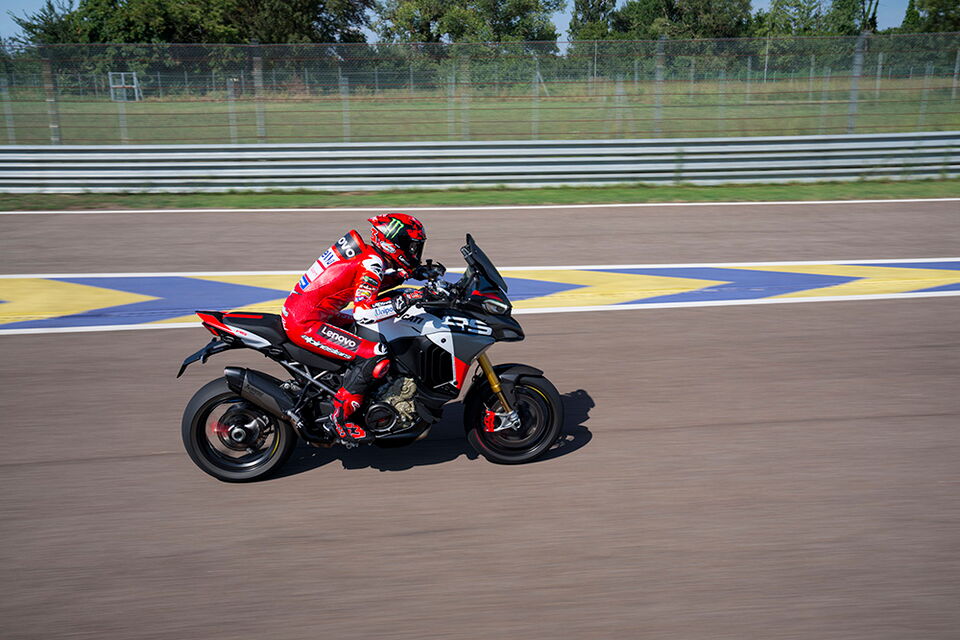
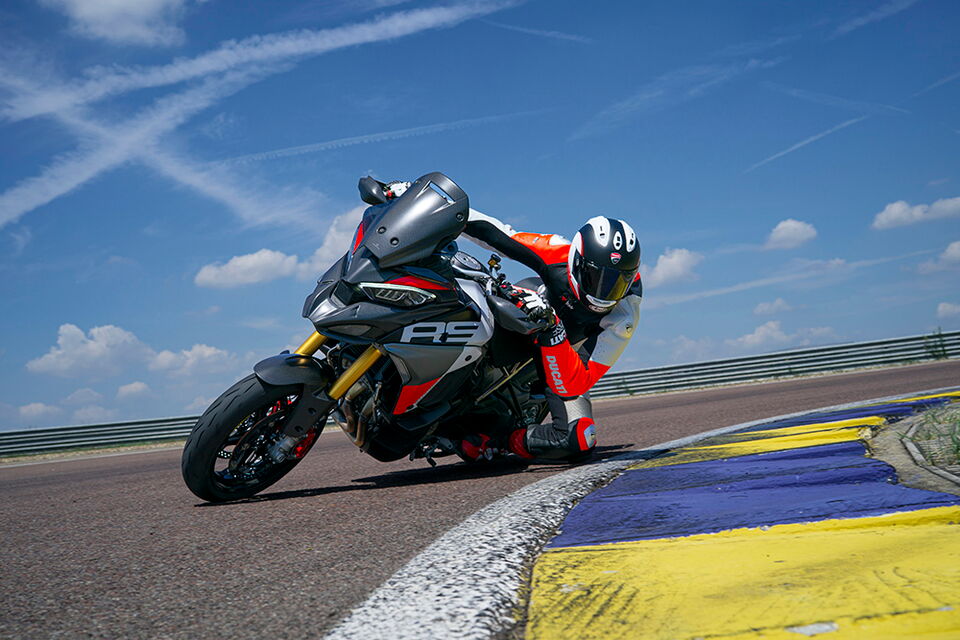
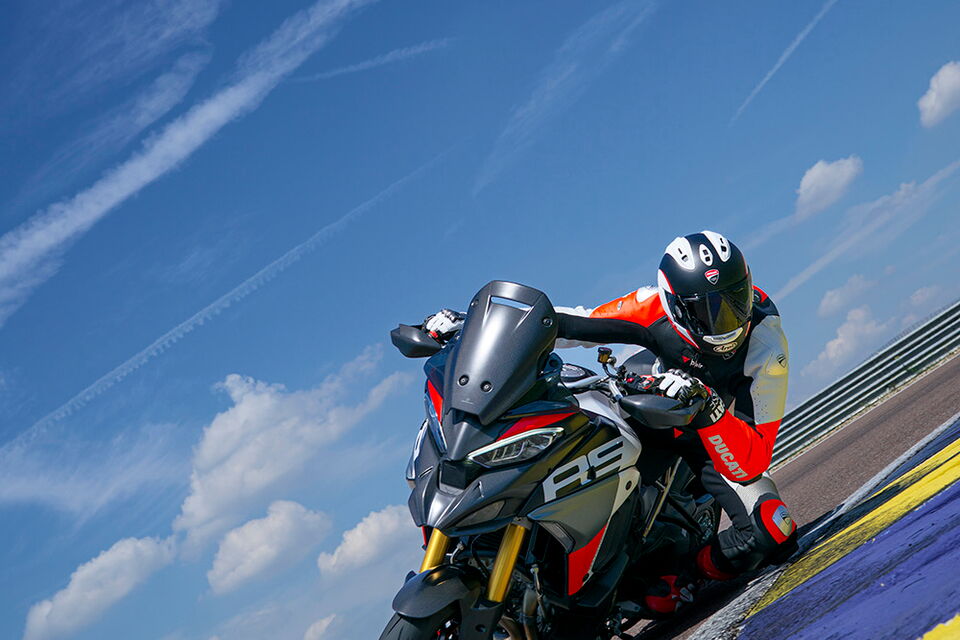
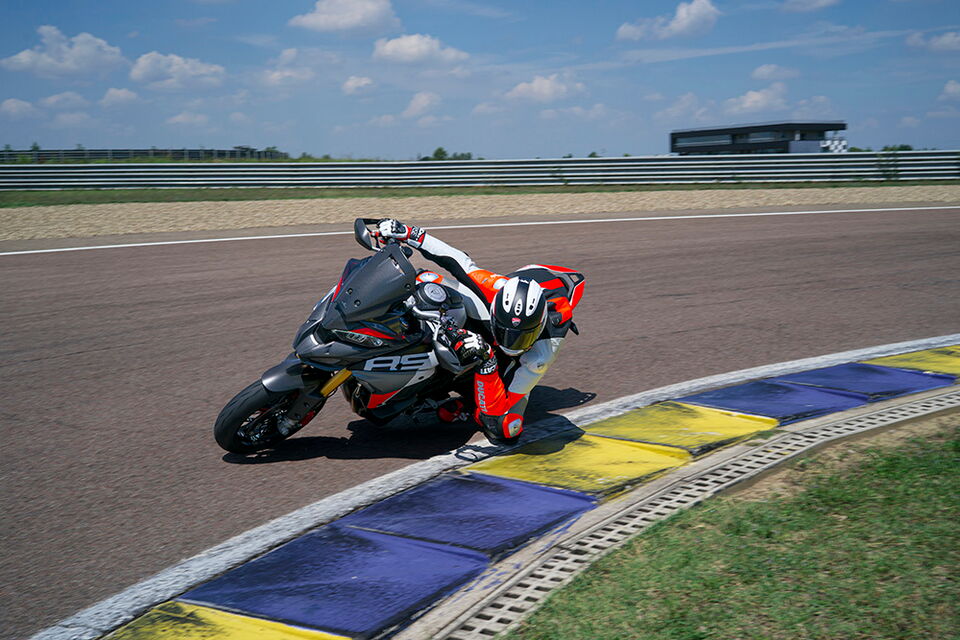

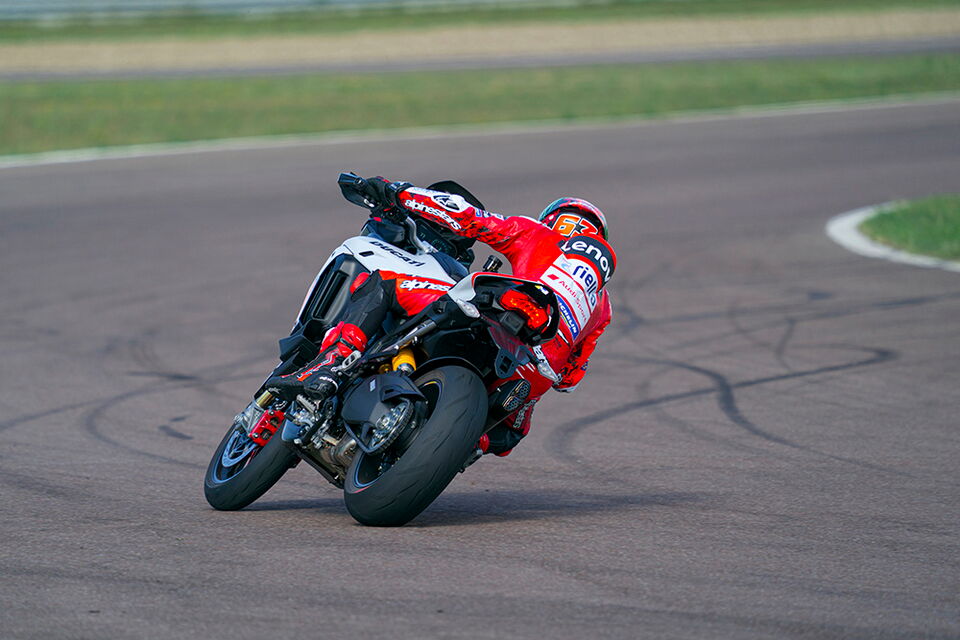
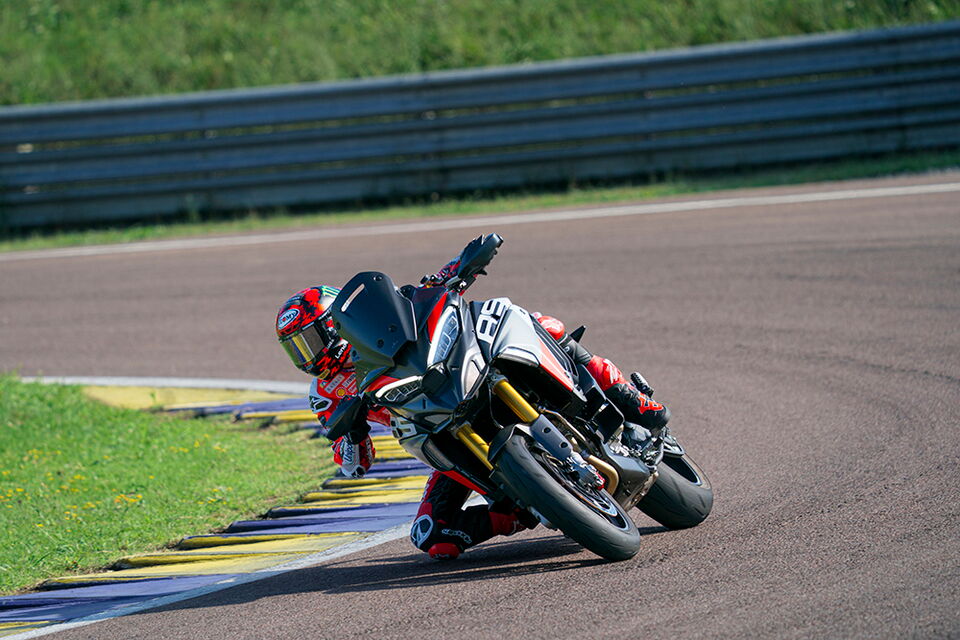
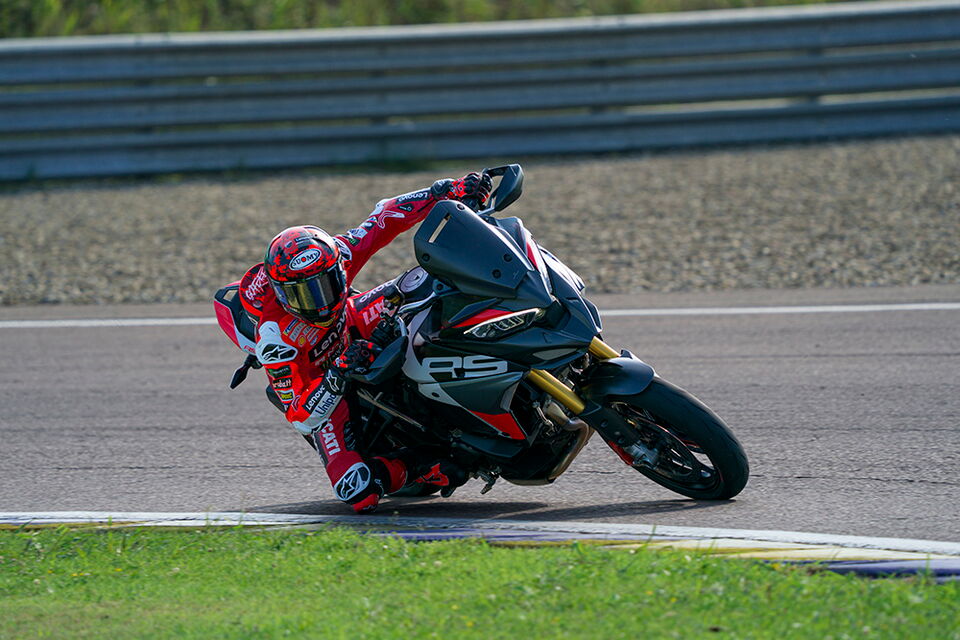
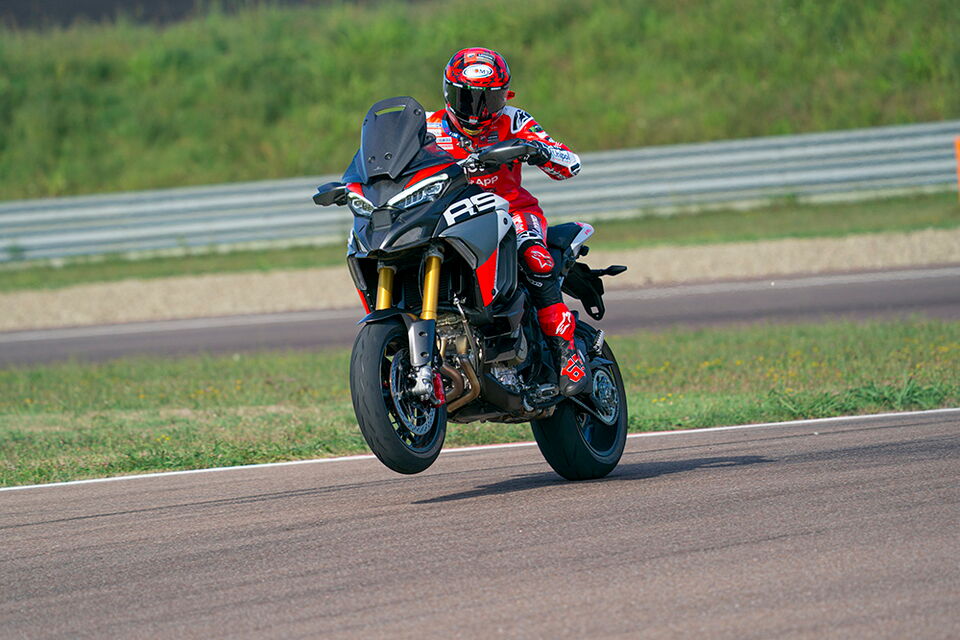
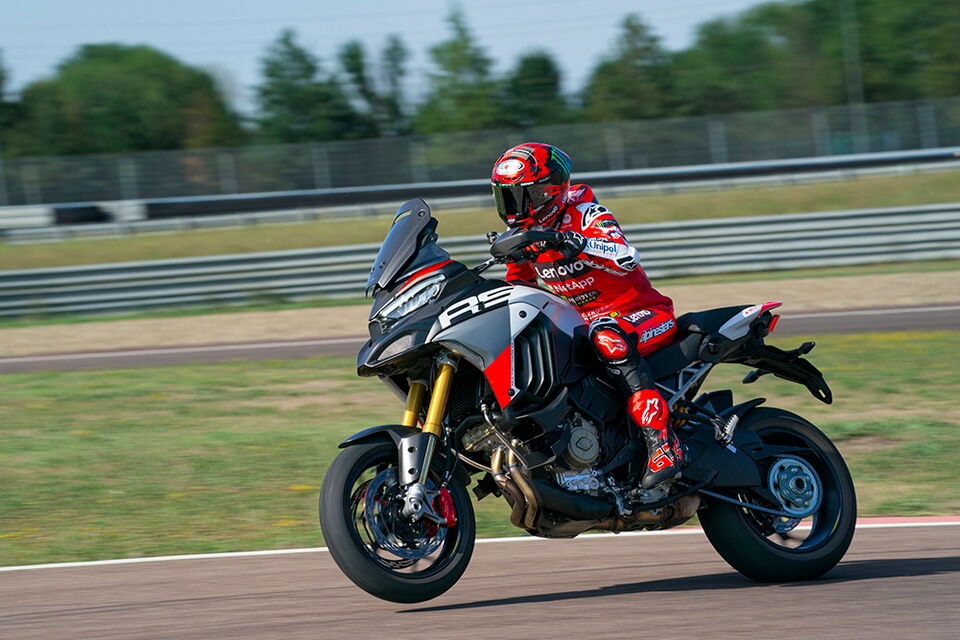
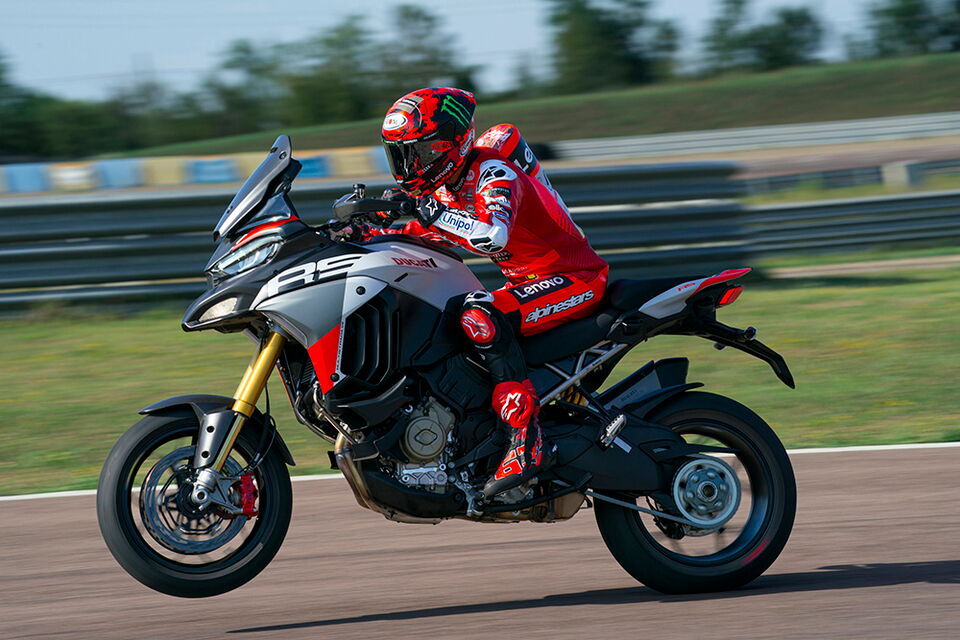
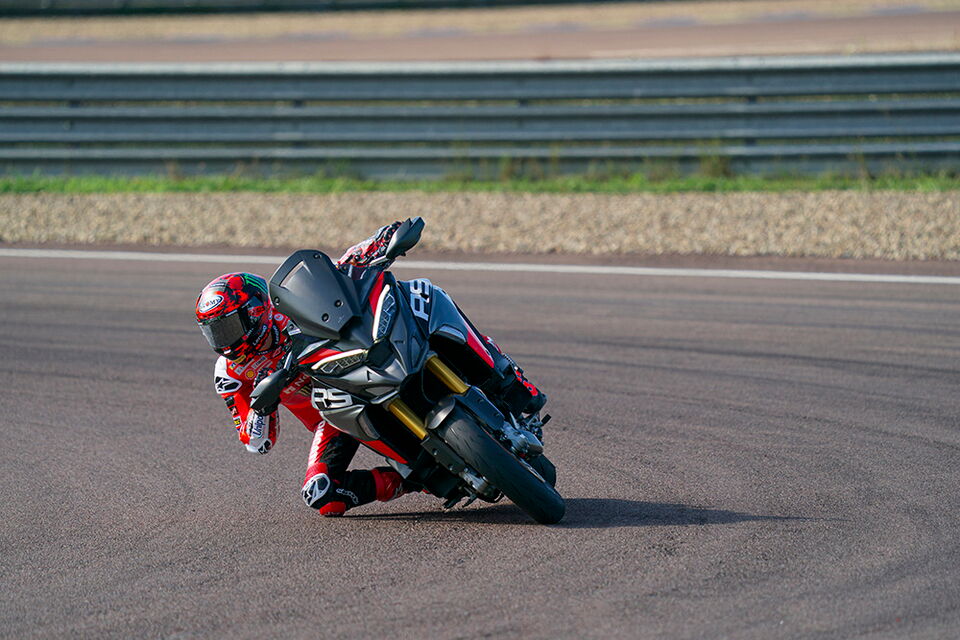
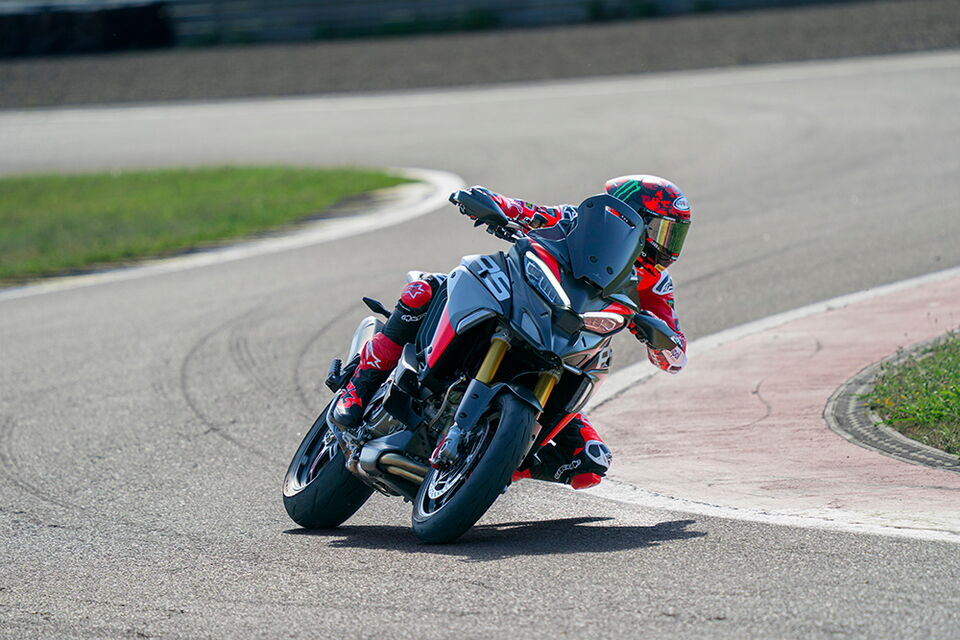
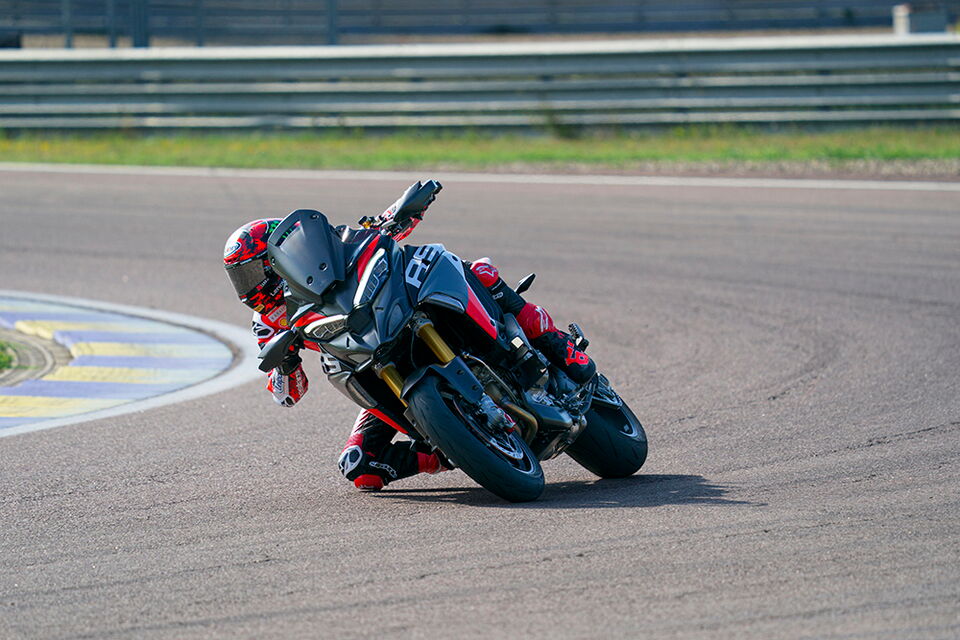

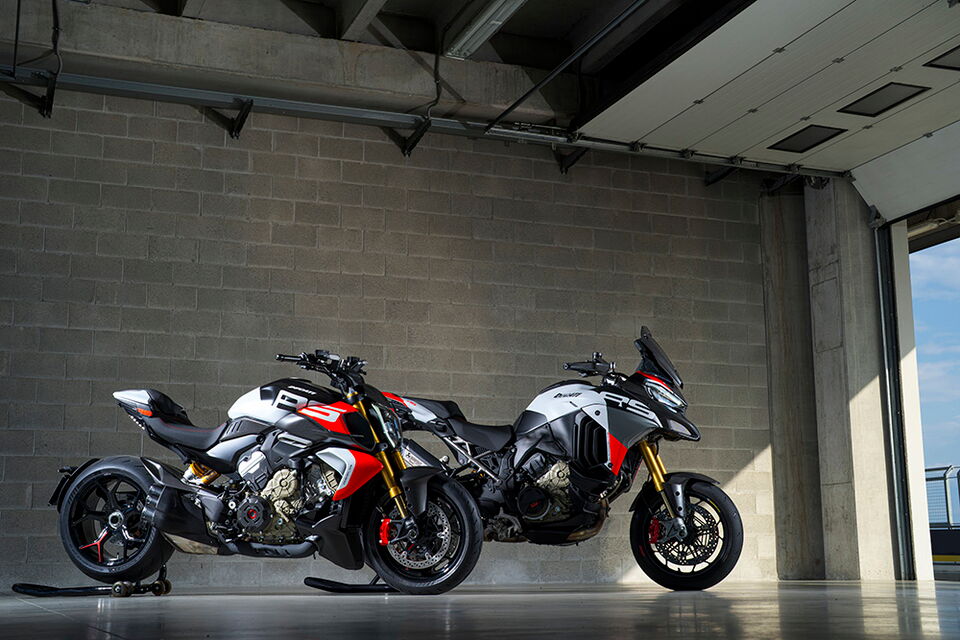
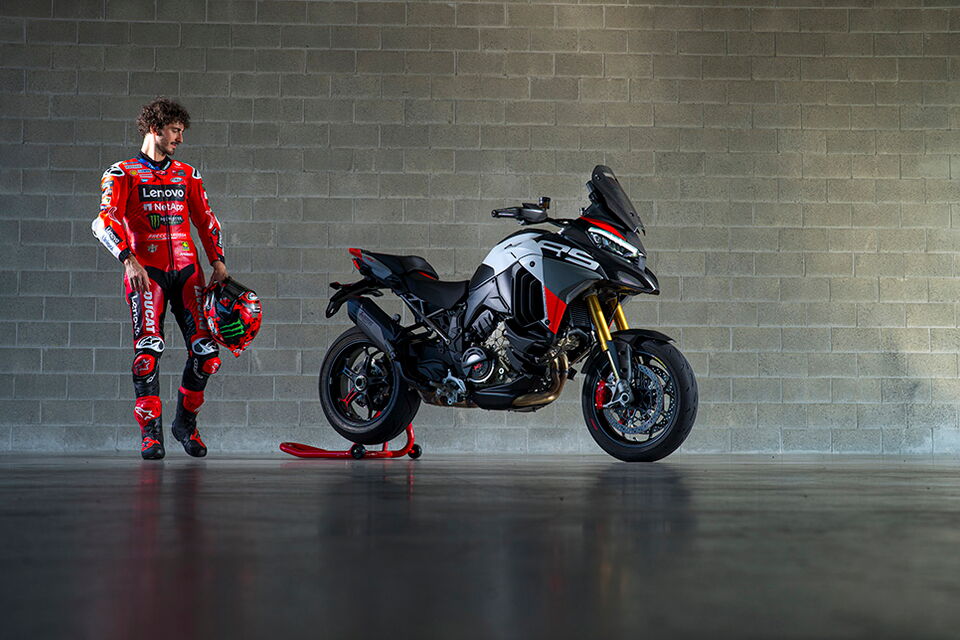
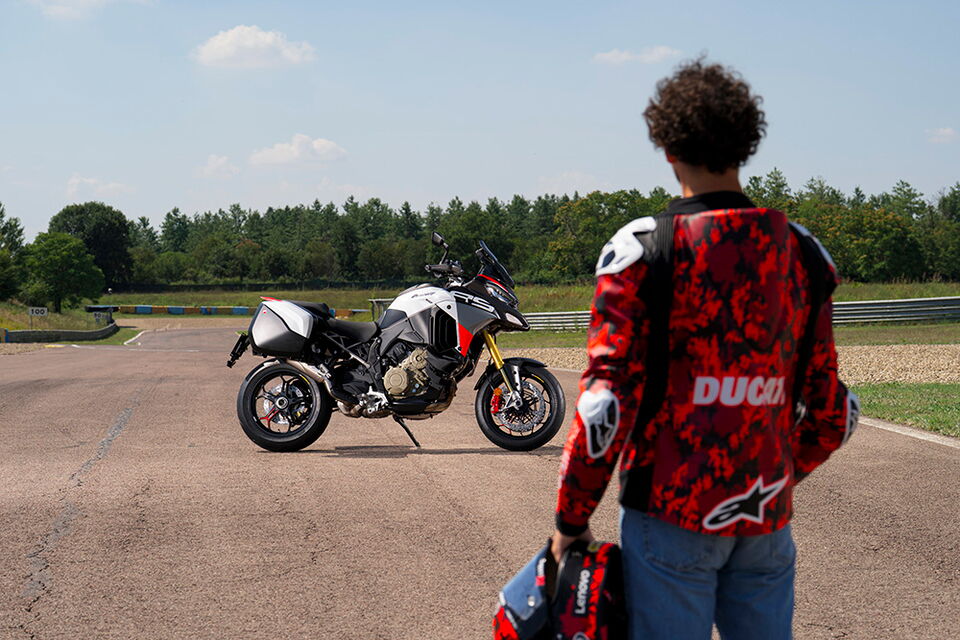


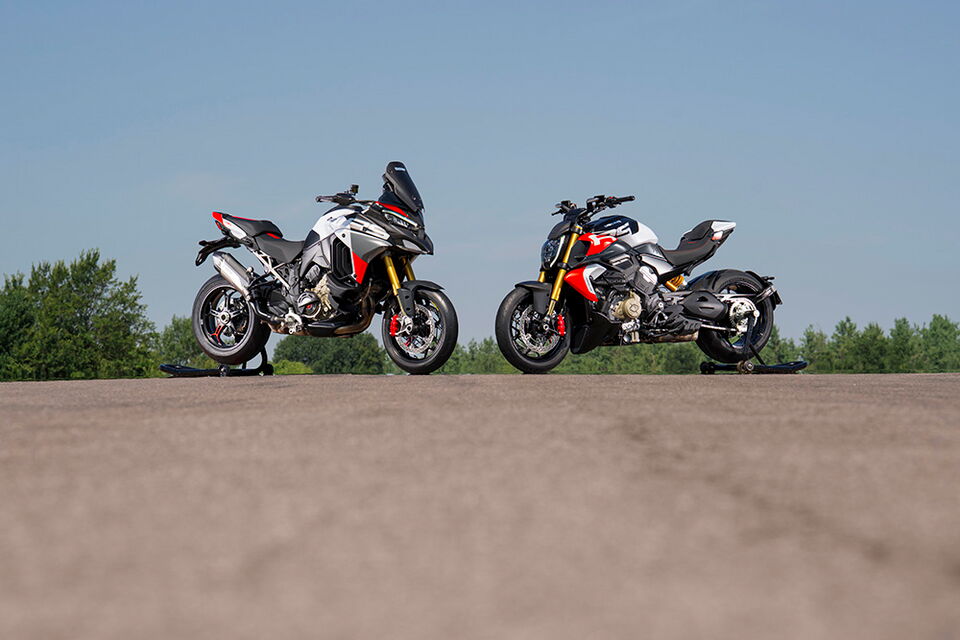
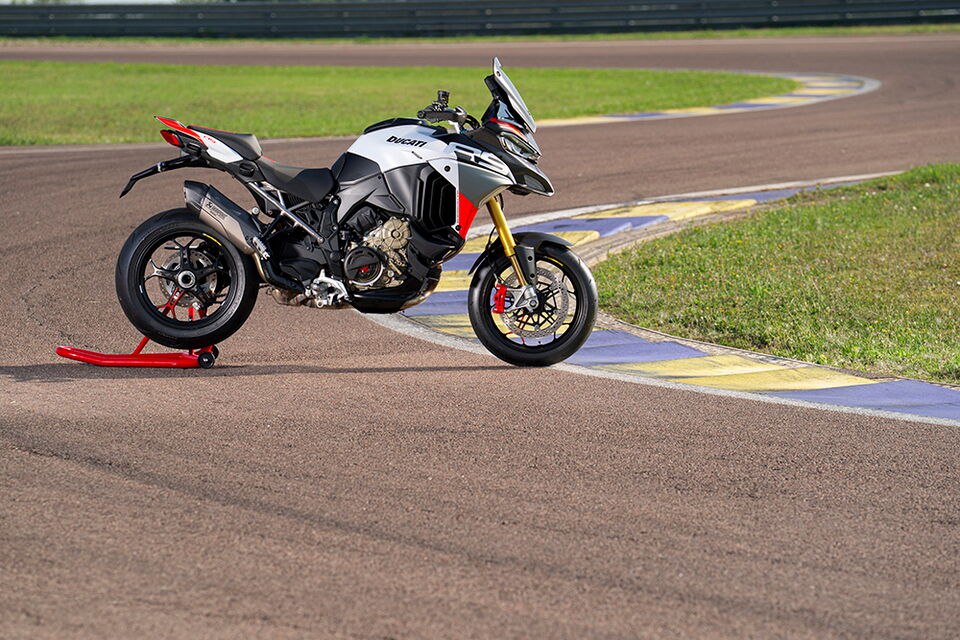
First Impression: Everything a Multistrada Is Not Supposed to Be—and Yet It Works
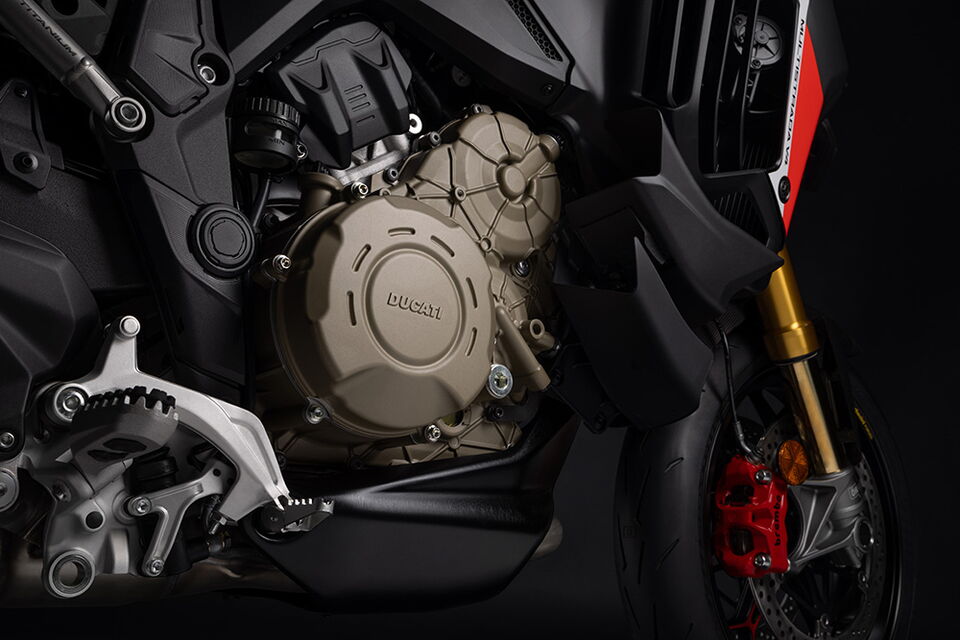
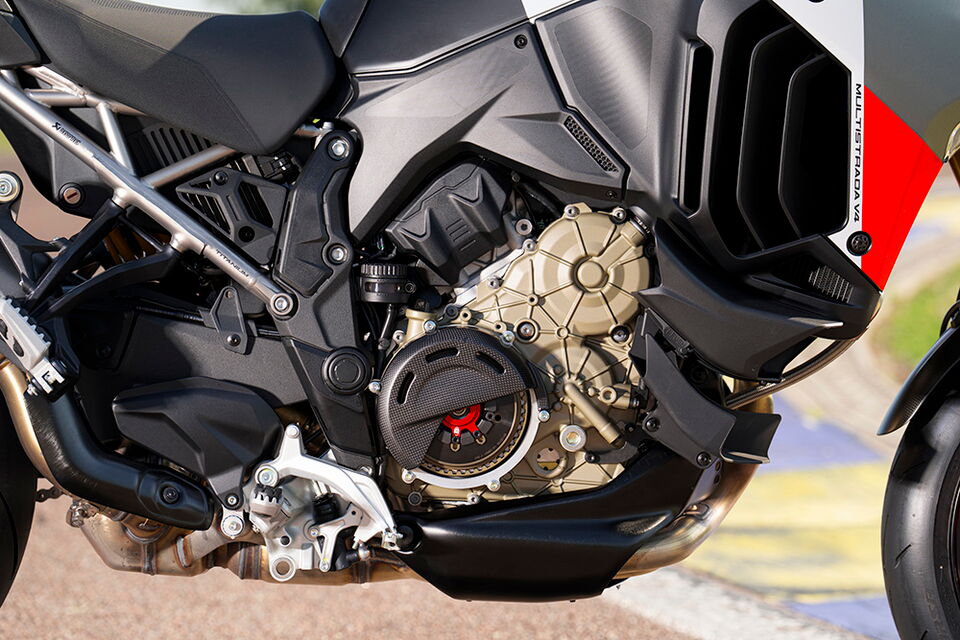
You hear the RS before the engine even starts. With the clutch lever pulled in, the dry clutch rattles with that characteristic metallic sound that instantly reminds Ducati fans of evenings at the racetrack with a Panigale. It is not a malfunction. It is the first sign of life from the Desmosedici Stradale, the same engine used in the Panigale V4—with the same desmodromic camshafts, the same geometry, the same roughness at low rpm, and the same explosive character beyond 8,000 rpm.
Sit at a traffic light with the clutch pulled in and the Desmosedici idling, and pedestrians will stare at you. That is no exaggeration. This is the sound of a motorcycle making no attempt to pretend it is anything other than what it really is: race technology on a touring platform.
Engine: 180 hp, 13,500 rpm, Desmo—and Why That Makes a Difference
1,103 cc, desmodromic valve actuation, 180 hp at 13,500 rpm. Those are familiar numbers. What they mean only becomes clear at 9,000 rpm on an empty backroad: the Desmosedici begins where other engines are already starting to fade. The powerband is not broad and homogeneous like that of the V4 Granturismo—it is deliberately focused toward the top end. Ride below 5,000 rpm and you experience a refined touring engine. Rev it out and you experience a completely different motorcycle.
The RS calibration is more touring-oriented than the Panigale’s: calmer and smoother at lower engine speeds, more suitable for everyday riding. But the character remains. The valve-clearance inspection interval is 30,000 km—half that of the V4 Granturismo. That is the maintenance price of desmodromic valve actuation. Accept it and you get a motorcycle that feels unlike any other Multistrada.
Titanium Rear Subframe and Single-Sided Swingarm: Weight as a Philosophy
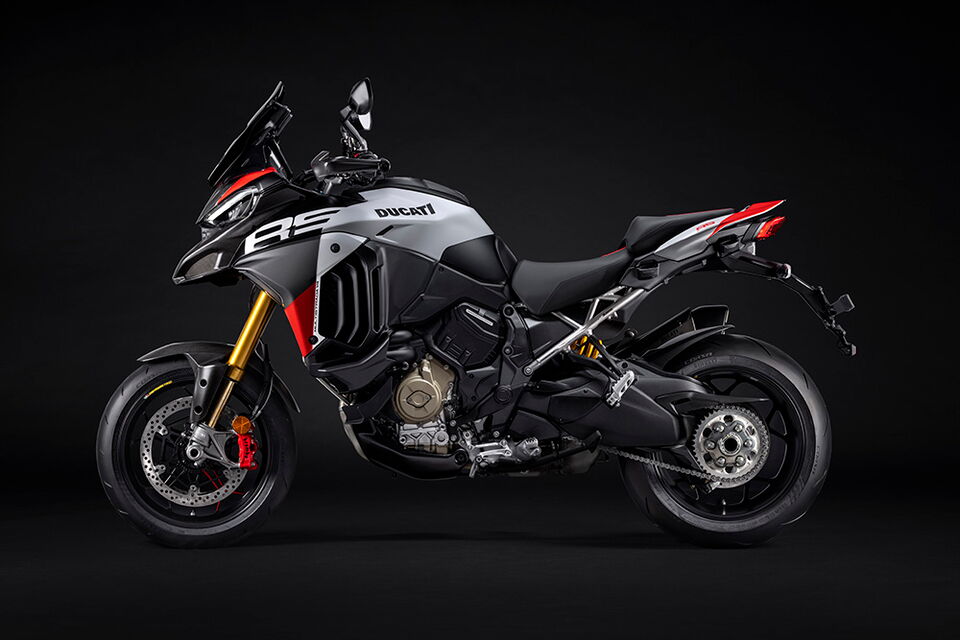
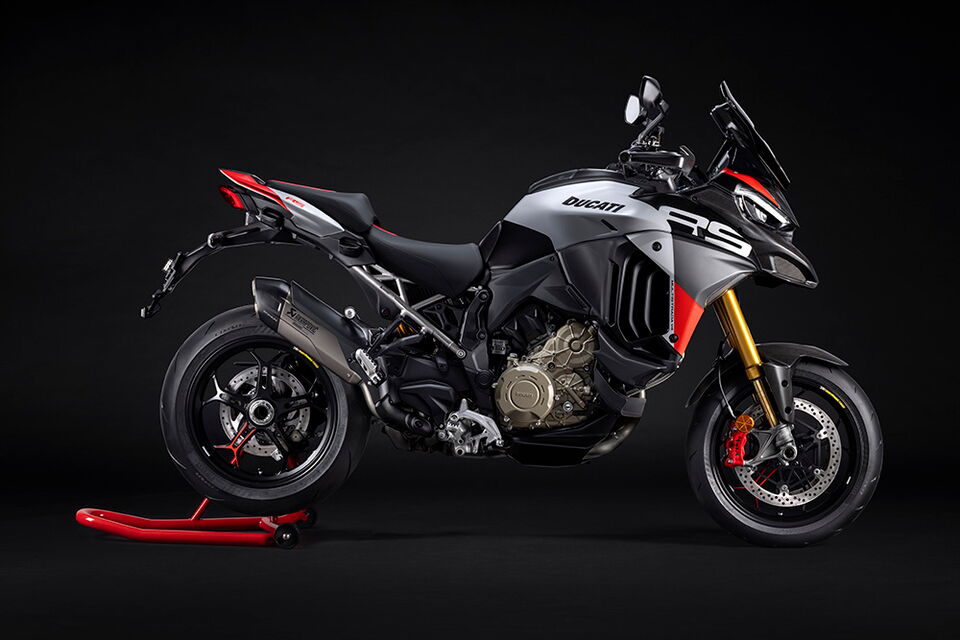
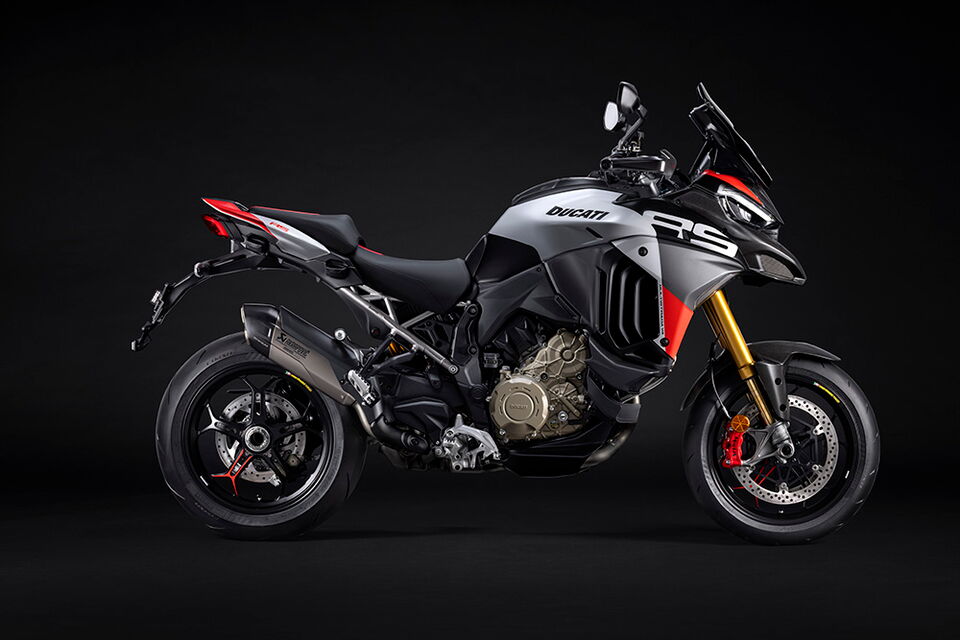
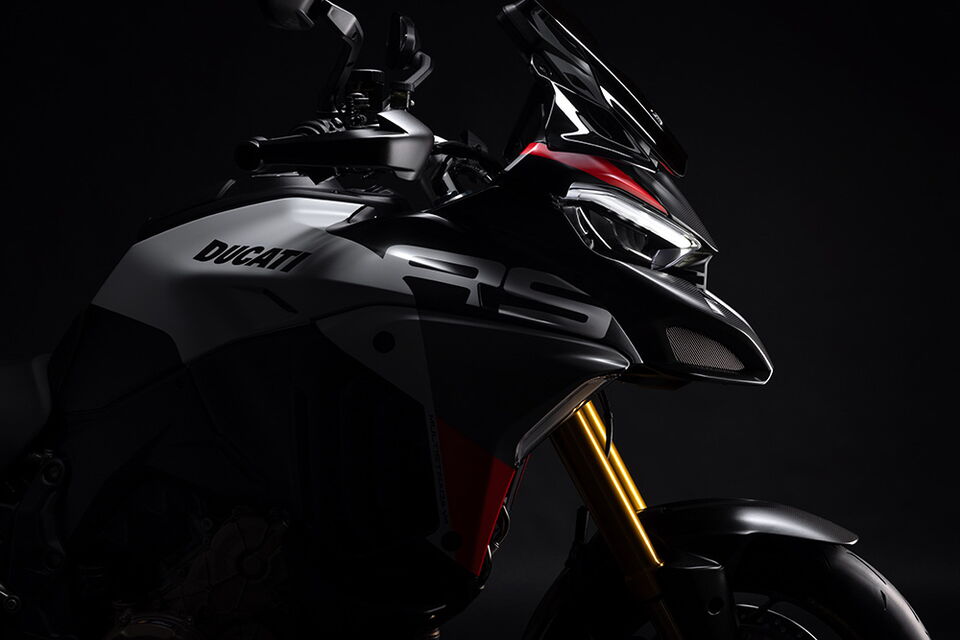
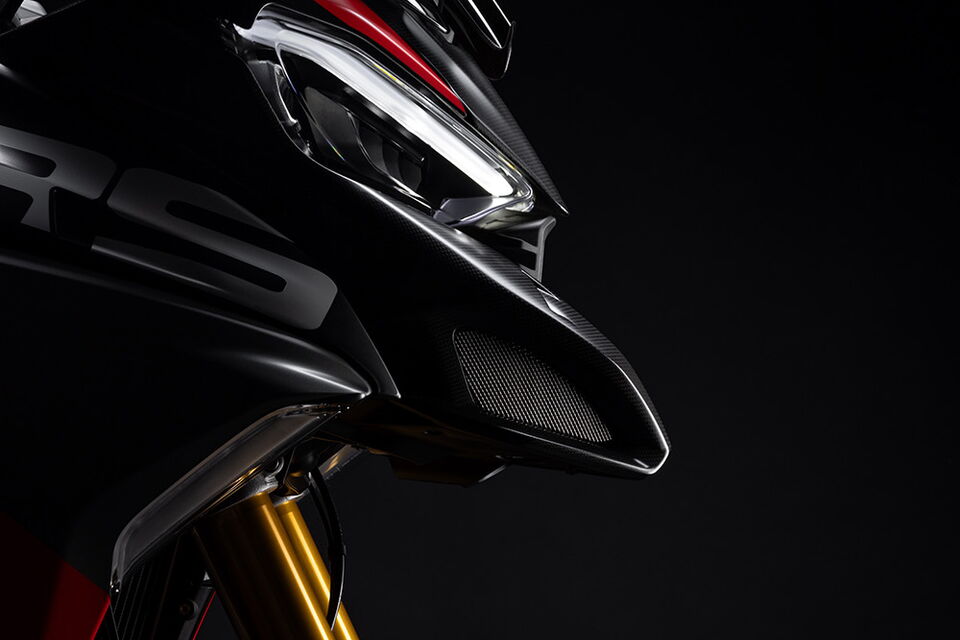
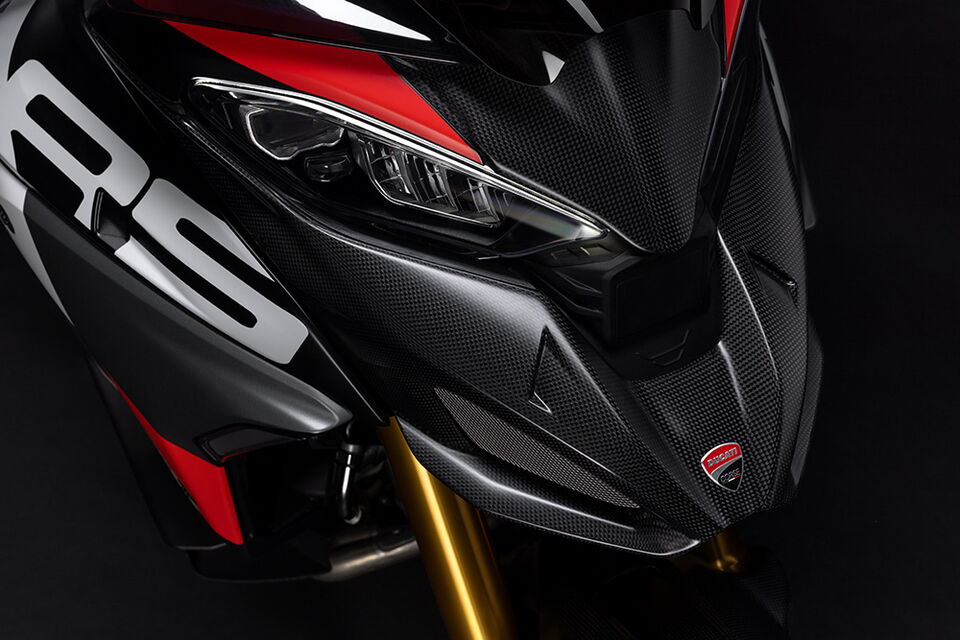
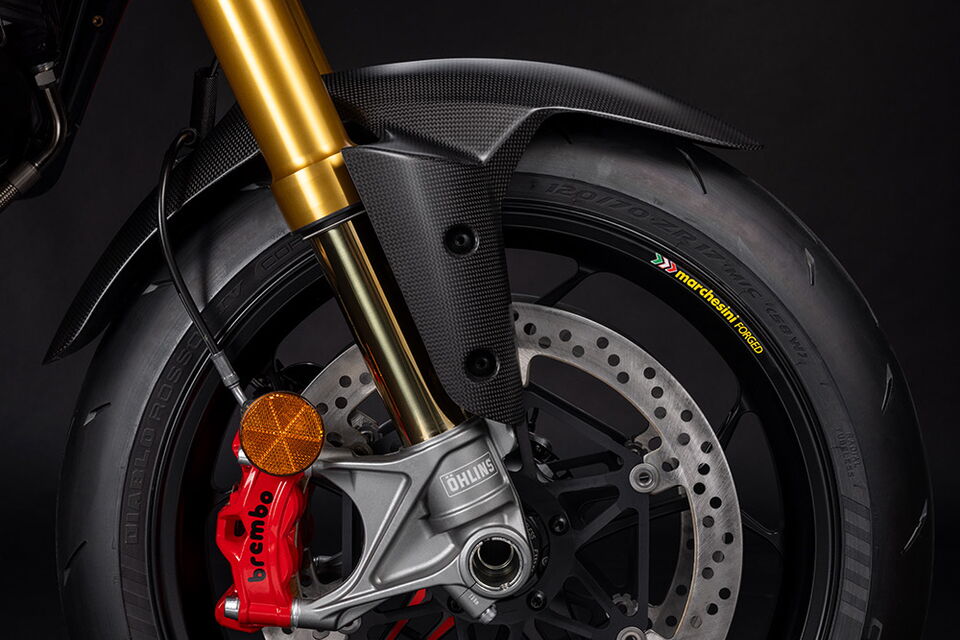
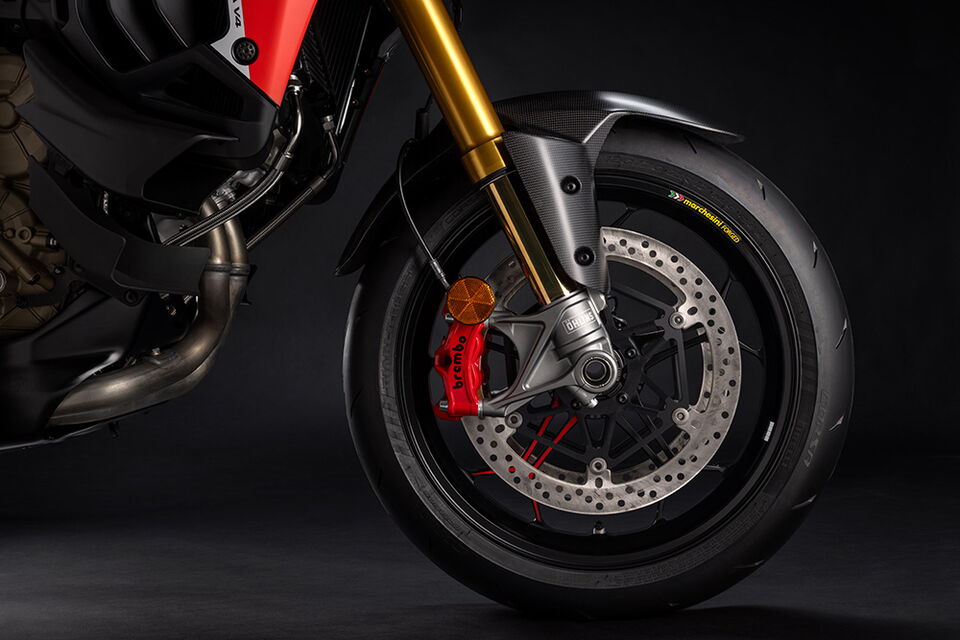
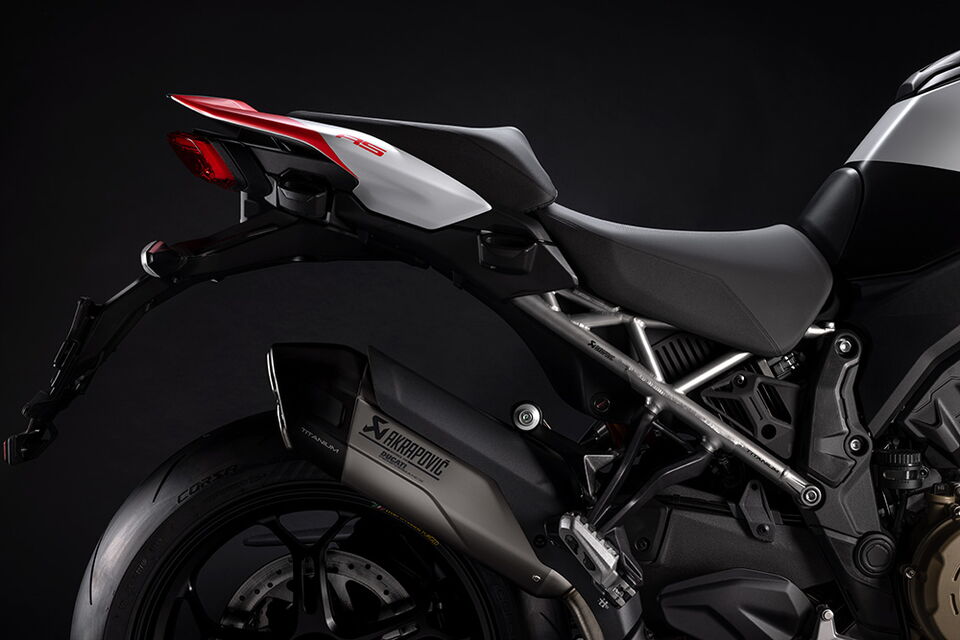
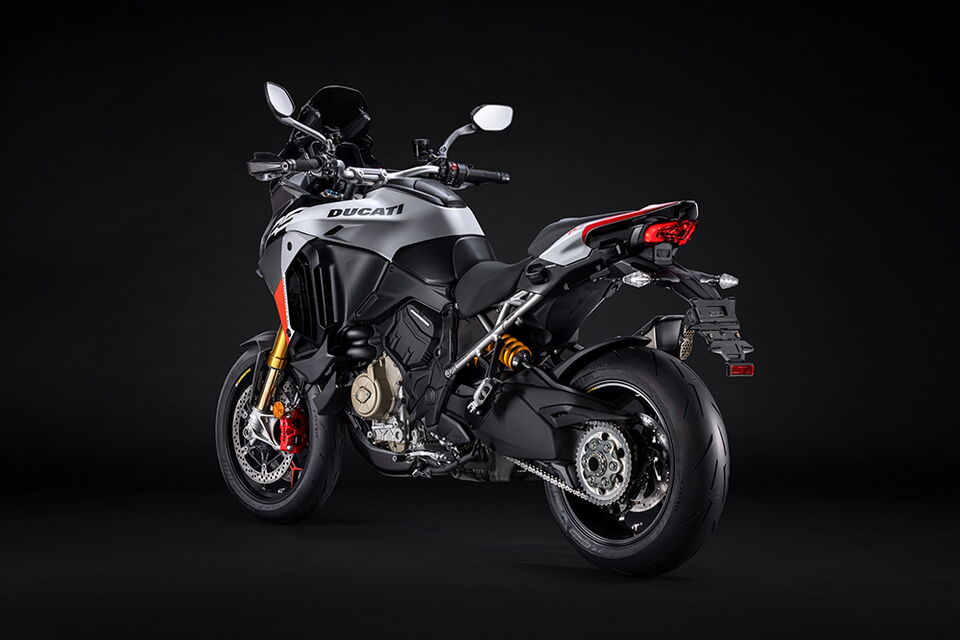
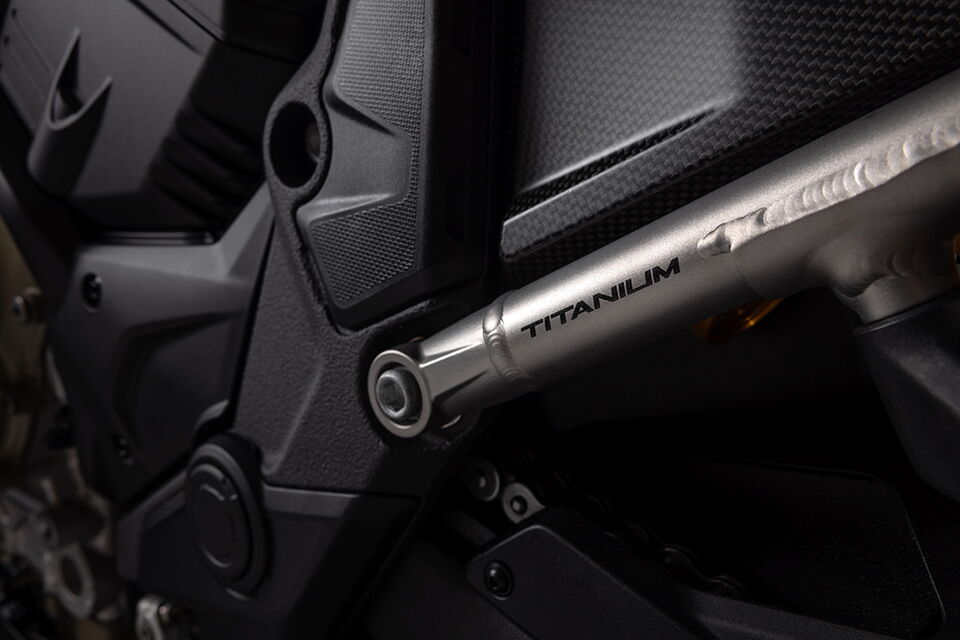
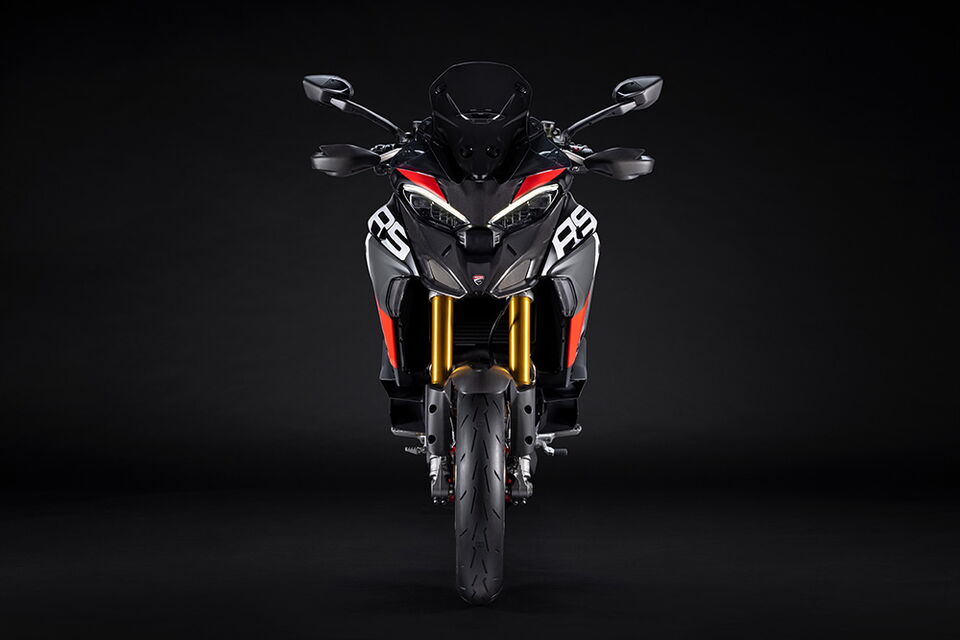
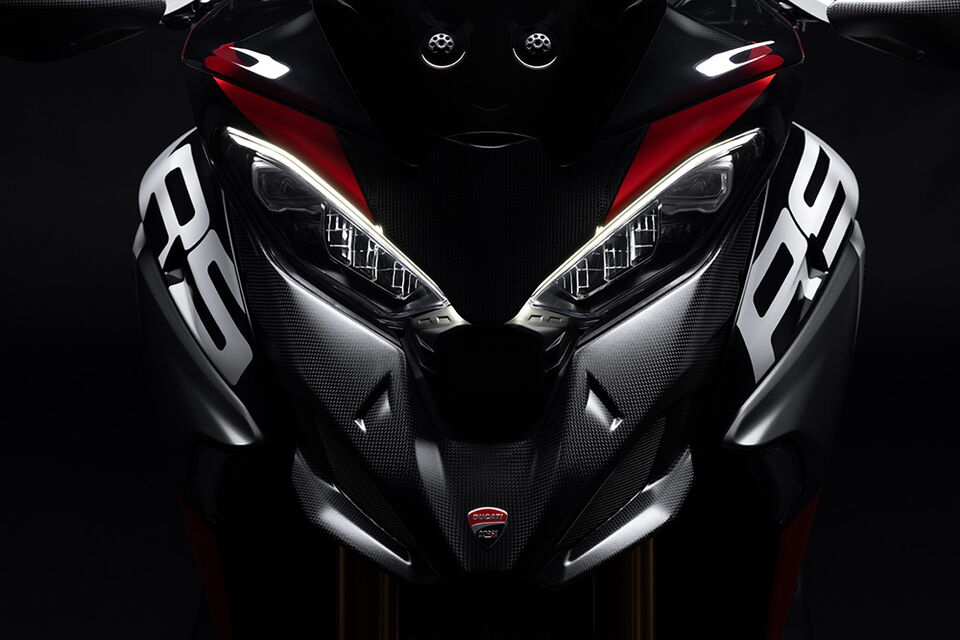
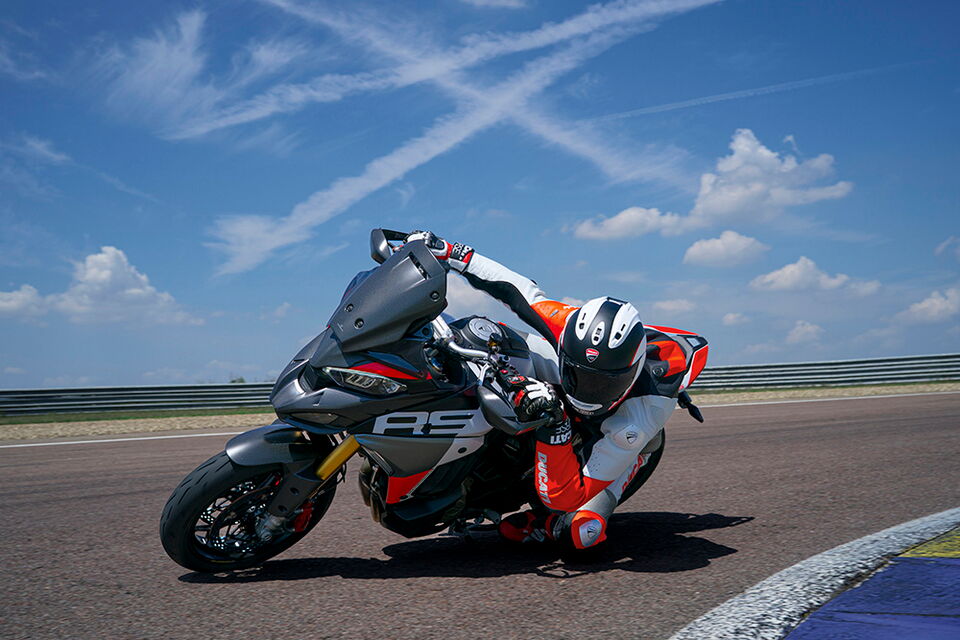
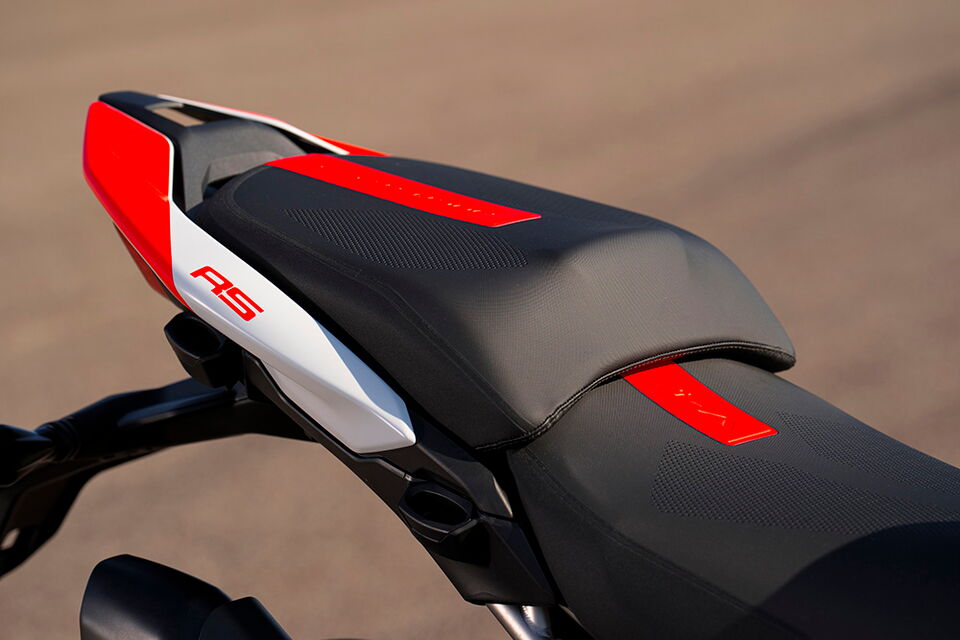
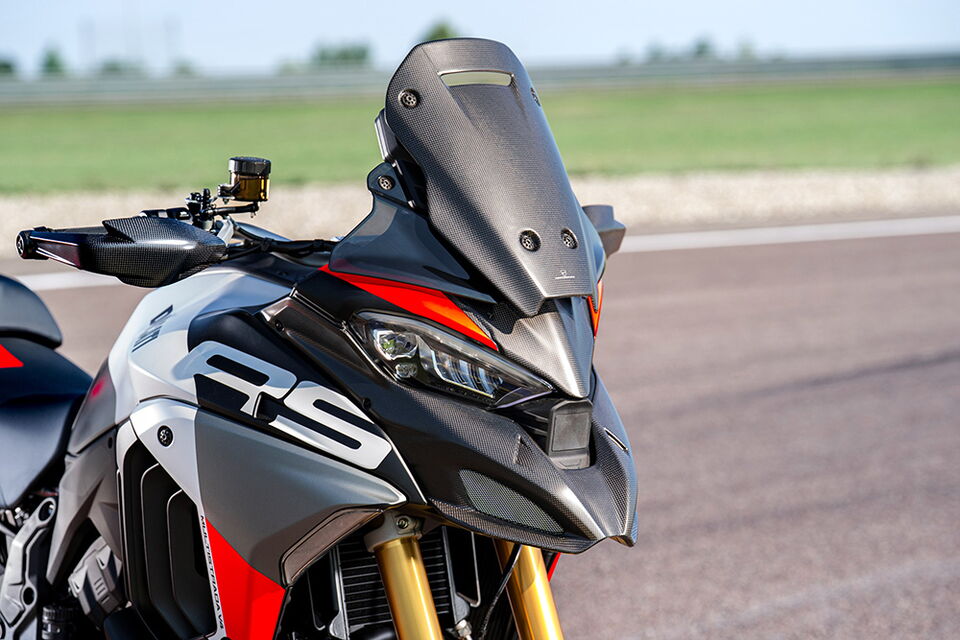
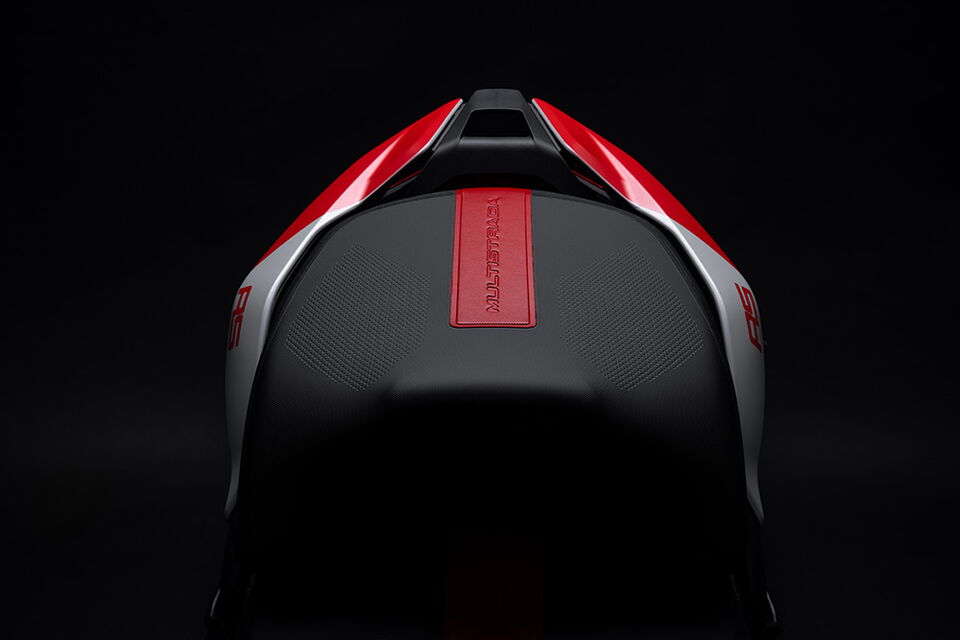
Three kilograms less than the Pikes Peak sounds like a marketing footnote, but it does not feel like one. The titanium rear subframe is not the only weight-saving measure. Combined with the new Marchesini forged wheels, which are 2.7 kg lighter than cast wheels, plus carbon front fender, handguards, heat shield, beak, and tail section, the result is a motorcycle weighing around 227 kg dry that feels considerably lighter in corners than the figure suggests.
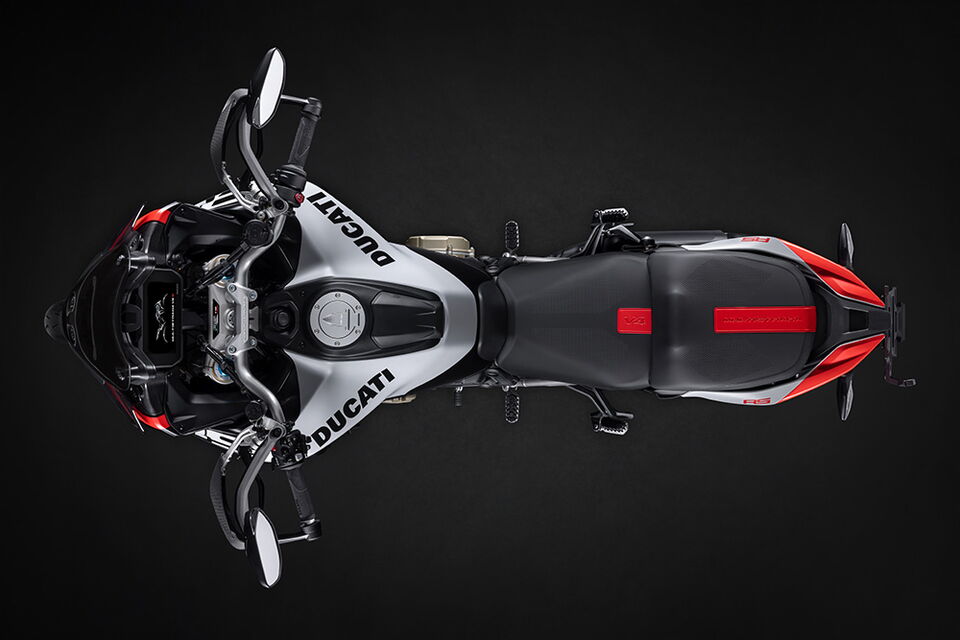
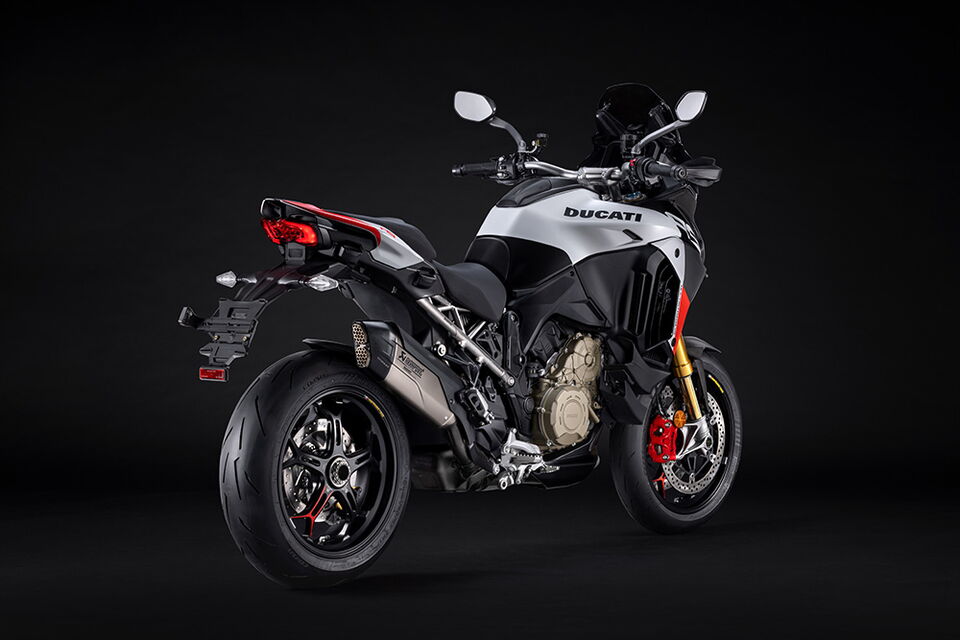
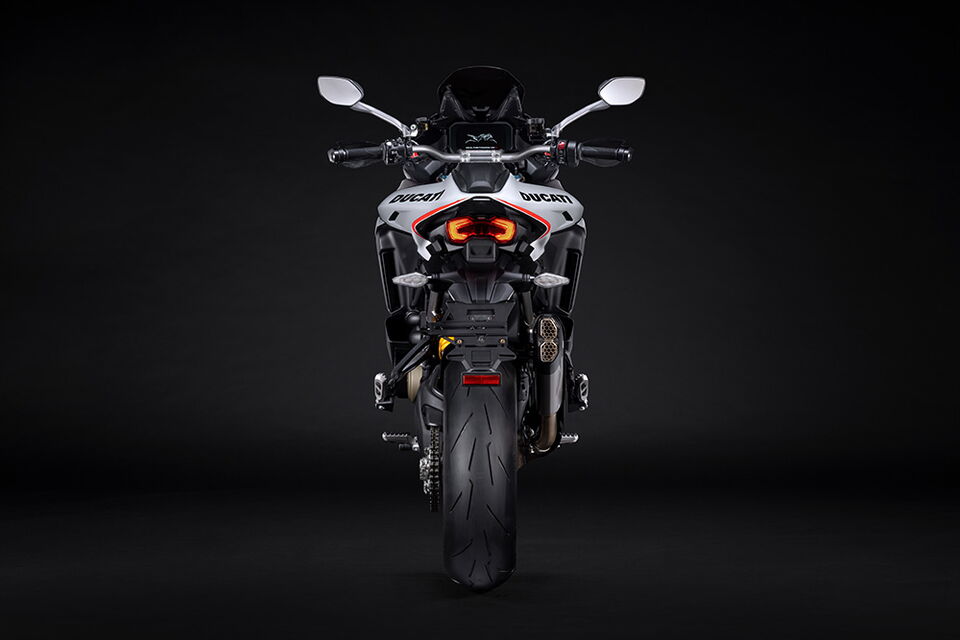
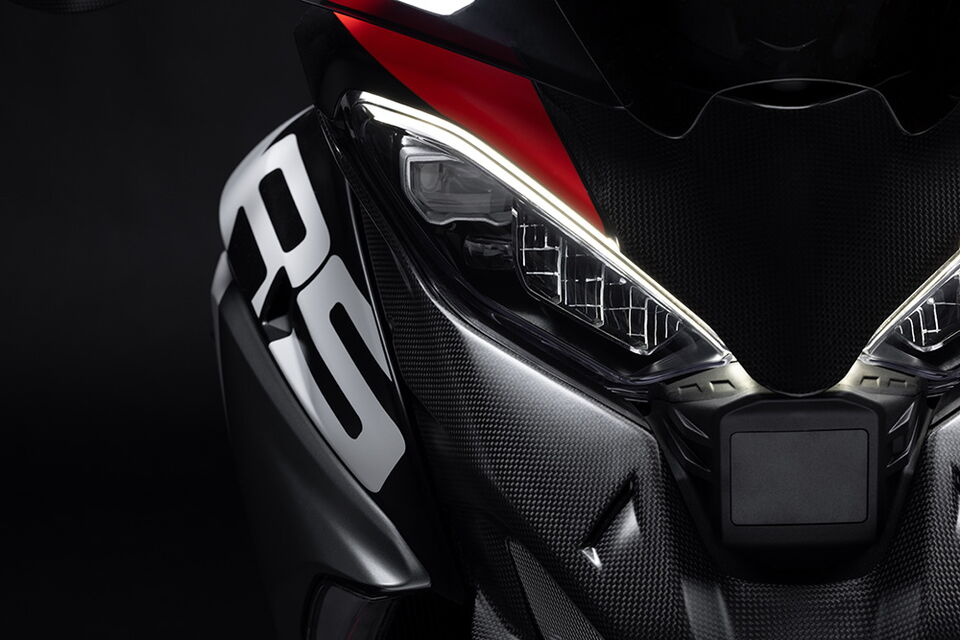
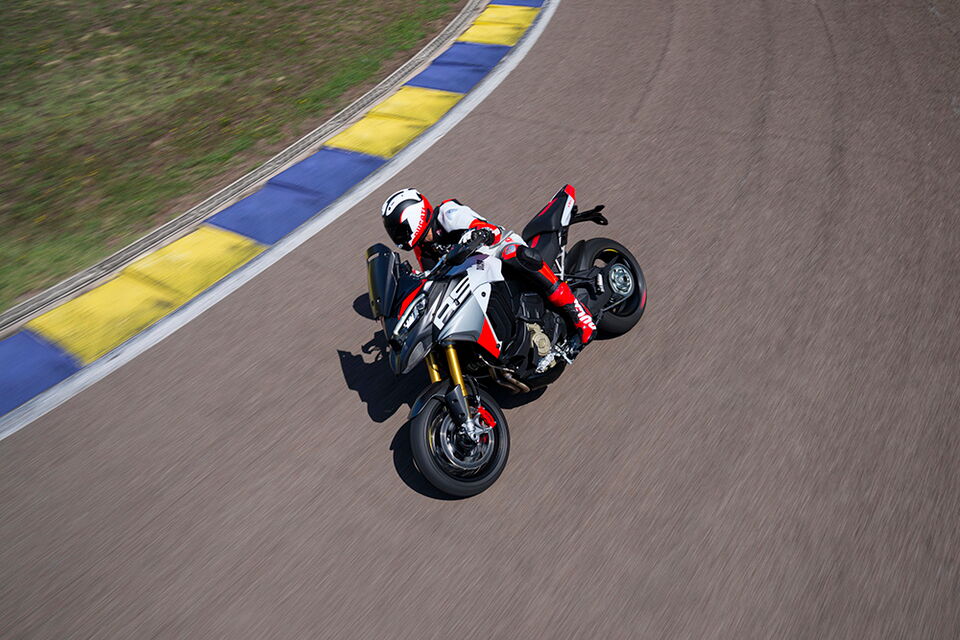
The single-sided swingarm is visually the clearest feature separating the RS and Pikes Peak from every other V4 variant. Functionally, it provides a stiffer rear-wheel mounting and makes tire changes considerably easier—an advantage that matters more on a racetrack than in everyday touring, but one that never hurts there either.
Öhlins Smart EC 2.0: Four Modes, One Logic
The Öhlins suspension is identical in hardware to the Pikes Peak setup: a 48 mm TiN-coated USD fork up front, TTX36 at the rear, and event-based Smart EC 2.0 control. The RS calibration is different. Touring and Sport have been set up more softly to allow higher damping levels with a passenger and luggage. Race mode is sharper. Track—the fourth Suspension Mode—is designed for racetrack use and eliminates all comfort compromises.
In practice, this means the RS is pleasantly suspended during normal touring stages. Change the riding mode—and Race mode is exclusive to the RS and Pikes Peak—and the suspension begins to behave like a tool rather than adding comfort. That is the point at which the RS reveals what it was really built for.
DVO, New Forged Wheels, Numbered Series: What’s New for 2026
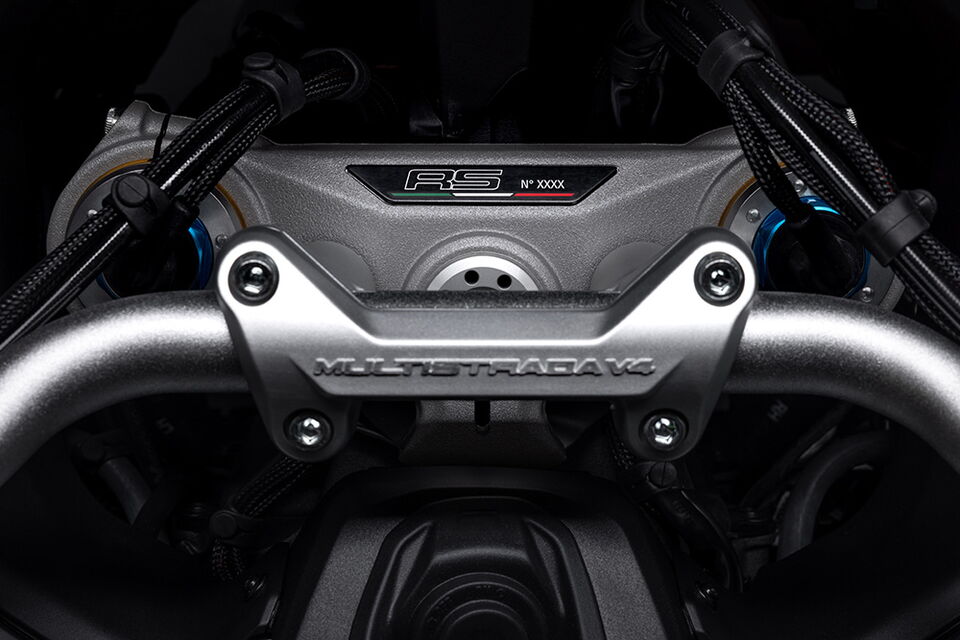
There are three concrete updates compared with the first generation. Ducati Vehicle Observer - DVO - adopted from the Panigale V4, simulates 70 virtual sensors and refines the control strategies of Cornering ABS and Wheelie Control in real time. New Marchesini five-spoke forged wheels replace the previous wheel design. And the 2026 RS is now a numbered limited series.
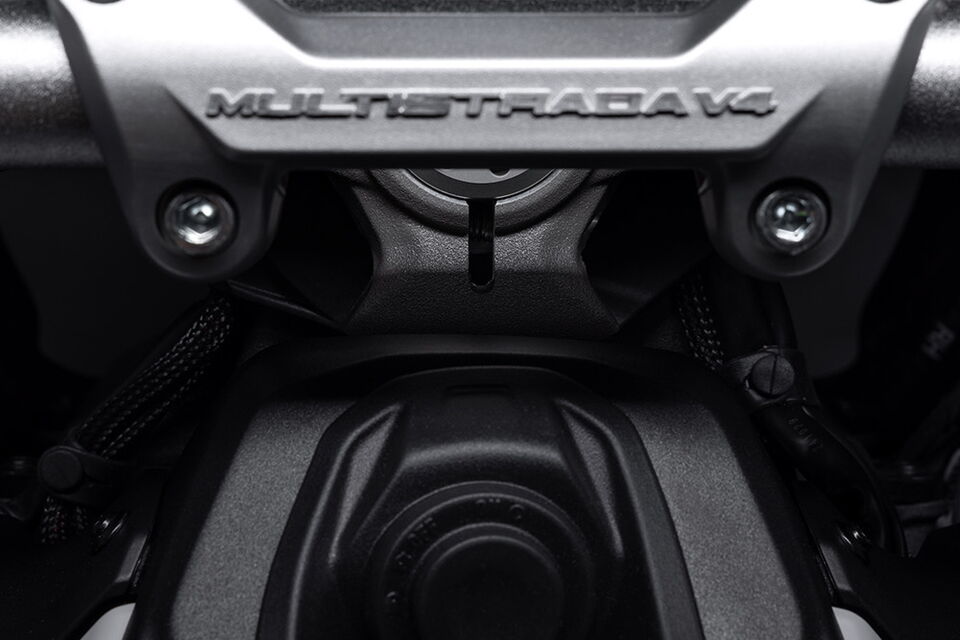
The black-anodized aluminum plaque with the Italian flag is mounted on the upper triple clamp. This is not a special-edition paint scheme. It is an individual serial number.
Brakes and Electronics: Panigale-Level Hardware on a Touring Motorcycle
Brembo Stylema, 330 mm discs, Front-to-Rear braking strategy: this is the Panigale V4’s braking hardware mounted on a motorcycle that can also carry a passenger to the south of France. The difference from the Pikes Peak is that the RS has only front radar for ACC and no rear BSD Blind Spot Detection. That is the one area where the less expensive Pikes Peak offers more radar coverage. If you need BSD, buy the Pikes Peak or Rally.
Race mode opens up the RS’s full electronics package: DTC at its lowest intervention level, minimal DWC intervention, and sport-oriented ABS calibration. Power Modes—Full, High, Medium, Low—allow precise adjustment. The RS-specific dashboard layout visually recalls the Panigale, with a round instrument, red graphics, and engine speed taking center stage.
Verdict: The Motorcycle for Riders Who Know What Desmo Means
The 2026 Multistrada V4 RS is not an all-round compromise. It has a clear orientation. Buy one and you are buying the Desmosedici Stradale, the dry clutch, the titanium rear subframe, the sound, and the rattle.
€38,490. 30,000 km valve-clearance interval. 92 dB(A)—the quietest Ducati V4 model and Tyrol-compliant. Four-year warranty. Numbered limited series. That is the proposition. It feels like a fair one.
Quick Check
+ 180 hp Desmosedici Stradale at 13,500 rpm; Desmo; dry clutch; Akrapovič standard; 92 dB(A), Tyrol-compliant; new Marchesini five-spoke forged wheels for 2026; DVO new for 2026; 48 mm Öhlins Smart EC 2.0 with four Suspension Modes—Track/Dynamic/Touring/Low Grip; titanium rear subframe exclusive to RS, 3 kg lighter than Pikes Peak
+ Single-sided swingarm; 25.75-degree steering-head angle; Brembo Stylema with 330 mm discs; Bosch-Brembo 10.3ME Cornering ABS; full carbon package with front fender, handguards, heat shield, beak, and tail section; Race mode; 4-year warranty; numbered limited series; ACC radar
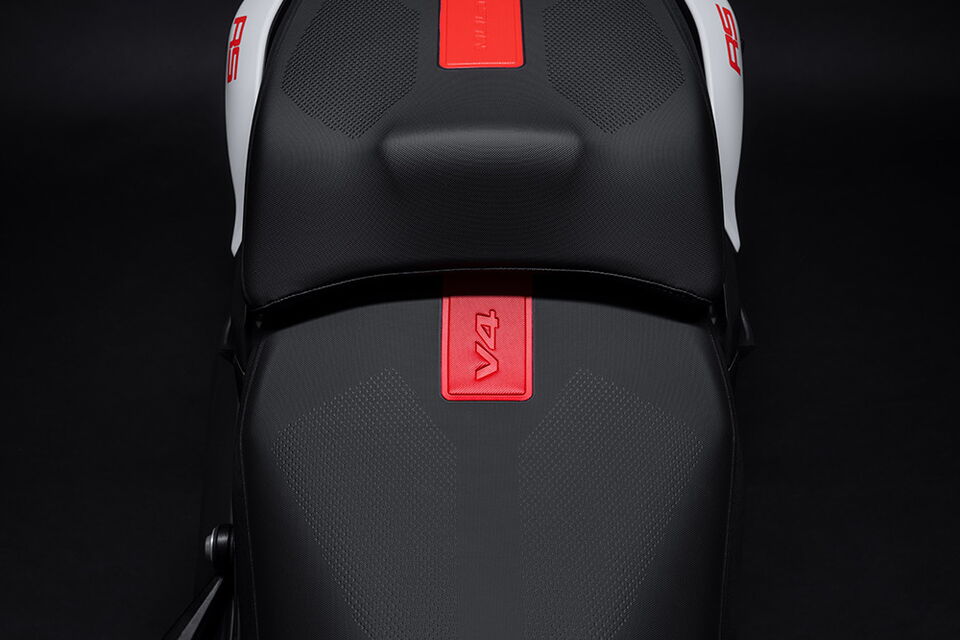
+ Approx. 227 kg dry weight; 840 mm seat height; 22-liter fuel tank; approx. 338 km range; €38,490; four riding modes—Race/Sport/Touring/Urban—plus Wet; Power Modes; 6.5-inch TFT with RS dashboard; Hands-Free; map navigation
– 30,000 km valve-clearance interval, Desmo schedule and half that of V4 Granturismo; dry clutch rattles at idle, character rather than defect; no BSD Blind Spot Detection, only front ACC radar, while Pikes Peak has greater radar coverage; €38,490 makes it the most expensive Multistrada in this test series
– No Enduro mode; Pirelli Diablo Rosso IV sport tires mean no genuine off-road use; no 30-liter fuel tank, Rally has 30 liters; approx. 245 kg ready to ride; numbered limited series means restricted availability
Technical Specifications: Ducati Multistrada V4 RS (2026)
Engine: Desmosedici Stradale; 1,103 cc; Desmo; counter-rotating crankshaft; Twin Pulse firing order; dry clutch; DQS 2.0; Akrapovič; Euro 5+
Power / Torque: 180 hp (132 kW) at 13,500 rpm; 118 Nm at 9,500 rpm
Suspension: 48 mm Öhlins USD fork with TiN coating and Smart EC 2.0; Öhlins TTX36 with Smart EC 2.0; single-sided swingarm; 25.75-degree steering-head angle; 170 mm travel
Brakes: Brembo Stylema; dual 330 mm front discs; Bosch-Brembo 10.3ME Cornering ABS; Front-to-Rear braking strategy
Wheels / Tires: Marchesini five-spoke forged wheels; 17/17 inches; Pirelli Diablo Rosso IV; 120/70 ZR17 front / 190/55 ZR17 rear
Electronics: DVO; four riding modes—Race/Sport/Touring/Urban—plus Wet; Power Modes; DTC; DWC; EBC; ABS; ACC radar; 6.5-inch TFT; Hands-Free; navigation; cruise control
Weight / Fuel Tank: Approx. 241 kg fully fueled; 22 liters; approx. 338 km range
Seat Height: 840 mm, up to 860 mm
Stationary Noise: 92 dB(A)—Tyrol-compliant
Warranty / Service: 4 years; 30,000 km valve-clearance inspection interval, Desmo; oil service every 15,000 km
Price in Germany: €38,490 plus €345 destination charges; numbered limited series