Review Ducati Multistrada V4 S (2026)

The Comparison-Test Winner That Can Do It All
Skyhook DSS EVO, Brembo Stylema, radar standard, 6.5-inch TFT with navigation, Hands-Free. The V4 S won MOTORRAD’s maxi-adventure comparison test against the BMW R 1300 GS and completed a 100,000 km long-term test without major problems. Those are test results that make a stronger argument than any marketing claims.
As of: May 5, 2026 | Model: Ducati Multistrada V4 S (2026; 2025/2026 generation) | Price in Germany: from €24,590 | Stationary noise: above 95 dB(A); confirm with dealer, Tyrol limit 95 dB(A) | Warranty: 4 years, Ducati 4Ever Multistrada, unlimited mileage





























First Impression: A Motorcycle That Has Nothing to Prove
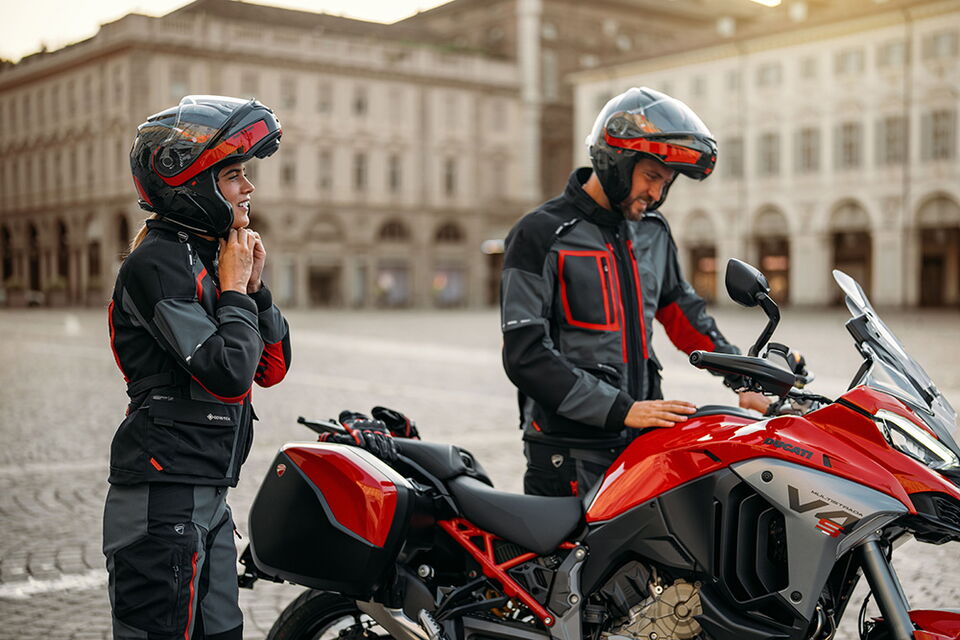
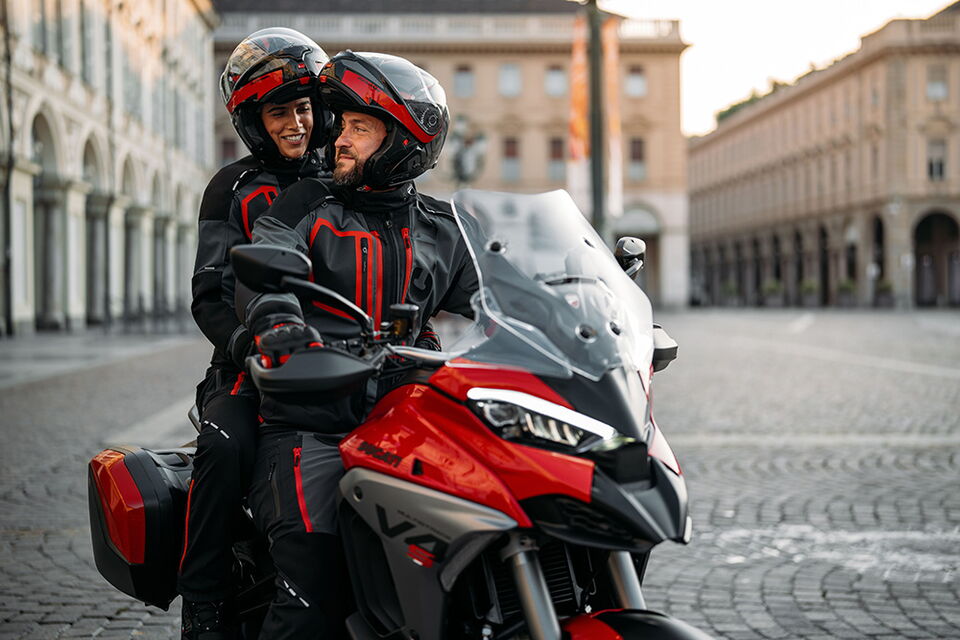
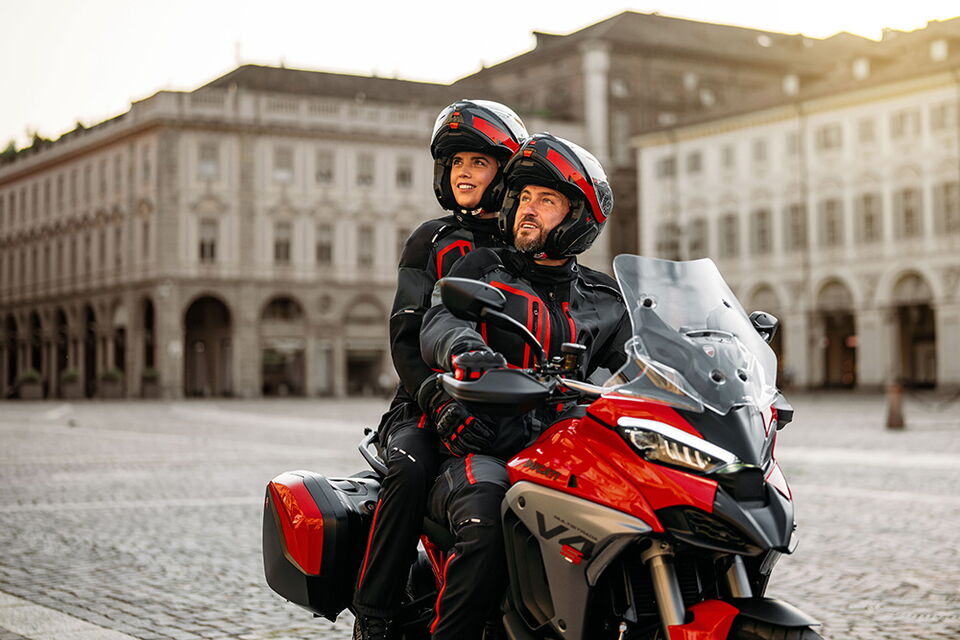
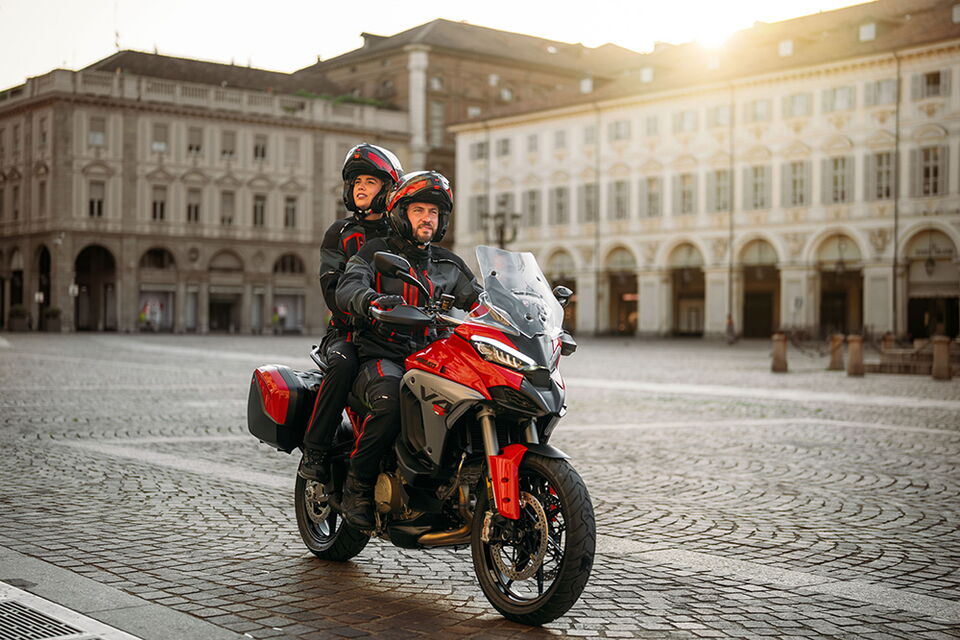
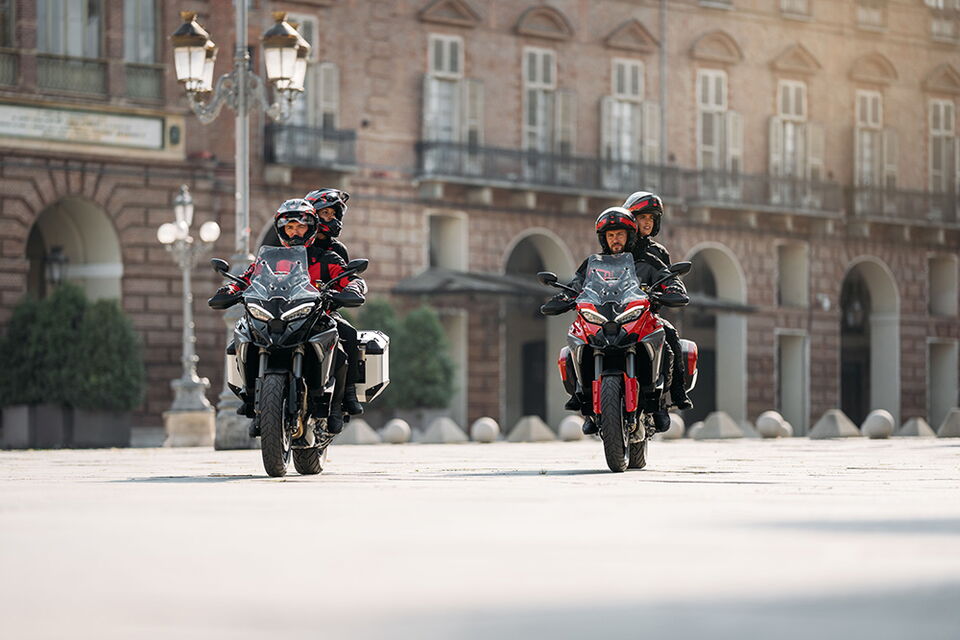
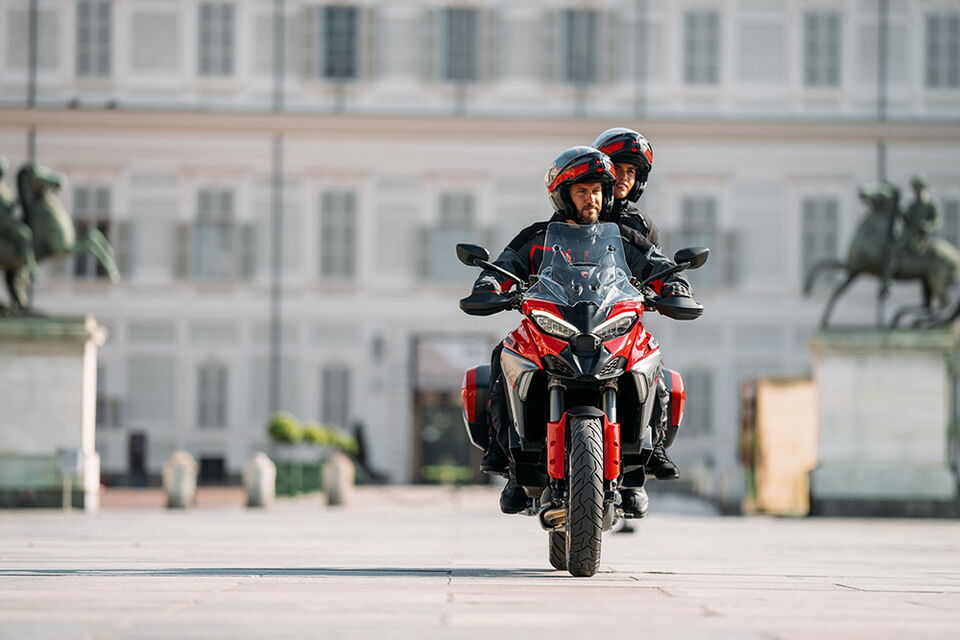
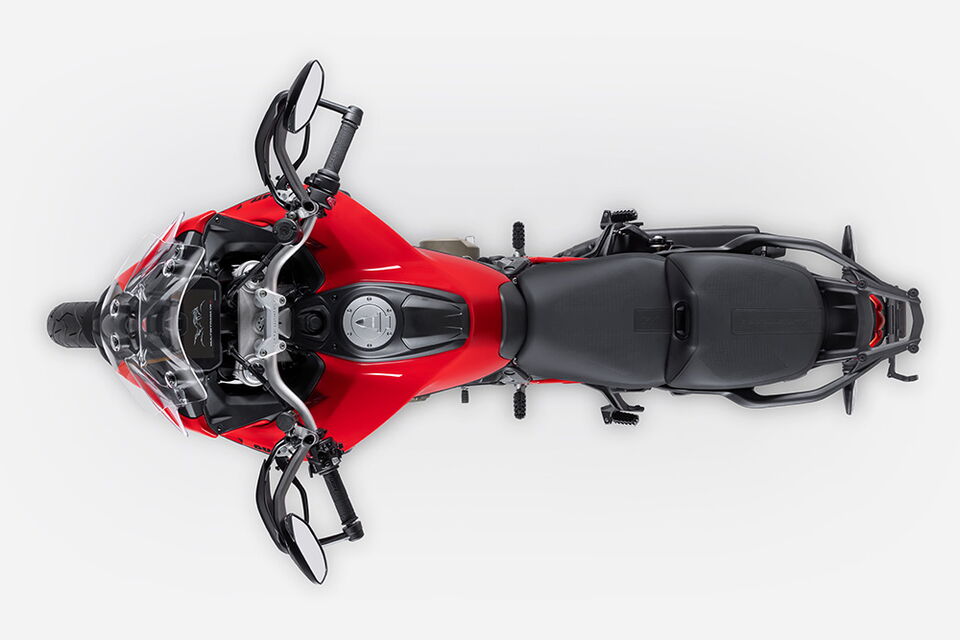
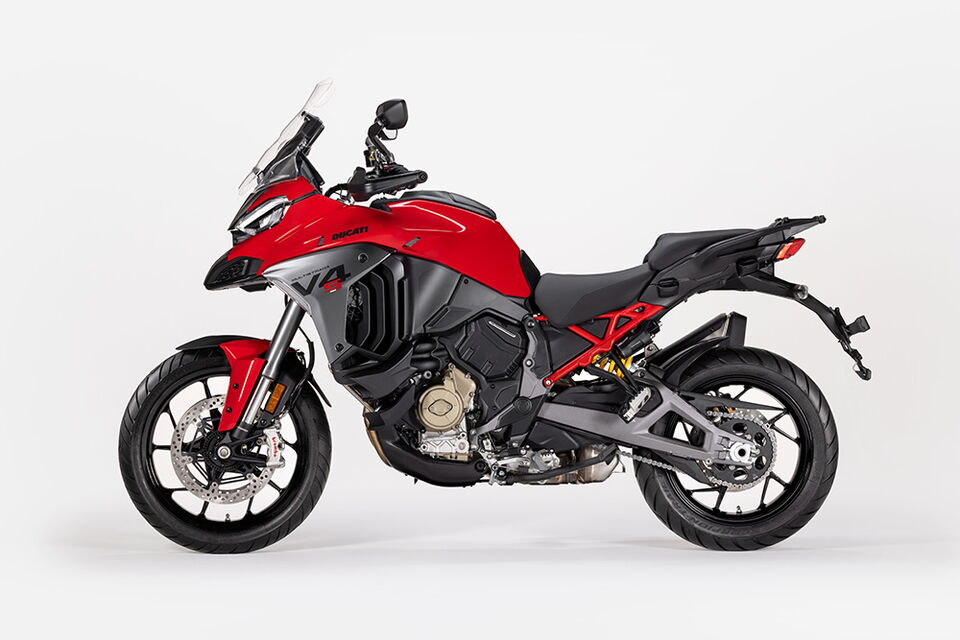
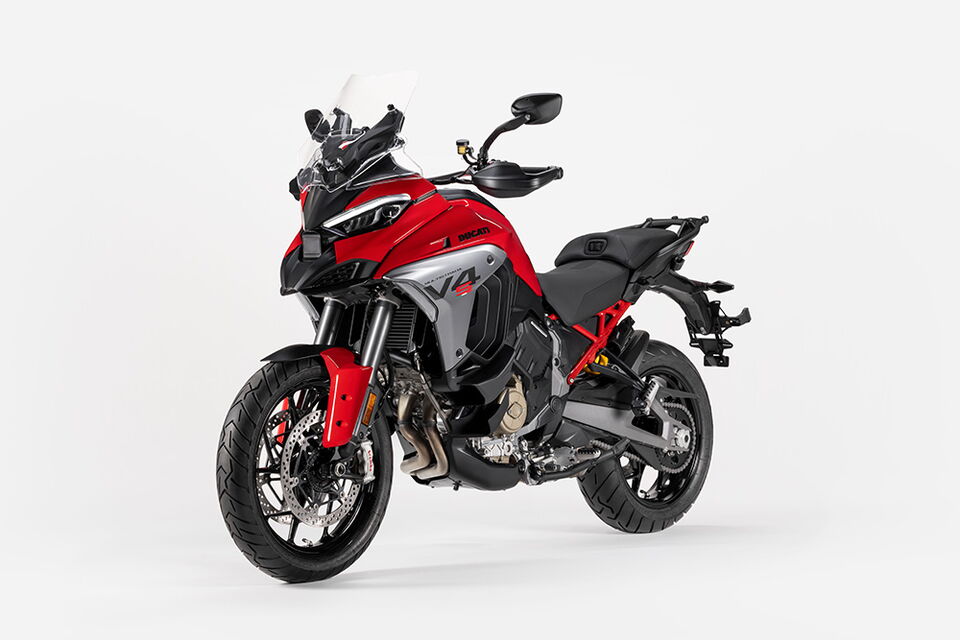
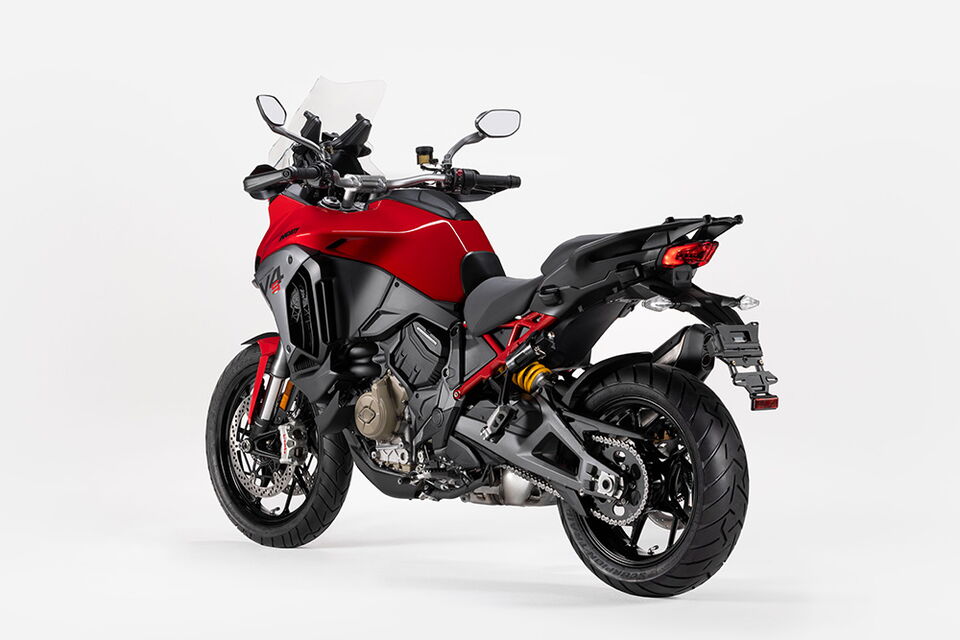
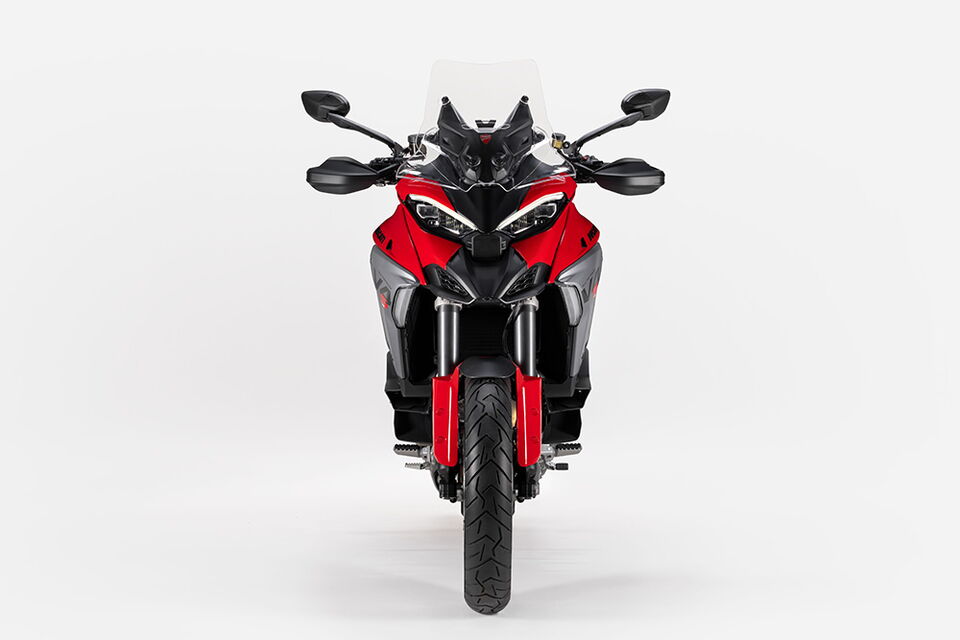
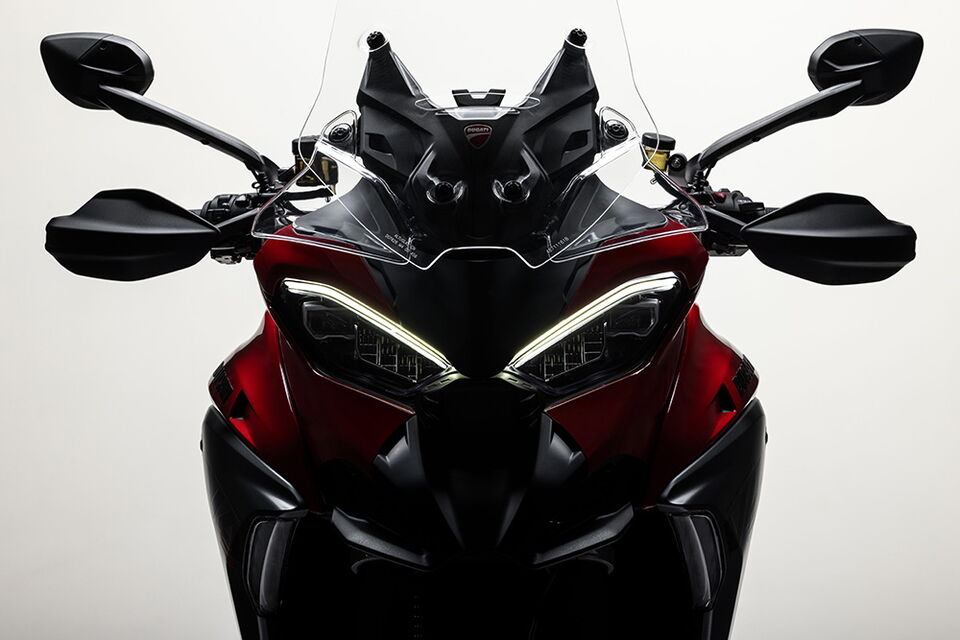
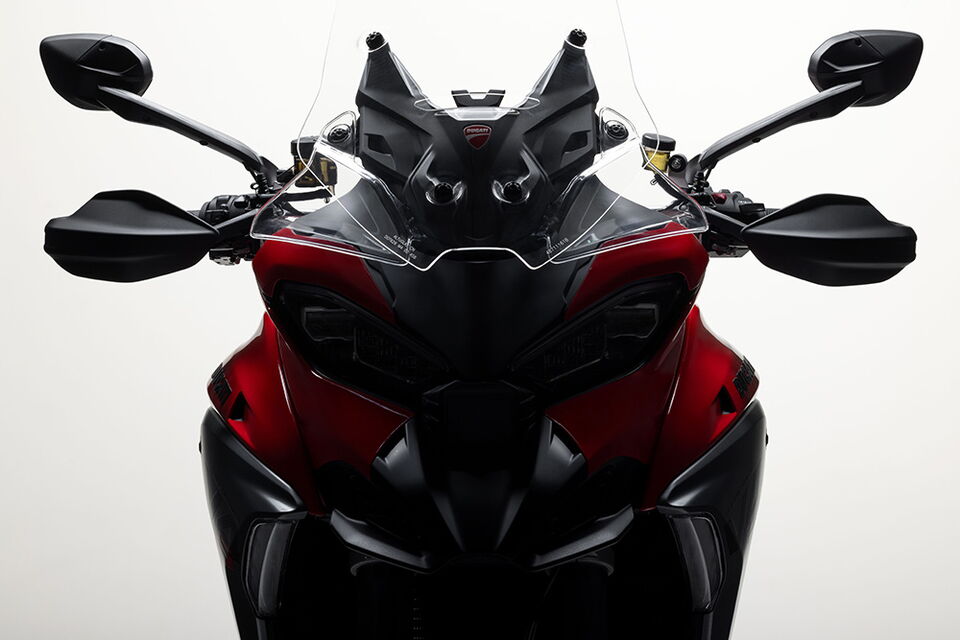
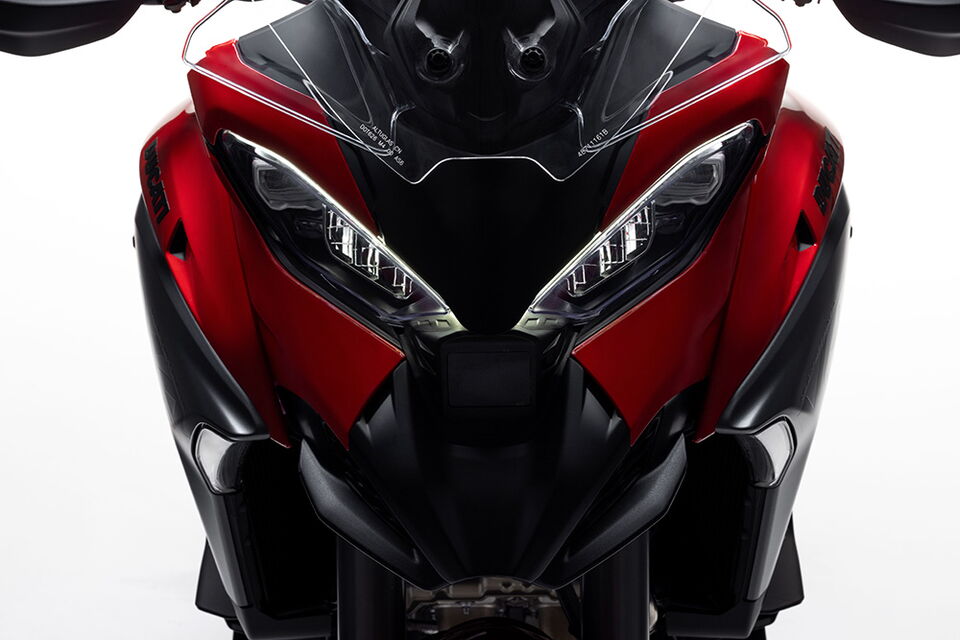
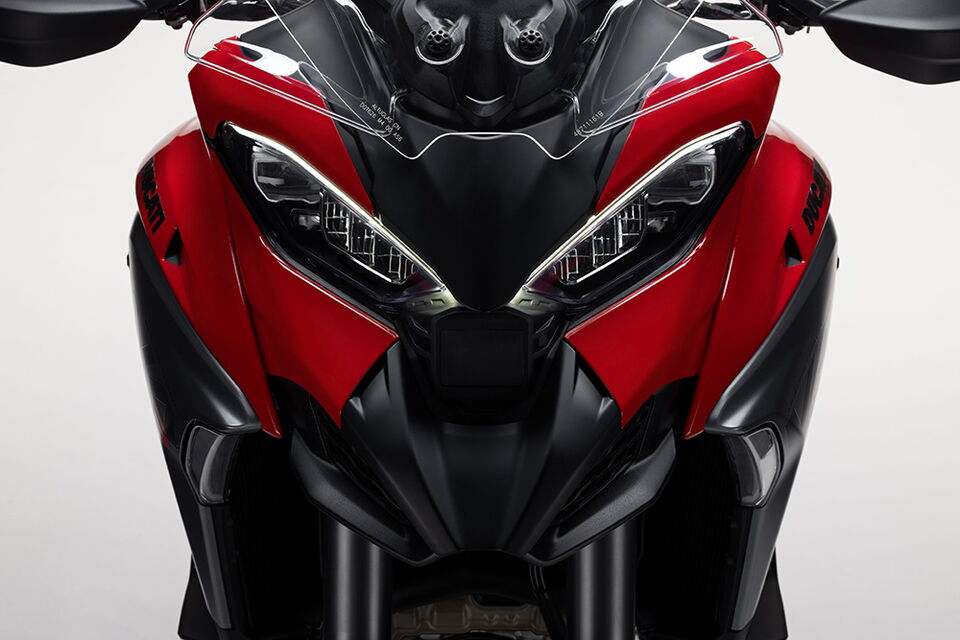
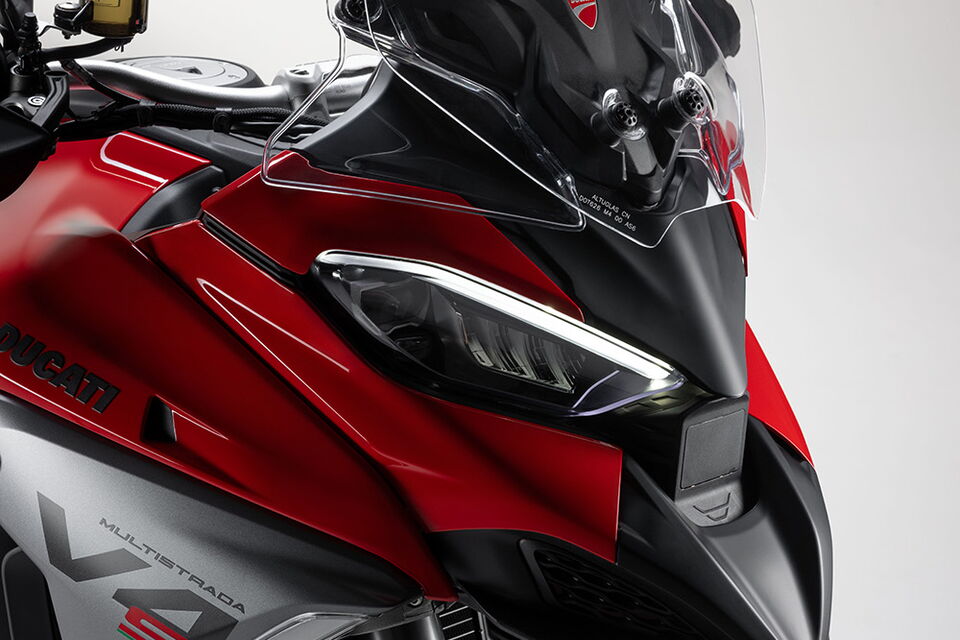
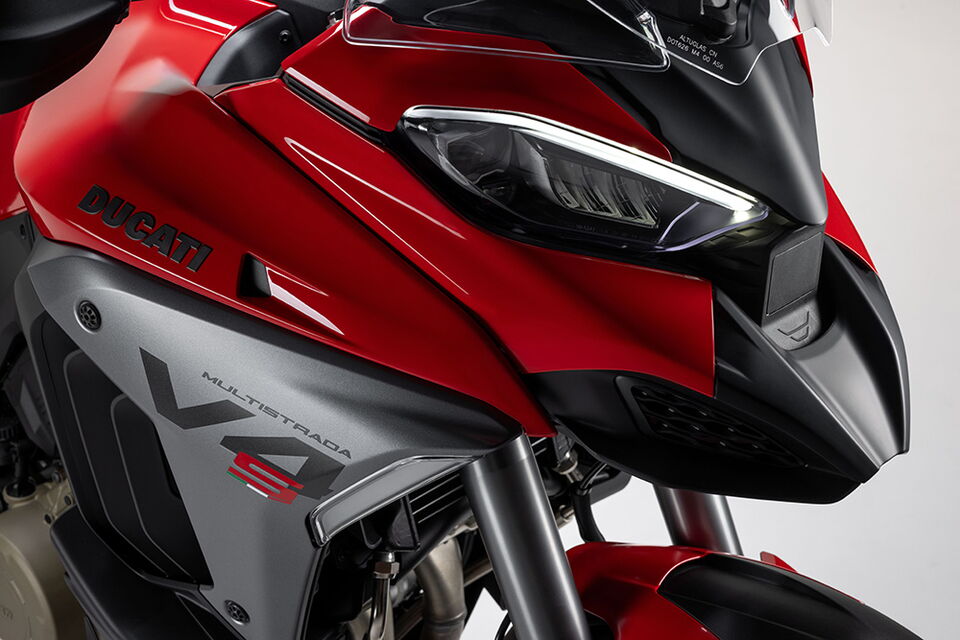
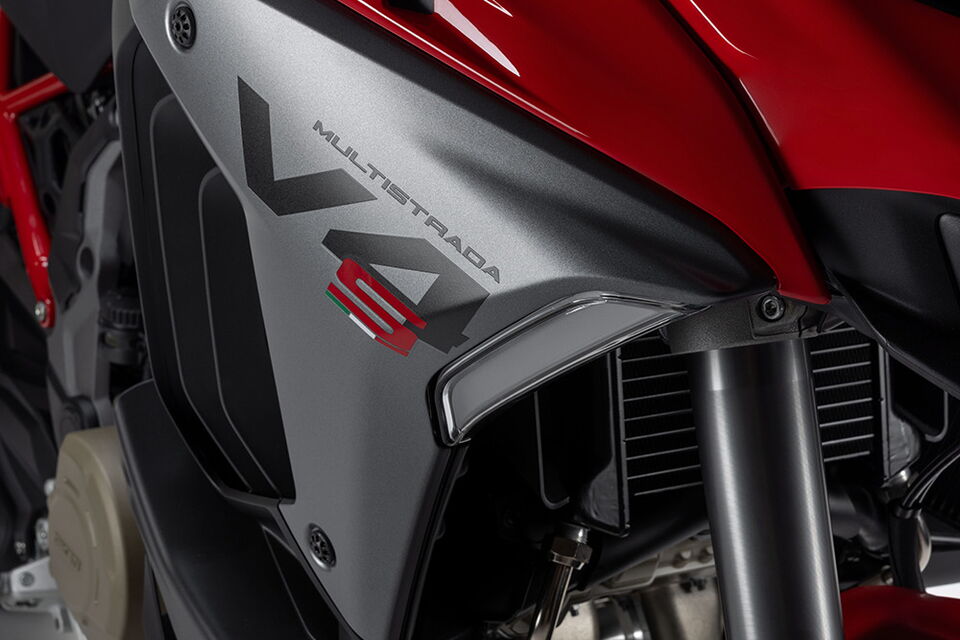
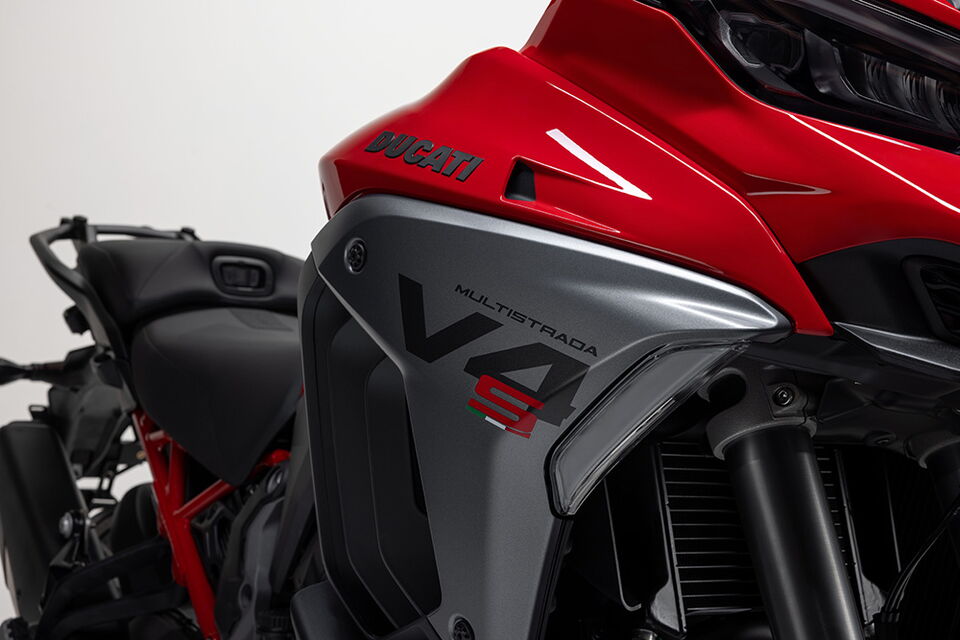
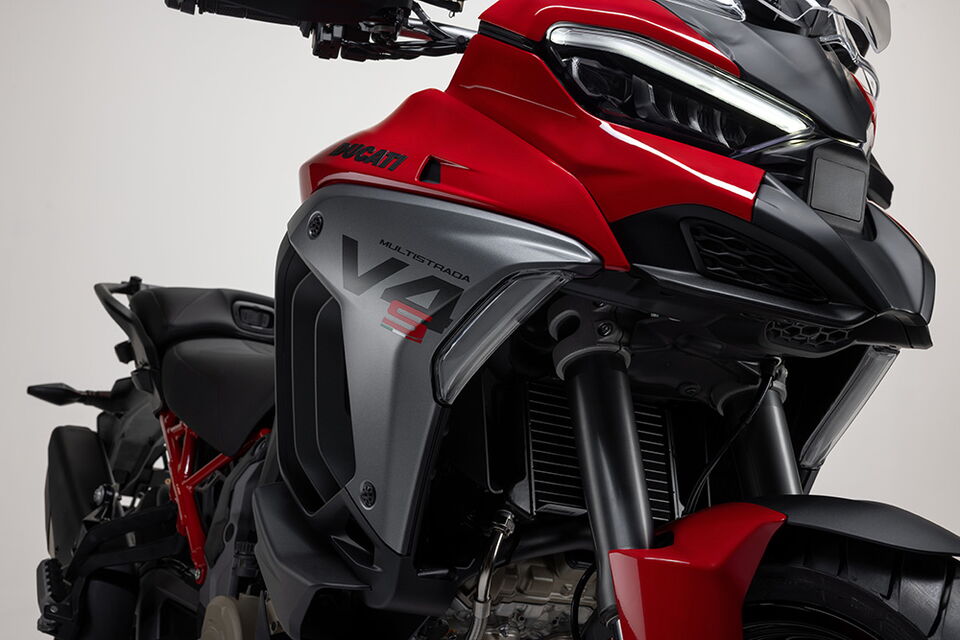
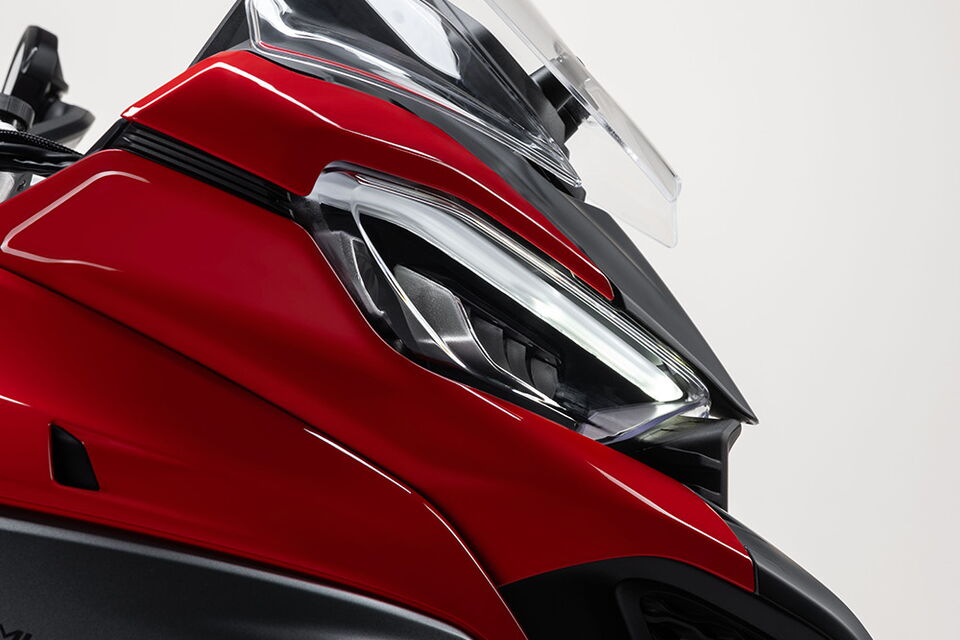
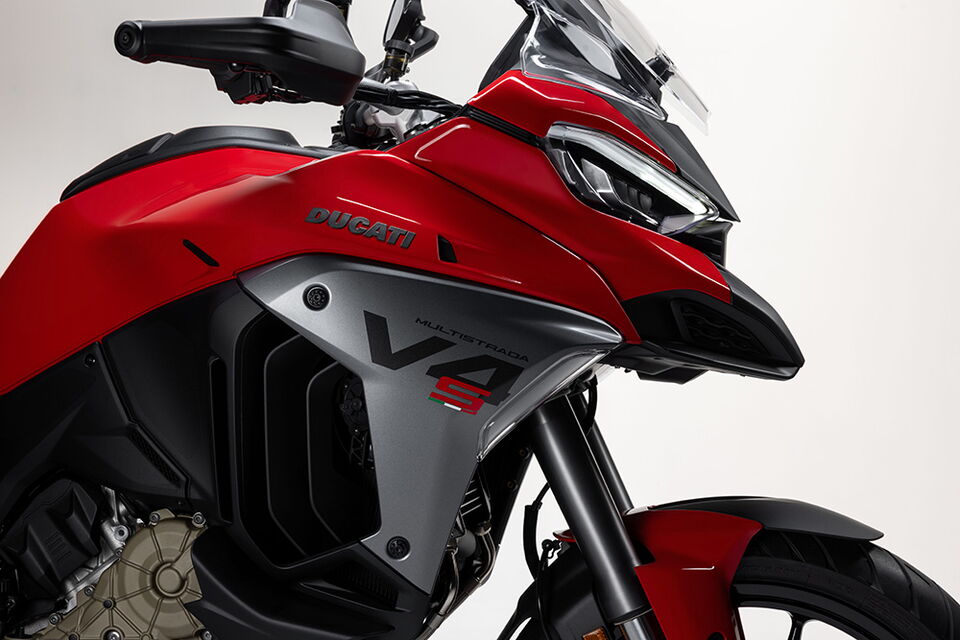
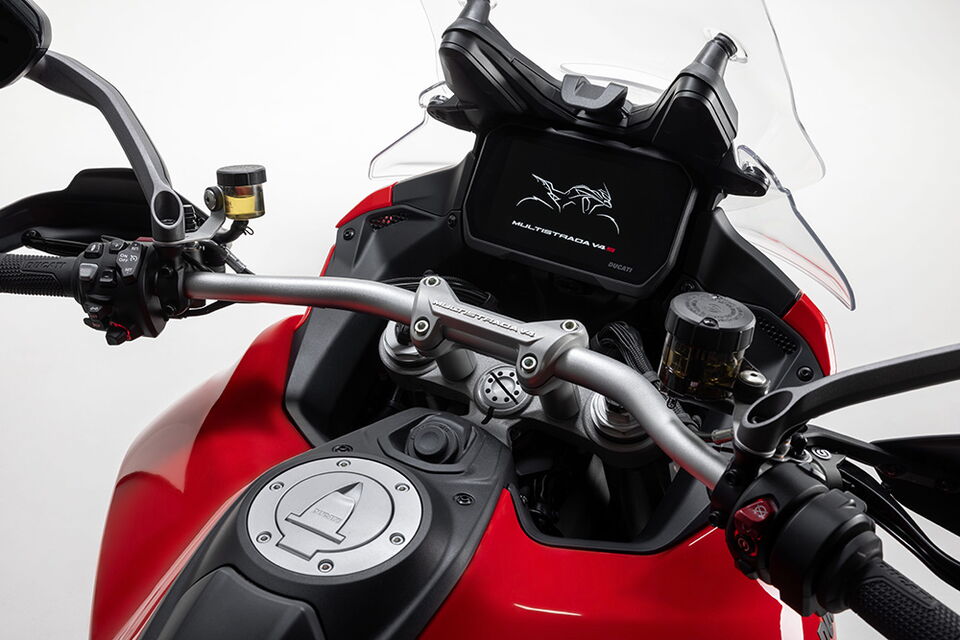
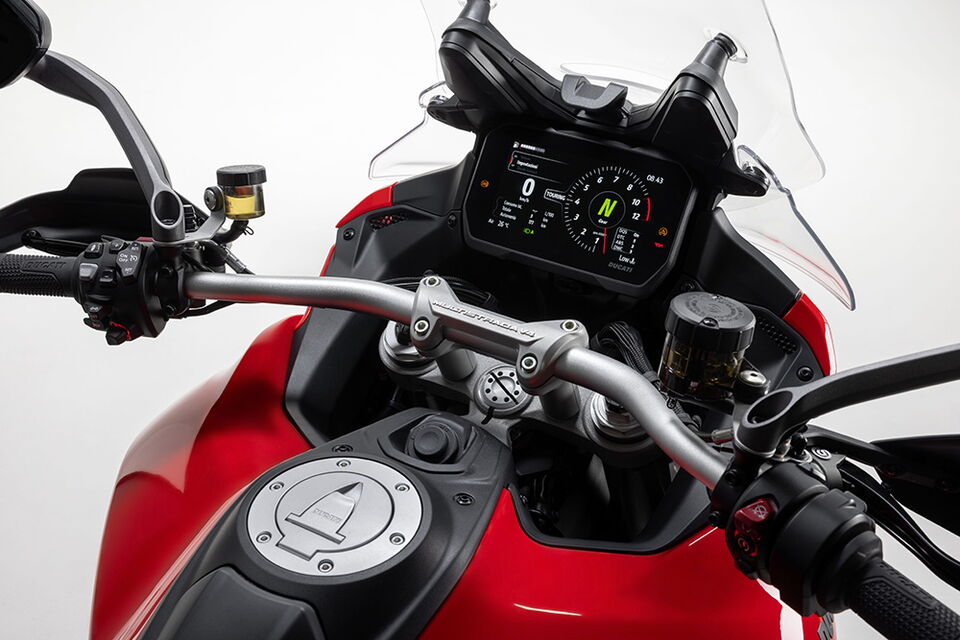
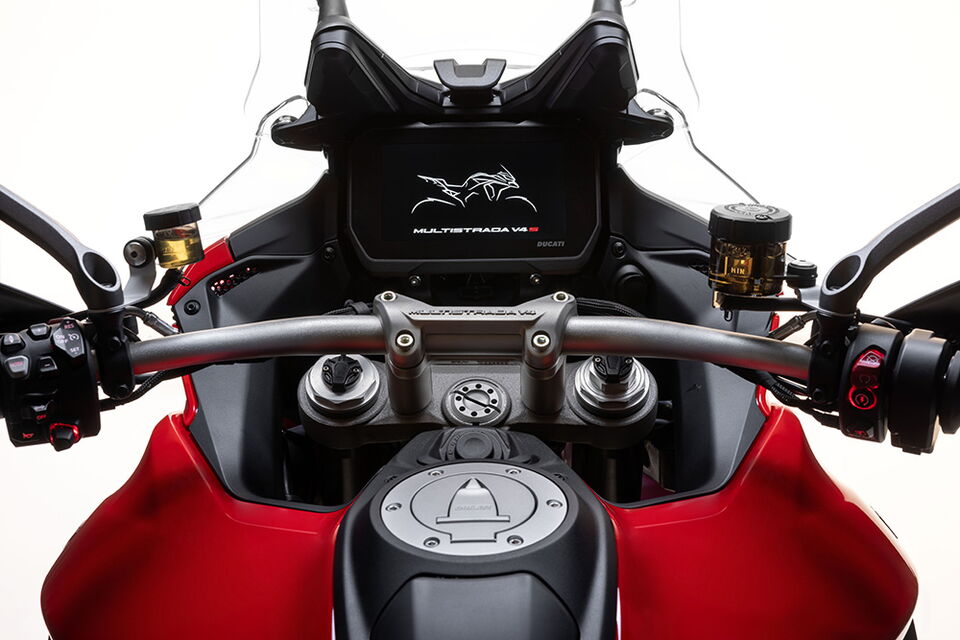
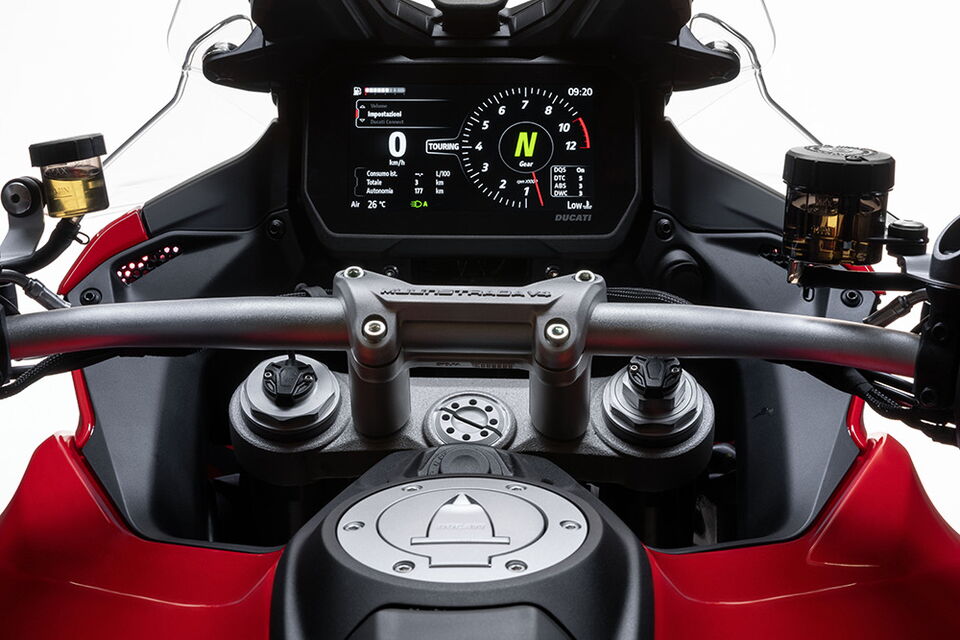
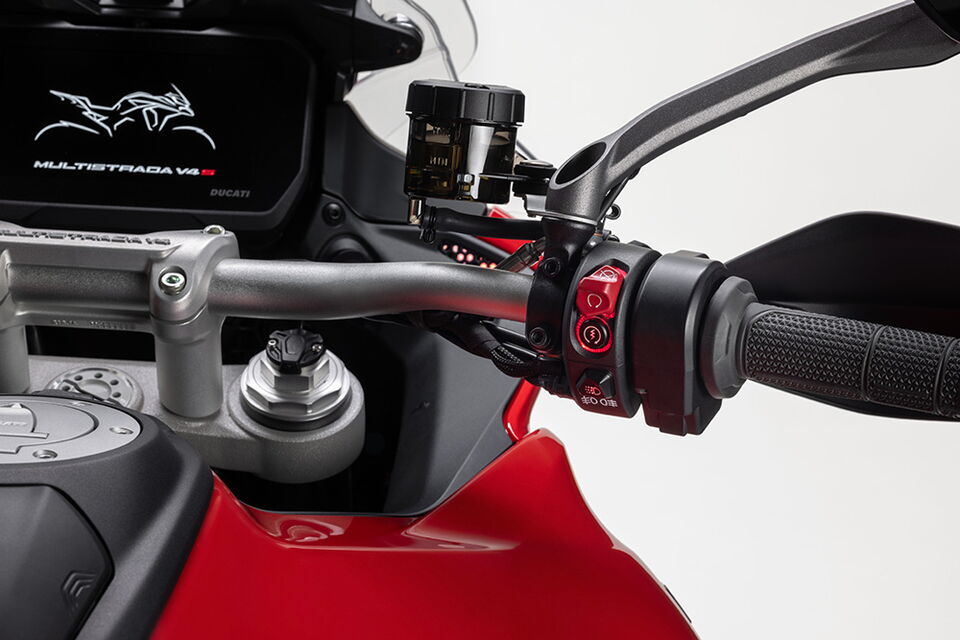
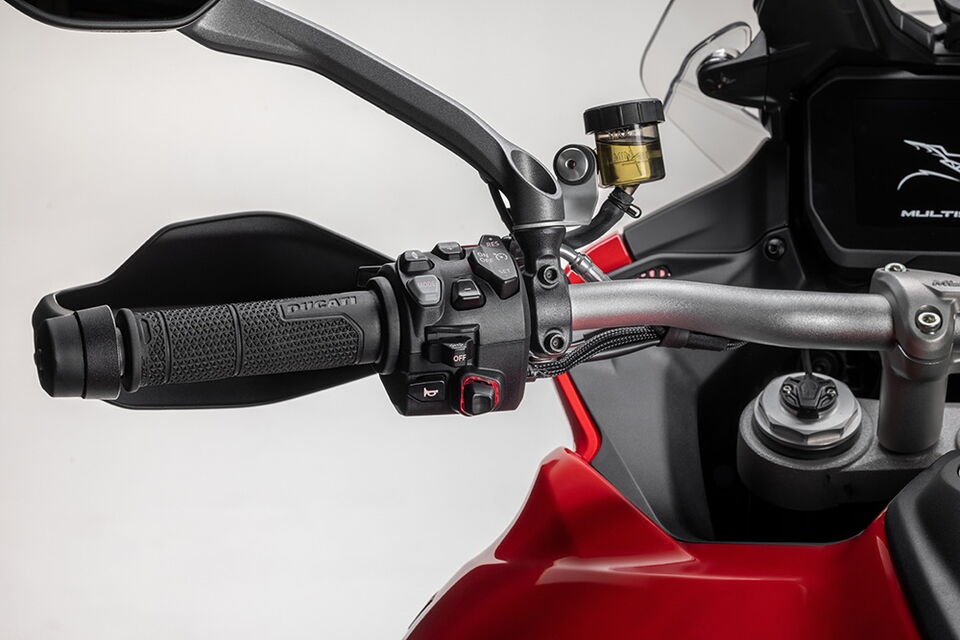
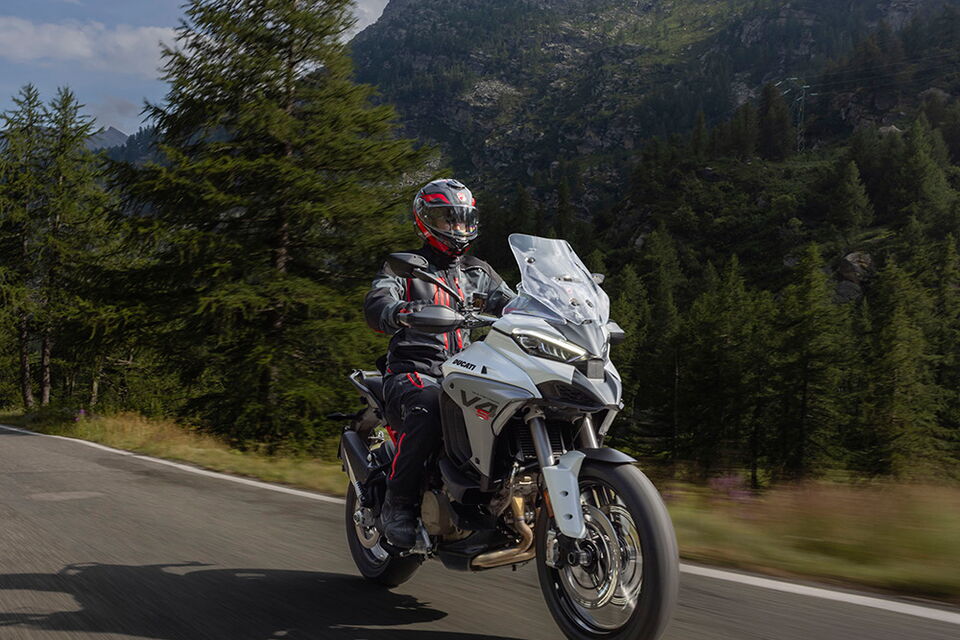
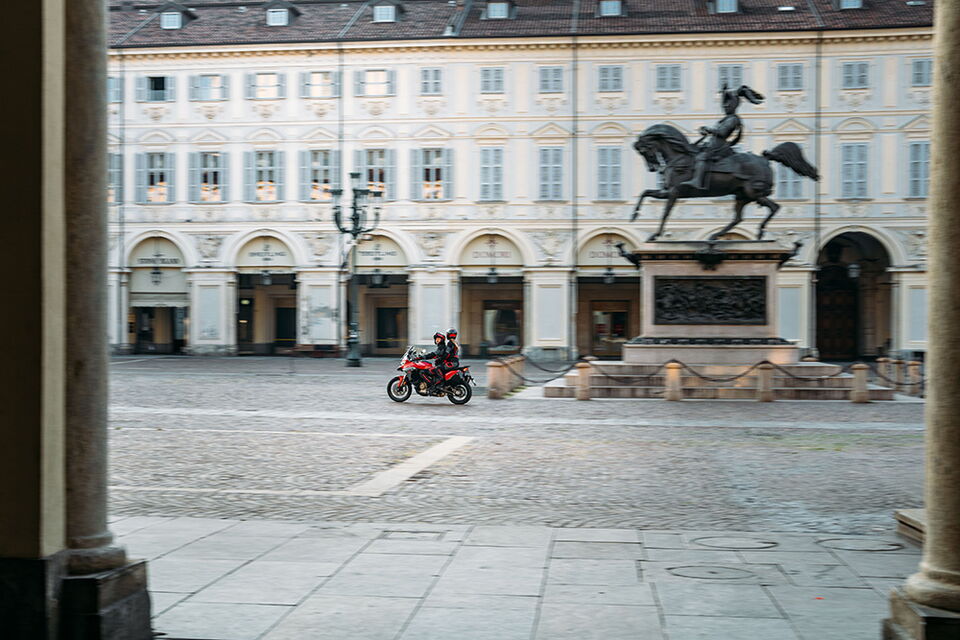
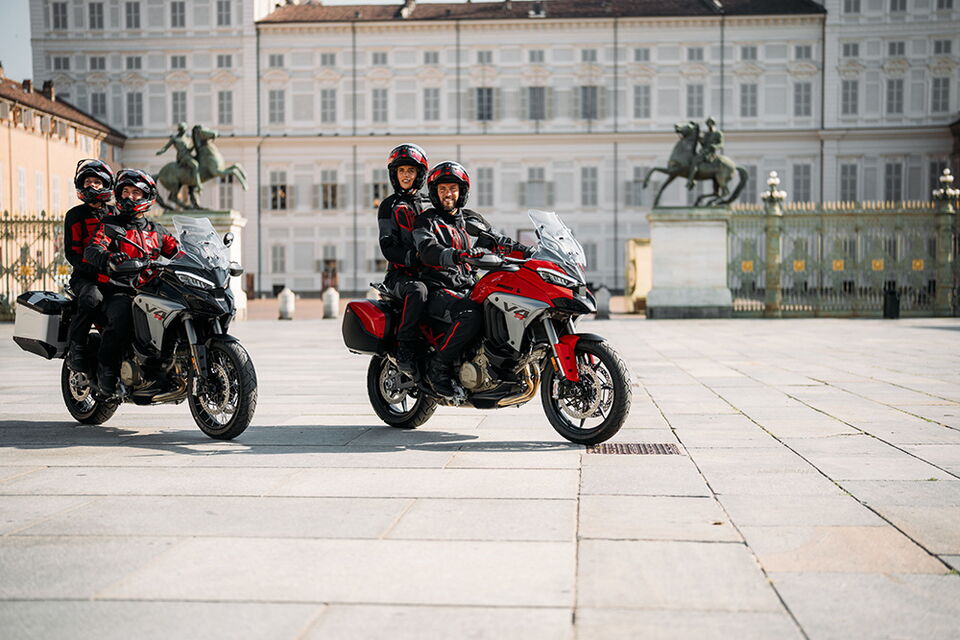
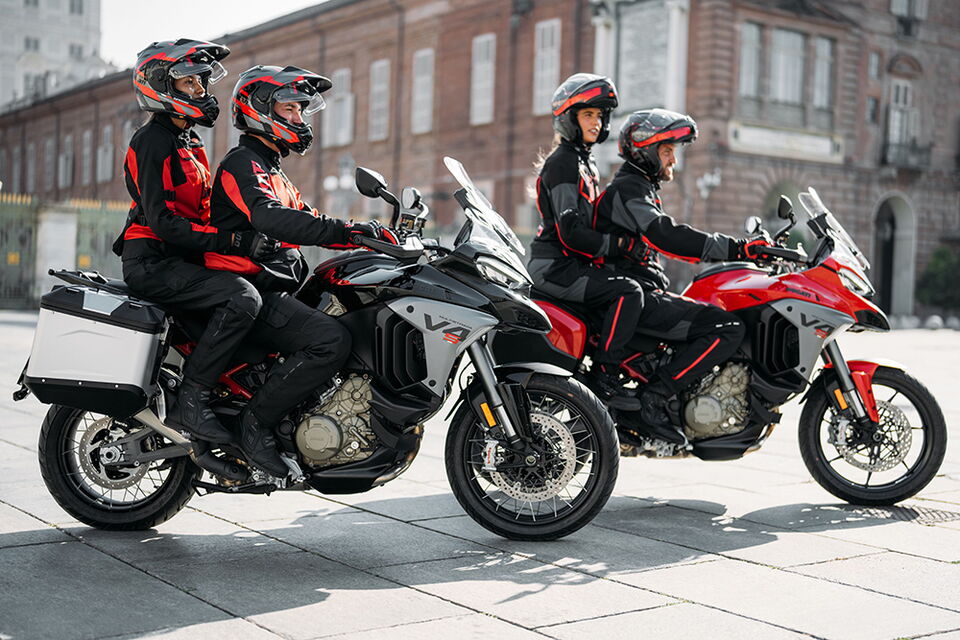
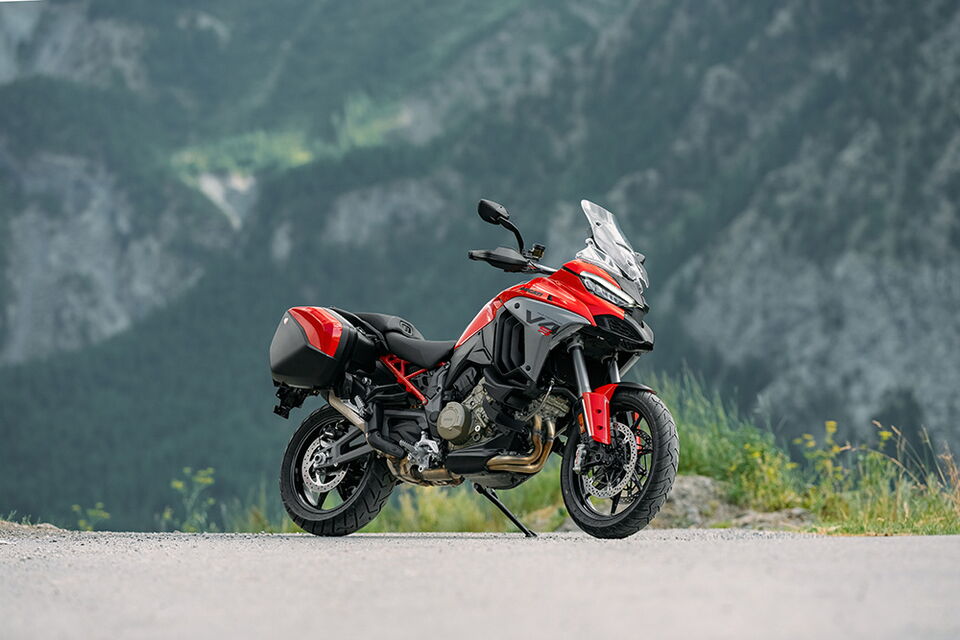
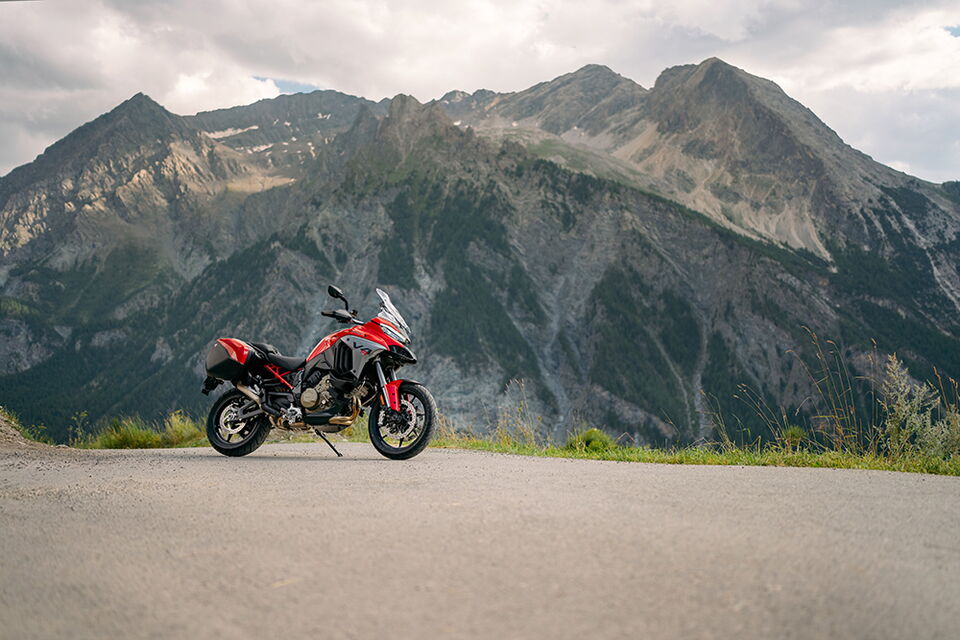
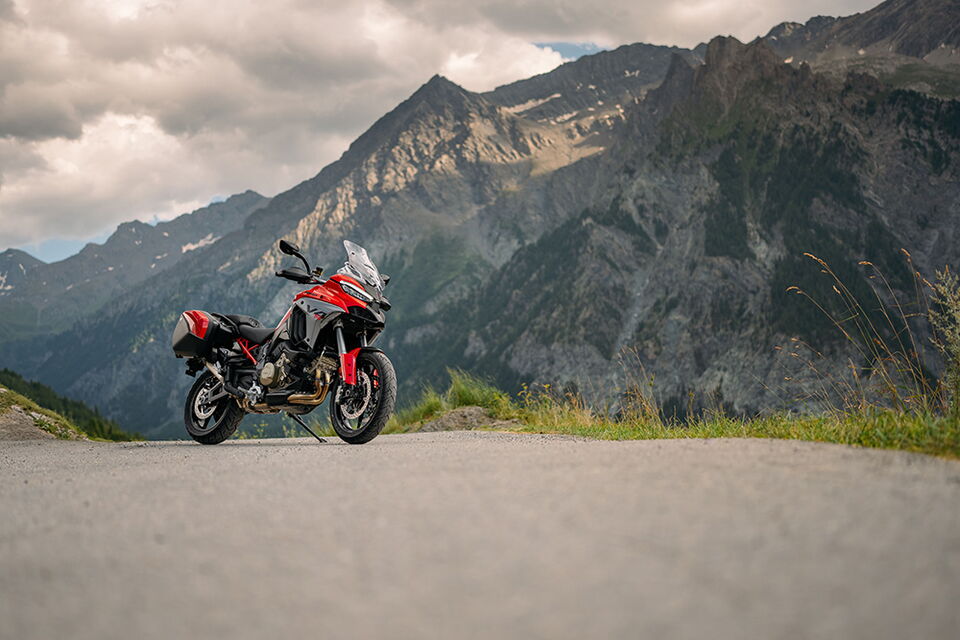
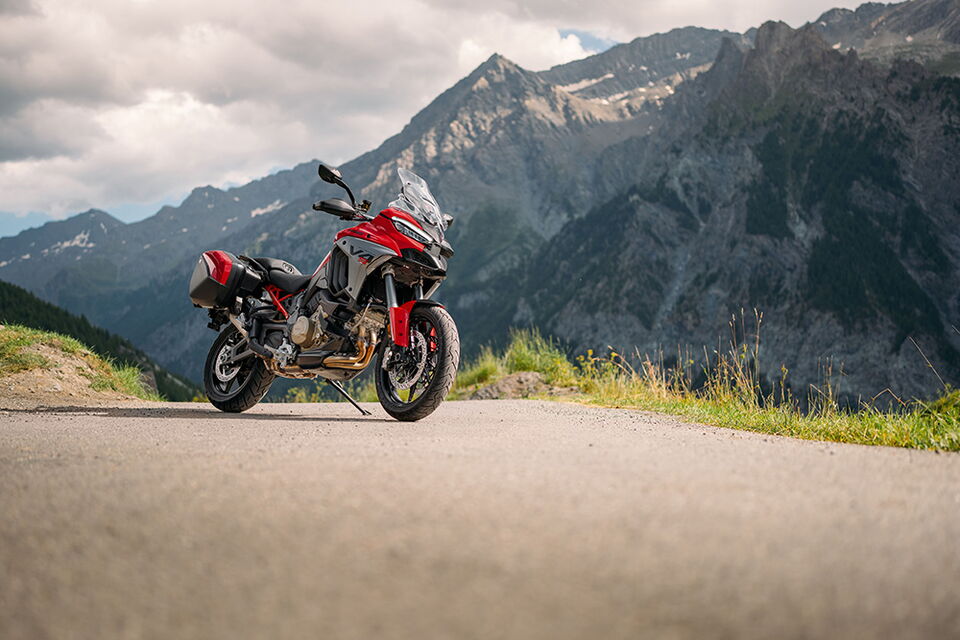
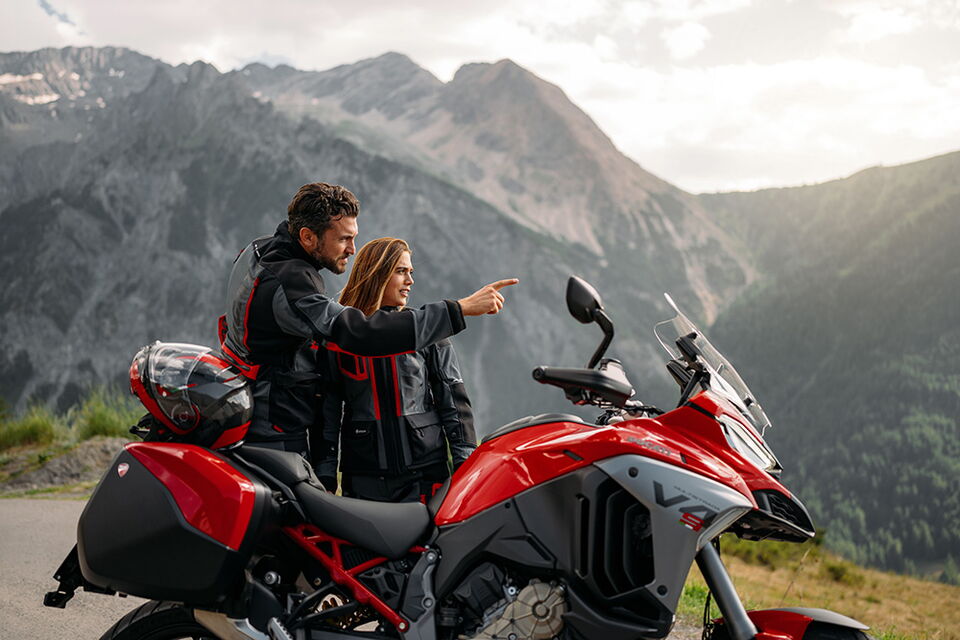
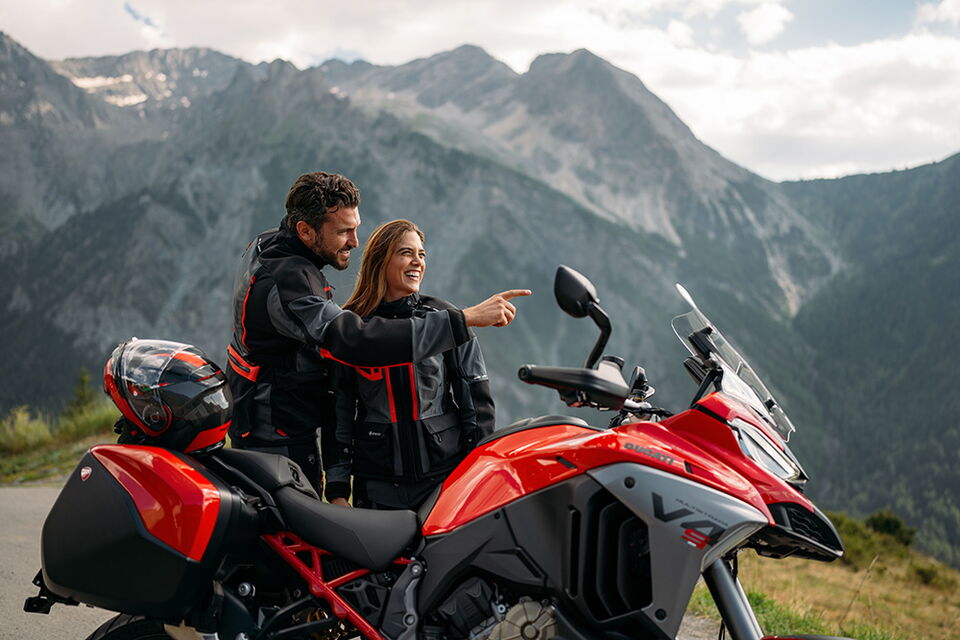
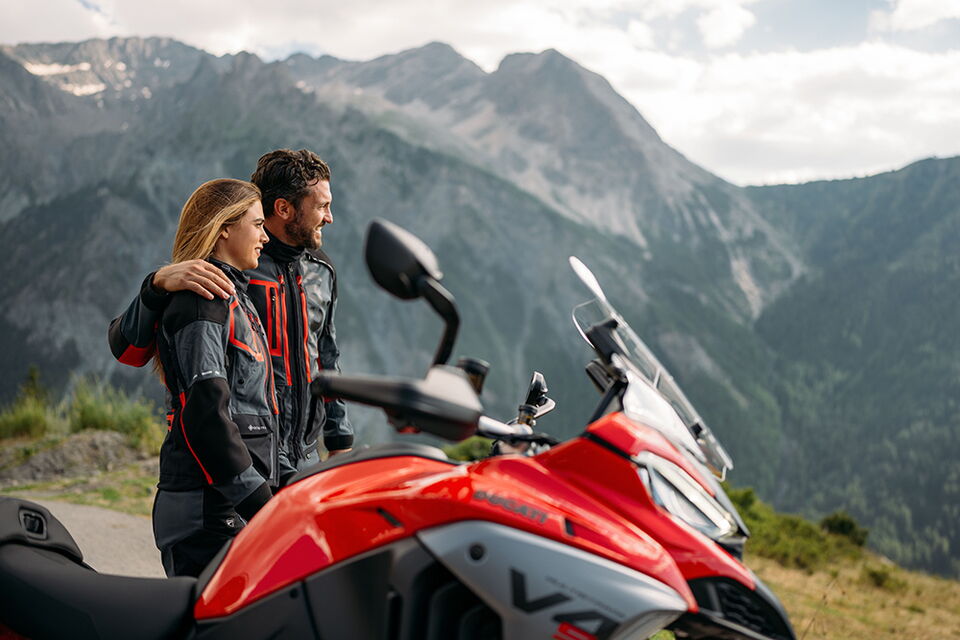
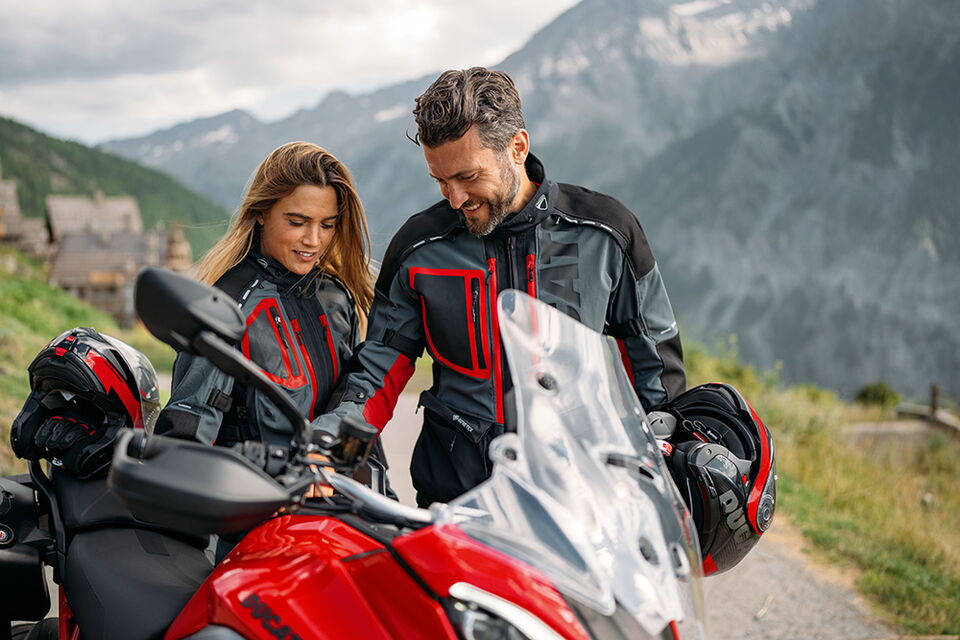
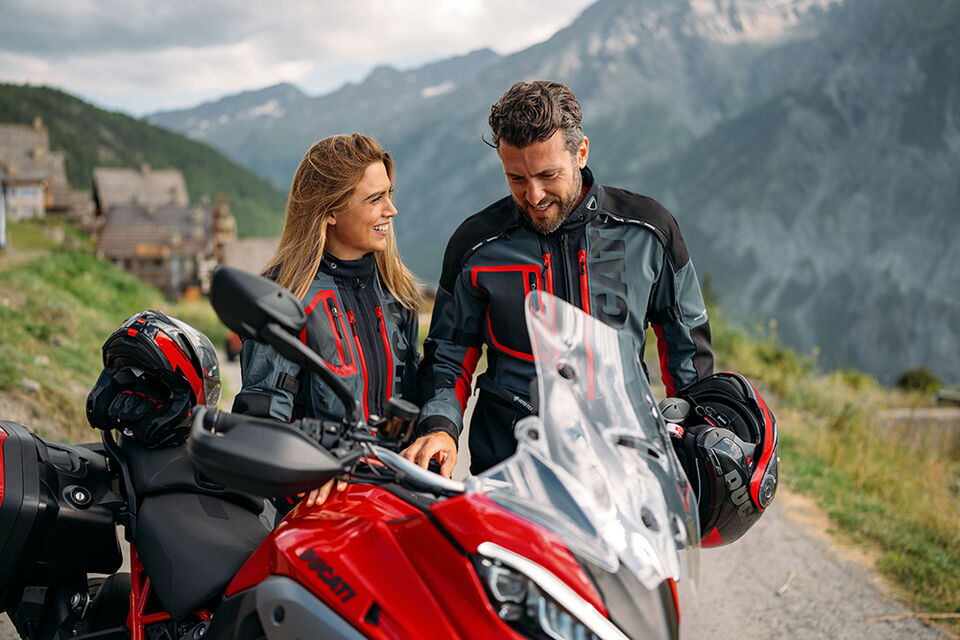
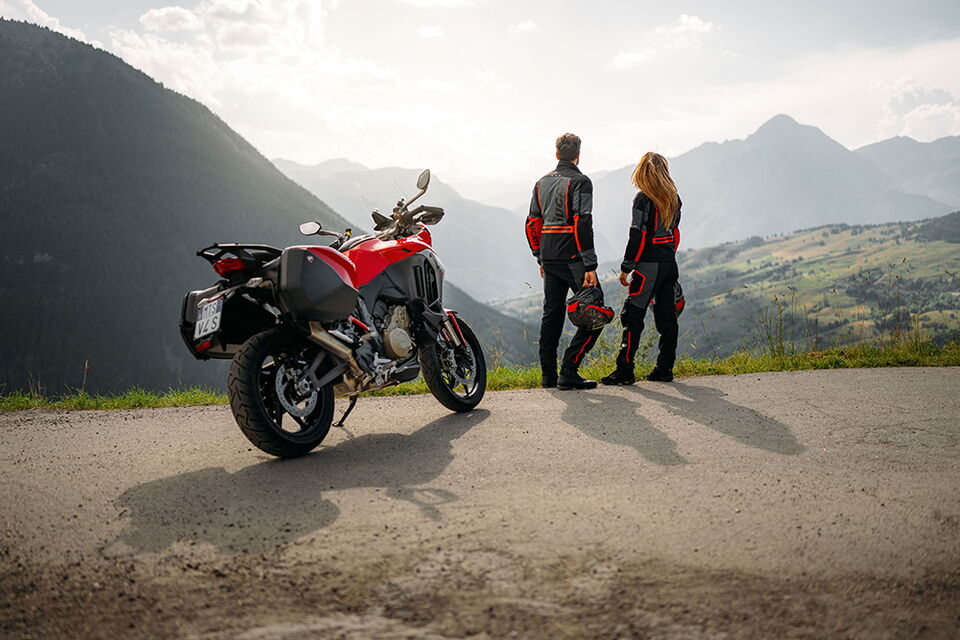
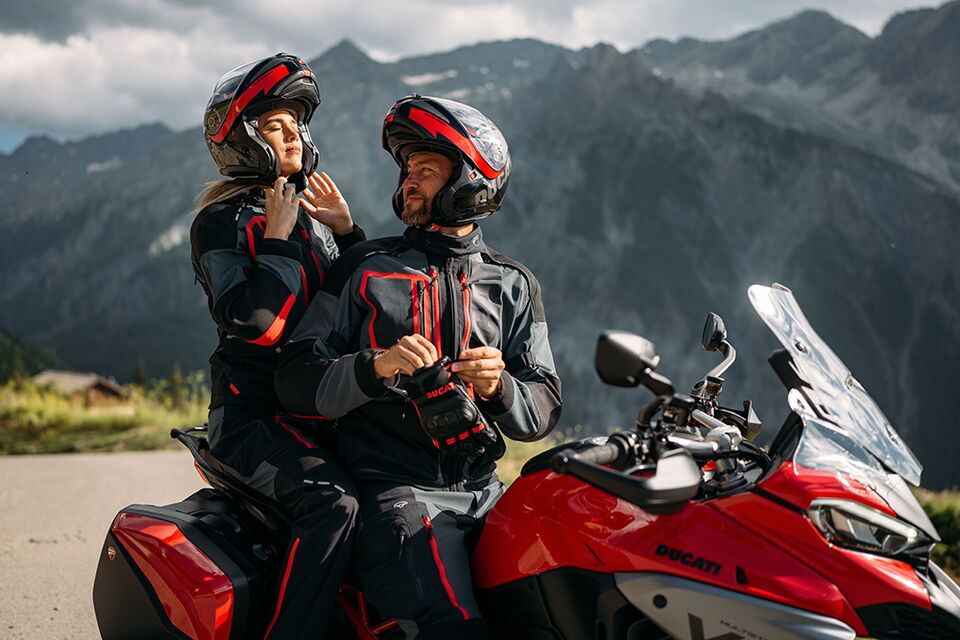
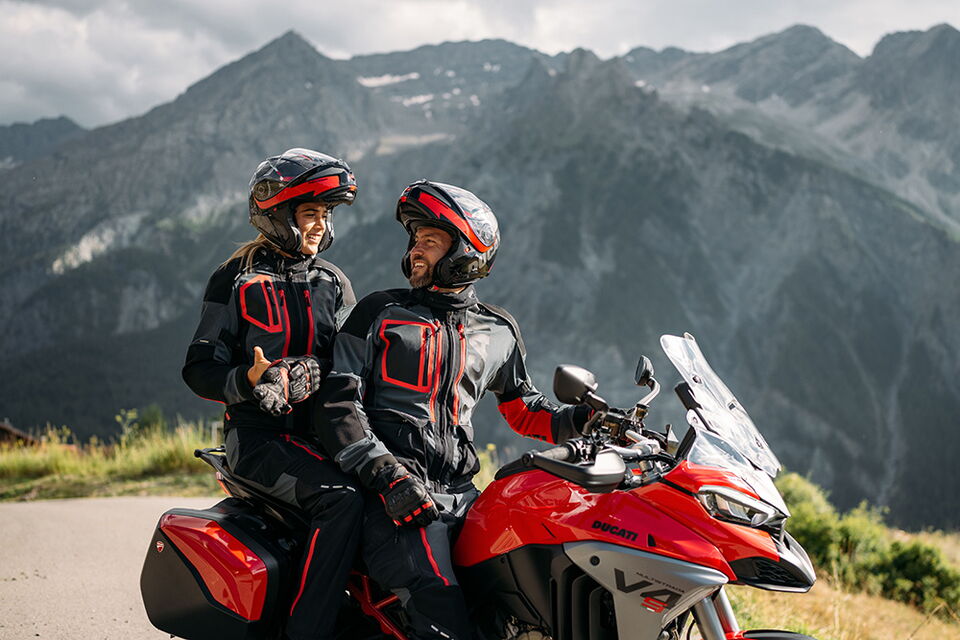
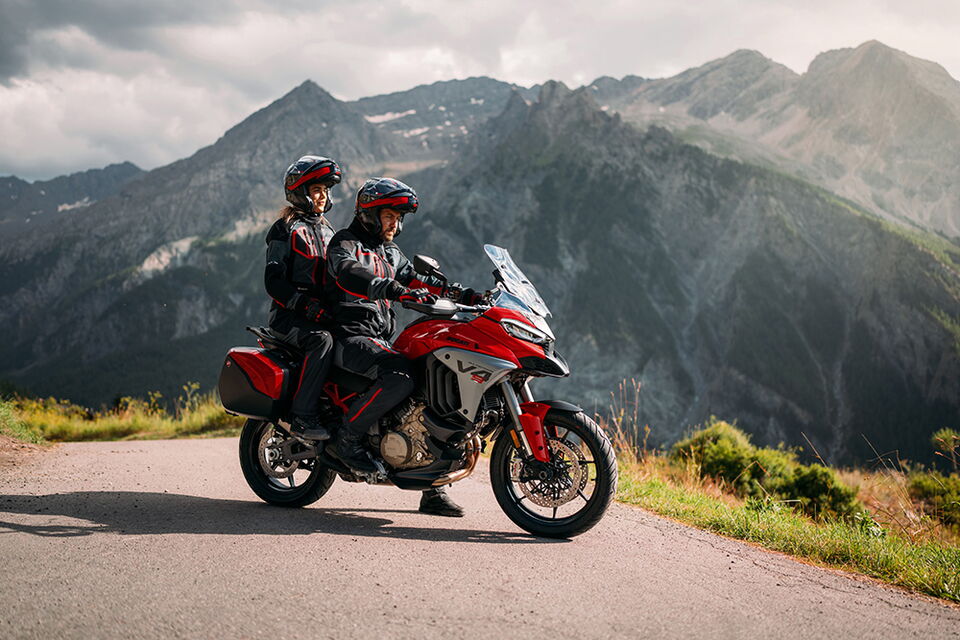
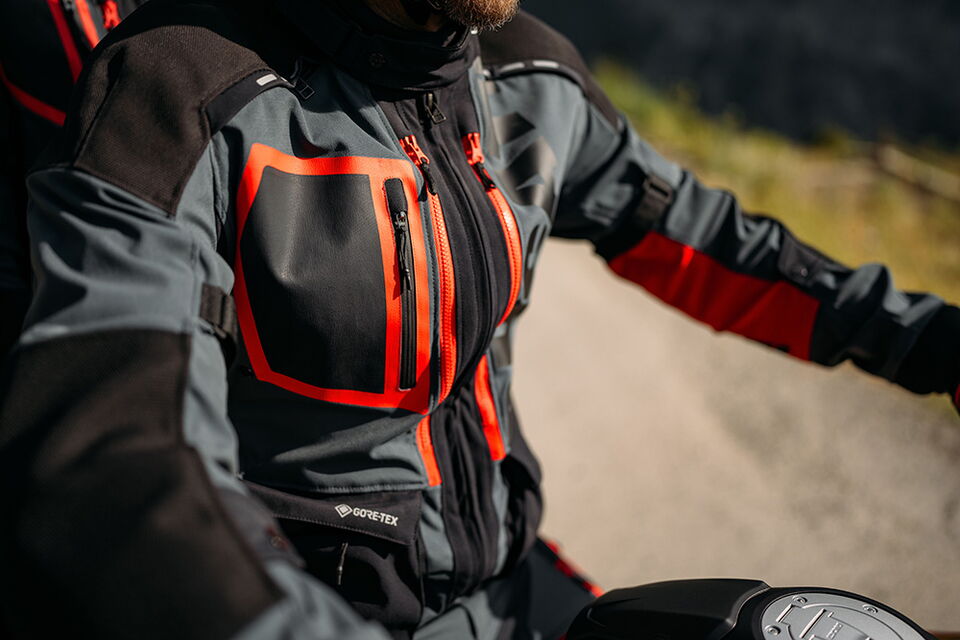
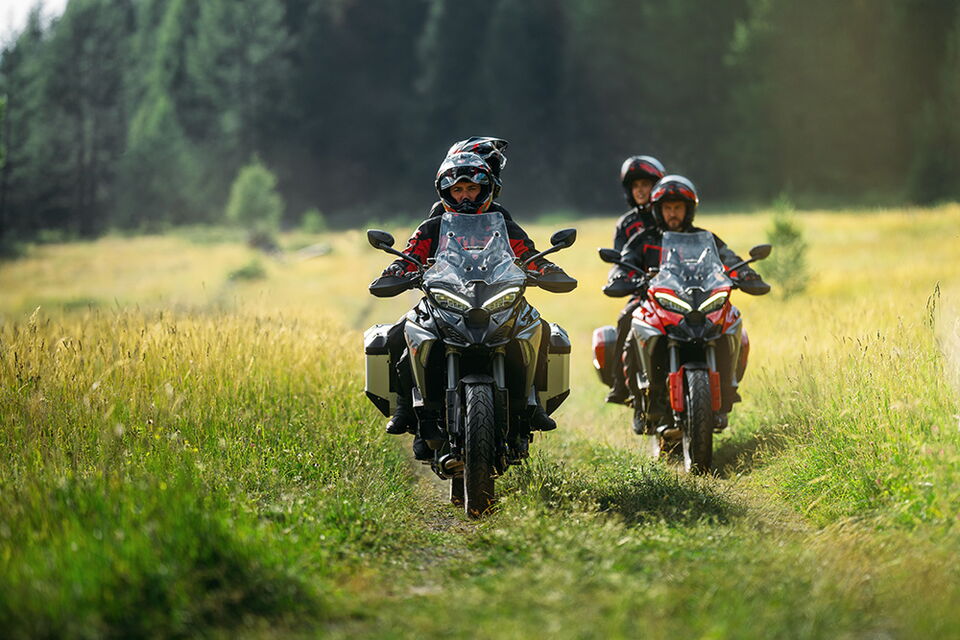
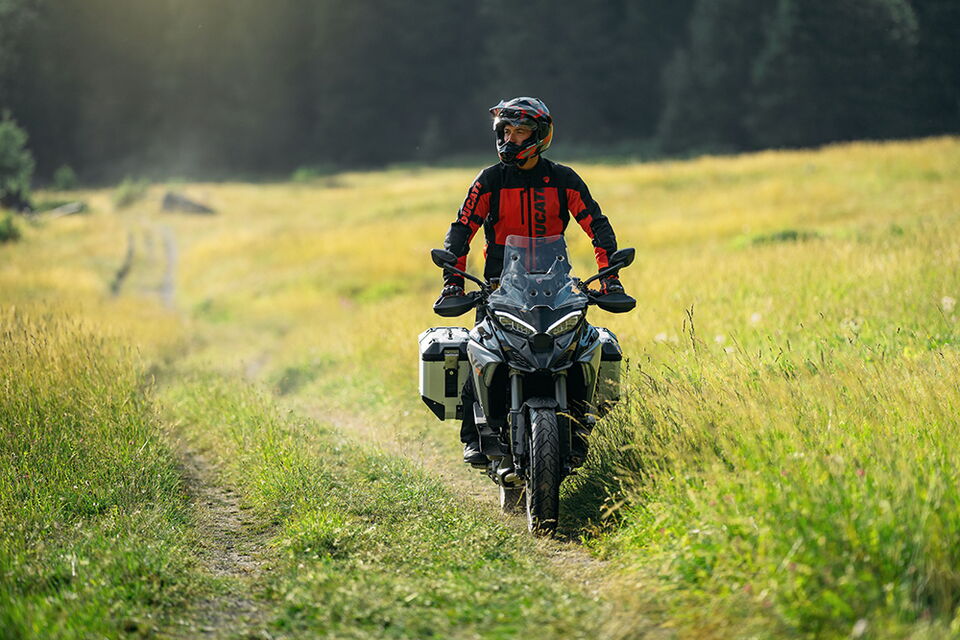
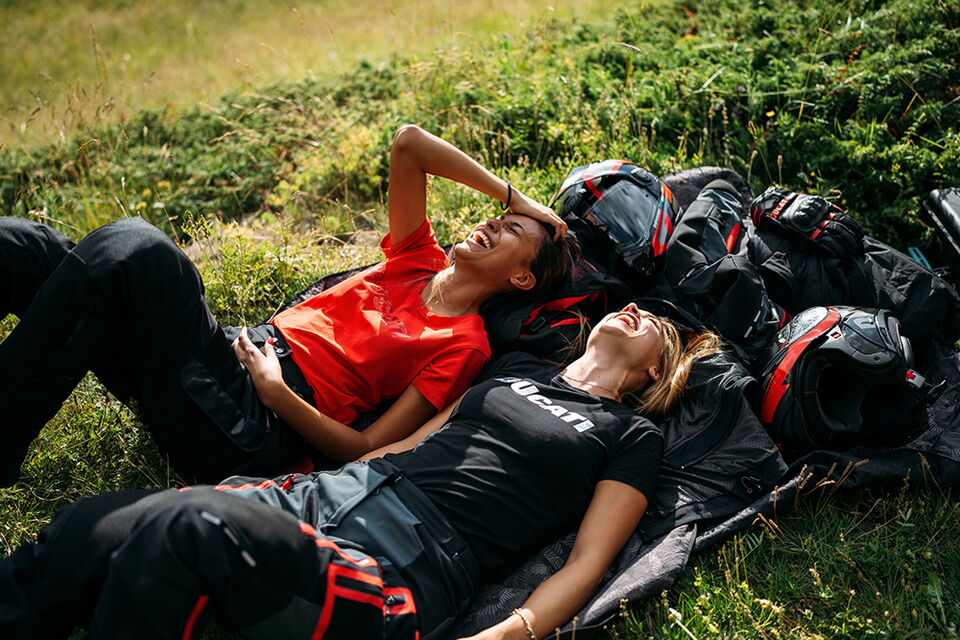
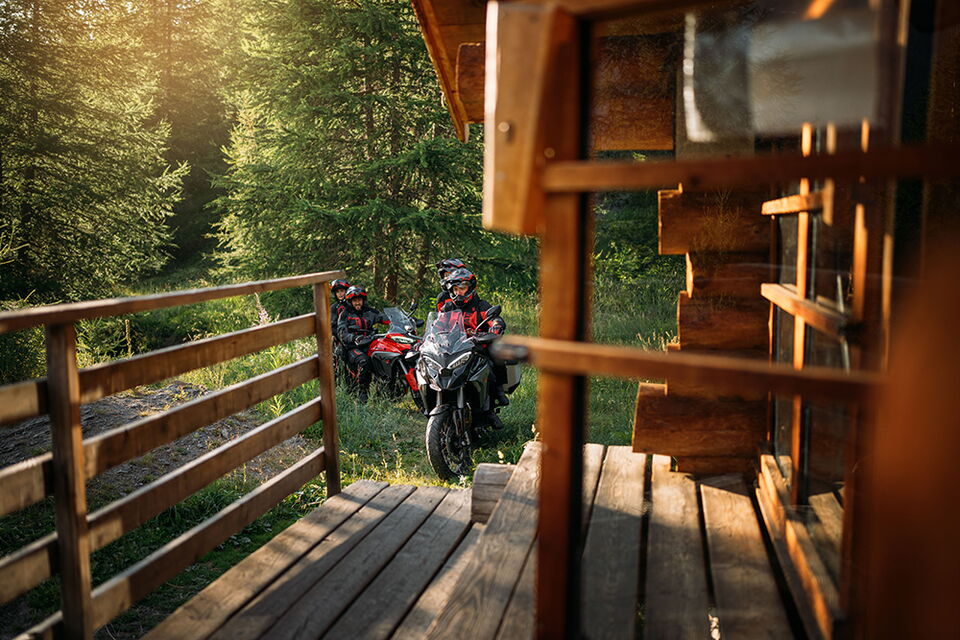
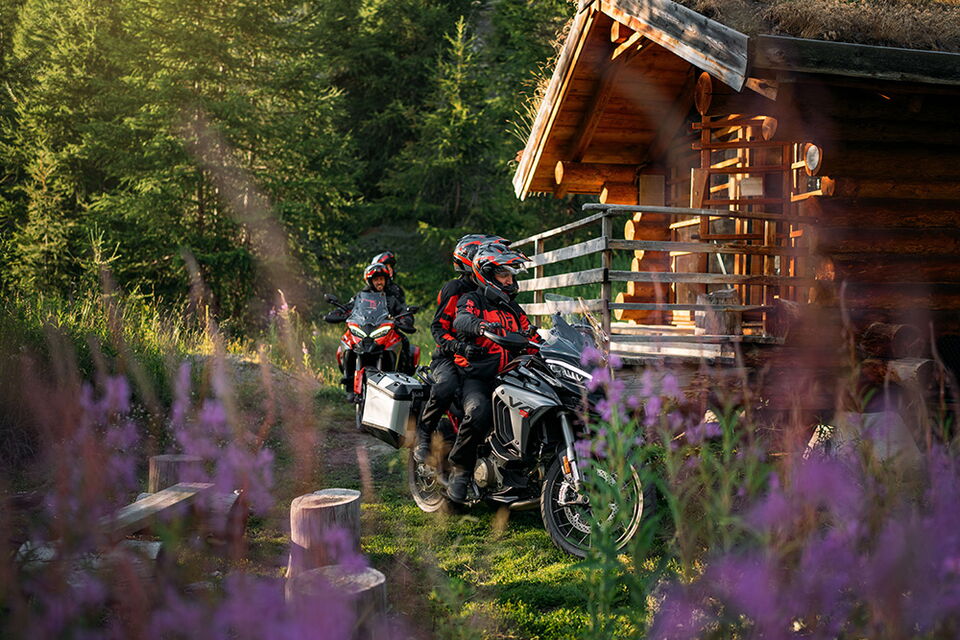
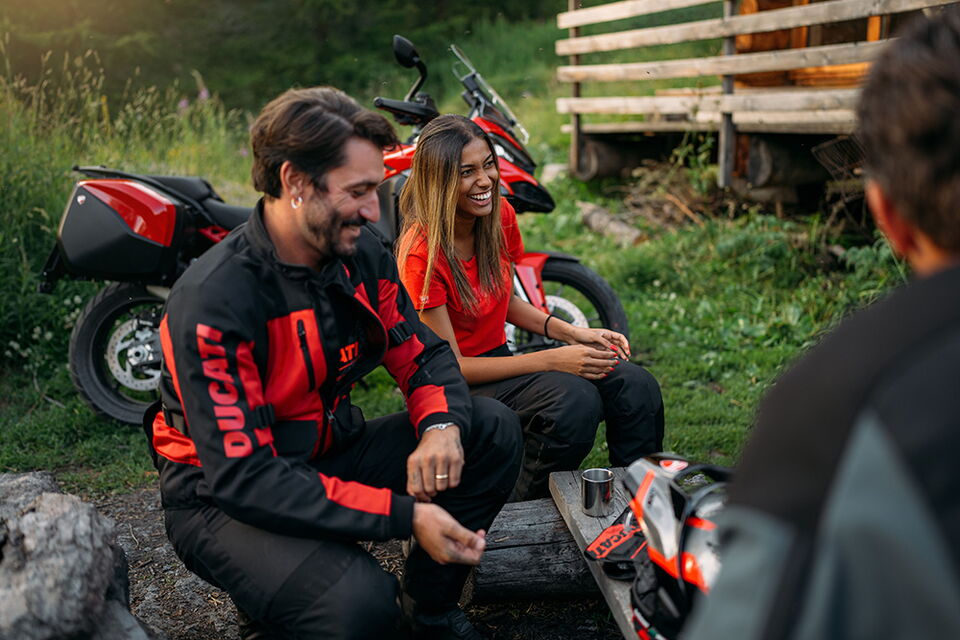
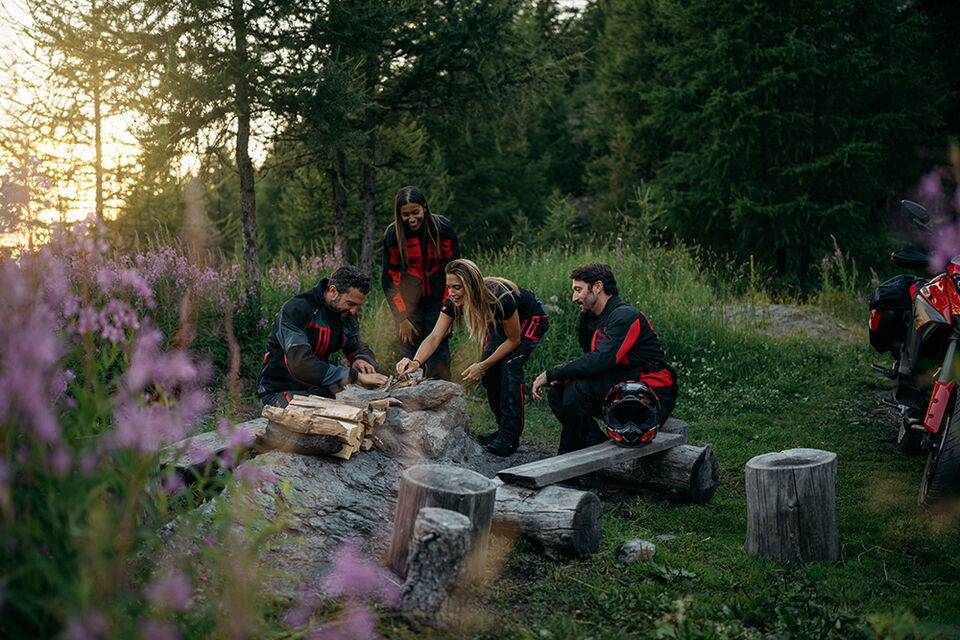
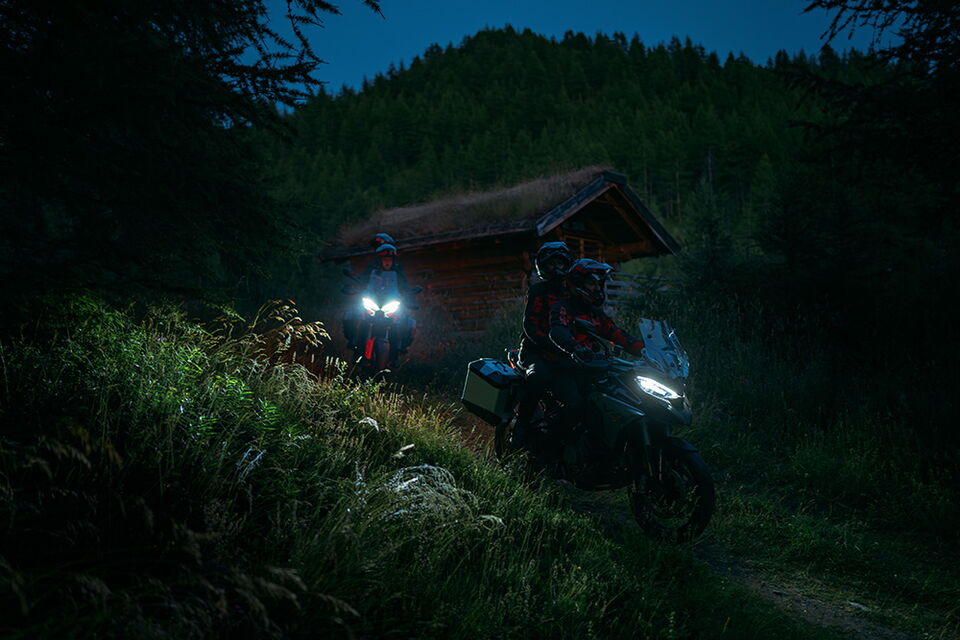
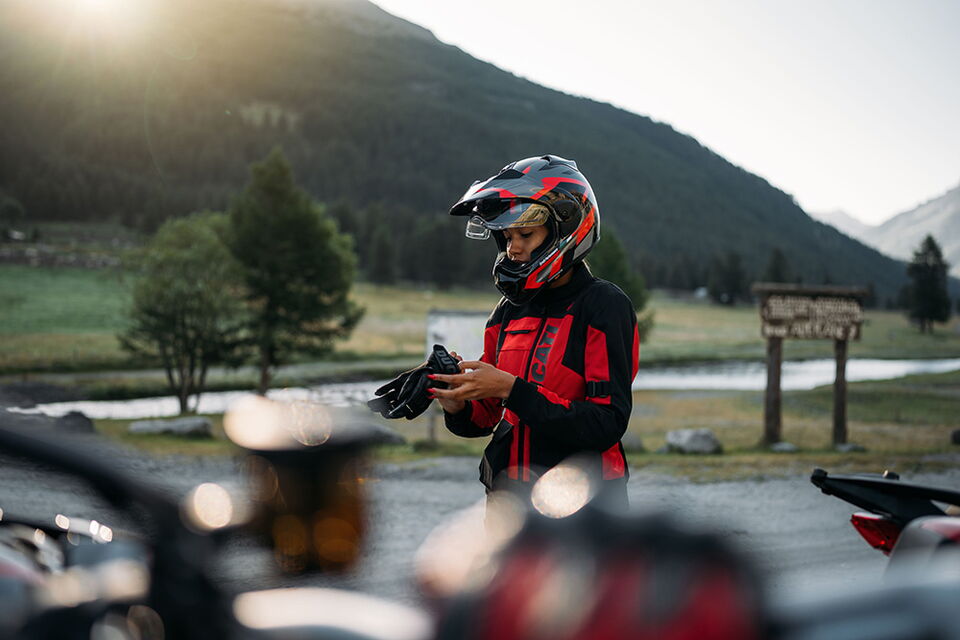
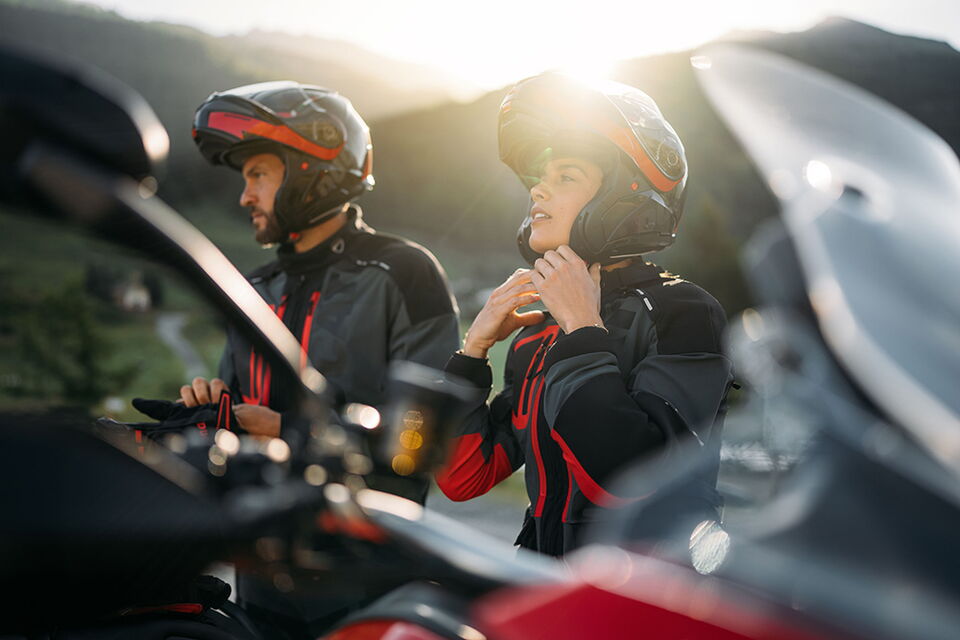
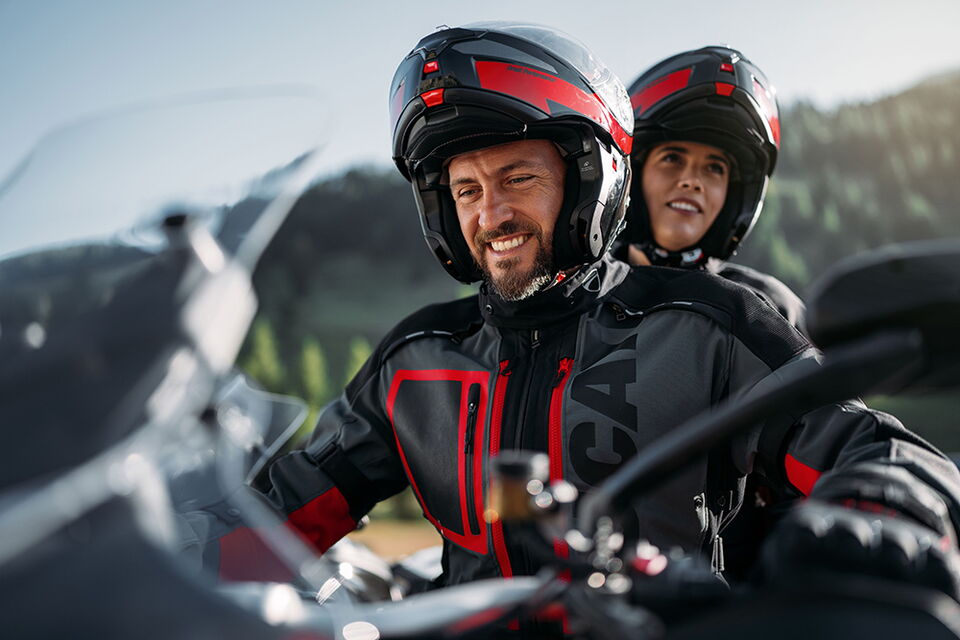
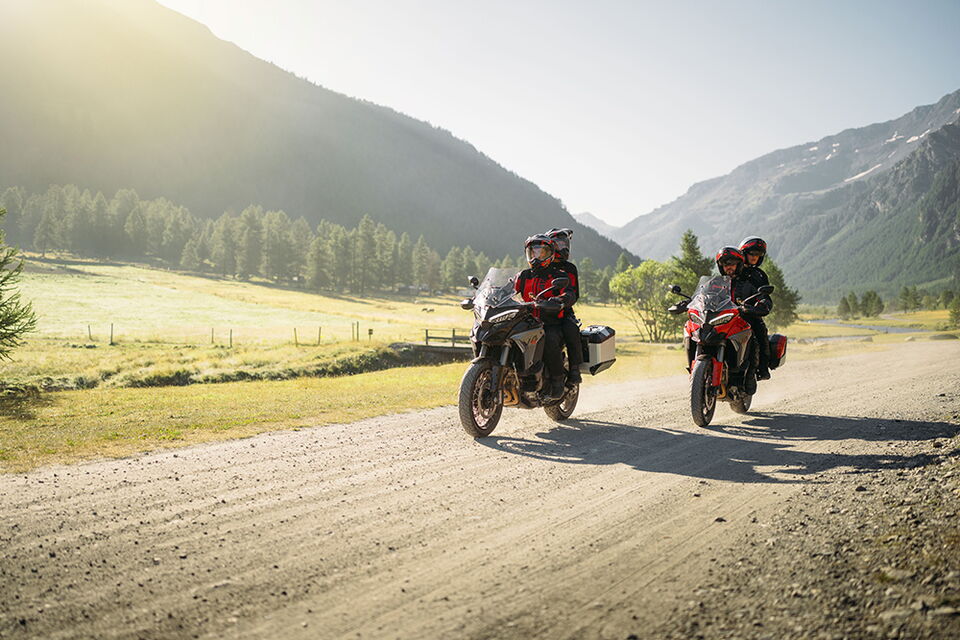
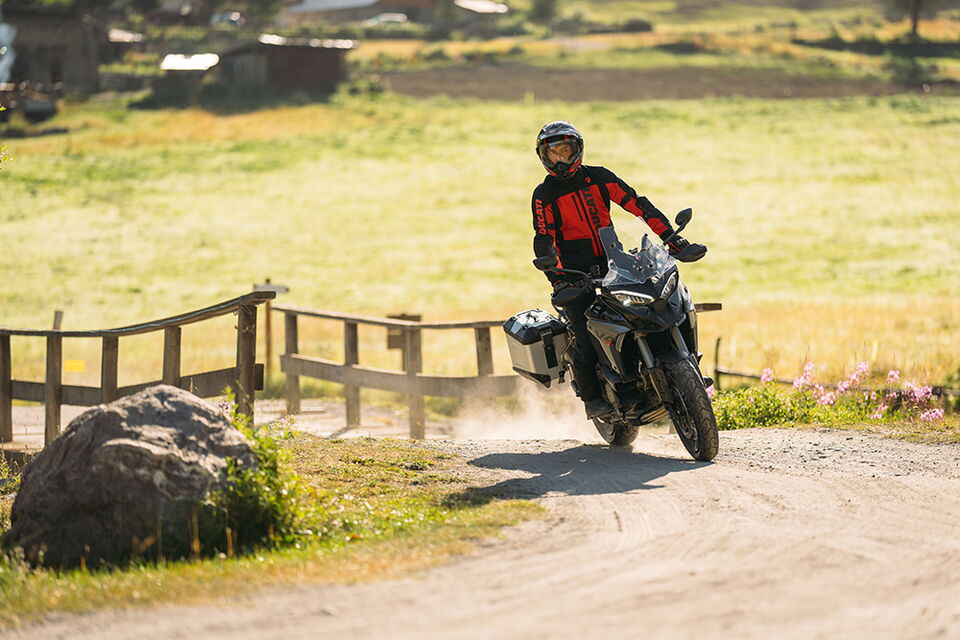
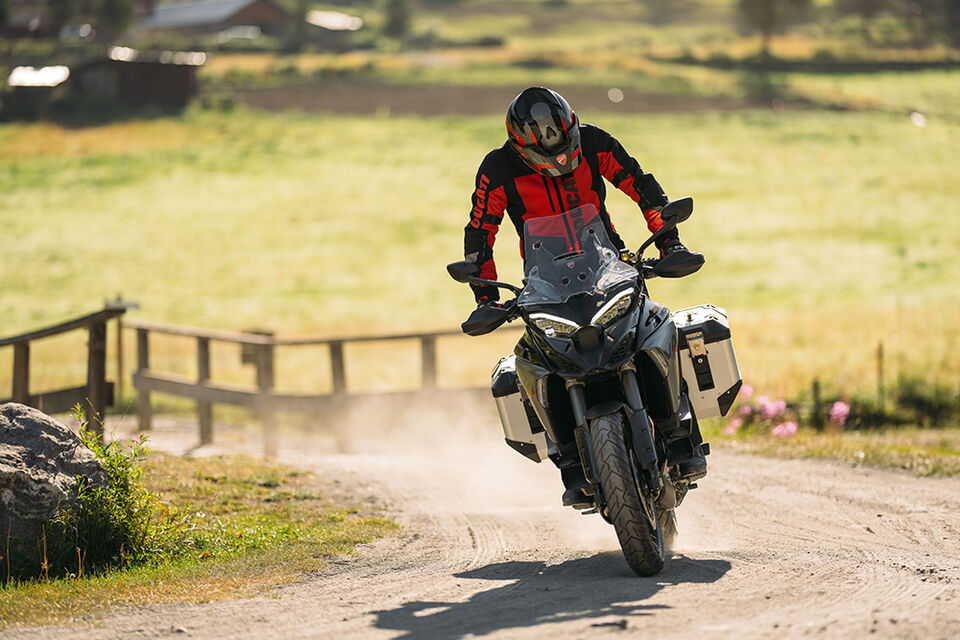
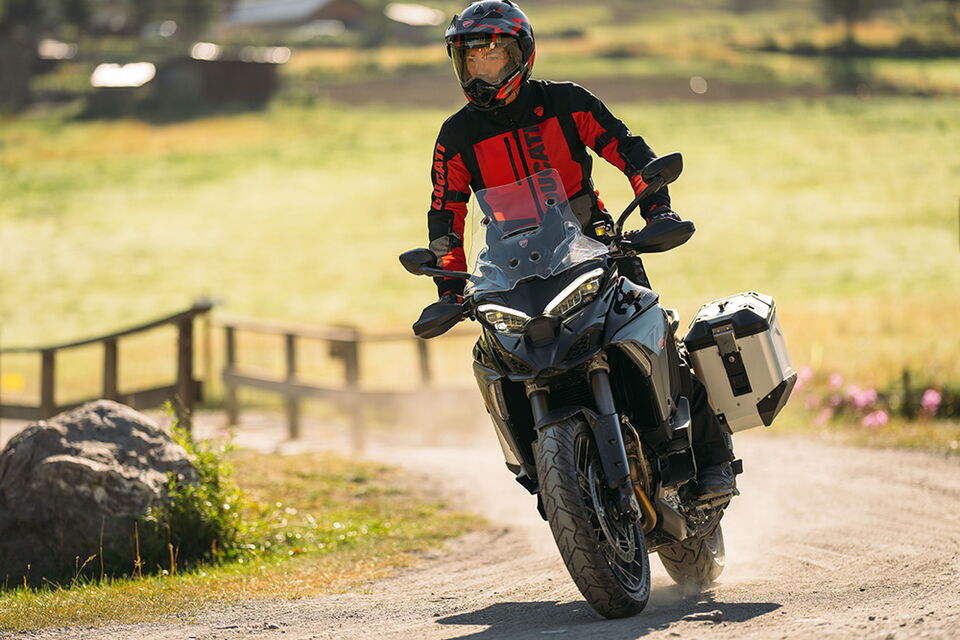
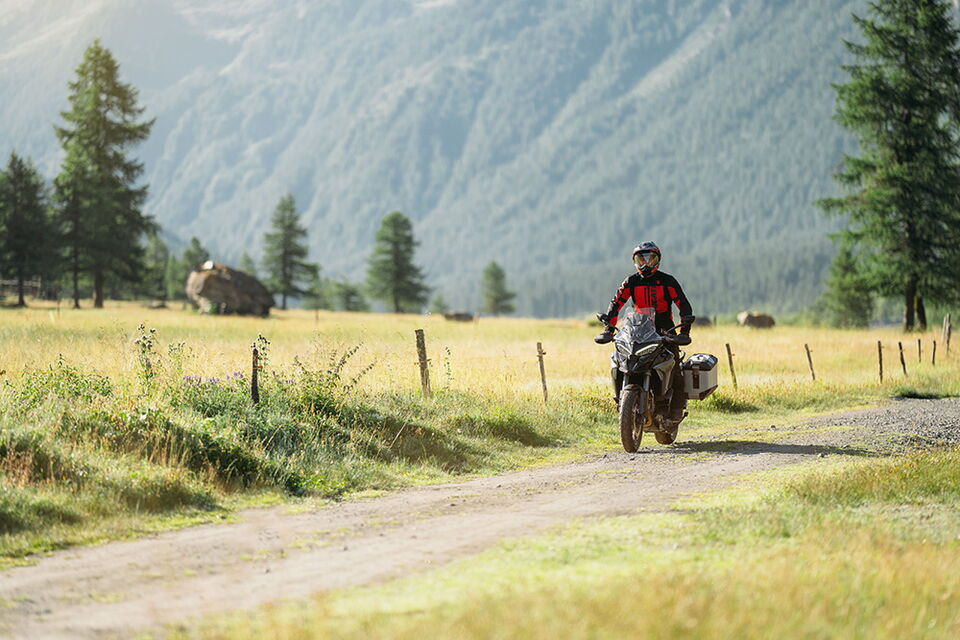
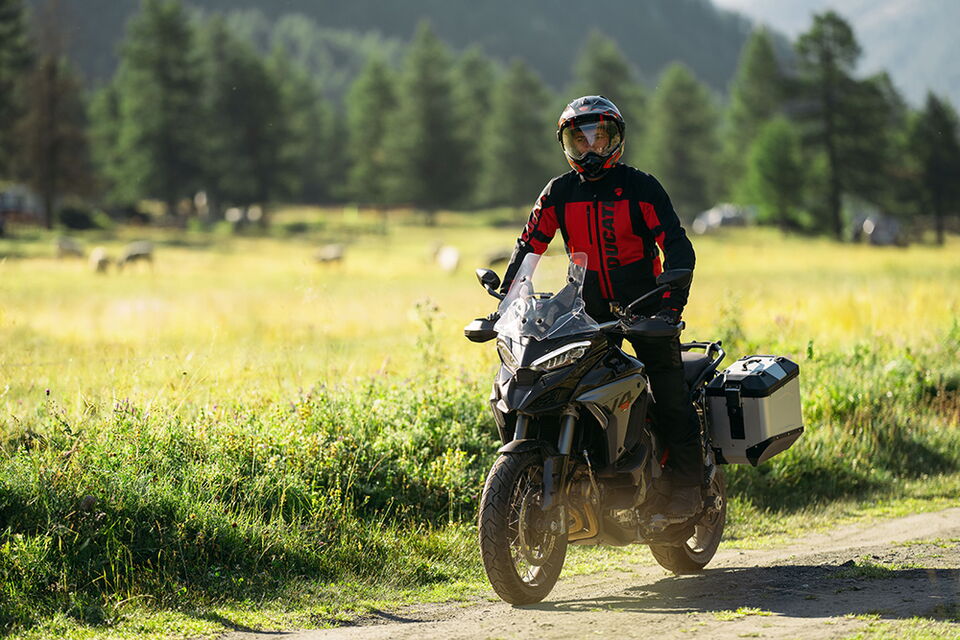
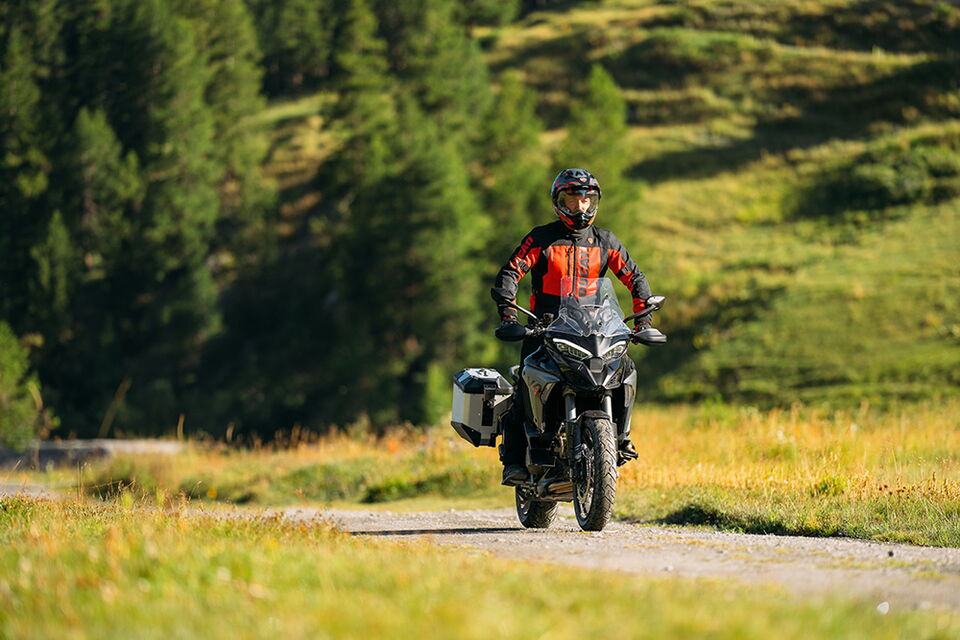
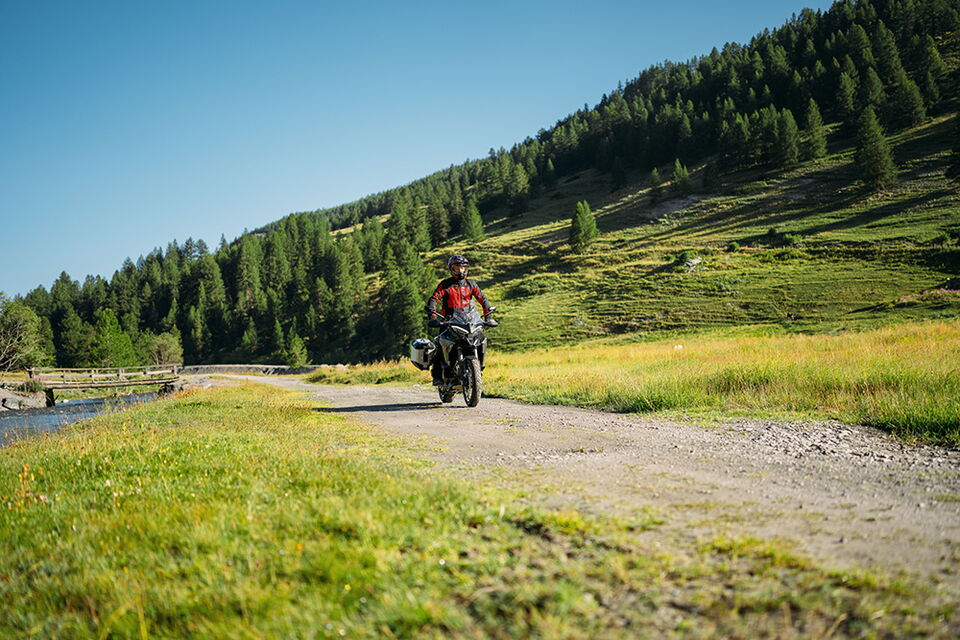
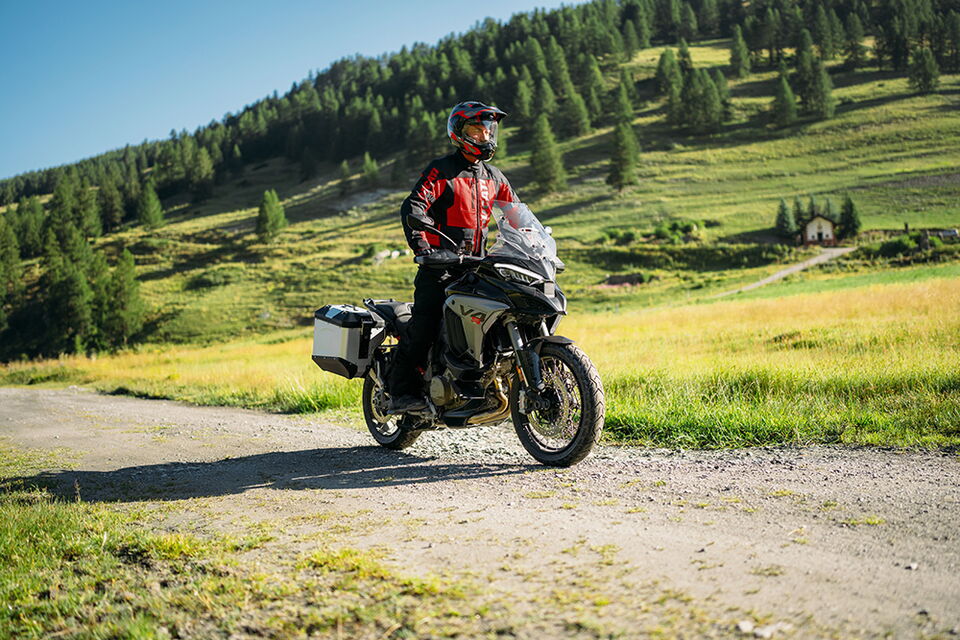
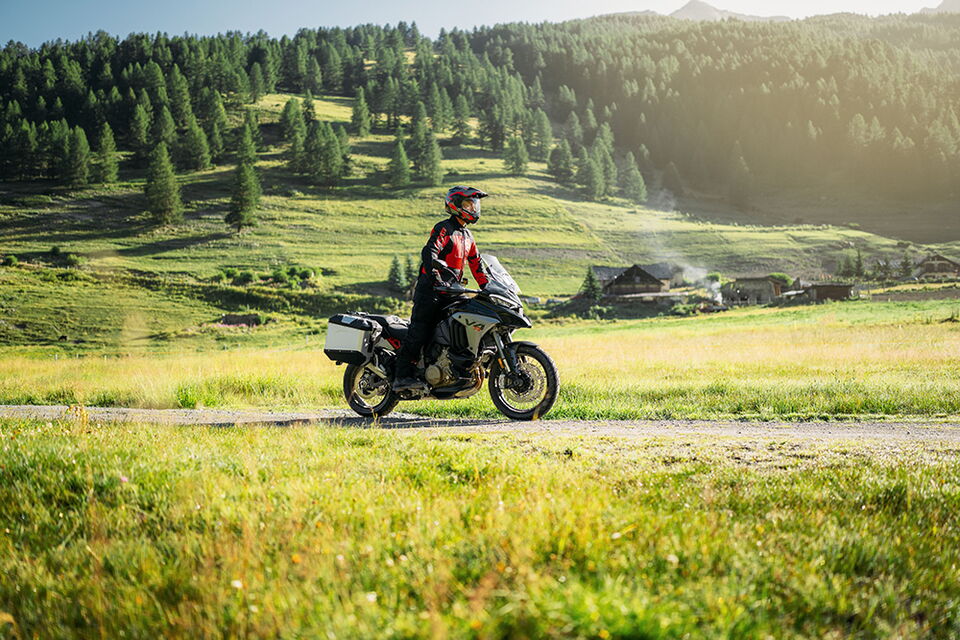
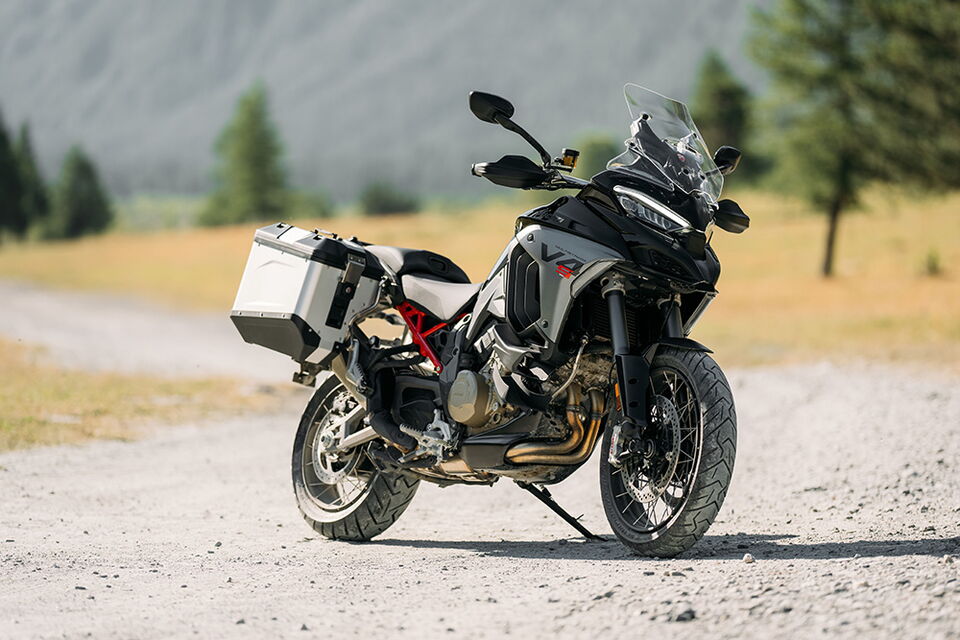
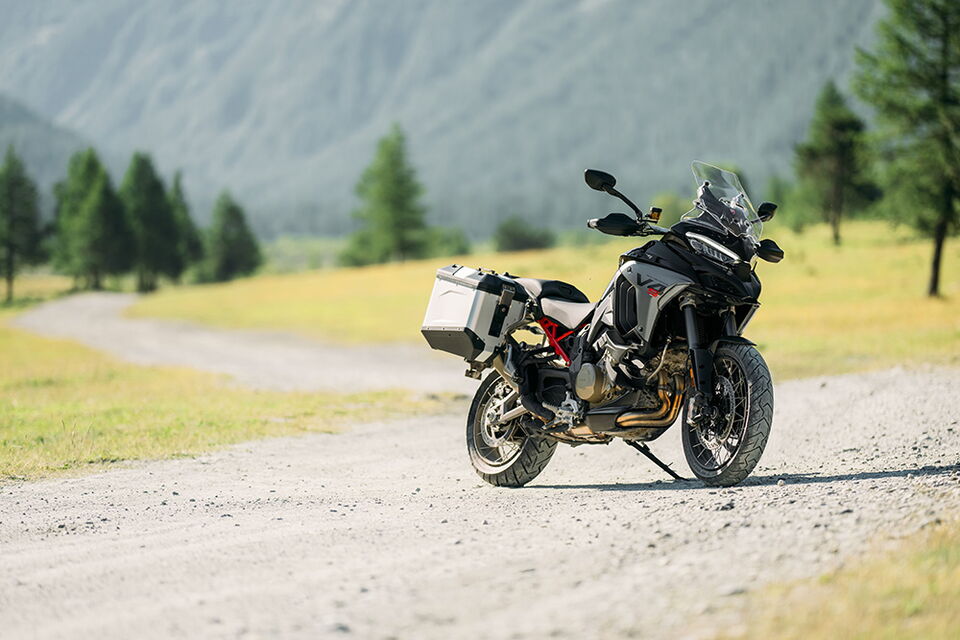
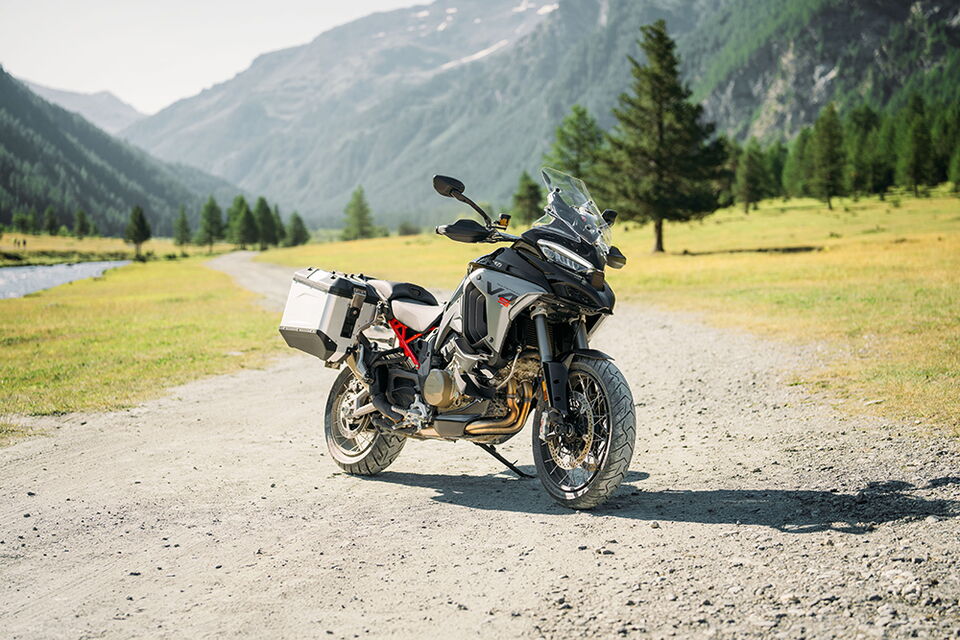
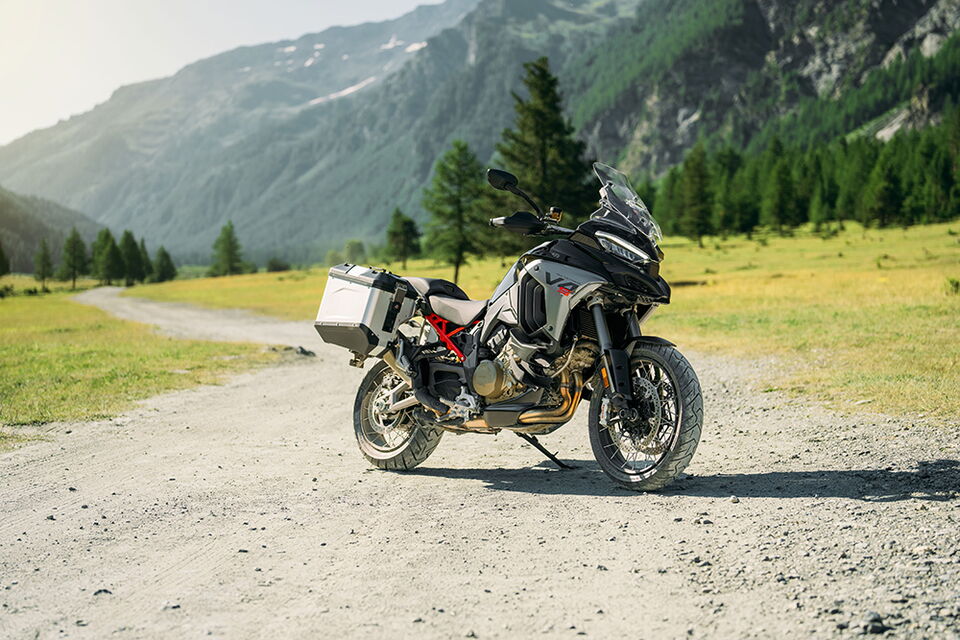
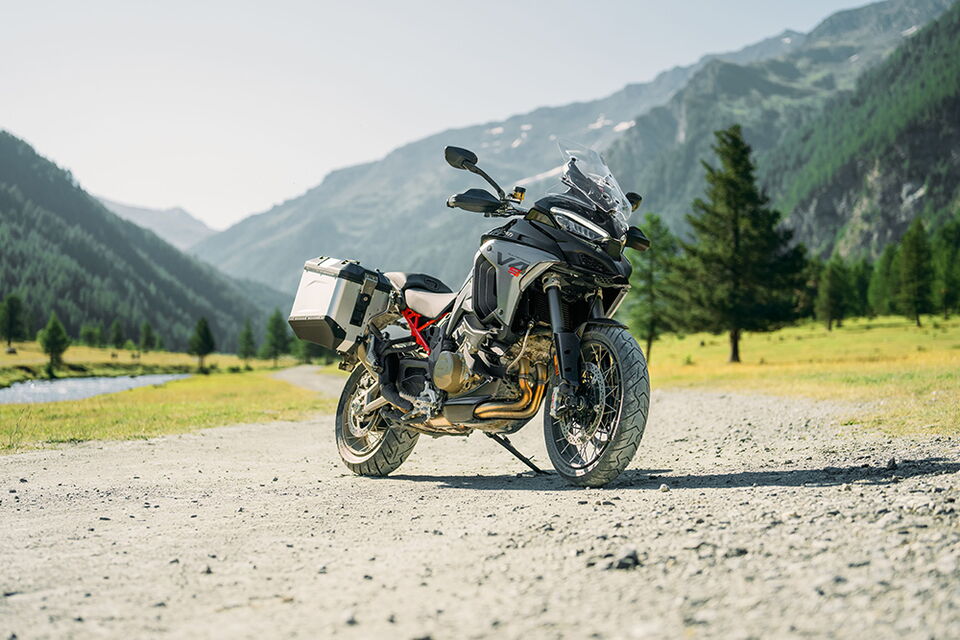
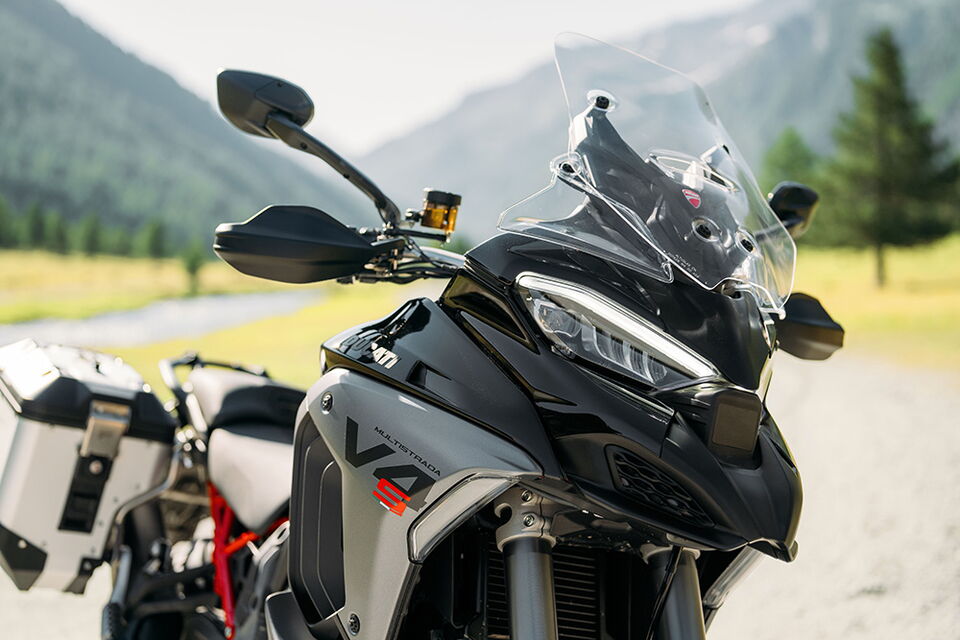
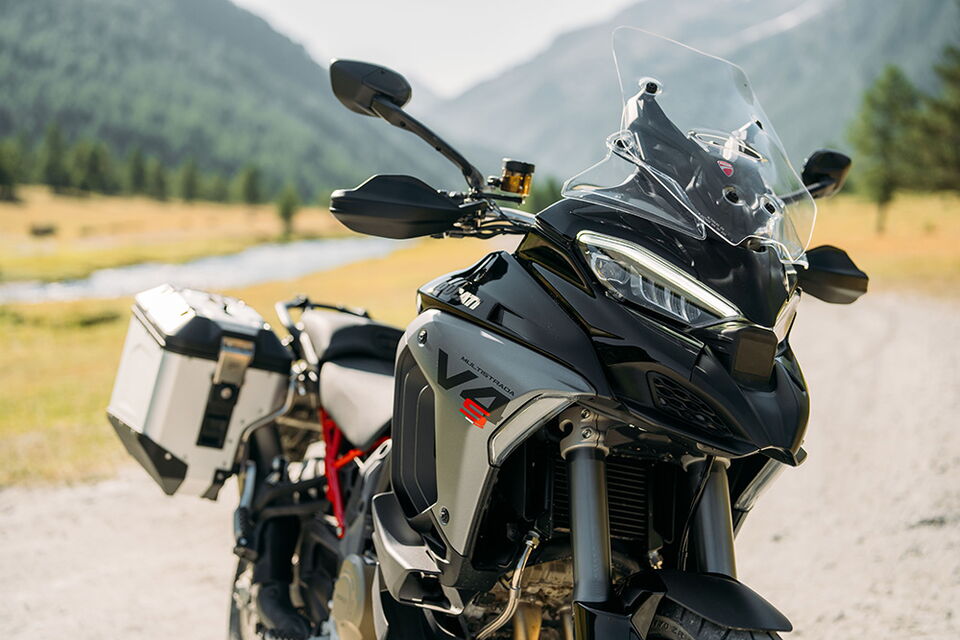
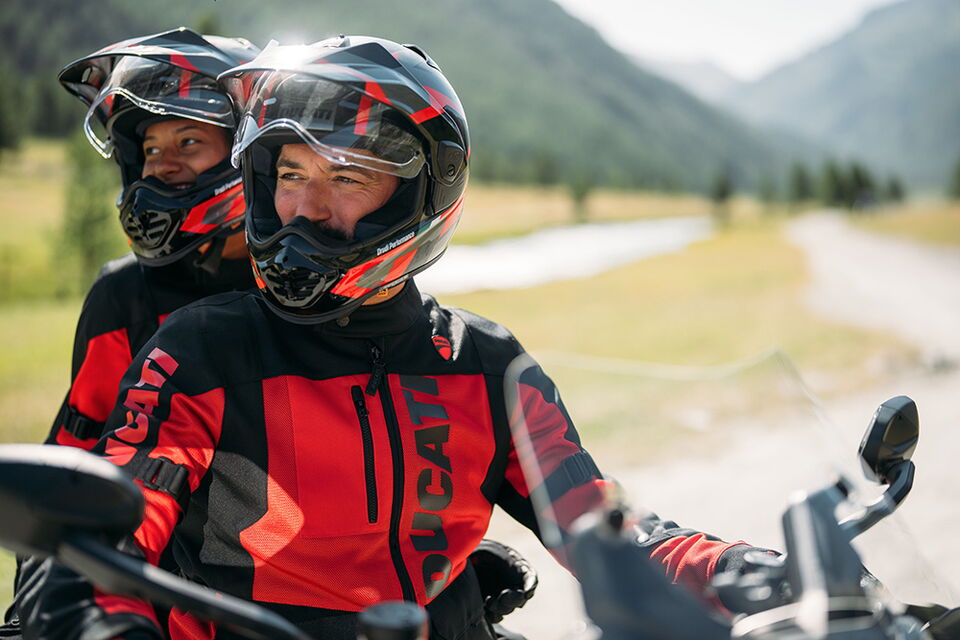
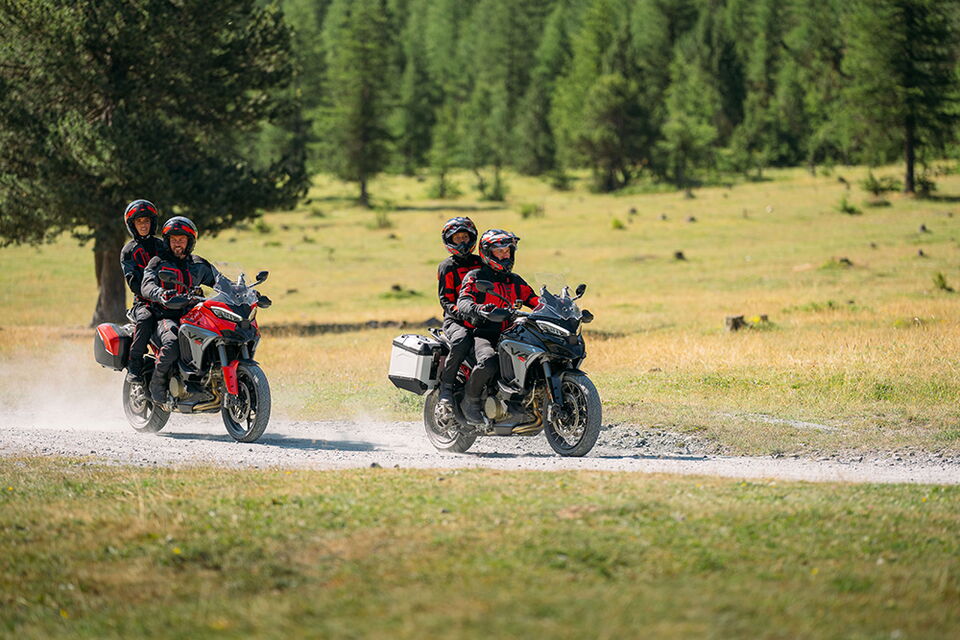
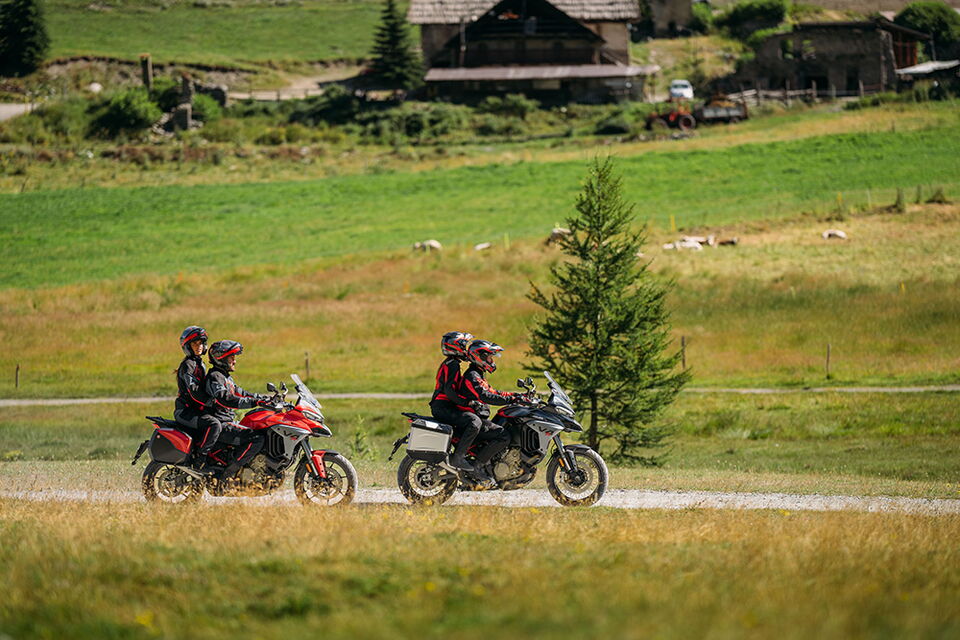
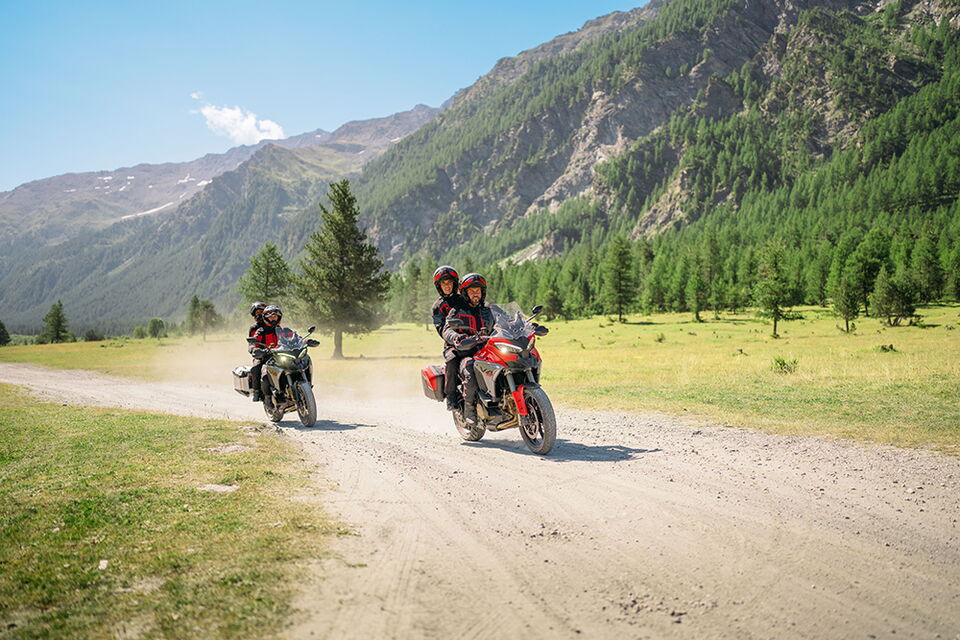
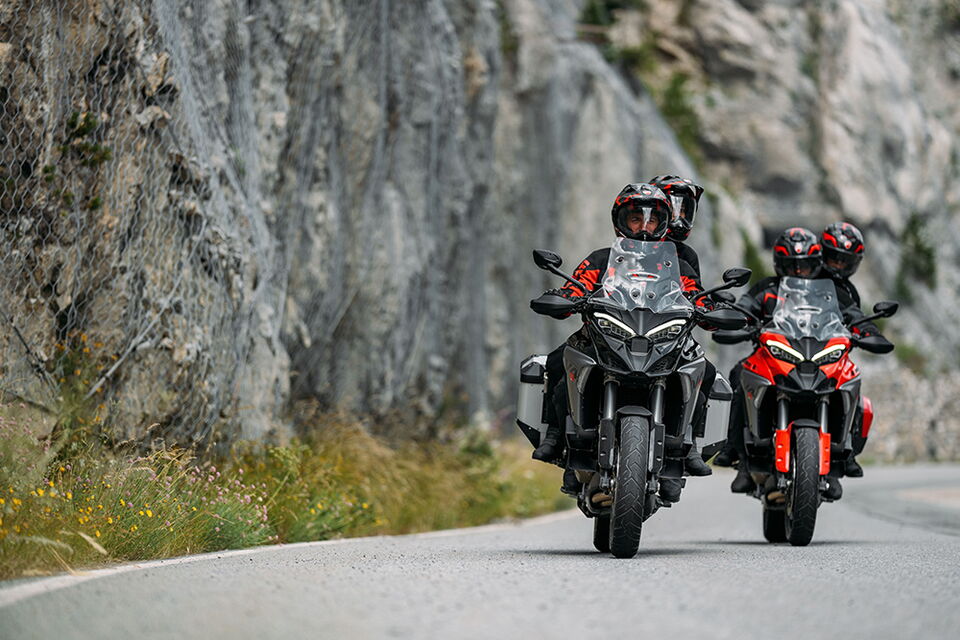
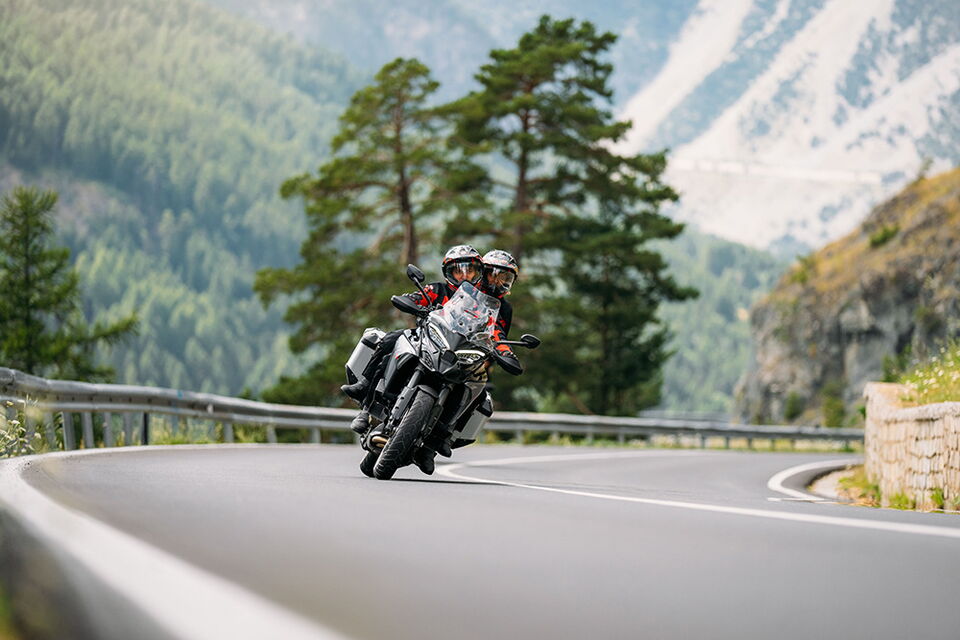
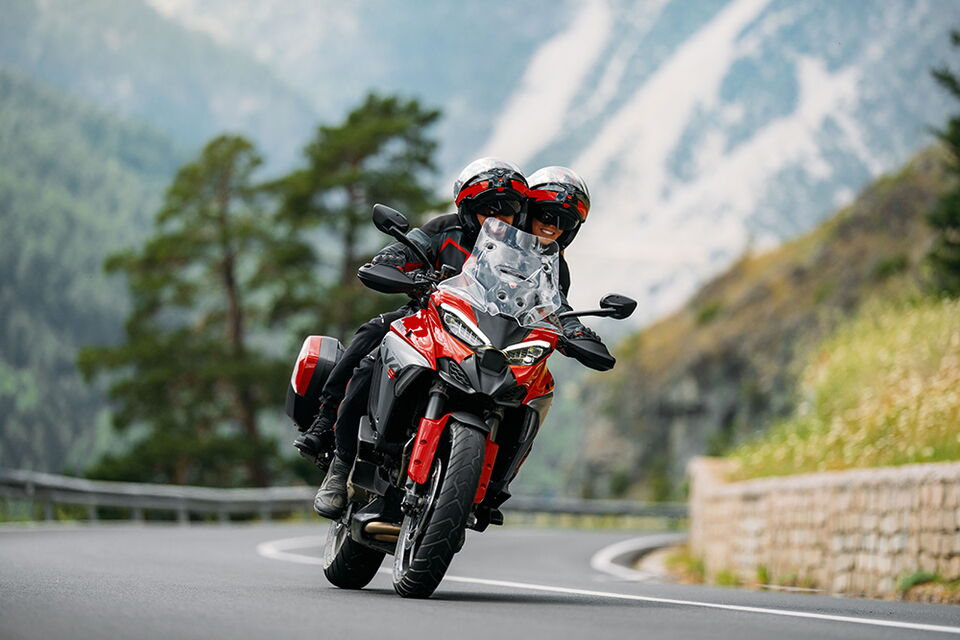
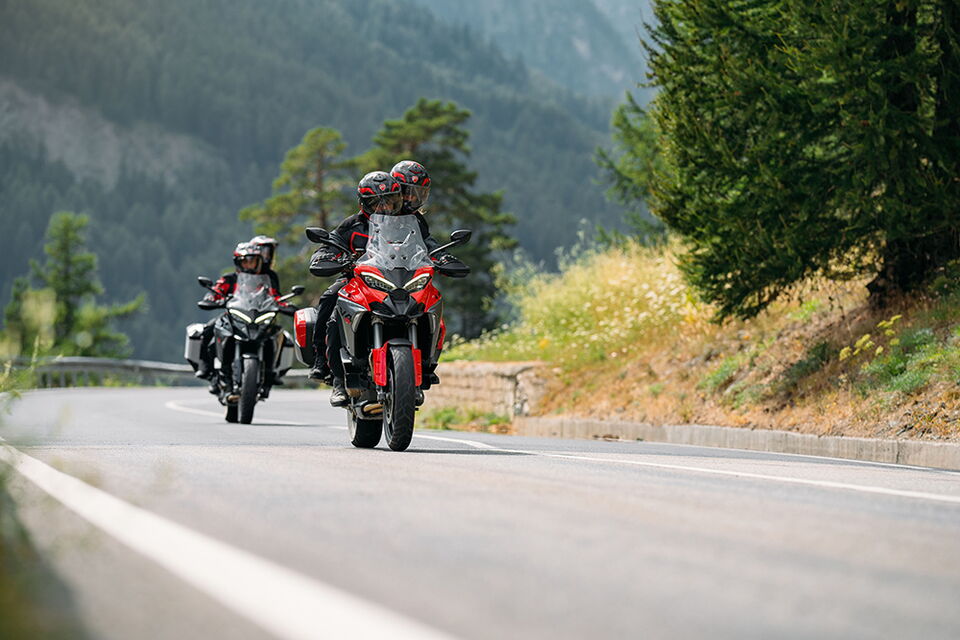
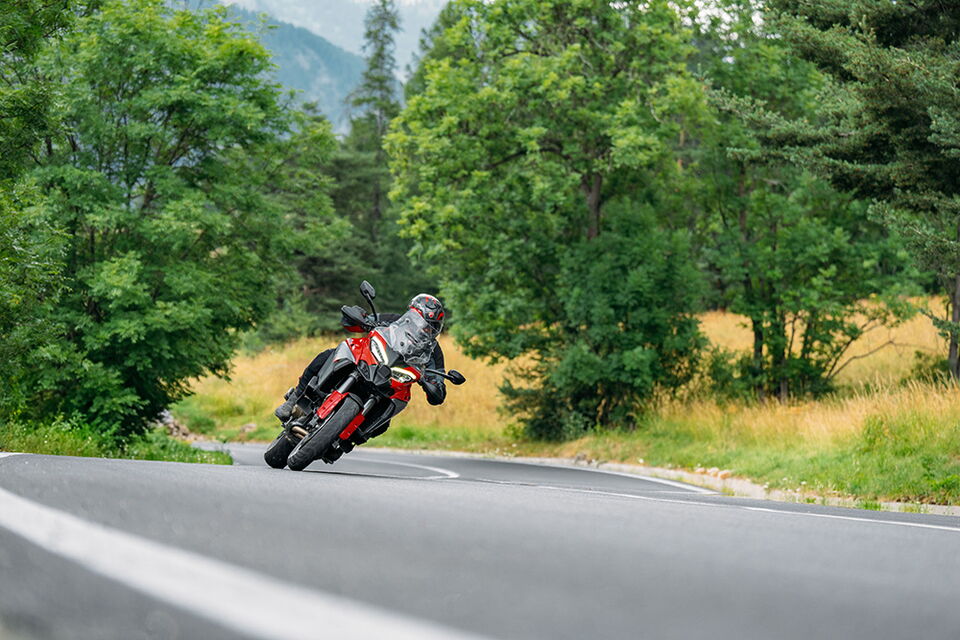
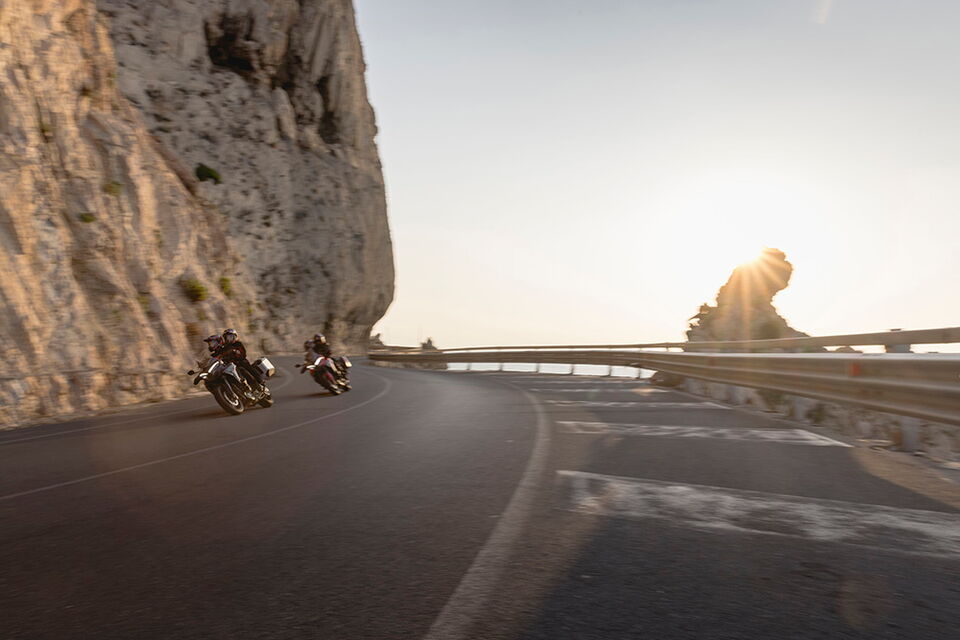
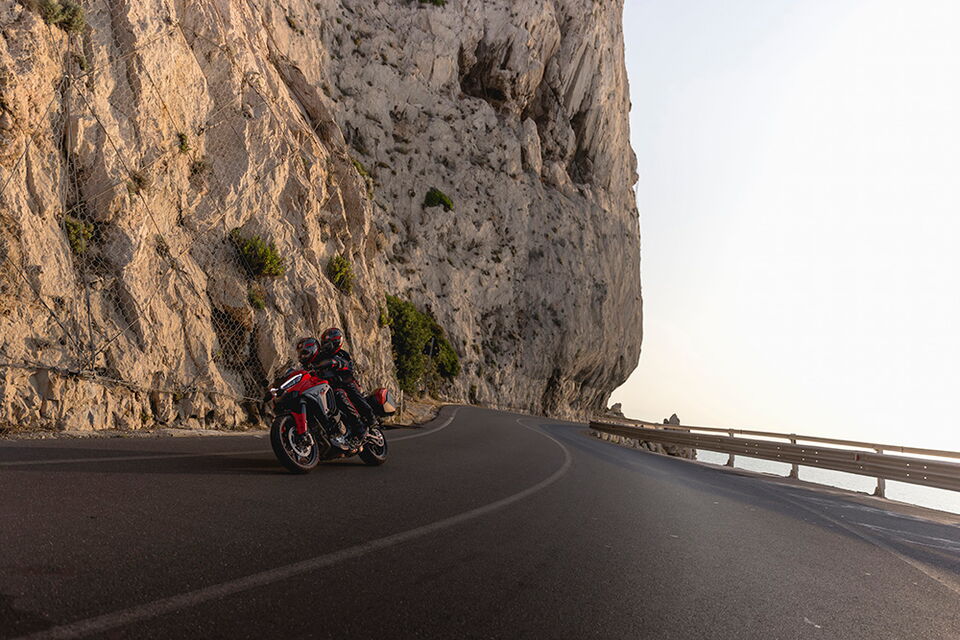
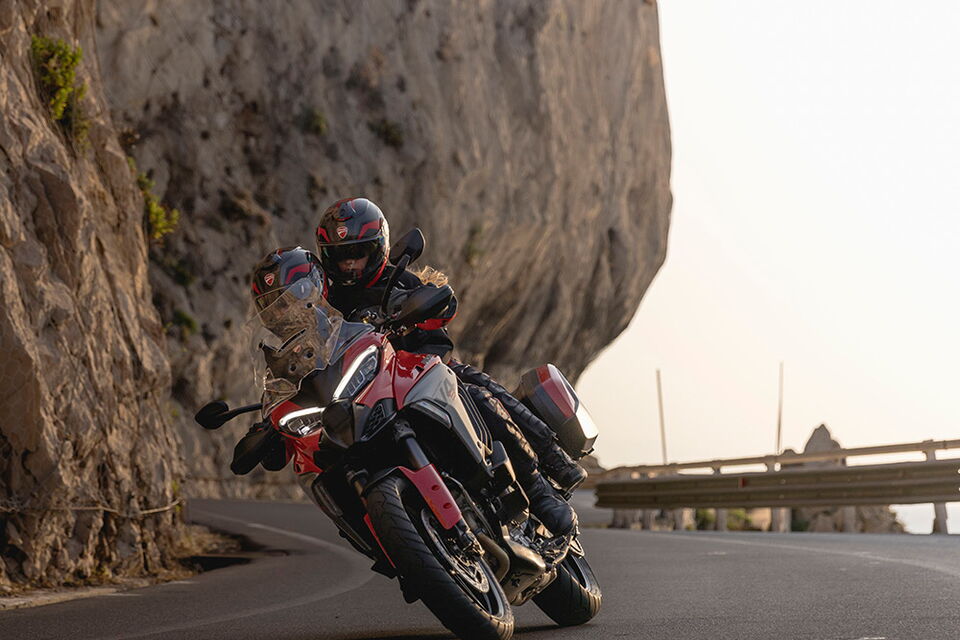
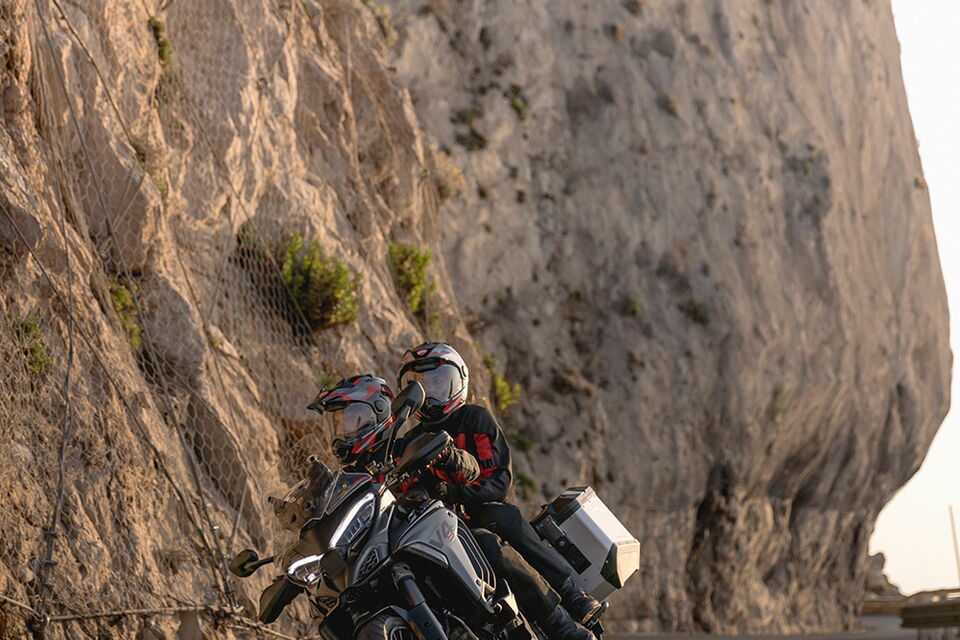
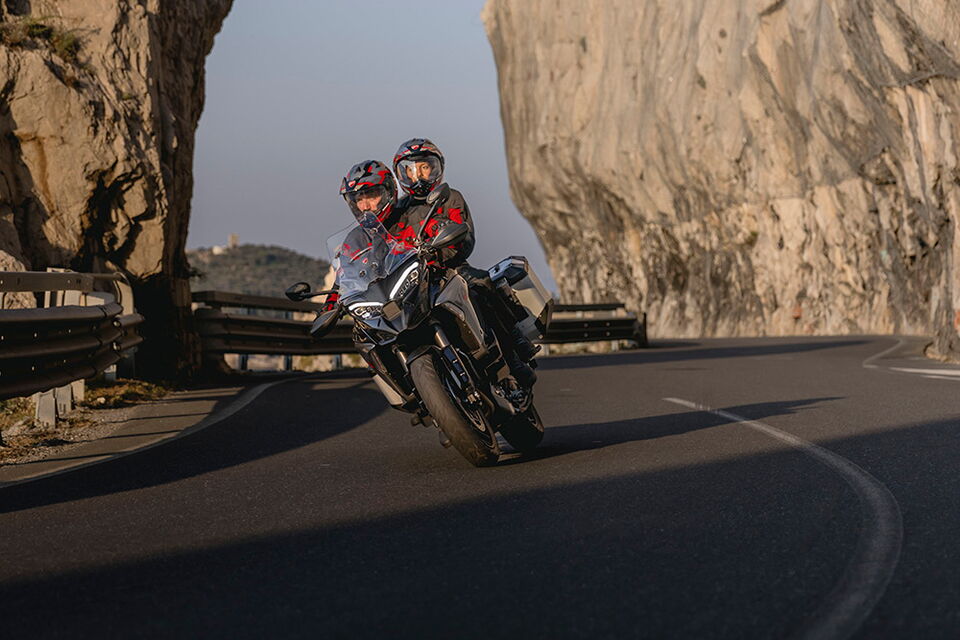
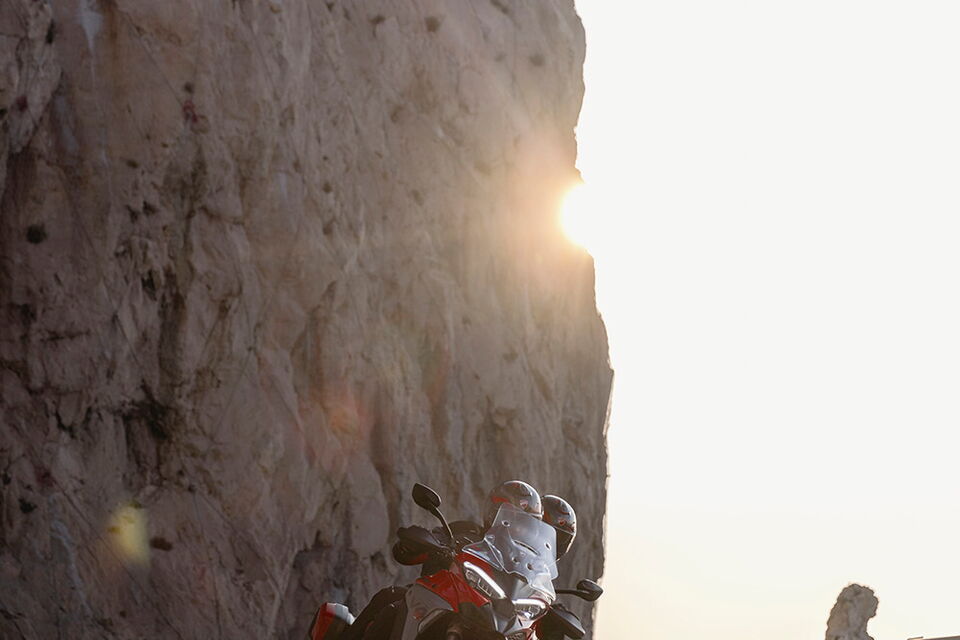
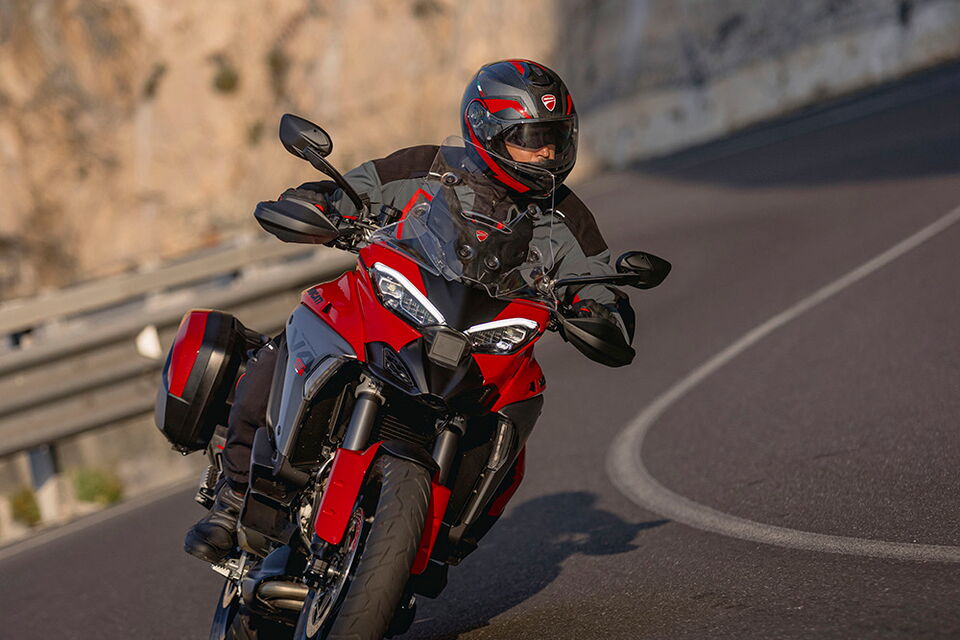
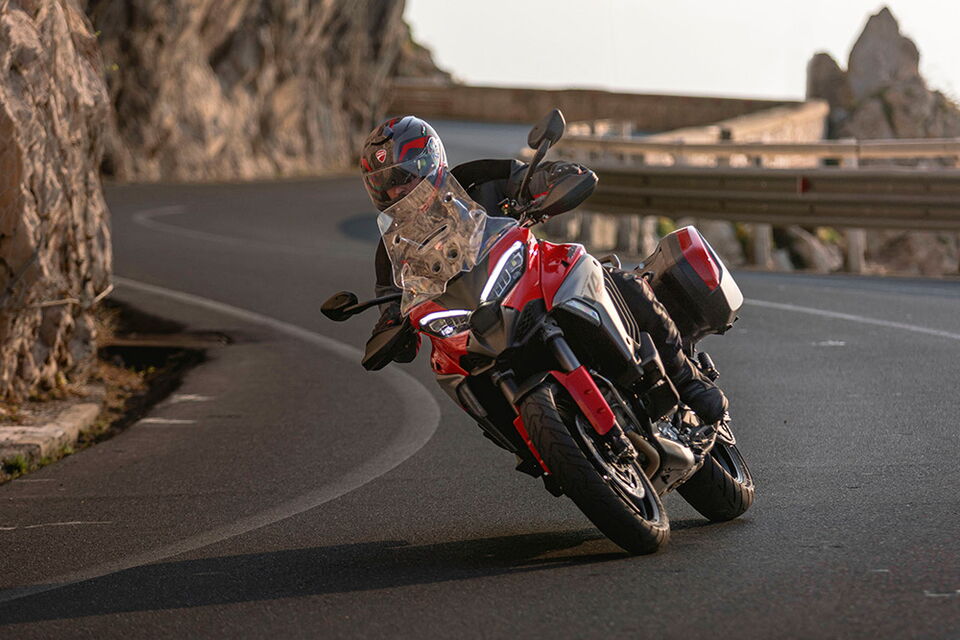
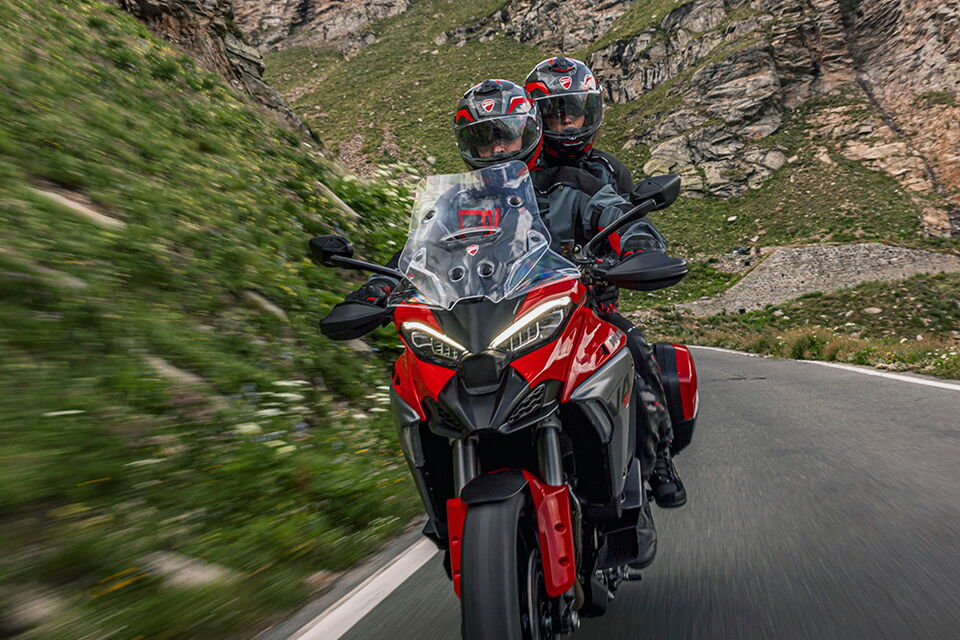
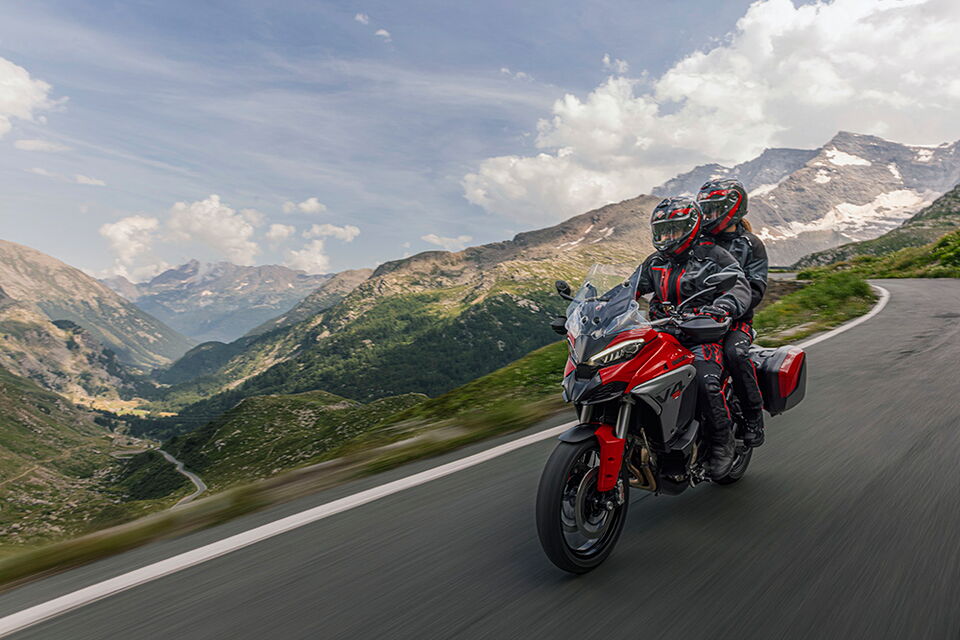
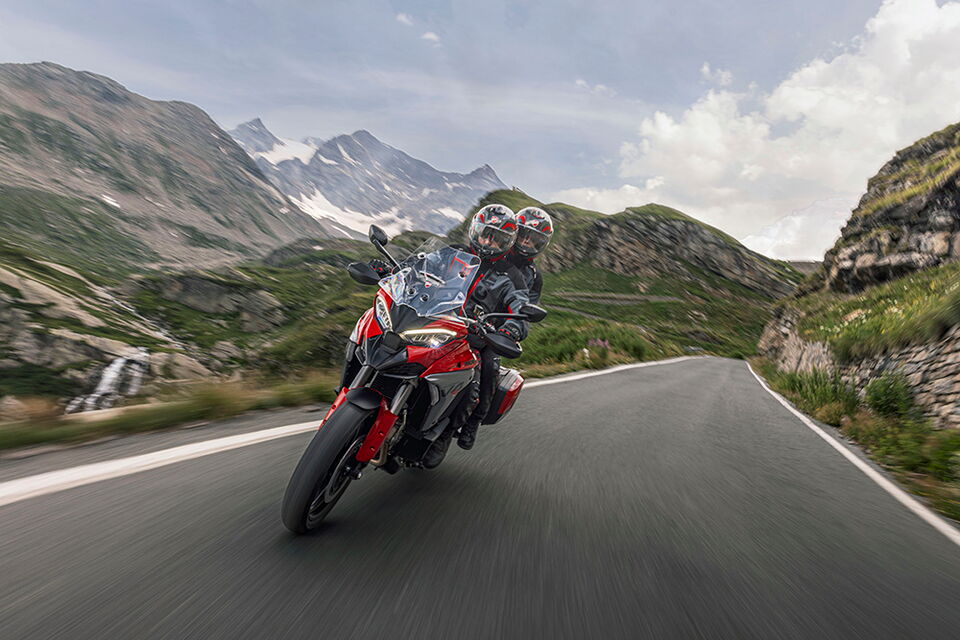
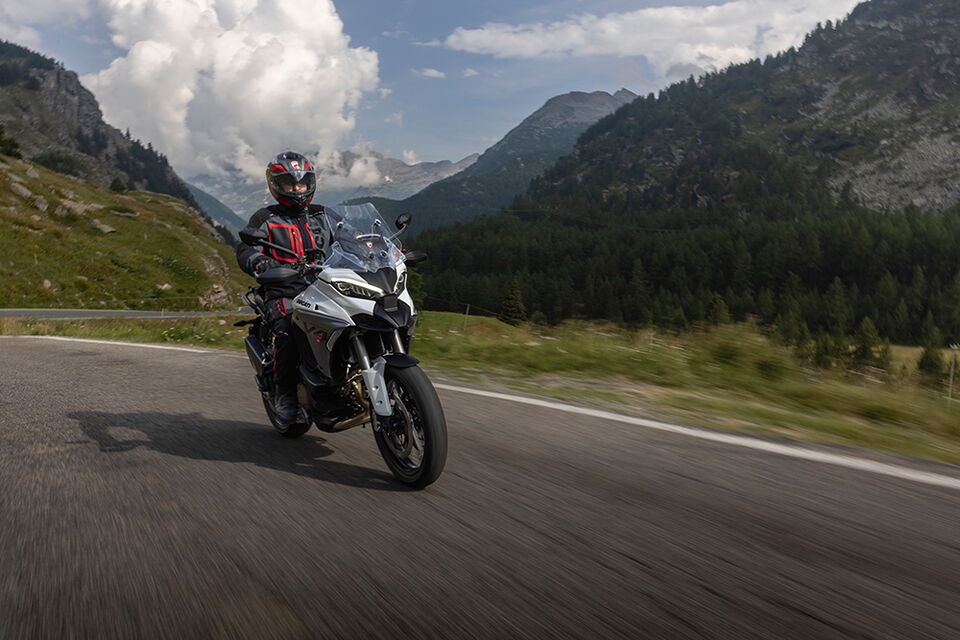
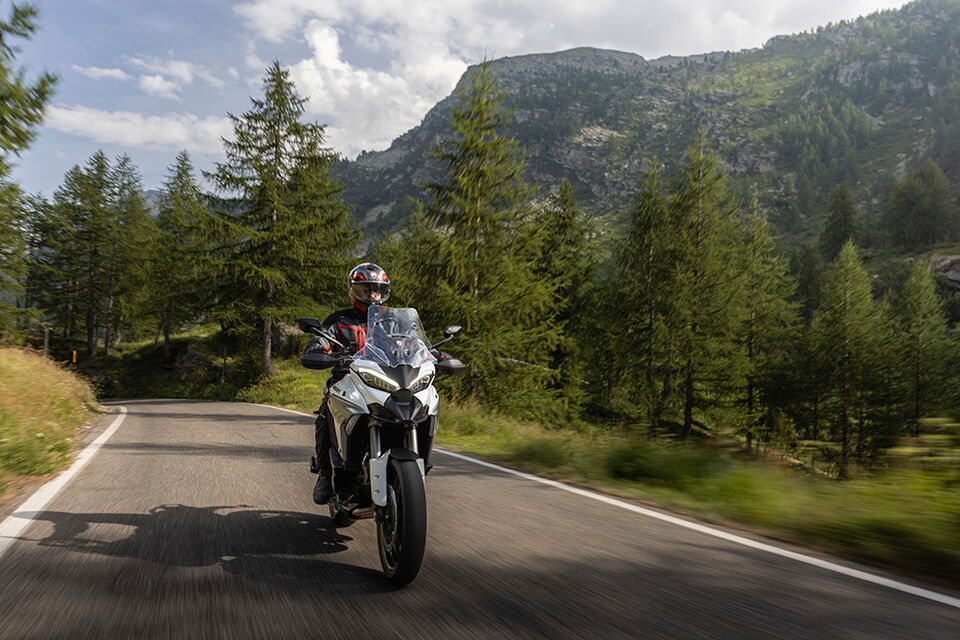
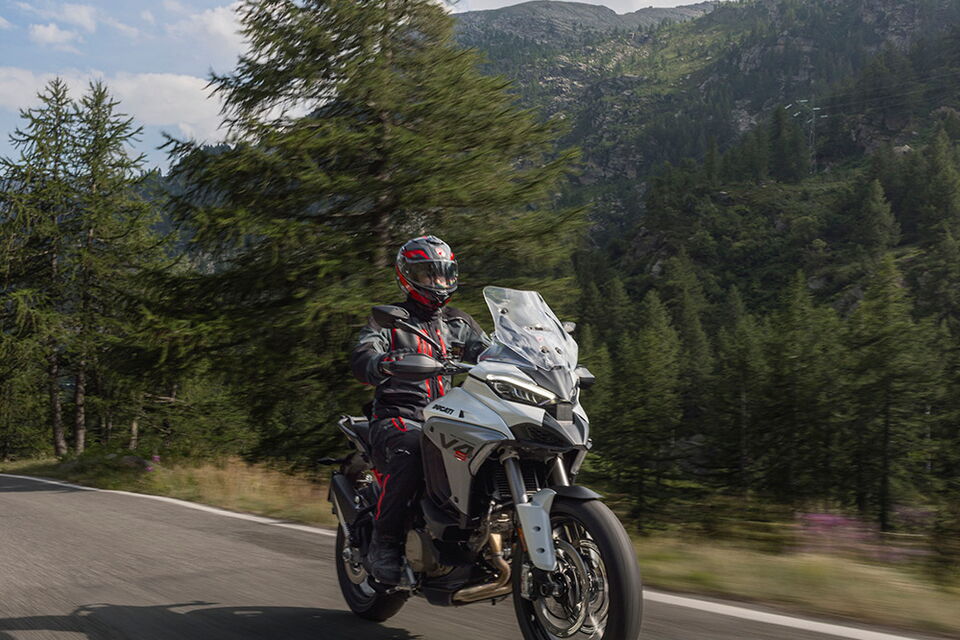
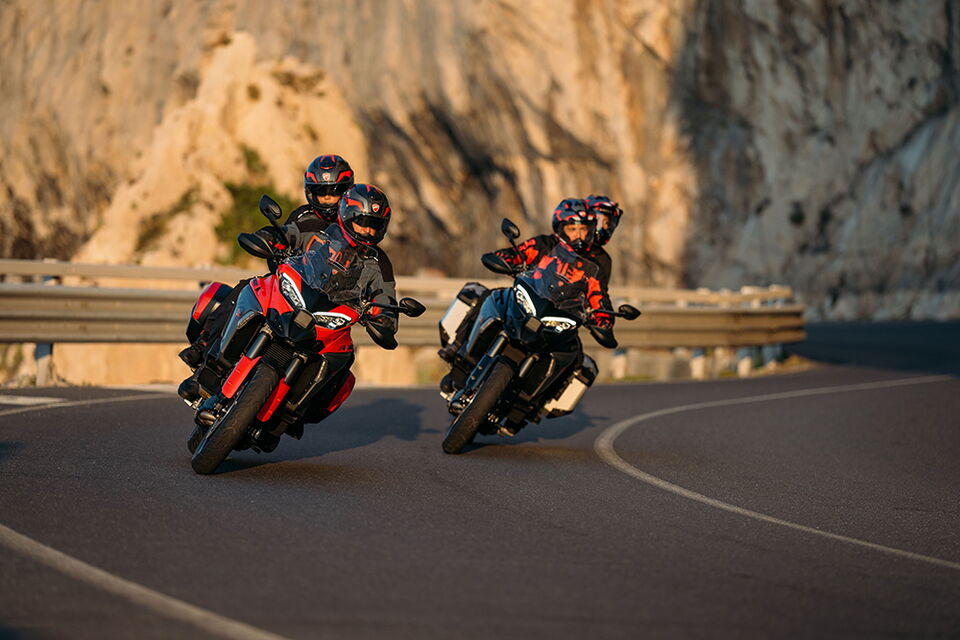
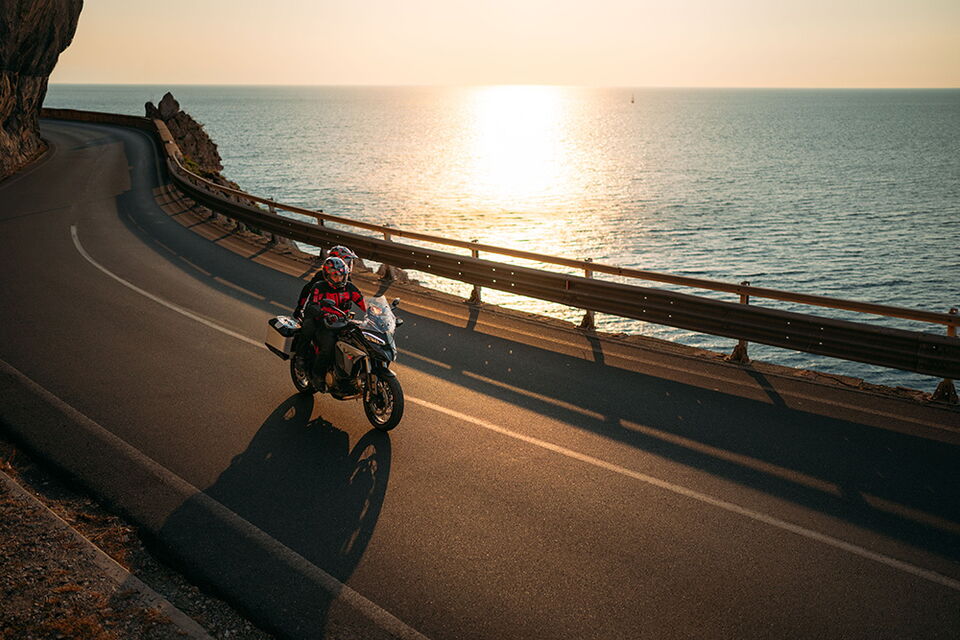
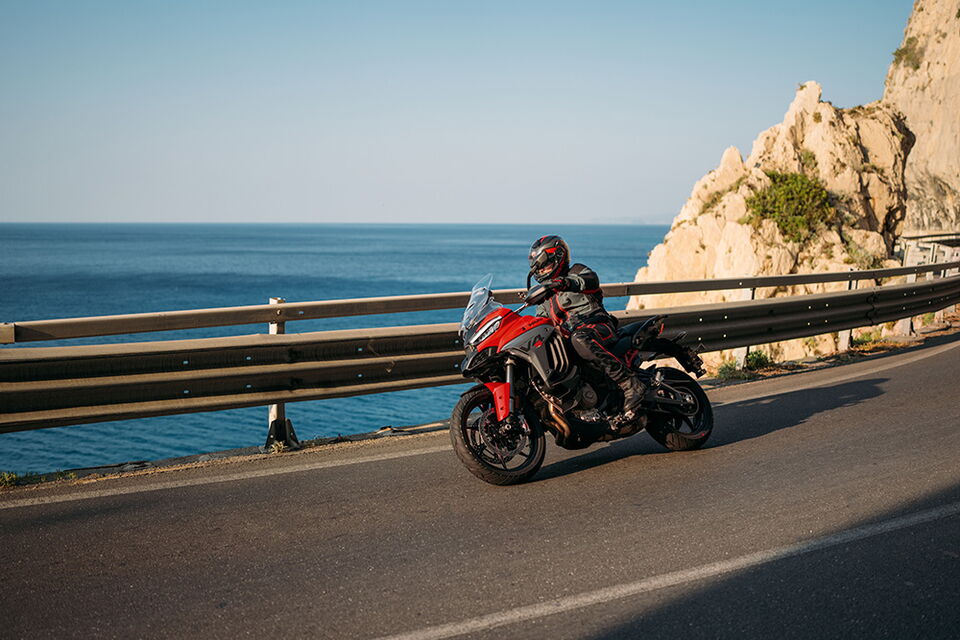
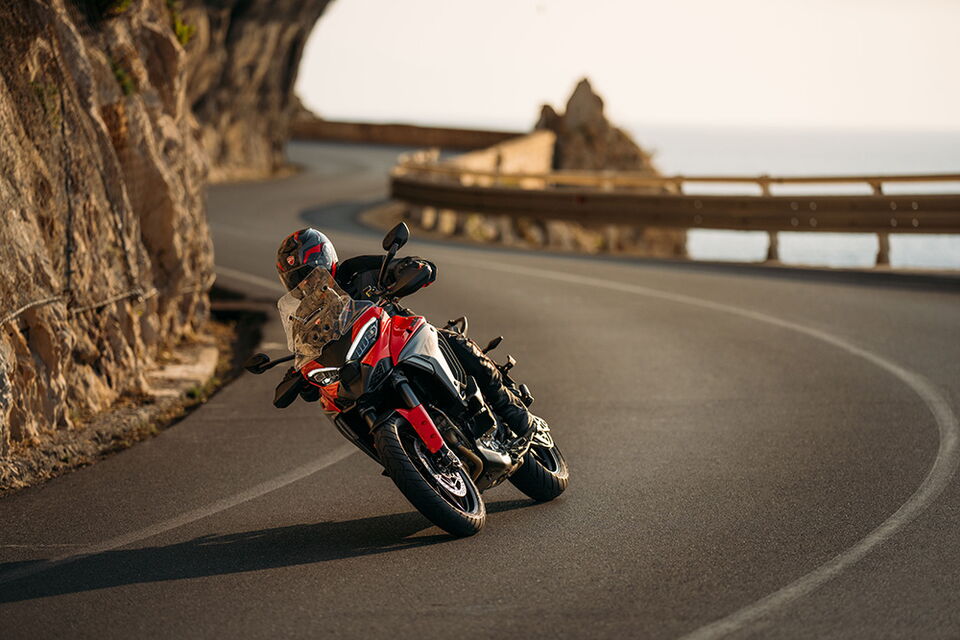
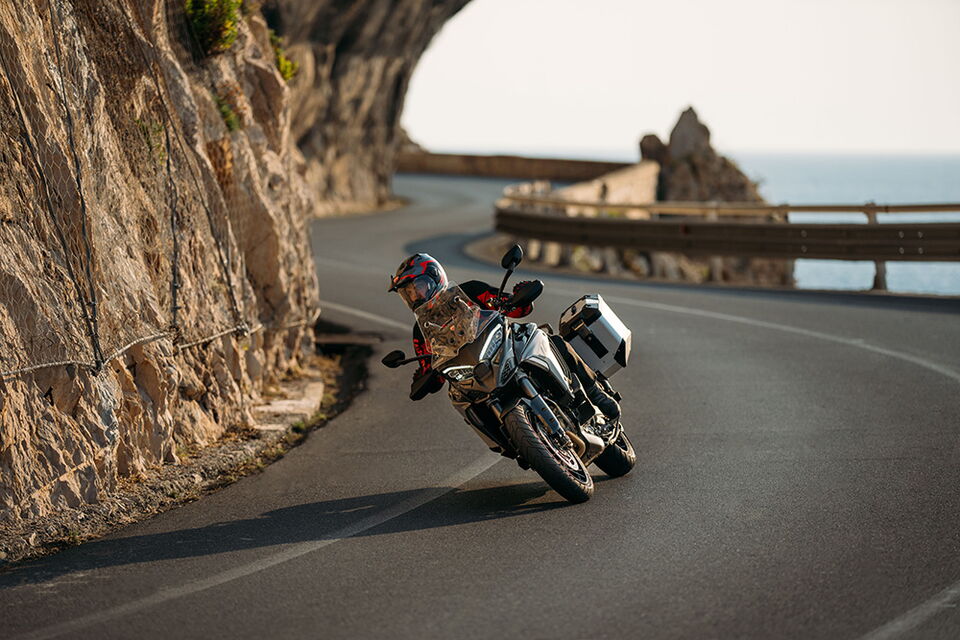
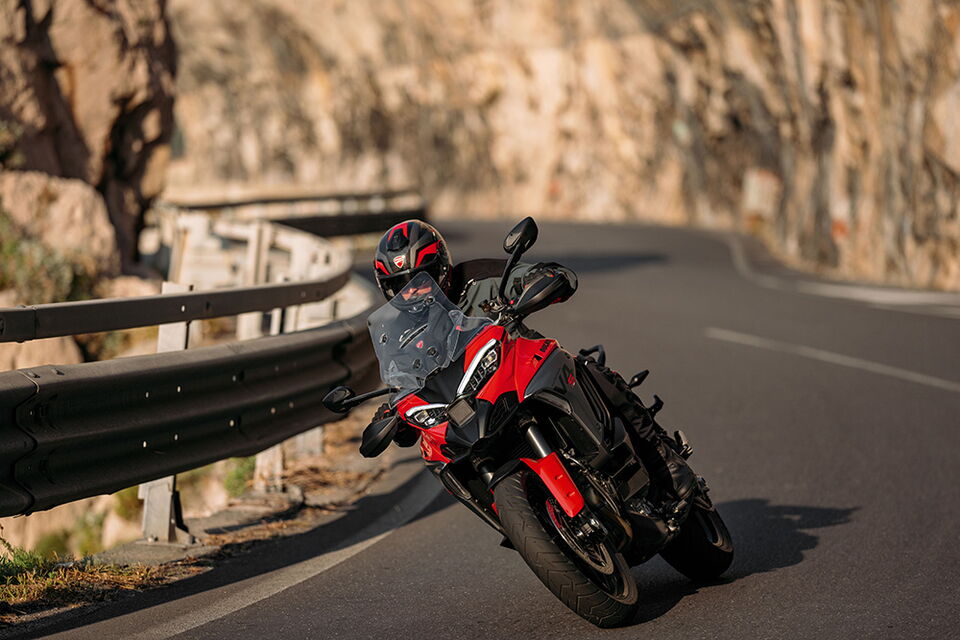
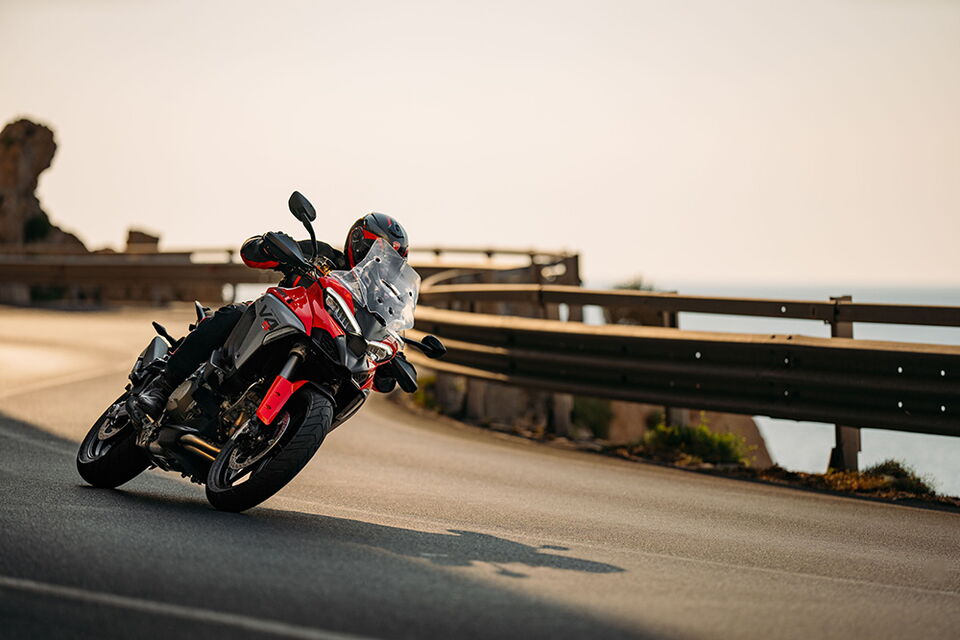
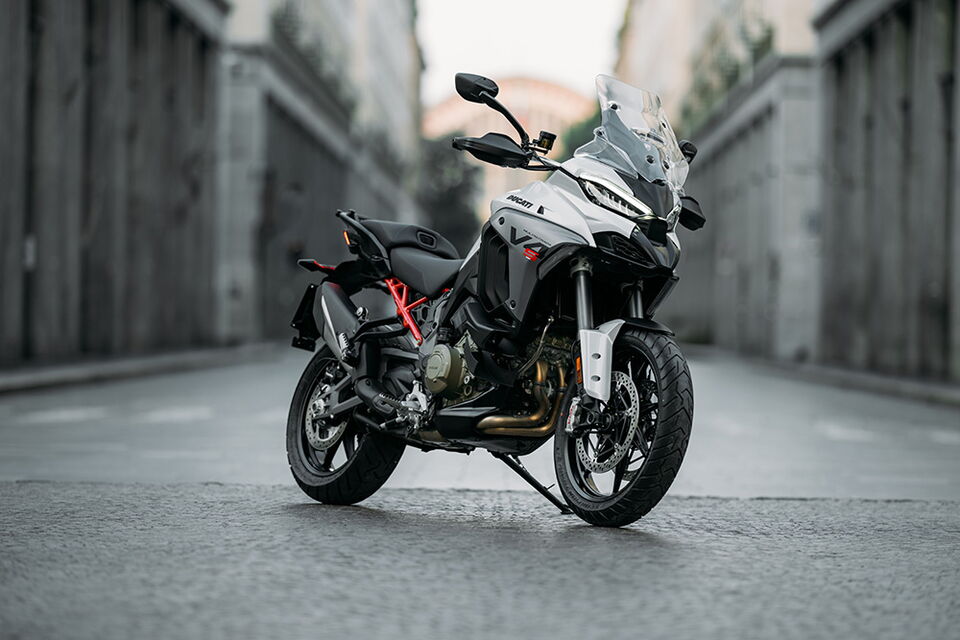
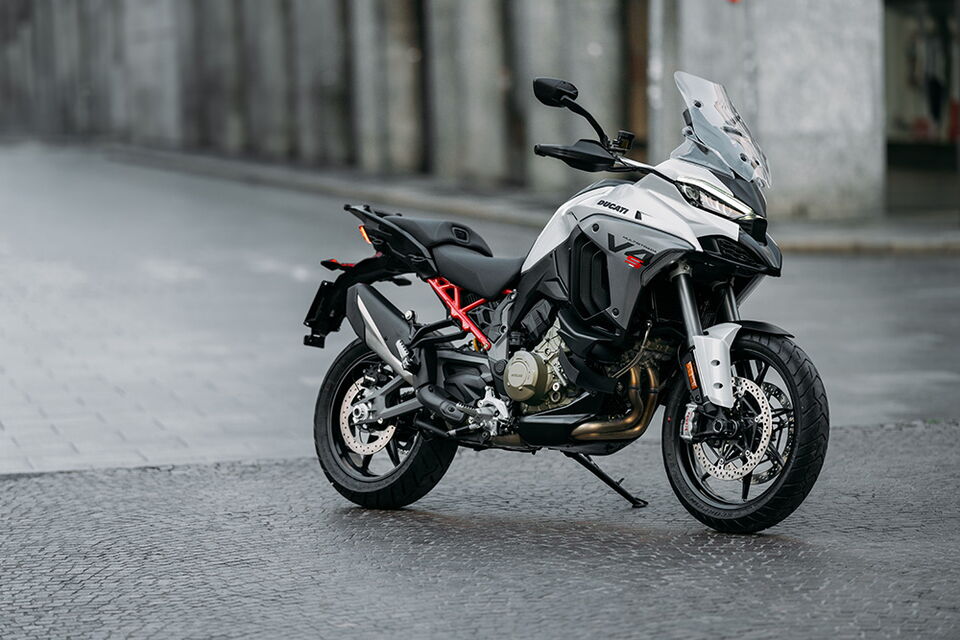
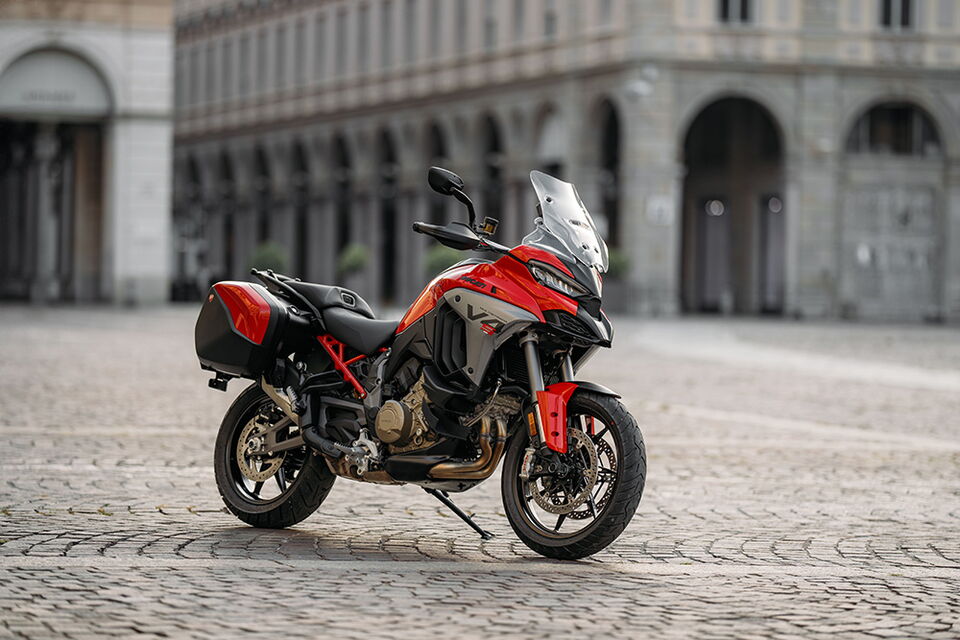
Some motorcycles try to impress you at first glance. The V4 S is not one of them. It feels broad and upright, with generous wind protection and a cockpit that looks more like a dashboard than an instrument cluster. Spend the first hour on it and you realize this is a tool—but one with character. The 6.5-inch TFT shows everything you need. ACC automatically maintains following distance. BSD flashes when there is a vehicle in your blind spot. As you ride, you learn to trust the motorcycle.
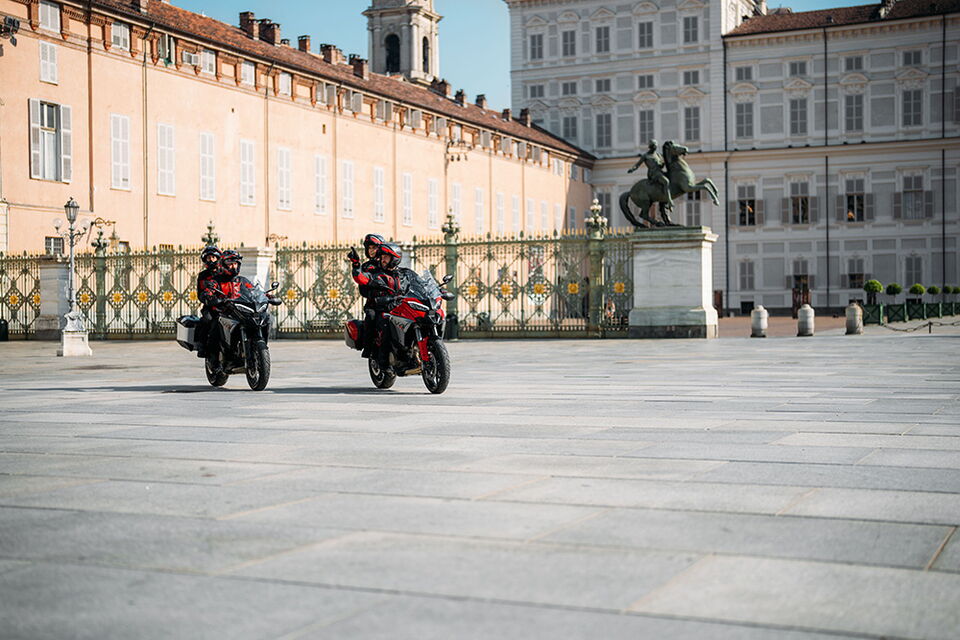
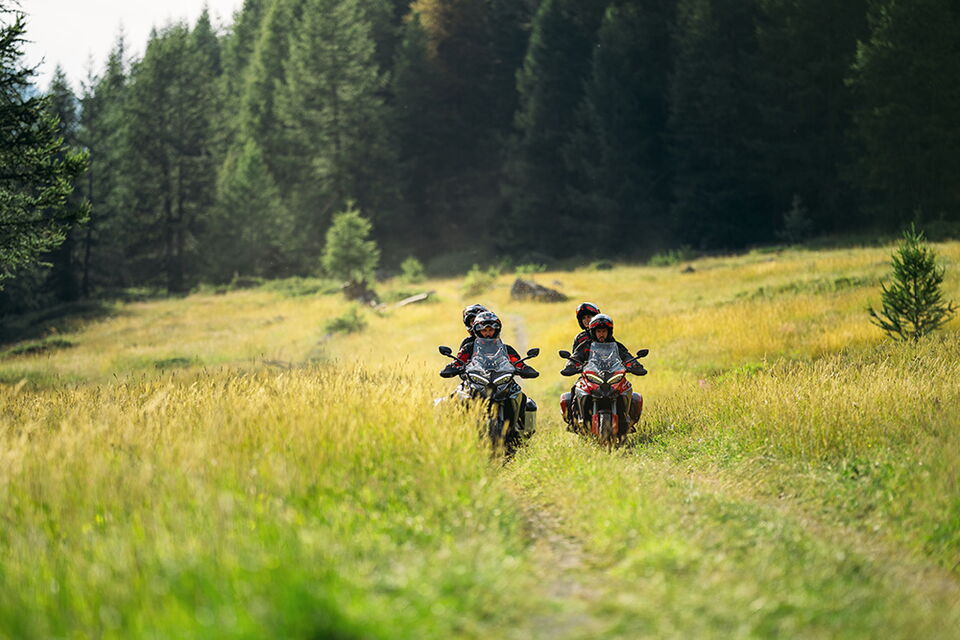
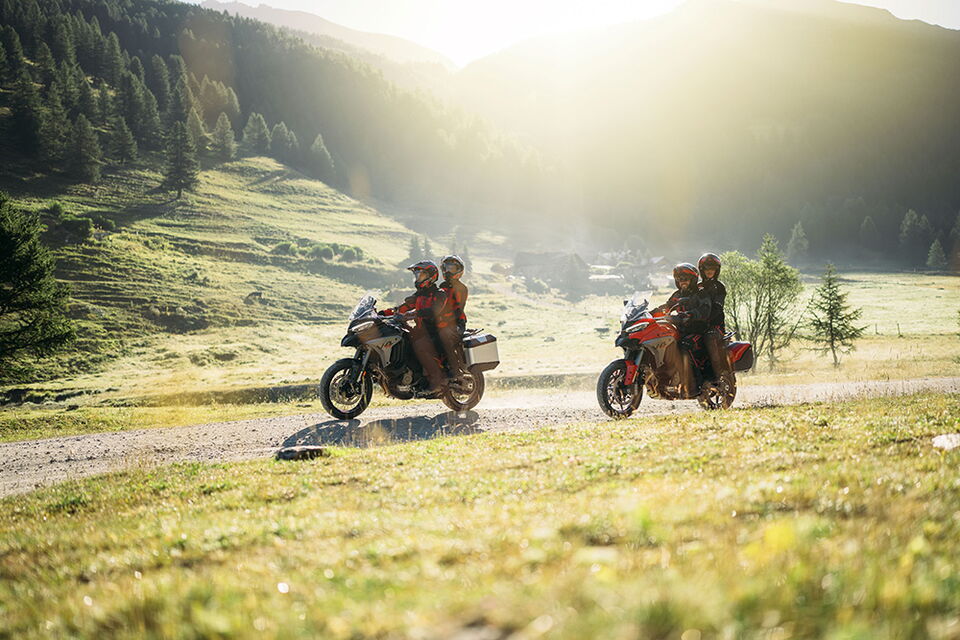
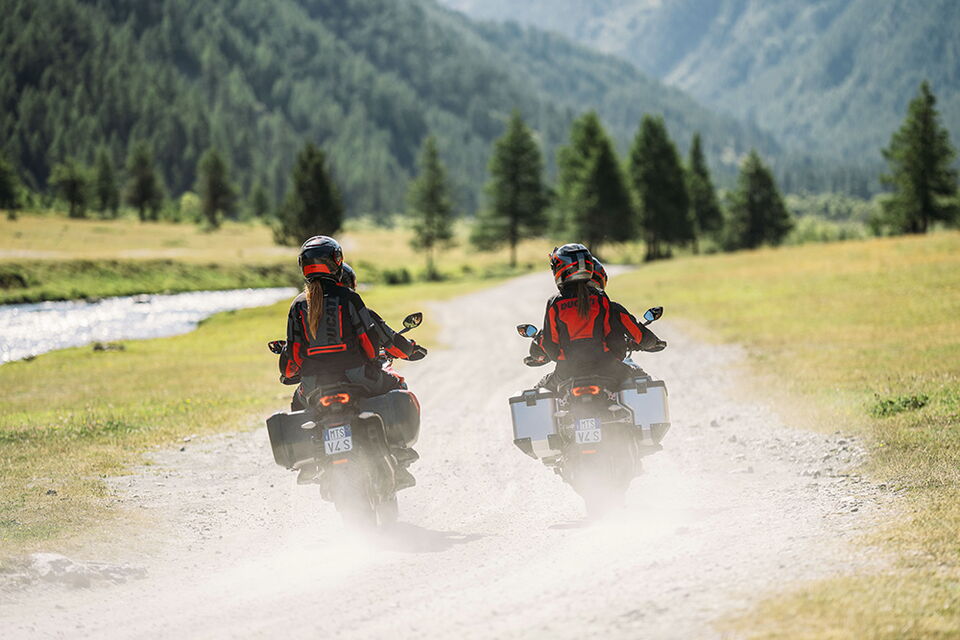
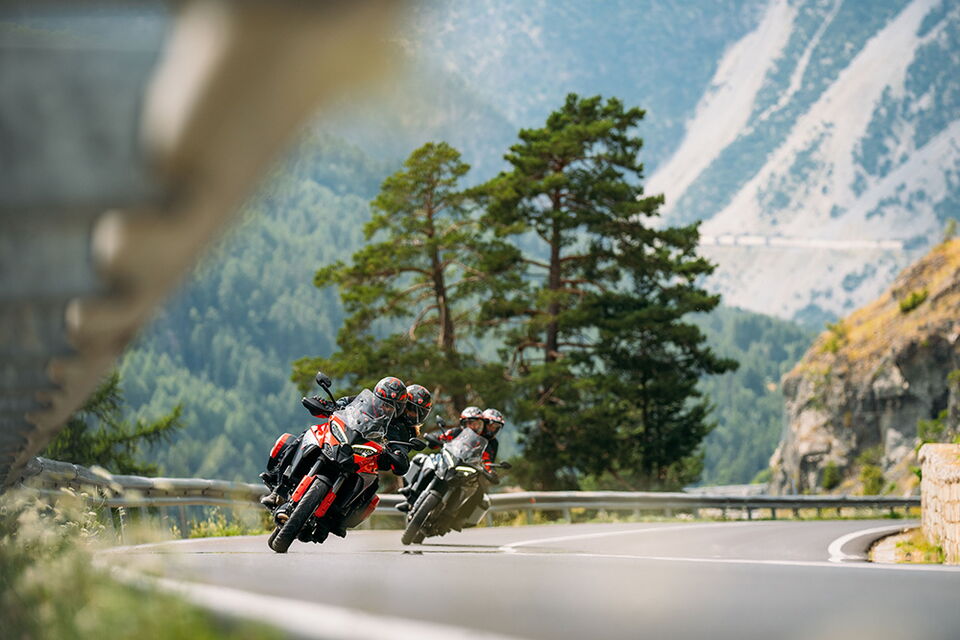
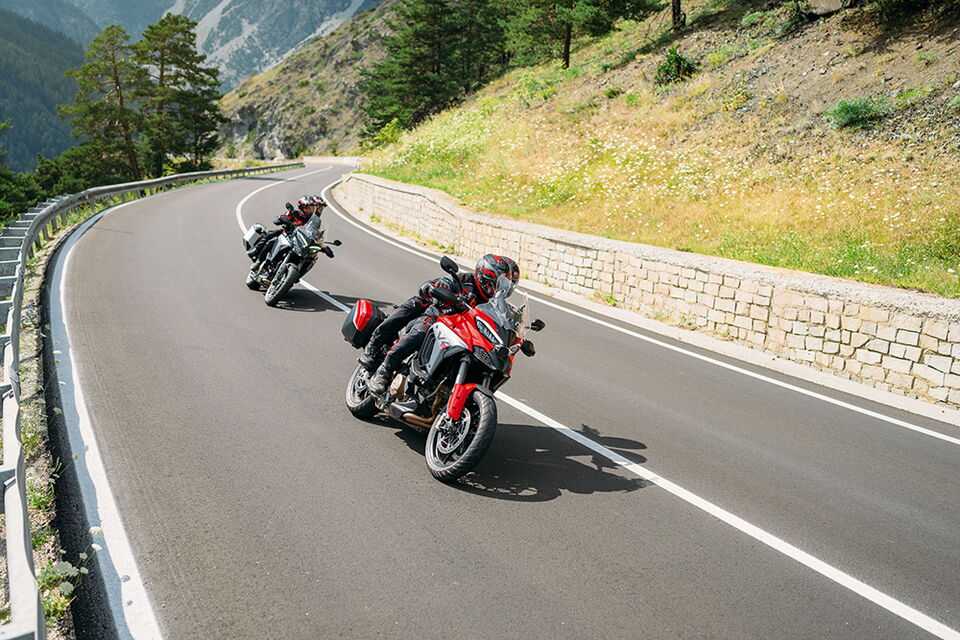
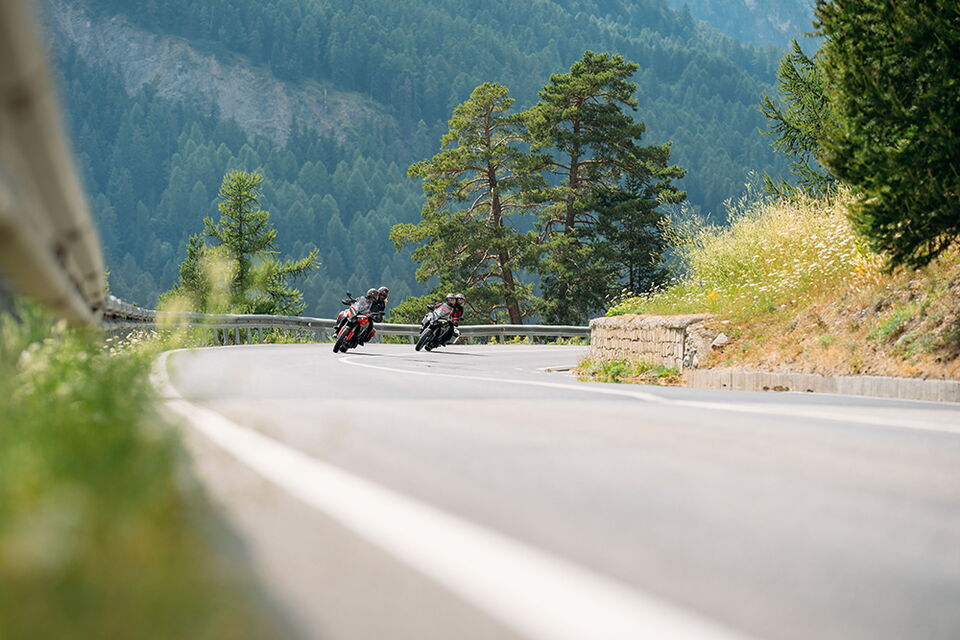
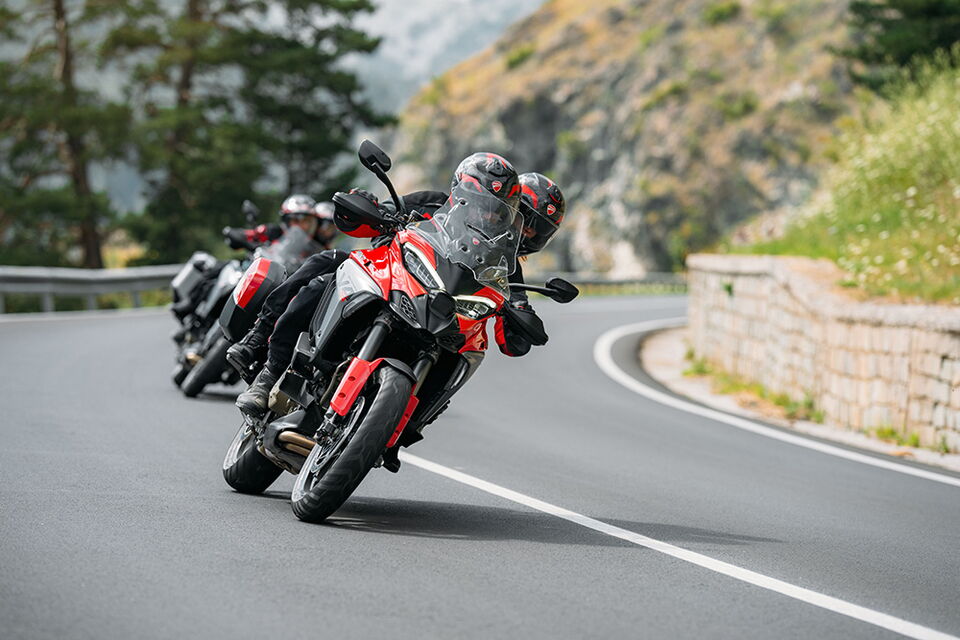
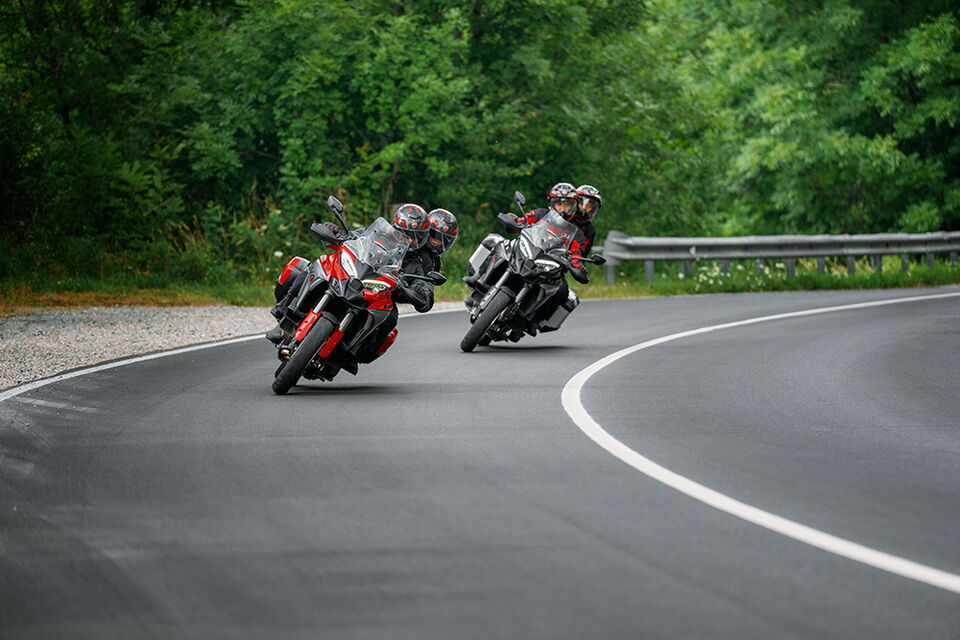
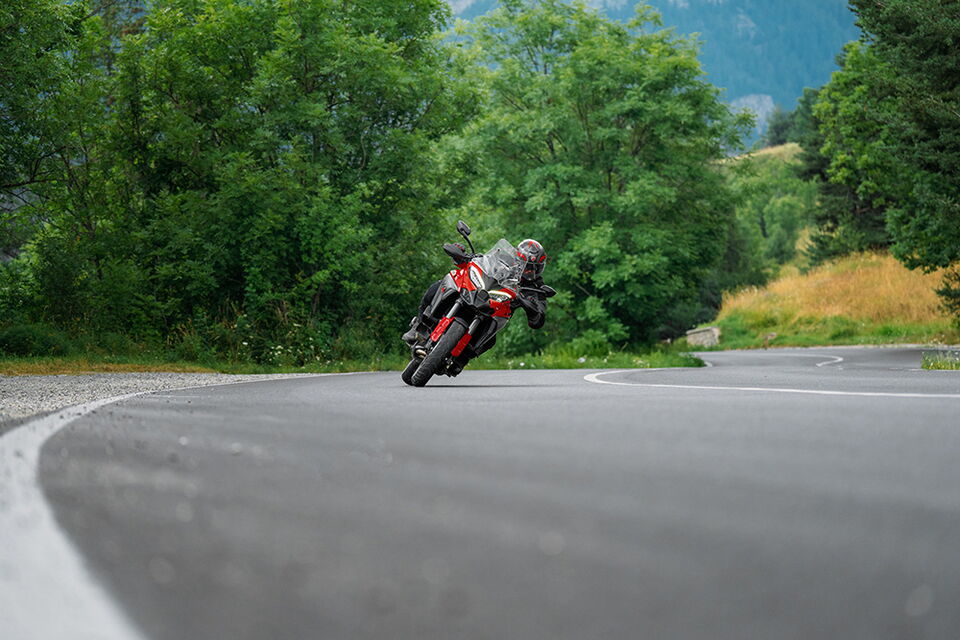
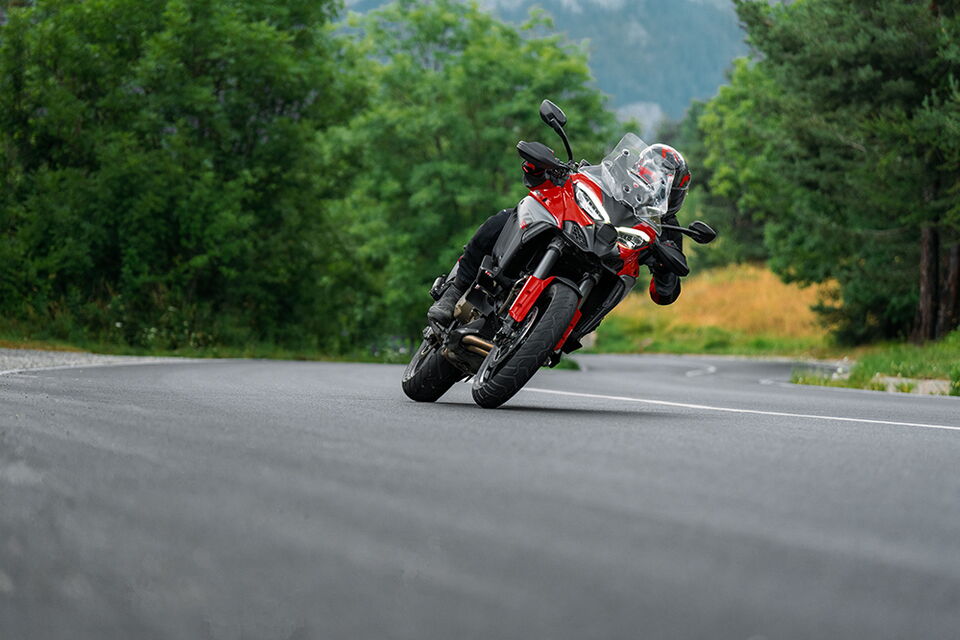
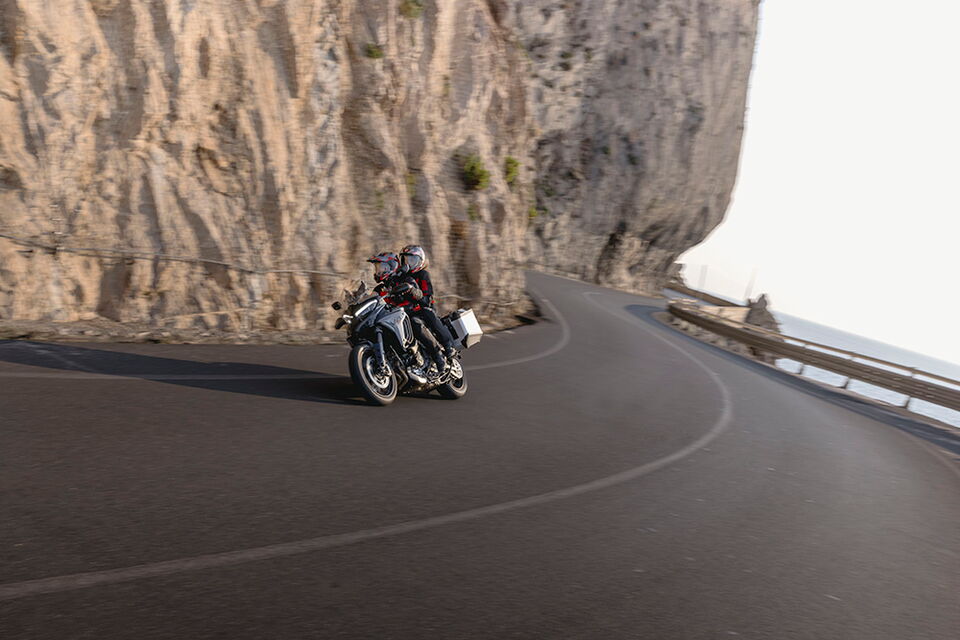
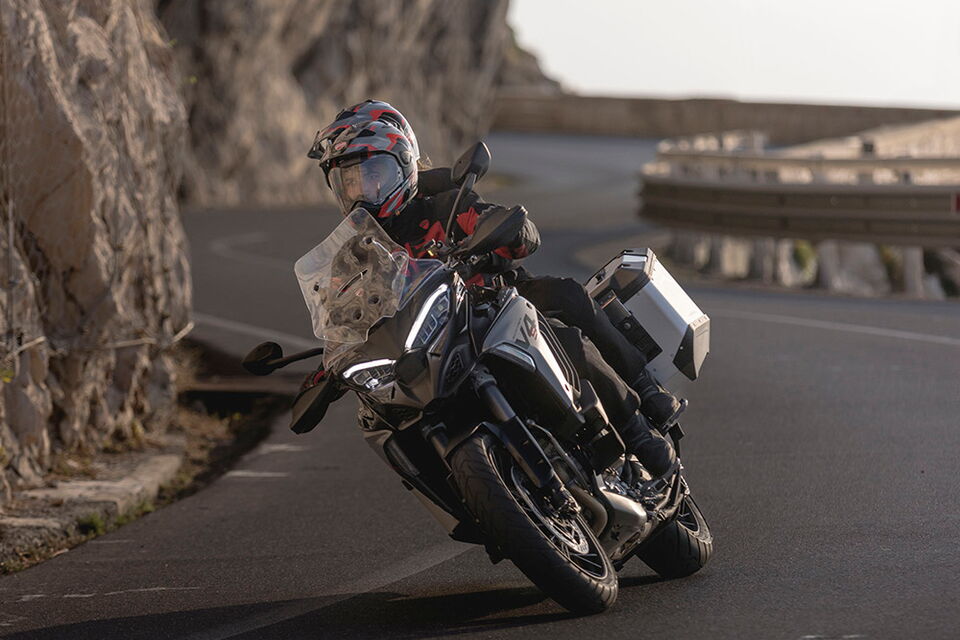
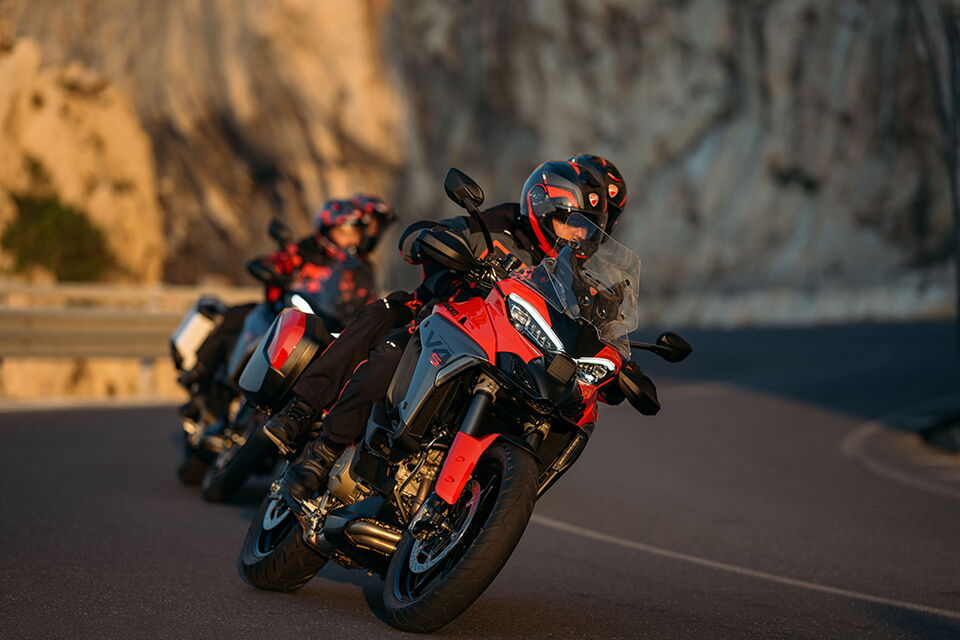
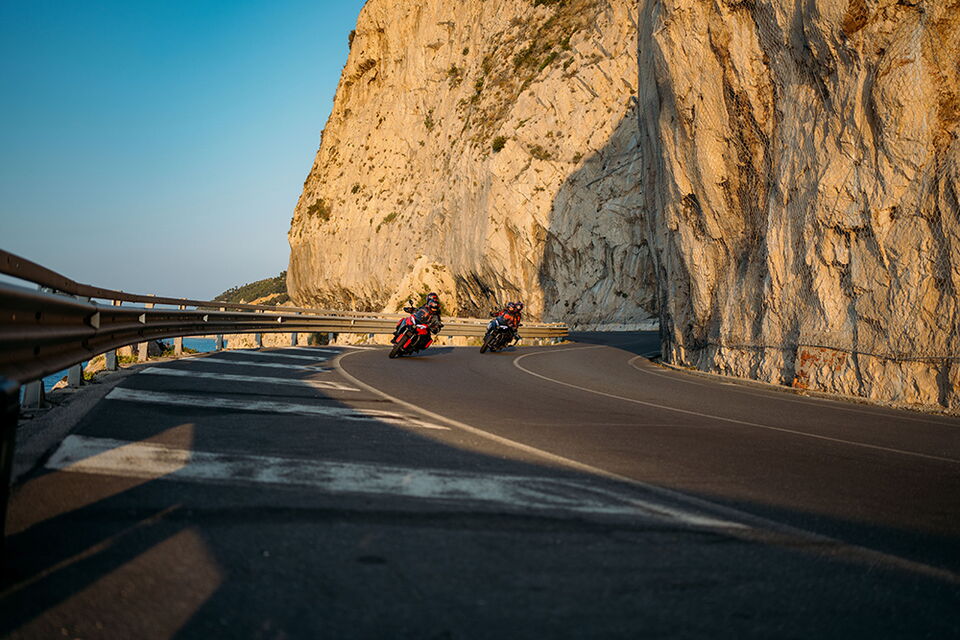
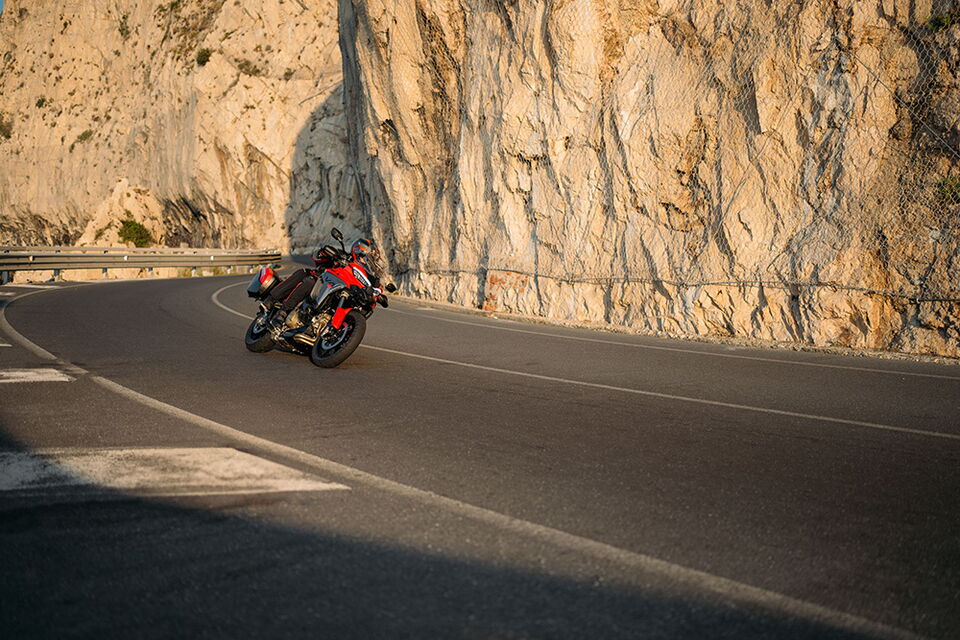
Then you reach the first tight backroad. And that is when you understand why the V4 S won MOTORRAD’s comparison test against the BMW R 1300 GS: it is not merely a comfortable means of transportation. It is a motorcycle that responds with the same precision and vitality on an Alpine pass as it displays calm composure on the highway. That transition in character—from relaxed to focused with a single steering input—is what separates the Multistrada from its competitors.
Engine: 170 hp, ECD, and Why the Granturismo Is Anything but Boring
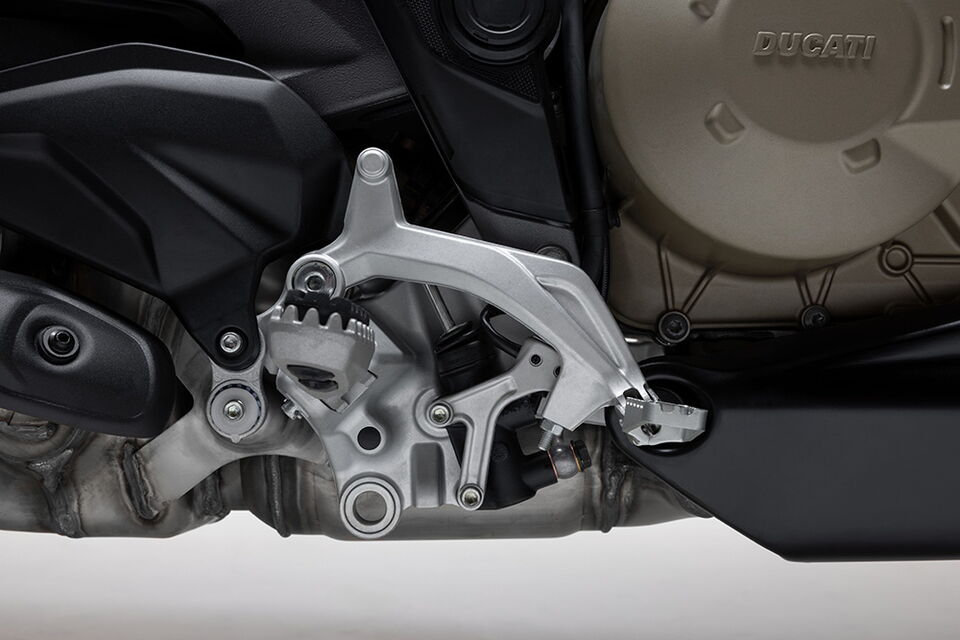
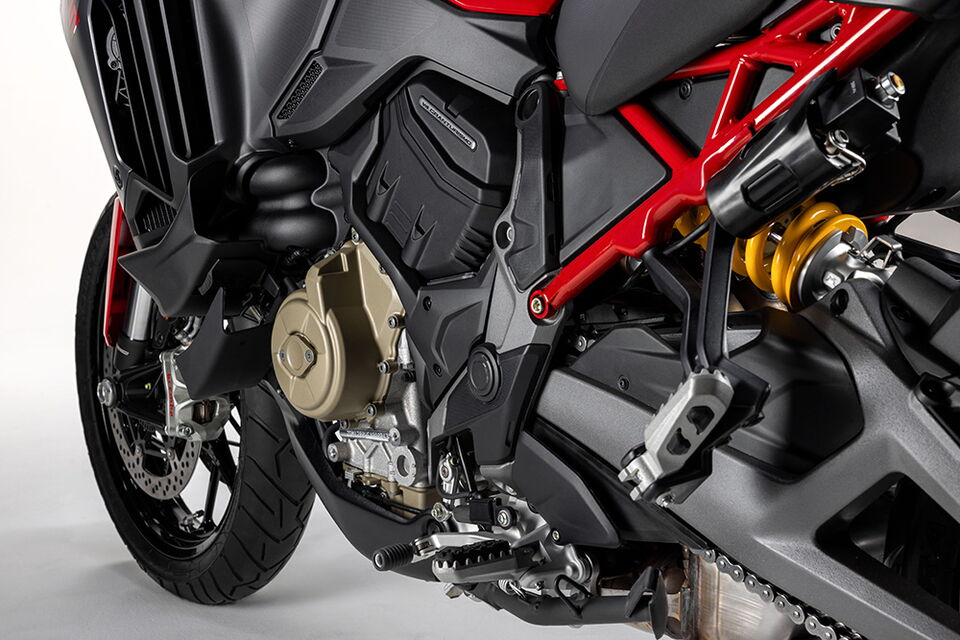
The V4 Granturismo is sometimes dismissed as “nothing special, but good” because it does not use Desmo. That is a misjudgment. 170 hp, 121 Nm, a counter-rotating crankshaft, and Twin Pulse firing order: this is an engine with a character of its own. With Twin Pulse, two cylinders fire in rapid succession followed by a longer pause, creating the characteristic, slightly irregular V-twin-like sound that Ducatisti know and love from earlier twin-cylinder models. Except now it comes with V4 performance.
Extended Cylinder Deactivation, ECD, proves its worth in traffic. The V4 S shuts down the rear cylinder bank and continues running as a twin. The amount of heat reaching the rider’s legs drops noticeably. Ride through a major city in summer and you will appreciate this feature after ten minutes in traffic.
Skyhook DSS EVO: What Electronic Suspension Really Does
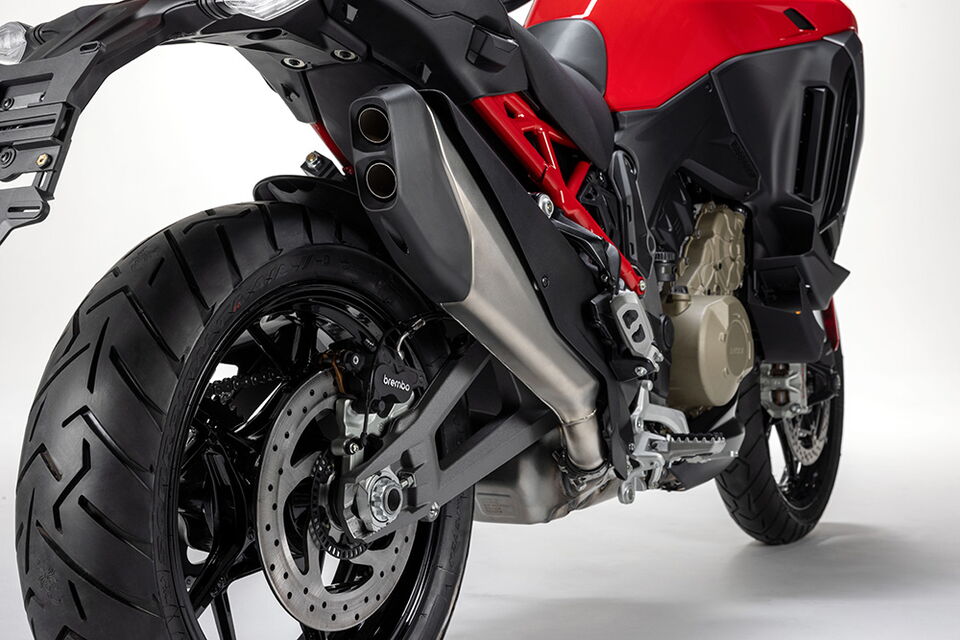
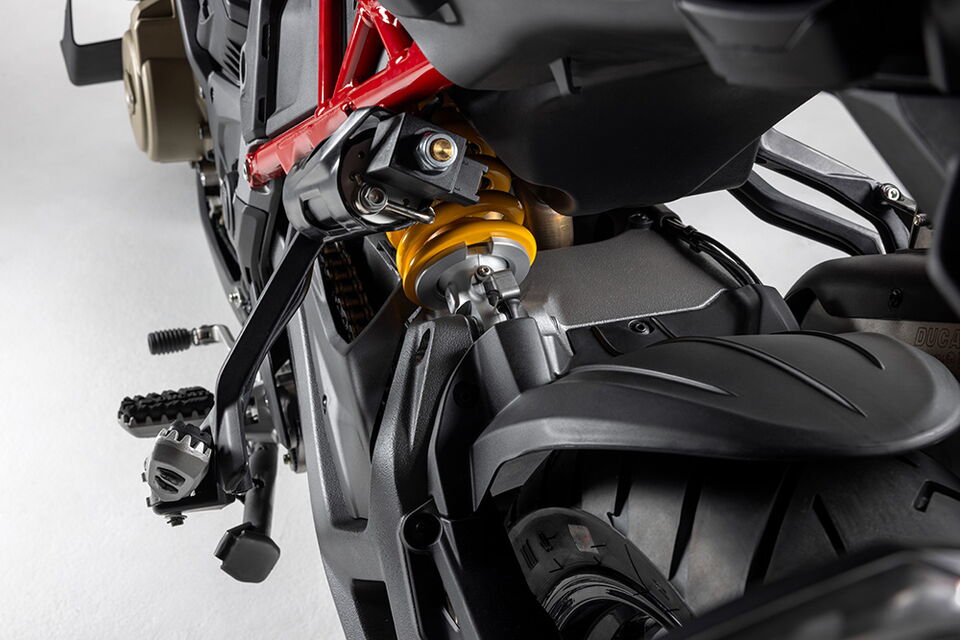
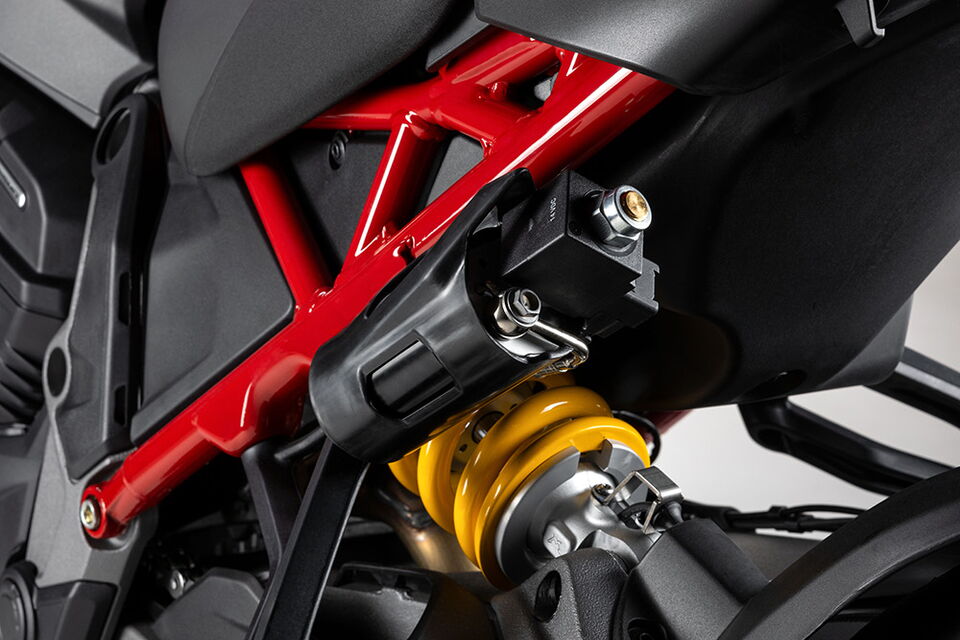
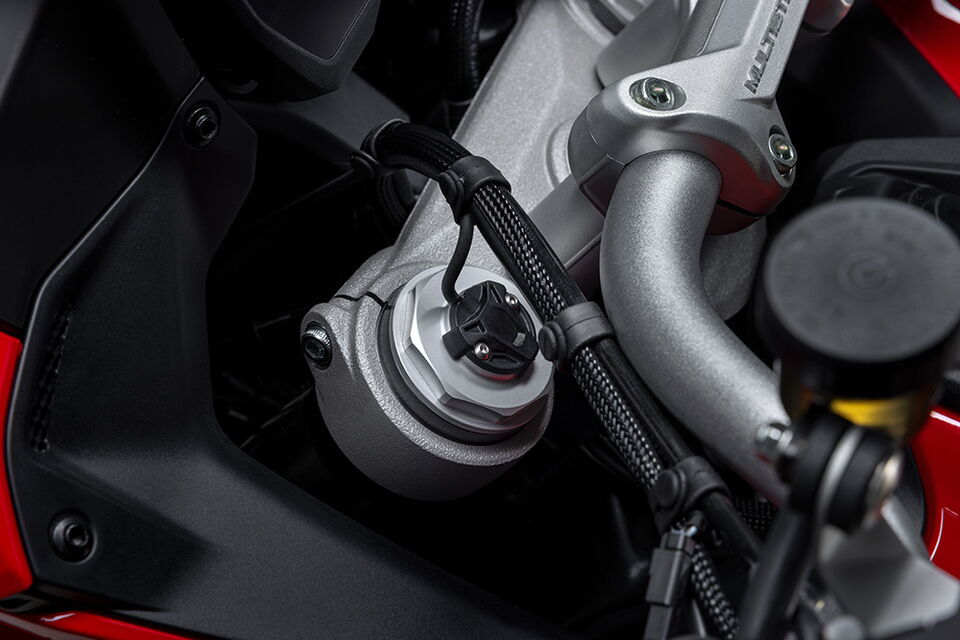
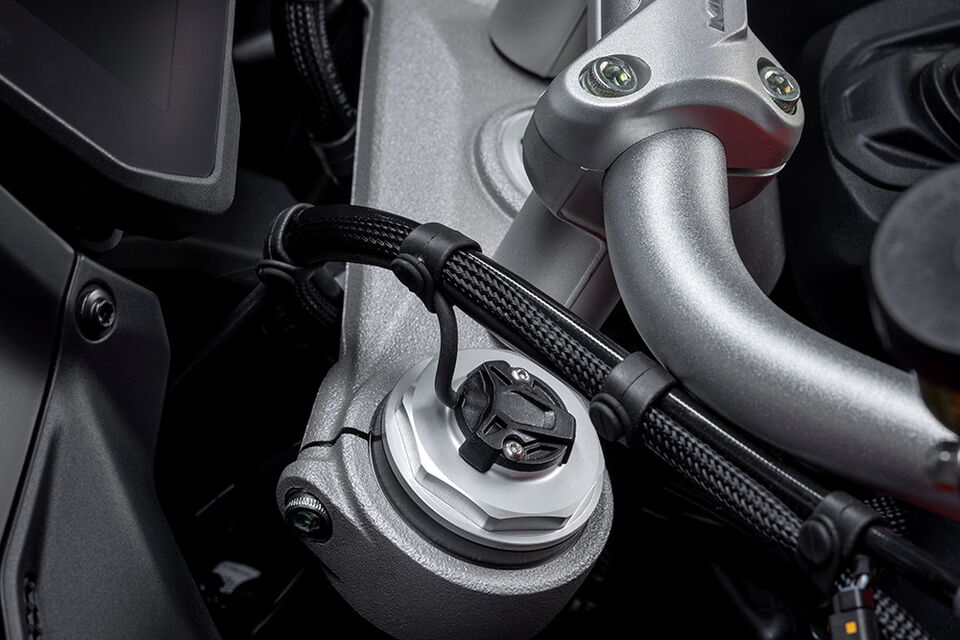
The 50 mm Marzocchi USD fork with Skyhook DSS EVO is not the most exotic suspension system in this test series—the Öhlins Smart EC 2.0 systems on the Pikes Peak and RS react more quickly and are more performance-focused. But for the V4 S’s intended use—long-distance touring, passenger riding, and constantly changing loads—the Skyhook system is the right solution.
The automatic lowering system below 10 km/h makes maneuvering easier. The Minimum Preload system automatically adjusts spring preload to the current load. Let your passenger climb aboard and simply ride away without reaching for a screwdriver, and you understand the everyday value of this system.
Bump Detection—the suspension identifies sharp road irregularities in real time and adjusts damping before the wheel begins to hop—is the most discreet update introduced with the 2025 generation. You do not notice it when it works. You simply notice how rarely the motorcycle reacts unpleasantly to bumps.
Brembo Stylema: The Difference From the Standard V4
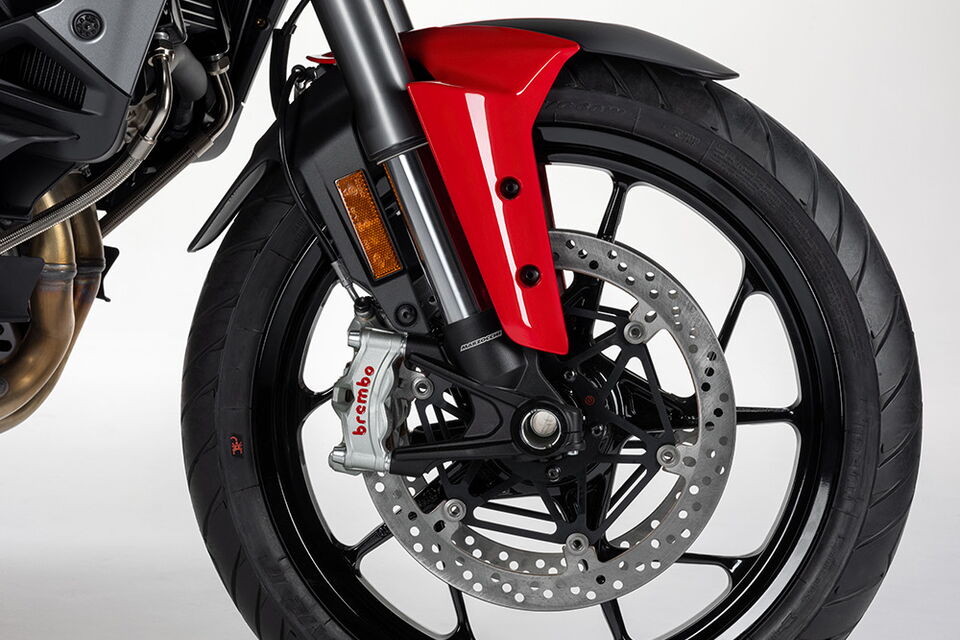
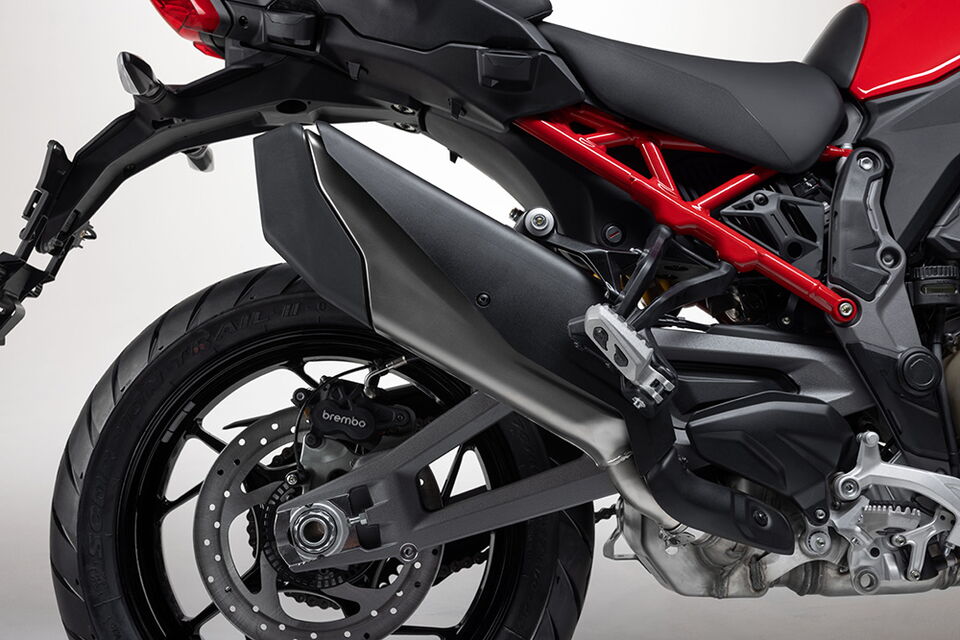
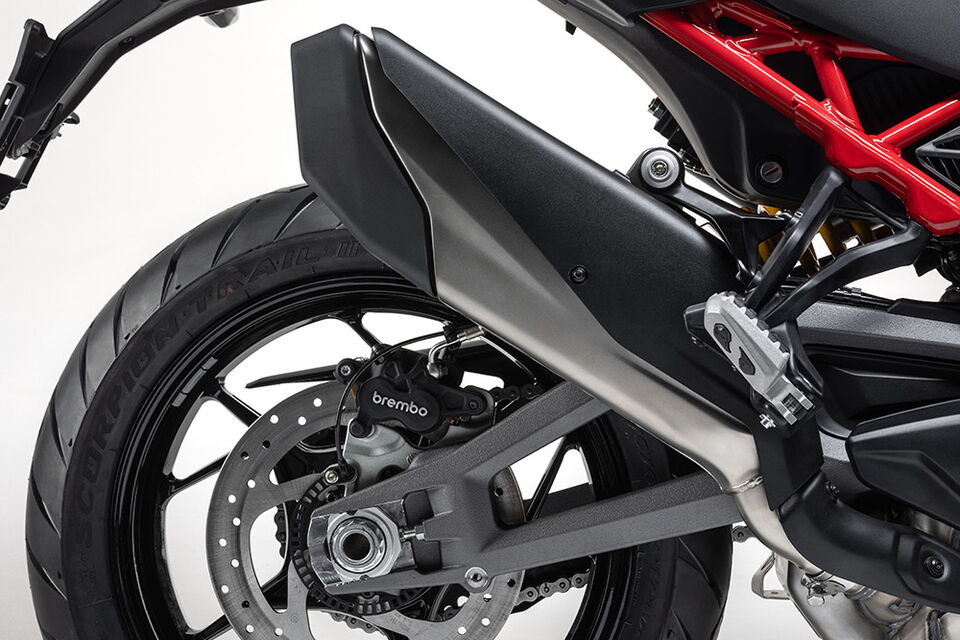
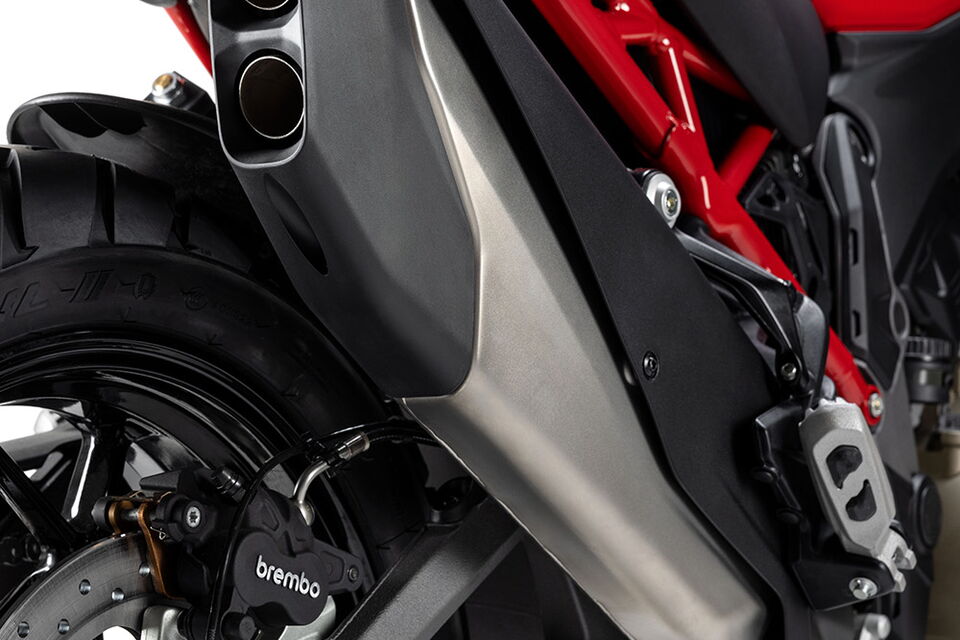
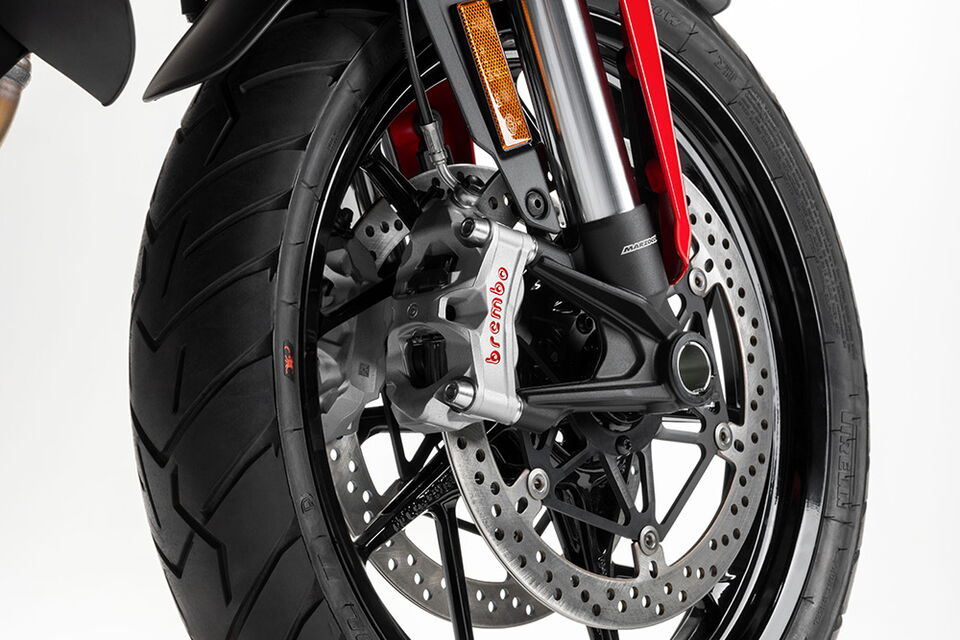
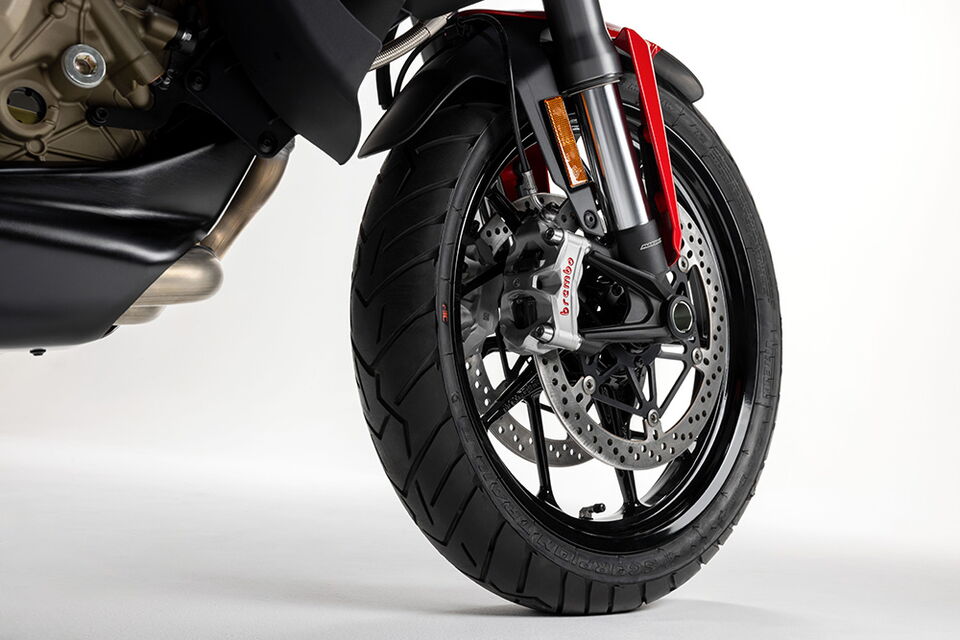
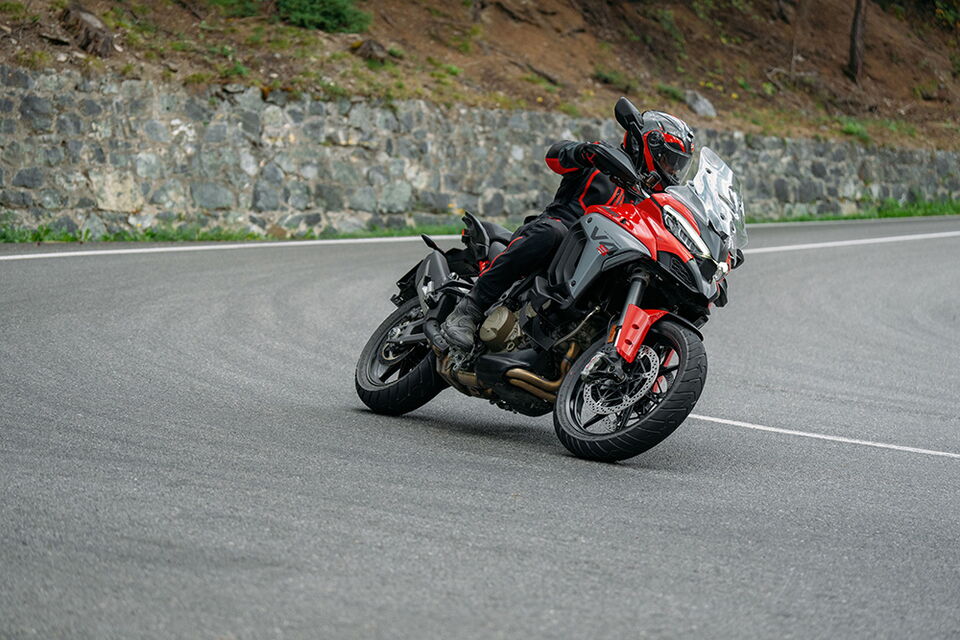
The standard V4 has Brembo brake calipers. The V4 S has Brembo Stylema. They are not the same thing. The Stylema monobloc calipers are also used on the Panigale V4: stable engagement point, excellent modulation, no spongy feeling after long descents from mountain passes.
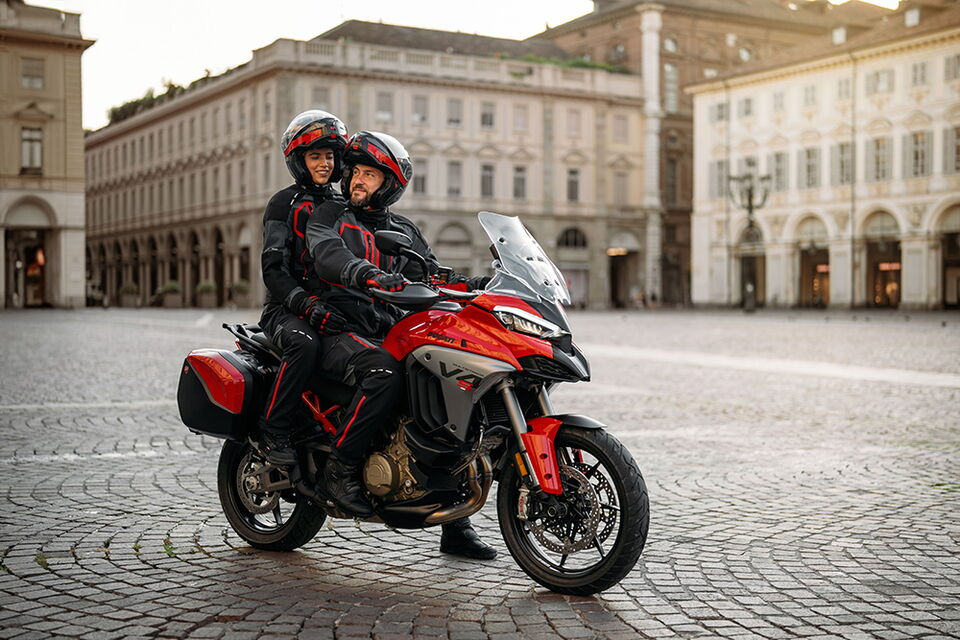
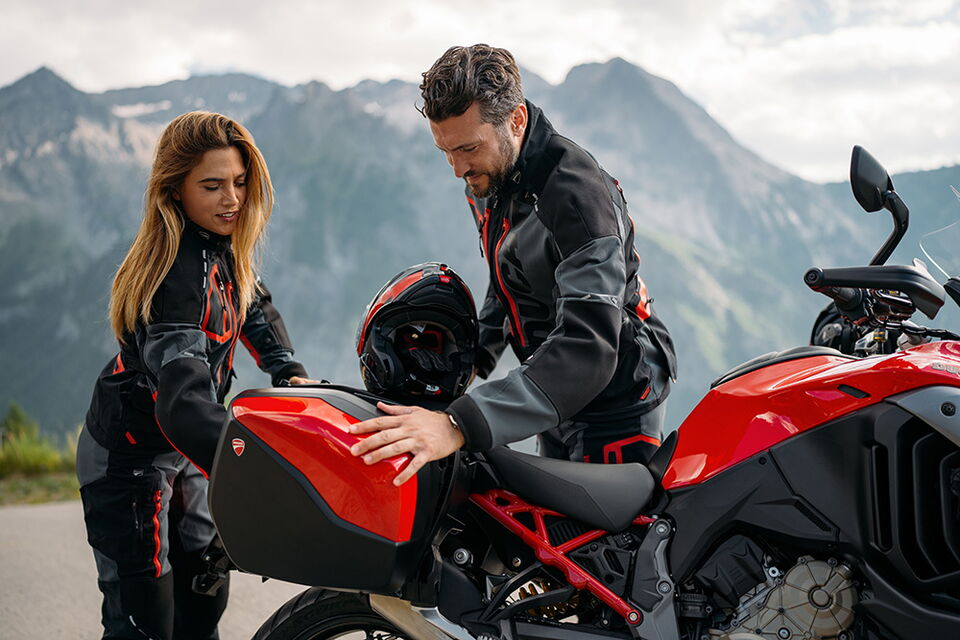
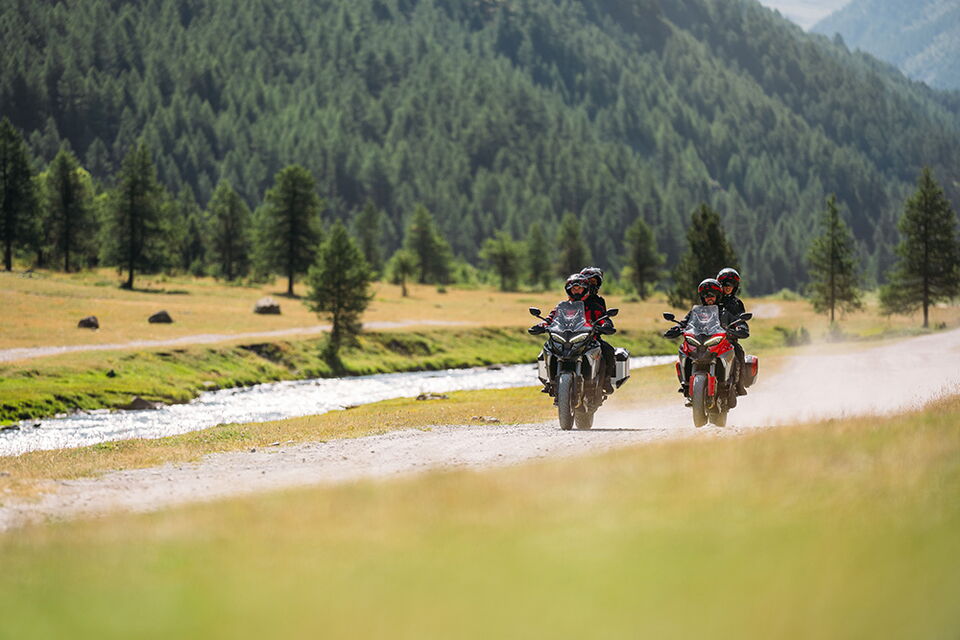
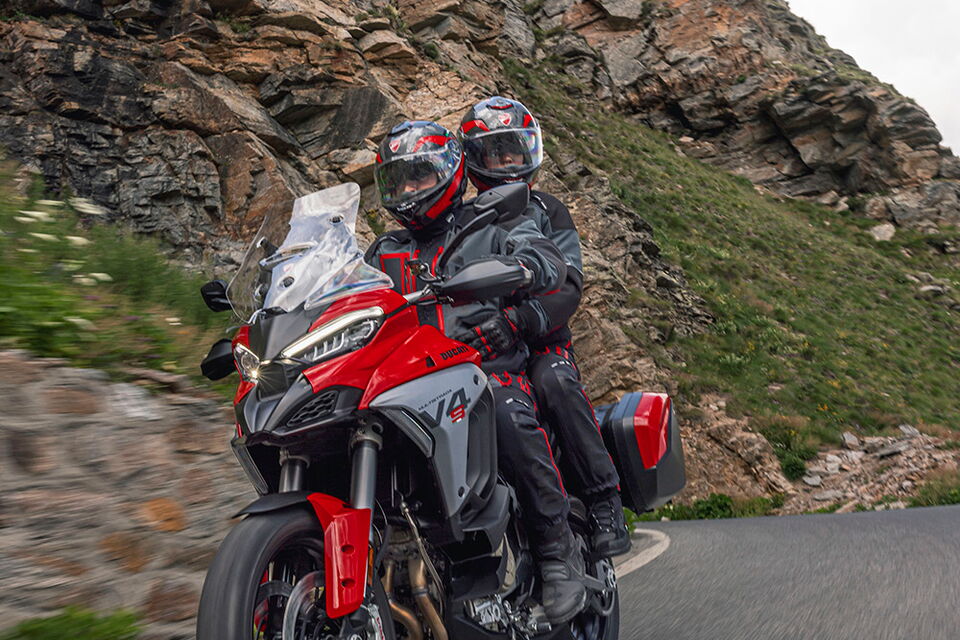
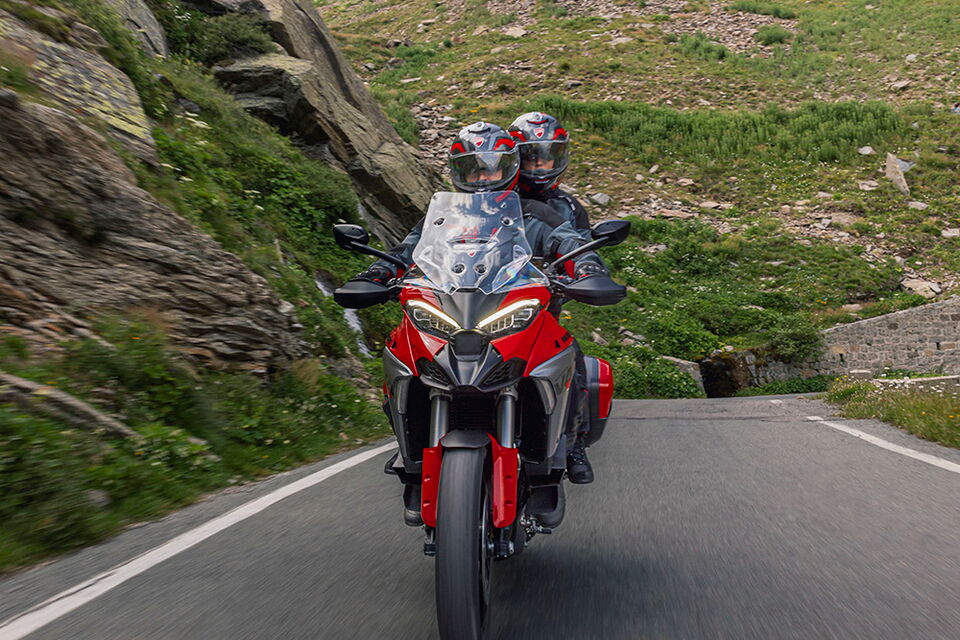
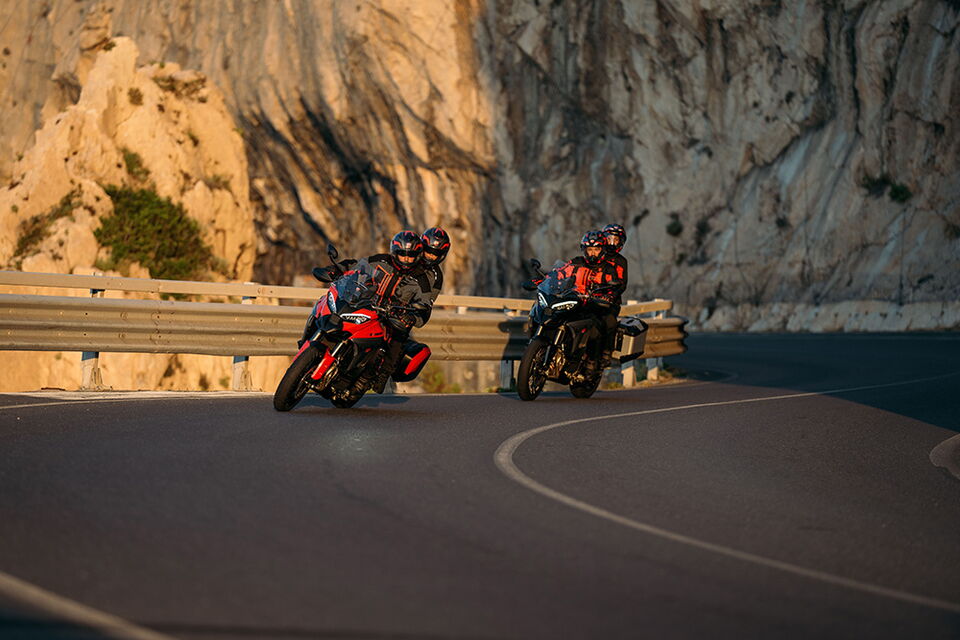
On a motorcycle ridden two-up with luggage through the mountains, that is a purchase-relevant characteristic. When you reach the bottom of a long descent and can still modulate the brakes with complete confidence, it is difficult to want anything less.
Radar, Navigation, Hands-Free: Standard, Not Optional
ACC and BSD are standard on the V4 S. On the standard V4, they are optional. In practice, this means that on long highway stretches you do not have to actively maintain following distance. ACC does it for you. BSD warns you when changing lanes.
That sounds like comfort; it is also safety. A tired rider after 600 km is a rider whose attention can wander. At that point, ACC is not merely convenience—it is risk reduction.
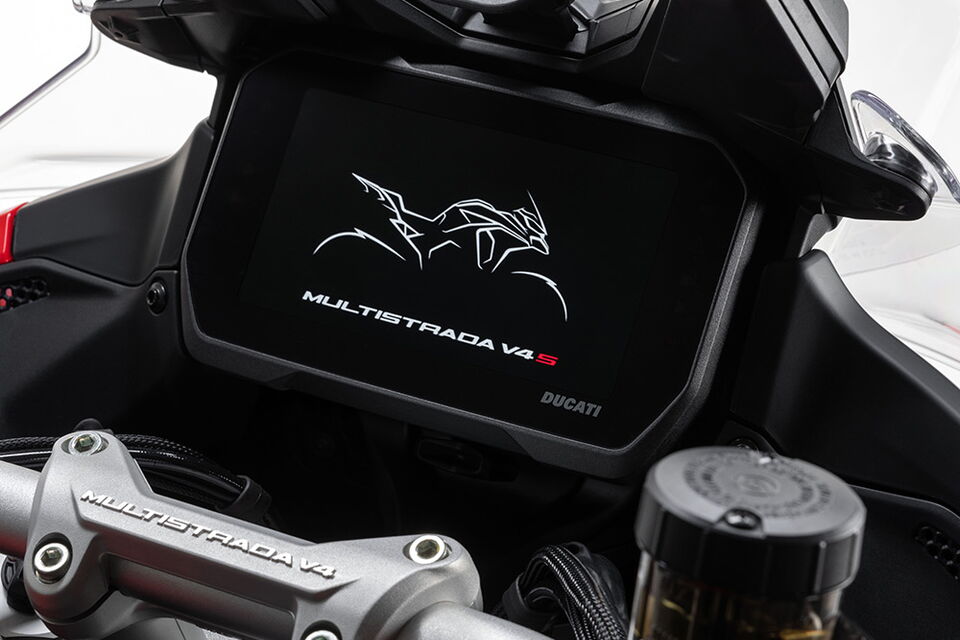
The 6.5-inch TFT with Ducati Connect and map navigation is also standard, whereas the standard V4 does without navigation. That is the difference between a motorcycle you have to equip for a trip through the Alps and one that is already equipped.
Long-Term Test and Comparison Test: Independent Evidence Matters
MOTORRAD’s 100,000 km long-term test ended with a verdict of exceptional reliability, high riding comfort, and no major problems. That is not an advertising claim—it is the record of an independent editorial team after 100,000 km.
MOTORRAD’s maxi-adventure comparison test in issue 20, against the BMW R 1300 GS, ended with the V4 S as the winner. Taken together, those two results are the strongest arguments for this motorcycle—and neither comes from Ducati.
Verdict: The Benchmark in This Class
The 2026 Multistrada V4 S sets the benchmark in the maxi-adventure segment: Skyhook DSS EVO, Brembo Stylema, radar standard, 6.5-inch TFT with navigation, Hands-Free, 170 hp, four-year warranty, 60,000 km valve-clearance interval. From €24,590 plus additional charges.
If you want to know what all of that is worth, a comparison-test victory over the BMW R 1300 GS and 100,000 km without major problems say more than any brochure.
Quick Check
+ Winner of MOTORRAD’s maxi-adventure comparison test against the BMW R 1300 GS, issue 20; completed MOTORRAD’s 100,000 km long-term test with exceptional reliability; Skyhook DSS EVO with automatic lowering, Bump Detection, Minimum Preload, and suspension-travel sensor; Brembo Stylema with 330 mm discs, an upgrade over the standard V4
+ ACC + BSD radar standard; 6.5-inch TFT + map navigation standard; Hands-Free; 170 hp V4 Granturismo; ECD; DQS 2.0; four riding modes; DTC; DWC; Bosch-Brembo 10.3ME Cornering ABS; Cornering Lights; VHC; cruise control; 4-year warranty; 60,000 km valve-clearance interval
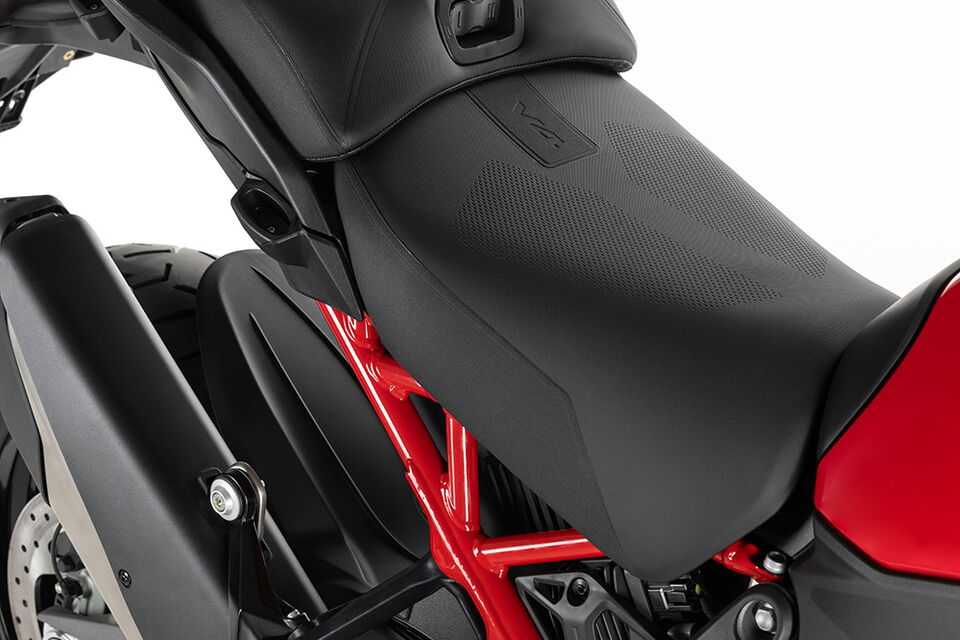
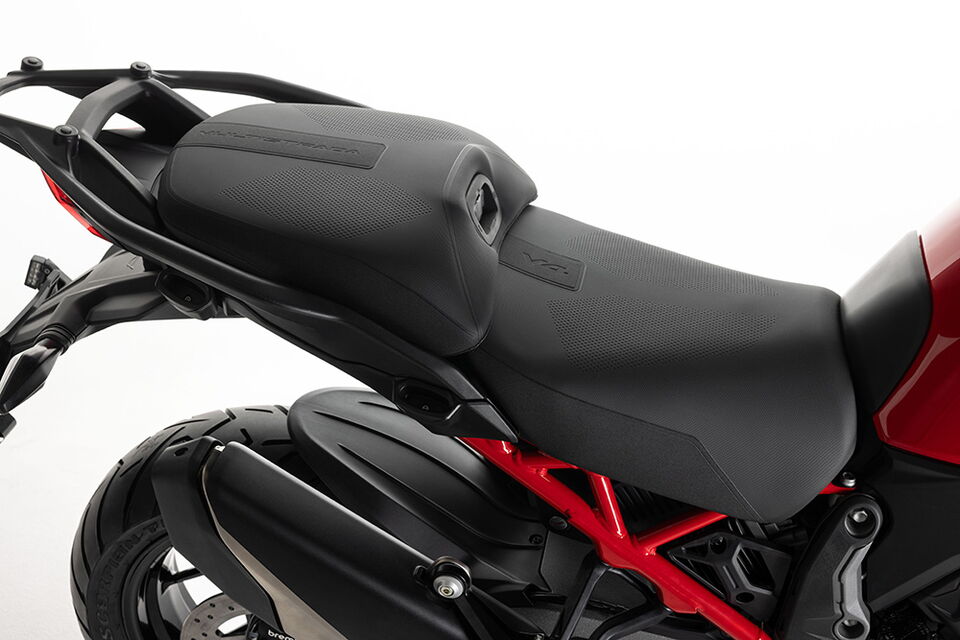
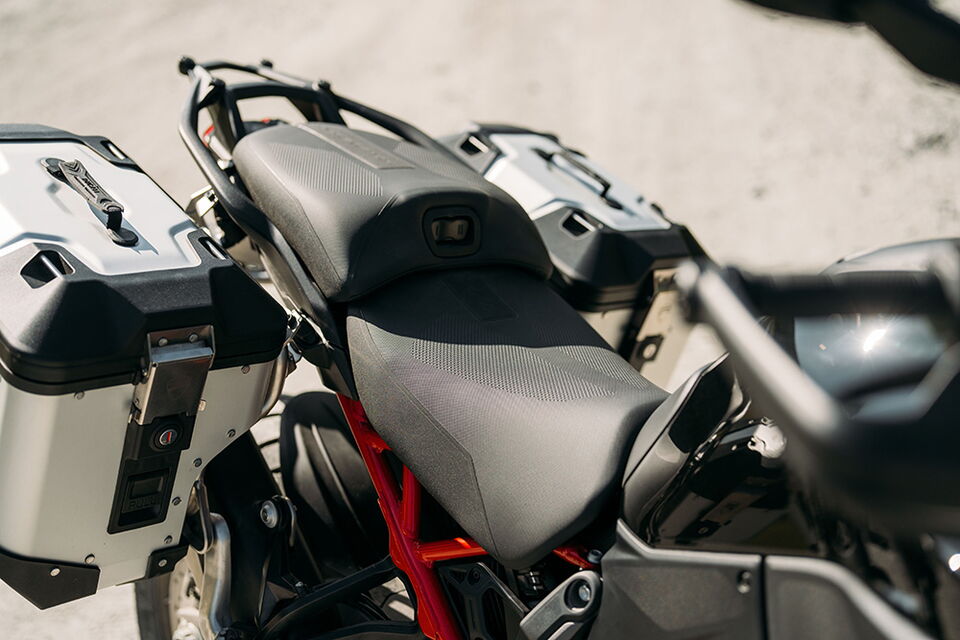
+ 22-liter fuel tank; approx. 338 km range; 840–860 mm seat height; upright touring riding position; passenger seat standard; one-hand-adjustable windscreen; 19/17-inch cast wheels; Pirelli Scorpion Trail II; approx. 247 kg ready to ride
– Stationary noise above 95 dB(A): Rally is compliant at 94 dB(A), RS compliant at 92 dB(A); no DVO standard, while Rally and RS include DVO
– Cast wheels instead of wire-spoke wheels, while Rally gets wire-spoke wheels standard; 22-liter tank versus Rally’s 30-liter tank; no Enduro mode with off-road optimization, while Rally has Enduro mode; BMW R 1300 GS and KTM 1390 Super Adventure S remain strong competitors
Technical Specifications: Ducati Multistrada V4 S (2026)
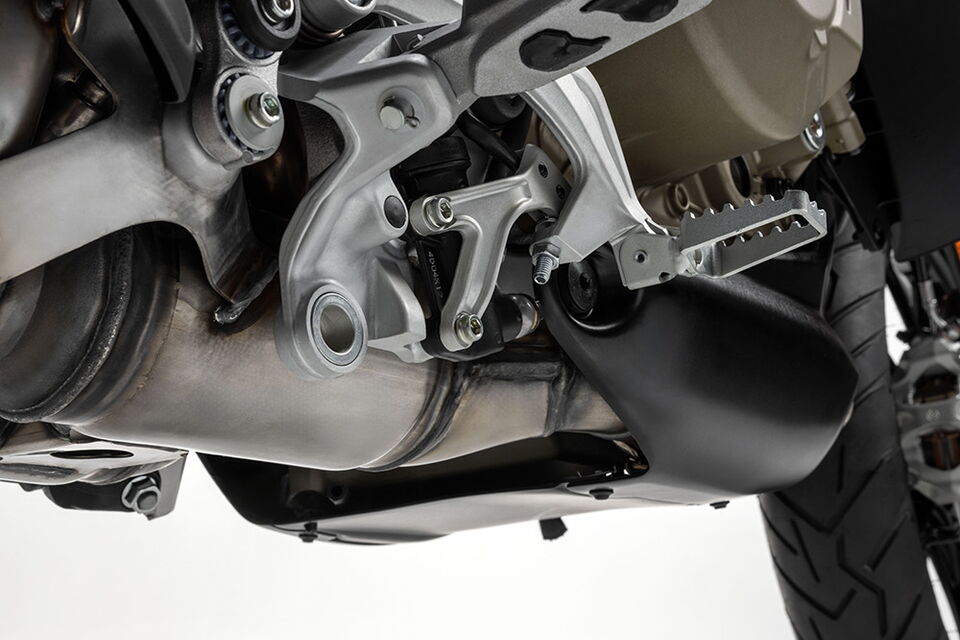
Engine: V4 Granturismo; 1,158 cc; no Desmo; ECD; DQS 2.0; Euro 5+; 60,000 km valve-clearance inspection interval
Power / Torque: 170 hp (125 kW) at 10,750 rpm; 121 Nm at 8,750 rpm
Suspension: 50 mm Marzocchi USD fork with Skyhook DSS EVO, automatic lowering from 10–50 km/h, Bump Detection, Minimum Preload, suspension-travel sensor; 170 mm travel; double-sided swingarm
Brakes: Brembo Stylema; dual 330 mm front discs; Bosch-Brembo 10.3ME Cornering ABS
Wheels / Tires: Cast wheels; 19/17 inches; Pirelli Scorpion Trail II
Electronics: ACC + BSD radar standard; 6.5-inch TFT + navigation; Hands-Free; four riding modes; DTC; DWC; EBC; ABS; Cornering Lights; VHC; cruise control
Fuel Tank / Weight: 22 liters; approx. 247 kg fully fueled
Seat Height: 840–860 mm
Stationary Noise: Above 95 dB(A); confirm with dealer
Warranty / Service: 4 years; 60,000 km valve-clearance inspection interval; oil service every 15,000 km
Price in Germany: From €24,590 plus €345 additional charges