Review Ducati Panigale V2 S (2026)

176 kg, Öhlins NIX30/TTX36, Brembo M50—2025 MOTORRAD Motorcycle of the Year Class Winner
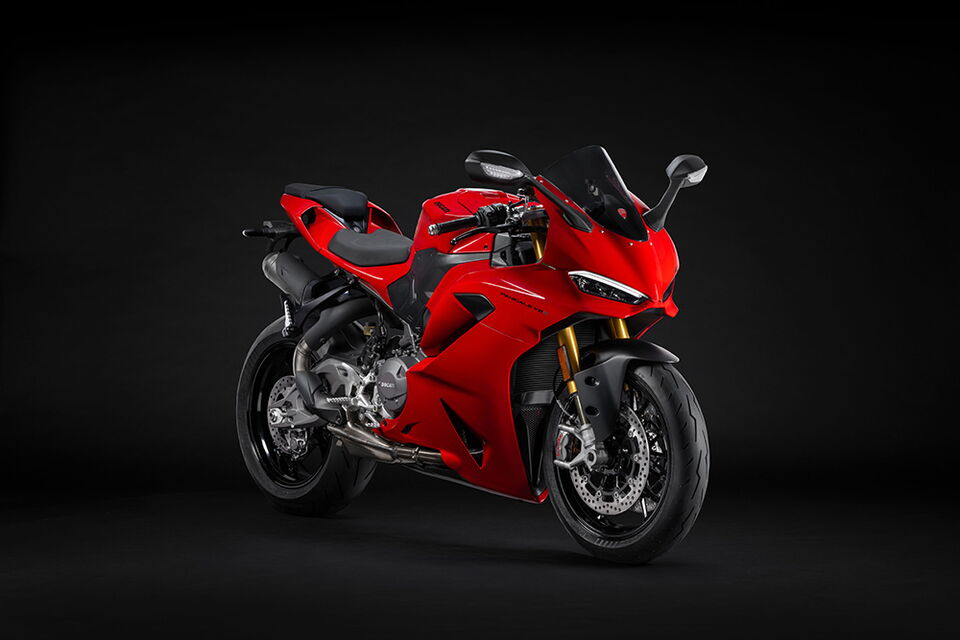
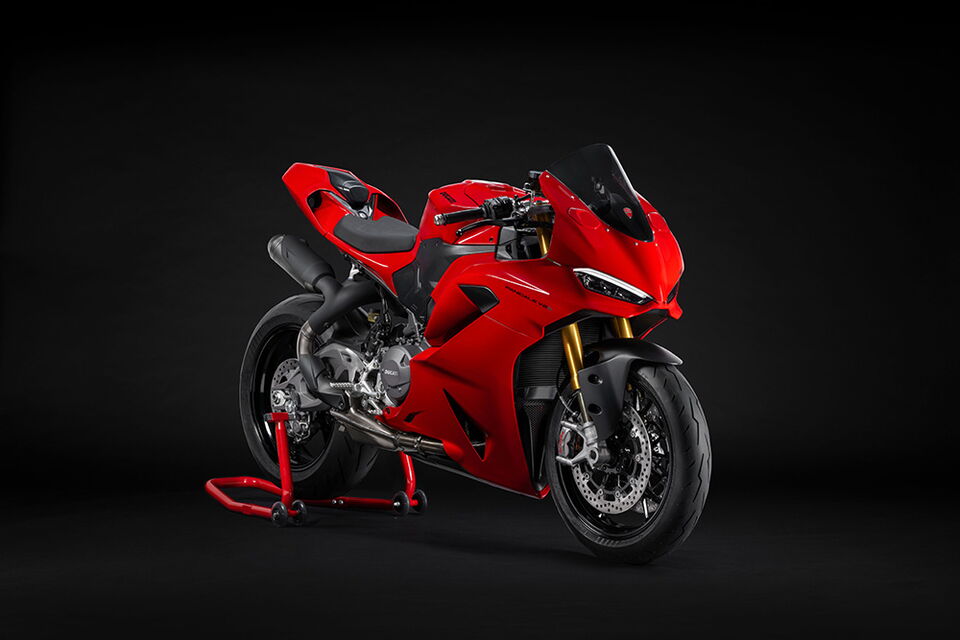
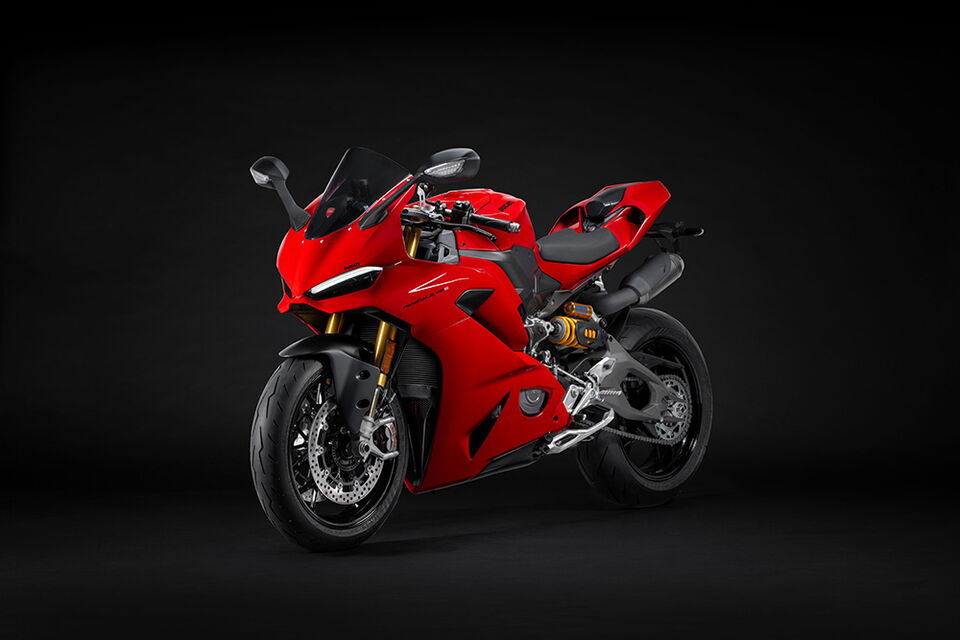
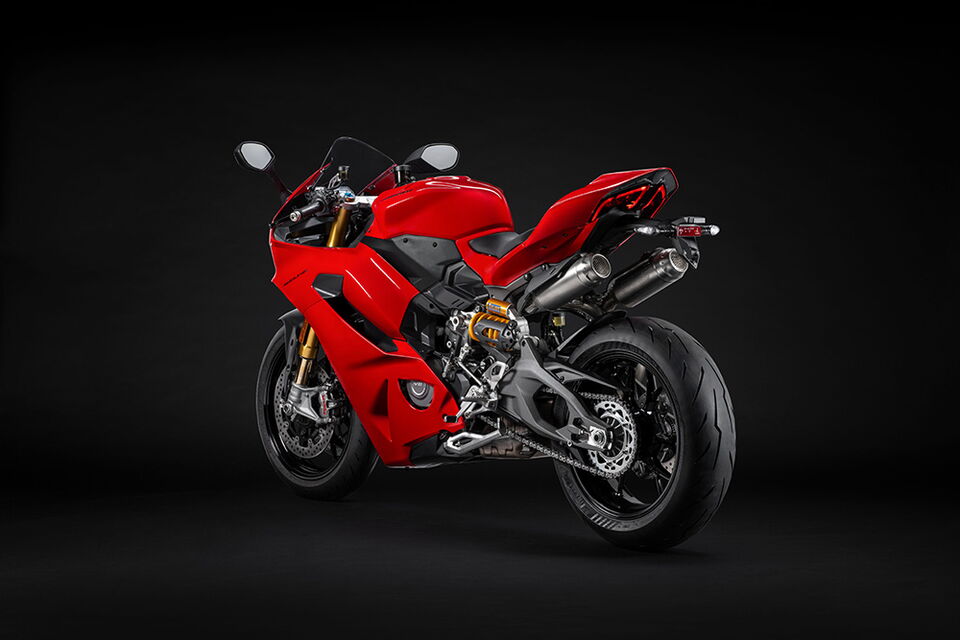
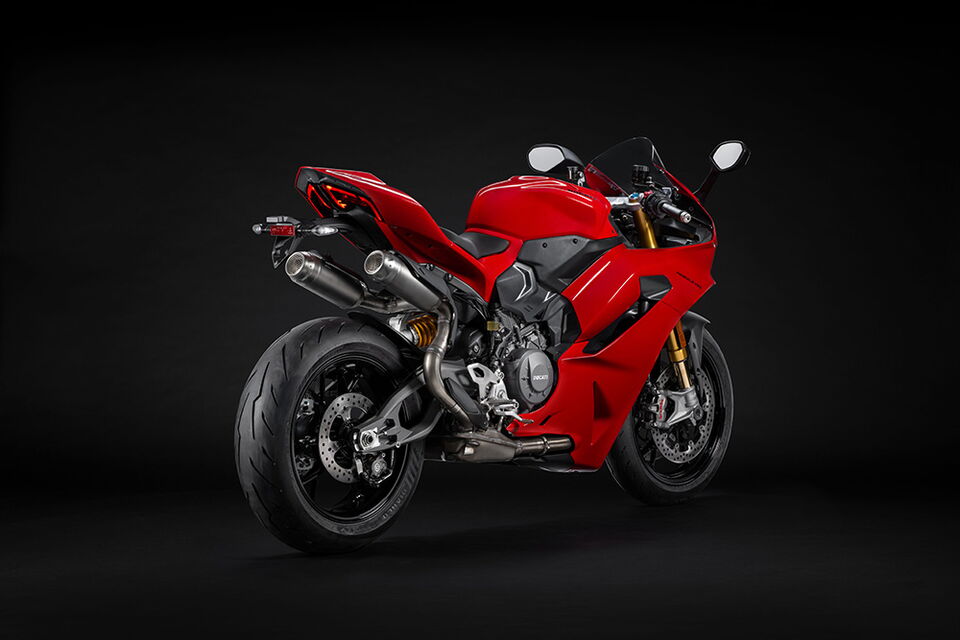
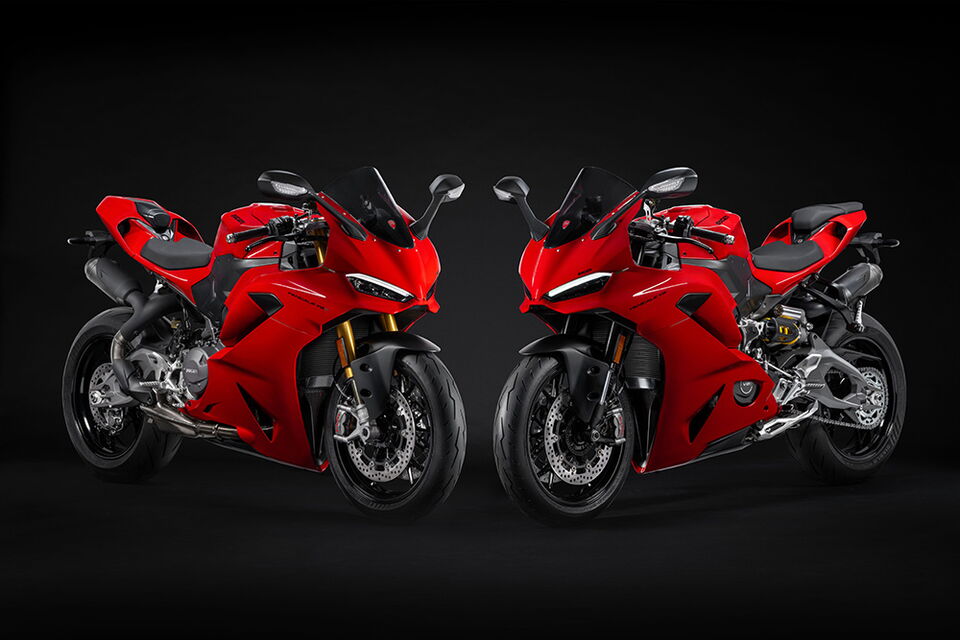
176 kg, 120 hp, Öhlins NIX30/TTX36, Brembo M50, lithium-ion battery, single-seat configuration from the factory. The lightest Panigale ever—17 kg lighter than its predecessor. 2025 MOTORRAD Motorcycle of the Year class winner in the sportbike category up to 990 cc. 45,000 km valve-clearance interval, no Desmo, two-year warranty. From €19,190.
As of: May 5, 2026 | Model: Ducati Panigale V2 S (2026; 2025/2026 generation; unchanged) | Standard version: Panigale V2, covered in a separate review, from €16,590 | Manufacturer: Ducati Motor Holding S.p.A., Borgo Panigale, Bologna, Italy | Price in Germany: from €19,190 plus €305 destination charges | Stationary noise: above 95 dB(A)—Tyrol riding ban applies | Warranty: 2 years, unlimited mileage
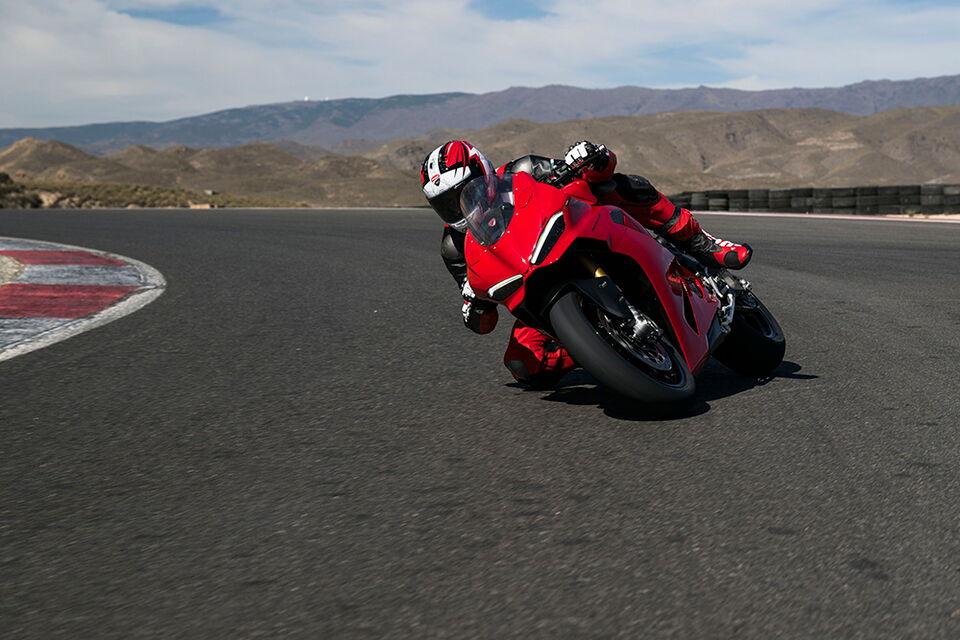
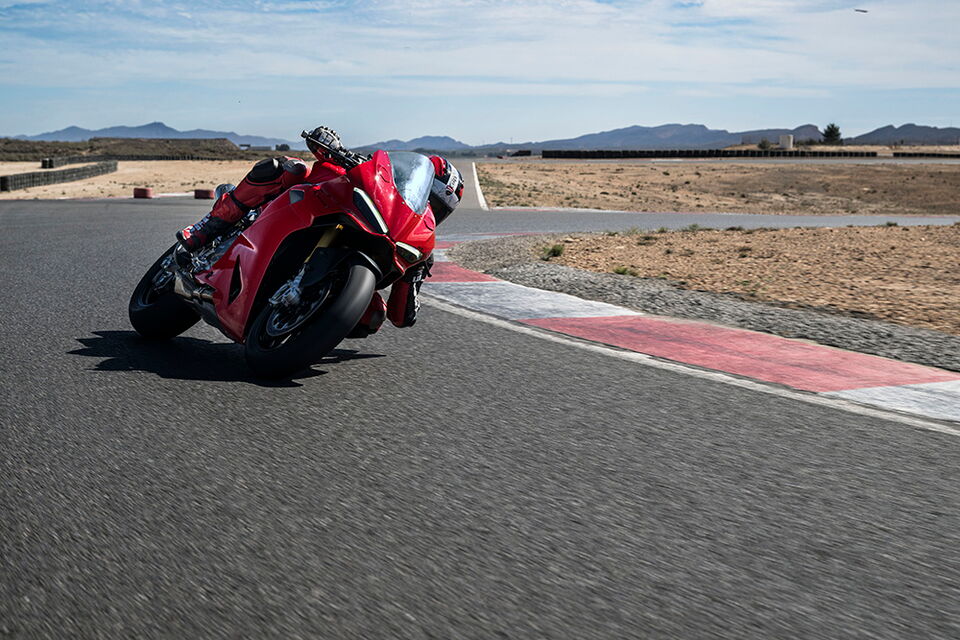
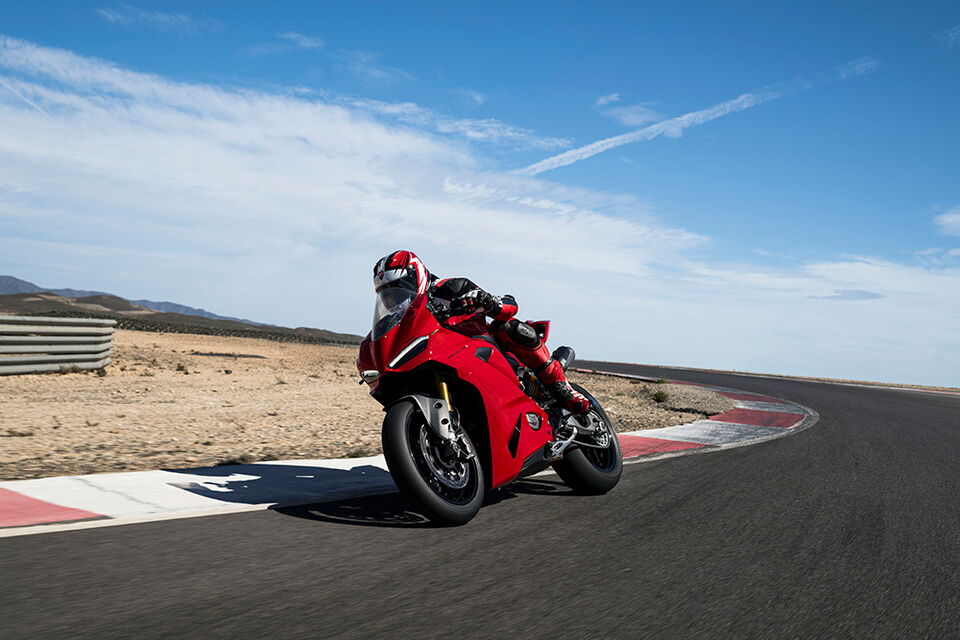
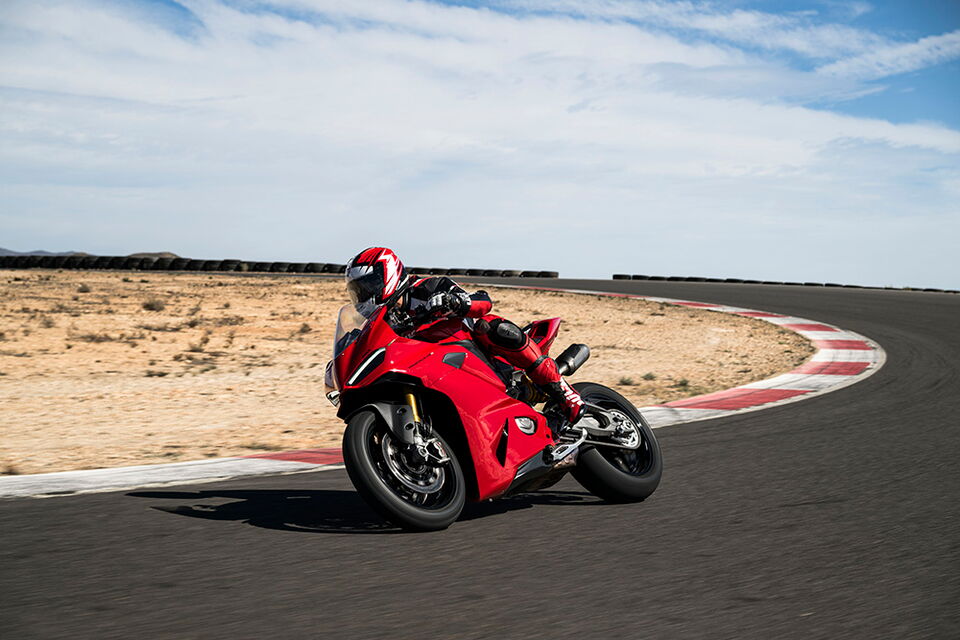
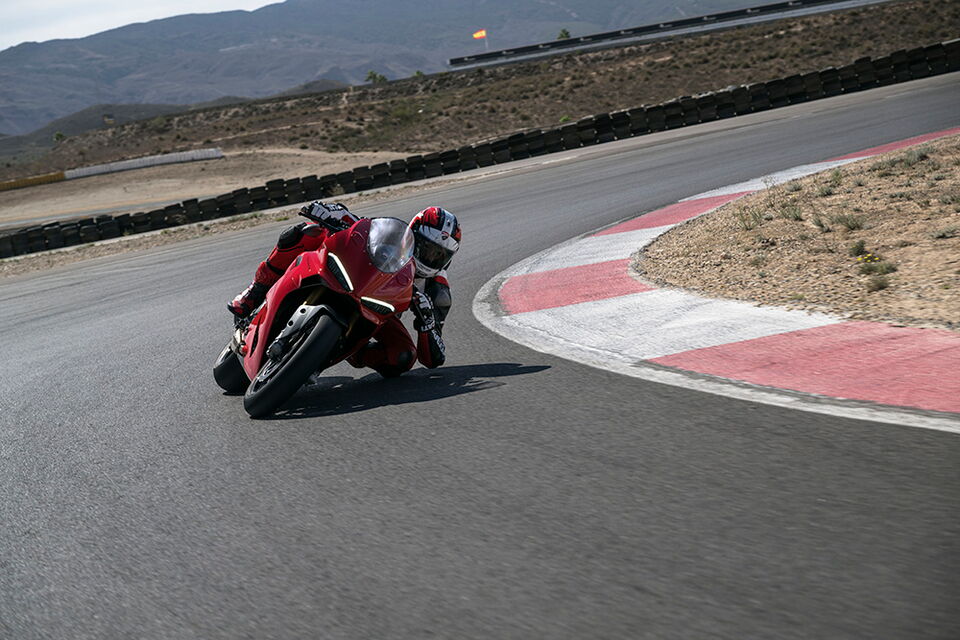
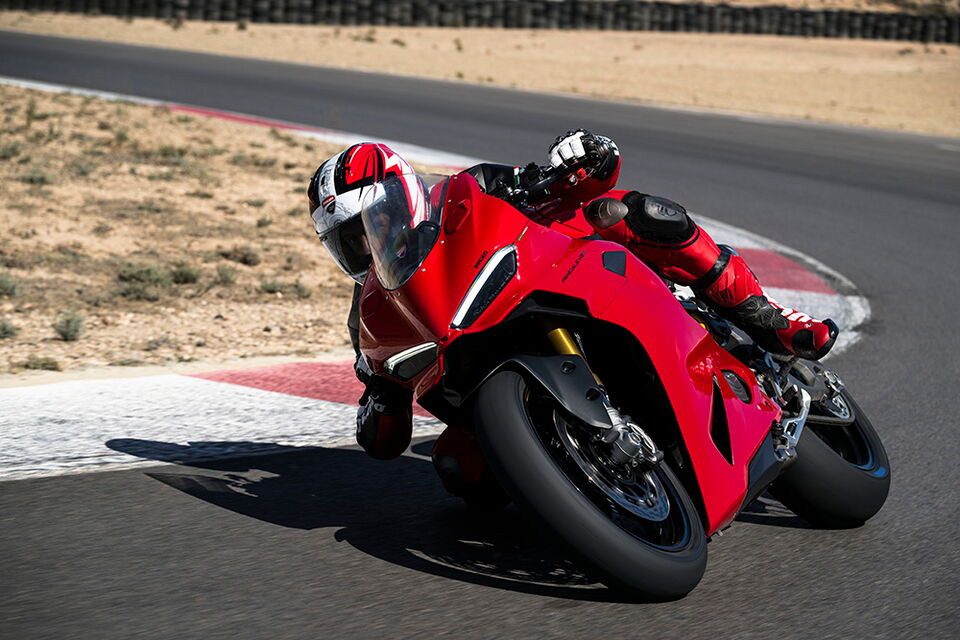
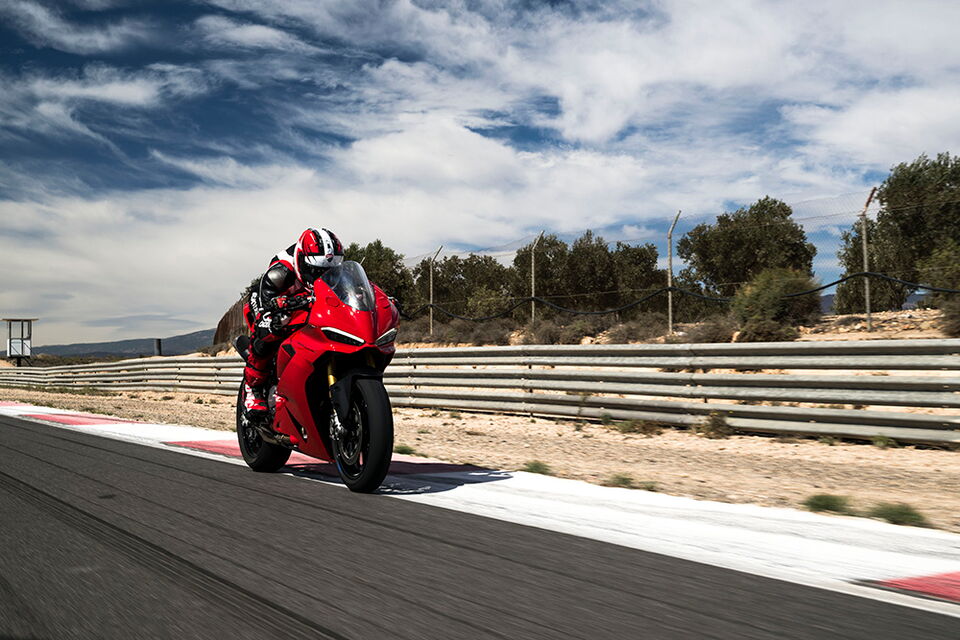
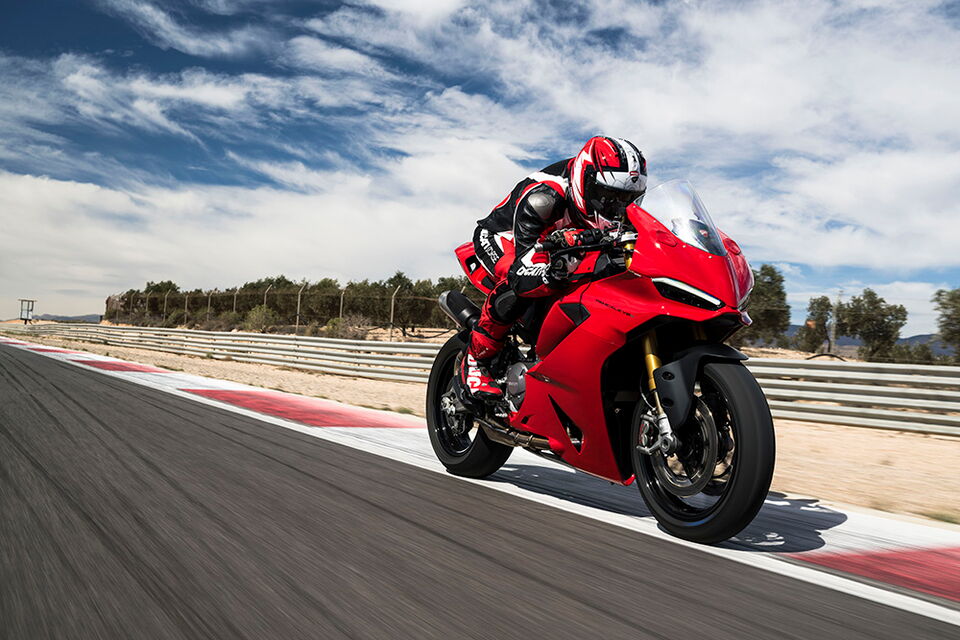
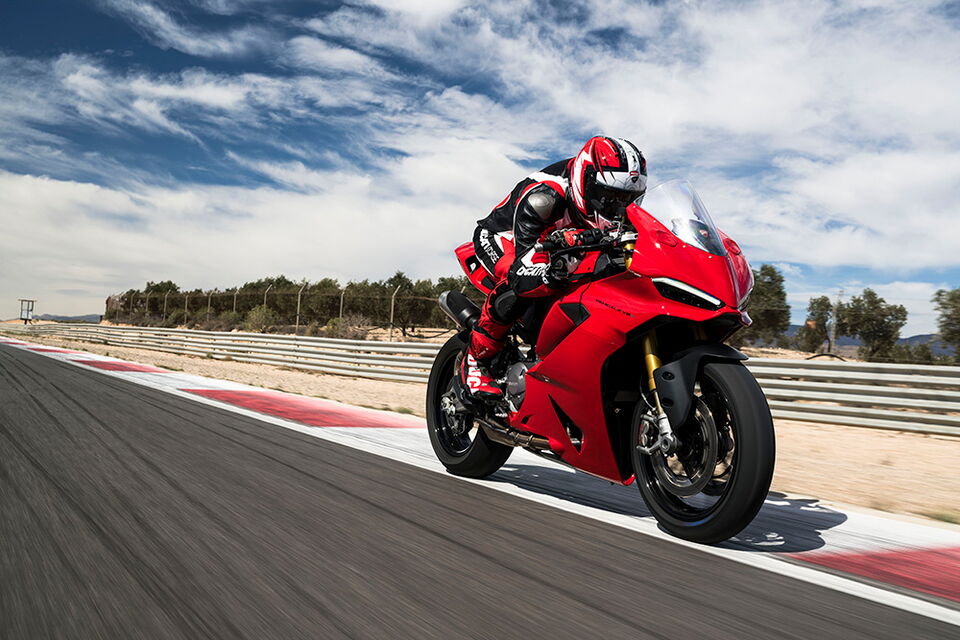
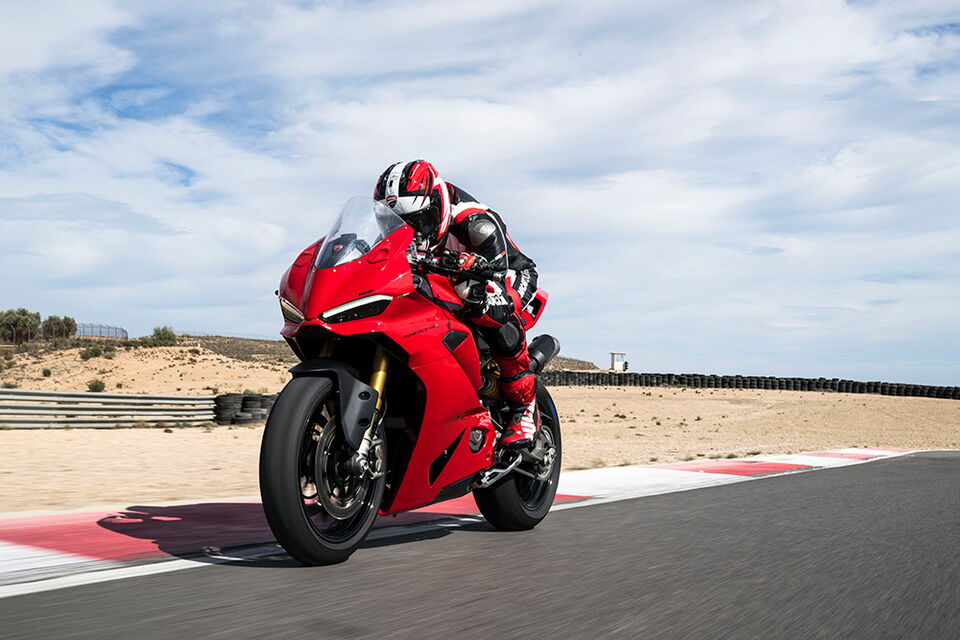
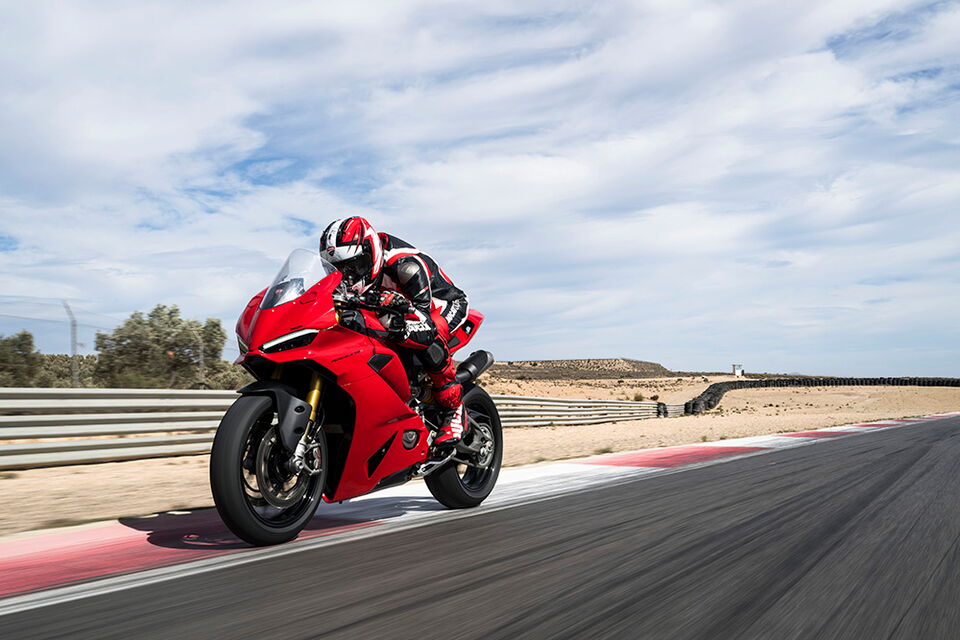
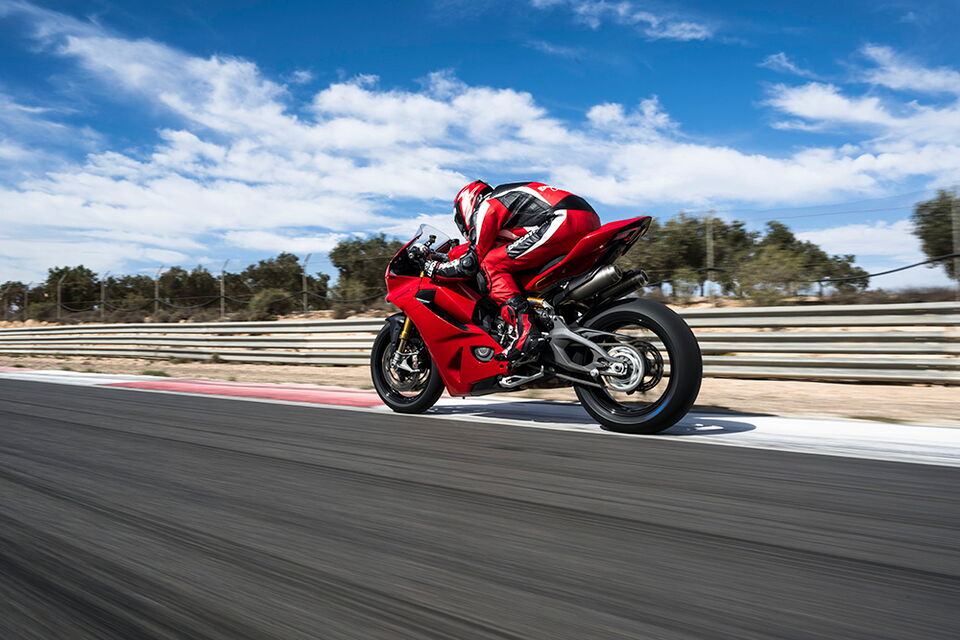
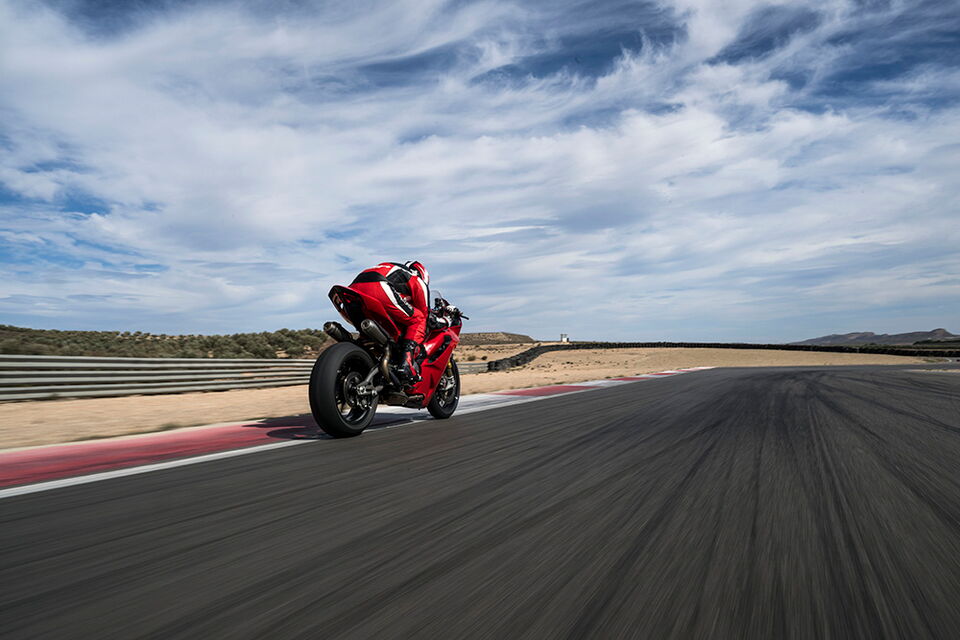

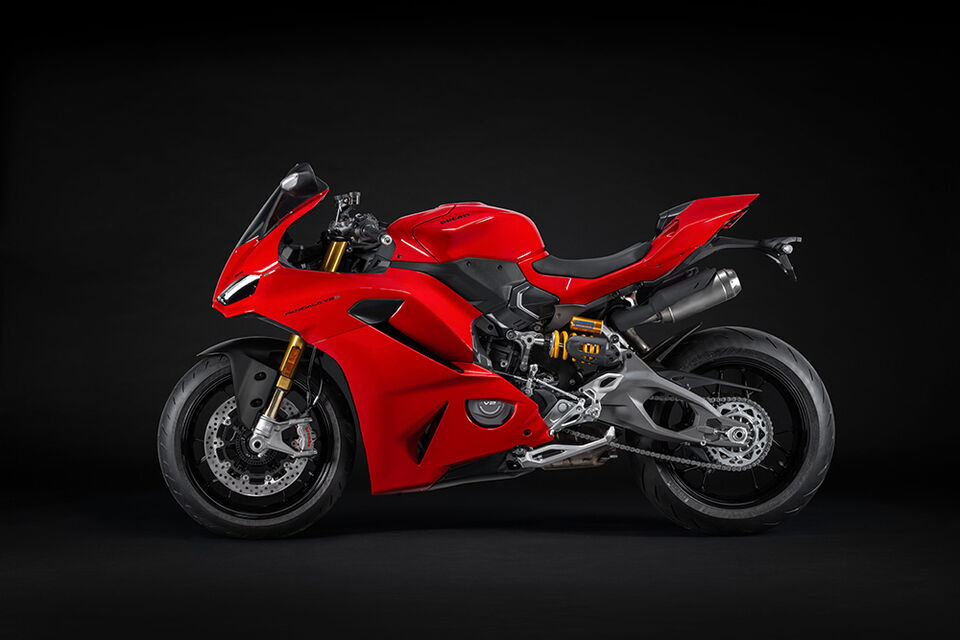
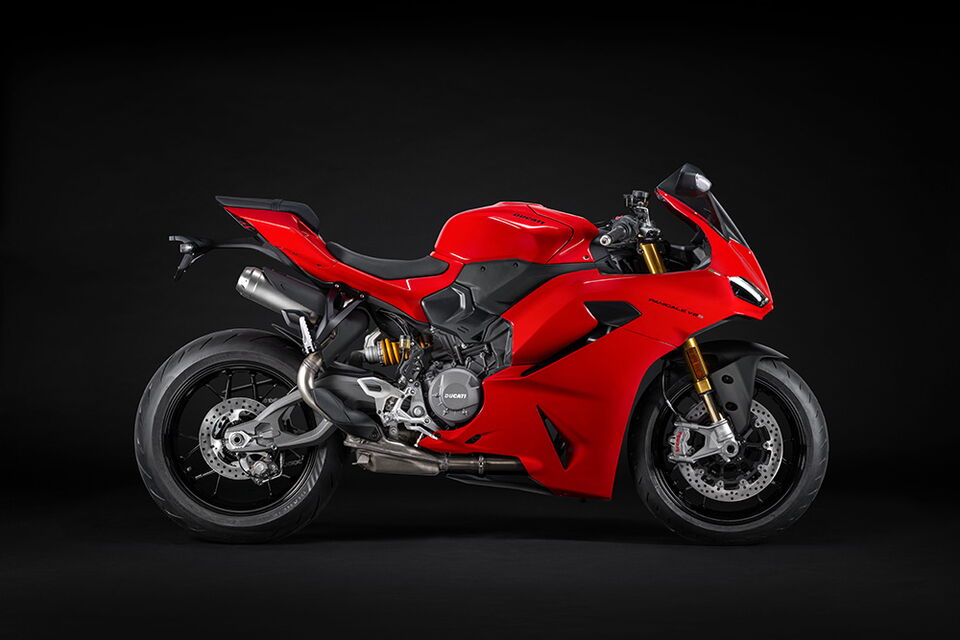
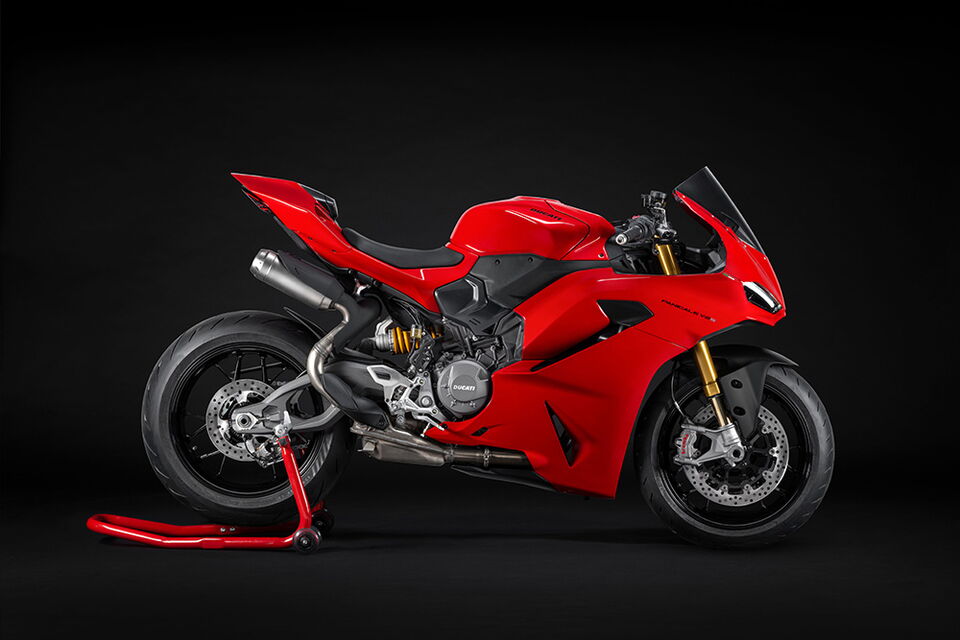
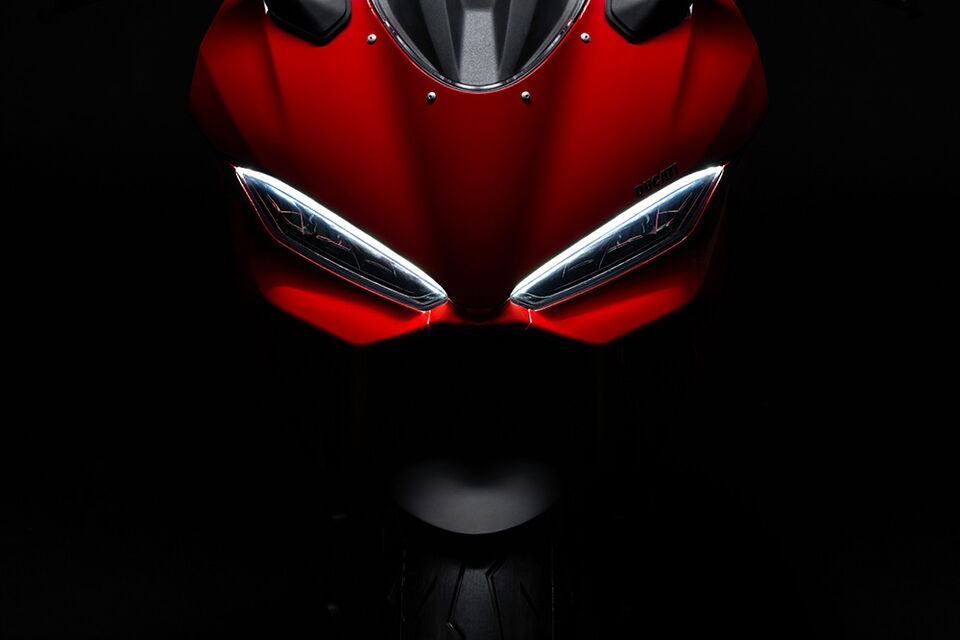
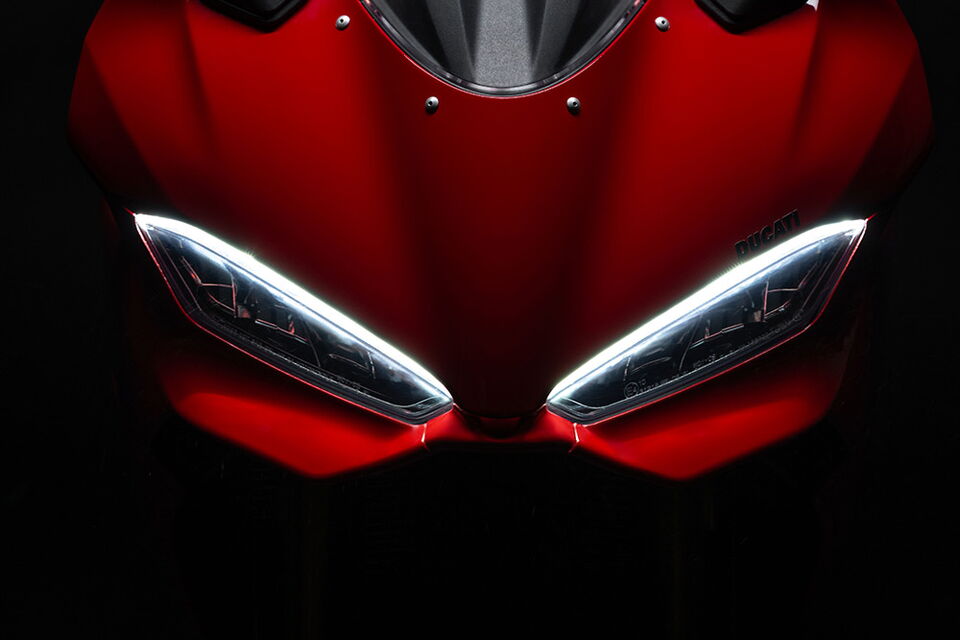
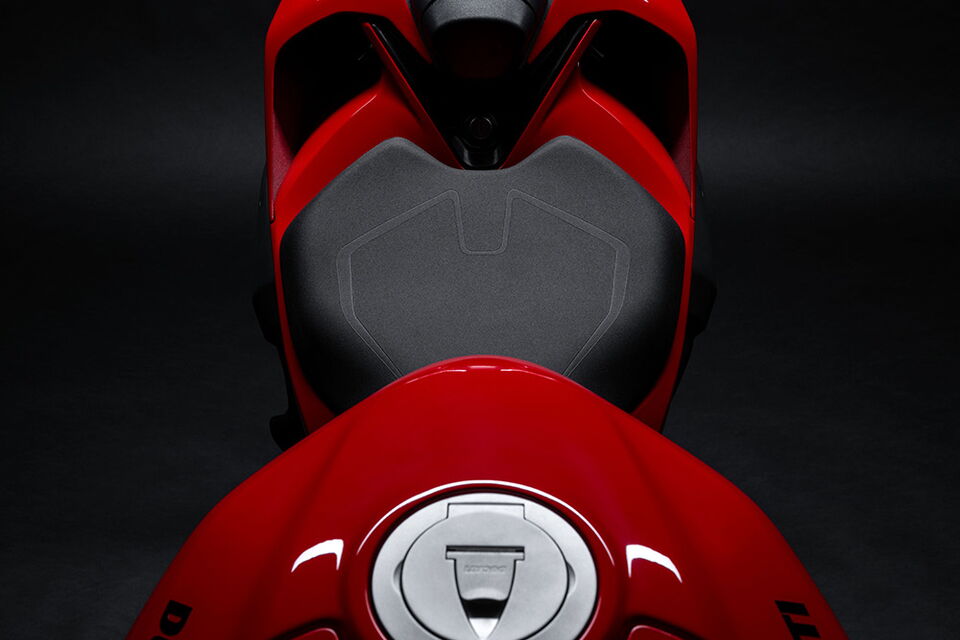
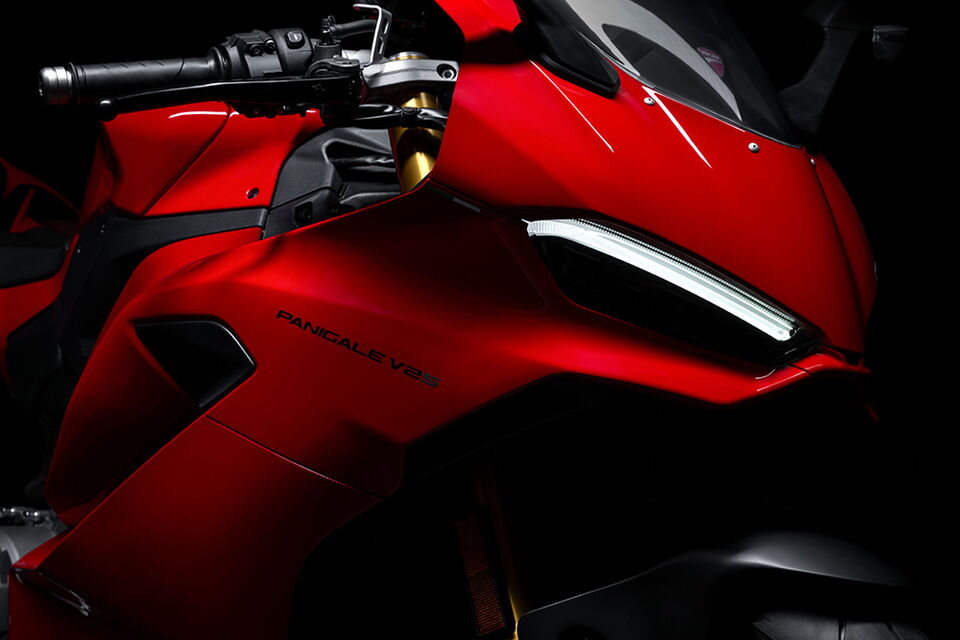




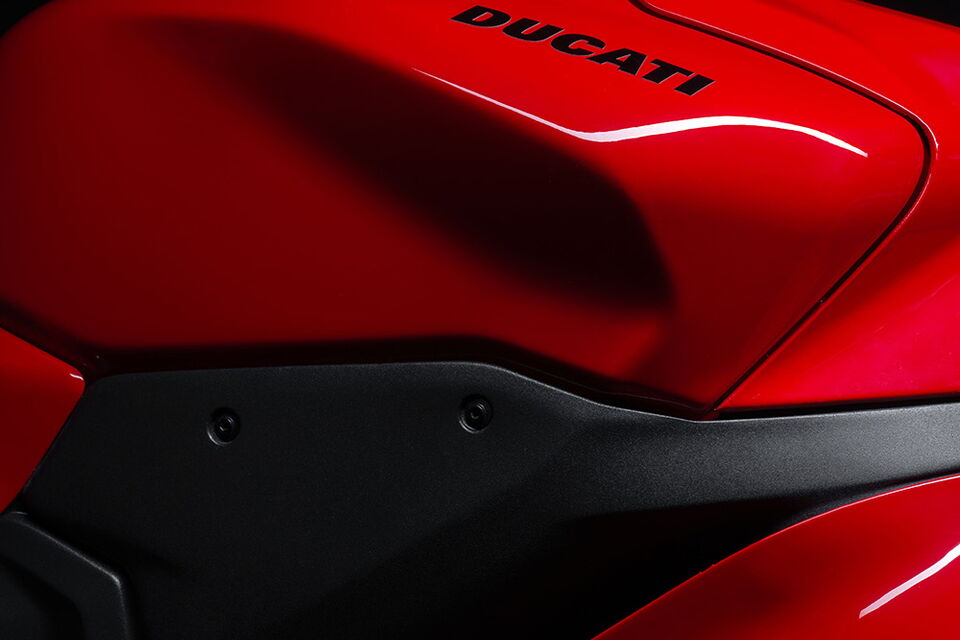
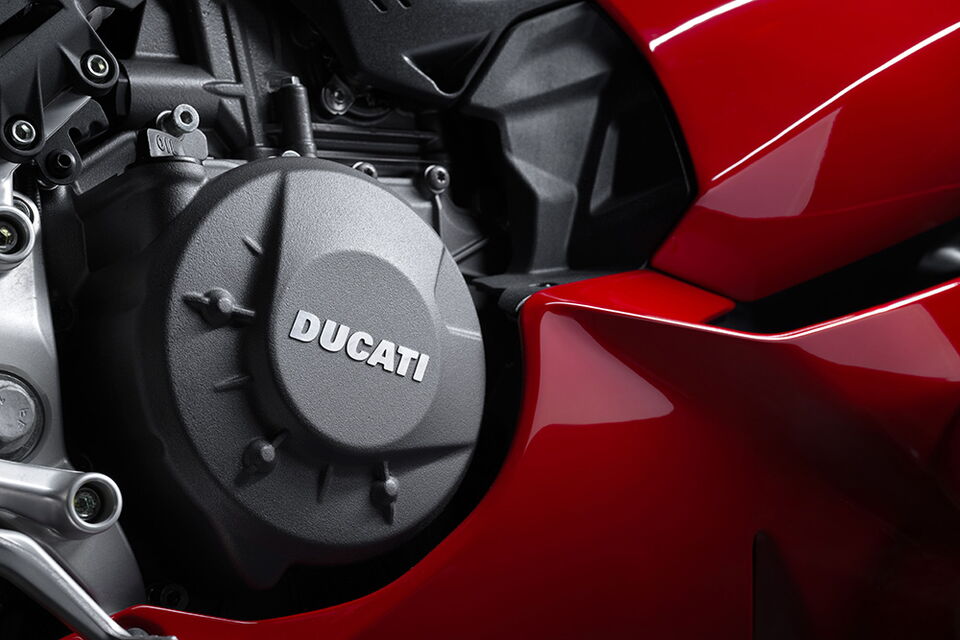
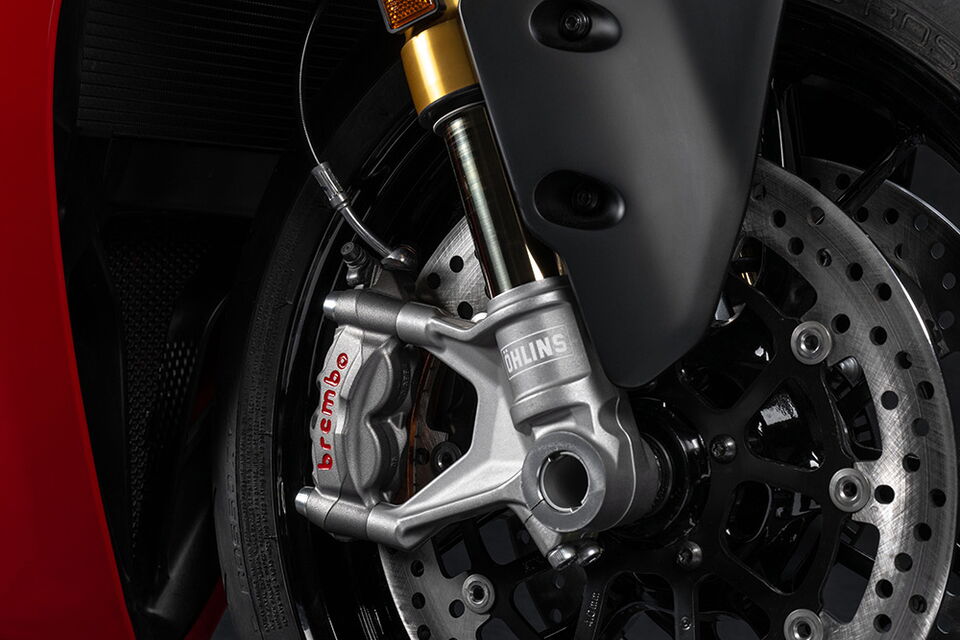
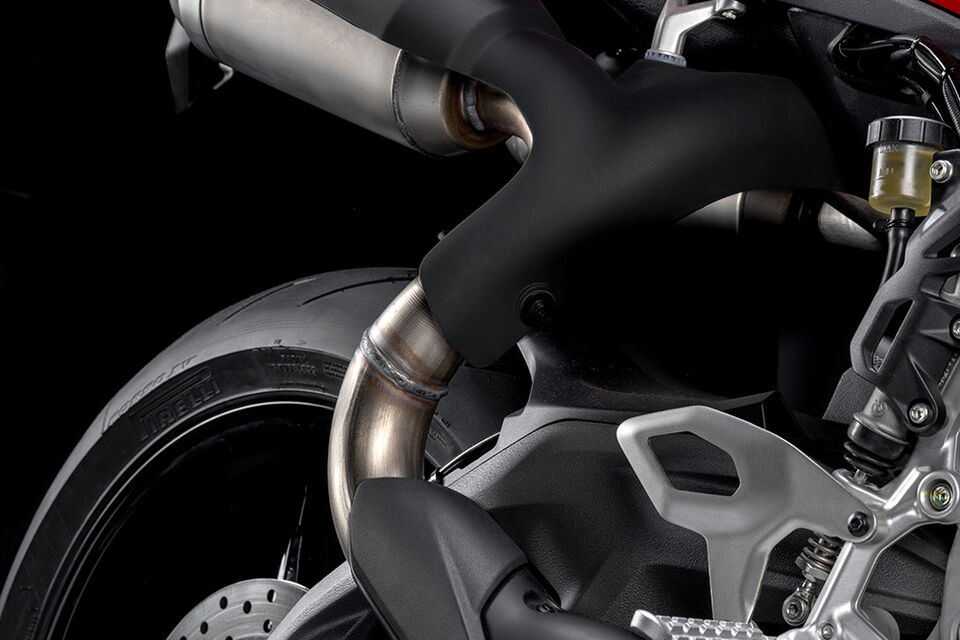
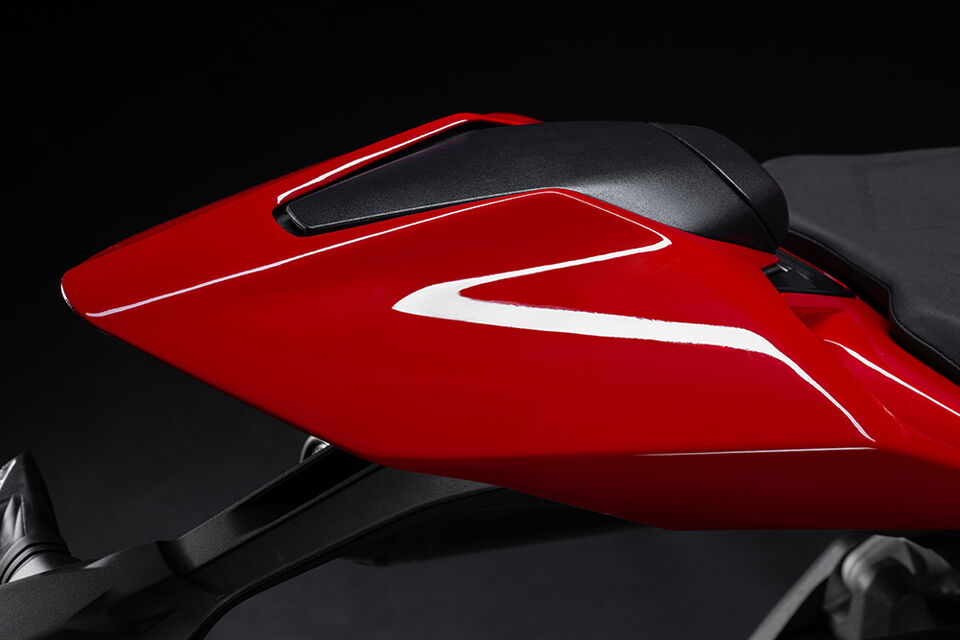
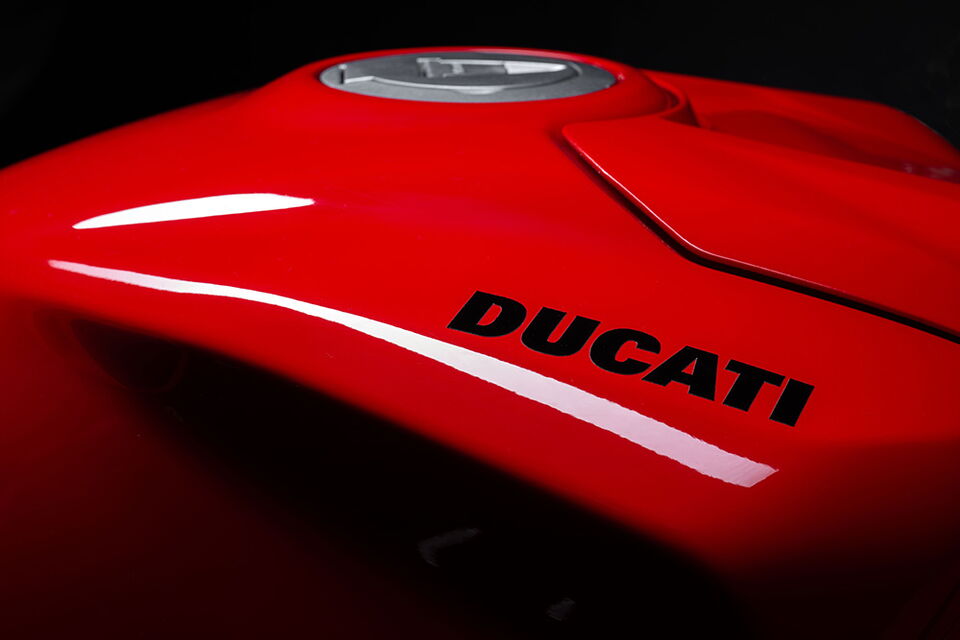
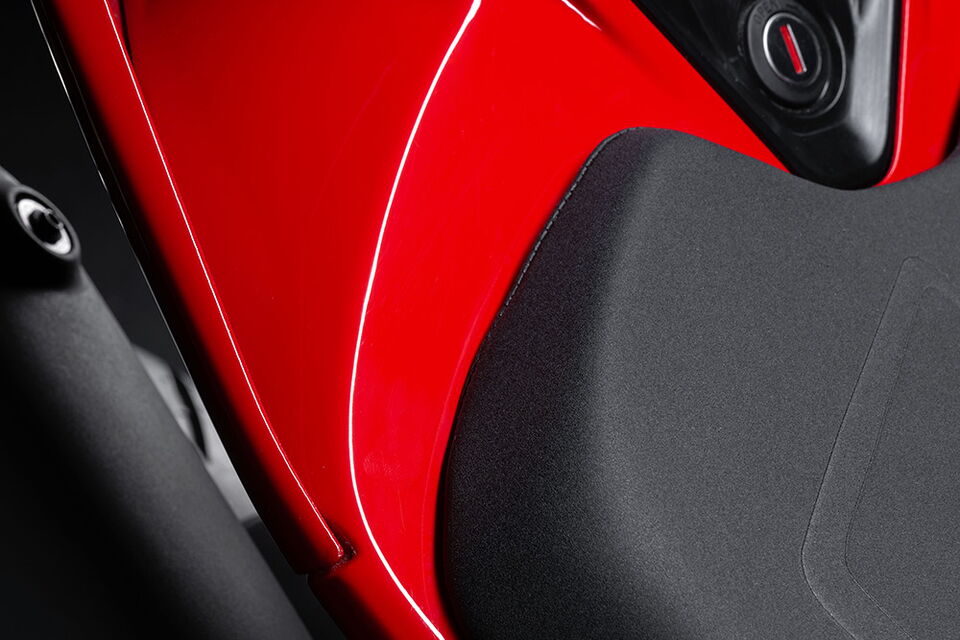
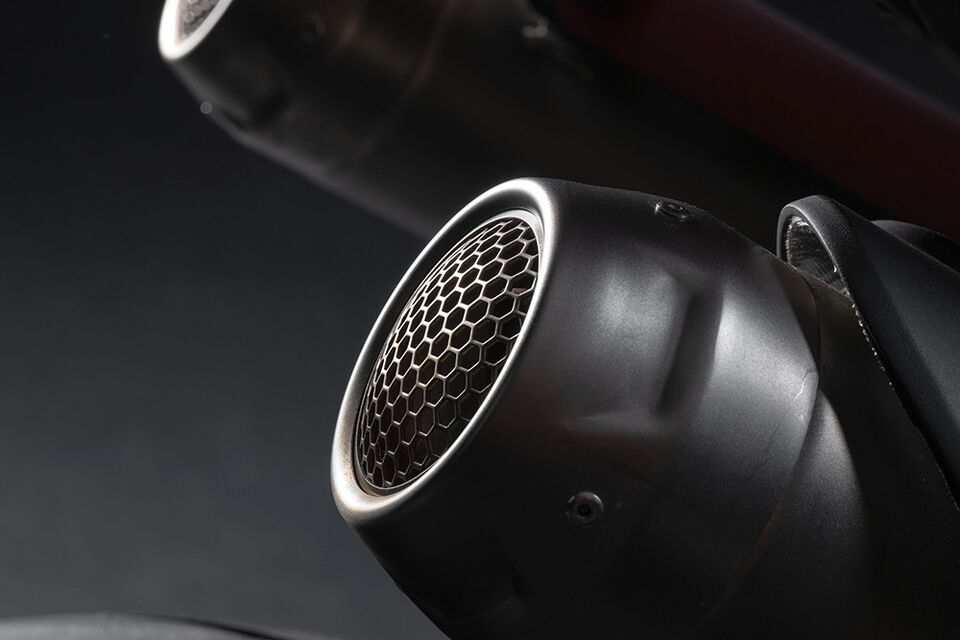
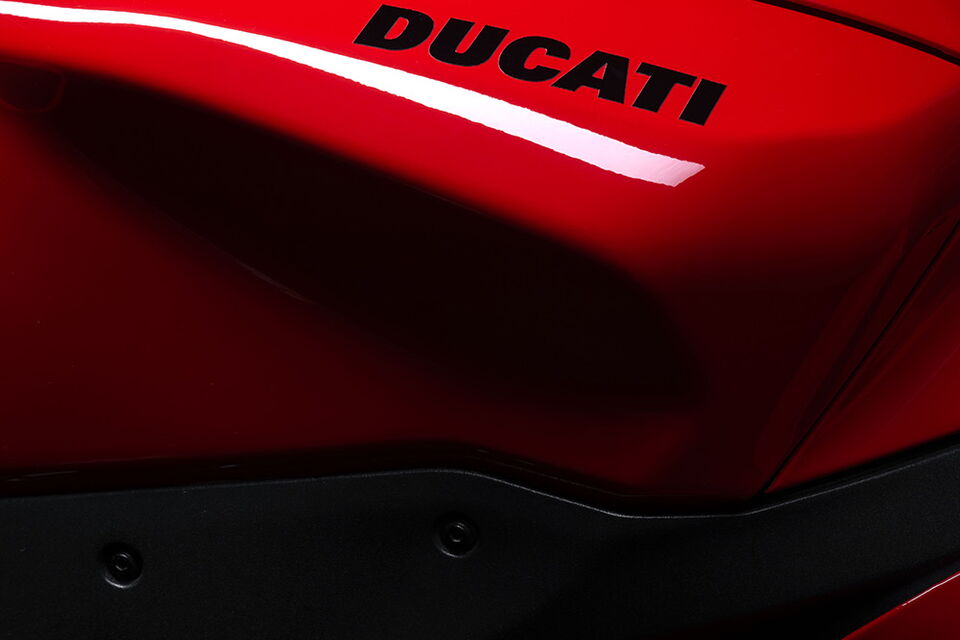
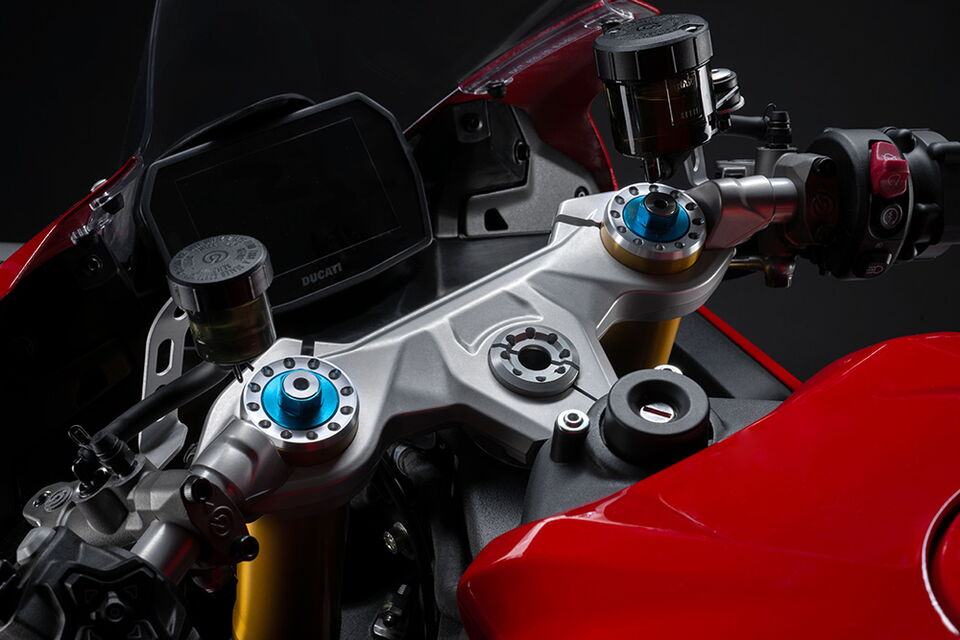
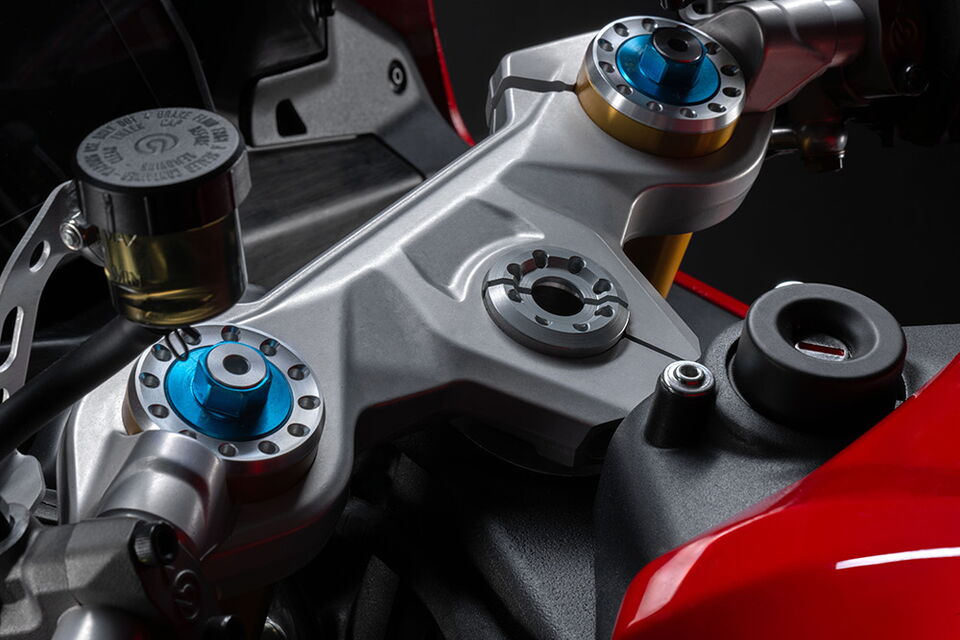

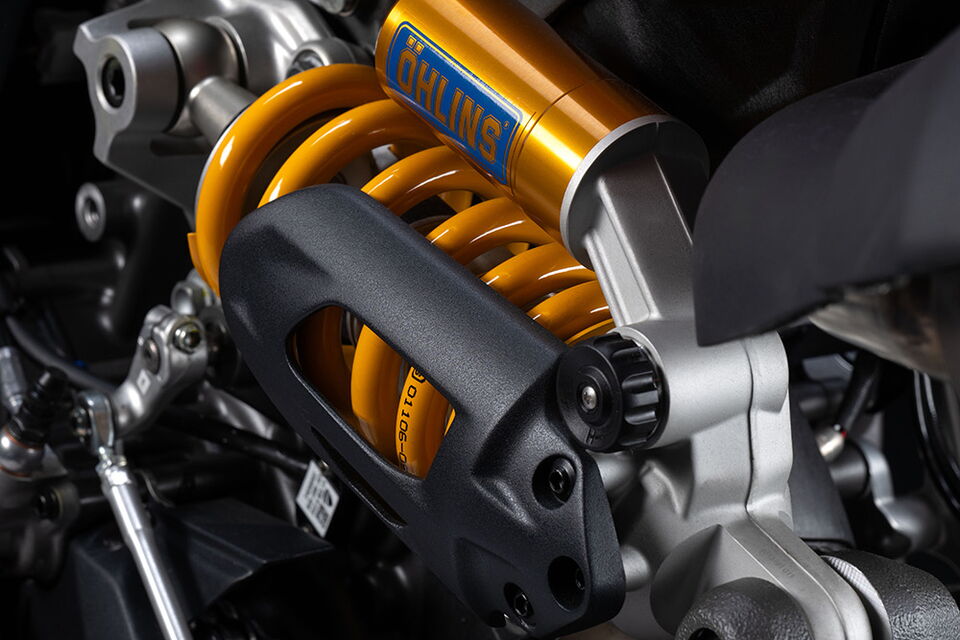
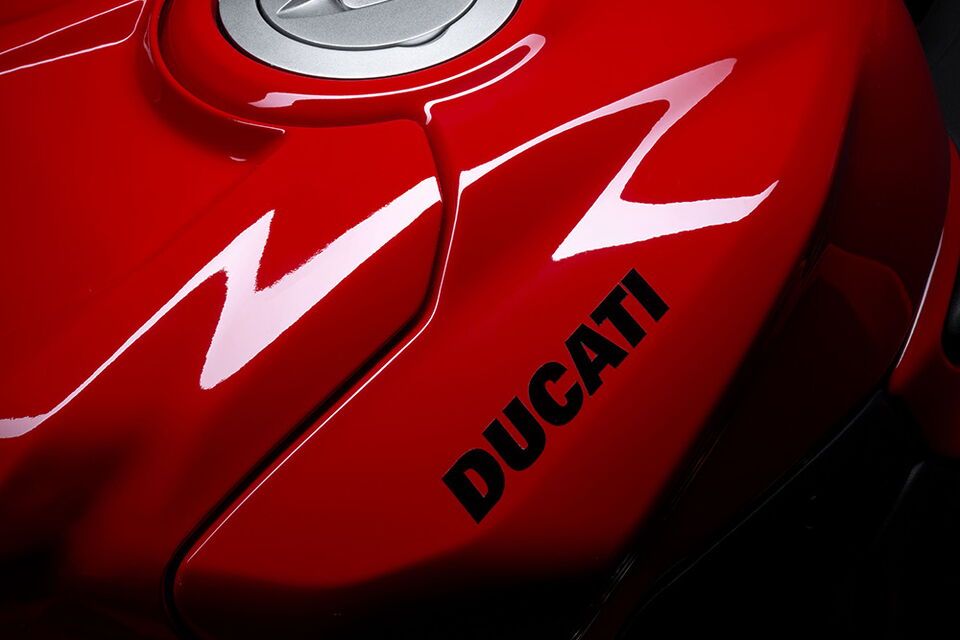
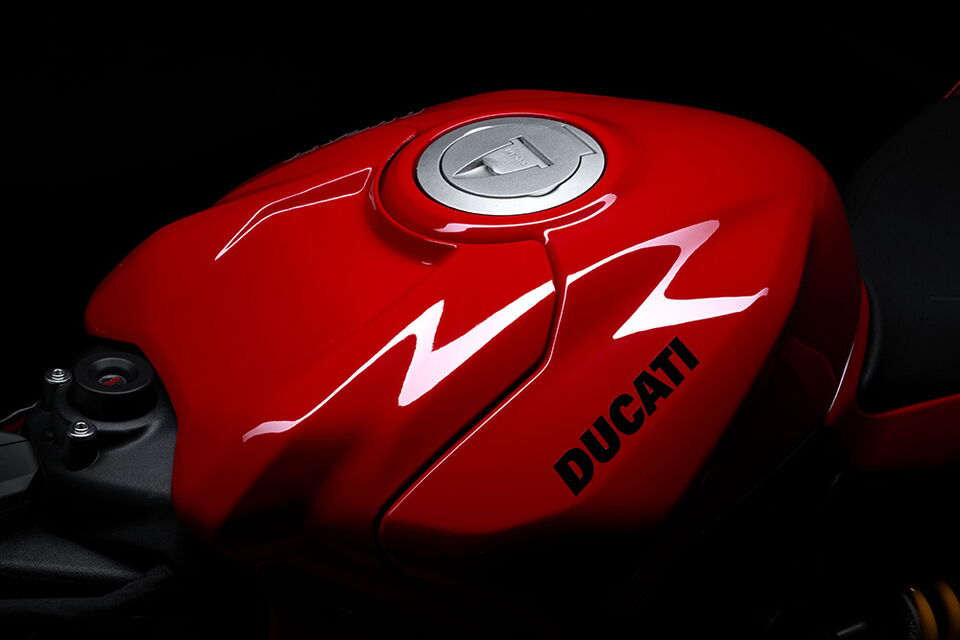
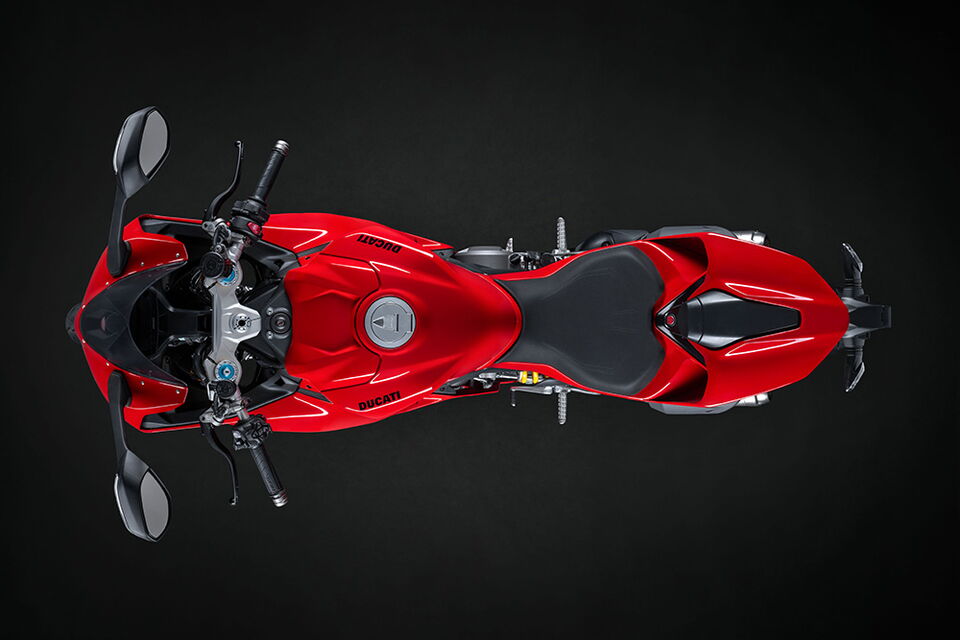
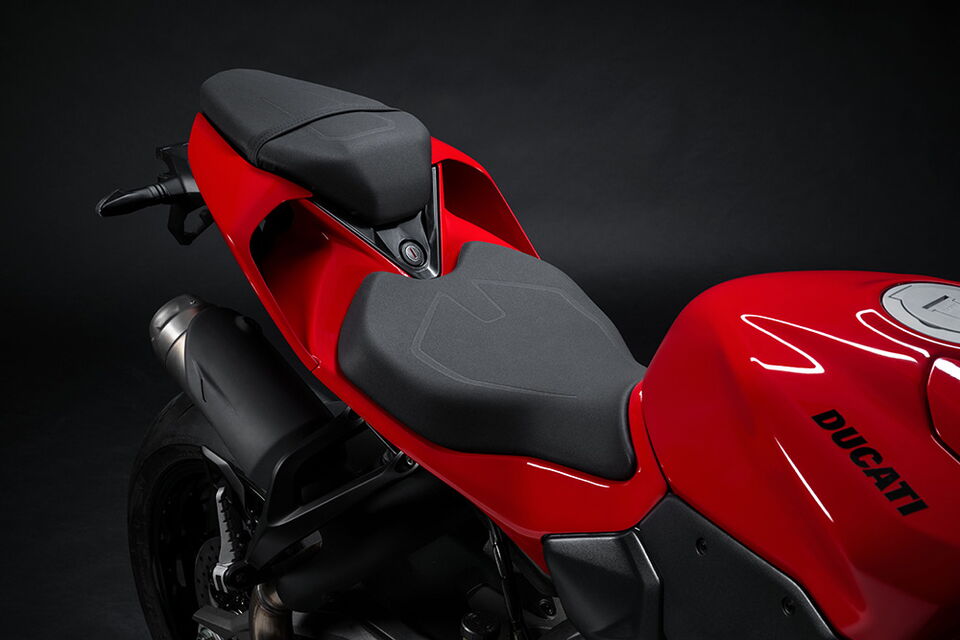

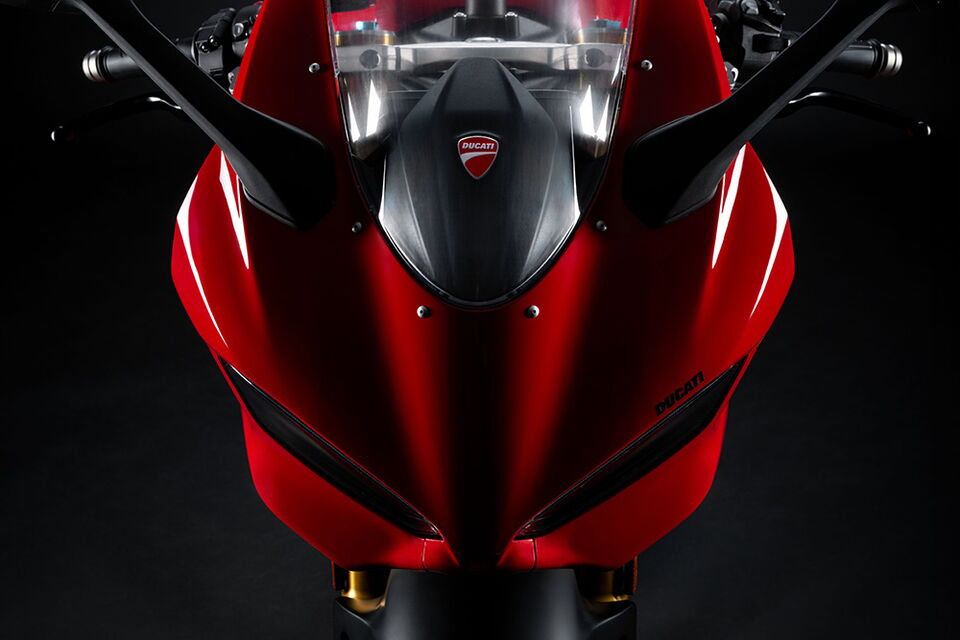
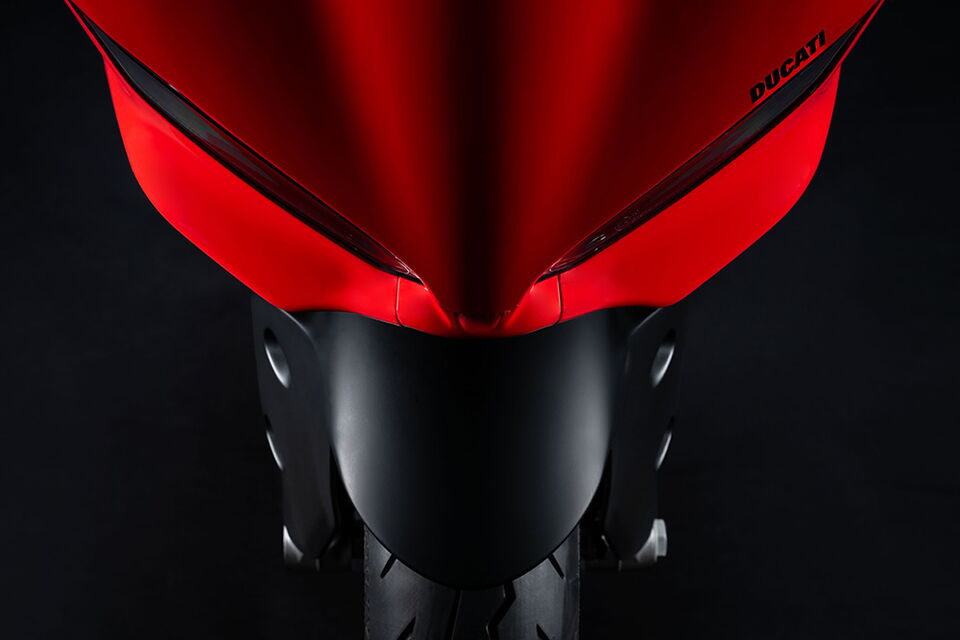
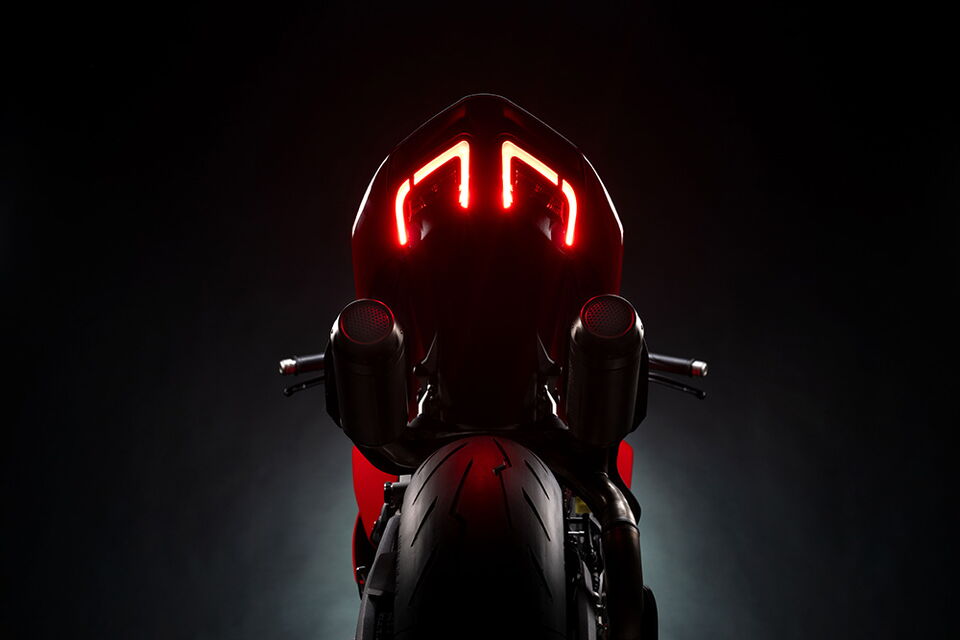
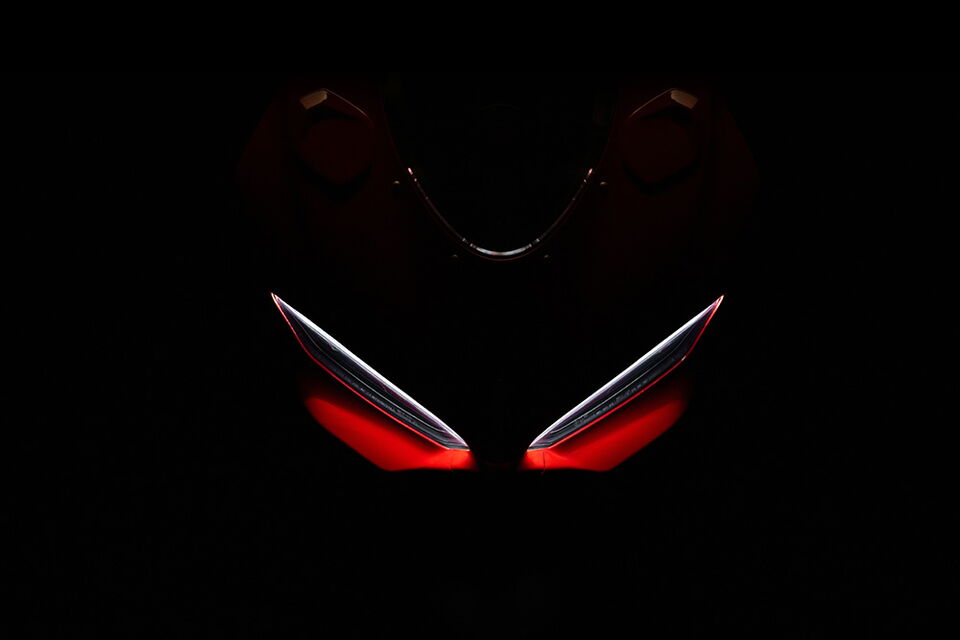
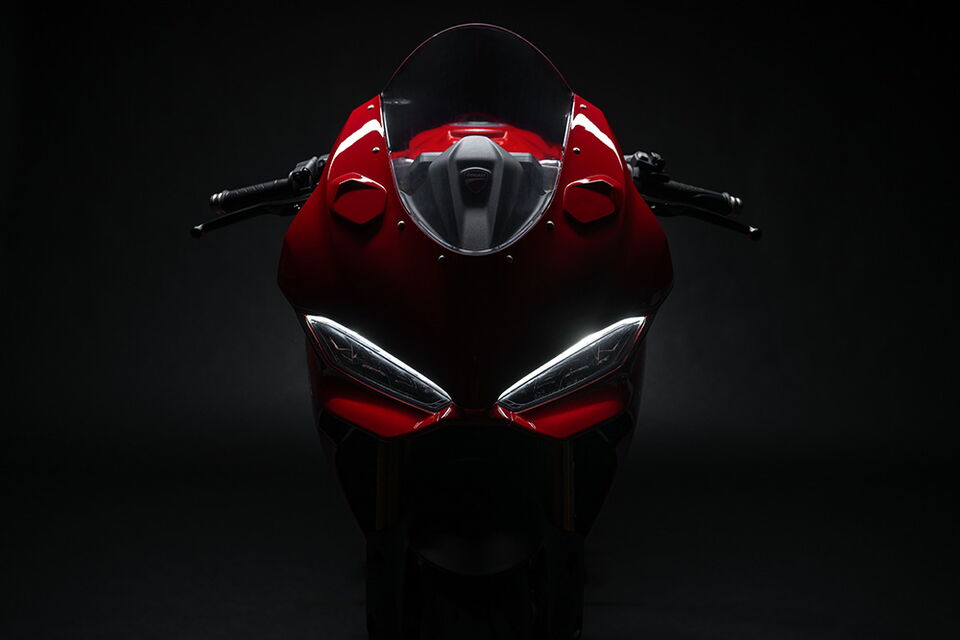
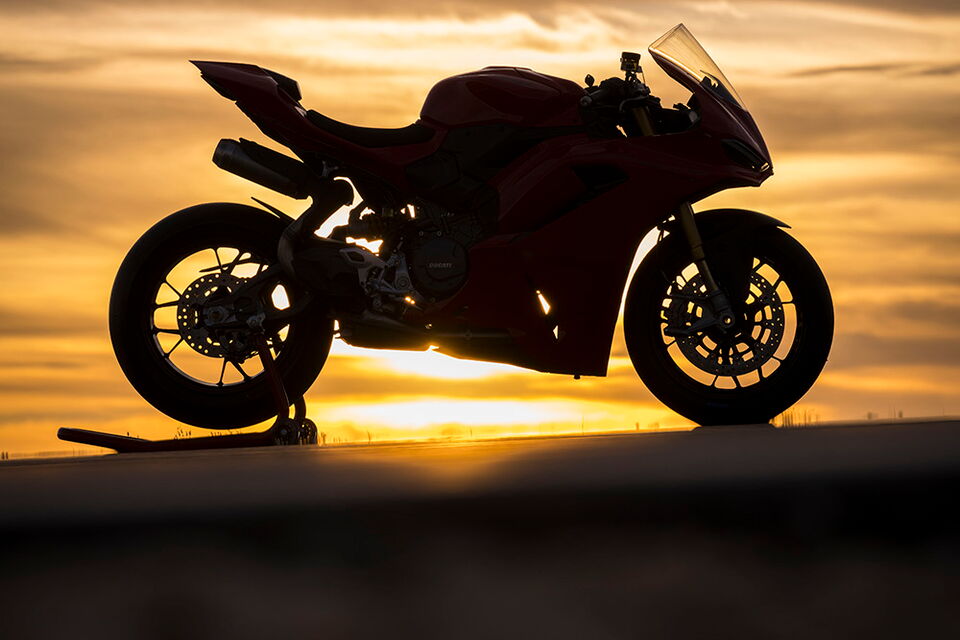
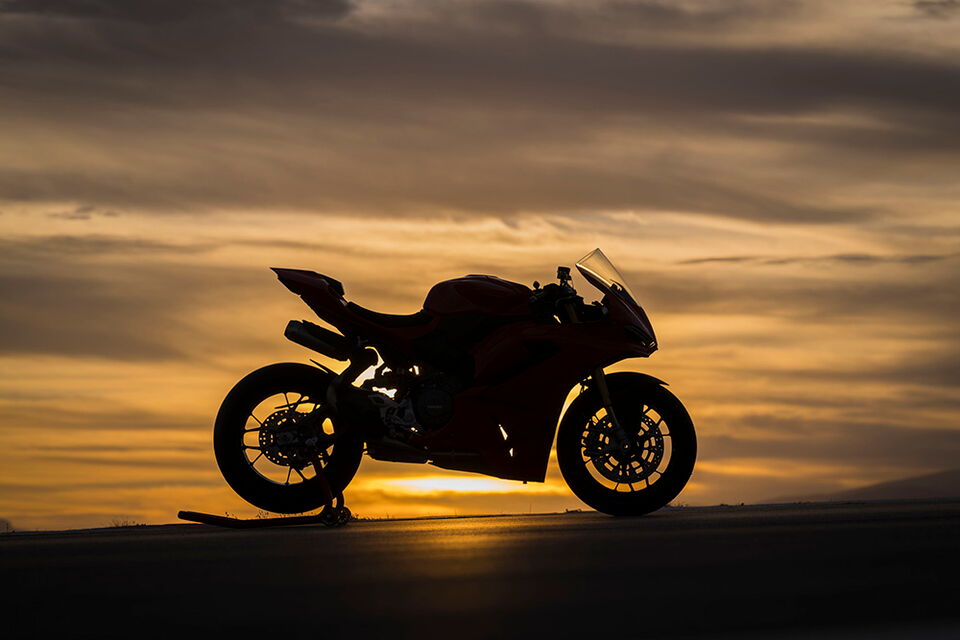
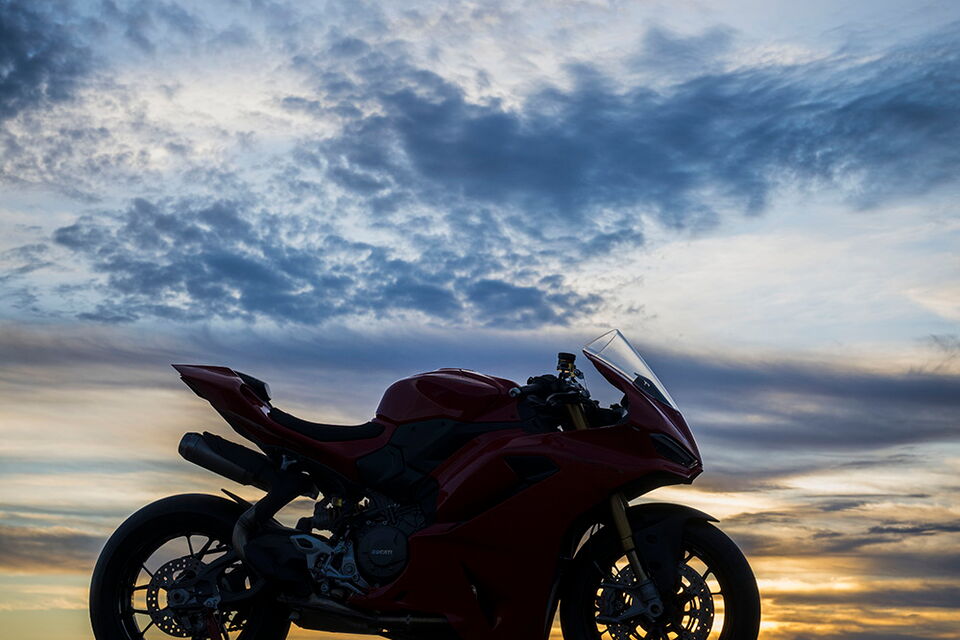
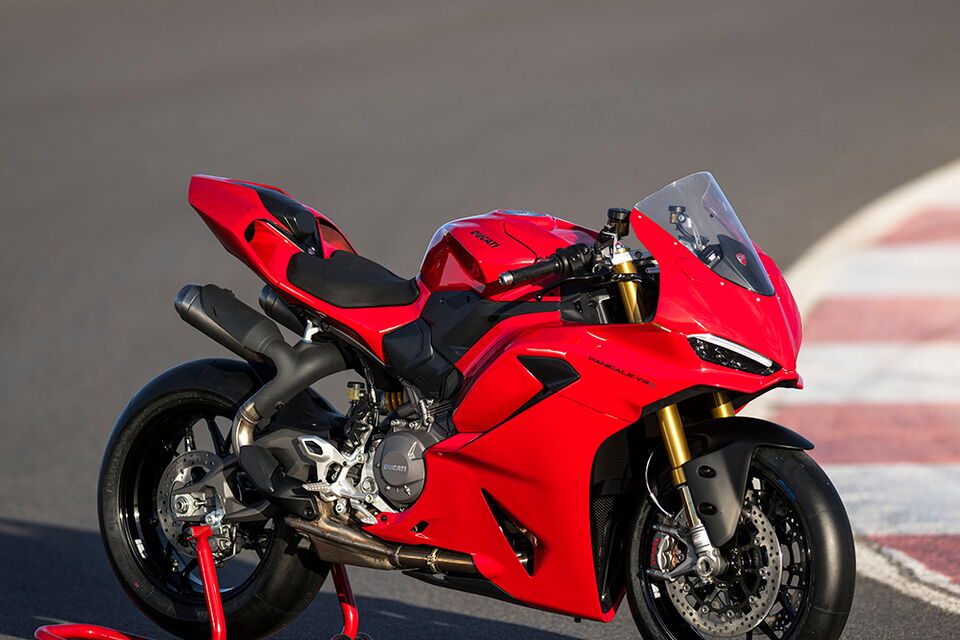
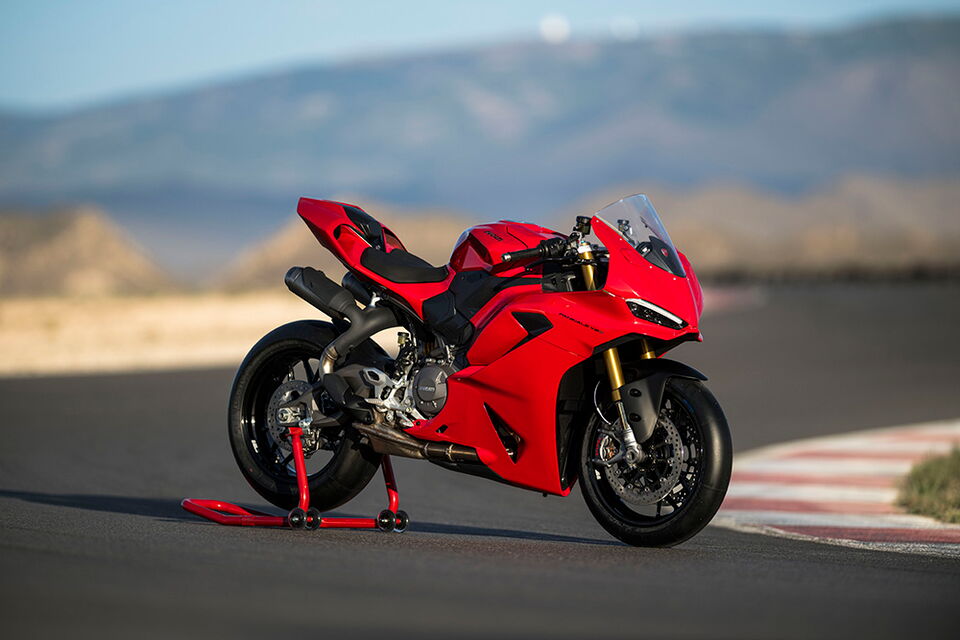
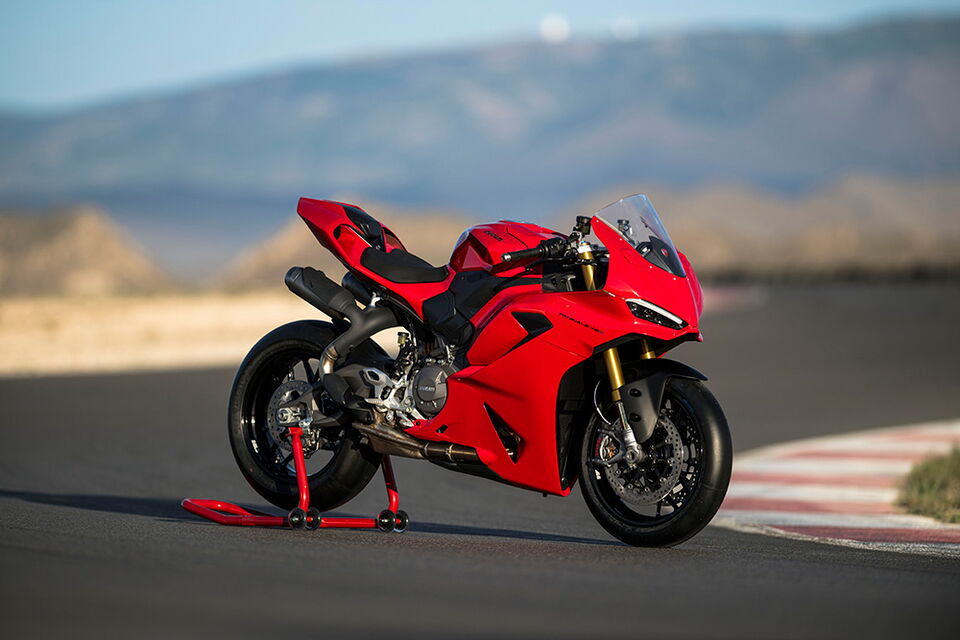
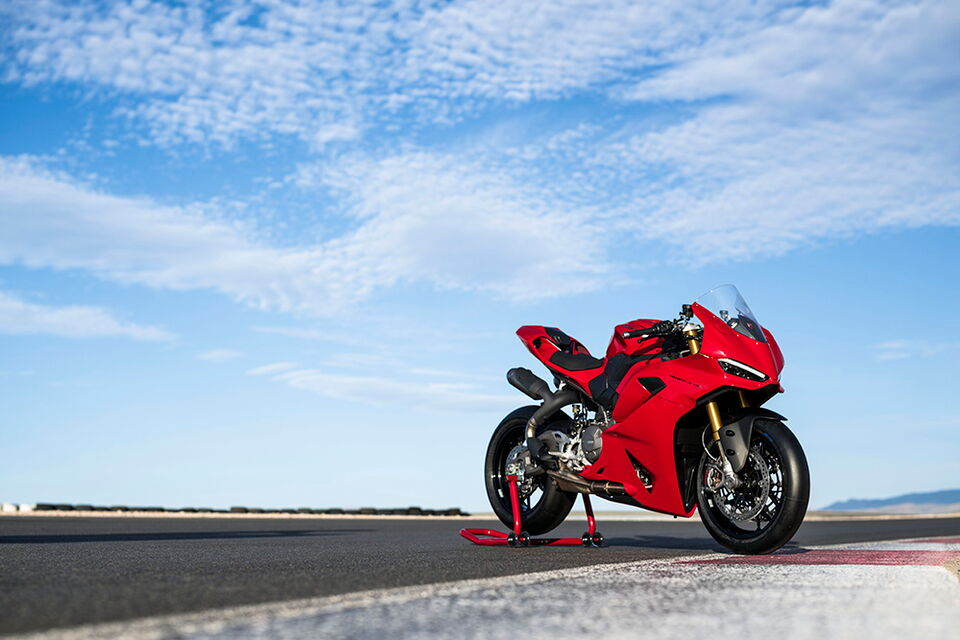
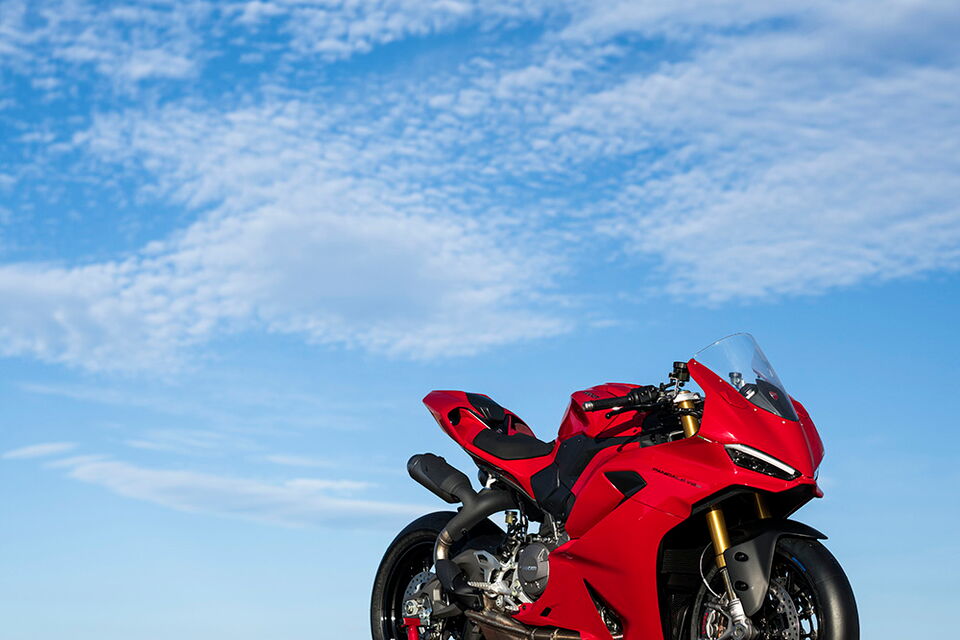
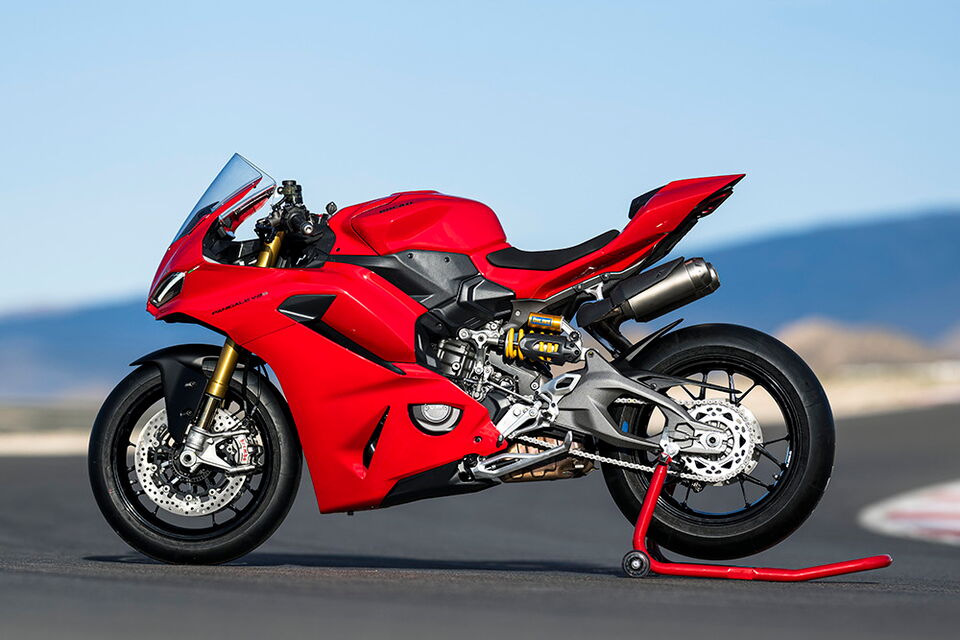
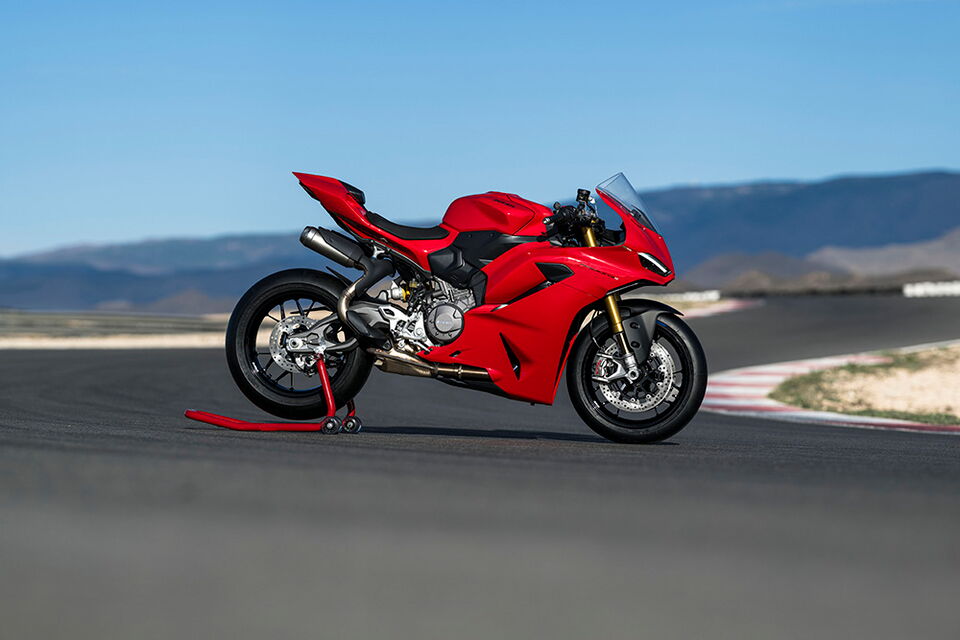
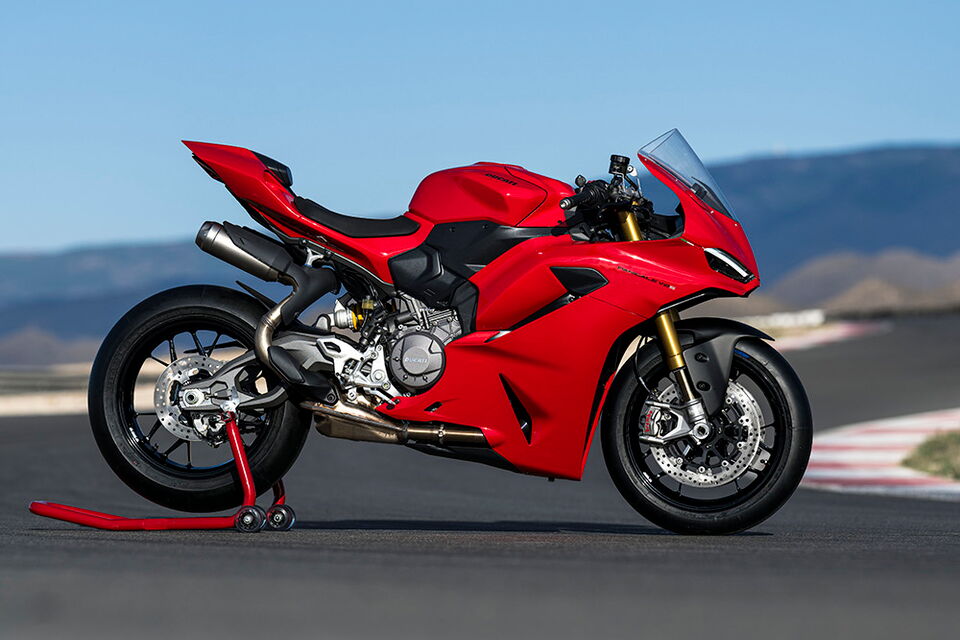
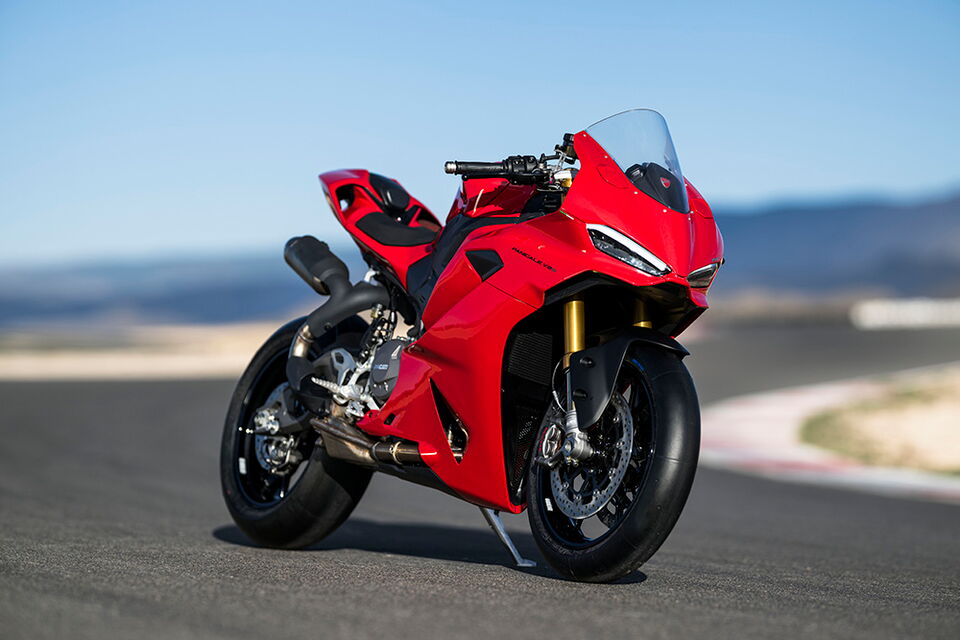
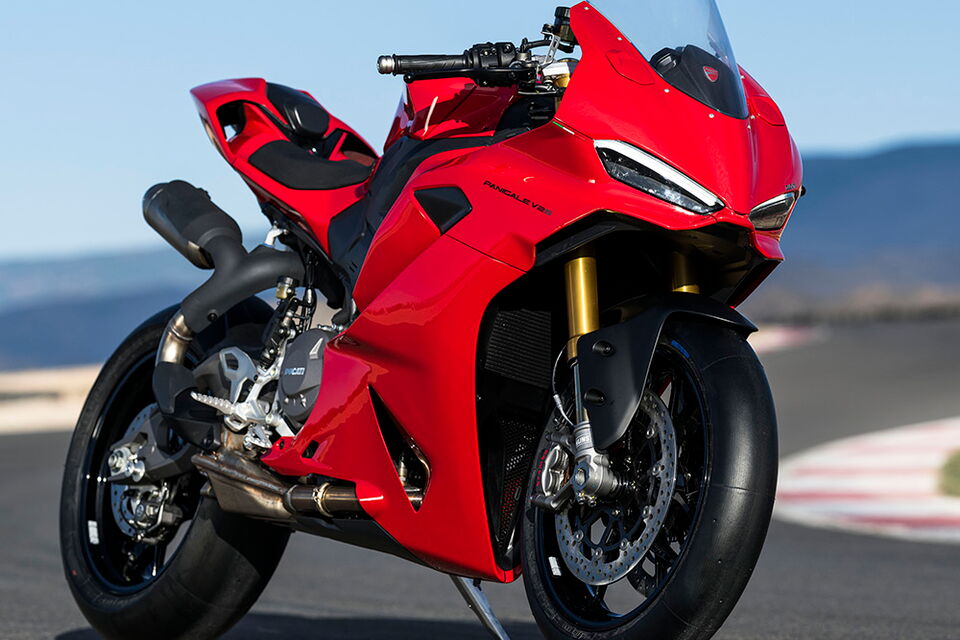
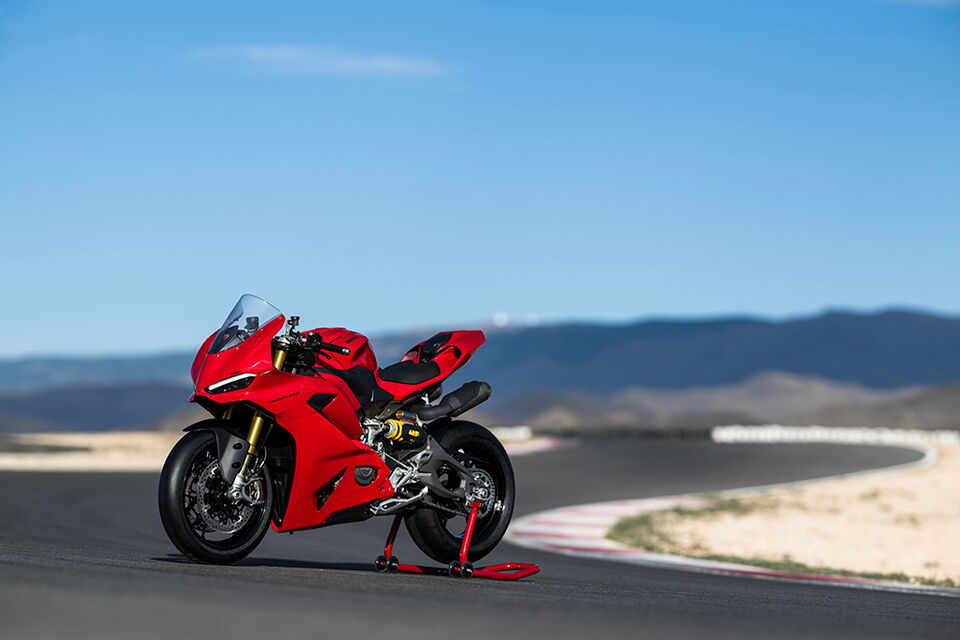
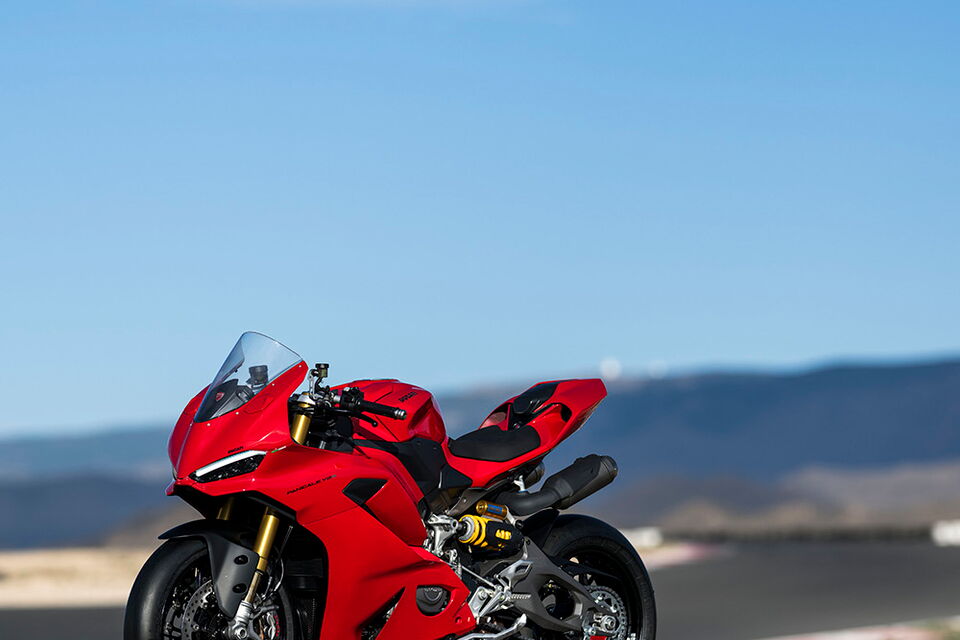
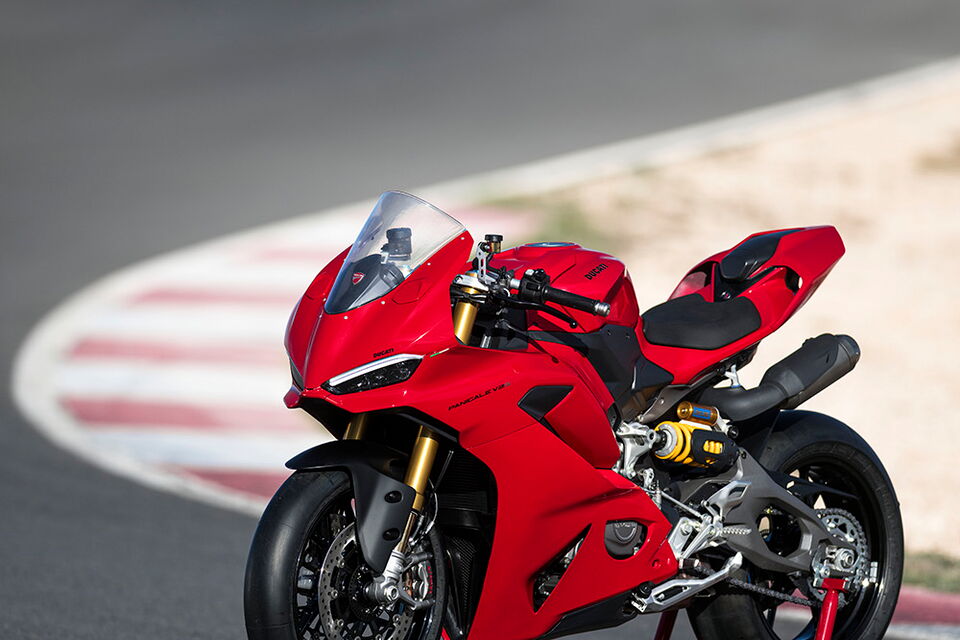
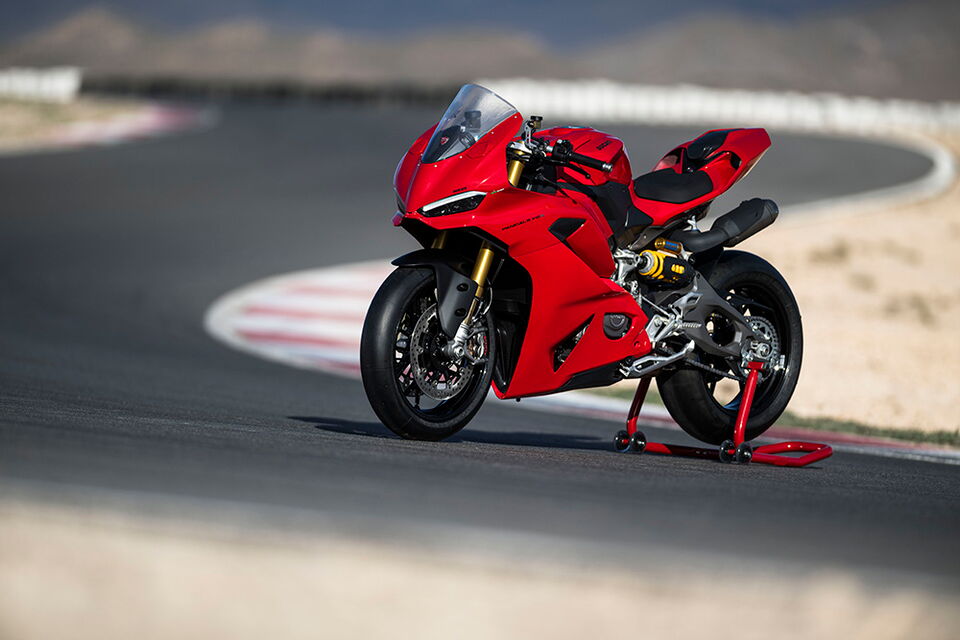
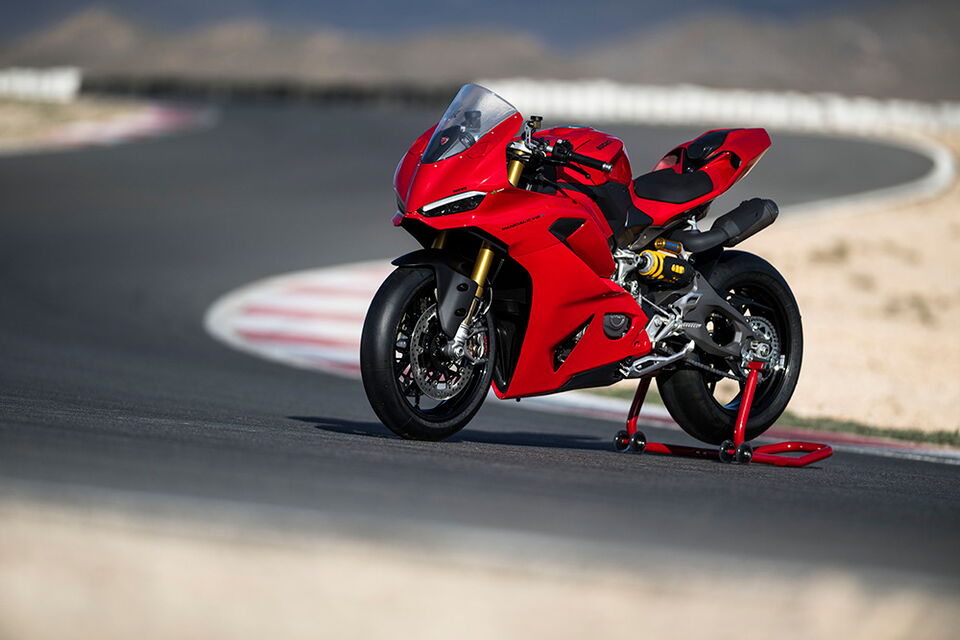
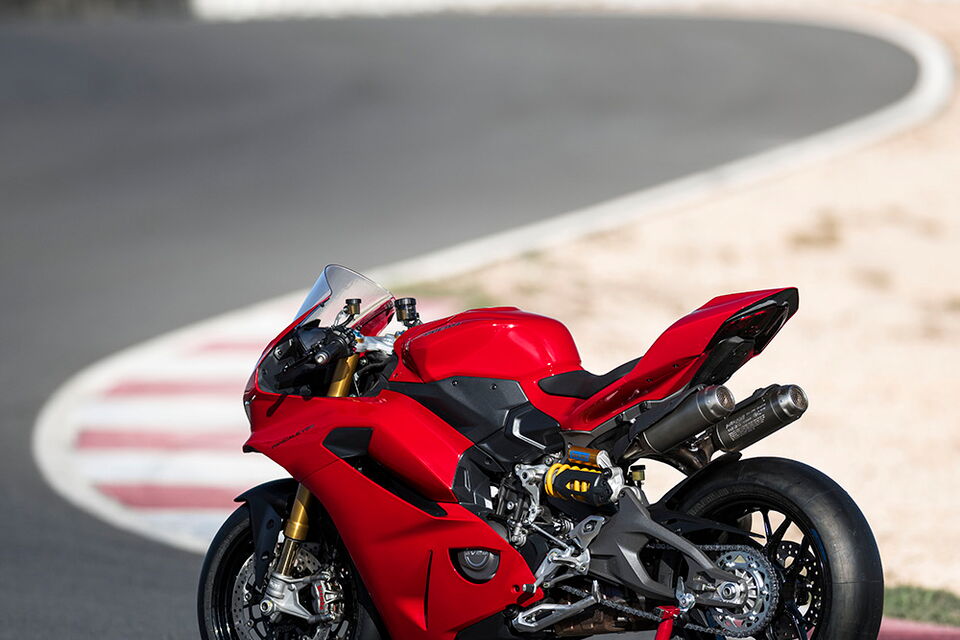
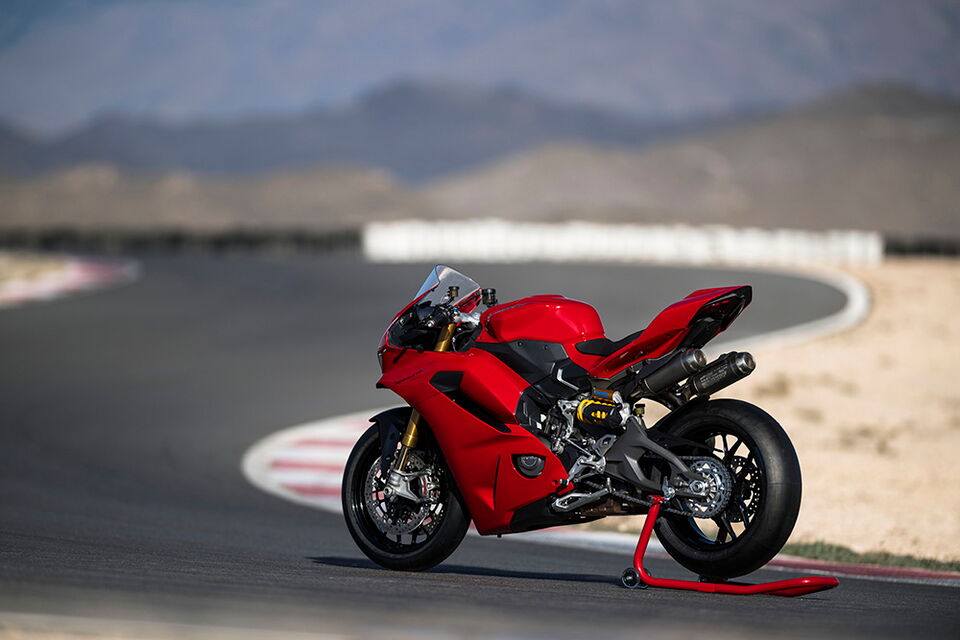

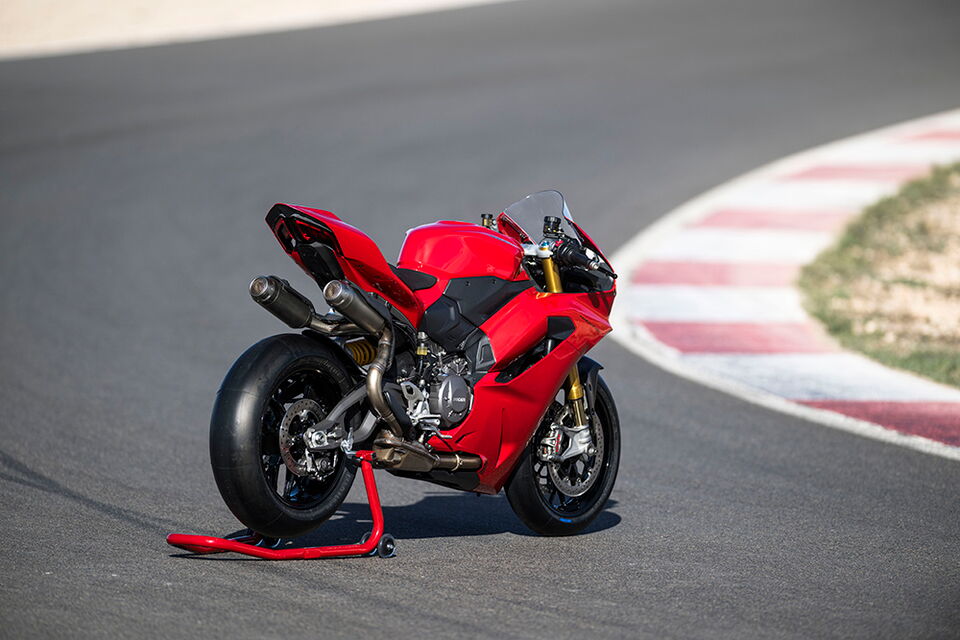
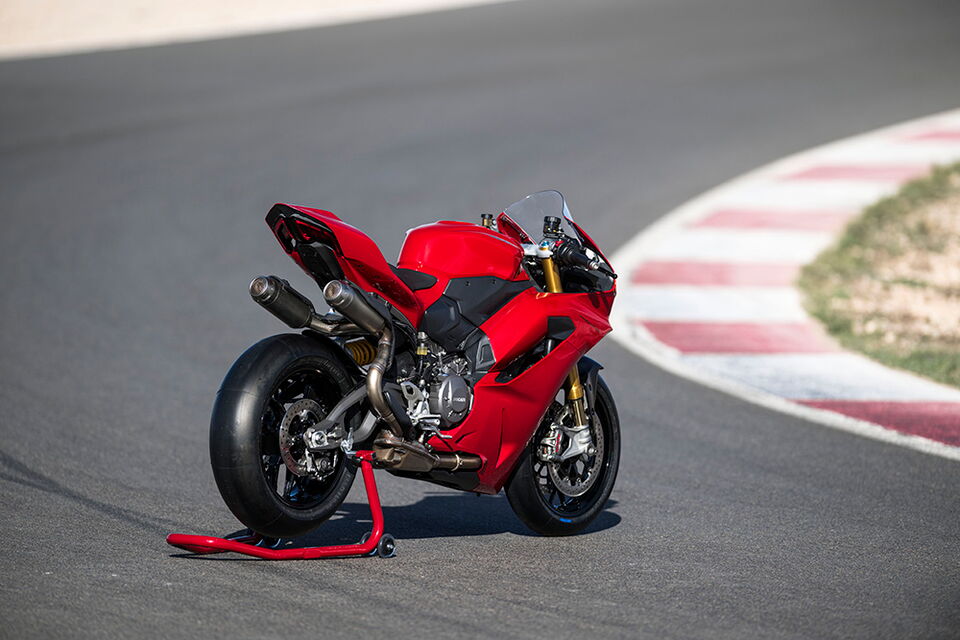
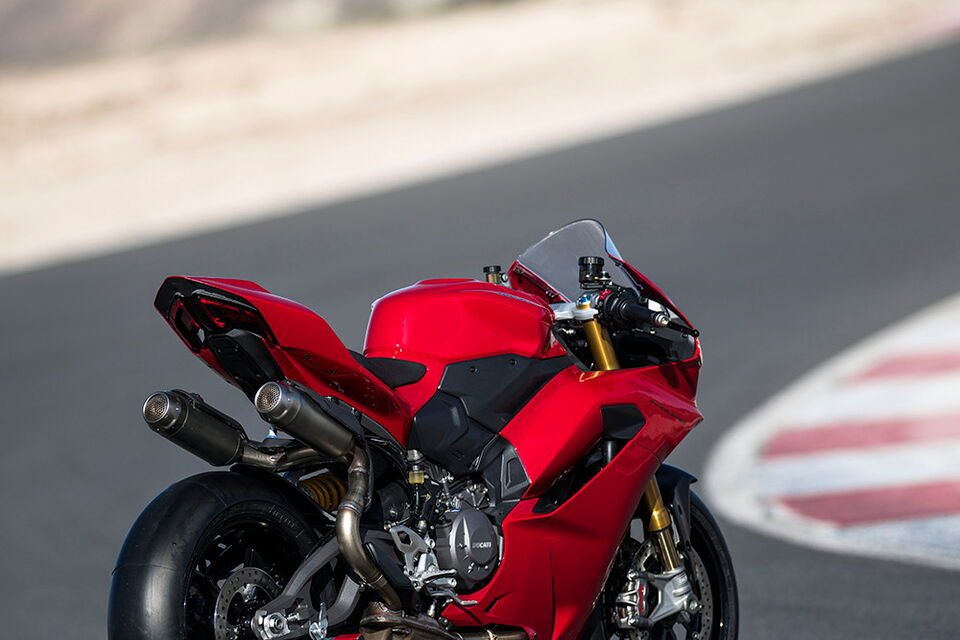
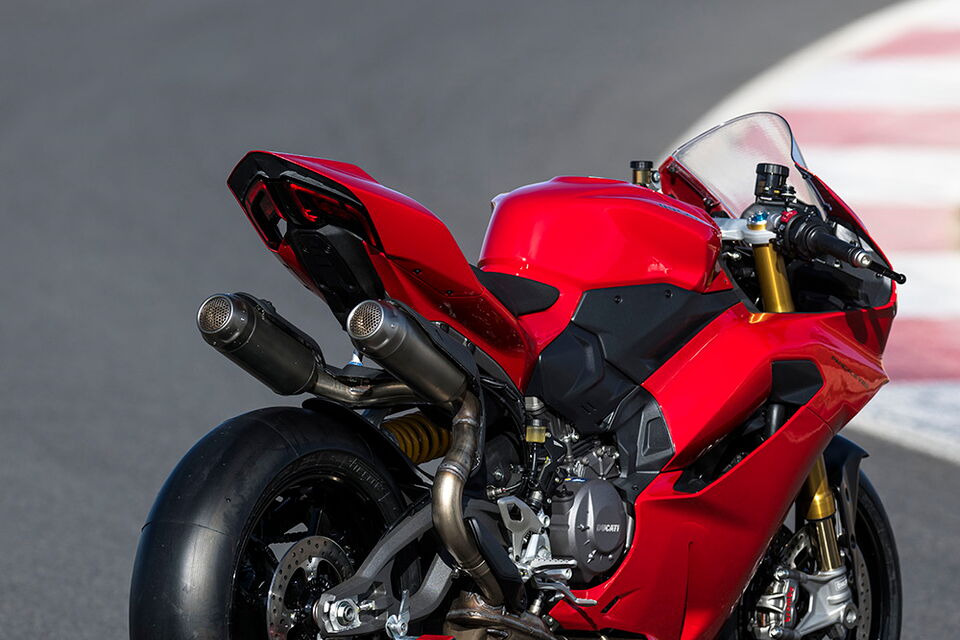
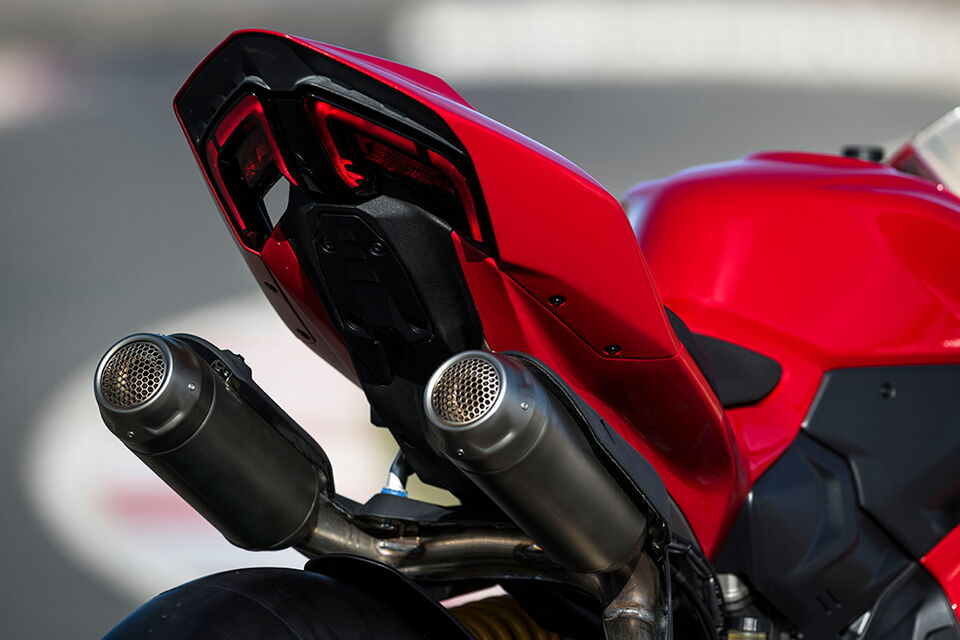
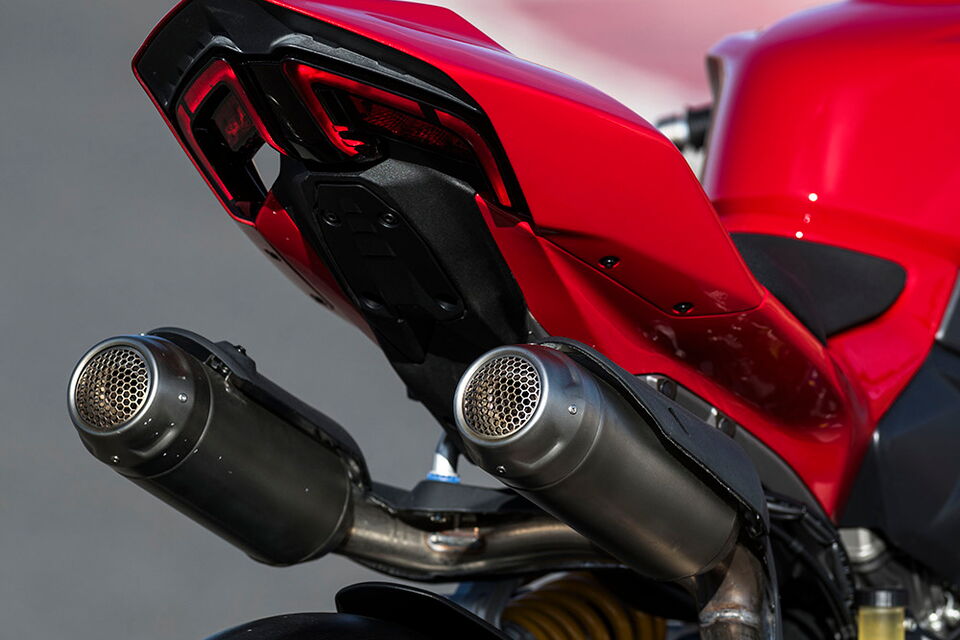
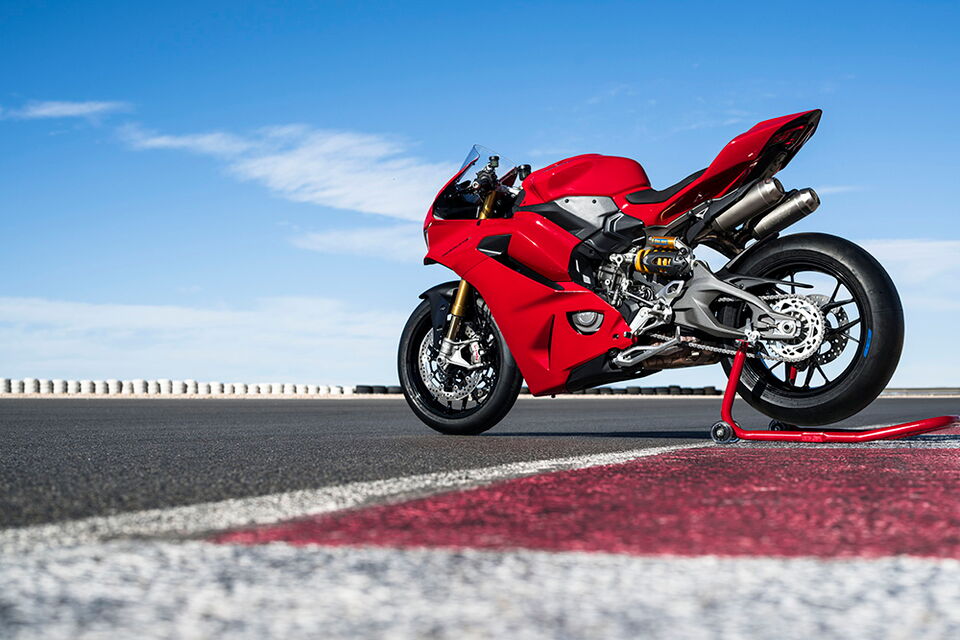
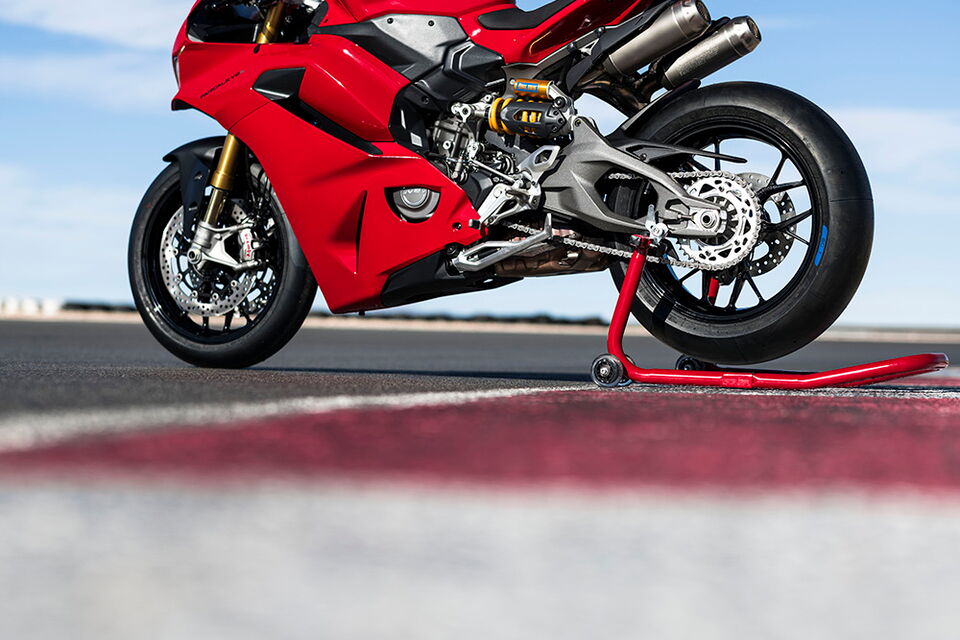
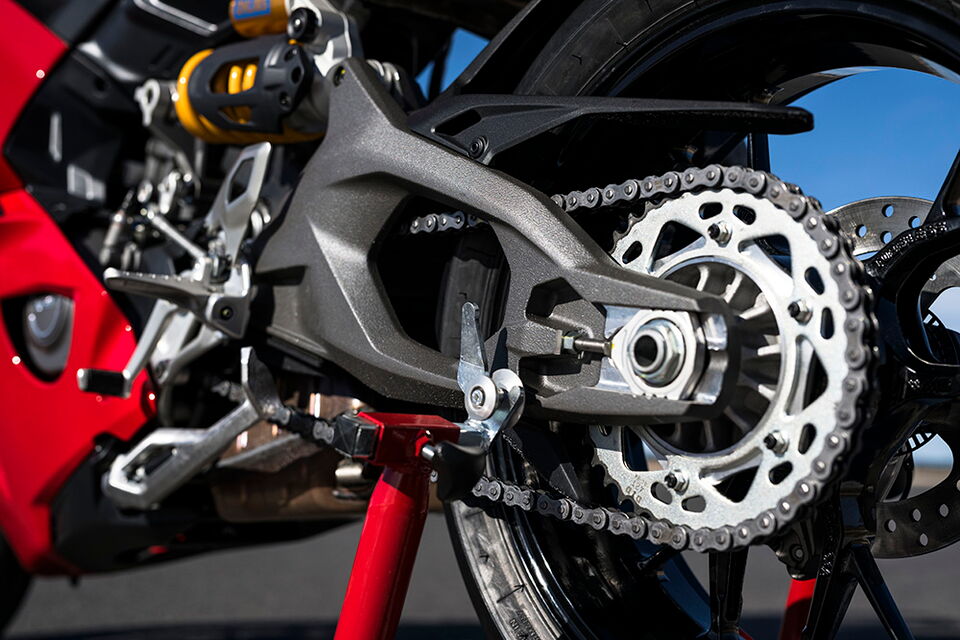
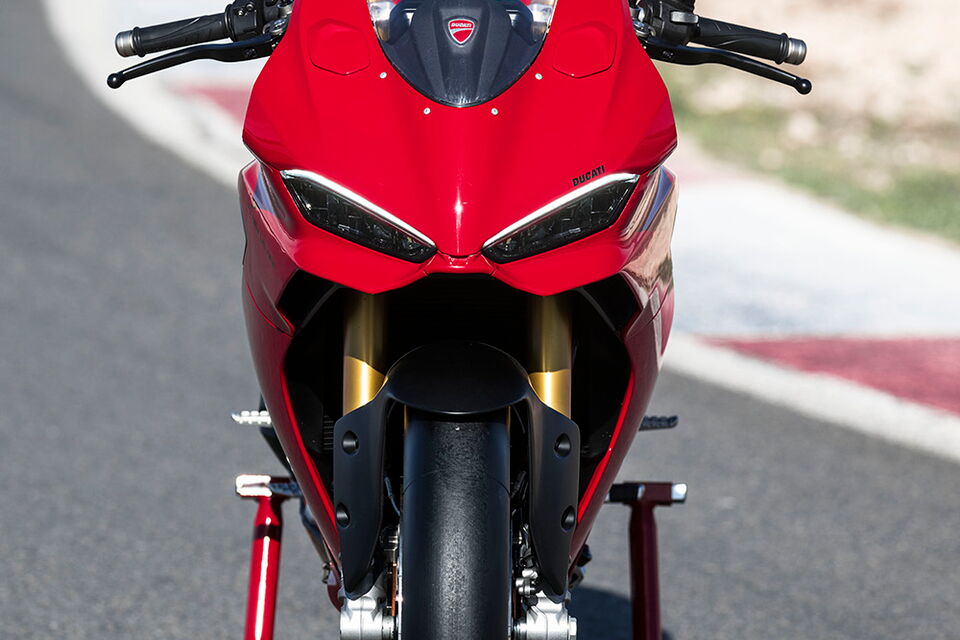
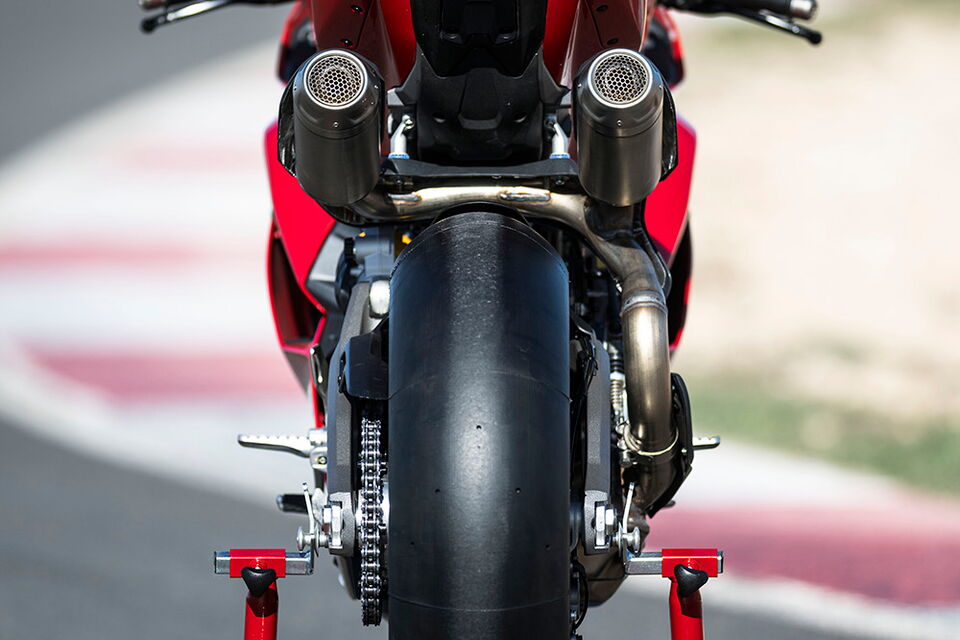
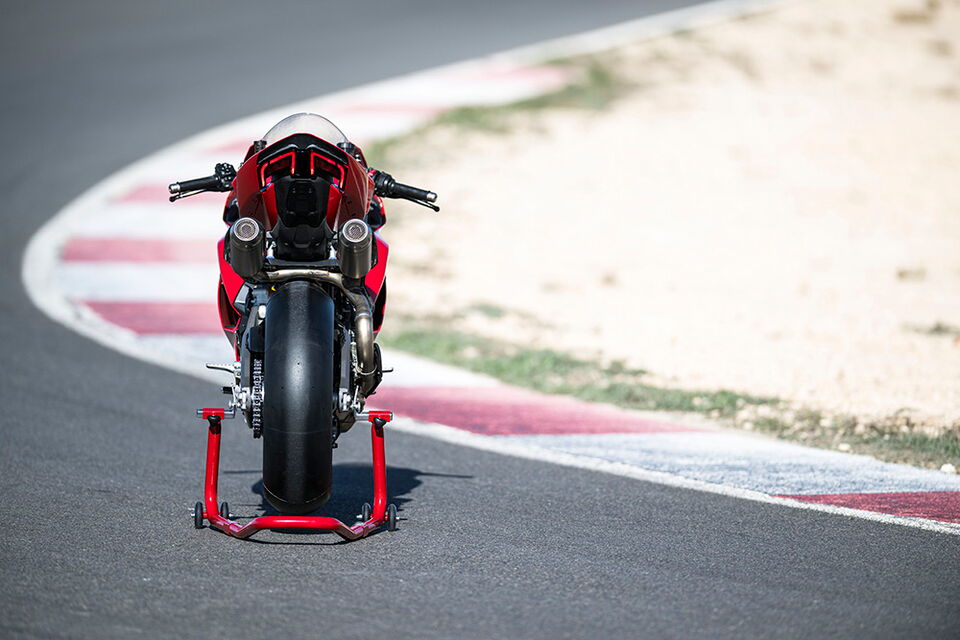
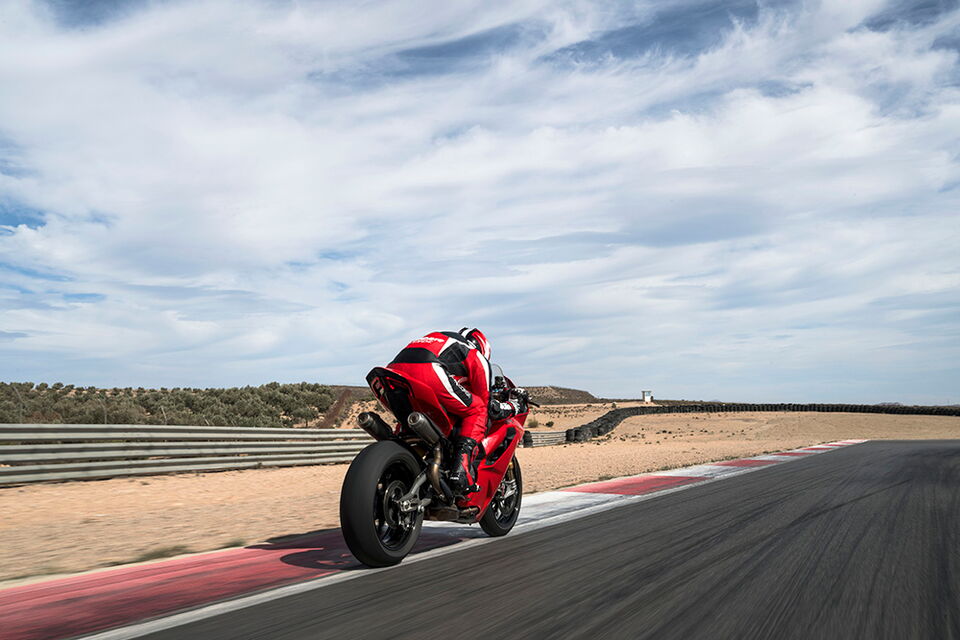
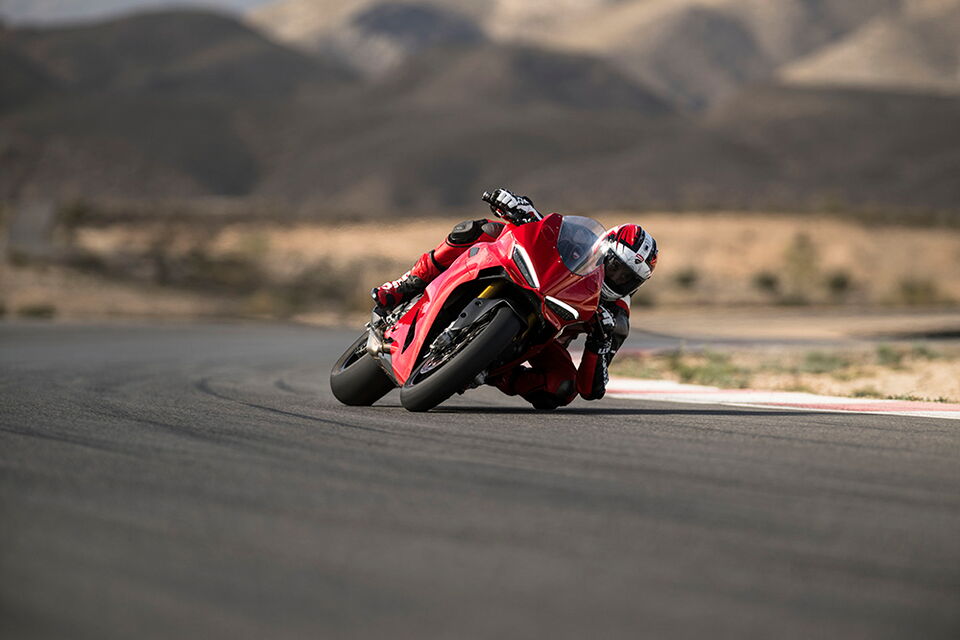
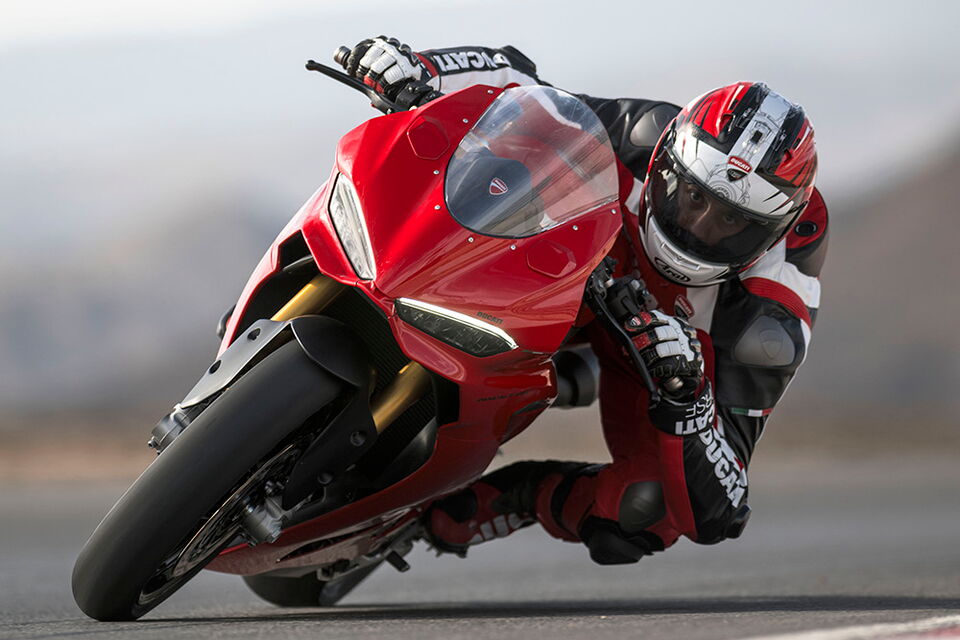
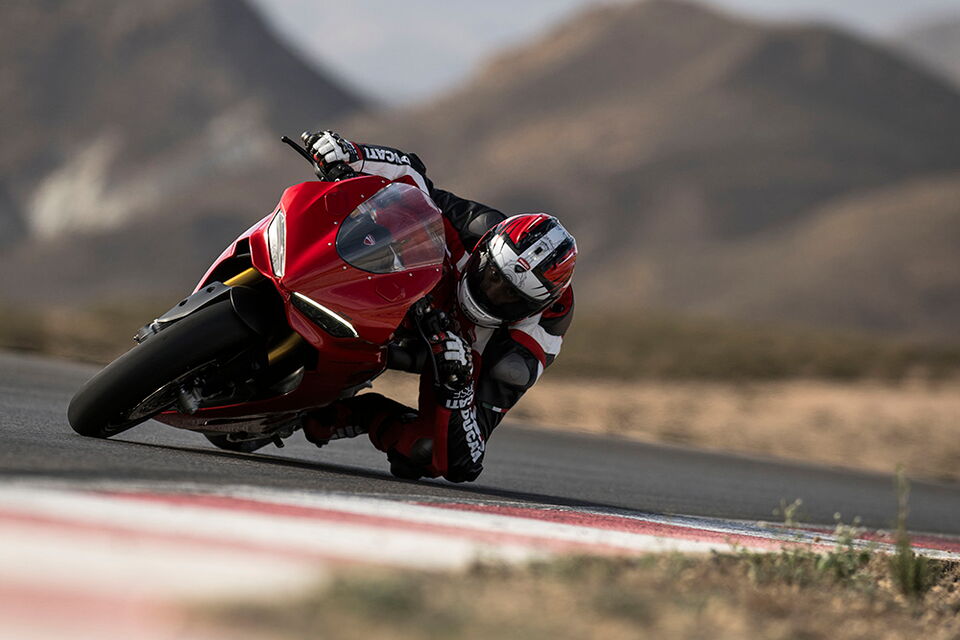
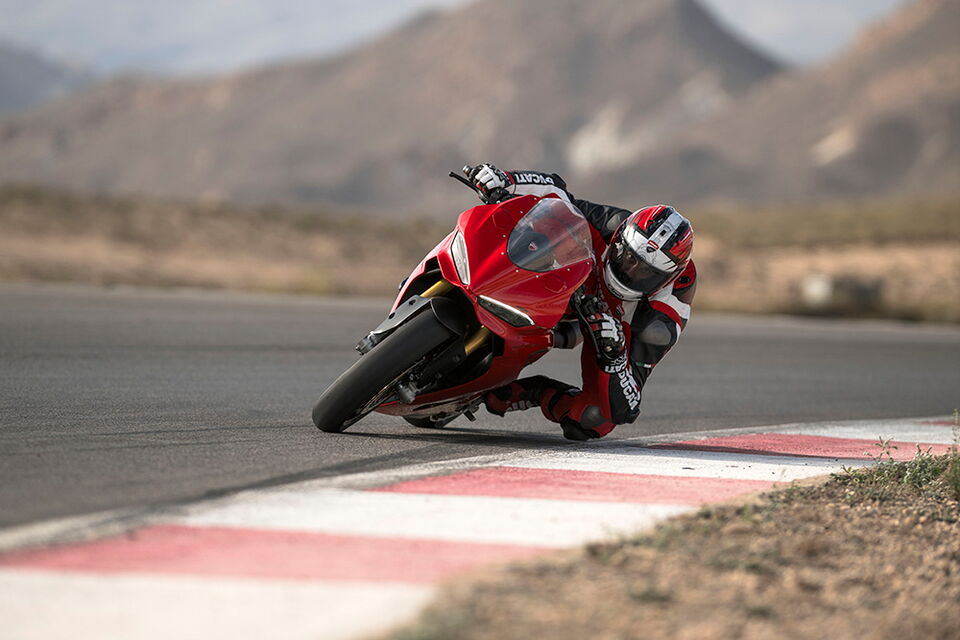
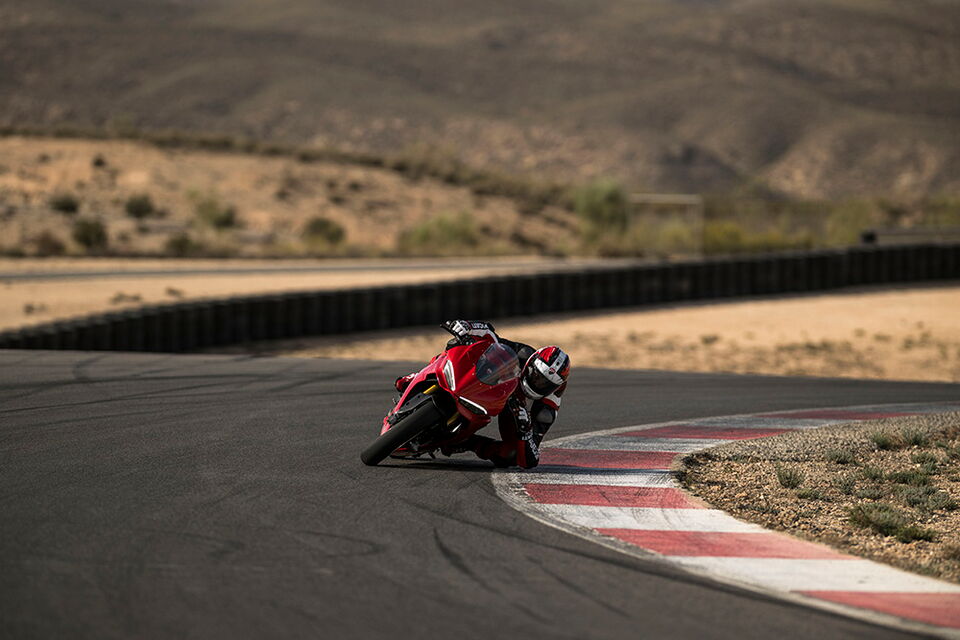
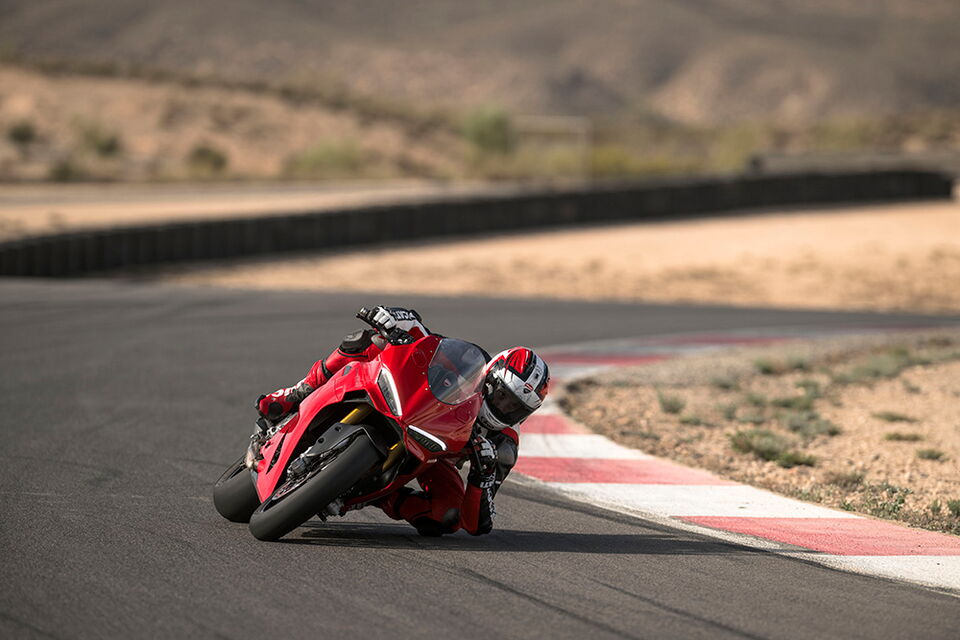
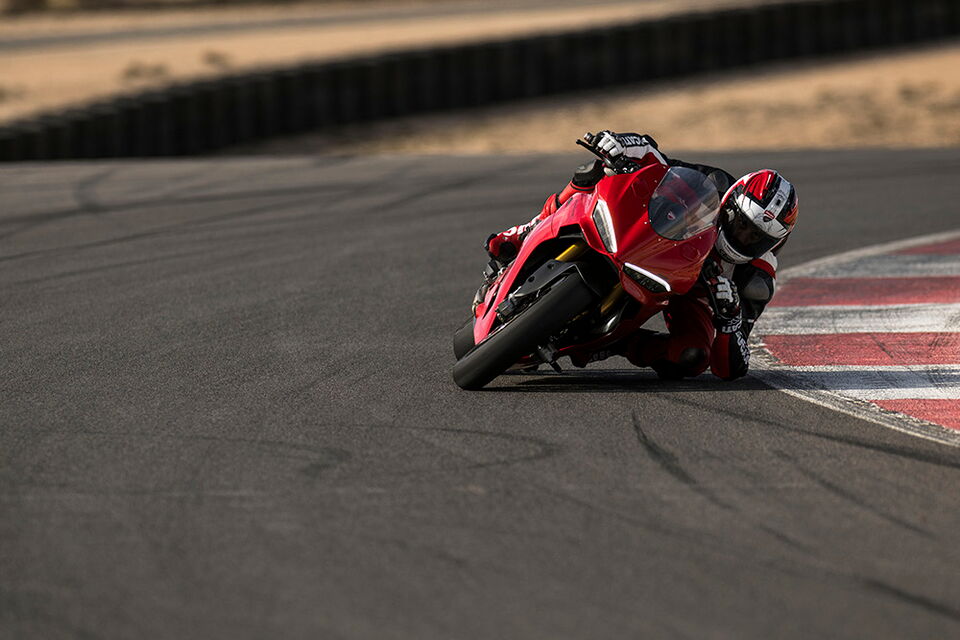
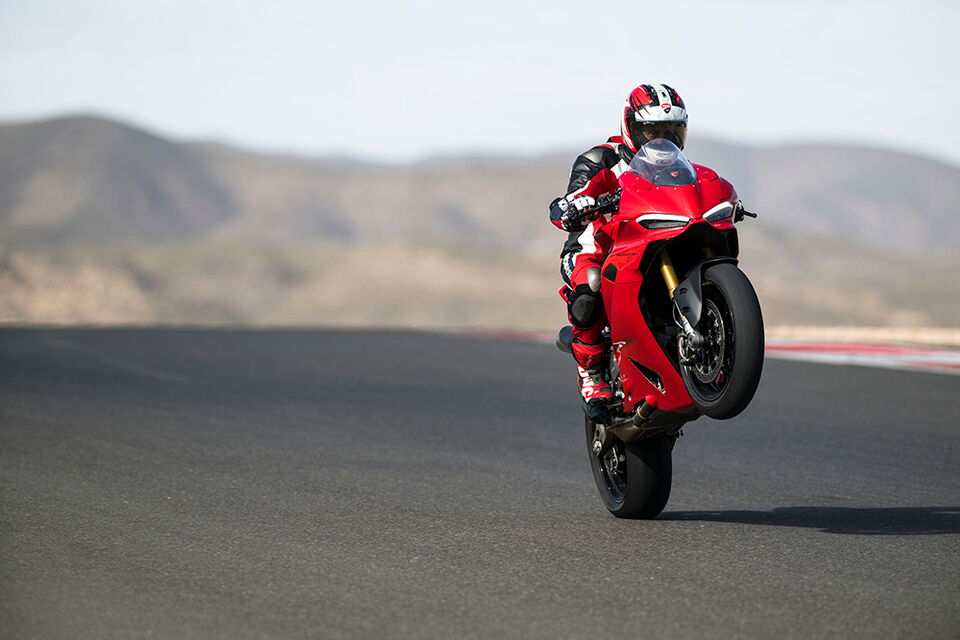
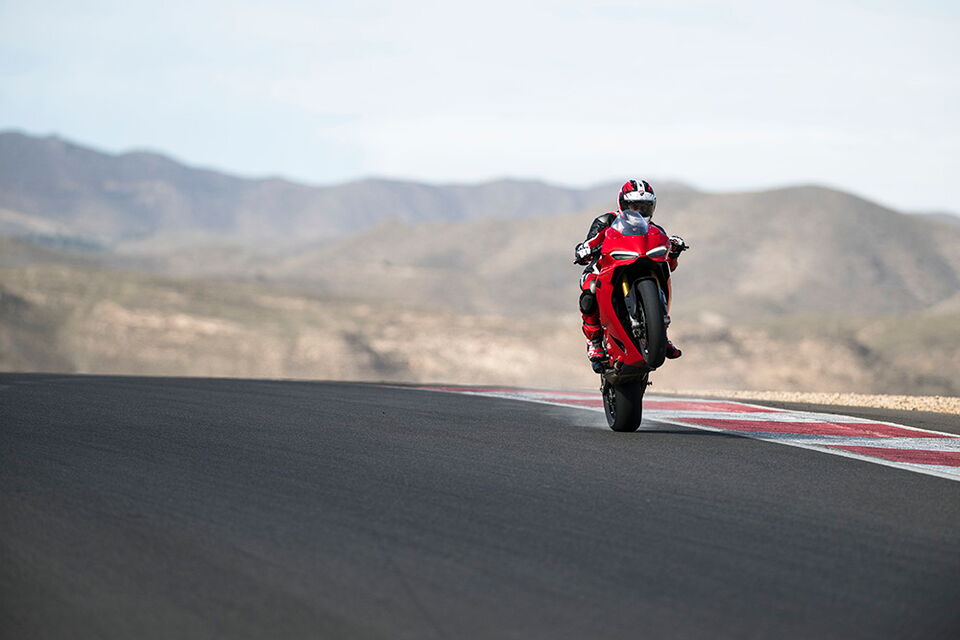
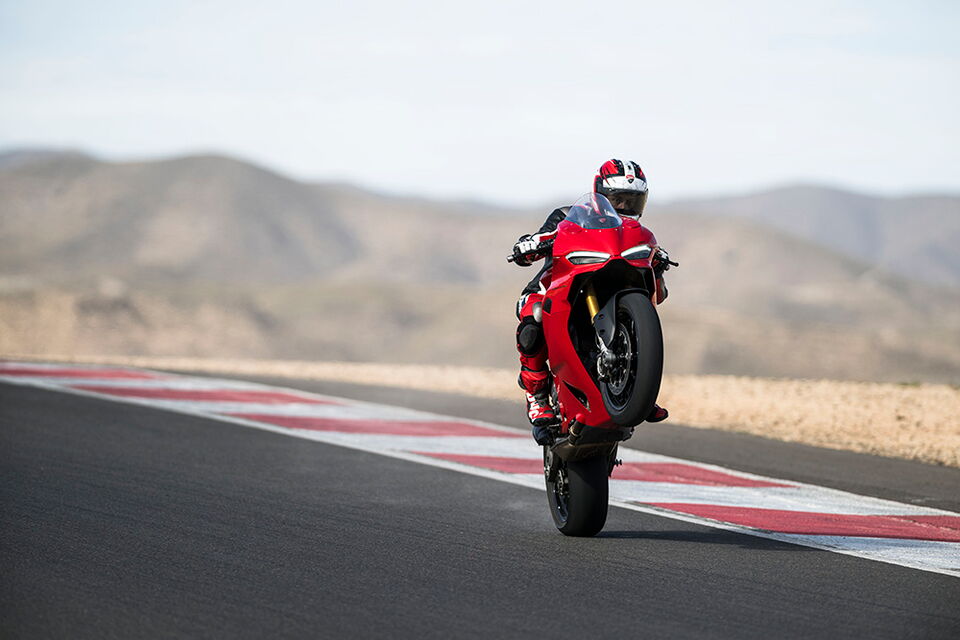
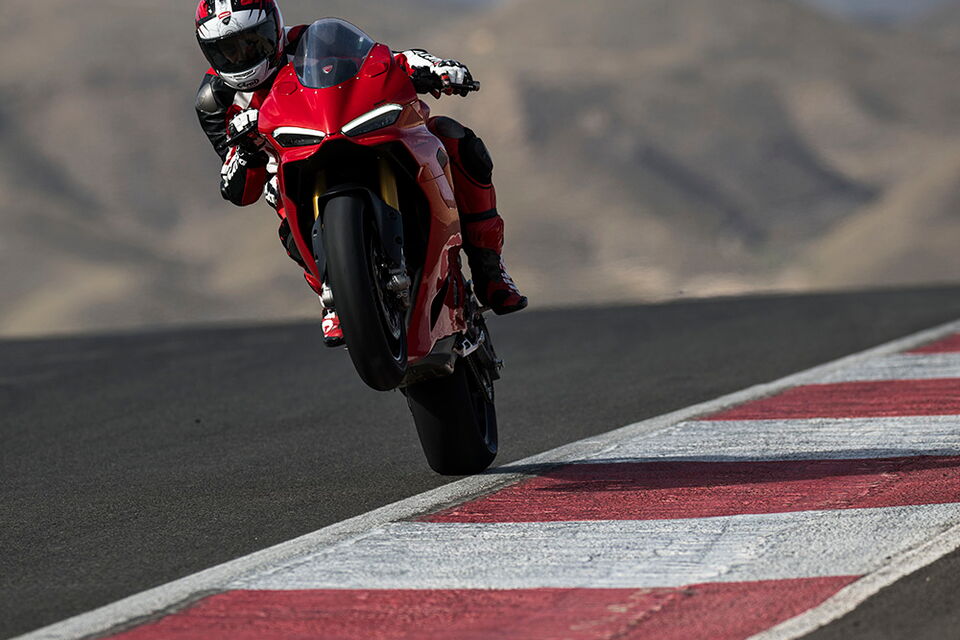
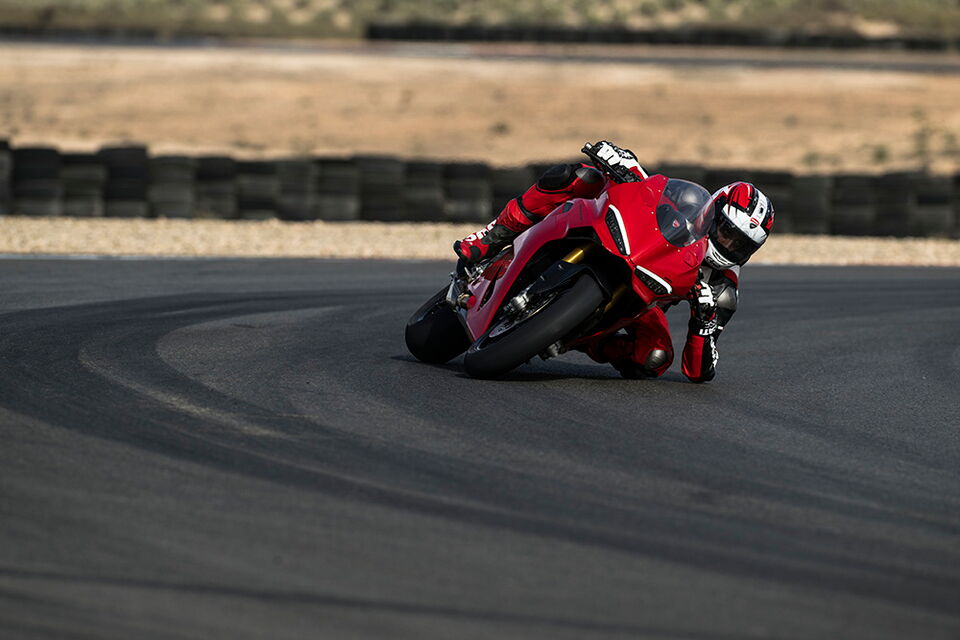
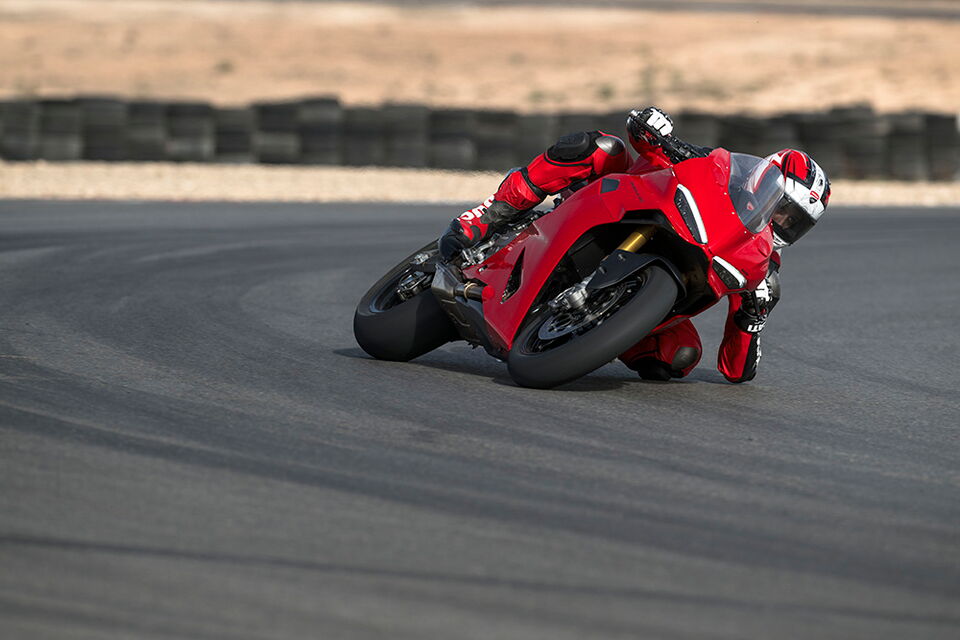
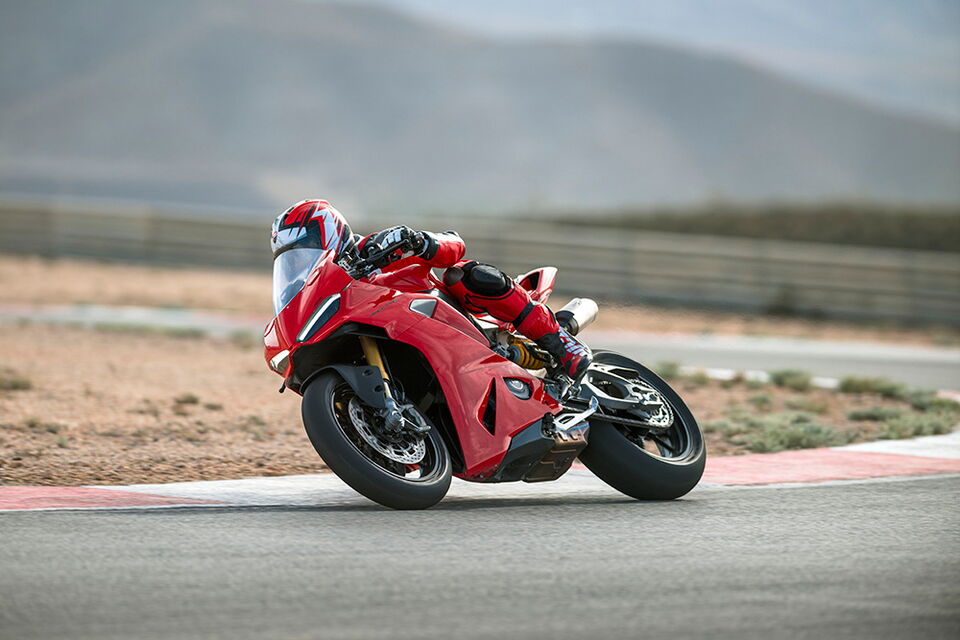

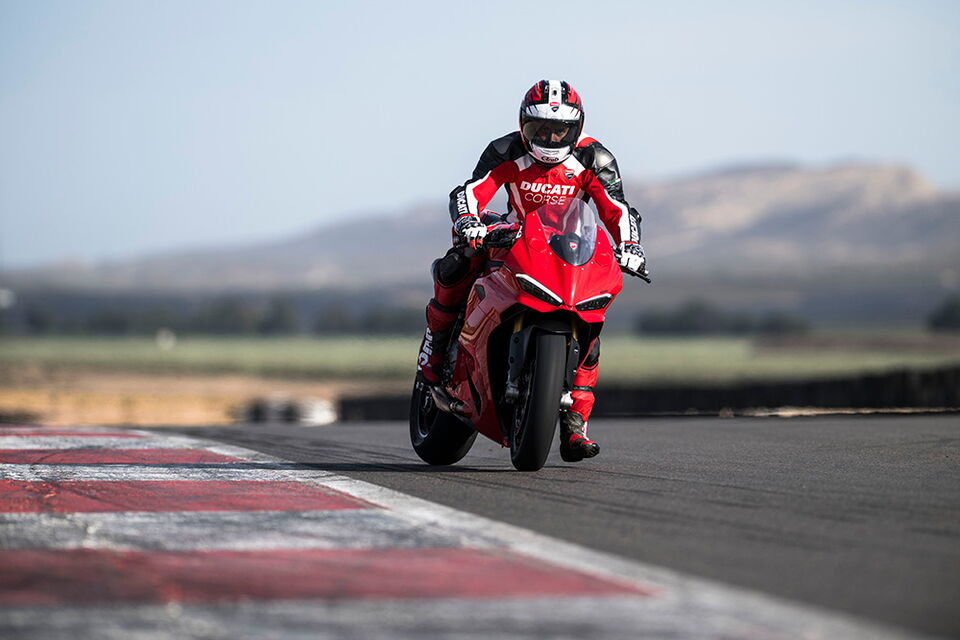
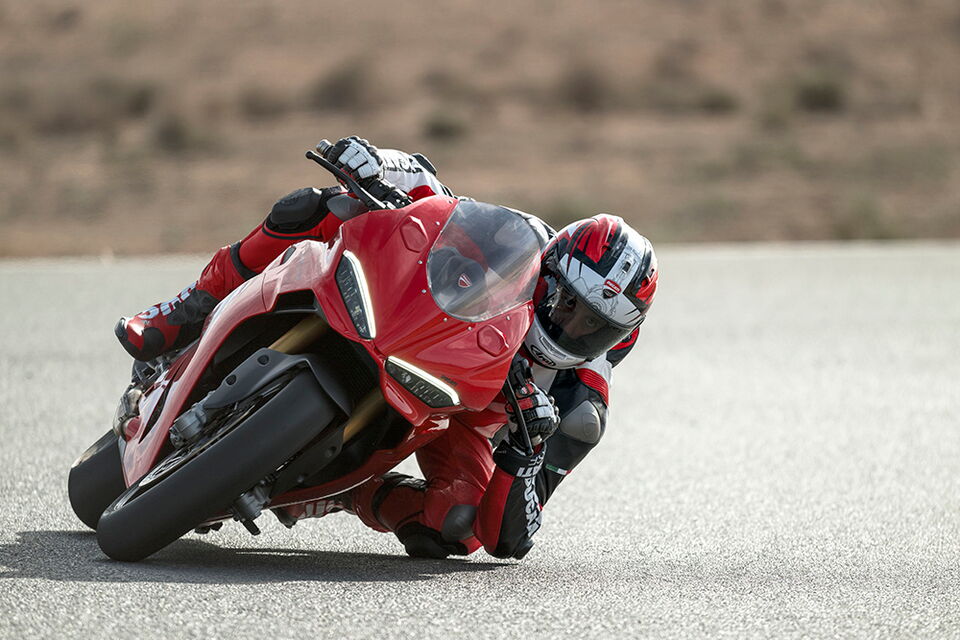
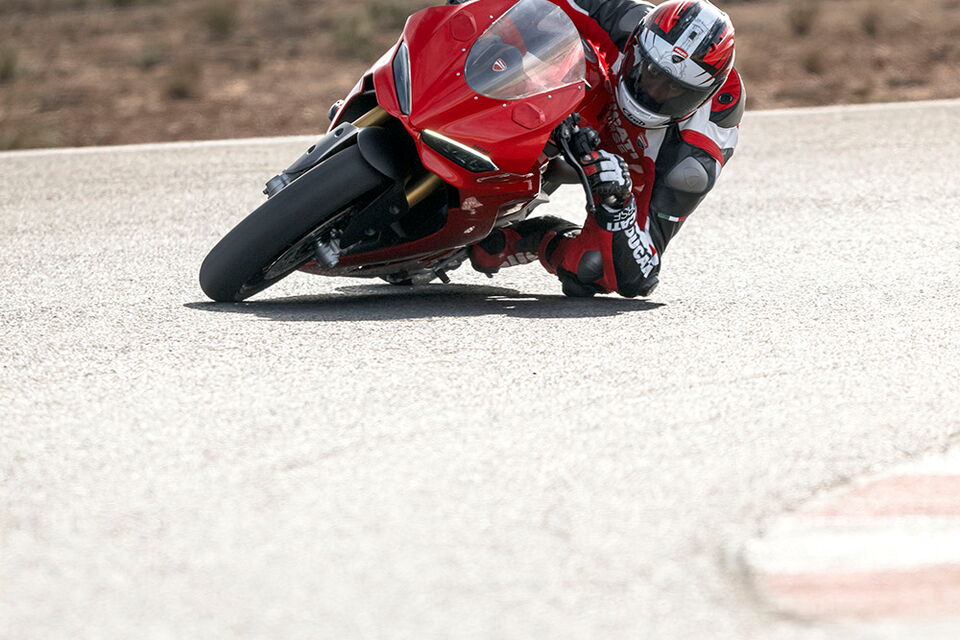

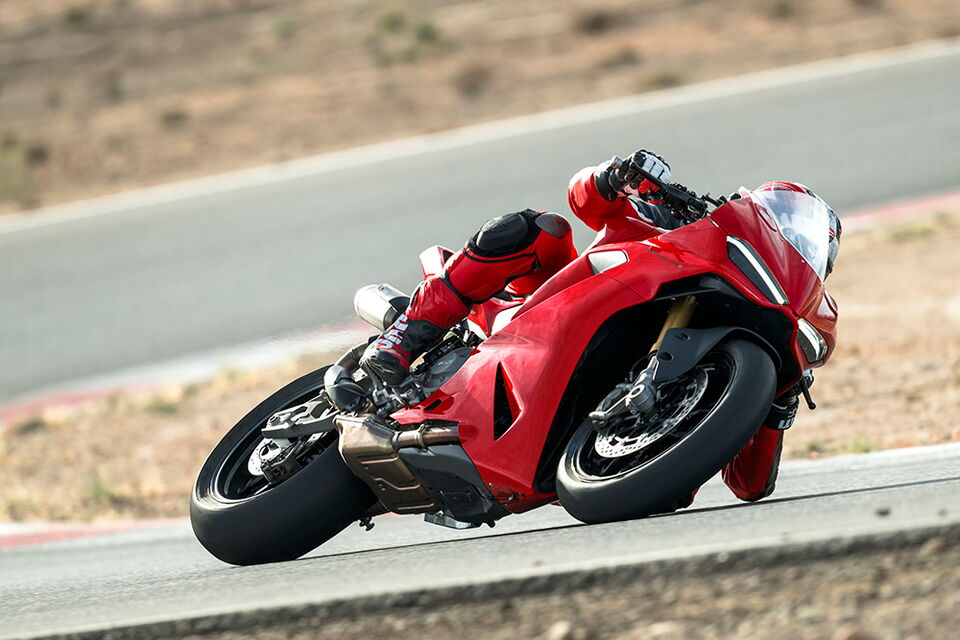
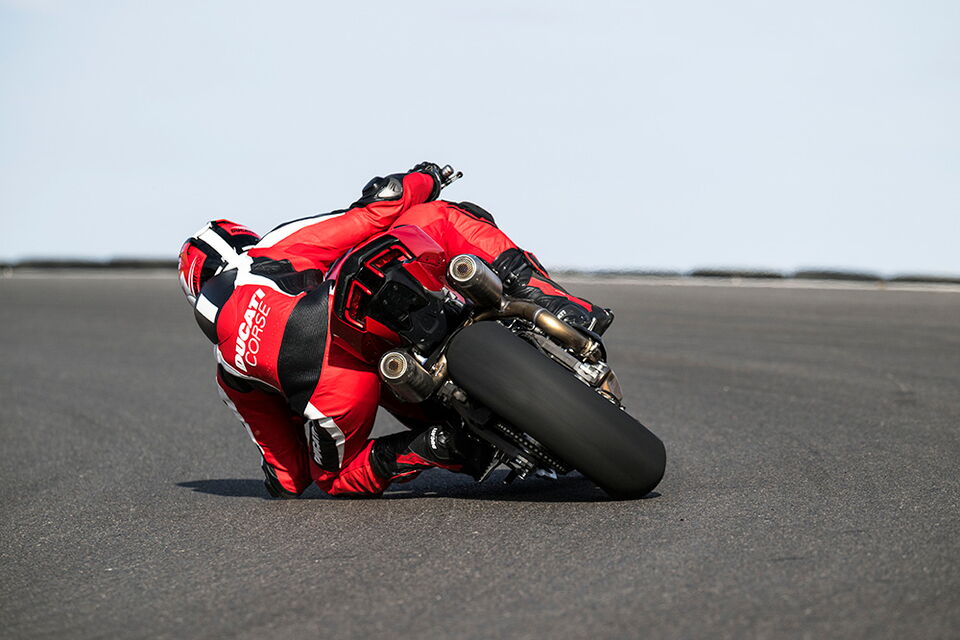
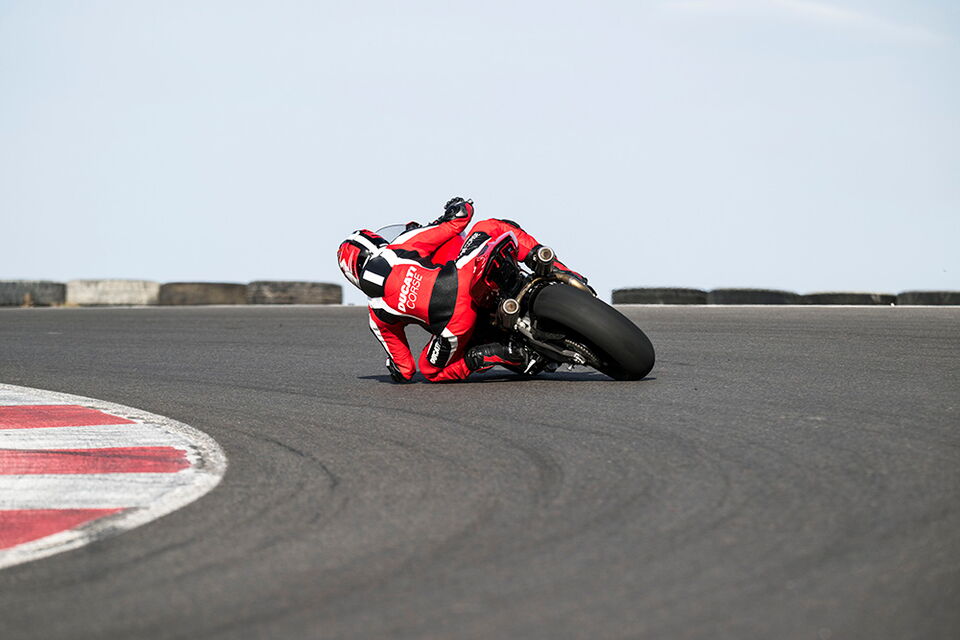
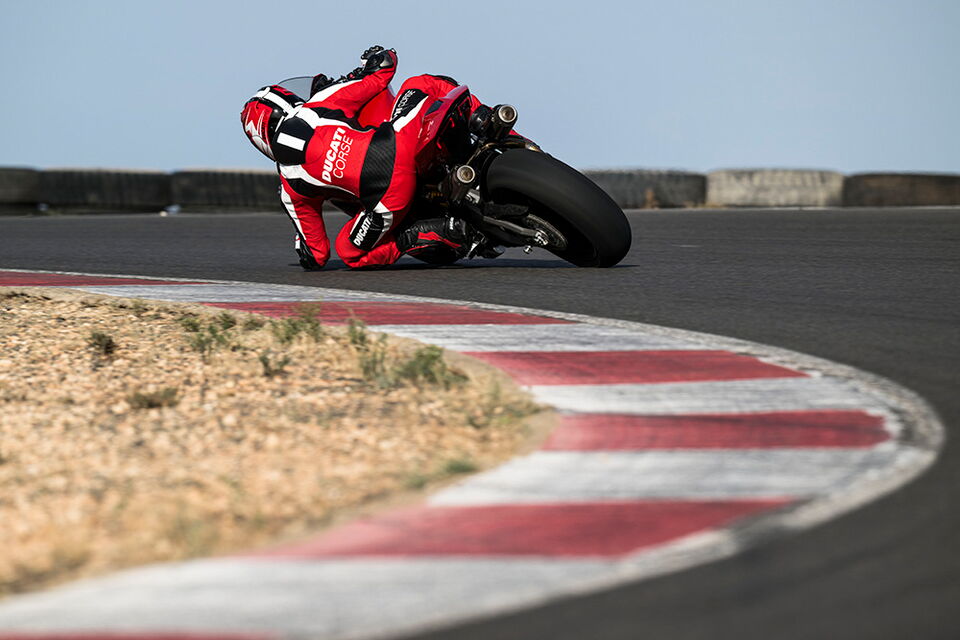
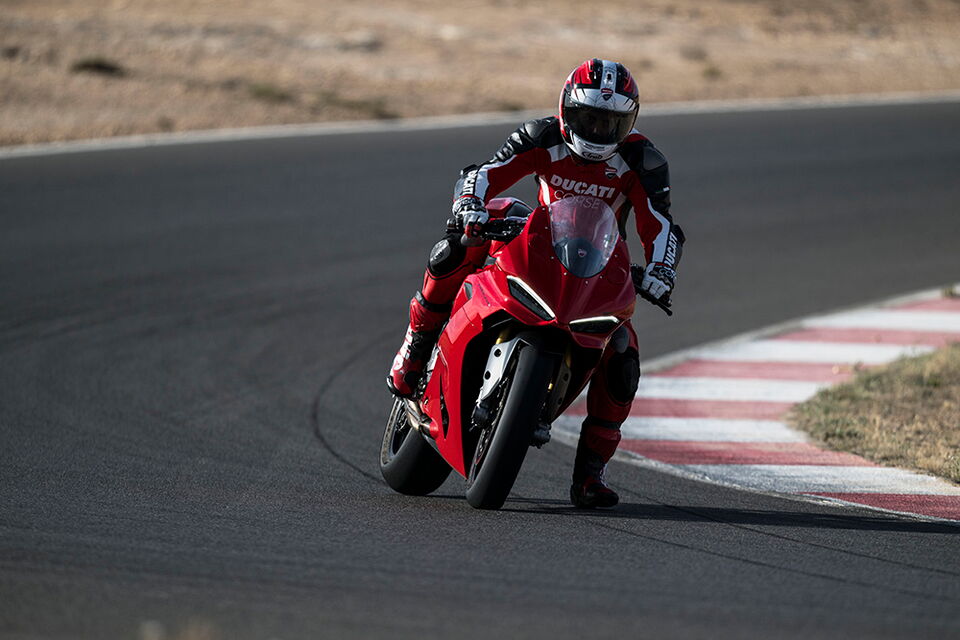
2025 MOTORRAD Motorcycle of the Year: A Class Victory That Was No Accident
The Panigale V2—and therefore the V2 S as the top version—won the sportbike category up to 990 cc in MOTORRAD’s readers’ poll. That is the most relevant external verdict on this model generation: not an editorial test involving a handful of riders, but the decision of a broad readership familiar with motorcycles through their own riding experience. The class victory confirms what Ducati’s own Vallelunga comparison test showed: the new Panigale V2 delivers similar lap times to its predecessor while weighing 17 kg less.
176 kg: What That Number Means on the Track
176 kg ready to ride without fuel. That is the weight of the Panigale V2 S. Its predecessor weighed 193 kg dry. A 17 kg difference is something you can feel on the racetrack and on winding backroads. The motorcycle drops into corners more easily, responds more directly to body-weight shifts, and changes direction through tight turns with less physical effort. Test riders describe the V2 S as a motorcycle that can even put a smile on the face of performance-spoiled V4 riders—because you do not need huge horsepower when the weight is right.
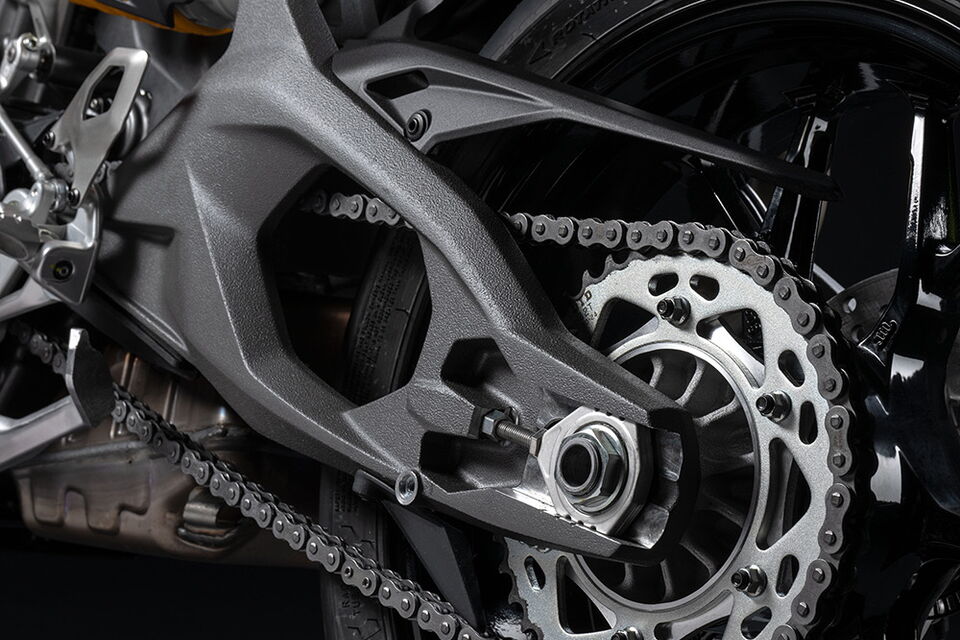
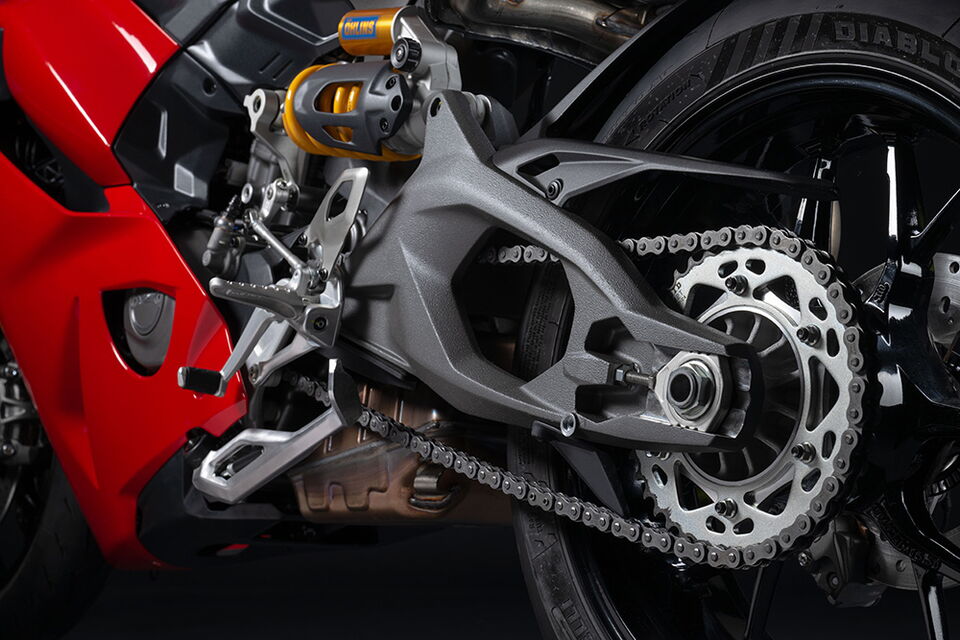
For comparison, the Yamaha R7 weighs 188 kg and the Honda CBR600RR 186 kg. The Panigale V2 S is the lightest motorcycle in this class from a major European manufacturer. That figure is no accident. For this generation, Ducati developed the Panigale from the ground up rather than deriving it from a Supersport World Championship motorcycle. That made possible the new 890 cc V-twin, which is 9.4 kg lighter than the old Superquadro, the aluminum rear structure instead of a tubular-steel design, and the S version’s slim single-seat configuration.
Engine: 890 cc, IVT, No Desmo—and Why That Was the Right Decision
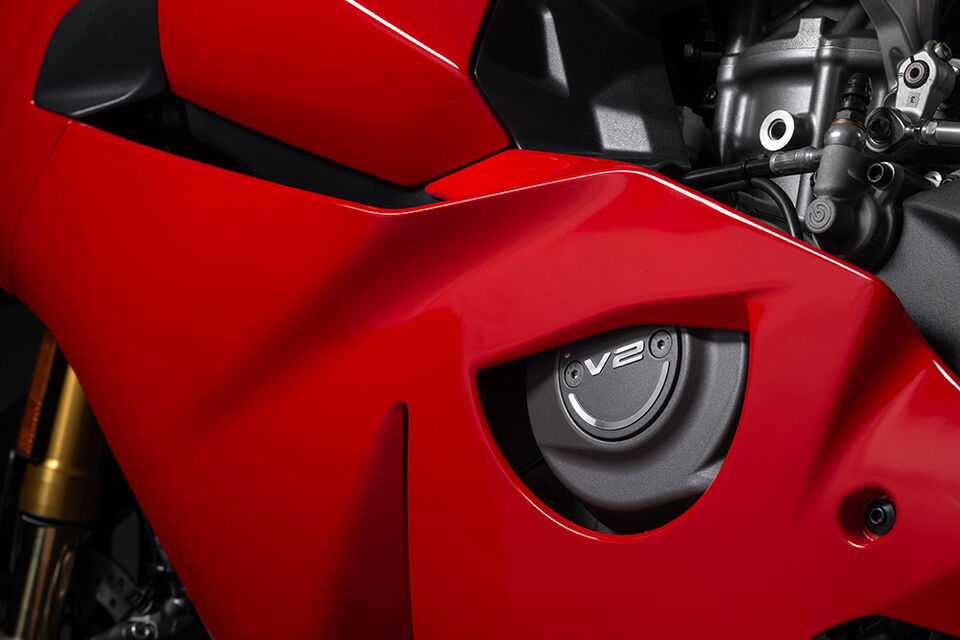
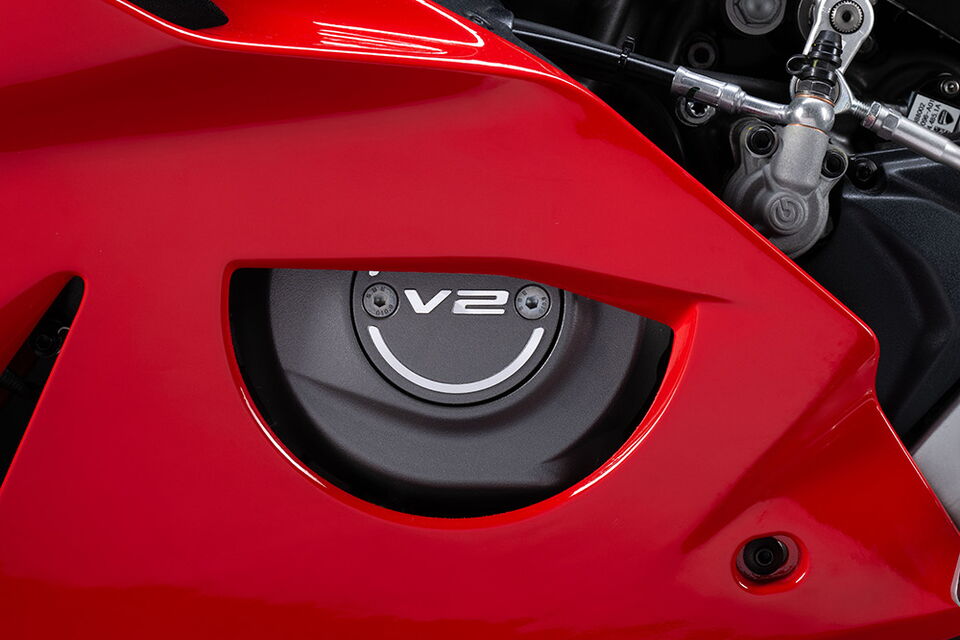
890 cc, variable intake-valve timing with IVT, conventional valve springs, 120 hp at 10,750 rpm, 93.3 Nm at 8,250 rpm. Abandoning desmodromic valve actuation was the boldest decision of this model generation—and the right one. A 45,000 km valve-clearance interval instead of the old Superquadro’s 15,000 km means three times the distance between inspections. For a motorcycle used on both racetrack and backroad, that is not merely a convenience benefit, it is a running-cost calculation.
The engine is specifically calibrated for the Panigale. The gear ratios are optimized for racetrack use, and throttle response is more direct than on the Monster and Multistrada using the same basic engine. Above 7,000 rpm, the engine opens up and delivers its 120 hp—more than enough on a circuit such as Mugello or on a tight Alpine pass.
The beauty of 120 hp and 176 kg is that you can actually use the performance on the road without immediately entering a territory manageable only by racers.
Öhlins NIX30 and TTX36: The Concrete Difference From the Standard V2
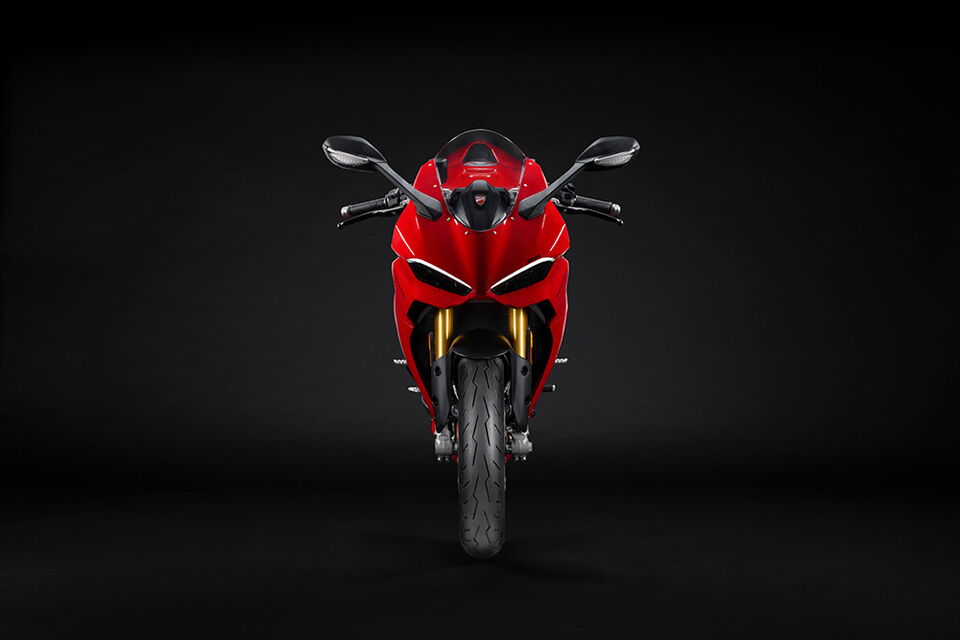
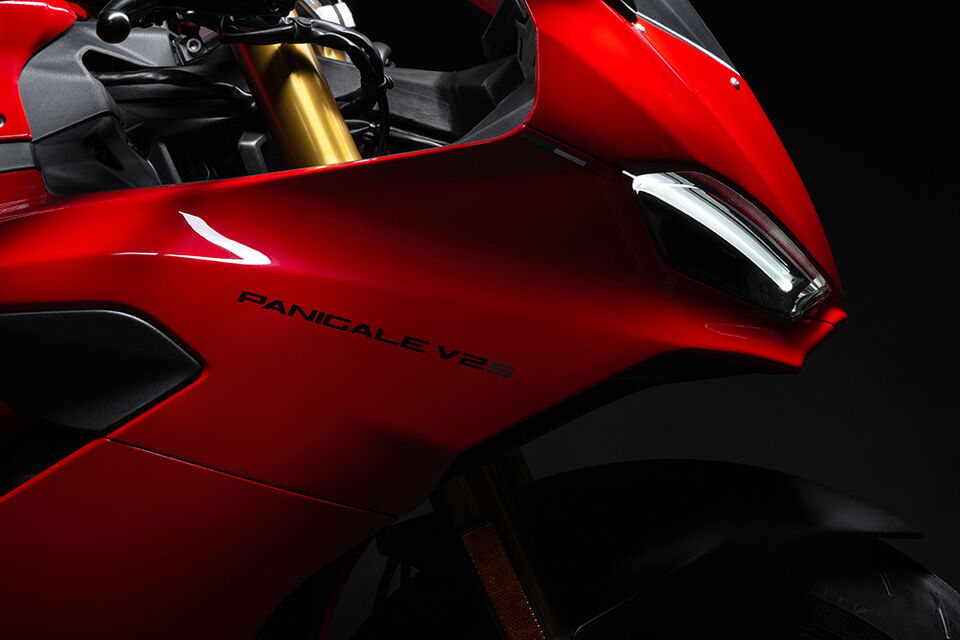
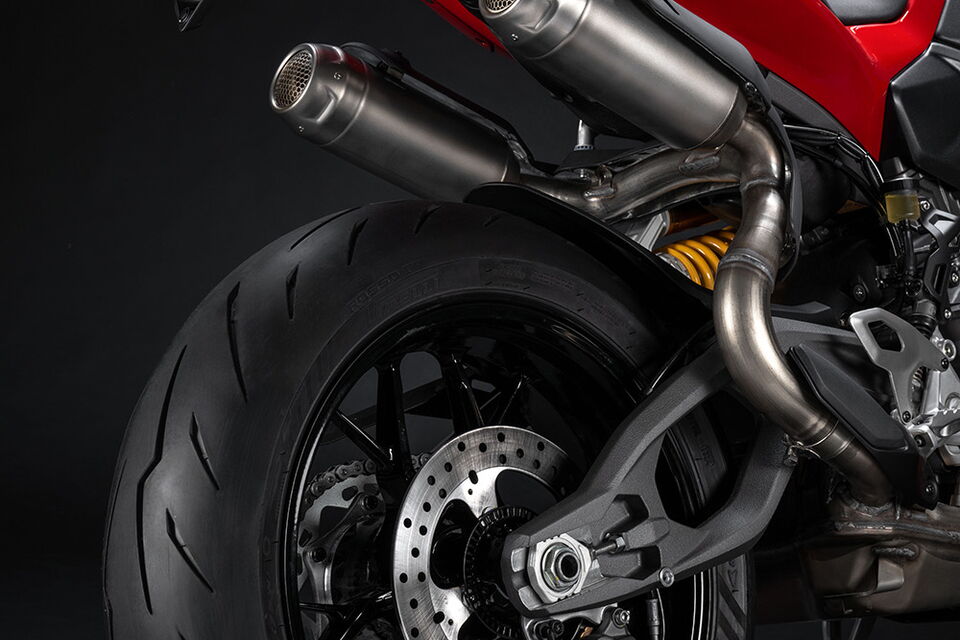
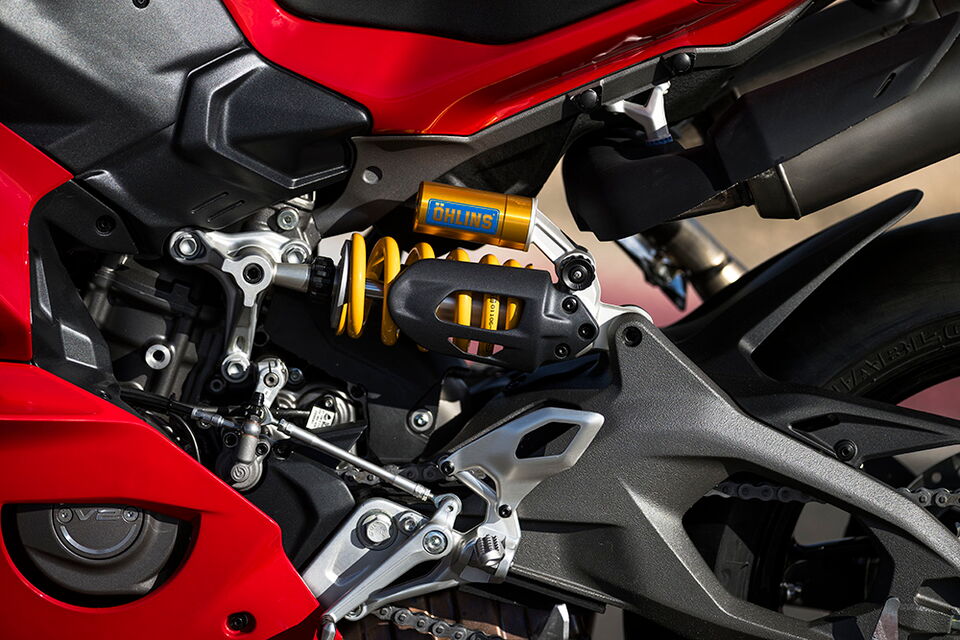
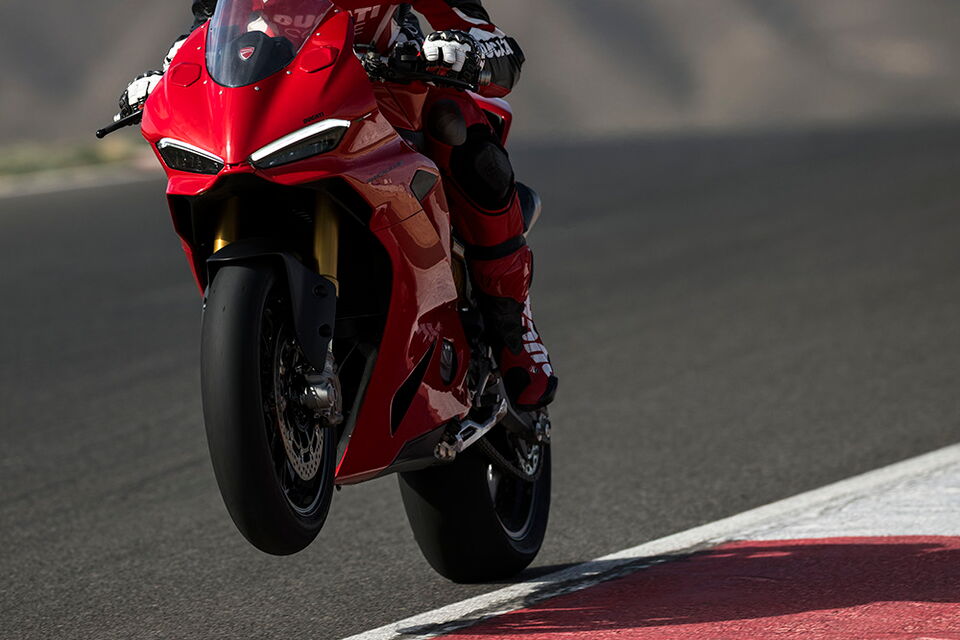
The standard Panigale V2 uses a 43 mm Marzocchi USD fork up front and a Kayaba shock at the rear. Both are fully adjustable, and both are good. The V2 S gets an Öhlins NIX30 fork with TiN coating up front and an Öhlins TTX36 shock at the rear. The NIX30 is the same Öhlins system used on the Streetfighter V2 S in this test series—precise, responsive, and free of any noticeable breakaway friction at low speeds. The TTX36 is regarded as one of the best production shock systems in the supersport segment.
You will not notice the difference on your first ride over dry pavement at moderate speed. You notice it after riding the Panigale for 30 minutes on a racetrack, repeatedly braking hard and loading the suspension at lean. The Öhlins suspension remains more consistent, while a standard suspension begins to react subtly differently as temperatures rise. For street riders, the standard V2’s Marzocchi-Kayaba setup is entirely sufficient. For anyone doing trackdays: S.
Brembo M50: Not M4.32, but M50
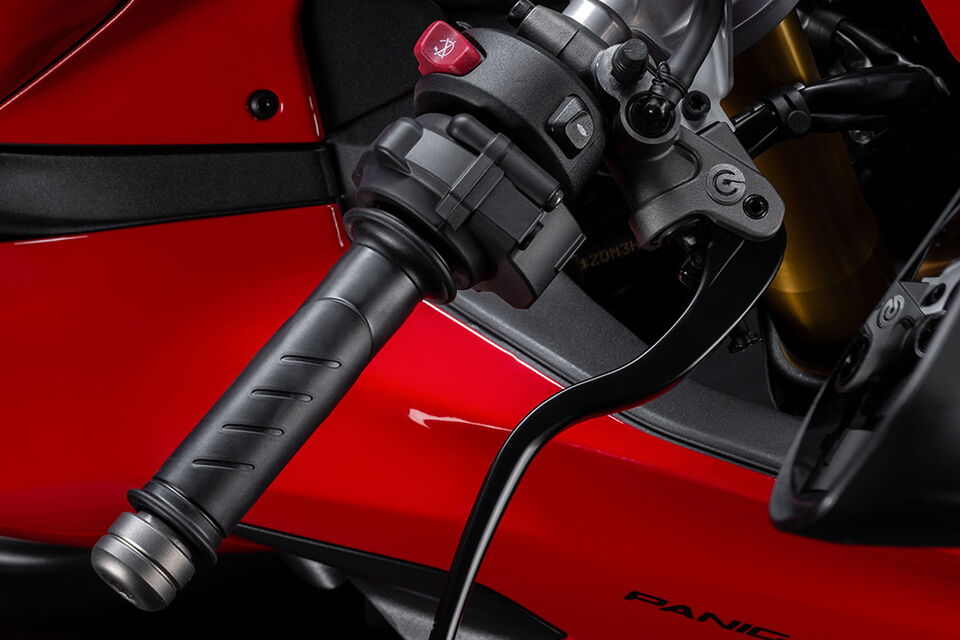
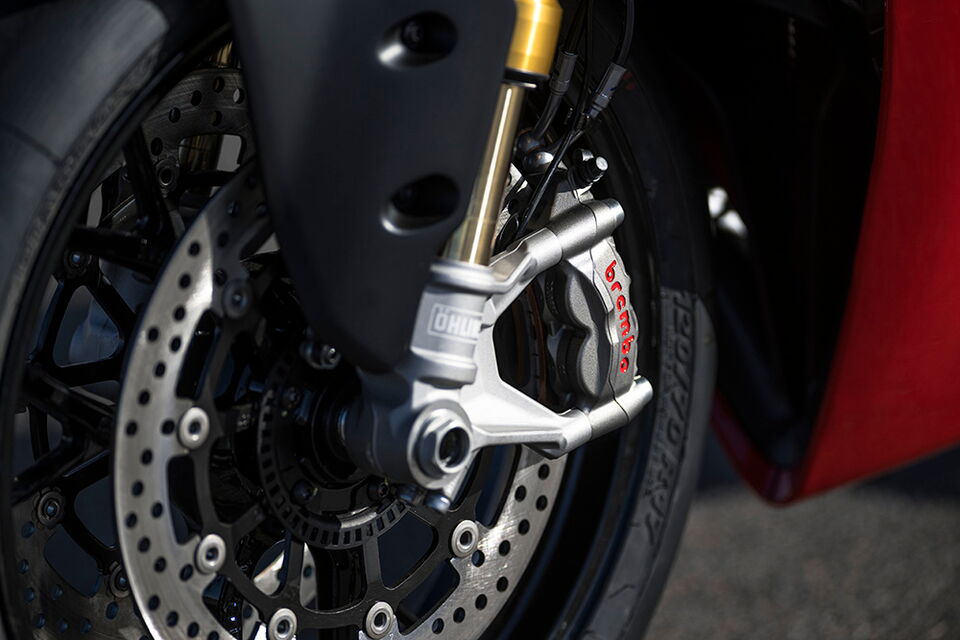
The standard Panigale V2 uses Brembo M4.32 brake calipers. The V2 S gets Brembo M50s—the same calipers used on the Panigale V4 R. The M50 is lighter than the M4.32 and uses a more spacious piston layout that allows better heat dissipation during repeated hard braking.
On the road, the difference is barely noticeable. On the track after five laps of full-force braking, you can feel it. Dual 320 mm front discs, a 245 mm rear disc, and Bosch Cornering ABS complete the package.
Single-Seat Configuration, Lithium Battery, DPL, Pit Limiter
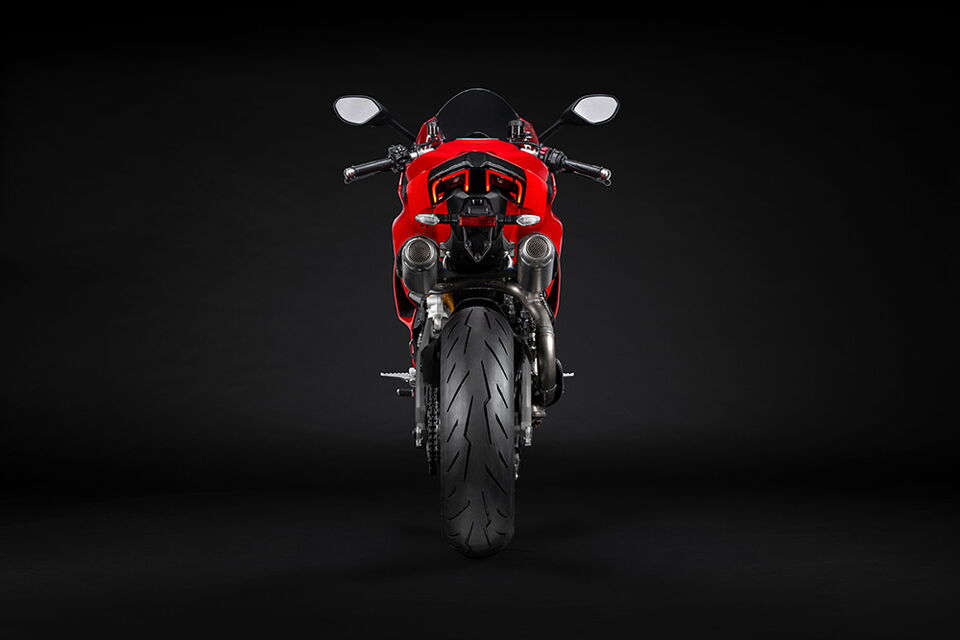
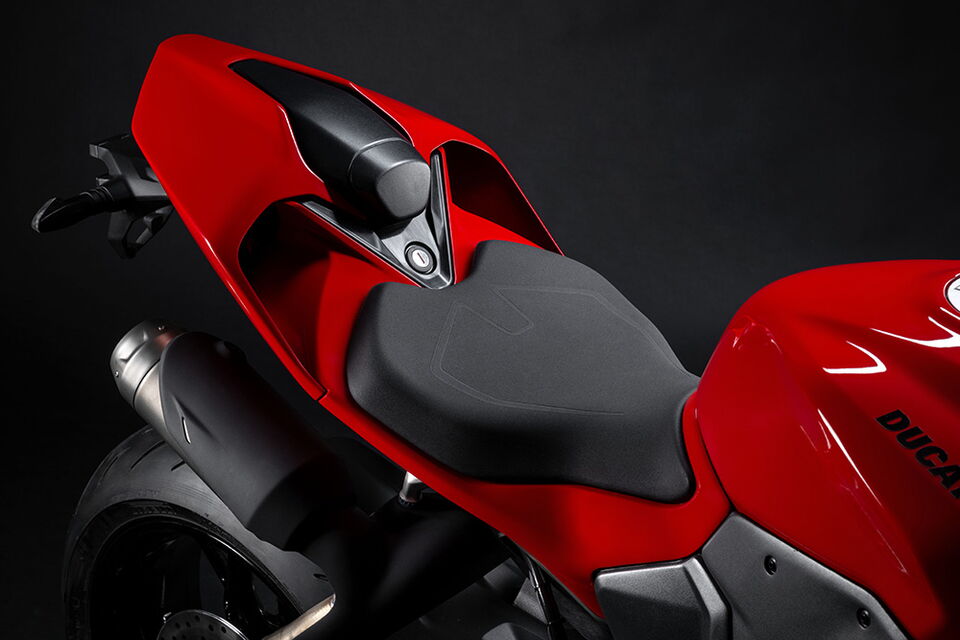
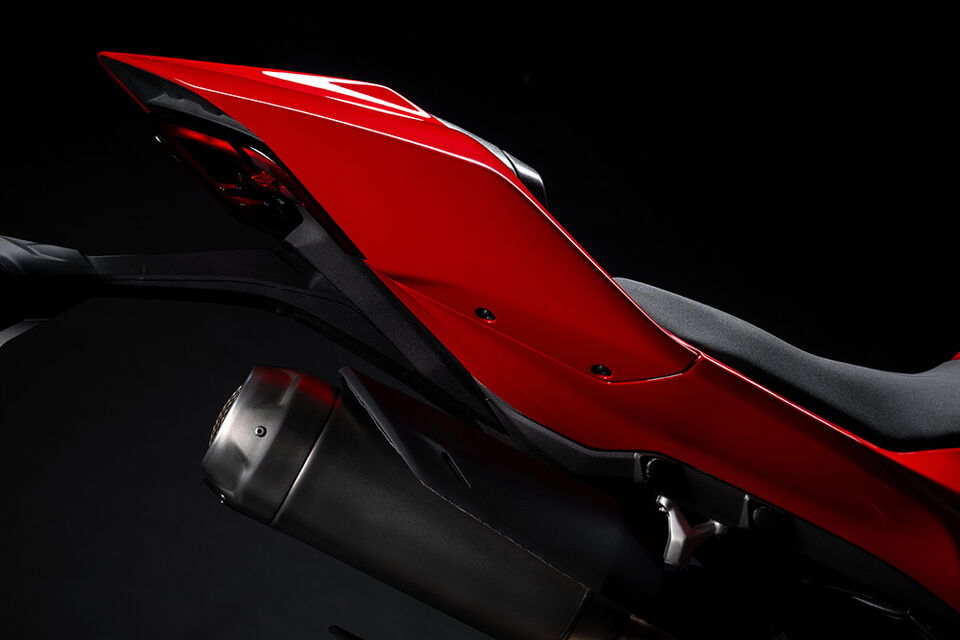
The V2 S comes from the factory as a single-seater, with a passenger seat available as an accessory. That is consistent with the concept. A motorcycle optimized to weigh 176 kg does not need approximately 5 kg of passenger infrastructure as standard when its primary purpose is solo trackdays and sporting backroad rides.
The lithium-ion battery saves 3 kg compared with a conventional lead-acid battery and accounts for the main weight difference between the V2 at 179 kg and the V2 S at 176 kg.
DPL—Ducati Power Launch—is the launch-control system for hard starts without excessive wheelies. The Pit Limiter restricts speed in the pit lane. Both are standard equipment aimed at trackday riders and serve as reminders of who this motorcycle was built for.
The 5-inch TFT provides three display modes: Road, Road Pro, and Track. In Track mode, the display focuses on lap times and performance parameters.
Tyrol: The Panigale V2 S Is Not Allowed
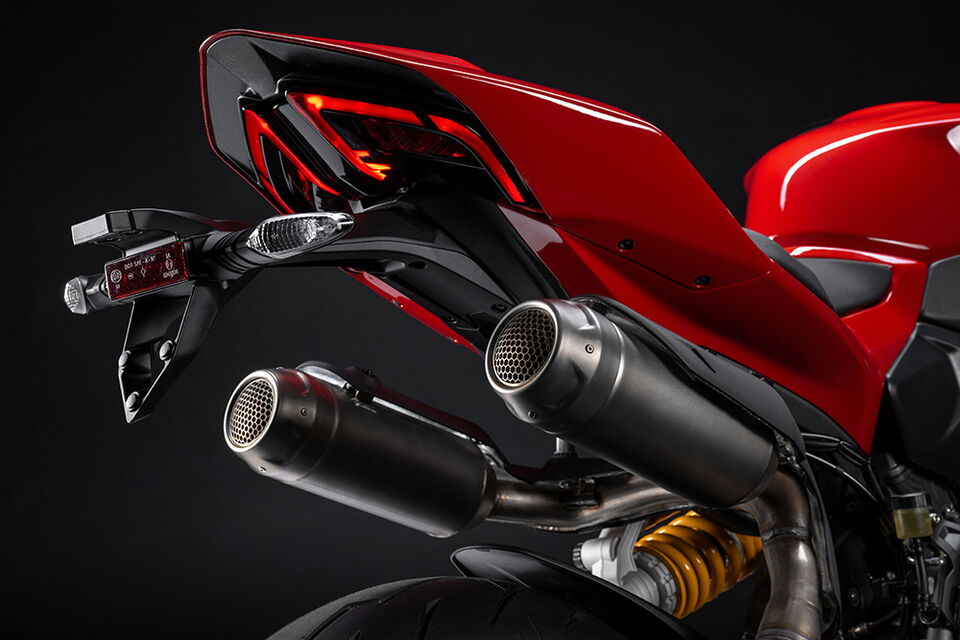
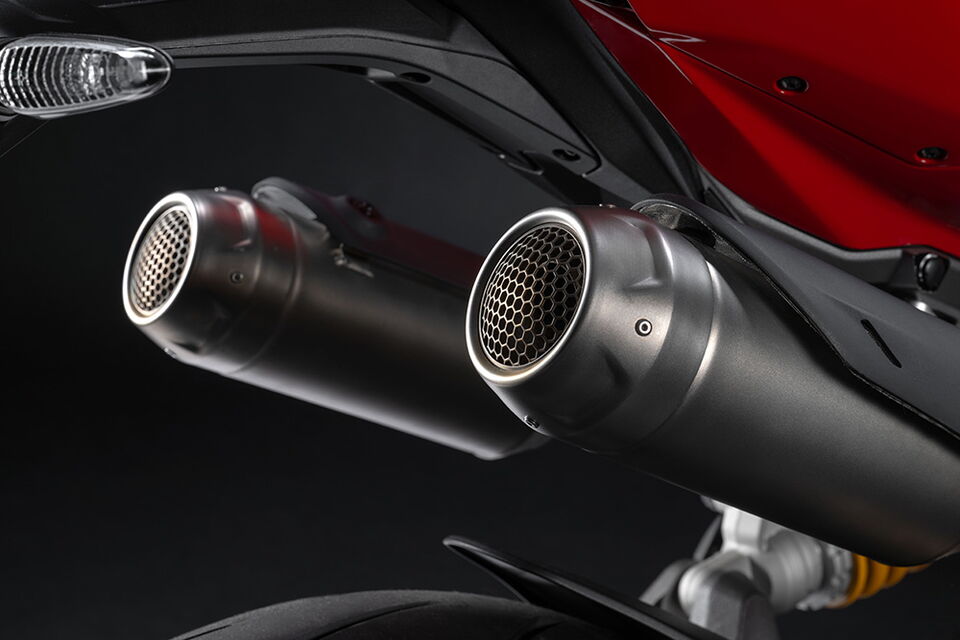
The Panigale V2 S has a stationary noise rating above 95 dB(A). Tyrol’s limit is 95 dB(A). The Panigale V2 S is therefore prohibited on restricted Tyrolean roads.
That is the clear limitation of a sportbike like this. If Alpine riding in Tyrol is part of your plans, choose the Multistrada V2 at 93 dB(A) or the V4 Rally at 94 dB(A).
V2 S vs.Standard V2: €2,600 for Öhlins, M50, and Lithium
The standard V2, from €16,590, comes with a Marzocchi USD fork, Kayaba shock, Brembo M4.32 calipers, 179 kg weight, conventional battery, and passenger seat standard. The V2 S, from €19,190, gets Öhlins NIX30/TTX36 suspension, Brembo M50 calipers, 176 kg weight, lithium-ion battery, and a single-seat configuration.
If you primarily ride on the road and plan only occasional trackdays, the standard V2 is enough. If you regularly ride racetrack sessions and want to consistently fine-tune the suspension, choose the S.
Verdict
The 2026 Ducati Panigale V2 S is the most uncompromising version of the lightest Panigale ever built: 176 kg, Öhlins NIX30/TTX36, Brembo M50, lithium battery, single-seat configuration. 2025 MOTORRAD Motorcycle of the Year class winner. 45,000 km valve-clearance interval, no Desmo, two-year warranty. From €19,190.
Stationary noise above 95 dB(A) means a Tyrol riding ban. This is the motorcycle for riders who want a Panigale and actually intend to ride it—not just park it.
Quick Check
+ 2025 MOTORRAD Motorcycle of the Year: class winner in the sportbike category up to 990 cc; 176 kg ready to ride without fuel, making it the lightest Panigale ever, 17 kg lighter than predecessor and 3 kg lighter than standard V2 thanks to lithium battery; 43 mm Öhlins NIX30 USD fork with TiN coating, fully adjustable; Öhlins TTX36 shock, fully adjustable; Brembo M50 monobloc calipers, not M4.32 as on standard V2, with 320 mm discs
+ 890 cc V-twin; IVT; no Desmo; 120 hp at 10,750 rpm; 93.3 Nm at 8,250 rpm; 45,000 km valve-clearance interval versus 15,000 km on old Superquadro Desmo; Euro 5+; DQS 2.0; Bosch Cornering ABS; DTC; DWC; EBC; DPL Ducati Power Launch; Pit Limiter; Lap Timer; 5-inch TFT with Road/Road Pro/Track modes; lithium-ion battery standard
+ Single-seat configuration standard, consistent with trackday use; passenger setup available as an accessory; 837 mm seat height; aluminum double-sided swingarm; 15-liter fuel tank; Pirelli Diablo Rosso IV in 120/70 ZR17 front / 190/55 ZR17 rear sizes; A2 restriction available at 35 kW; Vallelunga test showed similar lap times to predecessor despite 17 kg weight reduction; from €19,190
– Stationary noise above 95 dB(A): Tyrol riding ban applies, with the 93 dB(A) Multistrada V2 as a Tyrol-compatible alternative; 2-year warranty, not four years as on the Multistrada/DesertX family; 15-liter tank means limited range of approximately 200–250 km, tight for extended backroad rides
– Single-seater standard: passenger setup is an accessory, with no passenger seat from the factory; no touring wind protection; no radar, cruise control, or TFT navigation; sporting riding position is not suitable for long-distance everyday use; increased heat buildup during city riding due to the V2 engine being enclosed within tight bodywork
– €2,600 premium over standard V2 is difficult to justify for pure street riders without trackday ambitions; Yamaha R9 at around €13,700 and Honda CBR600RR at around €13,200 are less expensive alternatives; Kawasaki ZX-6R at around €13,200 offers more power at 130 hp
Technical Specifications: Ducati Panigale V2 S (2026)
Make / Model: Ducati Panigale V2 S (2026; 2025/2026 generation; unchanged); standard version: Panigale V2, covered in a separate review; manufacturer: Ducati Motor Holding S.p.A.
Award: 2025 MOTORRAD Motorcycle of the Year: class winner in the sportbike category up to 990 cc
V2 S vs. Standard V2: S: Öhlins NIX30/TTX36, Brembo M50, lithium battery, 176 kg, single-seat configuration standard. Standard: Marzocchi USD, Kayaba shock, Brembo M4.32, 179 kg, passenger seat standard. Engine + brake-disc sizes + electronics identical.
Engine: Liquid-cooled 90-degree V-twin; 890 cc; no Desmo; IVT Intake Variable Timing; six-speed transmission; DQS 2.0; wet multi-plate clutch; Euro 5+; A2 restriction available at 35 kW
Power / Torque: 120 hp (88 kW) at 10,750 rpm; 93.3 Nm at 8,250 rpm
Top Speed / Consumption: Approx. 270 km/h; approx. 6.0–6.5 L/100 km; approx. 230–250 km range with 15-liter tank
Fuel Tank / Weight: 15 liters; 176 kg ready to ride without fuel, 3 kg lighter than standard V2 thanks to lithium battery and 17 kg lighter than predecessor
Transmission / Final Drive: 6-speed; chain drive; DQS 2.0 Up/Down
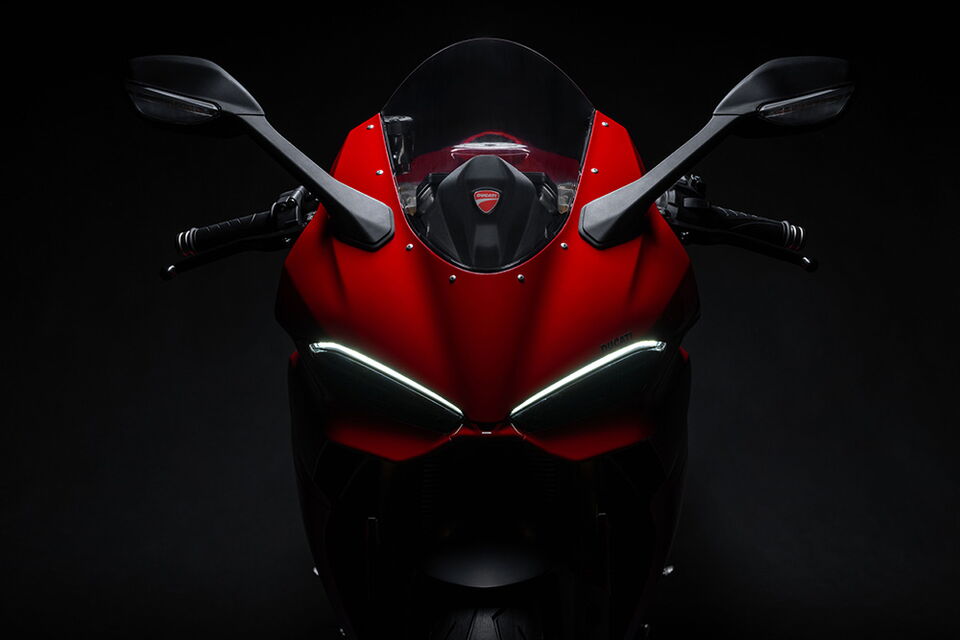
Electronics: Riding Modes; Power Modes—Full/High/Mid/Low; DTC traction control; DWC wheelie control; EBC engine-brake control; Bosch Cornering ABS; DQS 2.0; DPL Ducati Power Launch / Launch Control; Pit Limiter; Lap Timer; 5-inch TFT with Road/Road Pro/Track modes; full LED lighting; DRL; automatic turn-signal cancellation; Coming Home function
Front Suspension, S: Öhlins NIX30 upside-down fork; 43 mm stanchion diameter; TiN coating; fully adjustable for compression, rebound, and spring preload
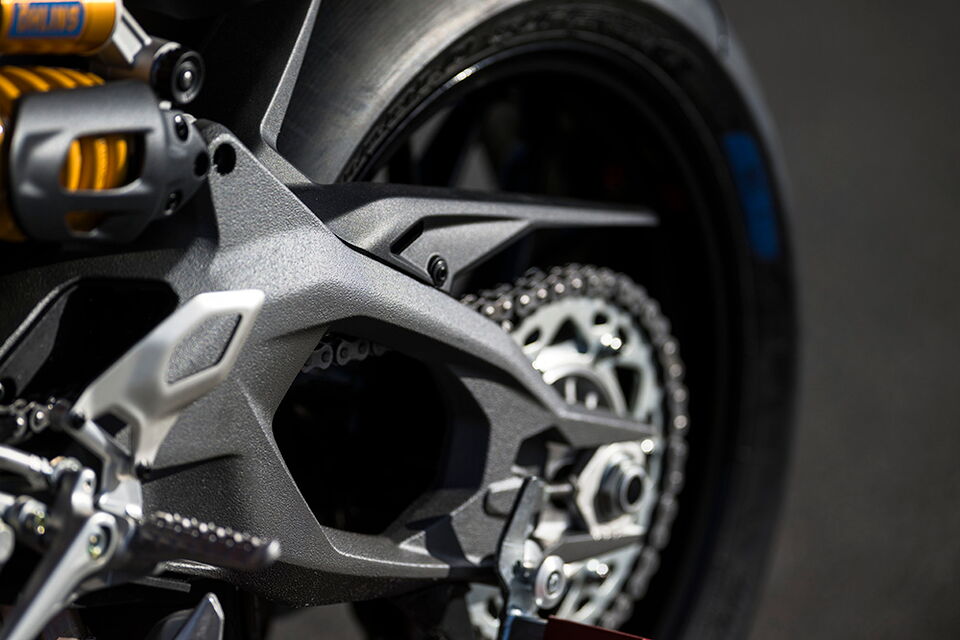
Rear Suspension, S: Öhlins TTX36; fully adjustable; aluminum double-sided swingarm
Standard V2 Suspension: Fully adjustable 43 mm Marzocchi USD fork; fully adjustable Kayaba shock
Front Brake, S: Brembo M50 monobloc calipers; dual 320 mm discs; radial brake master cylinder; Bosch Cornering ABS
Rear Brake: 245 mm disc; two-piston brake caliper; Cornering ABS
Standard V2 Brakes: Brembo M4.32 instead of V2 S M50; otherwise identical
Wheels / Tires: Six-spoke Y-design cast wheels; 17-inch front / 17-inch rear; Pirelli Diablo Rosso IV; 120/70 ZR17 front / 190/55 ZR17 rear; alternative 190/60 rear size for slicks, as used in the Supersport World Championship
Ergonomics: 837 mm seat height; sporting race-oriented riding position with low clip-ons; single-seat configuration standard, passenger setup available as an accessory; no adjustable windscreen
Stationary Noise: Above 95 dB(A)—Tyrol riding ban applies, Tyrol limit 95 dB(A)
Warranty / Service: 2 years, unlimited mileage; valve-clearance inspection every 45,000 km; oil service every 15,000 km / 24 months
2025/2026 Special Editions: Panigale V2 MM93, Marc Márquez: forged wheels, Öhlins steering damper, lower clip-ons, CNC-machined triple clamp, racing windscreen, numbered. Panigale V2 FB63, Pecco Bagnaia: identical technical specification, 2025-season camouflage paint scheme.
Price in Germany: From €19,190 plus €305 destination charges; standard V2 from €16,590