Review Kawasaki Z900RS SE (2026)

Öhlins, Brembo, and Fireball Orange—the Z1 Revival With the Gold Chassis
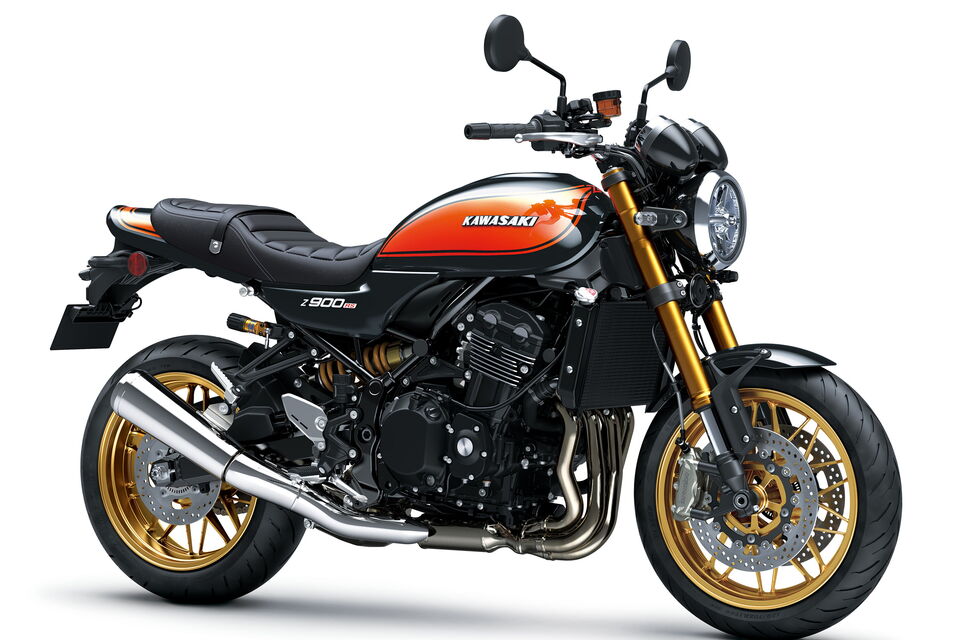
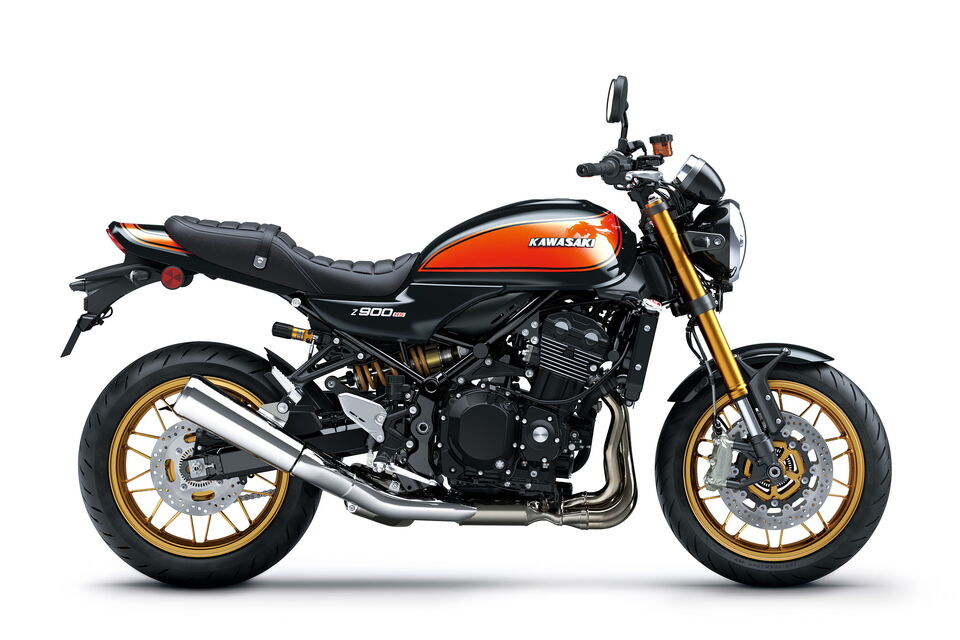
Everything that defines the Z900RS—analog gauges, teardrop tank, megaphone exhaust, ignition key—plus an Öhlins S46, Brembo M4.32 calipers with steel-braided lines, gold fork tubes, gold wheels, and the Fireball color scheme. USB-C is standard. And the seat sits ten millimeters higher than on the base model.
As of: April 15, 2026 | Model: Kawasaki Z900RS SE (2026) | Price: EUR 15,070 including destination | Warranty: 4 years | Stationary noise: 94 dB(A), Tyrol-compliant



What Separates the SE From the Base Model—and What Both Share
The Z900RS SE is not a different motorcycle from the Z900RS. It is the same machine with three targeted upgrades and an unmistakable visual identity. Engine, electronics, geometry, frame, exhaust system, and the complete retro cockpit with analog gauges, LCD, and ignition key remain fully identical. The electronics package Kawasaki developed for model year 2026—six-axis IMU, cornering ABS, cornering management, bidirectional quickshifter, and cruise control—is also the same on both versions.
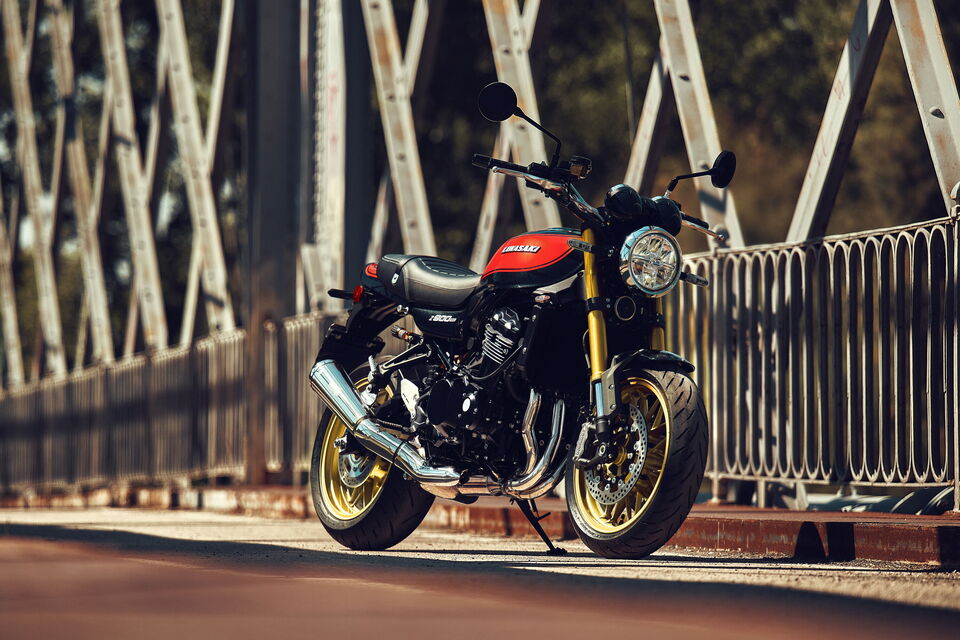
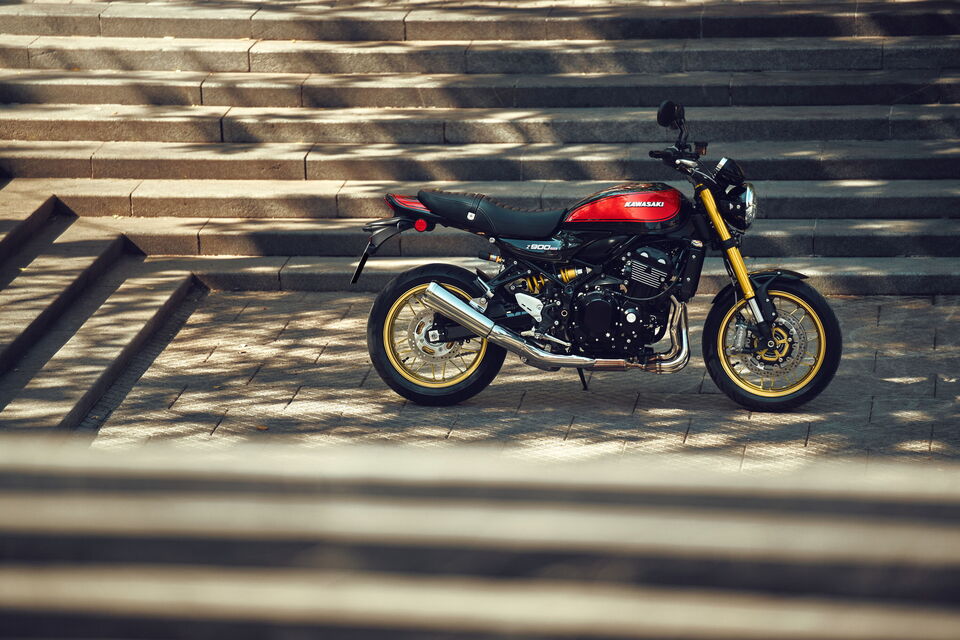
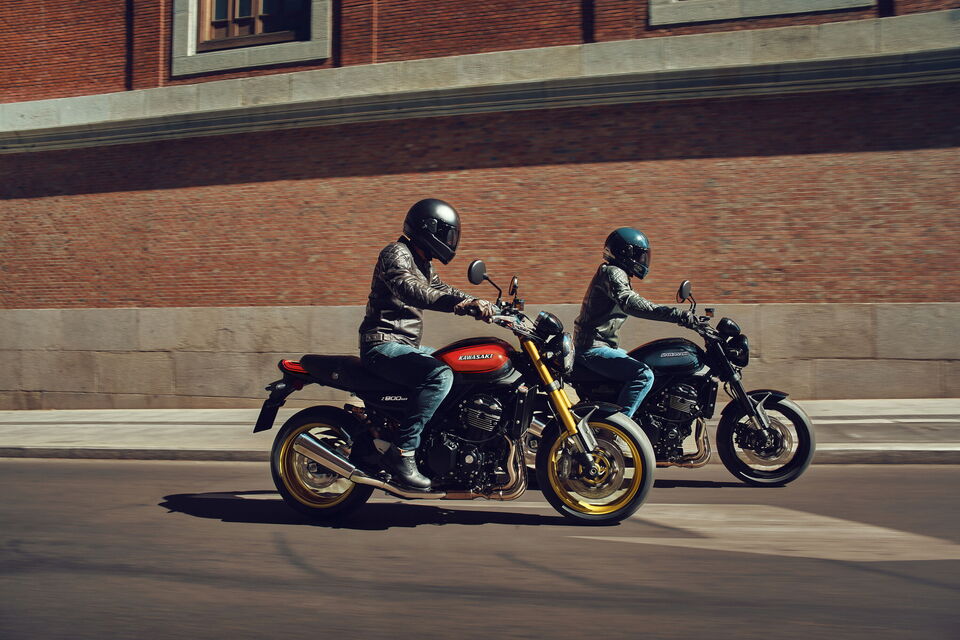
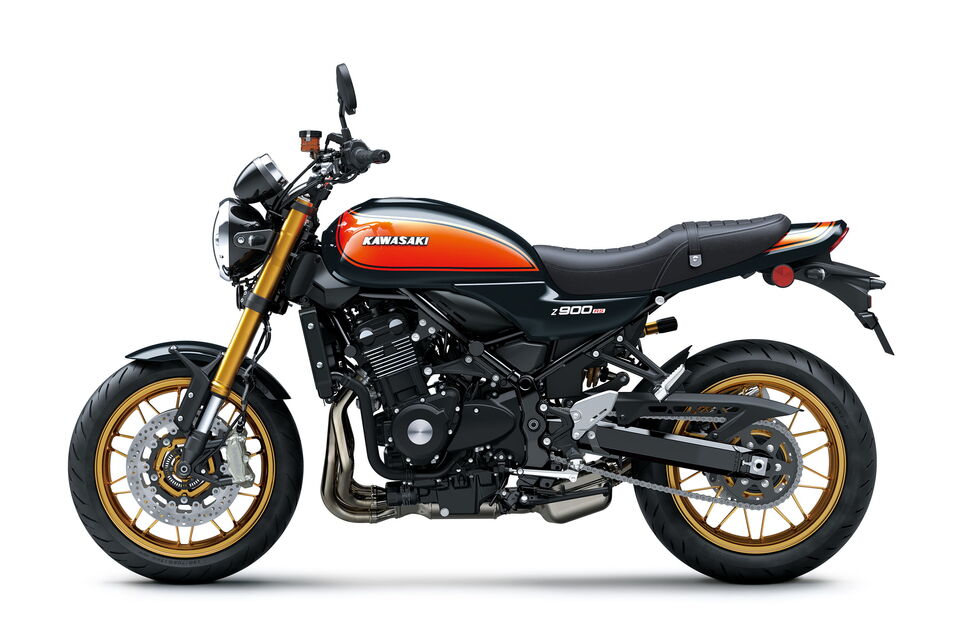
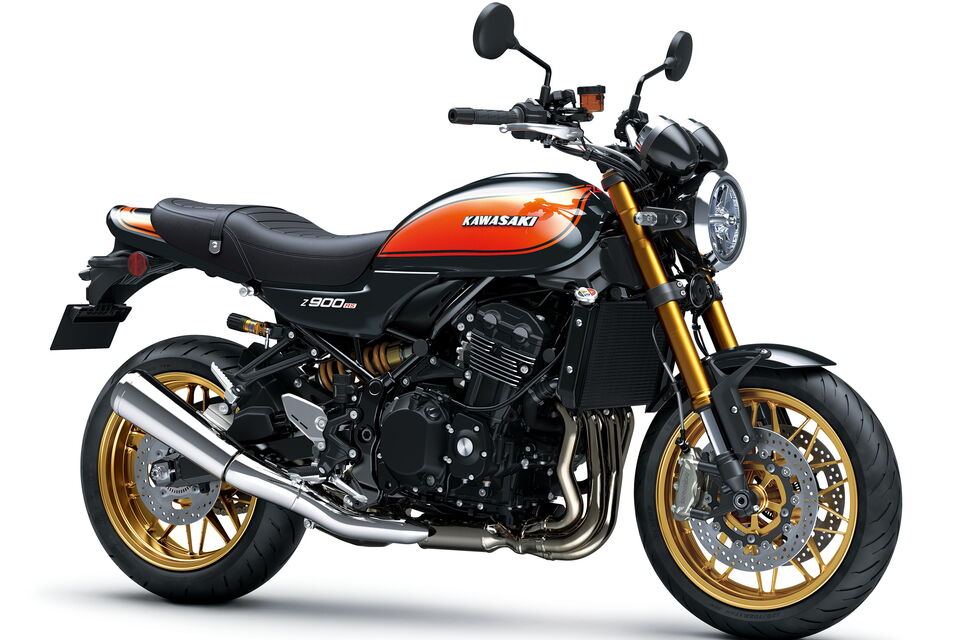
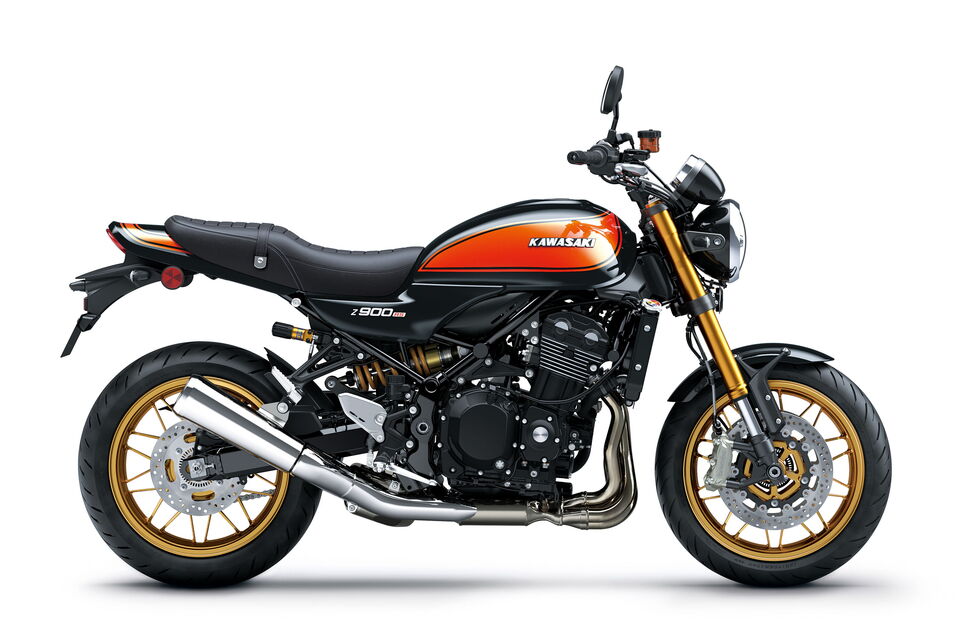
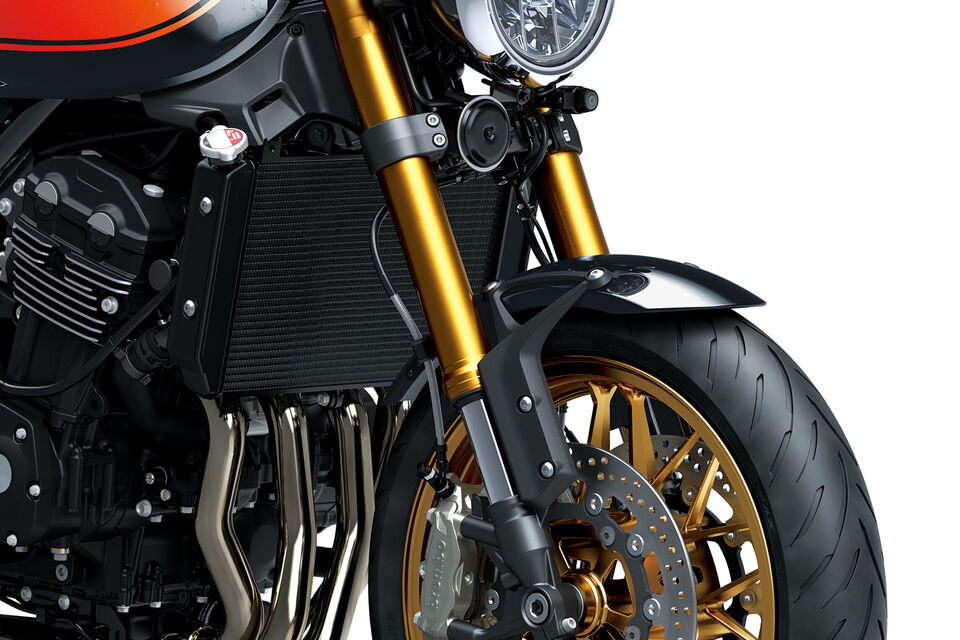
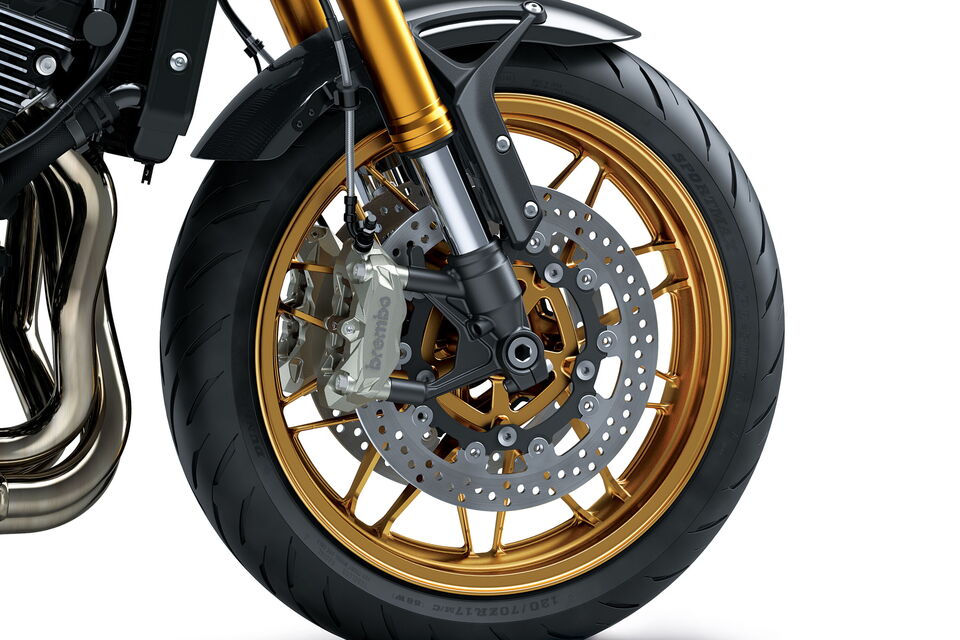
What the SE adds concerns suspension, brakes, and equipment. An Öhlins S46 rear shock with external preload handwheel replaces the standard unit. Up front, Brembo M4.32 Monobloc radial calipers replace the Nissin calipers, supported by steel-braided lines and a Nissin radial master cylinder with a smaller bore for more precise modulation. USB-C at the handlebar is fitted as standard rather than being optional. Visually, the SE stands apart with gold fork tubes, gold cast-aluminum wheels, and the Fireball color scheme, where vivid orange meets metallic black. At 845 mm, the SE seat is ten millimeters higher than the base model’s.
Chassis: Öhlins S46 With Rebound Adjustment and Remote Preload Handwheel—a Noticeable Step Above Standard
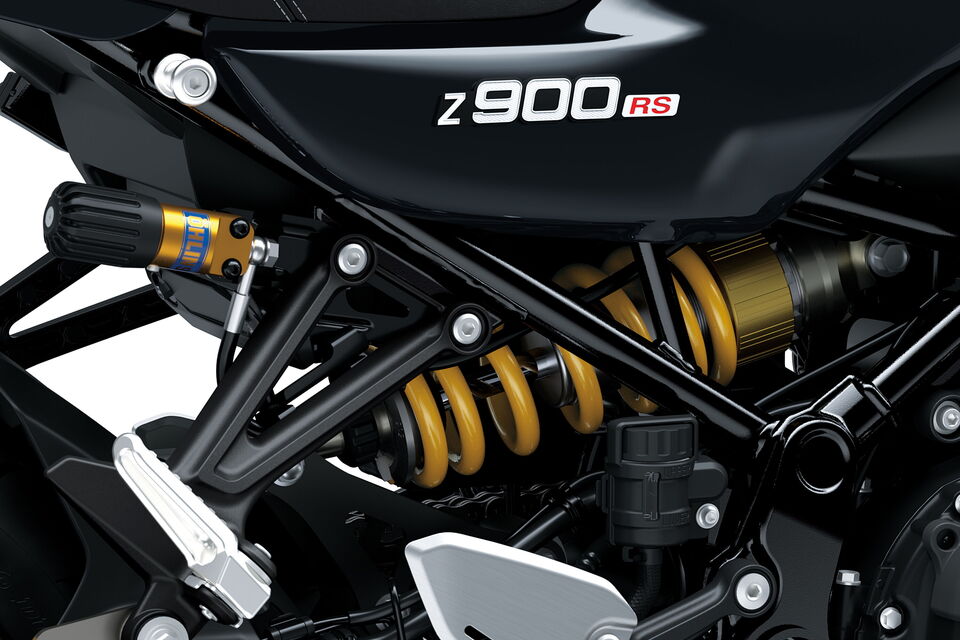
The RS SE’s Öhlins S46 rear shock is a monotube gas-pressure unit with a 46 mm piston, separate oil and gas chambers divided by a floating piston, and an aluminum body. The external handwheel allows spring preload to be adjusted directly on the motorcycle without special tools. Rebound damping is adjustable as well. Compared with the base model’s standard shock, which also offers preload and rebound adjustment, the Öhlins unit delivers finer damping control, better grip, and a smoother response on winding roads and with changing loads.
The fork remains the same 41 mm USD unit used on the base Z900RS. That is an important difference from the Z900 SE, which gets a dedicated Showa SFF-BP fork with compression adjustment. On the RS SE, the fork tubes are finished in gold but remain technically identical to the base version. The RS SE therefore combines two different component levels: an excellent rear shock and the solid standard fork up front. For the touring-oriented RS character, that is a sensible decision because the rear shock is the key tuning element in the RS’s horizontal Back-Link rear suspension when balancing comfort and handling.
Brakes: Brembo M4.32 With Nissin Radial Master Cylinder and Steel-Braided Lines—More Direct, More Linear, More Consistent
The Brembo M4.32 Monobloc radial calipers are familiar from Kawasaki’s higher-spec models and have proved both durable and easy to modulate. On the RS SE they are paired with a Nissin radial master cylinder with a smaller internal diameter than the base model’s, providing finer pressure transfer and a more linear build-up of braking force. Steel-braided lines eliminate much of the elastic expansion associated with conventional rubber hoses and deliver a more direct, consistent engagement point that changes very little as operating temperature rises. The 300 mm front discs are identical to those on the base model; the SE upgrade lies entirely in the calipers, master cylinder, and lines.
For the typical RS riding style—relaxed backroad runs, occasional mountain passes, and everyday rides—the Brembo system is a clearly perceptible upgrade, particularly when braking late into corners or repeatedly applying high brake pressure. Riders who rarely push the RS toward its limits will notice less difference from the standard Nissin setup. Sportier riders will appreciate it.
Design: Fireball Paint, Gold Wheels, and Gold Fork Tubes—a Tribute to the Early-Seventies Z1
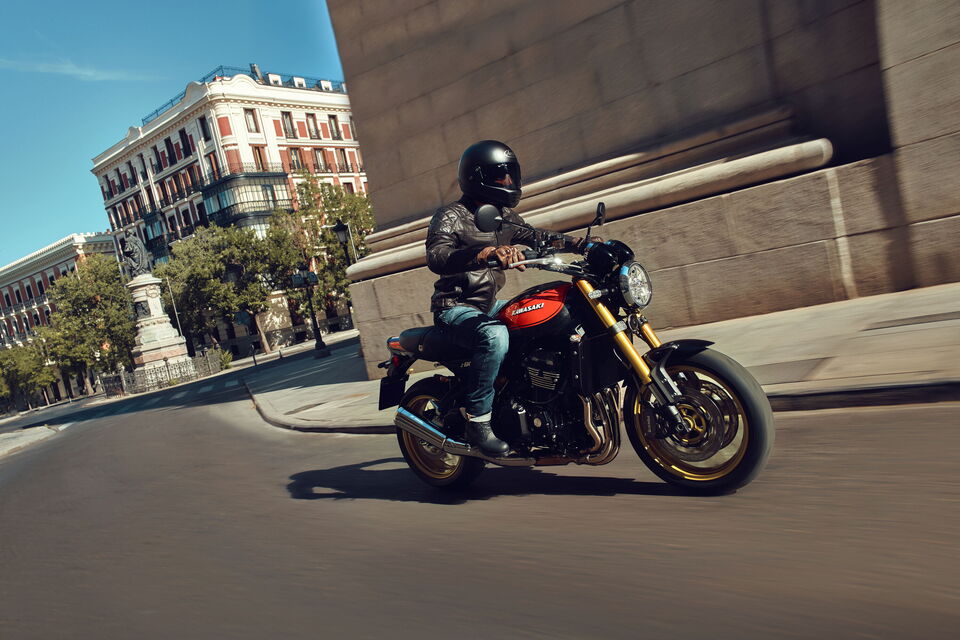
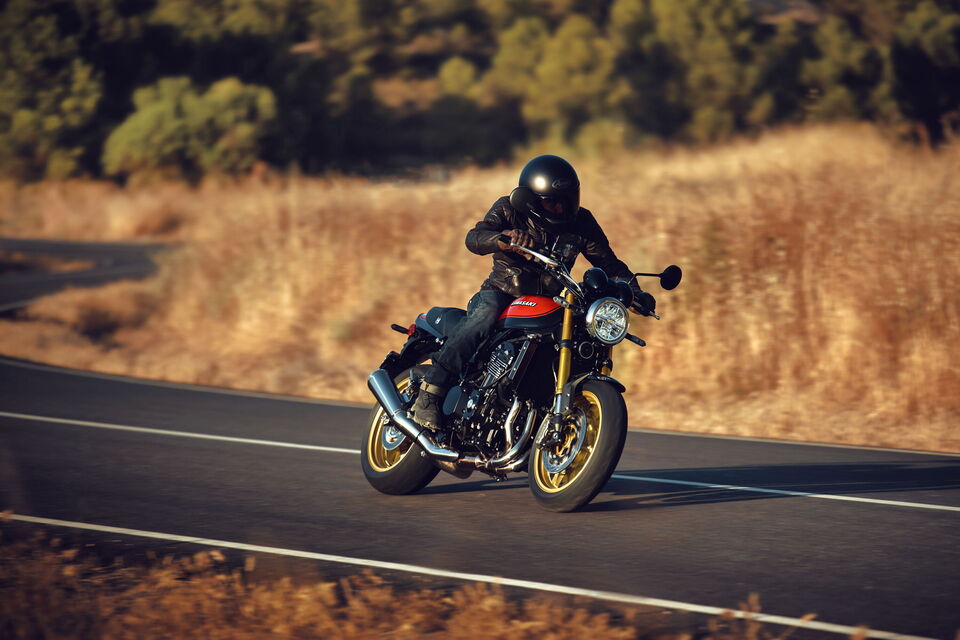
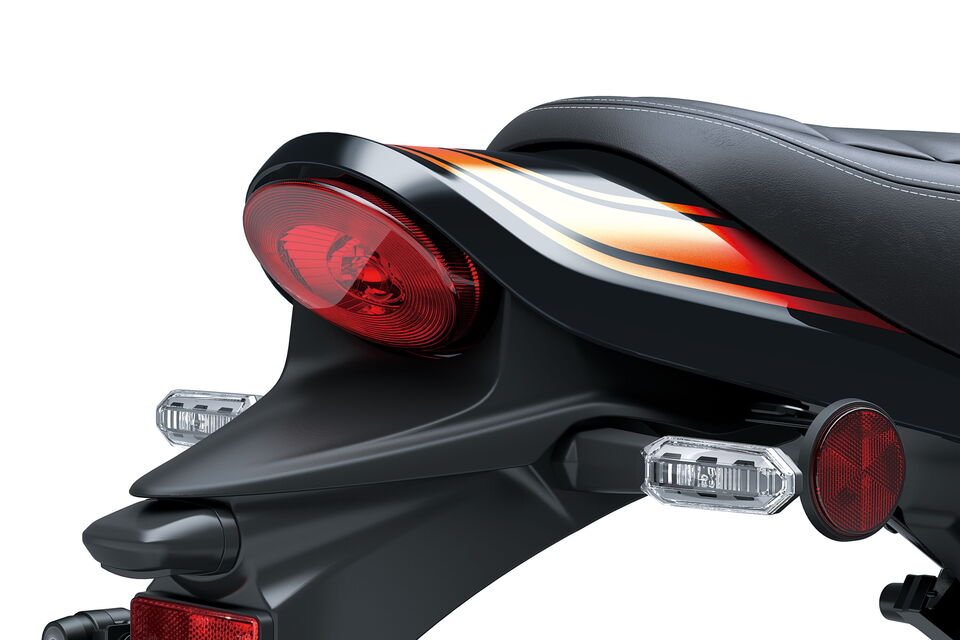
The Fireball design is not an arbitrary color scheme but a deliberate reference to the finishes Kawasaki used on the Z1 in the early 1970s. The vivid orange over metallic black, gold wheels, and gold fork tubes form a coherent visual package that stands clearly apart from the two base-model variants. Where Candy Tone Red and the Black Ball Edition are more restrained and classic, the SE is the extroverted, confident version—the motorcycle for riders who want not only to ride but also to be seen.
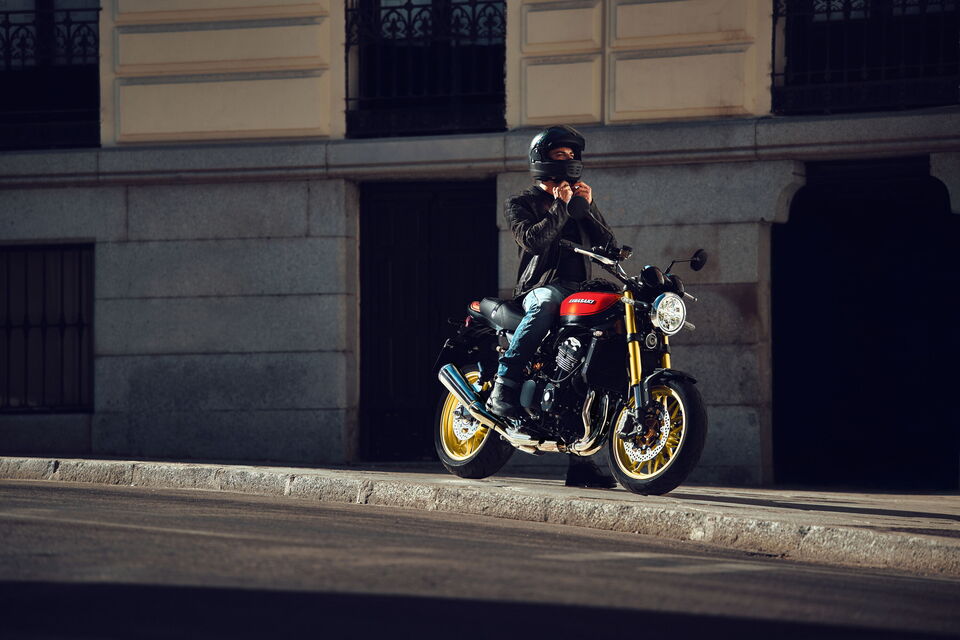
The SE also gets the newly revised, more generously padded seat Kawasaki introduced across the entire RS range for MY2026. Seat height is 845 mm, ten millimeters above the base model. An optional low seat reduces that by 35 mm to 810 mm, making the motorcycle more accessible to shorter riders. USB-C at the right handlebar is standard on the SE; on the base model it must be retrofitted.
Engine and Electronics: Identical to the Base Model—116 hp, Six-Axis IMU, Bidirectional Quickshifter, Cruise Control
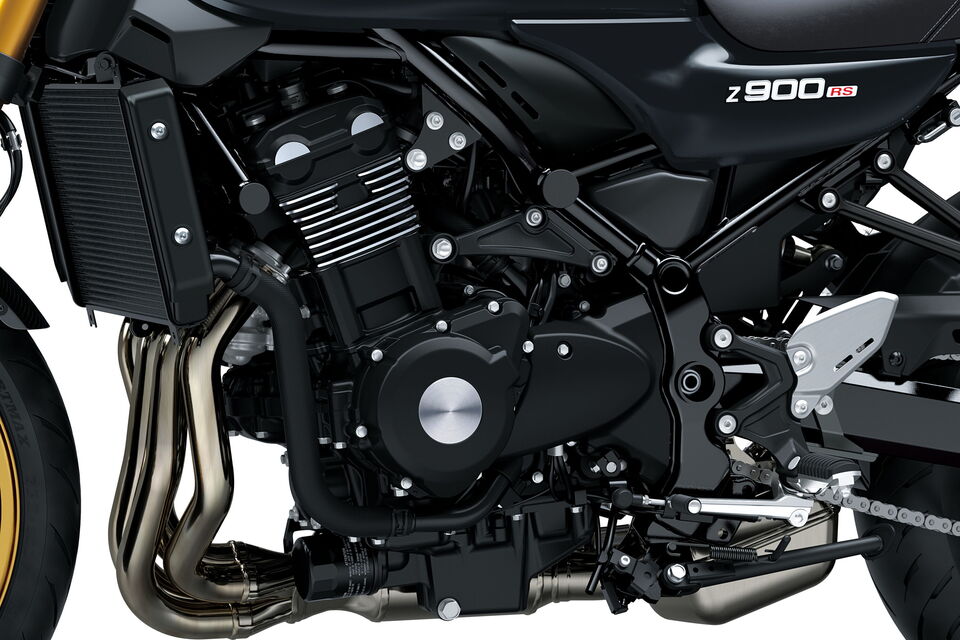
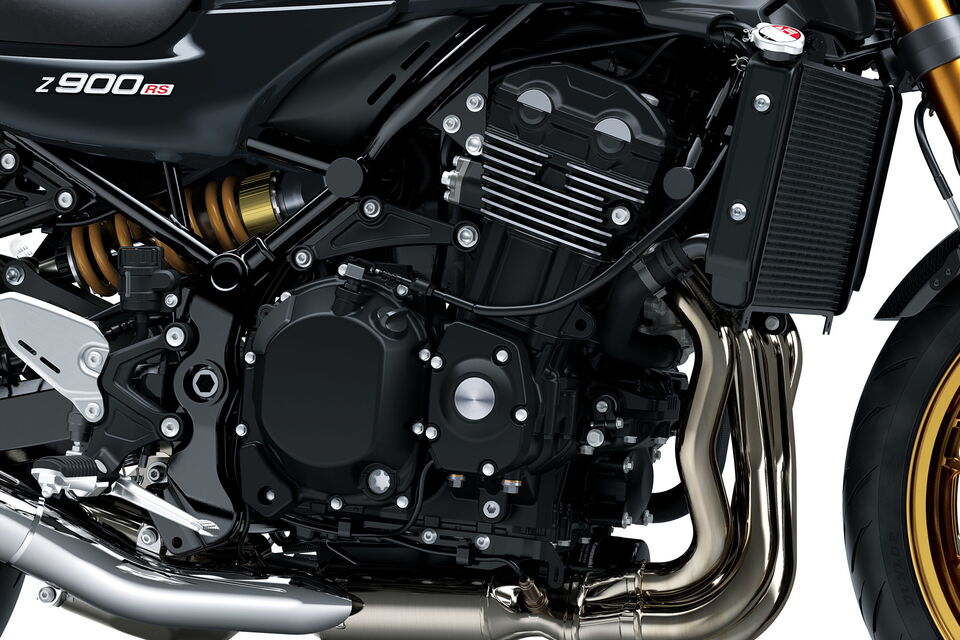
Everything Kawasaki developed for MY2026 applies equally to the SE and base model. The 948 cc inline-four gains five horsepower over the previous version, uses more aggressive cam profiles and reduced crankshaft flywheel mass for greater willingness to rev, and adds electronic throttle valves for more precise response. All of that is identical on both versions. So are the six-axis IMU with lean-sensitive cornering ABS, lean-sensitive traction control and Kawasaki Cornering Management Function, the bidirectional quickshifter for clutchless shifts in both directions, and cruise control, which the RS now offers as standard for the first time.
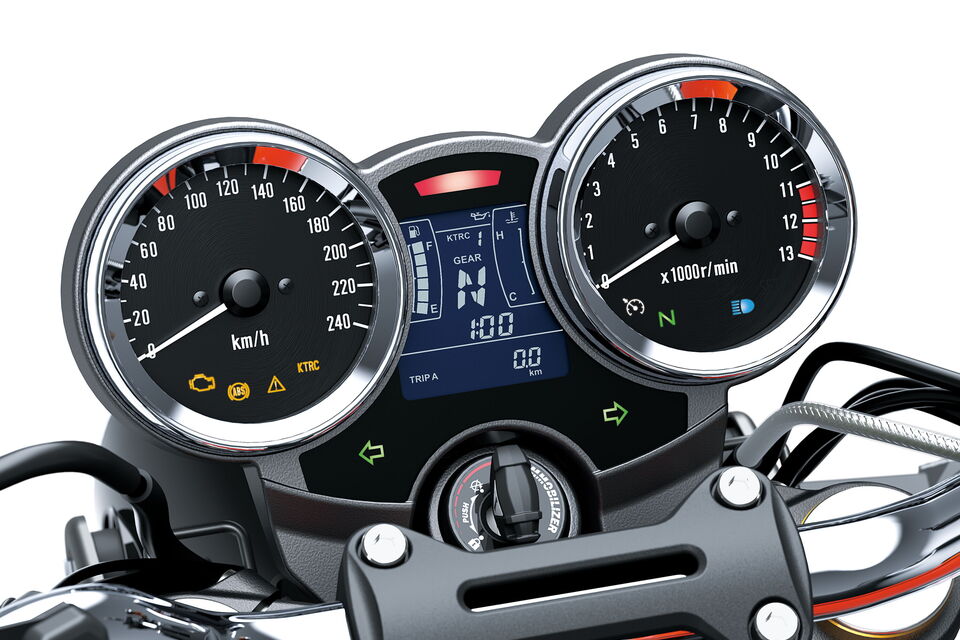
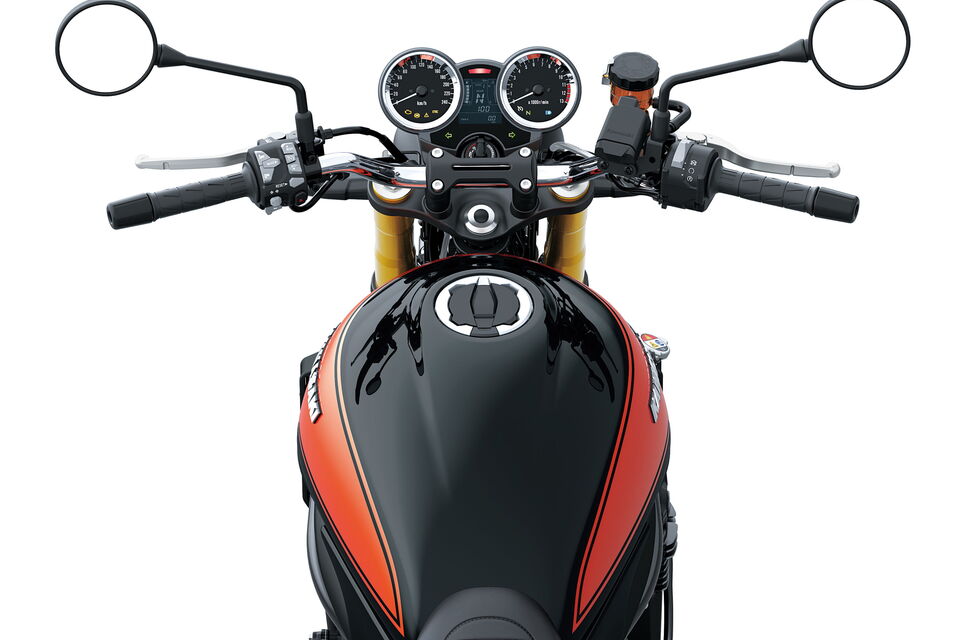
The cockpit remains classically unchanged: two analog round instruments—speedometer and tachometer—flank a small central LCD showing gear position, fuel level, range, and consumption. No TFT, no touchscreen. The motorcycle starts with a key. Smartphone connectivity through the Kawasaki Rideology app is present but discreetly integrated. The RS character therefore remains intact: a modern motorcycle with a classic soul.
Ergonomics: The Same Upright, Relaxed RS Riding Position—Just Ten Millimeters Higher Than the Base Model
The basic ergonomics of the RS SE are identical to the base model: upright riding position, wide handlebar, relaxed knee angle around the classic teardrop tank, no fairing and therefore no wind protection. The ten-millimeter increase in seat height makes little practical difference for riders above roughly 1.75 meters. Shorter riders who need more secure ground contact can choose the optional low seat. The 1,470 mm wheelbase, which makes the RS calmer and more stable than the base Z900, is identical on SE and standard versions.
Is better the enemy of good? Both the RS and RS SE are retro motorcycles at a very high level. In genuinely sporty use, the SE offers small but noticeable advantages that become apparent on long mountain passes and ambitious rides. For relaxed Sunday outings and city use, the difference matters less. Anyone deciding between the two should ride both.
Cost: EUR 1,600 More Than the Base Model—What the Premium Buys and What It Does Not
The Z900RS SE costs EUR 15,070 including destination. The Candy Tone Red base model is EUR 13,470 including destination, making the SE premium EUR 1,600. For that money, the buyer gets the Öhlins S46 rear shock with remote handwheel, the complete Brembo front-brake package including Nissin radial master cylinder and steel-braided lines, gold fork tubes and wheels, USB-C as standard, and the Fireball design. The component value is real.
What the SE premium does not buy is a fully adjustable fork. The RS SE fork is gold in appearance but technically the same as the base model’s. The center stand remains an accessory, as do heated grips. Maintenance costs are identical between the two versions: 12,000 km service intervals, valve-clearance inspection every 36,000 km, and a four-year factory warranty. For relaxed backroad and city riding, the difference between RS and RS SE is less relevant. Riders who frequently push harder and value the complete visual package will find the SE the more coherent choice.
Verdict
The Z900RS SE is the Z900RS in its most beautiful form. The Öhlins rear shock makes the back end noticeably more supple, the Brembo brake package gives greater transparency when braking into corners, and the Fireball design with gold chassis details is one of the most coherent retro looks currently offered on a production motorcycle. Riders who can spend the roughly EUR 1,600 premium without agonizing over the calculation are unlikely to regret it.
Quick Check
+ Öhlins S46 rear shock: spring preload conveniently adjustable by handwheel, rebound damping adjustable—noticeably smoother response than the base model’s standard shock.
+ Brembo M4.32 Monobloc radial calipers on 300 mm discs: more direct engagement point, more linear braking-force build-up, and greater consistency under repeated braking.
+ Nissin radial master cylinder with smaller internal diameter: finer pressure transfer and better modulation than the standard model.
+ Steel-braided lines: consistent pressure point regardless of operating temperature.
+ Gold fork tubes and gold cast-aluminum wheels: coherent visual package with the Fireball design.
+ Fireball color scheme: vivid orange over metallic black—a historical tribute to the early-Seventies Z1 era.
+ USB-C at the handlebar standard; optional on the base model and requires dealer installation.
+ New, more generously padded seat with additional foam for improved long-distance comfort.
+ All MY2026 updates identical to the base model: 116 hp, six-axis IMU, cornering ABS, KCMF, bidirectional KQS quickshifter, cruise control.
+ 94 dB(A) stationary noise—Tyrol-compliant.
+ EUR 1,600 premium over the base model: real component value for Öhlins, Brembo, and the design package.
+ 4-year Kawasaki factory warranty; 12,000 km service intervals.
– Fork is technically identical to the base model: gold tubes, but no dedicated fork specification like the Showa SFF-BP on the Z900 SE.
– 845 mm seat height—ten millimeters higher than the base model; optional low seat is useful for shorter riders.
– No wind protection and no TFT display: philosophically consistent with the retro concept, but potentially disappointing to some buyers at EUR 15,070.
– No center stand as standard: remains an extra-cost accessory even on the SE.
– No fully adjustable fork: the SE’s chassis advantage over the base model lies primarily at the rear, not at the fork.
– Only one color option: if you do not like the Fireball design, there is no SE alternative.
– Some Rideology app functions require a subscription.
Technical Specifications: Kawasaki Z900RS SE (2026)
Country of Manufacture: Japan, Kawasaki
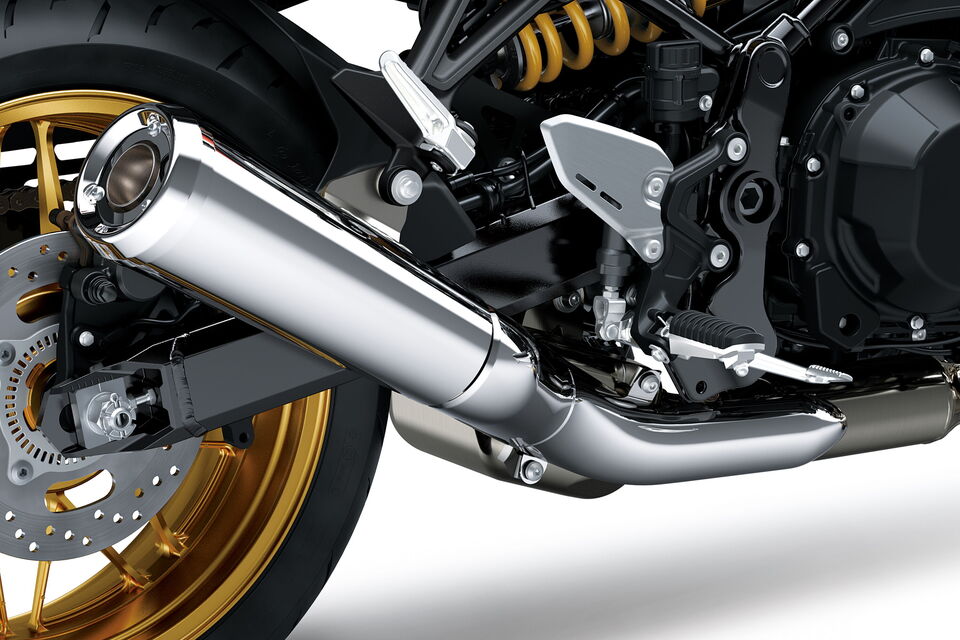
Engine: Inline-four, 948 cc, liquid-cooled, DOHC; electronic throttle valves, ETV; assist/slipper clutch; six-speed; bidirectional KQS quickshifter with blipper standard; four-into-one exhaust with megaphone muffler; 43-tooth rear sprocket—identical to base model
Power: 116 hp / 85 kW at 9,300 rpm
Torque: 98 Nm at 7,700 rpm
Riding Modes / Electronics: Sport, Road, Rain, Rider; six-axis IMU; KIBS cornering ABS; KTRC cornering traction control; KCMF; bidirectional KQS quickshifter; cruise control; Rideology app—identical to base model
Cockpit: Analog round speedometer and tachometer with LCD; no TFT; ignition key—identical to base model
Frame: High-tensile steel trellis frame; aluminum swingarm; Horizontal Back-Link rear suspension—identical to base model
Fork: 41 mm USD; adjustable rebound damping and spring preload; gold fork tubes, visual only and technically identical to base model; 120 mm travel
Rear Shock: Öhlins S46; 46 mm piston; aluminum monotube body; floating separator piston; spring preload by handwheel; adjustable rebound damping; 140 mm travel
Front Brake: Brembo M4.32 Monobloc radial calipers; twin 300 mm discs; Nissin radial master cylinder, 17.5 mm bore; steel-braided lines; KIBS cornering ABS
Rear Brake: Single-piston caliper; 250 mm disc; ABS
Wheels: Gold cast-aluminum wheels; 17-inch front and rear
Tires: 120/70-17 front; 180/55-17 rear; Dunlop Sportmax GPR-300
Weight: 216 kg fully fueled
Seat Height: 845 mm; optional 810 mm low seat, 35 mm reduction
Wheelbase: 1,470 mm
Trail: 98 mm
Fuel Tank: 17 liters; approx. 340 km range at factory consumption of 5.0 L/100 km
Stationary Noise: 94 dB(A), Tyrol-compliant
2026 Color: Metallic Spark Black / Fireball Orange, only option
SE Extras: Öhlins S46 rear shock; Brembo M4.32 Monobloc; Nissin radial master cylinder; steel-braided lines; gold fork tubes; gold wheels; USB-C standard; Fireball design
Accessories: Heated grips; center stand; chrome passenger grab rails, all extra-cost
Warranty: 4-year Kawasaki factory warranty
Service: Every 12,000 km; valve-clearance inspection every 36,000 km
Price in Germany: EUR 15,070 including destination; EUR 1,600 premium over base model