Review Mash GT750 (2026)

Grand Tourer With 12.3-Inch TFT, Camera System, 24-Liter Tank and 40-Liter Luggage—for EUR 11,699
A liquid-cooled 730 cc DOHC parallel twin producing 74.8 hp and 69 Nm. Based on the Jedi Kirin 750, a platform also used as a Chinese police motorcycle. A 12.3-inch TFT with Carbit Ride navigation, front and rear cameras, electrically adjustable windshield, five-stage heated grips and seat, TPMS, keyless operation including an electric fuel cap, two 20-liter hard cases with electric unlocking, USB-A, USB-C and 12V outlets. Brembo brakes, Bosch ABS and Michelin Road 6 tires. Ready-to-ride weight is 275 kg, seat height 780 mm, fuel capacity 24 liters. Euro 5+. Price: EUR 11,699 plus delivery. A 47.5-hp A2 version is also available.
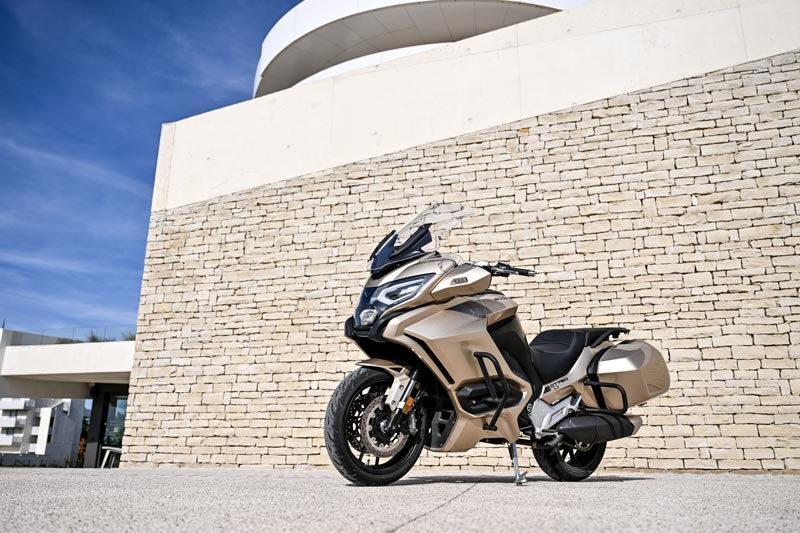
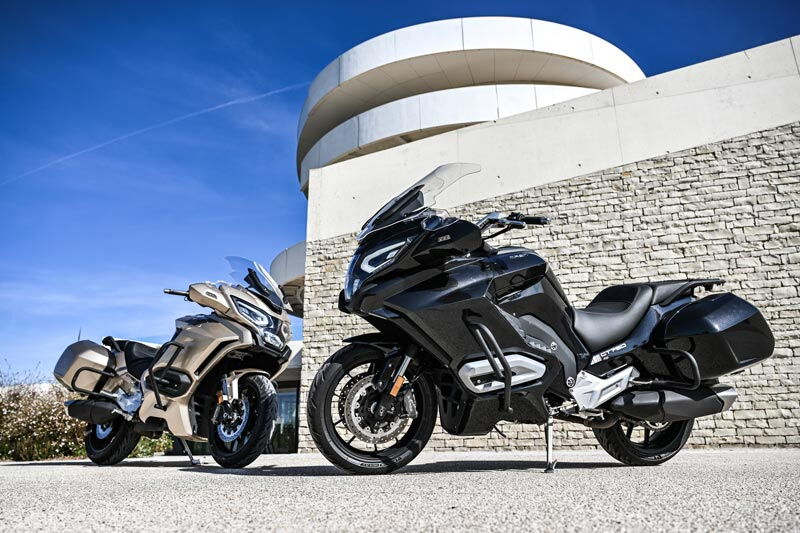
As of: April 10, 2026 | Model: Mash GT750 (2026) | Production: Jedi Motor, China; base model Kirin 750 | Price: EUR 11,699 plus delivery, EUR 12,014 including delivery | Colors: Black, Gold | Euro 5+ | A2 version: 47.5 hp available
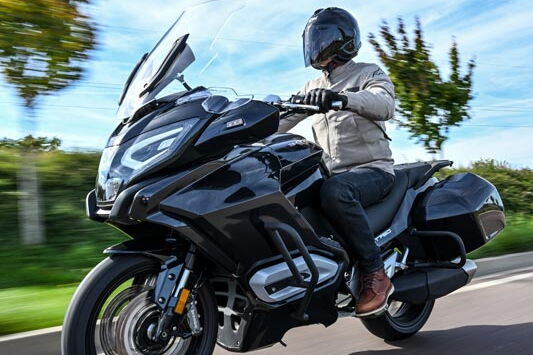
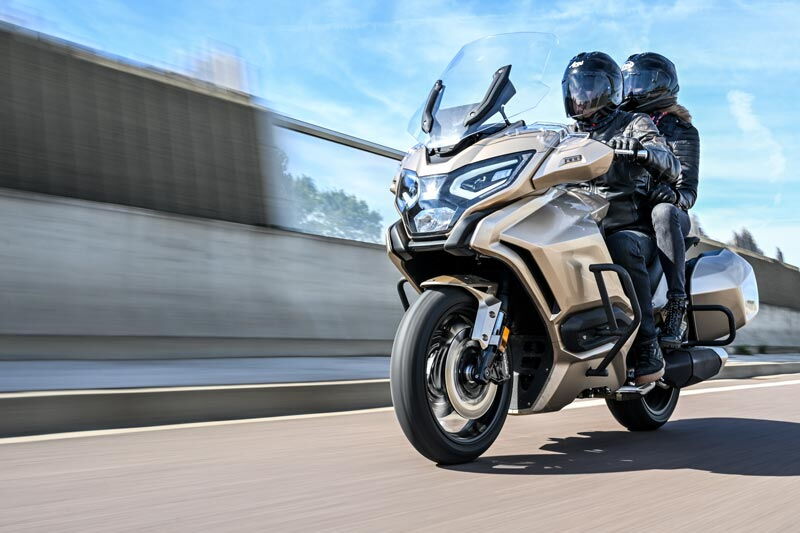
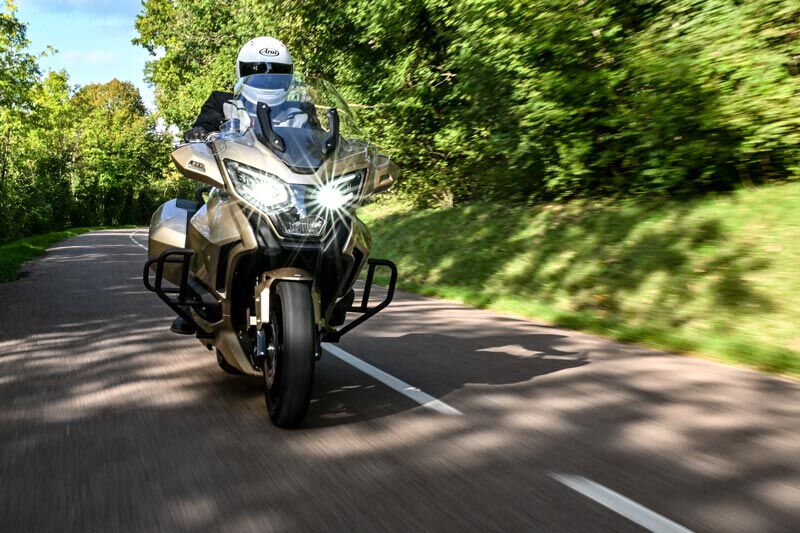
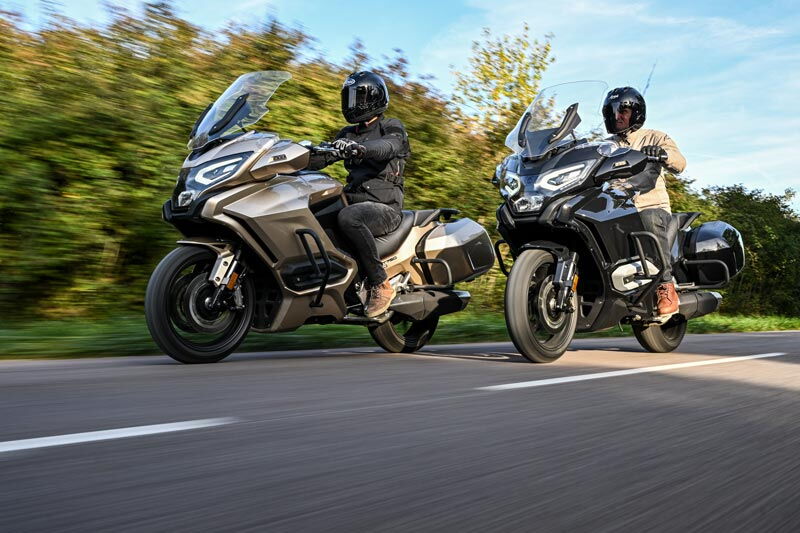



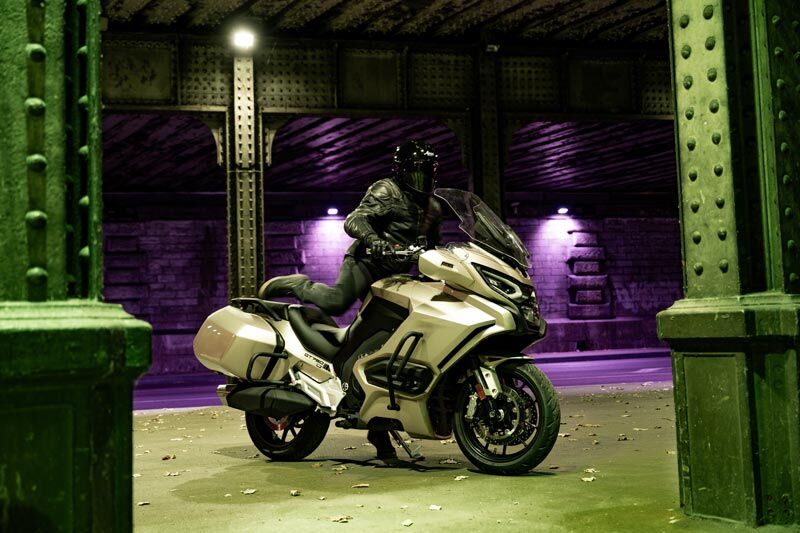

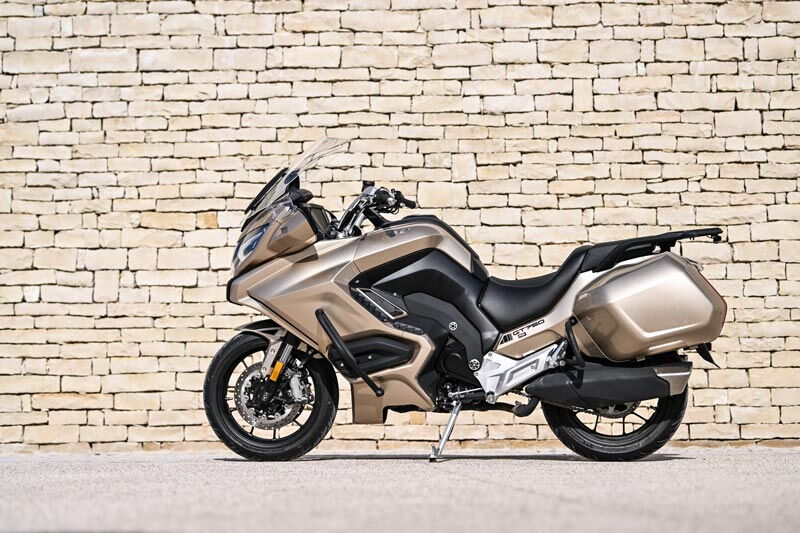
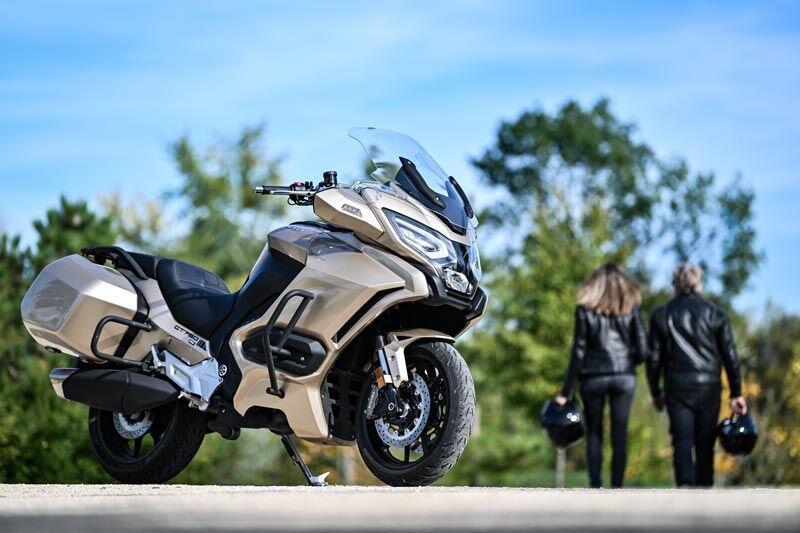
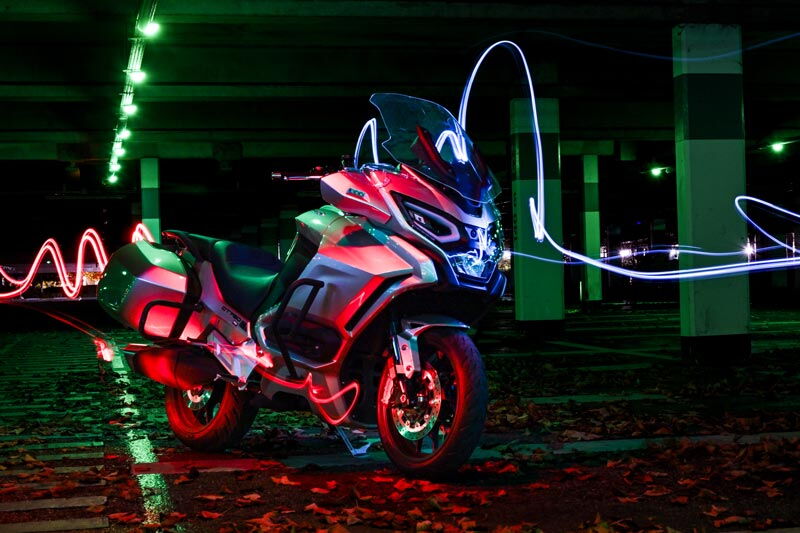
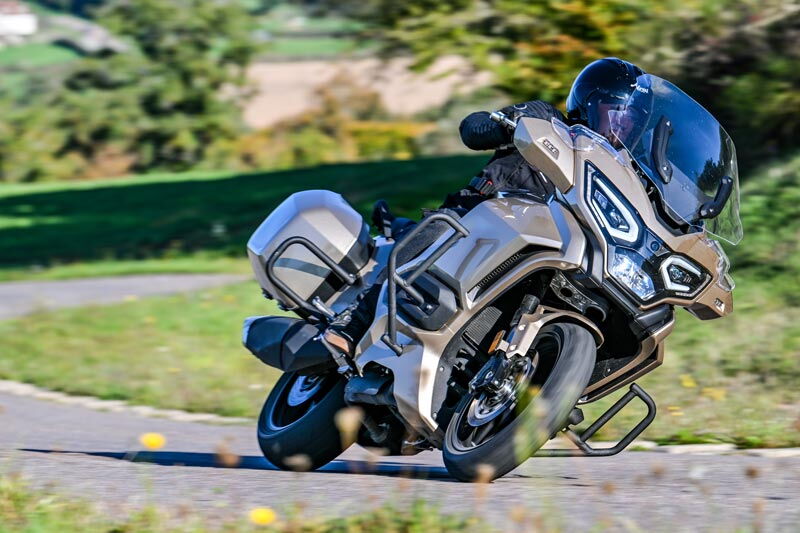
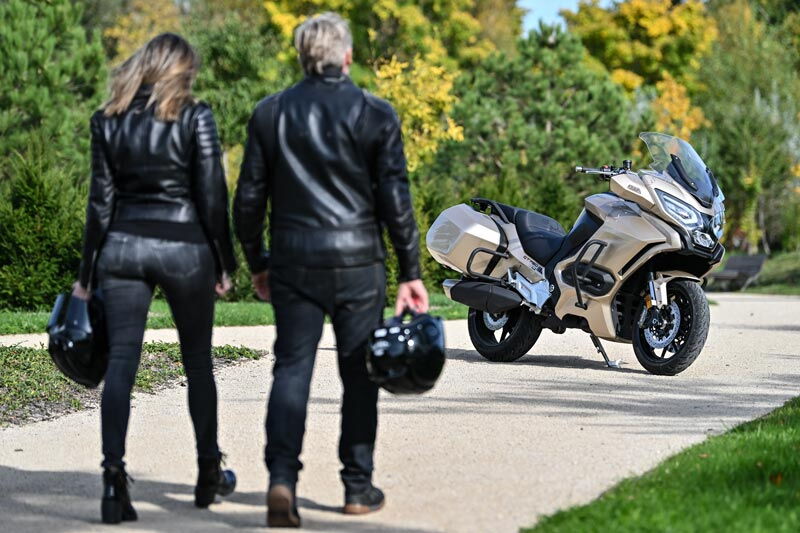
Origins and Concept: BMW RT Silhouette From China, Proven in Police Service, Now for Touring Riders
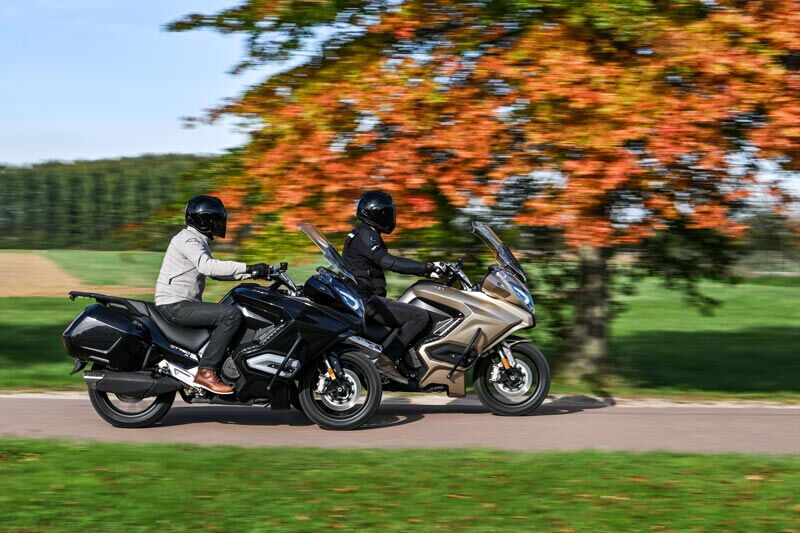
The Mash GT750 is based on the Jedi Kirin 750, a motorcycle developed by Jinan Jedi Motorcycle Technology—Jedi Motor, founded in 1975—originally for Chinese authorities and actually used as a police motorcycle in direct competition with the BMW RT. That background explains much about the machine’s character: no obsession with maximum horsepower, but a strong emphasis on functionality, robust construction, low seat height, and stability at walking pace—exactly what a police escort motorcycle needs. Its dimensions are comparable with the BMW RT, while its weight is six kilograms lower.
Mash takes that platform, adds European distribution, and prices it far below established touring motorcycles: EUR 11,699 plus delivery, including two hard cases, heated grips, a heated seat, front and rear cameras, an electrically adjustable windshield, and a 12.3-inch navigation TFT. At this price, there is nothing directly comparable in Europe in terms of standard equipment.
Equipment: 12.3-Inch TFT, Cameras, 40 Liters of Luggage, Heated Grips and Seat—All Standard, Not Optional
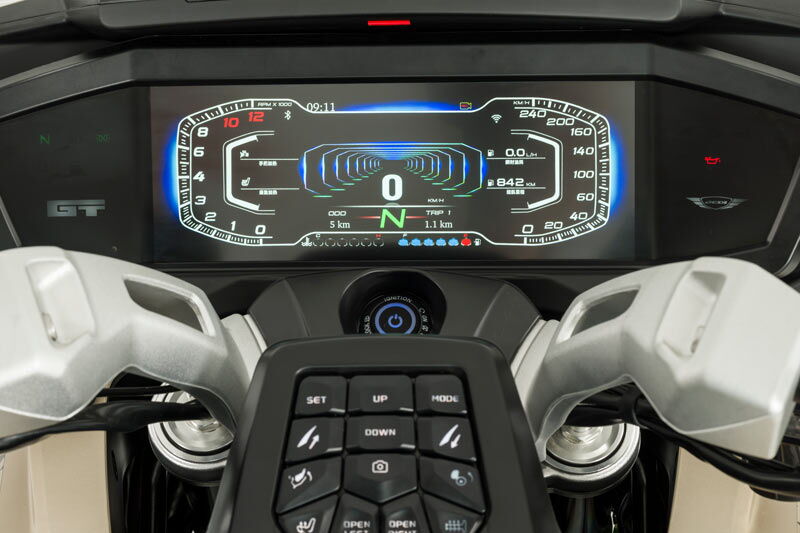
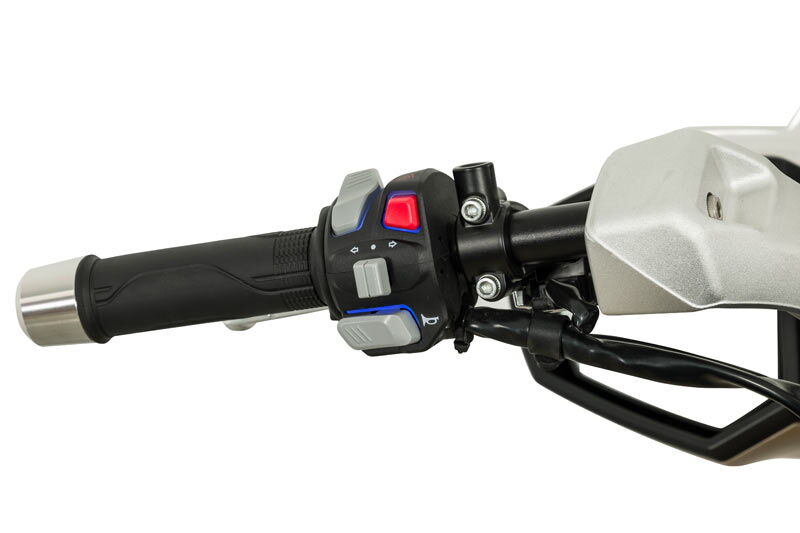
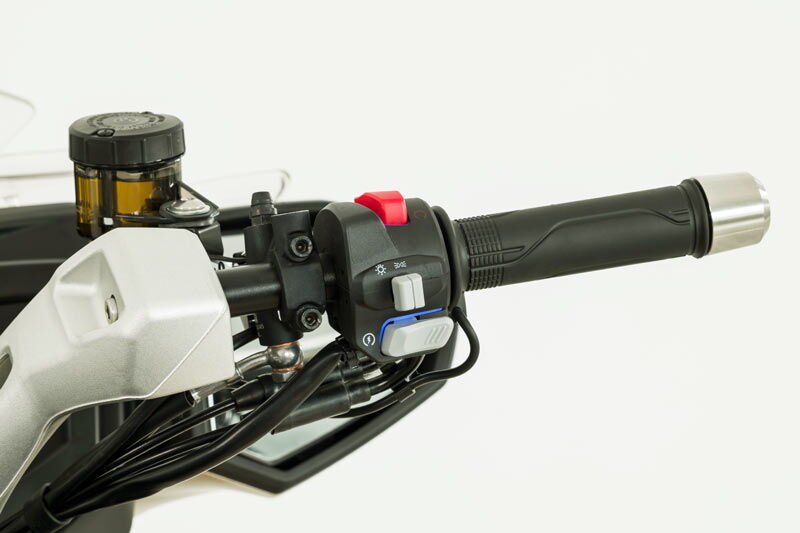
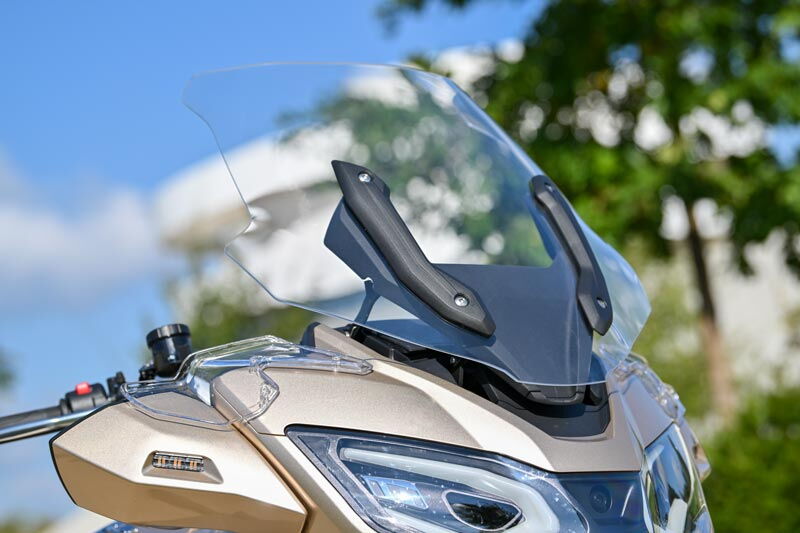
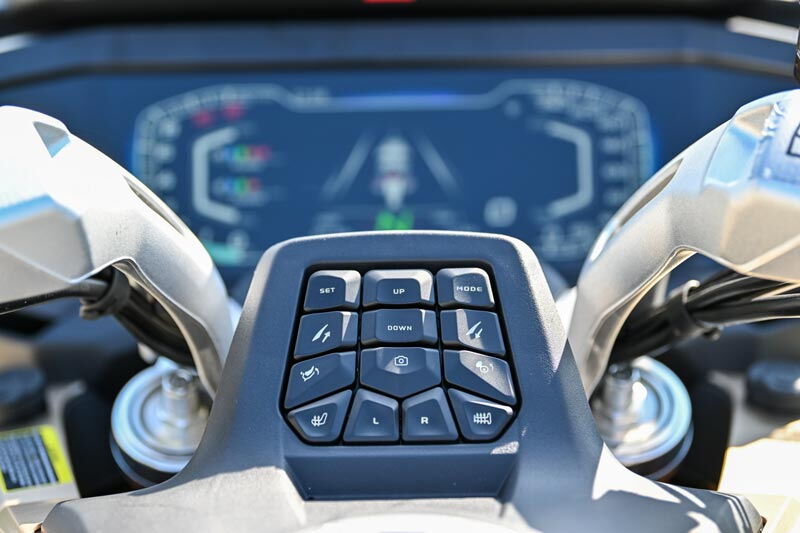
The GT750 equipment list reads like the option catalog of a European premium tourer, except that almost everything is standard. The 12.3-inch TFT display with Carbit Ride navigation is the largest standard cockpit screen in the touring segment below EUR 15,000. Heated grips and a five-stage heated seat are standard. Front and rear cameras record video and still images that can be transferred to a smartphone. The electrically adjustable windshield can be repositioned while riding.
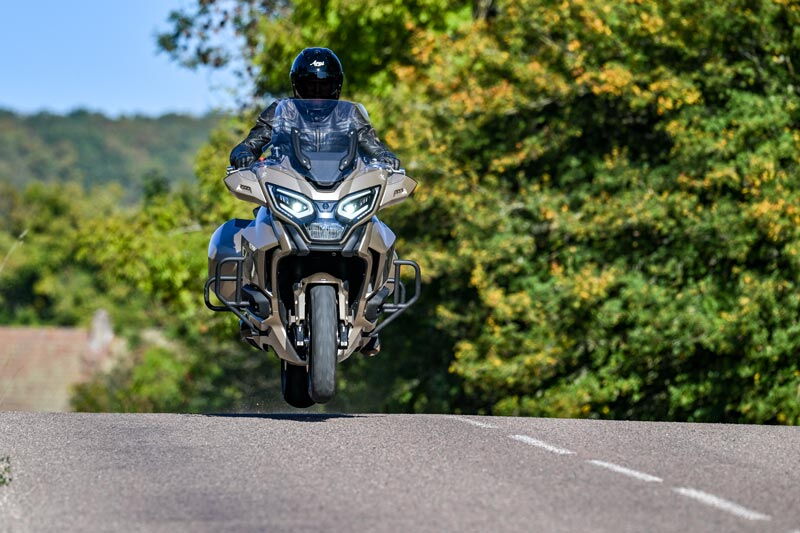
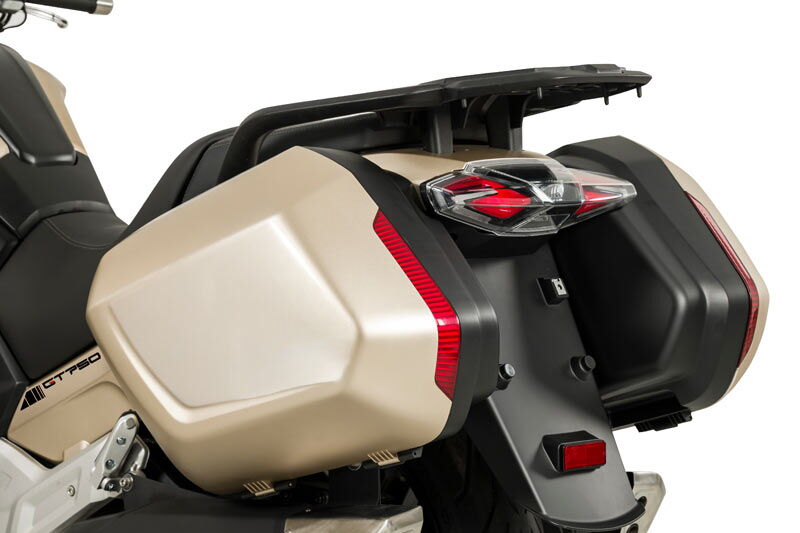
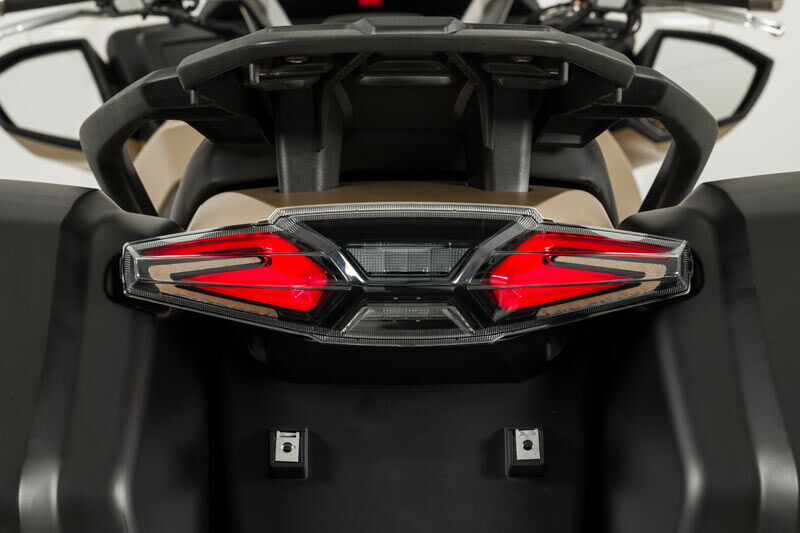
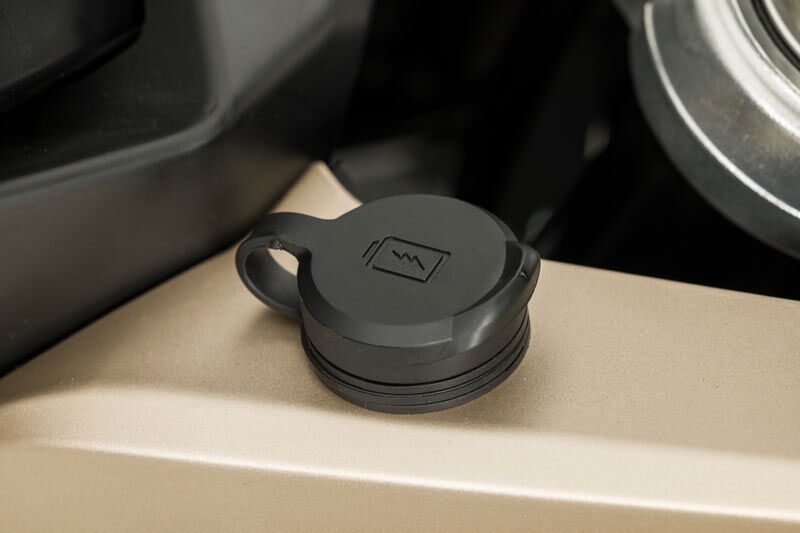
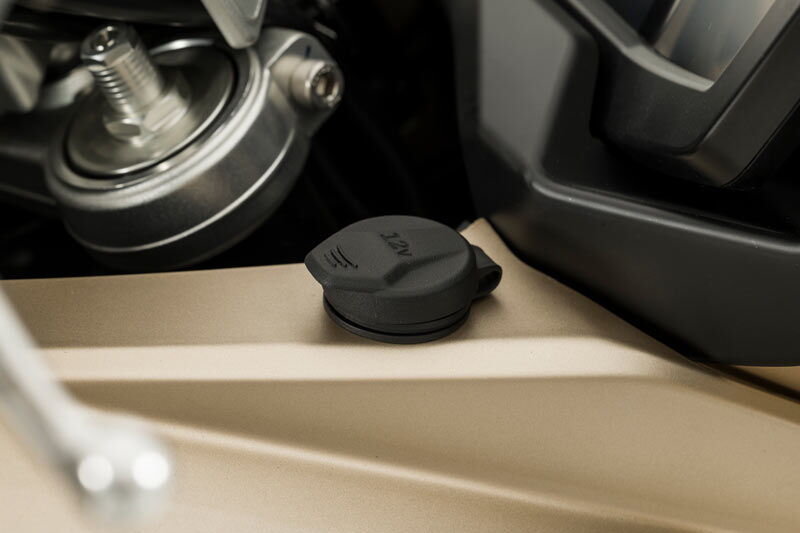
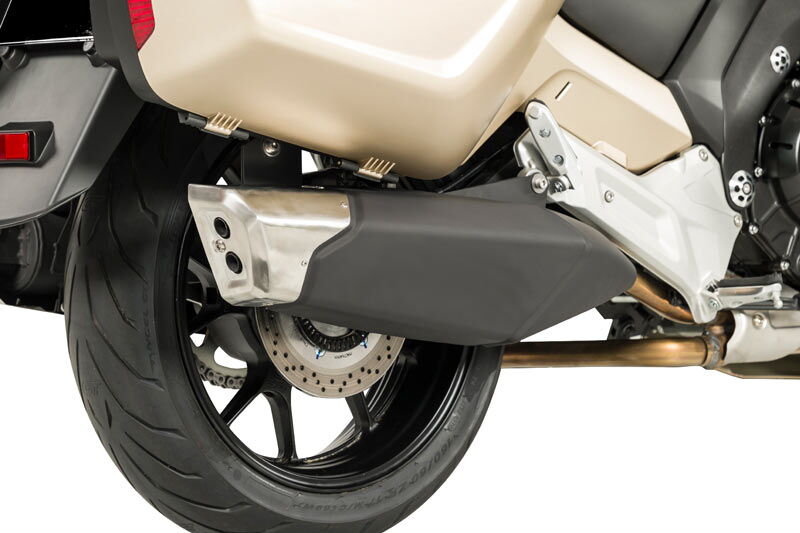
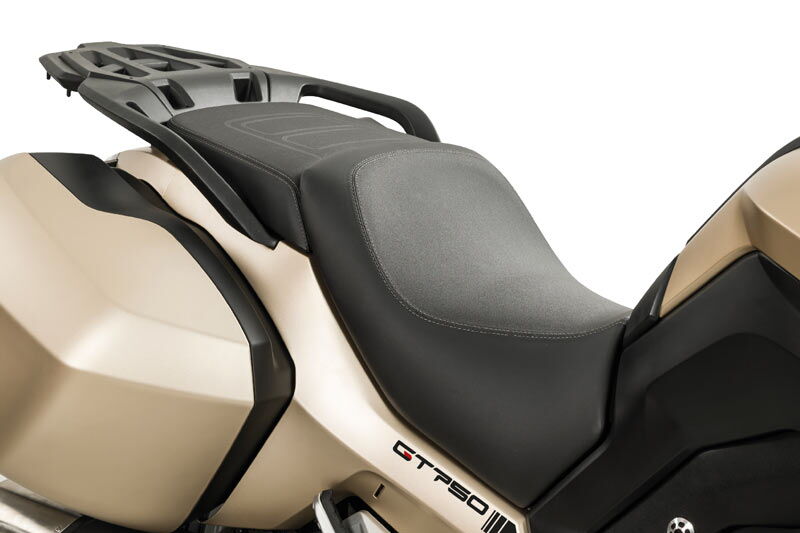
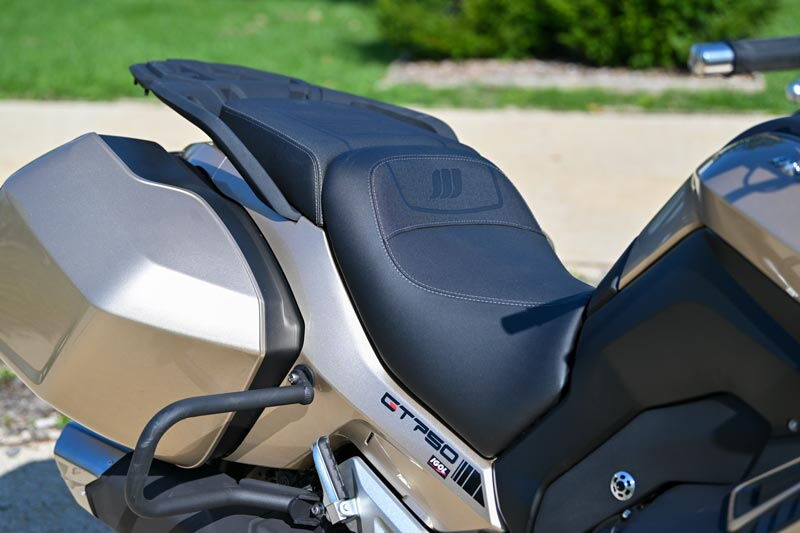
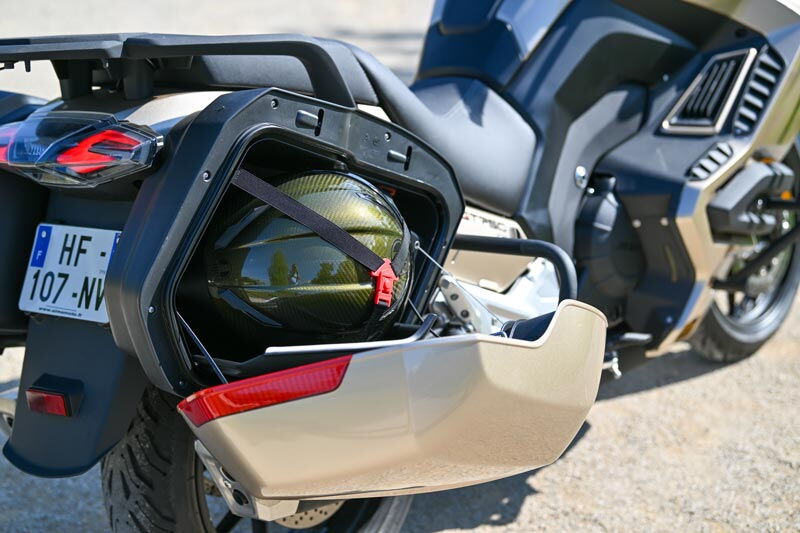
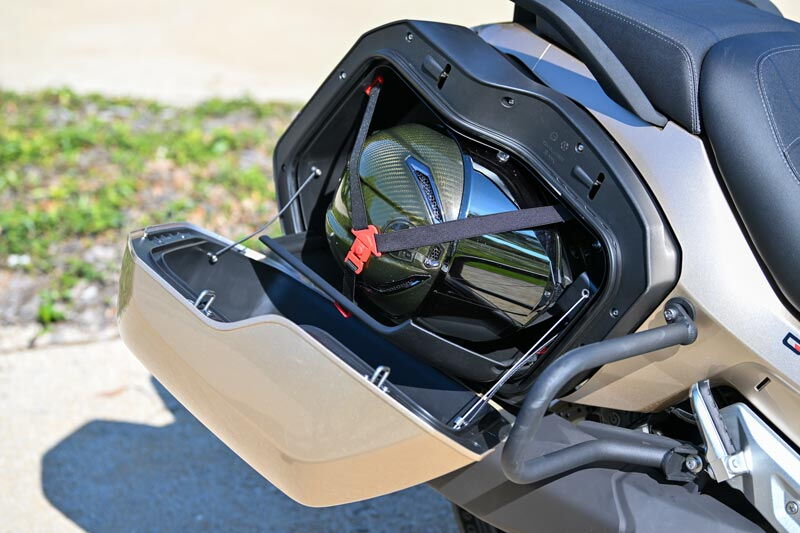
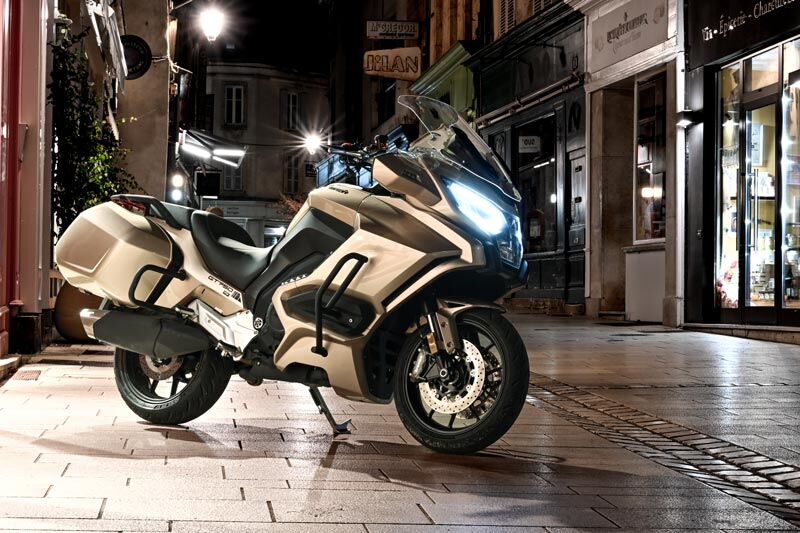
Two 20-liter hard cases provide 40 liters of total luggage capacity. They are painted to match the bodywork, integrated into the design, and unlocked electrically through the keyless system. An integrated luggage rack is also fitted. Three power outlets are provided: USB-A, USB-C, and 12 volts. Keyless operation also includes the electrically released fuel cap. TPMS, engine protection, case protection, and large front and rear crash bars are standard. What the GT750 does not offer are a quickshifter, riding modes, traction control, or Ride-by-Wire.
Engine and Chassis: 74.8 hp and 275 kg—Not a Performance Bike, but That Is Not the Point
The liquid-cooled 730 cc DOHC parallel twin produces 74.8 hp at 8,500 rpm and 69 Nm at 6,800 rpm, identical figures to the K750. It idles smoothly and shifts cleanly. This is not a high-revving sport engine but a long-distance cruiser motor—and historically, 75 hp is entirely sufficient for that role. Honda’s Deauville toured Europe for years with 62 hp and roughly 260 kg. The GT750 weighs 275 kg ready to ride, six kilograms less than the BMW R 1300 RT at 281 kg, but 58 kg more than the K750. For comparison, the Honda NT1100 weighs around 248 kg and the Yamaha Tracer 9 around 228 kg, although both make considerably more power.
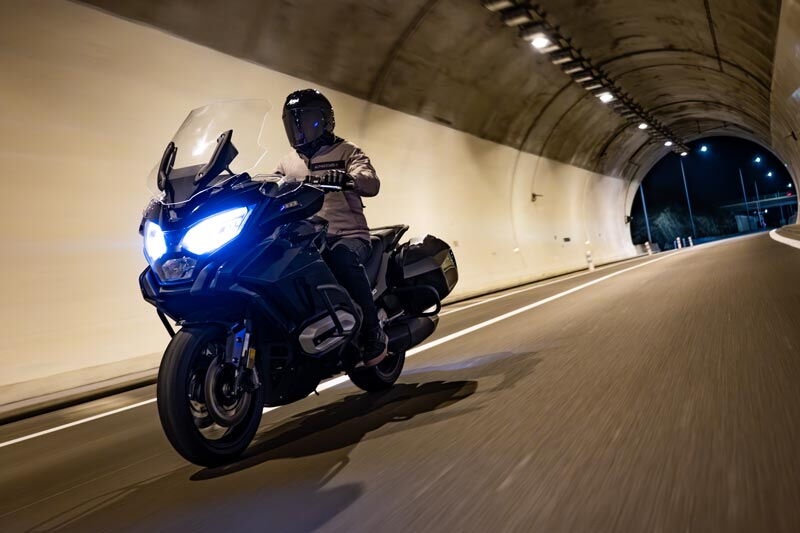
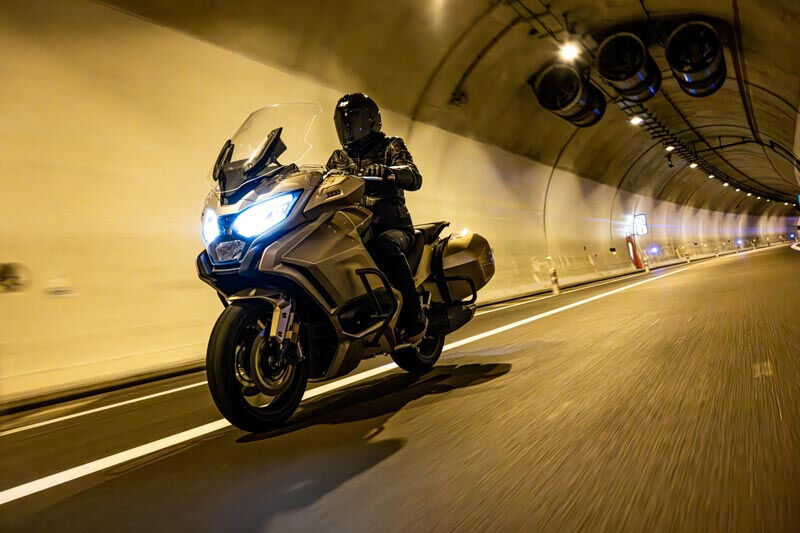
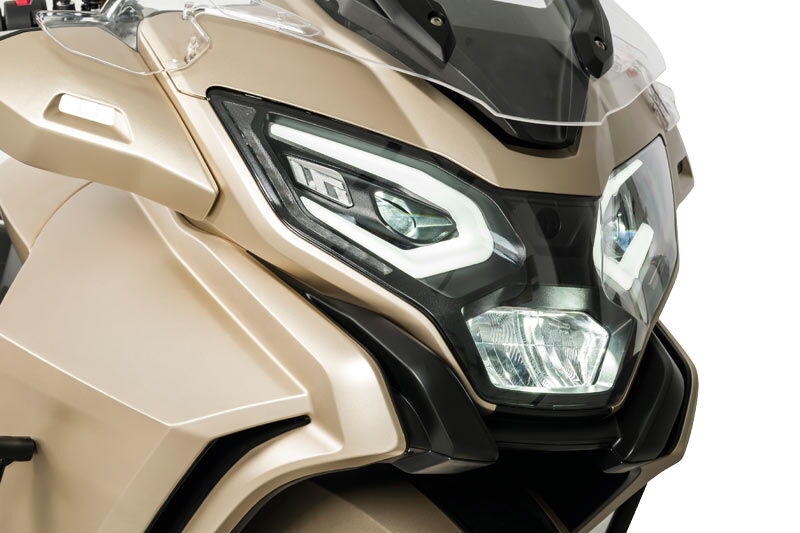
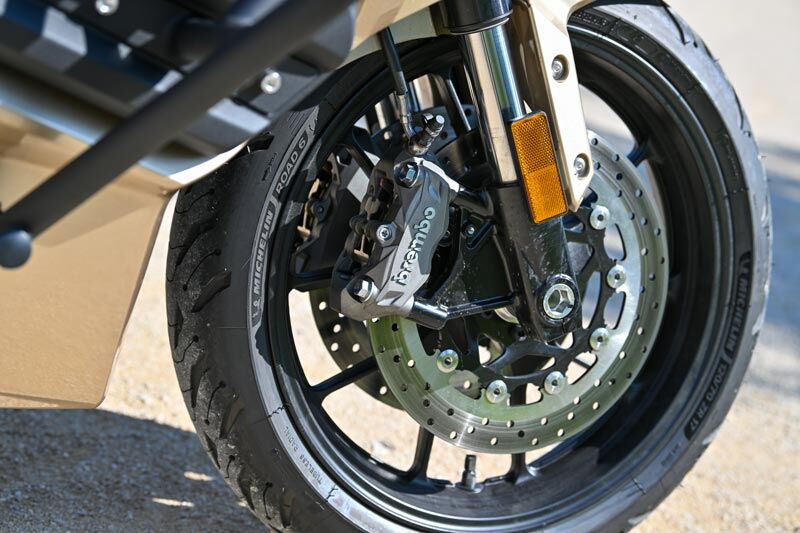
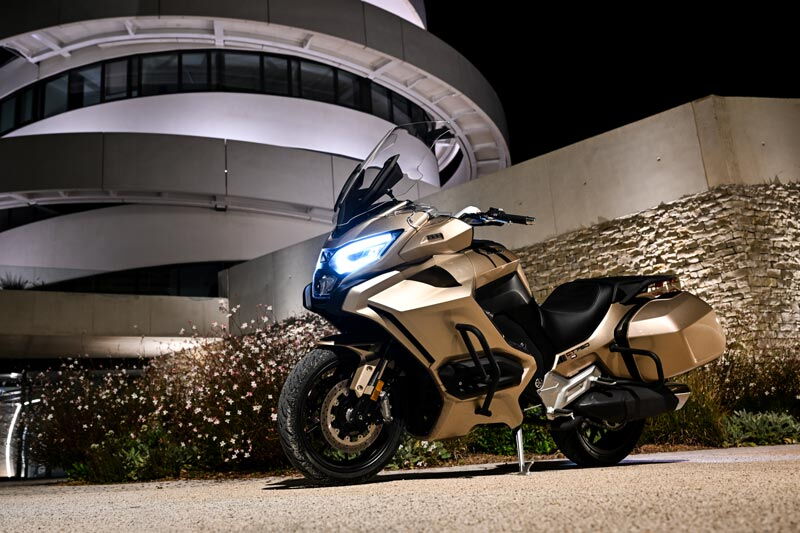
Up front, the chassis uses a 41 mm USD fork adjustable for preload and rebound damping, less sophisticated than the fully adjustable Showa unit on the K750. The brakes also differ. The GT750 uses radial Brembo M4 two-piston calipers on twin 298 mm front discs, whereas the K750 gets four-piston calipers. At the rear is a Brembo single-piston caliper on a 260 mm disc, with Bosch ABS standard. Michelin Road 6 tires are fitted in 120/70 ZR17 front and 180/55 ZR17 rear sizes. On the move, the GT750 is surprisingly agile at walking pace and well balanced. The 780 mm seat height inspires confidence despite the 275 kg mass. A triple LED headlight with daytime running light is standard.
Cost and Market Position: EUR 11,699 Fully Equipped—BMW Costs Twice as Much and Makes Much More Power
The GT750 has no direct price rival with a comparable level of standard equipment. The BMW R 1300 RT starts at around EUR 23,000, produces 145 hp, and weighs 281 kg—almost twice the price and almost twice the power. The Honda NT1100 sits around EUR 14,000 with 102 hp and 248 kg, while the Yamaha Tracer 9 is also around EUR 14,000 with 119 hp. Both cost more and make substantially more power, although the Yamaha offers less full-coverage touring bodywork.
The relevant question is therefore not whether the GT750 is better than a BMW RT—it clearly is not. The question is whether 75 hp and this equipment package for EUR 11,699 is a compelling offer. For riders who want long-distance capability, a 24-liter tank, 40 liters of luggage space, and a heated seat while keeping the budget below EUR 15,000, the answer is yes.
With a 24-liter tank and a claimed consumption figure of 4.6 L/100 km, theoretical range exceeds 500 km. In real-world highway use, around 400 to 450 km should be realistic. For a touring motorcycle, that is a very comfortable range. Fuel consumption of 4.6 L/100 km, corresponding to 116 g/km CO2, is solid for a 275 kg machine.
Verdict
The GT750 is the boldest model in the Mash range: a fully faired Grand Tourer with luggage, heating, cameras, and a 12.3-inch TFT for less than EUR 12,000 before delivery. Performance is modest, weight is high, and Mash’s service infrastructure in Germany is still developing. Riders who can accept those limitations and want an affordable long-distance tool with comprehensive standard equipment will find no better-equipped offer at this price on the German market.
Quick Check
+ EUR 11,699 plus delivery: the least expensive fully faired Grand Tourer with hard luggage and comprehensive standard equipment on the German market.
+ 12.3-inch TFT standard: the largest cockpit display in the touring segment below EUR 15,000.
+ Two 20-liter hard cases, 40 liters total, body-color painted and electrically unlocked, standard.
+ Front and rear cameras standard, with video and photo recording transferable to a smartphone.
+ Electrically adjustable windshield, adjustable while riding, standard.
+ Heated grips and five-stage heated seat standard.
+ 24-liter tank: theoretical range above 500 km, highly suitable for touring.
+ 780 mm seat height despite 275 kg: reassuring low-speed manageability.
+ USB-A, USB-C, and 12V standard, three power outlets in total.
+ Keyless system including electric fuel cap; TPMS; engine and case protection standard.
+ Brembo brakes front and rear; Bosch ABS; Michelin Road 6 standard.
+ Triple LED headlight with daytime running light standard.
+ Euro 5+; 47.5-hp A2 version available.
+ Jedi platform proven in police service, with a robust and practical design philosophy.
– 275 kg ready to ride: only six kilograms lighter than the BMW R 1300 RT and considerably heavier than the Honda NT1100 and Yamaha Tracer 9.
– 74.8 hp: Honda NT1100 offers 102 hp and Yamaha Tracer 9 119 hp, both with less weight and only a moderate price premium.
– No quickshifter, traction control, riding modes, or Ride-by-Wire.
– GT750 front Brembo calipers are two-piston units rather than the K750’s four-piston hardware, despite the GT’s higher overall weight.
– Mash service infrastructure in Germany is still developing and the workshop network is less dense than Honda or Yamaha.
– Stationary noise is not documented in the available source material.
Technical Specifications: Mash GT750 (2026)
Brand / Origin: Mash, France; manufactured by Jinan Jedi Motorcycle Technology, China; base model Jedi Kirin 750, also used as a Chinese police motorcycle
Engine: 730 cc liquid-cooled DOHC parallel twin; six-speed transmission; chain final drive
Power: 74.8 hp / 55 kW at 8,500 rpm
Torque: 69 Nm at 6,800 rpm
A2 Version: 47.5 hp / 35 kW; 61 Nm
Frame: Aluminum frame
Fork: 41 mm USD; adjustable for preload and rebound damping
Front Brake: Radial Brembo M4 two-piston calipers; twin 298 mm discs; Bosch ABS
Rear Brake: Brembo single-piston caliper; 260 mm disc; ABS
Tires: Michelin Road 6; 120/70 ZR17 front; 180/55 ZR17 rear
Cockpit: 12.3-inch TFT; Carbit Ride navigation; smartphone connectivity; Bluetooth
Cameras: Front + rear cameras; video/photo recording; smartphone transfer standard
Wind Protection: Electrically adjustable while riding; triple LED headlight
Heating: Heated grips standard; five-stage heated seat standard
Luggage: 2 x 20-liter hard cases, body-color painted, electrically unlocked, standard
Power Outlets: USB-A + USB-C + 12V, three standard connections
Keyless: Standard, including electric fuel cap
Additional Equipment: TPMS; engine protection; case protection; XL crash bars; integrated luggage rack
Electronics: Bosch ABS; Euro 5+; no Ride-by-Wire, traction control, riding modes, or quickshifter
Weight: 275 kg fully fueled
Seat Height: 780 mm
Fuel Tank: 24 liters, theoretical range approx. 500+ km
Fuel Consumption: 4.6 L/100 km; 116 g/km CO2
Colors: Black; Gold
German Price: EUR 11,699 plus delivery; EUR 12,014 including delivery