Review Montesa Cota 4Ride (2026)

259 cc Trials Single, 87 kg, Euro 5+, Gold-Anodized Rims—the Lightest Street-Legal Motorcycle of Its Kind
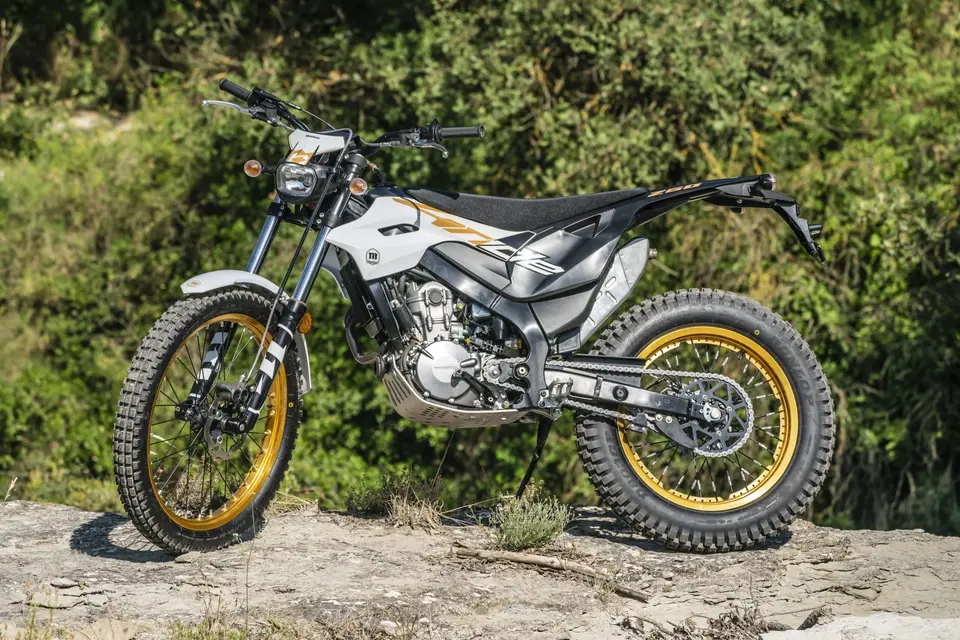
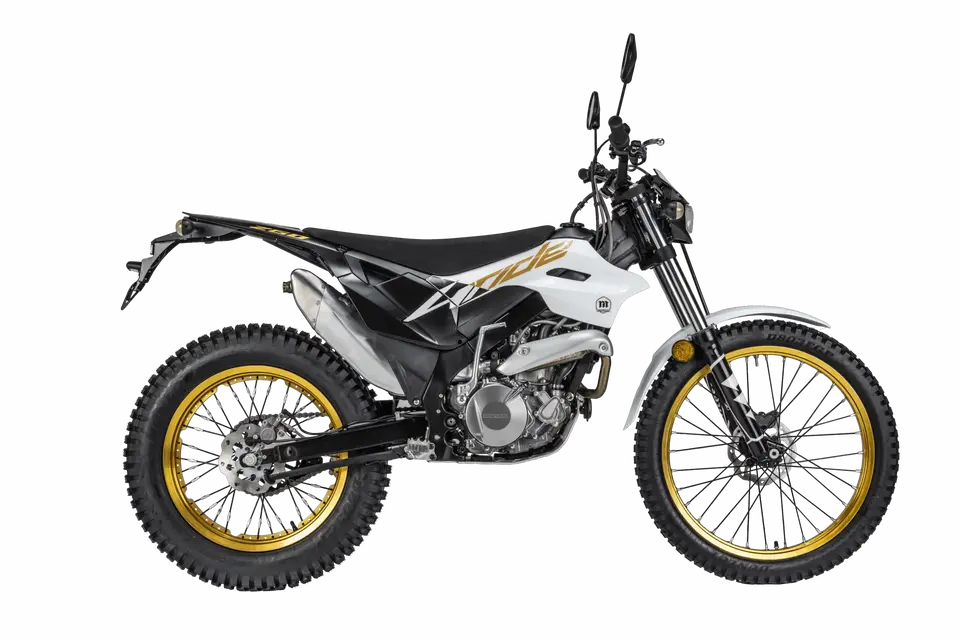
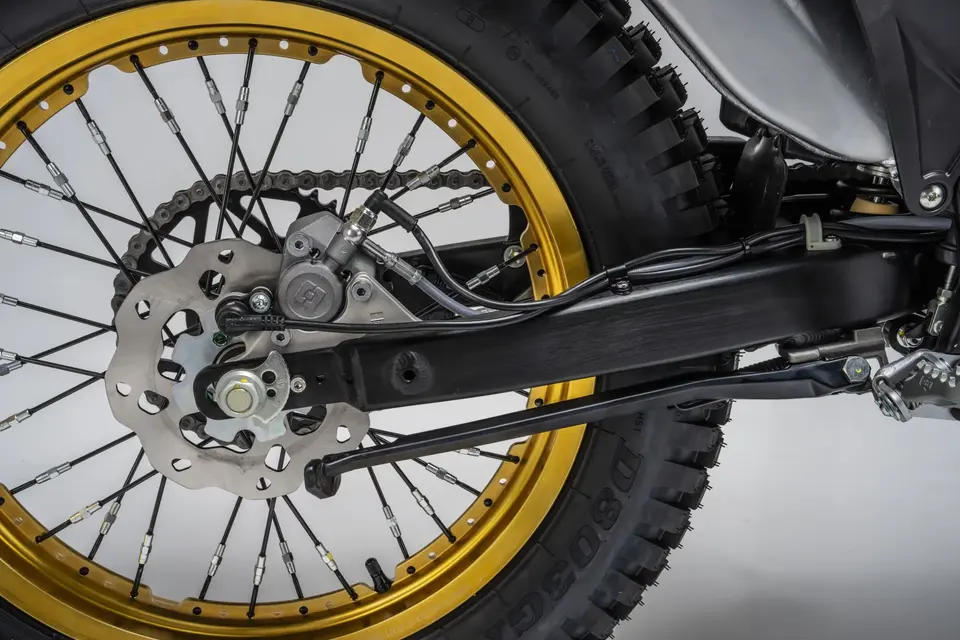
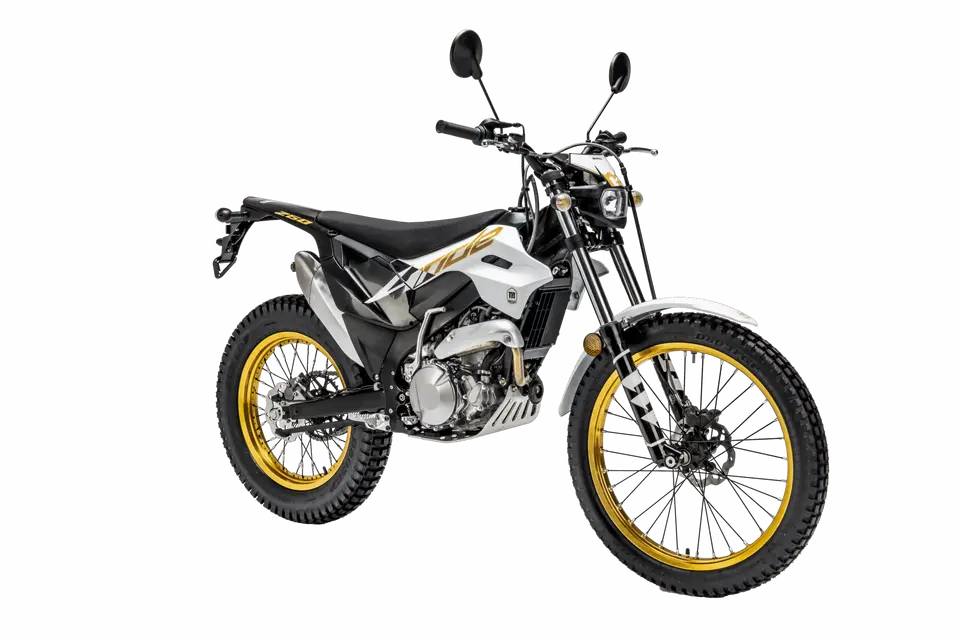
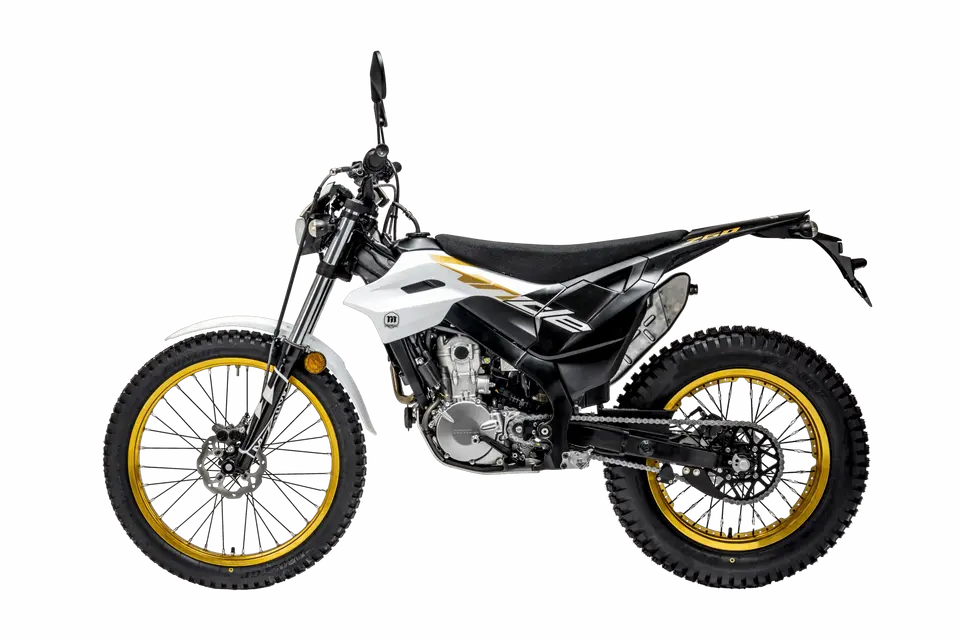
A liquid-cooled 259 cc four-valve single with Honda PGM-FI fuel injection, kickstarter, and five-speed transmission. The engine is identical to the Cota 4RT260 unit. Ready-to-ride weight is just 87 kg. A 39 mm TECH fork provides 199 mm of travel, while the Pro-Link monoshock offers 170 mm. Front and rear use 185 mm disc brakes. Trials competition tires measure 80/100-21 front and 120/100-18 rear. Seat height is 885 mm, fuel capacity 4.1 liters, and there is a large storage compartment beneath the seat. MY2026 brings Euro 5+ homologation, a new exhaust with aluminum silencer, a lighter sidestand, and gold-anodized rims. Production takes place in Santa Perpètua de Mogoda, Spain. Price: EUR 8,740.
As of: April 17, 2026 | Model: Montesa Cota 4Ride (MY2026) | Brand: Montesa, part of Honda since 1985 | Price: from EUR 8,740 | Colors: Black-White/Gold, Fighting Red | Stationary noise: 87 dB(A), Tyrol-compliant | Warranty: 2 years


Concept and Origins: Trials DNA With a Seat and Tank—How the 4Ride Differs From the Cota 4RT
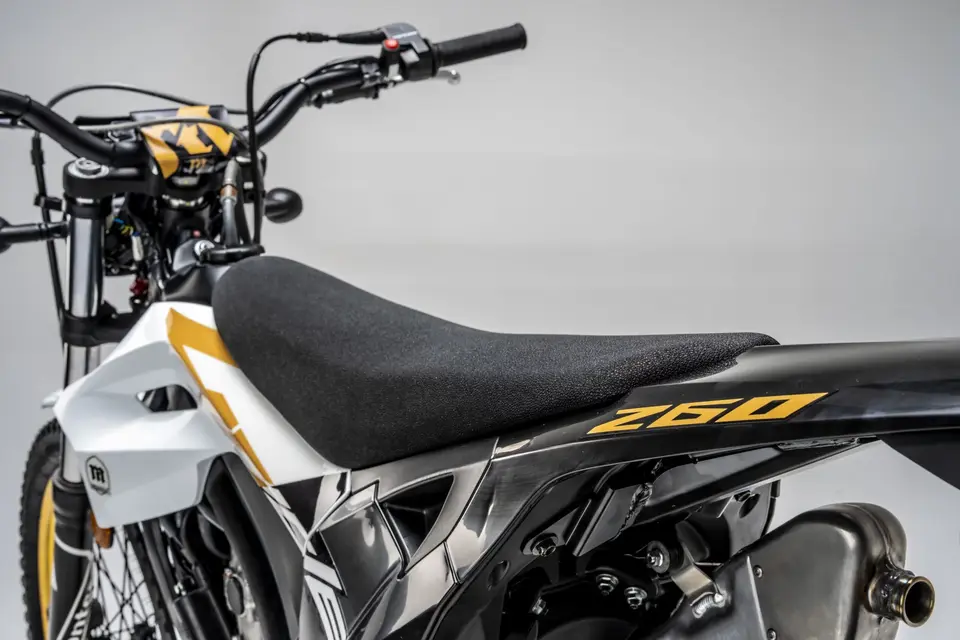
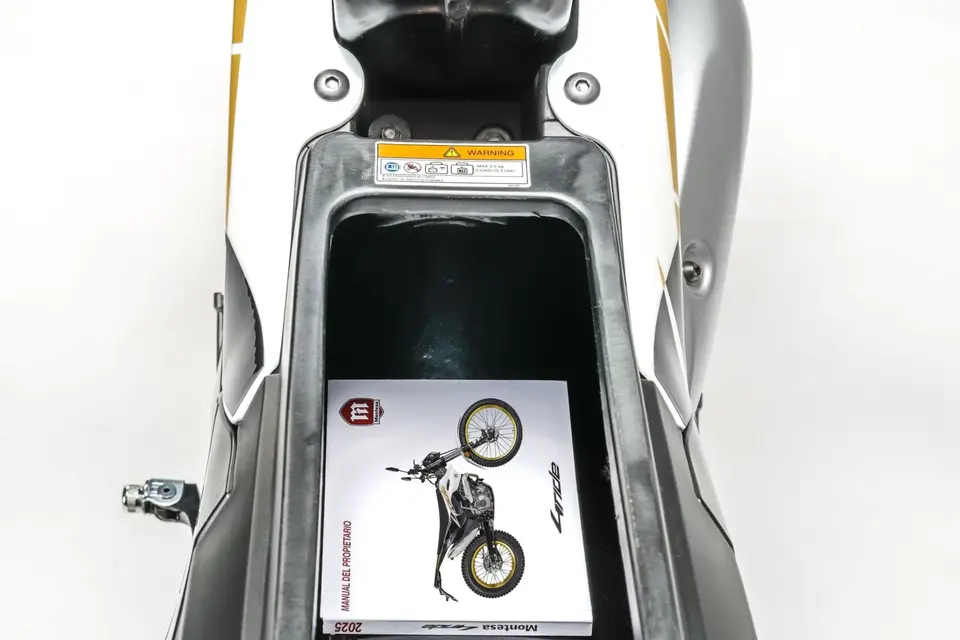
Montesa has belonged to Honda since 1985 and builds trials motorcycles exclusively at its Santa Perpètua de Mogoda plant near Barcelona, Spain. Since 2016, the 4Ride has been the company’s only model with road registration, a real seat, and a larger fuel tank. Its technical foundation is the Cota 4RT260: the same aluminum twin-spar frame, the same engine, and the same wheel concept. Compared with the pure trials bike, the 4Ride gets a full-length seat with a large storage compartment underneath, a 4.1-liter tank instead of the 4RT’s 1.9 liters, fork springs with 38 mm more installed length, a rear shock with 12 mm more installed length, a wider-ratio five-speed transmission, and road-legal lighting.
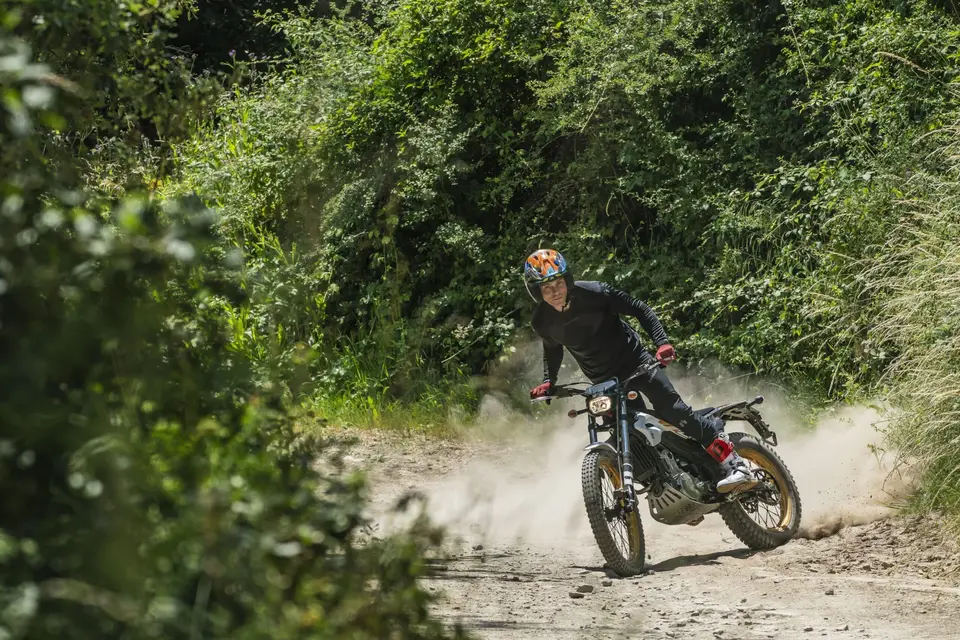
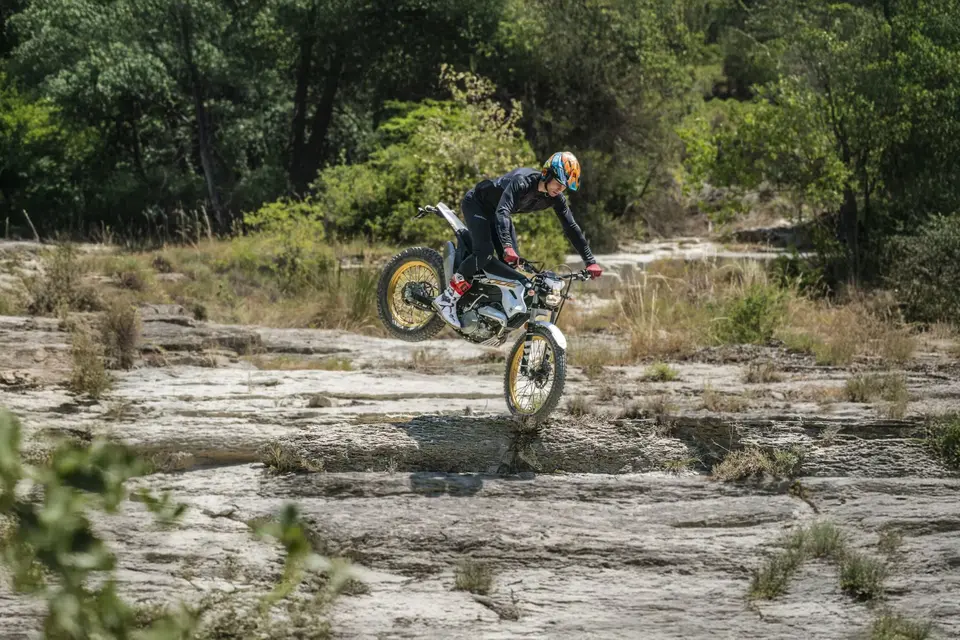
The result is unique: a street-legal motorcycle weighing only 87 kg, running trials competition tires, and capable of clearing obstacles that can stop conventional enduro riders. Even genuine hard enduros can struggle to match the Montesa in technically difficult uphill terrain. Model year 2026 adds Euro 5+ homologation, a new exhaust with an aluminum silencer shared with the Cota competition models, a lighter sidestand, and gold-anodized rims.
Engine: 259 cc, PGM-FI, Kickstarter, Trials Flywheel—Strong Response From Idle, No Electric Starter to Save Weight
The liquid-cooled 259 cc DOHC four-valve single with Honda PGM-FI injection and a 10.5:1 compression ratio is identical to the engine in the Cota 4RT260—the motorcycle platform on which Toni Bou has dominated trials world championships for years. Honda deliberately omits an electric starter to save weight. Thanks to fuel injection, the kickstarter normally brings the 4Ride to life on the first or second kick. Homologated road output is 6 kW, or 8 hp. The source notes that the intake restrictor is often removed during the first service, resulting in a significant increase in output.
The riding experience is pure trials. Throttle response is gentle from idle, power delivery is even, clutch action is exceptionally light, and the engine carries the substantial flywheel effect typical of the discipline. In first and second gear, apparently impossible off-road terrain becomes surprisingly manageable because the broad low-rpm torque makes finding traction on loose surfaces straightforward. On pavement, the wider gearing lets the 4Ride cruise comfortably up to around 80 km/h; fifth gear becomes useful from roughly 45 km/h. The five-speed gearbox is more widely spaced than the pure trials Cota’s.
Suspension: 39 mm TECH Fork, 199/170 mm Travel, Pro-Link—Trials Geometry With Trail-Riding Calibration
The aluminum twin-spar frame comes directly from trials competition. A 39 mm TECH telescopic fork provides 199 mm of travel, while the rear uses a Pro-Link monoshock with 170 mm of travel and compression- and rebound-damping adjustment. Compared with the Cota 4RT, both suspension units have significantly longer installed dimensions to improve comfort over longer distances. At the same time, fork and shock remain considerably firmer than the suspension on a conventional soft enduro, providing precise feedback.
The braking system uses 185 mm discs front and rear, with a four-piston Monobloc caliper at the front and a two-piston caliper at the rear. For an 87 kg motorcycle, the braking hardware is almost oversized and delivers remarkable bite. There is no ABS. The trials competition tires—80/100-21 front and 120/100-18 rear—are designed for maximum off-road grip, so wet pavement requires appropriate caution. The 1,335 mm wheelbase is extremely short, making the 4Ride exceptionally agile in tight terrain; at highway speeds, the short chassis is noticeable.
Ergonomics: 885 mm Seat Height, 87 kg, Narrow Seat—Natural Standing Position, Compact Seated Ergonomics
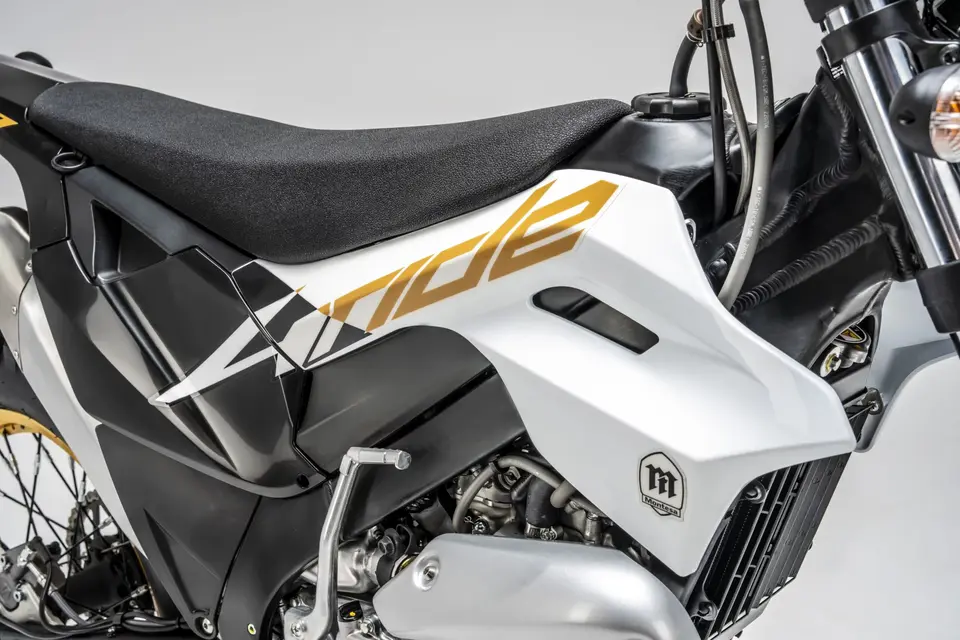
An 885 mm seat height is tall, yet entirely appropriate on this motorcycle. The 4Ride is designed for both standing and seated riding. Ride it like an enduro while standing and the position feels natural. When seated, the narrow, compact seat keeps knee angles relaxed, while the footpegs are broad and solid. In rough sections with major obstacles, the trials chassis allows lines and body positions that simply are not possible on heavier motorcycles.
Riders shorter than around 1.75 meters have limited ground contact at 885 mm, but the 87 kg weight compensates enormously—the bike can be physically muscled over obstacles when necessary. There are two criticisms. The left side panel can interfere with the inside of the calf when riding trials-style in tight terrain. And compared with the pure Cota, the seat limits freedom of movement during hard trials riding. For trail exploration and off-road excursions, however, the ergonomics are convincing.
Cost and Niche: EUR 8,740 for a Motorcycle With Almost No Real Competition
At EUR 8,740, the 4Ride is not inexpensive compared with machines such as the Mash X-Ride at EUR 5,399 or the KTM Freeride 250 F. It is a niche product with very little direct competition. Alternatives are scarce: the Beta Alp 4.0 is significantly heavier, the KTM Freeride 250 F is around 20 kg heavier and follows a different concept, while the Sherco X-Ride is difficult to find. Riders who want to combine 87 kg, trials-level off-road performance, and road registration have no true new-bike alternative in 2026.
Availability is limited. Many regular Honda road-bike dealers do not keep the 4Ride in stock, and test rides can be difficult to arrange. Prospective buyers should look specifically for Honda dealers with an off-road focus or be prepared to order in advance. The 4.1-liter tank provides roughly 90 to 100 km of range at around 4 L/100 km—enough for day rides, but longer trips require fuel planning. The large storage compartment beneath the seat can hold a rain jacket, tools, and a small water bottle.
Verdict
The Montesa Cota 4Ride is the lightest street-legal motorcycle you can buy new in 2026: 87 kg combined with genuine trials capability, a 259 cc Honda engine, and enough range for trail exploration. It is not an all-round enduro, a sport bike, or a tourer. It is a precise tool for a precise purpose: technical terrain, off-road exploration, and a weekend trials event. For that job, nothing else does it better.
Quick Check
+ 87 kg ready to ride: the lightest street-legal motorcycle on the 2026 new-bike market in the source comparison; around 30 kg lighter than the KTM Freeride 250 F.
+ Engine identical to the Cota 4RT260 platform used by Toni Bou; competition-proven Honda/Montesa engineering.
+ Trials-level off-road performance: superior to hard enduros in technically demanding passages where low weight and traction matter most.
+ Gentle PGM-FI throttle response from idle, exceptionally light clutch, and trials-style flywheel effect make traction easy to find on loose ground.
+ 39 mm TECH fork with 199 mm travel / Pro-Link rear with 170 mm: well calibrated for trail trials and off-road exploration.
+ 185 mm disc brakes: remarkably strong for a motorcycle in this weight class.
+ MY2026: Euro 5+, new exhaust with aluminum silencer from Cota production, lighter sidestand, gold-anodized rims.
+ 87 dB(A): Tyrol-compliant, quiet and unobtrusive in off-road environments.
+ Produced at the Montesa-Honda plant in Santa Perpètua de Mogoda, Spain.
+ Large storage compartment beneath removable seat: enough for rain jacket, tools, and a small bottle.
+ Street legal: 21/18-inch trials wheels and road-approved tires allow legal use on public roads.
+ No real direct competition on the new-bike market: genuinely unique niche product.
– No electric starter: deliberate weight-saving decision; kickstarter requires acclimatization and enough room to operate.
– 885 mm seat height: significantly restricted ground contact for riders under roughly 1.75 m.
– 4.1-liter tank: around 90–100 km range; no long-distance capability and fuel planning is essential.
– Trials tires on wet pavement require considerable caution and are not all-weather road tires.
– Left side panel can interfere with the inside of the calf during standing trials riding in tight terrain.
– Seat restricts freedom of movement compared with the pure trials Cota; hard trials riders may prefer a trials-style rear fender setup.
– Limited dealer availability: test rides are rare and pre-ordering may be necessary.
–– EUR 8,740: more expensive than the Mash X-Ride and some more conventional rivals; the price reflects the niche concept and Honda/Montesa production quality.
– No ABS.
– No wind protection, connectivity, or rider-assistance systems: a pure, analog motorcycle.
Technical Specifications: Montesa Cota 4Ride (2026)
Brand / Production: Montesa, part of Honda since 1985; Santa Perpètua de Mogoda plant, Barcelona, Spain
Engine: 259 cc liquid-cooled DOHC single, four valves, Honda PGM-FI fuel injection; 10.5:1 compression; kickstarter, no electric starter; five-speed transmission; chain final drive; engine identical to Cota 4RT260
Power: 6 kW / 8 hp road homologation; source states actual engine output is significantly higher with intake restriction removed
Character: Trials-style broad torque from idle; gentle throttle response; exceptionally light clutch; substantial flywheel effect; usable on pavement up to around 80 km/h
Transmission: Five-speed; wider ratios than Cota 4RT; chain final drive
Frame: Aluminum twin-spar frame based on Cota 4RT
Fork: 39 mm TECH telescopic fork; 199 mm travel
Rear Shock: Pro-Link monoshock; 170 mm travel; adjustable compression and rebound damping
Front Brake: Single 185 mm disc; four-piston Monobloc caliper; no ABS
Rear Brake: Single 185 mm disc; two-piston caliper; no ABS
Wheels: 21-inch front / 18-inch rear
Tires: Road-legal trials competition tires; 80/100-21 front; 120/100-18 rear
MY2026 Updates: Euro 5+; new exhaust with aluminum silencer shared with Cota 4RT models; lighter Cota-derived sidestand; gold-anodized rims; Black-White/Gold and Fighting Red colors
Weight: 87 kg fully fueled
Seat Height: 885 mm
Wheelbase: 1,335 mm, extremely short for high agility in terrain
Fuel Tank: 4.1 liters; approx. 90–100 km range
Storage: Large compartment beneath removable seat for jacket, tools, and bottle
Stationary Noise: 87 dB(A), Tyrol-compliant
Warranty: 2 years, unlimited mileage
German Price: From EUR 8,740