Review Royal Enfield Interceptor 650 (2026)

The Motorcycle You Buy For Keeps
The air/oil-cooled 648 cc parallel twin with 47 hp is not a performance argument. So what does this bike have going for it? The Interceptor 650 has been fundamentally the same motorcycle since 2018—and that may be its greatest compliment. You buy one, ride 25,000 km in two years, take it onto the Trans Euro Trail, turn it into a scrambler, turn it back into an Interceptor, and still do not sell it. For riders who want a genuine motorcycle they can imagine keeping in the garage for the next ten years, the Interceptor 650 is a compelling choice at a competitive EUR 7,700.
As of: July 17, 2026 | Model: Royal Enfield Interceptor 650 (2026; 648 cc parallel twin; retro roadster; full A license / A2 restriction available) | Manufacturer: Royal Enfield, Chennai, India; Eicher Motors | German price: from EUR 7,690 plus ancillary charges | Stationary noise: below 95 dB(A), Tyrol-compliant | Warranty: 3 years, Royal Enfield standard
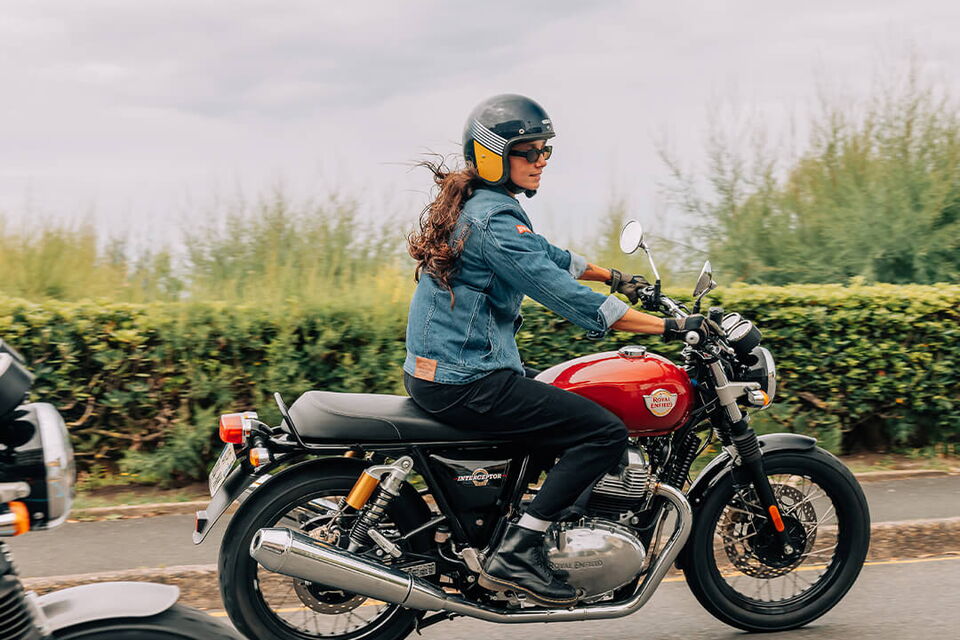
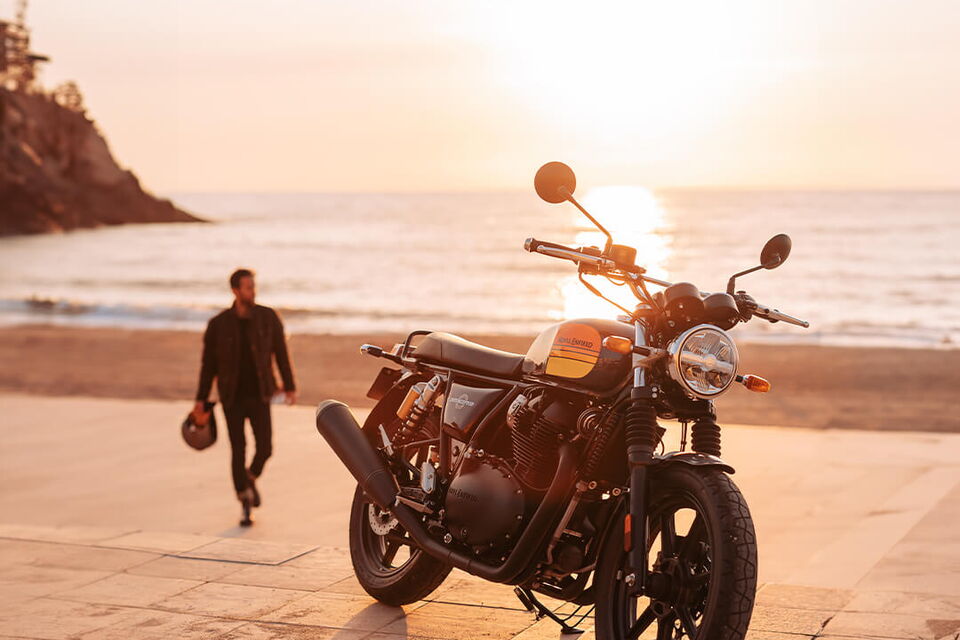

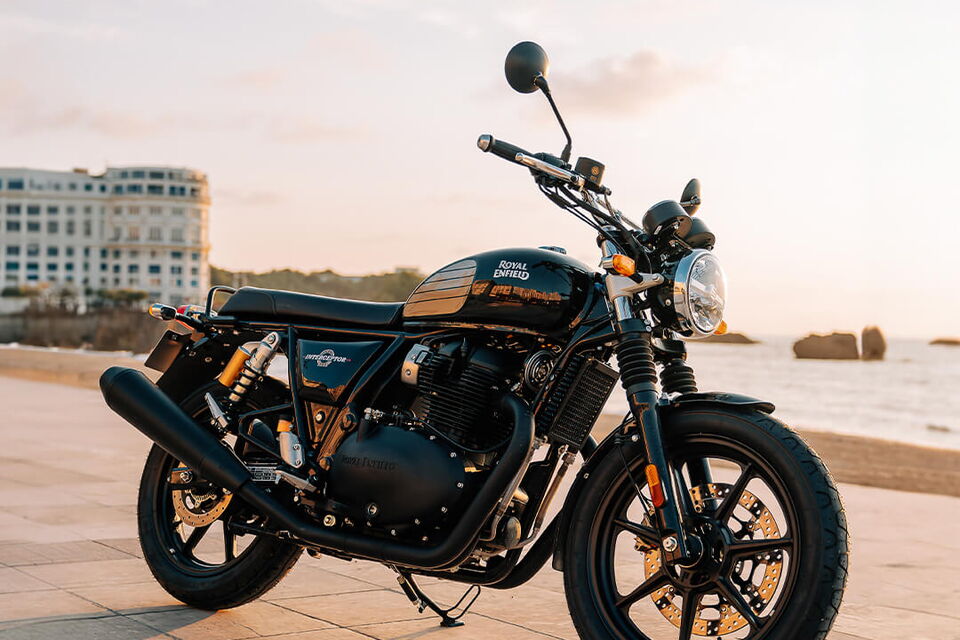
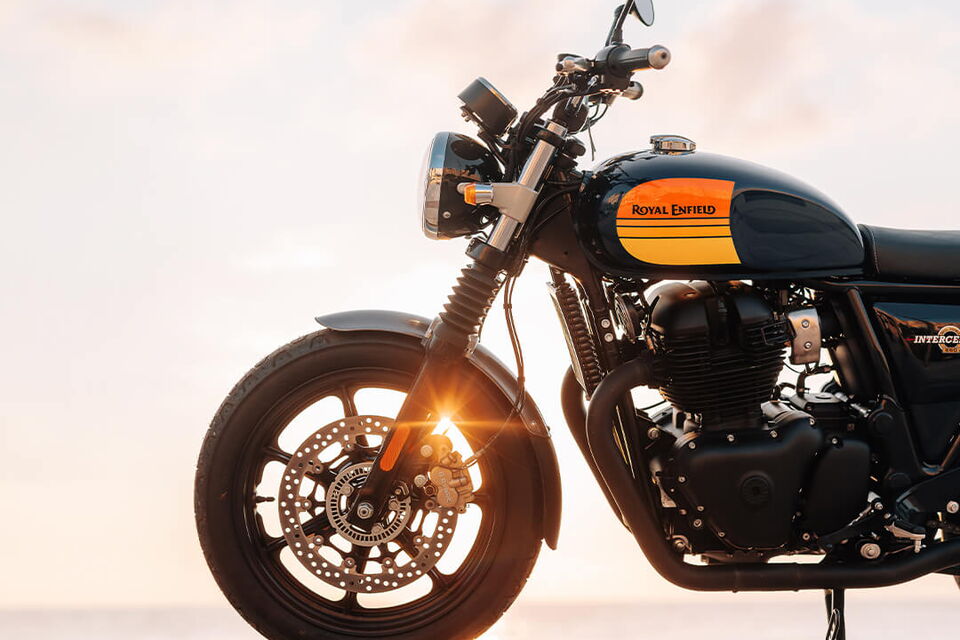
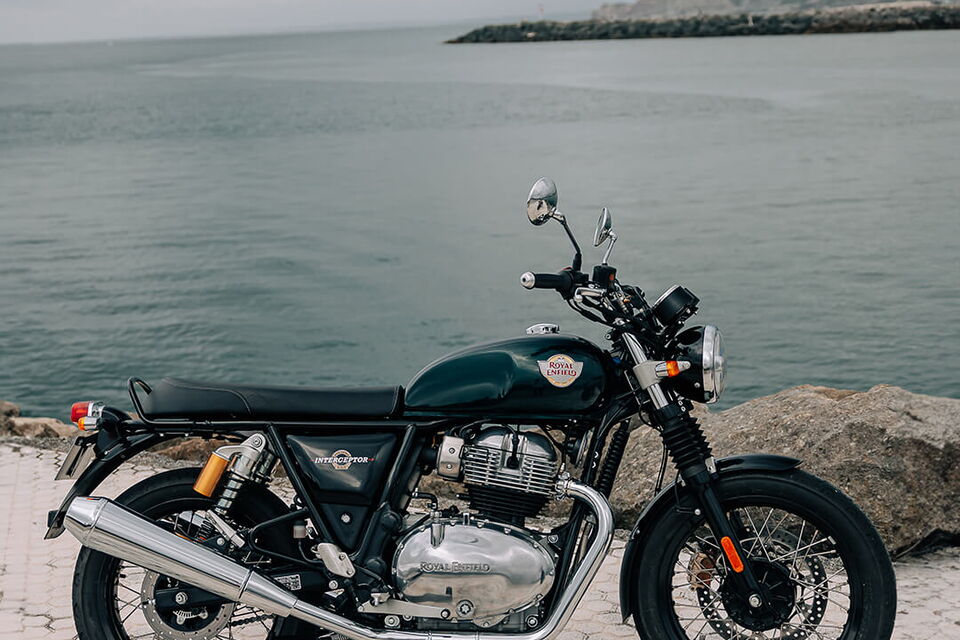
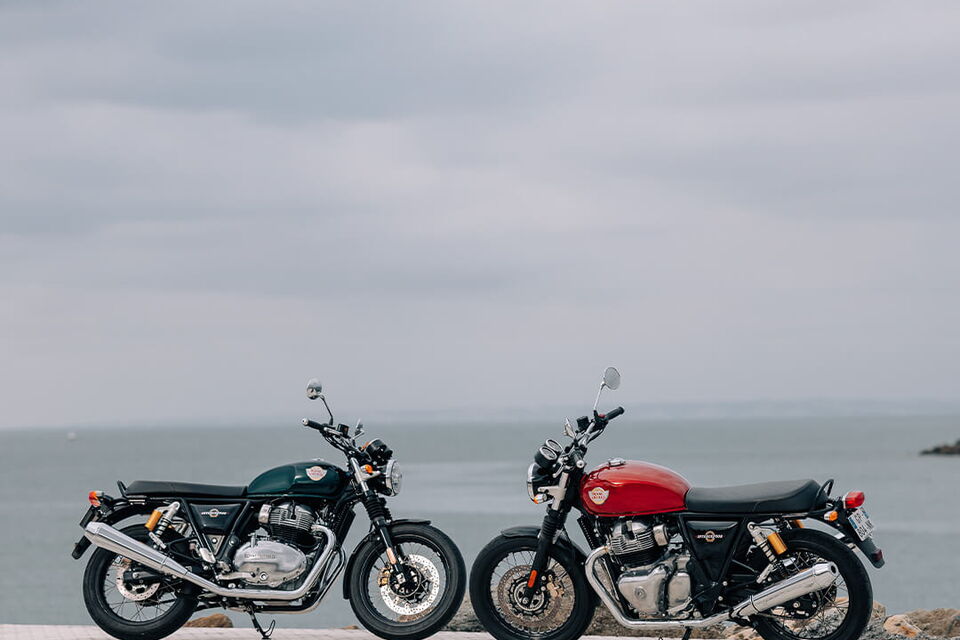
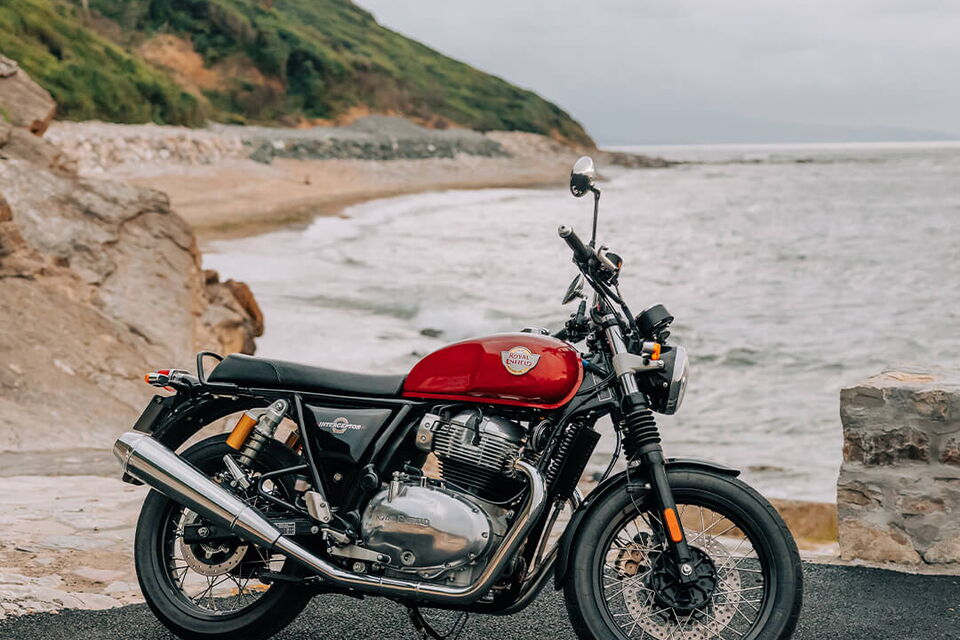
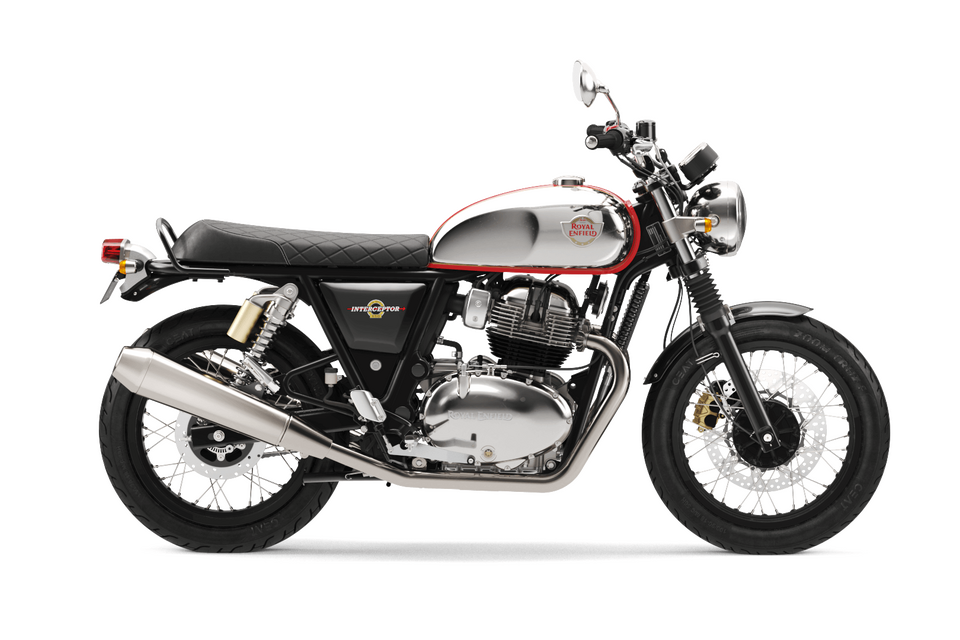
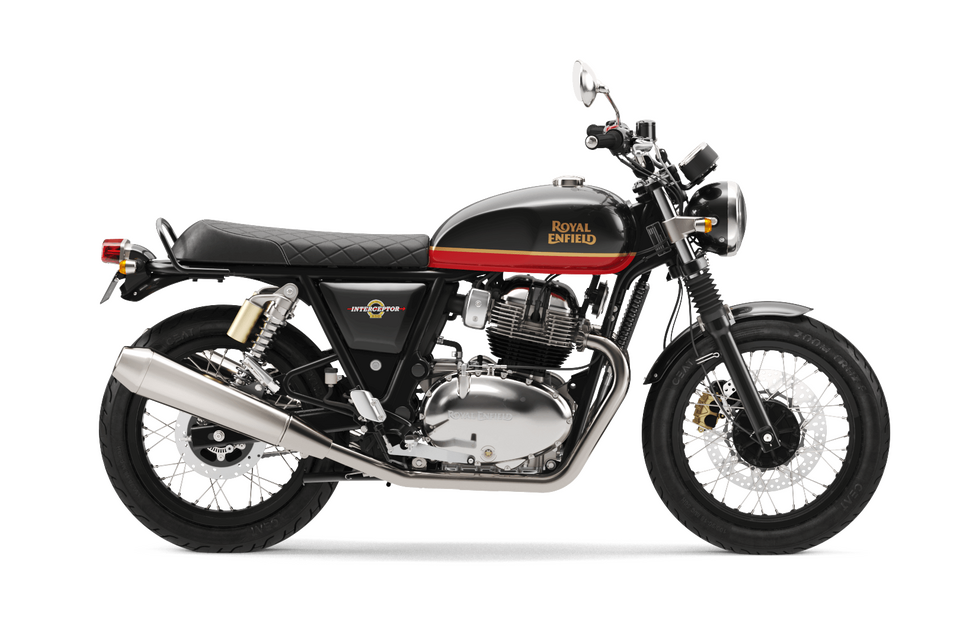
February 2026. Motorradundreisen publishes a 25,000-km long-term test of the Royal Enfield Interceptor 650. Two years. Trans Euro Trail. Mud. Narrow tracks. Water crossings. No damage. The final observation is simple: even a water crossing caused the Interceptor no problems. This is not a test of the Interceptor as an adventure bike. It is a description of a motorcycle you buy and then simply use for whatever comes next.
The Interceptor 650 has been on the market since 2018. Eight years. The technical foundation remains largely unchanged: 648 cc air/oil-cooled parallel twin, 47 hp, 52 Nm, two-channel ABS, and 18-inch wheels. What has changed are the colors and versions, plus the Blacked Out cast-wheel model introduced in 2023, LED headlight, and new aluminum switchgear. What has stayed the same is the character. That is the kind of consistency that creates owner loyalty.
The Engine: 52 Nm at 5,250 rpm—and the Feeling of Freedom
Six hundred and forty-eight cubic centimeters. Parallel twin. Air/oil cooling. Forty-seven horsepower at 7,150 rpm and 52 Nm at 5,250 rpm. Those are not spectacular numbers in 2026. They are honest ones. The Interceptor engine is not built for headline output. It is built around character: a twin that already pulls at 3,000 rpm, delivers full torque around 5,000, and still has something left near 7,000. A slipper clutch is standard, as is a six-speed gearbox.
Royal Enfield describes the throttle response as even across the entire rev range. That is the right description: no dramatic peaks, no holes, no waiting for the engine to wake up. The twin responds cleanly from low rpm and does not become nervous when pushed. The sound—two cylinders, air/oil cooling, classic exhaust note—feels authentic. For riders who define motorcycling as an experience rather than an acceleration test, this engine is a main character, not a supporting role.
25,000 km in Two Years: What the Long-Term Test Shows
The Motorradundreisen long-term test from February 2026 is one of the most relevant German-language documents on the Interceptor 650 cited in the source. The motorcycle covered 25,000 km in two years and was used as an everyday bike, a touring motorcycle, and even on the Trans Euro Trail. The suspension was described as quite soft on pavement. On gravel, however, the bike worked surprisingly well despite only around 110 mm of front travel and roughly 88 mm at the rear. The 18-inch wheels at both ends helped.
The test also highlighted the huge supply of compatible accessories and custom parts. Scrambler, café racer, touring conversion—almost anything is possible, much of it plug-and-play and affordable enough for owners working with modest budgets. Most importantly, the motorcycle completed 25,000 km without a defect and suffered no damage on the Trans Euro Trail. That is a meaningful long-term reliability result.
Suspension: Soft on Asphalt, Surprisingly Capable on Gravel
A 41 mm telescopic fork provides 110 mm of front travel. At the rear are gas-charged piggyback twin shocks with 88 mm of travel and six-step adjustable spring preload. The setup favors comfort rather than sporty precision. Steering-head angle is 24 degrees with 106 mm of trail: agile enough for city traffic, stable enough on the highway, and predictable in corners. Eighteen-inch wheels front and rear are larger than typical sport-bike wheels and offer an advantage on loose surfaces.
The 88 mm of rear travel means rough-road bumps are more noticeable than on adventure motorcycles with 190 mm or more. That is the compromise built into the concept: this is a retro roadster, not a travel enduro. Accept that, and the reward is a motorcycle that works on gravel better than its specifications suggest.
2026 Versions: Chrome, Mark2, Blacked Out
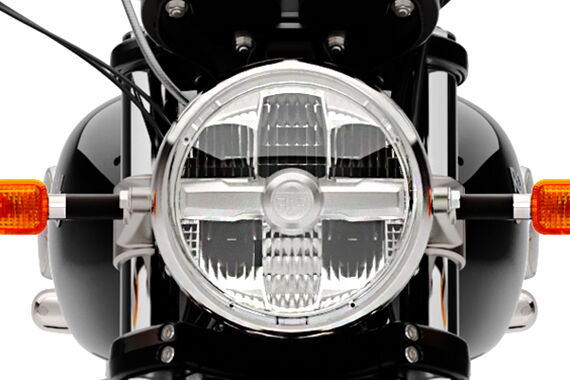
Royal Enfield offers several Interceptor 650 variants. The classic Chrome and Mark2 versions use traditional wire-spoke wheels, Pirelli Phantom Sportscomp tires, and heritage paint schemes. Since 2023, the Blacked Out versions have added tubeless cast wheels, a black engine and exhaust, LED headlight, and new aluminum switchgear with improved feel. Mechanically, the bikes remain the same. Visually, they make very different statements. The Blacked Out model is the more modern face of the Interceptor—less café-racer nostalgia, more urban naked bike.
The Interceptor’s counterpart in Royal Enfield’s 650 family is the Continental GT. It uses the same engine and closely related chassis but adds café-racer ergonomics with lower handlebars and a more committed riding position. Riders who want sportier posture should choose the Continental GT. Riders who want an upright, wide-bar everyday position should choose the Interceptor. The question is ergonomics, not performance.
The Custom Ecosystem: Why It Matters When Buying
The Interceptor 650’s accessory ecosystem is unusually broad at this price. Scrambler kits, café-racer conversions, touring packages, exhaust systems, seat options, bodywork, and lighting components are widely available, many of them plug-and-play. That means buying an Interceptor is not only buying a motorcycle. It is buying a platform that can become a different motorcycle three years from now. For owners who like to wrench and customize, that is a compelling reason to purchase.
EUR 7,690 and the Comparison
The 2026 German price starts at EUR 7,690 plus ancillary charges. Compare that with a Triumph Street Twin 900 from around EUR 10,200. The Interceptor costs less than the British competition in this displacement class while bringing a 25,000-km defect-free long-term test to the table.
Verdict
The 2026 Royal Enfield Interceptor 650 is the motorcycle you buy when you want to keep a motorcycle around for a long time. Forty-seven horsepower, 52 Nm, a 648 cc parallel twin, two-channel ABS, 18-inch wheels, slipper clutch, an enormous custom ecosystem, and a 25,000-km long-term test completed without a defect. It is also below Tyrol’s 95 dB(A) stationary-noise threshold. Price: EUR 7,690. For riders who see motorcycling as a long-term relationship rather than a short-term purchase, the Interceptor has the right qualities.
Quick Check
+ 47 hp / 52 Nm at 5,250 rpm: even torque delivery across the rev range, with no pronounced holes or waiting for power.
+ Slipper clutch standard.
+ 25,000-km long-term test completed without a defect, according to Motorradundreisen, February 2026.
+ Trans Euro Trail and water crossings completed without damage in the cited long-term test.
+ Huge custom-parts ecosystem: scrambler, café racer, and touring conversions available with many plug-and-play solutions.
+ Two-channel ABS standard. Stationary noise below 95 dB(A), Tyrol-compliant.
+ 18-inch wheels front and rear: better suited to loose surfaces than smaller sport-bike wheels.
+ Blacked Out version: tubeless cast wheels, LED headlight, aluminum switchgear, and black components.
+ EUR 7,690: less expensive than comparable British and Japanese parallel twins in the source comparison.
+ A2 restriction available.
– 47 hp / approx. 170 km/h top speed: not a performance engine; highway overtaking reserves are limited.
– 88 mm rear suspension travel: short, with rough-road bumps clearly noticeable.
– No TFT, built-in Bluetooth, or cruise control: deliberate simplicity, but not for everyone.
– Classic wire-spoke versions use tube-type tires, making puncture repair more involved than on tubeless cast wheels.
– 13.7-liter tank: roughly 310 km range; longer trips require some fuel planning.
– Suspension is soft on asphalt: comfort-oriented rather than sporting.
Technical Specifications: Royal Enfield Interceptor 650 (2026)
Brand / Model: Royal Enfield Interceptor 650 (2026; 648 cc parallel twin; retro roadster; full A license / A2 restriction available); manufacturer: Royal Enfield, Chennai, India; Eicher Motors Ltd.
Engine: Air/oil-cooled SOHC parallel twin; 648 cc; 47 hp / 34.9 kW at 7,150 rpm; 52 Nm at 5,250 rpm; slipper clutch; six-speed; chain drive; Euro 5
Frame: Steel double-cradle frame; 24-degree steering-head angle; 106 mm trail; 1,400 mm wheelbase
Front Suspension: 41 mm telescopic fork; 110 mm travel
Rear Suspension: Gas-charged piggyback twin shocks; 88 mm travel; six-step adjustable spring preload
Brakes: 320 mm front disc with two-piston floating caliper; 240 mm rear disc with single-piston caliper; two-channel ABS
Wheels / Tires: 18-inch front and rear. Classic/Mark2: wire-spoke wheels with tubes; Pirelli Phantom Sportscomp. Blacked Out: tubeless cast wheels.
Weight / Seat Height: Approx. 202 kg ready to ride; 805 mm seat height
Fuel Tank / Consumption: 13.7 liters; approx. 4.3–4.5 L/100 km; approx. 310 km range
Electronics: Two-channel ABS; analog round speedometer + LCD; USB port; LED headlight on Blacked Out version; no TFT or built-in Bluetooth
2026 Versions: Chrome / Mark2 with wire-spoke wheels and classic styling. Blacked Out with tubeless cast wheels, black components, LED, and aluminum switchgear. Continental GT 650 uses the same engine and closely related chassis with café-racer ergonomics. A2 restriction available.
Stationary Noise: Below 95 dB(A), Tyrol-compliant
Warranty: 3 years, Royal Enfield standard
German Price: From EUR 7,690 plus ancillary charges