Review Royal Enfield Shotgun 650 (2026)

2,500 km Through the Balkans—and Nobody Wanted to Stop
Air/oil-cooled parallel twin, 648 cc, 47 hp, 52 Nm—the proven Interceptor 650 engine in a completely different package. A factory-custom bobber with forward-set footpegs, modular construction with a tool-free convertible solo seat, an upside-down fork, and Showa rear shocks. 240 kg, 795 mm seat height, and 91 dB(A), making it Tyrol-compliant. After 2,500 km on the 1000PS Balkan Rally, the verdict was that the Shotgun invites you to slow down—and that was meant as a compliment. EUR 7,590. This is for riders who want a motorcycle to express an attitude, not merely provide transportation.
As of: July 17, 2026 | Model: Royal Enfield Shotgun 650 (2026; 648 cc parallel twin; factory-custom bobber; full A / A2-restricted version available) | Manufacturer: Royal Enfield, Chennai, India; Eicher Motors | German price: EUR 7,590 plus ancillary charges | Stationary noise: 91 dB(A), Tyrol-compliant | Warranty: 3 years, Royal Enfield standard
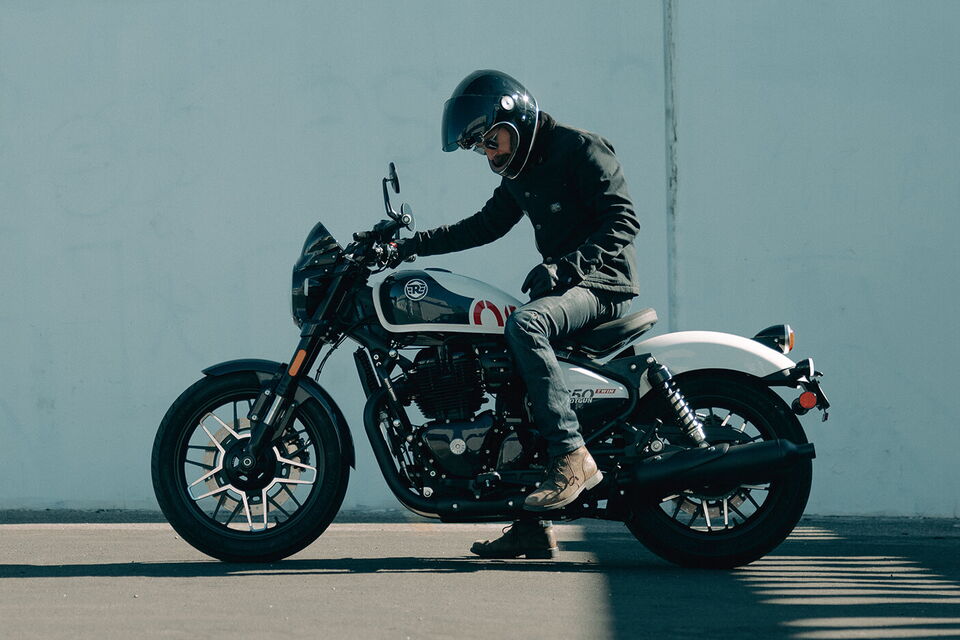
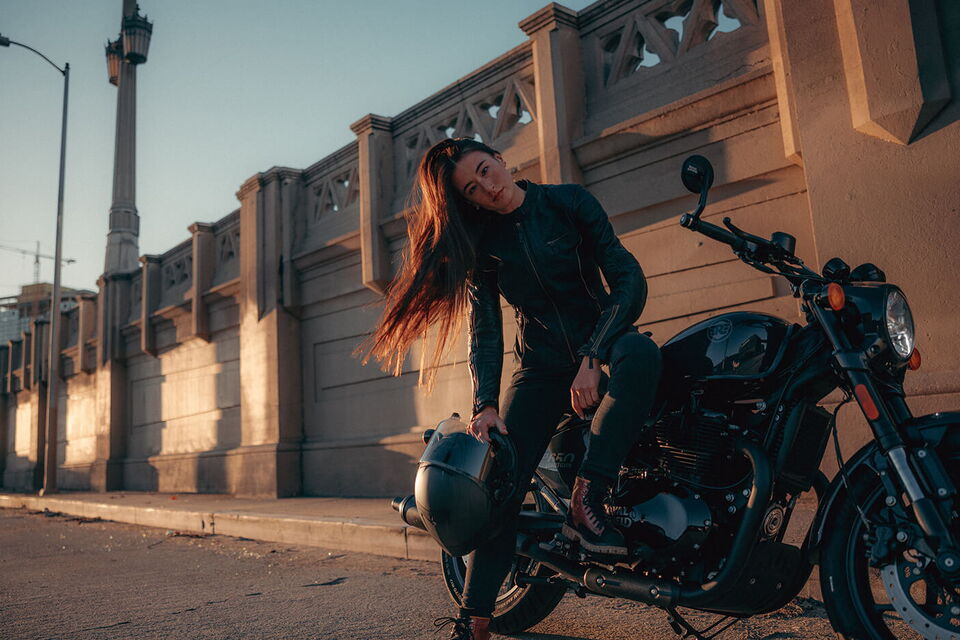
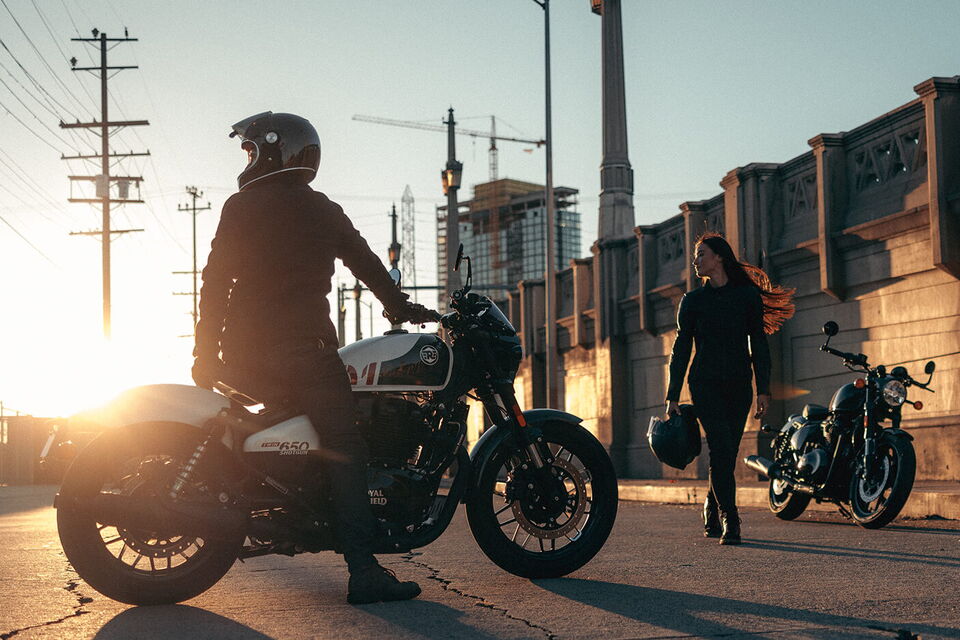

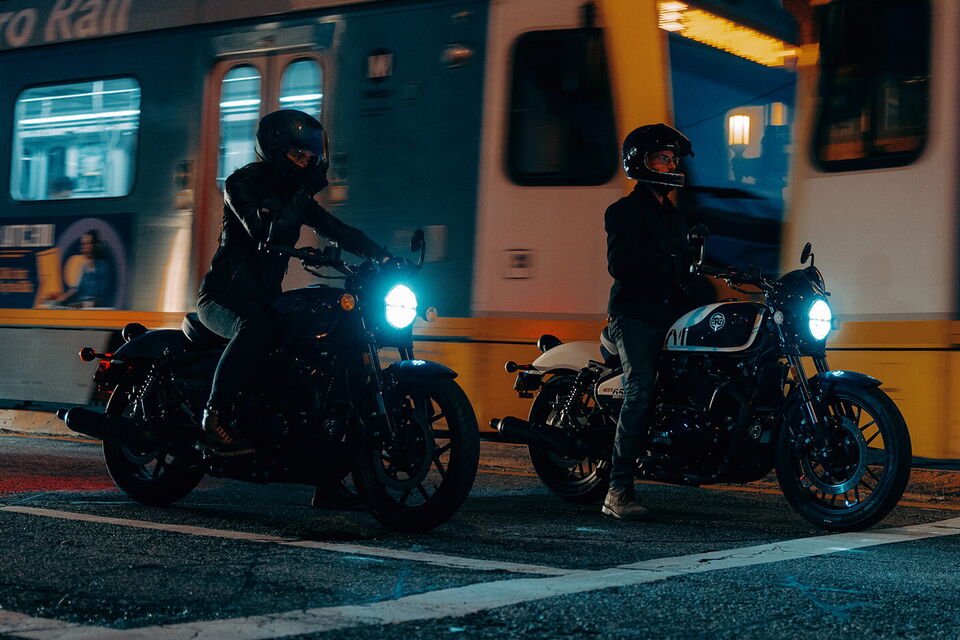
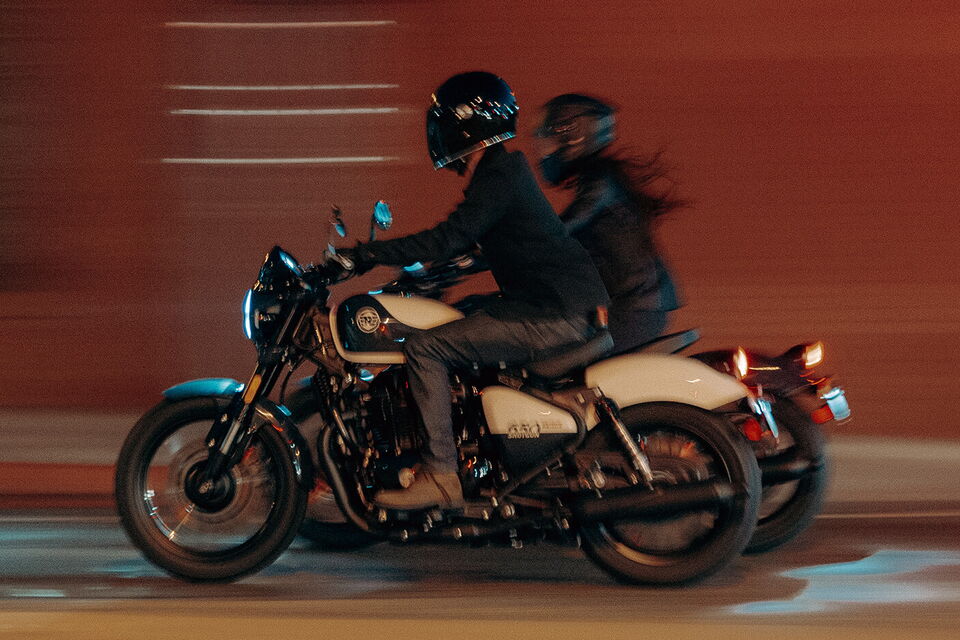
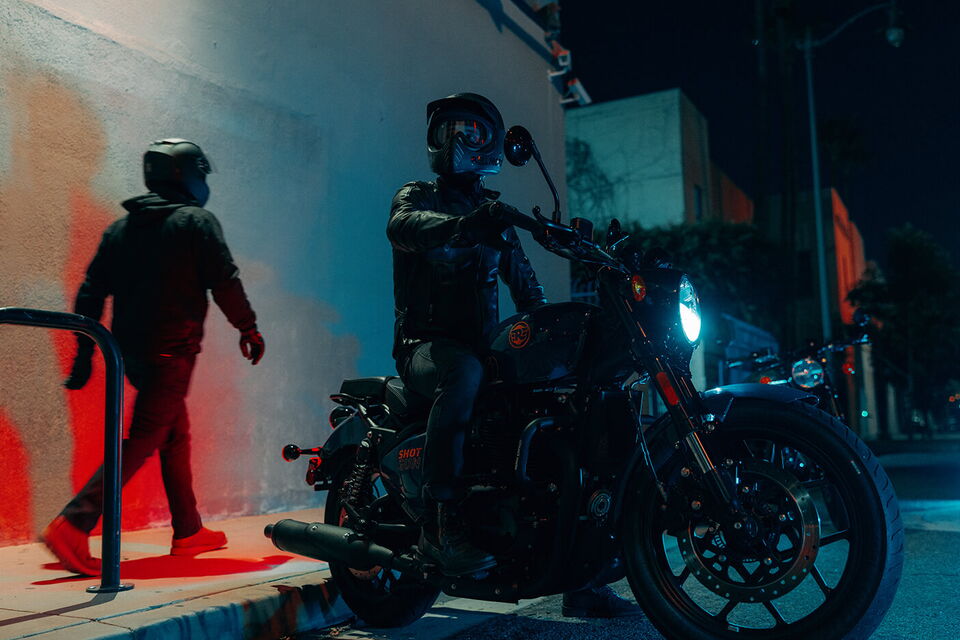
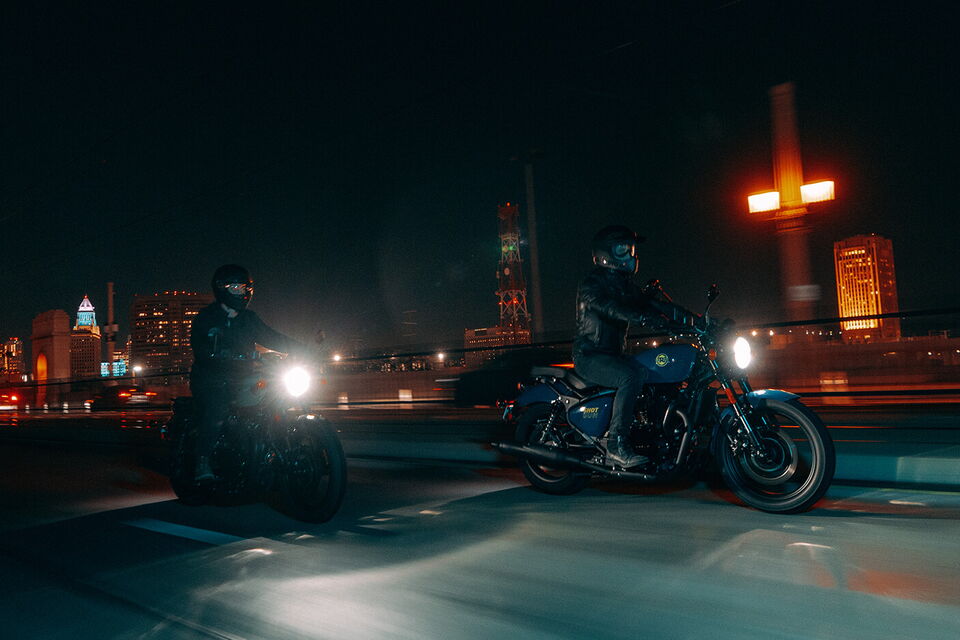
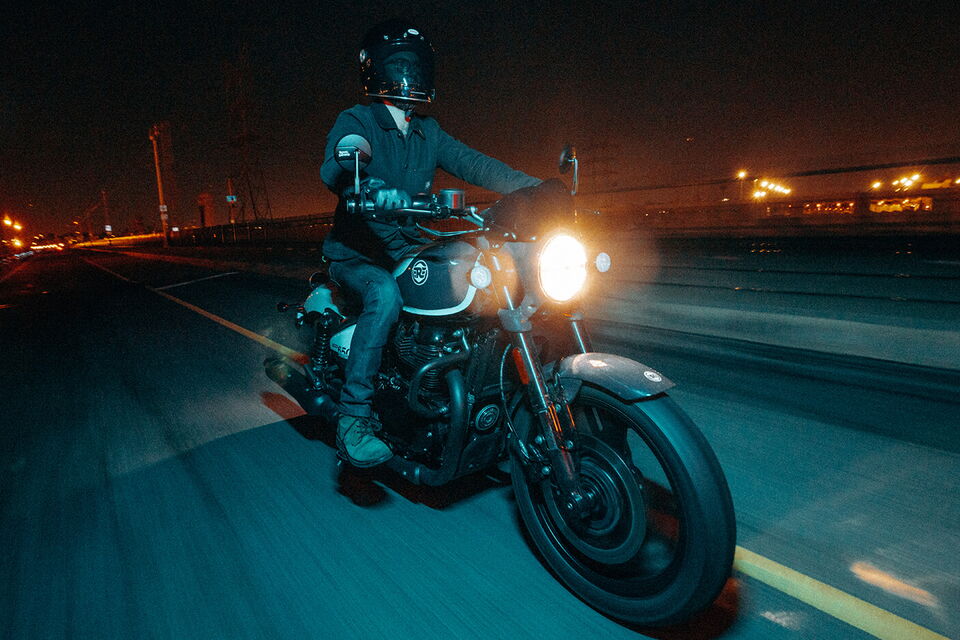
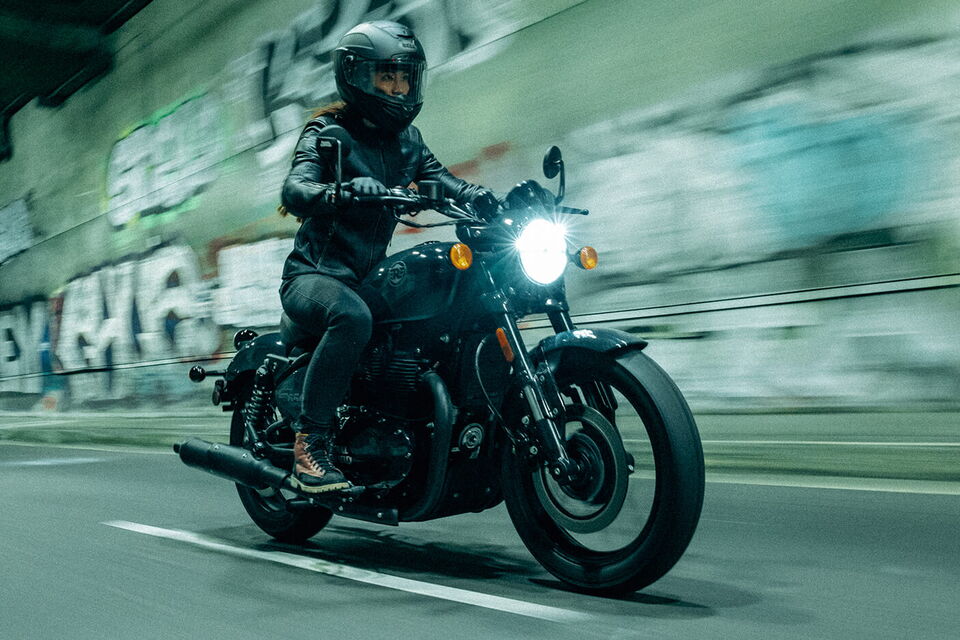
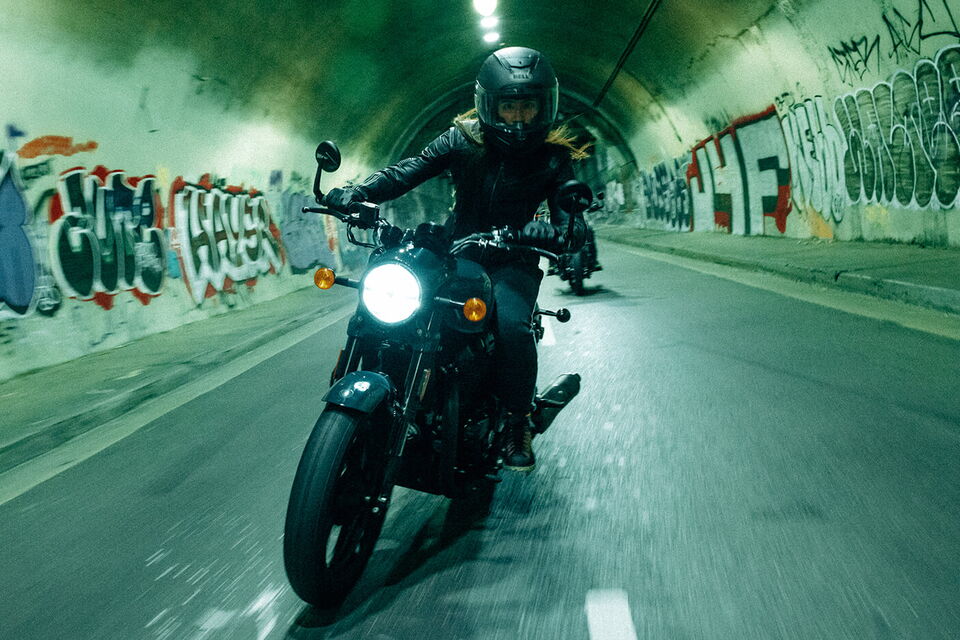
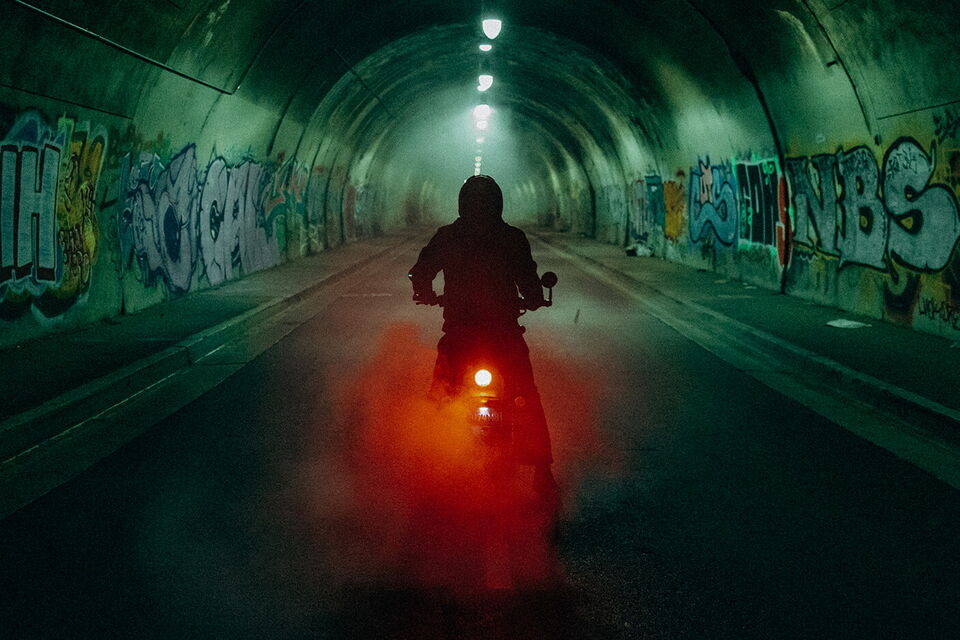
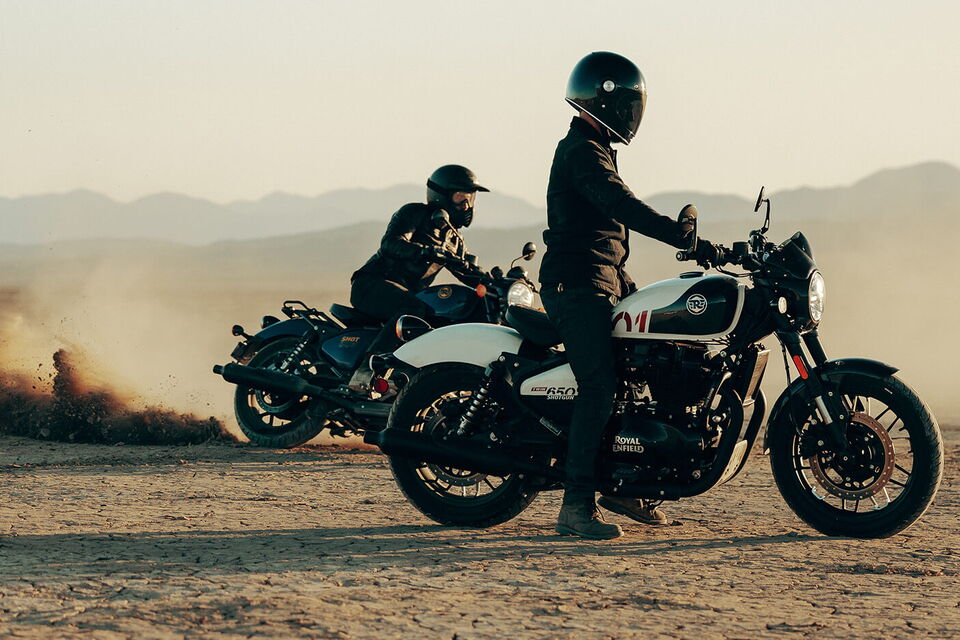
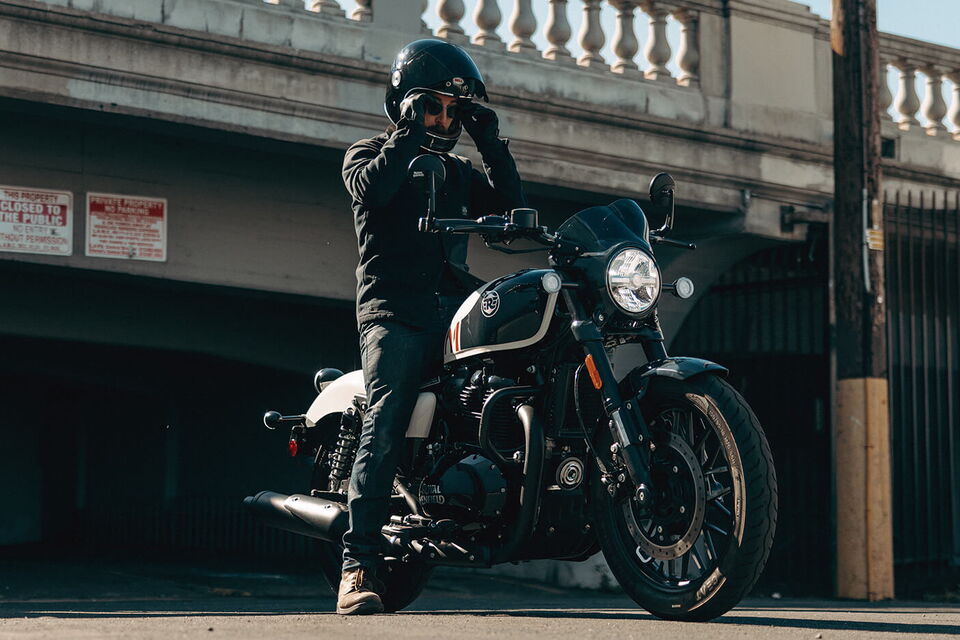
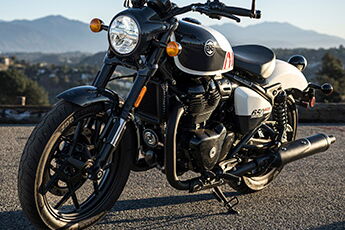
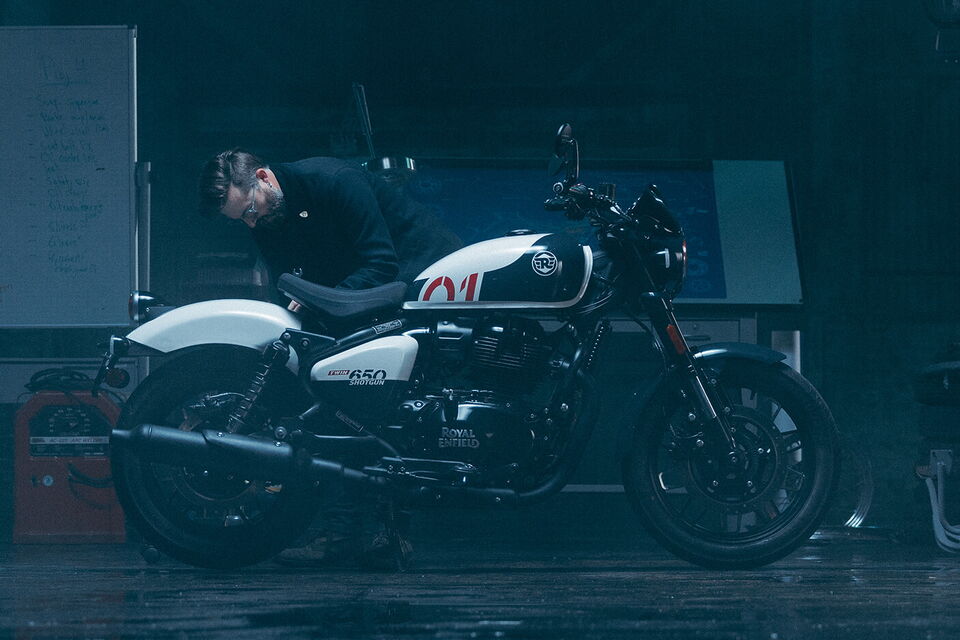
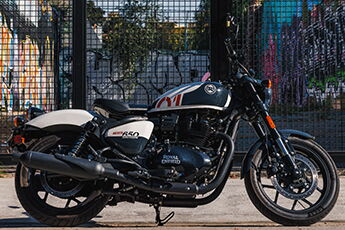
Budapest. Fall 2024. The 1000PS crew sets off on the Balkan Rally—2,500 kilometers from Budapest through the Balkans to the Bay of Kotor and back to Wiener Neustadt. One of the bikes is a Royal Enfield Shotgun 650. Not a touring motorcycle. Not an adventure bike. Not a travel enduro. A factory-custom bobber with a 13.8-liter tank and only 90 mm of rear suspension travel.
The test report’s conclusion was that the Shotgun 650 won over the 1000PS crew completely. That explains the motorcycle better than any line in a spec sheet. Not because of performance. Because of character.
Factory Custom: What the Concept Means
Royal Enfield calls the Shotgun 650 a “Factory Custom.” The phrase describes the concept well: a motorcycle that leaves the showroom looking as though someone has already spent serious time and money modifying it. Bobber silhouette. Forward-set footpegs. Low, flat solo seat. Sweeping exhaust. Distinctive colors such as Stencil White and Oil Black. The modular design allows the solo seat to be converted to a two-person setup without tools.
That separates the Shotgun fundamentally from the Interceptor 650, even though both use the same engine. The Interceptor is the relaxed retro roadster with an upright riding position and broad handlebar. The Shotgun is the bobber statement with forward controls, low seat, and cruiser aesthetics. Same engine, completely different message.
2,500 km Balkan Rally: The Honest Test
The 1000PS Balkan Rally is the most revealing practical test cited in our sources, and it is honest in both directions. On poor Balkan roads, tester Philipp described the suspension as acceptable as long as it was not hit by hard impacts. That is not glowing praise, but it is not failure either. The USD fork offers 120 mm of travel, while the Showa rear shocks provide 90 mm. For a bobber, that is acceptable. For an adventure tourer, it would not be. But that is not the Shotgun’s job.
Experienced rally rider Wolfgang summarized the experience even more clearly: the motorcycle gives relatively little feedback, so you are never seriously tempted to chase the sportier riders in the group. Instead, you ride at an easy pace, enjoy the scenery, and naturally slow down. That is not a flaw. That is the Shotgun. Riders who understand the benefits are looking at the right motorcycle.
Two thousand five hundred kilometers across the Balkans, over different road surfaces, without breakdowns, malfunctions, or setbacks in the cited report. The proven 650 twin works reliably here just as it does in the Interceptor.
The Engine: 52 Nm and Parallel-Twin Character
The 648 cc air/oil-cooled parallel twin produces 47 hp at 7,150 rpm and 52 Nm at 5,250 rpm. A slipper clutch and six-speed gearbox are standard. Mechanically, the engine is essentially the same as the Interceptor’s. It is not a high-revving motor. It builds speed calmly, delivers torque early, and sounds unmistakably like a twin rather than a four-cylinder. On long stages, that character relaxes rather than excites.
MOTORRAD’s first-test headline played on the Shotgun name, but the point behind the joke was valid: the bike sounds more substantial than a 47-hp specification might suggest. The soundtrack carries more weight than the horsepower numbers.
Ergonomics: Forward Controls—and the Honest Limitation
Forward-set footpegs are the Shotgun’s defining ergonomic choice and also its most polarizing feature. A cited rider complaint was difficulty placing the feet naturally on the pegs. That is understandable. Forward controls create a very different body position from centered or slightly rear-set pegs. They work if you accept the motorcycle from a cruiser perspective. They do not work if you judge it by naked-bike expectations. A test ride is more important on the Shotgun than on most motorcycles.
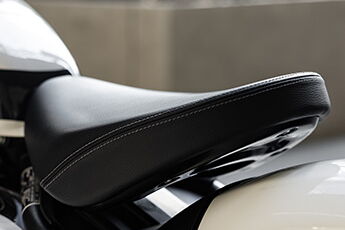
Seat height is 795 mm. The solo seat is low and flat in classic bobber fashion. Ready-to-ride weight is 240–241 kg, heavy for a 47-hp motorcycle but reasonable within the cruiser class. Royal Enfield describes the ergonomics as a balanced blend of cruiser and roadster. That is accurate: it is neither a pure cruiser nor a pure roadster, but something in between.
Shotgun vs. Interceptor: Same Soul, Different Attitude
The obvious question is Shotgun or Interceptor 650? Both use the same 648 cc twin, both make 47 hp and 52 Nm, and both can be restricted for A2 riders. The differences are weight, ergonomics, and design. The Shotgun weighs 240 kg, uses forward controls, and presents itself as a factory-custom bobber. The Interceptor weighs around 202 kg, uses more centrally positioned pegs, and is a retro roadster. Fuel capacity is nearly identical at 13.8 versus 13.7 liters. The choice is not a technical decision, it is an attitude decision.
91 dB(A) and EUR 7,590
Stationary noise is 91 dB(A) according to the registration documents cited in the source, below Tyrol’s 95 dB(A) limit. The twin’s V-twin-like sound profile remains substantial but legal. Price starts at EUR 7,590 plus ancillary charges. The source compares that with a BMW R 12 at around EUR 14,000. The Shotgun is therefore a much less expensive route into the same broad character-driven bobber territory.
Verdict
The Royal Enfield Shotgun 650 is the polarizing member of this test series: 47 hp, 52 Nm, 240 kg, 795 mm seat height, 91 dB(A), EUR 7,590, modular construction, and a 2,500-km Balkan Rally completed without drama. If you read those numbers and think, “That sounds like me,” you are the target audience. If your reaction is, “47 hp and 240 kg?” then buy the Interceptor. Both are valid choices. The Shotgun is the more stylistically committed one.
Quick Check
+ Factory-custom bobber design from the showroom: looks modified without requiring a custom build.
+ Proven 650 parallel twin: 52 Nm, cultivated character, and established reliability from Interceptor long-term experience.
+ Slipper clutch standard.
+ Upside-down front fork, unusual at this price point.
+ Showa rear shocks remained composed on Balkan roads within the limits of the short travel in the 1000PS rally test.
+ 91 dB(A), Tyrol-compliant: substantial parallel-twin sound without the restriction applying above 95 dB(A).
+ Modular design: solo seat converts to passenger use without tools.
+ Approx. EUR 7,590: substantially less expensive than a BMW R 12 in the source comparison while targeting a similar character-driven audience.
+ A2 restriction available.
+ Three-year warranty.
– Forward-set footpegs: polarizing ergonomics; a test ride before purchase is strongly recommended.
– 240–241 kg ready to ride: heavy for 47 hp and more demanding to maneuver than the roughly 202 kg Interceptor.
– 120 mm front / 90 mm rear suspension travel: hard impacts and sharp-edged bumps are noticeable.
– 13.8-liter tank: roughly 289–325 km range, meaning frequent fuel stops on long trips.
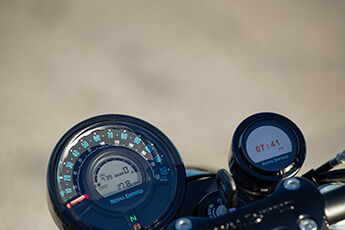
– No TFT, built-in Bluetooth, or cruise control: character-focused motorcycle without modern electronics comfort.
Technical Specifications: Royal Enfield Shotgun 650 (2026)
Brand / Model: Royal Enfield Shotgun 650 (2026; 648 cc parallel twin; factory-custom bobber; full A / A2-restricted version available); manufacturer: Royal Enfield, Chennai, India; Eicher Motors Ltd.
Engine: Air/oil-cooled parallel twin; 648 cc; 47 hp / 34.9 kW at 7,150 rpm; 52 Nm at 5,250 rpm; slipper clutch; six-speed; chain drive; Euro 5+
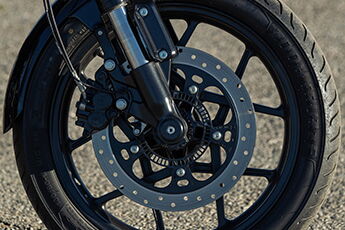
Front Suspension: Upside-down fork; 120 mm travel
Rear Suspension: Showa twin shocks; 90 mm travel
Brakes: Front and rear disc brakes; two-channel ABS
Wheels: 18-inch front / 17-inch rear; wire-spoke or cast wheels depending on version
Weight / Seat Height: 240–241 kg ready to ride; 795 mm seat height; forward-set footpegs with bobber ergonomics; 1,465 mm wheelbase
Fuel Tank / Range: 13.8 liters; approx. 289–325 km range
Concept: Factory Custom: bobber design from the factory; modular construction; solo seat converts to passenger use without tools; distinctive colors including Stencil White and Oil Black
Stationary Noise: 91 dB(A), Tyrol-compliant below 95 dB(A)
Warranty: 3 years, Royal Enfield standard
Shotgun vs. Interceptor 650: Identical engine. Shotgun: 240 kg / bobber ergonomics / 13.8 L / forward controls / factory-custom design. Interceptor: approx. 202 kg / roadster ergonomics / 13.7 L / centered pegs / retro-roadster design. The choice is about style and posture, not engine technology.
Competition: BMW R 12: approx. EUR 14,000; 109 hp; 900 cc boxer; similar character-driven bobber positioning. Indian Scout Bobber: approx. EUR 13,000+; 111 Nm; 250 kg; 662 mm seat height. Shotgun 650: lower-priced factory-custom option with proven engine and A2 availability.
German Price: EUR 7,590 plus ancillary charges