Review Suzuki SV650 (2026)

The Genuine Middleweight V-Twin Classic – 785 mm Seat Height, 200 kg, From EUR 7,200
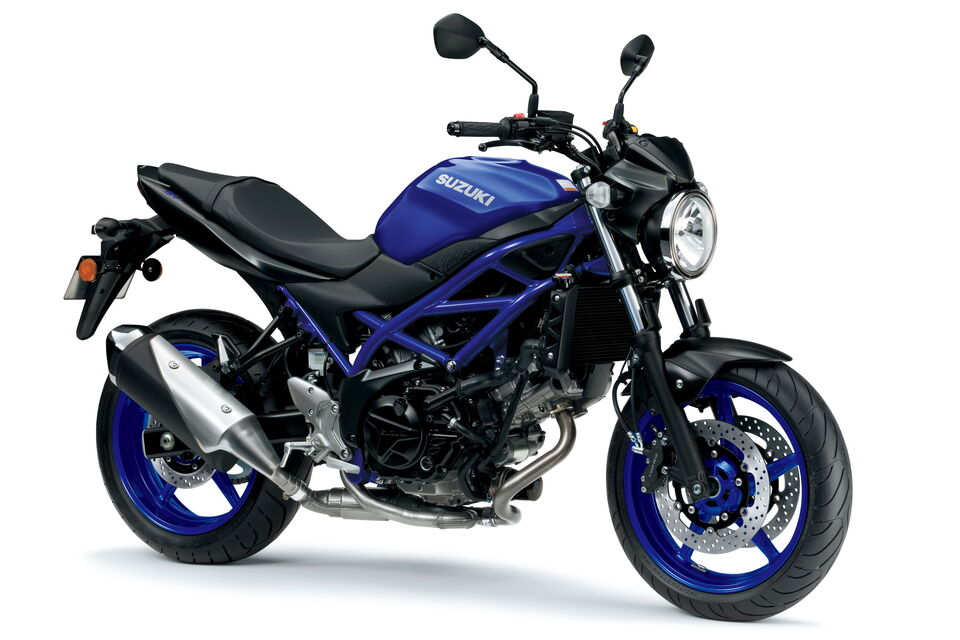
Since 1999, and with more than 500,000 units built around the SV-family engine, the SV650 has become a middleweight institution. Its 90-degree V-twin does not imitate character – it is the original. Seat height is 785 mm, ready-to-ride weight around 200 kg, ABS is standard, Low RPM Assist is included, and an A2 restriction is available. For MY2026, the motorcycle remains technically unchanged.
As of: April 19, 2026 | Model: Suzuki SV650, in production since 1999; current Euro 5 generation since 2021; MY2026 technically unchanged | German MSRP: EUR 7,200 plus ancillary charges | A2 restrictable to 35 kW
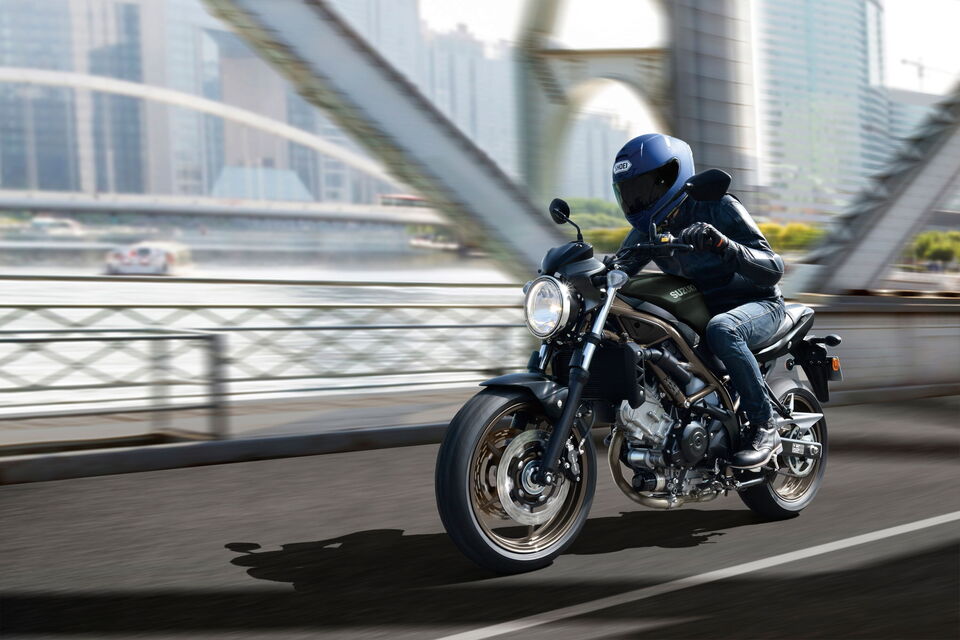
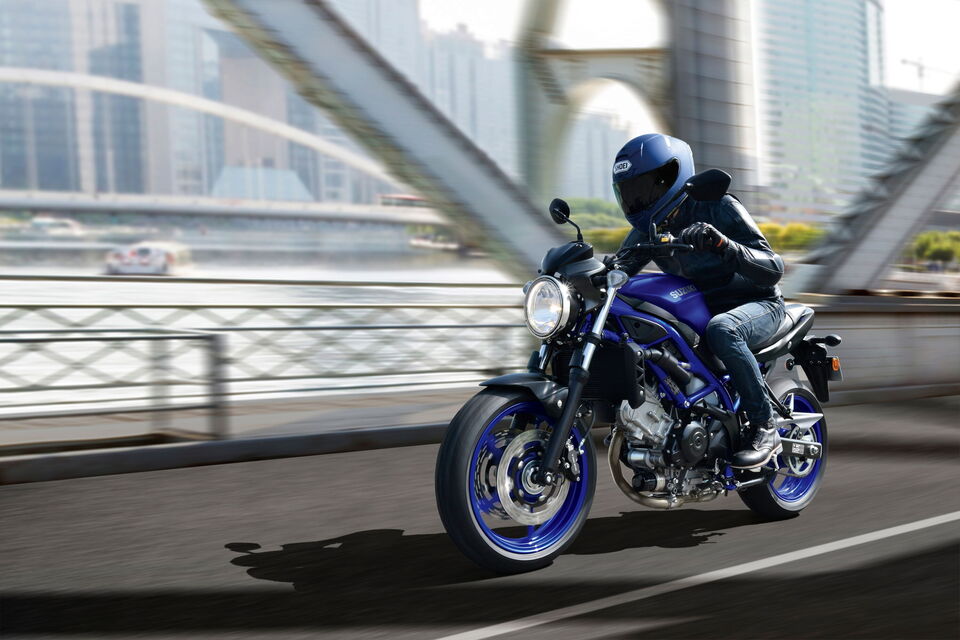
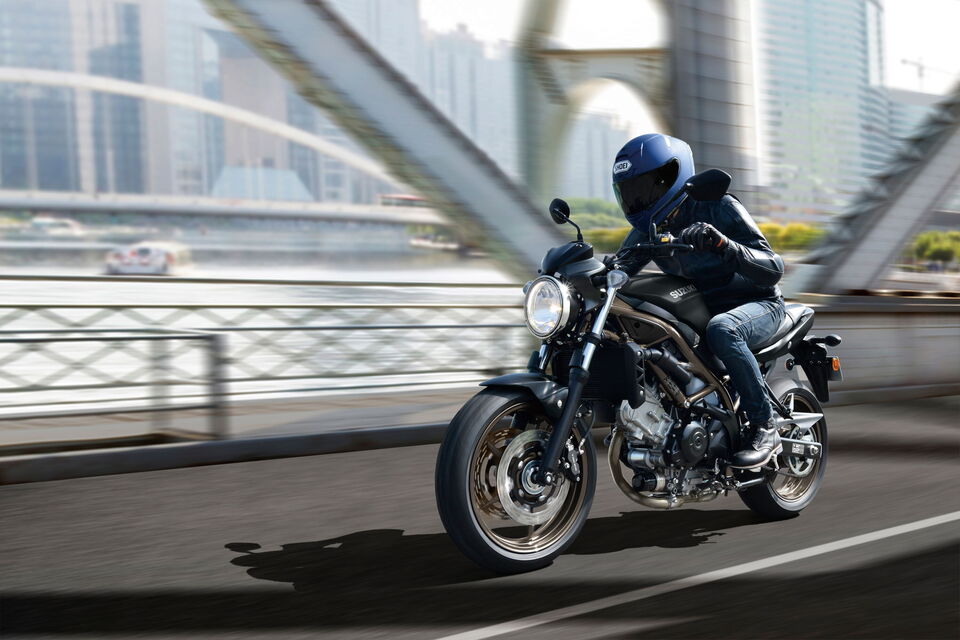
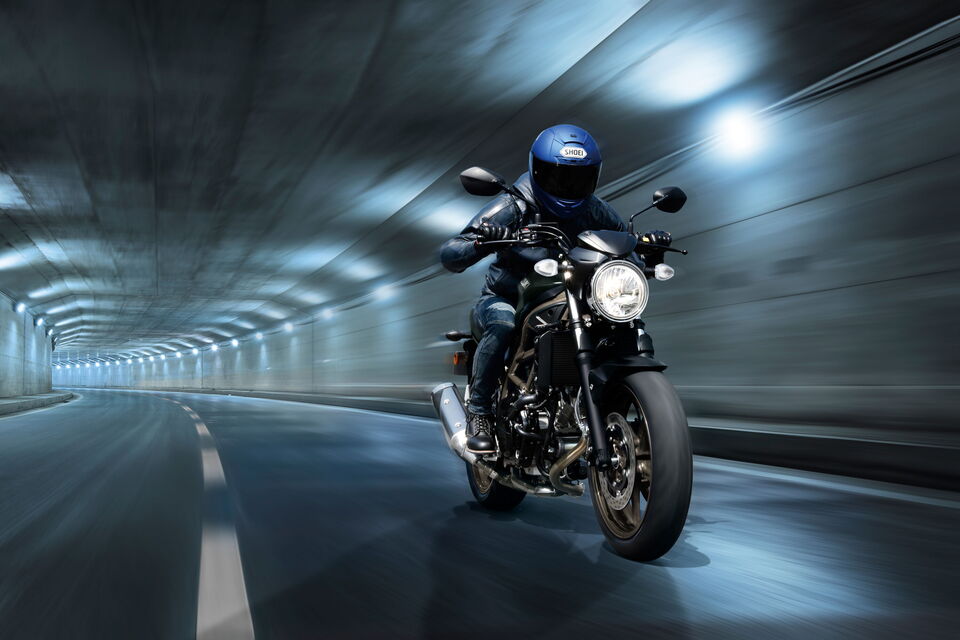
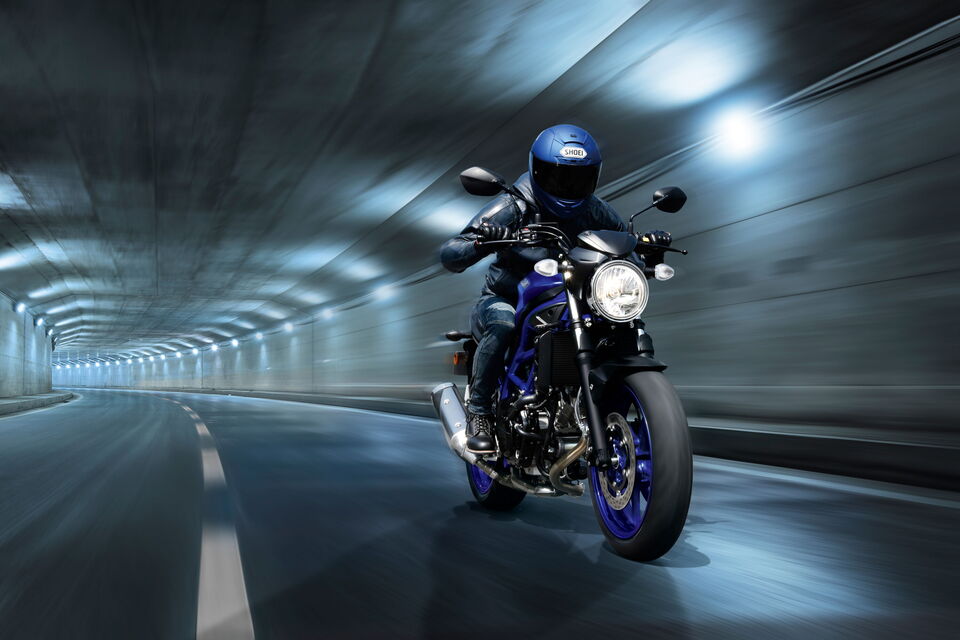
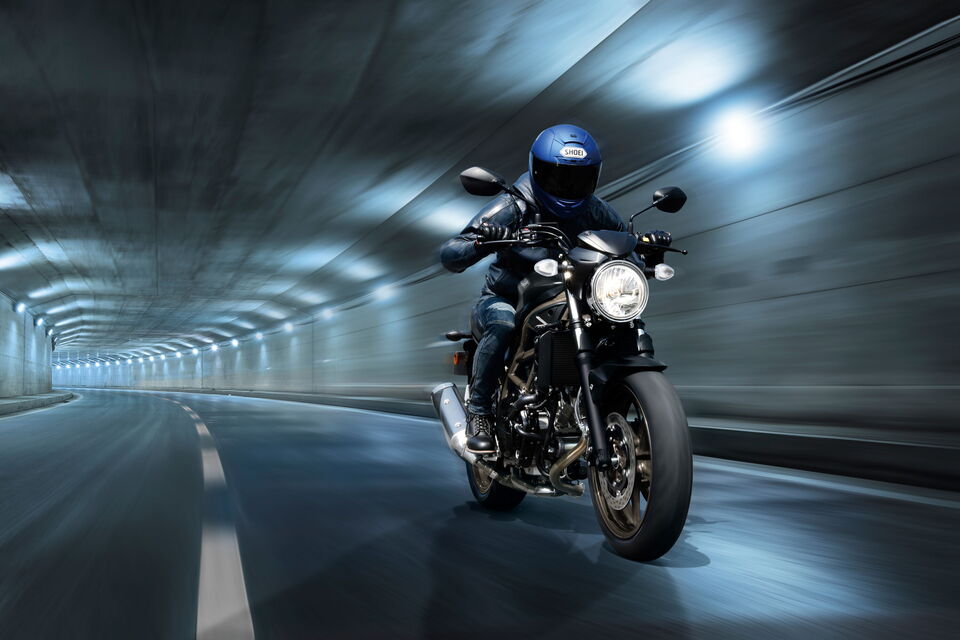
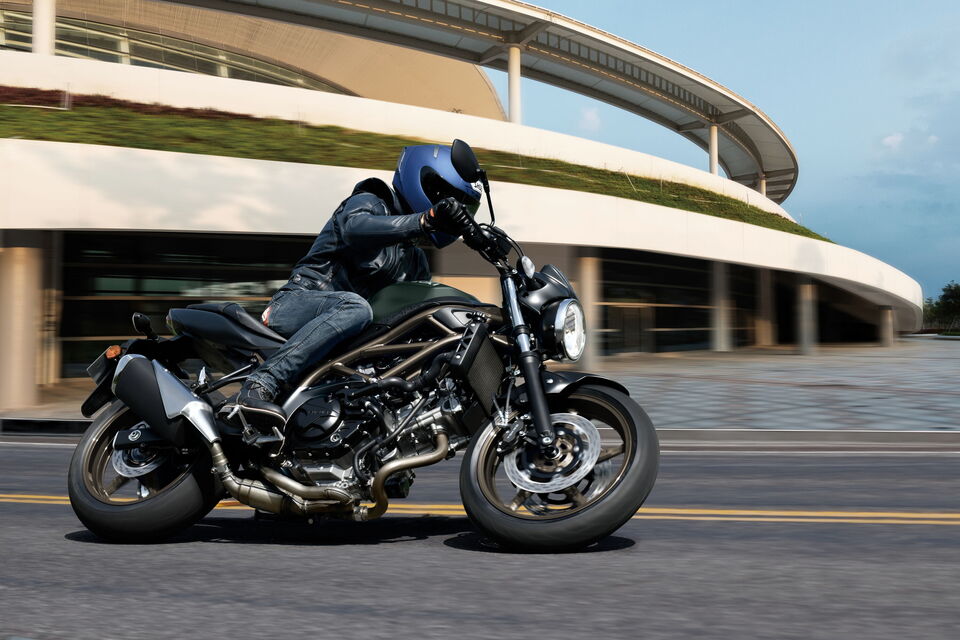
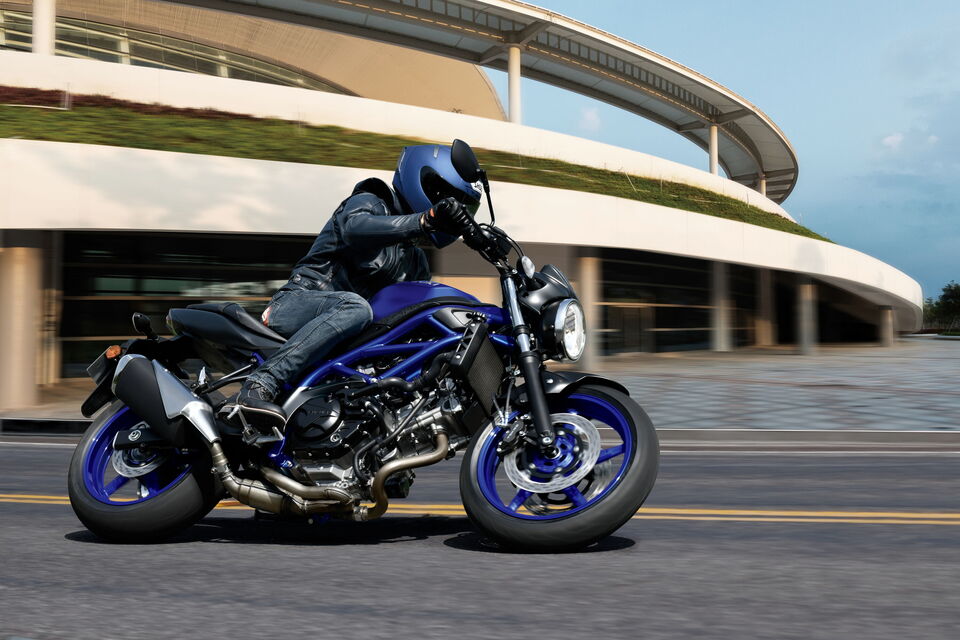
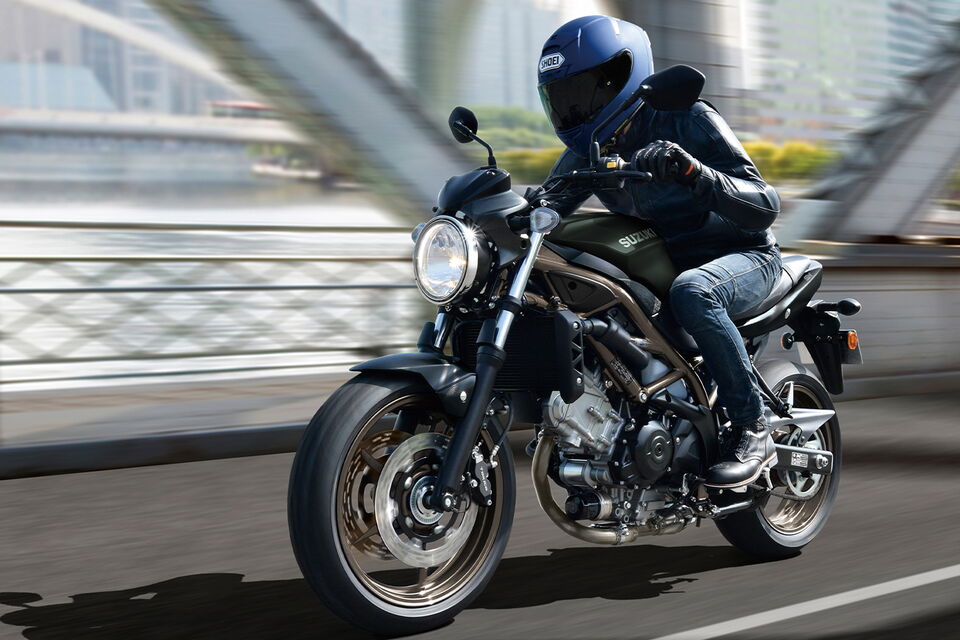
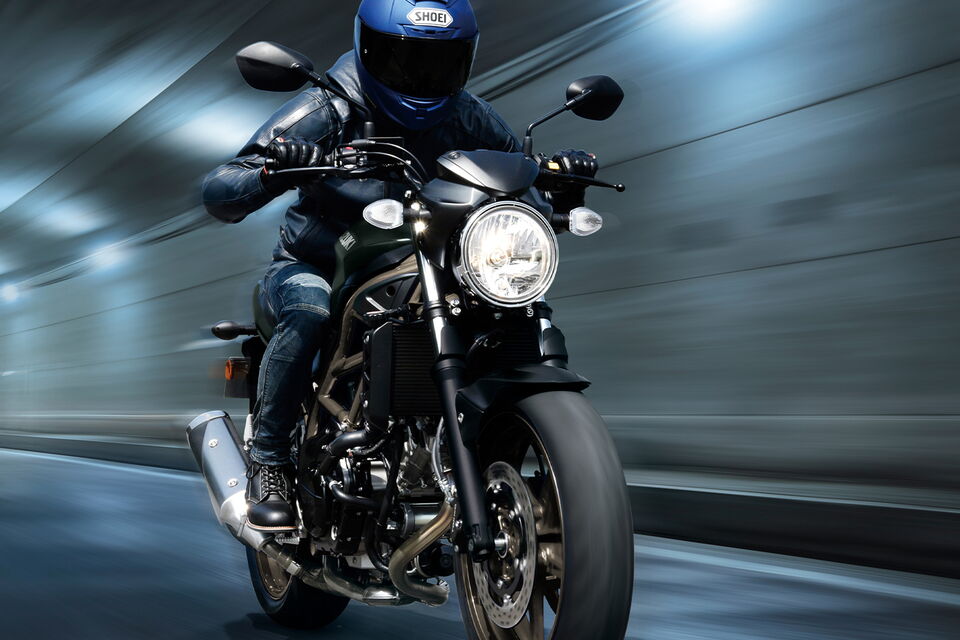
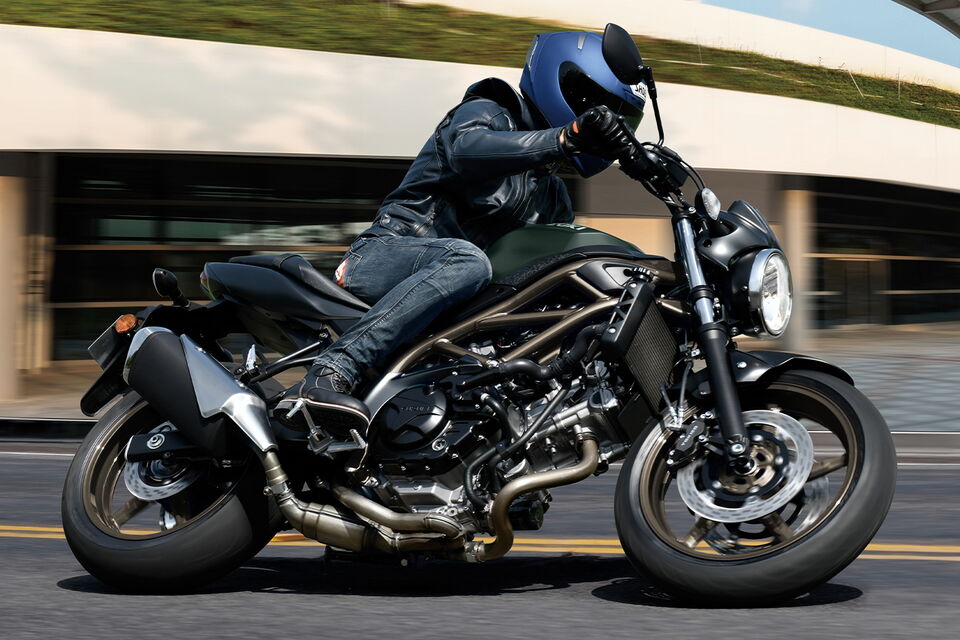
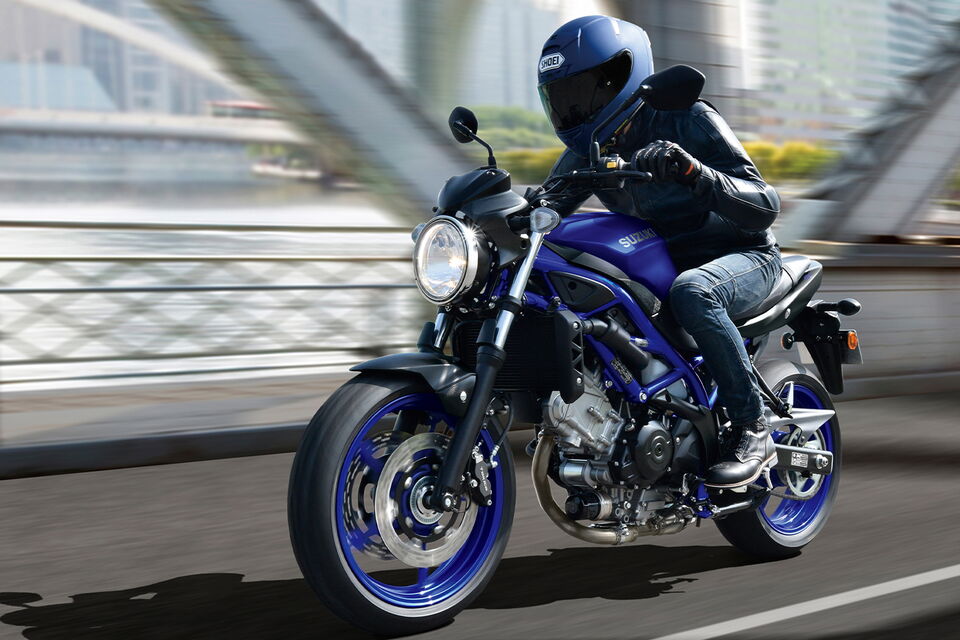
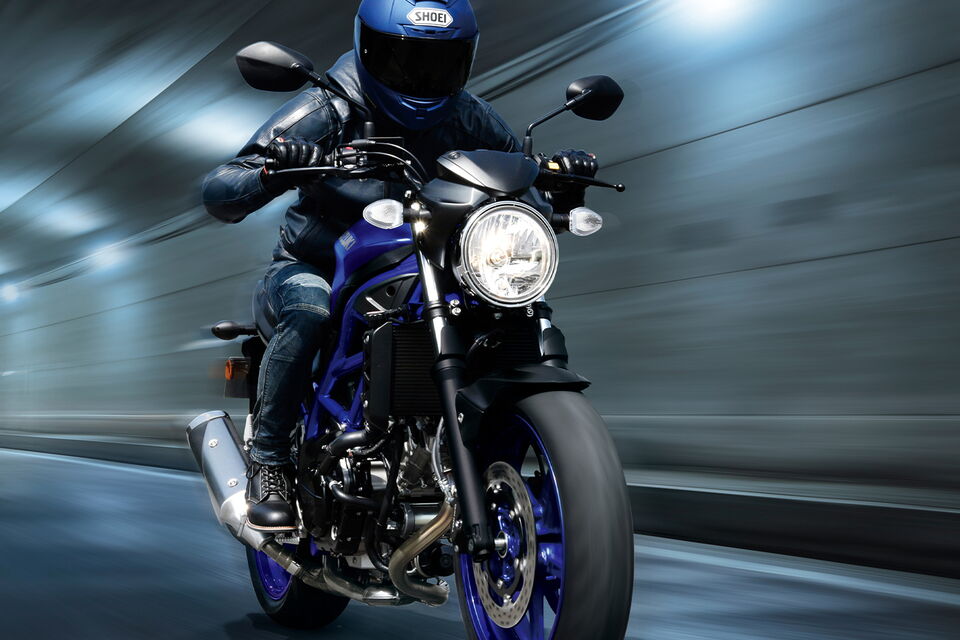
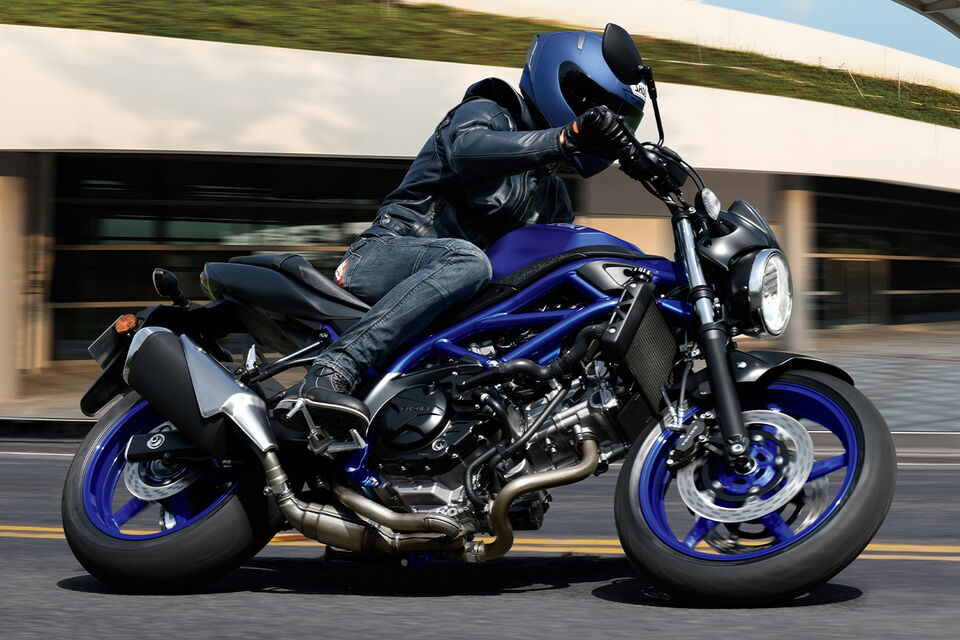

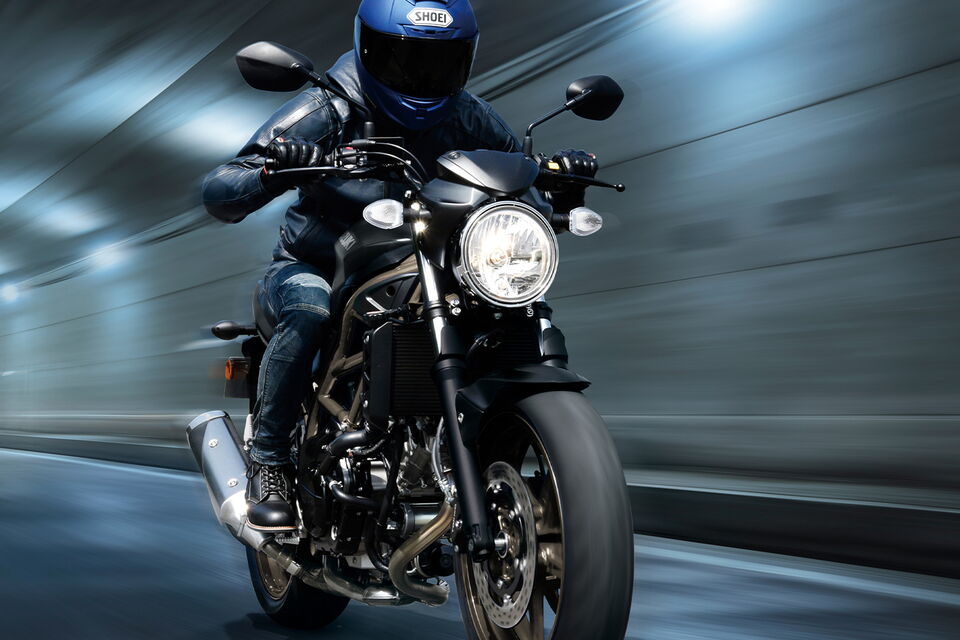
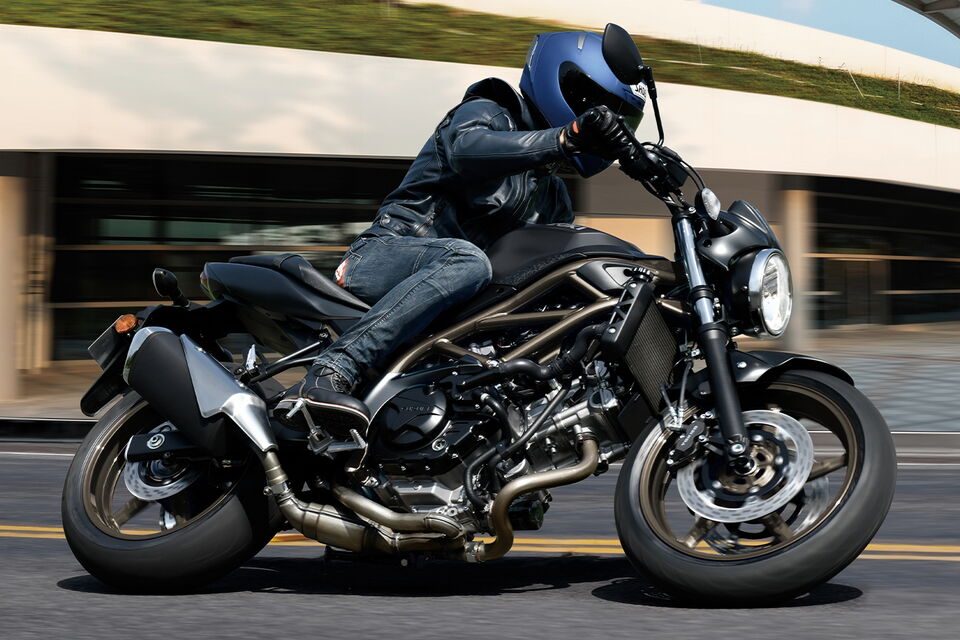

Concept: 27 Years of Proof That a Good Engine Does Not Need an Electronics Avalanche
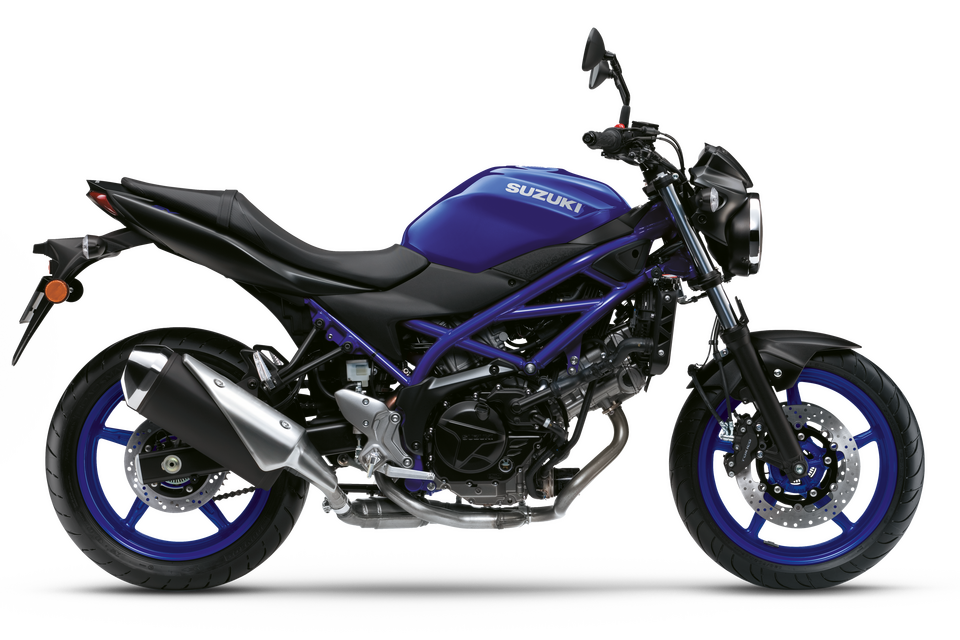
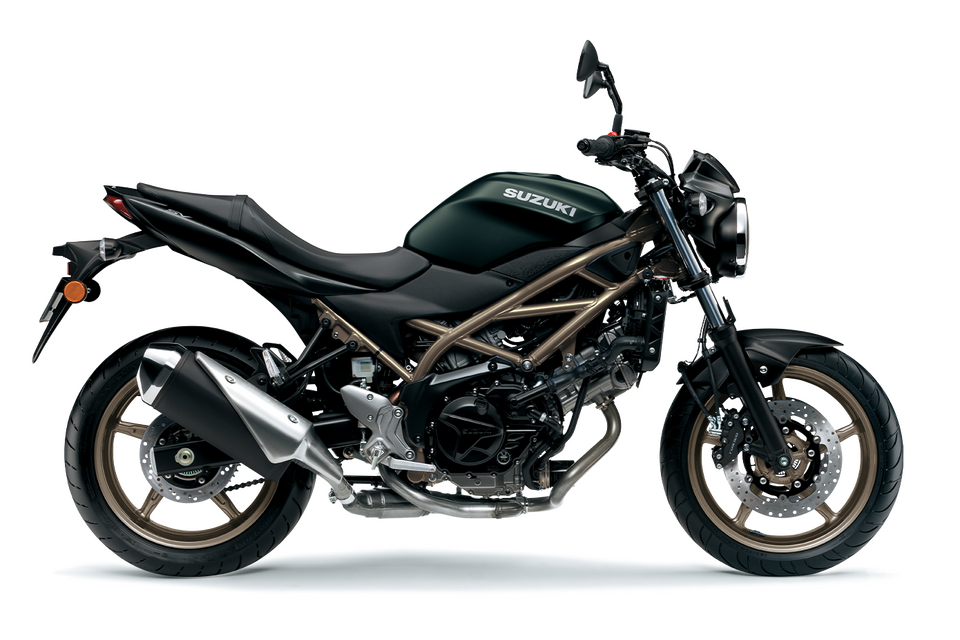
The SV650 is neither a retro motorcycle nor a consolation prize for beginners. It remains one of the most consistent price-versus-character packages in the middleweight class: a genuine 90-degree V-twin with dual ignition, a narrow steel trellis frame, a 785 mm seat height, and roughly 200 kg ready to ride. There is no traction-control menu and no riding-mode selection demanding attention. That old-school simplicity is part of the appeal.
The classic V-twin feel remains excellent, and the engine has enough personality to satisfy experienced riders as well as newcomers. In this segment, the 90-degree V-twin is not simulated character. Rivals use uneven crankpin arrangements to create a V-twin-like pulse; Suzuki can point to the real thing.
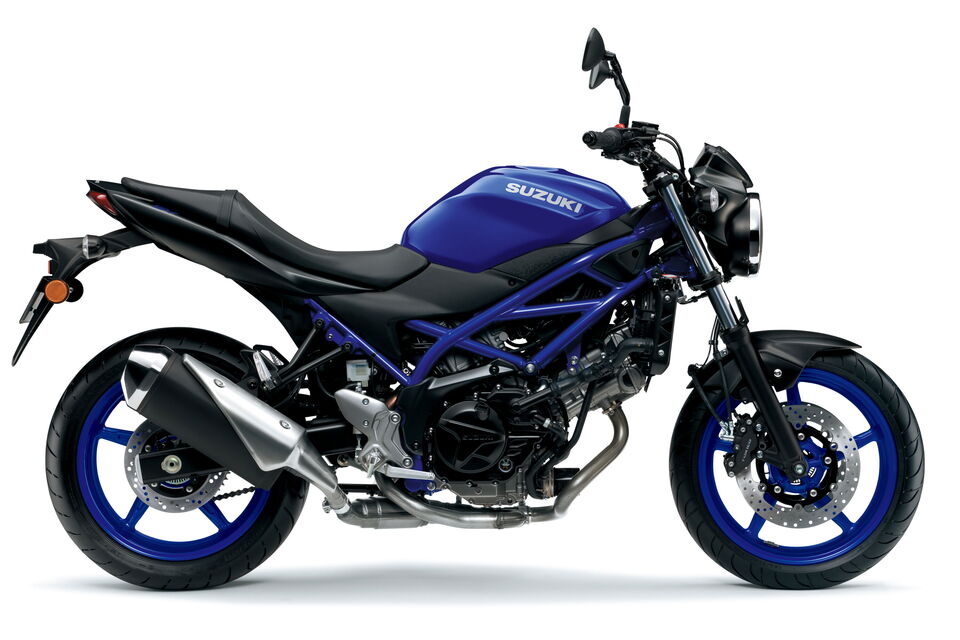
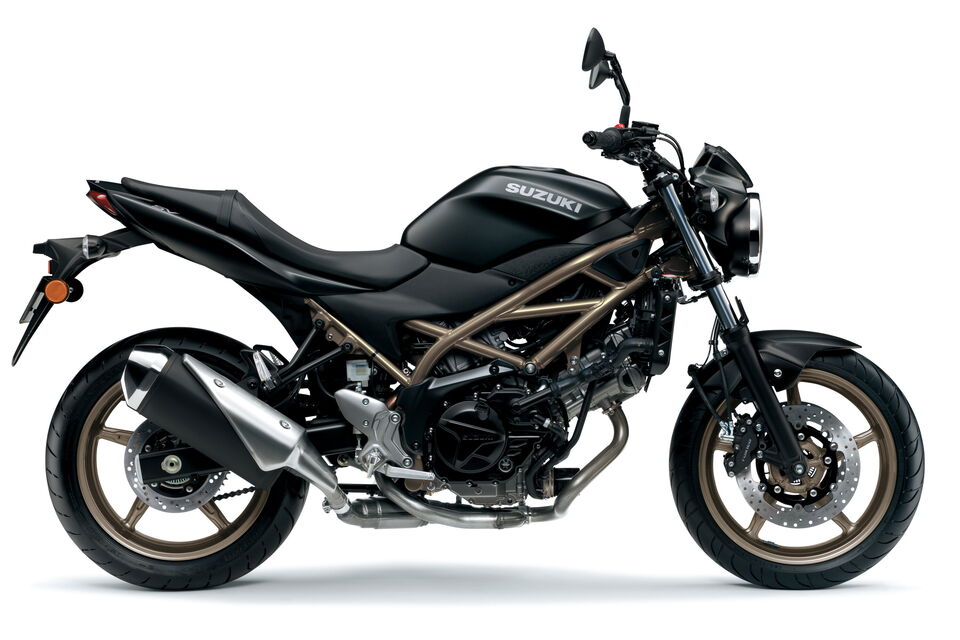
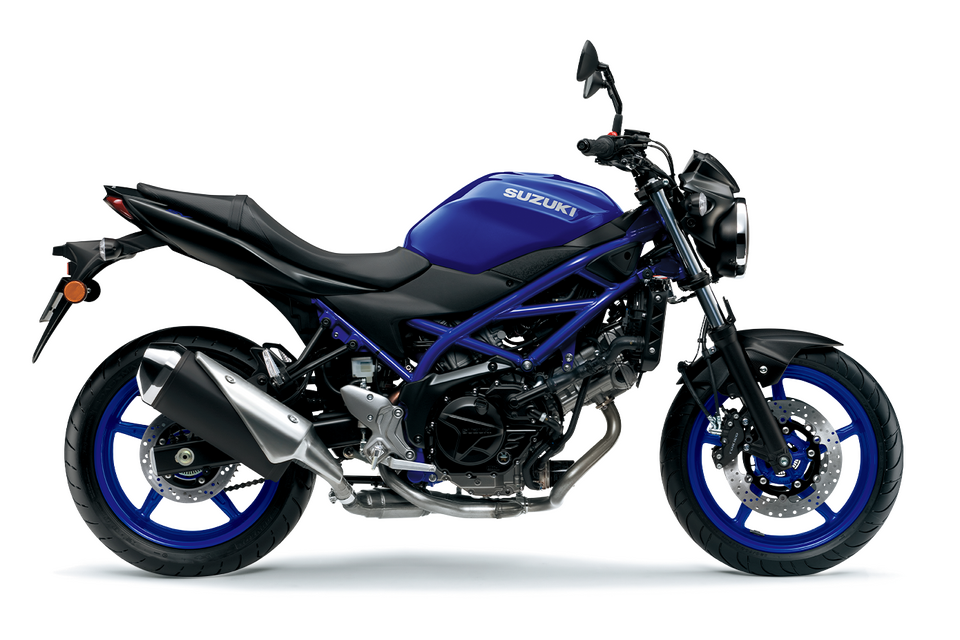
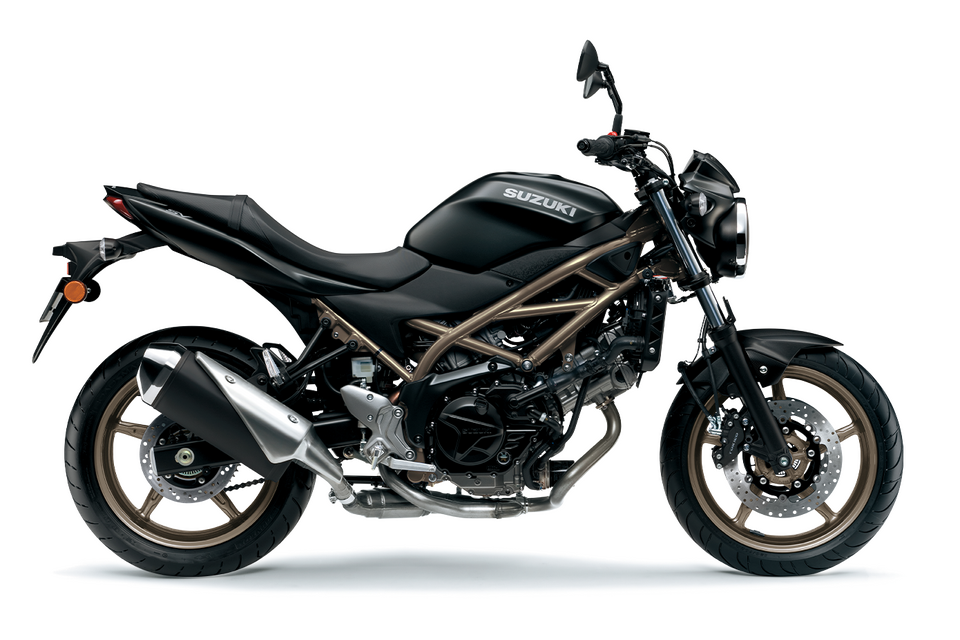
Model year 2026 changes nothing mechanically. Since the Euro 5 update in 2021, the SV650 has remained technically consistent, refreshed mainly through color changes.
Engine: 645 cc, 90-Degree V-Twin, Dual Spark – Strong Sound, Solid Drive, No Electronic Filter
The 645 cc liquid-cooled DOHC V-twin with a 90-degree cylinder angle and Dual Spark ignition is the soul of the SV650. Output is 73 hp, or 53.7 kW, with 63.7 Nm of torque. In everyday riding, the engine impresses with even pull through the low and midrange and enough willingness to rev at the top. It starts driving early and holds its strength across a broad rev range; open the throttle and the response is immediate and substantial.
Low RPM Assist helps prevent stalling, while Easy Start provides one-touch starting. There is no traction control, no riding modes, and no quickshifter. Riders who see that as a deal-breaker are not the target audience. Riders who see it as a statement may be exactly who the SV650 is for. Stationary noise is 89 dB(A), well below the 95 dB(A) Tyrol threshold.
Chassis: 41 mm Conventional Fork, Rear Preload Only – Firm Enough, but No Sportbike
The 41 mm conventional fork with 125 mm of travel and the rear shock with spring-preload adjustment only are where the cost-conscious engineering is most obvious. The setup is designed to work across a broad range of everyday use without becoming a problem. The SV is firm without being genuinely uncomfortable, safe and precise in corners, but no chassis showcase. The front floating-caliper brake could bite harder, while standard ABS works reliably.
Compared with the Honda CB650R in the source, the SV650 feels more nimble. Its 160-section rear tire is narrower than on many rivals, helping agility at the expense of some visual bulk. The Suzuki darts through tight corners, changes direction easily, and remains surprisingly stable.
Ergonomics: 785 mm Seat Height – Lowest in the Class, Ideal for Beginners and Shorter Riders
A 785 mm seat height is the lowest figure among the direct rivals reviewed in our sources. Combined with the narrow waist created by the trellis frame and roughly 200 kg ready to ride, it makes the SV650 one of the most accessible motorcycles in the class. Nothing pinches or forces the rider into an awkward posture; the basic seating position is naturally balanced.
Taller riders may struggle with a tighter knee angle and limited room to move. The handlebar bend also feels less modern than on some newer competitors. For riders up to roughly 1.80 meters, the SV650 is particularly comfortable; above that, the knee angle becomes tighter than on motorcycles such as the MT-07 or GSX-8S.
The LCD cockpit displays gear position, rpm, speed, coolant temperature, and fuel level. It is easy to read, but by 2026 standards connectivity is absent. Even a USB port is not standard.
SV650 vs. the Competition: Genuine V-Twin Character as the Unique Selling Point
Direct competition includes the SV650 with the Kawasaki Z650, Yamaha MT-07, and Honda CB650R. Those rivals offer newer electronics, more modern displays, greater peak performance, or more premium hardware depending on the model. The Suzuki does not win an equipment-list contest.
What it does offer is the only genuine 90-degree V-twin, a 785 mm seat height, factory A2 compatibility, and a purchase price that undercuts those competitors. That combination remains difficult to duplicate.
Cost: EUR 7,200 – the Affordable Full-Size Naked Bike in the Class
At EUR 7,200 plus ancillary charges, price remains one of the SV650’s strongest arguments. Our sources note that the low price leaves room for owners to invest in wind protection, luggage, suspension upgrades – or to simply enjoy the savings. A three-year warranty is standard. Factory A2 restriction to 35 kW is available, with later dealer conversion back to 54 kW.
Verdict
The SV650 is not a motorcycle you buy because you could not find anything better. You buy it because you want a genuine V-twin rather than an imitation, a low seat, reasonable weight, and a price below the direct competition. Twenty-seven years of production history and more than 500,000 units built around the SV-family engine make the case. Riders who need traction control and a TFT should look elsewhere. Riders who want V-twin character will understand the SV immediately.
Quick Check
+ Genuine 90-degree V-twin with Dual Spark: rivals imitate the pulse; Suzuki has the original layout.
+ 785 mm seat height: lowest among the direct rivals cited in the source; ideal for beginners and shorter riders.
+ Around 200 kg ready to ride: among the lighter motorcycles in the class.
+ EUR 7,200: one of the most affordable full-size middleweight naked bikes.
+ + ABS, Low RPM Assist, and Easy Start standard; A2 restriction available with later dealer conversion to full power.
+ Engine delivers strong early power and useful torque across a broad rev range.
+ Handling is agile through tight corners while remaining surprisingly stable.
+ 89 dB(A) stationary noise: well below the 95 dB(A) Tyrol threshold.
+ Three-year warranty and a long record of proven reliability since 1999.
+ 160-section rear tire contributes to agility compared with wider-tire rivals.
– No traction control, riding modes, TFT, or quickshifter; newer rivals offer substantially more electronics.
– Conventional 41 mm fork rather than USD; rear suspension offers preload adjustment only.
– Front floating-caliper brake could bite harder; adequate for everyday riding but not sportbike hardware.
– LCD cockpit rather than TFT; no USB port standard and no connectivity.
– Knee angle becomes tight for riders over roughly 1.80 m; handlebar bend feels dated.
– MY2026 technically unchanged, with no major development since the Euro 5 update in 2021.
Technical Specifications: Suzuki SV650 (2026)
Brand / Model: Suzuki SV650; in production since 1999; current Euro 5 generation since 2021; MY2026 technically unchanged
Engine: Liquid-cooled DOHC 90-degree V-twin; 645 cc; Dual Spark ignition; ride-by-wire; six-speed; chain drive; Euro 5+
Power: 73 hp / 53.7 kW at 8,500 rpm
Torque: 63.7 Nm at 6,800 rpm
Top Speed / Consumption: Approx. 180–190 km/h; approx. 3.8 L/100 km; 14.5-liter tank; more than 300 km range
Frame: Steel trellis frame
Fork: 41 mm conventional telescopic fork; 125 mm travel; non-adjustable
Rear Shock: Monoshock; spring preload adjustable only
Front Brakes: Twin discs; two-piston floating calipers; ABS
Rear Brake: Disc; ABS
Electronics: ABS standard, no cornering ABS; Low RPM Assist; Easy Start; no traction control; no riding modes; no quickshifter
Cockpit: LCD display; gear indicator; rpm; speed; coolant temperature; fuel level; no TFT; no USB standard
Tires: 120/70 ZR17 front / 160/60 ZR17 rear
Weight: 200 kg fully fueled
Seat Height: 785 mm, lowest among direct rivals in comparison
Wheelbase: 1,445 mm
Fuel Tank: 14.5 liters
Stationary Noise: 89 dB(A), below the 95 dB(A) Tyrol threshold
A2: Factory restrictable to 35 kW; dealer conversion back to 54 kW available
Warranty / Service: 3 years
German Price: EUR 7,200 plus ancillary charges