When depreciation suddenly didn’t show up
A small COVID story about used motorcycles and big feelings
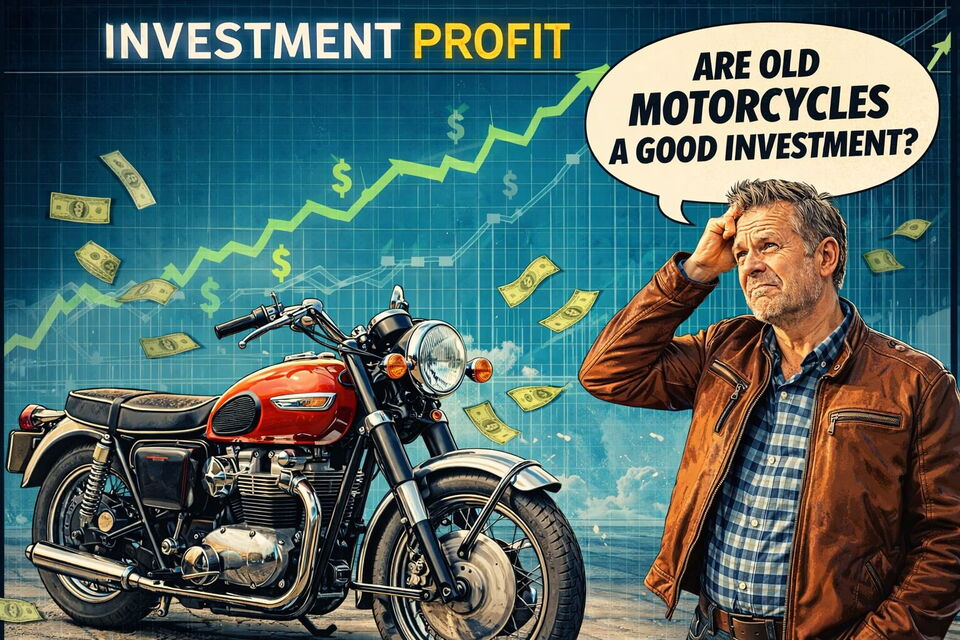
Back in the day, the motorcyclist’s world—economically speaking—was remarkably predictable. You bought a new bike, lost a noticeable chunk of money the instant you rolled out of the showroom, got annoyed briefly, accepted it as a natural ritual, and secretly looked forward to the day you’d dodge the whole setup by buying used. Patience paid off. Common sense felt smart. The market followed rules that seemed as stable as a well-set suspension.
Then COVID hit. And with it disappeared not only travel plans, but also one of the oldest certainties of motorcycle life: that things automatically get cheaper over time.
Suddenly new bikes were hard to get, delivery times turned into endurance tests—and at the same time, a surprising number of people discovered motorcycling as one of the few remaining ways to feel free without breaking rules. Money that would’ve gone to vacations, events, and entertainment went looking for new targets—and often found them in used bike listings.
What happened next can be explained by a simple economic principle that sounds harmless in theory and hurts in practice: when many people want to buy something and few are available, prices go up…and they don’t rise gently.
Within a few years, average used prices climbed noticeably—more than a third above pre-pandemic levels. In early 2023 the average briefly pushed beyond €9,000, a zone where people used to seriously consider buying new instead of used.
The truly remarkable part wasn’t just the price level, but the feeling that a familiar law of nature had been suspended. Motorcycles didn’t automatically lose value anymore. Three-year-old bikes sat close to new prices, clean examples got more expensive rather than cheaper, and even ordinary daily riders reached levels that used to seem like a serious stretch. For many experienced riders it felt less like a normal market and more like a bidding war that never ended.
Things have calmed down a bit. New bikes are more available again, demand pressure is lower, and used prices have softened here and there. But anyone hoping for a full return to 2019 conditions will likely be disappointed. Markets have long memories, and price levels that were once accepted rarely vanish without a trace.
So maybe the most lasting change isn’t the price itself, but our expectations. Patience used to mean saving. Today patience mostly means learning to accept what you’re going to have to pay—not being able to score one for much less.
And that’s the real punchline of these years:
The motorcycle hasn’t changed much. The longing for freedom hasn’t either.
But the moment when “used” reliably meant “cheap” quietly disappeared somewhere between lockdown and supply chain.