Why Electric Two-Wheelers Still Haven’t Gone Mainstream
Electric cars have already crossed into the mainstream. On two wheels, the transition is moving far more slowly.
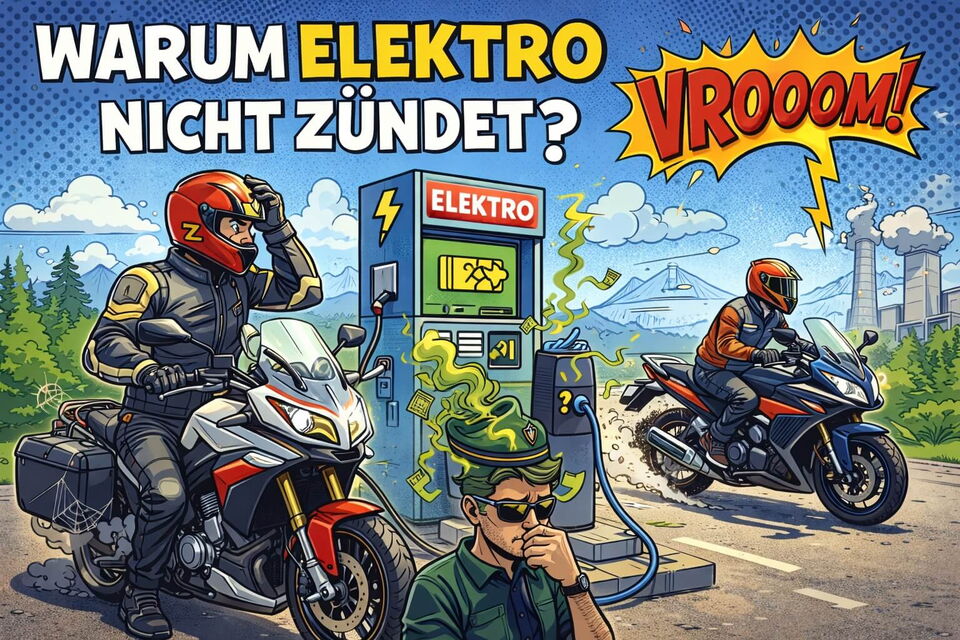
Physics Still Gets a Vote
Batteries require space and add weight — both scarce commodities on a motorcycle.
While modern EVs routinely deliver 250 miles of range, many electric motorcycles realistically manage 75 to 110 miles. That’s sufficient for urban use but less compelling for recreational riding.
And every additional pound affects motorcycle dynamics far more than it does in a car.
Real-World Usage Patterns
Motorcyclists often ride longer distances by choice. A 40-minute charging stop feels far more intrusive here than it does in daily car use.
Infrastructure remains another hurdle. Many riders lack a private garage, home charger, or dedicated parking — making home charging far from guaranteed.
Emotion Still Drives the Segment
Motorcycles are not purely rational purchases. Sound, vibration, revs, and shifting remain core parts of the experience.
Electric motorcycles are often brutally quick but mechanically subdued. What feels like refinement in a car can feel like character loss on a bike.
The Cost Equation
In many cases, electric motorcycles still cost more than comparable ICE machines while offering less range and longer downtime.
Unlike the automotive sector, the two-wheel market faces far less regulatory pressure pushing rapid electrification.
The Scooter Exception
Electric scooters tell a different story. In dense Asian megacities — short trips, high urban density, frequent battery swapping — the use case fits extremely well.
Europe is growing more slowly, but growth is visible.
Bottom line: electric cars solve a rational problem. Motorcycles remain emotionally driven purchases. Until batteries get lighter, range improves, and charging speeds increase, efficiency alone won’t tip the scales.