Review BMW F 450 GS (2026)

The GS A2 Riders Have Been Waiting For
48 hp, 178 kg, 135-degree parallel twin, KYB suspension with WAD shock, 310 mm Brembo brake, ABS Pro, three riding modes standard—and €7,220. The BMW F 450 GS promises to be the most complete A2 adventure bike ever built. Our first real-world test in Sicily reveals whether it lives up to that promise.
As of: April 2026 | Tested model: BMW F 450 GS (2026), Sport version | Price from: €7,220
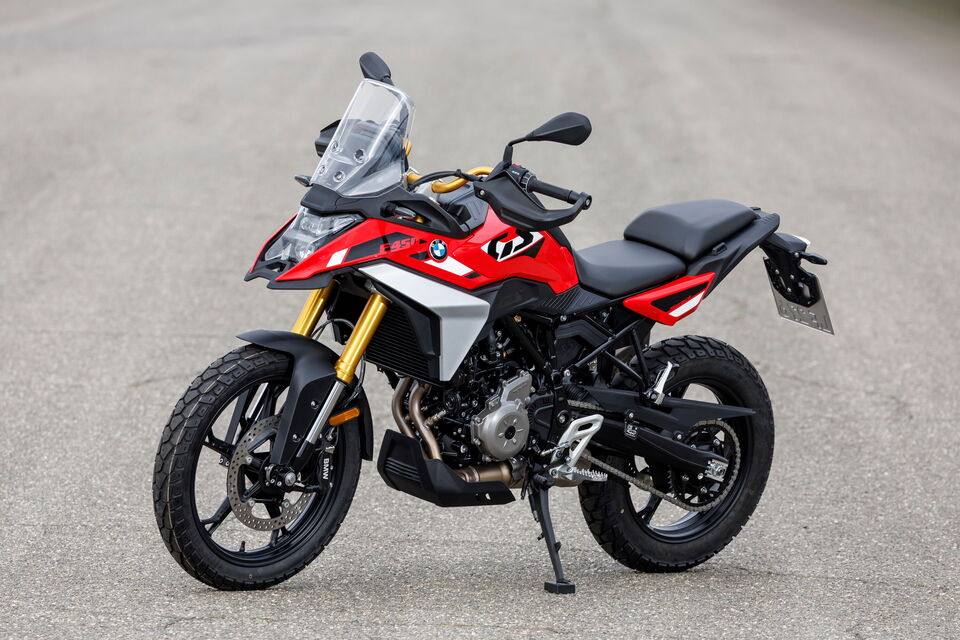
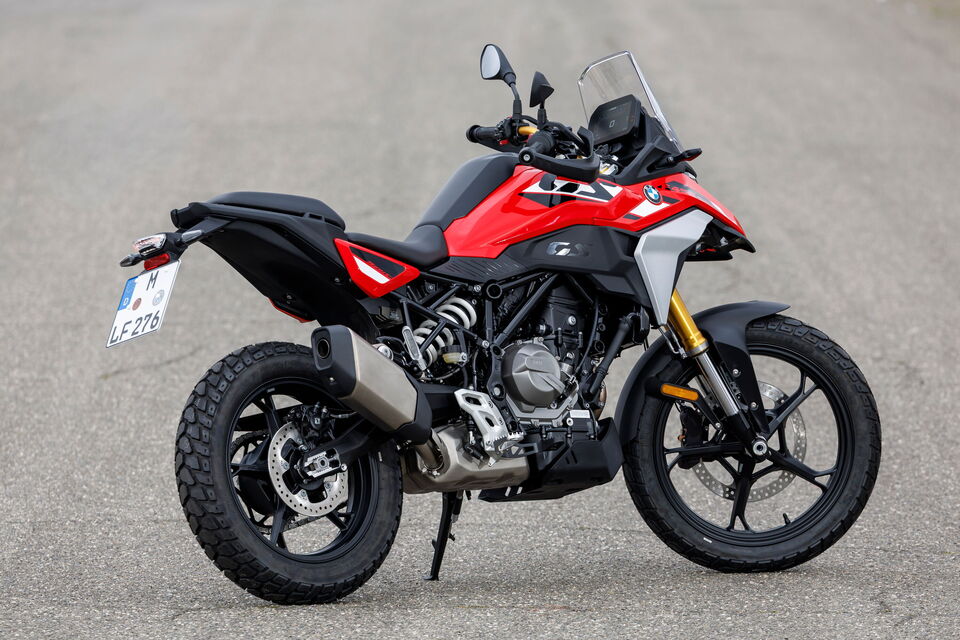

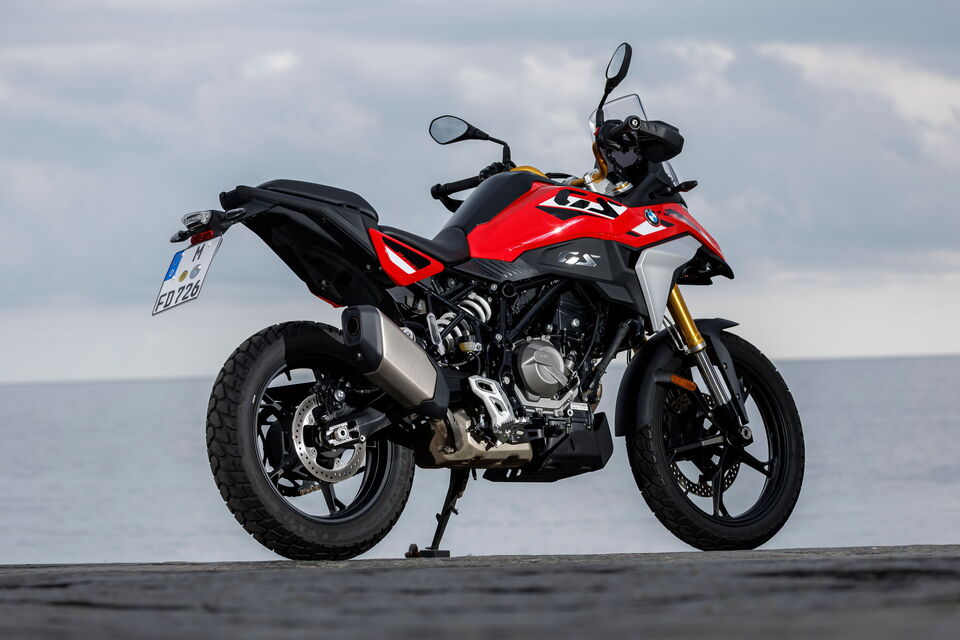
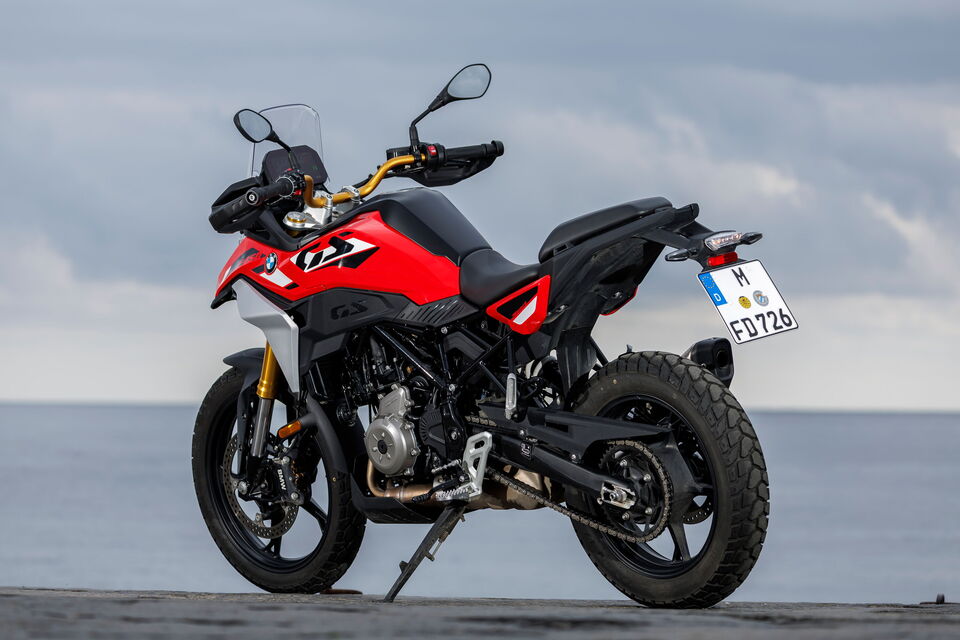







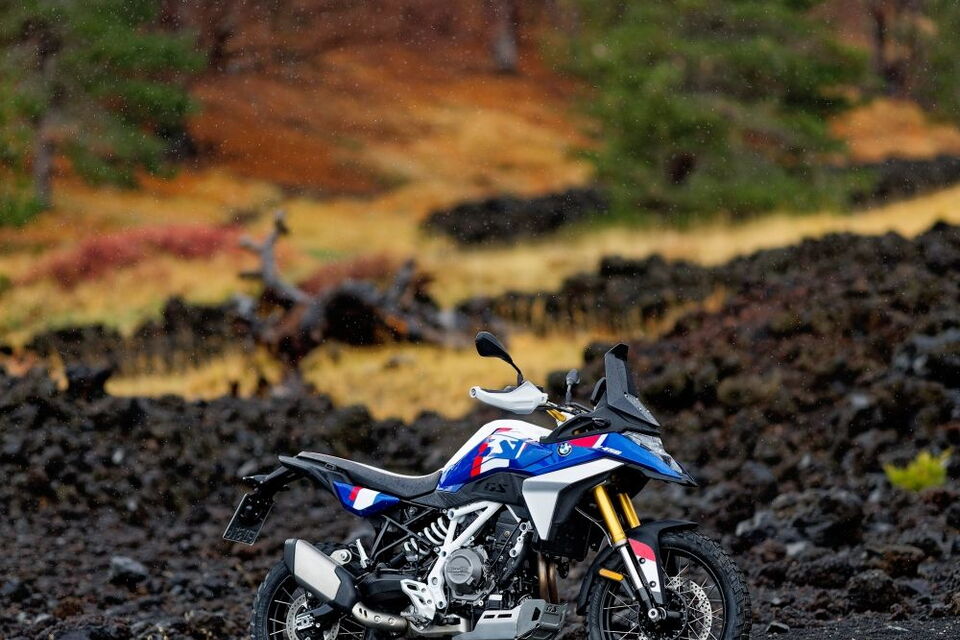
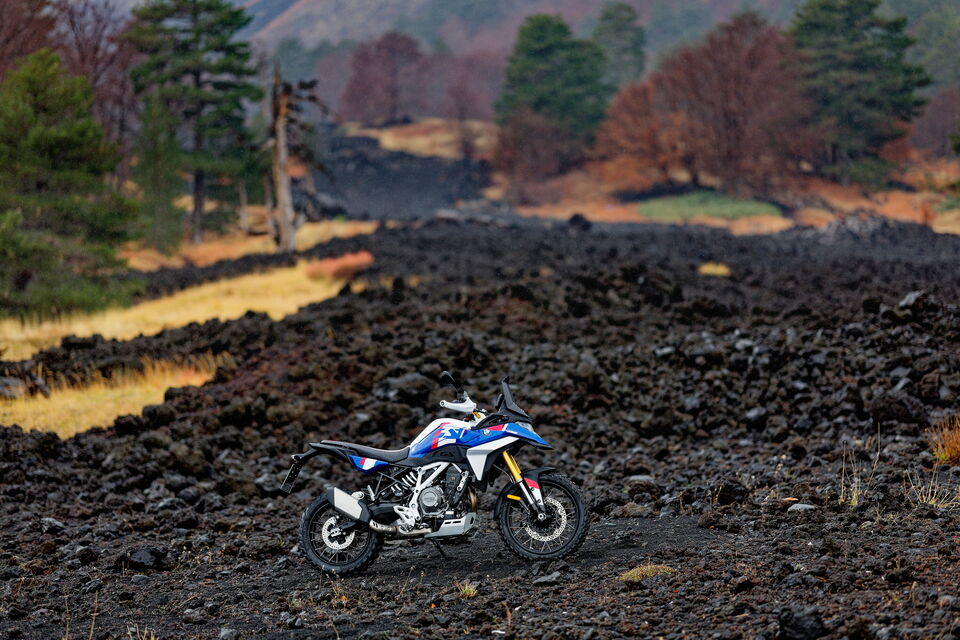
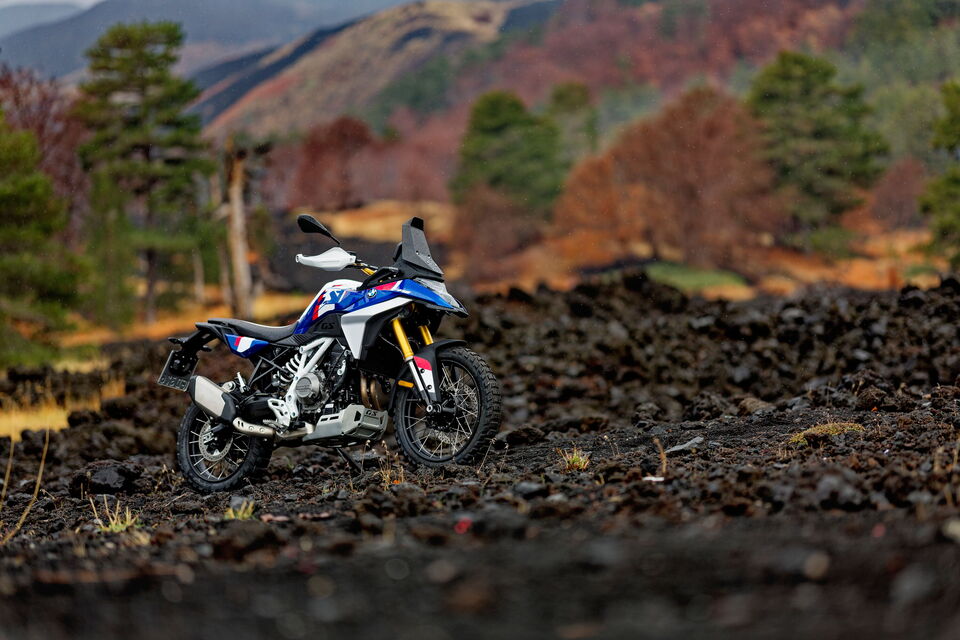

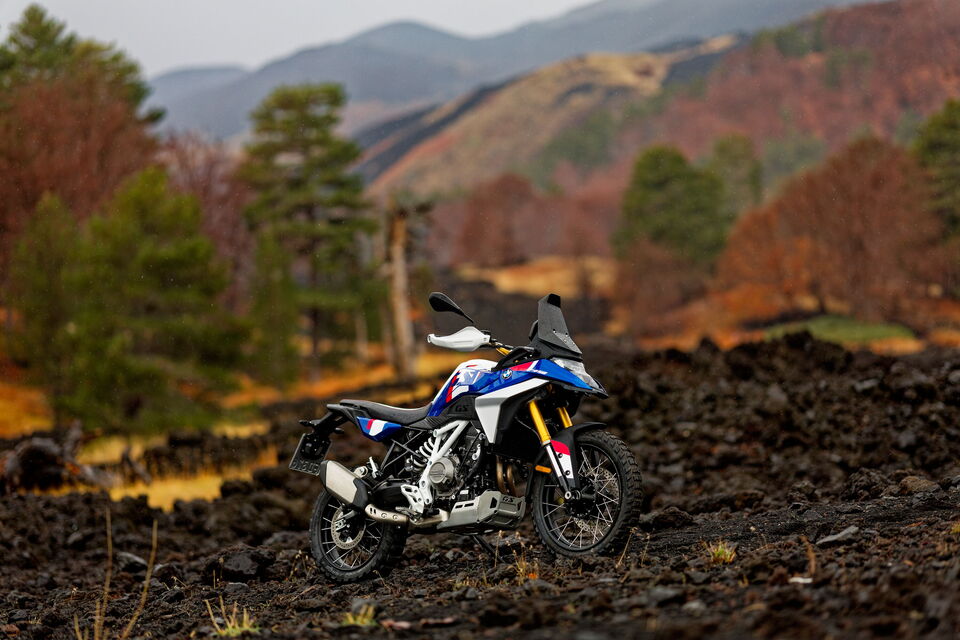
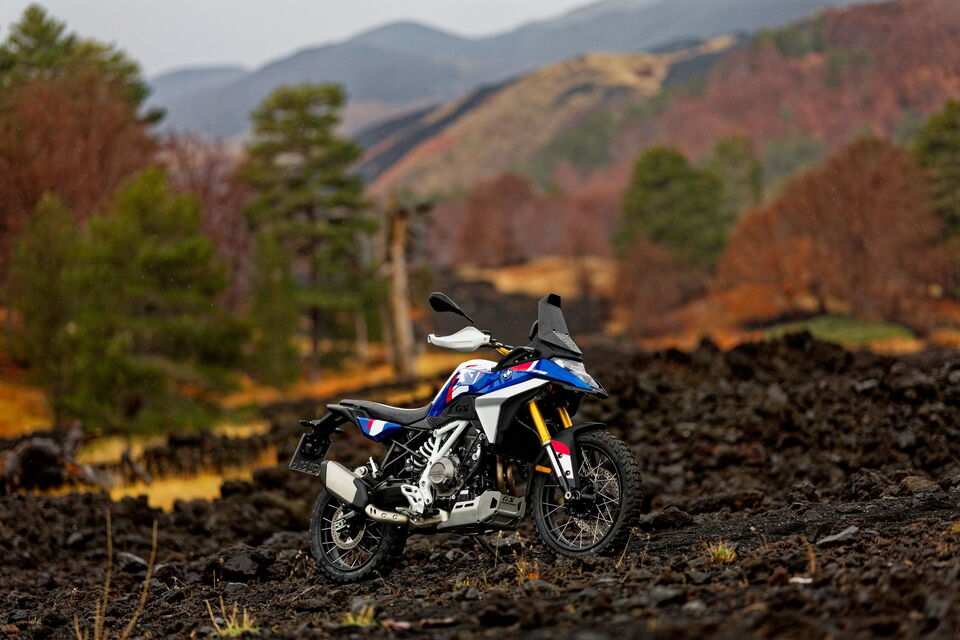

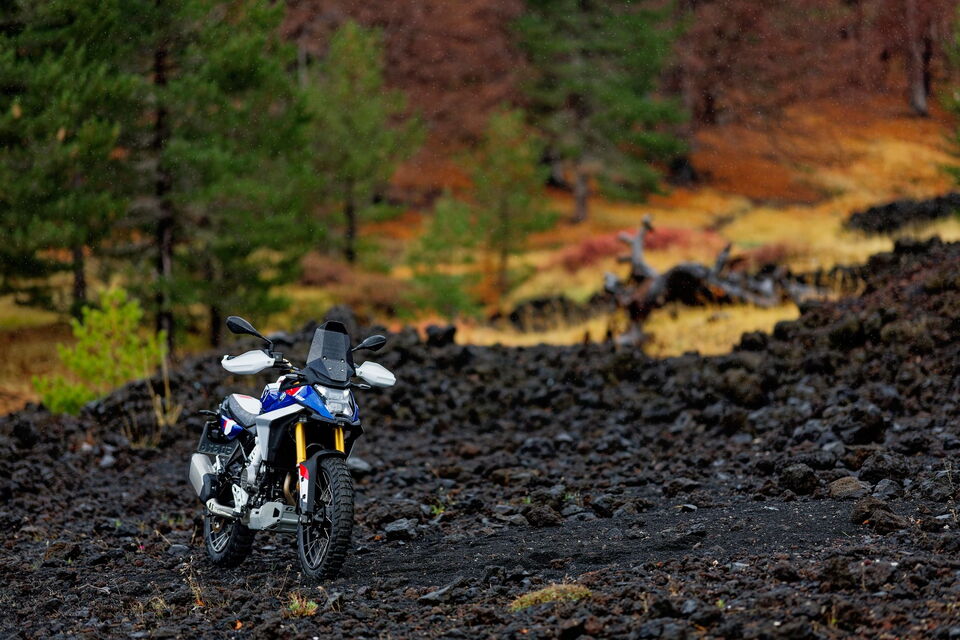
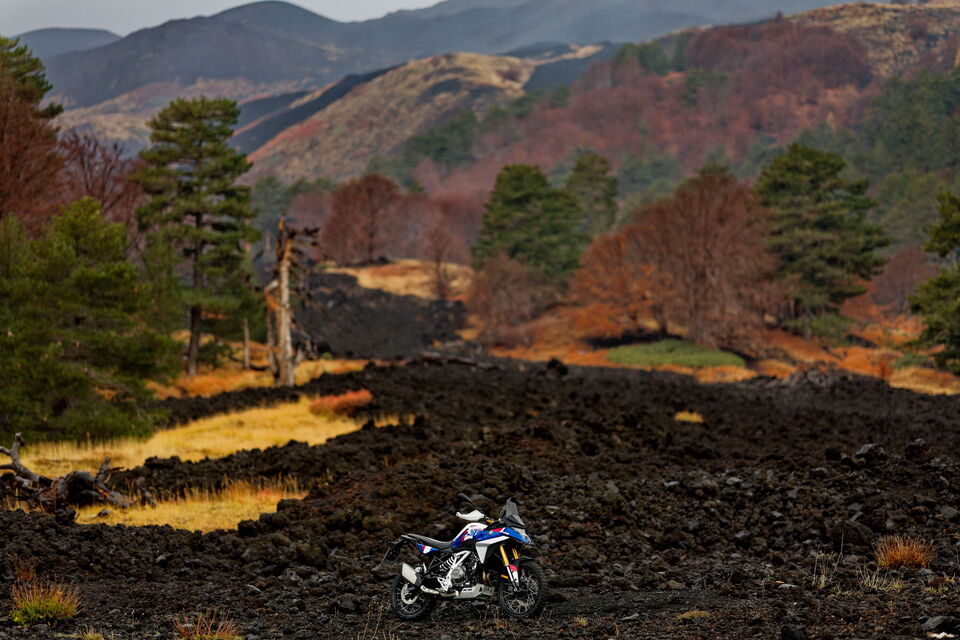
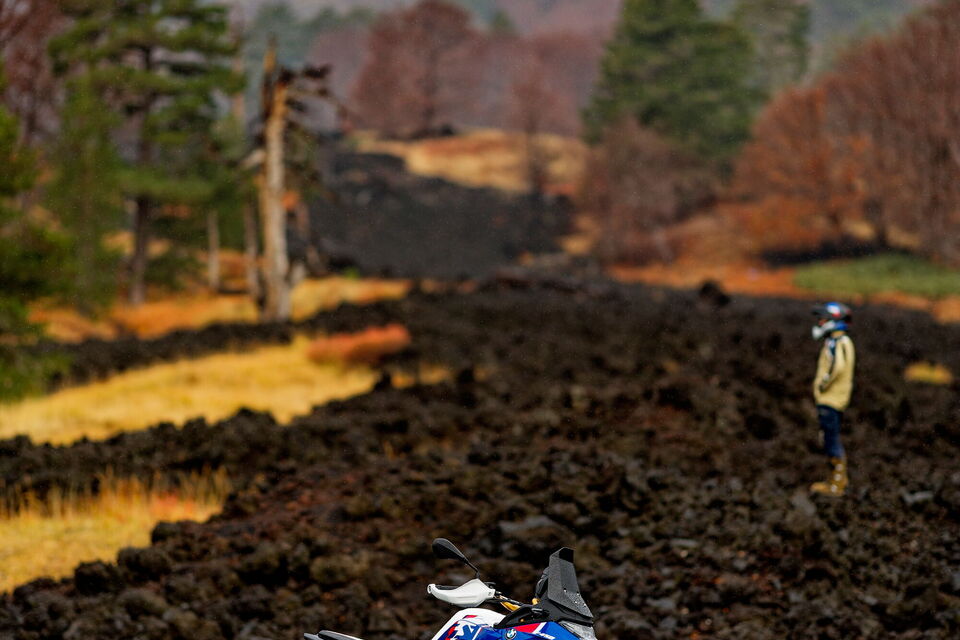
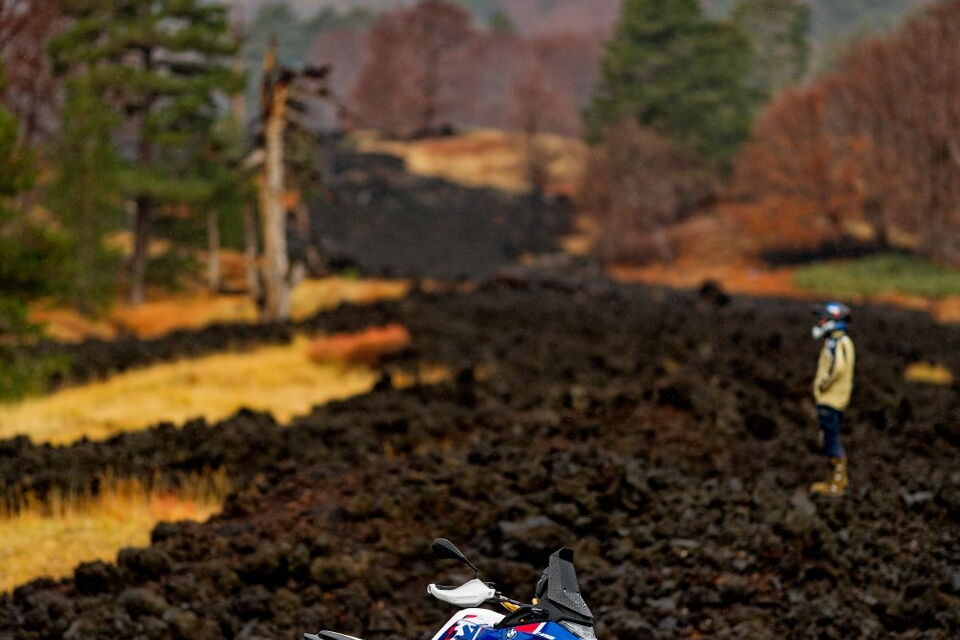
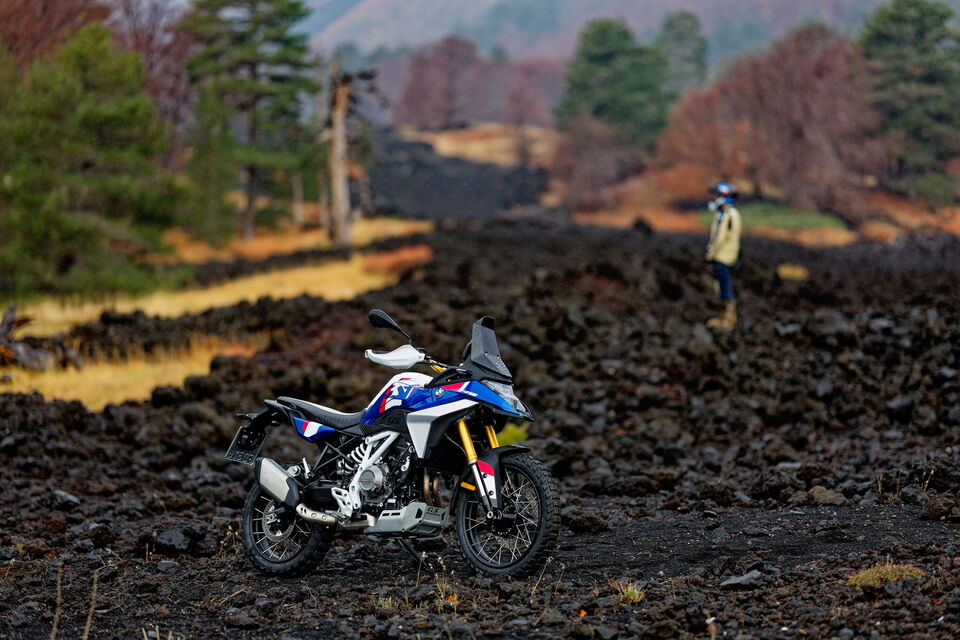
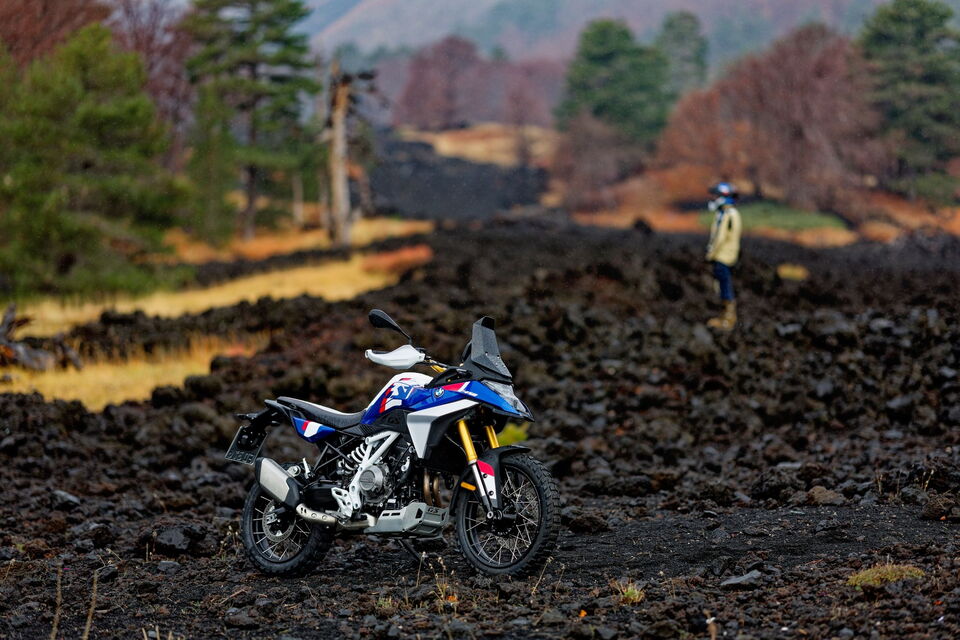
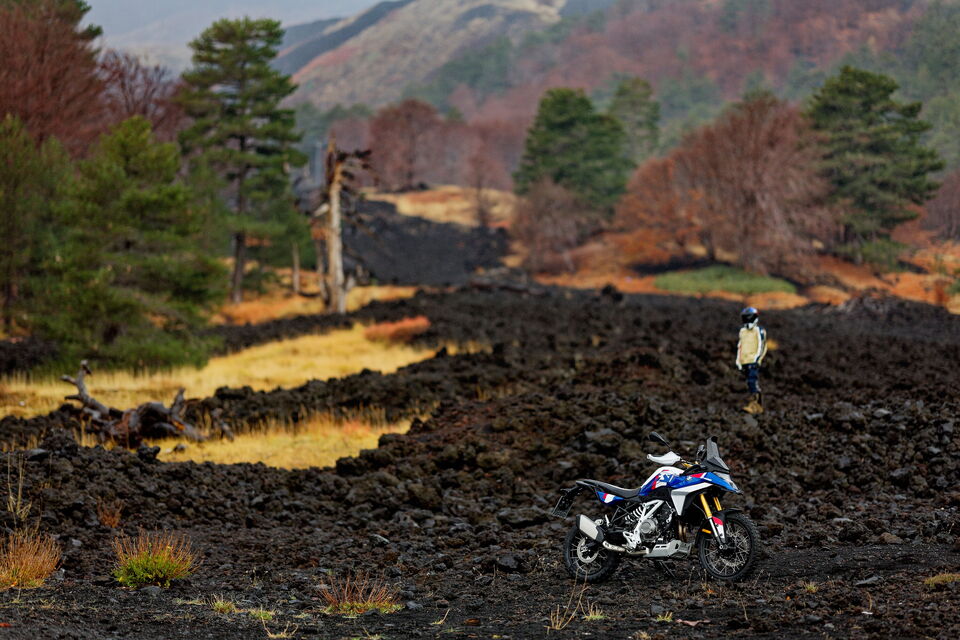

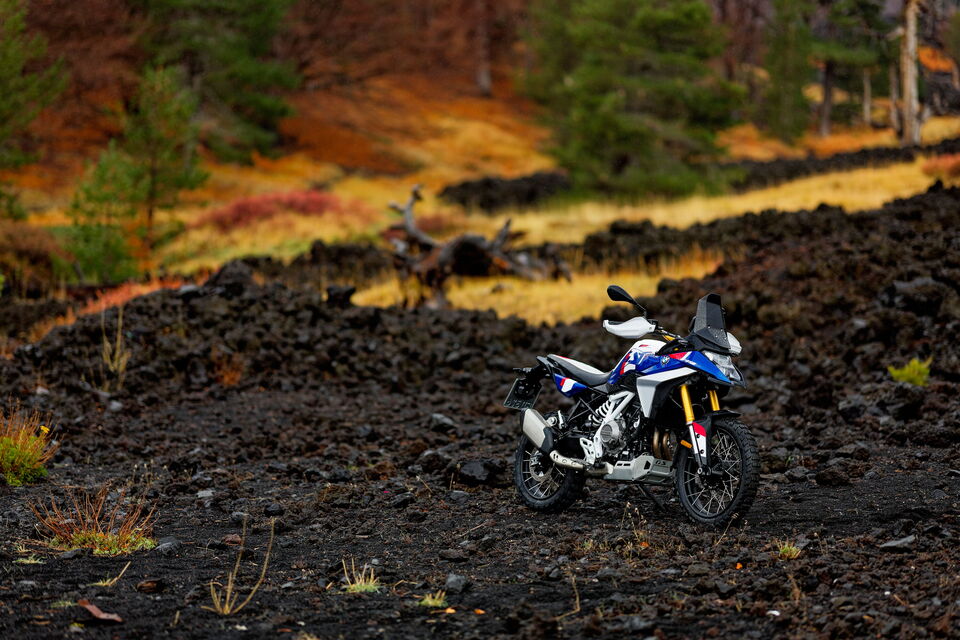
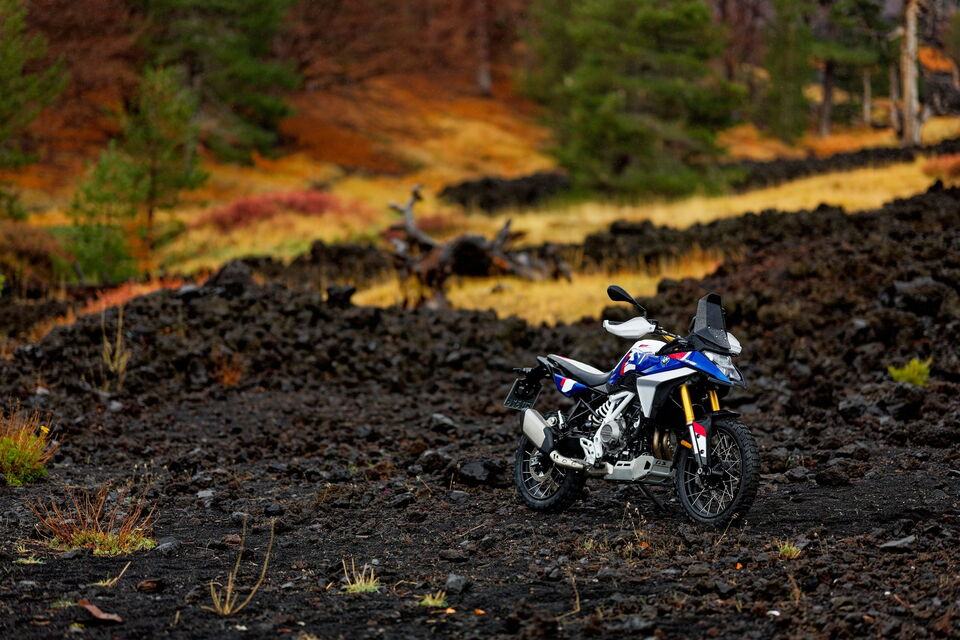
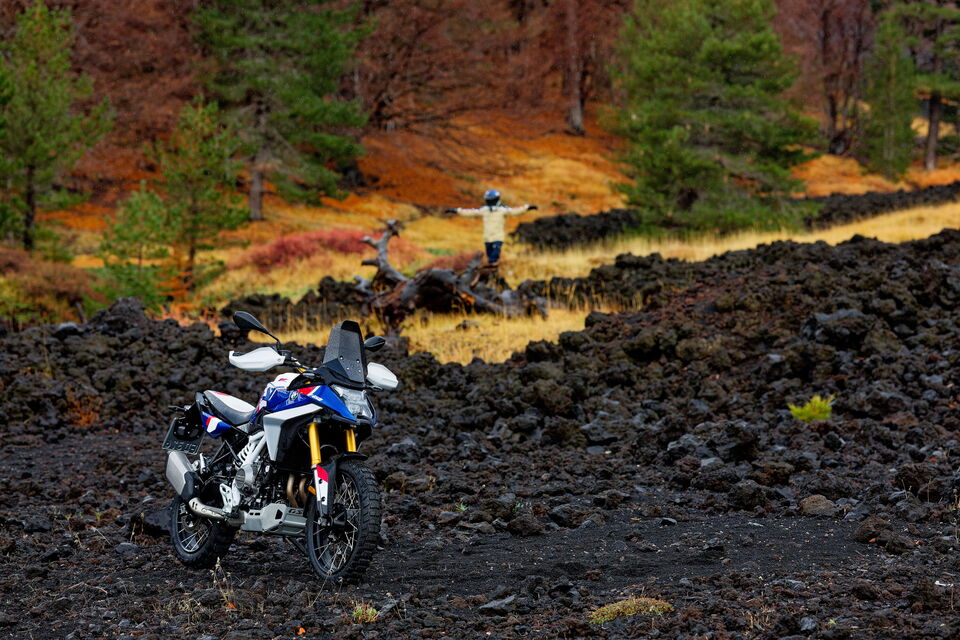
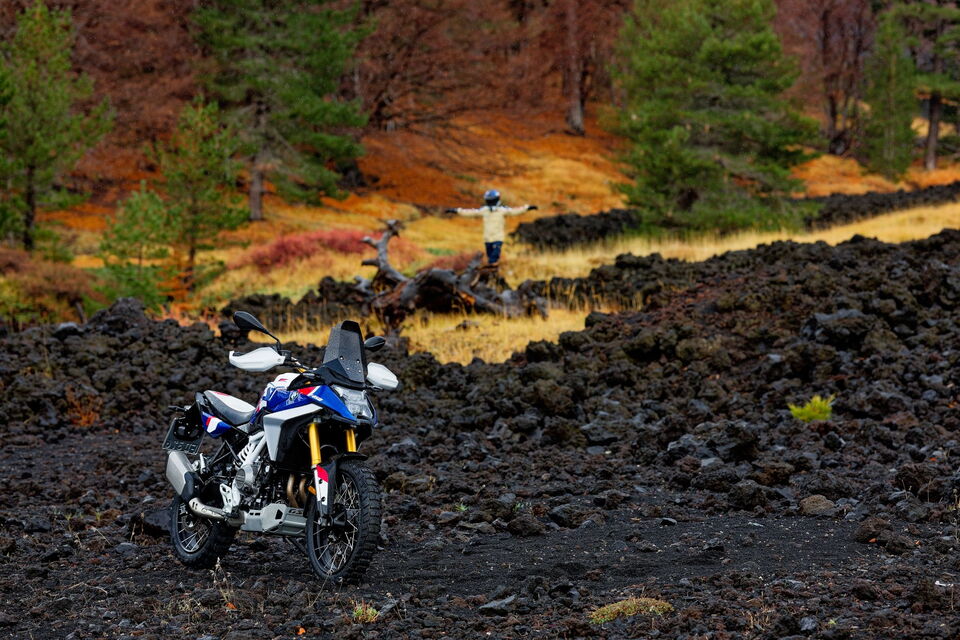

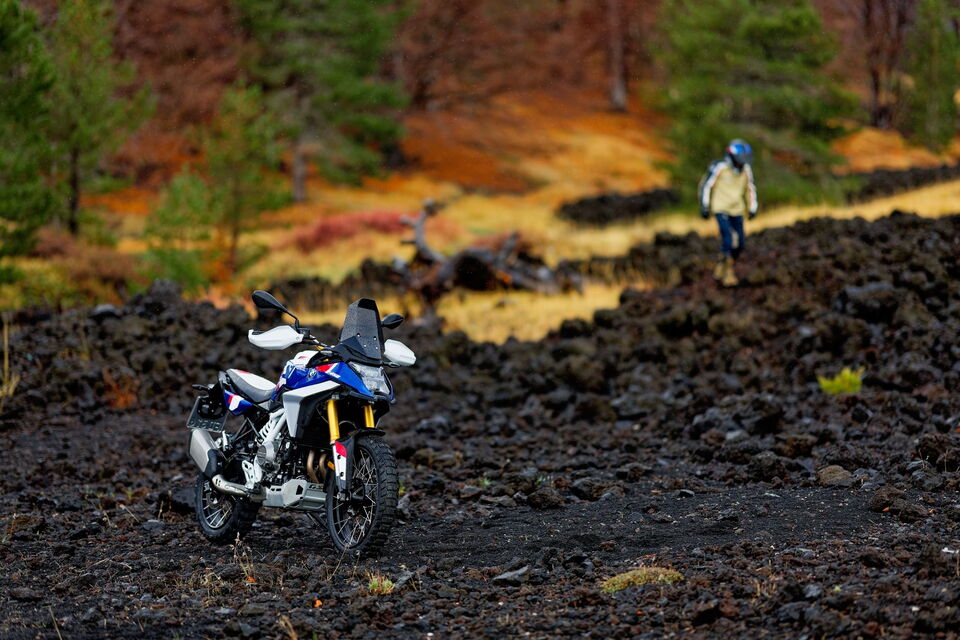
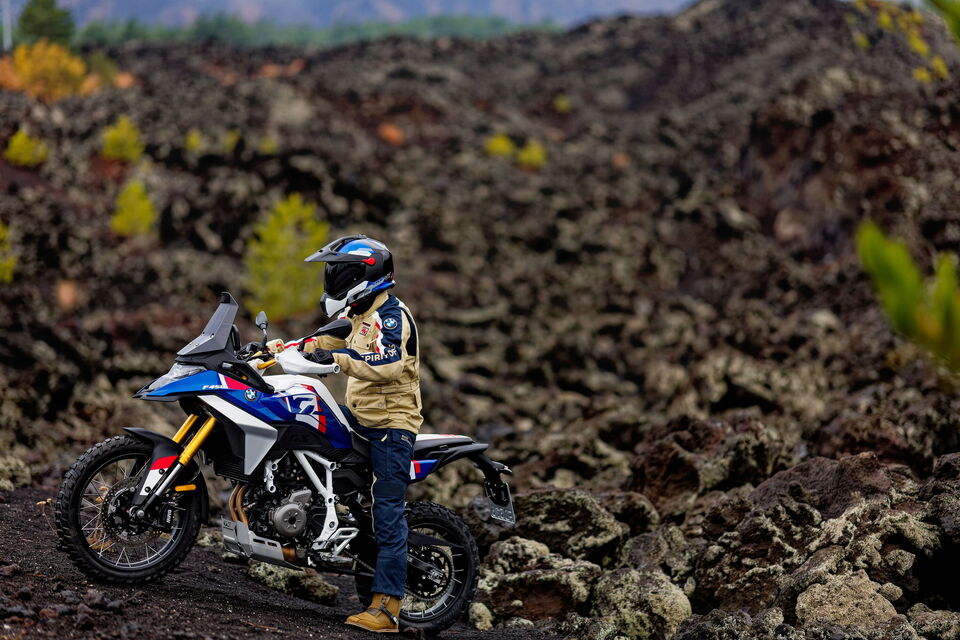

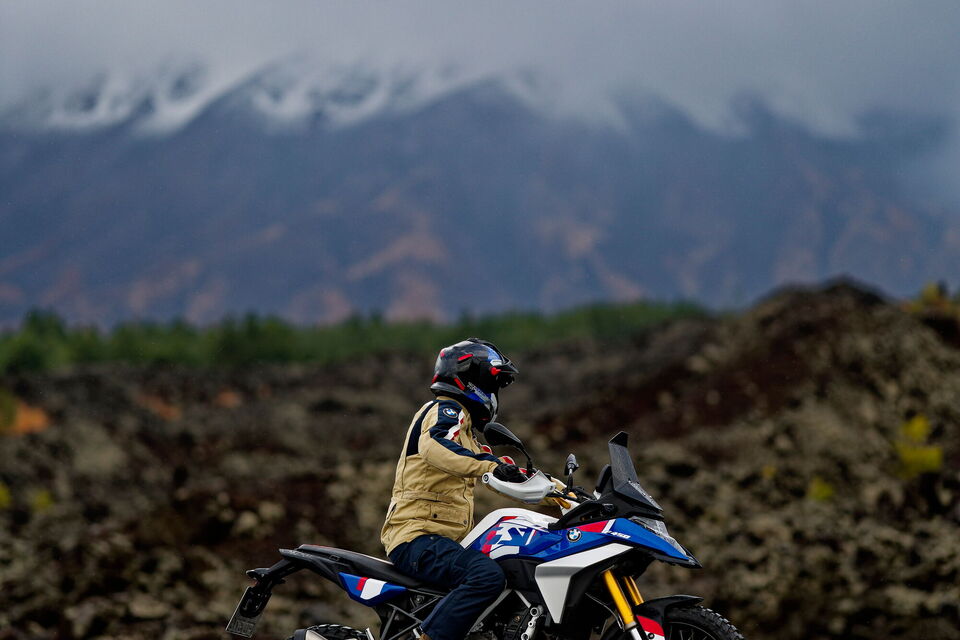
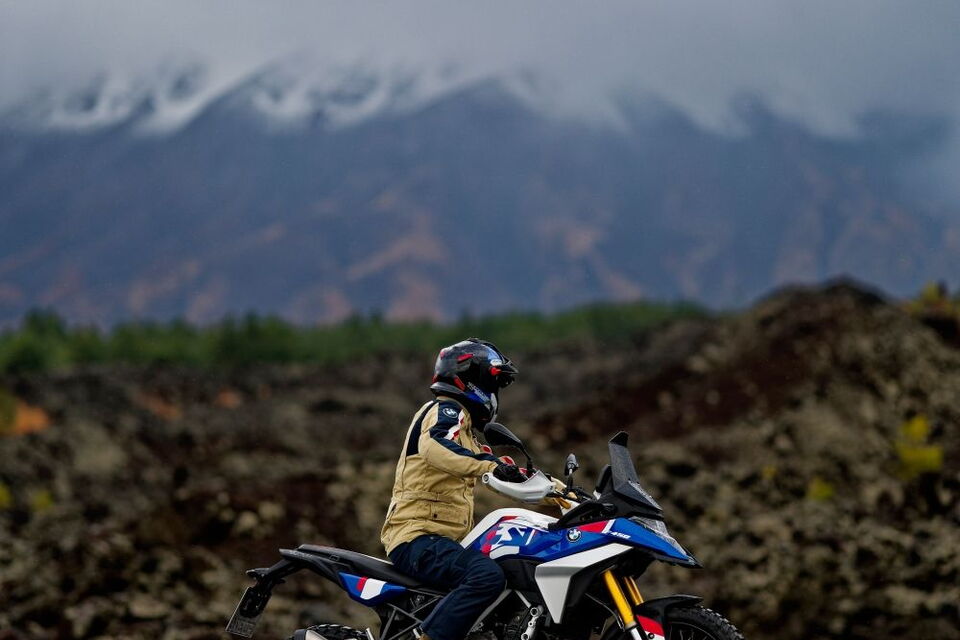
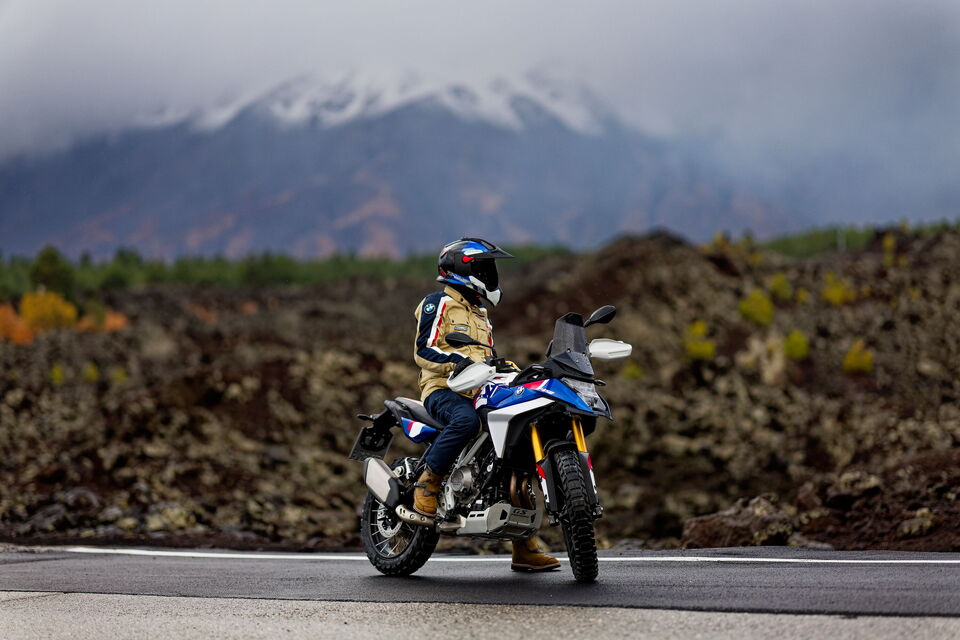

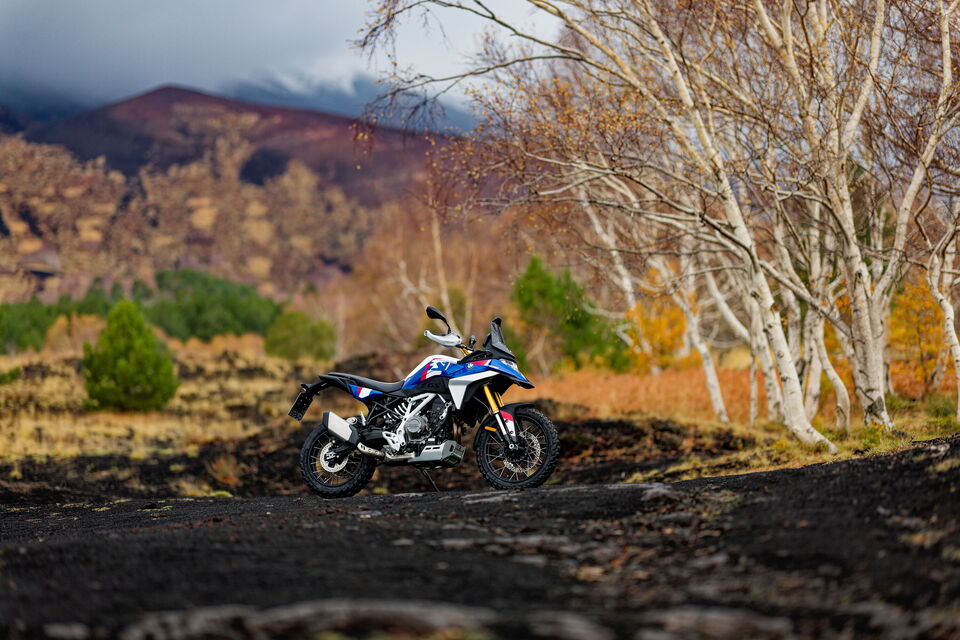
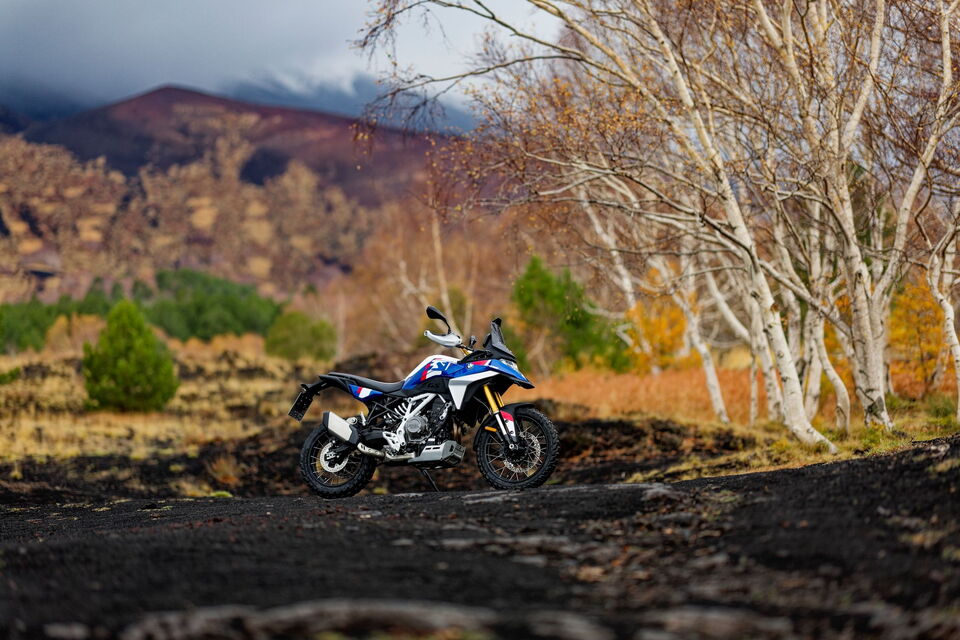
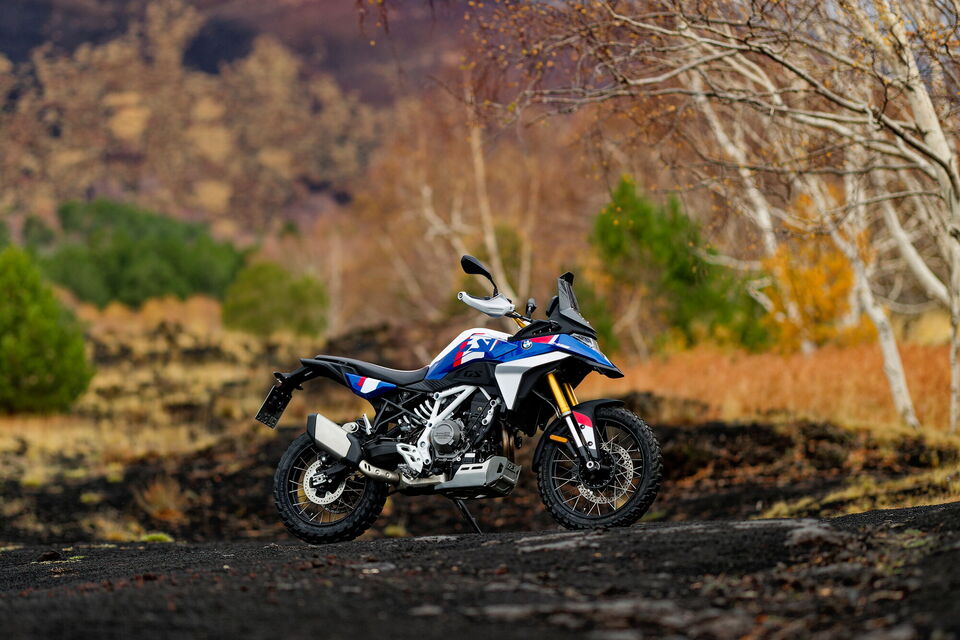
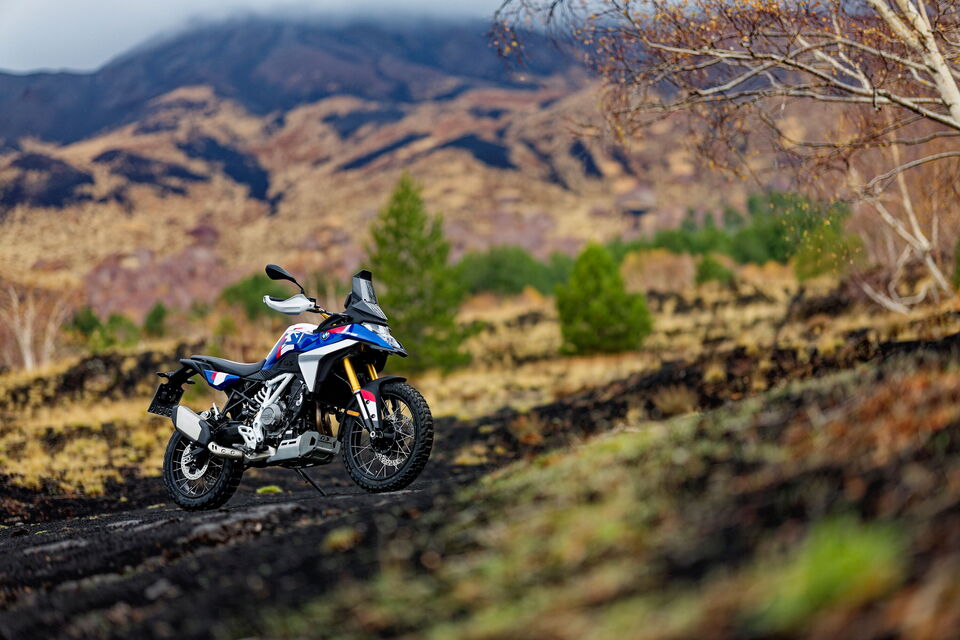
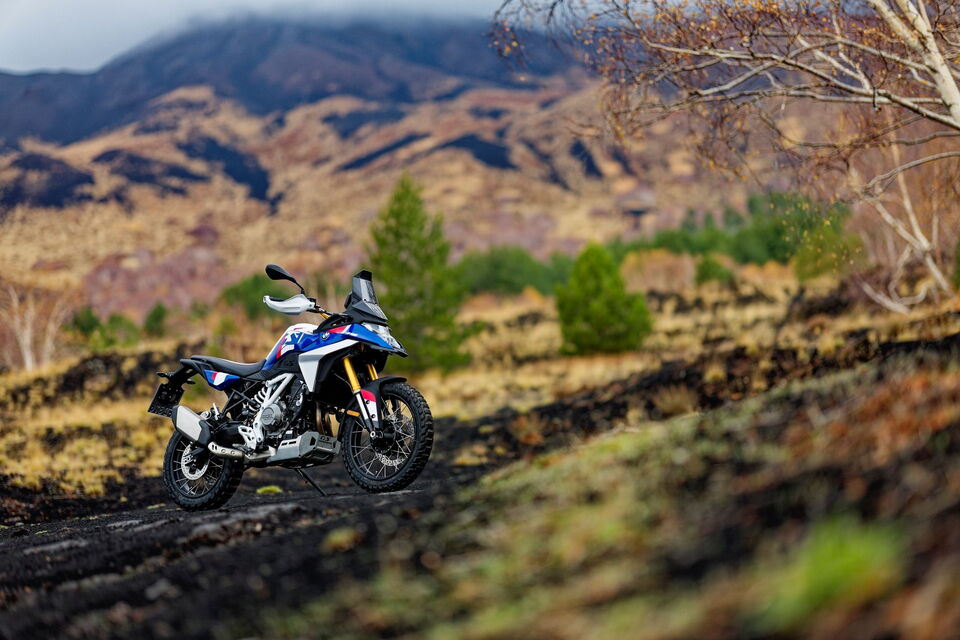
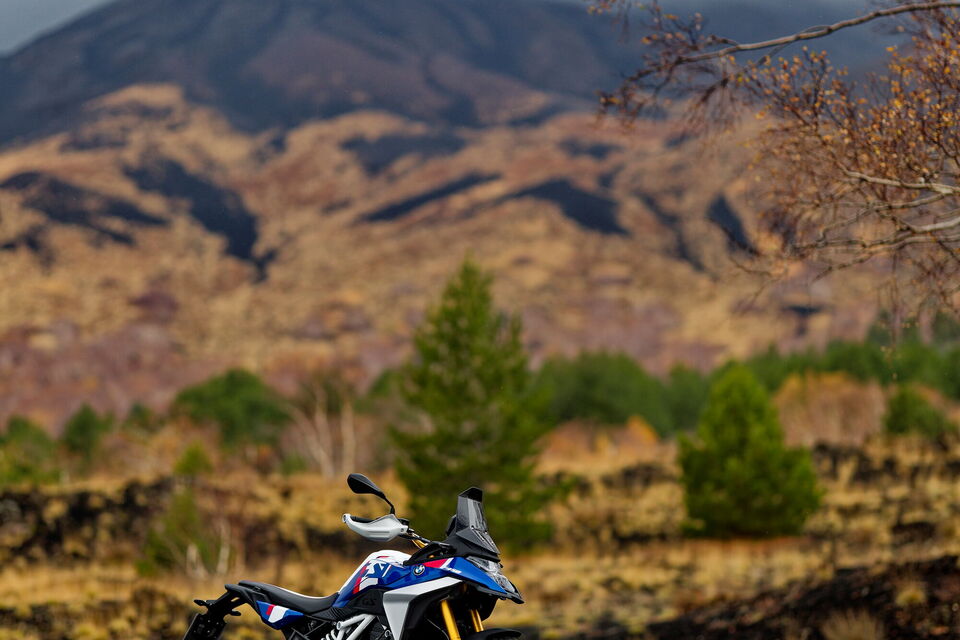
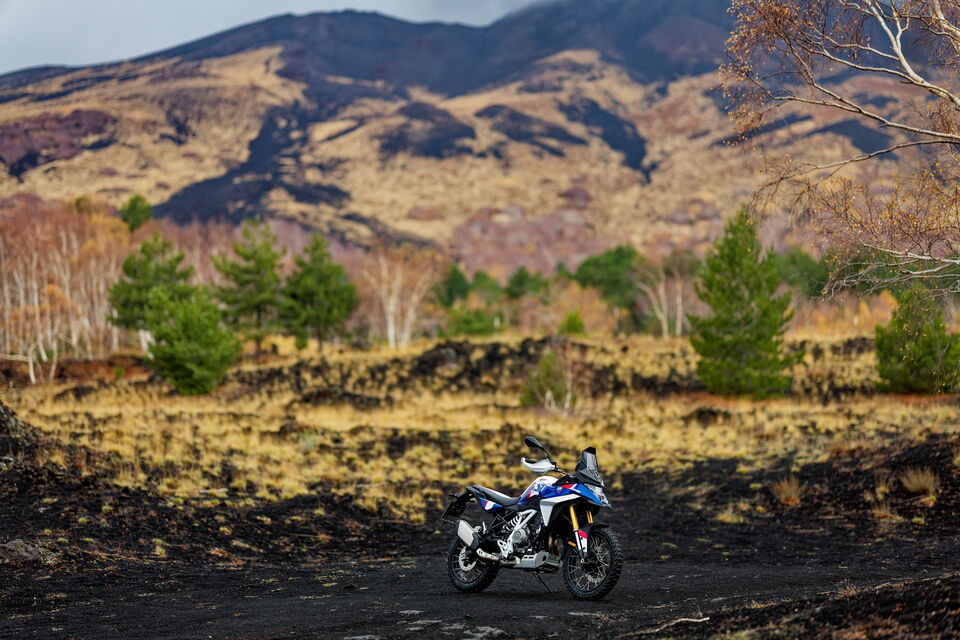
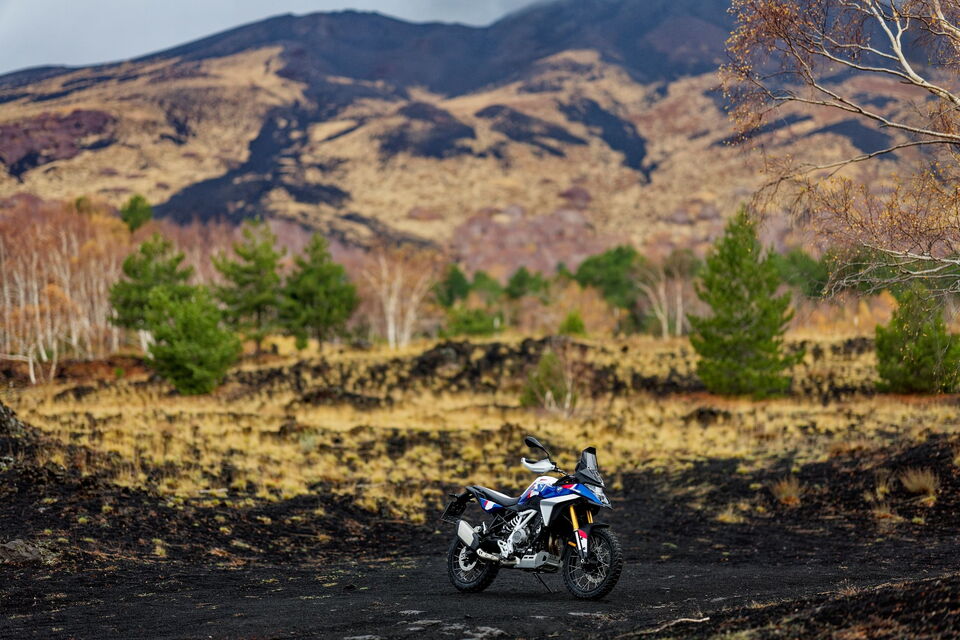


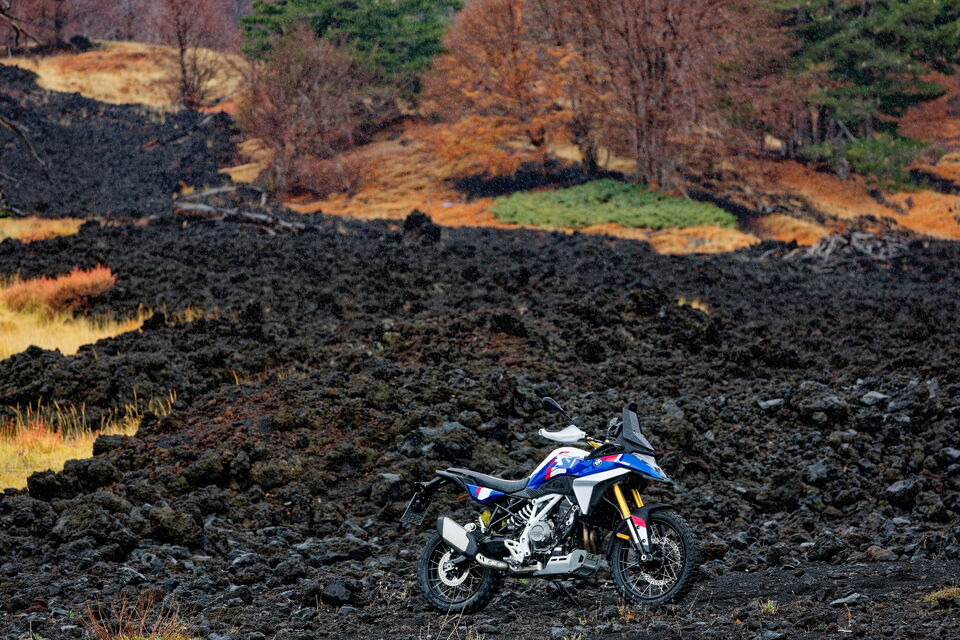
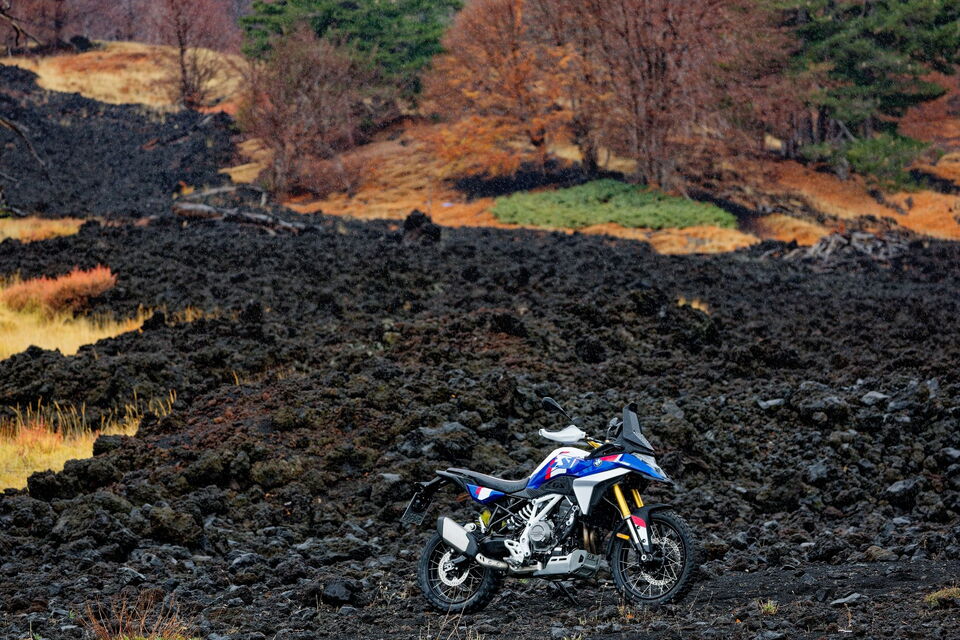
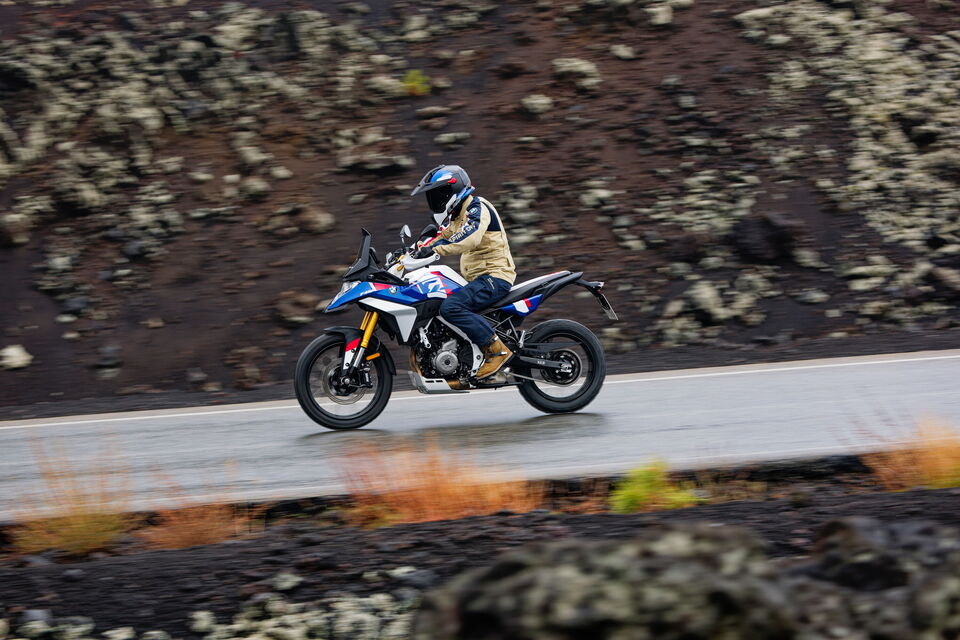

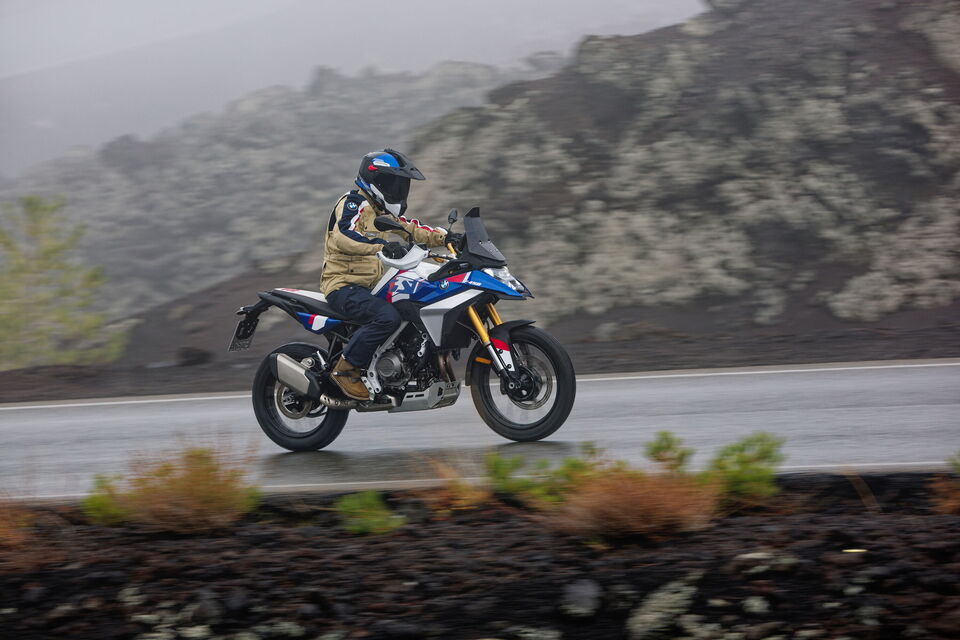
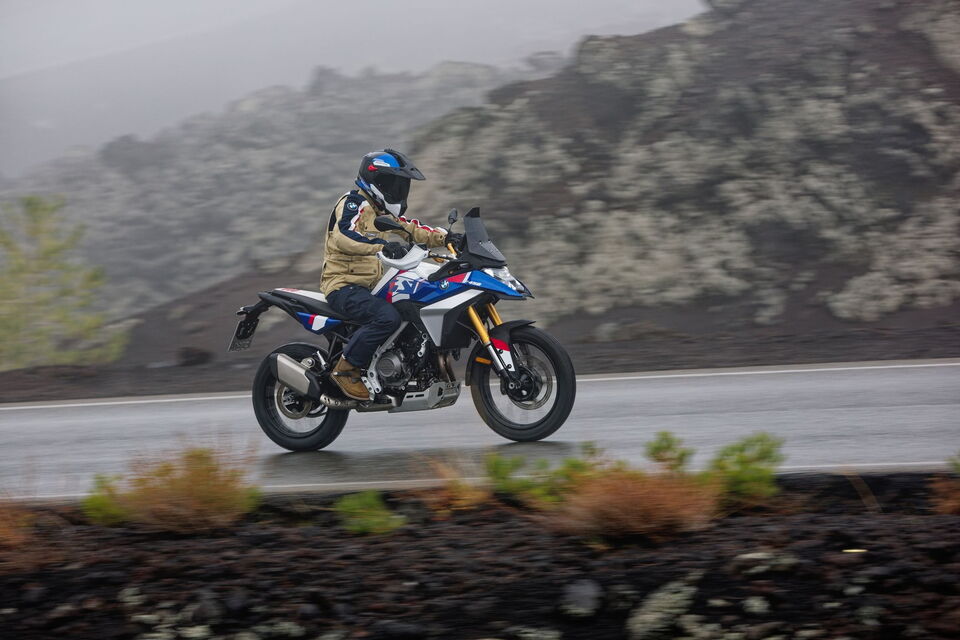
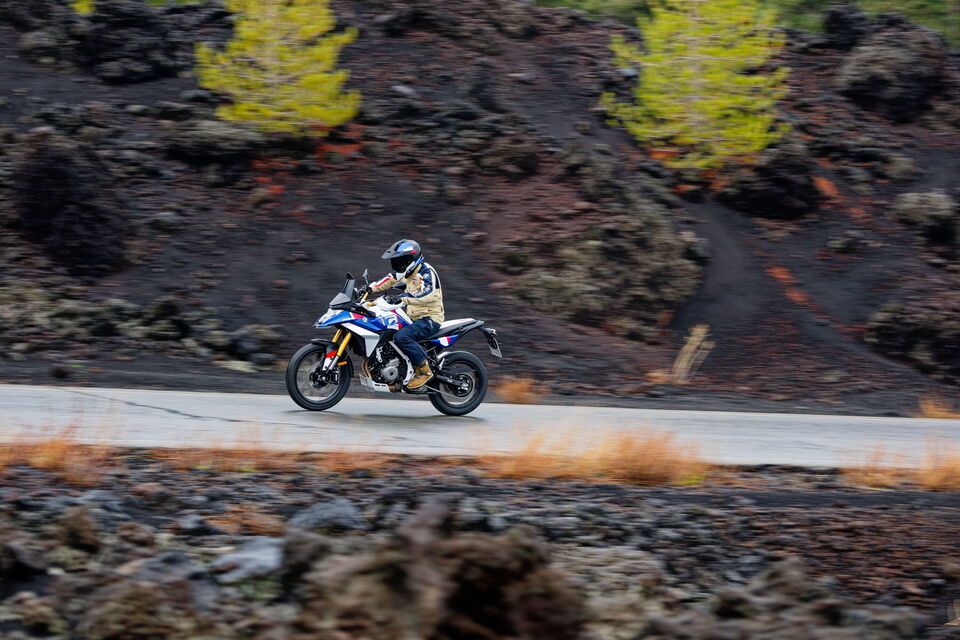
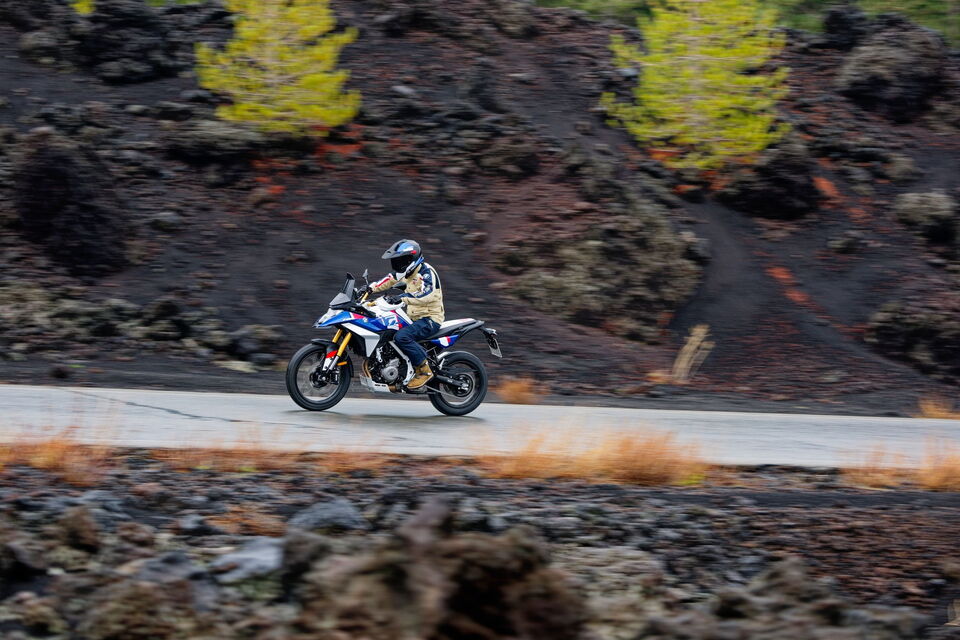

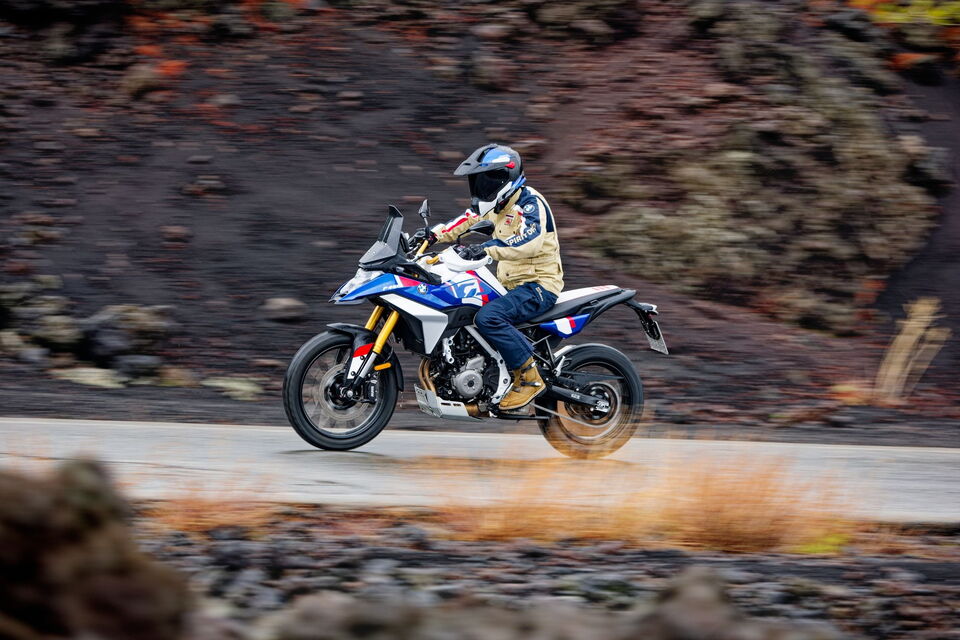
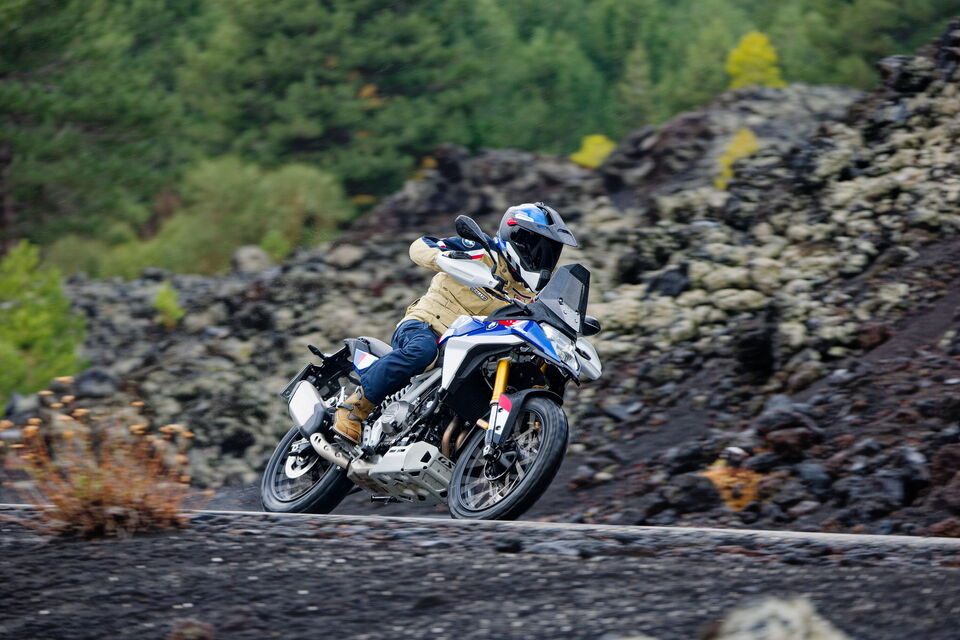
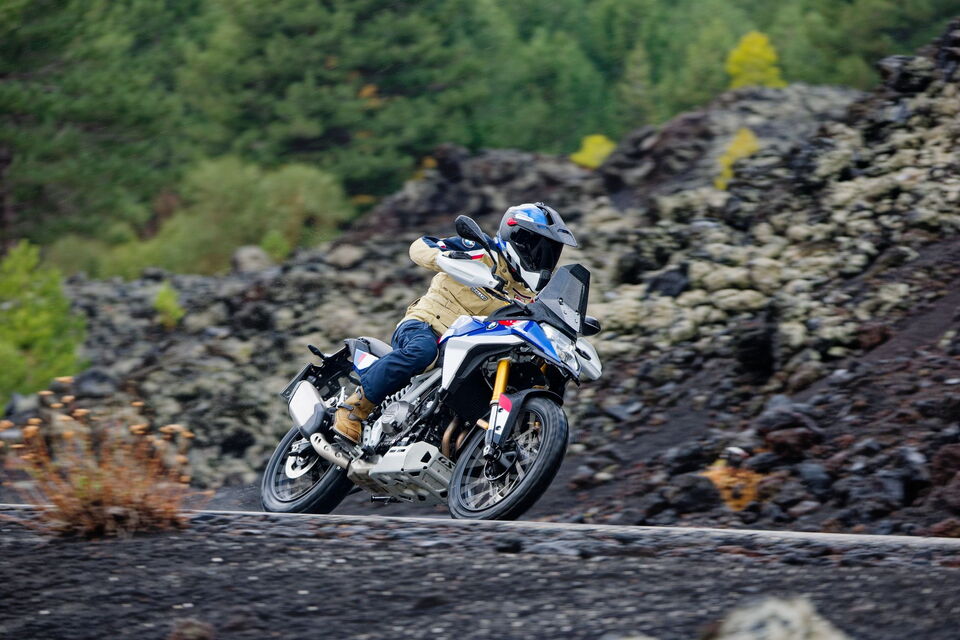
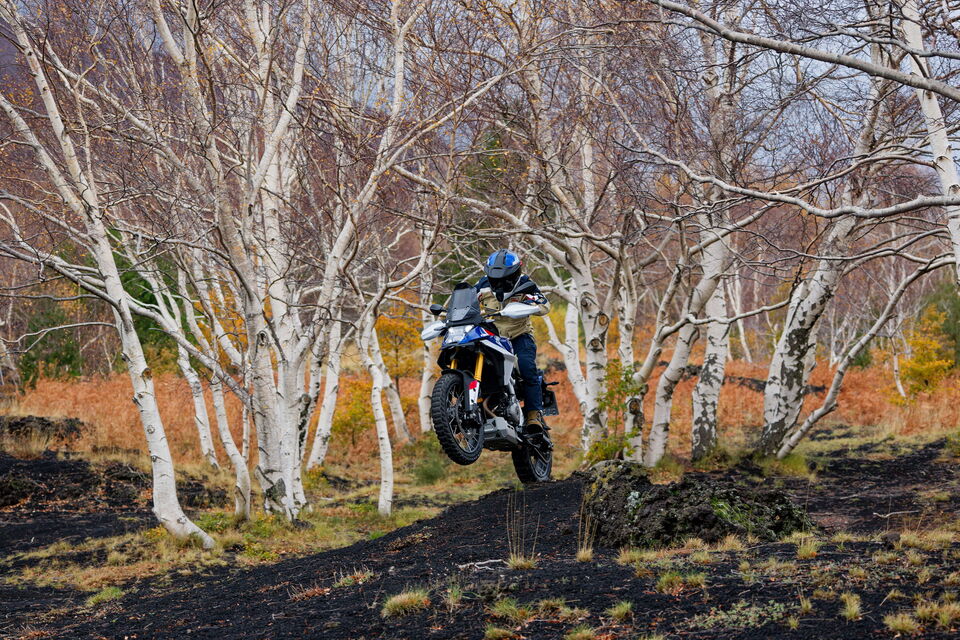
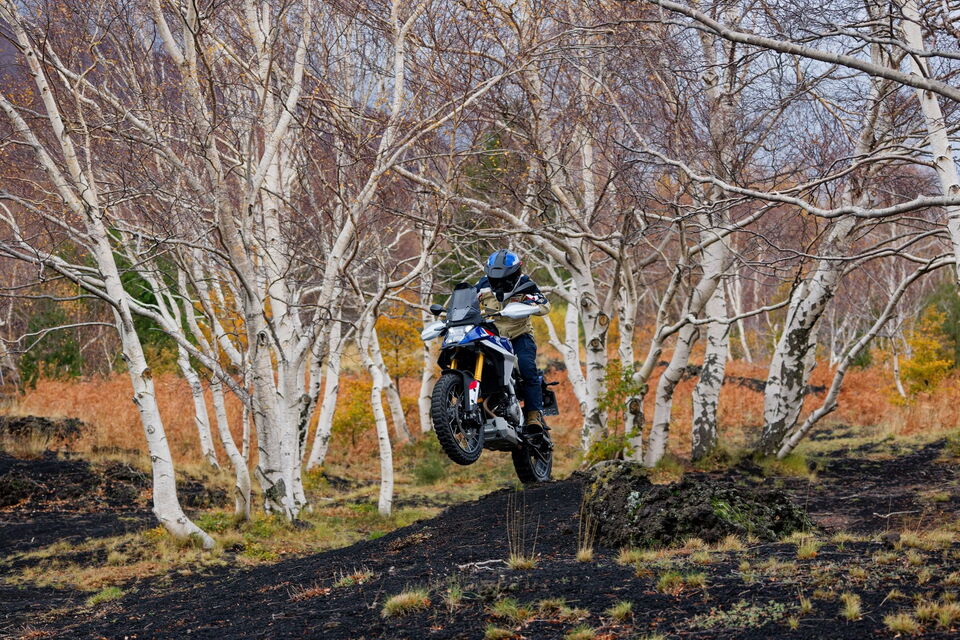
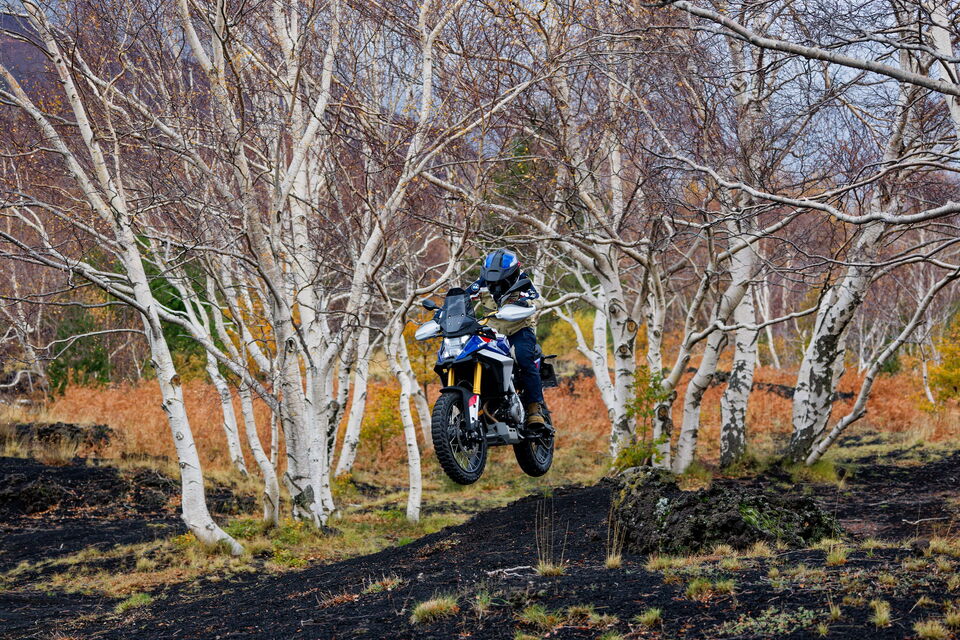
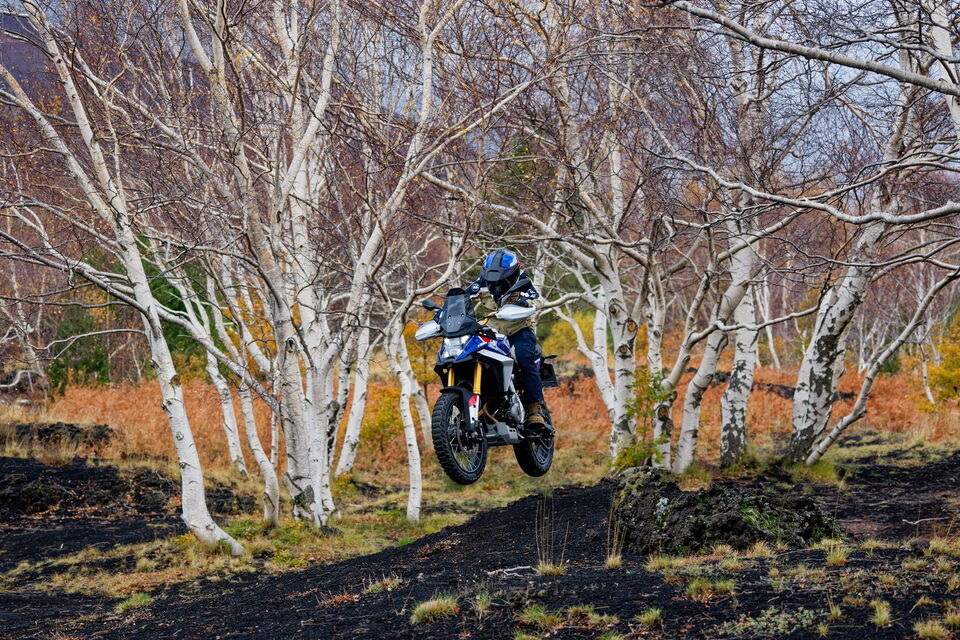
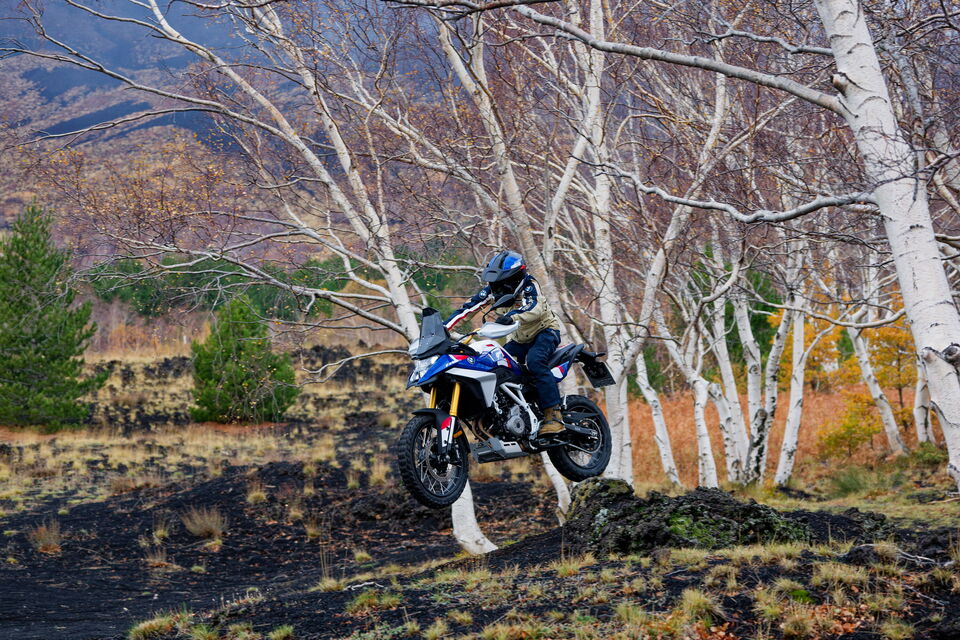
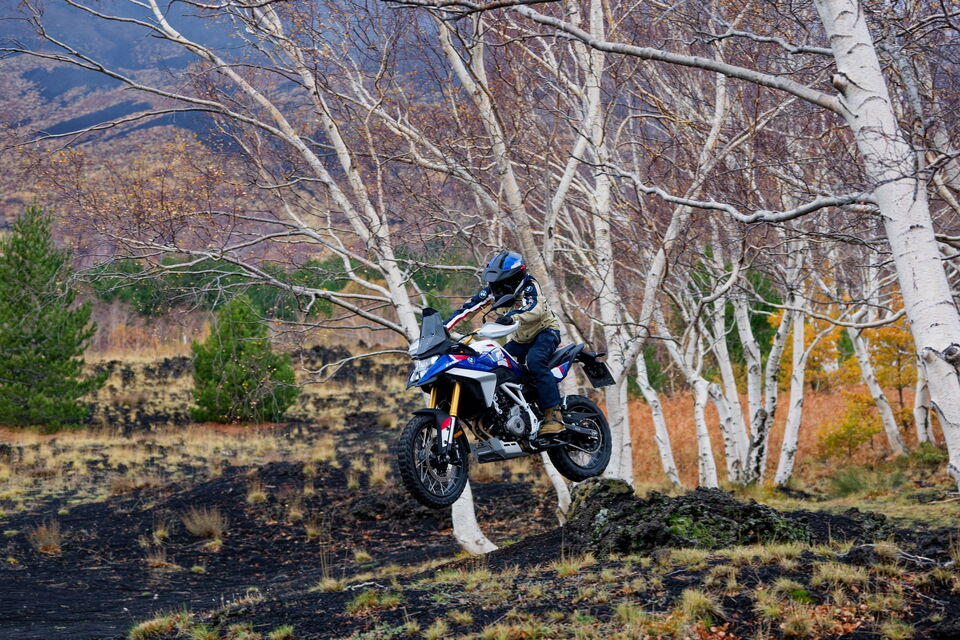
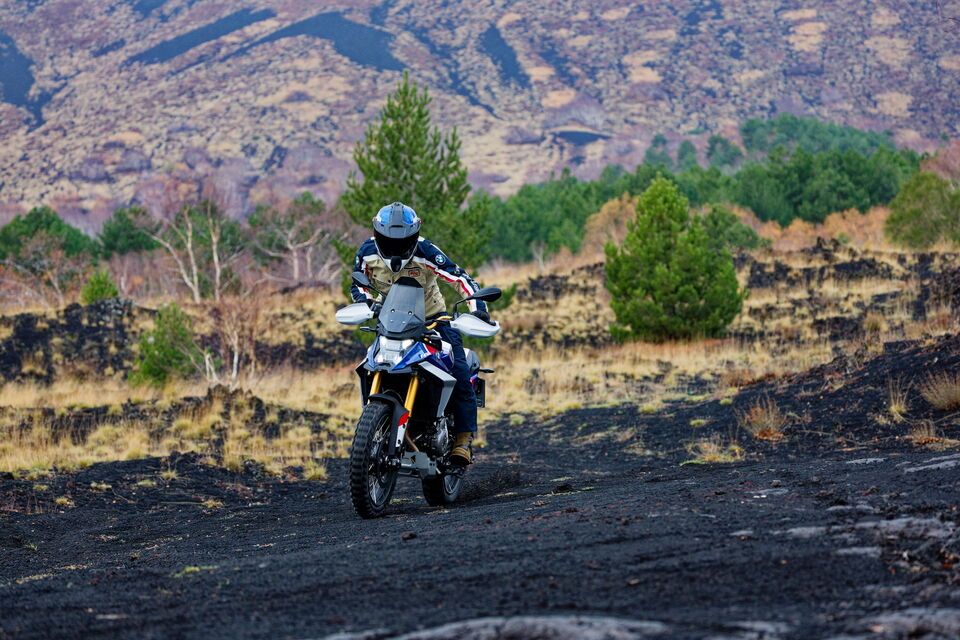
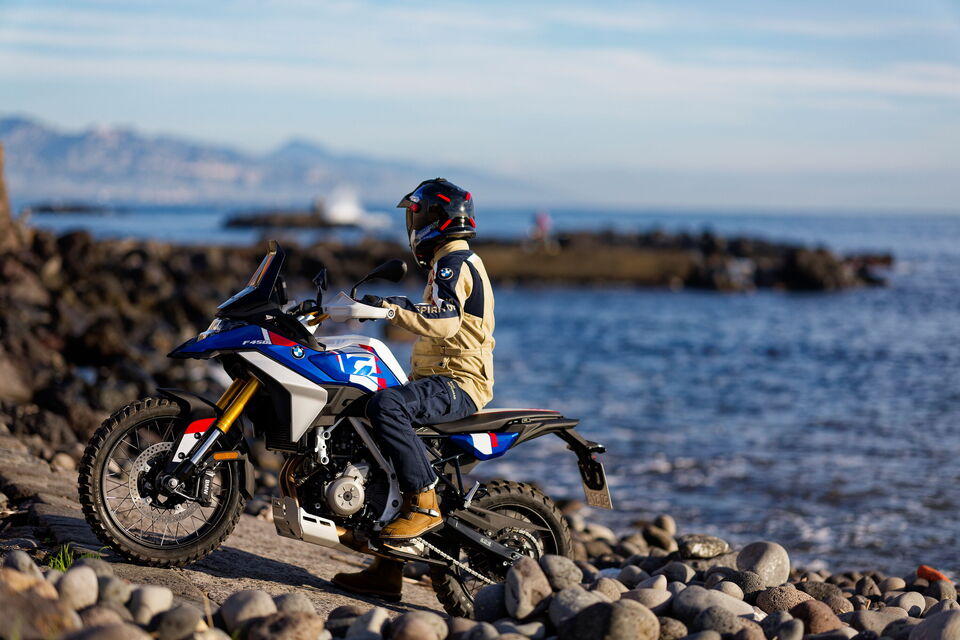
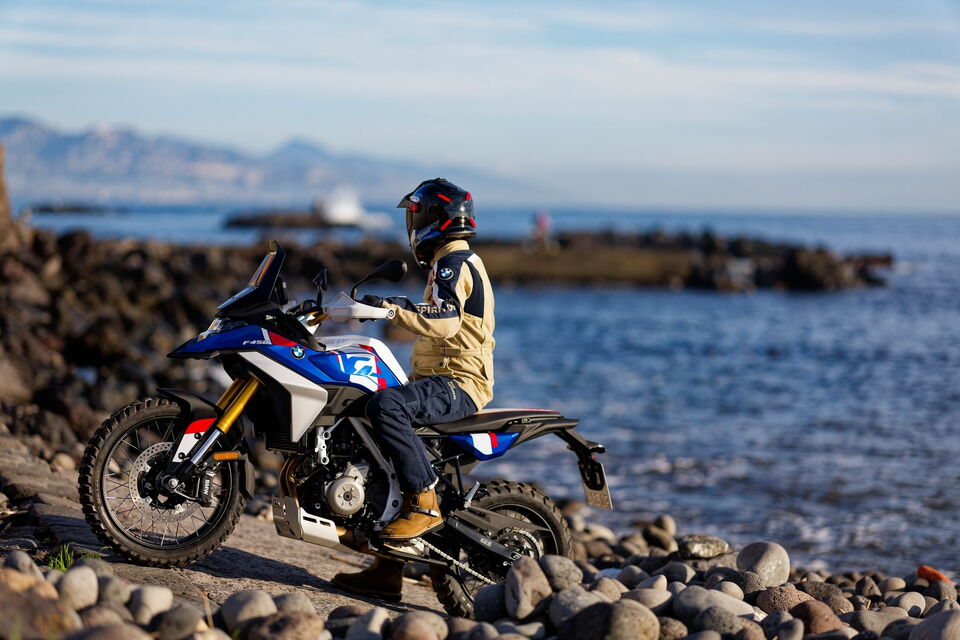
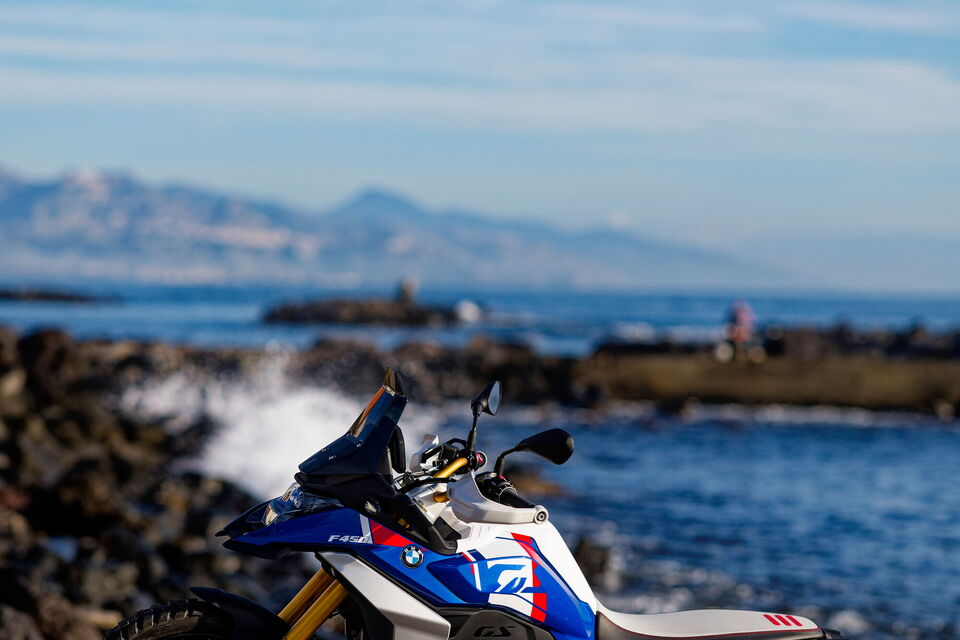
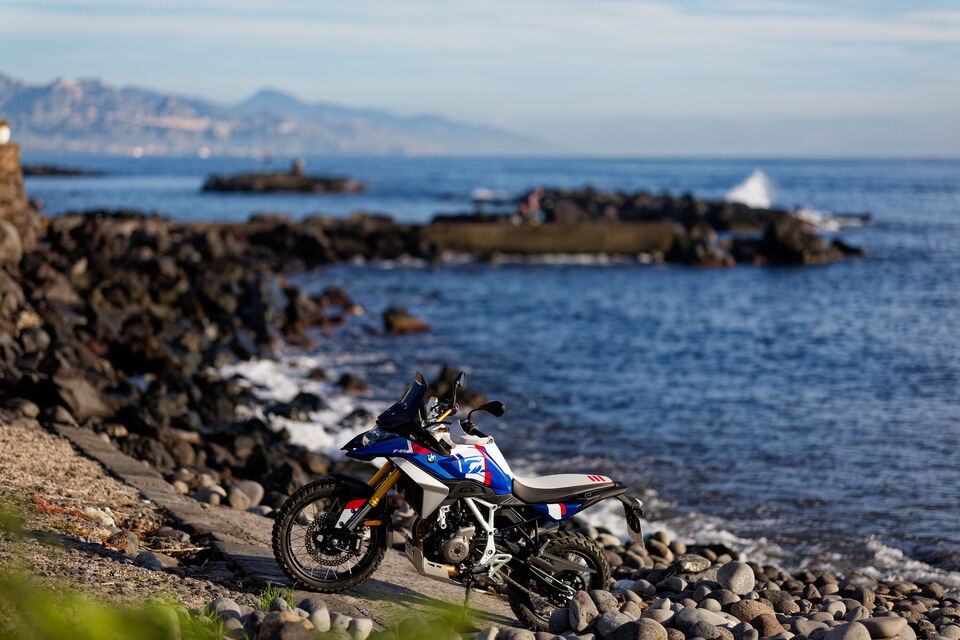

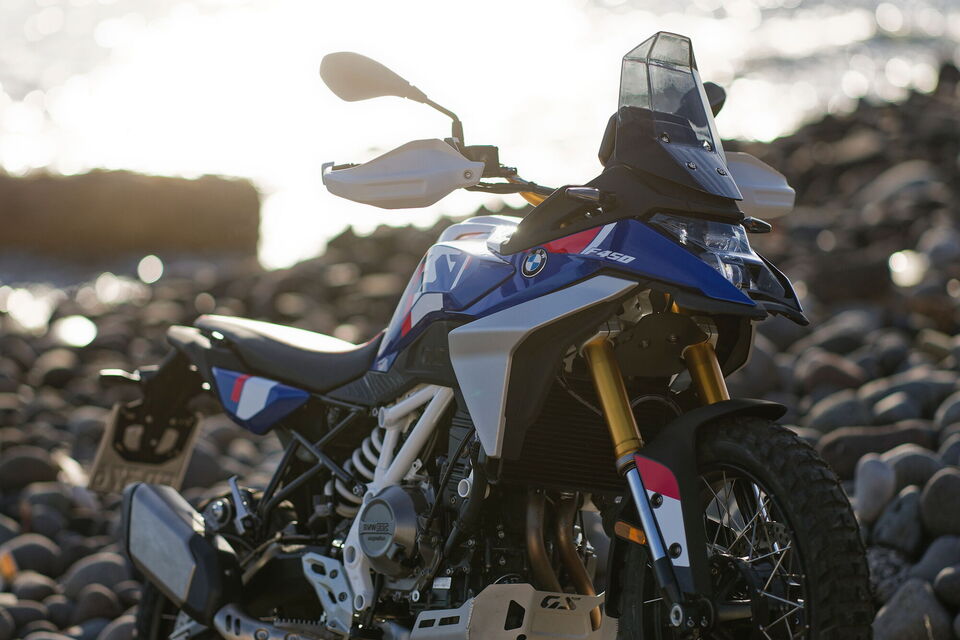
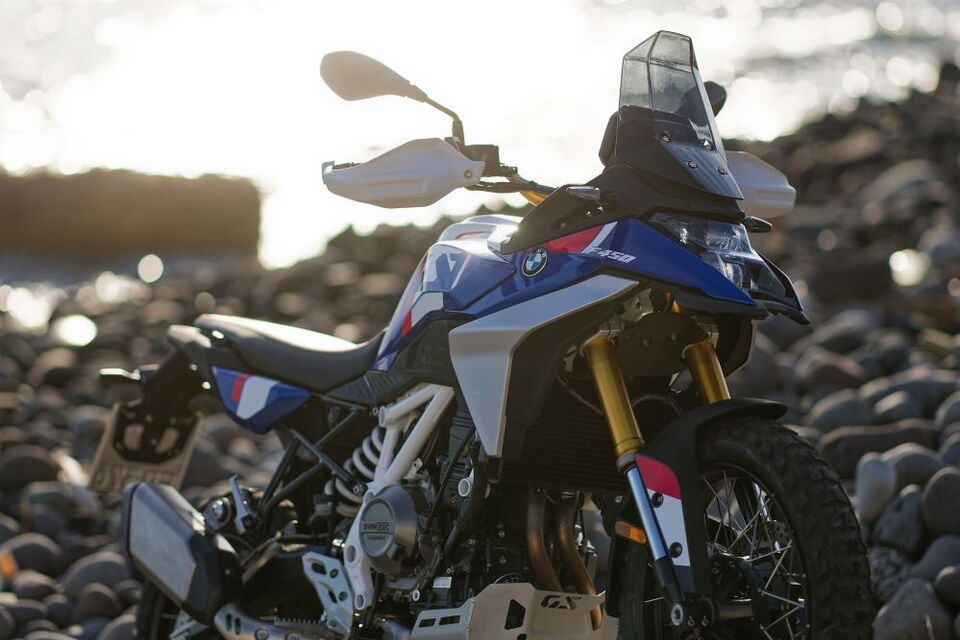
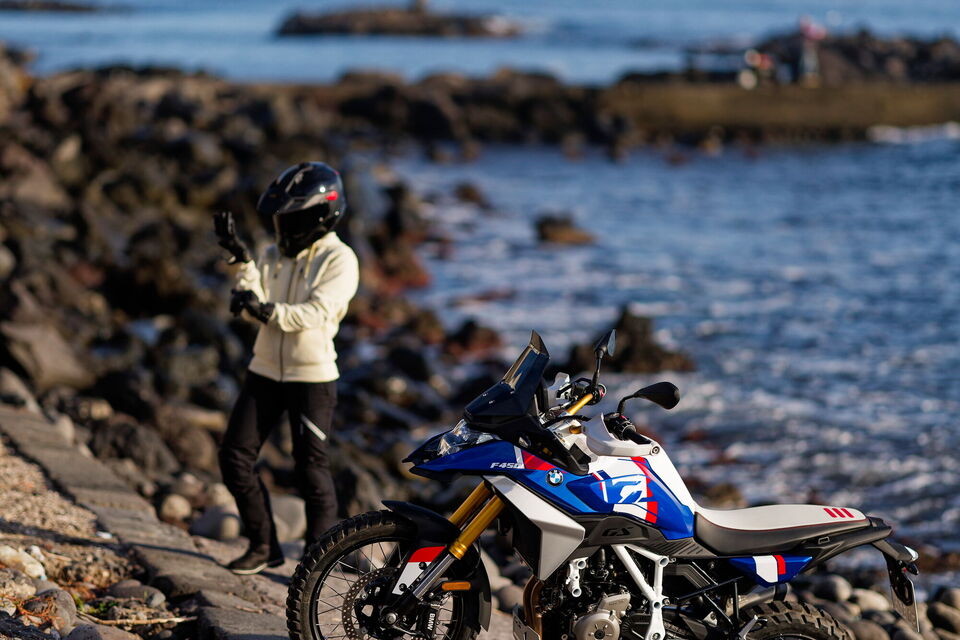
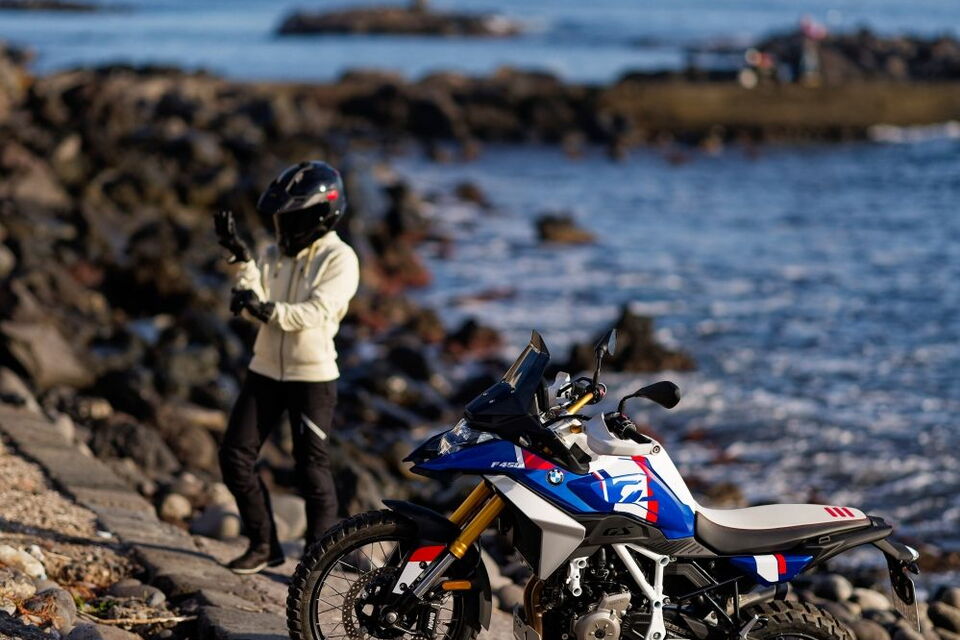

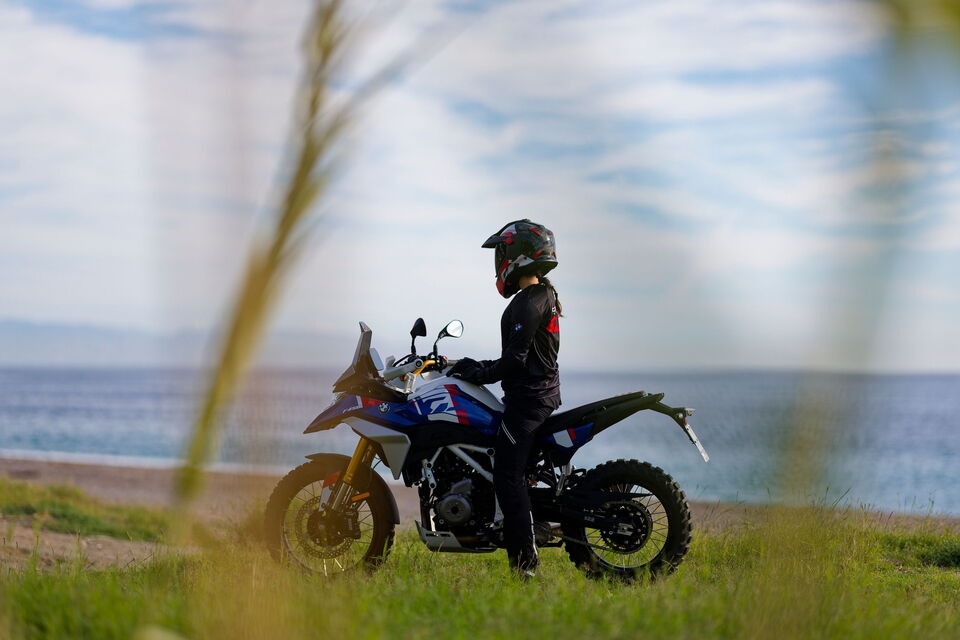
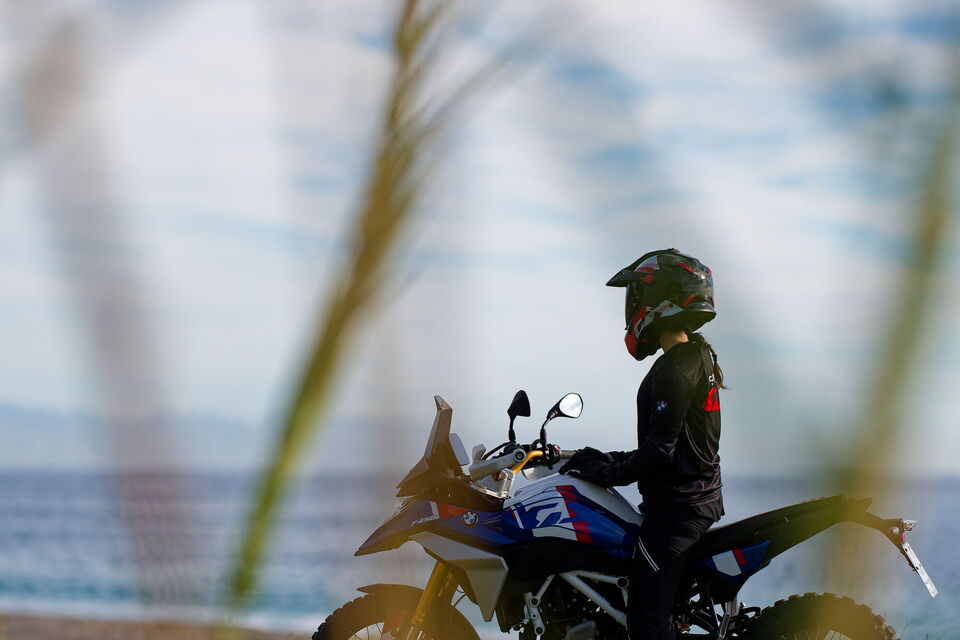
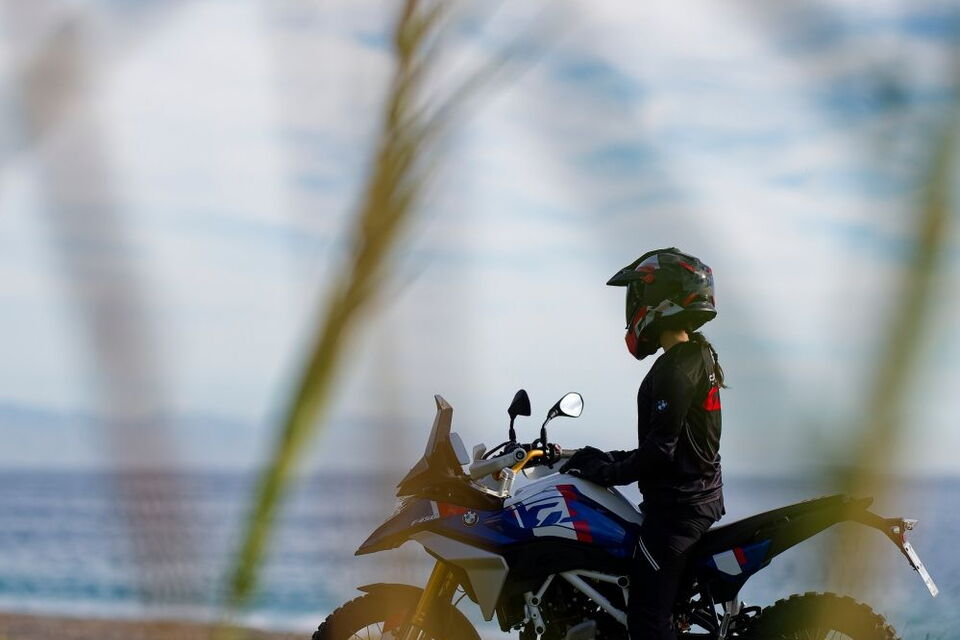
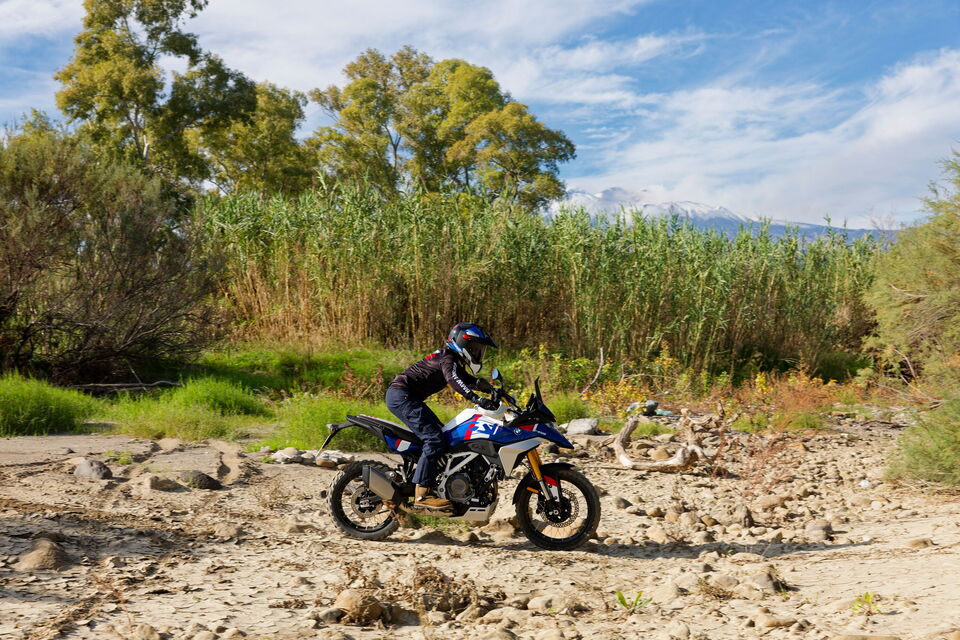
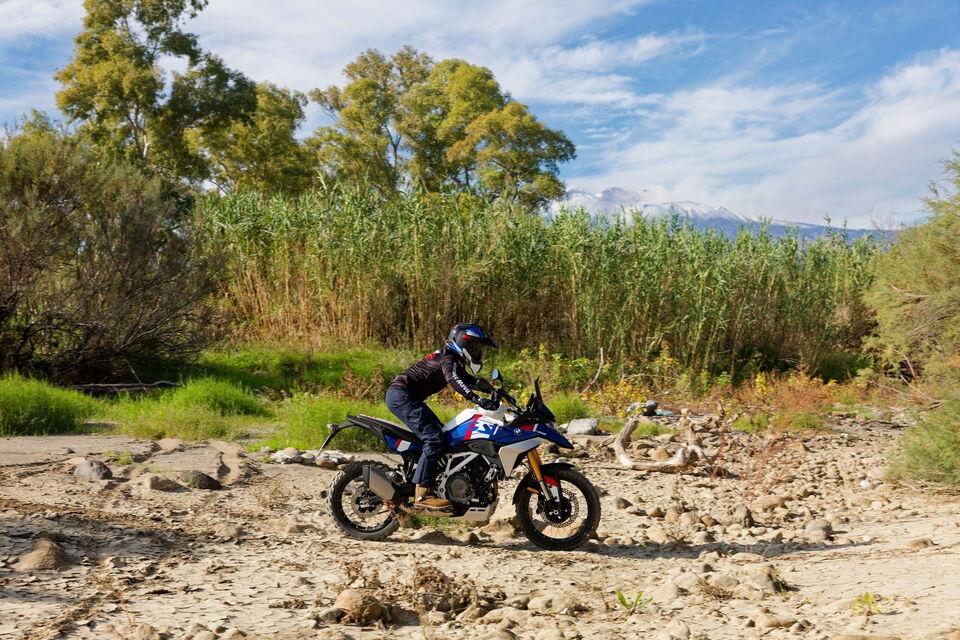
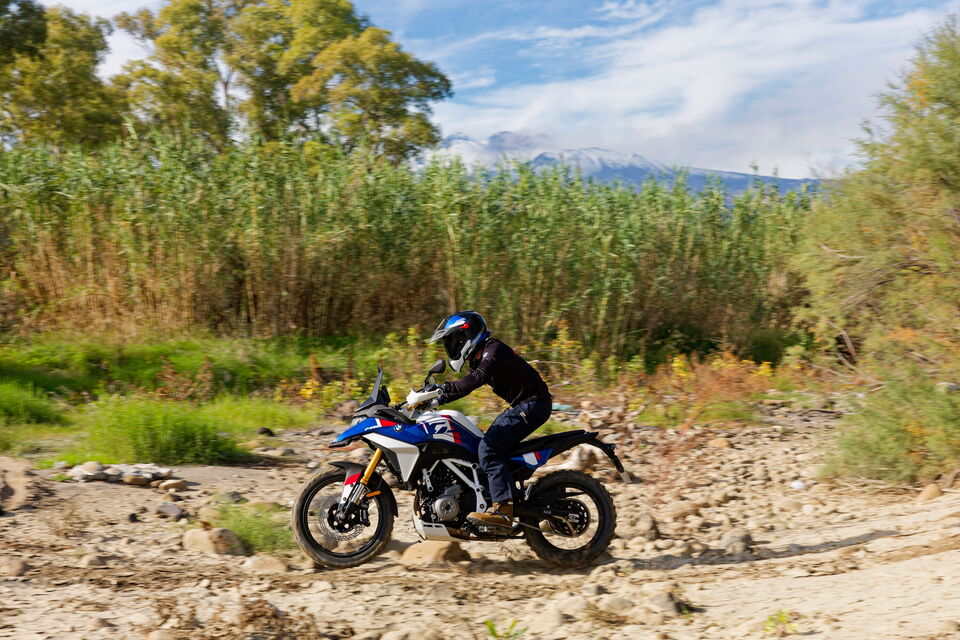
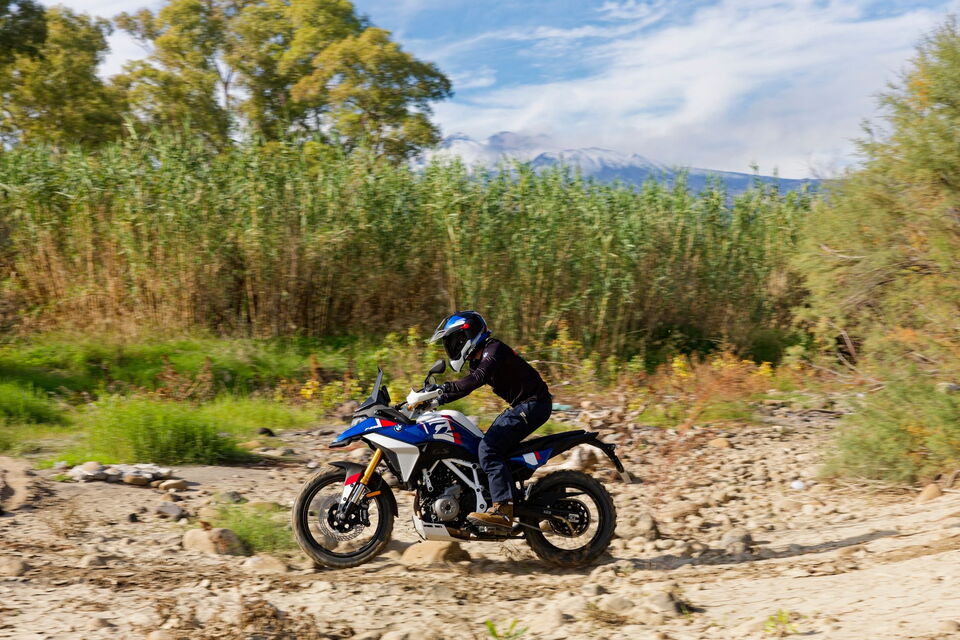
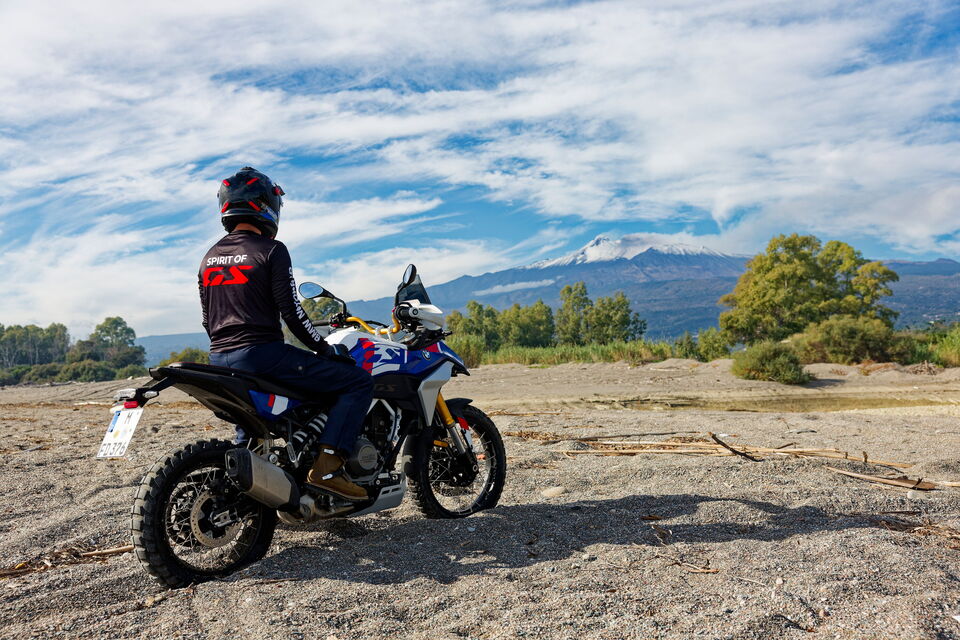
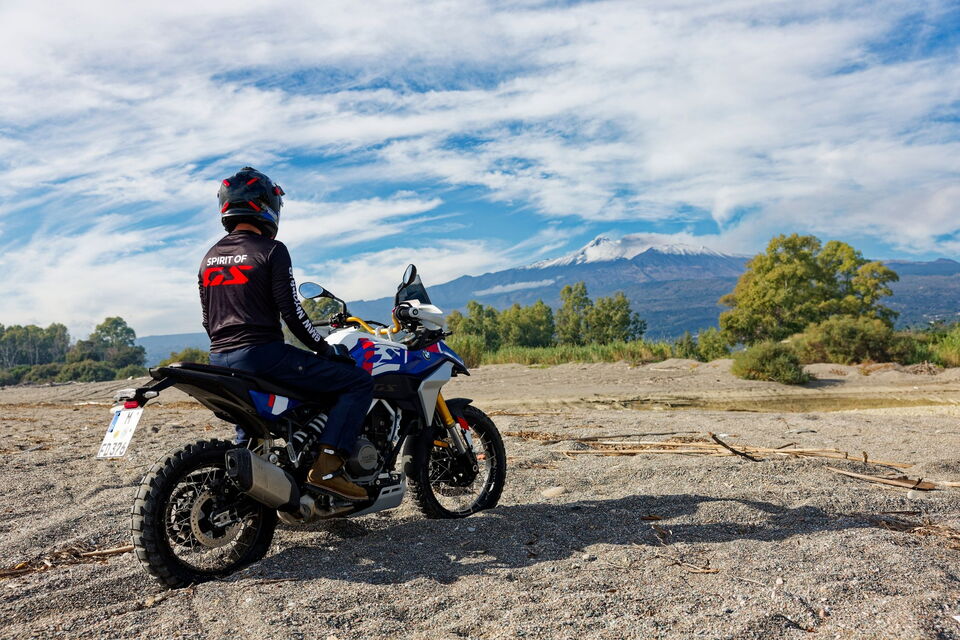
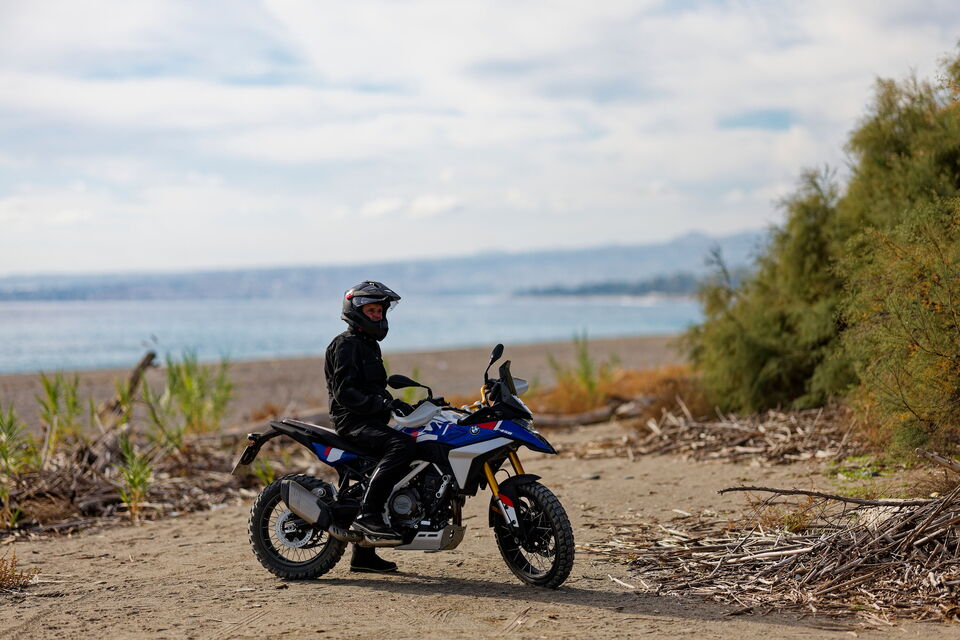
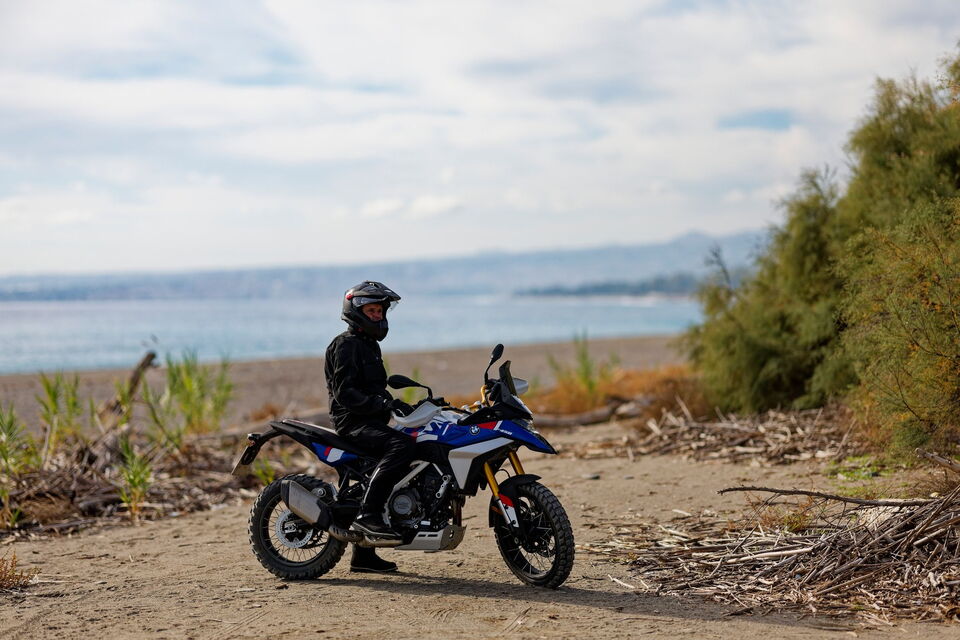
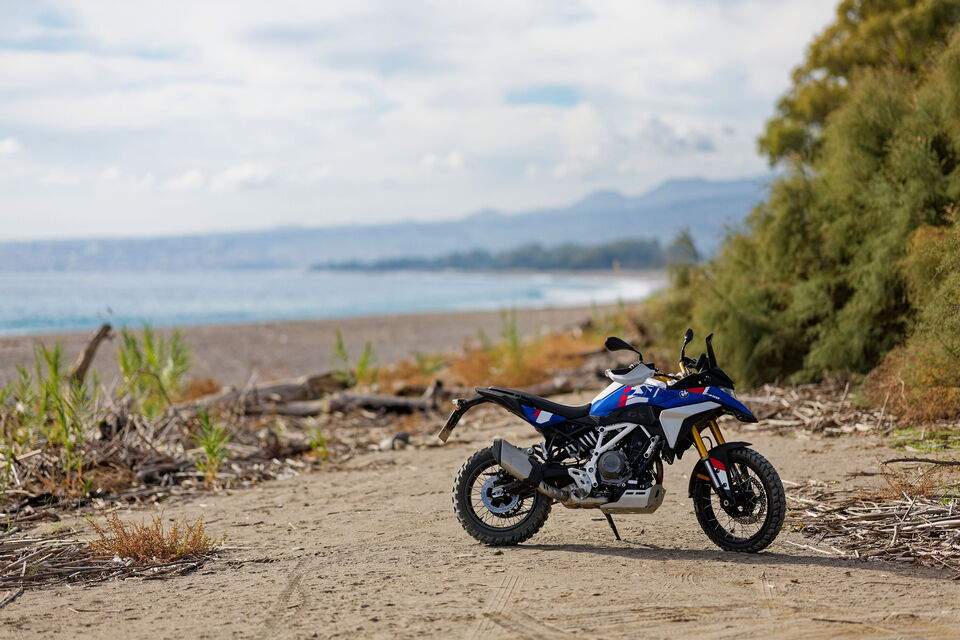
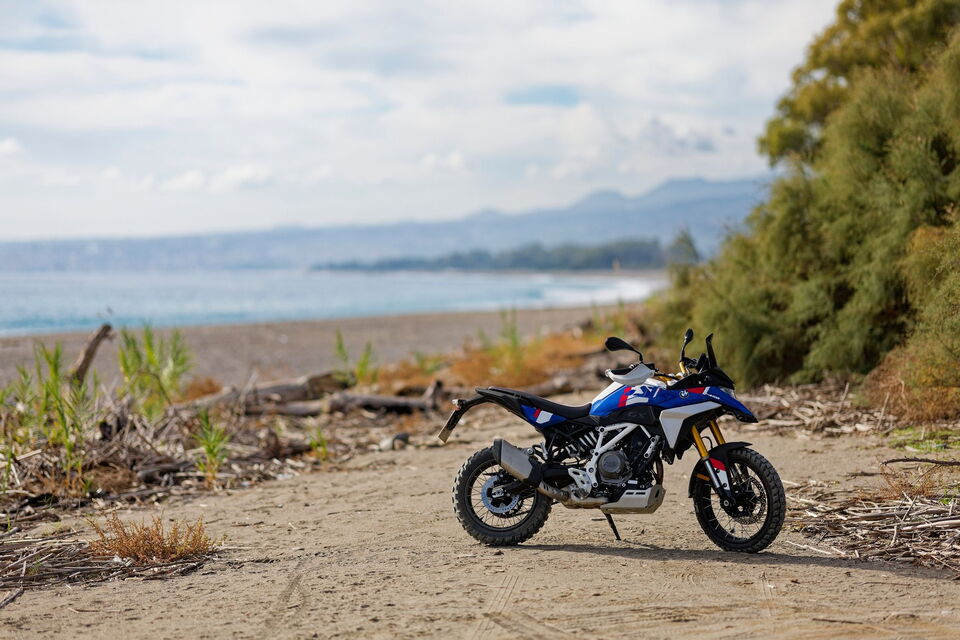
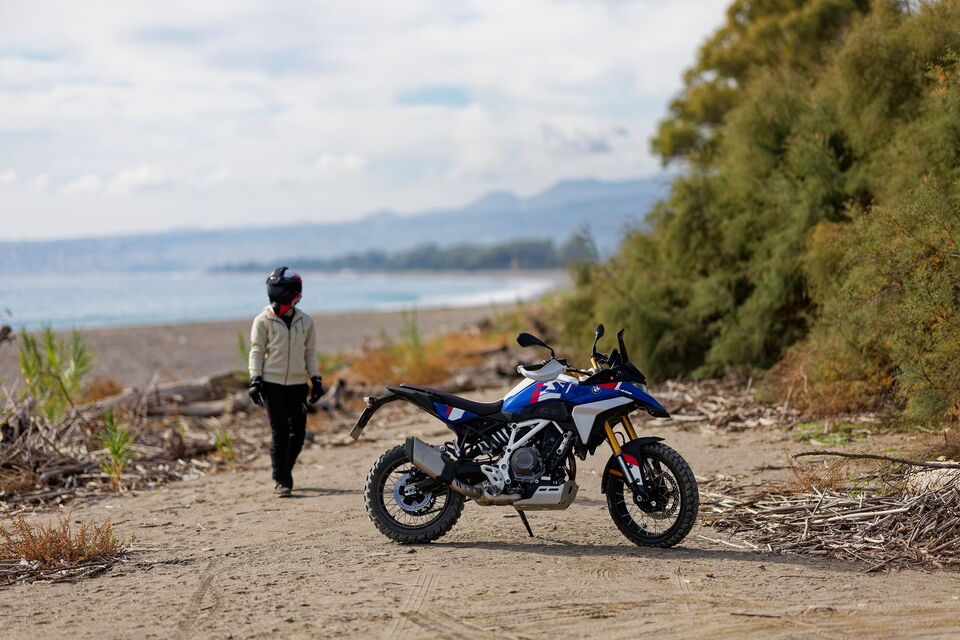
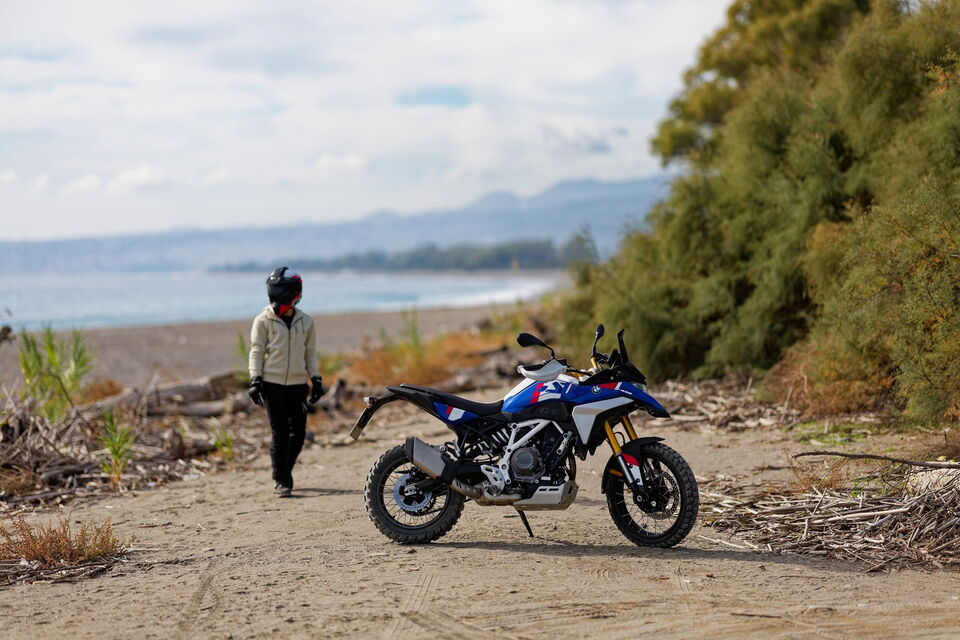
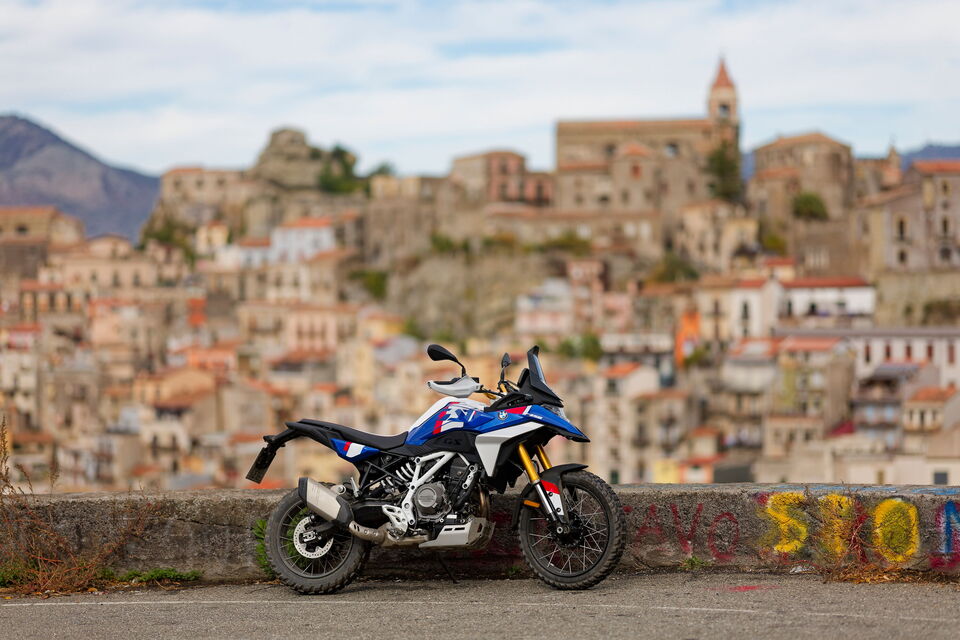
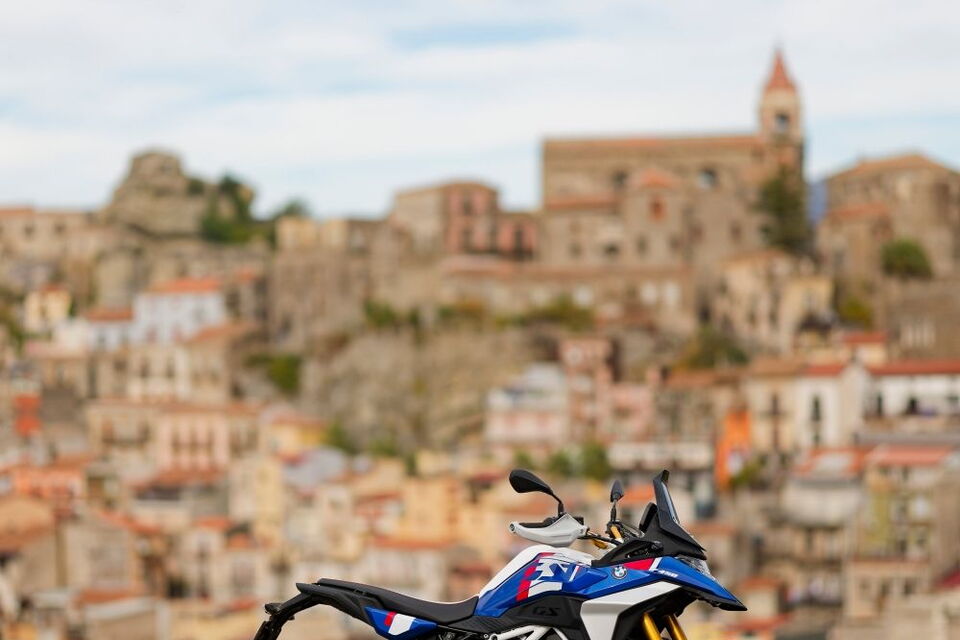
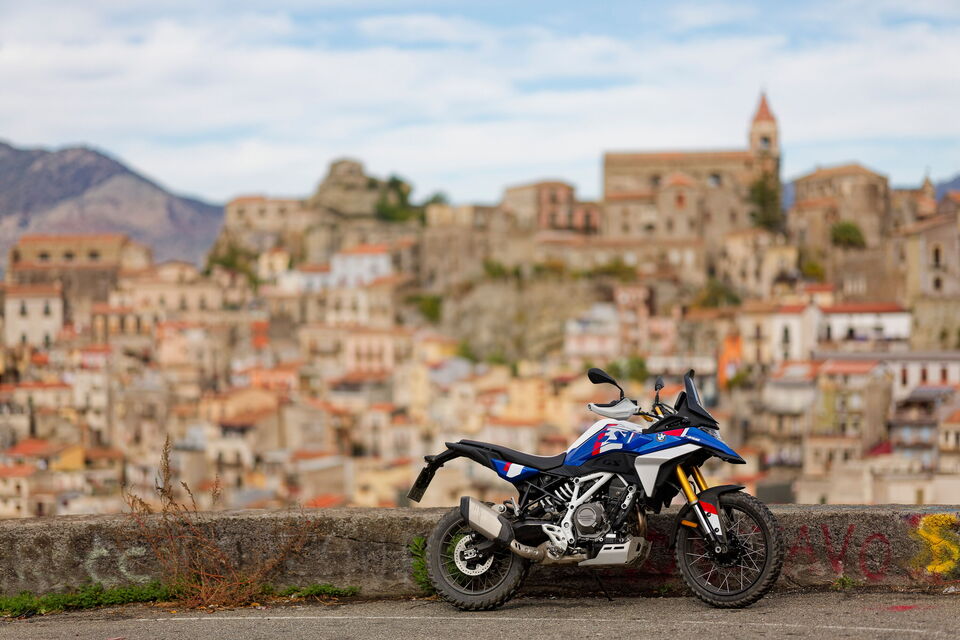
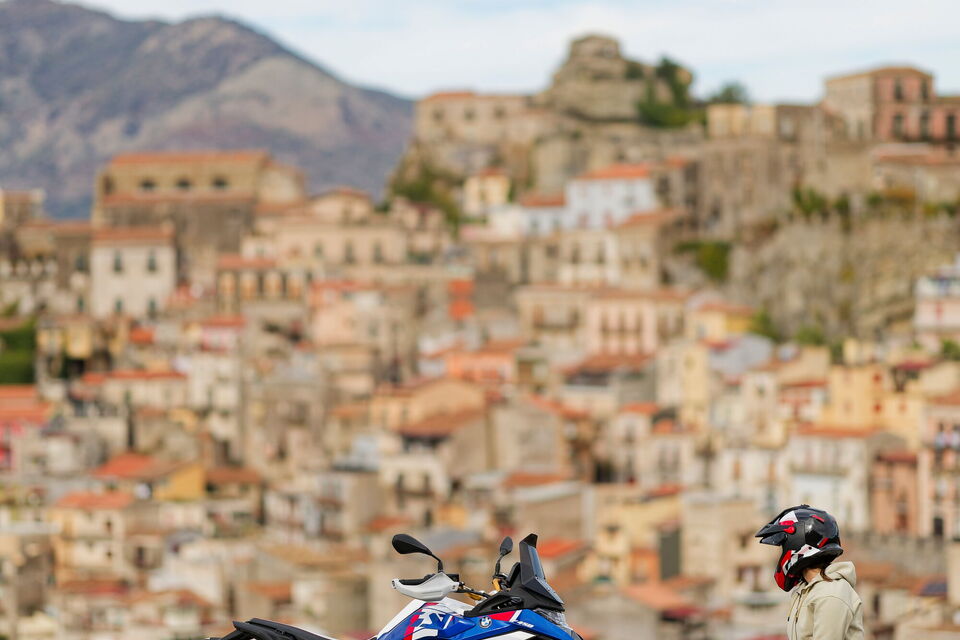

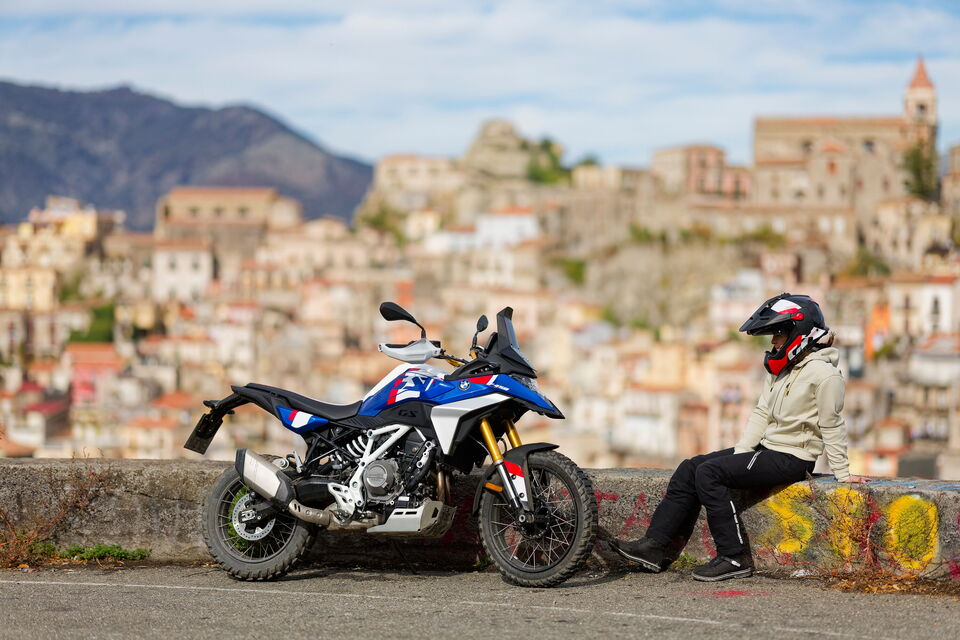
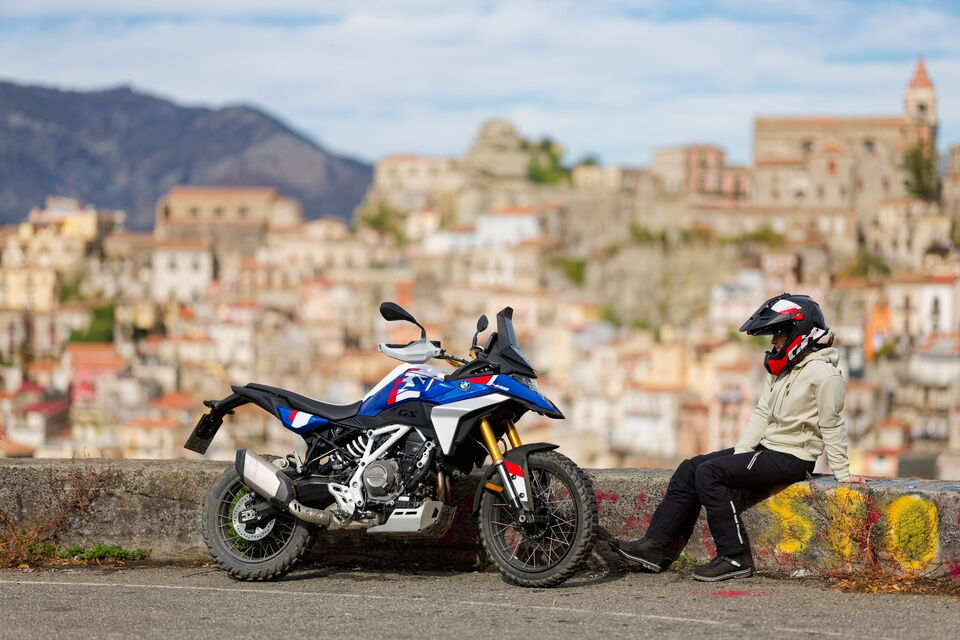
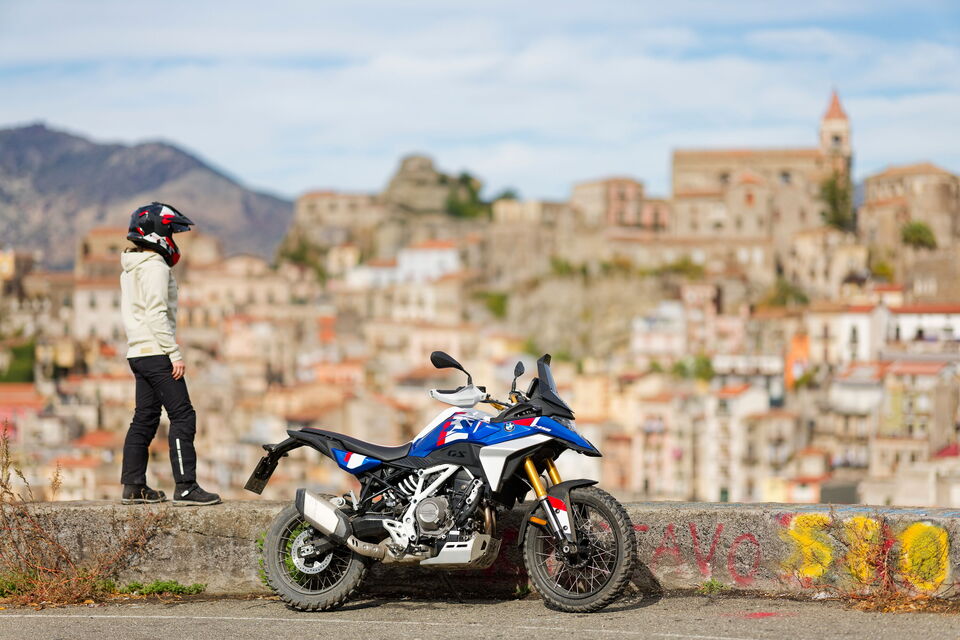
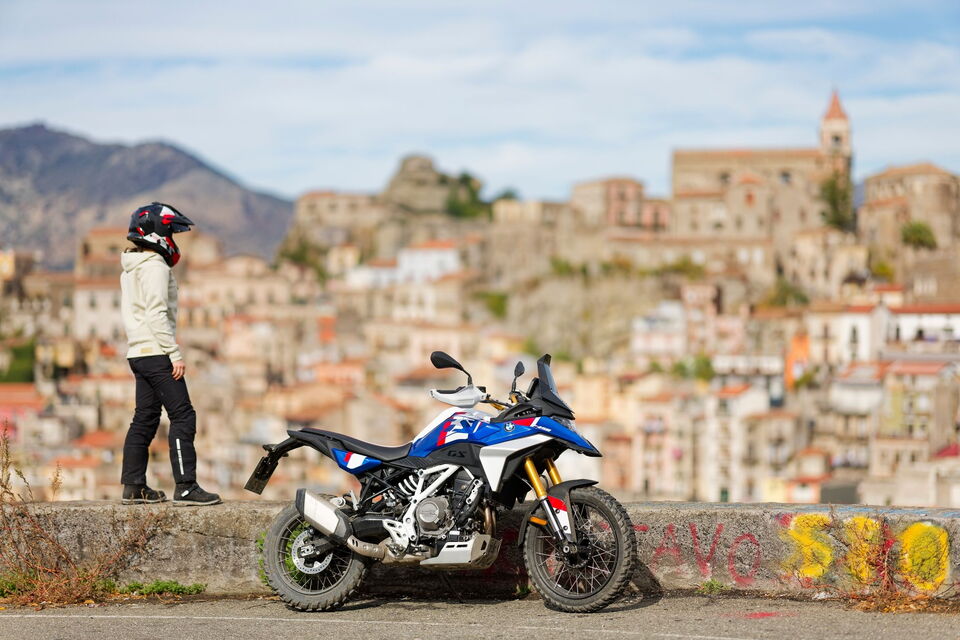
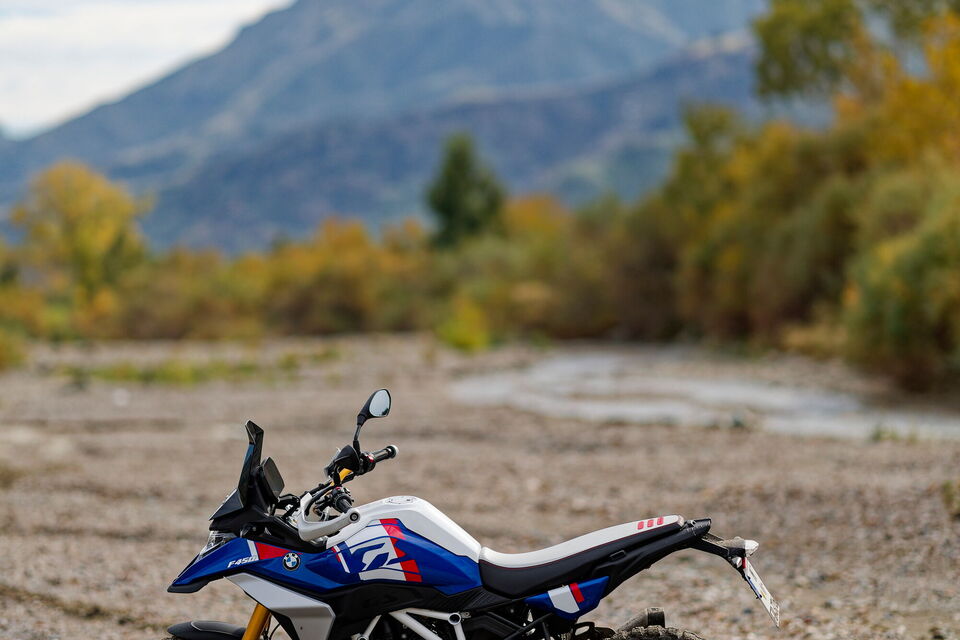
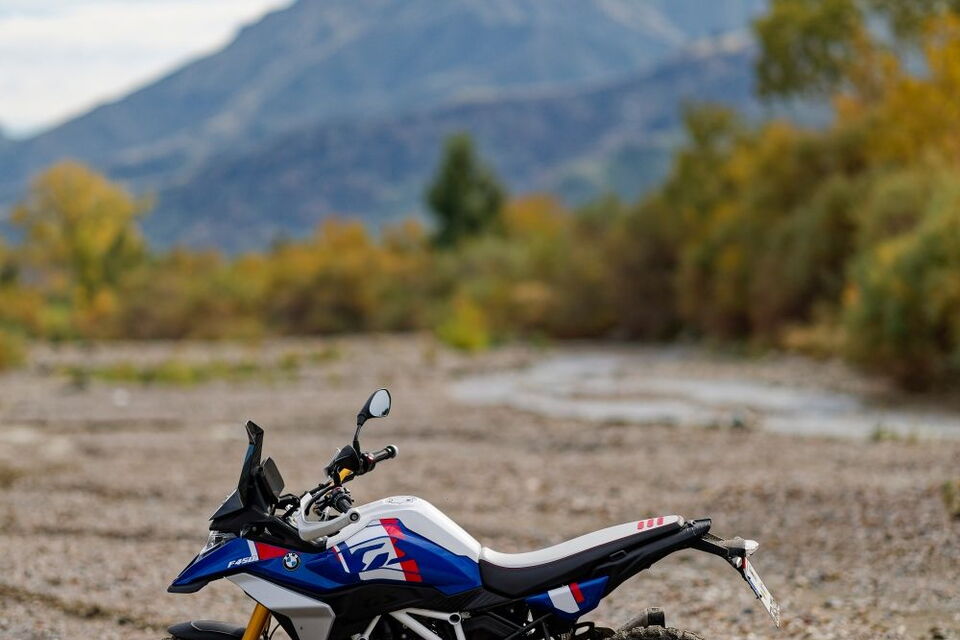
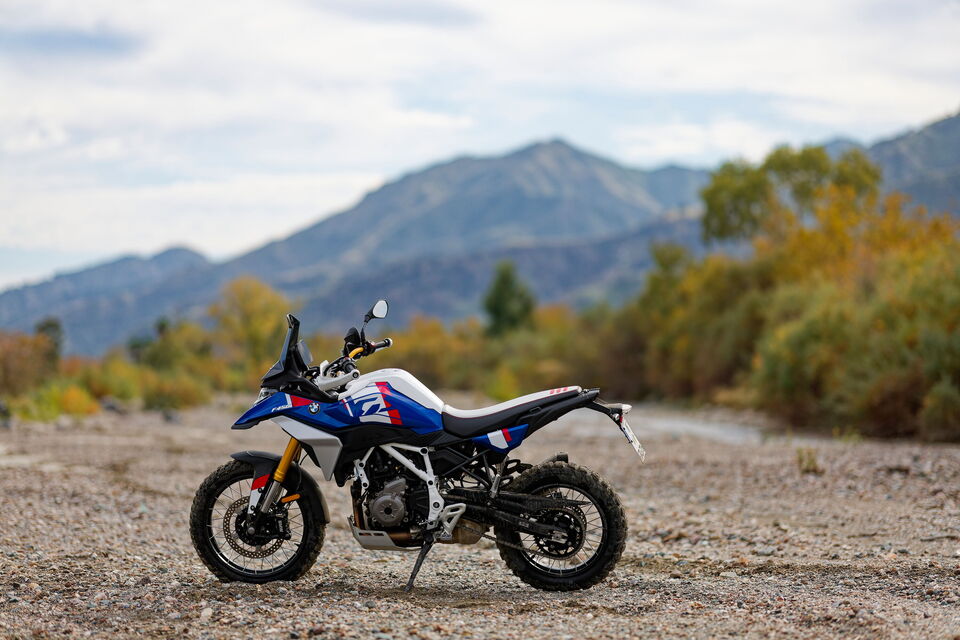
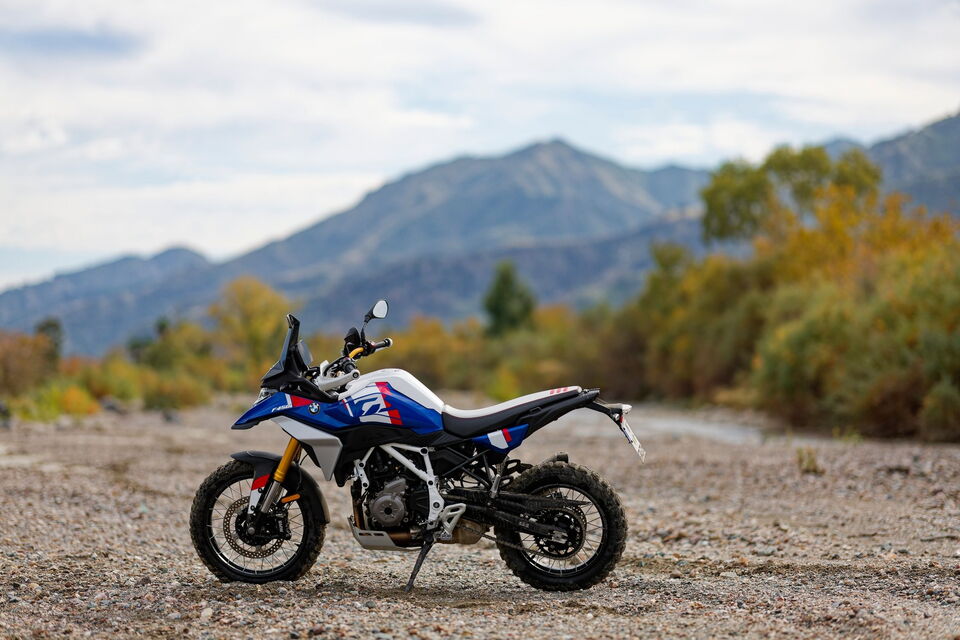
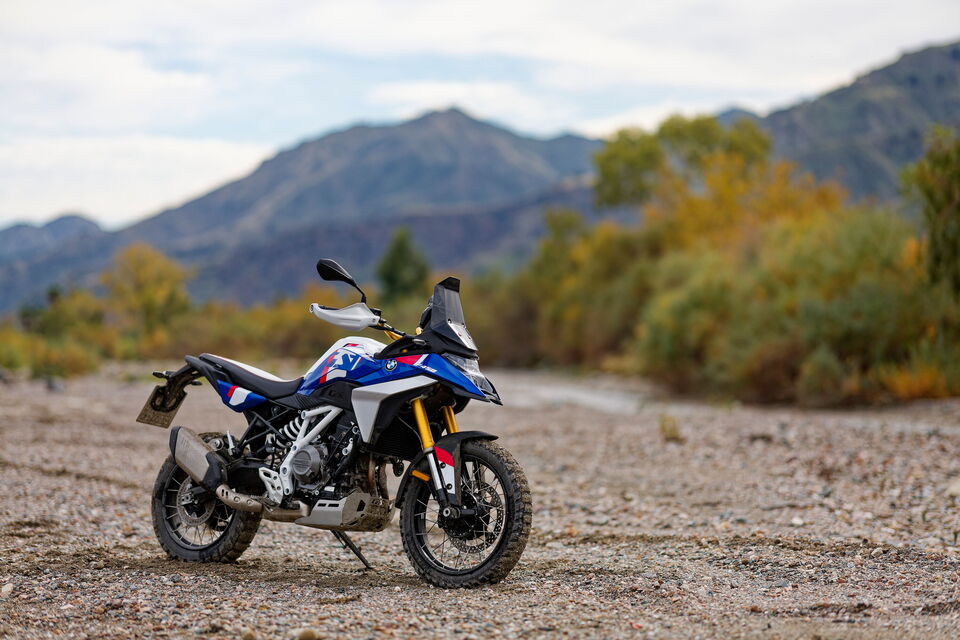
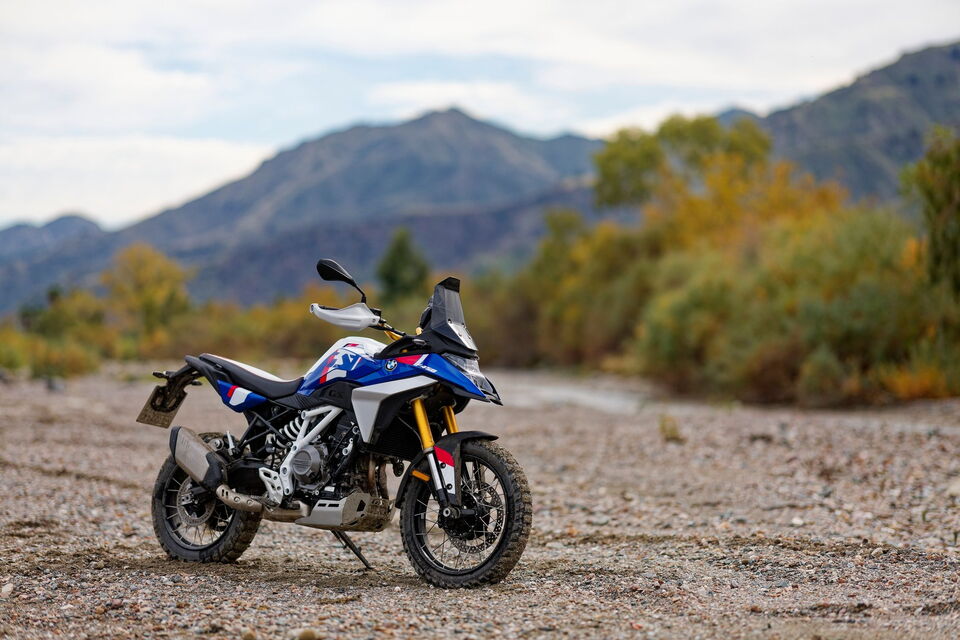
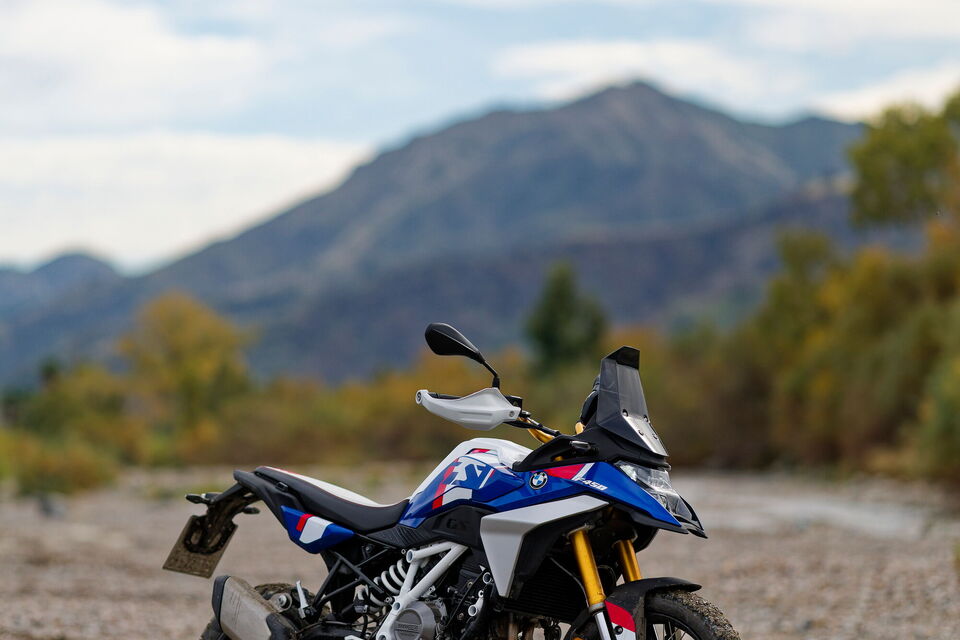
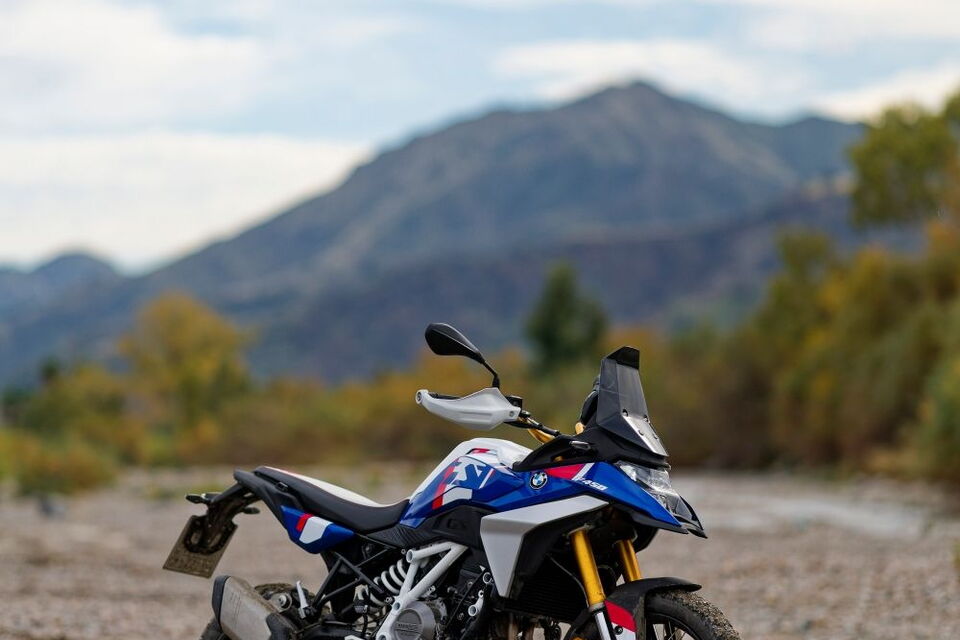
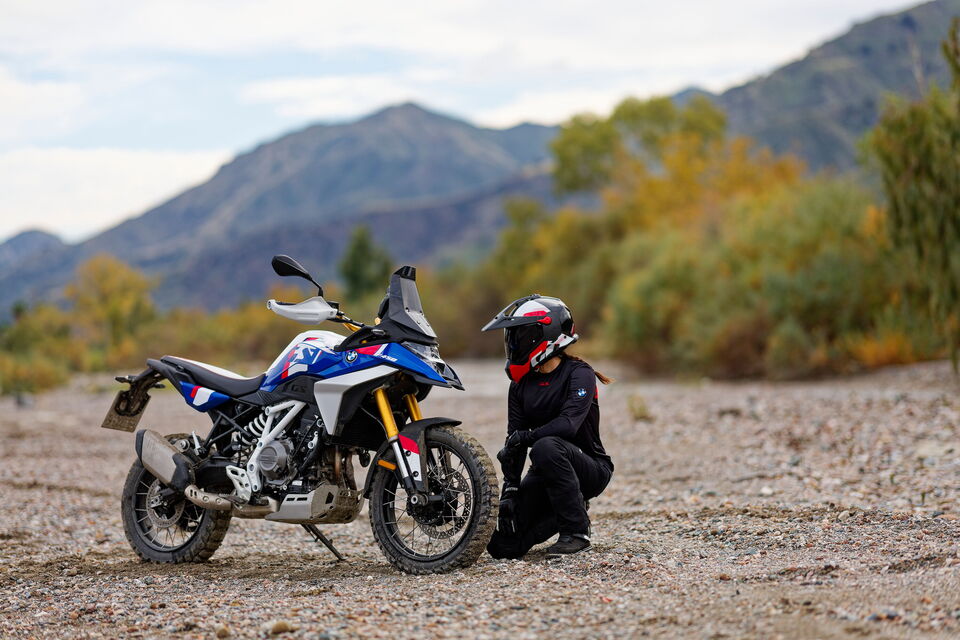
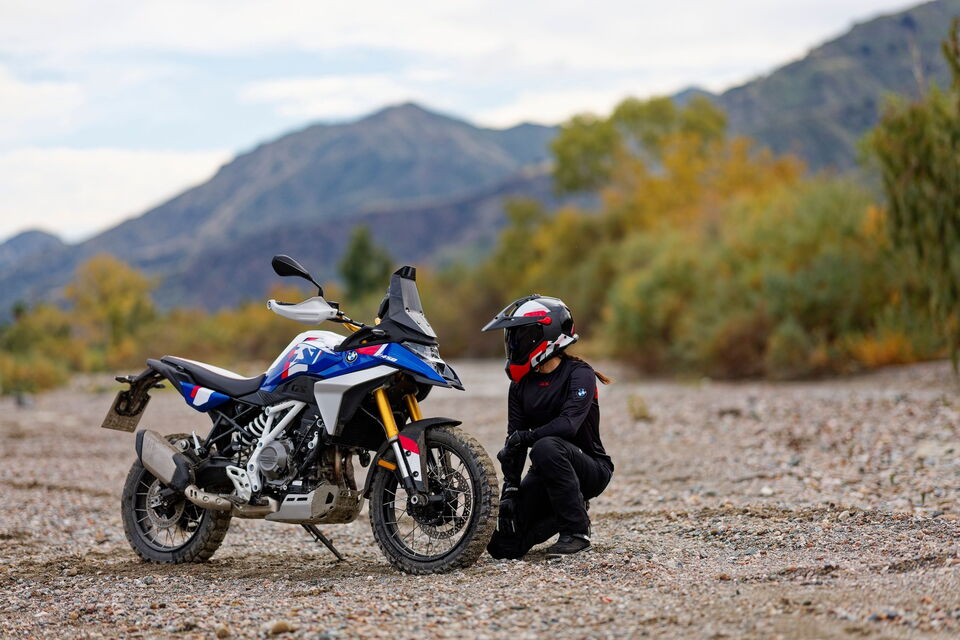
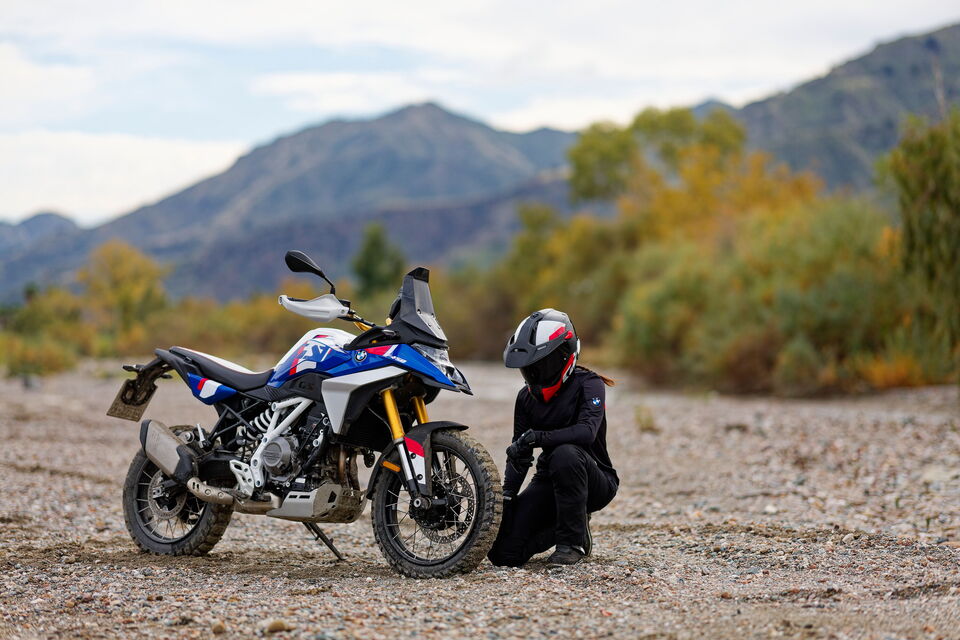

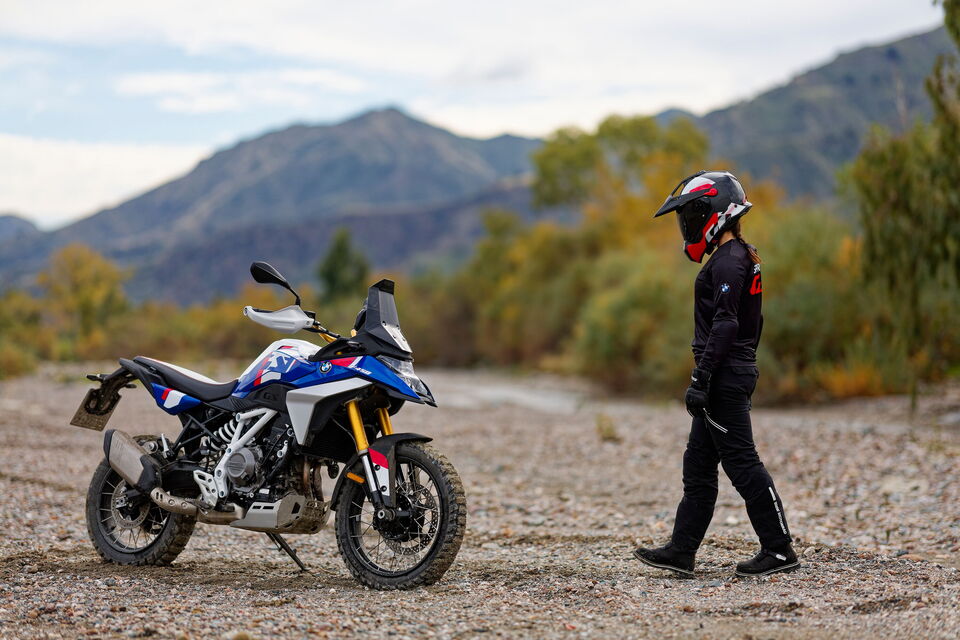

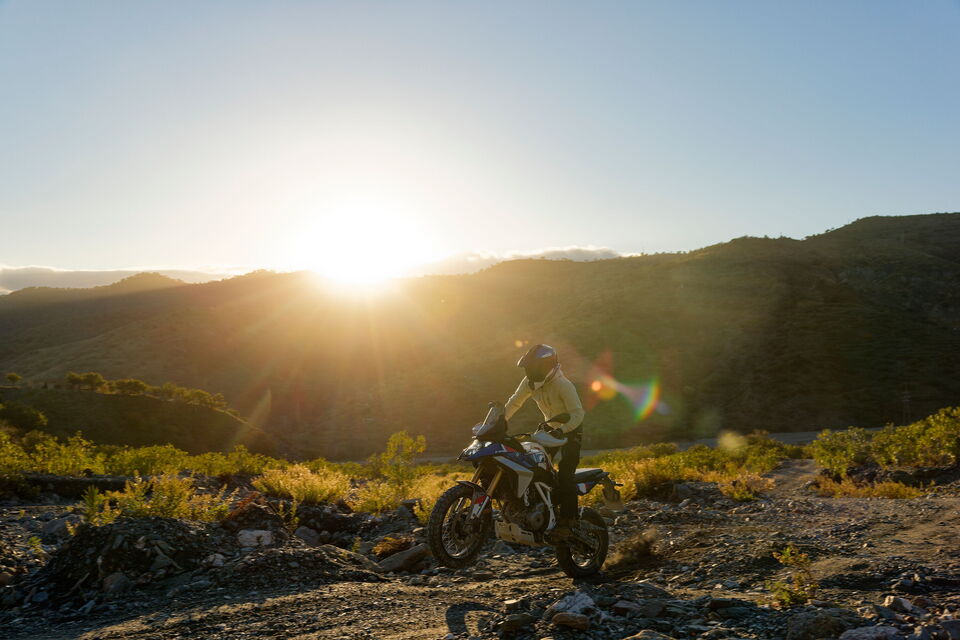
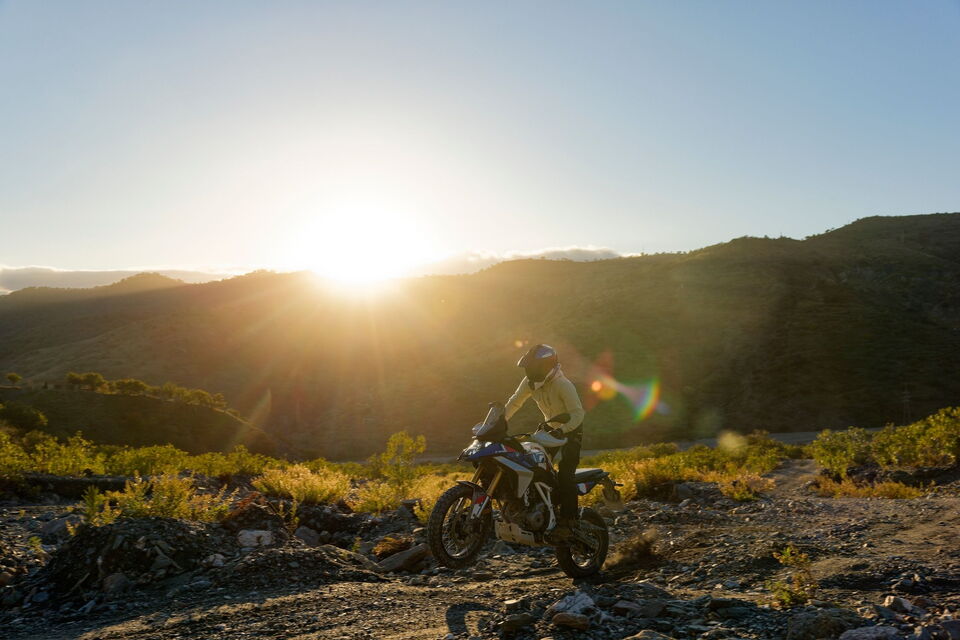
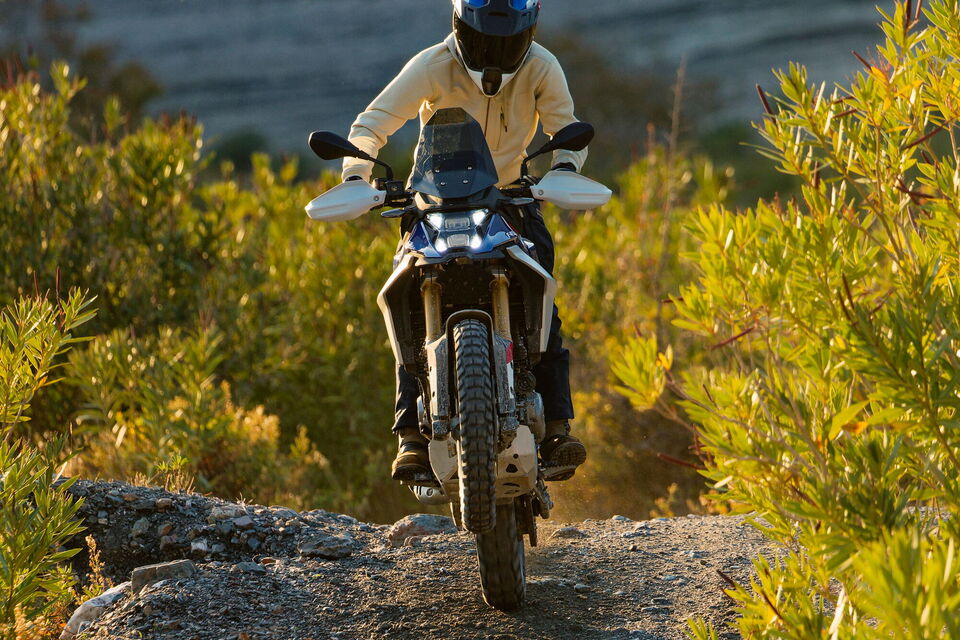

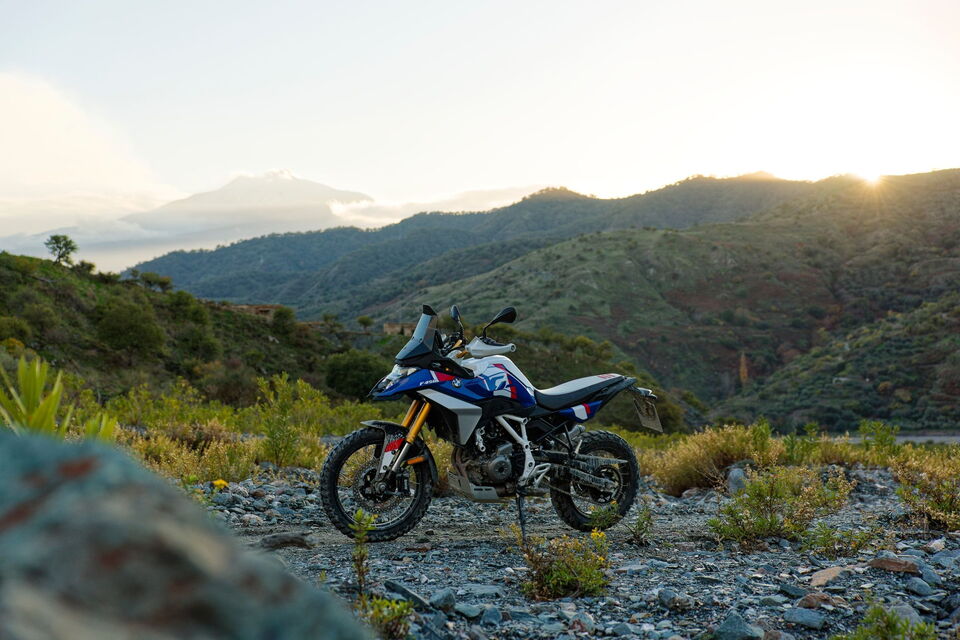

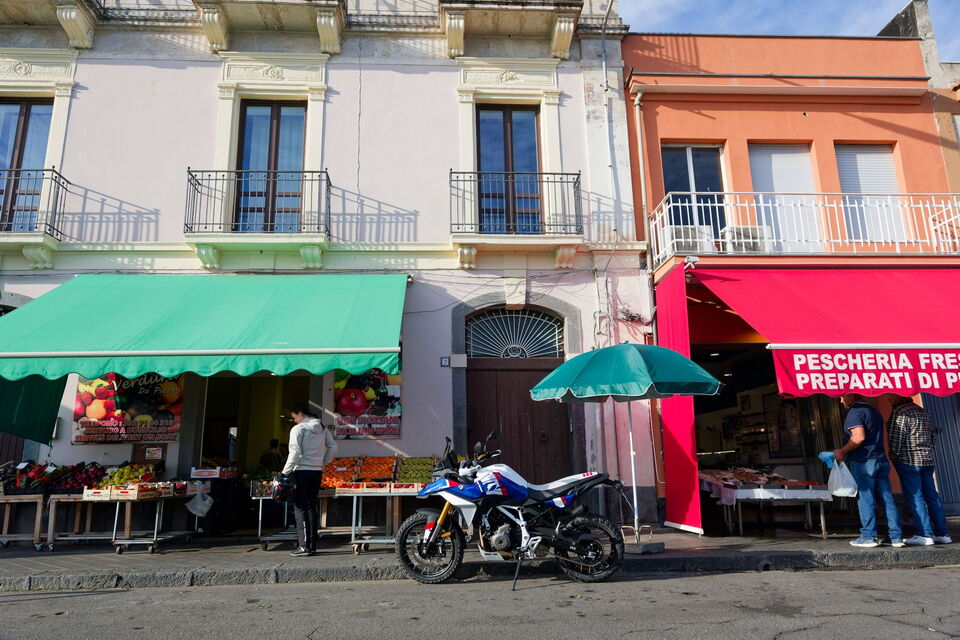

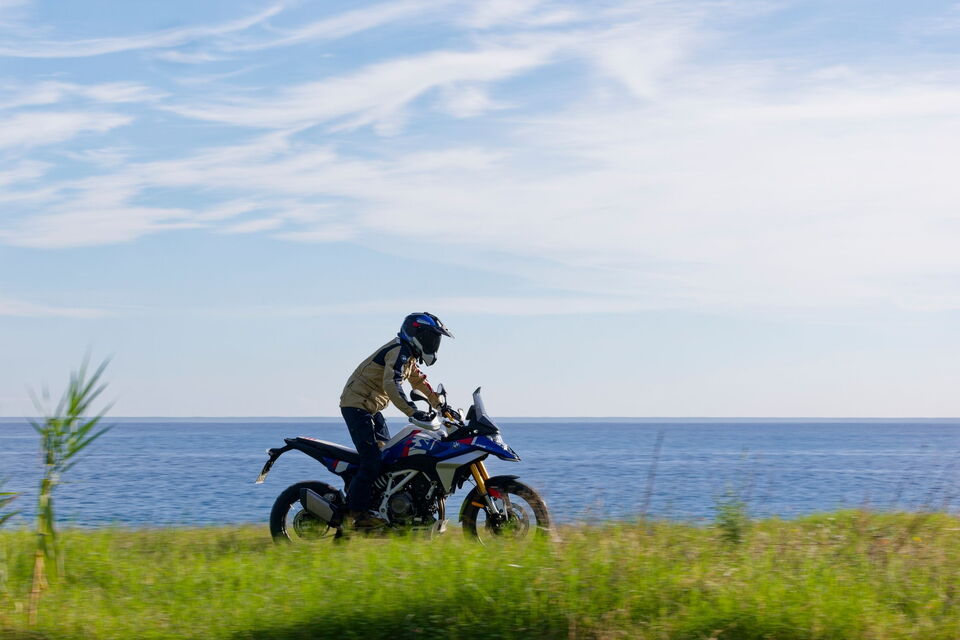
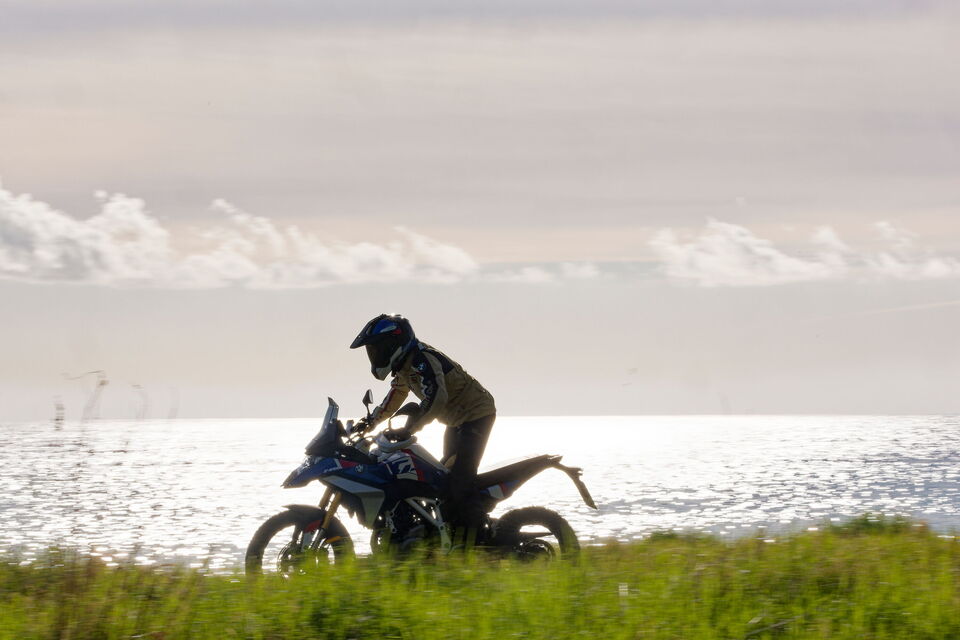
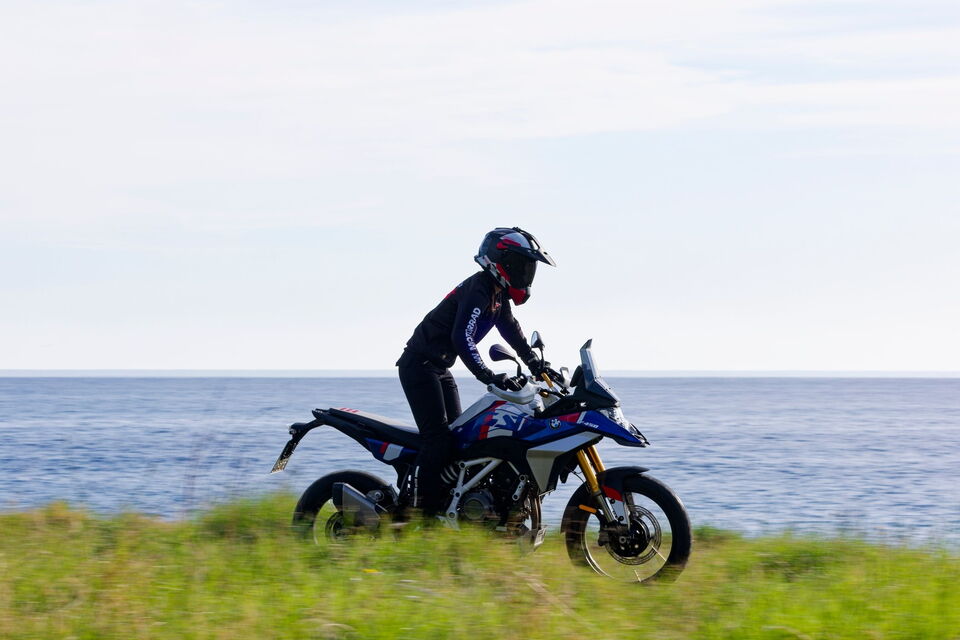

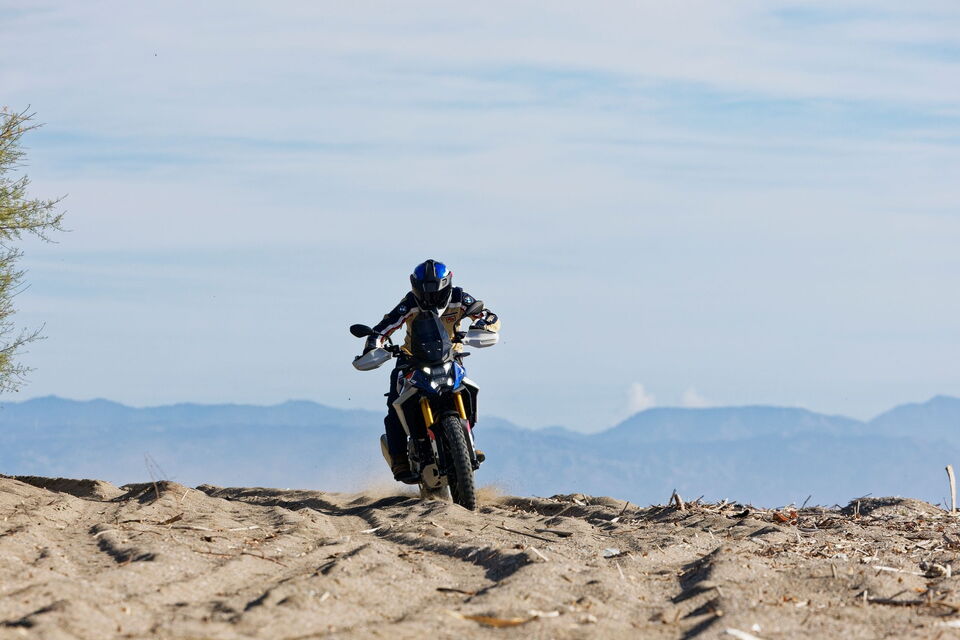
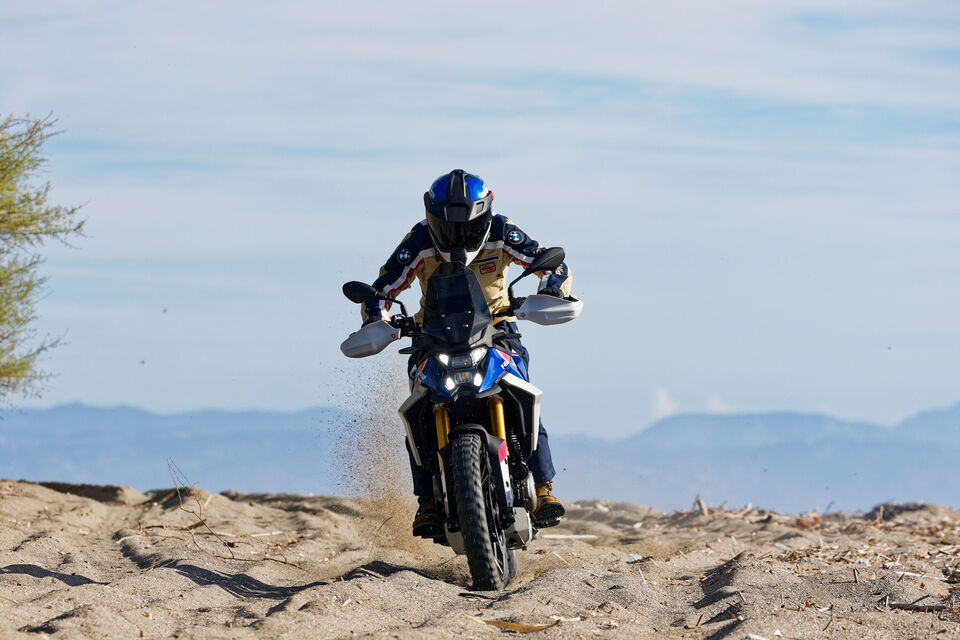
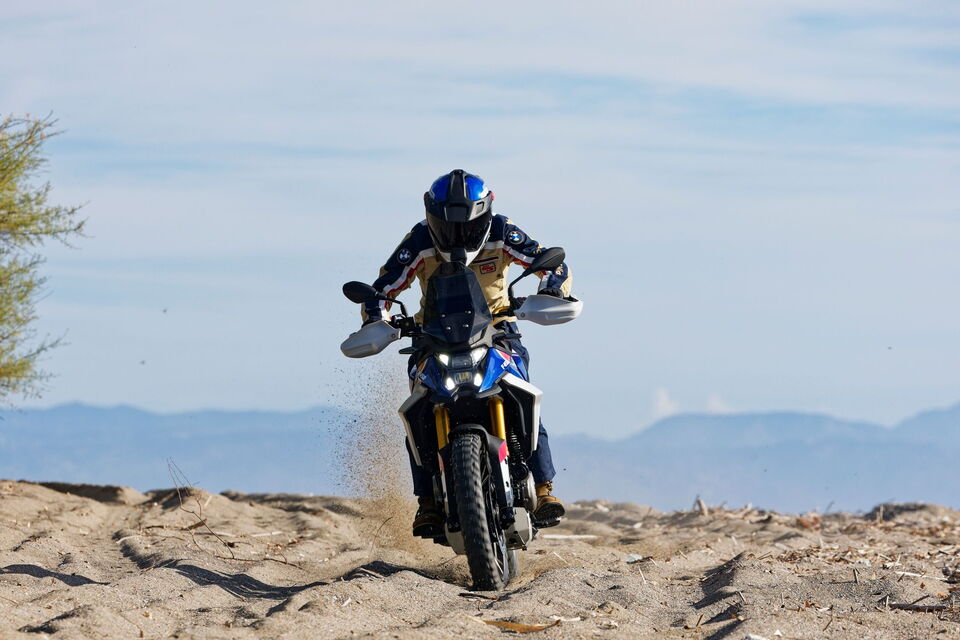
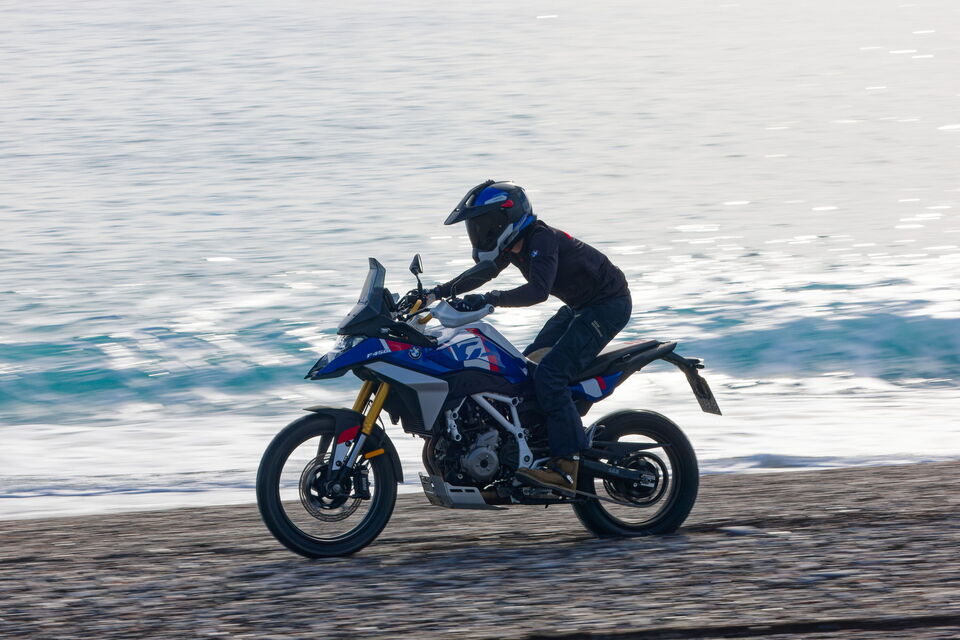
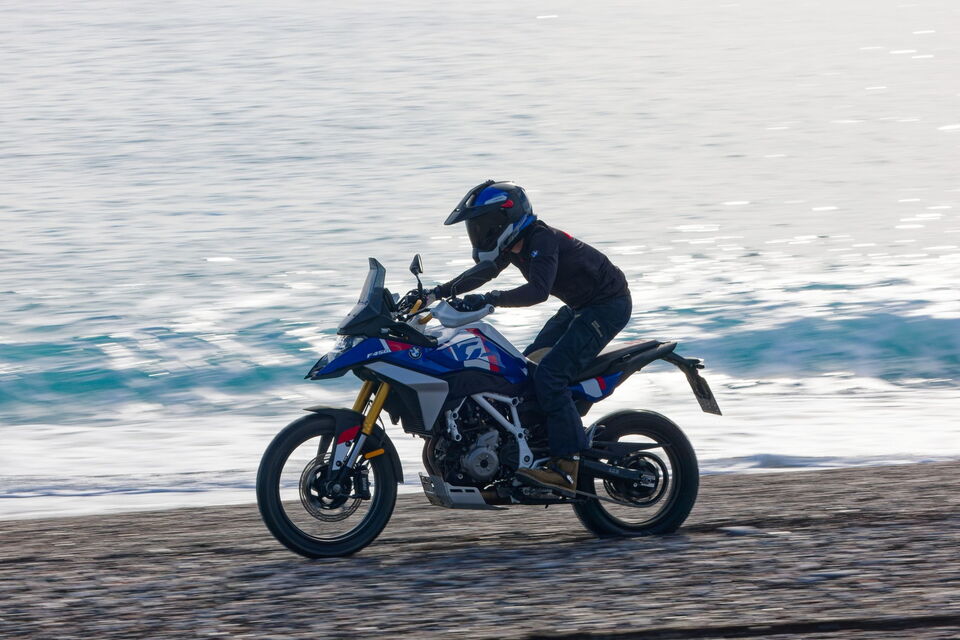

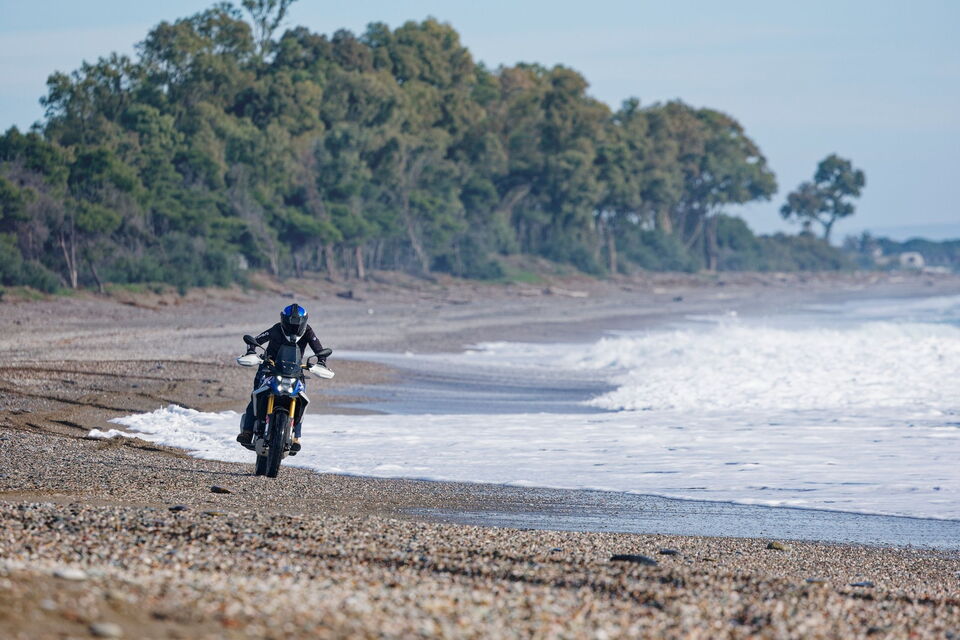
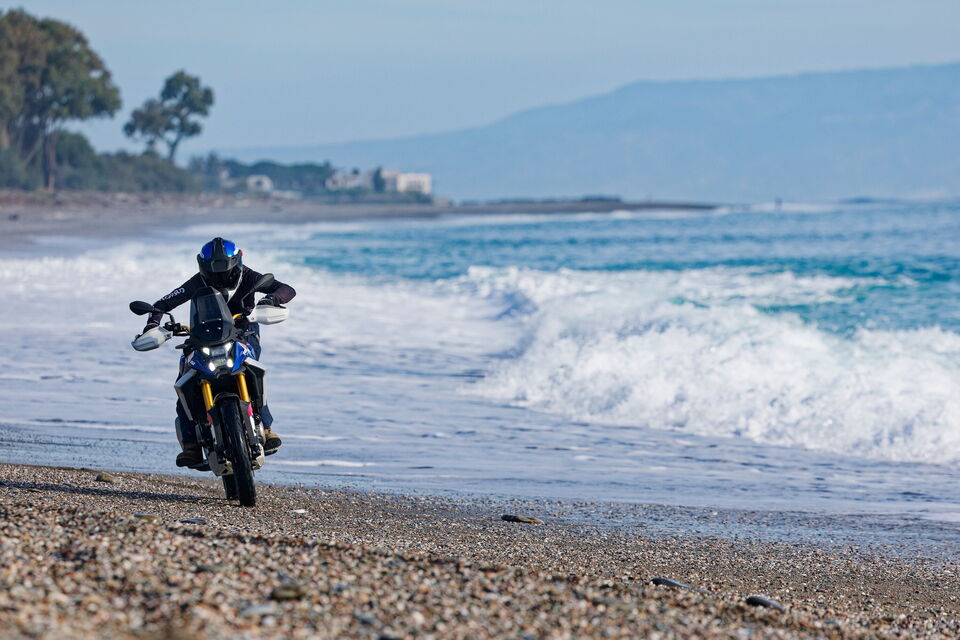

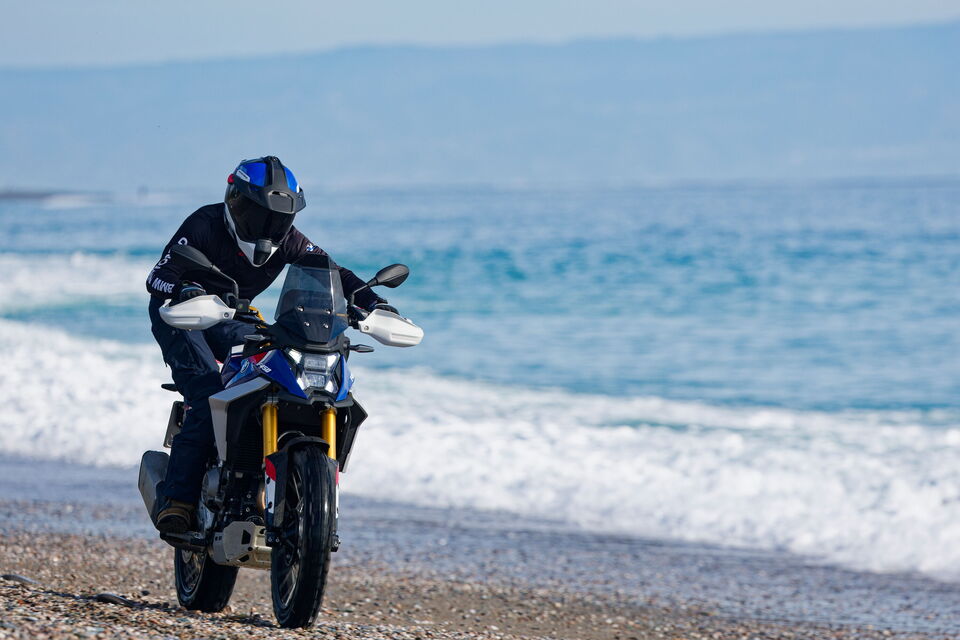
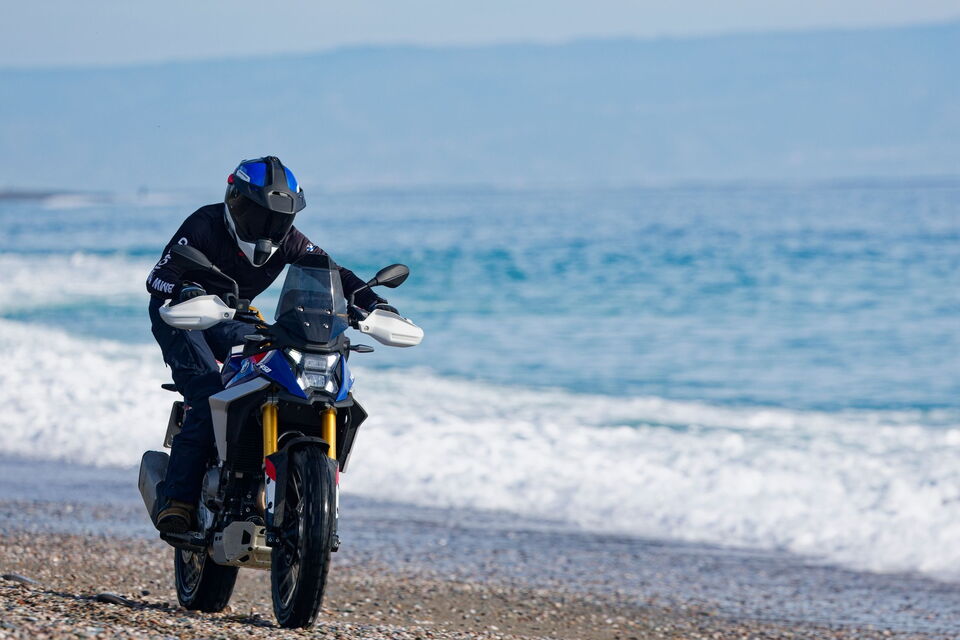
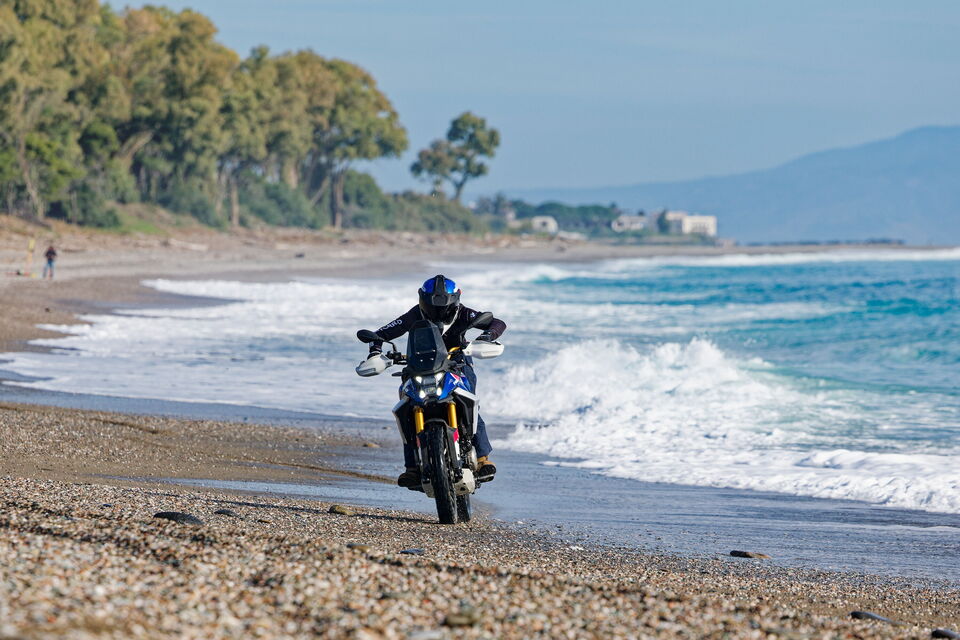

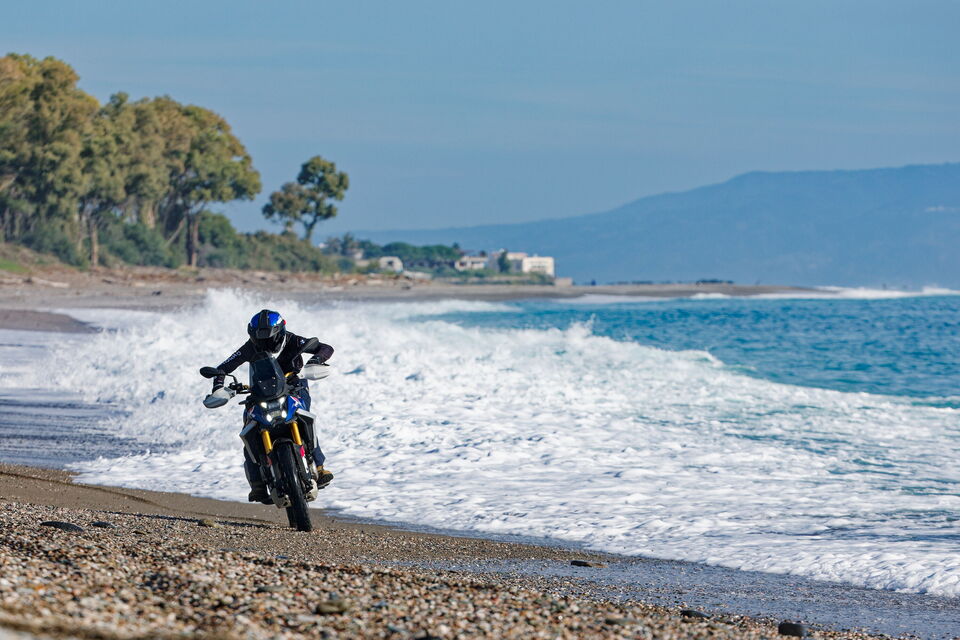
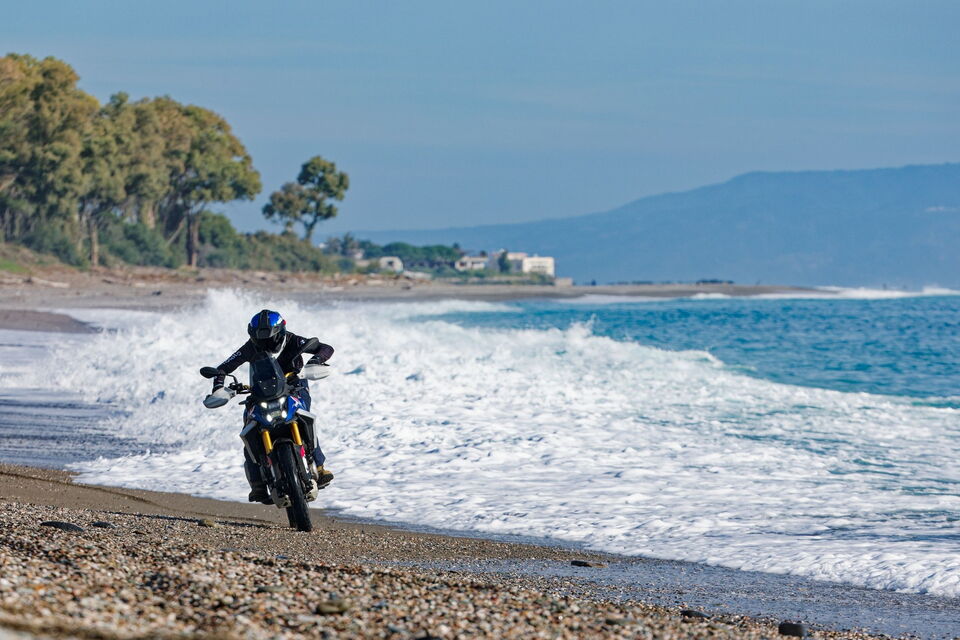
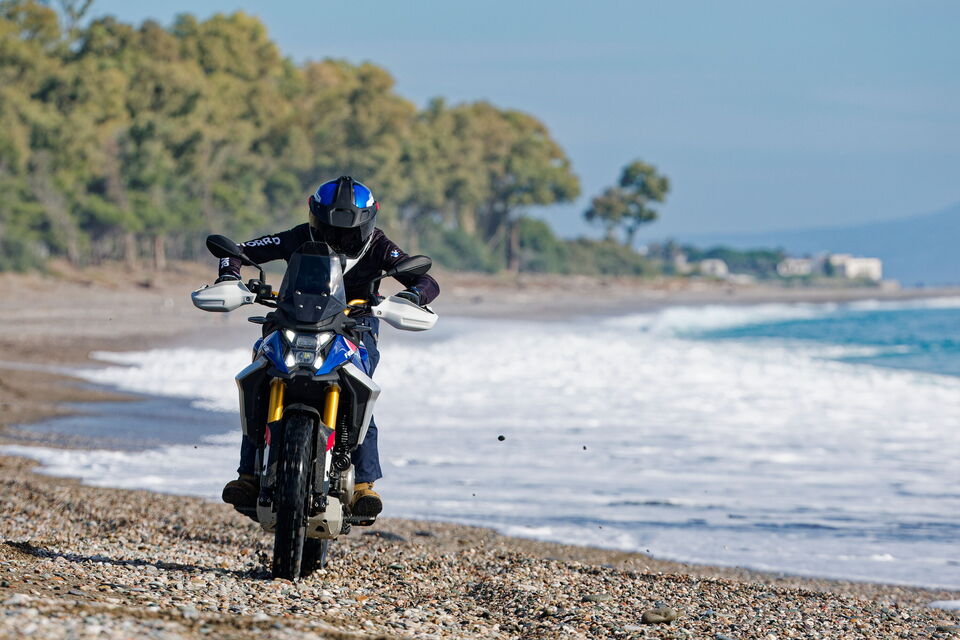
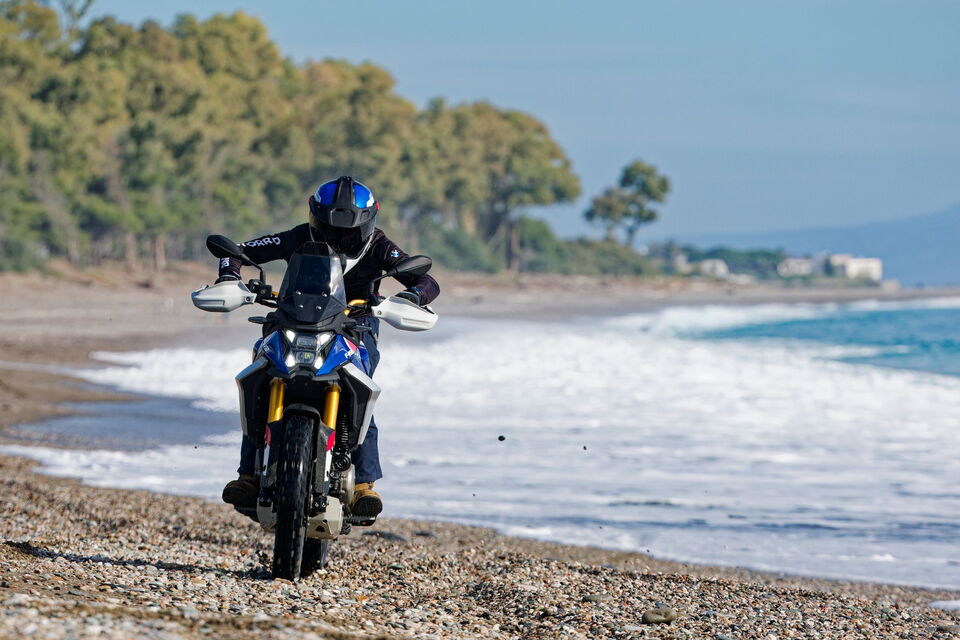
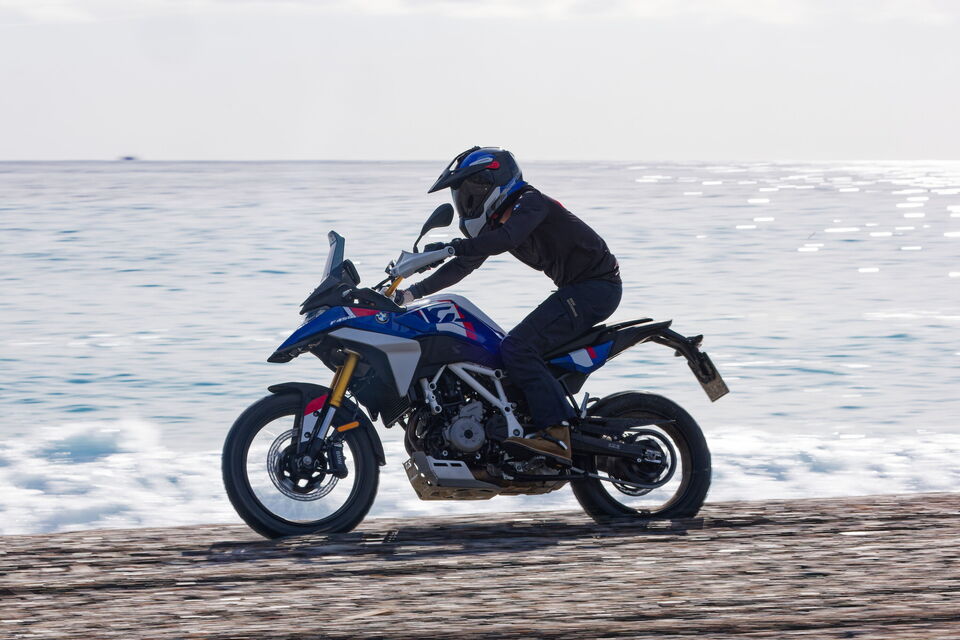
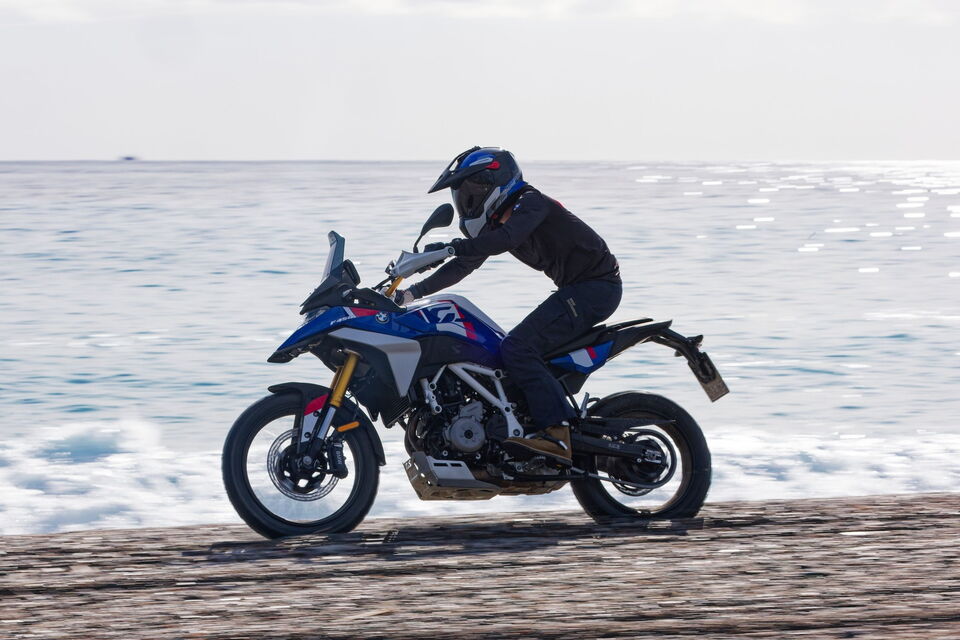
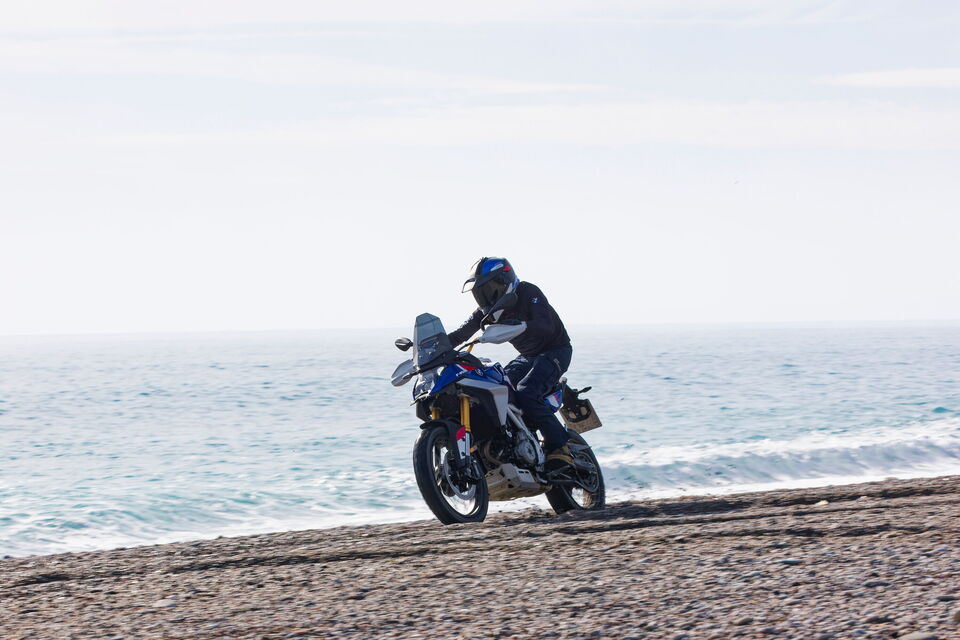


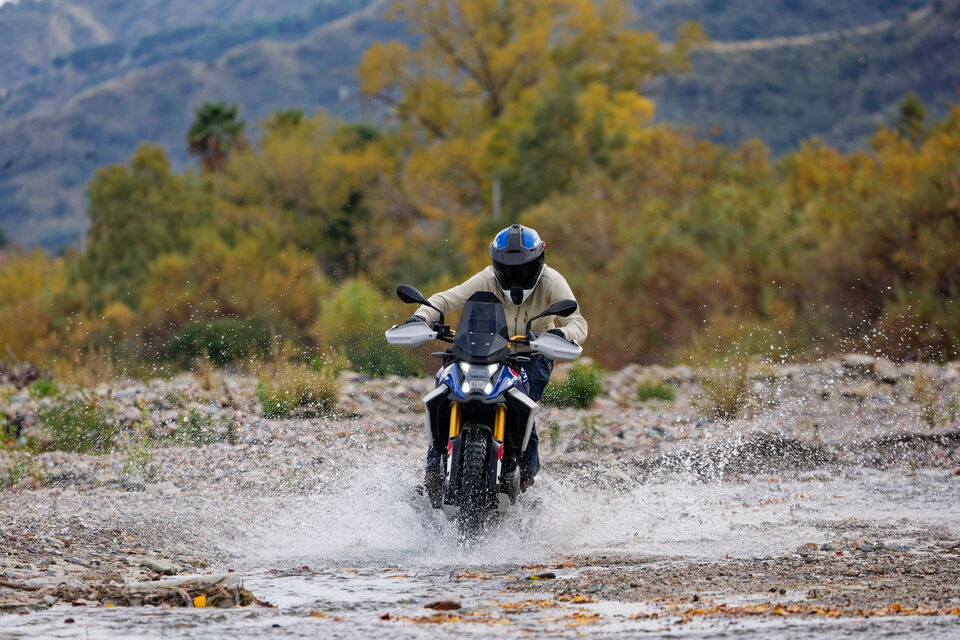
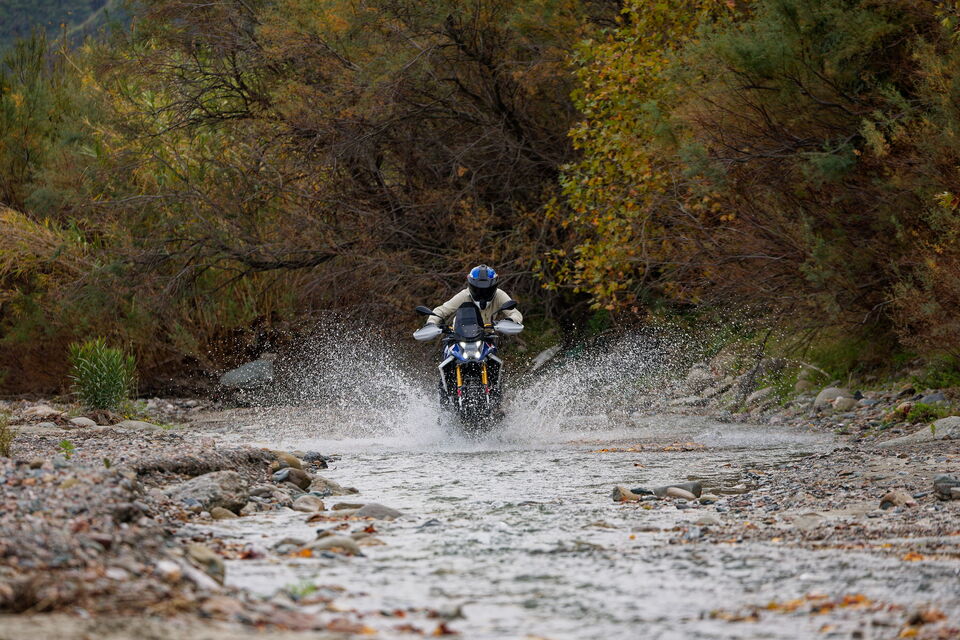
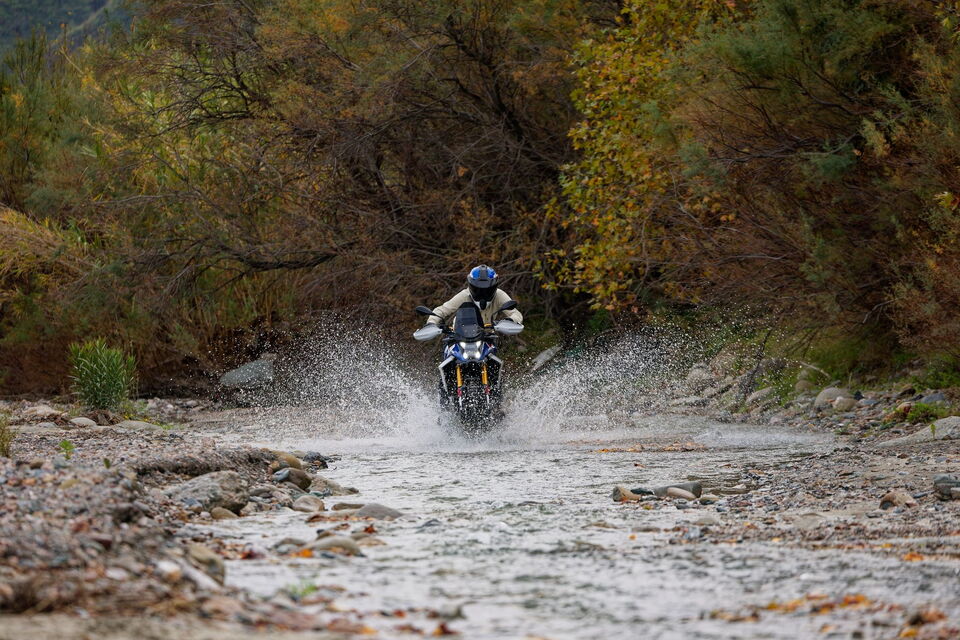
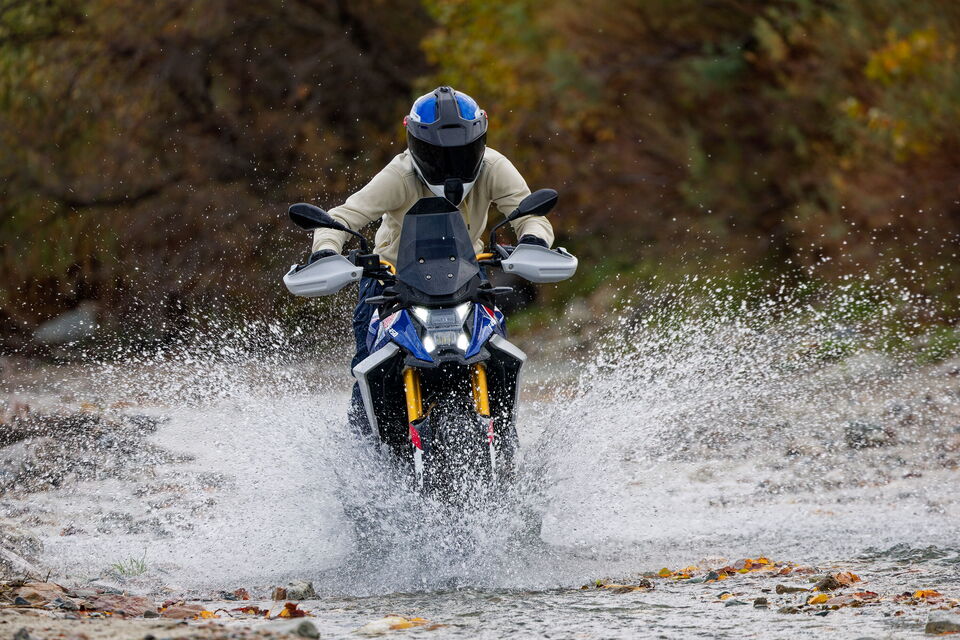
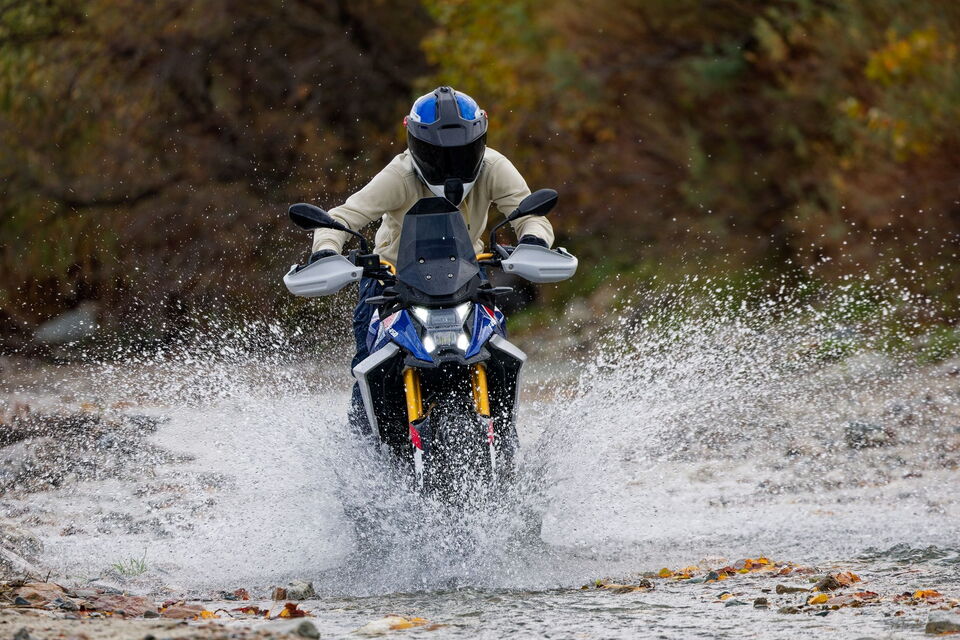
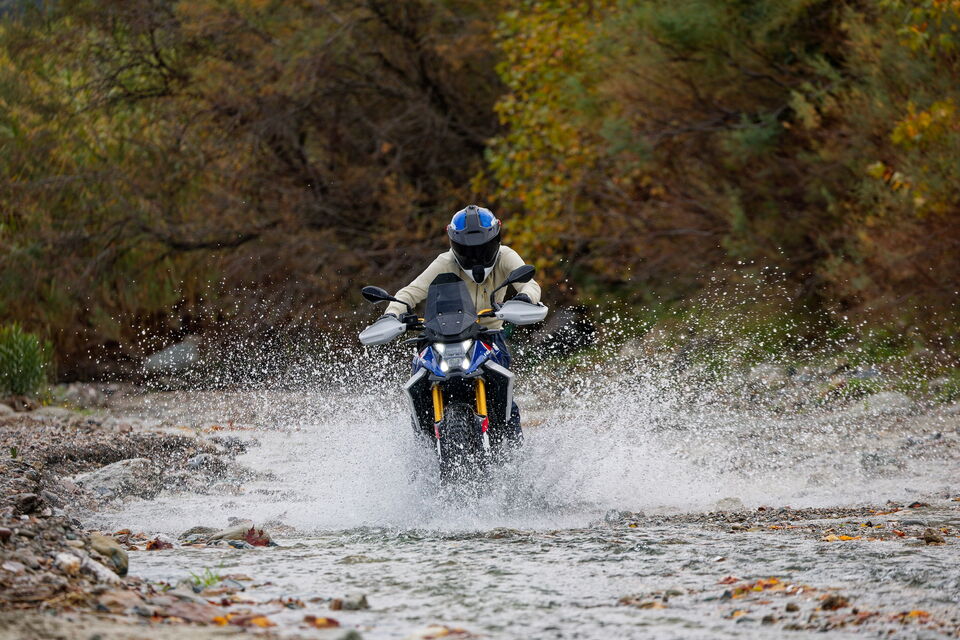
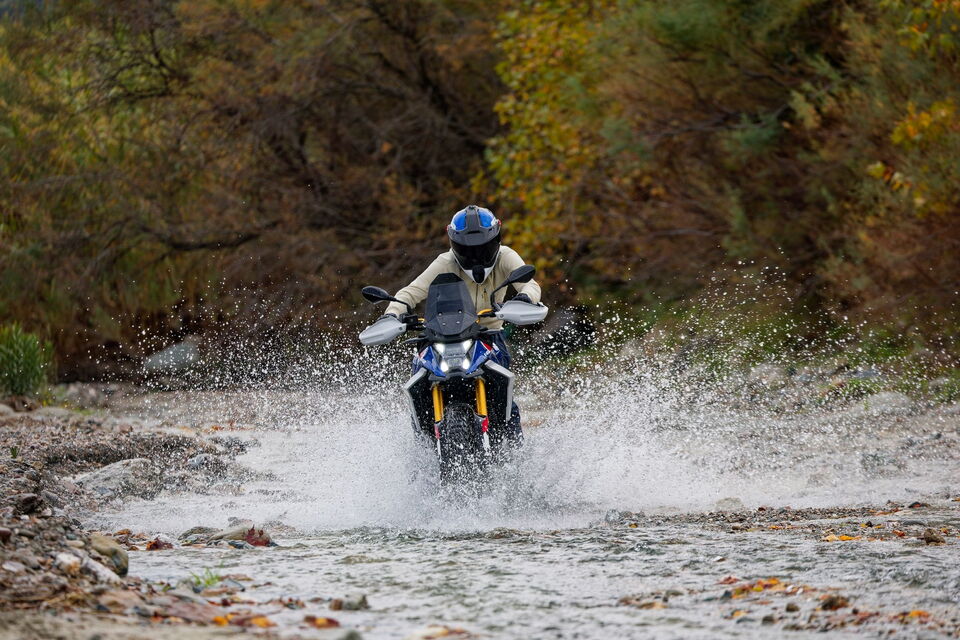
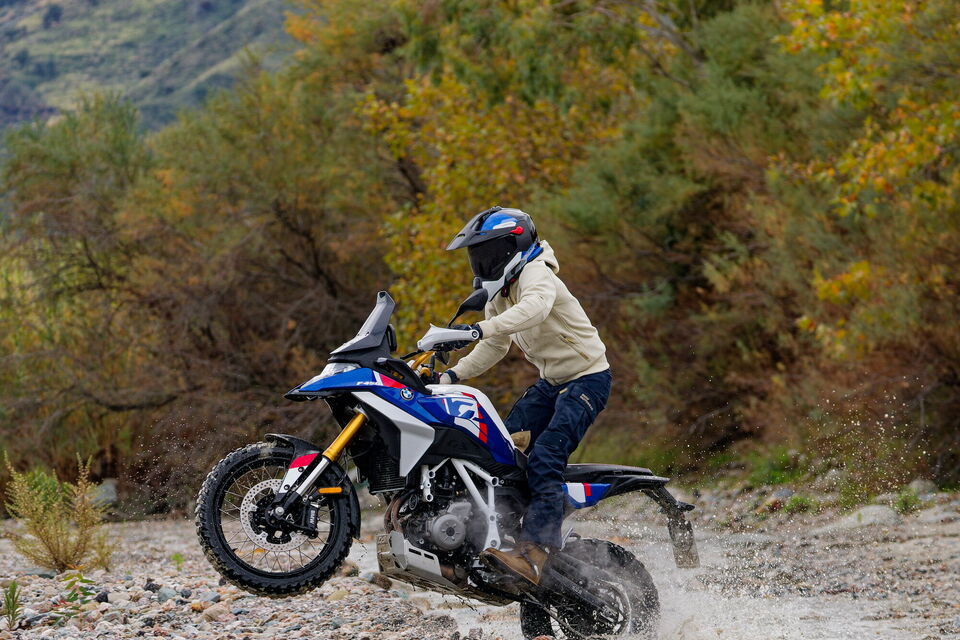

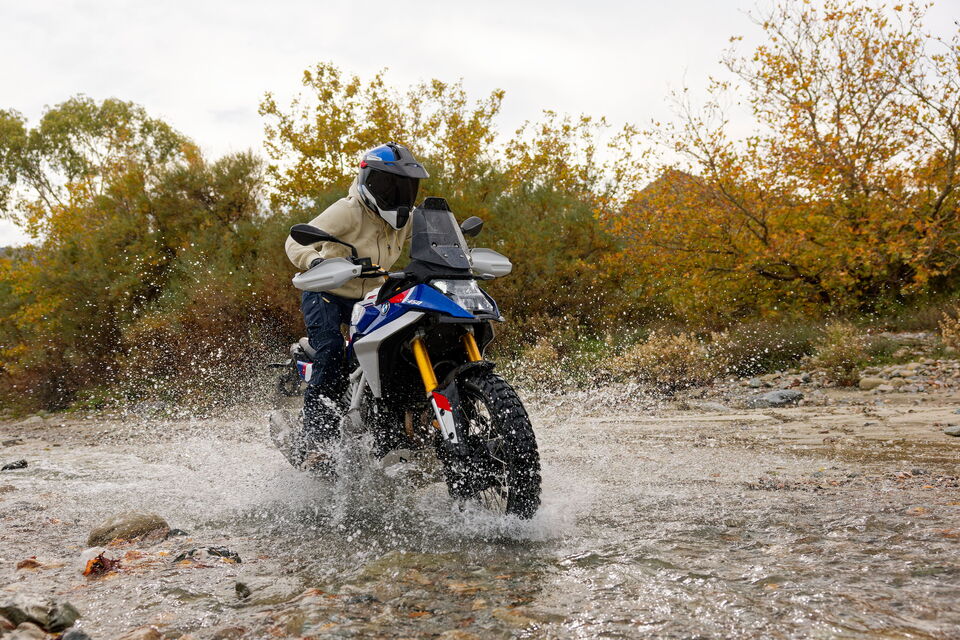
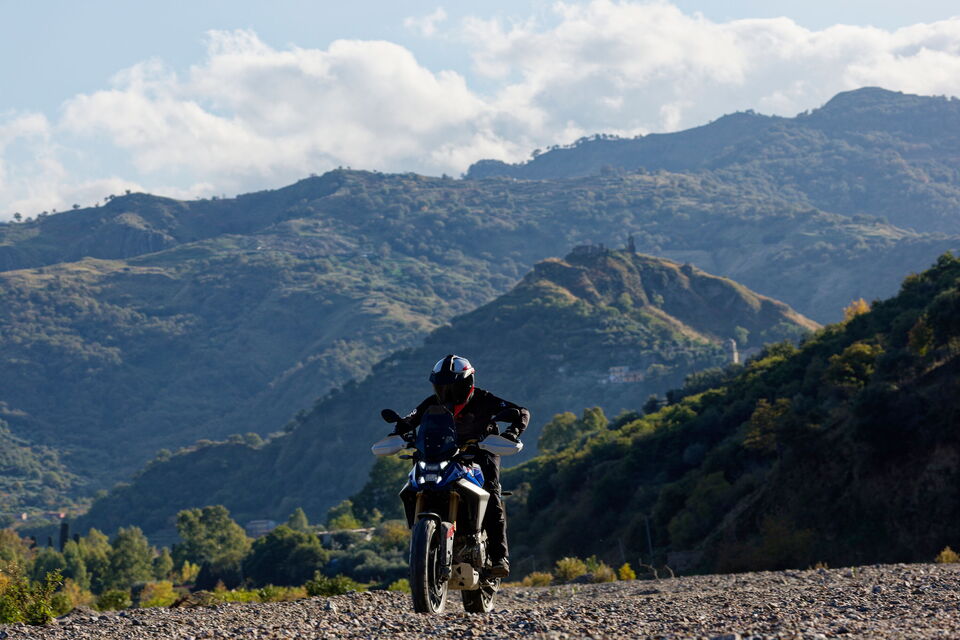
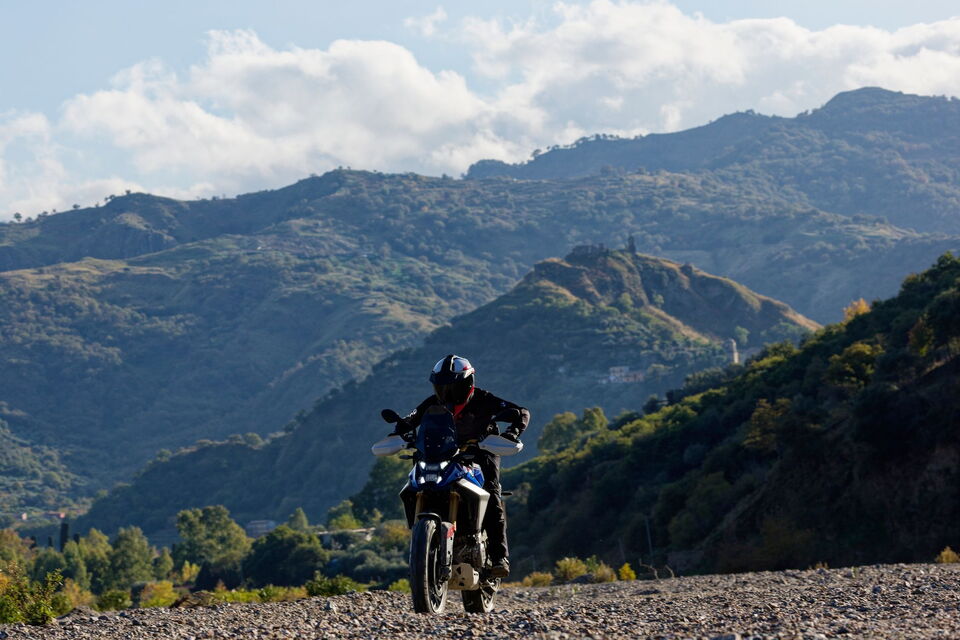

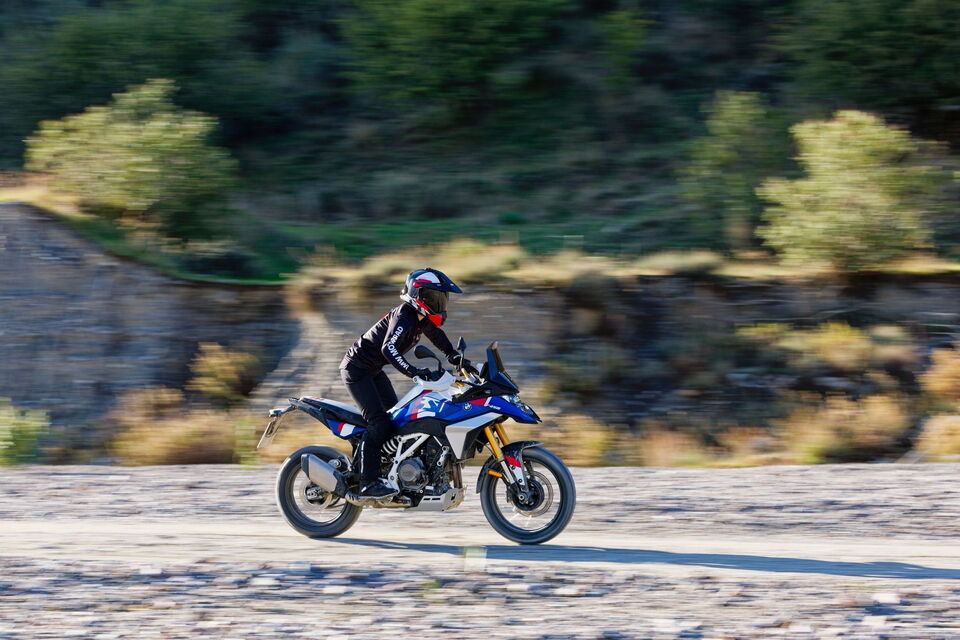
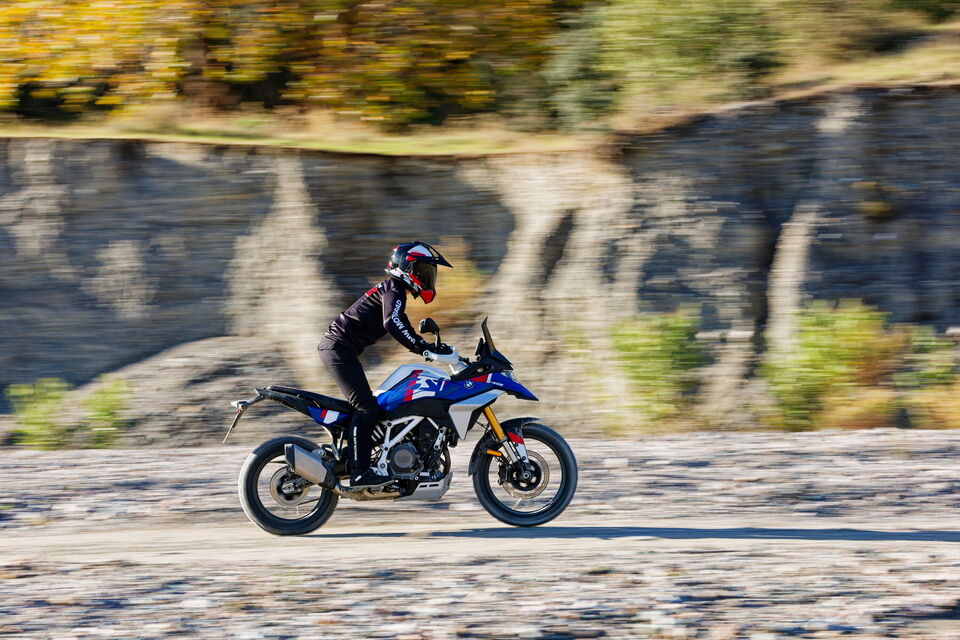
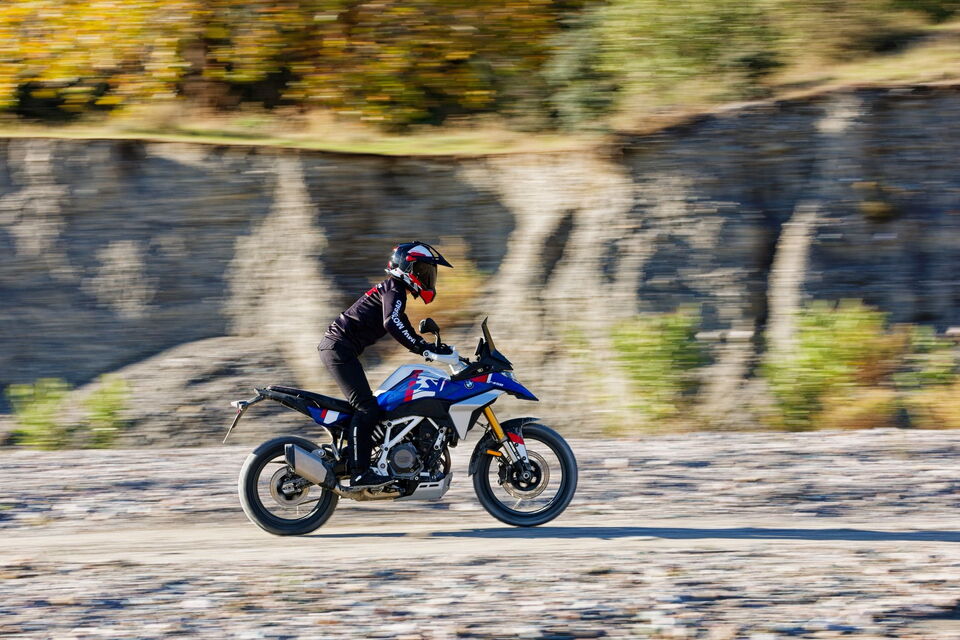
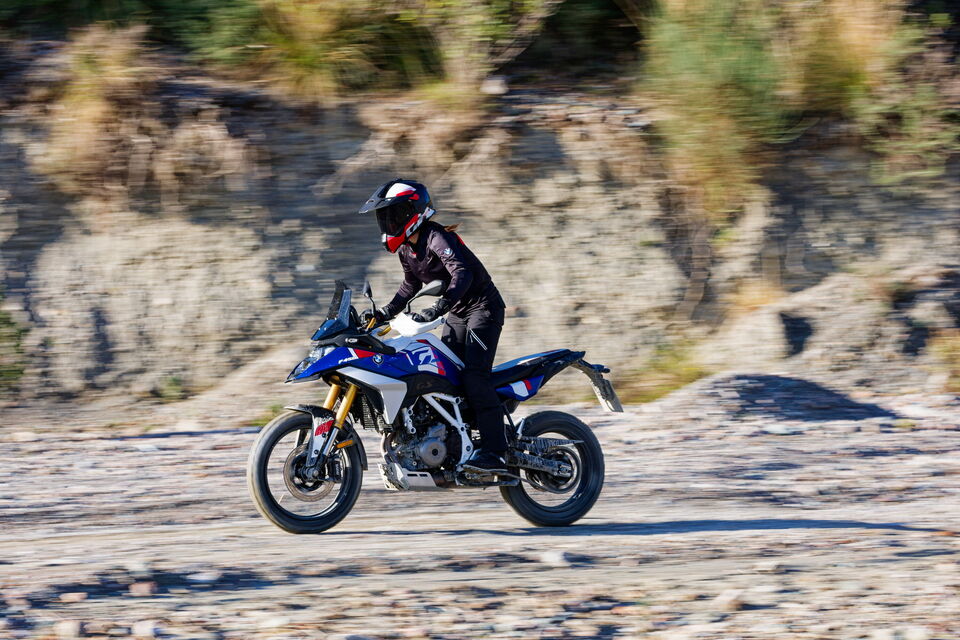
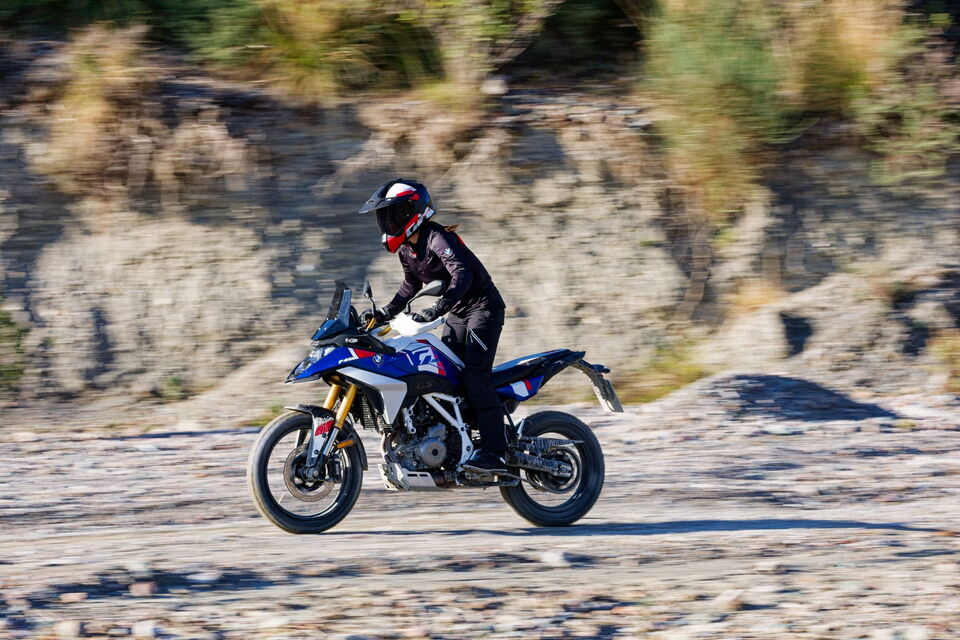
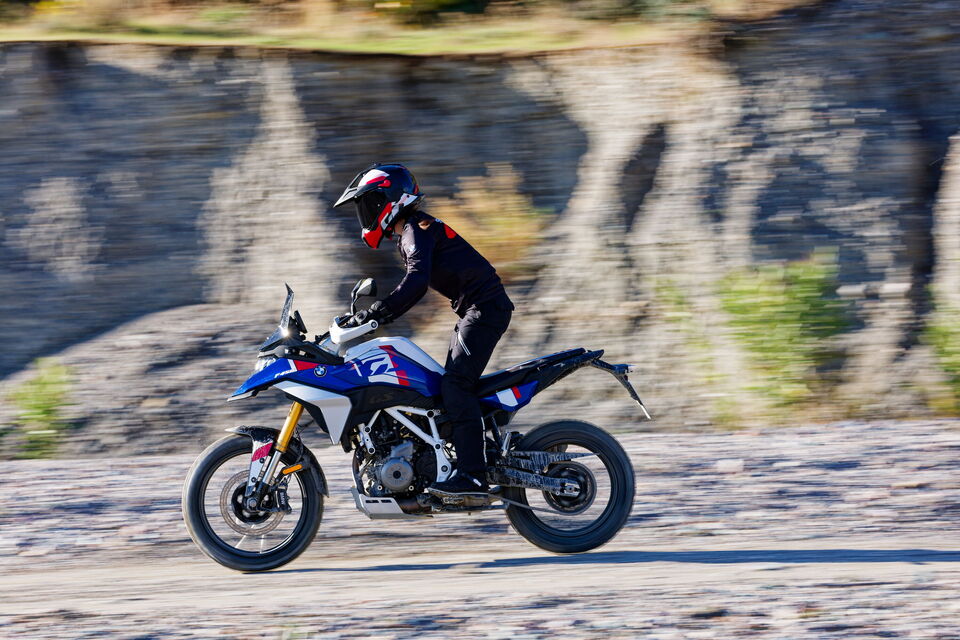
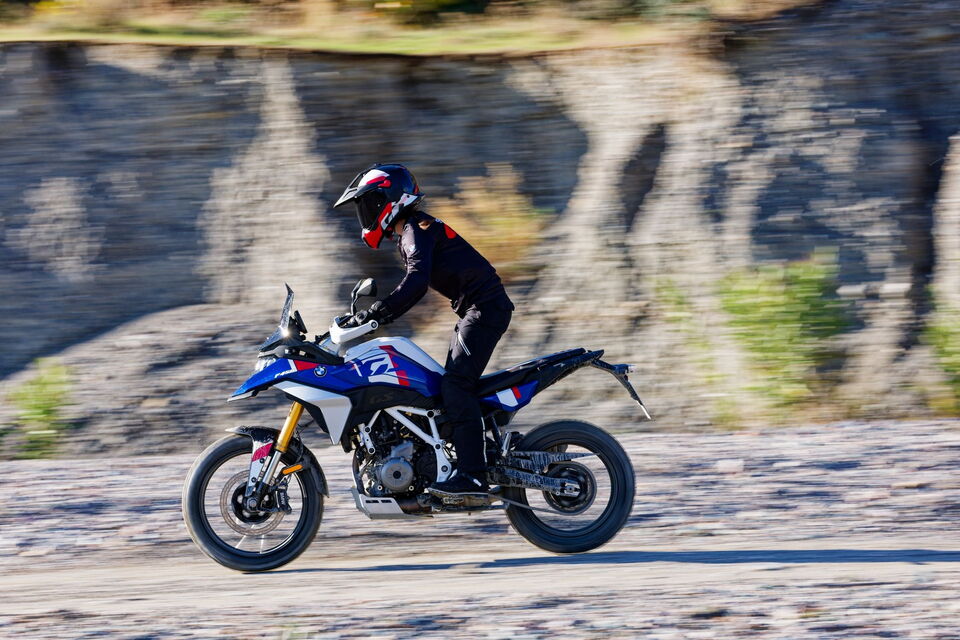
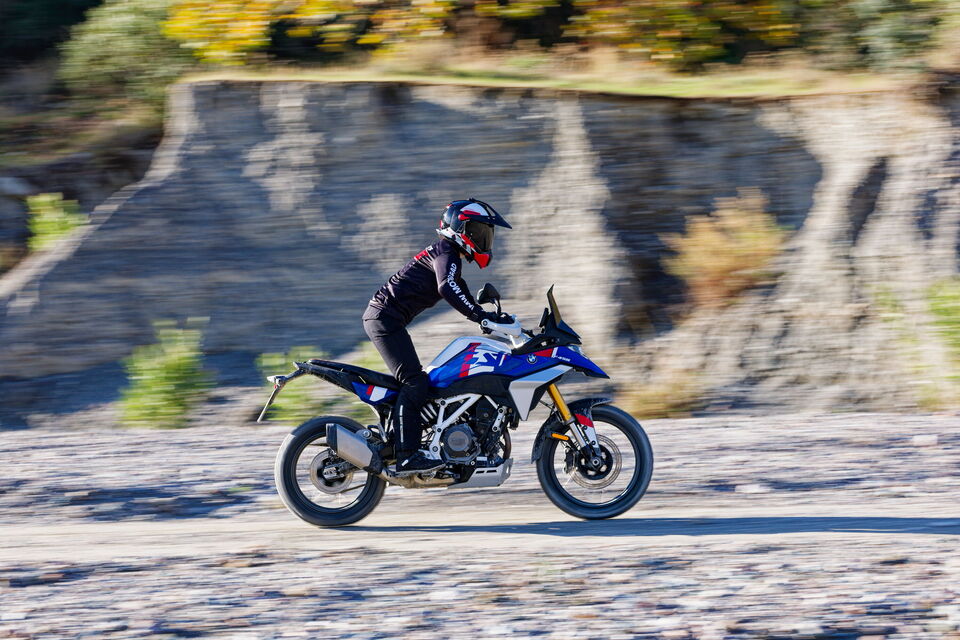
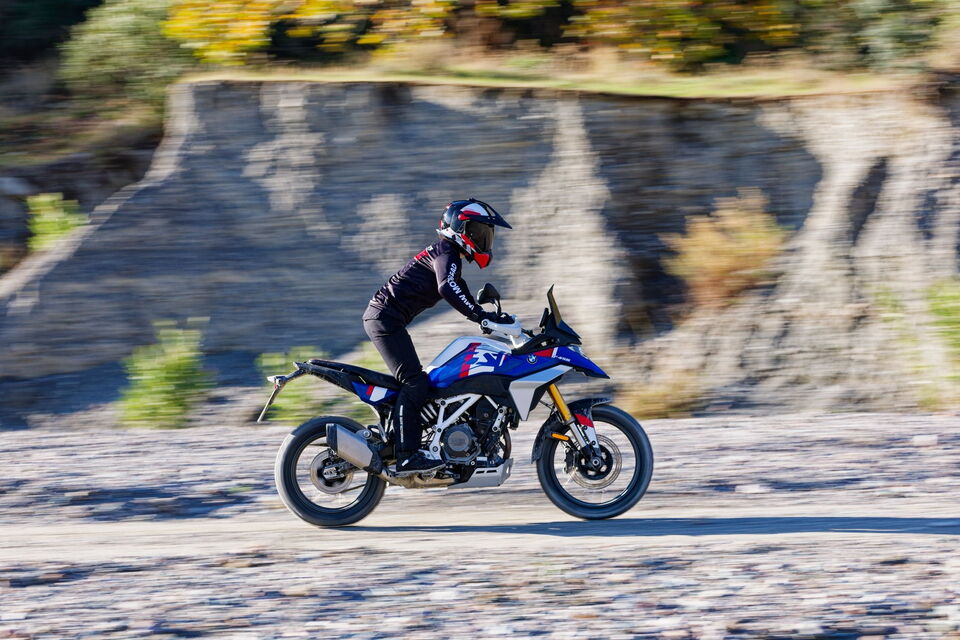
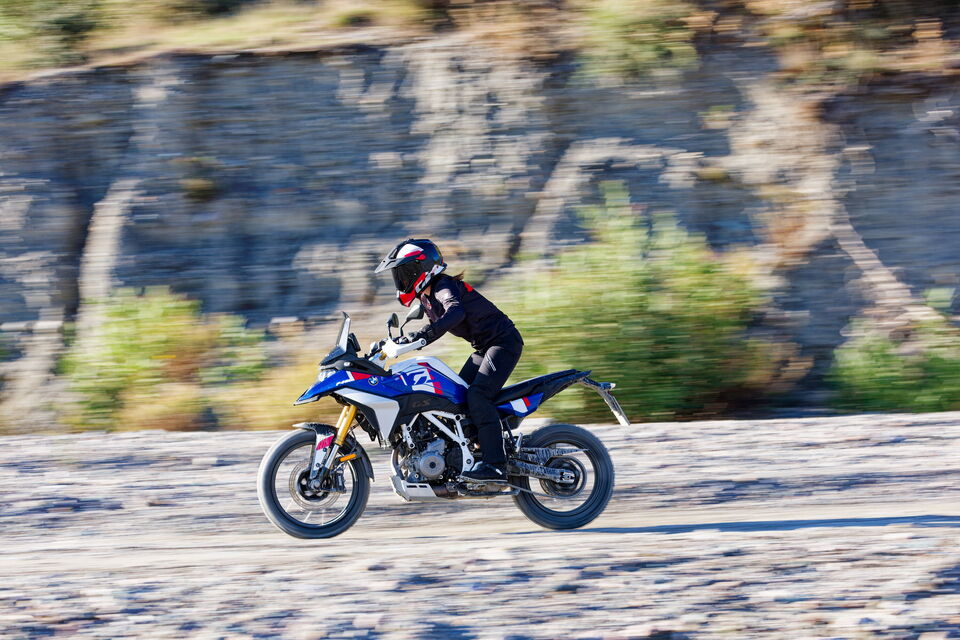
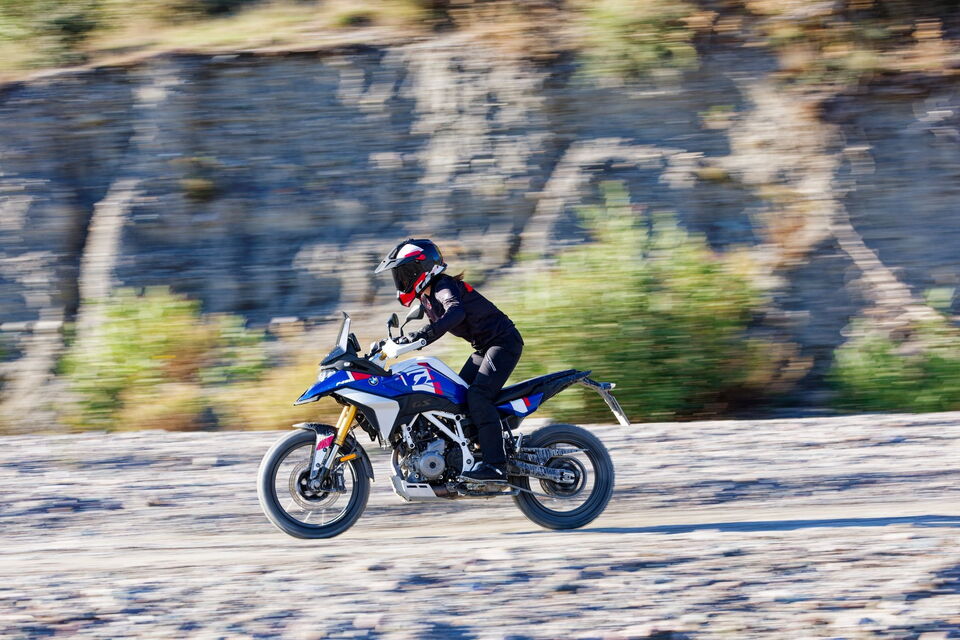
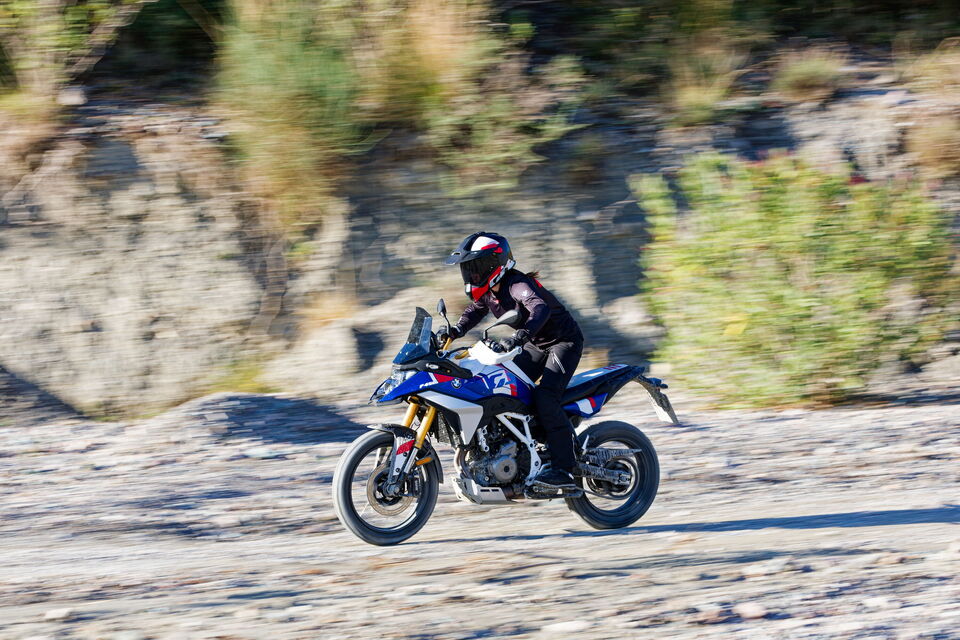

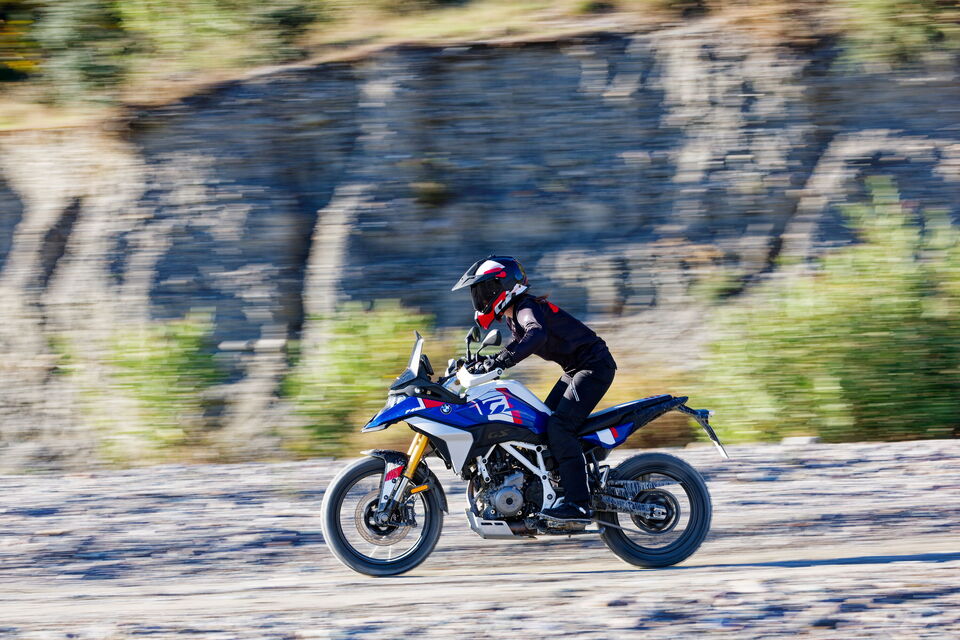


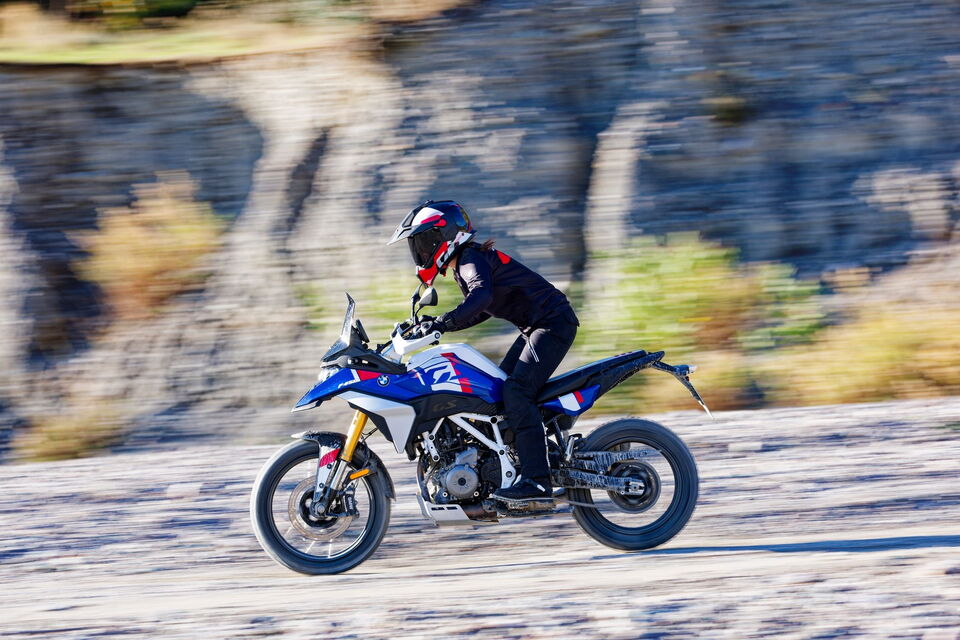
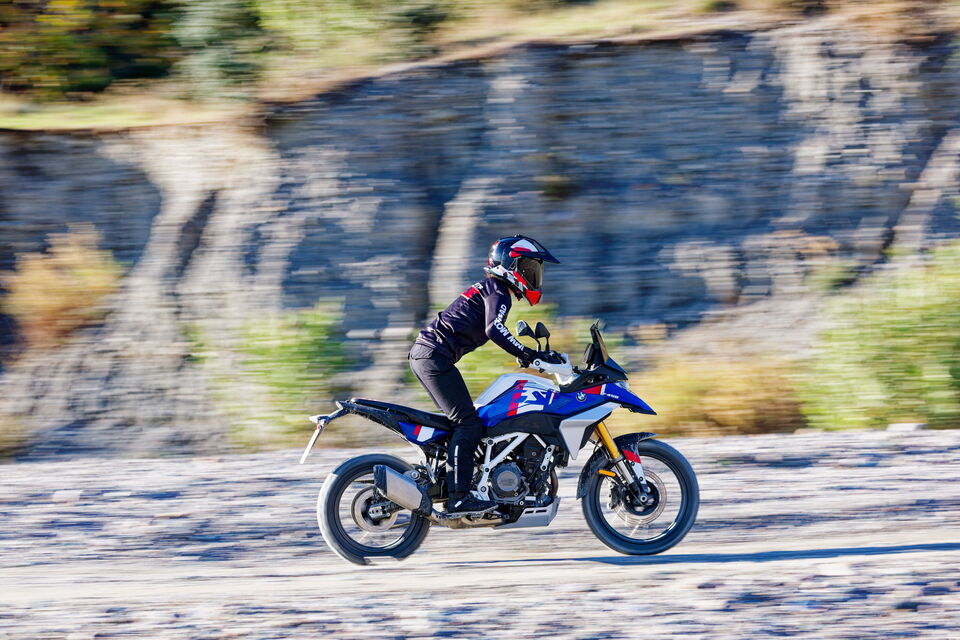

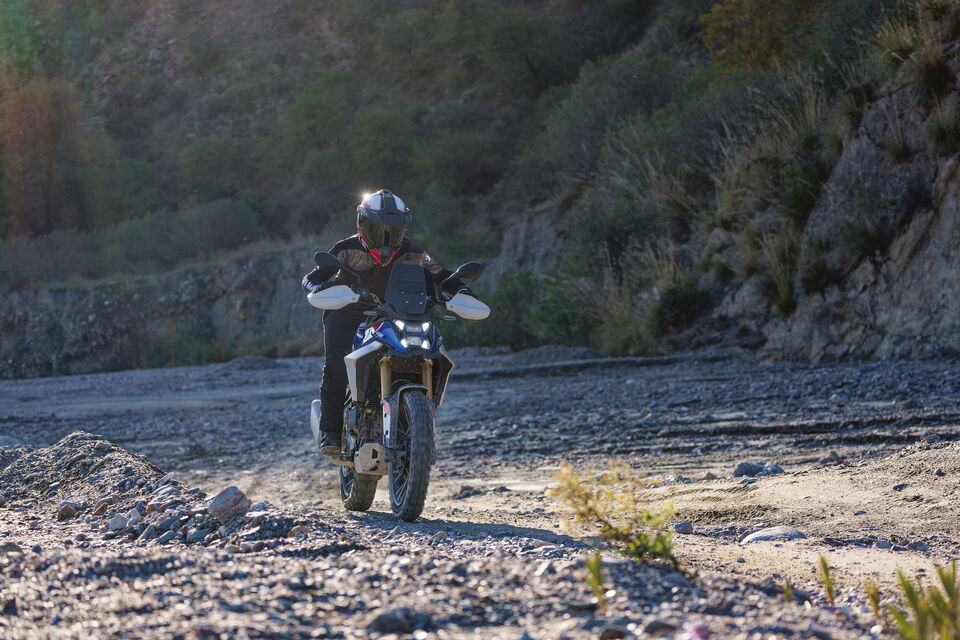
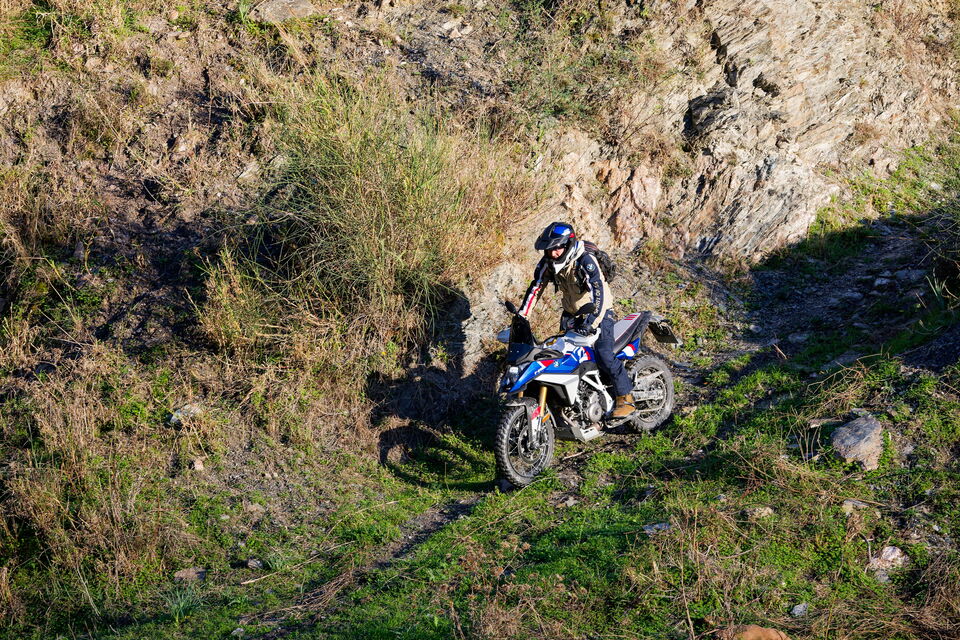
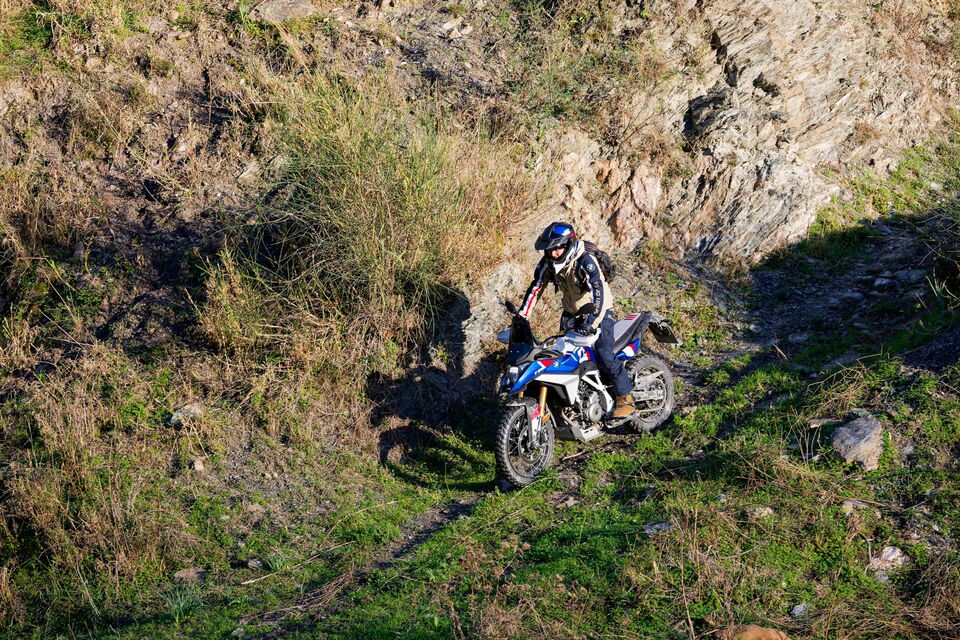
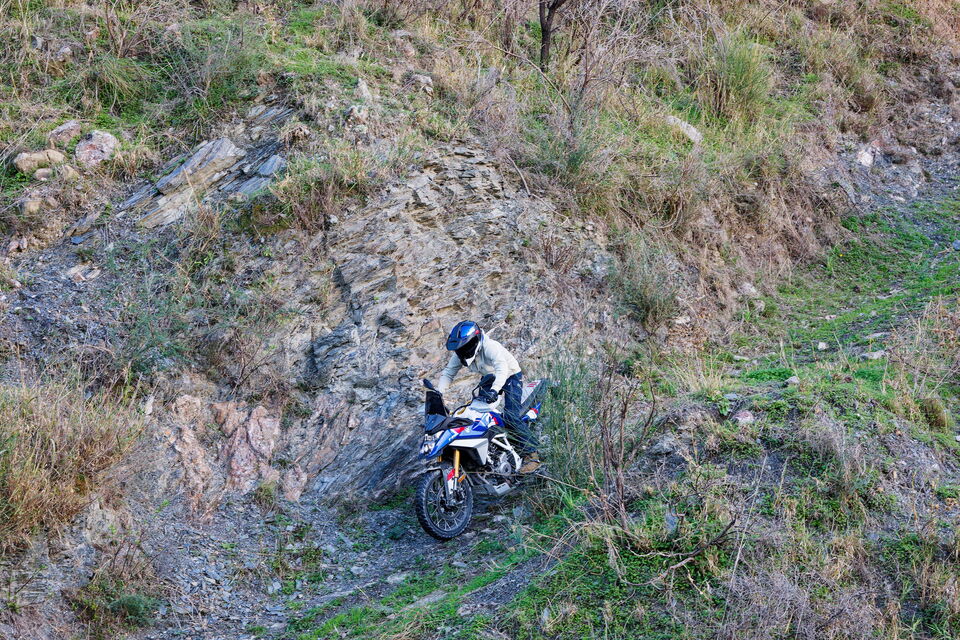
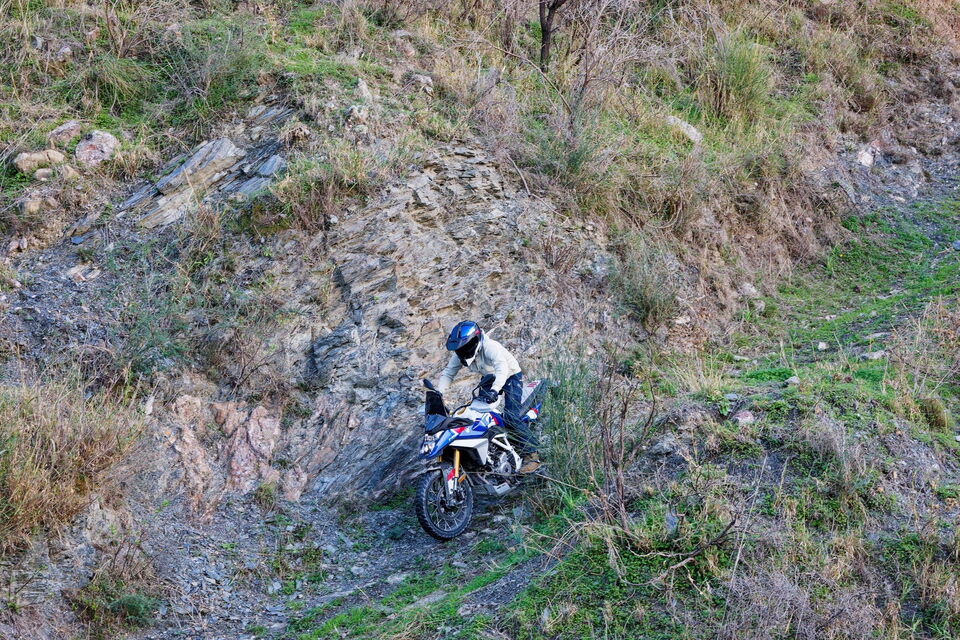
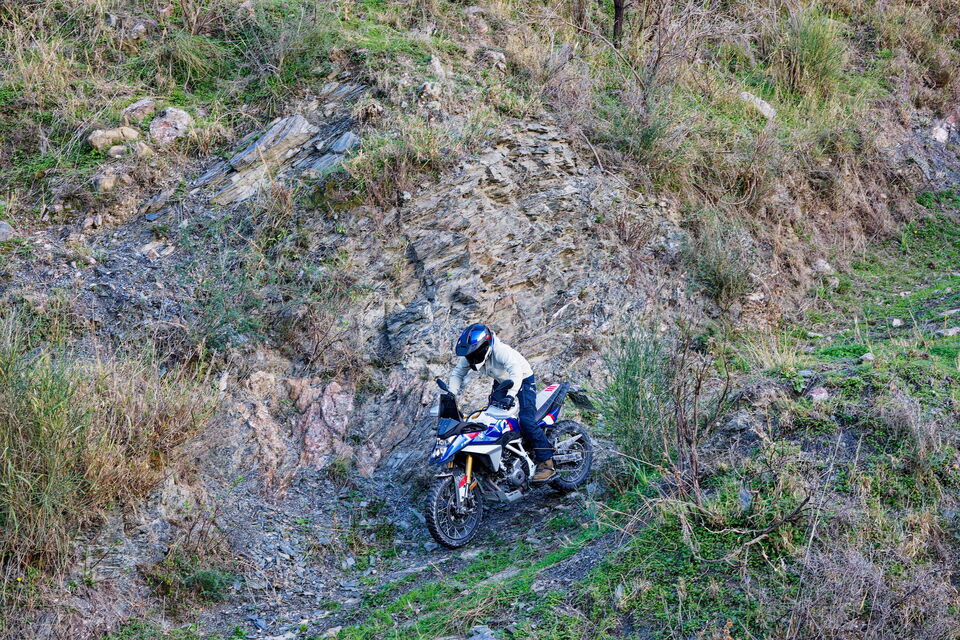
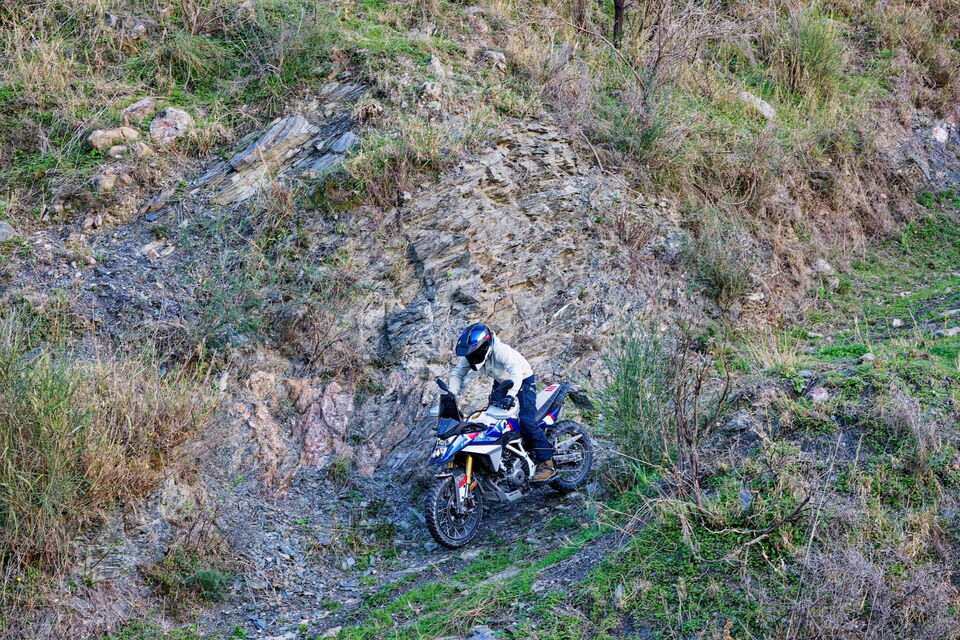
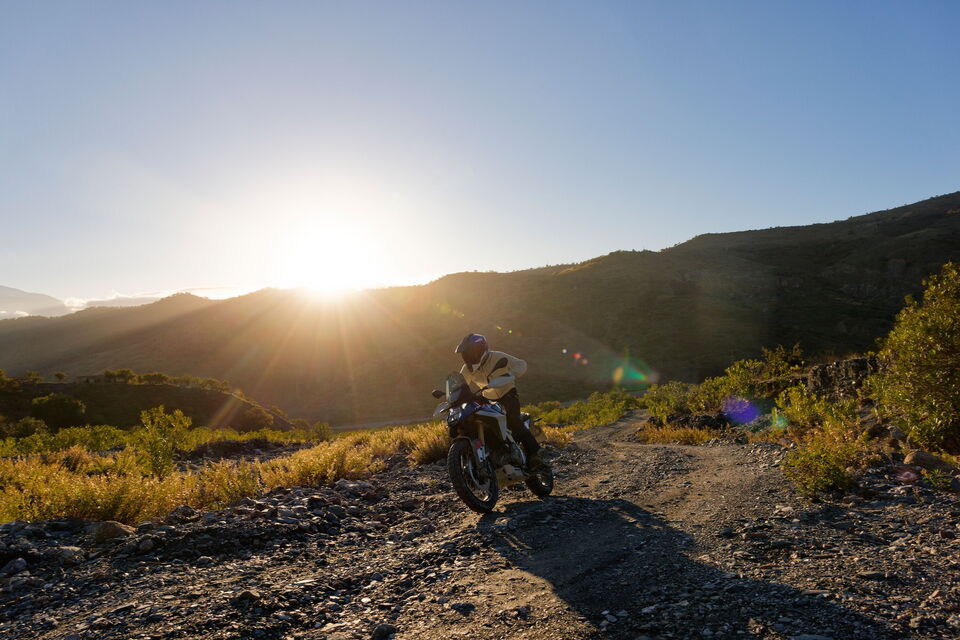
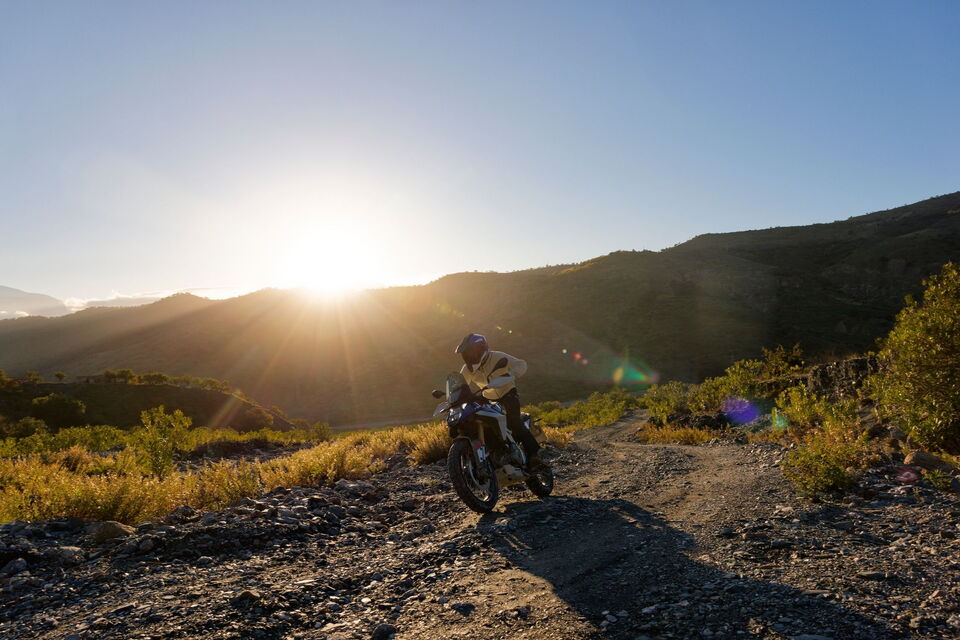

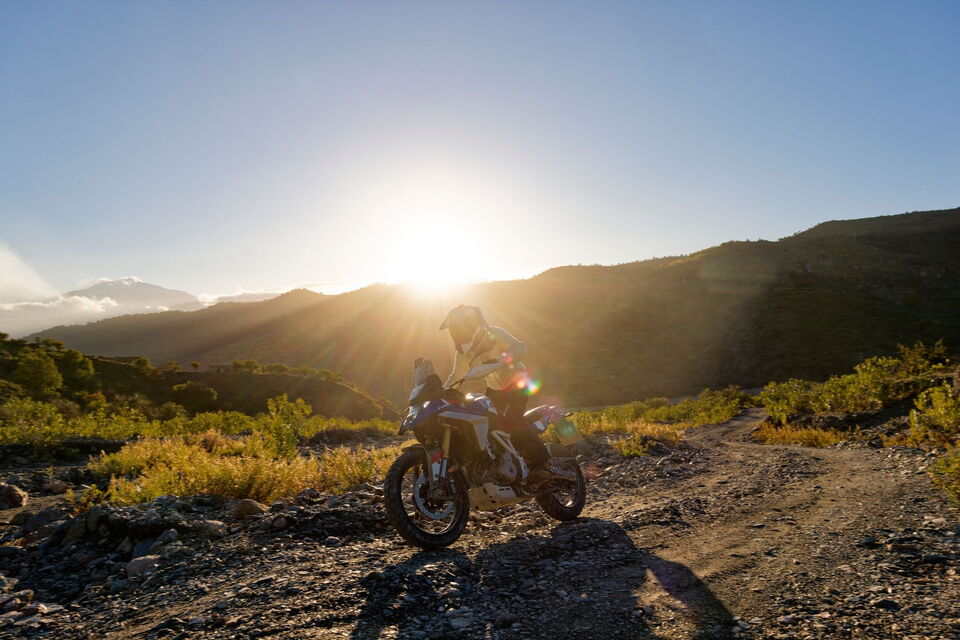
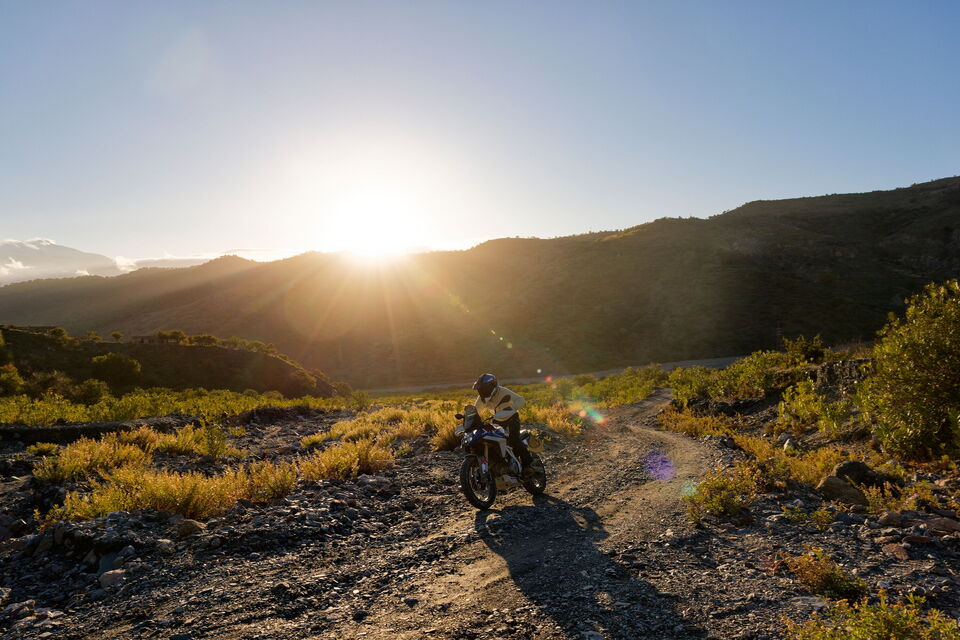
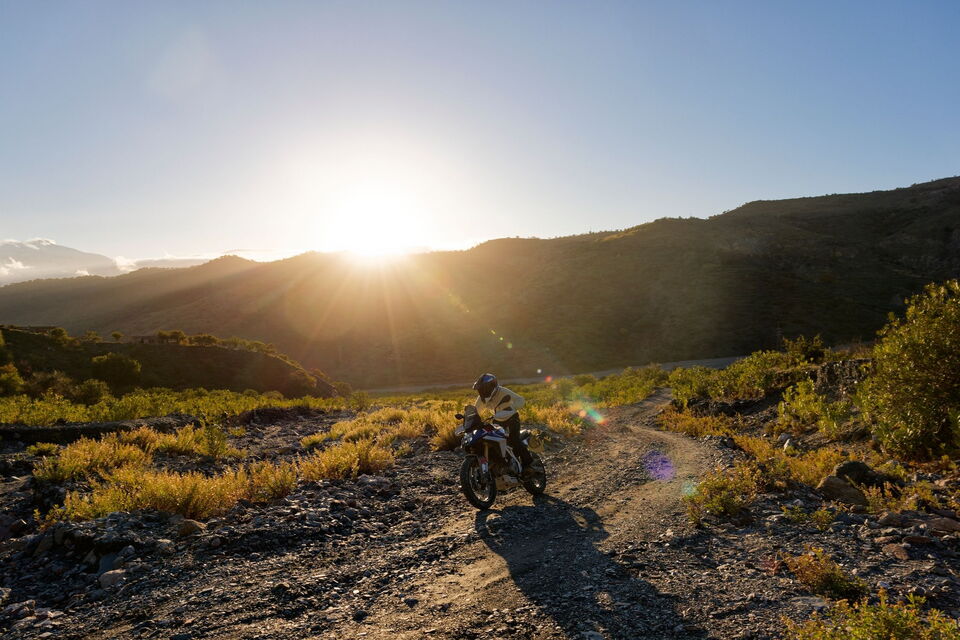
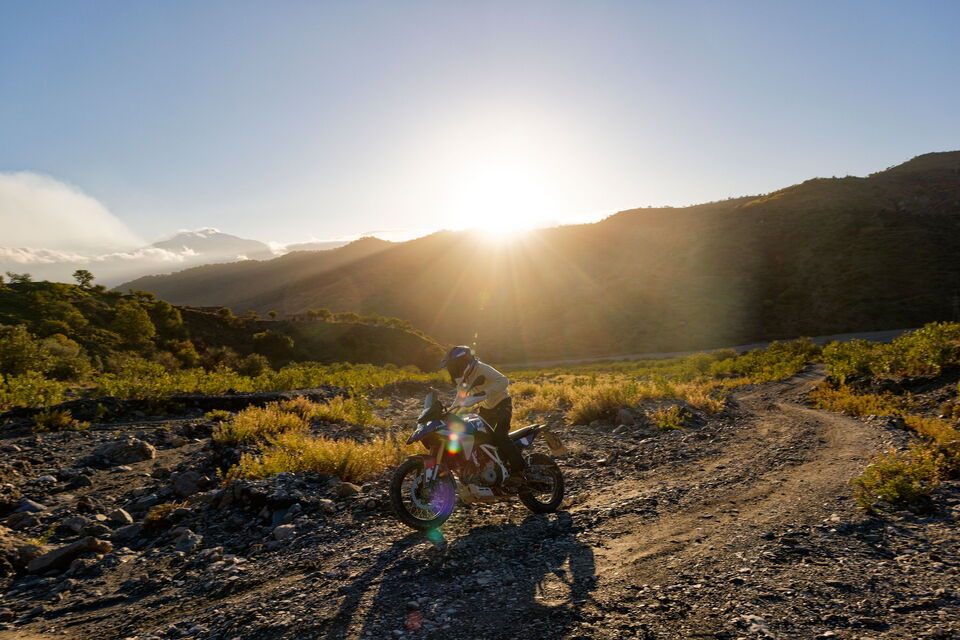
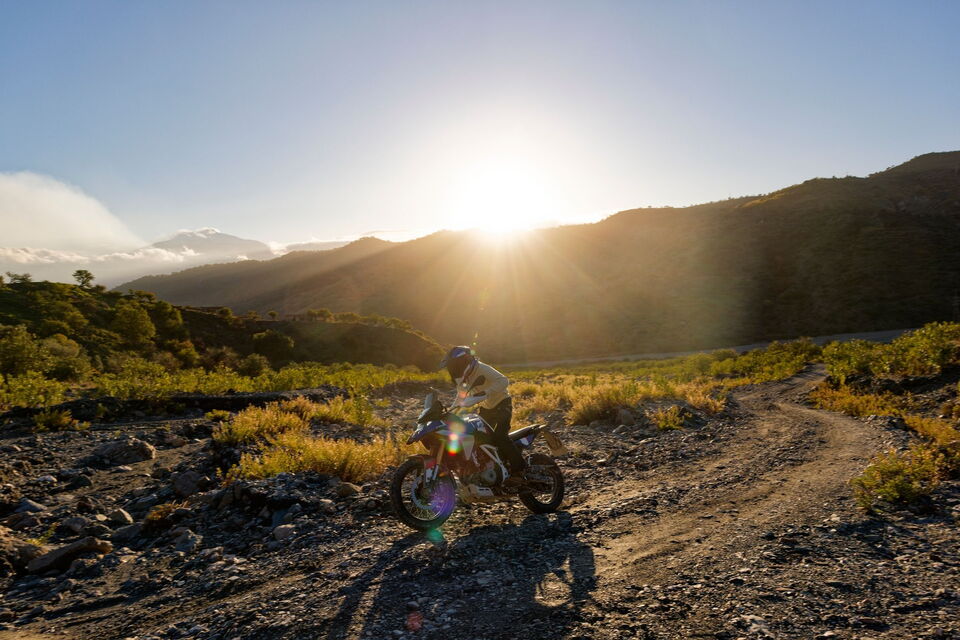




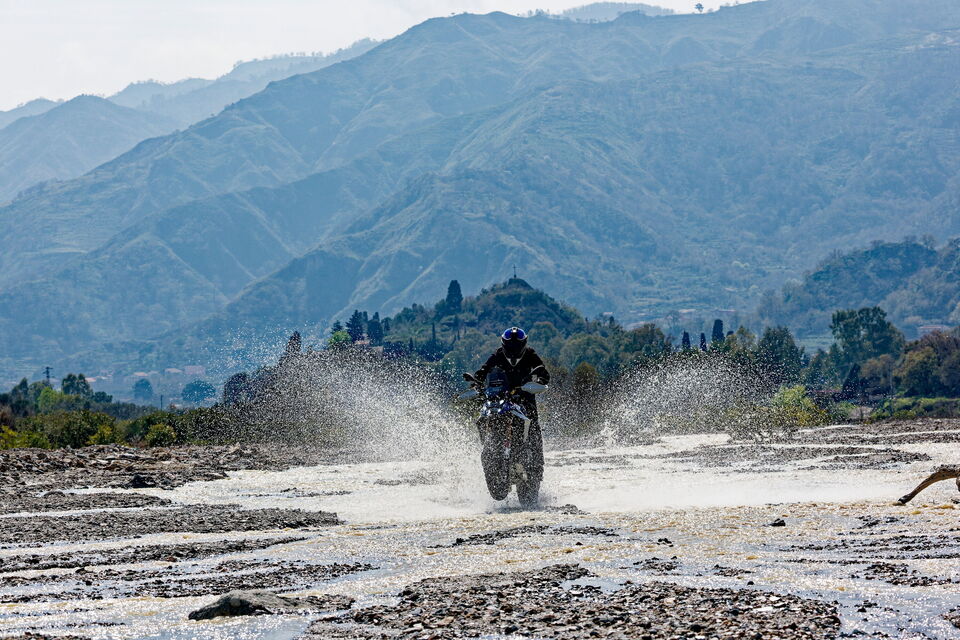
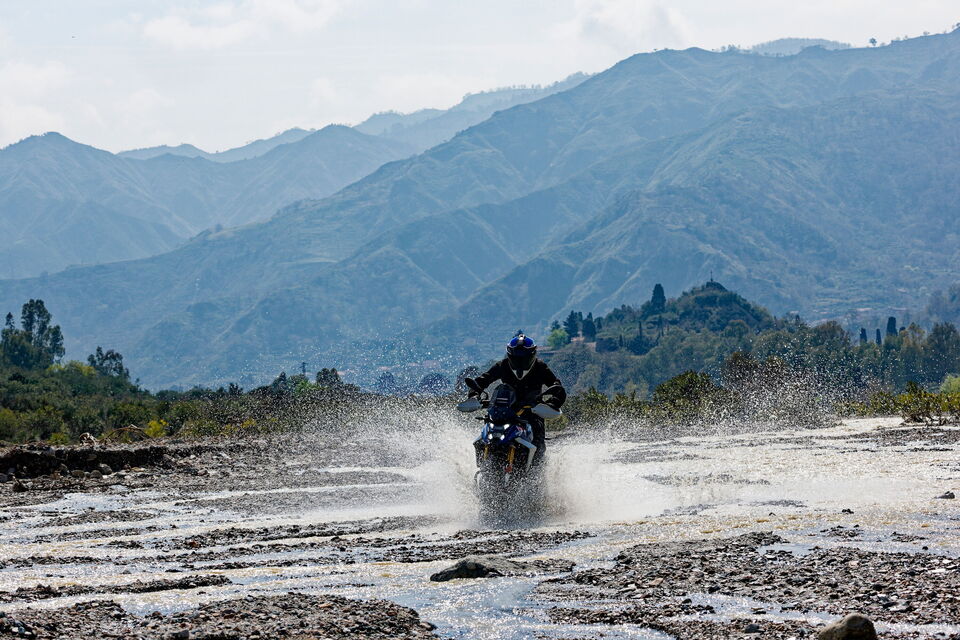

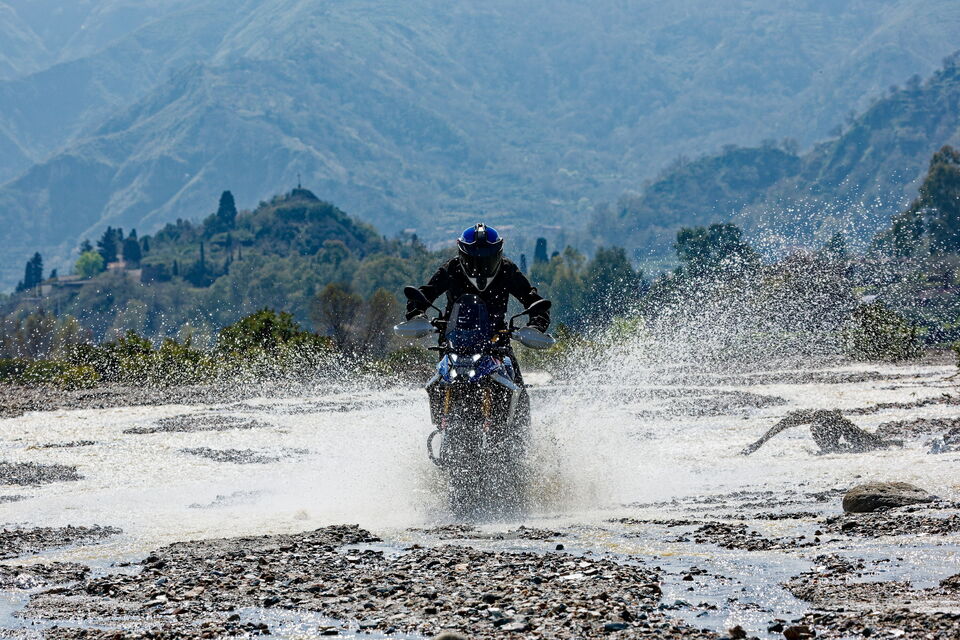

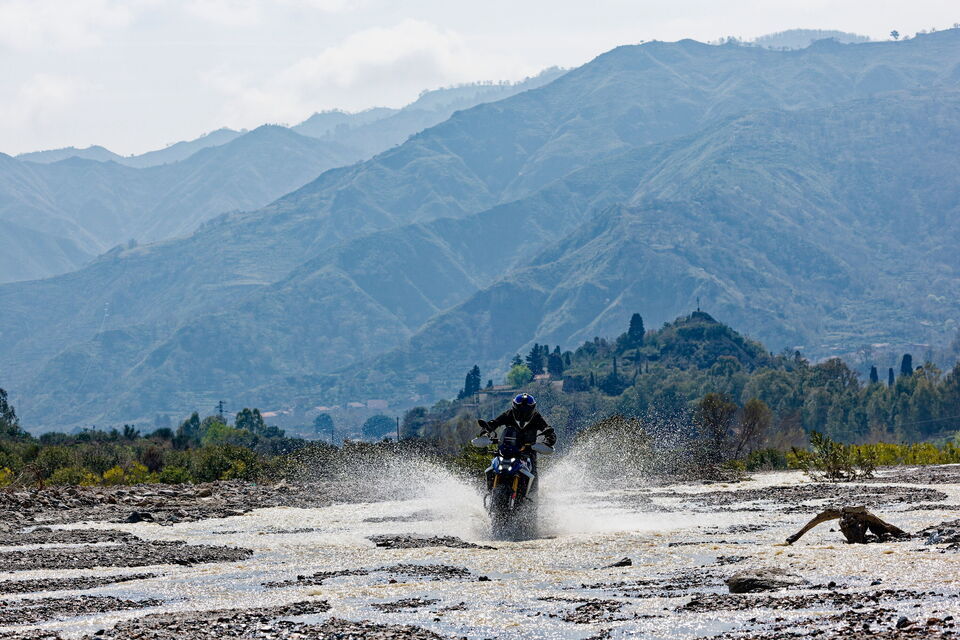
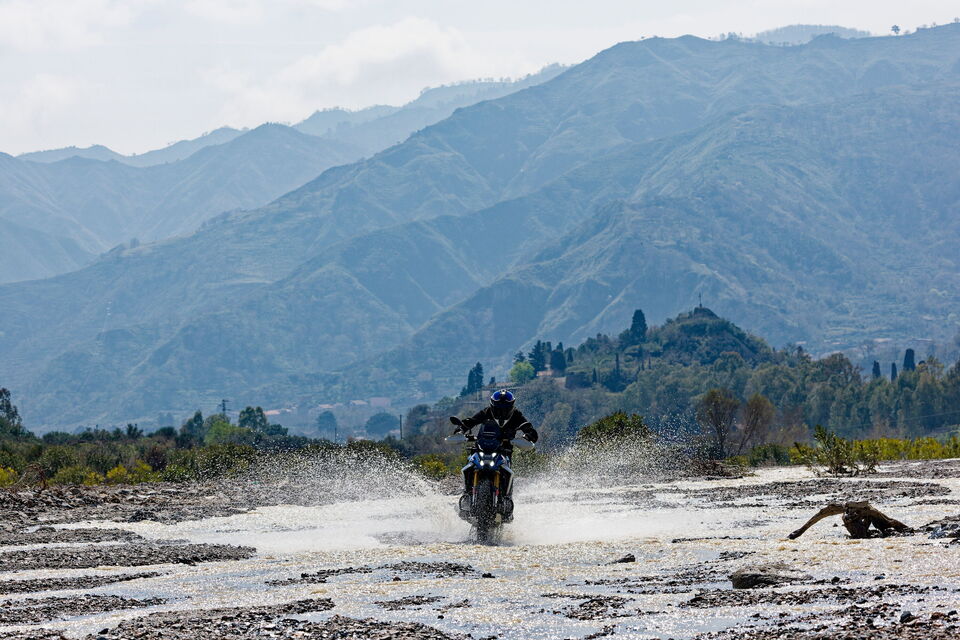
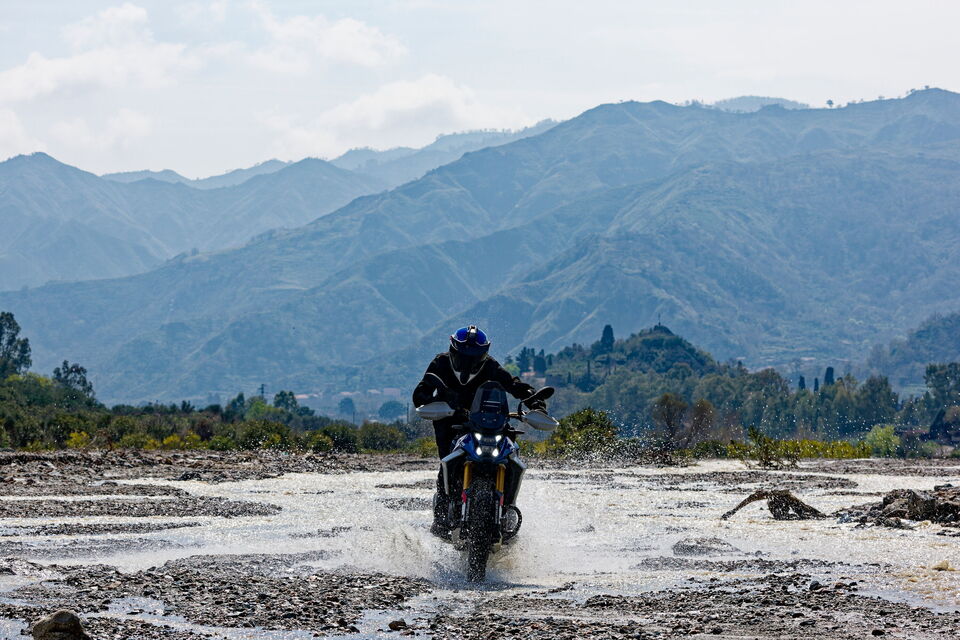
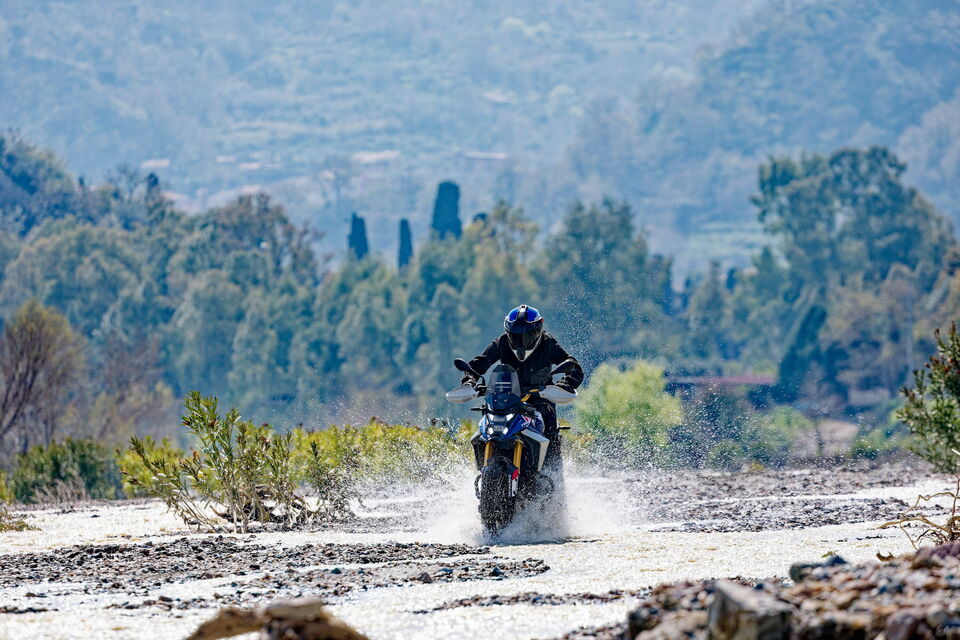
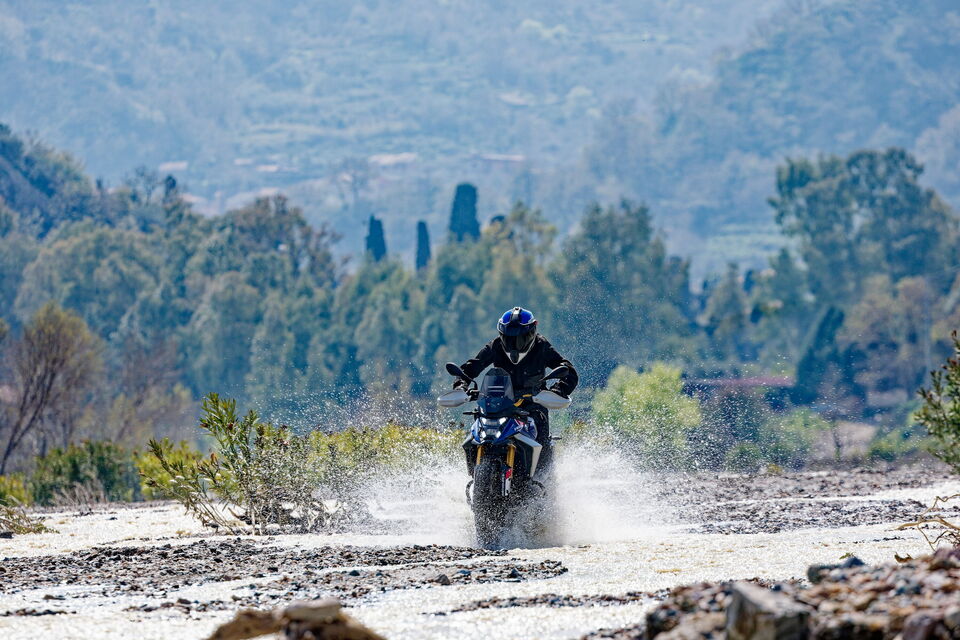
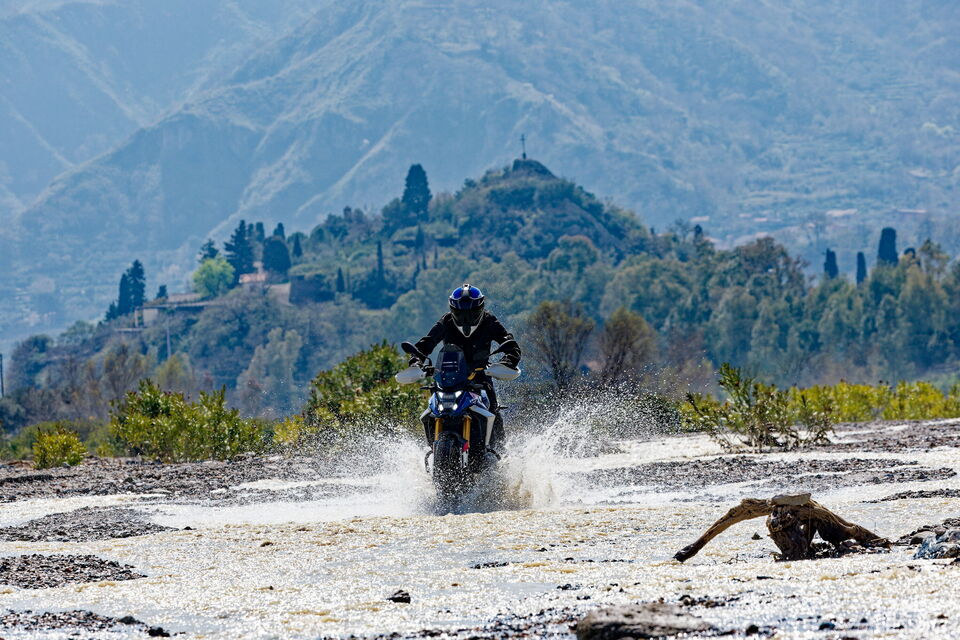
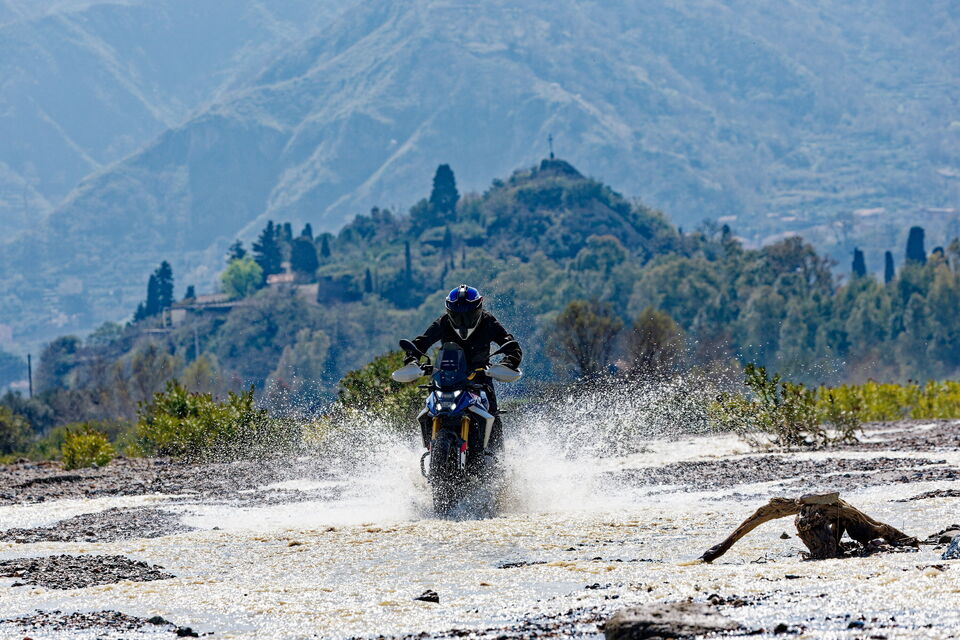
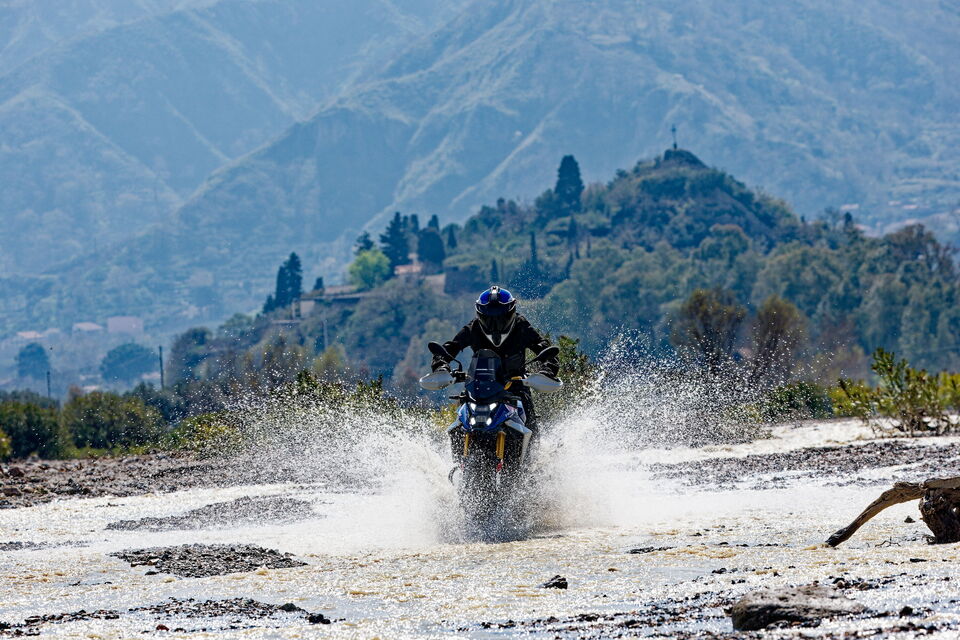
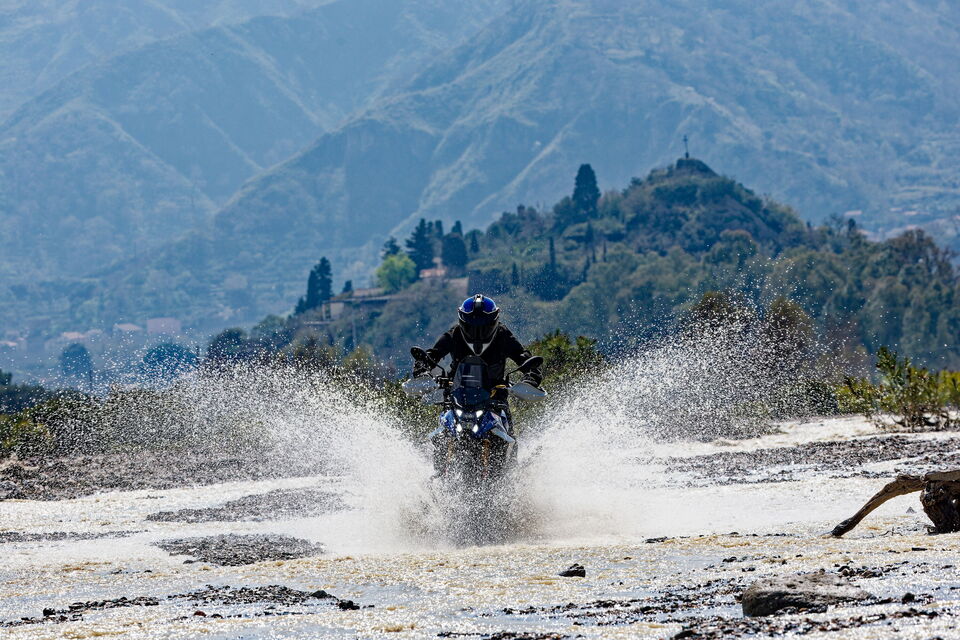
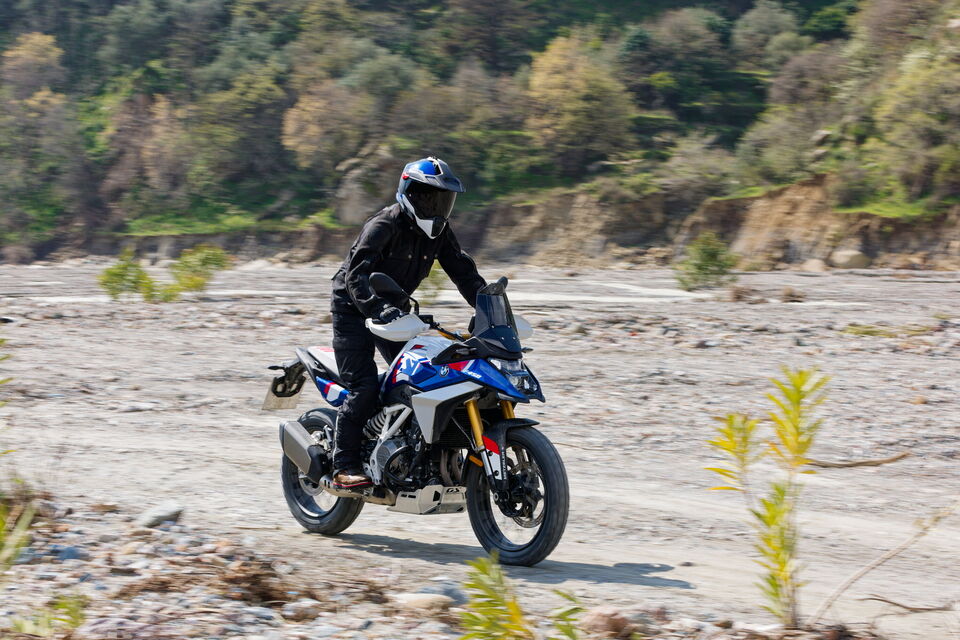
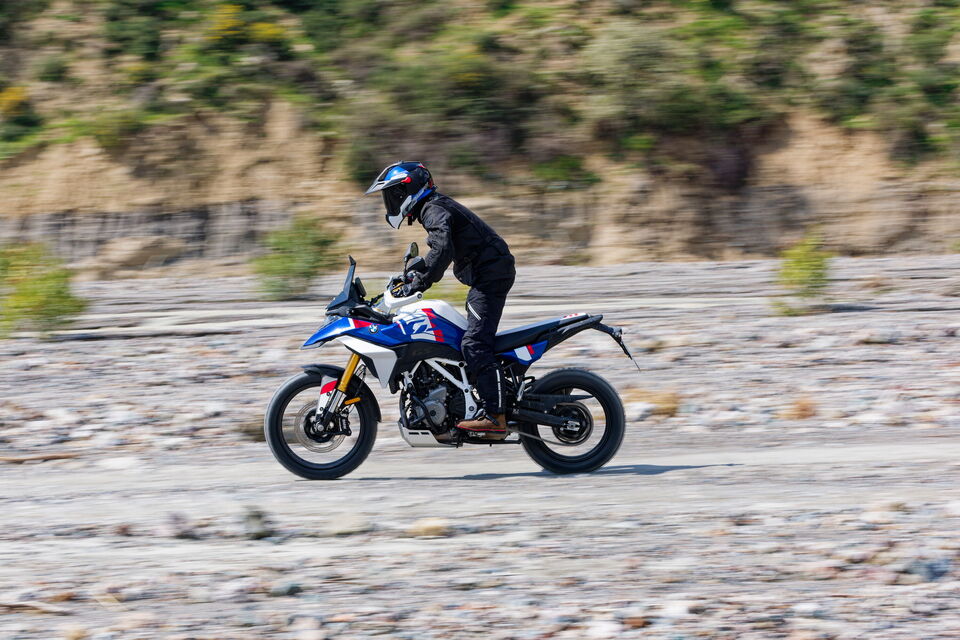


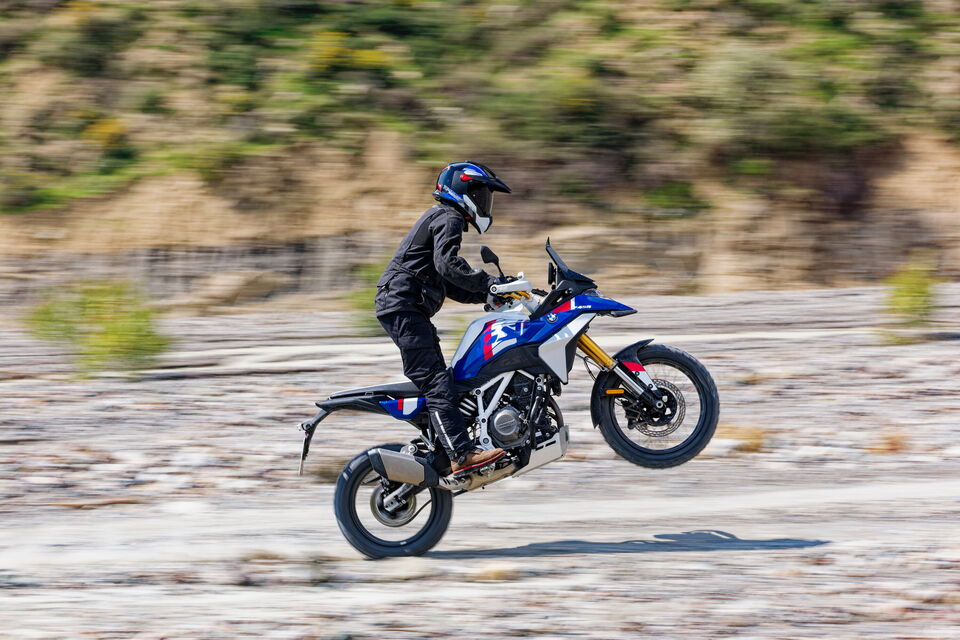
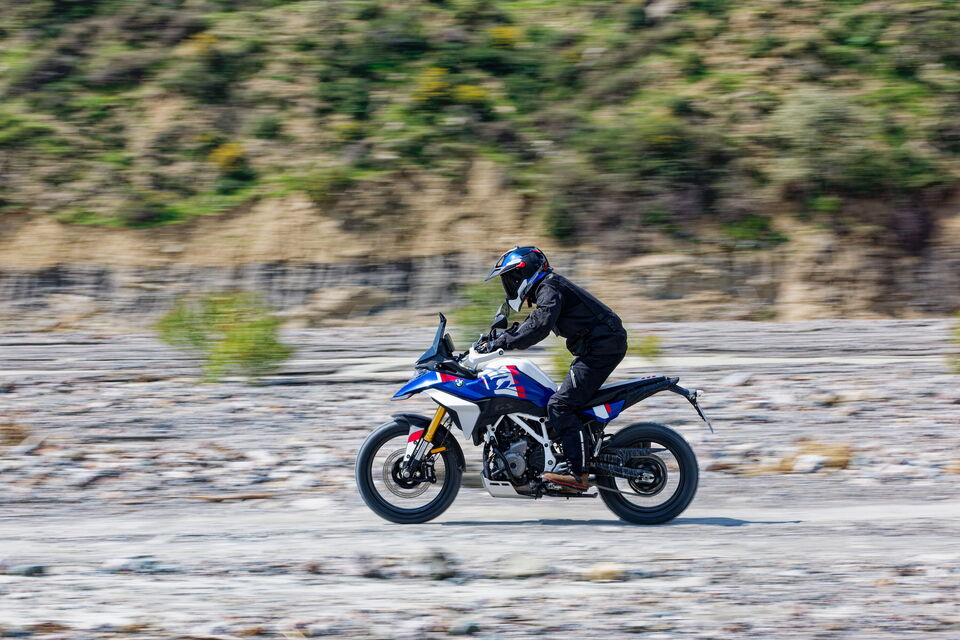
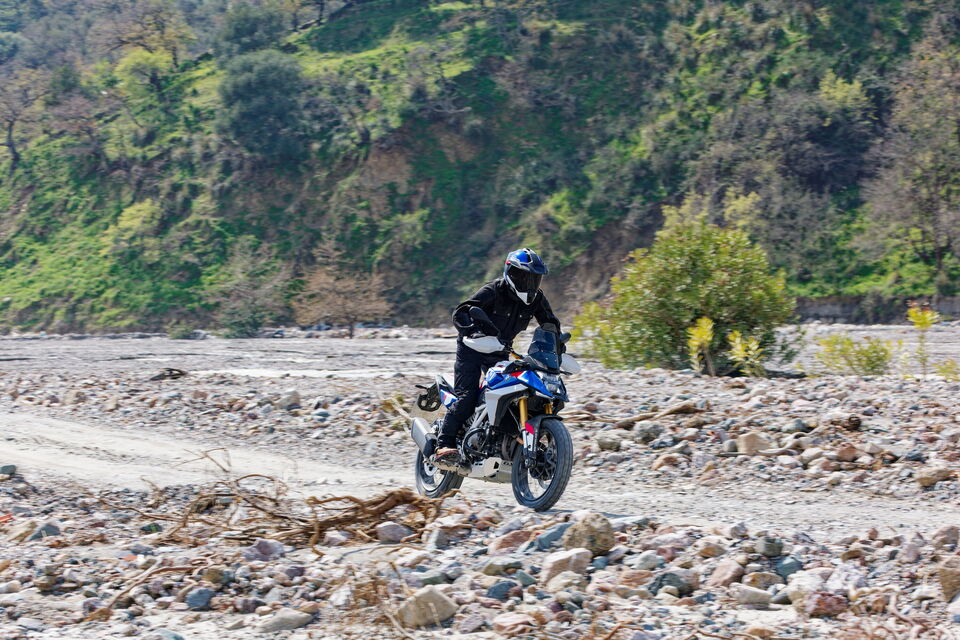
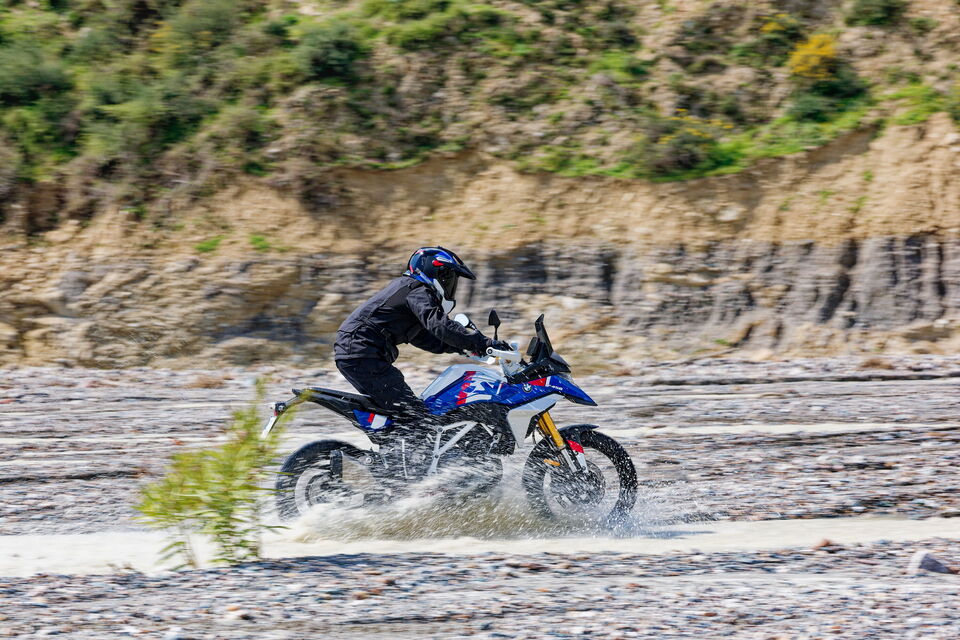
Engine: The 135-Degree Twin—Real Character in the A2 Class
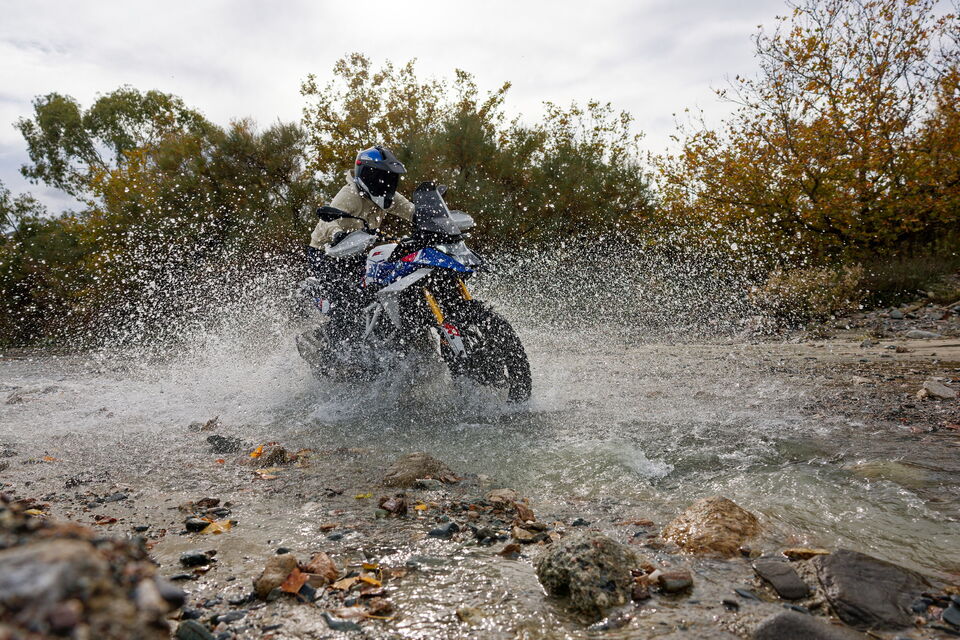
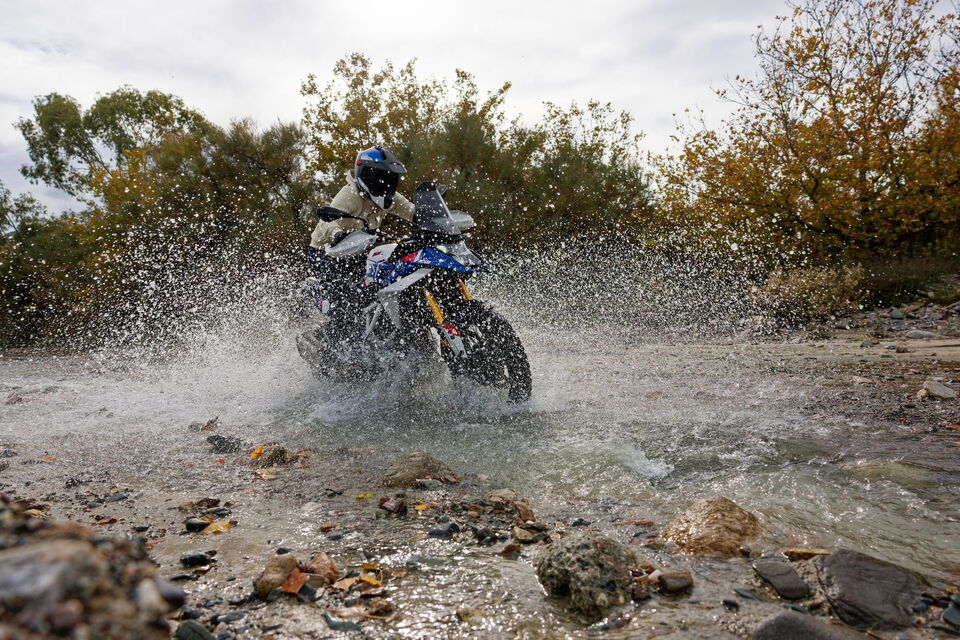
No other motorcycle in the A2 class has a parallel twin with a 135-degree crankpin offset. BMW developed this firing order specifically for the F 450 GS, creating an engine that sounds and feels like a refined V-twin while remaining more compact, lighter, and inherently smoother because of its architecture.
420 cc, 48 hp at 8,750 rpm, 43 Nm at 6,750 rpm. The performance figures represent the A2 maximum; the engine’s character is what sets it apart. According to BMW, 80 percent of peak torque is already available at 3,000 rpm, so the engine pulls cleanly from low revs and works well in everyday riding without becoming a high-revving powerplant at the top end.
The balance shaft minimizes the vibrations that are a constant companion on single-cylinder engines in this displacement class. Riders switching from a single-cylinder enduro to the F 450 GS will notice the difference immediately: the twin runs smoothly and evenly, even during low-rpm city riding.
That is not refinement for refinement’s sake. A smoother engine means less fatigue over long distances and fewer compromises in everyday use.
The 6-speed transmission with assist-and-slipper clutch shifts precisely. The Easy Ride Clutch (ERC)—standard from the Trophy version upward and optional on other versions—is the real innovation. A centrifugal clutch automatically disengages the engine from the rear wheel at low rpm, similar to a scooter.
The crucial difference compared with other centrifugal-clutch systems is that the ERC remains engaged on a closed throttle and allows engine braking to continue all the way down to idle speed. This is not a scooter-style compromise but a well-thought-out aid for beginners. Experienced riders will barely notice it; for newcomers, it removes the fear of stalling the engine off-road.
The engine was developed jointly with TVS Motor Company in India and is manufactured by TVS in Hosur—the same partner BMW worked with from 2015 to 2025 on the G 310 models, so this cooperative effort is well established. According to BMW, the quality issues affecting early G 310 GS models have been addressed through stricter quality control and more robust engineering.
However, the long-term reliability of the new 420 cc platform cannot be conclusively assessed until long-term tests become available from summer 2026 onward.
Chassis: WAD Shock and Gold-Anodized KYB Fork
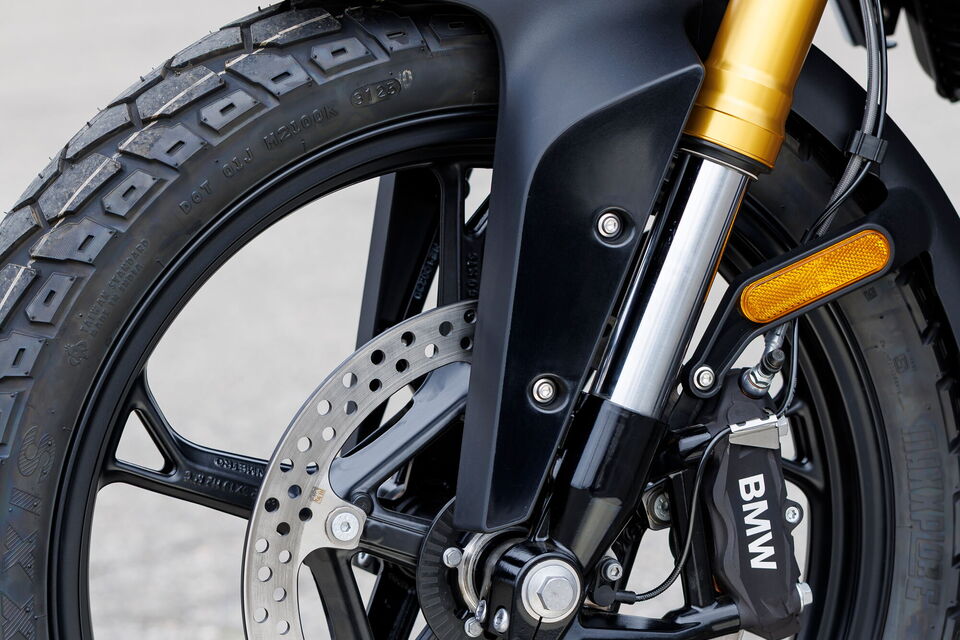
The F 450 GS uses KYB suspension: a 43 mm USD fork up front with 180 mm of travel and an aluminum hollow-cast double-sided swingarm at the rear with a KYB monoshock, also offering 180 mm of travel.
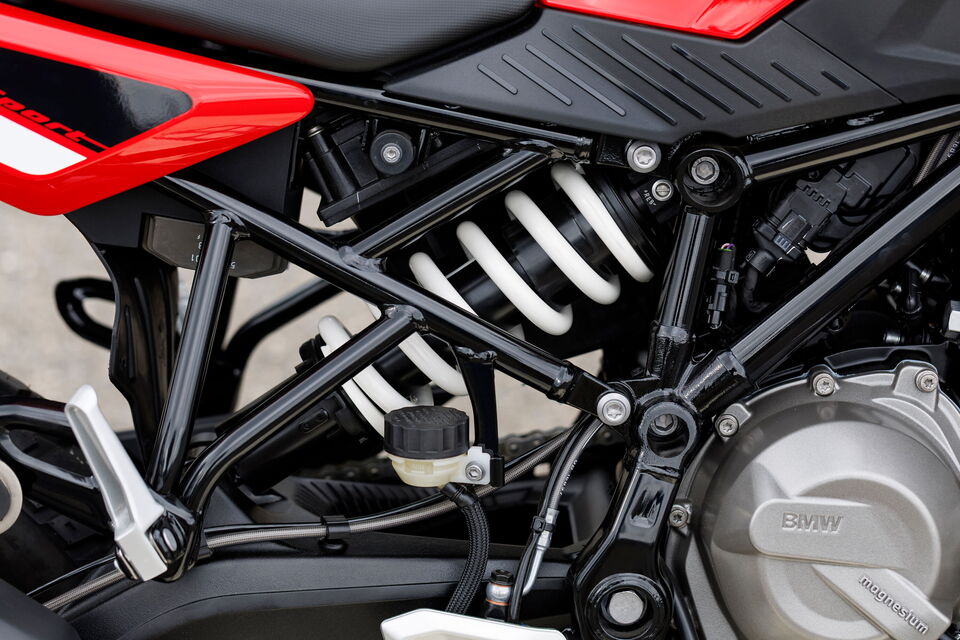
What makes the rear shock special is the WAD system—travel-dependent damping, a concept derived from rally racing in which damping progressively increases as the suspension moves deeper into its stroke.
Over small impacts, the shock remains soft and comfortable. Over larger hits and at higher speeds, it progressively firms up. That sounds purely technical, but you can feel the effect from the saddle: the F 450 GS absorbs small irregularities effortlessly while remaining controlled through larger off-road sections.
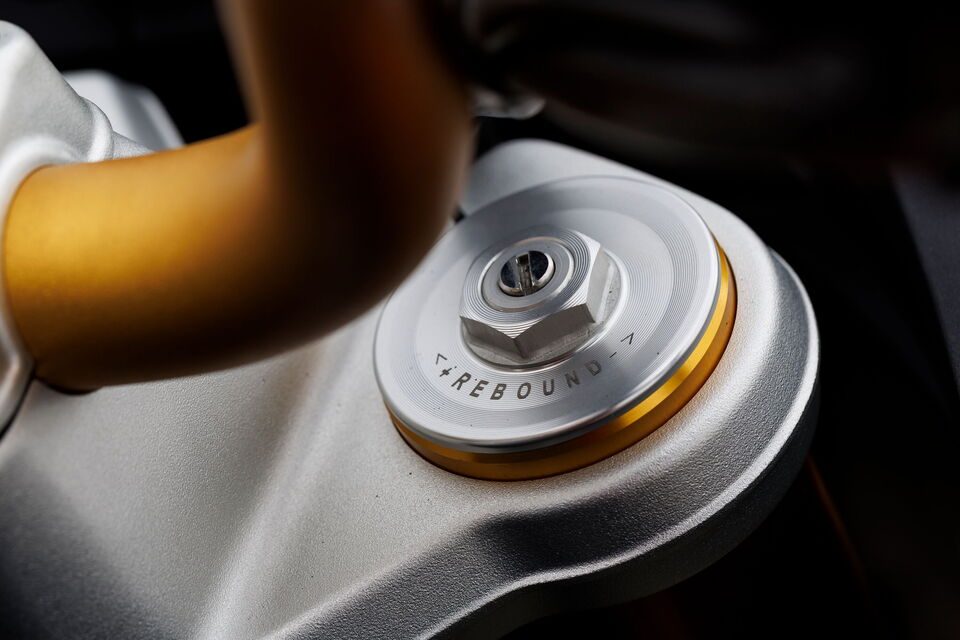
Adjustment depends on the version. On the base model, rear spring preload and rebound damping are adjustable, while the fork setup is fixed. Sport and GS Trophy versions come standard with sport suspension that adds adjustable fork compression damping—an unusual level of adjustability for an adventure bike in this price class. Buyers of the base version who want more adjustment can upgrade later.
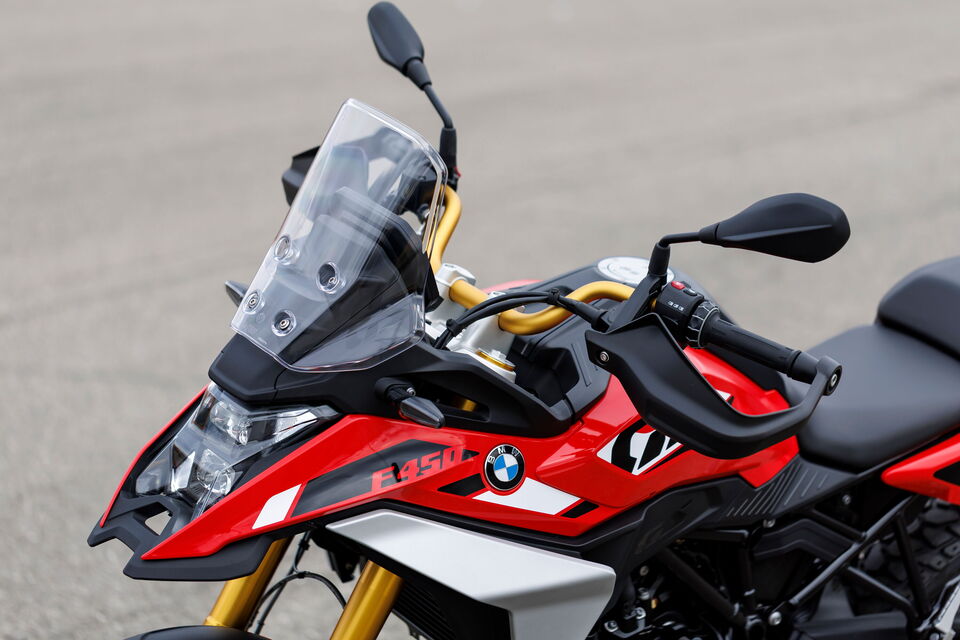
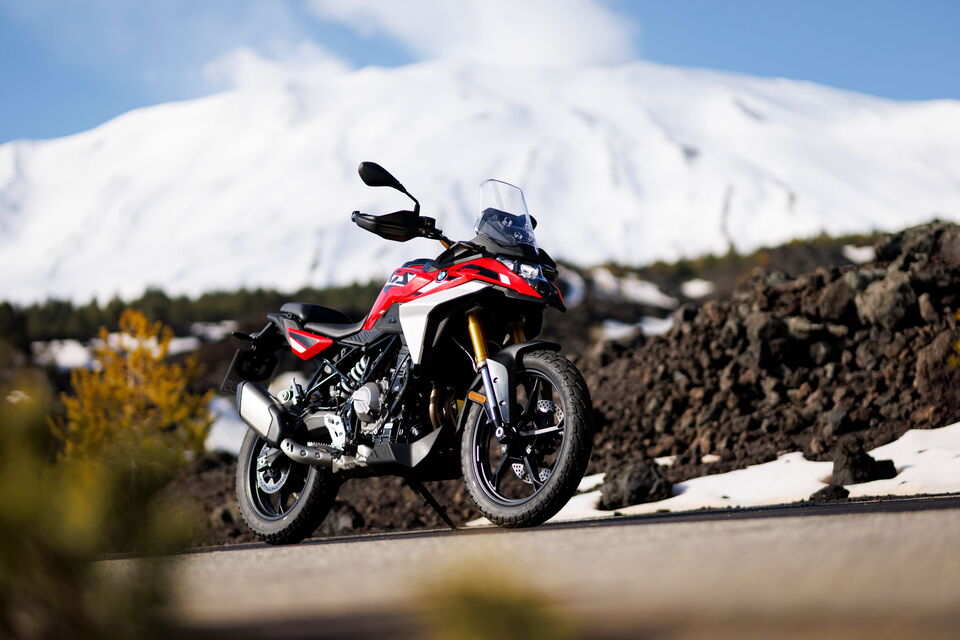
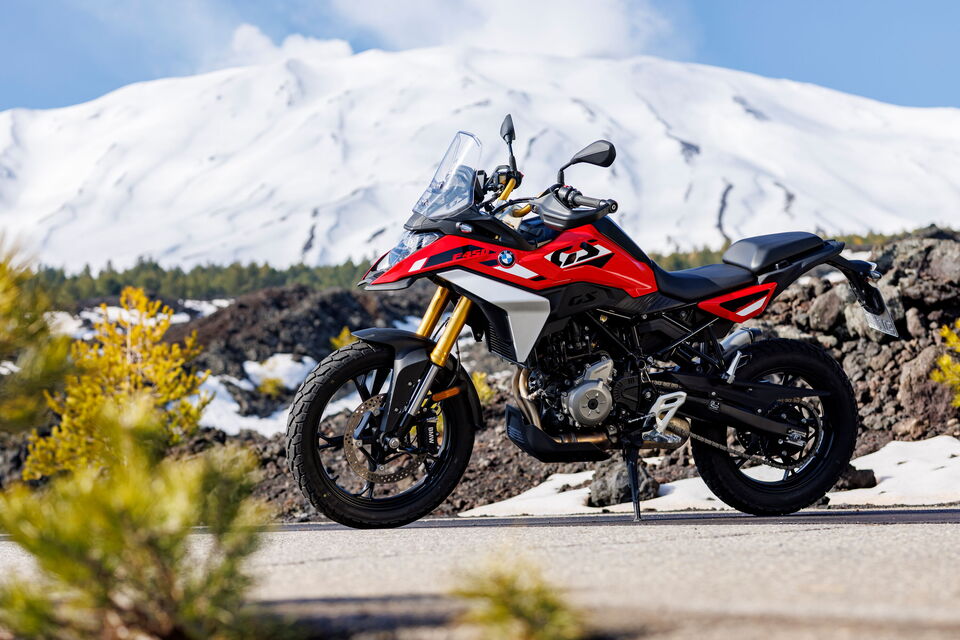
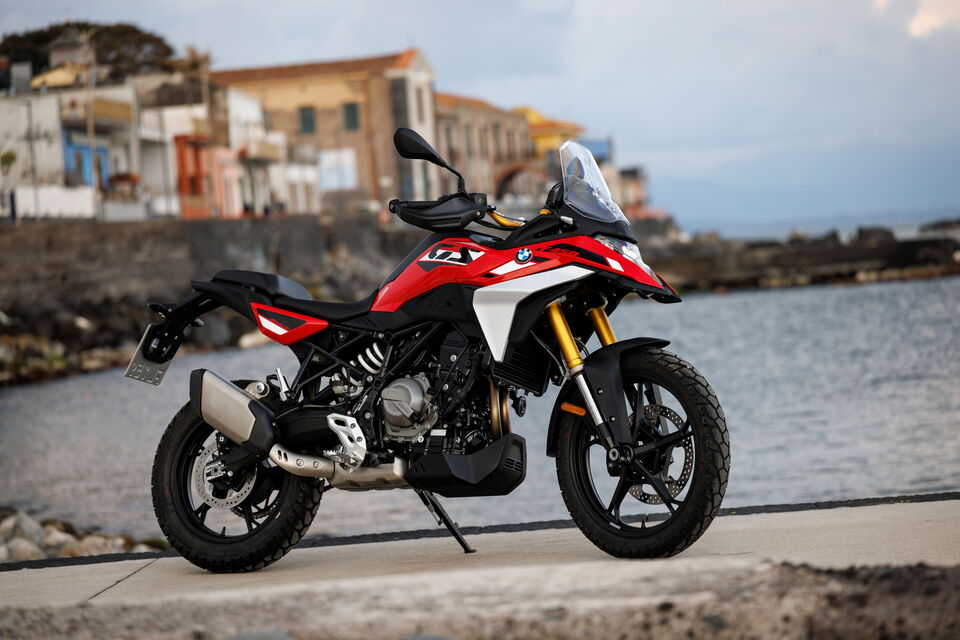
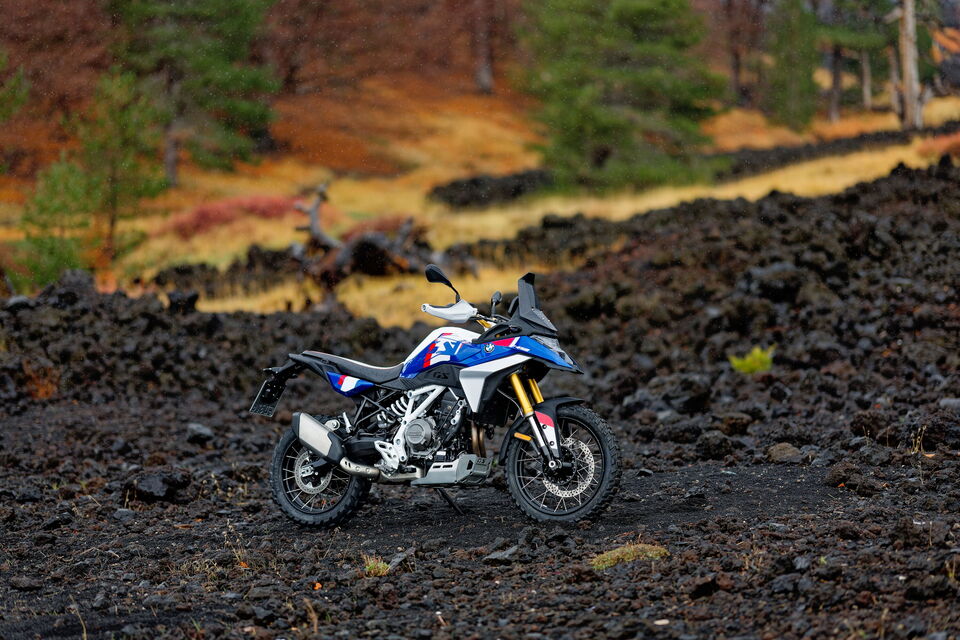
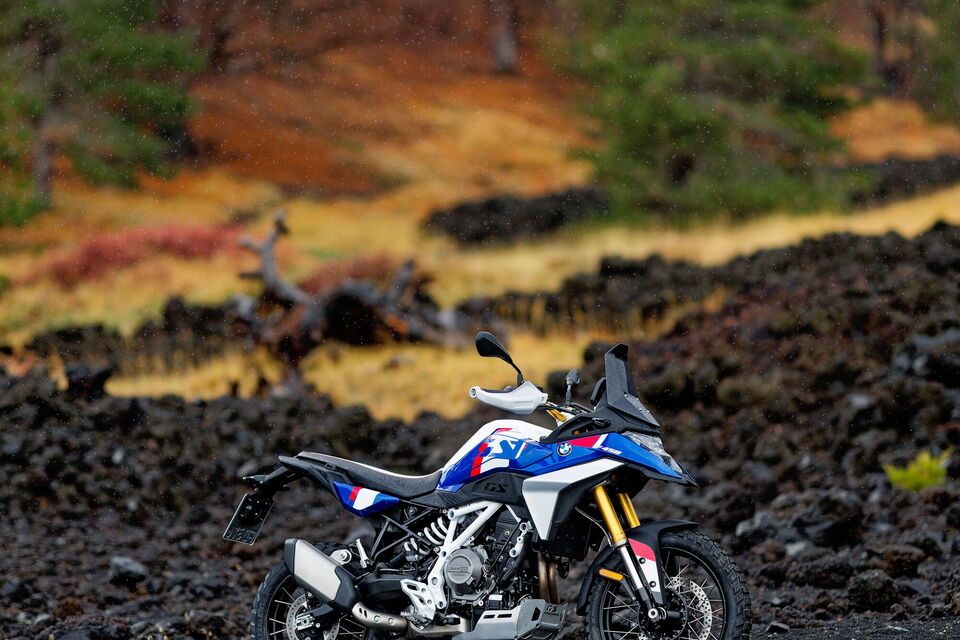
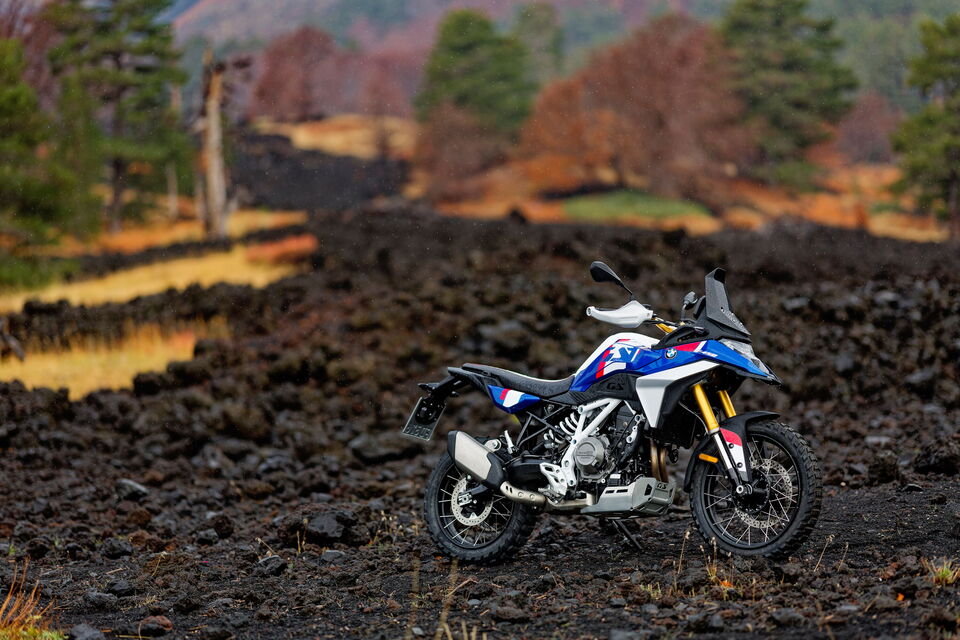
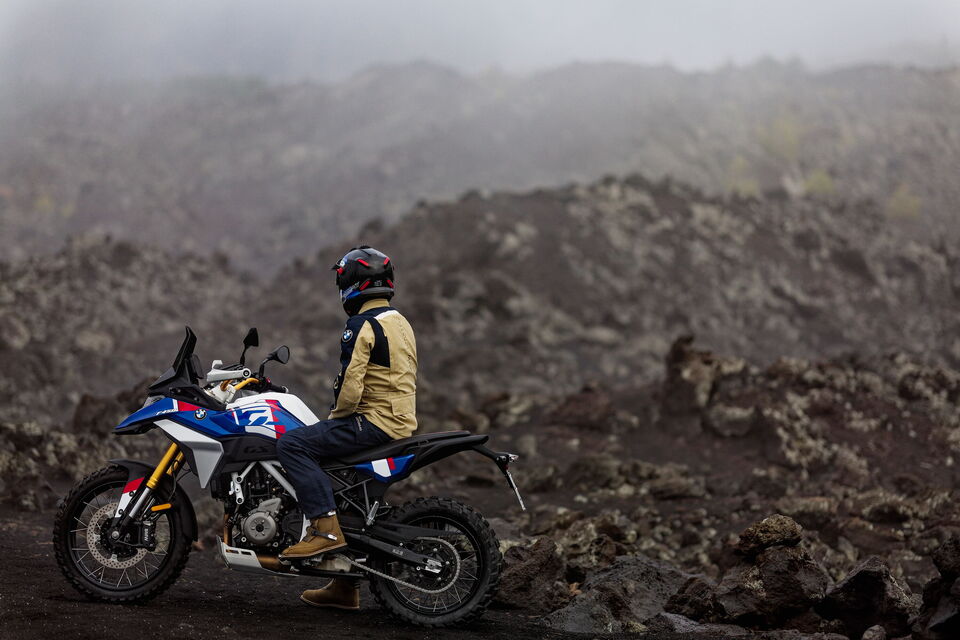
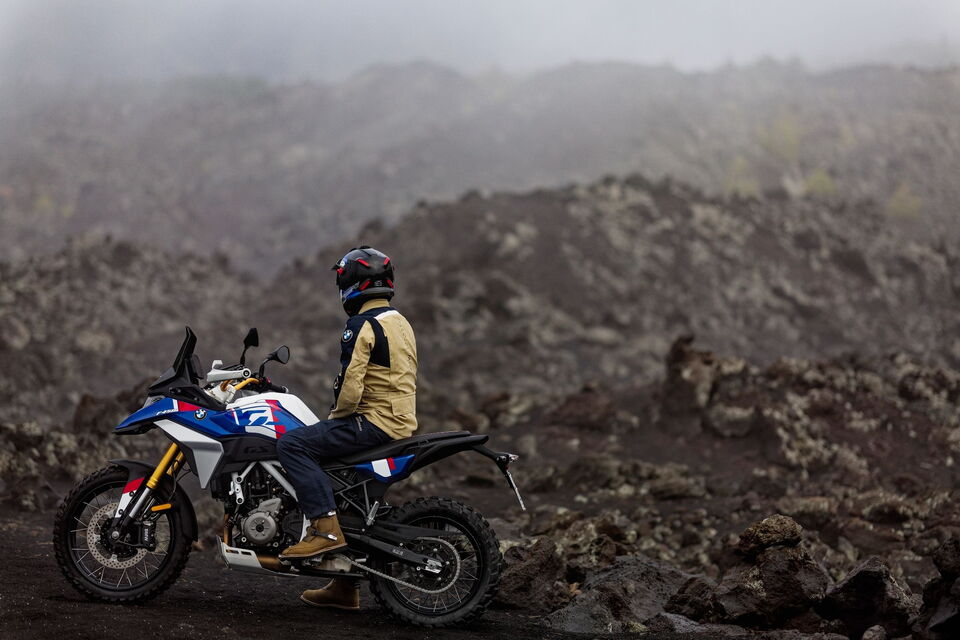
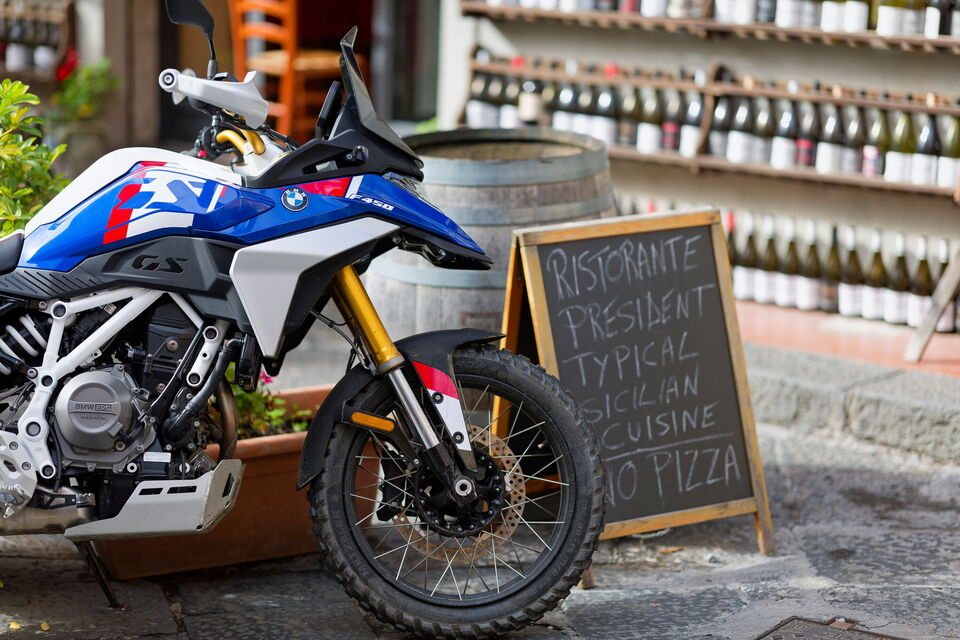
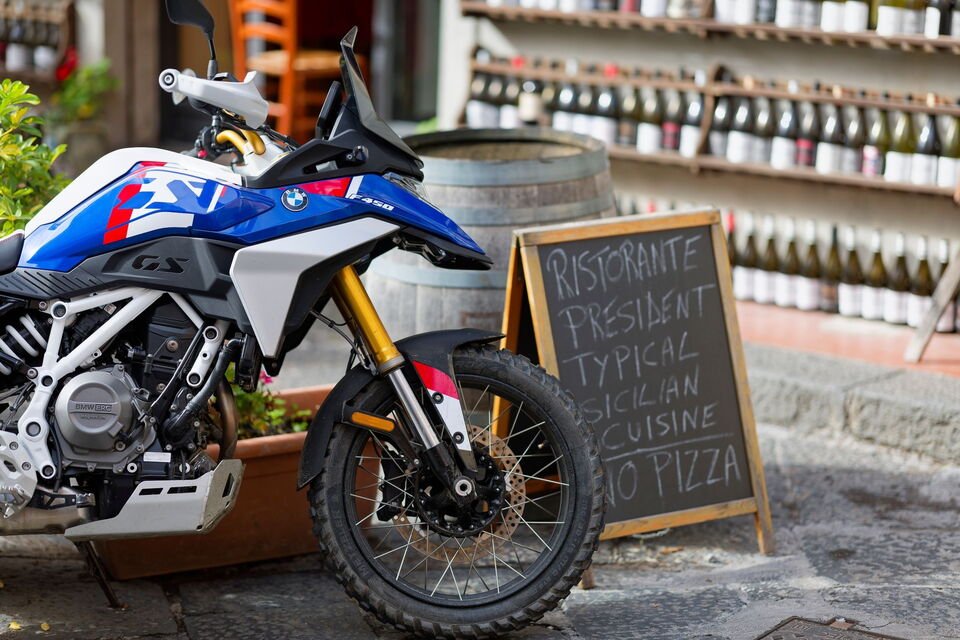
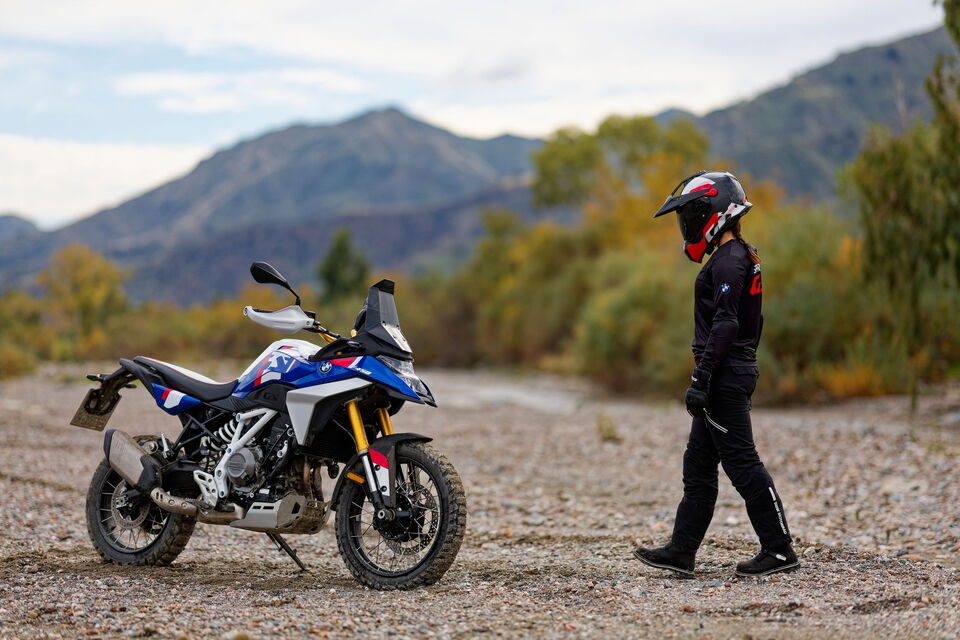
The fork’s gold-anodized tubes are not purely cosmetic. They are a visual signature of the GS family and give the F 450 GS the same immediate brand recognition as the R 1300 GS.
A 1,465 mm wheelbase, 28.1-degree steering-head angle, and 115 mm of trail are designed to combine agility and off-road capability without sacrificing straight-line stability at higher speeds.
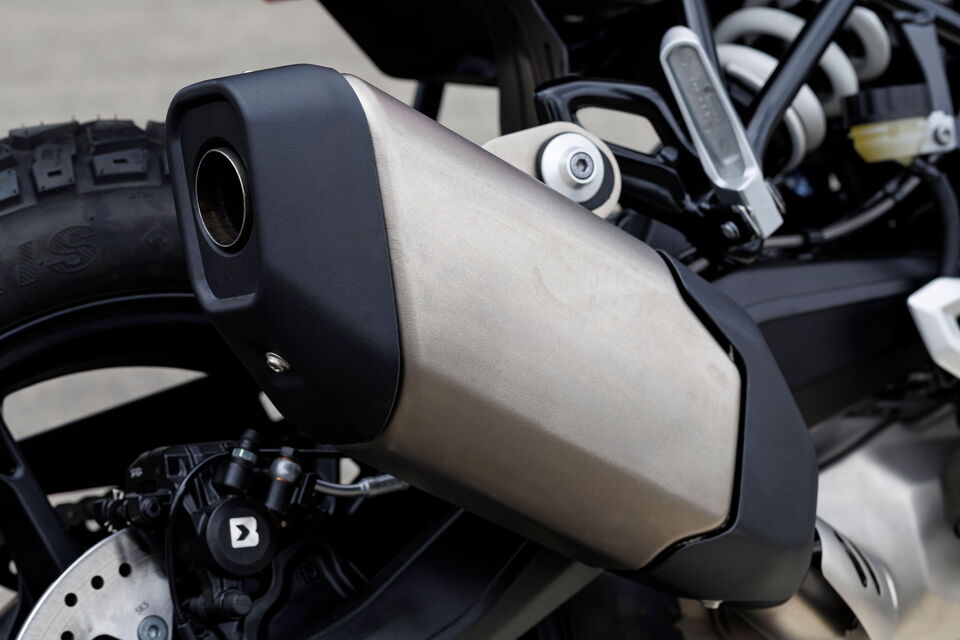
Braking comes from a fixed four-piston Brembo front caliper on a floating 310 mm disc and a single-piston floating rear caliper on a 240 mm disc. For an A2 adventure bike at this price, that is above-average hardware. Fixed Brembo calipers are more commonly found on sport-tourers and superbikes, not €7,220 enduros.
BMW’s ABS Pro comes standard and operates according to lean angle.
Ergonomics: 845 mm Seat Height—and a Genuine GS Riding Position
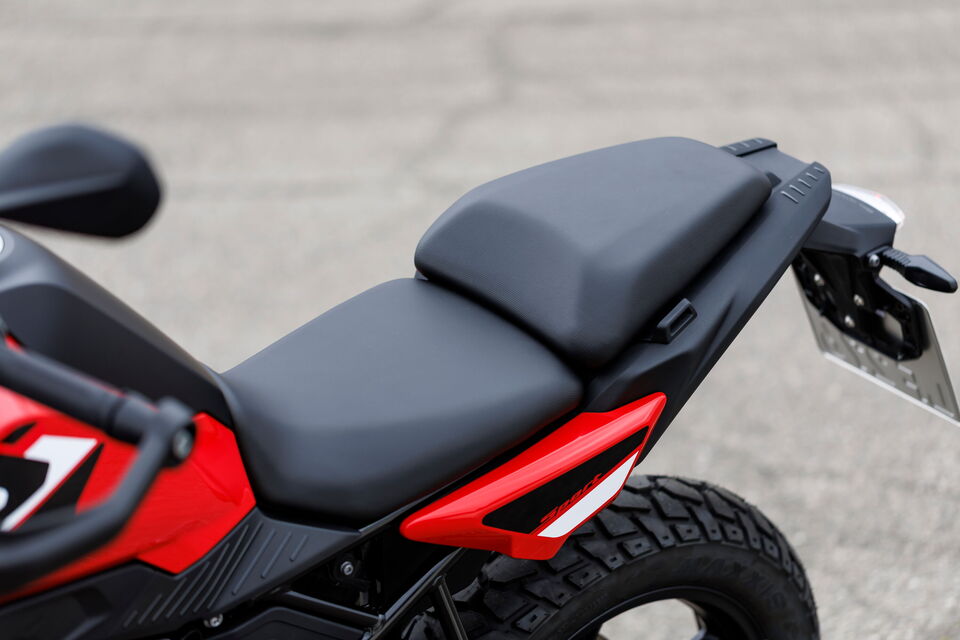
Standard seat height is 845 mm. That is normal for an enduro and acceptable for A2 riders. At around 1.75 meters tall, you can get one foot securely on the ground.
BMW offers two alternative seats: a low version at 830 mm and a Rally seat at 865 mm. There is also a 20 mm handlebar riser and an adjustable footpeg system. For this price segment, the range of ergonomic adjustment is extensive.
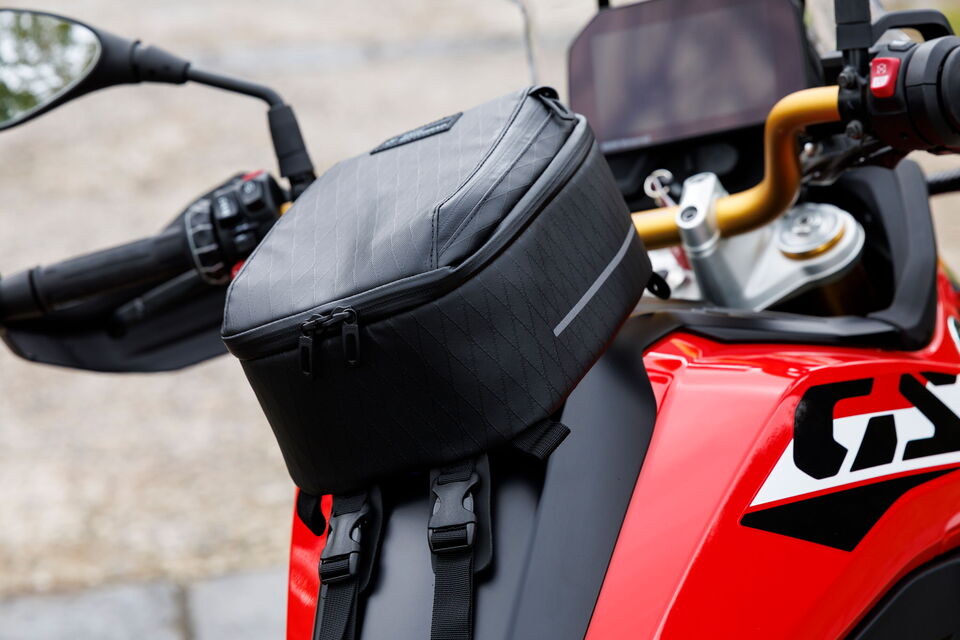
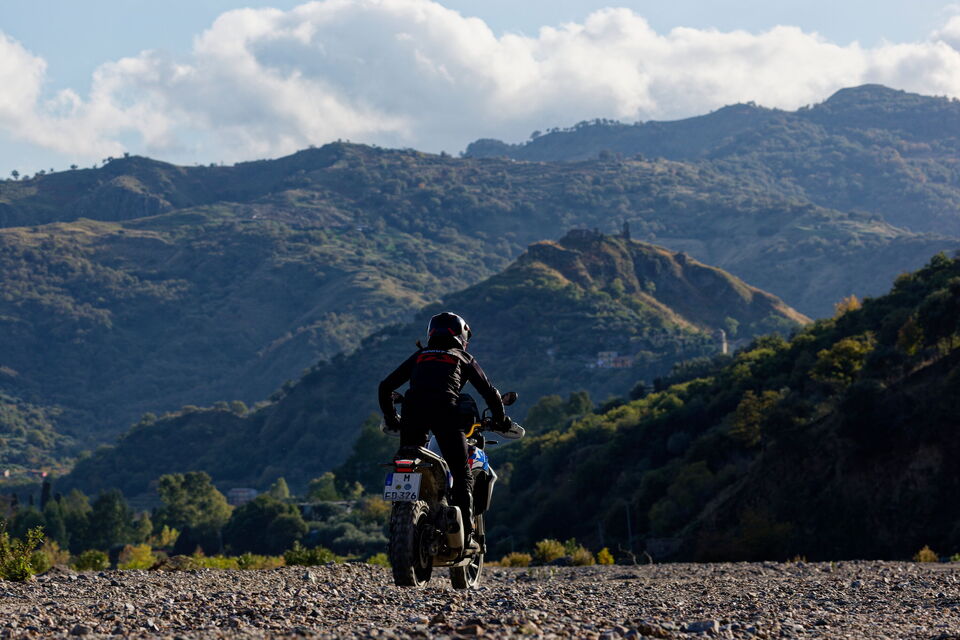
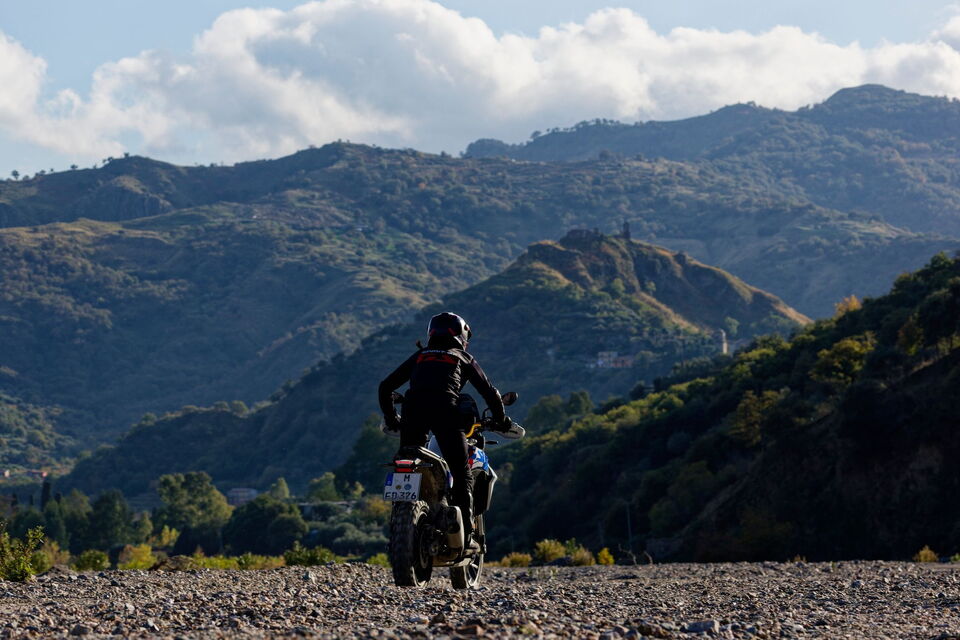
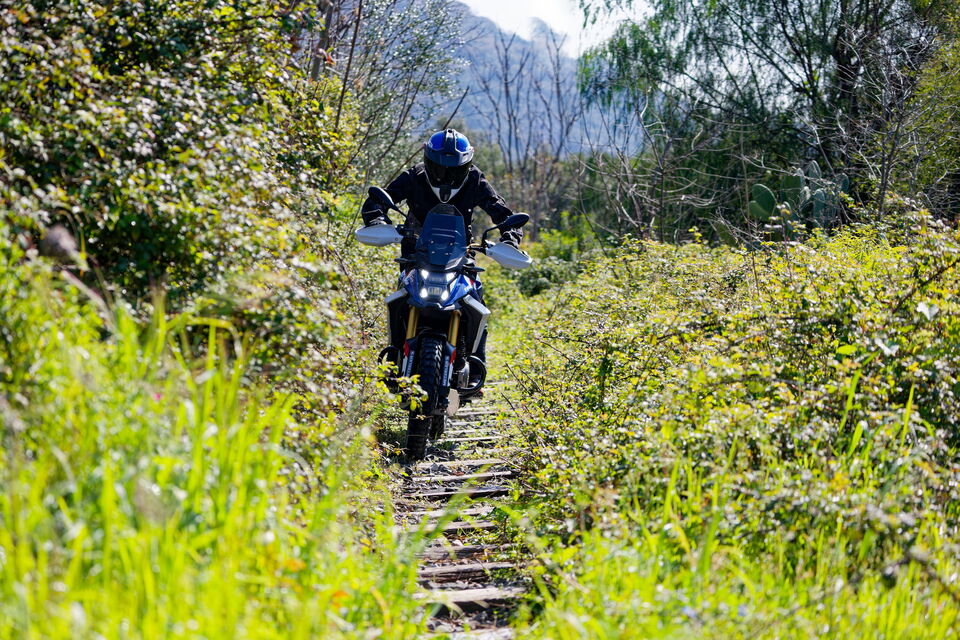
The riding position is classic GS: upright, with a wide, high-mounted aluminum handlebar that works both seated and standing.
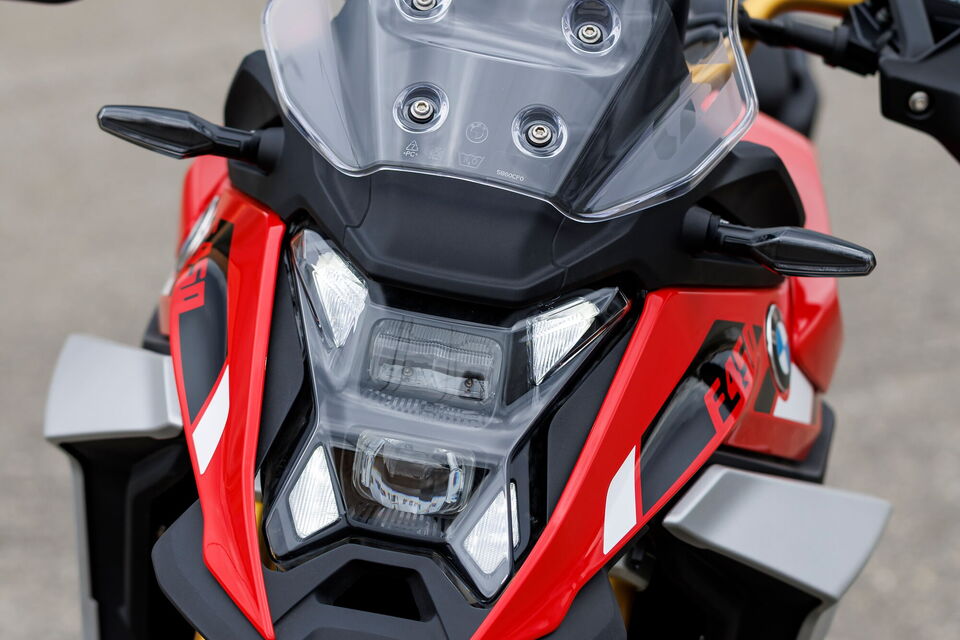
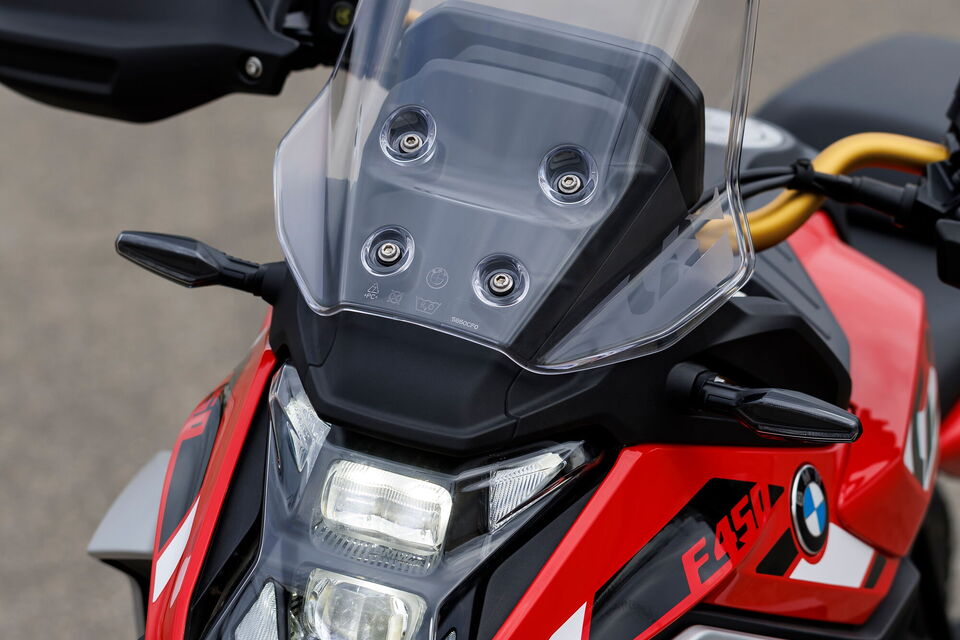
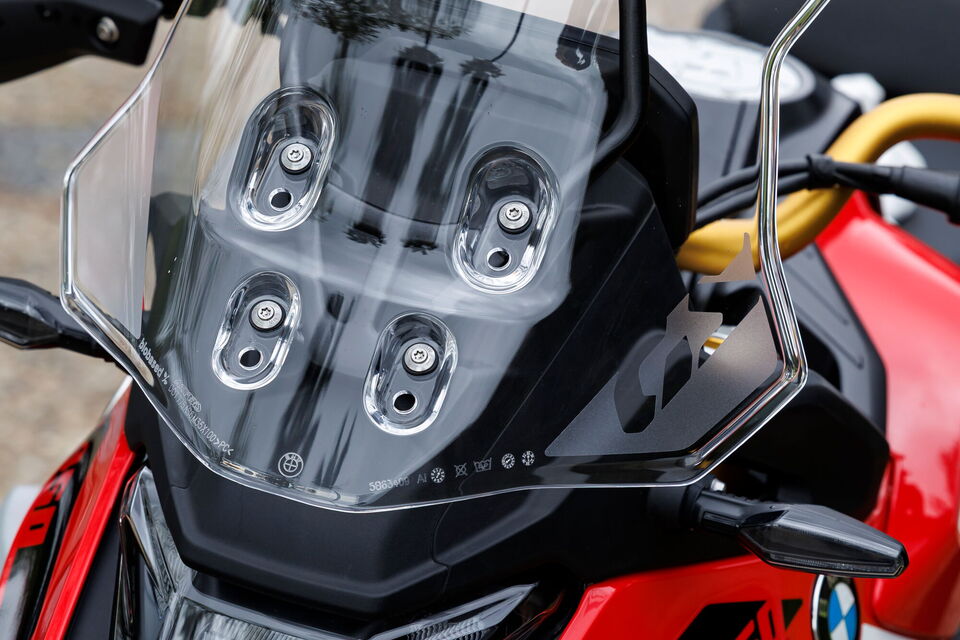
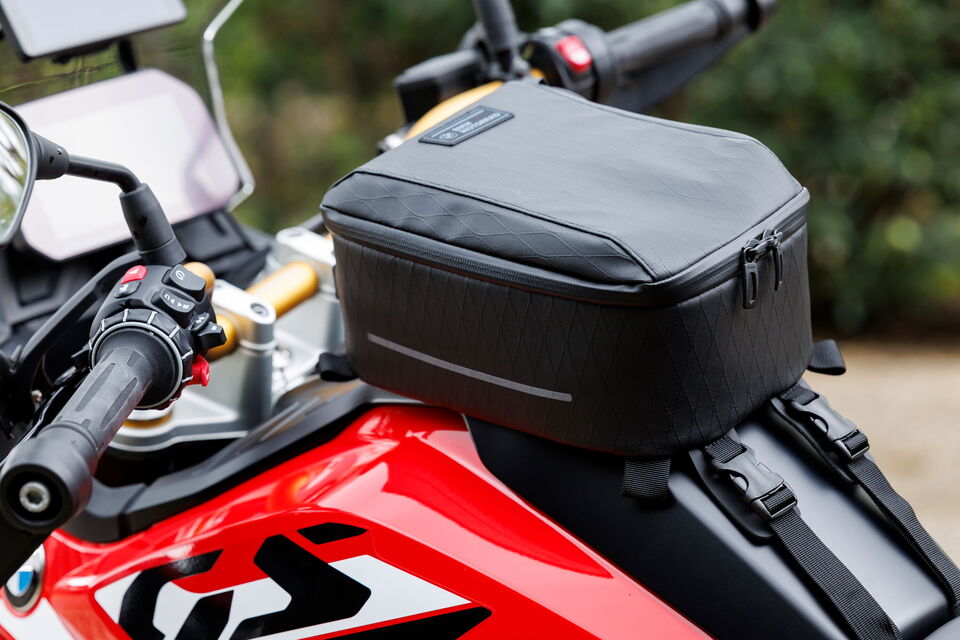
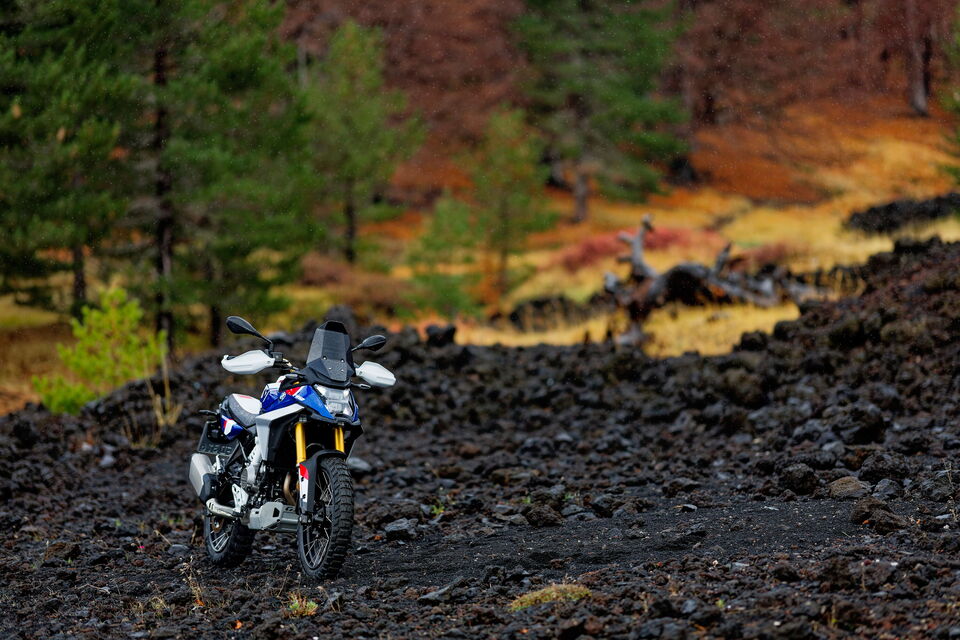
The narrow 14-liter fuel tank allows the rider to grip the bike effectively with the knees, which matters on gravel where you actively guide the motorcycle with your lower body. The X-shaped LED daytime running light comes directly from the R 1300 GS and makes the F 450 GS immediately recognizable as a GS.
One criticism from the first real-world test concerns the brake and clutch levers. For riders with short fingers, the adjustment range is not ideal—the levers cannot be brought close enough to the handlebar for every hand size.
It is a small detail, but a relevant one for A2 riders, who often have less experience dealing with long-reach levers.
Handling: 178 kg and a 6.5-Inch TFT
178 kg fully fueled—that makes this the lightest twin-cylinder A2 adventure bike on the market.
For comparison, the single-cylinder Beta Alp 4.0 weighs 148 kg. Once moving, the F 450 GS’s weight is barely noticeable. The motorcycle responds lightly and quickly to steering input. Off-road—where you may need to pick up the bike, push it, or maneuver around obstacles—178 kg remains manageable for most riders.
The 6.5-inch TFT display is large, easy to read, and intuitive to operate through BMW’s Multi Controller.
There are two display layouts: the Pure Ride Screen for riders who only want to see speed and rpm, and, from the Exclusive version upward, a Sport Screen showing lean angle, braking force, and DTC information. Bluetooth connectivity for smartphone integration comes standard.
The 14-liter fuel tank, combined with consumption of around 3.8 liters per 100 km, provides more than 350 km of range—excellent for an A2 adventure bike.
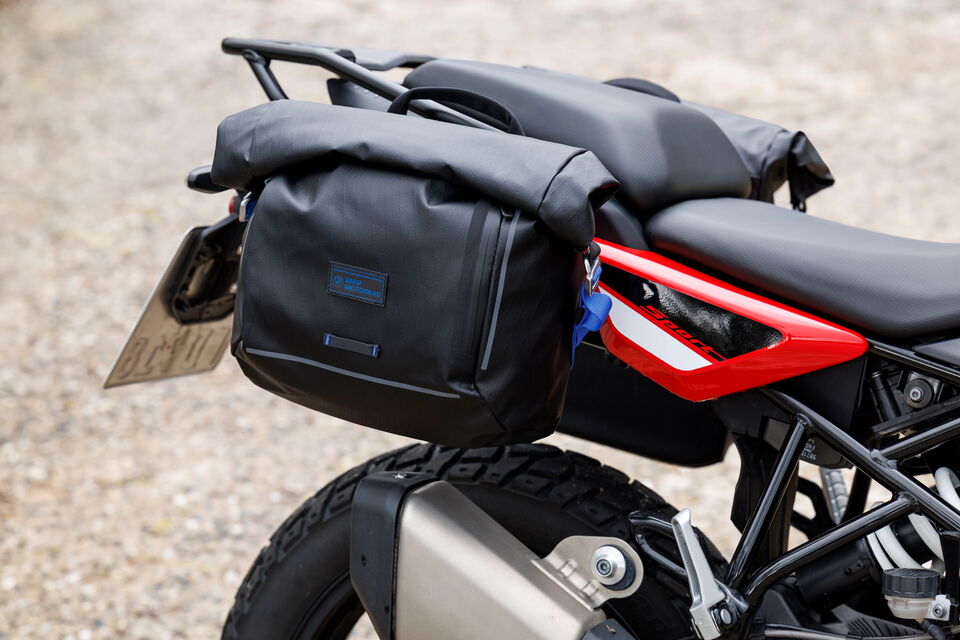
Cast-aluminum wheels—100/90-19 front and 130/80-17 rear—come standard and are tubeless. Optional cross-spoke wheels are available for around €1,000 extra and allow the use of wider knobby tires. For serious off-road riding on soft or loose terrain, the spoked wheels are clearly recommended.
One point from the first test deserves attention: with a gear engaged and the engine switched off, the motorcycle cannot use engine compression as a parking brake. It rolls backward as soon as you release the brake.
That is a consequence of the Easy Ride Clutch. Parking on inclines requires attention.
Equipment: Four Versions—and Even the Base Model Is Complete
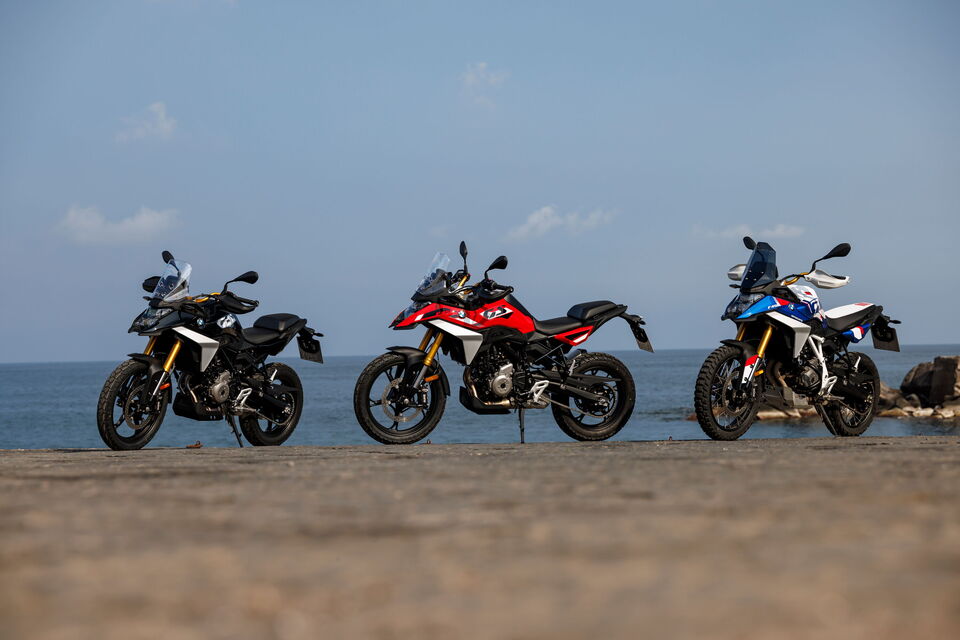
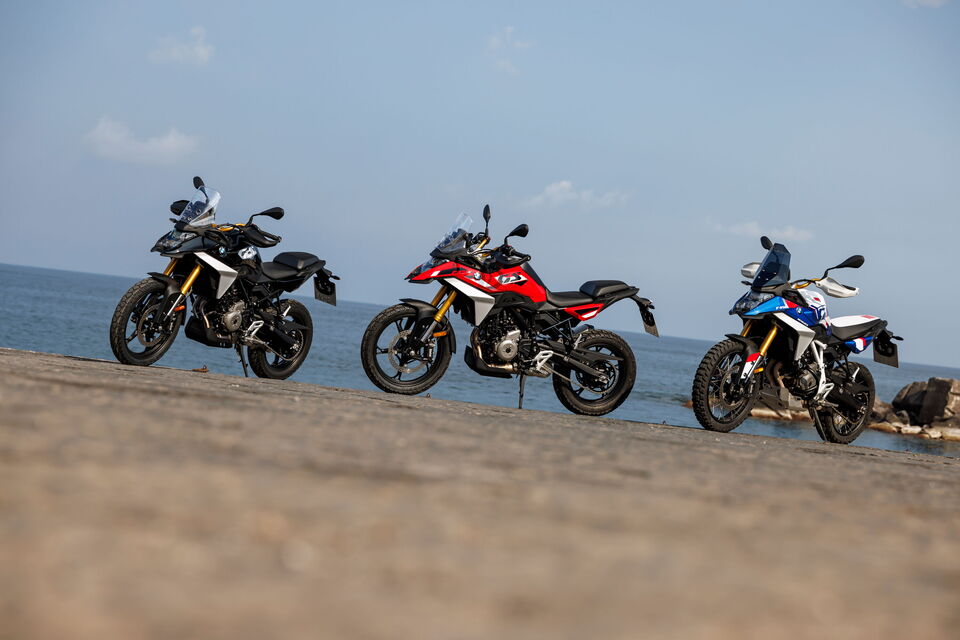
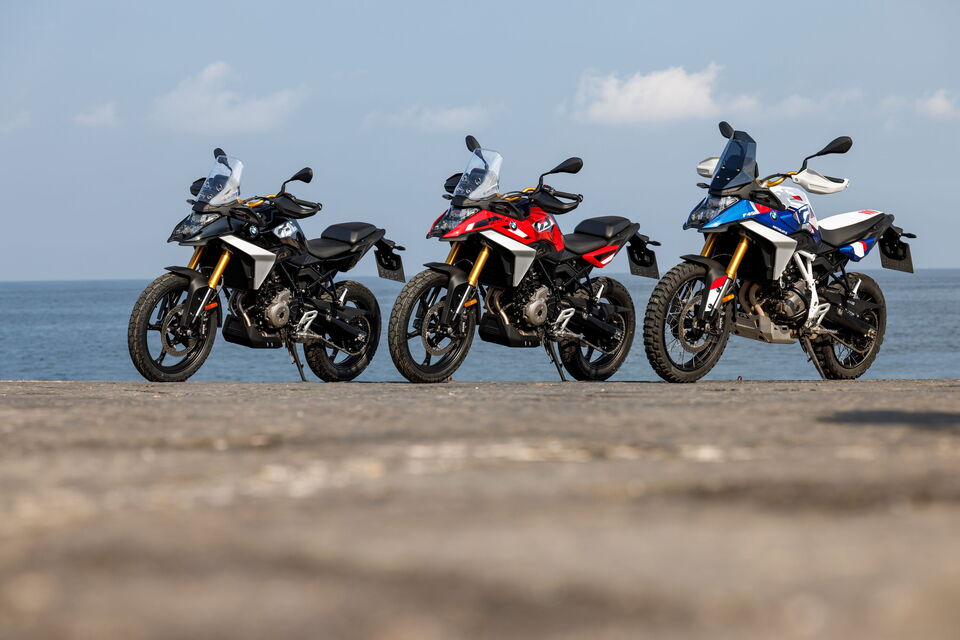
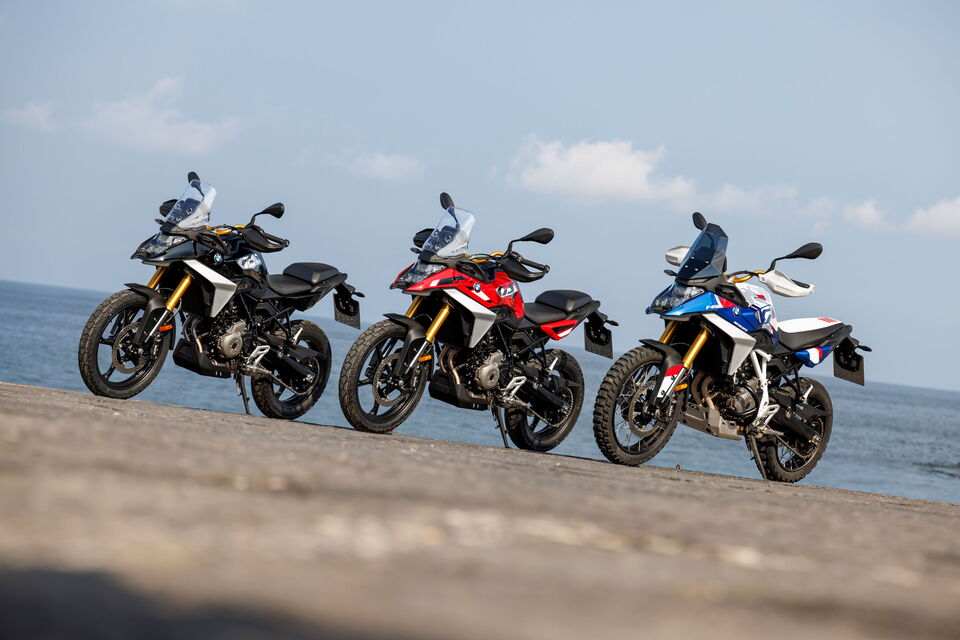
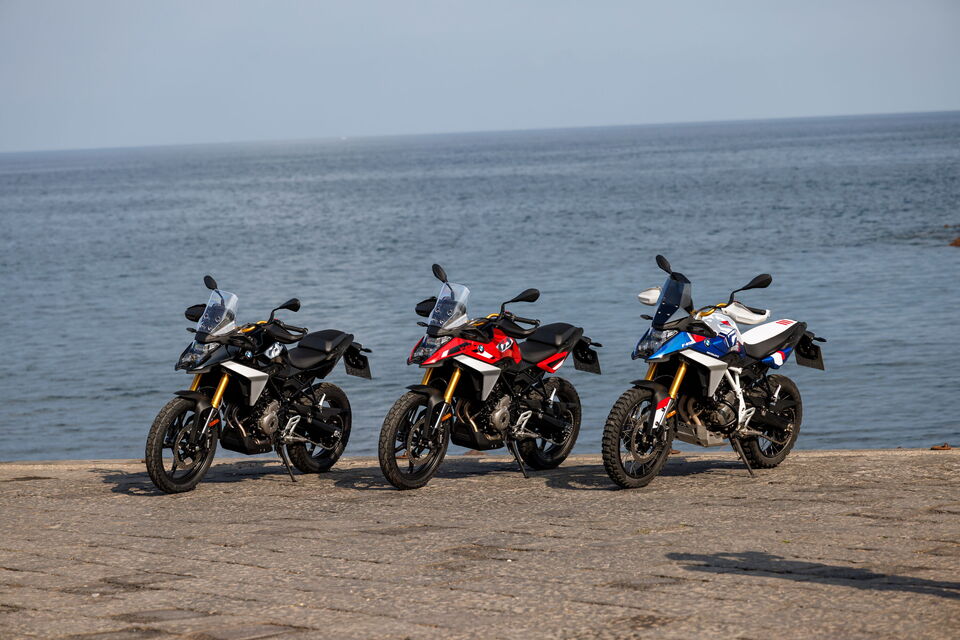
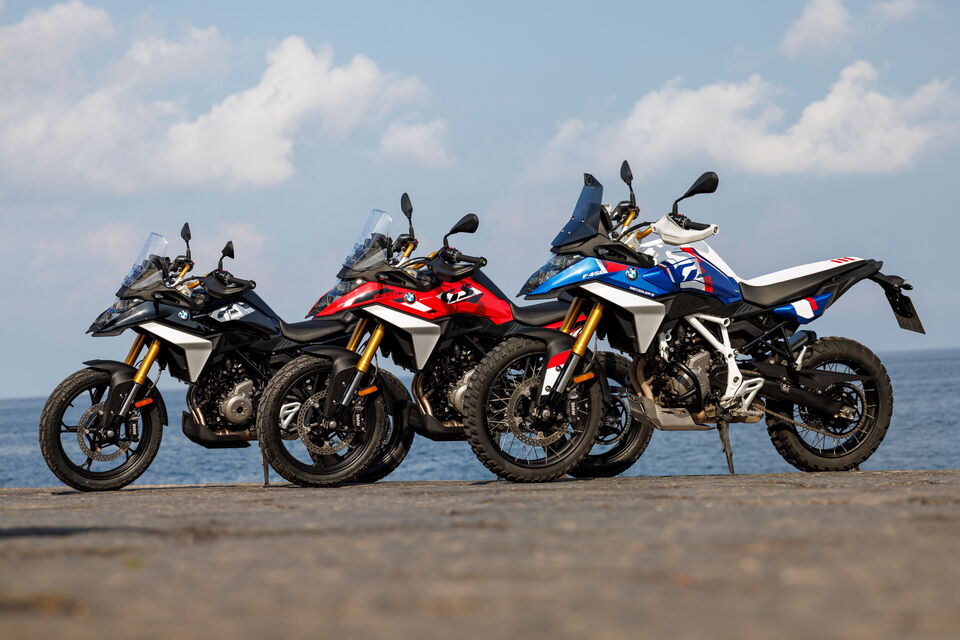
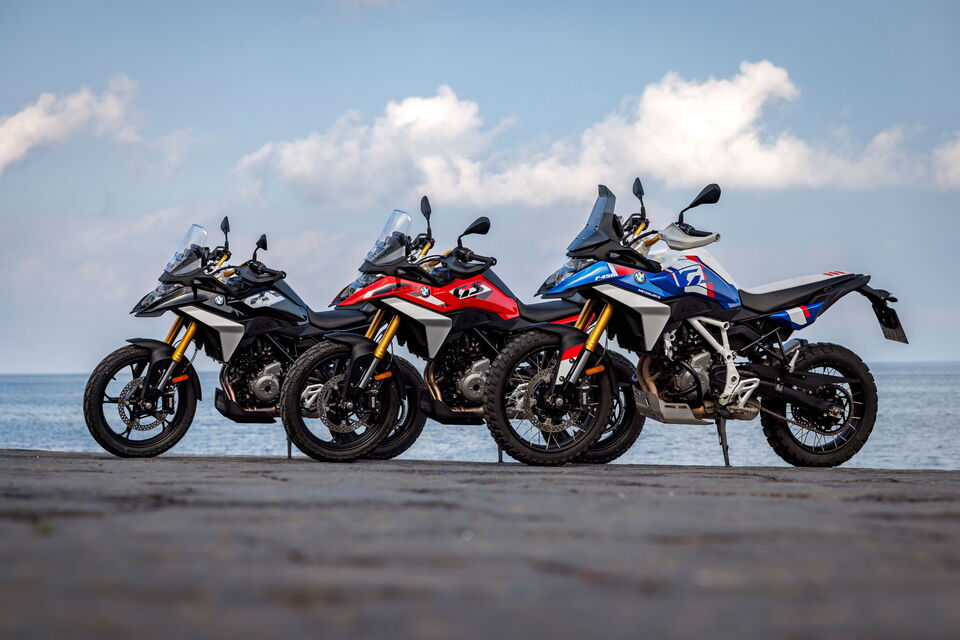
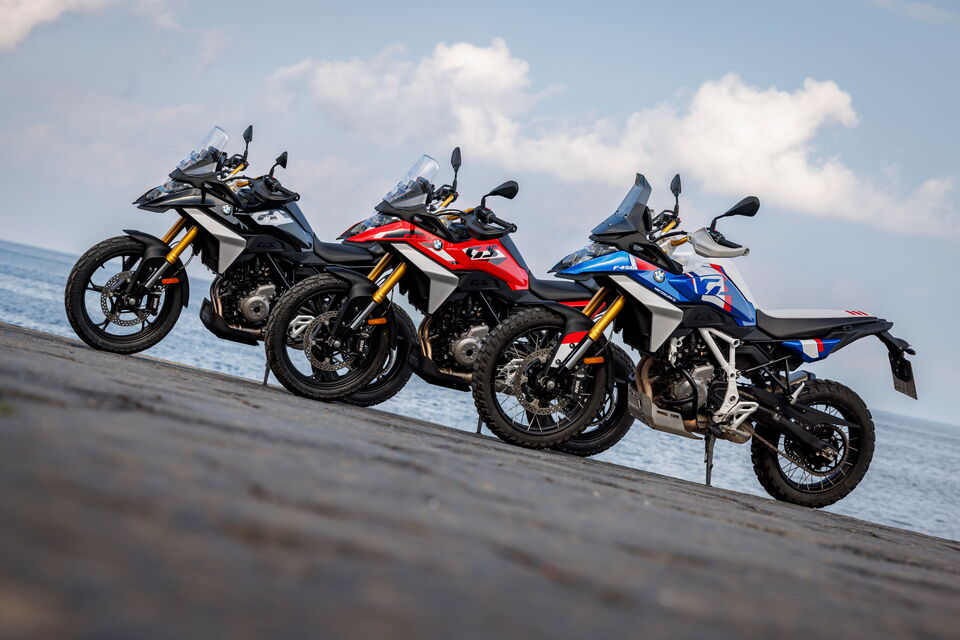
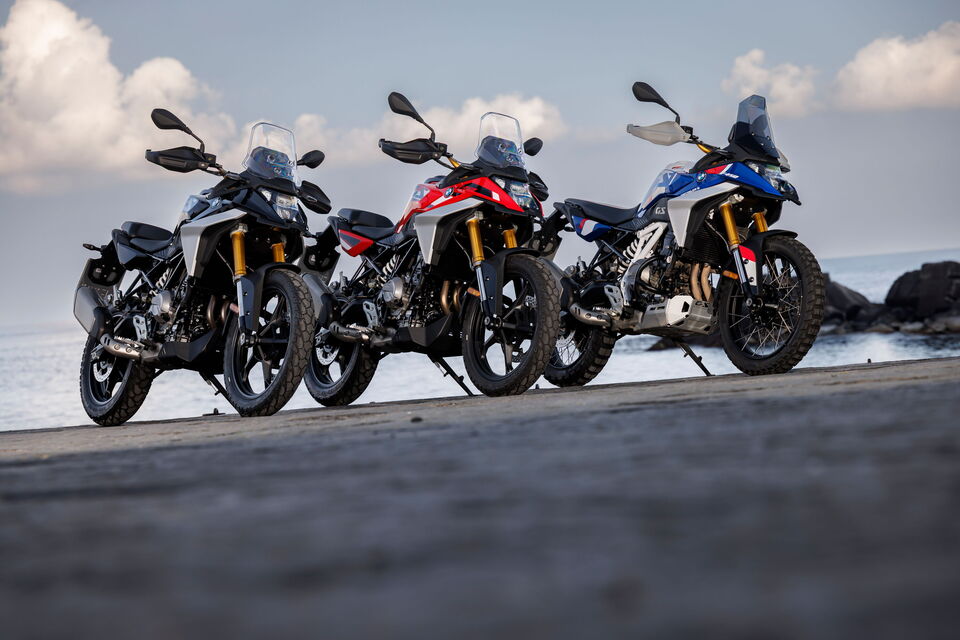
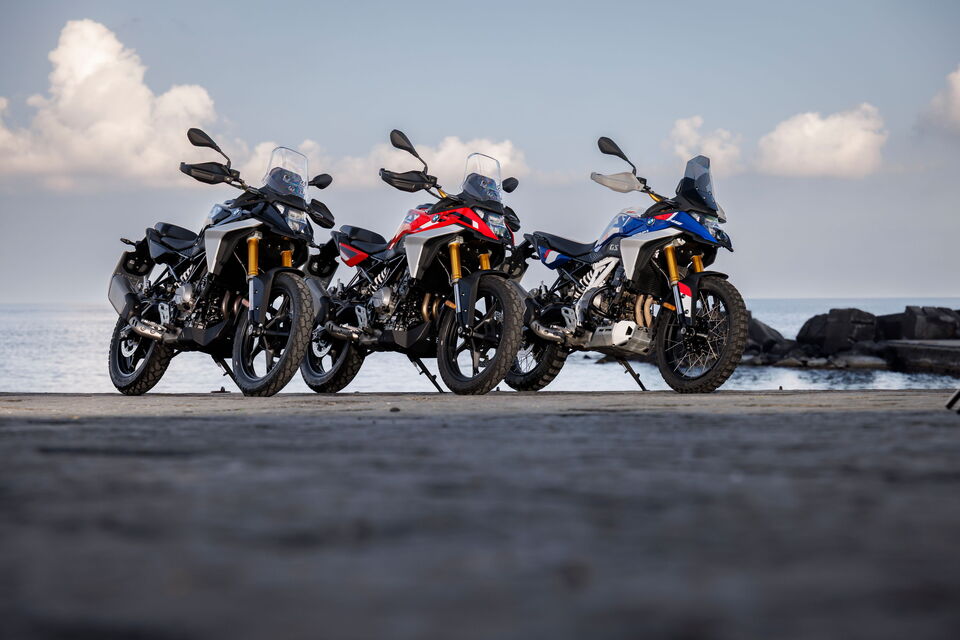
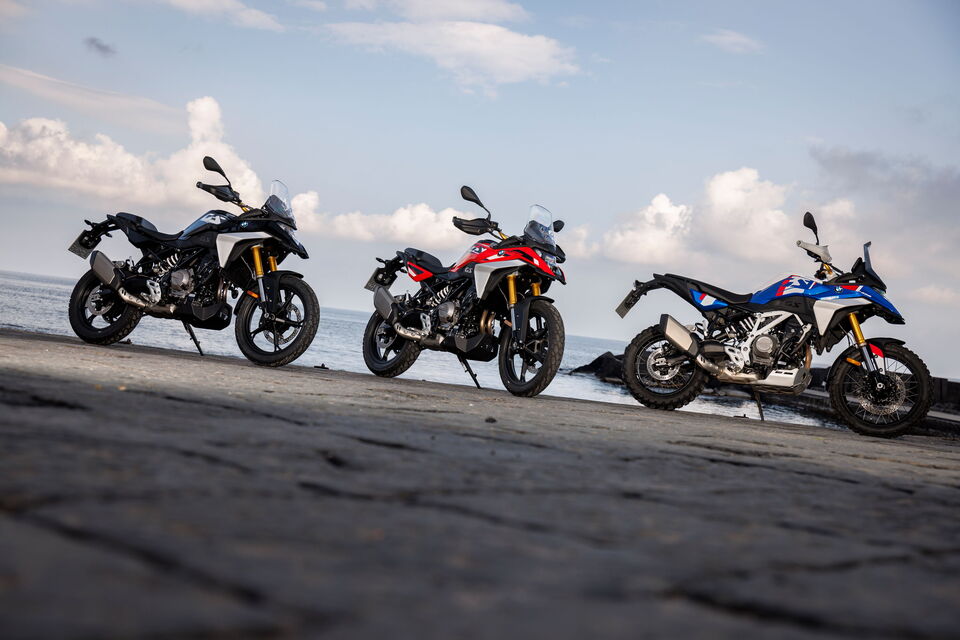
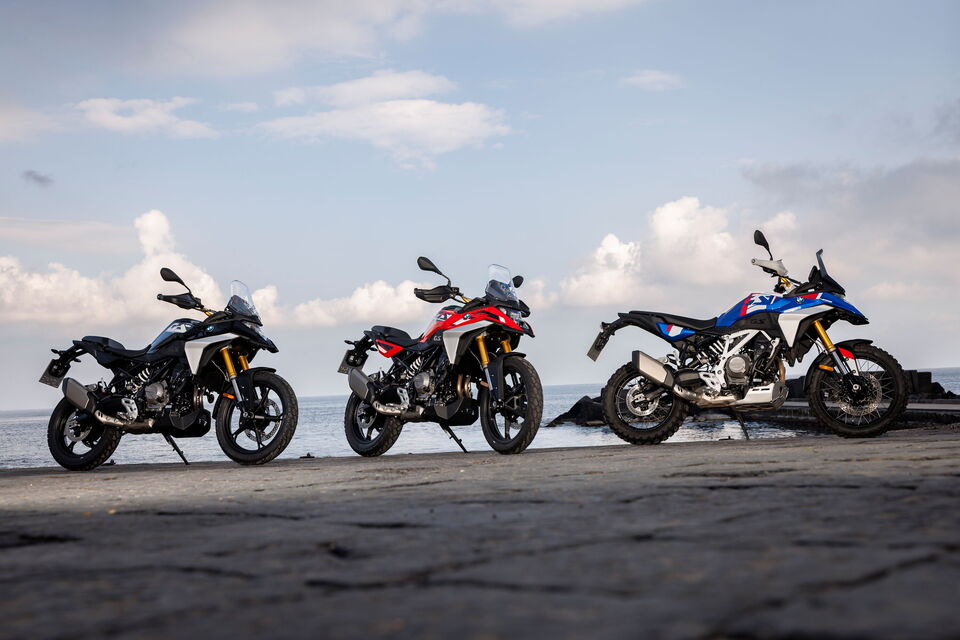
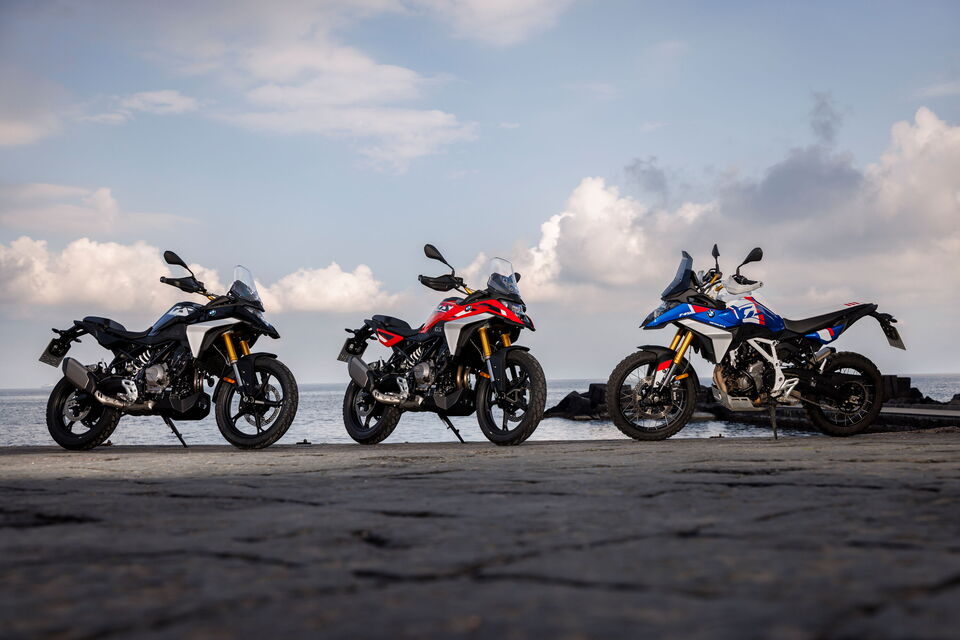
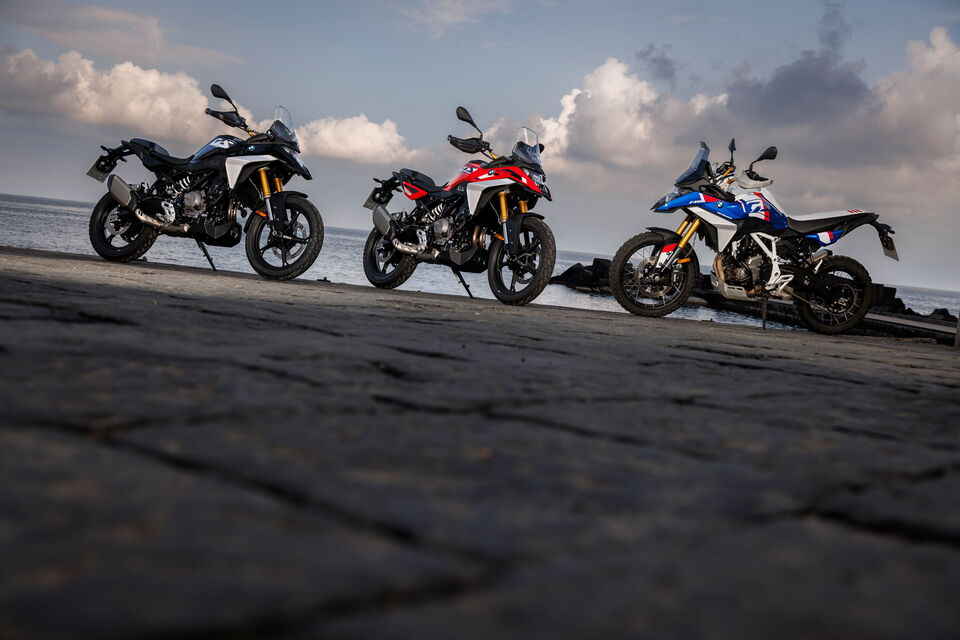
BMW offers the F 450 GS in four versions: Base in black at €7,220, Style Sport in red at €7,670, GS Trophy in white/blue/red at €7,990, and Exclusive in black with a premium similar to the Sport.
Even the base model includes ABS Pro, Dynamic Traction Control (DTC), Dynamic Brake Control (DBC), engine drag torque control (MSR), three riding modes—Rain, Road, and Enduro—a 6.5-inch TFT display, LED headlight with X-shaped daytime running light, assist-and-slipper clutch, and heated grips.
That is an exceptionally complete standard equipment package.
From the Exclusive version upward, Enduro Pro mode is added. It allows rear-wheel ABS to be switched off and enables individual adjustment of traction control and throttle response—relevant for serious off-road riding on knobby tires.
The Easy Ride Clutch comes standard on the Trophy version and is optional on the others.
Cruise control is not standard on any version. That is the most frequently mentioned criticism and a noticeable disadvantage for long-distance touring.
Costs: €7,220—and the Competition Needs to Recalculate
€7,220 for the base version—that is aggressively priced.
The KTM 390 Adventure costs around €7,500, while the Honda CRF300 Rally is just under €8,000. The F 450 GS sits in the same price range while offering a more comprehensive electronics package and a twin-cylinder engine.
The price difference between the Base and Trophy versions—€7,990 for the Trophy—is money well spent considering the additional equipment: sport suspension, Trophy styling, and Easy Ride Clutch.
Production by TVS in India is the key to this pricing.
That is transparent and should not automatically be interpreted as a negative quality signal. TVS is India’s third-largest motorcycle manufacturer and has been producing BMW models since 2015.
The G 310 models suffered quality issues during their early years. For the F 450 GS, BMW has tightened quality control. Independent long-term experience will become available from summer 2026 onward.
Service intervals: oil service every 10,000 km, with standard inspections at a BMW dealer. At the time of this test, costs have not yet been confirmed by independent sources. Based on typical BMW pricing, expect approximately €300 to €450 per service.
Warranty: two years with unlimited mileage.
Verdict
The BMW F 450 GS is the most thoroughly engineered A2 motorcycle ever brought to market.
The 135-degree parallel twin with balance shaft, WAD rear shock, Brembo braking system, and comprehensive BMW electronics package even on the base model—nothing else offers this combination for the money.
The Easy Ride Clutch is a genuine aid for beginners, not a marketing gimmick.
What is missing remains clear: no cruise control, long-term reliability has yet to be proven, and spoked wheels are not standard.
Overall an extremely attractive package, the competition needs to respond.
Quick Check
+ 135-degree parallel twin—unique character in the A2 class, fewer vibrations than a single-cylinder engine
+ 178 kg fully fueled—lightest twin-cylinder A2 adventure bike on the market
+ Fixed four-piston Brembo caliper with 310 mm disc from the factory—unmatched at this price
+ KYB WAD shock derived from rally racing—progressive and off-road capable
+ ABS Pro, DTC, DBC, MSR, three riding modes—even on the base version
+ Easy Ride Clutch—well-engineered beginner aid with engine-braking functionality
+ 6.5-inch TFT with BMW Multi Controller standard
+ From €7,220—fair price for the overall package
– No cruise control as standard—a noticeable drawback for long-distance touring
– No spoked wheels as standard—cross-spoke wheels cost around €1,000 extra
– Long-term reliability of Indian production has not yet been verified through independent testing
– Limited hand-lever adjustment for riders with short fingers
– Easy Ride Clutch: motorcycle can roll backward with a gear engaged—keep this in mind on inclines
– Service costs have not yet been confirmed by independent sources
Technical Specifications: BMW F 450 GS (2026)
Country of manufacture: India (Hosur), TVS Motor Company; developed by BMW Motorrad in Munich
Engine: Liquid-cooled parallel twin, DOHC, 135-degree crankpin offset, balance shaft, fuel injection, Euro 5+
Displacement: 420 cc
Power: 35 kW (48 hp) at 8,750 rpm
Torque: 43 Nm at 6,750 rpm
Transmission: 6-speed, assist-and-slipper clutch; Easy Ride Clutch (centrifugal clutch) optional or standard from Trophy version
Final drive: Chain
Frame: Steel-tube trellis frame with forged sections, engine as stressed member
Front suspension: KYB USD, 43 mm, gold-anodized, 180 mm travel; spring preload and rebound adjustable (Base); compression damping additionally adjustable from Sport/Trophy
Rear suspension: Aluminum hollow-cast double-sided swingarm, KYB WAD monoshock with travel-dependent damping, 180 mm travel, adjustable spring preload and rebound
Front brake: 310 mm floating disc, fixed four-piston Brembo caliper
Rear brake: 240 mm disc, single-piston floating caliper
Front tire: 100/90-19
Rear tire: 130/80-17
Rider aids: ABS Pro (lean-angle sensitive), DTC, DBC, MSR, 3 riding modes (Rain/Road/Enduro); Enduro Pro from Exclusive (rear-wheel ABS switchable)
Wet weight: 178 kg
Seat height: 845 mm (optional 830 mm / 865 mm)
Wheelbase: 1,465 mm
Fuel capacity: 14 liters
Price (Germany): from €7,220 (Base); Style Sport €7,670; GS Trophy €7,990. Plus additional charges in each case.
Warranty: 2 years, unlimited mileage