Review BMW K 1600 GT (2026)

Six Cylinders, Sportier Ergonomics—for Riders Who Refuse to Sacrifice Performance on a Grand Tour
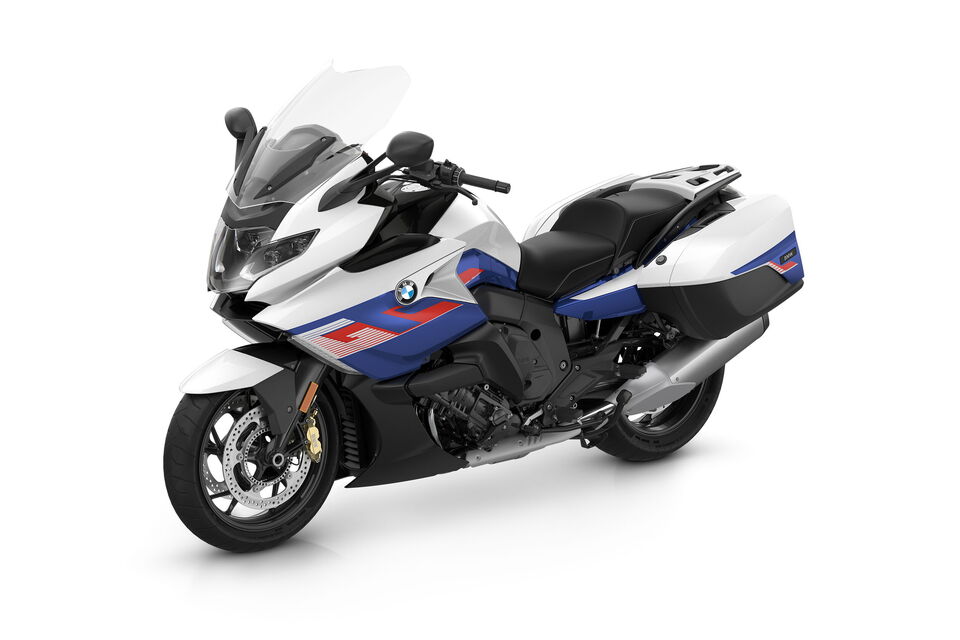
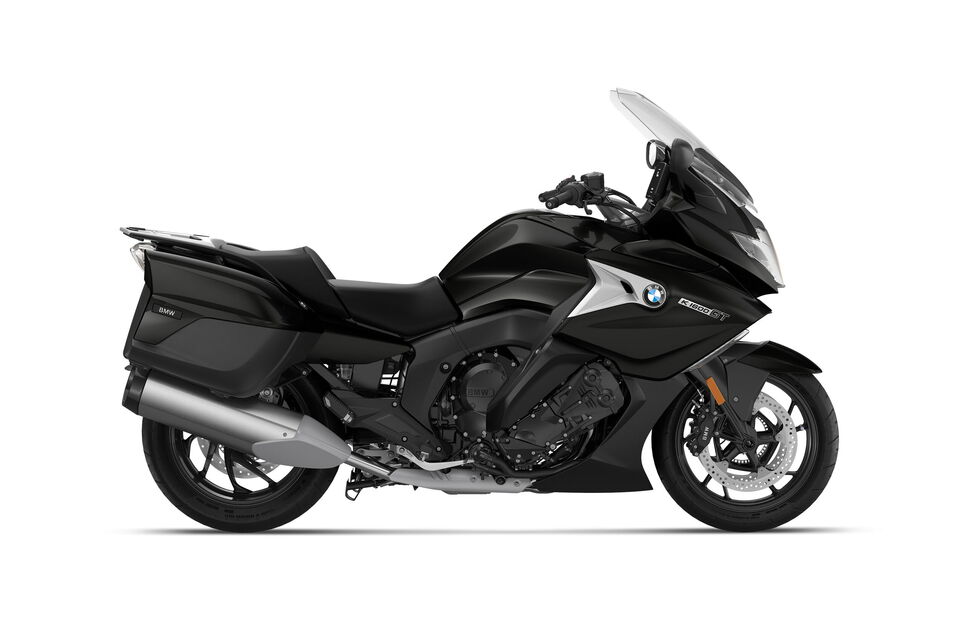
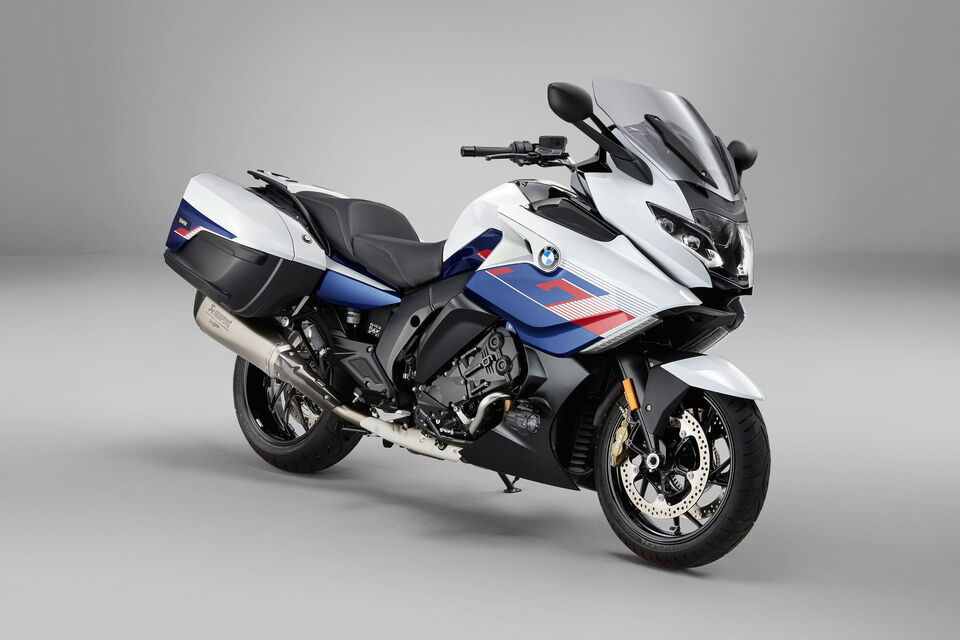
BMW builds the K 1600 GT for riders who want a six-cylinder touring motorcycle without full-dresser ergonomics. Compared with the GTL: €2,500 less, a sportier riding position, 10 kg lighter—and the same 160 hp inline-six, Dynamic ESA, and Duolever suspension. If you want to choose your own top case, this is the one. From €27,190.
As of: April 12, 2026 | Tested model: BMW K 1600 GT (2026) | Price from: €27,190
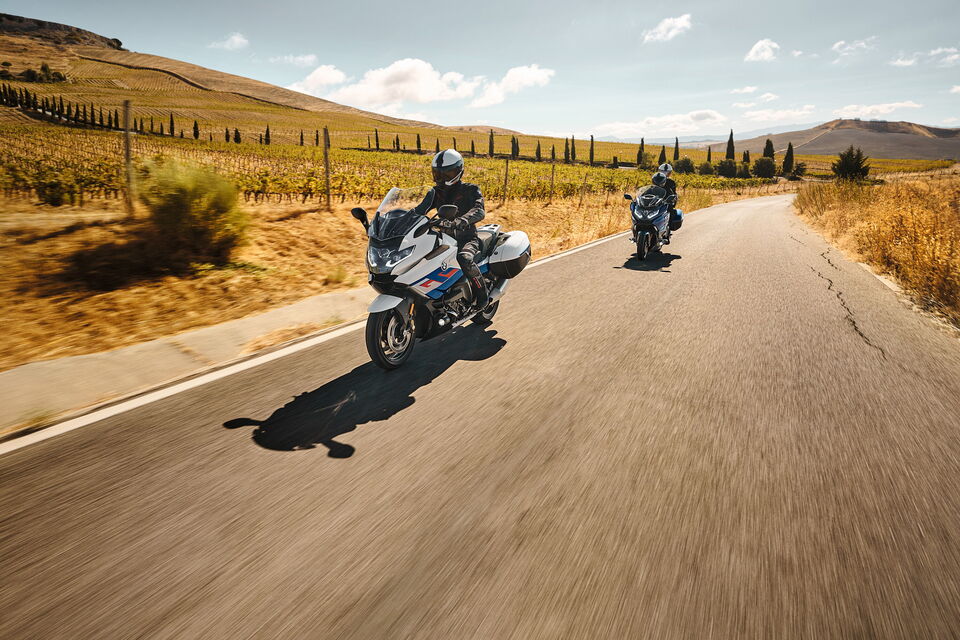

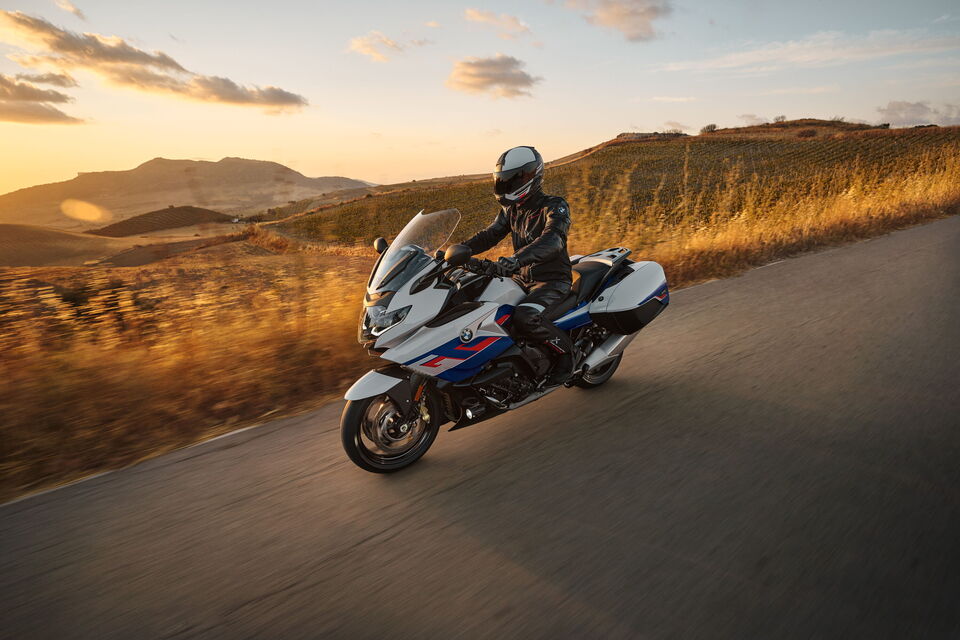

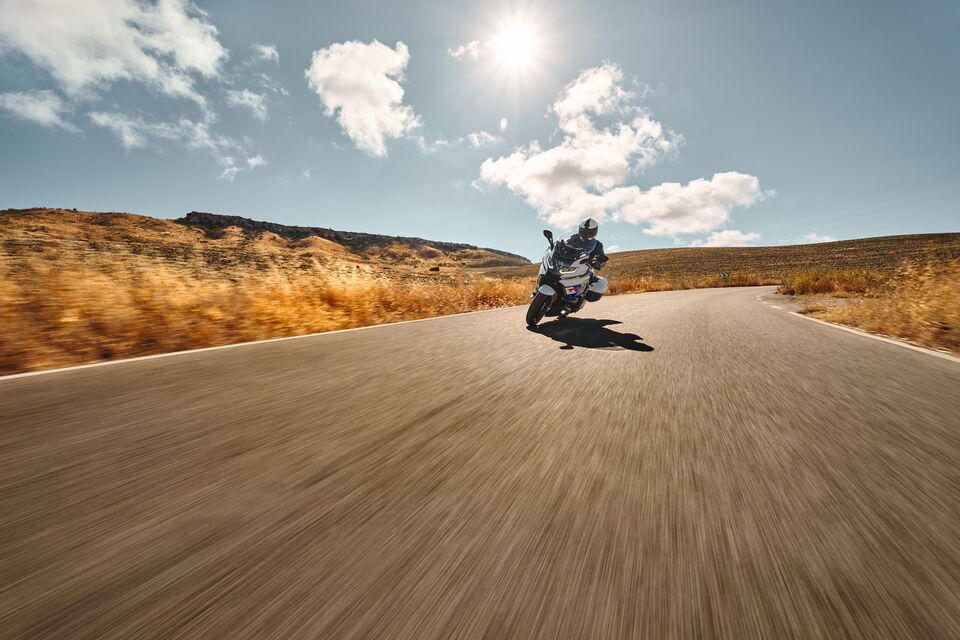
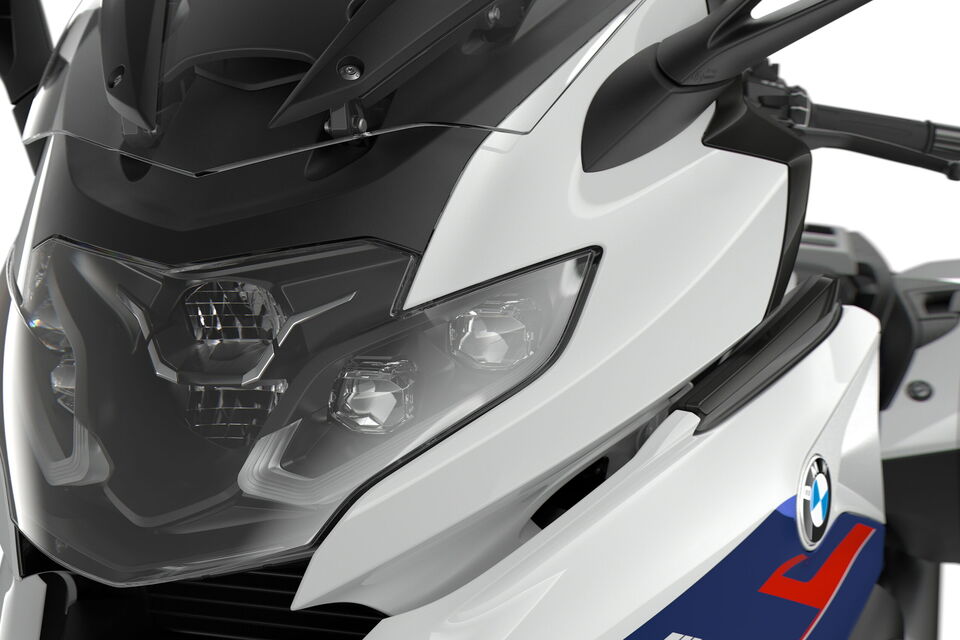
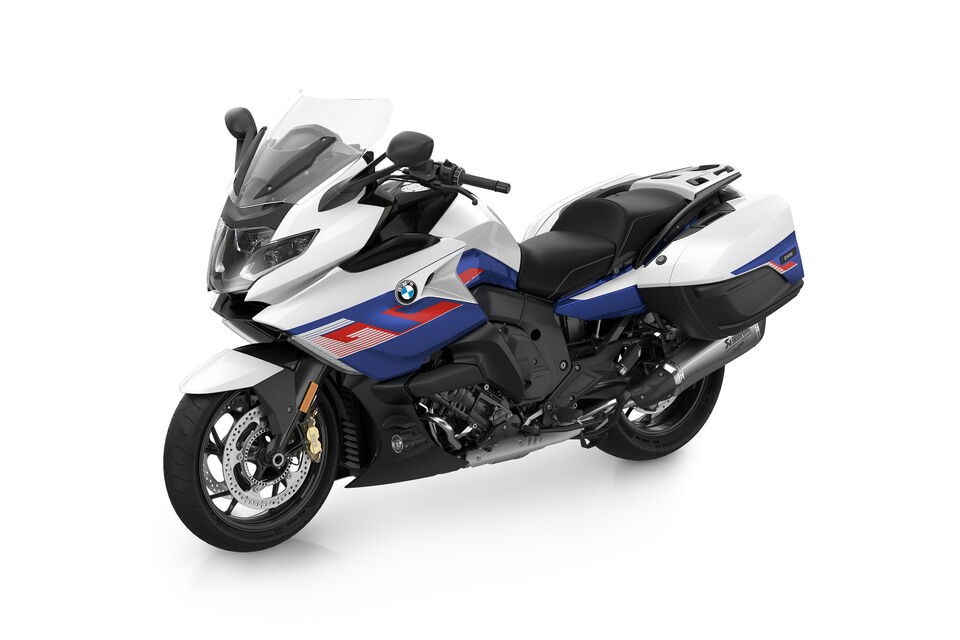
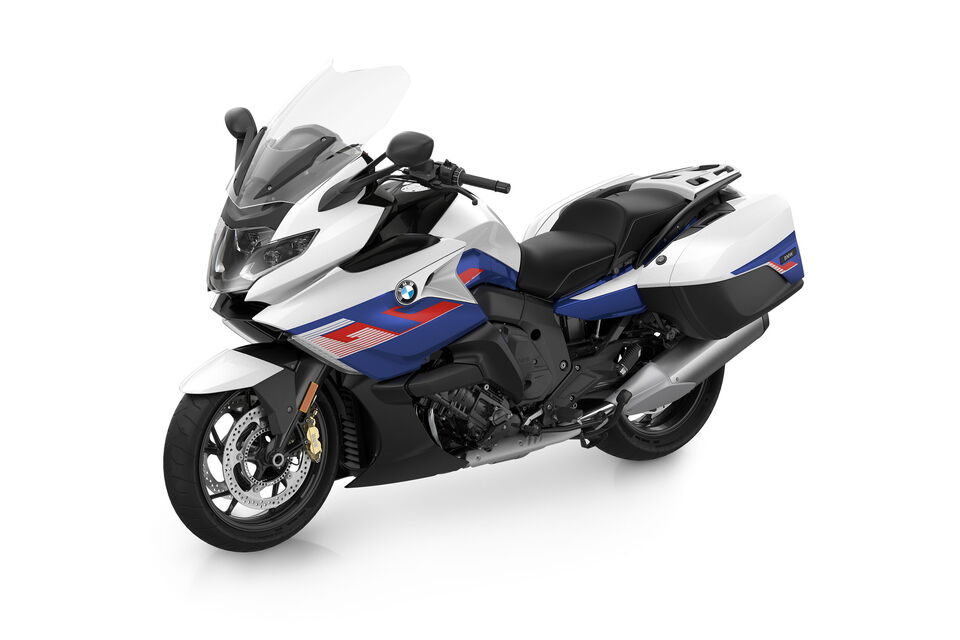
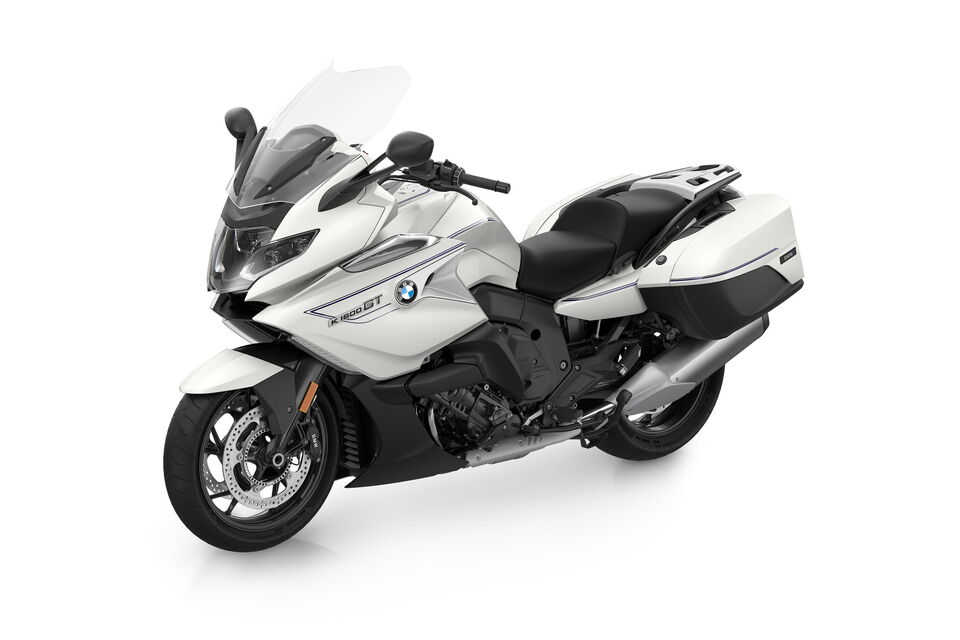
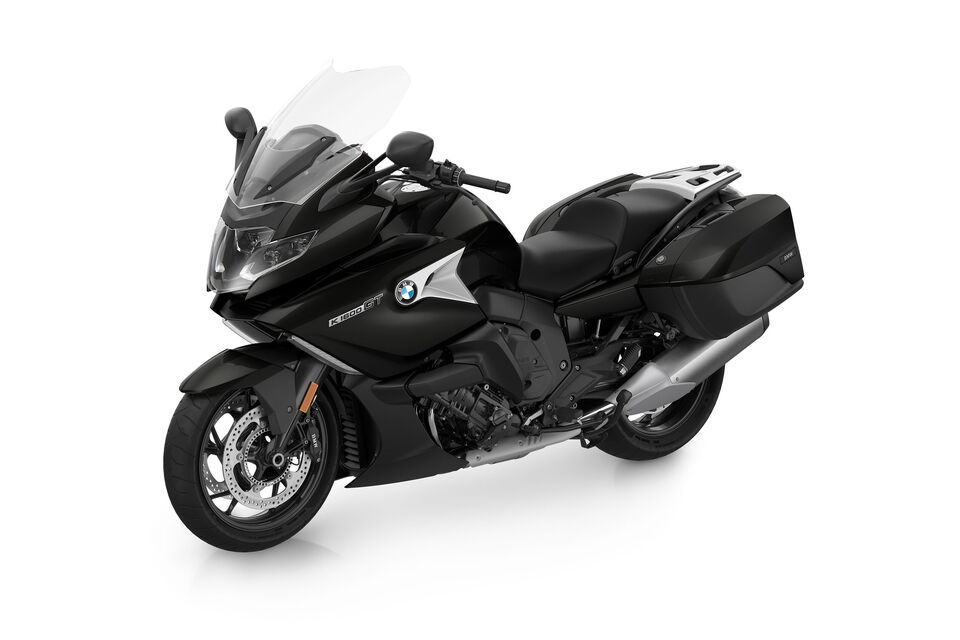
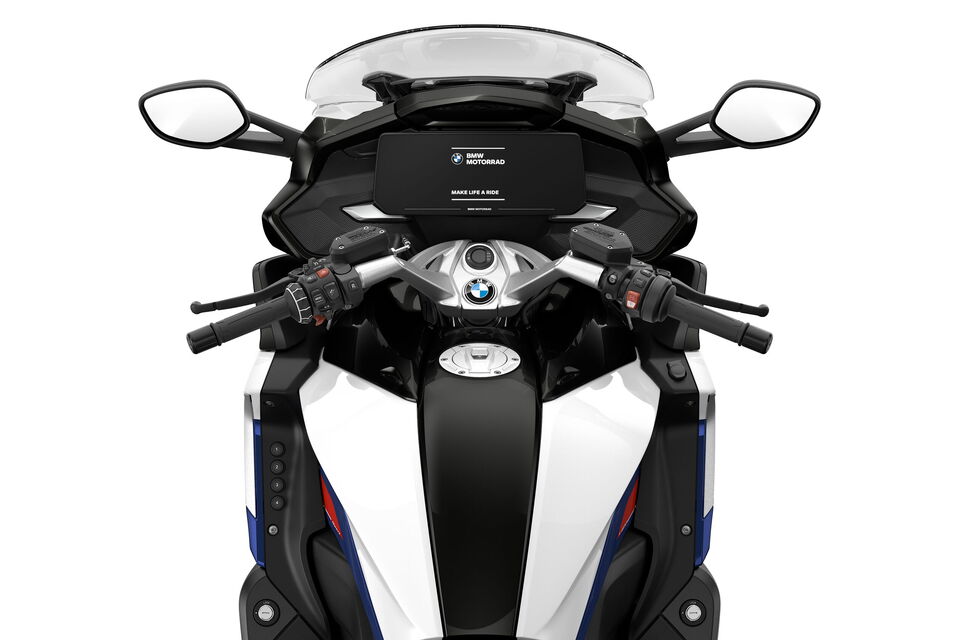
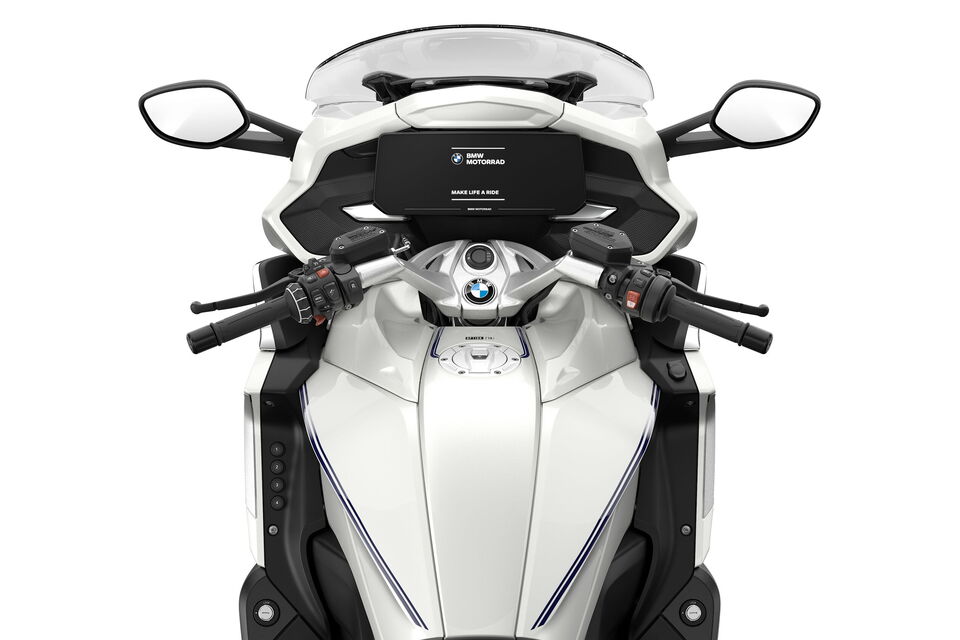
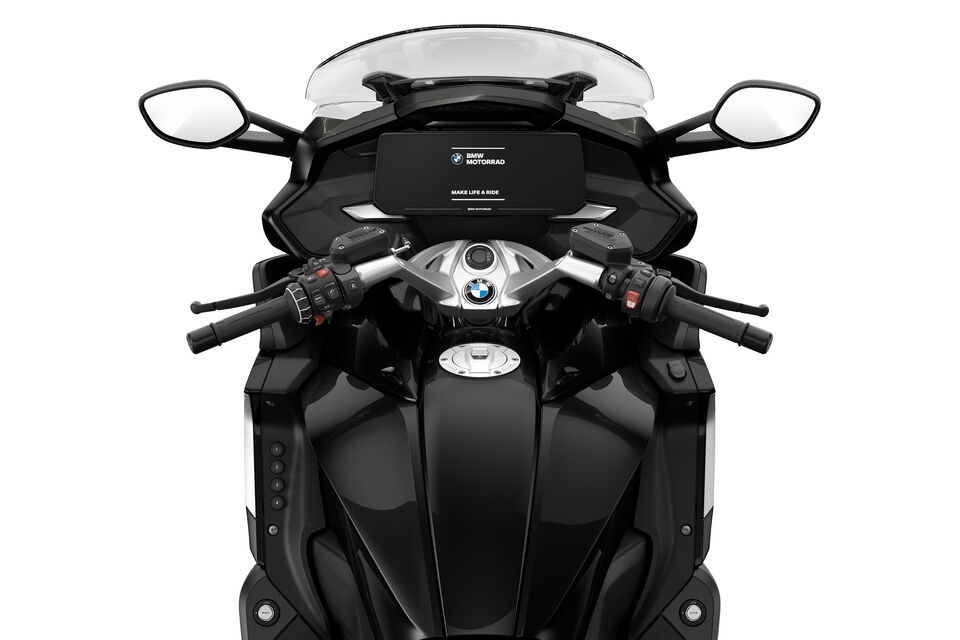
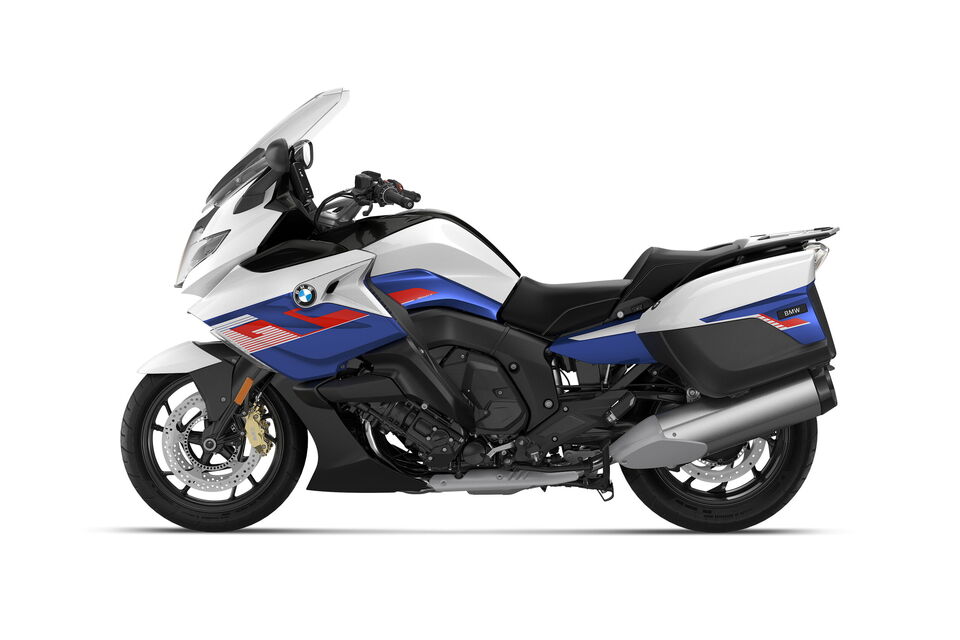
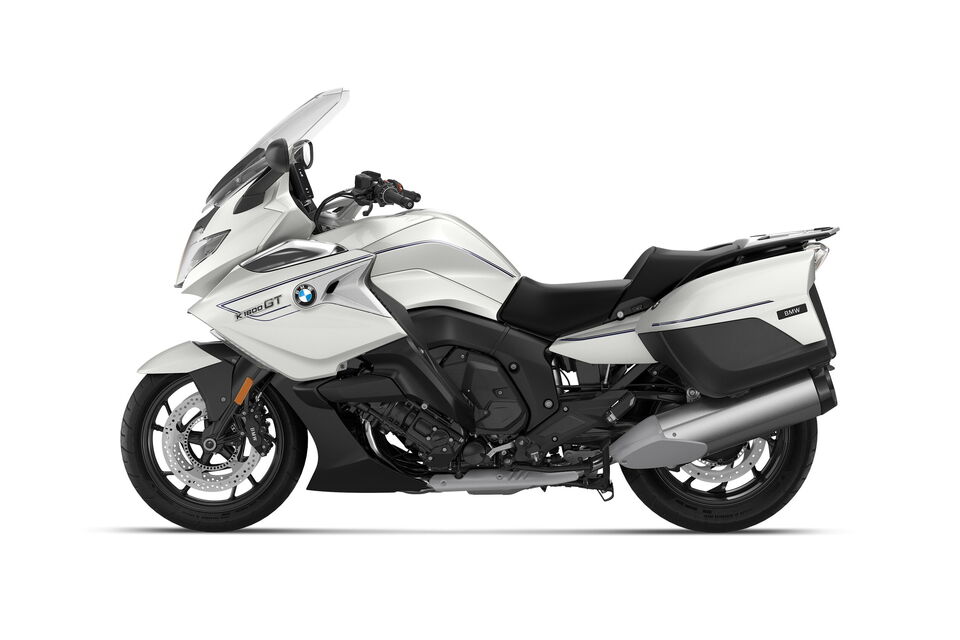
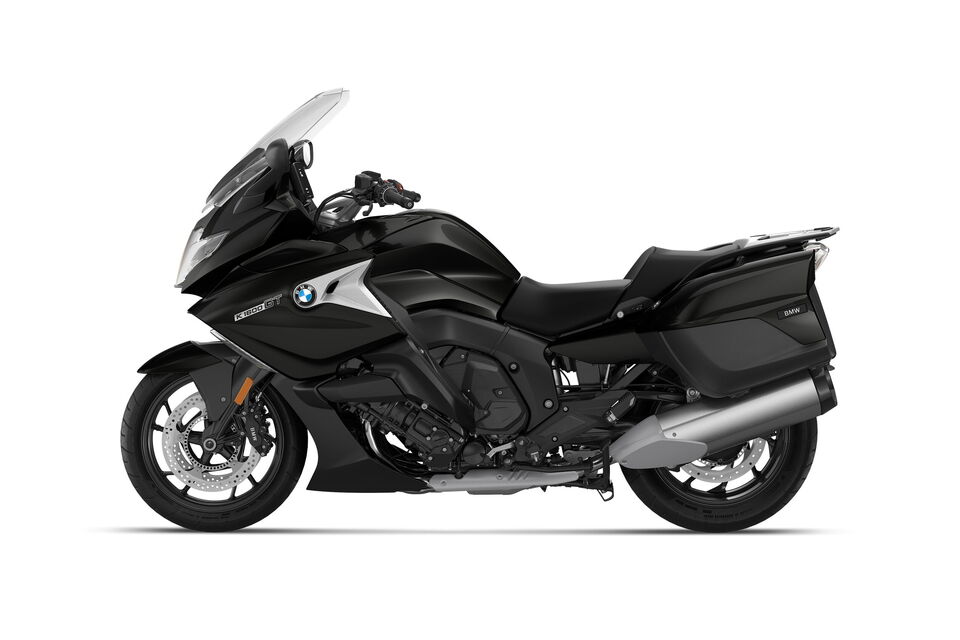
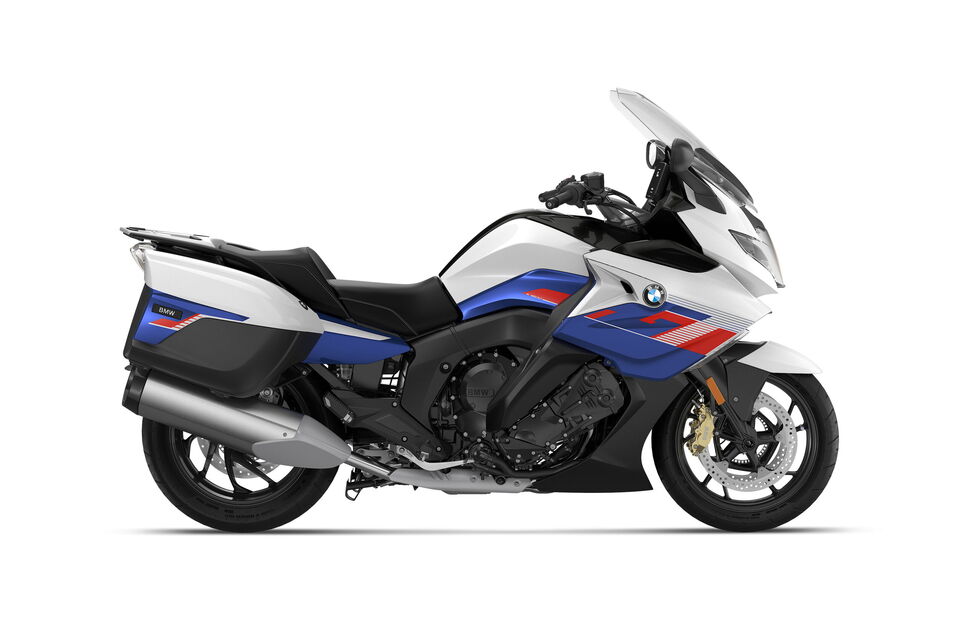
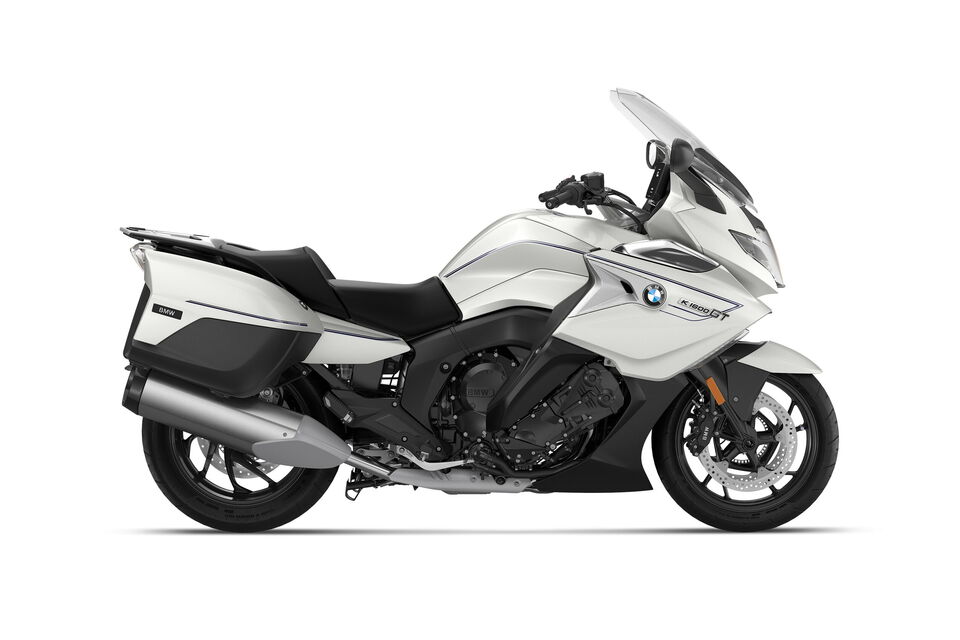
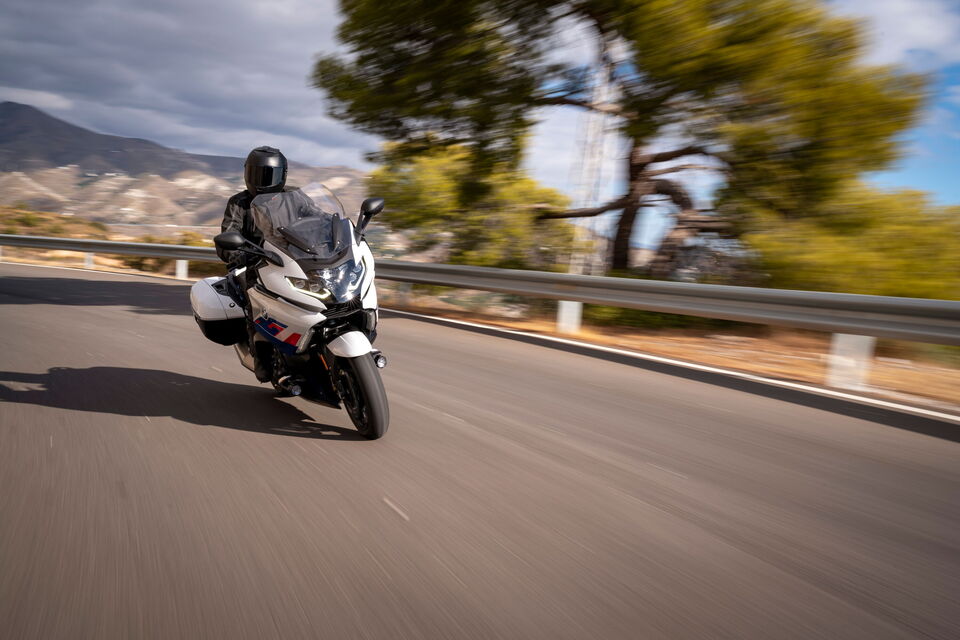
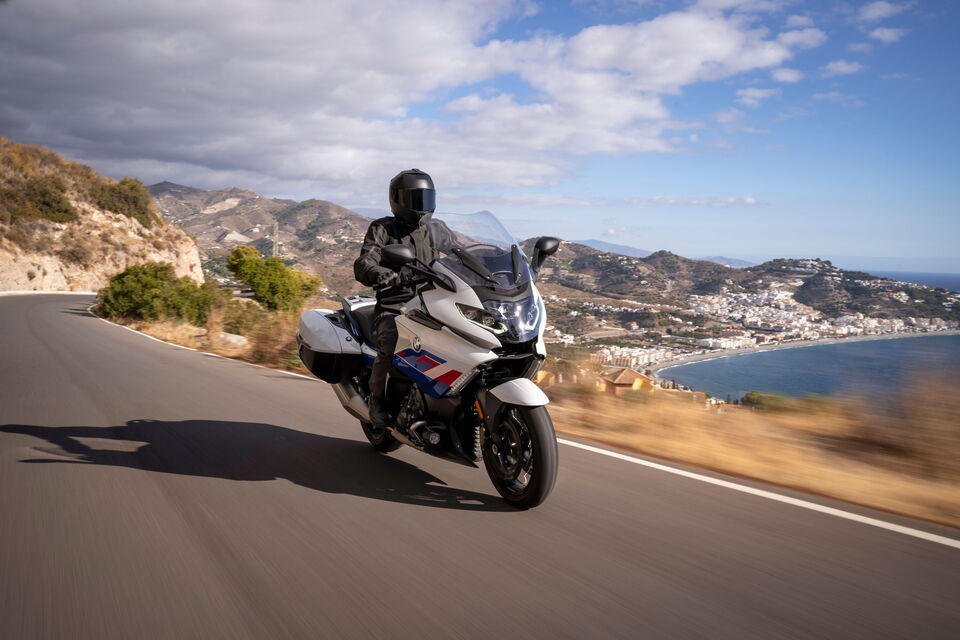
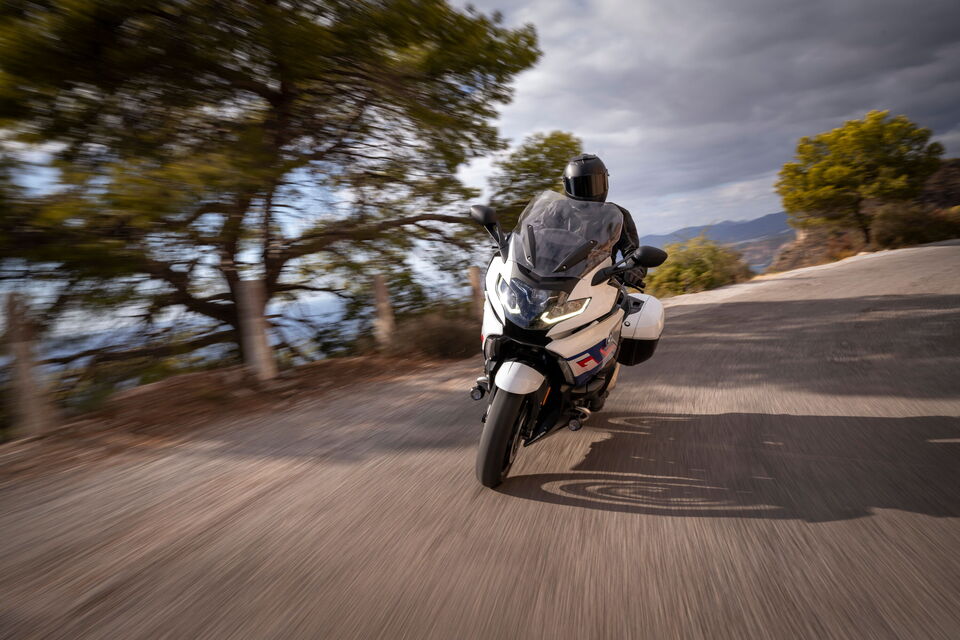

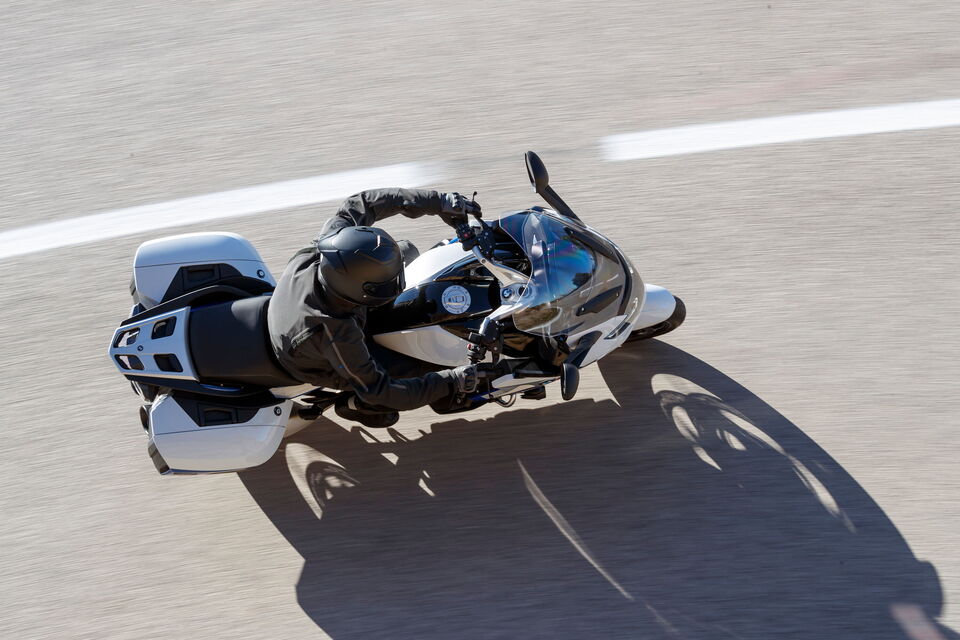
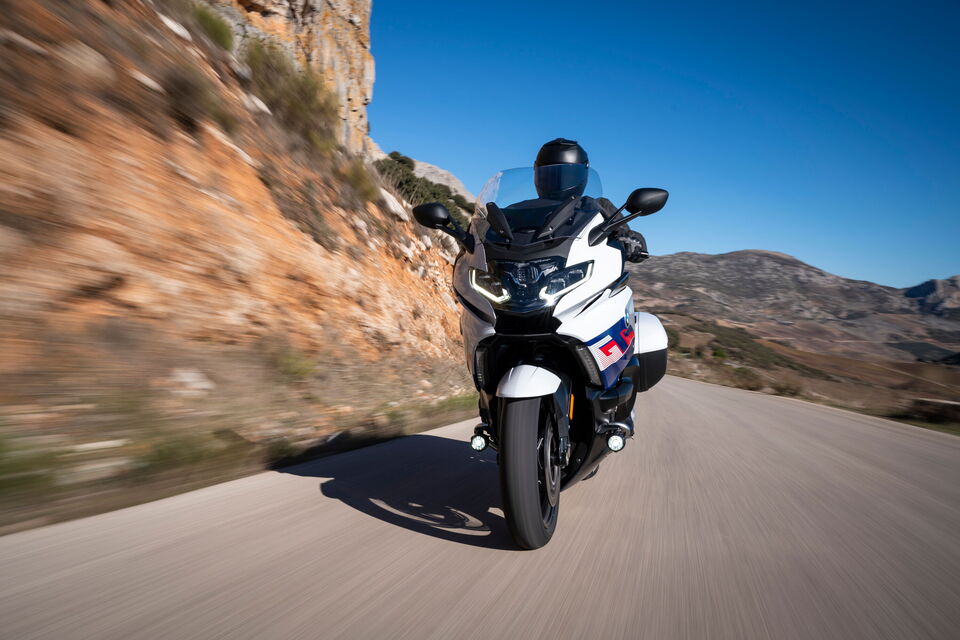
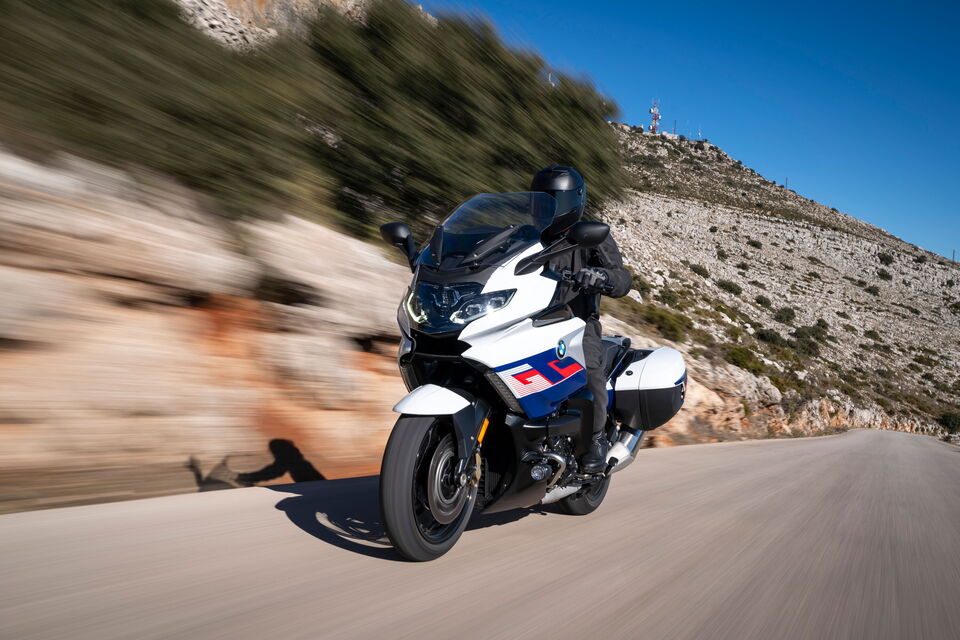
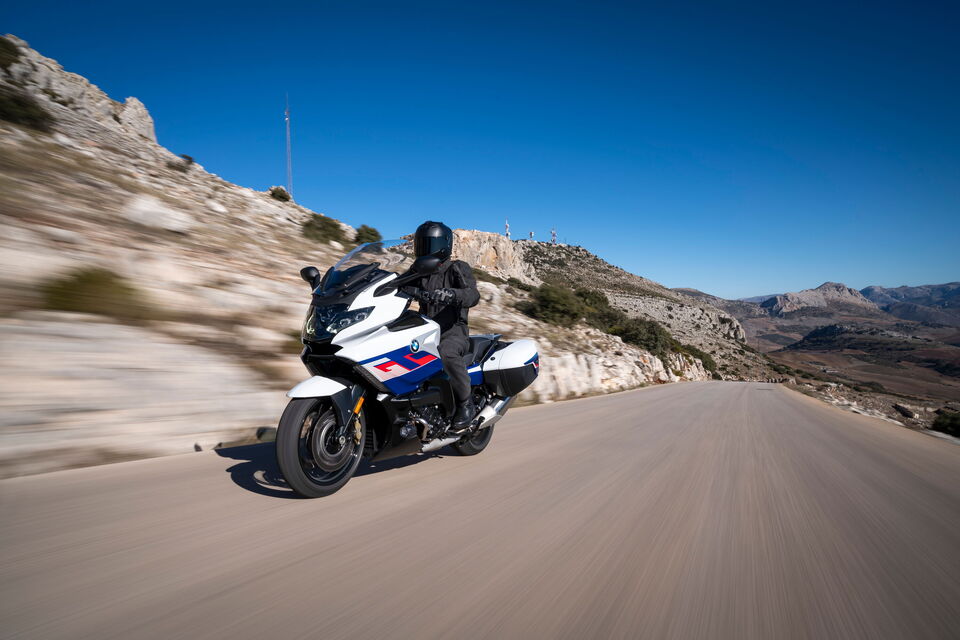
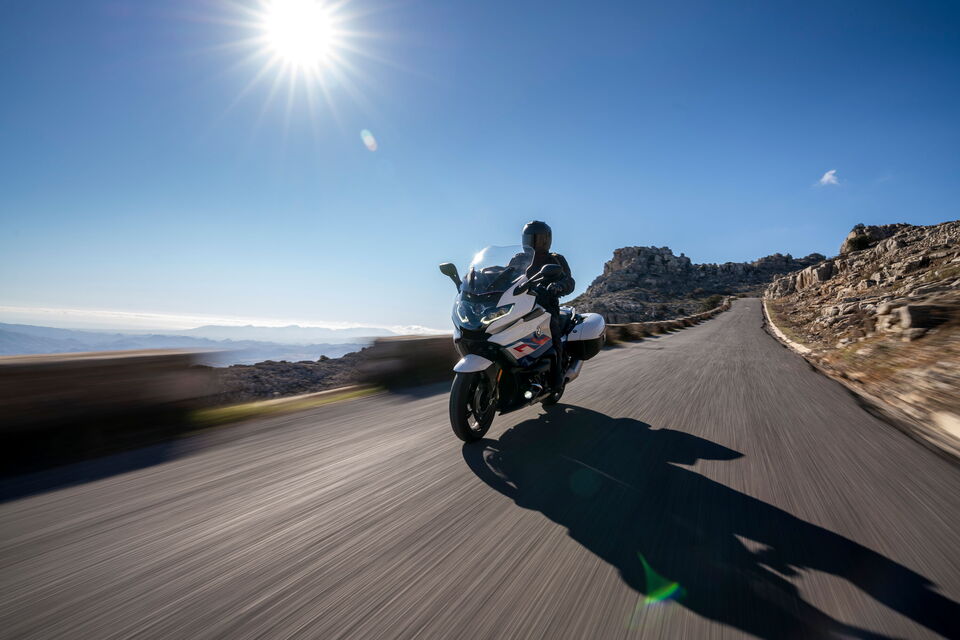
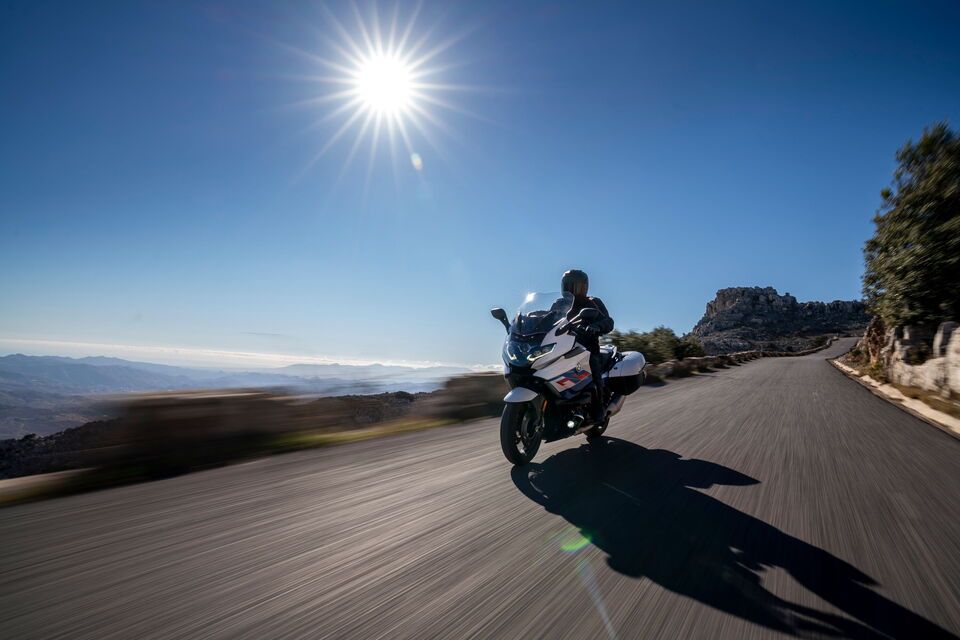
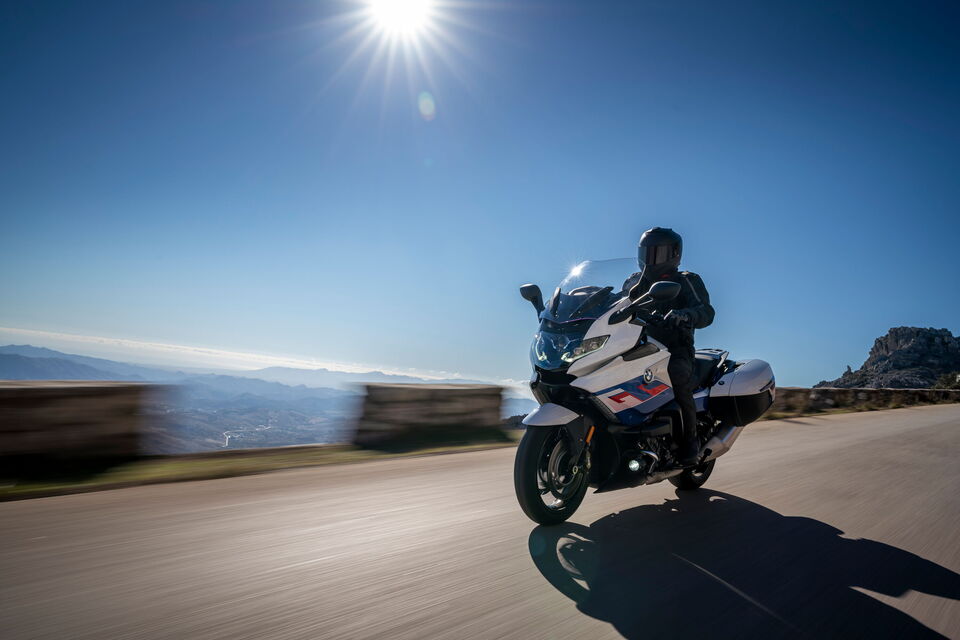

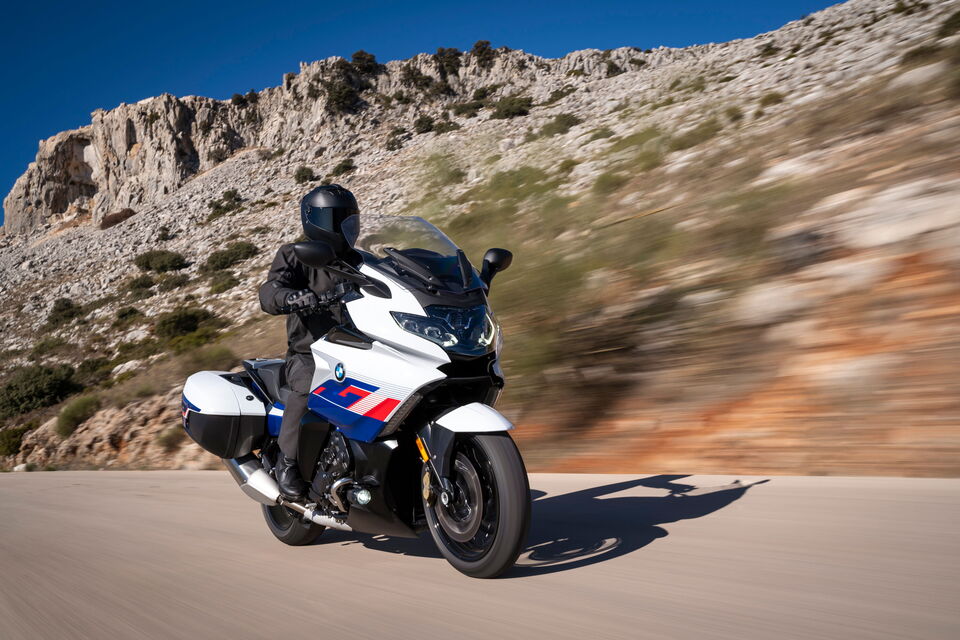
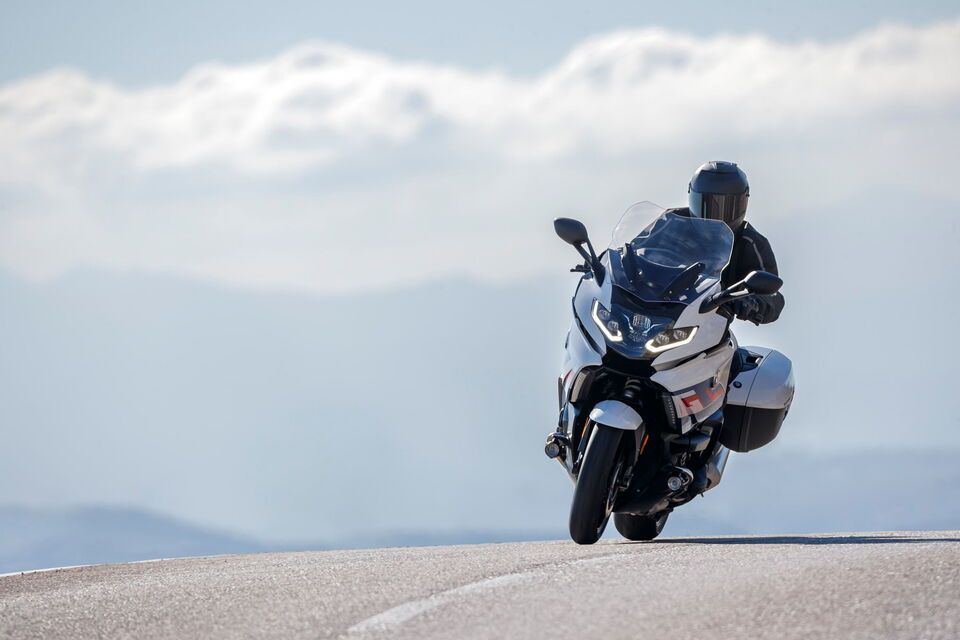
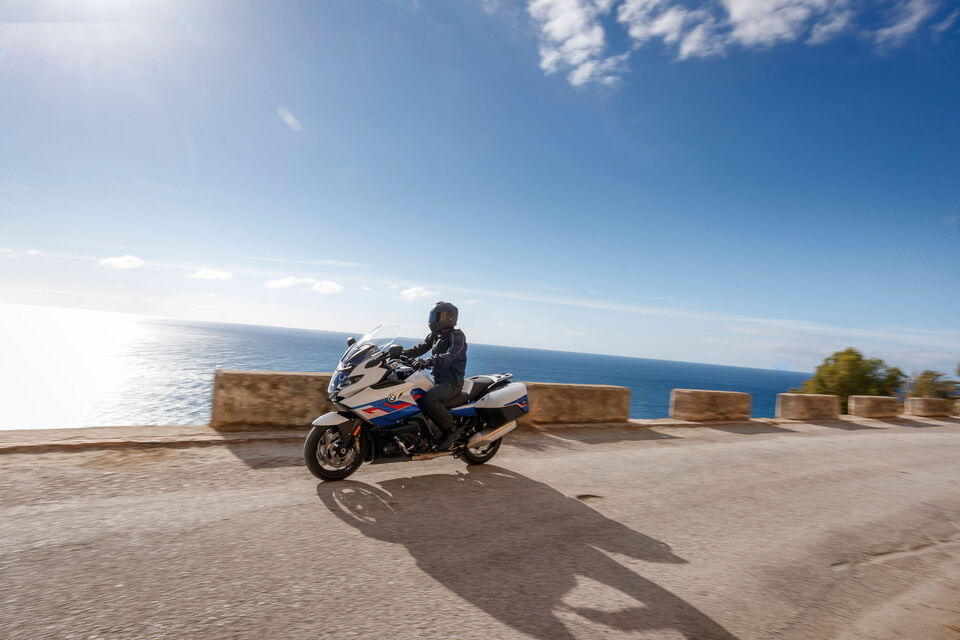
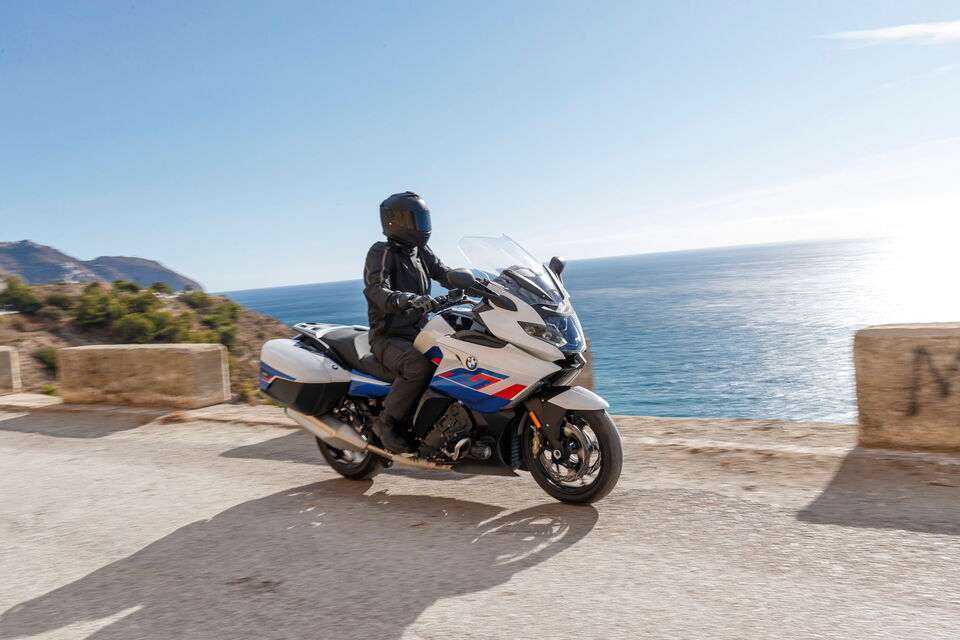
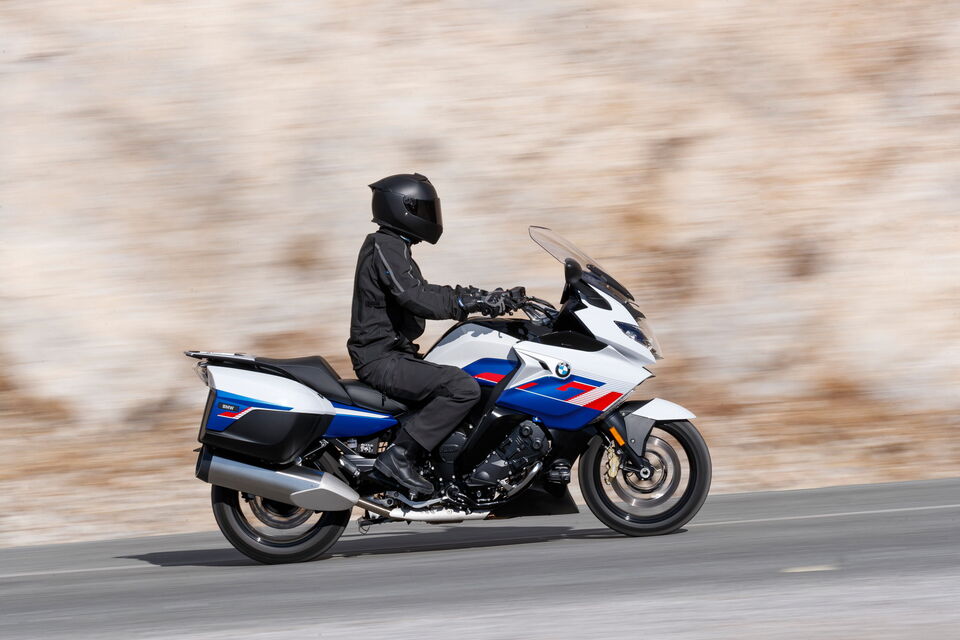
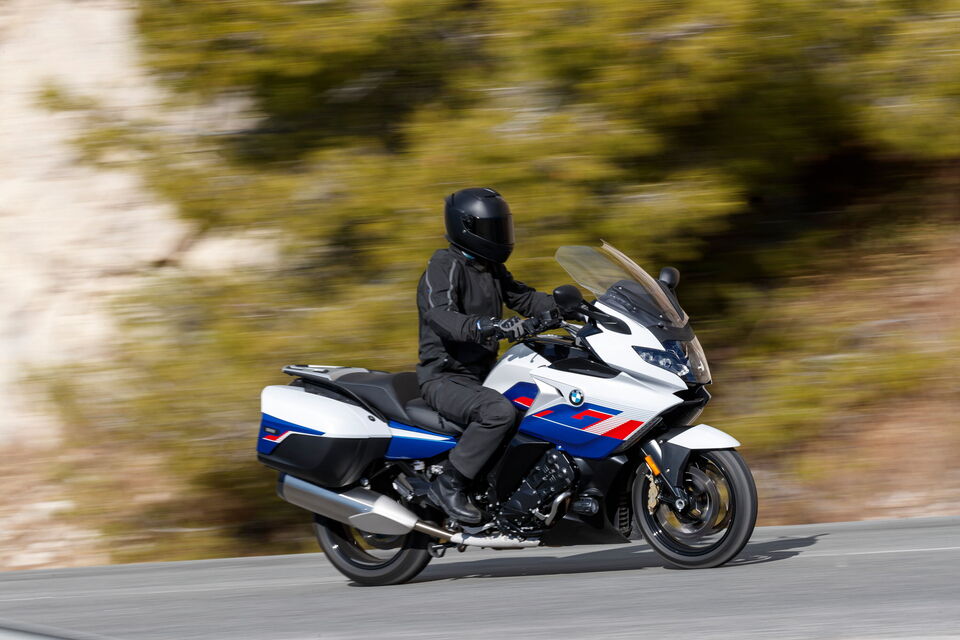
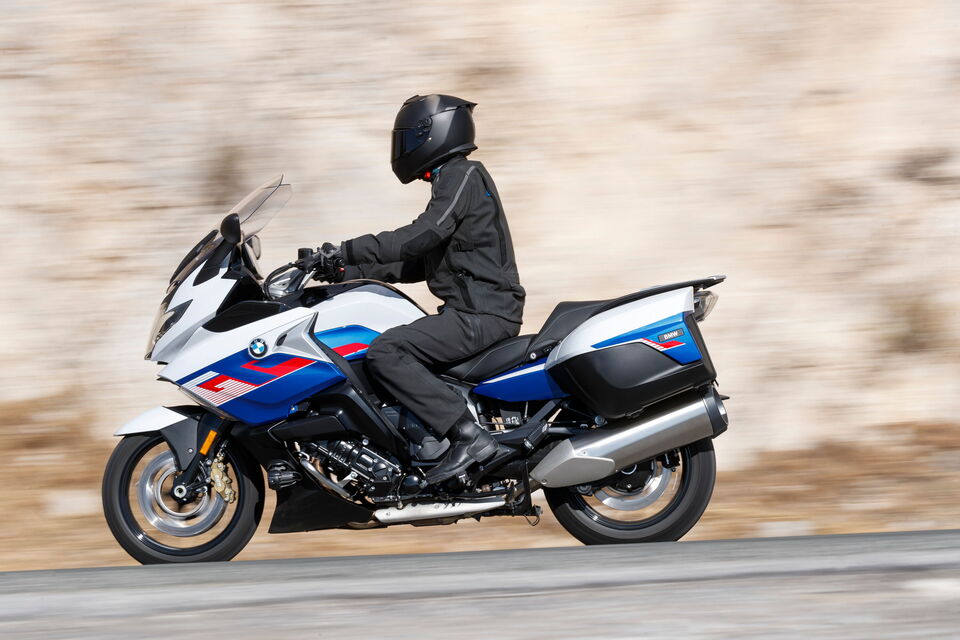
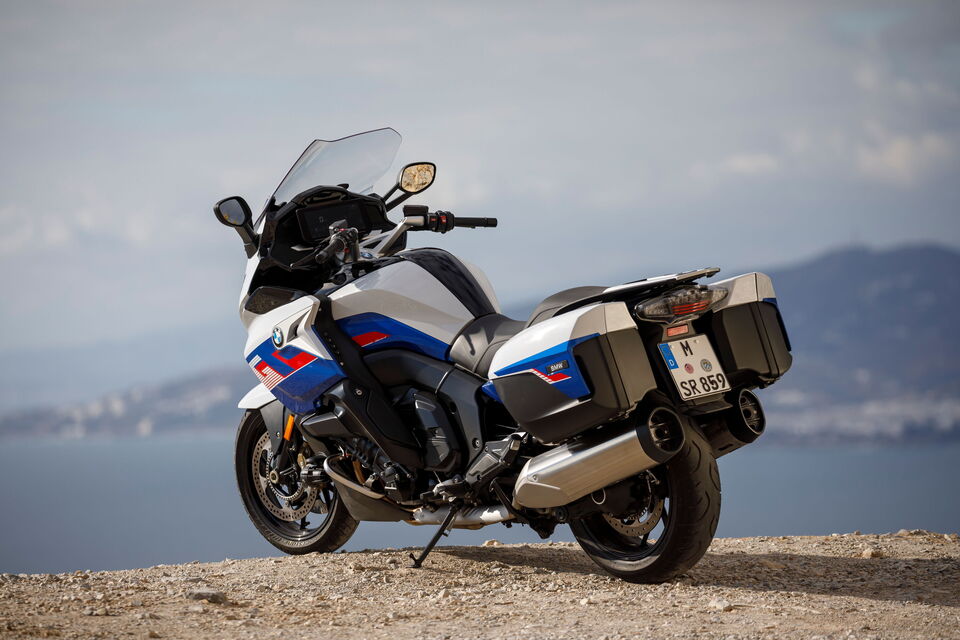
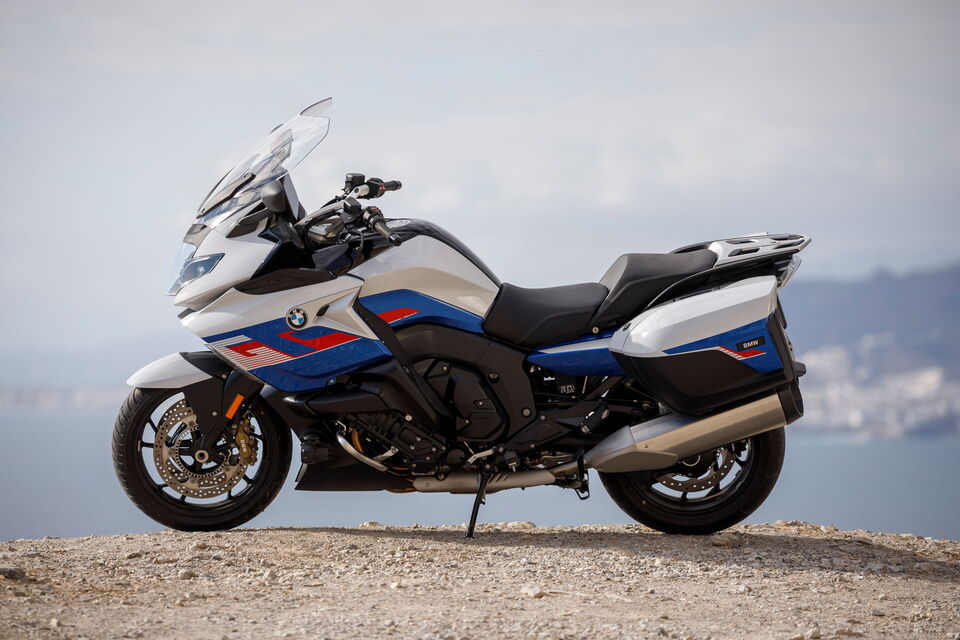
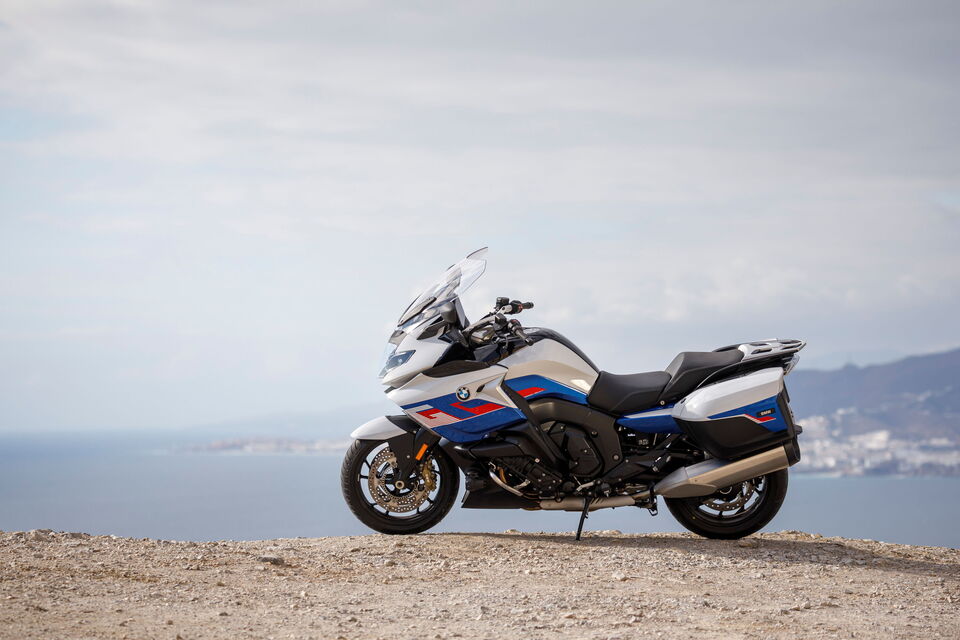
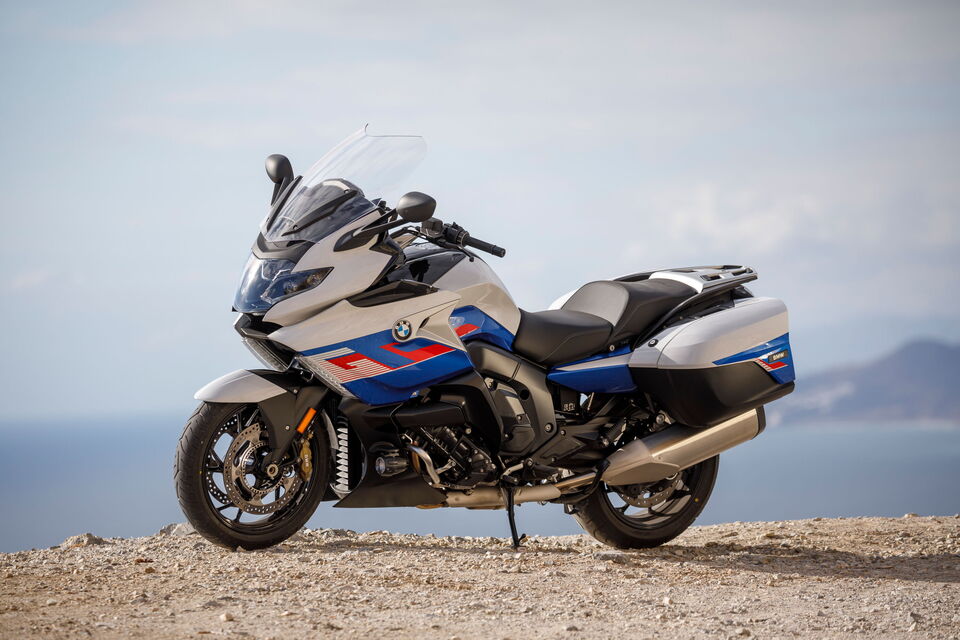
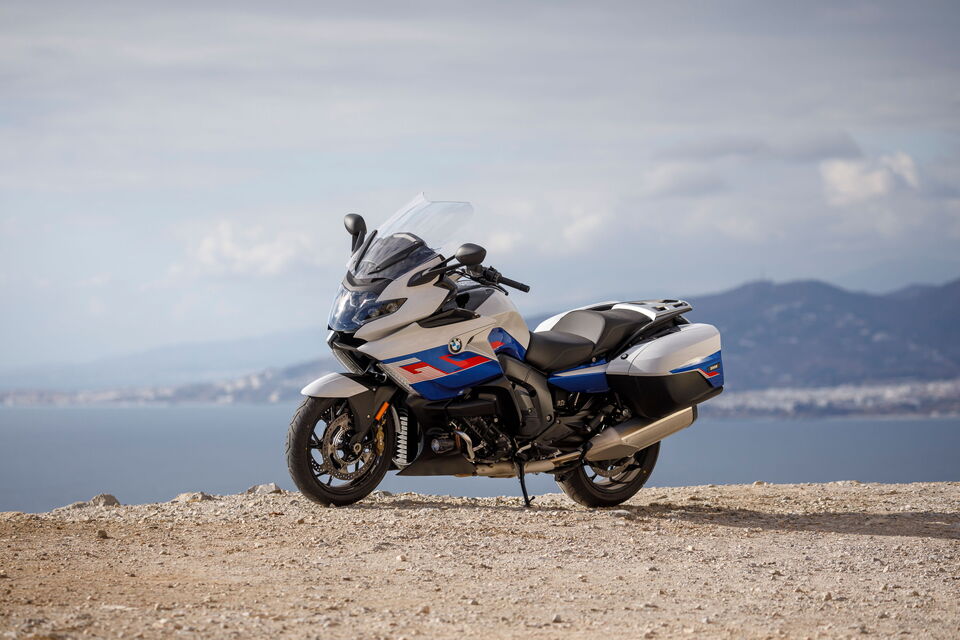
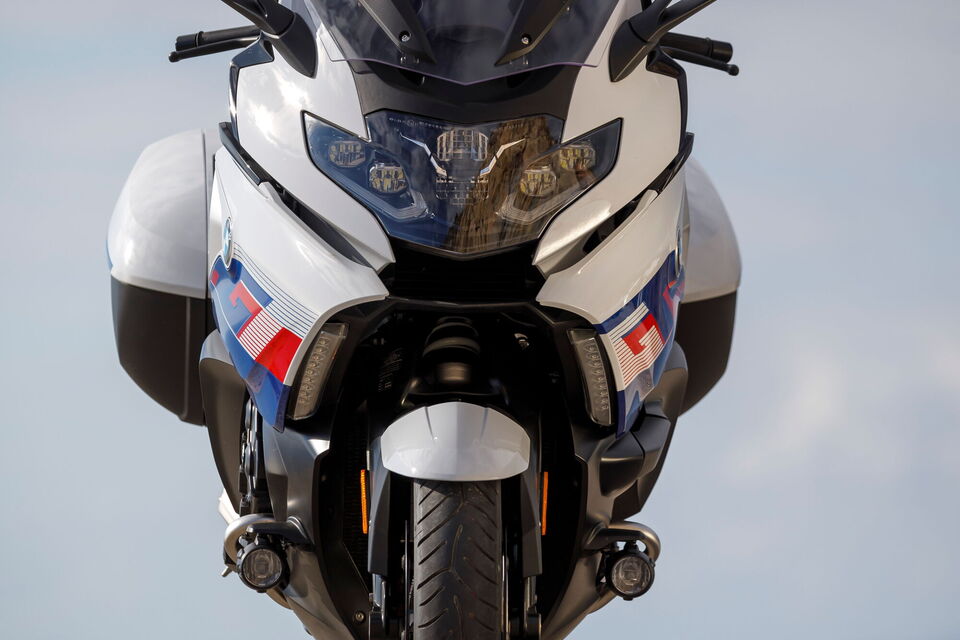
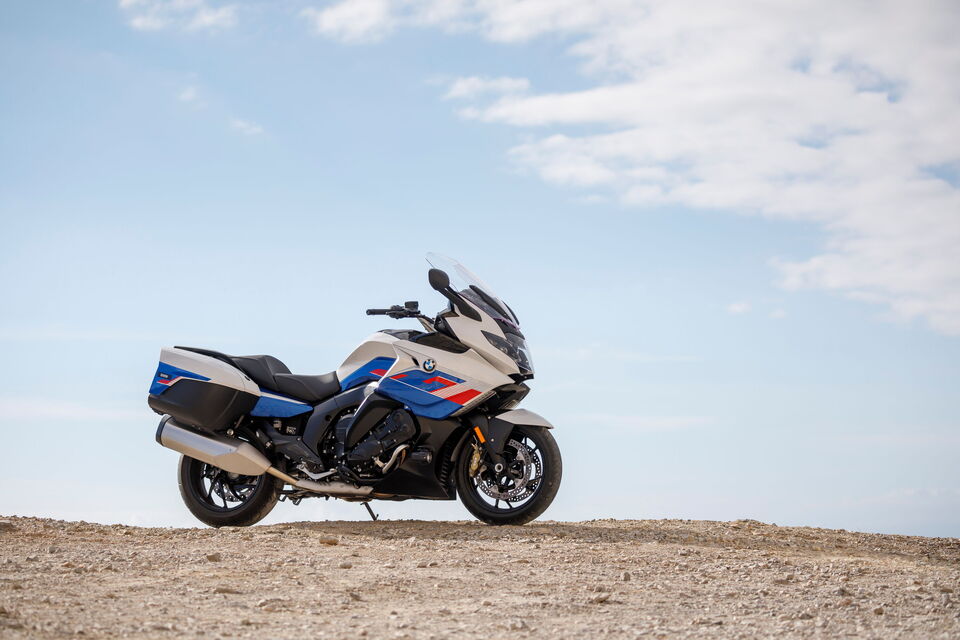
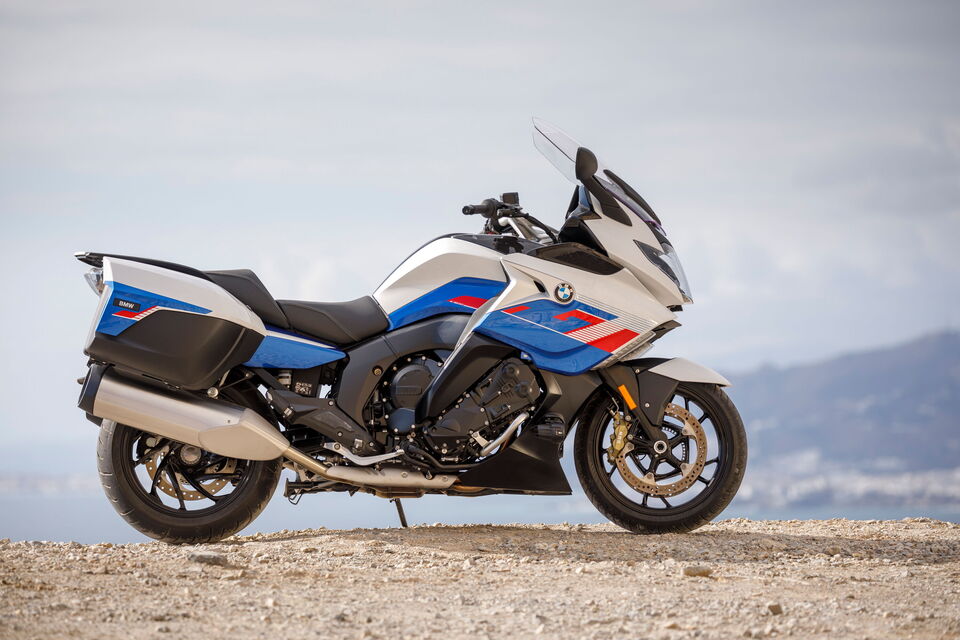
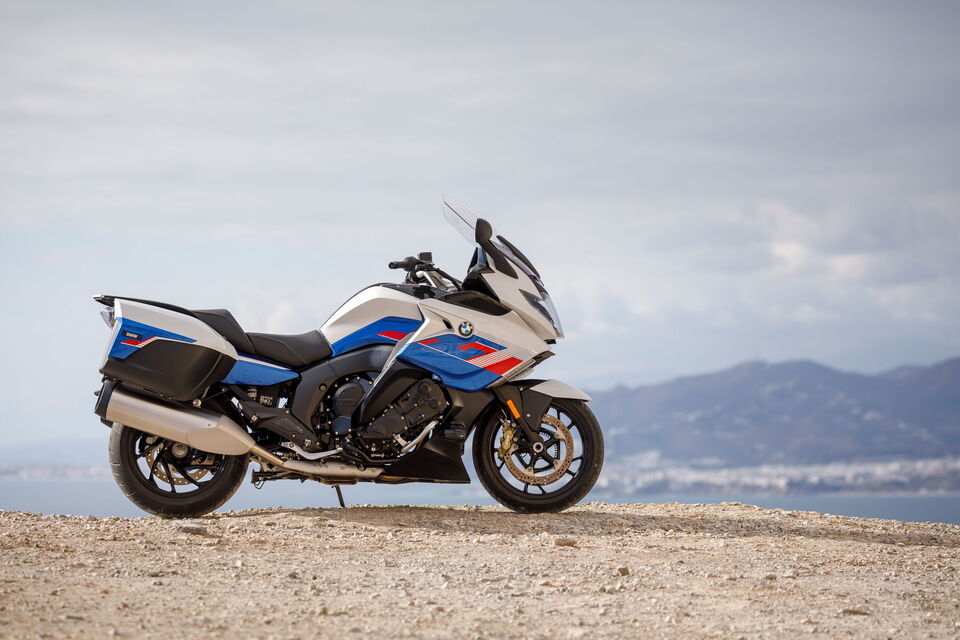

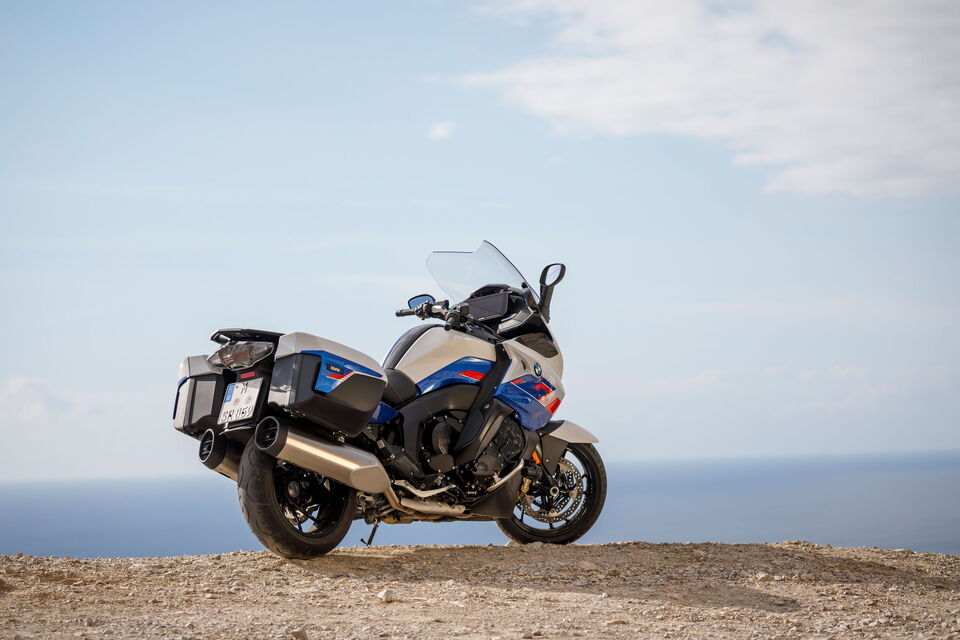
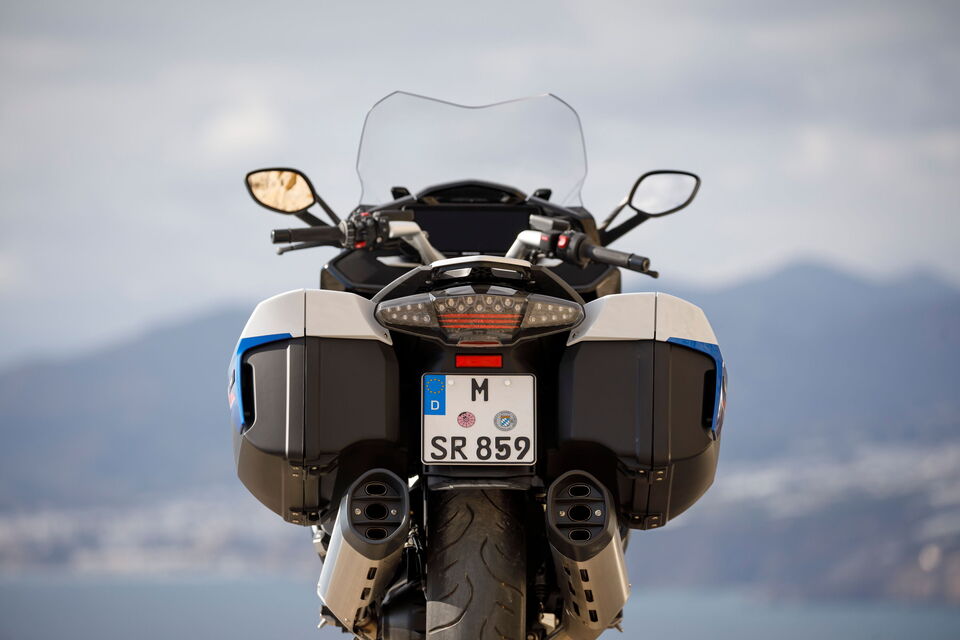
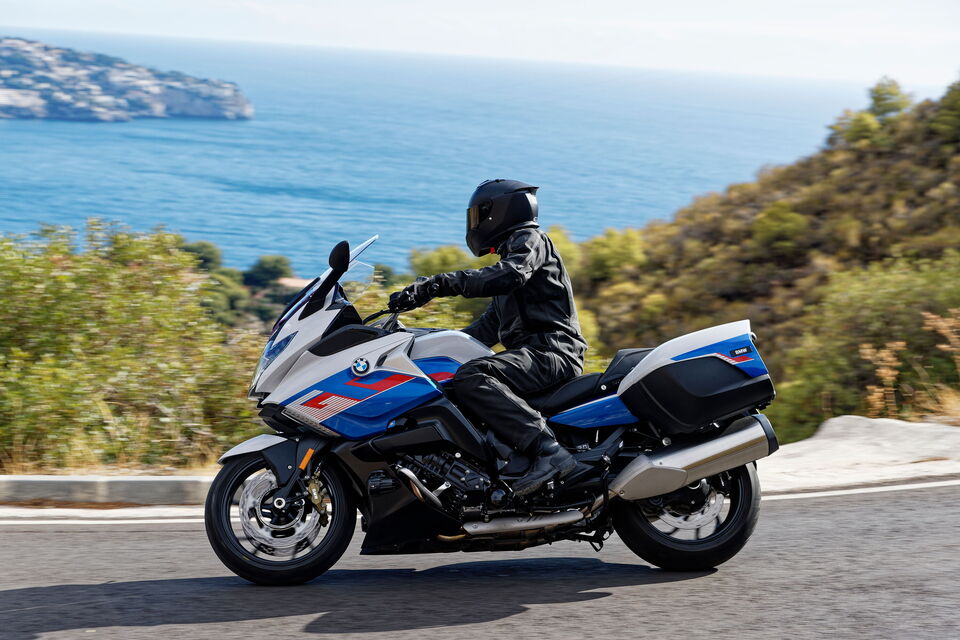
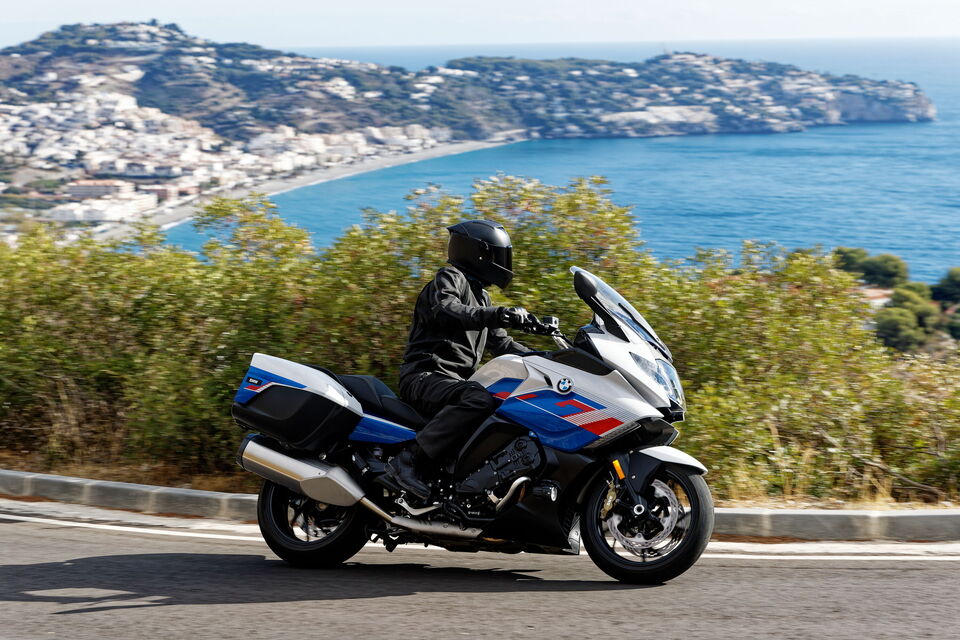
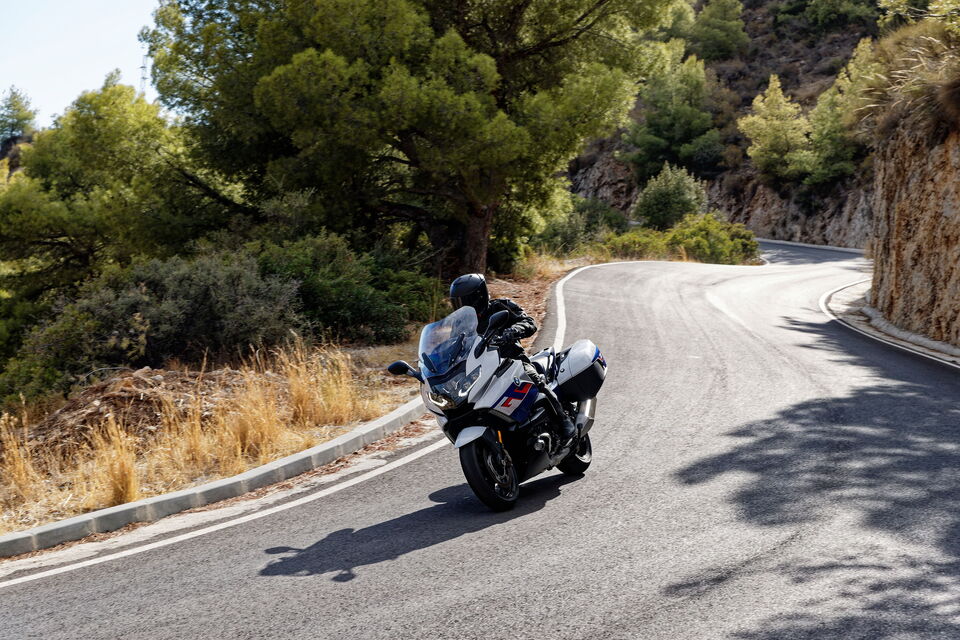
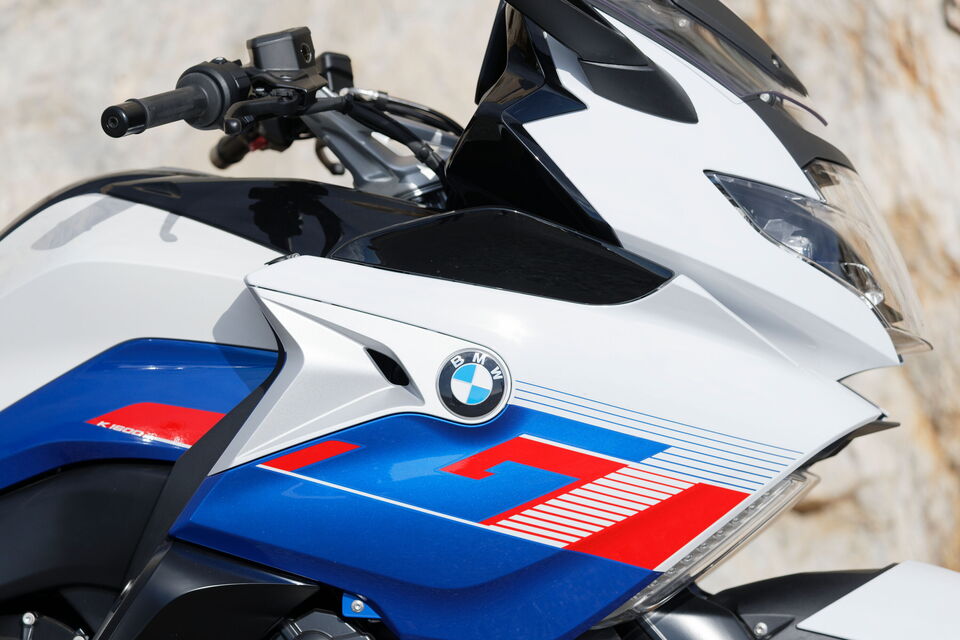
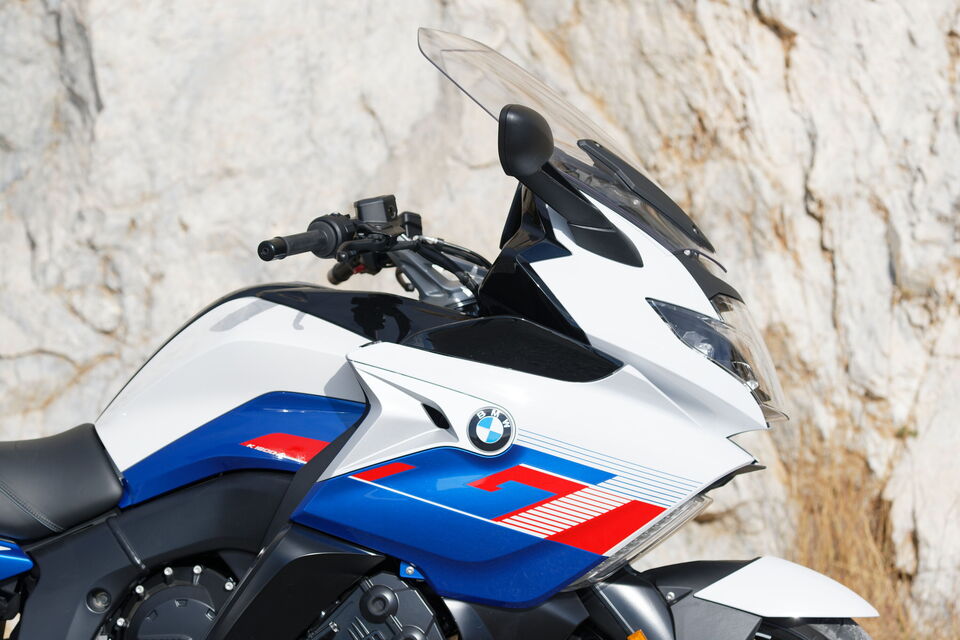
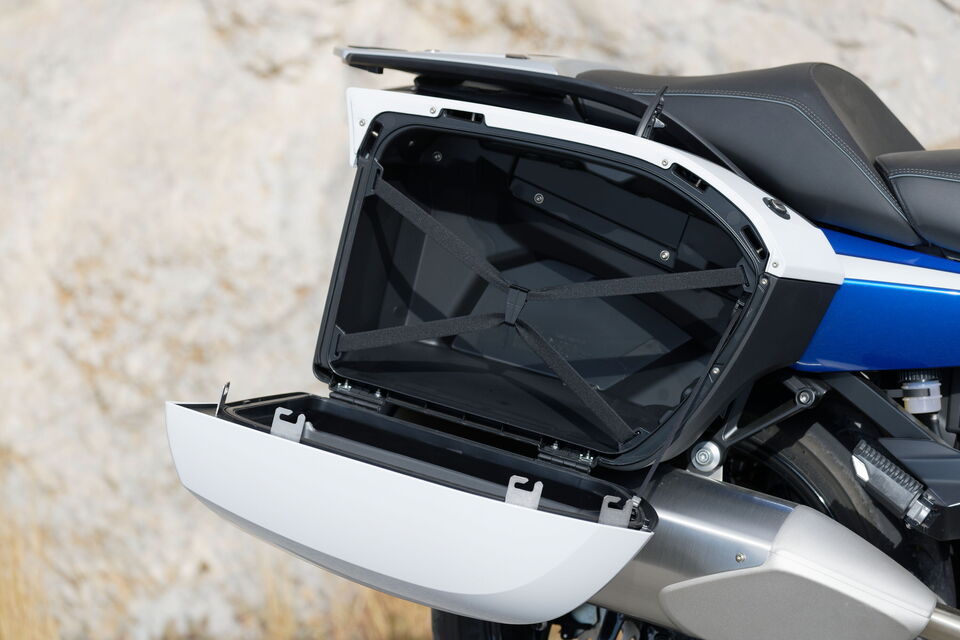
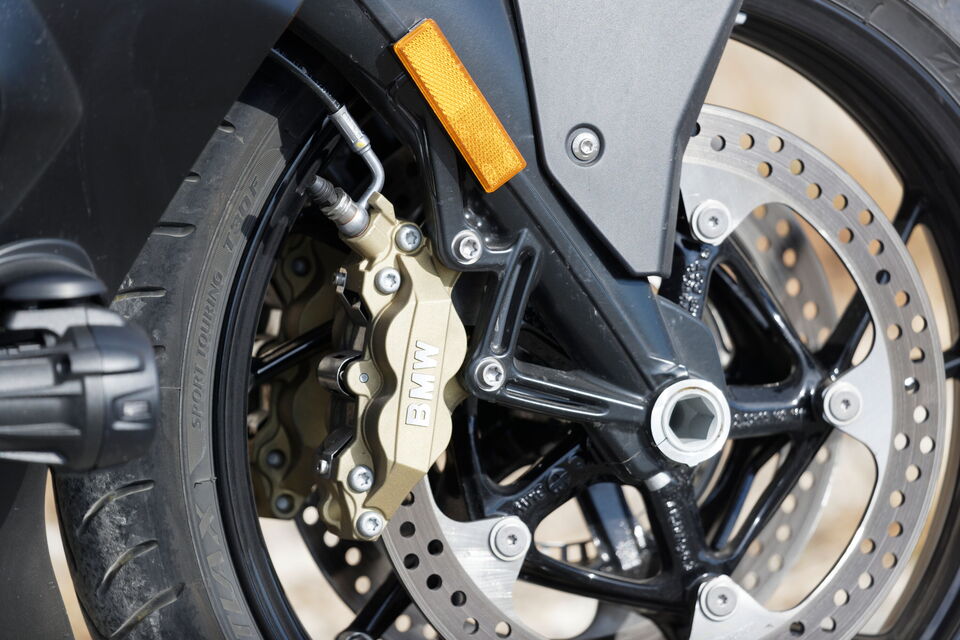
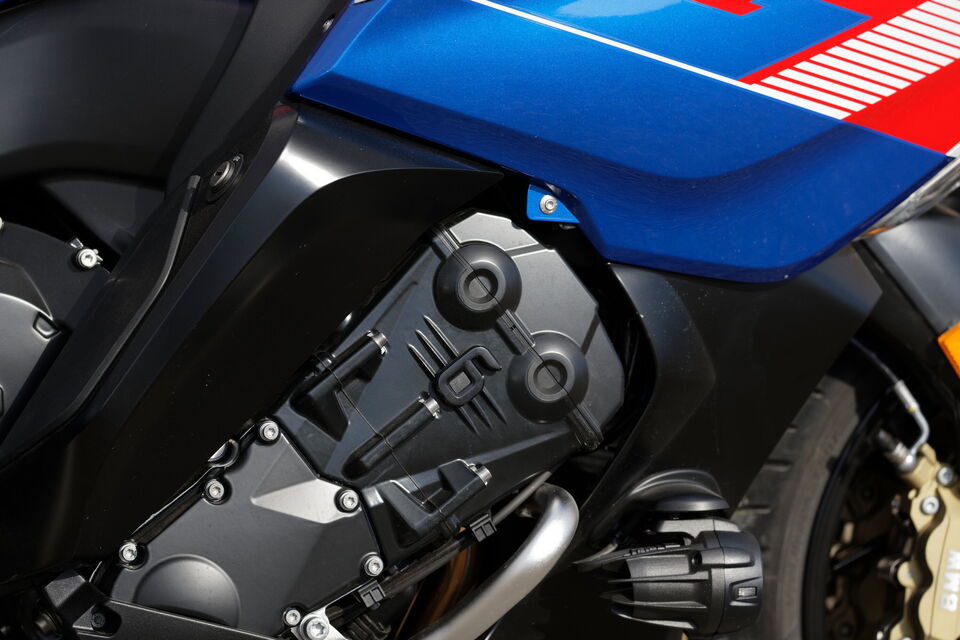
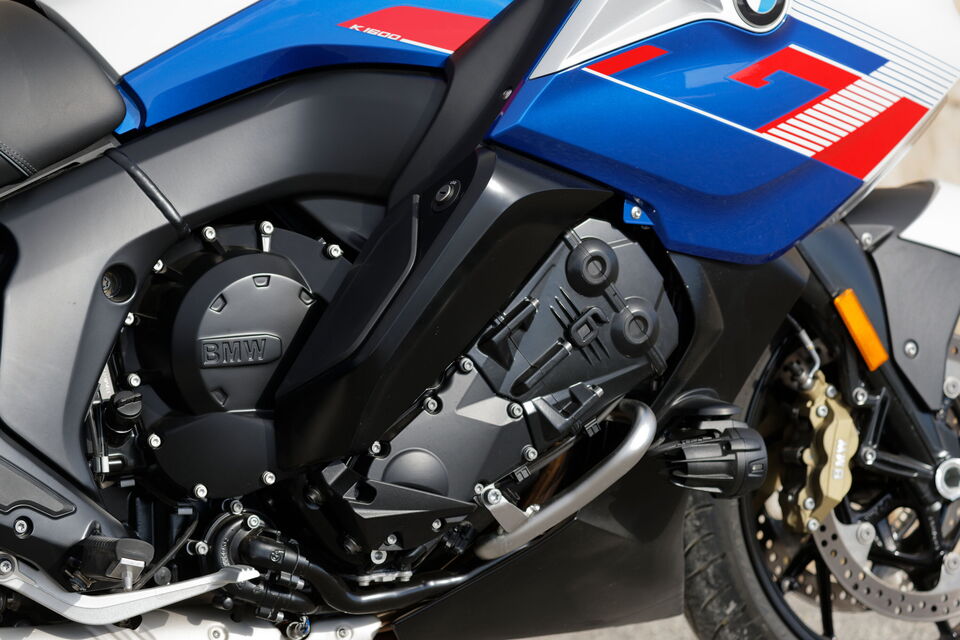

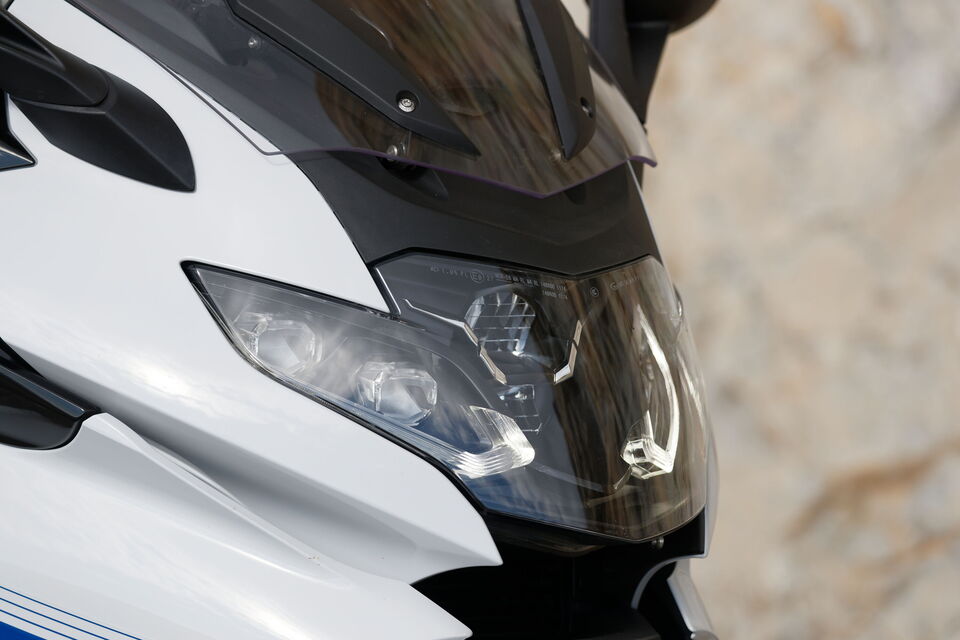
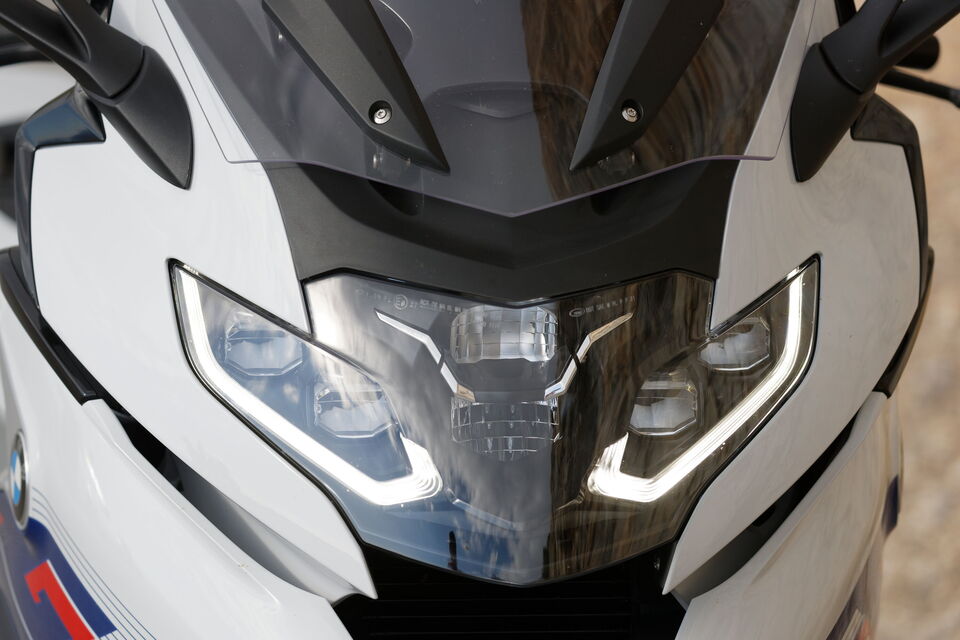
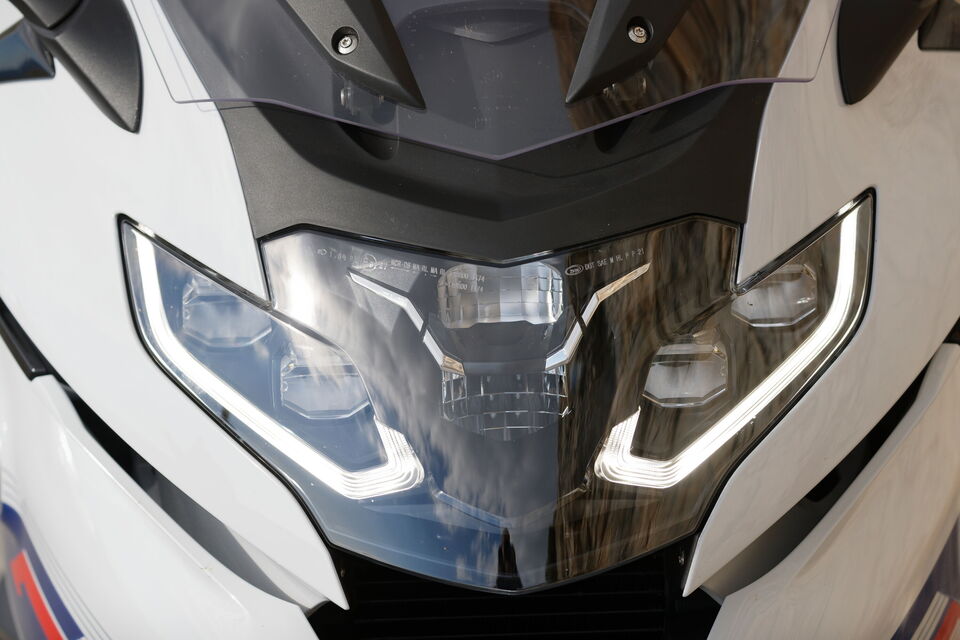

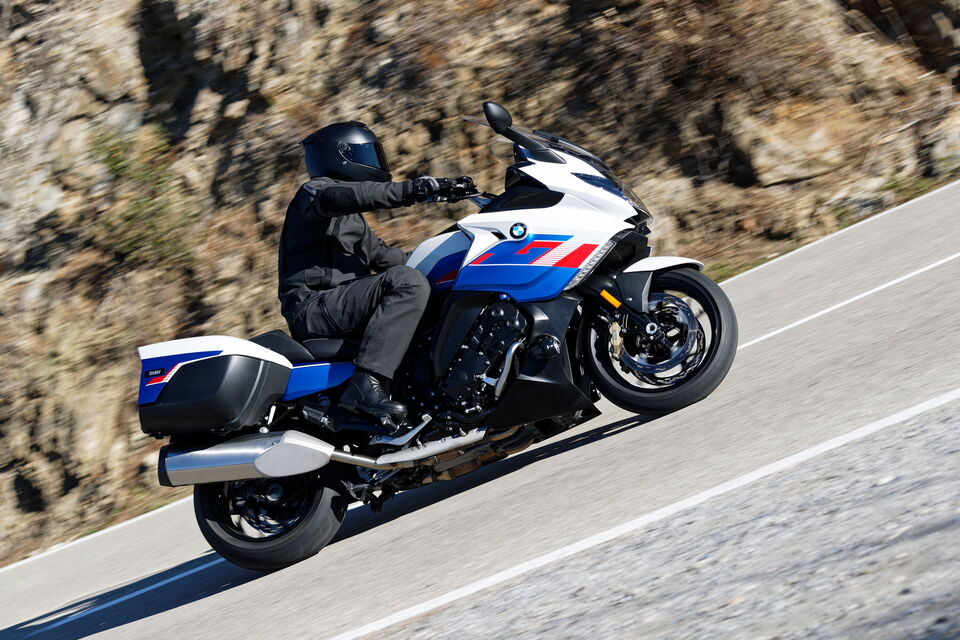
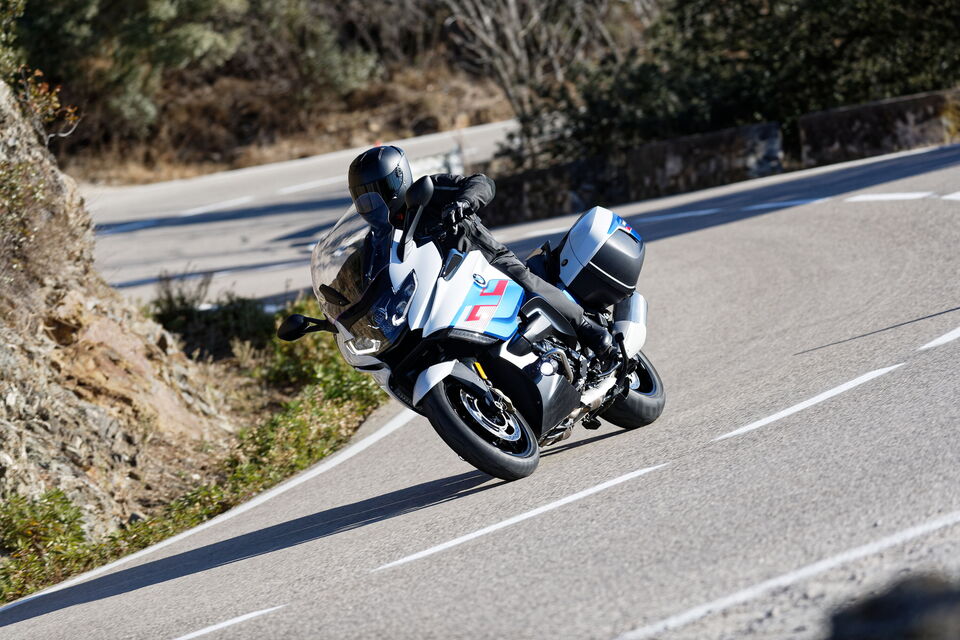
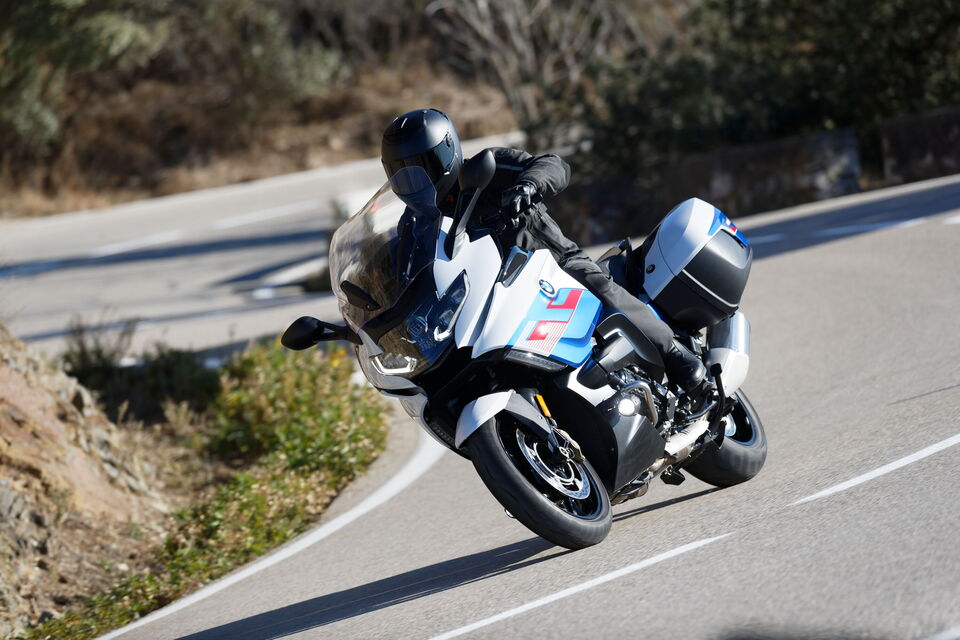
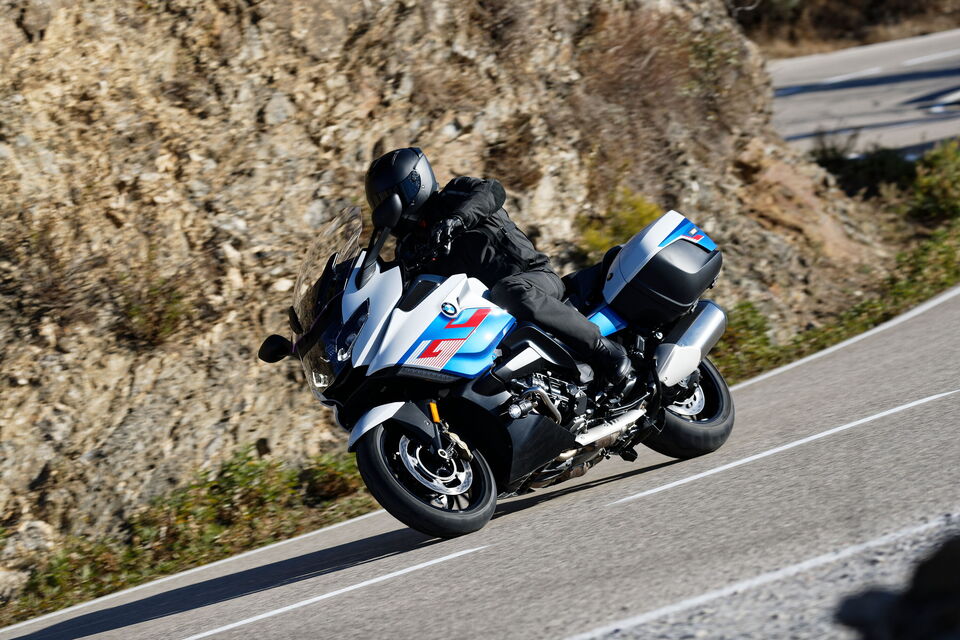
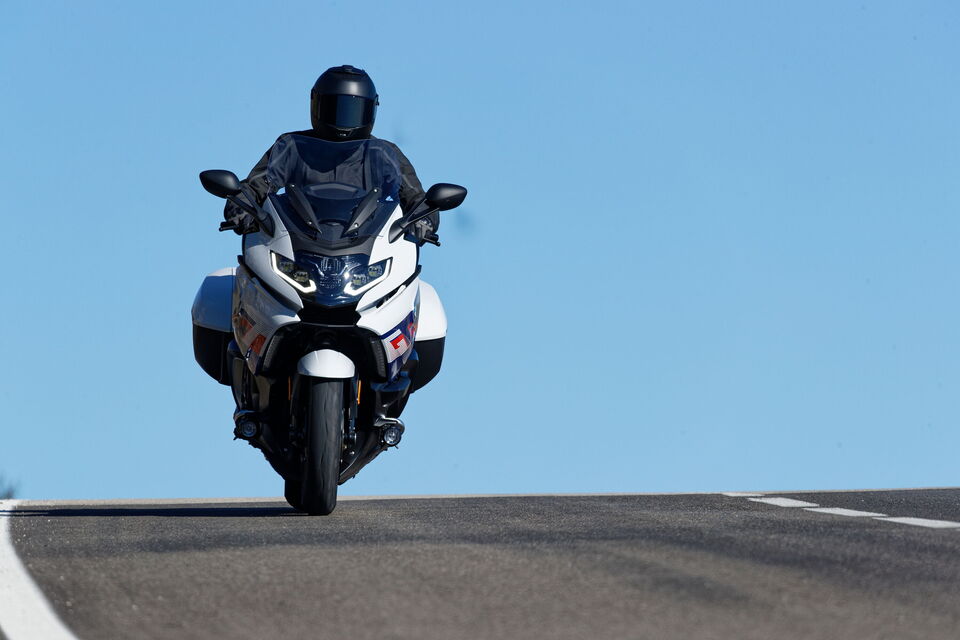
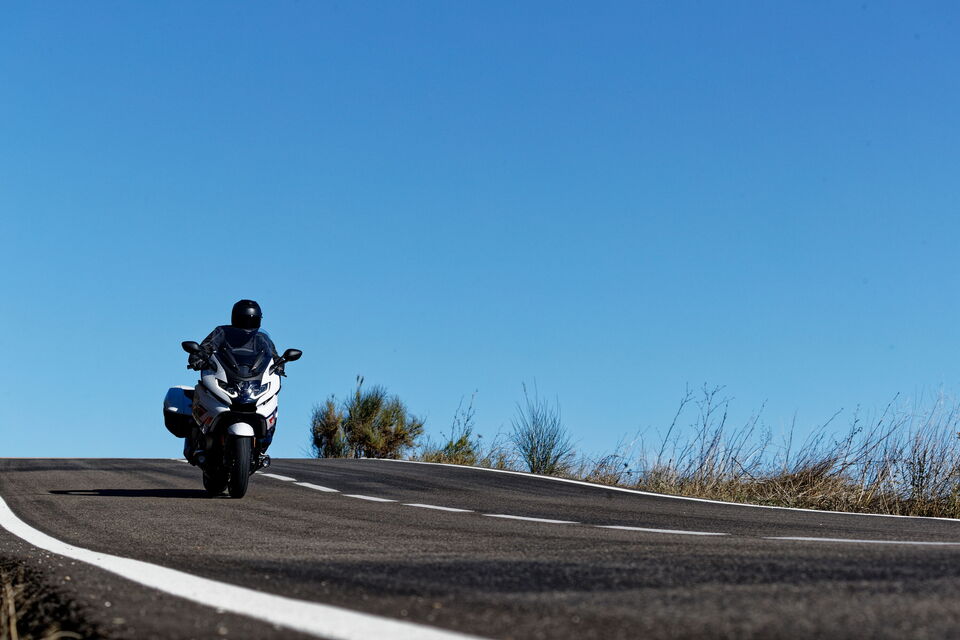
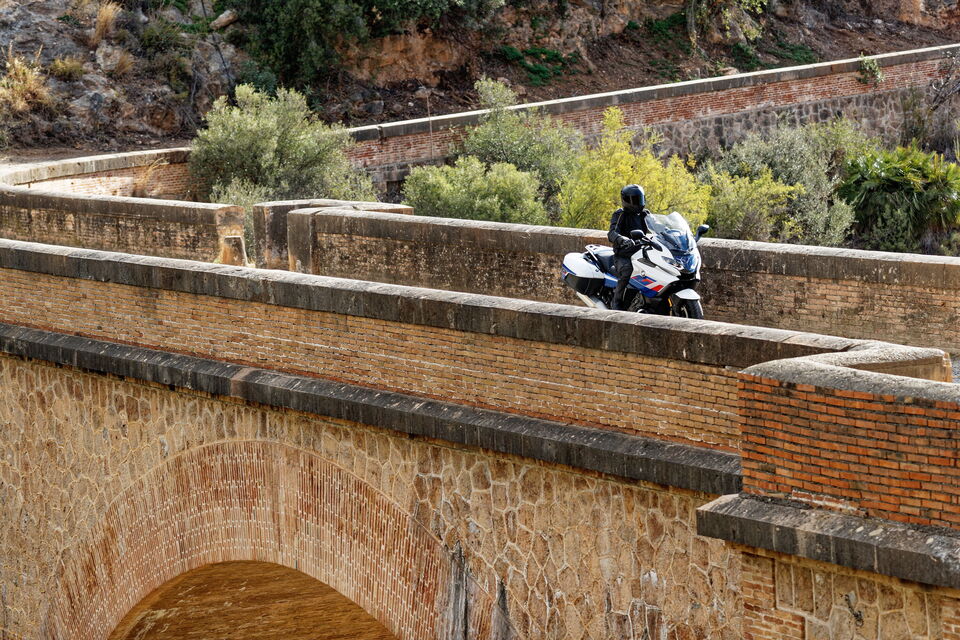
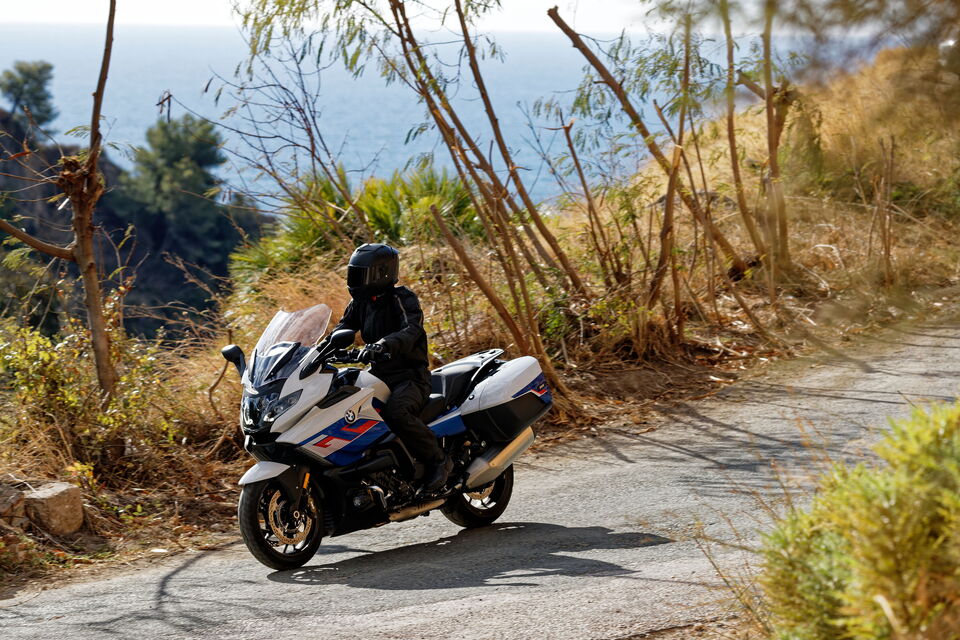
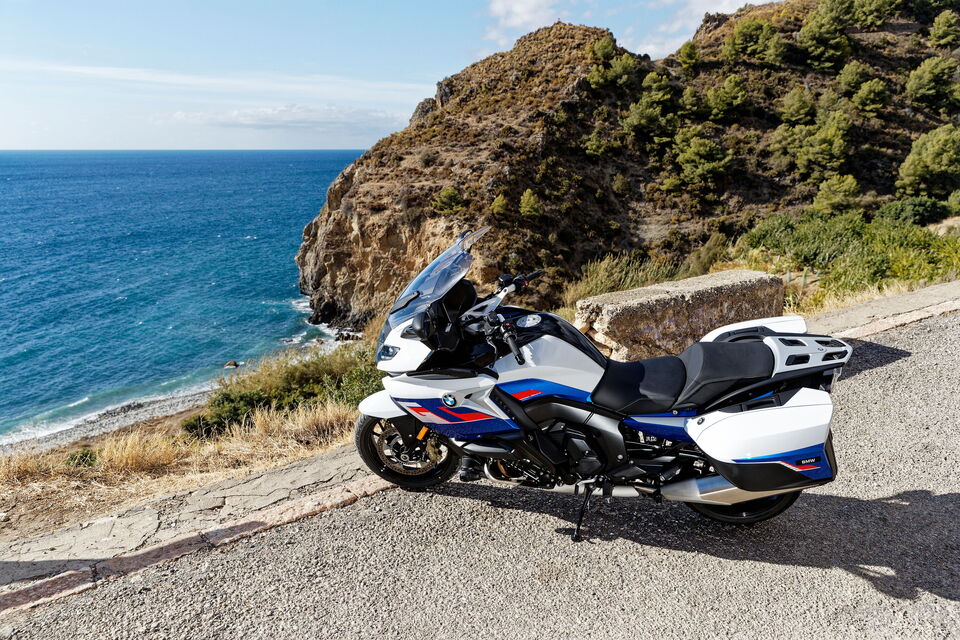
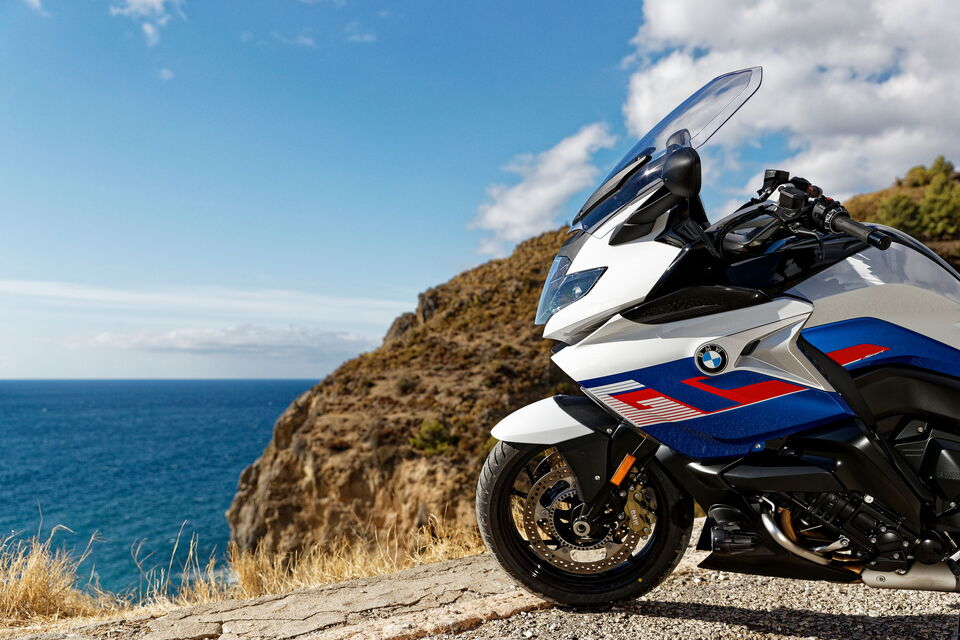
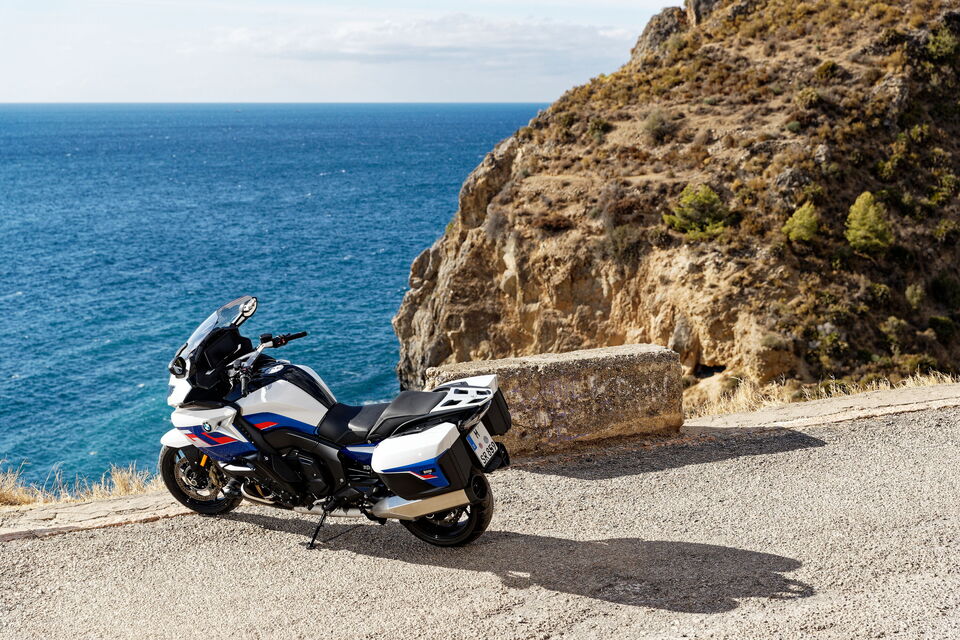
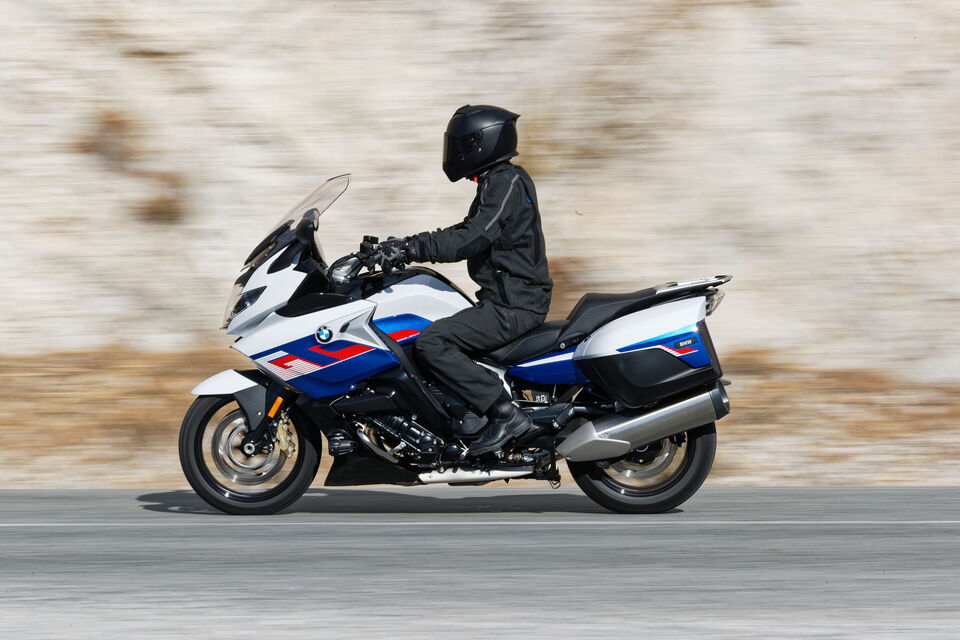
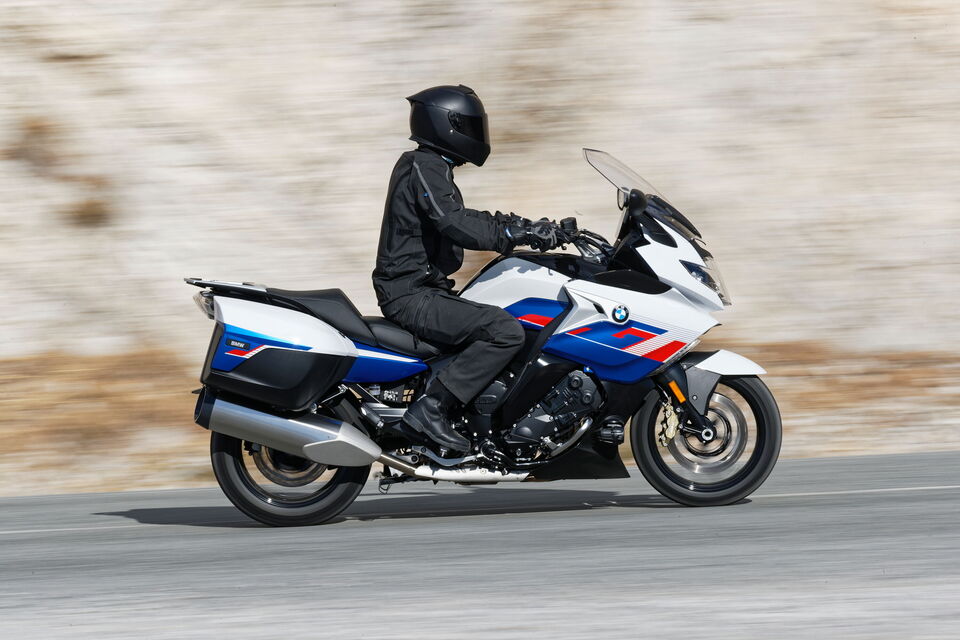
Engine: Identical to the GTL—160 hp, 180 Nm, 1,649 cc Inline-Six
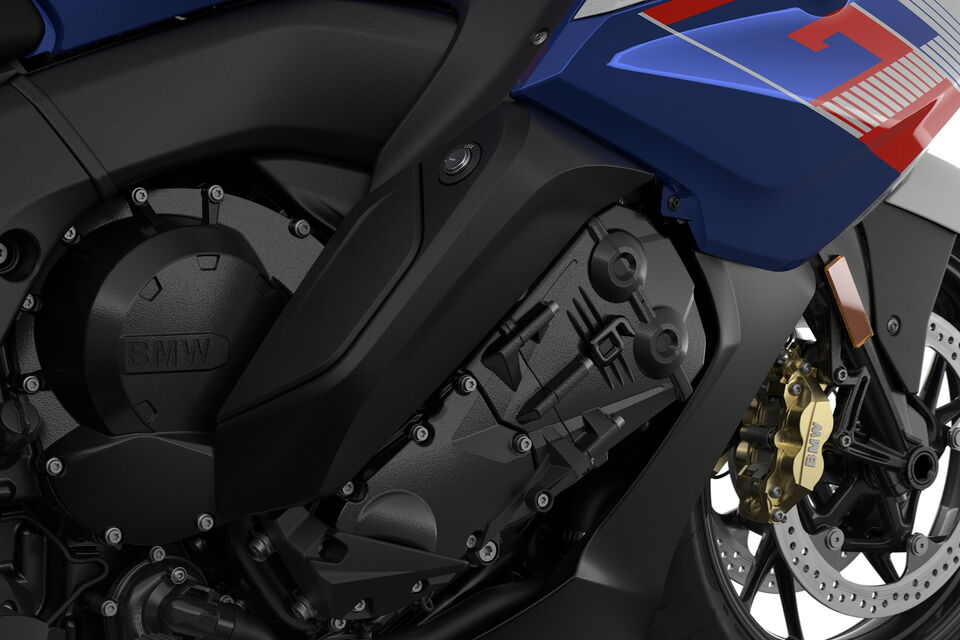
1,649 cc, inline-six, liquid-cooled, transversely mounted, 555 mm wide—the most compact inline-six in motorcycle production. Output is 118 kW (160 hp) at 6,750 rpm, with 180 Nm at 5,250 rpm. The engine and engine tuning are identical to the K 1600 GTL. The GT is not a stripped-down model, but a differently configured version of the same platform. The revised engine management now delivers its 160 hp 1,000 rpm earlier, at 6,750 instead of 7,750 rpm. In touring use, that translates into noticeably more immediate throttle response.
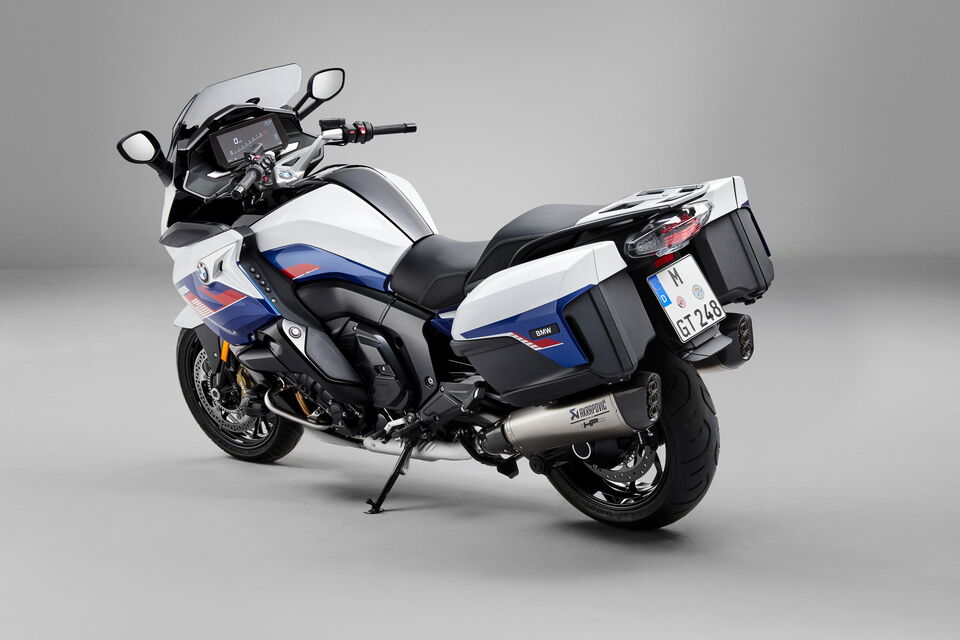
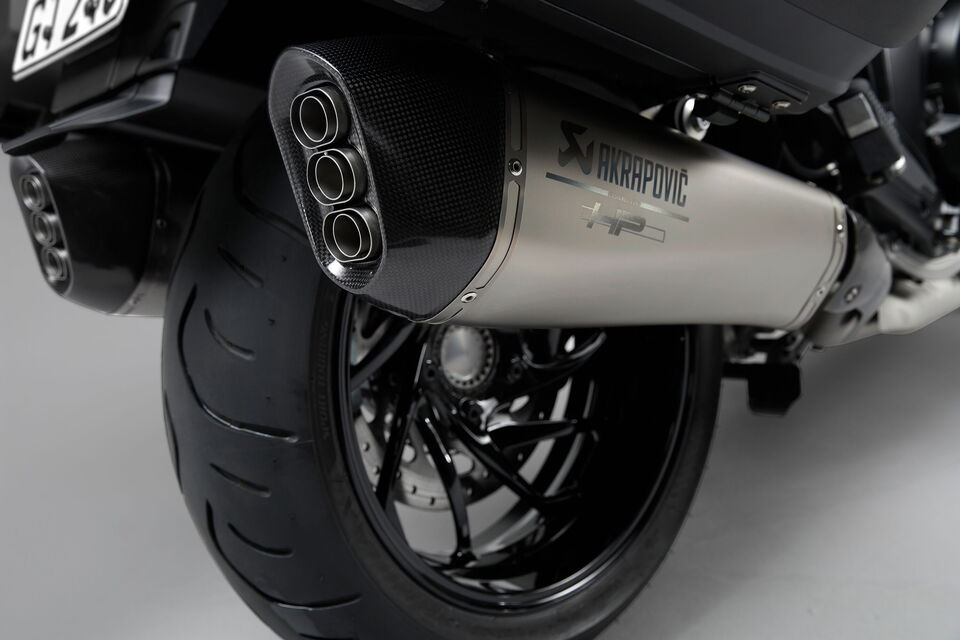
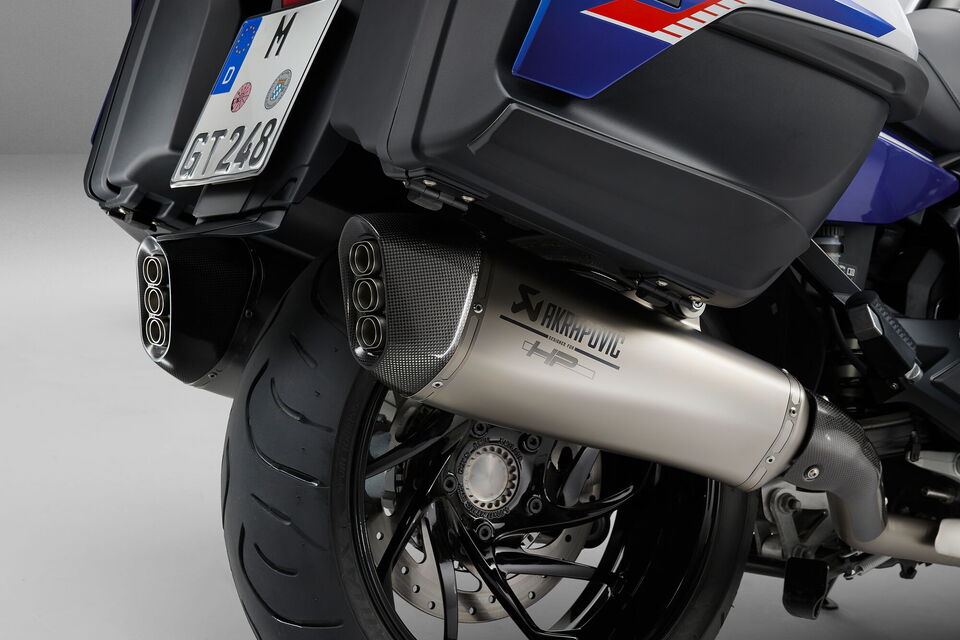
The six-cylinder sound is more directly experienced on the GT than on the GTL: no wind deflectors, a shorter windscreen, and a sportier exhaust note. If you want to hear the K 1600 engine, ride the GT. If you want to enjoy it behind more insulating bodywork, ride the GTL.
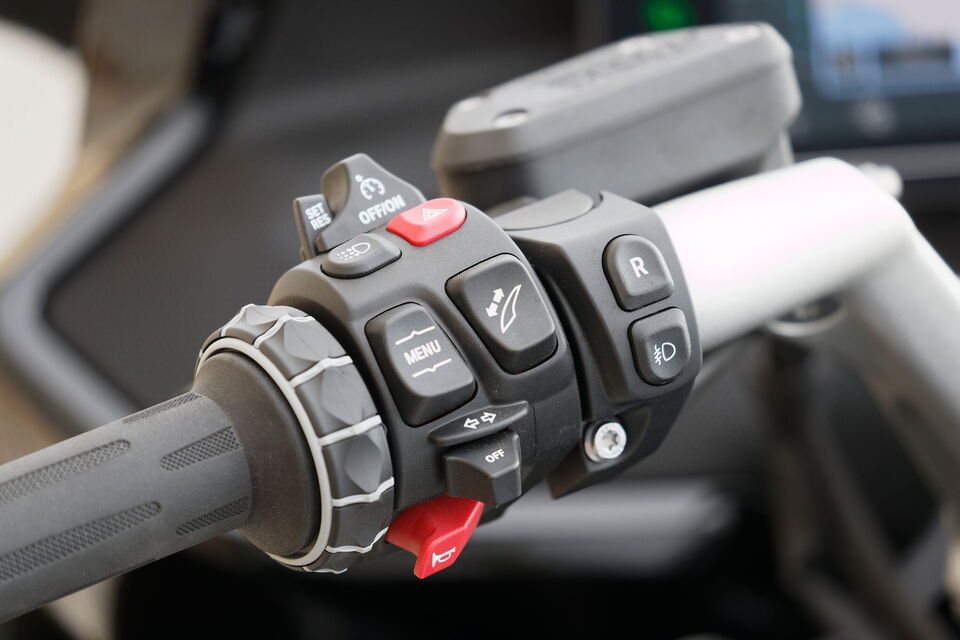
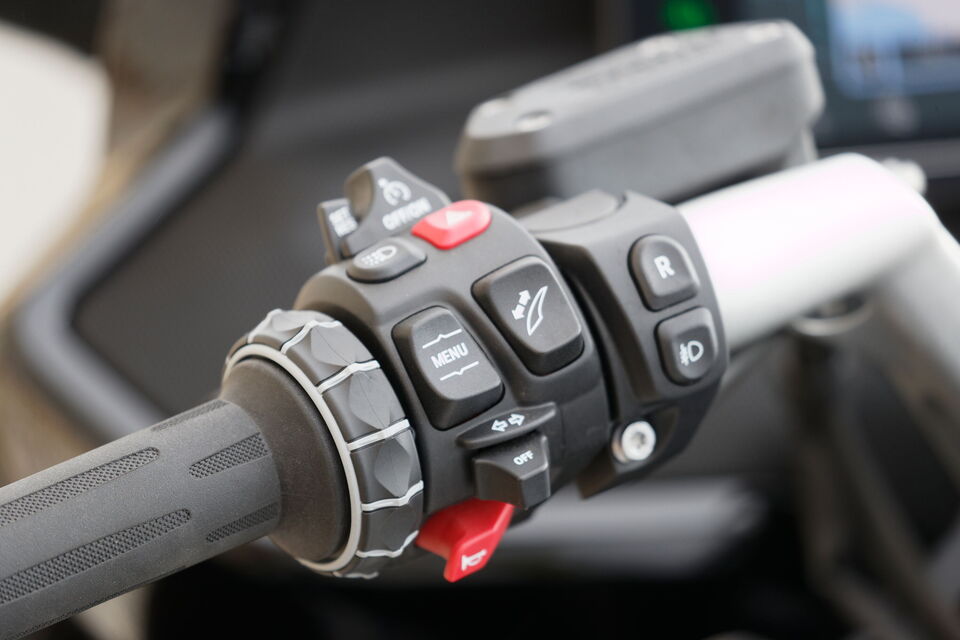
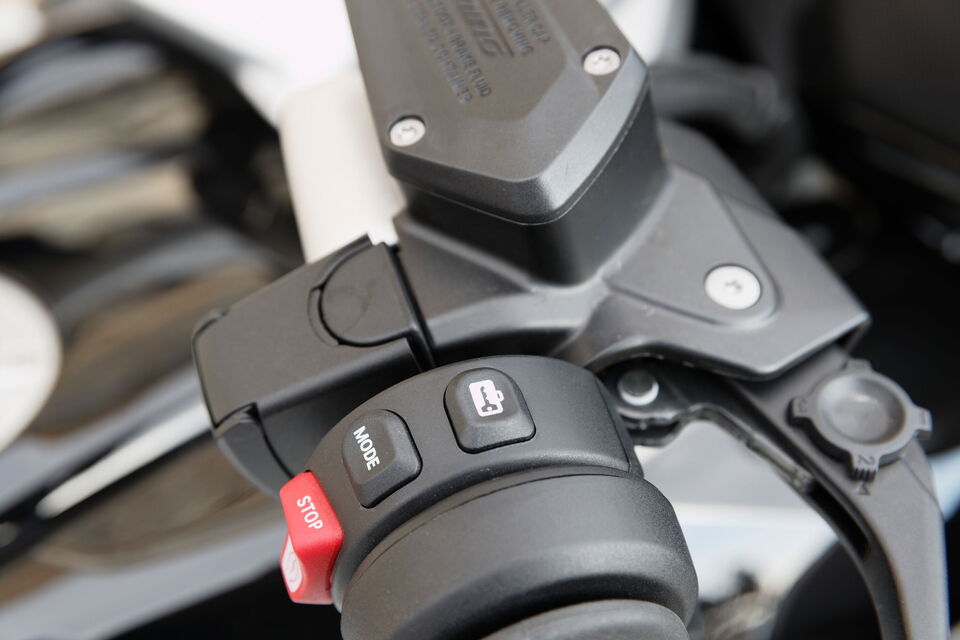
Three riding modes come standard: Rain, Road, and Dynamic. MSR engine drag torque control is standard. Shift Assistant Pro is included in the optional Comfort Package. Top speed: 200 km/h.
Chassis: Same Duolever and ESA as the GTL—but 10 kg Lighter in the Real World
BMW Duolever up front, based on the Hossack principle, with a centrally mounted shock and 114 mm of travel. At the rear, BMW Paralever with shaft drive, a cast-aluminum single-sided swingarm, and 135 mm of travel.
Dynamic ESA Next Generation comes standard, identical to the GTL: semi-active control, automatic load detection, and adaptation to riding mode and road conditions.
The Duolever advantages are the same as on the GTL: minimal brake dive, no handlebar kickback under braking, and precise corner entry despite the motorcycle’s substantial overall weight.
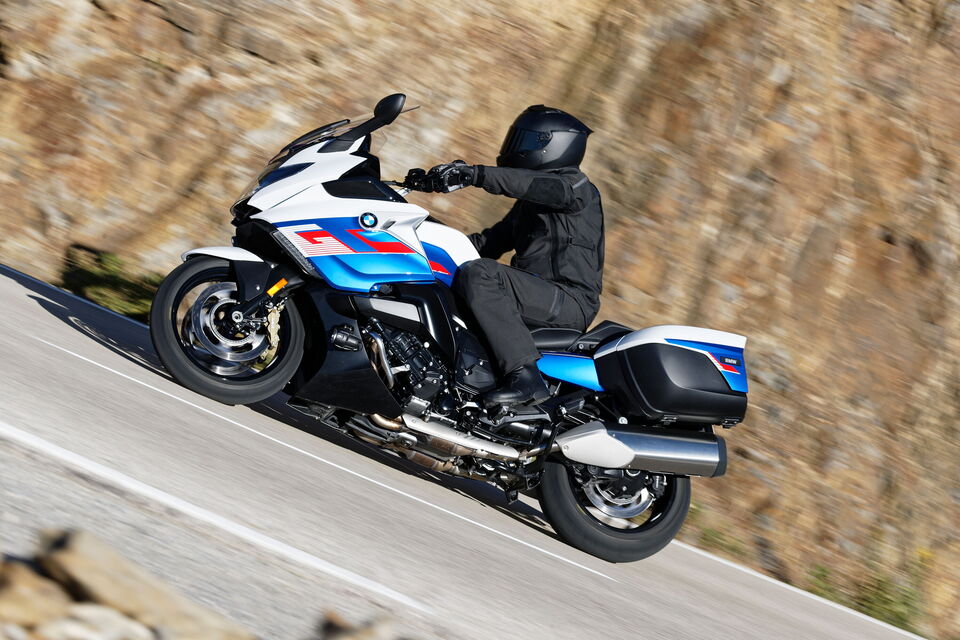
The GT weighs around 348 kg fully fueled—roughly 10 kg less than the GTL at 358 kg. That is the result of its leaner equipment package: no top case from the factory, no passenger backrest, no wind deflectors, and fewer chrome components. In real-world use, the difference is noticeable while maneuvering. Once moving, the GT feels more agile thanks to its sportier ergonomics and slightly different weight distribution.
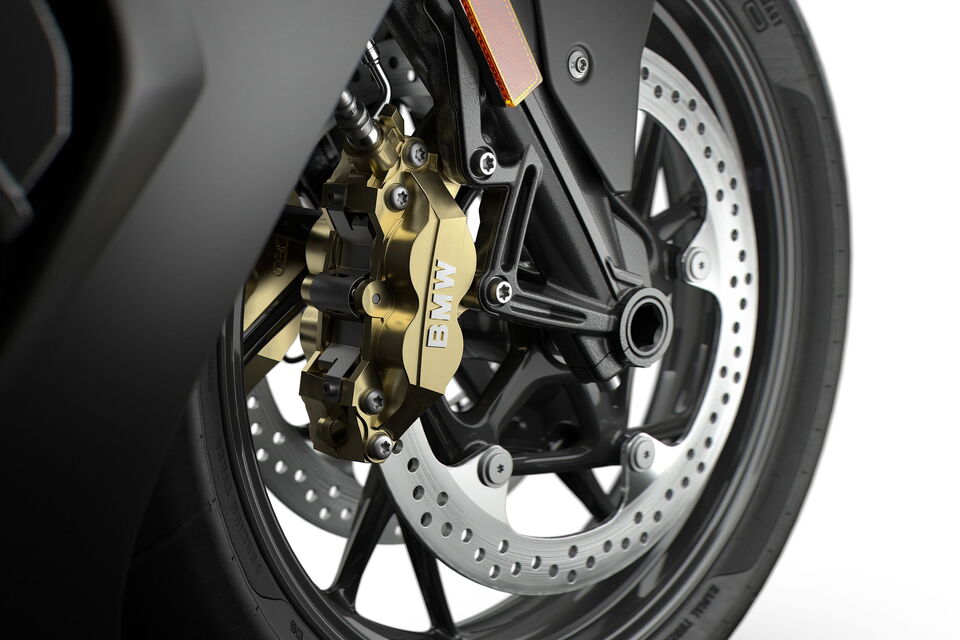
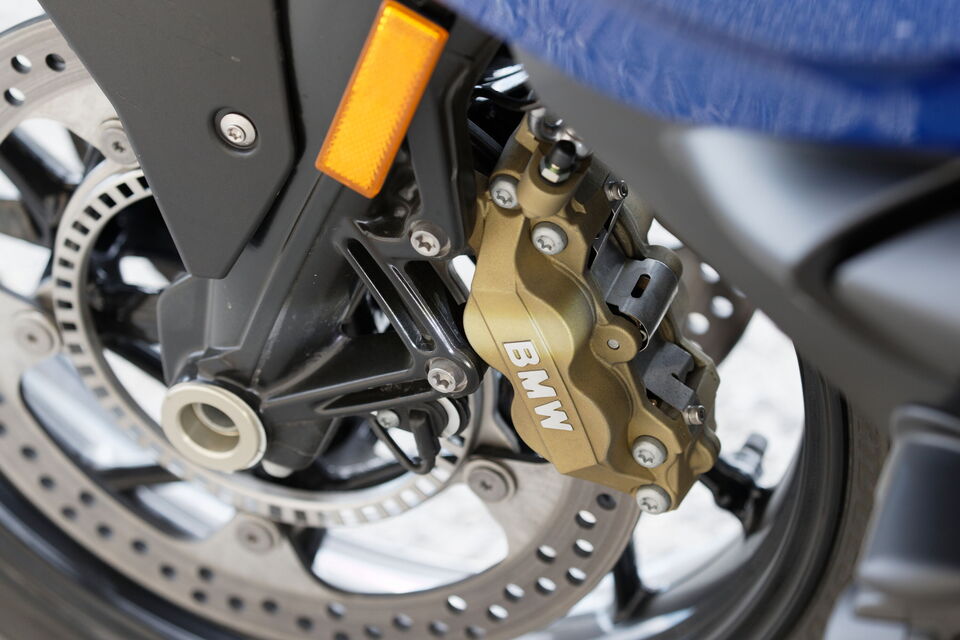
Braking comes from dual 320 mm front discs with fixed four-piston calipers and a 320 mm rear disc. ABS Pro comes standard. Adaptive cornering lights are also standard.
Ergonomics: 810–830 mm Seat Height, Sporty—the Crucial Difference From the GTL
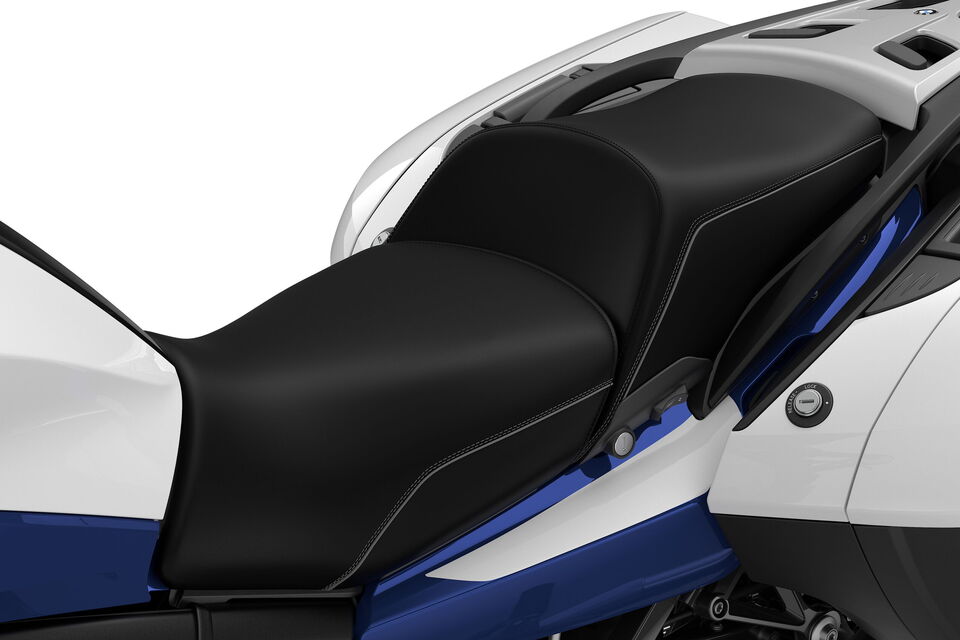
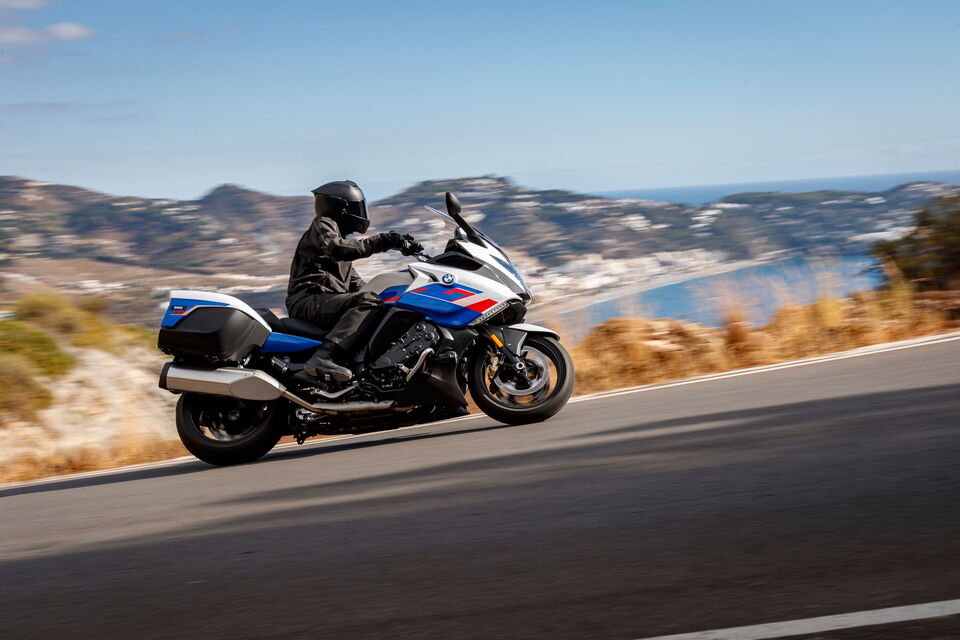
Seat height ranges from 810 to 830 mm—the most important difference compared with the GTL’s 750 mm. The GT positions the rider more sportily and farther forward. The handlebar is less strongly swept back toward the rider than on the GTL. That feels more direct and dynamic on spirited backroads—and somewhat more demanding on long highway stretches with a passenger. Tall riders benefit from the higher seating position. Riders looking for easier low-speed accessibility should choose the GTL.
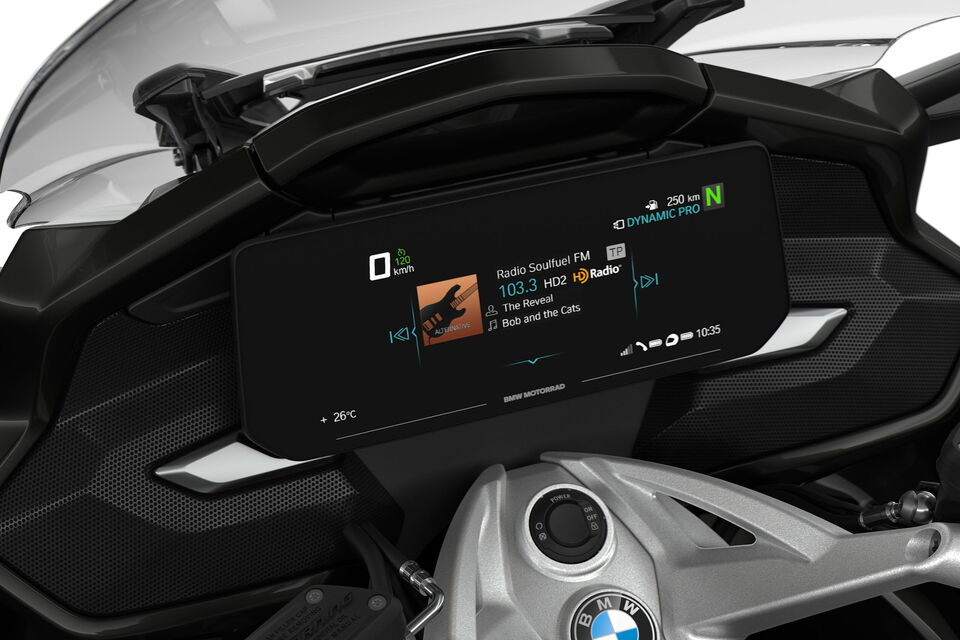
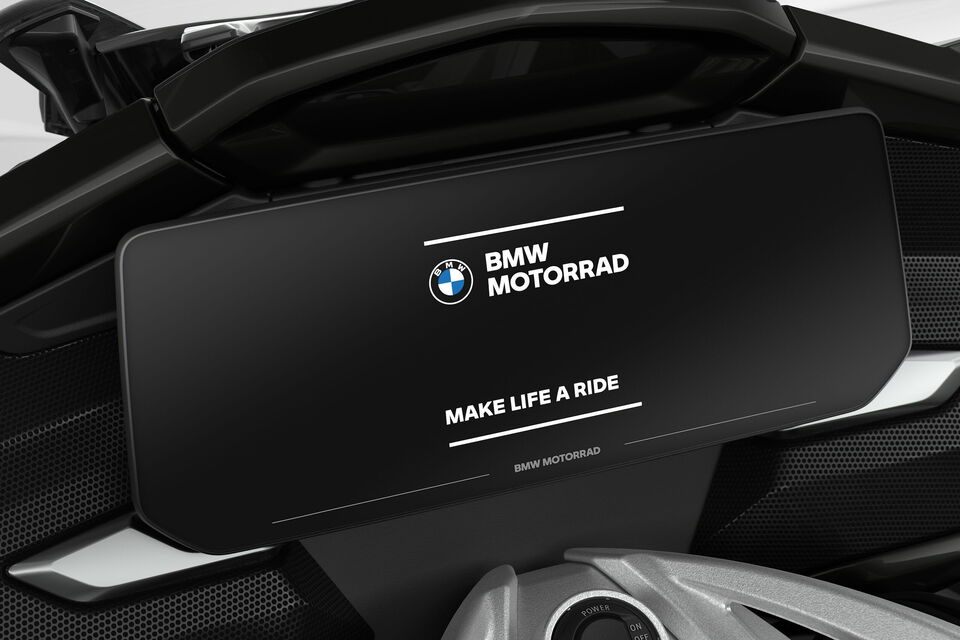
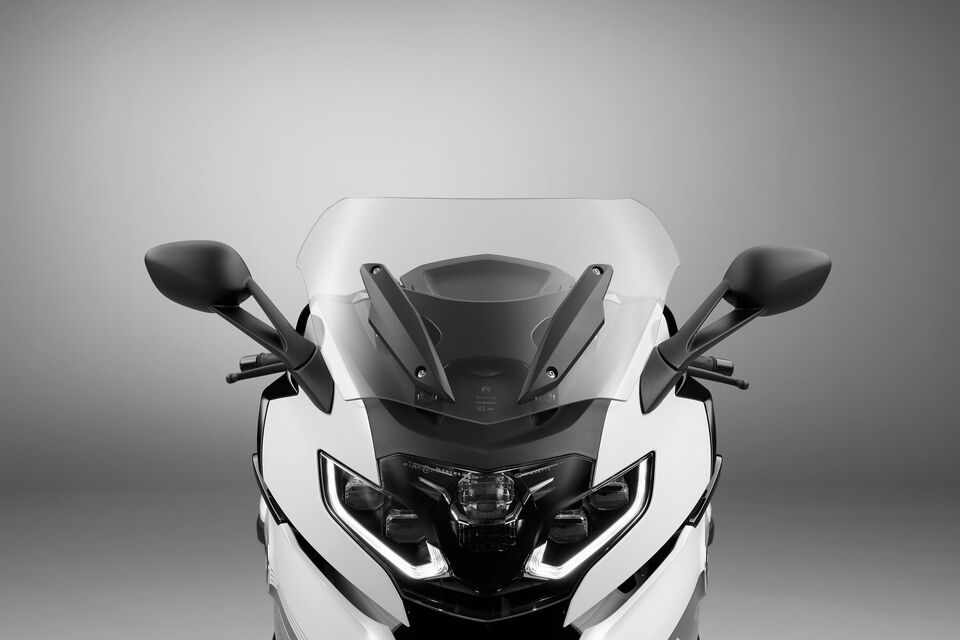
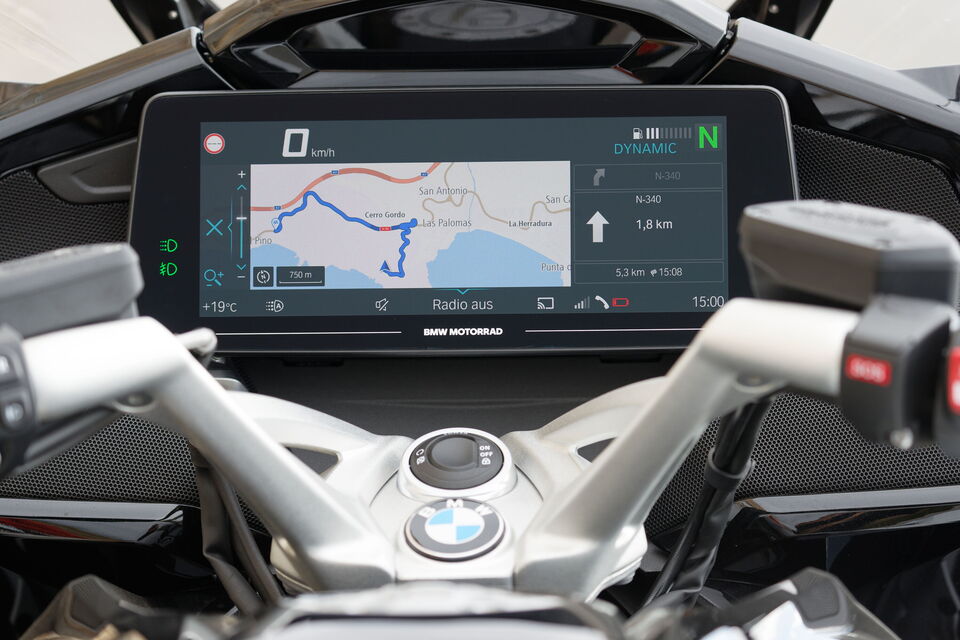
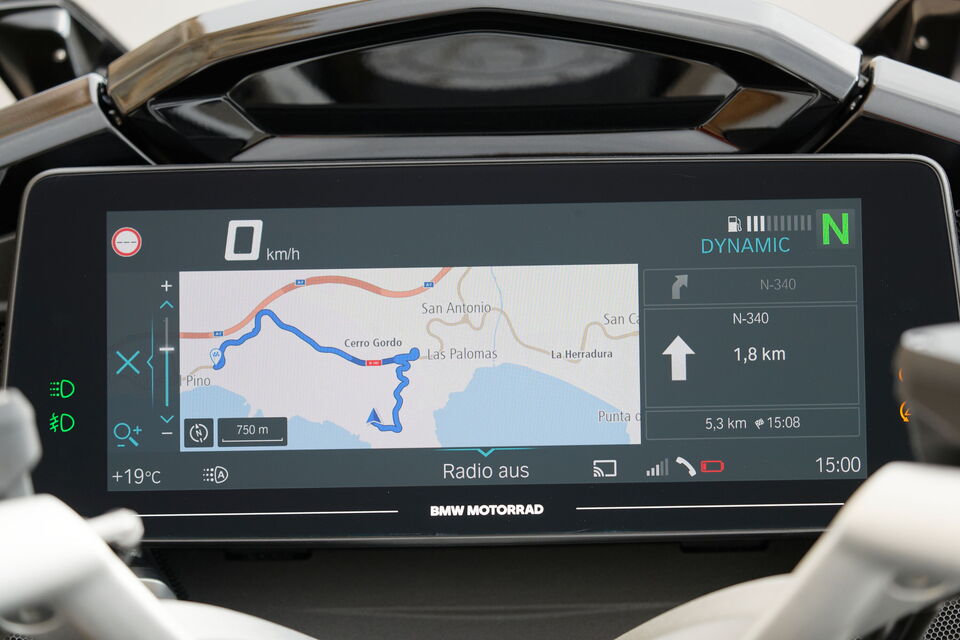
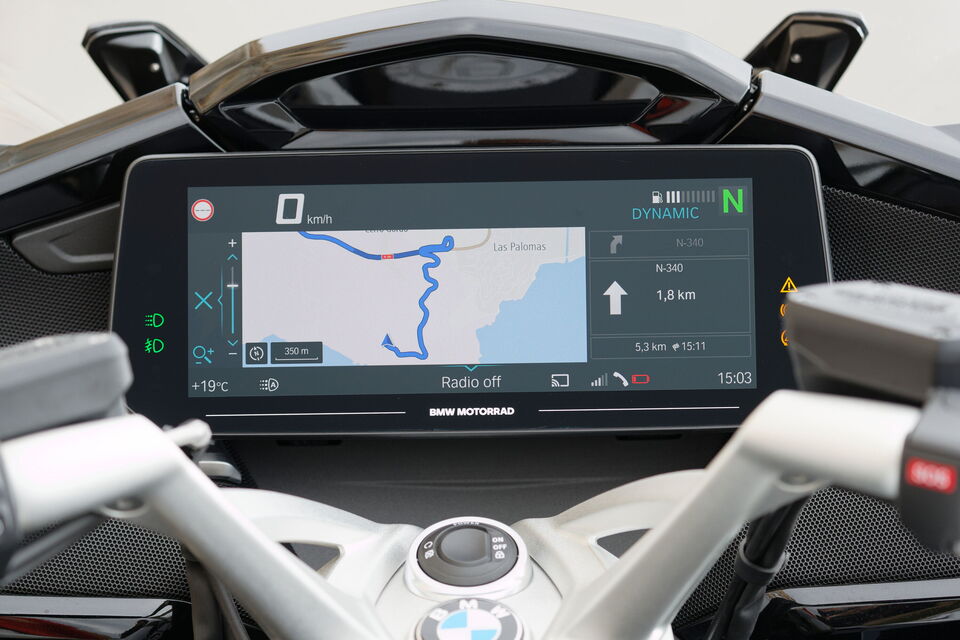
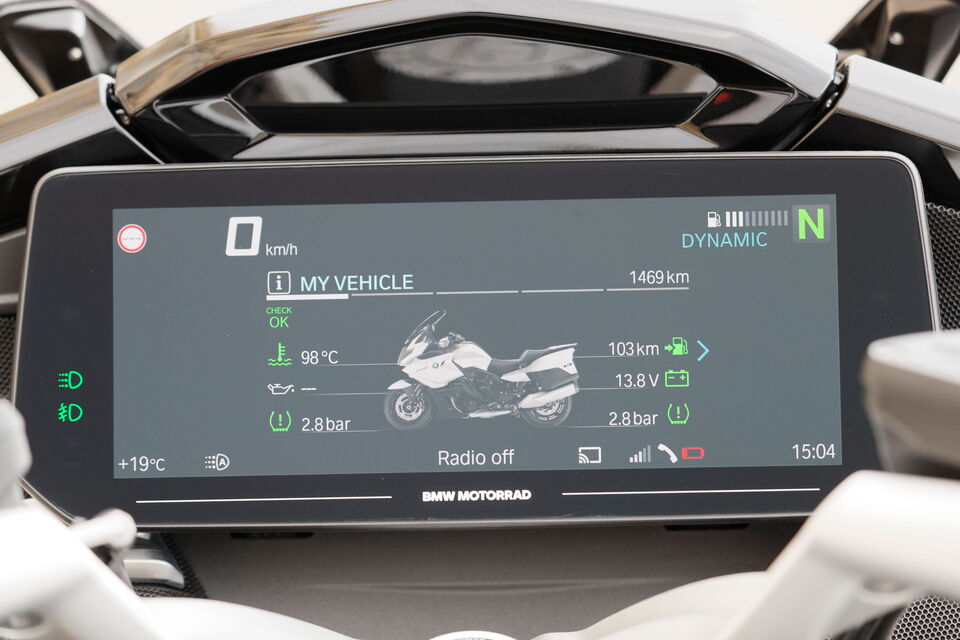
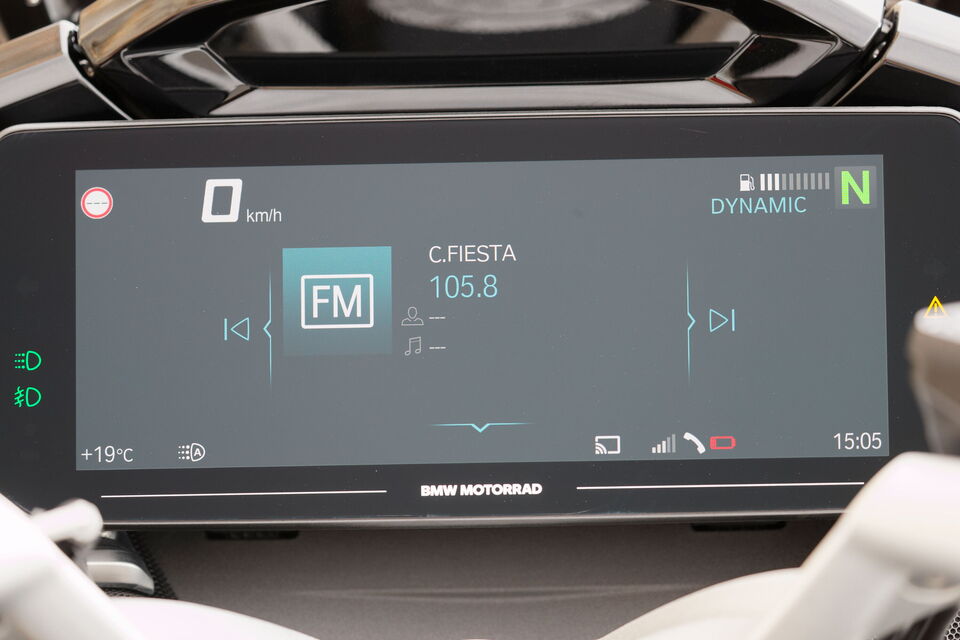
The electrically adjustable windscreen is shorter than the GTL’s, which means more wind noise but also a stronger sense of connection with the ride. The 10.25-inch color TFT display with integrated map navigation and DAB+ audio system also comes standard on the GT. The 26.5-liter fuel tank is the same size as the GTL’s and provides around 450 km of range. Heated grips are standard.
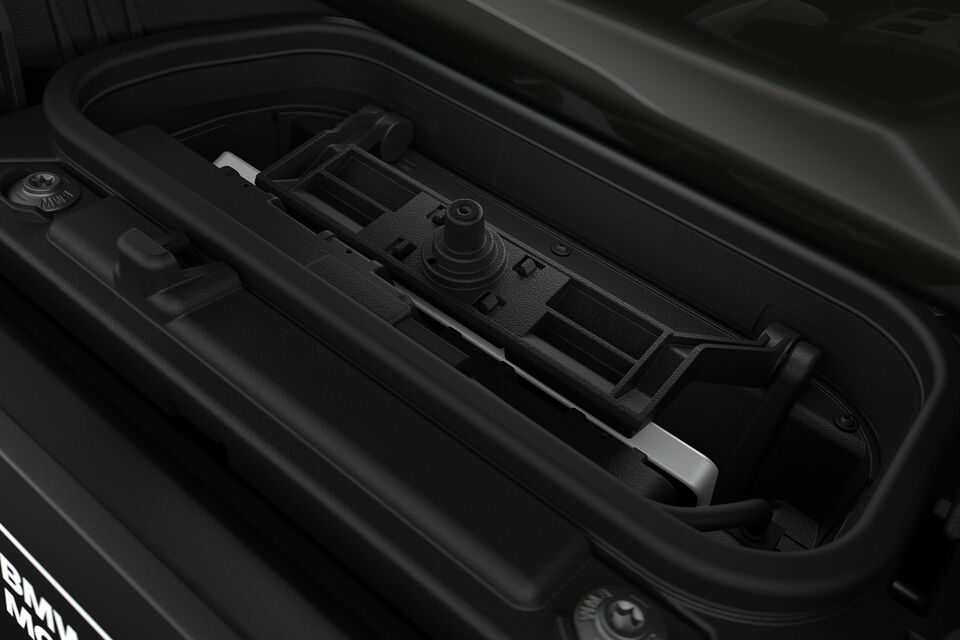
Electric reverse assist is optional rather than standard as it is on the GTL. Saddlebags are optional, and there is no top case as standard.
Handling: 348 kg—More Agile Than the GTL, More Performance Tourer Than Grand Tourer
348 kg—10 kg less than the GTL, but still a weight that demands riding experience.
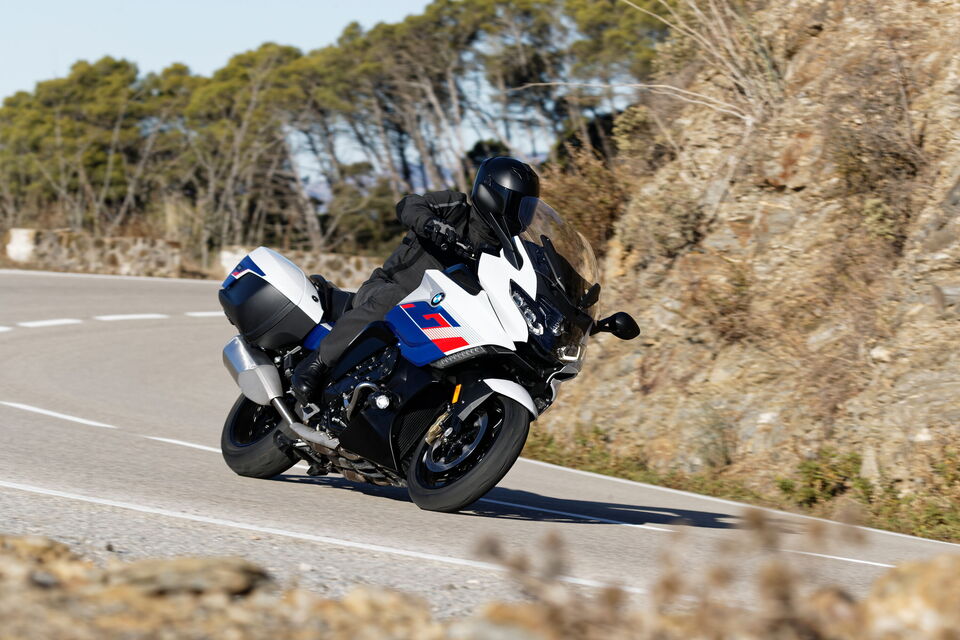
Unlike the GTL, the GT leans more heavily toward the sporting side of touring: shorter windscreen, higher seating position, and a more direct overall character. That makes the GT the better choice for riders who travel solo and prioritize sport touring without sacrificing six-cylinder comfort.
Those who regularly travel two-up and value maximum standard equipment should choose the GTL and budget for the €2,100 price premium. Neither the GT nor GTL is suitable for beginners. Their weight, performance, and complex electronics require experience. For seasoned touring riders, the GT is the more balanced package: less weight, sportier ergonomics, the same six-cylinder engine, and a price €2,100 lower than the GTL.
Equipment: Same Core Technology as the GTL—Without Top Case, Passenger Backrest, and Wind Deflectors as Standard
Standard equipment includes Dynamic ESA Next Generation, ABS Pro, MSR, traction control, adaptive LED cornering lights, electrically adjustable windscreen, heated grips, 10.25-inch color TFT with navigation, DAB+ audio system, USB-A charging port, and Rain/Road/Dynamic riding modes.
Unlike the GTL, the following are not standard: top case, passenger backrest, wind deflectors, chrome-plated mufflers, and electric reverse assist.
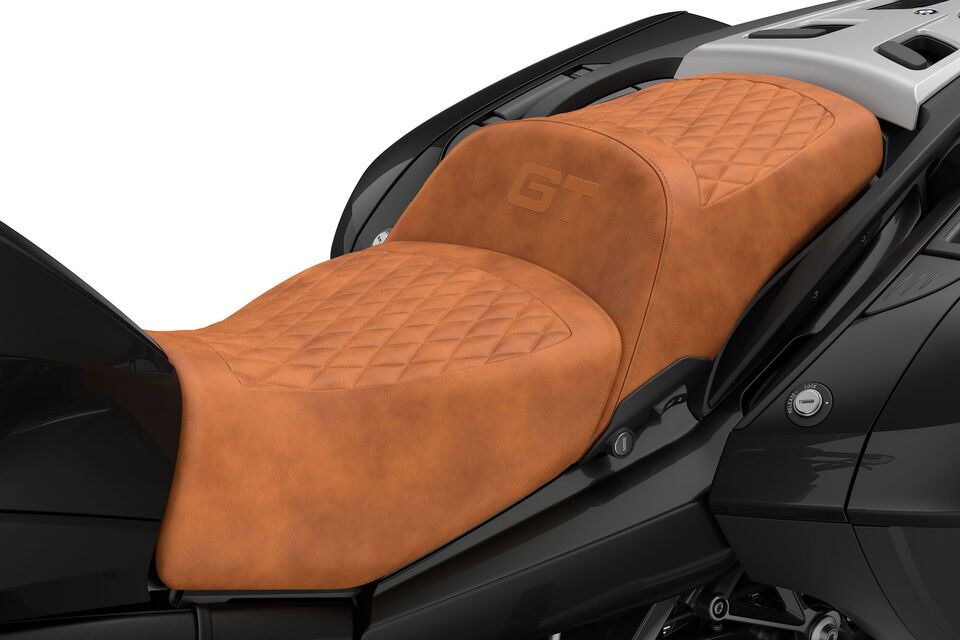
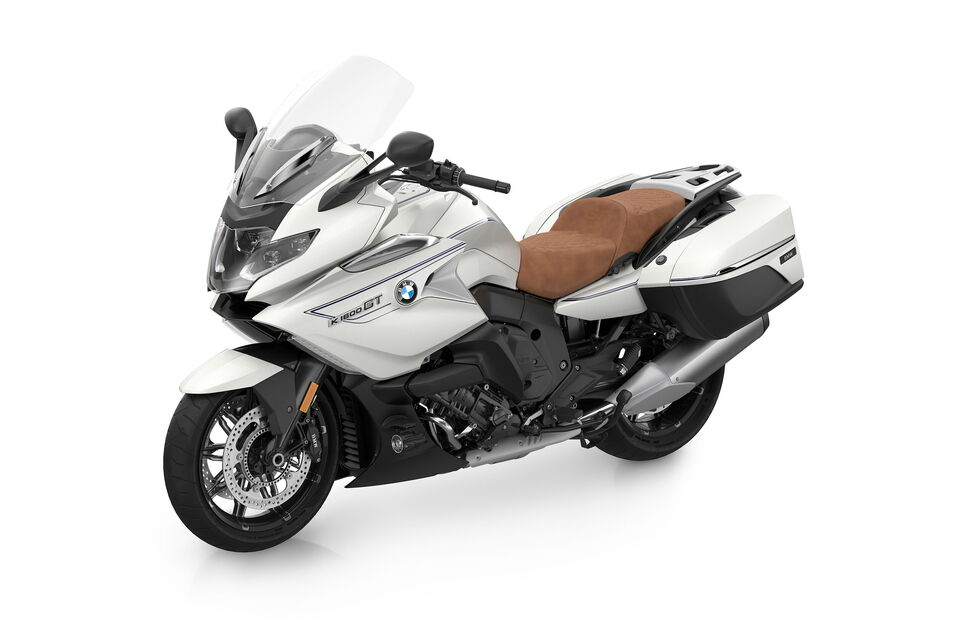
Optional equipment includes the Comfort Package with Keyless Ride, Shift Assistant Pro, central locking, anti-theft alarm system, LED auxiliary lights, engine protection bars, and centerstand. Color options: Racing Blue Metallic, new as the base color, and Option 719 Antigua with Blue Ridge Mountain Metallic paint and Saddle Brown seat.
Costs: €27,190—€2,100 Less Than the GTL, While the Honda Gold Wing Remains More Expensive
The base price is €27,190 plus freight and packaging. The GTL starts at €29,290—a difference of €2,100. Riders who want to retrofit saddlebags and a top case will need to spend extra. Those who prefer original BMW accessories should compare the total cost directly with the GTL before deciding.
The Honda Gold Wing DCT starts at €32,149, around €5,000 more than the K 1600 GT, while producing 34 hp less and using a DCT transmission instead of a conventional manual gearbox.
Service intervals are every 10,000 km, with costs ranging from €600 to €900. Valve-clearance inspection is required every 10,000 km. Shaft drive keeps routine maintenance low. Warranty: two years with unlimited mileage.
Verdict
The BMW K 1600 GT is the sportier, less expensive, and lighter configuration of the same platform used by the GTL. 160 hp, Duolever, Dynamic ESA—identical. Top case, passenger backrest, wind deflectors—not standard. That makes the GT the right choice for touring riders who ride solo or want to configure their own equipment—and save €2,100 in the process. Riders who regularly travel long distances two-up will be better served by the GTL.
Quick Check
+ 160 hp inline-six, identical to the GTL—the most compact six-cylinder in motorcycle production
+ Duolever front suspension and Dynamic ESA standard—same chassis foundation as the GTL
+ 348 kg fully fueled—10 kg lighter than the GTL
+ Sportier riding position and shorter windscreen: more riding feel, more six-cylinder sound
+ €2,100 less expensive than the GTL with the same core technology
+ €5,000 less expensive than the Honda Gold Wing DCT while producing 34 hp more
+ 10.25-inch TFT with navigation and DAB+ audio system standard
+ Adaptive cornering lights standard
+ 26.5-liter fuel tank—up to 450 km of range
+ Stationary noise below 95 dB(A)—no Tyrol riding restriction
– Top case, passenger backrest, wind deflectors, and electric reverse assist not standard—the GTL includes all of them
– 810–830 mm seat height—challenging for shorter riders; GTL is more accessible at 750 mm
– 348 kg—even without a top case, this is a motorcycle that demands experience
– Shorter windscreen—more wind noise than on the GTL
– Centerstand and Shift Assistant Pro only included in the Comfort Package
– 2-year warranty
Technical Specifications: BMW K 1600 GT (2026)
Country of manufacture: Germany (Berlin-Spandau)
Engine: Liquid-cooled inline-six four-stroke engine, DOHC, transversely mounted, Euro 5
Displacement: 1,649 cc
Power: 118 kW (160 hp) at 6,750 rpm
Torque: 180 Nm at 5,250 rpm
Transmission: 6-speed; Shift Assistant Pro optional (Comfort Package)
Final drive: Shaft
Frame: Aluminum bridge frame
Front suspension: BMW Duolever with centrally mounted shock, 114 mm travel
Rear suspension: Cast-aluminum single-sided swingarm with Paralever, 135 mm travel
Suspension control: Dynamic ESA Next Generation standard: semi-active, automatic load detection
Front brakes: Dual 320 mm discs, fixed four-piston calipers
Rear brake: 320 mm disc, two-piston floating caliper
Rider aids: ABS Pro (lean-angle optimized), traction control, MSR, adaptive cornering lights standard; Rain/Road/Dynamic riding modes
Wheels: Cast-aluminum wheels
Front tire: 120/70 ZR17
Rear tire: 190/55 ZR17
Display: 10.25-inch color TFT with navigation and DAB+ audio system standard
Standard equipment: Dynamic ESA, ABS Pro, adaptive cornering lights, electrically adjustable windscreen, heated grips, 10.25-inch TFT/navigation/DAB+, riding modes, USB-A
Not standard compared with GTL: Top case, passenger backrest, wind deflectors, chrome-plated mufflers, electric reverse assist
Optional Comfort Package: Keyless Ride, centerstand, central locking, Shift Assistant Pro, anti-theft alarm system, LED auxiliary lights, engine protection bars
Wet weight: approx. 348 kg (GTL: 358 kg)
Seat height: 810–830 mm (GTL: 750 mm); low seat optional
Wheelbase: 1,618 mm
Fuel capacity: 26.5 liters
Top speed: 200 km/h
Price (Germany): from €27,190 plus additional charges
Warranty: 2 years, unlimited mileage