Review BMW M 1000 XR (2026)

The Long-Distance Sportbike for Riders Who Want It All—and Refuse to Give Up Either Side
BMW built the M 1000 XR for riders who want to cover 800 kilometers on the weekend and still leave everyone behind on the backroads. 201 hp from the S 1000 RR engine, DDC standard, M Winglets, M brakes, forged aluminum wheels—and a 20-liter fuel tank. The catch: there is no hard-case mounting system. BMW calls that consistency. You could also call it radical. From €25,900.
As of: April 12, 2026 | Tested model: BMW M 1000 XR (2026) | Price from: €25,900 (2024 introductory price; ask your dealer for current pricing)
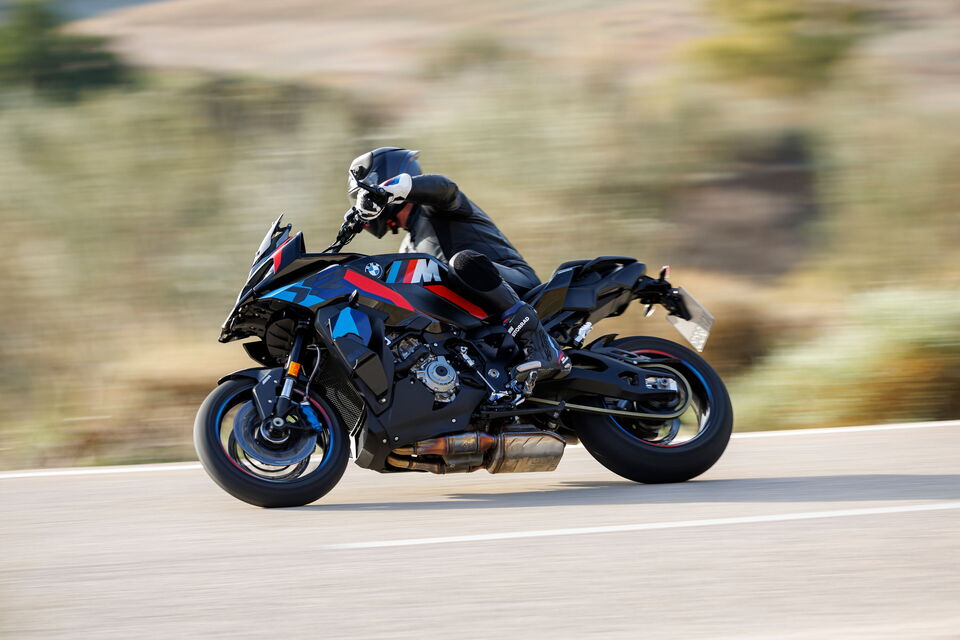
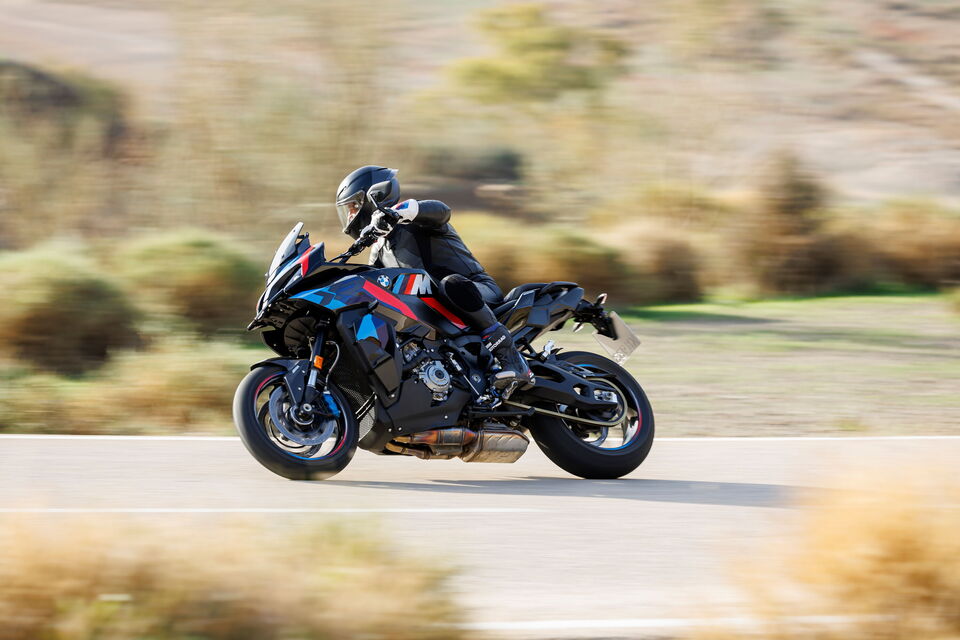
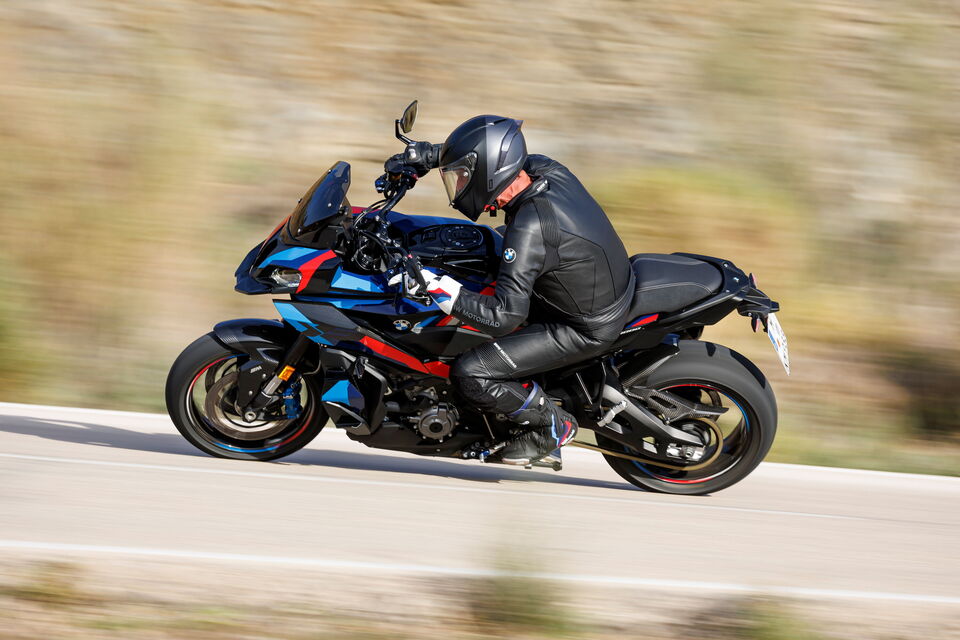
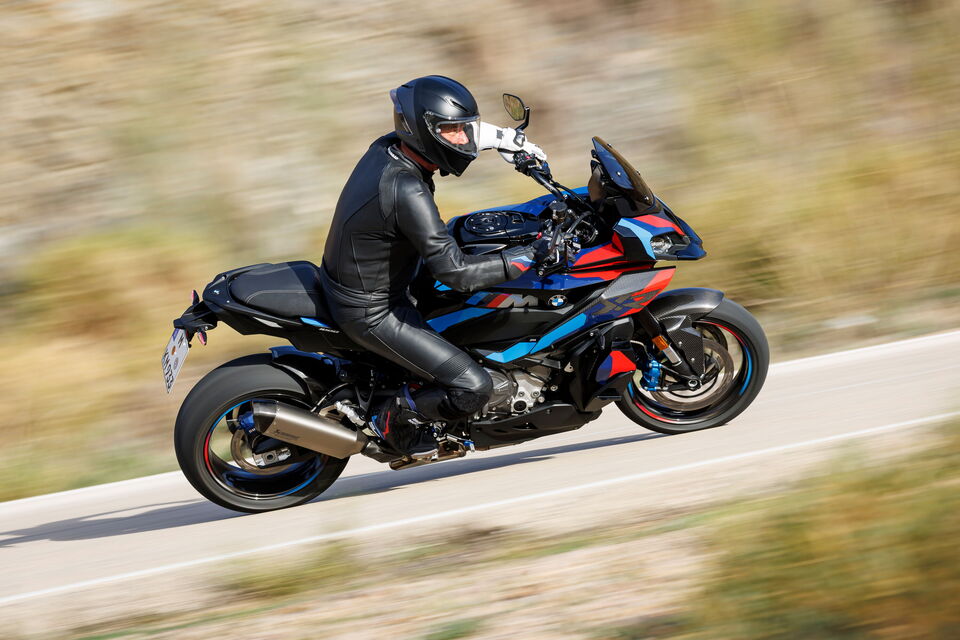

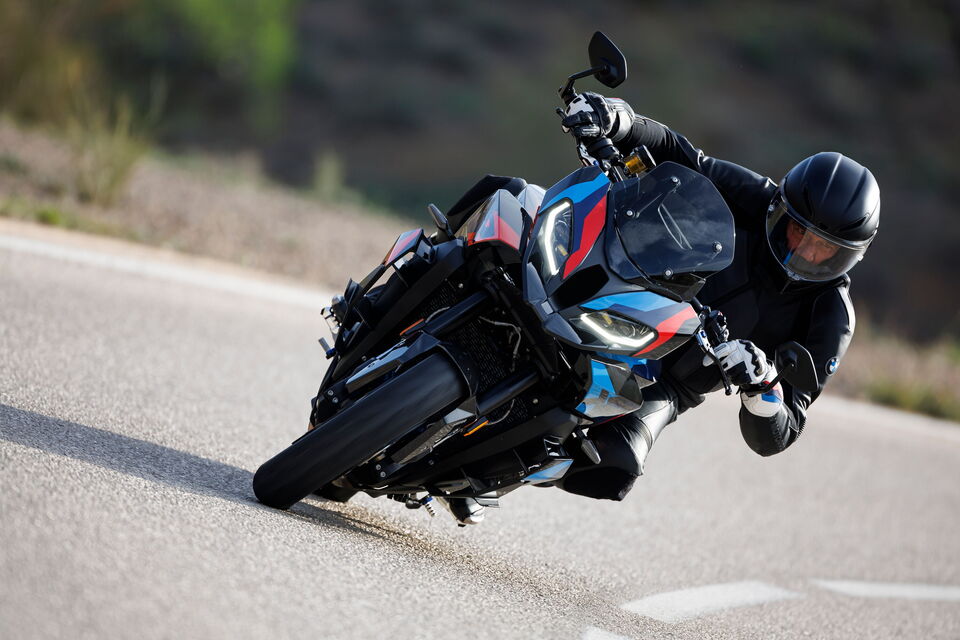
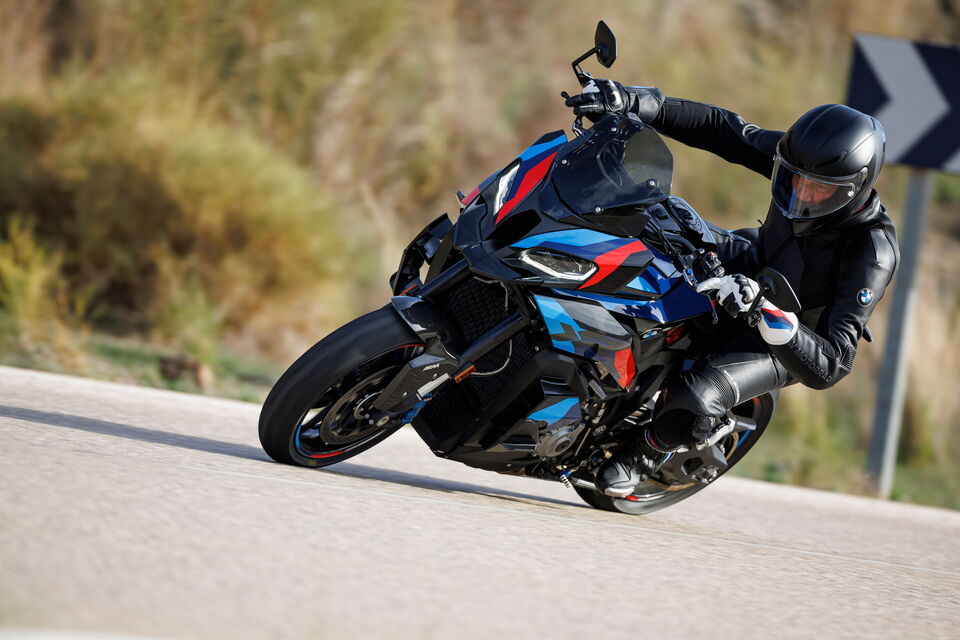
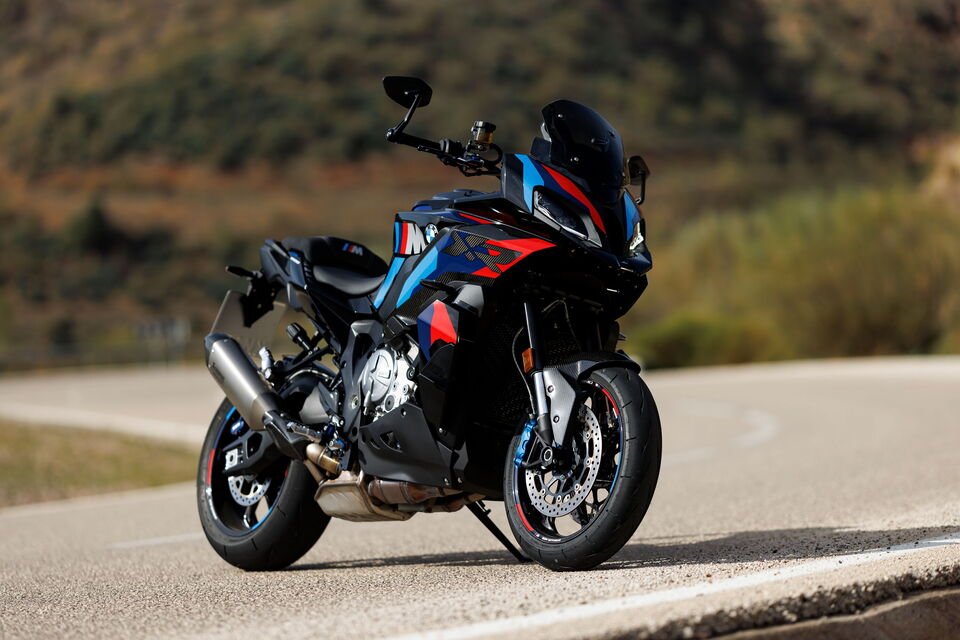
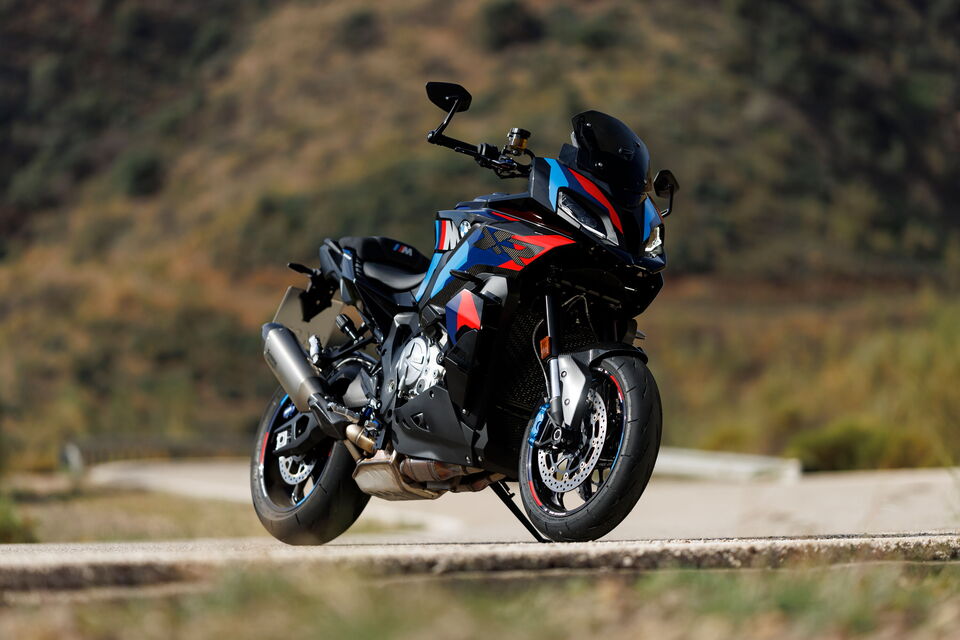
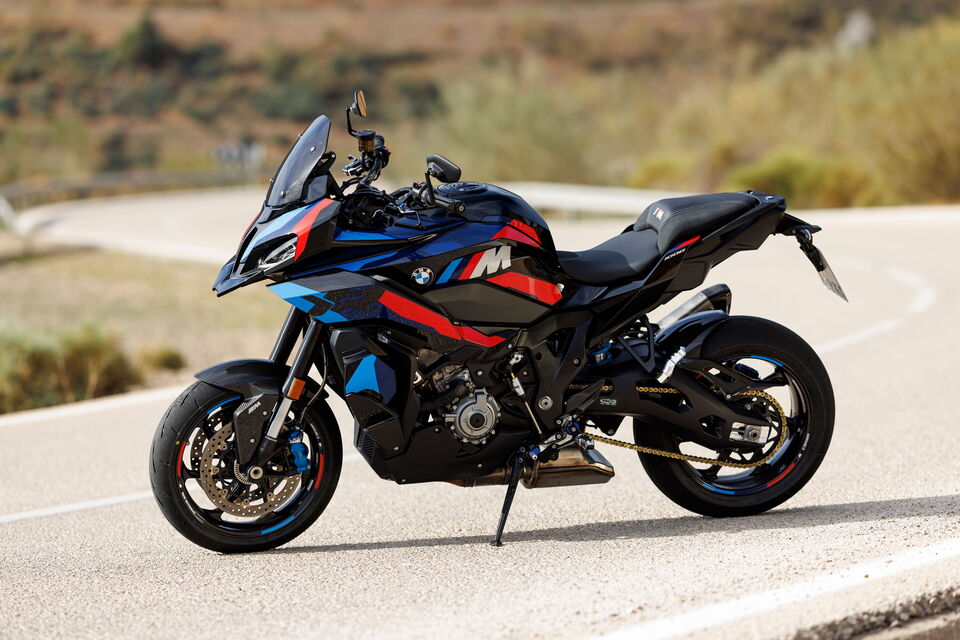

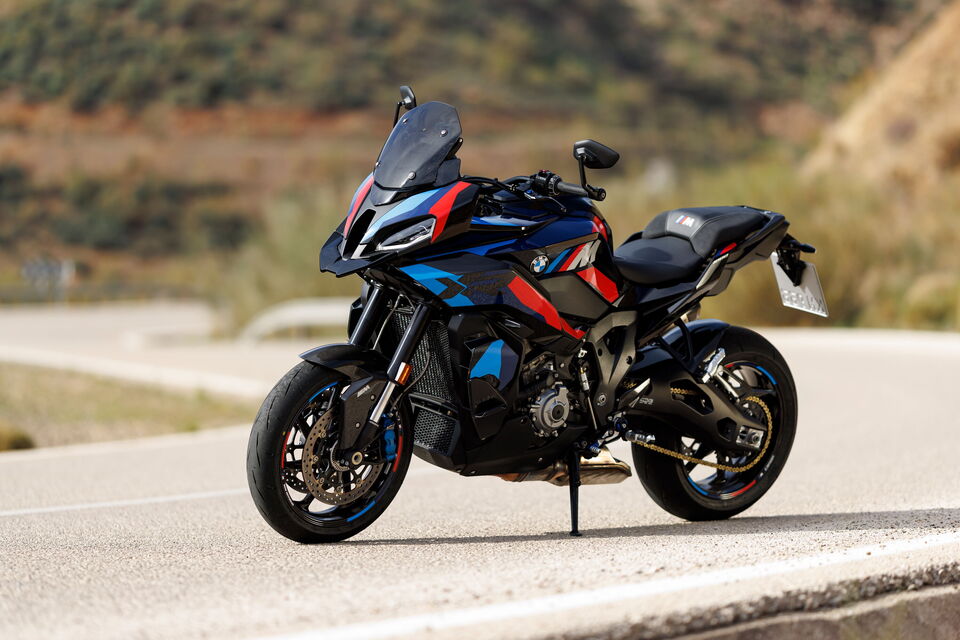
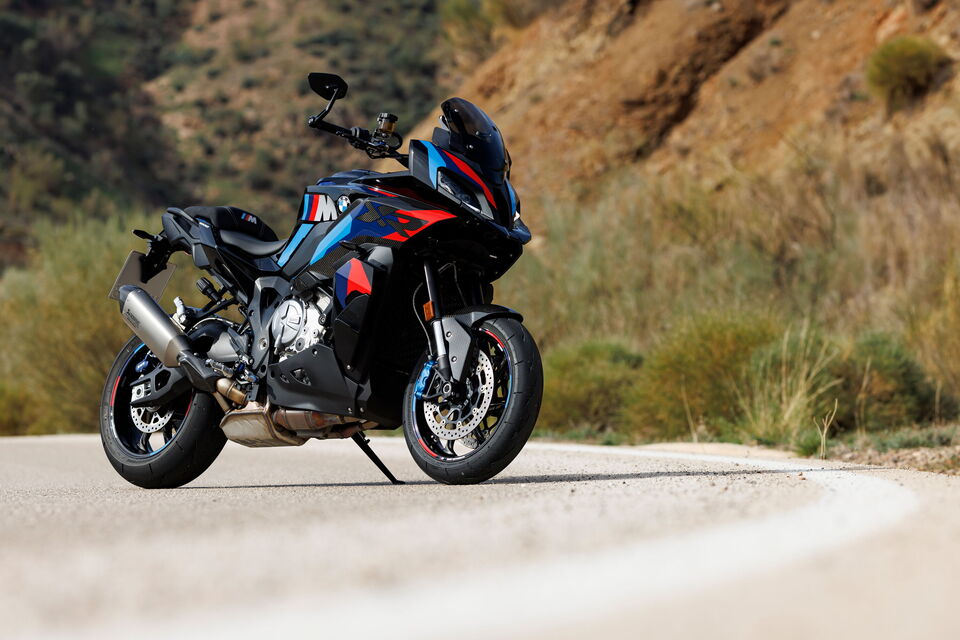
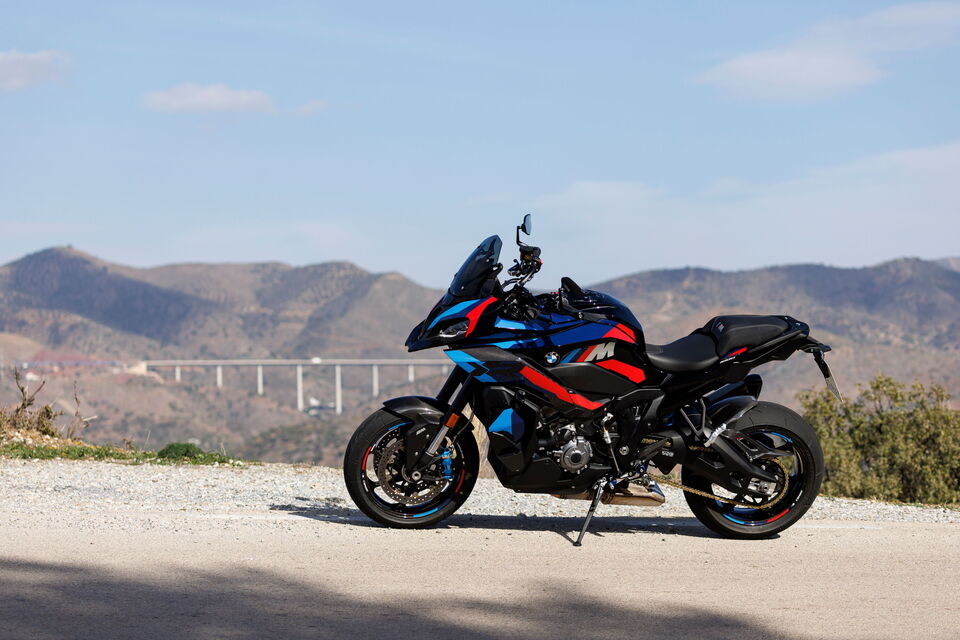
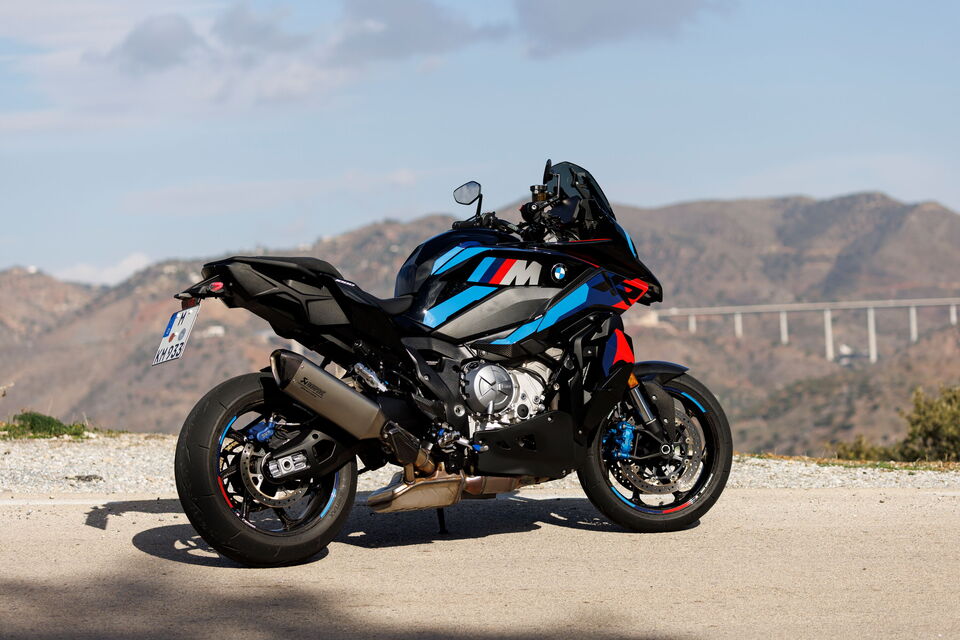
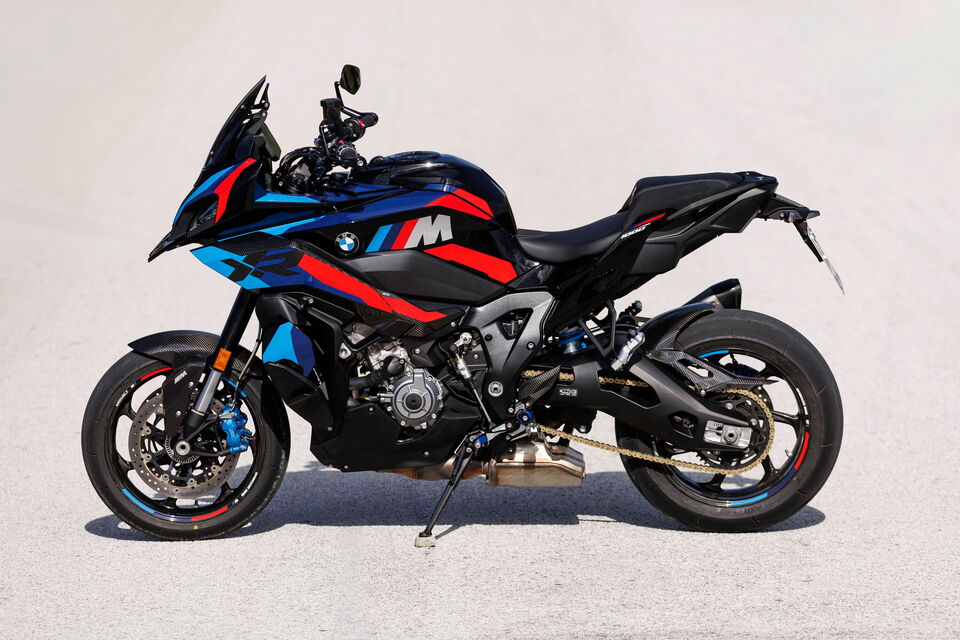
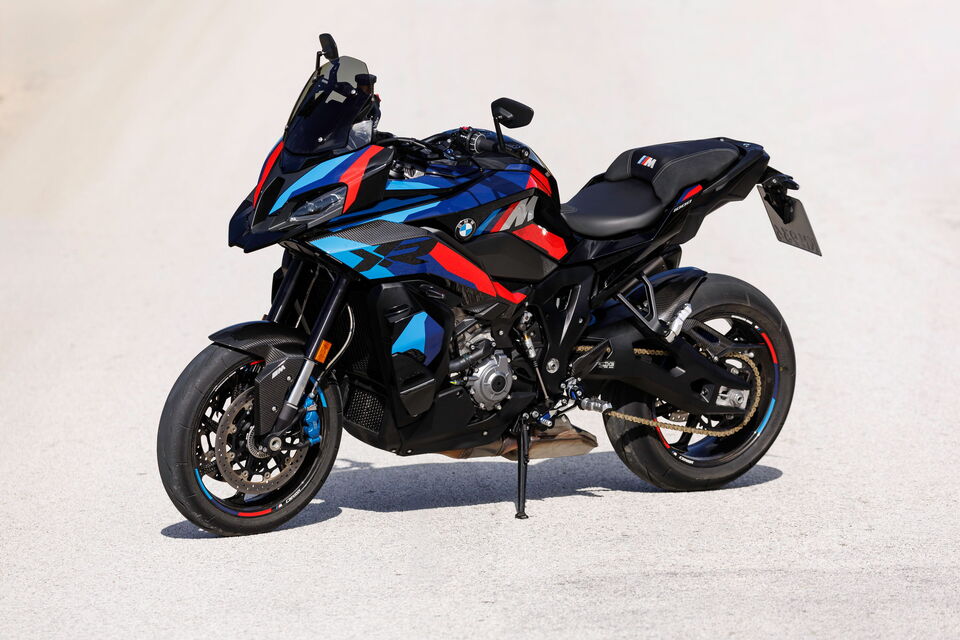

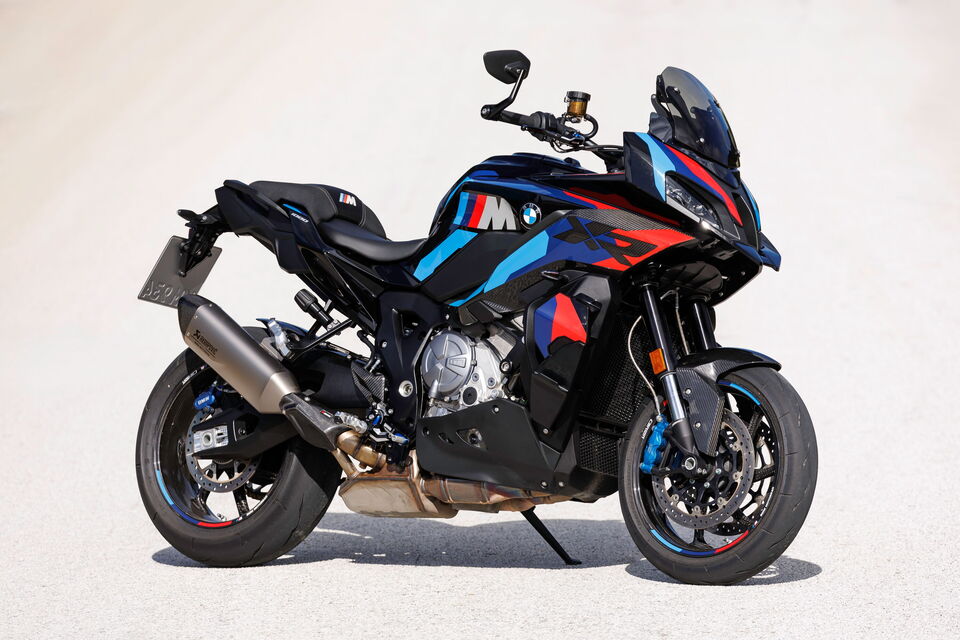
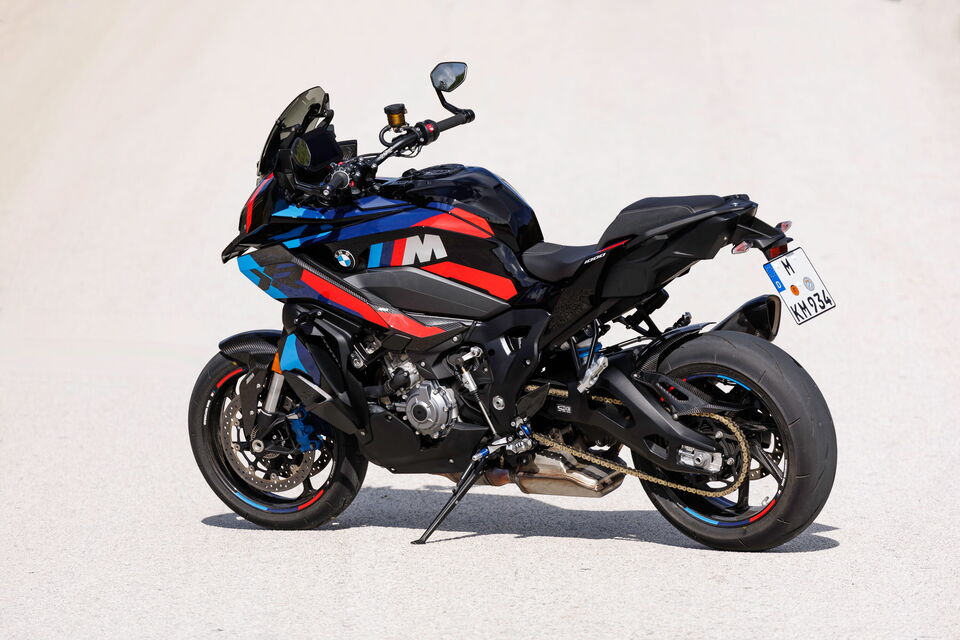
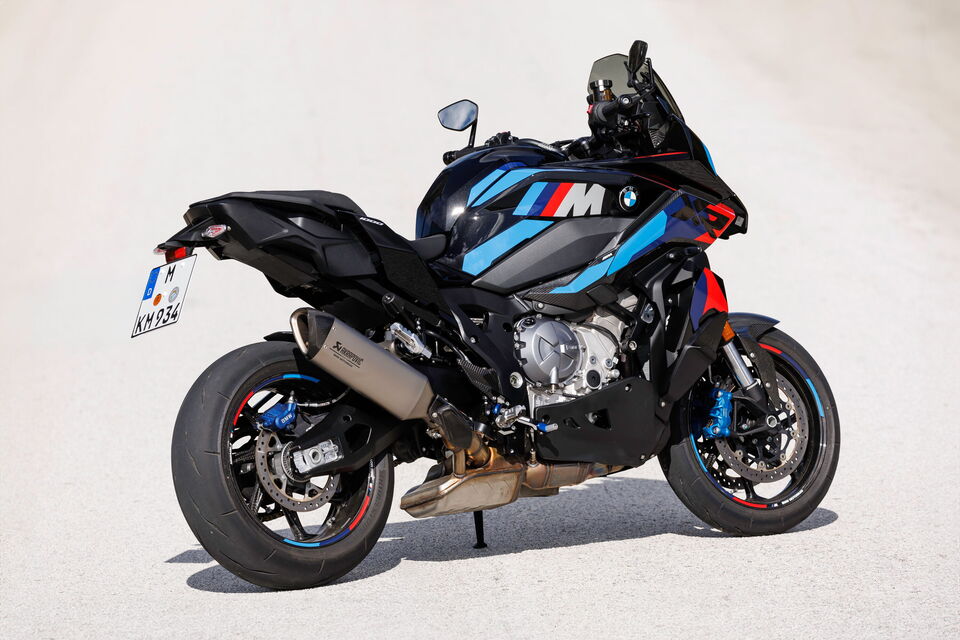
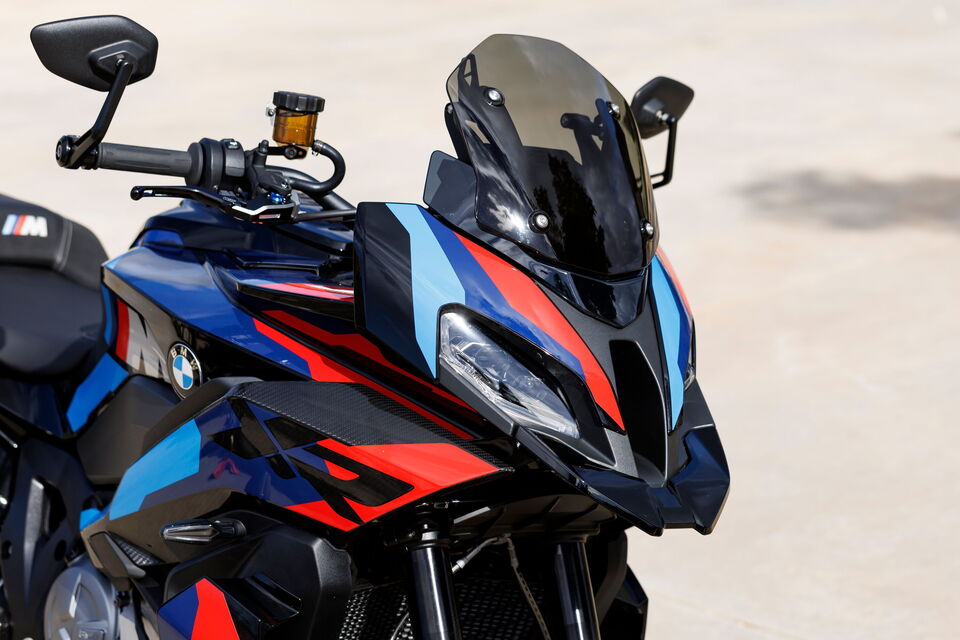
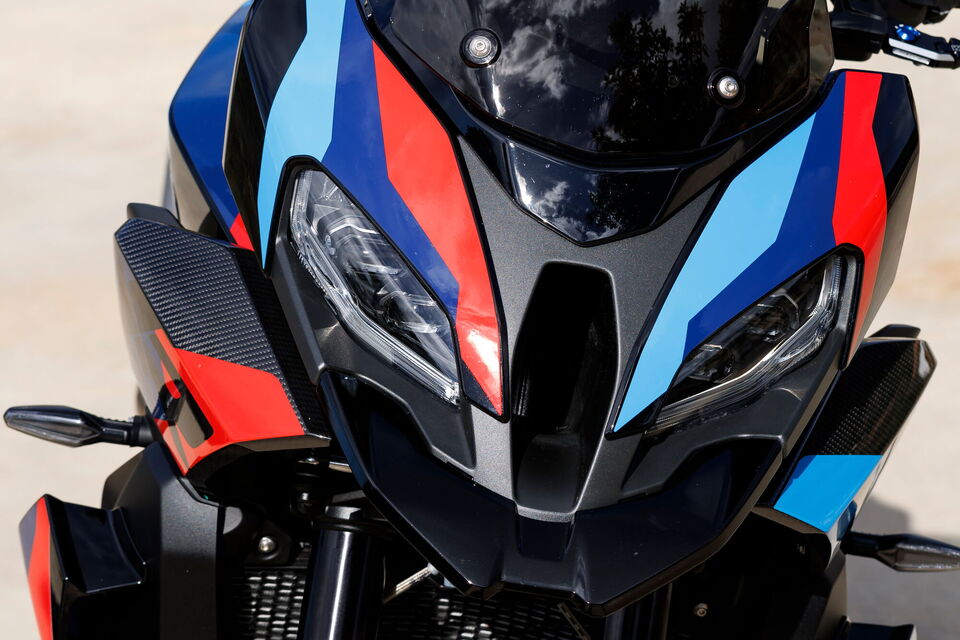
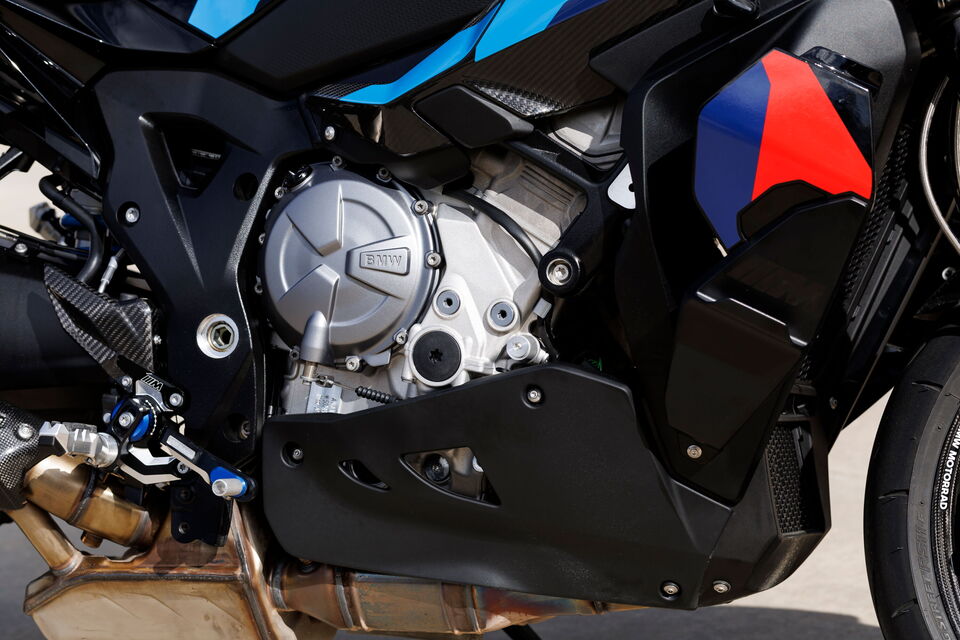
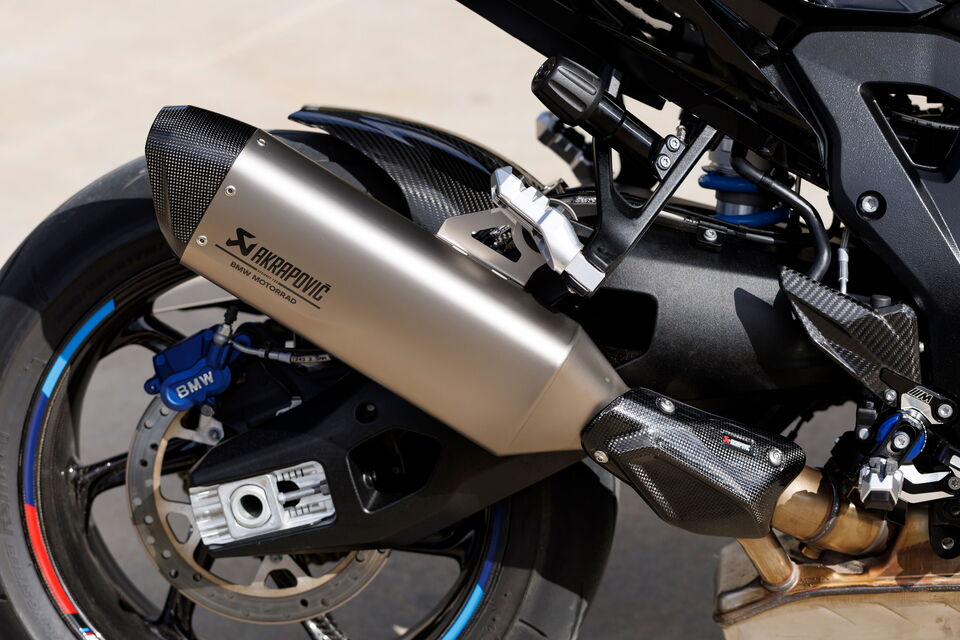
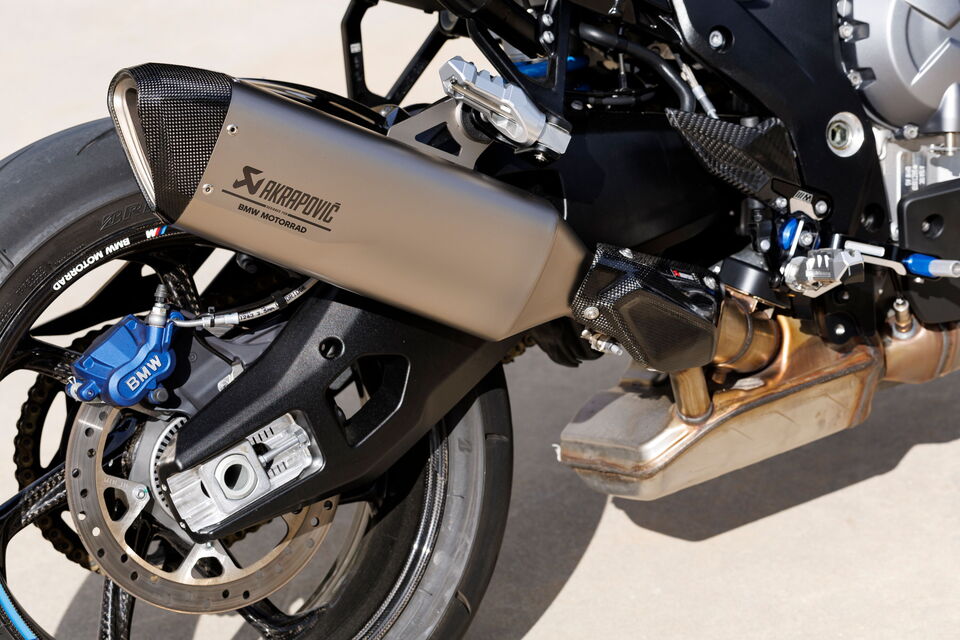

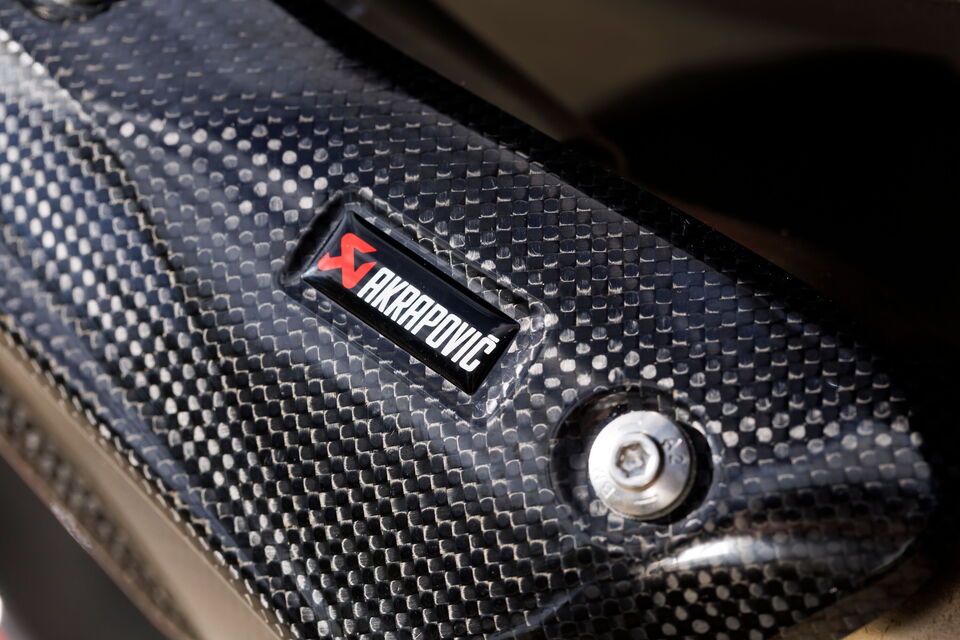
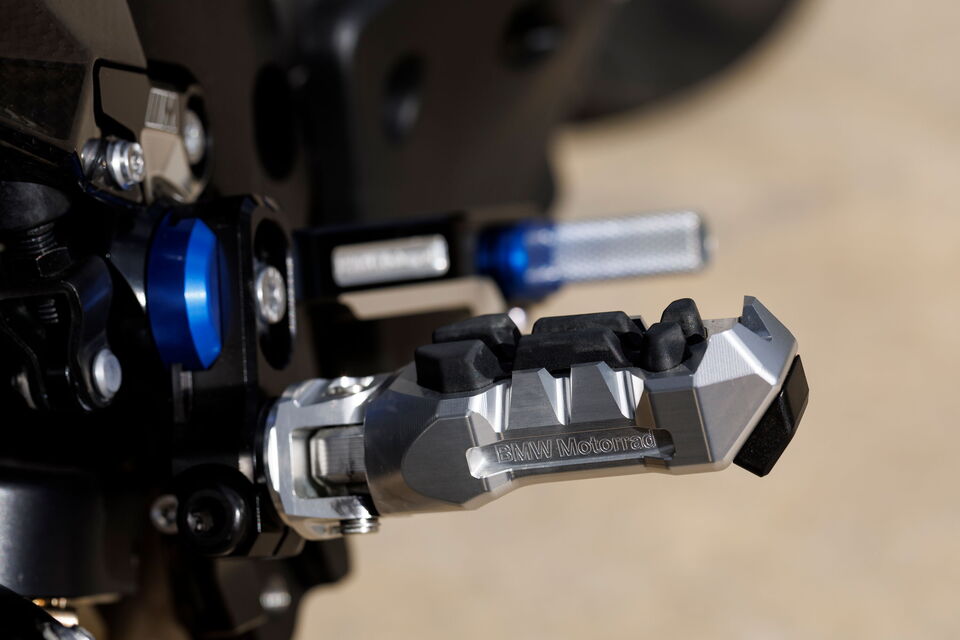
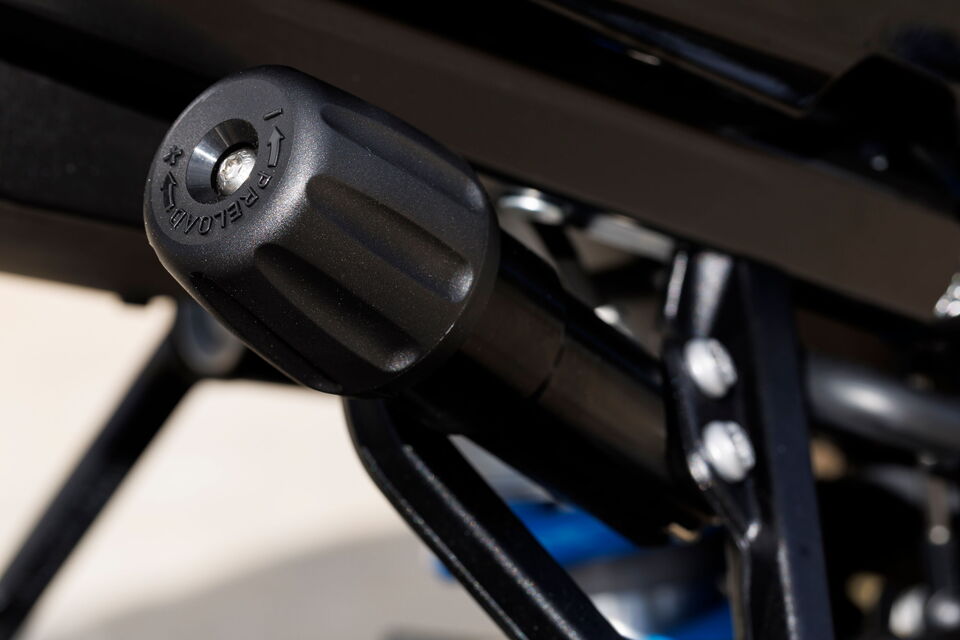
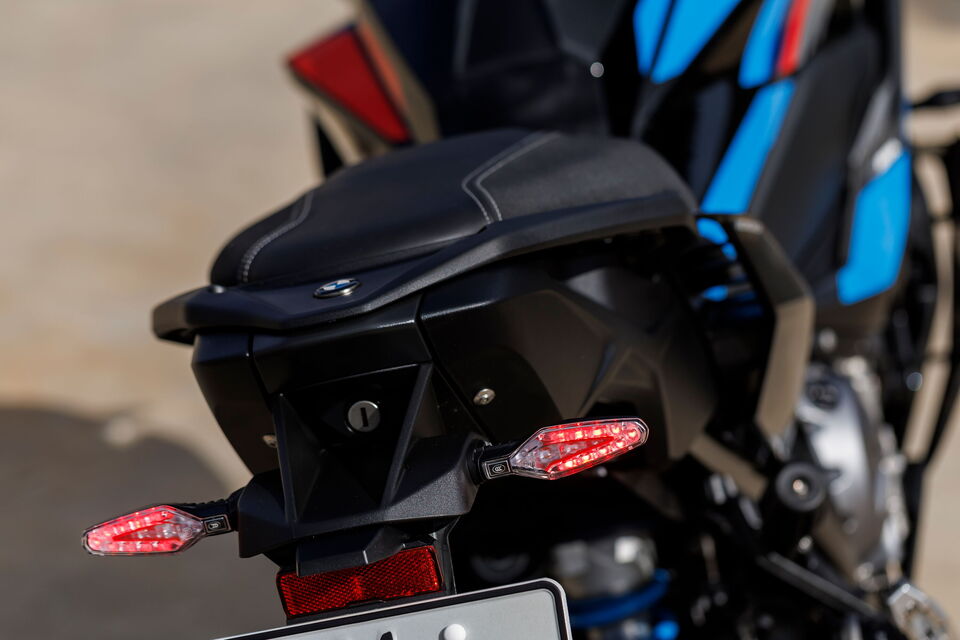
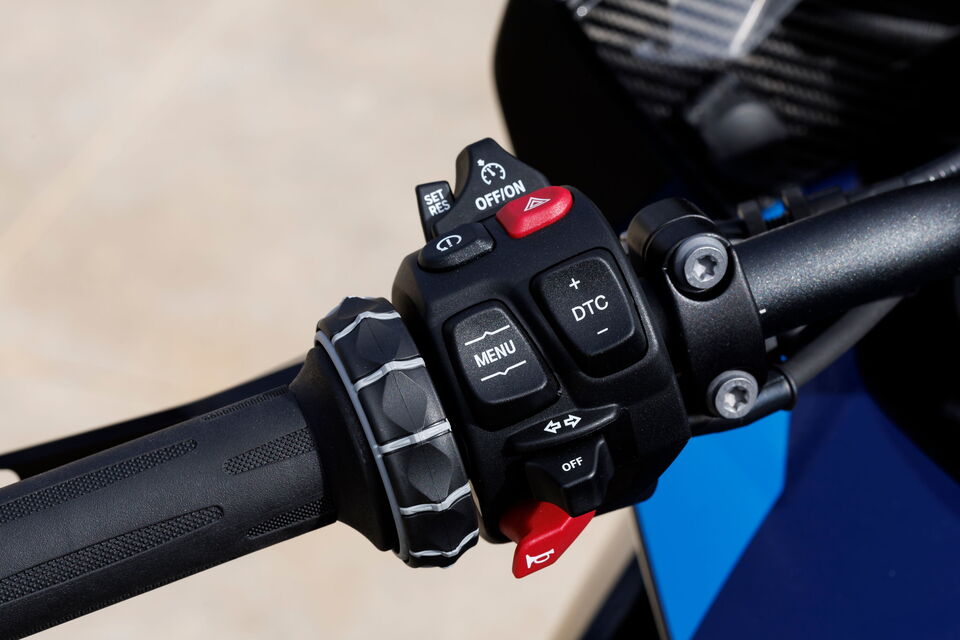



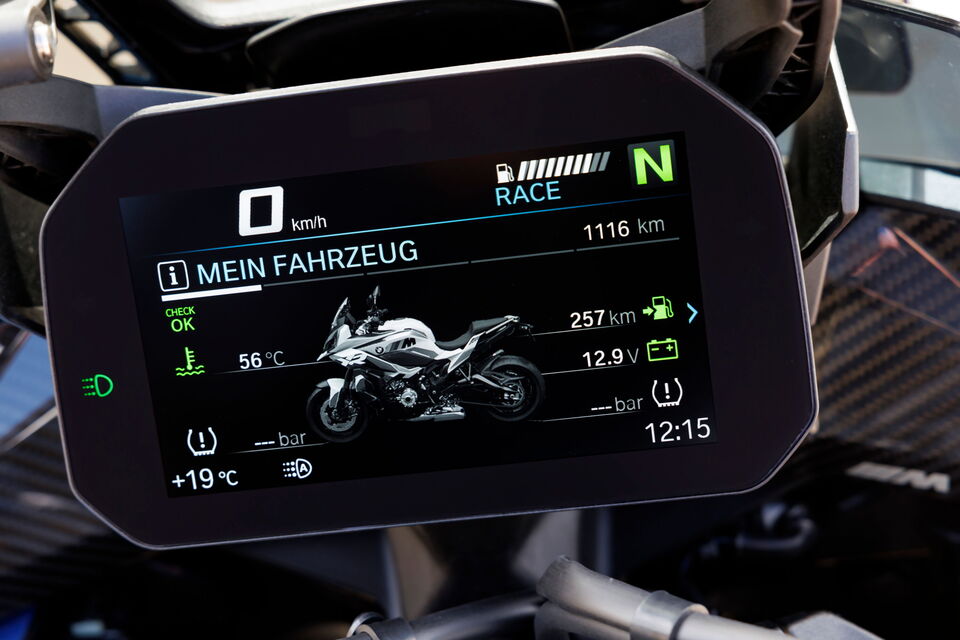
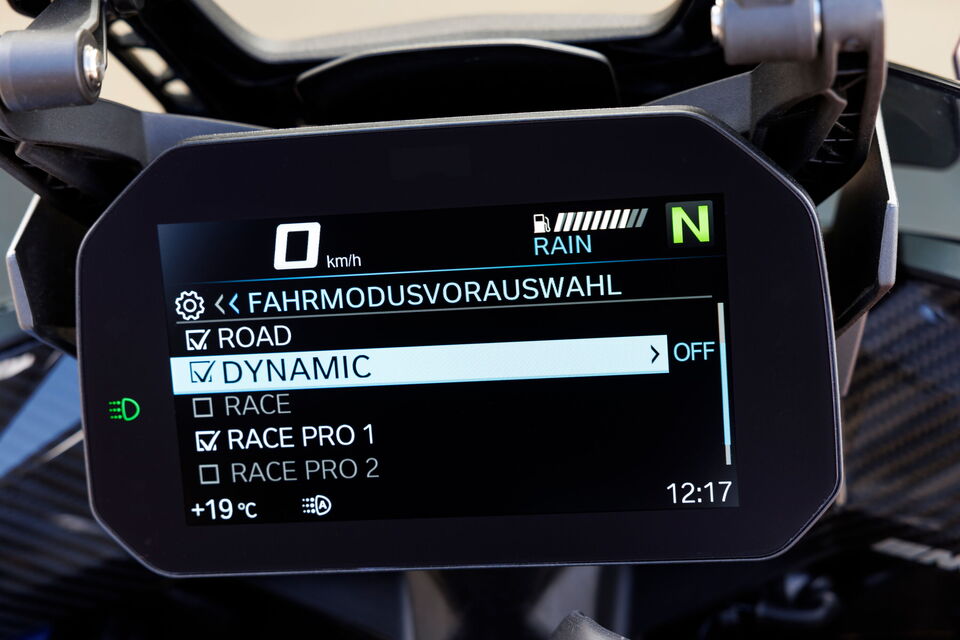
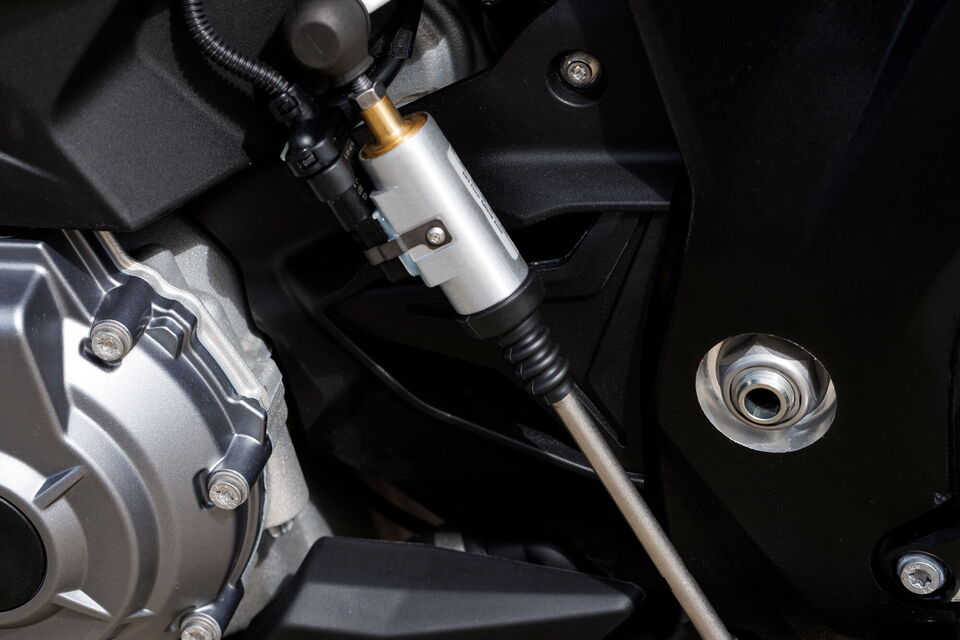
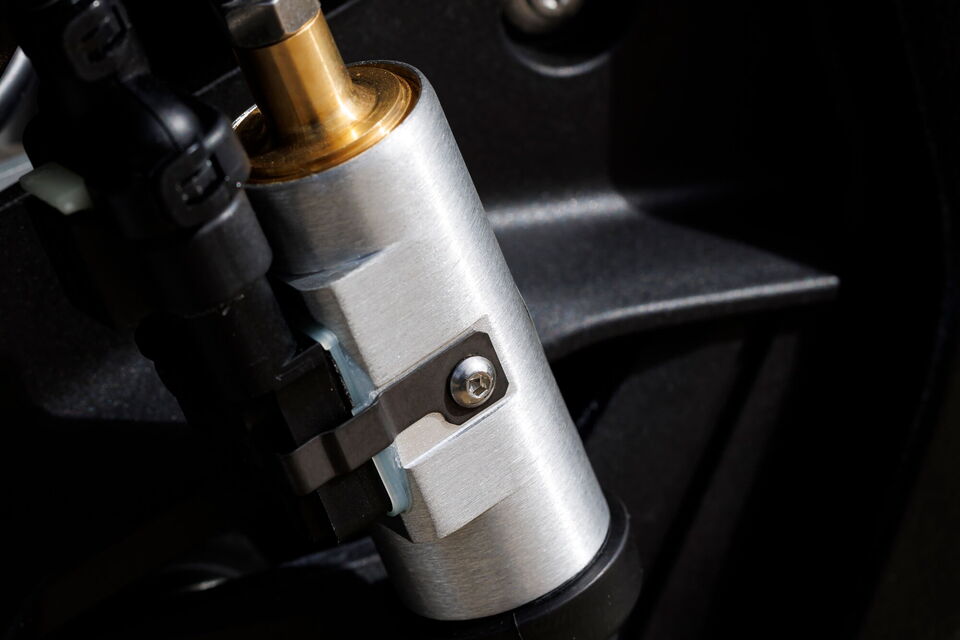

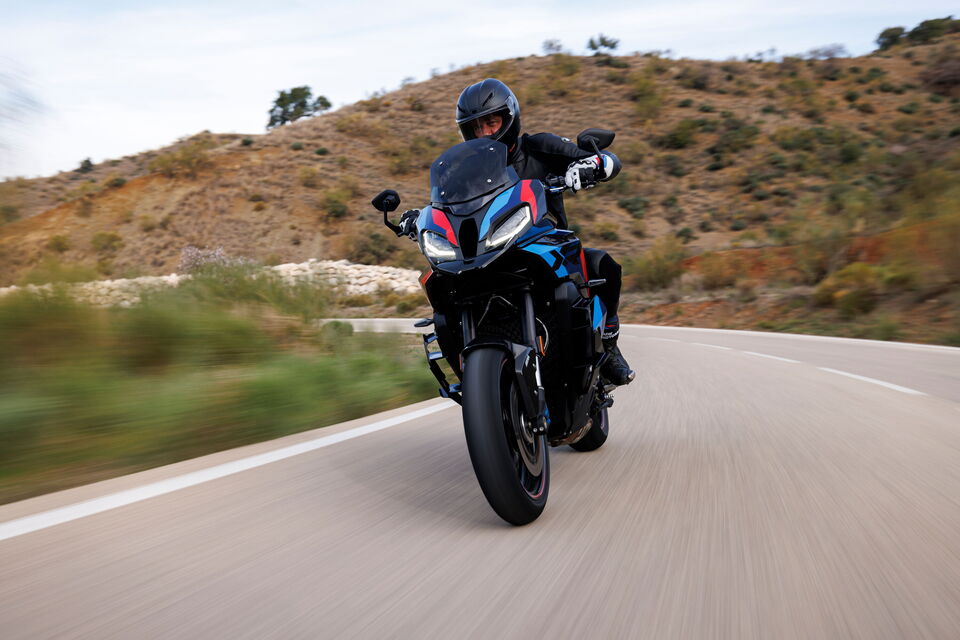
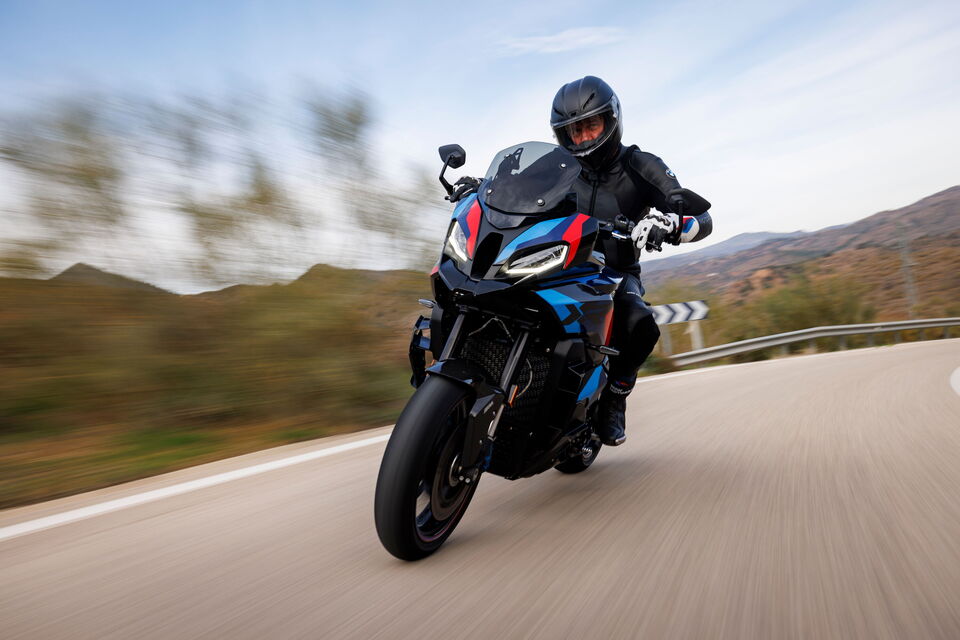
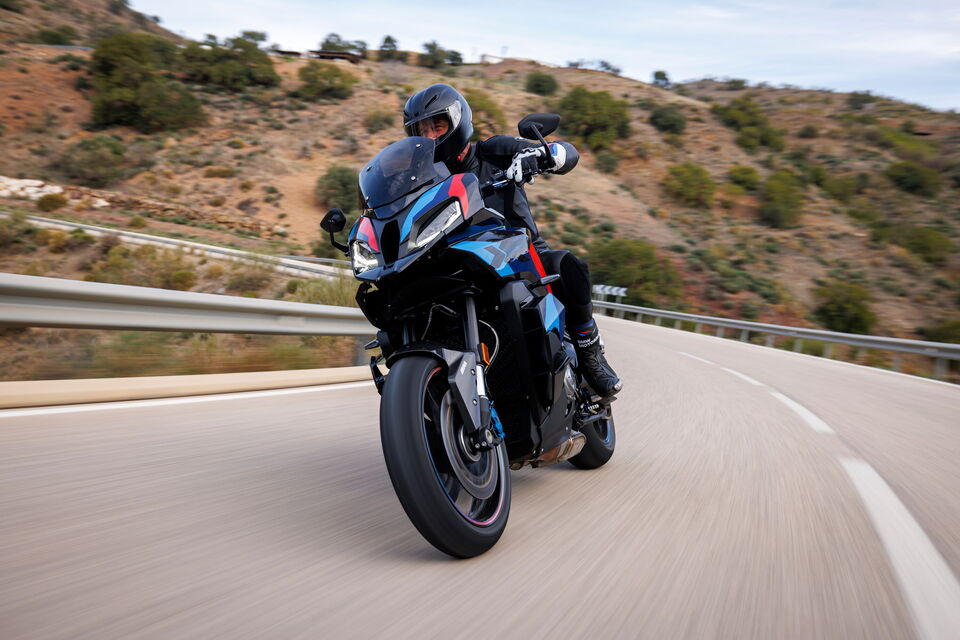
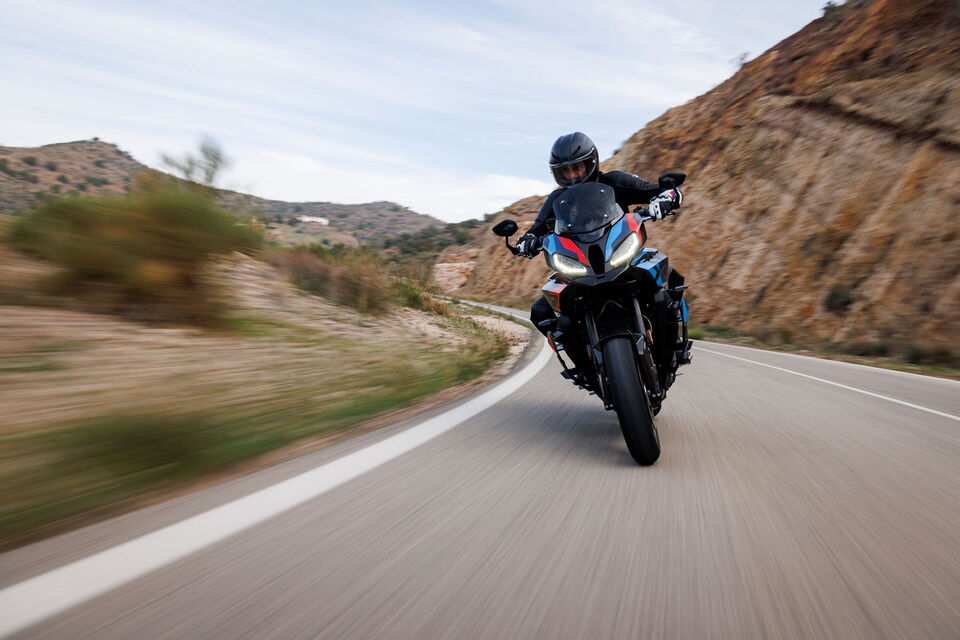
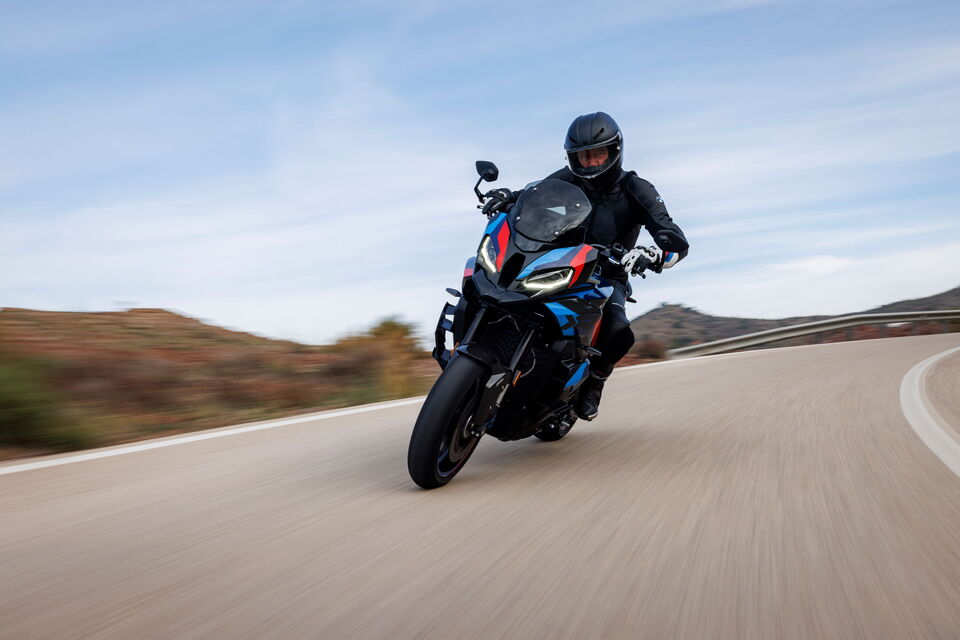
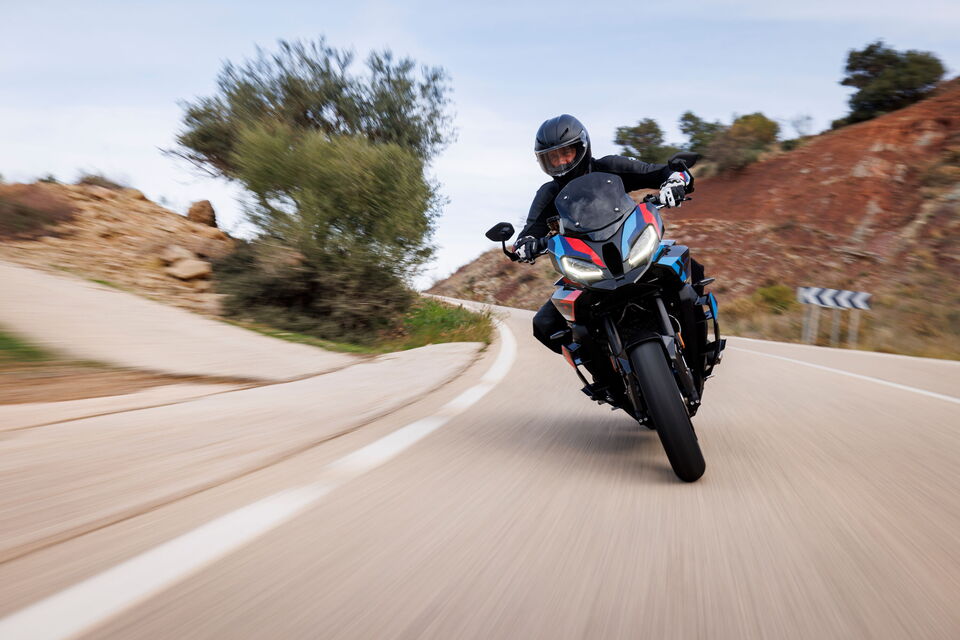
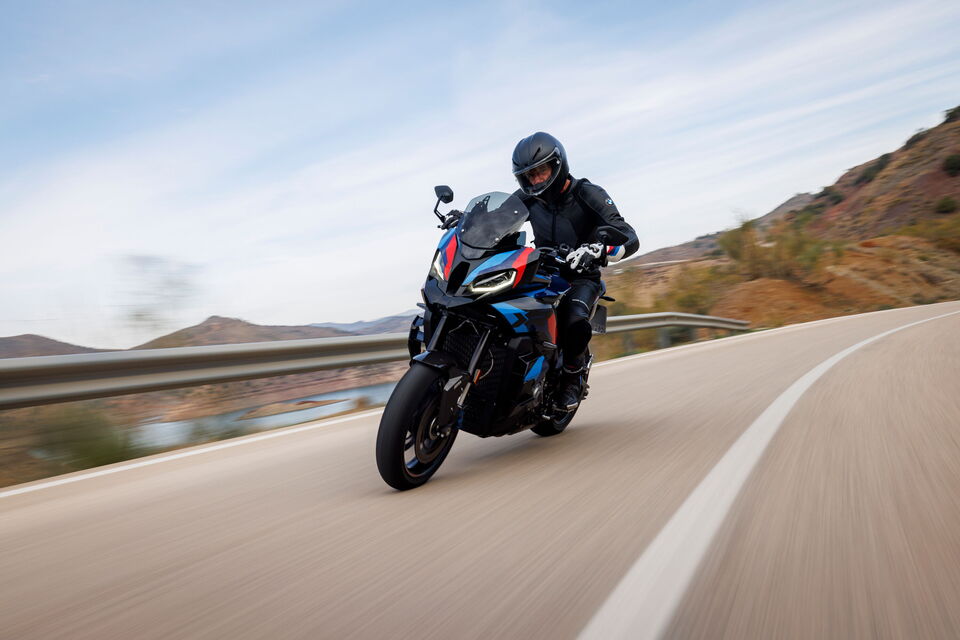
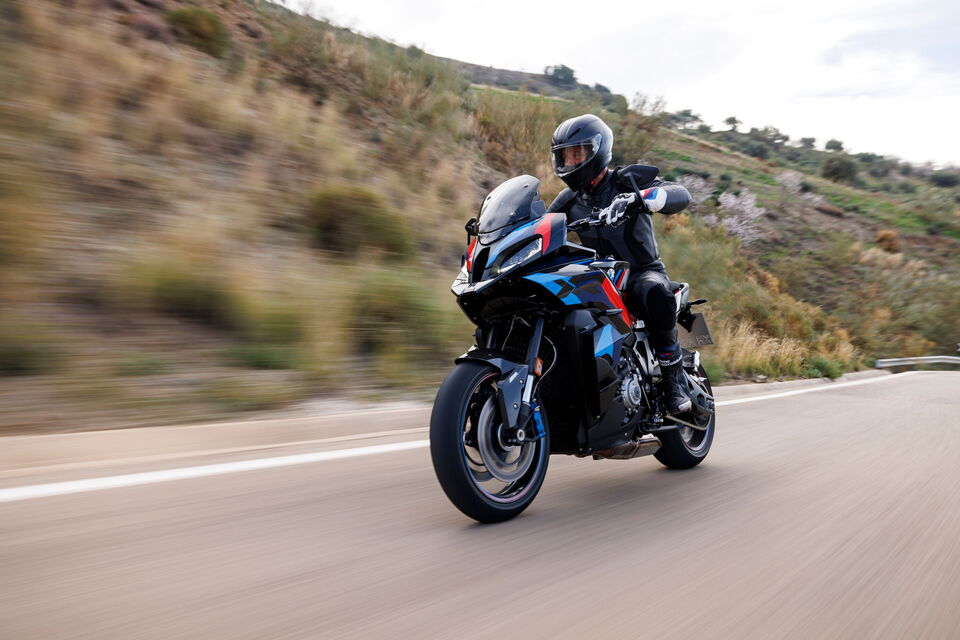
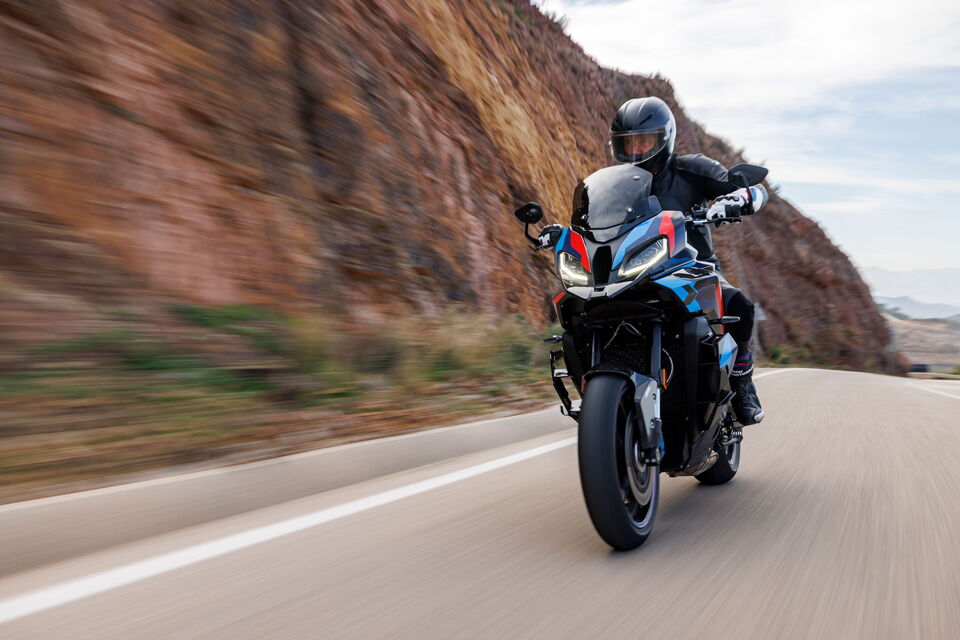
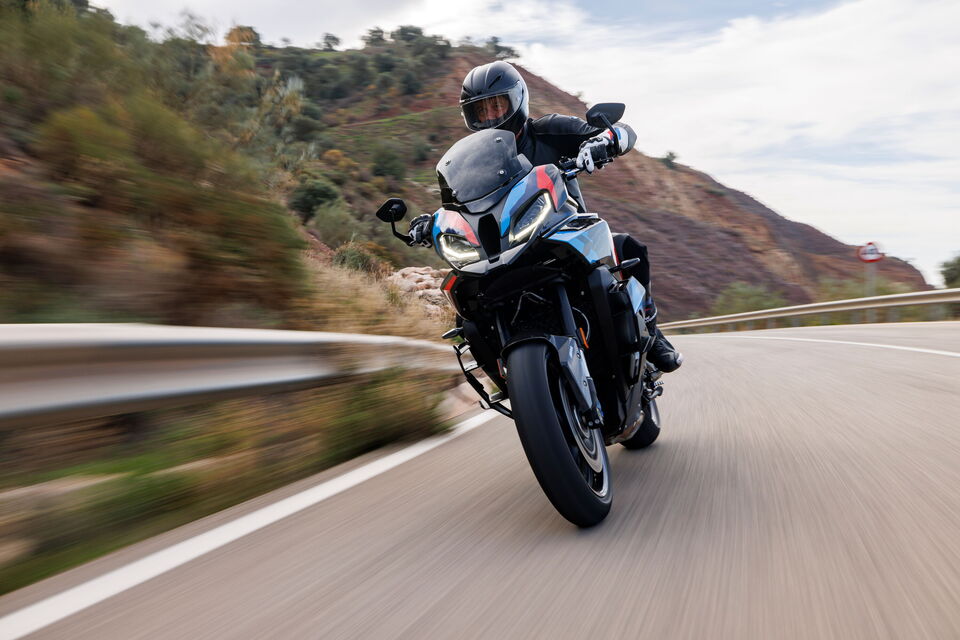
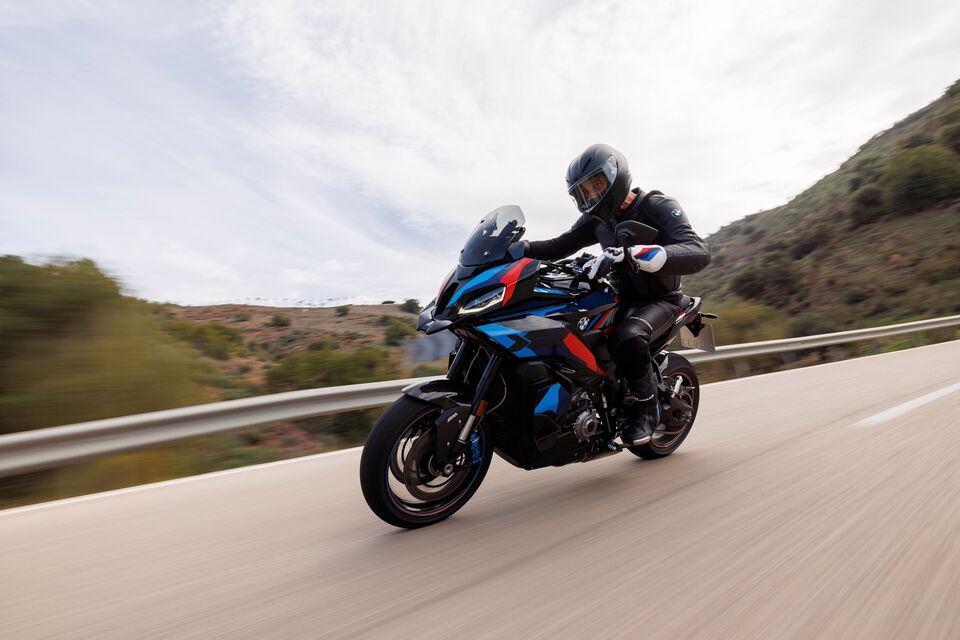
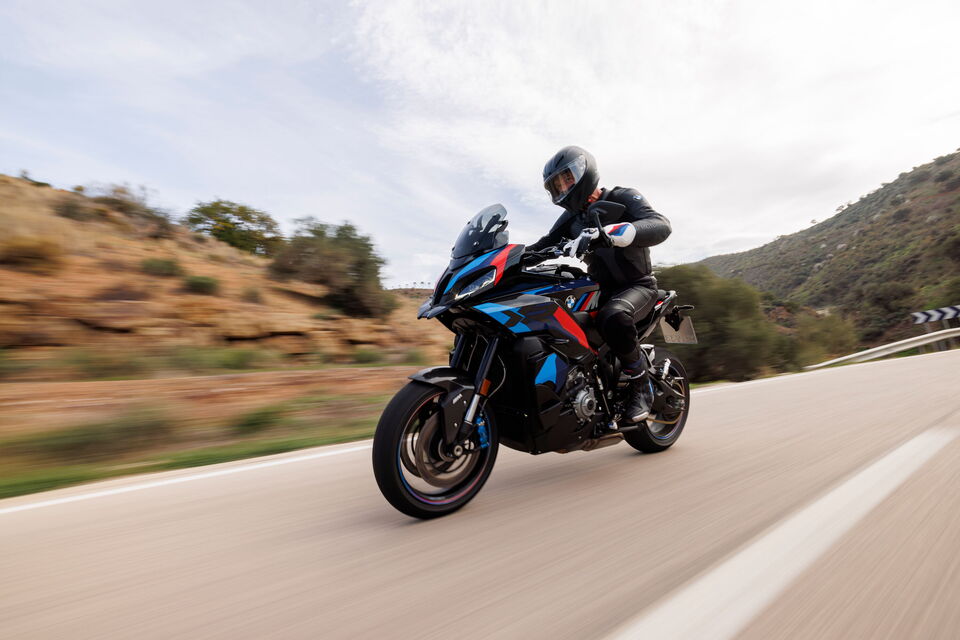
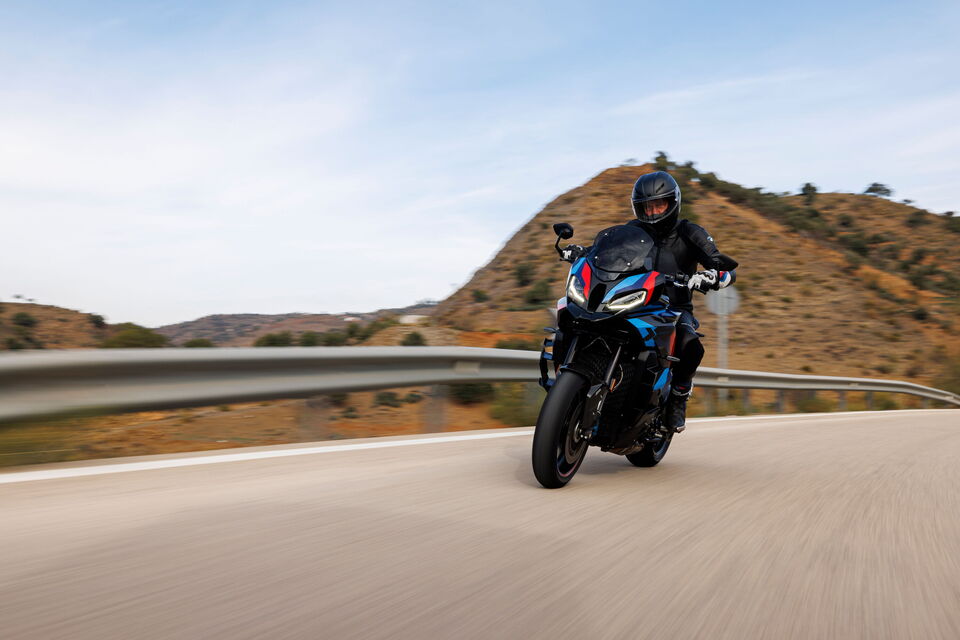
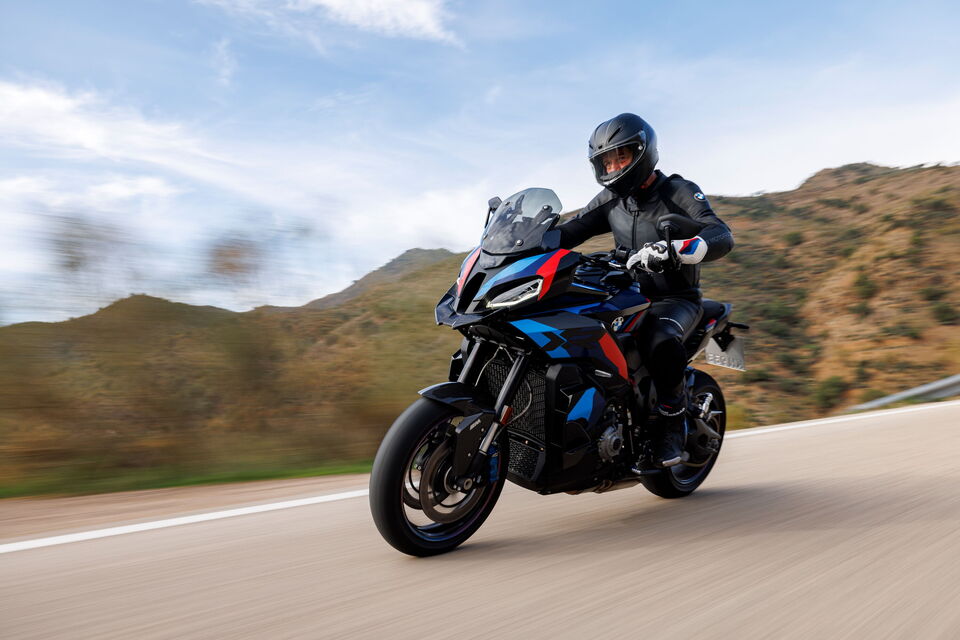
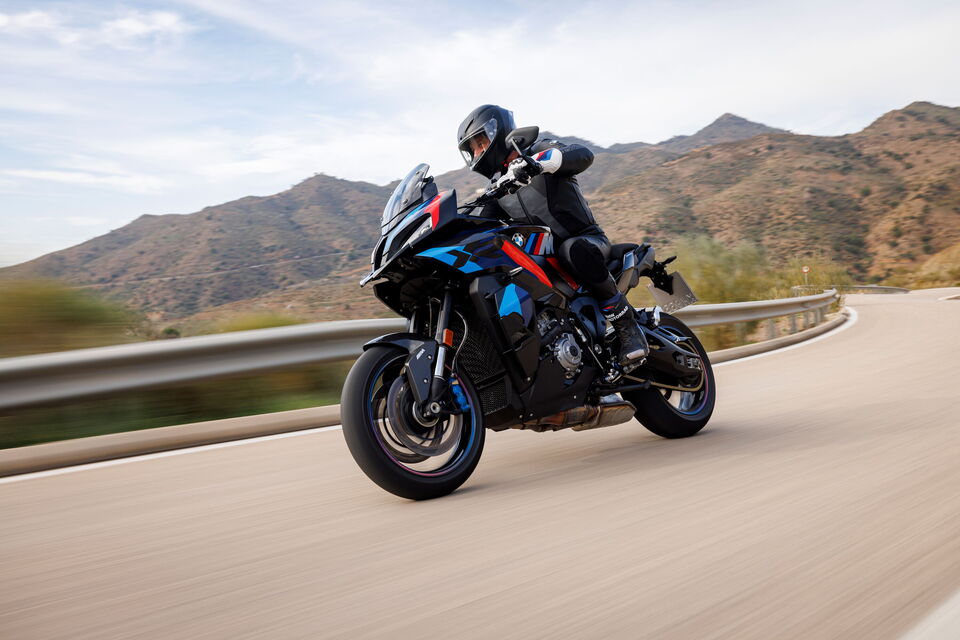
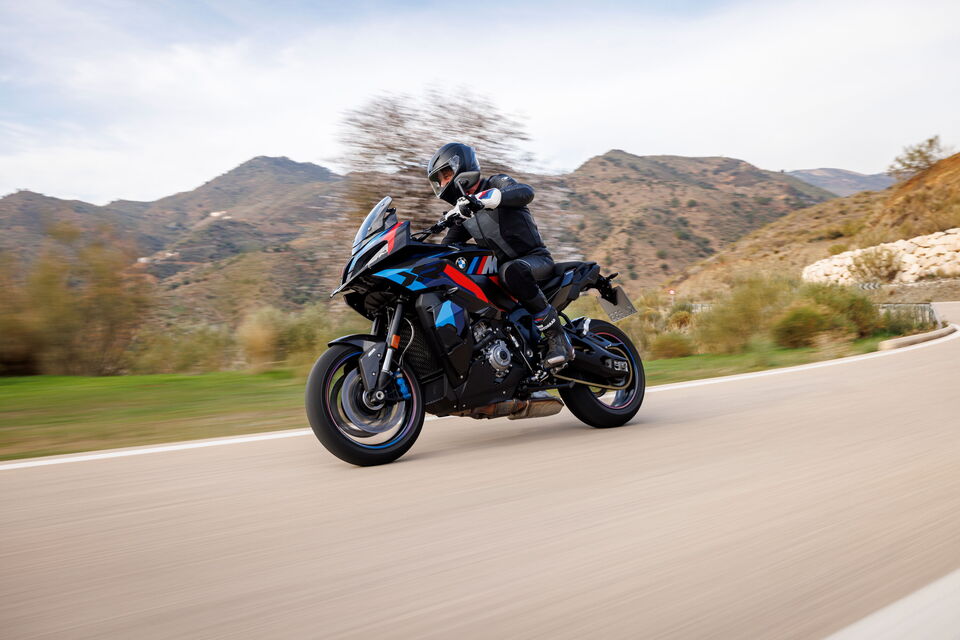
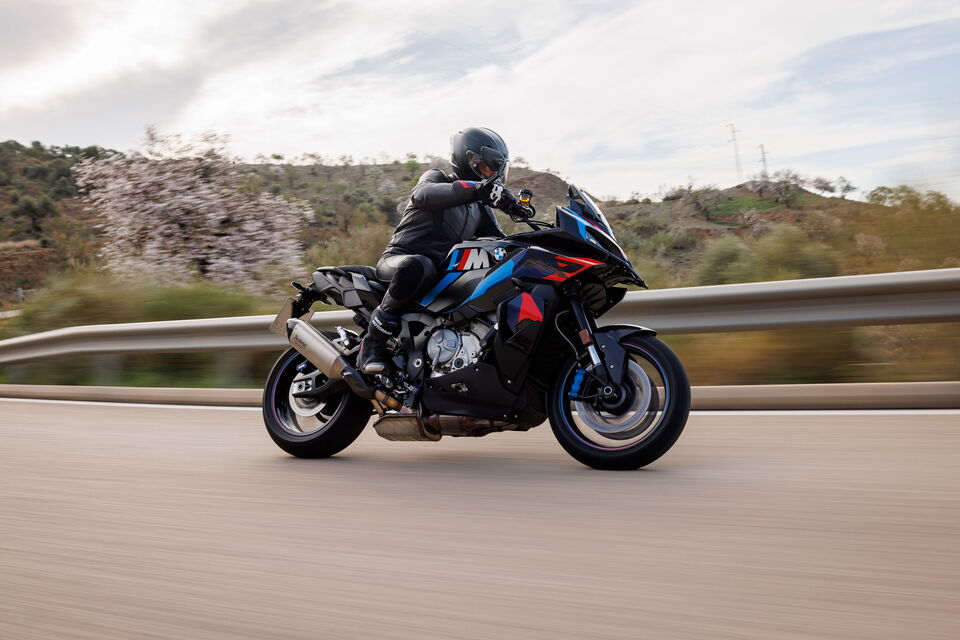
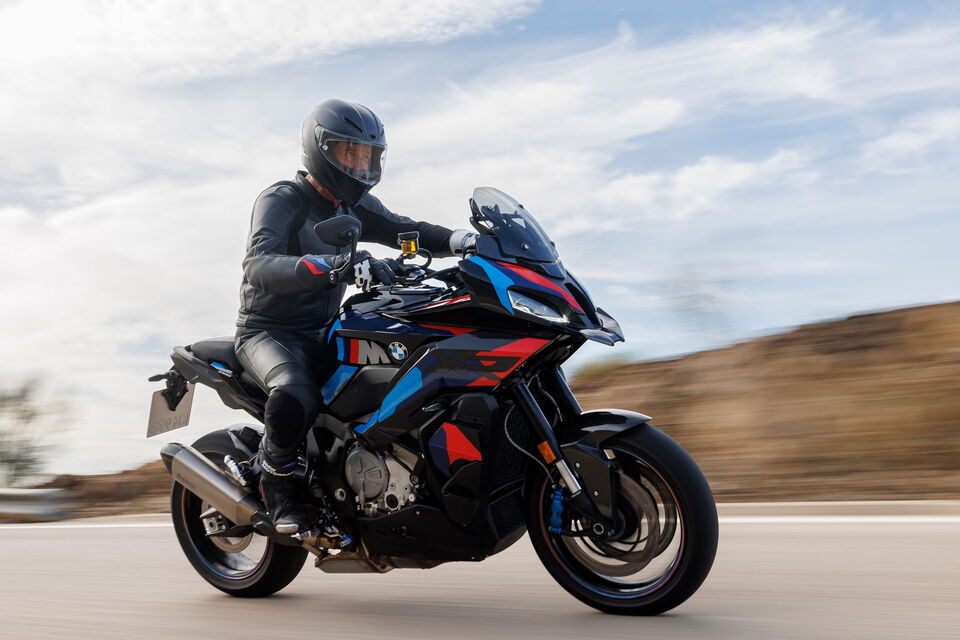
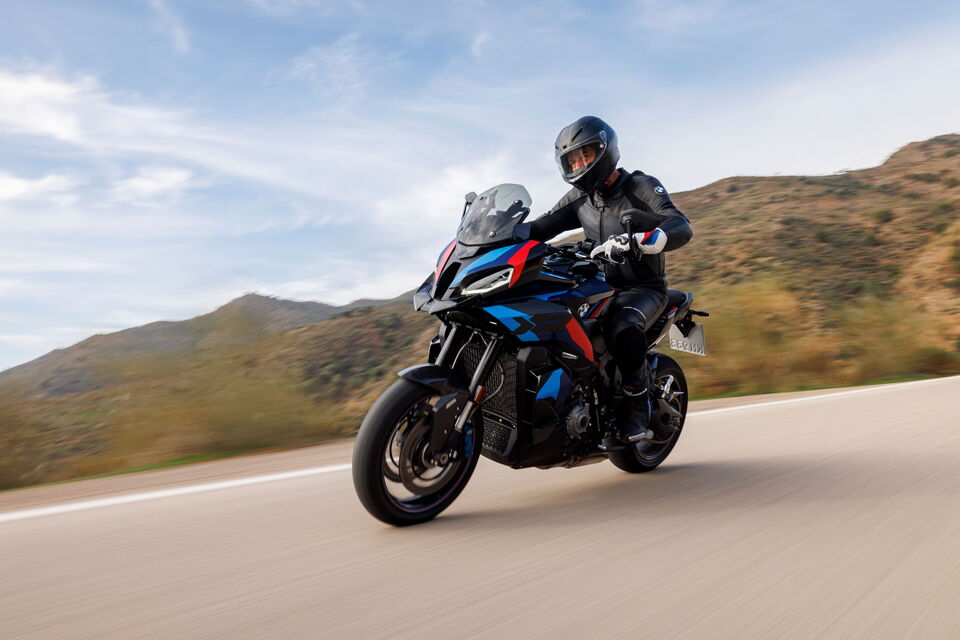
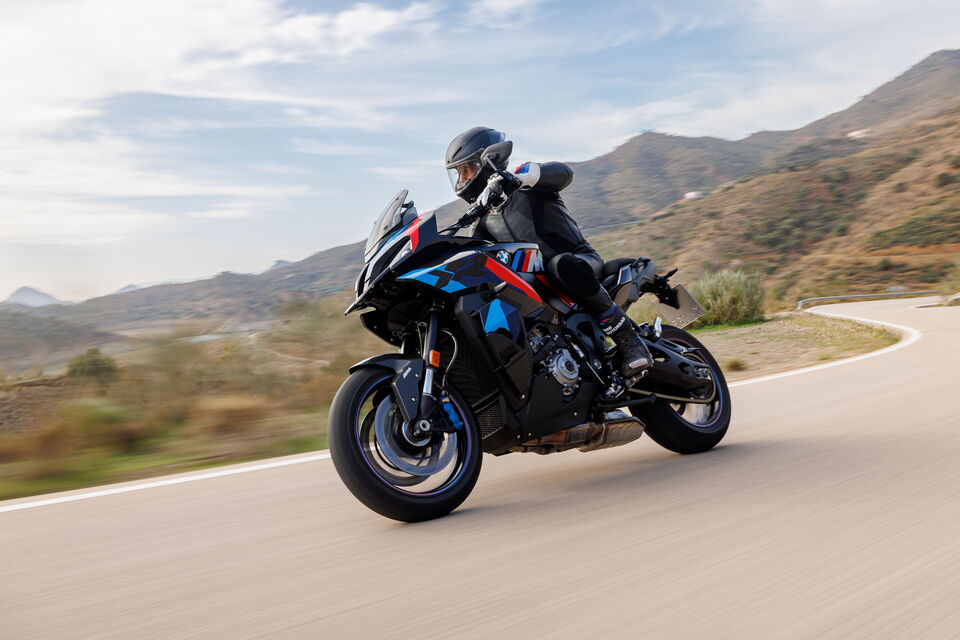
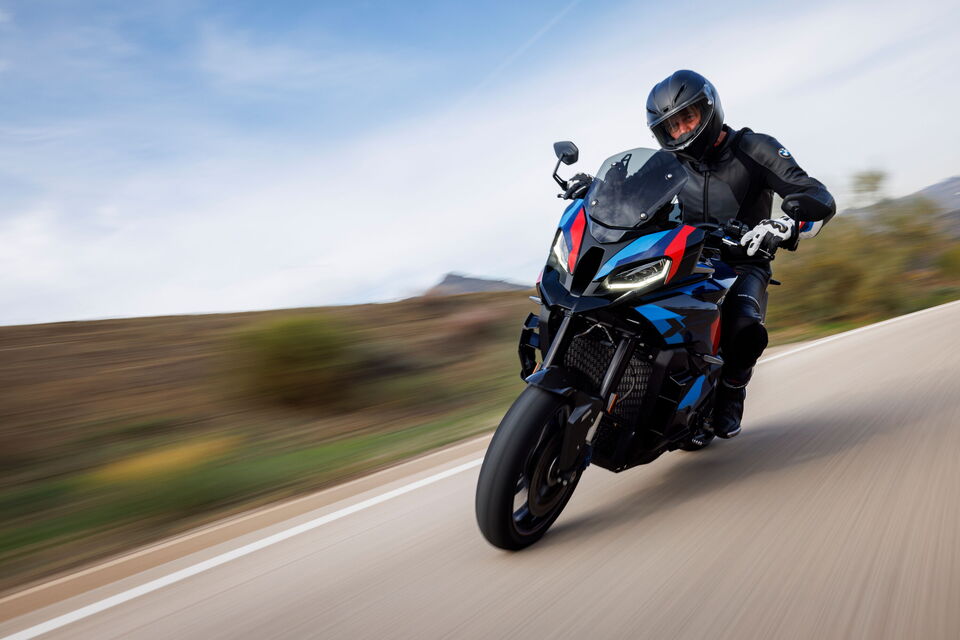

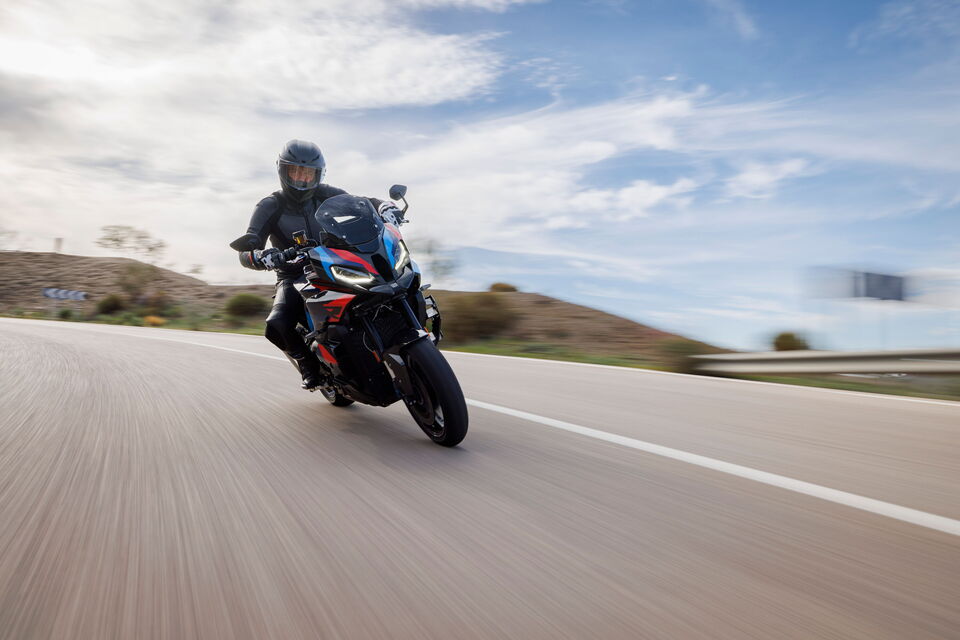
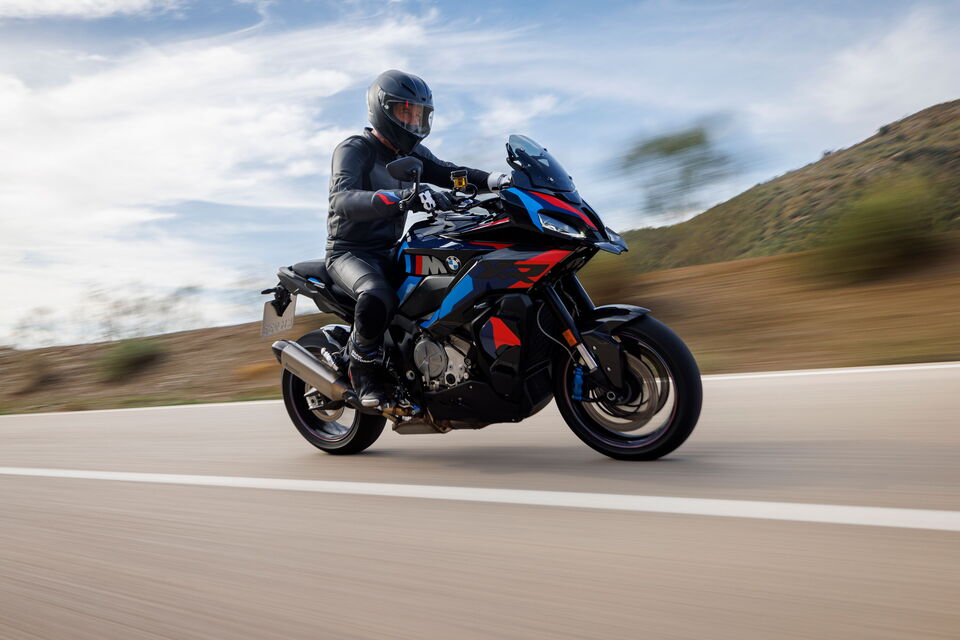
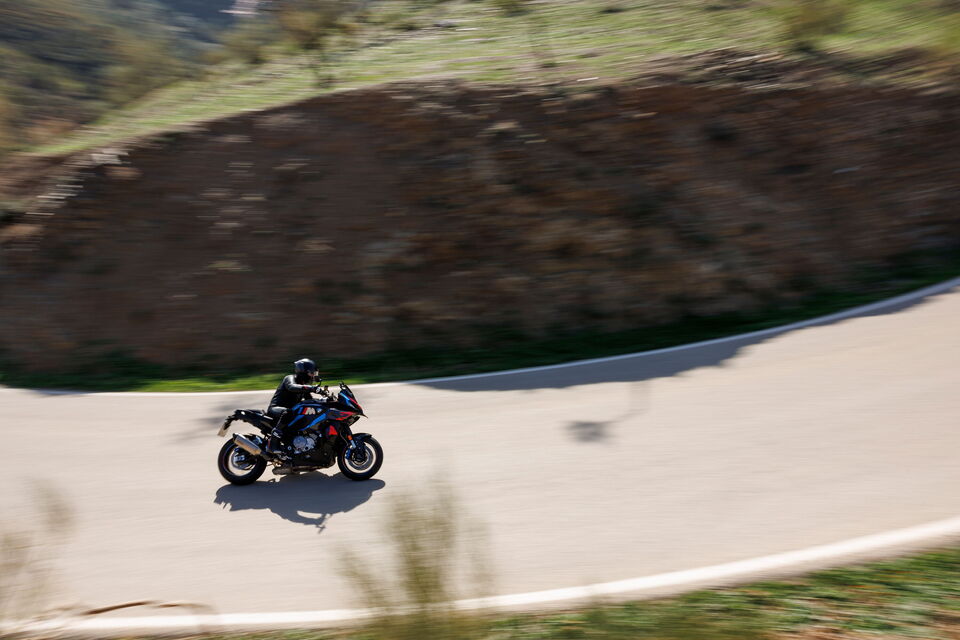
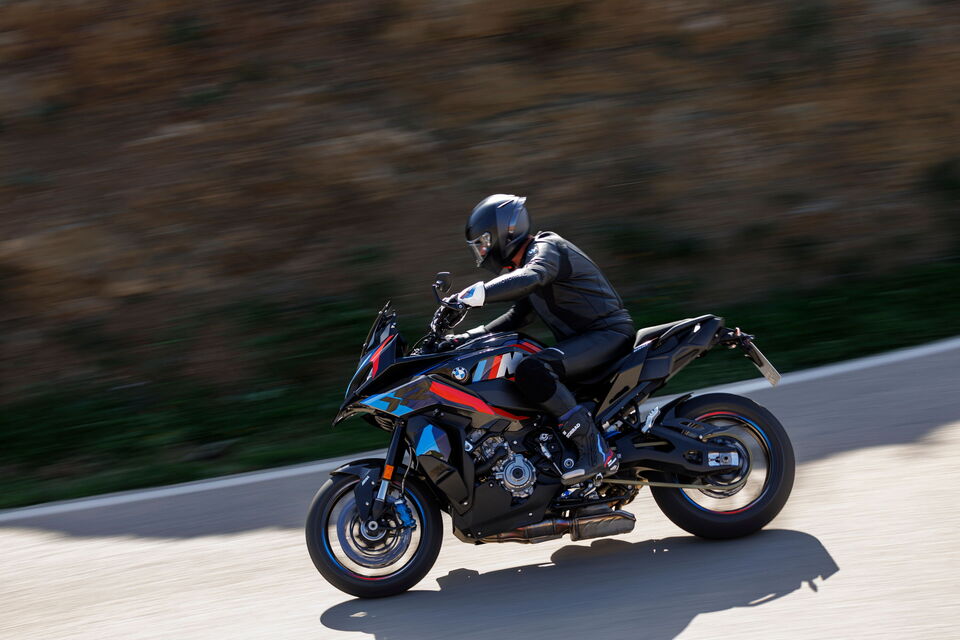
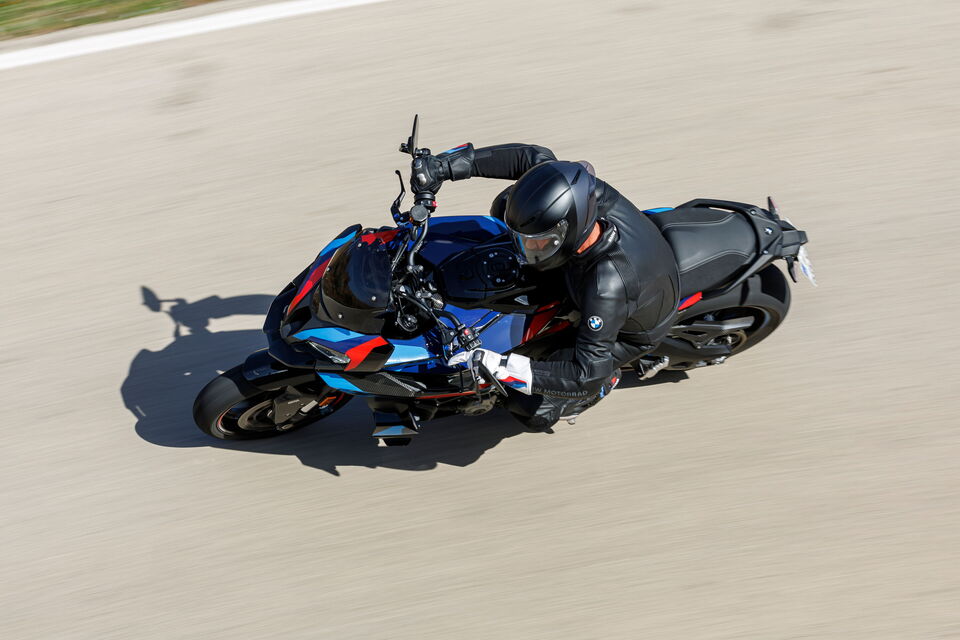
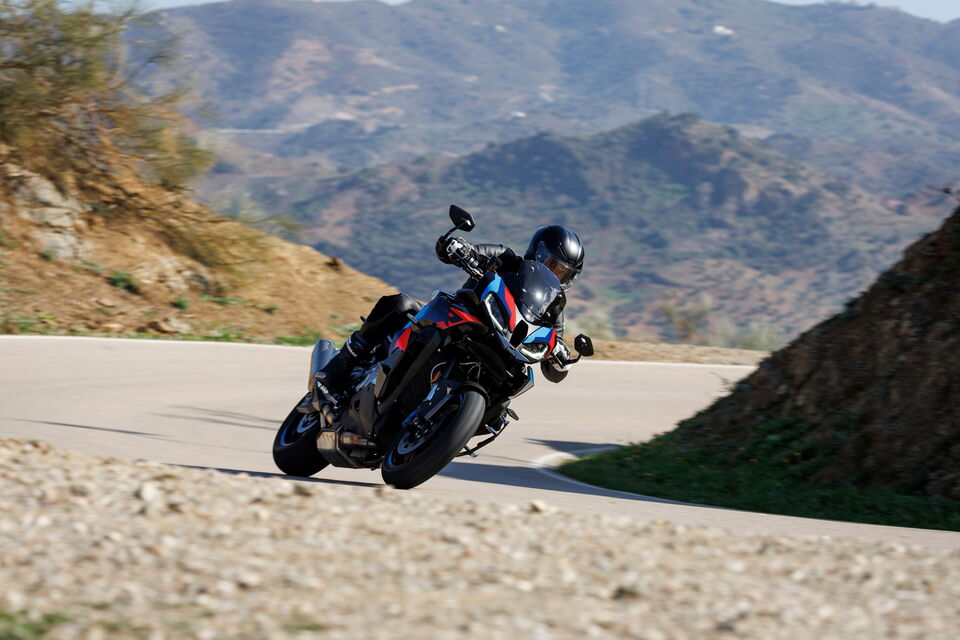
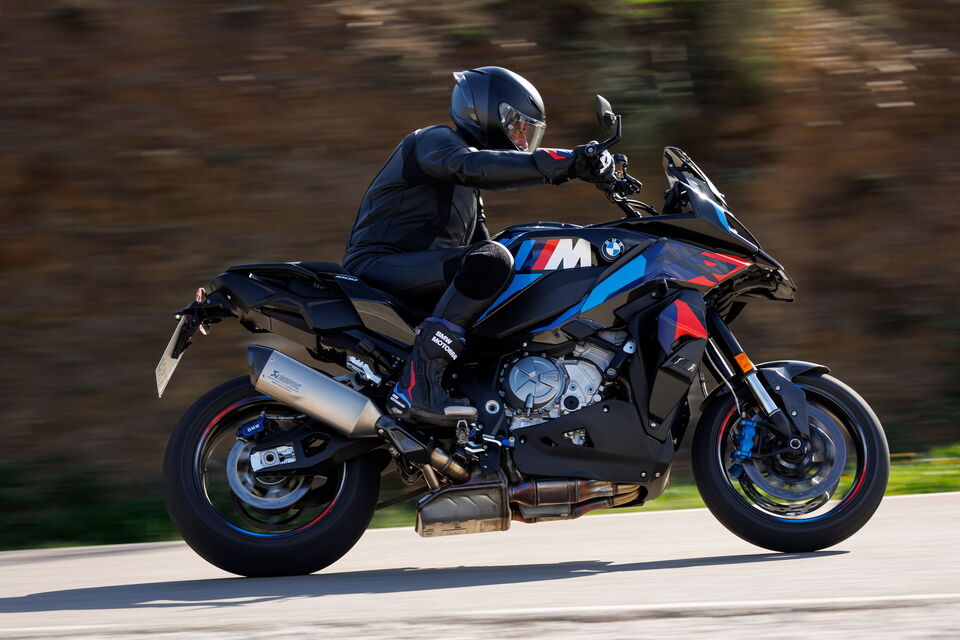
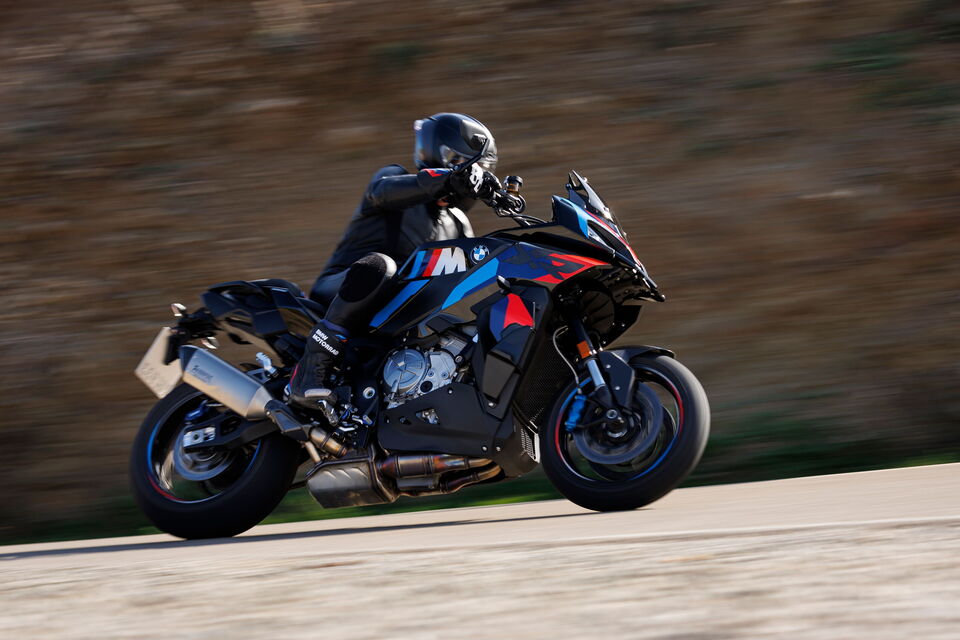
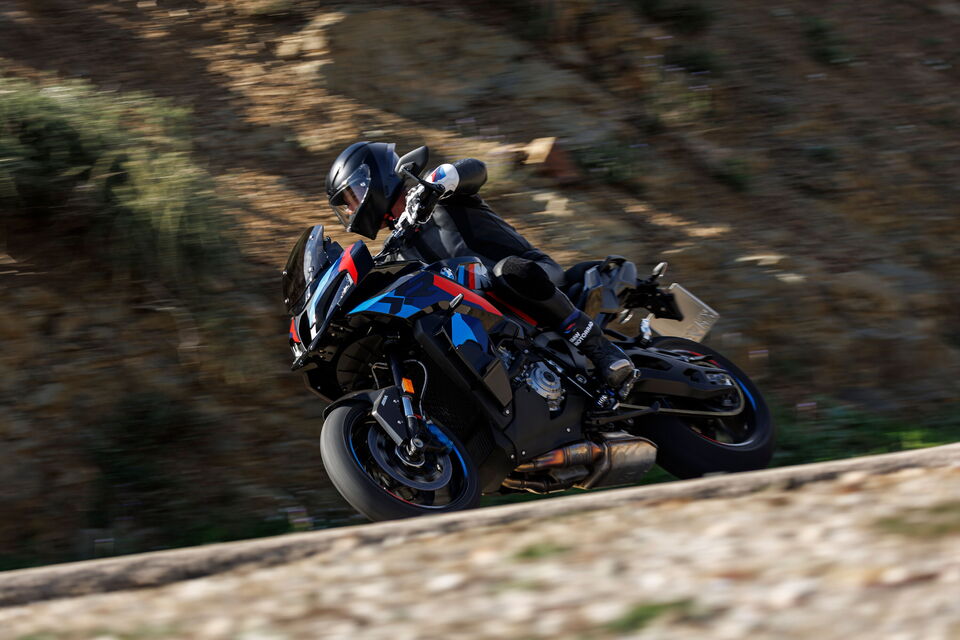
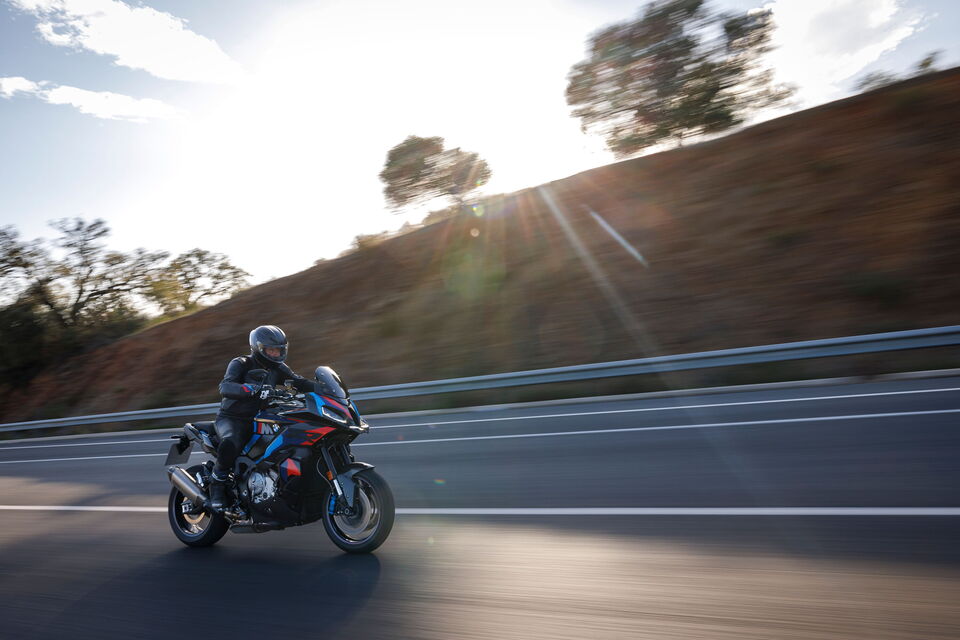
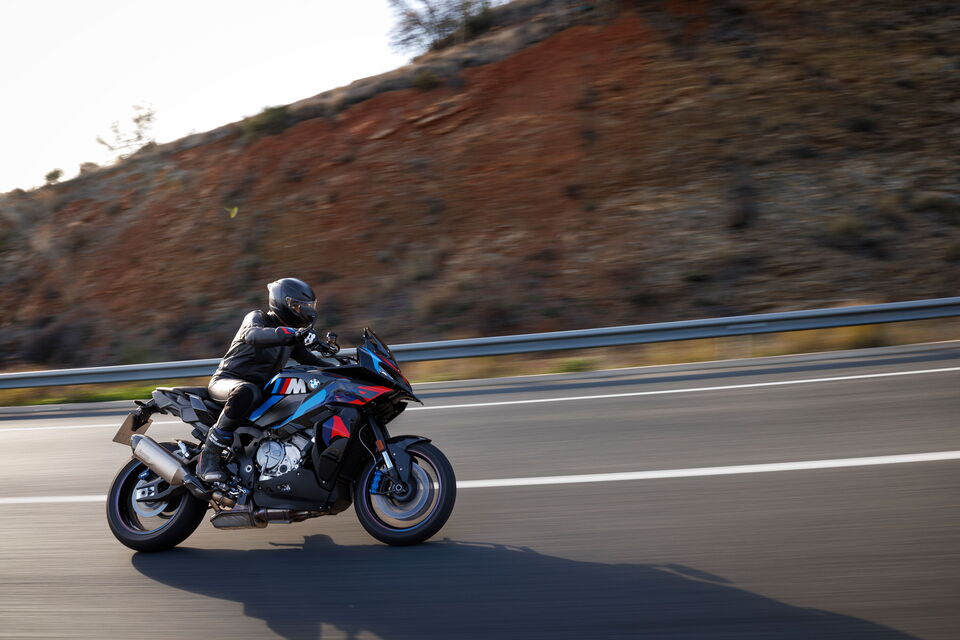
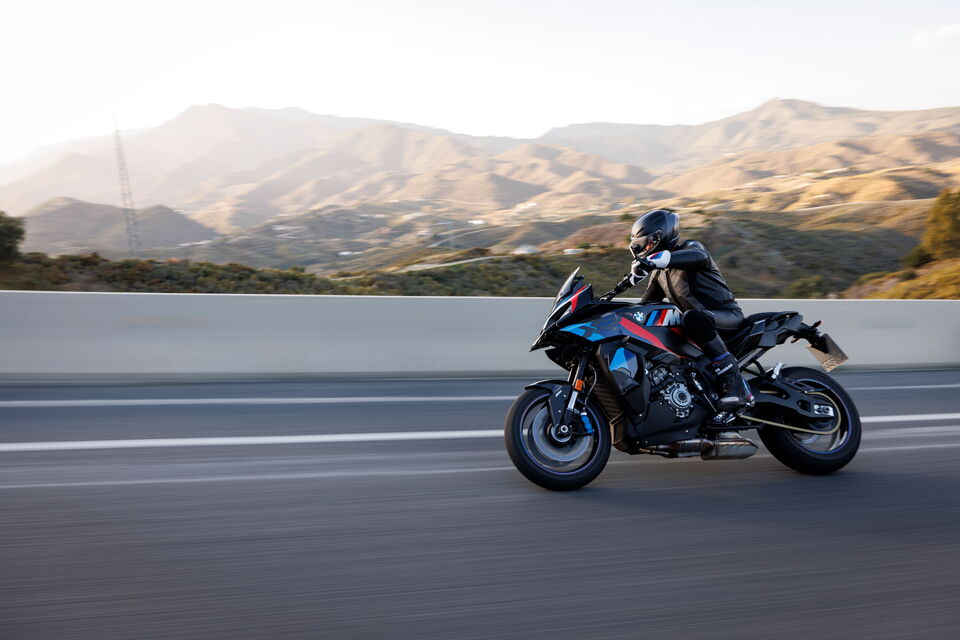
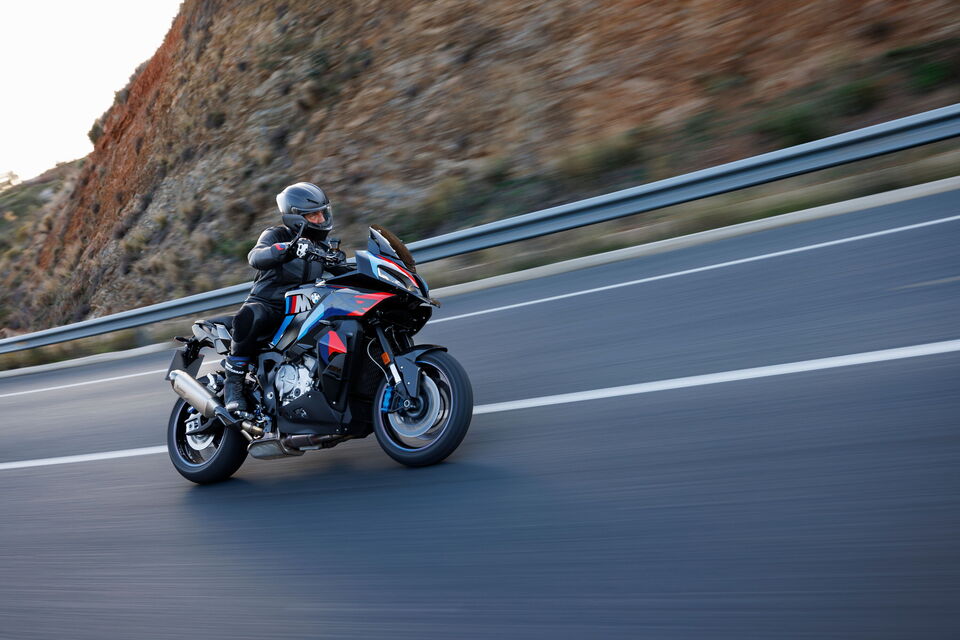
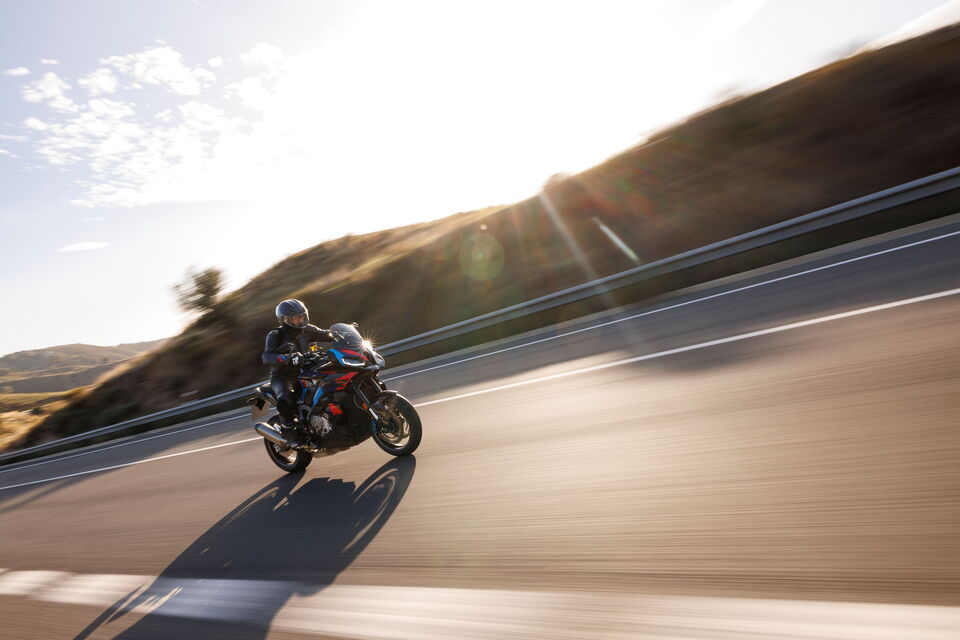
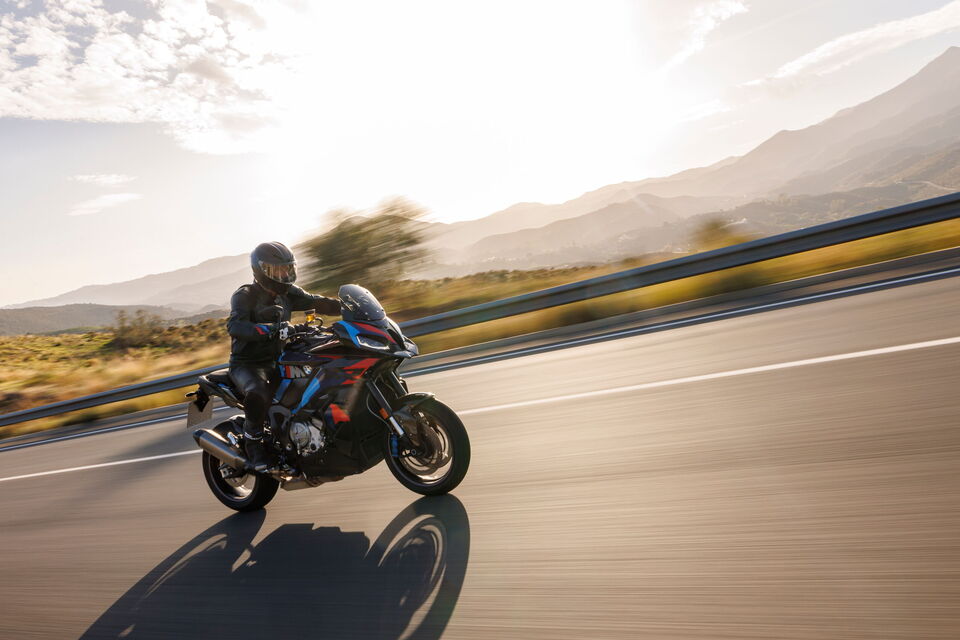
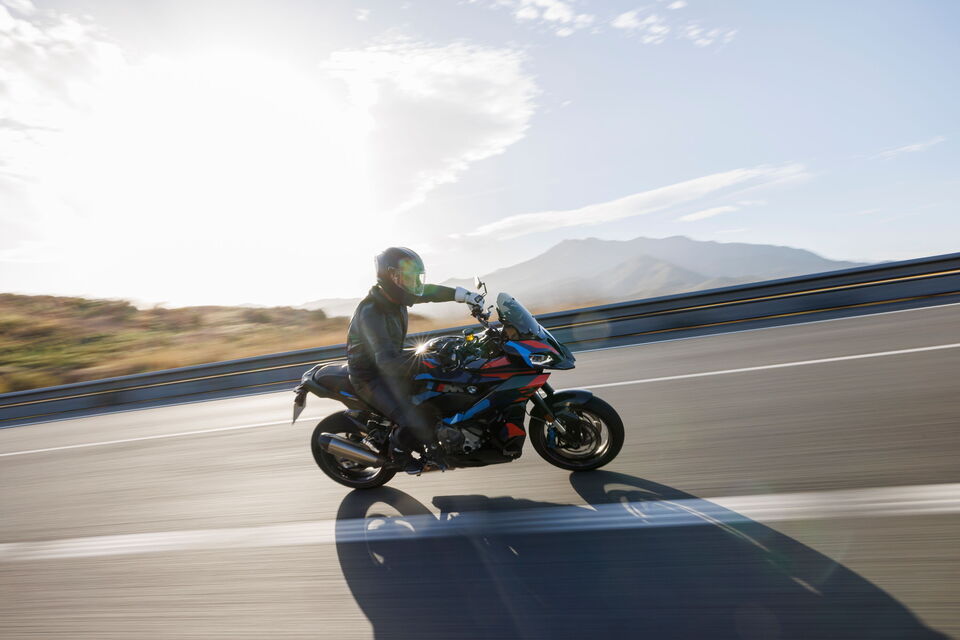
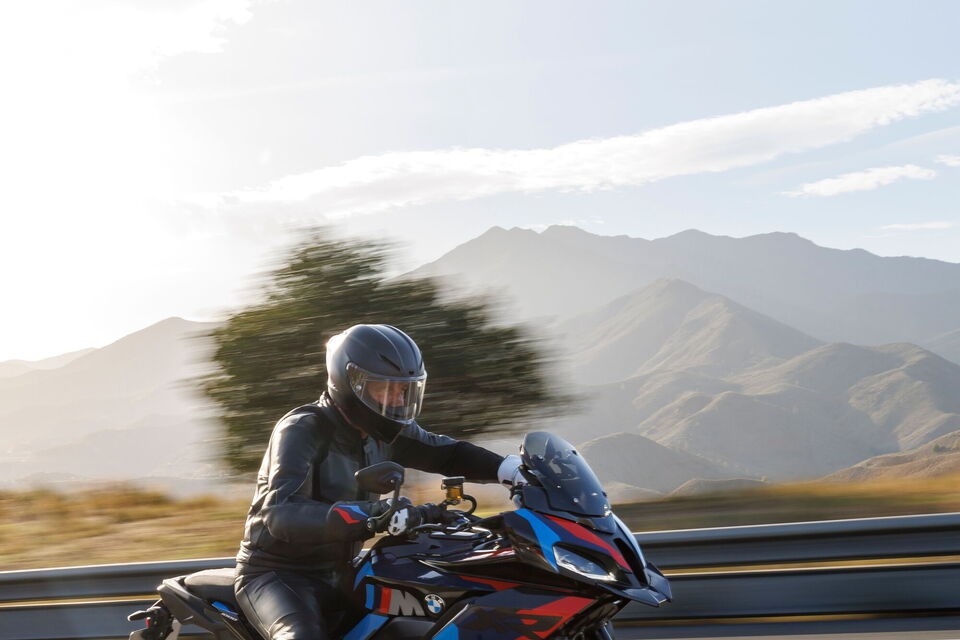
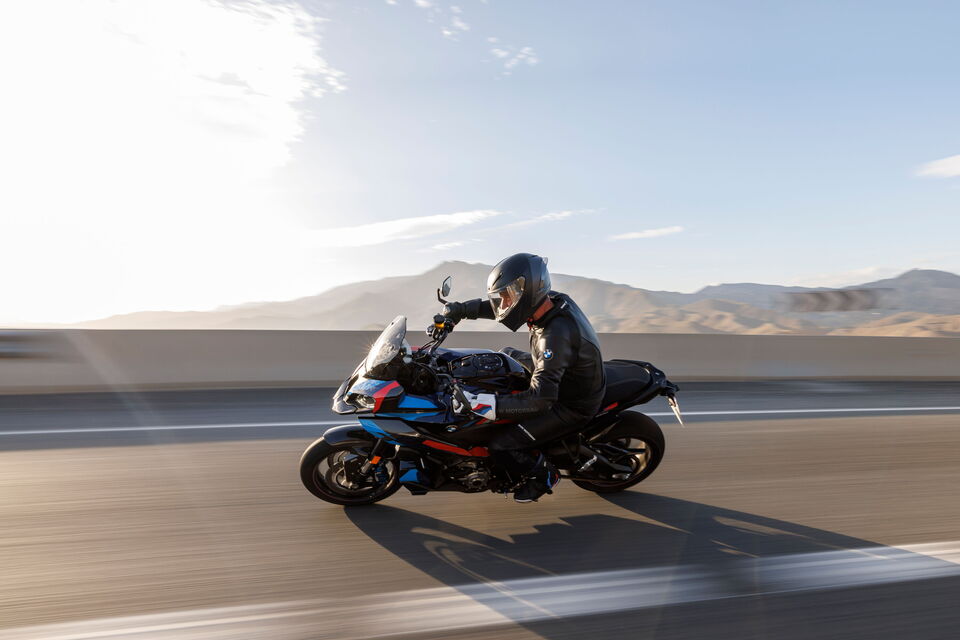

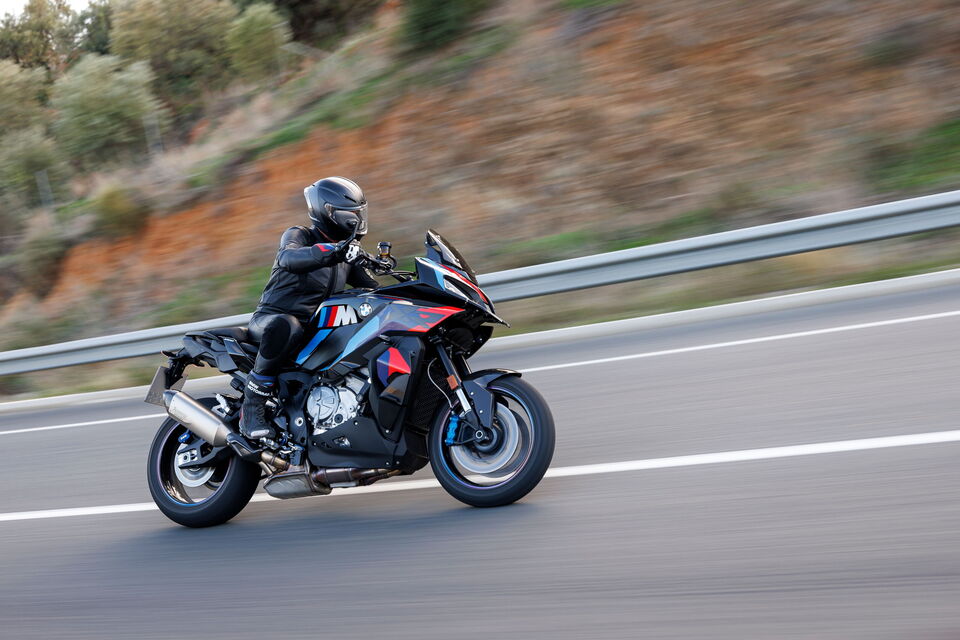
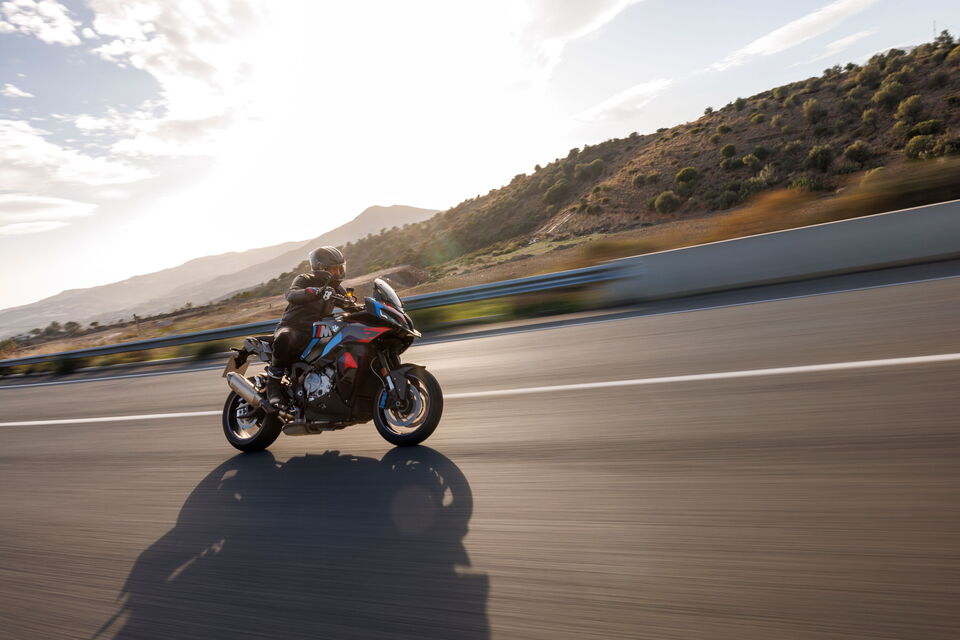

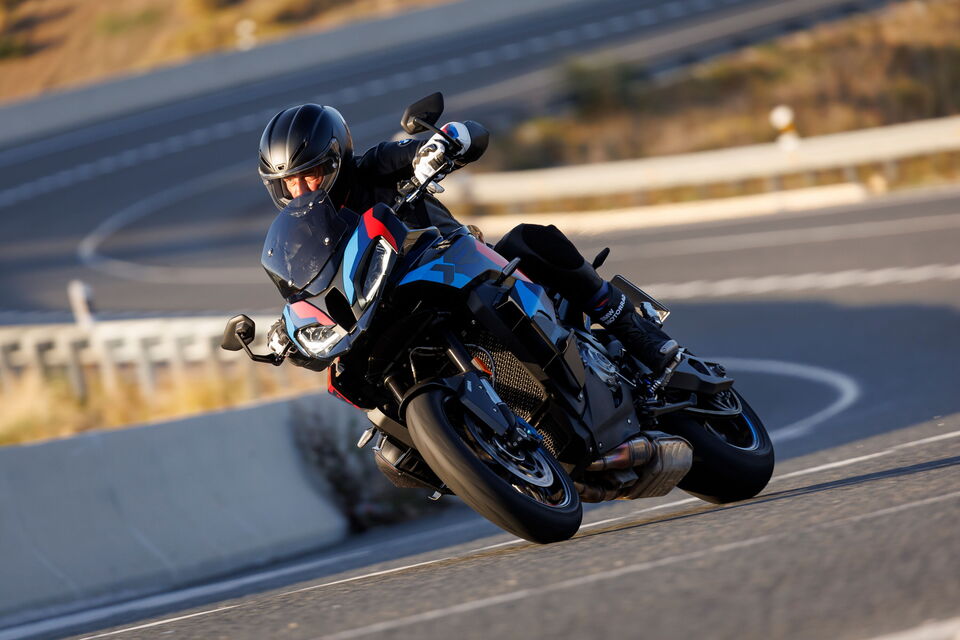
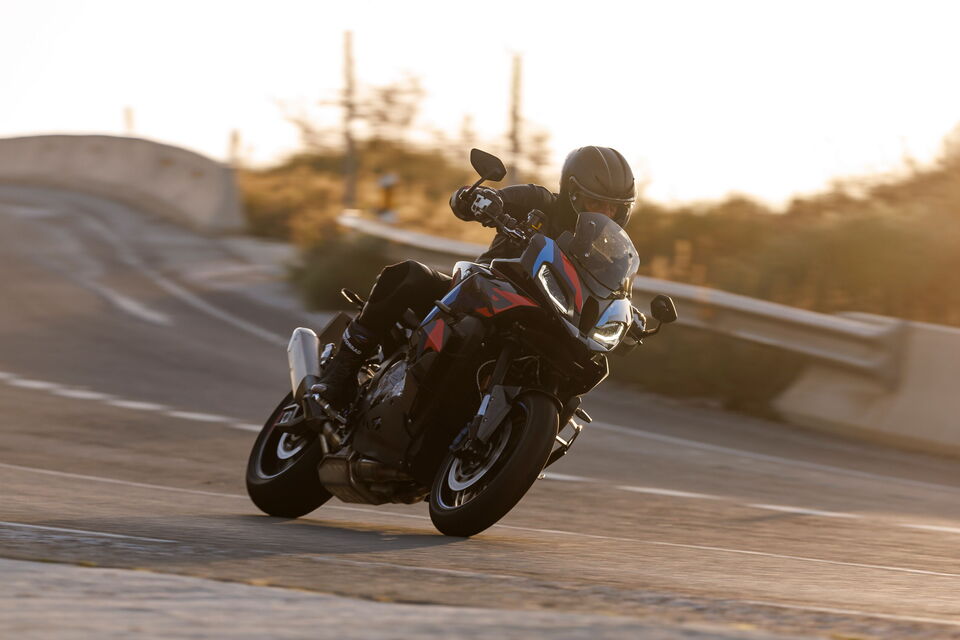
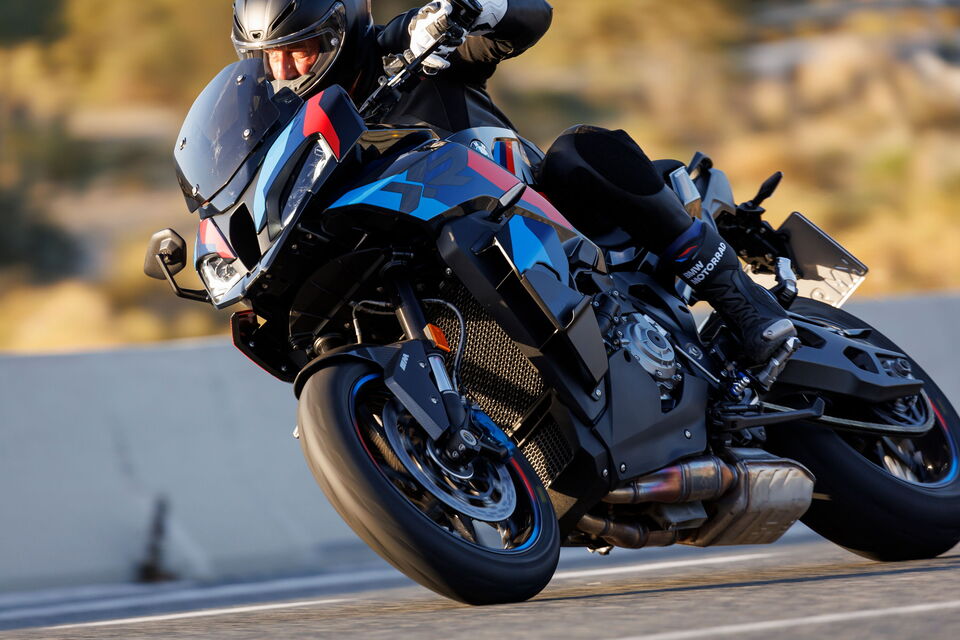
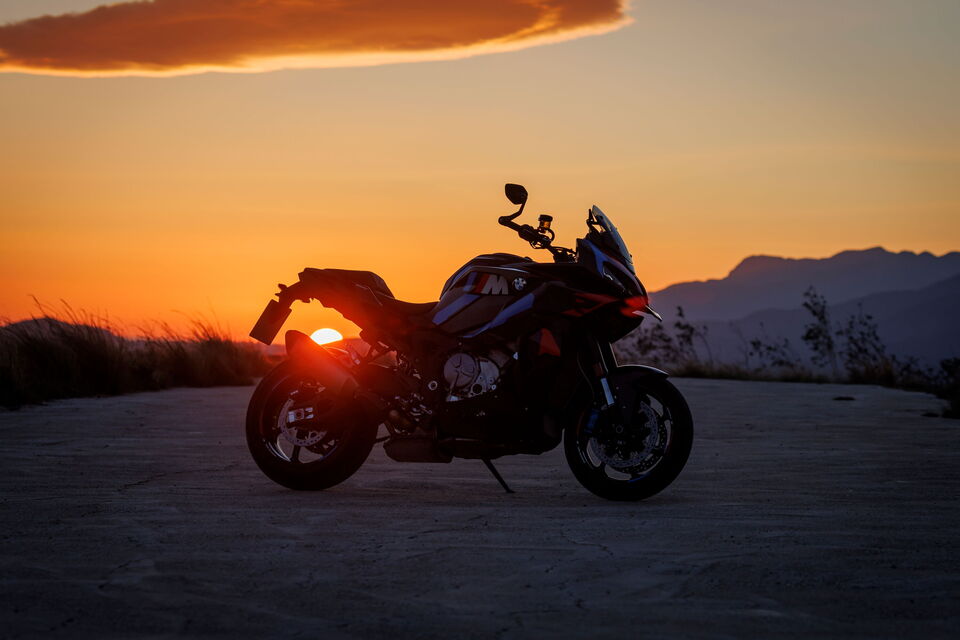
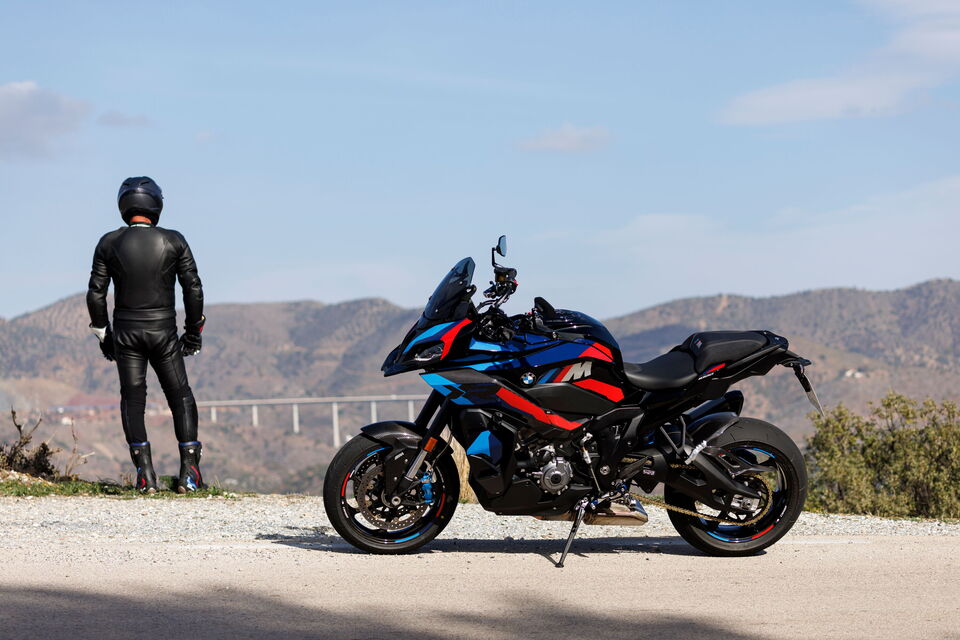
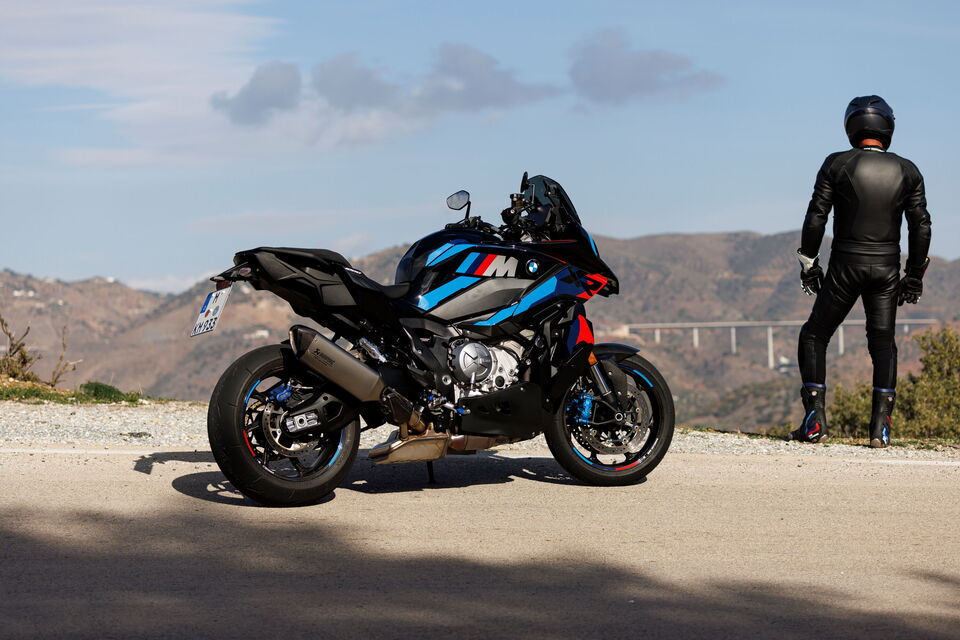
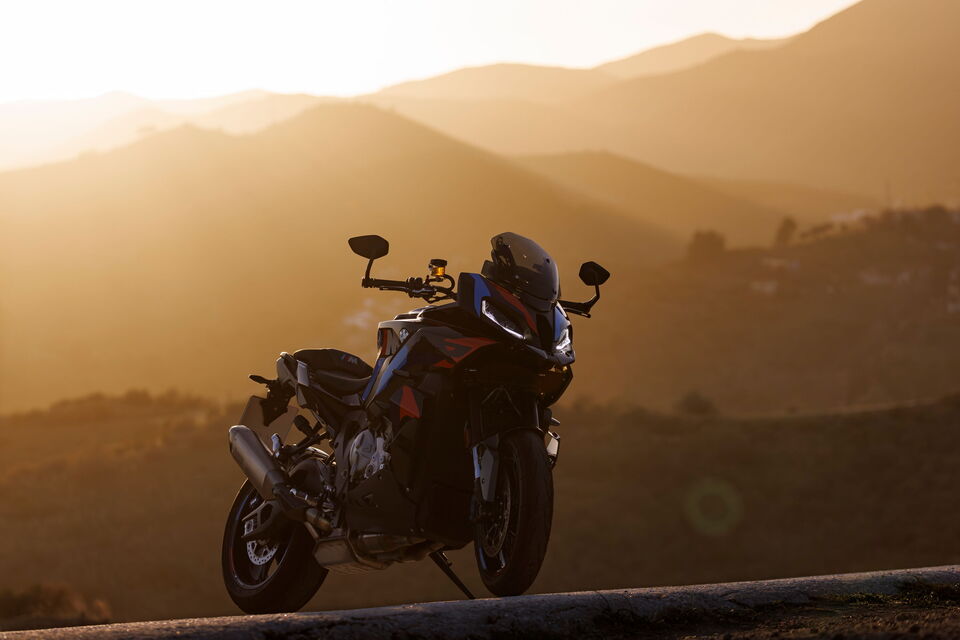
Engine: 201 hp From the S 1000 RR Powerplant—31 hp More Than the S 1000 XR
999 cc, inline-four, BMW ShiftCam, liquid-cooled, Euro 5+. 148 kW (201 hp) at 12,750 rpm, 113 Nm at 11,000 rpm. BMW transplanted the inline-four from the S 1000 RR into the XR chassis and slightly tamed it—instead of the S 1000 RR’s 210 hp, it produces 201 hp in the XR application.
The intake ports were optimized for better airflow at high rpm. The result is an engine that is more refined at low and midrange rpm than in the RR, but at 9,000 rpm, when ShiftCam switches profiles, it unleashes the kind of power delivery that has no business being in a crossover bike—which is exactly why it belongs here.
The gearing is shorter than on the S 1000 XR: a 47-tooth rear sprocket instead of 45, plus shorter fourth, fifth, and sixth gears. That gives the M 1000 XR more immediacy on backroads and highways, with a clearly noticeable acceleration advantage over the S version. Top speed is 278 km/h according to the official registration. Zero to 100 km/h takes 3.2 seconds. Zero to 200 km/h takes 7.4 seconds.
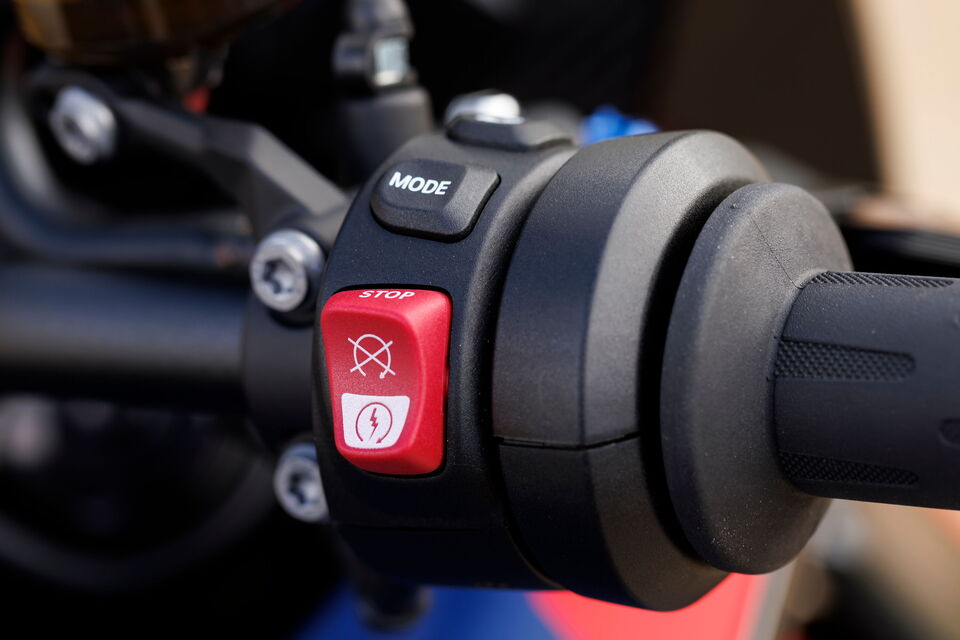
Standard electronics include Launch Control, Pit Lane Limiter, DTC, lean-angle-optimized ABS Pro, Brake Slide Assist, Wheelie Control, and Riding Modes Pro with Race mode. Brake Slide Assist—normally associated with the racetrack—allows controlled brake-induced drifting into corners. That sounds like extreme-sports technology. On a wet backroad, it can be a genuine safety advantage for experienced riders because the system does not abruptly catch the rear wheel.
Shift Assistant Pro and adaptive cornering lights also come standard.
Chassis: DDC, M Brakes, Forged Wheels—All Standard
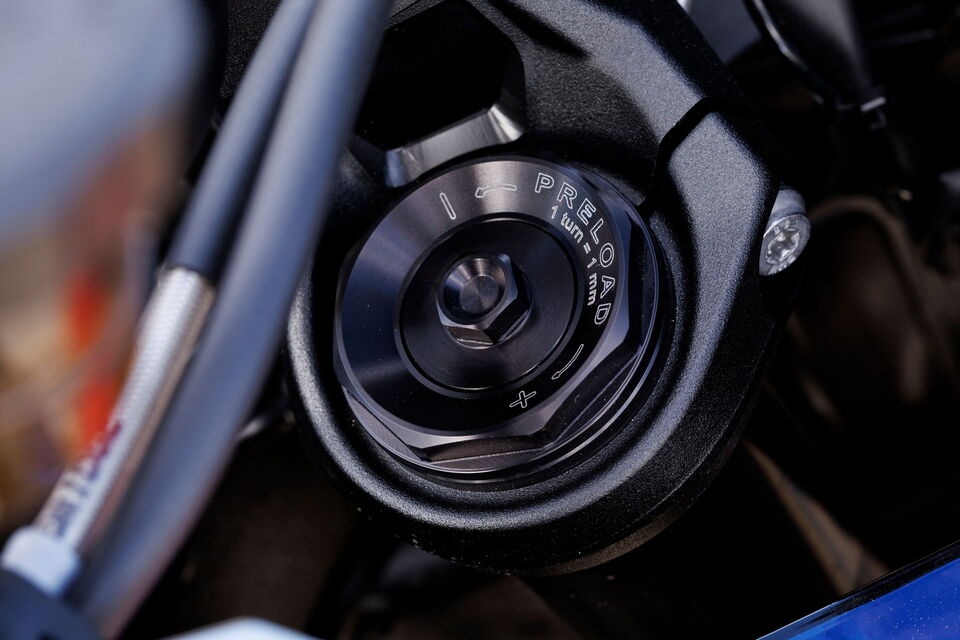
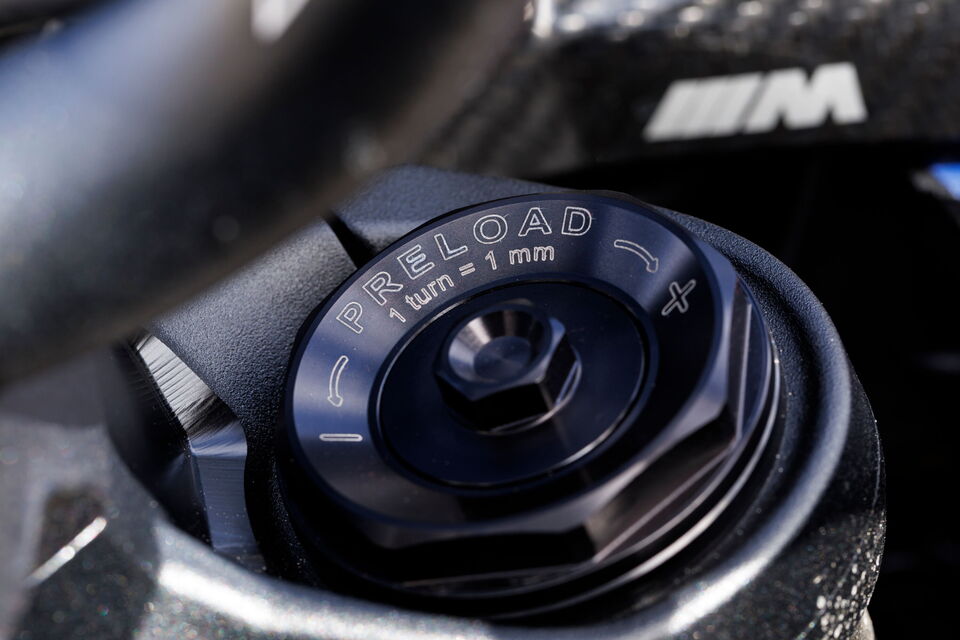
The chassis uses an aluminum composite bridge frame with the engine as a stressed member. Up front is a 45 mm USD fork with a closed-cartridge design and adjustable spring preload, electronically controlled by DDC as standard. At the rear is a DDC-controlled monoshock.
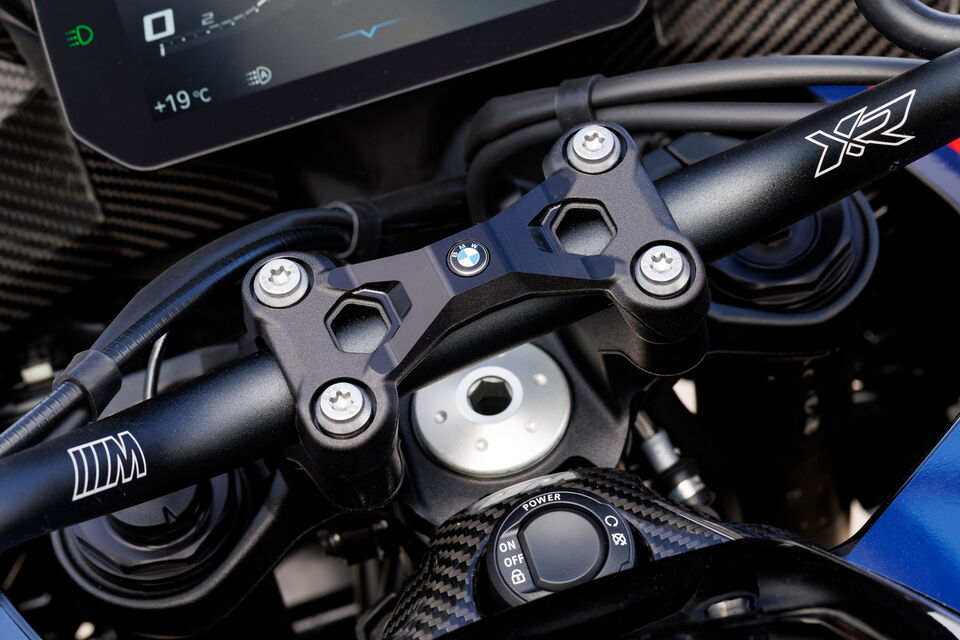
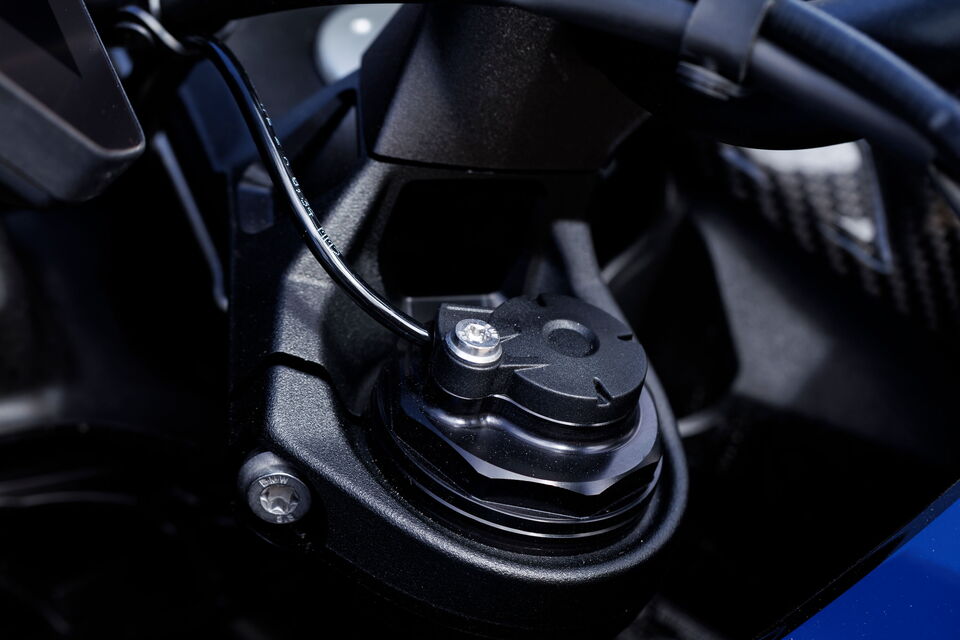
Machined triple clamps, a forward-positioned aluminum handlebar, and an adjustable steering damper complete the package. DDC comes standard on the M 1000 XR. That is a key difference from the S 1000 XR, where DDC costs extra. Suspension travel is 170 mm at the front and 175 mm at the rear—more than on the S 1000 RR, less than on an adventure bike, and enough for comfortable long-distance riding.
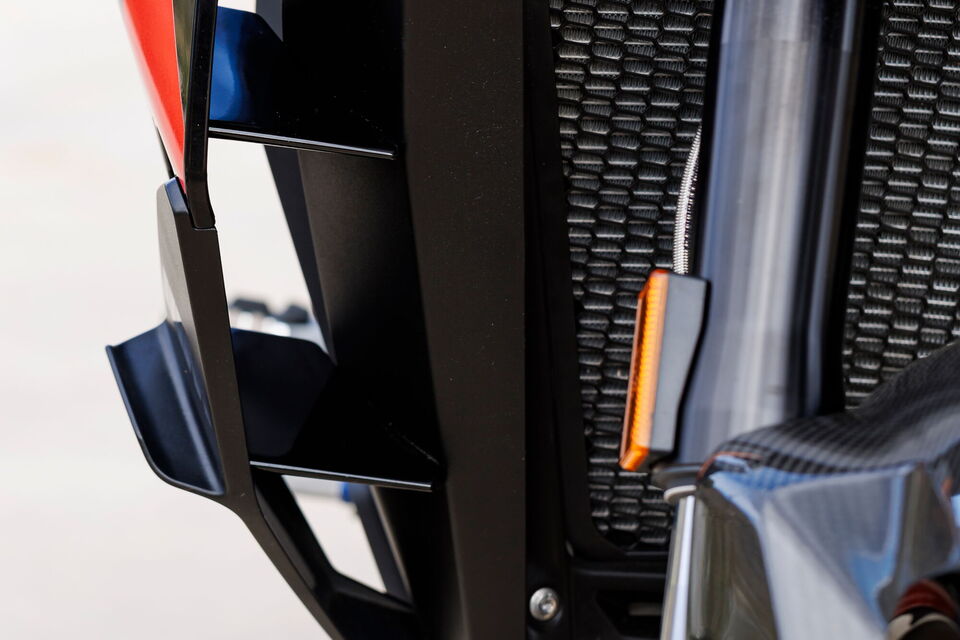
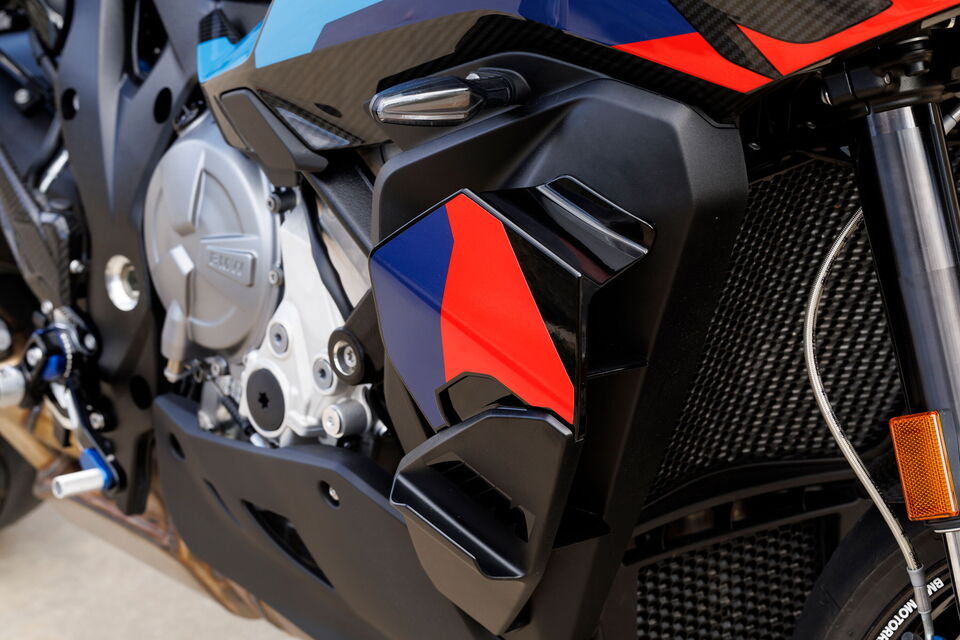
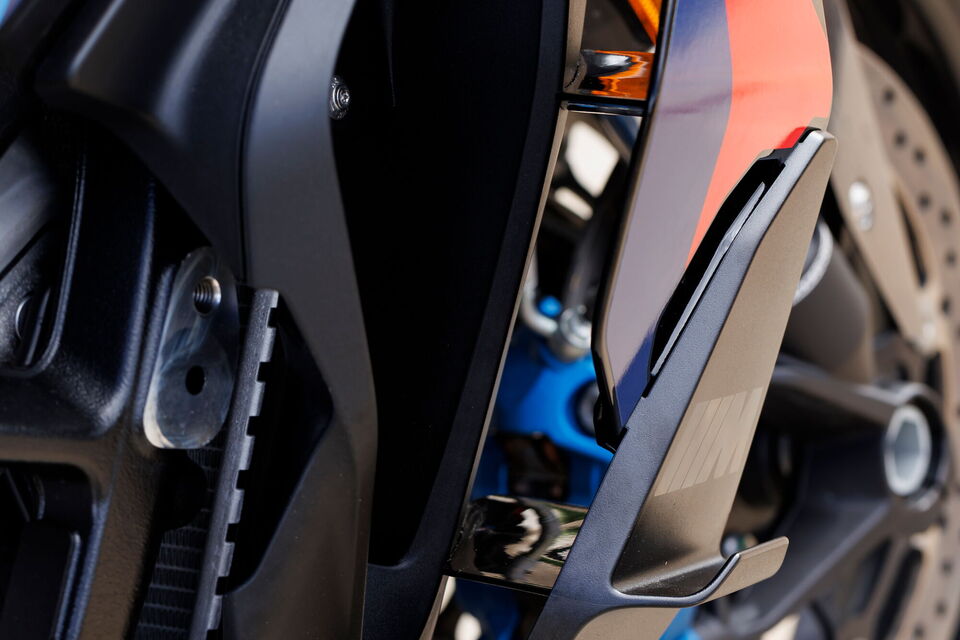
M Winglets come standard. They begin generating noticeable aerodynamic downforce from around 100 km/h; at 220 km/h, they add 12 kg of load to the front wheel. That reduces the tendency to wheelie under acceleration, allows the rider to get on the throttle earlier, and permits later braking in fast corners.
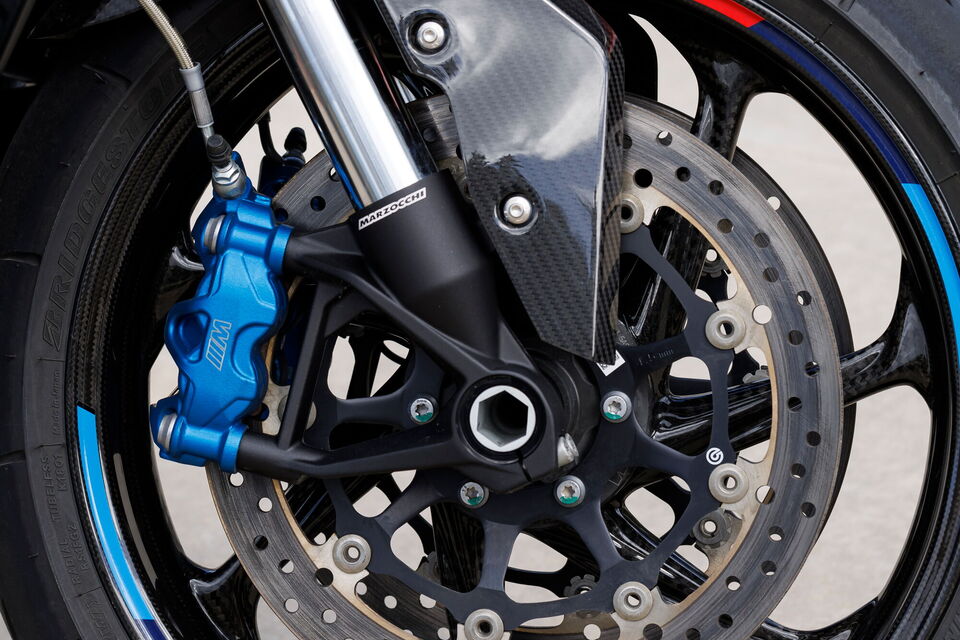
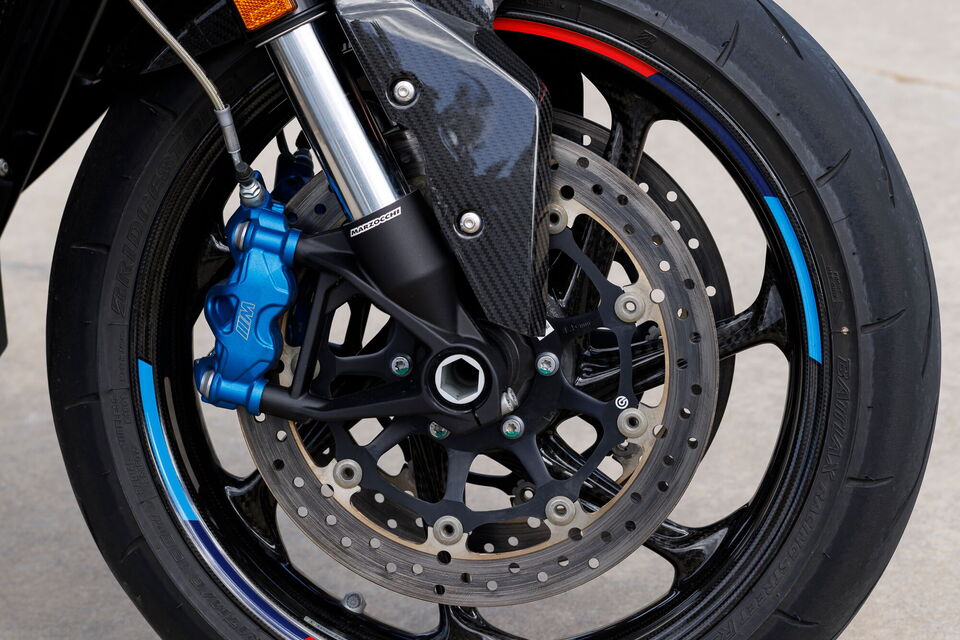
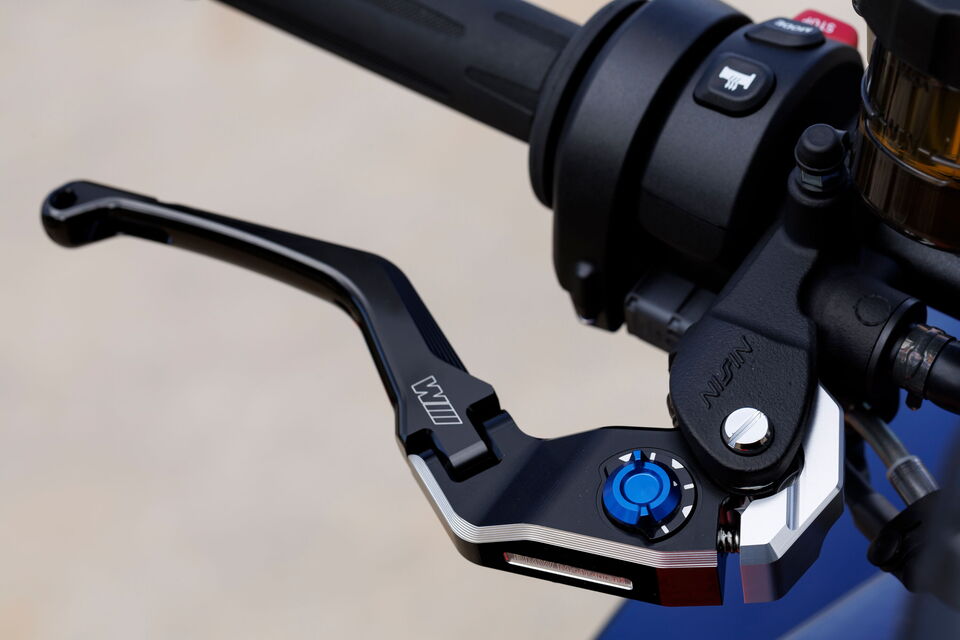
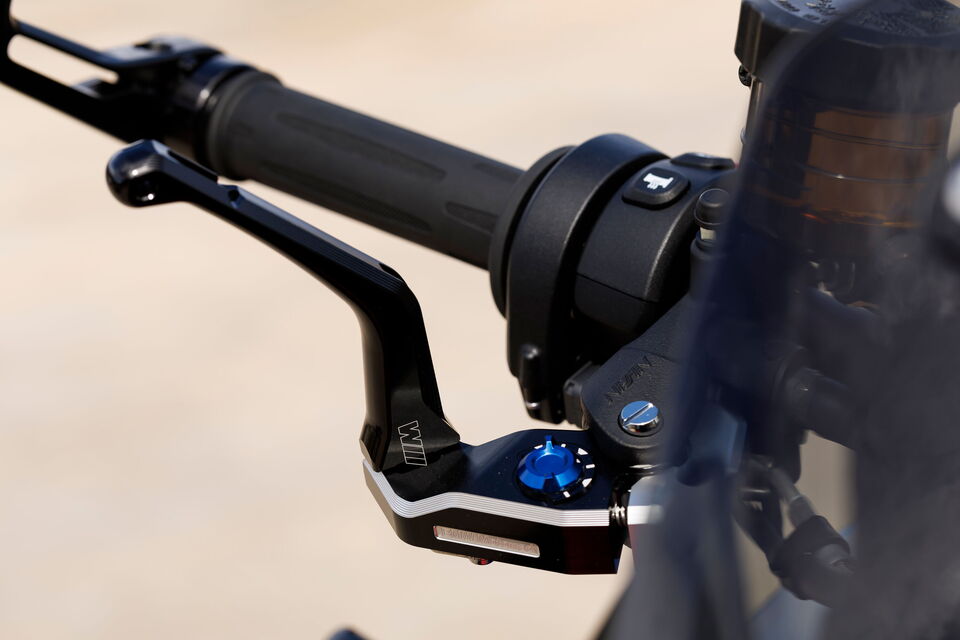
The M brake system—specially developed Nissin racing calipers with a radial front master cylinder and blue anodized finish—also comes standard. Up front are dual 320 mm discs, with a 220 mm disc at the rear. Forged aluminum wheels are standard as well. They are lighter than cast wheels and reduce rotating mass. On backroads and twisty mountain routes, the chassis impresses with precision and high stability.
BMW has built a motorcycle that, despite weighing 223 kg, carves through corners like a mountain bike: neutral, stable, predictable. DDC keeps the suspension setup consistent even on long rides—no manual adjustment when load or road conditions change.
Ergonomics: 850 mm Seat Height, 20-Liter Tank, Height-Adjustable Windscreen—Long Distance Is Possible
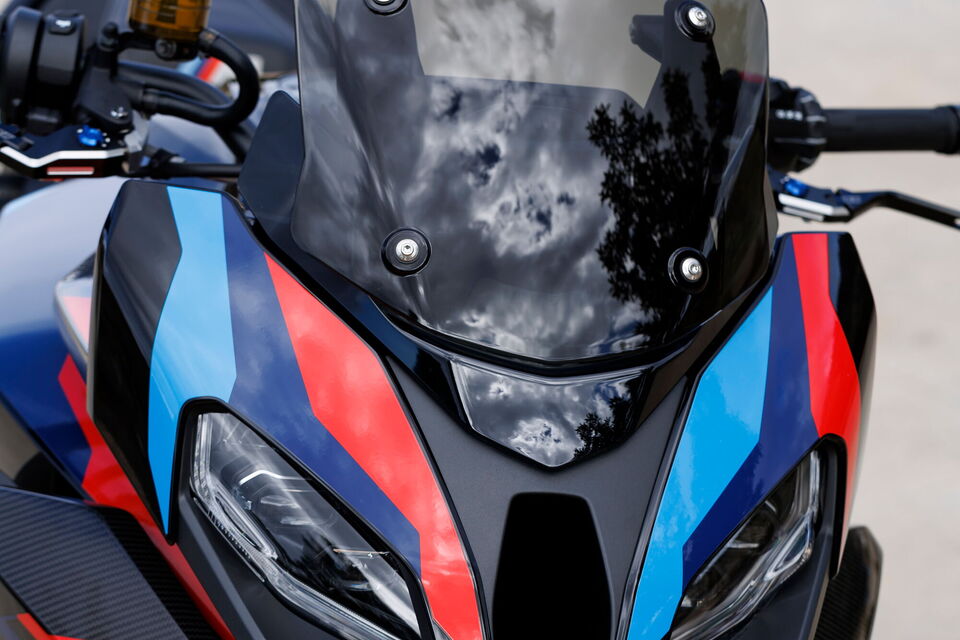
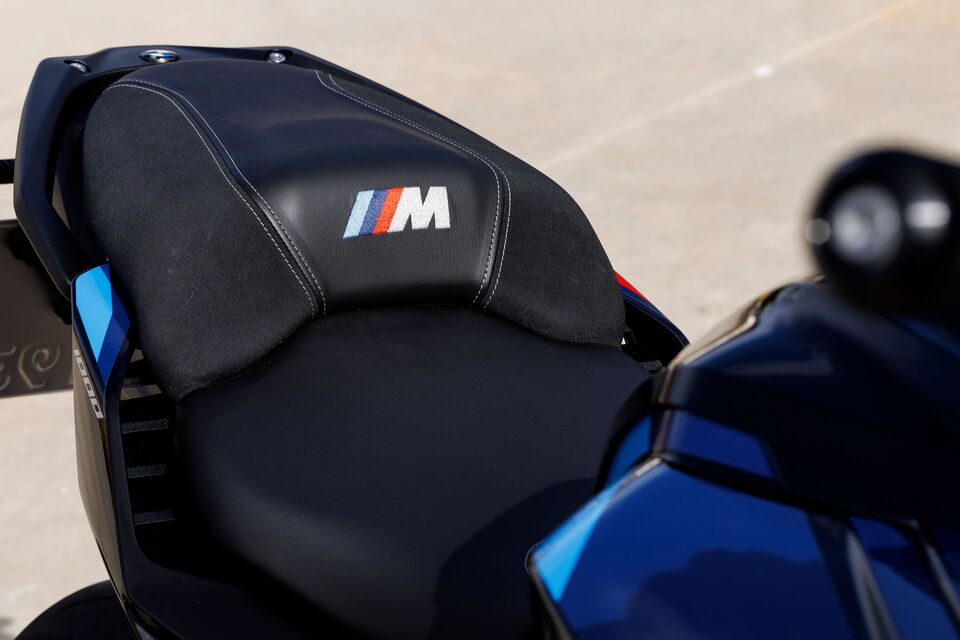
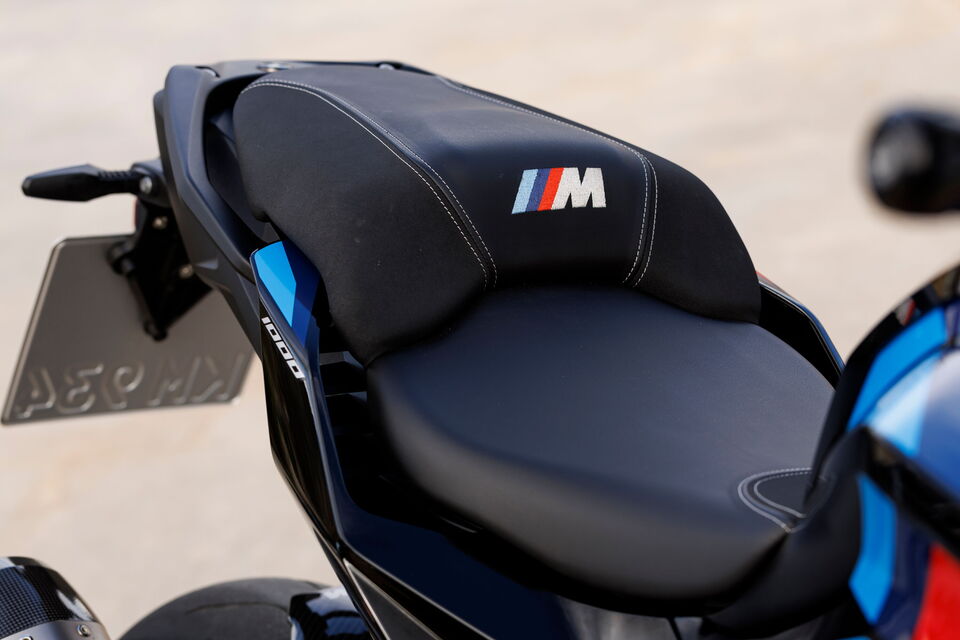
Seat height is 850 mm – demanding. Although the M Sport seat is relatively narrow along its sides in the front Riders between 1.75 and 1.90 meters should get along well with it. Shorter riders need to expect to support the motorcycle with one foot on the ball of the foot. The windscreen is height-adjustable and provides good protection at moderate speeds. For very tall riders and at highway speeds above 150 km/h, wind protection from the relatively short, sporty screen is more limited than on a conventional sport-tourer.
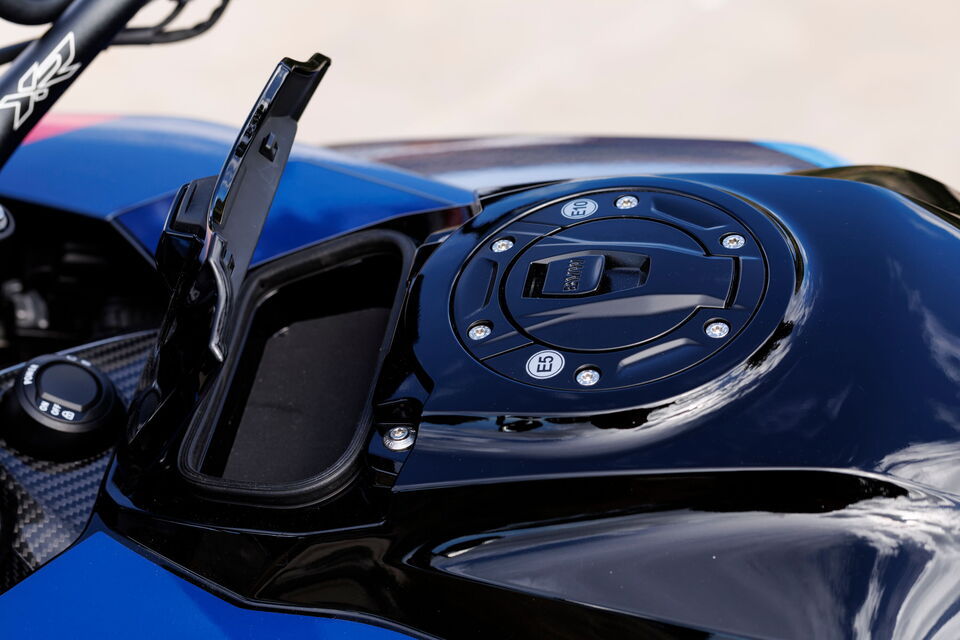
The 20-liter fuel tank is the crucial feature that separates the M 1000 XR from the M 1000 R and M 1000 RR, because it gives this motorcycle genuine range. At a realistic consumption of 6.5 liters per 100 km, range is around 280 km—enough for a long touring day without fuel stops becoming a constant concern.
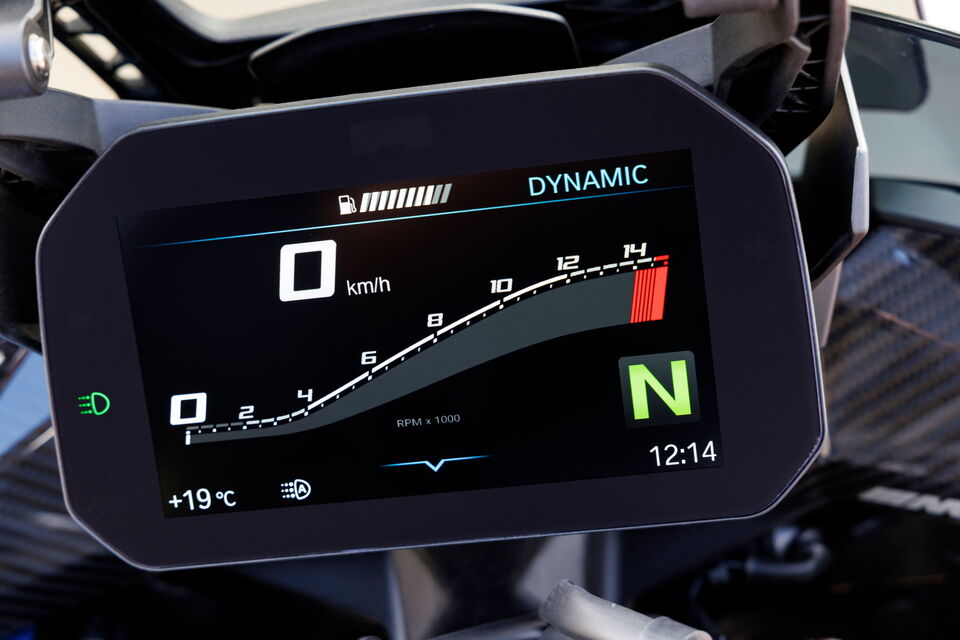
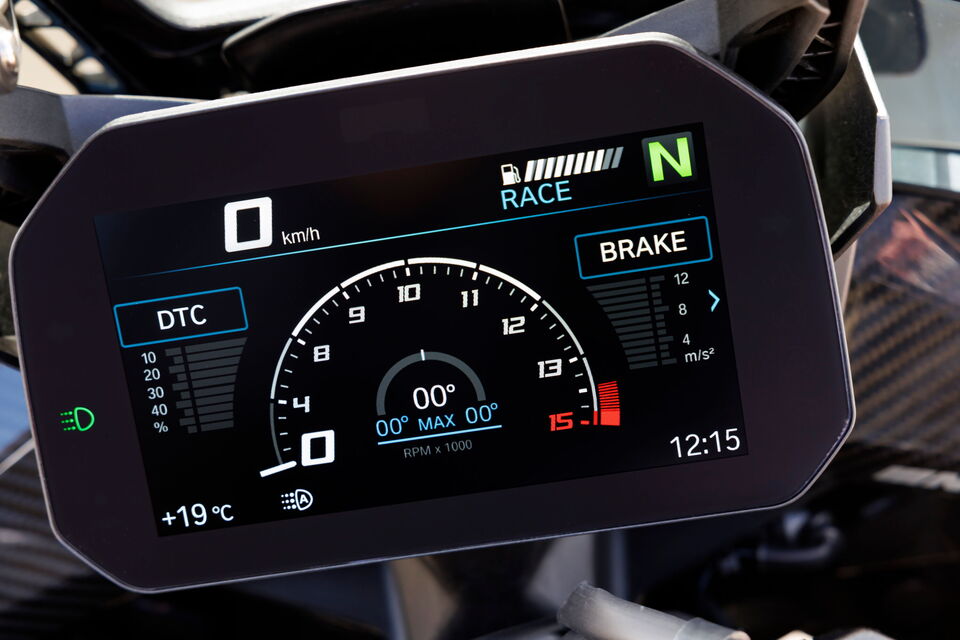
The 6.5-inch TFT display with M startup animation provides all relevant riding information. The M GPS Laptrigger can be activated through the M Competition Package. One important detail for touring riders: the M 1000 XR has no hard-case mounts and no top-case option. BMW offers only small side-mounted soft bags with 8 liters of capacity each.
That is the clearest statement BMW makes with this motorcycle: the M 1000 XR is not a luggage carrier. If you regularly ride with hard cases, buy the S 1000 XR.
Handling: 223 kg—the World’s Lightest Crossover Bike in This Performance Class
223 kg fully fueled—4 kg less than the S 1000 XR at 227 kg. BMW calls the M 1000 XR the lightest large crossover bike in the world. The weight advantage comes from forged wheels, M-specific components, and optimized material selection. With the M Competition Package, including carbon wheels and carbon components, weight drops to 220 kg. That still sounds substantial if you are coming from an S 1000 RR—and it is. You notice the difference immediately at a standstill.
Once moving, however, the excellent weight distribution and DDC suspension make the mass feel considerably less significant. The M 1000 XR is a motorcycle for experienced riders. 201 hp in a 223 kg crossover is not an invitation to beginners.
BMW has carefully calibrated the electronics to make the performance manageable and provides a sophisticated safety net through Brake Slide Assist and Riding Modes Pro. Even so, if you push the engine beyond 10,000 rpm, you need to know what you are doing.
Equipment: M Competition Package as the Logical Setup for Racetrack and Alps
Standard equipment includes DDC suspension, M Winglets generating 12 kg of downforce at 220 km/h, M brakes with Nissin calipers and radial front master cylinder, forged aluminum wheels, Brake Slide Assist, Launch Control, Pit Lane Limiter, DTC, ABS Pro, Riding Modes Pro with Race mode, adaptive cornering lights, heated grips, height-adjustable windscreen, M Sport seat, lithium-ion battery, and a 6.5-inch TFT with M startup animation.
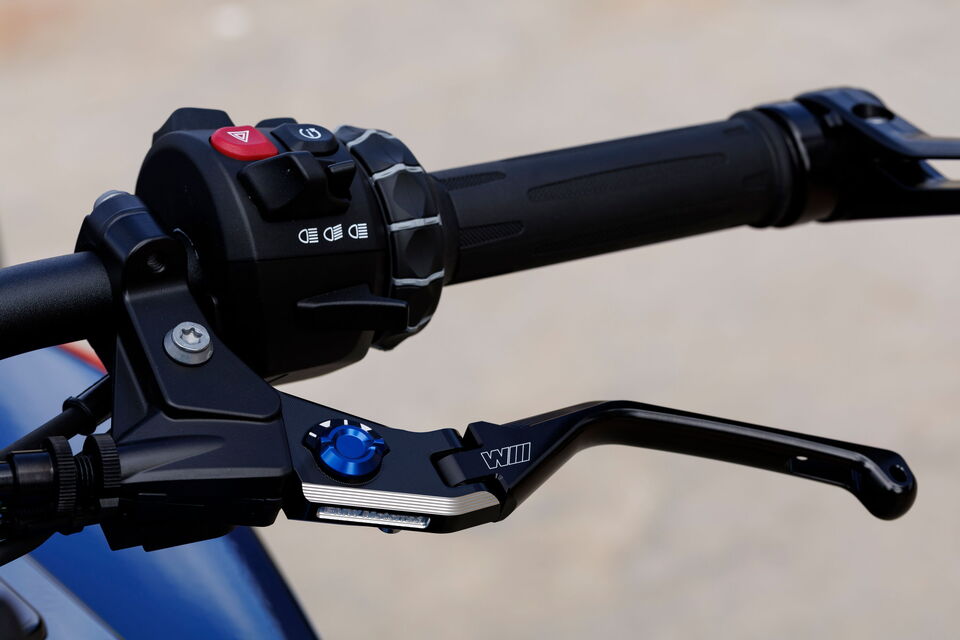
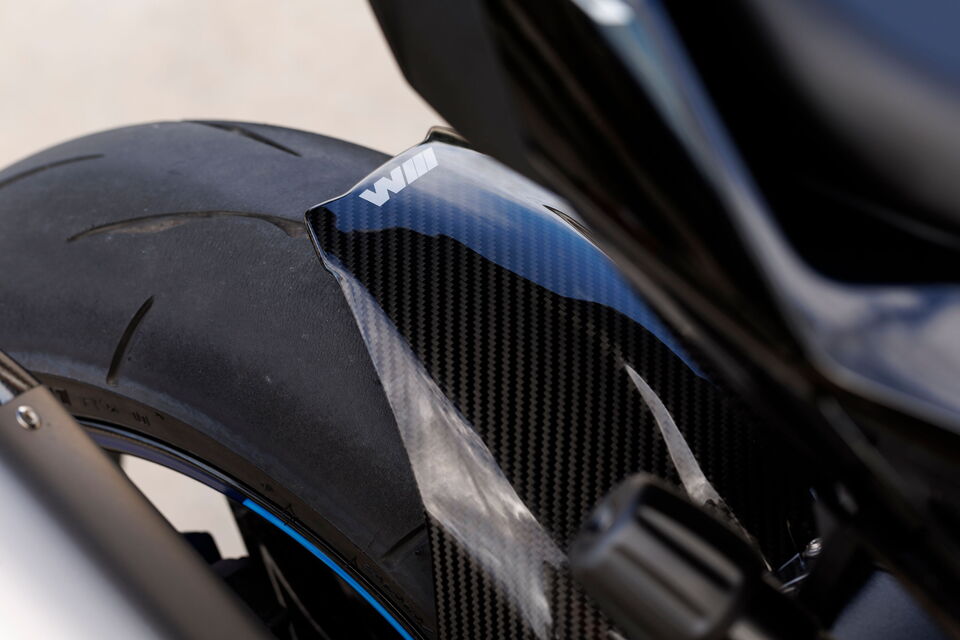
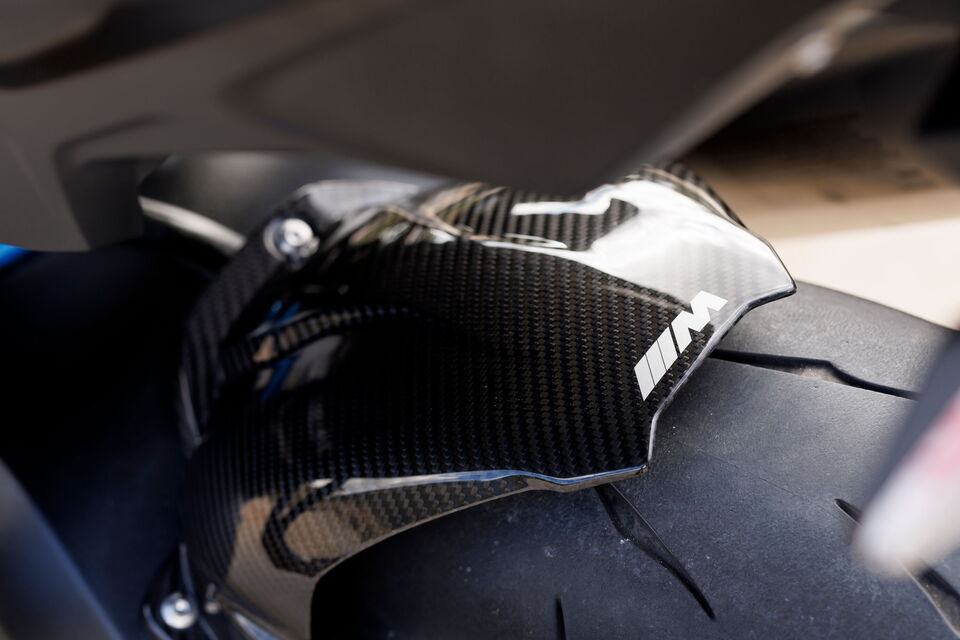
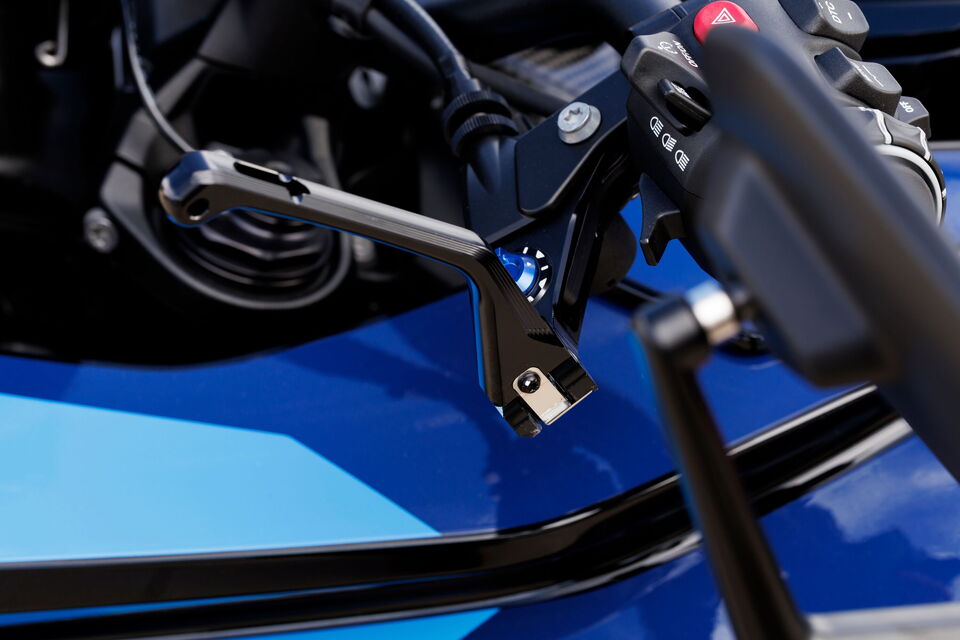
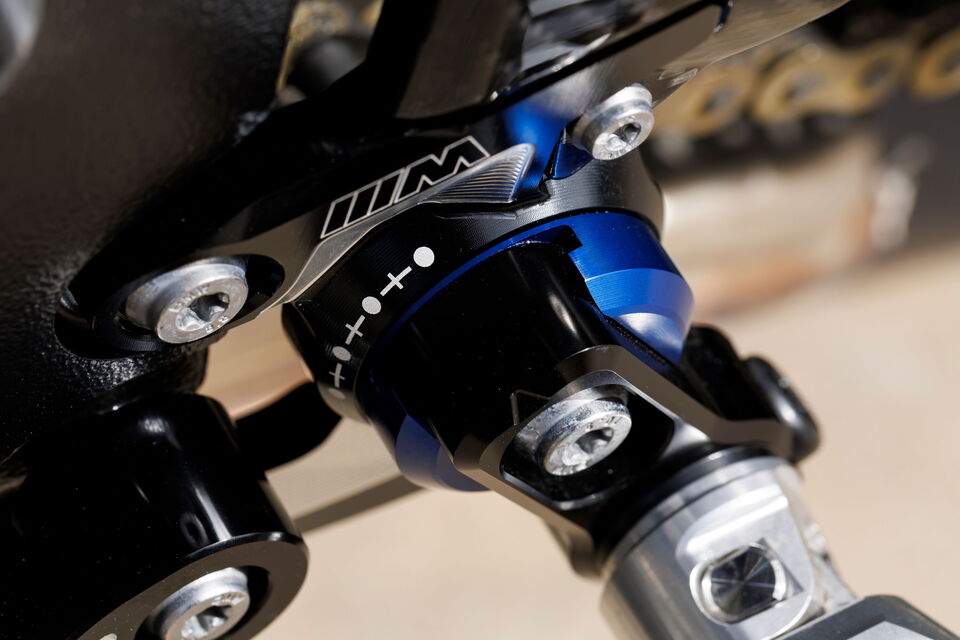
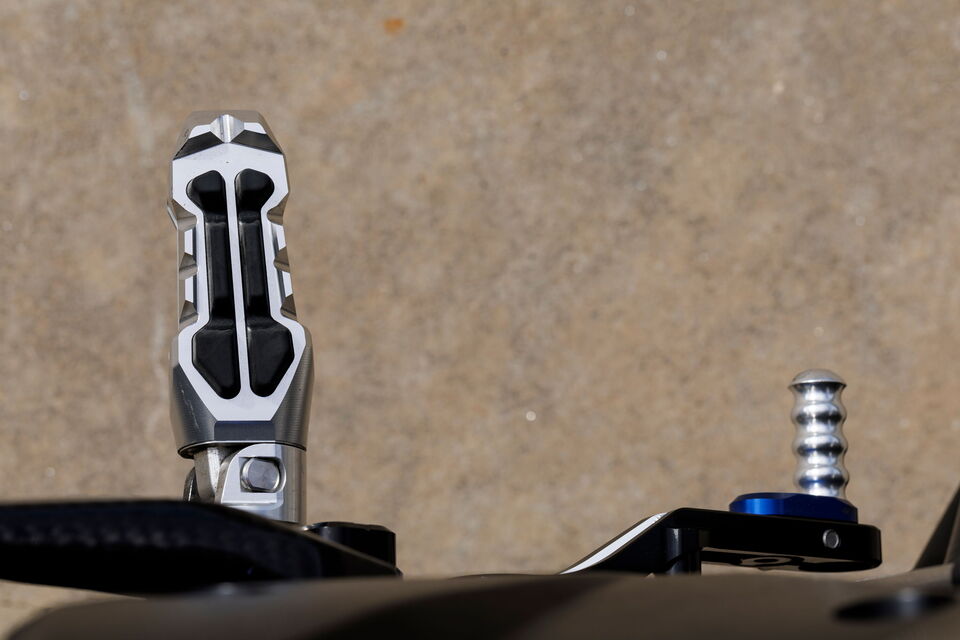
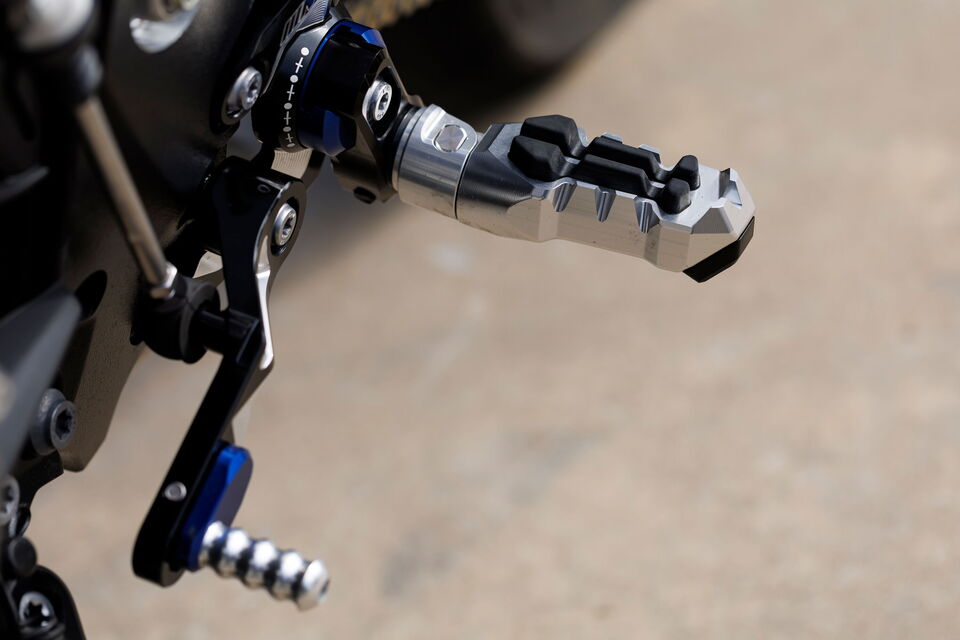
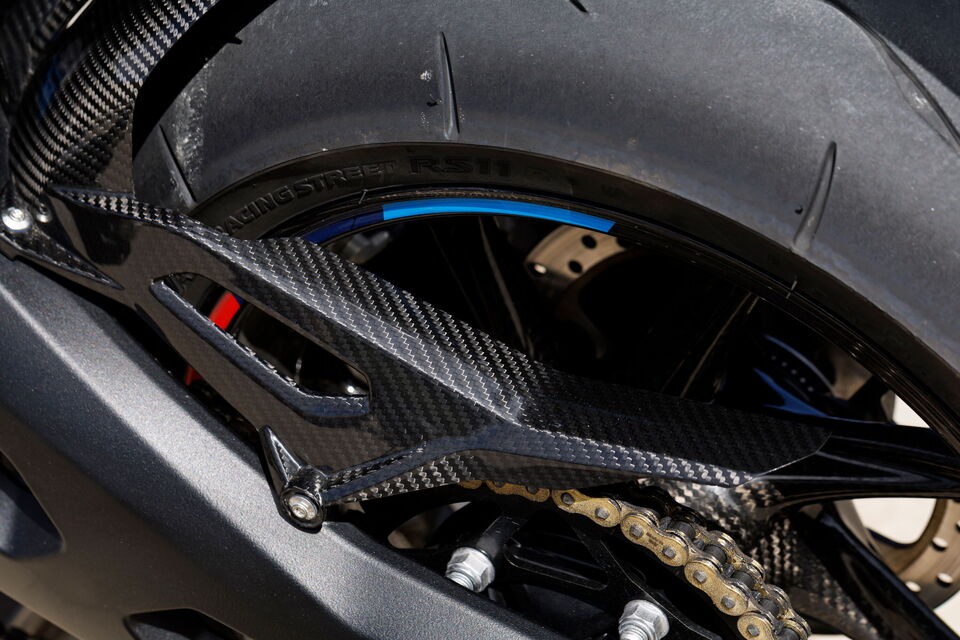
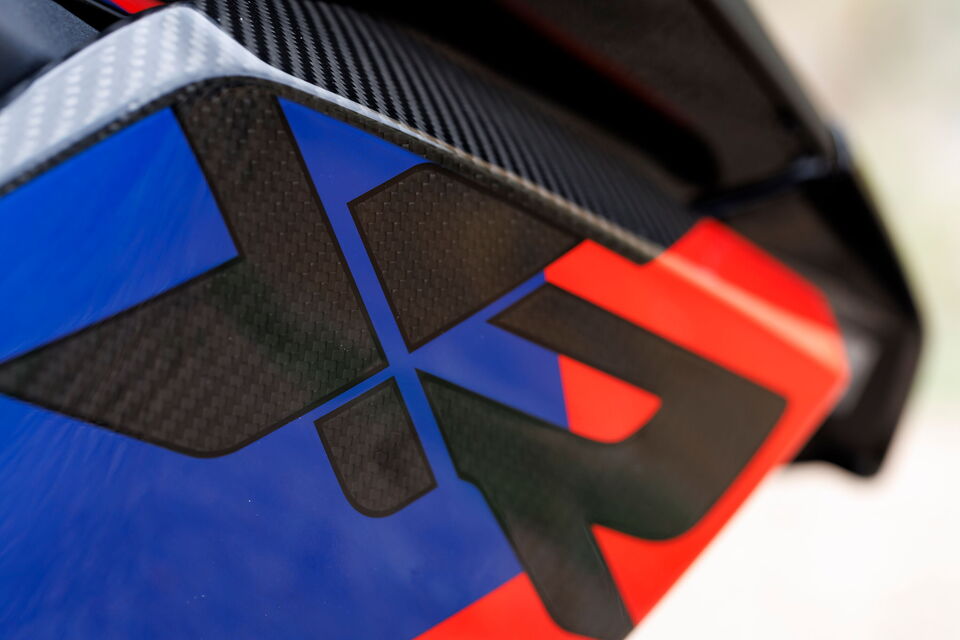
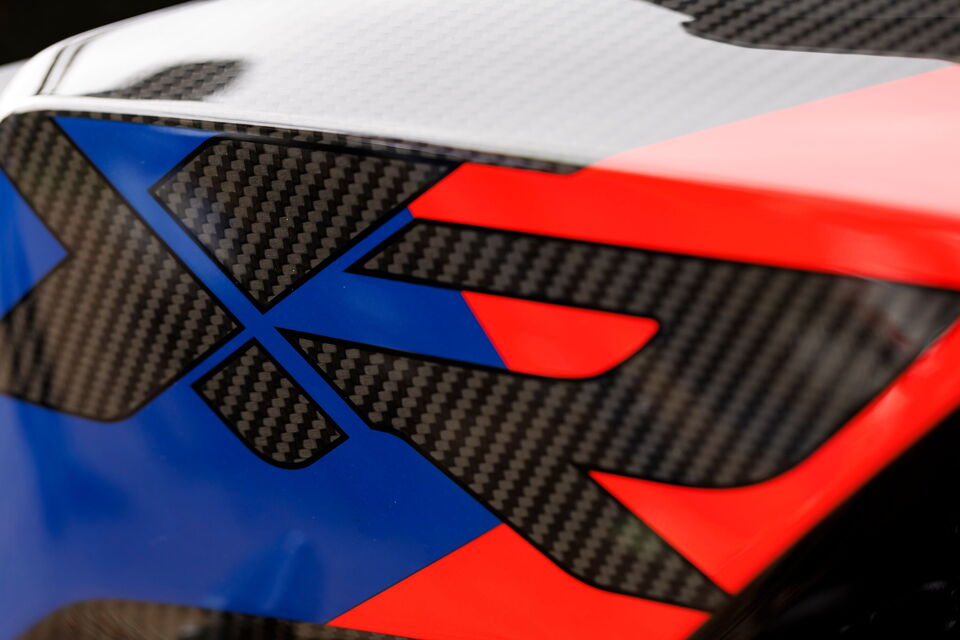
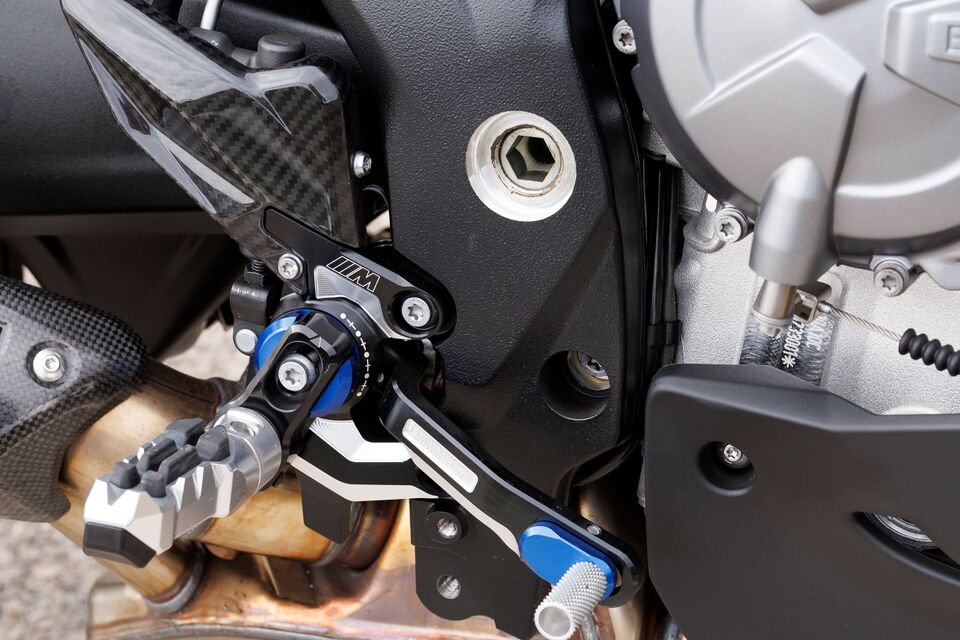
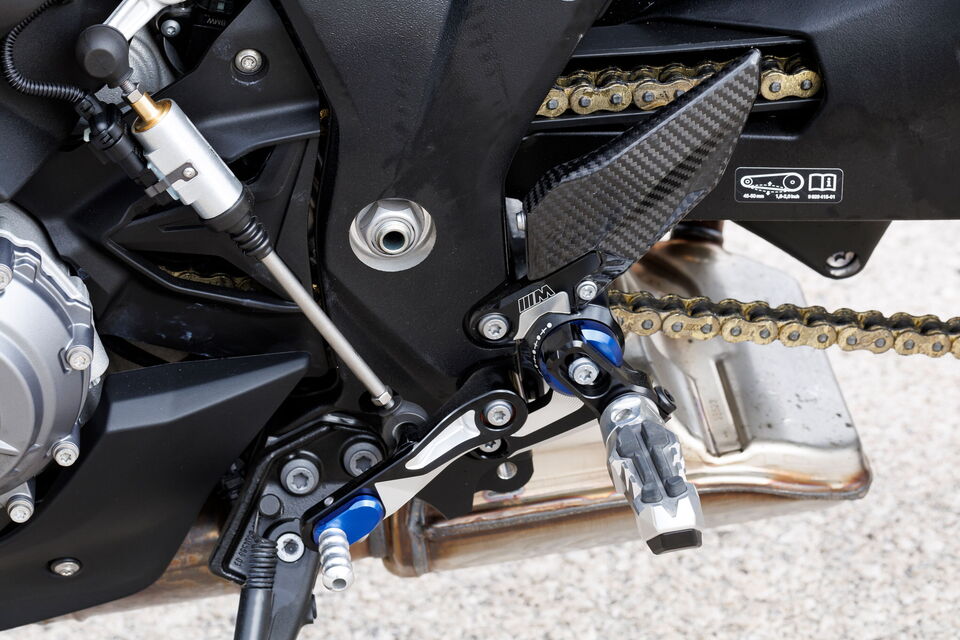
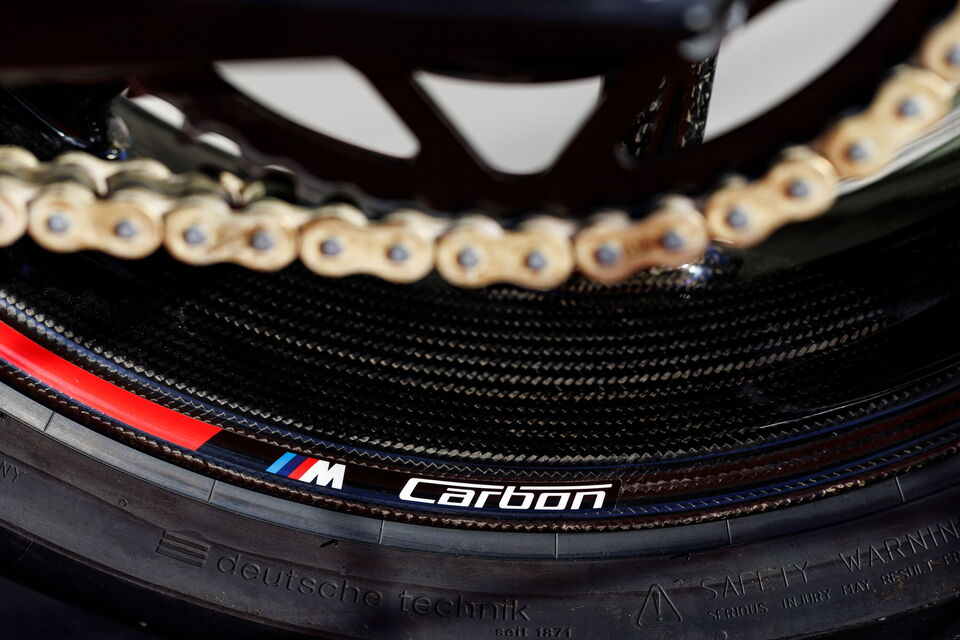
The M Competition Package, costing around €6,160, adds carbon wheels, carbon components including bodywork and wheel covers, an adjustable footpeg system, folding machined levers, and an M GPS Laptrigger activation code—and changes the paintwork to a more aggressive M appearance.
Costs: €25,900—and No Direct Competitor at This Price
€26,160 plus freight and packaging. There is no direct competitor that combines 201 hp, DDC, M Winglets, and forged wheels as standard. The Ducati Multistrada V4 S, with 170 hp and Öhlins Smart EC 2.0, starts at €35,290 plus €305 in delivery charges and is the closest relevant comparison, although its concept is significantly different: more touring-oriented, less focused on outright performance. The Kawasaki Ninja 1100SX SE—a genuine sport-tourer with 120 hp—costs €17,270 but is not a direct competitor.
Service intervals are every 10,000 km and cost around €550 to €750. Valve-clearance inspection is required every 10,000 km. The standard chain drive requires more maintenance than a shaft drive. The gold M Endurance chain lasts longer than a conventional chain but still needs regular cleaning and adjustment. Warranty: two years with unlimited mileage.
Verdict
The BMW M 1000 XR is the most convincing argument that a motorcycle rider does not have to choose between long-distance ability and performance. 201 hp, DDC, M Winglets and forged wheels standard, a 20-liter fuel tank, 223 kg—that is the concept.
The absence of hard-case mounts is the most honest product statement BMW makes: this is not an adventure bike. It is a sportbike with a long-distance fuel tank.
Understand that and you will find no better package in this segment.
Quick Check
+ 201 hp from the S 1000 RR engine—31 hp more than the S 1000 XR
+ DDC standard—extra-cost option on the S 1000 XR
+ M Winglets standard: 12 kg of downforce at 220 km/h, reduced wheelie tendency, earlier acceleration
+ M brakes with Nissin calipers and radial front master cylinder standard
+ Forged aluminum wheels standard—less mass than cast wheels
+ Brake Slide Assist standard—controlled brake-induced drifting
+ 20-liter fuel tank—around 280 km of range
+ 223 kg—the world’s lightest crossover bike in this performance class
+ 278 km/h top speed, officially registered
+ Adaptive cornering lights and heated grips standard
– No hard-case system—no mounting provision, only soft bags with 8 liters of capacity each
– €26,160 plus additional charges
– 850 mm seat height—challenging for shorter riders
– Chain drive—more maintenance than shaft drive
– Wind protection from the sporty screen is limited for very tall riders
– 2-year warranty
Technical Specifications: BMW M 1000 XR (2026)
Country of manufacture: Germany (Berlin-Spandau)
Engine: Liquid-cooled inline-four, DOHC, 4 valves per cylinder, BMW ShiftCam, Euro 5+; based on the S 1000 RR engine with revised tuning
Displacement: 999 cc
Power: 148 kW (201 hp) at 12,750 rpm
Torque: 113 Nm at 11,000 rpm
Transmission: 6-speed, Shift Assistant Pro standard; shorter gearing than S 1000 XR (47 instead of 45 teeth, shorter fourth through sixth gears)
Final drive: Chain (M Endurance chain)
Frame: Aluminum composite bridge frame with engine as a stressed member
Front suspension: 45 mm USD fork, closed-cartridge design, adjustable spring preload, DDC standard; machined triple clamps, adjustable steering damper. 170 mm travel
Rear suspension: Monoshock, DDC standard. 175 mm travel
Aerodynamics: M Winglets standard: noticeable downforce from 100 km/h, 12 kg additional front-wheel load at 220 km/h
Front brakes: Dual 320 mm discs, M four-piston racing calipers by Nissin, blue anodized, radial front master cylinder
Rear brake: 220 mm disc, two-piston floating caliper
Wheels: Forged aluminum wheels standard; carbon wheels with M Competition Package
Front tire: 120/70 ZR17
Rear tire: 200/55 ZR17
Rider aids: ABS Pro (lean-angle optimized), DTC, Brake Slide Assist, Wheelie Control, Launch Control, Pit Lane Limiter, adaptive cornering lights, Riding Modes Pro with Race mode standard
Display: 6.5-inch TFT with M startup animation, Bluetooth, connectivity; M GPS Laptrigger activation code included with M Competition Package
Standard comfort equipment: Heated grips, height-adjustable windscreen, M Sport seat, lithium-ion battery
Weight: 223 kg; 220 kg with M Competition Package and carbon wheels
Seat height: 850 mm
Wheelbase: 1,548 mm
Fuel capacity: 20 liters
Price (Germany): from €26,160 plus additional charges
Warranty: 2 years, unlimited mileage