Review BMW R 12 (2026)

The Boxer Cruiser—Pure, Laid-Back, 95 hp, From €14,460
95 hp from 1,170 cc, air/oil-cooled, 227 kg, 754 mm seat height, shaft drive, toaster tank, no TFT, no windscreen, no ShiftCam—and riding modes called Rock and Roll. The BMW R 12 is the most uncompromising counterpoint to the motorcycle industry’s technology arms race. Here is what it gets right—and where it reaches its limits.
As of: April 10, 2026 | Tested model: BMW R 12 (2026) | Price from: €14,460
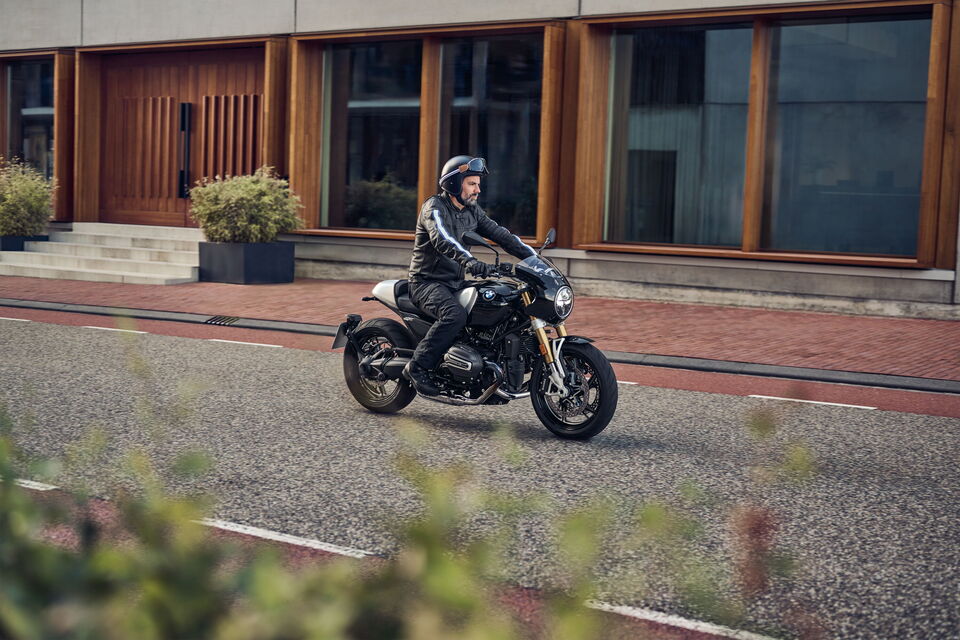
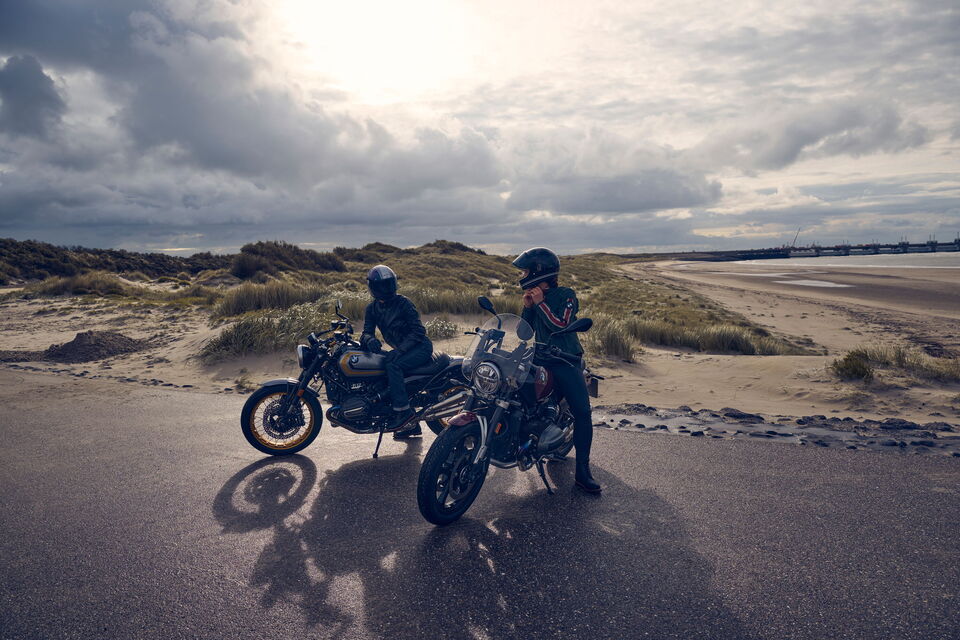
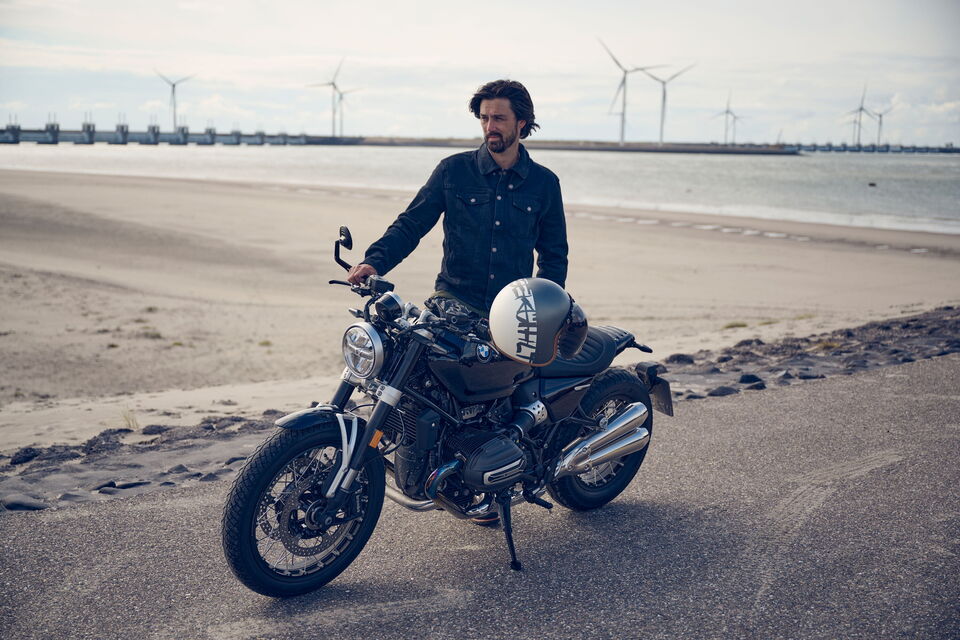
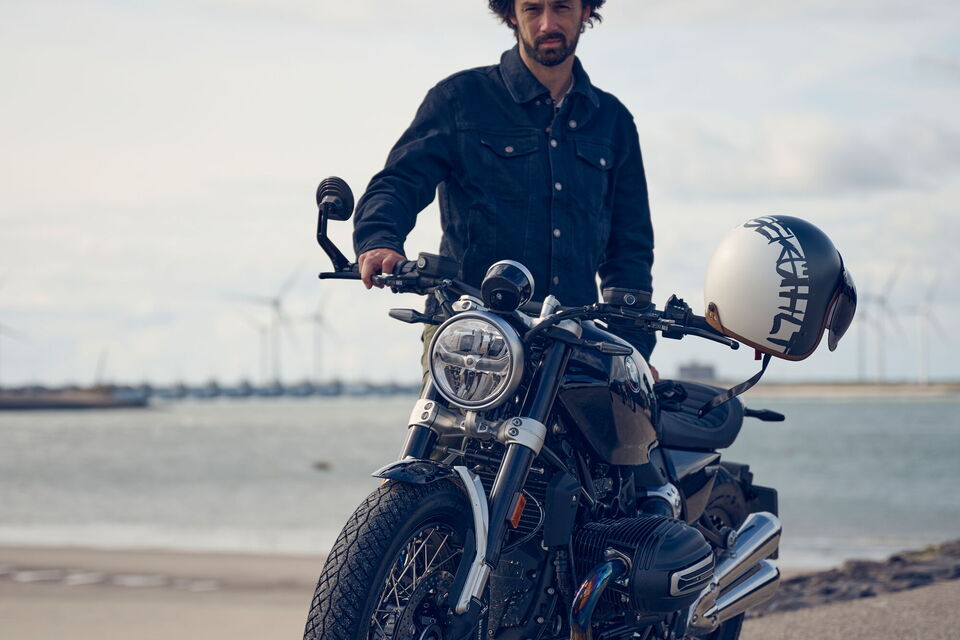
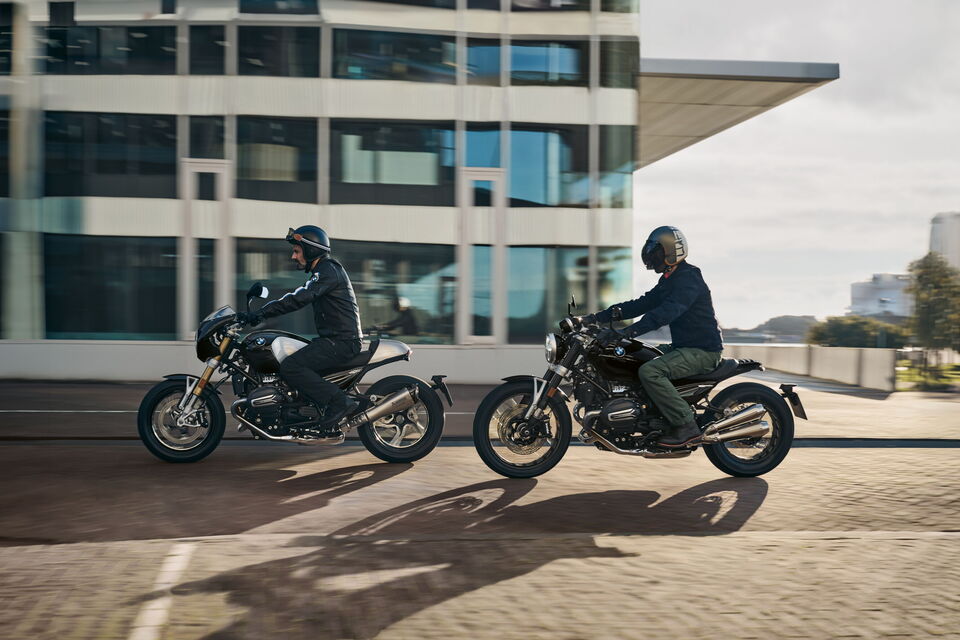
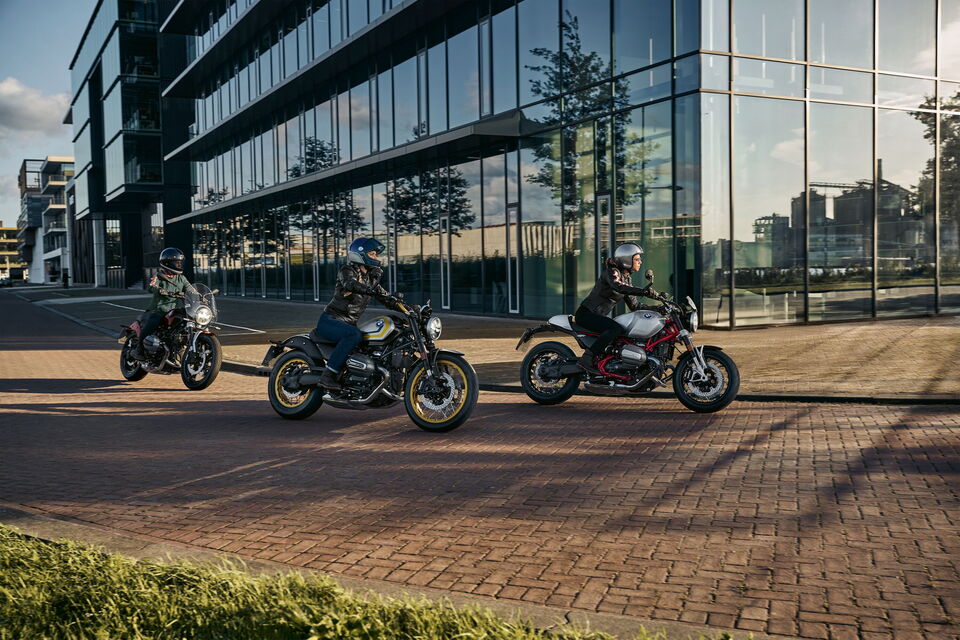
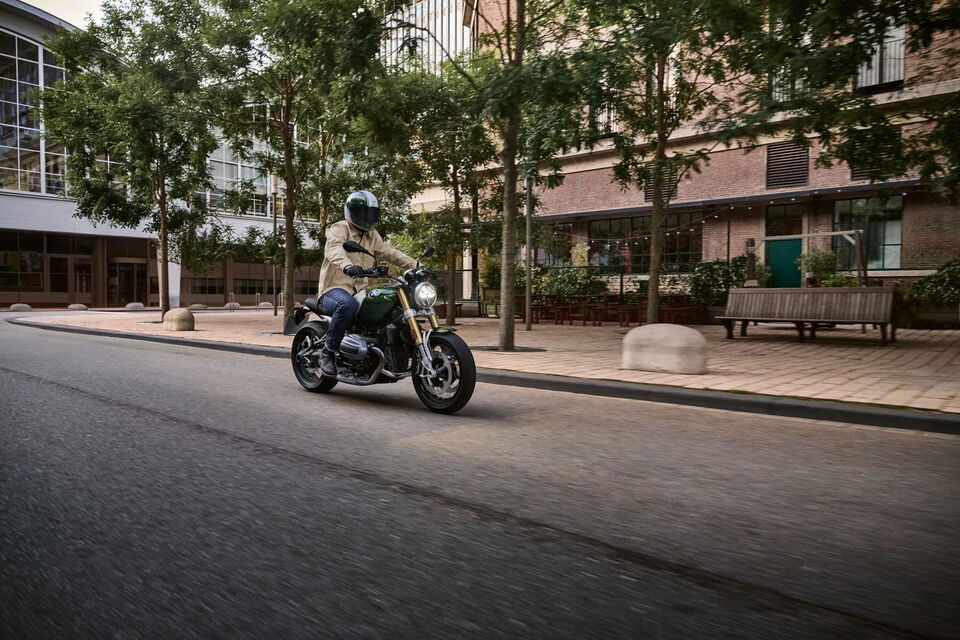
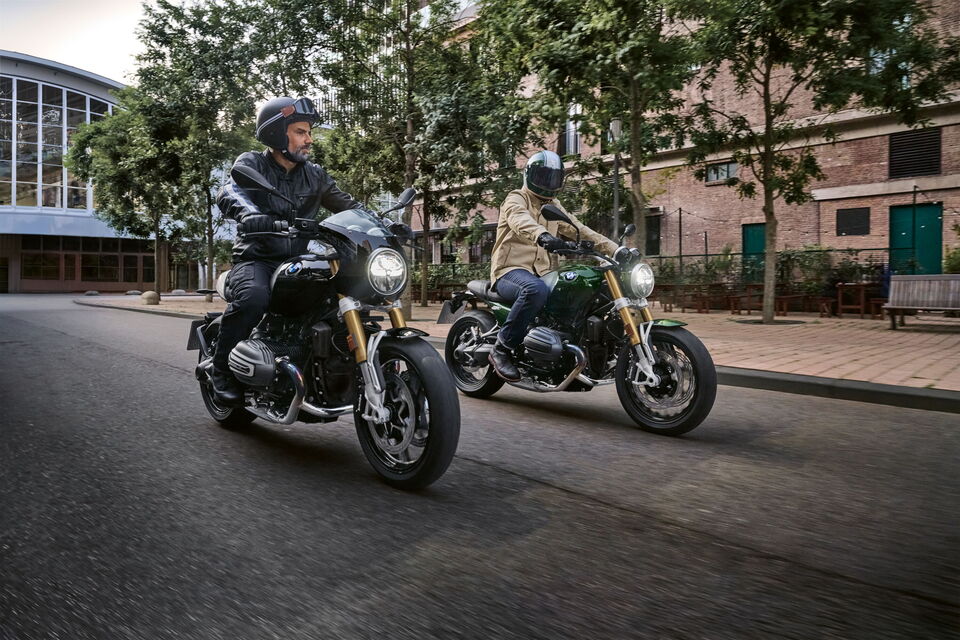






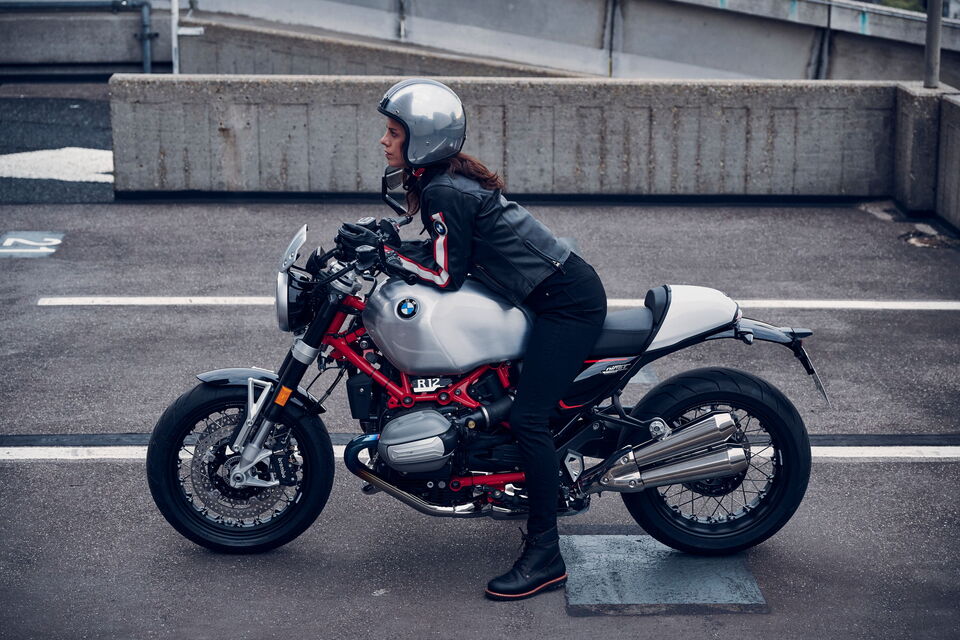
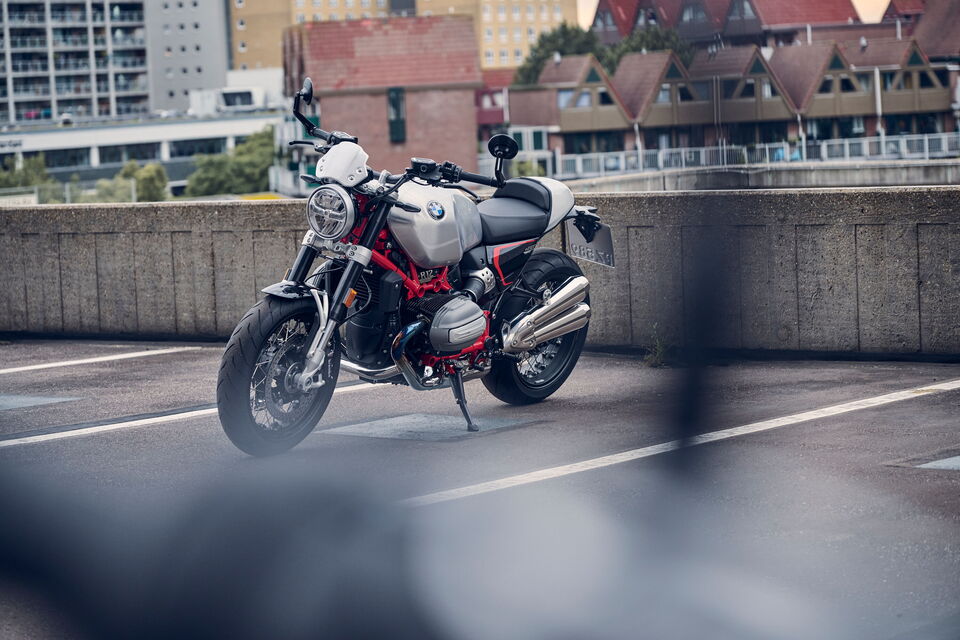

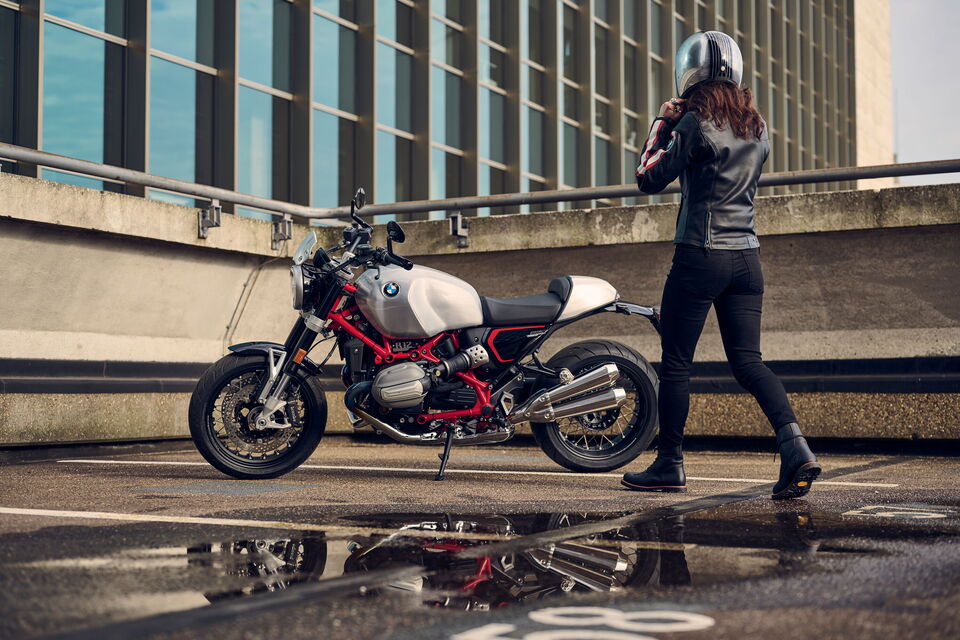
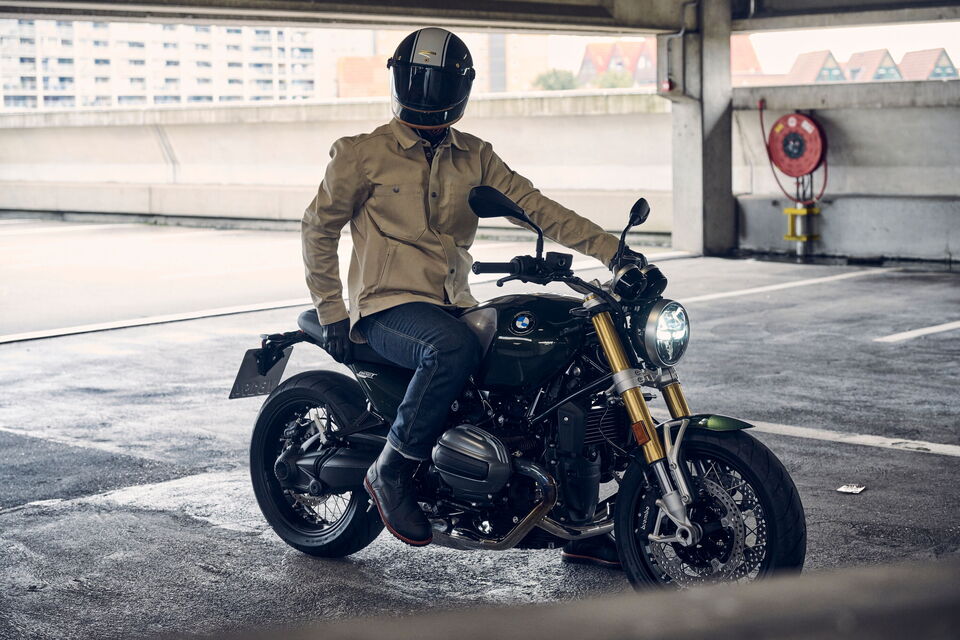
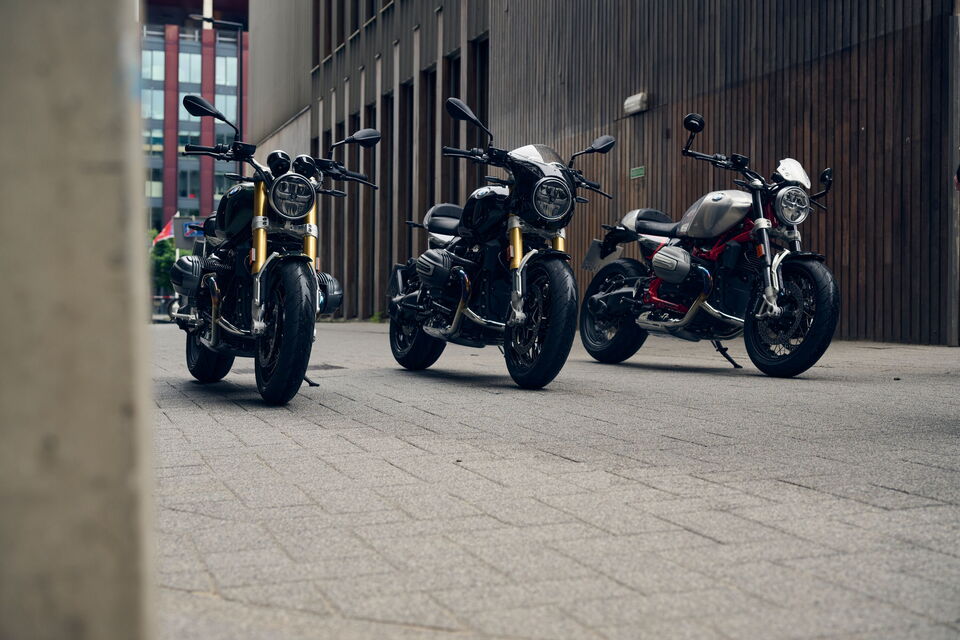
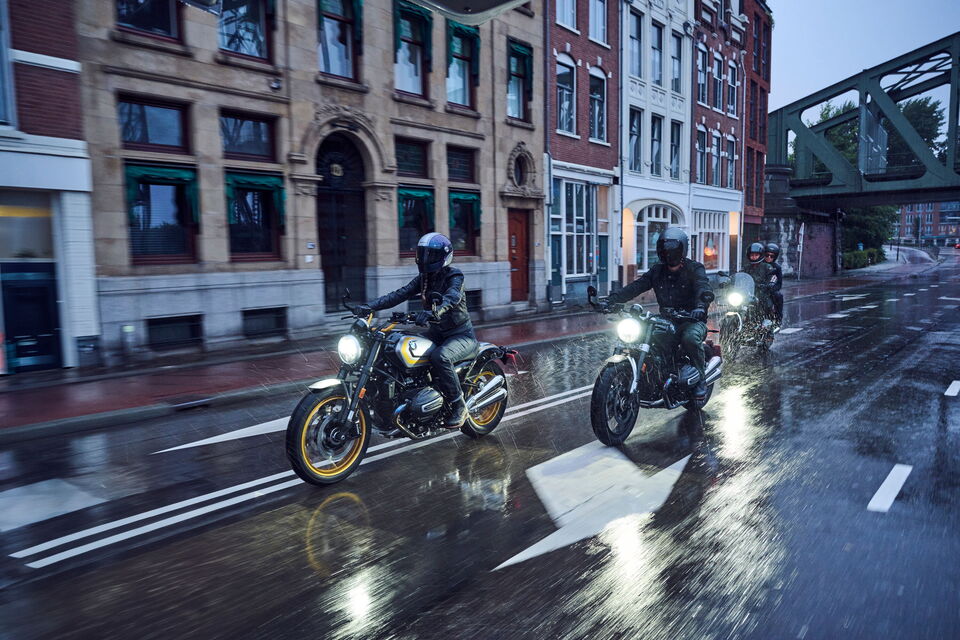
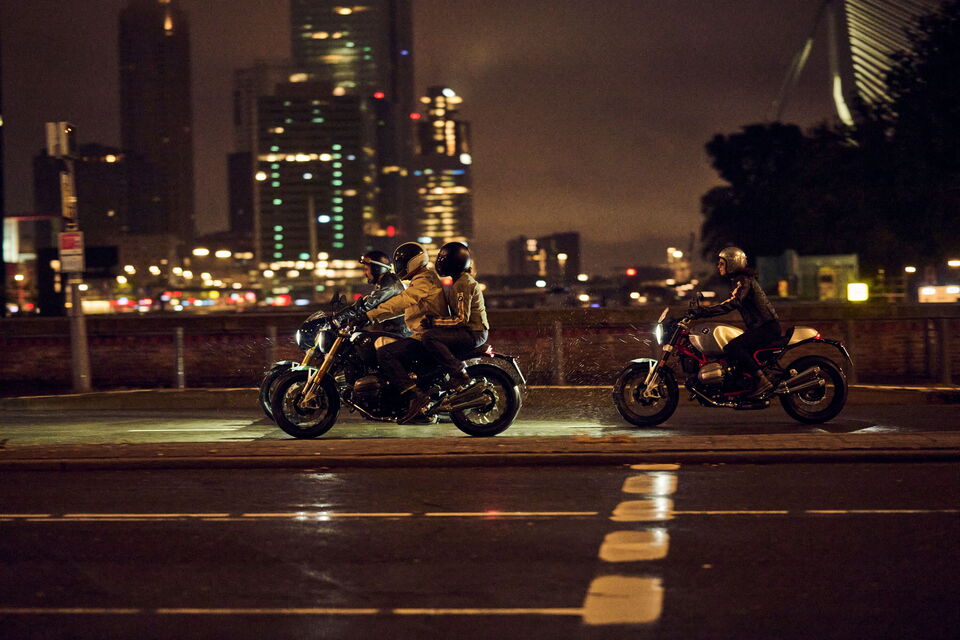
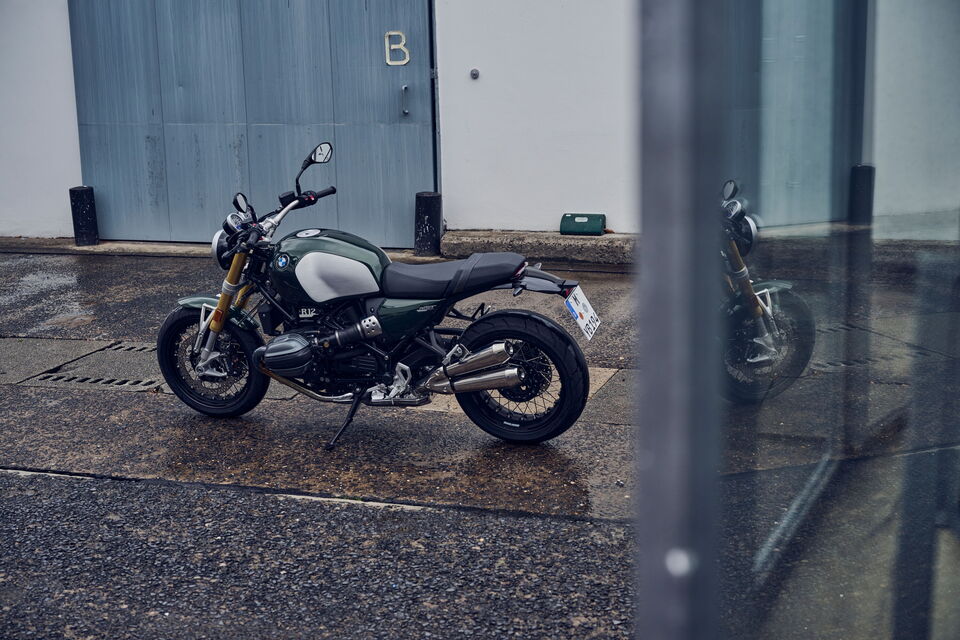
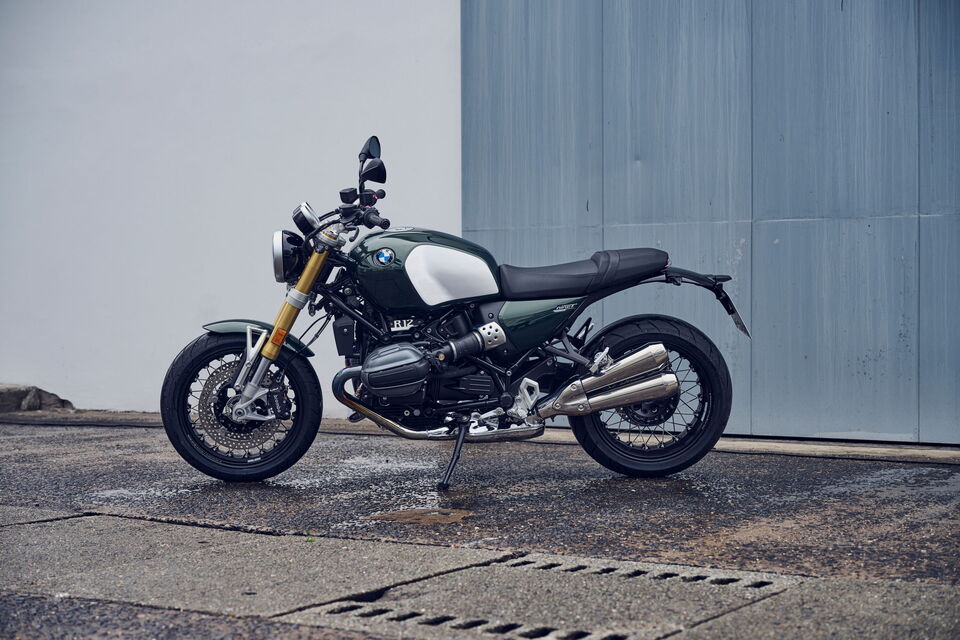
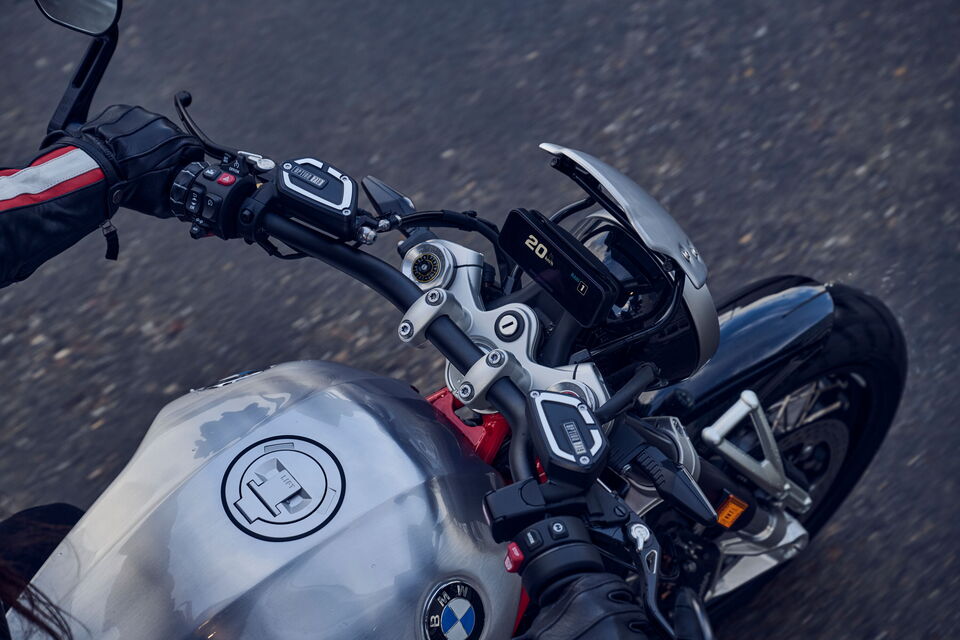


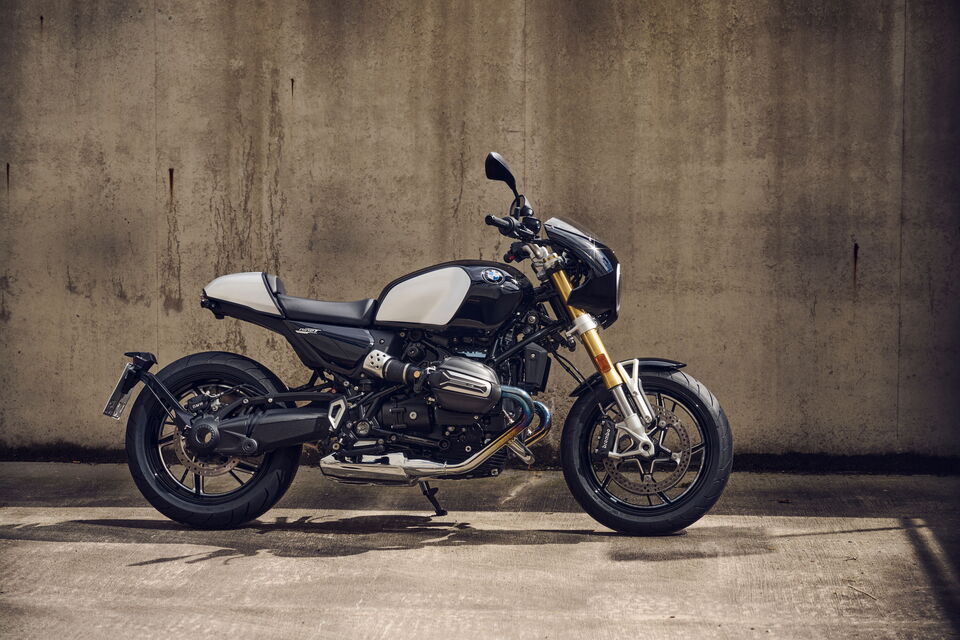
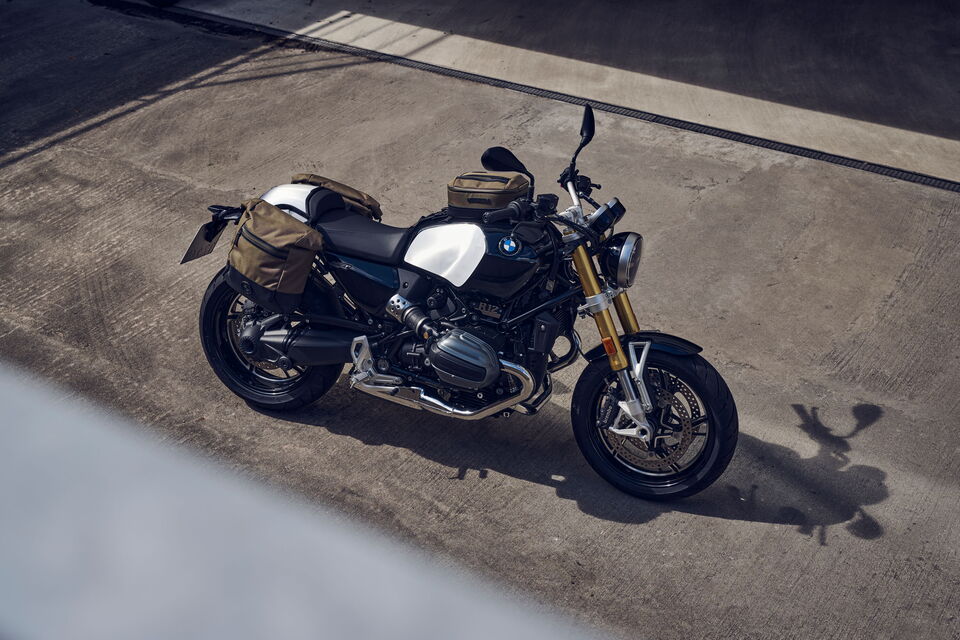

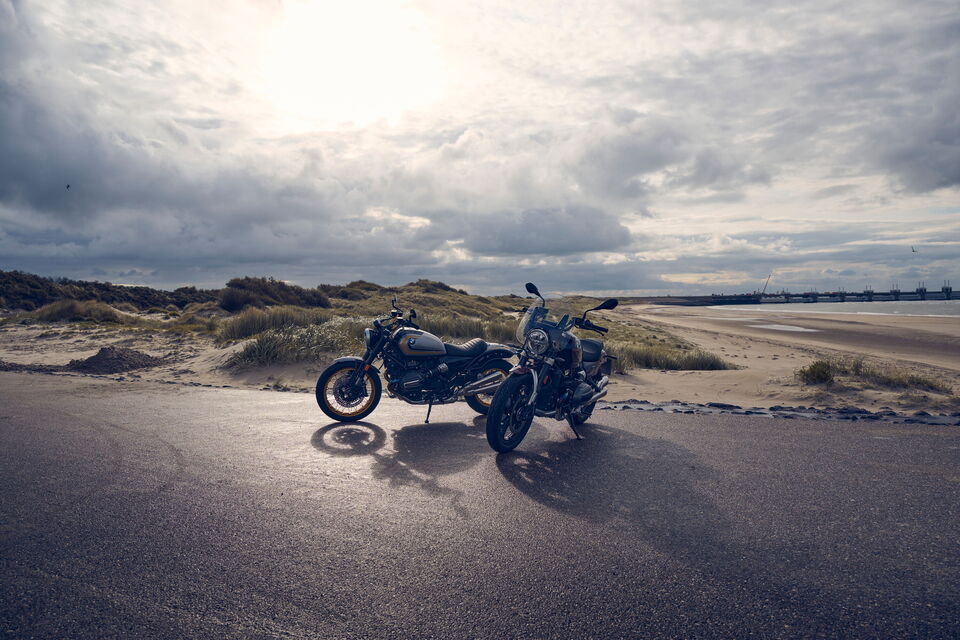
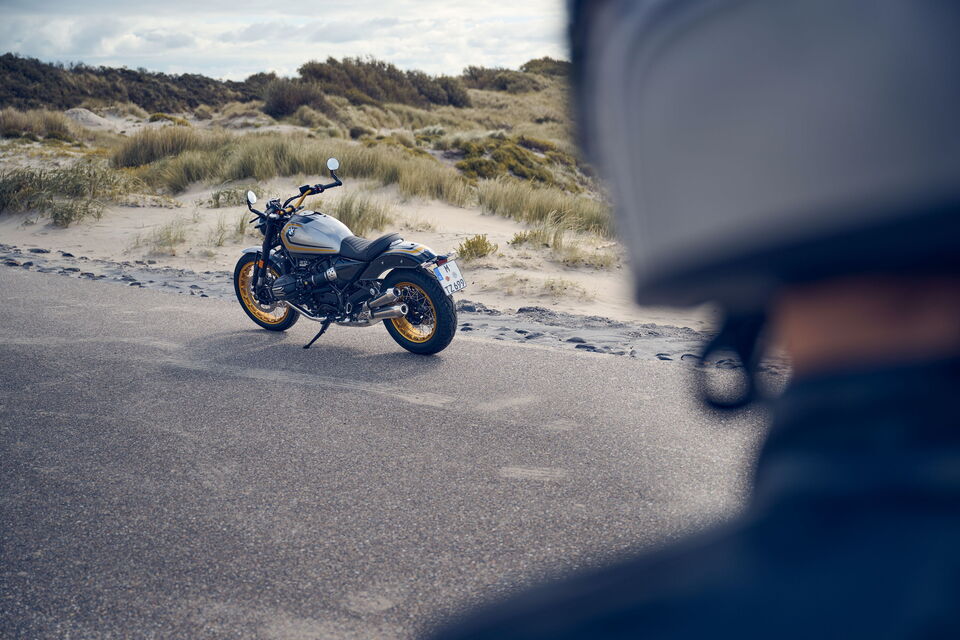
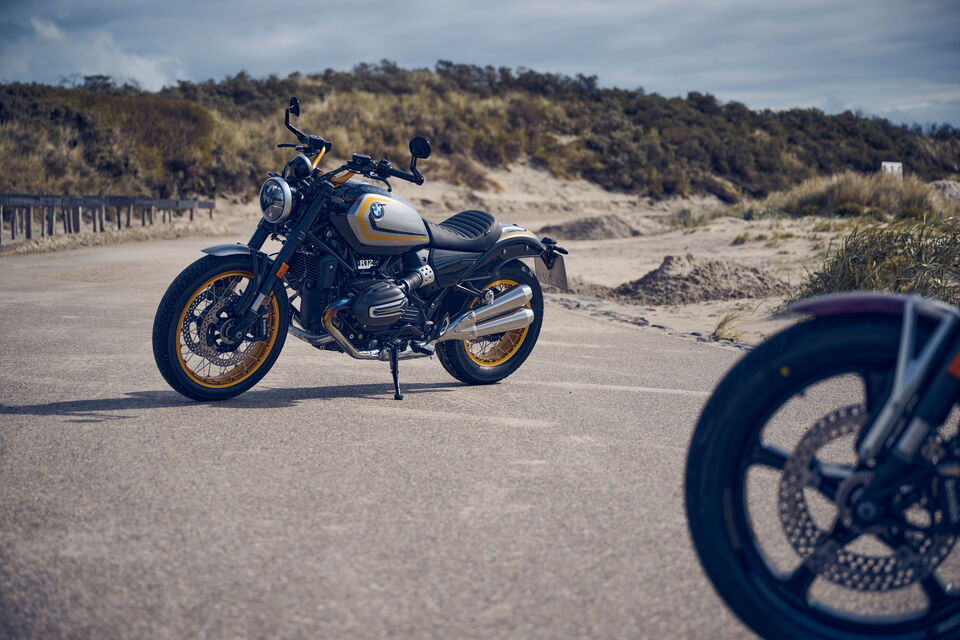
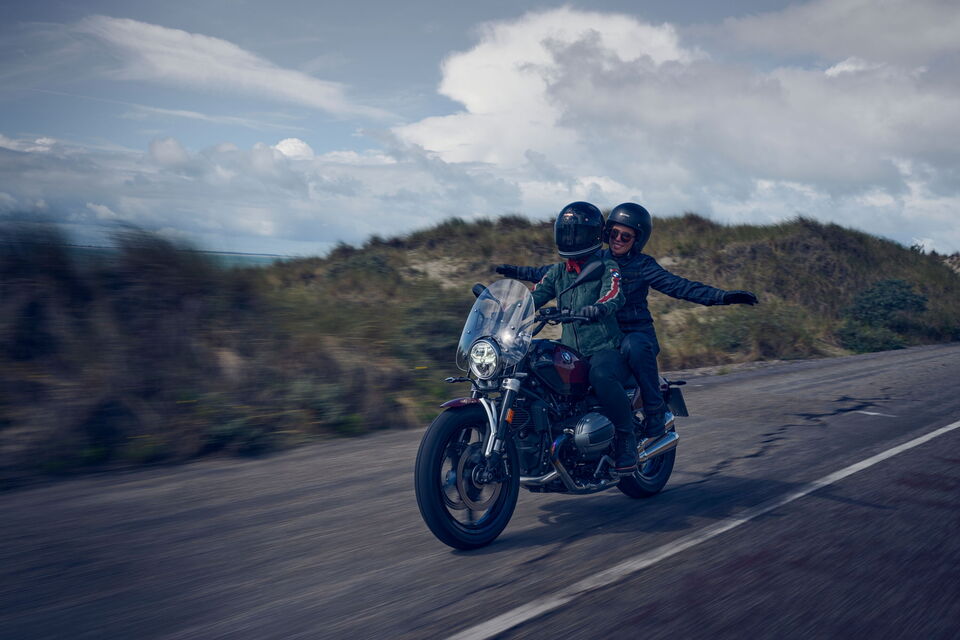
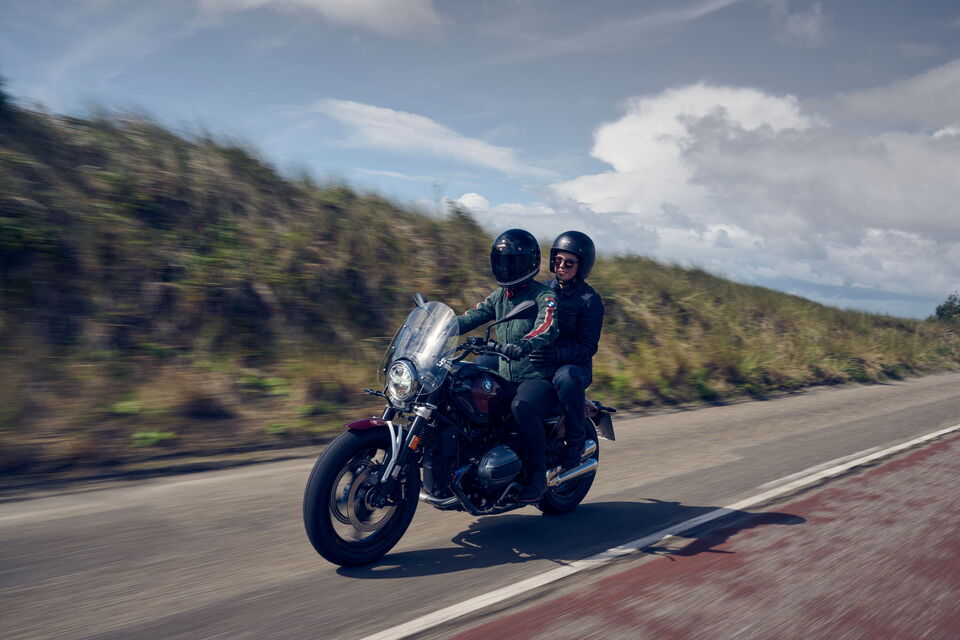
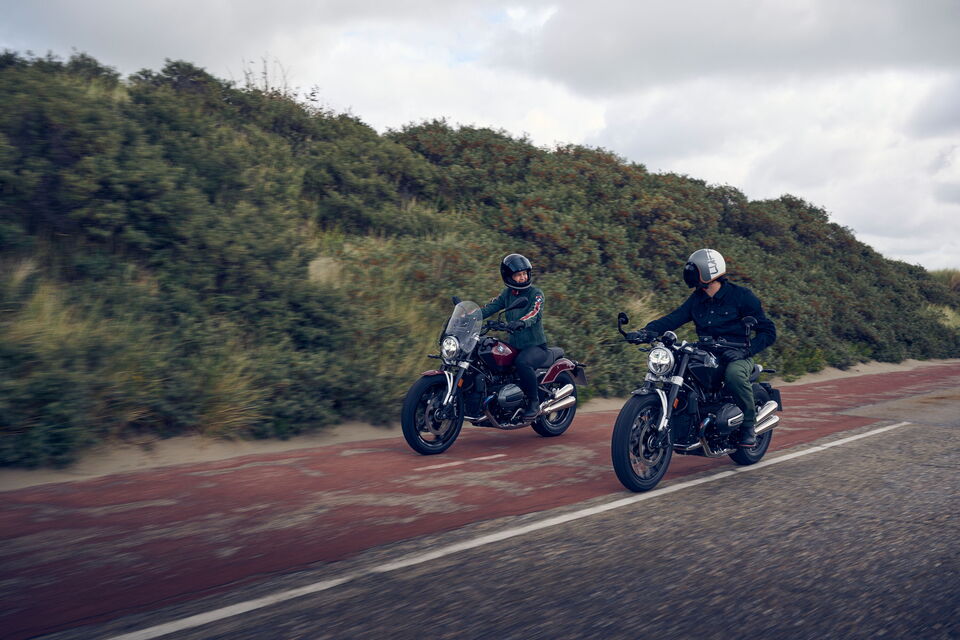
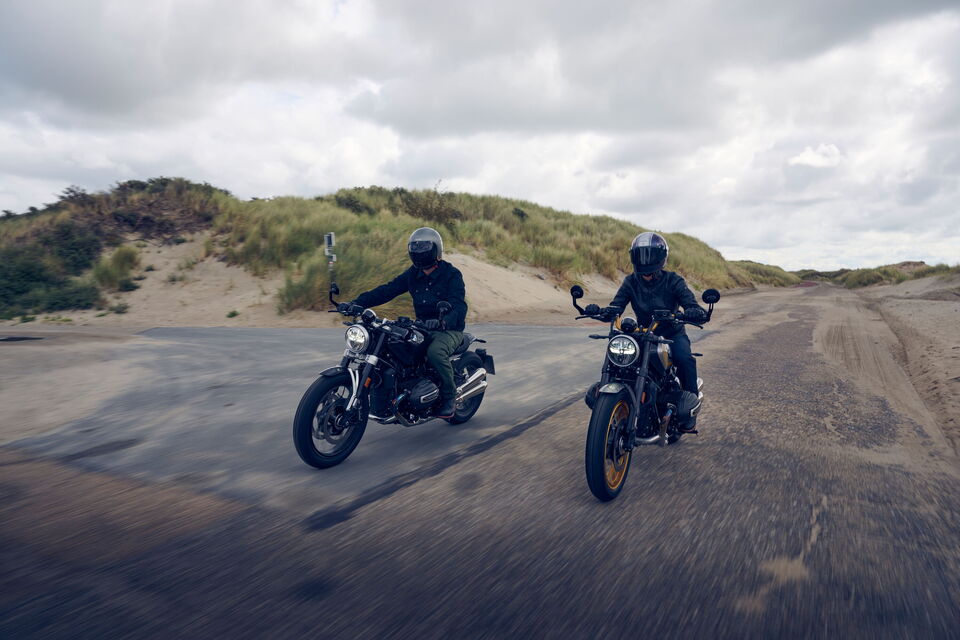
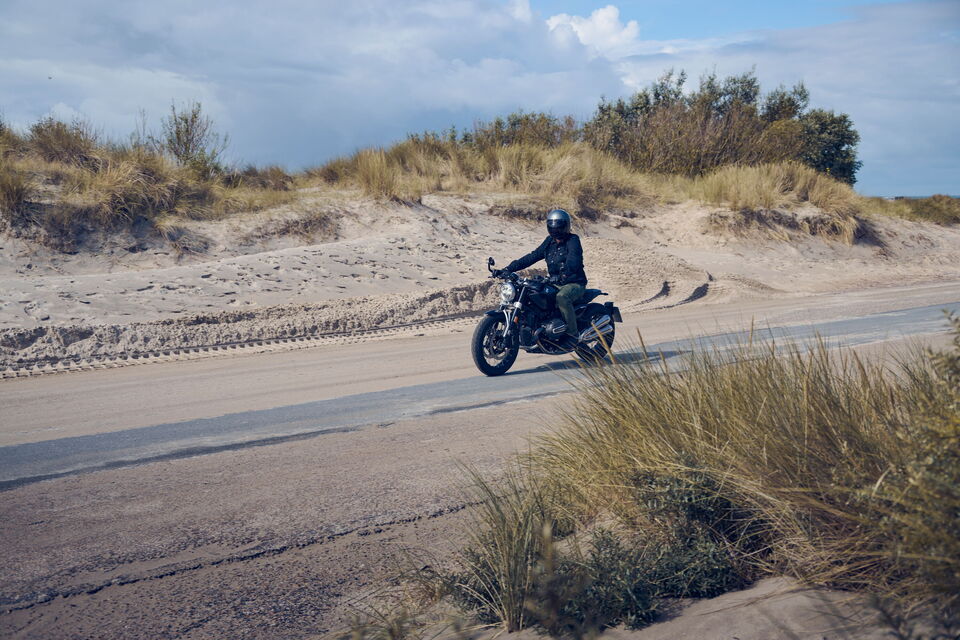
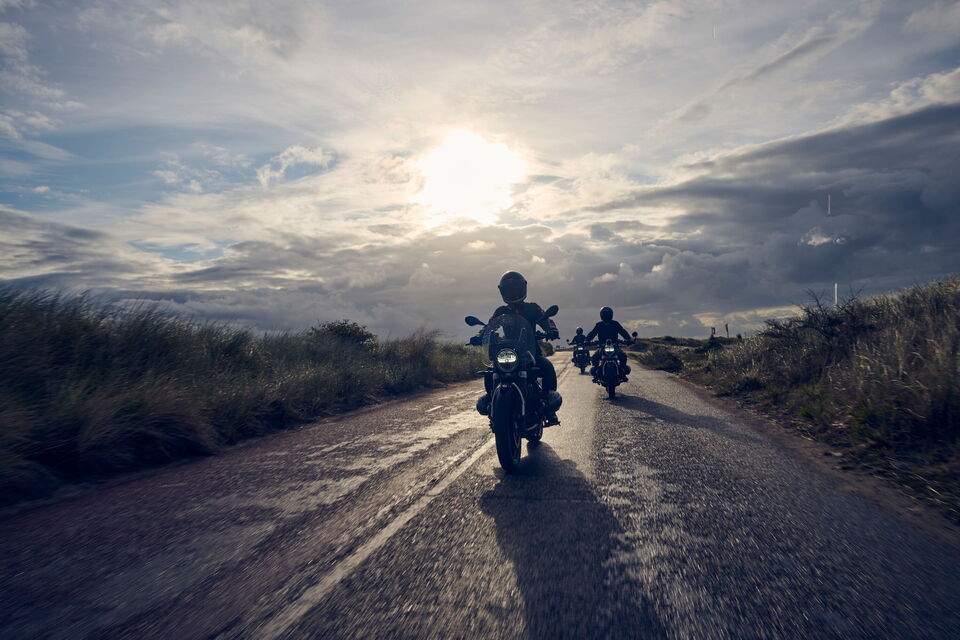
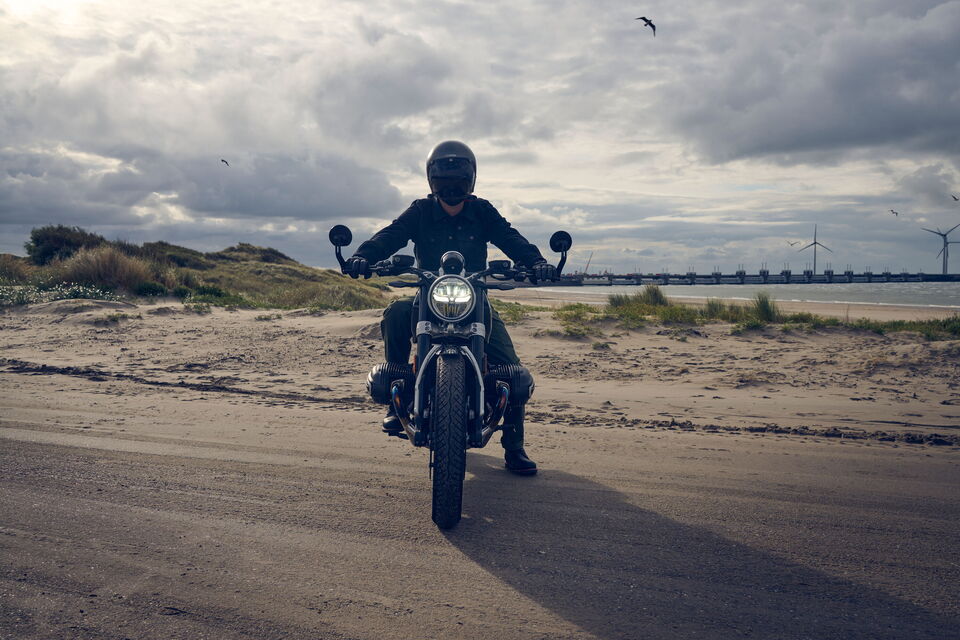
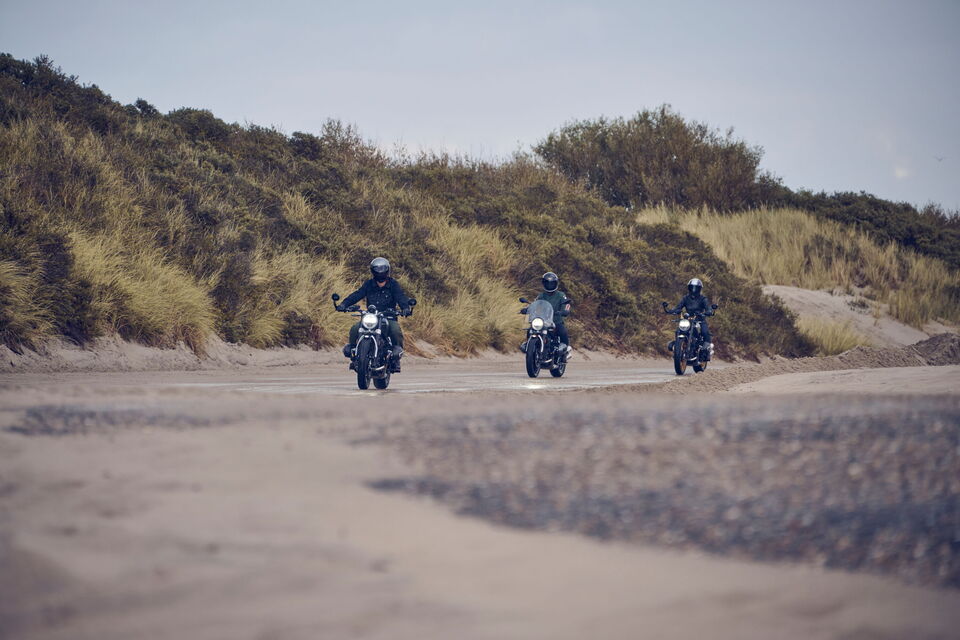
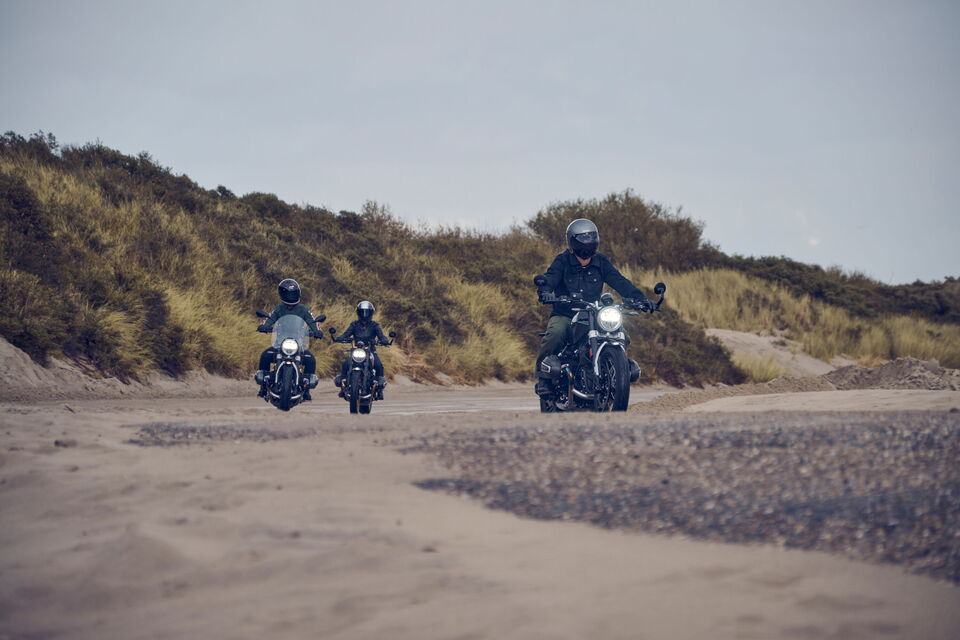
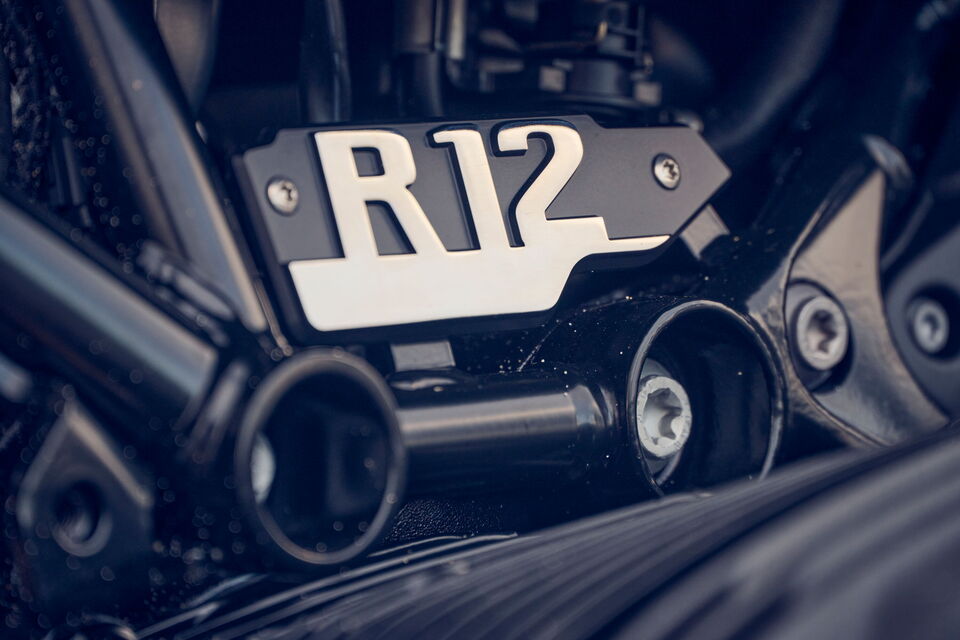
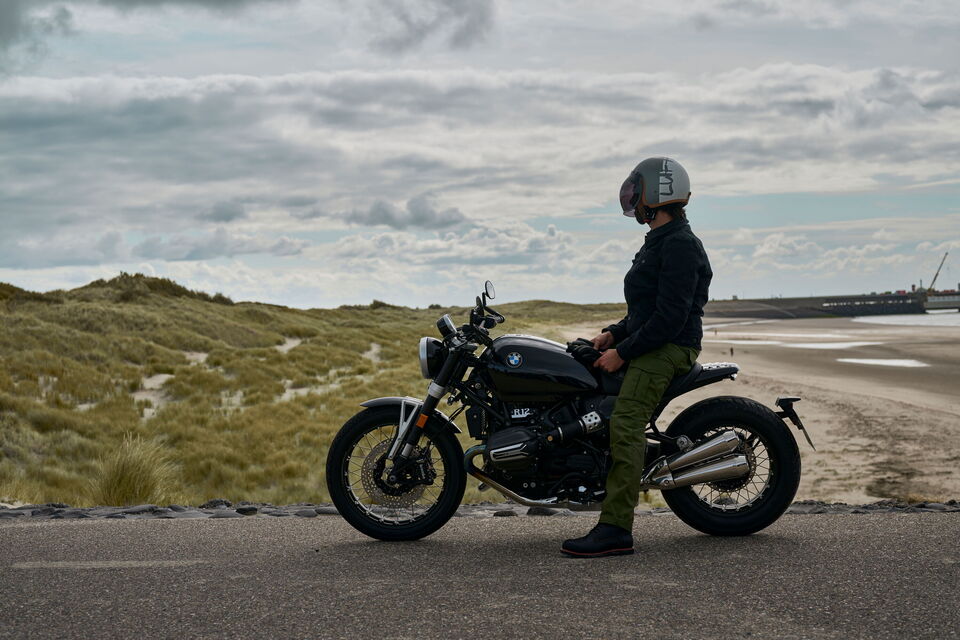
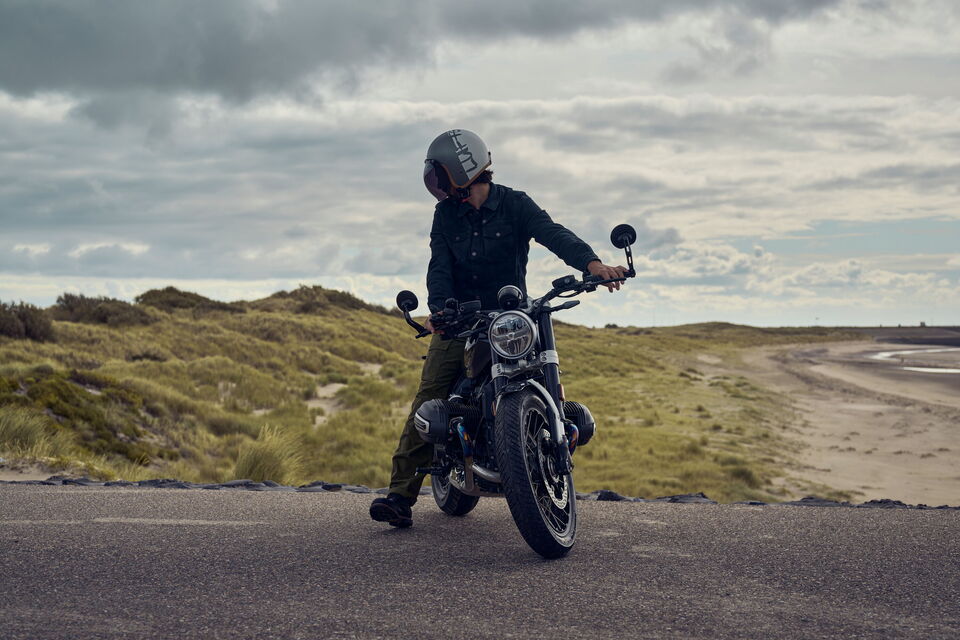
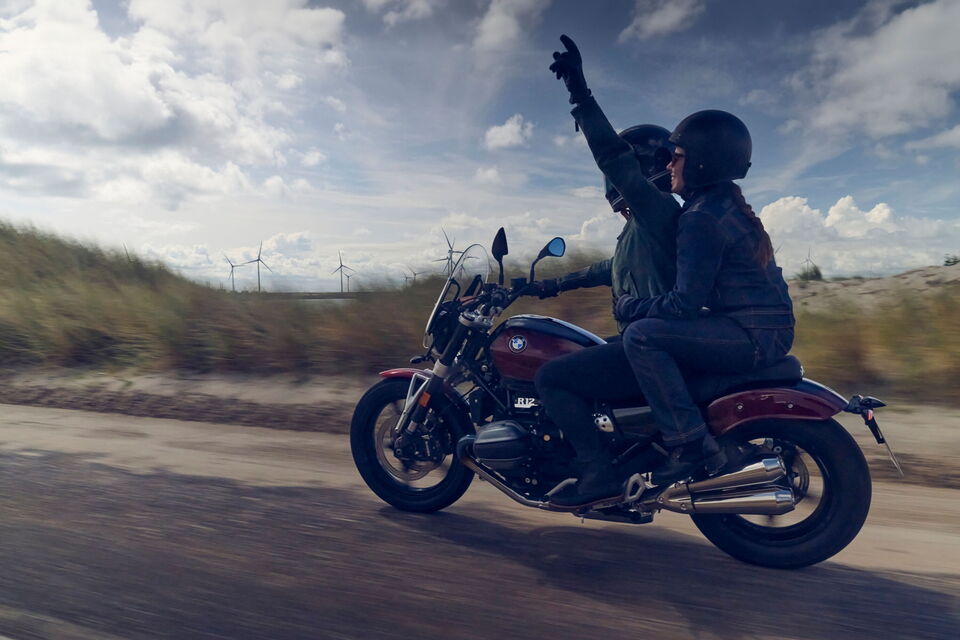
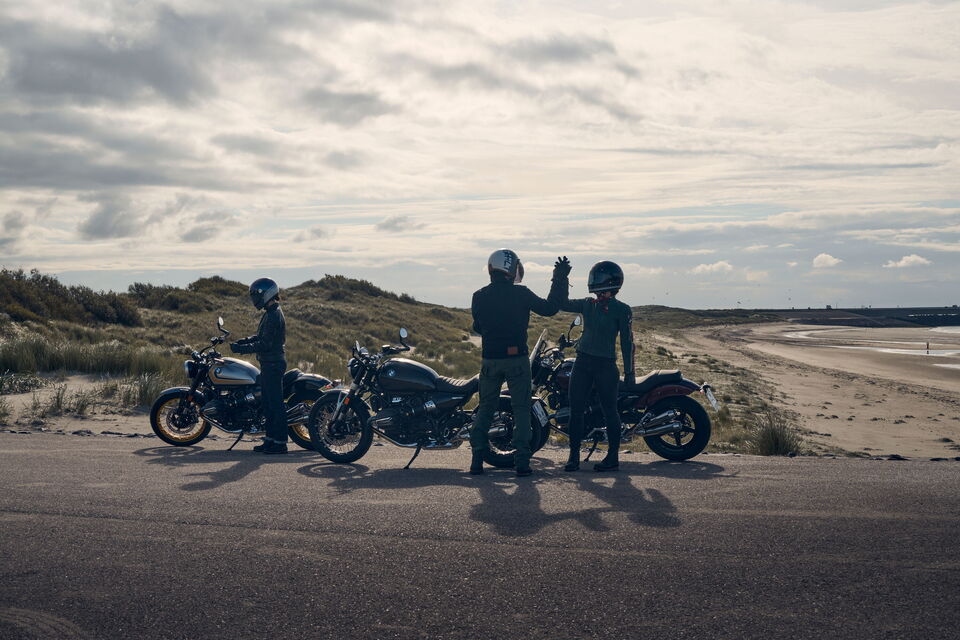
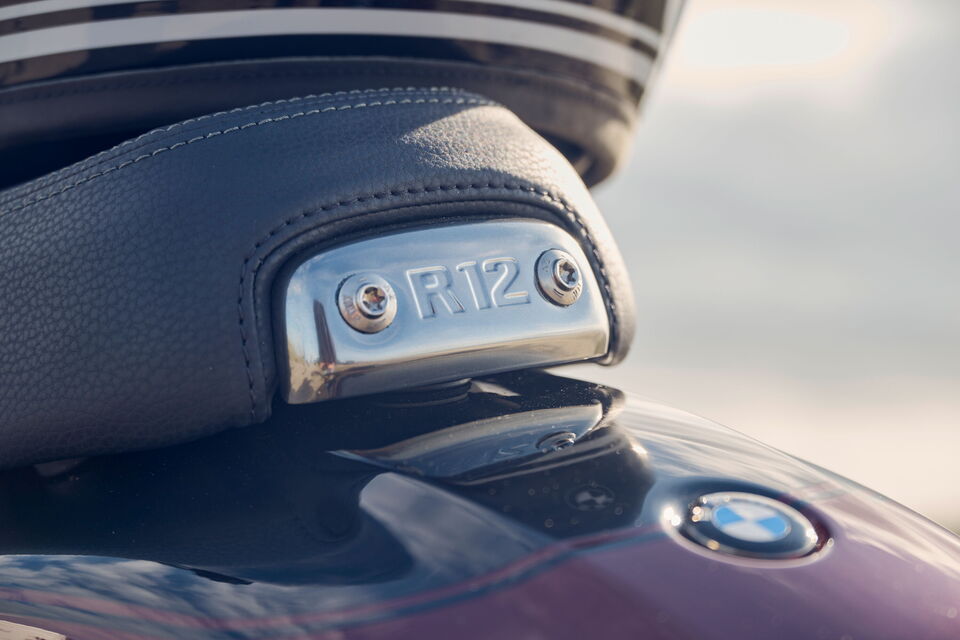
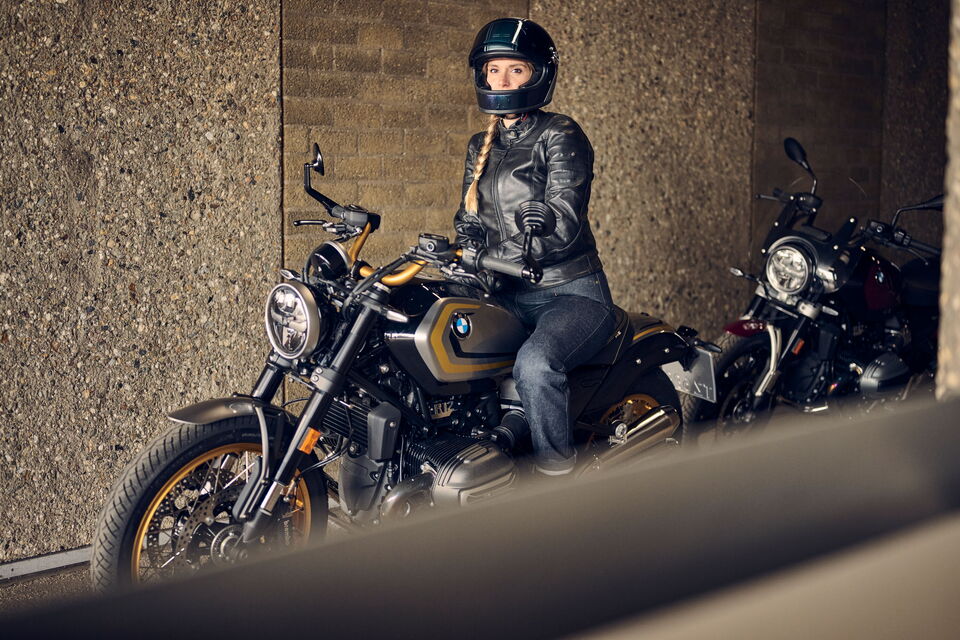
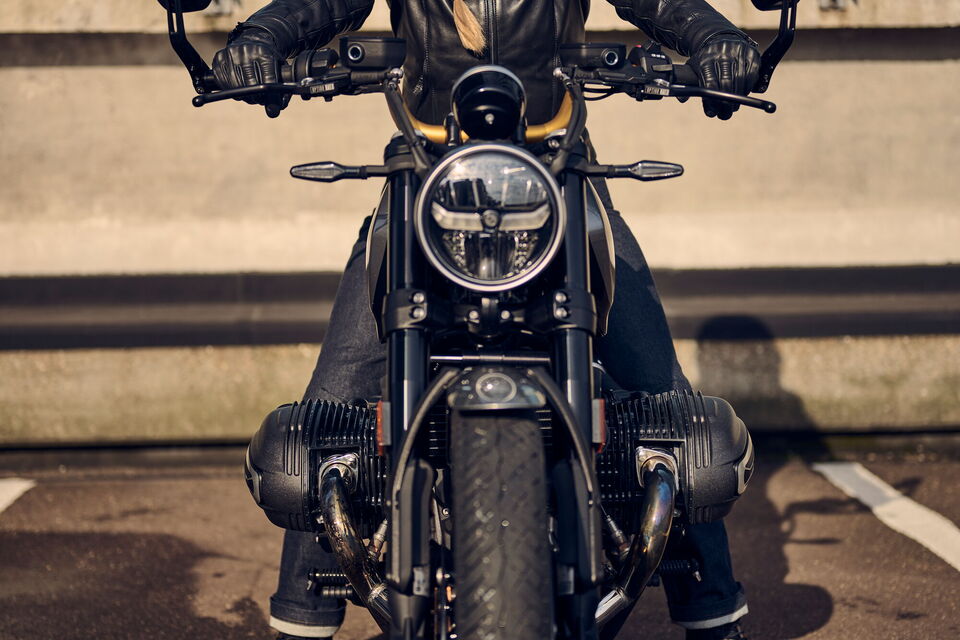
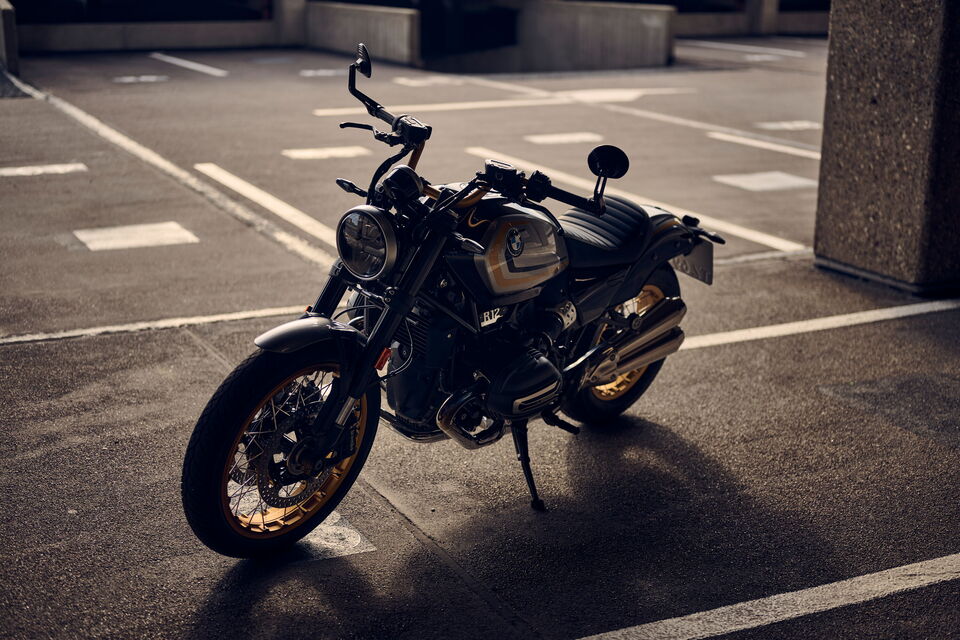
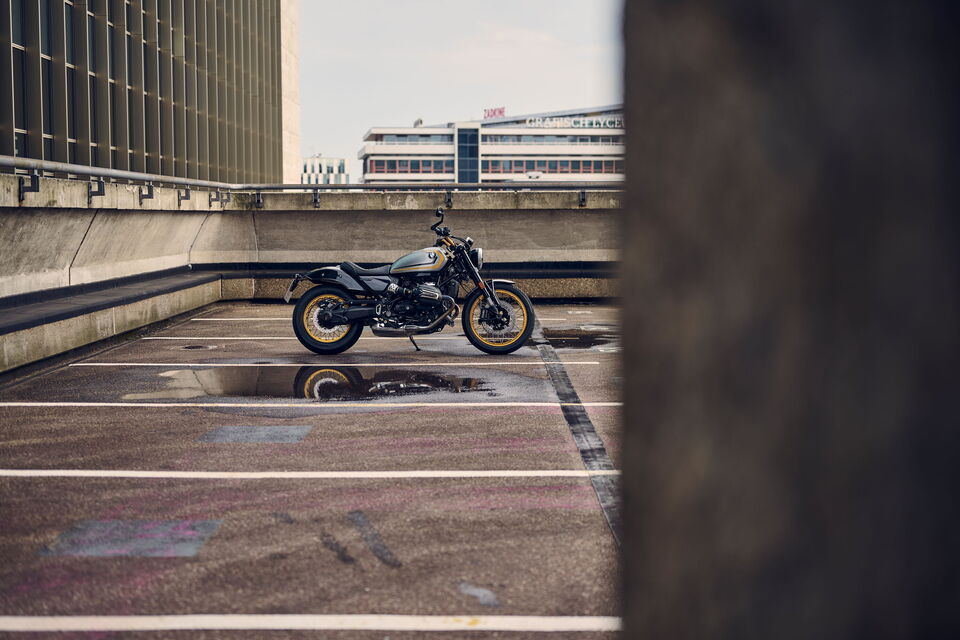
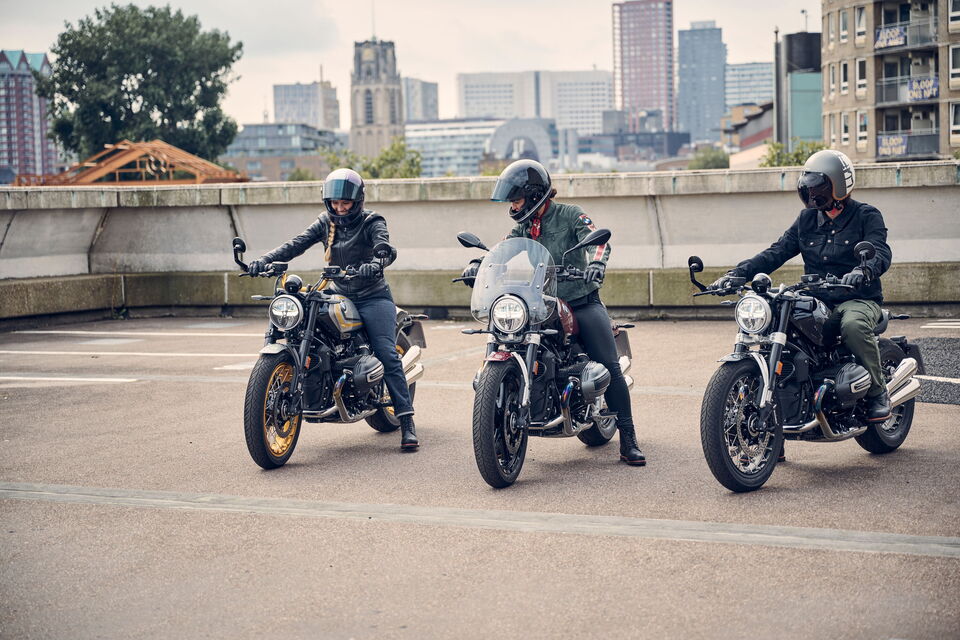
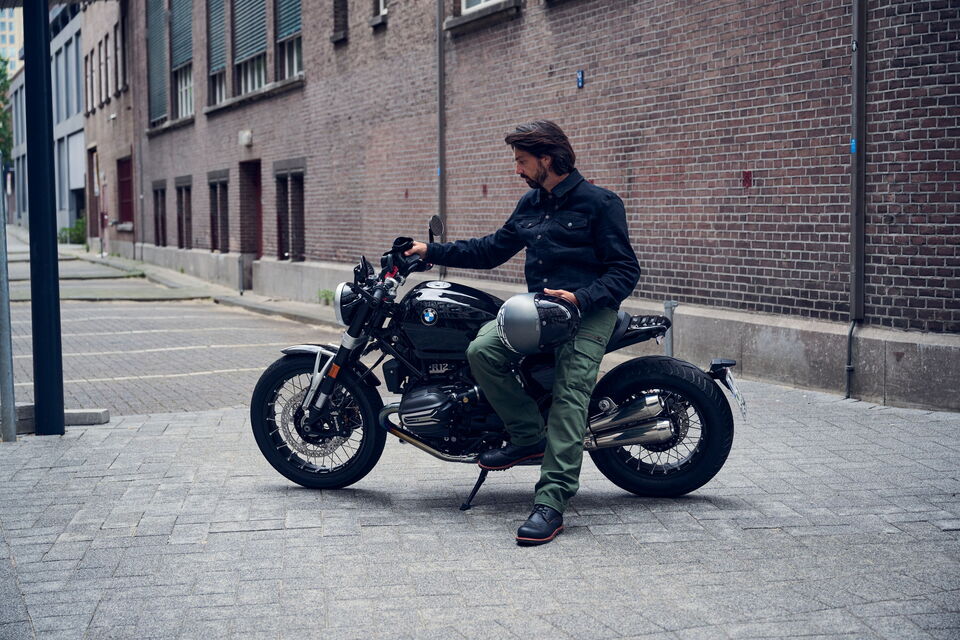
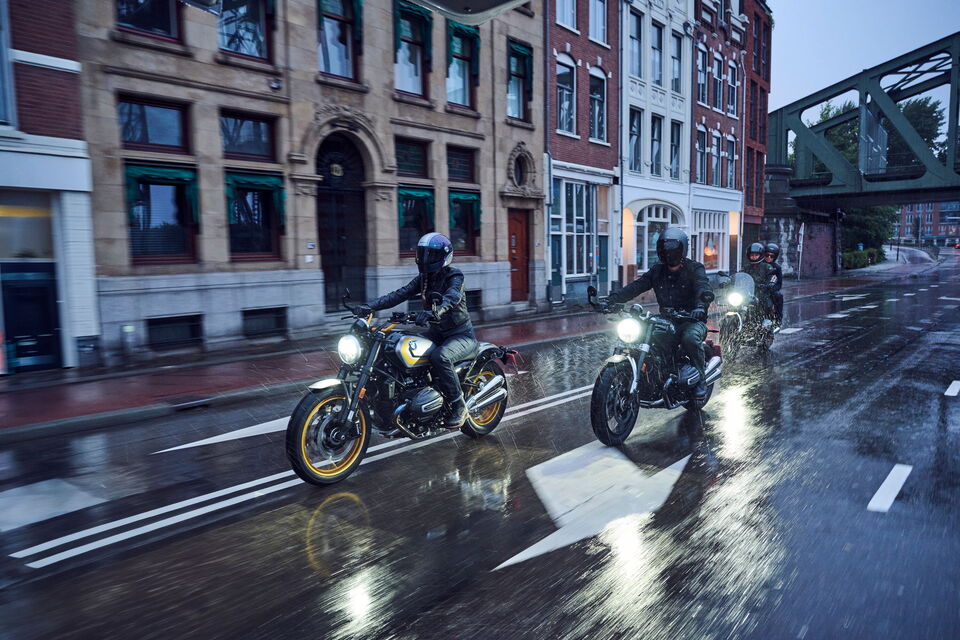

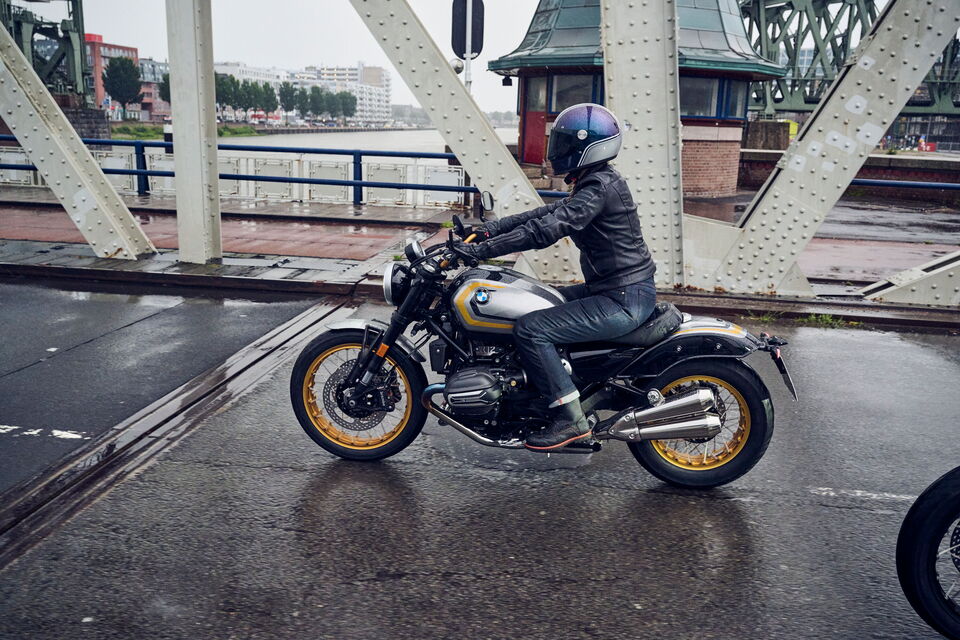
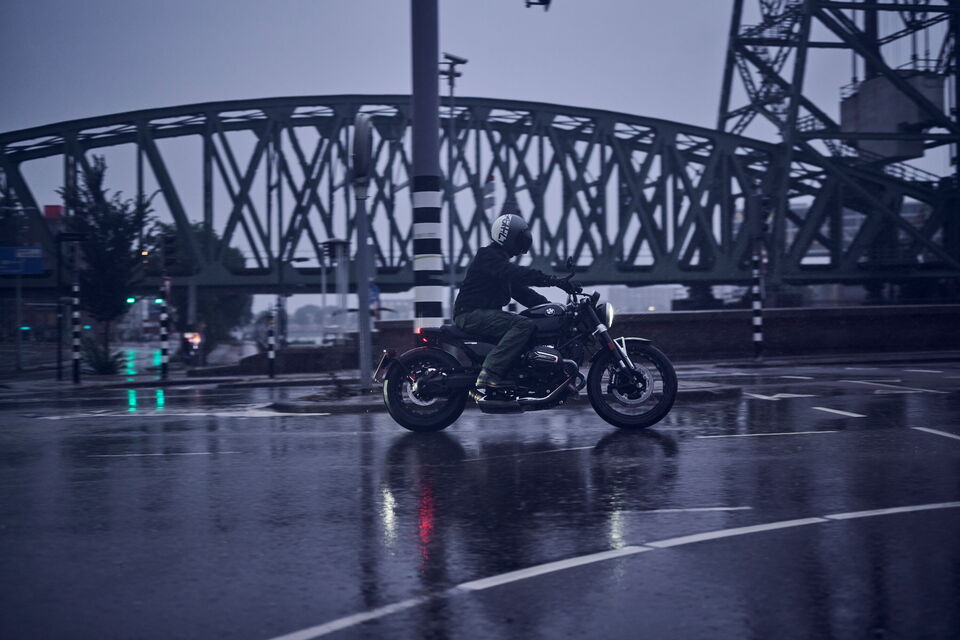
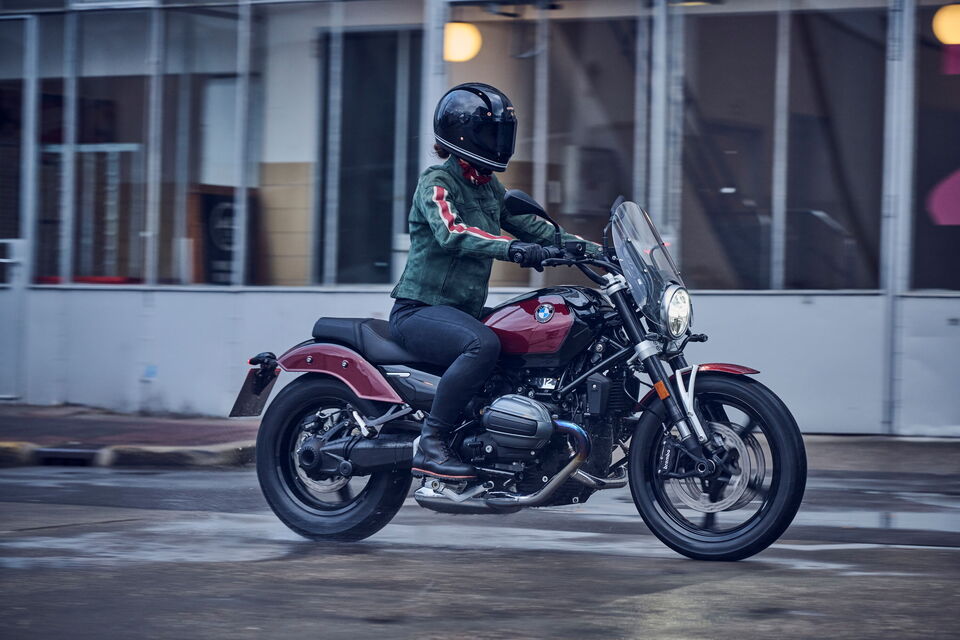
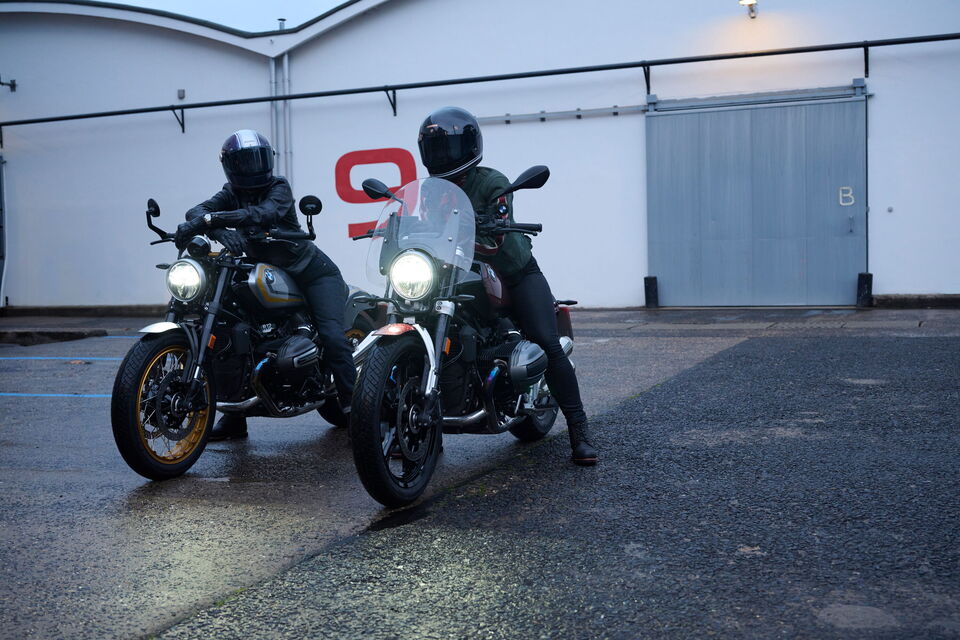
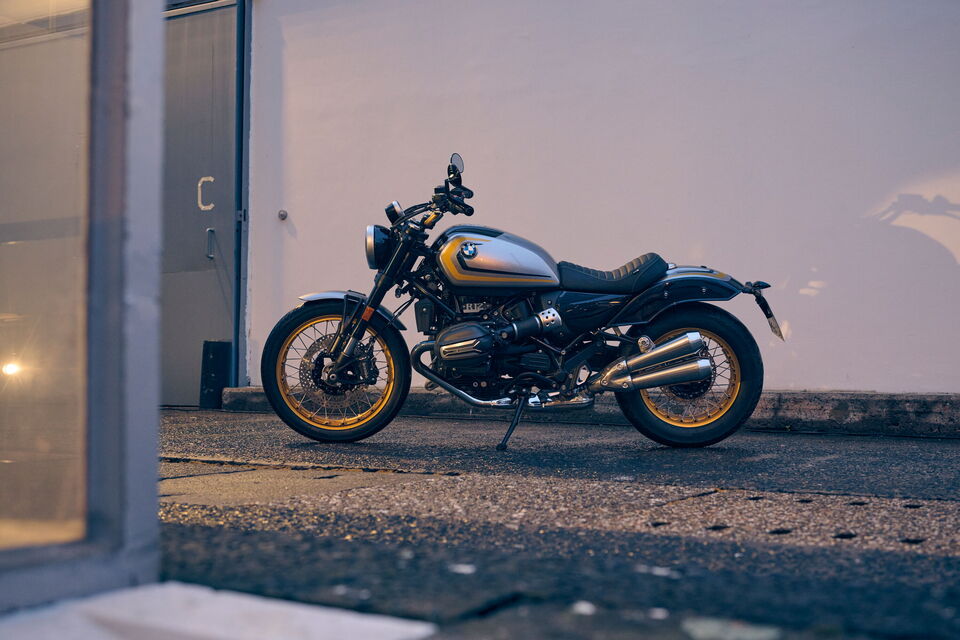
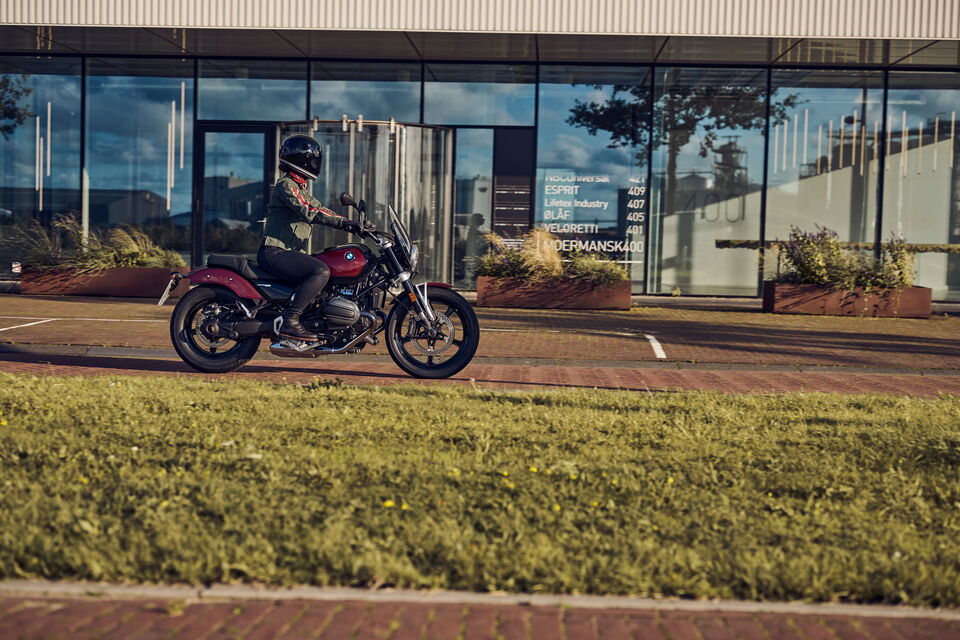
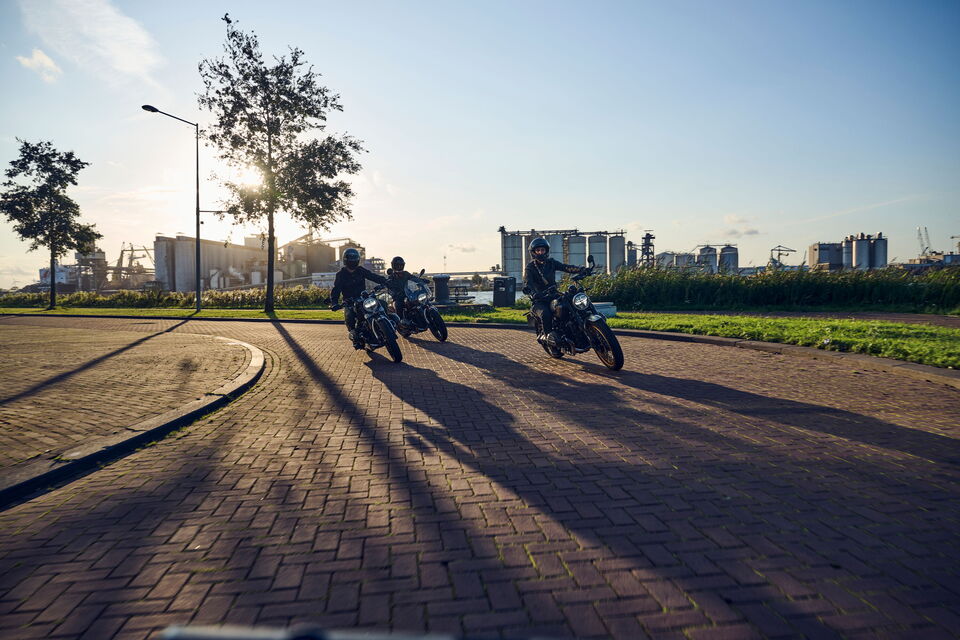
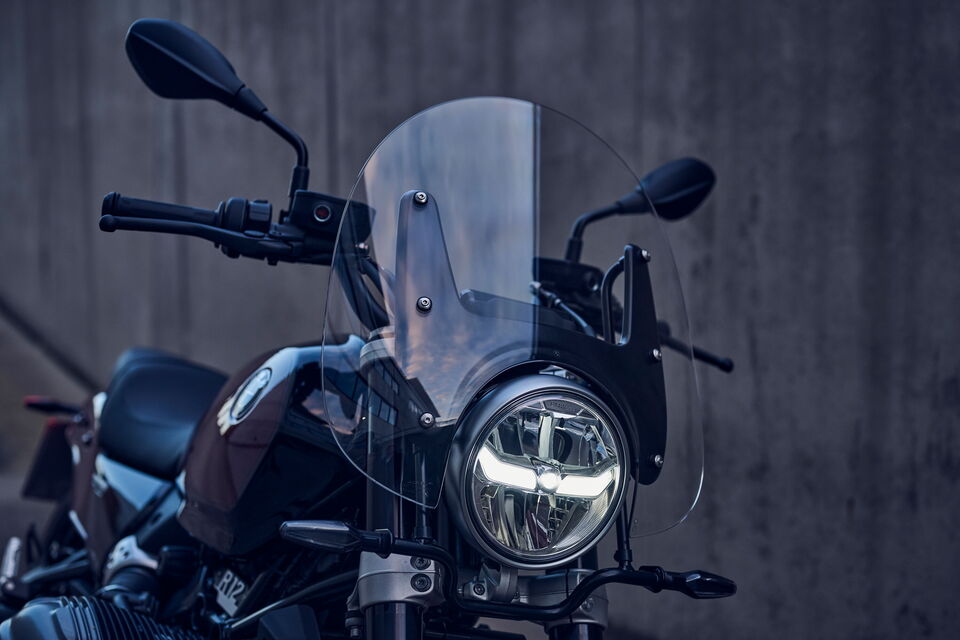
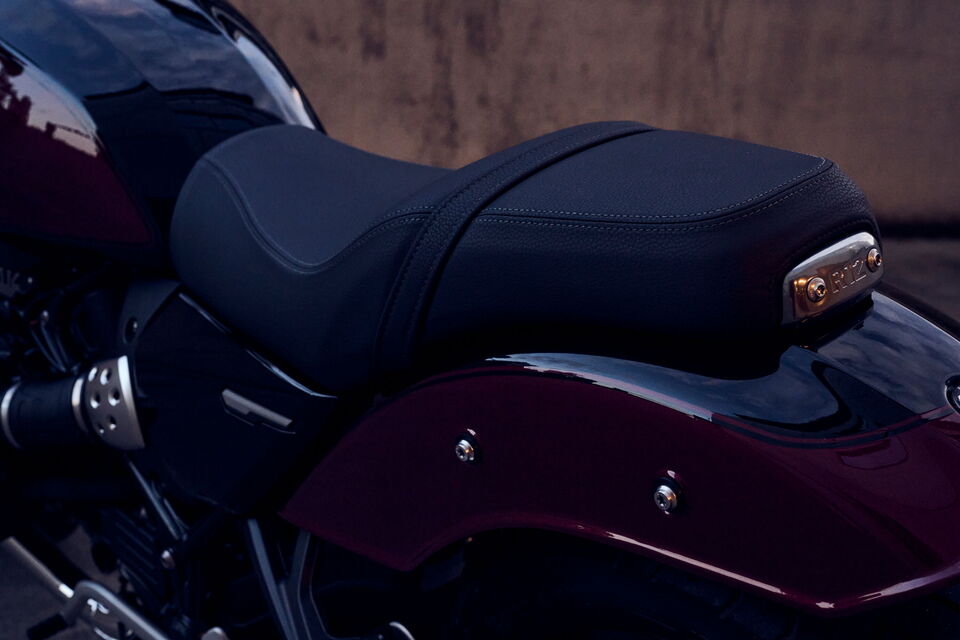

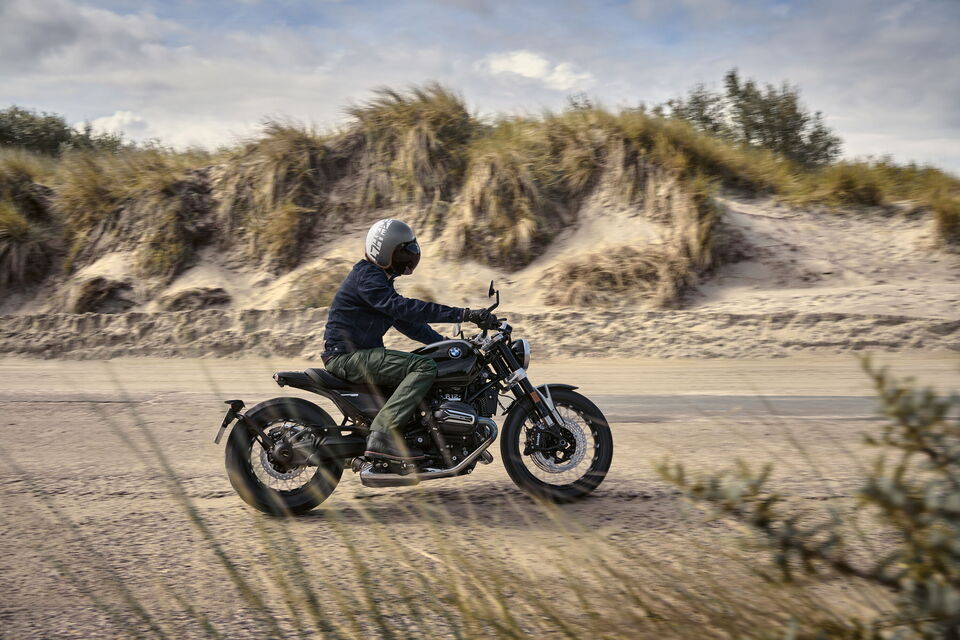
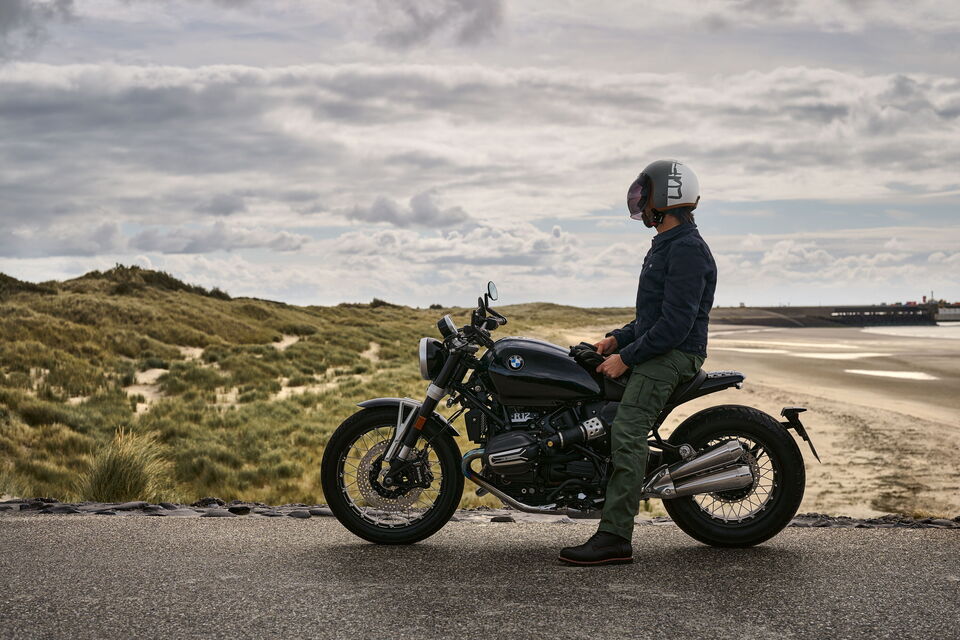
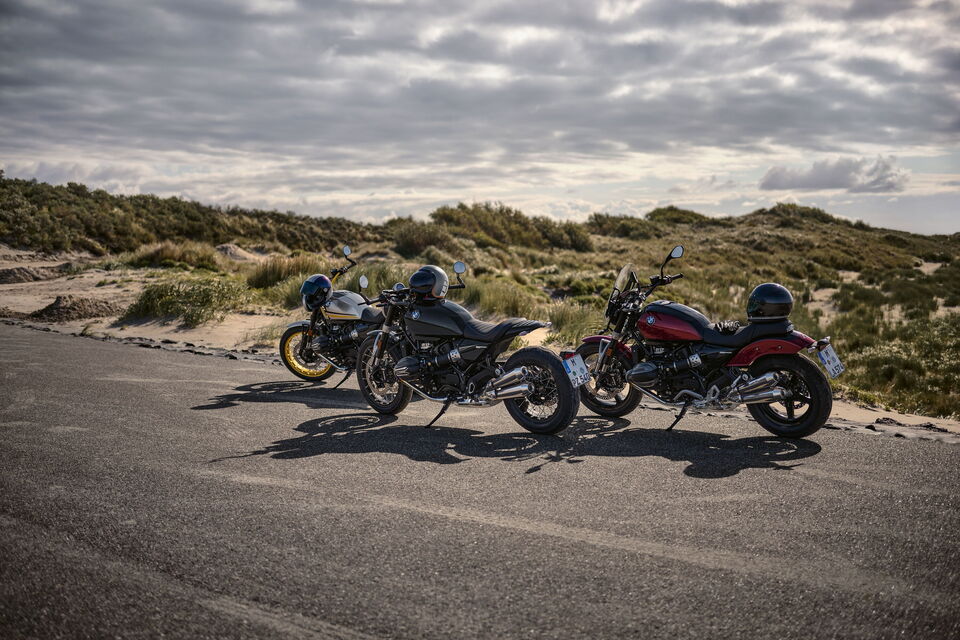
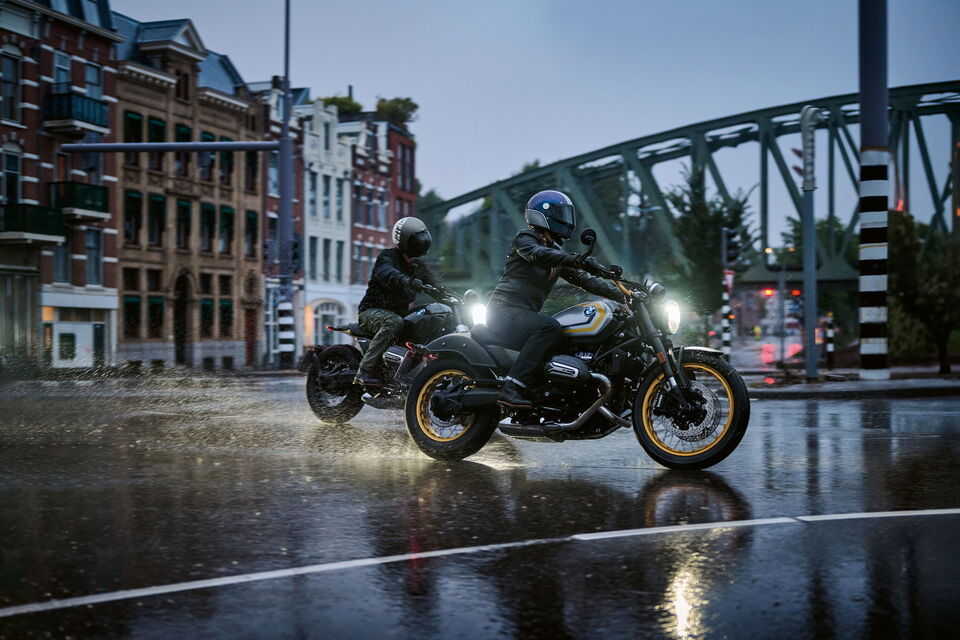
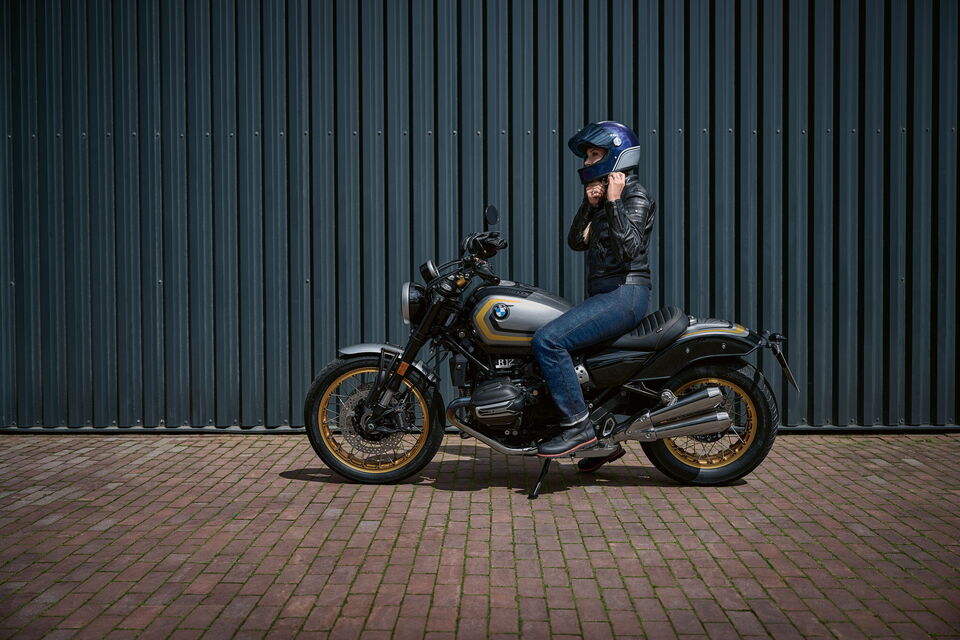
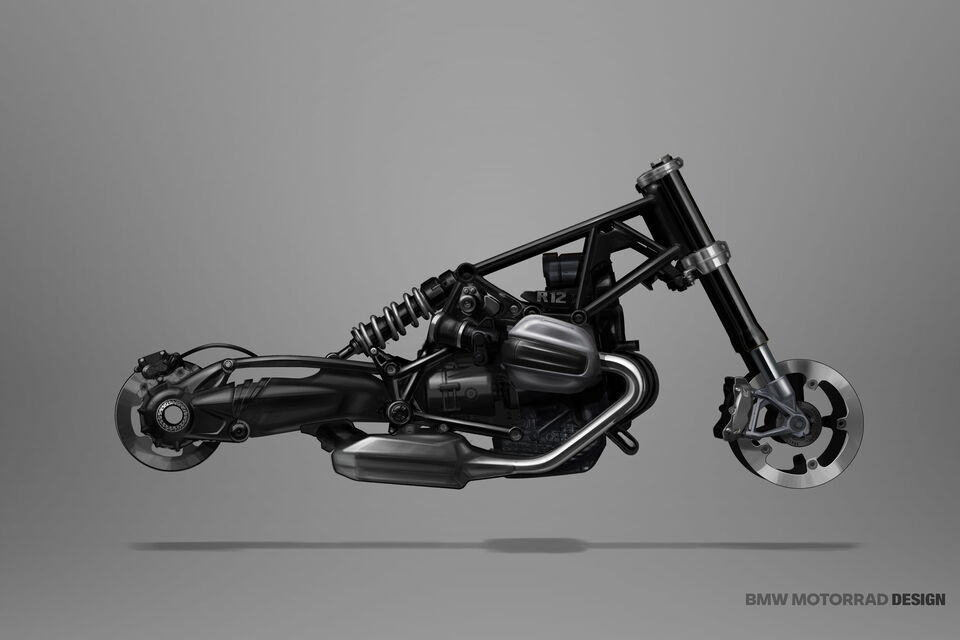
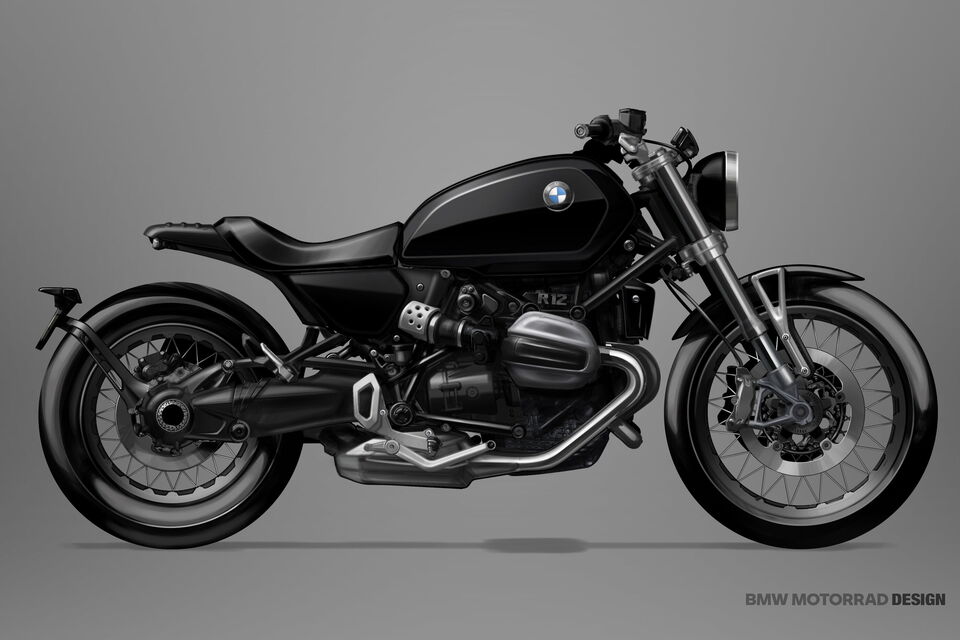
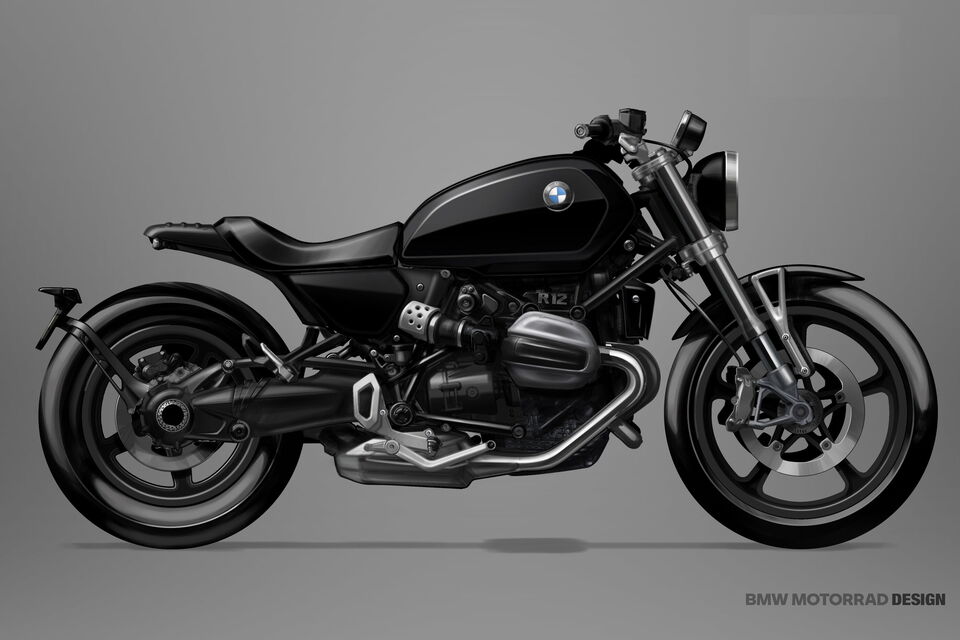
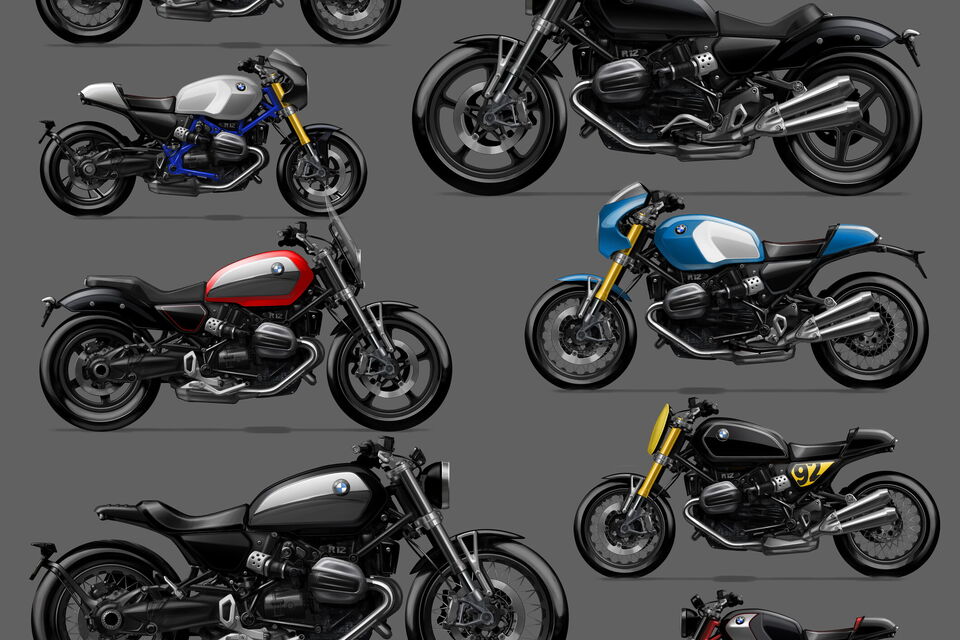
Engine: 95 hp, Air/Oil-Cooled—Deliberately Different From the Rest of BMW’s Lineup
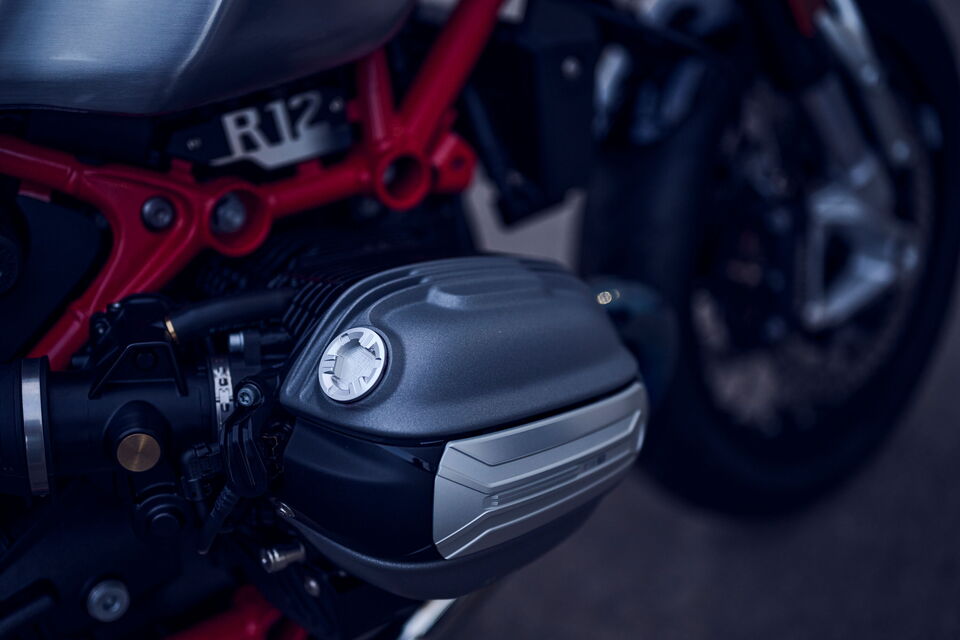
1,170 cc, air/oil-cooled, DOHC, four valves per cylinder, Euro 5+: this is the engine BMW carried over from the R nineT family and detuned for cruiser use to 95 hp at 6,500 rpm and 110 Nm at 6,000 rpm. The R 12 nineT produces 109 hp from the same engine—there are no mechanical differences. Above 6,000 rpm, BMW simply reins in the power through the engine management system.
The result is not a downgrade but a distinct character. The R 12 engine pulls effortlessly and with plenty of torque from low rpm without the high-revving temperament of the nineT, which really suits the concept. On the road, the R 12’s boxer is the heart of the experience. It vibrates. It lives. At low rpm, it massages your inner thighs in a way a water-cooled inline-four simply cannot reproduce.
Sit on an R 12 for the first time and let the boxer rumble down a backroad in second gear, and you immediately understand why BMW did not replace this engine with a 1,300 cc ShiftCam boxer. The air/oil-cooled boxer is the soul of this motorcycle. Two riding modes come standard: Rock, with softer throttle response for relaxed cruising, and Roll, with more direct throttle response and a sportier character.
No Rain, no Eco, no Enduro—just two clearly differentiated personalities.
ASC traction control comes standard.
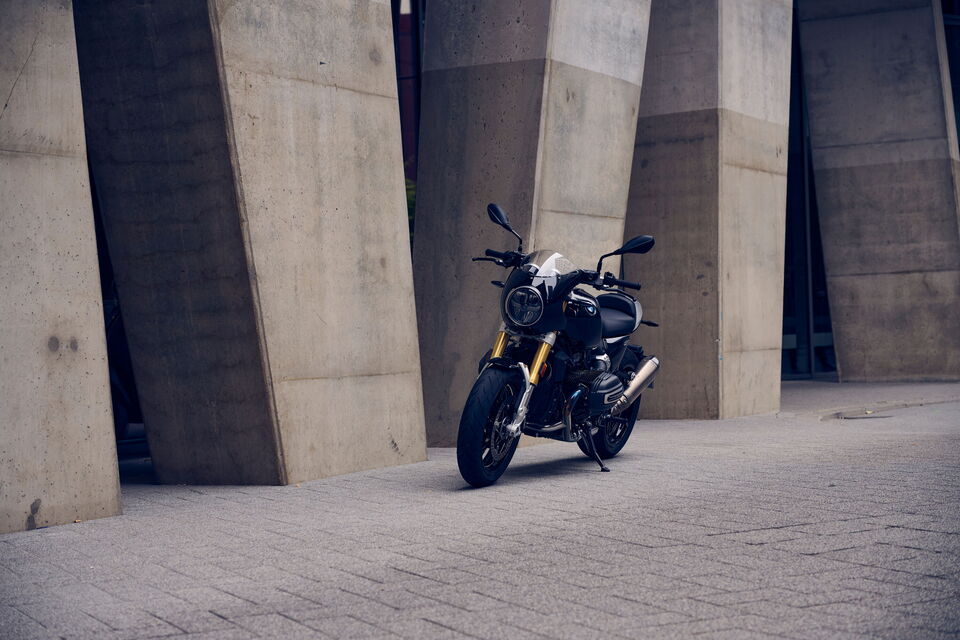
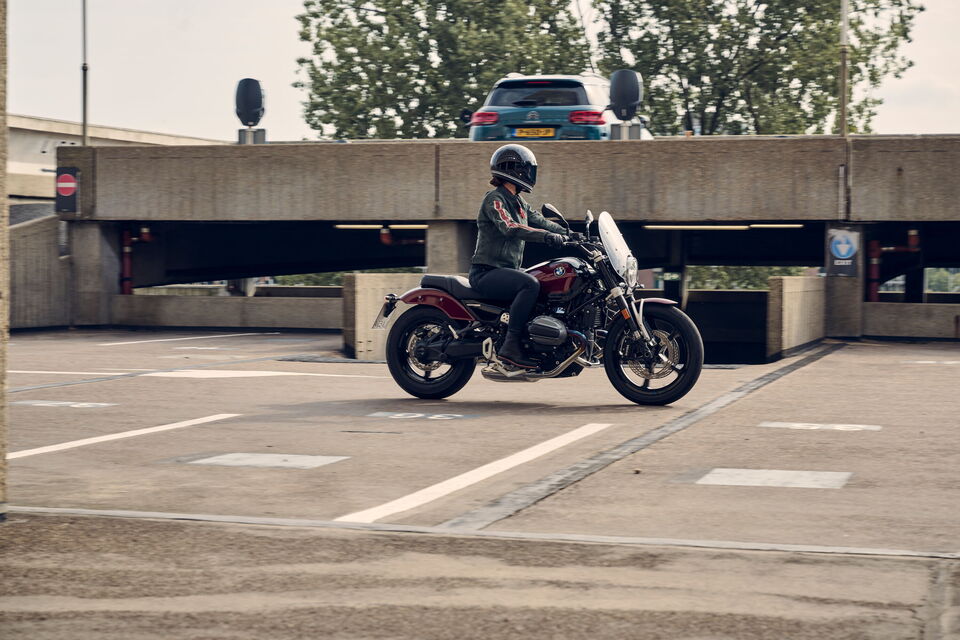
The optional Shift Assistant Pro allows clutchless gear changes and is bundled with cruise control and heated grips in the Comfort Package. An A2 restriction to 48 hp is available—a practical advantage for beginners who want to use the R 12 as a long-term platform. On the highway, 95 hp and a top speed of more than 200 km/h make the R 12 more than fast enough on paper. In practice, the lack of bodywork is the limiting factor. At 130 km/h, wind pressure on your chest and helmet is substantial. The R 12 is a motorcycle for backroads and city riding—not sustained highway use.
Chassis: Classic, Not Avant-Garde—and That Is Exactly Right
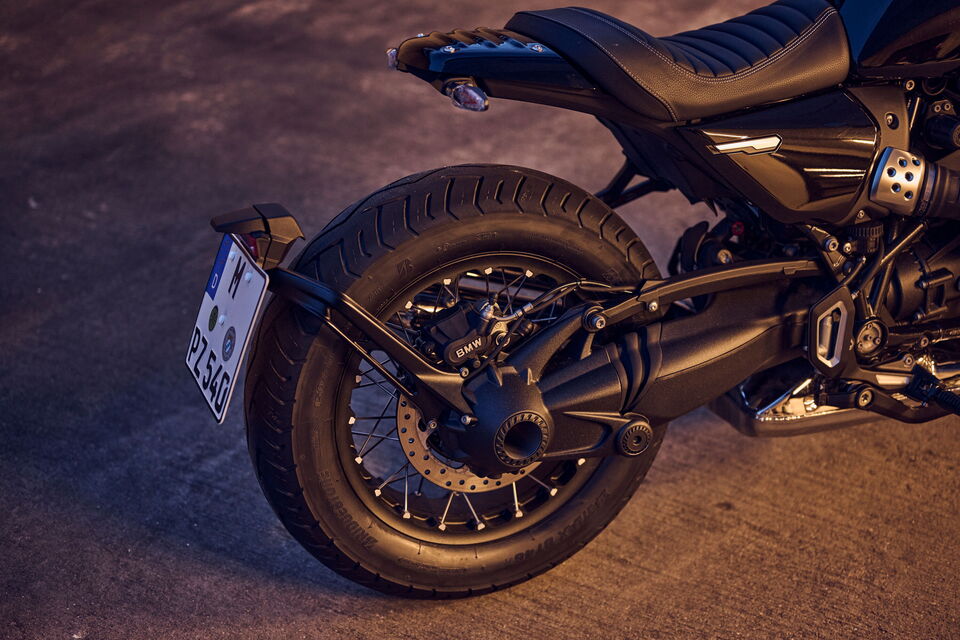
Up front is a 45 mm telescopic fork with 120 mm of travel. At the rear is a cast-aluminum single-sided swingarm with Paralever strut and a directly mounted monoshock featuring travel-dependent damping, adjustable spring preload, and adjustable rebound damping, with 90 mm of travel. No DSA, no Dynamic ESA, no semi-active system. The R 12 chassis is classic and manually adjustable. It is tuned for the road and prioritizes comfort without becoming vague.
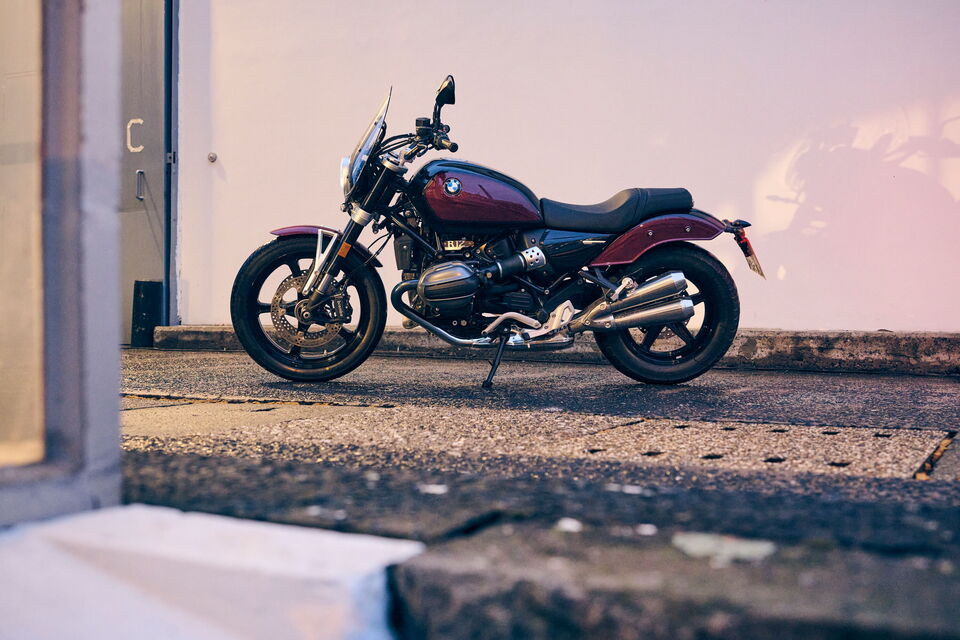
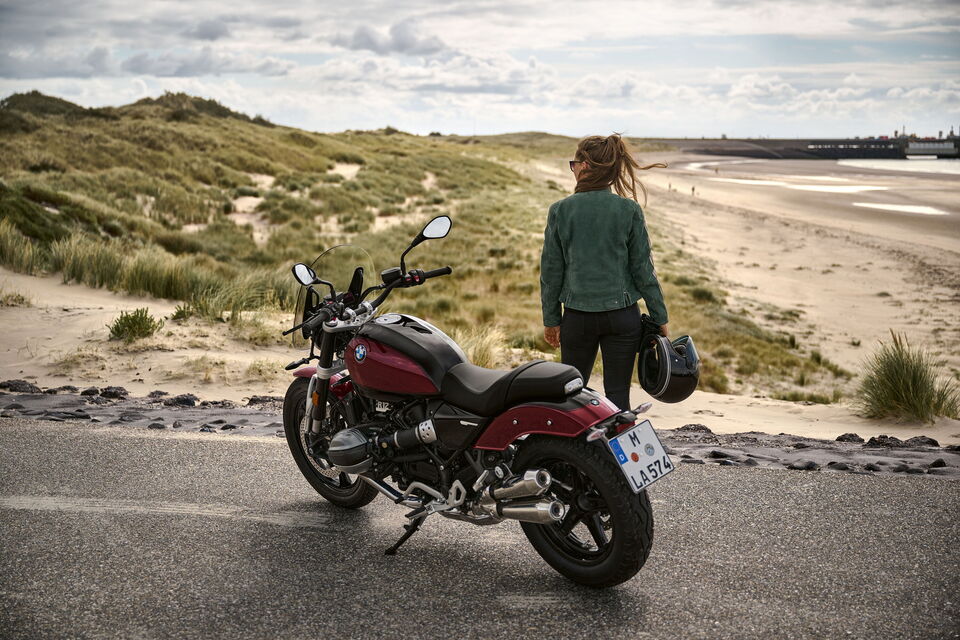
The cruiser-specific wheel combination—19 inches at the front and 16 inches at the rear—is the most important difference compared with the R 12 nineT and its 17/17-inch setup. Tires measure 100/90-19 at the front and 150/80-16 at the rear, giving the R 12 its characteristic appearance: narrow front, broad rear, low seating position. The combination of the large front wheel and low handlebar feels smoother on the road than on a conventional motorcycle. Turn-in requires little effort, and low-speed stability is good.
Braking comes from dual 310 mm front discs with four-piston monobloc radial calipers and a rear disc brake. ABS Pro comes standard and is lean-angle optimized. For a cruiser, this is a very high level of braking hardware. The pressure point is clearly defined, stopping performance is more than adequate, and ABS intervenes discreetly. Riders who appreciate sporty braking will respect this setup.
Ergonomics: 754 mm Seat Height, Forward-Mounted Footpegs, Wide Handlebar
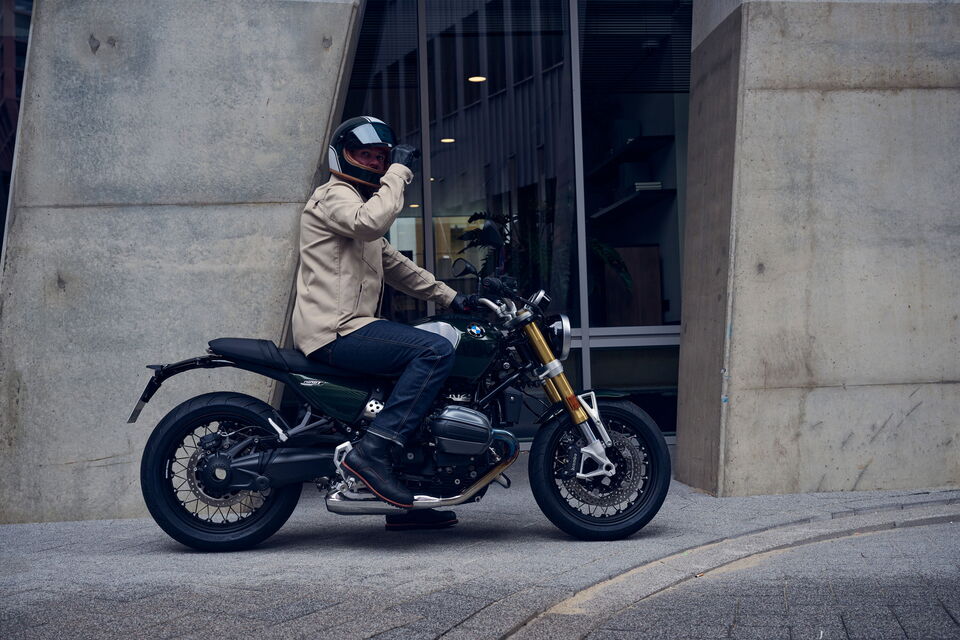
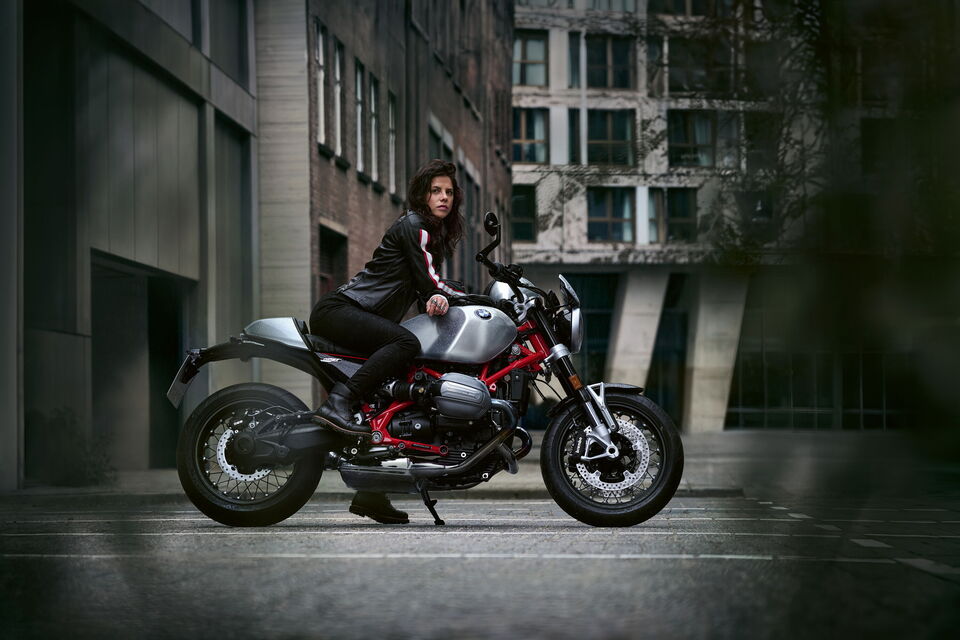
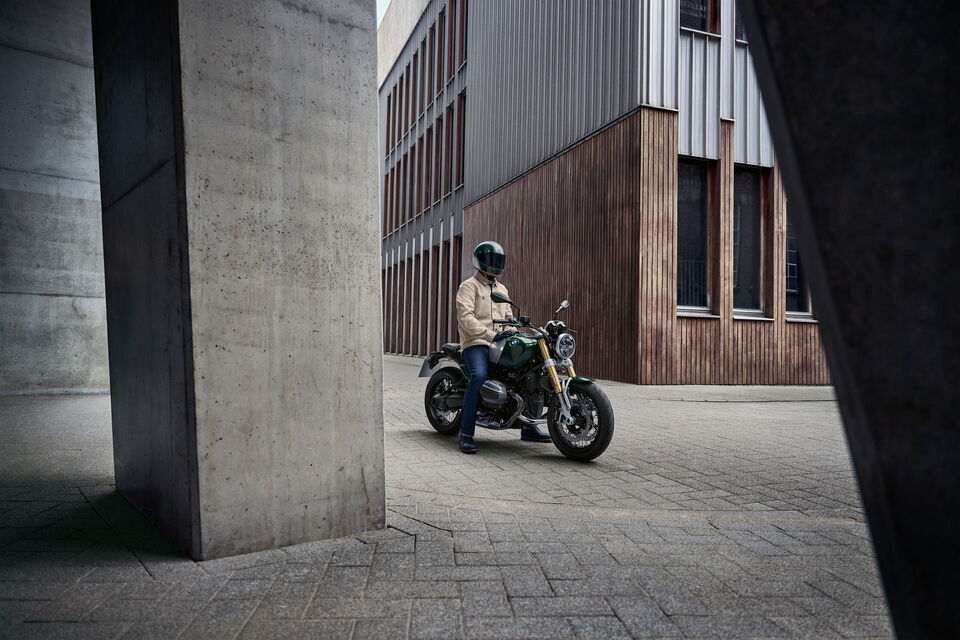
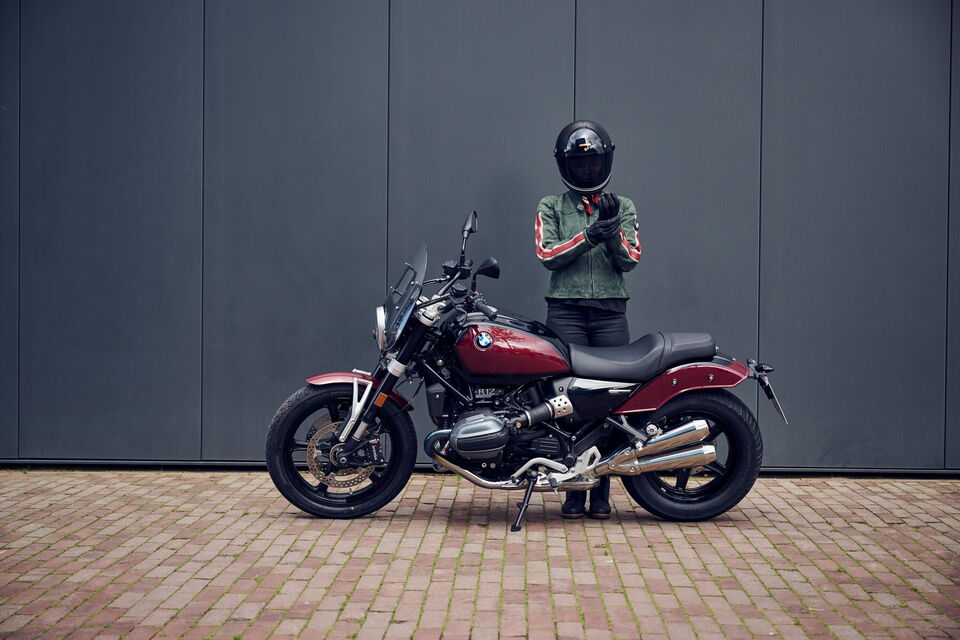
A 754 mm seat height is unusually low for a BMW. Almost every rider can place both feet flat on the ground. The riding position is classic cruiser: footpegs moved forward, a wide, slightly curved handlebar, and an upright to slightly reclined posture. That is comfortable at moderate speeds on backroads and in the city. Ride faster and you miss the connection to the front wheel that a sportier riding position would provide.
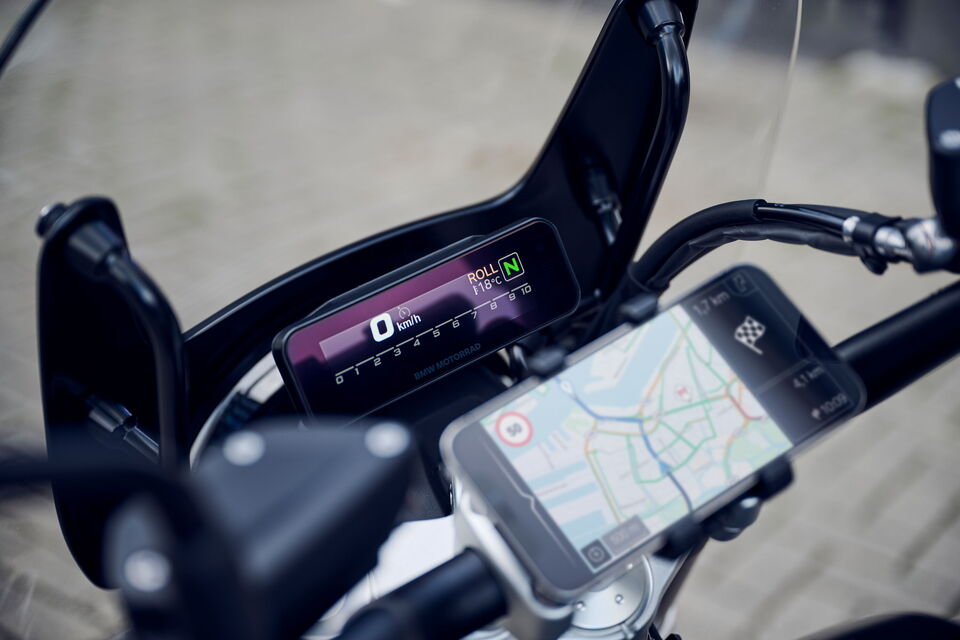
BMW offers an optional solo seat. It replaces the standard passenger seat and gives the R 12 an even cleaner appearance. Instrumentation consists of a round analog gauge with an integrated LCD—conservative and entirely appropriate for the concept. An optional Micro-TFT display adds smartphone pairing and app-based turn-by-turn navigation, and fits surprisingly well into the minimalist cockpit. Order the optional cornering light and you get Headlight Pro with adaptive lighting—the only real technological leap the R 12 allows itself.
Handling: 227 kg—the Lightest Cruiser in BMW’s Lineup
227 kg fully fueled is exceptionally light for a cruiser. For comparison, a Harley-Davidson Softail Standard weighs around 302 kg, while an Indian Scout weighs more than 260 kg. In this class, the R 12 is a genuine lightweight. That pays off while maneuvering, putting the bike onto the optional centerstand, and riding at low speeds. Anyone moving from a heavyweight cruiser to the R 12 will immediately be surprised by how manageable it feels.
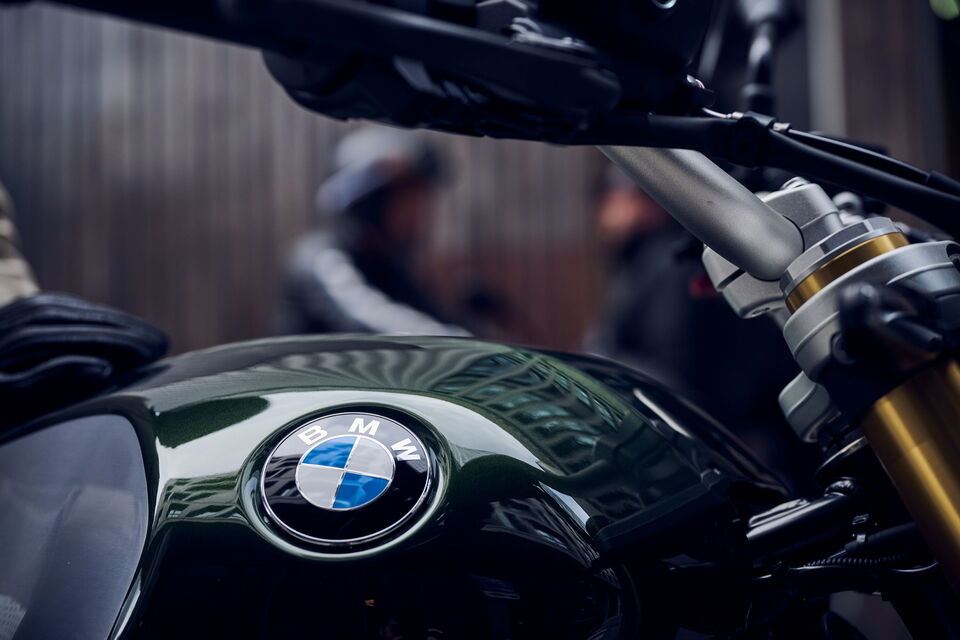
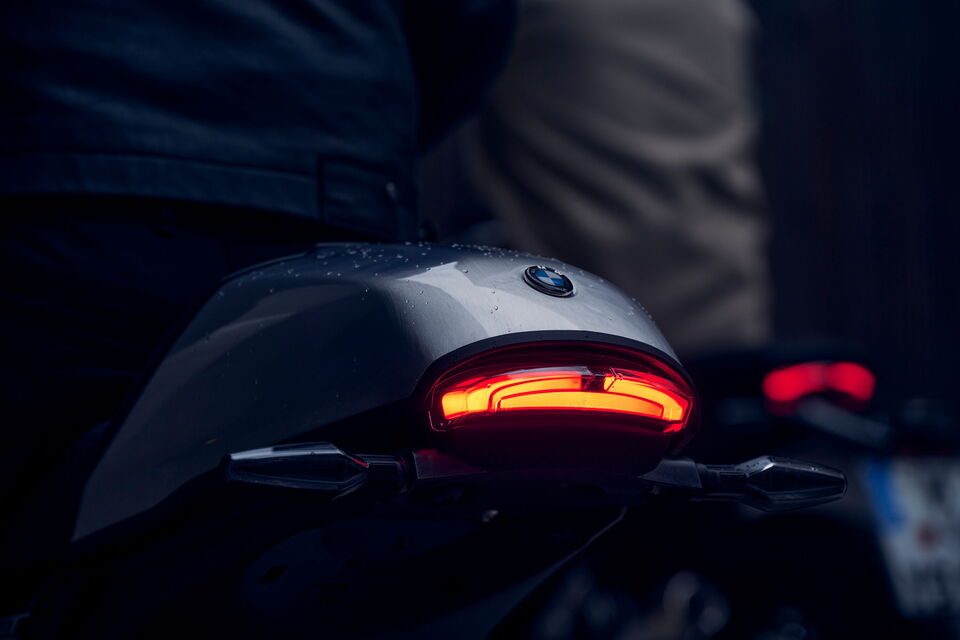
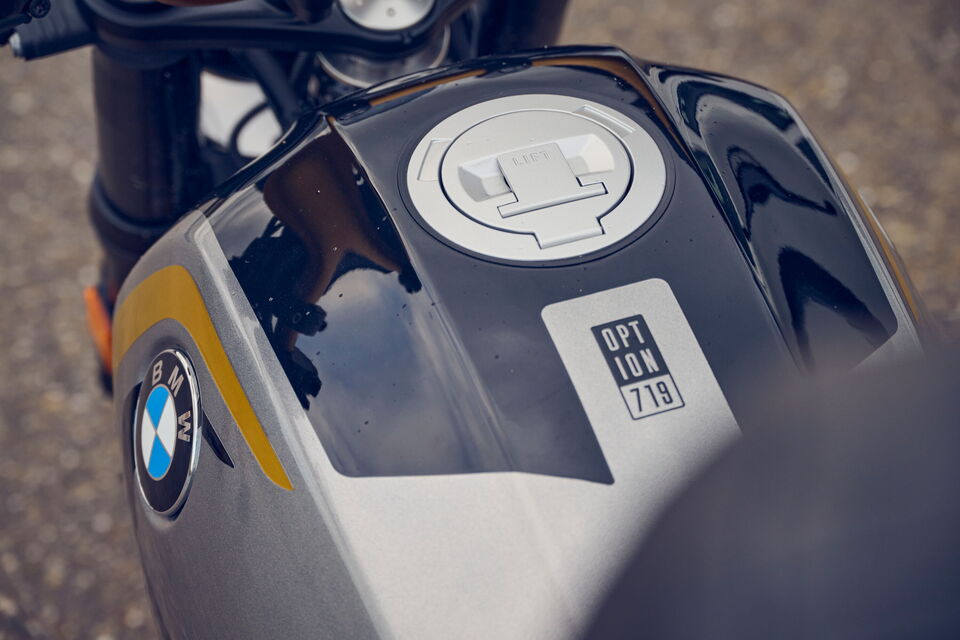
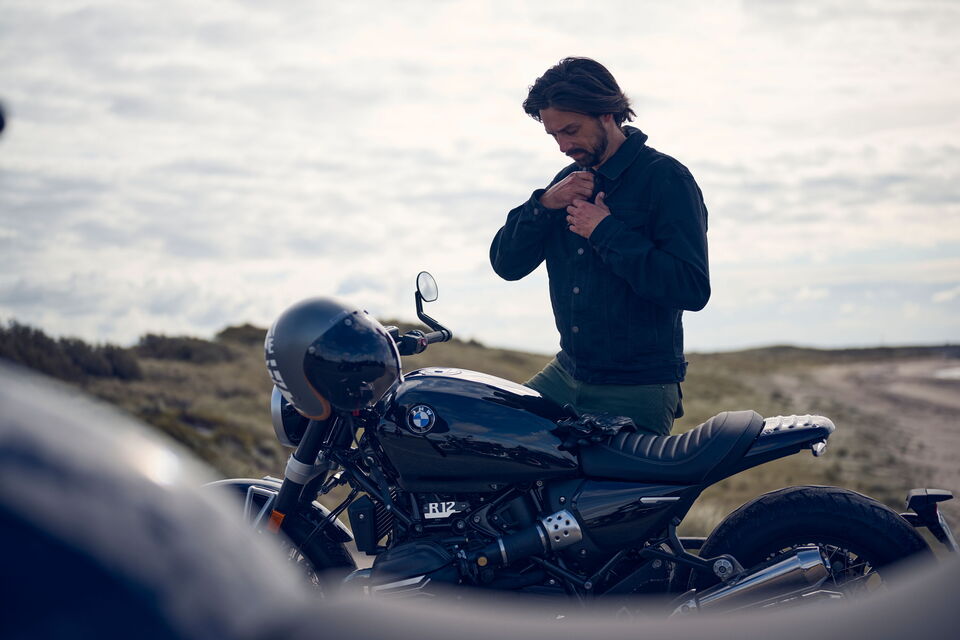
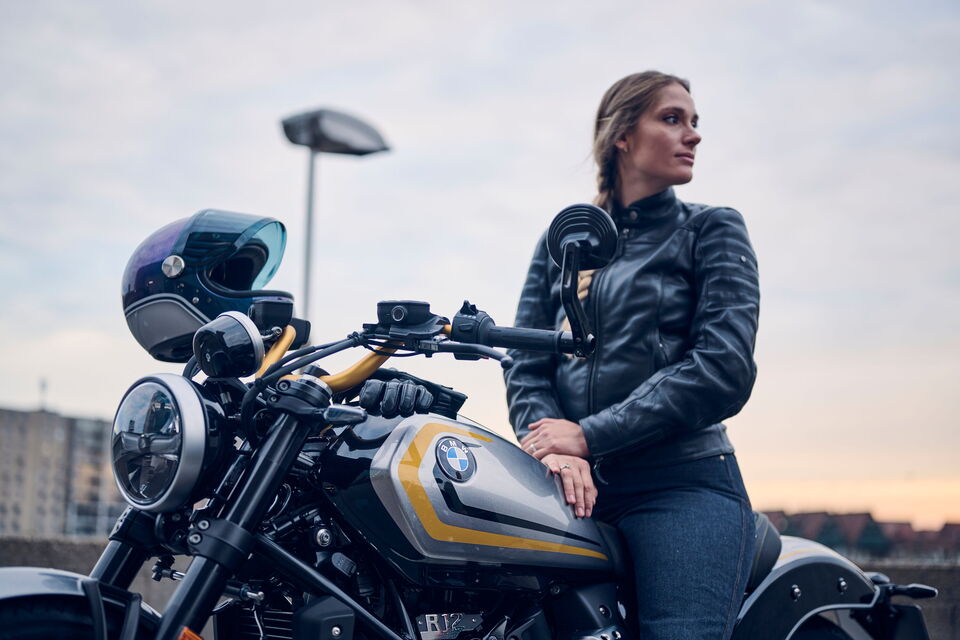
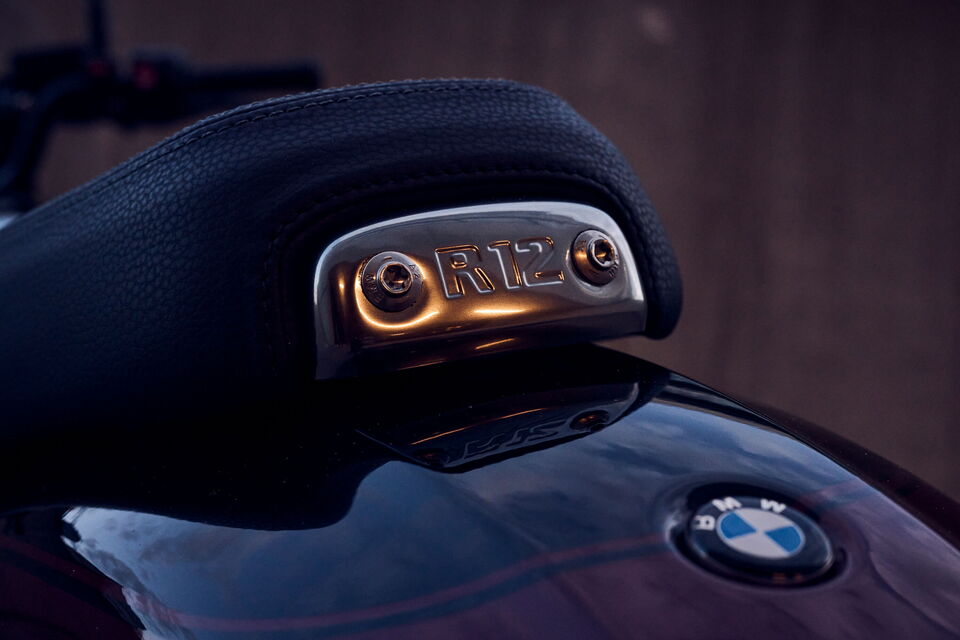
The 14-liter fuel tank provides around 270 km of range at 5.1 liters per 100 km. That is sufficient for a cruiser, but it does not provide a long-distance touring reserve. If you are planning longer trips, plan fuel stops as well. The toaster tank—an homage to BMW’s /5 models from the 1970s—is the R 12’s most visually distinctive feature and is cited by almost every test rider as a favorite detail. It gives the motorcycle its identity.
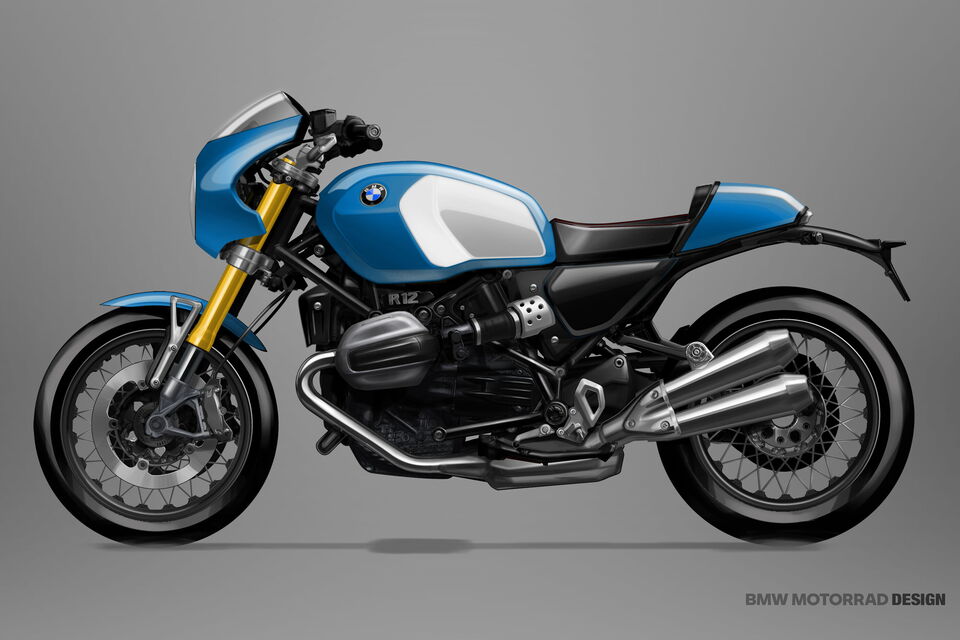
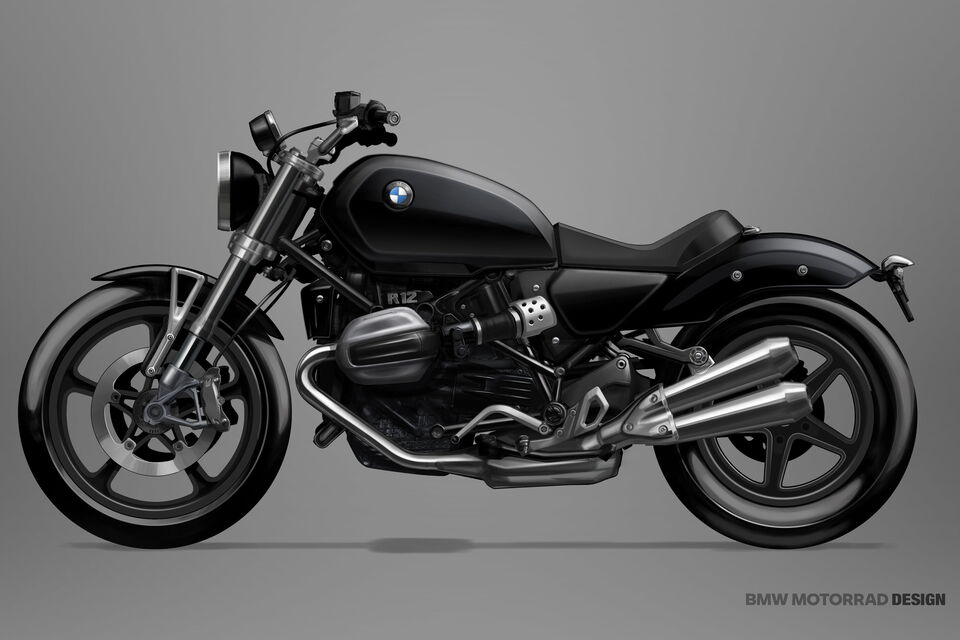
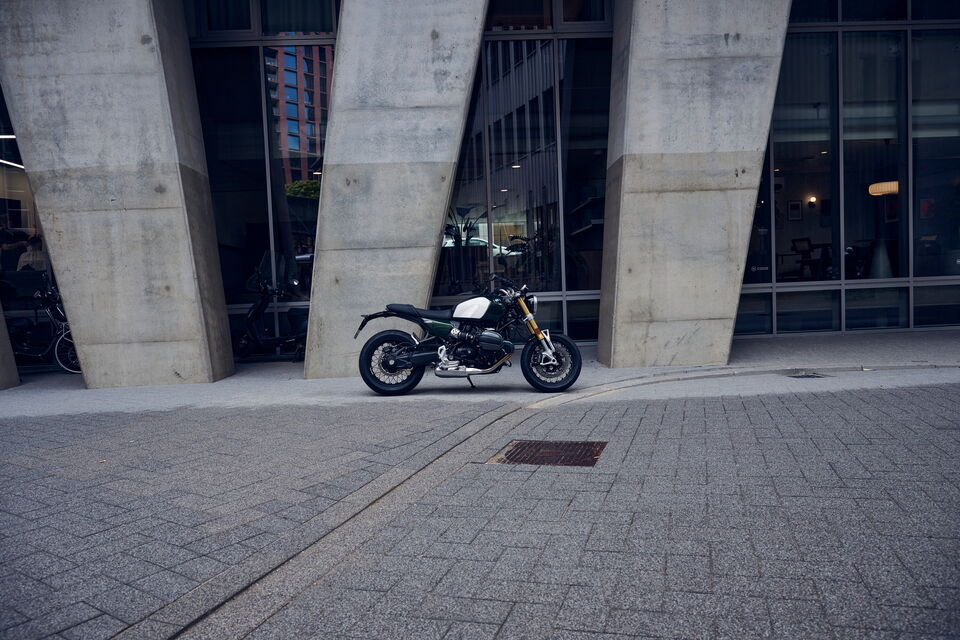
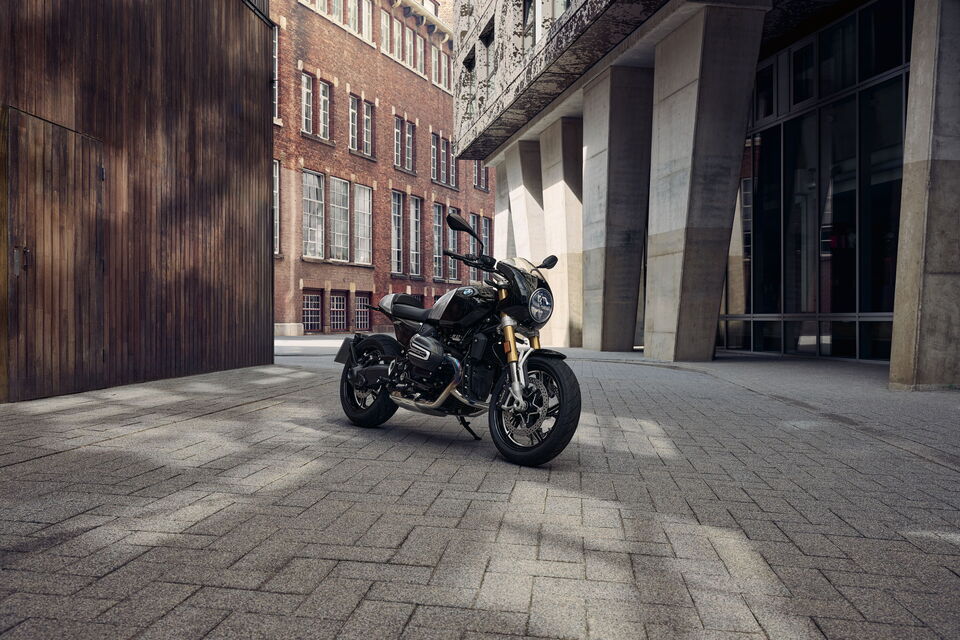
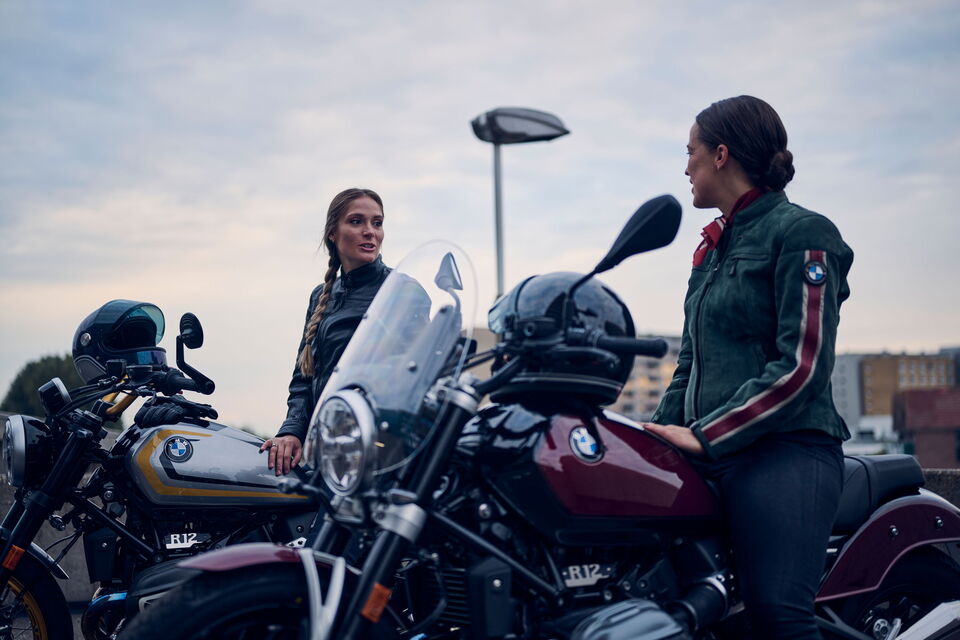
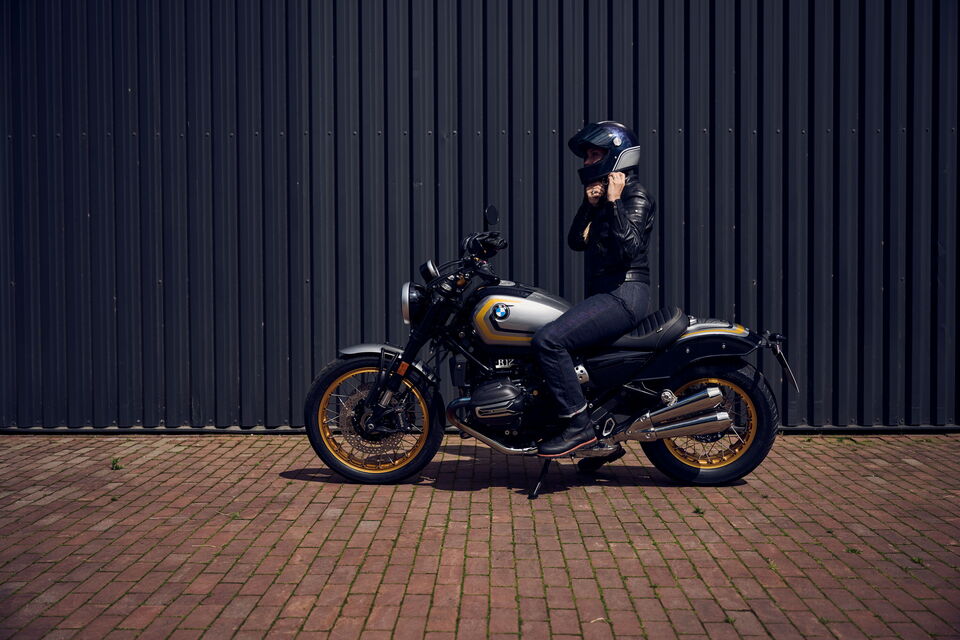
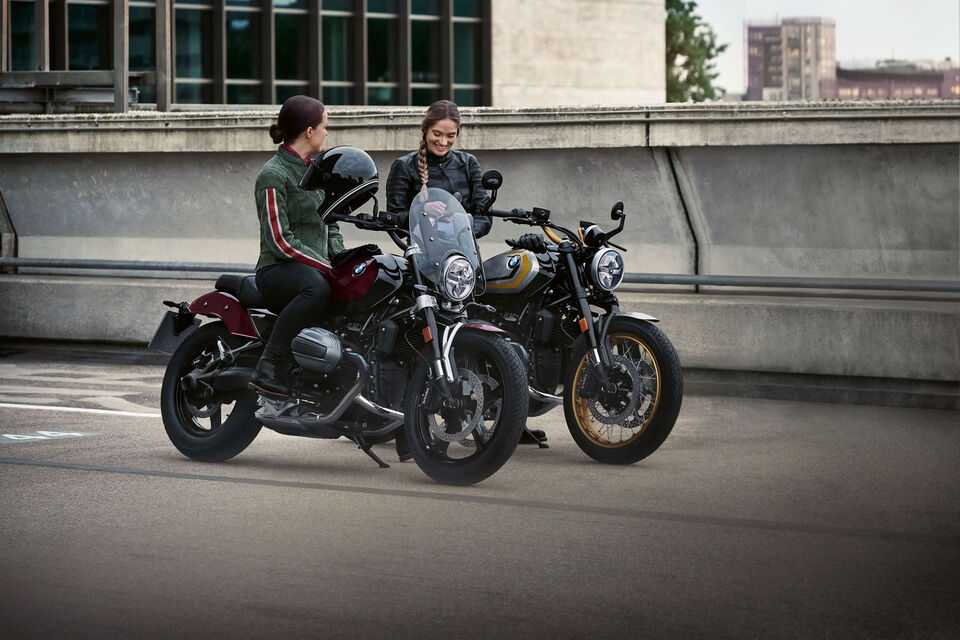
The R 12’s customization potential is its second defining feature. BMW offers a broad range of factory custom parts: different tanks, handlebars, seats, wheels, machined components, cylinder covers, and license-plate holders. If you want, you can configure the R 12 as a bobber, café racer, chopper, or urban cruiser. The price spectrum runs from the €14,460 base model to potentially more than €23,000 when fully configured. It is the classic custom-build principle BMW established with the R nineT, now applied to a cruiser.
Equipment: Plenty From the Factory—Packages Make a Difference
Standard equipment includes lean-angle-optimized ABS Pro, ASC traction control, MSR engine drag torque control, two riding modes—Rock and Roll—a round instrument with LCD display, passenger seat, and LED headlight. The optional Comfort Package bundles Shift Assistant Pro, cruise control, Hill Start Control Pro, and heated grips.
Also optional are the Micro-TFT display, Headlight Pro with cornering light, three different windscreen options, solo seat, centerstand, various tanks and seats, and Option 719 packages with machined parts and special paint finishes.
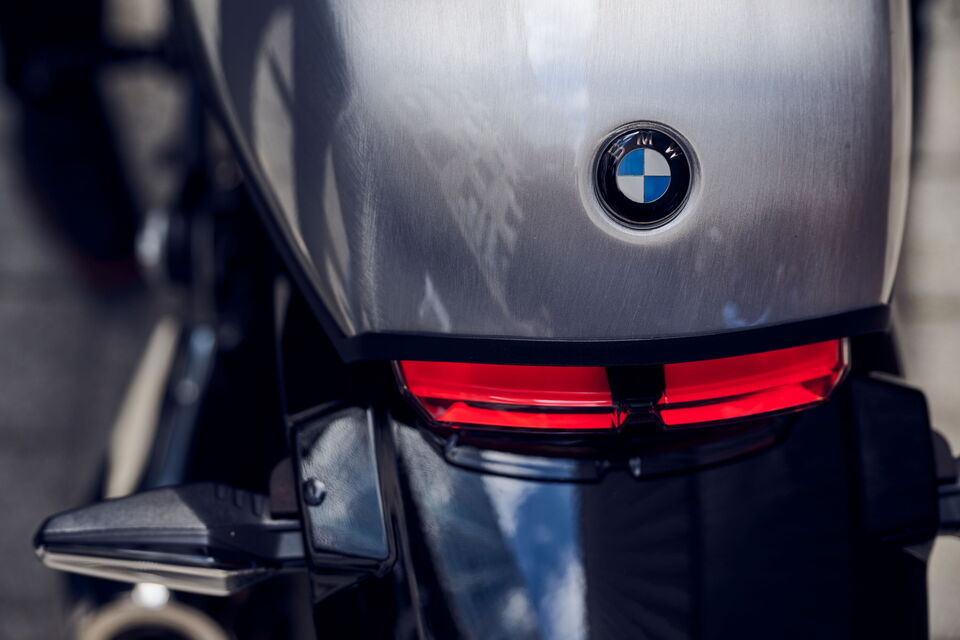
Option 719 Aluminum includes a black fork and handlebar, aluminum windscreen, machined components, and solo rear section in Avus Silver Metallic. This is the package for the ultimate cruiser statement.
The price rises considerably above the base model, but the result is one of the most stylish production motorcycles on the market. Stationary noise is 91 dB(A)—below Tyrol’s 95 dB(A) limit, which matters for riders traveling in mountain regions.
Costs: €14,460—the Least Expensive Entry Point Into BMW’s Heritage Segment
€14,460 is a surprisingly competitive price for a BMW cruiser platform of this quality. For comparison, a Harley-Davidson Sportster S starts at €16,595, while an Indian Scout starts at €16,490. That makes the R 12 around €2,000 less expensive than its American rivals while offering boxer-and-shaft-drive character, BMW build quality, and extensive customization options.
Service is required every 10,000 km at a BMW dealer and costs around €350 to €500. The air/oil-cooled engine is easier to maintain than a ShiftCam boxer. One point to keep in mind is the valve-clearance inspection every 10,000 km rather than every 20,000 km. That is more frequent than on the 1,300 cc boxer, but expected for an air/oil-cooled engine. Shaft-drive service is required every 60,000 km. The Metzeler ME888 Marathon Ultra is readily available in the R 12’s cruiser sizes. Warranty: two years with unlimited mileage.
Verdict
The BMW R 12 is the most uncompromising counterpoint to the technology spiral in BMW’s current lineup. No ShiftCam, no DSA, no TFT as standard, no windscreen—and a €14,460 base price. That is a statement.
If you want a cruiser with boxer character, low weight, extensive customization potential, and BMW quality, this is the most convincing package in the segment. If you want highway performance, long-distance touring capability, and maximum electronics, this is the wrong motorcycle.
Quick Check
+ €14,460—less expensive than the Harley Sportster S (€16,595) and Indian Scout (€16,490)
+ 227 kg fully fueled—the lightest cruiser in the segment
+ Air/oil-cooled boxer with unmistakable character and genuine vibration
+ 754 mm seat height—both feet flat on the ground
+ Dual 310 mm front discs with radial calipers standard—above-average braking hardware
+ ABS Pro and ASC standard
+ Extensive factory customization—tanks, handlebars, seats, machined components
+ Stationary noise 91 dB(A)—no problem in Tyrol
+ A2 restriction to 48 hp available
– No windscreen—highway riding above 130 km/h is tiring
– 14-liter fuel tank—around 270 km of range
– No TFT as standard—Micro-TFT costs extra
– No Shift Assistant as standard—extra-cost option with the Comfort Package
– 120/90 mm suspension travel—not designed for rough roads
– Valve-clearance inspection every 10,000 km—more frequent than on the 1,300 cc boxer
Technical Specifications: BMW R 12 (2026)
Country of manufacture: Germany (Berlin-Spandau)
Engine: Air/oil-cooled flat-twin boxer, DOHC, 4 valves per cylinder, fuel injection, Euro 5+
Displacement: 1,170 cc
Power: 70 kW (95 hp) at 6,500 rpm (A2 restriction to 35 kW / 48 hp available)
Torque: 110 Nm at 6,000 rpm
Transmission: 6-speed; Shift Assistant Pro optional with Comfort Package
Final drive: Shaft, single-sided swingarm with Paralever strut
Frame: One-piece tubular-steel trellis frame
Front suspension: 45 mm telescopic fork, 120 mm travel
Rear suspension: Cast-aluminum single-sided swingarm with Paralever strut, monoshock with travel-dependent damping, adjustable spring preload and rebound damping, 90 mm travel
Front brakes: Dual 310 mm floating discs, four-piston monobloc radial calipers
Rear brake: 265 mm disc, two-piston floating caliper
Wheels: Cast wheels; 3.50 × 19 front, 4.50 × 16 rear
Front tire: 100/90-19, Metzeler ME888 Marathon Ultra
Rear tire: 150/80-16, Metzeler ME888 Marathon Ultra
Rider aids: ABS Pro (lean-angle optimized), ASC traction control, MSR; 2 riding modes standard (Rock/Roll); Shift Assistant Pro, cruise control, heated grips optional with Comfort Package
Vehicle concept: Cruiser; passenger seat standard, solo seat optional
Stationary noise: 91 dB(A)
Wet weight: 227 kg
Seat height: 754 mm
Fuel capacity: 14 liters
Price (Germany): from €14,460 plus additional charges
Warranty: 2 years, unlimited mileage