Review BMW R 1300 RS (2026)

The Most Dynamic Boxer Sport-Tourer Ever
145 hp boxer, 149 Nm, 245 kg, EVO Paralever with shaft drive, USD fork with flex element, Dynamic ESA standard, DSA optional, 790 mm seat height, Metzeler Roadtec tires standard, 88 dB(A). Starting at €16,590, the BMW R 1300 RS is the only sport-tourer on the market with boxer-and-shaft-drive character. Here is what that means.
As of: April 10, 2026 | Tested model: BMW R 1300 RS (2026) | Price from: €16,590

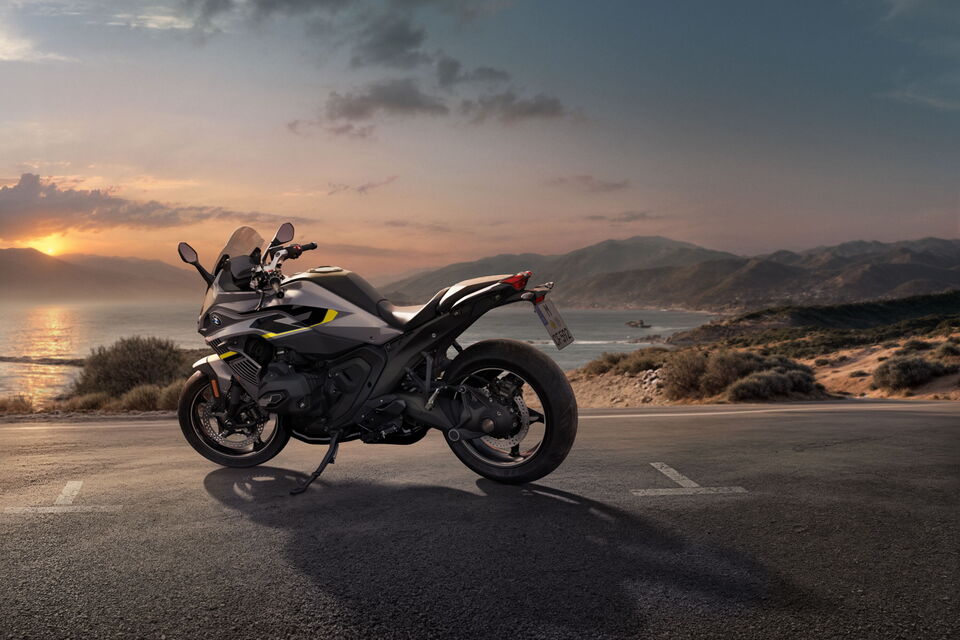
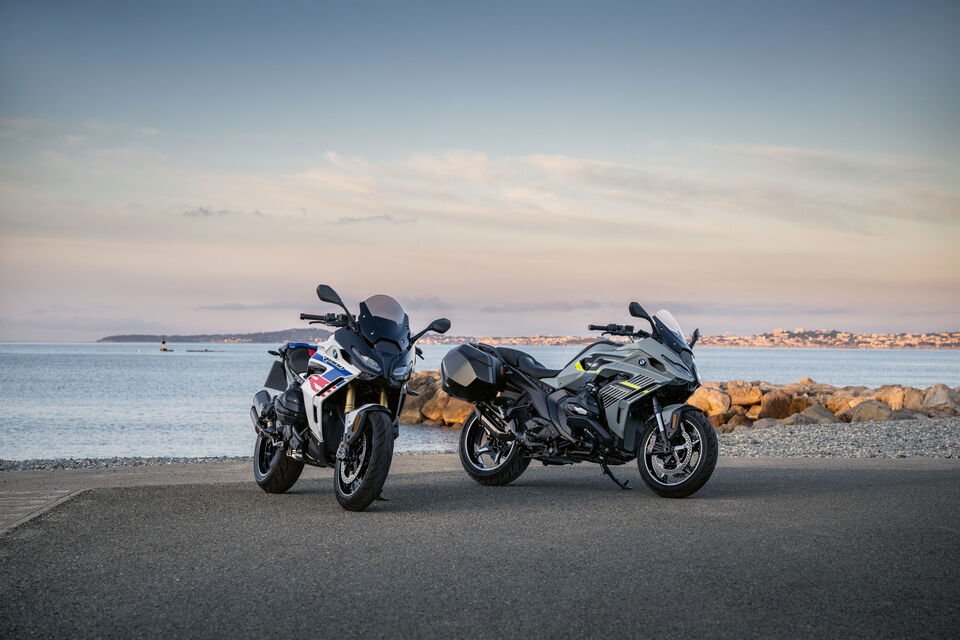
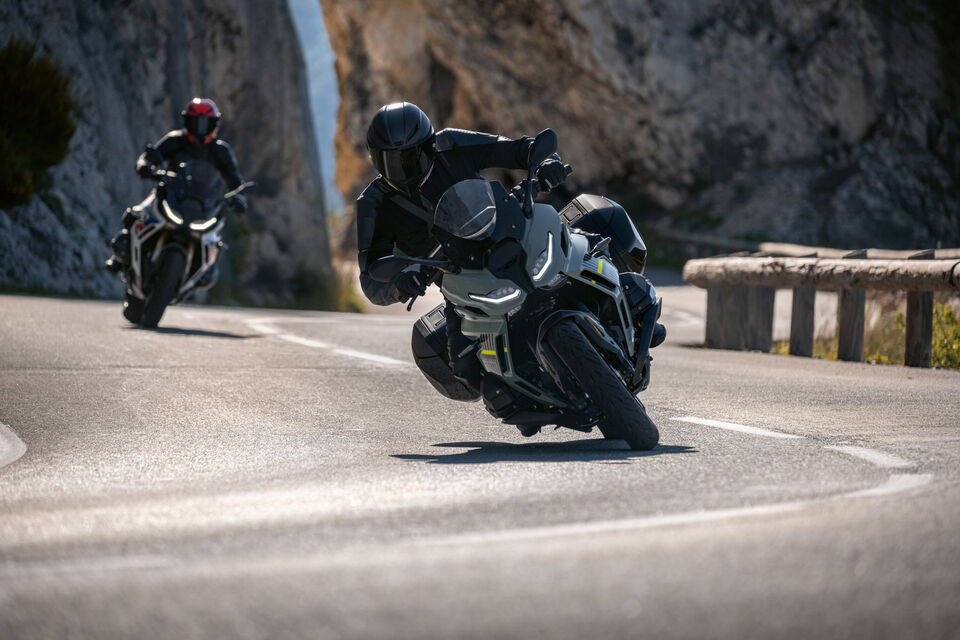
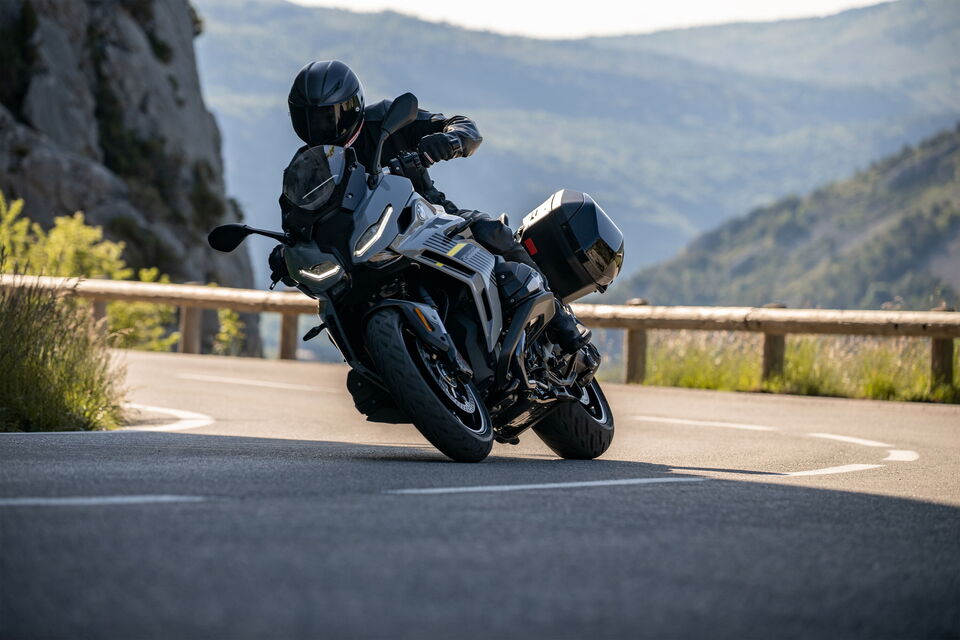
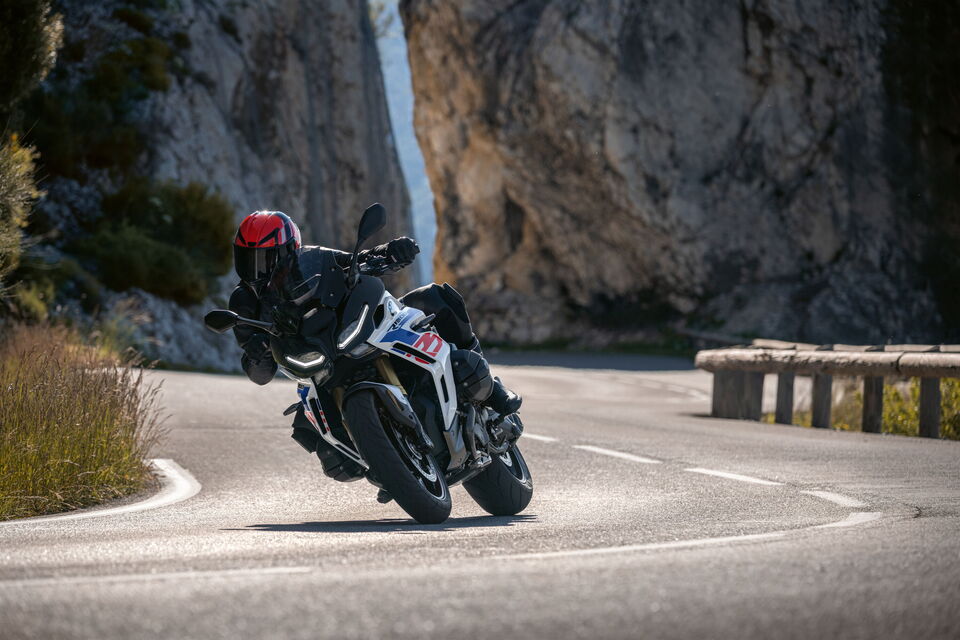
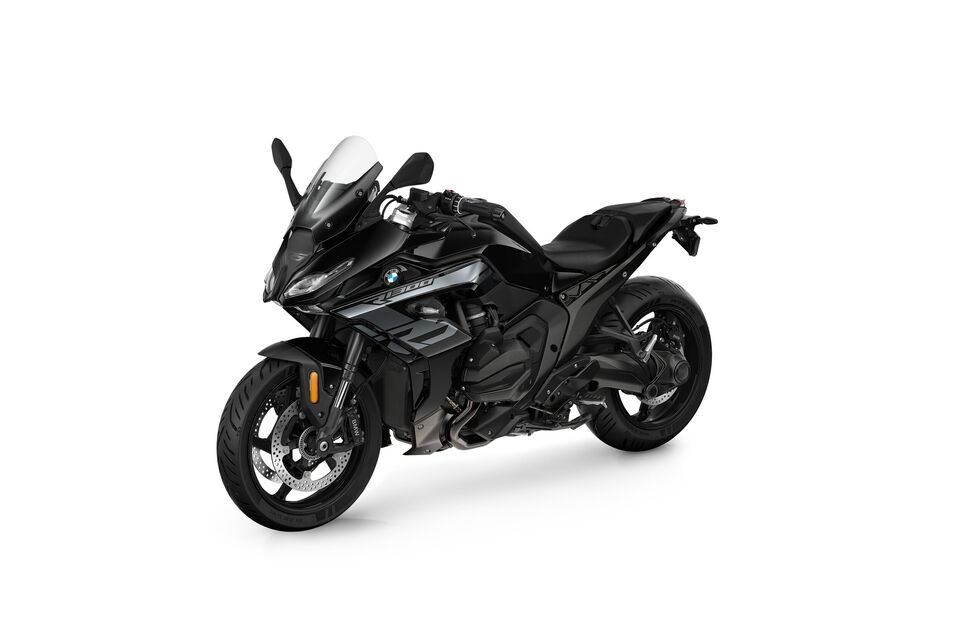
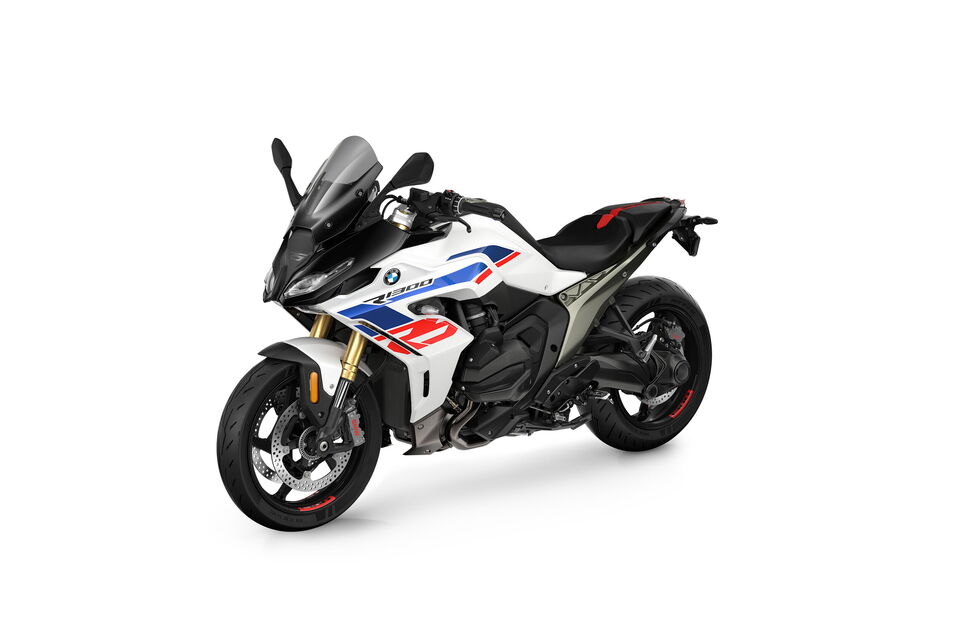
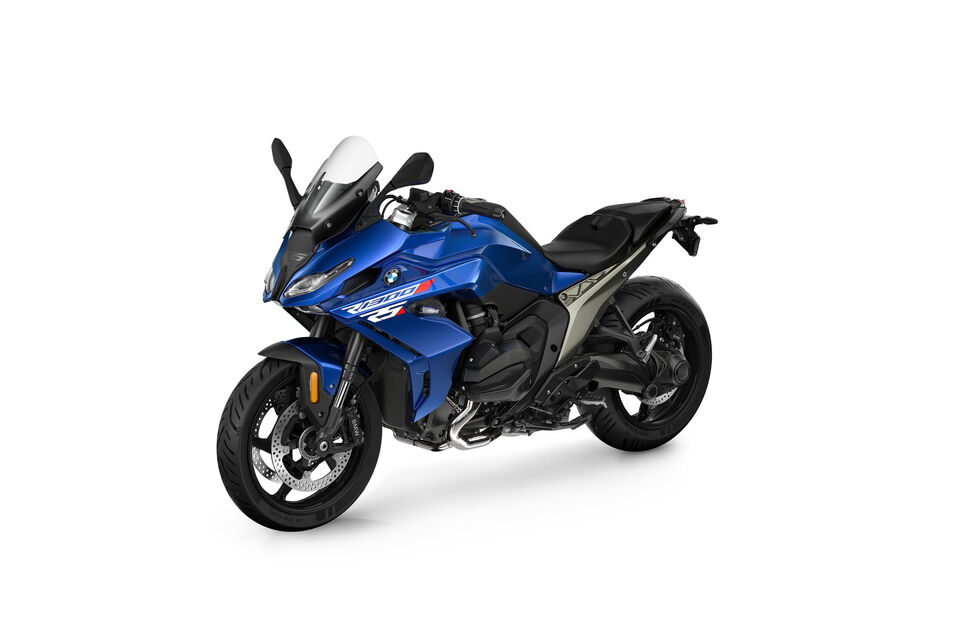
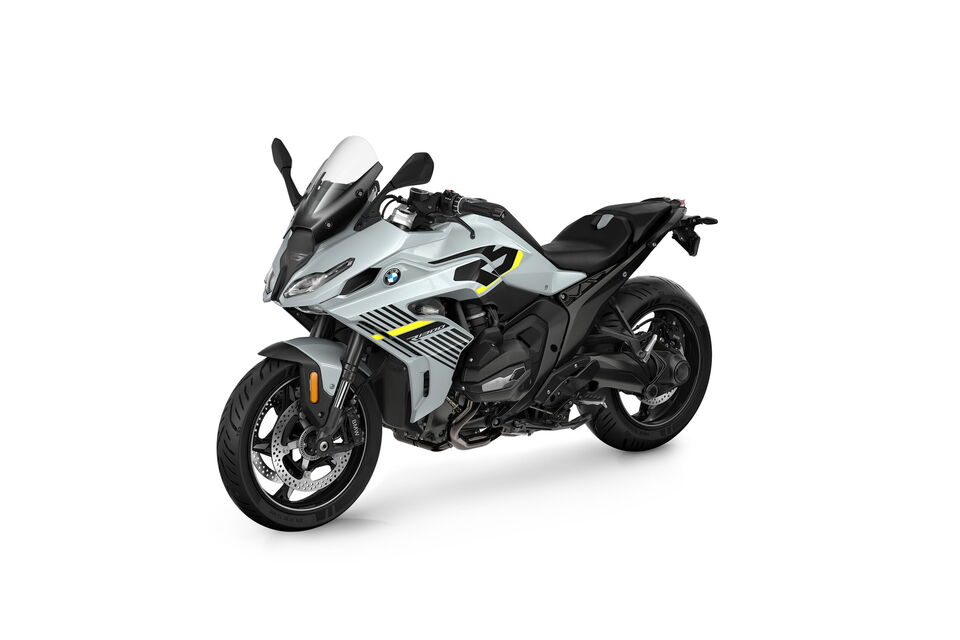
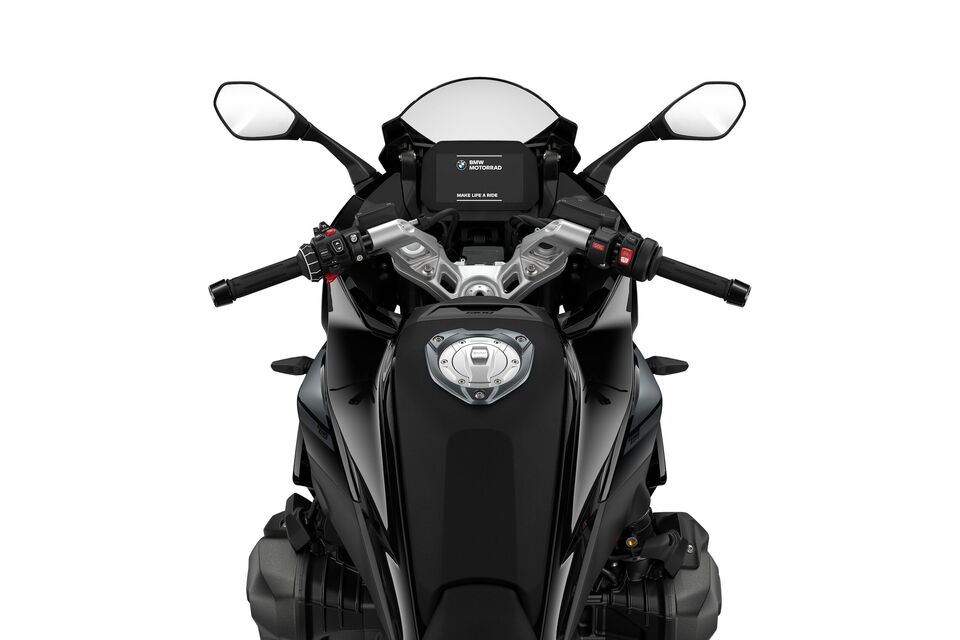
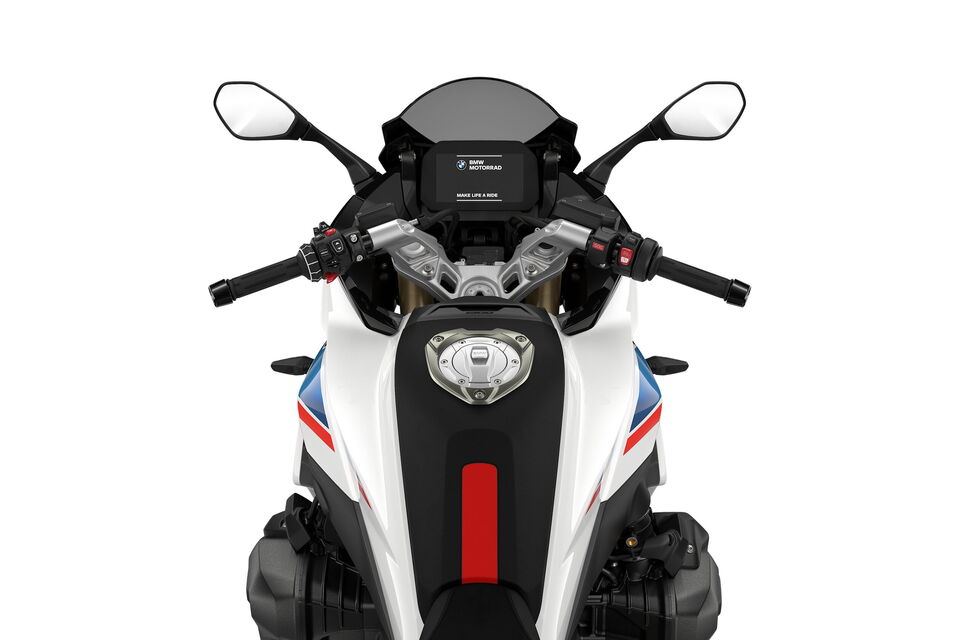
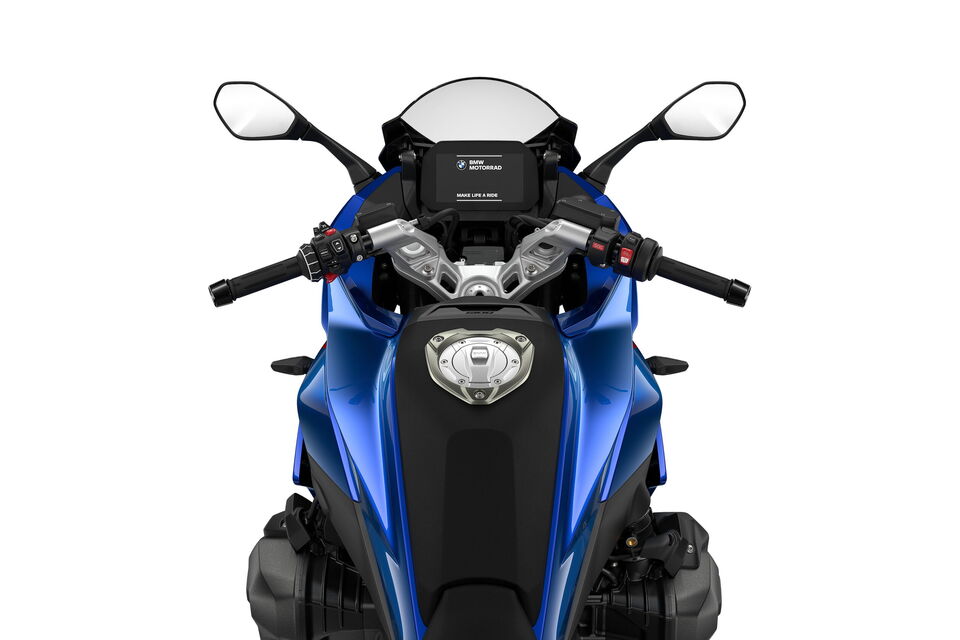
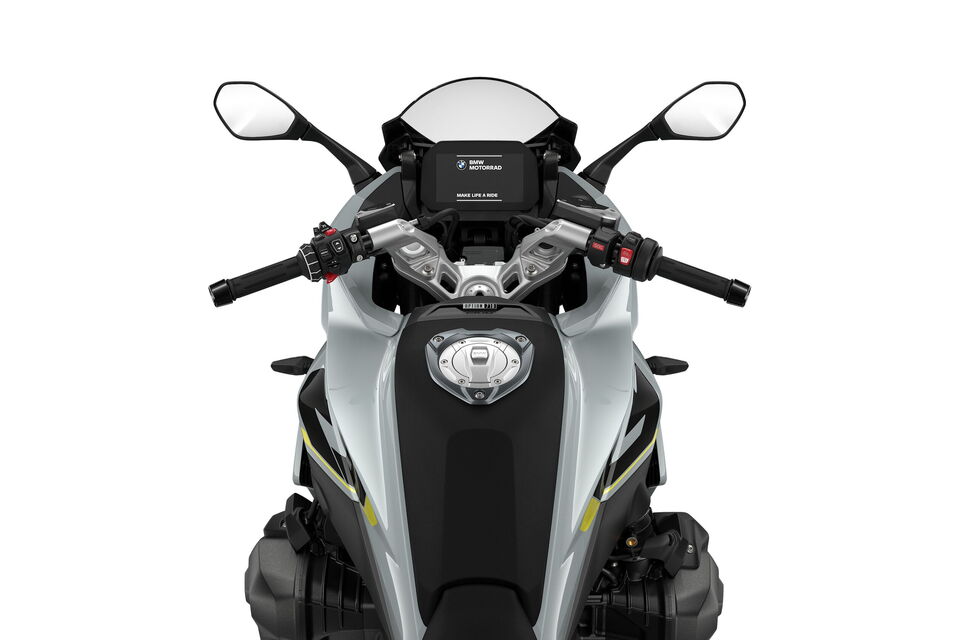

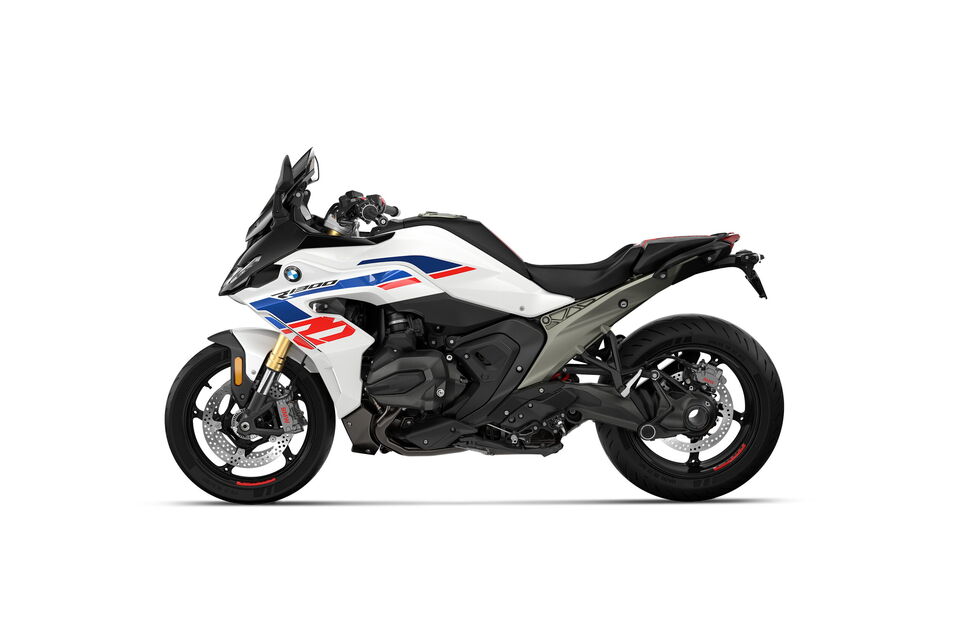
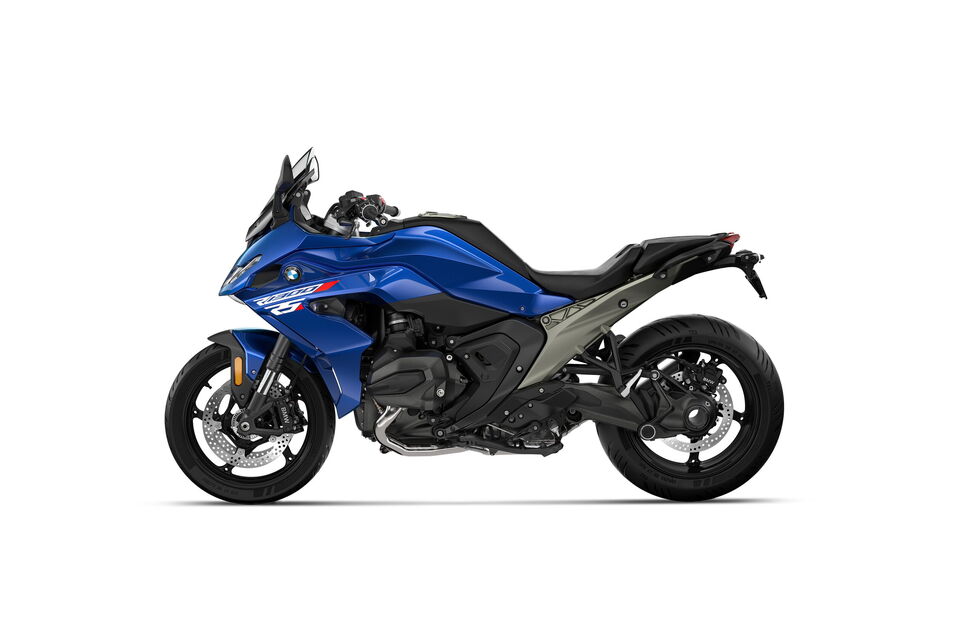
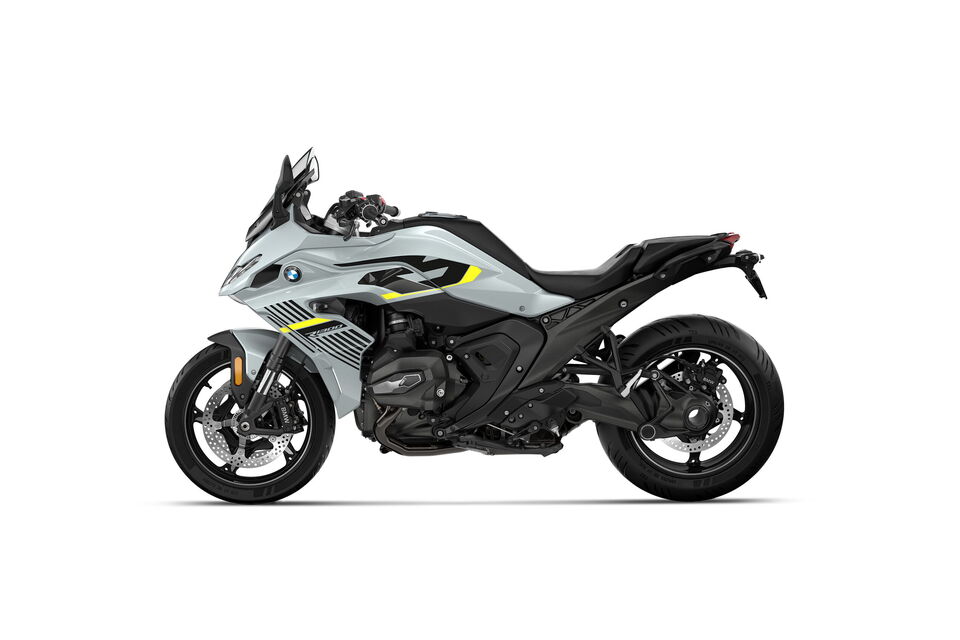



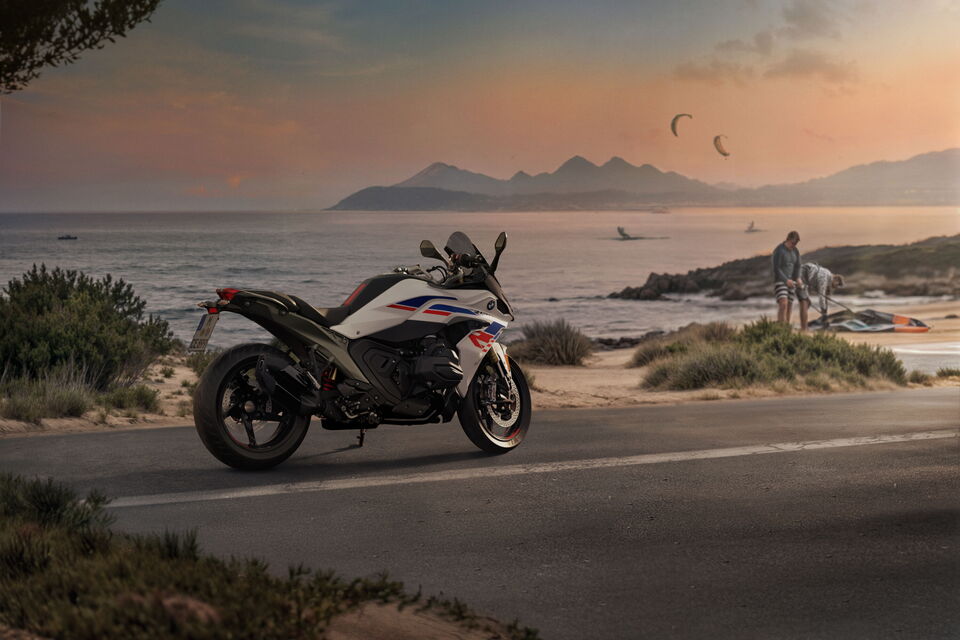
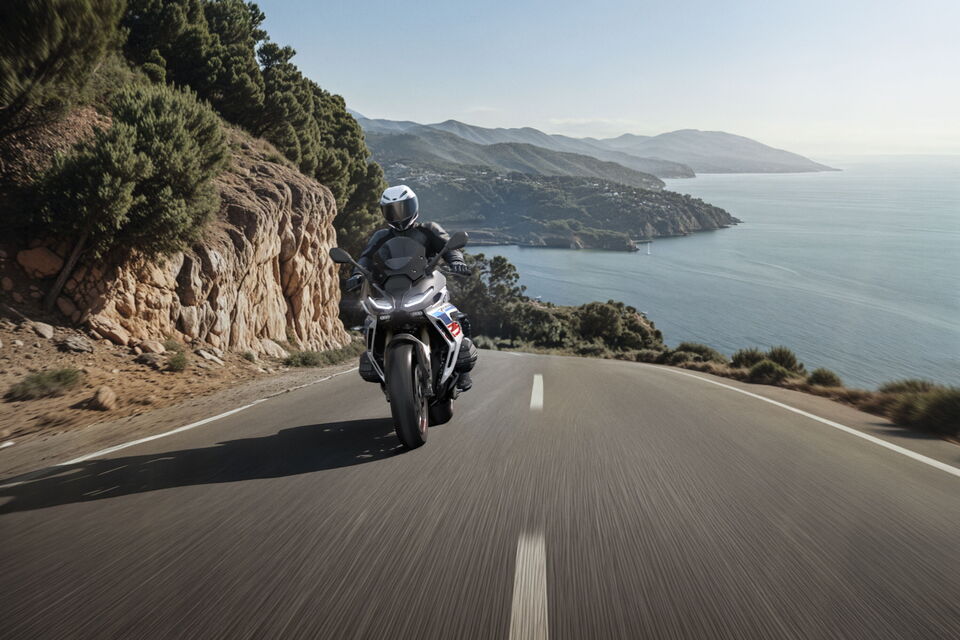
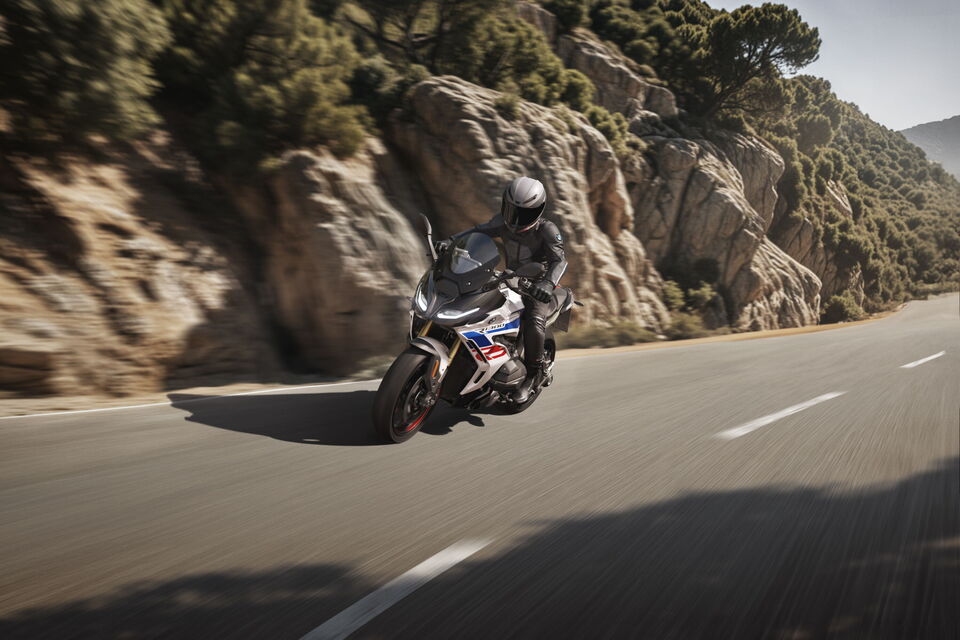
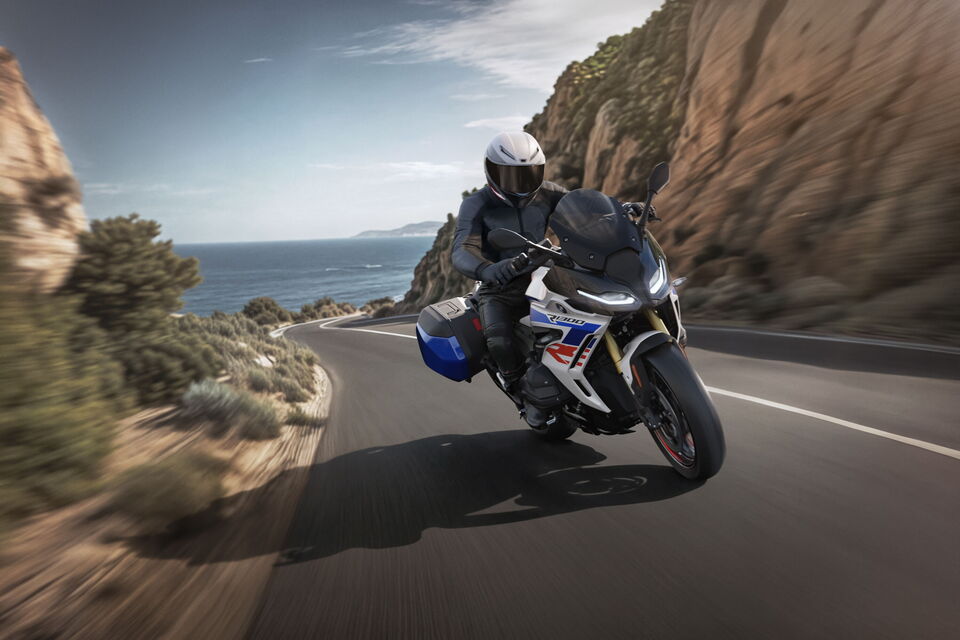
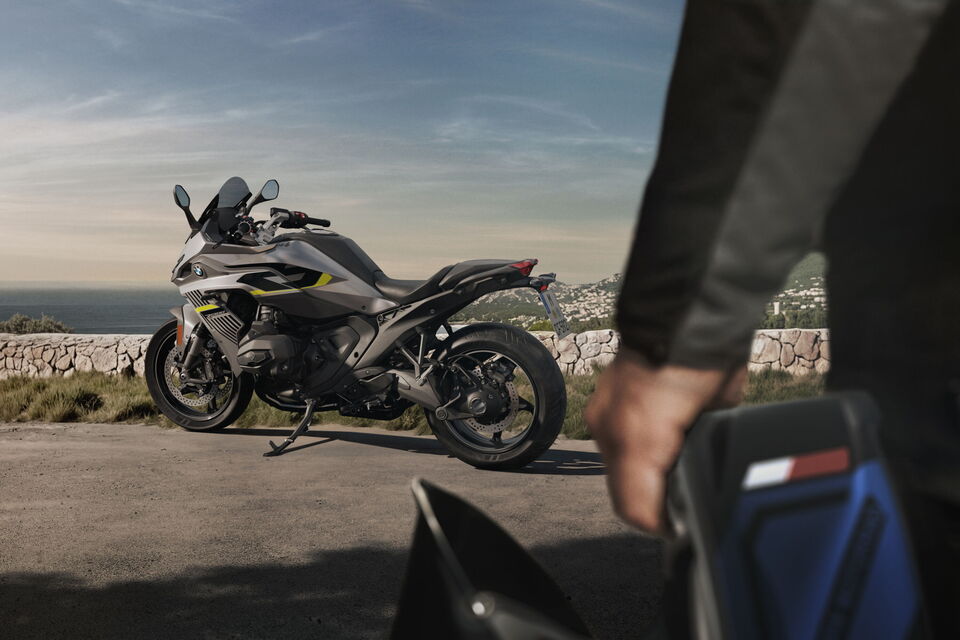
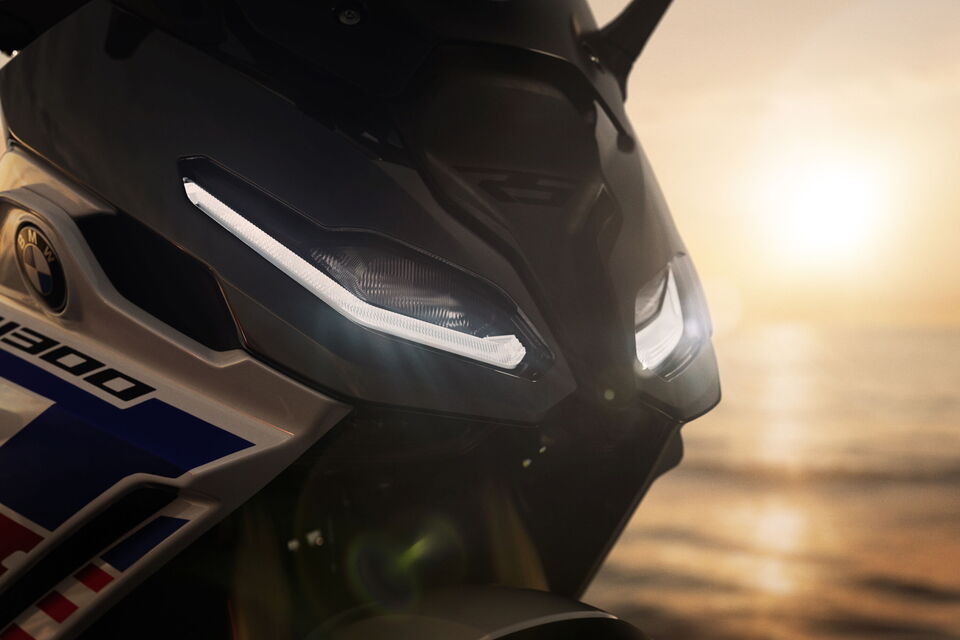
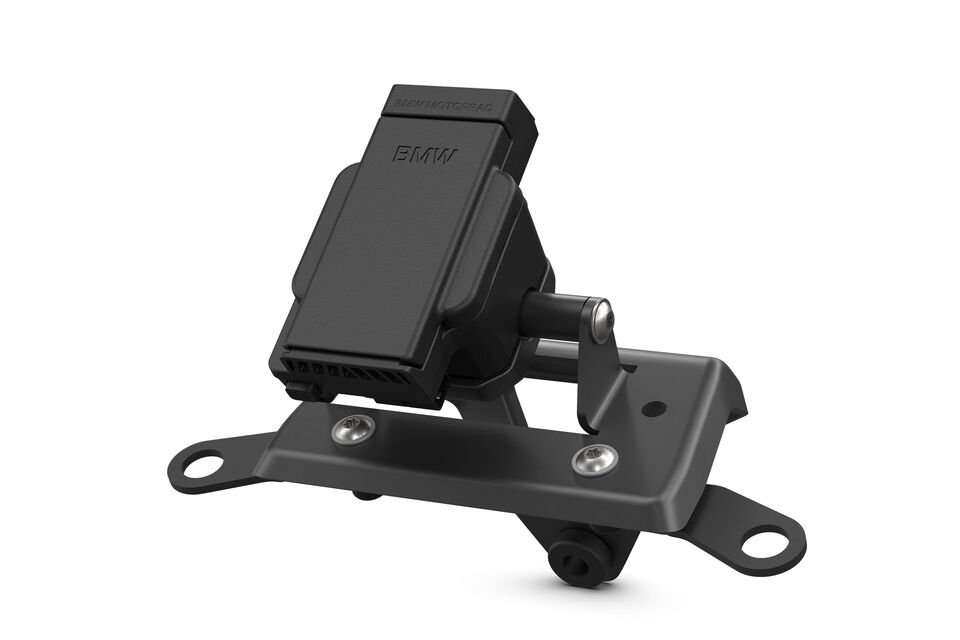




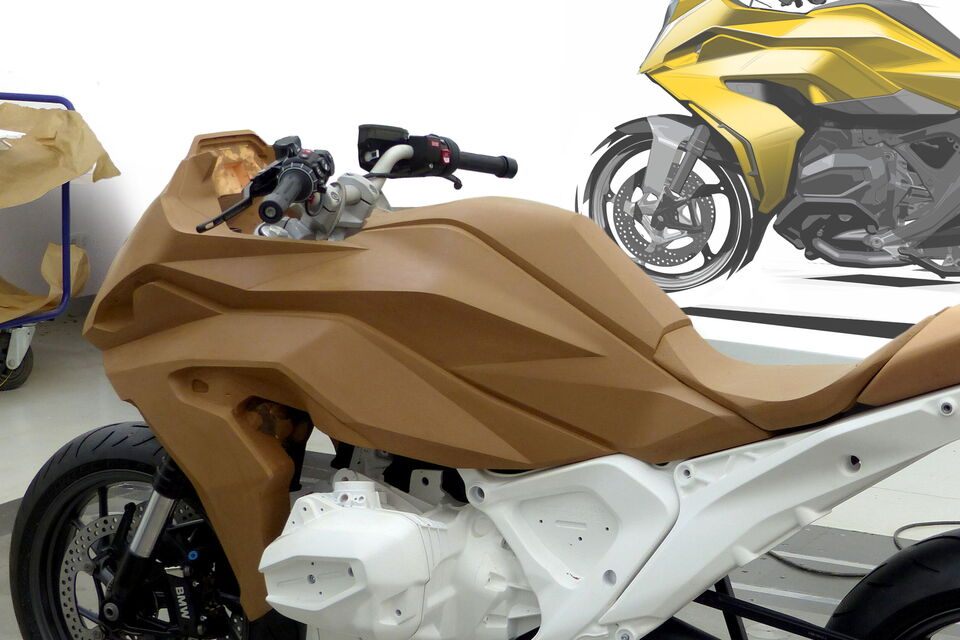
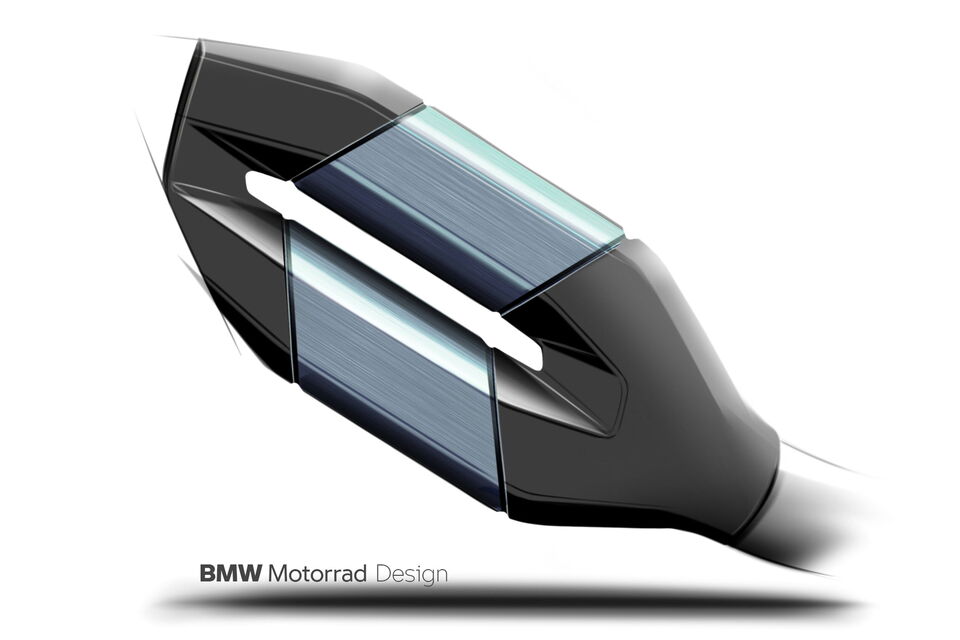
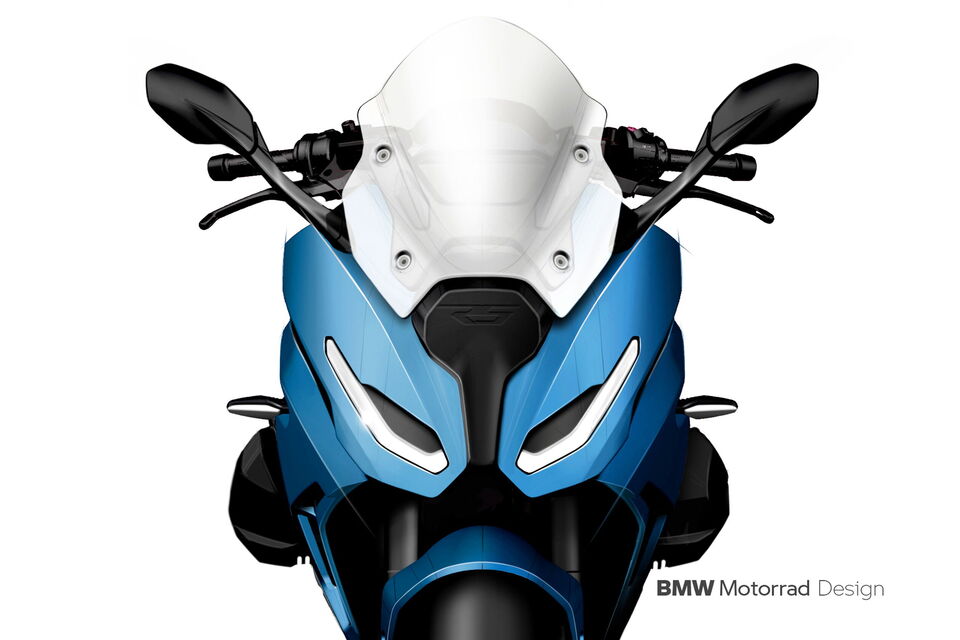

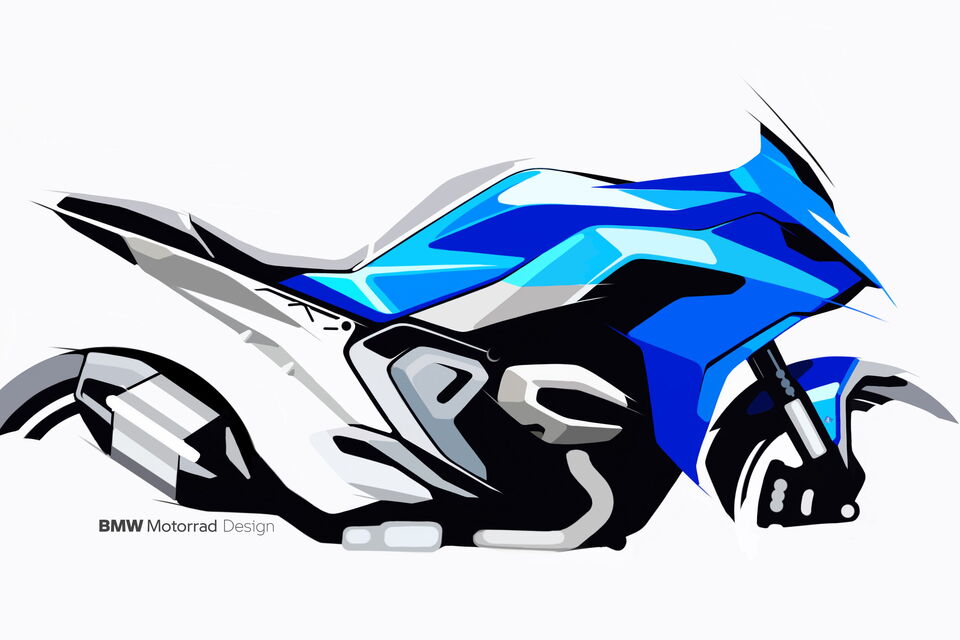


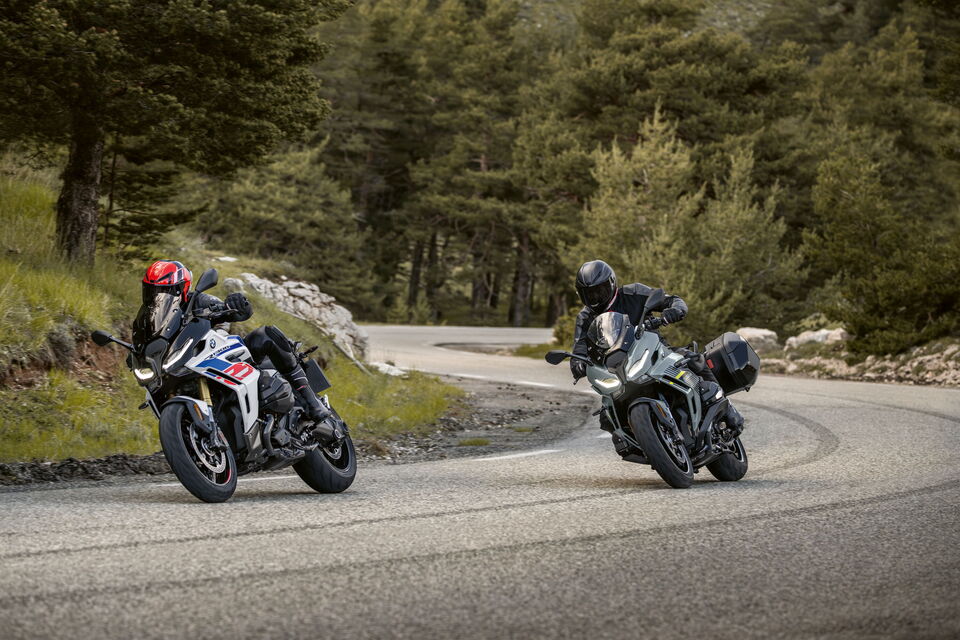
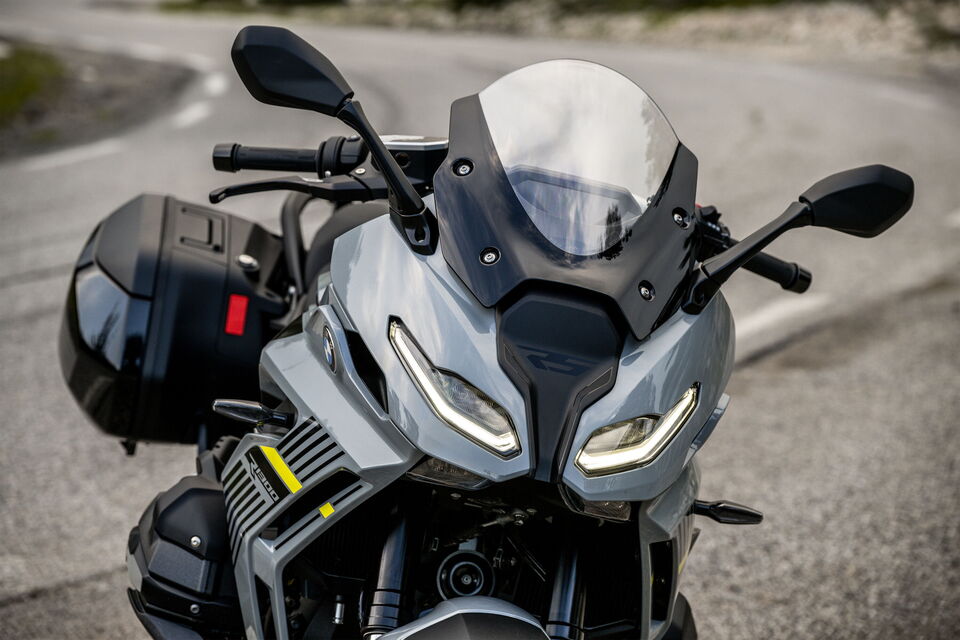
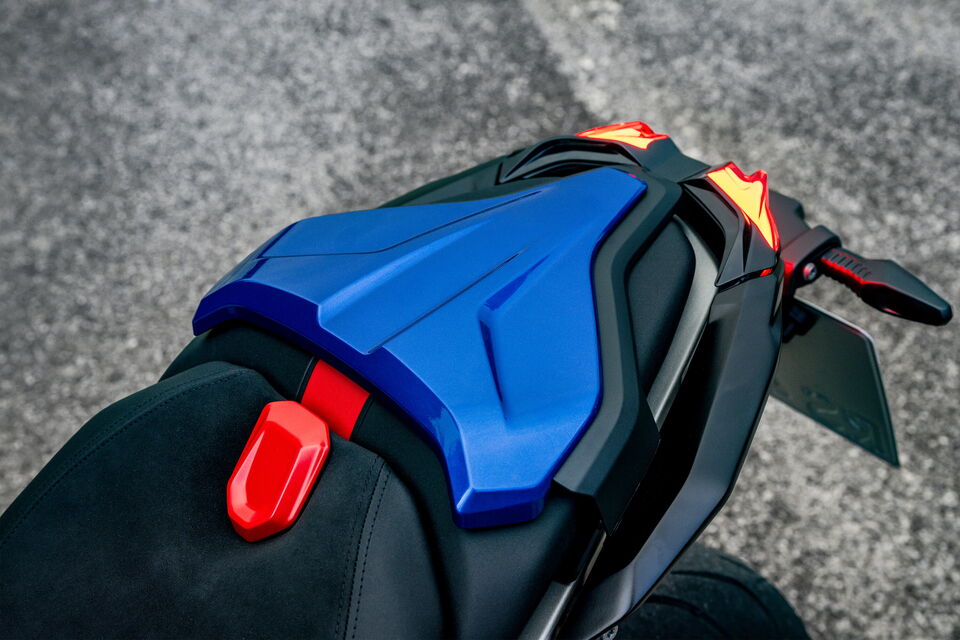
Engine: 145 hp Boxer—More Active, More Eager to Rev, Sportier Than Ever
The same air/liquid-cooled two-cylinder boxer with BMW ShiftCam used in the R 1300 GS, R, and RT: 107 kW (145 hp) at 7,750 rpm, 149 Nm at 6,500 rpm. Compared with the previous R 1250 RS, that is 9 hp and 6 Nm more. This improved power output gives the engine a noticeably different character.
The 1,300 cc boxer revs more willingly, sounds noticeably sportier at the top end, and feels significantly more aggressive between 5,000 and 9,000 rpm than the 1,250 cc engine. At the same time, BMW has improved smoothness at low rpm—a strength of the old boxer that has been retained. BMW ShiftCam adjusts valve timing and valve lift according to load: refined, torque-rich performance from 2,500 rpm in touring use, with full power available at the top end.
Shift Assistant Pro, allowing clutchless upshifts and downshifts, comes standard.
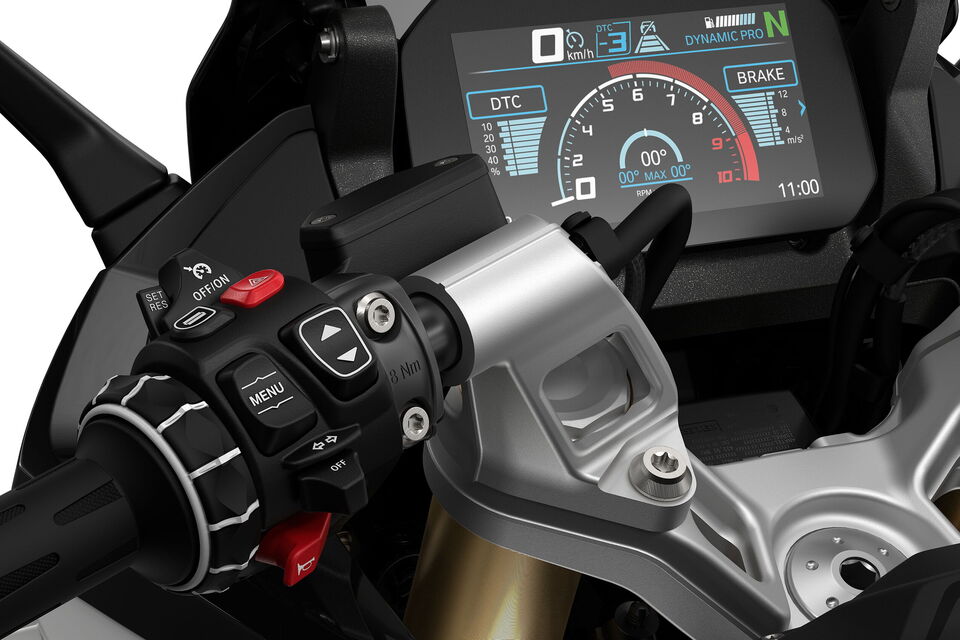
The Automated Shift Assistant, ASA, which operates both clutch and transmission fully automatically, is optional and turns the RS into a long-distance automatic without a clutch lever. Three riding modes—Rain, Road, and Eco—come standard, along with MSR, DTC, DBC, and Hill Start Control. Riding Modes Pro with Dynamic and Dynamic Pro are optional. DTC Shift—multi-stage adjustable traction control—is also optional and allows ambitious riders to deliberately manage rear-wheel slip.
Stationary noise of 88 dB(A) is an excellent figure for a 145 hp motorcycle. It is below Tyrol’s 95 dB(A) restriction threshold, which is a tangible buying advantage for riders who regularly travel through noise-regulated mountain regions.
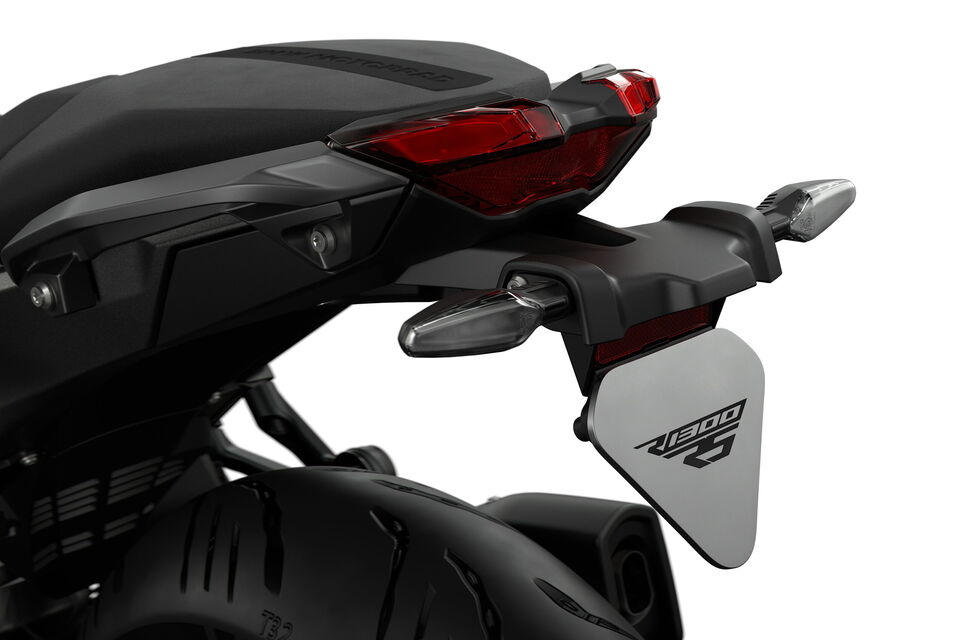
The boxer sounds like a boxer: characterful, not aggressive. The single-outlet exhaust system can optionally be ordered with a dark-chrome exhaust header.
Chassis: Telelever Heritage Abandoned—USD With Flex Element as the Compromise
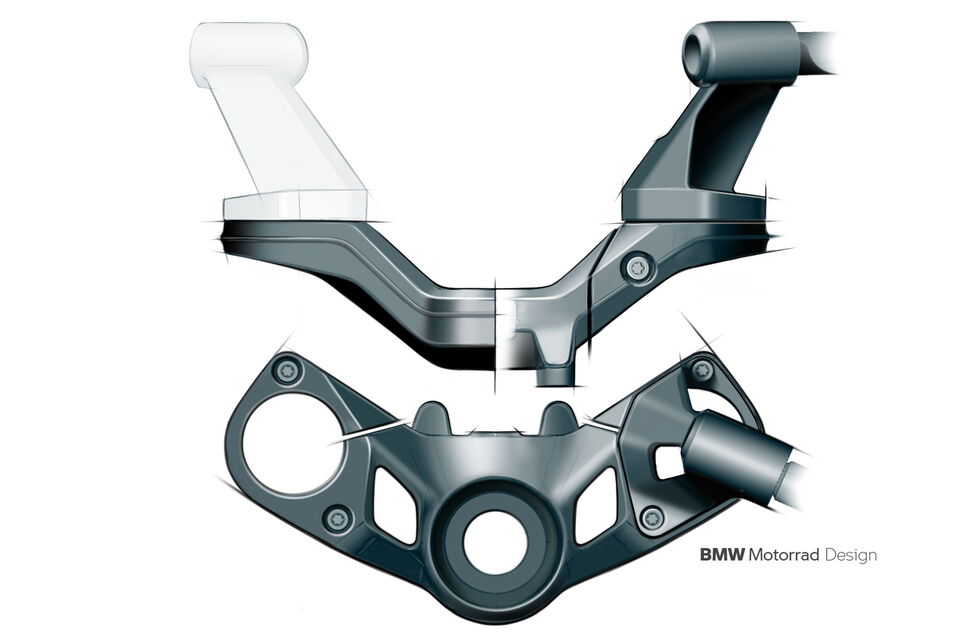
Up front is a USD telescopic fork with a flex element. That is the decisive difference from the R 1300 GS. The GS uses EVO Telelever, which completely separates steering and suspension functions. The RS uses a flex element that isolates handlebar tilt movement from fork movement—a compromise between the familiar feel of a conventional telescopic fork and the advantages of Telelever.
In practice, the RS steers more directly than the GS but dives slightly under braking.
That is not a disadvantage. It is exactly what you would expect from a sport-oriented fully faired motorcycle. Suspension travel is 140 mm at the front and 130 mm at the rear.
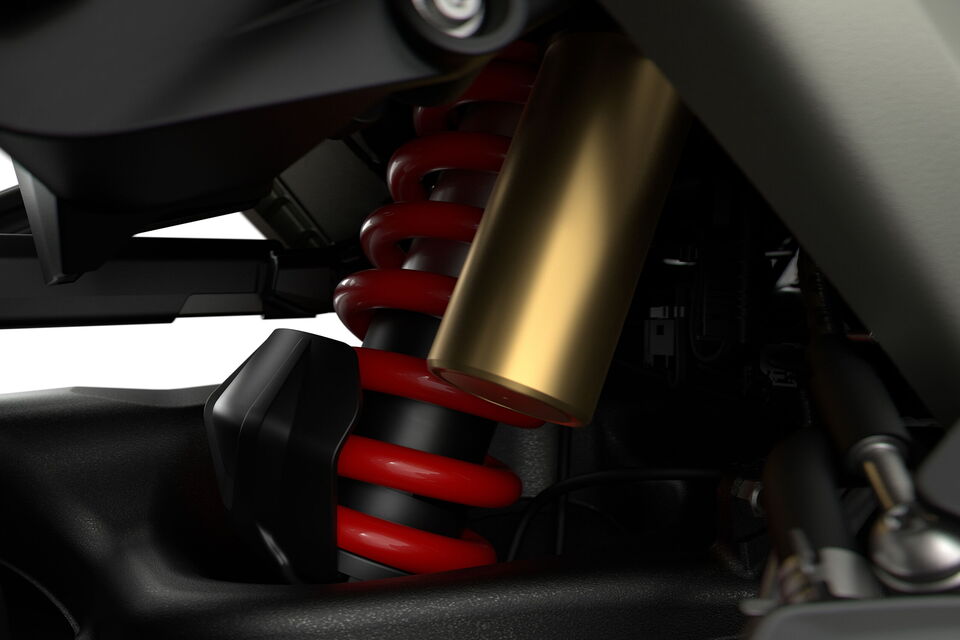
At the rear is the proven EVO Paralever with a cast-aluminum single-sided swingarm featuring a continuous swingarm pivot axle and a central shock. Dynamic ESA comes standard. The semi-active system automatically adapts damping and spring preload to the selected riding mode. If you want the fully automatic system with variable spring-rate adjustment, order DSA as part of the Dynamic Package. The Performance version of the R 1300 RS comes with firmer sport suspension featuring a longer fork and shock, 10 mm more seat height at 800 mm, and greater cornering clearance.
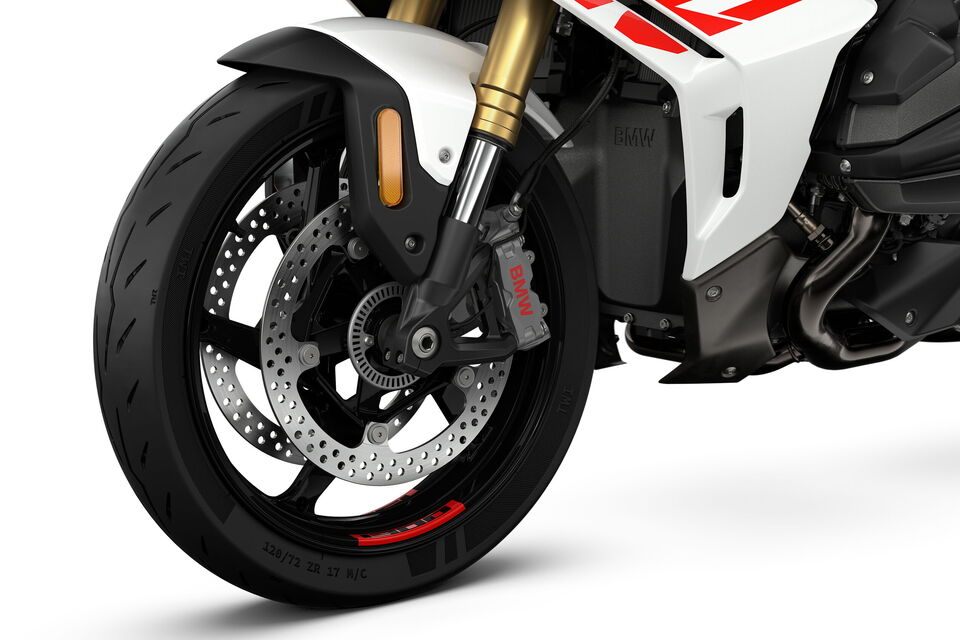
Braking comes from dual 310 mm front discs with four-piston radial calipers and a single 285 mm rear disc with a two-piston floating caliper. Fully integral, lean-angle-optimized ABS Pro comes standard. This is the familiar and proven combination used across BMW’s 1,300 cc boxer platform. An optional sport brake with titanium-colored calipers is available.
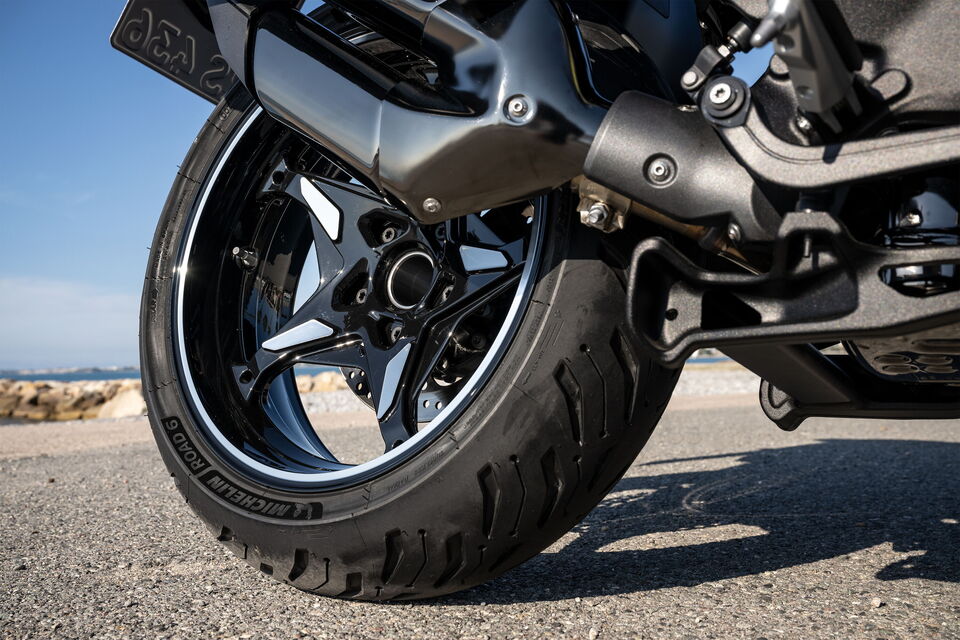
BMW fits Metzeler Roadtec 01 HWM tires as standard—a touring tire with a high-speed compound that suits the RS’s character: long service life, good wet-weather grip, and enough sporting ability for fast sequences of backroad corners.
Ergonomics: 790 mm Seat Height, Flatter Handlebar, Footpegs Farther Back
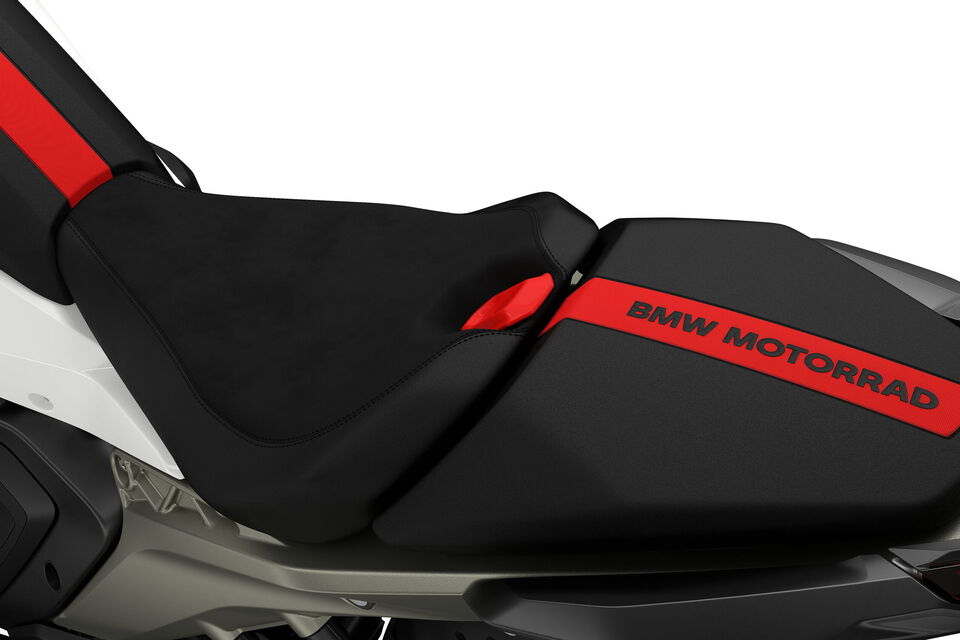
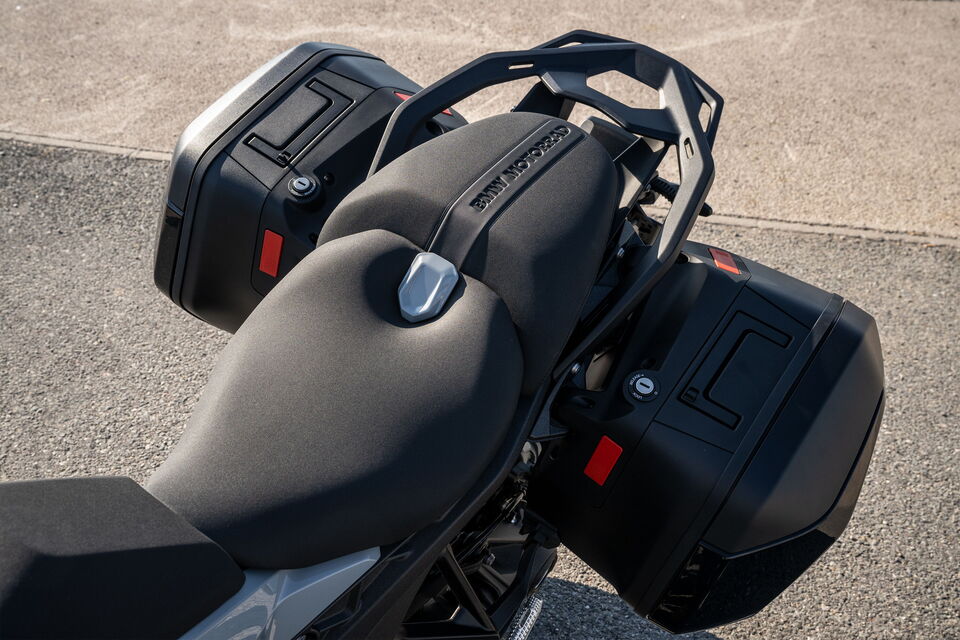
Standard seat height is 790 mm—55 mm lower than the R 1300 GS and the lowest figure in the entire R 1300 boxer family. Almost every rider can get one foot securely on the ground, and many can put both feet down. BMW offers six seat variants, allowing seat height to vary between 790 and 845 mm, plus an optional comfort handlebar for a more relaxed riding position.
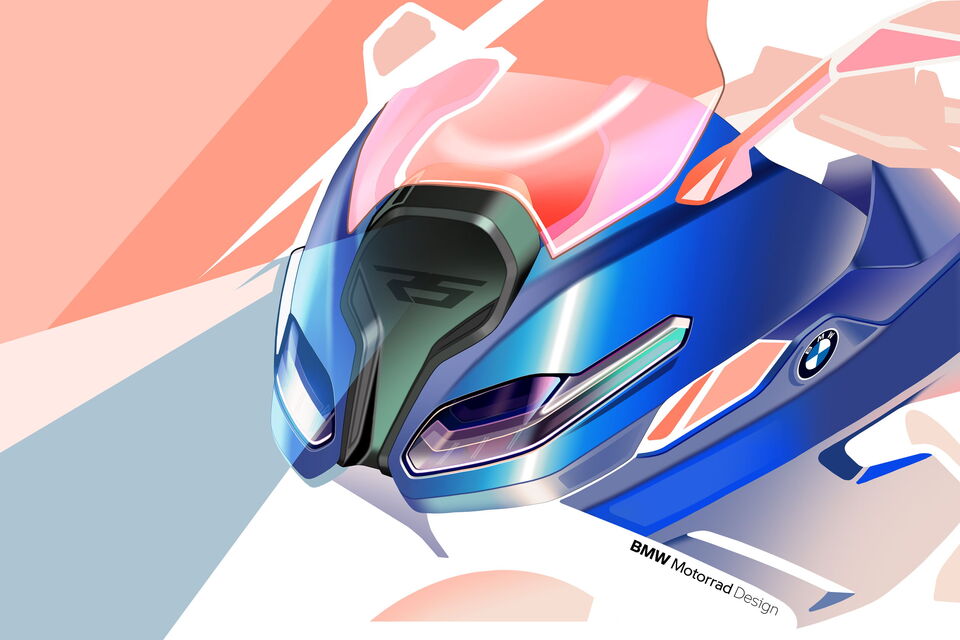
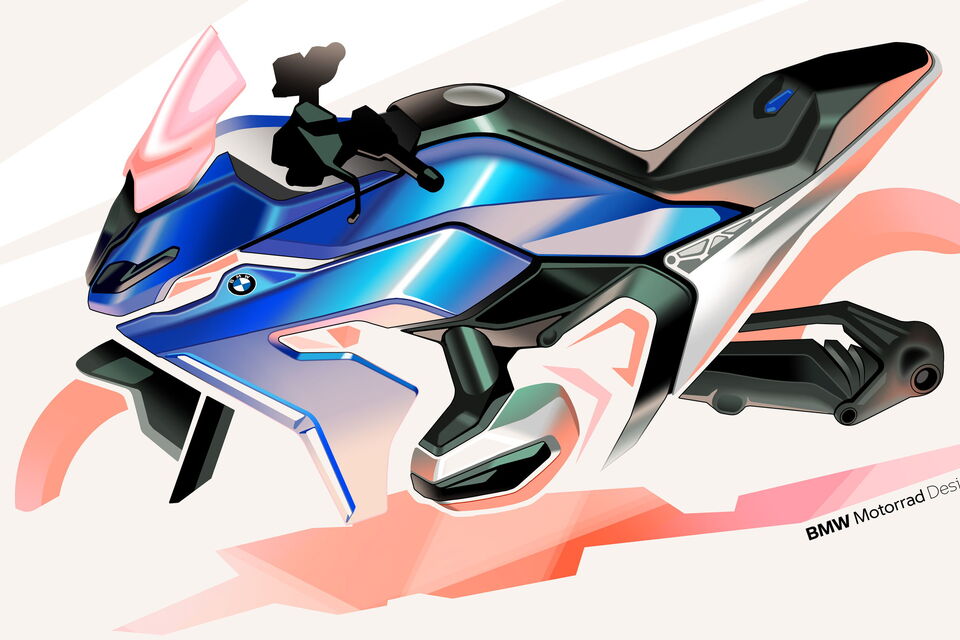
The R 1300 RS ergonomics are deliberately more active than those of the previous R 1250 RS and the current R 1300 GS. The handlebar is flatter, the footpegs are positioned farther back, and the rider sits closer to the steering head. The result is a forward-leaning riding position somewhere between a comfortable all-rounder and a genuine sport-tourer. The fairing provides good protection up to 200 km/h.
At higher speeds, the optional taller windscreen becomes worthwhile. The windscreen is manually height-adjustable. There is no electric adjustment.
Handling: 245 kg and the RS’s Electrified Luggage System
245 kg fully fueled—6 kg more than the R 1300 R and 8 kg more than the R 1300 GS. The additional weight comes from the full fairing. On the road, however, the RS feels subjectively lighter than the number suggests. The low center of gravity created by positioning the transmission beneath the engine and the compact dimensions of the new boxer provide excellent mass centralization.
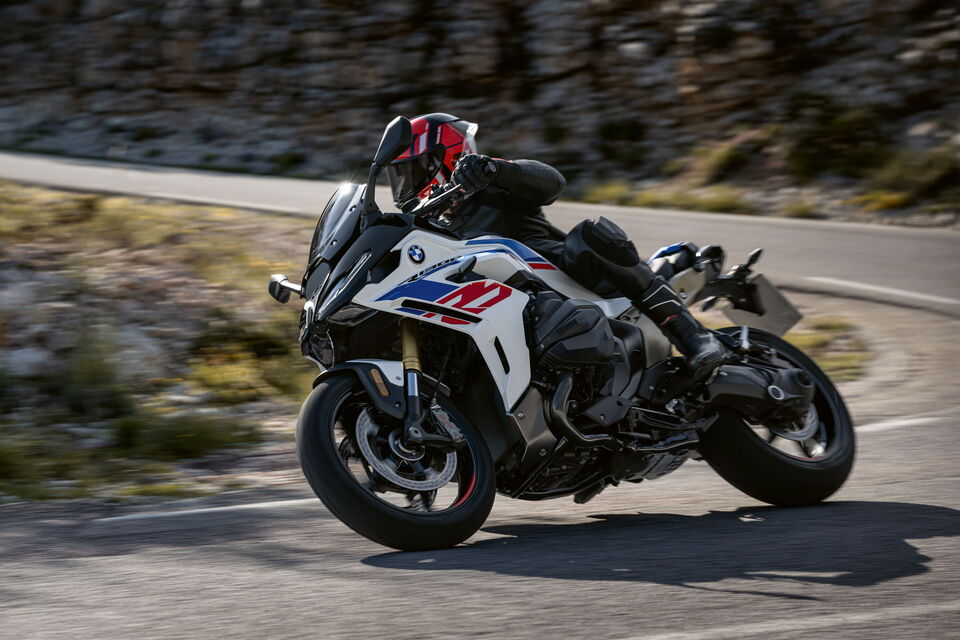
For its weight, the RS turns in willingly. On twisty backroads, it is a precision tool. The 6.5-inch TFT display is standard across the 1,300 cc boxer family: easy to read, operated through the Multi-Controller, with Bluetooth, TFT connectivity, and turn-by-turn navigation. Two USB-C ports and a 12-volt outlet come standard. Keyless Ride and cruise control with braking function are also included from the factory.
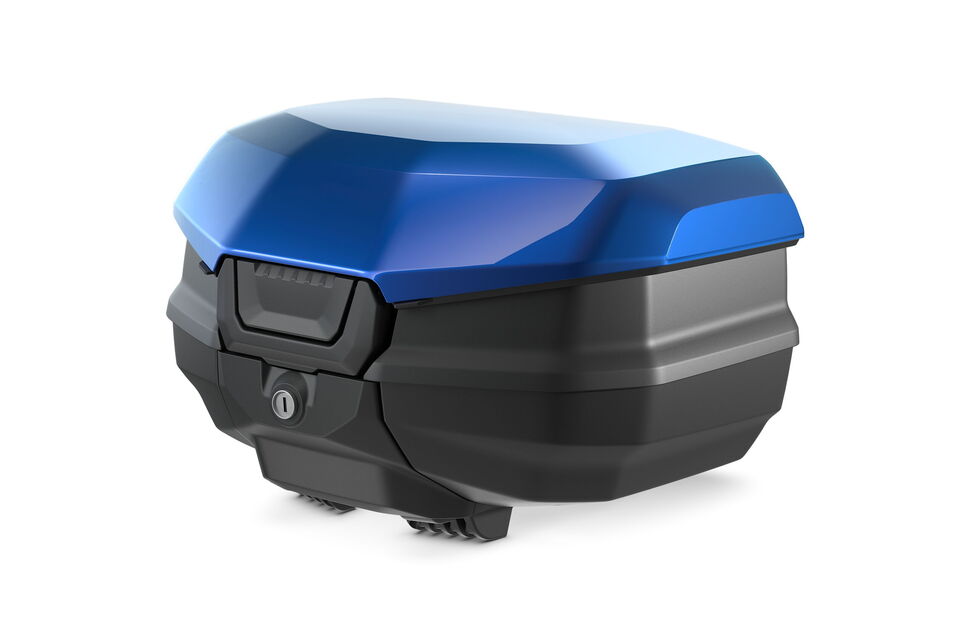
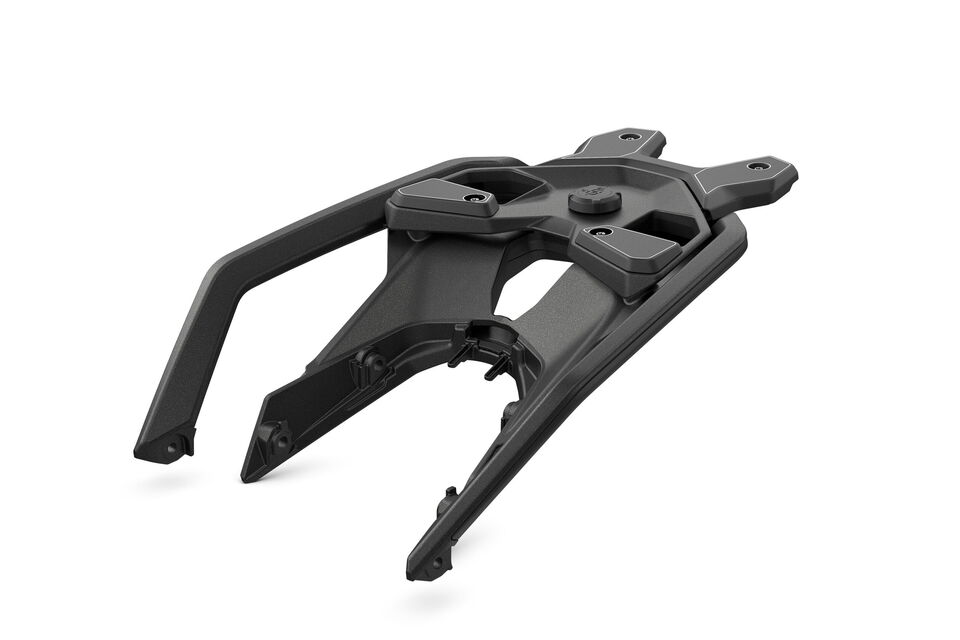
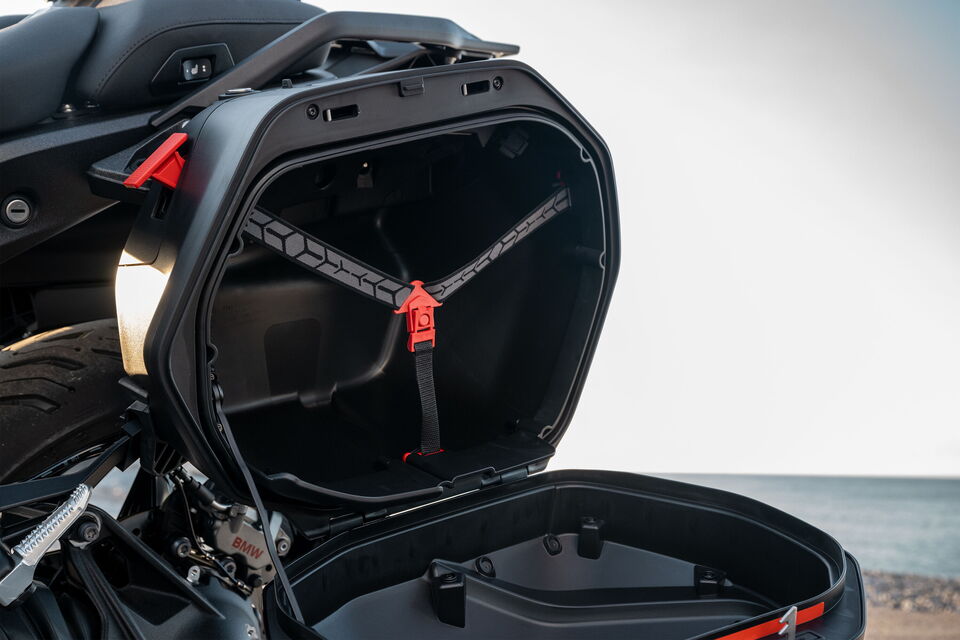
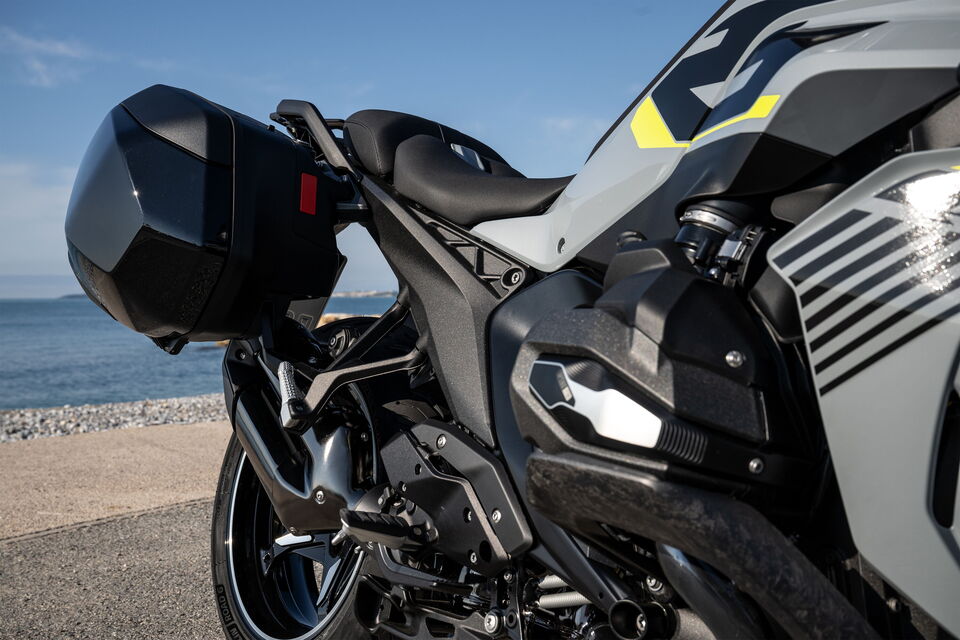
The 17-liter aluminum fuel tank provides around 350 km of range at approximately 4.8 liters per 100 km. That is good for a sport-tourer, but it does not provide a true long-distance reserve. BMW offers a three-piece powered luggage system: 26- and 29-liter side cases with interior lighting that open through the central locking system, plus a 39-liter top case. The system matches the RS fairing in both shape and color.
The additional cost is substantial, but the result is visually cohesive.
The optional Riding Assistant includes Active Cruise Control and Front Collision Warning. For riders who regularly spend long periods on the highway, it is money well spent. On backroads, ACC is of little relevance. Headlight Pro with adaptive cornering light is also optional and provides a genuine safety benefit when riding twisty roads at night.
Equipment: Four Versions—From Base to Performance
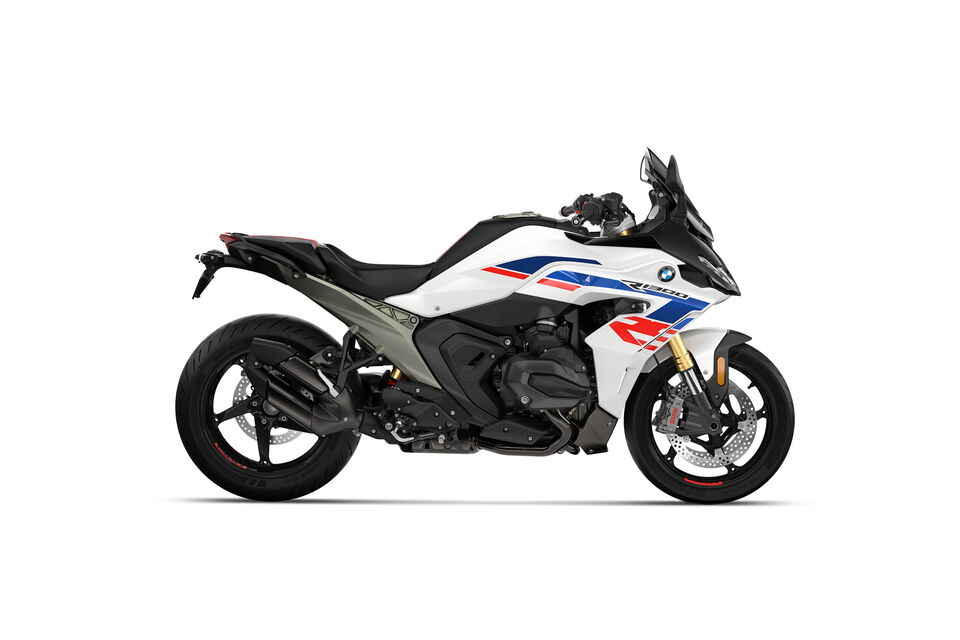
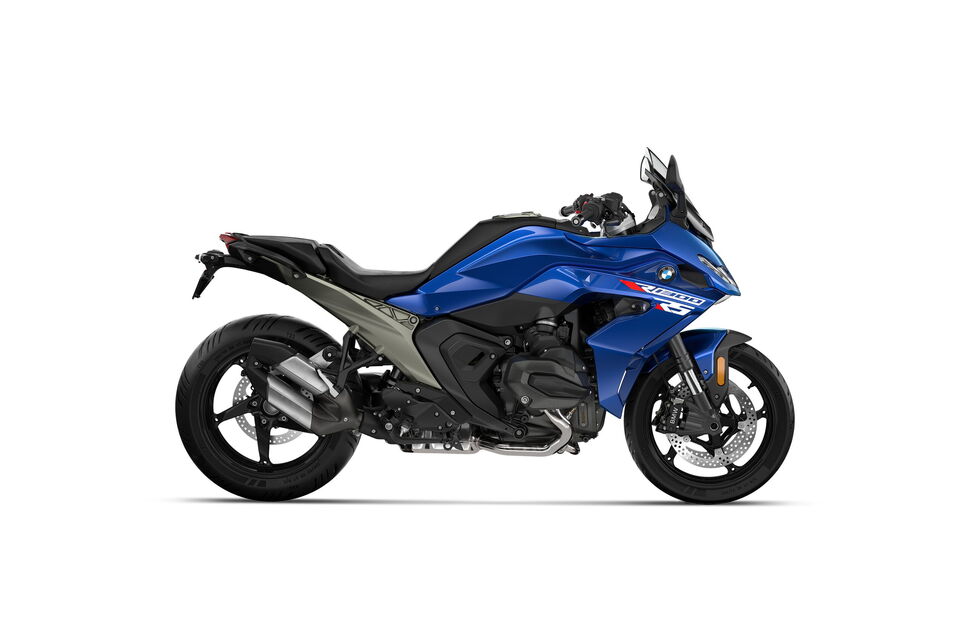
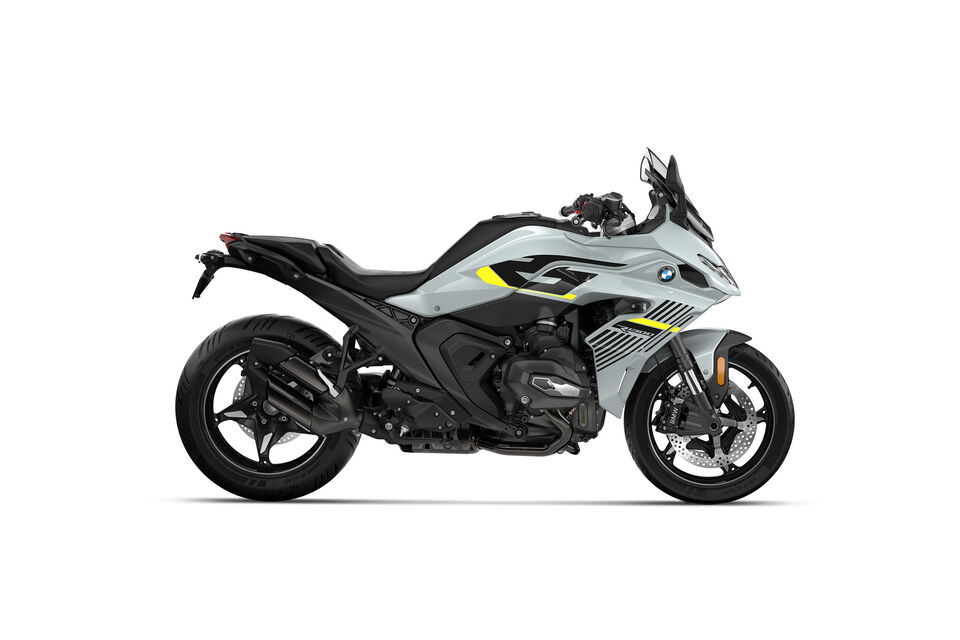
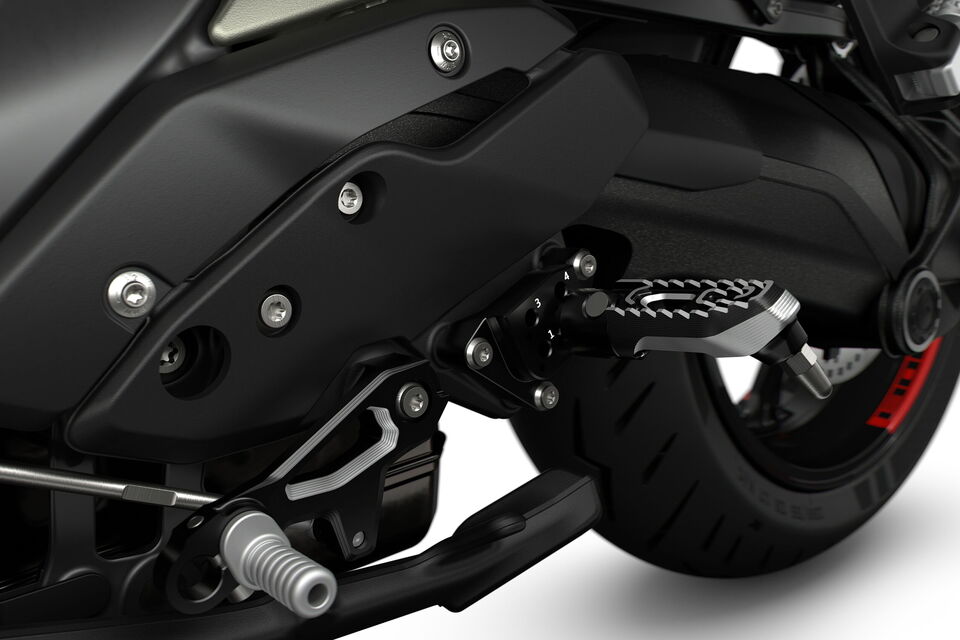
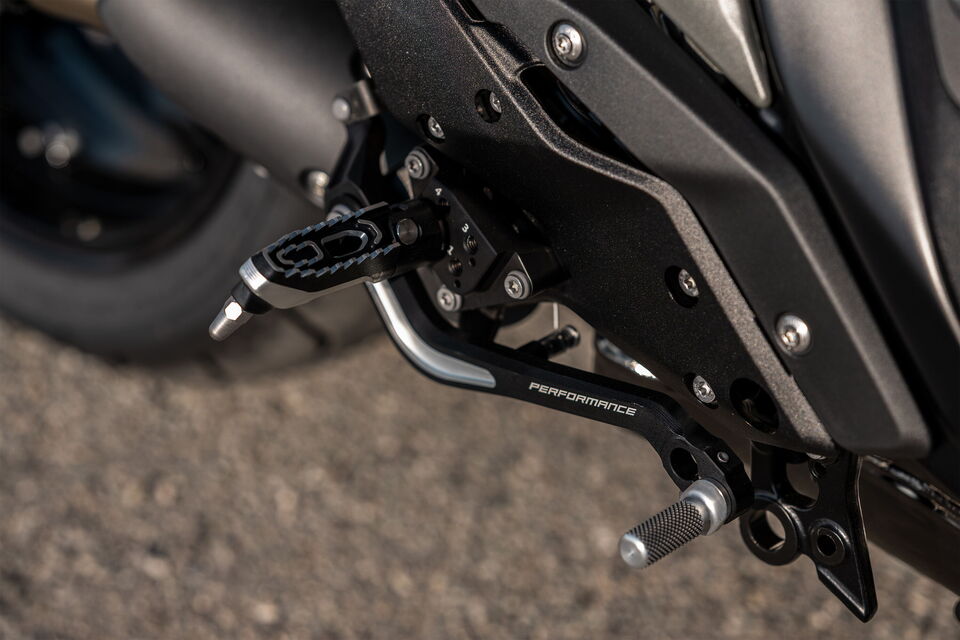
BMW offers the R 1300 RS in four versions: Base in Light White solid; Triple Black with monochrome black paint and dark-chrome exhaust; Performance with sport suspension, machined and adjustable footpegs, DTC Shift, sport tires, and Performance paint; and Option 719 Cuyamaca with exclusive Brooklyn Gray Metallic paint and tape graphics plus the Option 719 Shadow Billet Pack.
The Performance version is the recommended choice for riders who want to exploit the RS’s sporting side. The sport suspension alone justifies the premium.
Standard equipment includes Fully Integral ABS Pro, DTC, MSR, DBC, Hill Start Control, cruise control, Keyless Ride, Dynamic ESA, Shift Assistant Pro, three riding modes—Rain, Road, and Eco—TFT display with connectivity, two USB-C ports, 12-volt outlet, LED headlight, and Metzeler Roadtec 01 HWM tires.
Optional equipment includes Riding Modes Pro, DSA, DTC Shift, ASA, Riding Assistant with ACC and FCW, Headlight Pro, sport brakes, sport suspension—which comes standard on the Performance version—heated seat, cases, and top case.
Costs: €16,590—and the Comparison With the Competition Is Clear
The German base price is €16,590. These are the relevant comparison figures directly from the German importer or manufacturer: Yamaha Tracer 9 GT 2026 from around €16,000, Kawasaki Ninja 1100 SX around €15,500, Honda CB 1000 GT from €14,429. That makes the RS around €1,500 more expensive than the Kawasaki, around €1,000 more than the Yamaha at dealer pricing, and around €2,600 more than the Honda.
What justifies the premium? The boxer-and-shaft-drive combination is a concept no other manufacturer offers in the sport-touring segment: low-maintenance final drive, no chain lubricant, no chain adjustment. Then there is the distinctive riding character created by the boxer’s reaction torque when opening and closing the throttle. There is also the technical relationship with the GS. Riders who already own expensive accessories from another BMW can often share them between models.
Compared with the Kawasaki, the RS lacks its touring preparation—there is no integrated luggage system without paying extra—and the Kawasaki offers 129 Nm from 1,043 cc. Compared with the Honda, the RS lacks the generous standard equipment, including standard cases and electronically controlled suspension from the factory. The RS wins on engine character, suspension adjustability, and riding dynamics.
Service is required every 10,000 km at a BMW dealer and costs around €400 to €600. Valve-clearance inspection is required every 20,000 km and costs around €600 to €850. Shaft-drive service is required every 60,000 km. Metzeler Roadtec 01 HWM tires in 120/70 ZR17 and 190/55 ZR17 sizes are widely available and reasonably priced. Warranty: two years with unlimited mileage.
Verdict
The BMW R 1300 RS is the most convincing boxer-and-shaft-drive sport-tourer BMW has ever built. 145 hp, 149 Nm, Dynamic ESA standard, 790 mm seat height, 88 dB(A)—and a character no competitor can duplicate.
The price is higher than the Kawasaki and Honda, the luggage system costs extra, and the menu system remains complex. If you want the boxer—and many riders want exactly that—you get the best version of it here.
Quick Check
+ 145 hp, 149 Nm—the most powerful boxer in a sport-tourer
+ Dynamic ESA standard—semi-active suspension at no extra charge
+ Shaft drive—low-maintenance, no chain lubrication, no chain adjustment
+ 790 mm seat height—the lowest in the R 1300 boxer family and highly accessible
+ Shift Assistant Pro standard, ASA optional
+ Metzeler Roadtec 01 HWM standard—premium touring tire
+ 88 dB(A) stationary noise—no Tyrol riding restriction
+ Four clearly defined versions: Base / Triple Black / Performance / Option 719
– €16,590—more expensive than the Kawasaki Ninja 1100SX (€15,045) and Honda CB1000GT (€14,429)
– Luggage system costs a substantial premium—standard on the Honda
– 245 kg—16 kg heavier than the Yamaha Tracer 9 GT
– Windscreen is manually adjustable only—no electric windscreen
– 140/130 mm of suspension travel—less than most adventure-tourers
– Complex menu system—as on all BMW 1,300 cc models
– 17-liter fuel tank—around 350 km of range
Technical Specifications: BMW R 1300 RS (2026)
Country of manufacture: Germany (Berlin-Spandau)
Engine: Air/liquid-cooled two-cylinder boxer, DOHC, BMW ShiftCam, anti-hopping clutch, Euro 5+
Displacement: 1,300 cc
Power: 107 kW (145 hp) at 7,750 rpm
Torque: 149 Nm at 6,500 rpm
Transmission: 6-speed, Shift Assistant Pro standard; ASA optional
Final drive: Shaft, EVO Paralever
Frame: Sheet-steel shell main frame, aluminum rear subframe
Front suspension: USD telescopic fork with flex element for handlebar-tilt decoupling, Dynamic ESA standard, 140 mm travel; DSA with variable spring rate optional with Dynamic Package
Rear suspension: EVO Paralever, cast-aluminum single-sided swingarm with continuous swingarm pivot axle, central shock, Dynamic ESA standard, 130 mm travel
Front brakes: Dual 310 mm discs, four-piston radial calipers
Rear brake: 285 mm disc, two-piston floating caliper
Wheels: Cast-aluminum wheels, 1.4 kg lighter than the predecessor
Front tire: 120/70 ZR17, Metzeler Roadtec 01 HWM standard
Rear tire: 190/55 ZR17, Metzeler Roadtec 01 HWM standard
Rider aids: Fully Integral ABS Pro with lean-angle optimization, DTC, MSR, DBC, HSC, cruise control, Dynamic ESA standard, 3 riding modes—Rain/Road/Eco; Riding Modes Pro, DSA, DTC Shift, Riding Assistant with ACC + FCW optional
Stationary noise: 88 dB(A)
Wet weight: 245 kg
Seat height: 790 mm, optional 785–845 mm depending on seat; Performance version: 800 mm
Wheelbase: 1,517 mm
Fuel capacity: 17 liters
Luggage system: 26 + 29-liter side cases plus 39-liter top case, powered for lighting and locking, extra-cost option
Price (Germany): from €16,590 plus additional charges
Warranty: 2 years, unlimited mileage