Review BMW S 1000 XR (2026)

the Surface-to-Surface Missile With Touring Luggage
170 hp, a windshield, luggage mounts – and still the kind of motorcycle that can put your license in constant danger. For a decade, the BMW S 1000 XR has promised that riders do not have to choose: mountain pass or commute, knee sliders or hard cases. For 2026, BMW sharpens that promise again with more power, more standard equipment, and more comfort – while the base price has climbed to nearly EUR 20,000. Riders who have tested the current XR call it a grenade, an almost perfect motorcycle with no real weaknesses. That sounds like advertising. It is not. It is more like a warning.
As of: August 22, 2026 | Model: BMW S 1000 XR (2026; 999 cc inline-four; sport-tourer / adventure sport; no A2 version) | Manufacturer: BMW Motorrad, Bayerische Motoren Werke AG, Munich, Germany | German price: from EUR 19,690 plus freight and handling; M 1000 XR from EUR 26,390 | Warranty: 2 years | Service every 10,000 km or annually
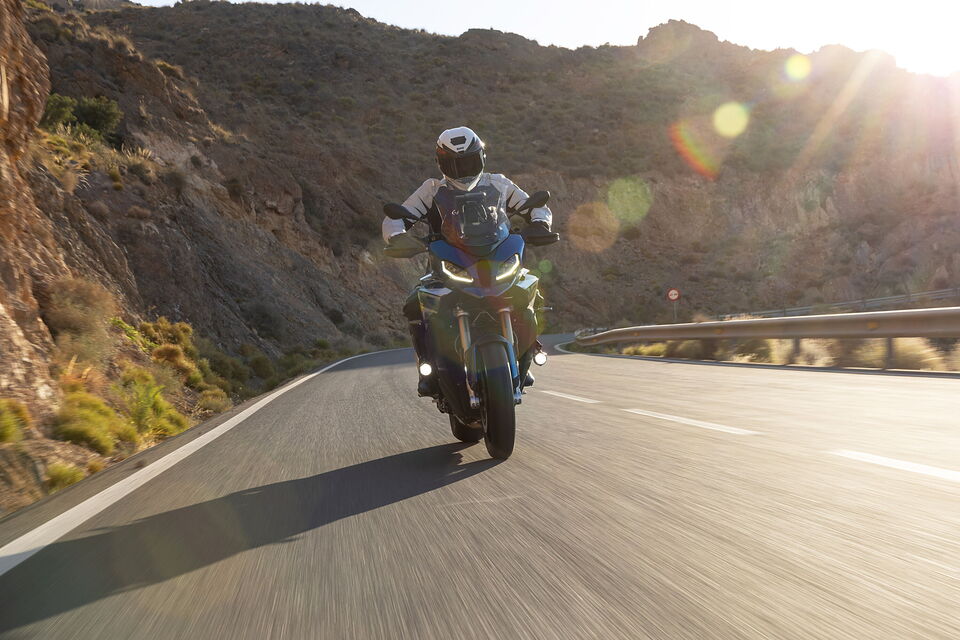
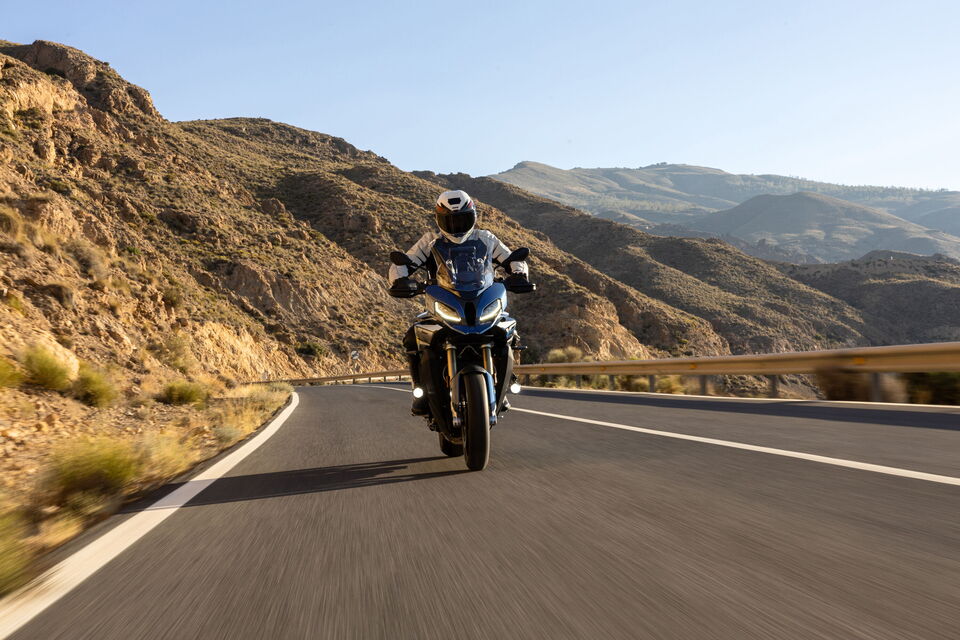
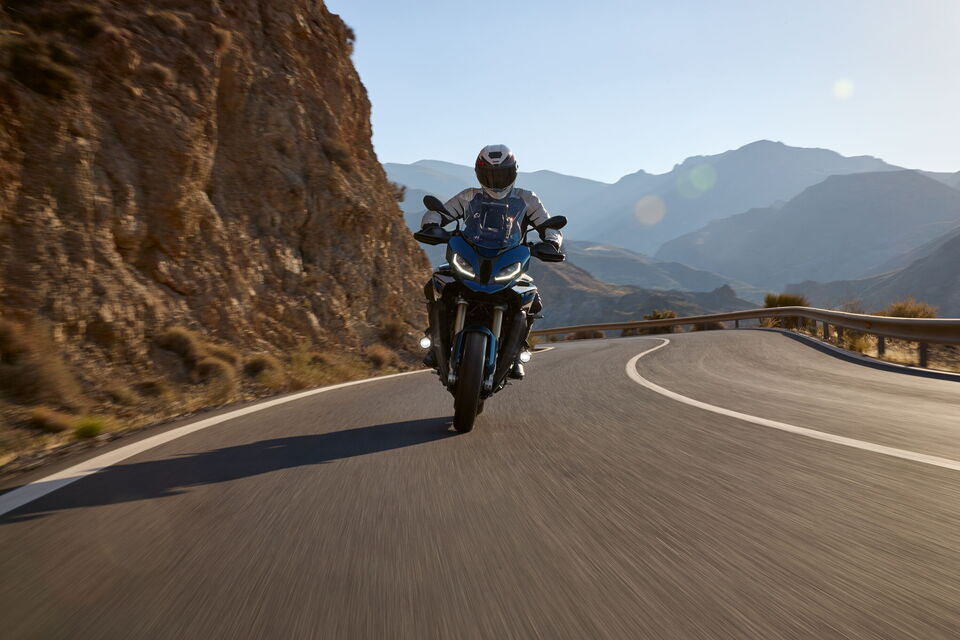
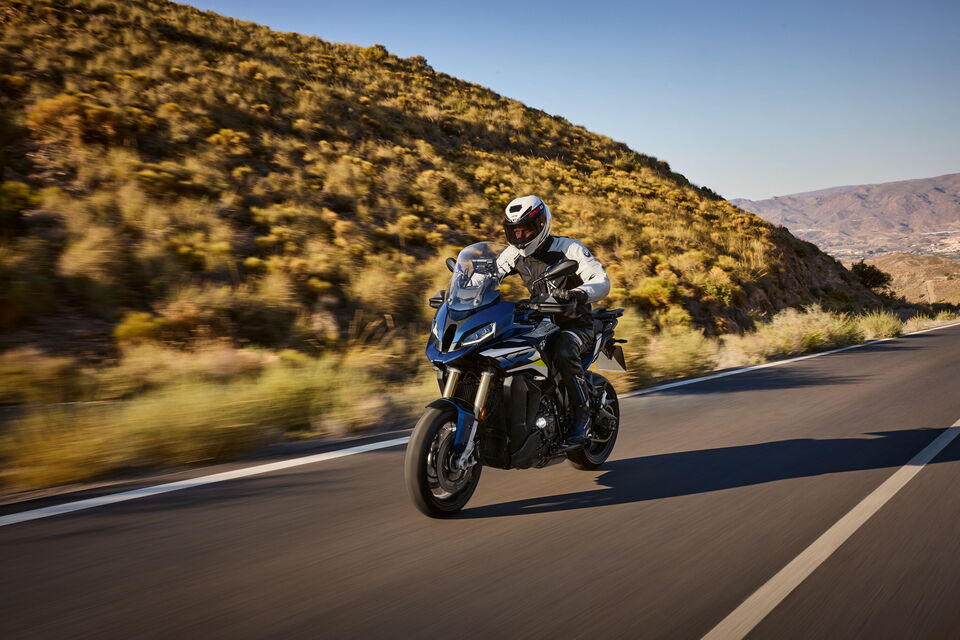
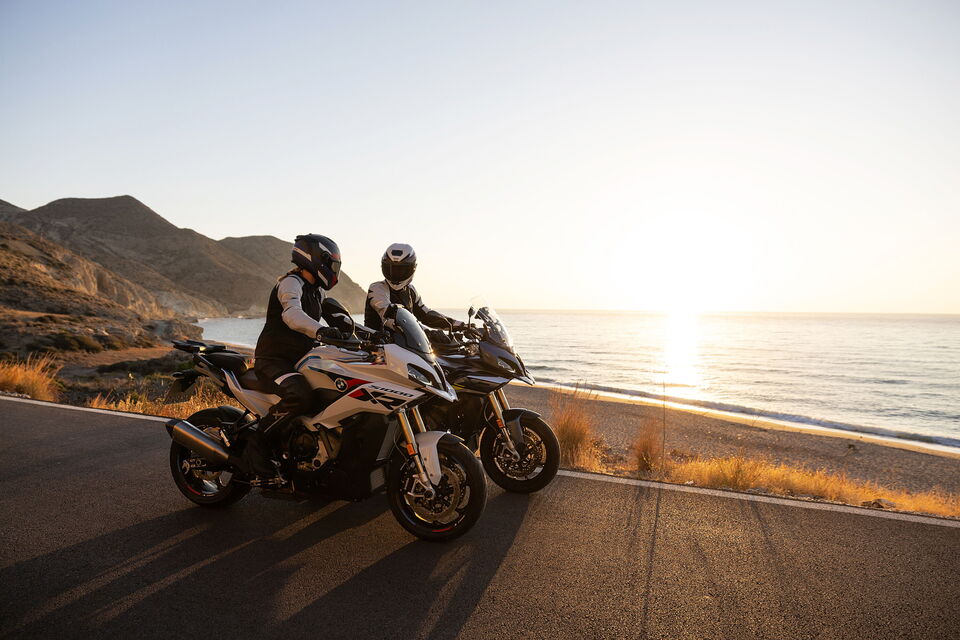
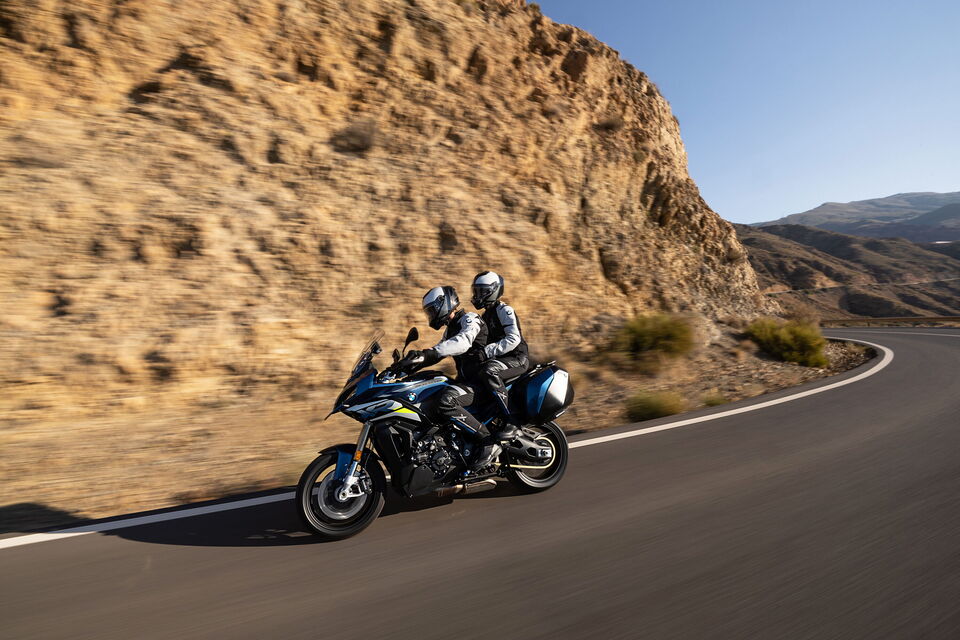
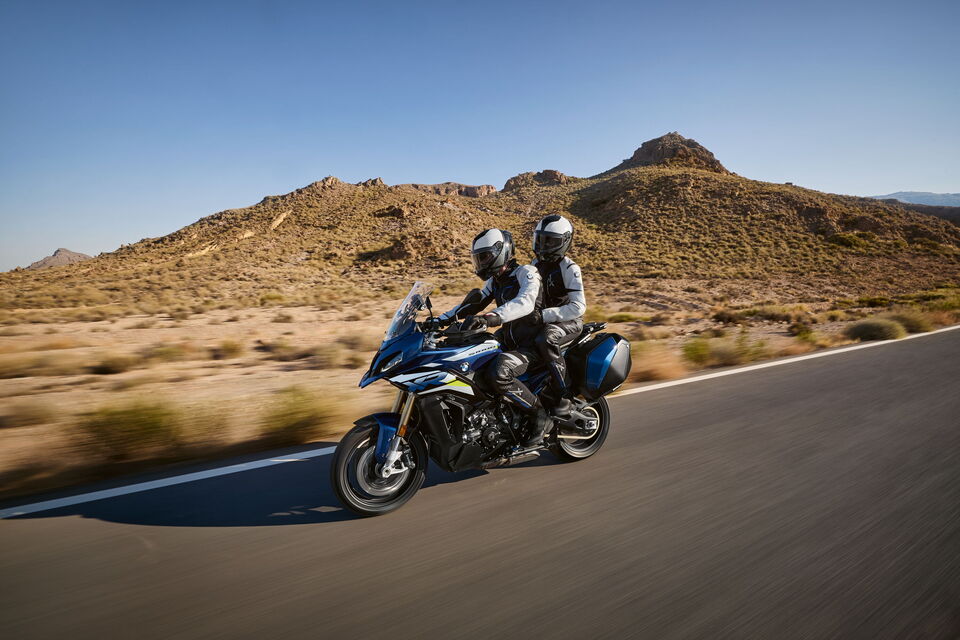
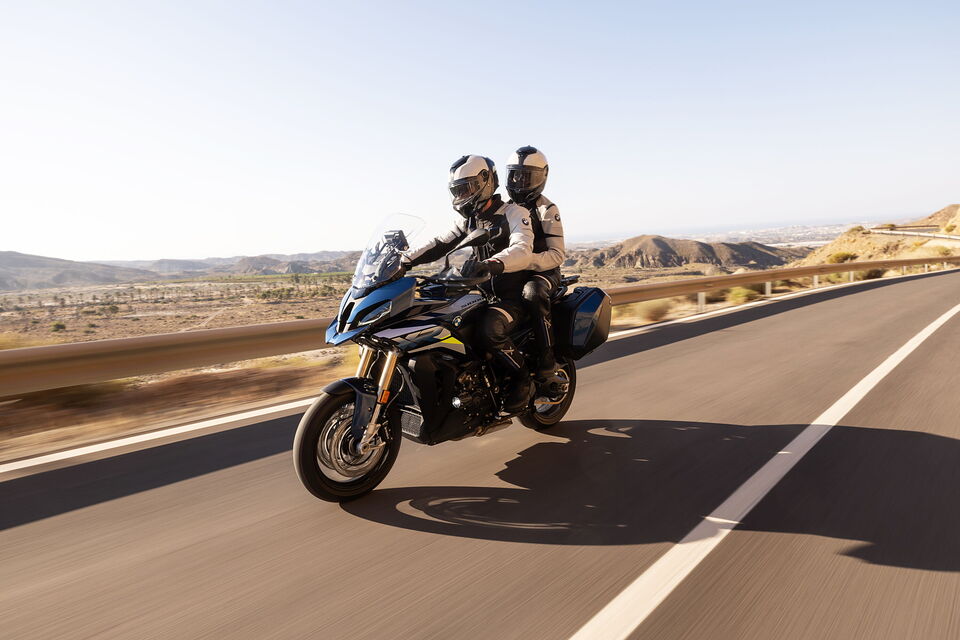
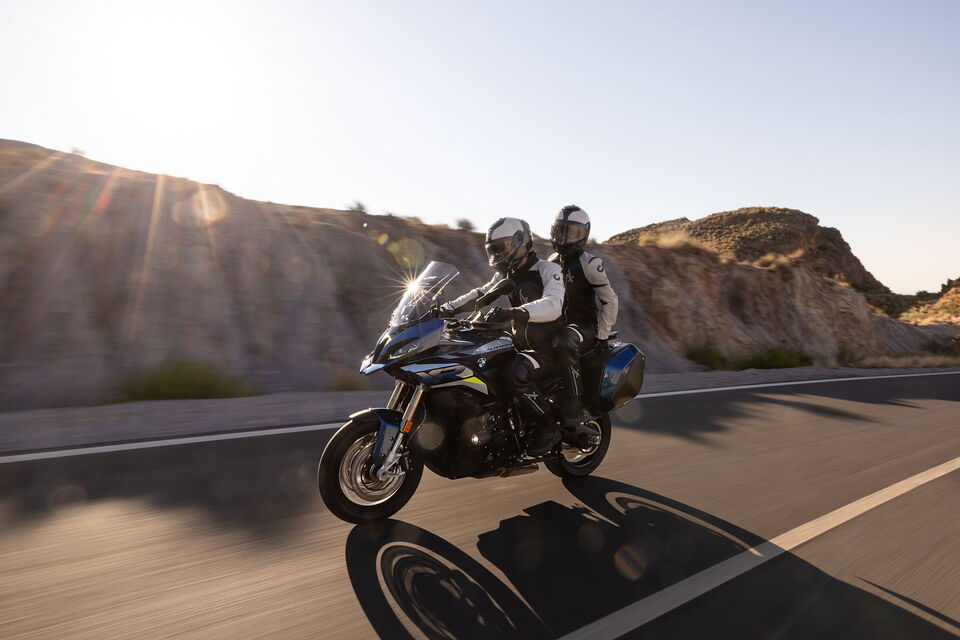
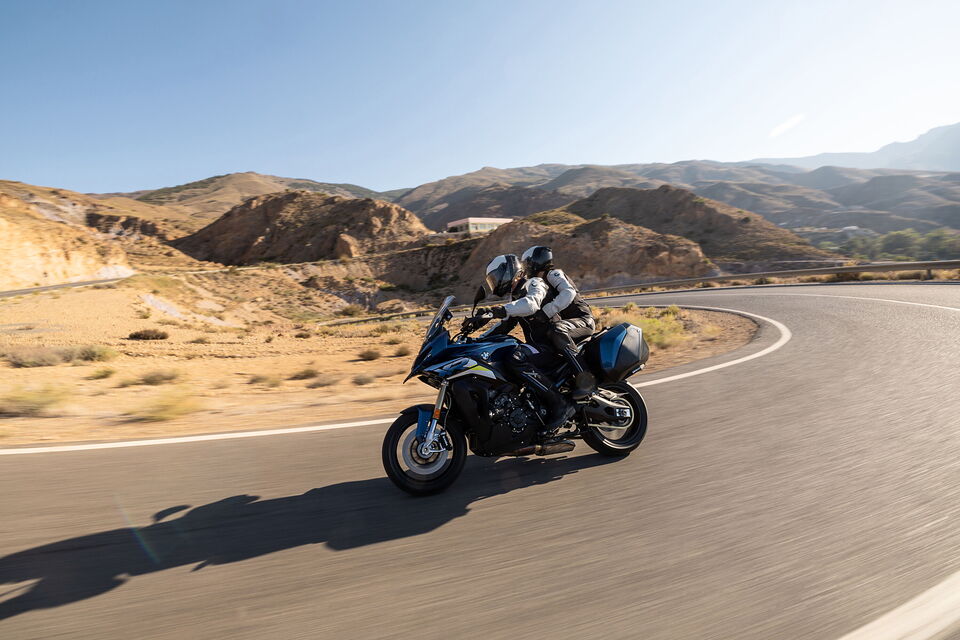

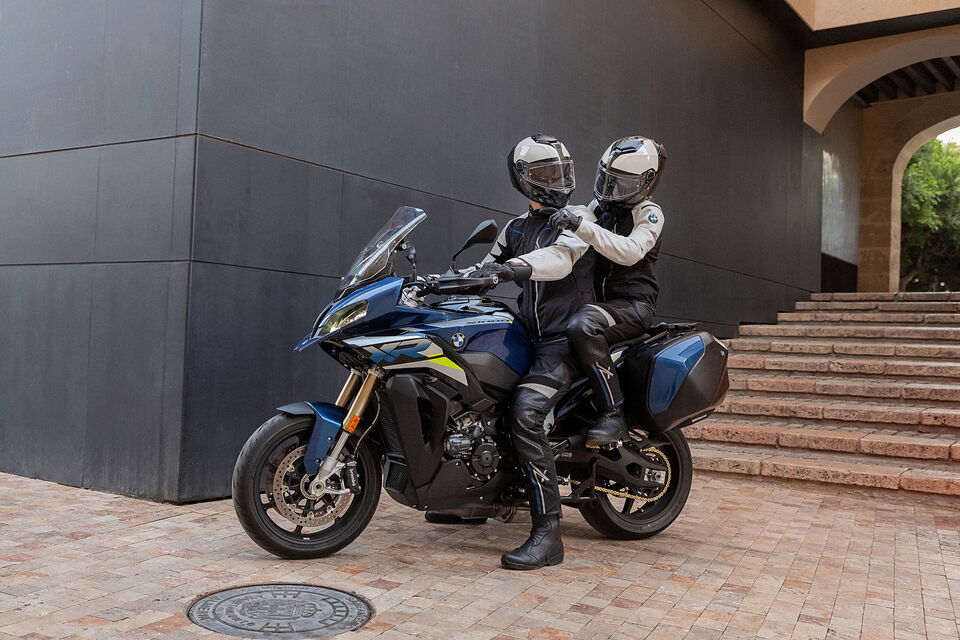

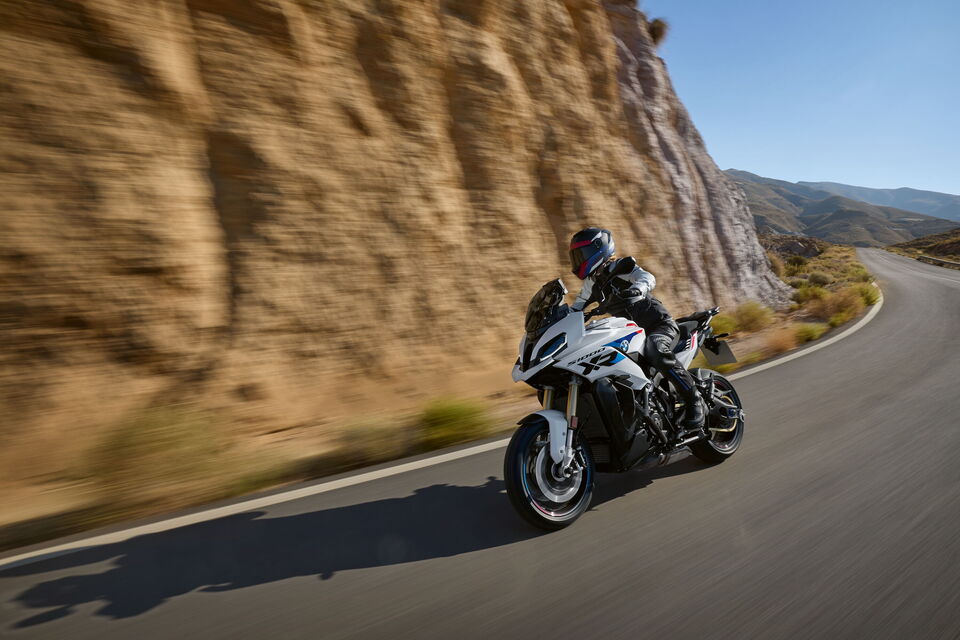
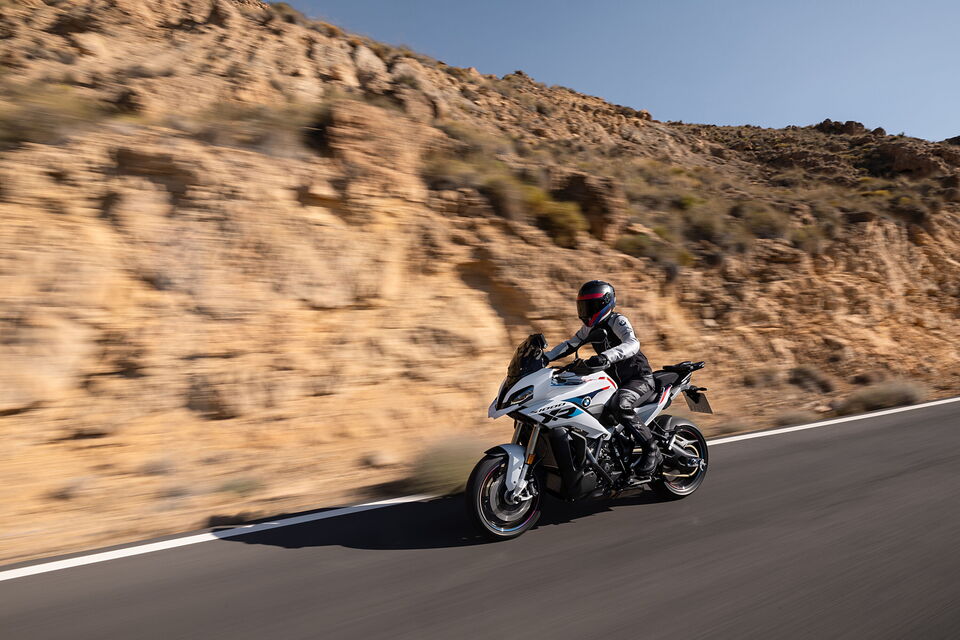
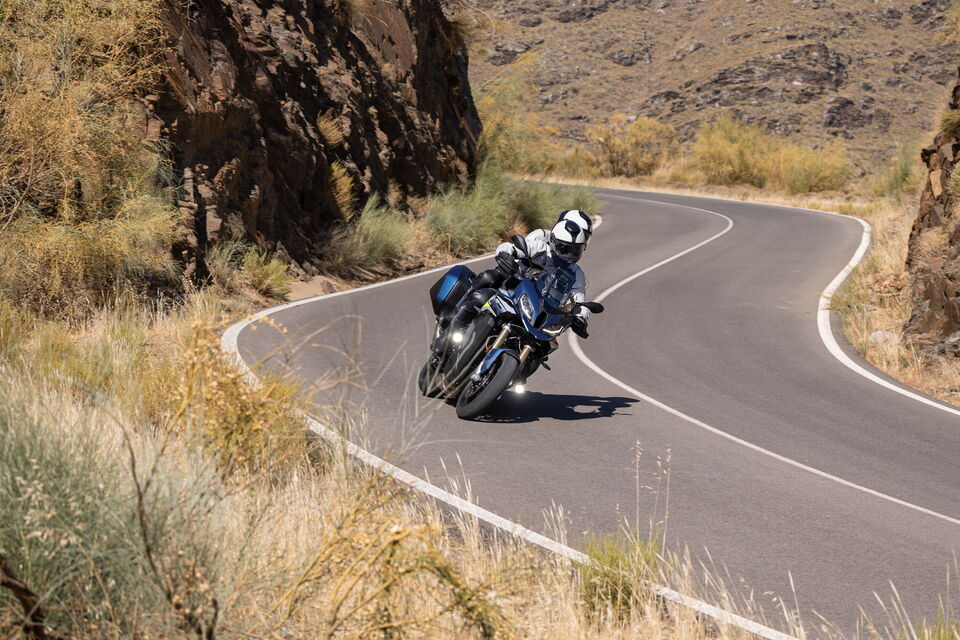

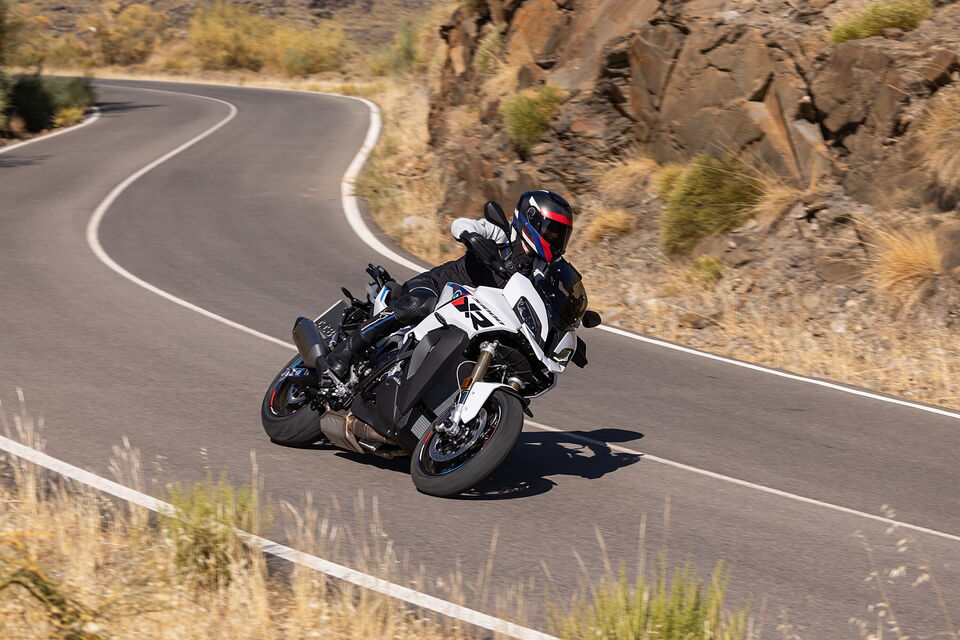
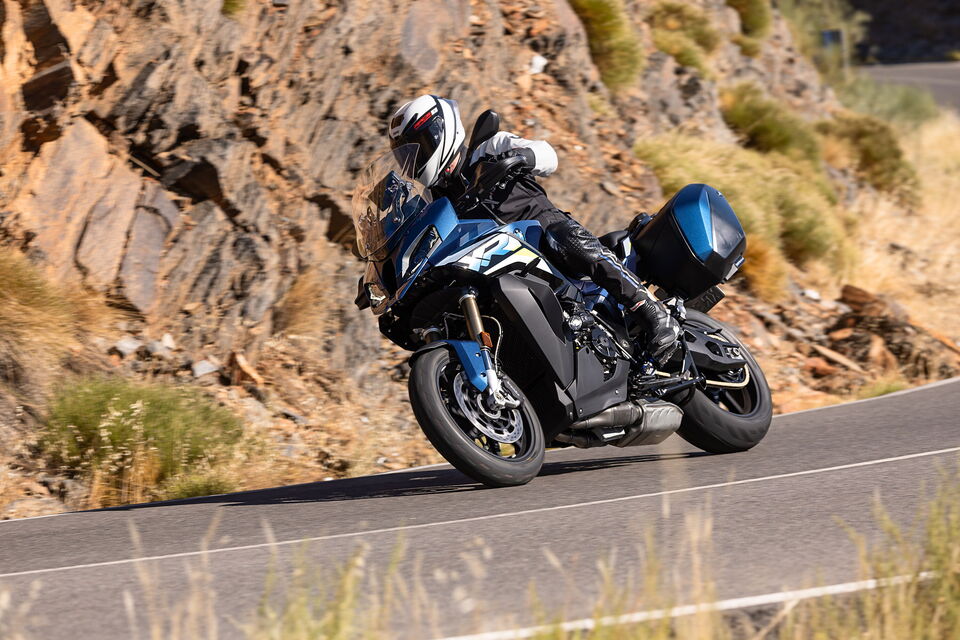
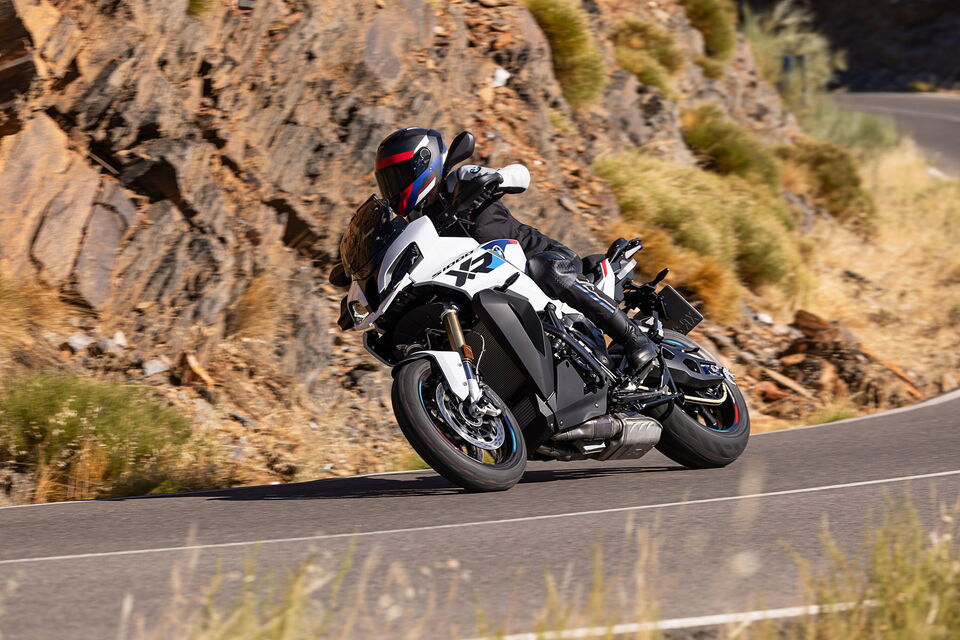
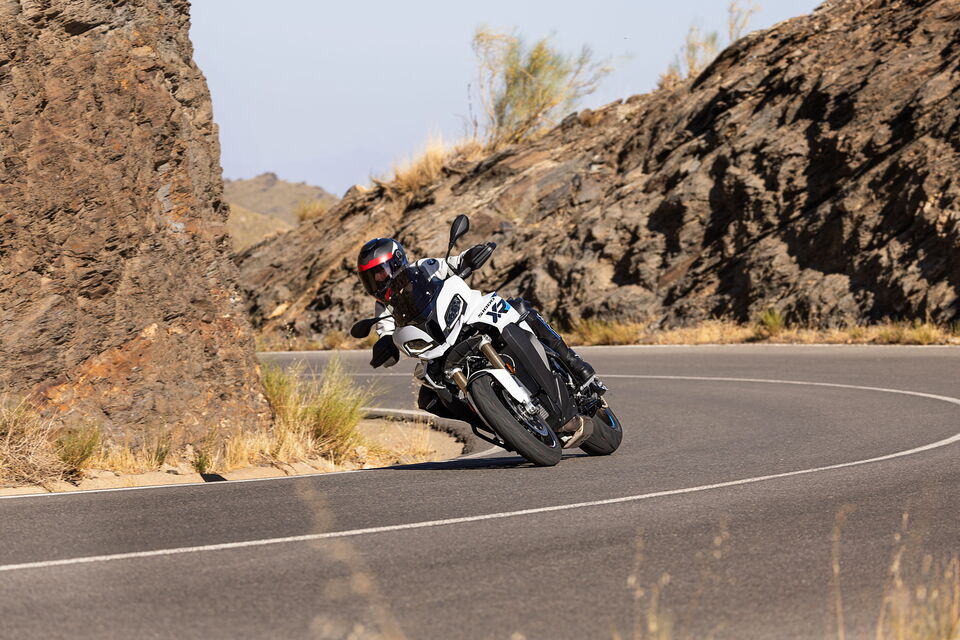
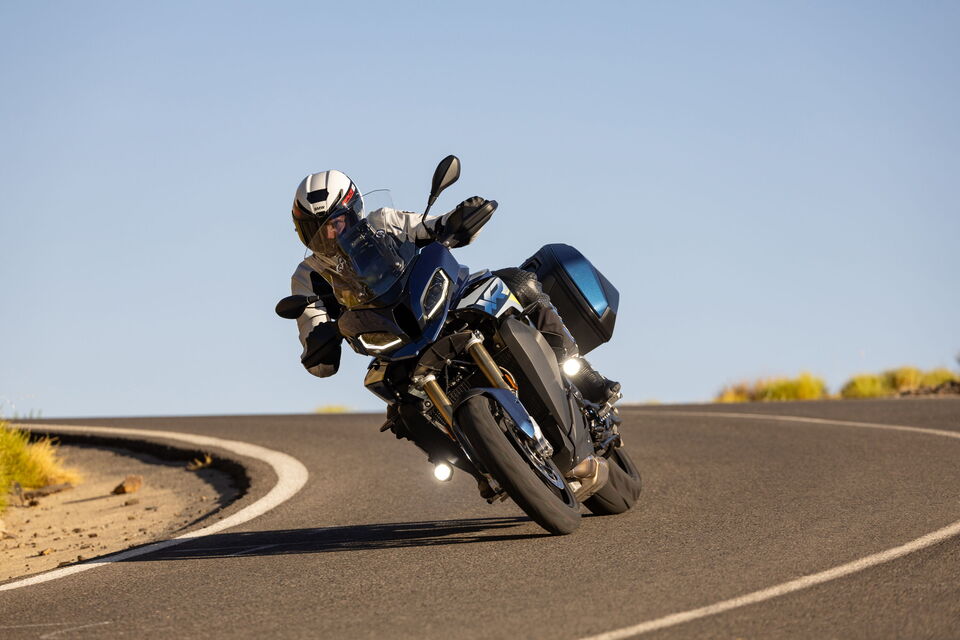
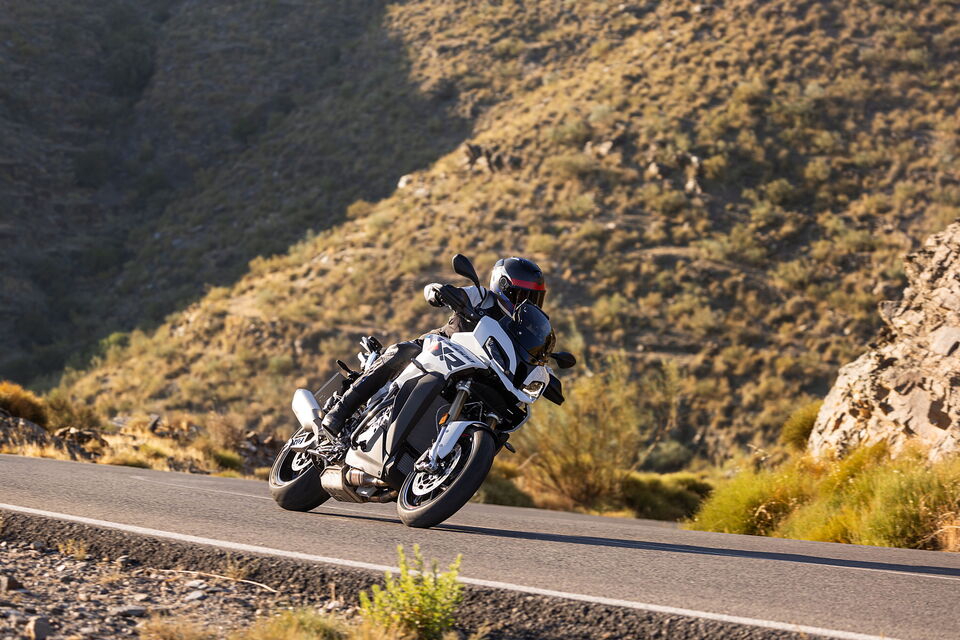
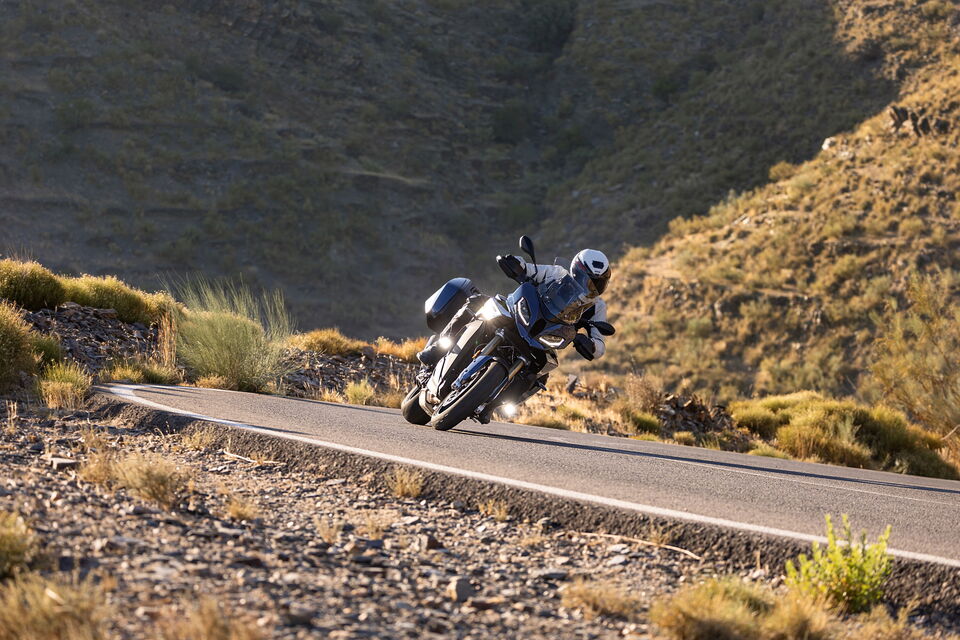
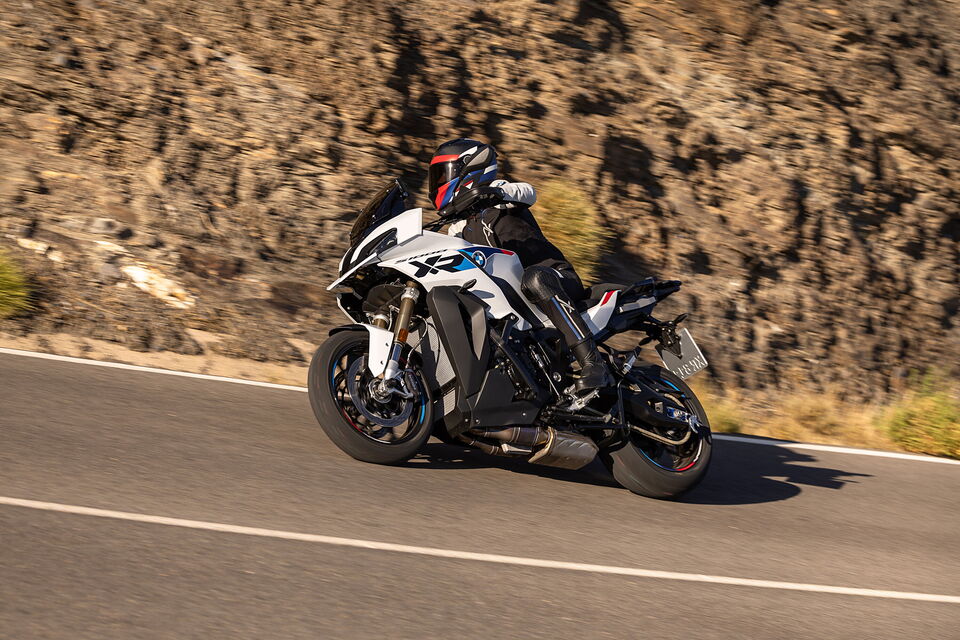
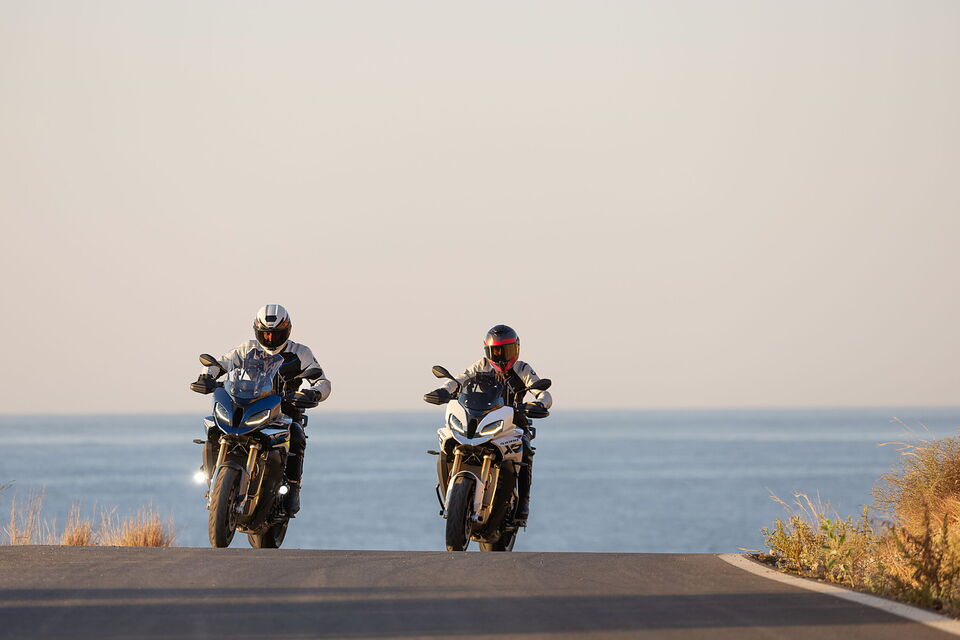

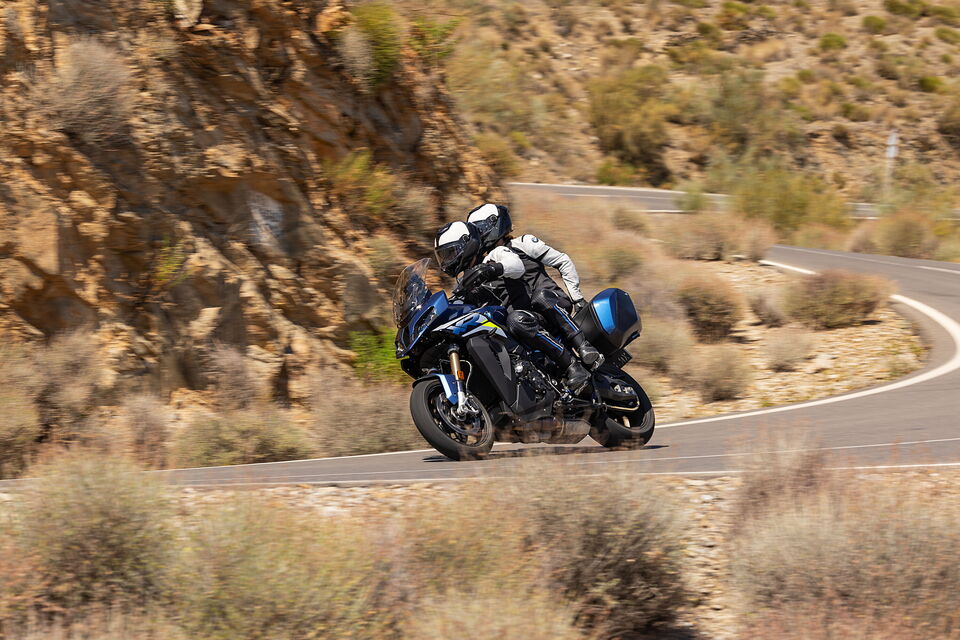
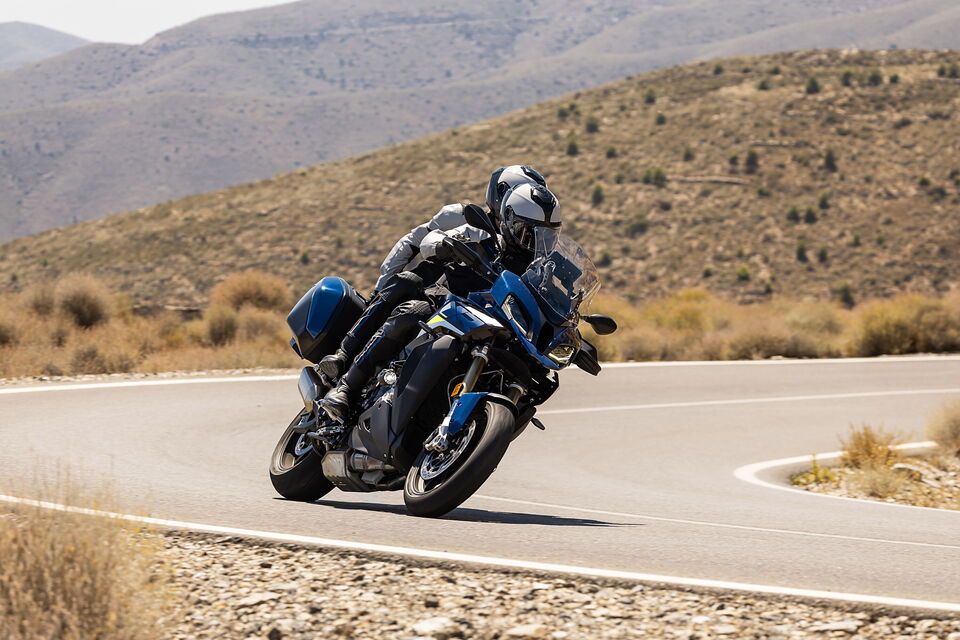


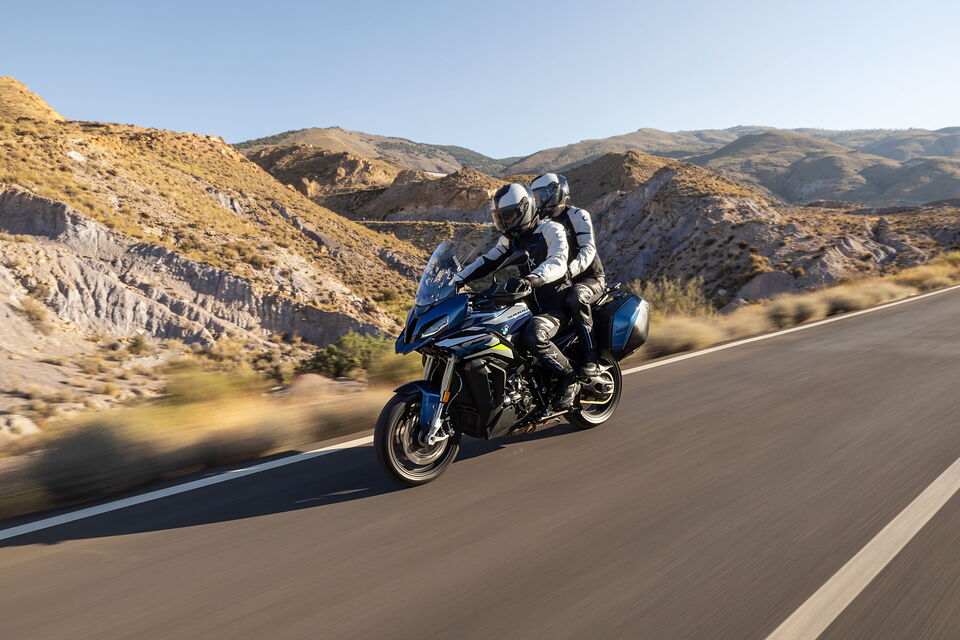
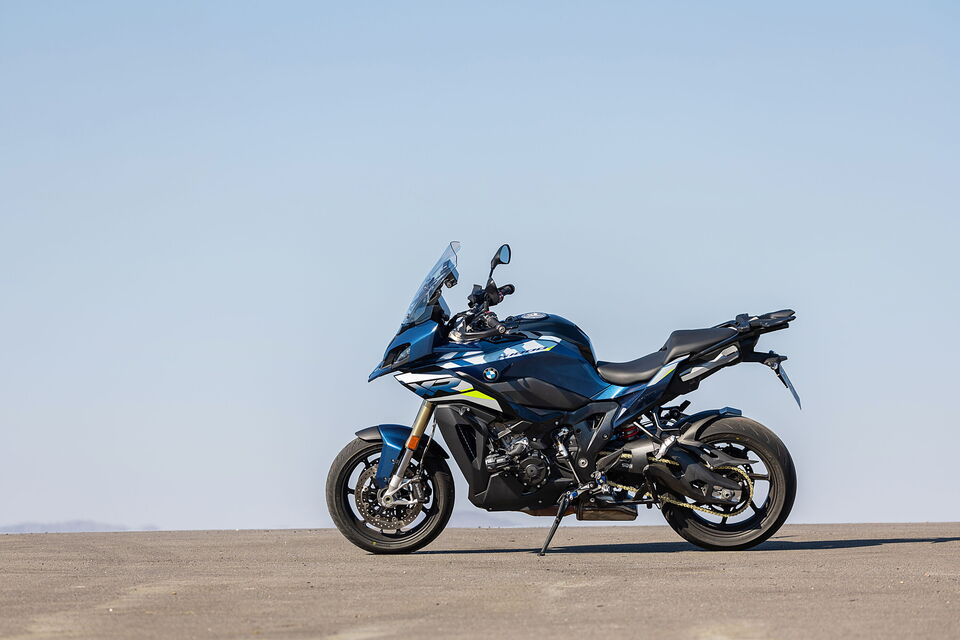
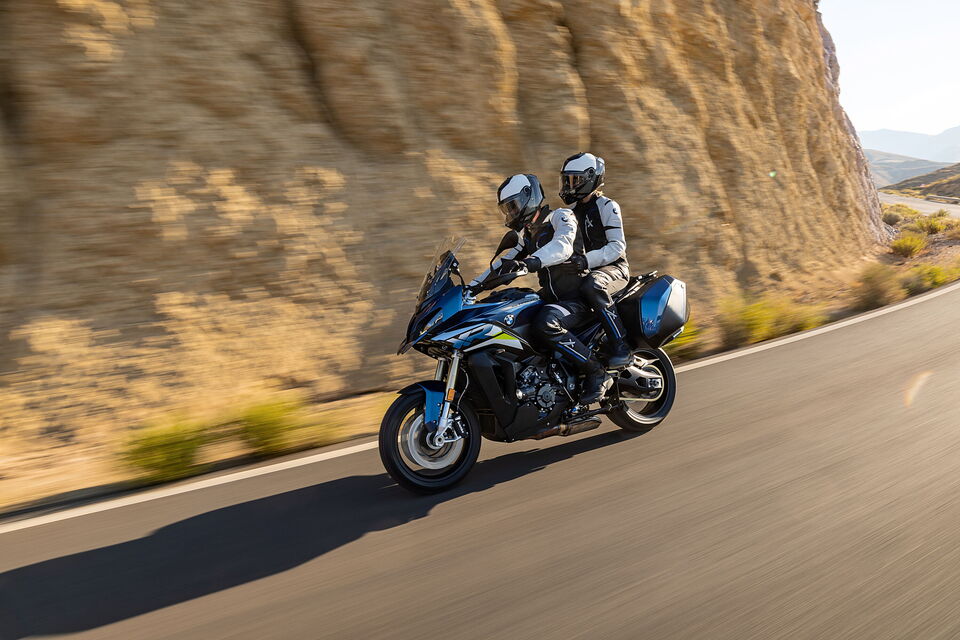
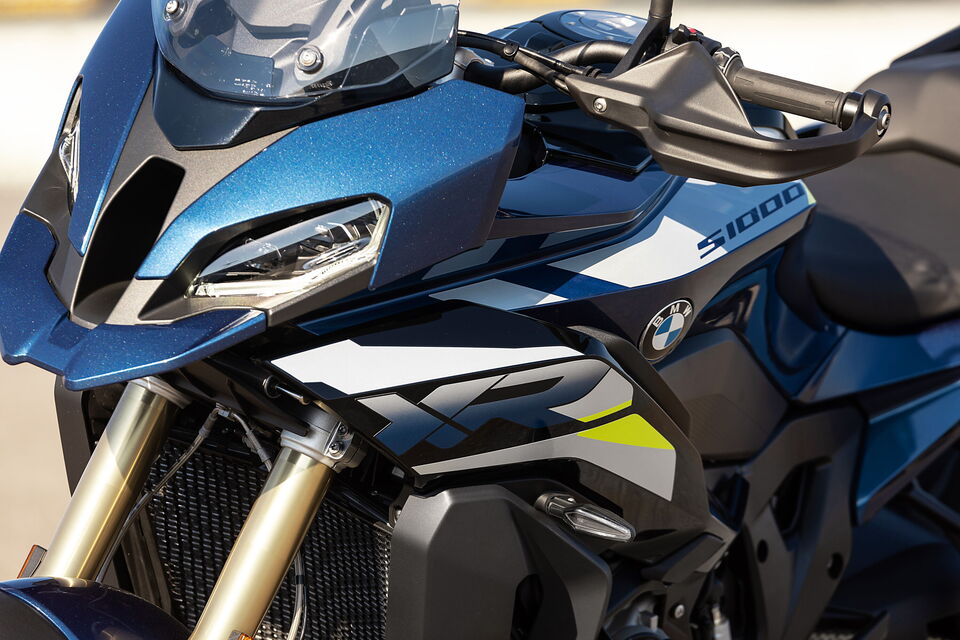
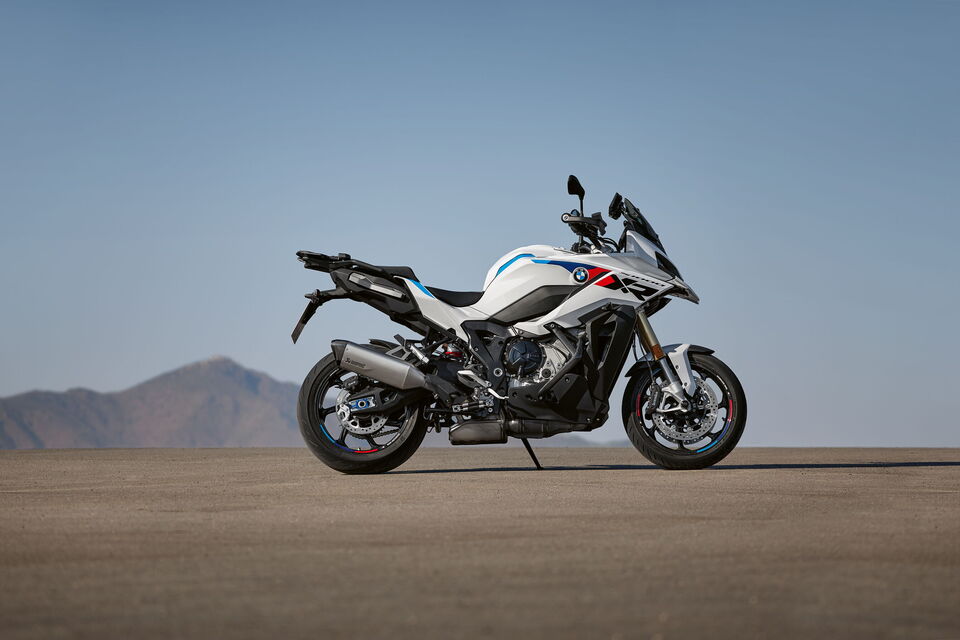
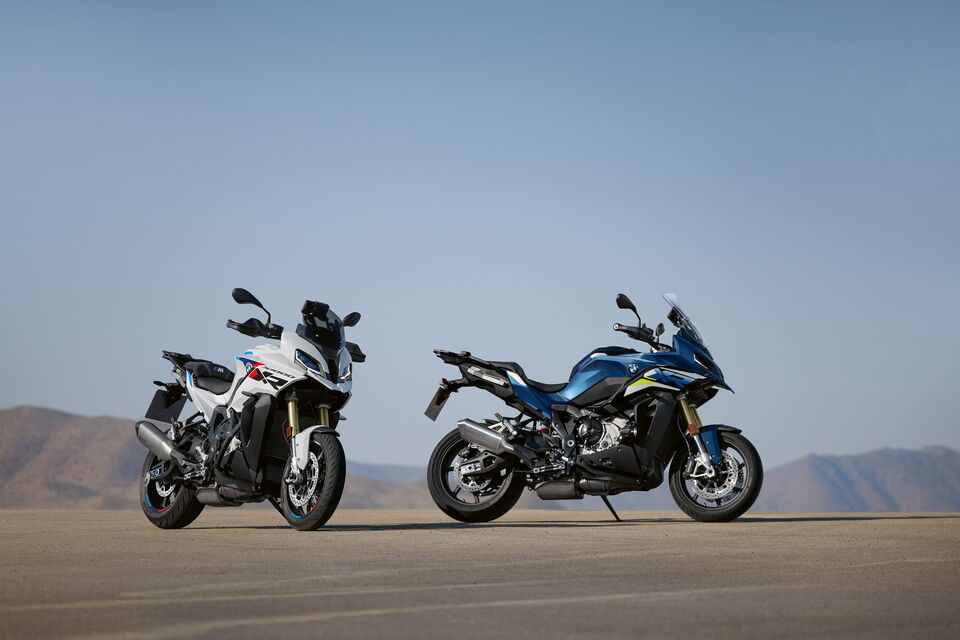
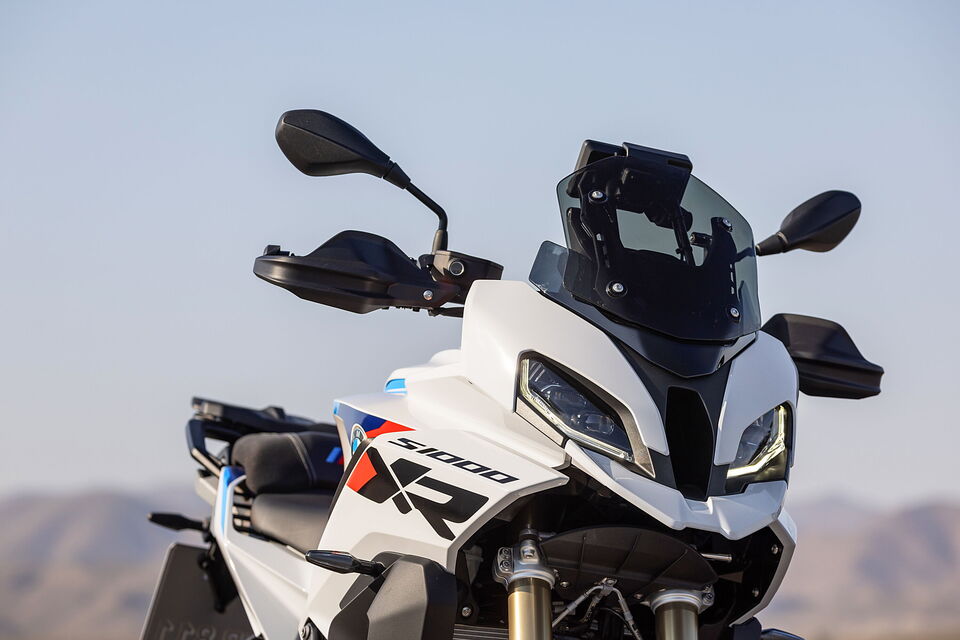
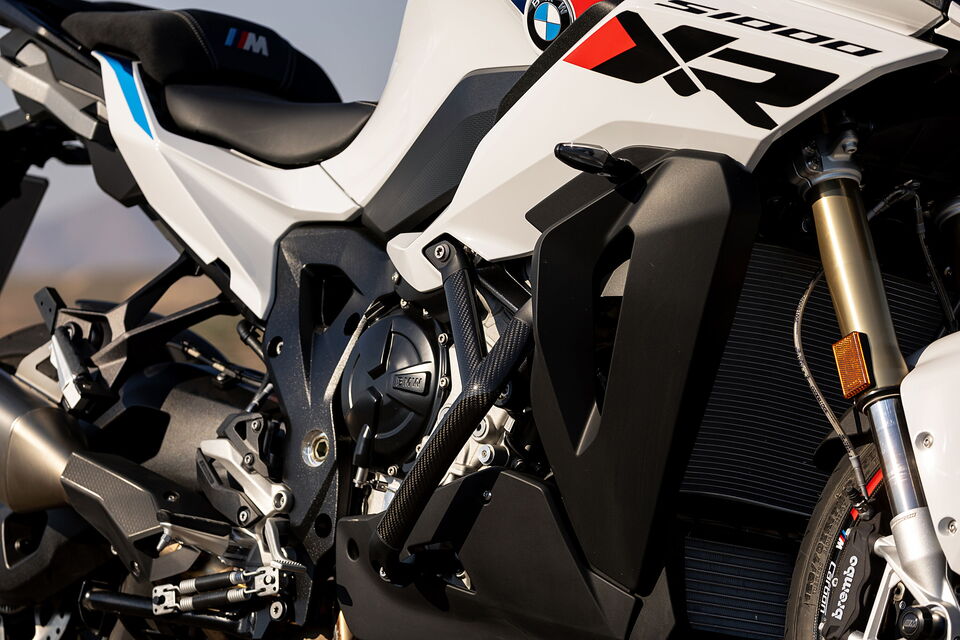
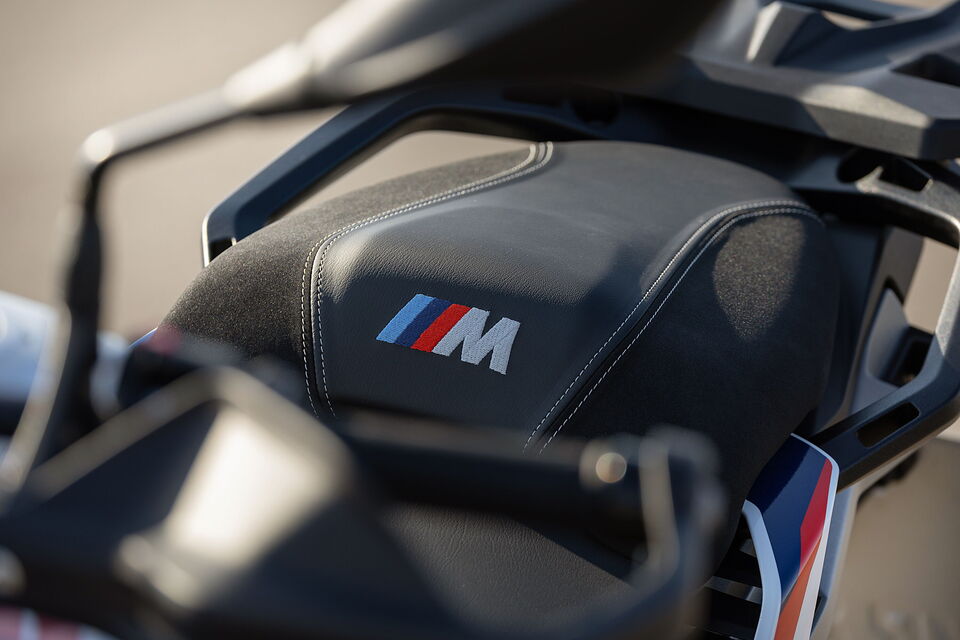
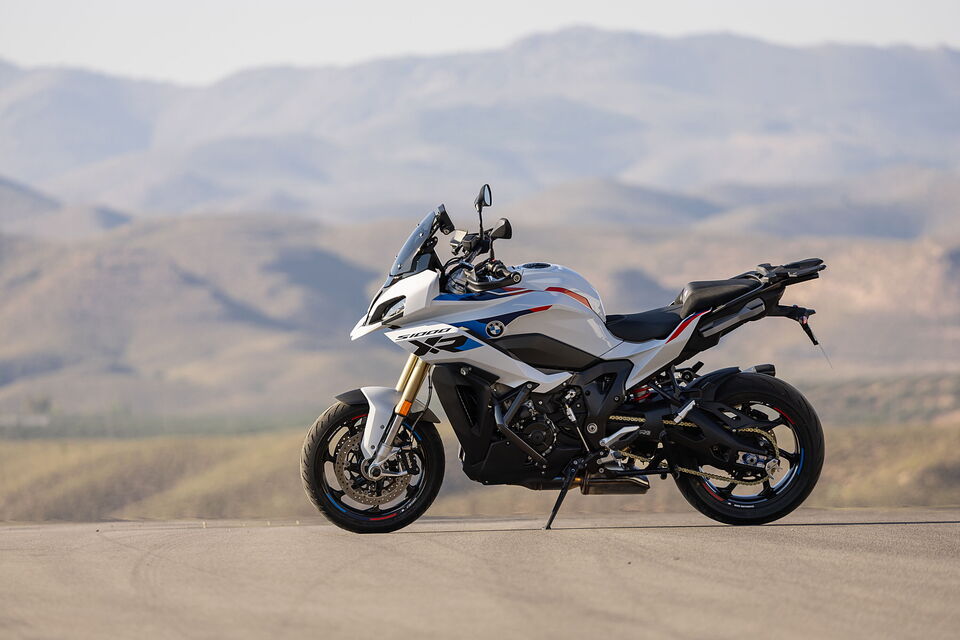
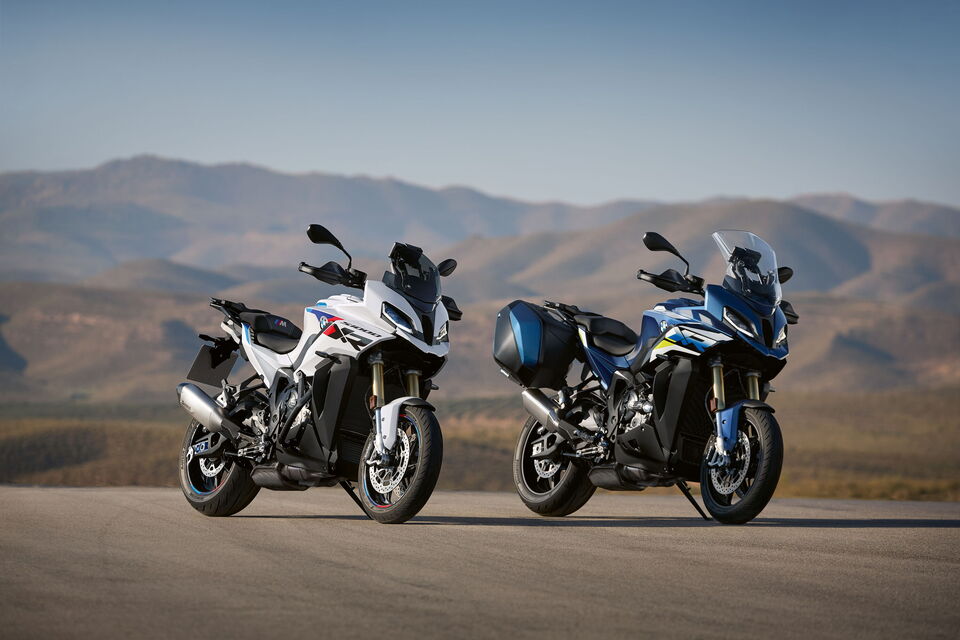
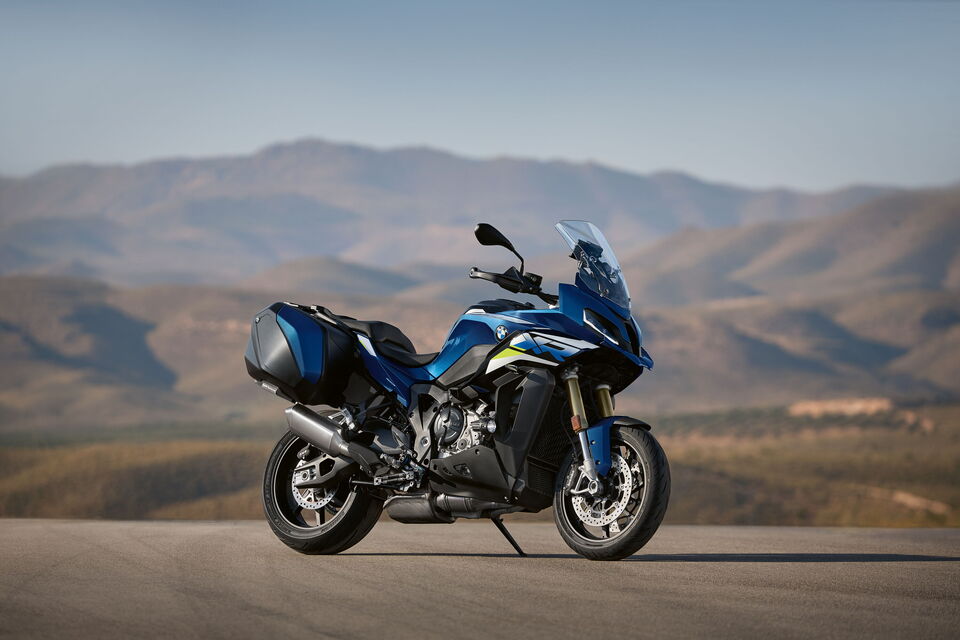
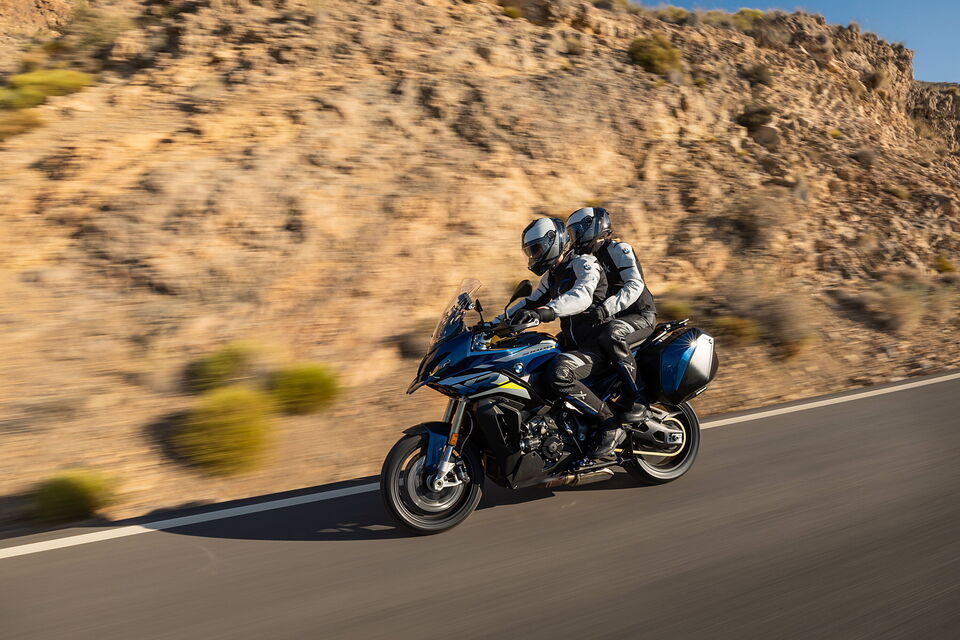
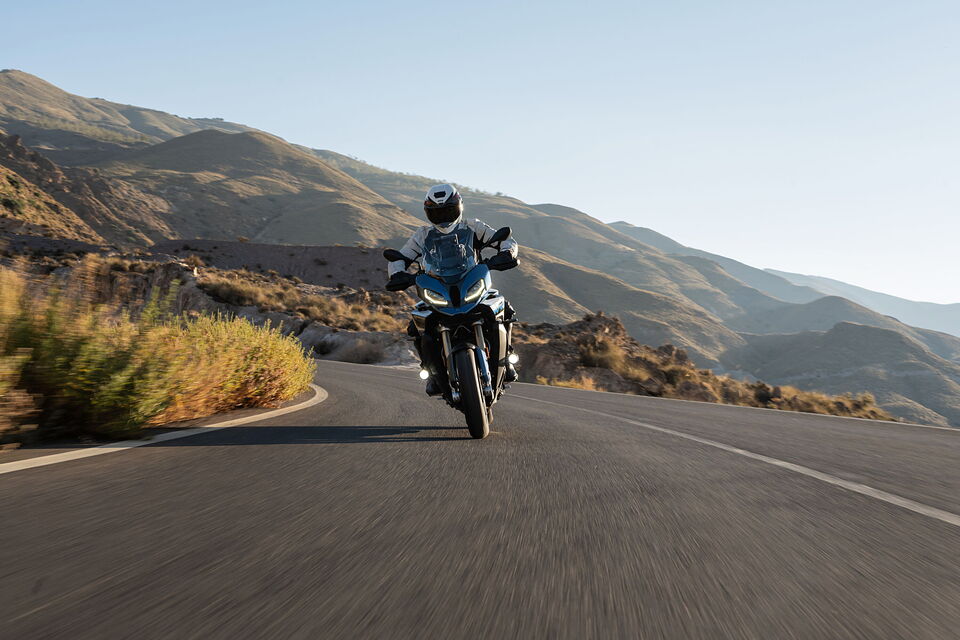
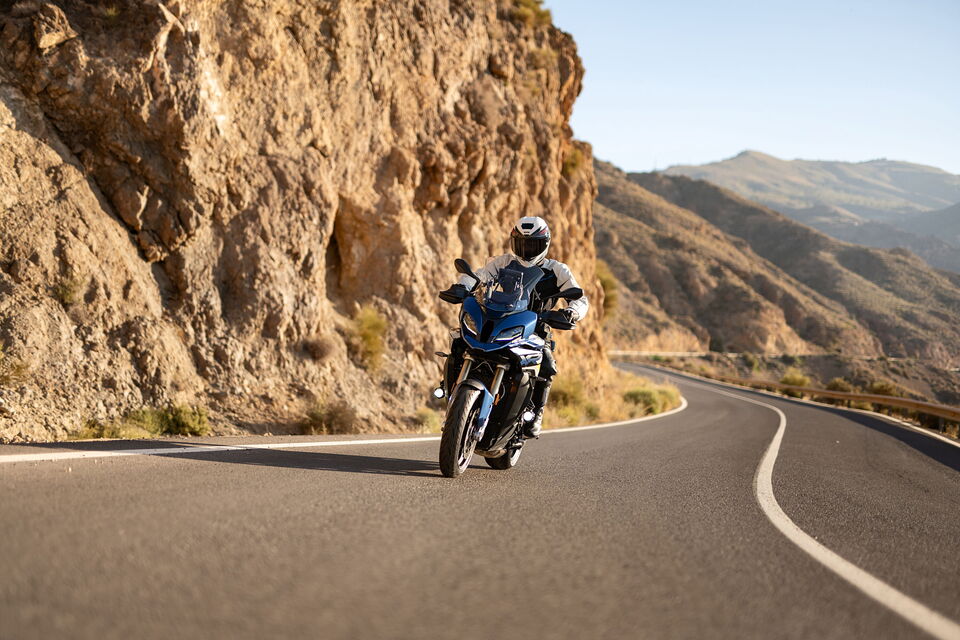

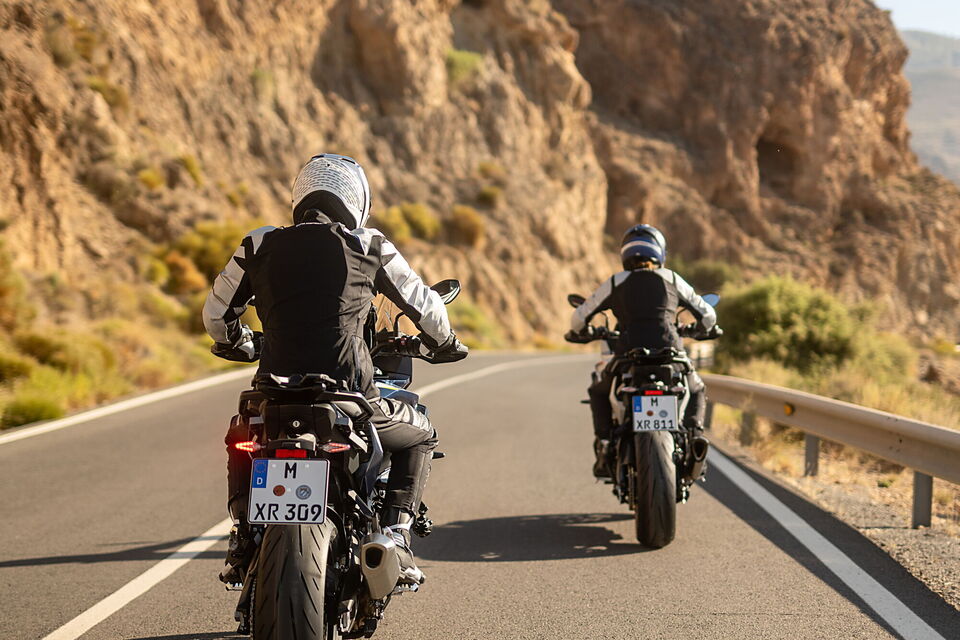
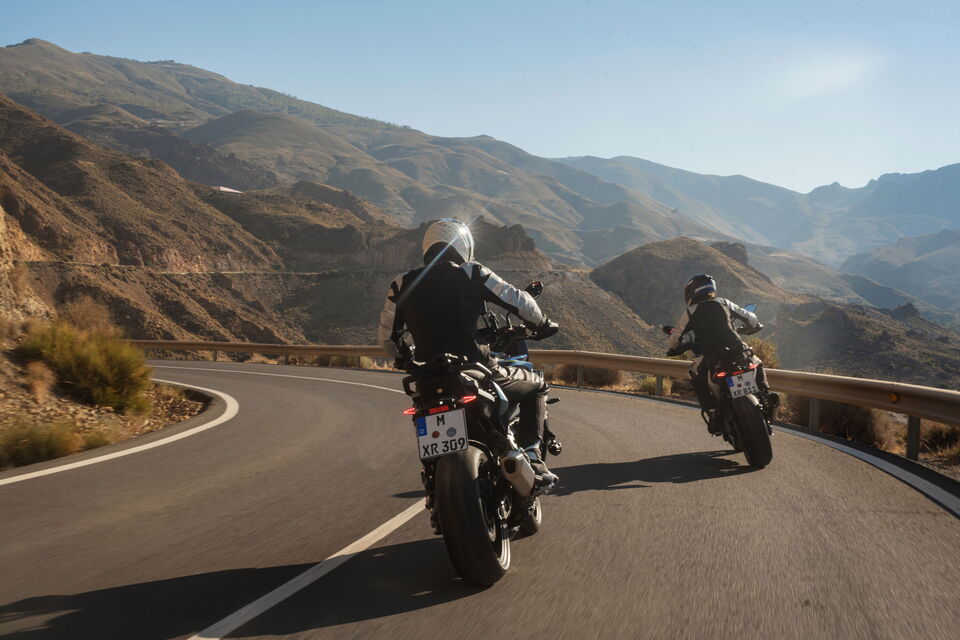

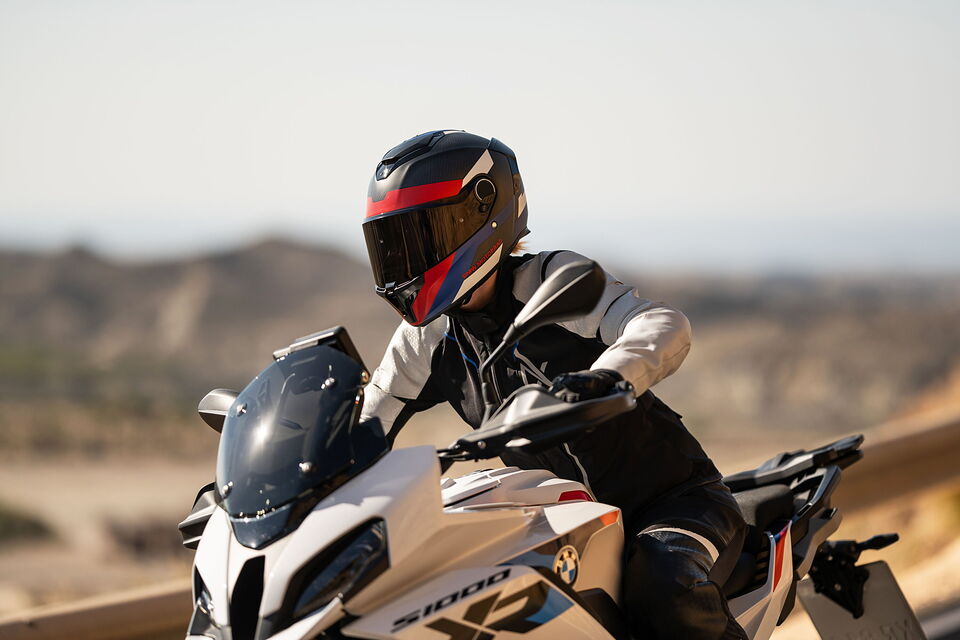
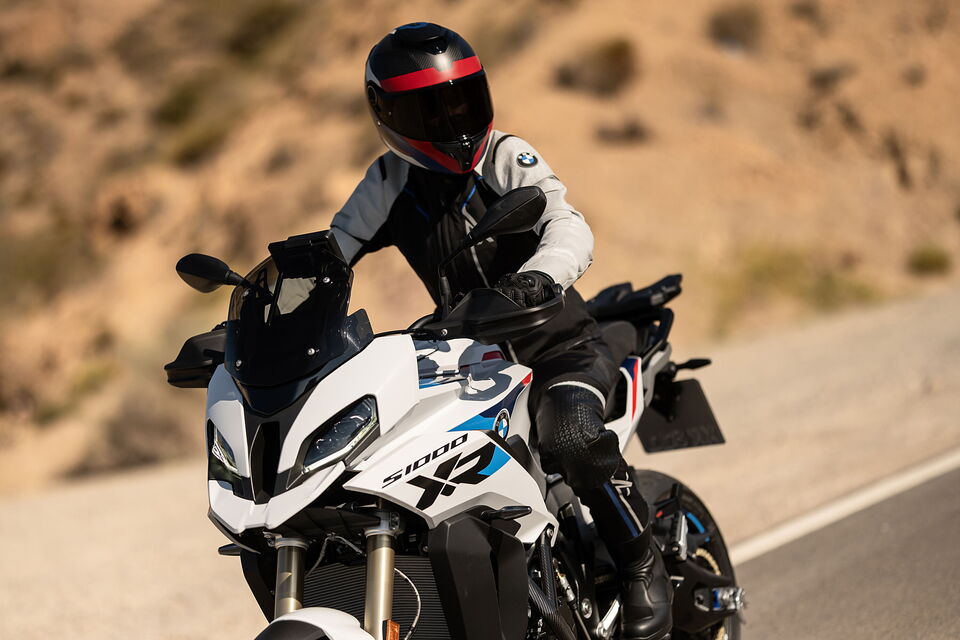
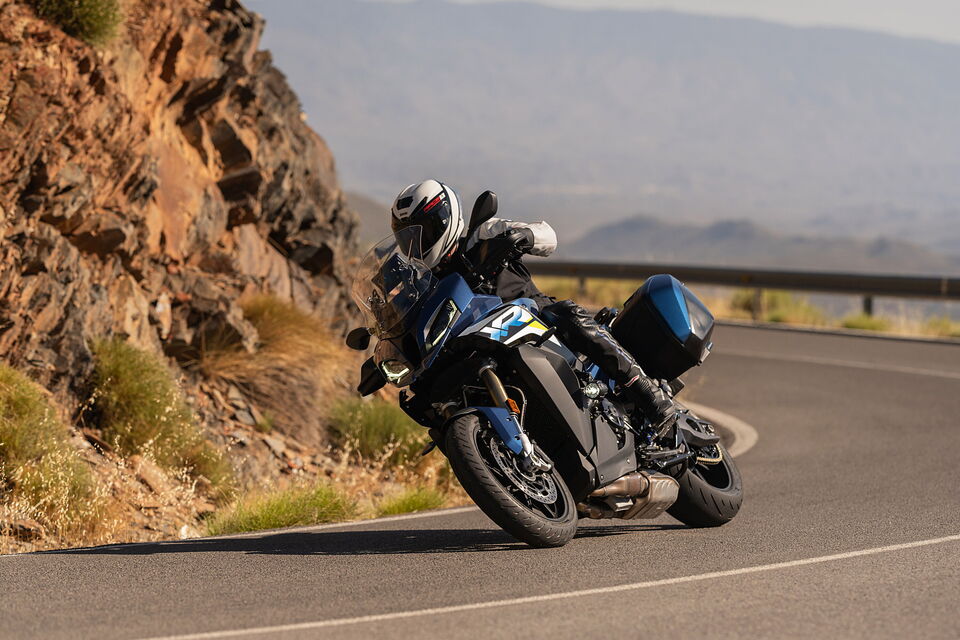
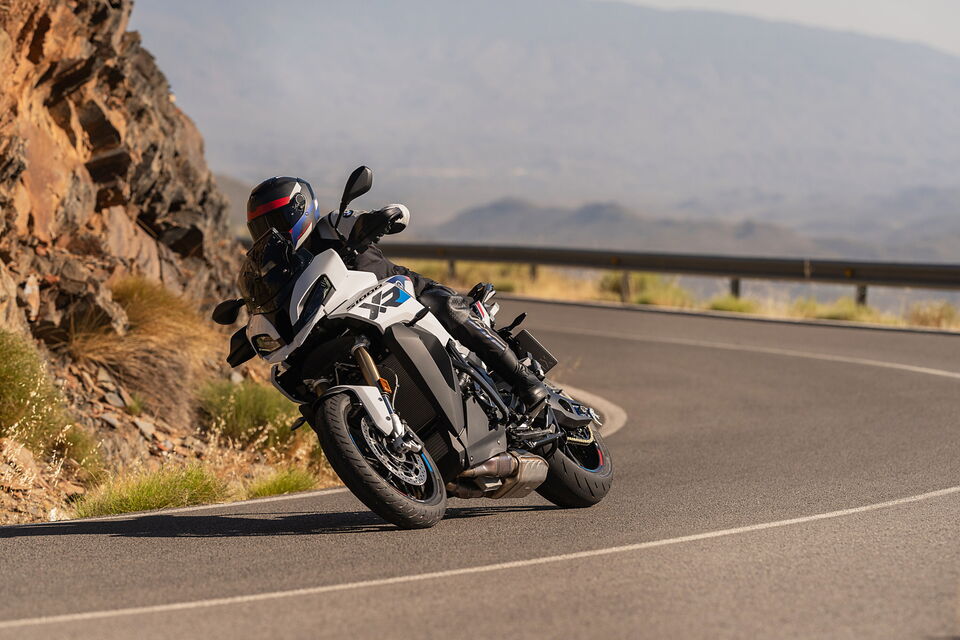
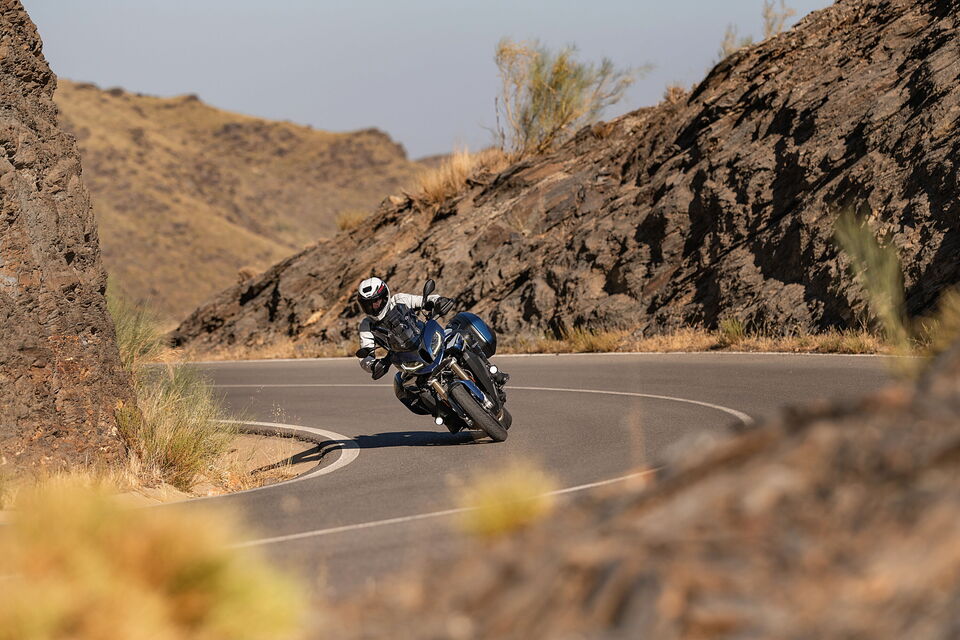
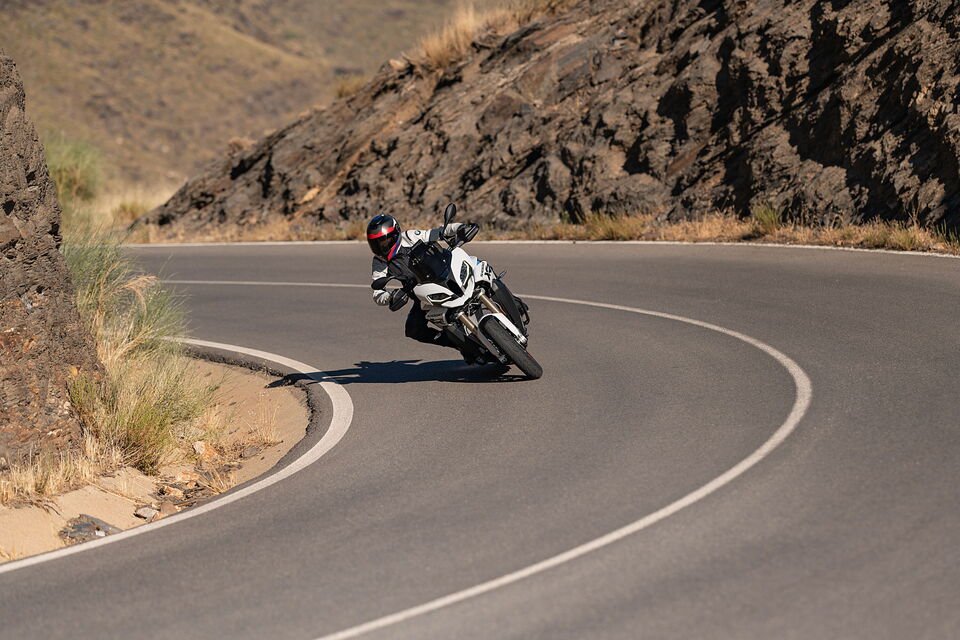

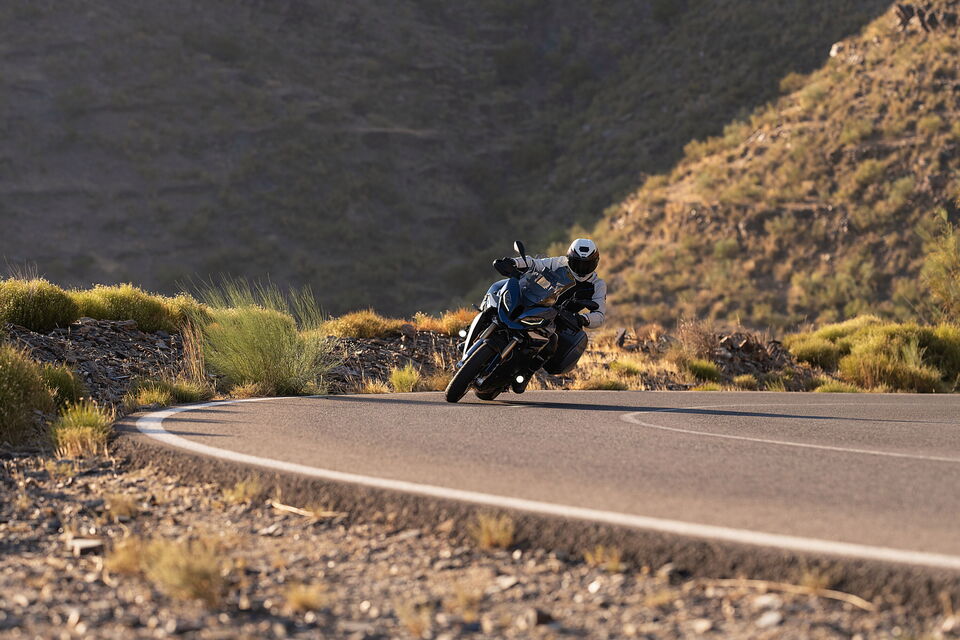
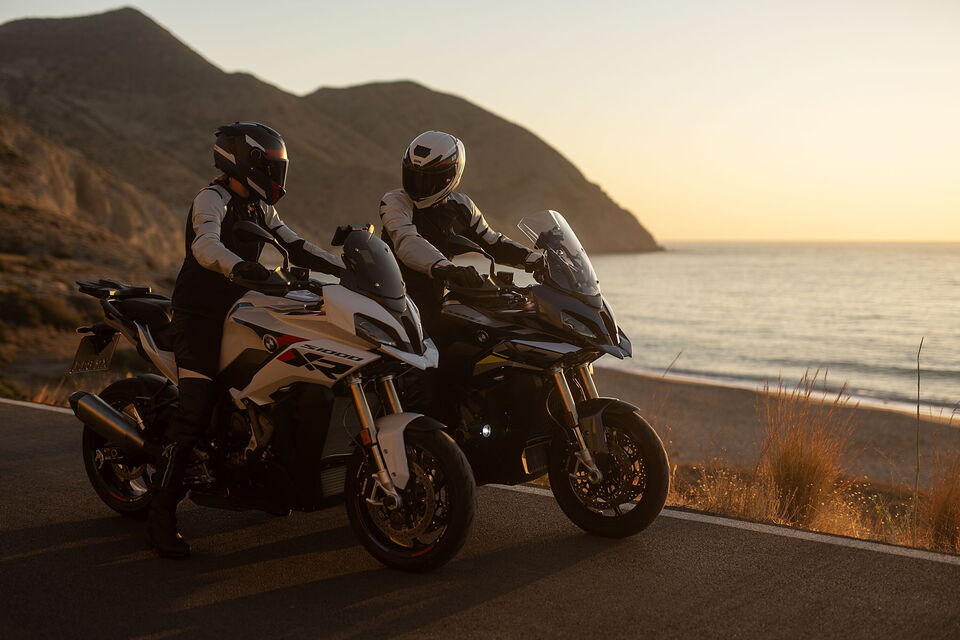
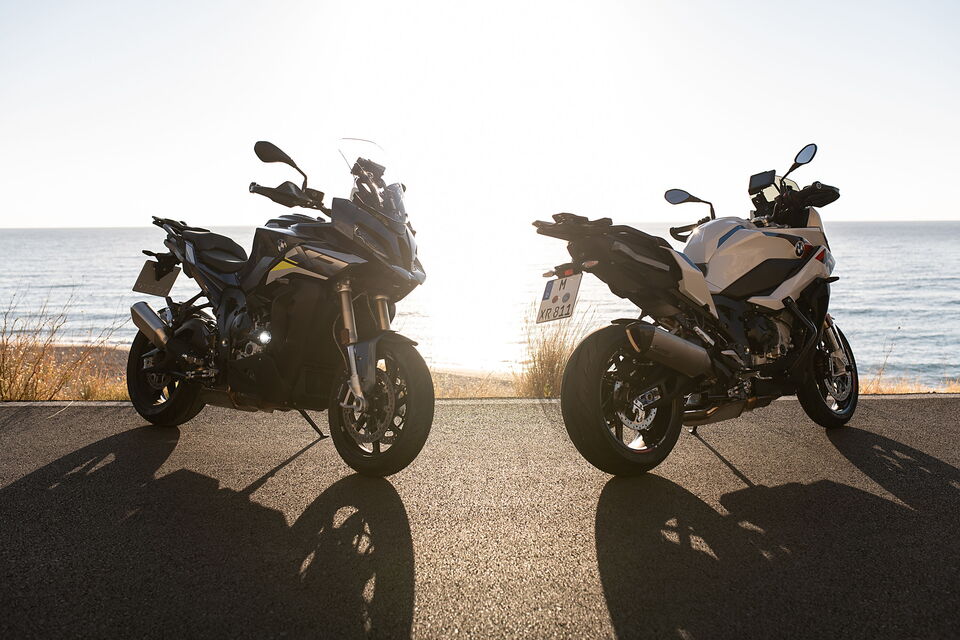
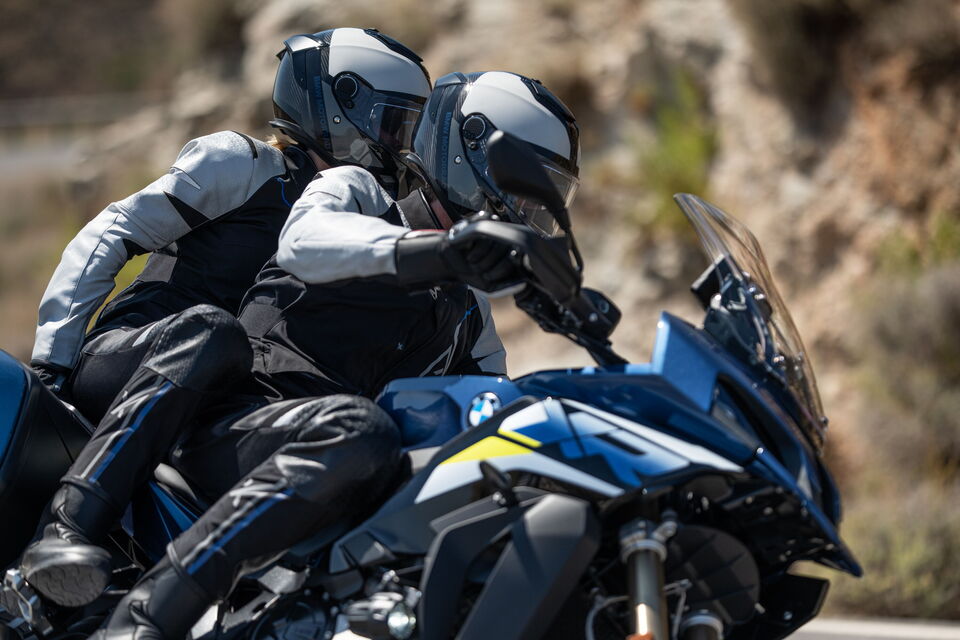
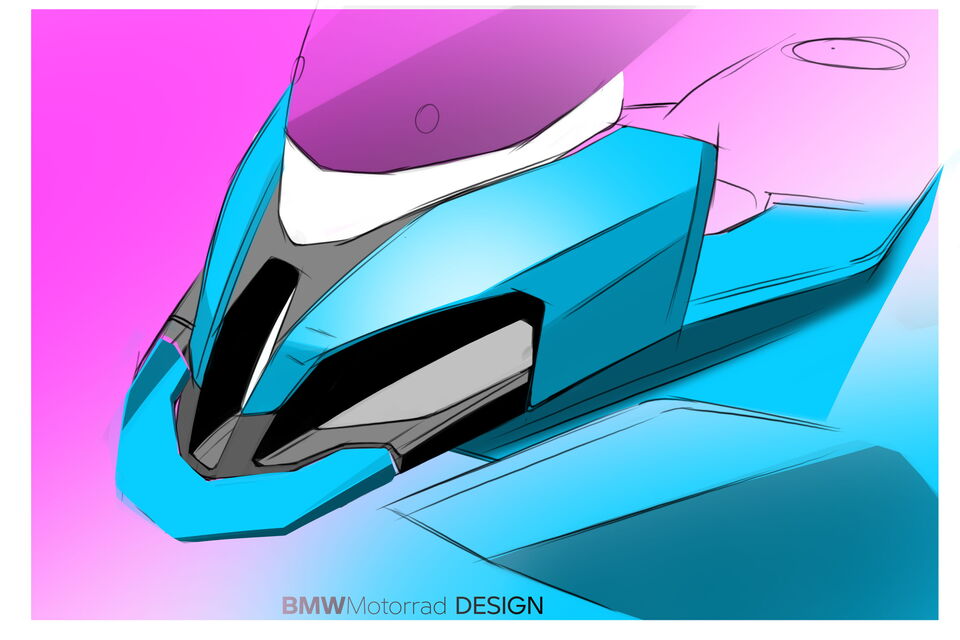

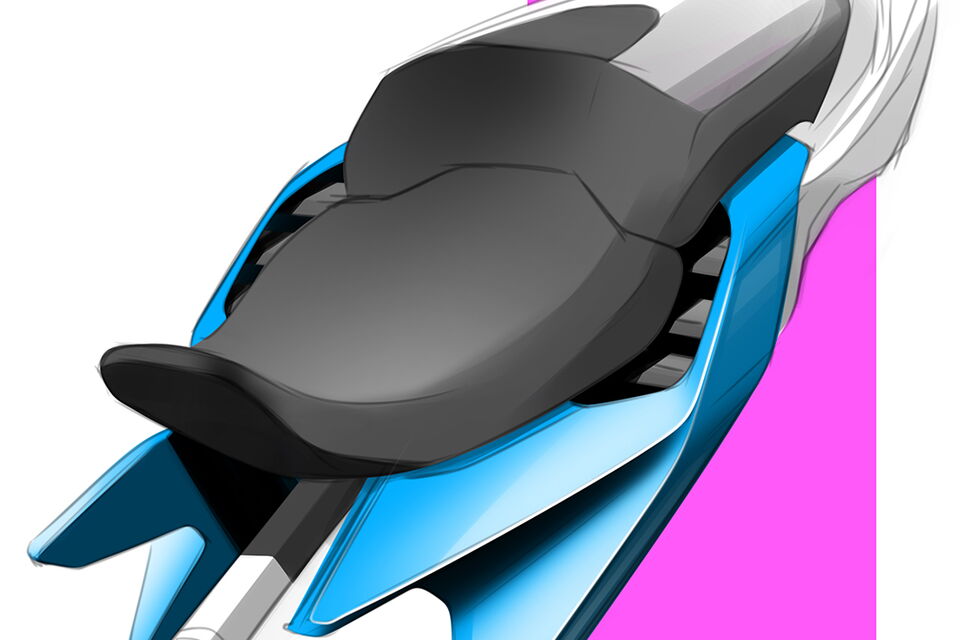
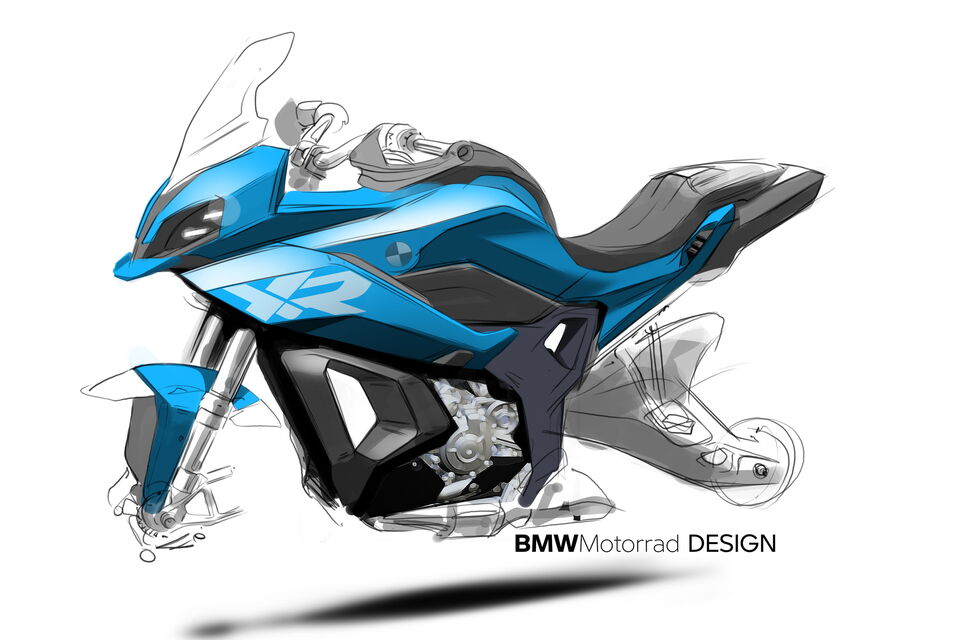
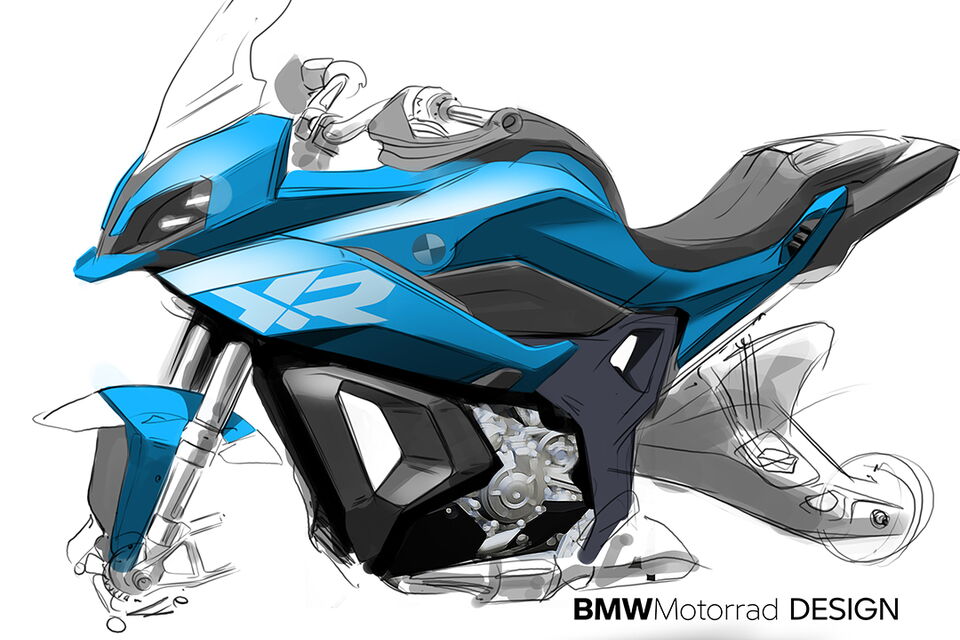
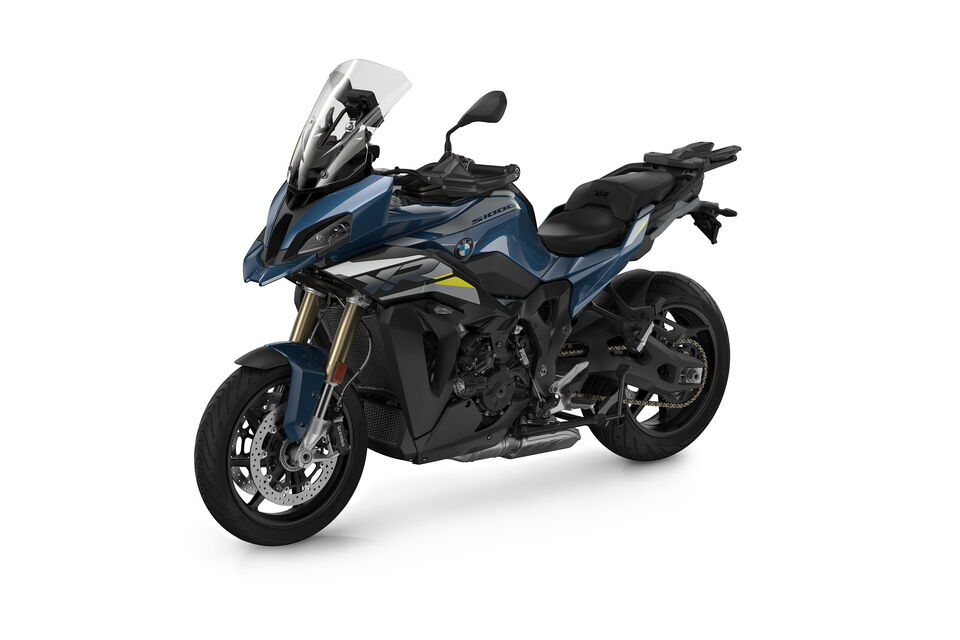

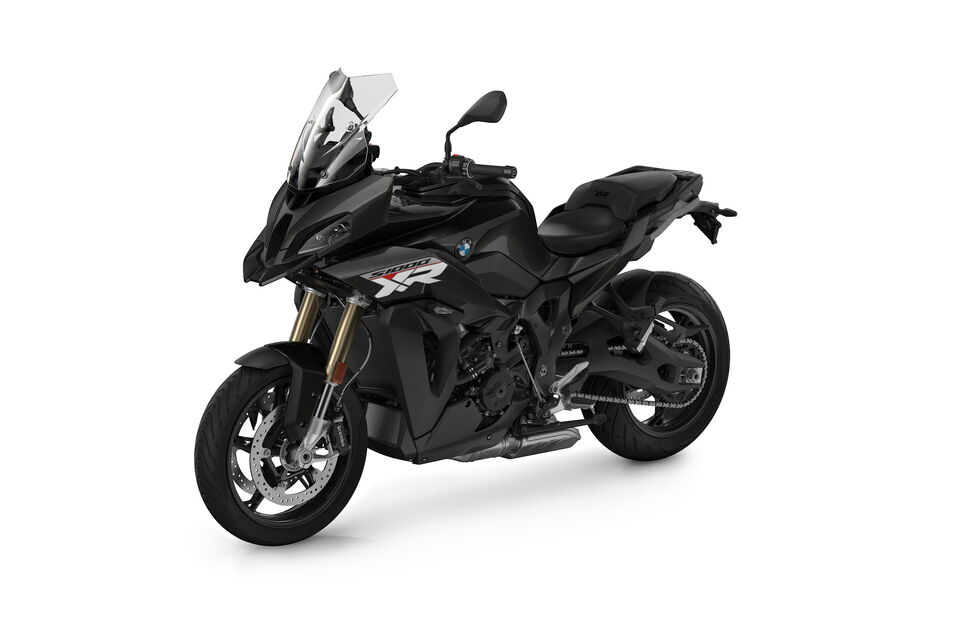
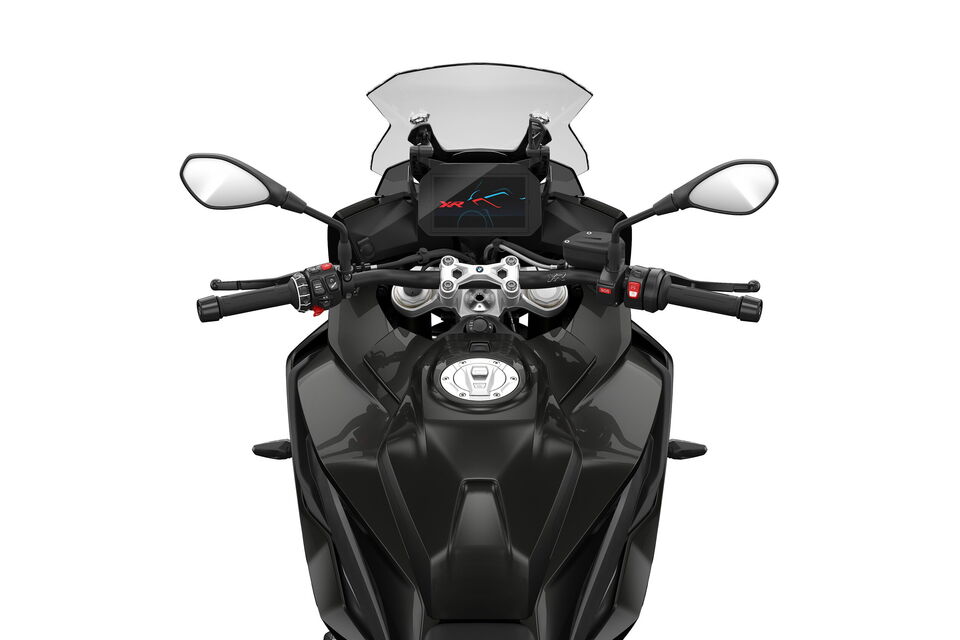
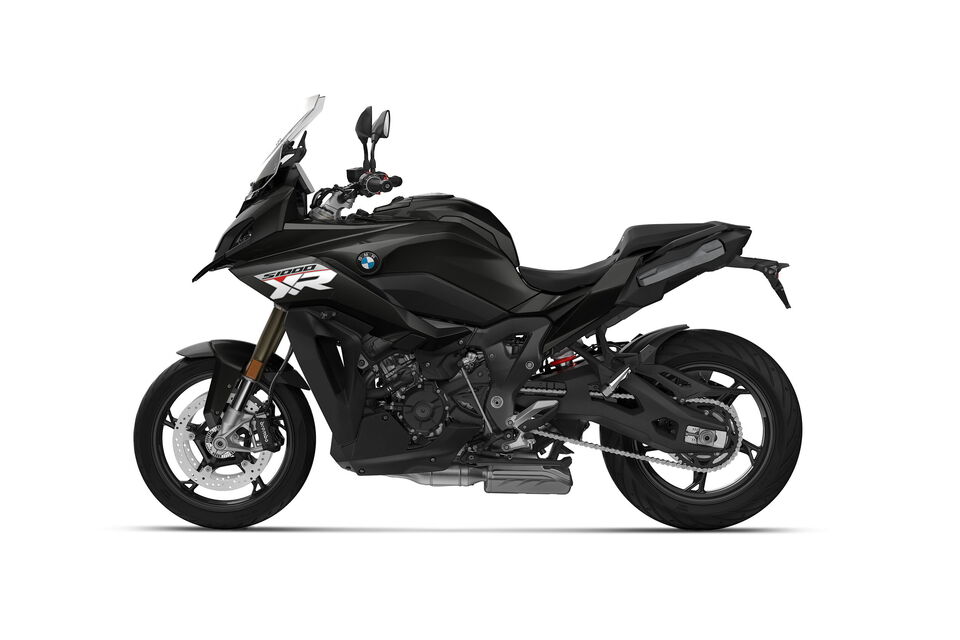
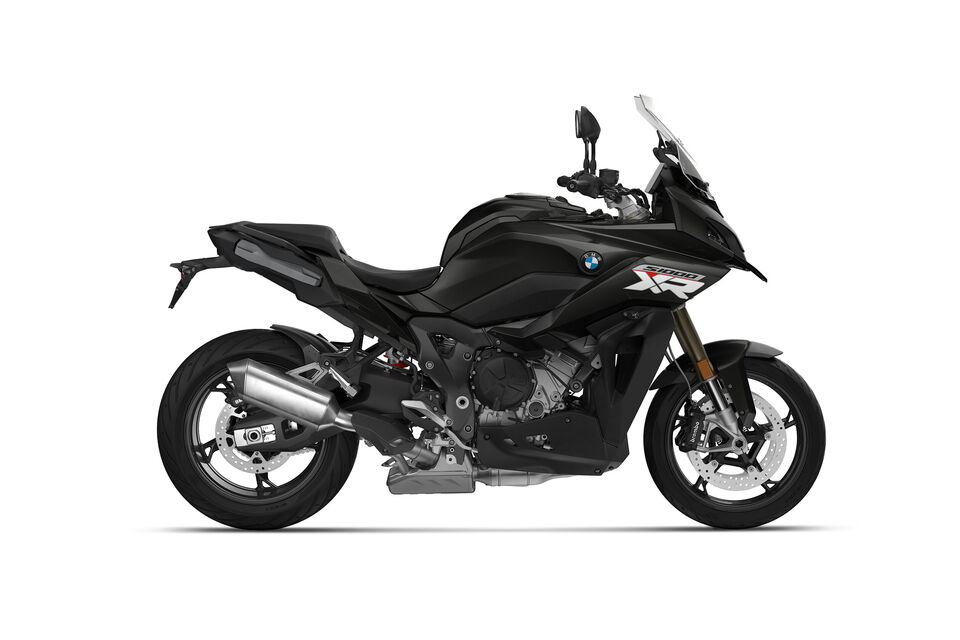
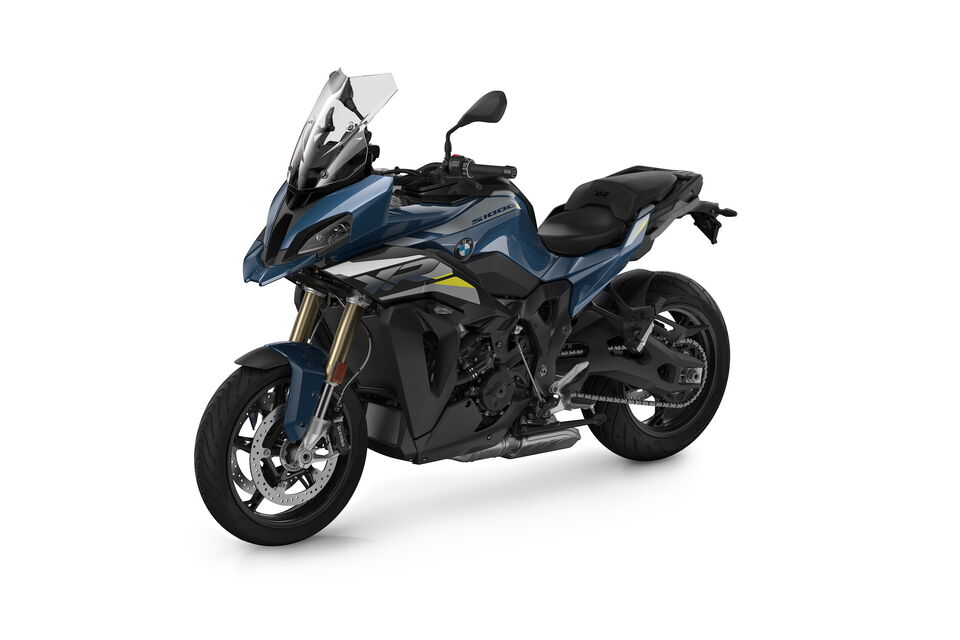
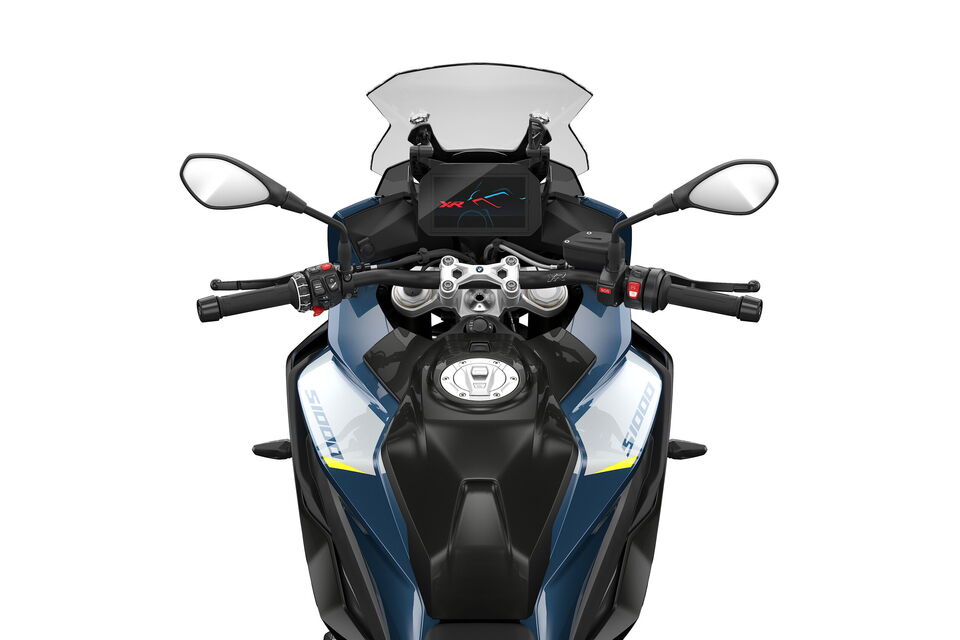
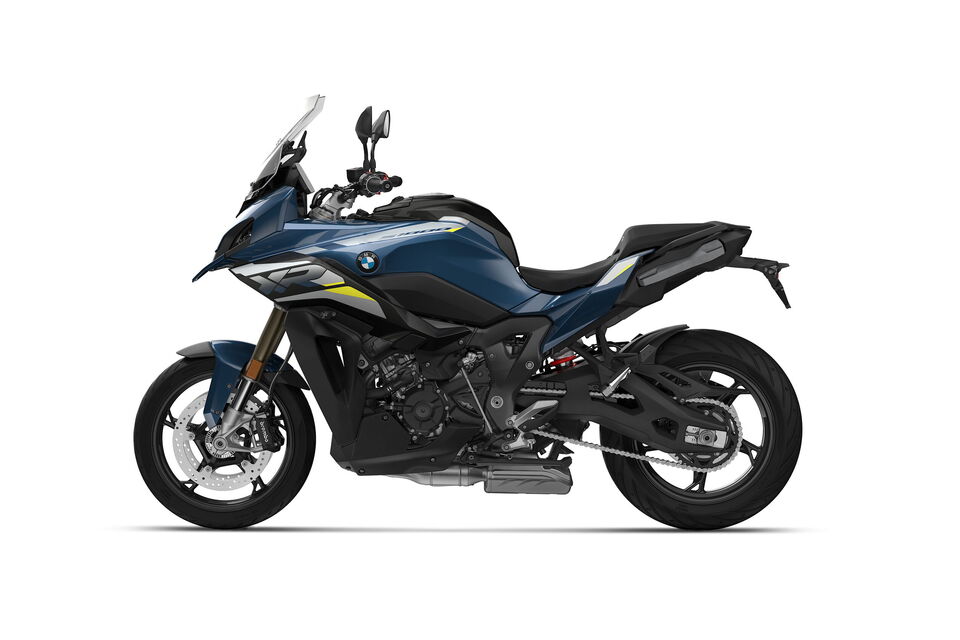
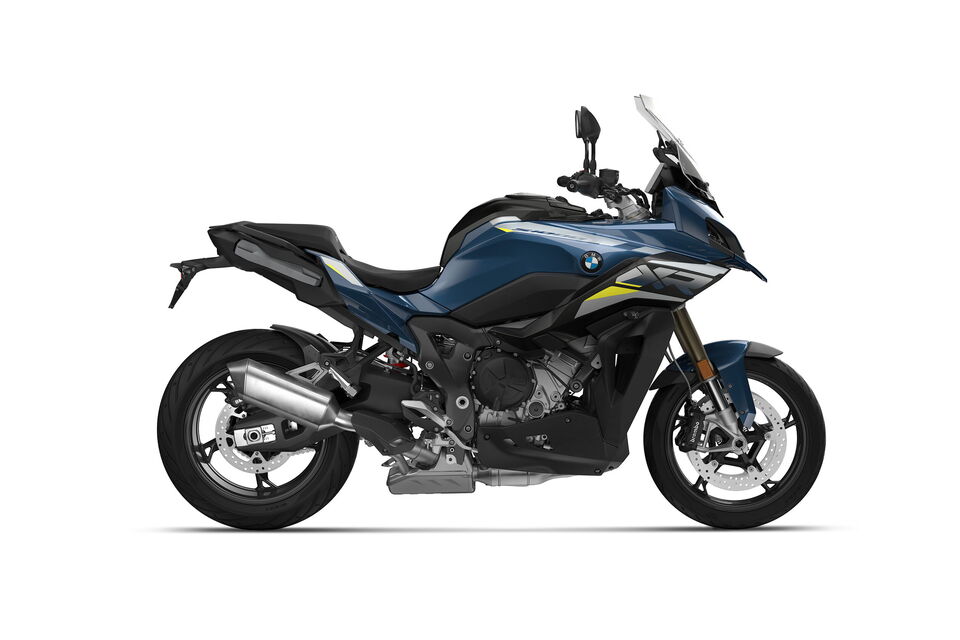

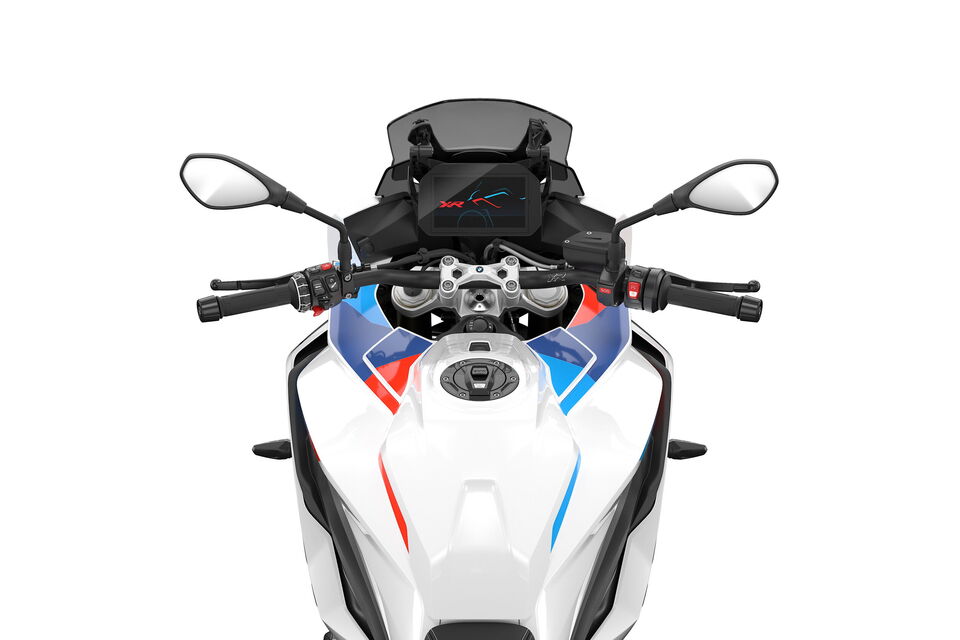
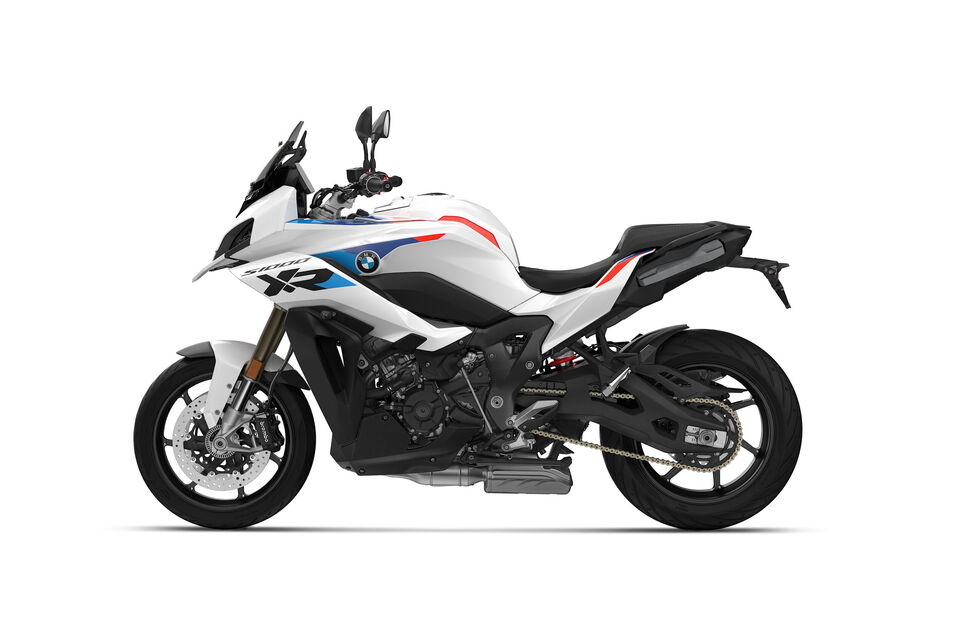

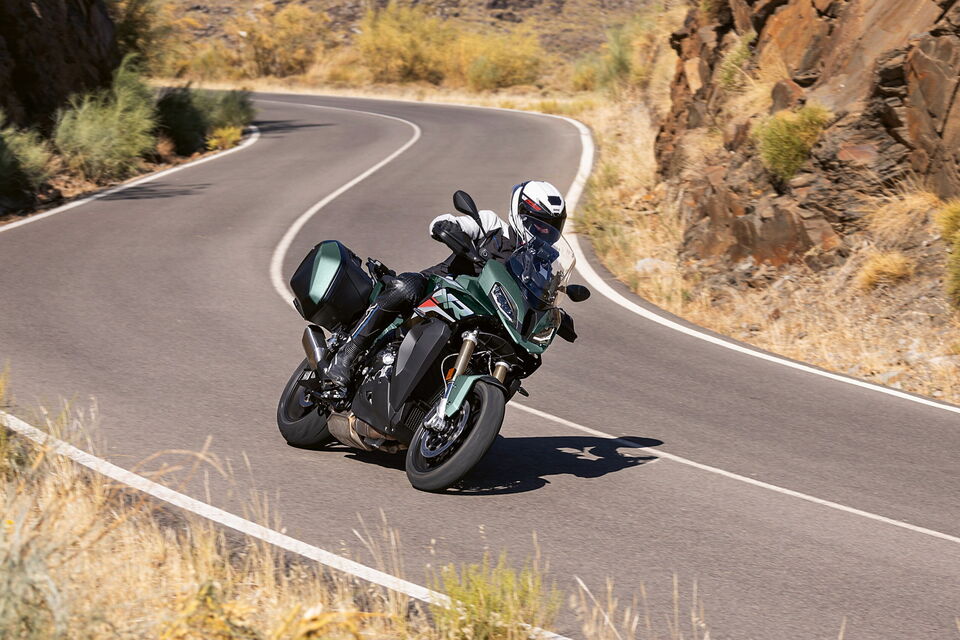

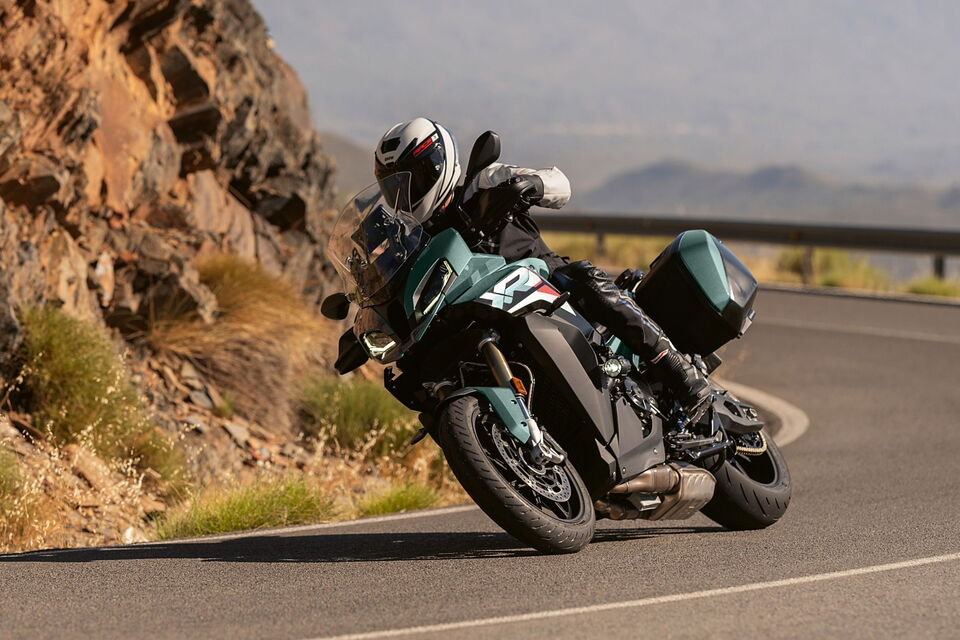
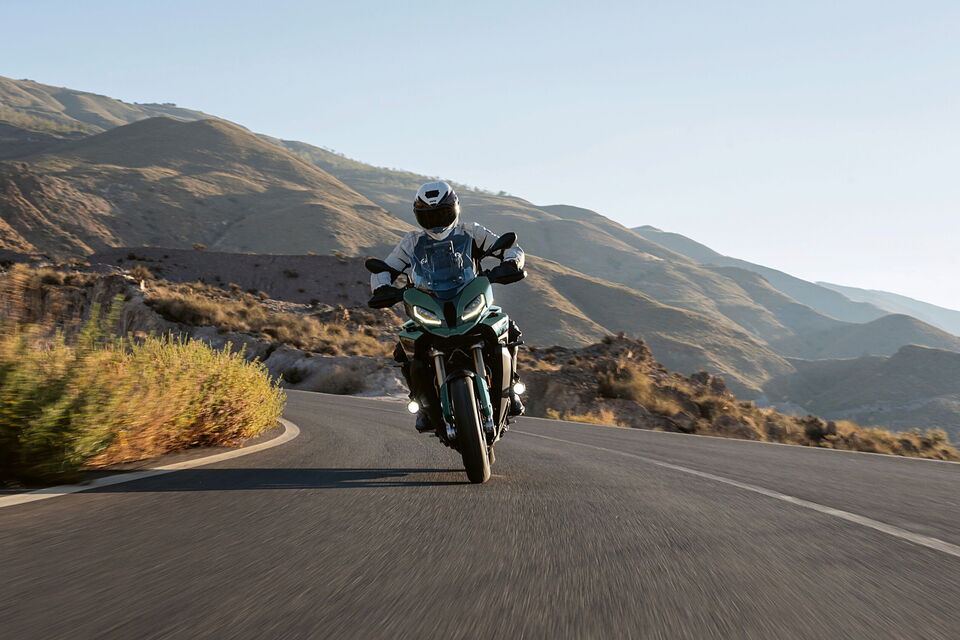

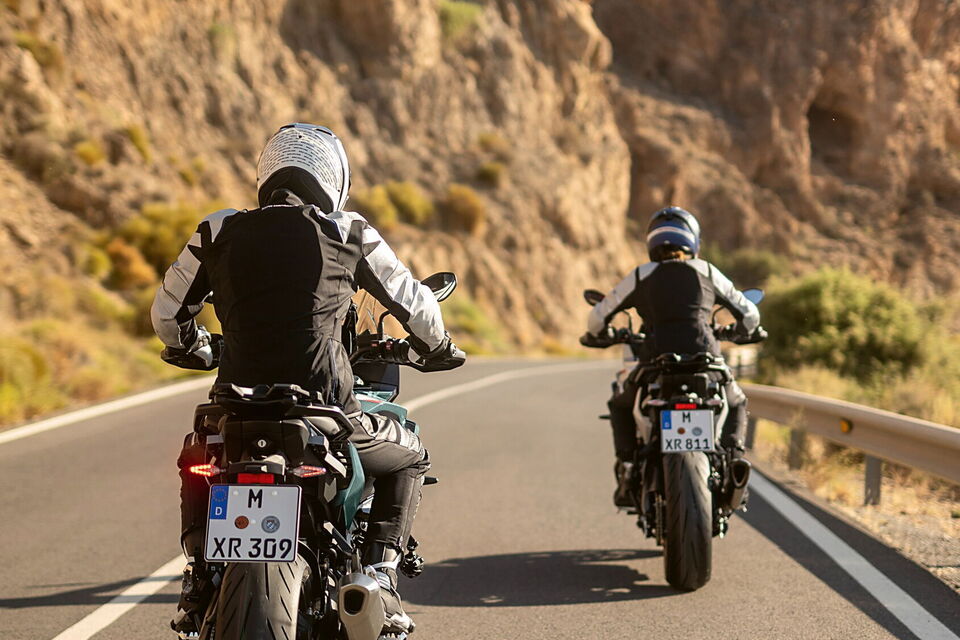
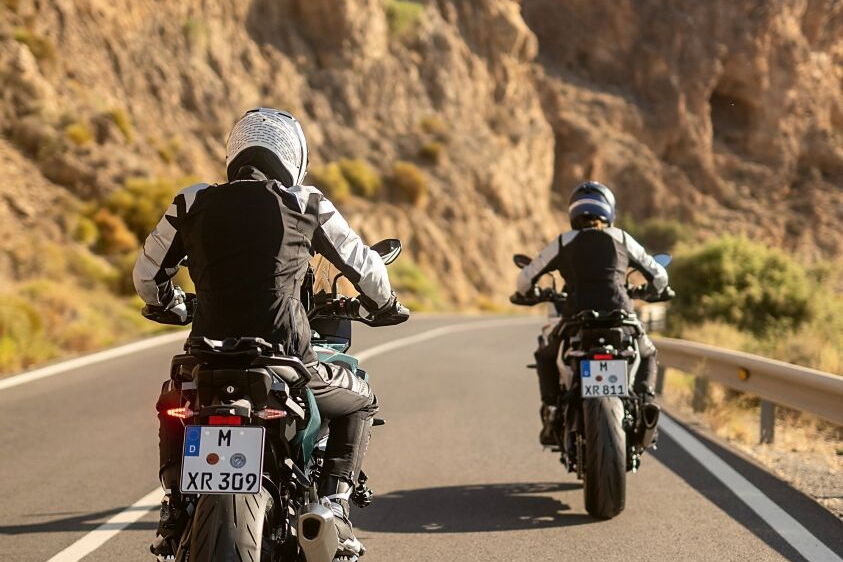
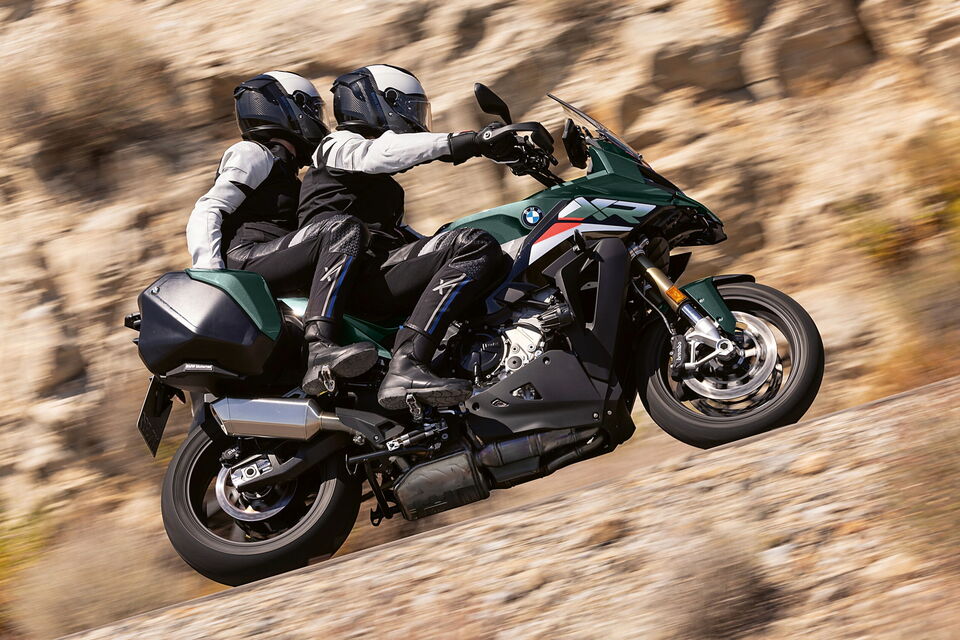
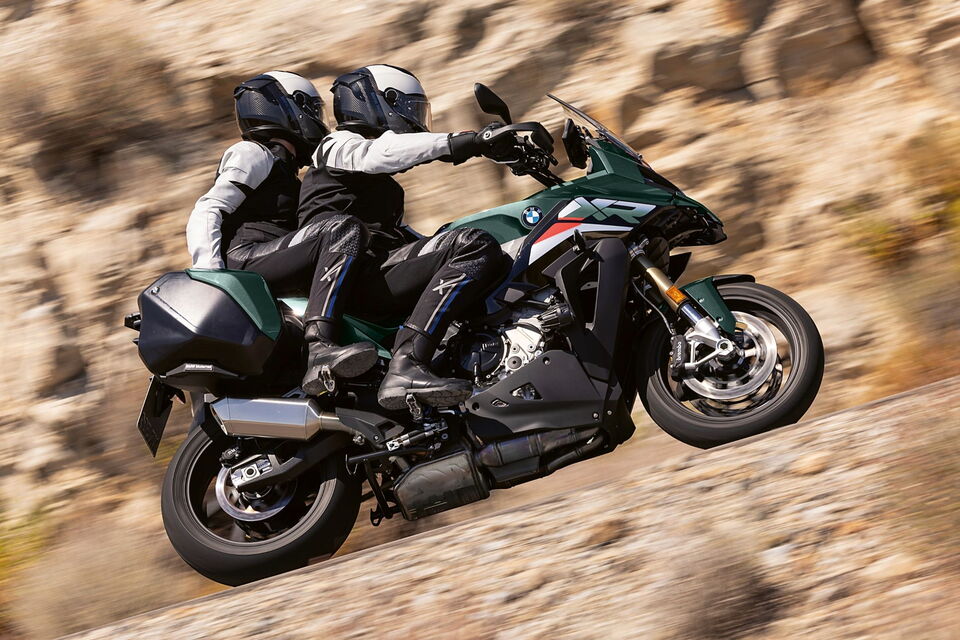
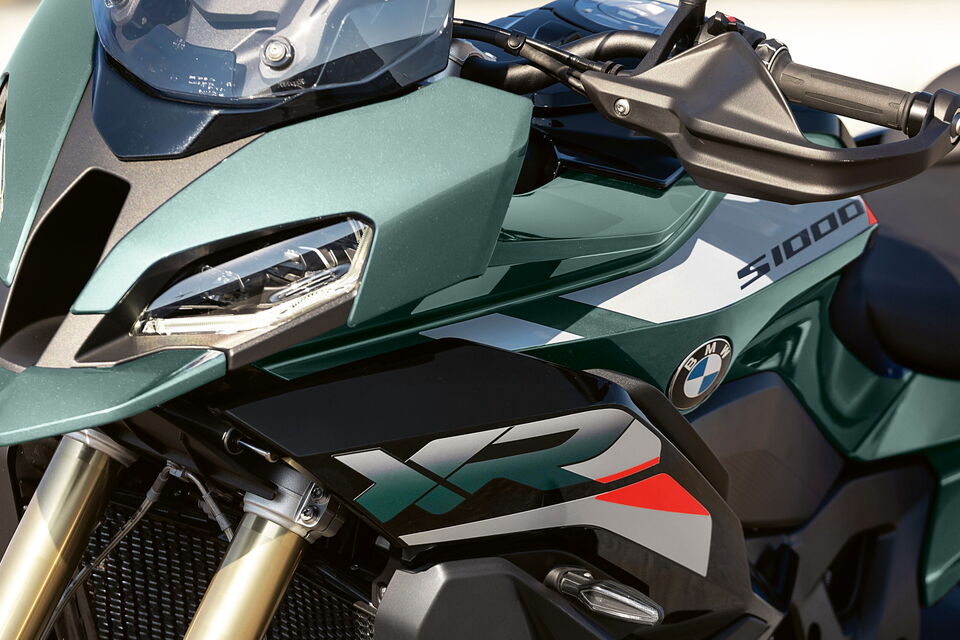
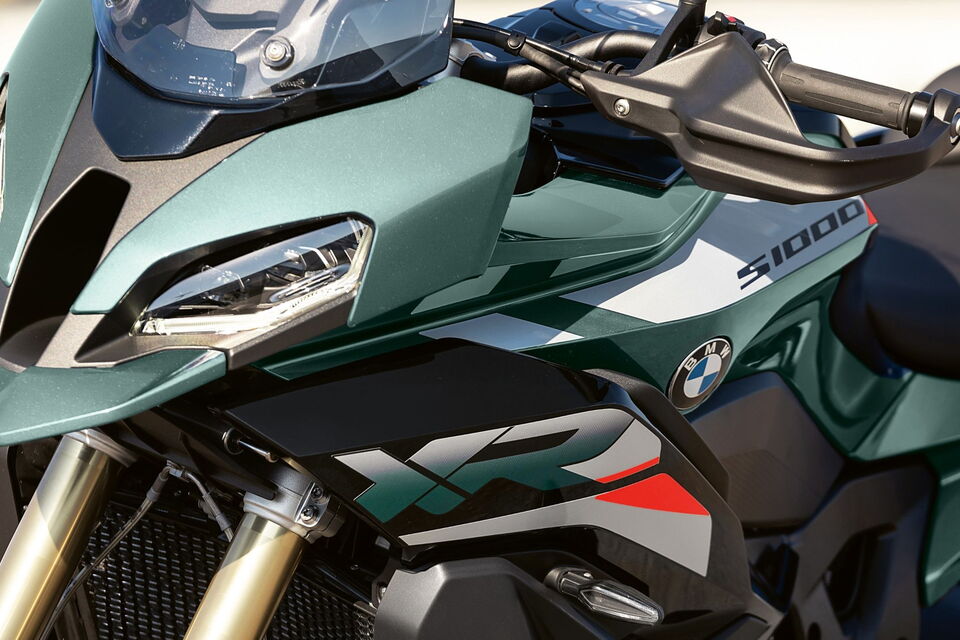
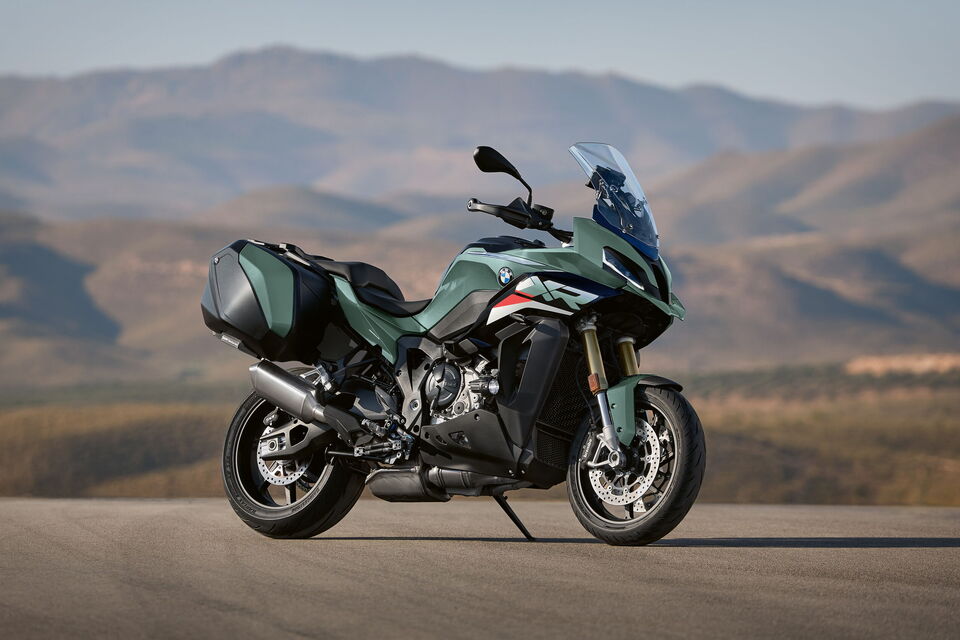
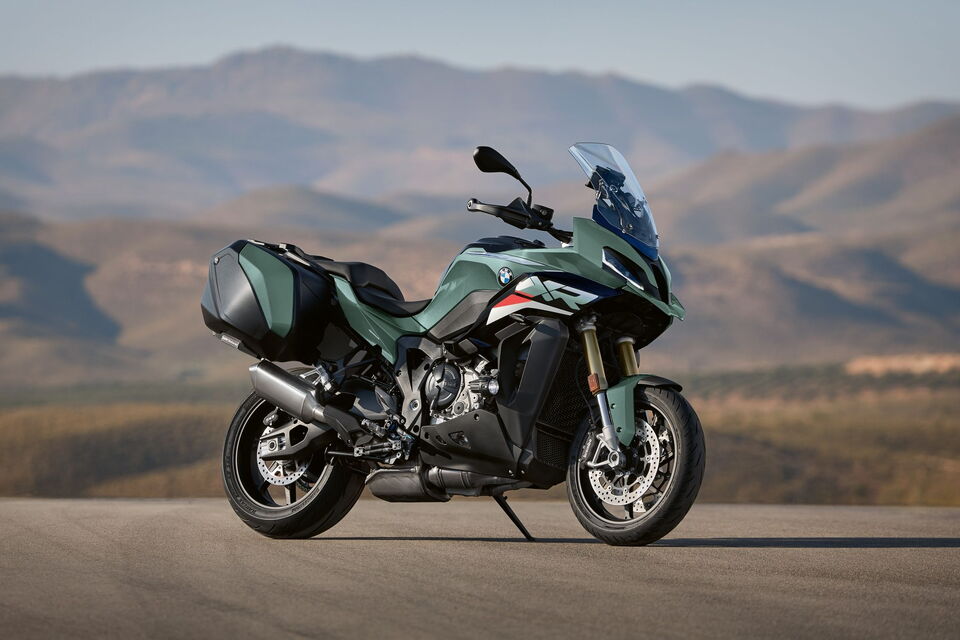
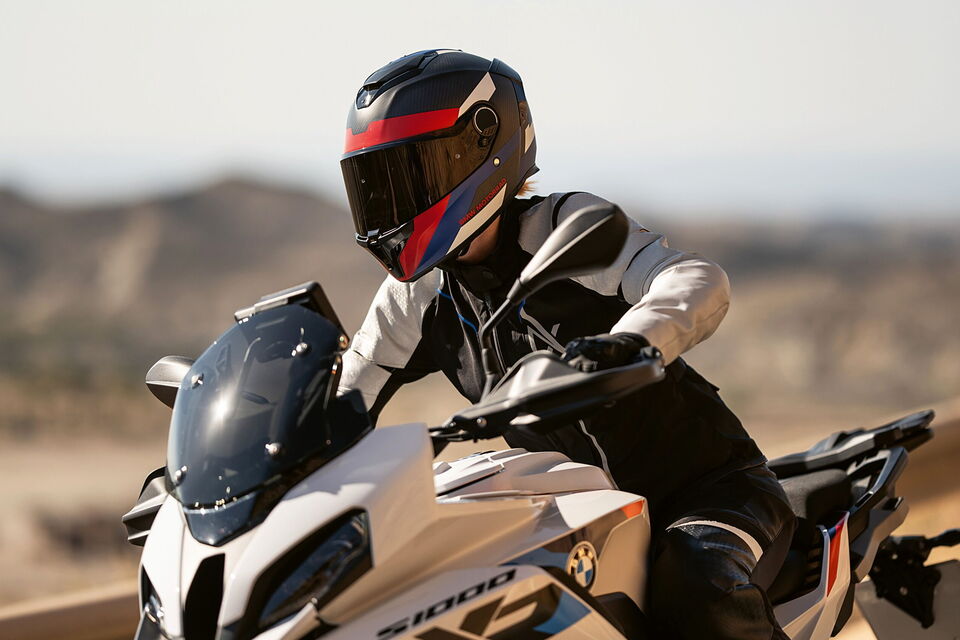
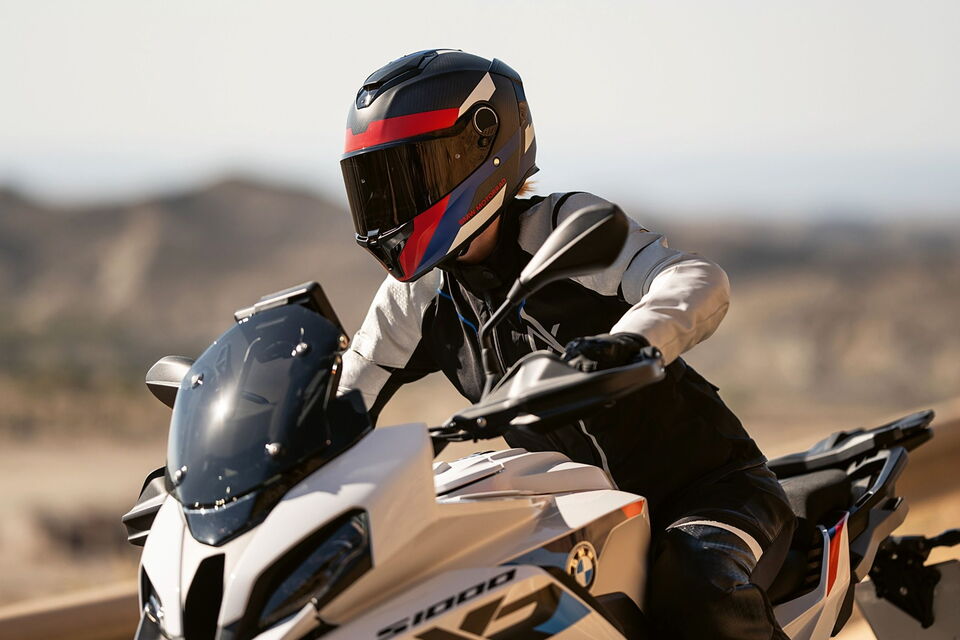
One hundred seventy horsepower in a motorcycle with a windshield, luggage mounts, and electronic suspension. Since its introduction in 2015, the BMW S 1000 XR has been the bike for riders who refuse to choose between performance and long-distance travel. The question was never whether it was fast enough – it was always too fast for most riders. The real question was whether everything around the engine worked: Can you sit on it for 600 kilometers a day? Does the fairing protect you? Can the suspension absorb potholes without becoming vague on a mountain pass?
BMW has been refining exactly those areas since 2024 and adds another layer of standard equipment for 2026. Motorradtest.de describes the current XR as a grenade – an almost perfect motorcycle with no real weaknesses. Look at that soberly and it is quite a claim for a bike that costs nearly EUR 20,000 before options.
The Engine: Six-Cylinder Smoothness in an Inline-Four
The inline-four remains based on the S 1000 RR engine, but it is tuned for a particularly linear, full torque curve and a more harmonious power delivery. Output rises by 5 hp to 170 hp at an unchanged 11,000 rpm, while torque remains 114 Nm at 9,250 rpm. Modified intake ports account for the extra power.
Motorradtest.de describes the engine as velvety, creamy, and silky-smooth – words normally associated with a six-cylinder rather than an inline-four. Throttle transitions and constant-speed surging are essentially absent. Even rolling through town in fifth or sixth gear at 30 to 50 km/h is effortless.
Open the throttle afterward and the second personality appears. Above roughly 5,000 rpm, the XR pulls hard enough to stretch your arms and dry your mouth in short order.
That is the core of the S 1000 XR: it does both extremes. An engine that is calm at city speed and genuinely intimidating at full throttle. With 170 hp and 227 kg ready to ride, its power-to-weight ratio is firmly in superbike territory. This motorcycle demands a disciplined rider.
How It Rides: Near-Perfection With a Price Tag
Within the first few yards, the balance is obvious. The bike does not feel nose-heavy, the center of gravity seems to disappear, and it turns with remarkably little effort. Even U-turns are easy.
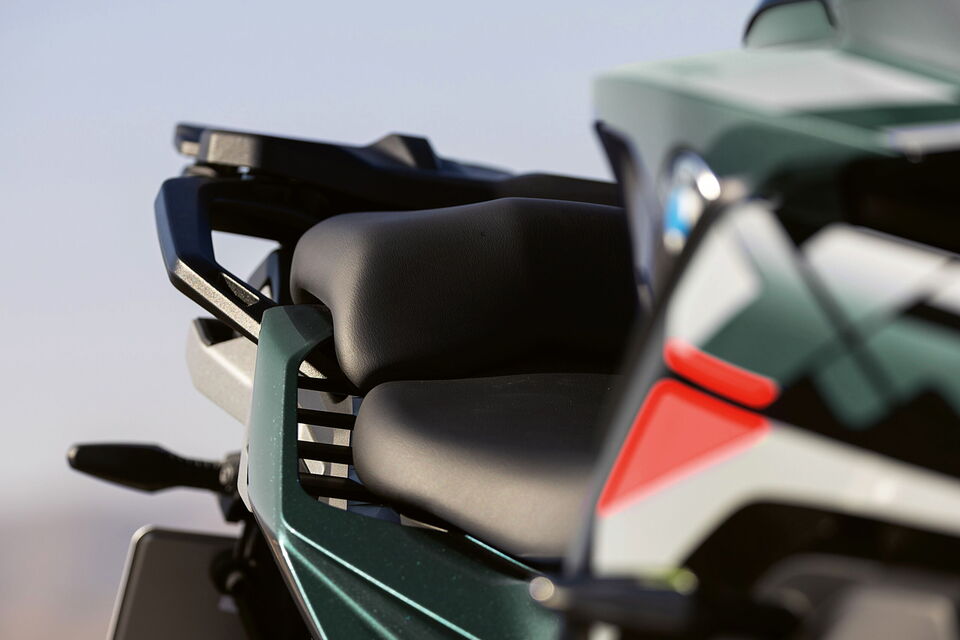
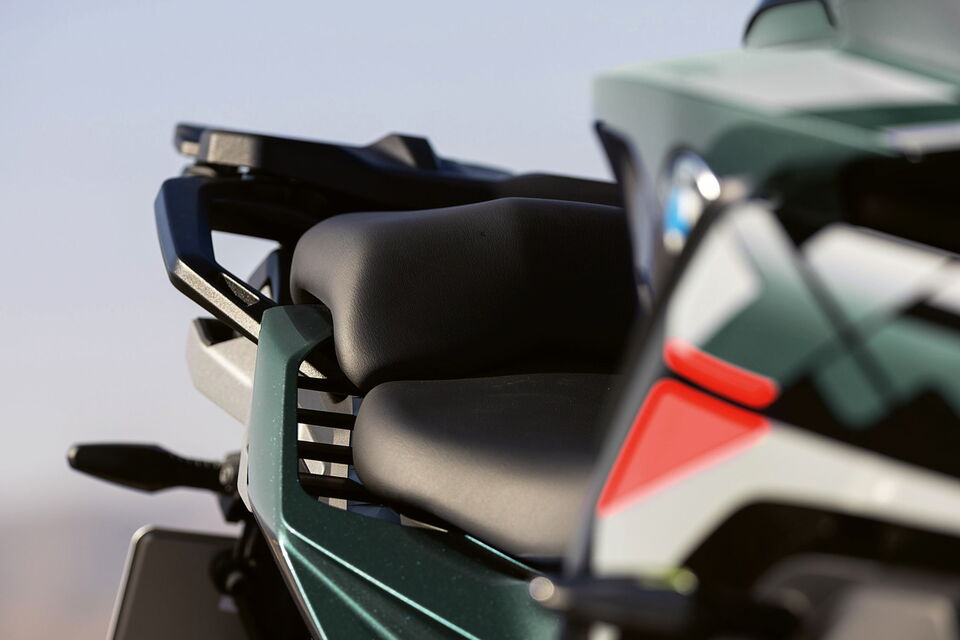
The riding position feels more in the motorcycle than on top of it, and the passenger gets useful space as well. The revised seat offers more freedom to move, with an 850 mm standard height and three seat-height choices.
The fairing and hand guards provide decent bad-weather protection, although the helmet and shoulders remain exposed to airflow.
The Brembo brakes are powerful and sharp enough to lift the rear wheel under hard braking. The electronic suspension also works extremely well, adapting damping to road surface and speed within milliseconds. Manual damping and preload adjustment remain possible, but the automatic setup is the better recommendation.
Standard Equipment: Plenty Included, Still Expensive
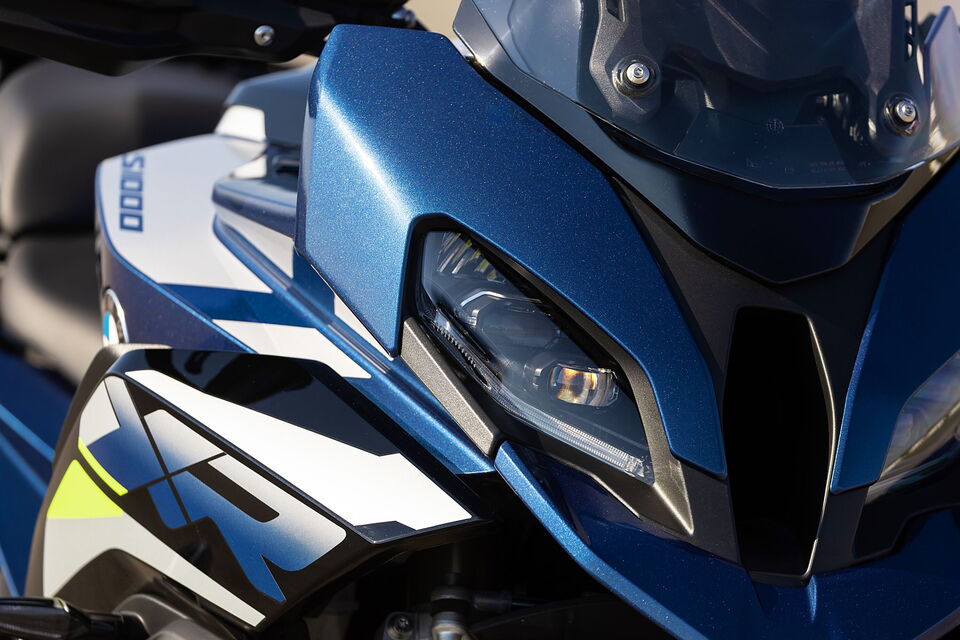
BMW has significantly expanded standard equipment on the current generation. A 6.5-inch color TFT, smartphone connectivity, USB, Keyless Ride, E-Call, cornering ABS, lean-sensitive traction control, riding modes, engine-drag torque control, Hill Start Control, Dynamic ESA electronic suspension, and adaptive cornering light are all included.
What is not standard: Shift Assistant Pro, heated grips, cruise control, center stand, tire-pressure monitoring, and the more advanced semi-active suspension with automatic adaptation.
The Dynamic and Touring packages together cost roughly EUR 2,240 and include, among other features, the recommended semi-active suspension.
The M Package with carbon wheels – available on the XR for the first time – adds another premium. The M carbon wheels reduce rotating mass and are approved for passenger and luggage use.
Motorradtest.de calculates roughly EUR 20,890 for a practical configuration with cruise control, heated grips, hand guards, and quickshifter. With both major packages, the figure reaches around EUR 21,720. That puts the base price into perspective, but it also shows how quickly the XR moves beyond EUR 22,000 before luggage is added.
Sound: Hoarse, Moody, Addictive
The brushed-stainless-steel muffler sounds hoarse and aggressive. Open the throttle and it snarls back at you.
The soundtrack is intoxicating – and unfortunately encourages speeds that are far beyond what the road signs suggest. That is a warning that sounds like praise, and it is both.
Recalls: a Small Turn-Signal Issue for the XR, a Bigger One for the RR
Four recalls are documented for the BMW S 1000 XR by Germany’s KBA. The latest, from February 2026 under KBA number 16195R, concerns the turn signal. On some motorcycles, the left combination switch was not manufactured to specification, potentially producing a double signal that switches the indicator off immediately after activation.
Affected motorcycles were produced from January 9 through February 16, 2026: 676 worldwide, including 122 in Germany. The remedy is replacement of the combination switch by a dealer.
An important distinction: the major ignition-lock recall currently affecting around 77,000 second-generation BMW S 1000 RR models, type K67, does not apply to the S 1000 XR, S 1000 R, or M 1000 XR. Buyers of an XR should simply have the dealer check the VIN against the turn-signal recall.
Outlook: 2027 Facelift Already Homologated
In Australia, the BMW S 1000 XR and M 1000 XR have already been homologated with revised front-end styling. Power remains unchanged at 170 hp for the S and 201 hp for the M.
The updated bikes could arrive as 2027 models from fall 2026. Whether the current EUR 19,690 and EUR 26,390 prices will carry over was not known when the source was compiled.
For buyers, the logic is simple: anyone who wants the current model may gain negotiating room once the facelift is officially announced. Anyone who can wait may prefer to do so.
How the XR Stacks Up Against the Competition
Key rivals include the Suzuki GSX-S1000GX, Kawasaki Versys 1100 SE, Yamaha Tracer 9 GT+, Ducati Multistrada V2 S, and Triumph Tiger Sport 800.
The BMW has the highest base price in the group, although the difference narrows quickly when comparable standard features are added to rival bikes. The new Triumph Tiger Sport 800 is the obvious exception: substantially cheaper, but unable to match the BMW’s outright performance.
Then there is the in-house rival: the M 1000 XR with 201 hp from EUR 26,390, aimed at riders who somehow consider 170 hp insufficient. For everyone else, the S is the better-balanced package.
Verdict: the Motorcycle That Does Too Much of Everything
For ten years, the BMW S 1000 XR has been a benchmark in the sport-touring segment, and the current model shows why. One hundred seventy horsepower, electronic and optionally semi-active suspension, cornering ABS, adaptive cornering light, a 6.5-inch TFT, and a 20-liter tank with more than 300 kilometers of real-world range: this is not a compromise between sport and touring. It does both at a level many rivals address separately.
The price is high, but transparent. And the one real drawback does not appear in the specification sheet: it takes serious self-discipline to ride a 170-hp motorcycle on public backroads without doing things your license was never designed to survive.
Quick Check
+ 170-hp inline-four derived from the S 1000 RR: silky at low rpm and explosive above 5,000 rpm. Virtually no throttle-transition harshness; sixth gear at 30 km/h is possible.
+ Powerful, highly controllable Brembo brakes. Brushed-stainless exhaust with a hoarse, distinctive sound. Dynamic ESA electronic suspension standard; more advanced semi-active setup optional and highly effective. 150 mm travel front and rear.
+ Extensive standard electronics: 6.5-inch TFT, connectivity, Keyless Ride, E-Call, cornering ABS, lean-sensitive traction control, Rain/Road/Dynamic/Dynamic Pro modes, engine-drag torque control, Hill Start Control, adaptive cornering light, and USB.
+ Three seat-height options. M carbon wheels available for the first time and approved for passenger/luggage use. 20-liter tank provides more than 300 km of practical range.
+ Reader vote 2026: first place in its category according to source.
– Shift Assistant Pro, heated grips, and cruise control are not standard, despite a base price of EUR 19,690. A practical package configuration starts around EUR 21,720, and the M Package quickly pushes the bike beyond EUR 23,000.
– 170 hp demands experience and discipline. This is not a motorcycle for riders who routinely exceed their own skill level.
– Vibration at higher rpm.
– Knee angle can feel slightly tight for taller riders on long trips.
– According to 1000PS in the source, the suspension is not quite supple enough to provide a genuinely plush comfort setup.
– A MY2027 facelift is already homologated in Australia; buying now could affect resale after the model change.
Technical Specifications: BMW S 1000 XR (2026)
Brand / Model: BMW S 1000 XR (2026; 999 cc inline-four; sport-tourer / adventure sport; full A license, no A2 version); manufacturer: BMW Motorrad, Bayerische Motoren Werke AG, Munich, Germany
Engine: Liquid-cooled DOHC inline-four; 999 cc; 80 x 49.7 mm bore and stroke; 12.5:1 compression; BMS-O electronic fuel injection; ride-by-wire; 170 hp / 125 kW at 11,000 rpm; 114 Nm at 9,250 rpm; six-speed; chain drive; multi-plate wet slipper clutch; Euro 5+; premium unleaded 98 RON recommended, minimum 95 RON
MY2026 Updates vs. Previous Version: 5 hp increase from 165 to 170 hp through modified intake ports; revised seat with more usable length and width and 10 mm higher standard height at 850 mm, with three heights available; Headlight Pro with adaptive cornering light and daytime running light standard; Keyless Ride standard; USB standard; battery increased from 9 to 12 Ah; M carbon wheels and M GPS lap timer newly optional; new Sage Green Metallic color; expanded Shift Assistant Pro software
Electronics: Six-axis IMU; cornering ABS, with ABS Pro in Riding Modes Pro package; lean-sensitive DTC traction control; MSR engine-drag torque control; HSC Hill Start Control; rear-wheel lift control; four riding modes: Rain, Road, Dynamic and configurable Dynamic Pro; 6.5-inch color TFT; smartphone connectivity; E-Call; adaptive cornering light
Front Suspension: 45 mm USD fork; Dynamic ESA with electronic adjustment depending on specification; 150 mm travel; electronically adjustable preload, compression and rebound
Rear Suspension: Aluminum double-sided swingarm; monoshock; Dynamic ESA; 150 mm travel; electronically adjustable preload, compression and rebound
Frame / Geometry: Cast-aluminum twin-spar frame with engine as stressed member; 65.1-degree steering-head angle; 116 mm trail; approx. 1,548 mm wheelbase
Brakes: Twin 320 mm front discs with radially mounted Brembo four-piston fixed calipers; single rear disc; six-axis-IMU-supported cornering ABS
Wheels / Tires: 17-inch alloy wheels, optional M carbon wheels; 120/70 ZR17 front; 190/55 ZR17 rear
Weight / Seat Height: 227 kg ready to ride; 850 mm standard seat height with three seat options
Fuel Tank / Consumption: 20 liters; 5.2 L/100 km WMTC; 120 g/km CO2; theoretical range approx. 370 km; practical range cited at 333–364 km
Top Speed: More than 250 km/h
Cockpit / Equipment: 6.5-inch color TFT; smartphone connectivity; USB-C; Keyless Ride; E-Call; adaptive cornering light; LED daytime running light; one-hand adjustable windshield
Optional Equipment: Shift Assistant Pro; cruise control; heated grips; center stand; RDC tire-pressure monitoring; Dynamic ESA Pro semi-active suspension; M carbon wheels; M GPS lap timer; luggage system; hand guards
Packages: Dynamic Package includes features such as Dynamic ESA Pro, Riding Modes Pro and DTC; Touring Package includes cruise control, heated grips and luggage rack; M Package includes M carbon wheels, M seat and M enduro footpegs
Recall Status: KBA 16195R, February 2026: faulty left combination switch can cause turn signal to cancel immediately after activation. Production period January 9–February 16, 2026; 122 motorcycles in Germany and 676 worldwide. Remedy: switch replacement. The current S 1000 RR K67 ignition-lock recall does not affect the XR. Check VIN status before purchase.
MY2027 Outlook: Facelift with revised front design already homologated in Australia as of March 2026; output remains 170 hp; possible availability from fall 2026; pricing not yet known in source
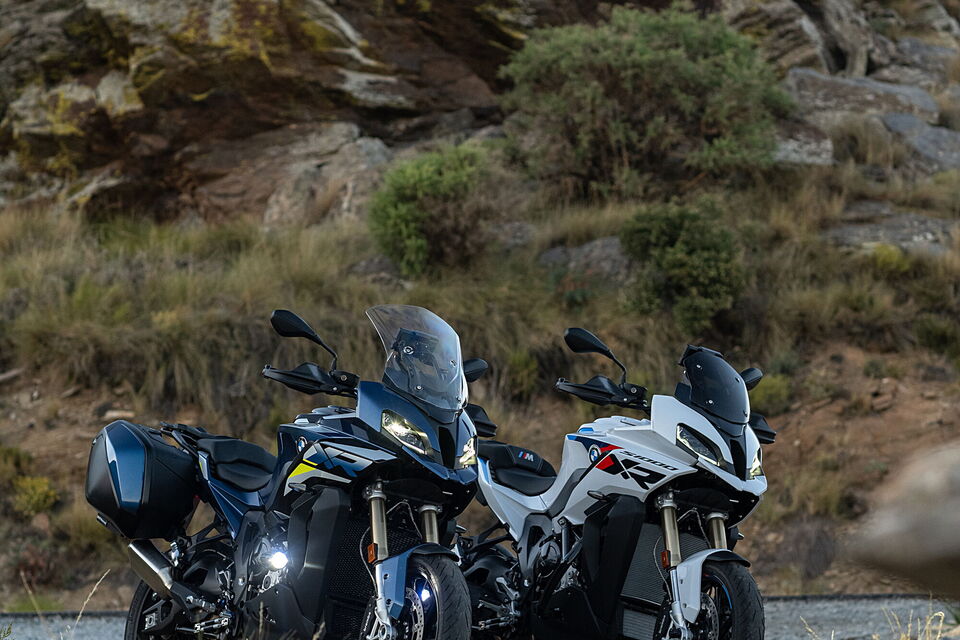
2026 Colors: Black Storm Metallic 2; Light White / M Motorsport; Sage Green Metallic, new for 2026
Warranty / Maintenance: 2-year warranty; service every 10,000 km or annually
Competition: Ducati Multistrada V2 S; Suzuki GSX-S1000GX; Kawasaki Versys 1100 SE; Yamaha Tracer 9 GT+; Triumph Tiger Sport 800. In-house: BMW M 1000 XR, 201 hp, from EUR 26,390
German Price: From EUR 19,690 plus freight and handling; practical configuration from approx. EUR 20,890; with Dynamic and Touring packages from approx. EUR 21,720; M 1000 XR from EUR 26,390; U.S. price from USD 17,995 plus fees