Review Ducati Monster (2026)

The Fifth Generation. The Freshest New Beginning.
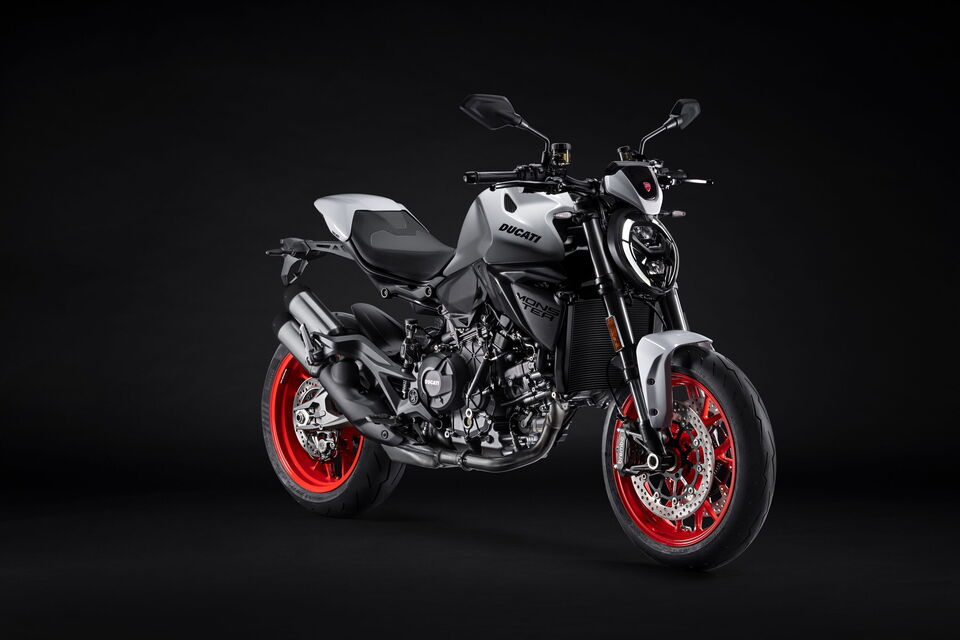
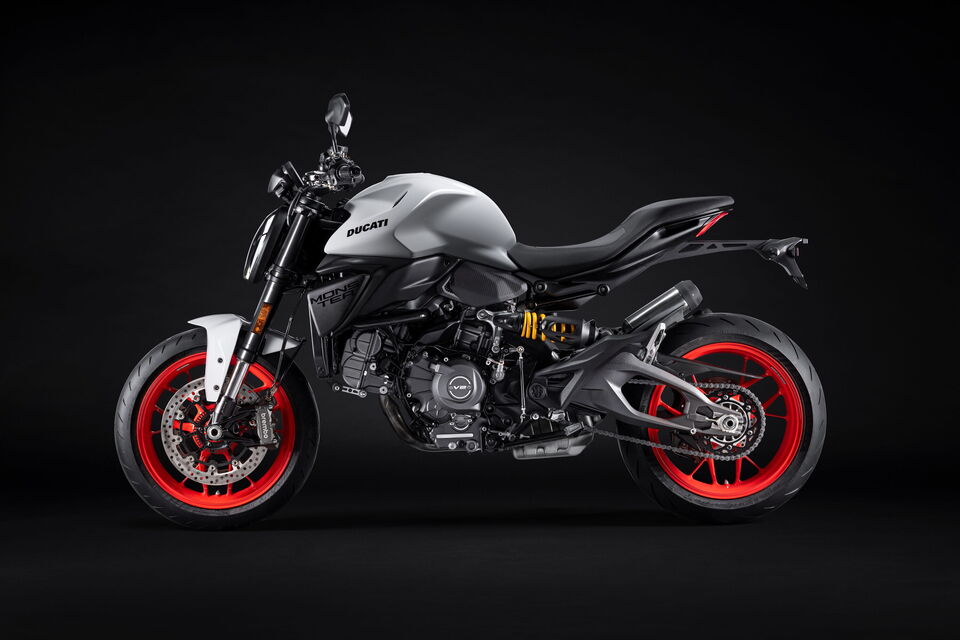
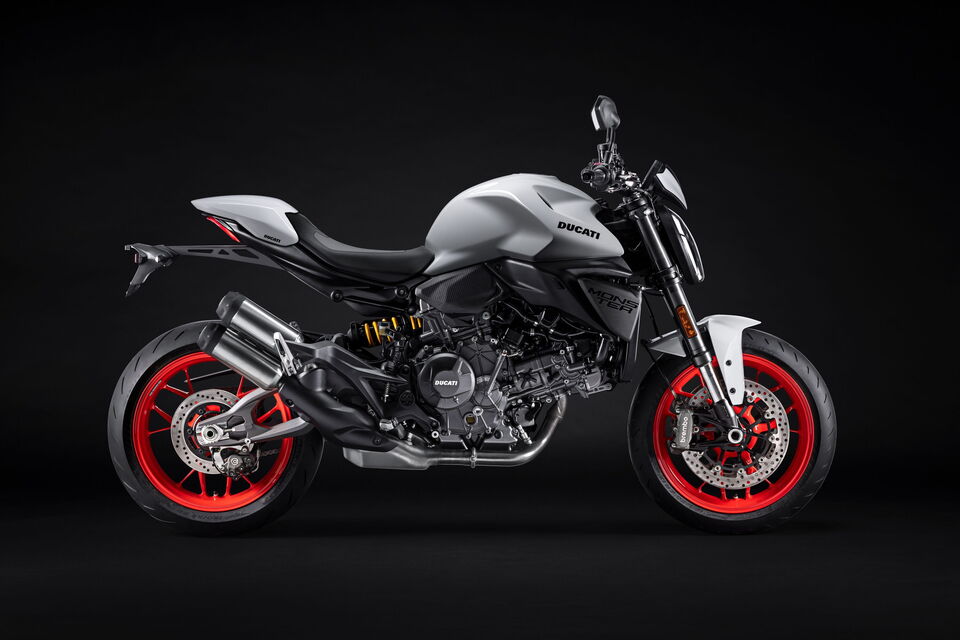
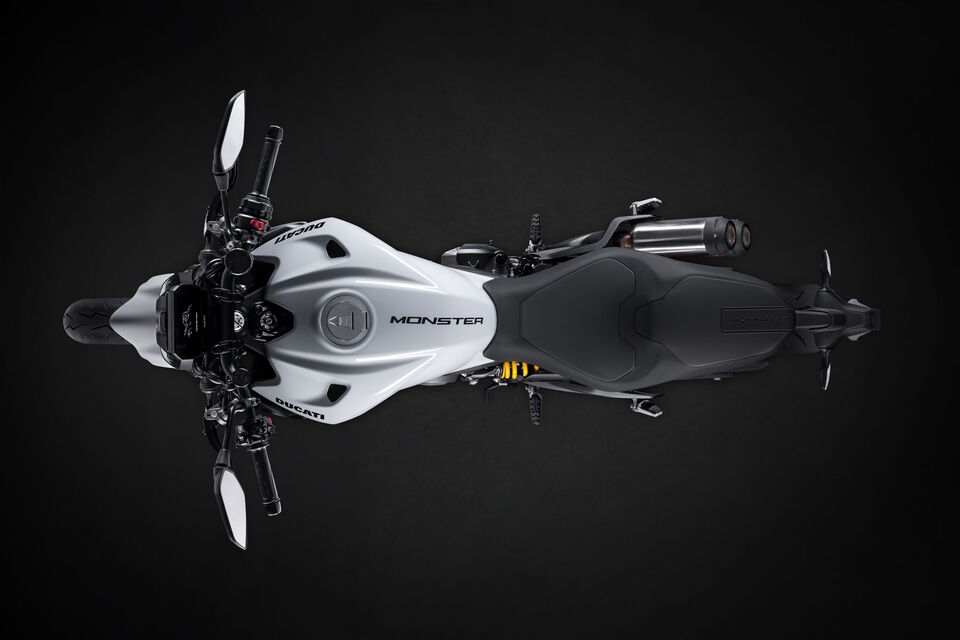
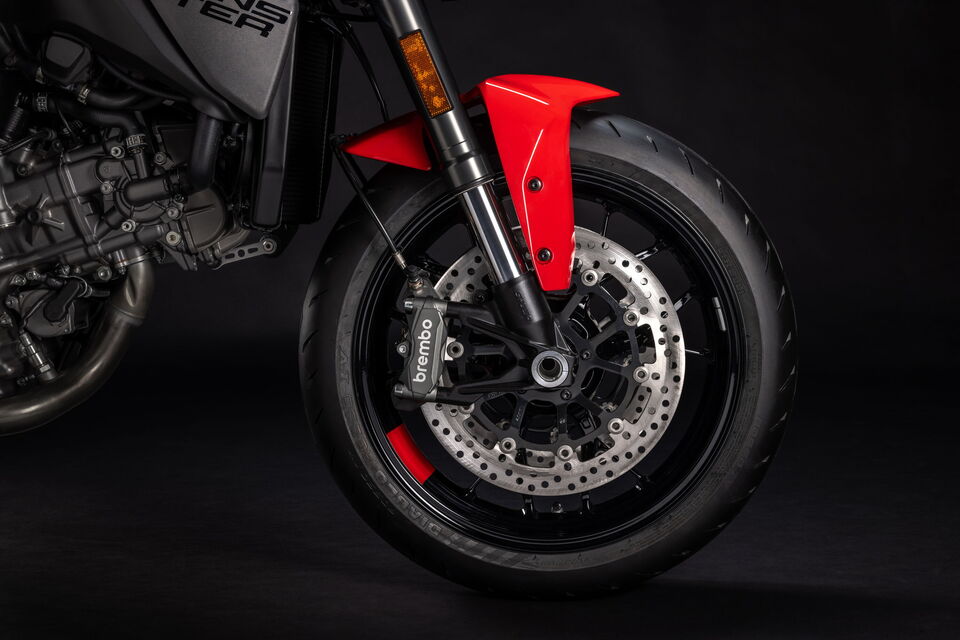
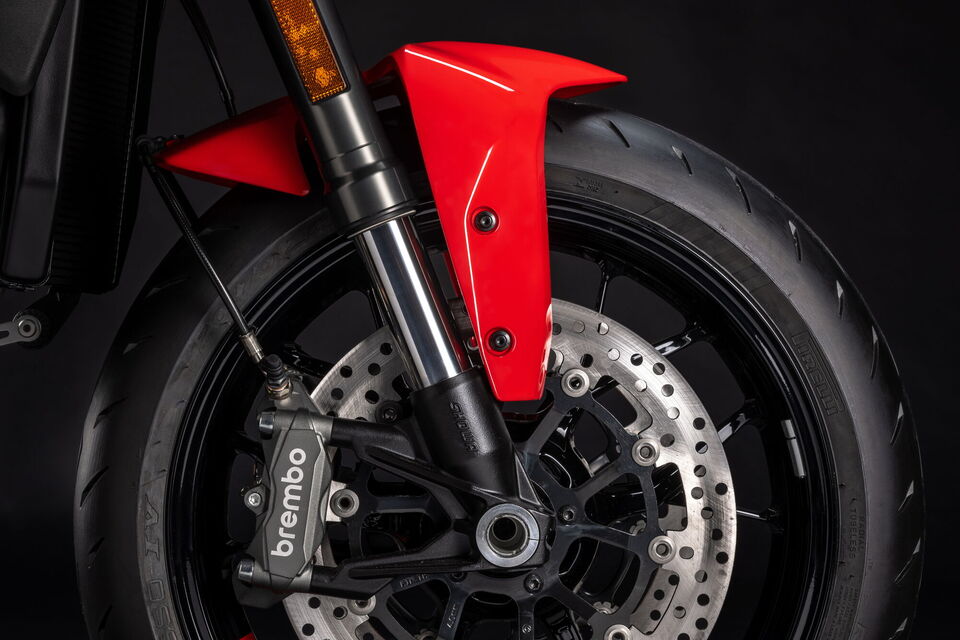
After 34 years, Ducati’s entry point into the naked-bike world is still the best argument for riders who want to understand motorcycling as a craft: light, direct, full of character. With the fifth generation, Ducati has changed everything—engine, frame, electronics—while preserving the one thing that matters: the feeling that nothing stands between rider and road. 175 kg dry, 111 hp, new 890 cc V-twin with variable valve timing, 815 mm seat height, Brembo radial calipers, Pirelli Diablo Rosso IV. Anyone who has ever sat on a Monster knows: this is not a motorcycle for beginners—and at the same time, it is the most inviting Ducati ever built. From €12,890.
As of: April 17, 2026 | Model: Ducati Monster (2026; fifth generation; 890 cc V-twin with IVT; naked bike; full license / A2 35 kW restricted version available) | Manufacturer: Ducati Motor Holding S.p.A., Bologna, Italy; Volkswagen Group | Price in Germany: Monster Standard €12,890; Monster+ €13,290, plus additional charges | Stationary noise: not published | Warranty: 2 years, Ducati standard
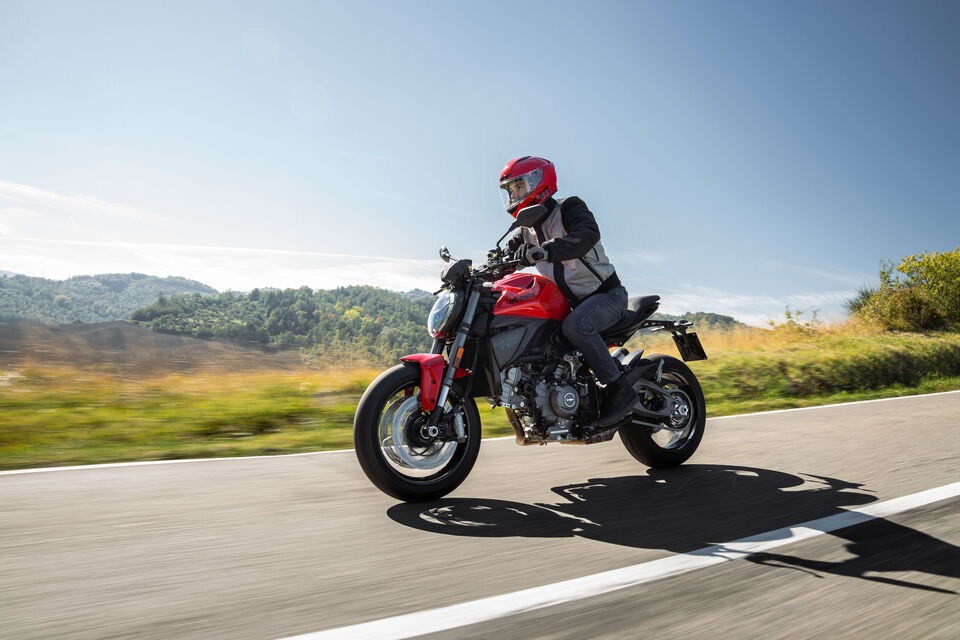
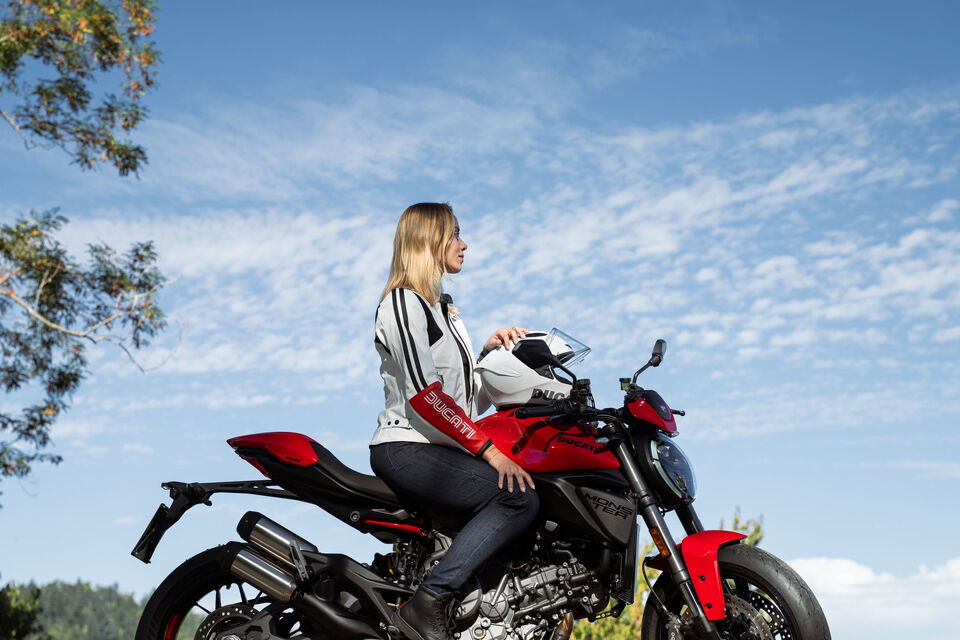
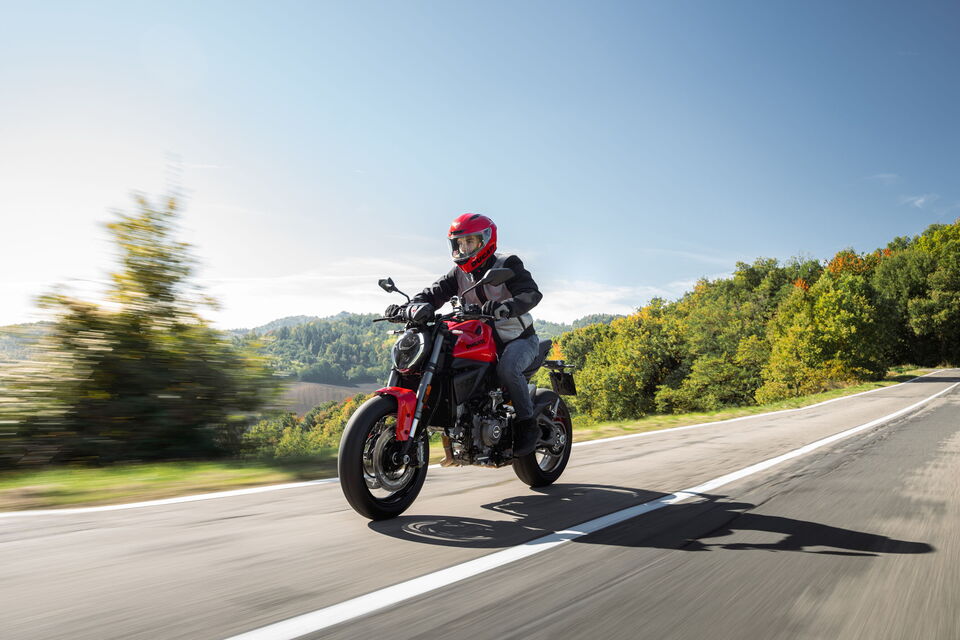
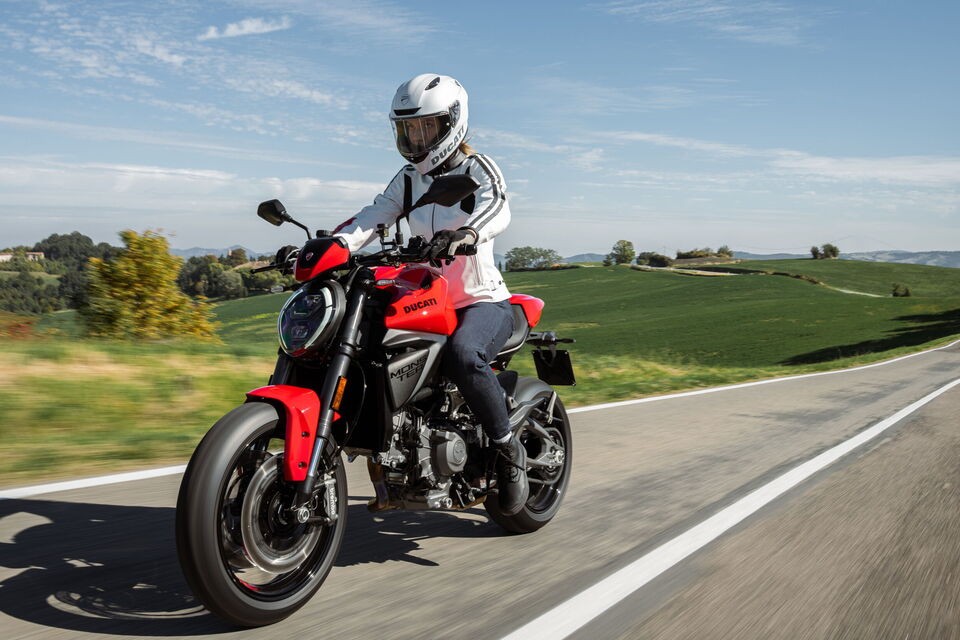
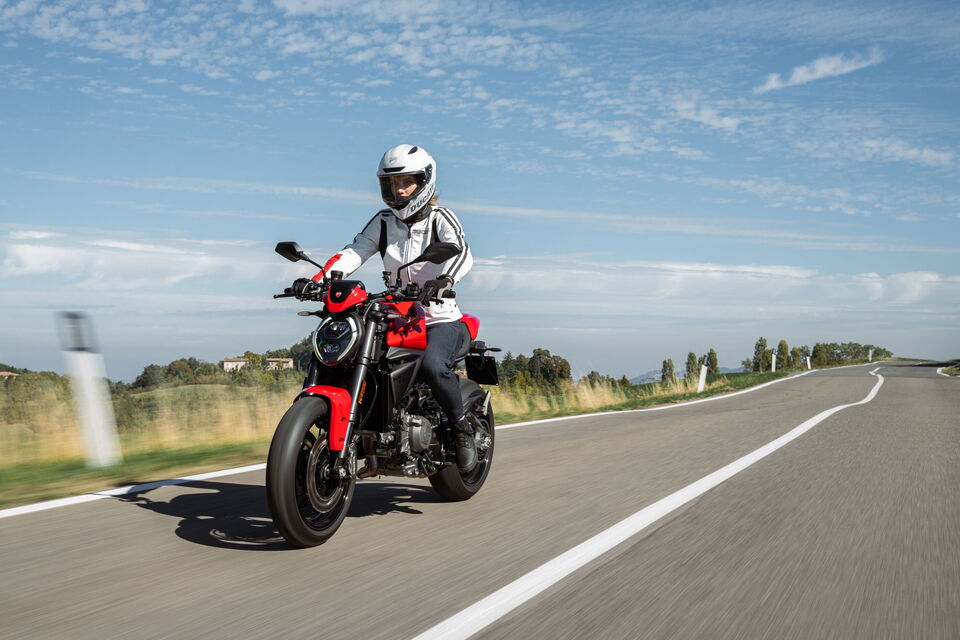
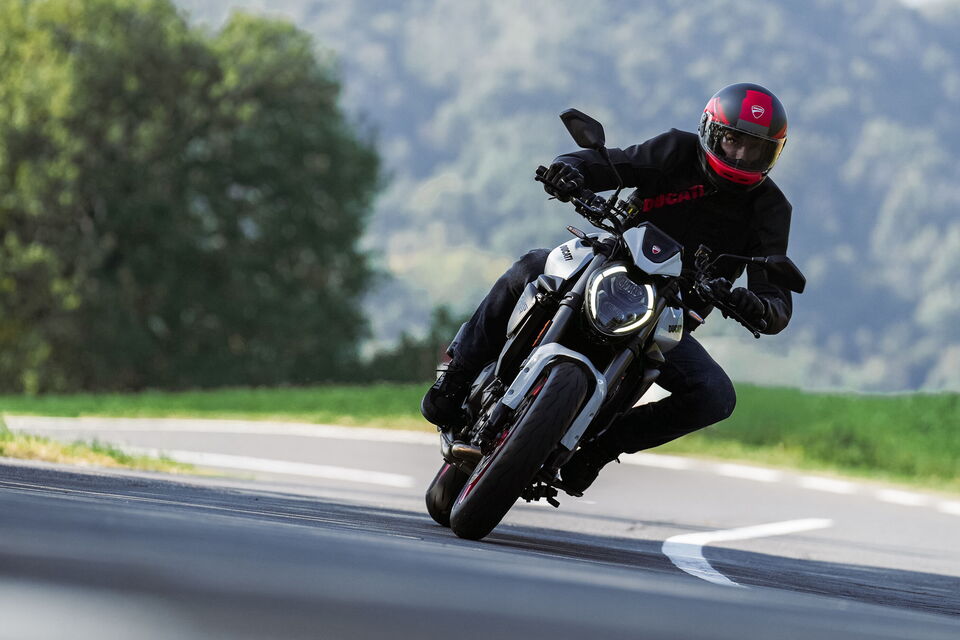
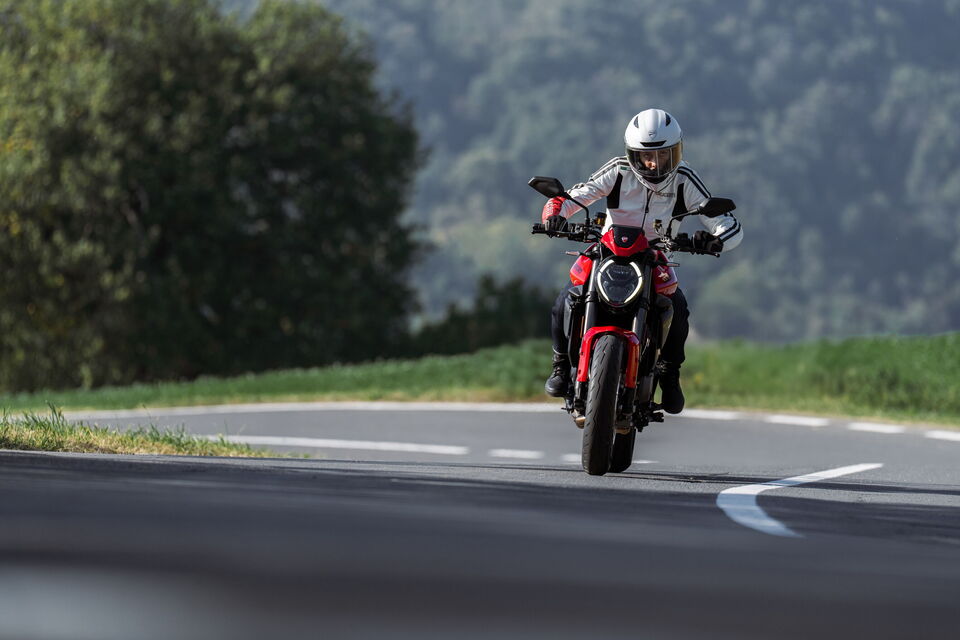
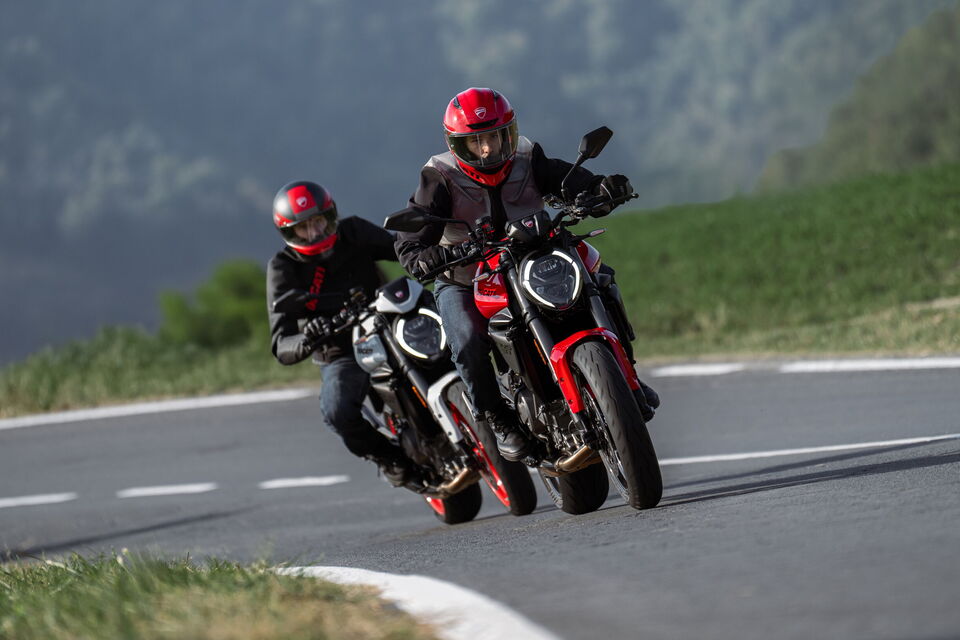
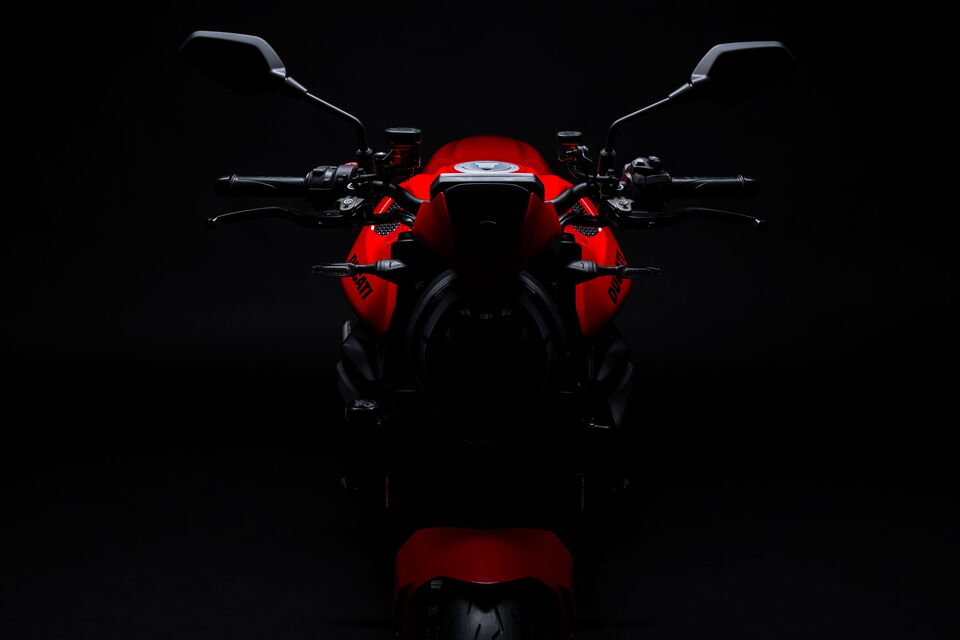
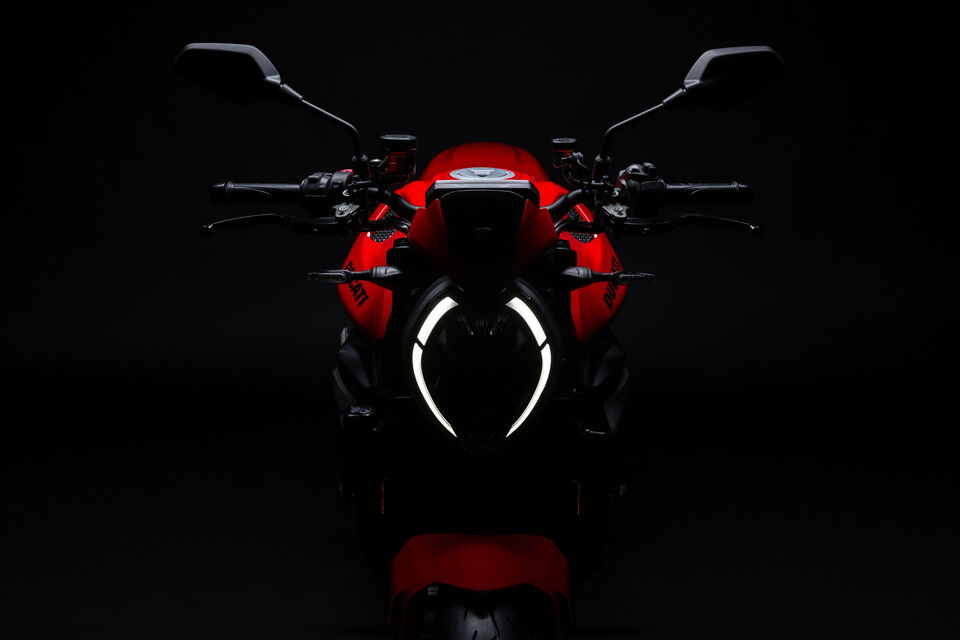
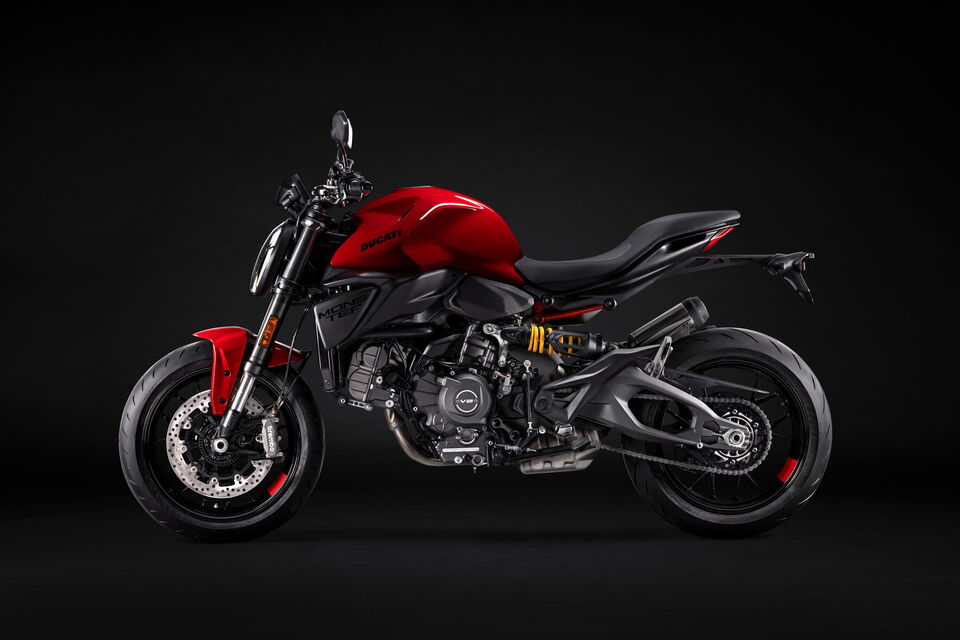
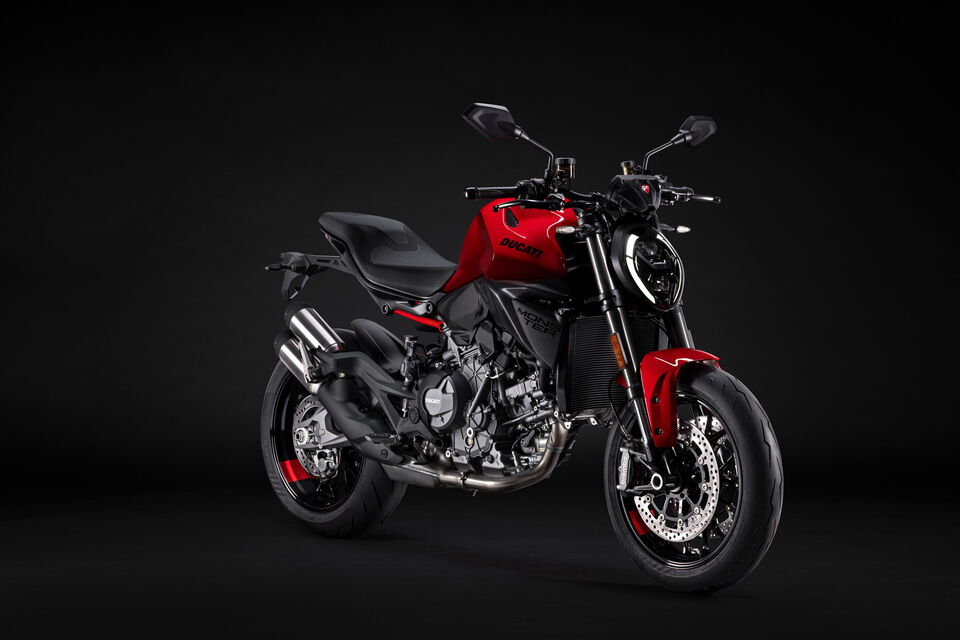

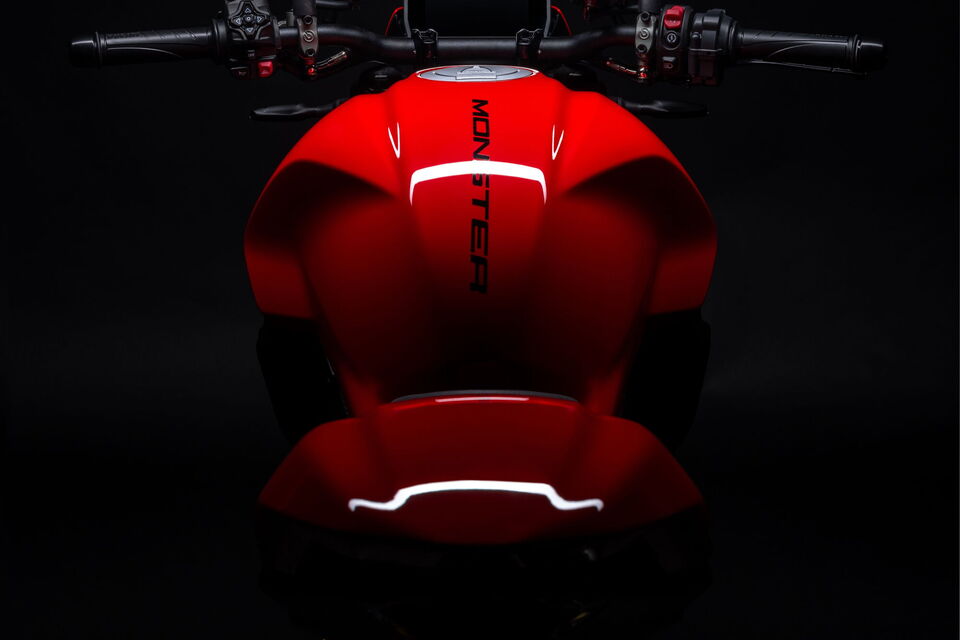
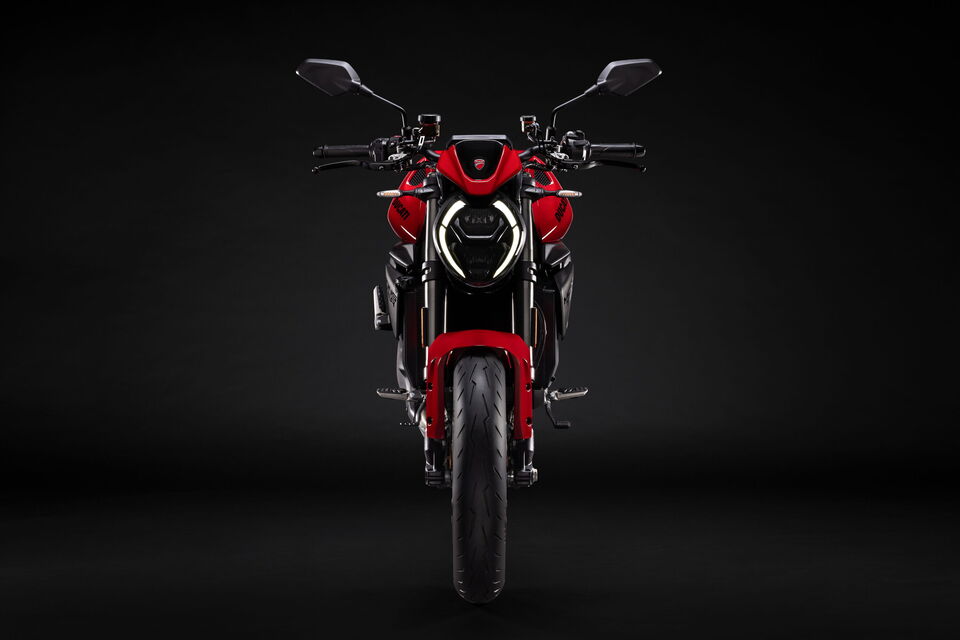

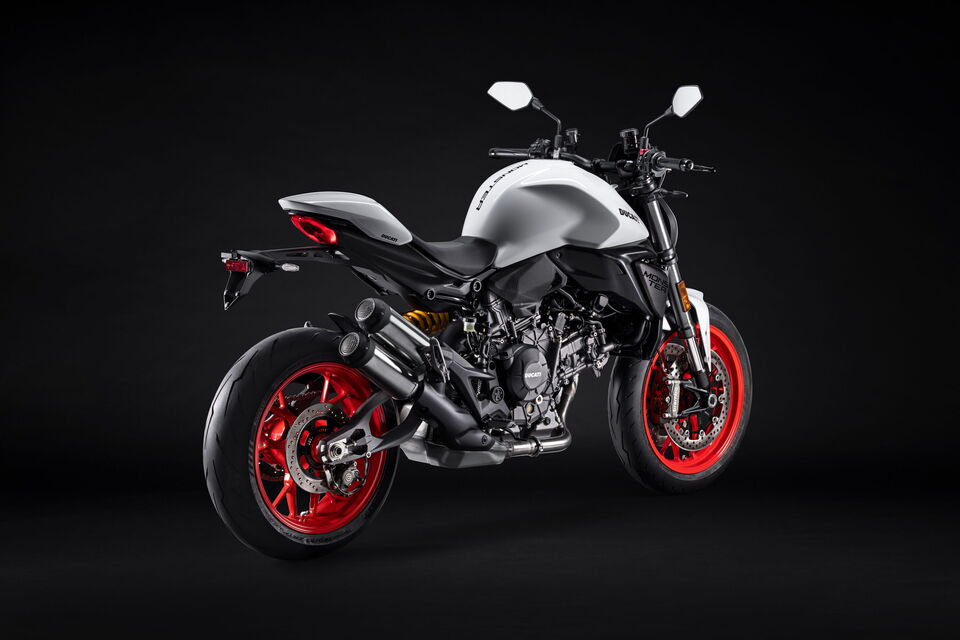
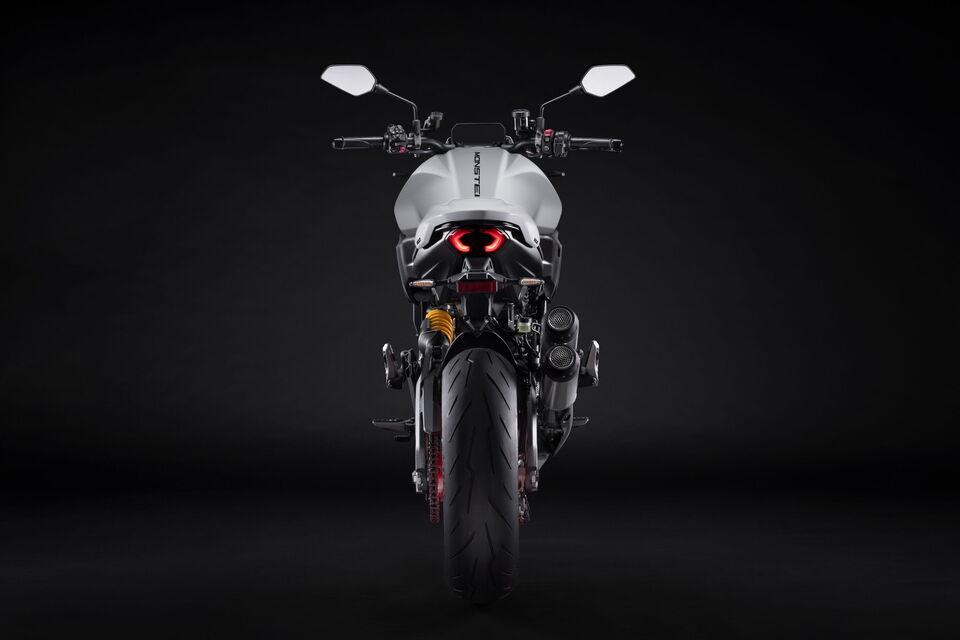
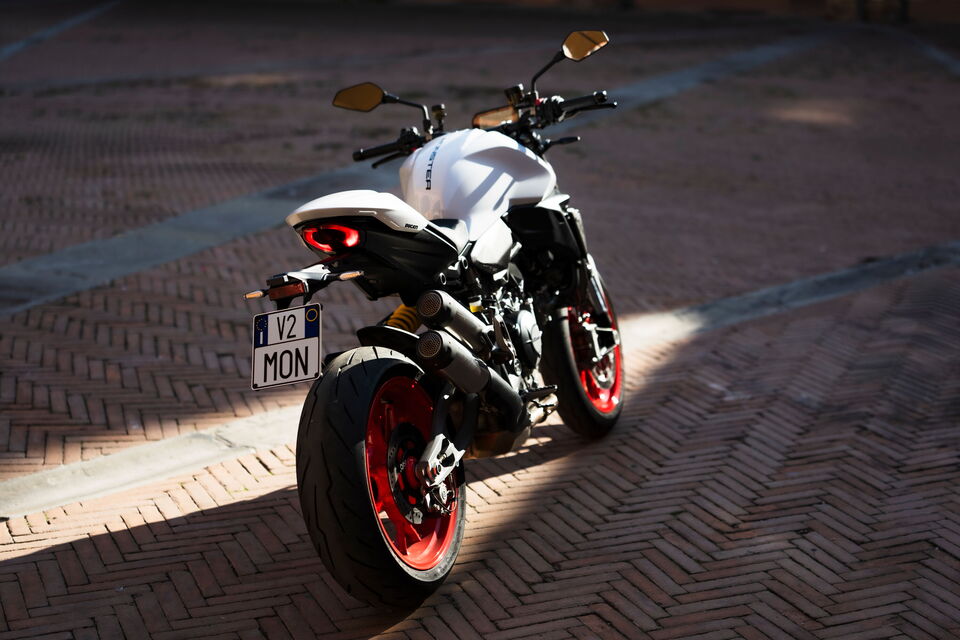
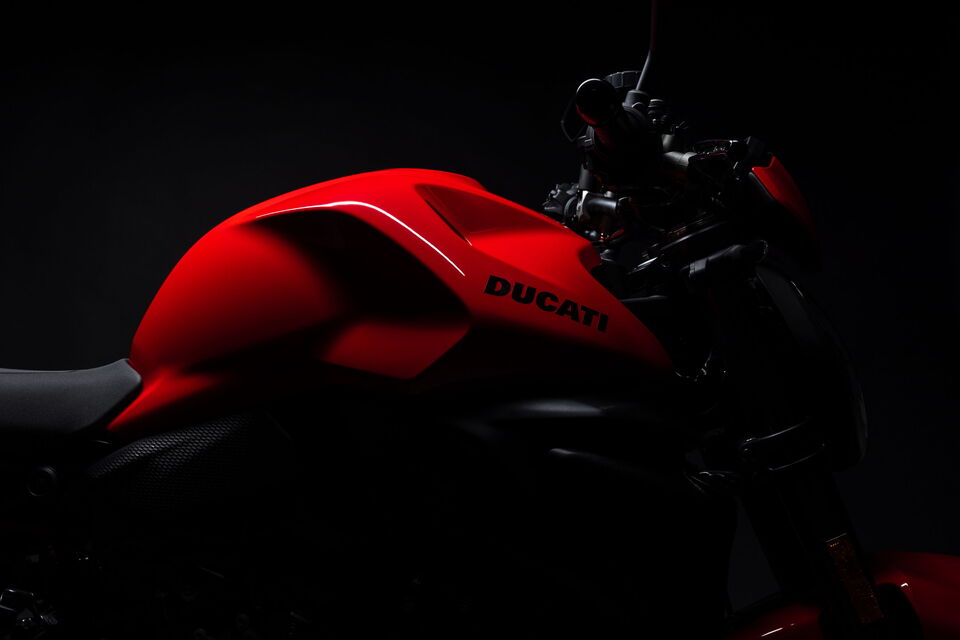

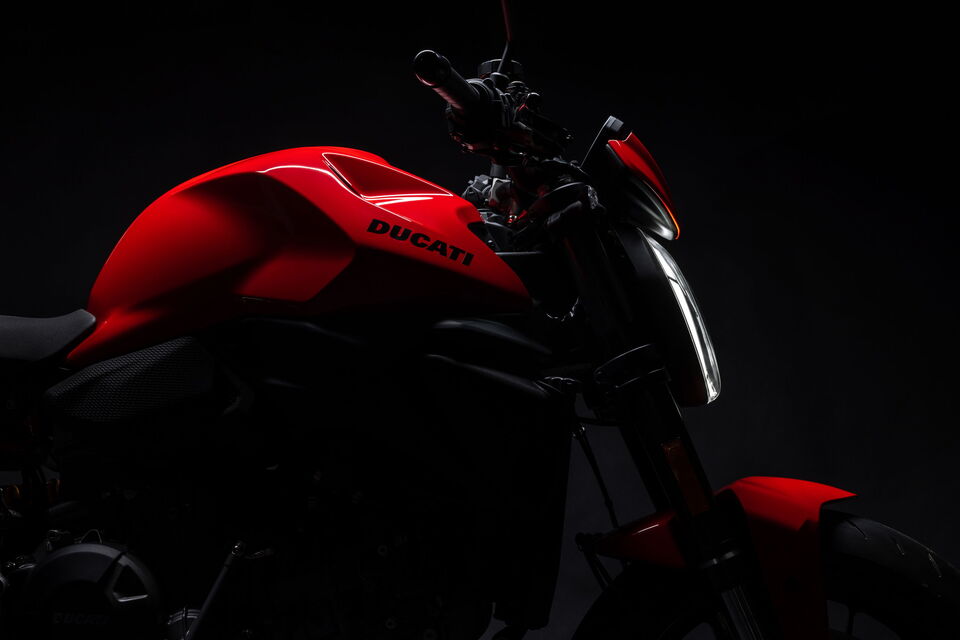
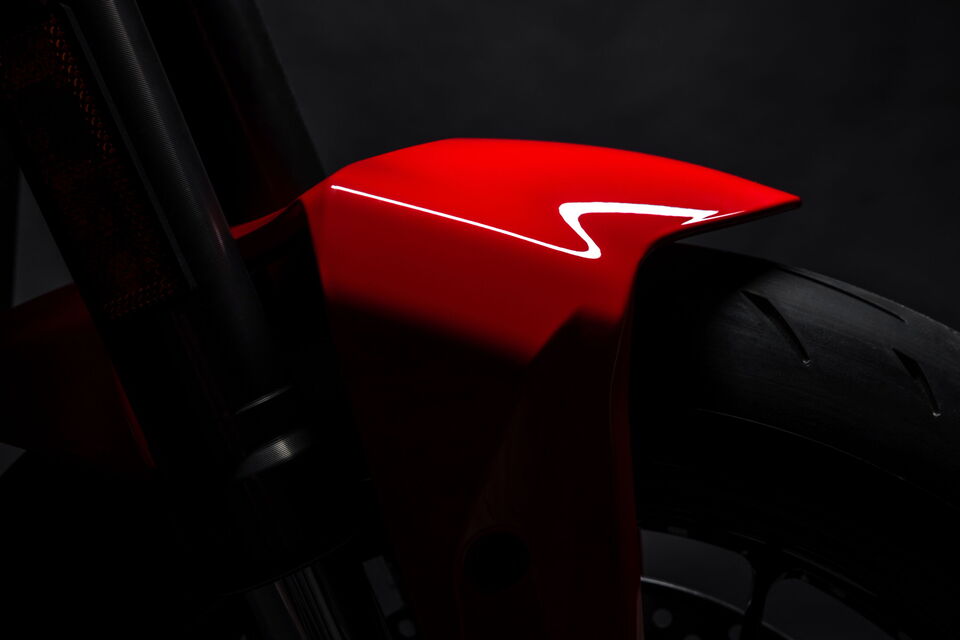
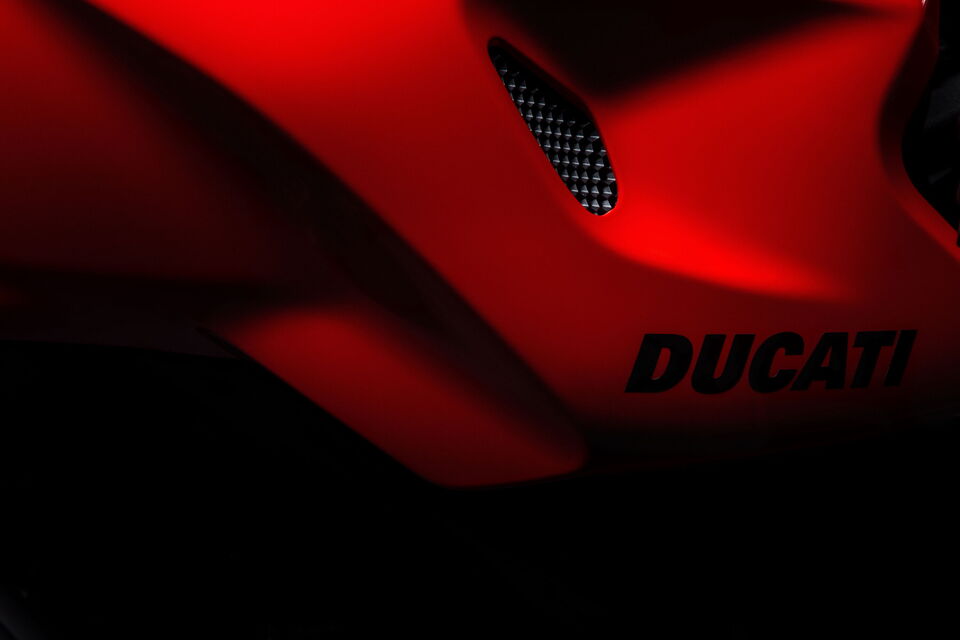
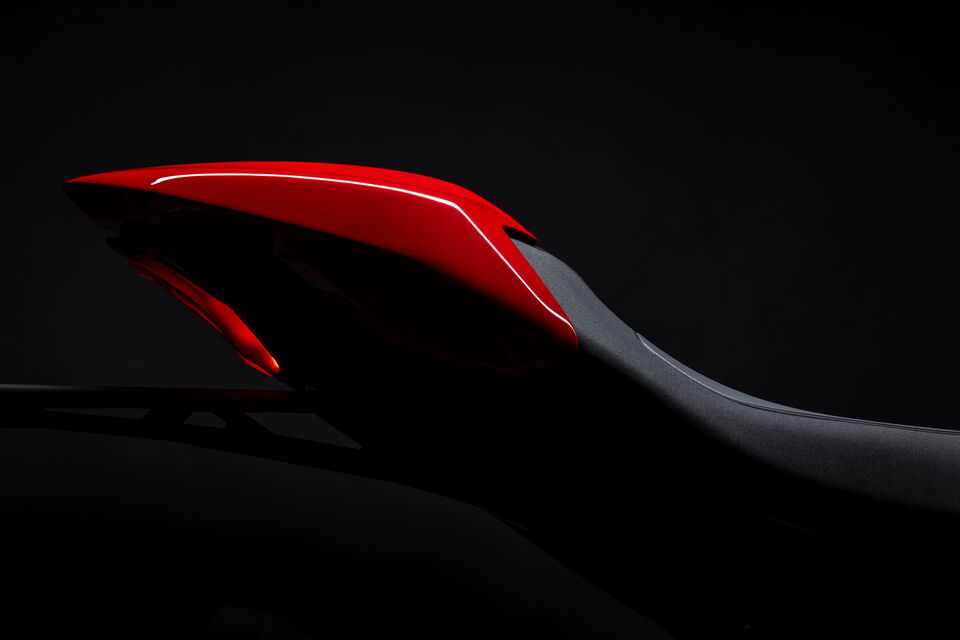



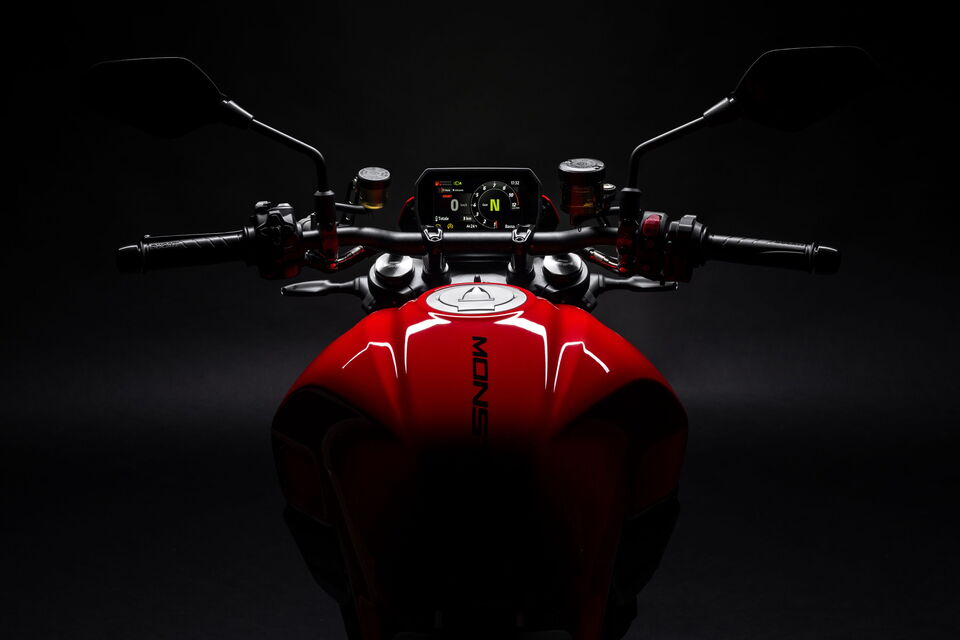
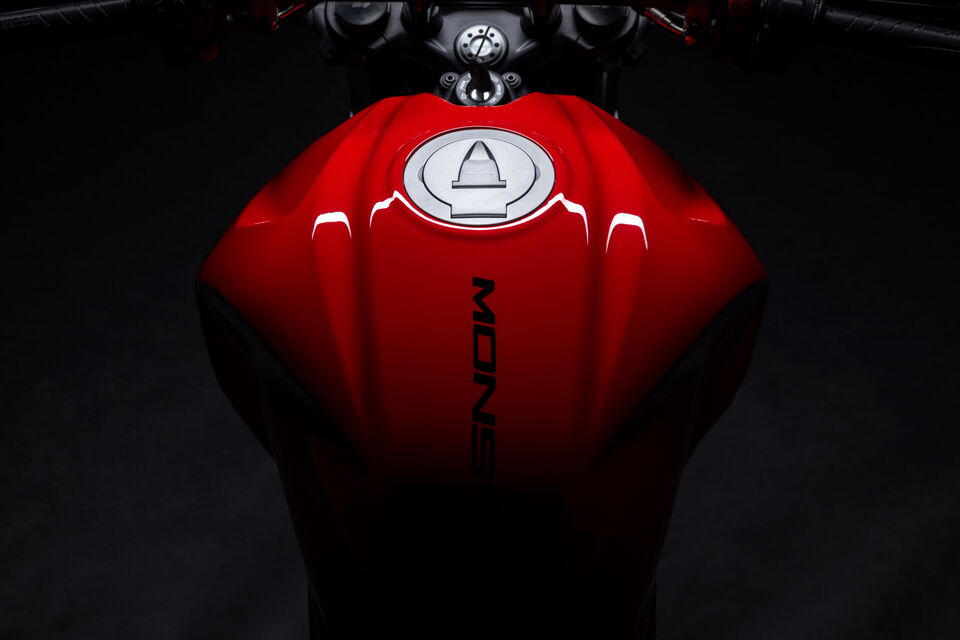
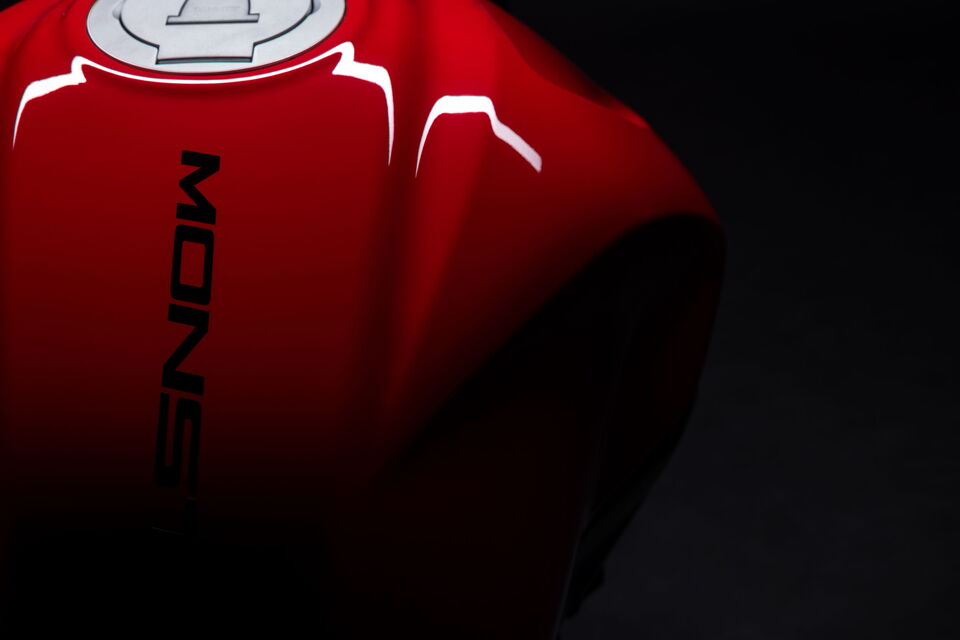

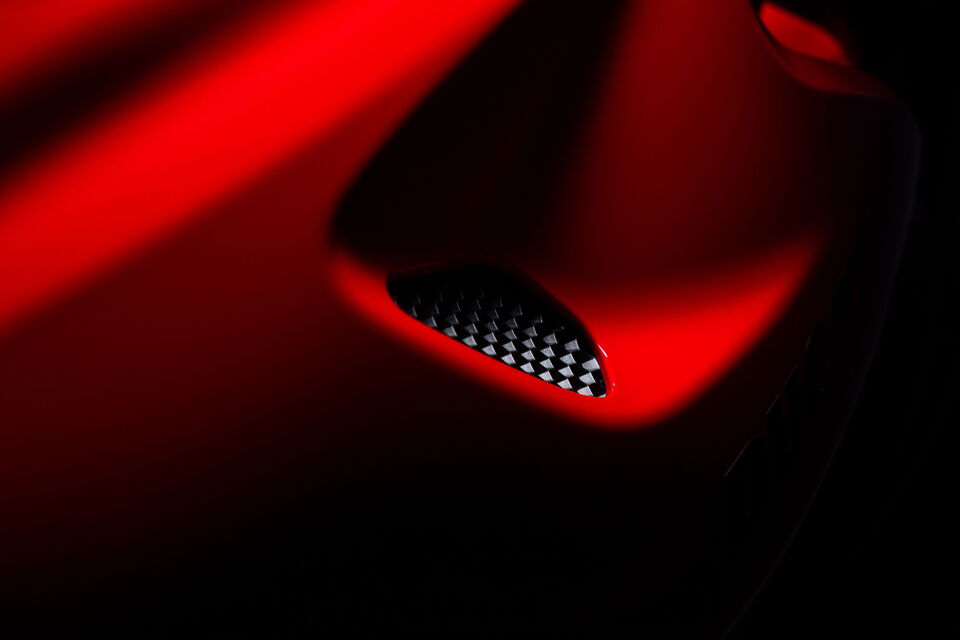
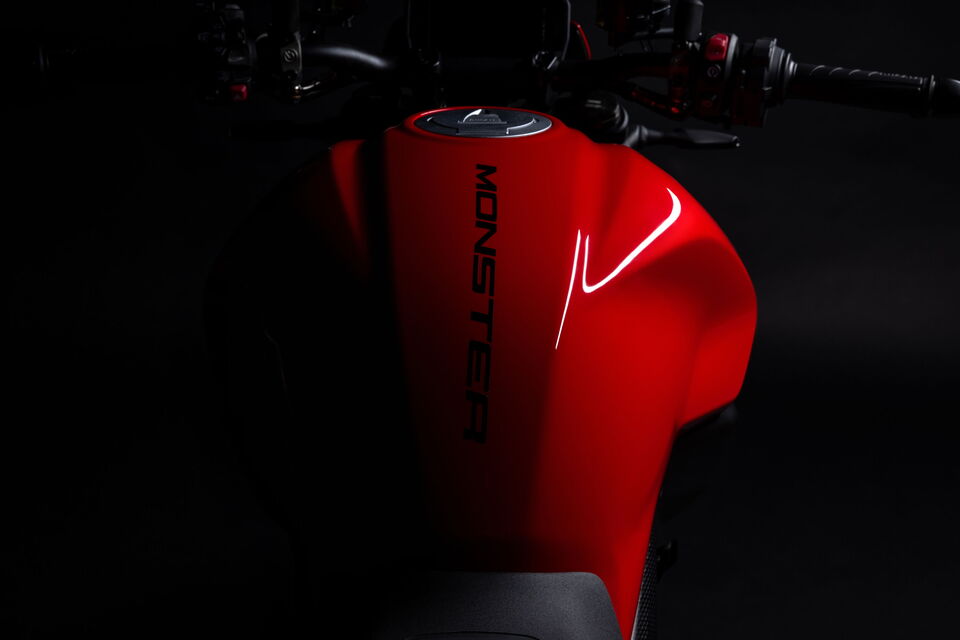
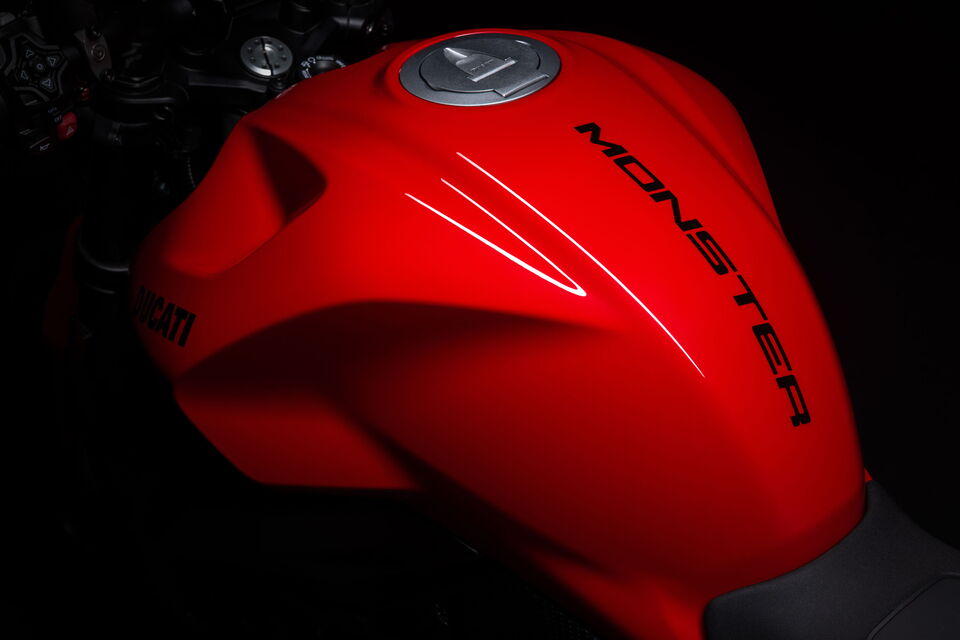
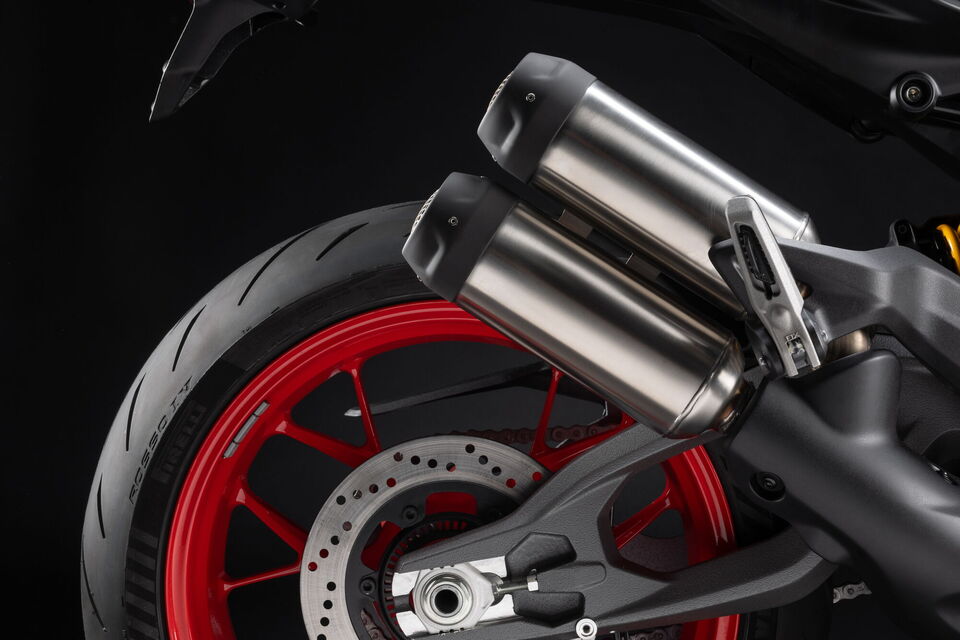
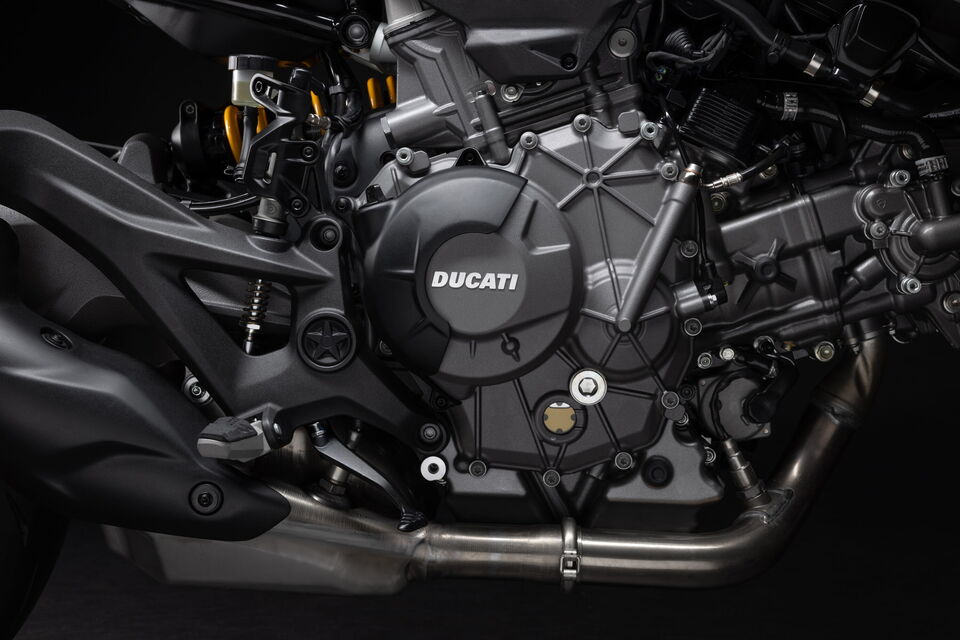
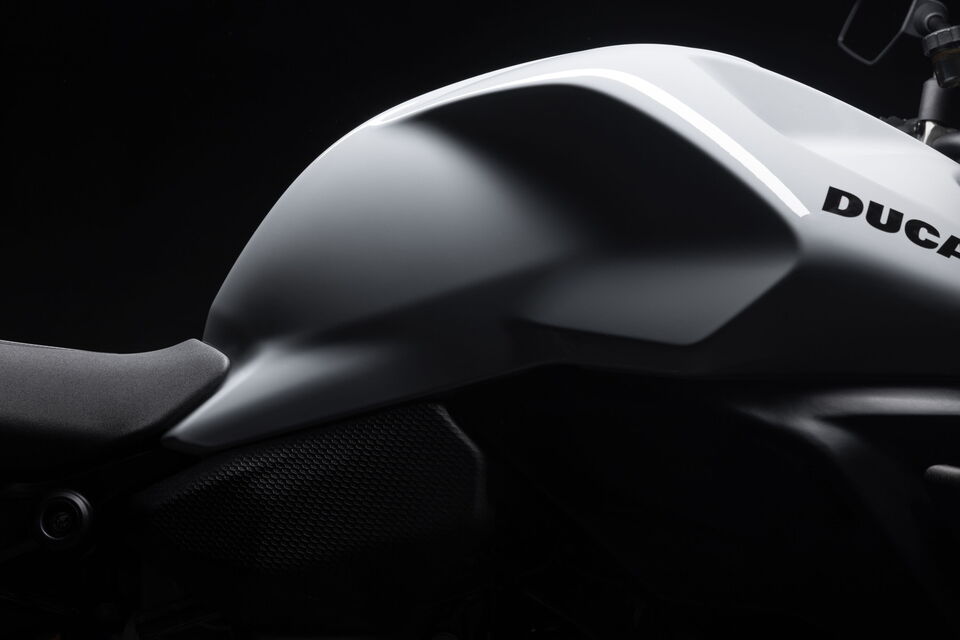


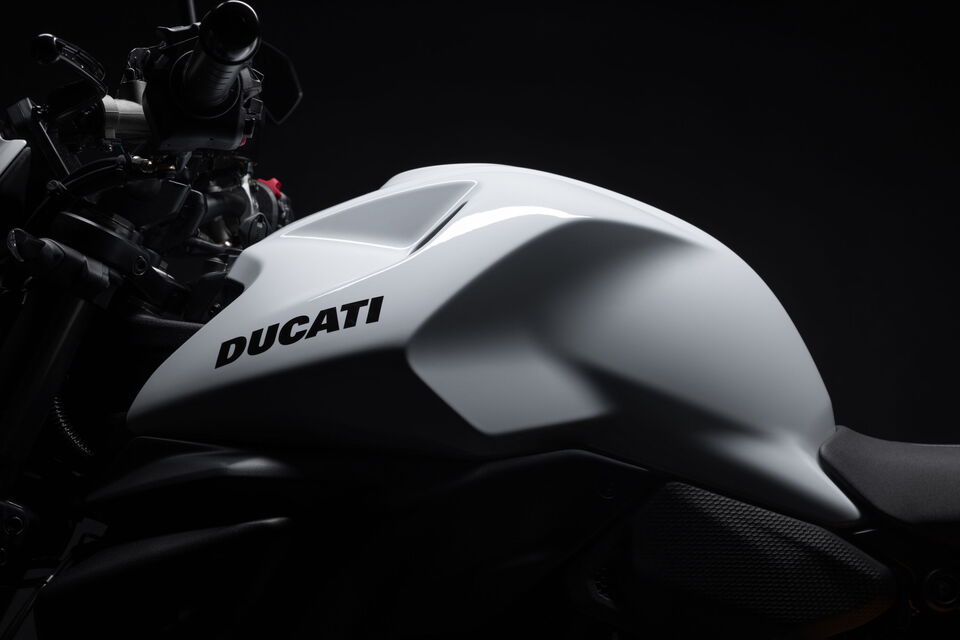
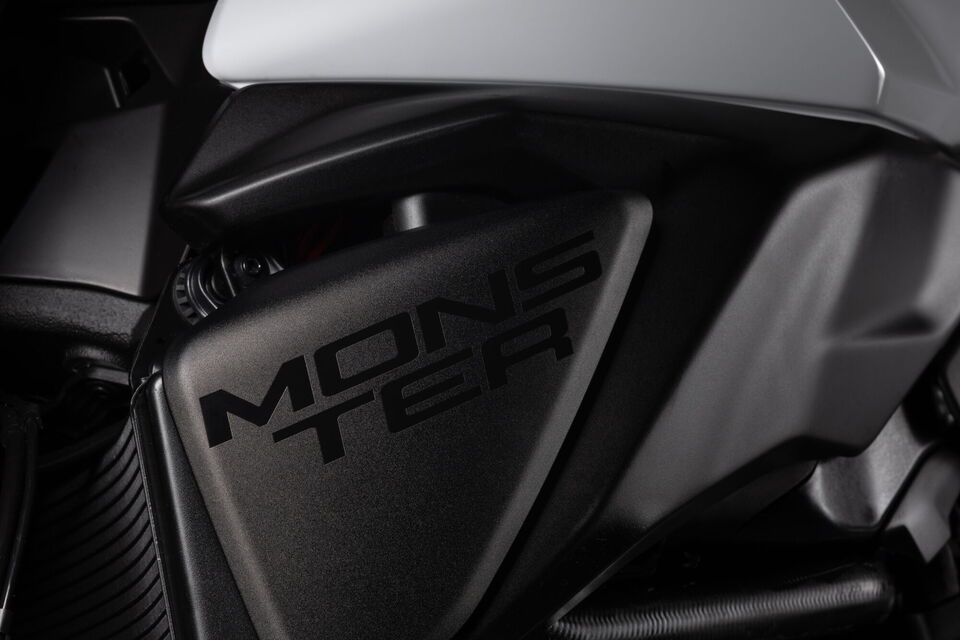
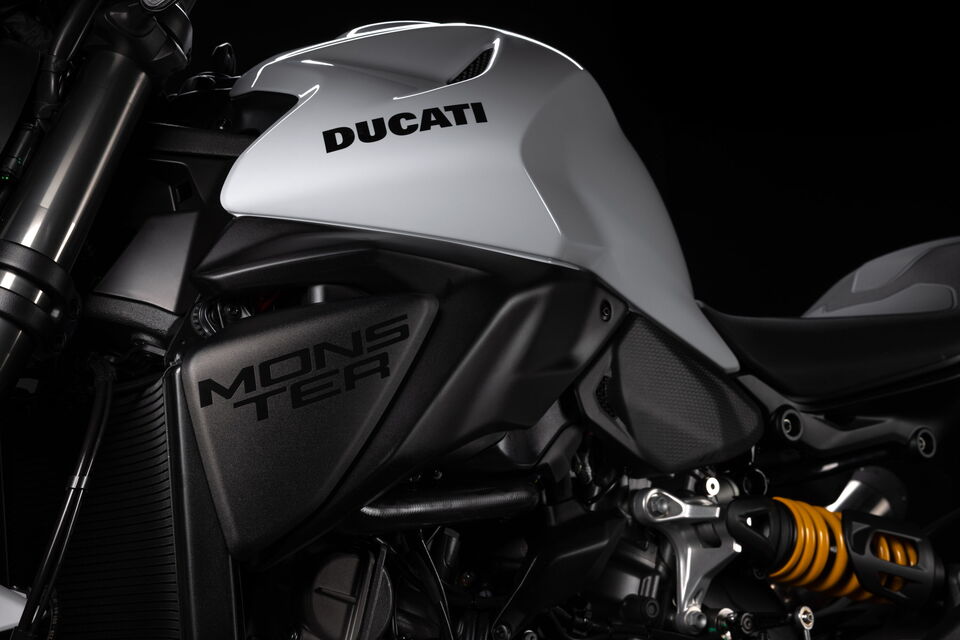
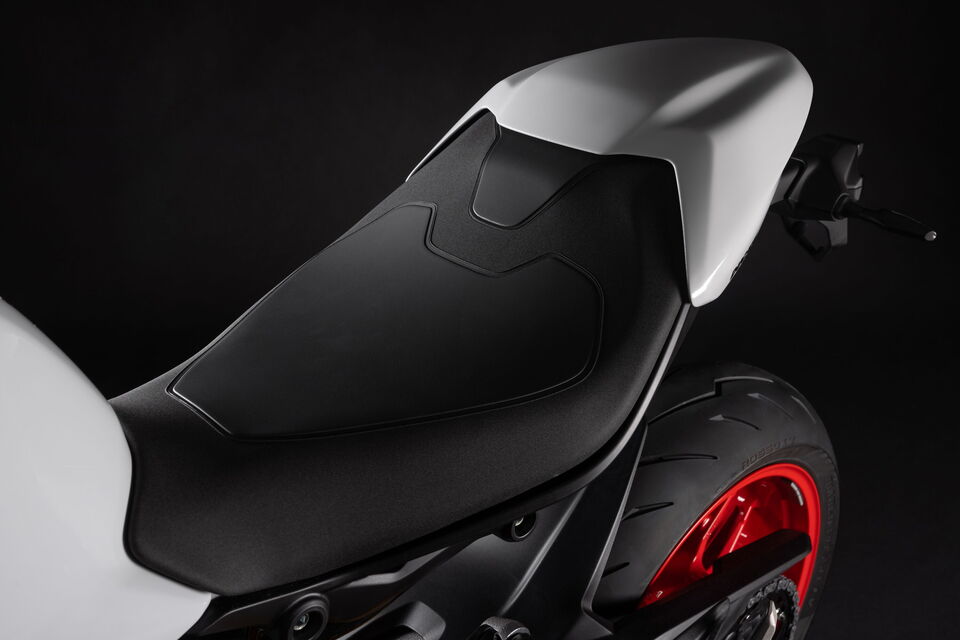
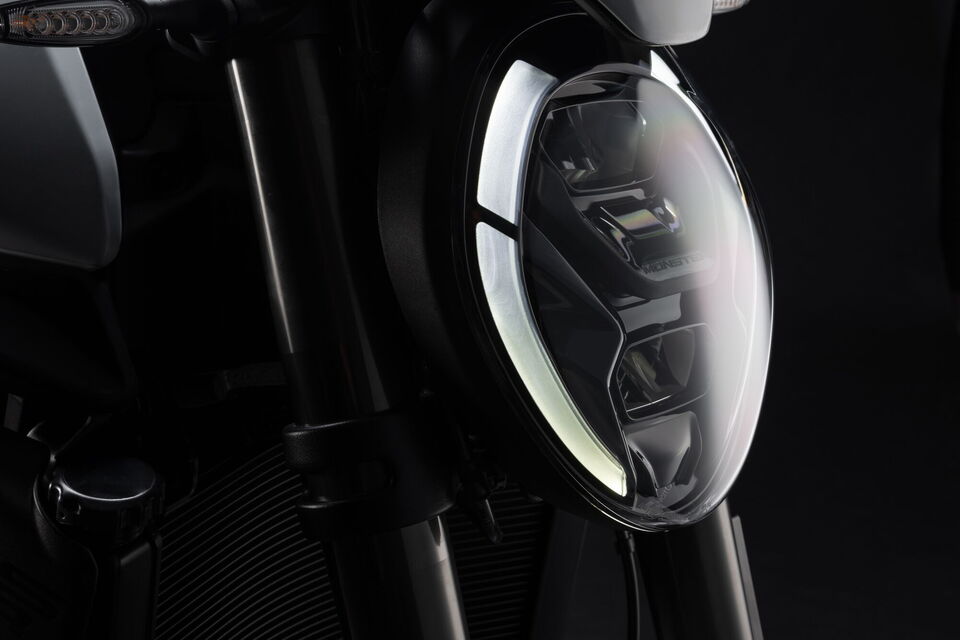
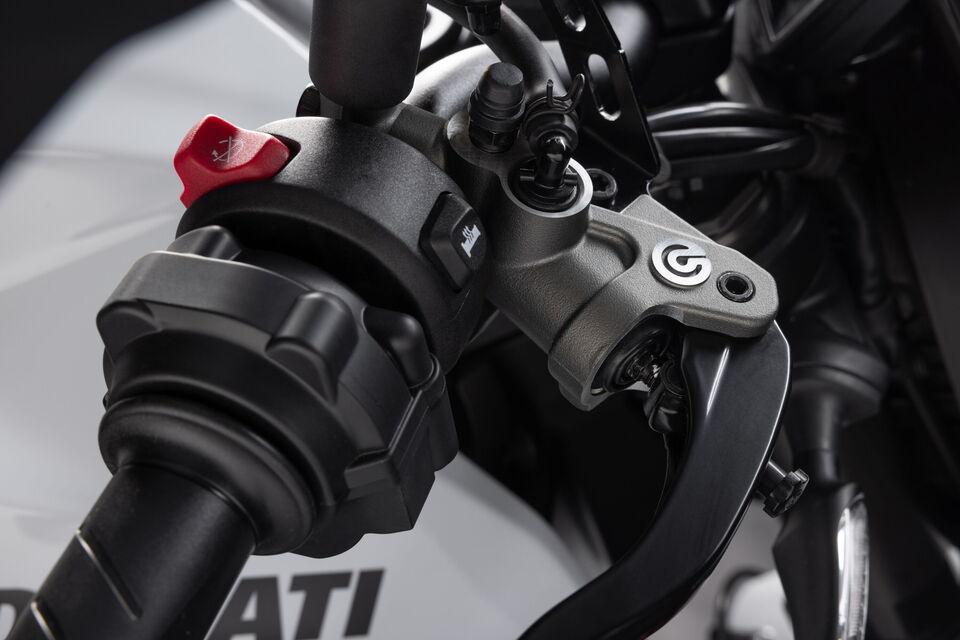
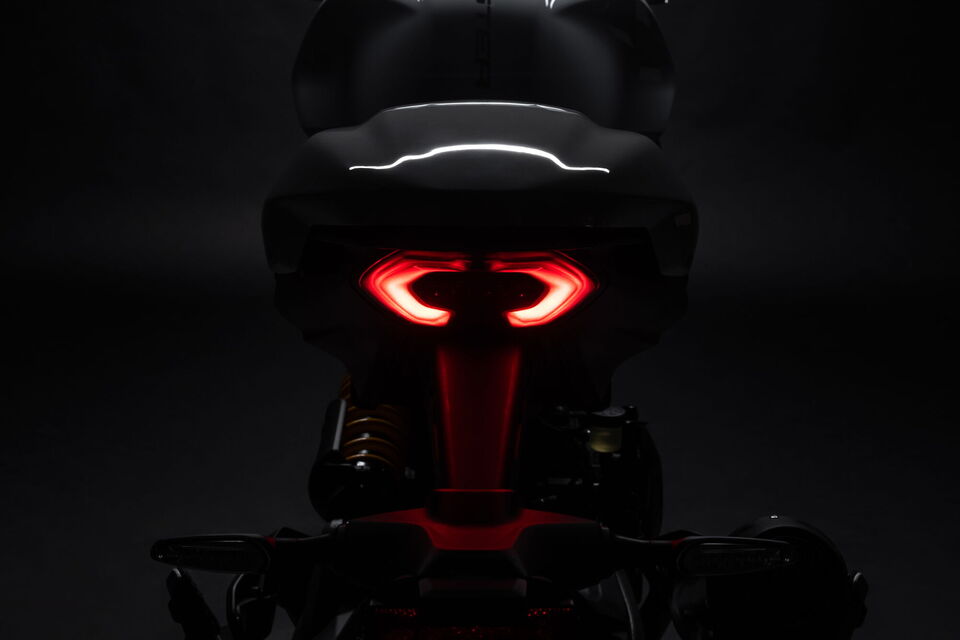

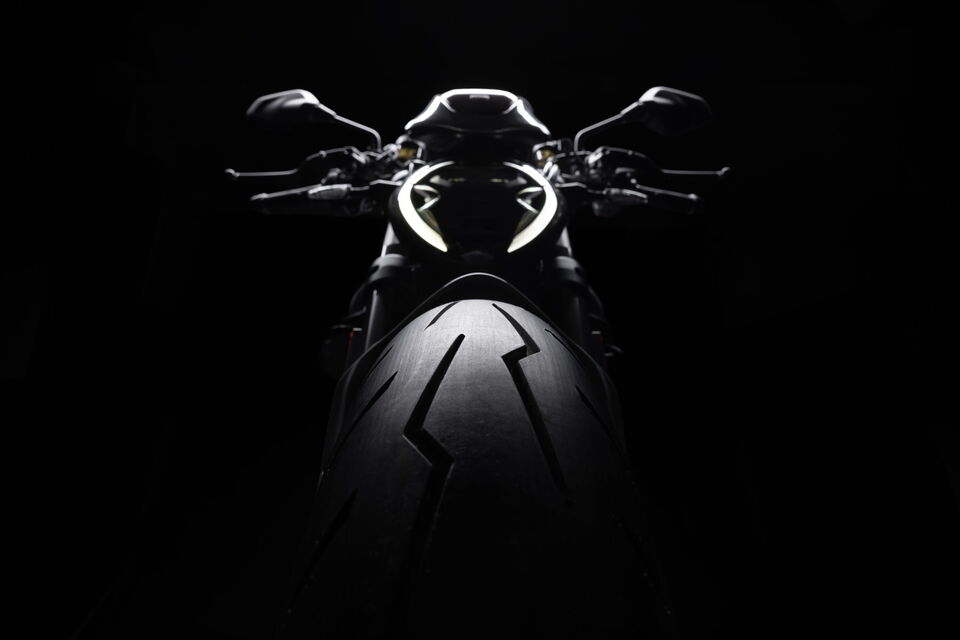
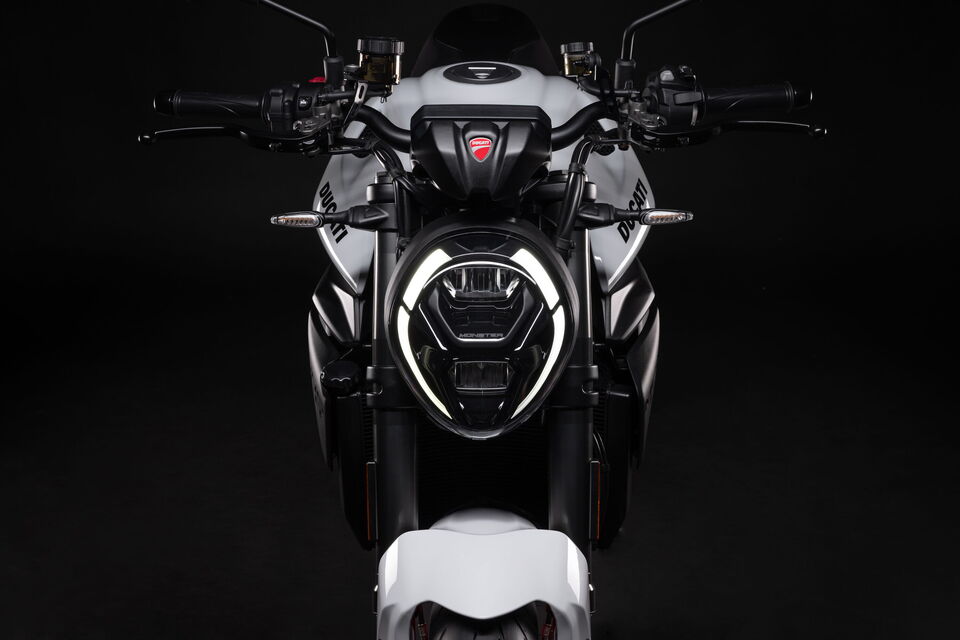
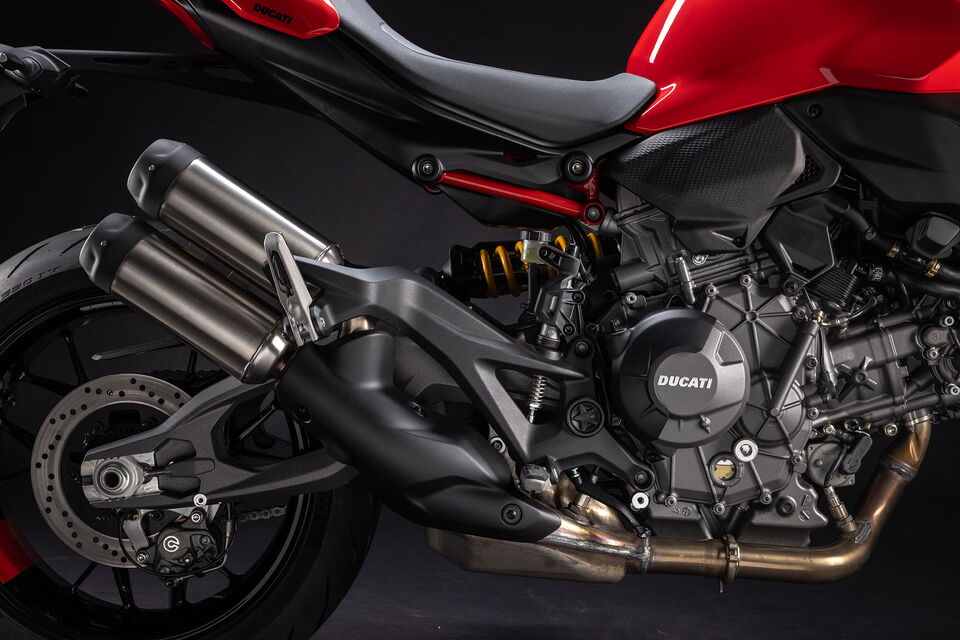
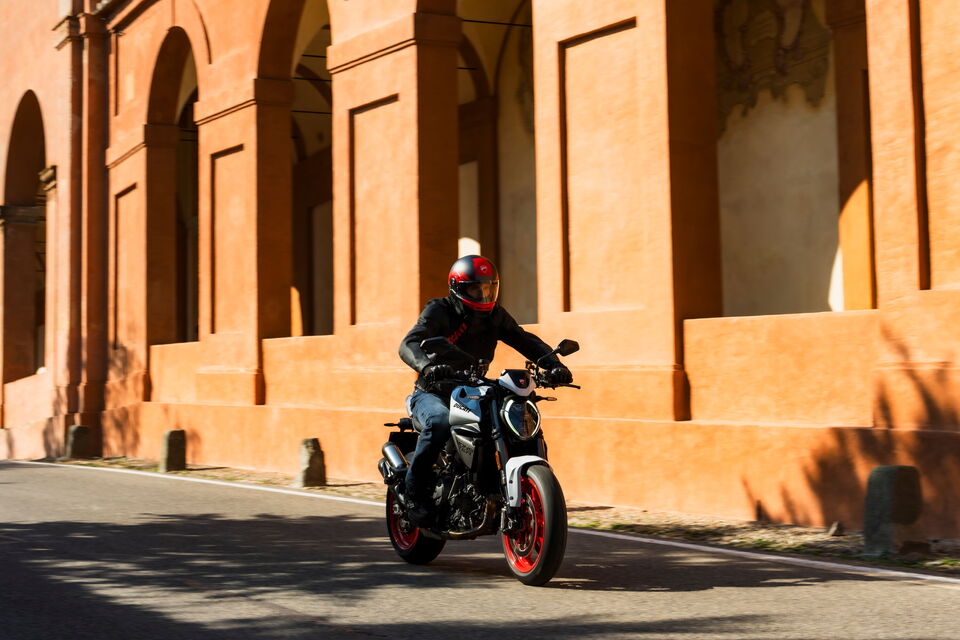


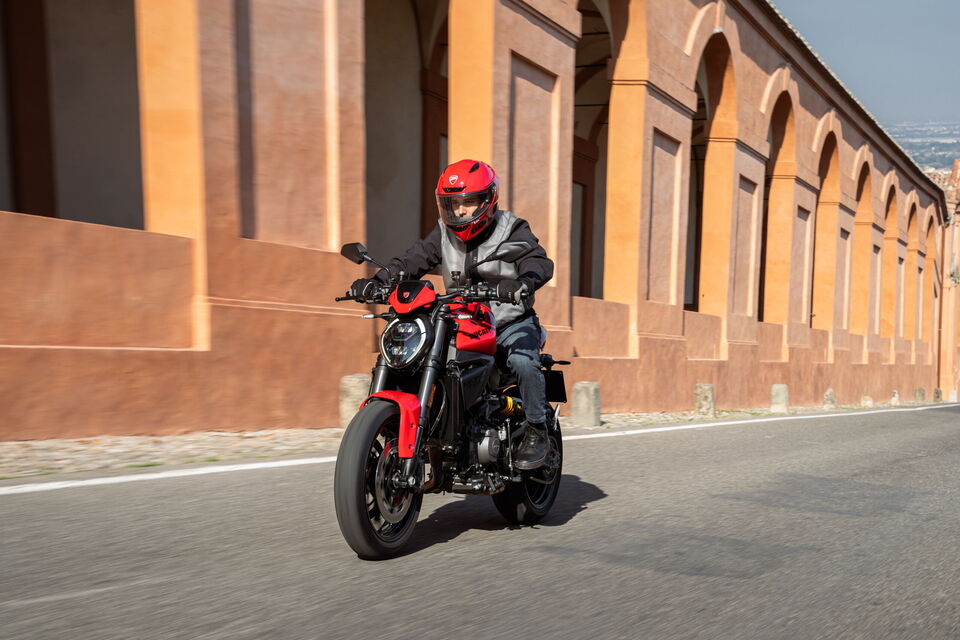


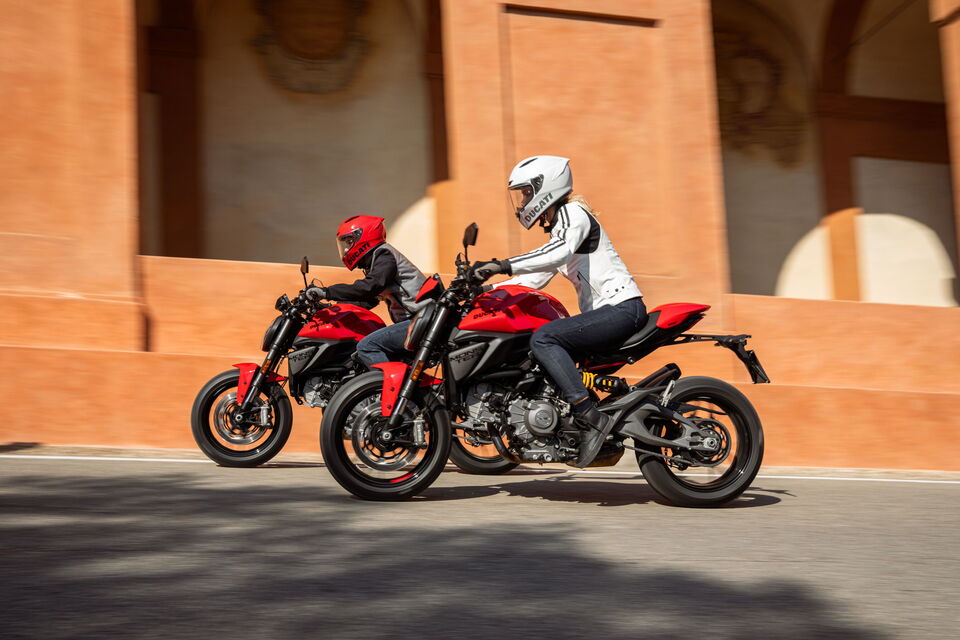

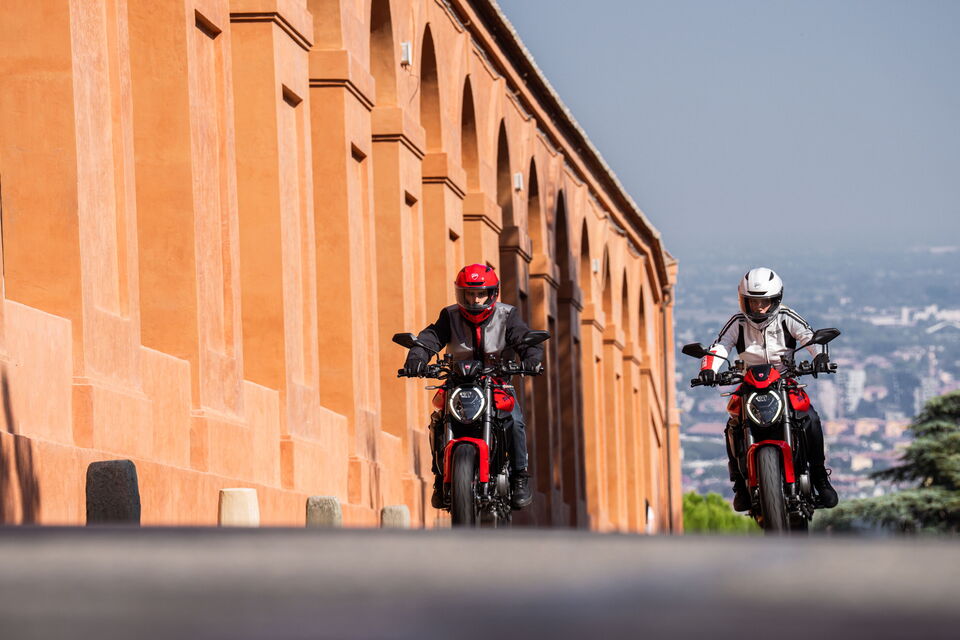
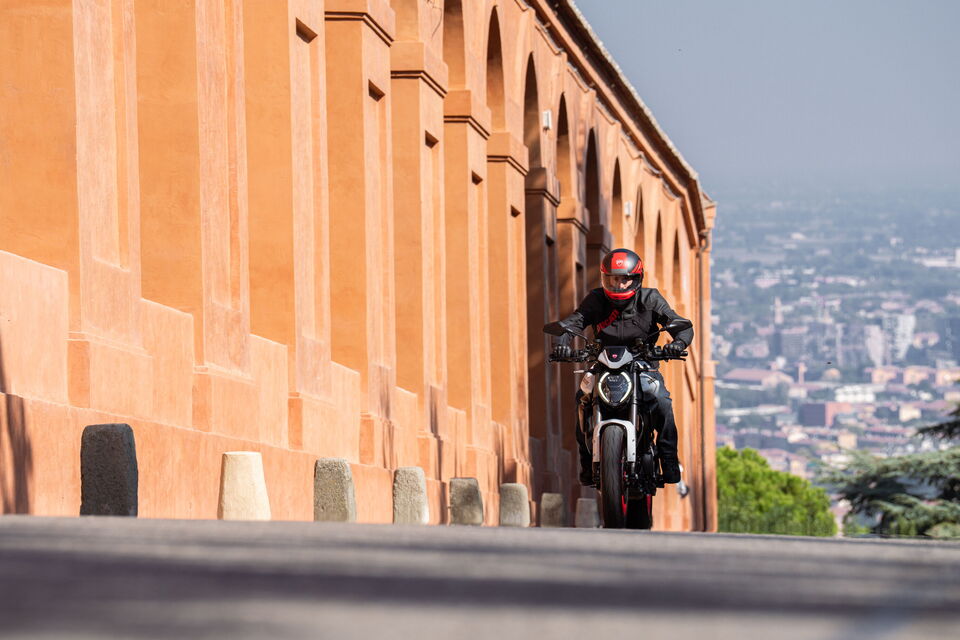
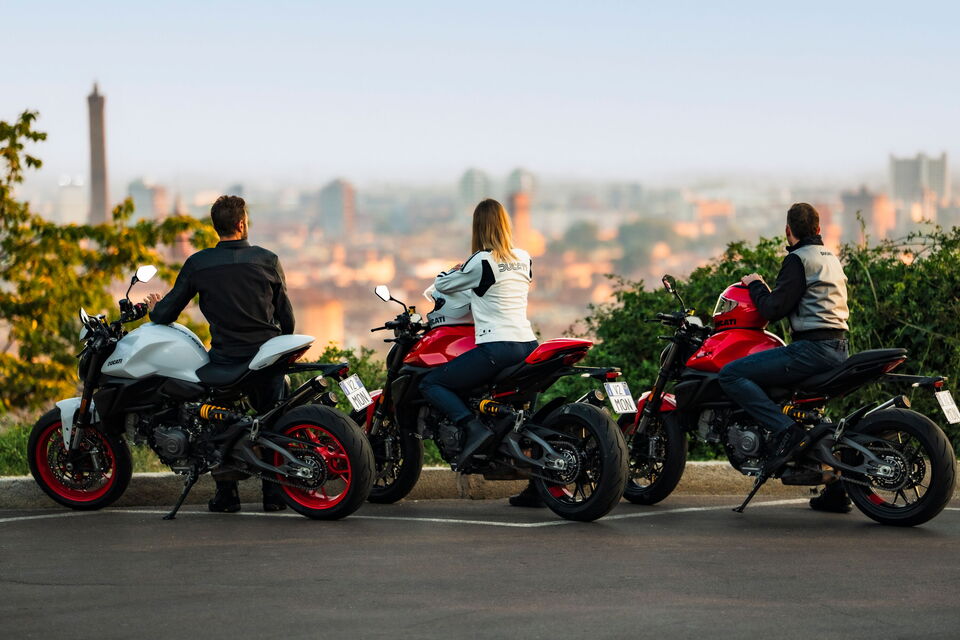
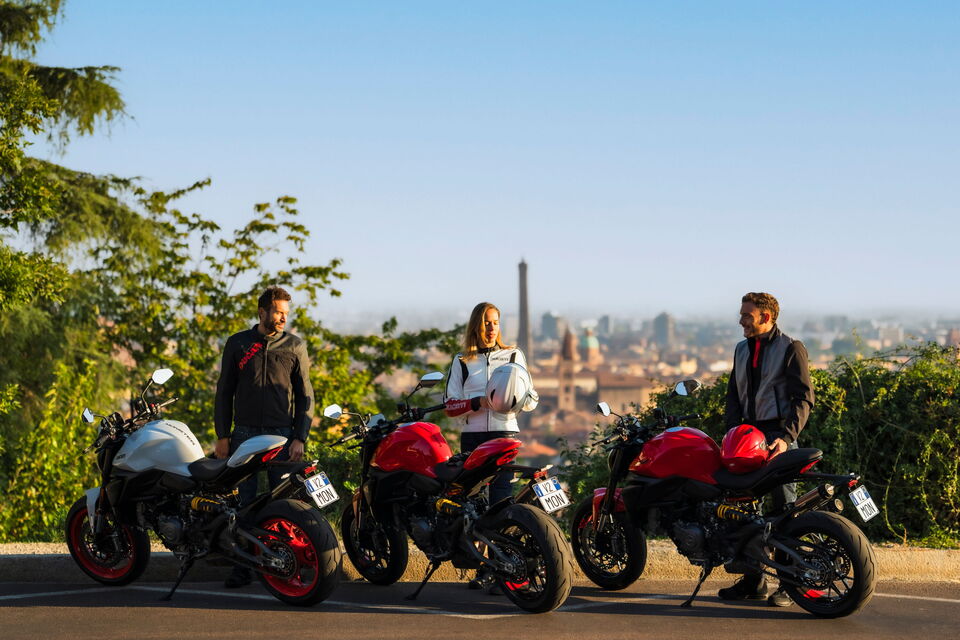
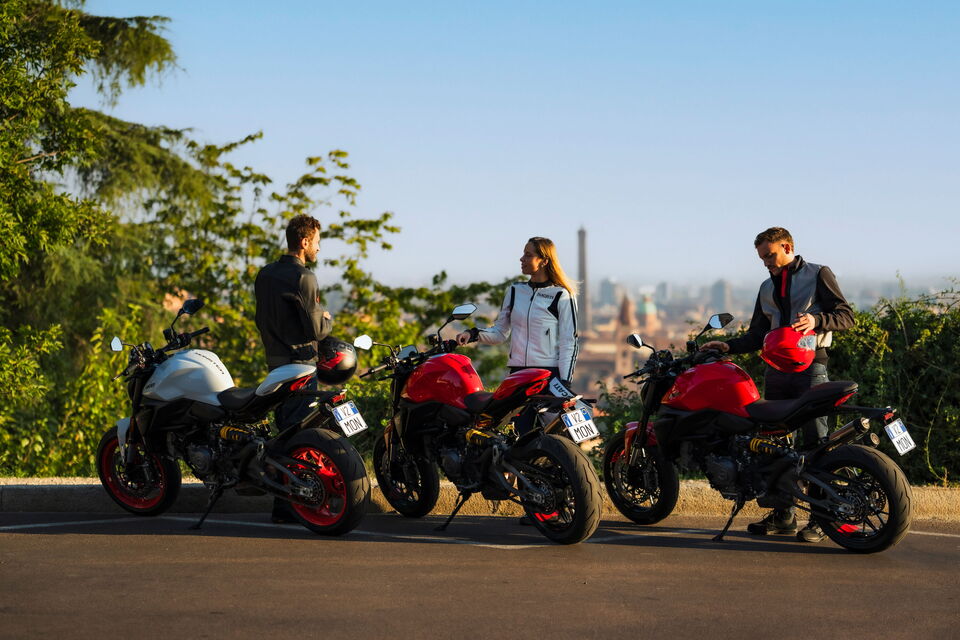
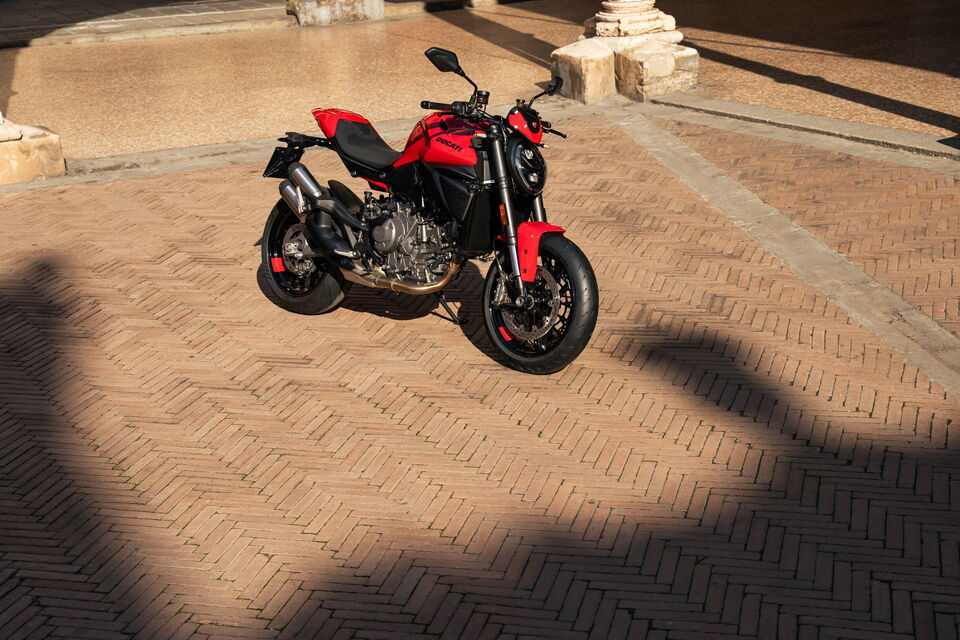
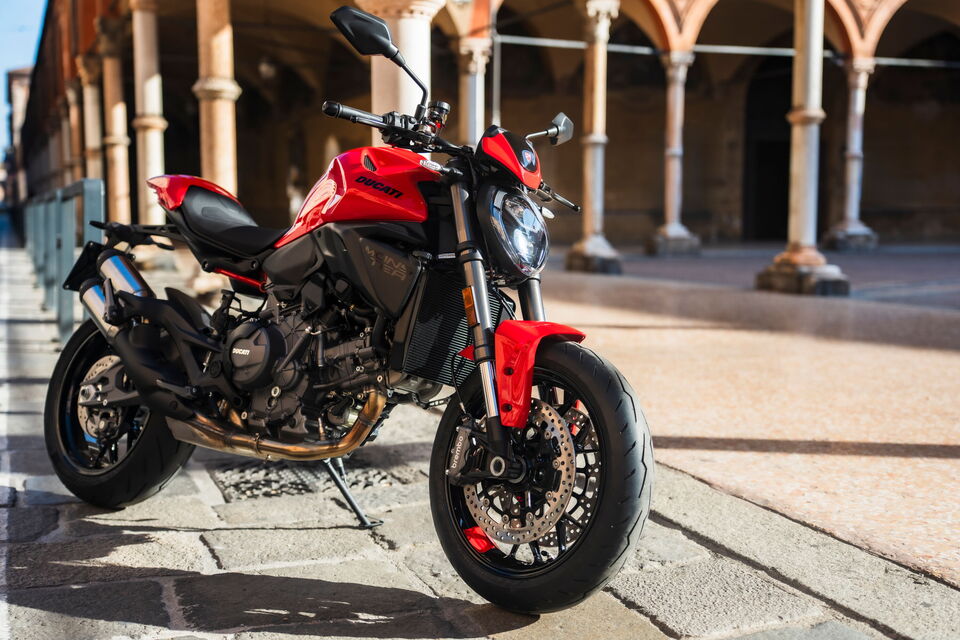

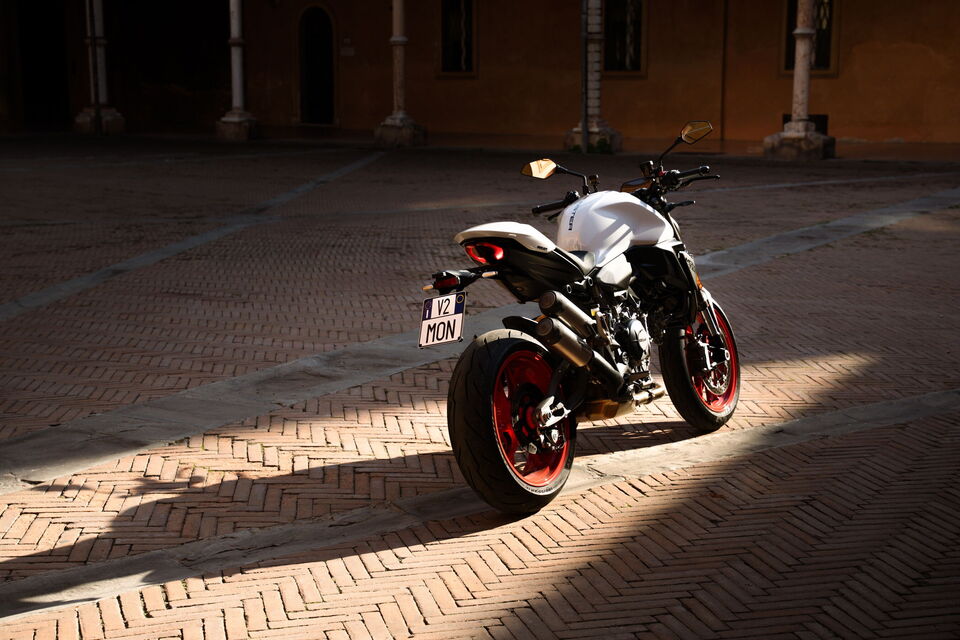
The year is 1992. The motorcycle has a tubular trellis frame, an air-cooled V-twin, two round instruments, and so little bodywork that you could see everything underneath. That was the first Monster. Ducati created something that had not existed before. Not because the technology was revolutionary, but because the concept was so clear: no unnecessary weight, no unnecessary angles, no material that did not need to be there. And then there was that torque, right from the bottom of the rev range.
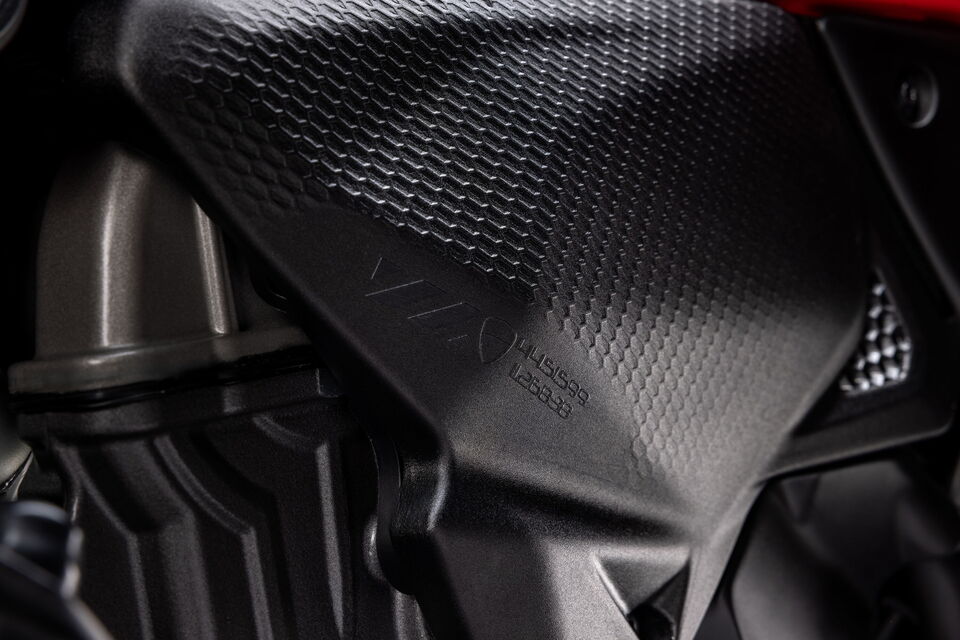
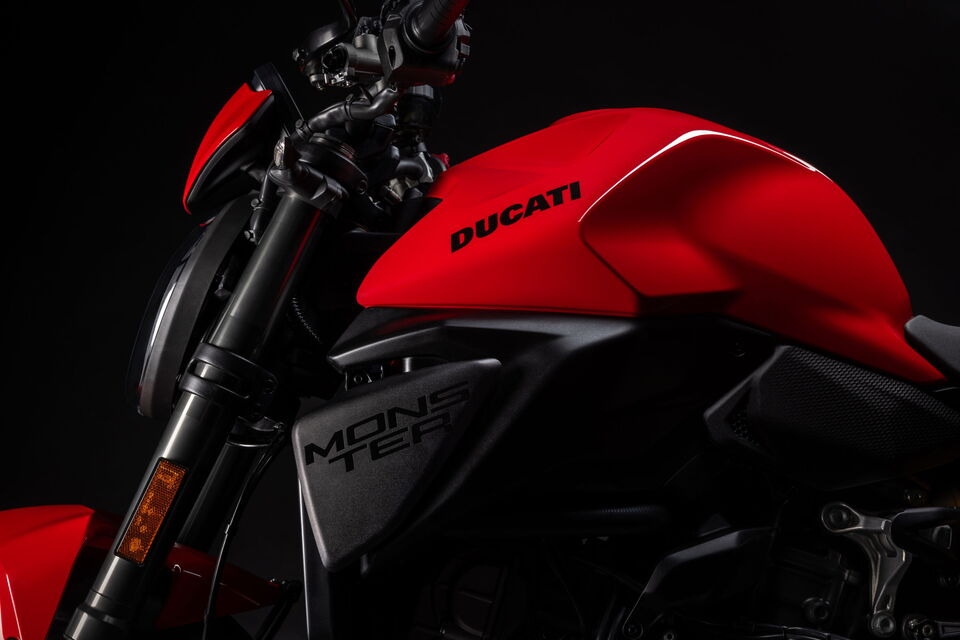
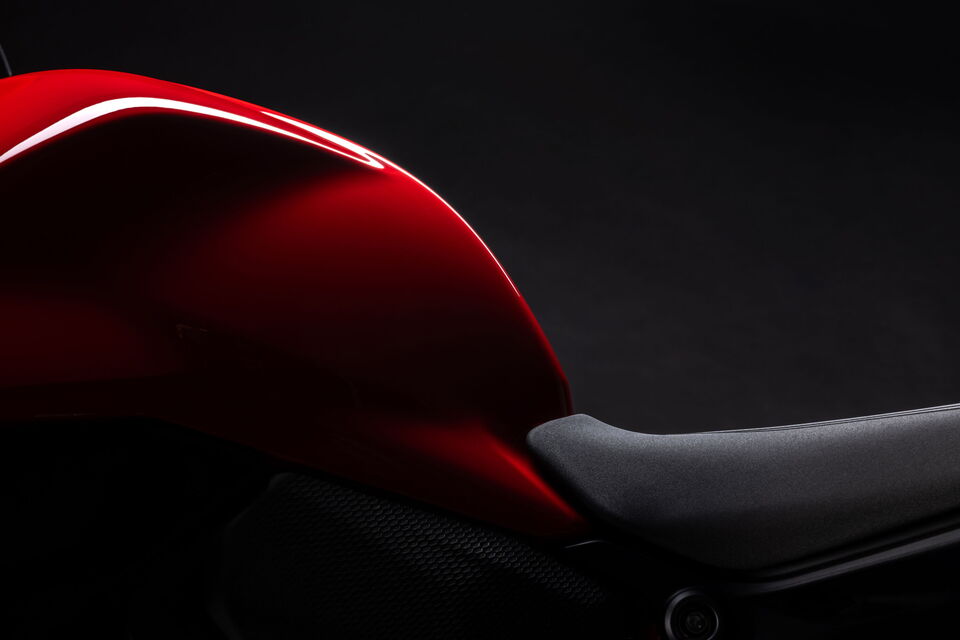
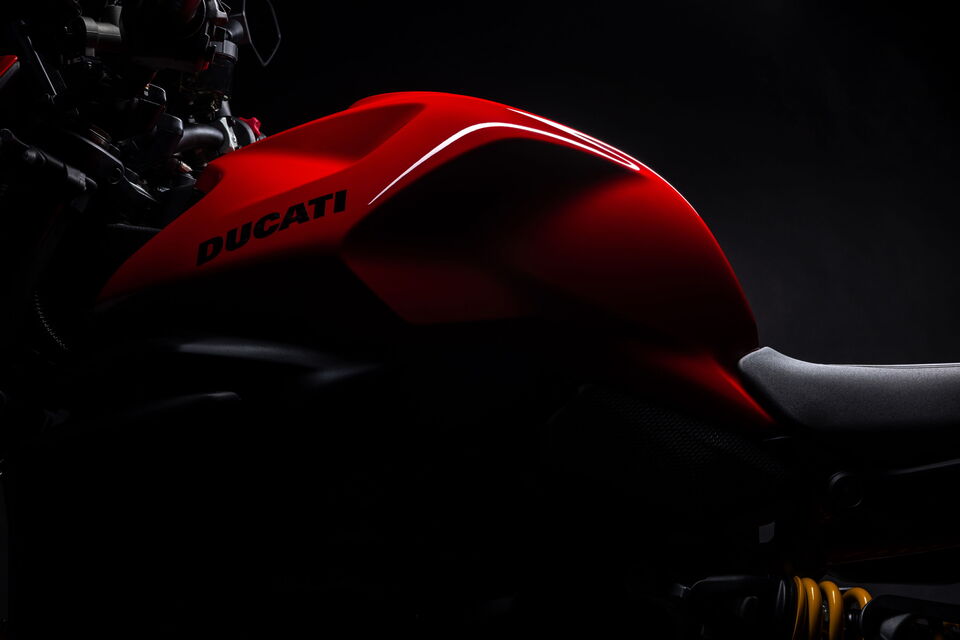
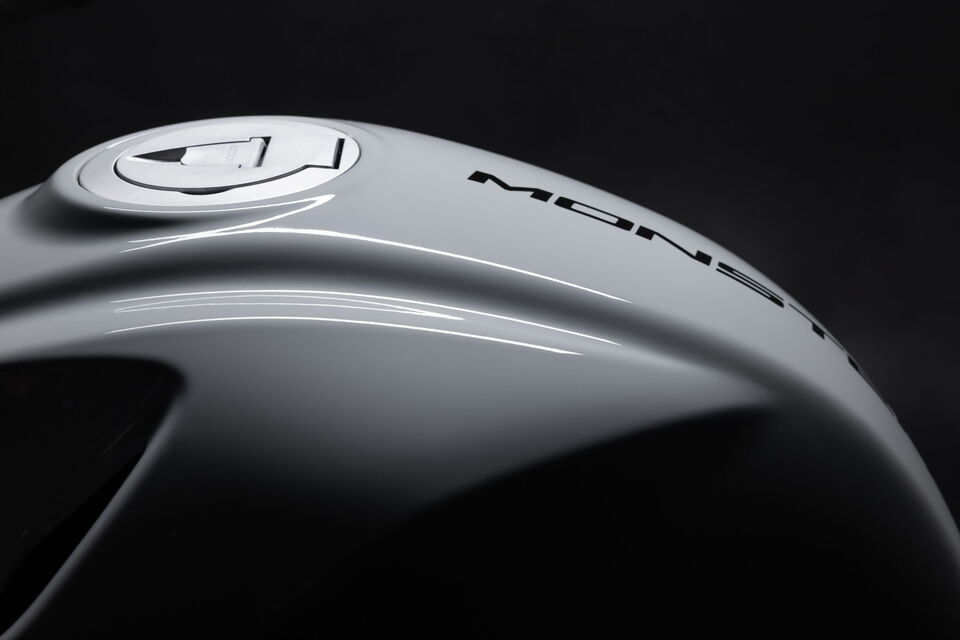
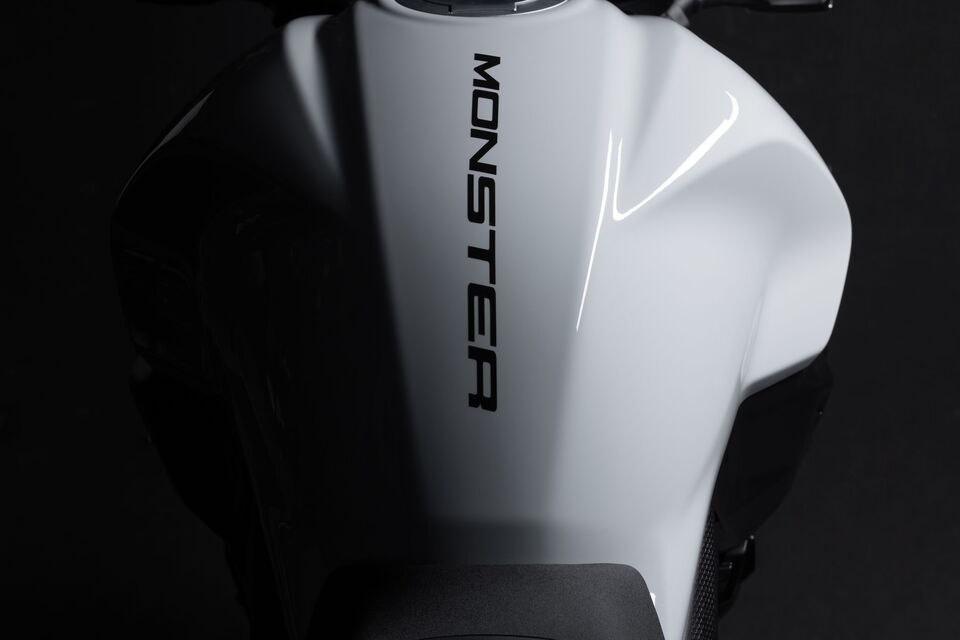
Thirty-four years later, the fifth generation has arrived. Completely redesigned: new engine, new chassis, new electronics. And the most remarkable thing is that it looks like a Monster again. The fuel-tank lines, the tank design, the proportions—all of that had been lost on the 2021 version, when Ducati introduced a monocoque frame without the visual side structure that had defined the Monster tradition. Now it is back. Anyone who was there in 1992 will recognize it immediately.
The New 890: IVT and the Lightest Ducati Engine Ever
890 cc. V-twin. 90 degrees. DOHC. IVT—Intake Variable Timing: continuously variable intake-valve timing, newly introduced to the Monster. That means valve timing adapts continuously to engine speed—more torque low down, more willingness to rev at the top end. Ducati says 70 percent of maximum torque is already available from 3,000 rpm. That is the key selling point for everyday riders: a Monster that pulls hard from the bottom of the rev range.
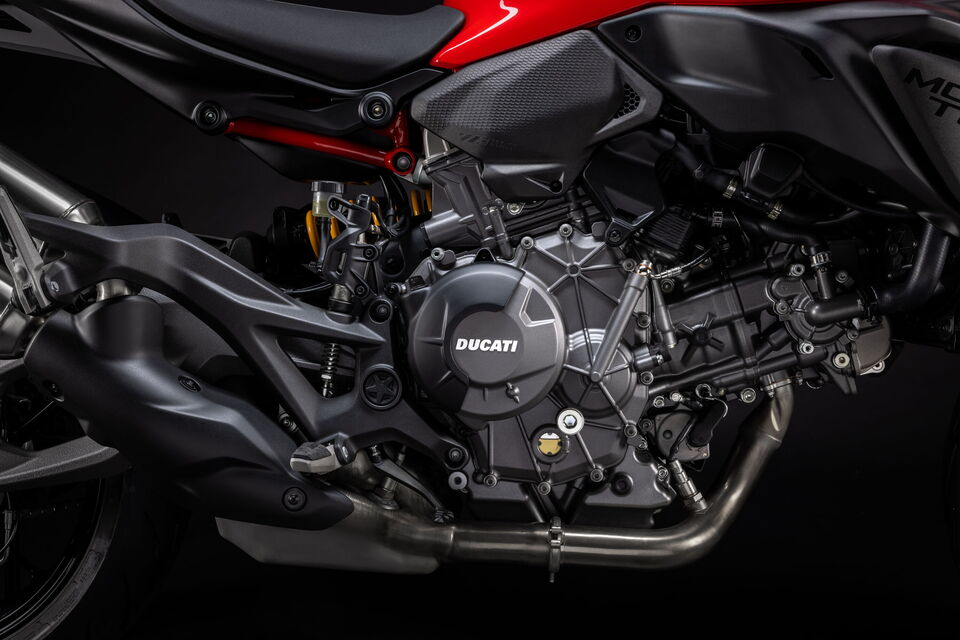
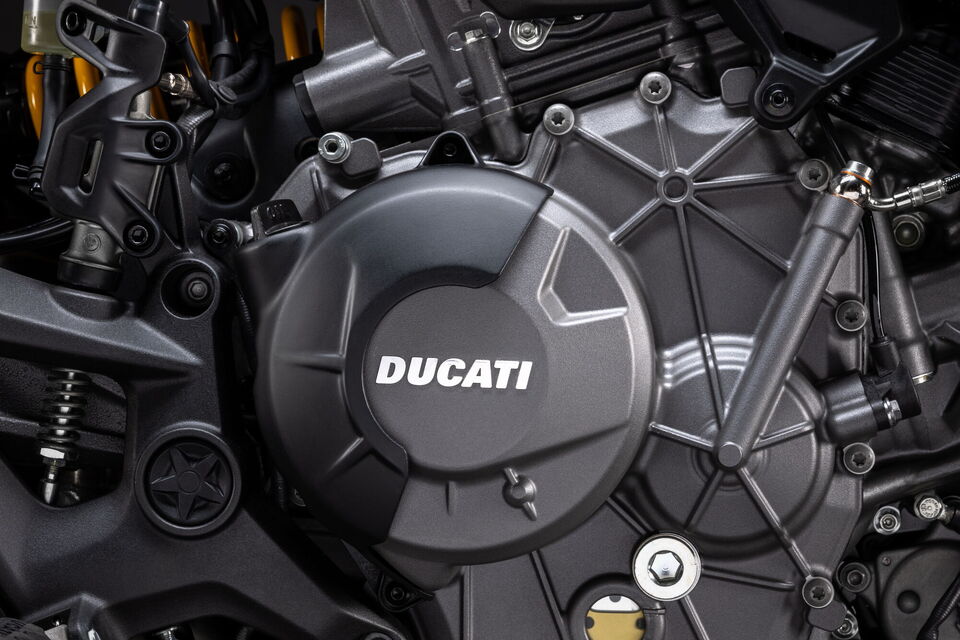
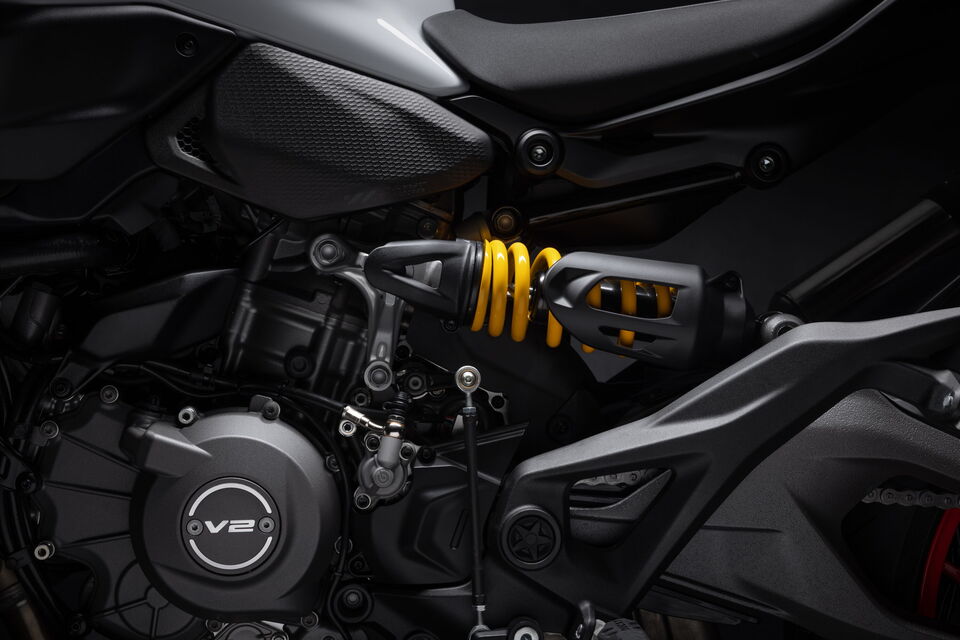
111 hp at 9,000 rpm. 91 Nm—two less than its predecessor, but delivered across a more consistent torque curve. Dry engine weight is 54.3 kg. That is 5.9 kg less than the previous Testastretta Evoluzione. It is the lightest Ducati twin ever produced in series. And it is the main reason the fifth-generation Monster weighs only 175 kg dry—4 kg less than its predecessor. For a naked bike with 111 hp and a full electronics package, that is exceptionally light.
What the Road Tests Say: moto.ch, MOTORRAD Reader Test
moto.ch tested the Monster in February 2026. Its central assessment: “an almost perfectly judged mix of handling and stability.” The suspension—a Showa USD fork and Showa monoshock, neither adjustable—is explicitly rated as entirely adequate for the target audience. moto.ch: “Excellent, beginner-friendly brakes, accomplished fork despite the lack of adjustability.” And further: “We’ll happily take the extremely light handling as well.” That is the short version of the verdict: the Monster rides more easily than 111 hp might suggest.
The MOTORRAD reader test from April–May 2026, involving four readers who each spent four weeks with the motorcycle, adds concrete observations from everyday riding. The DQS quickshifter system uses a sensor directly in the transmission rather than a conventional shift-rod sensor: “It results in more precise gear changes and also works at lower engine speeds.” The Brembo braking system: “fits the concept beautifully.” The Pirelli Diablo Rosso IV tires: “really stick to the road.” The suspension combined with the riding position: “makes it possible to cover longer distances quite comfortably.” These are judgments from real-world riding.
Aluminum Monocoque, Panigale Swingarm: The Frame as a Concept
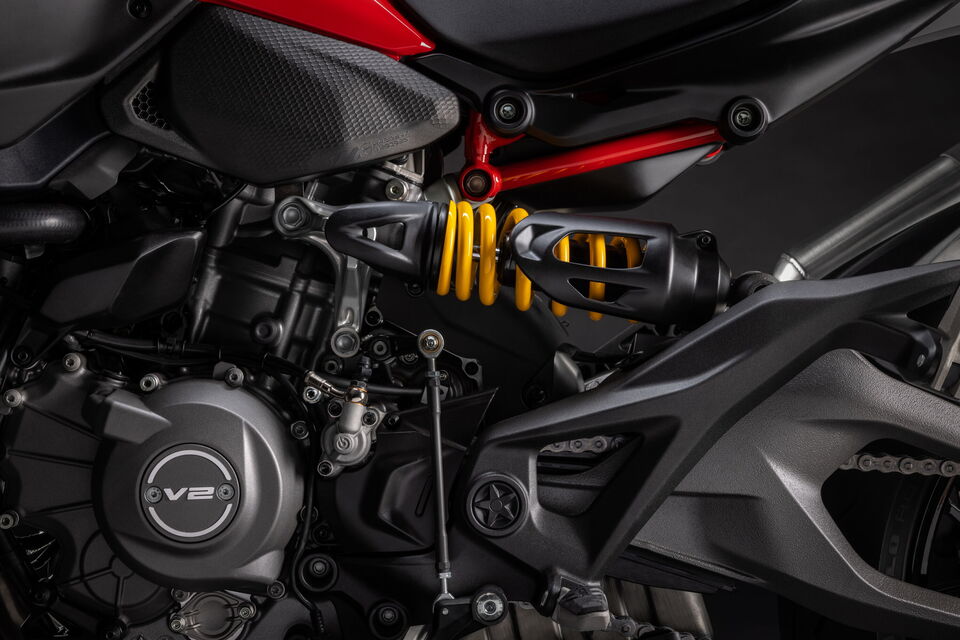
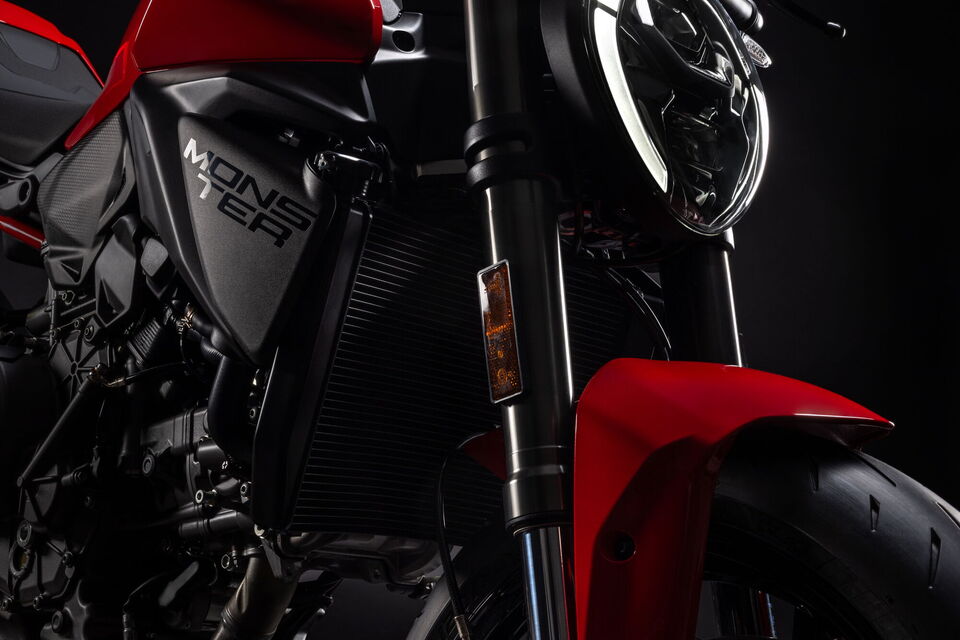
The aluminum monocoque frame uses the engine as a stressed member—the principle Ducati has used on the Monster since 2021. The engine is part of the structure. That saves weight and lowers the center of gravity. The new double-sided aluminum swingarm is inspired by the Panigale V4 and gives the rear wheel the feedback you expect from a Monster. Wheelbase is 1,492 mm, steering-head angle 23.3 degrees, trail 92 mm: compact geometry that allows fast direction changes without making the motorcycle nervous.
The riding position has also changed. Seat height is now 815 mm—5 mm lower than before—but the handlebar is higher and angled farther forward. That improves front-wheel feel. For shorter riders, an accessory seat and lowering kit reduce seat height to 775 mm. That is one of the lowest seat heights among sporting naked bikes in this class.
Monster vs. Monster+: What Do You Get for the Extra €400?
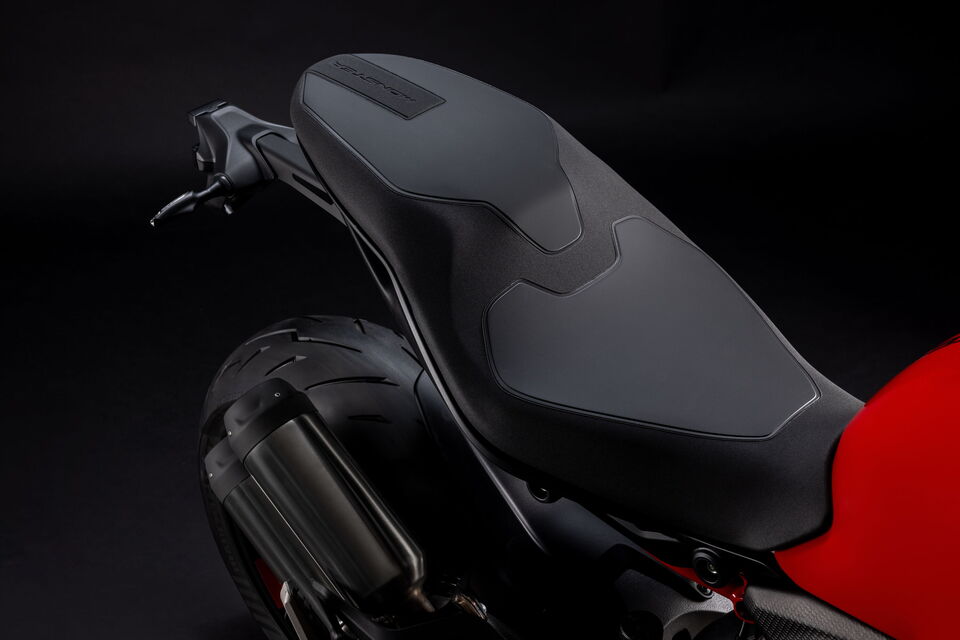
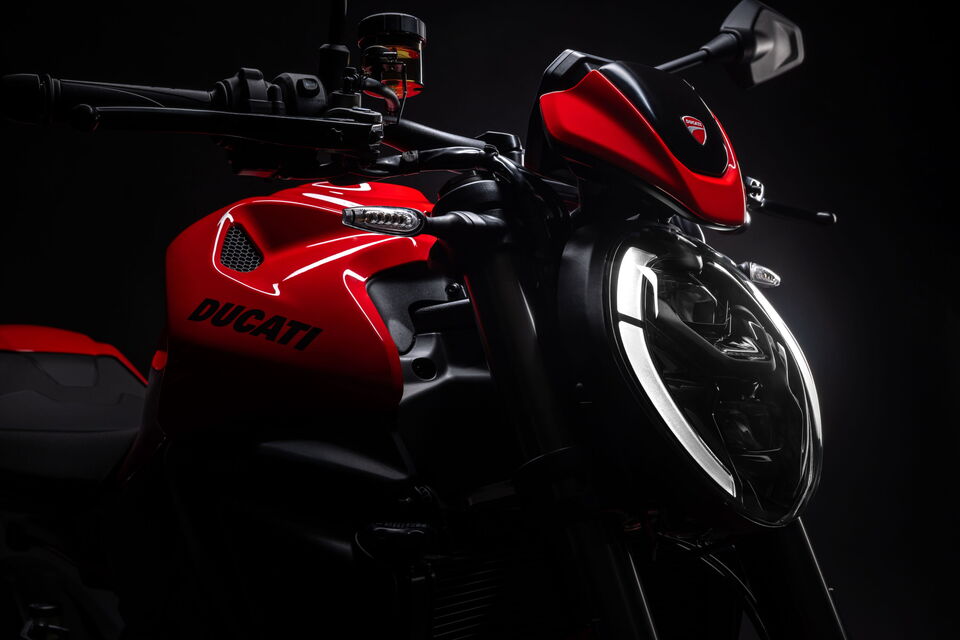
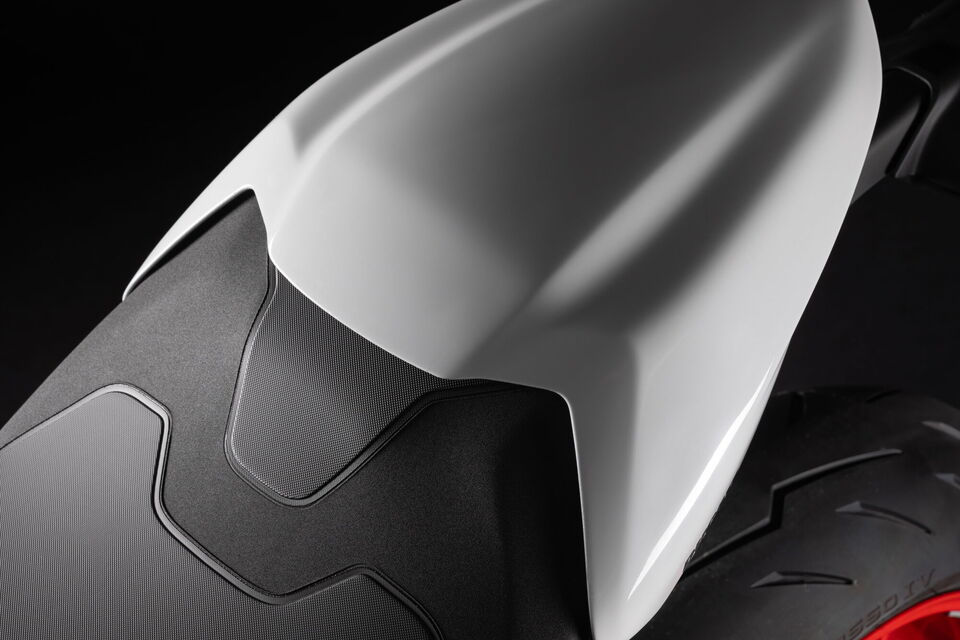
The Standard at €12,890 and Monster+ at €13,290 share the same engine, suspension, brakes, and electronics. The Plus version adds a small cockpit fairing for wind protection and a passenger-seat cover. That is a styling decision more than a technical upgrade. If you regularly ride on the highway, the Monster+ flyscreen does noticeably reduce wind pressure. If you primarily ride the Monster on backroads, the Standard is enough.
Beginner-Friendly, but Not Tame
The Monster is Ducati’s broadest-reaching motorcycle. moto.ch describes it as “beginner-friendly.” That does not mean it is slow. 111 hp in a motorcycle weighing 175 kg dry gives it a serious power-to-weight ratio. The electronics keep that performance manageable: Cornering ABS, traction control, wheelie control, multiple riding modes. In Rain mode with maximum traction-control intervention, the Monster is docile enough for a cautious beginner. In Sport mode with reduced TC intervention, it becomes what the Monster has always been: a direct, torque-rich motorcycle that demands something from the rider and rewards the effort.
An A2 version restricted to 35 kW is available. The restricted Monster is the same motorcycle with less power but identical electronics, suspension, and brakes. That makes it the most sensible option for A2 license holders who do not want to replace the motorcycle later.
€12,890: Where the Monster Sits in This Test Series
The standard Monster costs €12,890. It is the least expensive motorcycle in the Italian naked-bike class and more expensive than most Japanese naked bikes with comparable power. Yamaha XSR900, €12,249: similar price, 119 hp, 195 kg. Kawasaki Z1100, €12,470: 136 hp, 221 kg. Triumph Speed Triple 765 RS: around €13,000, 130 hp.
The Monster costs what it costs because it is a Ducati. For riders who value that as part of the proposition, they get a complete motorcycle for the money. For riders who consider that attitude arrogant, there are less expensive alternatives.
Verdict
The 2026 Ducati Monster is the best Monster since 1992. Not because the 2026 model has more horsepower than the 1992 bike, but because, with the fifth generation, Ducati has once again done what it got right in 1992: focus on the essentials and eliminate what is unnecessary.
175 kg dry, 111 hp, variable valve timing, Brembo, Pirelli Diablo Rosso IV, Cornering ABS, wheelie control, DQS—everything you need is there. The suspension is not adjustable. No Öhlins. No radar. No heated-grip menu. The decisions have been made for you. moto.ch calls it an “almost perfectly judged mix.” That sounds right.
Quick Check
+ 175 kg dry: lightest naked bike in the 100–150 hp class.
+ New 890 cc V-twin with IVT variable intake-valve timing: 70 percent of maximum torque already available from 3,000 rpm.
+ Engine is 5.9 kg lighter than predecessor: direct benefit to handling quality.
+ Brembo radial calipers and Brembo radial master cylinder standard: top-level braking hardware on Ducati’s entry model.
+ Pirelli Diablo Rosso IV standard: high-performance sporting tires from the factory.
+ Sensor-based DQS Up/Down 2.0: works even at lower engine speeds according to the 2026 MOTORRAD reader test.
+ 815 mm seat height, optionally as low as 775 mm: among the lowest of comparable sporting naked bikes.
+ A2 version with 35 kW available: same brakes, electronics, and suspension.
+ Design references the original 1992 Monster: coherent return to the model family’s DNA.
– Non-adjustable Showa suspension: a compromise for ambitious riders. Plus version costs an additional €400.
– 14-liter fuel tank: approximately 280 km of range; requires fuel planning on longer rides.
– 91 Nm torque peak at 9,000 rpm: less torque than predecessor; fuller midrange delivery is what matters for riding enjoyment.
– No heated grips, cruise control, or radar standard: consistent reduction to the essentials, but not for everyone.
– Only 2-year warranty: CFMoto offers 5 years, Kawasaki 4 years.
Technical Specifications: Ducati Monster (2026, Fifth Generation)
Make / Model: Ducati Monster (2026; fifth generation; completely redesigned; 890 cc V-twin with IVT; naked bike; full license / A2 35 kW restricted version available); manufacturer: Ducati Motor Holding S.p.A., Bologna, Italy; Volkswagen Group
Engine: 890 cc 90-degree V-twin, DOHC; IVT, Intake Variable Timing with continuously variable intake-valve timing; 111 hp (81.4 kW) at 9,000 rpm; 91 Nm, with 70 percent available from 3,000 rpm; dry engine weight 54.3 kg, 5.9 kg less than predecessor; sensor-based DQS Up/Down 2.0 integrated into transmission; Euro 5+
Frame: Aluminum monocoque; engine as stressed member; new double-sided aluminum swingarm inspired by Panigale V4; 1,492 mm wheelbase; 23.3-degree steering-head angle; 92 mm trail
Front Suspension: Showa USD fork; approx. 130 mm travel; non-adjustable
Rear Suspension: Showa monoshock; approx. 140 mm travel; non-adjustable
Brakes: Dual 320 mm front discs with Brembo four-piston radial monobloc calipers and Brembo PR19 radial master cylinder; 245 mm rear disc; Bosch Cornering ABS
Wheels / Tires: 17-inch cast wheels; Pirelli Diablo Rosso IV, 120/70-17 front and 180/55-17 rear
Weight / Seat Height: 175 kg dry, 4 kg less than predecessor; approx. 190 kg ready to ride; 815 mm seat height, optionally reducible to 775 mm with accessories
Fuel Tank / Consumption: 14 liters; tested consumption approx. 5.0 L/100 km; range approx. 280 km
Electronics: Bosch Cornering ABS; traction control; wheelie control; riding modes; DQS Up/Down 2.0; Lap Timer; color TFT display; full LED lighting; dynamic turn signals; self-canceling turn signals; Coming Home function
Stationary Noise: Not published; Tyrol limit 95 dB(A)
2026 Versions: Monster Standard: €12,890. Monster+: €13,290, adding flyscreen + passenger-seat cover. A2 restriction to 35 kW available on all versions.
Warranty: 2 years, Ducati standard
Price in Germany: Monster Standard €12,890. Monster+ €13,290. Additional destination charges apply.