Review Ducati Panigale V4 R (2026)

The Next Production Motorcycle to Redefine the Racetrack
The V4 R is not made for everyone—and that is not a disadvantage, but its promise. It is Ducati’s homologation platform for the World Superbike Championship, street-legal and at the same time the most uncompromising race machine ever delivered from the factory as a numbered production model. MotoGP-derived Corner Sidepods, the world’s first production racing gearbox with neutral below first gear, Öhlins at all three positions, 186.5 kg dry, 218 hp in standard trim, 239 hp with racing exhaust and performance oil. Buy a V4 R and you are not buying a motorcycle for backroads—you are buying street-legal access to the highest level of motorcycle racing. €43,990.
As of: April 17, 2026 | Model: Ducati Panigale V4 R (2026; 998 cc Desmosedici Stradale R V4; WorldSBK homologation platform; numbered production series; unrestricted motorcycle license) | Manufacturer: Ducati Motor Holding S.p.A., Bologna, Italy; Volkswagen Group | Price in Germany: €43,990 | Stationary noise: not published | Warranty: 2 years, Ducati standard
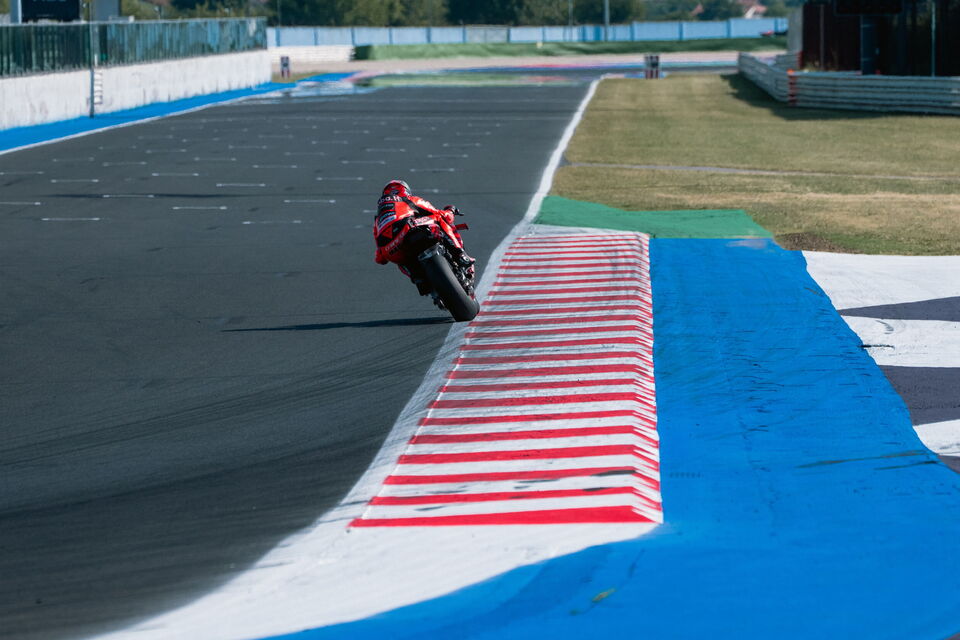
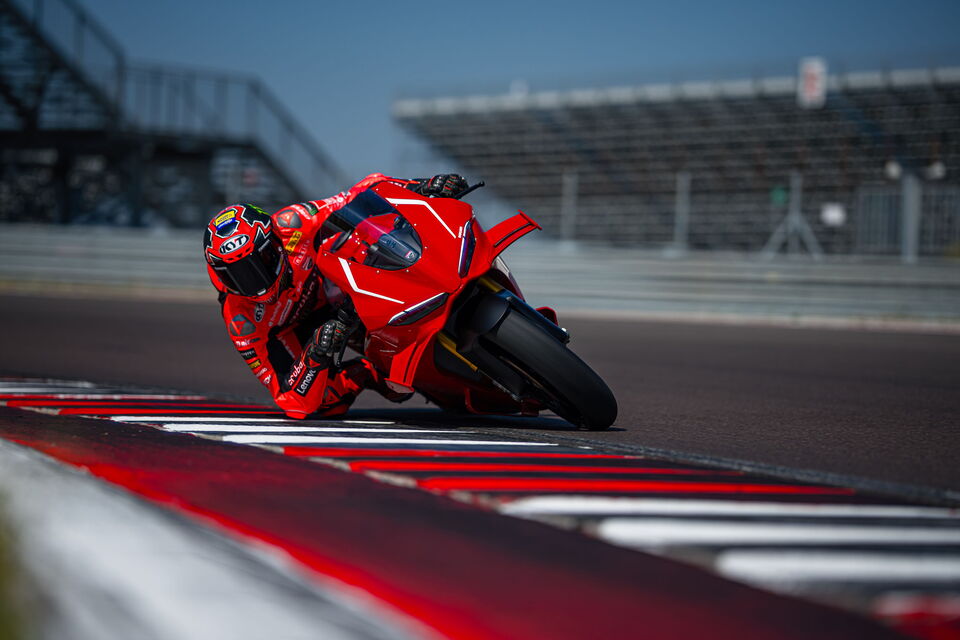
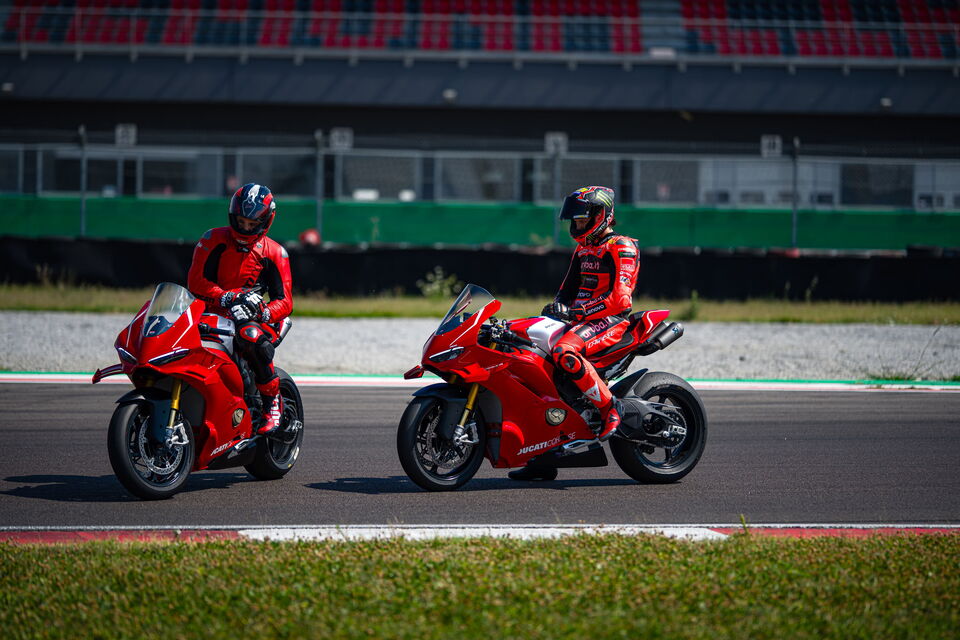
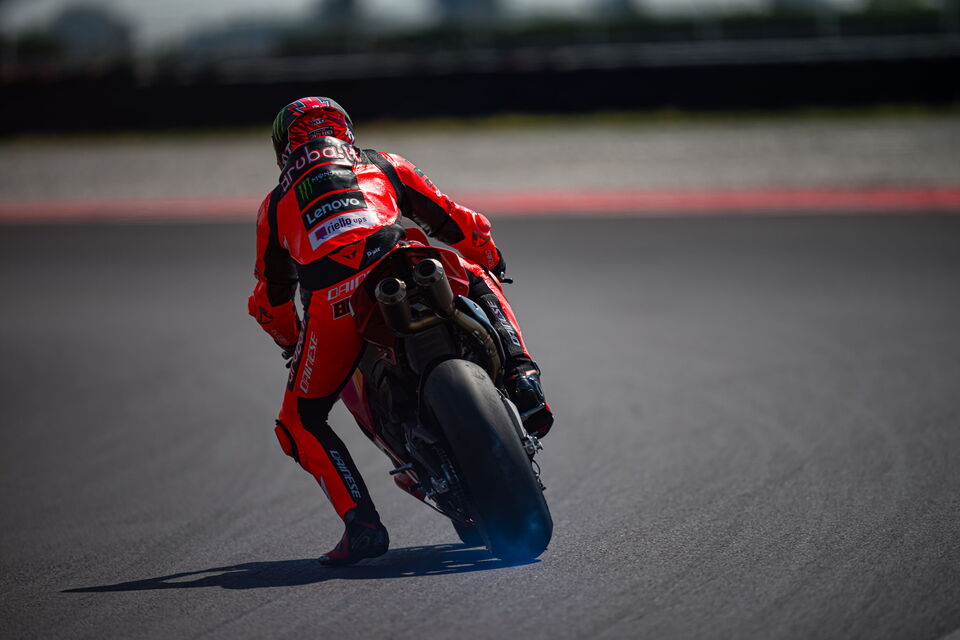
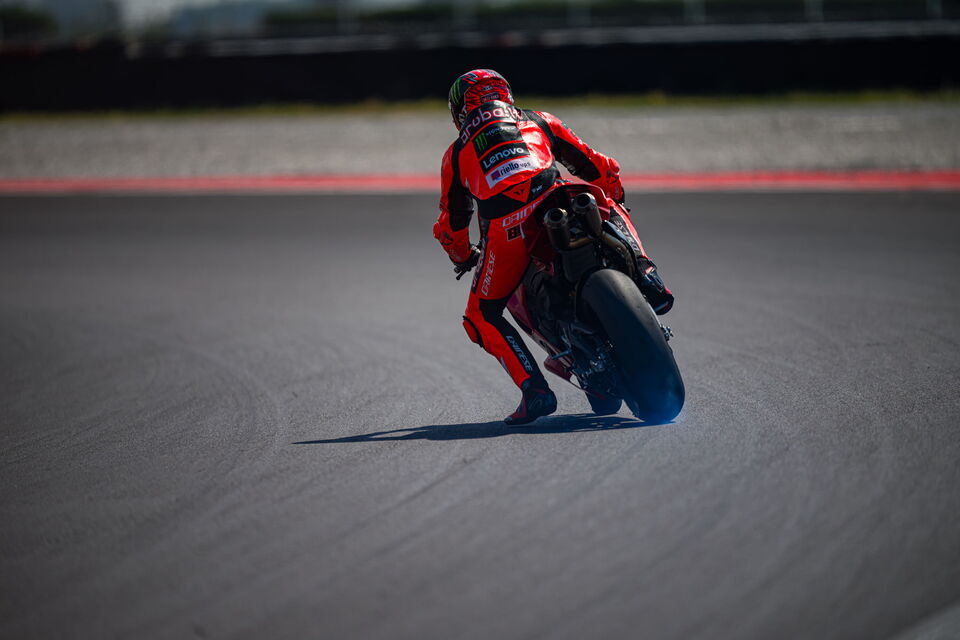
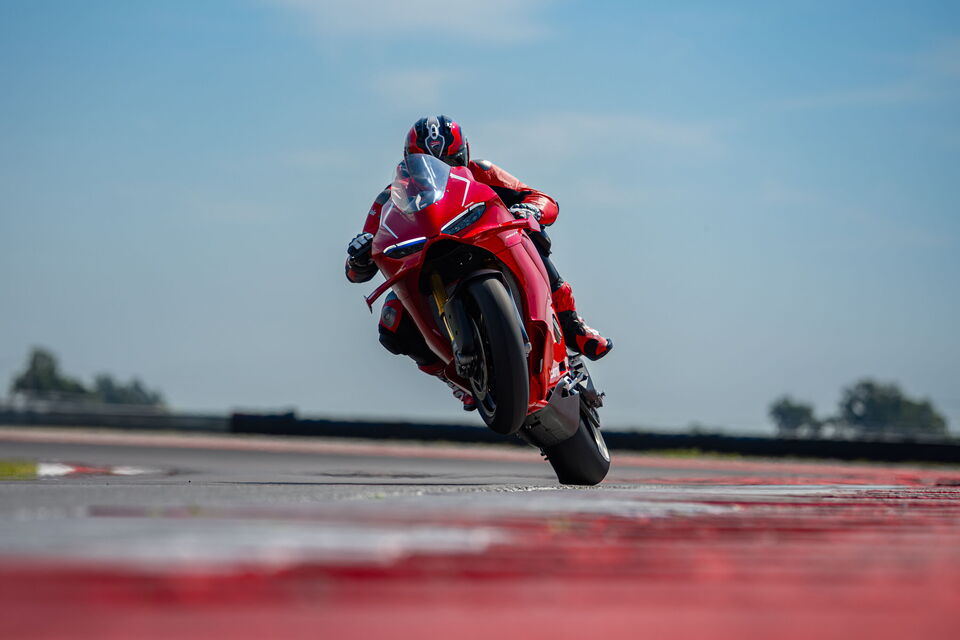


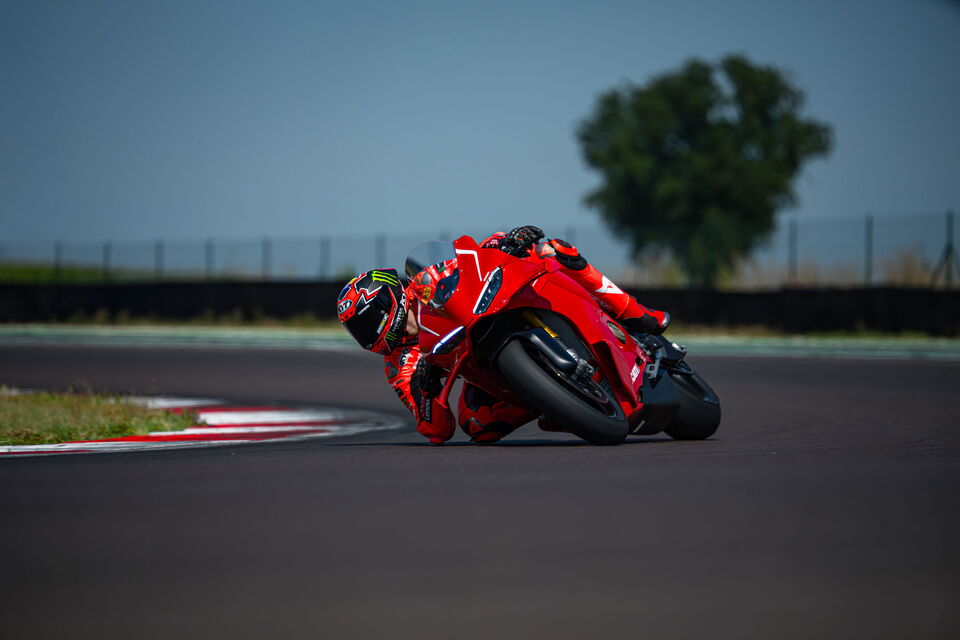
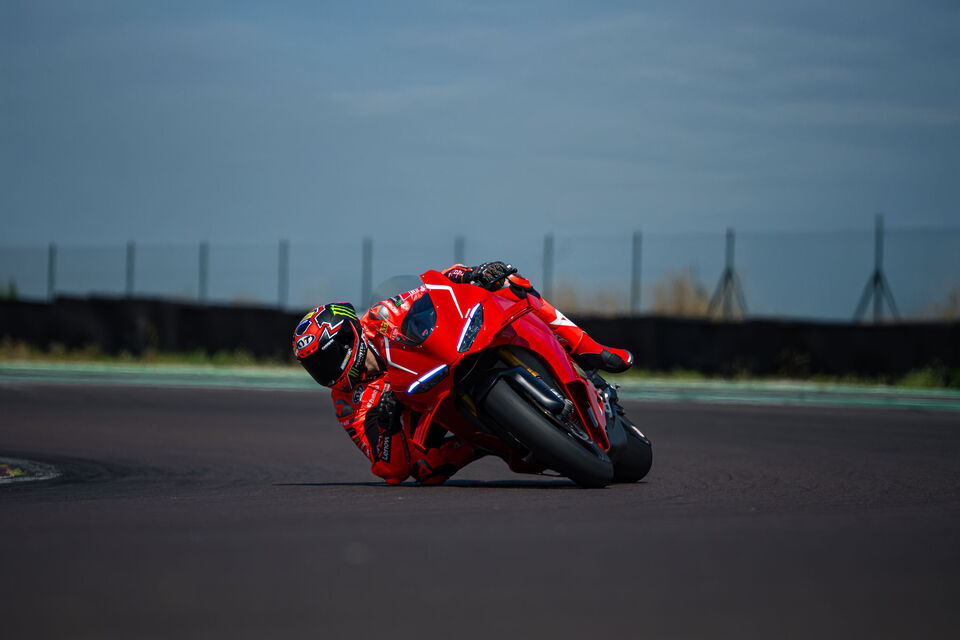
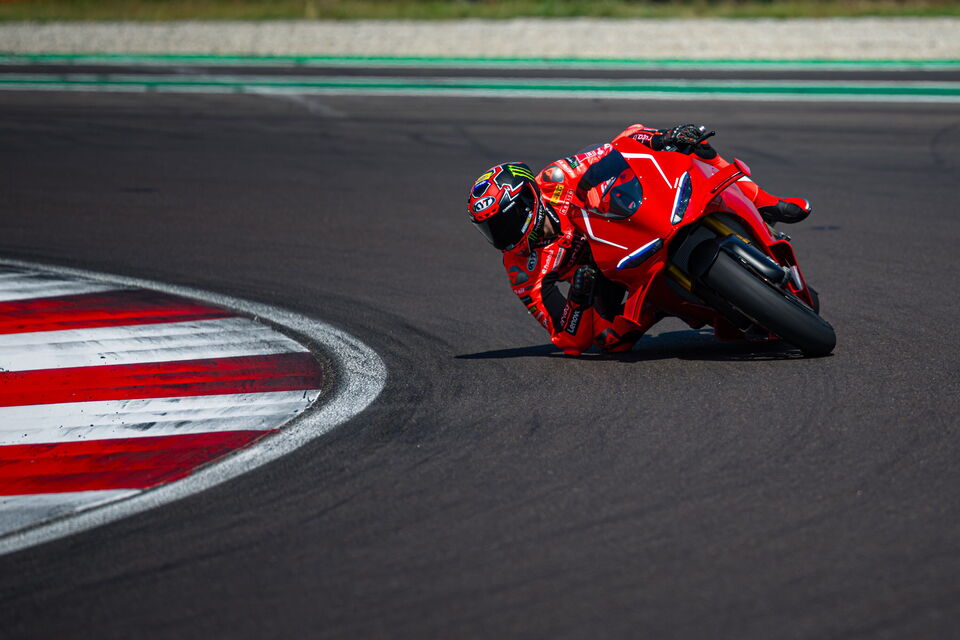
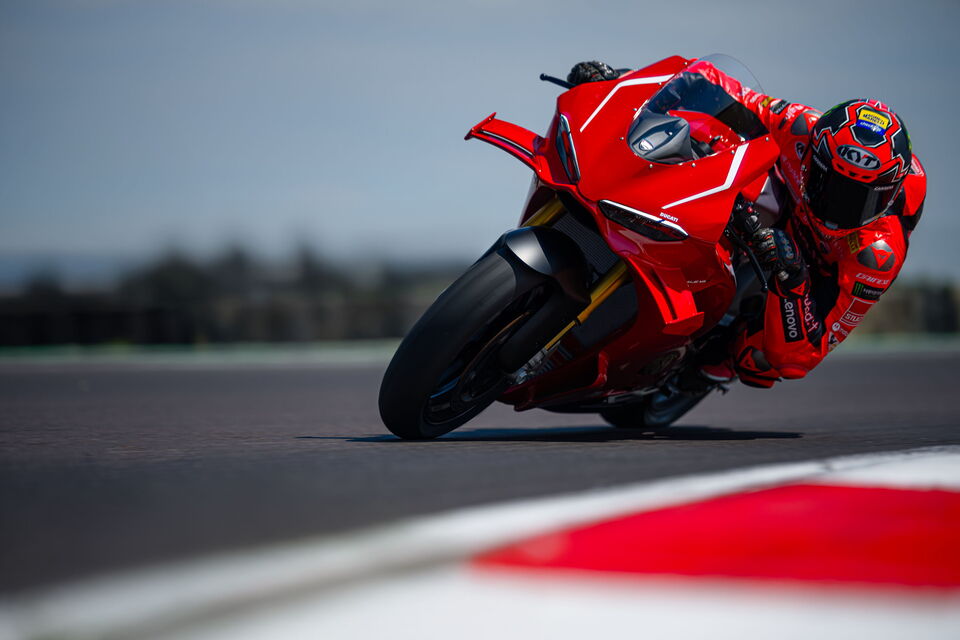


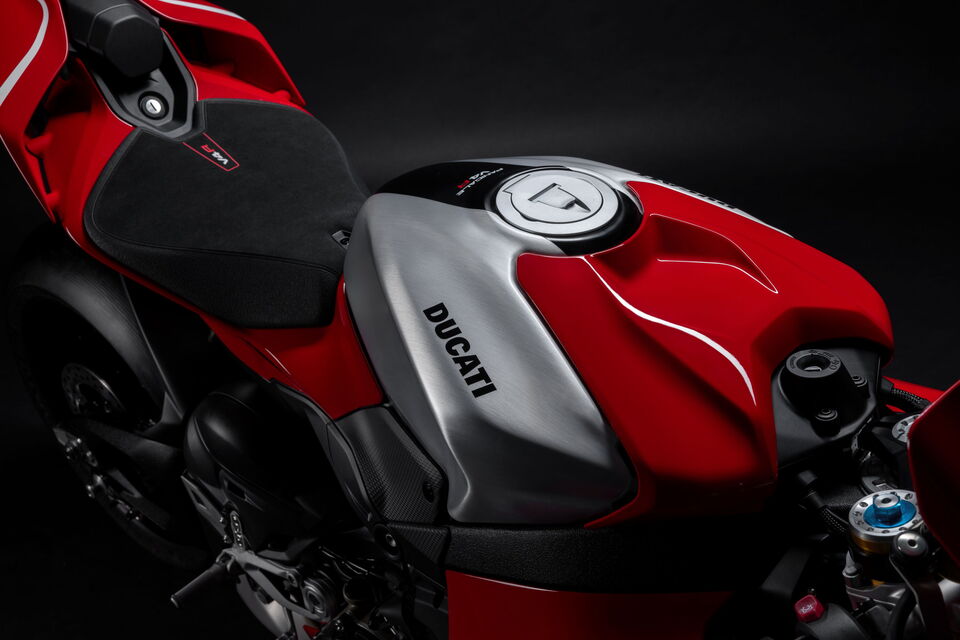
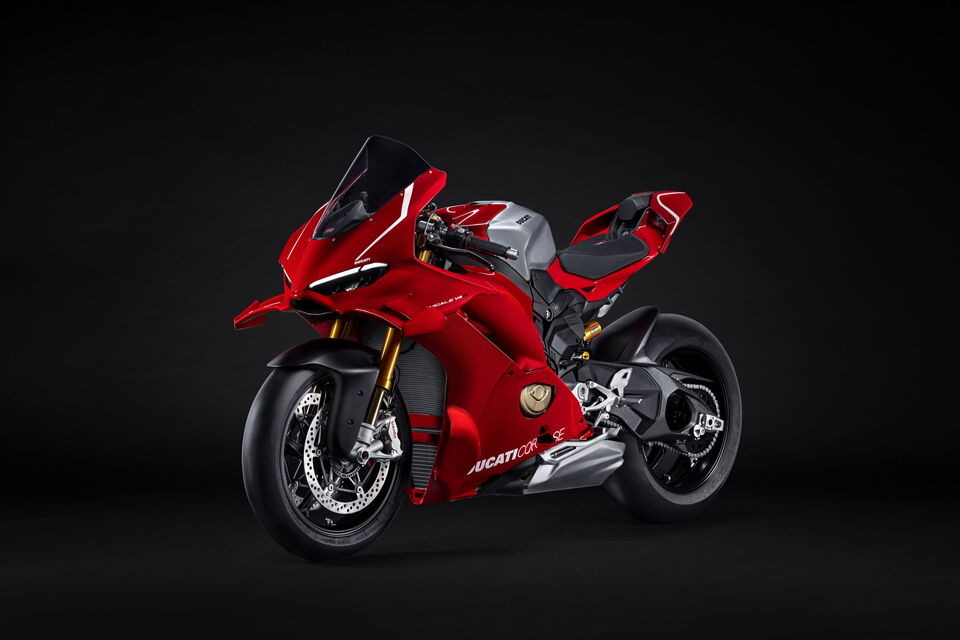

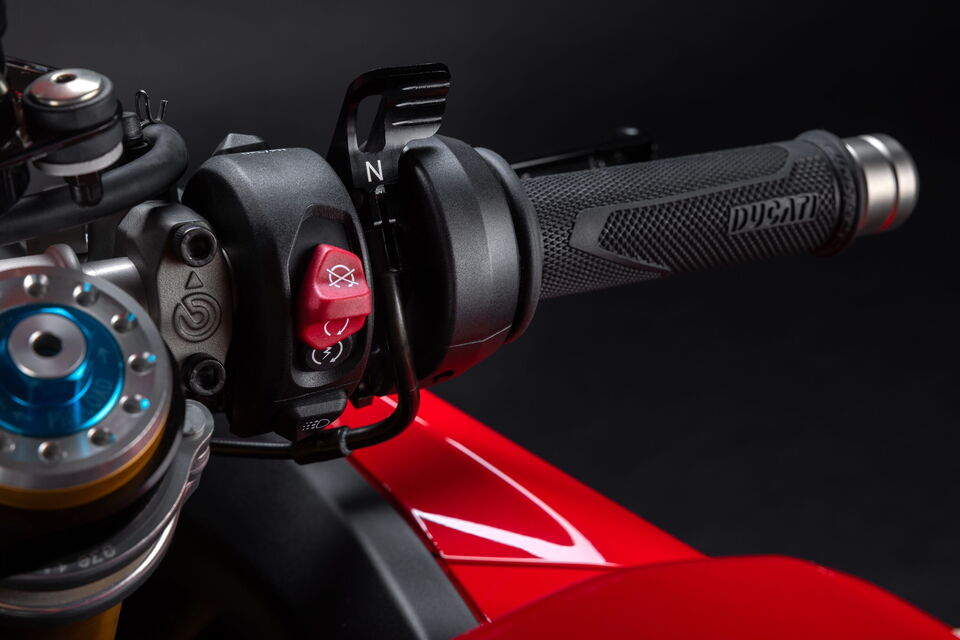
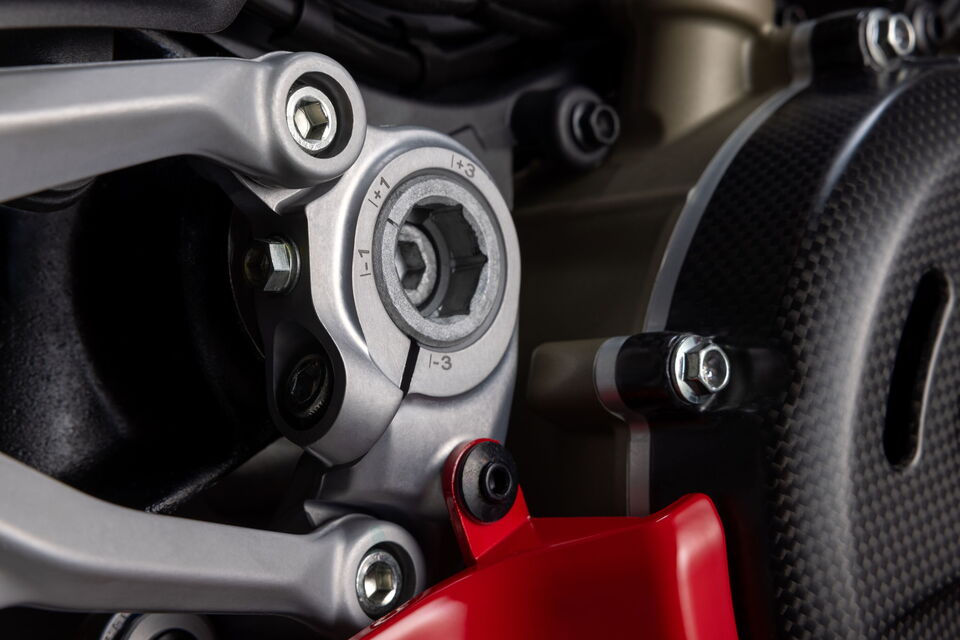
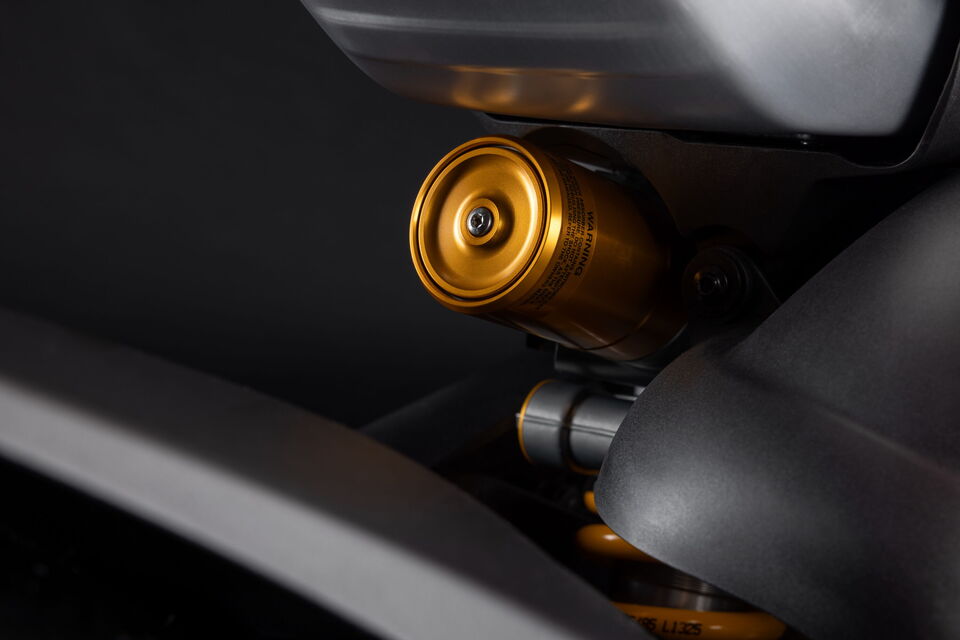
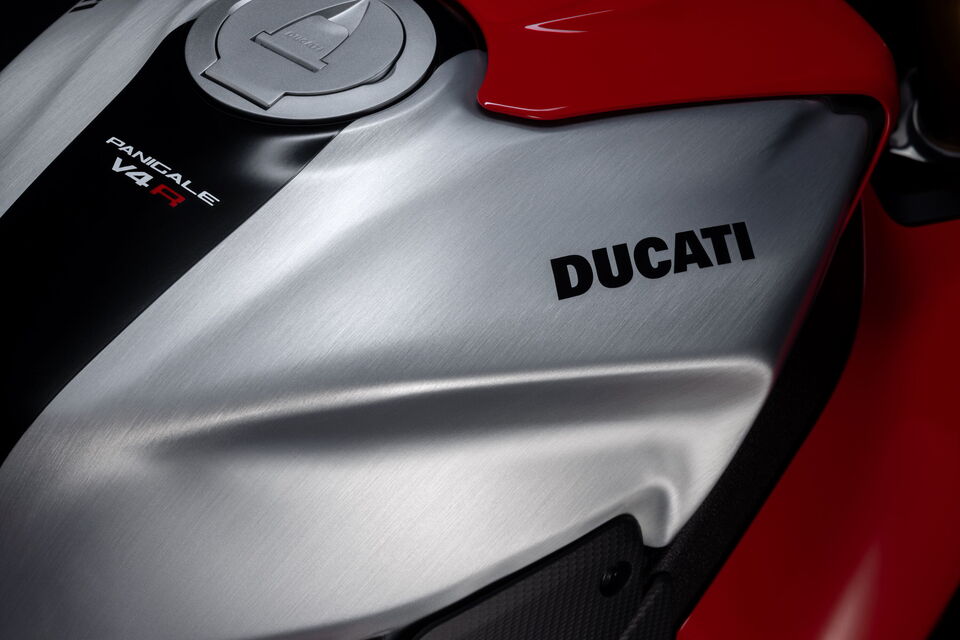

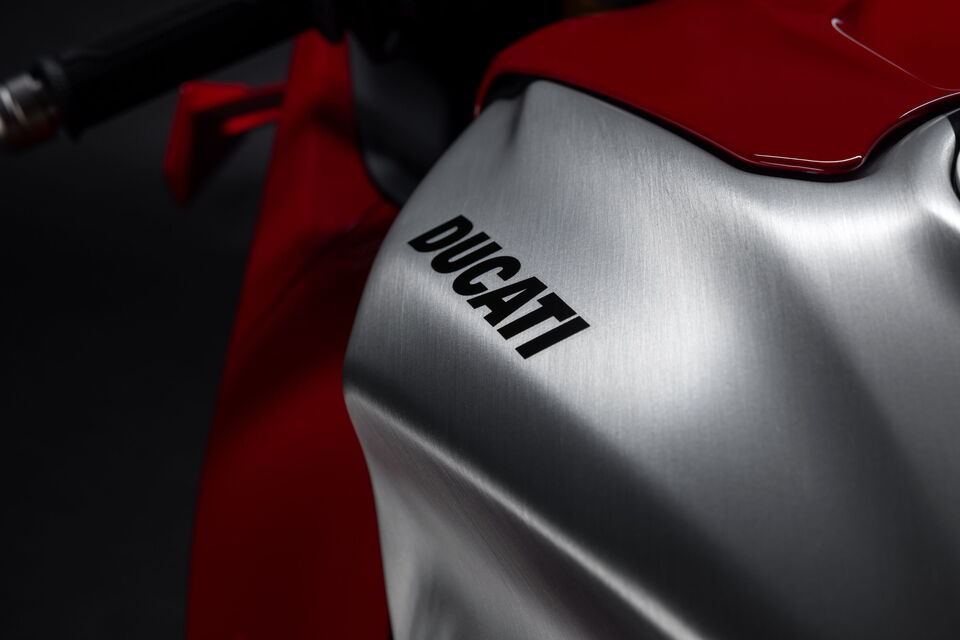
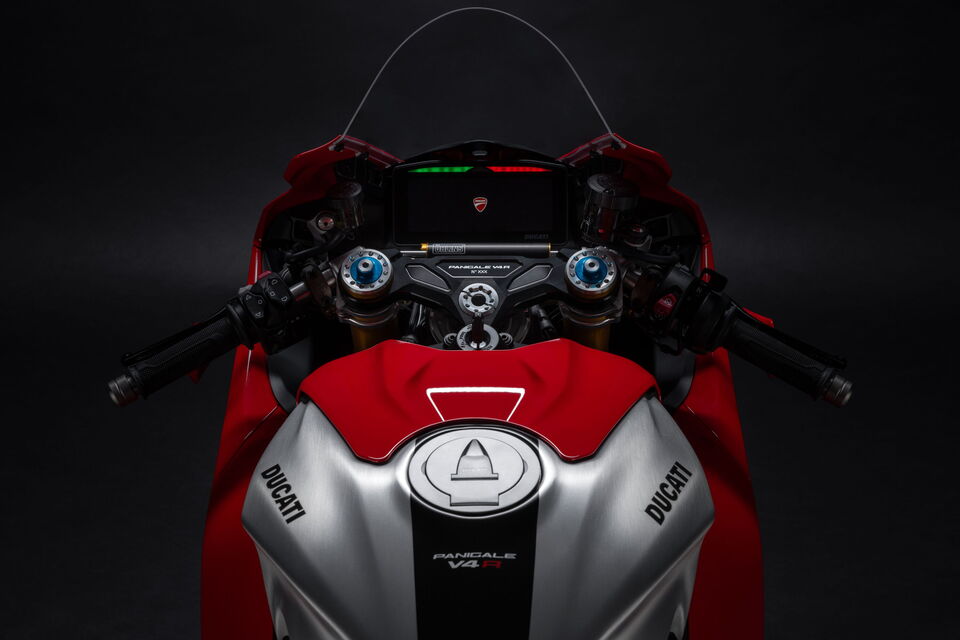
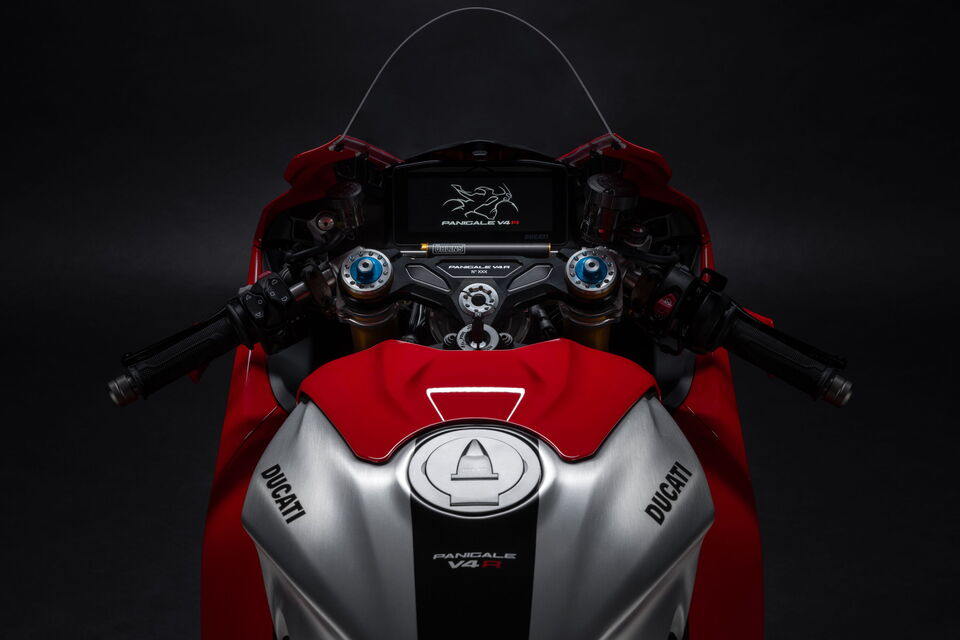
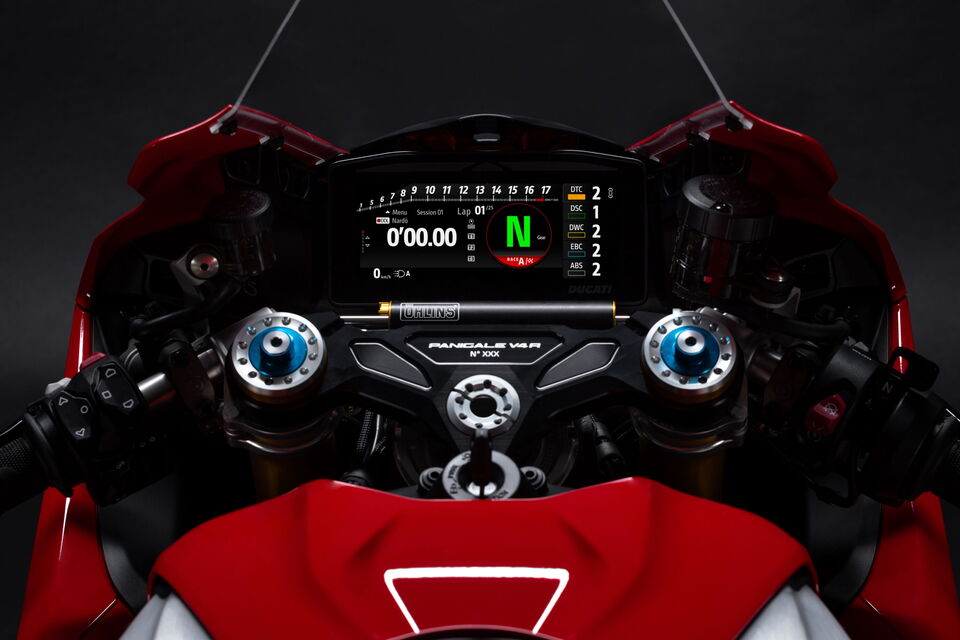
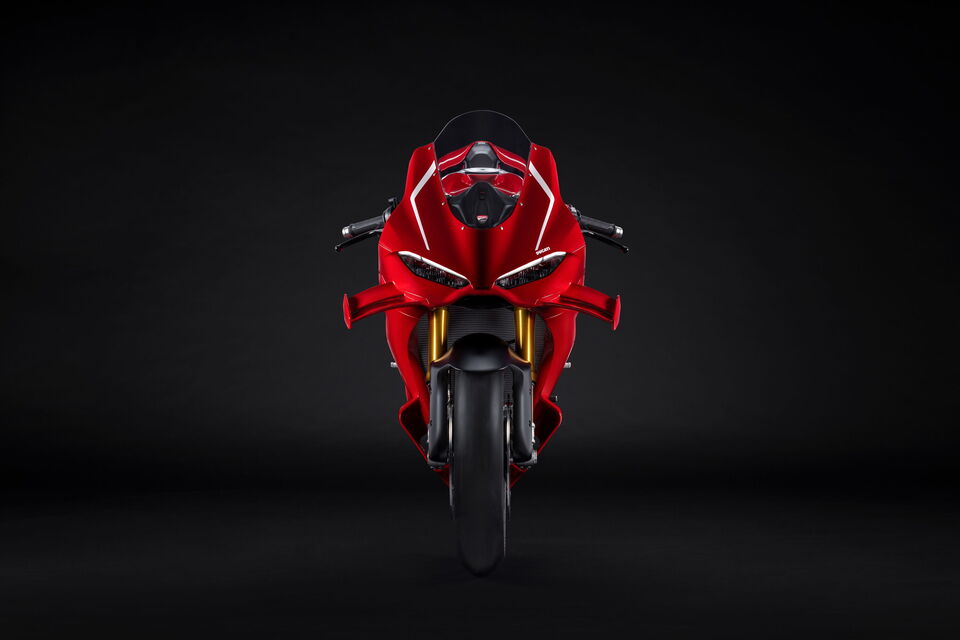
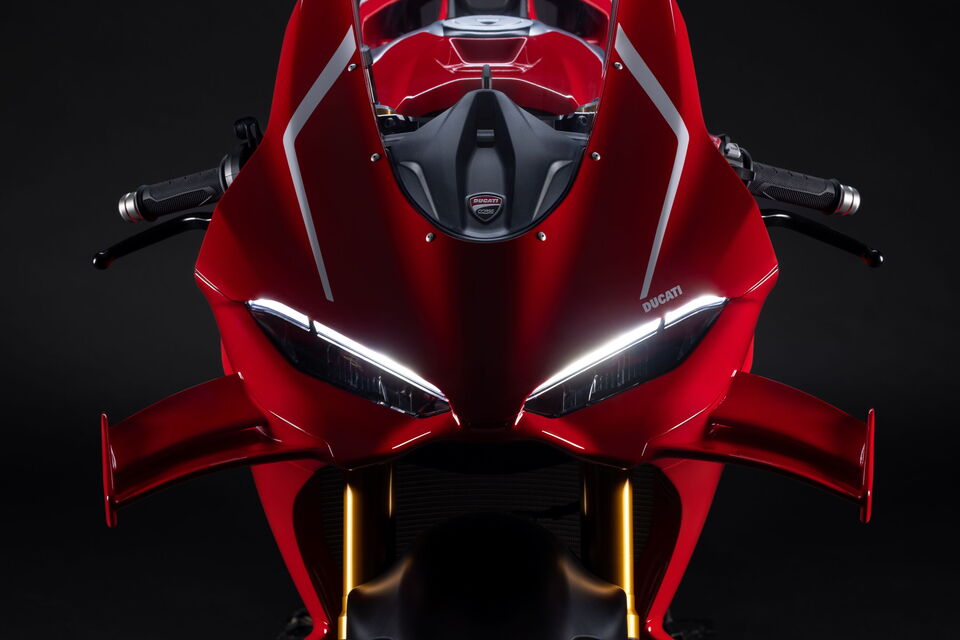
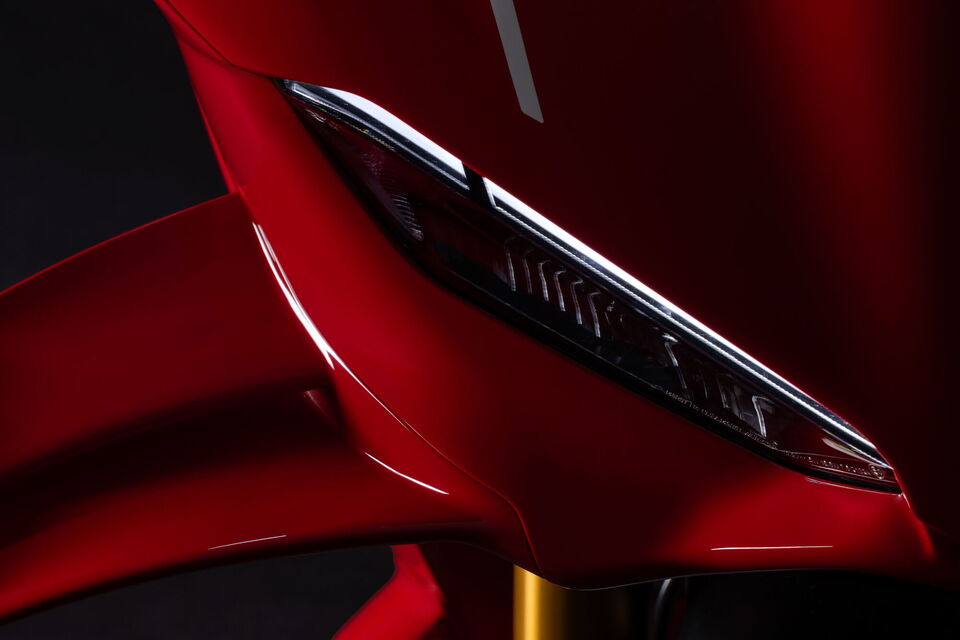
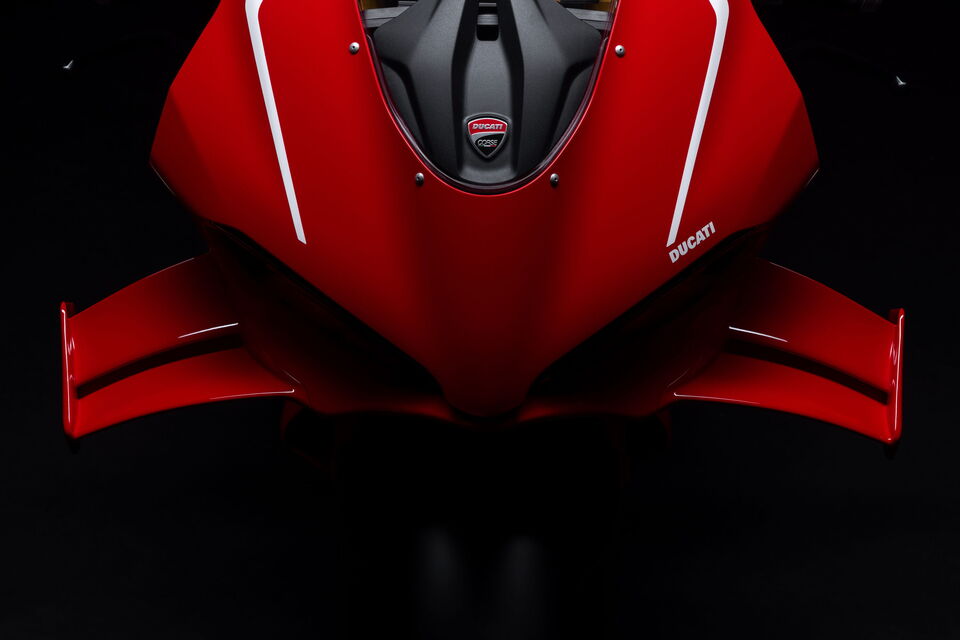


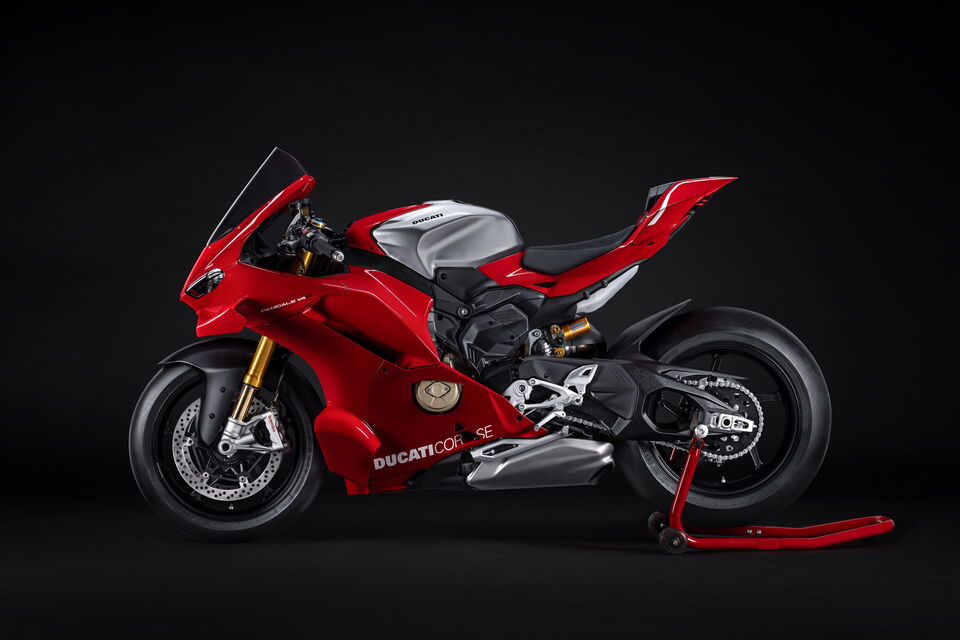
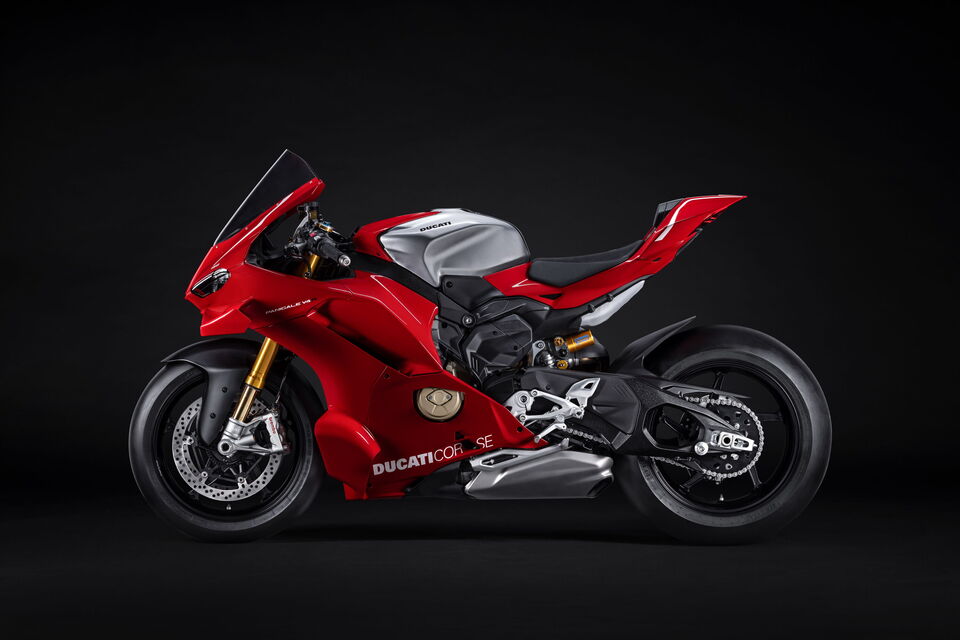
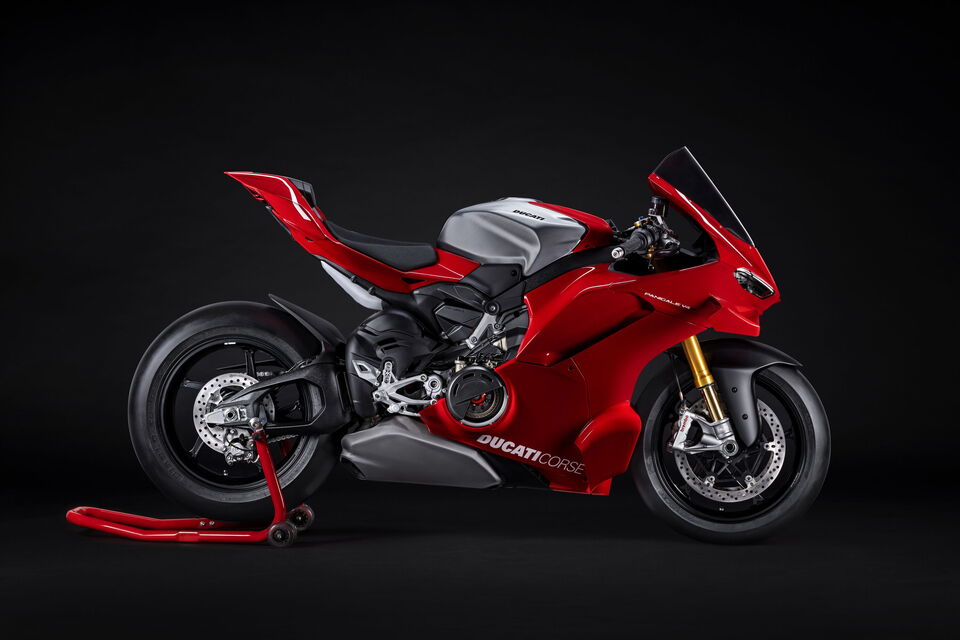
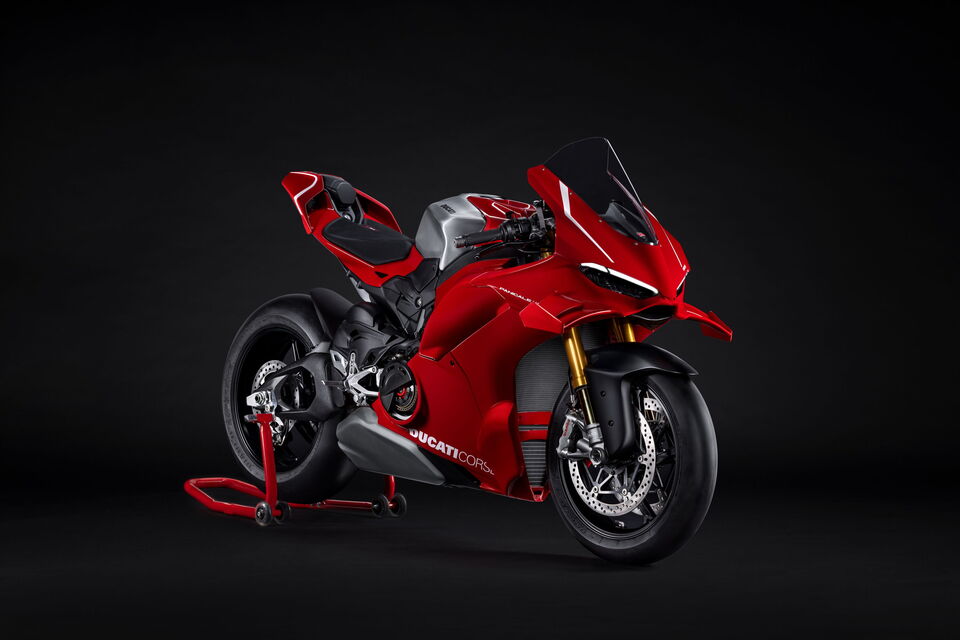
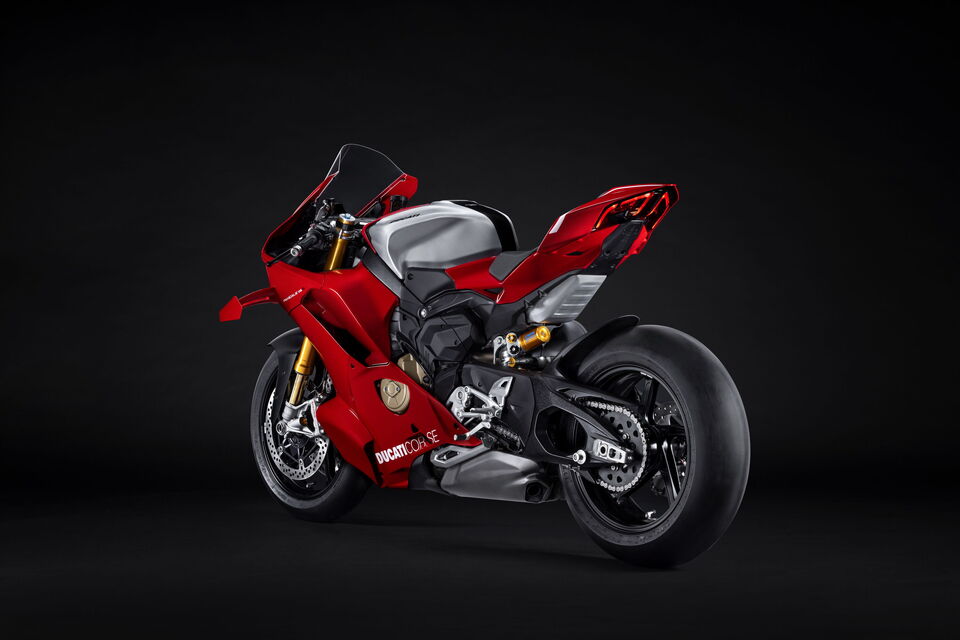
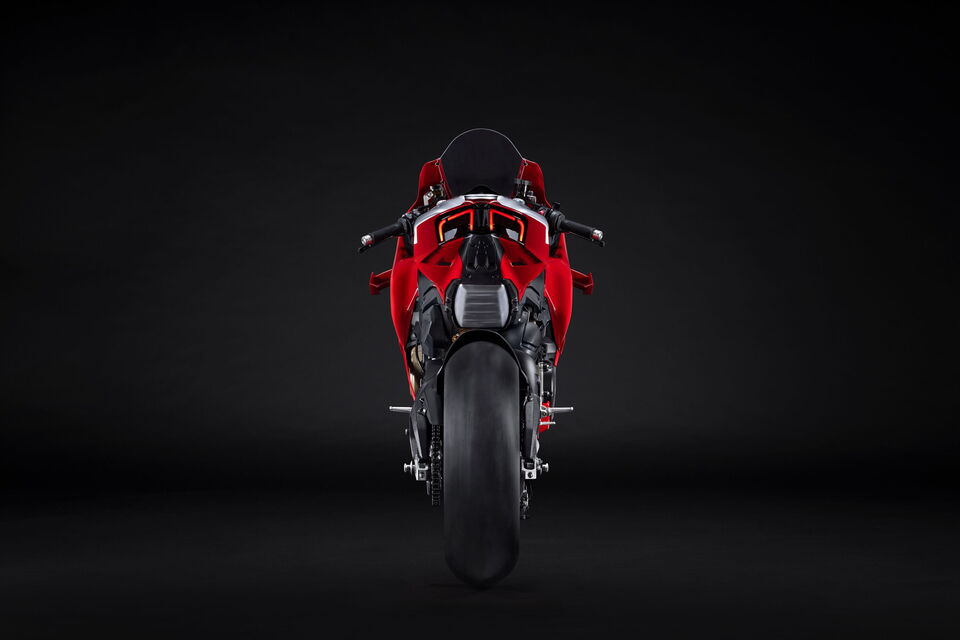
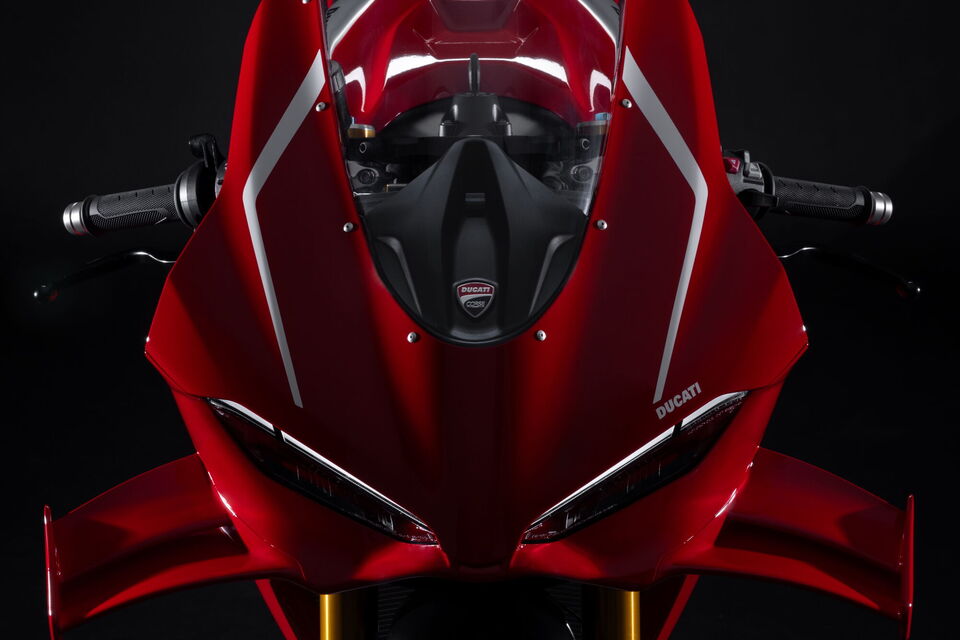

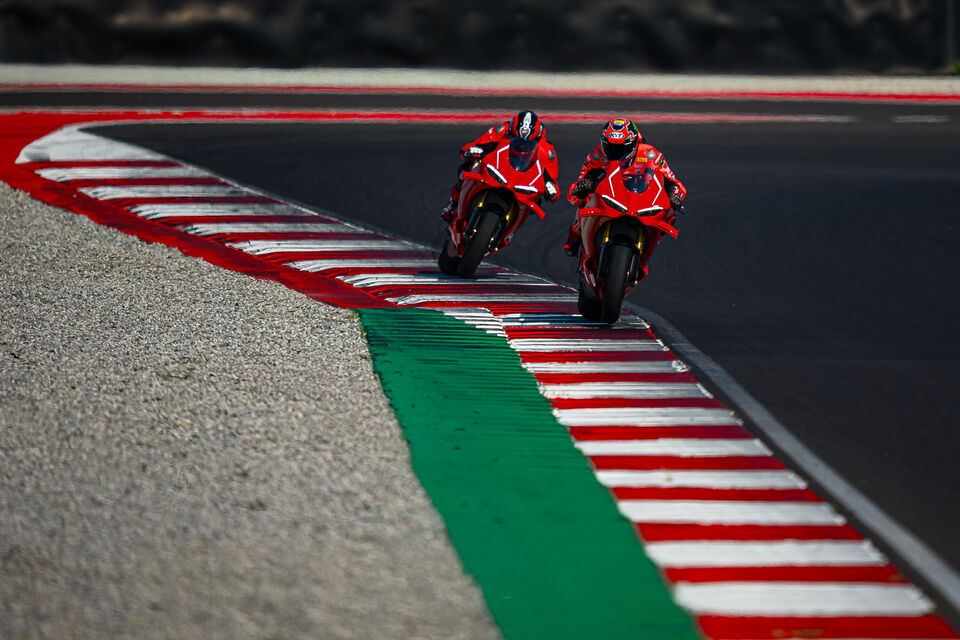
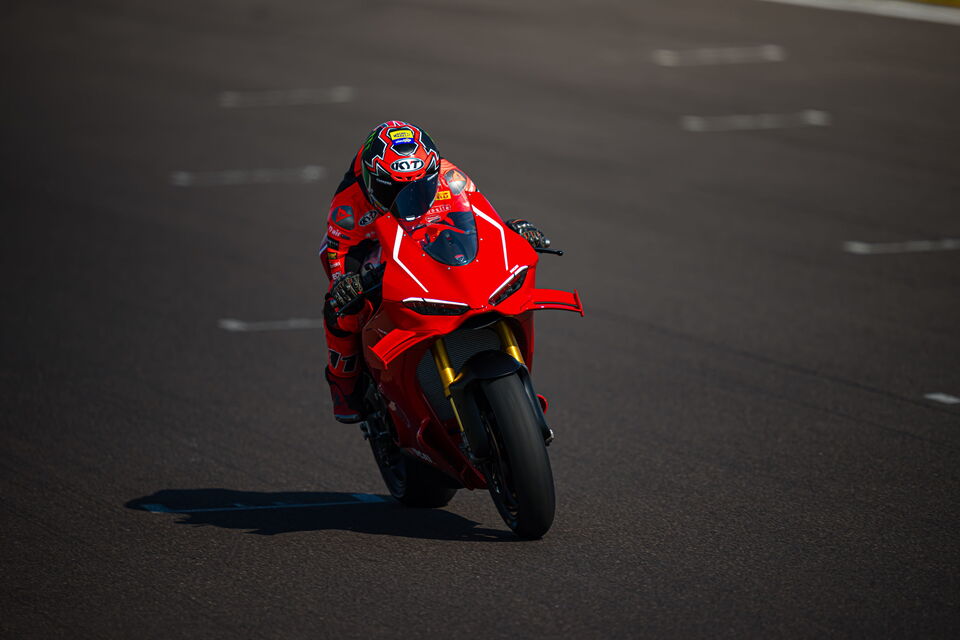
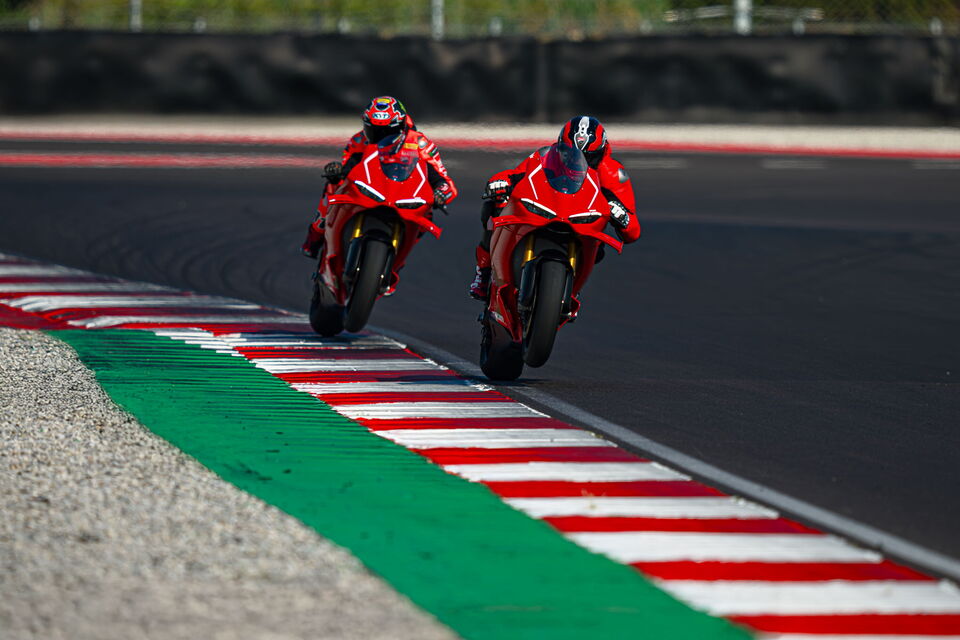
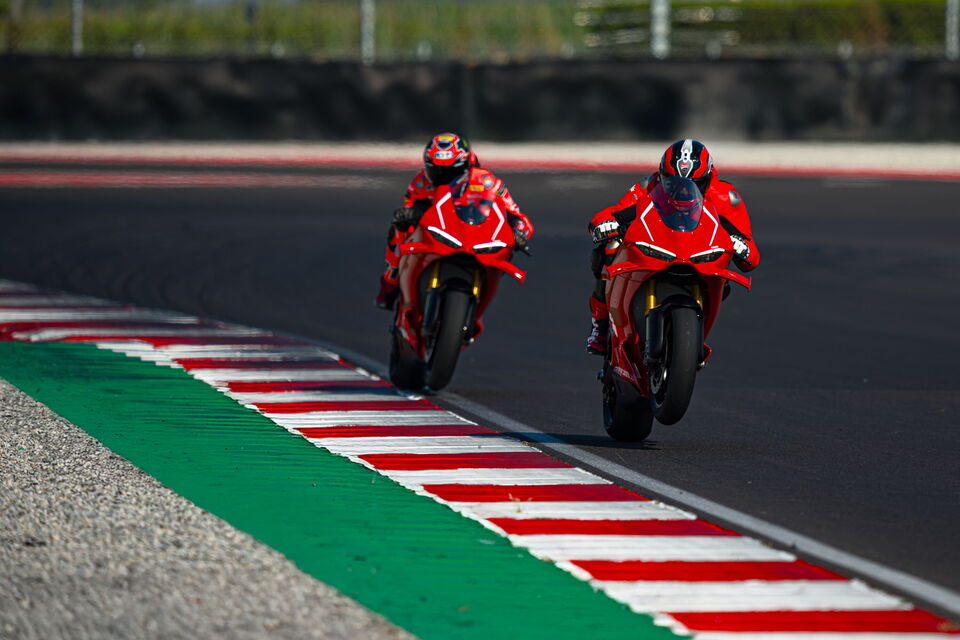
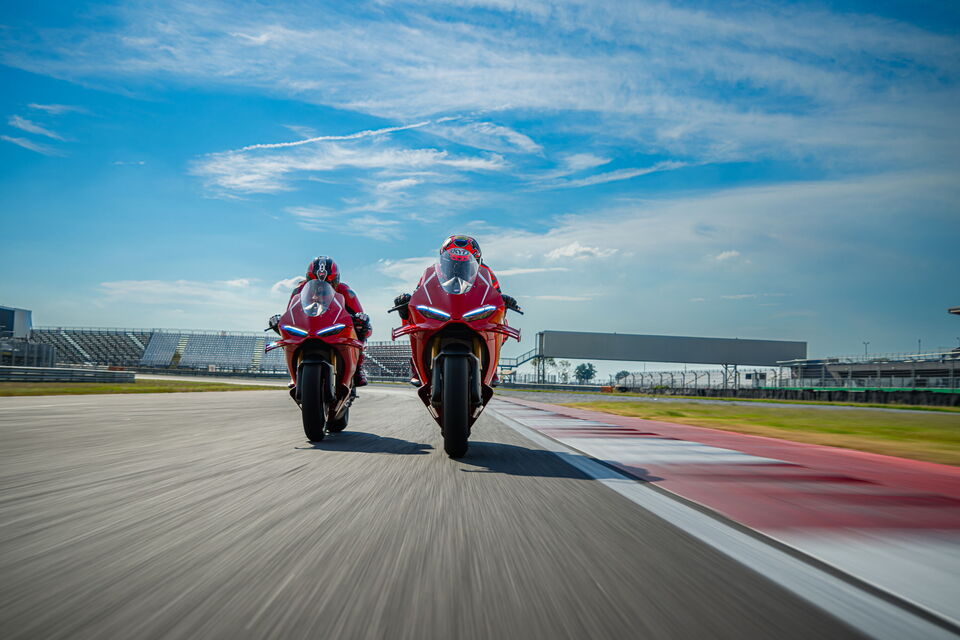
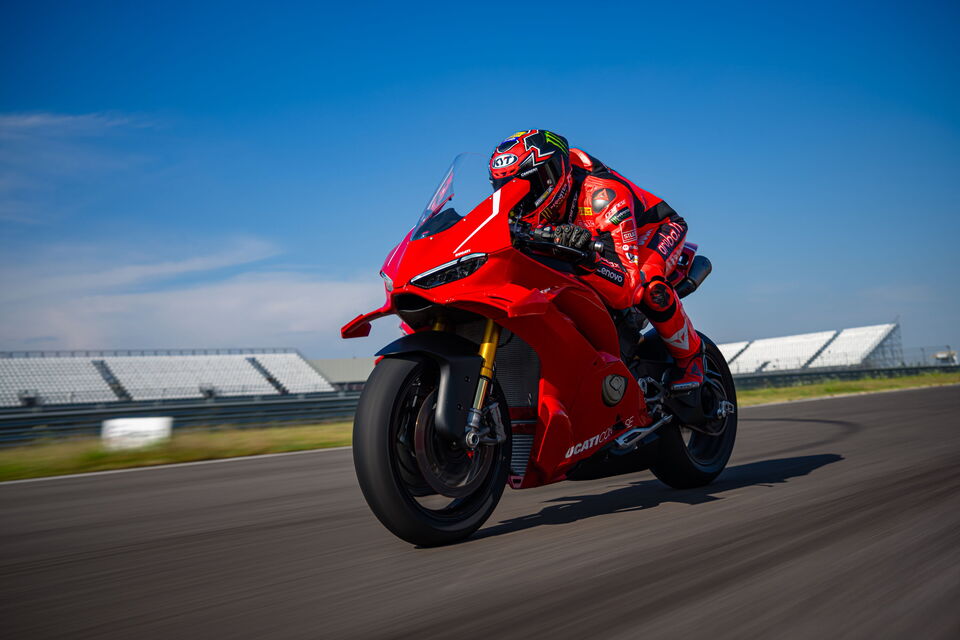
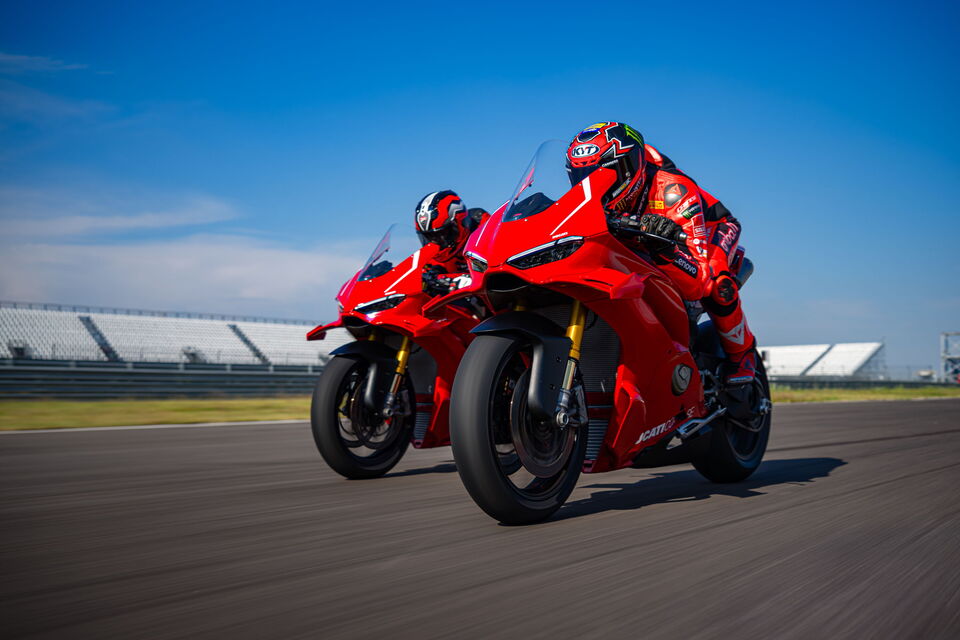
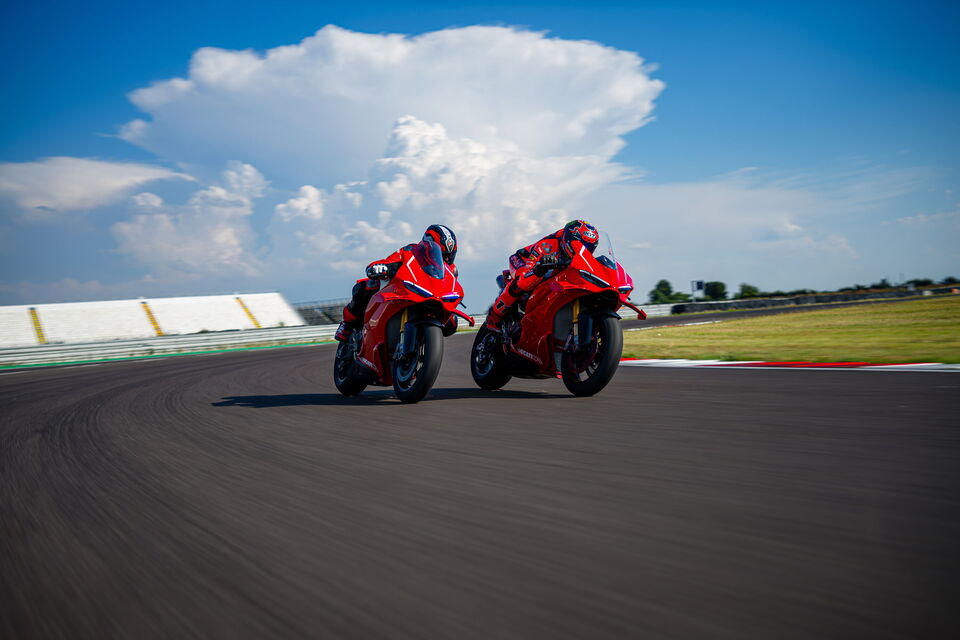
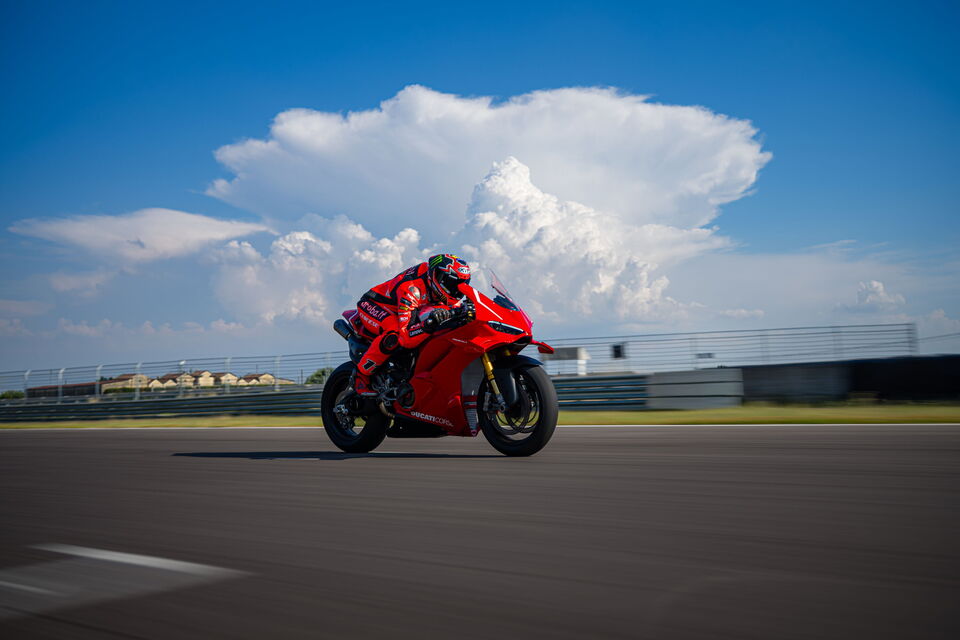
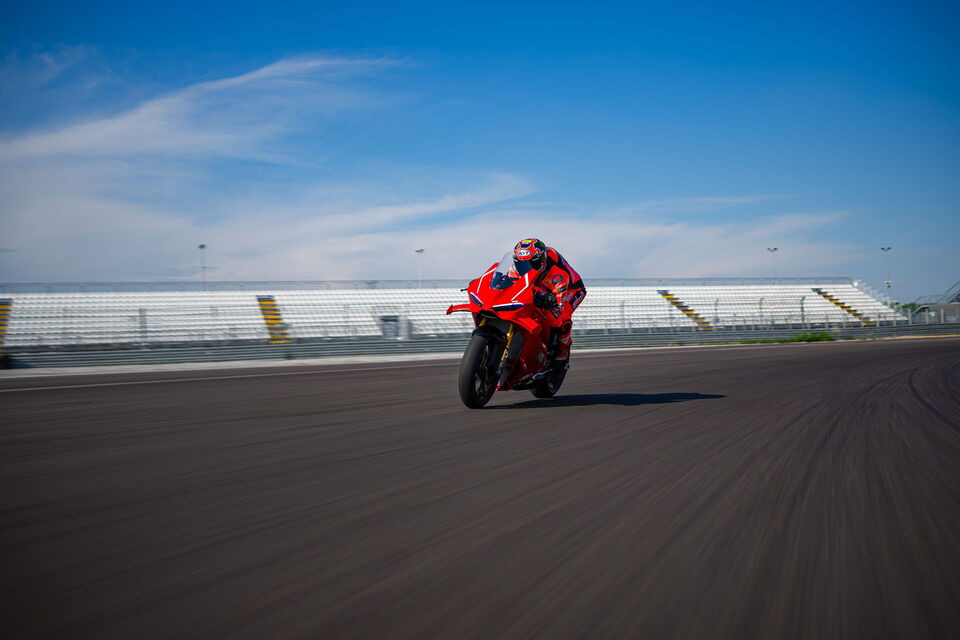
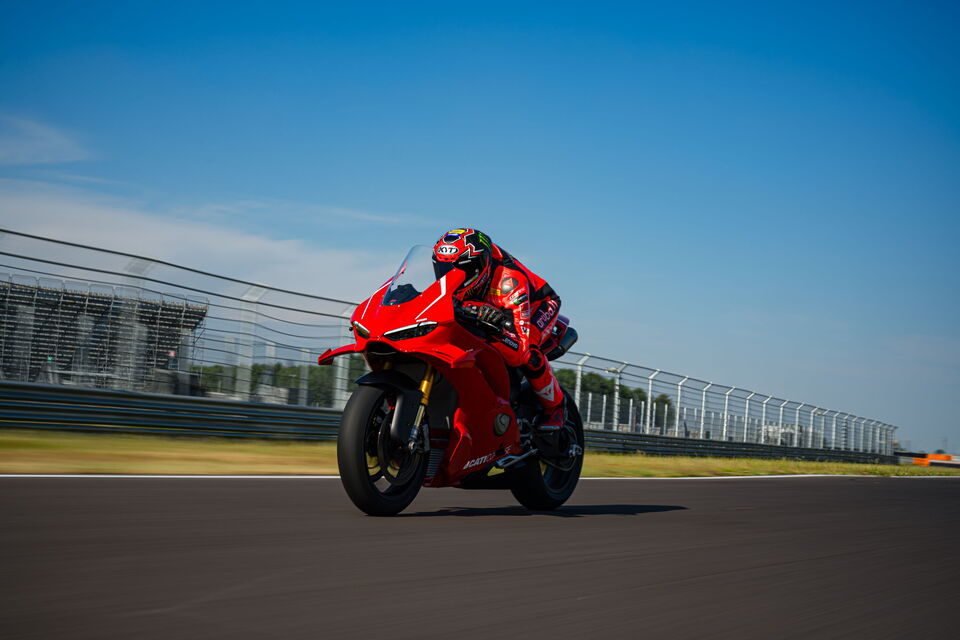
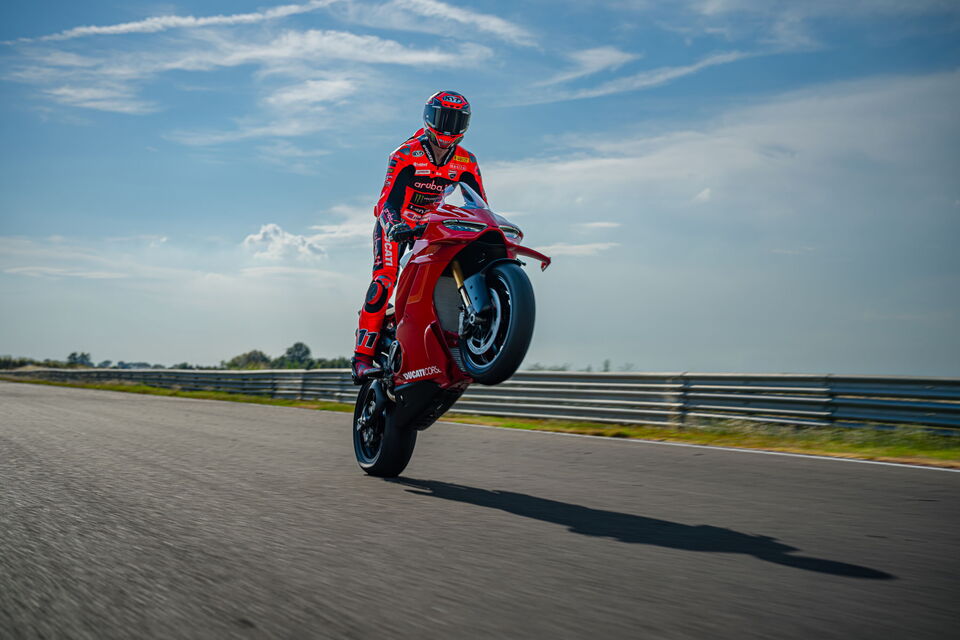
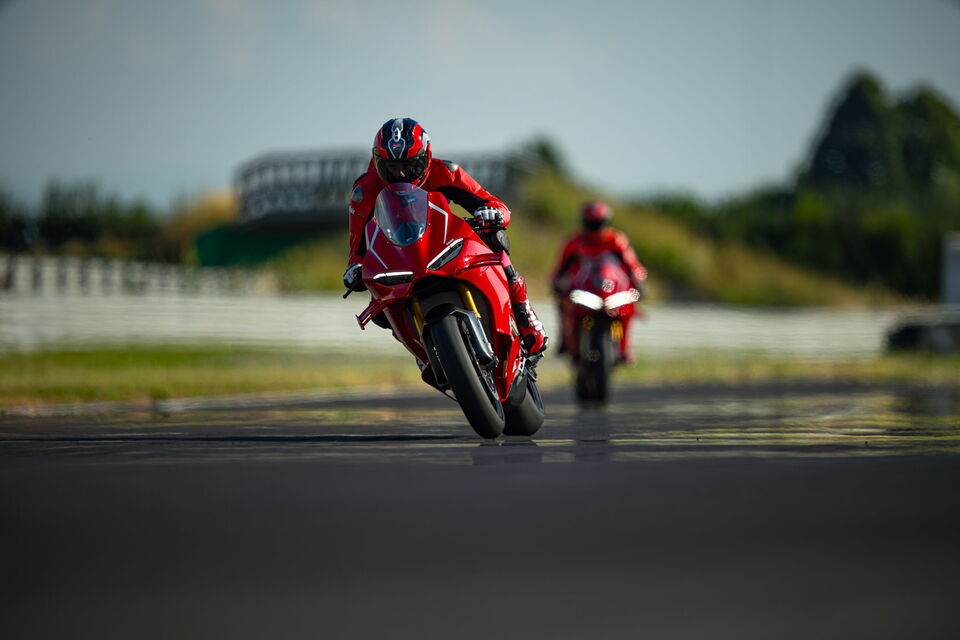
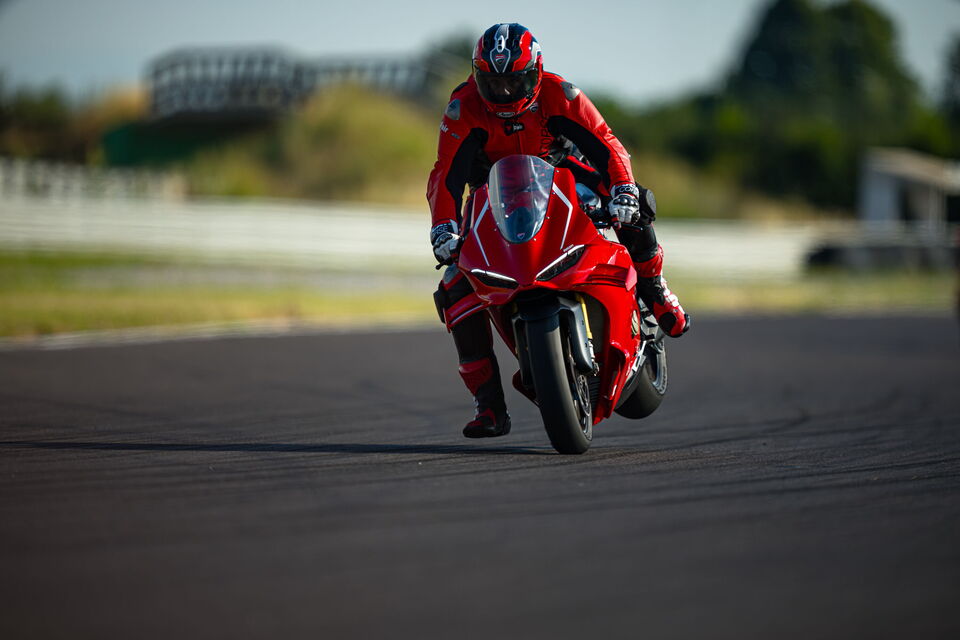
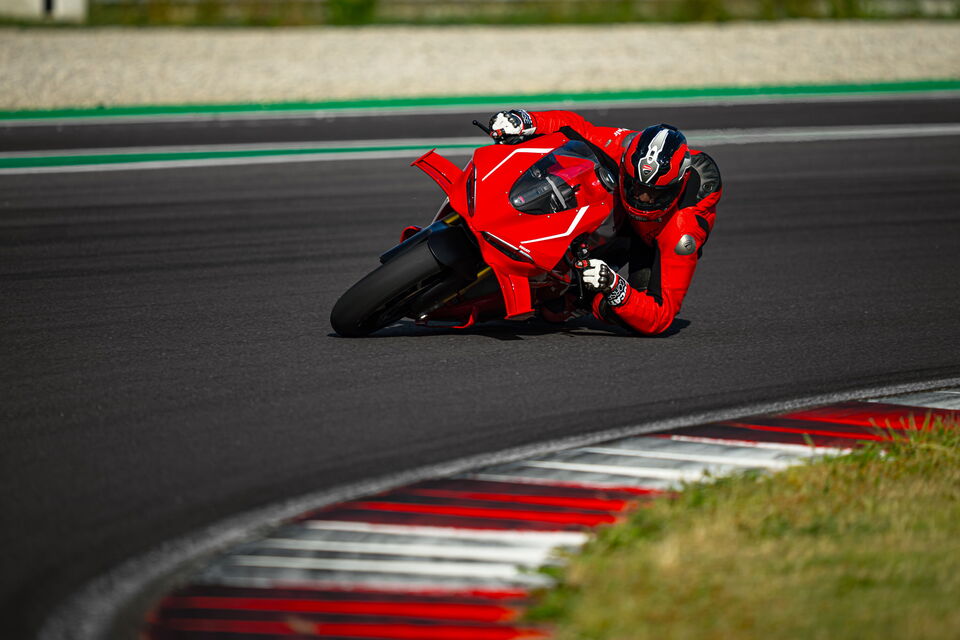
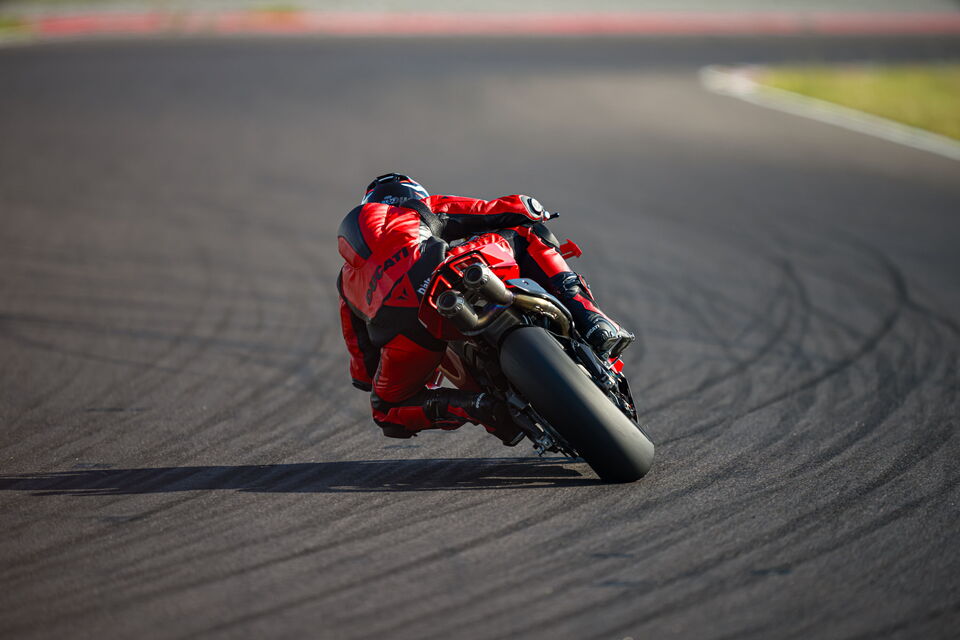

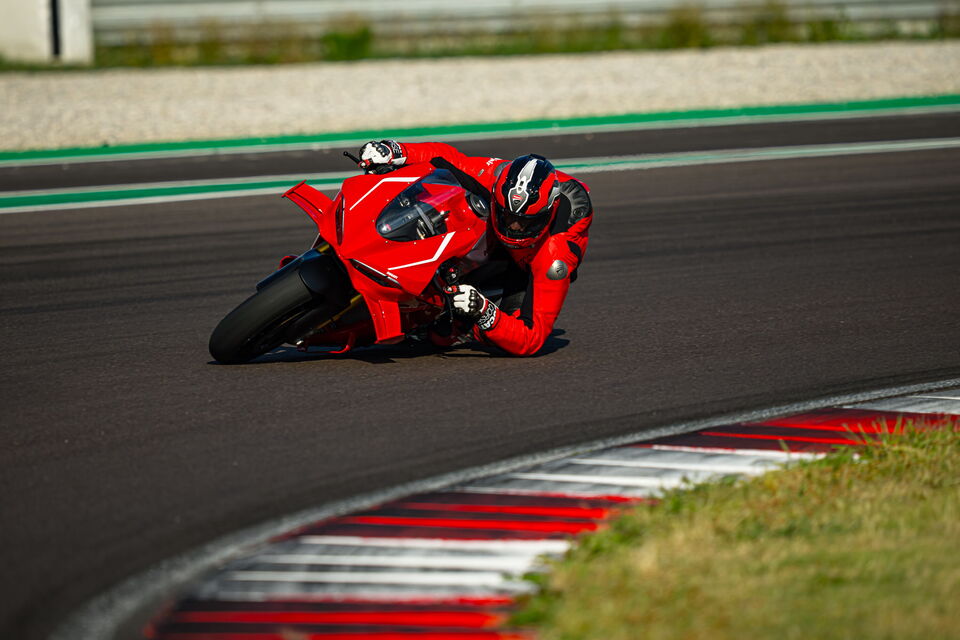
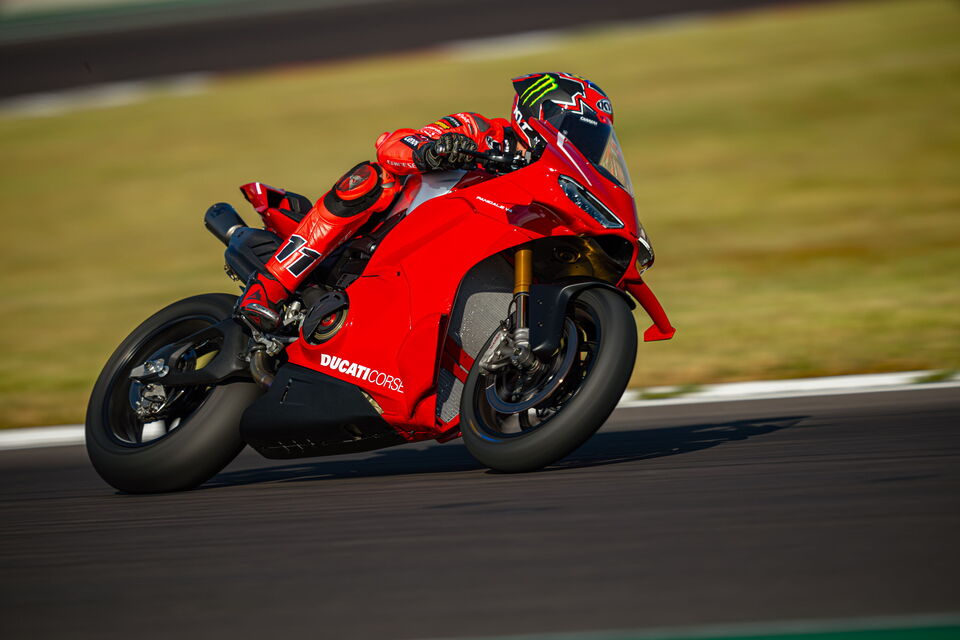
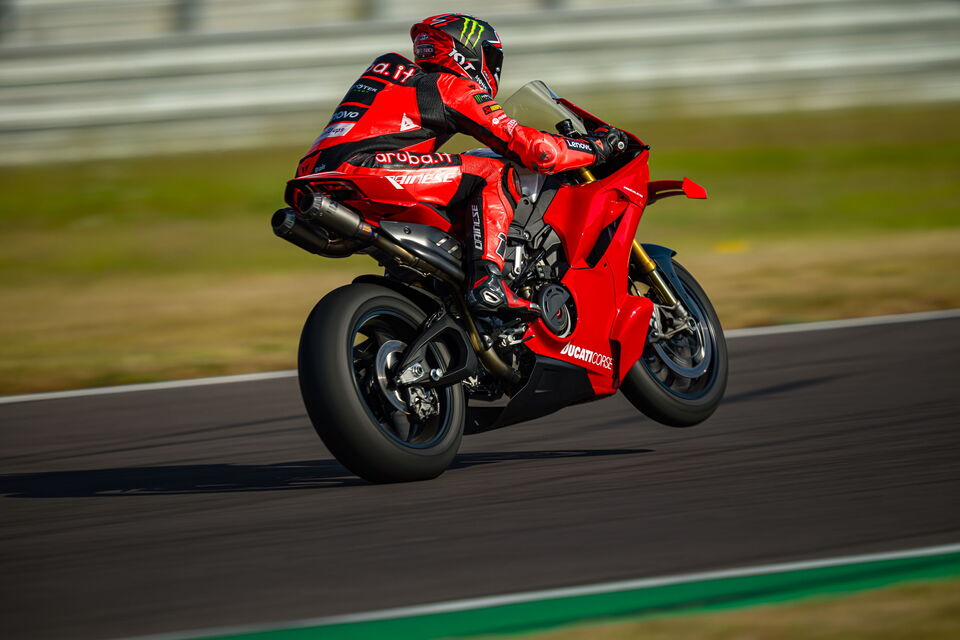
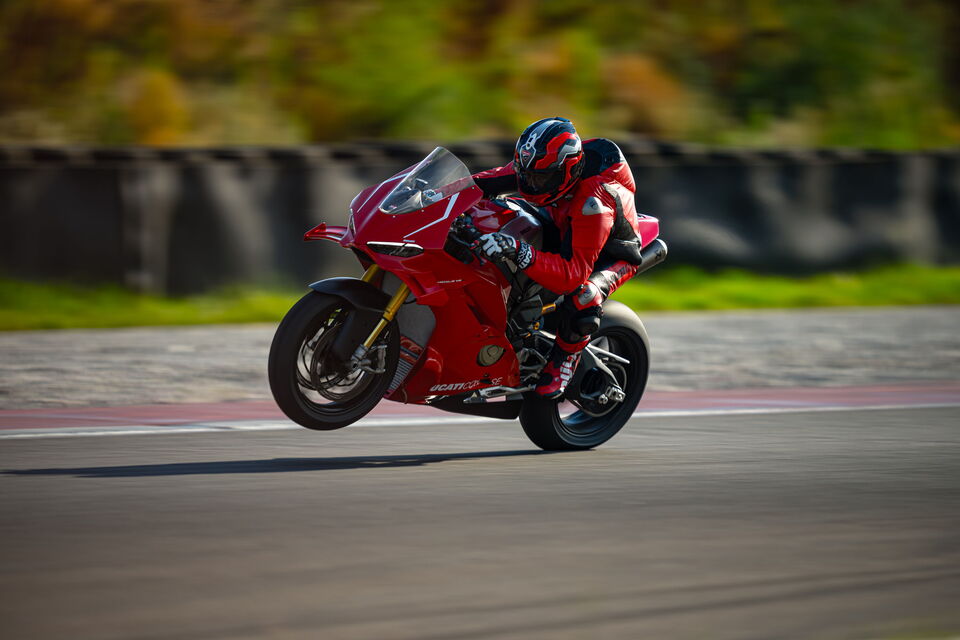
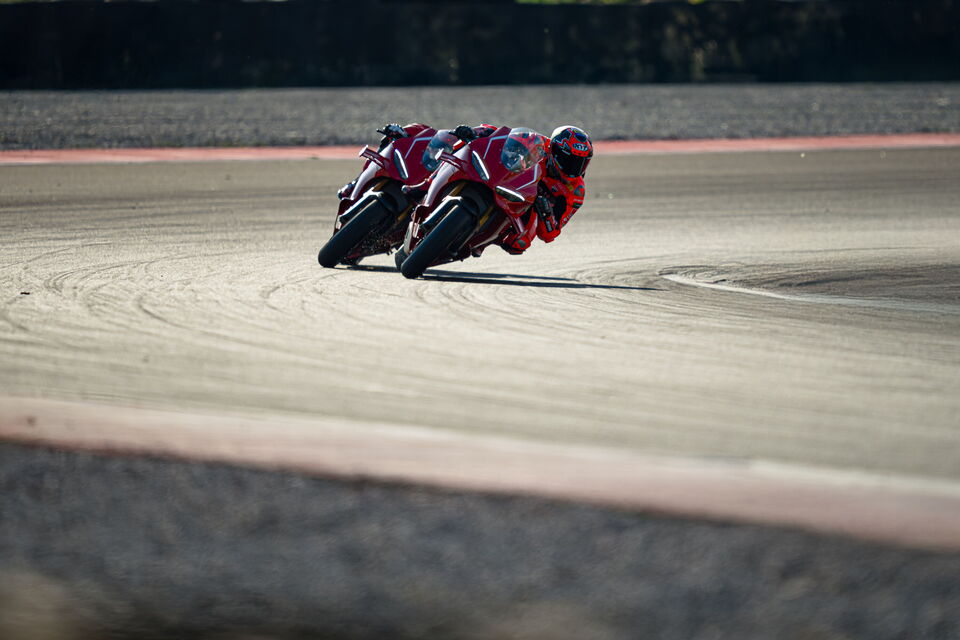
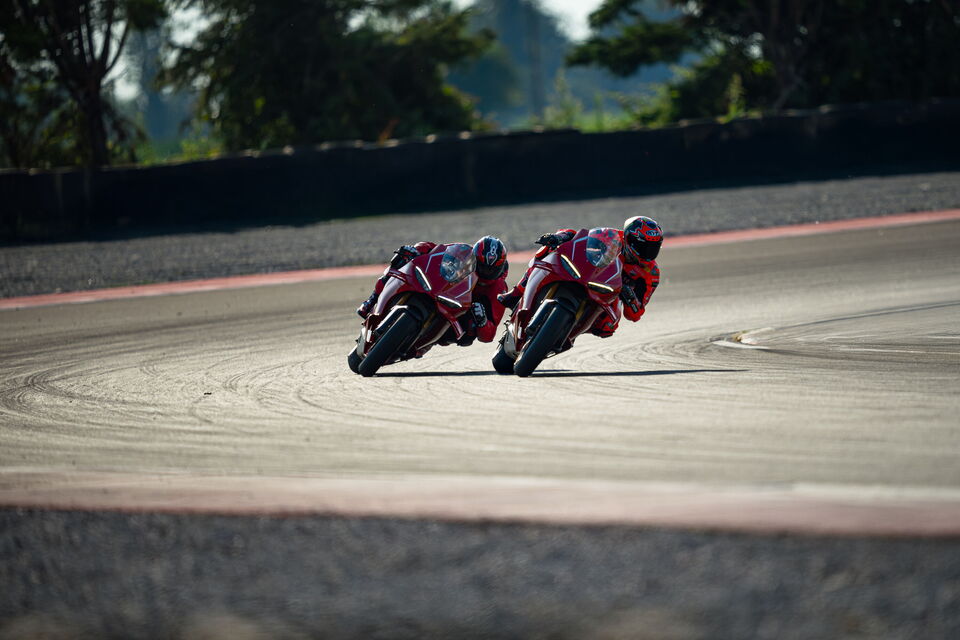
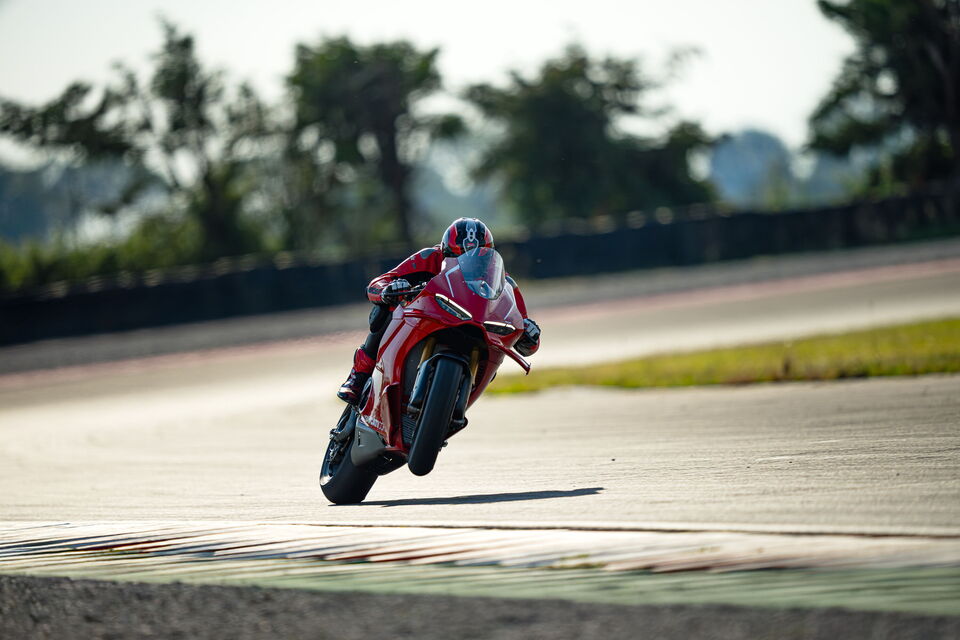
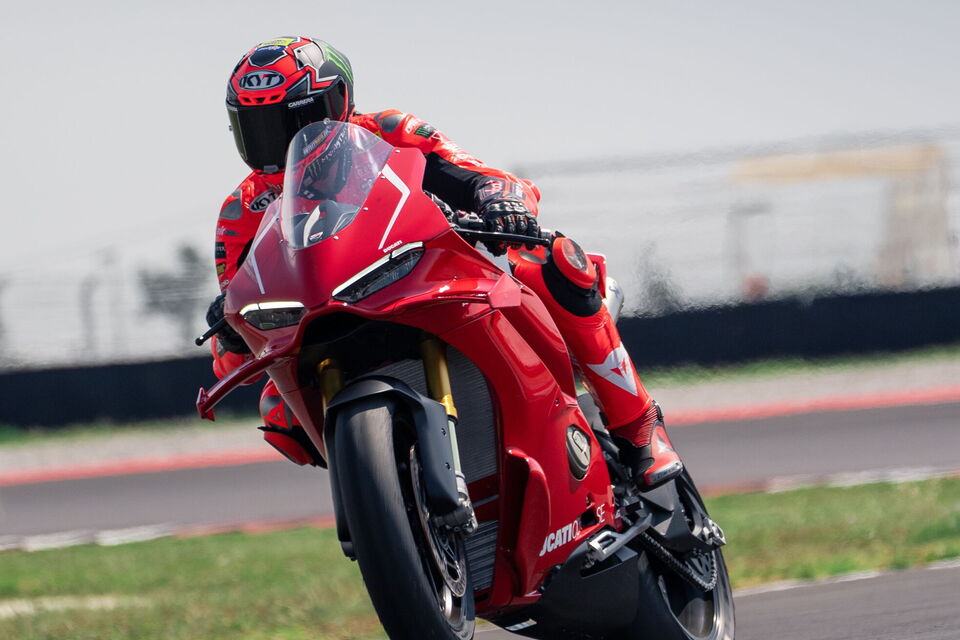
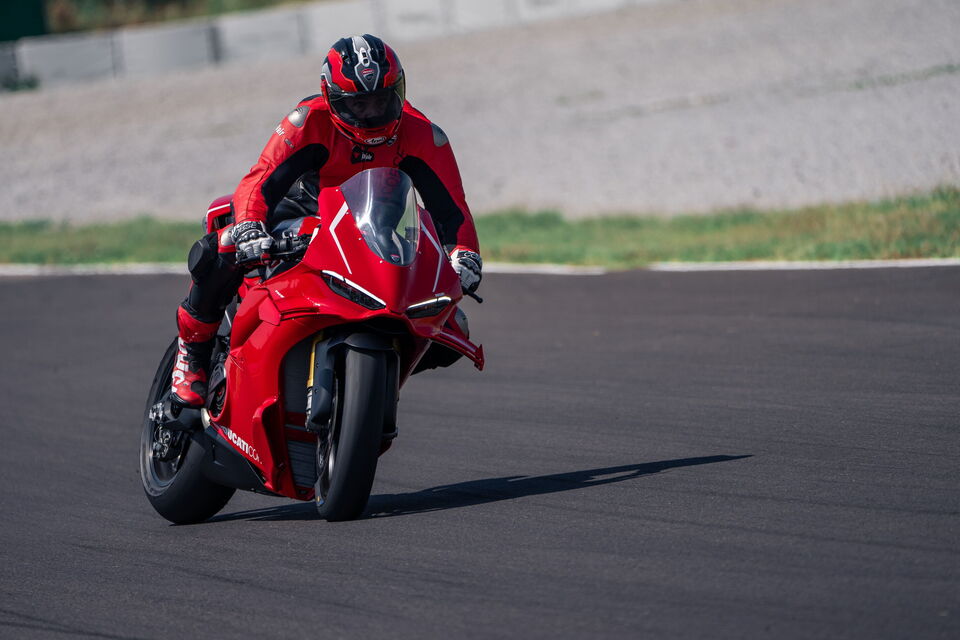
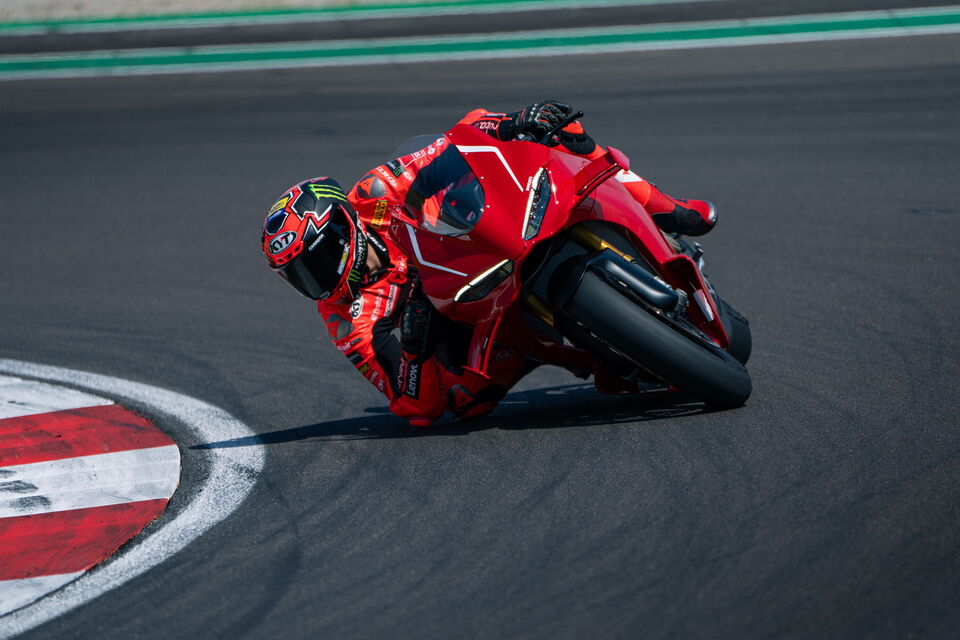
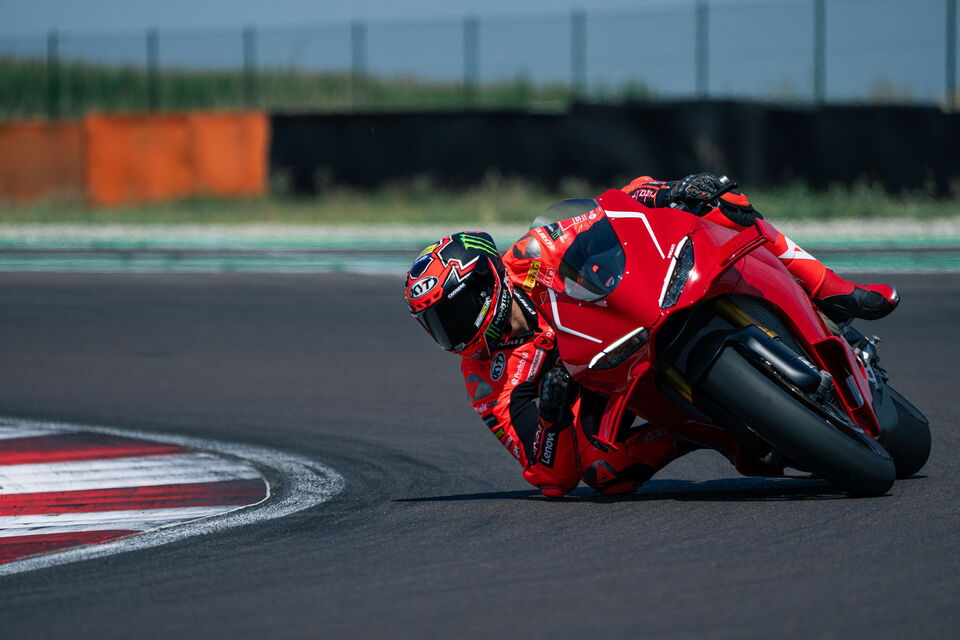
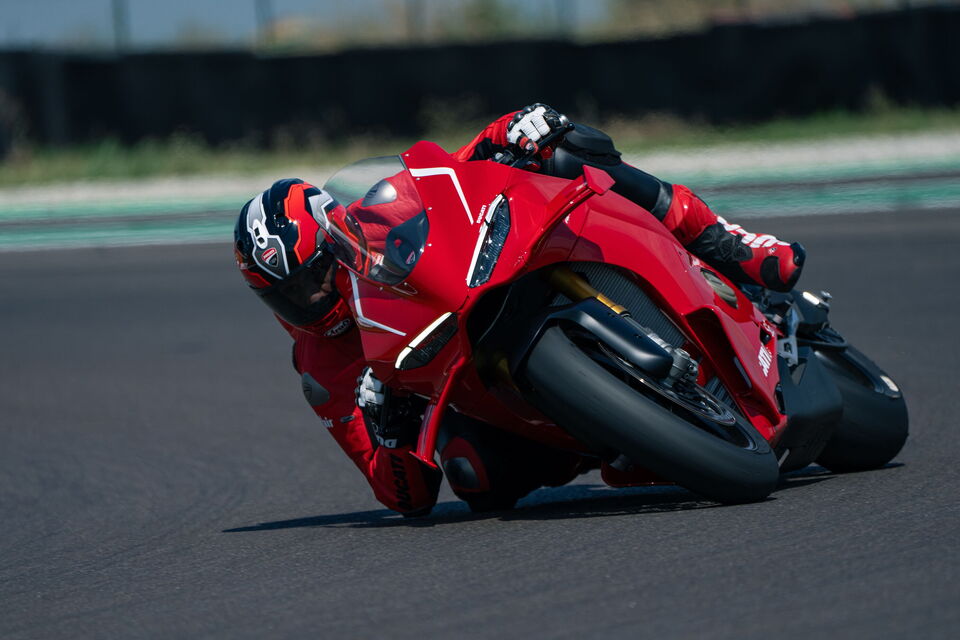
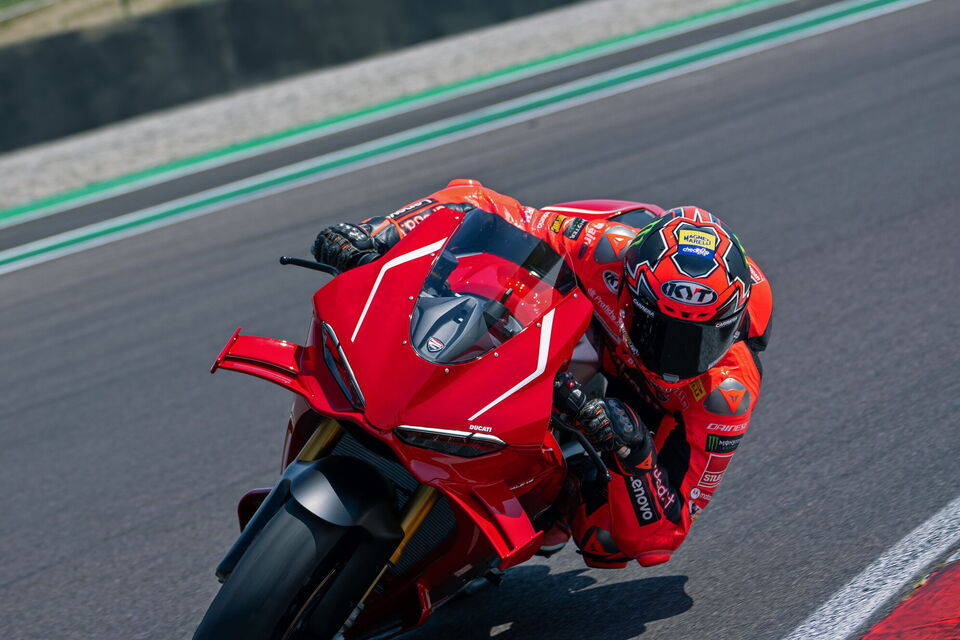
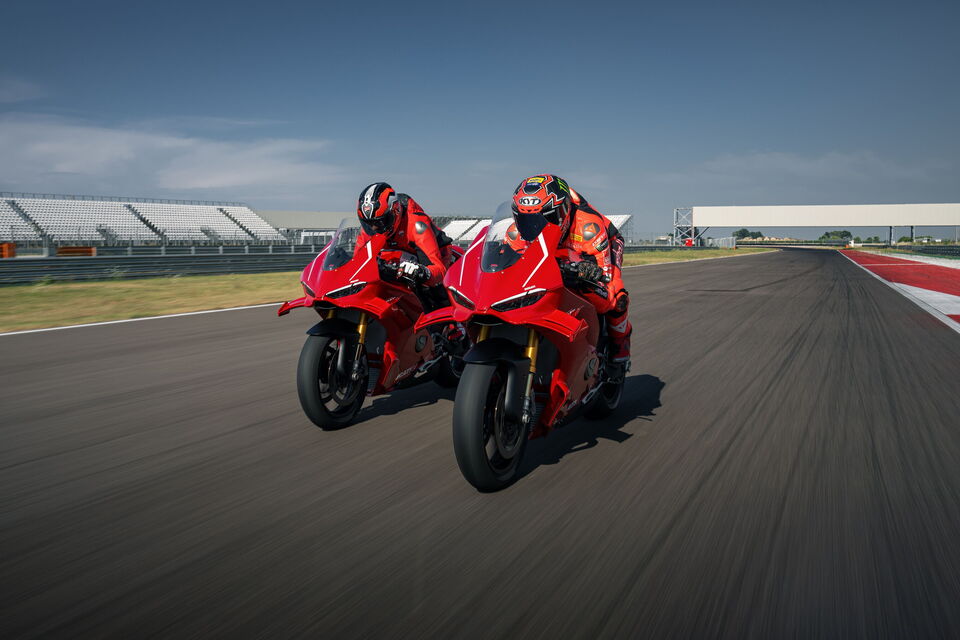
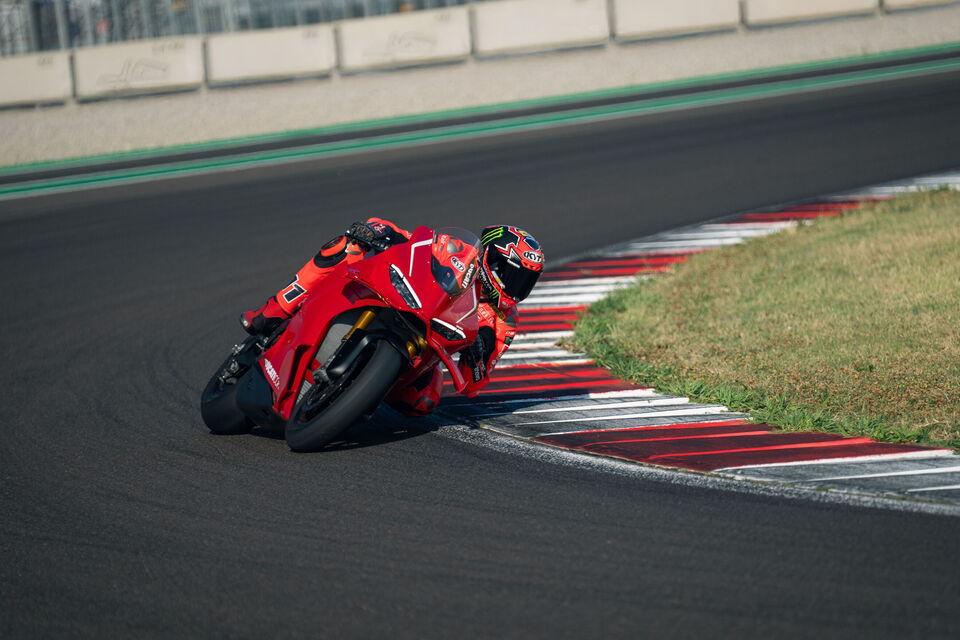
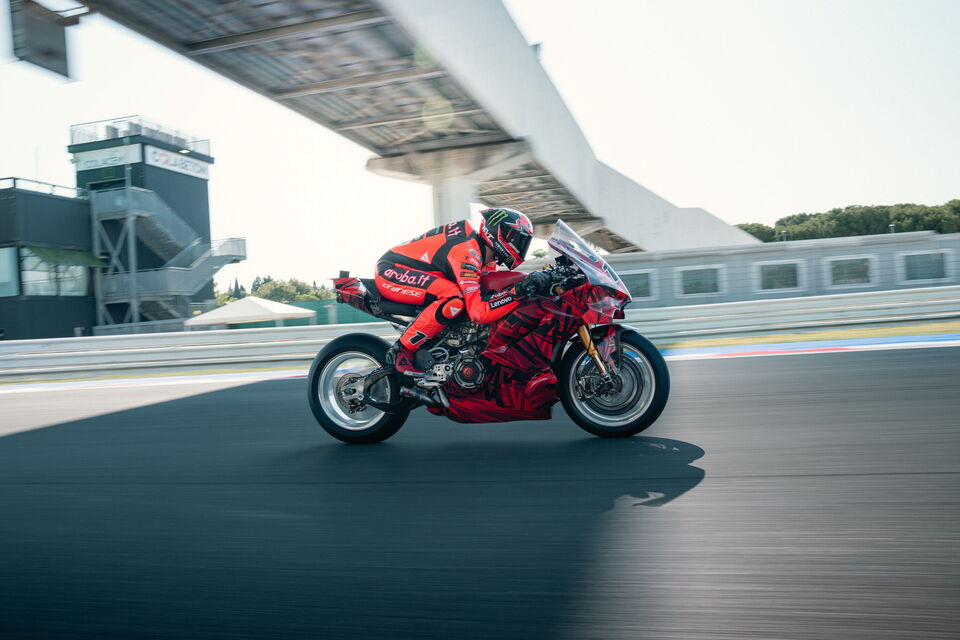
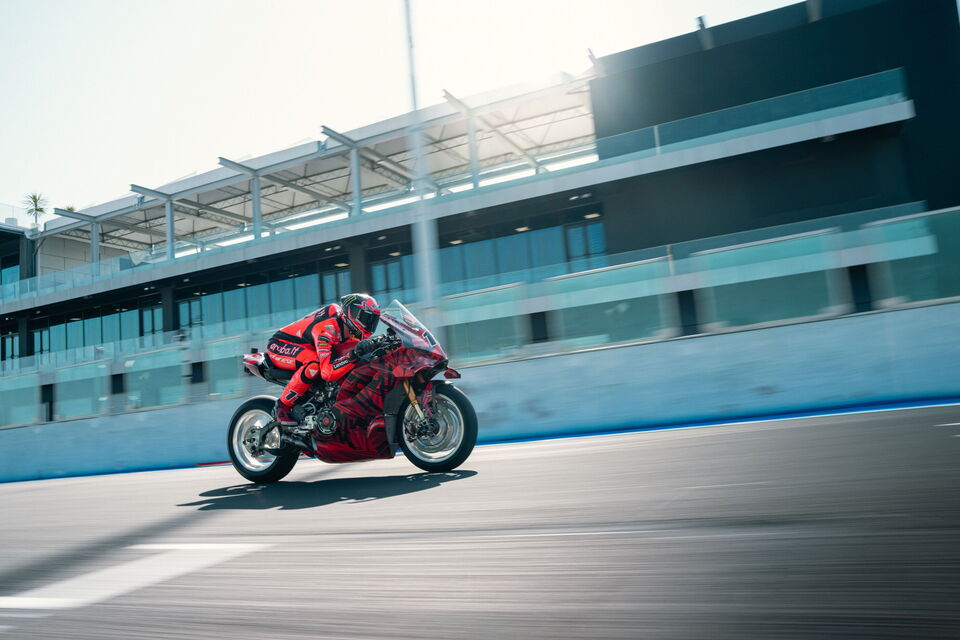
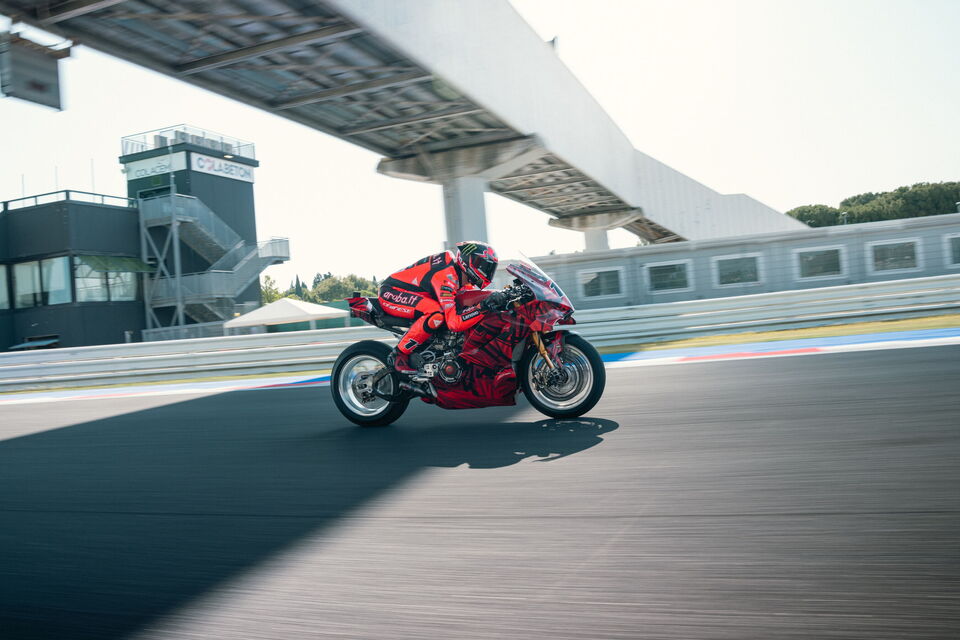
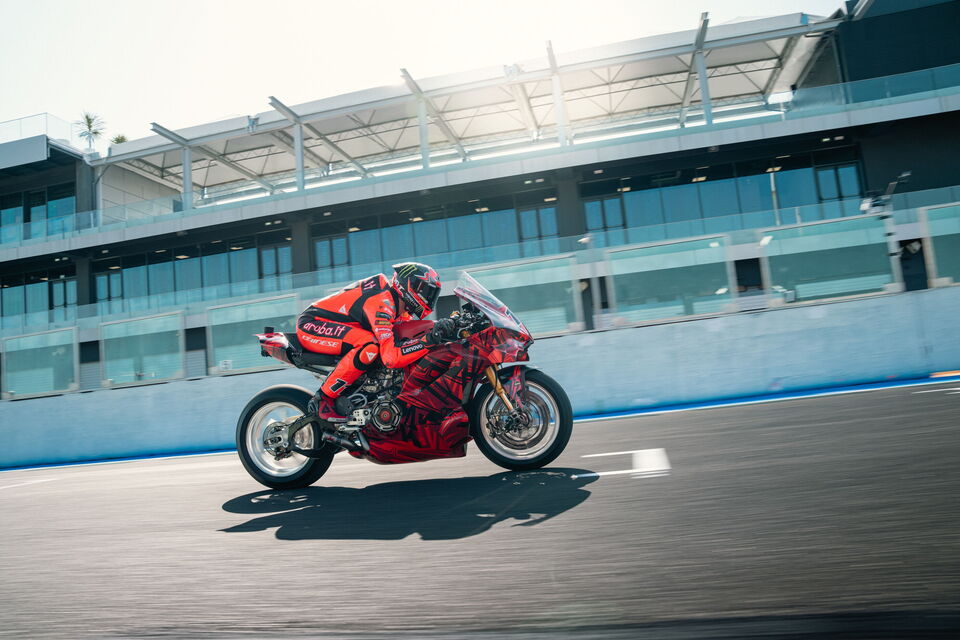
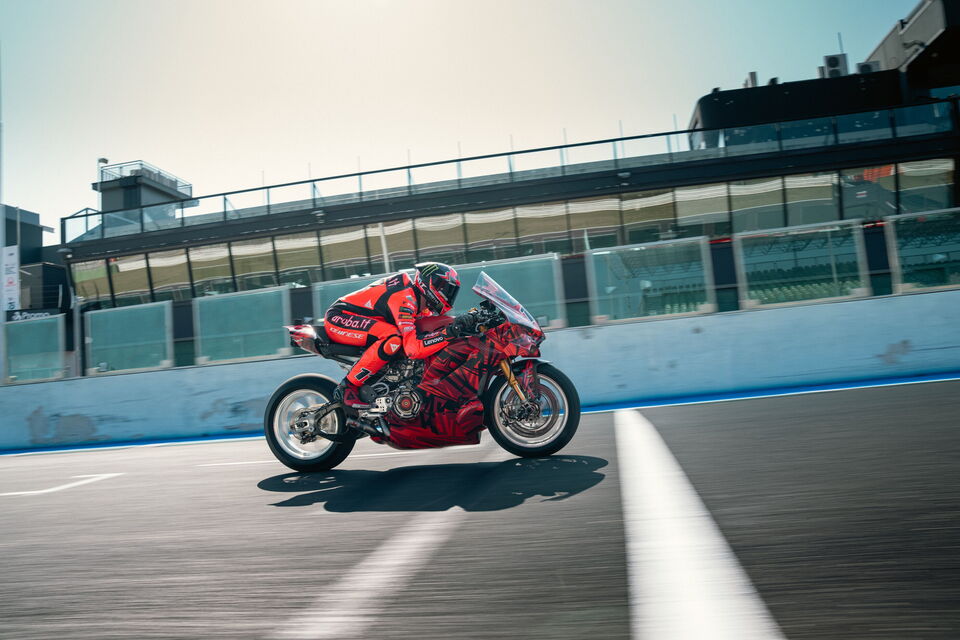
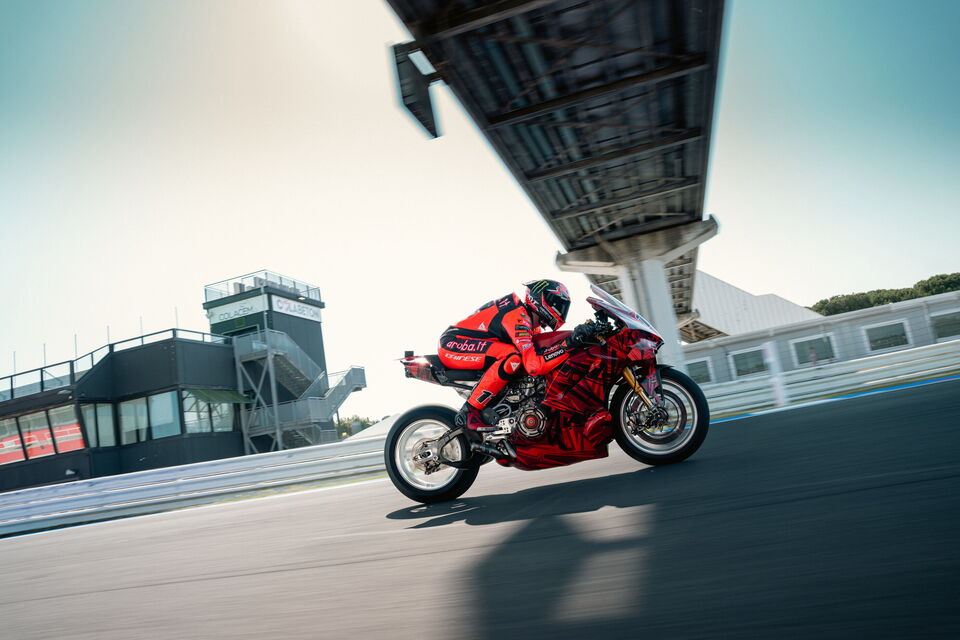
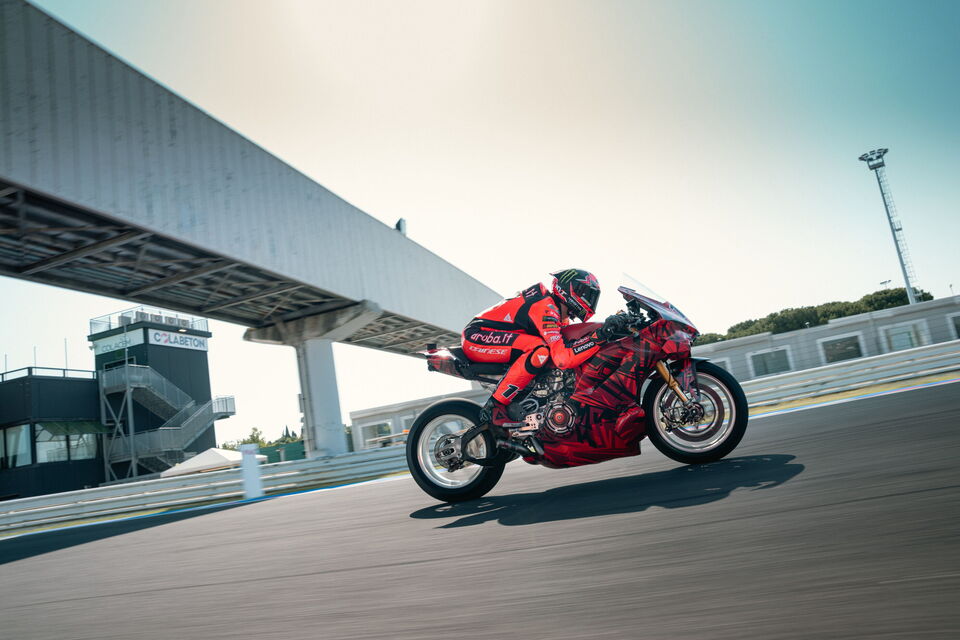
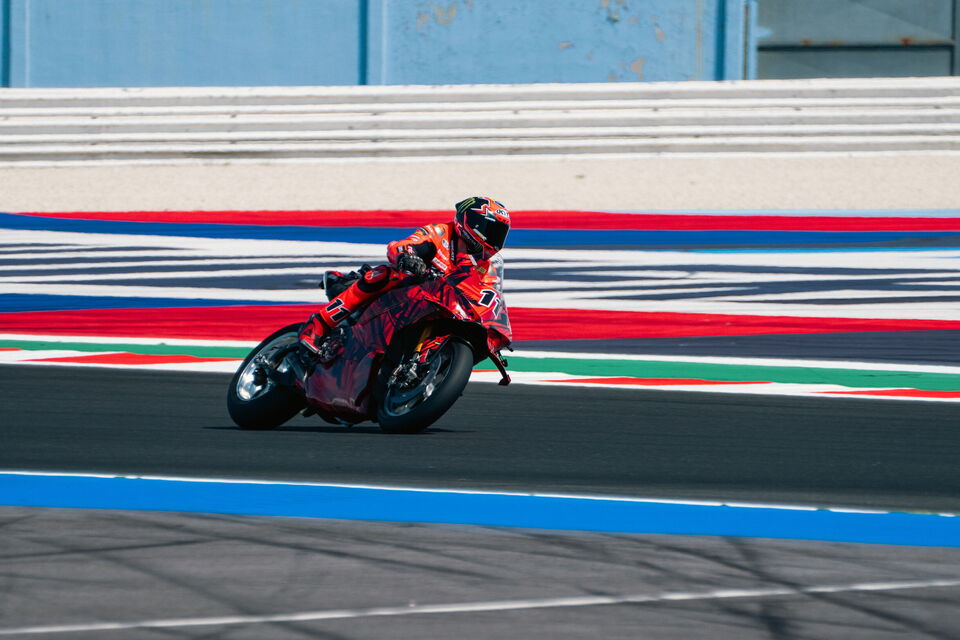
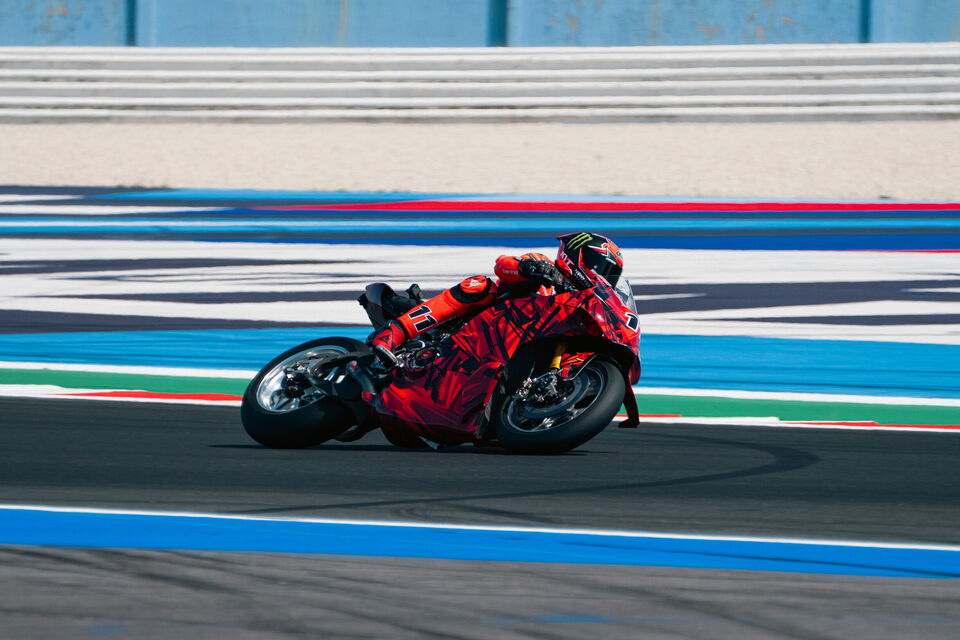
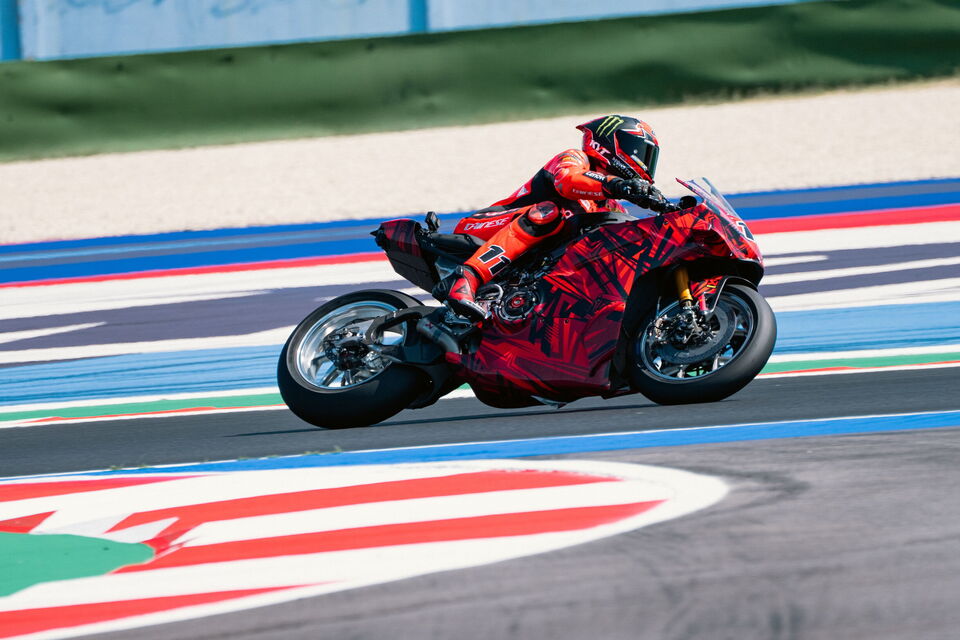
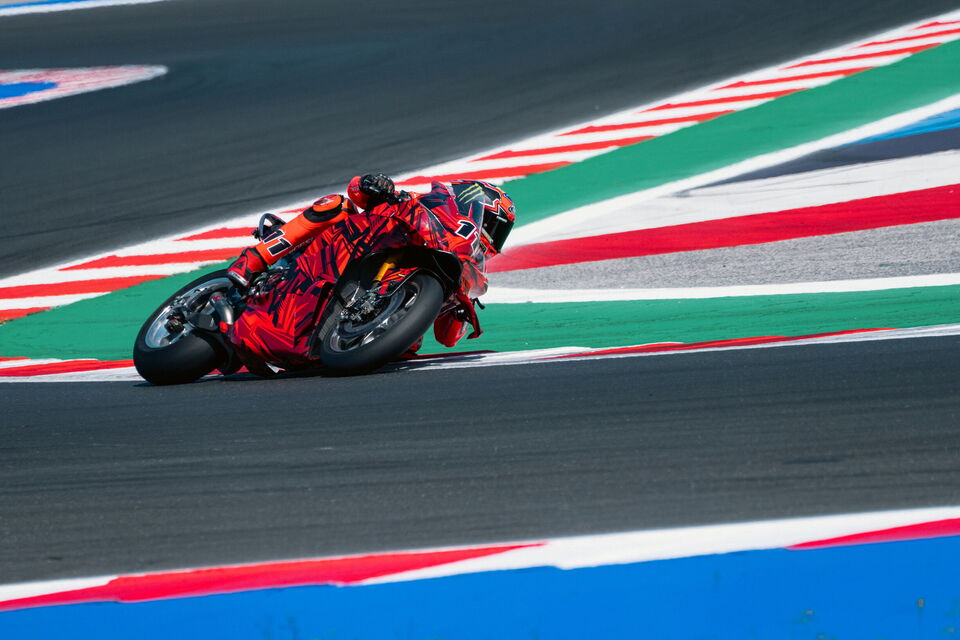
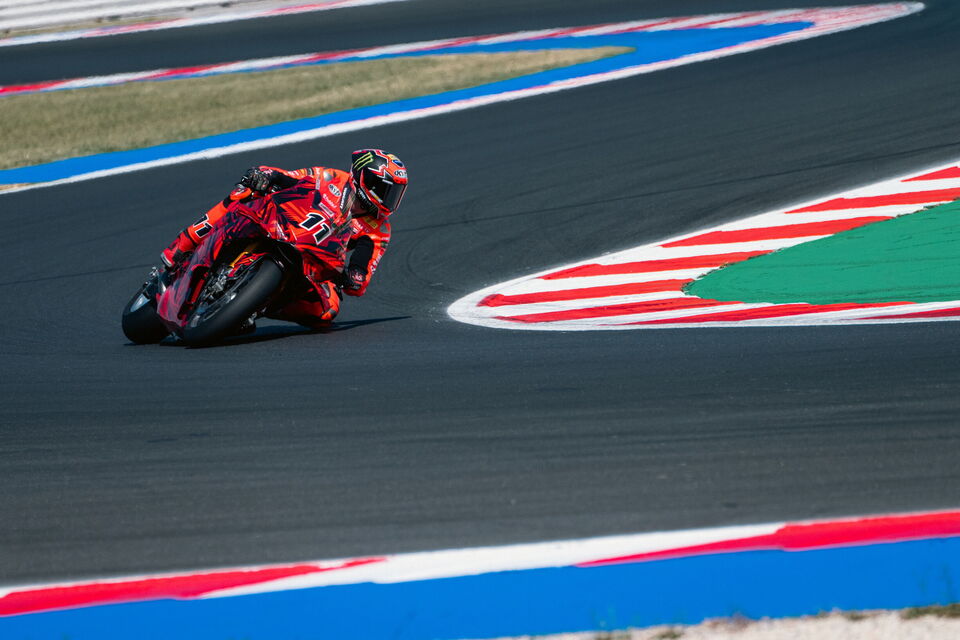
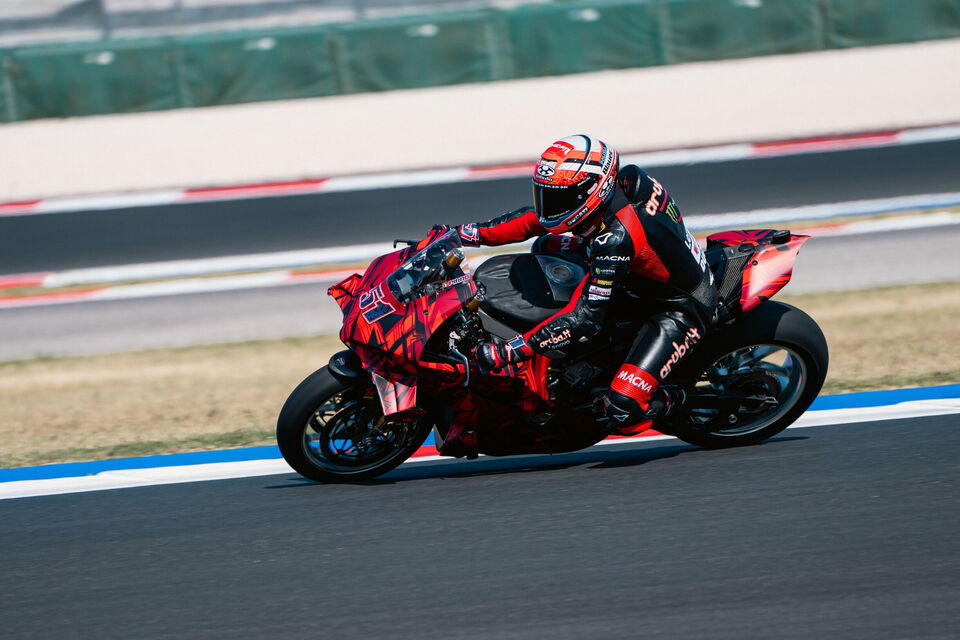
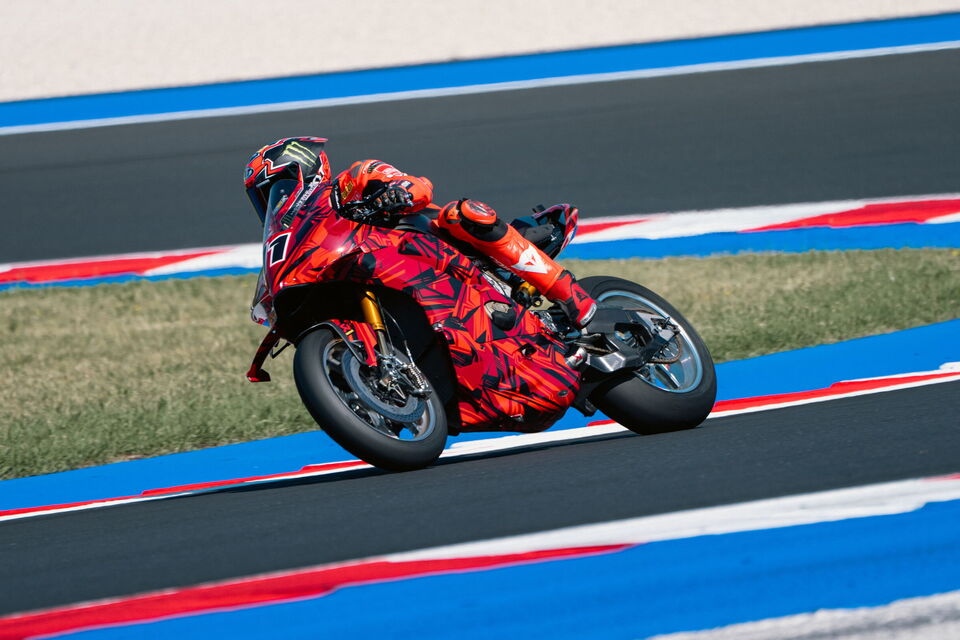
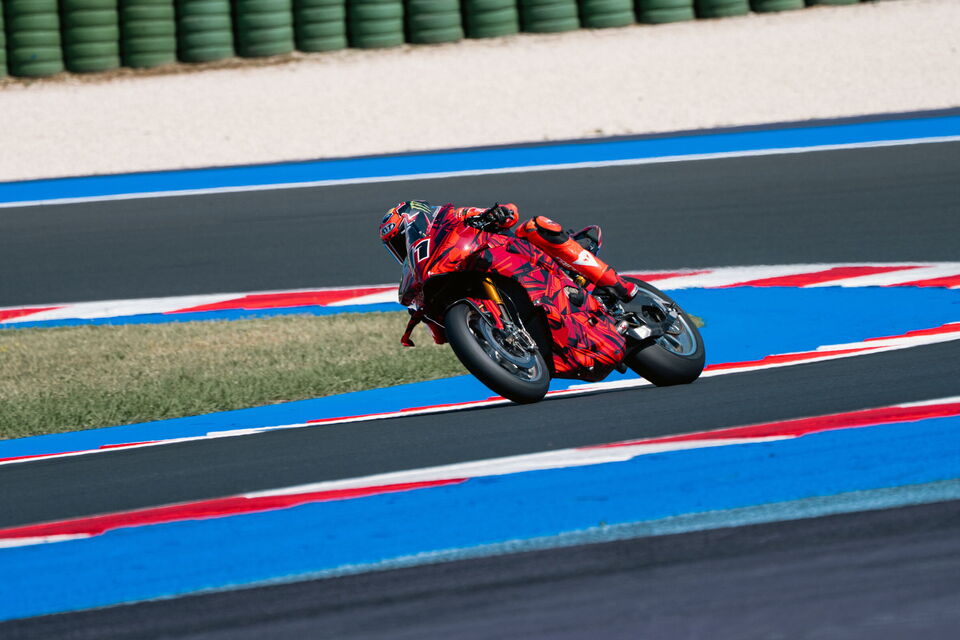
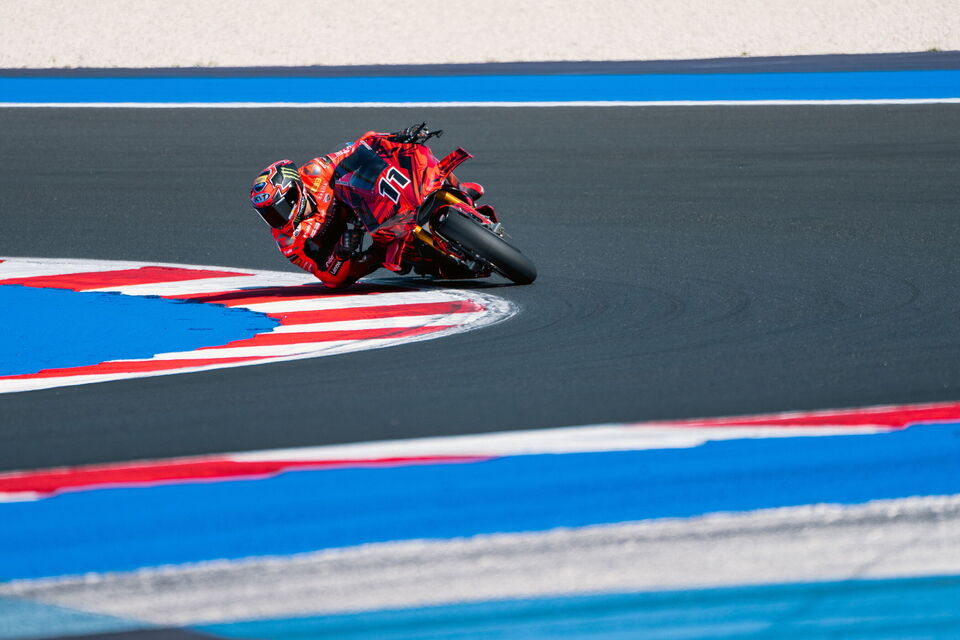
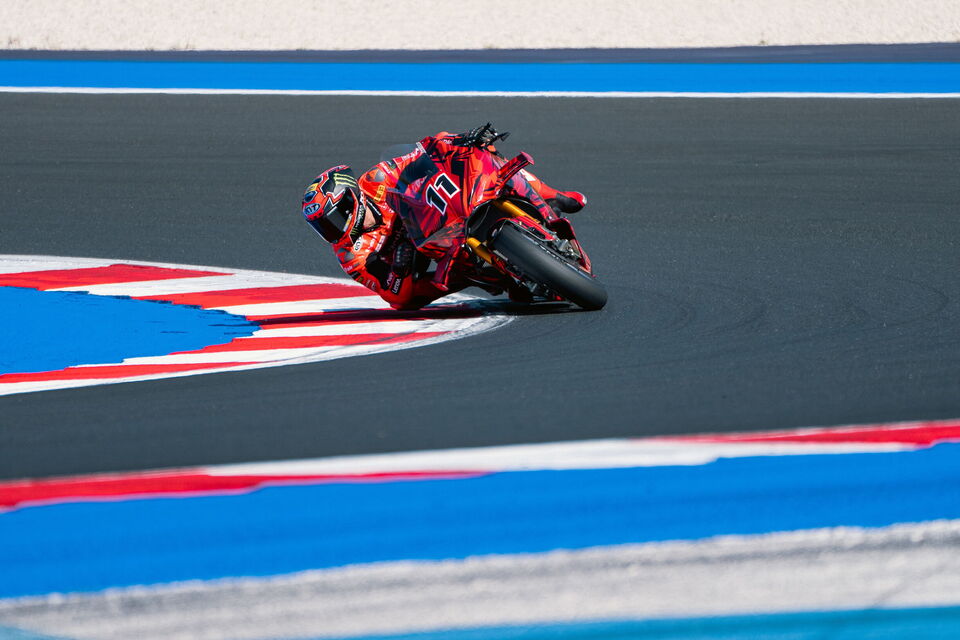
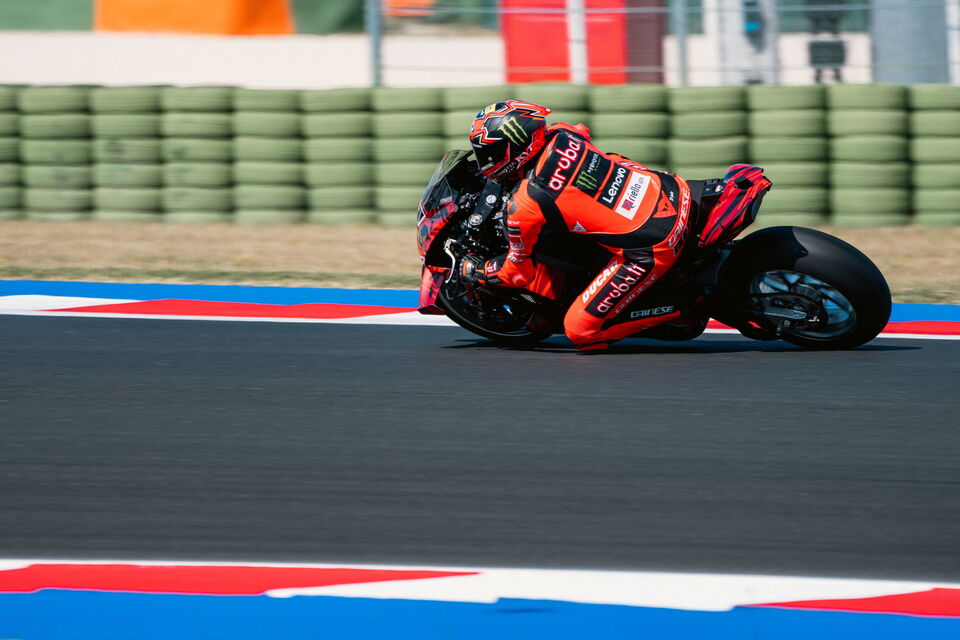
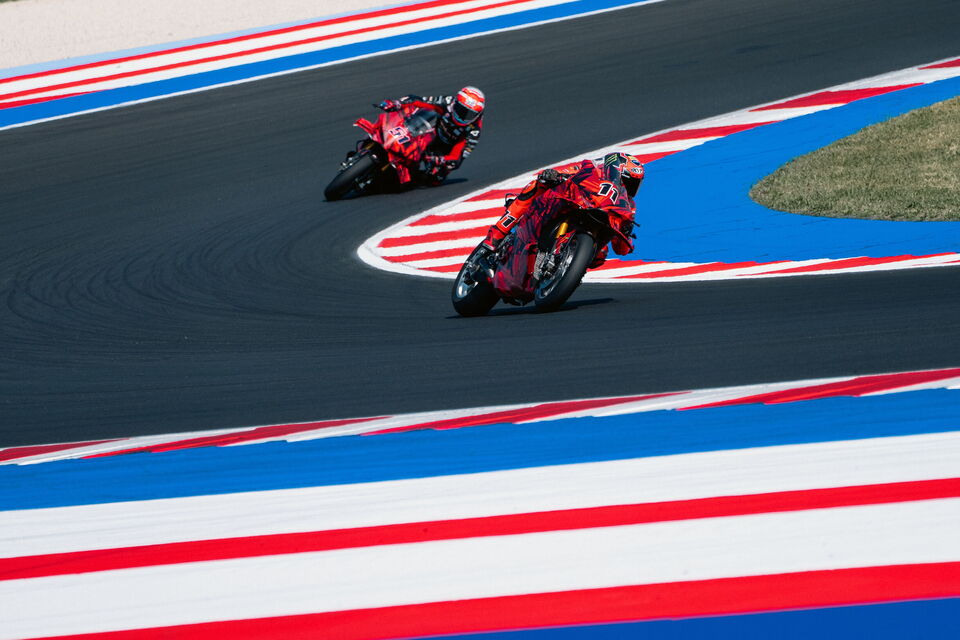
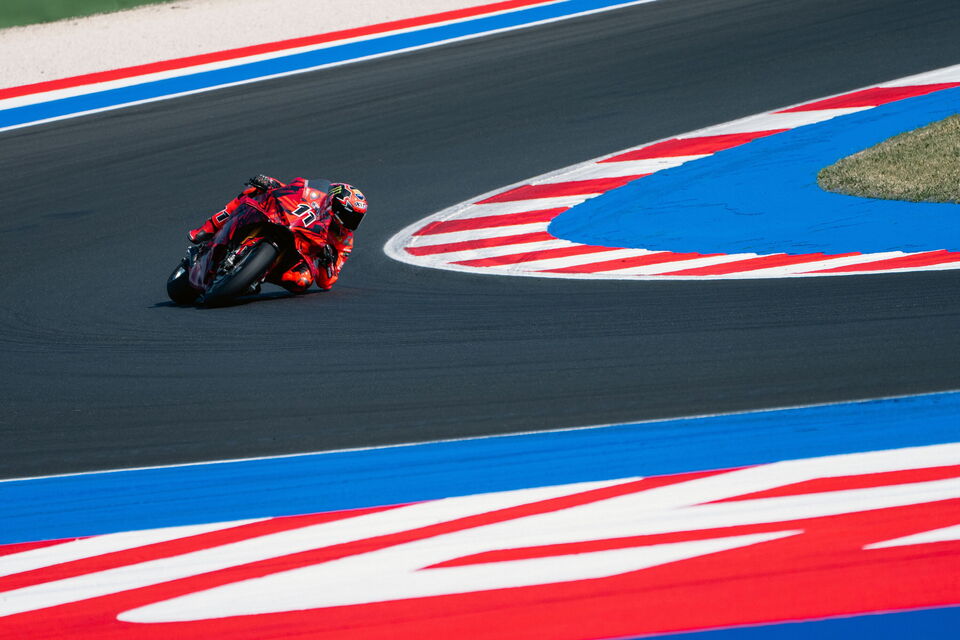
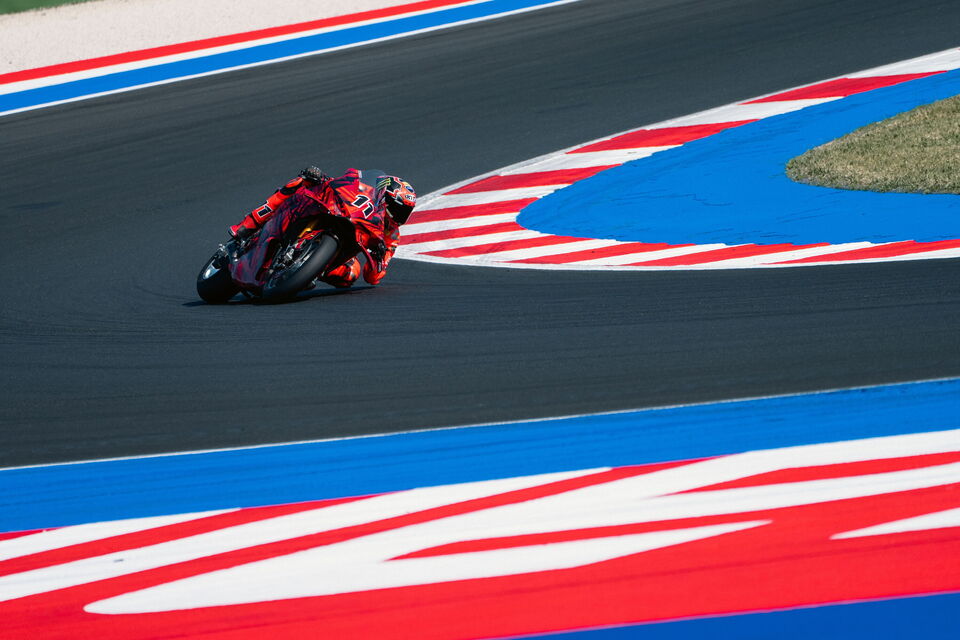
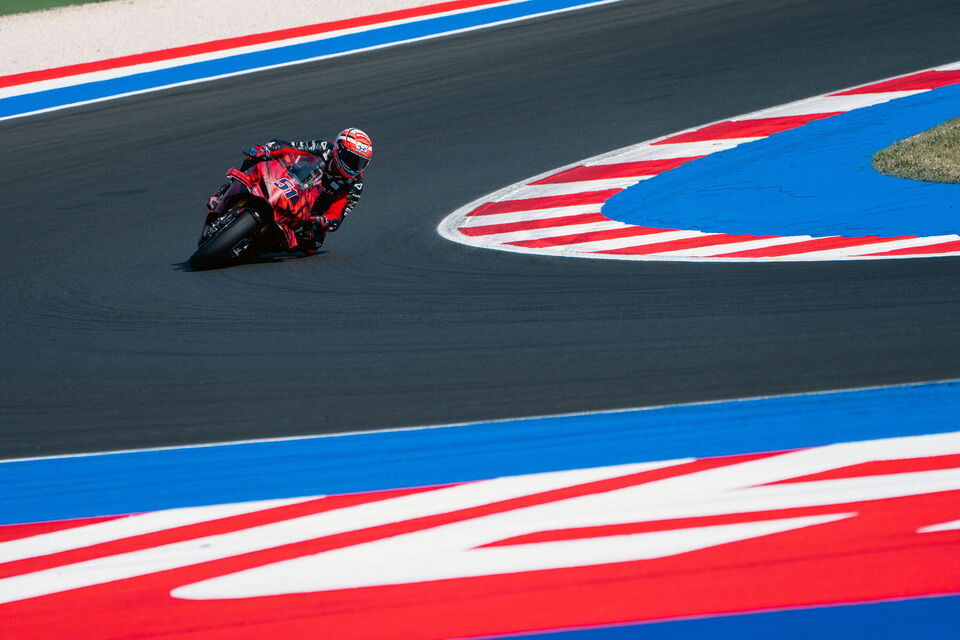
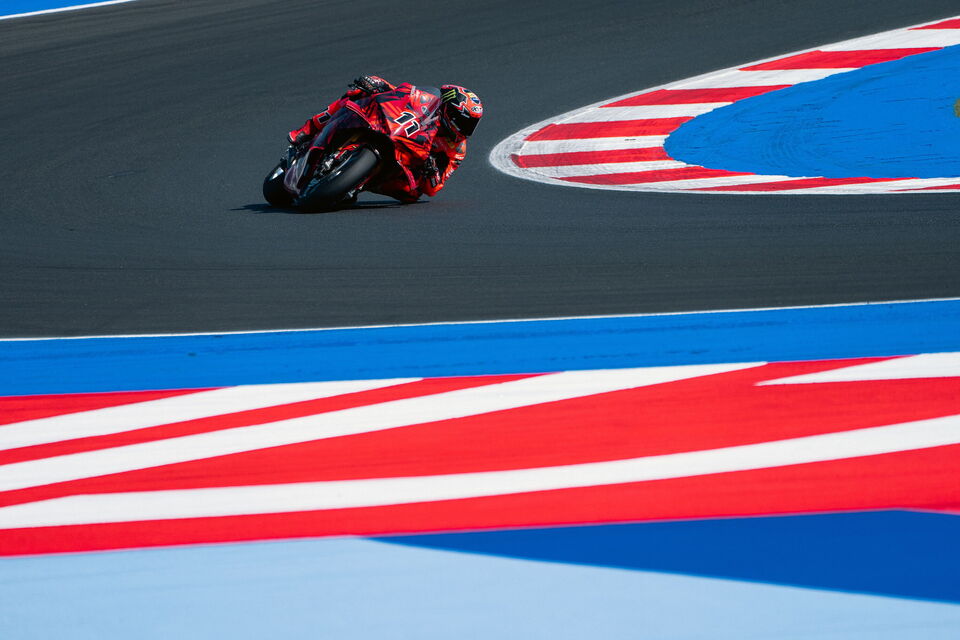
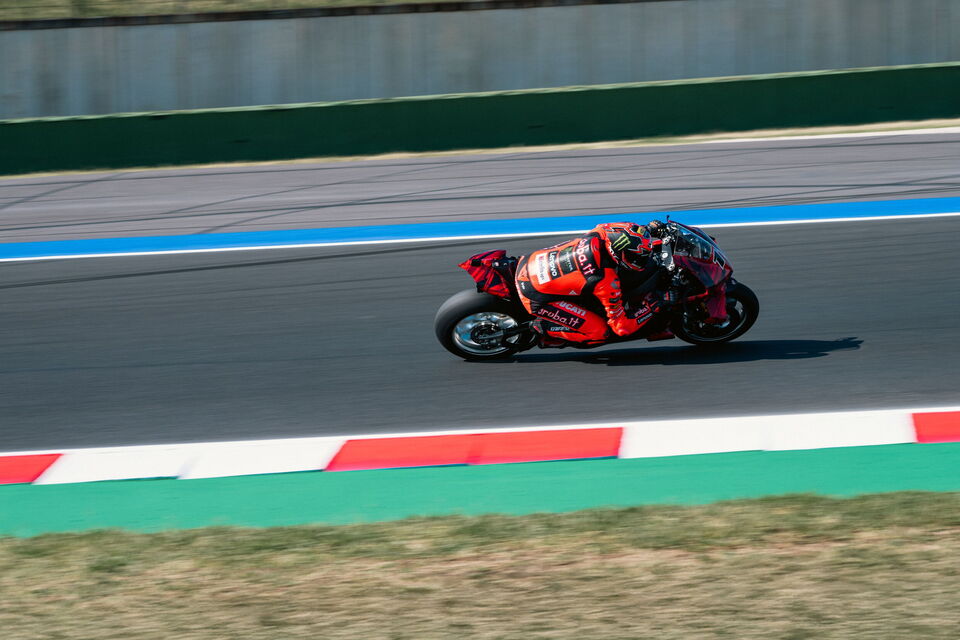
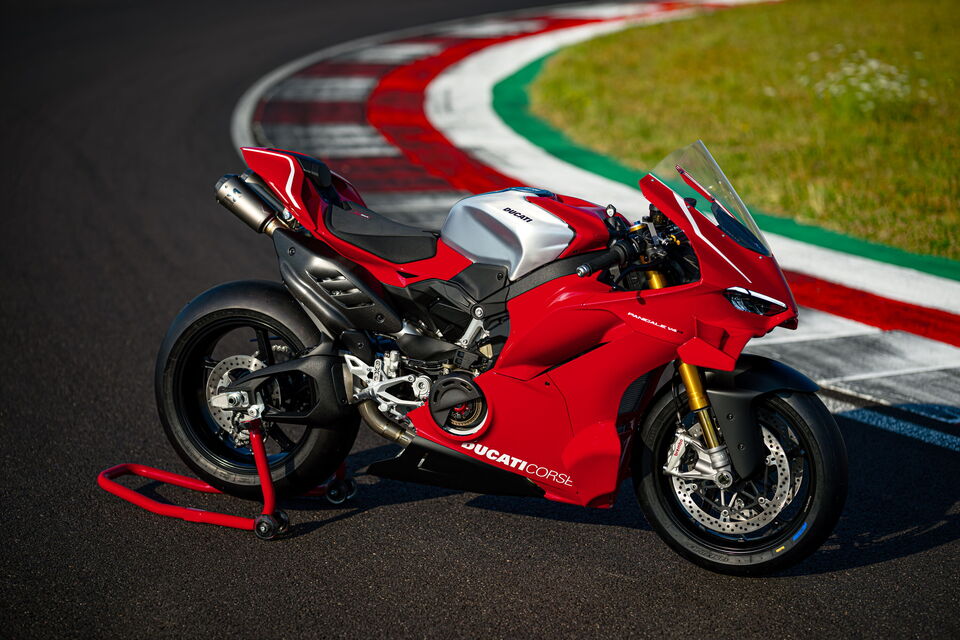
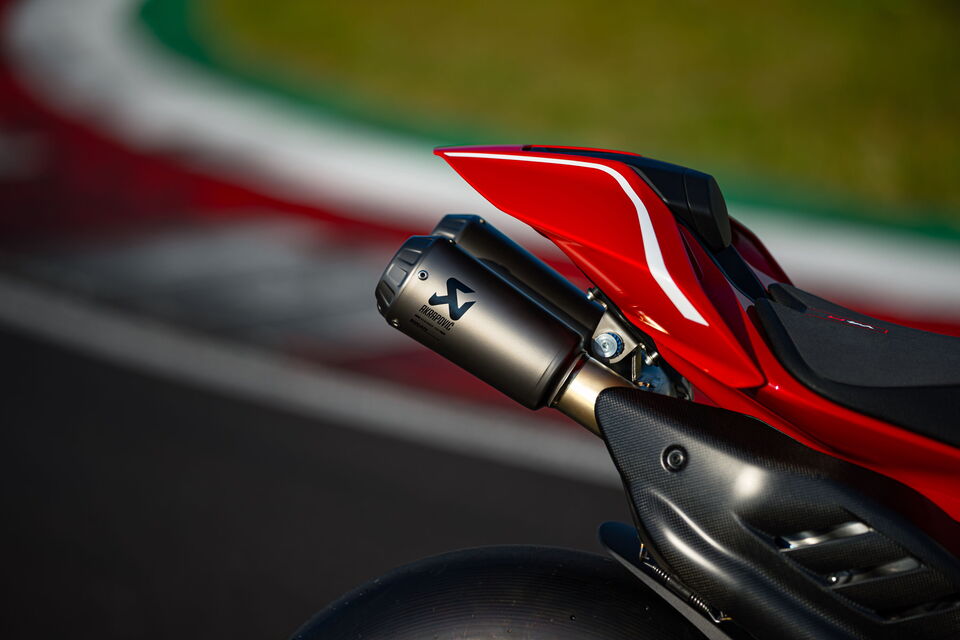
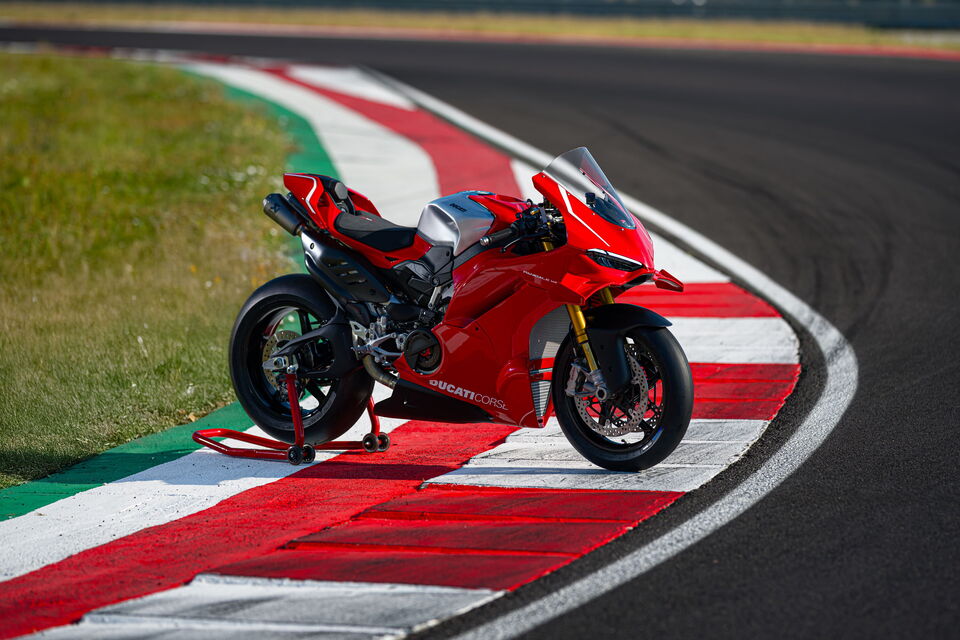
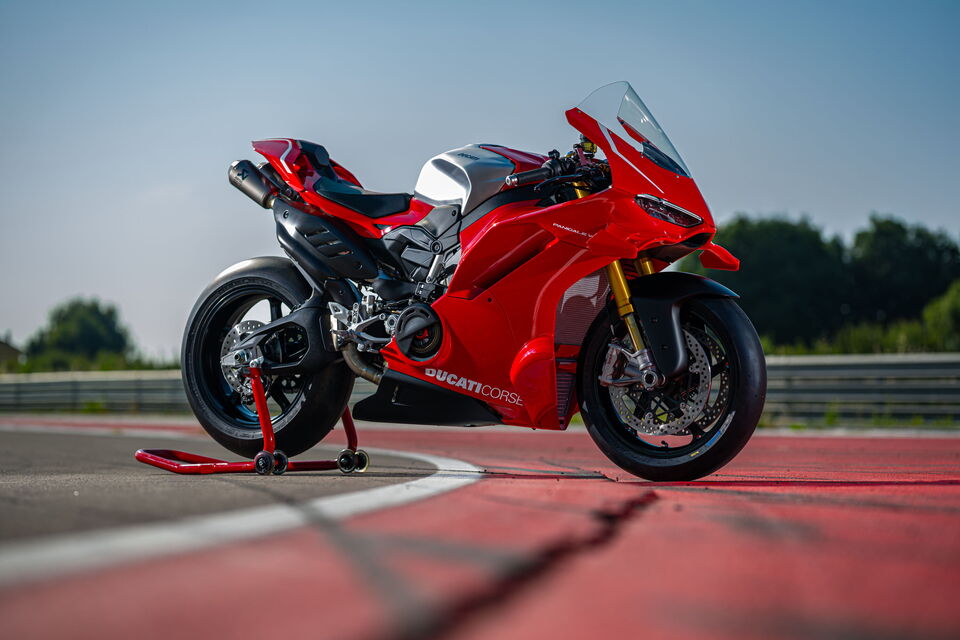
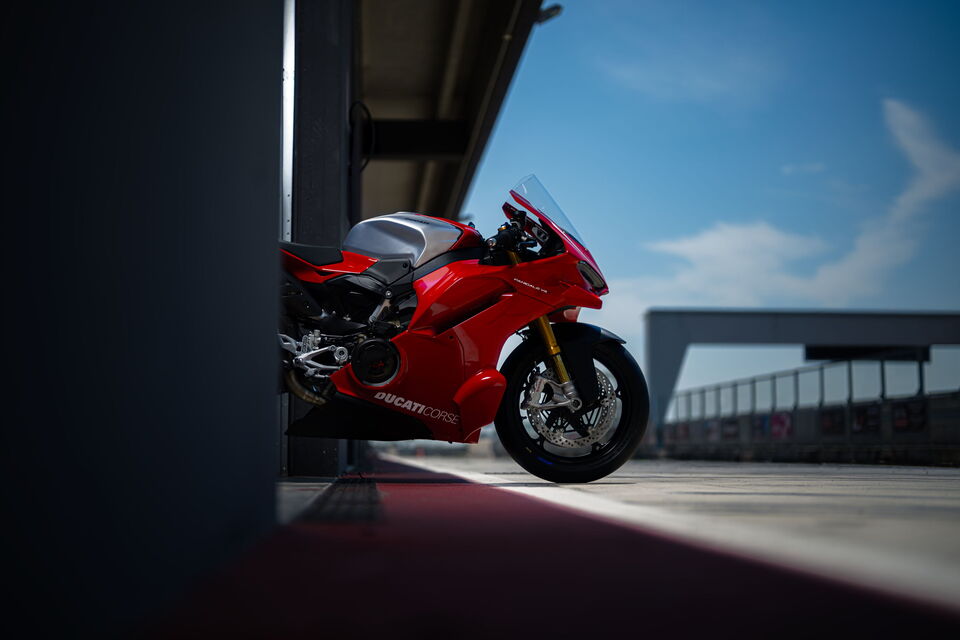
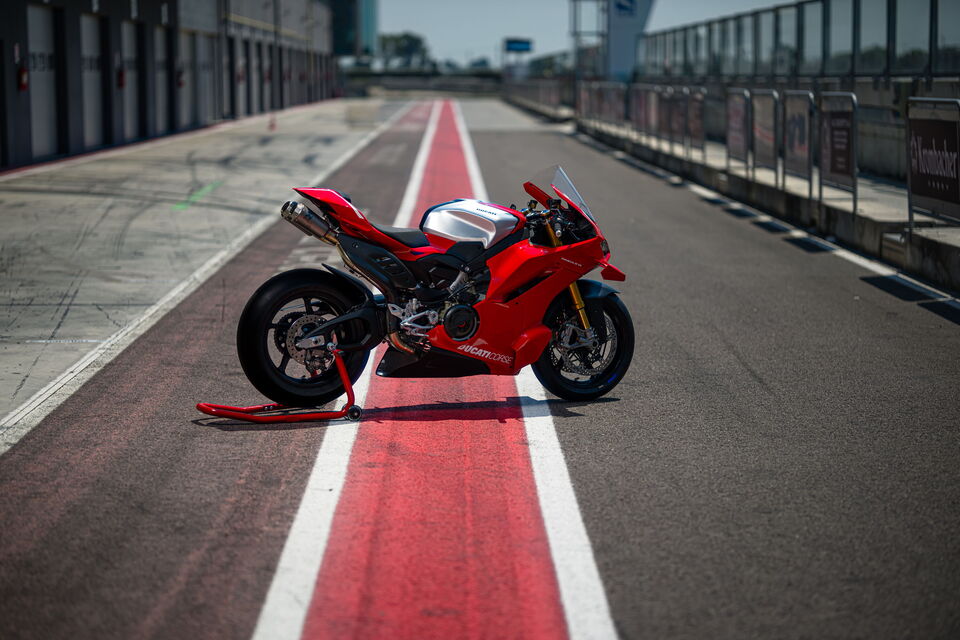
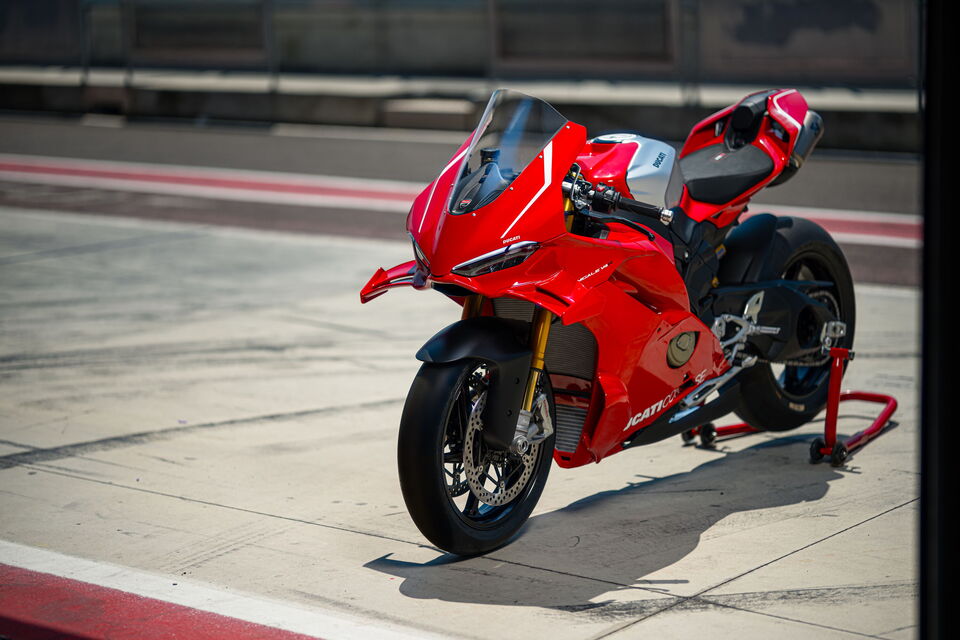
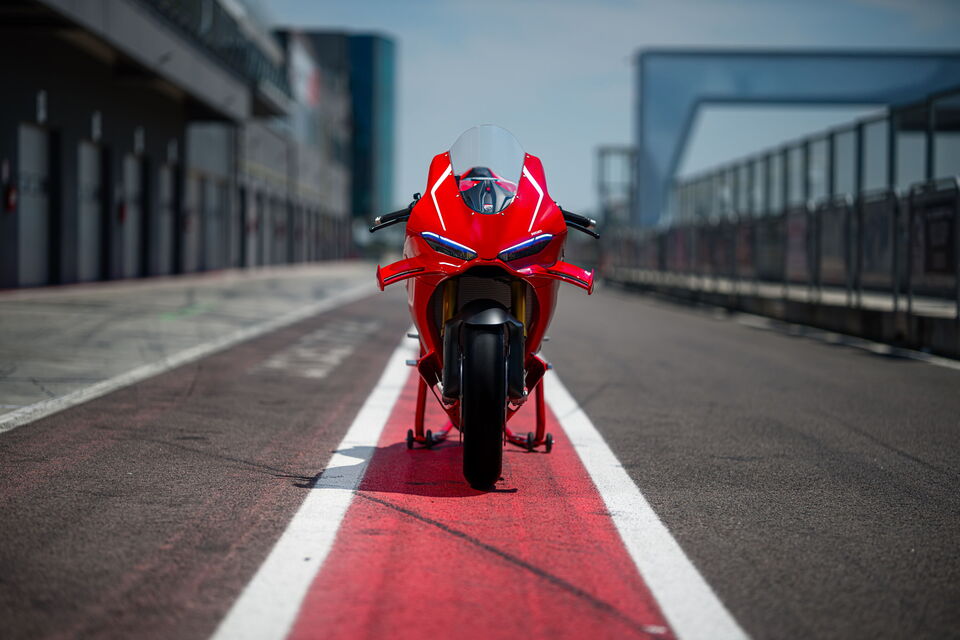
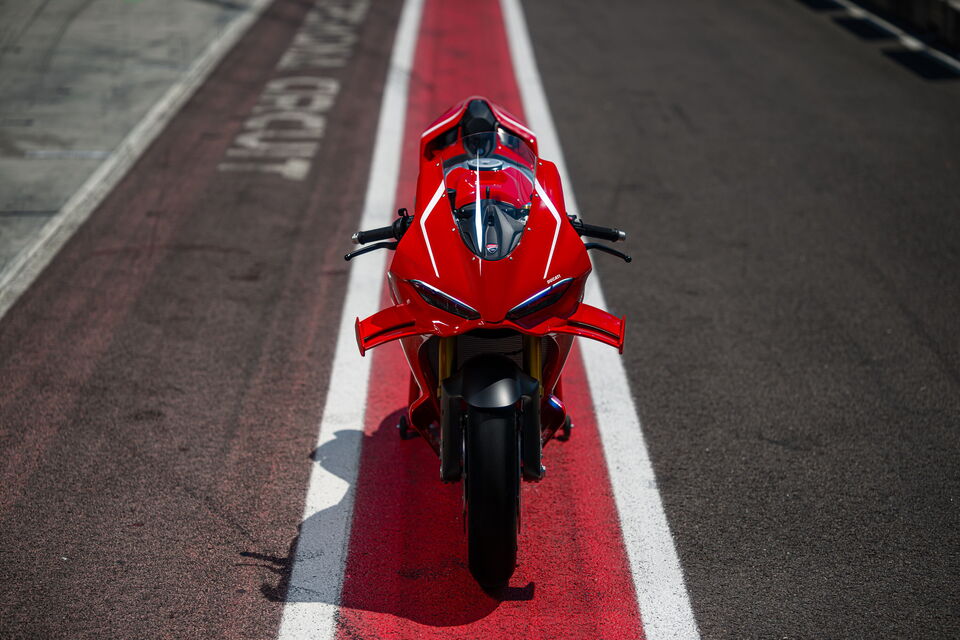
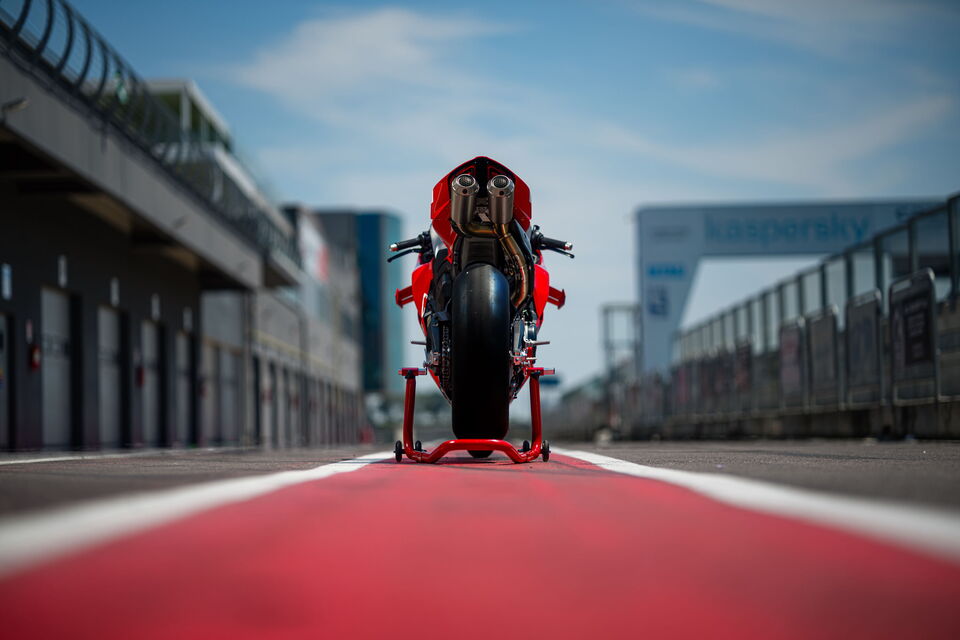
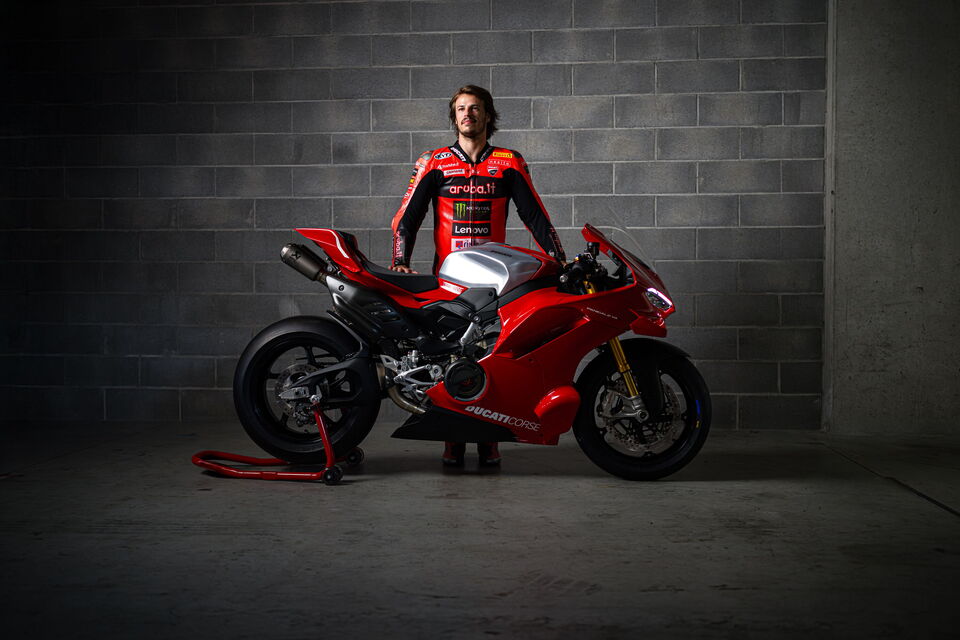
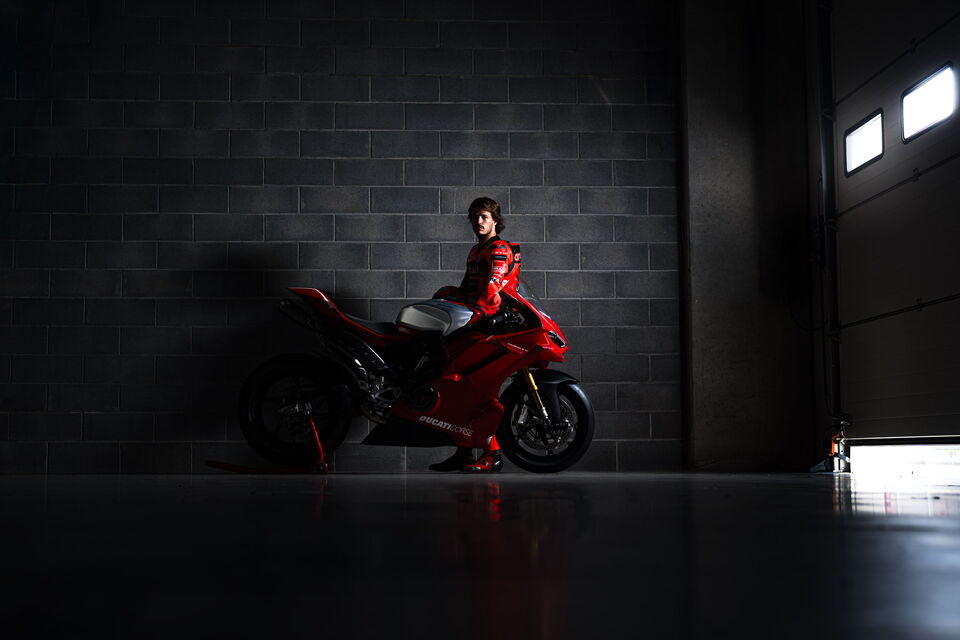
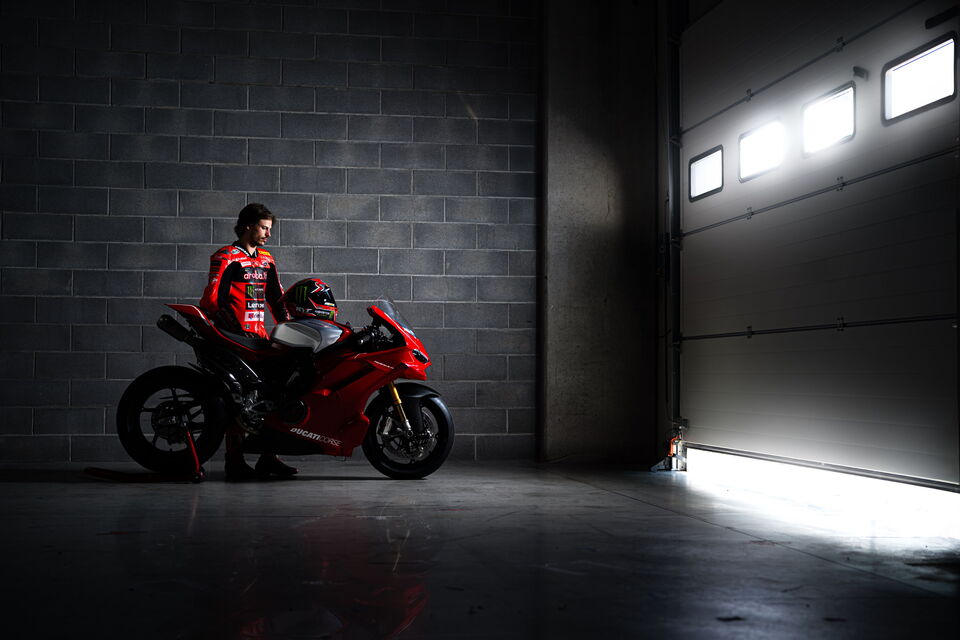
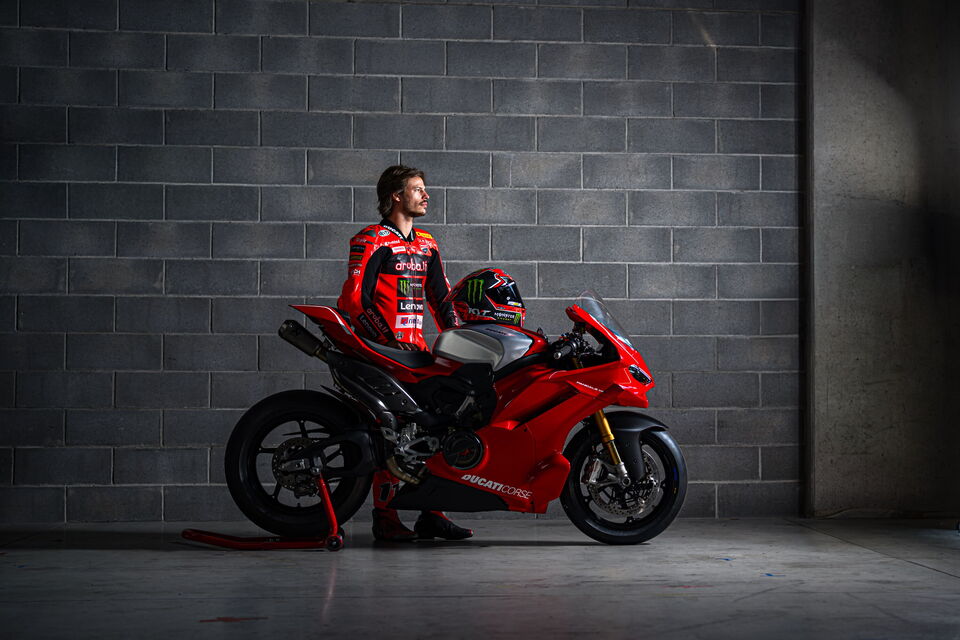
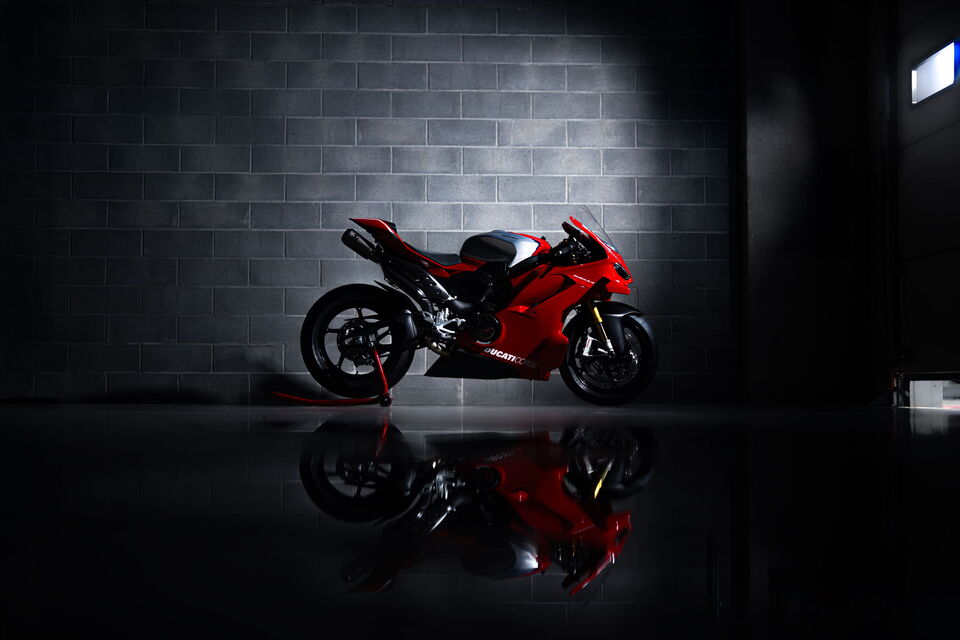
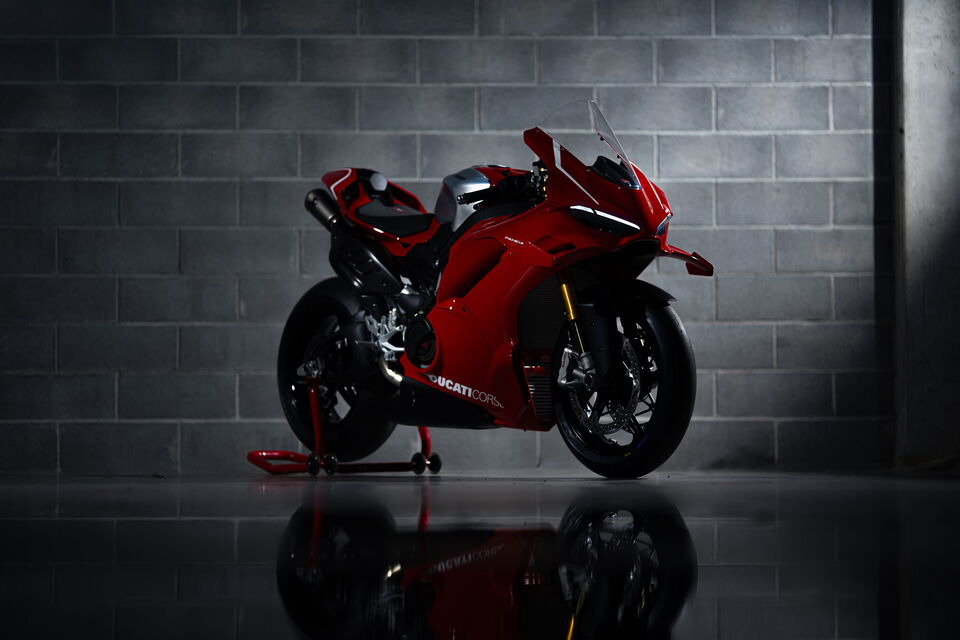
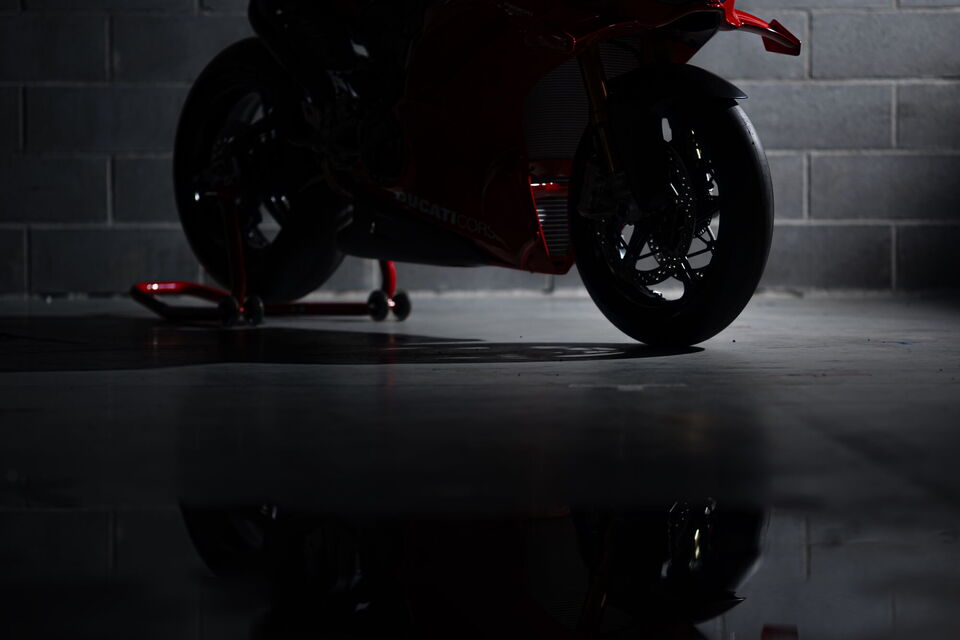
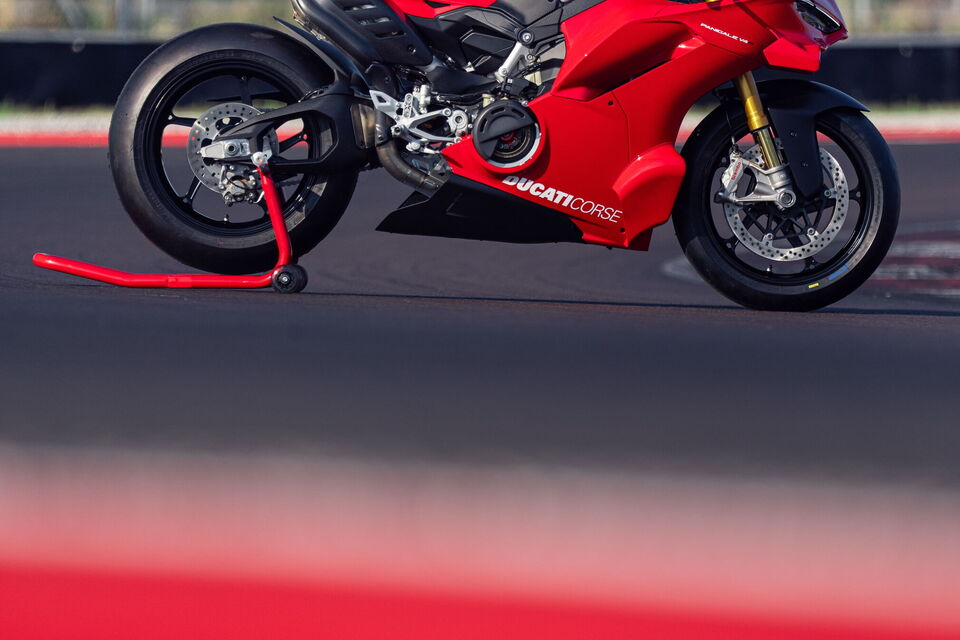
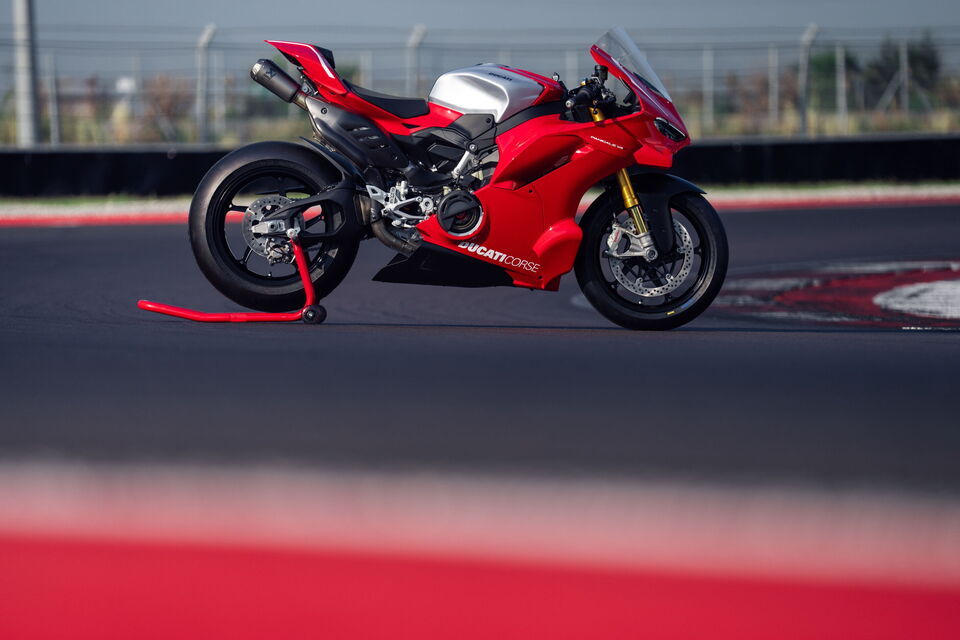
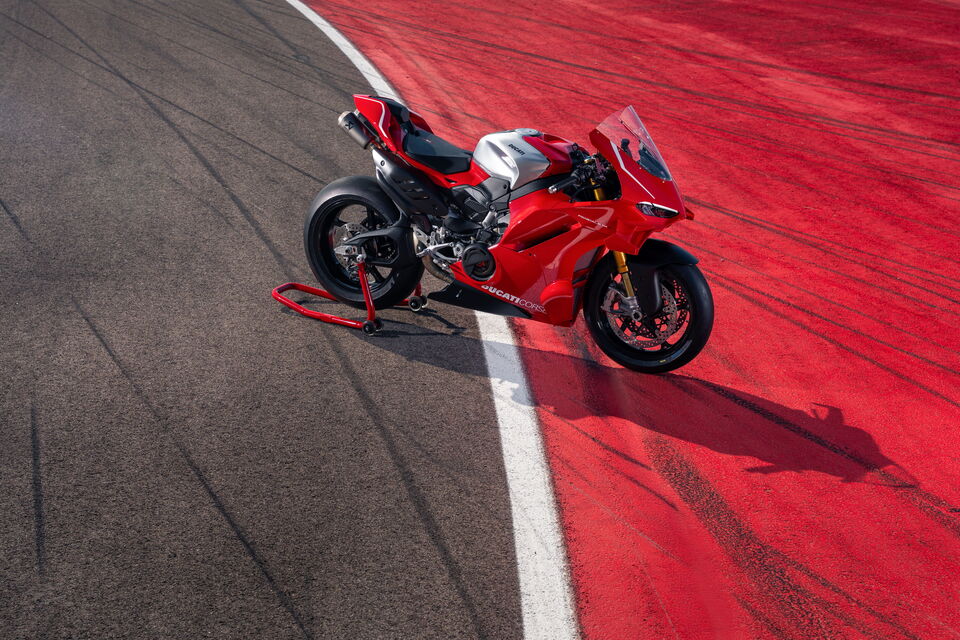
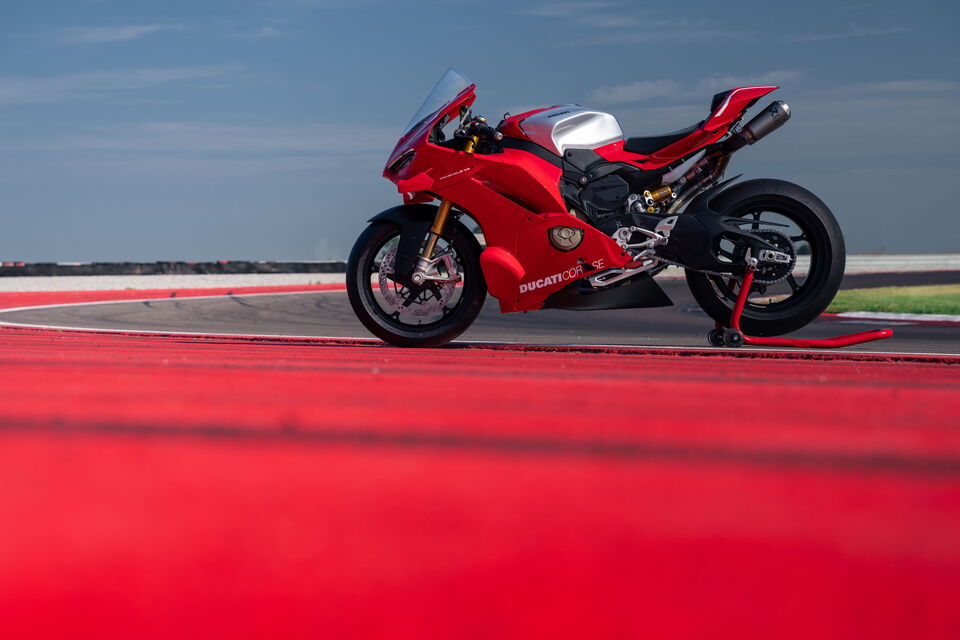
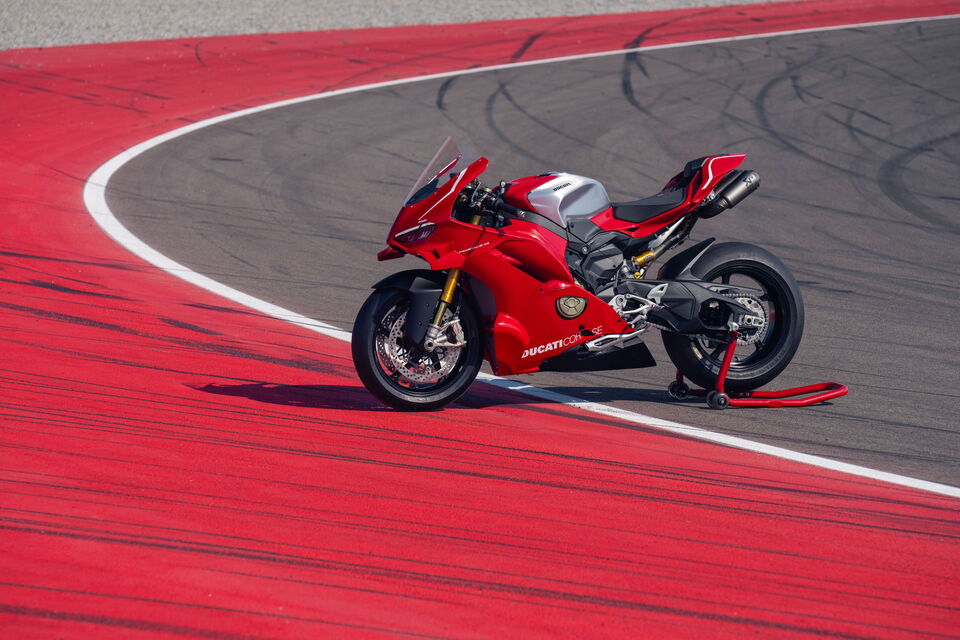
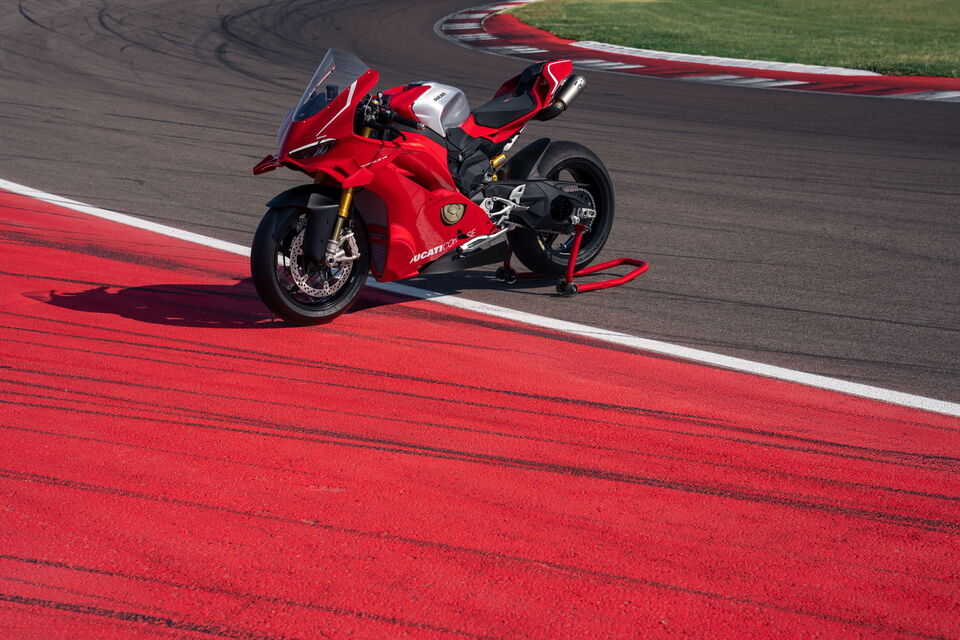
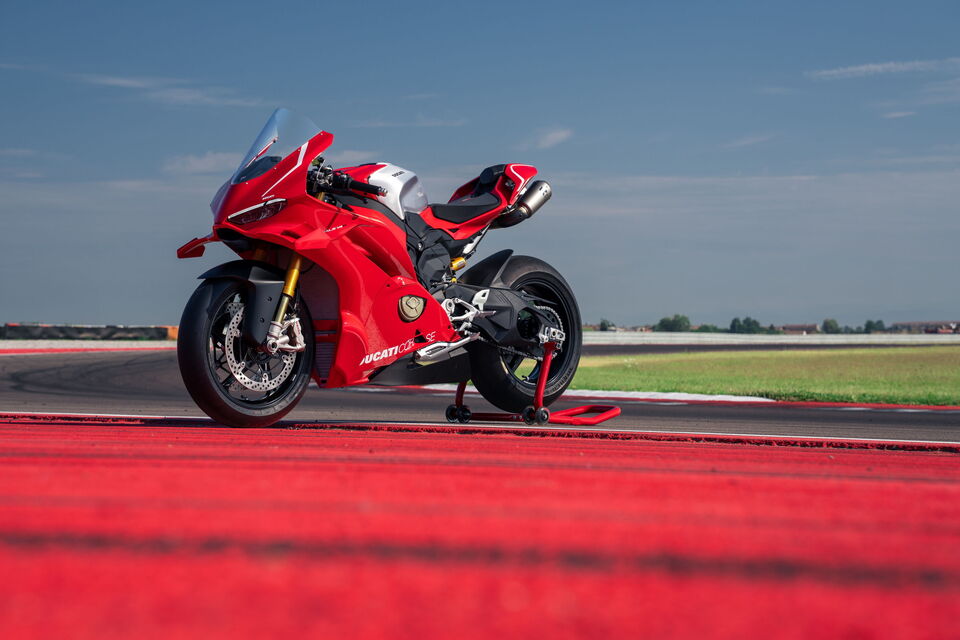
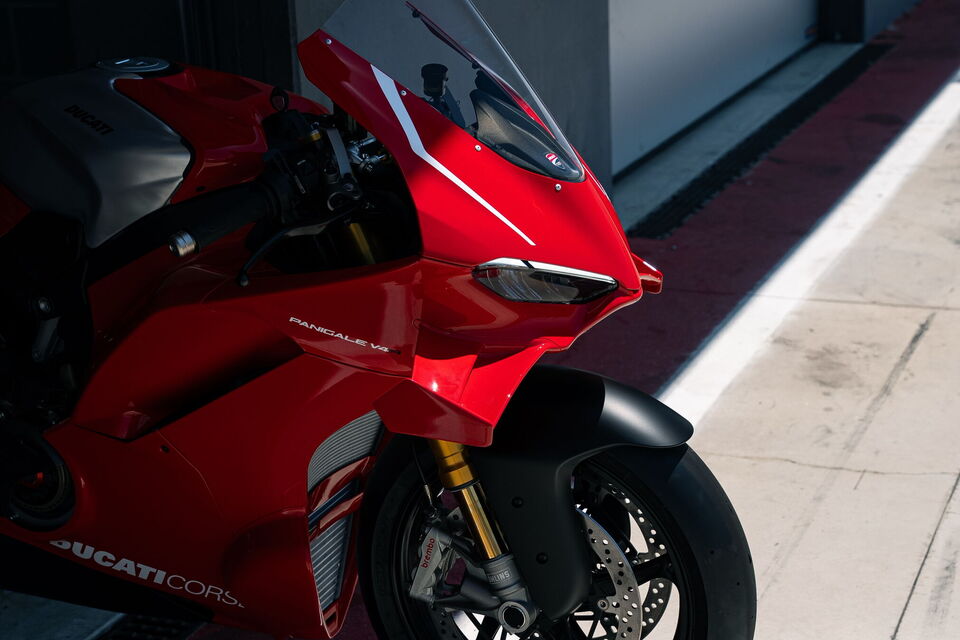
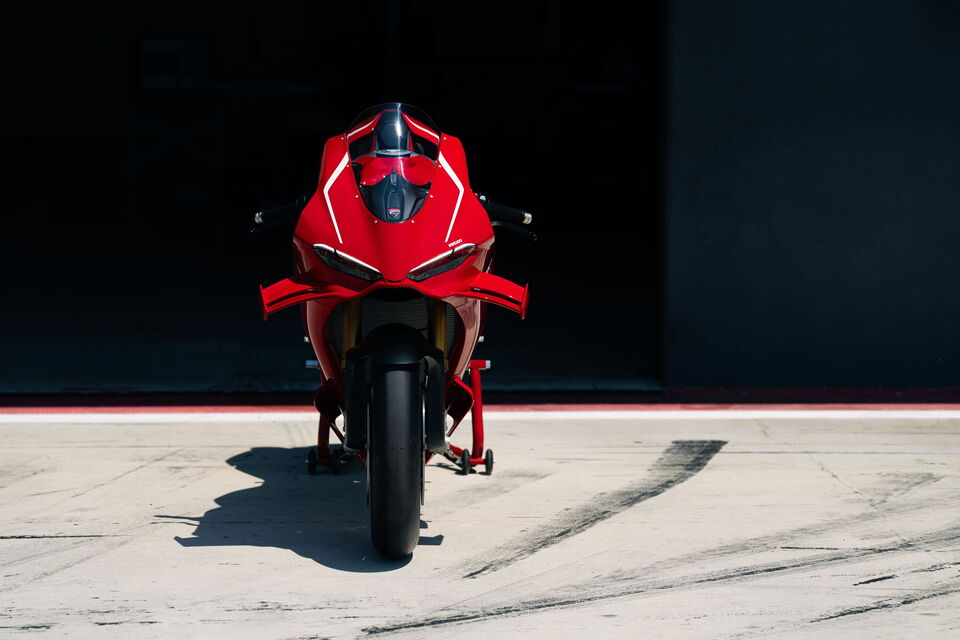
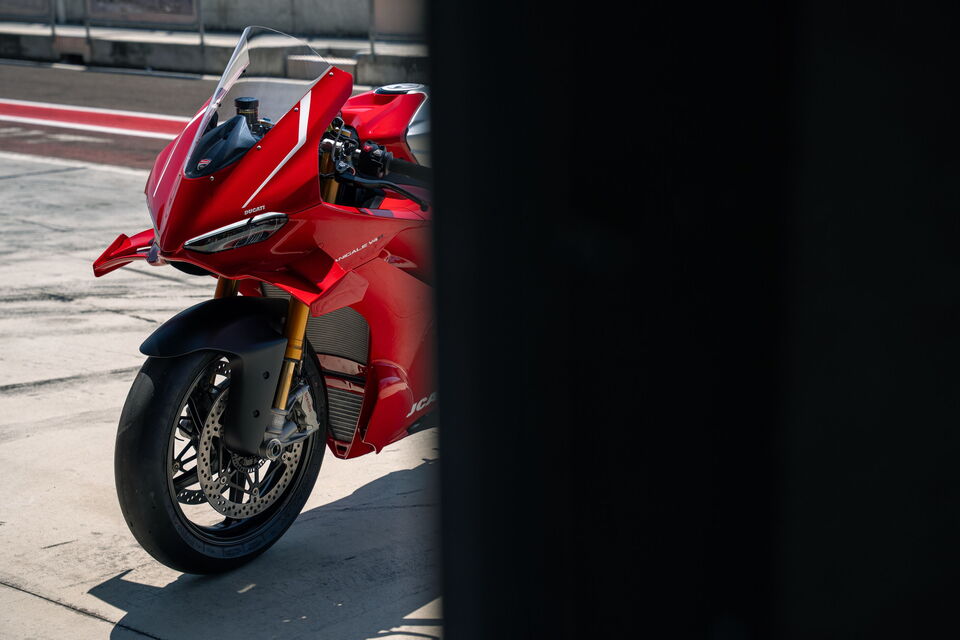
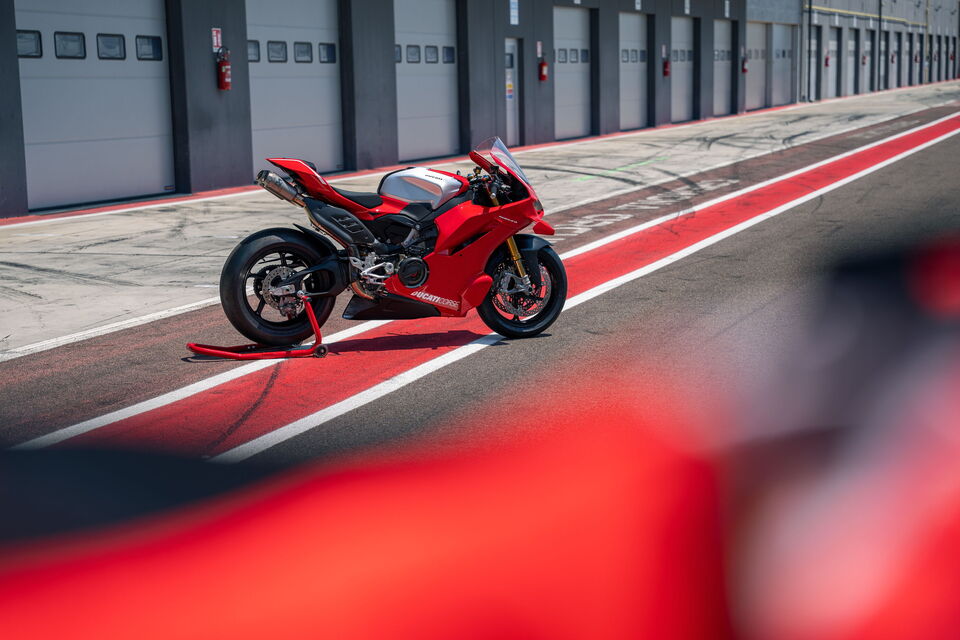
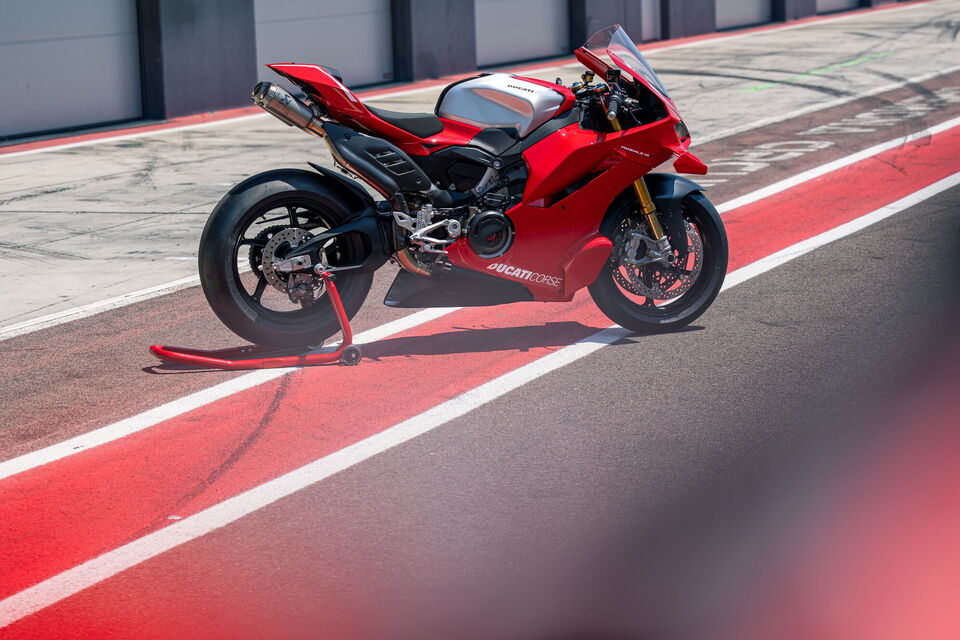
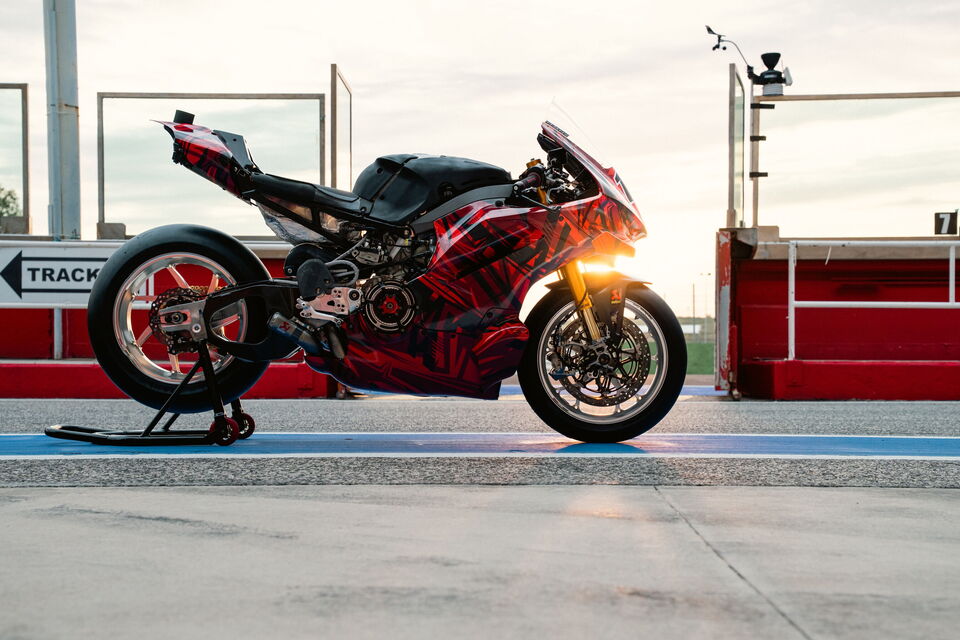
There are motorcycles built for the road. There are racebikes. And then there is the Panigale V4 R: a motorcycle built for the racetrack, homologated for street use, and representing the technological peak of what Ducati Corse has developed in MotoGP and WorldSBK. For 2026, the V4 R has been completely revised—and introduces two technologies found on no other production motorcycle in the world: Corner Sidepods and the Ducati Racing Gearbox system.
The May 2026 1000PS road test sums it up: “Insanely fast, but not chaotic.” That is the V4 R’s paradoxical achievement. With 218 hp in standard trim and a dry weight of 186.5 kg, the motorcycle could feel intimidating, arbitrary, and destabilizing. Instead, according to the test, it is “an amazingly stable overall package.” That is what happens when engine, chassis, aerodynamics, and electronics all come from the same source: the racing department.
Corner Sidepods: MotoGP Technology on a Production Motorcycle
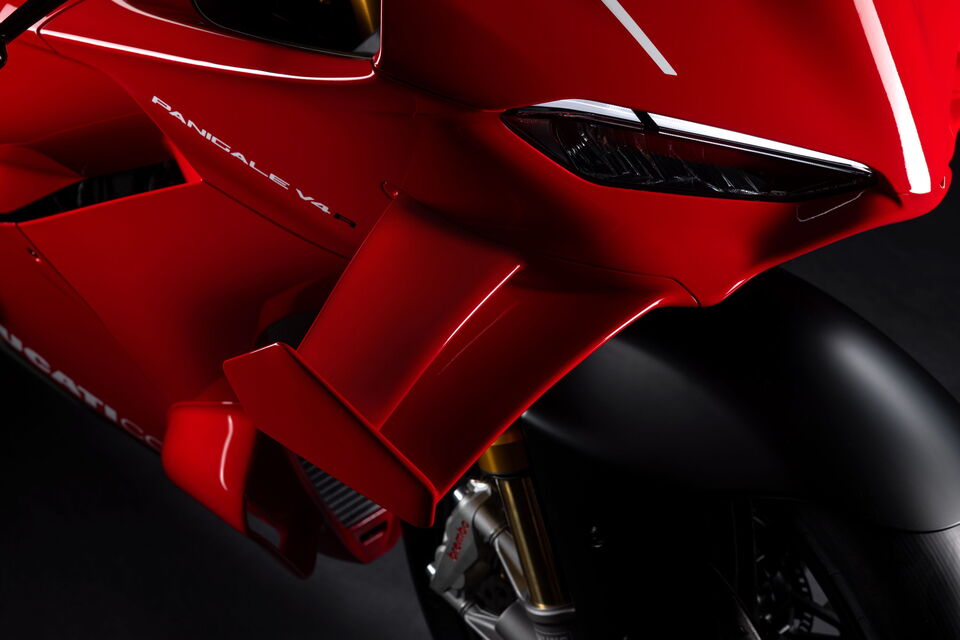
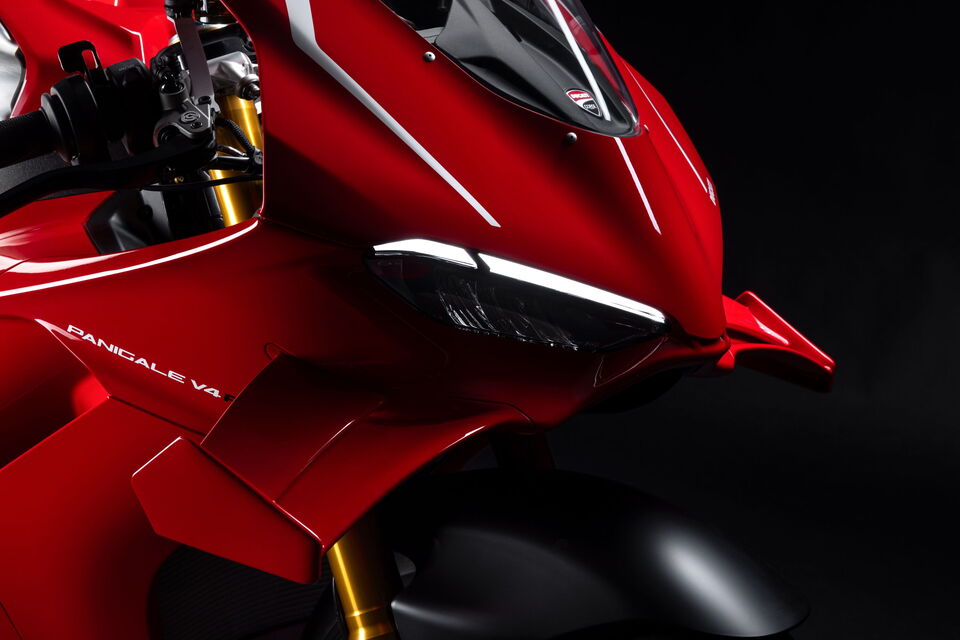
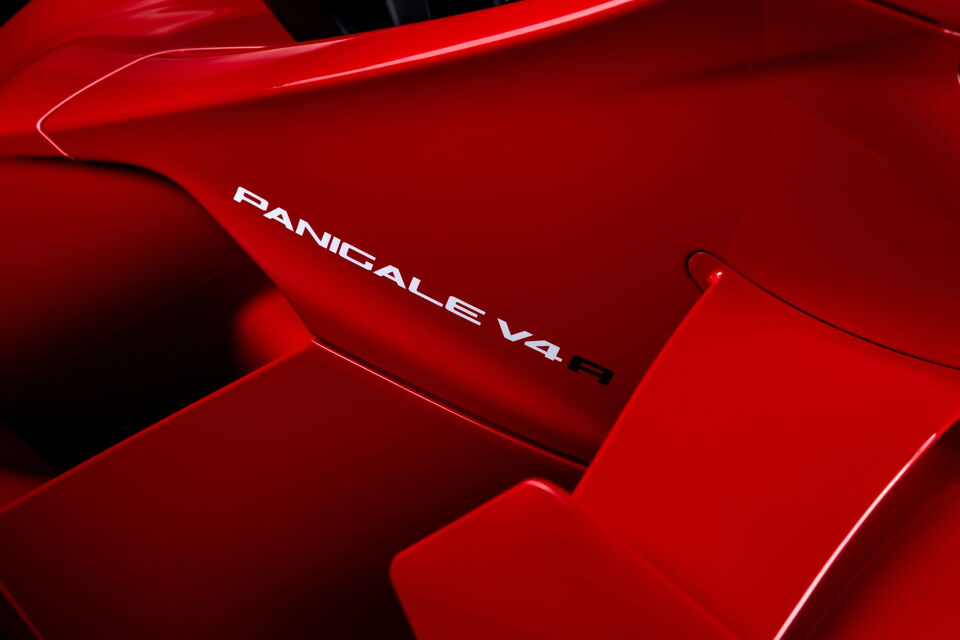
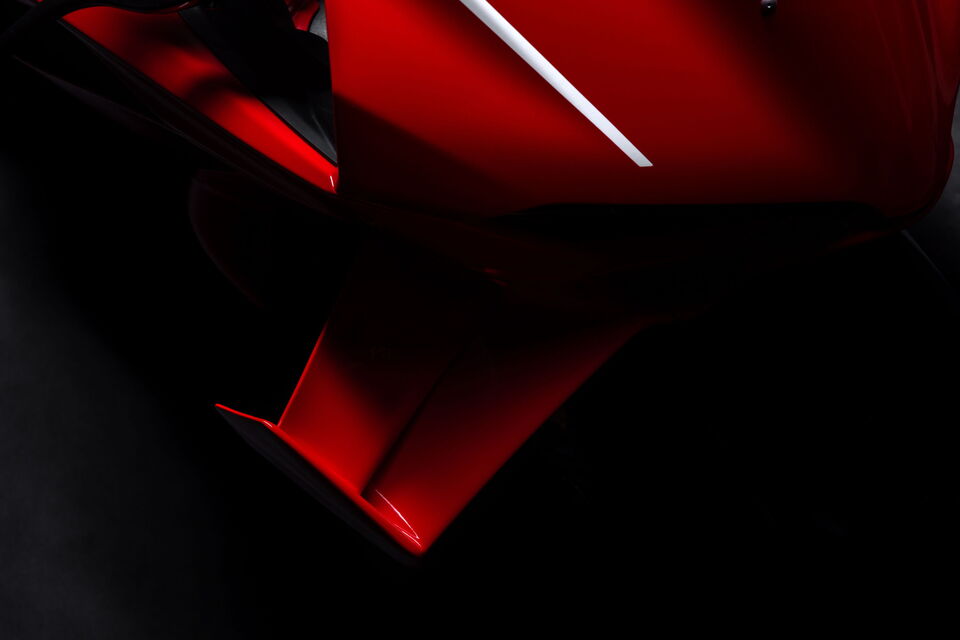
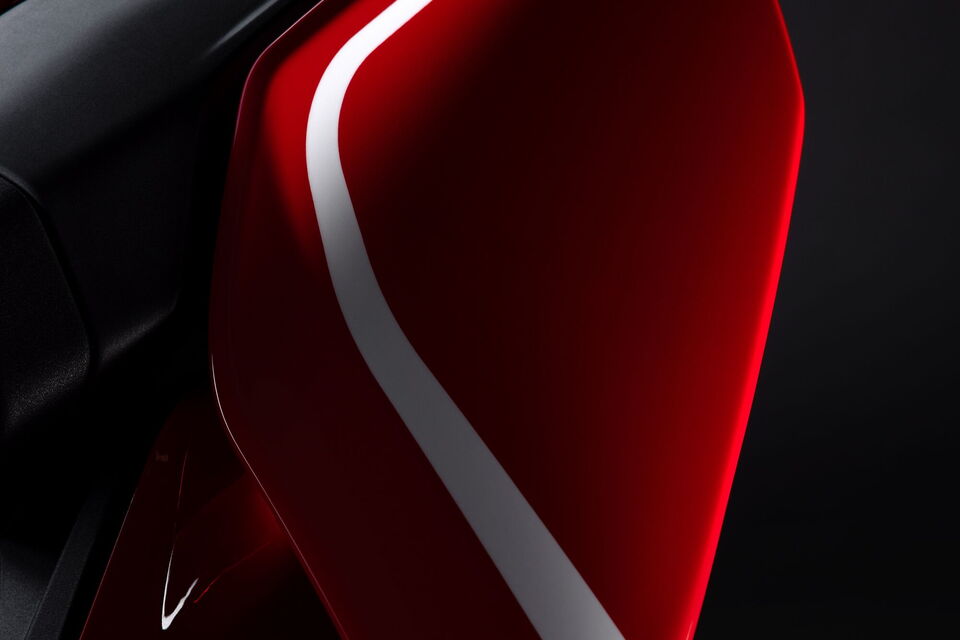
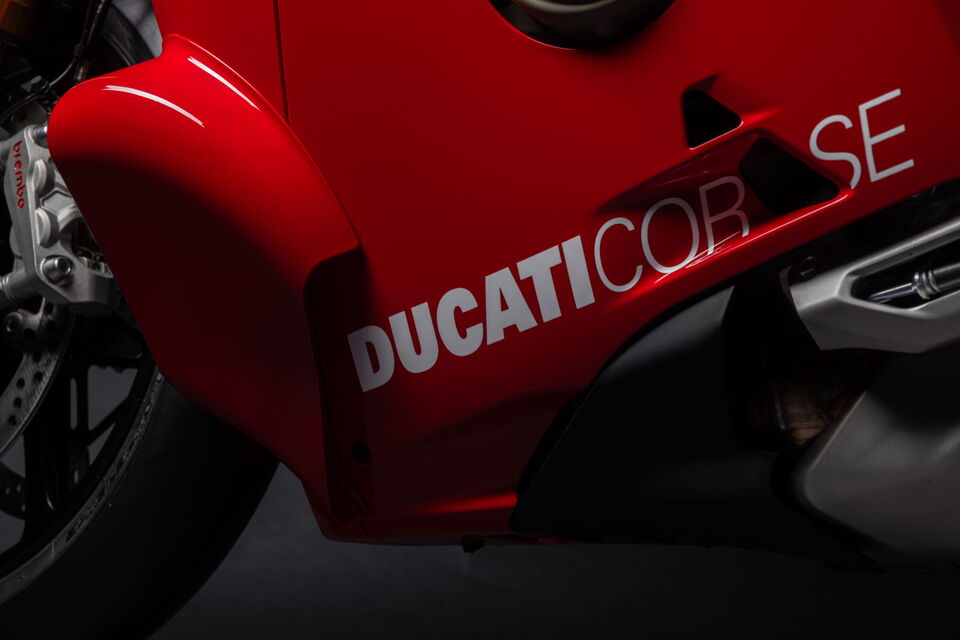
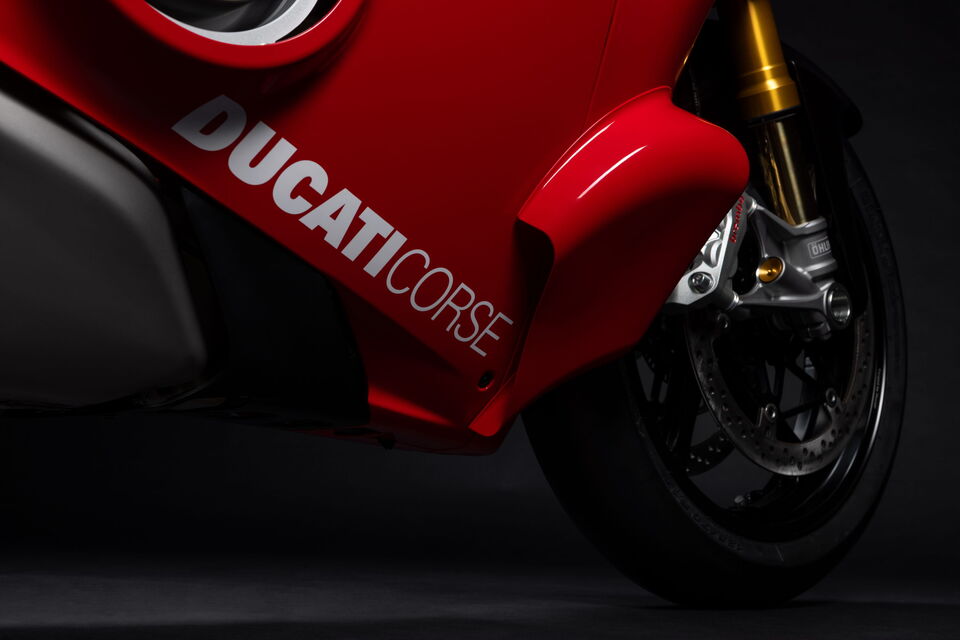
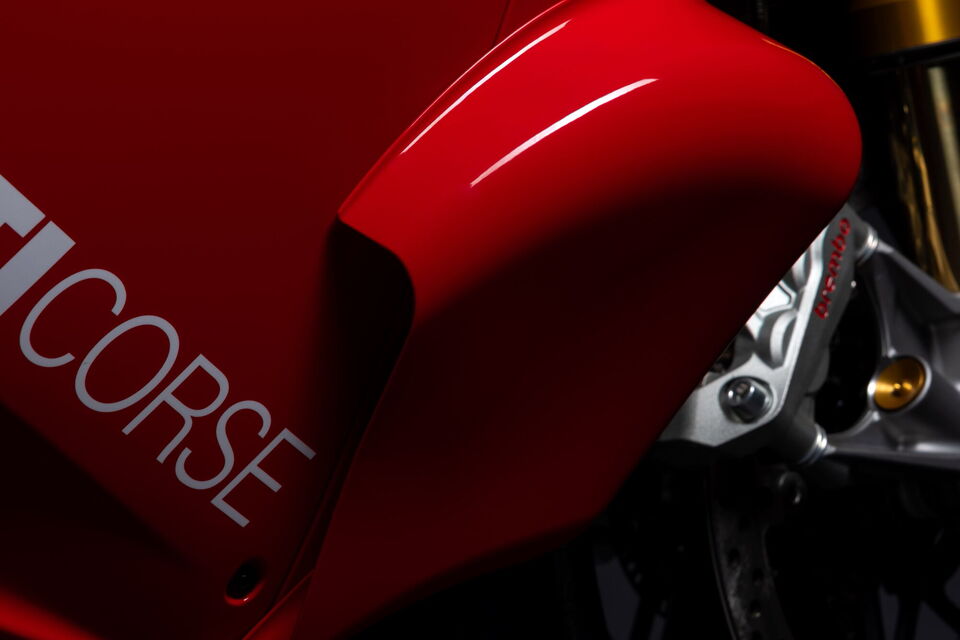
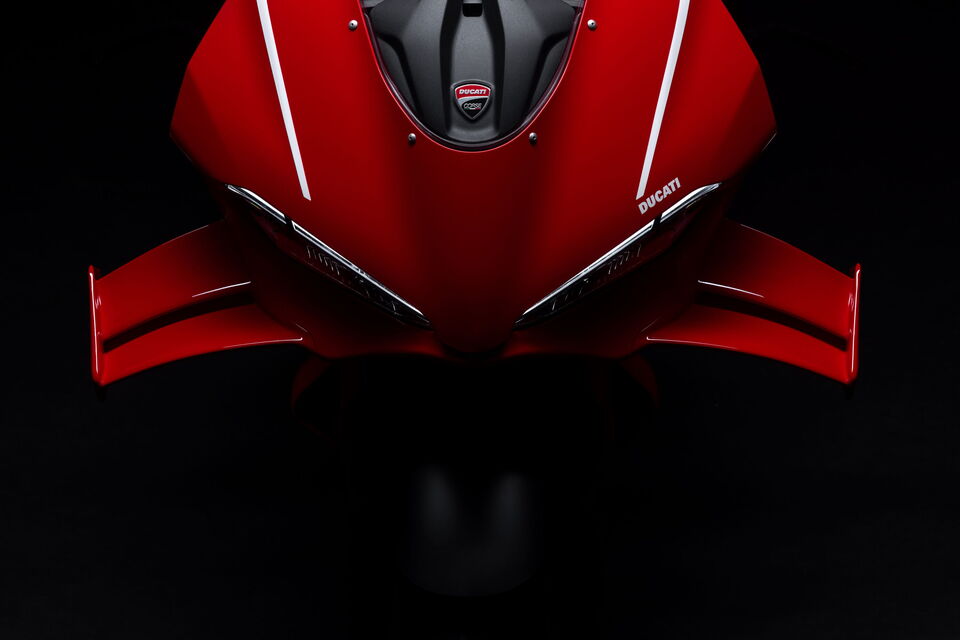
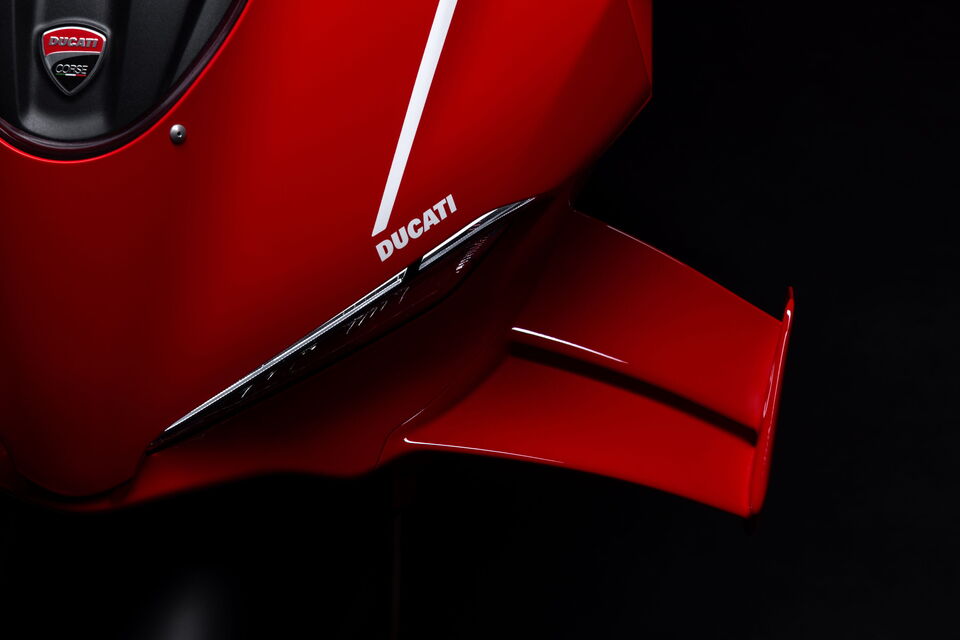
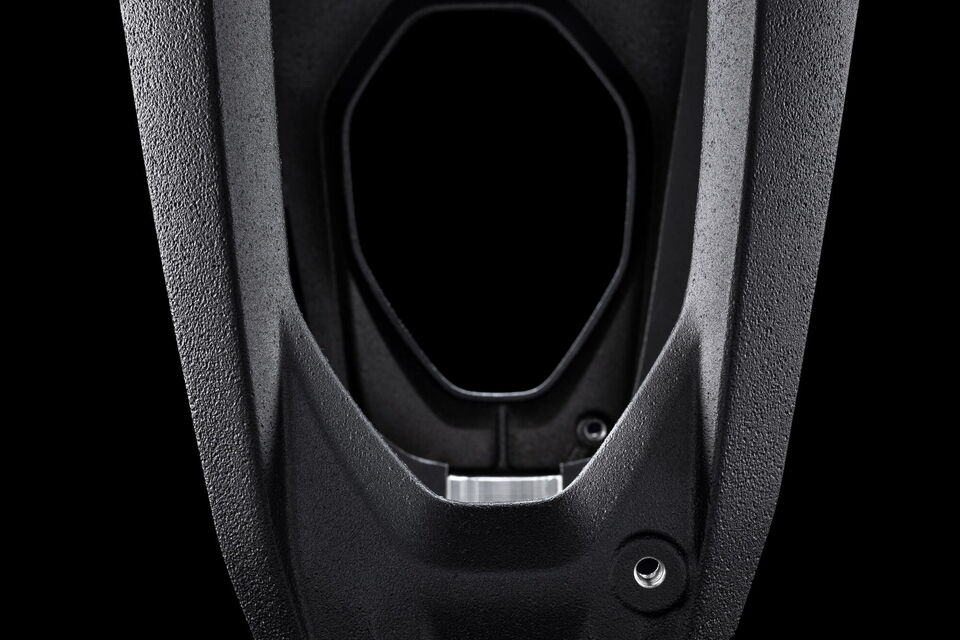
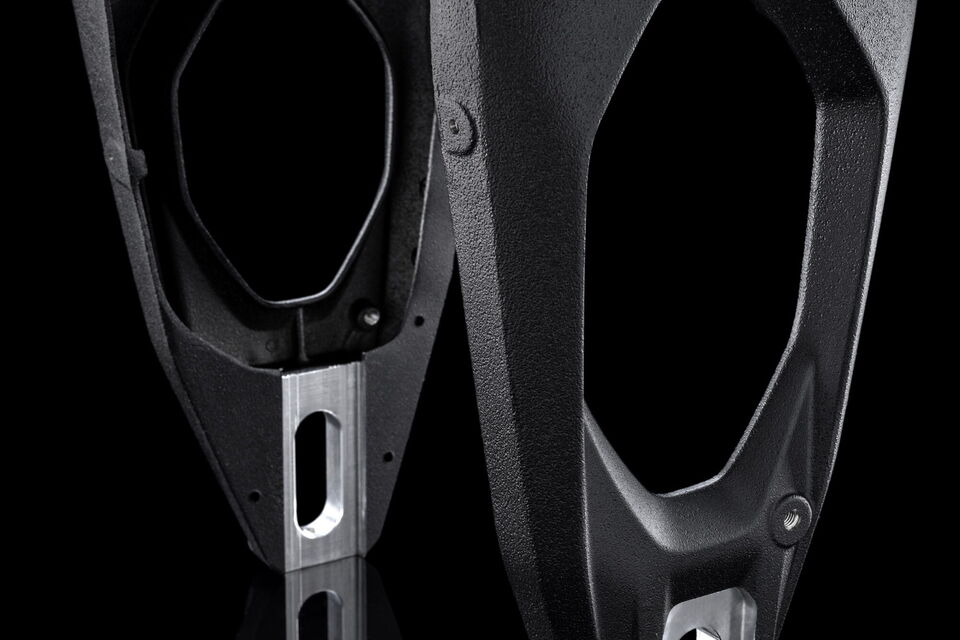
Ducati Corse first introduced Corner Sidepods in MotoGP in 2021. The concept consists of aerodynamic side elements designed not for upright riding, but for deep lean angles. They generate ground effect in the middle of a corner, producing additional front-wheel downforce precisely when lean angle is greatest and conventional winglets begin to lose effectiveness. Ducati describes the effect this way: “Once the motorcycle reaches the middle of the corner, it naturally begins to move inward and the line tightens.” That allows the rider to open the throttle earlier and carry more corner speed.
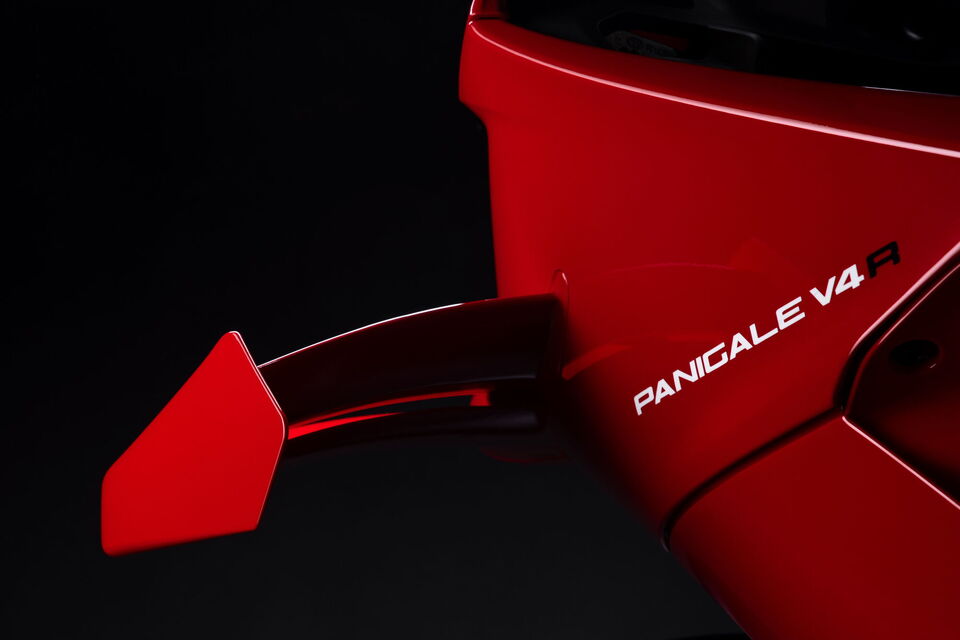
The larger biplane wings add another benefit: 25 percent more downforce at 270 km/h, equivalent to 4.8 kg of aerodynamic load, and 6 kg of downforce at 300 km/h. This stabilizes the front wheel under high-speed braking and acceleration. The V4 R is the world’s first street-legal motorcycle with Corner Sidepods. That is not a marketing gimmick. It is a technological milestone.
DRG: Racing Gearbox With Neutral Below First Gear
The Ducati Racing Gearbox, DRG, is the V4 R’s second world first. In racing, neutral is positioned below first gear rather than between first and second as on conventional street motorcycles. There is a concrete advantage: the shift between first and second—the most critical upshift when accelerating out of tight corners—can be made directly without passing through the possibility of an accidental neutral. The 1000PS road test confirms faster, more repeatable shifts between first and second.
Ducati Neutral Lock, DNL, prevents the rider from accidentally selecting neutral while riding. It is the safeguard that makes the racing concept suitable for road use. DQS Up/Down 2.0 comes standard, allowing clutchless upshifts and downshifts. Ducati Power Launch, DPL DVO, provides launch control for repeatable starts.
The Desmosedici Stradale R: 218 hp Standard, Up to 239 hp Possible
998 cc. V4. 90 degrees. DOHC. 218 hp at 15,750 rpm. Rev limit 16,500 rpm. Peak power is identical to the predecessor. What has changed is an additional 4 hp across the midrange between 4,000 and 15,750 rpm. The torque curve is more consistent.
That may sound like a minor adjustment. For a racetrack rider trying to extract optimum acceleration from every corner, it makes a significant difference: more usable torque exactly where it is needed.
With the optional Akrapovič racing exhaust, output rises to 235 hp. Add the racing exhaust and Ducati Corse Performance Oil and the figure reaches 239 hp. Those numbers approach the territory occupied by Ducati Corse racebikes. The V4 R represents the shortest distance between series production and world-championship racing Ducati has ever offered.
And it is Euro 5+ homologated. That is perhaps the hardest part to explain: 218 hp from a Euro 5+-compliant production engine. That is Ducati Corse functioning as an engineering department.
Öhlins at Three Positions: Deliberately Not Semi-Active
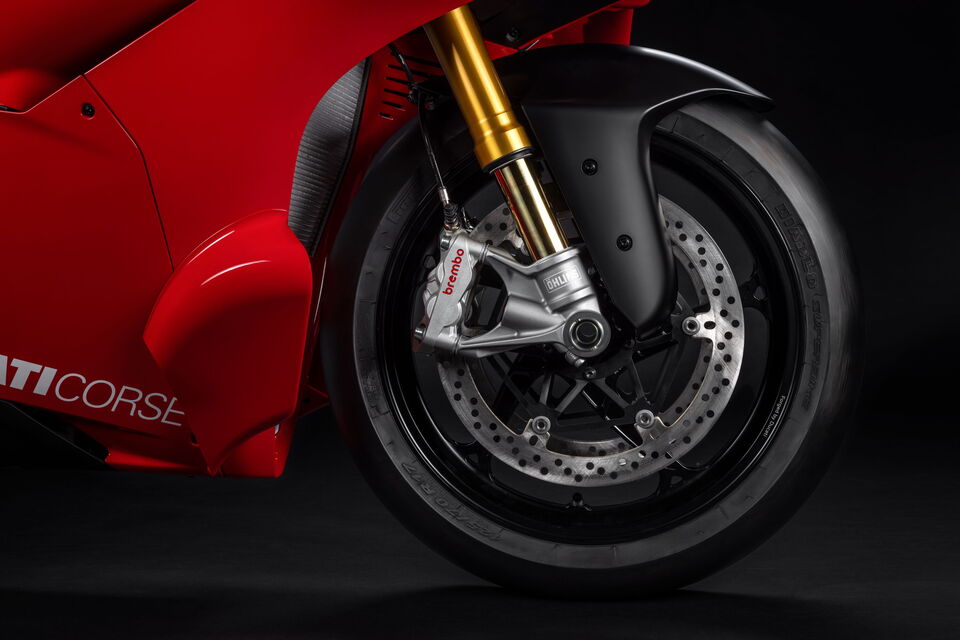
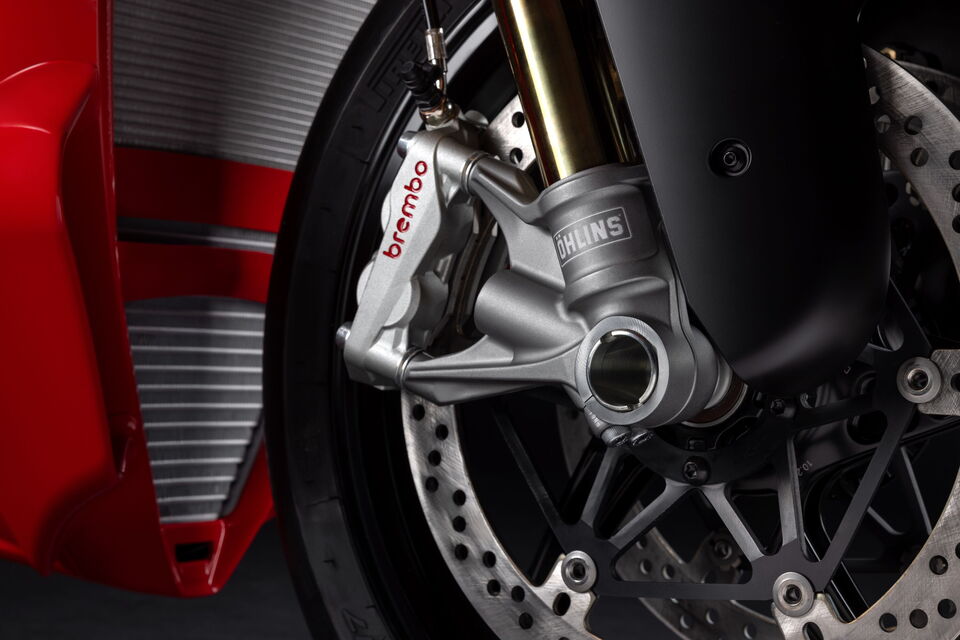
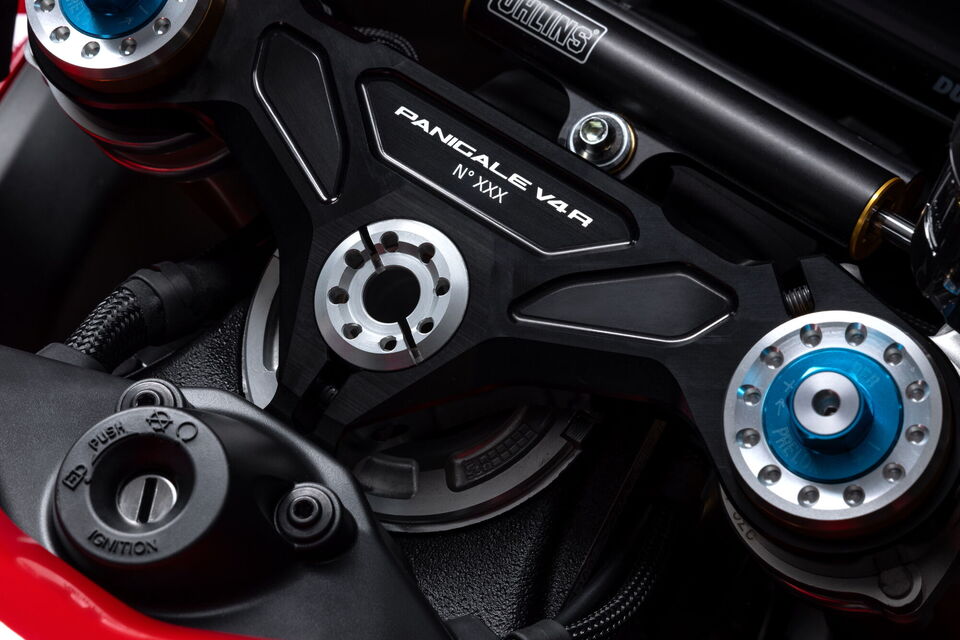
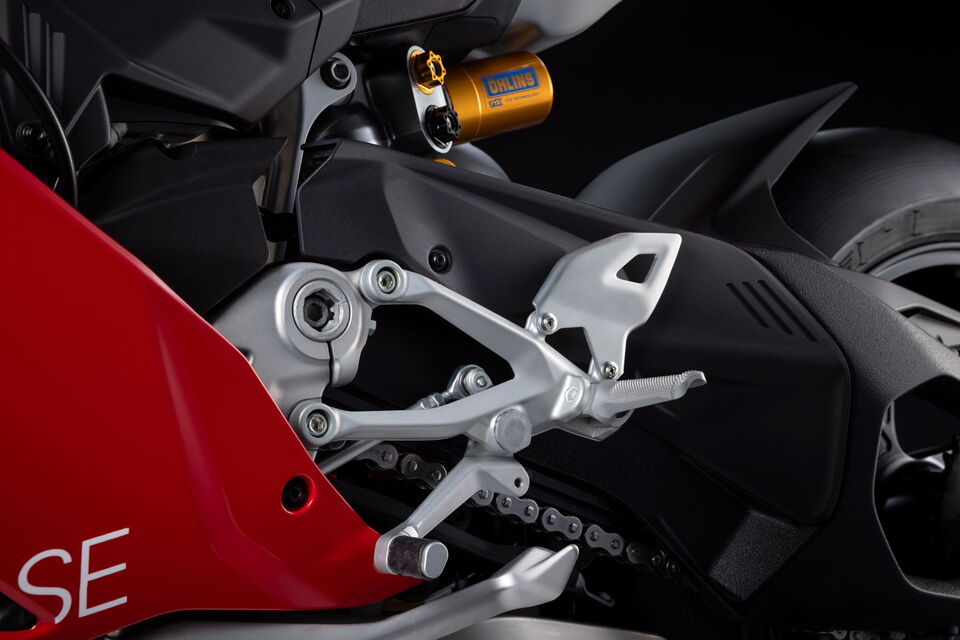
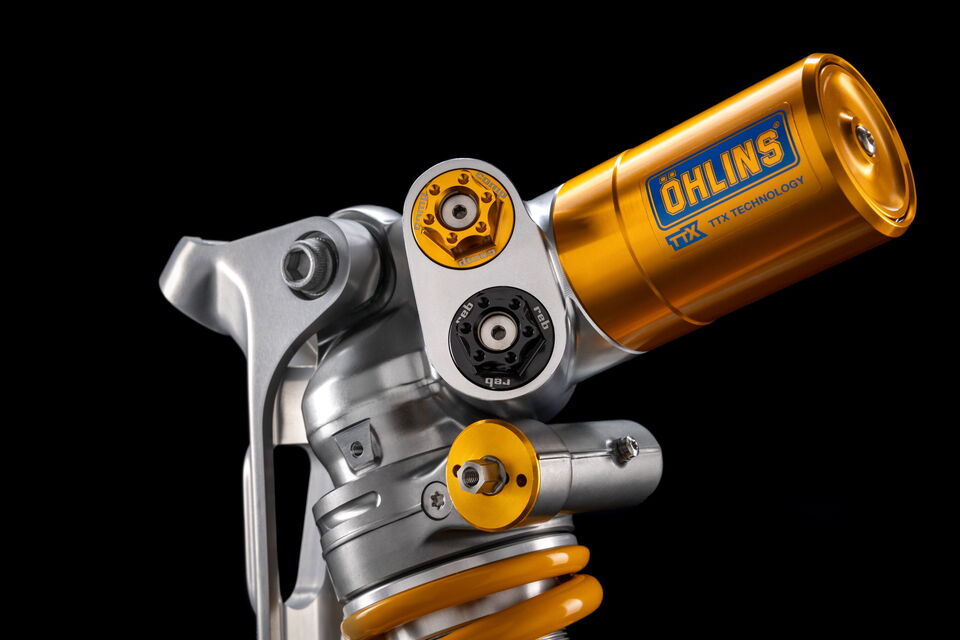
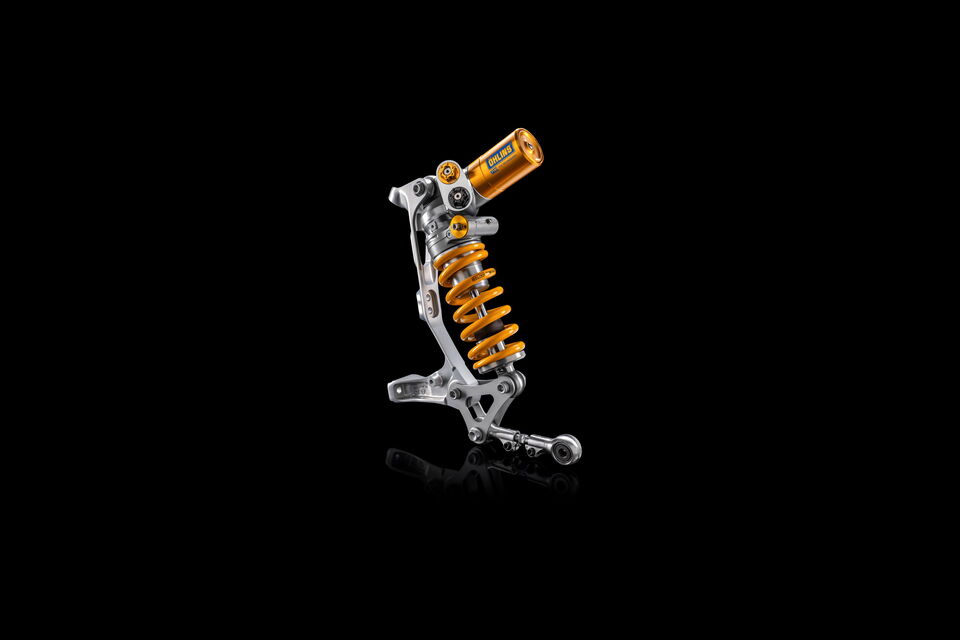
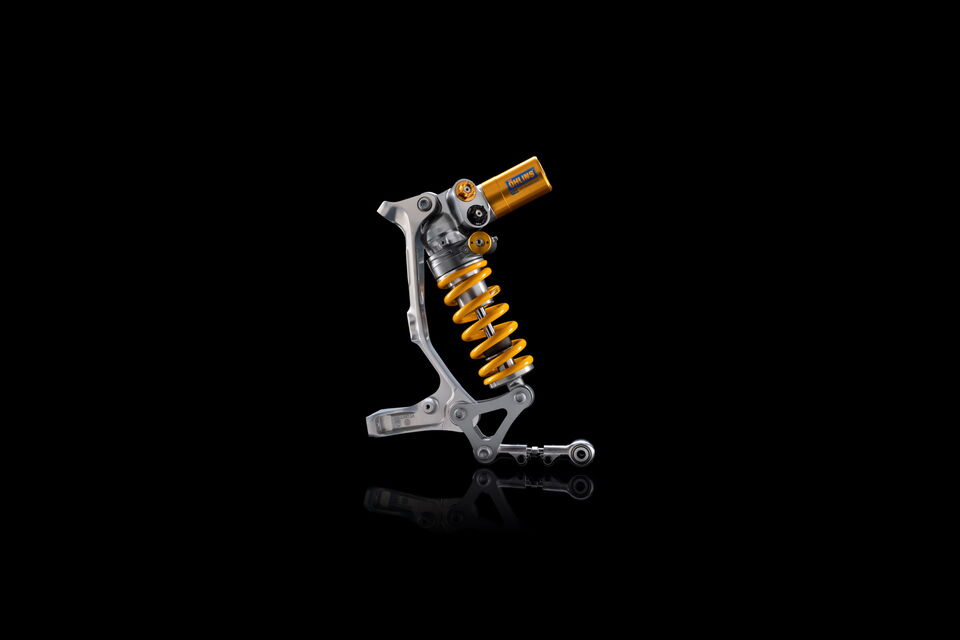
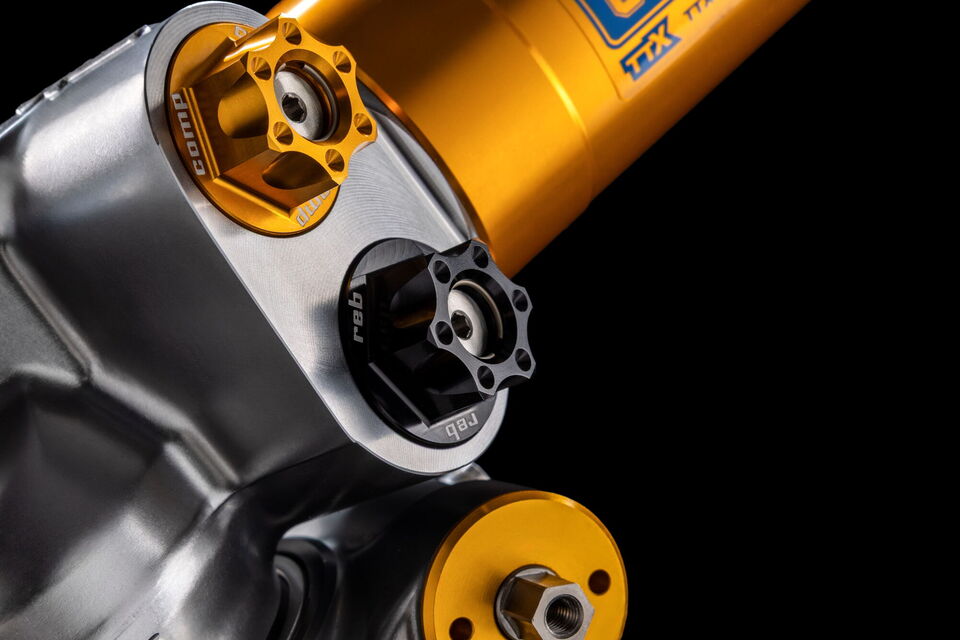
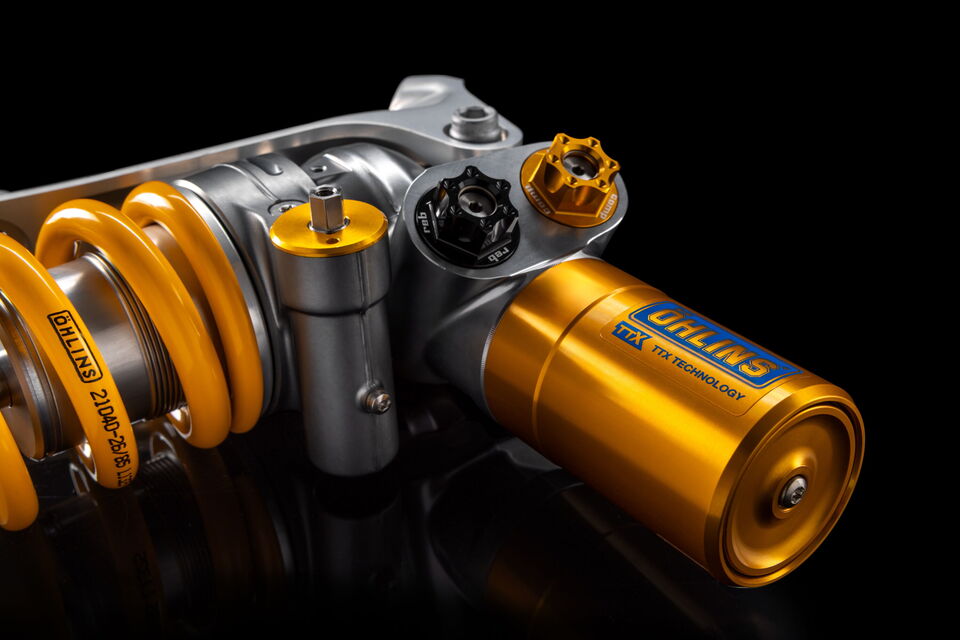
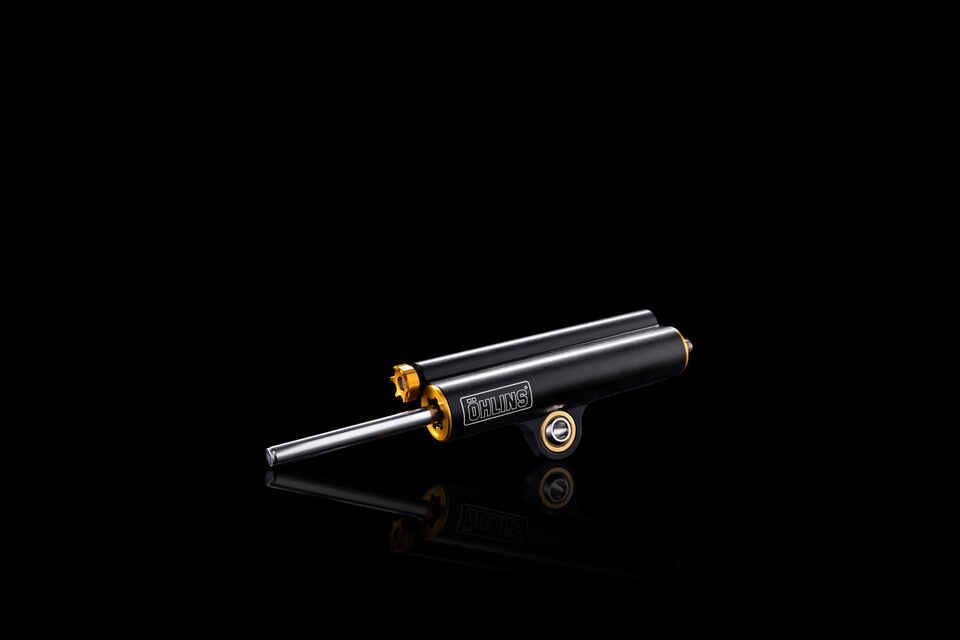
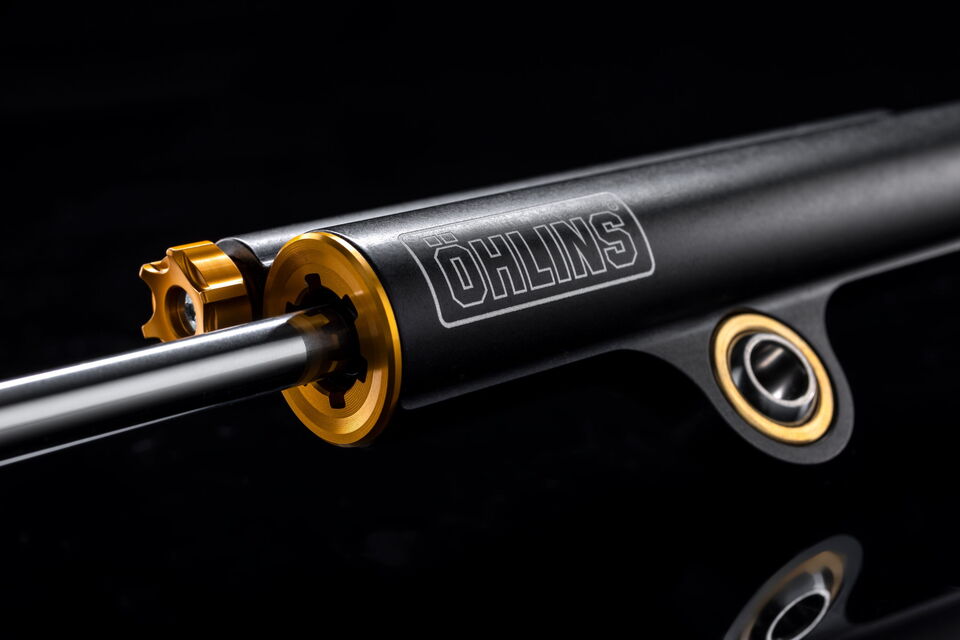
A fully mechanically adjustable 43 mm Öhlins NPX25/30 USD fork sits up front. At the rear is a fully mechanically adjustable Öhlins TTX36 shock. Steering control comes from an Öhlins SD20 steering damper—the first production motorcycle to use this piston technology.
The V4 R deliberately does without semi-active damping. That is a racetrack decision. An experienced racer wants suspension behavior that is known and manually adjustable—not a system that automatically reacts and potentially changes the response unexpectedly.
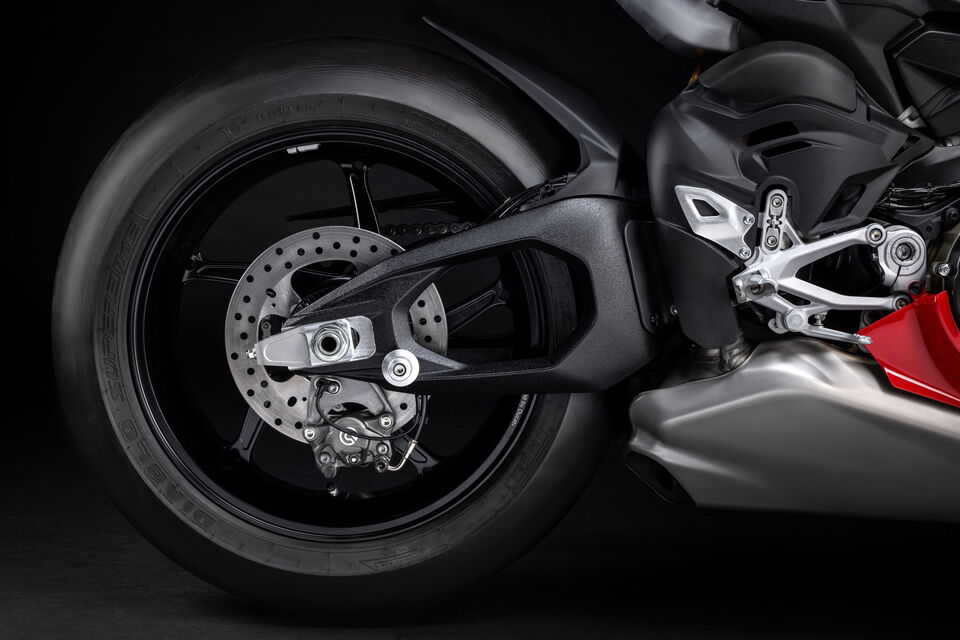
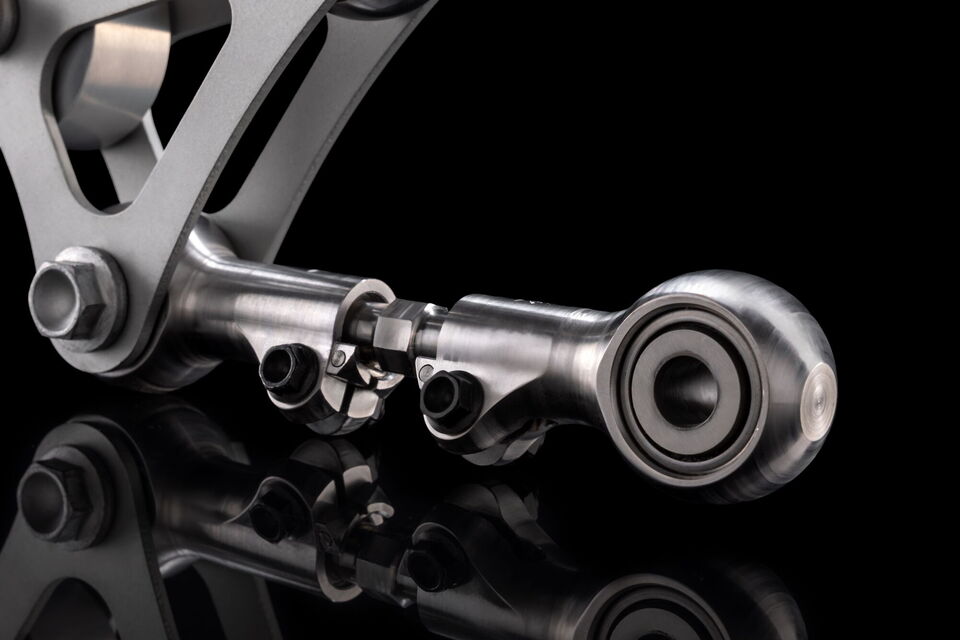
The swingarm pivot can be adjusted through four positions in 2 mm increments. The rear linkage offers 32.4 mm of adjustment compared with 13 mm on the predecessor. A linear suspension-travel sensor can be installed for telemetry purposes.
186.5 kg and What It Demands From the Rider
186.5 kg dry. Ready to ride with 17 liters of fuel, approximately 200 kg. That is light for 218 hp—but weight is not the limiting factor here. The rider is.
1000PS writes: “Clearly oversized for the road, but a fascinatingly sharp tool on the racetrack.” That is the honest positioning. The V4 R is not a motorcycle for a Sunday ride on ordinary backroads. It is a motorcycle for trackday riders, amateur racers, riders who know what they are doing—and collectors who want a numbered piece of Ducati racing technology in their garage.
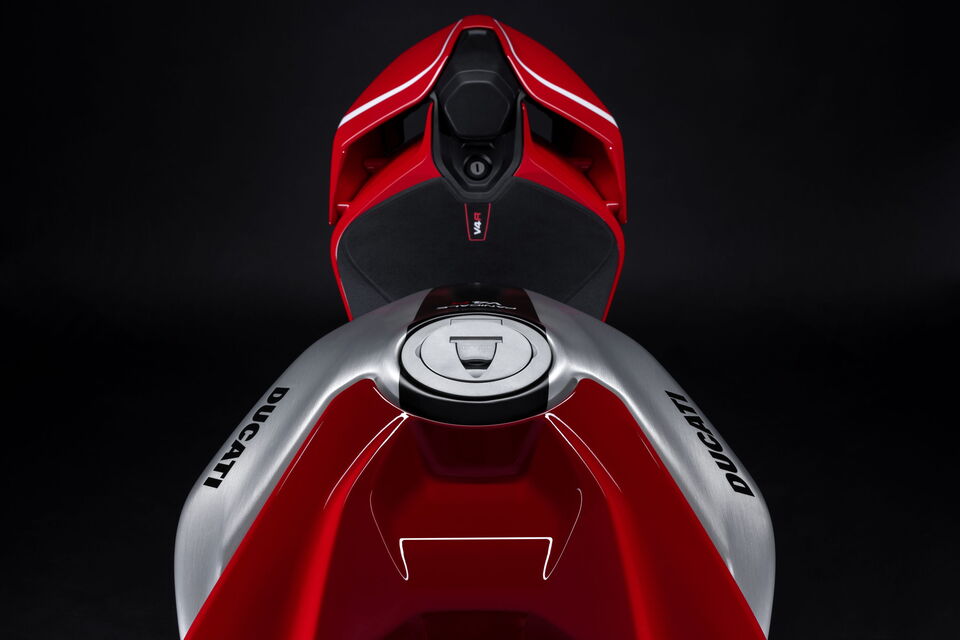
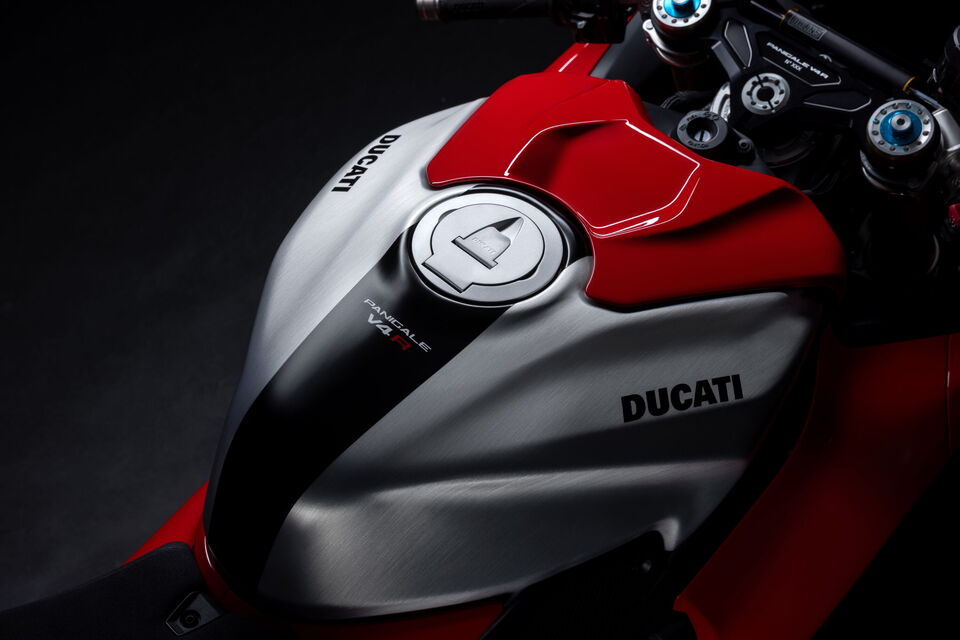
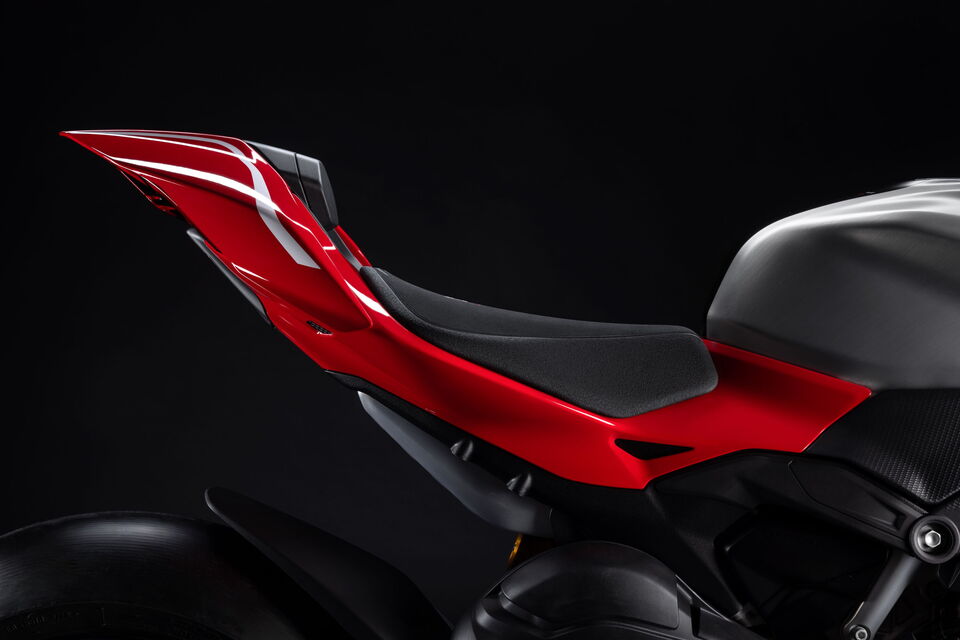
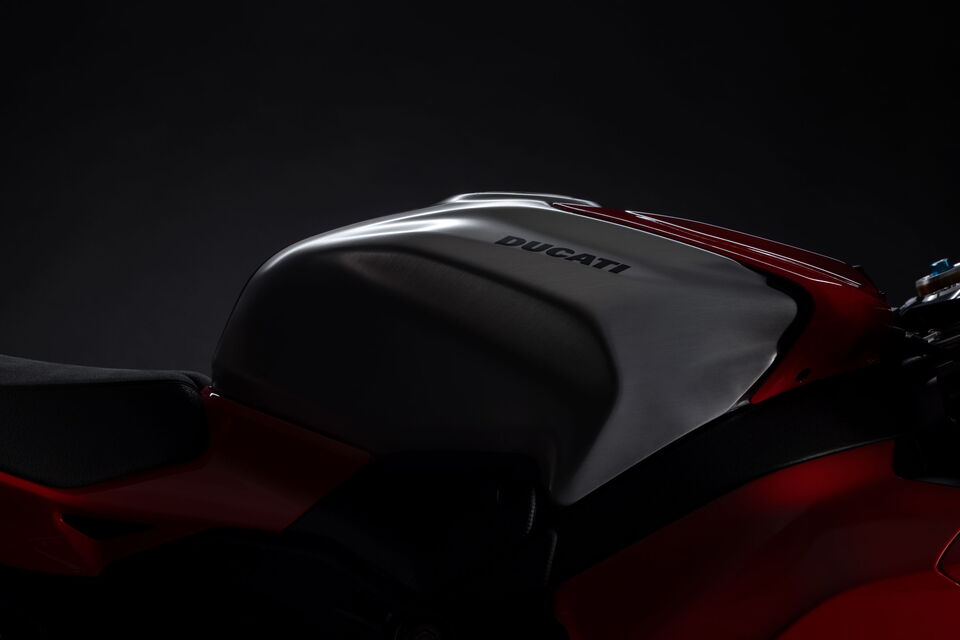
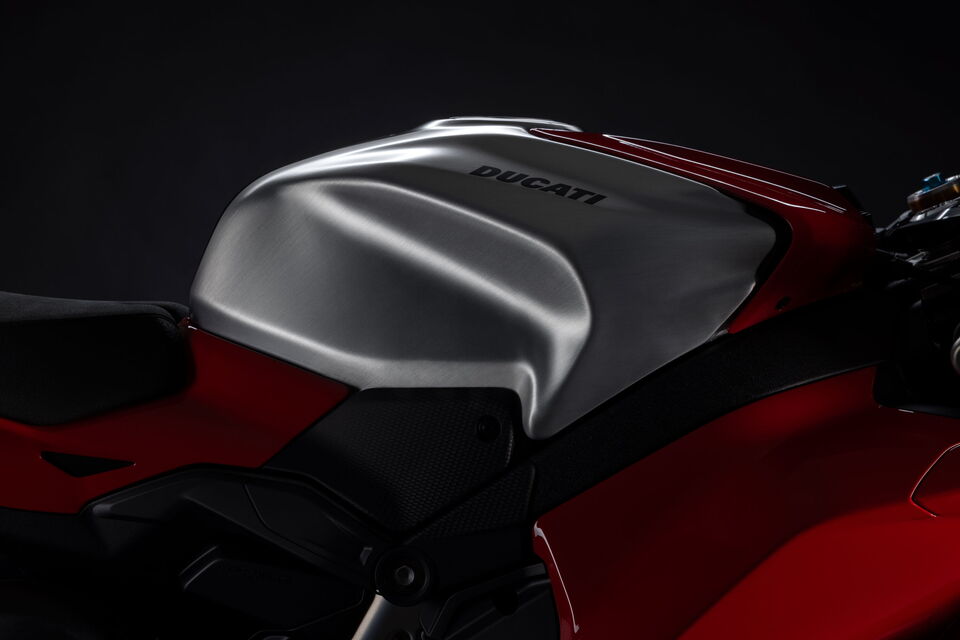
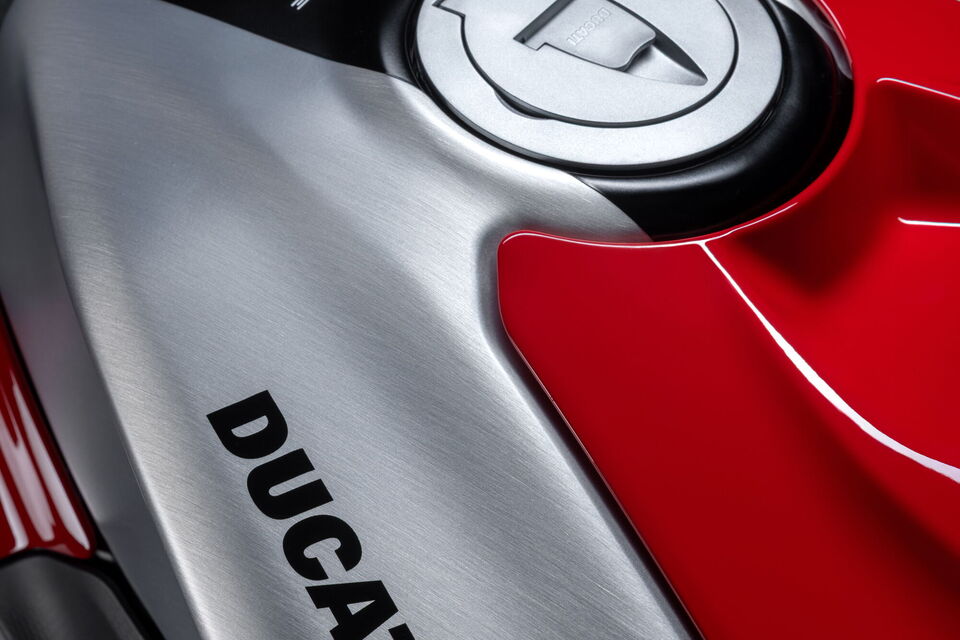
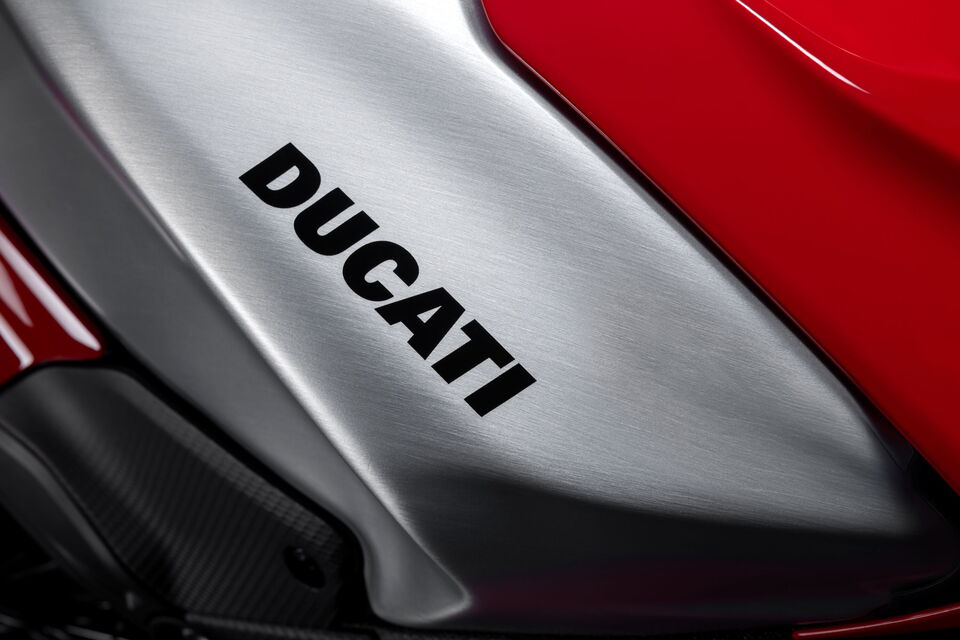
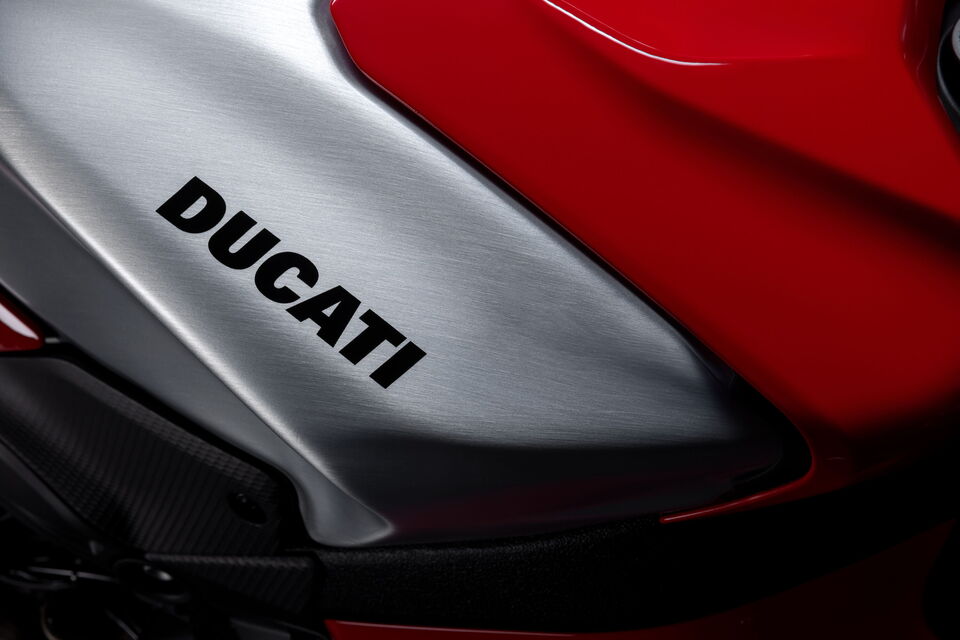
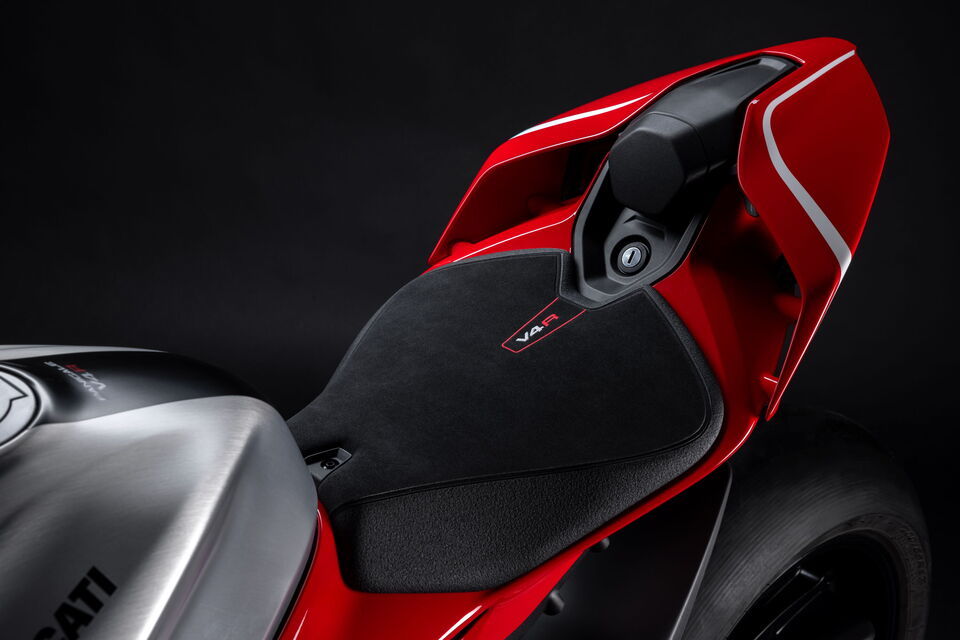
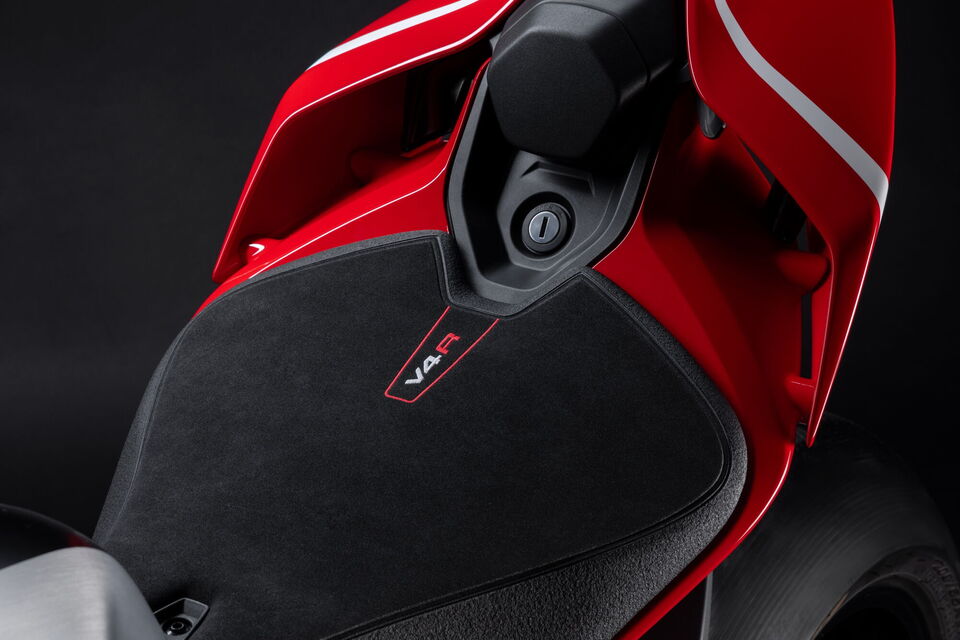
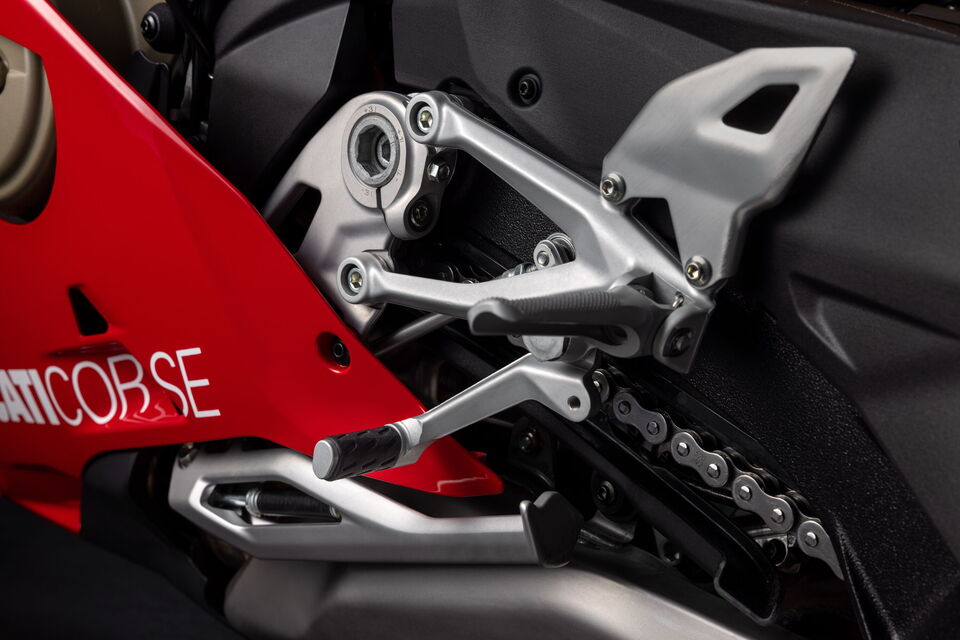
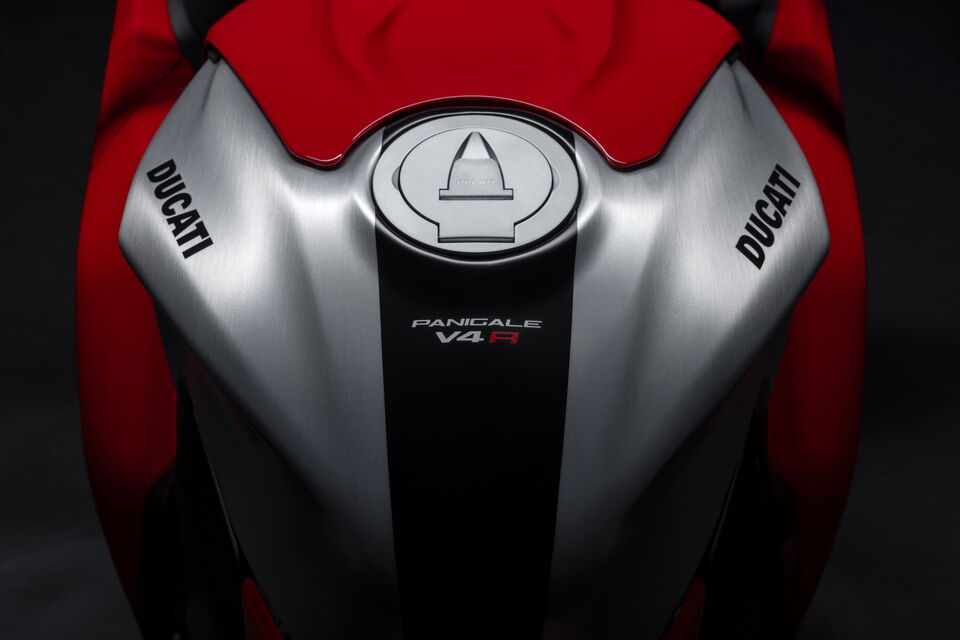
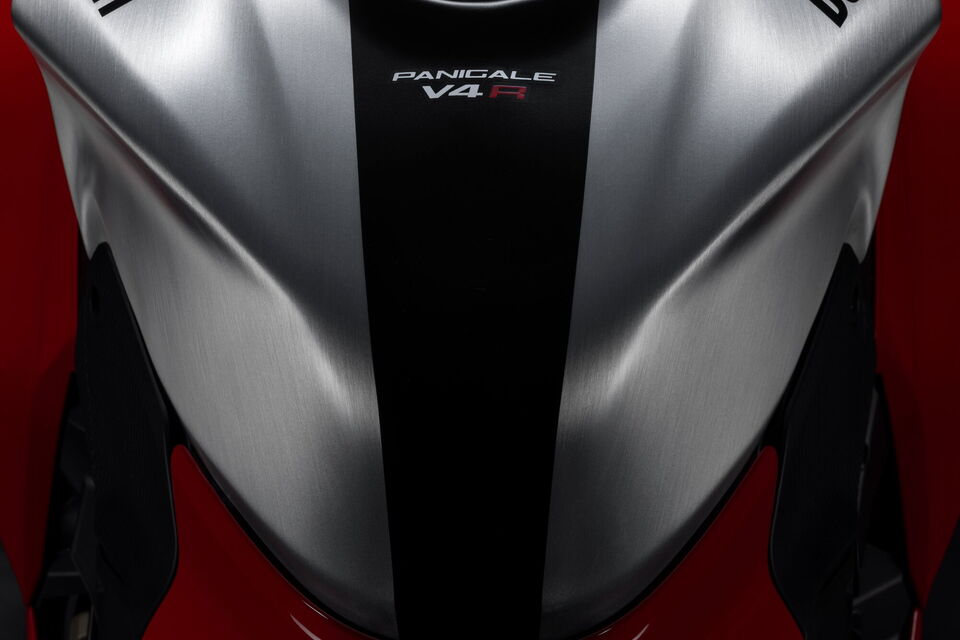
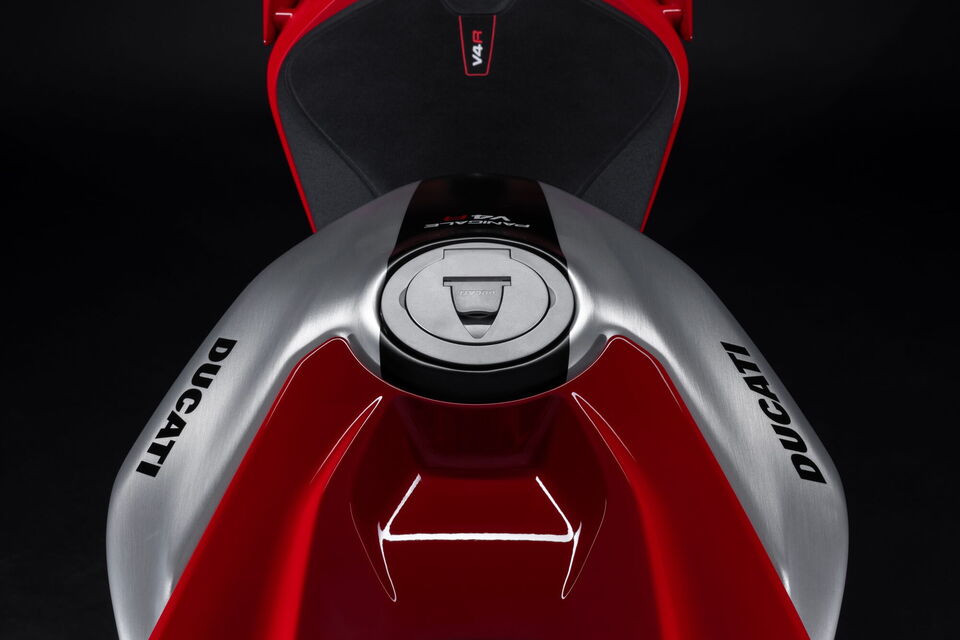
Ducati has worked on the contact points to make track riding more comfortable as well. The seat is wider and longer and gets a new surface. The fuel tank has been reshaped. The knee area has improved grip texture. The footpegs are positioned 10 mm farther inward. These are details suggesting Ducati sees the trackday rider—not merely the collector—as the primary customer.
€43,990: What You Are Buying
€43,990 for a numbered production motorcycle. The V4 R costs roughly as much as a Panigale V4 and a V2 combined. What justifies that? That is the wrong question.
The right question is: What is the only motorcycle that combines Corner Sidepods, DRG, Öhlins at all three positions, 218 hp, and WorldSBK homologation as standard?
This one.
This is not a vehicle you judge by price. It is a vehicle you judge by what it represents.
Verdict
The 2026 Ducati Panigale V4 R is not the fastest motorcycle you can buy—that would be a racebike without street approval. It is the most advanced street-legal motorcycle ever produced.
MotoGP-derived Corner Sidepods. Ducati Racing Gearbox. Öhlins SD20 steering damper as a world first. 218 hp from a Euro 5+ engine. 186.5 kg dry. 1000PS, May 2026: “Insanely fast, but not chaotic.”
That is the verdict.
€43,990. Numbered.
Quick Check
+ World’s first production motorcycle with Corner Sidepods, MotoGP technology used since 2021: ground effect at lean, providing greater front-wheel downforce at mid-corner
+ World’s first production motorcycle with Ducati Racing Gearbox, DRG: neutral below first gear, faster first-to-second shifts, Ducati Neutral Lock
+ World’s first production motorcycle with Öhlins SD20 steering damper standard
+ 218 hp at 15,750 rpm, Euro 5+; 235 hp with racing exhaust; 239 hp with Performance Oil
+ Additional 4 hp distributed more evenly through the midrange from 4,000–15,750 rpm + with predecessor: improved torque curve
+ Öhlins NPX25/30 fork + TTX36 shock, fully mechanically adjustable: race suspension without semi-active compromise
+ 186.5 kg dry: exceptional power-to-weight ratio for 218 hp
+ 25 percent more downforce at 270 km/h from larger biplane wings; 6 kg downforce at 300 km/h
+ 1000PS road test, May 2026: “insanely fast, but not chaotic.” Amazingly stable overall package despite extreme performance
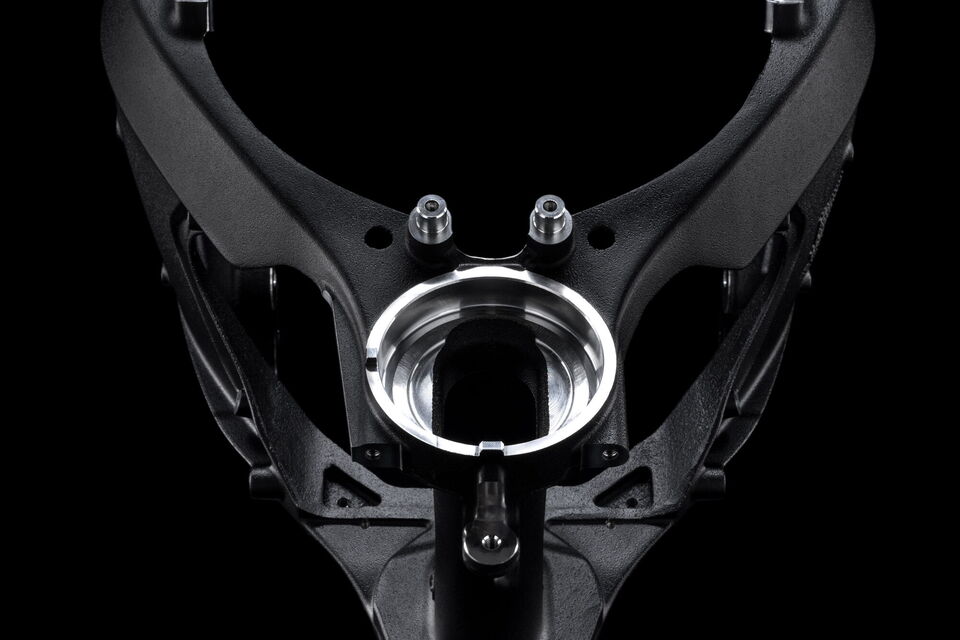
+ Numbered production series: individualized billet-aluminum plaque with serial number on upper triple clamp
+ 2026 WorldSBK homologation platform: the closest production-based connection to motorsport Ducati offers
– €43,990: an extremely expensive motorcycle
– 1000PS: “clearly oversized for the road”—unambiguous trackday/racetrack orientation
– Suspension without semi-active damping: requires setup expertise from the rider or a mechanic
– Only 2-year warranty: disappointing for a vehicle in this price class
– Everyday usability is severely limited: ergonomics, wind protection, and comfort are not designed for city riding or long road stages
Technical Specifications: Ducati Panigale V4 R (2026)
Make / Model: Ducati Panigale V4 R (2026; 998 cc Desmosedici Stradale R V4; WorldSBK homologation; numbered production series; unrestricted motorcycle license); manufacturer: Ducati Motor Holding S.p.A., Bologna, Italy; Volkswagen Group
Engine: Desmosedici Stradale R; 90-degree V4; 998 cc; DOHC; 218 hp (160 kW) at 15,750 rpm; rev limit 16,500 rpm; additional 4 hp through the midrange compared with predecessor; Euro 5+. With Akrapovič racing exhaust: 235 hp. With racing exhaust + Ducati Corse Performance Oil: 239 hp
Transmission: Ducati Racing Gearbox, DRG: neutral below first gear, racing standard; Ducati Neutral Lock, DNL; DQS Up/Down 2.0; Ducati Power Launch, DPL DVO
Aerodynamics: Corner Sidepods, MotoGP technology and a world first on a production motorcycle: ground effect at lean, increased front-wheel grip at mid-corner. Biplane wings: 25 percent more downforce at 270 km/h, equivalent to 4.8 kg; 6 kg downforce at 300 km/h
Front Suspension: Öhlins NPX25/30 USD fork; 43 mm; fully mechanically adjustable, deliberately non-semi-active
Rear Suspension: Öhlins TTX36 shock; fully mechanically adjustable; swingarm pivot adjustable through four positions in 2 mm increments; rear linkage with 32.4 mm adjustment range versus 13 mm on predecessor; linear suspension-travel sensor available as a telemetry option
Steering Damper: Öhlins SD20, world-first production application
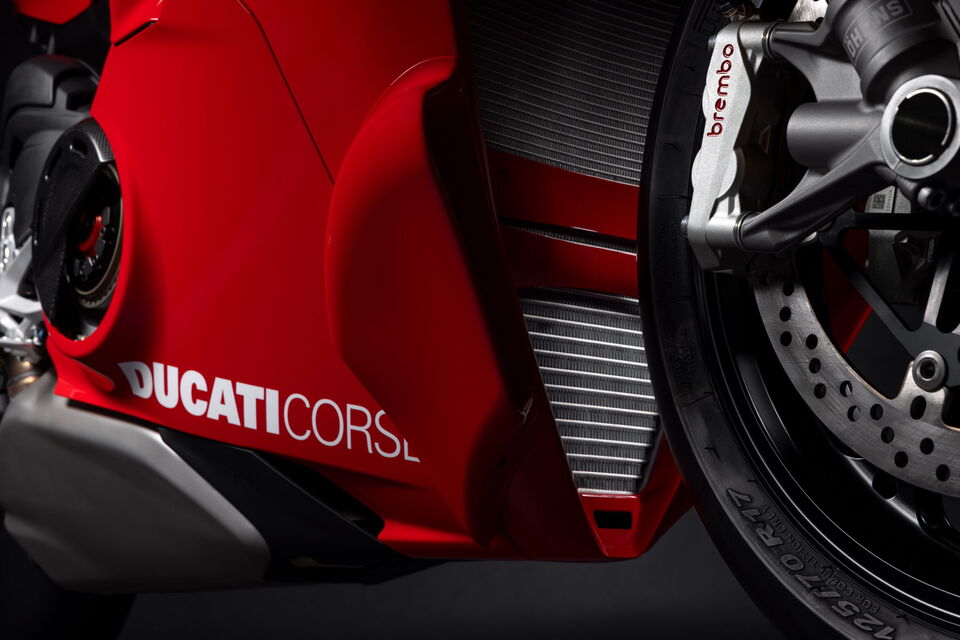
Brakes: Brembo Stylema four-piston monobloc calipers; 330 mm front discs; Cornering ABS
Wheels: Forged-aluminum wheels; 120/70-17 front; 200/60-17 rear
Weight / Fuel Tank: 186.5 kg dry; approx. 200 kg ready to ride with 17-liter fuel tank; lithium-ion battery
Ergonomics, New: Wider and longer seat with new surface; reshaped fuel tank; improved grip texture around knee area; footpegs positioned 10 mm farther inward
Electronics: DTC EVO; Wheelie Control; DPL DVO Launch Control; Pit Limiter; Lap Timer; color TFT display; shortcut buttons; full LED lighting; DRL; automatic turn-signal cancellation; billet-aluminum numbering plaque on upper triple clamp
Homologation: 2026 WorldSBK homologation platform; numbered production series; serial number laser-engraved on upper triple clamp
Stationary Noise: Not published; Tyrol limit 95 dB(A); racing exhaust option must be assessed separately
Warranty: 2 years, Ducati standard
Price in Germany: €43,990 plus additional charges