Review Indian Scout Classic (2026)

American Soul, Modern Mind
1,250 cc SpeedPlus V-twin, 105 hp, 111 Nm. 252 kg. 680 mm seat height. Forty-spoke chrome wire wheels. RIDE COMMAND with navigation and three riding modes. The Scout Classic wants to be both a throwback to your grandparents’ motorcycle and the motorcycle of your future. Does it pull it off?
As of: April 17, 2026 | Model: Indian Scout Classic (2026; SpeedPlus V-twin; 1,250 cc; Heritage Cruiser) | Manufacturer: Indian Motorcycle, Minnetonka, MN, USA | Price in Germany: from €15,690 plus additional charges | Stationary noise: EU homologation figure not published | Warranty: 5 years, unlimited mileage
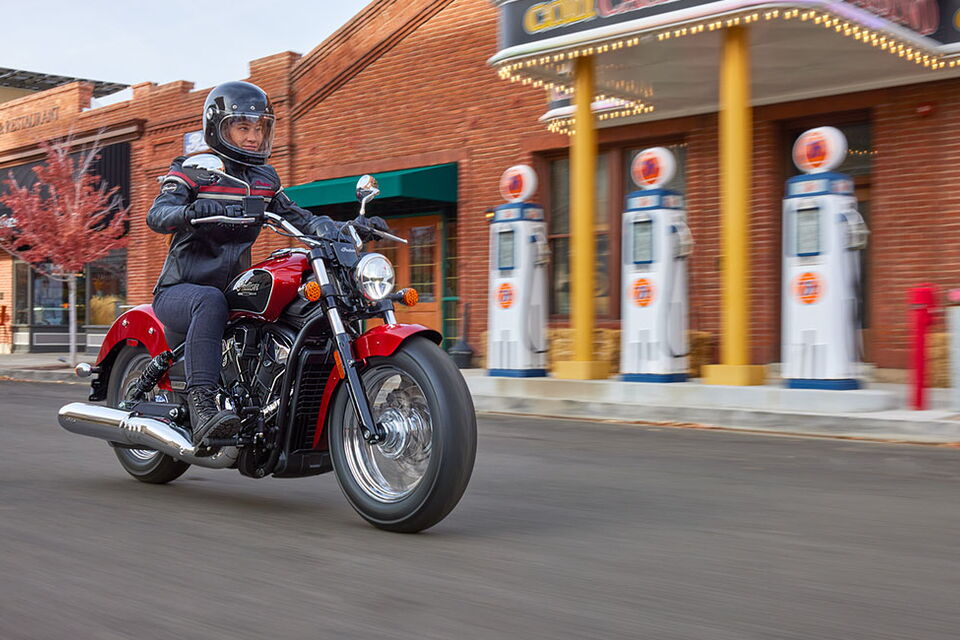
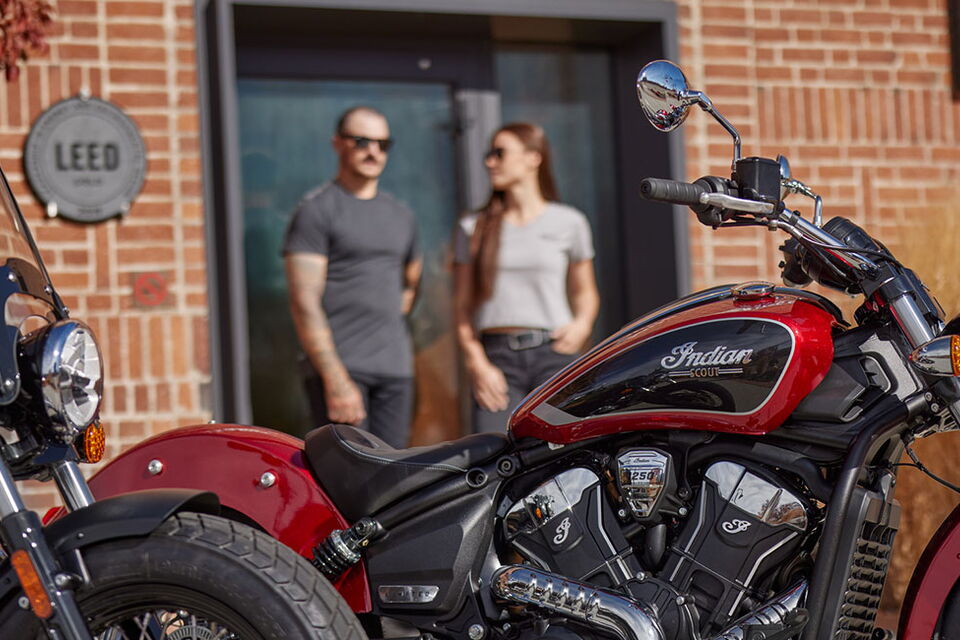
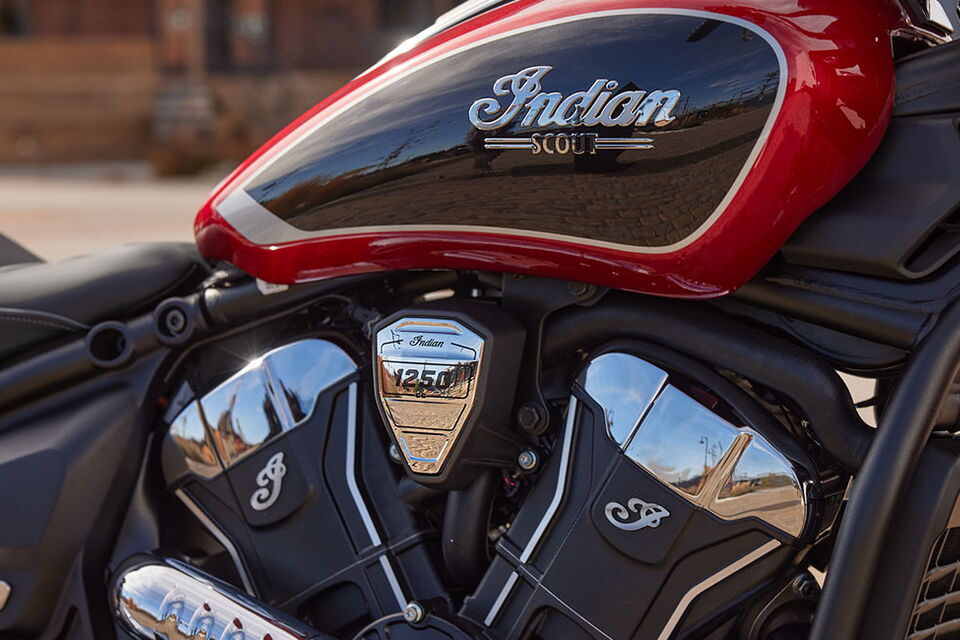
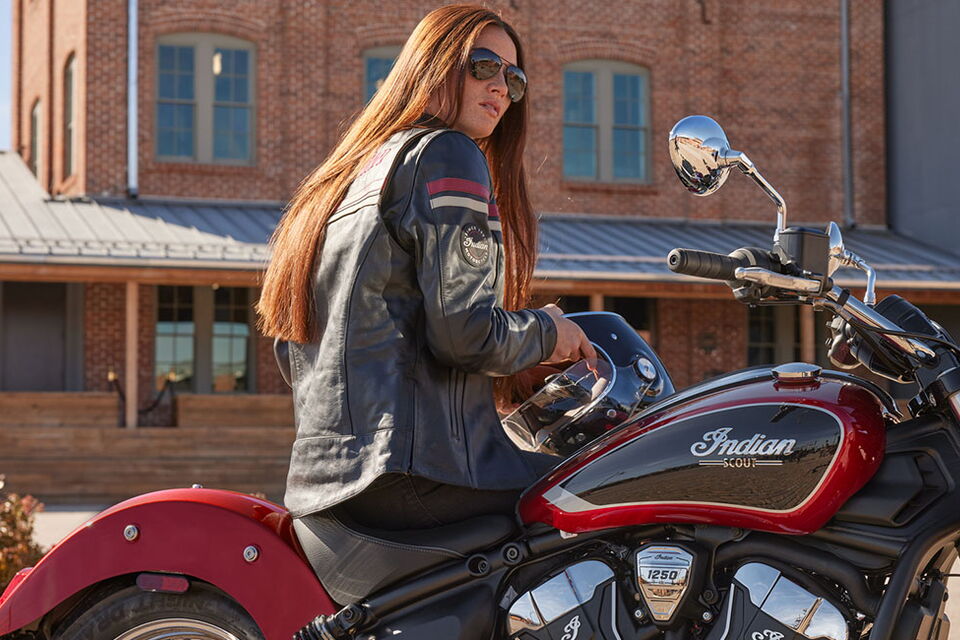
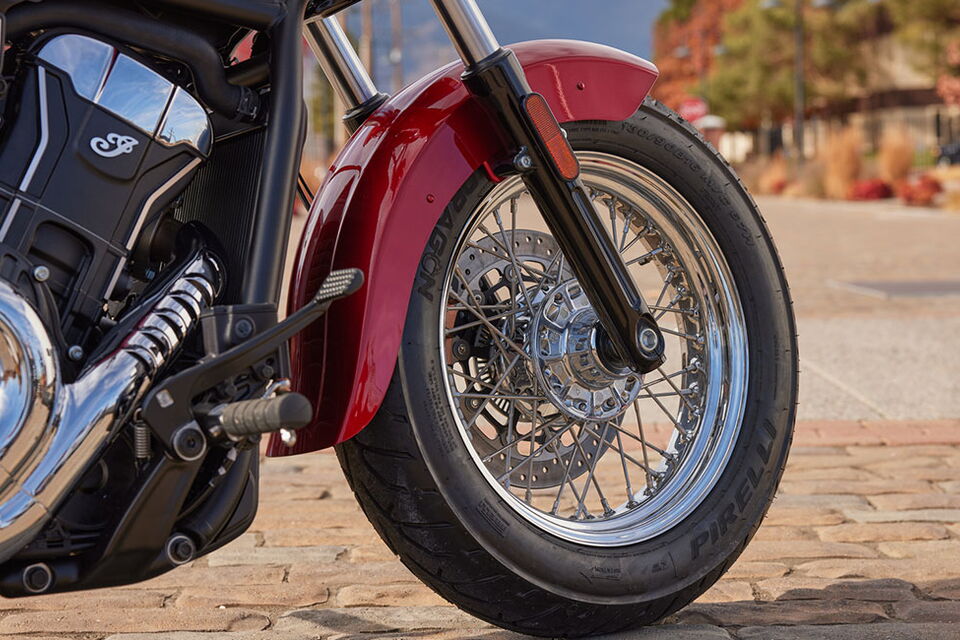
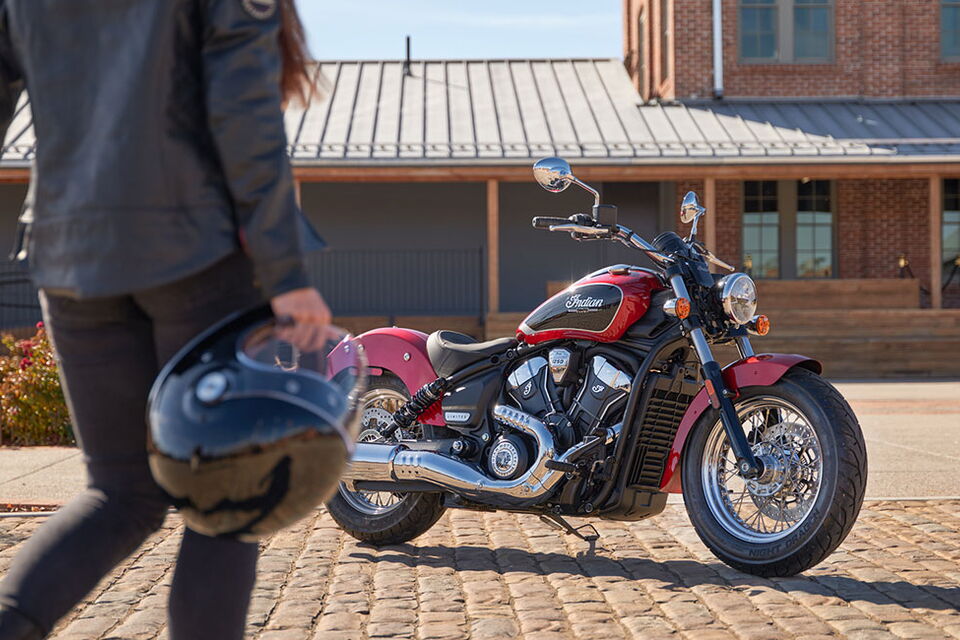
At the first stoplight, an older gentleman with a mustache pauses beside the bike. He does not look at the display. He does not look at the engine. He looks at the wheels. Forty spokes, chrome hubs, visibly gleaming in the April sunlight. Then he nods. This kind of approval cannot be bought. Or can it?
The 2026 Indian Scout Classic lives precisely from that tension. It looks like an heirloom but rides like a modern motorcycle. Succeeding at both is not a given. Many manufacturers manage one or the other. With the Scout platform introduced for 2025, Indian put both into one package—and the Classic is the version that puts the heritage side most clearly front and center.
The Engine: Short-Stroke With Long-Distance Character
1,250 cc. Four valves, DOHC, liquid-cooled, 60-degree V-twin. Bore is 104 mm, stroke 73.6 mm—a short-stroke design that behaves very differently from the Thunderstroke in the Chief Bobber. From 3,000 rpm, the SpeedPlus runs cleanly and willingly. At 5,000 it begins to push. Peak torque arrives at 6,300 rpm, and once you are up there, you ride with the knowledge that an indicated 190 km/h is not yet the limit.
That sounds sportier than the Scout Classic looks. And that is its trick. Cruise calmly through town and you hear the V-twin’s gentle rumble and feel useful power from as low as 2,000 rpm. Ask more of it and you discover an engine capable of considerably more than the sweeping fenders suggest. Belt final drive ties both personalities together: low-maintenance, quiet, and no chain lube on your pants. Once you switch to a belt, it is hard to go back.
On the Road: Relaxed, but Not Limp
Seat height is 680 mm unladen. Sit on the bike and it settles to 654 mm beneath you—both feet comfortably flat on the ground for most riders unless you happen to be 1.55 meters tall. The handlebar is wide and slightly raised, the footpegs mid-mounted. No forward controls like the Chief Bobber. This is an upright cruiser riding position that is not trying to make a statement. It simply works.
The fork offers 120 mm of travel. That sounds modest, and on poor roads you notice that you are not riding an adventure tourer. On the surfaces the Scout Classic is designed for—backroads, city boulevards, highway cruising in fourth gear with cruise control—it works. At a measured pace, it works very well. Push harder and you discover that the chassis will tolerate it. It just does not make a great show of enjoying it.
What is fun is the sound in tight tunnels. The presence at a stoplight. The feeling of riding a machine that seems to come from another era and still has RIDE COMMAND.
RIDE COMMAND and the Scout Classic’s Two Faces
The 4-inch round display runs GPS navigation, pairs with your smartphone, and shows sixth gear when you get there. In Limited+Tech trim—the equipment level worth buying in Germany—you also get cruise control, traction control, and three riding modes: Sport, Standard, and Tour. Sport sharpens throttle response; Tour softens power delivery. Spend hours on the highway and you select Tour and rest your thumb on the cruise-control switch. Attack a series of bends and you choose Sport, discovering that the Scout Classic has more bite than its appearance suggests.
The electronics are not the heart of the Scout Classic. But they make it more usable every day than a motorcycle with 40-spoke chrome wheels and sweeping fenders has any right to be. That is Indian in 2026: tradition on the outside, modern on the inside.
252 Kilograms and Your Conscience
At 252 kg, the Scout Classic is not a lightweight. Next to the 315 kg Chief Bobber, it looks almost slender. Next to a 228 kg Harley-Davidson Sportster S or a 226 kg Honda Rebel 1100, it is heavier. The first time you get on a Scout Classic, you notice the weight while maneuvering, parking, or lifting it upright on a sloping road. Once moving, you forget it. The center of gravity is low, the engine pulls from low revs, and the 16-inch wheels roll with confidence. The Scout Classic is not a light motorcycle—it simply feels like one.
Heritage Design: The Wheels, the Fenders, the Script
Forty spokes per wheel. Chrome rims, chrome hubs. Sweeping fenders in the classic Indian line that first appeared on the brand’s motorcycles in 1920. The script on the engine cover, the script on the gauge, the script on the LED taillight. The number 1901 on the throttle-body cover—the founding year, two years before Harley-Davidson. Pirelli Night Dragons, broad and substantial, and exactly the right tire for this motorcycle.
It all works because it does not feel applied afterward. Indian has been doing this for more than 120 years. The chrome finish is not decoration—it is identity. If you do not value that, you are buying the wrong motorcycle. If you do, you buy the Scout Classic and ride it to work every morning.
The Price Argument
Prices start at €15,690. Add the Tech package—the one you want—and it costs a little more. A Harley-Davidson Sportster S starts at €17,570 and weighs 228 kg with 121 Nm, but offers less standard electronics. A Honda Rebel 1100 starts at €12,459 and is considerably less expensive, but it does not feel like a Scout Classic. Those are the decision paths in this segment: emotion or reason, tradition or price.
The Scout Classic is aimed at riders who want both and are willing to pay for both. The value equation works if you consider the heritage package—the wheels, the fenders, the lettering, the sound—as part of the performance. For many riders in this target group, it is.
Verdict: The Right Reason to Buy a Motorcycle
The 2026 Indian Scout Classic is not the fastest motorcycle. Not the lightest. Not the cheapest. It is the motorcycle that stays in your head after the ride—because of the wheels in the April sunlight, the V-twin sound in the tunnel, and the old man with the mustache who nodded. That is not a bad reason to buy a motorcycle.
Quick Check
+ SpeedPlus 1,250 cc engine: official 105 hp, 111 Nm at 6,300 rpm, clean response from 2,000 rpm, willing to rev well beyond 5,000.
+ Belt drive: low-maintenance, quiet, no lubrication required.
+ Heritage design with 40-spoke chrome wire wheels, sweeping fenders, and classic lettering—authentic, not a retro imitation.
+ 252 kg ready to ride: 63 kg lighter than the Chief Bobber. 680 mm seat height unladen, 654 mm laden: flat-footed reach for most riders.
+ RIDE COMMAND in Limited+Tech trim: navigation, Bluetooth, three riding modes, cruise control, and traction control.
– 252 kg is not light: noticeable while maneuvering.
– 120/76 mm suspension travel: clearly noticeable on poor roads.
– 13-liter tank: range is limited when ridden hard.
– Indian dealer network in Germany is smaller than those of Japanese or German brands.
– 113 mm ground clearance: pure road motorcycle.
– If the heritage concept means nothing to you, you are paying for something you do not need.
Technical Specifications: Indian Scout Classic (2026)
Make / Model: Indian Scout Classic (2026; SpeedPlus V-twin; 1,250 cc; Heritage Cruiser; Category A license); manufacturer: Indian Motorcycle, Minnetonka, MN, USA; Polaris Industries
Engine: Liquid-cooled 60-degree V-twin; 1,250 cc SpeedPlus; 104 mm bore / 73.6 mm stroke, short-stroke; 12.5:1 compression; 60 mm closed-loop EFI; official 105 hp; 111 Nm / 82 ft-lb at 6,300 rpm; 2-into-1 exhaust
Drivetrain: Six-speed transmission; toothed-belt final drive; wet multi-plate clutch
License: Category A, output above A2 limit
Weight / Seat Height: 243 kg dry / 252 kg ready to ride; seat height 680 mm unladen / 654 mm laden; 113 mm ground clearance; GVWR 449 kg
Dimensions: L × W × H: 2,318 × 916 × 1,096 mm; 1,562 mm wheelbase; 29-degree steering-head angle; 122.2 mm trail
Suspension: 41 mm telescopic fork, 120 mm travel; twin rear shocks, 76 mm travel
Brakes: 298 mm front disc with two-piston caliper; 298 mm rear disc with single-piston caliper; ABS
Wheels / Tires: 40-spoke wire wheels with chrome rims and hubs; 16-inch front + rear; Pirelli Night Dragon, 130/90 B16 front; 150/80 B16 rear
Fuel Tank / Consumption: 13 liters
German Equipment Levels: Standard: ABS. Limited: + traction control, cruise control, three riding modes, USB. Limited+Tech: + 4-inch RIDE COMMAND with navigation, Bluetooth, riding data, keyless ignition. Confirm equipment by trim with dealer.
Stationary Noise: EU homologation figure not published, Tyrol limit 95 dB(A)
Warranty: 5 years, unlimited mileage, Indian standard
2026 Colors: Deep Blue Metallic; Sunset Red Metallic, U.S. specification
Competition: Harley-Davidson Sportster S: approx. €17,500; 121 Nm; 228 kg; Revolution Max 1252T. Honda Rebel 1100: €12,459; 98 Nm; 226 kg. Scout Classic: more horsepower and more standard electronics than the Harley, more character than the Honda.
Price in Germany: From €15,690 plus additional charges