Review Kawasaki KLE 500 SE (2026)

The Return of a Legend—A2 Adventure Bike With 21-Inch Spoked Front Wheel, 210 mm of Travel, TFT, and Handguards
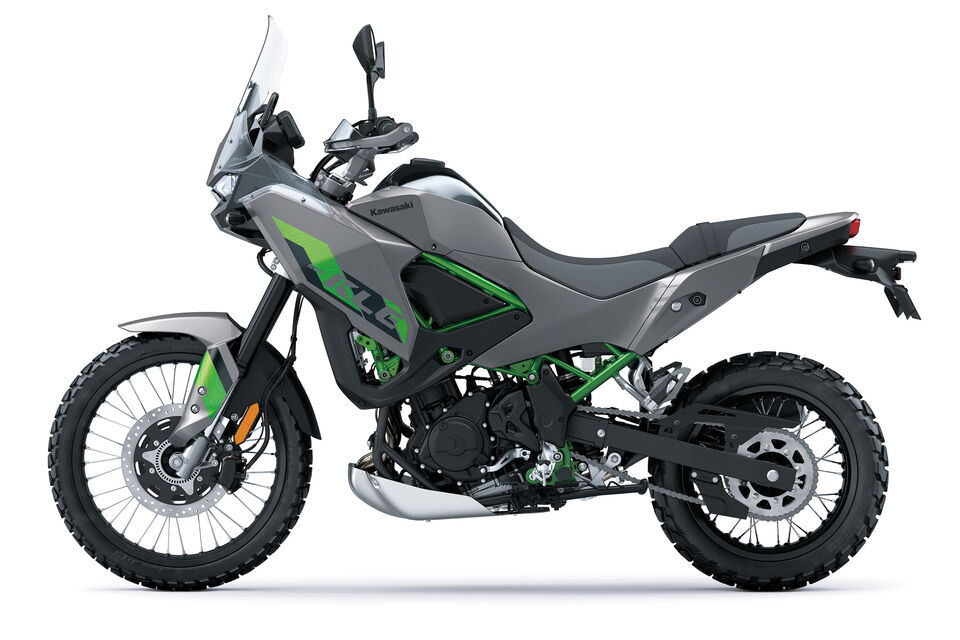
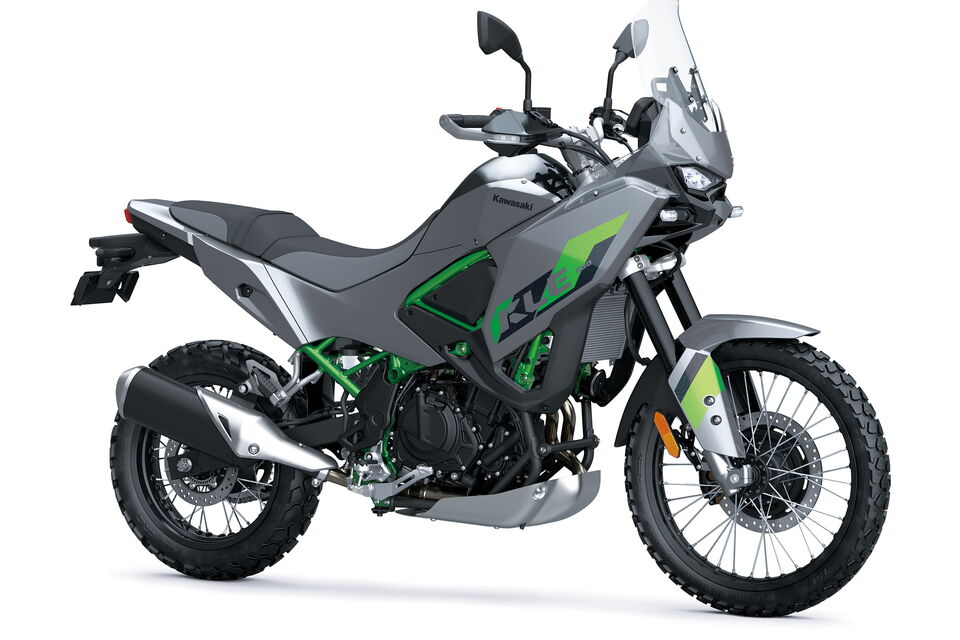
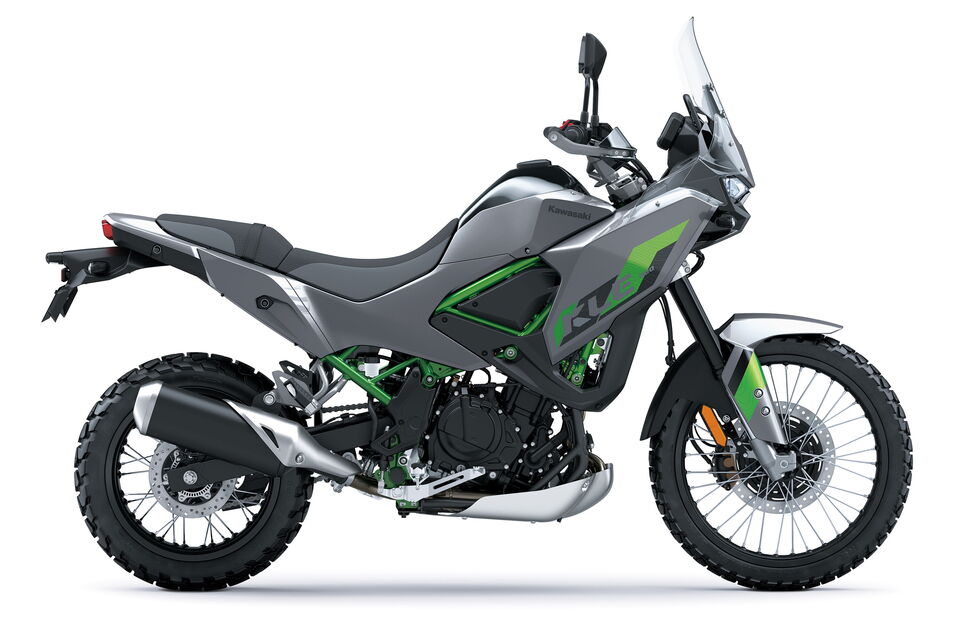
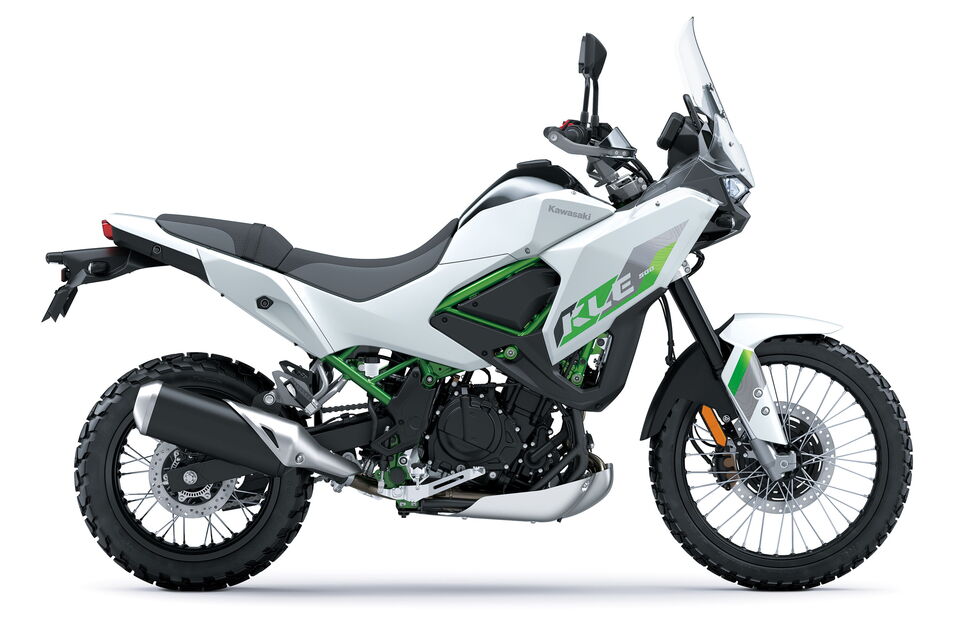
After almost 20 years away, the KLE 500 name is back. The new version uses the same 451 cc twin as the Z500 and Ninja 500, but combines it with rally-style geometry, a 21-inch spoked front wheel, long-travel suspension, and a curb weight below 200 kg. The SE adds a TFT display, a larger aluminum skid plate, metal-reinforced handguards, a taller windshield, and LED turn signals. Tested in Almeria, Spain.
As of: April 15, 2026 | Model: Kawasaki KLE 500 SE (2026) | Price: €7,695 including destination | Warranty: 4 years | Stationary noise: not officially published, below 95 dB(A) | License: A2, 45 hp / 33.4 kW; power-to-weight ratio just under 175 kW/t
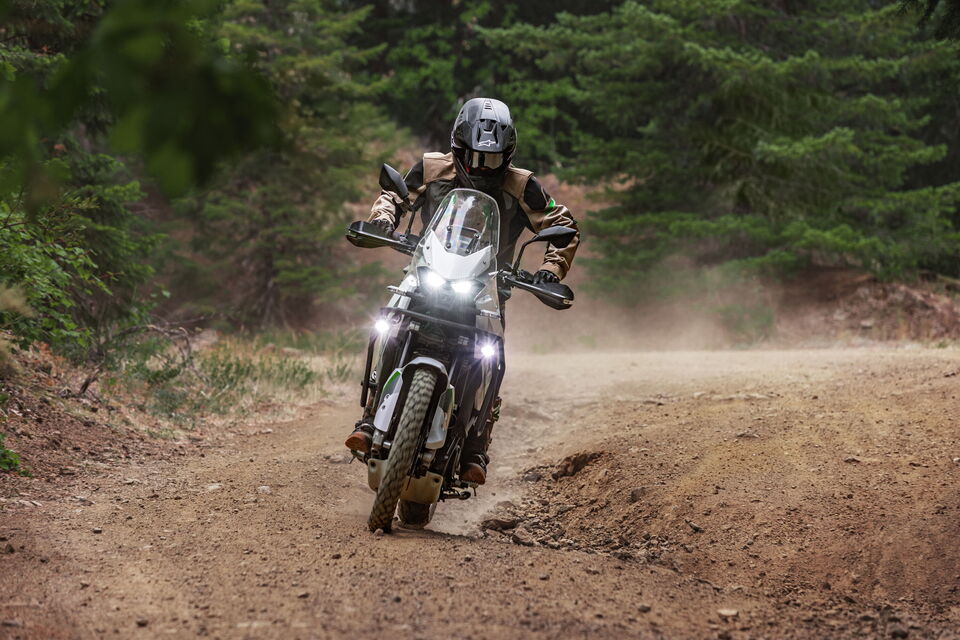
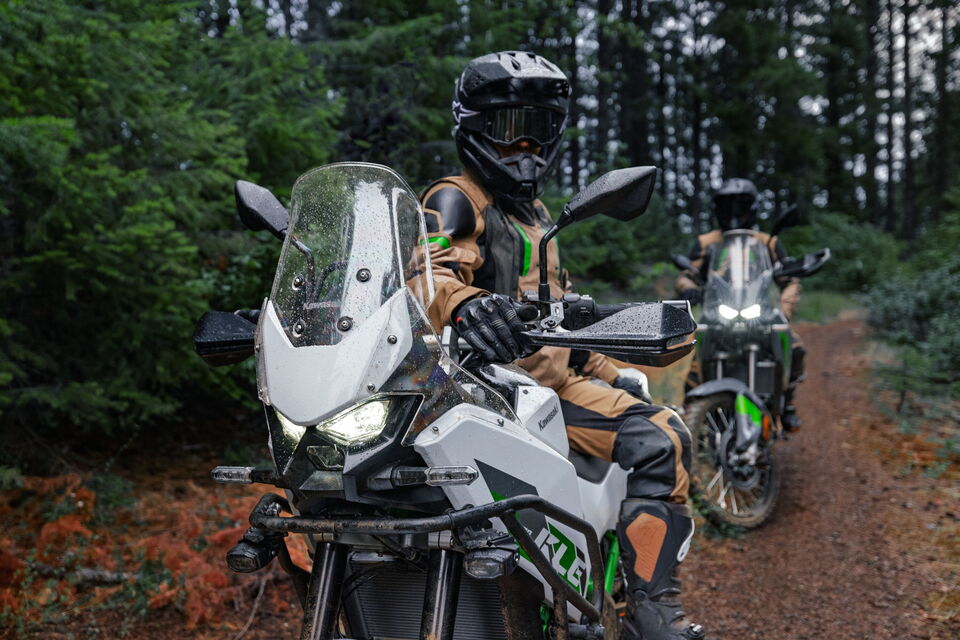
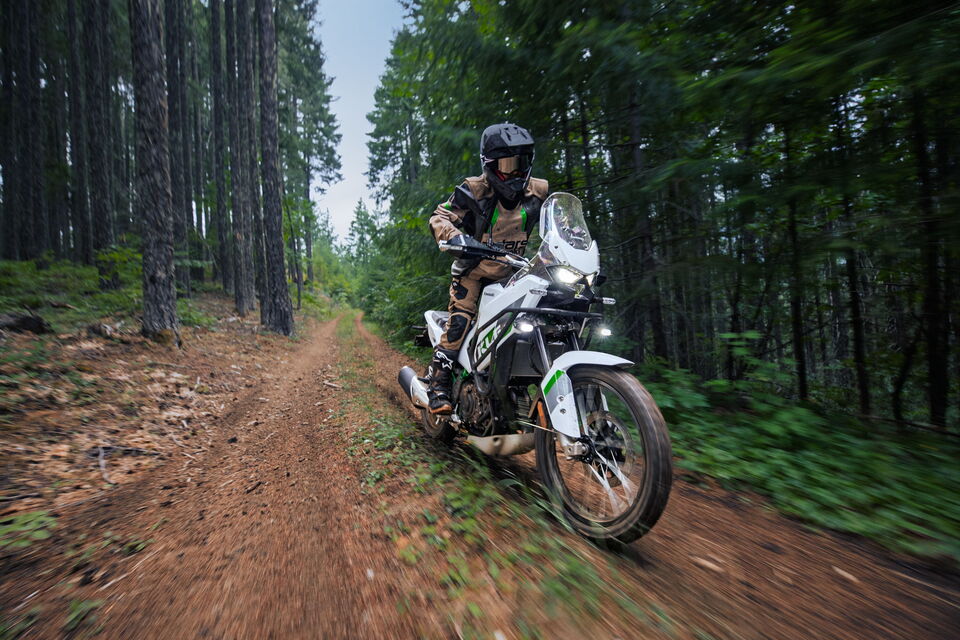
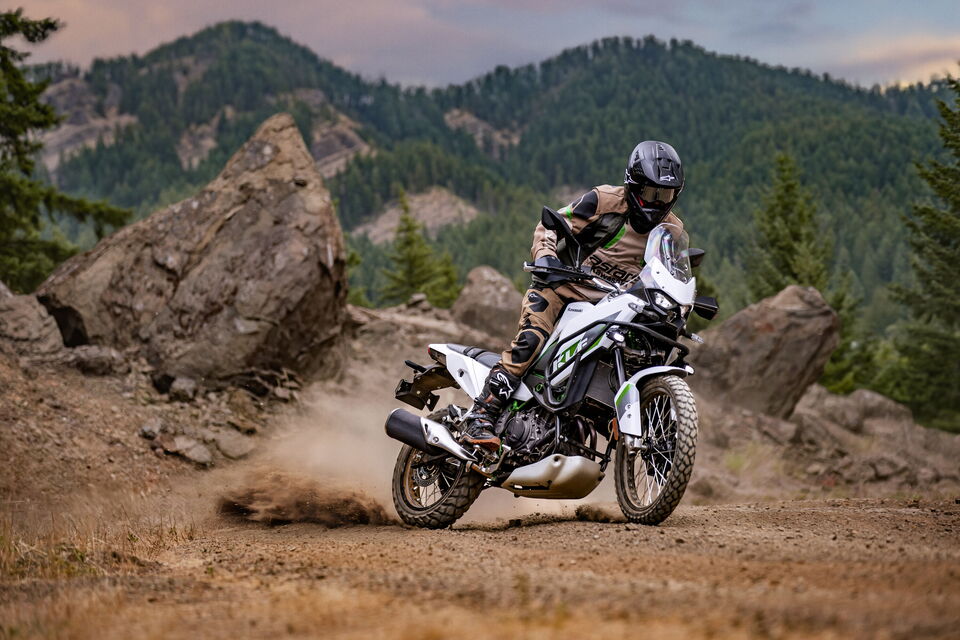

Back After 19 Years: What the New KLE 500 Shares With the Old One—and What It Deliberately Does Differently
From 1991 to 2007, the Kawasaki KLE 500 was a long-running fixture in Europe’s middleweight enduro segment: a parallel twin, a rugged steel frame, long suspension travel, and useful capability both on pavement and off-road. Then it disappeared. Nineteen years later, the name is back—but not as a nostalgic remake. This is a completely new motorcycle that shares little with the old KLE beyond the basic concept. That applies to the engine, chassis, electronics, and market positioning alike.
Kawasaki is clearly targeting the A2 segment with the new KLE 500. Forty-five horsepower and a 195 kg curb weight ensure that it comfortably meets the EU A2 license requirements. The class the KLE SE enters is already crowded: CFMoto 450 MT, Honda NX500, Royal Enfield Himalayan 450, KTM 390 Adventure X. On Spanish backroads and gravel sections around Almeria, the KLE made its position clear: road-biased, but with serious off-road potential, and with no intention of being a radical dirt bike. The marketing promises more than the motorcycle itself does—but the motorcycle delivers more than the sober numbers suggest.
What Separates the SE From the Base Model: TFT, Larger Skid Plate, Handguards, Taller Windshield, LED Turn Signals
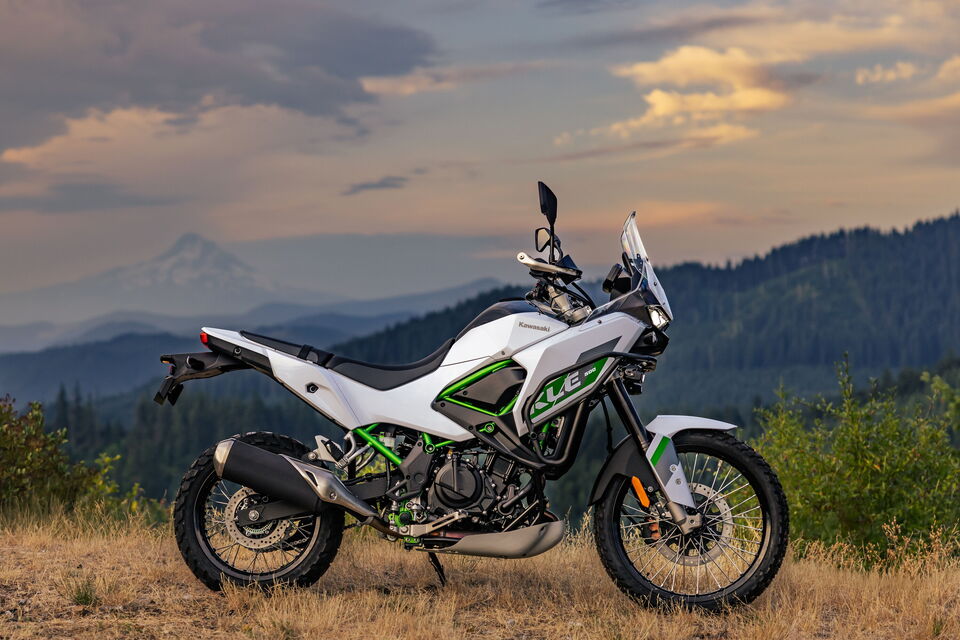
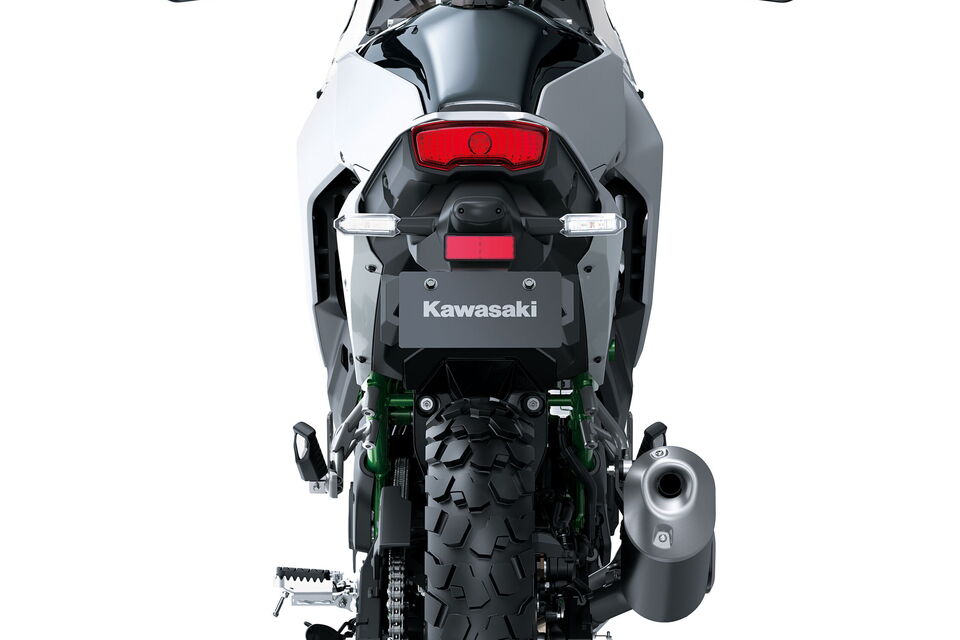
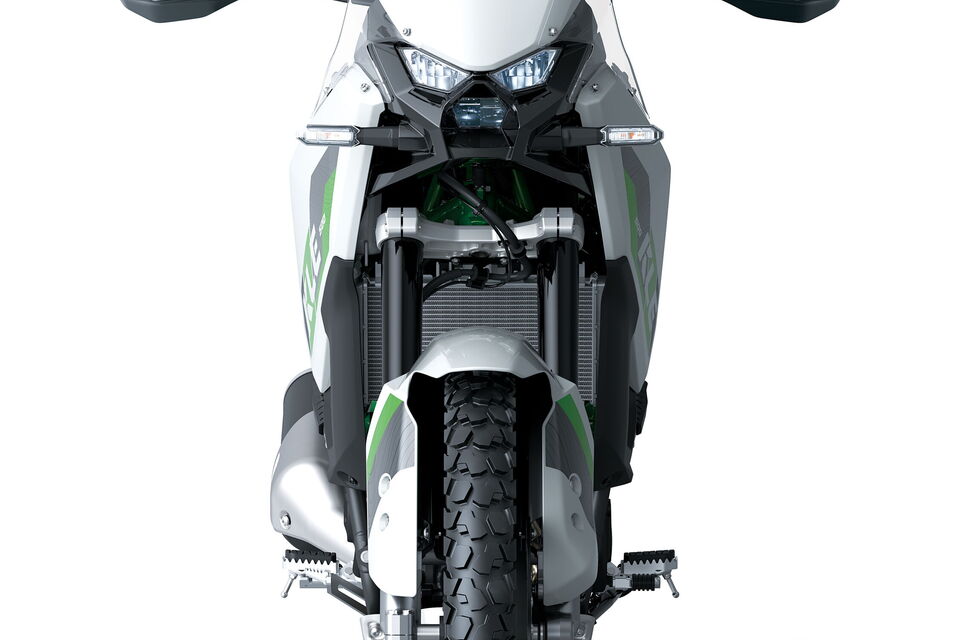
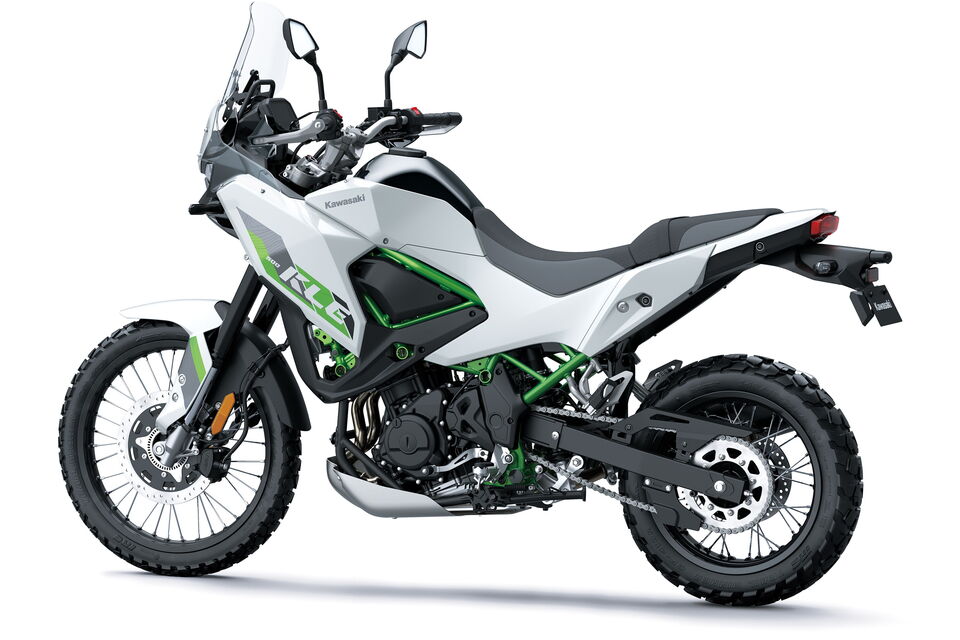
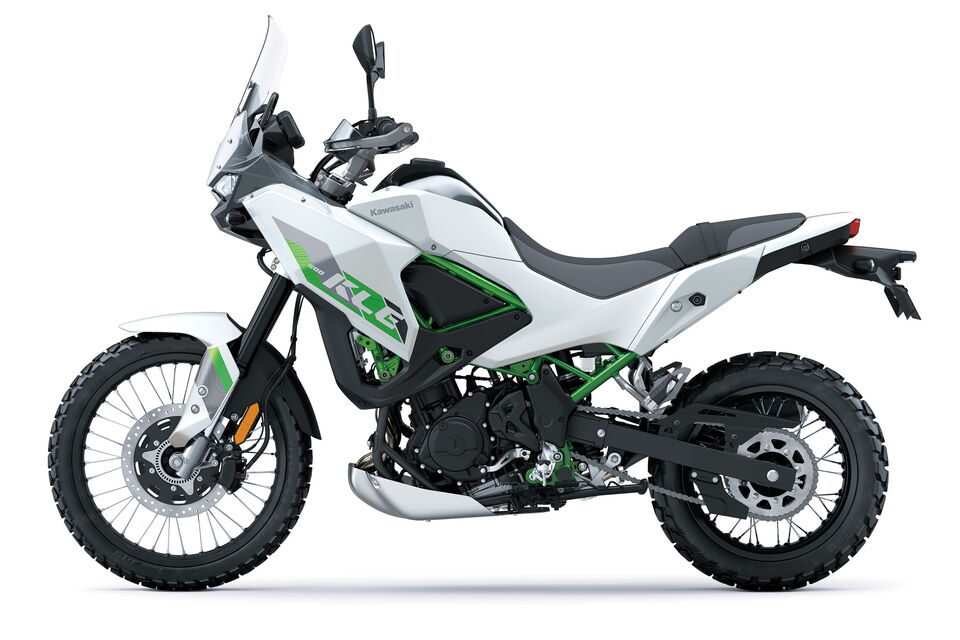
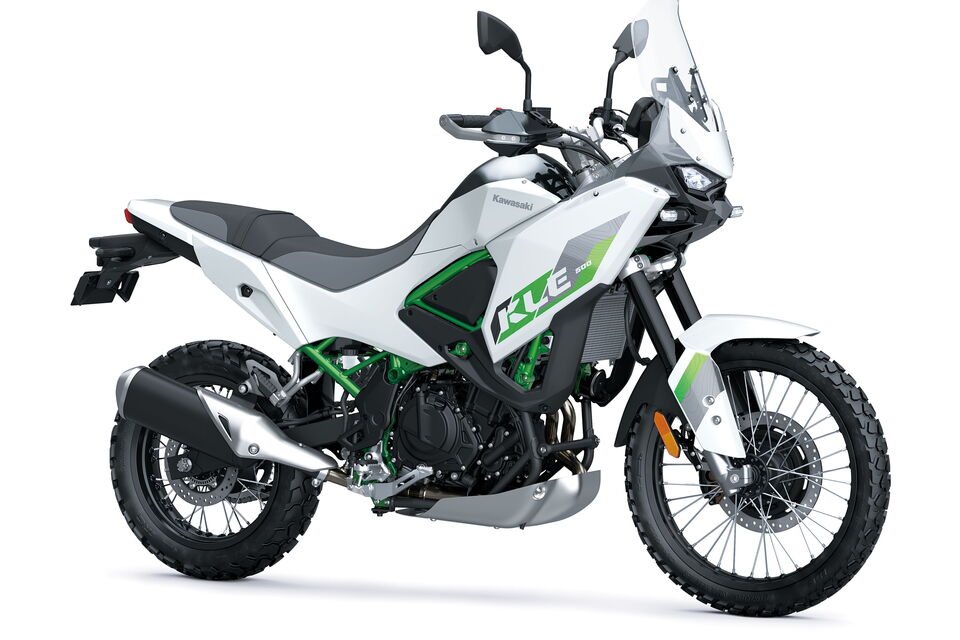
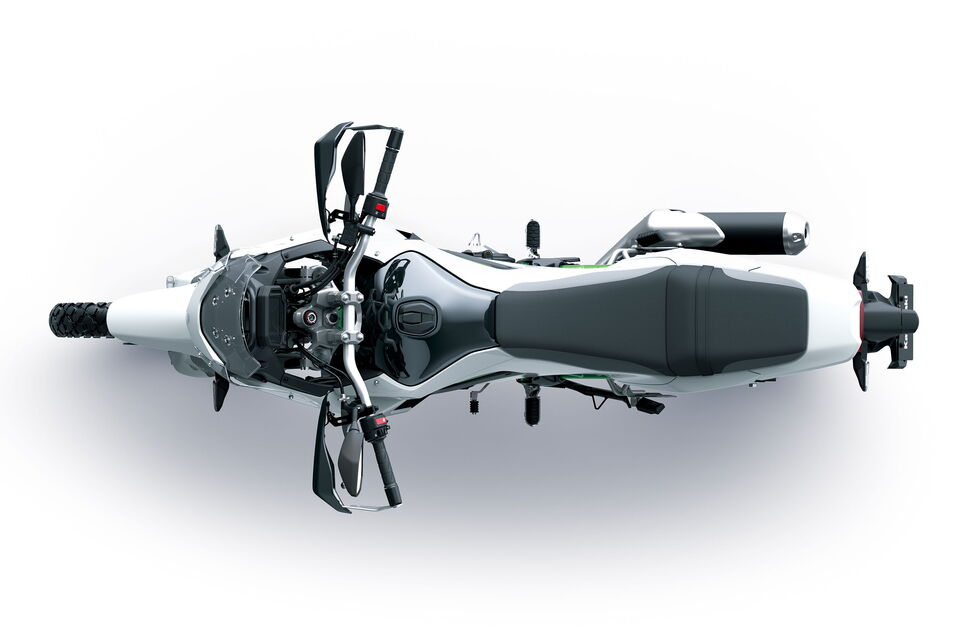
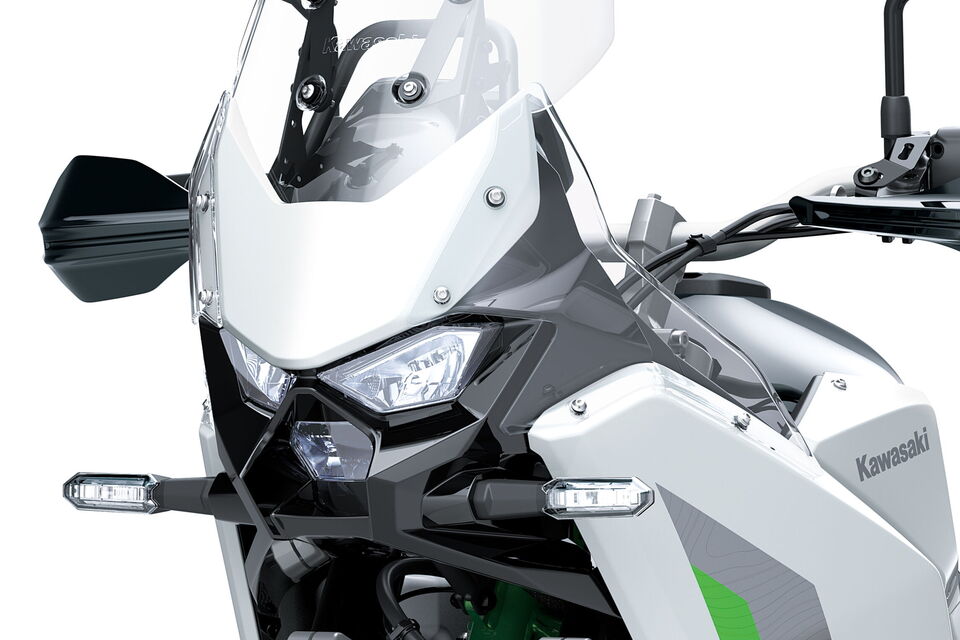
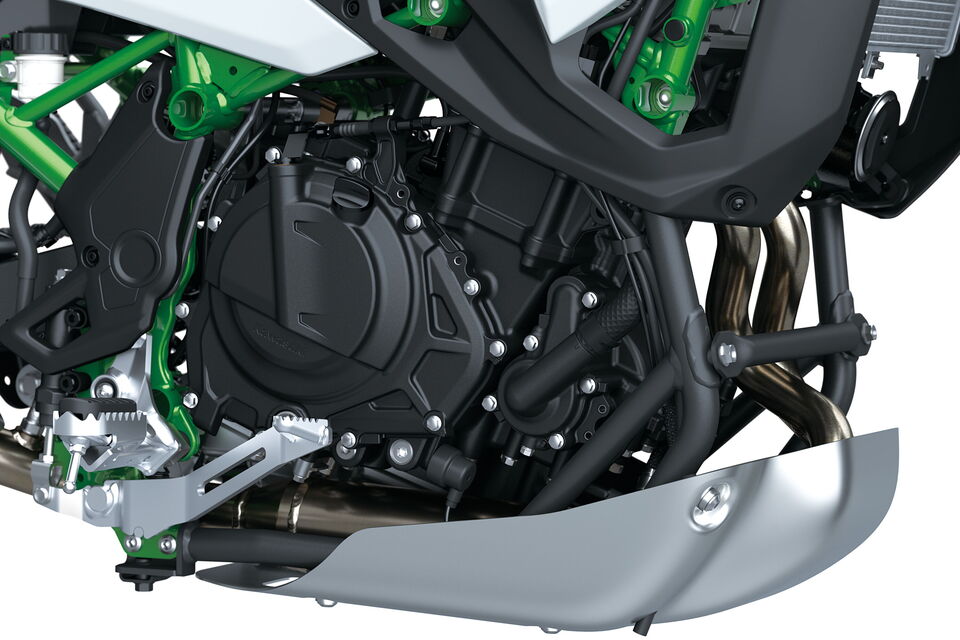
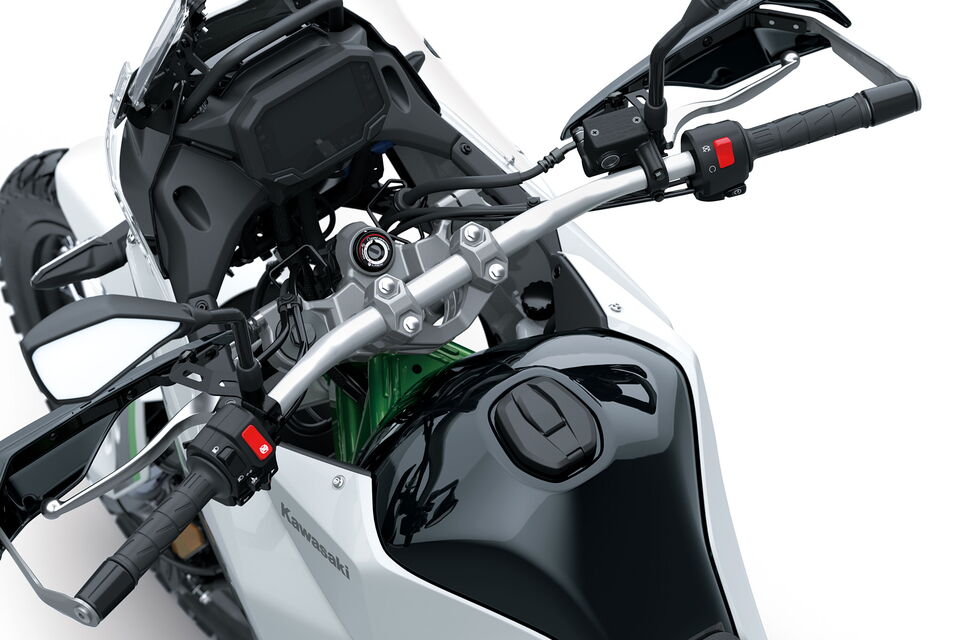
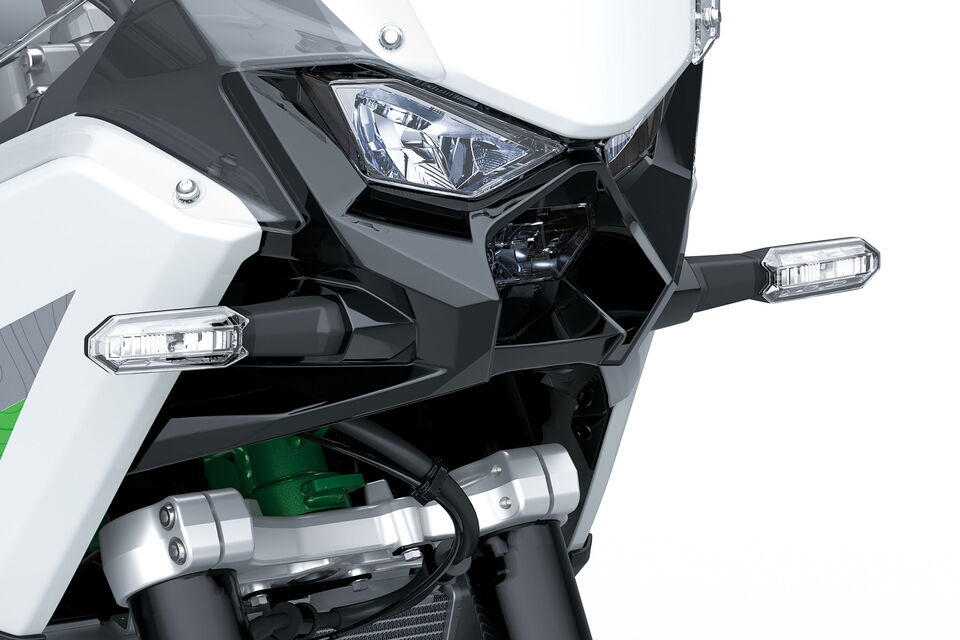
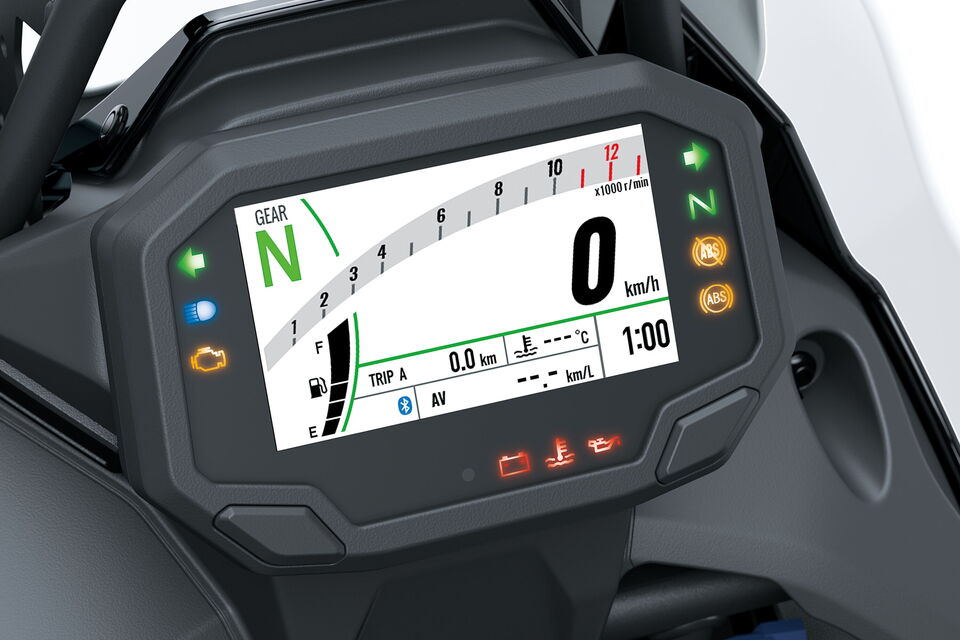
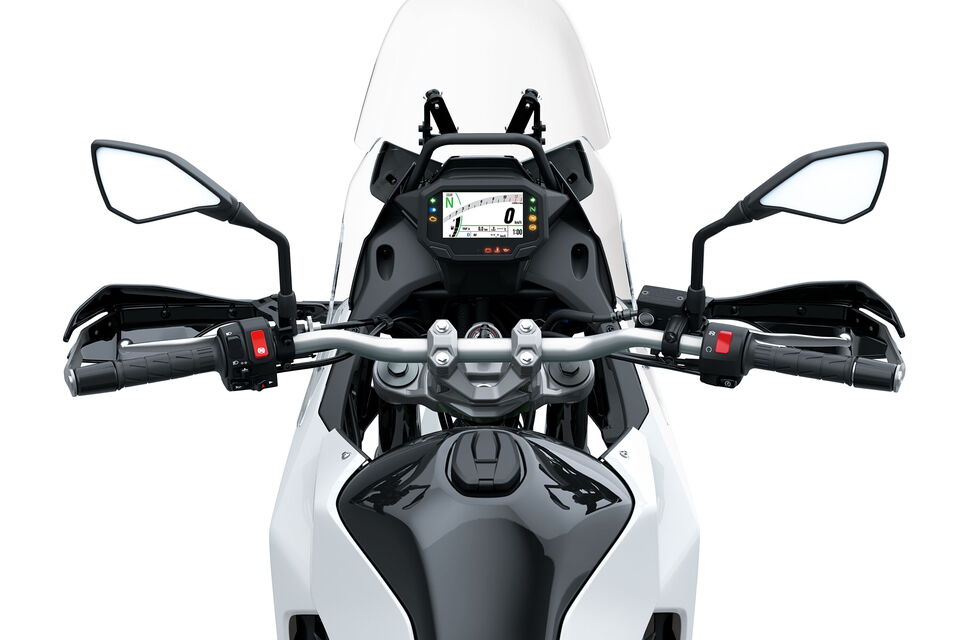
Engine, chassis, geometry, and weight are essentially identical between the SE and the base model. The SE adds five concrete upgrades. First, a 4.3-inch color TFT with smartphone connectivity through the Rideology app replaces the base model’s LCD. Second, the aluminum skid plate is larger and provides more protection for the engine and crankcases on gravel and rough terrain. Third, the handguards are metal-reinforced, making them considerably more durable in real adventure use than simple plastic guards. Fourth, the SE windshield is taller than the base version and therefore provides more wind protection on the road. Fifth, LED turn signals replace conventional bulb units.
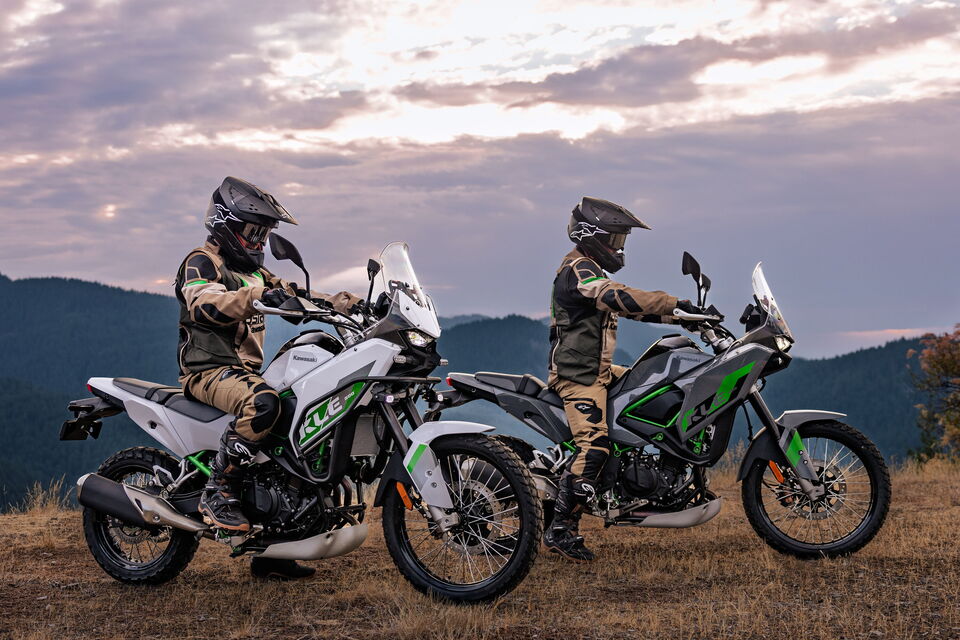
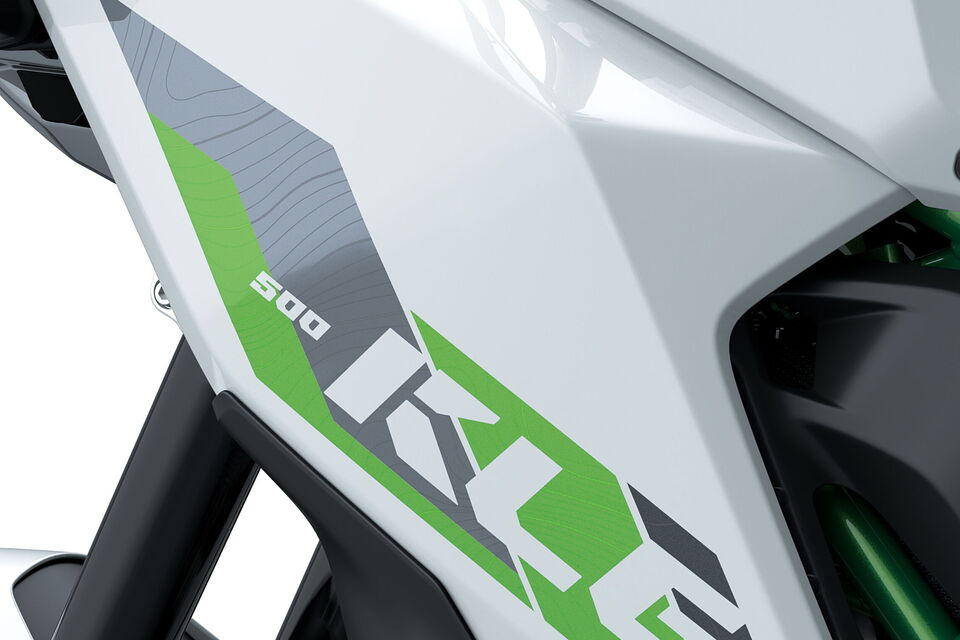
The SE also comes in different colors: Pearl Blizzard White and Pearl Storm Gray, while the base model is offered in Metallic Carbon Gray/Ebony. The SE weighs only one kilogram more than the base bike—195 versus 194 kg. For an enduro with this amount of suspension travel and this intended use, the SE package is the more logical buy. If you purchase a KLE 500 with plans to ride off-road, the metal-reinforced handguards and larger skid plate might justify themselves with the very first gravel section you encounter.
Engine: 451 cc, 45 hp, 42.6 Nm—Rev-Happy, High-Spinning, and Punchier Down Low Than the KTM and Royal Enfield
The liquid-cooled, DOHC 451 cc parallel twin is the familiar 500-series engine from the Z500 and Ninja 500. For the KLE 500, Kawasaki revised the ECU mapping and changed final gearing to 15/46, giving it a slightly shorter, more off-road-friendly ratio. The engine spins up quickly, unusual for an adventure bike. A light flywheel gives it a spontaneous, eager character that builds noticeable power at higher rpm. At very low engine speeds it can be slightly reluctant and responds with a bit of grumbling. That is not a major obstacle; it is simply the engine reminding you to use the right gear and give it some revs.
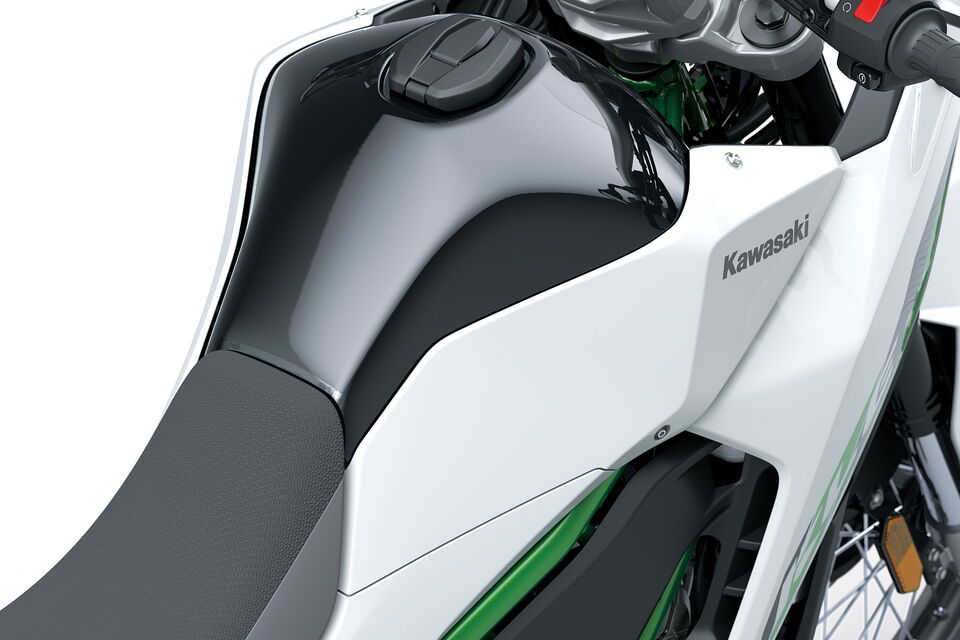
Against direct rivals in the A2 adventure segment, the KLE feels punchier off the bottom than the KTM 390 Adventure and Royal Enfield Himalayan 450. The parallel twin’s linear midrange delivery and stronger pull toward the top end make sense in a travel enduro. Realistic fuel consumption is around 5.0 L/100 km. With a 16-liter tank, range is roughly 320 km, a solid figure for an A2 adventure bike.
Chassis: KYB USD Cartridge Fork, 210 mm Front, 196 mm Rear—No External Adjustment, but Well Tuned
The 43 mm KYB upside-down cartridge fork provides 210 mm of front-wheel travel, while the KYB Uni-Trak rear shock offers 196 mm. Only rear spring preload is adjustable. There are no external compression or rebound adjusters on either the fork or shock. On a spec sheet, that is easy to count as a weakness. In principle, however, a well-developed shim-stack damping system without external adjustment can work better than an adjustable needle-valve fork at the same price point. The real-world result supports that view: the suspension absorbs bumps confidently, does not wallow afterward, holds its line cleanly, and inspires plenty of confidence even in faster corners.
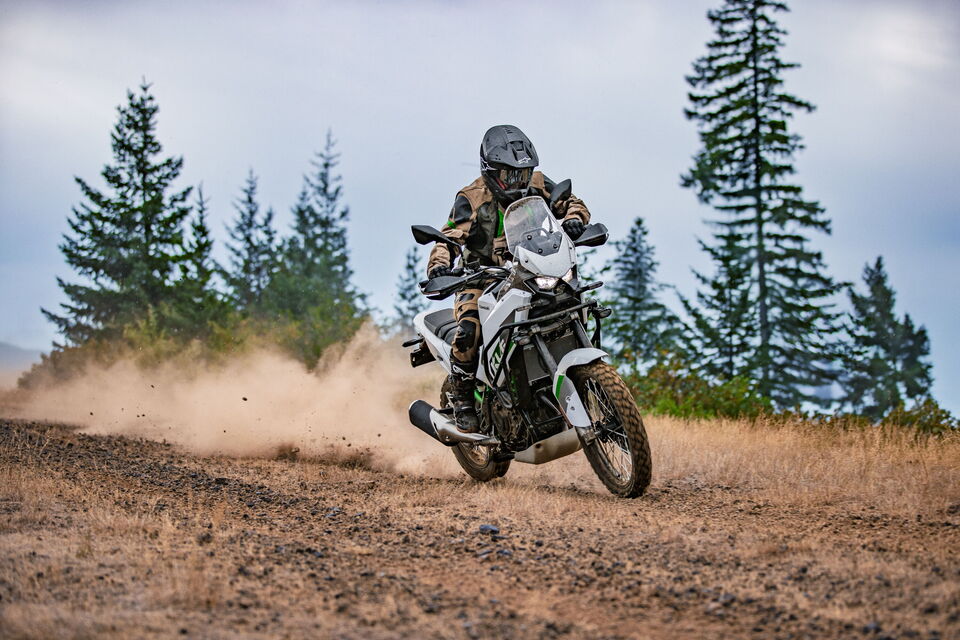
Off-road, the suspension performs well for a motorcycle with this positioning. Gravel roads, moderate forest tracks, and light rocky terrain are no problem. Riders who want to attack hard terrain at speed or hit difficult obstacles aggressively will find the limits of the calibration—and especially the limited 185 mm ground clearance. The low-mounted engine is the main reason for that figure. It significantly lowers the center of gravity, which makes the handling feel noticeably light, but it also limits the space between the underside of the motorcycle and the ground. On deeper impacts at a brisk pace, the suspension reaches its limits and can bottom out.
Ergonomics: 870 mm Seat Height, Four Seat Options, Natural Standing and Seated Positions—and a Windshield That Promises Too Much
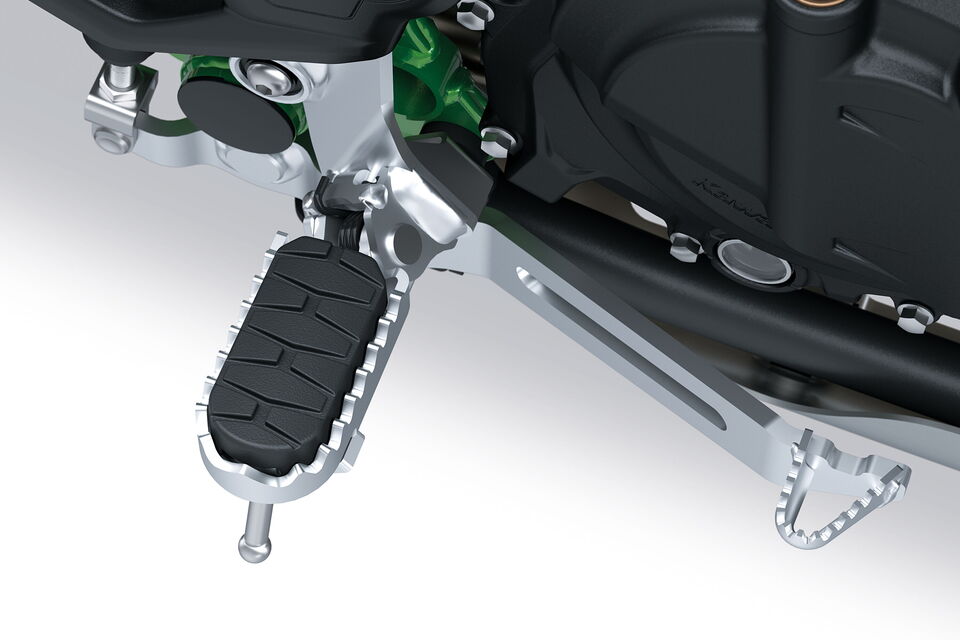
At 870 mm, the KLE 500 is not a motorcycle for riders with especially short legs. The narrow waist helps, however: even shorter riders can reach the ground reasonably well because the legs are not pushed outward by broad bodywork. Kawasaki offers four different seat options through the accessory catalog, providing a significant adjustment range both upward and downward. The seated and standing riding positions feel natural and relaxed, working well both on the road and when standing off-road. A wide aluminum handlebar, well-positioned footpegs with tool-free removable rubber inserts for street or dirt use, and plenty of room for body movement create a coherent ergonomic package.
The biggest and most consistent criticism is the windshield. Even the taller SE screen reaches only around nose height for an average-size rider and creates turbulence from the sides. Adjustment requires four Allen bolts in awkward positions. It cannot be changed while riding, and even at a standstill the process is cumbersome. For an adventure bike intended to cover longer highway sections, that is a noticeable weakness. The fact that this emerges as the biggest complaint is also indirect praise: almost everything else performs better than a simple spec-sheet comparison would suggest.
Cost: €7,695 Including Destination—€800 More Than the Base Model for a Substantially More Useful Package
The KLE 500 SE costs €7,695 including destination. The base model is €6,895 including destination. The €800 premium buys a TFT instead of an LCD, metal-reinforced handguards, a larger aluminum skid plate, a taller windshield, and LED turn signals. If you plan to take the motorcycle off pavement, that €800 is money well spent. The skid plate and handguards can pay for themselves the first time the bike meets the ground.
Against the competition, the CFMoto 450 MT costs €6,499, the Honda NX500 €8,429, and the KTM 390 Adventure X starts at €6,294 plus additional charges. The KLE 500 SE sits in the middle of the segment: more expensive than the CFMoto, less expensive than the Honda. Compared with the KTM, its parallel twin delivers a distinctly different sound and feel from the KTM single-cylinder. Against the CFMoto 450 MT, the KLE counters with Kawasaki’s broader dealer network, established parts availability, and a motorcycle that performs slightly better in testing. The four-year warranty and 12,000 km service interval are also attractive.
Verdict
The KLE 500 SE is not a spectacular motorcycle—and that is its greatest compliment. It delivers exactly what an A2 adventure bike should: a good chassis, a friendly but lively engine, everyday ergonomics, a solid accessory program, and a fair price for what you get. The windshield is the one genuine annoyance and simply should be better. If you pay the SE premium, you are buying the right package: the skid plate and handguards make sense the first time the trip becomes a real adventure.
Quick Check
+ SE package value: 4.3-inch TFT with Rideology app, larger aluminum skid plate, metal-reinforced, taller windshield, LED turn signals—a substantial upgrade list for an €800 premium.
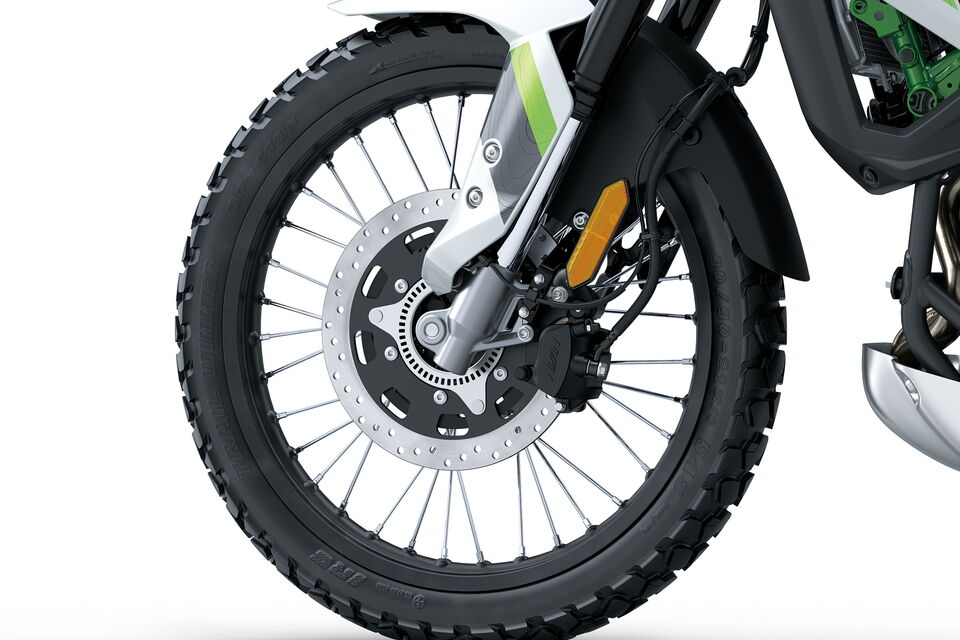
+ 21-inch spoked front wheel: genuine enduro stance and better absorption over rough surfaces.
+ 43 mm KYB cartridge USD fork with 210 mm travel; KYB Uni-Trak rear shock with 196 mm: generous suspension travel for the class.
+ Suspension tuning: comfort-oriented, composed on poor roads and in light off-road use; does not wallow despite the soft setup.
+ 451 cc parallel twin: punchier off the bottom than the KTM 390 Adventure X and Royal Enfield Himalayan 450.
+ New high-strength steel trellis frame: optimized for stability at low weight; 195 kg ready to ride.
+ 870 mm seat height with a narrow waist: shorter riders can still reach the ground reasonably well; four accessory seat options.
+ Footpegs with removable rubber inserts: tool-free conversion for street or off-road use.
+ 16-liter tank; approx. 320 km range at a realistic 5.0 L/100 km.
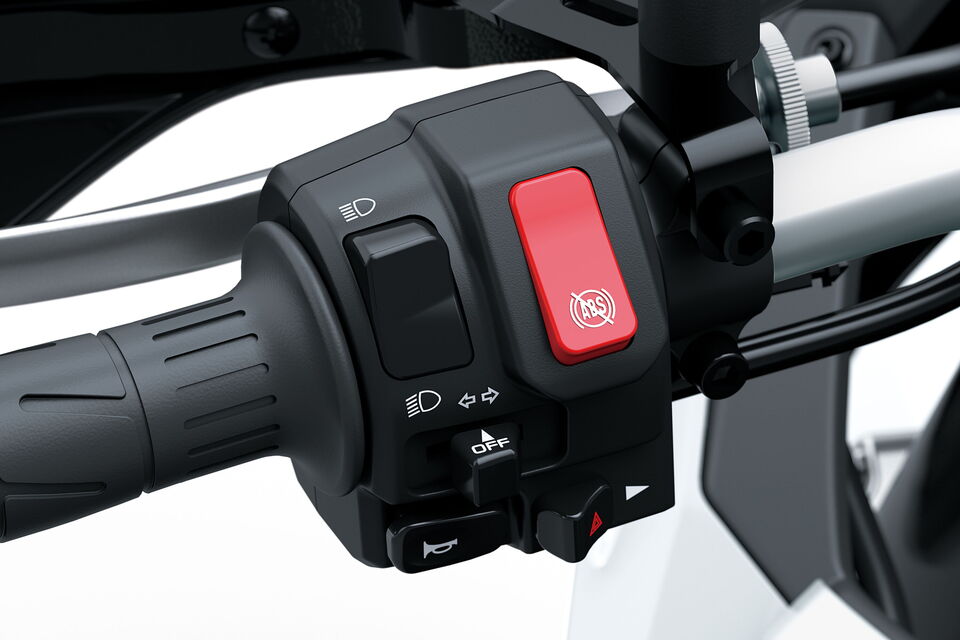
+ ABS can be switched off for loose surfaces—sensible and consistent for an enduro.
+ Accessory range: panniers, top case, heated grips, USB-C port, fog lights, center stand, crash bars, Akrapovic titanium muffler with carbon heat shield.
+ 4-year warranty; 12,000 km service interval; A2-compatible without restriction kit.
+ Kawasaki dealer network and parts supply provide confidence in long-term availability.
+ Rider height 1.95 m: fits without meaningful restriction.
– Windshield is the biggest criticism. Even the taller SE screen reaches only around nose height for an average-size rider and creates side turbulence.
– Windshield adjustment requires four Allen bolts in awkward locations; no adjustment while riding.
– Suspension is not externally adjustable except for rear preload: limited setup range for ambitious off-road riders; fork can bottom on deeper impacts at speed.
– 185 mm ground clearance is low for an enduro with 210 mm of front travel, a consequence of the low-mounted engine; large obstacles and serious terrain are not the target.
– 17-inch rear wheel limits serious off-road tire choice compared with an 18-inch rear.
– No quickshifter, cruise control, or traction control: a disadvantage on paper versus some rivals.
– Brake and clutch lever reach is not adjustable.
– Engine at very low rpm: slight grumbling; needs revs for confident power delivery.
– No explicitly green SE color available; SE comes only in white and gray.
Technical Specifications: Kawasaki KLE 500 SE (2026)
Country of Manufacture: Japan, Kawasaki
Engine: Parallel twin, 451 cc, liquid-cooled, DOHC; fuel injection; KLE 500-specific ECU mapping; 15/46 gearing; assist/slipper clutch; six-speed; no quickshifter
Power: 45.4 hp / 33.4 kW at 9,000 rpm; A2-compatible
Torque: 42.6 Nm at 6,000 rpm
Electronics: Dual-channel ABS; ABS can be switched off for loose surfaces; no traction control; no cruise control; no quickshifter
Display, SE: 4.3-inch color TFT; Kawasaki Rideology app; Bluetooth connectivity; base model uses LCD
SE Extras: Larger aluminum skid plate; metal-reinforced handguards; taller windshield; LED turn signals
Frame: High-strength steel trellis frame with bolt-on lower rails
Fork: 43 mm KYB USD cartridge fork; 210 mm travel; no external adjustment
Rear Shock: KYB Uni-Trak; continuously adjustable spring preload; 196 mm travel; no external damping adjustment
Front Brake: Two-piston caliper; 300 mm disc; switchable ABS
Rear Brake: Single-piston caliper; 230 mm disc; ABS
Wheels: Wire-spoke wheels; 21-inch front; 17-inch rear
Tires: 90/90-21 front; 140/70-17 rear; enduro-capable street tires
Footpegs: Removable rubber inserts, tool-free; street or off-road configuration
Windshield: Three positions: standard, +27 mm, +55 mm; adjusted with Allen bolts, no quick adjuster
Weight: 195 kg fully fueled, SE; standard 194 kg; dry weight 176 kg
Seat Height: 870 mm; four accessory seat options available
Ground Clearance: 185 mm
Wheelbase: No official figure; typical class range approx. 1,480–1,530 mm
Fuel Tank: 16 liters; approx. 300–320 km range at a realistic 5.0 L/100 km
Stationary Noise: Not officially published
License: A2, 33.4 kW / 45 hp; power-to-weight ratio approx. 172 kW/t; A
SE Colors: Pearl Blizzard White; Pearl Storm Gray; base model: Metallic Carbon Gray / Ebony
Accessories: Panniers, top case, heated grips, USB-C port, fog lights, center stand, crash bars, Akrapovic titanium muffler with carbon heat shield, seat options
Warranty: 4-year Kawasaki factory warranty
Service: Every 12,000 km or once annually
Price in Germany: €7,695 including destination. Base model: €6,895 including destination. SE premium: €800