Review Kawasaki Ninja 500 SE (2026)

The Lightest A2 Sportbike With Real Ninja Styling—172 kg, 45 hp, TFT, KIPASS, and a Test-Winner Reputation
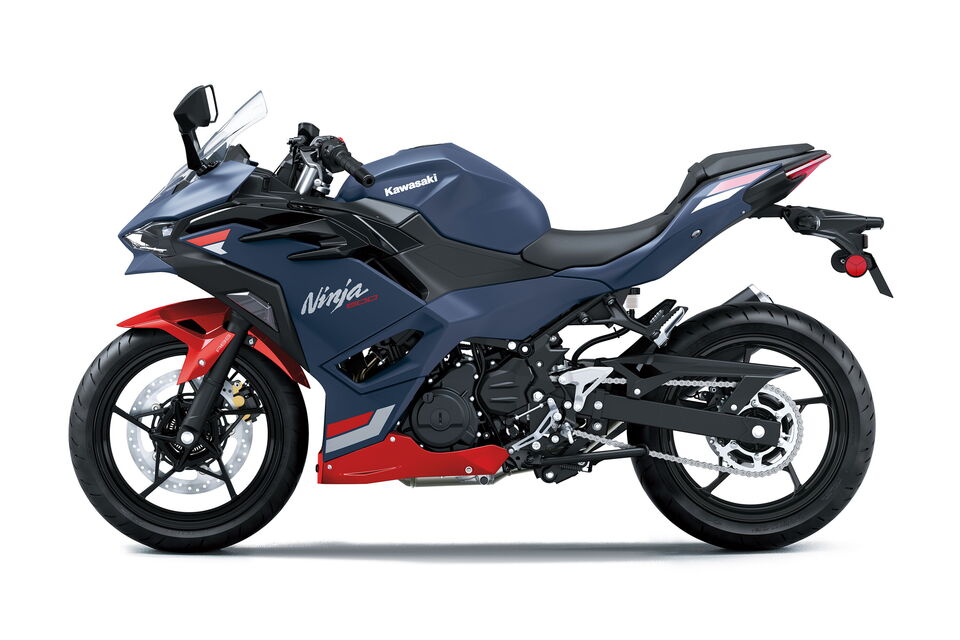
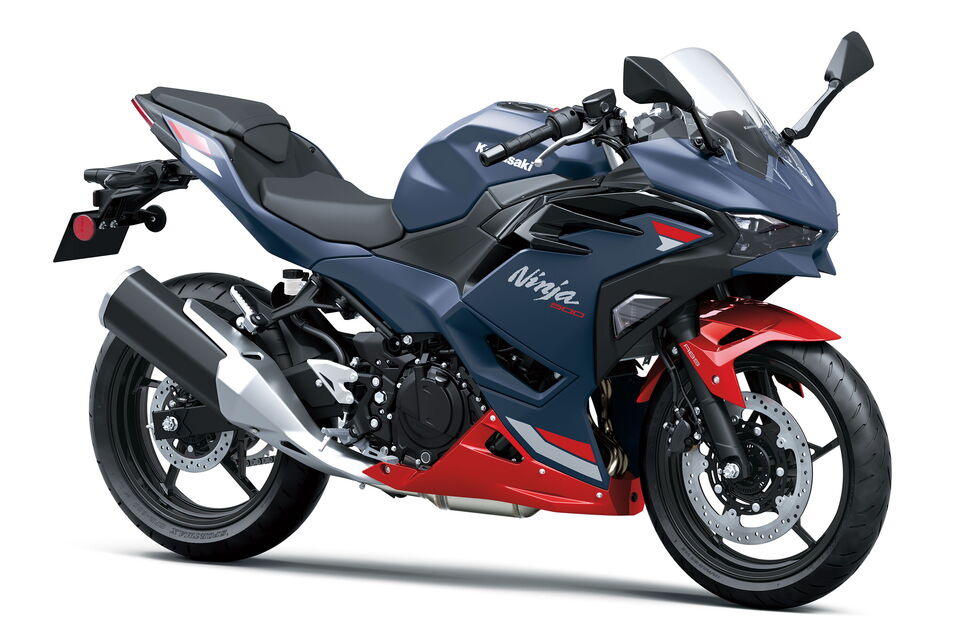
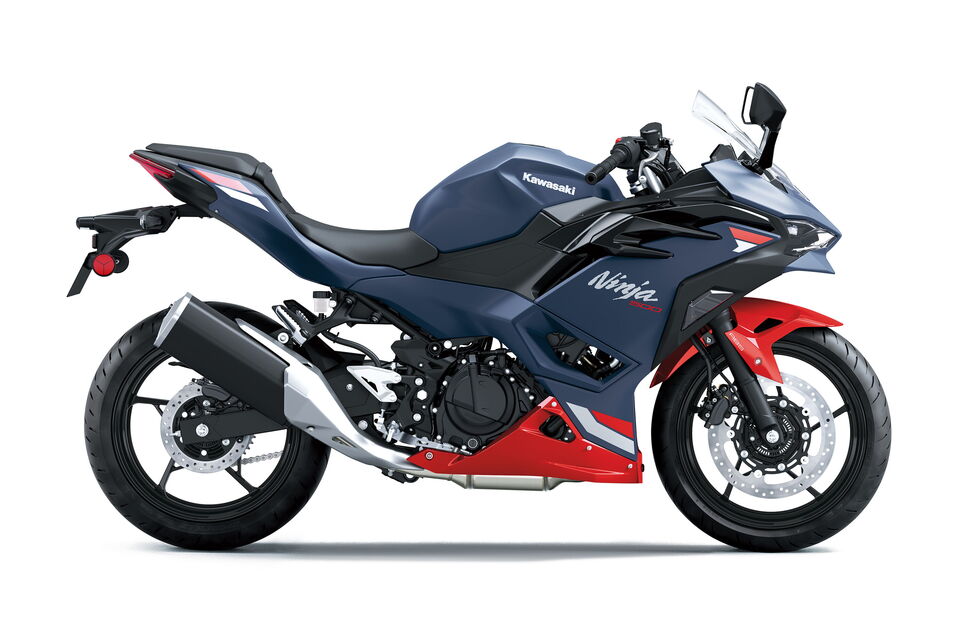
172 kilograms, 45 hp, big-bike looks, KIPASS transponder ignition, a color TFT, USB-C as standard, and an 89 dB(A) stationary-noise figure. In Germany, only the SE version is available. Model year 2026 brings two new color combinations—including the striking two-tone Twilight Blue and Candy Persimmon Red—on a technically unchanged platform.
As of: April 15, 2026 | Model: Kawasaki Ninja 500 SE (2026) | Price: €7,495 including destination | Warranty: 4 years | Stationary noise: 89 dB(A), Tyrol-compliant | License: A2, 33.4 kW / 45 hp | Germany: SE version only | MY2026: technically unchanged, new colors

Concept: The Ninja Is Not a Consolation Prize for Beginners—it Looks Like a Supersport and Rides Like One
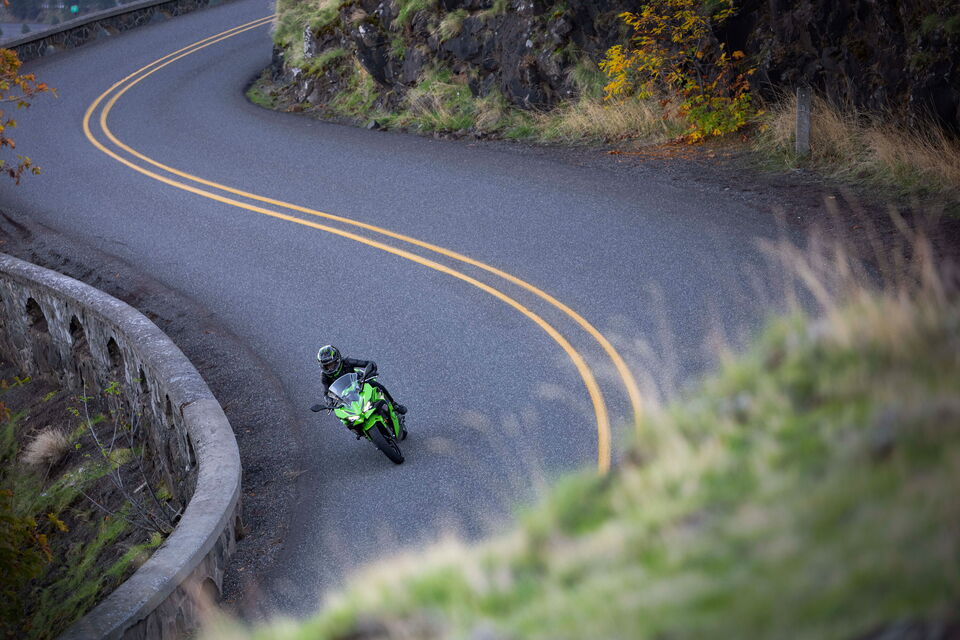
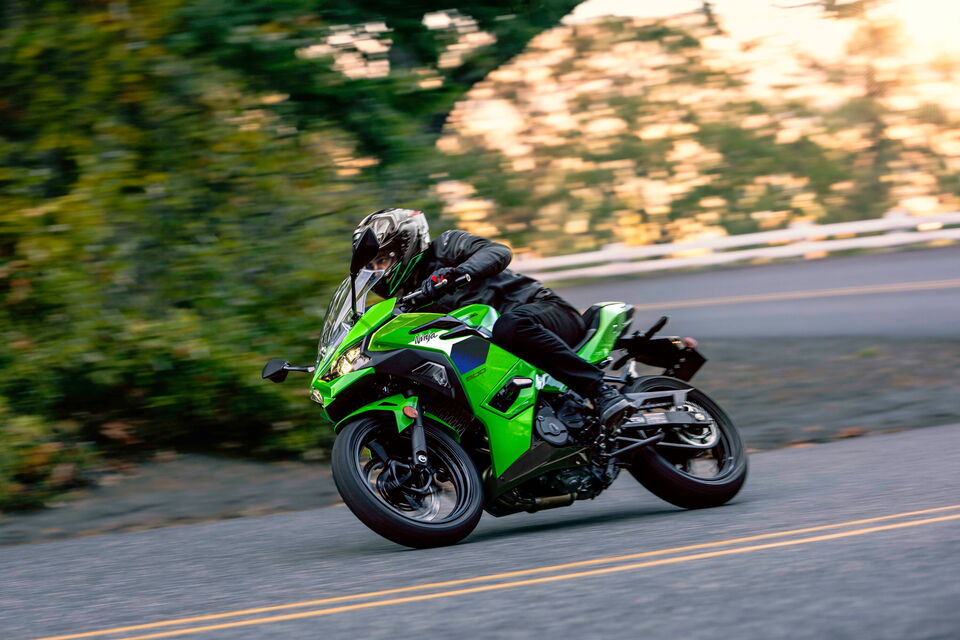
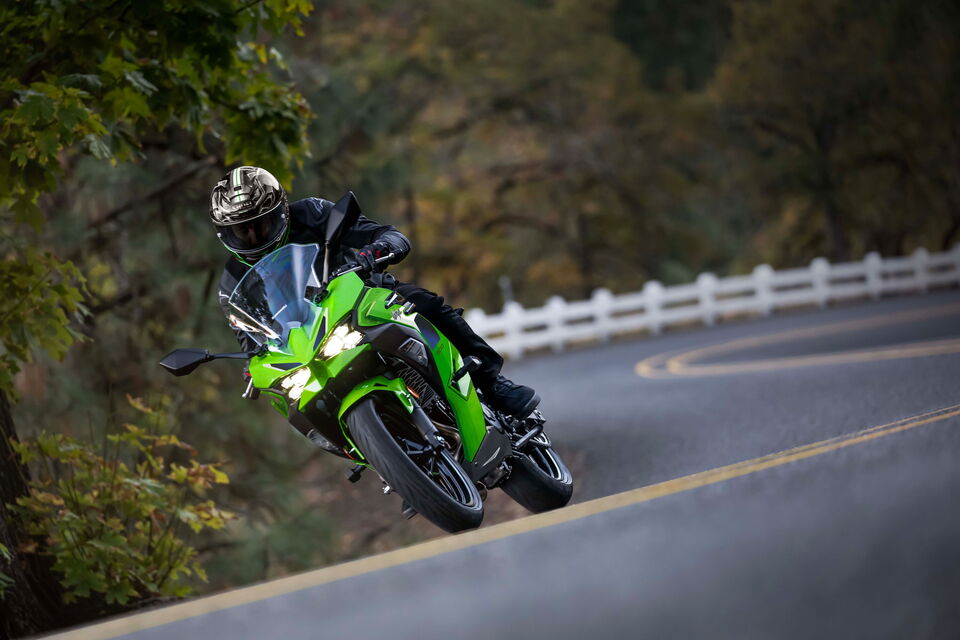
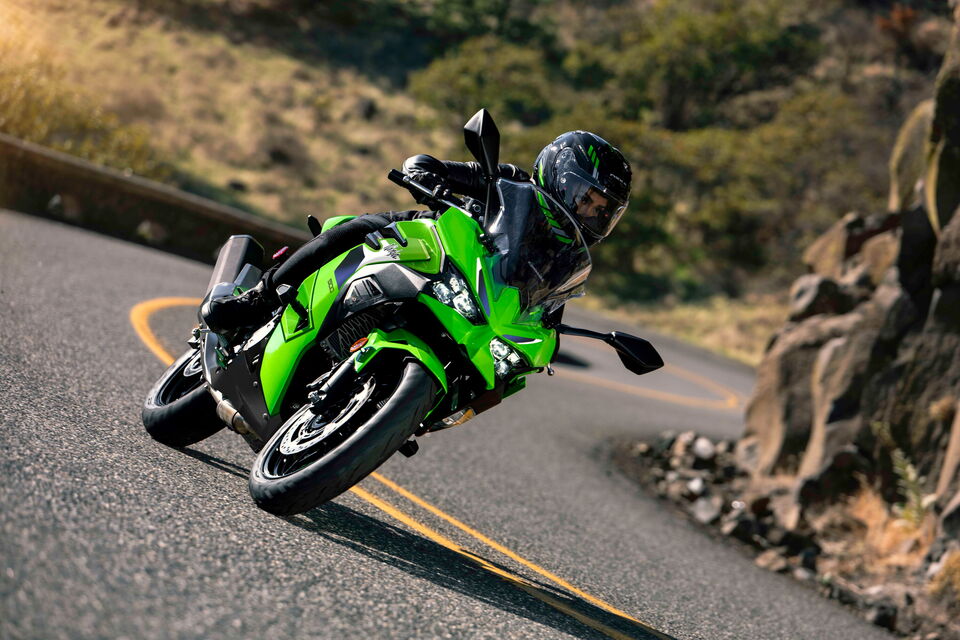
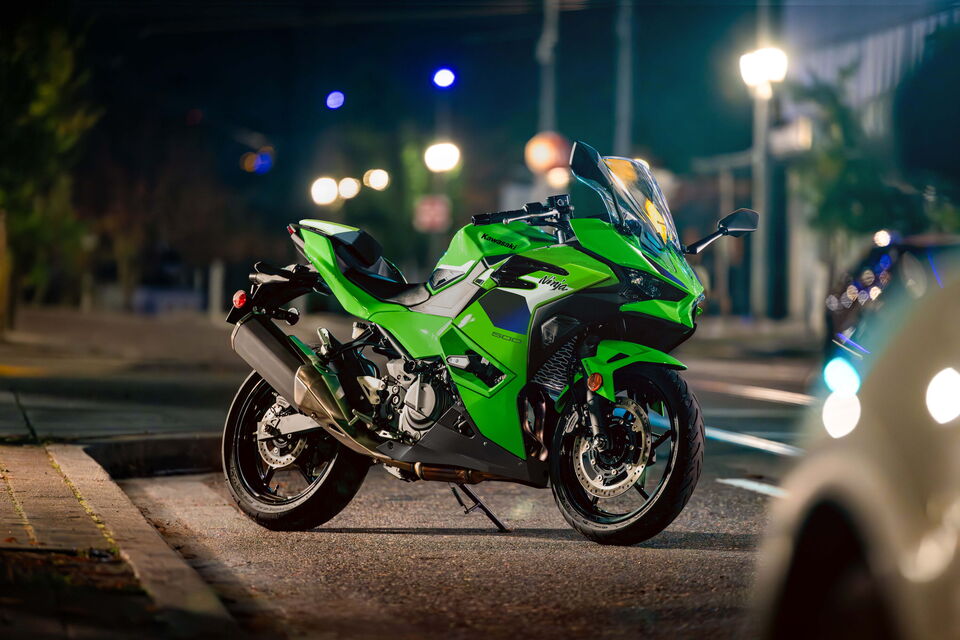
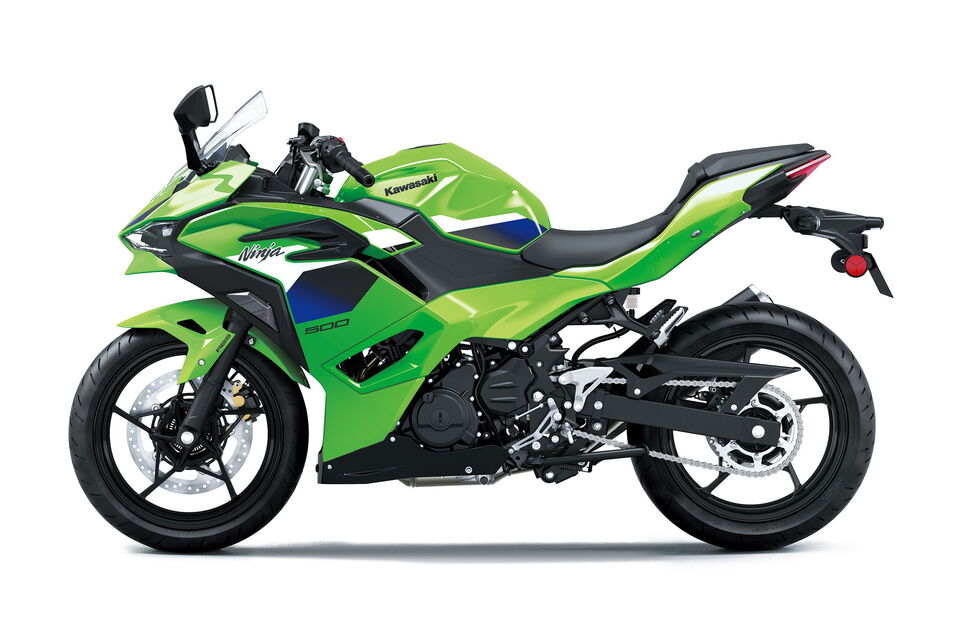
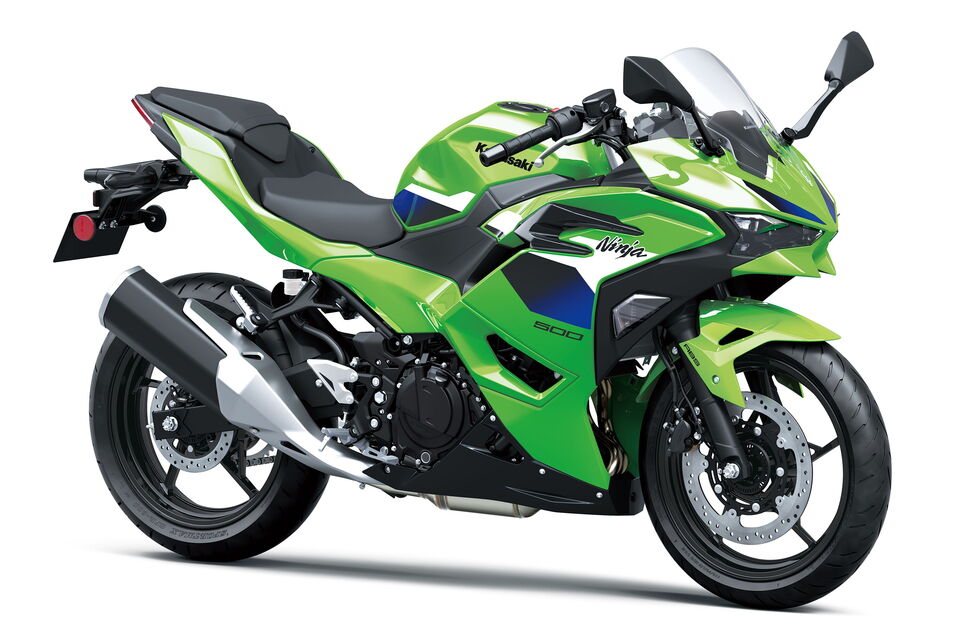
Kawasaki has used the Ninja name for its sporting motorcycles since 1984. The original GPZ900R was one of the defining production sportbikes of its era. What does that have to do with the Ninja 500 SE? More than you might think. The full fairing, twin compact LED headlights, and lower spoilers create the visual presence of a genuine supersport motorcycle—and that is entirely deliberate.
Kawasaki designed the Ninja 500 to look, at every lean angle and from every viewpoint, as though there is considerably more beneath the bodywork than 45 hp from 451 cc. The engine is rigidly mounted as a stressed member in a trellis frame whose construction takes cues from the Ninja H2. The result is a compact, lightweight chassis with a short wheelbase and long swingarm.
In Germany, only the SE version is sold. The non-SE base model is not available. That means every German buyer automatically gets the full equipment package: TFT display, KIPASS transponder ignition, USB-C charging port, and Bluetooth connectivity. Model year 2026 adds two new color combinations but is technically identical to the launch-year 2024 model.
Engine: 451 cc, 45 hp, 42.6 Nm—the Same Powerplant as the Z500 and KLE 500, but With Sportbike Character
The liquid-cooled, DOHC 451 cc parallel twin is the heart of Kawasaki’s entire 500 trio. In the Ninja 500 it is tuned around sportbike character: linear, eager to rev, and useful across a broad rpm range. It works just as well at lower engine speeds for relaxed city riding as it does higher up the tach on an open backroad. The assist-and-slipper clutch reduces lever effort and helps prevent rear-wheel hop during abrupt downshifts. The six-speed transmission shifts smoothly and directly.
The Ninja 500 SE uses almost the entire A2 power-to-weight allowance of 0.2 kW per kilogram. At 172 kg fully fueled and 33.4 kW, it comes in at roughly 0.194 kW/kg, just below the legal limit. That is no accident. Kawasaki deliberately optimized the motorcycle around the A2 ceiling to give license holders as much legal performance as possible. It also explains why the bike feels stronger and livelier than the absolute horsepower figure suggests. This is not a larger motorcycle strangled down to A2 output; it was engineered from the outset for the class.
Chassis and Handling: 172 kg, Razor-Agile, Easy to Control—the Rear Could Use More Adjustability
At 172 kg fully fueled, the Ninja 500 SE is exceptionally light for a fully faired A2 sportbike. That weight defines its character. The motorcycle is easy to move in every situation, demands little muscle while parking or maneuvering, and changes lean angle with a lightness that quickly builds confidence in newer riders. In corners, it feels playful, precise, and consistently manageable. Narrow tires—110/70-17 front and 150/60-17 rear—combine with the low mass to make spontaneous line corrections just as easy as planned, deeper lean angles.
The suspension itself is simple. Up front is a conventional non-adjustable 41 mm telescopic fork; at the rear is a monoshock with adjustable spring preload. On broken pavement, the rear struggles to absorb every sharp impact and passes some of those shocks noticeably to the rider. That is the chassis’ only obvious weakness and is most apparent on poor roads. For its primary environment—good backroads and city riding—the setup is entirely appropriate for a 45 hp sportbike. An adjustable brake lever would also be welcome.
SE Equipment: Color TFT, KIPASS Transponder Ignition, USB-C, Bluetooth—All Standard
In Germany, the SE version includes all the relevant features that would be missing from the base model. The 4.3-inch color TFT presents the riding information clearly and connects by Bluetooth to Kawasaki’s Rideology app, which provides ride data, smartphone notifications, and trip logs. A permanently installed USB-C port allows phones to be charged on the move. KIPASS provides keyless starting by transponder: the key can stay in your pocket, and simply bringing the transponder within range allows the ignition to be activated.
Full LED lighting—headlight, turn signals, and taillight—and dual-channel ABS are standard. What the Ninja 500 SE does not have, even as an option, is traction control, a quickshifter, riding modes, or cruise control. On a 45 hp sportbike, those omissions are understandable. The fixed windshield is not adjustable and is not intended for endless high-speed highway use. Kawasaki offers a larger tinted screen through the accessory catalog for riders planning longer trips.
Ergonomics: 785 mm Seat Height, Sporting Rider Triangle, Everyday-Friendly Without Extreme Knee Bend
A 785 mm seat height is moderate for a fully faired sportbike, and the narrow seat profile makes the ground easy to reach. Kawasaki deliberately avoided an extreme supersport rider triangle. The bars sit slightly higher and the footpegs slightly farther forward, producing a position that looks and feels sporty without punishing the wrists over time. That makes the Ninja 500 SE an everyday sportbike that does not become a penalty box on longer rides. An occasional passenger gets a standard pillion seat and grab handles.
For an A2 rider starting out or returning to motorcycling after a break, the Ninja 500 SE has one important quality: it is both beginner-friendly and a complete motorcycle. It may have 'only' 45 hp, but its low weight and easy handling keep inexperienced riders out of trouble without making the bike feel like a toy. There is one limitation to the concept: after moving from an A2 to a full A license, there is no higher-output version waiting to be unlocked. The Ninja 500 SE is not a restricted 80 hp motorcycle. If you want substantially more power later, you will need another bike.
Cost: €7,495 Including Destination—Full SE Equipment, Four-Year Warranty, Low Running Costs
The Ninja 500 SE costs €7,495 including destination. For a fully faired A2 sportbike with TFT, KIPASS, USB-C, LED lighting, and transponder ignition, that is a fair package. The Honda CBR500R, its most direct rival, starts at €8,429 in Germany with E-Clutch. The KTM RC 390 is being sold off at around €6,800. The Kawasaki sits in the middle on price and offers the most comprehensive standard electronics package of the group.
Kawasaki’s starter bonus gives newly licensed riders a €500 discount—451 cc at €1 per cc, capped at €500—bringing the effective entry price below €7,000. Service intervals are 12,000 km and the warranty is four years. Accessories include a larger tinted windshield, passenger-seat cover, and a Remus sport exhaust as part of the Performance Edition.
Verdict
The Ninja 500 SE is the A2 sportbike that makes the fewest compromises in design and appearance. At 172 kg, with razor-agile handling and the complete SE equipment package fitted from the factory, it feels like a proper Ninja rather than an entry-level substitute. Riders who already know they will move to a more powerful motorcycle after two years of A2 ownership will find an ideal starting point here. Anyone planning to keep the same motorcycle after upgrading to a full A license should remember the concept’s one hard limit: there is no extra power waiting to be unlocked.
Quick Check
+ 172 kg ready to ride: one of the lightest fully faired A2 sportbikes in the segment and significantly lighter than the Honda CBR500R.
+ Uses almost the full A2 power-to-weight limit of 0.2 kW/kg: near-maximum legal performance for the class.
+ Big-bike styling: Ninja design with twin compact LED headlights and spoilers evokes Kawasaki’s genuine supersport models.
+ KIPASS transponder ignition standard on the SE: keyless starting when the transponder is nearby.
+ 4.3-inch color TFT standard: Rideology app, Bluetooth, smartphone notifications.
+ USB-C charging port standard on the SE.
+ Full LED lighting and dual-channel ABS standard.
+ 89 dB(A) stationary noise: very quiet and comfortably below the Tyrol limit.
+ Extremely agile handling thanks to low weight; everyday-friendly sporting ergonomics without extreme knee bend.
+ Dunlop Sportmax GPR-300 original-equipment tires: good grip into deep lean angles with comfortable ride quality.
+ Trellis frame architecture inspired by the Ninja H2; short wheelbase, long swingarm.
+ A2-compatible from the factory: no restriction kit required.
+ €7,495 including destination; €500 Kawasaki starter bonus available; 4-year warranty; 12,000 km service interval.
+ Three MY2026 color choices: Lime Green, Metallic Matte Twilight Blue/Candy Persimmon Red, and Metallic Flat Spark Black/Metallic Spark Black.
– Cannot be upgraded after moving to a full A license: there is no restriction-kit concept, so riders wanting substantially more power later need another motorcycle.
– Rear suspension on poor roads: sharp bumps are passed noticeably to the rider.
– No external fork adjustment, with rear preload only: limited setup range.
– No adjustable brake lever.
– Fixed windshield: no on-the-fly adjustment and limited wind protection for sustained highway riding.
– No traction control, quickshifter, or cruise control: appropriate for a pure A2 sportbike, but behind some rivals on paper.
– 14-liter tank: theoretical range around 350 km; less for riders using more fuel at a sporting pace.
– No base model in Germany: SE is the only choice, with no cheaper entry version.
– Some Rideology app functions require a subscription.
Technical Specifications: Kawasaki Ninja 500 SE (2026)
Country of Manufacture: Japan, Kawasaki
Engine: Parallel twin, 451 cc, marketed as 500; liquid-cooled, DOHC; fuel injection; assist/slipper clutch; six-speed; no quickshifter
Power: 33.4 kW / 45 hp at 9,000 rpm; A2-compatible from the factory with no restriction kit
Torque: 42.6 Nm at 6,000 rpm
Power-to-Weight Ratio: Approx. 194 kW/t, close to the A2 maximum of 200 kW/t
Electronics: Dual-channel ABS; no traction control; no riding modes; no cruise control
SE Equipment: 4.3-inch color TFT; KIPASS transponder ignition; USB-C standard; Bluetooth Rideology app; full LED lighting
Frame: Steel trellis frame with construction inspired by Ninja H2; engine rigidly mounted as a stressed member
Fork: Conventional 41 mm telescopic fork; non-adjustable; 120 mm travel
Rear Shock: Monoshock; adjustable spring preload; 105 mm travel
Front Brake: Single 310 mm semi-floating disc; four-piston caliper; dual-channel ABS
Rear Brake: Single 220 mm disc; single-piston caliper; ABS
Wheels: Cast aluminum; 17-inch front and rear
Tires: 110/70-17 front; 150/60-17 rear; Dunlop Sportmax GPR-300
Weight: 172 kg fully fueled
Seat Height: 785 mm
Fuel Tank: 14 liters; approx. 350 km range at 3.9 L/100 km WMTC
Stationary Noise: 89 dB(A), Tyrol-compliant
License: A2, 33.4 kW / 45 hp, directly without restriction; A
2026 Colors: Lime Green, GN3; Metallic Matte Twilight Blue / Candy Persimmon Red, BU1; Metallic Flat Spark Black / Metallic Spark Black, BK2, from February 2026
Availability in Germany: SE version only; base model not available
Accessories: Larger tinted windshield, passenger-seat cover, Remus sport exhaust, Performance Edition
Warranty: 4-year Kawasaki factory warranty
Service: Every 12,000 km
Price in Germany: €7,495 including destination. Kawasaki starter bonus: €500 for newly licensed riders