Review Kawasaki Ninja 650 (2026)

Sport-Touring in Ninja Clothing—68 hp, KTRC, TFT, and the Smartest A2 Entry Strategy in the Segment
The Ninja 650 looks like a supersport bike and rides like an everyday sport-tourer. A 649 cc parallel twin, 68 hp, two-level traction control, TFT display, and dual throttle valves all come standard—and the bike can be electronically restricted by the dealer to 48 hp for A2 riders without losing its basic character. Model year 2026 brings three new colors on a technically unchanged platform.
As of: April 15, 2026 | Model: Kawasaki Ninja 650 (2026) | Price in Germany: EUR 8,470 including destination for BK1 black; EUR 8,620 for gray/green | Warranty: 4 years | Stationary noise: 89 dB(A), Tyrol-compliant | A2: electronically restrictable to 48 hp / 35 kW for approx. EUR 249; reversible | MY2026: technically identical to EX650P since 2023, new colors
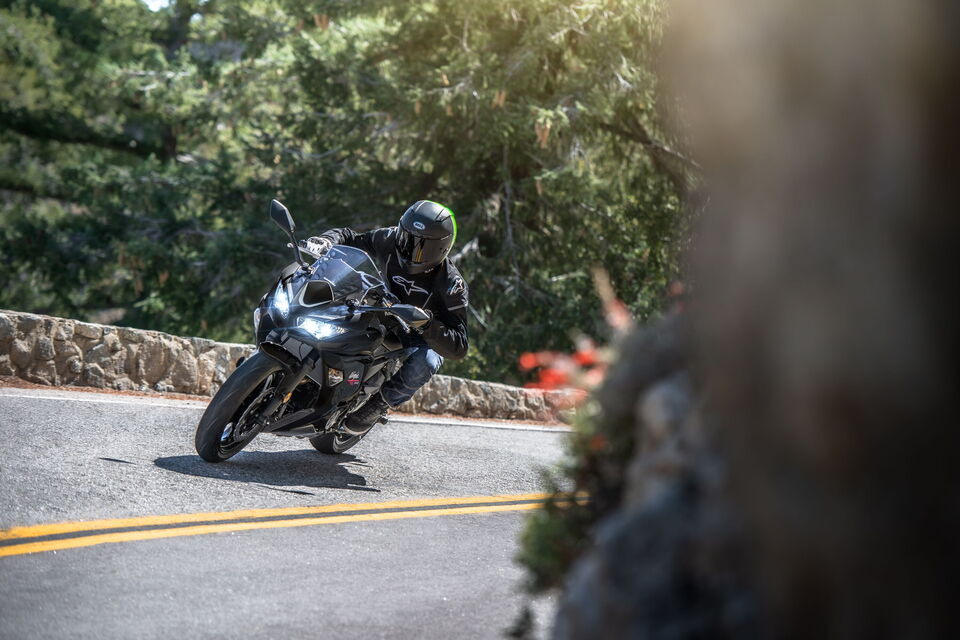
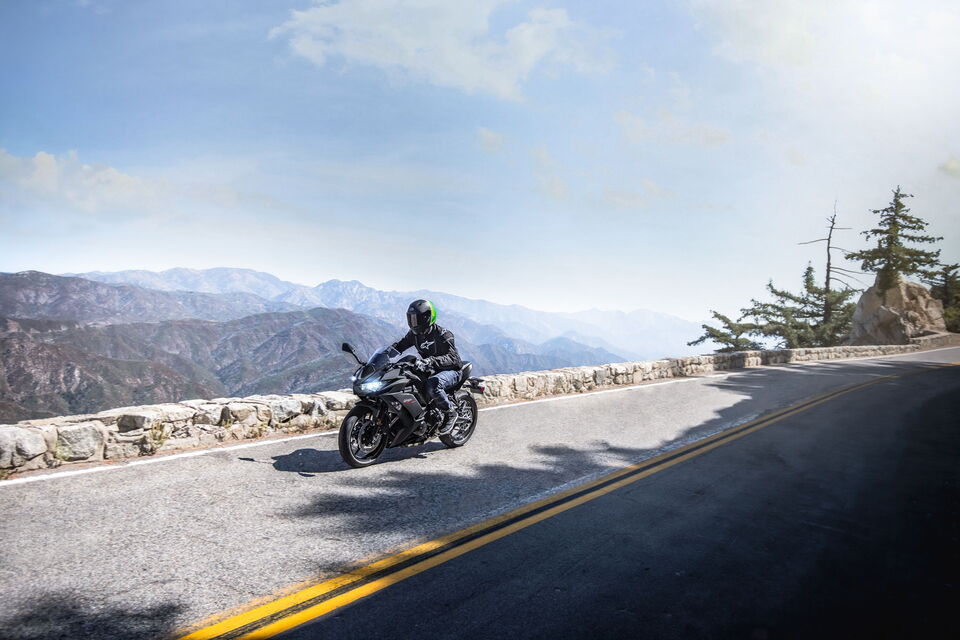
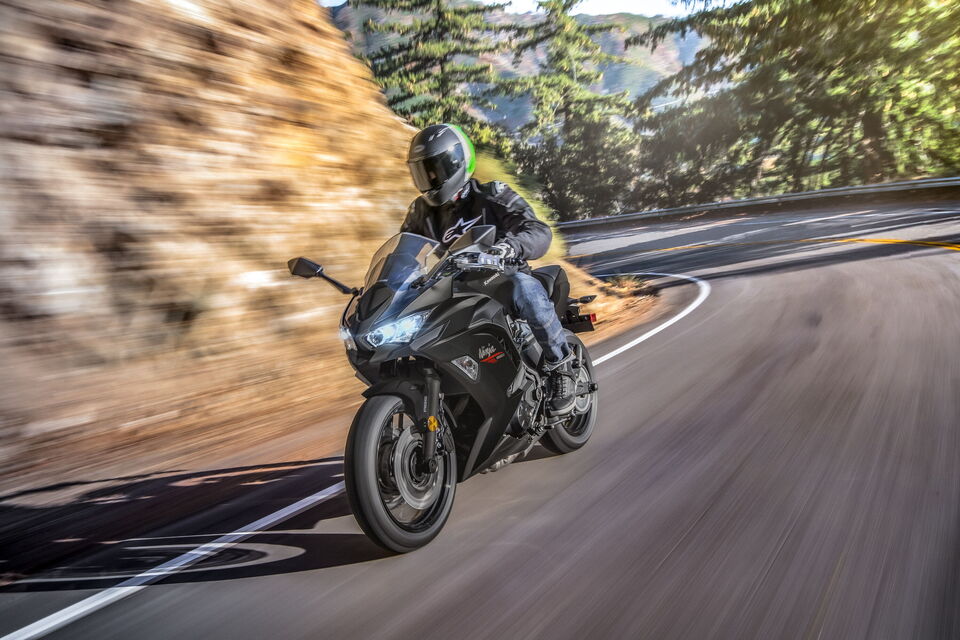
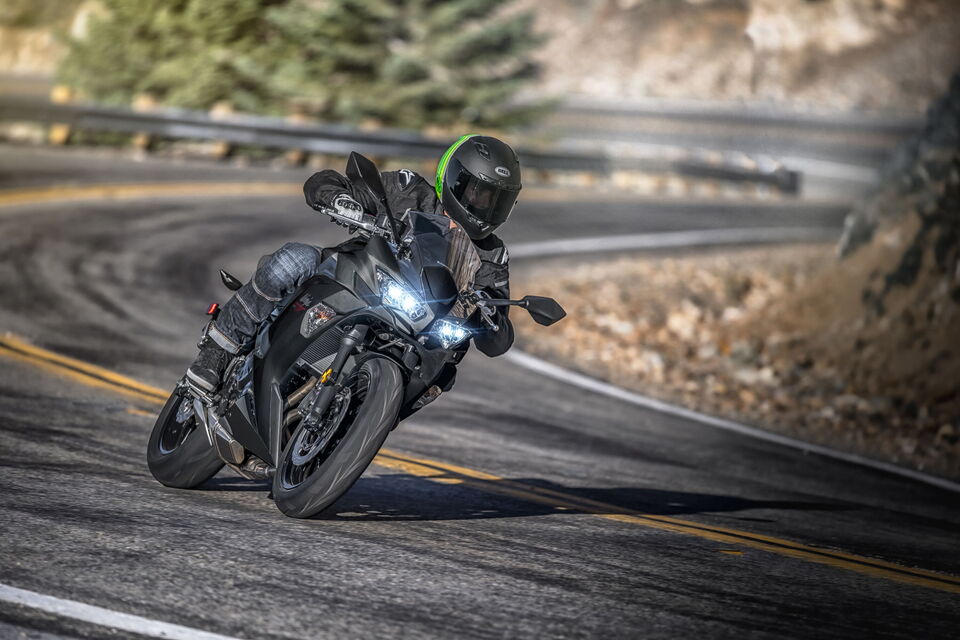
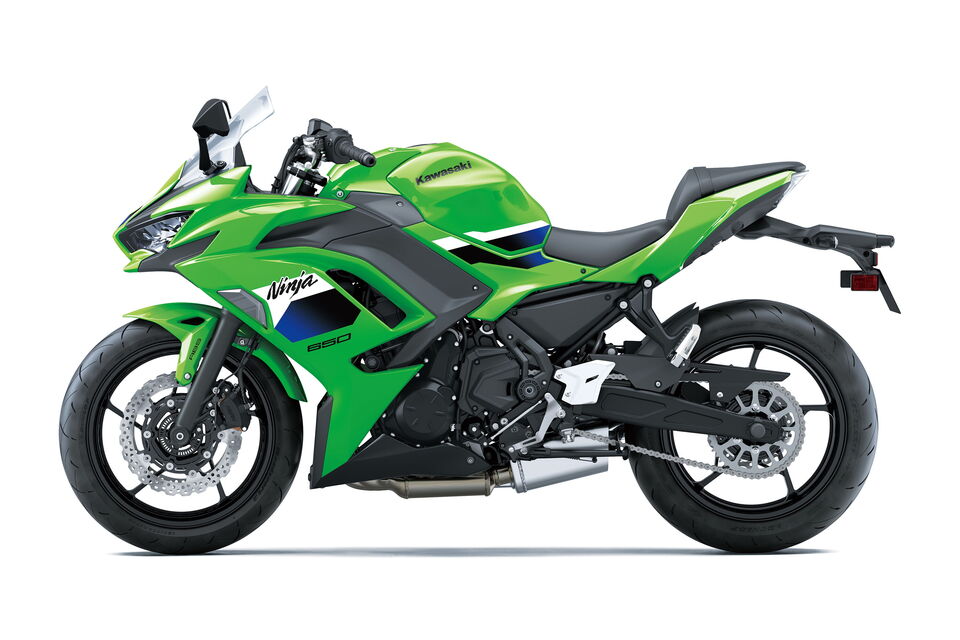
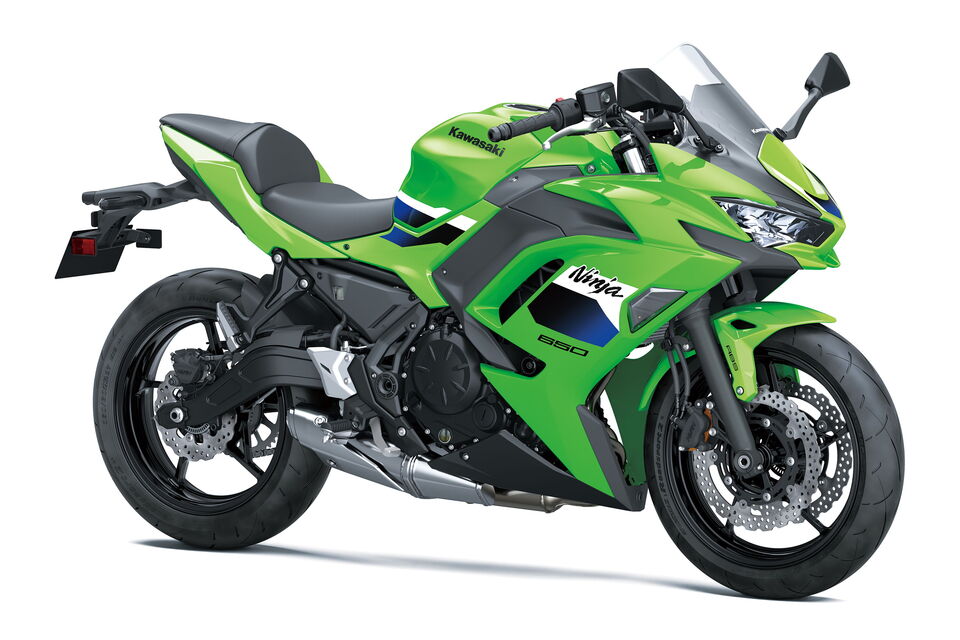
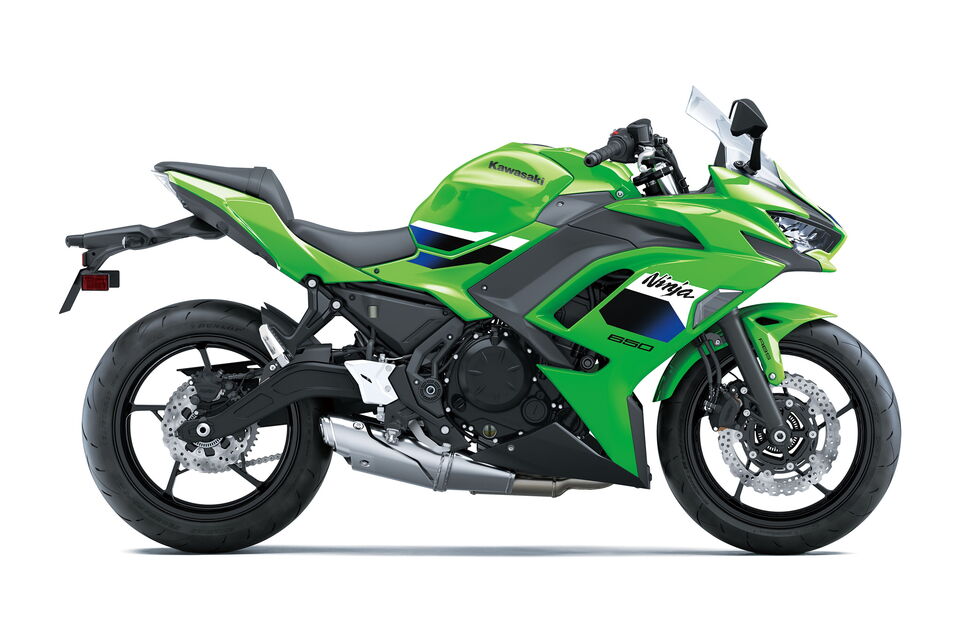
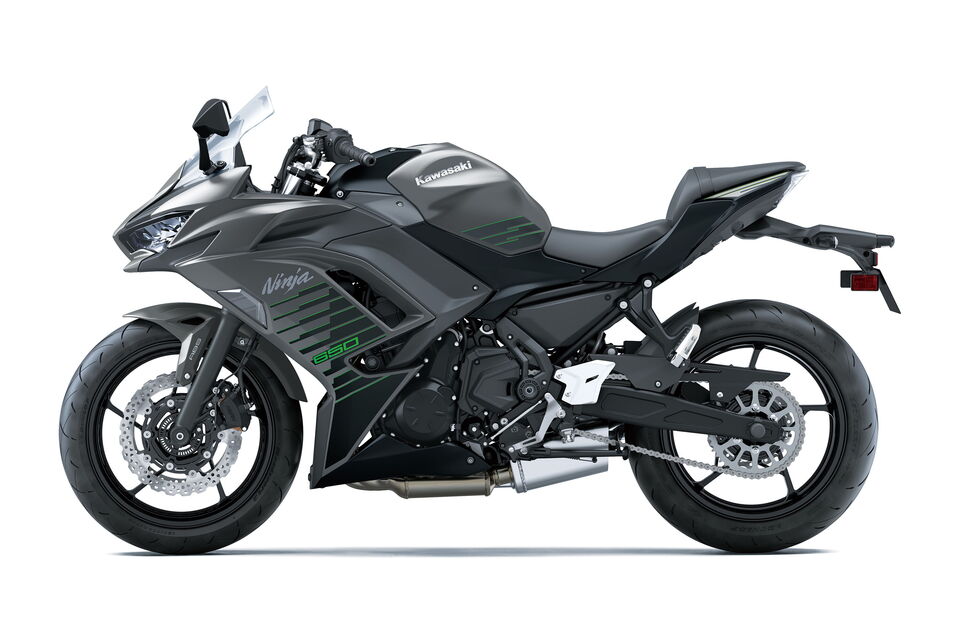
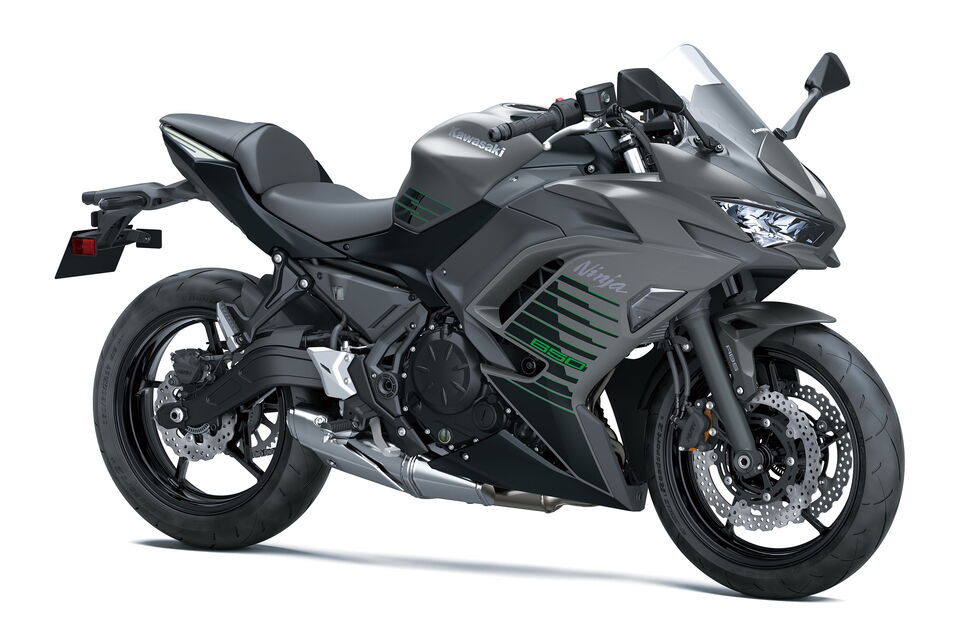
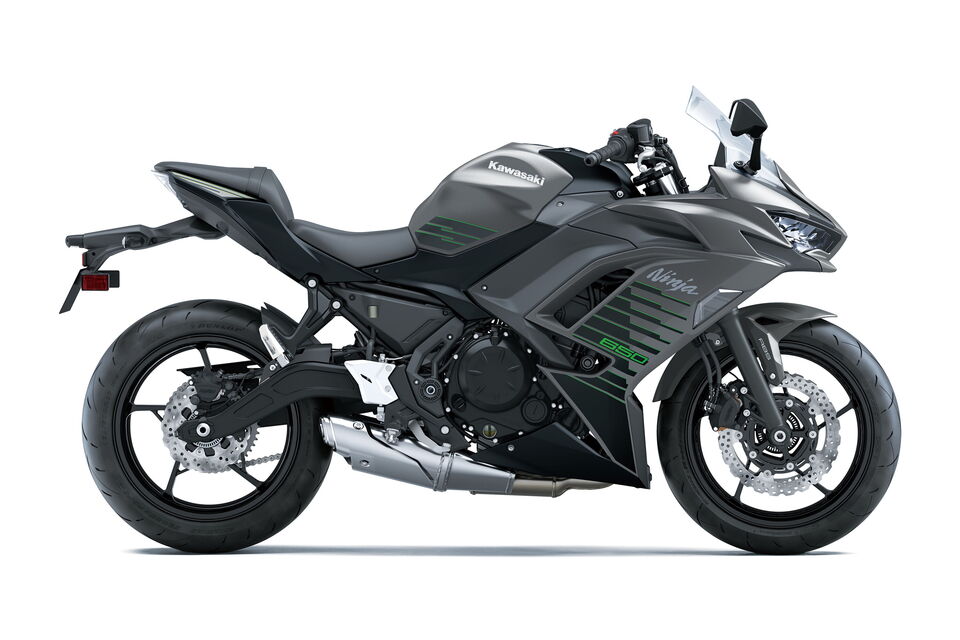
Concept: A Sport-Tourer With Supersport Looks—and the Right Positioning for What It Really Is
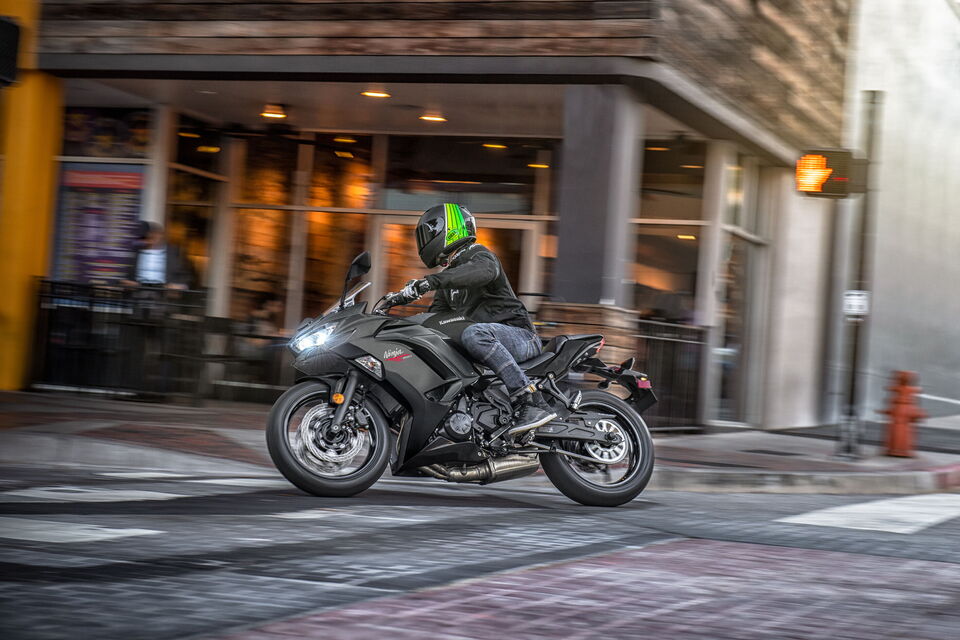
There is a clear disagreement between Kawasaki Germany and Kawasaki Austria over how the Ninja 650 should be classified. The German operation lists it under supersport/sport, while the Austrians place it in sport-touring. The Austrians are right. The Ninja 650 is a sport-tourer: fully faired, with an upright riding position, comfort-oriented suspension, and an engine tuned for everyday usability.
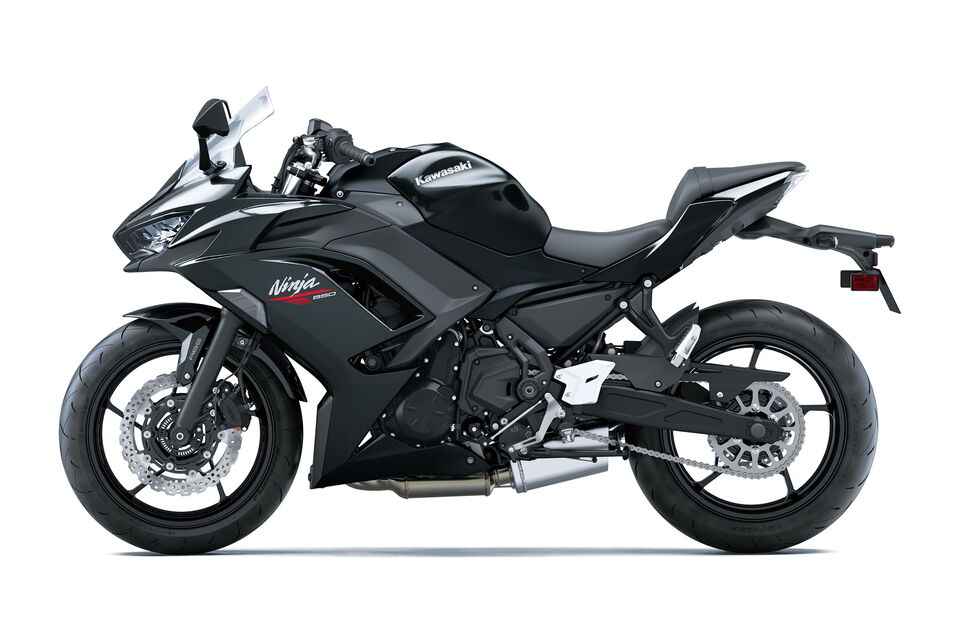
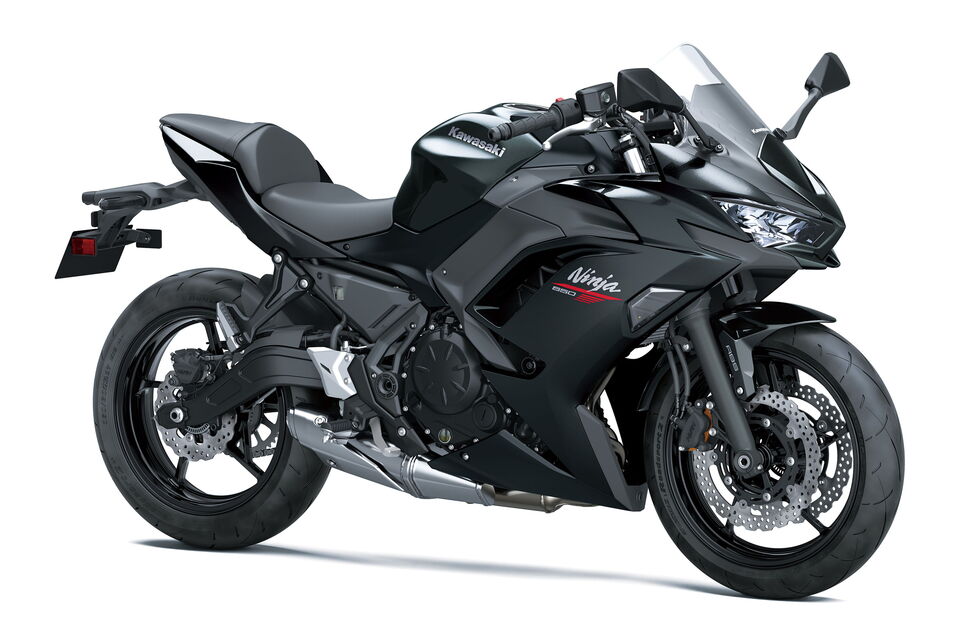
The Ninja styling, with its twin headlights and flowing full fairing, creates greater sporting expectations than the motorcycle intends to fulfill. That is the only meaningful mismatch between appearance and character.
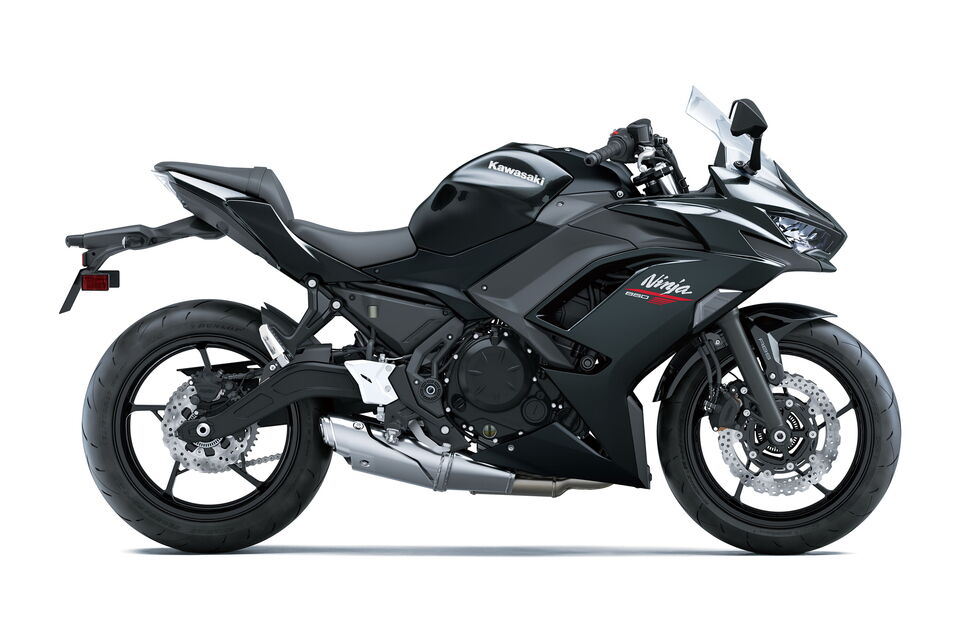
What the Ninja 650 actually is matters more than what the spec sheet suggests: an exceptionally agile, everyday-friendly motorcycle with serious electronics, useful wind protection from the fairing, good range, and a long-term ownership path that few A2 motorcycles in this class can match. Model year 2026 changes none of that. The technical foundation has remained unchanged since the EX650P facelift for 2023; the new colors—Metallic Matte Graphenesteel Gray/Metallic Flat Spark Black, Lime Green, and Metallic Flat Spark Black/Metallic Carbon Gray—are the only update.
Engine: 649 cc, 68 hp, 63.7 Nm—Dual Throttle Valves, Broad Powerband, Strong From Any Rev Range
The liquid-cooled, DOHC 649 cc parallel twin is one of the most proven engines in Kawasaki’s middleweight lineup. Dual throttle valves—a technical solution more commonly associated with high-performance sportbikes—come standard. They meter airflow more precisely, soften abrupt throttle inputs, and make power delivery especially manageable for beginners and riders using the A2-restricted version. There is useful torque from low rpm, the engine drives forward linearly without becoming abrupt, and it continues pulling cleanly toward the top of the rev range without losing its character.
Electronic restriction to 48 hp / 35 kW for the A2 license is available through authorized Kawasaki dealers and typically costs around EUR 249. It is an electronic solution, with no mechanical modifications and no parts to lose when the bike is returned to full power. Once the rider earns a full A license, another dealer visit is enough to restore the full 68 hp. The major advantage over a native 48 hp motorcycle is displacement: even when restricted, the 649 cc engine provides substantially more torque than a 451 cc or 399 cc engine with the same nominal power. In practice, that means stronger acceleration from a standstill and through the midrange, with a similar top speed.
KTRC Traction Control: Two Levels, Switchable—Level 2 Intervenes Early, Level 1 Leaves More Freedom
Two-level Kawasaki Traction Control, KTRC, has been standard since 2023. In Level 1, the intervention threshold is higher and the rear tire is allowed more slip before the system steps in. On dry, grippy pavement, you have to provoke it deliberately. Level 2 is considerably more sensitive and assertive: it first retards ignition, then cuts ignition, and if rear-wheel spin remains imminent, it closes the electronically operated secondary throttle valve. This three-stage intervention can feel brief and abrupt, but in rain or on poor surfaces it is exactly the right setting.
KTRC can also be switched off completely, which matters to sportier riders on dry pavement. For everyday use, Level 1 is the sensible choice in dry conditions and Level 2 in rain, cold weather, or on unfamiliar surfaces. That degree of differentiation is not universal among middleweight sport-tourers.
Chassis: Agile and Precise—but the Front Dives Under Hard Braking and the Shock Could Use More Rebound Damping
The Ninja 650 chassis is consistently comfort-oriented. Up front is a non-adjustable 41 mm telescopic fork. At the rear is a horizontally mounted Horizontal Back-Link shock with linkage, adjustable only for spring preload. In everyday riding, that is exactly right: the fork responds sensitively, the shock absorbs bumps cleanly, and the motorcycle follows cornering inputs with remarkable willingness. At 193 kg ready to ride, it feels noticeably more agile than the number suggests.
Push harder and the familiar limits appear. Under heavy braking, the soft fork dives deeply when the front brake is applied. The rear shock could also use more damping during aggressive riding, particularly on rebound. There are no external damping adjustments.
Anyone trying to use the Ninja 650 as an aggressive tool on twisty pavement will eventually want firmer suspension. Anyone using it for what it really is—an everyday sportbike and weekend tourer—will find little to complain about.
Ergonomics: 790 mm Seat Height, Upright Rider Triangle, Fairing Wind Protection—Slightly Tight for Very Tall Riders
The Ninja 650 riding position is sporty without being punishing. The handlebar sits higher than on a true supersport bike, the footpegs are moderately raised, and the upper body leans slightly forward—enough to make the motorcycle feel sporty, but not enough to punish wrists and back on longer rides. The 790 mm seat height is easy to manage thanks to the narrow seat profile, and shorter riders can reach the ground well. For very tall riders above roughly 1.90 meters, the knee angle on the standard seat becomes a little tight. Kawasaki offers an optional seat 35 mm higher, which noticeably opens the rider triangle.
The full fairing provides useful wind protection at medium speeds and makes sustained highway riding more relaxed than on naked alternatives such as the Z650. Unlike the Ninja 500 SE, the windshield is adjustable, allowing the airflow to be tailored to rider height and riding style. Passenger use is practical, and the pillion seat is more comfortable than on pure sportbikes. Accessories include a large touring screen, KQR side bags, a top-case system, and a seat cowl.
Cost: EUR 8,470 Including Destination—the Long-Term Argument Is One Motorcycle for A2 and A
The Ninja 650 costs EUR 8,470 including destination in Metallic Flat Spark Black/Metallic Carbon Gray. Gray or green costs EUR 150 more. Riders who have the motorcycle restricted for an A2 license typically pay another EUR 249 at the dealer, with a similar cost to restore full power after earning the unrestricted A license. Direct rivals are considerably more expensive: the Honda CBR650R with E-Clutch starts at EUR 11,039, the Yamaha R7 at EUR 10,999, and the Aprilia RS 660 at EUR 11,799. The Kawasaki sits at the lower end of this reference group.
Kawasaki’s starter bonus for newly licensed riders is EUR 649, based on displacement and capped at EUR 650. That brings the effective entry price of the black version to around EUR 7,800 including destination.
The Ninja 650’s strongest pricing argument, however, is not the purchase price but how long you can keep it. It can move cleanly from A2 to a full A license without requiring a motorcycle change. Ride it restricted for two years, earn the full license, restore the full 68 hp, and you keep a motorcycle you already know, like, and understand. That advantage does not show up in a simple price comparison.
Verdict
The Ninja 650 is not a racetrack tool, and it does not need to pretend otherwise. What it is has considerably more value: one of the most versatile and usable fully faired middleweight sportbikes, with credible electronics, a fair price, and the unusual ability to begin life with an A2 rider and continue with the same owner after the move to a full A license—without changing motorcycles.
Quick Check
+ Electronic A2 restriction to 48 hp / 35 kW: reversible at an authorized Kawasaki dealer for around EUR 249; one motorcycle for both A2 and full A licenses.
+ 649 cc even when restricted: more torque than native 48 hp motorcycles with smaller engines, giving stronger acceleration with a similar top speed.
+ Two-level KTRC standard: Level 1 for dry conditions, Level 2 for rain; switchable.
+ Dual throttle valves standard: smooth, easily controlled throttle response.
+ 68 hp / 63.7 Nm: linear, broad power delivery; strong from low rpm without demanding constant revs.
+ 193 kg ready to ride: more agile than the number suggests; eager and precise in corners.
+ 4.3-inch color TFT standard with Rideology app and Bluetooth.
+ Adjustable windshield: adaptable to rider height and better than the fixed screen on the Ninja 500 SE.
+ Full fairing: better wind protection than naked bikes in the same class.
+ 89 dB(A) stationary noise: very quiet and comfortably below the Tyrol limit.
+ 4-year warranty; 12,000 km service interval.
+ EUR 649 starter bonus for newly licensed riders; effective price around EUR 7,800 including destination is possible.
+ Priced below the Honda CBR650R, Yamaha R7, and Aprilia RS 660.
+ Optional +35 mm seat for tall riders; broad accessory range including top case, KQR side bags, and touring screen.
– Front dives deeply under hard braking because of the soft fork setup; noticeable during sporty riding.
– Rear shock has too little rebound damping when pushed hard; only spring preload is adjustable.
– No adjustable brake lever as standard.
– KTRC Level 2 can intervene abruptly and for longer than some riders prefer.
– No quickshifter, cruise control, or cornering ABS.
– Knee angle is tight for riders over 1.90 meters on the standard seat; optional taller seat costs extra.
– MY2026 is technically identical to 2023: no suspension modernization and no new electronics.
– Highway wind protection is adequate, but not at true touring-bike level.
– Passenger comfort is better than on pure sportbikes, but the pillion seat remains more compact than on genuine tourers.
Technical Specifications: Kawasaki Ninja 650 (2026)
Country of Manufacture: Japan, Kawasaki
Model Series: EX650P, 2023-present; MY2026 technically unchanged
Engine: Parallel twin, 649 cc, liquid-cooled, DOHC; dual throttle valves; assist/slipper clutch; six-speed; no quickshifter
Power: 68 hp / 50 kW at 8,000 rpm
Torque: 63.7 Nm at 6,700 rpm
Electronics: Two-level KTRC traction control, switchable; dual-channel ABS; no quickshifter; no cruise control; no cornering ABS
Display: 4.3-inch color TFT; Kawasaki Rideology app; Bluetooth connectivity
Frame: High-strength steel trellis frame
Fork: Conventional 41 mm telescopic fork; non-adjustable
Rear Shock: Horizontal Back-Link system with linkage; adjustable spring preload; no external damping adjustment
Front Brake: Twin-piston floating calipers; 300 mm petal discs; dual-channel ABS
Rear Brake: Single-piston caliper; 220 mm disc; ABS
Wheels: Cast aluminum; 17-inch front and rear
Tires: 120/70 ZR17 front; 160/60 ZR17 rear
Weight: 193 kg fully fueled; 178 kg dry
Seat Height: 790 mm; optional seat 35 mm higher available
Fuel Tank: 15 liters; approx. 350 km range at around 4.3 L/100 km
Top Speed: Approx. 193 km/h
Stationary Noise: 89 dB(A), Tyrol-compliant
License: A; electronically restrictable to 35 kW / 48 hp for A2, approx. EUR 249 at dealer; reversible
2026 Colors: Metallic Flat Spark Black / Metallic Carbon Gray, BK1; Metallic Matte Graphenesteel Gray / Metallic Flat Spark Black, GY1; Lime Green, GN1
Accessories: Large touring screen, KQR side bags, 30-liter top case, seat cowl, +35 mm taller seat, heated grips
Warranty: 4-year Kawasaki factory warranty
Service: Every 12,000 km
Price in Germany: EUR 8,470 including destination for BK1 black; EUR 8,620 for GY1/GN1 gray/green; EUR 649 starter bonus for newly licensed riders