Review Kawasaki Ninja 7 Hybrid (2026)

The World’s First Production Hybrid Motorcycle Is Finally Ready for Everyday Use
The world’s first mass-produced strong-hybrid motorcycle arrived in 2024 and immediately drew the kind of criticism every technology pioneer faces: promising, but not quite finished. The 2026 software update fixes its biggest weakness. Pure-electric mode now works at speeds up to 60 km/h instead of just 25 km/h. A 60 hp combustion engine plus a 9 hp electric motor deliver 69 hp of combined system output. The six-speed transmission is automated, with no clutch lever. Seat height is 795 mm. Warranty: four years. Promotional price: EUR 8,995 including destination, according to Kawasaki Germany in April 2026. This is a motorcycle for technology enthusiasts willing to buy into genuinely new territory.
As of: July 17, 2026 | Model: Kawasaki Ninja 7 Hybrid (2026; 451 cc parallel twin + 48V electric motor; Strong Hybrid; A2-compatible at 35 kW) | Manufacturer: Kawasaki Motors Europe N.V., Almere, Netherlands | Price in Germany: promotional price EUR 8,995 including destination, Kawasaki Germany, April 2026; regular MSRP EUR 11,420 | Stationary noise: not published; electric drive available | Warranty: 4 years, unlimited mileage
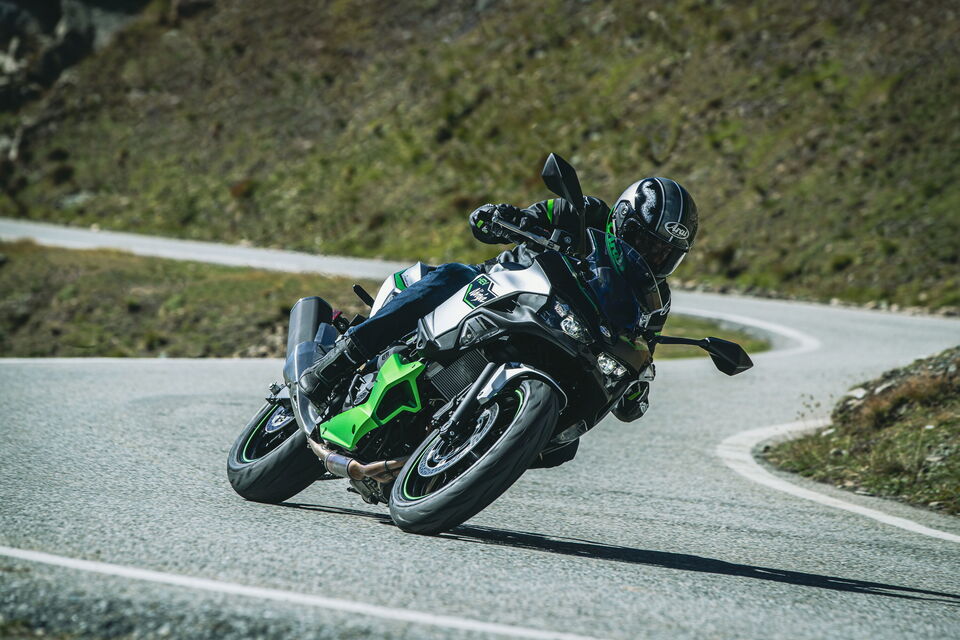
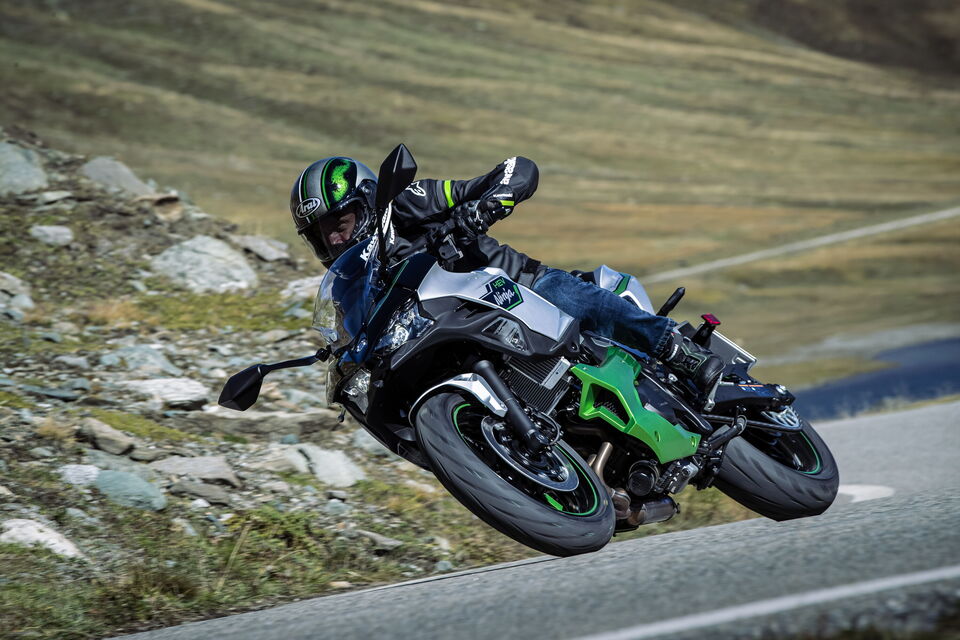
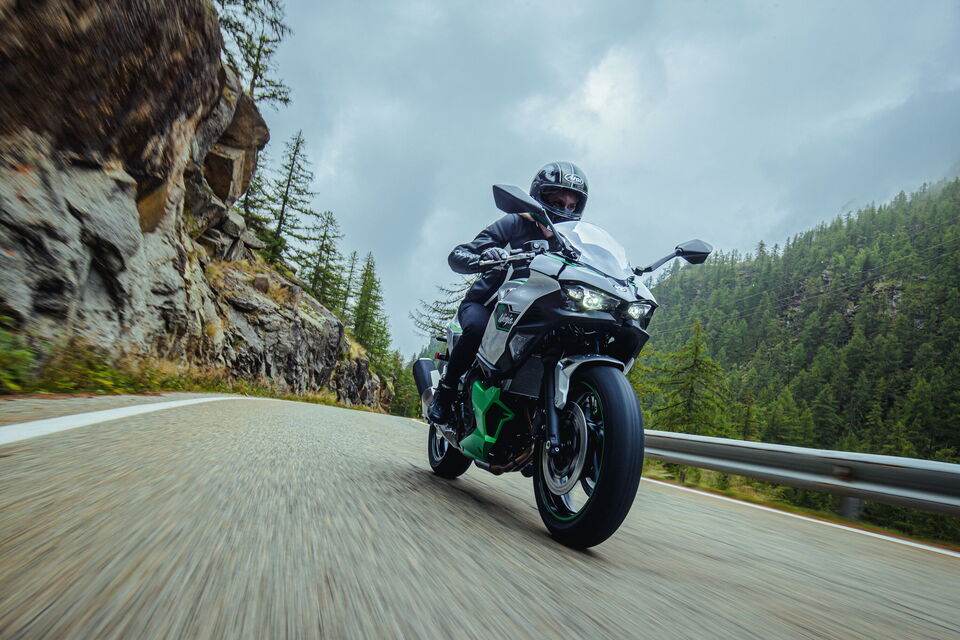
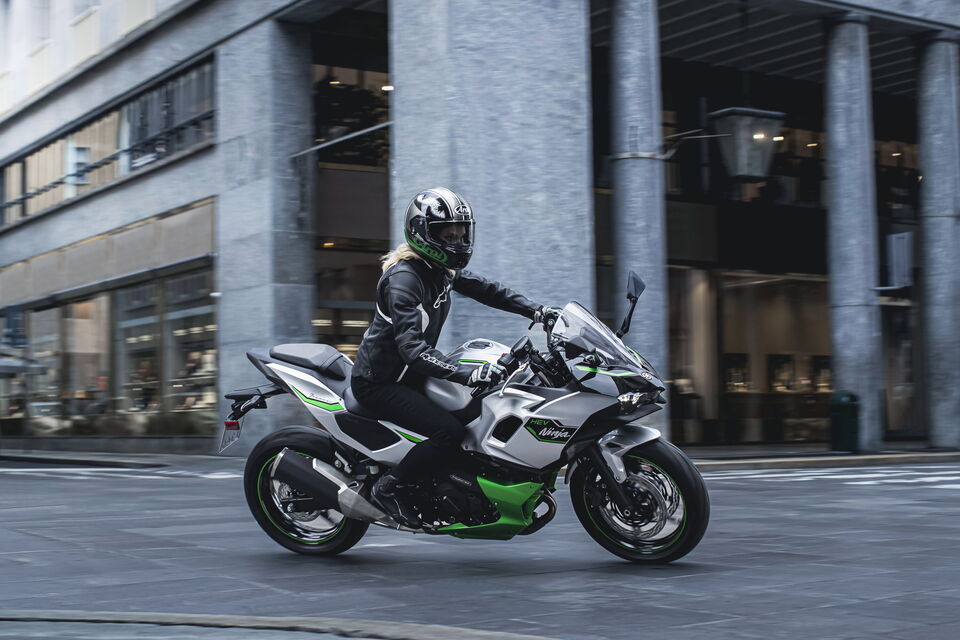
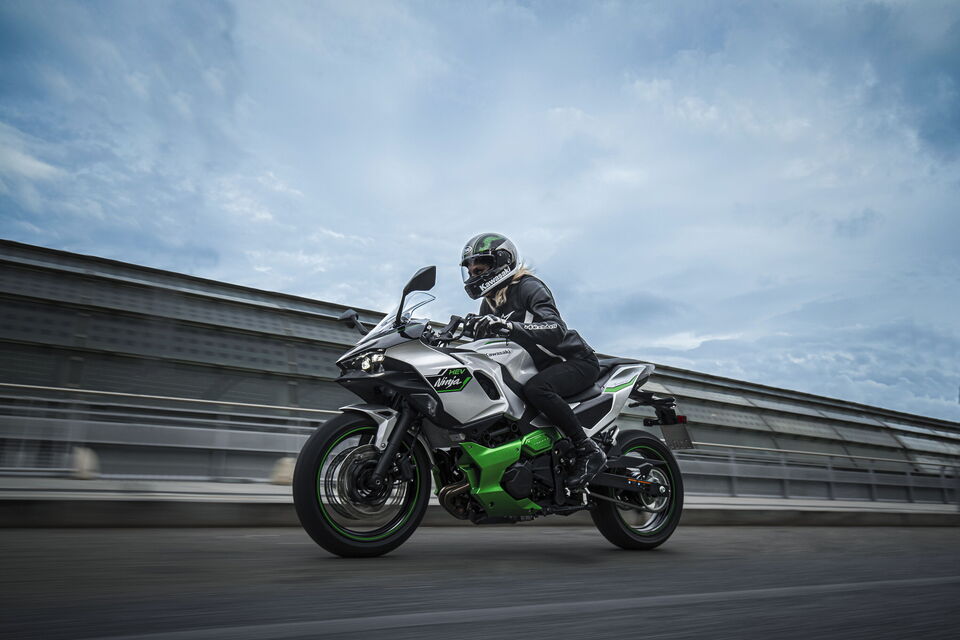
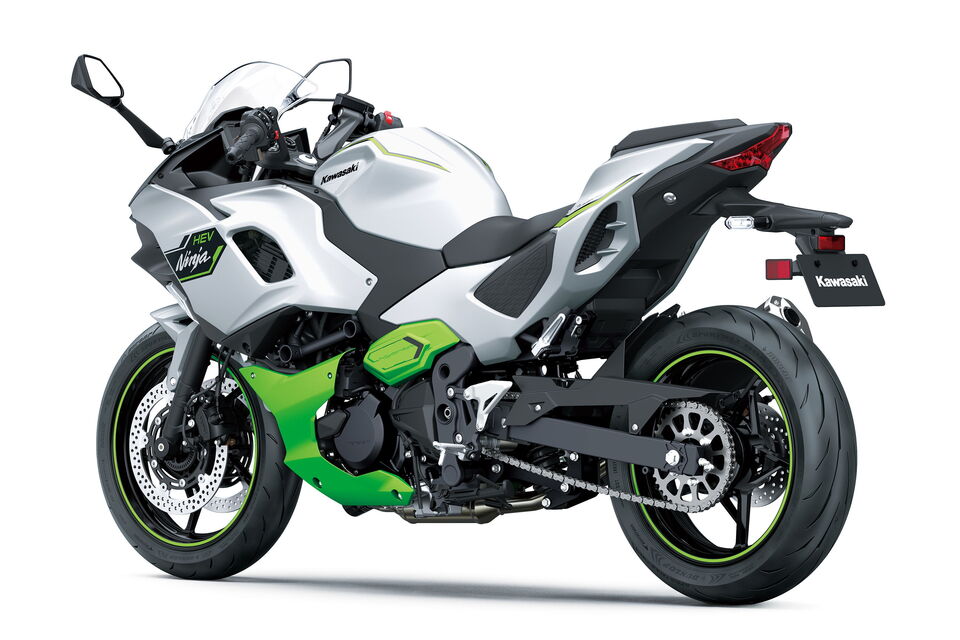
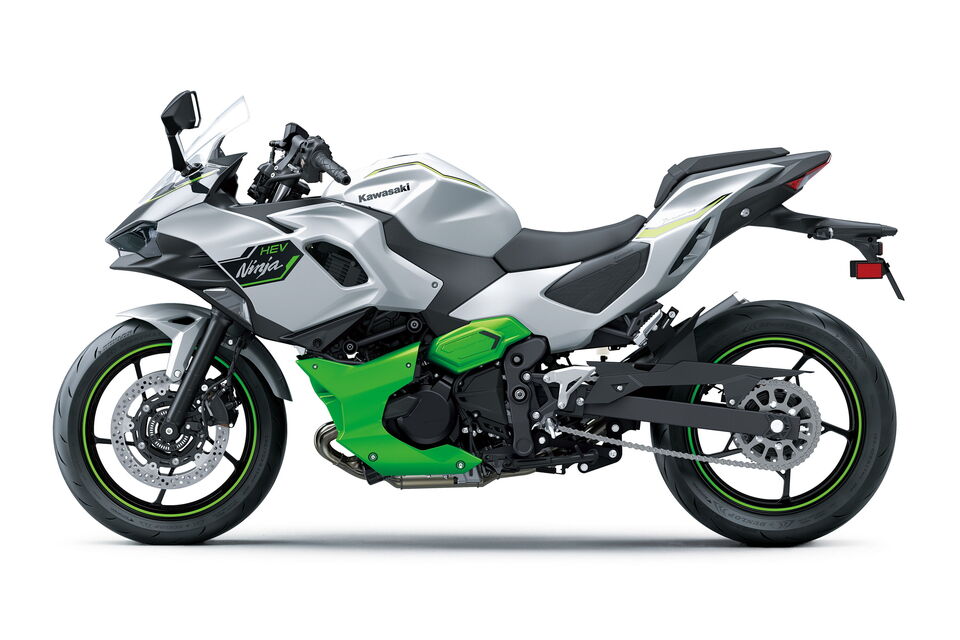
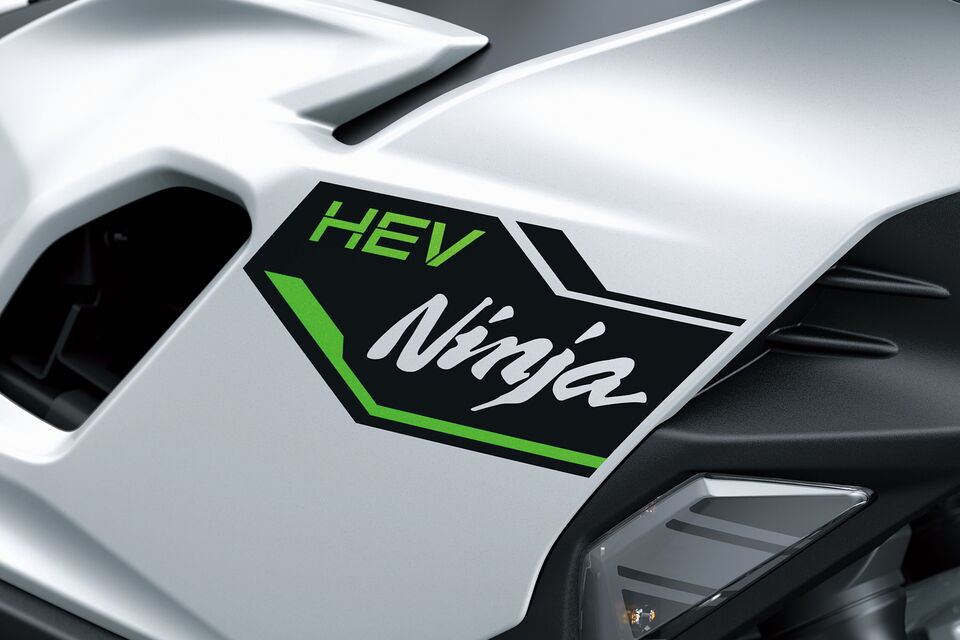
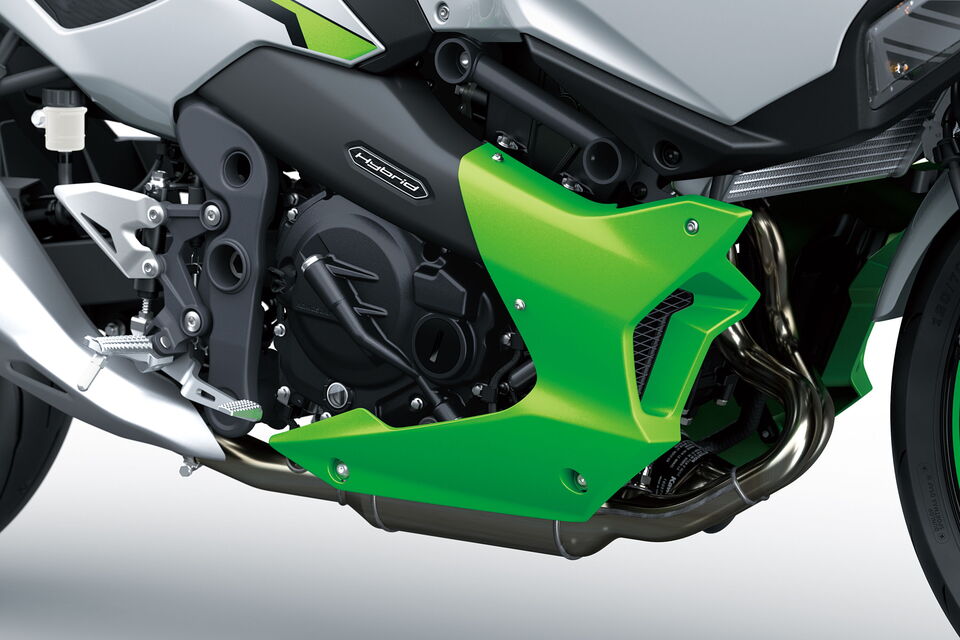
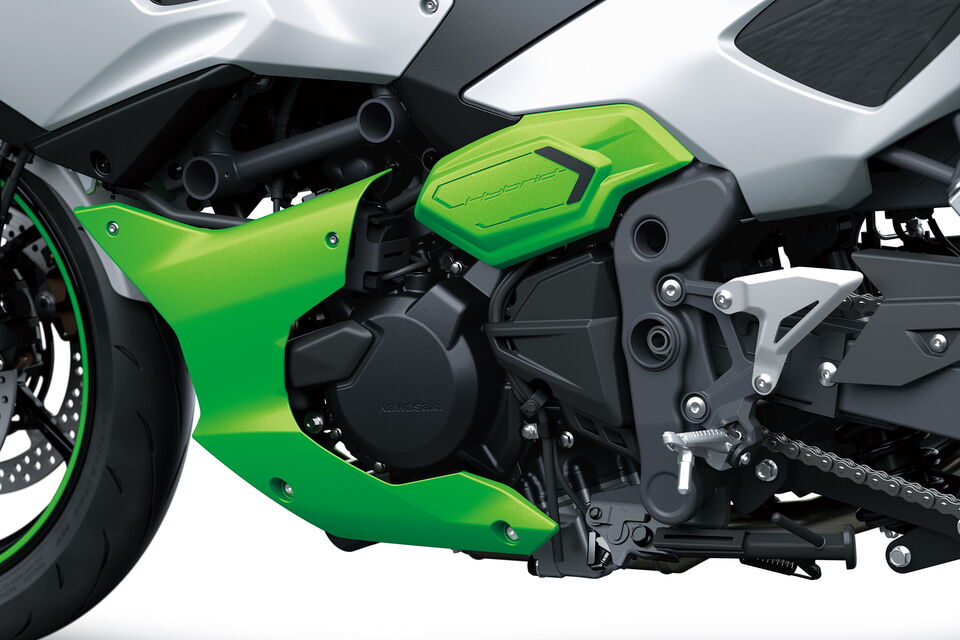
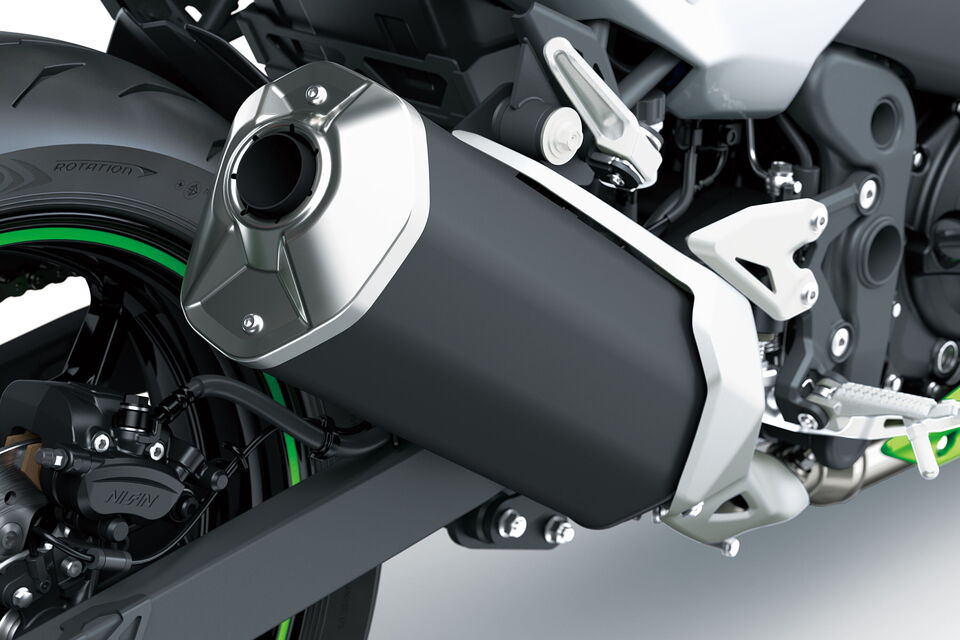
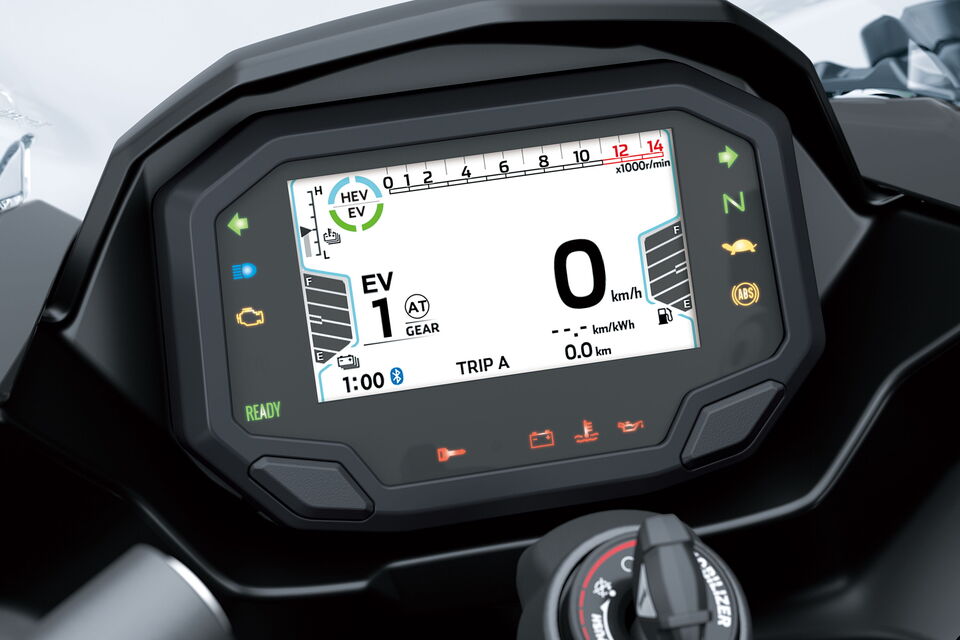
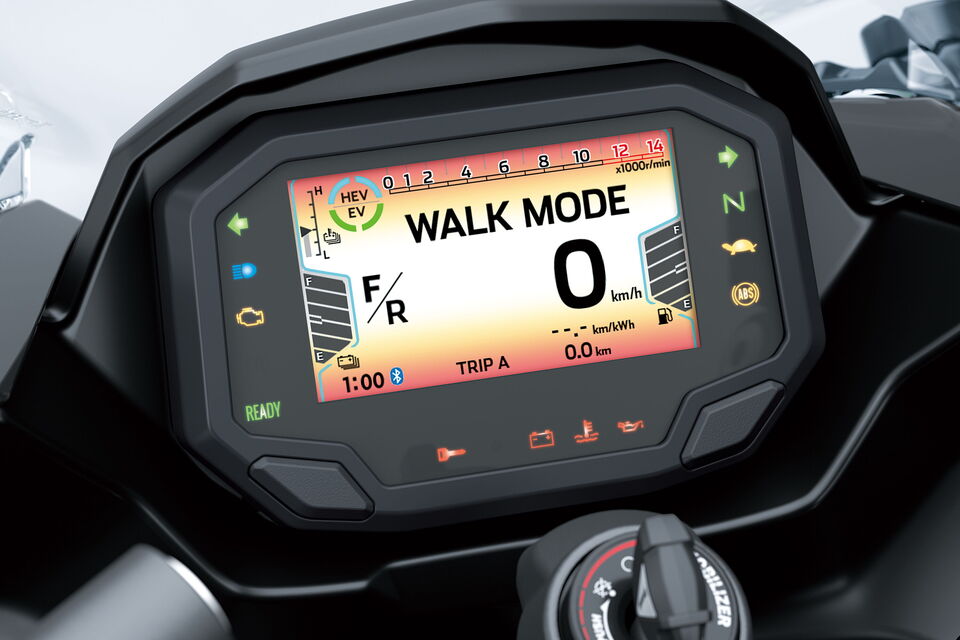
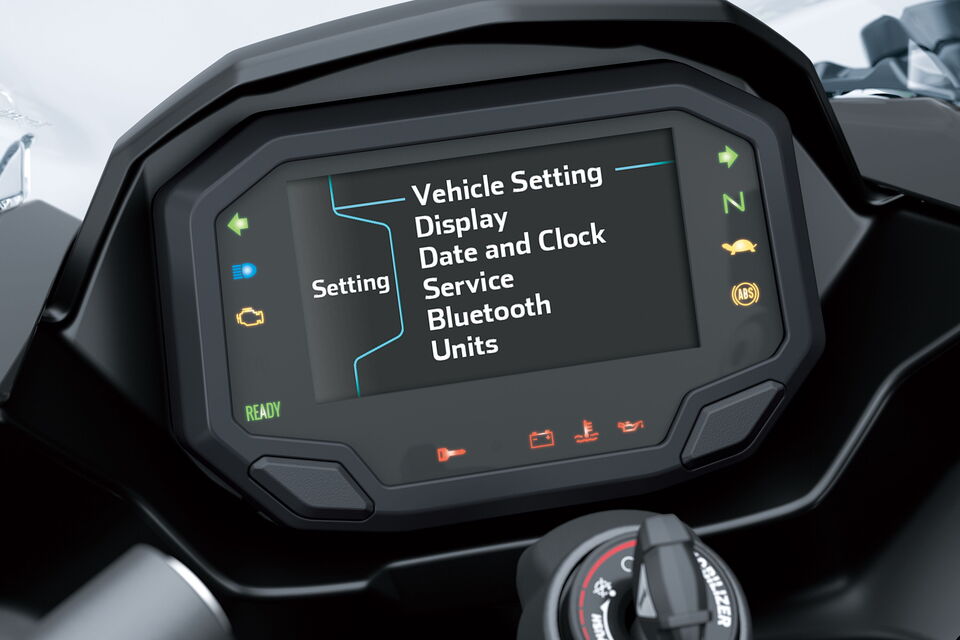
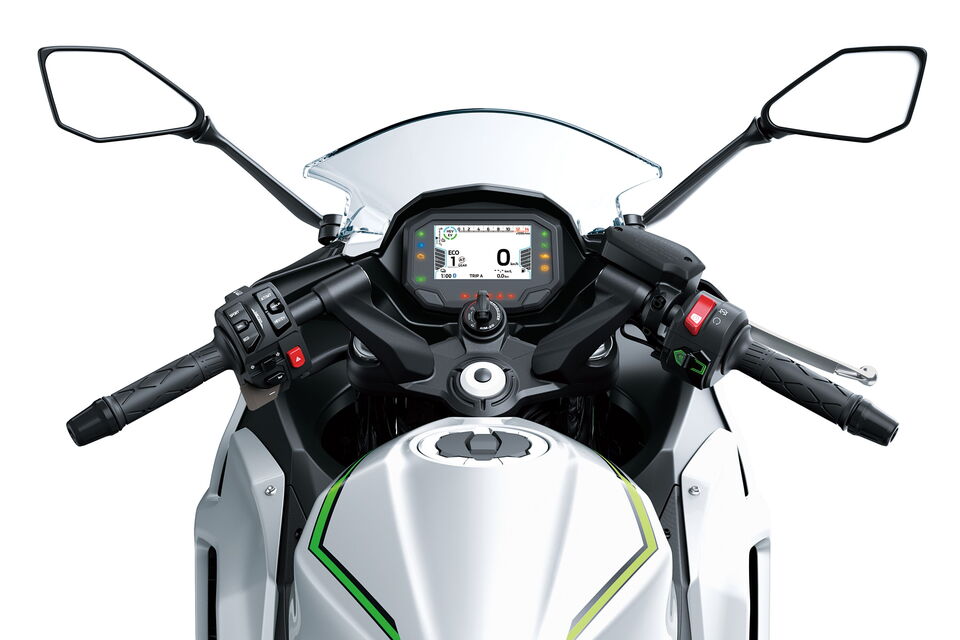
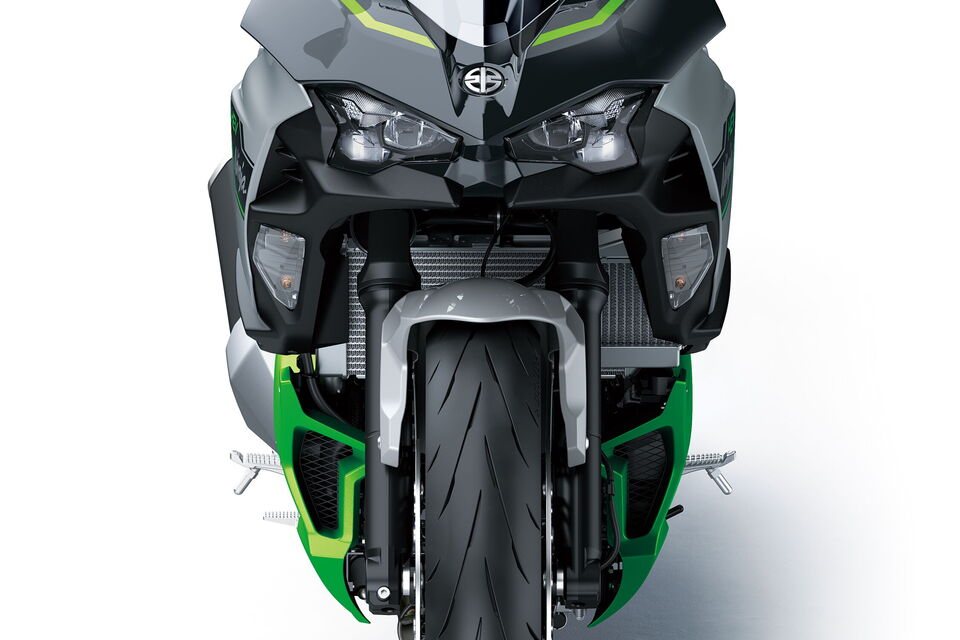
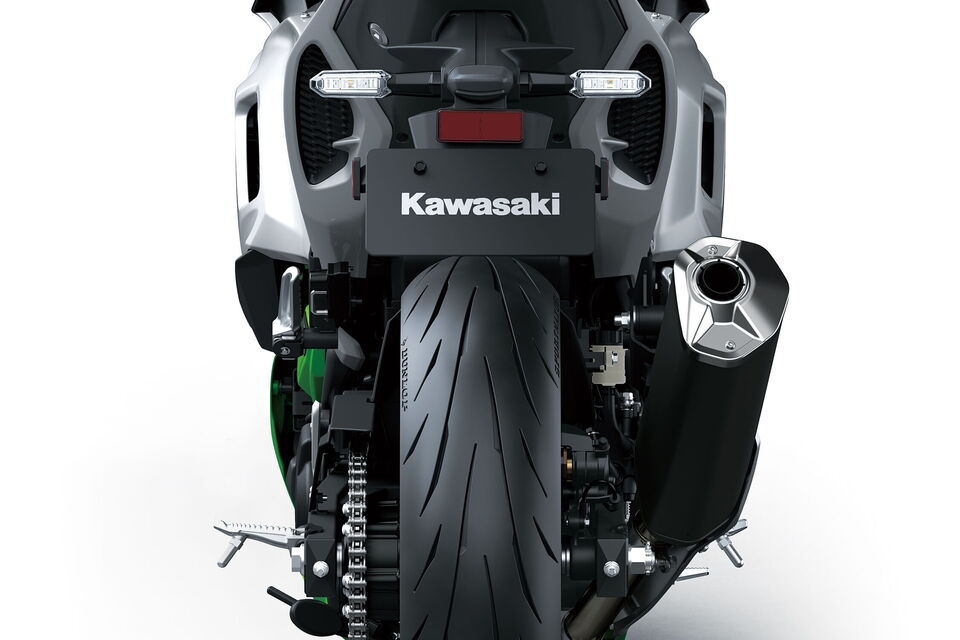
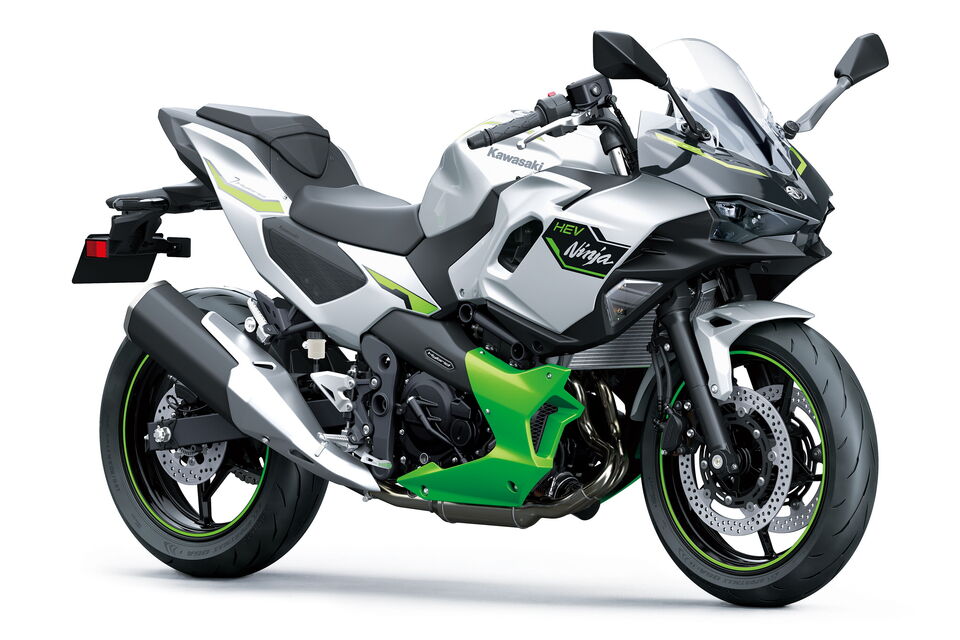

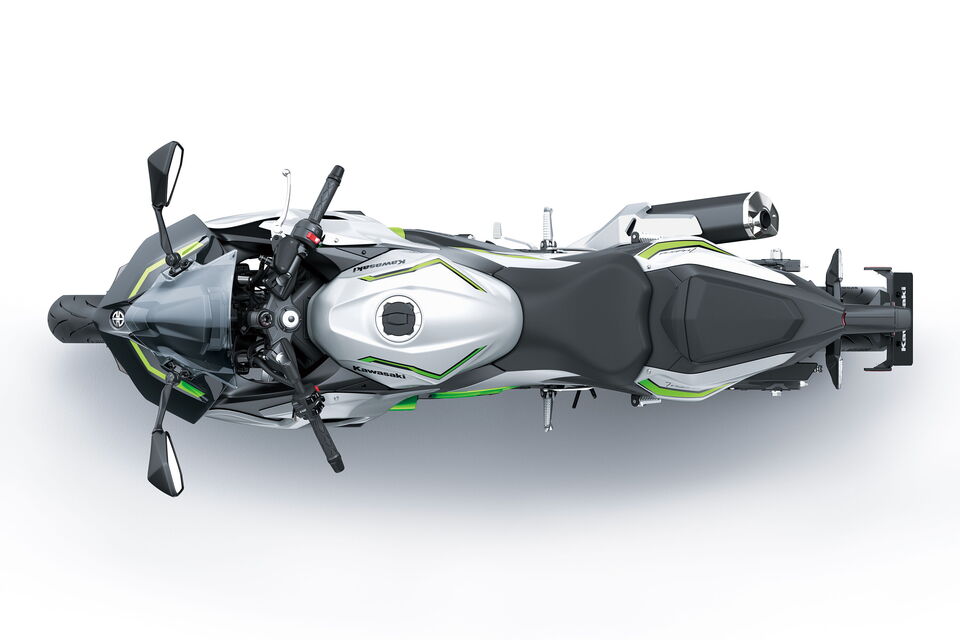
October 2023. Kawasaki presents the first production-model strong-hybrid motorcycle to the world’s press. Combustion engine and electric motor combined, no clutch lever, no shift lever—none of the controls motorcyclists have operated for a century. The press is fascinated and cautious. After the first test, MOTORRAD describes the riding position as a place you can comfortably stay for a long time. That says something about the ergonomics. The technology itself is harder to categorize.
April 2026. Kawasaki releases the software update that separates the 2026 models from the 2024 and 2025 bikes. EV mode can now be used up to 60 km/h instead of only 25 km/h. That is the difference between a novelty and a genuinely useful everyday tool. Want to ride through a 30 km/h residential zone or an underground garage in complete silence and on electric power alone? Now you can. The update was overdue, and it transforms the usefulness of the hybrid system.
Strong Hybrid: What That Actually Means
Kawasaki calls the system Strong Hybrid. The distinction from a mild-hybrid system is simple: the electric motor can propel the motorcycle on its own, with the combustion engine switched off. A mild-hybrid electric motor can only assist the engine; it cannot drive the vehicle independently.
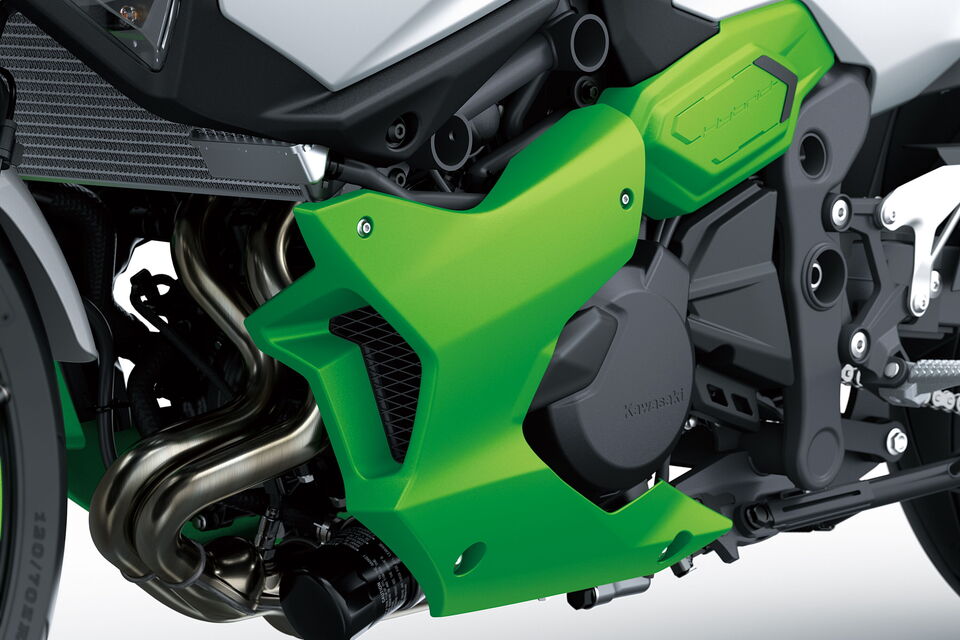
The architecture combines a 451 cc parallel twin from Kawasaki’s Eliminator platform, producing 60 hp and 43.6 Nm, with a liquid-cooled electric traction motor positioned behind the cylinder bank. The electric motor operates at 48 volts and produces up to 9.0 kW, or 12.2 hp, at peak. The ISG, or Integrated Starter Generator, combines starter motor and generator in one unit. A 1.4 kWh, 48V lithium-ion battery weighing 13 kg is charged while riding by the combustion engine and through regenerative braking. There is no external charging and no charging cable. That is the consequence of the strong-hybrid architecture: the system is entirely self-sufficient.
Three Riding Modes: EV, Eco-Hybrid, Sport-Hybrid
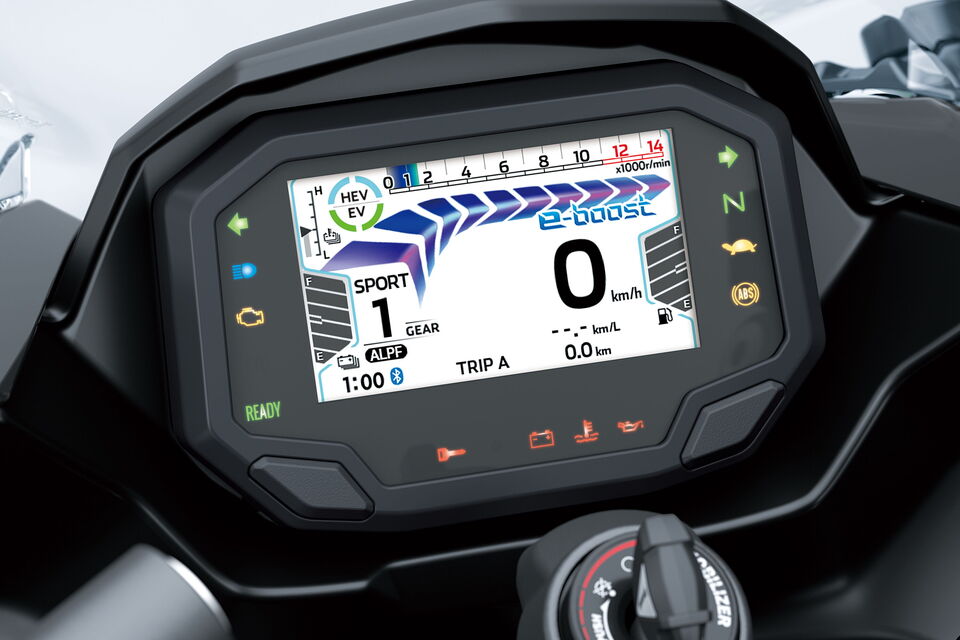
EV mode is pure electric operation with the combustion engine switched off. With the 2026 update, it works up to 60 km/h instead of the previous 25 km/h, with an electric range of roughly 10 to 12 km. That makes it genuinely useful for residential areas, underground parking garages, and low-speed urban zones. This is the core of the 2026 update.
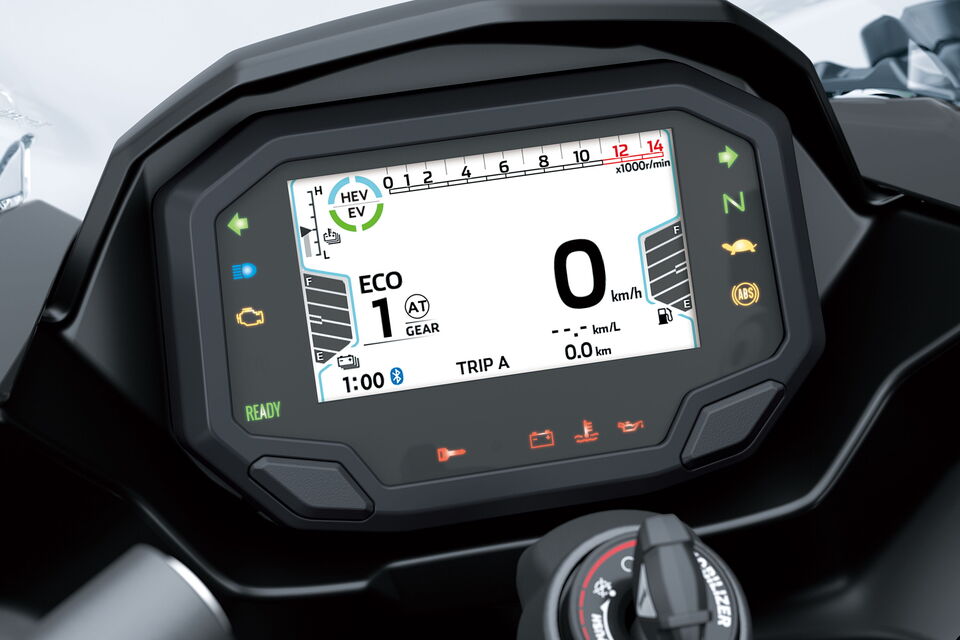
Eco-Hybrid mode combines the combustion engine and electric motor, automatically optimized for fuel consumption. The system decides when the electric motor should assist and when the combustion engine should work alone. Gear changes are automatic, with no manual intervention required. A test by motorradundreisen recorded 4.4 L/100 km.
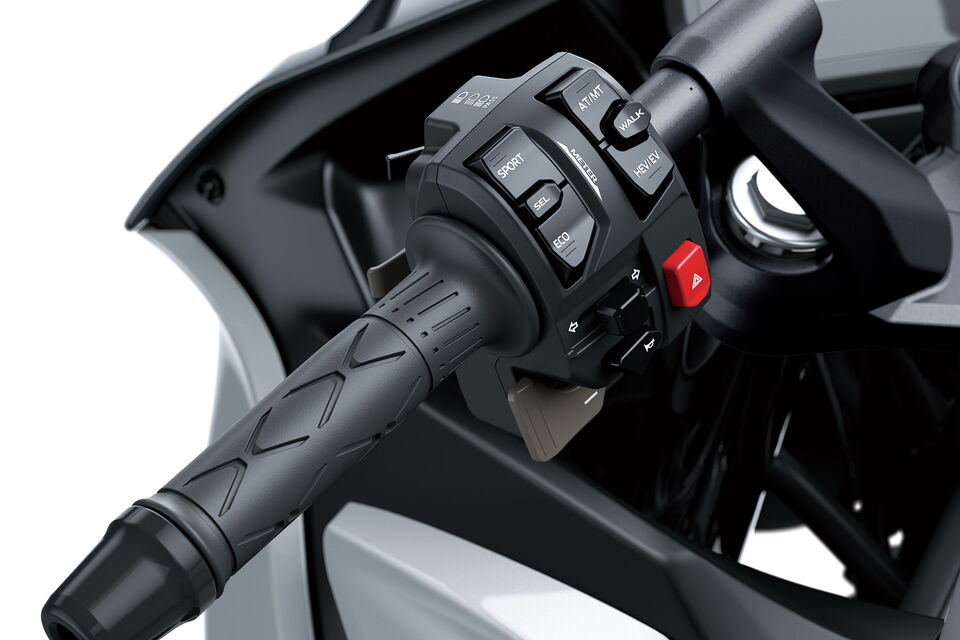
Sport-Hybrid mode delivers maximum system performance: 69 hp. The rider can shift manually using paddles on the left handlebar. And for 2026 there is another useful change: Sport mode can now also be used with automatic shifting. You can select the sportier powertrain character without having to operate the paddles yourself.
No Clutch Lever, No Shift Lever: The Automated Transmission
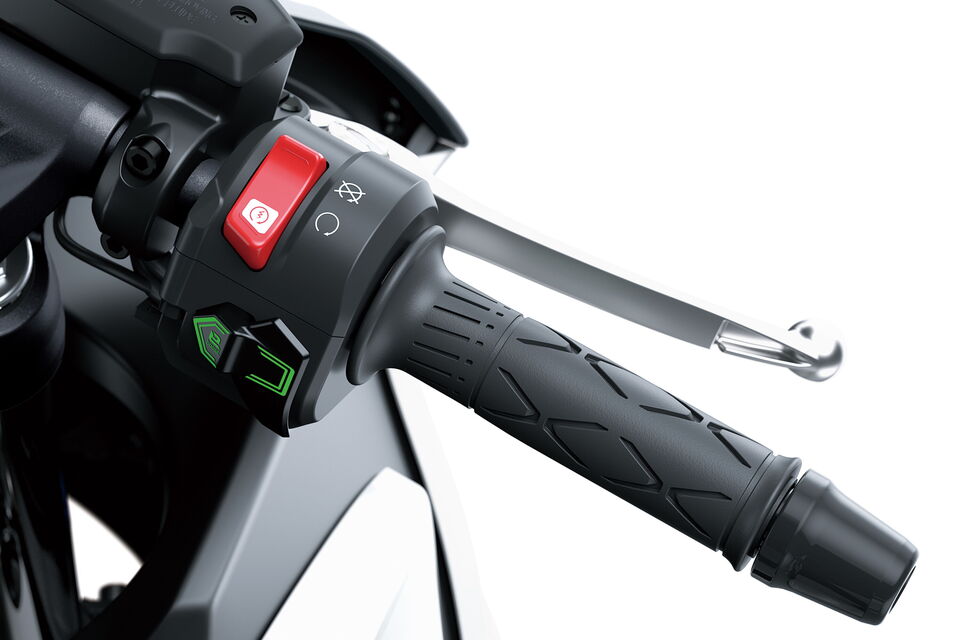
There are six gears, controlled by an automated transmission using Kawasaki’s proprietary logic. There is no conventional clutch lever on the left and no foot-operated shift lever. Instead, the left-hand control carries two paddles and the mode controls. This is the part of the Ninja 7 Hybrid that polarizes riders most strongly. If you define motorcycling by clutching and shifting, this is something different. If you define it by motion, cornering, and riding enjoyment, it works.
For riders coming from conventional motorcycles, the left-hand controls require some acclimatization. It is a learning process—not particularly difficult, but undeniably different. A test ride matters more with this motorcycle than with almost any conventional model because the transmission, paddle controls, and overall interaction feel fundamentally unfamiliar at first.
227 kg and 795 mm: Weight Is the Compromise
Curb weight is 227 kg, 13 kg of which comes from the battery. That is heavy for the class. For a Ninja platform with a 60 hp combustion engine, 227 kg is a lot. It is the price of the hybrid architecture: combustion engine plus electric motor plus battery plus ISG equals additional mass. Seat height is 795 mm. Despite the Ninja name and its sporting associations, the Ninja 7 Hybrid is not a supersport machine. It is a technology statement with a comfortable riding position.
EUR 8,995 Promotional Price: What Has Changed
Regular MSRP is EUR 11,420. In April 2026, Kawasaki listed a promotional price of EUR 8,995 including destination for demonstrators and manufacturer-registered motorcycles with no mileage. That is a reduction of more than EUR 2,400. The logic is clear: the Ninja 7 Hybrid is a technology pioneer still searching for its market, and the promotional price is an invitation to try the concept.
For context, the Ninja 500 SE with the same basic 451 cc combustion engine costs around EUR 7,500. At the promotional price, roughly EUR 1,500 more buys the electric motor, automated drivetrain, hybrid riding modes, ISG, and 48V system. For technology enthusiasts, that is the strongest value proposition.
Verdict: A Technology Pioneer in Its Second Generation
The 2026 Kawasaki Ninja 7 Hybrid is not a motorcycle for everyone. It is for riders who want to buy a piece of technology history: the world’s first production strong-hybrid motorcycle, now in the version that addresses its most obvious early shortcomings. EV mode up to 60 km/h, Sport mode with automatic shifting, and more harmonious hybrid calibration make the concept considerably more usable. At EUR 8,995 including destination under the promotional program, it is also much easier to justify financially. A test ride is essential. The transmission, paddles, and overall riding experience are different from what most motorcyclists know. Not worse. Different.
Quick Check
+ World’s first mass-produced strong-hybrid motorcycle: combustion engine + electric motor, with independent electric-only propulsion.
+ 2026 update: EV mode now works up to 60 km/h instead of 25 km/h, making electric operation genuinely useful in residential areas and city traffic.
+ 2026 update: Sport mode can now be used with automatic shifting, delivering the sportier character without paddle input.
+ 69 hp peak system output from 60 hp combustion engine + electric assistance in Sport-Hybrid mode, significantly more than a conventional 451 cc Kawasaki.
+ Automated six-speed transmission: no clutching and no foot shifting; manual paddle-shift option in Sport mode.
+ Regenerative braking: deceleration feeds energy back into the battery in stop-and-go riding.
+ 4.4 L/100 km recorded in Eco-Hybrid testing by motorradundreisen.
+ Promotional price EUR 8,995 including destination, Kawasaki Germany, April 2026: more than EUR 2,400 below regular MSRP.
+ 4-year Kawasaki warranty with unlimited mileage.
+ 795 mm seat height: comfortable and accessible.
– 227 kg ready to ride, including a 13 kg battery: heavy for a platform built around a 60 hp combustion engine.
– EV range only around 10–12 km: electric-only operation is not intended for long urban journeys.
– No external charging: battery charges only through the combustion engine and regenerative braking.
– No clutch lever and no foot shift lever: learning curve for conventional motorcyclists; a test ride is essential.
– Promotional price applies to demonstrators and manufacturer-registered vehicles. Regular new-bike MSRP is EUR 11,420; confirm current availability and pricing with the dealer.
Technical Specifications: Kawasaki Ninja 7 Hybrid (2026)
Make / Model: Kawasaki Ninja 7 Hybrid (2026; Strong Hybrid; 451 cc parallel twin + 48V electric motor; A2-compatible at 35 kW); manufacturer: Kawasaki Motors Europe N.V., Almere, Netherlands
Combustion Engine: Liquid-cooled parallel twin; 451 cc; 60 hp; 43.6 Nm; based on Eliminator platform
Electric Motor: Liquid-cooled traction motor behind cylinder bank; 48V; rated output 7.0 kW / 9.5 hp; peak output 9.0 kW / 12.2 hp. ISG, Integrated Starter Generator, combines starter + generator
Peak System Output: 69 hp with combustion engine and electric motor working together in Sport-Hybrid mode
Battery: 48V lithium-ion; 1.4 kWh; 13 kg; no external charging; charged by combustion engine and regenerative braking
Transmission: Automated six-speed transmission with proprietary Kawasaki logic; no conventional clutch lever; no foot shift lever; two paddles on left handlebar for manual gear selection in Sport mode; automatic mode in Eco
Riding Modes: EV, pure electric up to 60 km/h with 2026 update, approx. 10–12 km range. Eco-Hybrid, combustion + electric motor automatically optimized, 4.4 L/100 km. Sport-Hybrid, 69 hp system output, paddle shifting, also automatic from 2026.
2026 Software Update: EV mode up to 60 km/h instead of 25 km/h; Sport mode usable with automatic shifting; more harmonious hybrid calibration. Applies to MY2026 new vehicles; ask dealer about update availability for existing bikes.
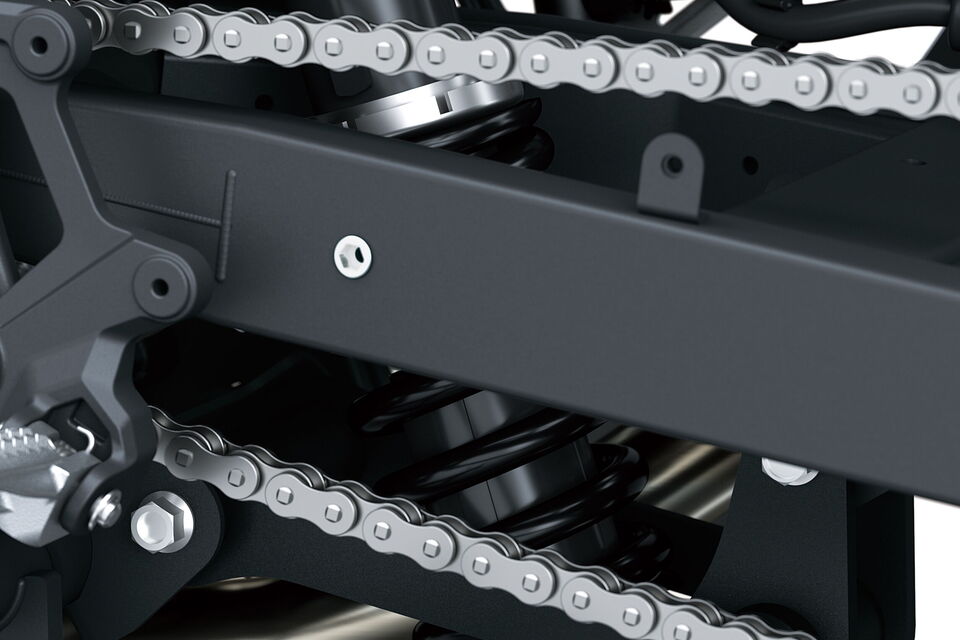
Chassis: Conventional telescopic fork front; rear monoshock; ABS; cornering ABS
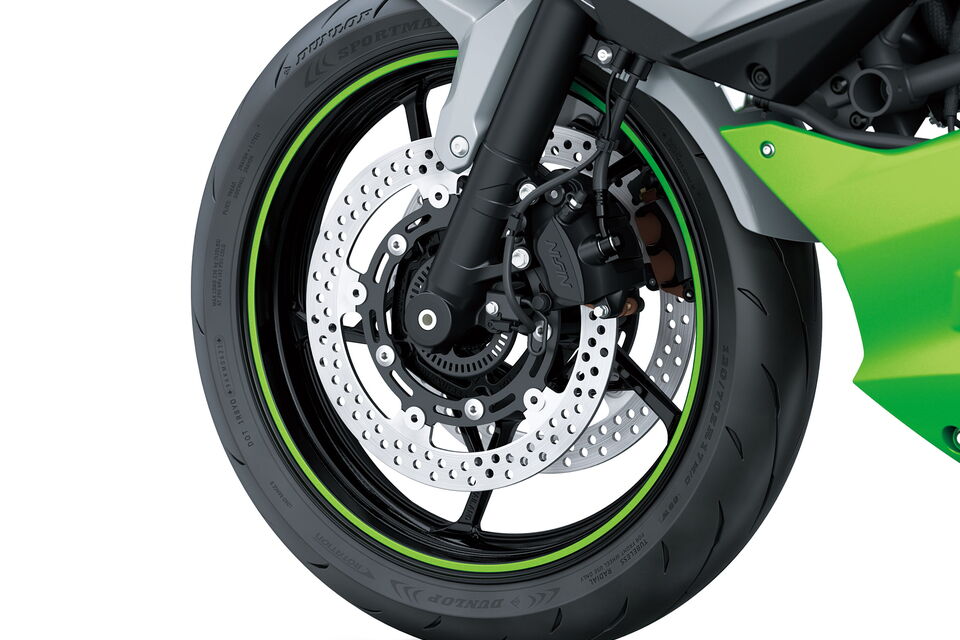
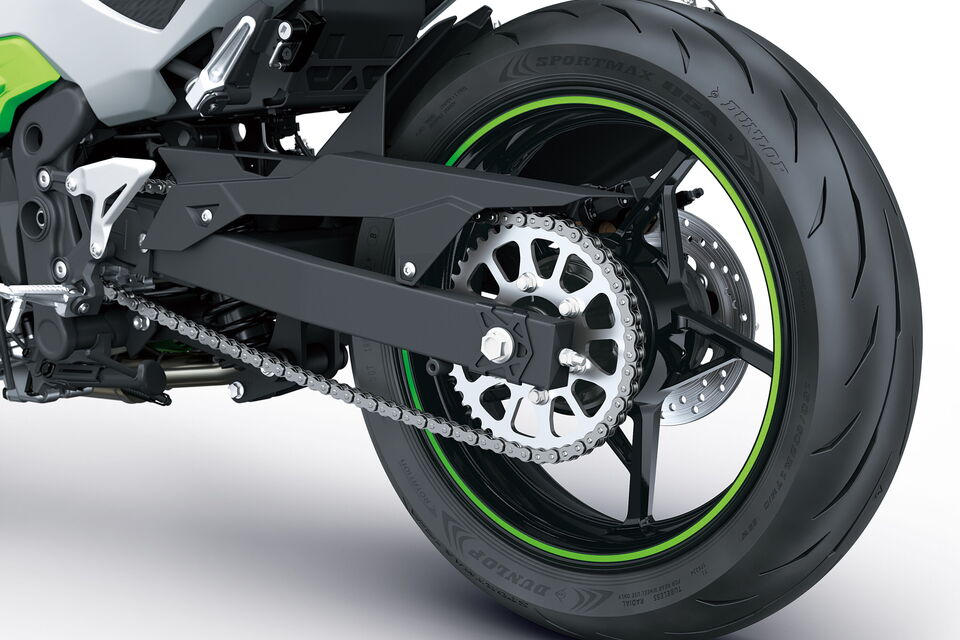
Wheels / Tires: 17-inch wheels; 120/70-17 front; 160/60-17 rear; Dunlop Sportmax Roadsport 2
Weight / Seat Height: 227 kg ready to ride, including 13 kg battery; 795 mm seat height
Fuel Tank / Consumption: 14 liters; approx. 4.4 L/100 km in Eco-Hybrid test; approx. 300 km range
Stationary Noise: Not published; Tyrol limit 95 dB(A); EV mode produces no combustion-engine noise
Warranty: 4 years, unlimited mileage, Kawasaki
Competition: No direct rival: currently the only mass-produced strong-hybrid motorcycle. Kawasaki Z7 Hybrid uses the same drivetrain with naked-bike ergonomics and the same promotional price. Kawasaki Ninja 500 SE: approx. EUR 7,500; 451 cc, 48 hp, conventional drivetrain, around EUR 1,500 less than the promotional Ninja 7 Hybrid.
Price in Germany: Promotional price EUR 8,995 including destination, Kawasaki Germany, April 2026; applies to demonstrators and manufacturer-registered vehicles. Regular MSRP: EUR 11,420.