Review Kawasaki Versys 650 (2026)

The Sofa on Two Wheels—Middleweight Crossover With Long-Travel Suspension, Refined Electronics, and the Best Comfort in Its Class
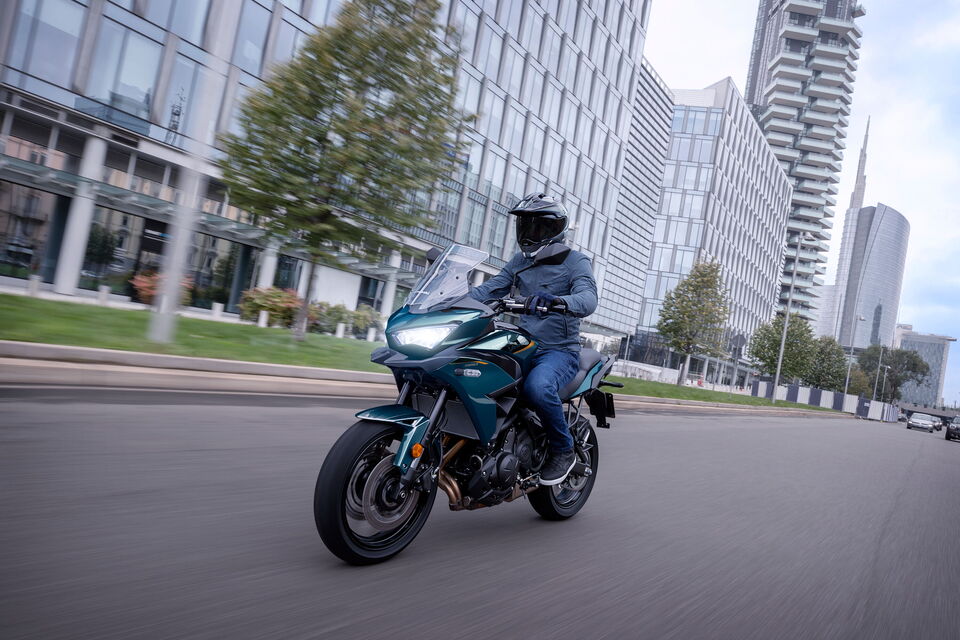
Since 2006, Kawasaki has built the Versys 650 to the same basic recipe: a friendly 649 cc parallel twin, long suspension travel, an upright riding position, an adjustable windshield, and one of the strongest price-to-value ratios in the segment. MY2026 brings two new colors; otherwise, everything that has made the Versys so popular remains unchanged.
As of: April 15, 2026 | Model: Kawasaki Versys 650 (2026, base model) | Price: EUR 9,070 including destination | Warranty: 4 years | Stationary noise: 89 dB(A), Tyrol-compliant | A2: 35 kW version available | MY2026: technically identical to MY2025, two new colors
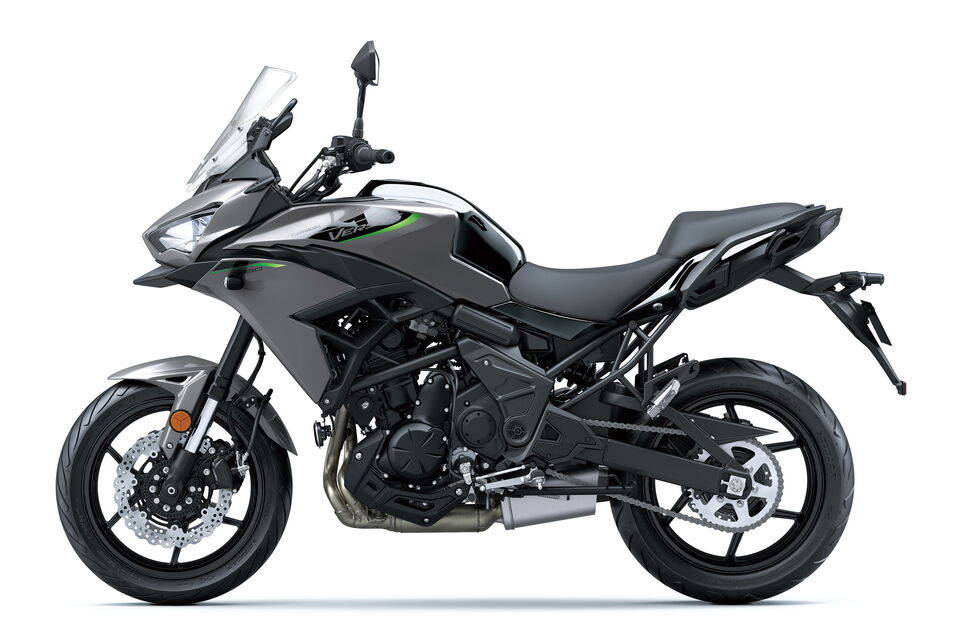
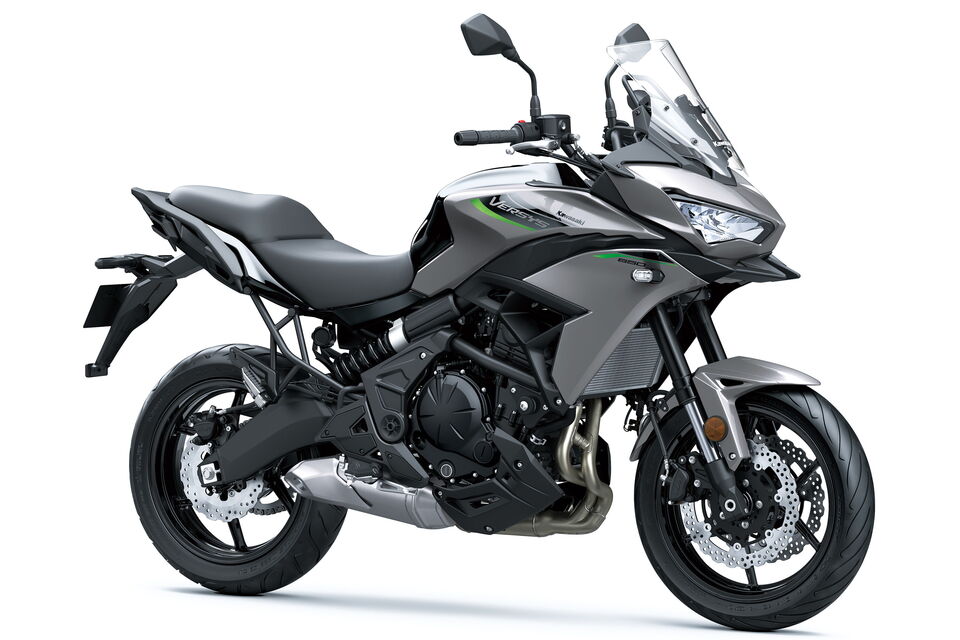
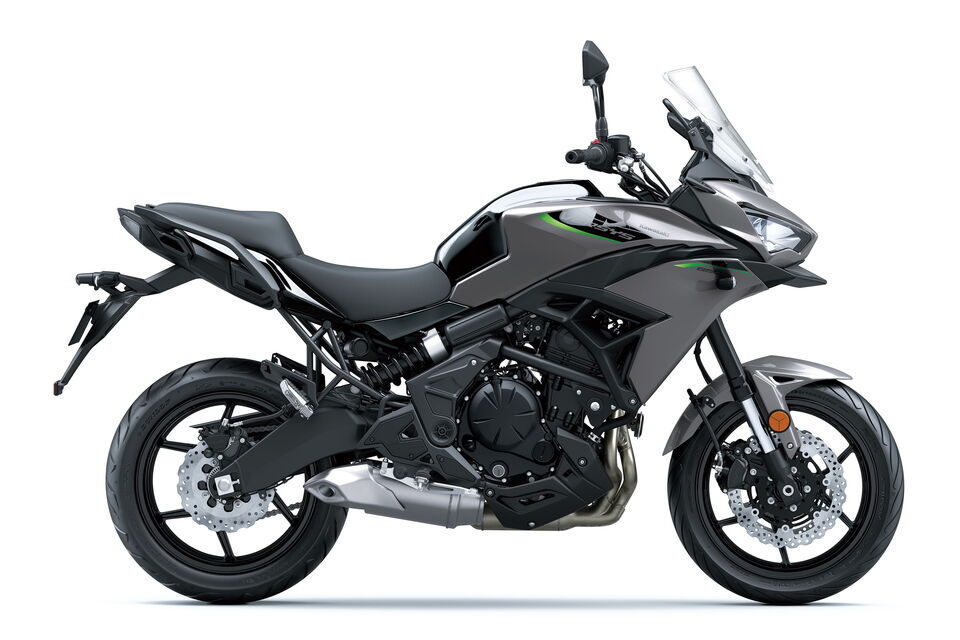
Concept: The Same Recipe for Two Decades—and It Still Works
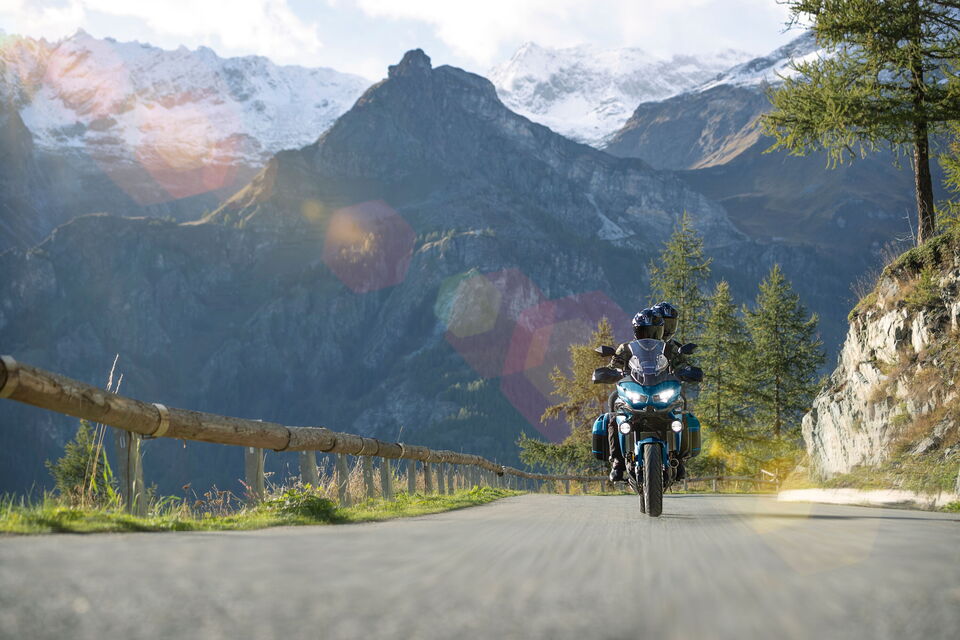
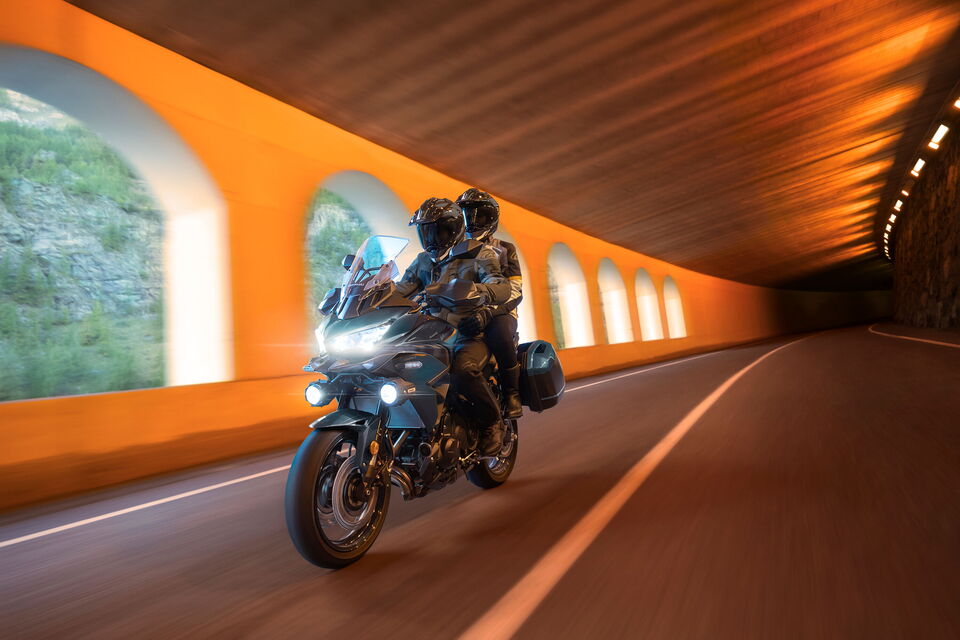
The Kawasaki Versys 650 has existed since 2006, and its fundamental character has never changed dramatically. That is not a weakness; it is a reflection of a concept that works. A liquid-cooled parallel twin with a smooth, elastic character, suspension travel tuned more for comfort than outright sport, a broad and deeply padded seat, a four-position adjustable windshield, and a price that still sits around the EUR 9,000 mark after two decades. The Versys 650 is the motorcycle for people who actually want to ride—long distances, in any weather, solo or two-up—without the motorcycle itself constantly demanding center stage.
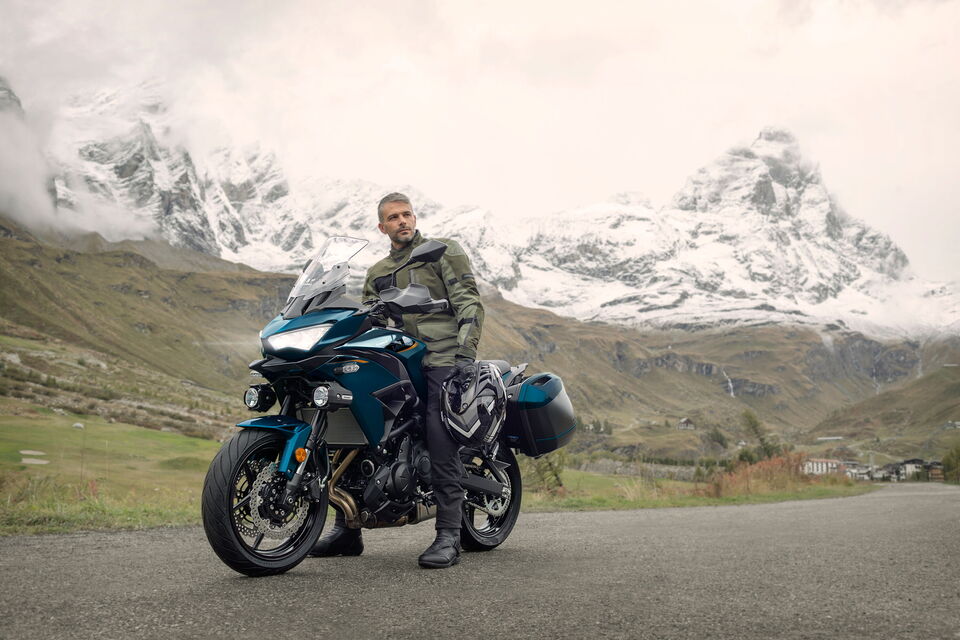
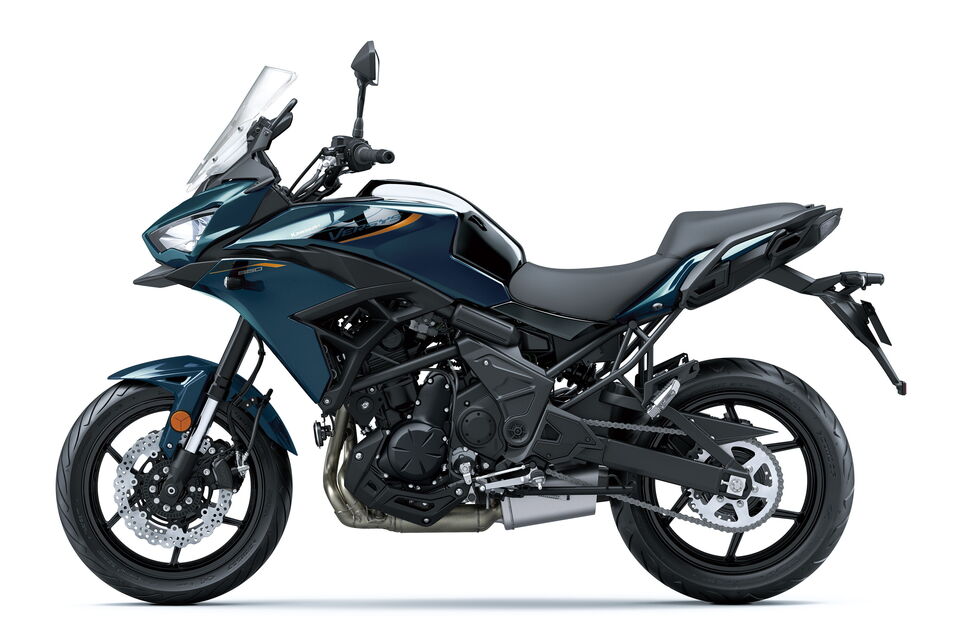
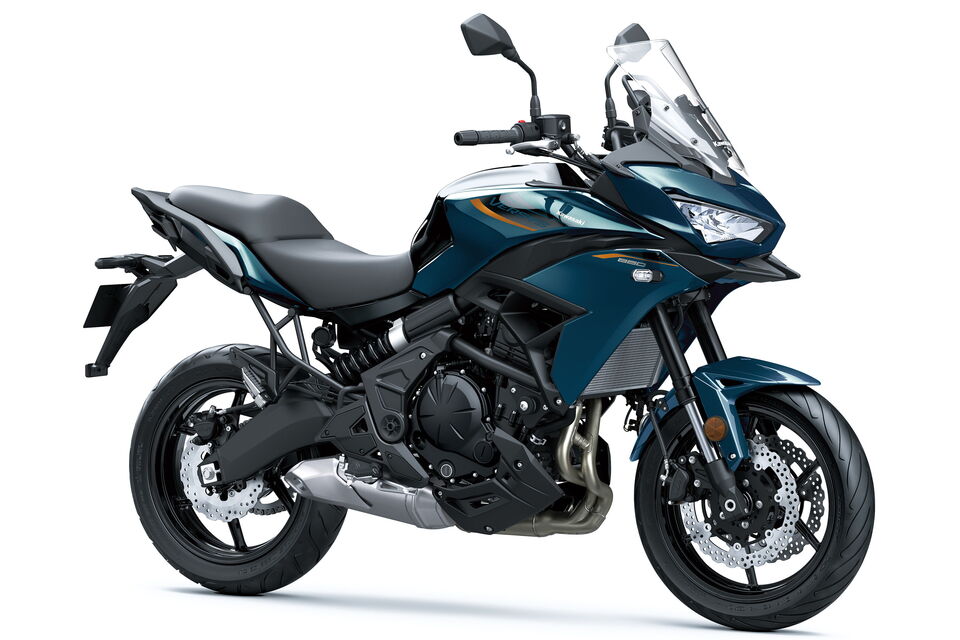
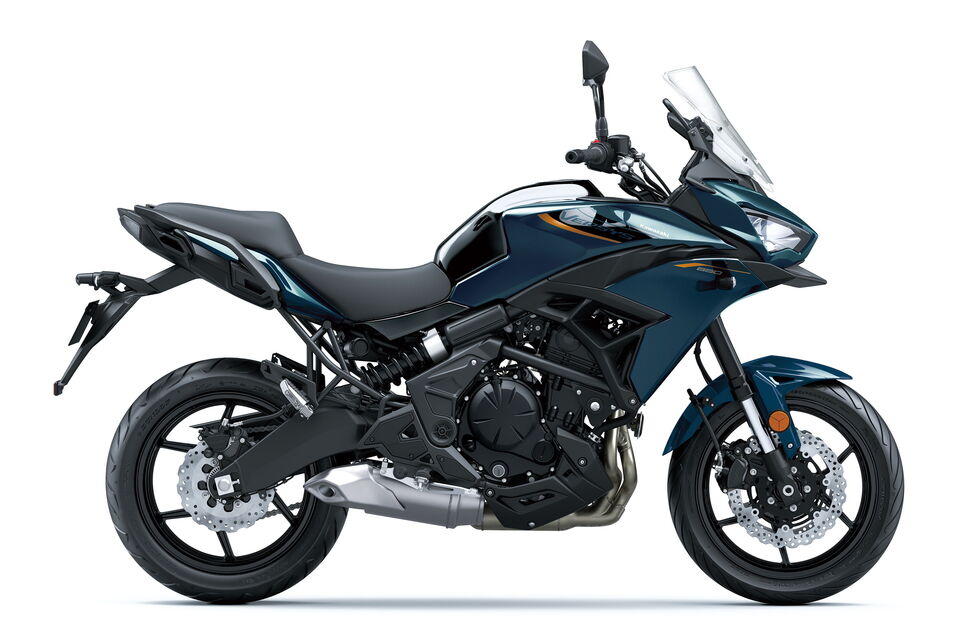
For model year 2026, nothing changes mechanically. Engine, chassis, electronics, and geometry are identical to the previous model. Kawasaki adds two new colors—Metallic Deep Blue/Metallic Spark Black and Metallic Graphite Gray/Metallic Spark Black—and the bikes have been at dealers since August 2025. Alongside the base model, Tourer and Grand Tourer versions remain available. The Tourer adds side cases, handguards, and the One-Key system; the Grand Tourer adds a top case, LED fog lights, a 12-volt outlet, and a navigation mount. This review covers the base model.
Engine: 649 cc, 67 hp, Friendly Character—Not a Powerhouse, but an Exceptionally Pleasant Companion
The liquid-cooled 649 cc parallel twin produces 67 hp and is not an engine that tries to impress with brute force or manic revs. It is tuned around low- to midrange torque and responds to the throttle with an easygoing nature—no sudden surges, no torque holes, no unpleasant reactions on downshifts. That is exactly the character a travel motorcycle needs: the rider should arrive relaxed rather than constantly occupied. Between 5,000 and 10,000 rpm, the twin shows its sharper side. Open the throttle there and 67 hp proves entirely sufficient in a motorcycle with genuine touring intent.
At around 216 kg fully fueled, the Versys 650 asks a fair amount from an engine of this size when pushed toward its upper performance range during fast passes or uphill riding with a passenger. Two-up, there is no point being in a hurry. Solo on a winding backroad, however, the engine feels complete and pleasant. More power is not automatically better when everything else works. Fuel consumption is around 5 to 6 L/100 km. Combined with a 21-liter tank, that means a range that rarely creates fuel-stop anxiety.
Chassis and Brakes: 150 mm Front, 145 mm Rear—the Comfort King of the Class
The chassis is the real heart of the Versys 650. Up front, a 41 mm USD fork provides 150 mm of travel and offers adjustment for spring preload and rebound damping. At the rear, a monoshock provides 145 mm of travel, with spring preload conveniently adjustable through a hydraulic handwheel. Those suspension-travel figures are unusually generous in this class, where most rivals sit closer to 120 or 130 mm. The result is a motorcycle that absorbs broken pavement, construction-zone surfaces, sharp impacts, and ordinary road imperfections with remarkable composure. After a long day of travel, you feel the difference when you get off the bike.
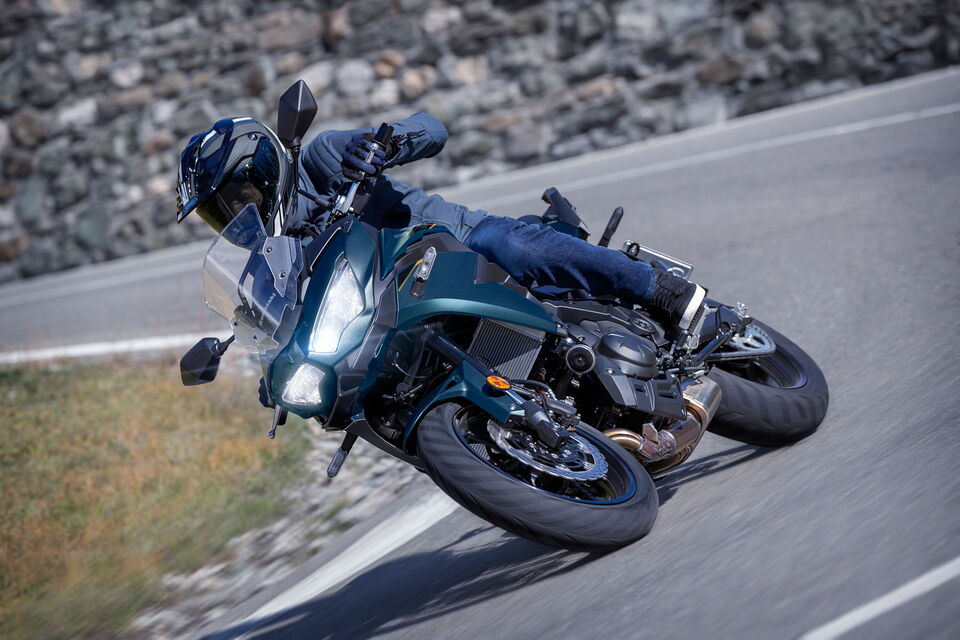
At the same time, the setup is soft enough that the rear can occasionally reach its limits over severe bumps or with luggage and a passenger. The shock’s preload handwheel is then the first adjustment to make. Sporty cornering is certainly possible—the 17-inch wheels help the bike turn willingly and it remains stable—but the suspension is not designed around lap times. The Versys excels exactly where its concept says it should: as the comfort king of the class, without the sharper sporty edge of a Tiger Sport or Tracer 7. The front brake uses Nissin two-piston calipers with 300 mm petal discs. Modulation is excellent and braking power is pleasantly strong without demanding excessive lever effort.
Electronics and Comfort: TFT Display, Traction Control, Adjustable Windshield—but No Cruise Control
Since the major 2022 update, the Versys 650 has used a 4.3-inch color TFT with smartphone connectivity through Kawasaki’s Rideology app, voice control, and full LED lighting. KTRC traction control adds a useful safety net, intervening subtly and effectively on damp backroads or during throttle application from low rpm. The cockpit is well organized and exceptionally easy to read—an underrated advantage on long trips when your eyes belong on the road. K-ACT ABS links front and rear braking for a harmonious distribution of braking force.
The windshield has four positions and provides noticeable protection even on the highway. The familiar criticism remains for MY2026: adjustment requires both hands. That means stopping—or making an unsafe attempt while moving—when wind conditions change. The issue matters more because there is no electric adjustment and, more importantly, no cruise control, not even as an option. The lack of cruise control is the most substantial weakness of the current Versys 650. Most rivals now offer it as standard, including the Yamaha Tracer 7 and Triumph Tiger Sport 660.
Ergonomics and Touring Quality: The Most Comfortable Seat in the Class, Generous Passenger Space, 21-Liter Tank
Ask which motorcycle you would most willingly spend hours on at a time, and the Versys 650 regularly ends up near the top of the list. The seat—845 mm high, broad, and deeply padded—is among the most comfortable in the class. The passenger section offers more room than most rivals. A high, wide handlebar creates an upright posture that avoids back strain even after hundreds of kilometers. The footpegs sit slightly lower and farther forward, giving the knees a relaxed angle. Riders with broad calves occasionally report contact with the pegs when putting their feet down; that is a small detail worth checking during a test sit.
The 21-liter fuel tank is a genuine range advantage relative to consumption of 5 to 6 L/100 km. More than 350 km is realistic in everyday use without having to think constantly about the next gas station. A 210 kg payload is appropriate for the class and allows passenger travel with luggage without immediate overload concerns. Kawasaki’s One-Key luggage system is practical: the 28-liter side cases can be locked and unlocked with the same key used for the ignition.
Cost: EUR 9,070 Including Destination—the Least Expensive Entry Into the Full-Size Middleweight Touring Class
The base Versys 650 costs EUR 9,070 including destination. That is the lowest price among its direct rivals. The Yamaha Tracer 7 starts at EUR 10,424, while the Triumph Tiger Sport 660 begins at around EUR 9,495 plus additional charges. The Versys undercuts both while already including a TFT display, traction control, and LED lighting as standard. Tourer and Grand Tourer versions cost more and can be configured individually; for high-mileage riders who need cases and a top case anyway, those packages can make more economic sense than buying each accessory separately.
Long-term running costs remain low. Service intervals are 12,000 km, with an annual inspection, both competitive by class standards. Warranty coverage is four years, split between two years of factory warranty and two additional years through Kawasaki Care. A 35 kW version is available for A2 license holders, and Kawasaki’s starter bonus gives newly licensed riders a discount of up to EUR 650 on this model.
Verdict
At its core, the Versys 650 has been the same motorcycle for 20 years, and that may be its greatest compliment. It is not the fastest, the most modern, or the most technically fascinating middleweight sport-tourer. But it is arguably the most comfortable, one of the most dependable, and the least expensive. Riders who value comfort, range, and a friendly engine more than horsepower and electronic toys are buying the right motorcycle here. The missing cruise control is the one genuine flaw Kawasaki should address at the next major update.
Quick Check
+ Best seat comfort in the class: broad, deeply padded seat, generous passenger space, upright ergonomics—hours of low-fatigue riding.
+ 150 mm front / 145 mm rear suspension travel: outstanding absorption on poor roads; comfort benchmark in the middleweight sport-touring segment.
+ 21-liter tank: amongst the strongest range in the class; more than 350 km possible in everyday riding.
+ Friendly 649 cc parallel twin: linear throttle response, no torque holes, pleasant across the rev range.
+ 4.3-inch color TFT with Rideology app, voice control, and Bluetooth standard since MY2022.
+ KTRC traction control and K-ACT ABS standard.
+ Four-position adjustable windshield standard: meaningful wind protection even on the highway.
+ Nissin two-piston front brakes with 300 mm petal discs: excellent modulation and strong braking without excessive effort.
+ 89 dB(A) stationary noise: Tyrol-compliant and one of the quieter motorcycles in the class.
+ EUR 9,070 including destination: least expensive fully equipped middleweight tourer; roughly EUR 1,350 below the Yamaha Tracer 7.
+ 4-year warranty; 12,000 km service interval; low long-term running costs.
+ 35 kW A2 version available; Kawasaki starter bonus up to EUR 650.
+ Tourer and Grand Tourer versions available with cases, top case, and accessories—an all-in option for frequent travelers.
– No cruise control, even as an option: biggest comfort disadvantage versus Yamaha Tracer 7 and Triumph Tiger Sport 660.
– Windshield requires two hands to adjust: changing it while riding is not safely practical.
– 67 hp with passenger and luggage: noticeable performance limit on climbs or during fast overtakes; rivals offer more power.
– MY2026 technically identical to MY2025: no real development, only new colors.
– Footpeg position: some riders with broad calves report contact when putting their feet down; test-sit recommended.
– No USB-C as standard on the base model.
– No quickshifter and no lean-sensitive ABS; conventional K-ACT ABS only.
Technical Specifications: Kawasaki Versys 650 (2026, Base Model)
Country of Manufacture: Japan, Kawasaki
Engine: Parallel twin, 649 cc, liquid-cooled, DOHC; fuel injection; assist/slipper clutch; six-speed
Power: 67 hp / 49 kW at 8,500 rpm
Torque: 61 Nm at 7,000 rpm
Electronics: KTRC traction control; K-ACT ABS linking front and rear braking; no cornering ABS; no cruise control
Cockpit: 4.3-inch color TFT; Kawasaki Rideology app; Bluetooth; voice control; LED lighting
Frame: Steel trellis frame
Fork: 41 mm USD; adjustable rebound damping and spring preload; 150 mm travel
Rear Shock: Monoshock; spring preload adjustable by hydraulic handwheel; 145 mm travel
Front Brake: Nissin two-piston calipers; twin 300 mm petal discs; K-ACT ABS
Rear Brake: Single-piston caliper; 220 mm disc; ABS
Wheels: 17-inch front and rear
Tires: 120/70-17 front; 160/60-17 rear
Weight: 216 kg fully fueled
Seat Height: 845 mm
Wheelbase: 1,415 mm
Trail: 108 mm
Fuel Tank: 21 liters; approx. 350–420 km range at around 5–6 L/100 km
Payload: 210 kg
Stationary Noise: 89 dB(A), Tyrol-compliant
License: A; 35 kW version available for A2
2026 Colors: Metallic Deep Blue / Metallic Spark Black; Metallic Graphite Gray / Metallic Spark Black
Versions: Base model from EUR 9,070 including destination; Tourer with side cases, handguards, One-Key system; Grand Tourer adds top case, fog lights, 12V socket, navigation mount
Warranty: 4 years, 2 years factory + 2 years Kawasaki Care
Service: Every 12,000 km
Price in Germany: EUR 9,070 including destination. Kawasaki starter bonus: up to EUR 650 for newly licensed riders