Review Kawasaki Z900RS (2026)

The Z1 Revival Gets More Power, an IMU and Quickshifter for the First Time—and Still Remains Completely Itself
After a one-year break, the Z900RS returns with a substantial update: five more horsepower, electronic throttle valves, a six-axis IMU with cornering management, a bidirectional quickshifter, and cruise control. The retro design—with teardrop tank, analog gauges, and an ignition key—remains untouched. And the price drops slightly.
As of: April 15, 2026 | Model: Kawasaki Z900RS (2026, base model) | Price: from EUR 13,470 including destination, Candy Tone Red; Black Ball Edition EUR 13,670 | Warranty: 4 years | Stationary noise: 94 dB(A), Tyrol-compliant



Back After a Break: What Kawasaki Changed for 2026—and What It Deliberately Left Alone
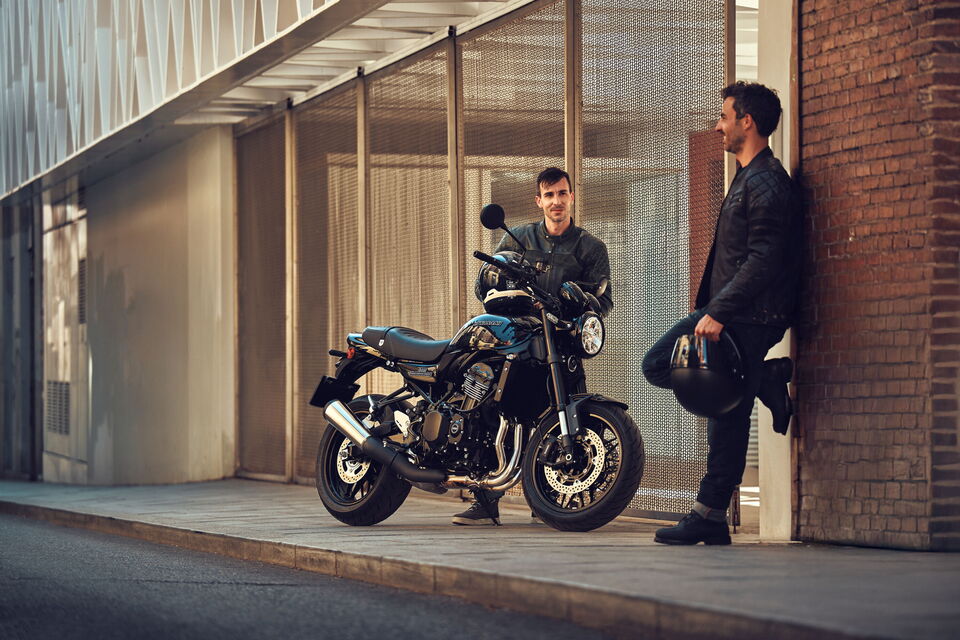
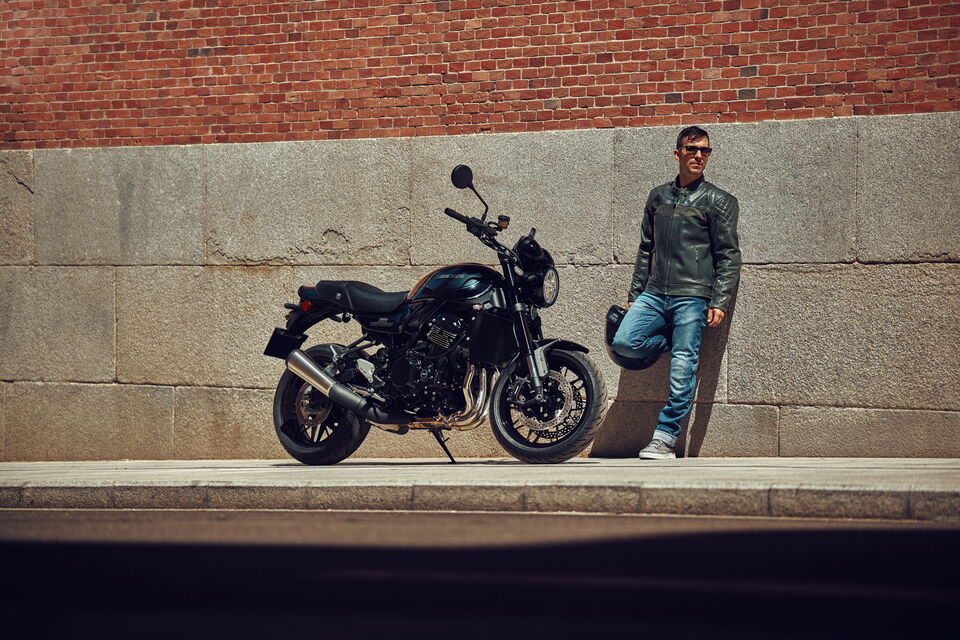
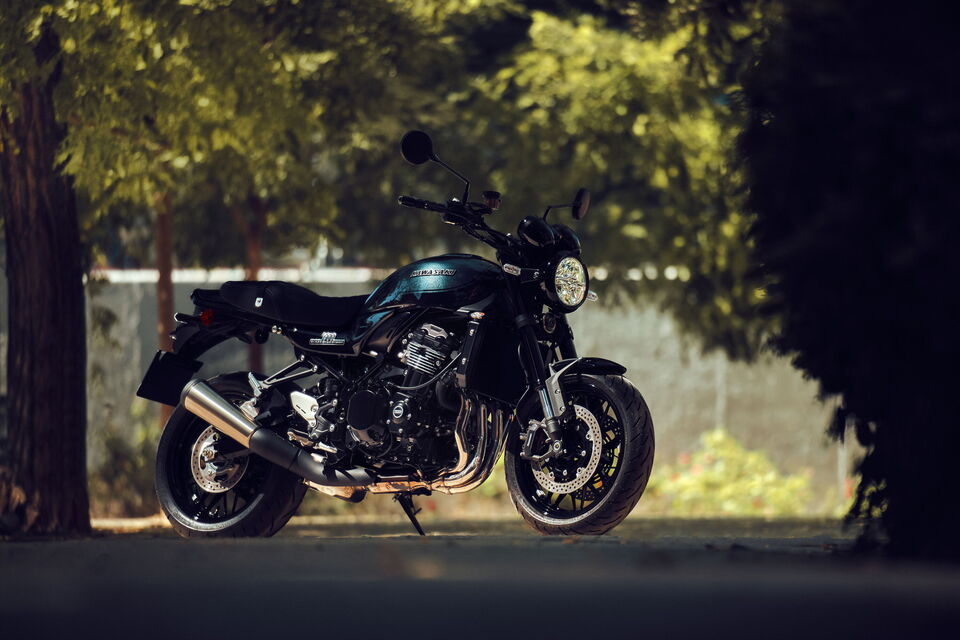
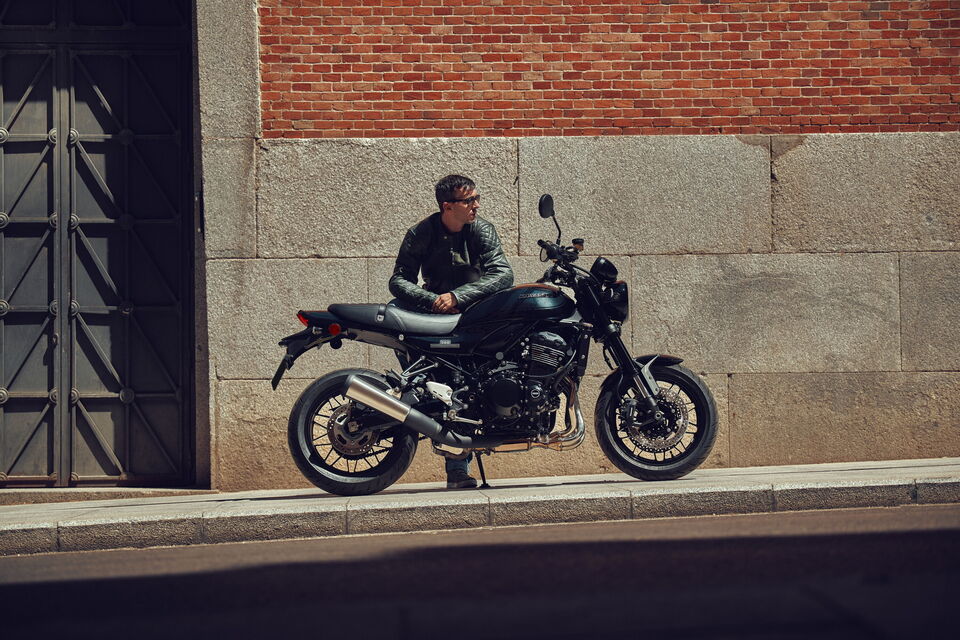
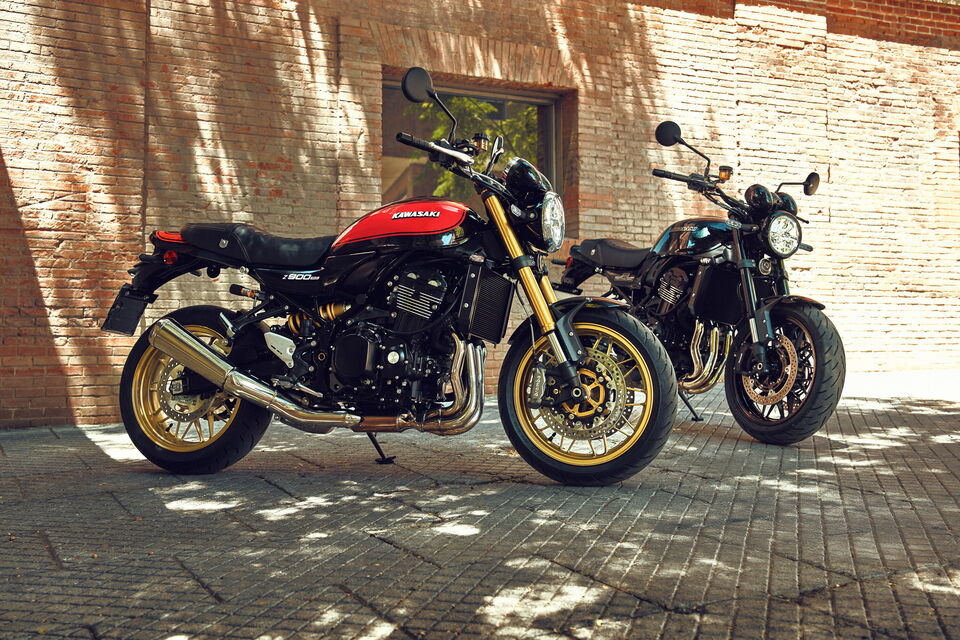
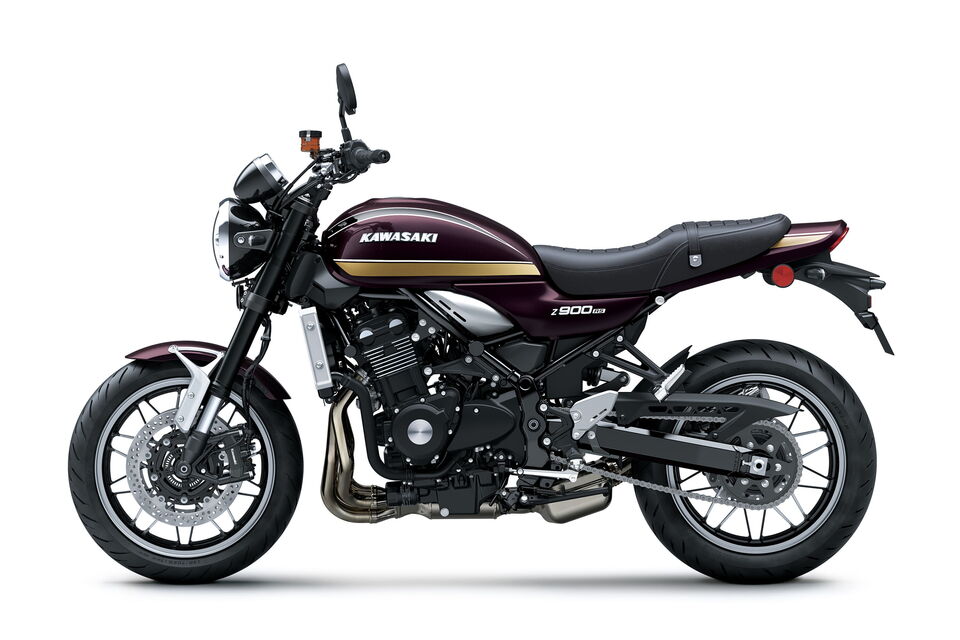
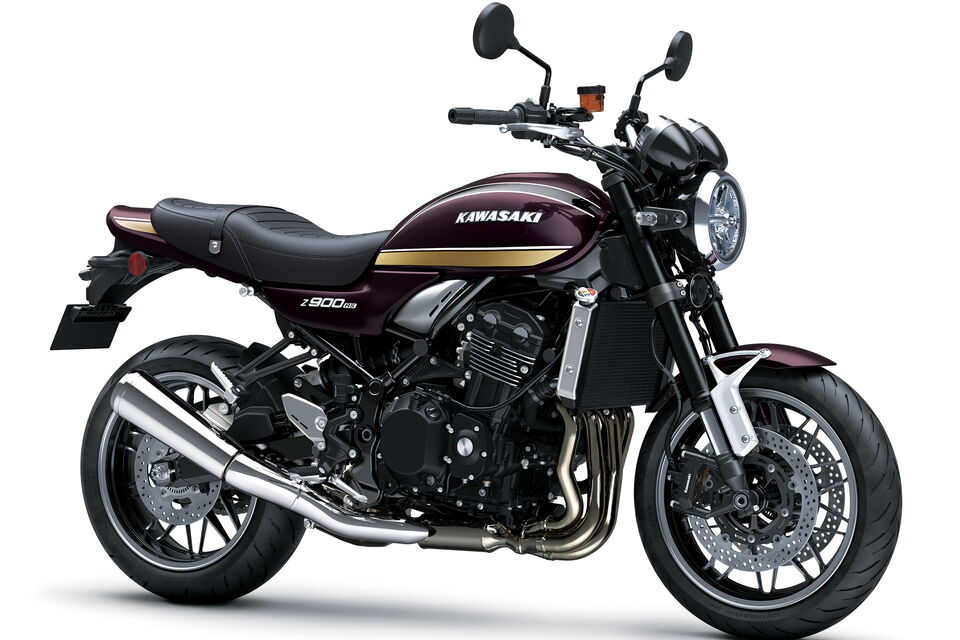
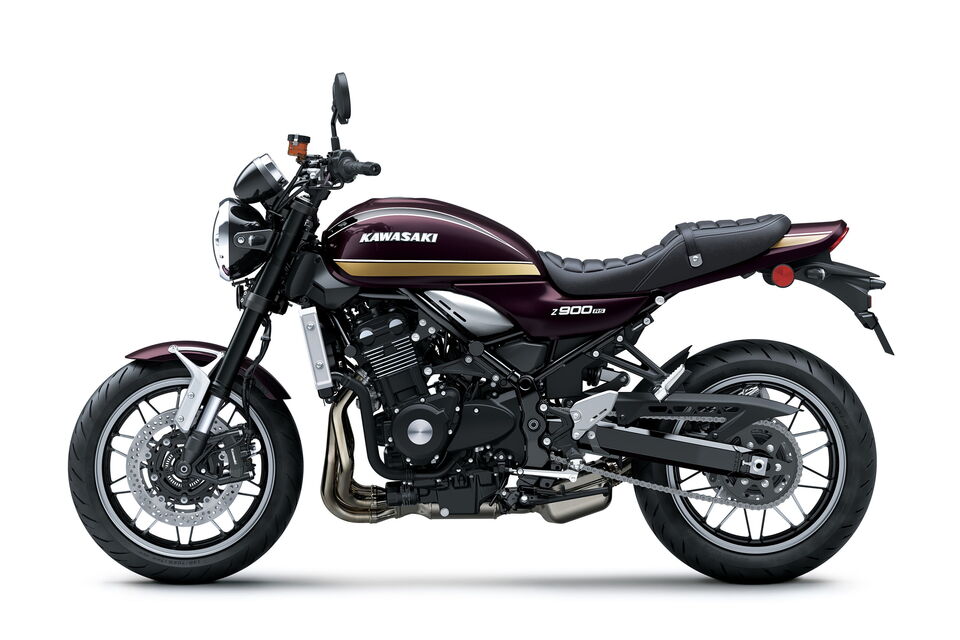
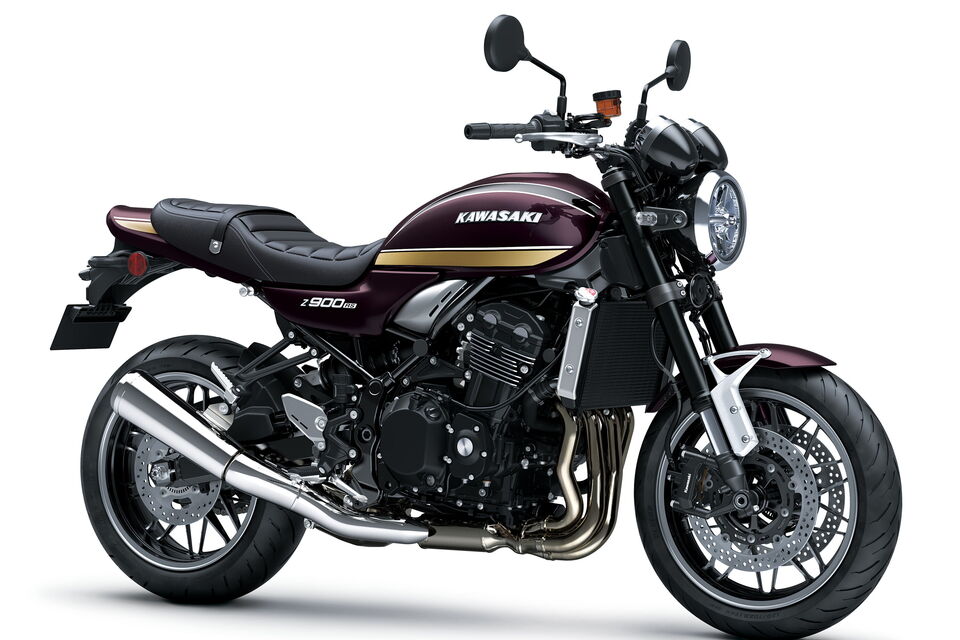
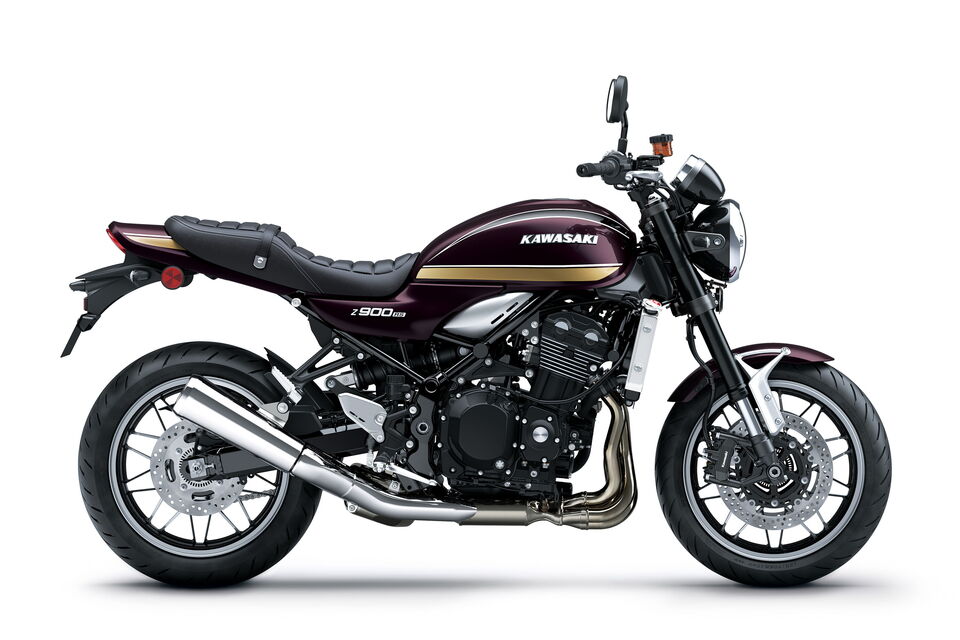
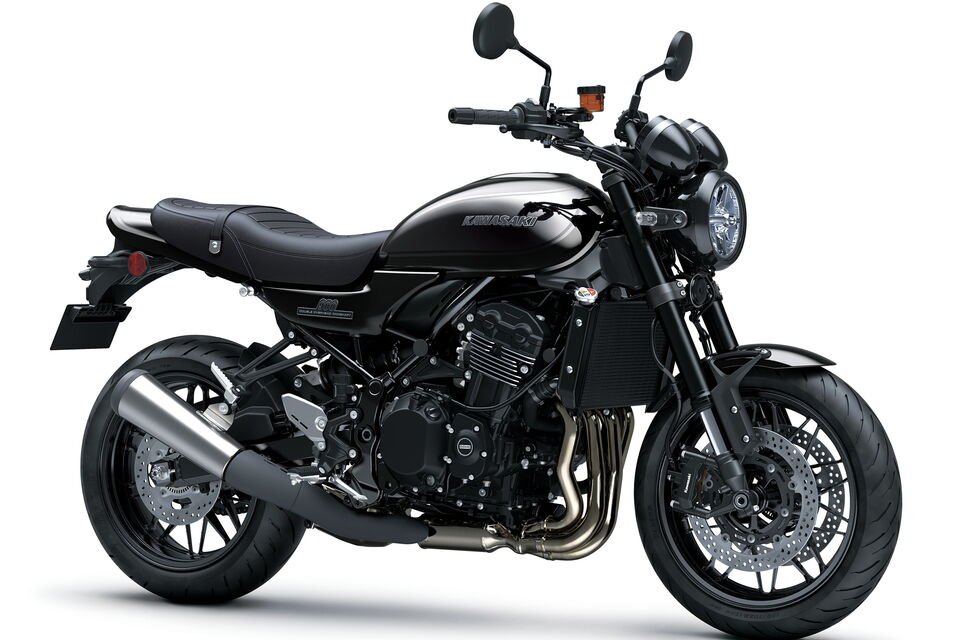
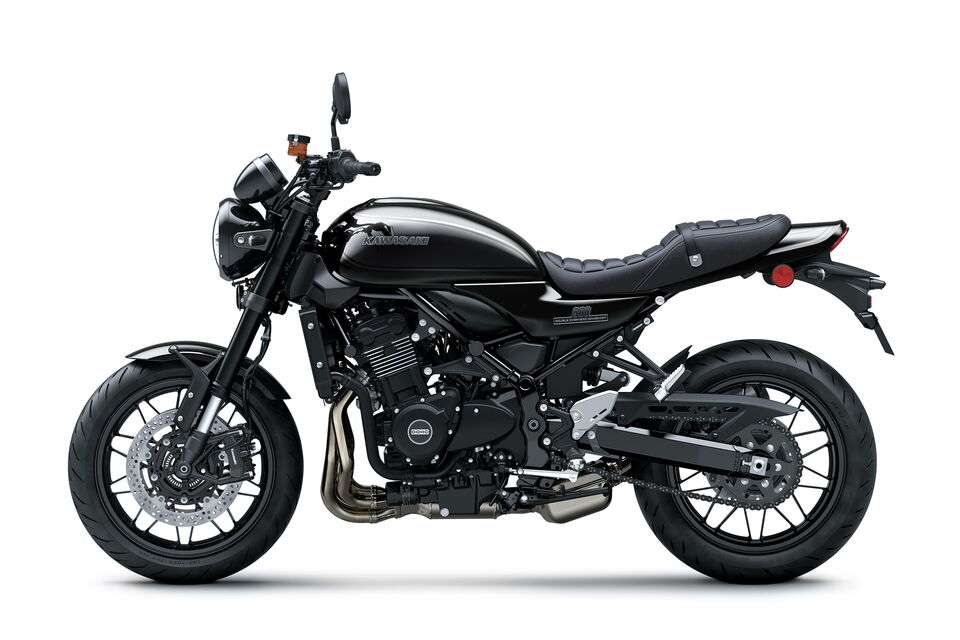
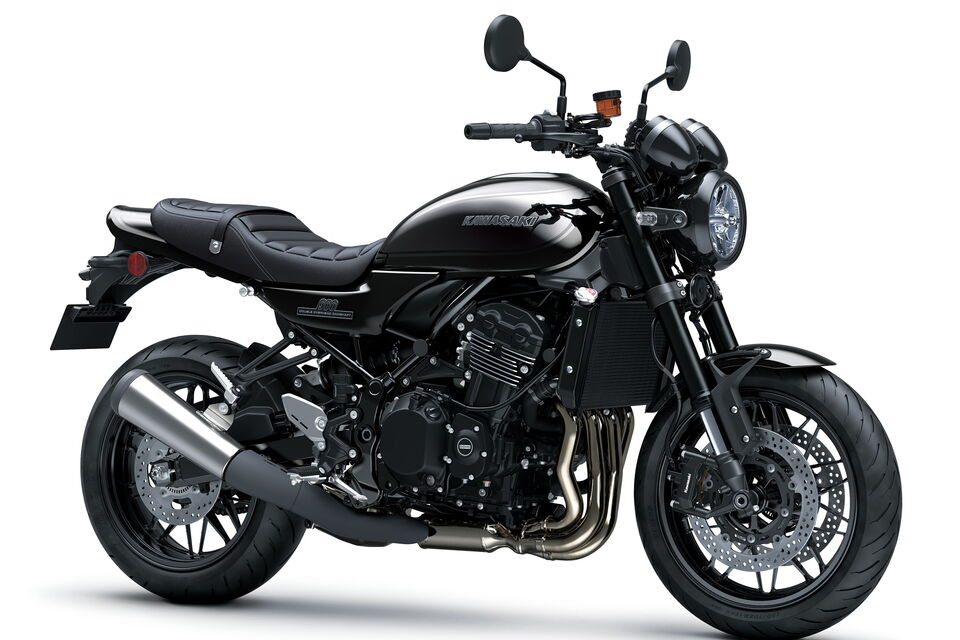
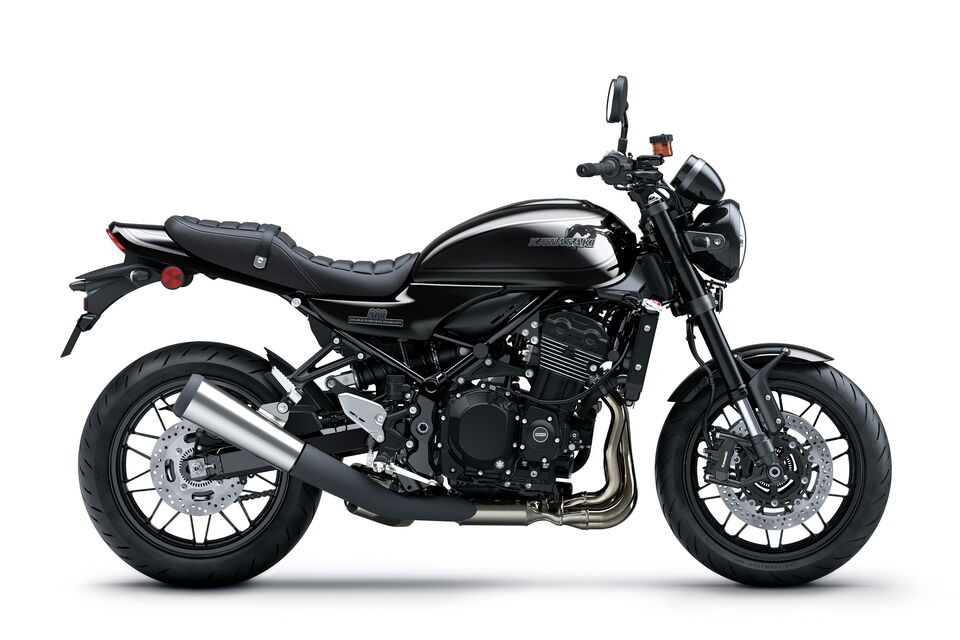
Kawasaki skipped the Z900RS for model year 2025, a decision that looks smart in hindsight because the motorcycle now returns with a genuine update rather than merely new paint. The core remains what it has been since the model’s 2018 introduction: a modern interpretation of the legendary 1972 Kawasaki 900 Z1. The teardrop tank, flowing tail, oval LED taillight, cooling-fin styling integrated into the cylinder head to suggest an air-cooled engine, wide handlebar, upright seat, and—unusually in today’s motorcycle world—the ignition key all remain.
What changed is technically substantial. The engine now produces five more horsepower, the electronics package gains a six-axis IMU for the first time, a quickshifter with blipper is standard, and electronic throttle valves enable cruise control and more precise throttle management. At the same time, Kawasaki engineers reduced crankshaft flywheel mass by around ten percent to make the engine more willing to rev without sacrificing the RS’s relaxed, composed basic character. The rear sprocket gains one tooth, slightly shortening overall gearing and marginally improving acceleration. The price also drops slightly from the last 2024 RS model year, a sensible response to new competition from the retro-styled Honda CB1000F.
Engine: More Power, Less Flywheel Mass, a New Feel—but the RS Character Remains Intact
The liquid-cooled 948 cc inline-four now produces 116 hp at 9,300 rpm. Maximum torque of 98 Nm arrives at 7,700 rpm rather than the previous 6,500 rpm. Revised, slightly more aggressive cam profiles and an increased 11.8:1 compression ratio move the torque peak higher up the rev range. At first, that sounds like a departure from the familiar RS character, which traditionally allowed its four-cylinder to pull strongly from low rpm. In practice, it mainly means the engine has become more energetic at higher revs, while the pleasantly elastic low- and midrange character remains intact thanks to the precise metering of the new electronic throttle valves.
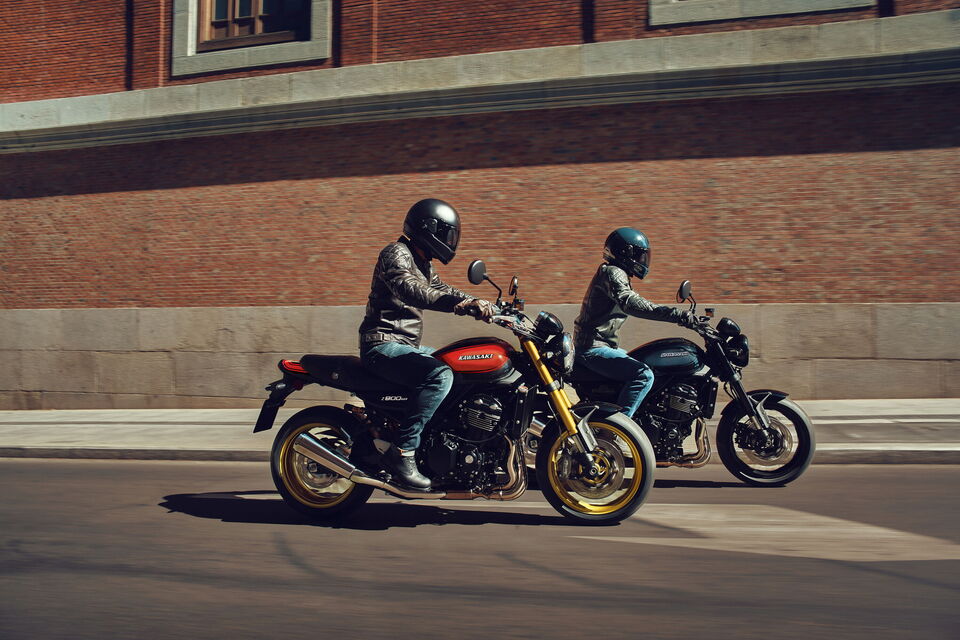
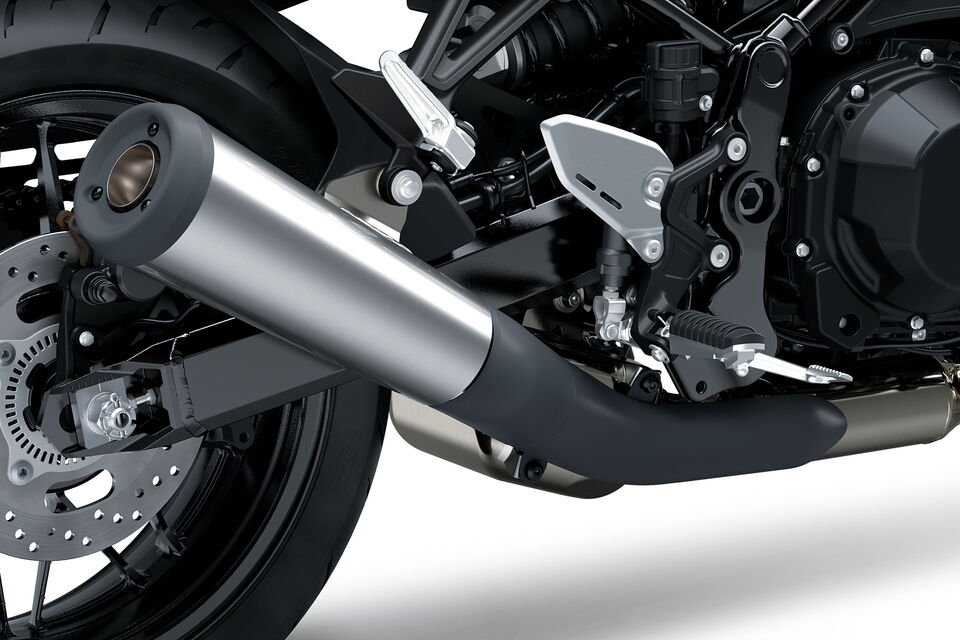
The newly tuned megaphone muffler in the classic four-into-one layout—four header pipes, one silencer—delivers the deep, characteristic note that suits the Z1 styling perfectly. The sound adds emotion from the moment the engine fires. The bidirectional Kawasaki Quick Shifter now allows clutchless upshifts and downshifts, a convenience previous RS generations never offered. It is practical, but it also raises a philosophical question: does a blipper belong on a motorcycle that still starts with an ignition key and uses analog gauges? Every buyer will answer that for themselves.
Chassis and Brakes: Modern USD Fork, Horizontal Back-Link Rear Suspension, Radial Nissin Four-Piston Calipers—Comfort Before Maximum Sport
The Z900RS chassis follows the same philosophy as before: a 41 mm USD fork with adjustable damping and spring preload up front, paired with a horizontal Back-Link rear suspension that provides a progressive response unlike the more conventional layouts used by many rivals. Suspension travel is 120 mm front and 140 mm rear. Riders who regularly travel on very poor roads or carry a passenger and luggage may notice that the rear shock can react somewhat harshly to short, sharp impacts, while the front end remains consistently convincing.
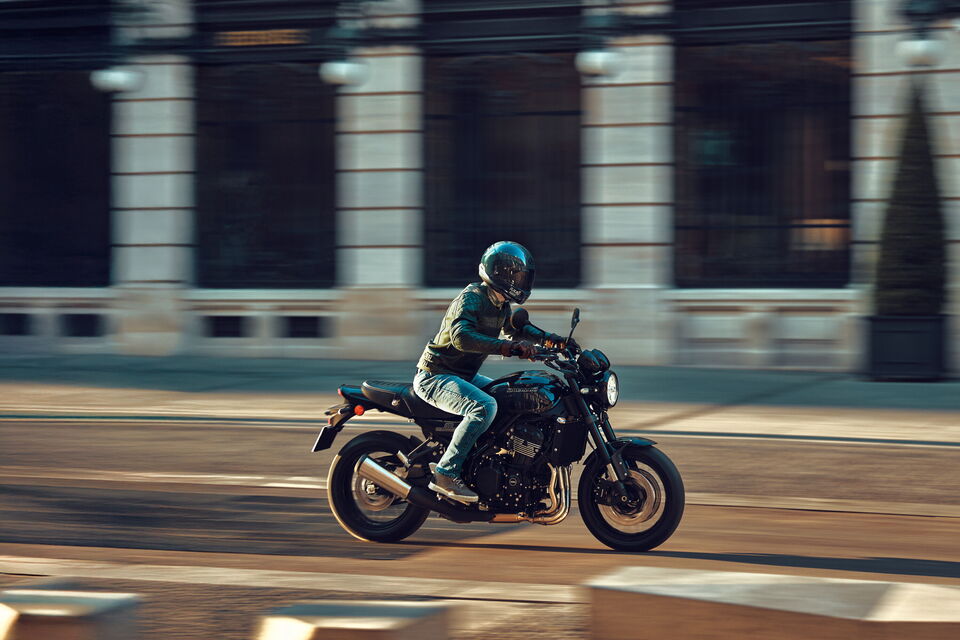
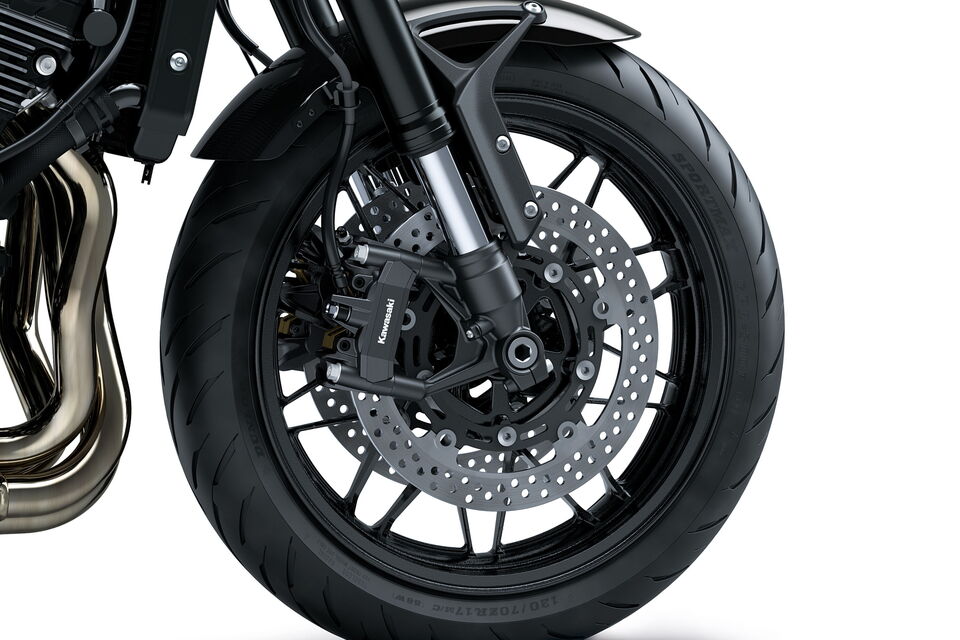
On backroads and at relaxed touring speeds, the suspension shows its strengths. It delivers the balance of comfort and stability that suits the RS concept. The motorcycle inspires confidence, turns willingly, and remains neutral even at a sporty pace. Ambitious track riders, however, will reach the limits of a setup clearly calibrated for comfort and everyday use rather than maximum lean angle or minimum lap times. Braking is handled by radially mounted Nissin four-piston calipers on 300 mm front discs. Modulation is good and linear, while cornering ABS intervenes subtly and transparently. Riders wanting more should look to the SE version with Brembo brakes and an Öhlins rear shock.
Electronics With Restraint: IMU, Cornering Management and Cruise Control—but Analog Gauges, a Key, and No TFT
The newly introduced six-axis IMU now enables lean-sensitive KIBS cornering ABS and Kawasaki Cornering Management Function, KCMF, which helps stabilize the motorcycle when braking while leaned over or riding on slippery surfaces. Lean-sensitive KTRC traction control, the bidirectional KQS quickshifter, and cruise control are also new features the RS never had before. Smartphone connectivity runs through the Kawasaki Rideology app, but the modern technology is deliberately kept out of sight.
The cockpit retains its classic symmetrical round speedometer and tachometer, supplemented by a small LCD in the center. No TFT. No touchscreen. No full-screen navigation. Starting remains old-school with an ignition key. These are all conscious design decisions. The new seat uses broader side bolsters and more foam than before, noticeably improving long-distance comfort. A low seat, heated grips, USB-C port, and center stand are available as accessories.
Ergonomics: Relaxed and Upright, No Wind Protection, Plenty of Retro Atmosphere—a Motorcycle for Enjoying the Ride, Not Chasing Speed
The Z900RS offers an upright, relaxed riding position with a wide handlebar and a comfortable knee angle around the classically shaped teardrop tank. Seat height is 835 mm, slightly higher than the base Z900 at 830 mm, but the narrow seat makes it manageable for most riders. An accessory low seat reduces the height to 800 mm. There is naturally no wind protection, which effectively limits comfortable highway cruising to around 130 km/h. For the motorcycle’s real purpose—winding backroads, relaxed rides, city use, and occasional touring—that is not a flaw but part of the experience.
The RS wheelbase is 1,470 mm, 20 mm longer than the Z900’s 1,450 mm. That longer footprint makes the RS calmer in a straight line and gives it the composed, stable feel that suits its role as a refined road-going machine. At 216 kg fully fueled, it weighs only slightly more than the base Z900.
Cost: Slightly Less Expensive Than in 2024, but Competition From Honda’s Retro Bike Is Becoming More Noticeable
The base model in Candy Tone Red costs EUR 13,470 including destination, while the Ebony Black Ball Edition is EUR 13,670. That is a slight reduction compared with the final 2024 model year before Kawasaki skipped 2025. For comparison, the new Honda CB1000F, aimed at the same neo-retro segment, starts in Germany at around EUR 12,329 and produces 124 hp. In return, the Z900RS offers more displacement, more power than before, and arguably the more coherent retro design with deeper emotional ties to its historical inspiration. Riders who carry the 900 Z1 in their hearts are unlikely to buy anything else. Buyers who care more about horsepower per euro than appearance may find the Honda more compelling.
Maintenance follows Kawasaki’s standard schedule: service every 12,000 km, valve-clearance inspection every 36,000 km, and a four-year factory warranty. Heated grips, USB-C, a low seat, and a center stand are available as accessories at extra cost and with recommended dealer installation.
Verdict
The 2026 Z900RS has received exactly the right amount of modernization. The IMU makes the safety net substantially more sophisticated, the quickshifter reduces effort, and cruise control adds comfort on long stretches—all without touching the analog gauges, ignition key, or teardrop tank. Riders looking for a lively, sonorous retro motorcycle with meaningful modern electronics and an engine that pulls from the start—and who are prepared to spend EUR 13,470—will find exactly that here.
Quick Check
+ 116 hp and more willingness to rev thanks to reduced flywheel mass—five hp more than the predecessor while retaining the elastic character.
+ Six-axis IMU for the first time: KIBS cornering ABS, KTRC cornering traction control, and KCMF standard.
+ Bidirectional KQS quickshifter with blipper standard—new to the RS family.
+ Cruise control standard thanks to electronic throttle valves, also new.
+ Retuned megaphone muffler with deep, classic Z1-style sound.
+ Rear sprocket gains one tooth: slightly stronger acceleration with unchanged top speed.
+ New seat with broader side bolsters and more foam: improved long-distance comfort.
+ Retro design unchanged: teardrop tank, analog gauges, ignition key, oval LED taillight, cooling-fin styling.
+ 41 mm USD fork with adjustable damping; horizontal Back-Link rear suspension: comfortable compromise.
+ Radial Nissin four-piston calipers: linear, easy to modulate, with finely calibrated cornering ABS.
+ 1,470 mm wheelbase: calmer and more stable than the base Z900, typical of the RS concept.
+ 835 mm seat height, optional 800 mm accessory seat; upright, relaxed ergonomics with wide handlebar.
+ 94 dB(A) stationary noise—Tyrol-compliant.
+ Accessory program includes heated grips, USB-C, center stand, and low seat for individual setup.
+ Slightly reduced price versus 2024; 4-year warranty and 12,000 km service intervals.
– No wind protection: highway riding above around 130 km/h becomes tiring, as expected on a naked bike.
– No TFT display: analog instruments suit the RS philosophy but limit information depth; navigation only through smartphone.
– No USB-C as standard: requires extra cost and dealer installation, a small omission at this price.
– No center stand as standard: must be added from the accessory catalog.
– Suspension is comfort-oriented and reaches its limits during ambitious sporting riding or frequent track use.
– Rear shock can react harshly to short, sharp impacts.
– Torque peak now arrives at 7,700 rpm instead of the previous 6,500 rpm: the engine needs slightly more revs for maximum torque.
– Honda CB1000F competition starts around EUR 12,329 in the same retro segment with more horsepower.
– Some Rideology app functions require a subscription.
Technical Specifications: Kawasaki Z900RS (2026, Base Model)
Country of Manufacture: Japan, Kawasaki
Engine: Inline-four, 948 cc, liquid-cooled, DOHC; electronic throttle valves, ETV; assist/slipper clutch; six-speed; bidirectional KQS quickshifter with blipper standard; four-into-one exhaust with megaphone muffler; 43-tooth rear sprocket
Power: 116 hp / 85 kW at 9,300 rpm
Torque: 98 Nm at 7,700 rpm
Riding Modes / Electronics: Sport, Road, Rain, Rider; six-axis IMU; KIBS lean-sensitive cornering ABS; KTRC cornering traction control; KCMF Kawasaki Cornering Management Function; bidirectional KQS quickshifter; cruise control; smartphone connectivity through Rideology app
Cockpit: Analog round speedometer and tachometer with integrated LCD; no TFT; ignition key
Frame: High-tensile steel trellis frame; aluminum swingarm
Fork: 41 mm USD; adjustable rebound damping and spring preload; 120 mm travel
Rear Shock: Horizontal Back-Link rear suspension; adjustable; 140 mm travel
Front Brake: Radially mounted Nissin four-piston fixed calipers; twin 300 mm discs; KIBS cornering ABS
Rear Brake: Single-piston caliper; 250 mm disc; ABS
Wheels: Cast aluminum; 17-inch front and rear
Tires: 120/70-17 front; 180/55-17 rear; Dunlop Sportmax GPR-300
Weight: 216 kg fully fueled
Seat Height: 835 mm; optional 800 mm low accessory seat, 35 mm reduction
Wheelbase: 1,470 mm
Trail: 98 mm
Fuel Tank: 17 liters; approx. 340 km range at factory consumption of 5.0 L/100 km
Stationary Noise: 94 dB(A), Tyrol-compliant
2026 Colors / Prices: Candy Tone Red from EUR 13,470 including destination; Ebony / Black Ball Edition from EUR 13,670 including destination
Accessories: Heated grips; USB-C port; center stand; low seat; chrome passenger grab rails
Warranty: 4-year Kawasaki factory warranty
Service: Every 12,000 km; valve-clearance inspection every 36,000 km